The exterior of 222 Main Street, Gloucester, Massachusetts was switched up this week.
Before


After underway


I don’t know if the shutters are returning.
My View of Life on the Dock
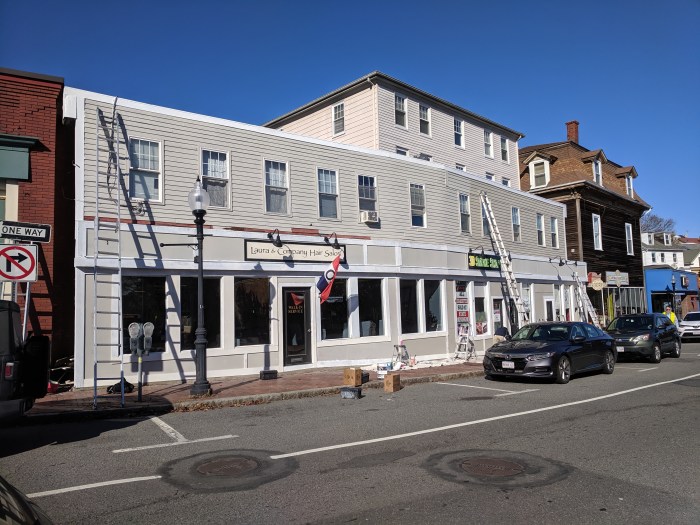
The exterior of 222 Main Street, Gloucester, Massachusetts was switched up this week.
I don’t know if the shutters are returning.

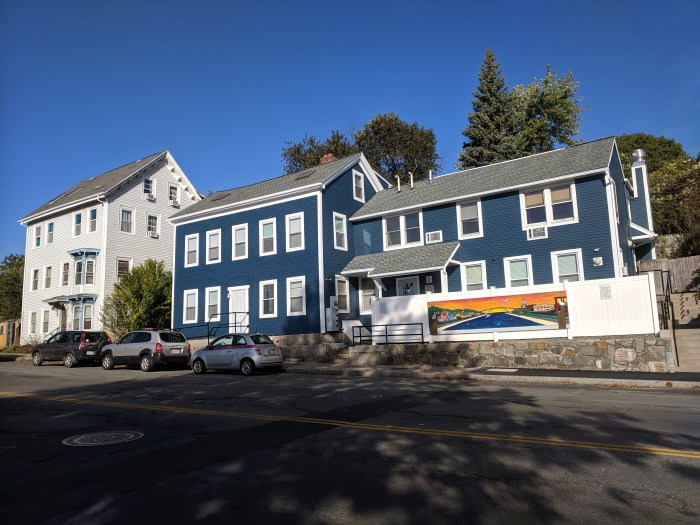
370 Main Street adds into the blue architectural character downtown Gloucester
photos: 2019 AFTER above; and BEFORE 2017 and 2015 below. Jason Burroughs repurposed the Action Inc mural incorporating Cole Herbst’s original commission that had faded. This sunny location is hard on paint.


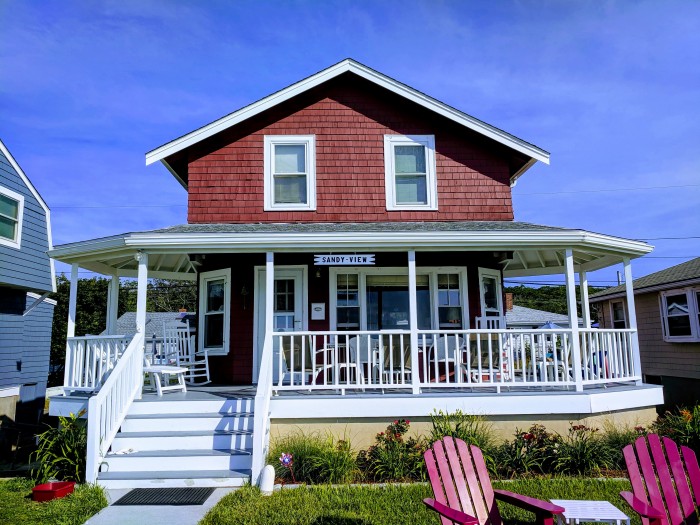
What’s in a name? For these front row cottages it’s the charm of Long Beach all the way. What would you use?


Compare with April 2017 see 74 Long Beach front row cottages in less than a minute slowed down version “Coastal Living: Long Beach walk combines ocean view, front row cottages and beach” here

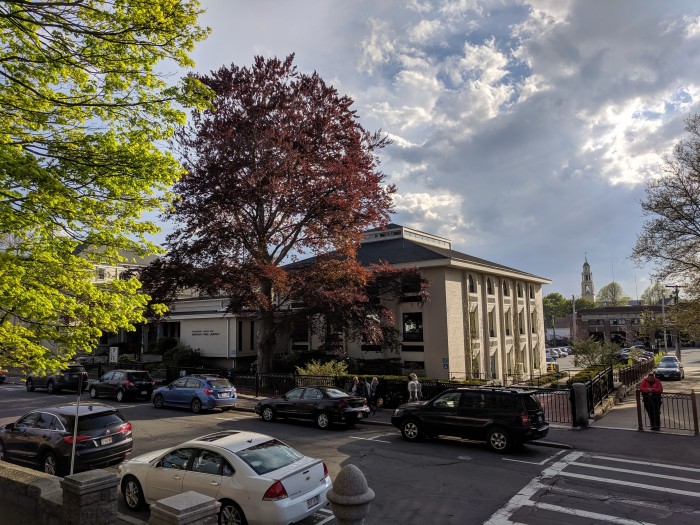
This photo chronicle begins with scenes from the Gloucester Lyceum & Sawyer Free Public Library 2019 Annual meeting, including views of the concept proposal for renovation and addition intended for the library as they appeared in the feature presentation that evening with some brief analysis. (This update is part of an ongoing series published on GMG.)
The second part of the piece provides background about the American architect, Donald F. Monell, and visual context regarding his designs for the library expansion built in 1973 and largely ignored through this current new build consideration. Links to several reference documents relevant to this process are collected and provided at the end.
Part 1 Annual meeting – Arriving/settling in
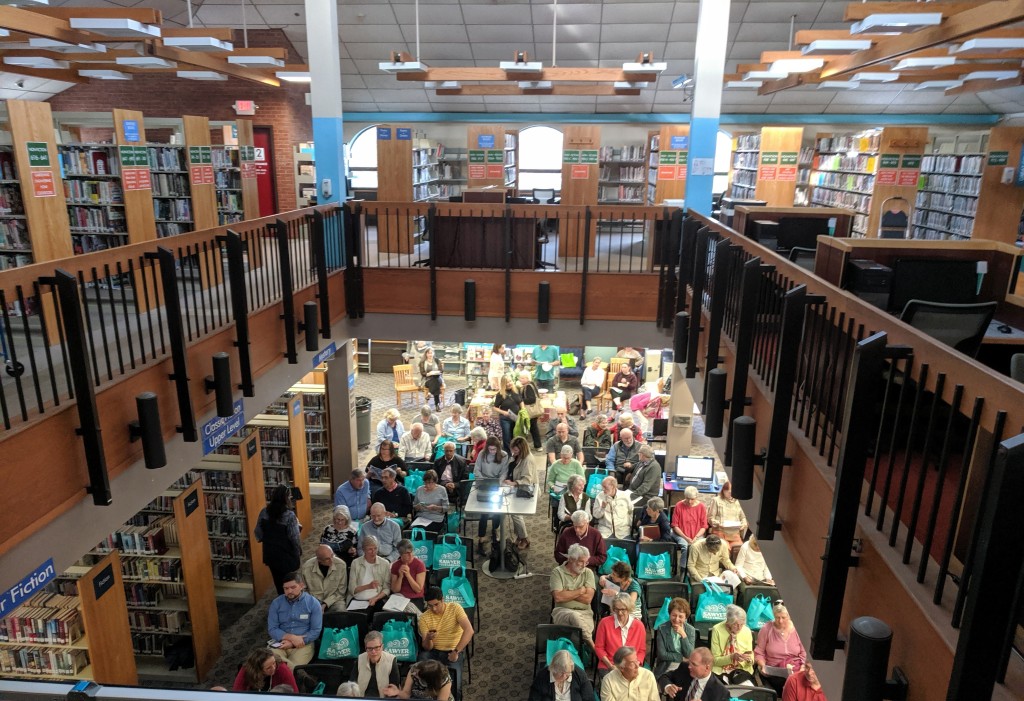
About 85 people including Trustees with guests, library personnel, and marketing and architectural representatives were present for the Gloucester Lyceum & Sawyer Free Public Library’s Annual Meeting on May 20, 2019. (click individual photos to see full size)

Introductions
Mayor Romeo Theken, Library Dir. Deborah Kelsey, and Trustee Chair John Brennan welcomed the public. Brennan thanked several Trustees for long service and welcomed new ones.
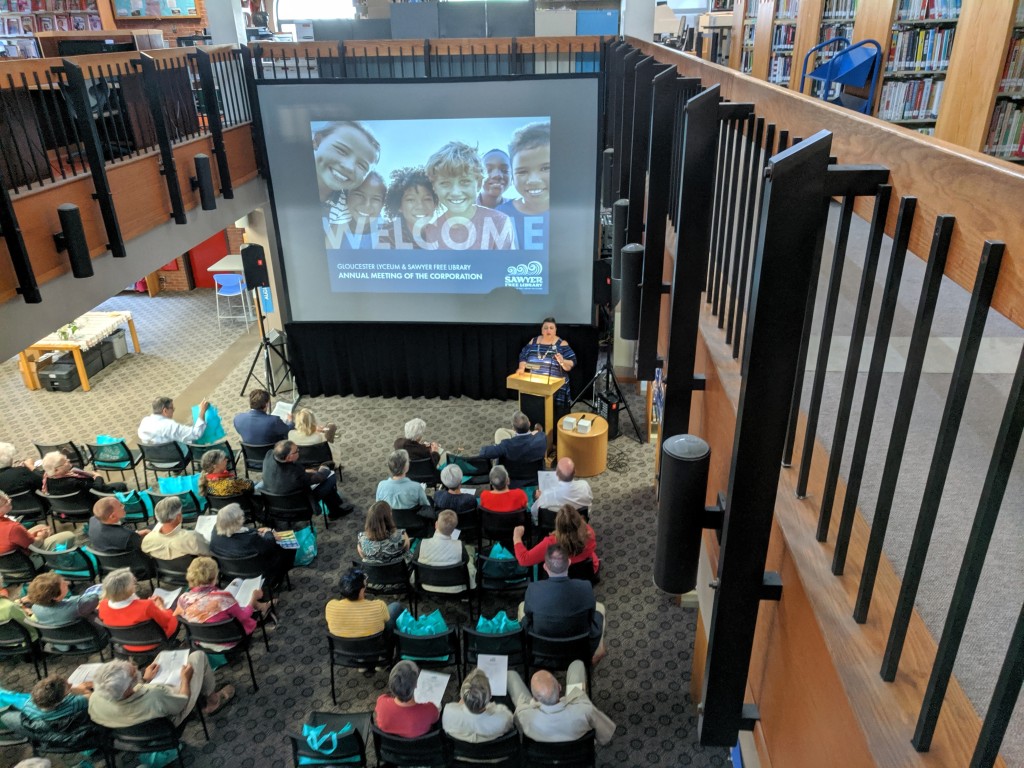

Award
Deborah Kelsey presented the Mary Weissblum Smith Volunteer Award to Susan Oleksiw and Christy Park in recognition of their curation and management of the Matz Gallery rotating exhibitions over the past five years and their notable careers. Ironically, in the new concept plans, there is no Matz Gallery and limited art space. Read more about Matz’s philanthropy and work in Gloucester here. The major works from the art collection continue to be off view and similarly unaccounted for in future plans.

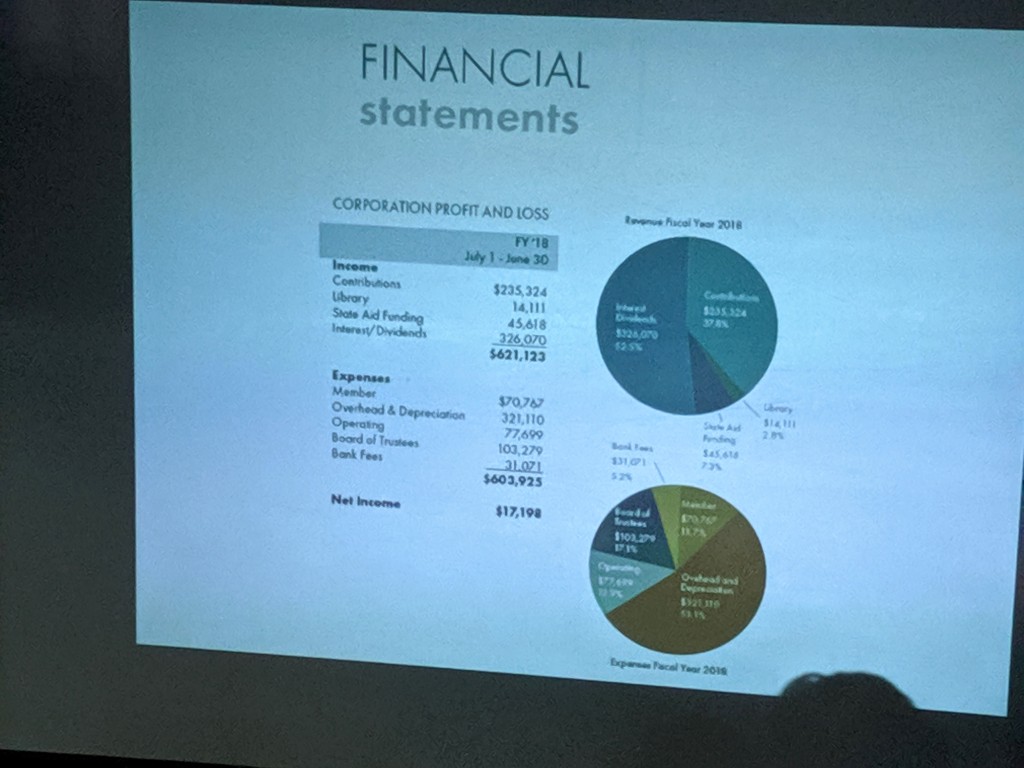
Financial Statement YR 2017-18
The library’s treasurer explained that the Annual Meeting financial reports always illustrate the prior year rather than the one just completed. So for this 2019 annual meeting, the report reflects May 2017- May 2018. He explained next year’s will represent the year 2018-19 and will show red and depletion of the 6 million endowment. Former board members asked about expenses to date, related to the new build, and itemization of the Trustee expenses line item, which was not in use when they served. A trustee explained that a title more accurately reflecting those expenses would be helpful. Reports will be shared.


Architect’s renderings / Oudens-Ello (with Dore & Whittier for library and MBLC)
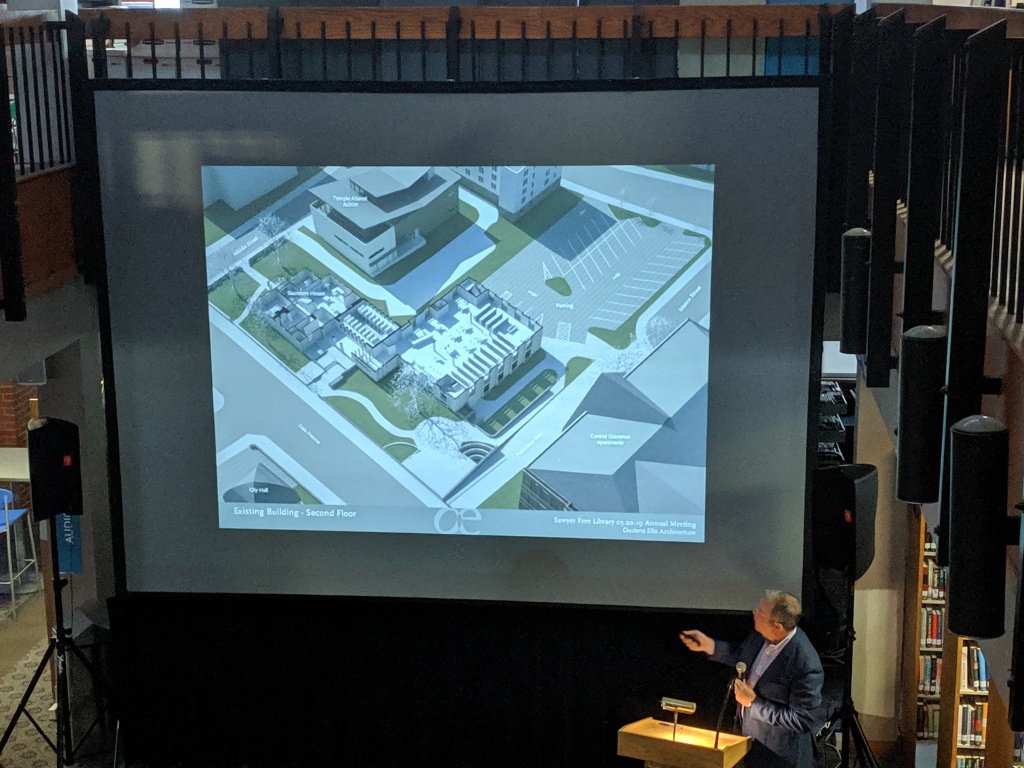
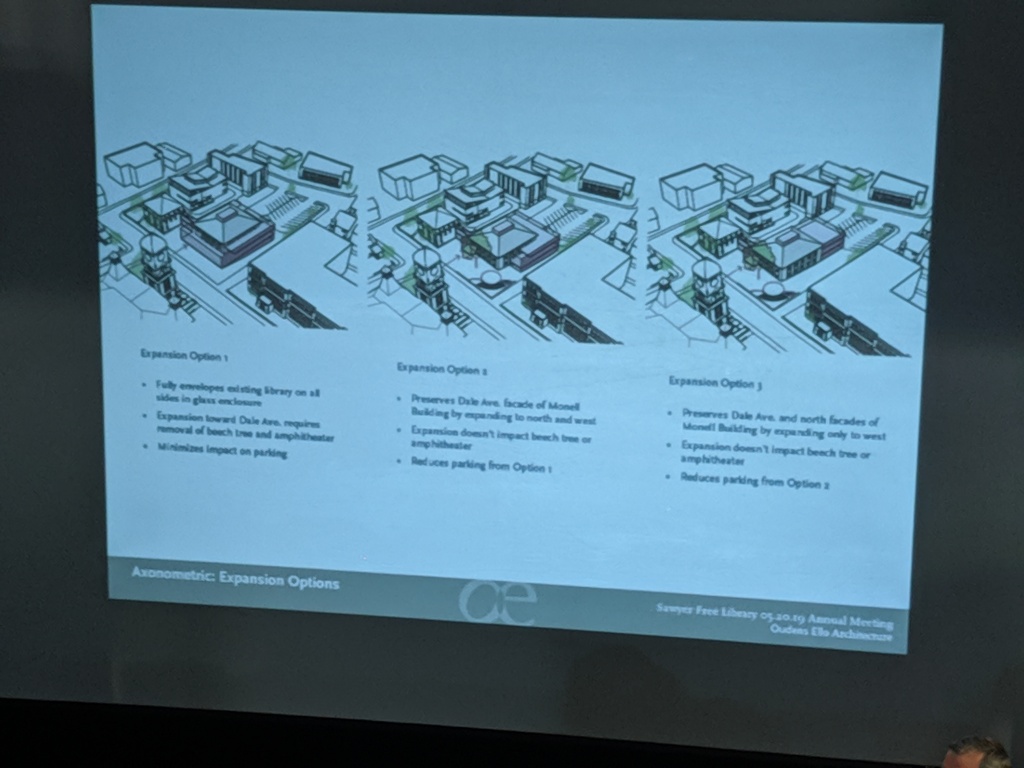
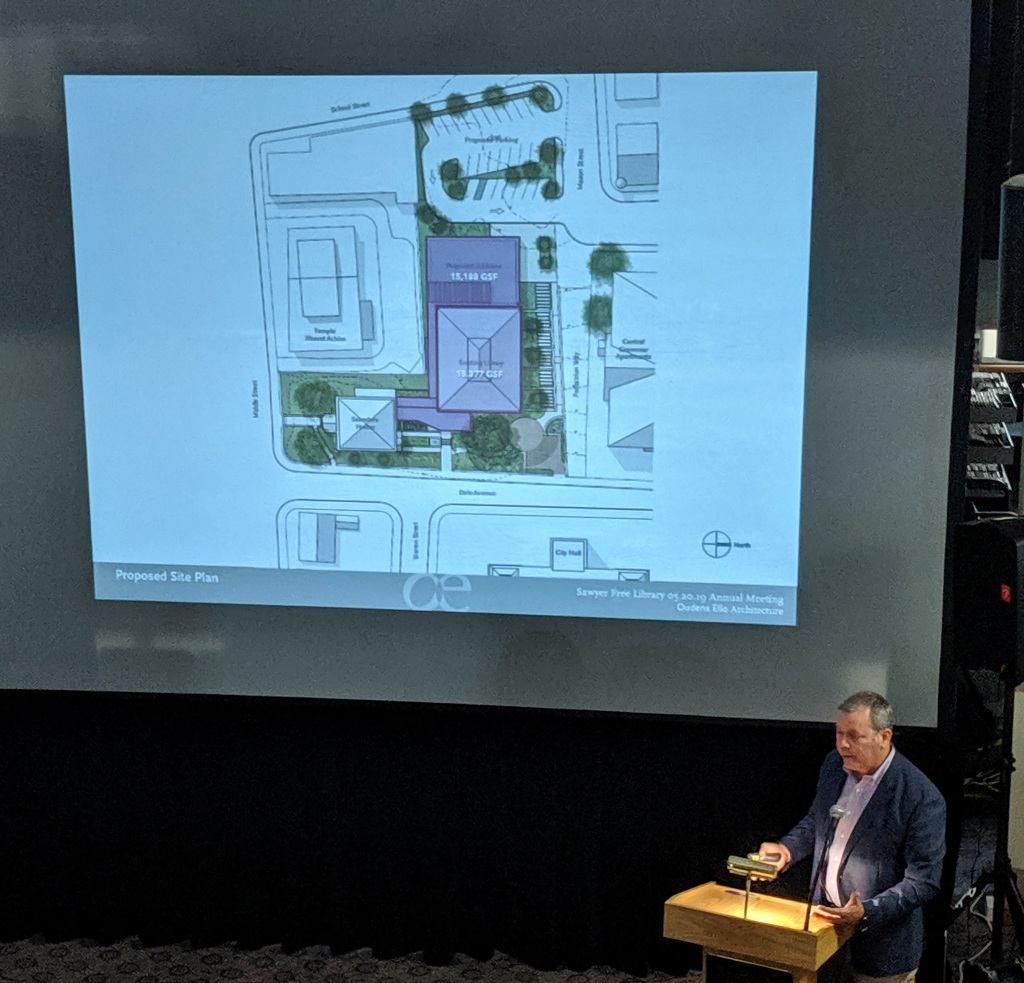
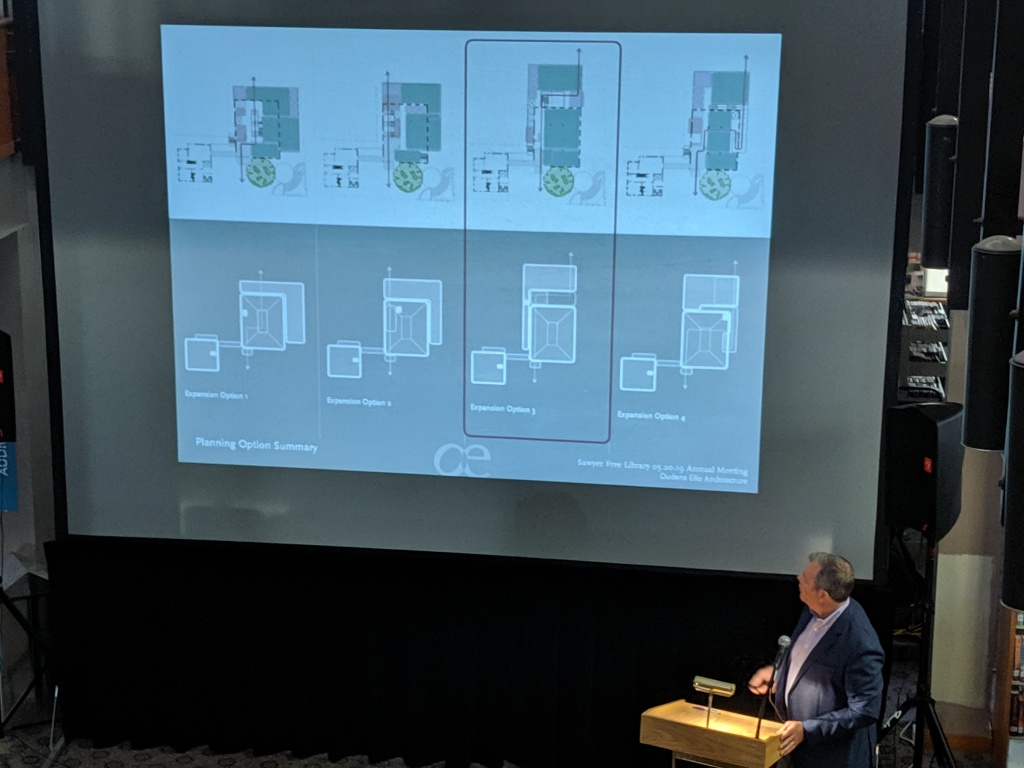

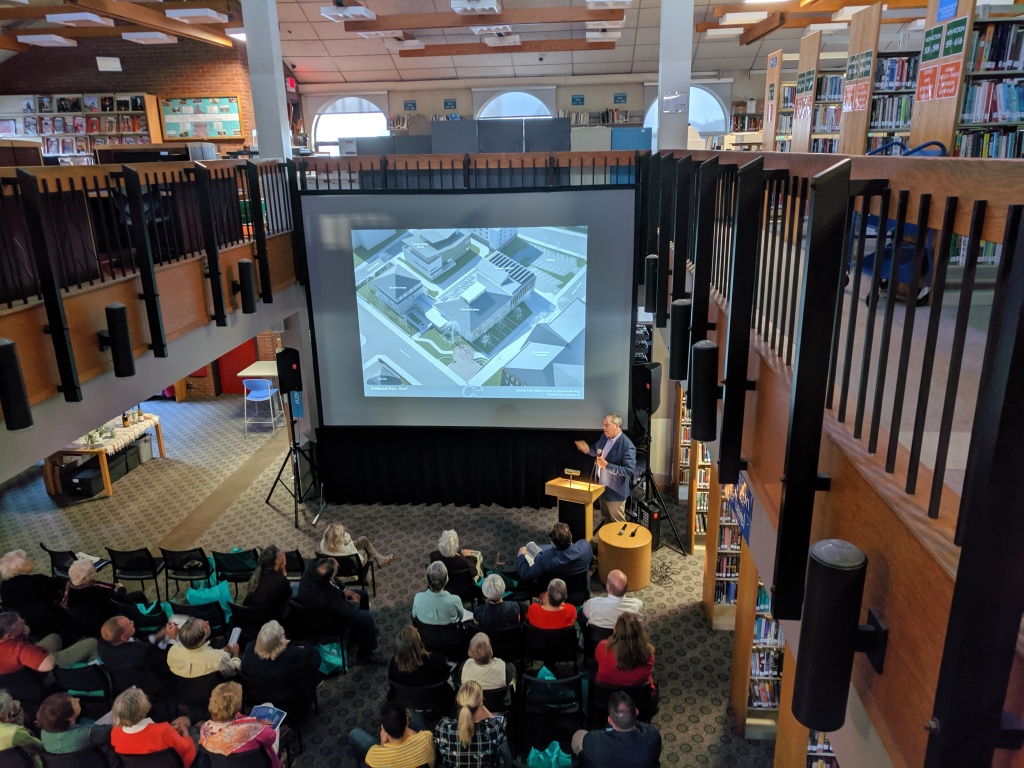


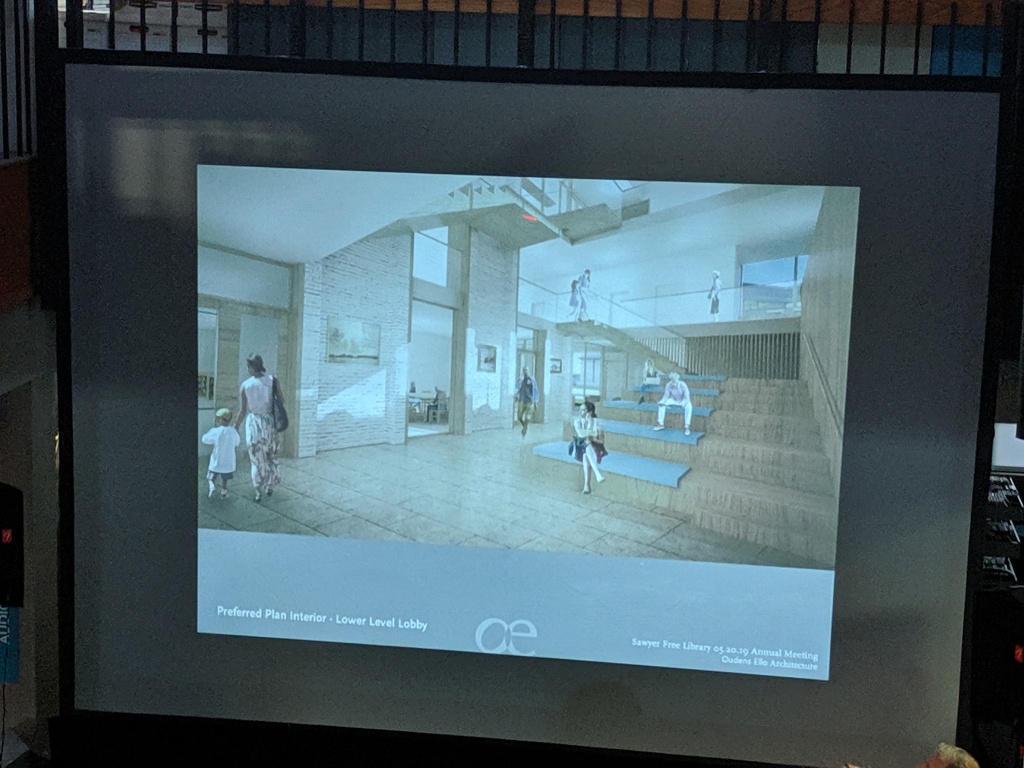
The 25 million+ quoted for the concept plan does not include preservation of the original heart and soul of the library, the Saunders building, or any mention of the library’s fine art. A recent estimate for potential Saunders preservation begins at 3 million– which would be in addition to any work done elsewhere with the library.
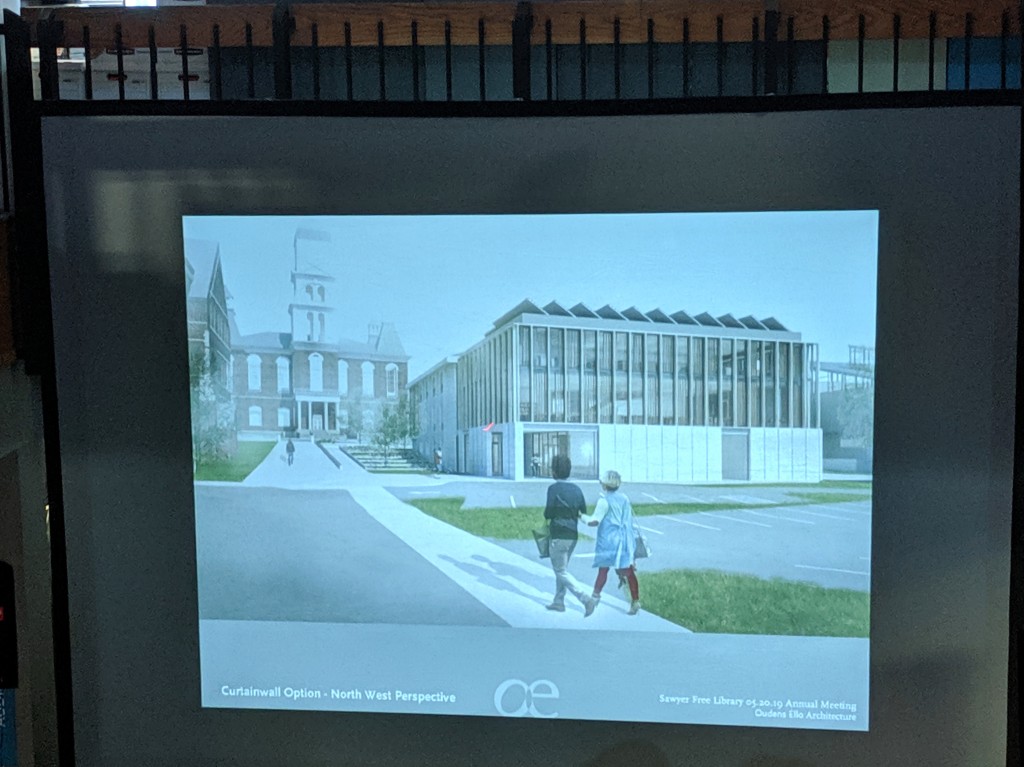
Stairs and more stairs

Design inspiration did not come from Saunders or Monell. (I asked.) One of the stated goals was striving to continue to make the library accessible for all, although in my opinion since the first presentation years ago, this design undercuts that aim.
Because of gentle switchback steps, currently there is technically no “accessible for all” direct entry from Dale to the Main Floor, or from Middle Street. The accessibility option from Dale curves around to a side* and back entrance. If that level is not the destination, patrons continue to the elevator.
Increasing all of the buildings’ gateway capacities is a fantastic goal. I do not understand how a concept with such tremendous staircase emphasis will remedy that expression of accessibility for all, or ease patron flow. The monumental scale of the three-story glass central stairwell takes up the transition volume between the original Monell and concept addition, and looms larger than the current Monell atrium. In this concept, children’s and teen spaces will be on the top floor. Crowd flow of all ages will need to access the elevator from the ground floor near the back entrance. Once upon a time the children’s wing was on the top floor of the Saunders building and intentionally moved to a space on the ground level. Currently, children’s services is on the ground floor. Friends and librarians using Reading and Salem libraries are not fans of children’s spaces on the top floor.
*The side entrance was sealed off this year due to safety concerns which can be helped by architecture and staff. The new security officers received the biggest applause of the night.
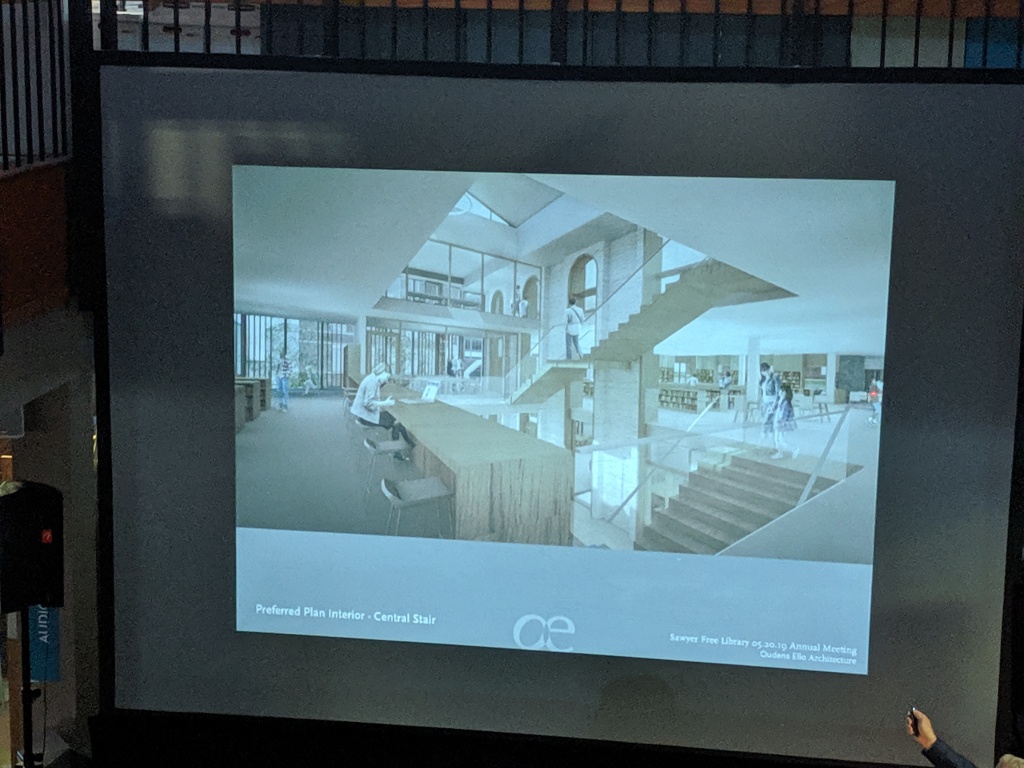
Glass staircase design statements — stacked cantilevered and floating– are common features in malls, retail, and transportation (airports!) hubs, often with escalator options, and ample budgets for cleaning staff. They’re not super kid friendly or easy to clean. For this concept, the staircase massing can be greatly reduced and favorably impact the footprint, cost and siting. I’ve written about the odd flow of moving the library’s busy children’s services up to the top level in this proposal. Just one of Christy Russo’s daily programs may bring in 20 to 80 kids and their grown-ups!
Moving to elevator and stairs with or without strollers will increase flow inefficiency dramatically, and be a disservice to an evergreen and engaged population. Children’s could be flipped back to the ground floor, with or without a separate teen space on this level. Research and multi use rooms requested for “21st century programming needs” could be dispersed throughout the expanded upper levels. Safety issues and bathrooms can be addressed on any floor. The librarians have been patiently awaiting remodeling and interior update and upgrades on the ground floor since 2012. The build out goal of 2026 or later is too long! They need more space, a functioning and better test kitchen, and major bathroom renovations (yesterday!).
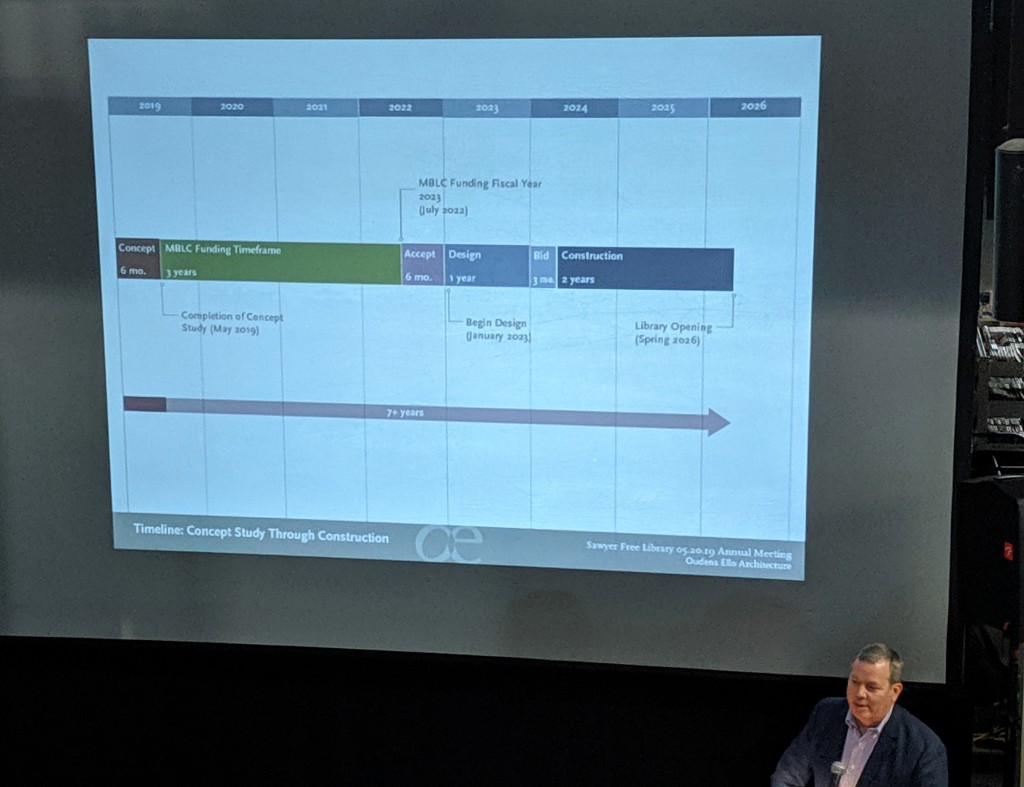
Oudens Concept plan Timeline
ETA library tentative opening 2026
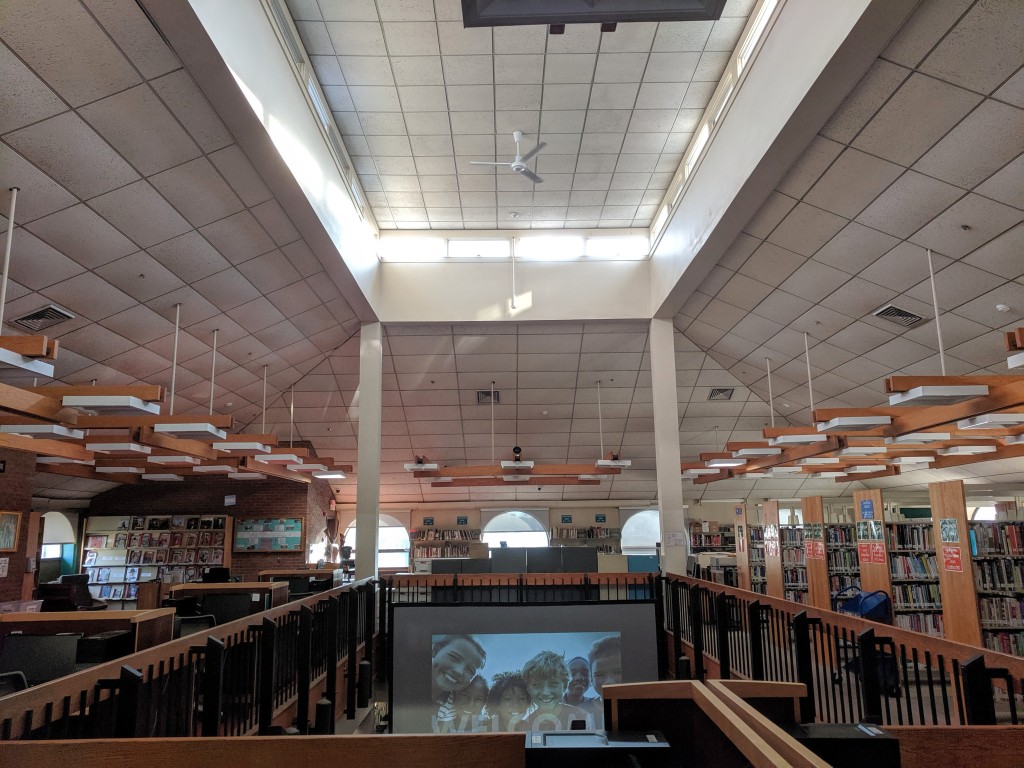
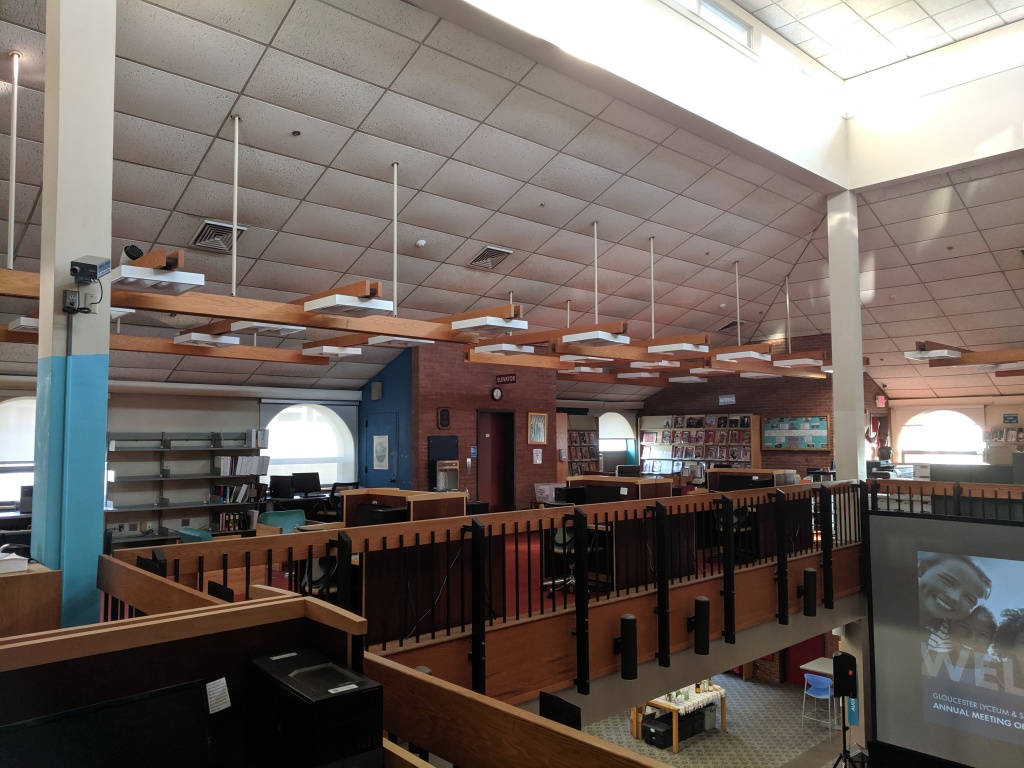
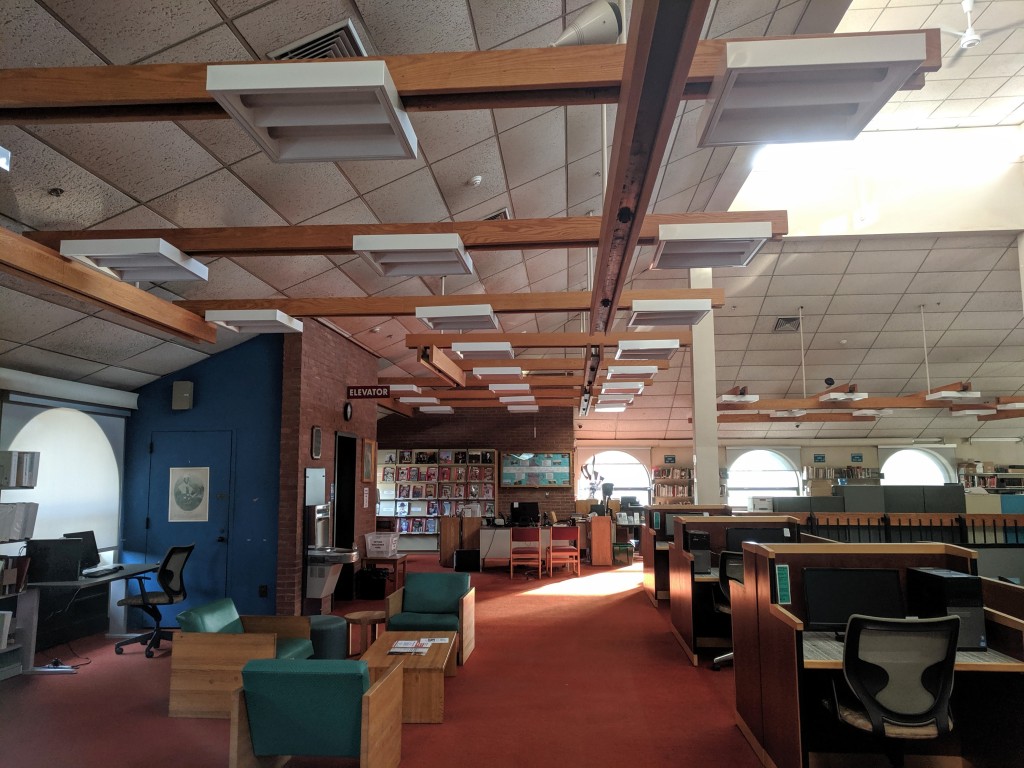
SFL Library atrium, architect Donald F. Monell
Monell building, top floor, no artificial light, no filter: looking across atrium with presentation underway on Main Floor as this space was being described again as an uninviting dark hole.

Part 2
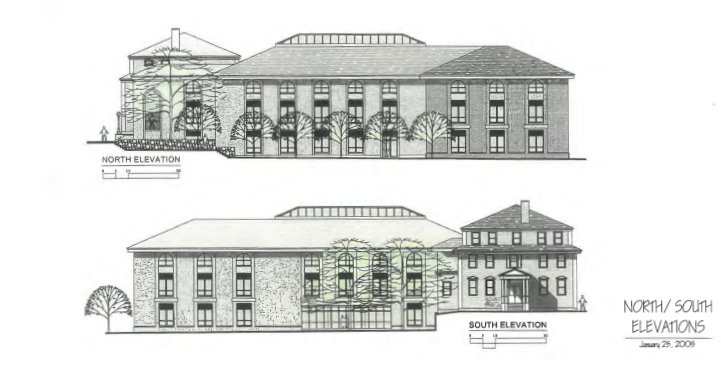
For nearly 190 years, the Gloucester Lyceum & Sawyer Free Public Library has played a key role in the cultural life of the city of Gloucester and the Commonwealth. Gloucester Lyceum & Sawyer Free Public Library features not one but three iconic buildings. Investment in building projects with such inspiring history, pedigree, assets, materials and form are indeed a rare and enviable opportunity. Any library build should feature both Saunders and Monell. We are so lucky to have them!
There was worry about the Saunders and Monell buildings, the Stacks, and the Rando Memorial garden when the proposed new building first dropped and as this process continued. Thankfully, a Saunders stewardship committee has been reestablished and the Rando Garden will remain. (There was pushback that the “21st century building” left the community with less green space, not more.) It’s only since last week that razing Monell was taken off the table. And it’s only since February 2019 that the architects began to emphasize green design as they had not realized how valued such criteria was in Gloucester. A workshop was held at the library.
Still, no one involved in the new process was discussing Monell, his inspiration, or influence. Regarding the library 2019 green visionaries—Monell may be more important to them than they realize. After all, he was ahead of his time incorporating wind and solar design into public buildings and homes. I’ve been thinking more and more about Monell, his studies and business ventures, his devotion to Gloucester.
Donald F. Monell earned multiple degrees at Bowdoin (BS, 1937) , Royal College of Edinburgh (1938), Tekniska Hogskolan in Stockholm (KTH Royal Institute of Technology), and M.I.T. (MS in city planning,1941 and MS in architecture, 1950). He was a research assistant in City Planning at M.I.T. (1940-41), and a Research Associate in solar energy at M.I.T. from 1949 to 1951. During World War II he served as a Captain with the 333 Engrs. S.S. Regiment in the US Army Corp of Engineers from 1942-46. Prior to setting up his own firm in 1952, he worked as a community planner in Tennessee and for various architectural establishments. His son Alex Monell said that his father declined positions with larger international firms. “He preferred working on a smaller one to one relationship with clients.” Monell’s tenure at M.I.T. coincided with I.M. Pei and Buckminster Fuller; Monell set up his eponymous business two years prior to I.M. Pei. I asked Alex if his father worked with architect Eleanor Raymond. She built her home in Gloucester and had similar interest in sustainable design. She is credited with designing one of the first solar heated houses in 1948 “I know he worked with Maria Telkes (who invented a means to store heat in melted crystals that stored more than water could) on one of their solar homes and now that I looked her up I see the home was designed by Eleanor Raymond! So they knew each other.”
Monell was licensed to practice in Massachusetts, New Hampshire and New York and was NCARB certified. He was a member of AiA and Boston Society of Architects. He served on Gloucester’s Civic Art Committee beginning in the 1960s. He was a trustee of the Cape Ann Symphony Orchestra, an incorporator of AGH and Cape Ann Savings Bank, and a Vice President of the Cape Ann Museum (then Cape Ann Historical Assoc.). Monell’s office was located in the Brown Building, 11 Pleasant Street. His son remembers visiting his dad on jobs and admiring the hand made scale models. Local residents may recognize the names of Monell hires: Kirk Noyes who preserved Central Grammar and other award winning developments, was a draftsman, and Craig Toftey helped Monell with the Sawyer Free library.
The new building planners describe the need for a 21st century library. What does that mean today? Back in 2012, technology was the big discussion point and the library a possible tandem option for schools. (Elementary school libraries were shuttered and/or volunteer run, and school librarian positions cut.) Since then, libraries in schools became “Learning Commons” with a tech focus. By 2019 Gloucester Public Schools have a 1 to 1 student computer initiative. There was a desire for grounds improvement, since completed and well received with the Rando Memorial. I was asked about helping with a public art comission and how it might work as a play structure, too. Mayor Romeo Theken reminded us of the homes and neighborhood playground where the Monell addition and parking lot were built. Community input suggested opportunities for more outdoor spaces would be welcome, not less. Library design trends recommend co-work and makerspace options so the library is a community center. (Sawyer Free has been a community center since its founding.)
One thought regarding “21st Century” library tech goals: partnerships with M.I.T., Harvard, and Bowdoin could be fruitful and shored up by honoring Monell. Perhaps they’d help facilitate subscriptions to specialized libraries. Coordinating public access to resources like MatLab as one example would enhance “accessibility for all” in a 21st century sort of way.
Monell’s son, Alex, shared a section from M.I.T. President’s Report, 1951, with a reference to his father: “Mr. R. Buckminster Fuller, visiting lecturer, who contributed significantly to this conference, worked this year with the third-year students in architectural design and presented his concept of the “comprehensive designer” in a program emphasizing the relation of structure to design. In August, I950, occurred the five-day symposium on “Solar Energy for Space Heating,” under the auspices of the Godfrey L. Cabot Fund, attended by about 900 persons who were mostly visitors to the Institute. Mr. Donald F. Monell, research associate, was responsible for organization. Speakers included staff members and outside authorities in this field. Professor Lawrence B. Anderson was one of the contributors.”
1951
Don and Lila Monell could be the ‘Charles and Ray Eames of Gloucester‘.
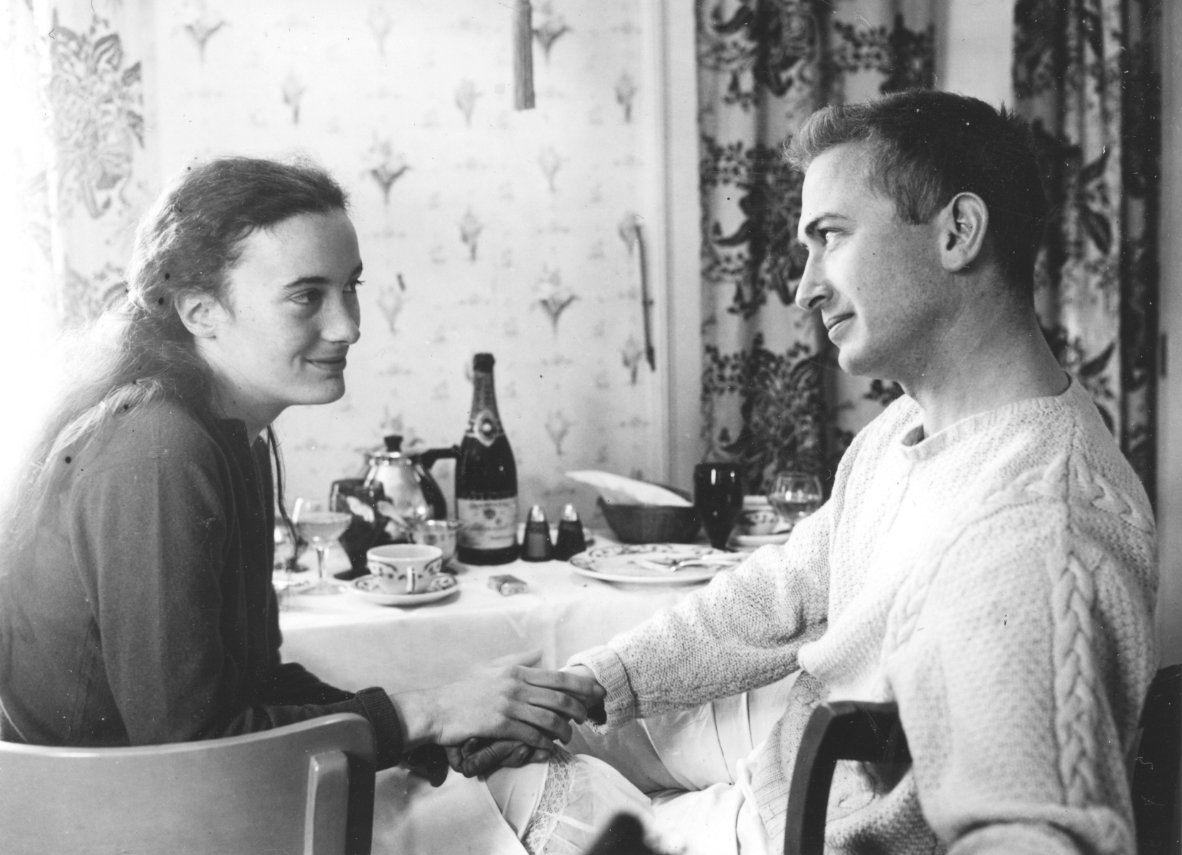
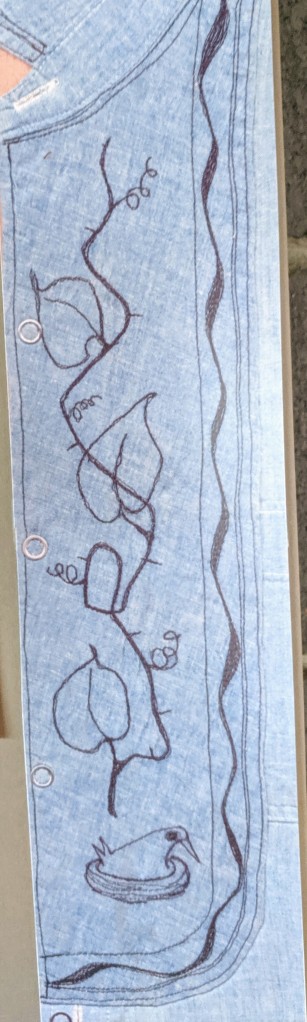
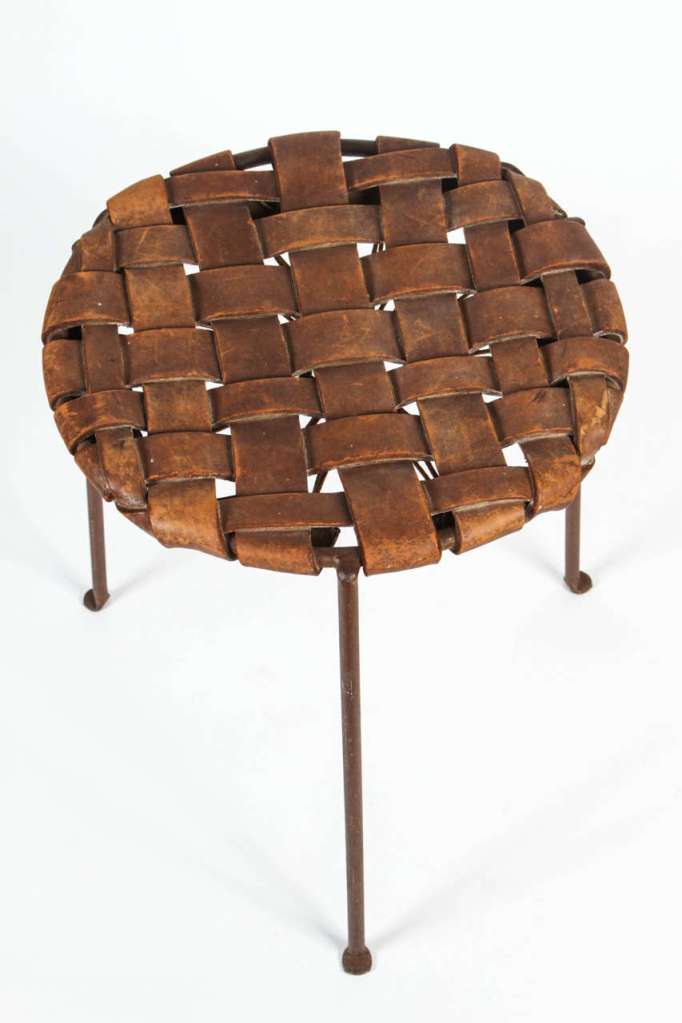
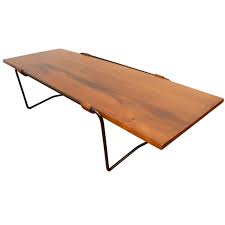
Don Monell and Lila Swift should rightly be included on any Massachusetts #MassModernism trail. Monell and Swift, co-founders and collaborators of their own wrought steel furniture design firm in 1950, Swift & Monell, husband and wife, architect and artist, were the Charles and Ray Eames* of Gloucester. Original examples of their woven leather, metal and enamel stools, tables, and bins are rare and placed in collections. The furniture was exhibited at Current Design (now ICA) and Furniture Forum. They operated the business in upstate New York when Monell worked for Sargent Webster Crenshaw & Folley. They built a studio for their business in their home when they moved back to Gloucester in 1952. Initial prototypes and editions were inspired by touring Lawrence Mills with Monell’s brother in law, who worked in the textile industry. Alex clarifies: “I do not know what mill my father’s brother in law was involved in or to what capacity, I just remember my parents toured it and found the source of leather. A Cambridge firm sold them for awhile. And later my parents gifted them as wedding presents to close friends and relatives. Ray Parsons a blacksmith from Rockport often made the frames and later I made some at Modern Heat.”
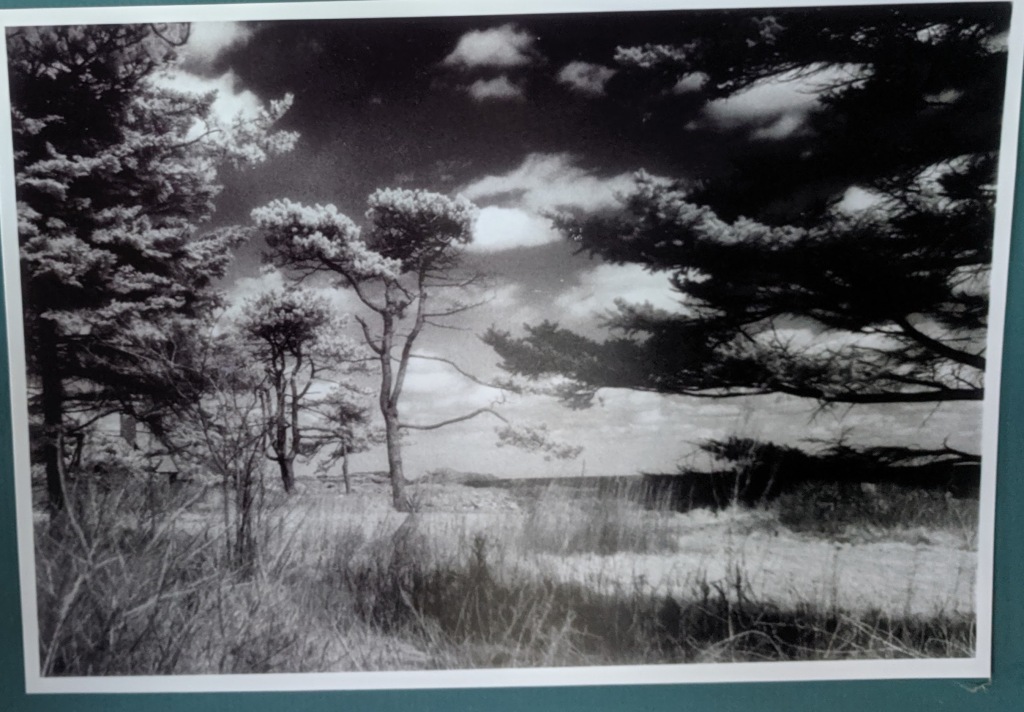
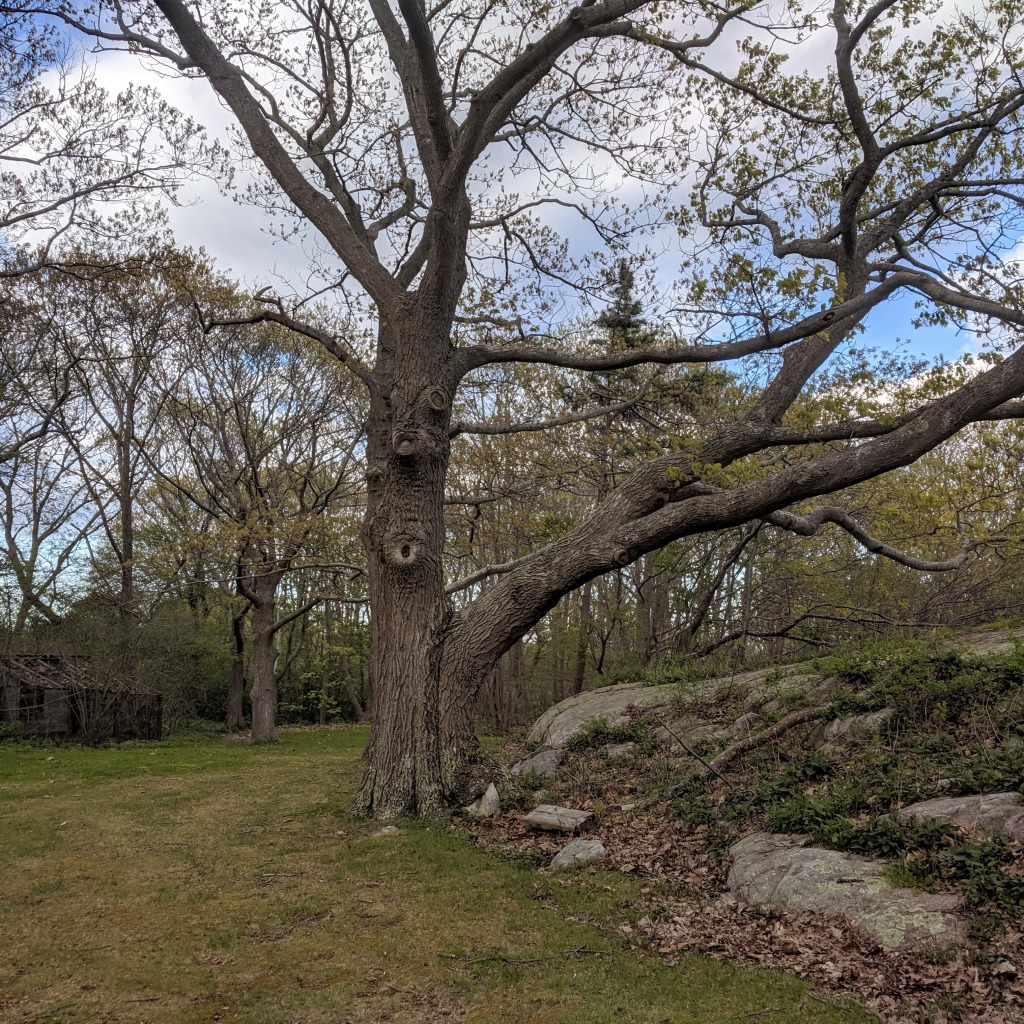


Note: Ray Eames was in Gloucester.
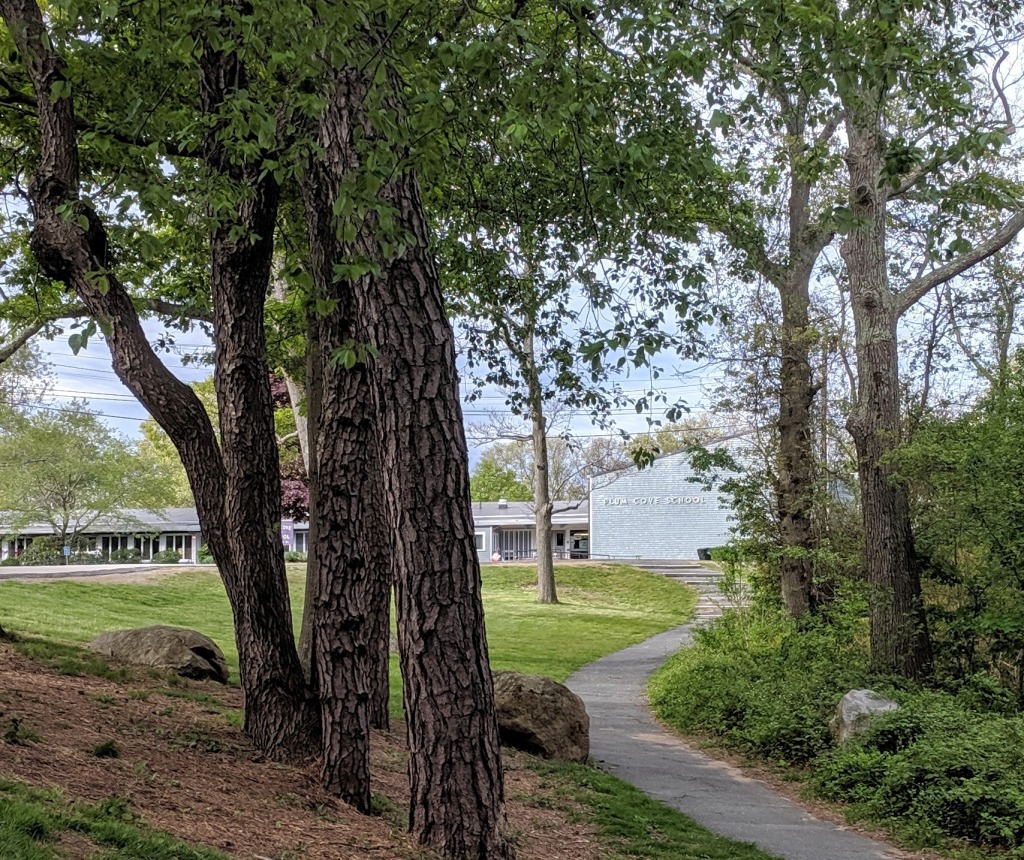
Before Hans Hofmann settled into teaching in Provincetown, he was invited to teach summer classes at the Thurn School of Art in Gloucester, Massachusetts, in 1933 and 1934. Thurn was a former Hofmann student. Ray Eames studied painting with Hofmann in Gloucester and was a student of his for years. Decades later (during an interview with Ruth Bowman, who was wonderful, and owned a fabulous Gloucester Hopper), Eames mentioned 1940, a later date, for when she first learned about Hofmann. On an architecture timeline” Charles and Ray Eames were born in 1907 and 1912 respectively, and Monell in 1917. They were married about a decade before Monell & Swift and west coast rather than east. Yet they were contemporaries. Art & Architecture case study homes began in 1945 (Eames house, 1949) Eames lounge chairs were manufactured in 1956 (after years of prototypes). Gropius House in Lincoln , Mass., landmark Bauhaus residence now museum was built in 1938, same year as MoMa Bauhaus exhibition. The Graduate school at Harvard designed by Gropius was a TAC (The Architects Collaborative) build in 1950. TAC was founded in 1945 with the clout addition of Gropius who continued with the firm until his death in 1969. Original 7 founders were Norman Fletcher, Louis McMillen, Robert McMillan, Ben Thompson, Jean Fletcher, Sarah Harkness and John Harkness. Twenty years later, Monell’s Plum Cove elementary school design in 1967 (see below) was leveraged by partnering with The Architects Collaborative. Gloucester’s Plum Cove school is a TAC build. Wikipedia lists several commissions. The school could be added.
Catherine Ryan

The Monells were friends with many artists and Gloucester residents. They were best friends with Sarah Fraser Robbins which is another rich “green” connection. The Monells were married at her house and living there when their first son came home! Eventually they built their dream home in Gloucester designed to maximize its stunning natural setting, all granite and ocean views. Their family and business grew. Lila’s art and home are inspired by wild nature, especially birds and insects, often the subject of her prints and photographs, and even wardrobe embellishments. (More than one person recalled a striking faux brooch or embroidery like adornment that was actually a coiled live centipede.) Domestic animals and wild birds were part of the family. There were always pet crows and birds. “Our mother raised geese and guinea fowl,” Alex continued, “Mainly the birds we had were ones she brought to rescue from oil slicks and other calamities. She was well known as someone to bring an injured bird to.” Lila wrote an article in the Mass Audubon newsletter about two cormorants which she had a permit to raise. “Sarah (Fraser Robbins) had an old lobster boat, never used as one.” Alex recalled. “They used it for fishing. Our families were quite close. We’d head to Norman’s Woe and bring back seagulls. You know, rescue babies, and help teach them to fly.” He said he got them comfortable being tossed like a glider. “They’d come back again and again ready to launch!” It was easy to imagine some glimpse of his childhood in this idyllic setting. His delight brought to mind My Side of the Mountain by Jean Craighead George and Driftwood Captain by Paul Kenyon. Sea and stone. What a playground!
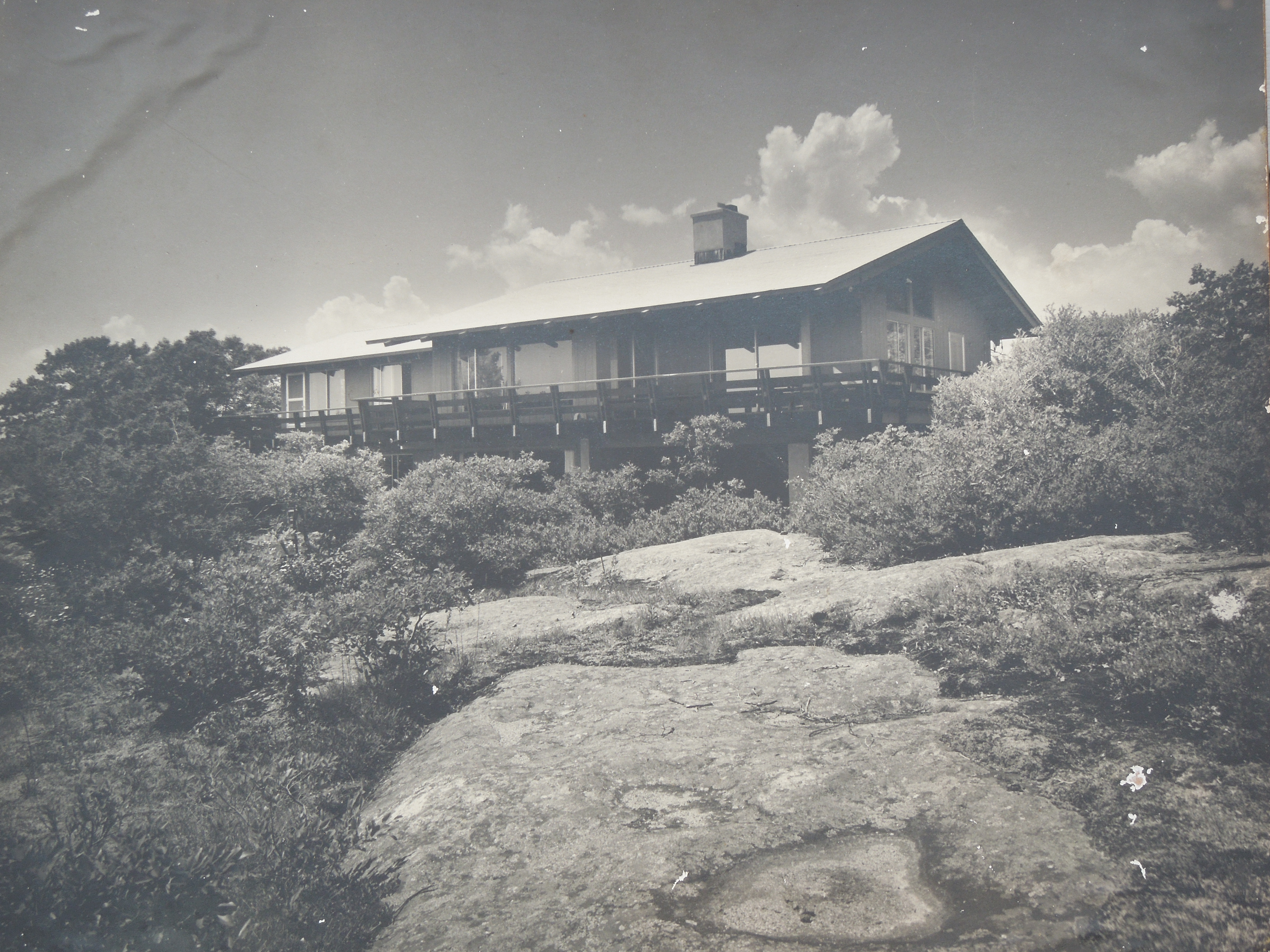
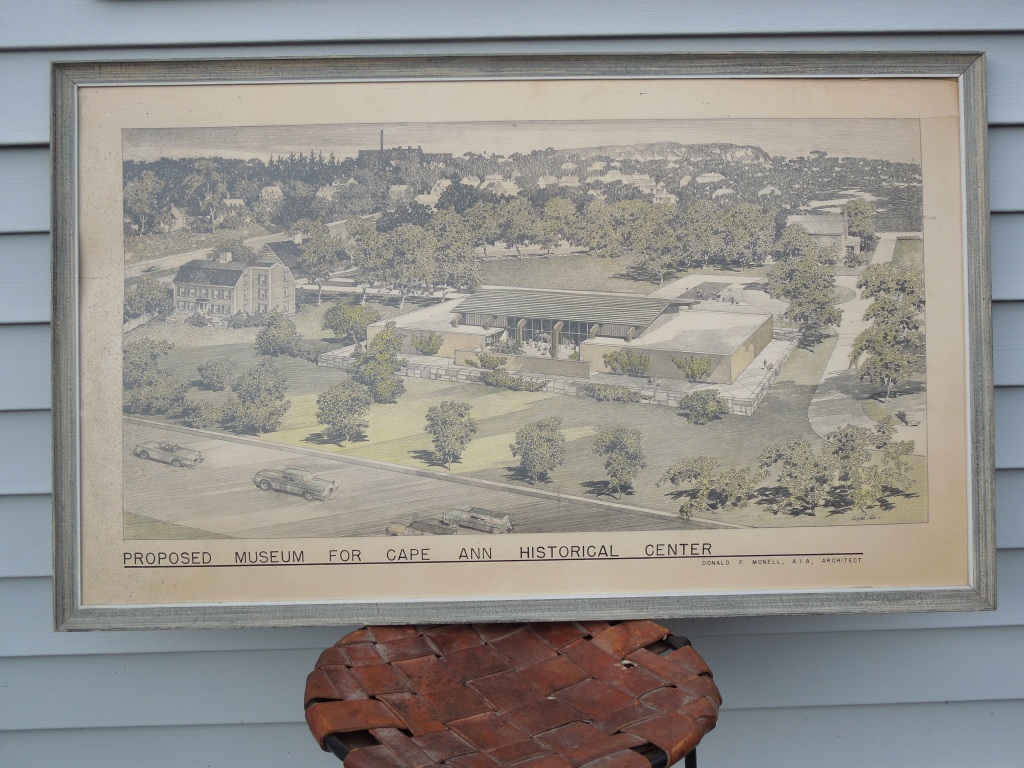
Monell completed many commissions in Gloucester and elsewhere on the North Shore, New Hampshire and New York. Any renovation and remodel at Sawyer Free is an incredible chance to celebrate his work and honor his legacy. After considering examples of Monell’s architecture it is easy to find his personal design in the work he did at Sawyer Free Library. He was trained as a landscape architect as well which helps to imbue his projects with great sensitivity and gentle passages. Many of his commissions are heavenly sites where buildings serve the surroundings, whether built or natural. His designs are better because of this reverence for context.
(Note on images- double click to enlarge)
Monell designed numerous private residences and additions [e.g. Dotty & Lawrence Brown (1957), Laight (1958), Despard (1959), Boyce (1961), Foster, Nydegger, Marietta Lynch, Judy Winslow, Bob and Libby French (1967), Featherstones, John Hays Hammond Jr, and Phil Weld (many)] in Massachusetts, New Hampshire and New York. Several clients were repeat customers. The Brown home is one example. Alex writes that “the residence was altered by my father in the late 70s to accommodate a library when they moved there year round.” Much of the big collection of books were cookbooks. “Dotty was a great cook and good friends with Julia Child.”
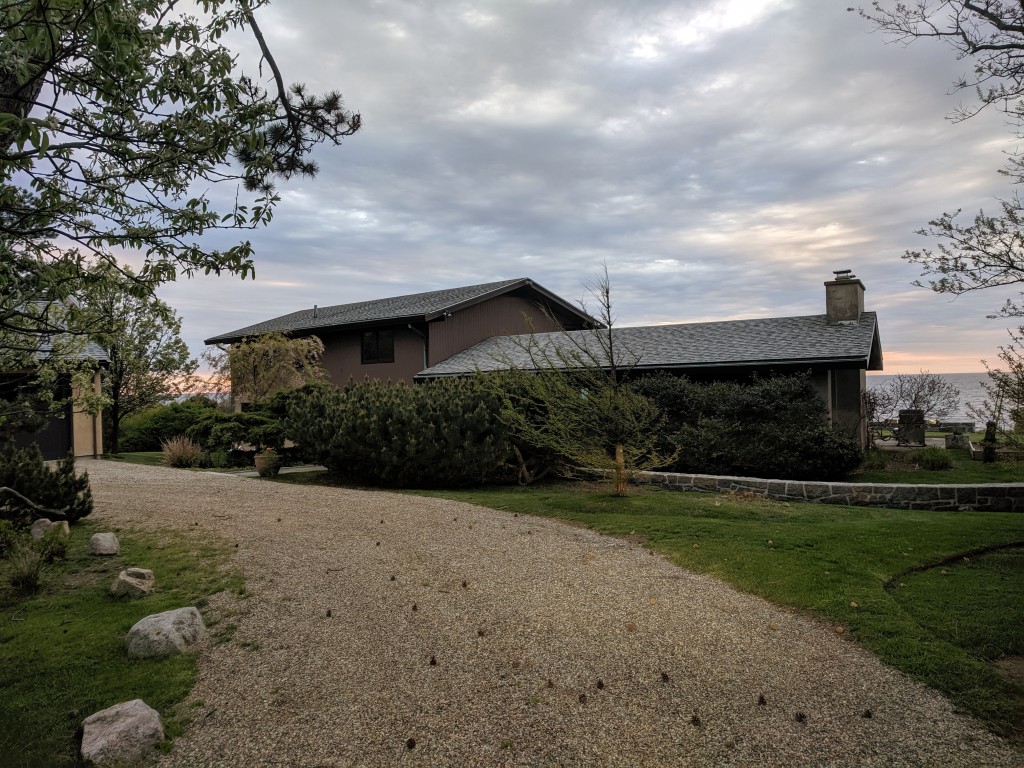

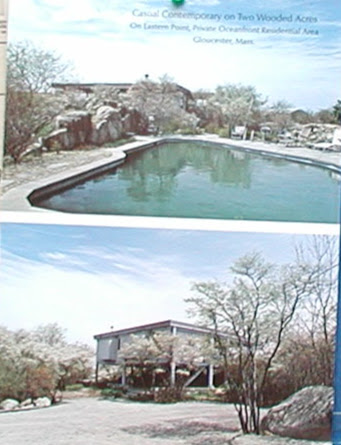

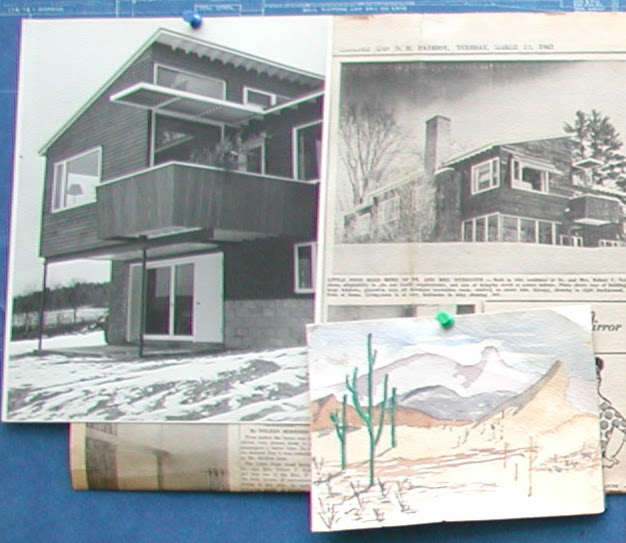
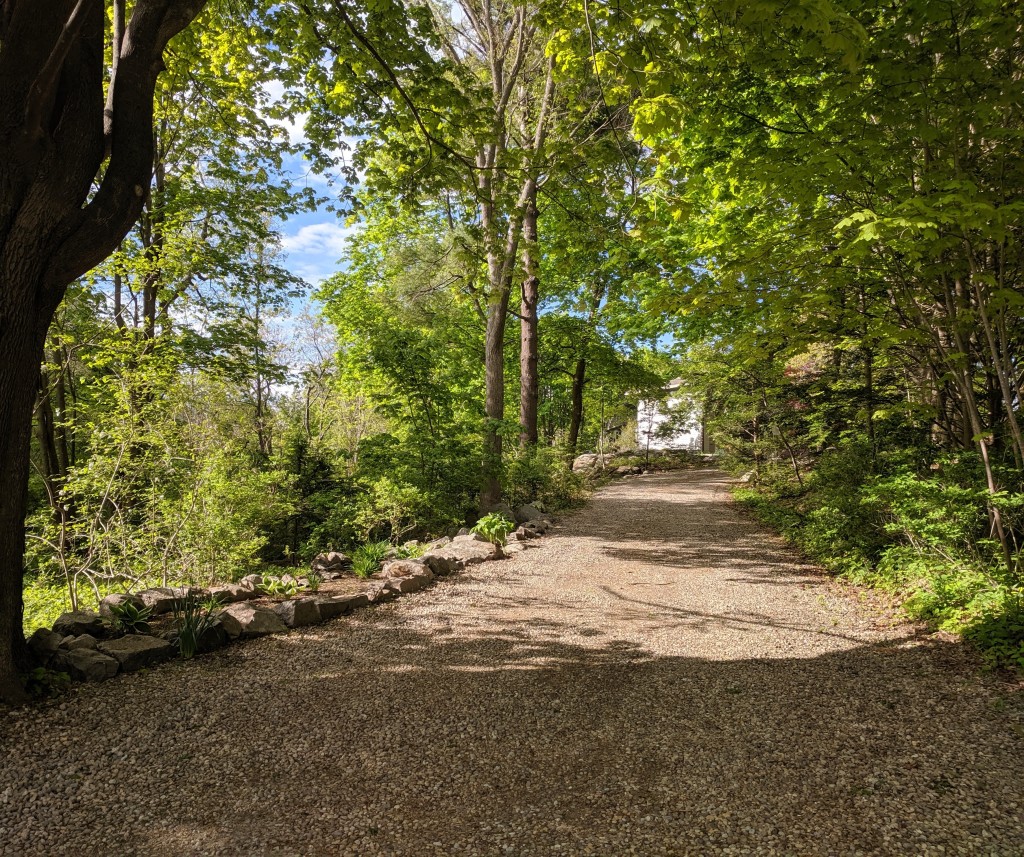


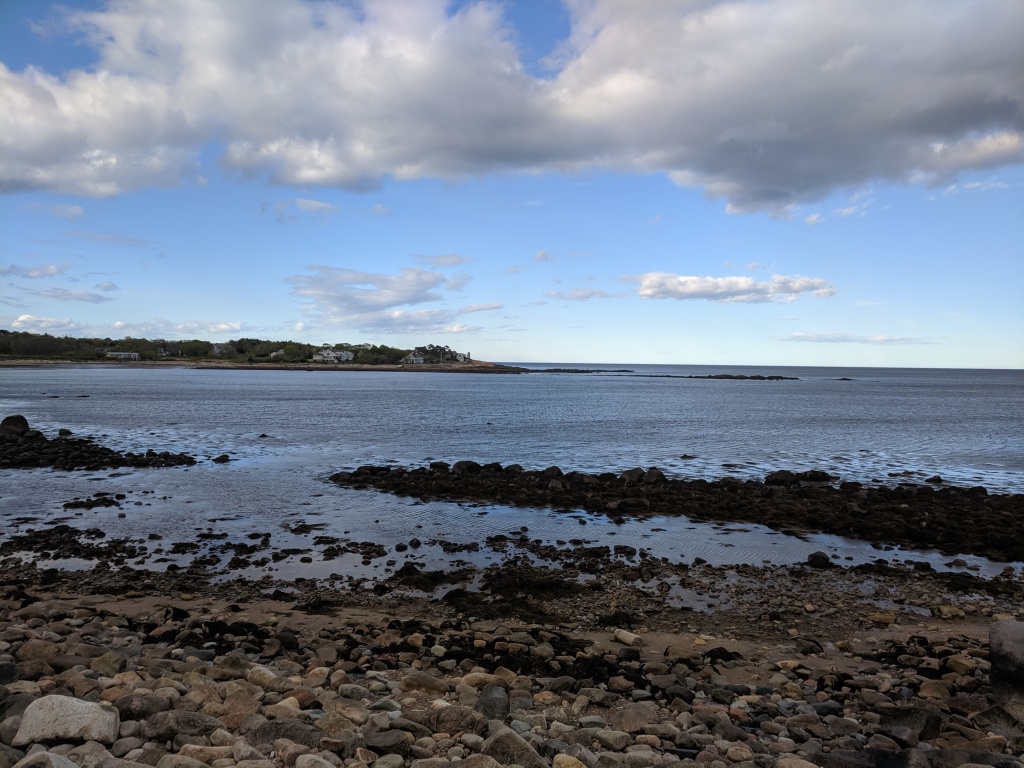
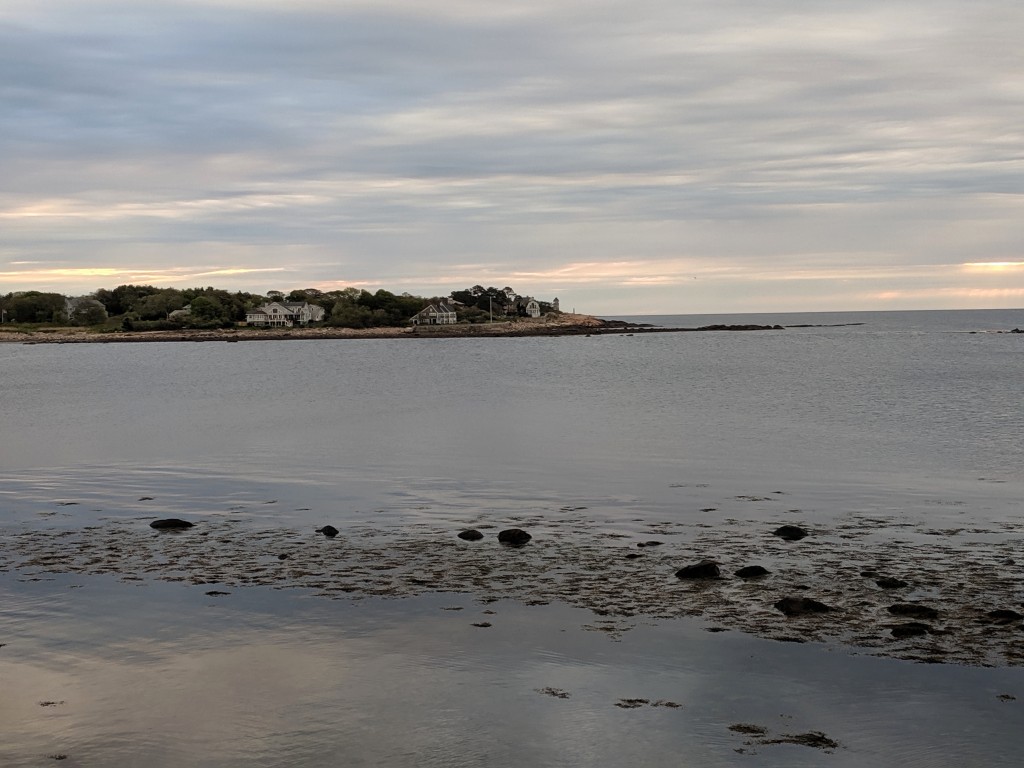

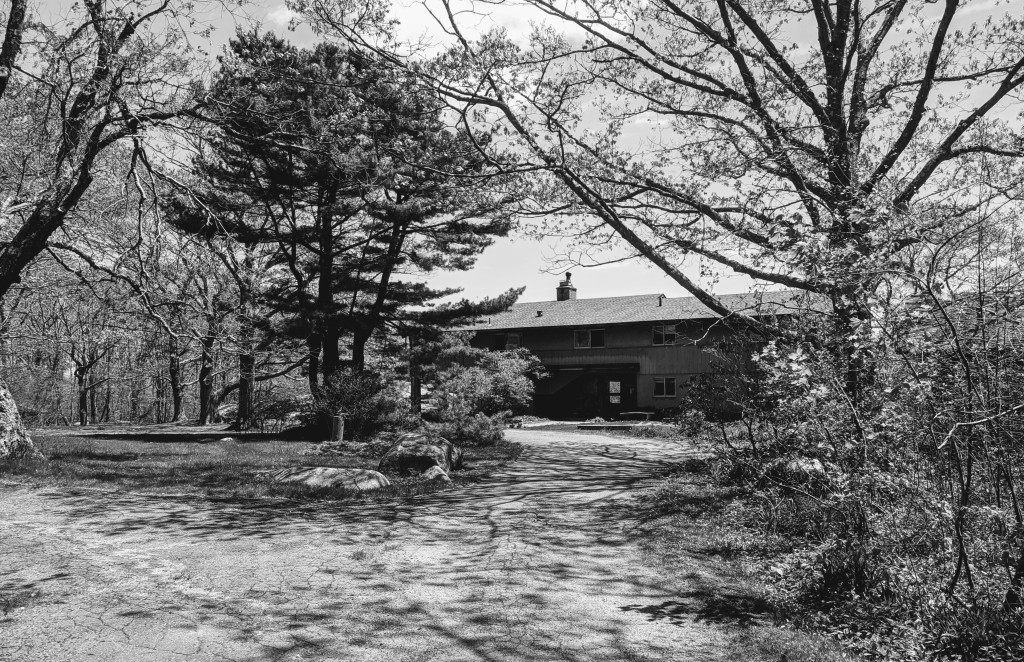


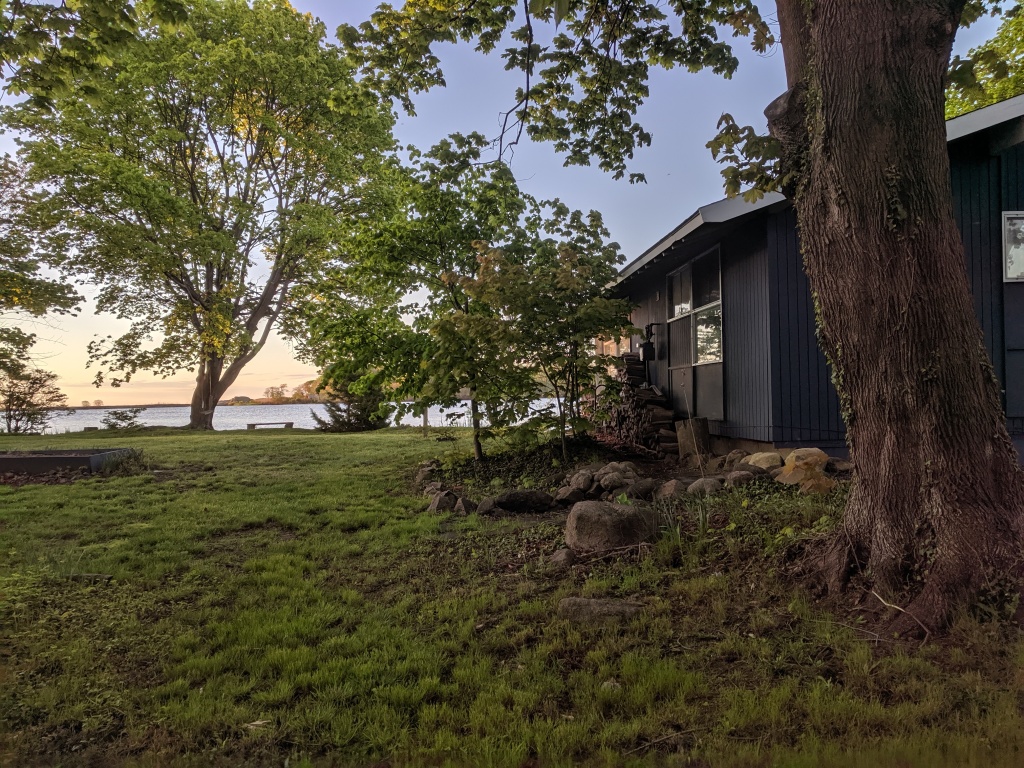
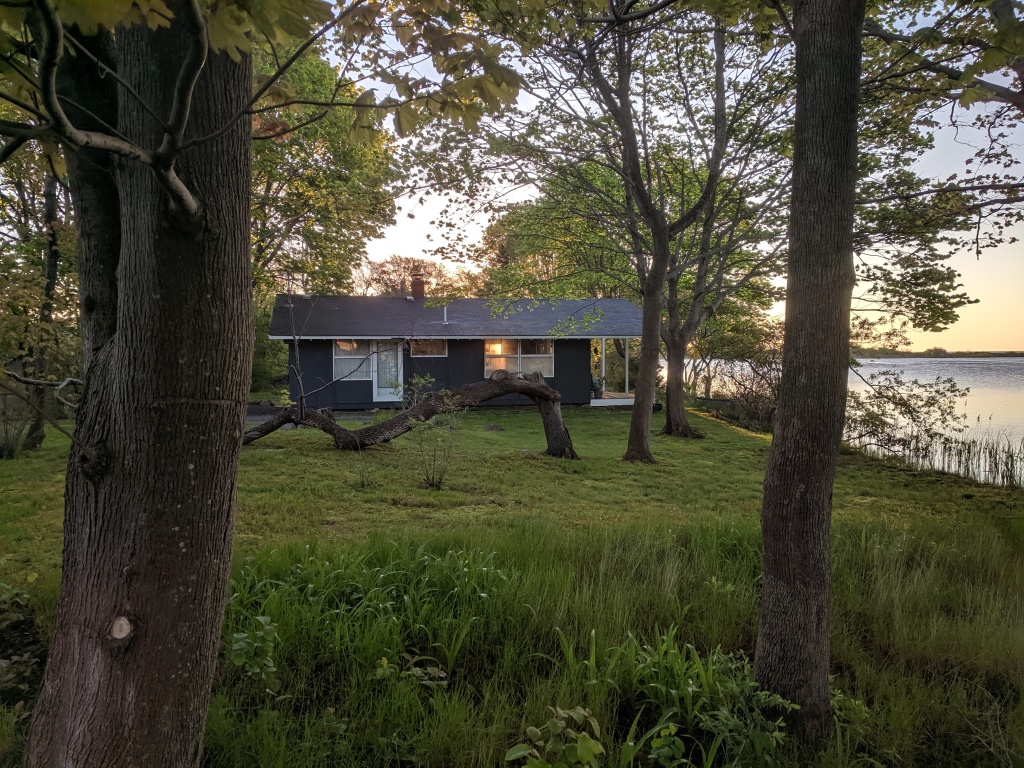
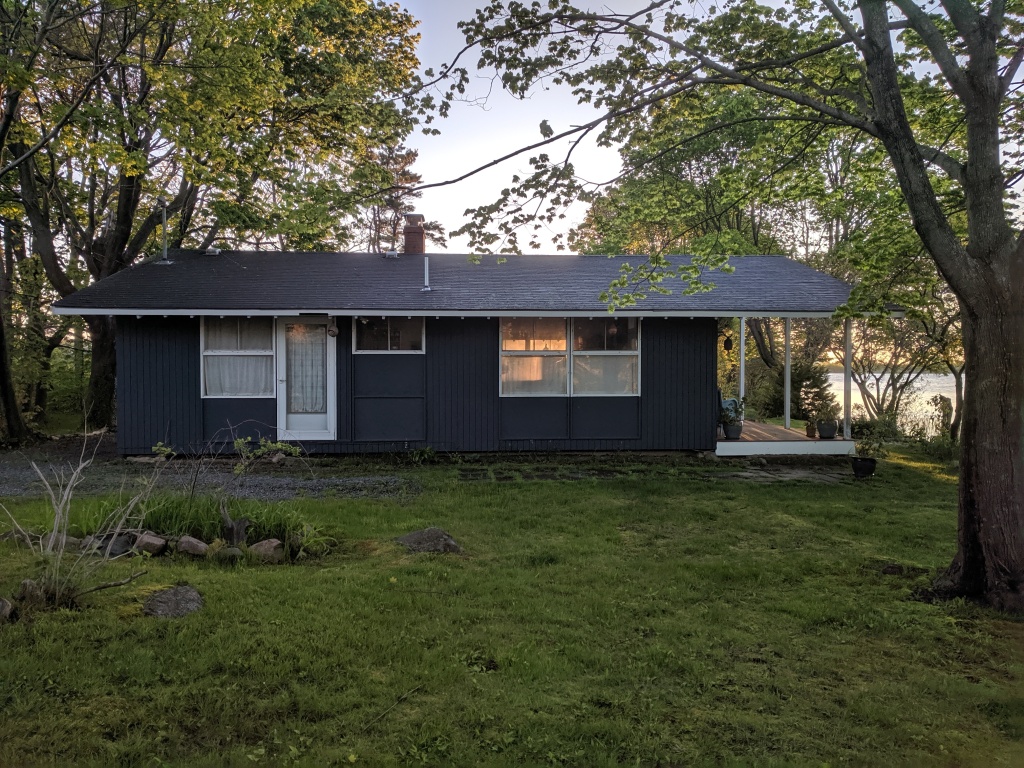
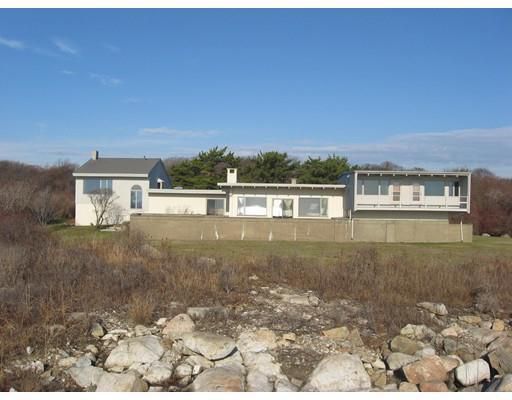
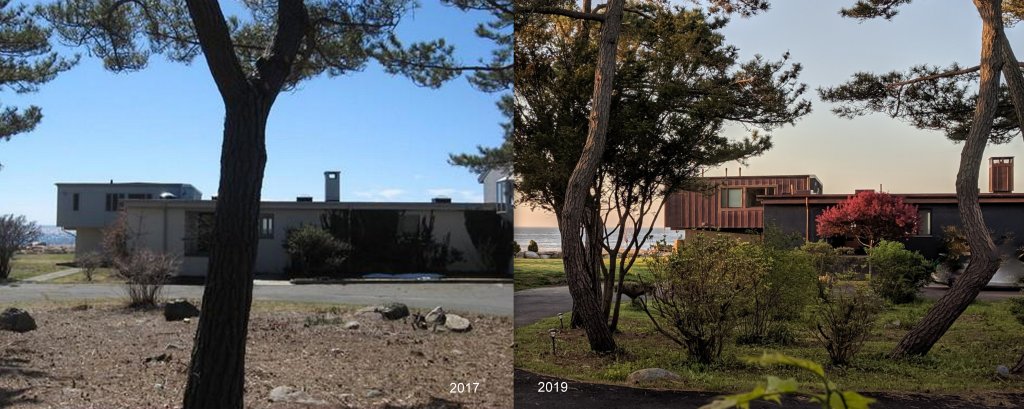
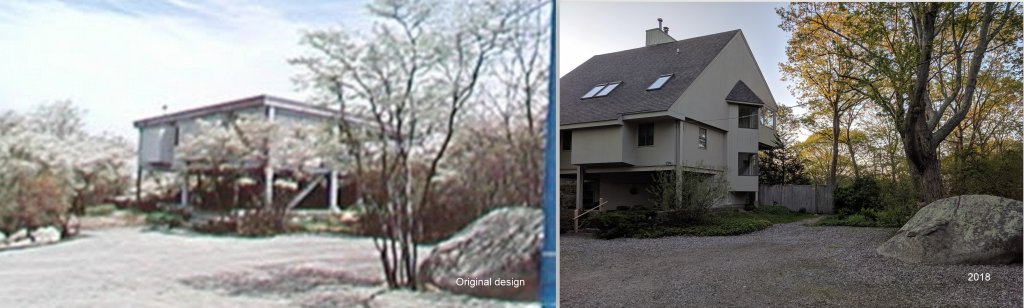
Within a few short years of moving to Gloucester, Robert and Elizabeth ‘Libby’ French expanded their art collection, he was elected Mayor, and they commissioned Monell to design their home and property in 1967. caption: video shows interior/exterior and was published in 2016. I don’t know when it was filmed. Small lovely moments – note the interior staircase railing, and exterior deck and bridge to glacial boulders. Clearly some modifications since it was designed in 1967 and perhaps since this video.
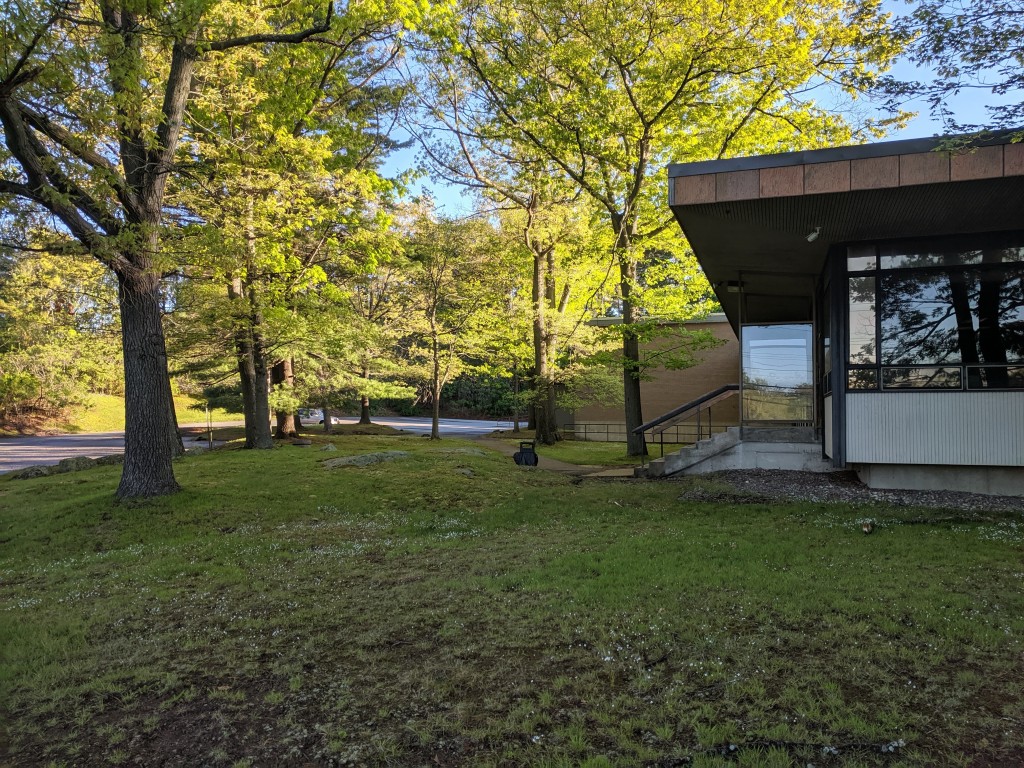
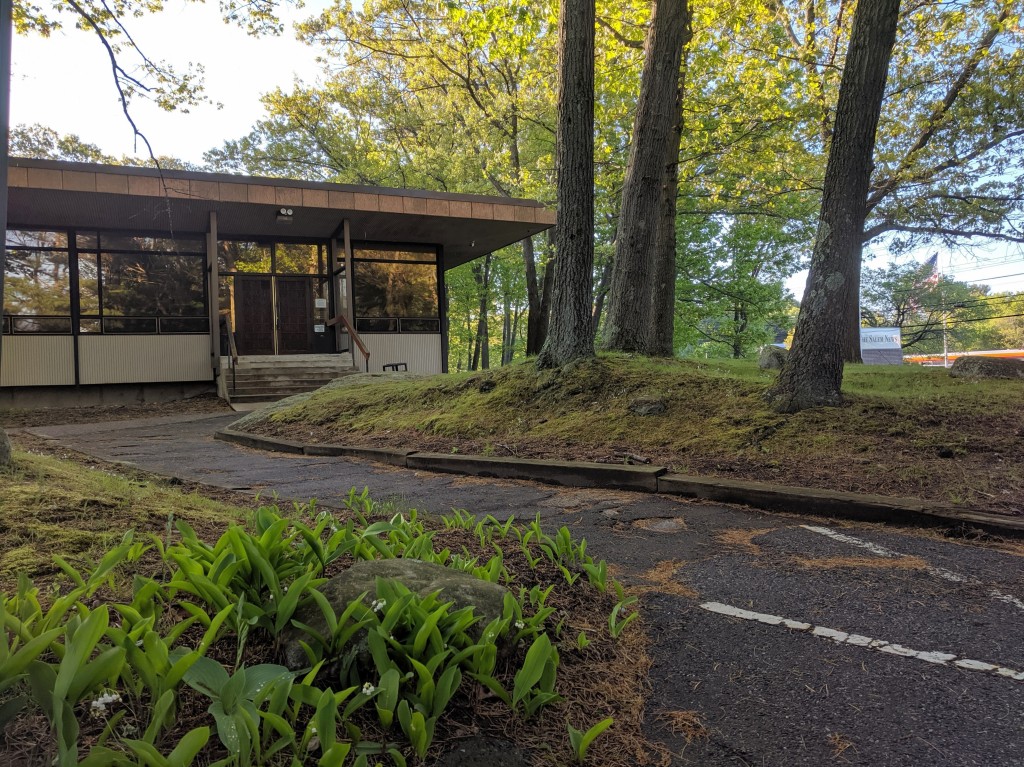
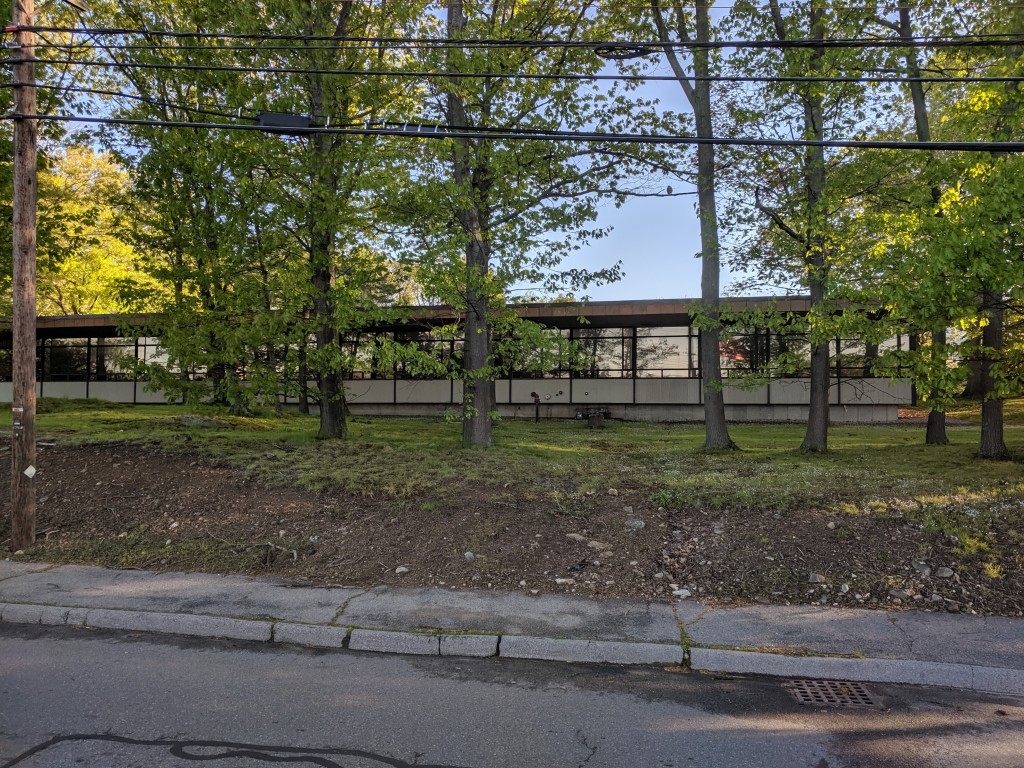
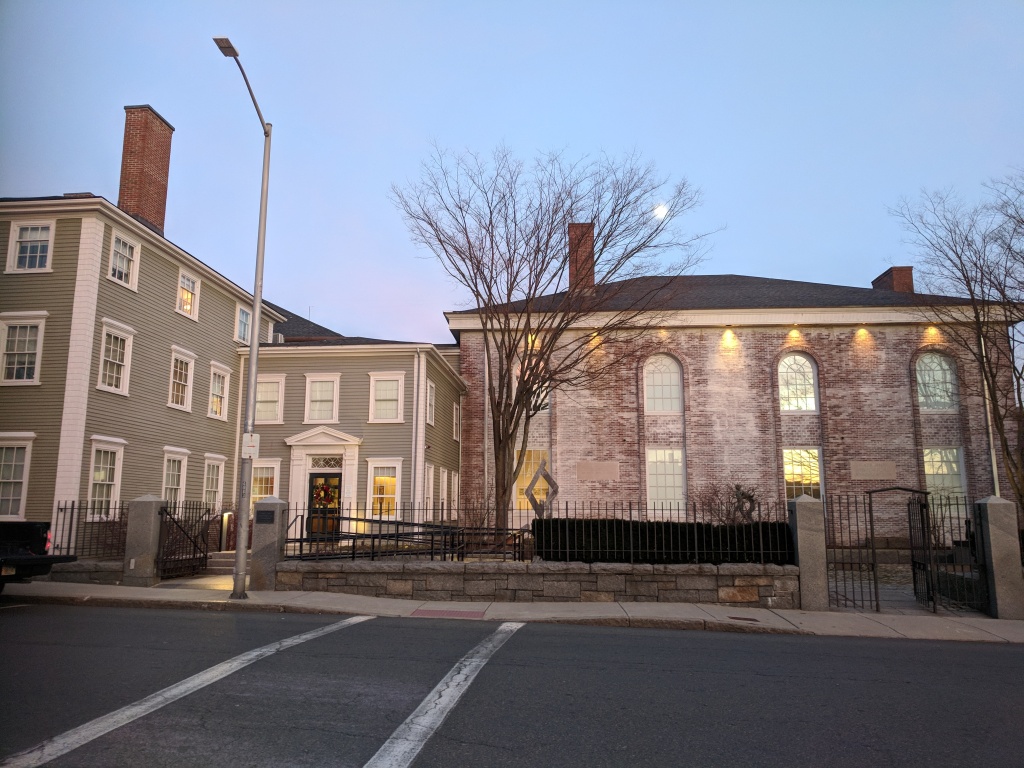
Besides the Gloucester Lyceum & Sawyer Free Public Library commission, Monell government and public buildings include the Beverly Newspaper factory and offices, Eastern Point Retreat, Plum Cove School, and the Cape Ann Historical Society. Elements of his signature architecture resonate strongly with the work he did at the library.
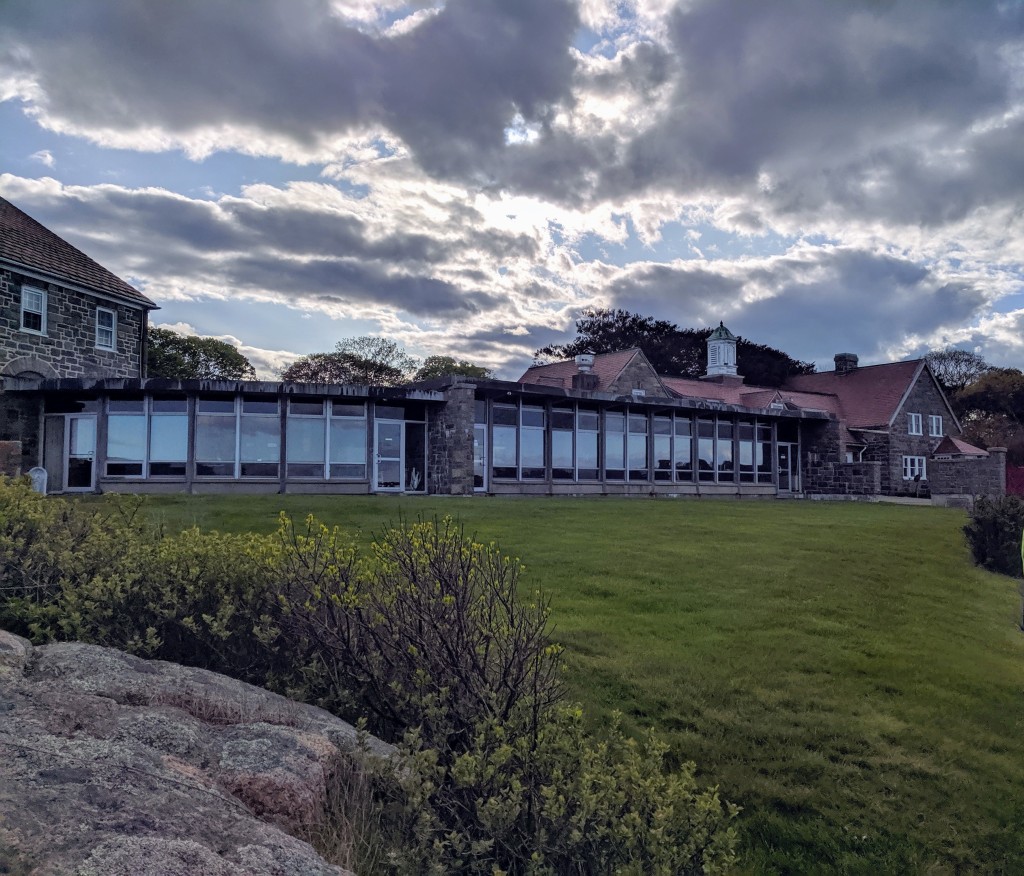
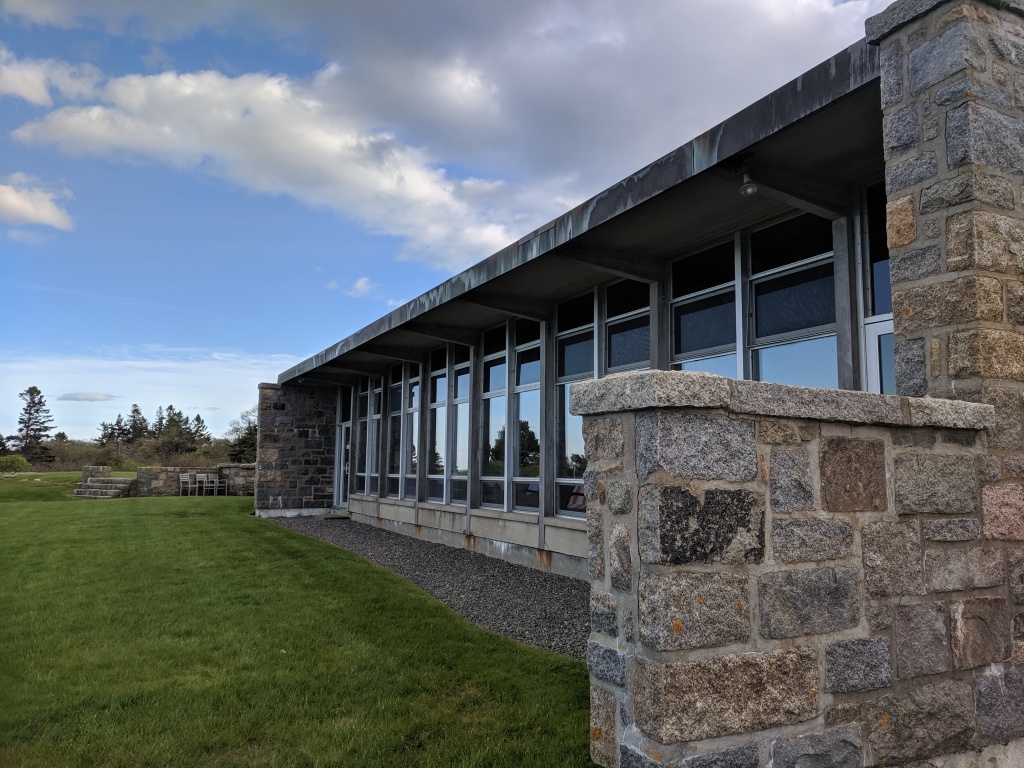
Eastern Point Retreat House, Dorm & Dining Halls 1960
For the Gonzaga project, Monell joined two buildings and built a cafeteria and dormitories. Recently his original work at the entrance, connector and dormitories was razed. The historic photos BEFORE illustrate his artistry and display a strong connection with the design Monell established at the front of the library on the stacks building between Saunders and the expansion.
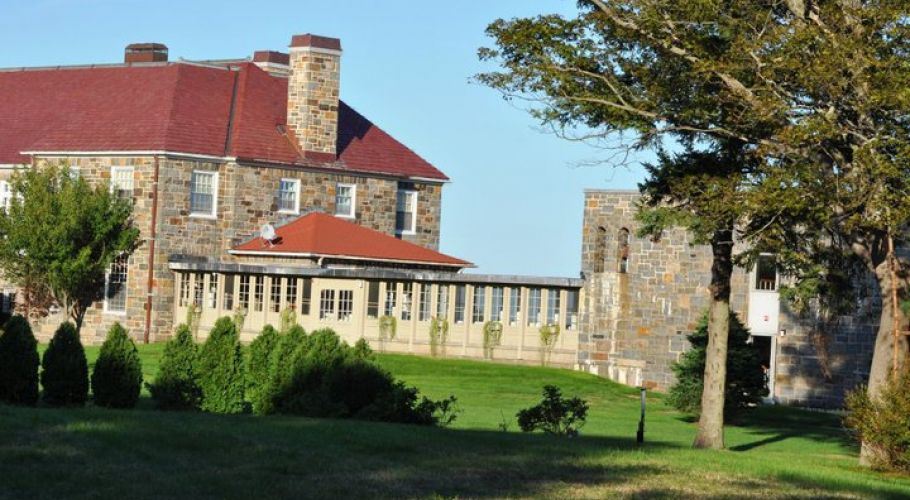
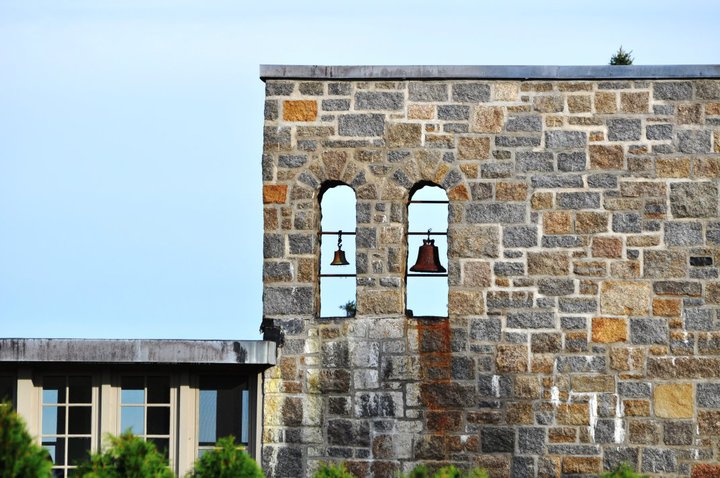
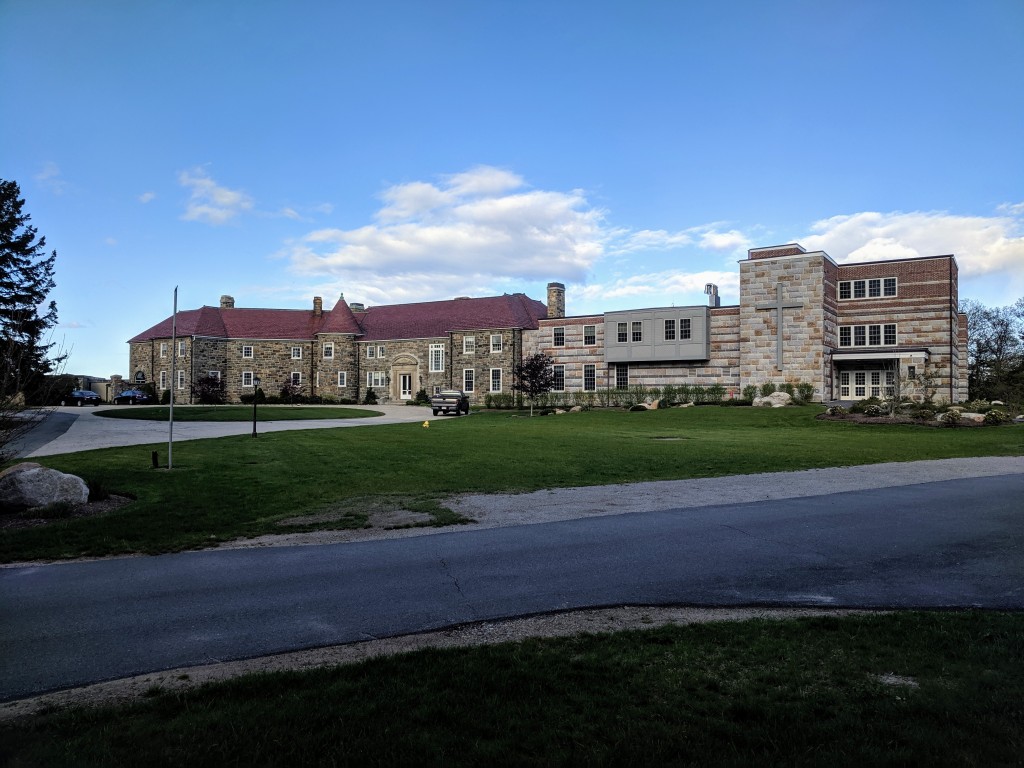


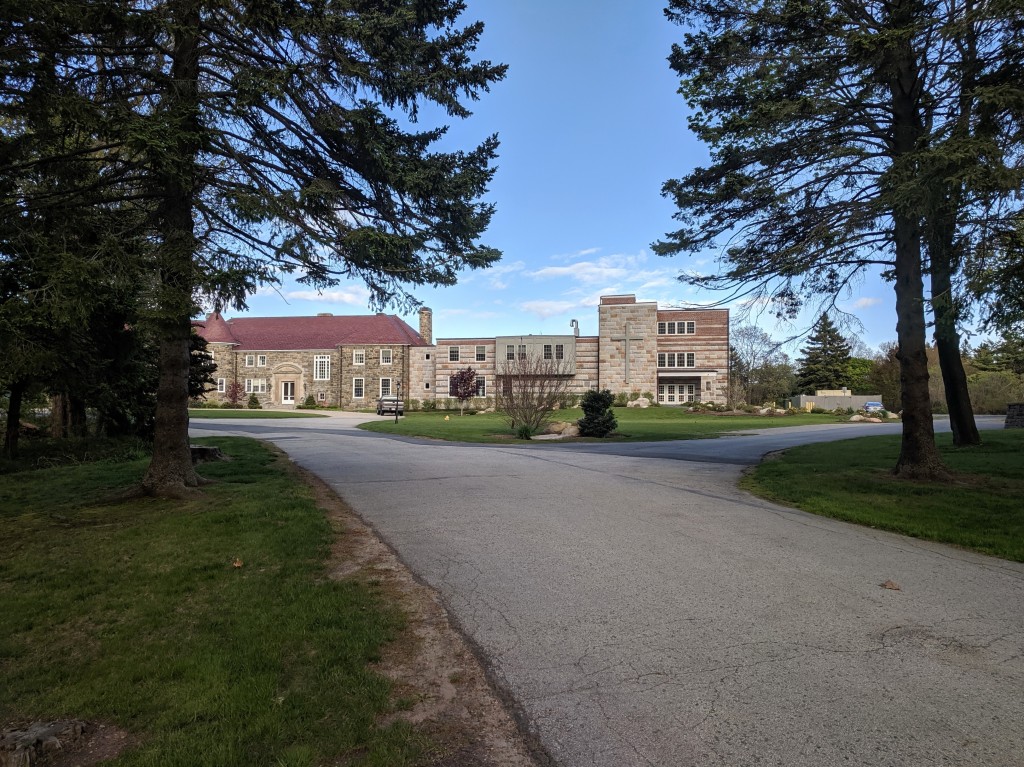
BEFORE / AFTER – dorm, far left (ocean side)
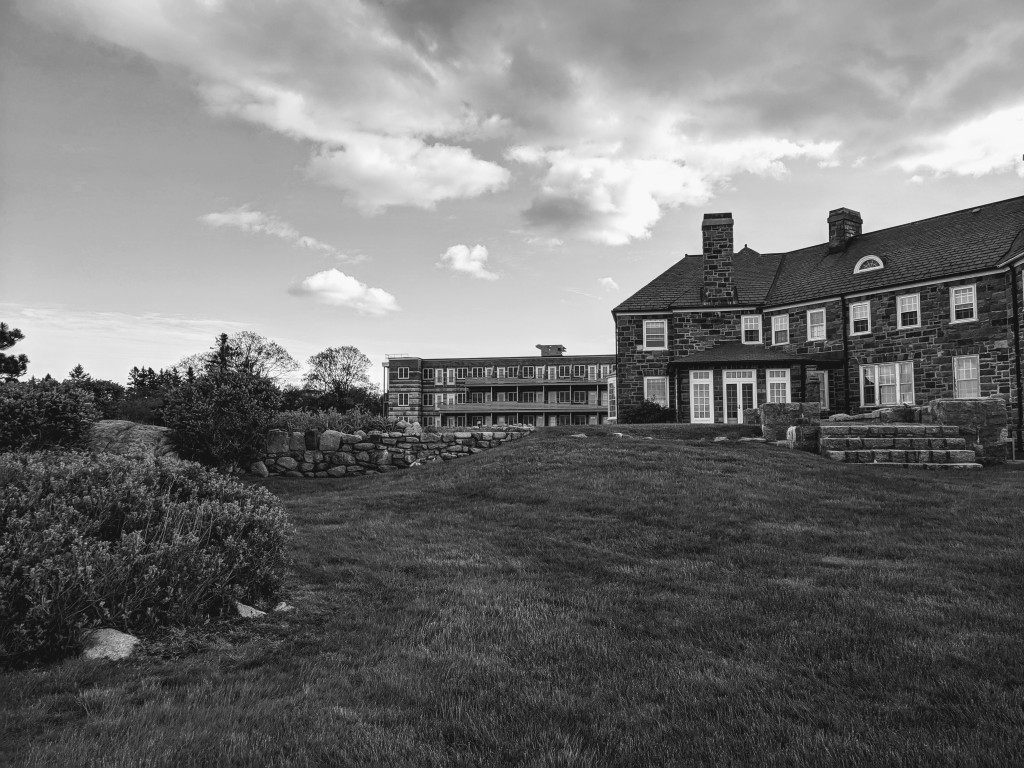
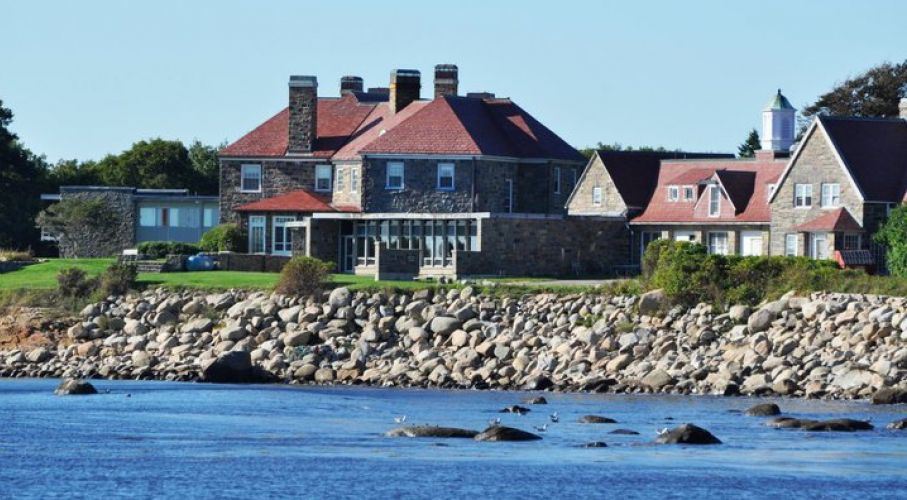

BEFORE / AFTER – dorm (parking side)
Microphone were set up to amplify sounds of the ocean (white noise) within the dormitory
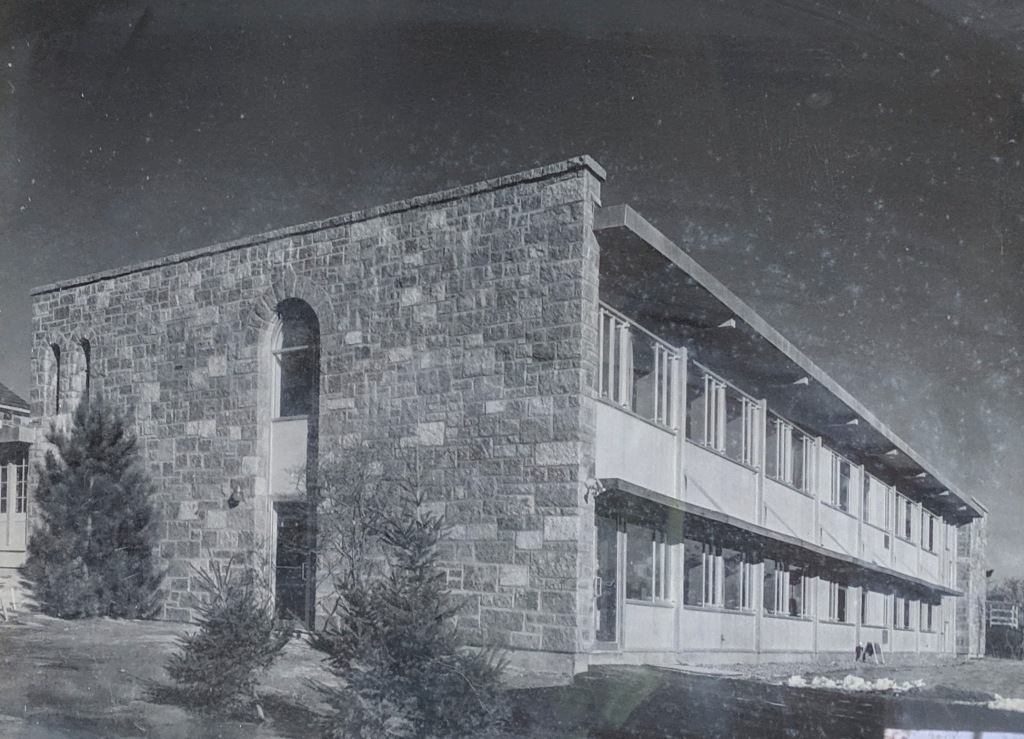

BEFORE /AFTER – cafeteria low glass ceiling (ocean side) remains


Monell subcontracted/collaborated with TAC for build

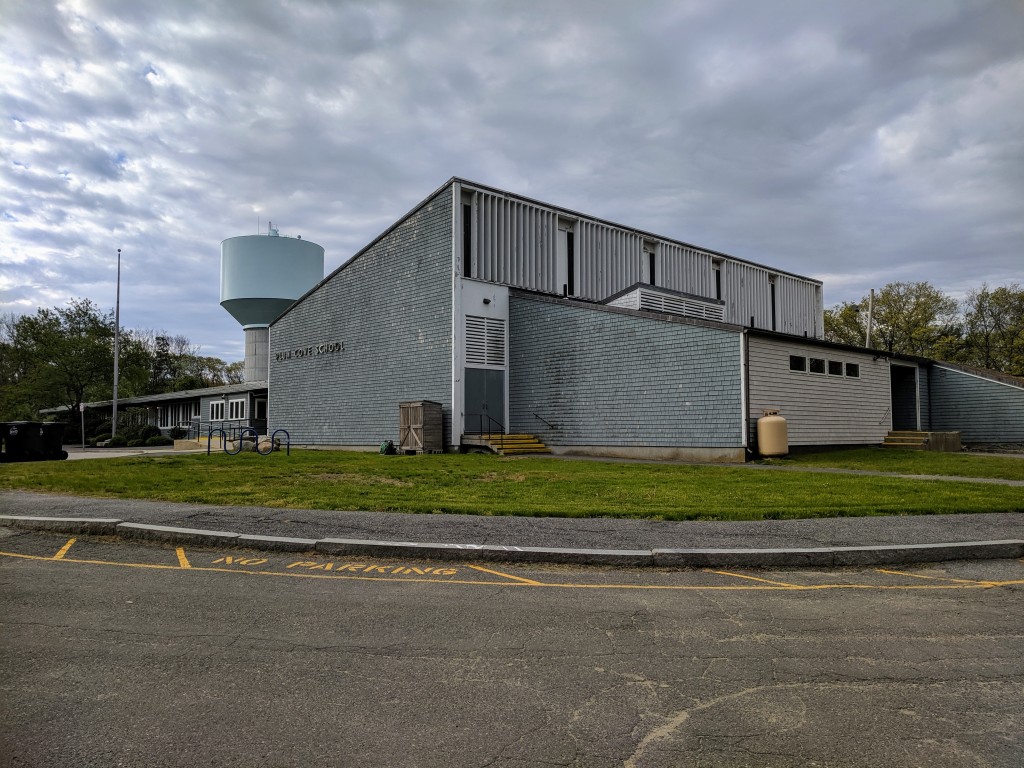
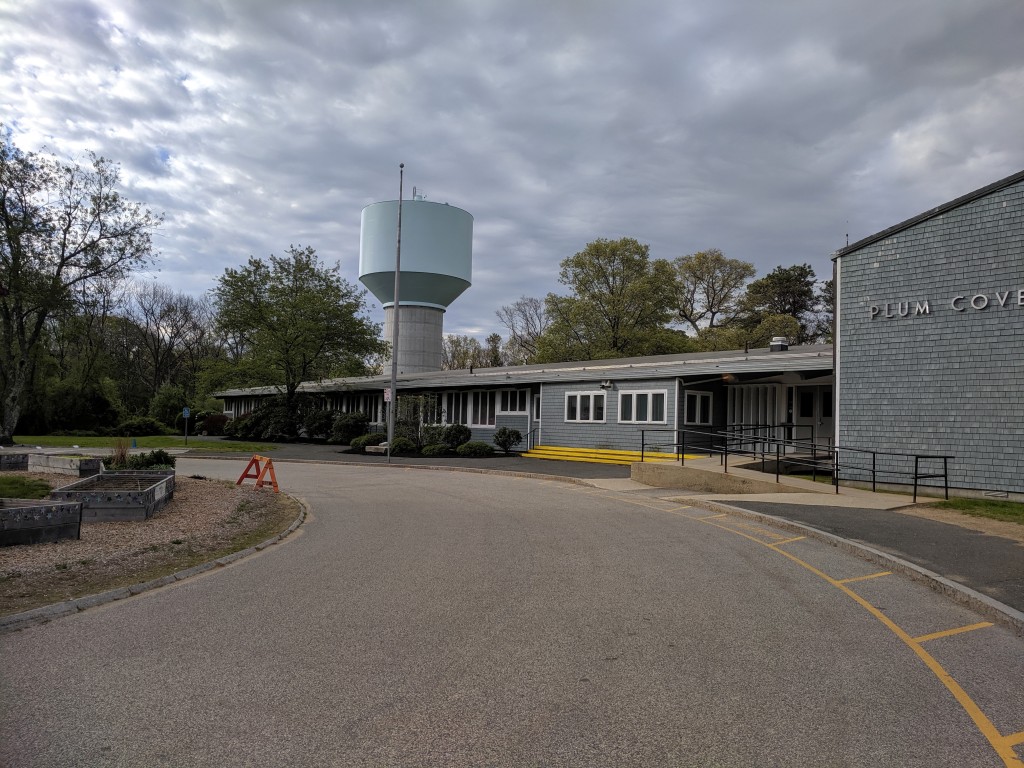
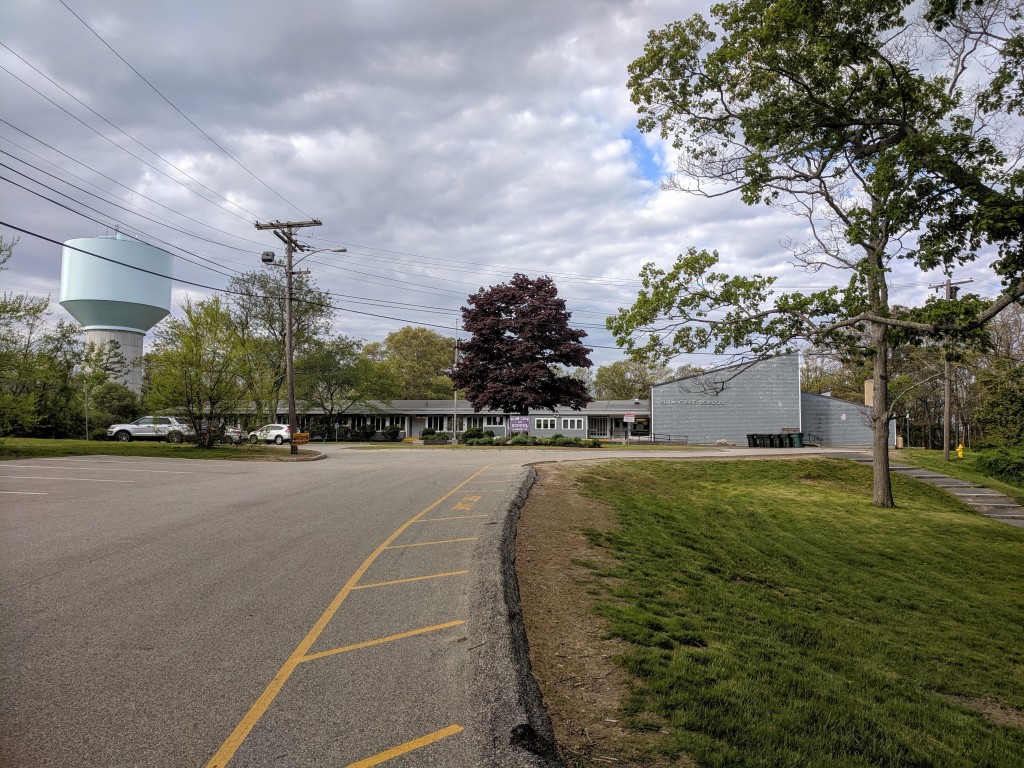
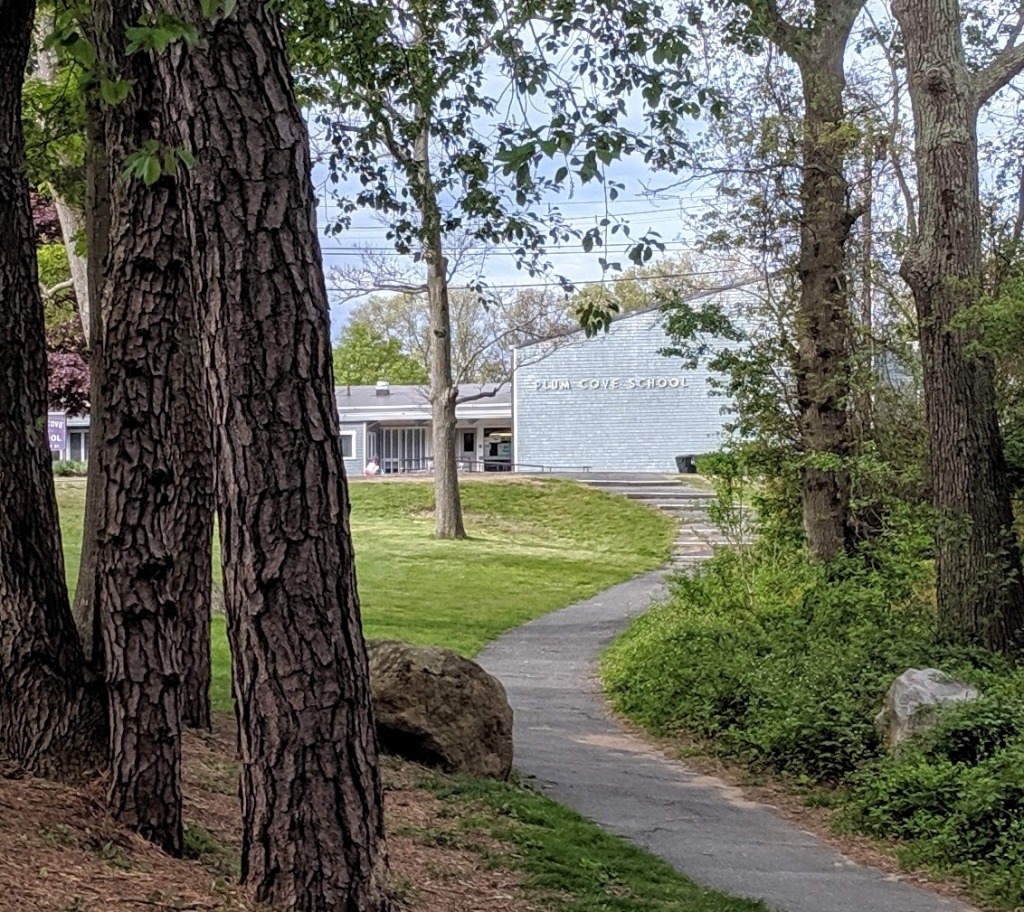

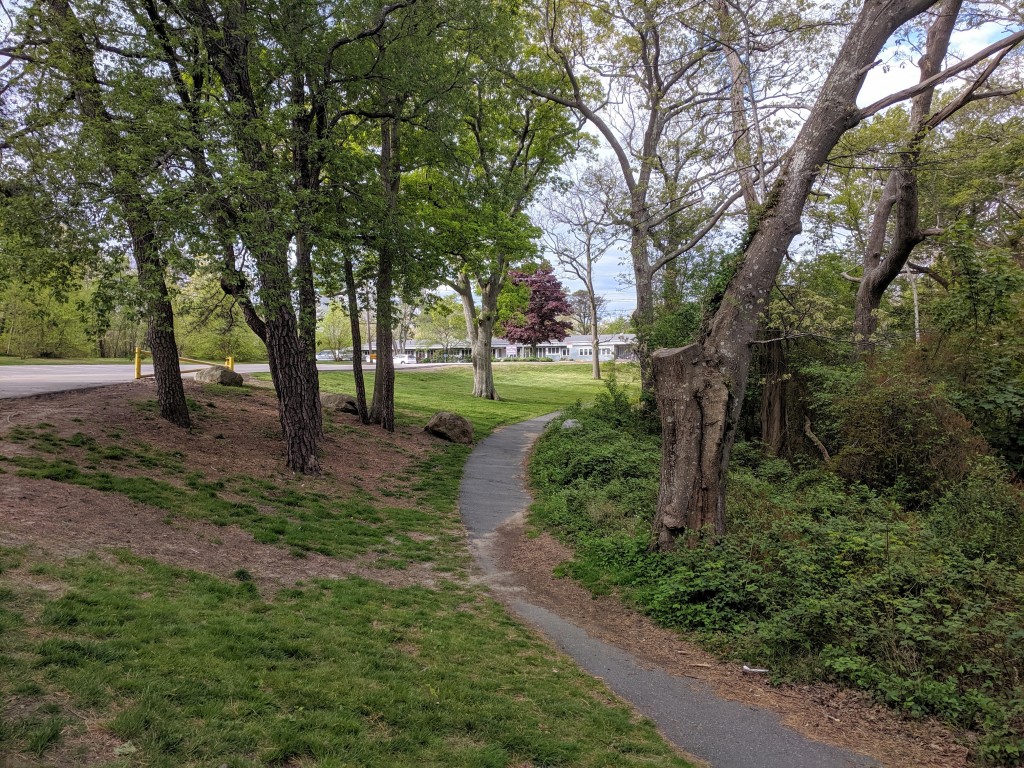
Beverly Newspaper Offices and Factory (now Salem News)

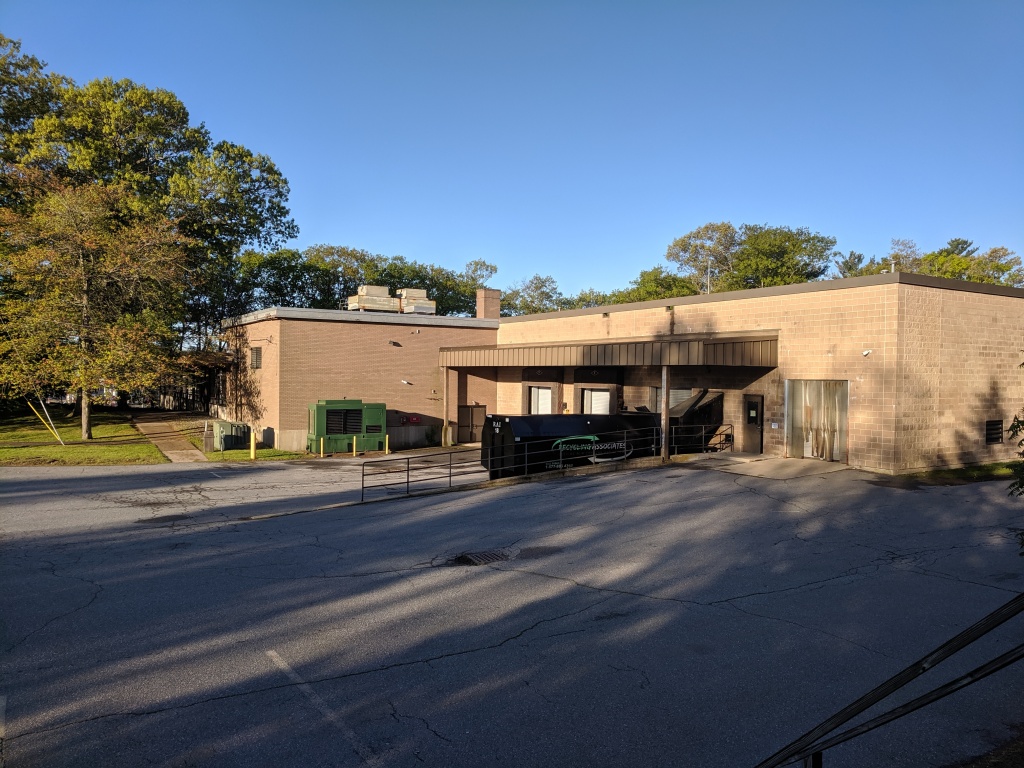


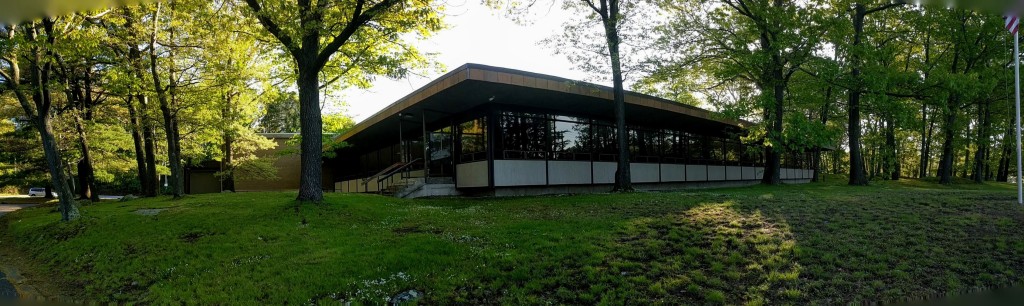
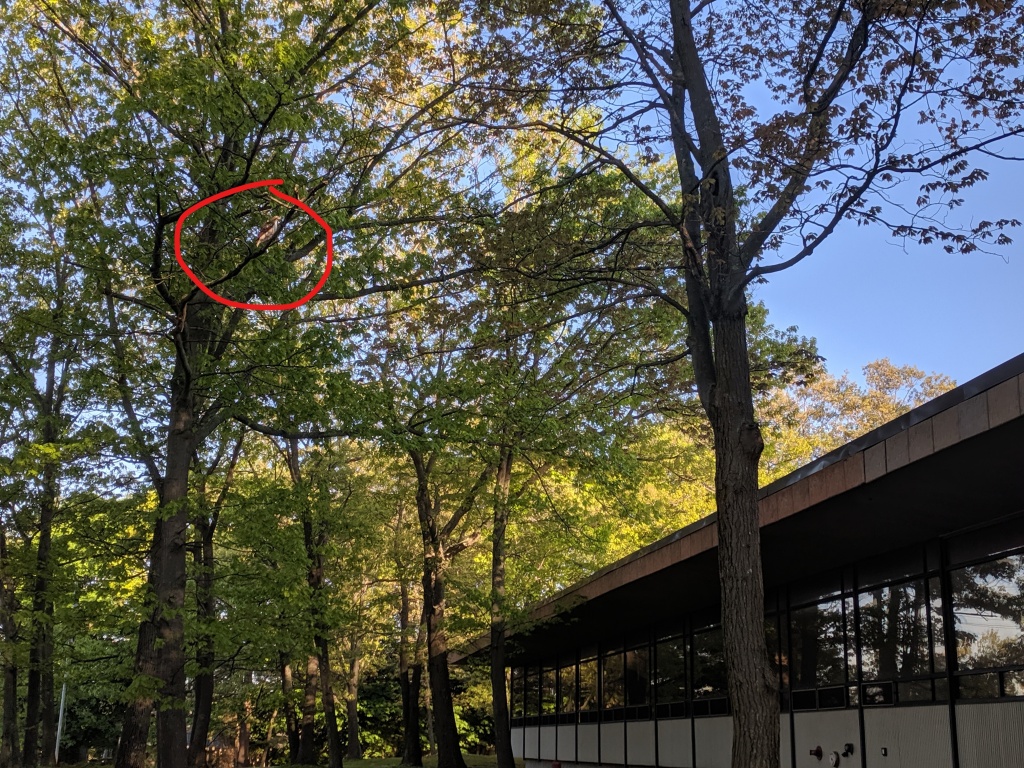

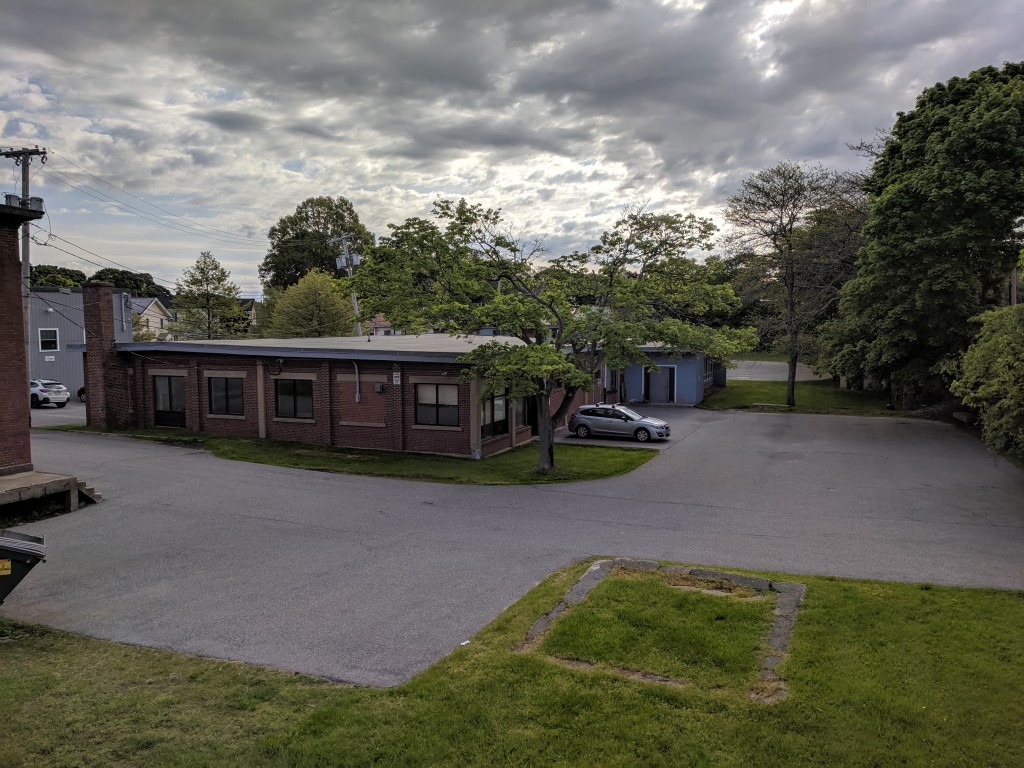
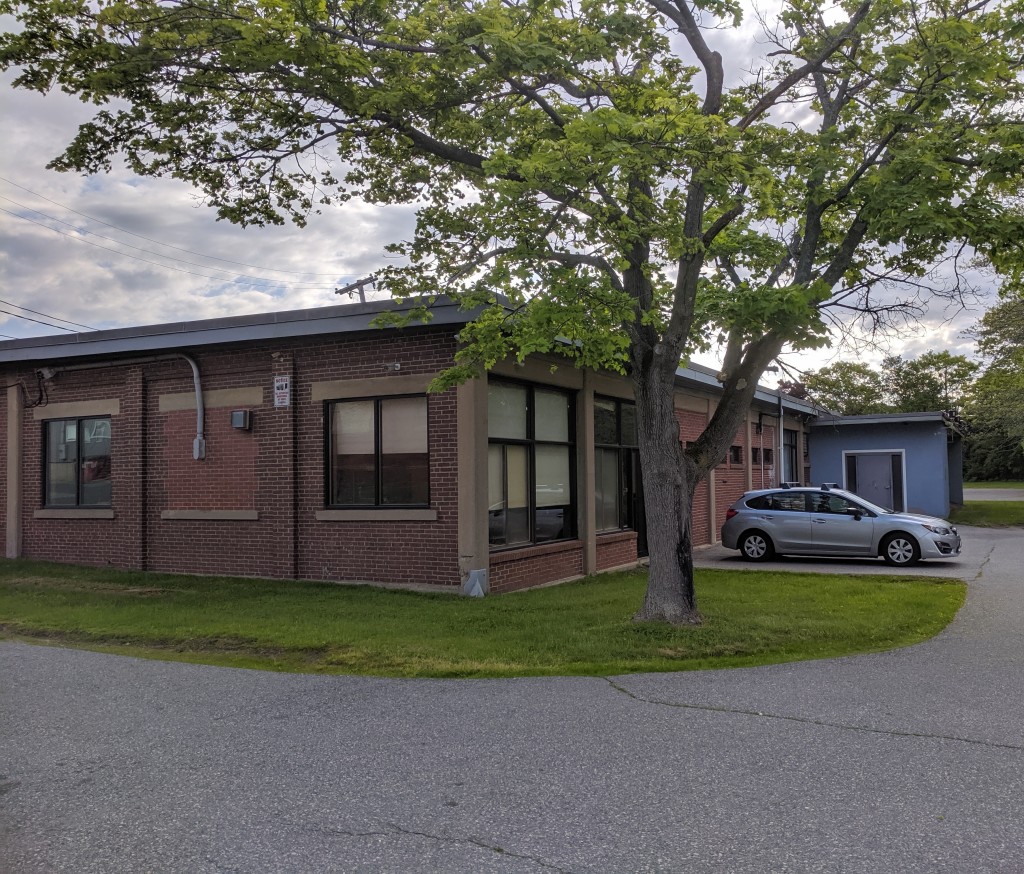


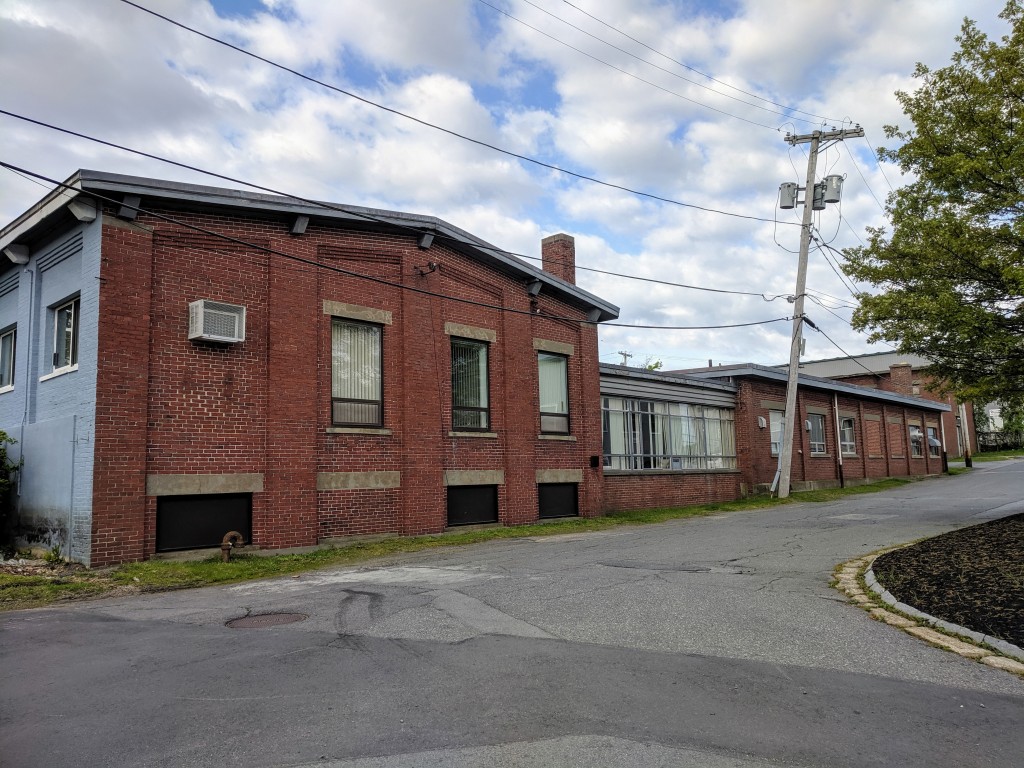

Circa 1967 plans for property by Grant Circle
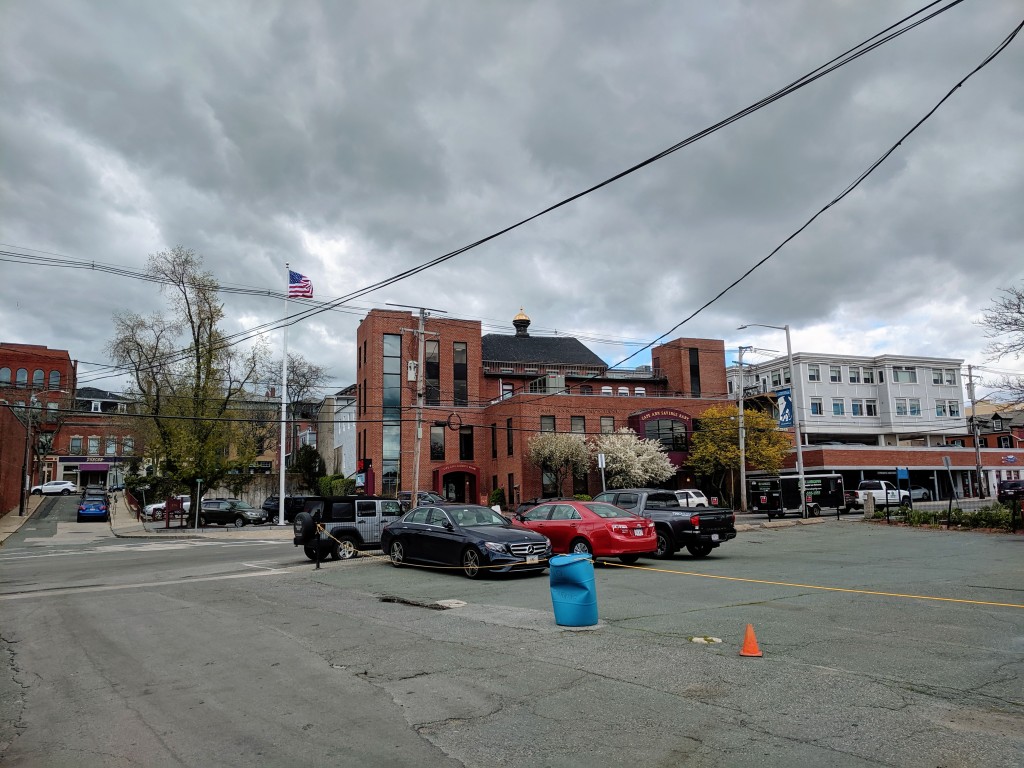
Monell’s work at Cape Ann Savings Bank has been altered at least 2x since his commission. Here are a couple of placeholder “before” snapshots until I obtain better examples. Before (courtesy photos)/After example – Note changes like the Monell staircase design vs replacement and office additions vs open floor plan. The arch window motif remains.
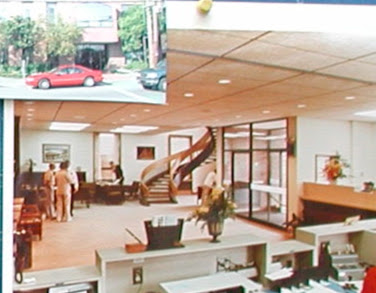

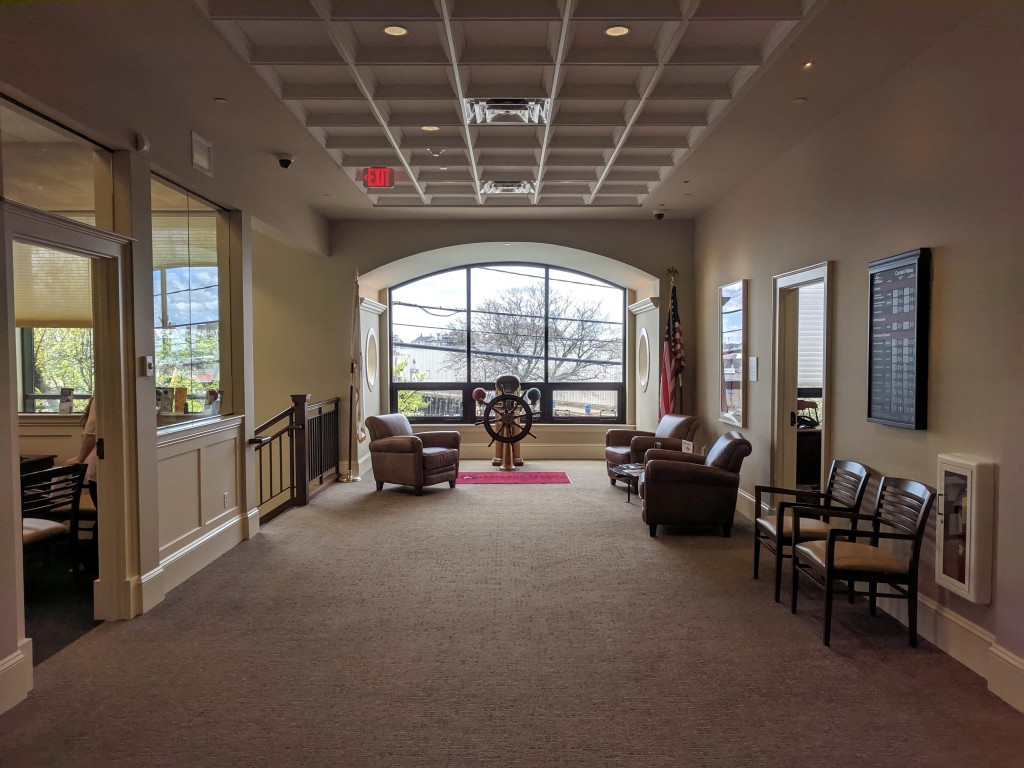
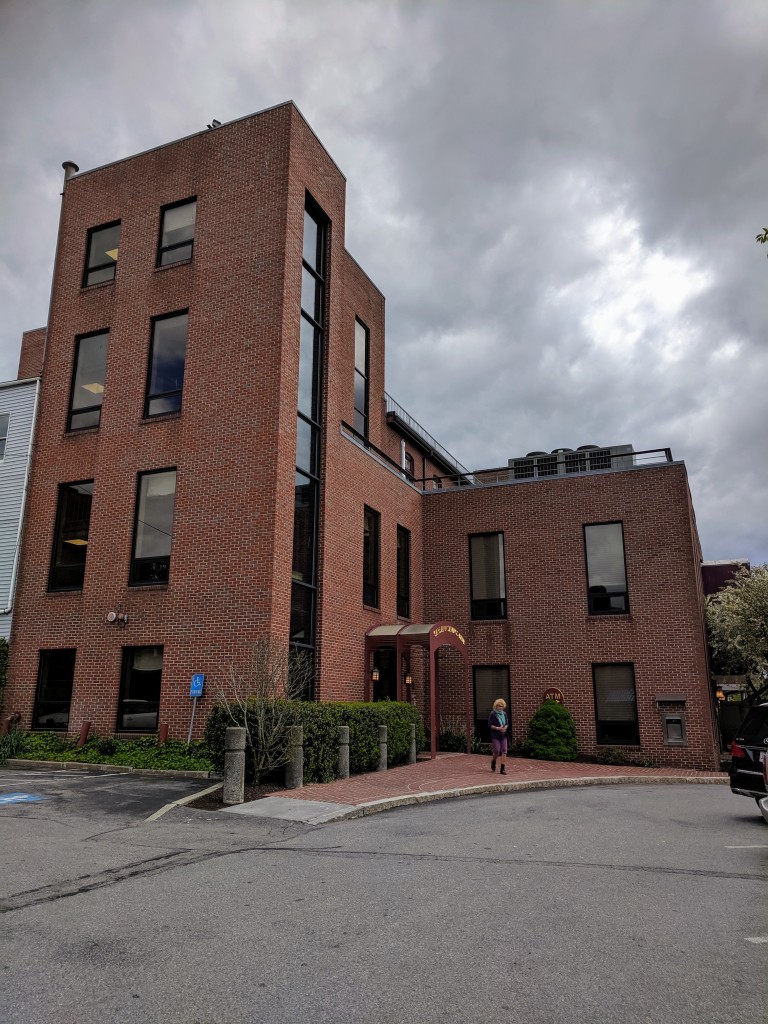

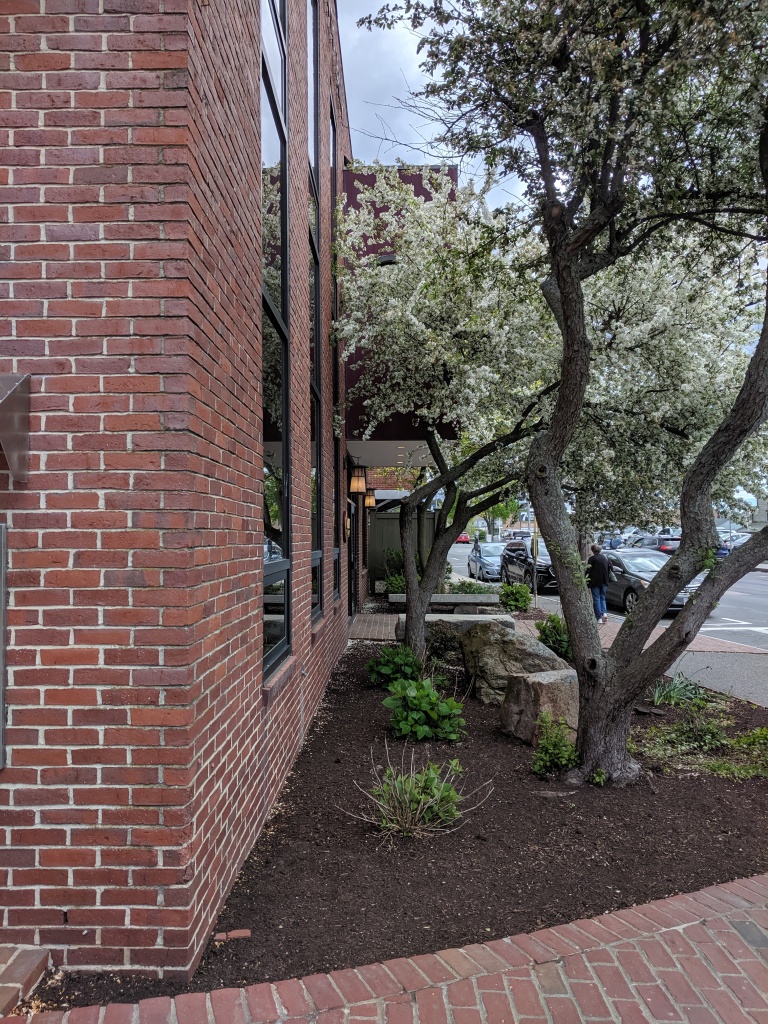
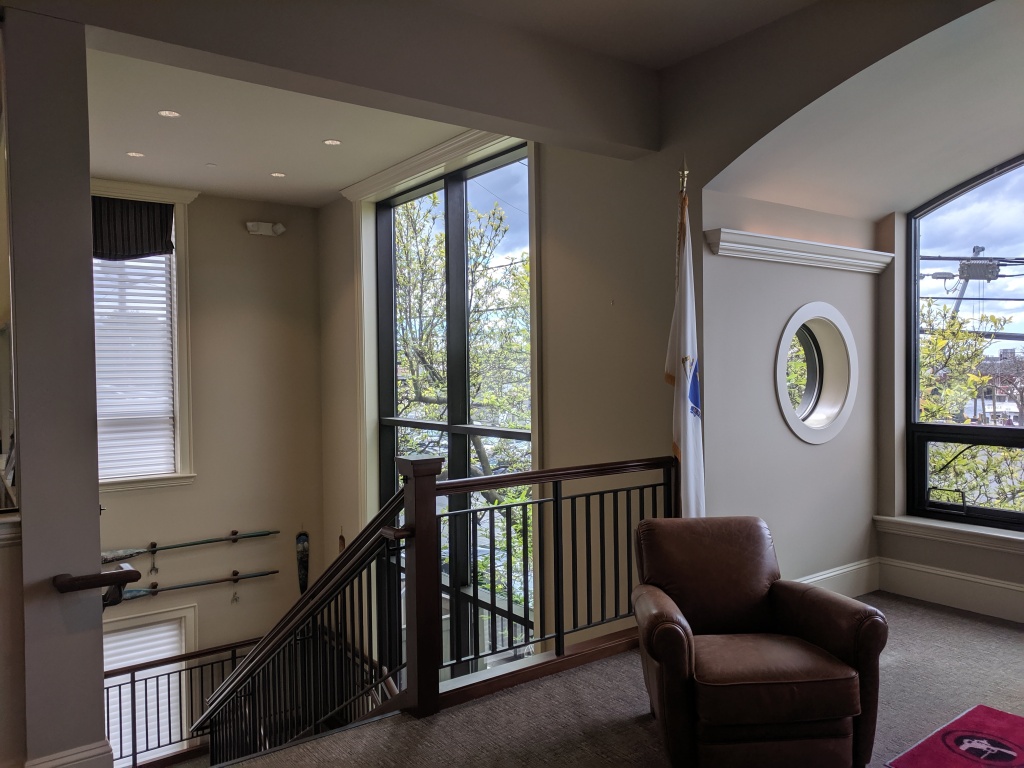
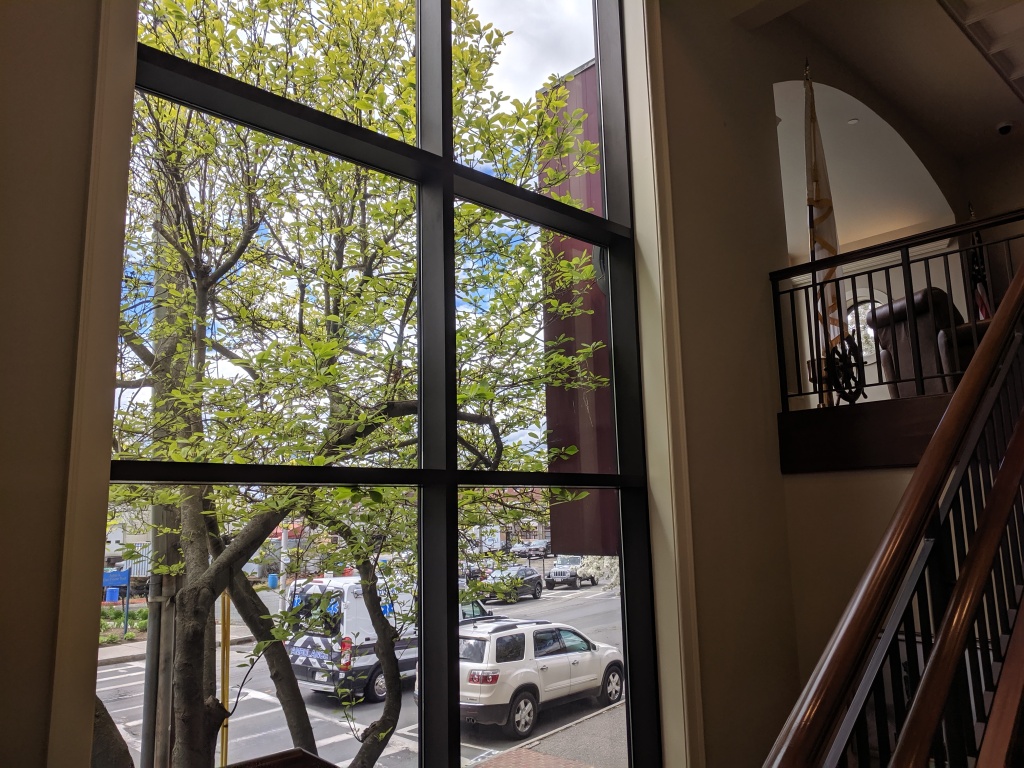
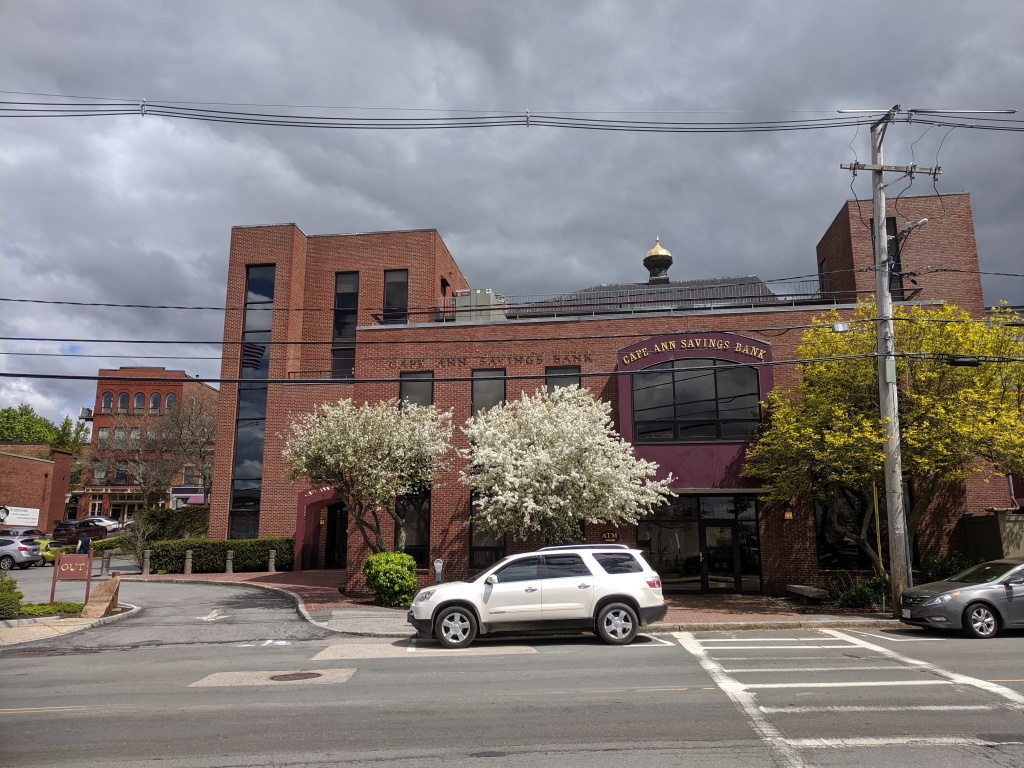

Monell was concerned with getting it right. You don’t have to know about Monell, his body of work or the history of architecture to be moved or respond. His slow designs are considerate of their surroundings, integrating connections with the natural and built environment. Thanks to his gentle, contemplative approach, it feels as though there’s more than enough space even when there isn’t much space to be had.
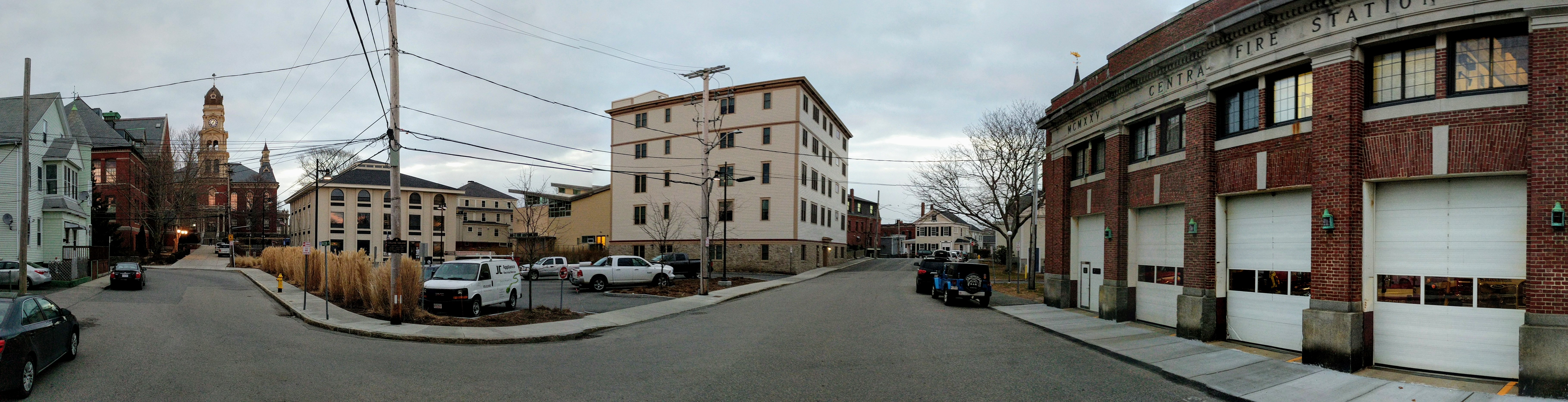
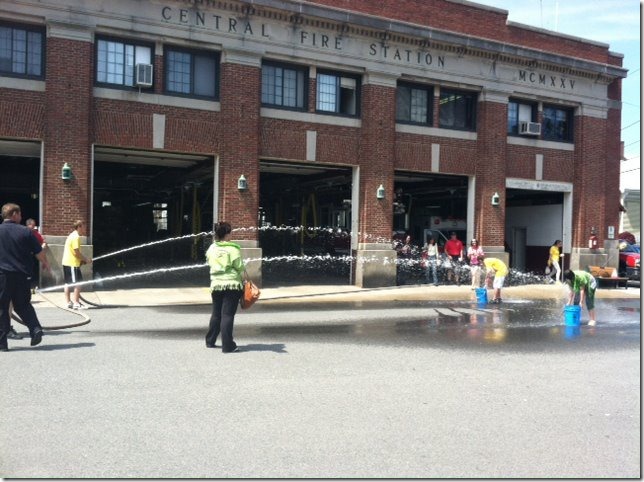
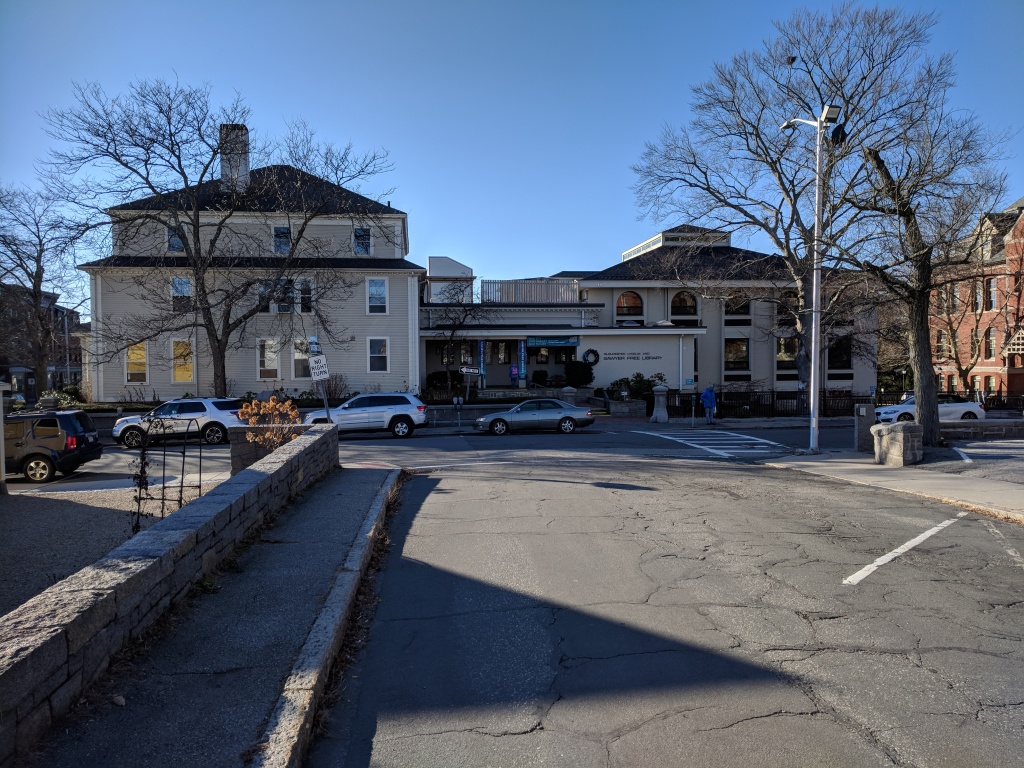
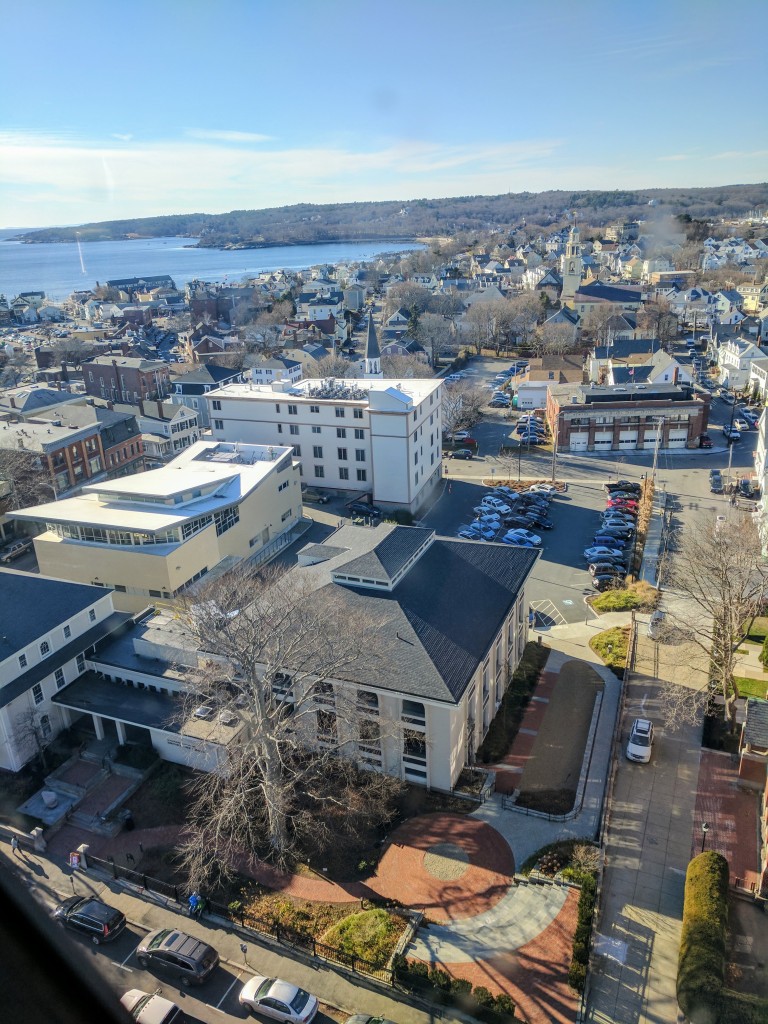
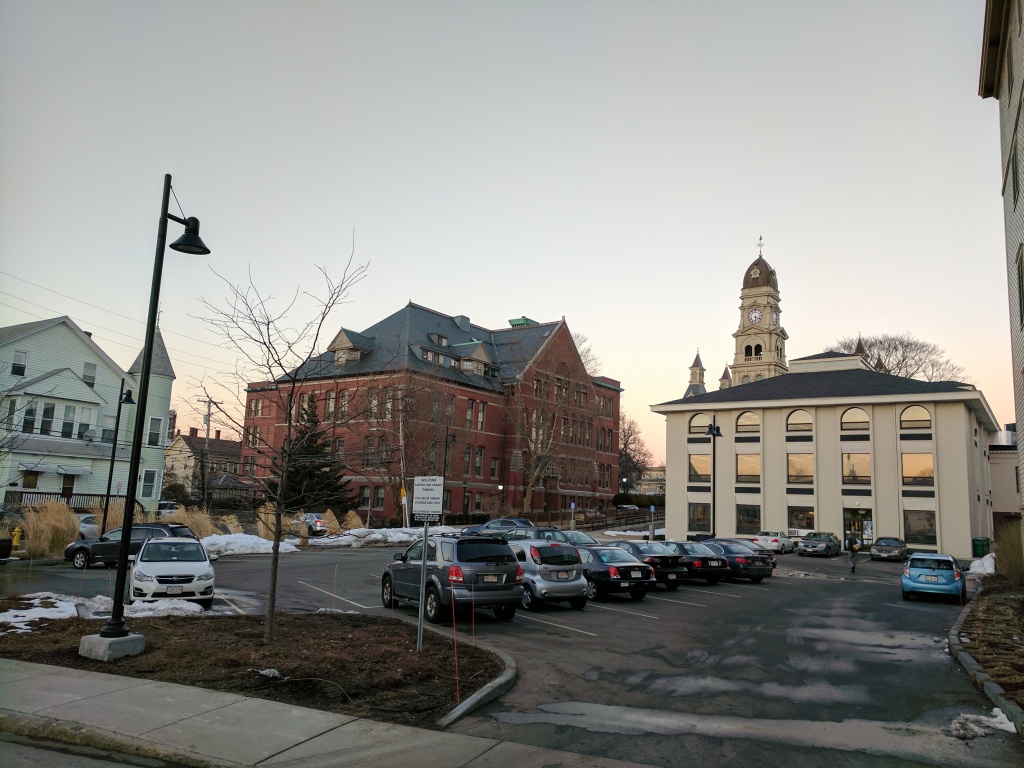
When reviewing Monell’s body of work, it’s clear to see that Gloucester’s landscape, history, art and architecture inform his designs. The library’s connector and entrance are signature Monell motifs and beautiful. It’s no accident that the symmetry of the windows at the back of the building echo the five bays of the fire station,
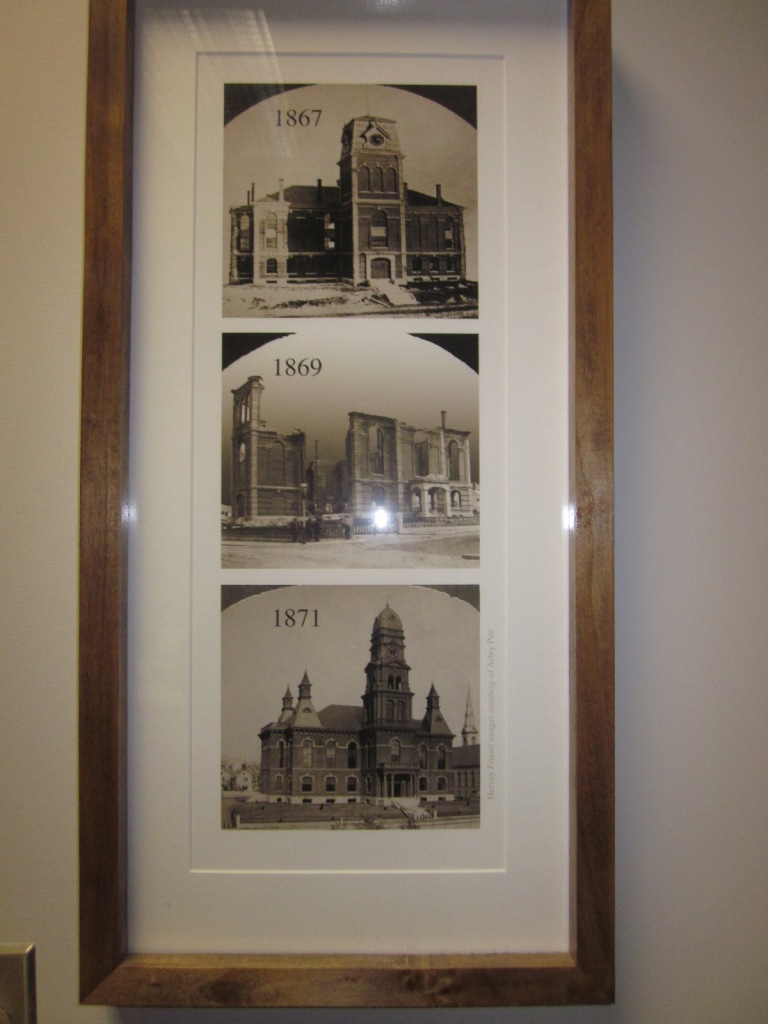
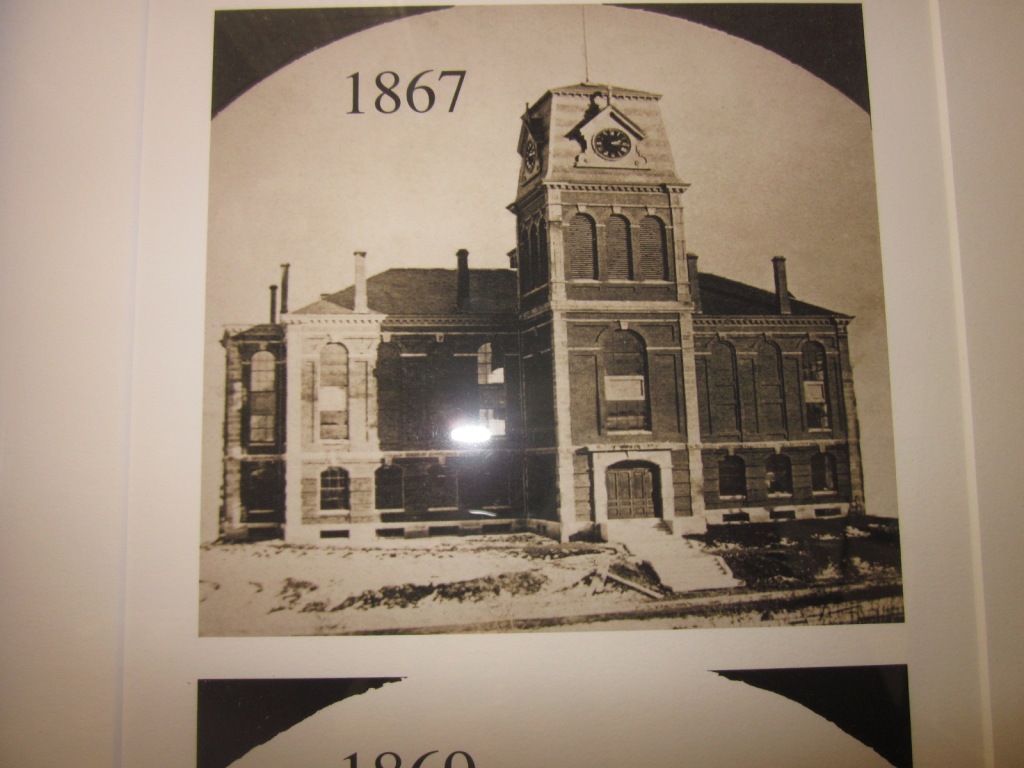
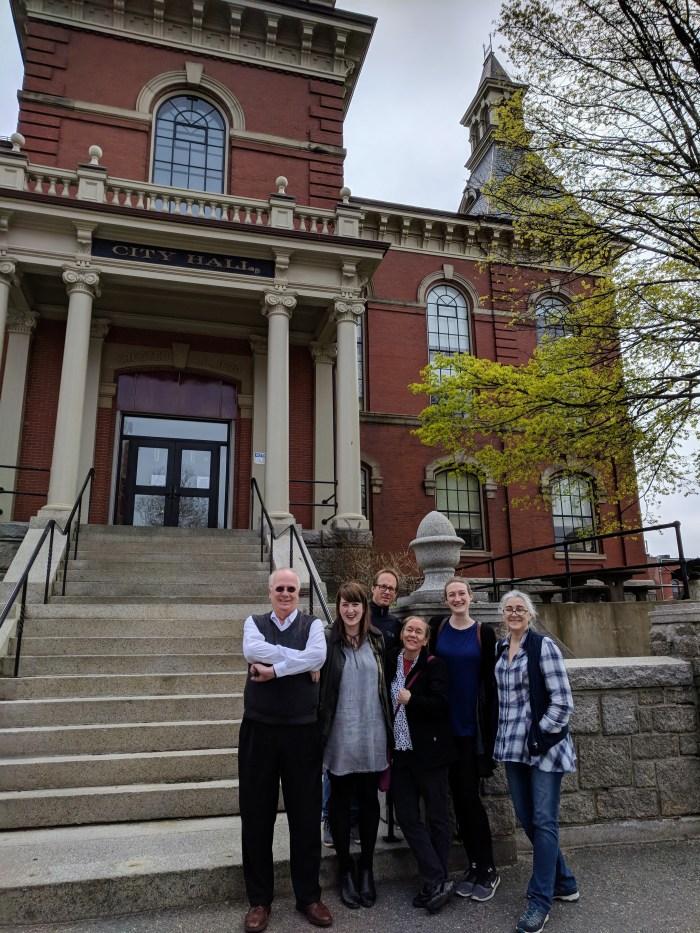
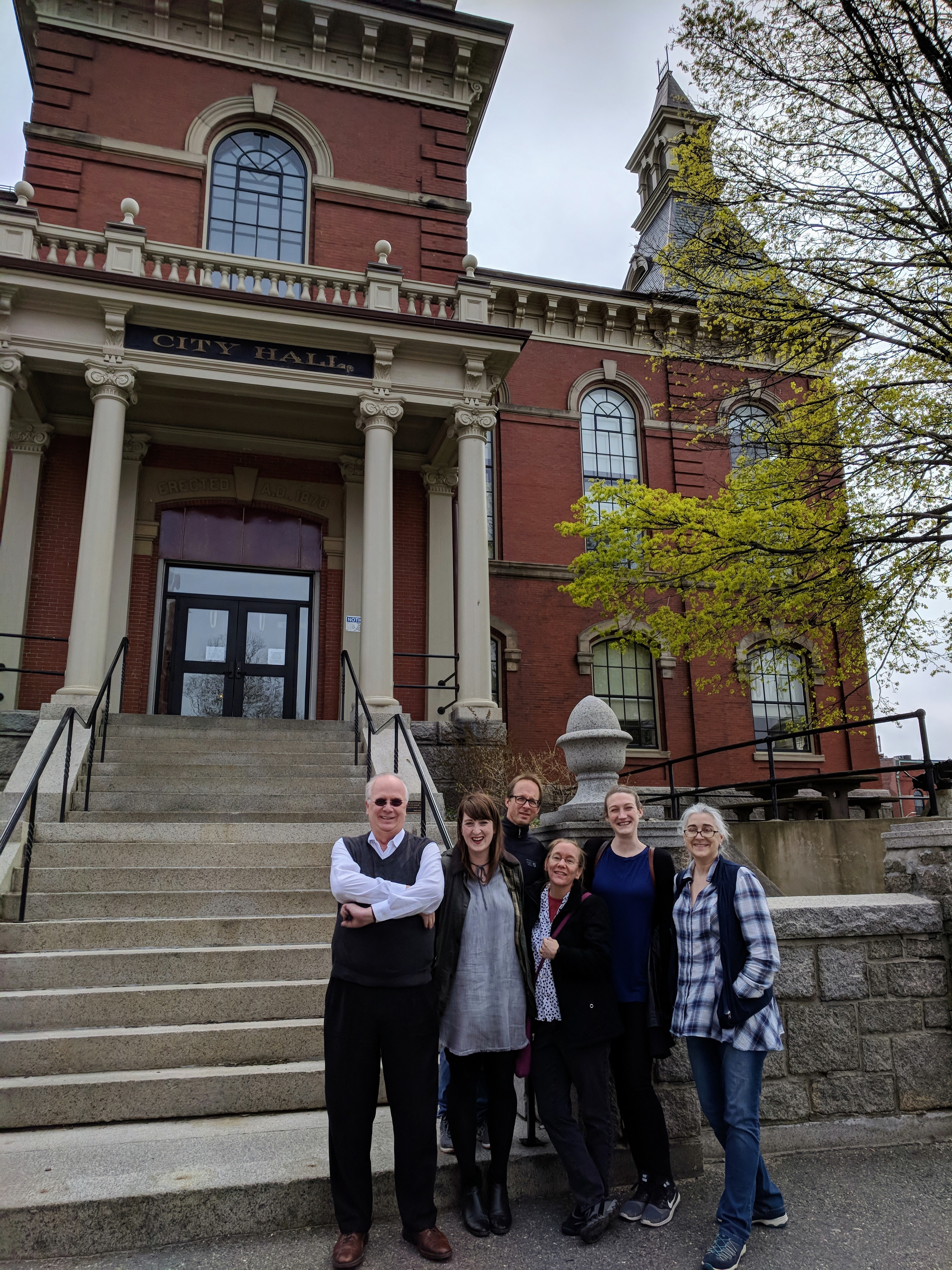
or that they were inspired and reference City Hall, 1867.

No matter which approach one takes to the library, Monell’s consideration of the building and its surroundings is intentional and graceful.



Special thanks to Alexander Monell for sharing his time, knowledge and inspiring family history. Photos are mine unless noted “courtesy”. Those are extra special as they were culled by Alexander Monell in loving tribute to his father and family that he kindly shared and even granted permission to publish here. More to come!
-Catherine Ryan, May 2019
Further reading

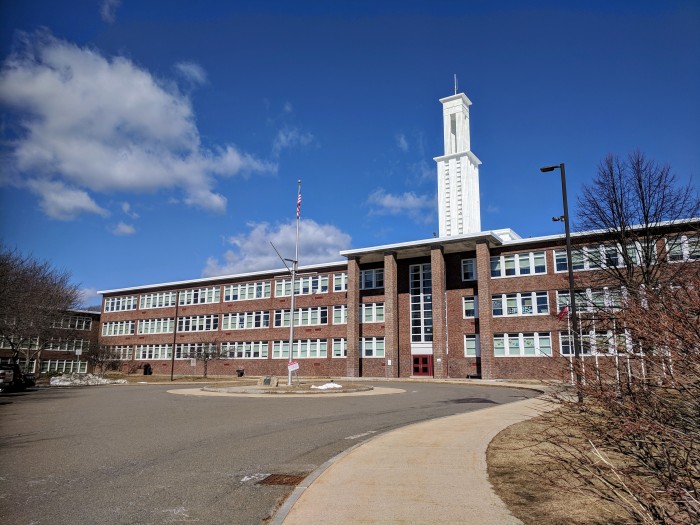
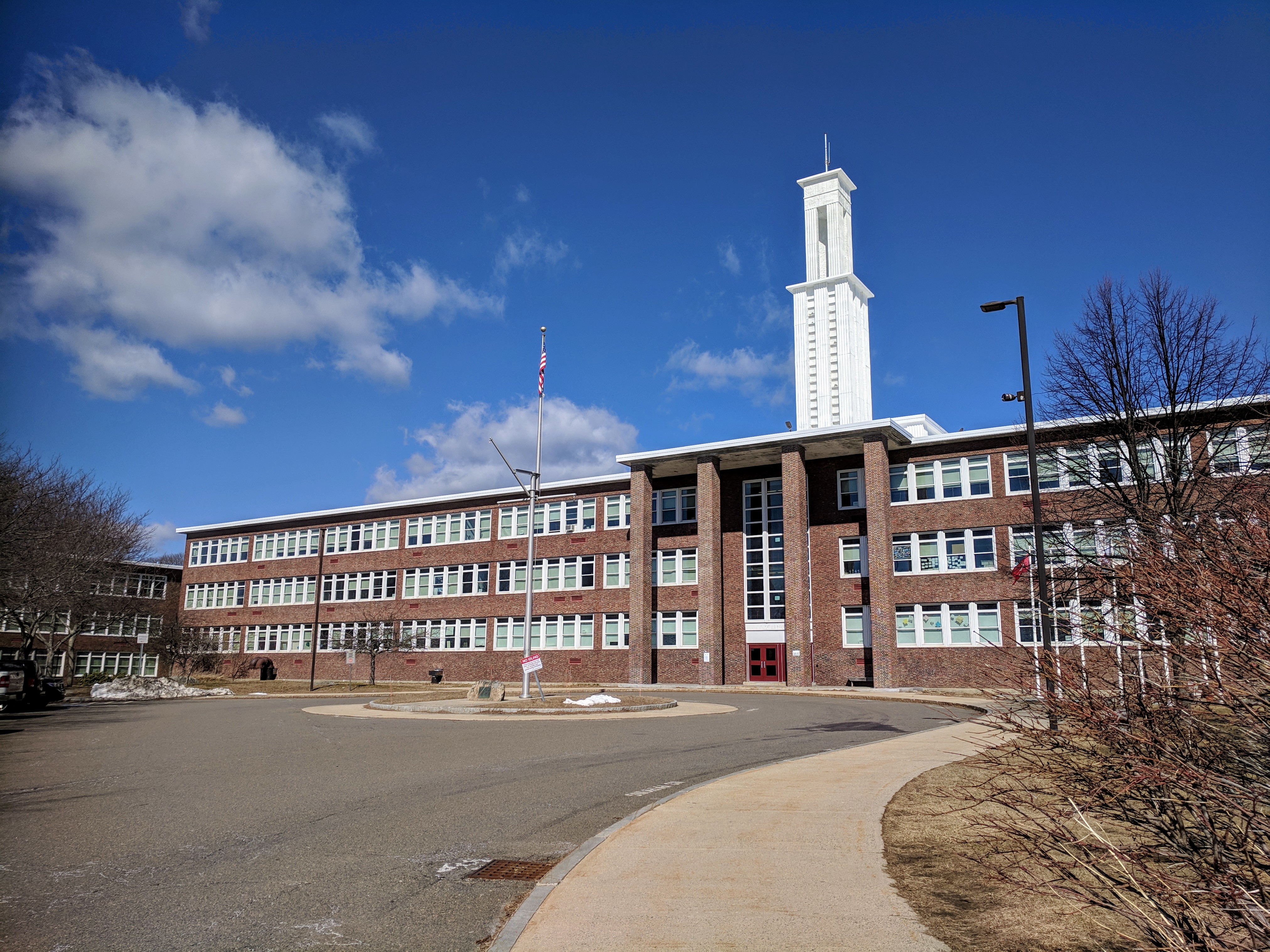
Gloucester, Mass.- Great teacher at Gloucester High School, Shaun Goulart, creates a local history scavenger hunt trivia game for his 9th grade students that takes place weekly for 6 weeks. We’re taking the challenge one week after the students. Good luck!
ANSWERS TO SHAUN GOULART’S LOCAL HISTORY TRIVIA WEEK THREE
How did you do? Week three was all about some famous Gloucester FIRSTS and there were many locations. Stop here if you prefer to go back to see Week 3 questions only.
Principal Albert Bacheler CENTRAL GRAMMAR

PURITAN HOUSE built in 1810 by Col. James Tappan* is a historic house at 3 Washington Street and 2 Main Street. Also known as: Tappan’s Hotel, Gloucester Hotel (“Tappan’s Folly”), Atlantic House, Mason House, Community House, Capt Bills (1960s-70s), Puritan House & Pub (1977), Blackburn Tavern (1978-00s) *Tappan was taught by Daniel Webster
Excerpt from prior GMG post (read it here) about scenic tours by bike 1885: “And now let’s take our wheel for a short run along our harbor road to East Gloucester, and note the many points of interest on the way. The start is made at the Gloucester Hotel–the headquarters of all visiting wheelmen in the city–at the corner of Main and Washington streets; from thence the journey takes us over the rather uneven surface of Main street, going directly toward the east. In a few minutes we pass the Post Office on the left, and soon leave the noisy business portion of the street behind us, then, e’re we are aware of it, we reach and quickly climb the slight eminence known as Union Hill…” This brick building at Main and Washington now features Tonno Restaurant. Notice the chimneys and same stairs as when it was the Gloucester Hotel. The Blackburn Tavern sign was just marketing; this building has no connection. Blackburn’s Tavern is now Halibut Point restaurant at the other end of Main Street.


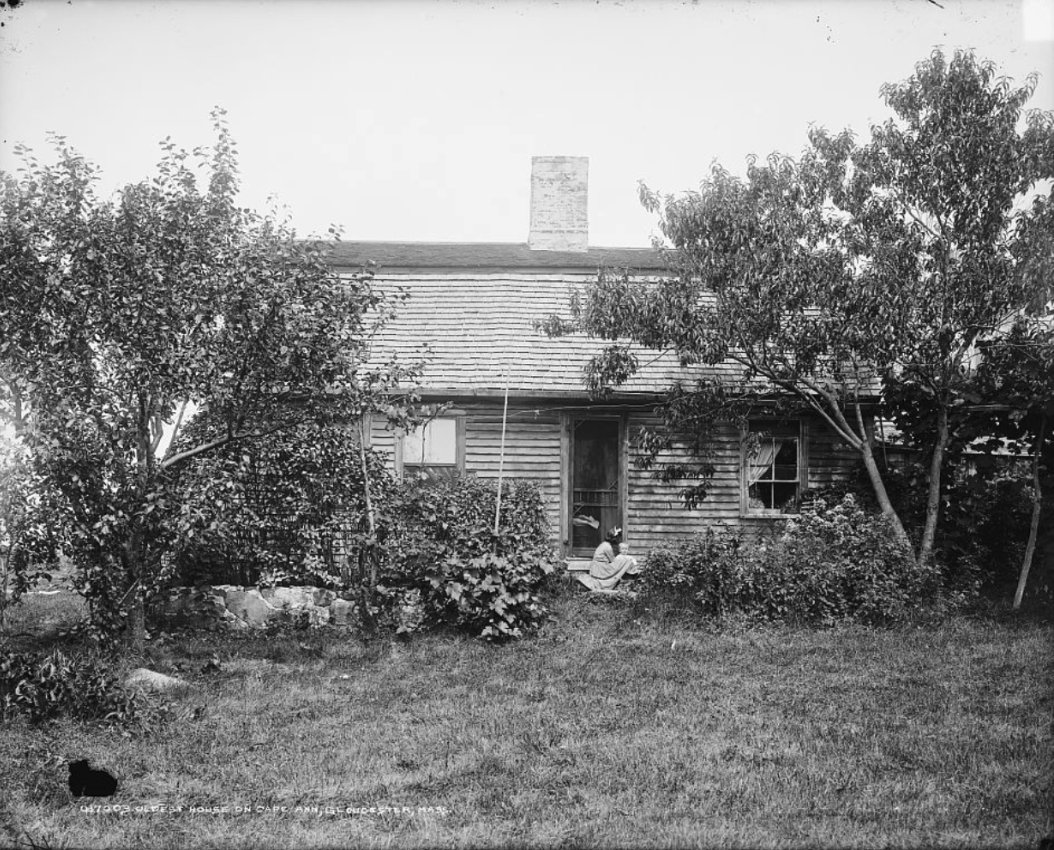
“RIGG’S HOUSE” 27 Vine Street (Annisquam) Thomas Riggs House purchased in 1661
oldest house on Cape Ann, Gloucester, MA

Look under the year on cenotaph surrounding Man At Wheel

Our Lady of Good Voyage – read more http://gloucester.harborwalk.org/story-posts/sp-20/
Subshop with a view- through Destinos window

1644! – 103 Centennial Drive – top of Centennial Drive near the train bridge



Keep What Works at the Library – “Keep What Works at the Library”, Martha Bowen letter to the editor, Gloucester Daily Times, March 23, 2019

Since the last meeting February 26, 2019

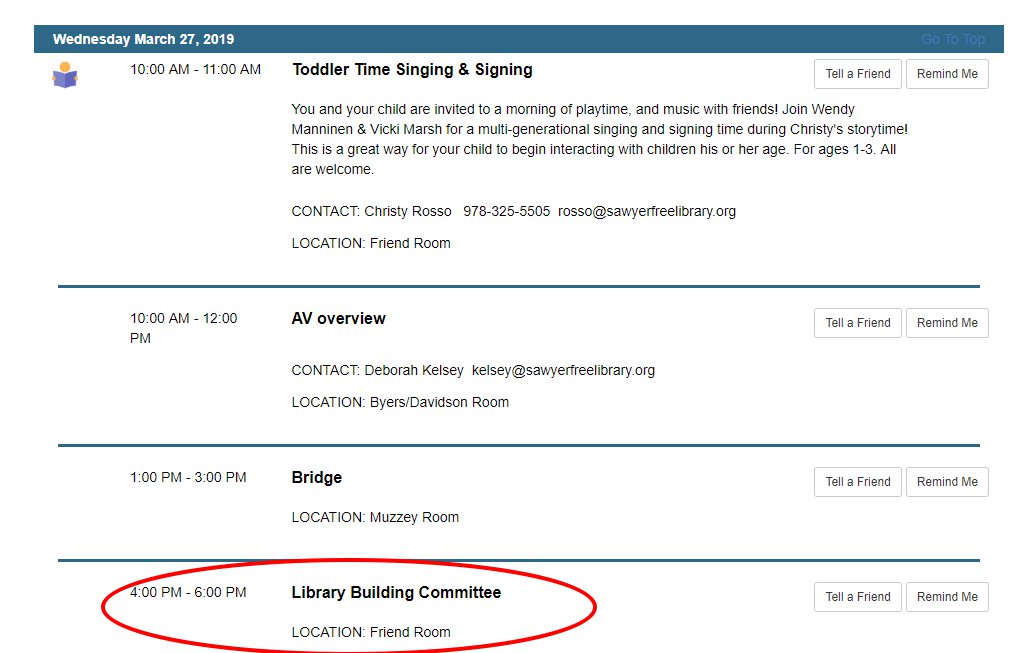
Continue reading “Sawyer Free Library new building presentation March 27”


Snapshots during the snowstorm. Snow fell at a quick clip and was deeper than I expected. I saw two snow plows stuck and digging out. Today will be a heavy shovel that neighbors may need help with.
near Cape Ann Motor Inn Long Beach


Salt Island Road to Good Harbor Beach- snow deeper than my boots on the dry sand


Snow blue ice in the tucks and shadows, and trees coated like Kancamagus Highway


measuring snow fall by mailbox and car coating


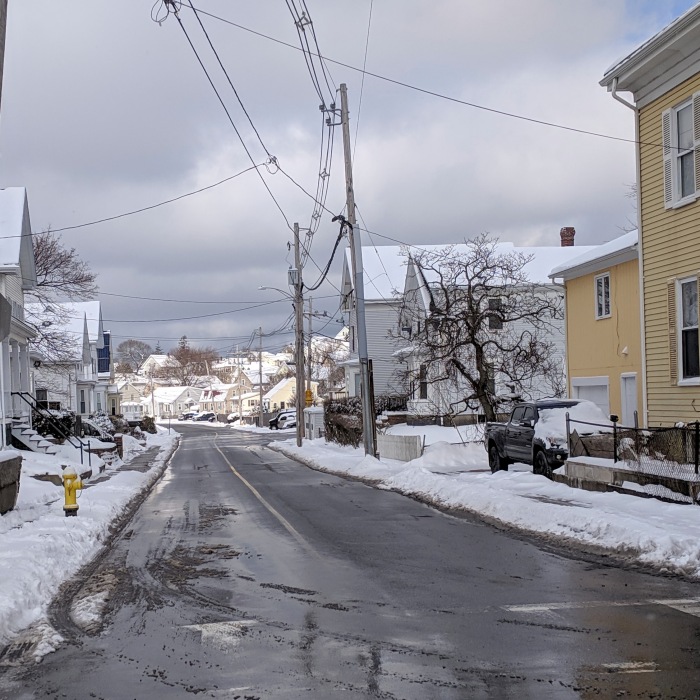
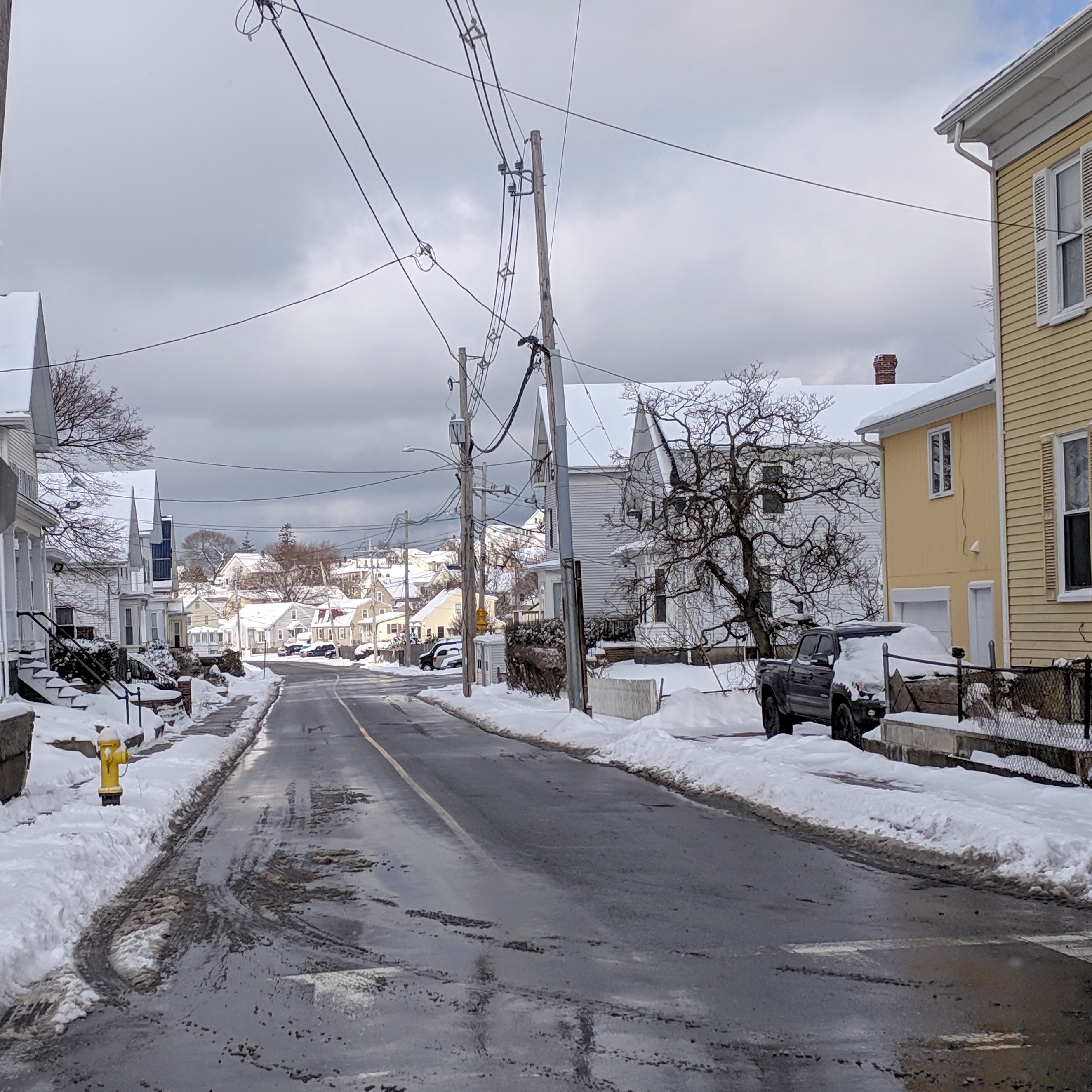

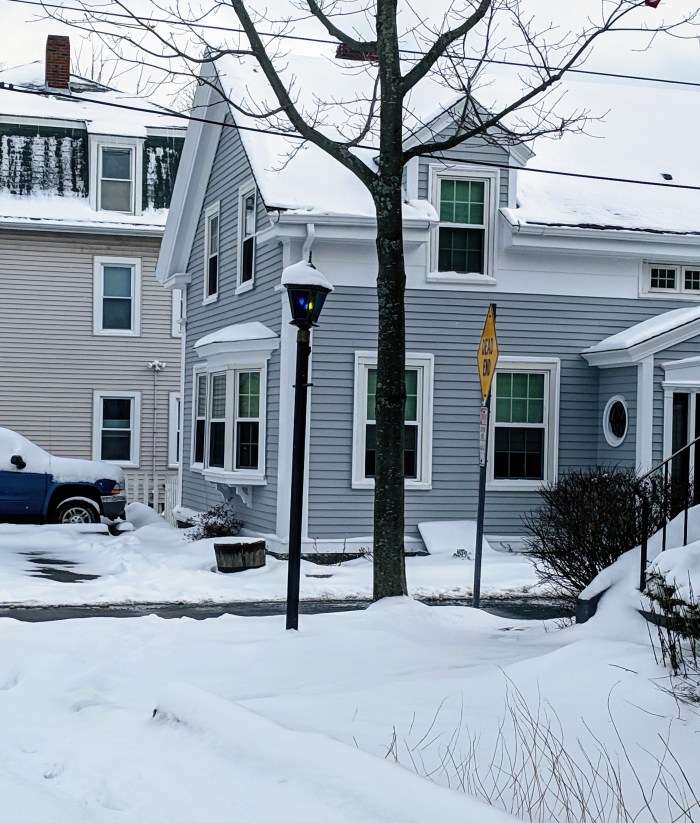
when snow falls pair of charming street lights Gloucester Mass call forth magic of narnia lamp posts


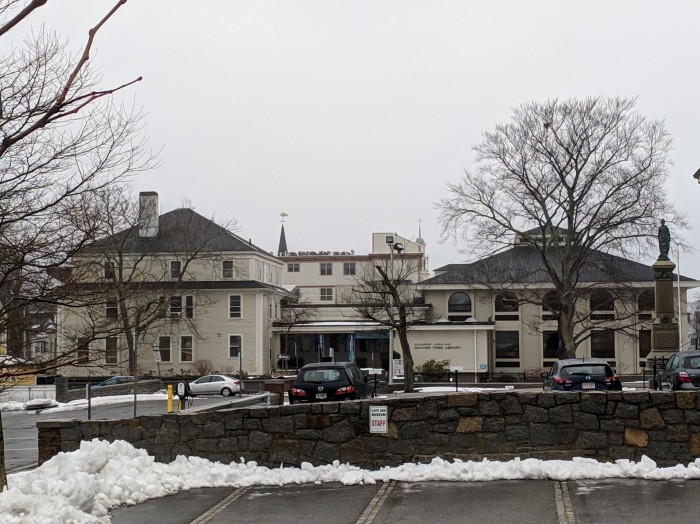
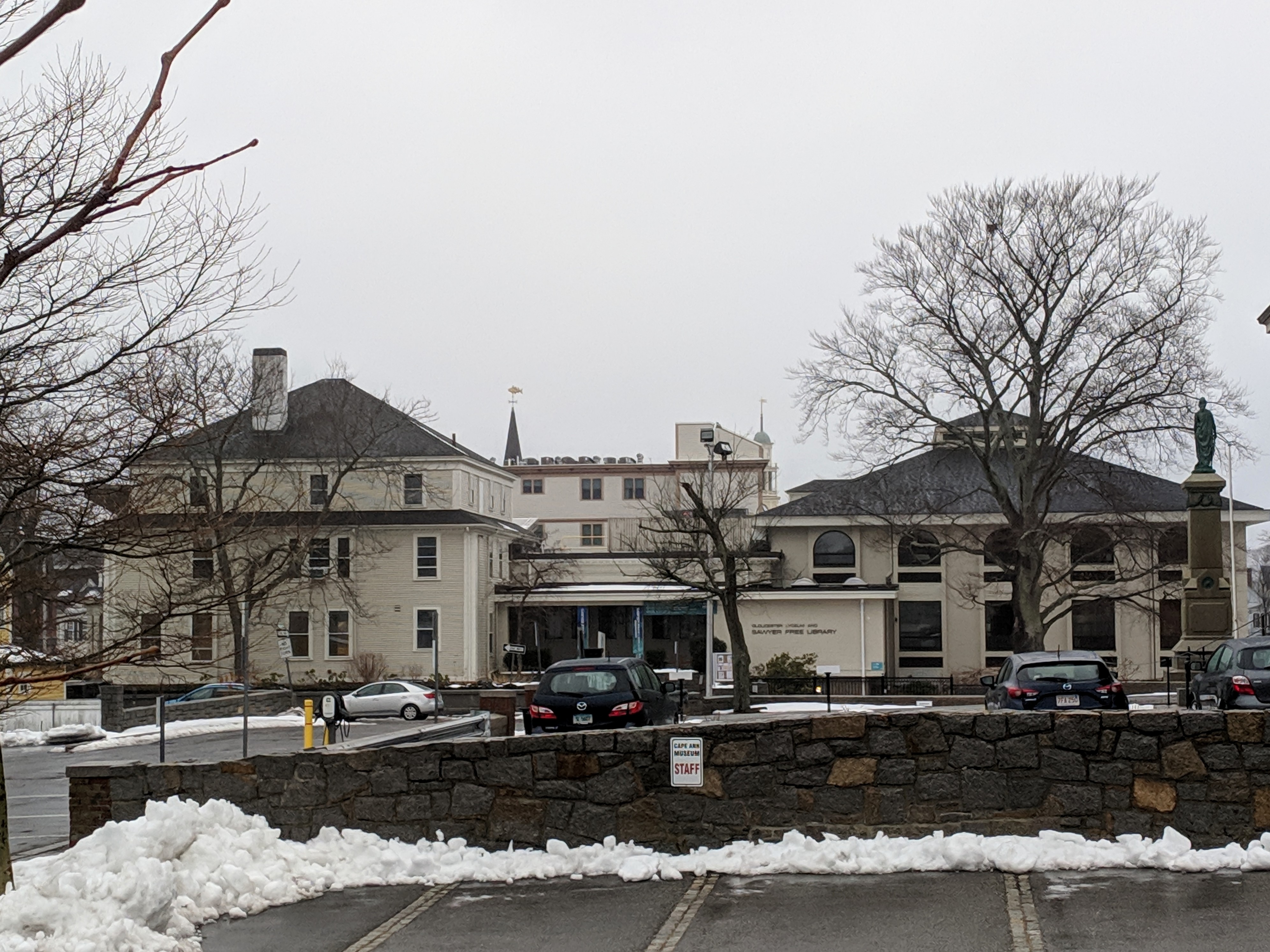 photo caption: three buildings of Gloucester Lyceum & Sawyer Free public library, winter
Note schedule change – architect presentation with new building committee and library trustees is Tuesday February 26.

Catch up (click link to select)

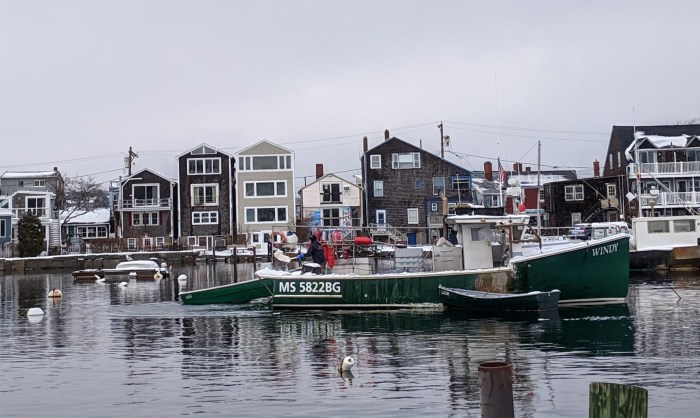
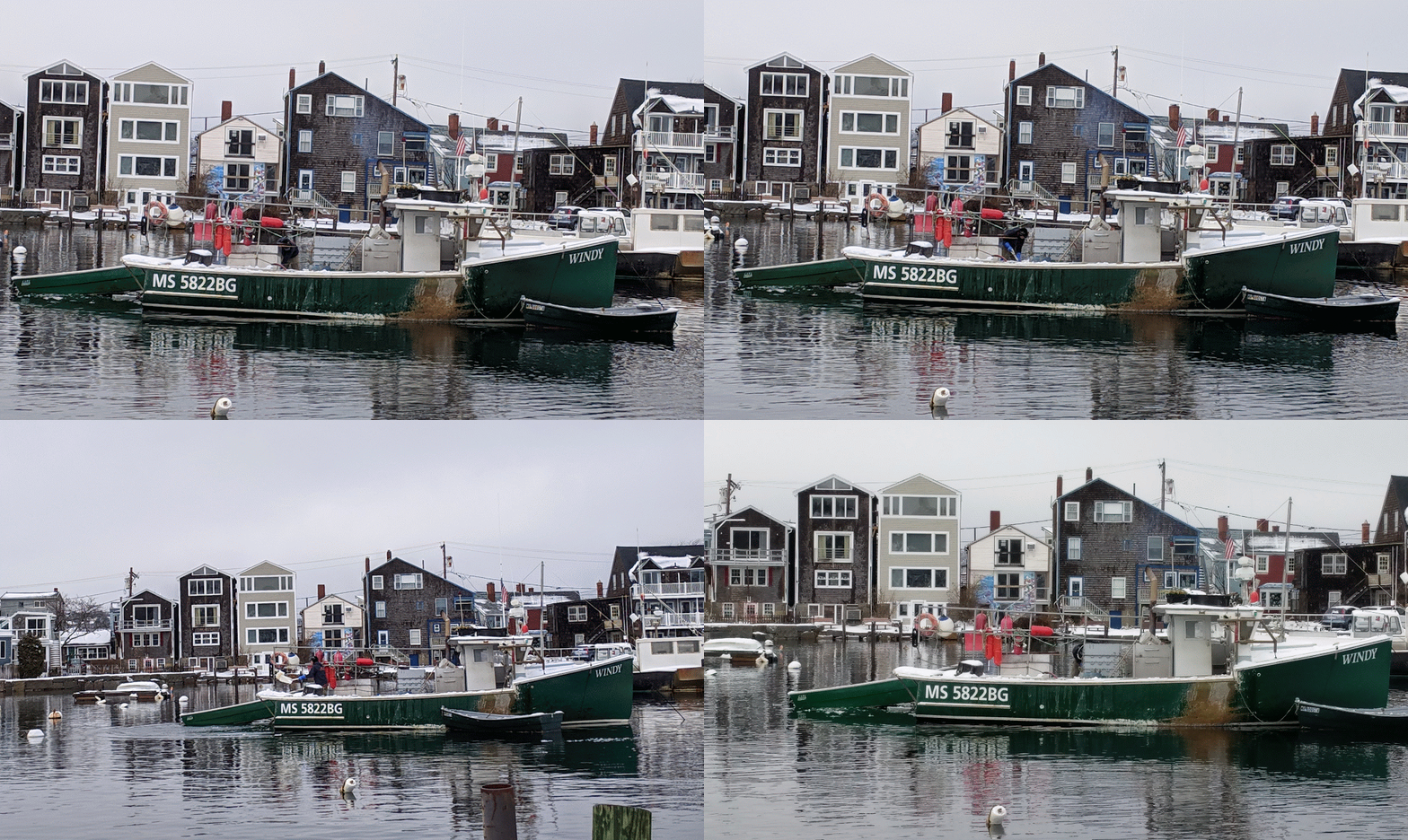
Rockport, Mass.- Shoveling Windy just before high tide after the super snow moon
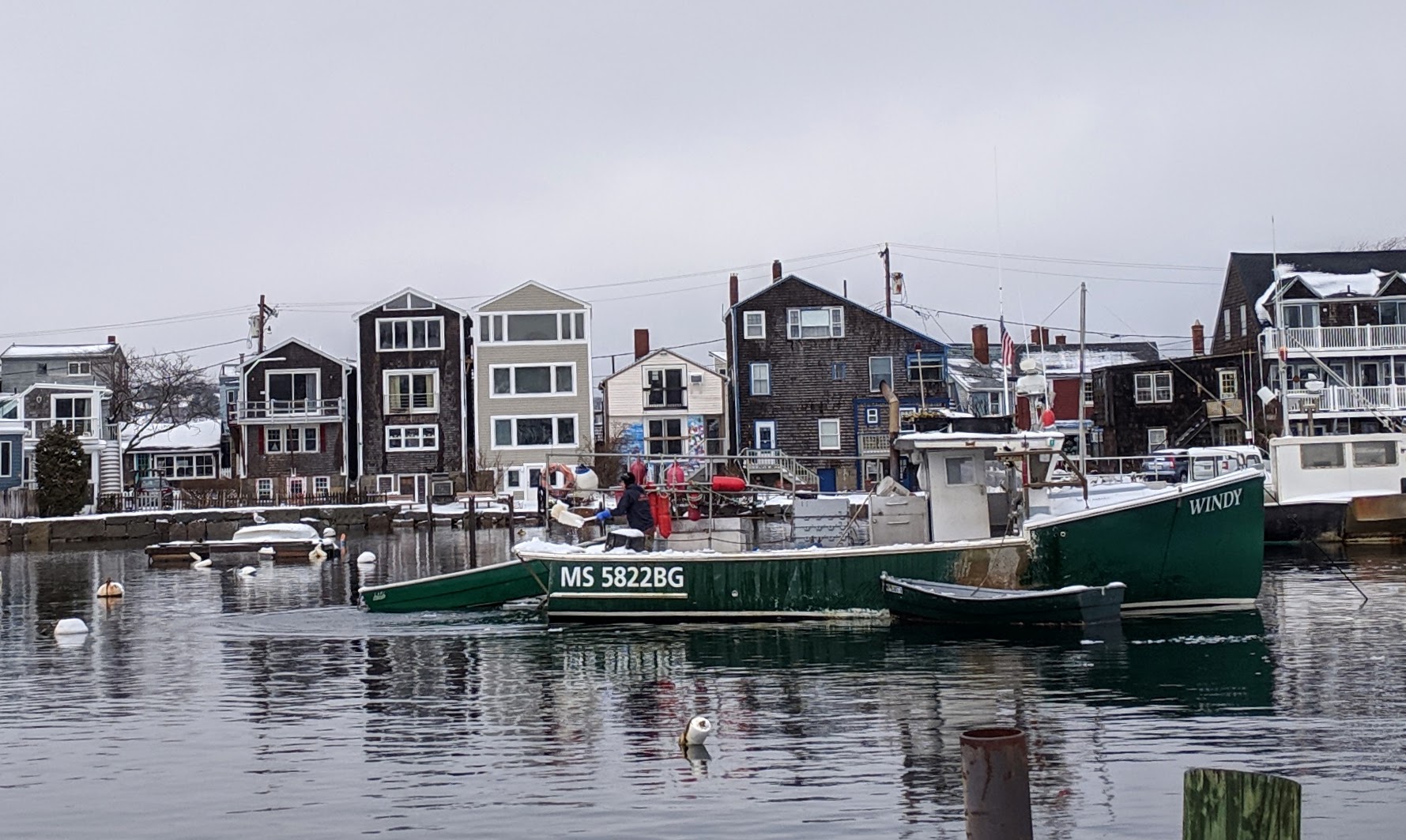
And then the dinghy.
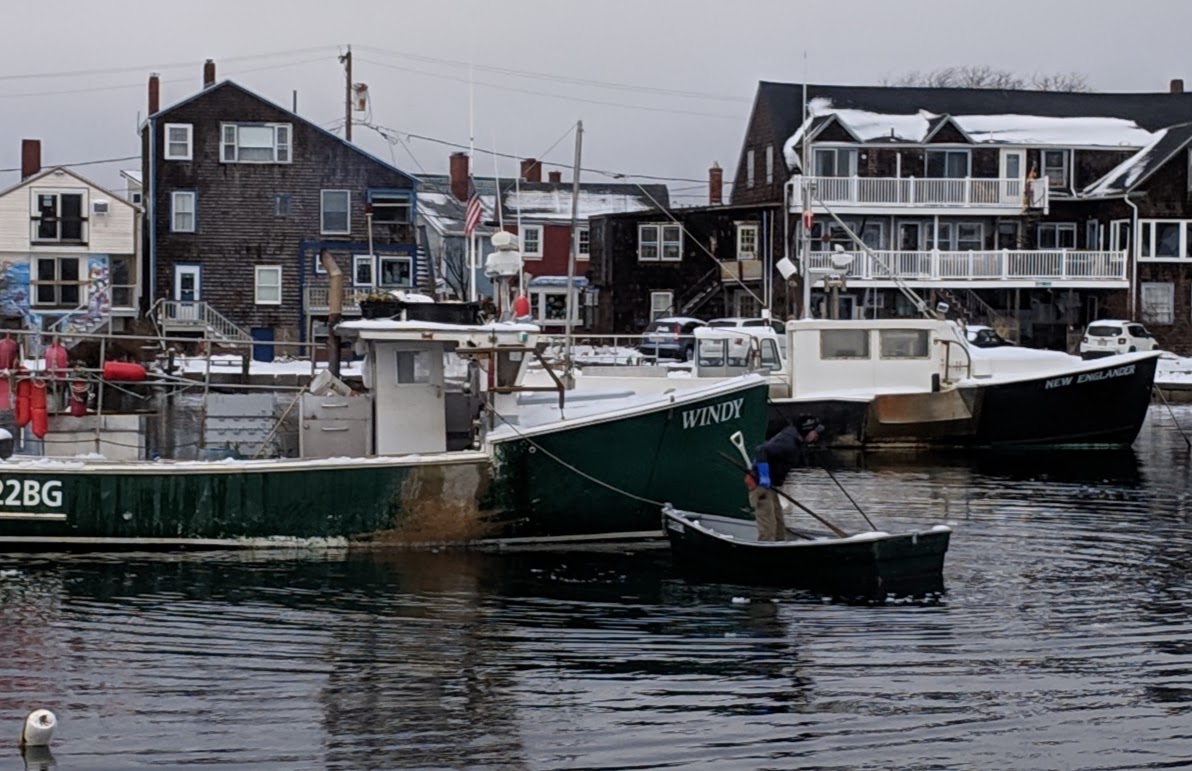
Just before high tide
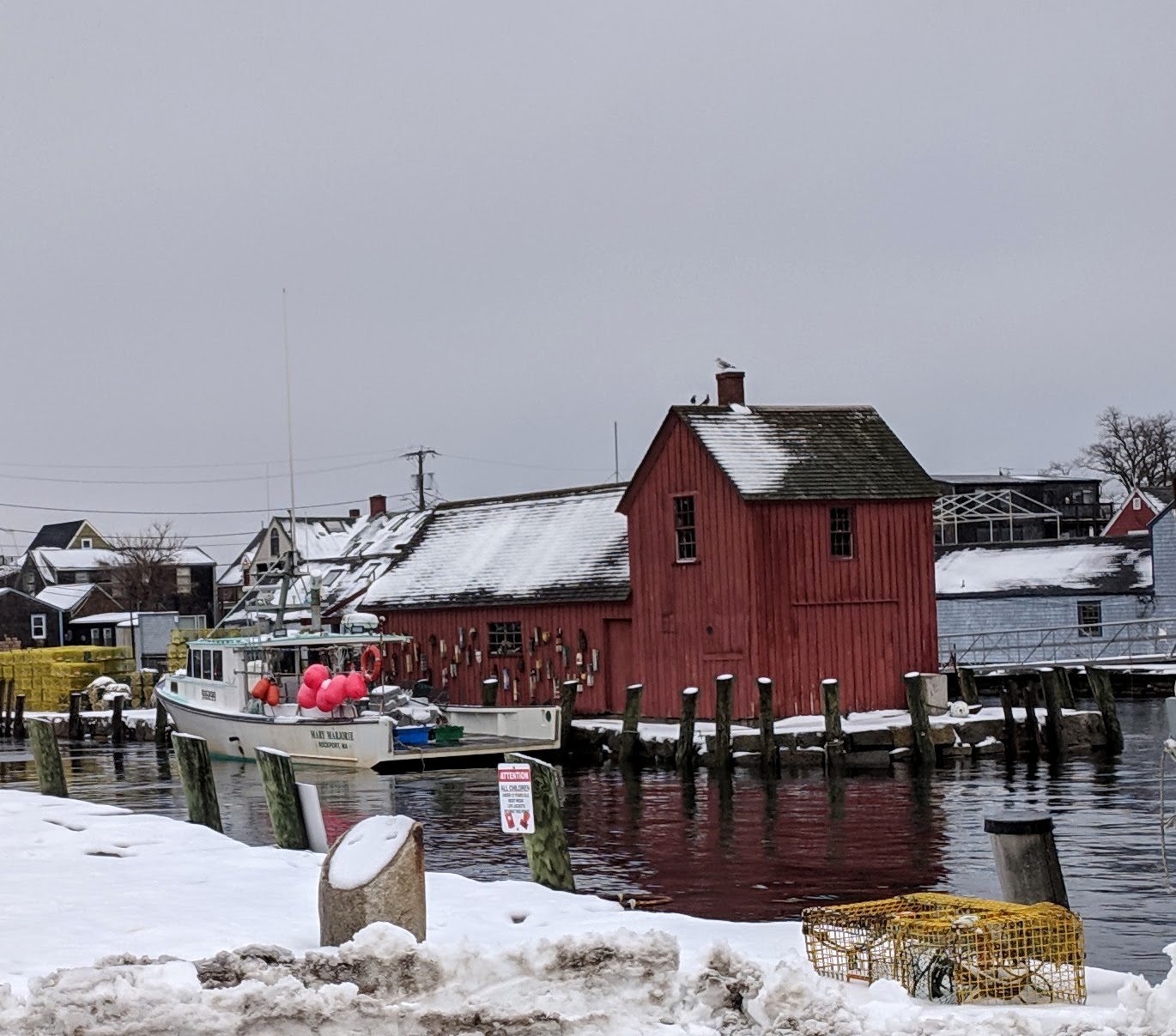
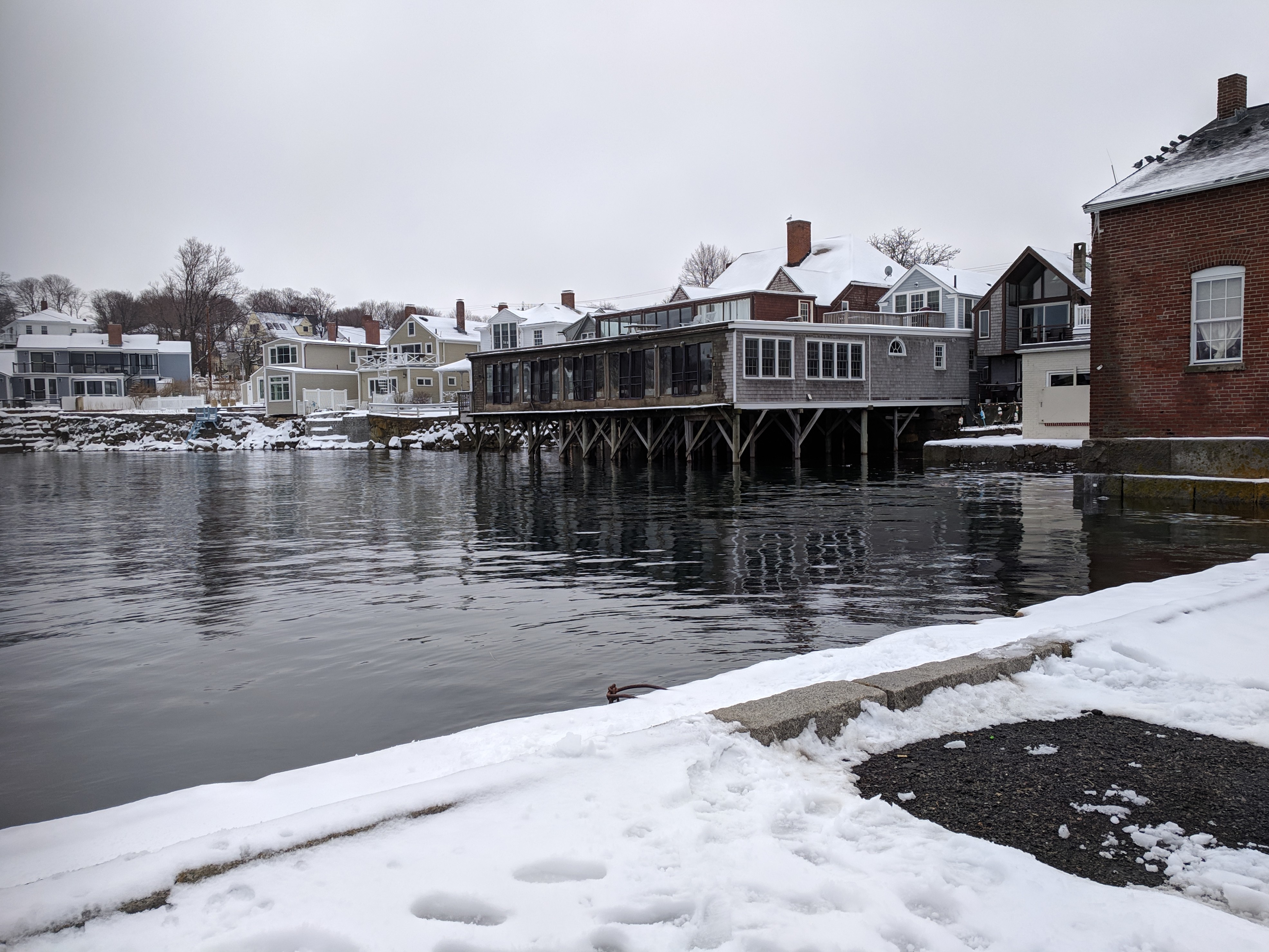
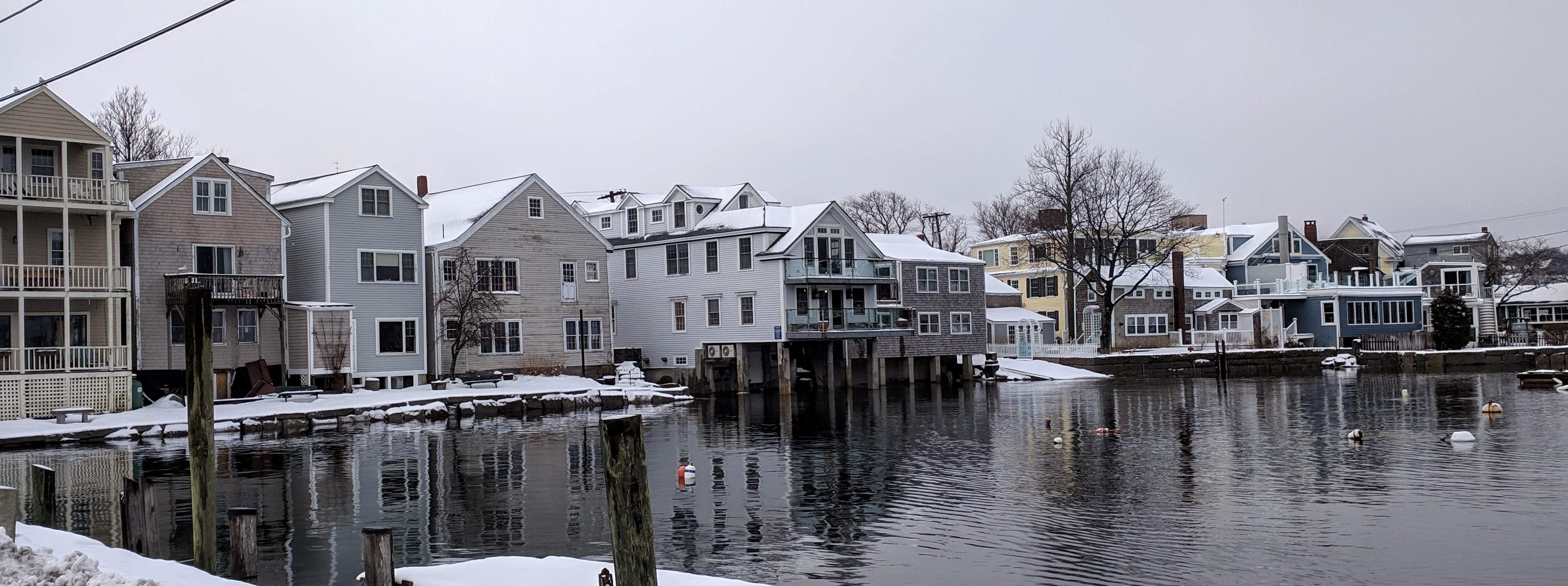

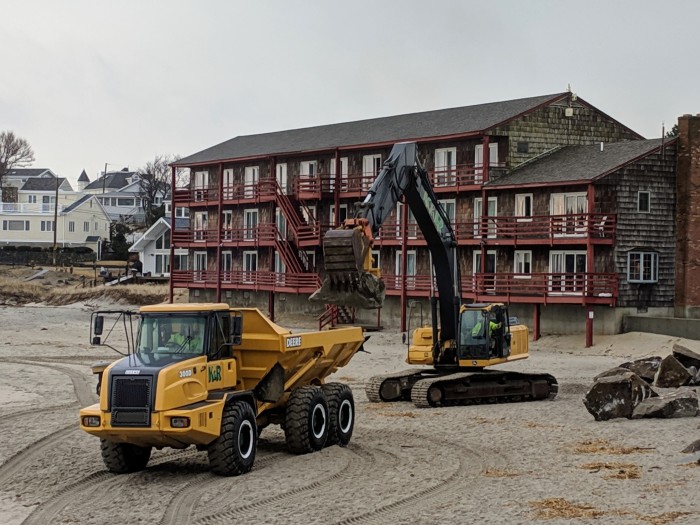
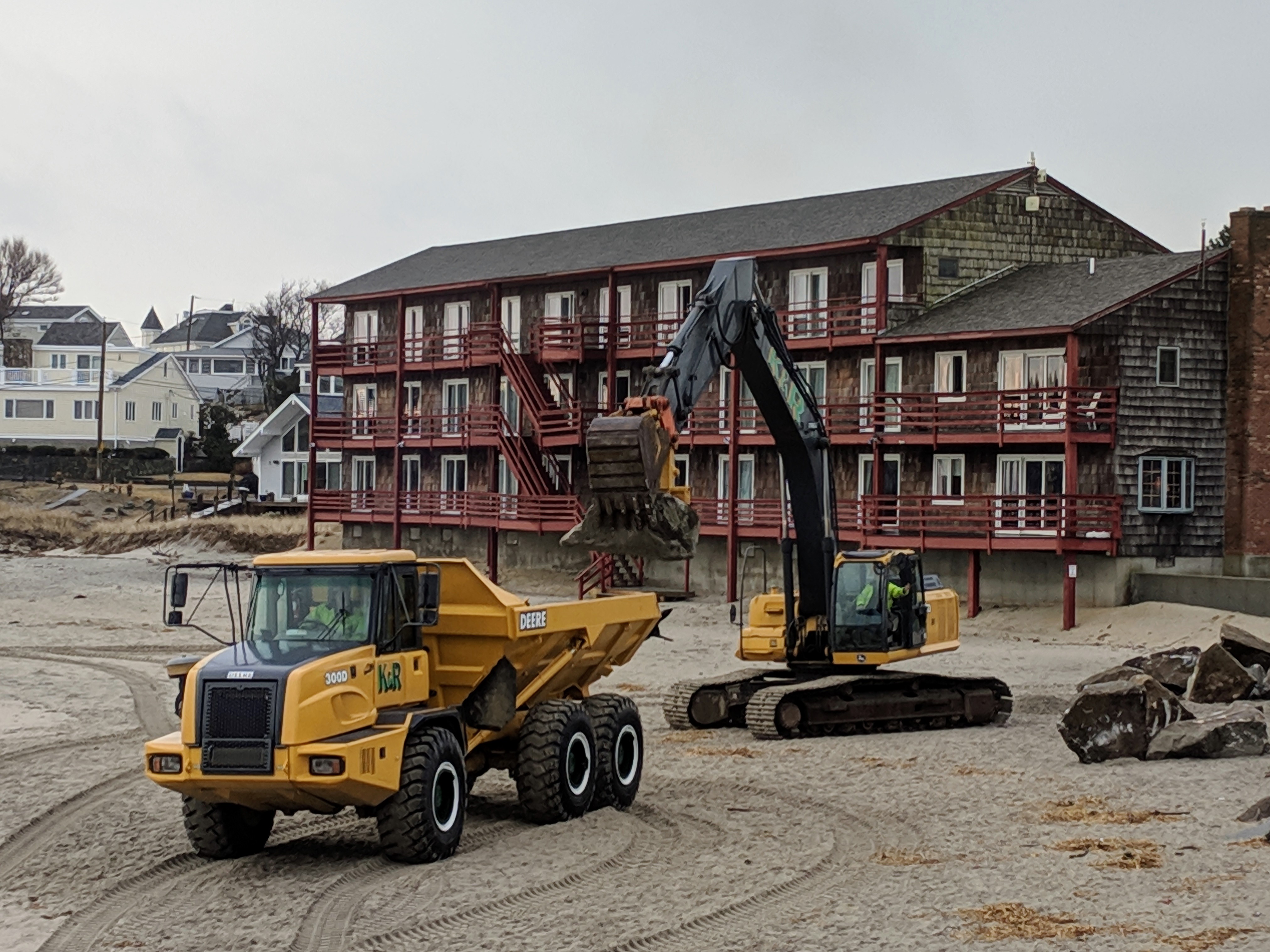
Dog walkers and surfers crossed paths with Kevin and Gary from K & R Construction and Rockport Department of Public Works (DPW) on site setting up a new phase for Long Beach seawall repairs. Two roughly 500 feet lengths of rip rap extending out 15-18 feet (tapered) will be built up beginning just past the first stairs near red cottage 20 Long Beach. Sand will be added later as part of this phase. A steel road plate path was set in at the Gloucester Mass staging entrance so equipment won’t get stuck. Last year smaller forklifts and dump trucks shuttled boulders for patch rip rap.


Slow and steady– truck is LOADED (and another sets up straight away)


Sustainability workshop scheduled tonight from 5:30-7:30 pm related to proposed new Sawyer Free public library. For more information catch up with a summary of last week’s building committee presentation.

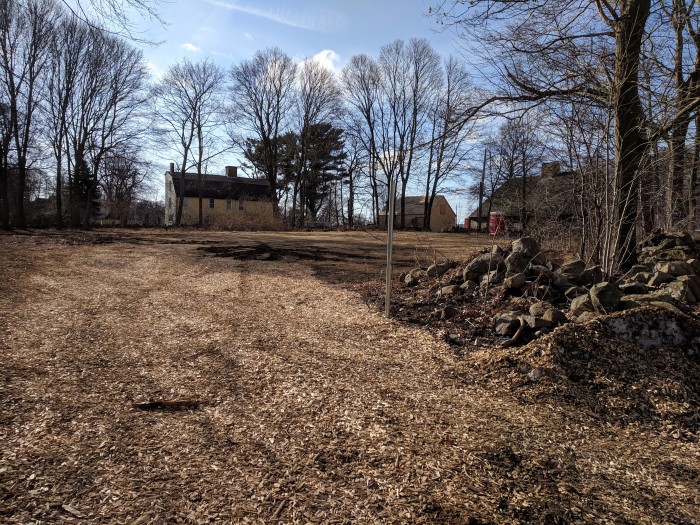
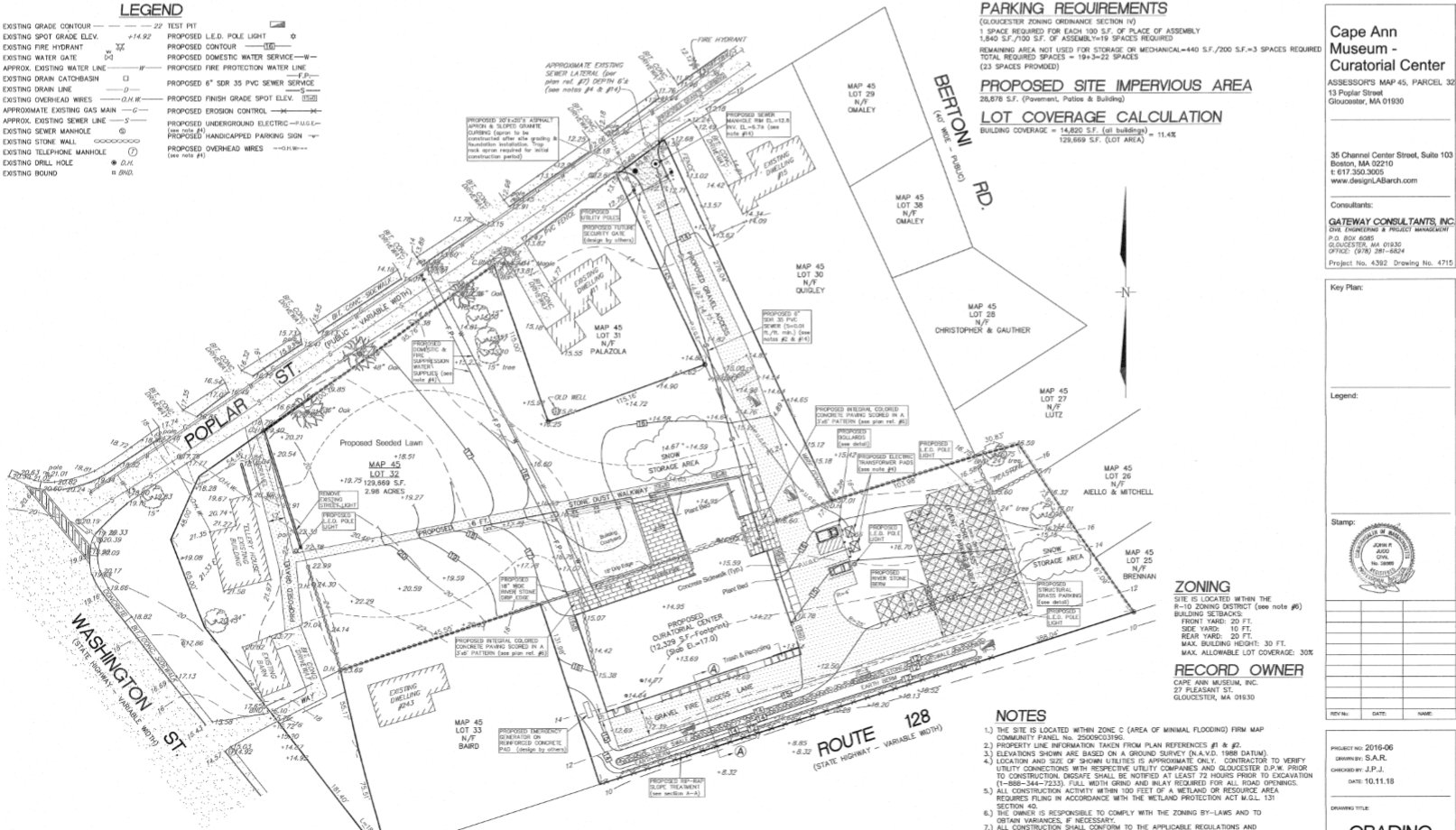
Signs of clearing for the exciting Cape Ann Museum addition for a curatorial center on the White-Ellery property January 2019 Gloucester, Massachusetts
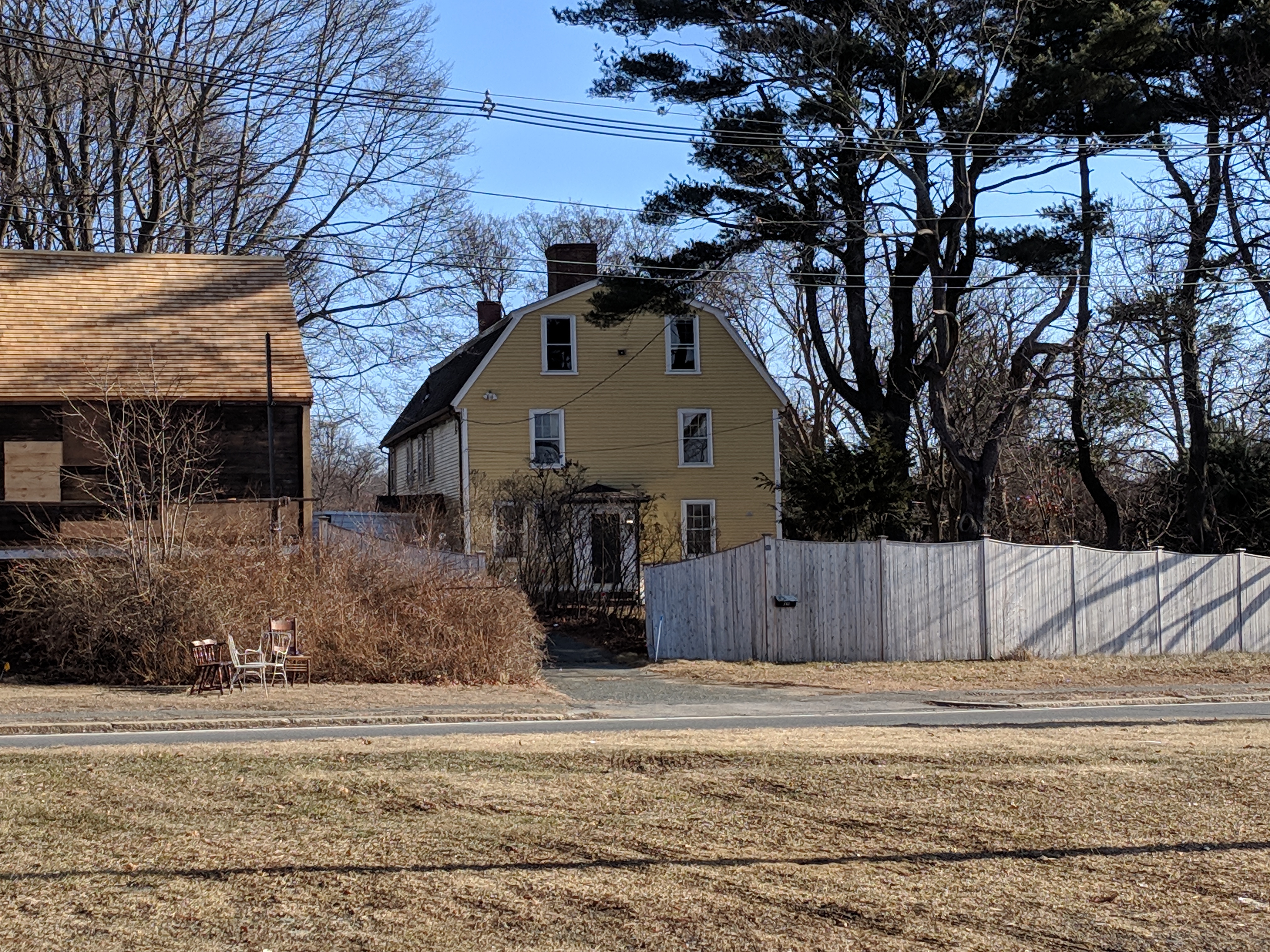
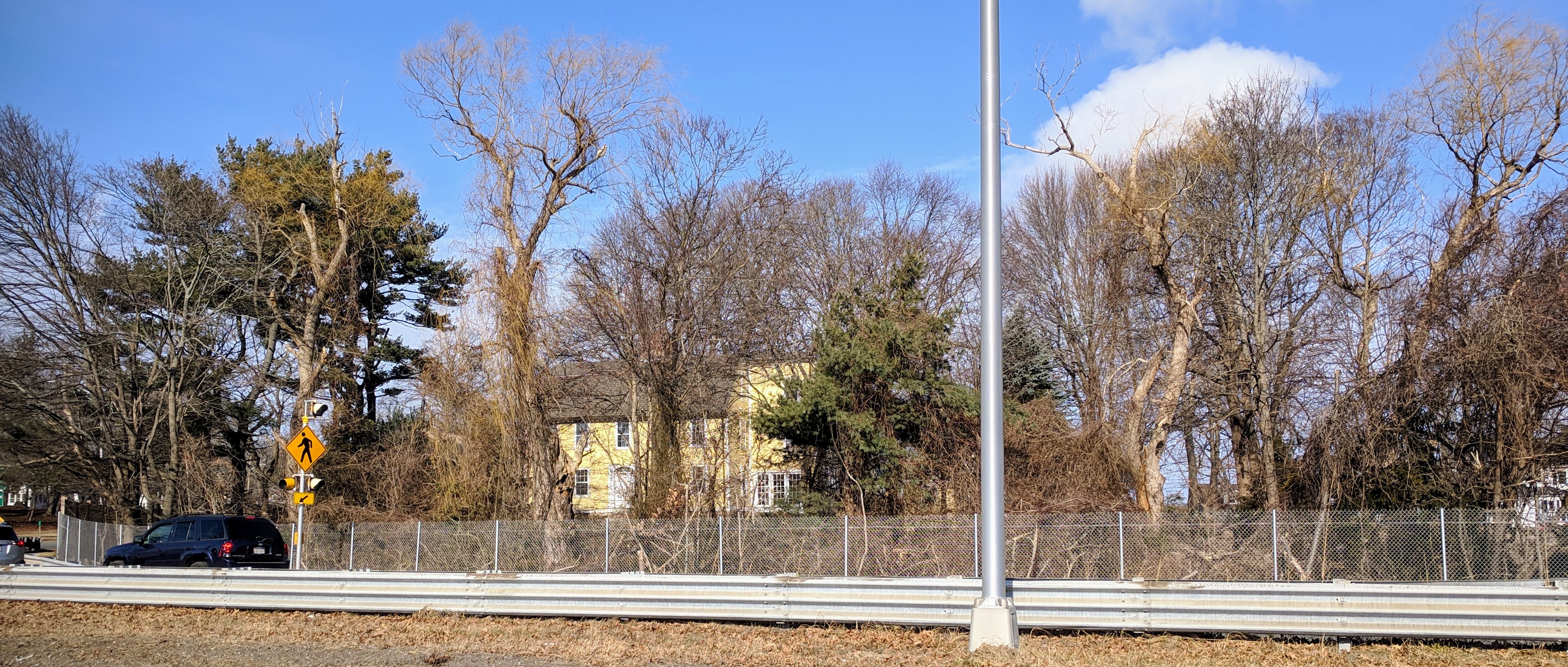
today new fence and visibility (above) vs google (below) old fence & more overgrowth…there is forsythia along there
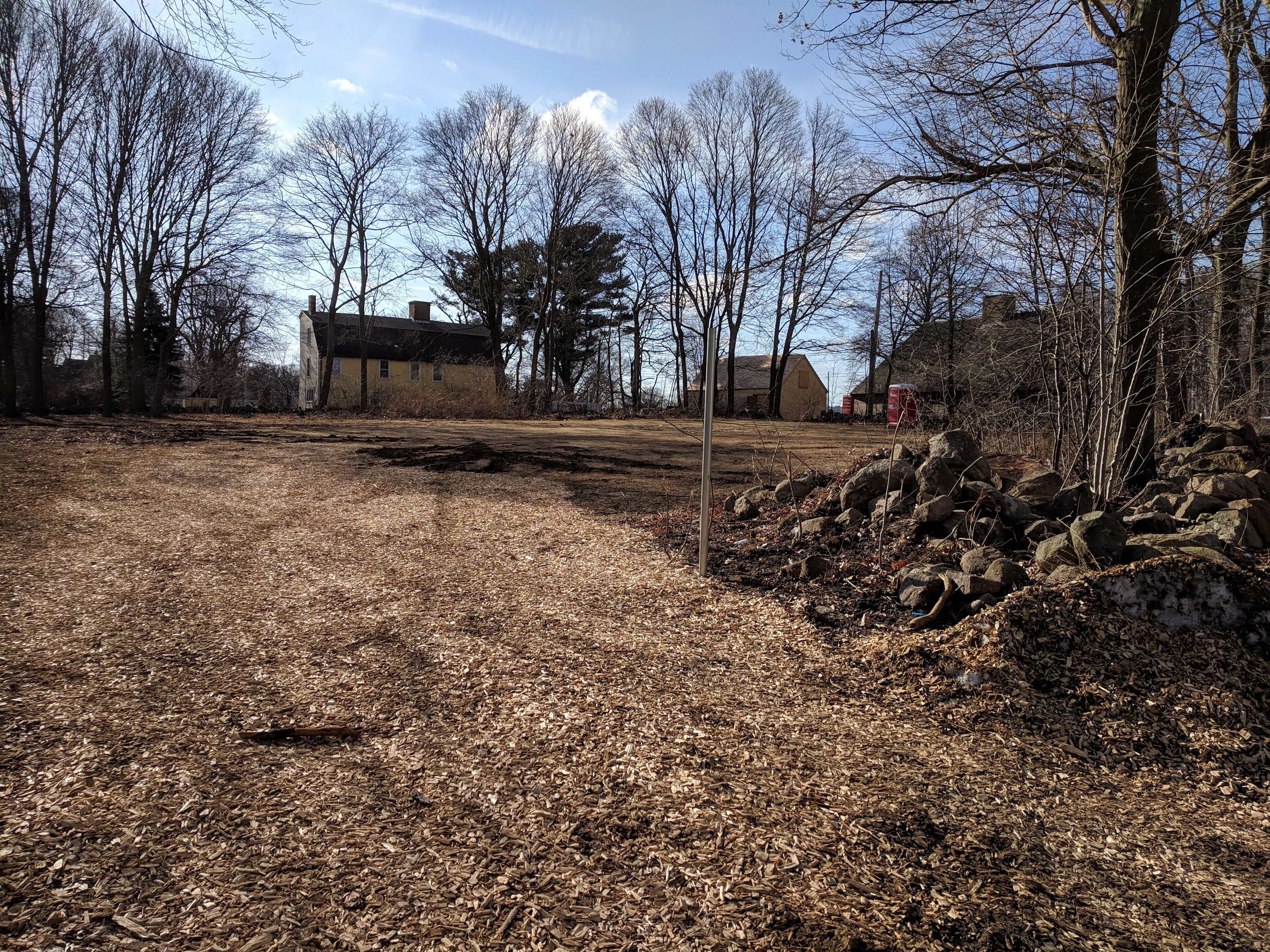
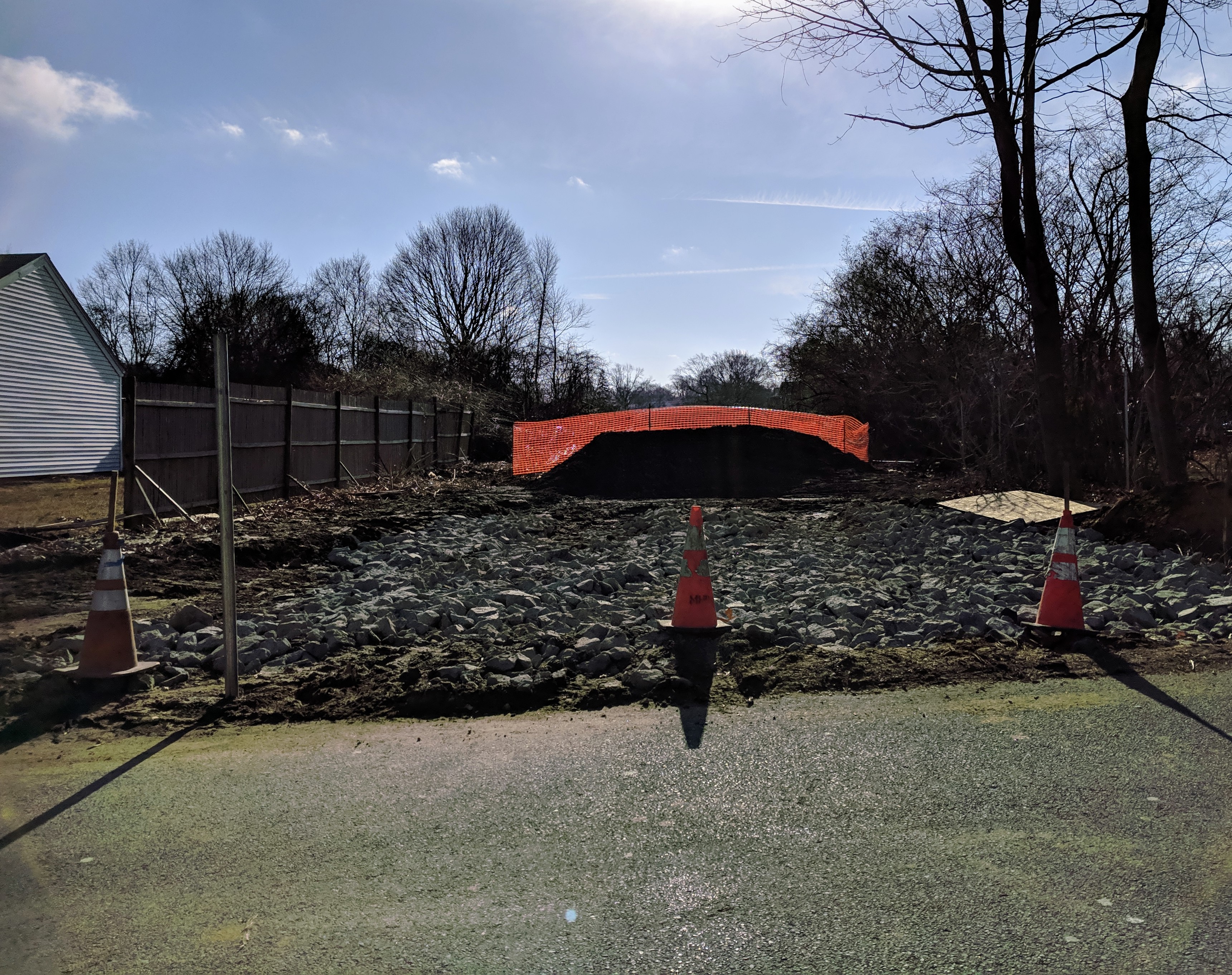

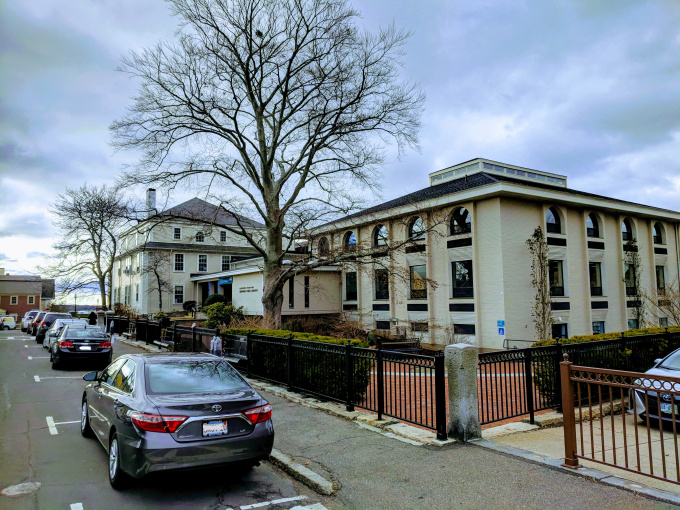
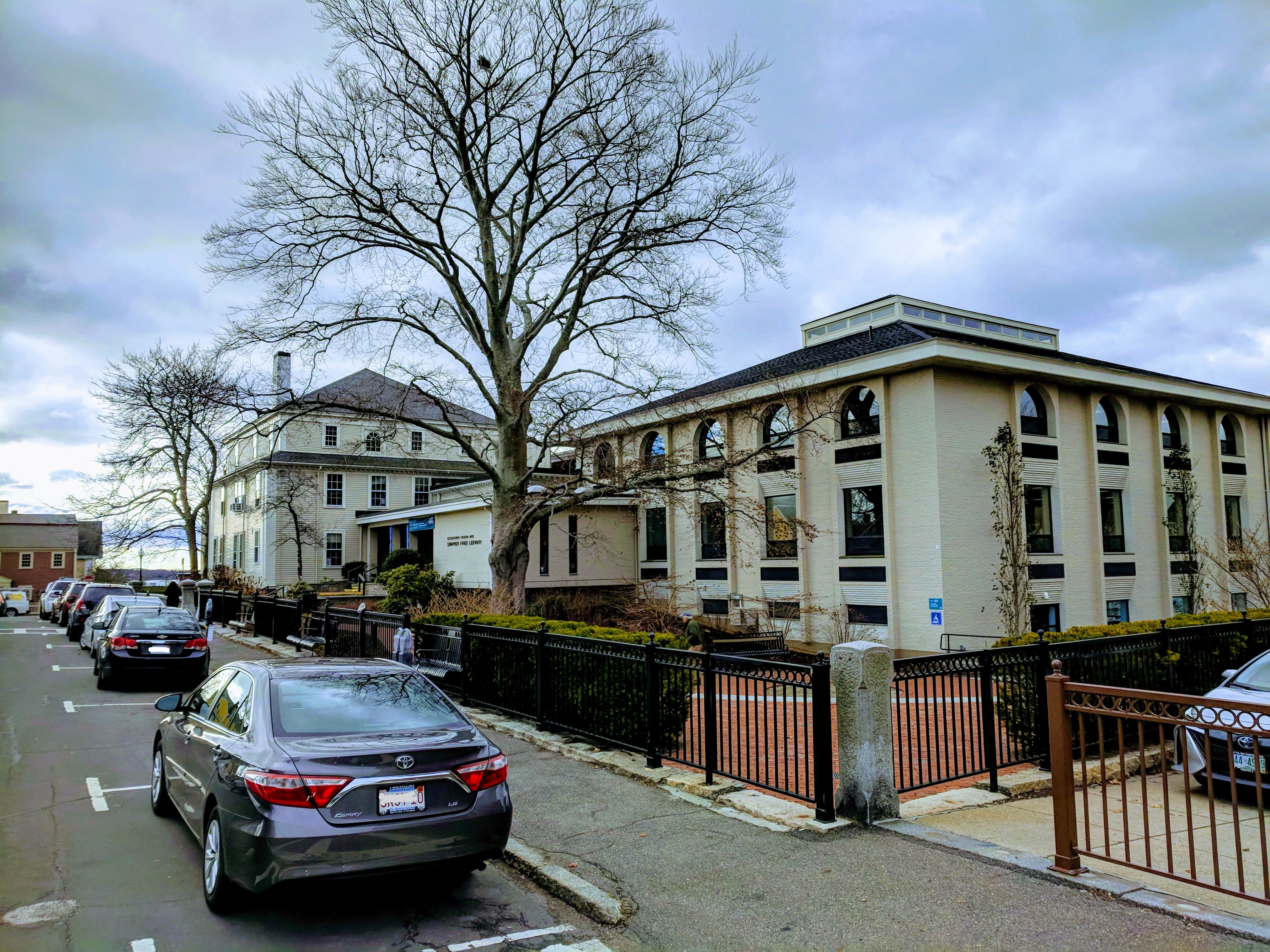
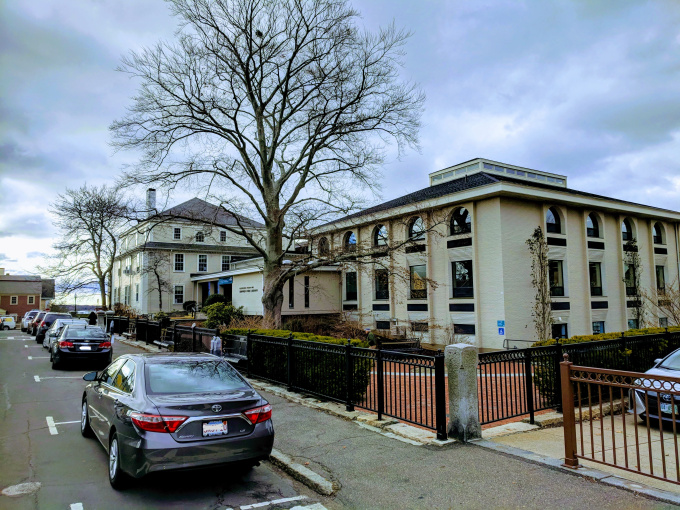
photo caption: Gloucester Lyceum & Sawyer Free public library from Dale Avenue (beautiful Monnell and Saunders building)
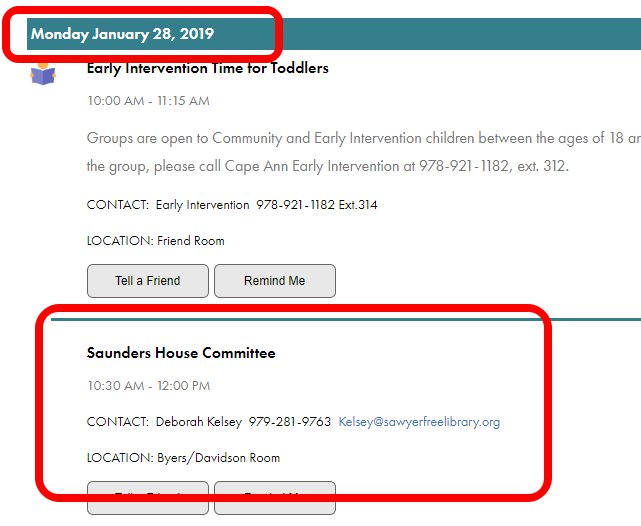
September 26, 2018; August 27, 2018; August 22, 2018 (Rescheduled to August 27, 2018); August 13, 2018; August 9, 2018 MINUTES 2018 2017 2016
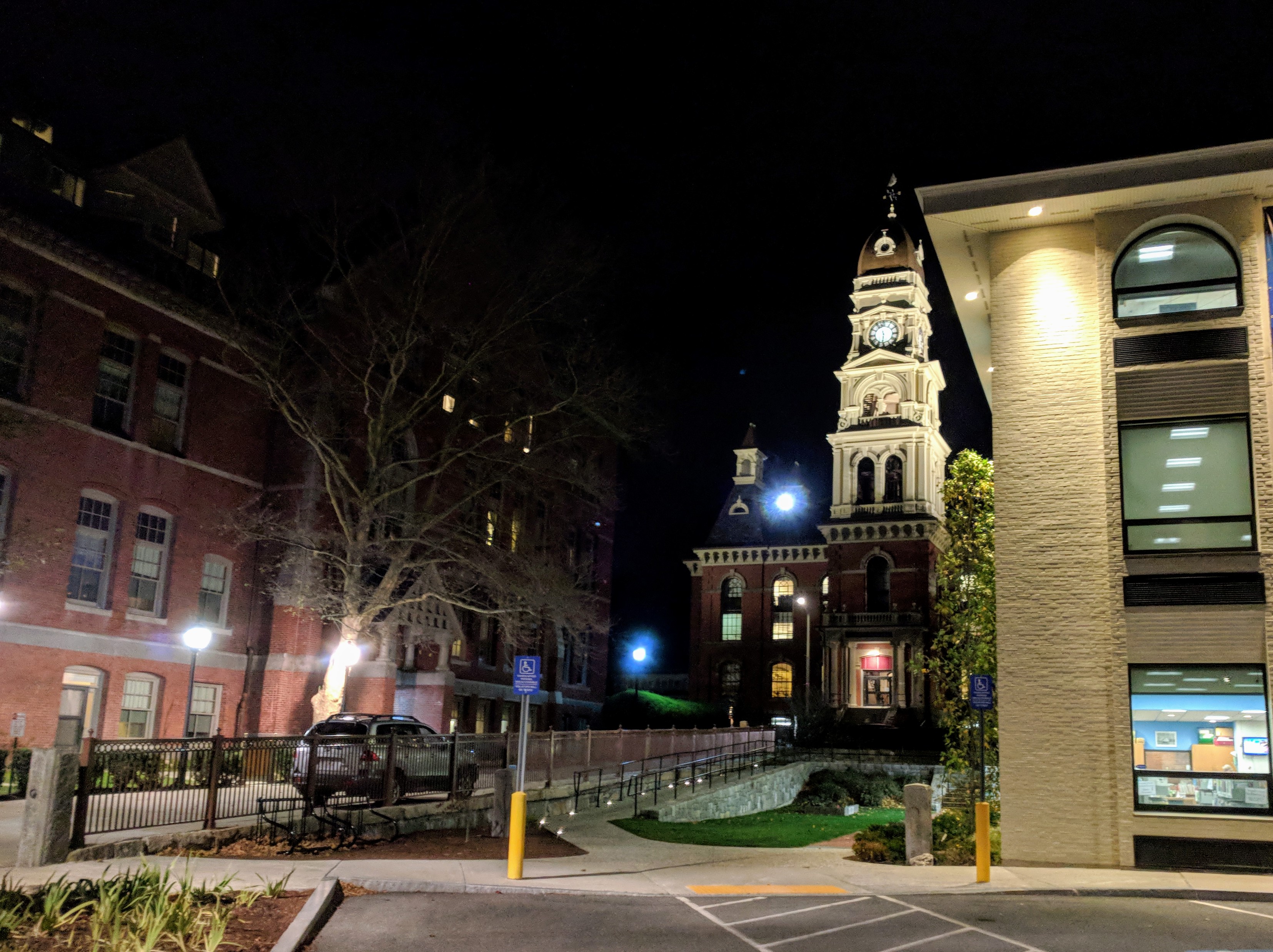 photo caption: Central Grammar apartments (left), City Hall (back), Sawyer Free library (right)
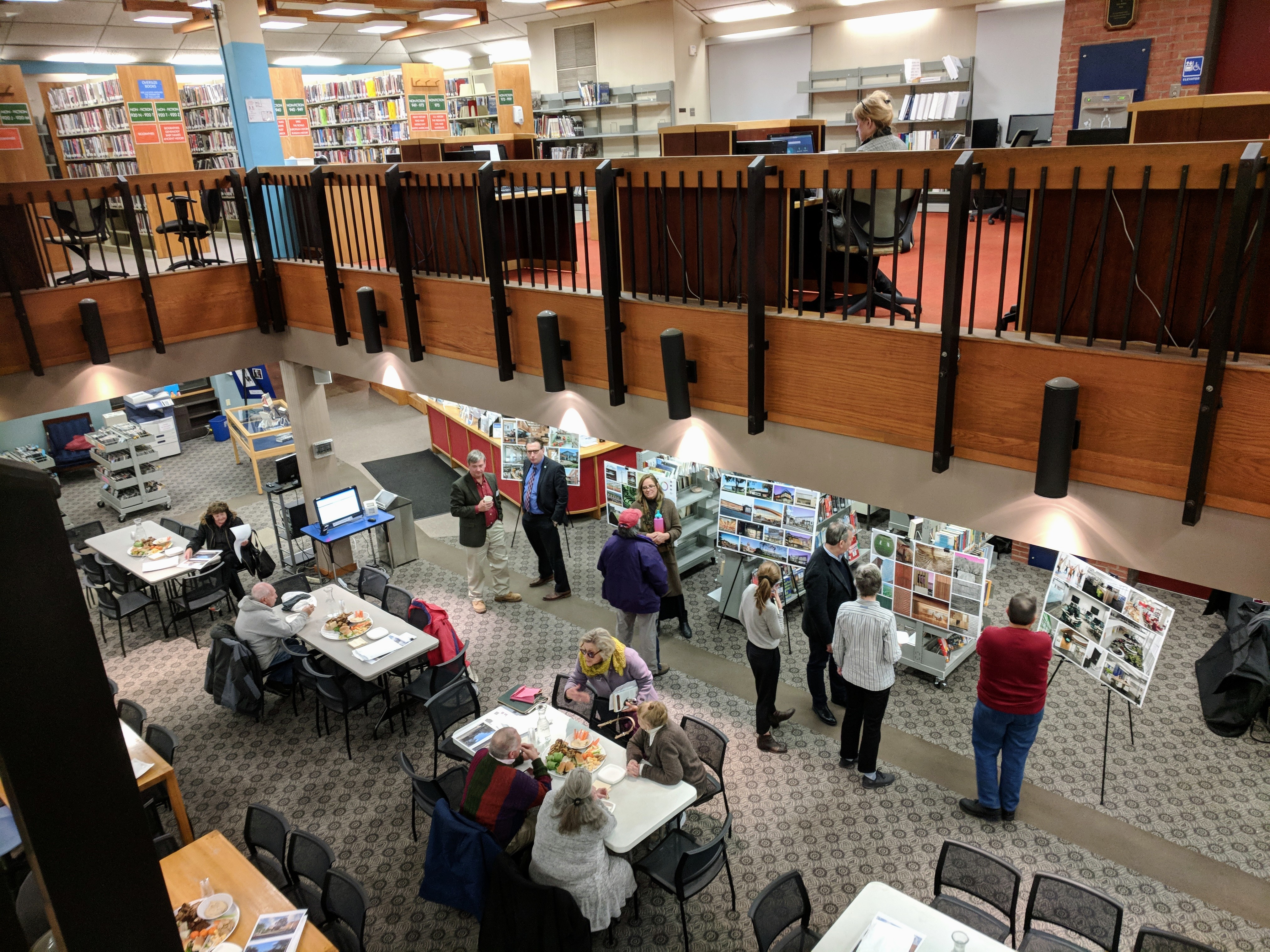
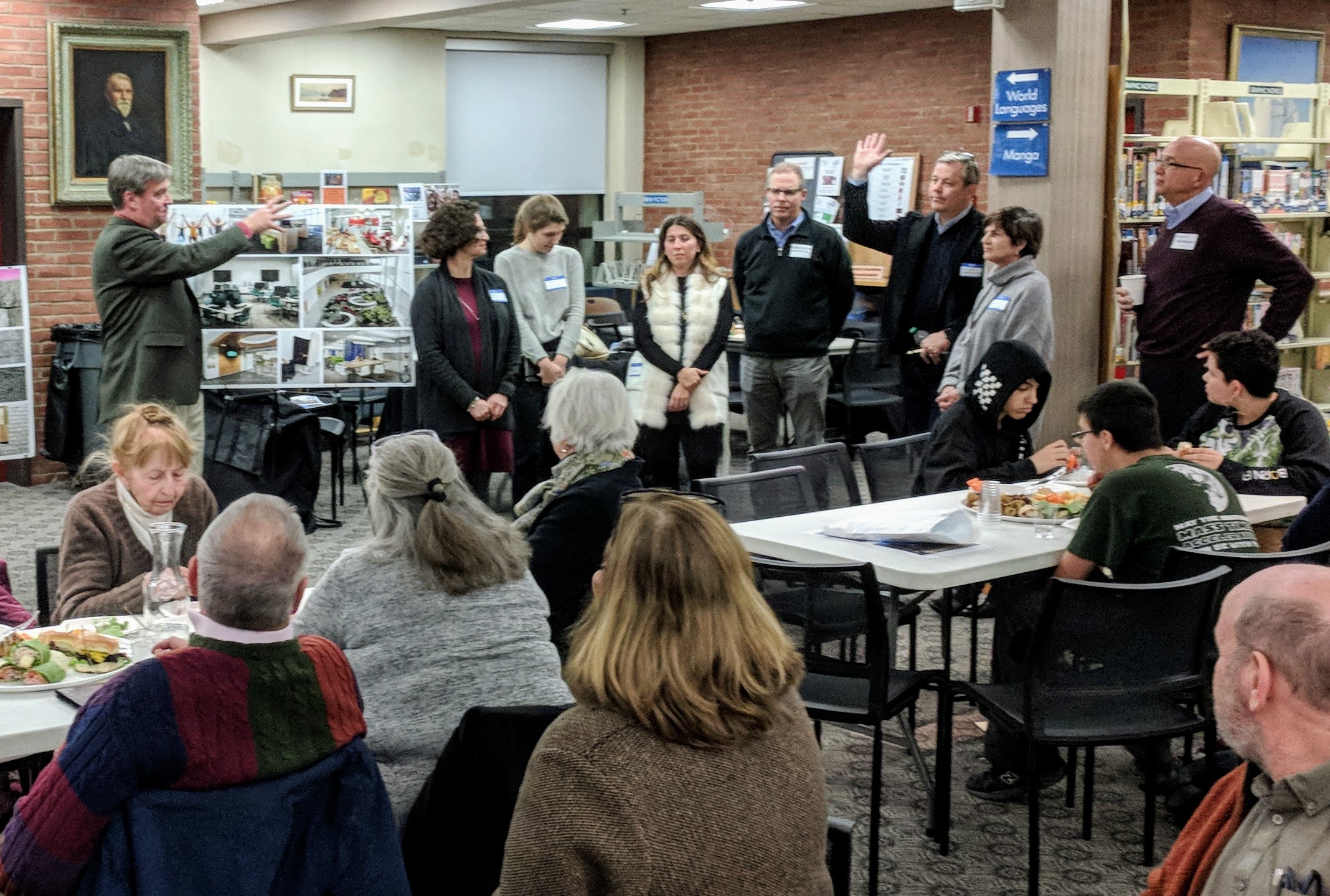
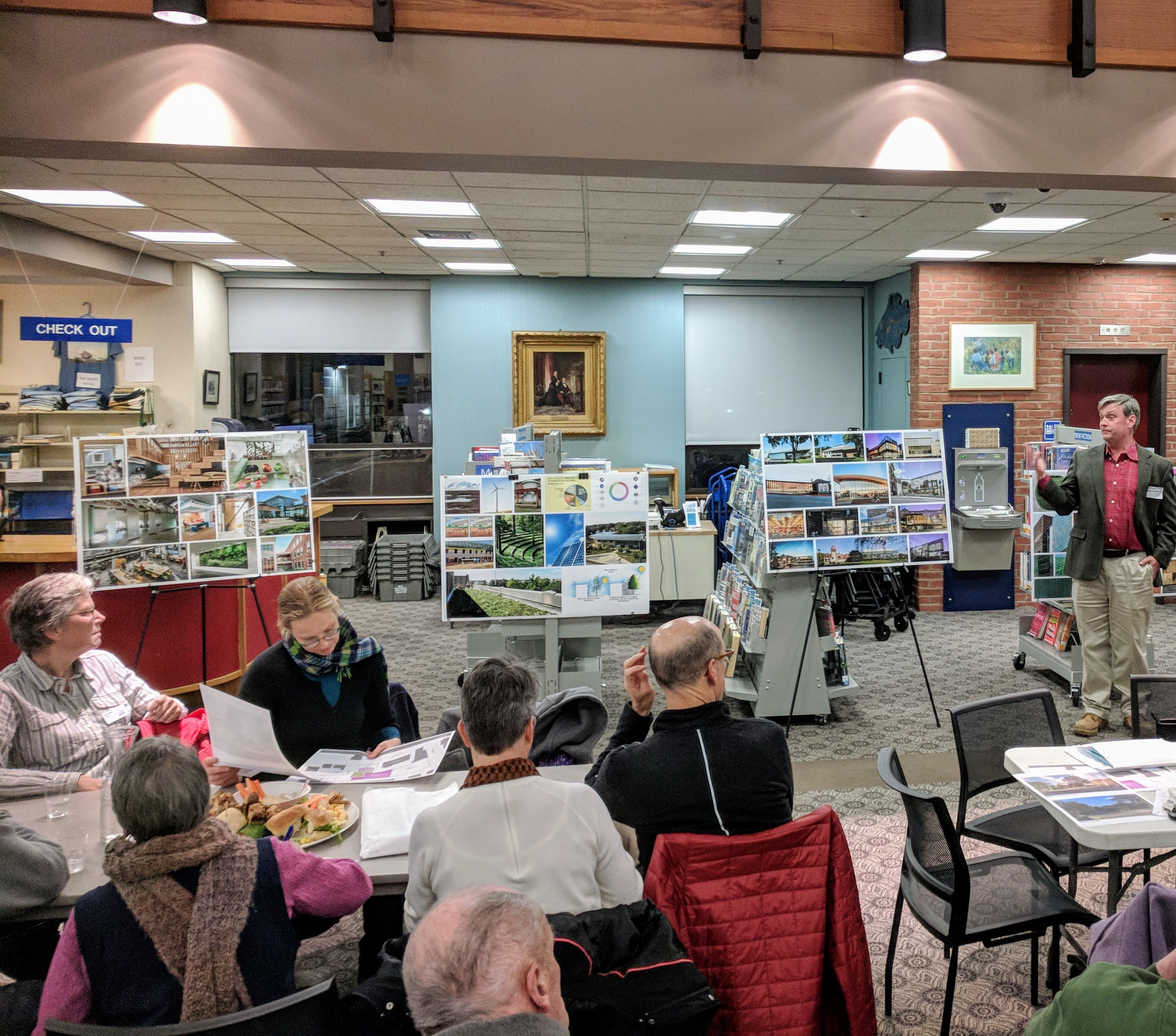
Approximately fifty attendees –including the library board and staff plus eight consultants from the firm, Dore & Whittier Project Management and Architecture— convened on the main floor of Gloucester Lyceum & Sawyer Free Public Library on November 15, 2018. Individuals from the Historical commission, Action Inc, Saunders House, Gloucester Green, a local middle school teacher, a Varian employee, library members and 3 teenagers were present.
I believe the light attendance was due to a feeling of repetition. The public meeting was billed as an opportunity to provide feedback to the library yet again. It turns out that the gathering was a required step in the next phase of the library building plans and as such was presented to be starting from square one. No matter how one tries to paint it, it’s not square one. “This is just a necessary step,” the consultants explained. “”It doesn’t matter.”
Since 2013, the library has facilitated and hired consultants to help with public forums related to the building and future plans. (Public and committee meetings, agendas, minutes, and strategic planning are requirements for grants and funding, not to mention big pursuits like new buildings or restoration). It is disconcerting that years of prior and extensive staff and public feedback are not aggregated and readied by the library board nor contracted consultants–especially as several in attendance were present at the January 11, 2017 meeting attended by 150+ that sent the building plans back to the drawing board.
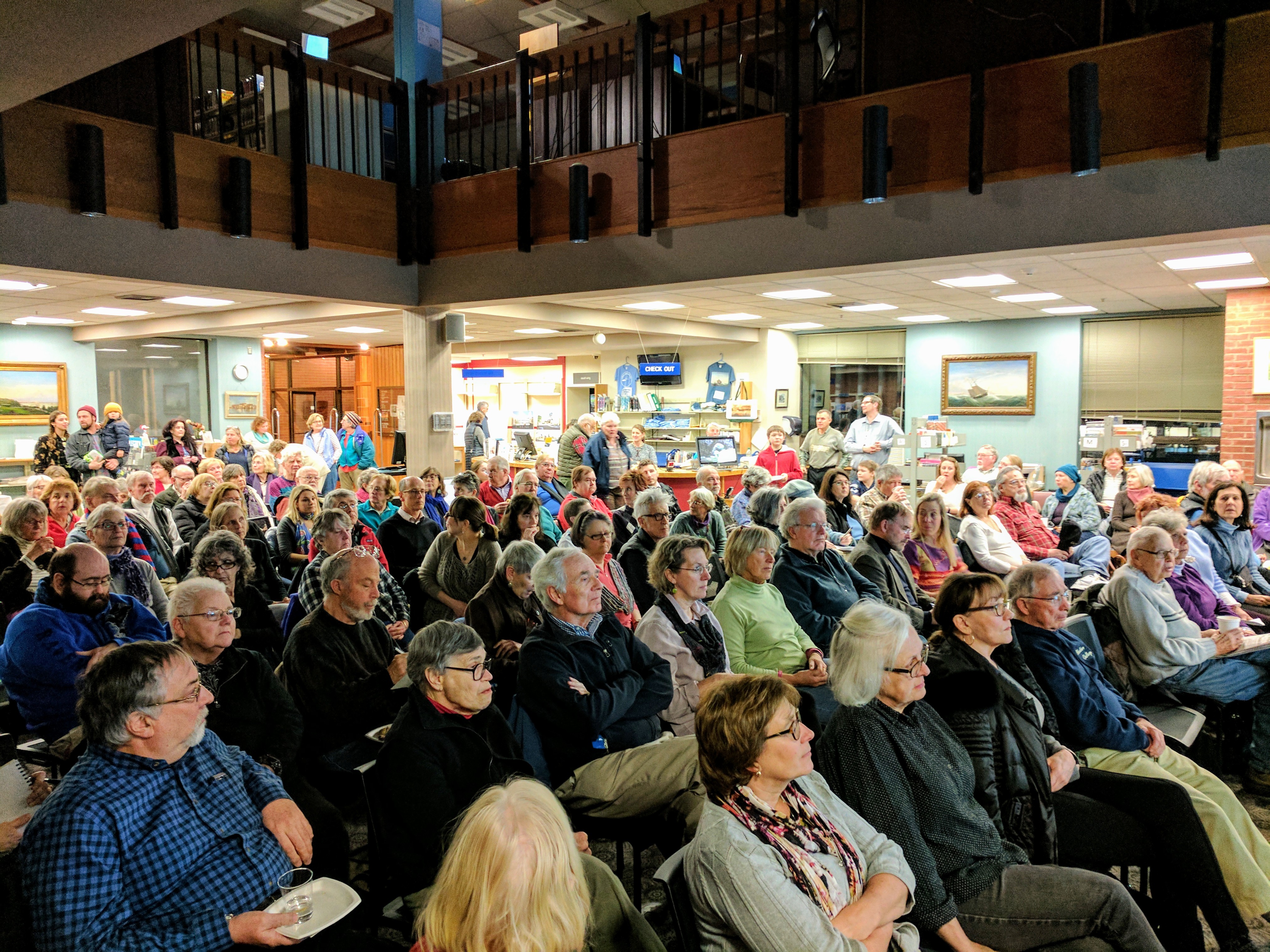
That contentious January 2017 meeting was preceded by the corporators* meeting two weeks prior where feedback recommended recording and sharing public comments for transparency and efficiency and many of the same concerns were expressed.
*I am a library corporator and can attest that project updates have not been shared (albeit annual meetings) Corporators are a devoted library audience and might help.
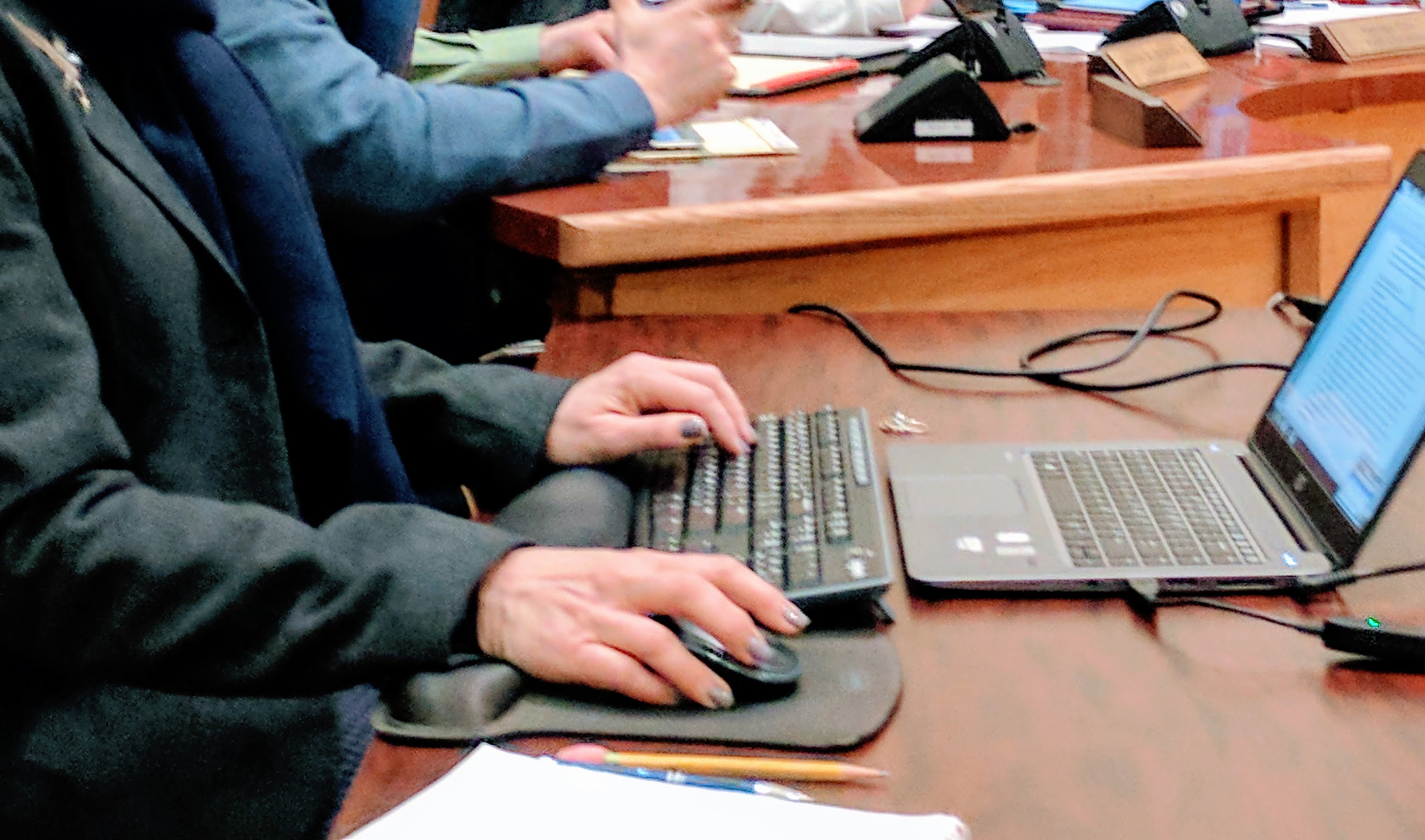
In between the timing of that big 2017 meeting and this small 2018 one, the library pursued forums via ThinkGloucester facilitated by Gloucester Conversations for its strategic planning. At those forums, the library indicated that results would be shared in the fall of 2018. I was not the only one expecting those results linked on the homepage and printed out for the November 15th meeting. They weren’t. Following the meeting, a board member kindly shared the findings: Sawyer Free Library thinkGloucester Project Report_final 2018
State funding support for library buildings is guided by the Massachusetts Board of Library Commissioners ( MBLC). In part because of the state’s toolkit funding process, the November 2018 meeting became a fresh start and first step, Phase 1. I was told that the architects and designers needed to hear feedback “first hand” which is reasonable until you establish that yes in fact most of them had been at that most well attended public meeting to date mentioned above (2017), and have been engaged by the library and worked with the library committees for years. Although that money is disassociated as part of the MBLC toolkit next phase, each purchase order (PO) for marketing/public relations (PR) and phases towards new building plans can affect the library’s bottom line, and take years. When I find them, I will link to the library’s letter of intent, a list of costs for consulting to date (phases or not), building related work, marketing completed since 2013, and for the fine art removed.
In 2013 top concerns included new bathrooms, more staff, the Saunders building, art & archives, and the HVAC systems. Here we are six years later: I can say there has been no change in the bathrooms. The library needs more staff. Voices to preserve the John and Dorothy Rando memorial garden have arisen. The teenagers at the November meeting hoped for new lighting. Perhaps that’s an easy renovation. After six years, the library may have saved some money and developed outreach by conducting a local design competition, fixing the bathroom, and hiring staff. We may have move forward together to MBLC instead of what feels like a never ending “stage one”.
MBLC supports new builds that adhere to a best practice formula and adjusts as no two libraries or communities are exactly the same. For instance, specific additional square footage from a current footprint, varied “programmable” spaces, adequate parking and public input are guidelines. I would suggest that money be spent on clerks/recorders for the public meetings and the library should insist on that from their consultants (whether Dore &Whittier or not). I would hope that new input at every stage continues to be updated and evaluated. Why is the focus on “green” LEED not parsing the MBLC parking spaces requirements? The Boston Public Library did away with them–we should expect no less. Some rural or smaller communities may need larger library builds and new visions to create a statement cultural public gathering spot where there hasn’t been one. (Although I think that’s unlikely in MA.) Our extant library has a variety of gathering spaces. And Gloucester is blessed with an abundance of large, special public spaces that work in concert with the library. City Hall, Cape Ann Museum, Temple Ahavat Achim, the YMCA, and the Gloucester Meetinghouse UU Church are essentially library abutters and can pack hundreds. The Legion, Rose Baker Senior Center and Maritime Gloucester are short blocks away. The library can move events to off-site locations when and if it’s mutually rewarding. Mostly it does OK in house. Gloucester’s population hovers 30,000 which is the same as it was at the time of the last expansion. Does our population require more space? According to sources in the paper and the meeting, the building plans remain many years out. The Massachusetts funding model has decreased and according to the MBLC press release issued Nov 2018, “The longer a community goes without being able to start its project, the higher the construction costs will be.” At what point do the costs outweigh options like renting if building lifespans are warrantied to a few decades expectancy? If the process requires construction this costly, perhaps the state can reimburse communities more money, quicker, and/or develop other models?
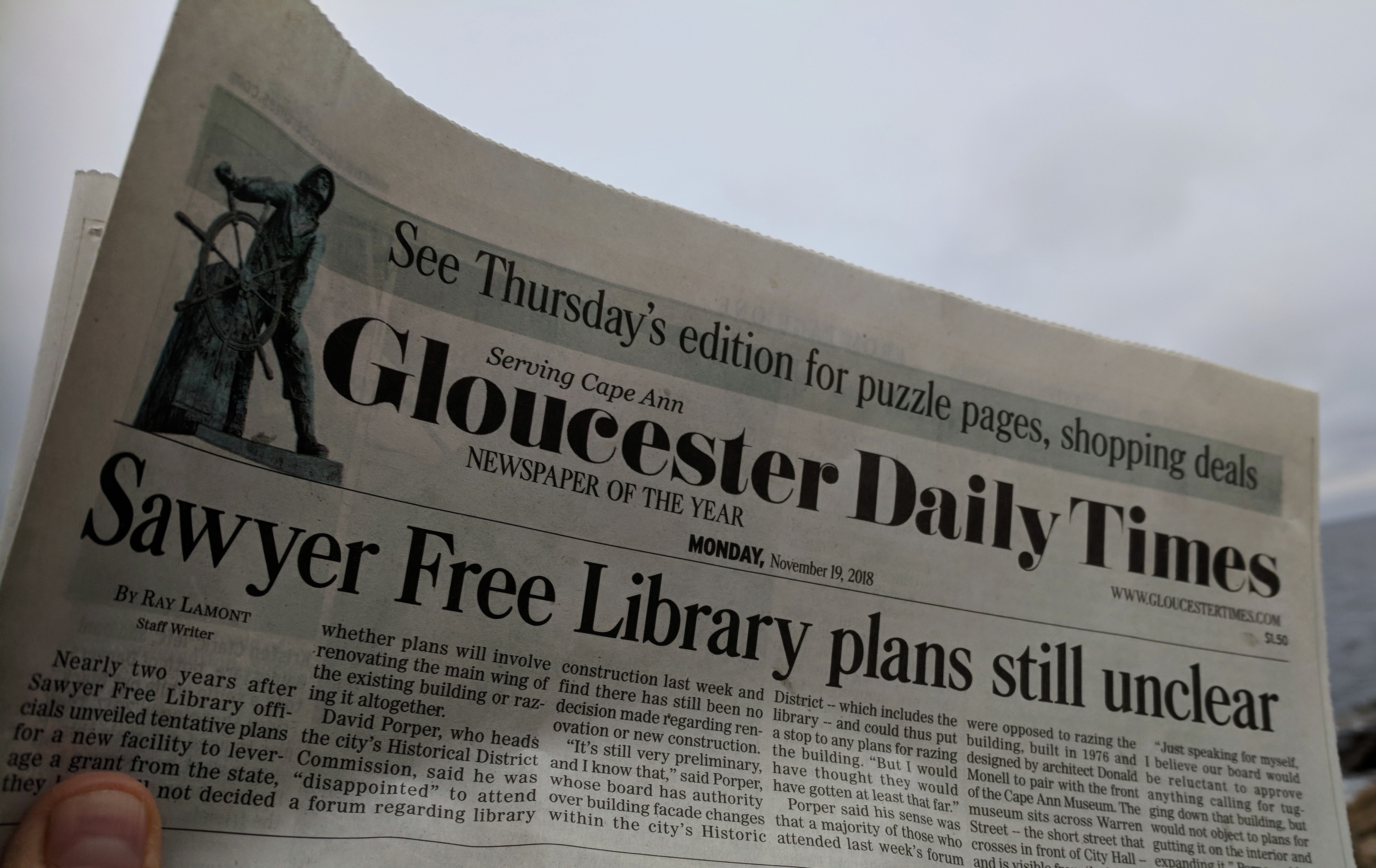
You can read a range of reactions to the library’s November 15, 2018 meeting in an article by Ray Lamont in the Gloucester Daily Times: Sawyer Free Library plans still unclear, November 19, 2018
And a follow up article Library debate: to raze or expand. Decisions needed before state funding kicks in, by Ray Lamont, Gloucester Daily Times, November 29, 2018

Dore & Whittier was awarded the 197 million Newton North high school design and build, and multiple MBLC and MSBA contracts for the City of Gloucester. Here is a link to the complete project list published on their website (and photos below). You’ll need to go back and forth among the awarded category projects to separate work by town. (For instance, West Parish is listed but does not indicate “Gloucester” and the library work does not appear). The state sites don’t aggregate all phases either. The Massachusetts school PO status from March 2018 lists 3 awards: the East Gloucester Elementary School study, the GHS roof repair and the West Parish build.


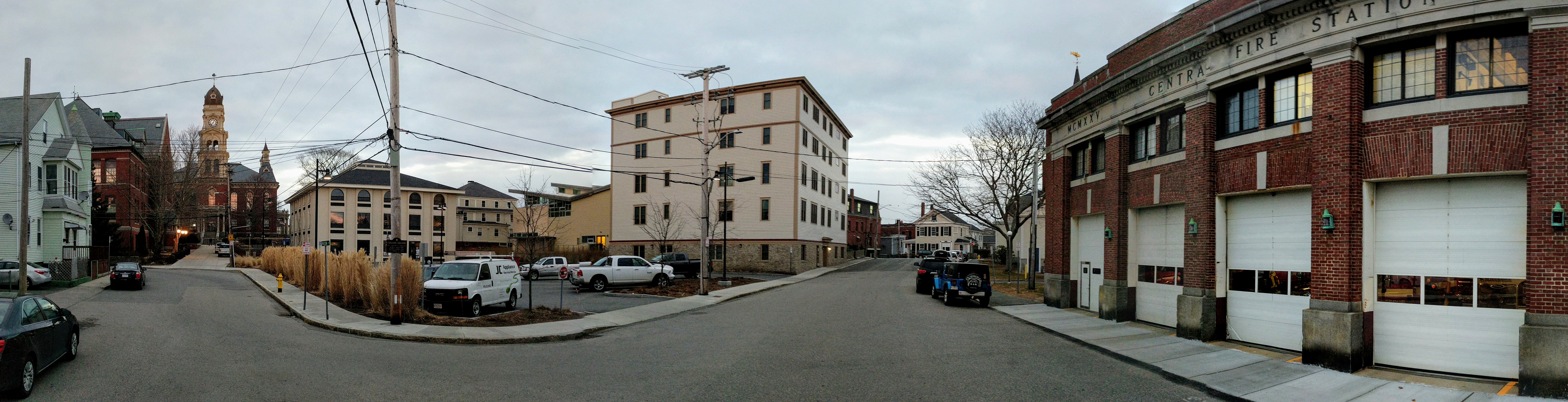
The current website does not have a “button” or menu selection for new building plans. You can select from the calendar to see some of the meetings announced. You can select About to explore more about the board committees and some minutes and agendas. Some meetings are linked into the City of Gloucester calendar, too.
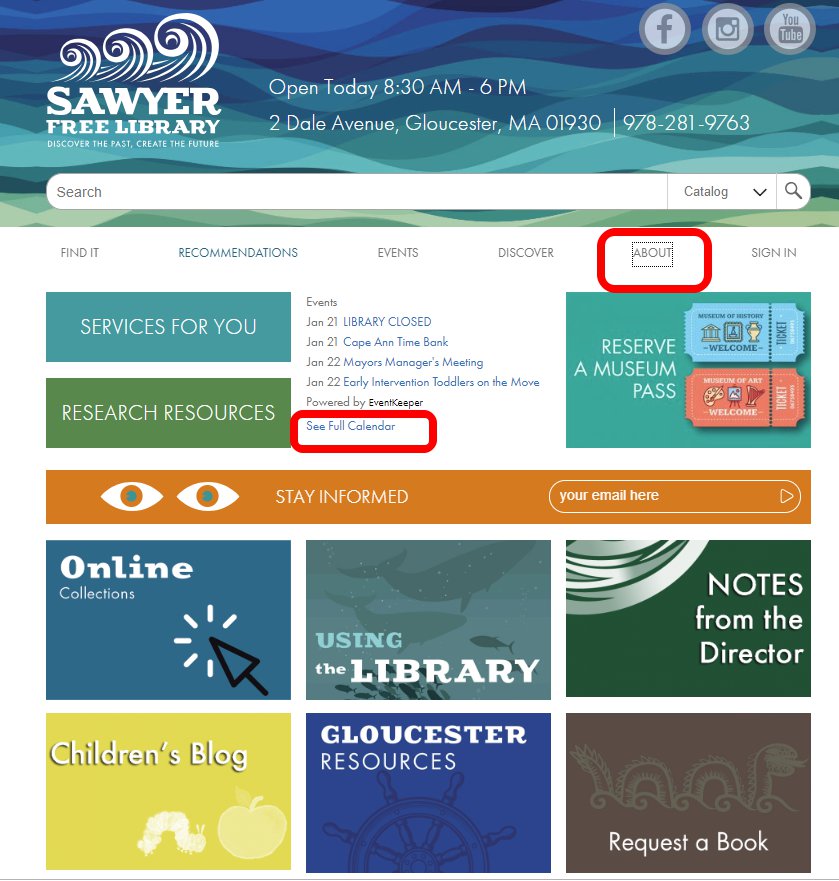
Round up of new library building coverage prior to November 2018: Continue reading “Upcoming meetings: Sawyer Free Library new building plans”

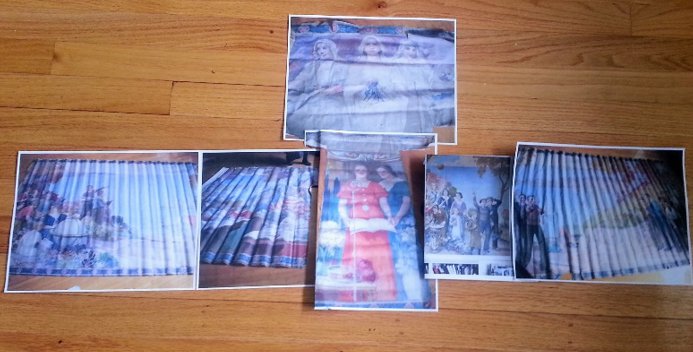
Thanks to Mayor Romeo-Theken, city officials & departments and staff, residents, volunteers, archives and generous grant awards & donations, — Gloucester’s extant historic mural collection has begun a new chapter and is beginning to receive most fitting care at the illustrious Williamstown Art Conservation Center.
Located on the Sterling and Francine Clark Art Institute campus, The Williamstown Art Conservation Center (WACC) is a non-profit institution that was established as the regional conservation center for New England by the US government back in 1977.
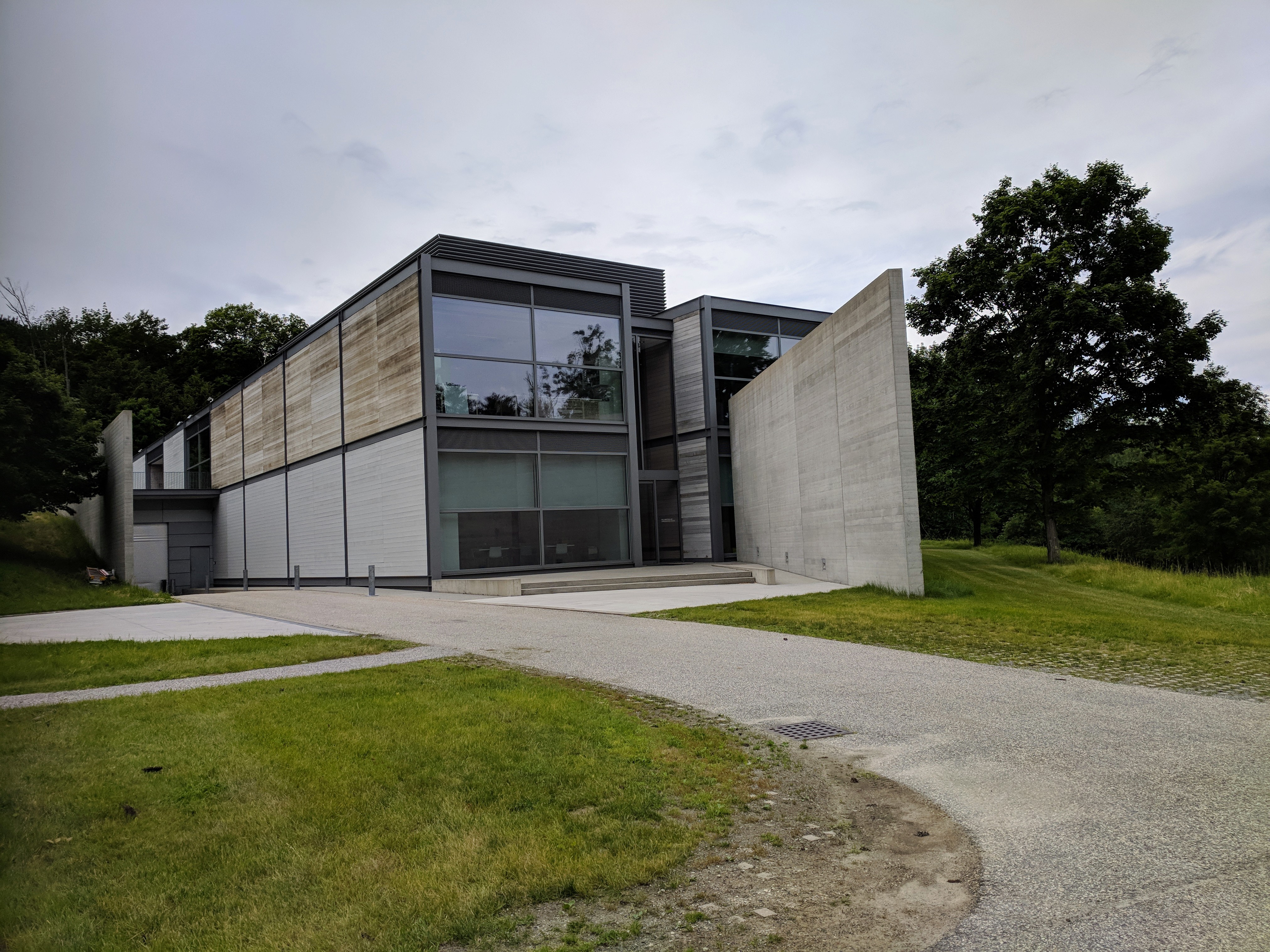
The summer 2017 issue of Art Conservator, WACC’s indispensable industry magazine, focused on the center’s 40th anniversary milestone and Director Tom Branchick. The back page prints the 2017 Center consortium members.
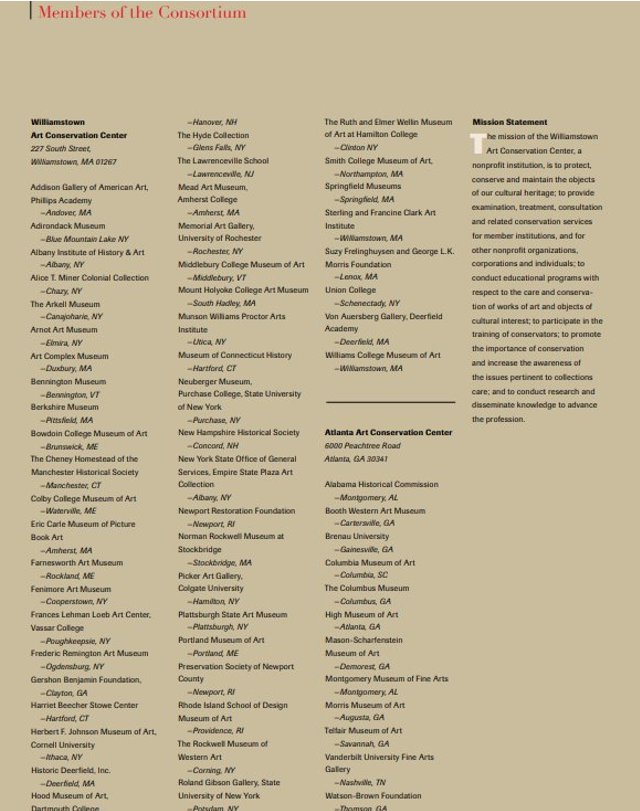
You can peruse the issue here or follow the link to explore a complete digitized repository of current and past issues. The WACC website URL is: www.williamstownart.org
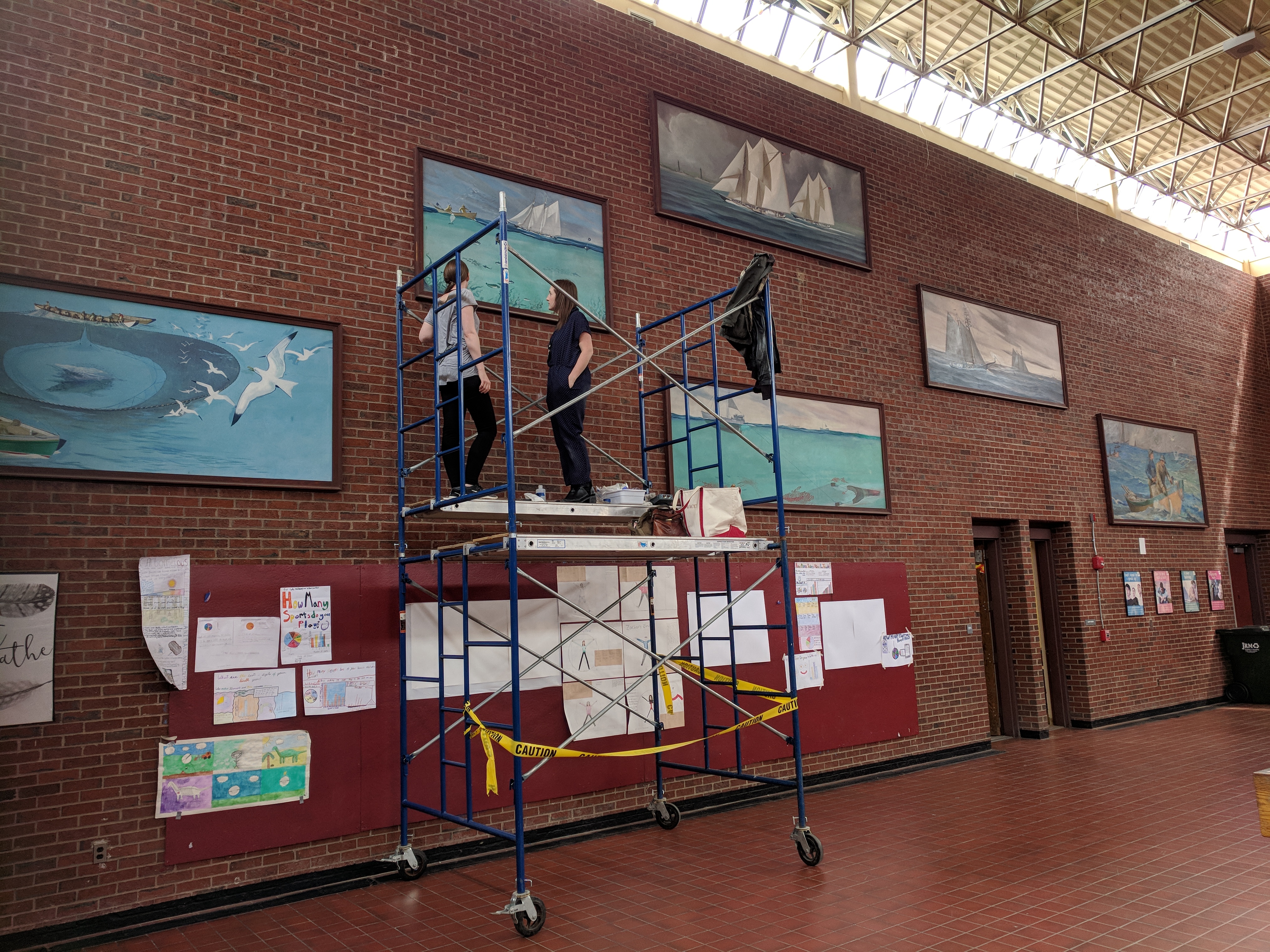
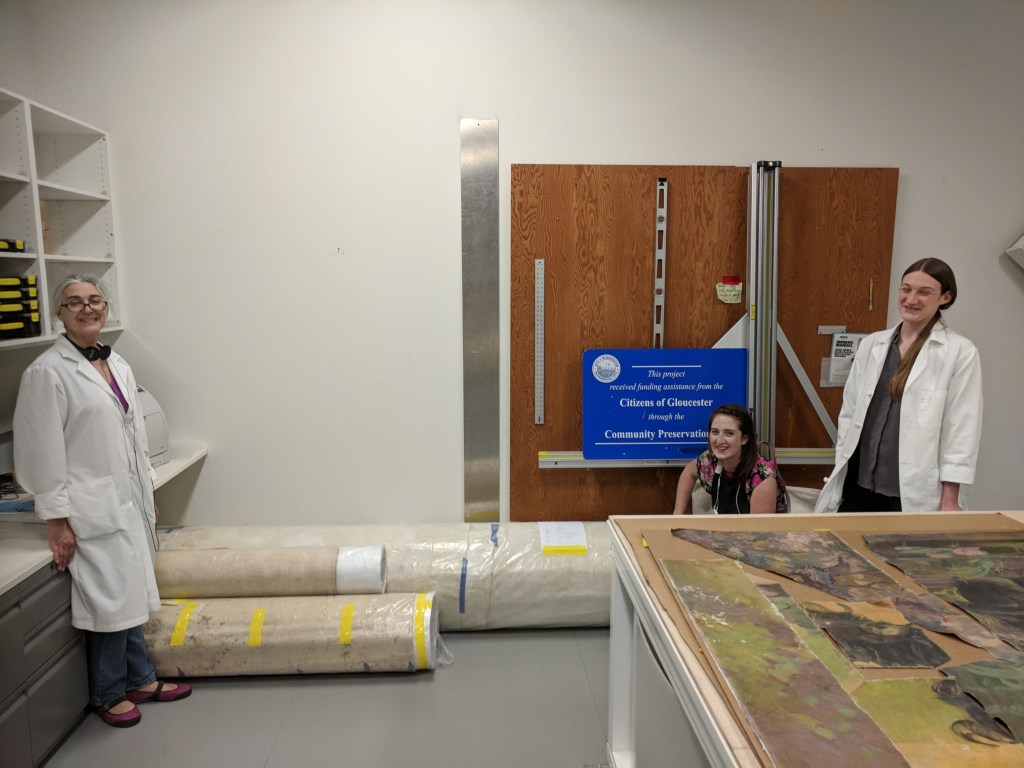
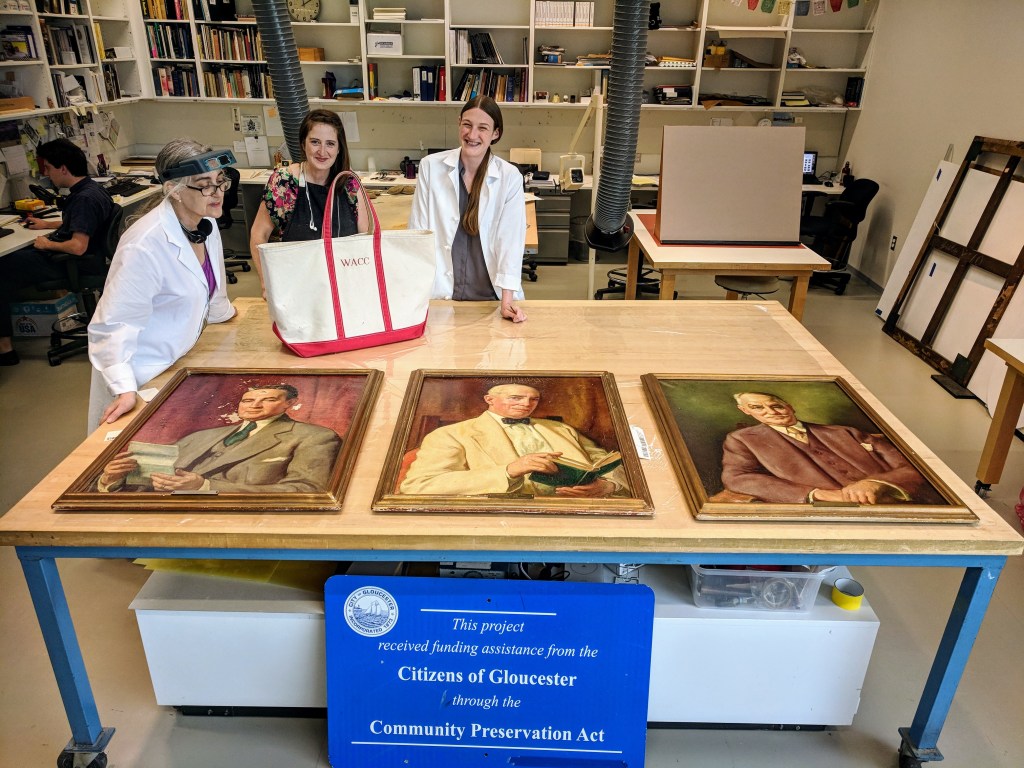
Conservators at the center assessed the condition and performed necessary triage because of the invaluable support from the city’s Community Preservation Act (CPA). CPA funding and Williamstown Art Conservation Center’s stature are inspiring endorsements for broadcasting the project and compelling additional financial support. As money is raised, every mural will have its necessary care regimen completed. Donations in support of the mural care can be sent c/o the Auditor’s Office, City of Gloucester, 9 Dale Avenue, Gloucester, MA (note mural restoration). All murals will be displayed in Gloucester as soon as their care is completed.
Sneak peek then and now:
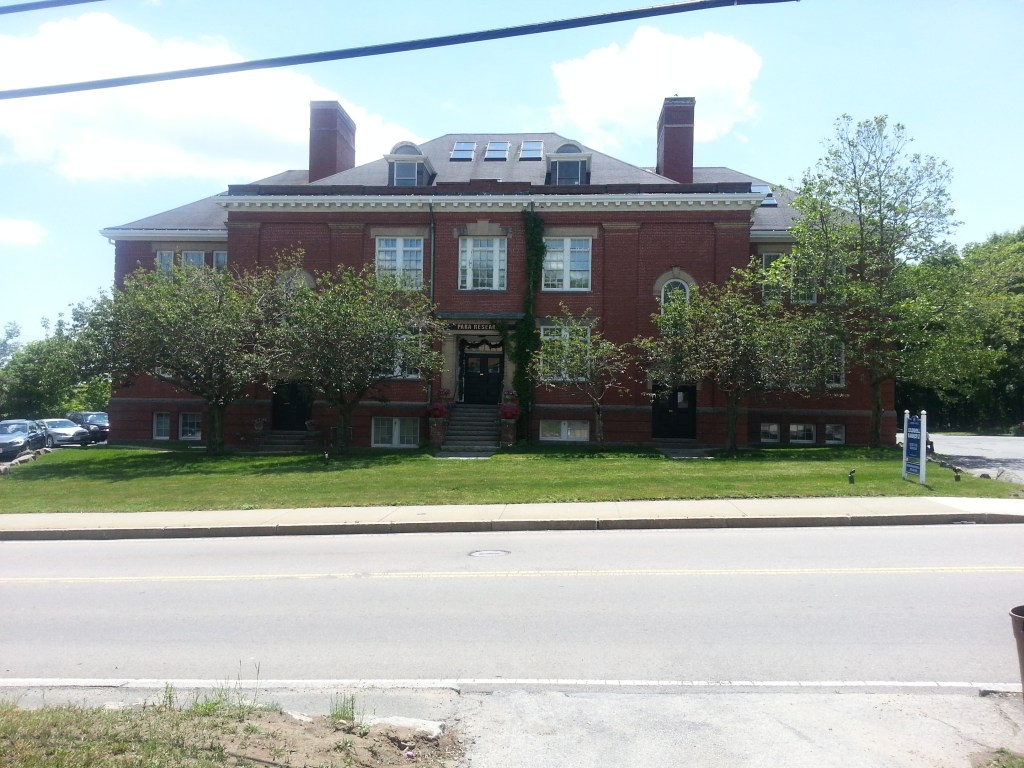
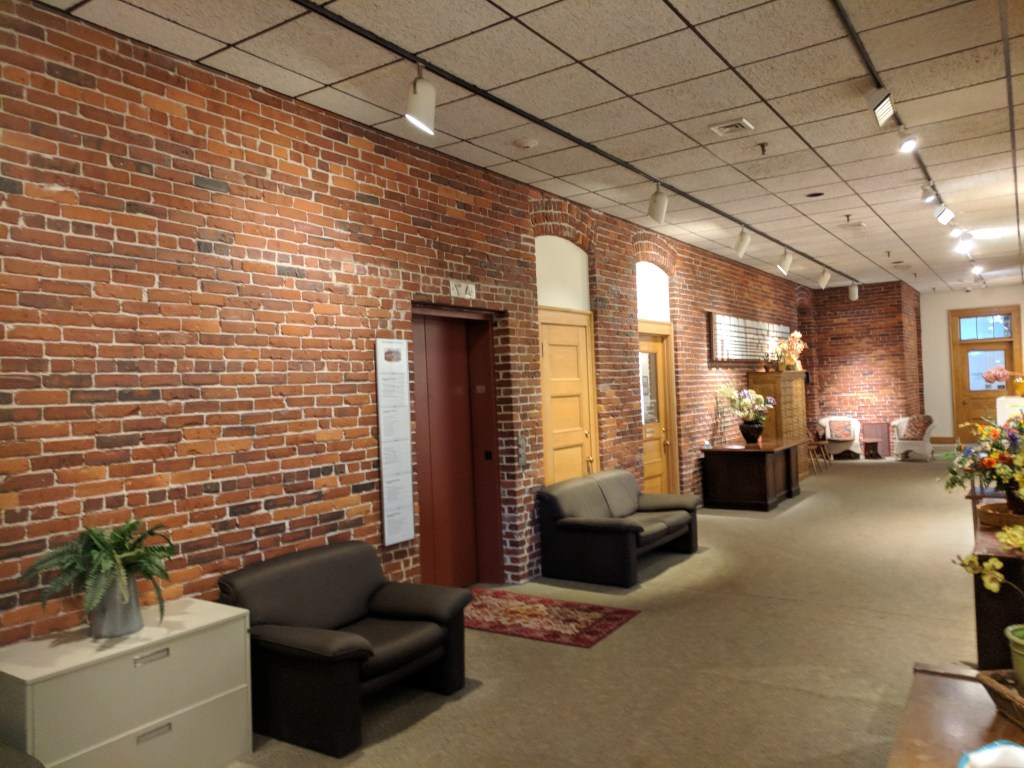
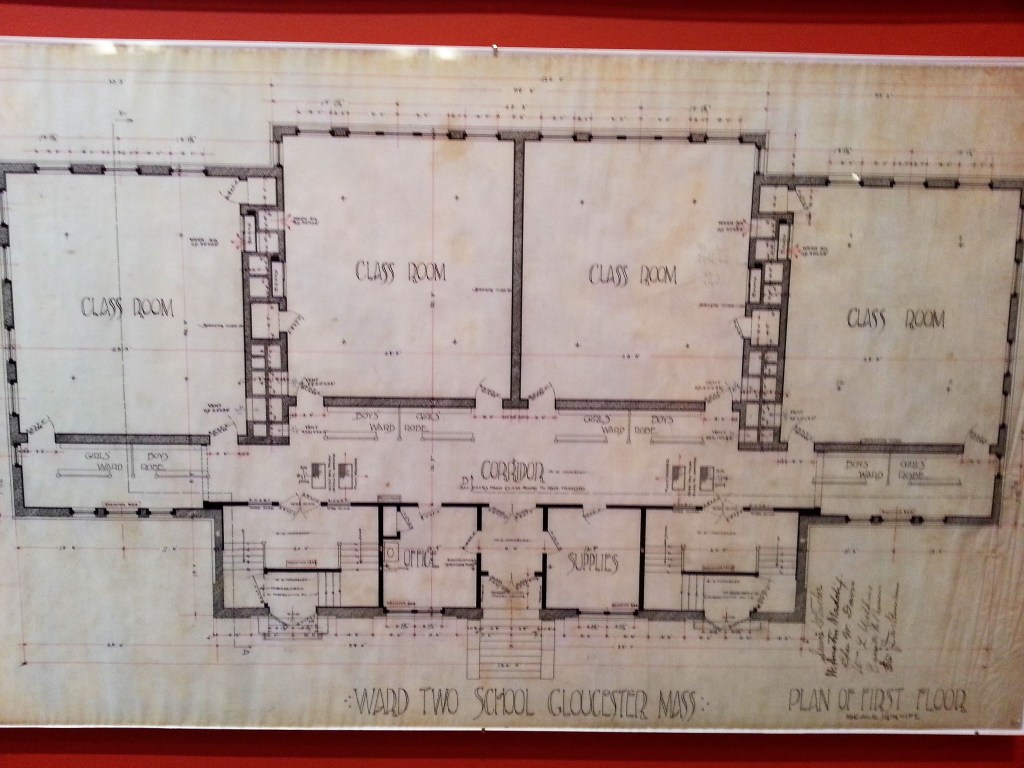
The former Eastern Avenue School (85 Eastern Avenue) was the site for the monumental mural, Schooldays, by Frederick L. Stoddard, from 1936. This multi-panel triptych was painted 8 feet high and nearly 60 feet long despite an array of unusual architectural challenges. My hunch for its original location on the main floor was confirmed thanks to Barbara Tarr. I’m looking for interior photos of the school that show the mural installed. Over time the school walls were resurfaced, doors blocked, and an elevator installed. Based on my expertise, I recognized that a stand alone piece was misattributed and must have been dispersed, not as bad as the scarecrow in the Wizard of Oz after the flying monkeys descend-… still it was dire and will be amazing to have it whole once again! Special thanks go to Gloucester’s Department of Public Works.


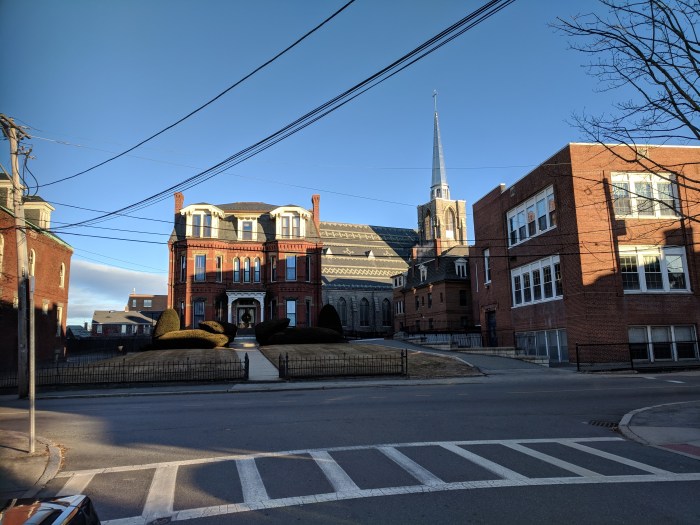


COMMONWEALTH OF MASSACHUSETTS SUPERIOR COURT DEPARTMENT OF THE TRIAL COURT SUFFOLK, SS. Case No. 1884CV03213C Roman Catholic Archbishop of Boston VS. Maura Healey, as she is the Attorney General of the Commonwealth of Massachusetts, and Free City Library Association TO: Free City Library Association You are hereby notified that a complaint has been filed against you by the above named plaintiff. This complaint concerns a certain parcel of land with building(s) known as 58 Prospect Street, located in Gloucester, Essex County, and said Commonwealth. Plaintiff seeks a judgment declaring that it owns said property through adverse possession, extinguishing any rights that you may have had to said property through the deed from
and recorded with the Southern Essex District Registry of Deeds in Book 1607, Page 259, or for such further relief as the Court deems just and appropriate. This complaint may be examined at the Superior Court for Suffolk County, Boston, Massachusetts or a copy obtained from plaintiff’s attorney. If you intend to make any defense, you are hereby required to serve upon the plaintiff’s attorney, Kimberly Kroha, Esq., Baker, Braverman & Barbadoro, P.C. whose address is 300 Crown Colony Drive, Suite 500, Quincy, MA 02169-0904 a responsive pleading to the complaint on or before the 31st day of January, 2019, the return day, hereof, and a copy thereof must be filed in the Suffolk Superior Court on or before said day. If you fail to do so, judgment by default will be taken against you for the relief demanded in the complaint. Unless otherwise provided by Rule 13(a), your answer must state as a counterclaim any claim which you may have against the plaintiff which arise out of the transaction or occurrence that is the subject matter of the plaintiff’s claim or you will thereafter be barred from making such claim in any other action. GT – 12,28, 1/4, 1/11/19

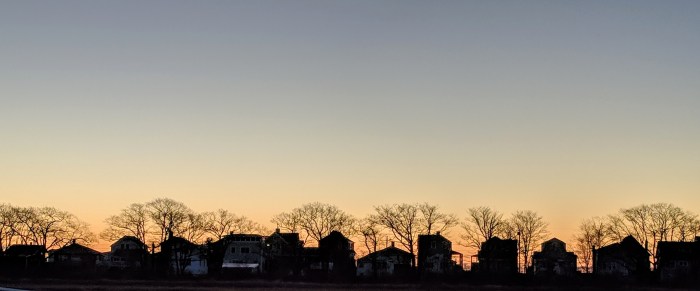
Gloucester pause – Merry Christmas!


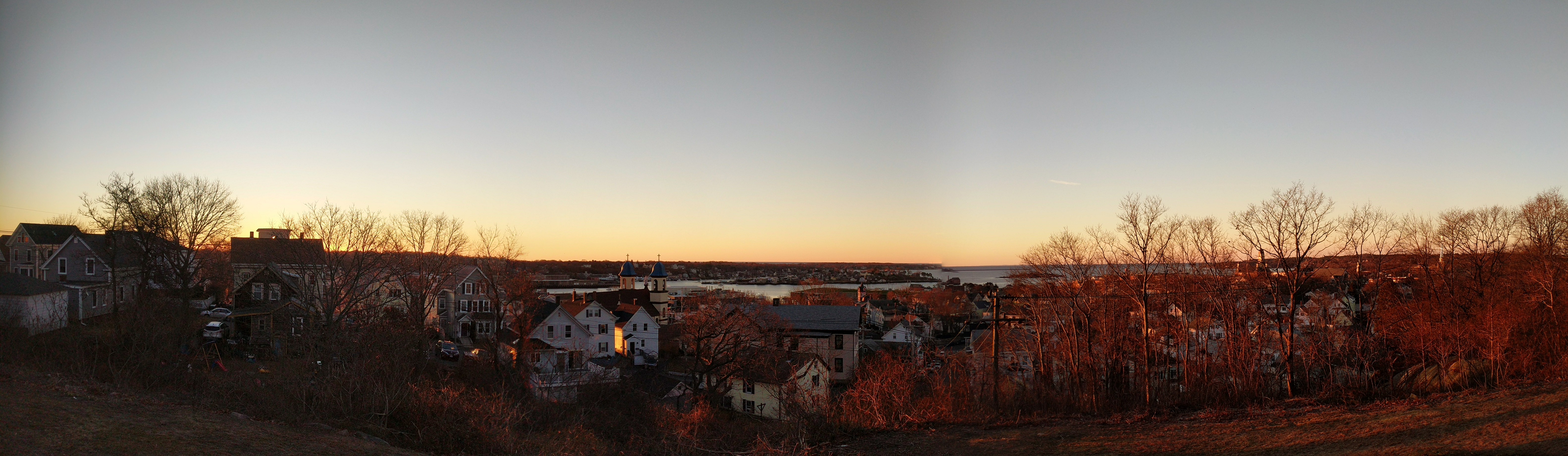

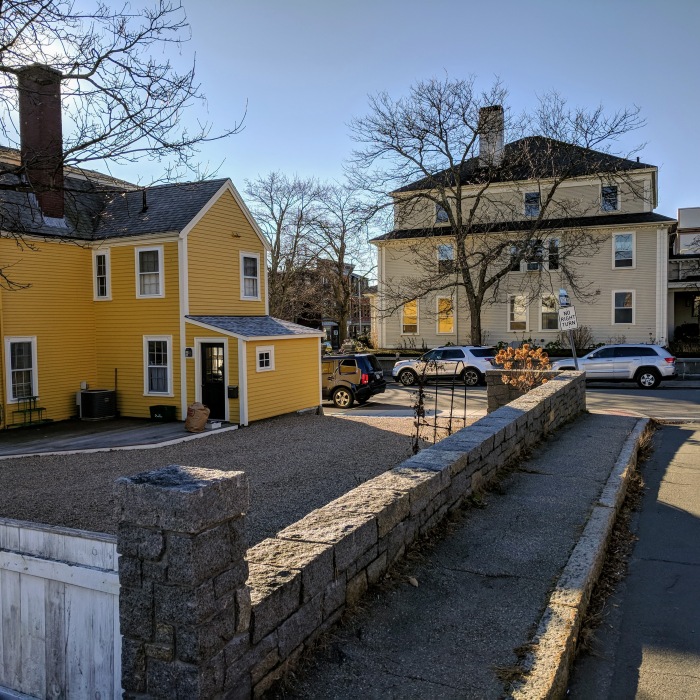
Motif Monday- a photo journal of December yellows, Gloucester, MA
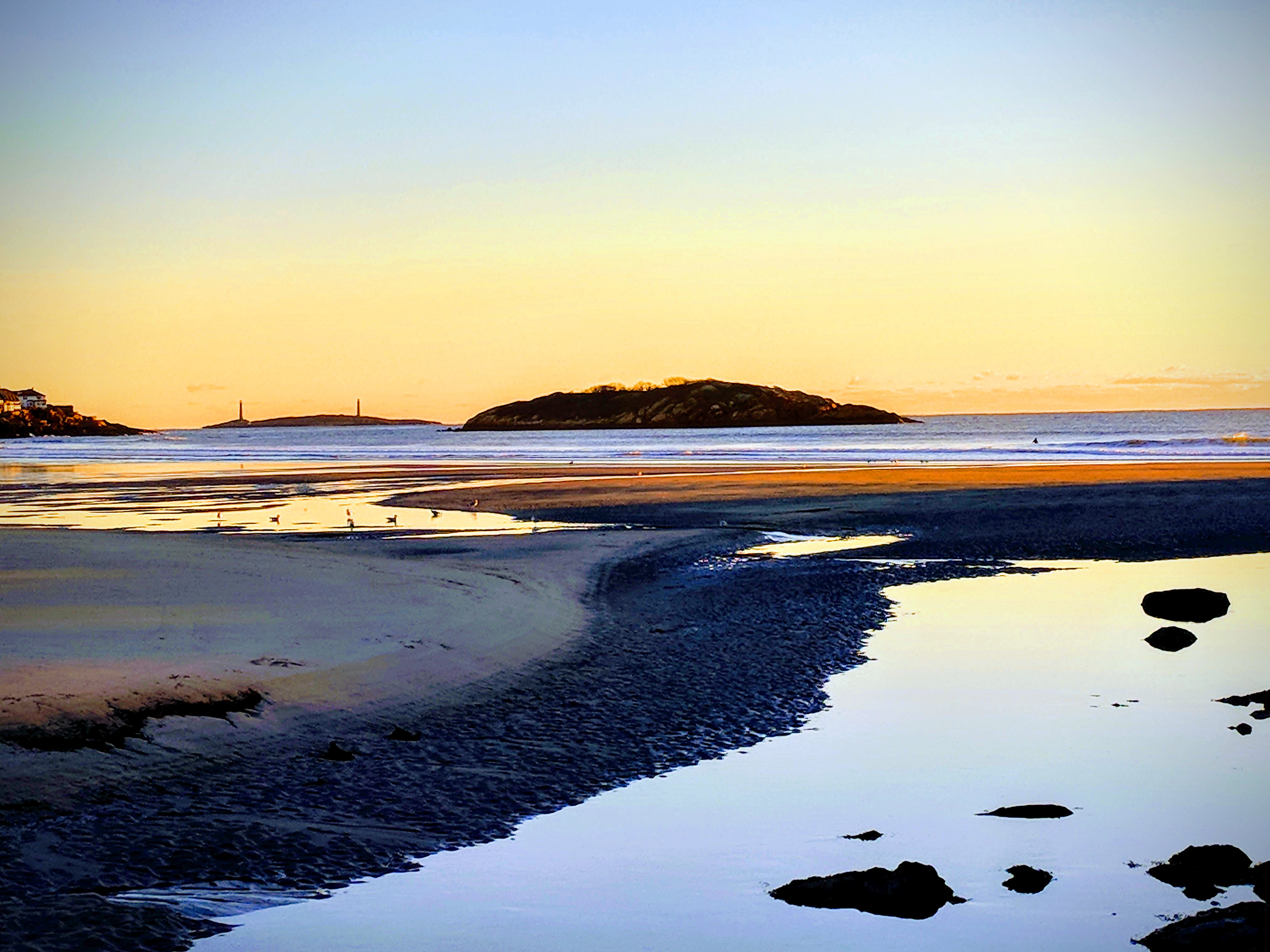


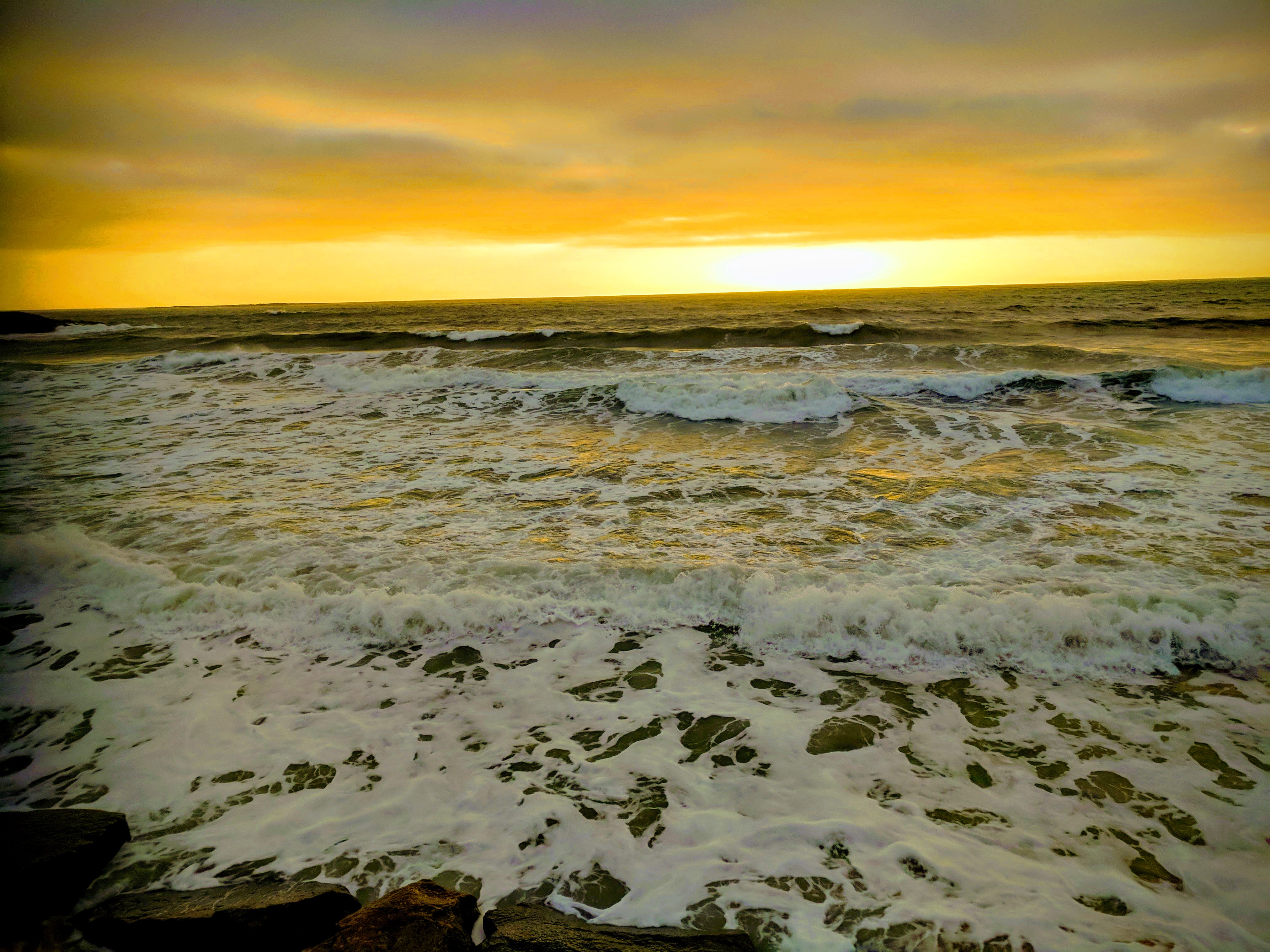

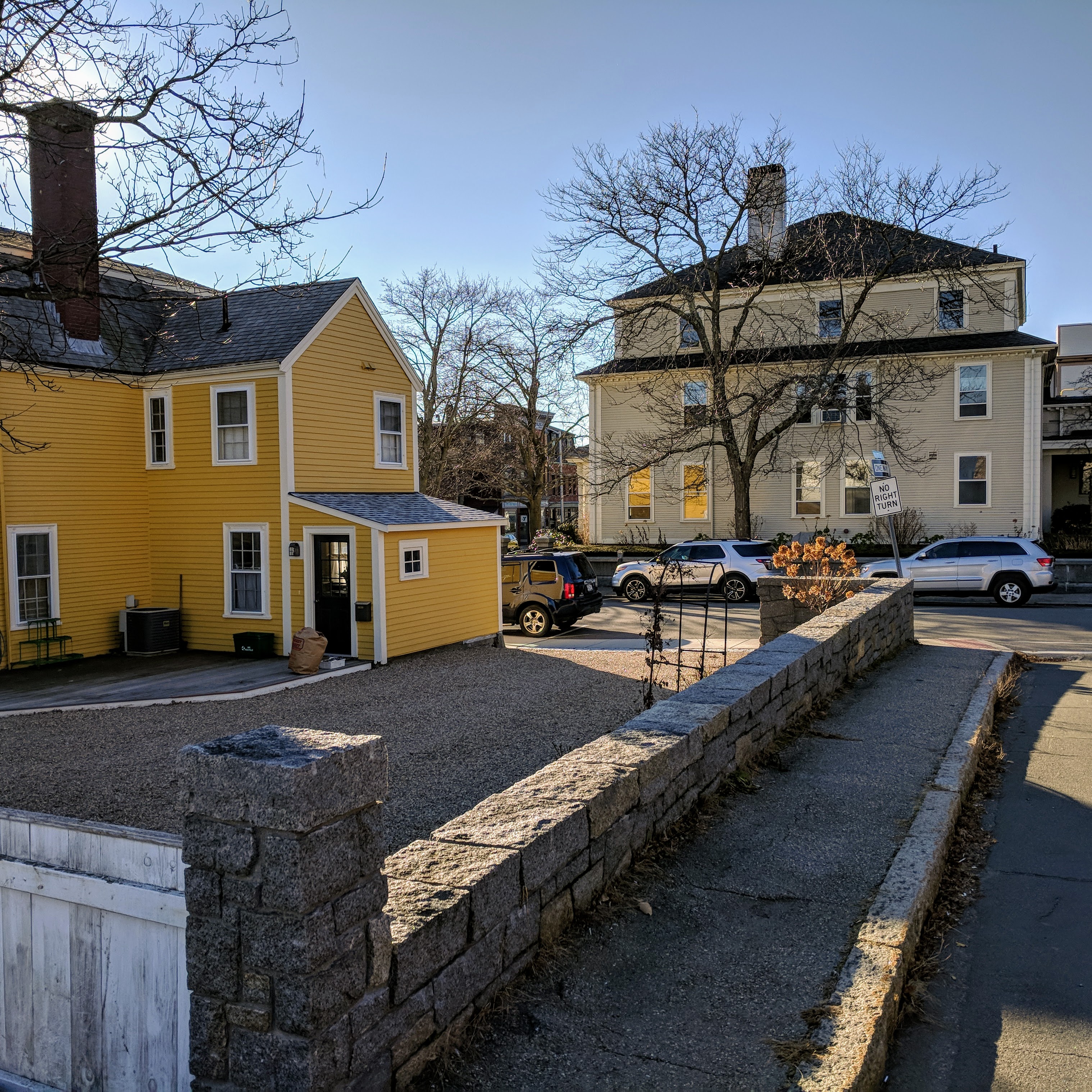

 Good Morning Gloucester