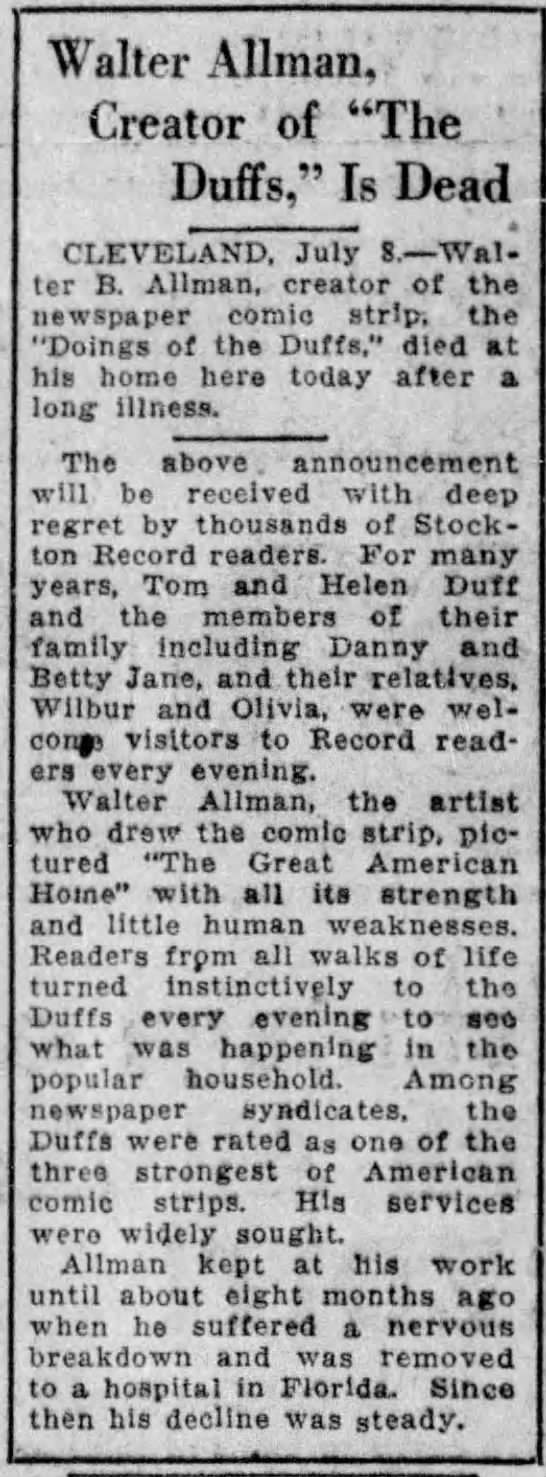
Part 2. “NOTABLE”. “EXEMPLIFICATION”. “ARBITRATION”.
Three test patches are visible on the commemorative bronze plaque set into Tablet Rock. Along with surface patina aesthetic choices, test patches are left to cure or age to see their impact. When considering care and protection for public art, there is no singular approach. There is no other American commemorative tablet that’s so colossal, set into a glacial outcropping in this precise angle and manner, and susceptible to its surroundings and climate over this length of time. Hence the test patches.
Daedalus is a renowned sculpture conservation firm and will approach this work with respect.
Money was raised to address the plaque and patination (some had preference for a brown finish) Gloucester Daily Times, 2016, and then that project was paused. As far as I know, funds were not returned nor redirected for restoration of the city’s art deemed in distress. At the time William Taylor addressed the verdigris:
“As an antique dealer for decades who dealt many times with bronzes and patinas I completely agree that the tablet should not be restored. While I applaud…well-meaning and generous inclinations not only does natural oxidization form a protective surface it looks appropriate and should not be fiddled with. Restoration is too expensive and absolutely not necessary. Cleaning it would remove many decades of well acquired history.
They’re installing at the Cape Ann Museum. Exciting news from Ethan Forman:
“On Friday, June 30, about 100 years after it was painted, “The Mansard Roof” returned to Gloucester, to the Cape Ann Museum, in the city’s 400+ anniversary year.
It and the 1928 painting, “House at Riverdale,” also on loan from the Brooklyn Museum, were unpacked and hung with care by Caroline Gillaspie, assistant curator of American Art at the Brooklyn Museum, and Leon Doucette, assistant curator of the Cape Ann Museum.”
The Art Newspaper published an announcement preview about the upcoming show last week and Vanity Fair hyped the catalogue for a summer read. Looking forward to the many reviews of this special survey in Gloucester after the exhibition opens July 22, 2023.
Spread The GMG Love By Sharing With These Buttons:
Along with (years of) Good Morning Gloucester Fiesta chronicles…don’t miss today’s newspaper!
GDT Sports writer Nick Curcuru delves into the hanging chad flag incidents, detailing relative context and history from years of on the ground coverage, matched with Paul Bilodeau’s signature photographs.
“…It turns out the only thing that can stop Hopkins from bringing the flag down is a flag that is fastened extra tight on the edge of the pole.”
Ethan Forman’s front page coverage about the 2023 St. Peter’s Fiesta procession was beautiful as well: “Fiesta Sunday celebrates faith, family and food”. June 26, 2023, which threaded interviews to illustrate the day, including Romeo-Theken’s:
“This day is a day of being thankful,” said former Mayor Sefatia Romeo Theken. “Being thankful we have a fishing fleet; being thankful that this past year there was no loss at sea, no casualties. We are thankful that we still have our family and our faith and yet you can do it being festive,” she said of St. Peter’s Fiesta. “Everyone’s united for one day. It’s beautiful.”
“…The Mass was led by the Rev. Jim Achadinha, pastor of the Catholic Community of Gloucester and Rockport, and celebrated by the Rev. Tony Luongo, parochial vicar at Ave Maria Parish in Lynnfield.
Luongo said he got a call from Achadinha about a month ago after he found out Luongo’s mother came from Sicily.
“He said, ‘Father Tony, would you like to say the Mass,’ and I said, ‘Yeah, I would love to’,” Luongo said. Achadinha asked him to take part in the procession and the Blessing of the Fleet.
“And then you know what he asked me? ‘We have the walking of the Greasy Pole’,” Luongo said to laughs. “Absolutely not!”
During the first week in June 2023, saw crews* installing the wooden boxes that trap the greenhead horseflies in the salt marsh at the back of Good Harbor Beach (on both sides of Thatcher Road). The boxes are new here though not to Gloucester or the region.
See below for a small selection of greenhead flies mentions that made the news–1880s on, some humorous, some not.
I have not experienced too many greenheads this way, but I don’t live beside the marsh. (They’re worse to me at Wingaersheek, Cranes, and Essex rather then Good Harbor and Long Beach.)
They’re a part of the ecosystem. Tree swallows and eastern Kingbirds eat them.
*edit: a little mystery as to who and how. Saw them installing the beach side on June 3, 2023.
Greenhead flies in the news:
1889 Delaware defends itself. “That Delaware the land of mosquitoes and greenhead flies is a good state “to emigrate from,” will no doubt be the decision of the fire insurance companies doing business there after January 1st…The valued policy law and mosquitoes we confess and deplore; but we kick on the greenhead flies and log cabins with mud chimneys. There are counties in Pennsylvania which beat the whole State of Delaware out of sight in both…greenhead flies are scarce here…”
1907 Green Flies Bother Men and Horses at Ipswich.
“…Thus far the cavalrymen have made no concerted complaint over the invasion of greenhead flies. These pests have stingers like hot needles and cause great annoyance to men and horses.”
1910 from the wires
“You’ll see them in Guayaquil. There the mosquitoes and greenhead flies are so thick that horses and donkeys, unless their legs are cased in cloth, become unmanageable with the pain, Guayaquill is in Ecuador. It is directly under the equator. The heat there is insufferable. Up and down its narrow streets in bluish clouds of buzzing insects walk horses and donkeys in sunbonnets and pantaloons.”
carried in US papers Nov. 1910
1914 excerpt from humorous column by James Montgomery Flagg
“No matter where you happen to be, whether it’s in South Berwick, in New York, or in jail, there comes the time of year when you want to go somewhere else…If you don’t happen to own a shack out in the country, you write to various resorts for terms. Just as you have settled on a seemingly perfect spot, you mention where you are going to a friend. The friend says: “East Bunquit! For the love of Ozone, don’t go there! I tried to spend a summer there once; we were eaten alive by the mosquitoes and greenhead flies! And the cemetery is just outside the dining room window…”
James Montgomery Flagg in Words and Pictures: I Should Say So!! Going Away From Here is not Such a Cinch, 1914
1935
“MANY WISH SOMETHING could be done about the elimination of horseflies, or greenhead flies. Swarms of these pests are molesting bathers at seashore resorts during the past two weeks. Conditions have been so bad on the hot muggy days that many persons who enjoy the seashore have purposely remained away. The greenheads appear at a certain time every summer and while they last they are a nuisance. It is said that spraying operations on the salt marshes drive the greenhead flies out.”
Gloucester Daily Times August 1935 notice
1946 Boston Globe
“…The greenheads, you may be interested to know, are a little more stream-lined than the common horsefly although they belong to the same genre…they don’t fly ordinarily at night. They turn the night over to mosquitos. Maybe it’s a contract…The state has employed Norman H. Bailey, instructor in biology at (BU) to do special research work on the greenhead fly this Summer. He has a collection of these winged A-bombs in little wire cages and right now is hunting egg clusters which are sometimes found–and they are hard to find–attached to blades of marsh grass. One of the highlights ” of his experience to date is the time he sat in his car with the windows down and counted 475 greenhead visitors in 15 minutes. He doesn’t say how many bit him…”
K. S. Bartlett. Boston Globe. “State opens Fight Against Ferocious Essex County Greenheads: Hard-Biting Flies, No Respecters of Persons, Pursued Author Marquand into Sea”
1948 Greenhead Fly Bill passed in the State Senate. $3000 for a study about the “fly nuisance in the tidal areas of Newburyport, Gloucester, Salisbury, Newbury, Rowley, Ipswich and Essex.” Gloucester Daily Times, April 20th
1950s The North Shore Greenhead Fly Program worked with US Fish and Wildlife. Regionally, aimed to Greenhead fly control in any anti mosquito campaigns. Mid 1950s city’s allocation for control was $1000 annually.
1951 Regional officials press state to undertake greenhead fly eradication
1953 Boston Globe: North shore declares War on Greenhead Fly! “…the greenhead is the one that removes both flesh and blood in its sudden attack…”
1956 Cape Ann Tree Wardens attended the 2nd Annual Northeastern Mosquito Control Conference at UMASS in Amherst reflecting greater “awakening of public interest in control measures”. Dr. Bertram Gerry, a member of the Greenhead Reclamation Board, was a featured speaker.
1958 Gloucester Daily Times notice about upcoming 2 marsh sprayings in July for greenhead fly control
1961Gloucester Daily Times front page coverage
“Gloucester is taking part in three separate programs to control the insects. One is the state program which begins in April or May. This is designed to destroy the larvae of both mosquitoes and greenheads. Gloucester pays its share of the cost for this. The city also uses its own equipment to spray all public areas such as parks and playground. The third program in the budget is for insect control in marshlands an extensive job along local inlets and waterways. Ditches are cleared of stagnant water, the flow of water directed and inhibiting chemicals applied. At one time the city tried to spray private lots but, like most communities, abandoned the mushrooming program…”
Jackie Darcy. Our Mosquitoes are Well Behaved. Gloucester Daily Times. Front page June 13, 1961. [Accessed from Sawyer Free Library GDT archives]
1960s DDT pesticide wreaked havoc on clam flats sparking a battle between industries (shellfishermen vs tourism). The press describes Cape Cod flies as similar but different and eradicated there. I have no idea how true that was but the ink for beastly bites was thick with Cape Ann stories.
1966 “greenhead flies having their annual burst of glory” and arrive first in mid-July
Late 1960s Boxes introduced — on Cape Cod. The insects fly under the belly of the boxes as they would a deer or cow. Once inside they’re drawn in and up by the light and can’t exit.
1973 Rowley scientists build a better Greenhead Fly Trap
1975 M. R. Montgomery worth a read! “Good things about the greenhead flies” Boston Globe
“…It is turnover that counts, not the capacity of the house. The greenhead fly is to parking space marketing as fast-food is to hamburger marketing…get ’em in, get their money, and get ready for the next crowd…”
1985 Boston Globe Cape Cod survivor story by Tony Chamberlain –
“On average, greenheads hurt a bit more than yellow jackets, though it is a different sort of hurt. The hornet’s hurt seems powered by a kind of electric jolt, while the bite of a greenhead–literally a bite–fairly rings with a delirious quality to it. If you have the self control not to jump when you feel it, you can easily slam the life out of the greenhead where he sits chewing on your vital substance. His very pleasure makes him an easy target, and there’s a lesson in that.”
Chamberlain goes on to recall one of his most vivid greenhead experiences on a Cape Cod fishing trip out of Chatham.
On this day in 1911, the Boston Globe reported on a novel auto mechanic course at Gloucester high that would expand the vocational offerings already established in the district. John Hays Hammond who served on the school committee had the idea and seeded the concept. Forty years later, Arthur Smith reflected on how the new program fared when he wrote about the history of Gloucester High School (published by the Gloucester Daily Times in 1951). Hammond’s tenure on the school committee overlapped with renowned teacher and administrator, Albert W. Bacheler, the Gloucester High School Principal. In 1911, the high school was located on Dale Ave. now Central Grammar. Excerpts follow.
Excerpts from the Boston Globe article
“John Hays Hammond, who is a member of the Gloucester school committee, offered to maintain, for a year at least, a class of high school boys in automobile instruction…
“Under the terms of the contract the boys were to be given 40 lessons a the rate of two lessons a week in the machine shop. But Mr. Perkins and Mr. Hodgkins, becoming enthusiastic over the idea, have lengthened this out to 50 lessons at shop work, and for further good measure Mr. Hodgkins has given, gratis, 40 evening lessons at the high school on the theory of construction and management of gas engines. Thus it is believed that the course has been thorough from the theoretical and practical standpoint. The first lesson at the garage consisted in leading the class to an automobile, directing them to dismantle it and reassemble it, care being taken to tell them to acquaint themselves with the function of every piece of metal which was handled. The test in this was to ascertain at the very first if the boys had the mechanical knack and observation so necessary in matters of this kind…
“The Gloucester high school met this in a measure by introducing some 15 years ago the commercial and high school course, which has equipped many for a livelihood as stenographers and bookkeepers, but this class instituted by Mr. Hammond, if it shall become permanent, will go a step further, and turn out young men who, in their special branch of business, are skilled mechanics and not above overalls and hands and arms soiled with oil…
“…the popularity of the new departure is attested by the fact that one-tenth of the whole number in the pubic schools is enrolled in the high school, which must be enlarged to accommodate those who desire to enter…”
Boston Globe April 30, 1911
“At the same time the reputation of the school as one of the best college preparatory institutions in New England has increased, as the large number of its graduates in the colleges and universities attest.”
When the HS moved to its current location, the gym was dedicated and also known as the Albert W. Bacheler drill hall. Read more about the history of the school buildings here: Gloucester Public Schools Then and Now
Photo: C. Ryan. At the corner of Wells & Beacon, Gloucester’s “second” school house, 1793 on a sunny day in 2021. Building timeline: Funds appropriated in 1793 for a grammar schoolhouse which was constructed on Granite St. & dedicated in 1795; moved 60 years after to this site; later serving the district for administration purposes; gifted for use by veterans of the Spanish-American War; present day now a private home.
Flash forward to april 30, 1951
The district registered 4196 students in 1892 with just 300+ in the high school. Attendance was an issue. The enrollment number increased under Bacheler’s stewardship.
In 1951, Arthur Smith wrote about the history of the high school at the 100 year mark. The multi part series was published weekly on the front page of the Gloucester Daily Times. Bacheler is featured in several. Smith covered the enrollment and described what had happened with Hammond’s vocational goals for the district:
**from the SFL digitization microfilm reels**
Bacheler’s
“…30 years in the school saw many changes. He came to a school of 226 students, most of them girls, and five teachers including himself; when he left in 1914, there were 603 students and 19 teachers. When he came, few students from Gloucester had gone on to college; he seems to have waged a campaign for higher education, and probably sent half a dozen to higher institutions for every one who had gone before….
“…Industrial vocational training did not fare so well in the same period. There was agitation for it, and the committee agreed in 1907 that industrial training was becoming part of the high school course in other cities, where there was a direct demand for employees with certain training, but it did not feel that Gloucester was so well situated in regard to trades. The following year, it was suggested that there might be some sewing and cooking for girls, and carpentry and printing for boys, but no action was taken. By 1913, the committee definitely felt there was a need for a high school of practical arts in the city, either a part of the existing school, or better yet, as a separate school, but nothing was done.
“A private benefactor, John Hays Hammond, primed the pump for the city, but to no permanent avail. In 1911 and 1912, through his generosity, cooking classes were made available to senior girls in the afternoon, but it was not seen fit to make the course available to all girls as part of their regular school course. Although 46 of 49 senior girls gave up their free time to enroll, the class was dropped. Similarly, in 1910 and 1911, the same man made possible instruction on the automobile for senior boys. A six months course was provided, part of it held at Perkins and Corliss garage, and part in the high school classrooms and a dozen seniors gave up their afternoons for instruction in this new field. But the course was ahead of its time in Gloucester, and it was not continued at public expense. This was very possibly the earliest course in automobile instruction in this state.”
Arthur N. Smith, Part 7, Gloucester Daily Times, May 29, 1951 Smith, a GHS teacher, wrote this special chronicle about the history of the High School to commemorate its 100th anniversary. Bacheler is featured in 4 installments which you can read on line through the SFL digitized GDT newspaper microfilm rolls. Part 1 was published on 4/30/1951. All of them were published on the front page above the fold.
The 7th installment also mentions that the first Sawyer medals were awarded in 1912:
“In June of 1912, the first Sawyer medals were awarded to the boy and girl in each class who was outstanding in scholarship and effort. These medals were paid for from the interest of a fund established by the will of Samuel E. Sawyer, to whose generosity Gloucester is indebted for many things, including the public library building.”
Spread The GMG Love By Sharing With These Buttons:
Hundreds of the library’s Gloucester Newspaper Microfilm Collection of monthly reels spanning 40+ years have been optimized for accessibility and are now fully searchable on line! The microfilm rolls and readers on site are up and running as well.
It’s as easy as click on the home page! Here’s Julie Travers, SFL’s Local History Librarian, walking me through the happy news. If you’d like to contribute to the library’s ongoing efforts, each roll costs roughly $175-$200 a piece.
Archives for All!
“HISTORY MAKING PLEA – ARCHIVES FOR ALL The prohibitive costs of best practice historic preservation (ADA compliant, temperature and humidity controls, security, sustainability, in house scanning/OCR/audio transcription, etc.) is impossible for all the worthy collections in town, and pits them as foes when vying for funds. Let’s flip that impediment on its head and make Gloucester a model for the state. Its treasures would be available worldwide if they were truly accessible –digitized…”
How exciting that Gloucester’s repositories have been busy digitizing treasures from their archives. The GDT newspaper microfilm rolls are a welcome addition.
Spread The GMG Love By Sharing With These Buttons:
What music are you listening to on St. Patrick’s Day?
While I was mulling a great story by Ethan Forman in the Gloucester Daily Times about our community, a Torah scroll and Jewish life in Ireland, a Clancy Brothers album was playing in the background, a St. Patrick’s Day ritual ever since I was a child. I sang along instinctually and smiled even more at the poetry and word play of Torah and Too ra loo ra when that track came on.
“Rabbi David Kudan, the new interim rabbi at Temple Ahavat Achim on Middle Street, was instrumental in helping a small but growing Jewish community he is close to in the port city of Cork, Ireland obtain a sacred Torah scroll from his former congregation in Malden.
“They have graciously decided to bequeath this sacred scroll to help to renew Jewish life in the south of Ireland,” Kudan said during services in Gloucester on Saturday.”
Here’s the Clancy Brothers intro before playing Moses Ri-Toora(h)l-I-Ay Live at Carnegie Hall 1963
“There was a friendly son of St. Patrick by the name of Robert Briscoe who became Lord Mayor of Dublin, twice. He was a great Irish rebel as a matter of fact, a great Jewish Irish rebel, which gives us an excuse to sing a song that is the only Irish Jewish rebel song in captivity. And for those of you who don’t know, it needs a bit of explaining, it’s sort of old. At one time, the Irish language, Gaelic–at least it’s called Gaelic everywhere else–but in Ireland naturally enough it’s called “Irish”. This language is forbidden by British law, and this song was written to ridicule that situation. It’s about a Jewish merchant who came to Ireland and went to a small country town where he opened up a store and over his store he put his name in Hebrew. Now this very ambitious British policeman came along, took one look at the Hebrew and assumed it was Gaelic and dragged the Jew into court. And the song is concerned with the trial of the Jew. The song wasn’t written so much to show the great love between the Irish and the Jews so much as it twas to show the stupidity of the British…”
Clancy Brothers and Tommy Makem concert Live at Carnegie Hall 1963 Intro 4 – Moses Ri-Tooral-I-Ay
Although laws banning Welsh and Irish languages were lifted, and Welsh permissible in Wales courts, it’s English solely for courts in Northern Ireland to this day.
One of seven children of Lithuanian-Jewish immigrants who came to Ireland to escape persecution, Robert Briscoe (1894-1969) studied electrical engineering in Germany, opened and shuttered a Christmas lights manufactory in NY ahead of US engagement in WWI, was active in Sinn Féin and IRA under Michael Collins before Ireland’s War of Independence, served in the Irish parliament (from 1927-1965), raised money to help Jewish immigrants escape Nazism (sadly failed to make that happen in Ireland, including some 100+ he was related to), and was the first Jewish Lord Mayor in Dublin–a title equivalent to Gloucester’s President of the City Council–which made international news. His cross country advocacy tours in the United States drew hundreds of thousands in New York, Boston and Chicago. One time, parade organizers moved the day of the parade out of respect for Briscoe’s faith.
“Briscoe’s twinkling eye, his wit and his pride in Ireland and Judaism captured the hearts of his countrymen. His 1950 election as Lord Mayor of this heavily Catholic city raised no eyebrows here but introduced Briscoe to a world in which he championed his beloved Ireland.”– 1969 obit
Roars of 450,000 Rock Old Southie Boston Globe, 1957, by Ian Forman. You can read the article here on GMG which I posted in 2021. Gloucester residents participated in the parade.
Here is how Briscoe described the parade in Boston:
“…Four miles it was, and by the end of it I was shuffling my feet like an elephant with corns. Incidentally, I clean wore out my best shoes and had to buy a new pair next day, which news being cabled back to Dublin made people there say, “A fine salesman for Ireland this Briscoe fellow! The first thing he does is to buy American shoes.” One of the newspapers in Boston; greeted me with a great green headline saying “AARON GO BRAGH” in both English and Yiddish characters. The supposedly proper Bostonians gave me such a welcome as almost made me weep. There I made thirty- six speeches in thirty-six hours, and lost my voice. Between speeches they had to keep rushing me to the hospital to have my throat sprayed…”
Robert Briscoe, For the Life of Me, 1958 page 325
Briscoe boasted in his autobiography that he codified a law regulating loan fees and that it made certain that women couldn’t borrow money without letting their husbands know. Because, you know. Women. A lot to unpack:
“…It may seem odd to those whose ideas of the business methods of our race are formed by the unfortunate Merchant of Venice, but the people my father abhorred most of all were unscrupulous moneylenders. The first time I came back from America, cutting a rather dashing figure in my New York clothes, I began going out with a certain very beautiful Jewish girl. When my father learned of it he called me to his room, and said, “I hear you are keeping company with Esther. You know her father is a moneylender and I am sure you know how much I love you. Now I solemnly tell you this, rather than see you married to a moneylender’s daughter, I would prefer to see your right arm cut off at the shoulder.” Mother shared this feeling of his. One time a moneylender died who had never paid his subscription to the Jewish cemetery of which Pappa was a trustee. His relatives, who were forced to pay a large capital sum to get him buried there, came to Pappa to complain. Mother hearing the argument, said to them, “Those good Jews who lie in the cemetery will rise when the Messiah comes. But your uncle will be there forever. He’s getting a bargain.” I was so impressed by Pappa’s abhorrence of moneylenders that when I first went into the Dáil, I joined with Patrick J. Little to introduce a bill which would put an end to their worst abuses. They often juggled loans so that they received as much as a thousand per cent interest, and once in their clutches a man had as little chance of escaping as a rabbit in a boa constrictor’s jaws. My bill regulated the interest that could be charged and also made it illegal for a married woman to borrow money without the knowledge and consent of her husband, for these foolish ones are always the easiest prey of the moneylenders. The act was passed and is today the law of Ireland.”
Robert Briscoe autobiography, For The Life of Me, 1958, page 16
I haven’t researched how that law evolved if at all since.
Jumping back to 2023, Ethan Forman wrote that a dynamic leader from Cork, Sophie Spiegel, carried the Torah scroll from Massachusetts to Ireland this month.
Spread The GMG Love By Sharing With These Buttons:
A joyous read for Gloucester and movie fans everywhere, Gloucester Daily Times front page serves as a beacon to the triple Oscar winning film CODA with great reporting by Ethan Forman and Gail McCarthy and photographs by Paul Bilodeau.
REPORTER Ethan Forman
Ethan Forman’s piece features multiple local interviews, businesses and locales.
“…CODA did not turn to special effects to tell the story on the water. Instead, it turned Capt. Paul Vitale’s 50 foot fishing vessel Angela + Rose into a working movie set in August and September of 2019.”
Ethan Forman. Gloucester Daily Times, March 30, 2022 | Read the complete article here
“They are definitely the little film that could,” said Meg Jarrett, of Gloucester, the liaison for Cape Ann for the Massachusetts Film Office, who spoke of the importance of CODA’s success, saying it will make it easier to film other productions on Cape Ann.”
Gail McCarthy continues her excellent CODA chronicling
“Gloucester is at the center of an independent film that sent not a ripple, but a tidal wave throughout the Deaf community with its message being heard at the White House and around the world.
The cinematic pebble that started that ripple was the film “CODA,” which stands for Child of Deaf Adult(s), but coda is a term often linked more to the music world than the Deaf community.
That began to change Sunday night…”
Gail McCarthy, Gloucester Daily Times, March 30, 2022 read the full article here
See prior Gail McCarthy piece here
**updated: correction brain freeze – apologies for crediting Sean Horgan instead of Ethan Forman in the first pass! Sorry Ethan**
Spread The GMG Love By Sharing With These Buttons:
“Granite Street Crossing will feature a two-story complex with 17 supportive senior units and six, two-story family townhouses. It will be built at 5 Granite St., a plot of more than an acre previously owned by Silva Brothers Florists.”
Michael Cronin, Gloucester Daily Times, July 18, 2021
Were you a Silva Brothers Florists customer?
‘before’ photos: c. ryan, Residences coming to 5 Granite Rockport, MA, July 2021
Spread The GMG Love By Sharing With These Buttons:
Beautiful read and interviews! More photos from the Vitale family and Film Cape Ann below.
“The charms of Gloucester exploded on the big screen at the local unveiling of the film “CODA,” a four-time winner at this year’s Sundance Film Festival.
The special event Thursday evening, intended for those who worked or assisted in some way with the film, turned out to be “the” premiere after director Sian Heder learned that the West Coast screening was canceled.
“Our premiere in L.A. isn’t happening so you are at the premiere,” she told the attendees at the Gloucester Cinema on Essex Avenue. “But I’m so excited to be here and share this with you. This is the first time I am seeing it with an audience. This film is a love letter to Gloucester…”
Filmed in Gloucester in late summer and fall in 2019 before Covid, the movie benefited from the local Film Tax Credit (as will the upcoming movie, Confess, Fletch, starring John Slattery and Jon Hamm). Locations in town for CODA feature Pratty’s and the bandstand in Rockport. Many local hires involved, including Elana Lee, ASL interpreter.
“#FilmCapeAnn was thrilled to have CODA anchored in our area.
Productions that highlight the core beauty of our year round working waterfront depicted in CODA, and past films like The Perfect Storm & Manchester-by-the-Sea, are a huge part of the area’s contribution to the Massachusetts film industry, and making the Mass. Film Incentive permanent. We thank the MA Film Office and State Senator Bruce Tarr & Representative Ann Margaret Ferrante for their strong effort with this incentive as well.”
Meg Jarrett, Film Cape Ann
Photo credits below: Film Cape Ann
Photo credits below: Action! from the film shoot (early fall 2019, before Covid; and the big premiere night 2021. Courtesy the Vitale family
Spread The GMG Love By Sharing With These Buttons:
There will be 12 brand new homes for sale within the former Maplewood School, renamed the “Maplewood School Residences” at 120 Maplewood Avenue. Open houses began last week, offering sneak peek access and sales for buyers eager to preview the thoughtful and modern layouts designed into this beautiful and historic Gloucester building. The Maplewood School Residences project has reached the exciting studs out stage for its interior raw spaces. A model unit **still under construction** was made available for walk through.
The school was built in 1899. Here are some BEFORE exterior photographs from 2016 when the building was on the market and from 2018 (when demo and major structural upgrades commenced) compared with AFTER photographs from February and September 2020.
BEFORE | AFTER
a few more BEFORE exterior and interior photographs
AFTER photographs interior and exterior details from 2020
– construction in progress
Original architectural features were restored and incorporated throughout. The space plans and configurations are stunning and creative. And big! The smallest two bedroom unit is a large and airy 1600 sf’. Every unit in the Maplewood School residences features classic design elements like generous entries that will make it a pleasure to come home to. How exciting to see this long term project come to life!
Cranes will be on site as early next week to facilitate delivery of granite counter tops and hardwood flooring for the upper floors. Some of the listings include extra outdoor space balconies.
The visionary architect Kirk Noyes has developed 45+ historic buildings in multiple states, and several architectural treasures right here in downtown Gloucester, like Central Grammar on Dale Avenue and the Wesley Condos on Prospect Street.
The Gloucester Daily Times published a release by Lillian Shapiro about this special project. Read it here
“When we first looked at this building, we were immediately struck by its great condition…What we have done is create an accurate reproduction of the 1899 schoolhouse by doing things like reinventing the cornice detailing around the building, re-configuring old classrooms, and refurbishing the original staircase.”
“…Joe Novello, the committee’s president, said he was saddened by the sheer number of names — more than 70 — this year. In recent years generally 20 to 30 names have been read.
“The St. Peter’s Fiesta Committee sends out its condolences to all those families who have lost a loved one, and their memory will be in our thoughts and prayers at this time,” he said. Among those lost this year are…
Gail McCarthy, Gloucester Daily Times
Spread The GMG Love By Sharing With These Buttons:
Cape Ann Art Haven most recent tape art, the St. Peter’s Fiesta VIVA mural, can be found at the corner of Pleasant and Main Streets. The engaging subject is built into more with each passing day which rewards repeat visits. Here’s where the unfolding scene stands today:
St. Peter’s Fiesta spirit underway despite Covid cancellation – Cape Ann Art Haven tape art mural in progress, Gloucester, Mass.
Cape Ann Art Haven current programs, free art kits, coloring book, and these new ephemeral public art projects were featured as part of Gail McCarthy’s wonderful Covid-19 series for the Gloucester Daily Times. Find the Art Haven article here: Creativity Amid Crisis
Spread The GMG Love By Sharing With These Buttons:
I’m sad to read about Ray Lamont’s passing, though I know he was sick. Lamont wrote about causes big or small that were dear to anyone in Gloucester. That coverage mattered. He was a fast and clever writer who could turn a phrase to tug at heartstrings and make you smile. I’ve been thinking about all the time he spent lifting our community stories. I did not know him well but was fortunate to speak with him about art, history, and various local drives. Sometimes the subjects and causes he featured were at odds which made clear to me how opinions stressing bias were incomplete or unfounded.
Joey posted some of his GMG conversations with Lamont here
Gail McCarthy wrote about the death of her colleague and local journalist, A Man Dedicated to Work, Community: Ray Lamont Chronicled Gloucester Stories for Times, published in the Gloucester Daily Times print edition June 8, 2020, with quotes and stories from Mayor Romeo Theken, former Mayor Bell, Dick Wilson, Julie Lafontaine, Open Door, and other officials.
I have been honored to work with a great many outstanding journalists during my three decades at The Berkshire Eagle. But when I joined the band in the 1980s, I was the Fifth Beatle. That’s because the sports staff was made up of rock stars. Unfortunately, we lost one of those rock stars last week, when word filtered down that Ray Lamont had passed away. Lamont was 67 when he passed on Thursday…
…Among Ray Lamont’s many talents was a dead-on impression of New York Yankees broadcaster, and Baseball Hall of Famer Phil Rizzuto. The Scooter had a way to describe things, and Ray nailed the impression…”
Right when I was photographing the paper and thinking about Ray Lamont, I had a special visitor.
Start of the formal obituary
Gloucester – Raymond Joseph Lamont of Gloucester died Thursday at the North Shore Medical Center in Salem. He was born and raised in Pittsfield, the only child of the late Raymond P. and Kathleen T. Sheerin Lamont. Ray’s formative years at the city’s St. Joseph’s grammar and high schools undoubtedly had a deep impact on his life. He continued his education at Berkshire Community College and graduated from North Adams State College, which is now known as Mass. College of Liberal Arts.
Ray began his lifelong career in journalism as a sports writer at the Berkshire Eagle, casting a large presence on the local athletic scene for years to come.
The 1918 Pandemic is widely known under the misnomer “Spanish Influenza”. Experts continue to analyze and study the origin and timing of this highly contagious, lethal and mysterious scourge. Most agree it wasn’t Spain nor limited to 1918, but rather spread in successive waves from early cases late in 1917 through recurrent epidemic in 1920. The month of October 1918 was the deadliest.
The disease is also known as the “forgotten pandemic” because it was eclipsed in real-time and in the history books by the Great War. To attempt to capture the magnitude of the loss, nutshell summaries repeat how tens of millions were killed by flu, more than by battle in World War I (WWI). Since the prevailing contenders for the original hot-zones for the disease were in or nearby military installations, perhaps there’s a case to be made for tallying civilian flu deaths together with any WWI datasets for a full impact of the casualties of WWI.
To this day, the precise number of cases of infection (morbidity) and deaths (mortality) caused by the 1918 Flu Pandemic are confounding and wildly disparate. A vast gulf of divergent research estimates from 17.4 million to as many as 100 million people1 died worldwide from this horrific epidemic; more than 700,000 died in the United States; and more than 260,0002 died in Spain.
When the Influenza of 1918 raged in Gloucester, Massachusetts, the death toll surged to 183* during six weeks in September and October.3
There was a perfect storm of transmissibility.
Until there wasn’t.
Gloucester ran a tight-ship.
*183 reflects the minimum deaths peak pandemic and published as of Oct. 26, 1918. A final tally would take into account pre and post pandemic.
Author note March 2020: Readers can search for surname, property, and addresses within the post to skip around for any relevant family info. Double click or pinch & zoom pictures to enlarge. The sources and inspiration (listed at the end) for this article were gathered from multiple books, journals, newspapers, rare old maps, local histories, photographs, background knowledge and family history. I confess to a certain deliberate favoritism & primary sources related to the arts. I am grateful for the great archives and open content. Voices from the past may interest descendants, and give us perspective and hope during Covid-19. With so many worthy of honor, especially those who sacrificed to keep Gloucester safe, and those who suffered and died, I thought it valuable to make Gloucester’s part in this history accessible to all. So I curated a resource and visual gallery to put Gloucester’s 1918 Pandemic history on line. The Gloucester Daily Times daily chronicle which I transcribed intentionally are exhaustive & inspiring, and no part since 1918 had been previously published, or its full pages and article reproductions searchable on line. Other newspapers are fully accessible including big (New York Times) and small (Manchester Cricket).
chapter 1 BEFORE LABOR DAY 1918
Crests of various flu waves circulated the globe during World War 1. Killer flu strains in France and England in 19174were portents of the pandemic to come. So too were milder variants that conversely spread like wildfire, through Allied forces and civilian populations, here and abroad. Since the former advents were isolated and the latter were mild– and all studied in depth– the documentation did not attract medical concern or public notice. Because of its rapid recovery and light side effects, the milder form was known as “three day fever” and “five day plague” when it reached Shanghai May 1918 and “swept over the country like a tidal wave”5. Contemporaneous reports are all over the global map: Camp Funston, Kansas, in February 19186; New York City Feb-April7; Camp Sevier South Carolina, China, and the Japanese navy in March; the Ford auto plant early April; Chaumont & Baccarat in May; the Royal Navy in France that spring and “Flanders fever” in the German trenches; Shanghai May-June; and more military establishments that spring and summer. Others pitched “German influenza,” insisting the disease originated in the German trenches before touring the world, crediting the French for coining the eponymous title after noting its severity in Spain.
Images of global spread – multiple sources 8
Setting aside conflicting prepandemic timelines and propaganda, consensus builds around what happens next.
In August 1918, naval and army establishments in Massachusetts sent the flu on a trajectory across the country.
WWI – SANITATION IN THE MILITARY
Forget hand washing and physical distancing: Challenging hygiene conditions are breeding grounds for lethal diseases for any nation at war. Clean water a luxury.
For a generation before WWI, infectious diseases like cholera, plague, dysentery, TB, smallpox, measles, and the flu were the dire norm. At the time and perhaps still, the Russian flu (1889-1892+) was considered the deadly disease bellwether, more disastrous than the 1918 Pandemic, lasting years past-pandemic and imparting after affect blows most severe. Accordingly, great steps were taken to minimize danger in order to preserve the health of the troops.
National WWI Museum and Memorial 9
Sometimes WWI field sanitation included serviceable latrines, portable tubs, and cleaning stations like the one in the American Red Cross (ARC) photo op.10
Troops were rotated back and forth to divisional bath houses for rest and relief from the line; and before re-entry back in the United States.
Library of Congress 11
Mobile bath disinfecting equipment, laundry machines, irons and delousing rinses were brought to the troops in the field or camps, and bases at home. Sterilizing wagons were deployed in New York to assist public health efforts to vanquish the flu.
The barbershop station was the last stop before returning to the U.S.
cleanliness is next to battlefields- block of images from multiple repositories12
Preventative measures weren’t enough. Virulent diseases are formidable foes.
FIERCE CONTAGION & FAST DEATHS
BOSTON NAVY YARDS
Densely populated bases and transports weren’t ideal sanitary environments. The Navy yards in Boston and vicinity were among America’s busiest for transportation of troops and supplies during World War I.
At the time of this aerial photograph circa 1906, the Navy Yards were called the Charlestown Navy Yard.
Boston Navy Yard a decade later:
Vintage WWI embarkation and return photographs give a better idea of the scale of the operation of war: vessels are teeming with enlisted men squeezed shoulder to shoulder, potential carriers.
Library of Congress 14
Library of Congress 15
In August of 1918, Navy sailors shoreside were hospitalized in Boston with a flu so contagious that dozens at a time were admitted, and 1200 died by early October. The following brief account about the Boston outbreak was written in 1920 by Warren T. Vaughan, Preventative Medicine and Hygiene Department of the Harvard Medical School. His book, Influenza: An Epidemiological Study, was published by the American Journal of Hygiene in 1921. This Pandemic 1918 essential read includes Vaughan’s research investigating an outbreak at Camp Sevier in South Carolina, and a massive civilian census–thanks to a grant from Met Life– in Boston following the 1919 wave. (Vaughan was a physician at Peter Bent Brigham Hospital when he was drafted May 29, 1917; he advanced to lieutenant colonel.)
“Autumn Spread in the United States 1918
By the first of July, 1918, convalescent cases of influenza began to appear among members of the crews of transports and other vessels arriving in Boston from European parts. The number of such cases on each ship was usually not more than four or five, but Woodward records that in one or two instances between twenty and twenty-five individuals were sick on incoming vessels. None of these were seriously ill, none were sent to the hospital, and none died. The disease in this class of persons did not become severe until late August. Woodward has found on inquiry among practicing physicians that typical cases of influenza were seen with notable frequency in private practice in the vicinity of Boston during the month of August, and that they had developed no serious complications, the only after effect being the marked prostration. These mild preliminary cases failed to attract attention; first, because of their relative scarcity, and second because of their benign character. Public attention was first directed to the influenza in Boston by the apparently sudden appearance during the week ending August 28th of about fifty cases at the Naval station at Commonwealth Pier. Within the next two weeks over 2000 cases had occurred in the Naval forces of the First Naval district. One week later there was a similar sudden outbreak in the Aviation School and among the Naval Radio men at the Massachusetts Institute of Technology. The first death in Boston was reported on September 8th. The peak of daily incidence in Boston occurred around the first of October. In the week ending October 5th a total of 1,214 deaths from influenza and pneumonia was reported, while by the third week of October this total had fallen to less than 600, and for the week ending November 9th was down to 47…On or about December 1st the incidence again rose and continued increasing daily, to reach its peak in a severe recrudescence around December 31…”, and “A sudden and very significant increase was reported during the third week in August in the number of cases of pneumonia occurring in the army cantonment at Camp Devens, seeming to justify the statement that an influenza epidemic may have started among the soldiers there even before it appeared in the naval force…”16
Warren T. Vaughan
Sea of men (LOC) the author’s grandfather served on this ship; medical staff, Commonwealth pier (LOC); Naval training camp, MS (Naval Mus.) 17
FIERCE CONTAGION & FAST DEATHS
fort devens
Besides the naval bases in Boston, Fort Devens in Ayer, Massachusetts, was another military epicenter with fierce contagion and fast deaths; an estimated 15,000 men were infected by the flu and more than 800 died. Fort Devens was one of the country’s largest WW1 military bases, serving tens of thousands of soldiers in transition. According to the War Department research in 1926, “Accommodations were provided for only 36,000 men, but this figure often was exceeded, more especially in August and September 1918 when the strength was approximately 45,000 and 48,000 respectively.” Fort Devens housed the prisoners of war, also.
The base looks nearly a metropolis in vintage photographs. A selection of interior (clean!) and exterior shots were taken before the storm of flu. 18
‘Barracks at Camp Devens, Boys on Hillside Writing Letters, Ayer, Mass.’ the Keystone View Company stereograph card, includes a write up about the barracks verso:
Barracks at Camp Devens, Ayer, Mass. Camp Devens, near Ayer, Massachusetts, was one of those national army camps that had a miraculous and mushroom growth during the summer of 1917, when everything had to be done with a rush to train our boys for the great combat overseas. In ten weeks time, 5000 men, on a weekly payroll of $100,000, built 1,400 buildings, laid 20 miles of road, 400 miles of electric wiring, 60 miles of heating pipes, and installed 2200 shower baths. All of this work was accomplished in time for the cantonement [sic] to receive 40,000 men early in September, 1917, when the first selective draft men were impressed into service, a service which the patriotism of most led them to embrace willingly and without a murmur. The camp was a veritable city, and a well built one for its purposes. It had a post office, telegraph and telephone service, police station, guard house, fire department and hospital, all directed and manned by service men. The auditorium seated 3000 men, and the base hospital treated at times as many as 800 men in a single day. Bare and uninviting as the camp was to men accustomed to the comforts, and in many instances the luxuries of home, it provided an unusual degree of comfort to men in training for military service. The laundries and central power plant with its great furnaces are installed in the buildings with high chimneys which we see in the distance. The soldiers in the foreground were using a leisure hour to write home, for in the intervals of training it was to home that their thought turned, and at home parents and sweethearts always eagerly awaited letters.
As with the navy images, photographs of separate divisions illustrate the density at these camps and impossibility of social distancing in some environments.
Library of Congress19
Portraits of divisions as thick as forests help to illustrate the shattering descriptions expressed by front line responders confronting so many felled by flu. Camp physician, Roy Grist, related “boys laid out in long rows, ” 20 and Dr. Victor C. Vaughan recounted bodies “stacked like cord wood” in his autobiography published in 1926.
“…In the memory chambers of my brain there hang many pictures. Some are the joy of my life, too sacred and too personal to describe to any save my most intimate friends. But there are also ghastly ones which I would tear down and destroy were I able to do so, but this is beyond my power…While I am engaged in describing the horrors of my memory picture gallery I might as well say something of the others, and then I will promise never to touch this gruesome subject again…The fourth canvas is quite as large as the others. I see hundreds of young, stalwart men in the uniform of their country coming into the wards of the hospital in groups of ten or more. They are placed on the cots until every bed is full and yet others crowd in. The faces soon wear a bluish cast; a distressing cough brings up the blood stained sputum. In the morning the dead bodies are stacked about the morgue like cord wood. This picture was painted on my memory cells at the division hospital, Camp Devens, 1918, when the deadly influenza demonstrated the inferiority of human inventions in the destruction of human life.” 21
Victor C. Vaughan
Library of Congress panoramas 22
As Dean of the University of Michigan School of Medicine and director of the Surgeon General’s Office of Communicable Disease, Vaughan was sent to Camp Devens as part of the federal government’s elite assessment team. Carol R. Byerly who wrote a book about the pandemic in 2005, The Fever of War, added in a 2010 journal article how, “Camp Devens physicians performing autopsies described influenza pathology as unique, characterized by “the intense congestion and hemorrhage” of the lungs. But as Vaughan and [John Hopkins pathologist William Henry] Welch investigated Camp Devens, the virus kept moving. Before any travel ban could be imposed, a contingent of replacement troops departed Devens for Camp Upton, Long Island, the Army’s debarkation point for France, and took influenza with them.”23 It’s no wonder Vaughan didn’t dwell on this savage disease.
Another Vaughan, Dr. Warren T. Vaughan– who wrote in 1920 about the Boston outbreak in the Navy mentioned above– was “one of a board of officers appointed to investigate” a milder advent that “had broken out among troops stationed” in the army base at Camp Sevier, South Carolina. He explained how difficult pandemics were to predict.
“Sudden onset regimental infirmary…careful bacteriologic examination was made at that time and predominating organisms were found to be a gram negative coccus resembling micrococcus catarrhalis, and a non-hemolytic streptococcus. They were uncomplicated cases..at the time none of us dreamed of any possible connection with a severe epidemic to occur later (at that wave bacilli weren’t present)…”
( Nat. Mus. Health & Medical Museum)(Nat. Mus. Health & Med.) tissue sample(Nat. Mus. Health & Med.)(Nat. Mus. Health & Med.) 1918(Frost)US spread US Census
Block of medical images, various collections 24
W.T. Vaughan felt not a single community in which there were reported cases reached tallying anywhere near the total of actual cases. And so he rolled up his sleeves. “Toward the end of January 1920 when recurrent epidemic as at its height in Boston,” Vaughn writes, “The author undertook with the aid of 13 trained social service workers and one physician graduate from the Harvard school of public health to make sickness census of 10,000 individuals,” in person, in six districts.
His statements from 1920 echo in today’s news:
On determining first cases of infection
“There is evidence –the collection of which has not been completed– pointing to the existence of cases of the disease in various centers, probably widely distributed, weeks before they were definitely recognized as influenza…”25– Warren T. Vaughan, 1920
On healthy carriers
“Yes it does exist.”26 – Warren T. Vaughan, 1920
On crowd gatherings
“Yet another phenomenon which would lead us to conclude that human intercourse is the most potent factor in the transmission of influenza is the fact that there is frequently a high increase in the influenza rate following crowd gatherings. Parkes observed long ago that person in overcrowded habitations, particularly in some epidemic, suffered especially, and several instances are on record of a large school or barracks being first attacked and the disease prevailing there for some days, before it became prevalent in the towns around…In discussing the recrudescence of influenza in Boston in November and December, Woodward remarks as follows: “Whether or not it may be more than a succession of coincidences it is certainly of interest to note that the November outbreak of influenza showed itself three days after the Peace Day celebration on November 12th, when the streets, eating places and public conveyances were jammed with crowds; that the December epidemic began to manifest itself after the Thanksgiving holiday…and that reported cases mounted rapidly during the period of Christmas shopping…” 27 – Warren T. Vaughan, 1920
By way of summary
Looking for signposts | on the manner of the flu’s spread
Vaughan looked to the past as he researched the present:
He quoted 1847 influenza research by Thomas Watson that resonates poignantly:
“…although the general descent of the malady is, as I have said, very sudden and diffused, scattered cases of it, like the first droppings of a thunder shower, have usually been remembered as having preceded it.”Thomas Watson on Influenza, 1847 29
Local enlisted lads wrote about the infamous flu in letters home to Gloucester, Mass., and other Cape Ann towns before Labor Day, although they weren’t read or published until after the disease exploded in Gloucester. Private John J. Smith wrote his mother, Mrs. Charles W. Smith of 5 Center Court, a long letter dated September 1, 1918. At one point he puts it plainly: “I feel better over here than I did in Camp Devens and sure have got that same good old appetite…”30 The letter appeared in the Gloucester Daily Times on the last day of September, included as part of the series, “Our Boys Write Bright Letters Home.”
Lt. J. Irving Baker from Manchester-by-the-sea wrote his mother, “Somewhere from France, July 23, 1918.” about how he was, “getting along fine now, you can tell by this paper. I went down the street myself and bought it. I have been moved into another building where I have a room with another officer. It is fine. From the window I can see hills and trees. It is a summer resort in the foothills of the Alps. There is a mineral spring here in which I hope to have a bath before I leave.” He broke off before mailing, and added an update July 31 from an Army base hospital in Allery, France, where he was sent to convalesce.
“We just arrived at the convalescent camp and are pretty tired, did not get much chance to sleep on the train. This is a small place called Allery [sic] about 180 miles northeast of Flermont. It looks a good deal like an army cantonment with wooden barracks, partitioned into rooms, tow in a room. The town is only a station, cafe and a few houses…You know I lost nearly all my things when I came to the hospital, I am managing to get a kit together after a fashion. …They raise many geese in this section of France…Aug. 5. I am feeling fine now, only short of breath when I go up stairs or exert myself–as I’m pretty tired just now.”
The letter was published in the Manchester Cricket on September 21, 1918 within a column devoted to “Letters From Our Boys at the Front”.
Allery [sic] photo, WWI Centennial Commission31
Another soldier from Manchester, Private Wade Revere Brooks, joined the Marines. In a detailed letter from South Carolina, he described multiple quarantines at basic training camp(s) that began for him immediately upon arrival, back in June 1918, and with each new skills rotation until deployment. His undated letter was featured in the Manchester Cricket on October 26, 1918, long after the crest of the pandemic. From the contents it seems to have been written in September. He signs off:
“…After coming off the range we were held for the influenza quarantine, and we are now awaiting for shipment to Virginia where we get our overseas training, which consists of gas attack drills, hand grenade throwing and more trench work. I hope we will move soon. There are six thousand trained troops waiting for the quarantine for Flu to be lifted. Well I have told you as much as I can think of just now, so I will close hoping this will interest you some. I am sincerely yours, Pvt. Wade Revere Brooks, Company 332, Battalion O, United States Marine Corps, Paris Island, South Carolina. 32
Acting Mess Sergeant Frank A. McDonald sent a postcard from the hospital at Camp Jackson, Columbia, South Carolina, conveyed in the Gloucester Daily Times October 22, 1918 , “Many Local Boys Had the Influenza”:
“He is in the base hospital recovering from a three weeks’ serious illness of influenza. He states that Herman Amero* (illegible) is recovering after four weeks siege of pneumonia, Herbert Joyce and Robert Smith, Gloucester boys at the same camp, are also on the mending hand. The other Gloucester boys are all well, he [Frank A. McDonald] says.”
Social distancing is absent in the post office at Camp Jackson when this photograph was taken that September. Camp Jackson utilized tents for its flu management.
(Nat. Mus. of Health & Med., 1918) Camp Jackson, SC33
War news produced by the military stressed the strength in numbers of America’s fighting forces as with this 1917 photograph “Embarked for France”.
National Archives
or this ‘We won’t stop coming till it’s over Over There’ image published on the front page of the Tribune Graphic September 8, 1918.
“This photograph, taken aboard one of the first American transports sailing for France has just been released by the censor. At the time Germany was still loudly boasting that we couldn’t get an army over there in time to make any difference. To-day she is singing another tune.”
Library of Congress 34
Besides arriving sick, more than 12,000 enlisted died from the flu pandemic on the troop transports heading to France before they landed.35 Men in the September 1918 photograph could very well have been among the afflicted.
When the flu was mentioned in Stars and Stripes, the newspaper written by American servicemen for soldiers, it was late news and downplayed. This article, “Hot Coffee Checks Flu at St. Nazaire: Colonel, Cooks, and K.P’s Steam Germs Out of Newcomers”, published December 13, 1918, claimed that coffee, climate and command vanquished the deadly epidemic.
“It was hot coffee—thousands of gallons of it –that ended the deadly influenza epidemic in the dark autumn days when that disease was working ravages among American troops en route to France.”
If the extent of flu deaths within the military that spring and summer were understood, the government’s fall conscription push for 15 million registrations may have been impossible. Who among us would knowingly support a draft for our sons and fathers, our brothers and friends, with such a lethal disease out of control at training camps and ships bound for France?
The records do appear to indicate that federal guidelines were mostly held back until after the September 12th national draft registration day (and the preceding parades and rallies that encouraged registration). By that date, officials including public health and infectious disease experts within the military knew key facts: that the death rate was higher in barracks and cantonments than tent camps; that quarantines were necessary at training camps; that geography was more important than cramped quarters; that healthy carriers exist; and that nurses and non commissioned suffered more than officers and privates. Gloucester would welcome and benefit from this military expertise.
Enlisted men who succumbed during training or transport, died from pneumonia or flu “in the line of duty. ”37 Still, death in battle was mourned more openly than death by disease, tamping down stories and comparisons about the flu. Efforts to reduce transmission at a time of heightened engagement in WW1 — whether communication was instantaneous (telegraph) or not; word of mouth or not; censored or not– were next to impossible by Labor Day.
The flu’s arrival in Gloucester was more or less timed with Boston’s.
LABOR DAY WEEKEND 1918
World War I guaranteed that the end of summer of 1918 wasn’t carefree and innocent. Dramatic photographs about World War 1 were published nationally. This photograph, a “remarkable view of a battle scene on the Marne in which lines of French infantrymen are crawling forward into action behind a French tank”, was printed on the cover of a photogravure insert of the Sunday New York Times.38
This collage layout39 conveyed the sheer scale of the Labor Day parade in New York City, and support for our nation at war.
LABOR DAY 1918 IN GLOUCESTER, MA.
The traditional Labor Day weekend in Gloucester, Massachusetts, was a big one with residents and visitors traveling to-and-fro thanks to its long established destination reputation. Families hosted guests from in state and out of state. Pleasure boats and fishing boats set out and returned. Art fans were encouraged to Rocky Neck studios and the Gallery on the Moors exhibition before their summer season exhibitions closed.
Despite a one-day traffic study banning cars that Sunday, to compel gas rationing, Stage Fort Park was packed:
“A large crowd participated in the picnic at Stage Fort Park yesterday, under the auspices of the Wainola Temperance Society and Waino Band. Two fine concerts were given by the band under the direction of Charles A. Glover. There were several tents for the sale of ice cream, tonic and lunches. Two baseball games attracted a large throng in the morning and afternoon…”40
On the pages of the Gloucester Daily Times and Cape Ann Advertiser and the Manchester Cricket, two local newspapers established in 1888, cultural events, casualty lists, and letters from enlisted men were published –unavoidably and disconcertingly –on the same page at times. Public notices and benefits in support of the war were broadcast over the long weekend, like this striking appeal for fruit stones for gas masks:
“Every peach stone counts: Patriotic barrel at board of trade will receive your contribution“The Board of trade peach stone campaign is meeting with wonderful success and the patriotic sugar barrel which has been placed in front of the rooms of Main street is rapidly being filled with the precious stones. Not only save the peach stones, but plum stones, olive pits, nutshells of all kinds except peanuts because they all make the best charcoal for making the gas masks our soldiers in France wear…One hundred peach stones makes enough charcoal for one mask and peaches are right in the height of their season. Get busy now and bring them…”41
peach pit photos 1918-1919 Boston, NYC, SF [National Archives]
The Gloucester Daily Times (GDT) regularly published submissions from the community on one or two inside pages, too. The individual joys & sorrows, boasts, and whereabouts were sorted by town and neighborhood with subheadings Rockport, Pigeon Cove, and Manchester; and in Gloucester, West Gloucester, Riverdale, Annisquam, Lanesville, Magnolia, and East Gloucester. The columns are chatty and informal, a bit Facebook meets Page Six depending upon the neighborhood.
Downtown, or specifically the Fort and Portuguese Hill, did not have a section.
Because the general public was not informed about the severity of flu deaths in the military that spring and summer, and even the experts missed possible tell tale signs, the busy destination season continued into September, as did the dreadful war.
The comings and goings over Labor Day were detailed within a September 3rd East Gloucester column. Residents hosting summer guests, including young men on furlough, were quite possibly literal harbingers of doom or vectors. Visitors on Mt. Pleasant returned to Worcester and Watertown, and back to Somerville from Chapel Street.
“…Joseph Ehler of the U.S. navy transport service is spending a brief furlough with his parents, Mr. and Mrs. James Ehler of Mt. Pleasant Avenue. Walter Peterson of Camp Devens, Ayer, spent the holiday weekend on 8 Davis Street with his mother, Nina. Mrs. Charles E. Locke and family returned to Worcester from Mt. Pleasant. Miss Suzanne Parsons of Mt. Pleasant back from a visit in the South to resume duties at Watertown High School…Mr. and Mrs. Fred Benson and little daughter Elizabeth of Somerville were the weekend and holiday guests of Mrs. Benson’s parents, Lewis Rowe on Chapel Street.“42
The East Gloucester column published on September 4th reveals a few more threads of what’s to come. East Gloucester would be hit particularly bad.
“…Walter Fenn, the artist, is improving gradually from his illness and at present he is at Rocky Neck.” (At the Chapel Street church school) “a full attendance is requested as business of importance is to come up for consideration and plans for the year made…There remains one more day to view the exhibition of paintings and sculpture at the Gallery-on-the-Moors…Members of the Chapel Street Baptist Sunday School will gather (for the end) of the summer season…” 43
The first day of school commenced Wednesday, September 4, 1918. Headlines from the paper pronounced a hopeful beginning, “Teachers and Pupils Enter on Work of the Year with Vigor”. That evening the city hosted a huge public event, “Community Sing at City Hall”.
“Community Sing Filled City Hall: Voices Raised High in Patriotic Song The Community Sing at City hall…combined with the addresses by Dr. M. M. Graham, district service manager of the United States Shipping Board and Corporal Fran A.H. Street, a returned soldier who was twice wounded and later gassed while serving with the Canadian forces, attracted an audience which filled City Hall. Patriotic music was sung, opening with the “Star Spangled Banner,” following which a proclamation was read by President Antoine Silva of the municipal council, representing the city, after which the vast audience joined in singing “Speed Our Republic”…Among those on the platform was Private Joseph Merchant, who has recently returned from “over there” on a furlough after being wounded. The meeting closed with the singing of “America.”44
This special event revved up attention for the draft registration two weeks away. Under the Selective Service Act, all men ages 18 through 45 would be required to register on September 12, 1918, the third and final registration for WWI. 45Local volunteer committees handled registration for this mandatory conscription and dispensed draft cards and exemption rulings. Booster efforts like the Community Sing in Gloucester were successful. About 13% of Gloucester’s total population would show up at the polls to register.46
Two days later, the first article about a lethal flu in Massachusetts was published in the Gloucester Daily Times on September 6, 1918 with the state surgeon general’s warning. There was no mention of the disease striking Fort Devens, or any other camp or military branch. The spread of the virulent flu was aptly described as a “pandemic”. Though small and buried on the inside pages of the GDT, it was printed– ahead of other papers—, “Lookout Now, Old Mr. Grip is Around”. 47
Old Mr. Grip was already here.
PATIENT “ONES” – FIRST PUBLISHED MENTION OF A GLOUCESTER FLU DEATH
The funeral announcement for young mother Mrs. Margaret E. Miller of Bass Avenue (see maps)48 who died September 9th, 1918, “after an illness of only a week”, was one of the first published flu deaths in Gloucester, Massachusetts. Miller’s funeral was held at home, which was common, at her in-laws on Traverse Street in East Gloucester. She left behind a husband and their three month old daughter. The first civilian flu death reported in Boston was just one day earlier. Quincy came 6 days later. Worcester ten.
As the first major American offensives in France were underway, the Massachusetts battle of the flu turned into a public health crisis.
On September 11, 1918 hundreds of cases of flu in the general public were reported in Boston and dozens in Quincy. The previous day, visitors from Everett and Quincy (where the flu flared early as well) were visiting East Gloucester; the church event advertised earlier in the week assembled a crowd of 140 people; and another resident on Rocky Neck was sick, Letter Carrier Sherman T. Walen. 49
Were the Gloucester residents among the carriers or those exposed to the virus?
“Mrs. John Brainerd Wilson has been entertaining her sister, Miss Hildreth of Everett, who is supervisor in the public schools of that city. Mrs. Fred Pierson and Mr. and Mrs. Winthrop C. Sherman and child, all of Quincy, are spending a week at 62 Mt. Pleasant avenue. Letter Carrier Sherman T. Walen is indisposed at his home on Rocky Neck…The Ladies’ Society of the Chapel Street Church will hold a basket picnic in West Gloucester tomorrow…The Chapel Street Baptist church school gathered on Sunday noon, for the first time after the summer adjournment…There were 140 members of the school present…”50
The School Committee convened, voting to uphold the marriage bar for female teachers, unless the husband was deployed. Duncan Wright of Annisquam was brought to Court by the Board of Health for “collecting swill without permit”. Sometime that week the Schooners Natalie Hammond and Athlete left Gloucester Harbor. And on the front page of the paper September 11, 1918 a reminder about Registration at all the voting places was the headline:
“All Flags to Fly and Bands to Play tomorrow– From 7 o’clock tomorrow morning until 8 o’clock tomorrow evening the voting places in this city and Rockport will be open for the enrollment of those coming within the new draft every man between the ages of 18 to 45 years both inclusive not already registered must register tomorrow for the Selective Service Draft.”51
“Tomorrow our streets will be thronged with men,” the Governor’s proclamation urging liquor stores to close began, “The day should be devoted entirely to such activities as will best expedited the enrollment of such a large number of men as are required by the National Government to enroll for military service.” Gloucester encouraged a corps of volunteers, registrars and interpreters for those unable to speak English.
Though undoubtedly effective in generating support for the war and community, the local notices, meetings and events predate the coming calamity. With hindsight they make for a wincing read. Unlike the general population in those days, contemporary readers know how each of these gatherings, little or small, ordinary or special, might spread the deadly contagion and end.
Badly.
Burn the peach stone barrel!
Avoid committee meetings!
Steer clear of the crowds—especially singing ones!
Stay home!
DRAFT REGISTRATION DAY & FIRST PUBLISHED STORY OF A GLOUCESTER FLU OUTBREAK
10 Days after Labor Day weekend . 5 Days after the Community Sing rally.
There was a massive turnout on draft day, September 12, 1918. “Cape Ann Awake to Registration: Over 1500 Had Respond to Country’s Call Before 11’ O’clock This Forenoon” was the headline, and after all the registrants were counted,
“The Total registration in the entire country is expected to pass the estimated 13,000,000 mark. Massachusetts has contributed 472,000, it is estimated and Boston has listed 102,867. Total registrations here yesterday were 3024 including 321 at Rockport and Pigeon Cove and 145 received by mail. Today 14 more have come in, making the grand total 3038…”52
Enlisted immigrants comprised nearly 20% of the US Army during WW1. The draft in Gloucester indicates a comparable percentage of declared and non-declared registrations on September 12th. Volunteers helped with in-person interpretation and written translation in multiple languages, especially Italian and Portuguese.
(Lib. of Congress) Vice President Thomas R. Marshall draws draft number 53
A second, smaller headline was startling: “Post Office Hit By Grip Malady: Eight Carriers and Two Clerks Victims of Prevailing Distemper,” 54the first article reporting a flu outbreak in Gloucester, published 10 days after Labor Day, a week after the community sing, and two days after Letter Carrier Sherman T. Walen’s failing health was listed in the East Gloucester column. [A little over a week after Registration day, William Francis Murray, the Postmaster in Boston, died from the flu on September 21, 1918.]
Post Office staff City Directory, 1917. Annotated with red arrows to indicate flu cases in 1918. 56
Inside the community pages, two enlisted Ehler brothers are mentioned in the East Gloucester column, and a brother-in-law visiting on leave; a third brother had visited from Camp Devens over Labor Day. With so many ill neighbors, the column required a sub-heading: “Spanish Influenza Prevalent Here” and included the first obituary to mention Spanish Influenza as the cause of death. Bertram Goodwin of 16 Highland Street fell sick September 5th and was dead within a week, among the first victims of the flu in Gloucester and the first to be public.
“Mrs. Carrie Hamsdell of Winchester is the guest of Mrs. Nellie M. Parsons of Highland street. Mrs. Parsons has just returned from a visit (illegible) the guest of Mrs. Jewell , of Boston, in Stratham, N.H. The Ladies’ Aid of the Methodist Episcopal church will hold a business meeting in the vestry this evening. Mr. and Mrs. J.H. Mason of Fall River, spent the week end with Mrs. Mason’s mother, Mrs. James Ehler of 51 Mt. Pleasant avenue. Mr. Mason is stationed as first class cook in naval service at Newport and he was here on two days leave of absence. Mr. and Mrs. Victor D. Ehler and family the former who is stationed at Bumpkin Island and Walter A. Ehler who is stationed at Camp Devens were (…illegible…). Spanish Influenza Prevalent Here The prevailing distemper of grip and Spanish influenza is felt much in this ward. Harry Dagle of the U.S. Mail Force is ill at home on Highland Place. Sherman T. Walen also of the U.S. Mail Force is very ill at his home on Rocky Neck. Freeman Hodson, a native of this place and letter carrier in the Mt. Pleasant Avenue lower district route of ward one, is confined to his home on Essex Avenue. Stanton and Eleanor Farrell, both children of Mr. and Mrs. Frank Farrell of East Main Street are ill with the malady. Agnes Ryan, the young daughter of Mrs. Alice Ryan is confined to her home on East Main Street. Fletcher Wonson, the young son of Mr. and Mrs. Frank P. Wonson has been ill for several days. Chester Brigham of Haskell Street, agent for the Metropolitan Insurance Company, was out yesterday, after a severe attack of the grip. Ida Gerring, the little daughter of Mr. and Mrs. Herbert Gerring of Avon Court is a late victim of the distemper. Mrs. Joseph T. Moulton was stricken on Tuesday, at her home on Highland Street. Miss Blanch Gilbert of East Main Street was stricken Tuesday and Dr. Arthur S. Torrey took to his bed today with the same trouble that has stricken a large number of his patients. Sudden Death of Bertram R. Goodwin Bertram R. Goodwin a well-known citizen of this ward, died at his home on Highland Street yesterday morning resulting from the effects of the prevailing disease, grip or Spanish influenza, which is broadcast at this time. The deceased was taken ill last Thursday…seven years ago he married Miss Della E. Frost of this ward. The funeral will be strictly private, owing to illness in the family.”57
Gloucester Daily Times, East Gloucester column, Sept. 12
On September 13th a tiny notice was released nationally, prompted by complaints from colleges. The War Department cancelled football for “colleges and universities with Students’ Army Training Corps,” surely a preventative flu measure based on so many military outbreaks, but not stated directly.
Letter Carrier Samuel Curtis died Saturday, September 14th, at his parents’ home, two of his siblings still sick. That same day, the first guidelines from the U.S. Surgeon General were published nationally, very likely ready to go, but held back until after the draft registration.
Message from the U.S. Surgeon General
“Because the pandemic of influenza occurred more than 25 years ago, physicians who began to practice medicine since 1892 have not had personal experience in handling a situation now spreading through considerable part of the foreign world, and already appearing to some extent, in the United States. For that reason Dr. Blue is issuing a special bulletin for all medical men who send for it. In order to reach physicians of the country without a day’s delay, however, Dr. Blue has provided for transmission through the Associated Press the following summary of methods for control of the disease:
Methods of Control
Infectious Agent – The bacillus influence of pfeefifer [sic]. (Illegible) secretions from the nose, throat and respiratory passages or (illegible)
Incubation period: one to four days, generally two.
Mode of transmission – by direct contact or indirect contact through use of handkerchief, common towels, cups, mess gear, or other objects contaminated with fresh secretions. (illegible)
Period of communicability as long as the person harbors the causative organism in the respiration tract.
Method of control
(A) The infected individual and his environment. “Recognition of the disease- By clinical manifestations and bacteriological findings.
Isolation- Bed isolation of infected individuals during the course of the disease. Screens between beds are to be recommended.
Immunization- Vaccines are used with only partial success.
Quarantine- None; impracticable.
Concurrent disinfection- The discharges from the mouth, throat, nose (illegible)causative organism is short-lived outside of the host. (B)General measure- The attend of the case should wear a gauze mask. During epidemics persons should avoid crowded assemblages, street cars and the like. Education as regards the danger of promiscuous coughing and pitting. Patients, because of the tendency to the development of broncho-pneumonia should be treated in well ventilated, warm rooms. The present outbreak of influenza may be controlled more or less extent only by intelligent action on the part of the public. “There is no such thing as an effective quarantine in the case of pandemic influenza,” Dr. Blue adds, “but precautionary measures may be taken and should be taken. Thus far we have little information as to the susceptibility of children, but it is fair to assume this type of Influenza might spread through a school as easily and rapidly as measles for example.”
– End of U.S. Surgeon General Notification, published in the Gloucester Daily Times 9/14/1918
Gloucester Fights Back
By Monday three more deaths were reported and at least 300 cases of flu in town. A second letter carrier, Sherman T. Walen, succumbed. Not surprisingly, 600 students and 10 teachers skipped school, maybe sick or helping at home, or too scared to attend. Before the next school bell rang, Mayor Stoddart issued the first flu proclamation closing schools and banning all indoor gatherings. (The exemptions? Bars and churches were the last to close, and only after guidelines and state mandates.) The school board had to scramble and assemble to vote for closure as the action preceded procedure. Addison Gilbert Hospital was closed to visitors to prevent contagion. A Red Cross Emergency relief hospital was readied for patients, installed within the Spanish War Memorial Hall of the police station.
This strong roll-out happened within the first five or six days of Gloucester’s outbreak!
Clearly, city officials and various movers and shakers must have already sprang into action based on how fast they moved. Gloucester had the courage and foresight to get out ahead of the epidemic as much as possible, and far too much experience with the enormous sense of urgency and resolve required to handle a crisis after so many thousands of fishermen lost at sea. (From 1900 – 1918 nearly 800 Gloucester fishermen died at sea. A single February storm in 1879 claimed 143.) The devastating Influenza deaths in just five weeks added to a legacy of loss and coping.
On September 23 Boston reported 23 deaths from Influenza; Gloucester 11.
At the post office where the disease surged, nine staff still struggled and cases in East Gloucester surged. A few vessels returned with sick crew. Sawyer Free Public library closed on the 24th. Physicians and nurses from other towns arrived to help. There were so many new cases in Gloucester they enlarged the new Red Cross emergency hospital at the police station (and would again). Still, more hospital beds were necessary. The State Armory on Prospect Street seemed the ideal site to ready, however the State refused the request. Alderman (City Councilor) Poole headed to Boston with Osborne Knowles, Christian Saunders and John Radcliffe, representatives from Gloucester’s Board of Health and Public Safety, to negotiate with state and federal officials in person.
“That the authorities were fully cognizant of conditions in Gloucester was evident from the statement of Mr. Long, who said that Revere; Quincy and Gloucester were the most infected of any in the state. Mr. Long offered the committee every assistance and relief that could be given to handle the situation…In the opinion of state officials and leading physicians the out-door method of treating the disease is the most effective and successful. So interested were the officials in the local situation that the surgeon-general’s department yesterday afternoon notified Capt. Carleton H. Parsons, senior officer of the local state guard units; instructing him to present to the local authorities the offer of the state to send to Gloucester a military hospital unit to cope with the situation.”
Lieut. John A. Radcliffe, State Guard, resident, and veteran Gloucester Daily Times (GDT) reporter of nearly 20 years & volunteer on the Board of Health for 15 prior to the pandemic
The state discussions prompted additional protective measures, informed by the best doctors in the armed services. There were more cases in Massachusetts by then than all the other states combined. Influenza cases at Camp Devens had already climbed to 11,000. The Gloucester contingent left the Boston conference armed with a state of the art plan for a crisis team to be deployed in Gloucester, a military unit of doctors, nurses and multiple local State Guard companies. It would be the first one established for care of civilians and a model to follow. All necessary presentations and votes were sorted by nightfall.
“The adjutant general’s department in Boston was immediately communicated with, and arrangements made to send tents, physicians, nurses’ field kitchen, military equipment and supplies to this city.”
John Radcliffe, Gloucester Daily Times
Meanwhile, another floor was added to the Red Cross Emergency Hospital, State Guard called out, and police instructed to enforce any Board of Health recommendations such as the anti-spitting rule and fruit stand closures. Various strict fumigation requirements were put into immediate effect and there would be no crowding on street cars. Without calling it a quarantine, mighty efforts to effectively shut Gloucester down ensued. The City banned outdoor gatherings now, too. A women’s suffragist meeting and Liberty Loan rallies were among the first cancellations. “Gloucester calls her people to rise promptly to the emergency!” urged the op Ed.
Statewide the precise number of infected cases was a guess at best. (It would be a week before reporting deaths was required by law, ten days after Gloucester so ordered.) In local war news at this time, Gloucester advocates were seeking reimbursement from the federal government for vessels sunk by submarine– while pressing for flu support. Massachusetts established an Emergency Public Health Committee on September 25, 1918. Their first order of business was to ban all public gatherings especially in light of the upcoming liberty loan rallies and parades. It was suggested that the Federal Government was likely to take charge in Massachusetts as a war measure. The State Board of Health published treatment guidelines the next day because of the scarcity of physicians and nurses, and push back after bans and restrictions, which Henry Endicott defended mightily:
“…There are undoubtedly towns and cities in the Commonwealth from which the influenza has not been reported, but of course we must face the fact that the chances are very much in favor of the spread of the disease. I urge such communities to assume their part of the common responsibility, and to act as if they were already in the midst of the epidemic.
The doctors and nurses of Massachusetts who are devoting themselves to the care of the sick in this emergency are all heroes and heroines, and many of them have paid the penalty. Not one of them, as far as I am aware, has shirked in any way; they have overworked; they are without sleep—yet, still they go on. Massachusetts can never repay its debt to this noble band of men and women. We are using every effort, both through the government and outside the State to get additional help for these people… (Regarding) Cancellation of the Liberty loan meetings… It will never be said of Massachusetts that she was so immersed in her own private troubles that she for one moment failed to heed the Nation’s call to practical service. Massachusetts must and will do her part.”
Henry B. Endicott, Chairman Massachusetts Emergency Public Health Committee, established Sept. 25, 1918
Dr. Kelley, Massachusetts Commissioner of Health and a member of the state’s Emergency Public Health Committee, reached out to U.S. Surgeon General Blue. The Federal government lent army and navy doctors to take over doctor assignments. Kelley appointed a nursing Commission and assigned Miss Billings from his department as chairman. They hired 100 nurses to serve in case of emergency in the Massachusetts State Guard. “These nurses were given the rank and pay of Lieutenant. It is believed that this is the first time such rank and pay have been given to women in the United States…” 59 The state deployed fifteen to Gloucester plus about 10 more registered nurses. The federal government released a detailed “Influenza” circular September 26. By then forty percent of Gloucester’s telephone company were absent “on account of sickness either of themselves or relatives whose care is devolving upon them.” The Gloucester Manufacturing Company “closed their plant indefinitely” and the Ipswich mills announced a shut down. There were 49 deaths in the city, up from 11 three days prior, among them Laura Silva, Alderman Silva’s sister, who died that morning from “pneumonia following an attack of the prevailing influenza.” Acting Governor Coolidge appealed to the President, select neighboring states, and the Mayor of Toronto for physicians and nurses:
“Massachusetts urgently in need of additional doctors and nurses to check growing epidemic of influenza. Our doctors and nurses are being thoroughly mobilized and worked to the limit. Many cases can receive no attention whatever. Hospitals are full, but arrangements can be made for outside facilities. Earnestly solicit your influence in obtaining for us this needed assistance in any way you can.”
Governor urgent telegrams disseminated 9/26/1918 (published in GDT 9/27/1918)
With no time to spare, the State Military Unit was installed on the grounds of Addison Gilbert Hospital Friday September 27, 1918, and completed before the sun was down Saturday.
“In a remarkably short space of time the tents were up and the unit well established, so that this afternoon it will be ready for patients. There are 100 tents for patients, each waterproof, provided with board floor, cot and other essentials for the proper care of the sick…The field hospital is a wonderful institution and shows in a large measure what the State Guard can be depended upon to bring about. Day and night the men have worked to put the hospital in shape and to look out for the sick ones. It is simply remarkable the way the many details have been arranged to establish such a wonderful institution well worthy of the name. Electric lights, water, sewerage and floors in the tents have all been put in, chiefly through the efforts of the fine types of men that compose the State Guard.”
John Radcliffe, GDT
Another 100 tents for the state guard, plus any necessary for administration and operations, were erected. Over on Main Street, the Red Cross established a children’s hospital in the Girl’s Club over Gloucester National Bank. Anticipating great need, the public safety committee announced an Emergency Fundraising drive for the Local Red Cross administered by Cape Ann Savings Bank. The Mayor and all but one Alderman were struck by flu—all those meetings! — and still that Monday they brought forth more precautions, seizing any and all educational opportunities and community measures possible to halt the spread. Public funerals were banned and soda fountains closed, though the latter was rescinded in one day. Detailed flu mask (face masks) instructions were published as part of optimum patient care and prevention.
Mayor Stoddart urged fresh air and ventilation.
“Every house whether a case of disease has existed or not, should be thoroughly aired during the day…Clean up the back yards, dumps and filthy places. If your neighbor will not act, consult the Board of Health or its emergency agents and prompt action will be taken. Let everyone co-operate and assist our health officials in the excellent work they are doing.”
Mayor Stoddardt, September 30, 1918
The deadline for the Draft Registration questionnaire was postponed until influenza was over. One bright note that bleak weekend, ten nurses arrived from Ontario, Canada, and five from the state thanks to the commonwealth’s plea and Gloucester’s hustle. Unlike other locations during the Pandemic 1918, folks rushed here to help rather than away.
On October 1 the City implored women to volunteer in the fight against the flu. Major A. N. Thomson, an esteemed infectious disease specialist, was detailed from the US Army Medical Corps to command the entire camp. The Major was empowered by the Federal authorities to take over facilities and property should they fail to be turned over, which never happened. Mayor Thomson’s excellent communication skills were evident his first day: daily briefings and public health notices commenced and a Civilian Relief Committee was established. Some restrictions were specific to Gloucester such as the mandatory fumigation of any vessels coming or going, the need for heaters for the State Guard and the curious ban on milk dealers, at the time believed to be a vector in this city. The general boil order may have covered it sufficiently; political savvy can be added to Major Thomson’s talents.
On October 2 the state issued its first Official influenza Bulletin
Doctors at Tufts University announced vaccine research and gave the city supplies and face masks. The Governor added to a growing insistence to bring teachers back to help since schools were closed. Deaths and infections continued rising in Gloucester. The Red Cross Emergency Hospital was open 24 hours a day until physicians would be able to resume nightly calls; the base was closed to all but patients and caregivers. Despite fumigation and social distancing protocols, 33 men from the street railway (trolley) were afflicted.
On October 3, 1918, after the community sing that first week of September, after registering for the draft on September 12, after advocating on behalf of the citizens of Gloucester, after traveling to Boston, Alderman Poole died from the flu.
These public servants were aware of the dangers of viral infection –if not the extent of this particular lethal disease– yet they met in person with great exigency, to keep people safe. They looked to science as they wanted to deliver model guidelines of care. As the death toll climbed they worked hard to determine how to halt its spread and prevent transmission.
The flu battle continued. The city spread lime on “bad spots and catch basins” throughout the city. Major Thomson estimated 800 cases of infection, a marked decrease. Local businesses donated food and treats to the base camp. The Red Cross measured the State Guard for winter uniforms and shoes. At the three week mark since the first deaths were reported, Gloucester recorded 137 deaths by flu. Dr. Manning was brought from France where he had charge of a children’s hospital, helpful with so many children sick, or having lost a parent, maybe two. Major Thomson declared that the teamwork in Gloucester “was certainly most remarkable, the like of which he had never before experienced and congratulated the city upon its good fortune.”
Bars were closed October 8. The death list fell to 3.
There are at present 10 patients in camp whose condition is normal, these being children who are being kept in camp under the supervision of the hospital staff until such time as proper home conditions are found for them. The number of patients sick is 32, those dangerously ill 3, and those seriously ill 2. During 24 hour period from yesterday noon there were three deaths. A noticeable feature in connection with the hospital camp is the very small percentage of sickness that has occurred among the soldiers.
Major Thomson October 8, 1918
Dr. Street joined Thomson’s medical team. He was the first to volunteer in Massachusetts to fight the flu and the last to leave Gloucester’s emergency. He had been practicing in China for 20 years. After Gloucester, he was sent to France.
Conditions were improving .
Not only the state, but the nation as well has its eyes on Gloucester at the present time. The first open air camp was established at Corey Hill, Boston, for the merchant marine, but the one in this city is the first for the civilian population and is far ahead of even the one at Corey Hill, so Col. Brooks, surgeon general, has stated. The wonderful success of the out-door treatment, the wonderful organization of the local unit and its many details is being set up as a model for other communities to follow.
John Radcliffe writing for the GDT, October 8, 1918
Plans turned to social work and after care. There were 121 patients at the hospital camp on October 10. Thanks to Dr. Manning,
This morning the big convalescent tent was completed and fitted with chairs, settees, tables, a graphophone and literature. Here the patients who have reached the convalescent stage will go each day, until they are in proper health to return to their homes. The graphophone was kindly donated by the Y.M.C.A. who have extended many other courtesies and valuable assistance in the present emergency.
John Radcliffe
The Mayor encouraged substantial philanthropy: Elizabeth Sherman (Mrs. Henry Souther) “offered the Red Cross the free use of (one of the) Souther residence(s in Gloucester), on Brightside avenue, Bass Rocks, as a children’s nursery for the care of the children now under treatment at the State Emergency Hospital Post and who on account of sickness or other conditions at their homes cannot go to their homes upon being discharged from the hospital.” [She was the daughter of Judge Edgar J. Sherman who built the iconic home perched on Bass rocks and nicknamed the gilded birdcage and Judge Sherman Cottage. Souther developed Bass Rocks and Sherman was a Trustee.]
Anticipating the closure of the camp and emulating its success, excitement built for a permanent out-door hospital to handle communicable diseases, and for pivoting efforts to support the Home Service Committee of the Local Red Cross:
“Only those who have been in close touch with the local conditions can have any idea of the extent of the suffering, or of the conditions that exist in many homes on account of the inroads of the epidemic. Whole families have been stricken and that means that the earning power of these families have been shattered. In many families it will be weeks before the members of the families who work will be (illegible) back bills to be paid, homes to be cleaned up, the sick made strong even after the over-worked doctor has ceased his visits. And in many homes where death has entered, sometimes both father and mother have been taken, leaving children who must be looked after and cared for for a long time, and where the father has been taken the mother and the children without the father’s care for a long time.”
John Radcliffe, GDT October 11, 1918
On October 15th, Dr. Manning and some of the nurses were reassigned. The Trustees of Addison Gilbert Hospital were willing to grant the Board of Health and hence the City use of it land for such an out-door hospital, and voted that way just in case. In the end the city opted to purchase the Braewood property, the former estate of Maria H. Bray. (Bray operated a popular summer inn from her home; Louisa May Alcott was one famous guest.) For convalescents not yet ready to go home and any lodging necessary for nurses, the site was ideal. St. John’s stepped up to provide shelter for convalescents that were homeless. Major Thomson’s last day at the base was October 16, the first day no deaths were reported. The State Guard started to breakdown the State Emergency Hospital Post. On October 18th the city council voted to continue the ban on public gatherings until October 22, 1918, and the school committee voted to re-open October 23. A resolution of appreciation of all who helped in the epidemic was passed October 24th. The State Emergency Hospital Post officially closed October 25, 1918. The total number of infections on closing day was 70 cases. Despite harrowing weeks at war and battling the flu, Gloucester surpassed its fundraising allotment for liberty bonds AND an emergency health fund.
Gloucester’s destination reputation, proximity to Boston, fishing industry, people & cultures, and their patriotic hearts– evident in strong showings at the community sing Sept. 5 and draft registration Sept.12– heightened gatherings and travel into and out of the city, especially at the end of the summer and the first weeks in September. Enlisted on leave came home. People traveled for art. Sadly, the timing was a tragic storm of transmissibility.
City, state, and federal leaders’ decisive response to establish temporary emergency facilities to address a broad range of needs, and to recruit personnel were stunning. An extensive operation was set into motion right out the gate, beginning with crucial partnerships with organizations like the Gloucester District Nursing Association, Salvation Army, and district Red Cross, as well as priming boards and committees, and a doctor and nurse network. The bold decision that both the “new” Armory on Prospect Street and Addison Gilbert Hospital would remain non-contaminant institutions in full operation was a masterstroke that allowed for maximum state and federal support not to mention the best in public health care. The government could send crisis teams straight away and did. Gloucester benefited from the latest military research, and top doctors serving in the U.S. armed forces. Major Thomson, the army major dispatched to lead Gloucester’s Flu Battle from the State Emergency Hospital Post was a nationally recognized epidemiologist. Expertise, speed and collaboration were possible thanks to an indefatigable army of citizen volunteers, and great hiring.
CONCLUSION
Although hit at the same time as Boston, the severe flu outbreak in Gloucester, Massachusetts, is relatively unknown. With a population just under 25,000 in 1917, Gloucester was perhaps too small to be on the radar of significant research study, notwithstanding its steep death rate, outstanding communication, bold decisions and impressive teamwork among local, state and federal officials. The city of Gloucester was struck early by the pandemic and should rightly be remembered for its sacrifices, resolve and model response.
Catherine Ryan, March 20, 2020
NOTES FROM the AUTHOR
Here is the impressive list of key properties* of significance modified throughout the 1918 Pandemic flu battle in Gloucester. (*author note: search for surname, property, and addresses within the post to see skip around for any relevant info. Double click pictures to enlarge)
123456789101112131918 Pandemic: Flu Battle properties of significance in Gloucester, Ma.
City Hall including DPW and sanitation
Police Station – site for Red Cross Emergency Hospital for the afflicted which expanded three times: the Spanish Veteran’s Hall; then the Old Army; and the district court offices
New armory – National guard HQ
State Emergency Hospital Post, out-doors, on the grounds of Addison Gilbert Hospital for the afflicted added. Both hospitals were FULL.
Red Cross Nursery for families of front line workers and orphans in the Girl’s Club over the Gloucester National Bank and Children’s hospital
Gloucester District Nursing Assoc.
Red Cross HQ and Public Health Dispensary
Emergency Food and needs pantry
Souther estate at Brightside on Bass Rocks for children convalescents, and orphans
Braewood – convalescence for those not well enough to go home (across from Pauline’s gifts)
Fundraising for Red Cross and support Cape Ann Savings Bank
Tibbet’s block – Emergency committees, Liberty Bond drive and Draft Registration
Gloucester Daily Times corner of Pleasant and Center- David Cox in the photograph
Post Office
FAST FACTS – Population
Gloucester, Mass. population in 1917: 24,478 (2020 hovering 30,000) *183 flu deaths at peak pandemic
Essex County population in 1917: 436,477 and in 1920: 482,156
Worcester, Mass. population in 1915: 162,267 *est. population was 180,000 and 1294 flu deaths all waves (pre, peak, and post epidemic) in 1918
Worcester County population in 1920: 455,135
Quincy, Mass. population in 1917: ___ *flu deaths at peak pandemic 150
Norfolk county population in 1920: 219,081
Massachusetts population in 1915: 3,693,310 and in 1920: 3,852,356
United States population in 1917: 103,208,000
World population in 1917: 1.8 billion
Mortality and Morbidity (cases) counts remain speculative. US Deaths from flu: 675,000 – 800,000
Regarding 183* deaths in Gloucester, Mass.: The estimates of morbidity and mortality in Gloucester are not final or definitive as they encapsulate solely published stats at its apex. For the time being, the 2020 Covid-19 closures limit access to research. Final numbers will increase and are estimated to be more than 250. Follow-up will expand window from 1917-spring 1920, especially August and November 1918, to verify death records and tracing, etc., also delving into nuanced themes I’ve developed and curated here. Though the Fort was targeted for clean up, East Gloucester was the epicenter. The timeline of the flu impact on the fishing industry does not precede the Gloucester epidemic. Commonplace examples of prejudice sting: draft categories; status of women; and class.
“Spanish Influenza” in the Gloucester news accounts was also known as: grip, grippe, malady, prevailing affliction, pestilence, prevailing distemper, dread influenza, Grip Malady, flu, new distemper, ‘three day fever’, and malady.
The State Emergency Hospital Post installed on the grounds of Addison Gilbert Hospital was also known as: a military hospital camp, field hospital, state hospital, hospital camp, state military hospital, tent emergency hospital, out door hospital, and portable hospital.
No surprise here: Thacher Island is spelled Thacher and Thatcher.
What happened? Was it super spreader carriers or locations? How many patient zeros? Margaret Miller, Bertram Goodwin, and five Walen family members — each from East Gloucester– were among the first Gloucester deaths, followed by many more in East Gloucester. The Post Office was a ground zeros locale. All those war letters and stamps a red herring it seems. Other post offices were not devastated like Gloucester. Vaughan (1921) guides the lay person past dead ends. “Still another fallacy in the comparison of incidence in institutions and the like is proven by the work done by Jordan, Reed and Fink, who found that in the various Chicago telephone exchanges the attack rate varied from five per cent to twenty-seven per cent, although the working conditions were approximately the same.” Enlisted men on leave traveled back and forth to training camps and naval bases. Gloucester was a destination for visitors from in and out of state, including artists and art enthusiasts.
I was inspired to help connect local history and remember the victims and families impacted by this savage flu. The medical and military personnel, public officials and volunteers who performed heroically during this pandemic have not been memorialized in Gloucester. Councilor Poole lost his life; Councilor Silva lost his sister. What happened to Radcliffe and Drs. Thomson, Street and Manning? Gloucester could recognize the grand scale of the Lost Generation as a double tragedy – WW1 and the 1918 Pandemic. There are scarce memorials worldwide.
For my grandfather whom I adored, who lived to 101, a WWI veteran residing in Southie at the time; and his brother Arthur, whom he cherished, and died in the 1918 Pandemic while enlisted.
WHO’S WHO 1918 – Gloucester Flu fighters
Look to the front line helpers that faced down this dreaded virus: I hope the many, many local heroes of the 1918 Pandemic in Gloucester are remembered. Readers in 2020 will recognize surnames, many associated with the very same neighborhoods then as now, and connect descendants that continue to volunteer in the community. I suggest searching surnames and/or street addresses within this piece.
LOCAL who’s who
MayorJohn A. Stoddart
Aldermen Antoine A. Silva, William F. Poole, Asa G. Andrews, Augustus Hubbard
Gloucester Board of HealthDr. Philip P. Moore, M.D., Chair, Osborne Knowles, Christian D. Saunders, John A. Radcliffe, Clerk. High School Faculty – Miss Mary Bennett asst. clerk, stepping up to help Radcliffe
Gloucester Board of Health Special AgentsSimeon B. Hotchkiss, Fred W. Tibbets and Fred A. Shackelford (also Chair of Fuel Committee), and Senator Charles Brown
Gloucester Public Safety Committee, Chairman Thomas J. Carroll, John A. Stoddart, Mayor, Henry F. Brown, Secretary
City staff (incomplete list) Clerks- John J. Somes, John Drohan, Mrs. Mildred A. Hall, Allen F. Grant and Willis Wheeler; Board of Registrars- Addison P. Burnham
Physicians at the time Gloucester physicians listed in the 1917 City Directory: Silas H. Ayer; Parker Burnham; Hanford Carvell; Alton Choate; Horace Choate; Thomas Conant; SPF Cook; Mary D. Dakin; John Egan; Daniel J. Finegan; Albert Garland; Roy Garland; William Hale; Edward Hallett; Edward Hubbard; Avis Keith; James Knowles; Philip Moore; Scott W. Mooring; Charles H. Morrow; Albert F. Oakes; Percy C. Proctor; Charles M. Quimby; William Rowley; Ellwood Shields; Philip Shinn; Arthur W. Smith; Arthur Torrey; Harper E. Whitaker. Also: Major Sturgess [alt. Sturgis], of Salem, was sent to open up the State Guard unit before the emergency hospital post and worked with the city’s physicians; Mayor hired Dr. A.A. Haig of Essex and Dr. Ernest A. Dyer of Salem to work under direction of Dr. Philip Moore at Red Cross Emergency Hospital Sept. 21, 1918. **red indicates some infected while taking care of patients** Shinn received vaccine trial samples from Tufts study
Gloucester Registered nursesGloucester nurses listed in the 1917 City Directory: Madge Brideson; Mary E. Buckley; Mary E. Butler; Rachel B. Coffin; Alice M. Collins; Louise Connor; Kate W. Cook; Betsey Curtis; Hester M. Dann; Christy Dart; Carrie Davis; Florence Dickinson; Mrs. Mary A. Dinnen; (Lydia) Florence Griffin; Emma Hanson; Katherine Macdonald; Gertrude Maddocks; Mrs. Alva Pennington; Sally Pew; Mary E. Powler; Ella P. Richardson; Mrs. Belle Robinson; Mrs. Ethel M. Sanborn; Eva Thurston; R. Fannie Thurston; Eva Wheeler; Mary A. Walters; Mrs. Mabel E. Wardrop; Esther B. Wonson; Mrs. Annie Woodbury; Gloucester District Nursing Association (Dir.,Florence Griffin)
Gloucester District Nursing Assoc. All nurses and organizations supplying volunteer nurses reported at the District Nursing Association each morning for instruction.<
Women of Gloucester volunteers as nurses’ aides and other duties are not named. A Mrs. Alfred W. Spurr is mentioned.
Addison Gilbert Hospital Miss Leach (Matron of AG) Miss Wylie (may be misspelling– Miss Wyles from state) Miss Brooks; and Fred A. Barker of the trustees
The Red Cross: Temporary Red Cross Emergency Hospital set up at the Police Station where it was expanded 3x (first in the Spanish Veteran’s Hall, then expanded into the “old Armory” and enlarged a 3rd time with the whole 2nd floor district court offices, “turned over to the Red Cross by Judge Sumner D. York for use for hospital purposes.”); Doctors beyond Gloucester jumped in to help until state hospital established; Dr. Carter of Haverhill, head of Essex County Chapter of Red Cross; Dr. Bullock retired physician; Others from Lawrence and Salem; Nursing – see local list above for registered nurses. Miss McCarthy of the Red Cross mentioned in paper; “In addition to the regular nurses, a large volunteer force is assisting in the work necessary for the carrying on of the hospital. Yesterday afternoon the rooms of the Girls’ club over the Gloucester National Bank were taken over by the Red Cross as a children’s section, after small children whose parents are sick are being cared for there. It is the intention of the Red Cross to establish a children’s hospital there. Big and small additional jobs (woolen socks, uniforms and shoes for all companies); 24 hour Face “Mask Factory”; social services; and RN Mrs. Raymond Calpin mentioned as point of contact at the state hospital.
Civilian Relief Committeebig wheels volunteering working with the Military field hospital: Fred W. Tibbets (selected as Chairman), Walter C. King (selected as Sect.), Mayor Stoddart, Alderman Andrews, Hubbard and Silva, Daniel T. Babson (Cape Ann Savings Bank), Fred A. Shackelford, Rev. Albert A. Madsen, Miss McCarthy of the Red Cross, George W. Woodbury, Fred A. Barker and Miss Wylie from the hospital, George Frye Merrill, and Chaplain Bertram D. Bolvin of the State Guard.
State Guard Cmdr. Captain Carleton H. Parsons of Co. L; Lieut. Radcliffe in command Company L on account of illness of Capt. John J. Burke; Company K commanded by First Lieut. Charles T. Smith; Quartermaster-General, Lieut. Emery directed delivery of supplies; supply division commanded by Lieut. Cole of Salem (later replaced by Capt. Richmond) of the Supply Company 15th infantry, detailed by Col. Edward H. Eldredge; Command of the base Information Depot, Rev. Capt. Bertram D. Bolvin, chaplain of the 15th regiment. Thomas L. Devlin 1st Lieut. Company K. Local members of the state guard, “some 30 of Gloucester’s leading young business men…sacrificing their businesses and vocations…”, unnamed
Police department Early flu work included transporting patients to hospital and later enforcing Board of Health edicts added to scope. Police staff mentioned in newspaper (uncommon): Officers: Cronin and Harry Foster
Public Works (incomplete) [enforcing new City edicts- extra lime/cleaning]
Private philanthropists thanks to Mayor- estate of Mrs. Henry Souther was used for children including orphans; estate of Mrs. Maria H. Bray, 531 Essex Ave, formerly Braewood Property sold to John D.W. and Eliza Estabrook / realtor = Fred A. Shackelford, sect. Board of Health, negotiated sale to city during pandemic as convalescent home, later TB clinic. **author note: Articles mention that support from summer residents to battle the flu was lacking during this autumn wave. Despite crewmember deaths and illness aboard Sch. Natalie Hammond, and history of large philanthropy in Gloucester, I did not see John Hays Hammond family in this time frame, maybe later? Ditto A. Piatt Andrews and other Eastern point notables. Some were quite active in war efforts. Andrews busy cofounding the American Field service, for example.**
Small businesses extend courtesies to community and cause, and hospital and guardsmen: many their employees are the state guardsmen; Sponagle, barber at 68 Main Street, partnered with Red Cross to open an emergency food center and prep and later use as staging for dispensing clothing articles to those in need; M. L. Wetherell gave ice cream; Edward Hodgdon donated green corn; Samuel Curtis & Sons donated tomatoes; Dr. Elmer Babson gave corn; Rockport farm sent apples; Everett P. Wonson and Henry C. Brown supplied smoking material; George L. Browne, undertaker; William T. Morton of the Woolworth 5 and 10 cent store joined state guard collection of toys for tots
Bigger businesses: Daniel T. Babson, Cape Ann Savings Bank, Treasurer of the Home Service Red Cross Emergency; Gloucester National Bank Headquarters for Red Cross District Nursing Assoc. then childcare, and children’s hospital; Gorton-Pew Fisheries Company $1500 donation; $500 contributed by the Gloucester Electric Company; several unnamed $100 donations
Organizations: Y. M.C.A.; Girls Club (over Gloucester National Bank); Salvation Army (Adjutant and Mrs. Gunn)
Places of Worship: St. John’s parish on Middle Street was used for adult convalescents; Clergy Rev. Albert A. Madsen, Trinity Congregational Church; William J. Dwyer;
Teachers Miss Mary Bennett high school faculty filled in for Radcliffe
School BoardDr. Garland, Chair, Vice Chairman Jordan, Mr. Carroll, Mrs. Curtis, Miss Brooks, the Mayor, Mr. Patch (deployed in France), Mr MacInnis (state guard) and Mr. Phillips; Supt. Haines
Individuals: A. Manton Pattilo and Story & Shepherd gave use of vehicles for police ambulances; Arthur J. Grimes and William A. Bolger volunteered to drive nurses around to homes; Mrs. William Hooper (Alice Forbes Perkins) of Manchester major assistance
Boy scouts of America local chapter- 60 or more, unnamed
Groups includingFighting Fourth Liberty Loan Men’s committee, chairman Kilby W. Shute, and Tibbets; Fighting Fourth Liberty Loan Women’s committee, chairwoman Mrs. Preston O. Wass, and Mrs. Alan S. Rowe; other women’s clubs such as Riverdale Range and Girls Club Of Manchester and its Allied Associations; Fuel Committee, Chairman Fred Shackelford
STATE who’s who helped in Gloucester
Governor W. McCall
Sect. to Governor Henry F. Long
Senator Charles D. Brown; Representative Lukin
Massachusetts State Surgeon GeneralCol. William A. Brooks
State Commissioner of HealthDr. William C. Woodward (1918);
State Board of Health– Miss Wyles
Massachusetts Emergency Public Health Committee established. Sept 1918: Chairman Henry B. Endicott*, W. L. Putnam, Manager; Matthew Luce, Secretary, commissioners: Dr. William A. Brooks*, Miss. B. W. Billings, B. Preston Clark, Dr. E.R. Kelley*, George H. Lyman, Mrs. F.S. Mend, W. Rodman Peabody, James J. Phelan, A.C. Ratshesky*, Adj.-Gen. Jesse F. Stevens, John F. Stevens, Mrs. Nathaniel Thayer, Dr. William C. Woodward* *indicates someone that worked closely with Gloucester. Kelley was colleague friends with Major Thomson; their approach was in concert. Boon for Gloucester.
At request of Surgeon General Brooks, Commissioner Kelly appointed a Nursing Commission with Miss Billings of his dept. as chairman. “Patriotic response came from across country for service in afflicted sections. 100 nurses were given the rank and pay of Lieutenant. FIRST time such rank and pay have been given to women in the United States.” Because of shortage of doctors, nurses, and nurses assistants, Dr. Kelley reached out to US Surgeon General. Blue. The US government lent Navy doctor to take over the state’s doctor assignments.
FIRST in country – State Appointed Emergency Hospital Post (for civilians) Crisis team in Gloucester (coordinating with local and state boards; civilian relief committee; Red Cross Emergency Hospital and Addison Gilbert Hospital; Gloucester District Nursing Assoc.; and social service agencies) includes many from Gloucester
COMMANDER Major A. (Alec) N. Thomson (misspelled initially Thompson), U.S.A. Medical Corps, Commander
Aide to Major Lieut. John A. Radcliffe, from Gloucester
Military unit of doctors including
Dr. John B. Manning, field hospital Superintendent (Harvard)
Dr. Lionel A. B. Street (lead Gloucester and helped in Manchester and Rockport) the first physician in the state to volunteer to fight the pandemic. Later Supt. after Thomson left before his Red Cross assignment overseas
Major Sturgis/Sturgess/Stugis, prominent Salem physician, state guard, early help then assigned at Red Cross Emergency Hospital, then to The State hospital post at AGH
Capt. George E.B. Strople of Co. M, Haskins Hospital, Rockport
Dr. Atwood
Dr. Gosman
Fourth year medical students did “fine work”
15 nurses from the State Guard; Mrs. Raymond Calpin
5-15 nurses from the State Department of Health (one named: Mrs. Augusta Weeks who stayed through the end)
Red Cross R.N. Mrs. Raymond Calpin mentioned as point of contact at the state military hospital (not sure if she is local or state hire)
Out of state and International: nurses, including 12 from South Hamilton, Ontario: C.E. Alward, Beatrice Dellimore, Nora (illegible), A.E. Lindrum, Martha Long- (illegible), Ruth Wilthum, Henrietta Patterson, Mrs. Harriette Willoughbey, Lillian Futa(illegible). Others serving from out of town are Vera Averill, Maine; M.E. Barker, Cushing Hospital, Boston; Esperie Cahors, Boston; Lieut. T.M. Develin, Boston; E.H. Hastings, Providence, R.I.; Dr. John Lehner of Boston; Dr. John O’Keefe of Leominster; Mrs. A.F. Weeks of Maine
Volunteer registered nurses
Civilian orderlies (unnamed)
5 ambulance crews (reduced to three)
Nurses’ aides – 100 women in Gloucester volunteered | Mrs. Alfred W. Spurr volunteered at post
Executive Post Adjutant, in command of companies L, K, M and I state Guard Captain Carleton H. Parsons of Co. L
State Guardsmen – one hundred (30+ from Gloucester) a few named individually in news stories: Thomas L. Devlin 1st Lieut. Company K,;Sergeant Earl O. Philips and Corporal J. William Darcy with Company K
Cook – Frank H. Shute, a well-known Gloucester hotel proprietor and experienced steward head commissary, and Harold S. Maddocks — for patients, staff and 100+ state guard all living at the camp
Chaplain Bertram D. Bolvin, commonly termed “fighting parson”
Mayor Stoddart and George Frye Merrill a committee to confer with Major Thompson to see what assistance could be given the military hospital
Area Universities and colleges
FEDERAL who’s who helped in Gloucester
President Wilson – Gov. Coolidge direct appeal to the President
United States Public Health Service led by US Surgeon General Blue. Dr. Rupert Blue, a physician soldier, appointed by Taft, was the 4th Surgeon General. He served 1912-1920 – coordinated with state board and committees
United States Army physician and 22nd Surgeon General of the US Army (1914-18) William Gorgas
Doctors serving in the United States armed forces
VESSELS REPORTING AFFLICTED CREW
Flu cases in Gloucester’s fishing industry came after the reported civilian and post office cases by a couple of weeks. Mandatory Fumigation was instituted September 28, 1918. Five deaths and many crewmen were stricken aboard the following schooners, steamers, and seine boats:
Note: Where names published various spellings on different days I have included each spelling version. At a minimum, 19 children of fishing fleet suffered the loss of one parent.
Sch. Natalie Hammond, Capt. Charles Colson- 16 returned to port: 8 crew member infected, 3 died– William or Wallace Doucette of Lynn; Soren Bjerm or Bjerrum of Gloucester: and Augustus Thompson who left a widow and 5 kids—their 6th child, an infant, died a couple of weeks before
Sch. Polyanna or Pollyanna, Capt. John G. Stream, skipper and crew all sick
Sch. Laverns, Capt. Robert Wharton, turned back after getting as far as Provincetown with 11 sick
Sch. Edith Silveira, two sick
Steamer Killarney
Sch. Saladin (illegible)
Sch. Adeline, one of the “Portuguese fresh haddocking fleet”, 10 sick men, 1 hospitalized
Sch. Arthur James, Capt. John Seavey, another seining vessel returned with sick crew
Sch. Hjela J. Silva skipper and crewmembers ill
Sch. Henry L Marshall, skipper and crewmembers ill
Sch. Athlete, crew sick, from report 10/2/1918 crewmember Frank Dagle died – ship left several weeks back (week of Sept 9, same time as sch. Natalie Hammond)
Sch. ______ (Illegible) Crew so sick difficulty landing when arrived at Canadian Port
Sch. Harmony, Capt. George Hamor & cook seriously ill
Sch. Gov. Foss, Capt. Ernest Young (Not the crew. Captain returned to ill family: his sister in law died, brother and their kids sick at hospital; also his sister and brother-in-law)
Sch. Marjie Turner, crew sick on 2nd trip out (all ok)
Three captains’ wives died:
Vessel name_____, wife of Capt. Manuel P. Domingoes, Mrs. Marion B. (Brown) Domingoes died of flu; they had 8 children
Vessel name_____, wife of Capt. Avaro P. Quadros; they had two daughters
Vessel name_____, wife of Capt. Thomas J. Benham, Mrs. Ruth M. (Springham) Benham; three kids
Anthony Cooney Fish Dealer at the Fort Passed Away at Rockport 10/2/1918 Jimmy DeLouchery, Waterfront Authority, American Halibut Co. employee died WW1 and fishing industry news of the day : Lufkin/city leaders seeking reimbursement for torpedoed ships (See Sept. 28, 1918, Gloucester Daily Times, below)
LOCAL NEWSPAPER
The coverage of the pandemic in the Gloucester Daily Times was excellent, and deserving of rediscovery and recognition. If ever there was a posthumous award they’d be eligible.
The Gloucester Daily Times and Cape Ann Advertiser (GDT) employed 7 beat reporters, all but one were men, and most resided in Gloucester: John D. Woodbury, J. Harold Russell (11 Summit), Roy L. Parsons (7 Trask), John A. Radcliffe (27 Mt. Vernon), Alexander G. Tupper (60 Mt. Pleasant Ave), William S. Webber, Jr.(5 Columbia), and Margaret A. Dwyer (4 Phillips Ave. Pigeon Cove, Rockport). George H. Procter was the President and Associate Editor. Newburyport resident, Fred E. Smith, was the Managing Editor. Arthur L. Millett, the City Editor, lived downtown at 18 Mason Street. Representatives from the GDT joined former and active well-known newspaper men in establishing the Gloucester Press Club. Members included Walter Osborne, who owned and operated a hotel on Eastern Point Road in retirement, Wilmot A. Reed of the Associated Press, and James Pringle correspondent for the Boston Globe. Many of these writers served their community and country.
Looking back through daily newspapers, customary gatherings whether happy (celebrations/Church functions/first day of school/art exhibits) or serious (funerals/public meetings/draft registration/art exhibits) help to pinpoint the track of the virus and its containment by the crisis team led by Major Thomson, a nationally acclaimed infectious disease specialist. There are no bylines so sorting who wrote each article is unlikely. Perhaps some families found drafts in their attics.
Regardless, this busy fleet of writers delivered war news and essential pandemic coverage –fast facts and fast writing—that saved lives. Even at this time of war and battle all around, the journalists shared memorable small moments. See October 4th 1918 for Some Good News when the state guards initiated a collection for toys for the Red Cross childcare and children’s hospital (with help from the local Woolworth’s) and the doctors daring house call on a stormy night to the Lightkeeper’s family on Thacher Island. Don’t miss the double page spread on October 11, 1918, a sweeping recap of the efforts to combat the epidemic. Every day is worth a read; even the one revision I came upon was smart: “Charles Tifft Far From Dead: Summer Resident Reported Influenza Victim Talks With Wife On Phone”. [A true “Finnegan’s Wake” (1864 ballad) moment for me: “Common Jesus do you think I’m dead?”] Daily crisis reports were a matter of life and death and all involved went to great lengths to ensure the counts were accurate.
Emergency information and top expertise were broadcast in Gloucester in large part due to the specific talents of John Radcliffe. By the time of the pandemic, Lieutenant John A. Radcliffe was steeped in the city. He worked for the GDT for nearly 20 years, and had volunteered on the city’s Board of Health committee, acting as secretary, for 14 years, where his esteemed service was noticed at the State level. When the military hospital post was established he was a natural appointment. As a result, medical recommendations and decisions were gleaned from meetings first hand; and best practice notices were disseminated as fast as any in this digital age. His colleagues singled him out for credit.
The paper published a wrenching quantity of personalized obituaries. The flu took one employee: Mrs. Chester H. Dennen, Ella L. (Putnam), a beloved proof reader at the Gloucester Daily Times, died September 25, 1918. She was the second in her family to succumb. Although she was on staff, there was no article or mention on the front page of the paper, just the obituary. Maybe she preferred it that way.
TIMELINE
MAP OF SPREAD IN GLOUCESTER
–coming–
Need to confirm death reports beyond *183 peak window
NOTABLEs- flu cases and the arts
President Woodrow Wilson, Franklin Delano Roosevelt, Assistant Secretary of the Navy, and General Pershing were infected. David Lloyd George, the Prime Minister of England, the King of Spain, Gandhi, and the German Kaiser- all stricken. The youngest son of the King of Sweden died. Cultural notables including Georgia O’Keefe, Raymond Chandler, Lilian Gish, Mary Pickford, Groucho Marx, Walt Disney, Virginia Woolf, John dos Passos, and Kafka lived to see another day. Gustav Klimt’s death in Vienna in February 1918 may have been an early wave contender. Painter Egon Schiele died peak pandemic, October 1918, three days after his spouse, Edith, and their unborn child. His family portrait, unfinished, a deliberate and devastating memorial.
Symbolic and perhaps apocryphal, the funeral procession for Guillaume Apollinaire, French poet and art influencer, wended and intensified amidst the jubilation of armistice celebrations.
While a journalist in Denver, Katherine Anne Porter barely survived her peak pandemic case that October. Her niece and fiance did not (nor Denver’s Mayor). Like Munch, Porter had preexisting conditions, having spent two years prior in a Texas sanatorium recovering from bronchitis. She published her masterwork, Pale Horse, Pale Rider(first edition 1936)– three short novels together– amidst rising global tensions leading up to WWII. It’s the most well known work of art of the dual terrors. Great War, Great Flu.
“But not the singer, not yet, said Miranda. “Death always leaves one singer to mourn.”
Katherine Anne Porter –the singer — Pale Horse, Pale Rider (1936)
William Randolph Hearst’s mother died April 1919. Edvard Munch surmounted his bout that spring. Having chronicled a lifetime impacted by disease, he turned to art and life for this horror, too. Self Portrait with Spanish Flu (seated on bed) oil over crayon fetched 1,688,000 GBP at Sotheby’s auction in 2006. [You can see the vertical self portrait, seated with flu at the National Gallery of Norway, and the after at the Munch Museum.]
Expecting parents W.B Yeats and Georgie Hyde Lees nearly suffered the fate of the Schieles, had Lees not pulled through. Yeats wrote Second Coming (Second Birth) while she recuperated. Their daughter Anne was born in February 1919.
Yeats
Spouses, poet T.S. Eliot and writer Vivien/ Vivienne Haigh-Wood, were ill in 1919. Eliot drafted bits of the The Waste Land (1922) in 1918, a time of demons — war and flu and an unhappy marriage. Author Willa Cather suffered during a late Influenza wave as well. The influenza pandemic is mentioned in her Pulitzer prize winning book, One of Ours (1922). The fictionalized snippet is asterisked to acknowledge she took liberty with the menace’s timeline– no offense, nor ignorance: *The actual outbreak of influenza on transports carrying United States troops is here anticipated by several months.” Maybe not. See prepandemic outbreaks.
That night the Virginian, who berthed under Victor Morse, had an alarming attack of nose-bleed, and by morning he was so weak that he had to be carried to the hospital. The doctor said they might as well face facts; a scourge of influenza had broken out on board, of a peculiarly bloody and malignant type.
Willa Cather, One of Ours (1922)
During the height of this public health catastrophe, companies sold elixirs and cures and plastered the papers with advertisements presented like news. They increased in frequency during Gloucester’s desperate days of September and October 1918. Less than a year later, Vick’s vapor rub was no match for the 1918 pandemic: The flu killed its inventor in August 1919.
fake news
The two brothers who co-founded the Dodge Bros. automobile manufacturing company contracted the flu in New York in 1919: John died at the Ritz hotel in January 1920, and Horace in December 1920 after a wicked year battling its complications. Poet John Crowe Ransom published “Sickness” in Poems of God, 1919. I don’t know if he had the flu, but in two lines he managed to express the suffering that everyone must have felt from the war (mustard gas) and influenza. (Here Lies a Lady was published in Chills and Fever, 1924).
And on this poisonous glare of dawns,
The whole world crumples in disease
John Crowe Ransom – lines from poem, Sickness (1919)
There are classic depictions in which artists transformed their experiences touched by WWI and/or disease in real time including Walter Bayes, Lovis Corinth, Kathe Kollwitz, Amy Lowell, Paul Nash, C.R. Nevinson, August Sander, John Singer Sargent, Walter Sickert, Edward Wadsworth and John Hall Wheelock.
Some of the best art created in the midst of war and the “Spanish Influenza” pandemic came from syndicated artists like Clare Briggs, W.E. Hill, Winsor McKay and Walter Allman.
Hill was commissioned for a few syndicated series with different publishers. There’s a “Spanish Influenza” single panel from Among Us Mortals. I thought of it immediately when friends mentioned passengers moving to one side of a NYC subway car if there was coughing in the last week of February during Covid-19.
With all this Spanish influenza around, it was no time for the delivery boy at the other end of the car to choke on a chocolate almond and start coughing (Library of Congress)
(You may have seen the optical trick illustration on the left, first published in 1915, without knowing W.. E. Hill’s name.)
The political cartoons were at times stunningly direct, even international examples printed in the U.S. papers. “Slaughtered by Influenza: Here lies confidence in our military medical authorities.” was from Zurich.
The generation fighting in WWI grew up captivated by Winsor McKay’s elaborate and glorious comic strip. In WWI , McKay created editorial cartoons for Hearst and Liberty Bonds. McKay’s son, Robert, an inspiration for Little Nemoin Slumberland, returned with war honors.
Pestilence is more than included in this single panel 1918, it pops.
A. Hyatt Mayor, esteemed curator with many connections to Gloucester, included McKay’s work in an exhibition at the Metropolitan Museum of Art in 1960s.
Another artist, Walter R. Allman shines brightly, even more when you learn that, “The Doings of the Duffs, ” comic strip was a daily. He succeeded in depicting ideas about war and influenza together, a rare instance of pandemic in the art of its time. Enjoy five strips to get a sense of his brilliant art, humor and commentary all from 1918.
Here’s Allman on the Draft Registration and Influenza Advice to open windows, “Speaking of Air and Questionnaires”:
And two more inspired by the final Draft Registration for males age 18-46. These were a bit PSA.
Here’s Allman on the timely Call to Woman to work or help, a side nod to the Red Cross, and an evergreen husband gag
Here’s Allman with the mic drop “In Flew Enza” reference, a meme of its time (probably did more for public health message than any bulletin!)
Look at the sweet arrow! “Tom Thought They all had Spanish Flu.”
I don’t know if Allman had the flu personally but he did battle that punishing schedule. And he had a baby in 1917, so there’s his life as a dad in the mix. Sadly, he had some type of health issue or breakdown for months before dying in 1924. Others continued the Duffs strip for nearly a decade. (**Author note: Look again at the Federal guidelines related to Influenza methods of control September 26, 1918 and artists for whom interiority was an intrinsic source of inspiration like Munch, Woolf, and Porter. Severe mental health after affects were forewarned and expected: “Former epidemics have been characterized by marked mental depression.” Madness hung in the flu air– and suffering from shell shock and other effects from the war broadcast in newsreels. **)
Families in 2020 can appreciate Clare Briggs October “Influenza” and Halloween panel from The Days of Real Sport. A great Briggs single panel can last a day.
Works of art that predate the pandemic, created during– or inspired by– prior infamous pandemics, were used to illustrate 1918 Pandemic news stories. For example, a John Collier painting from 1902 was used to illustrate a syndicated article in October 1918 :
“The English Artist [John] Collier’s Famous Picture of “The Plague [1902].” Such Epidemics Which Ravaged England and Almost All of Europe in the Seventeenth and Earlier Centuries Are Now Impossible, Modern Medical Science Having Devised Infallible Means of Coping with Them. The Influenza, Bad as It Is, Is a Slight Disorder Compared to Ancient Pestilences That Followed Wars.”
[John Collier 1898 painting, Lady Godiva, about 5 ft’ x 6 ft’, Herbert Museum Coventry, UK]
Not sure any matched Max Klinger – Plague (Pest), from the series Death, Part II (Vom Tode Zweiter Teil) etching from 1903
And of course WWI posters by James Montgomery Flagg
Influenza added materially to the handicap of other diseases.
I will append this section with more local examples and inspiration at Cape Ann Museum when Covid-19 restrictions subside. The following poem, Autumn, translated from the French from Lamartine by Mary A. Witham, was published in the Gloucester Daily Times October 19, 1918.
“the flower in dying gives out its last perfumes…”
SOURCES/FOOTNOTES
Listed at the end.
The sources and inspiration for this article were gathered from multiple books, journals, newspapers, rare old maps, local histories, photographs, background knowledge and family history. I confess to a certain deliberate favoritism & primary sources related to the arts. I am grateful for the great archives and open content. Voices from the past may interest descendants, and give us perspective and hope during Covid-19. With so many worthy of honor, especially those who sacrificed to keep Gloucester safe, and those who suffered and died, I thought it valuable to make Gloucester’s part in this history accessible to all. So I curated a resource and visual gallery to put Gloucester’s 1918 Pandemic history on line. The Gloucester Daily Times articles below which I transcribed intentionally are exhaustive & inspiring, and no part since 1918 had been previously published, or its full pages and article reproductions searchable on line. Other newspapers are fully accessible including big (New York Times) and small (Manchester Cricket).
DAY BY DAY – Gloucester Daily Times
Excerpts 9/1/1918-10/26/1918 related to the 1918 Flu Pandemic from the files of a Gloucester, Massachusetts, daily newspaper, Gloucester Daily Times, also known as “GDT” were transcribed by author, Catherine Ryan, from spooled reels, scanned by and from originals held at BP, accessed at Sawyer Free Library, and published for the first time since 1918 as first access to all. The selection includes full article reproductions. When various and sundry items not GDT are included on telling days, they’re so noted. The GDT did not publish a Sunday paper.
If you have time for just one day, make it October 11, 1918
**author note: Face masks 9flu masks) DIY sewing pattern instructions, September 30, 1918**
“During these difficult times, it has given me time to reflect on times past and how blessed we are for the present modern conveniences.
Since I am in the classification of “elderly,” I recall growing up in the late 1930s and early ’40s and how things were then.
It was during World War II and I recall my mom and gram closing curtains at night and we all had to stay indoors as there was a threat of German submarines possibly in our harbor and ready to bomb us. Our parents never showed any fear, so we naturally just thought we were closing our curtains cause it was nighttime.
During those days we had electricity, heat by coal furnace, one radio for entertainment and news, our refrigerator was an ice box and milk was delivered to our door by a milkman. We also had a party line for a telephone — so many rings and it was for us.
Running hot water was a treat during the winter months, as we had a stove that held a tank that was full of oil, which heated our water tank. In the summer seasons we heated a pot of water to have hot water when we bathed.
We saved the grease from cooking as we turned it in and got a couple cents per pound. We also stood in line with our rations to get various foods.
With everything happening in the world right now, we can feel blessed in some ways as we have iPhones, iPads, computers, the internet, TV, lights and heat.
We have brave workers out there to help us daily — health workers, police, firemen, grocery workers, transportation workers, convenience and package store employees, gas station helpers, take out restaurants and coffee shops, volunteers who are delivering food and those who are working to provide the delivery packages for the elderly, and people helping in every way they can.
We need to wear a mask but we can go out and take walks, keeping the 6-foot distance. We can take rides, walk the beaches, ride a bike, and enjoy the fresh air.
We have a stimulus checks coming to us from the government, we have a mayor who is keeping us abreast and caring about our safety, a governor who is so passionate and fighting for all the equipment we need to help those affected by the virus and also equipment to keep all our health workers safe…”
Thank you to the Gloucester Daily Times who are making critical coverage of the coronavirus available for free. Please consider subscribing. My family does because we value or local paper greatly 🙂
Gloucester Daily Times
By Taylor Ann Bradford Staff Writer
There are five confirmed cases of the novel coronavirus in the city of Gloucester.
City officials expect this number, announced Sunday, to increase as testing becomes more widely available.
On Saturday, Mayor Sefatia Romeo Theken issued an emergency order for all personal care businesses in the city to close at noon Sunday, March 22. Personal care businesses include, but are not limited to hair salons, barbershops, nail salons, day spas, massage and body work establishments, tattoo piercing and body art establishments, aesthetics establishments, tanning salons, and gyms and fitness centers.
The move came after the three cases were reported to the city on Saturday. On Sunday, two more cases were announced as being confirmed.
“We’ve seen a spike in cases in Massachusetts and a cross the nation. The Gloucester Board of Health and the City of Gloucester have been preparing for the last several weeks for the arrival of COVID-19 in our community,” the city’s Public Health Director Karin Carroll said. “The city’s been at the forefront on planning for this outbreak and has taken appropriate steps to adapt to the situation.”
Once notified of the confirmed cases, the city’s Health Department began its investigation which included tracing back these individuals’ recent contracts.
The three individuals are recovering at home and following the recommended isolation protocols.
Thank you to the Gloucester Daily Times who is making critical coverage of the coronavirus available for free. Please consider subscribing. My family does because we value or local paper greatly 🙂

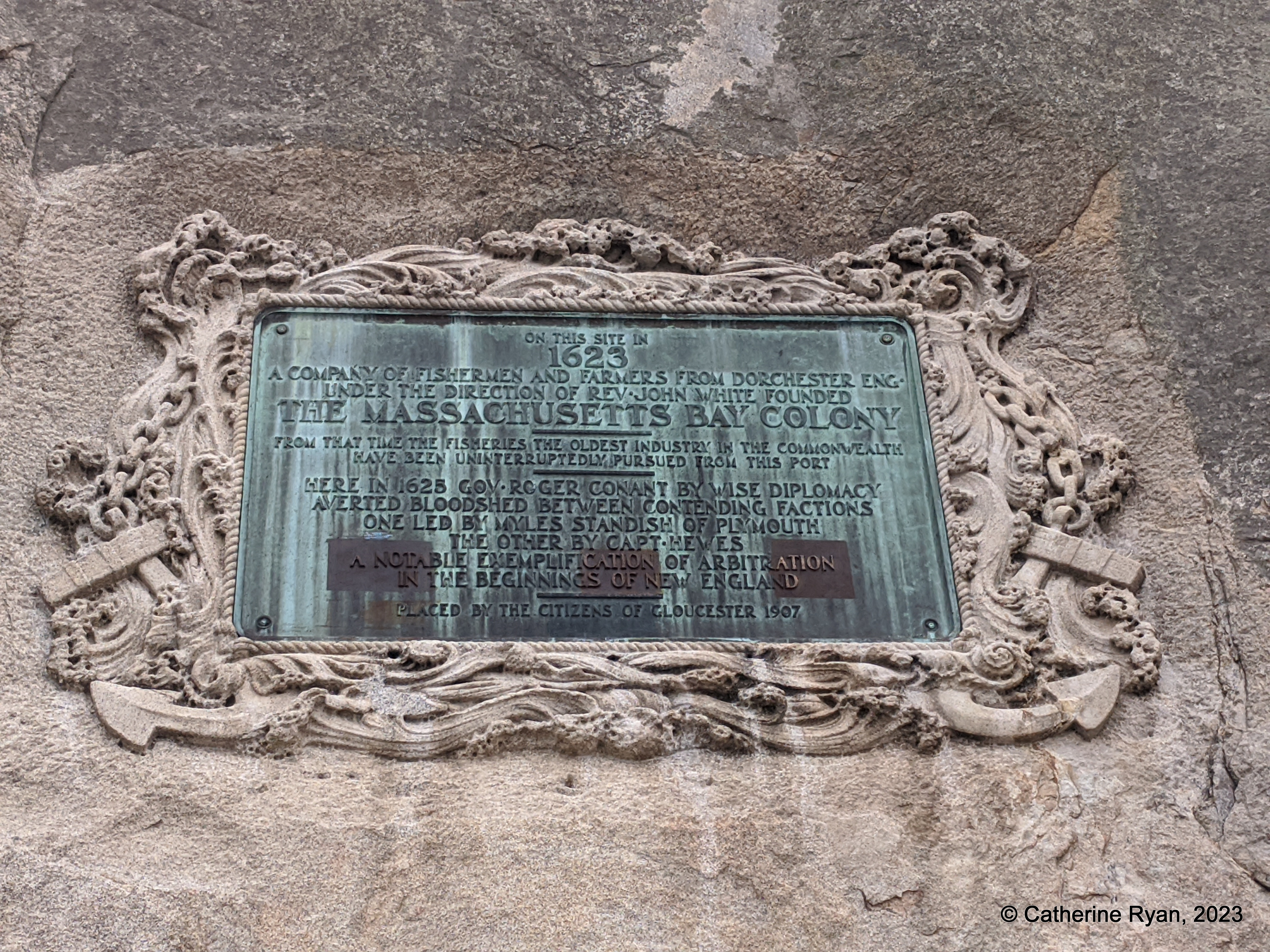

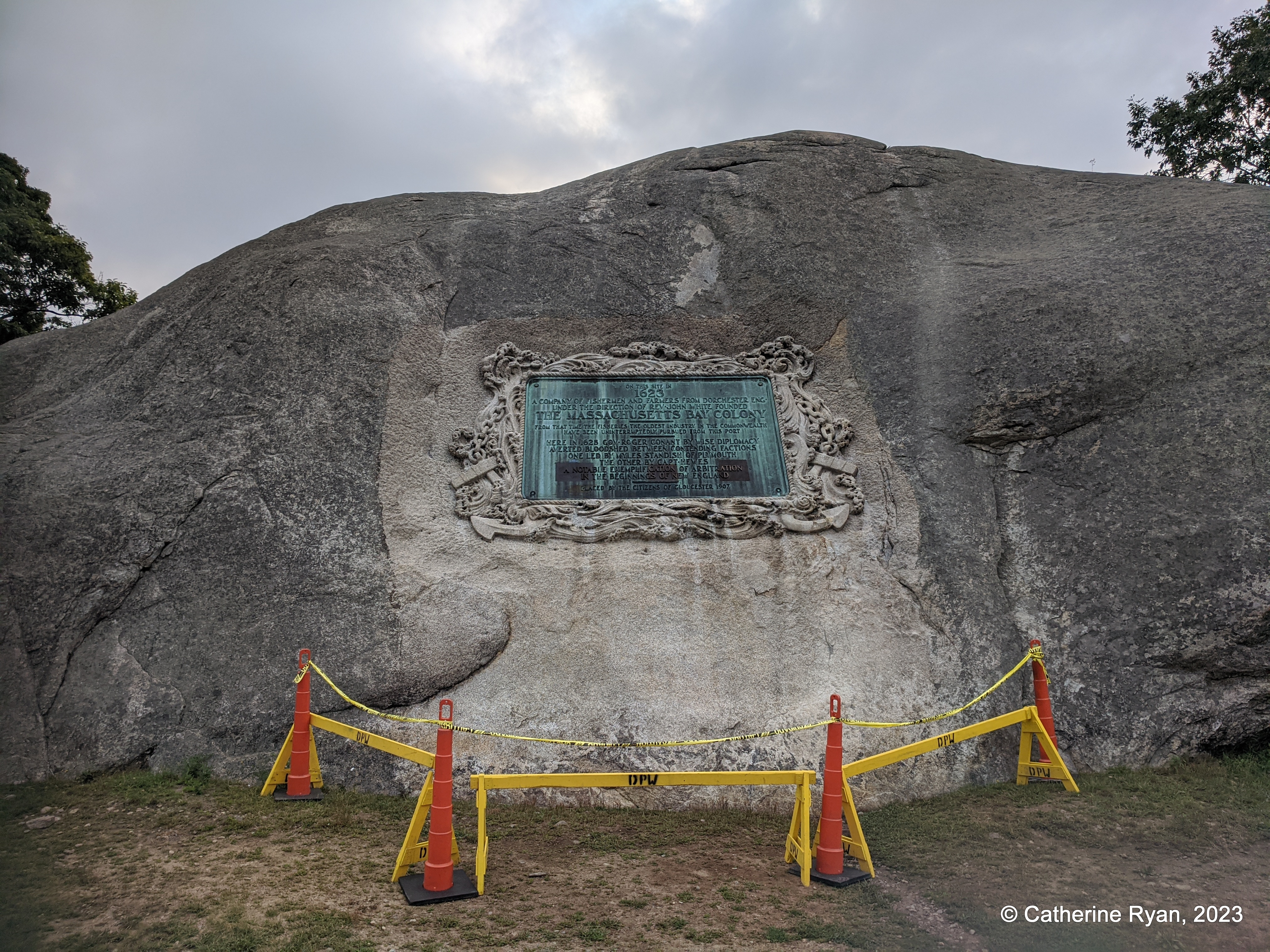
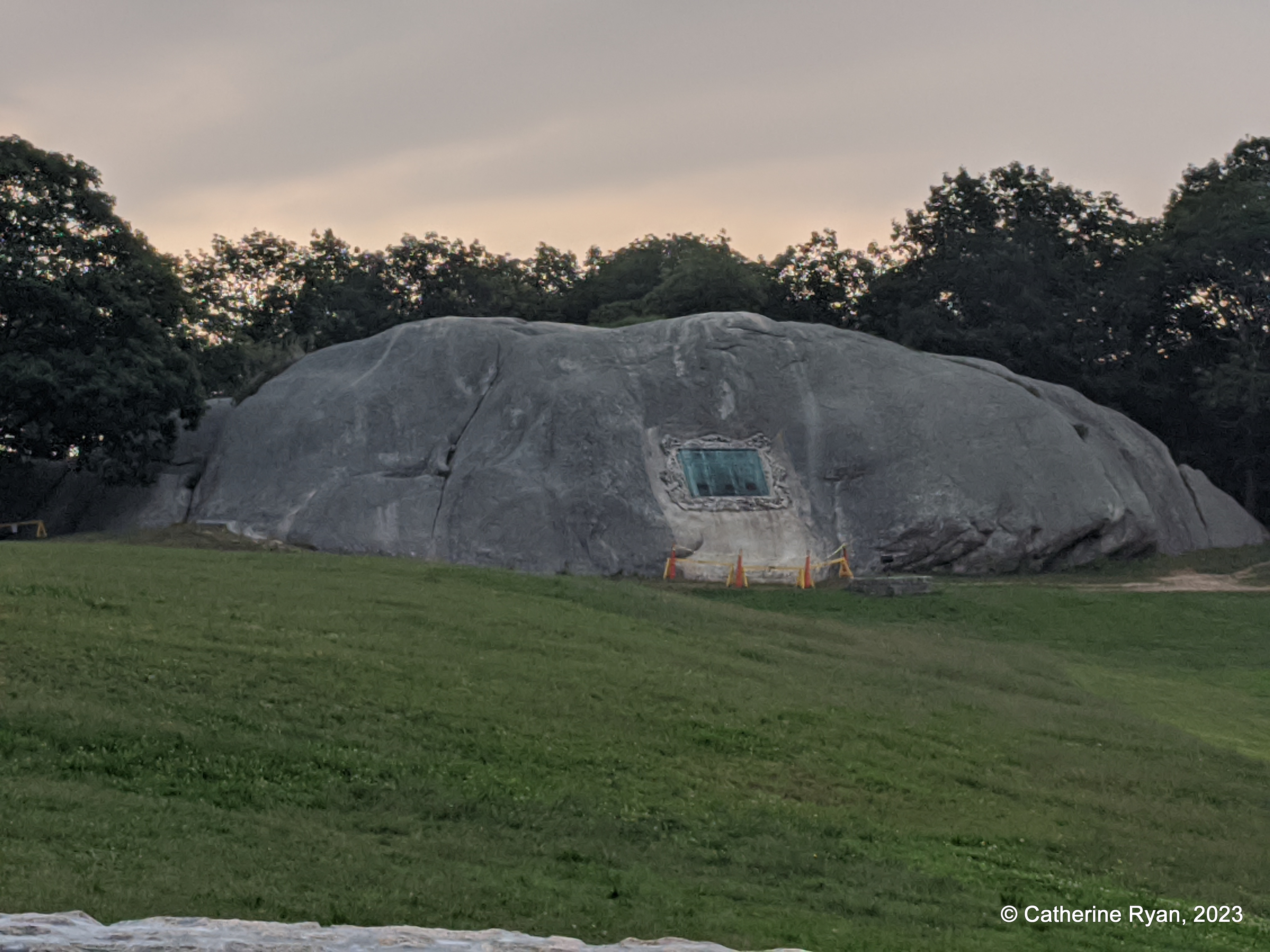

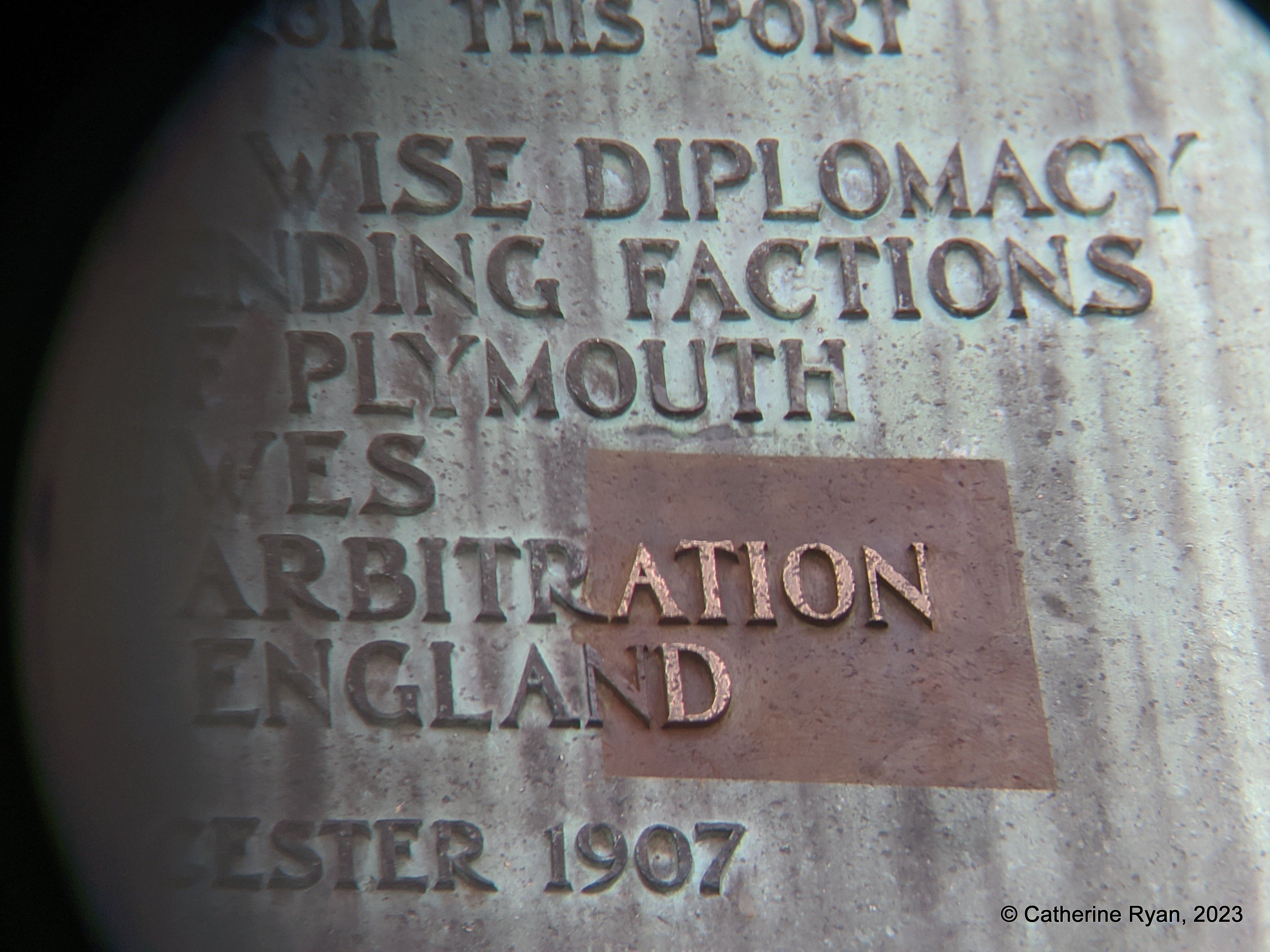
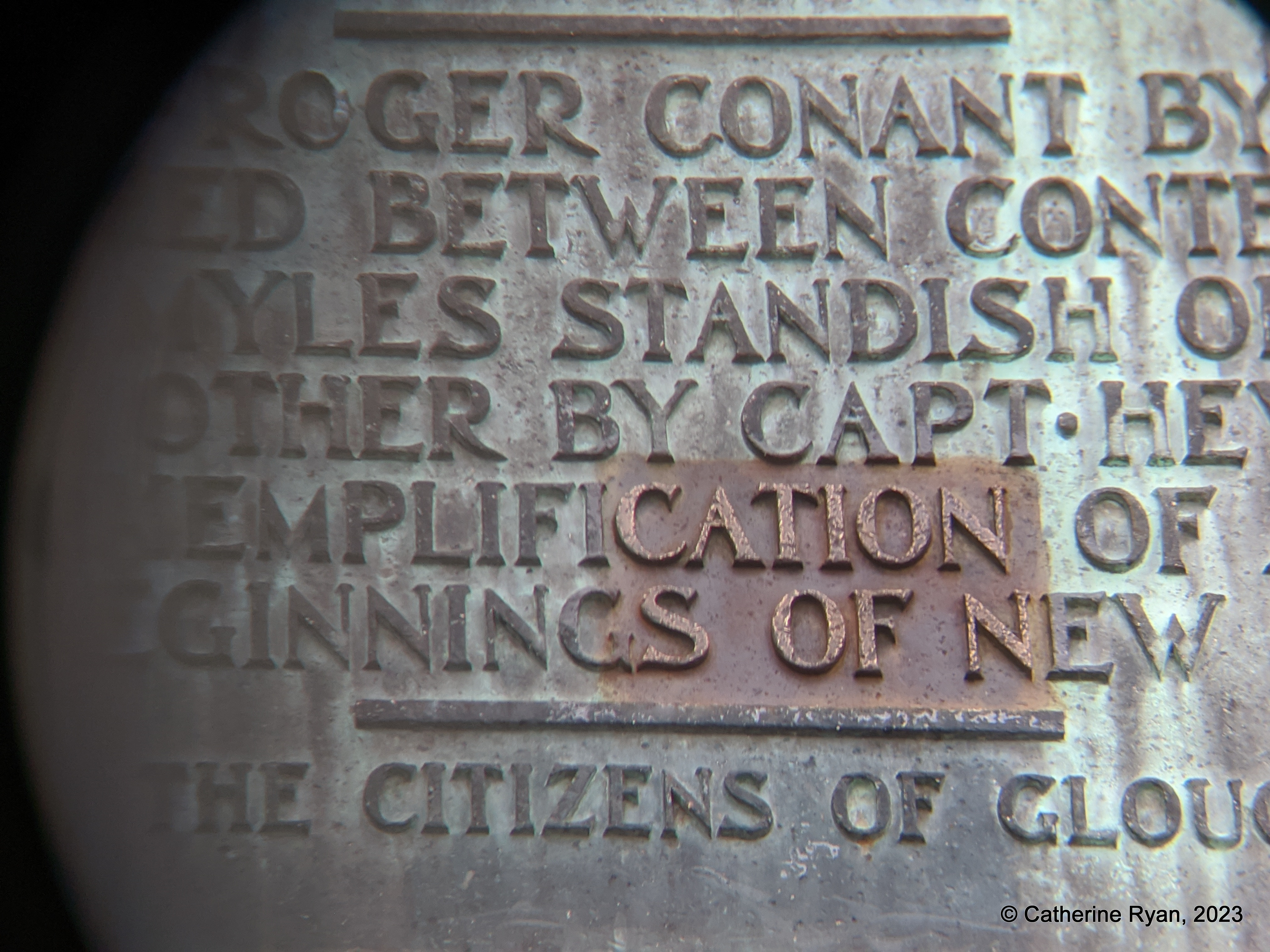


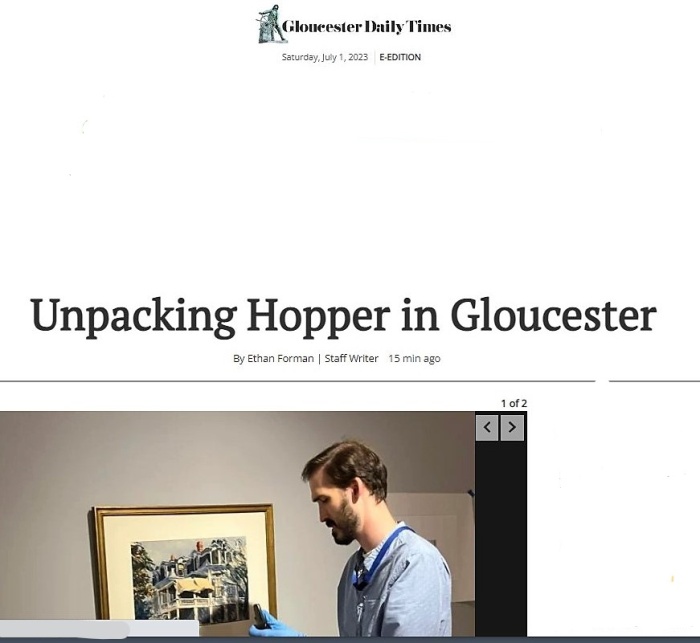

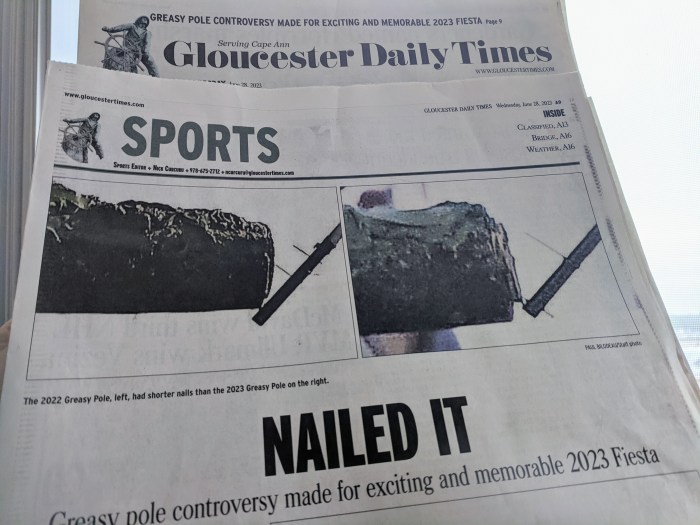
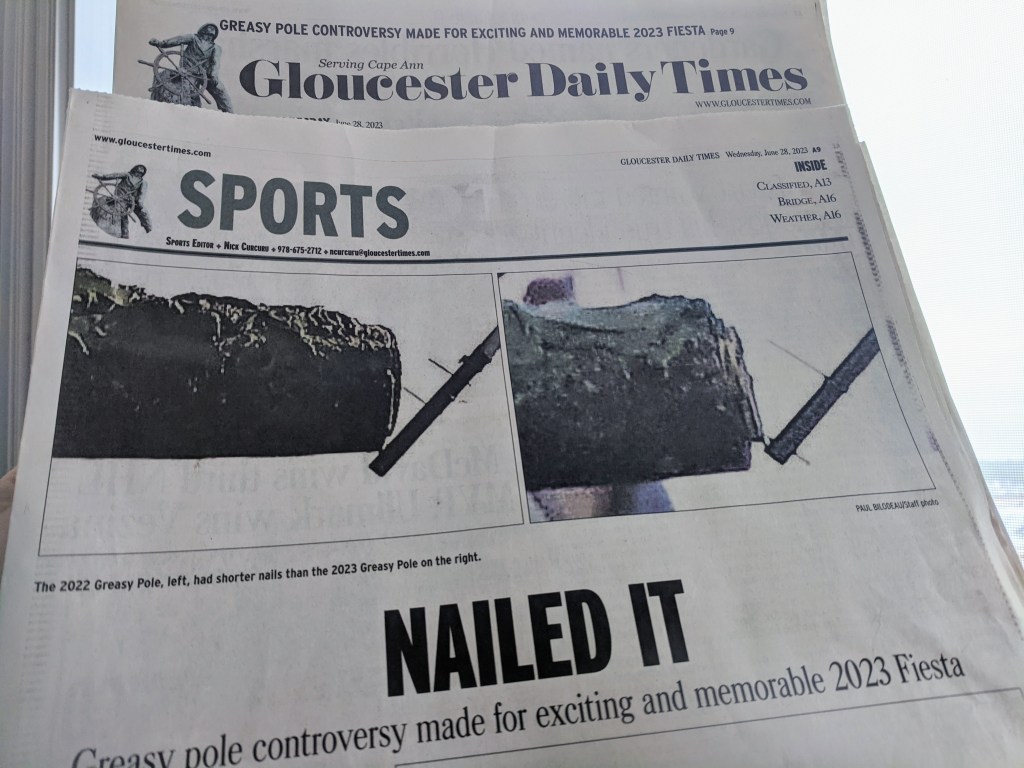

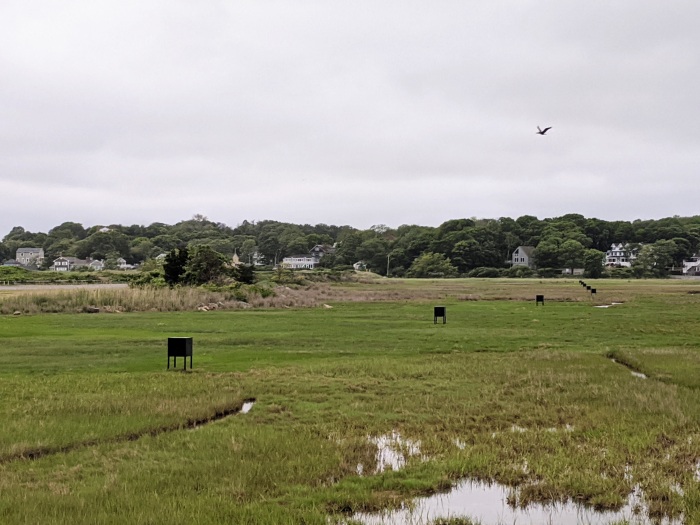
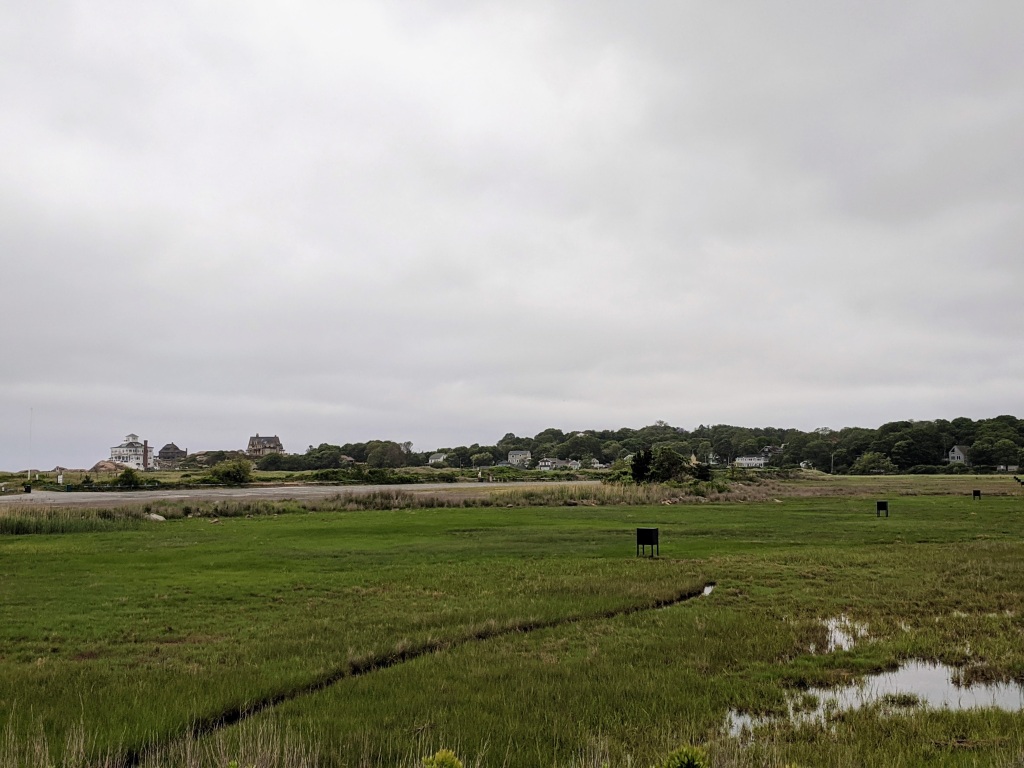
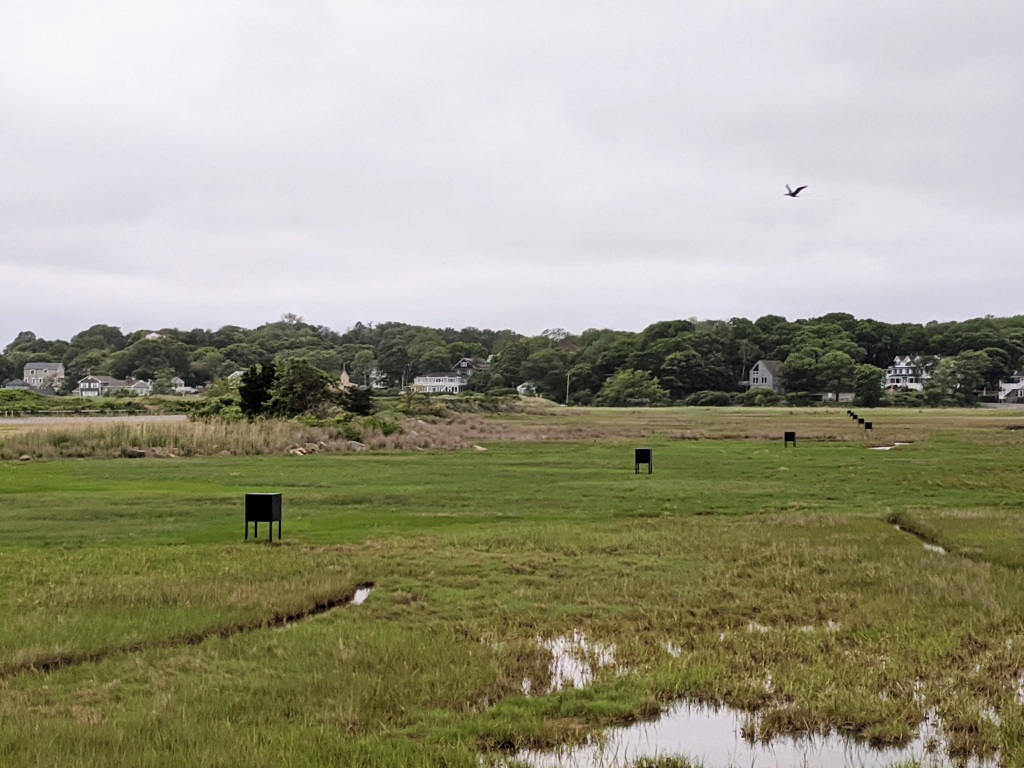
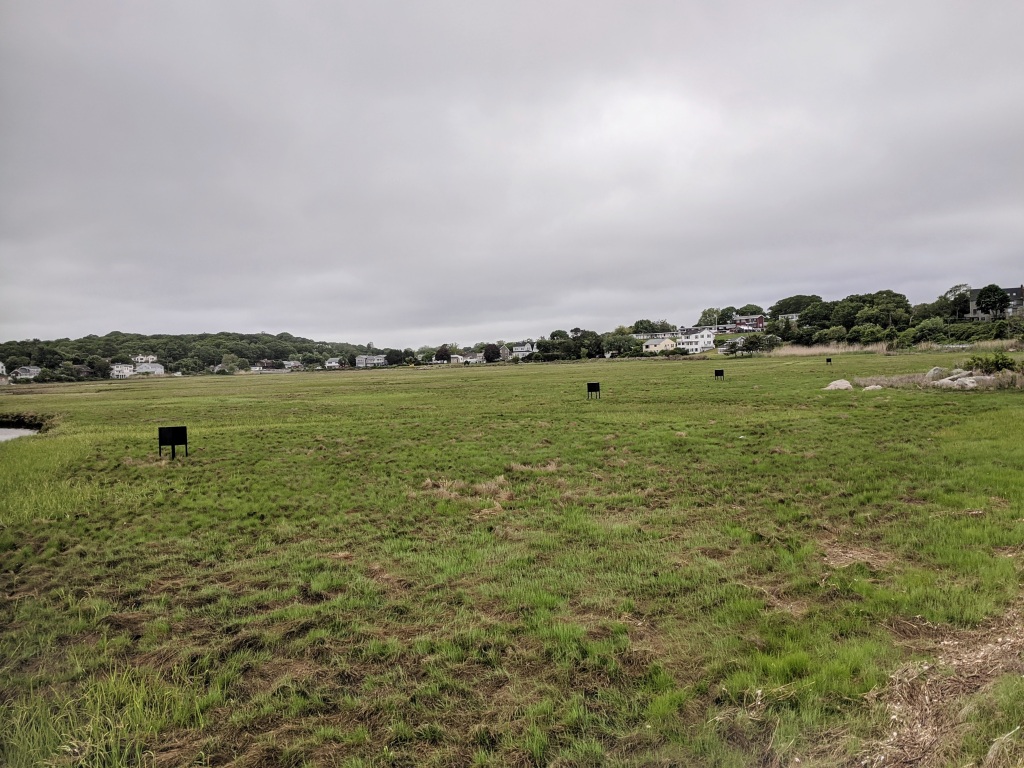
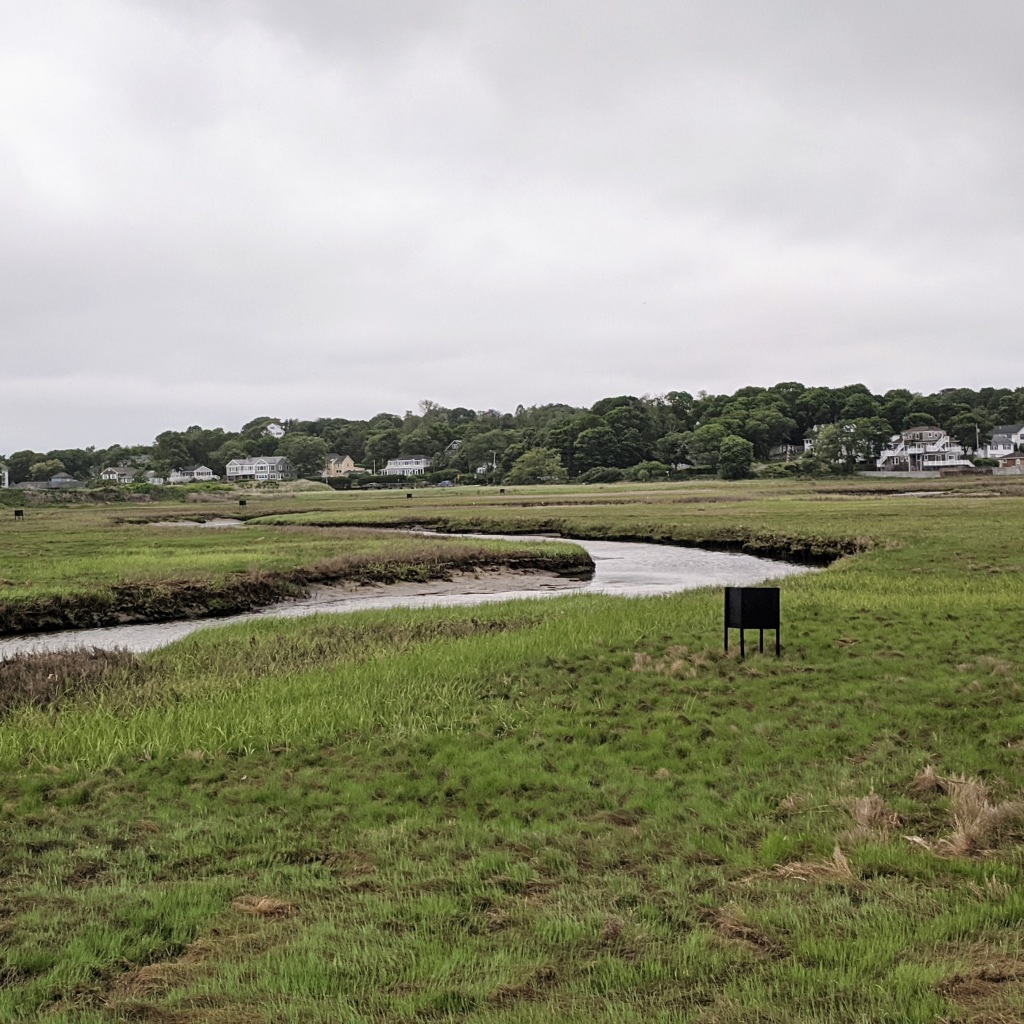
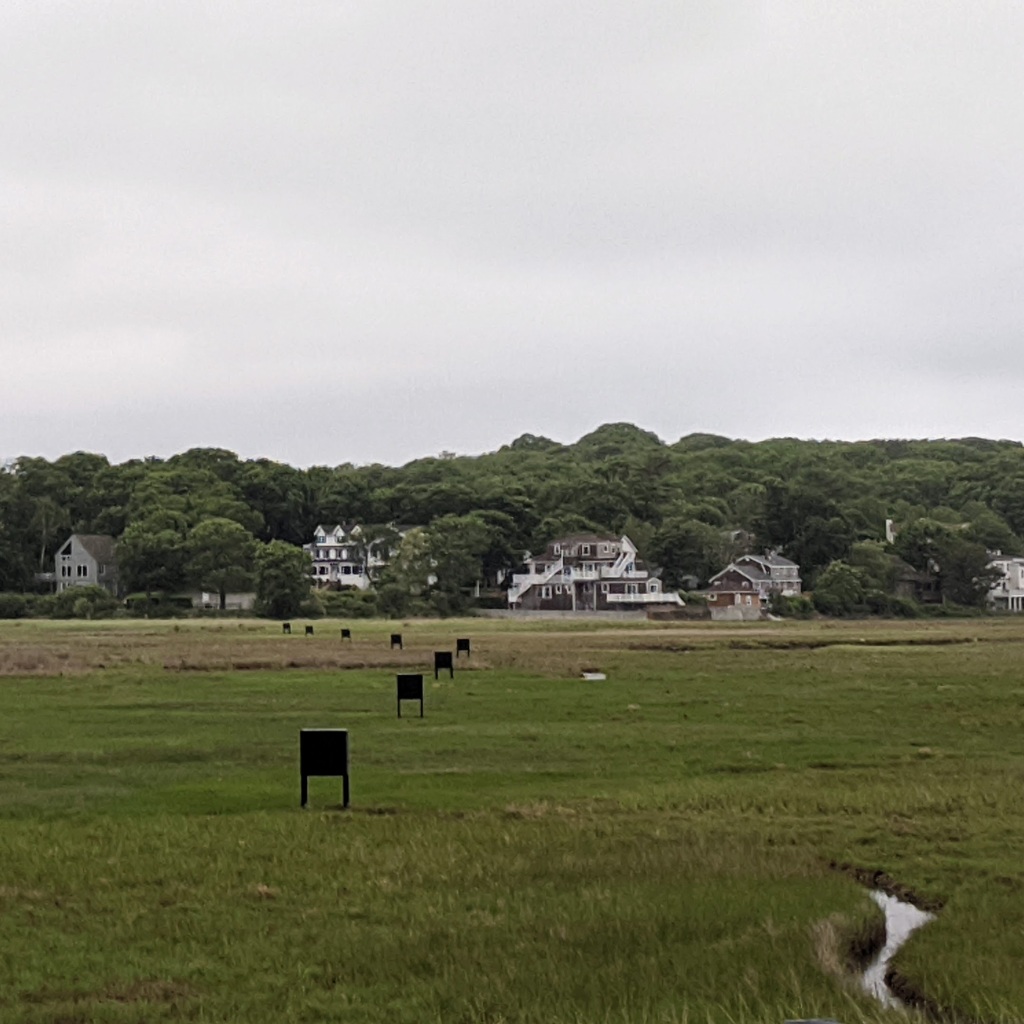
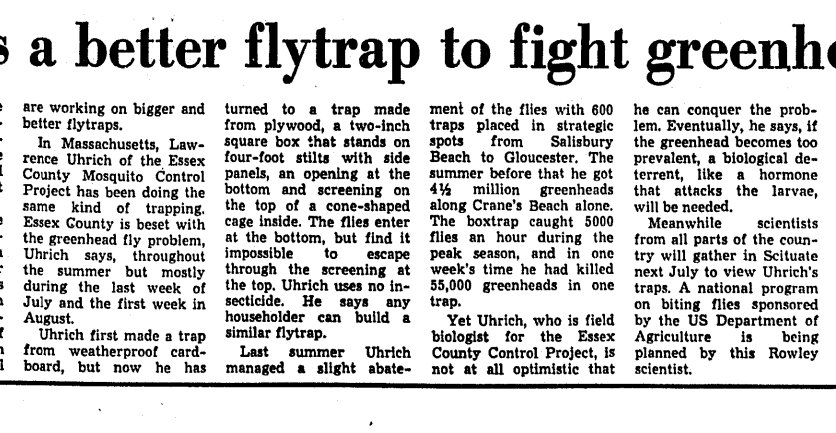

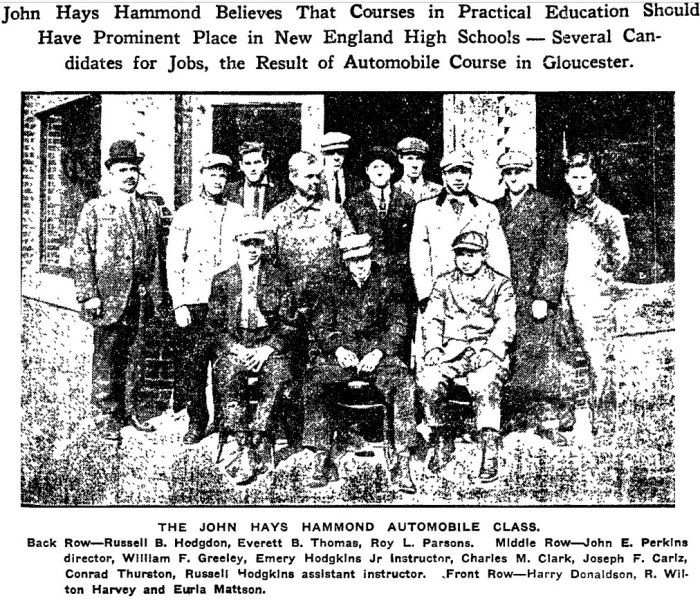

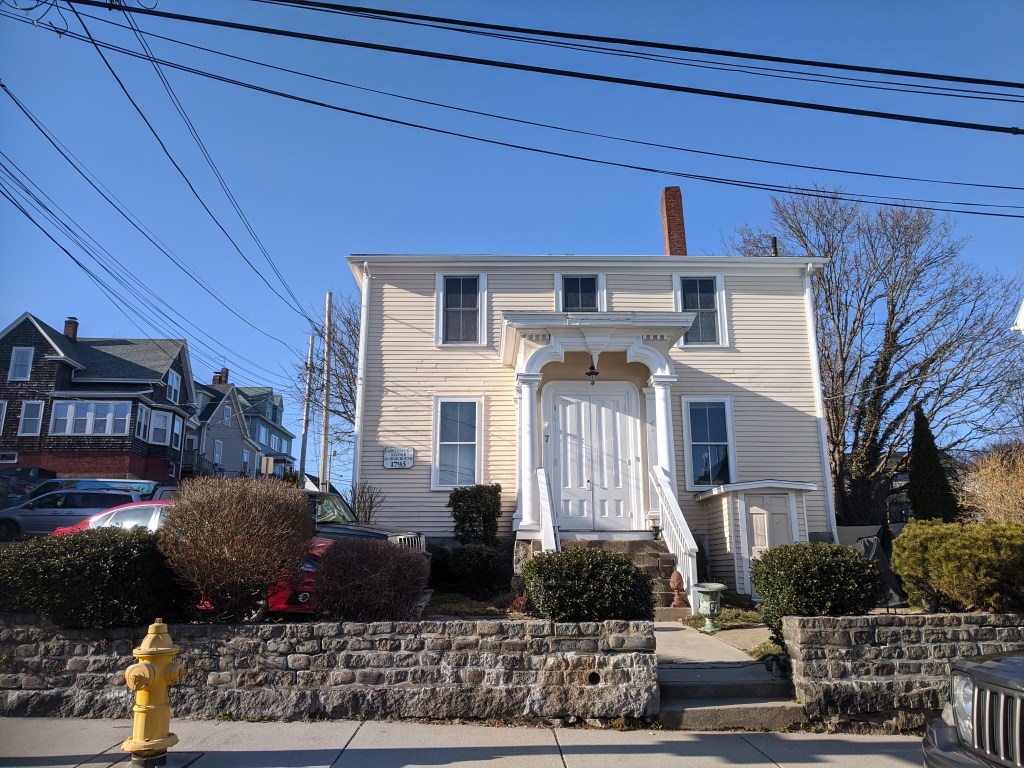

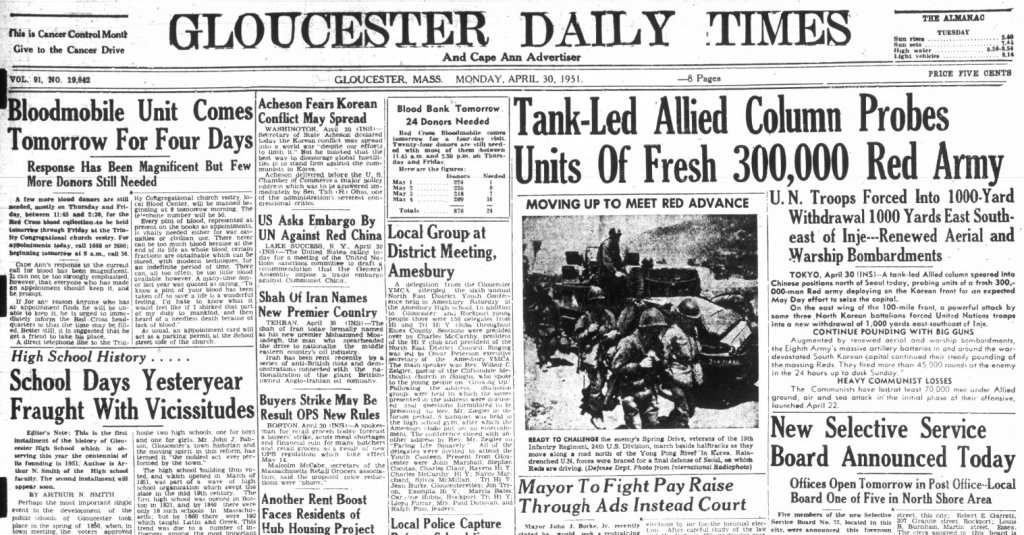
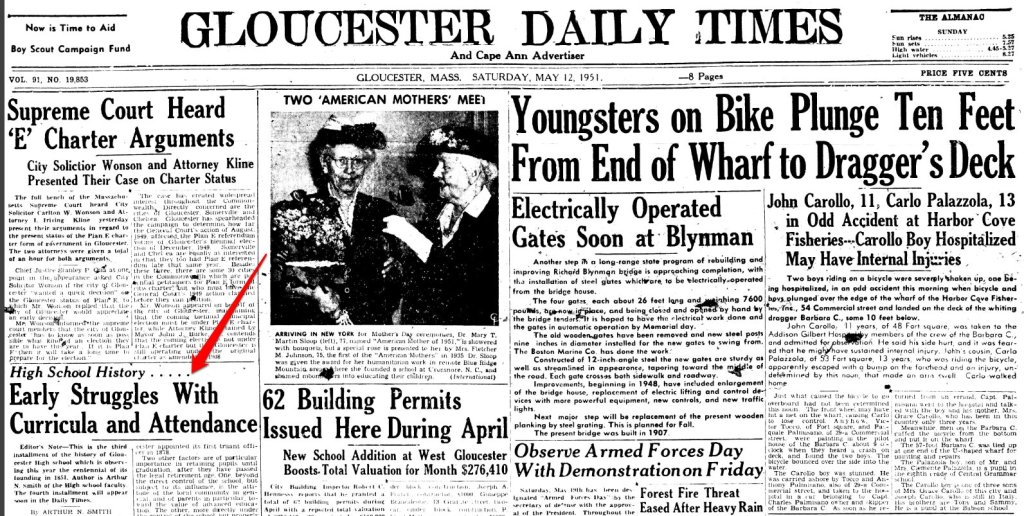
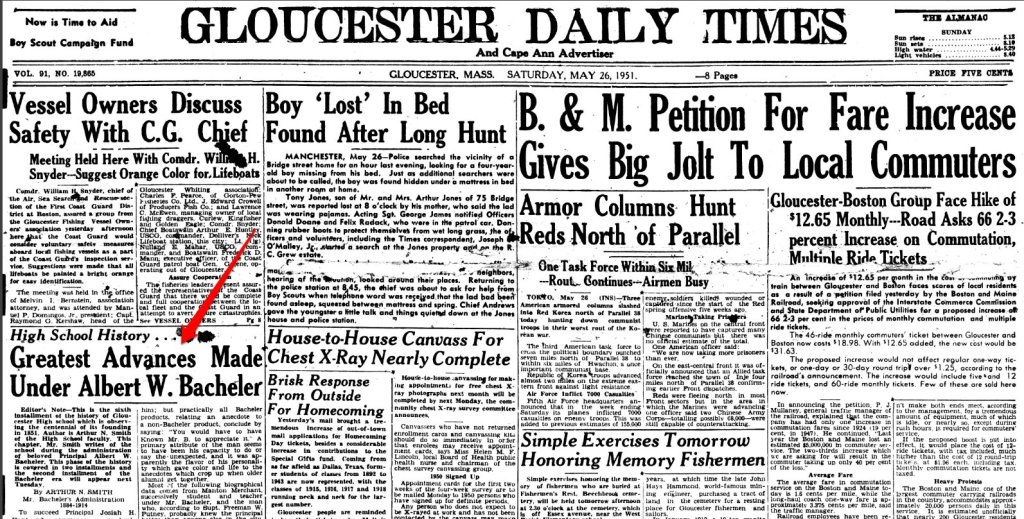



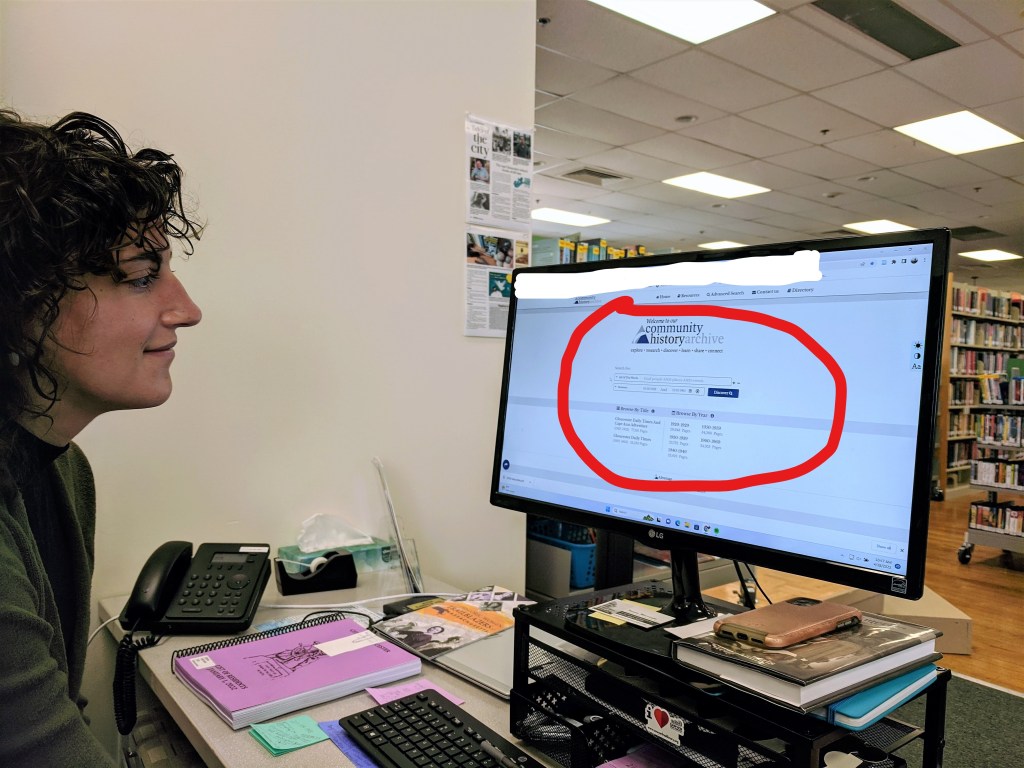
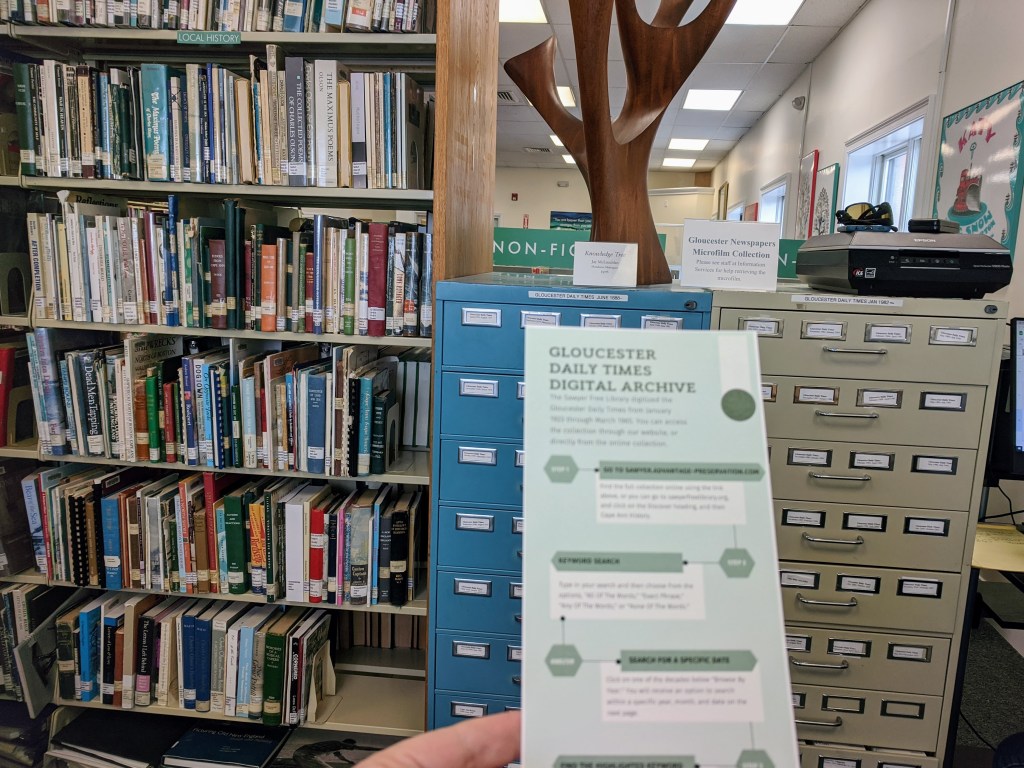

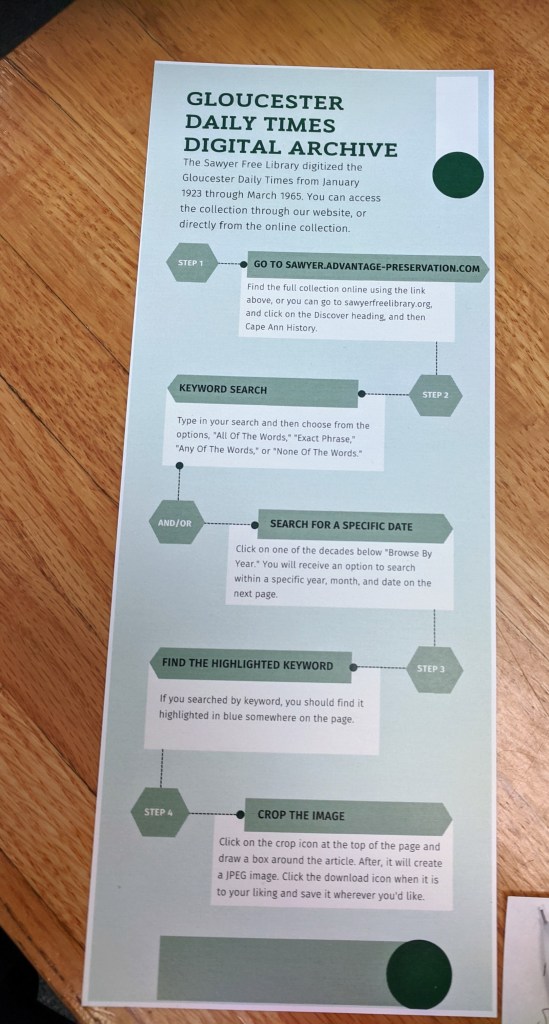



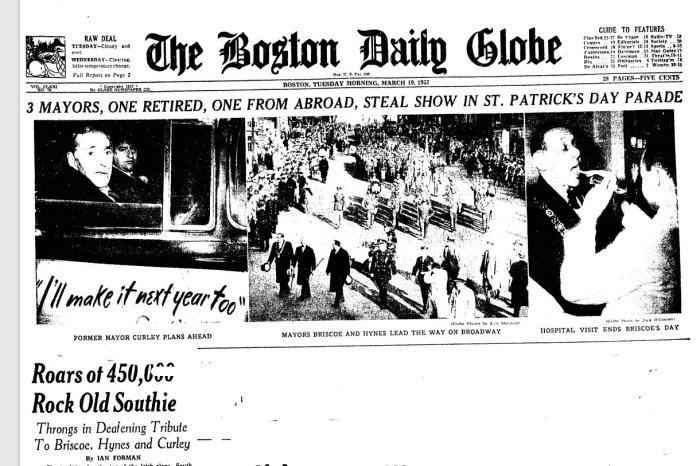


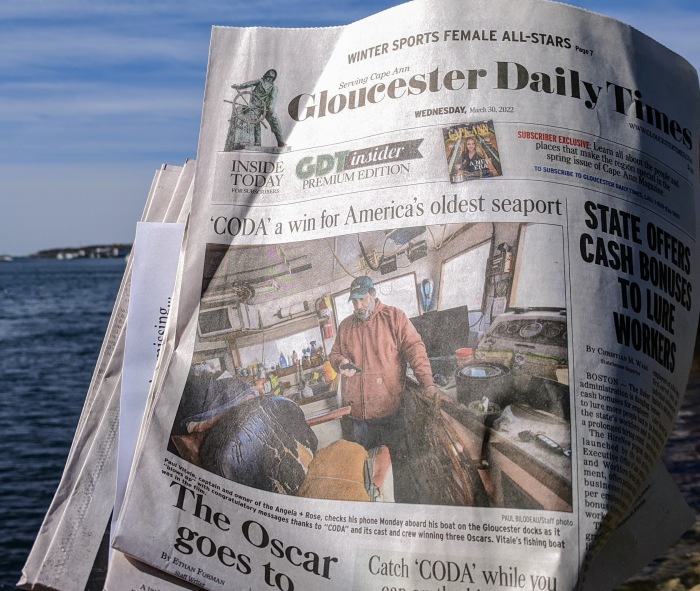


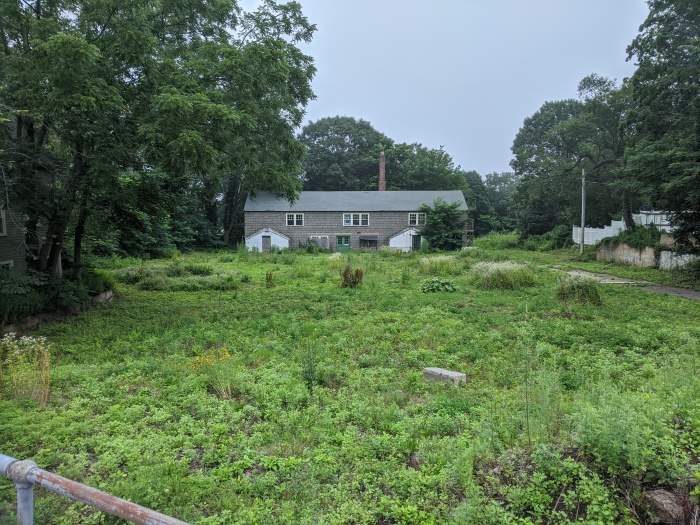
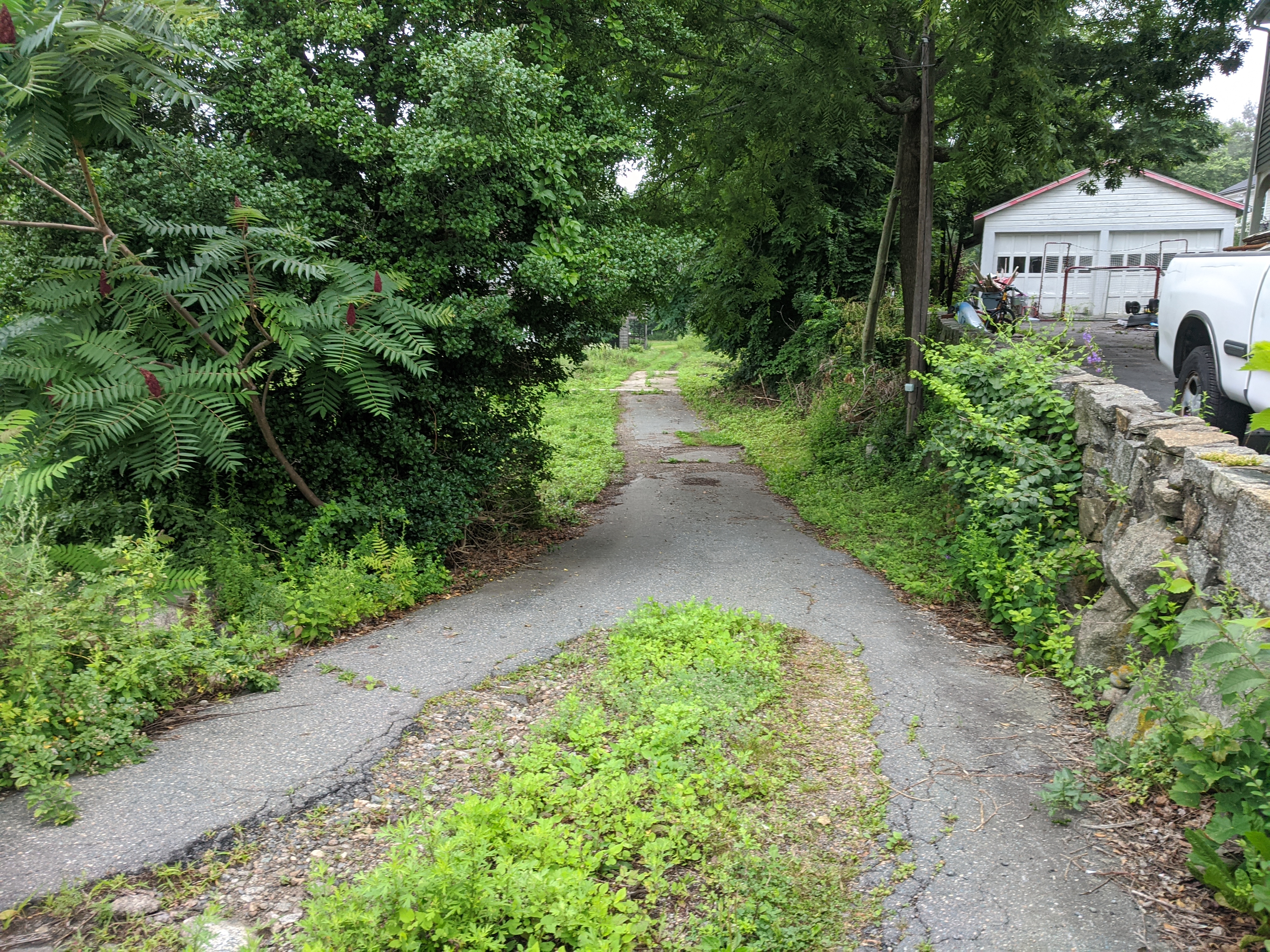
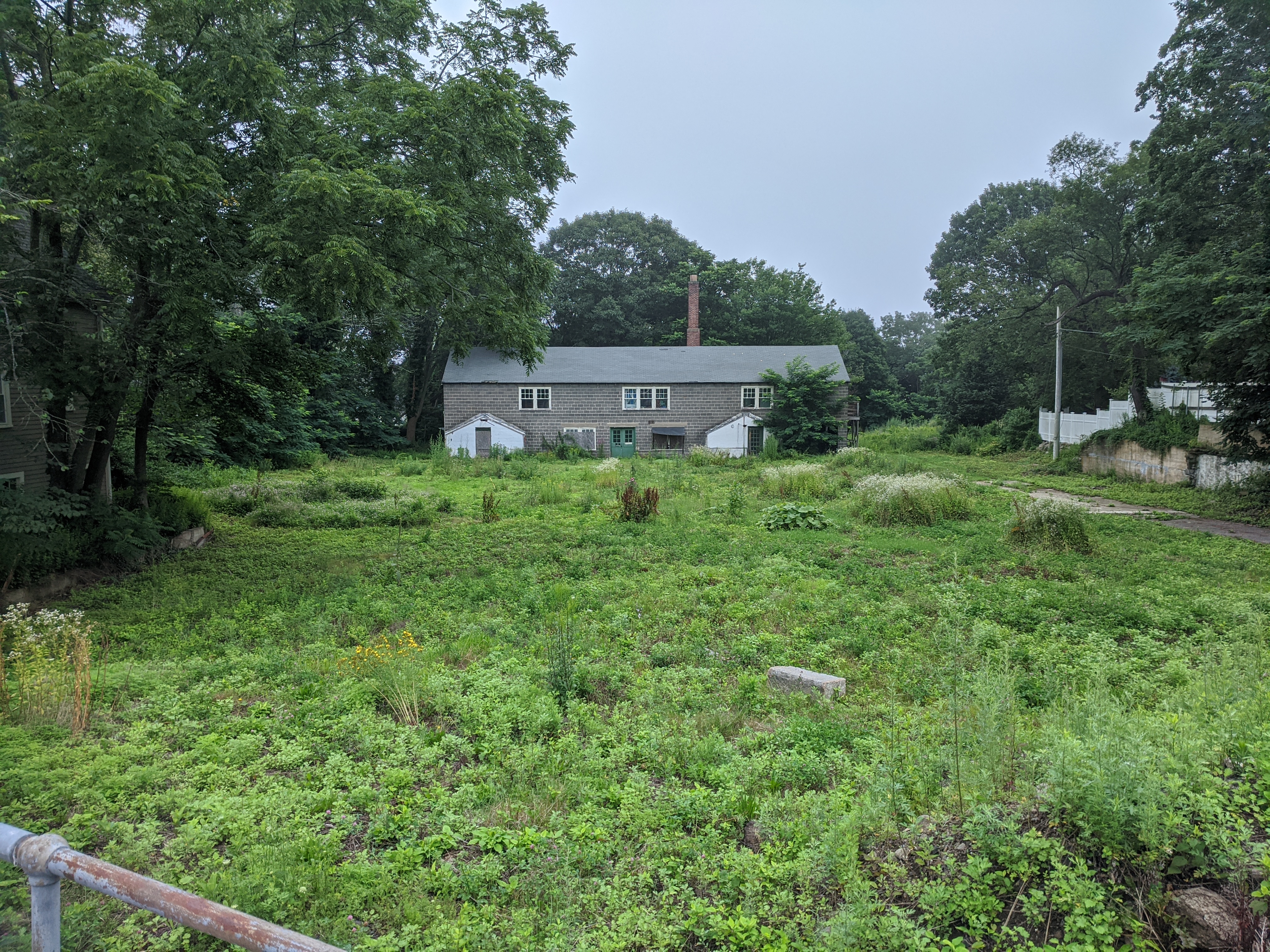
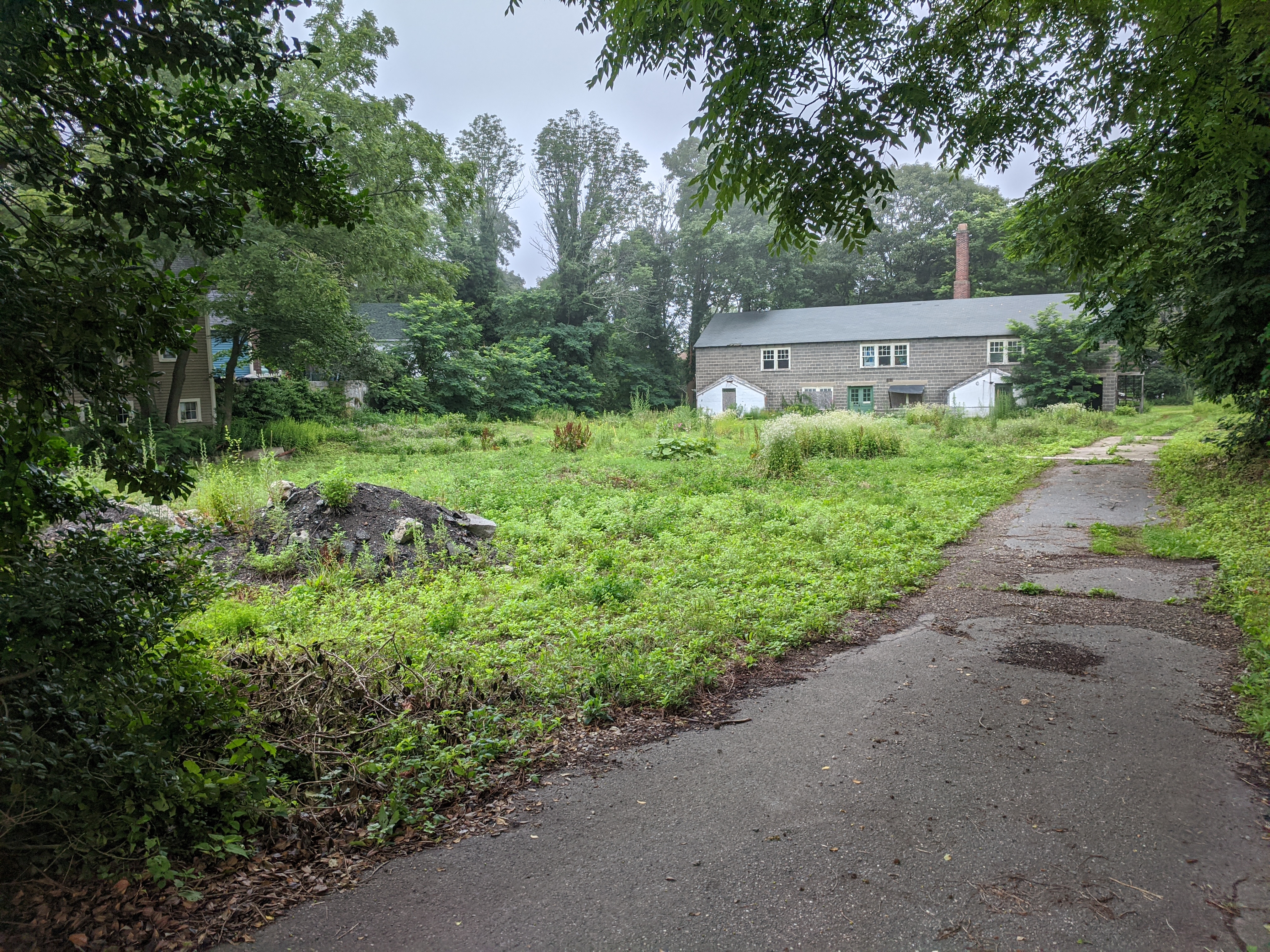
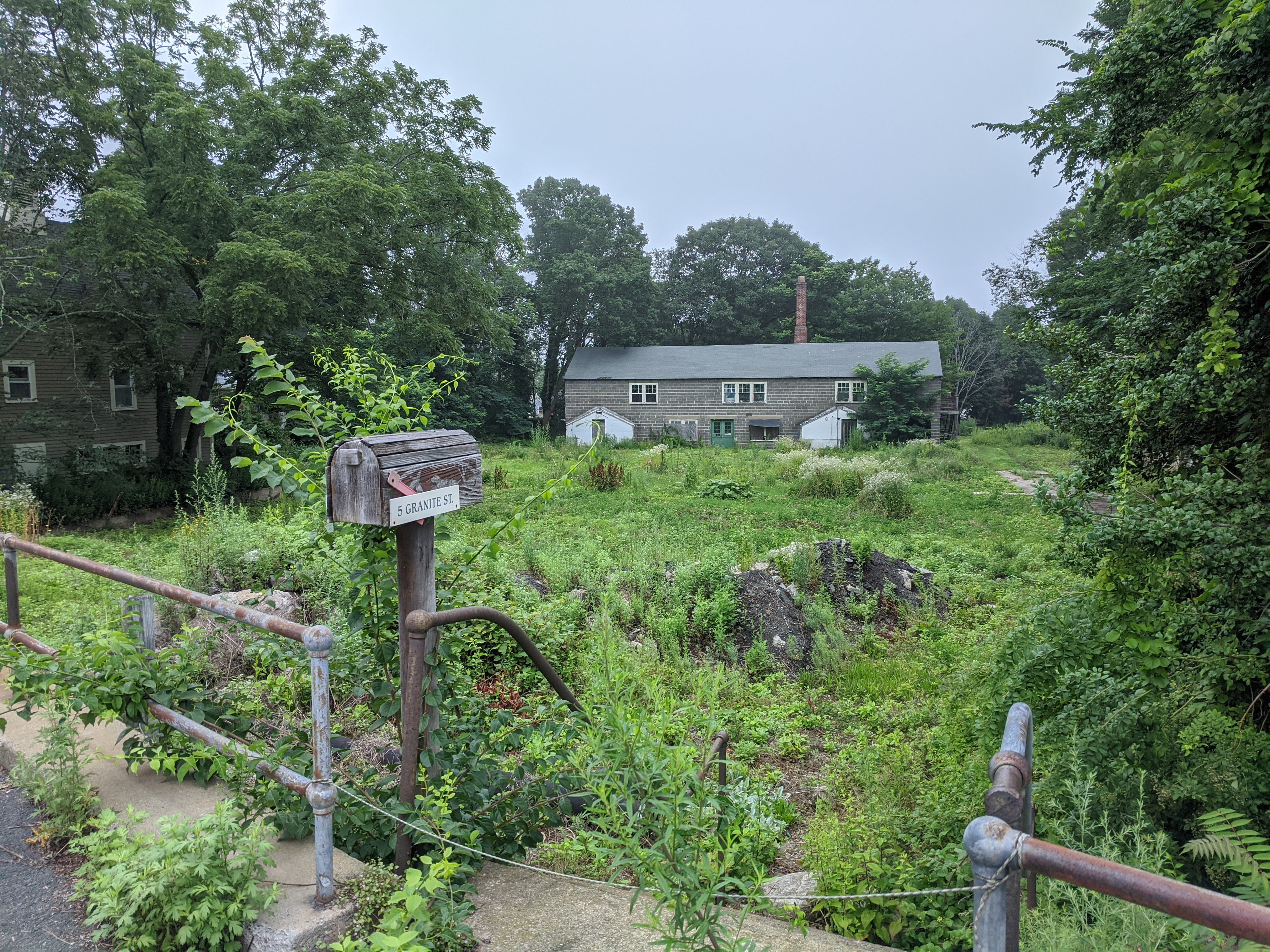

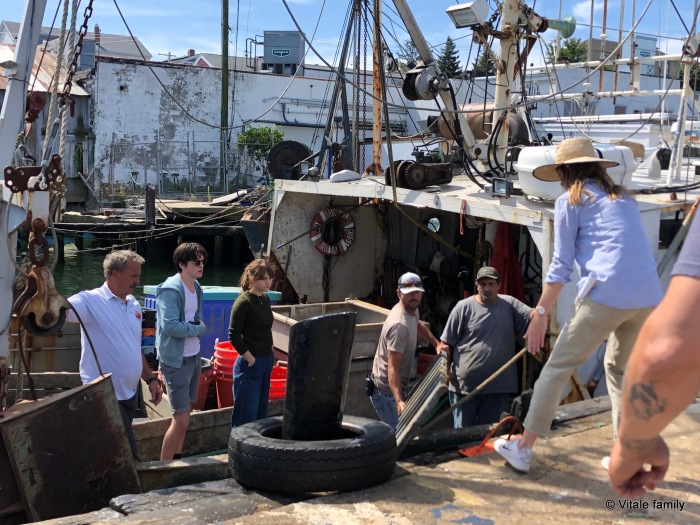



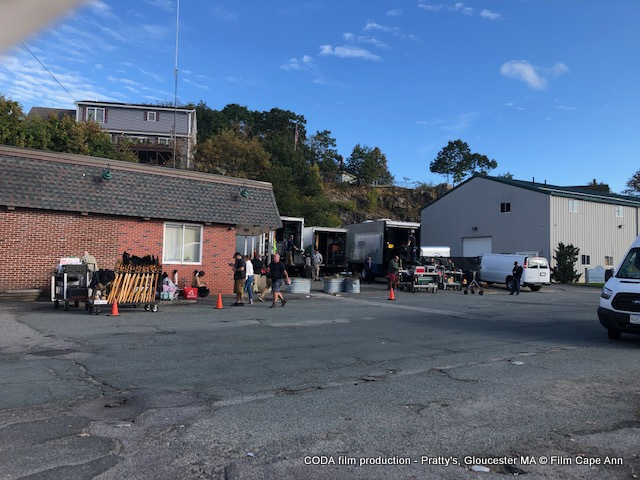
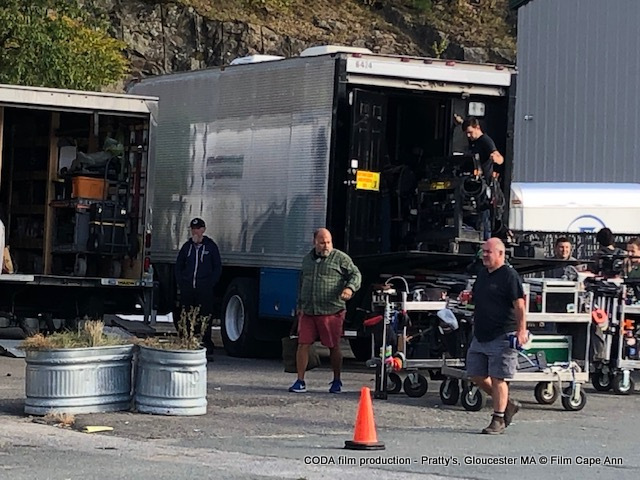
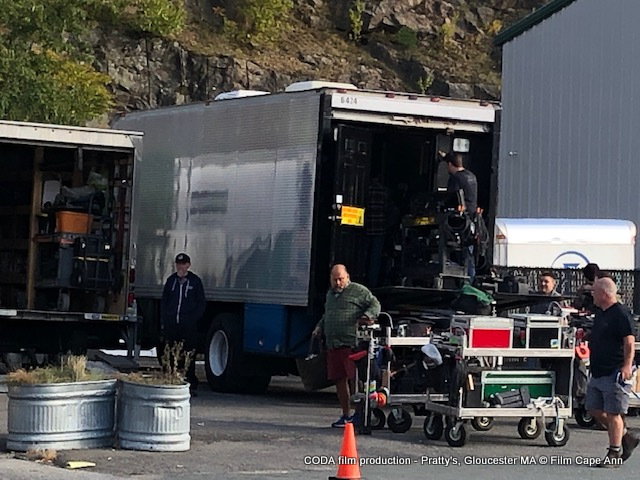

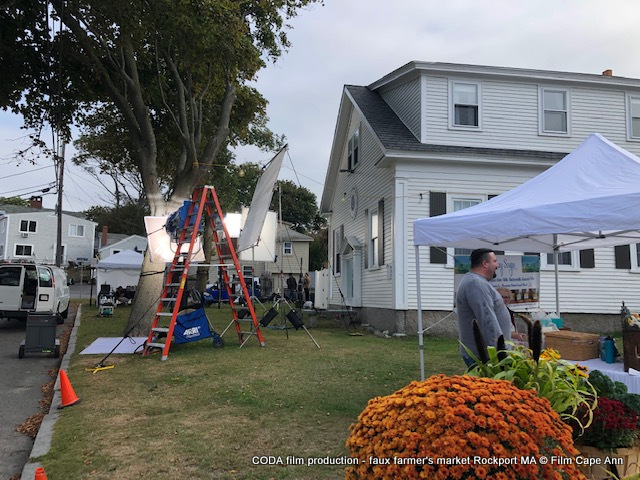
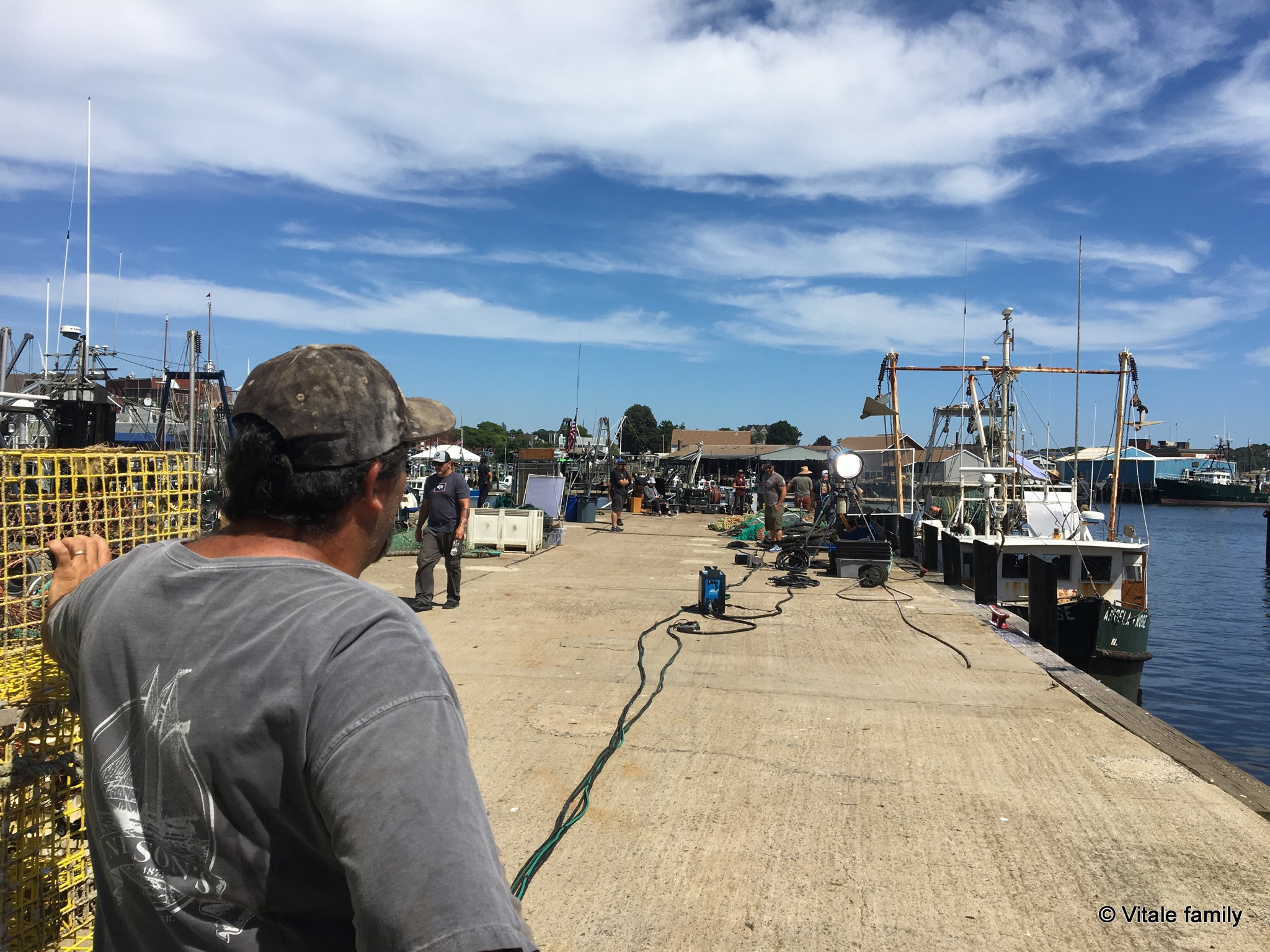




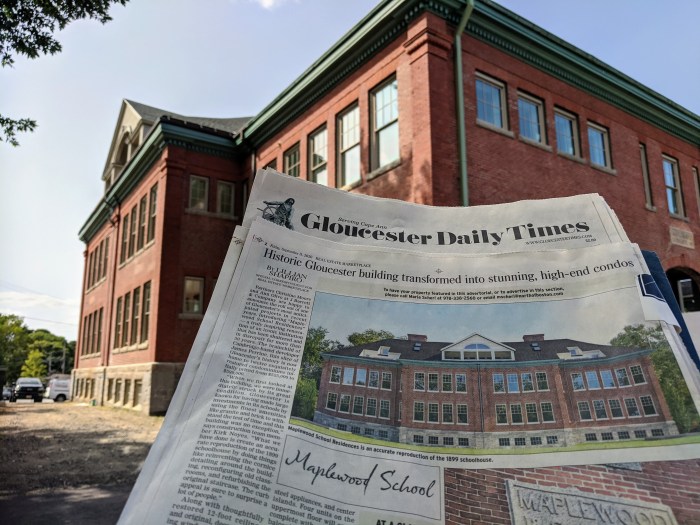

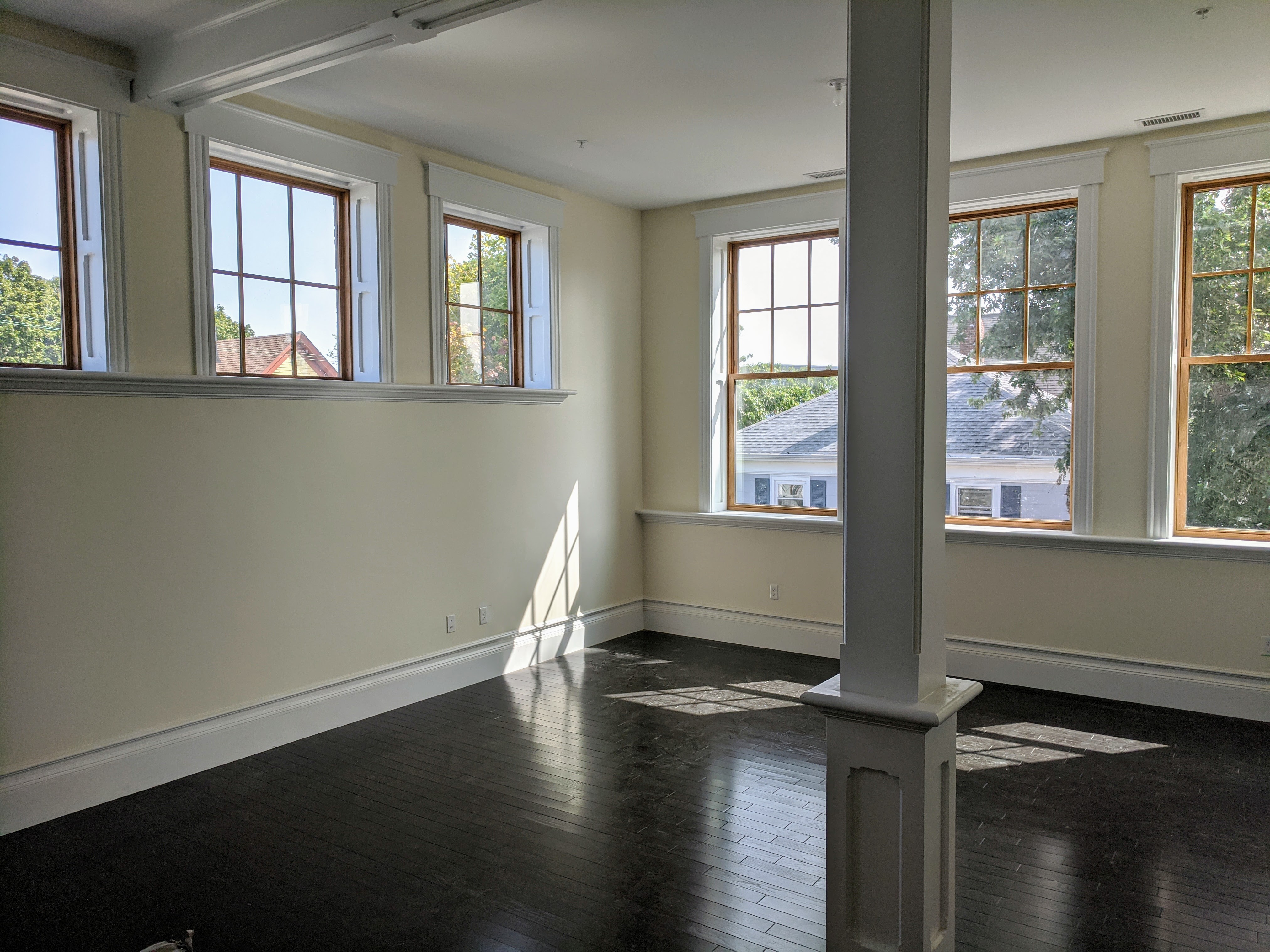
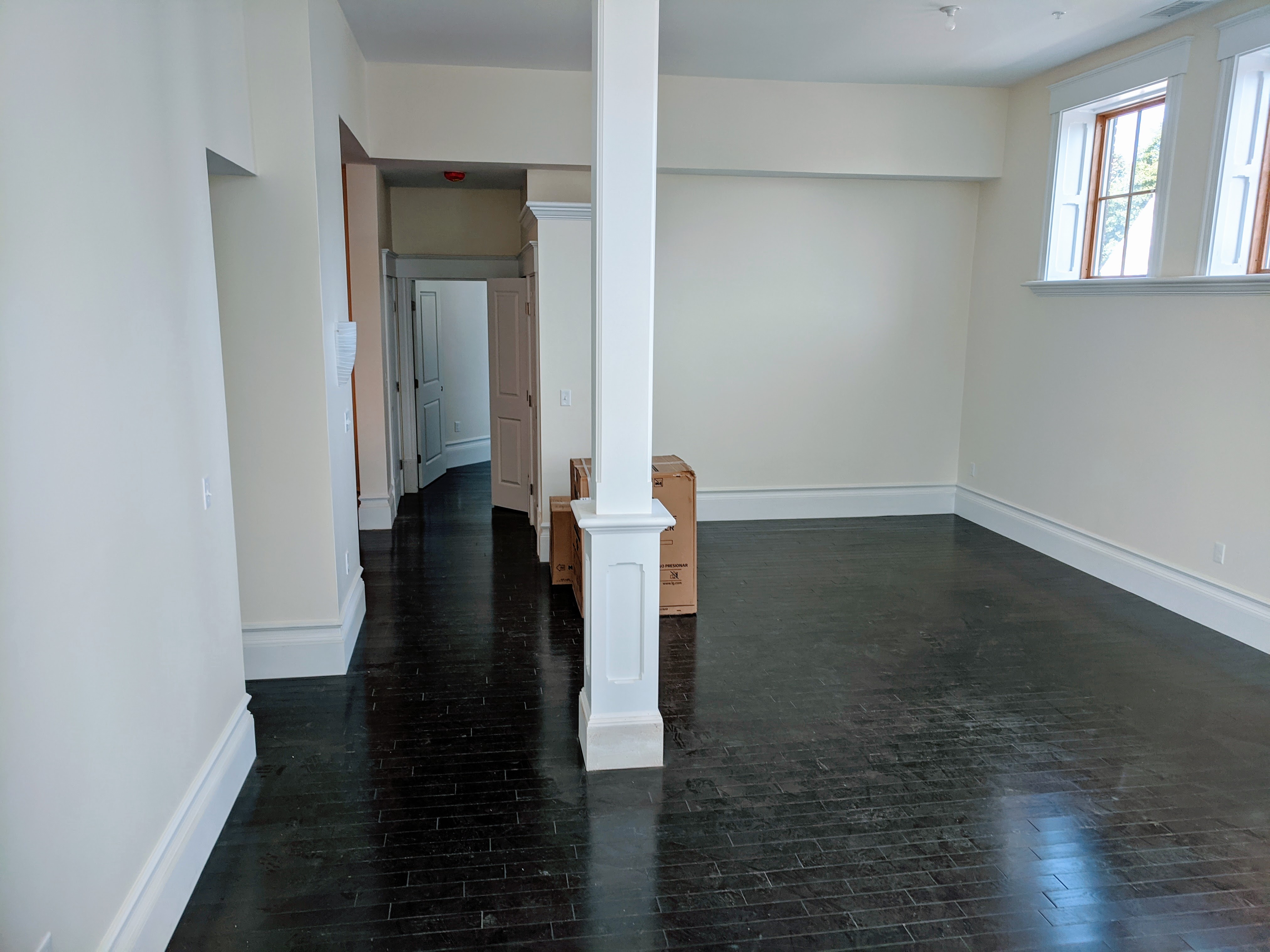





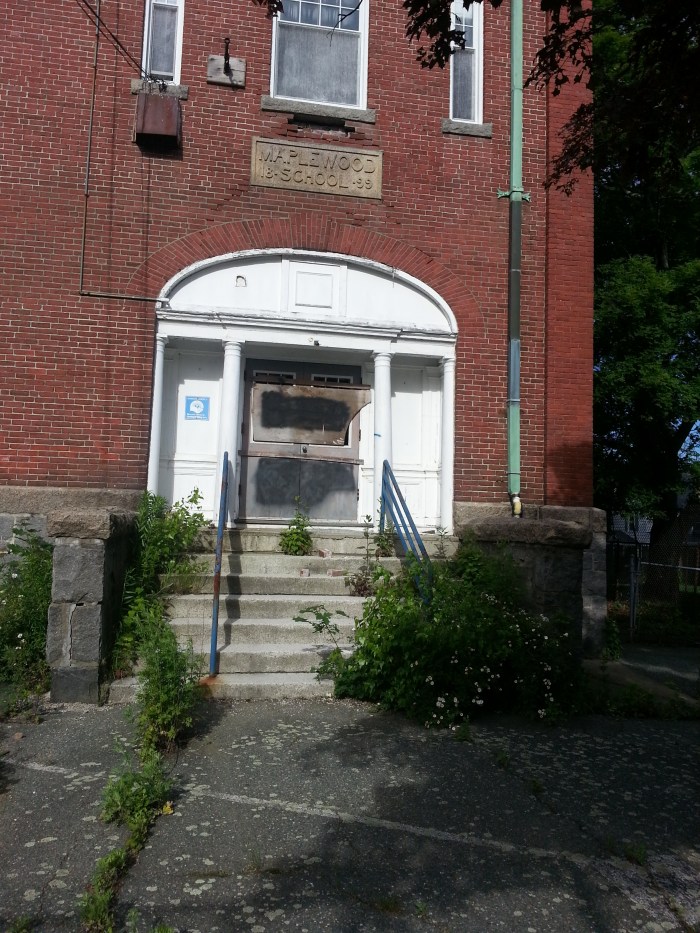
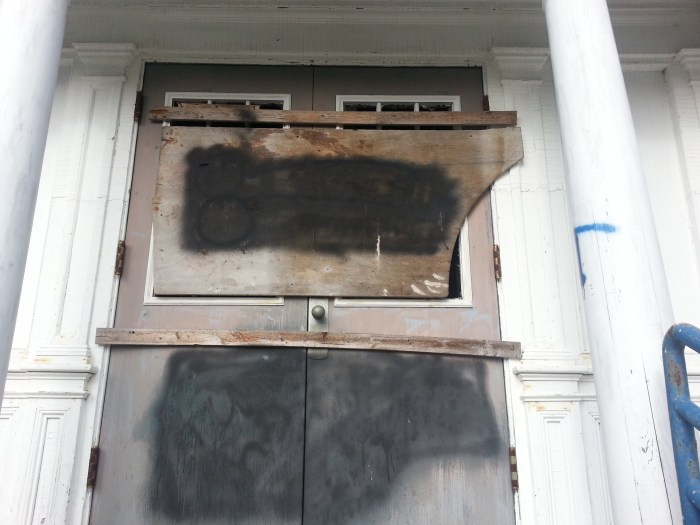
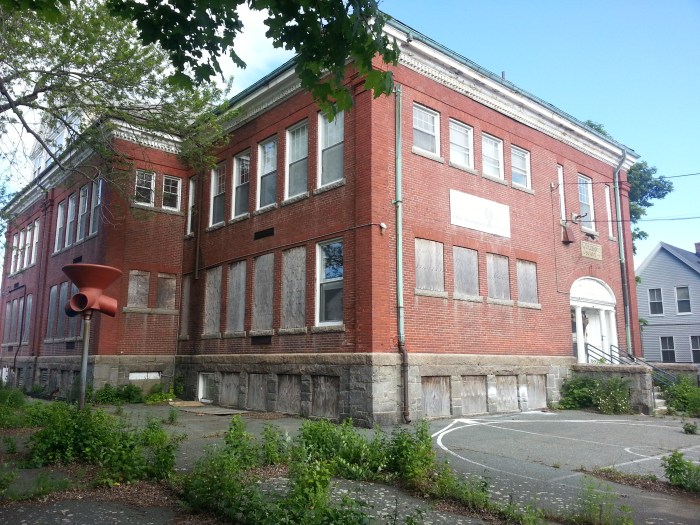
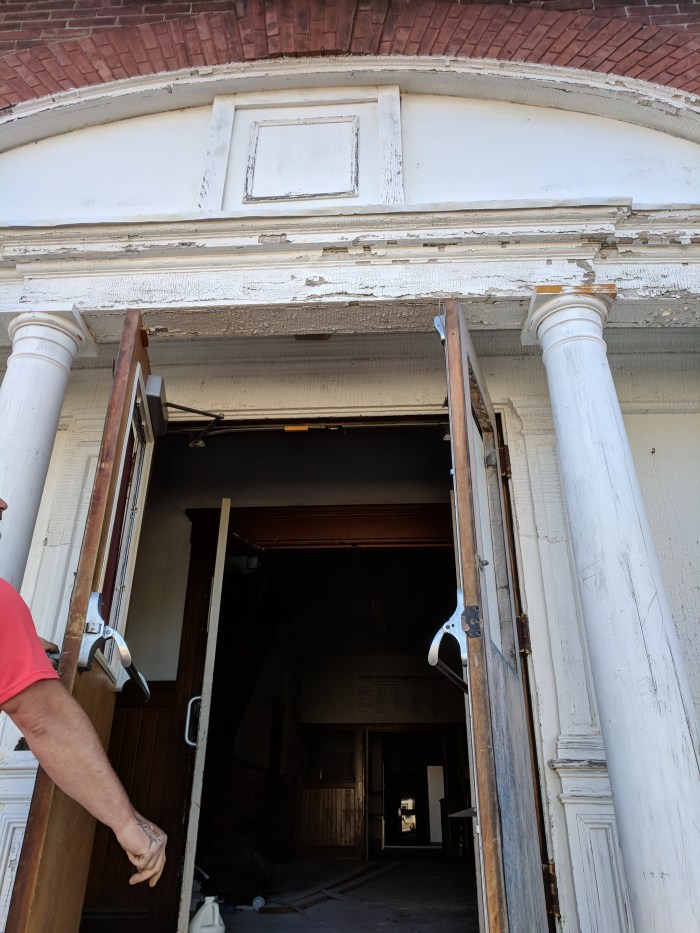
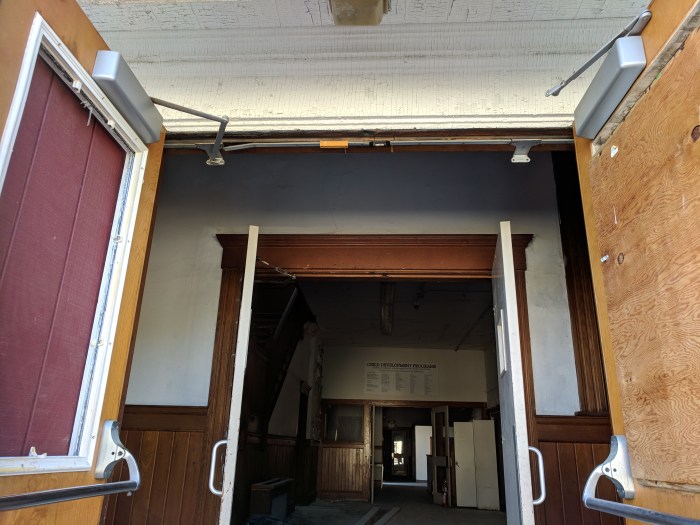
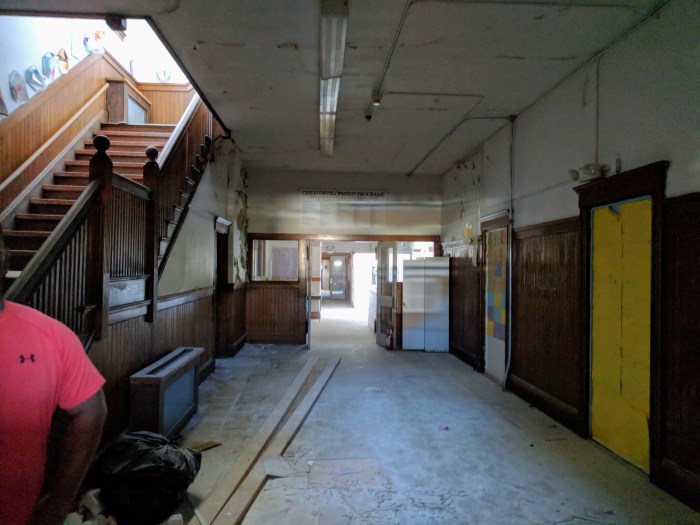
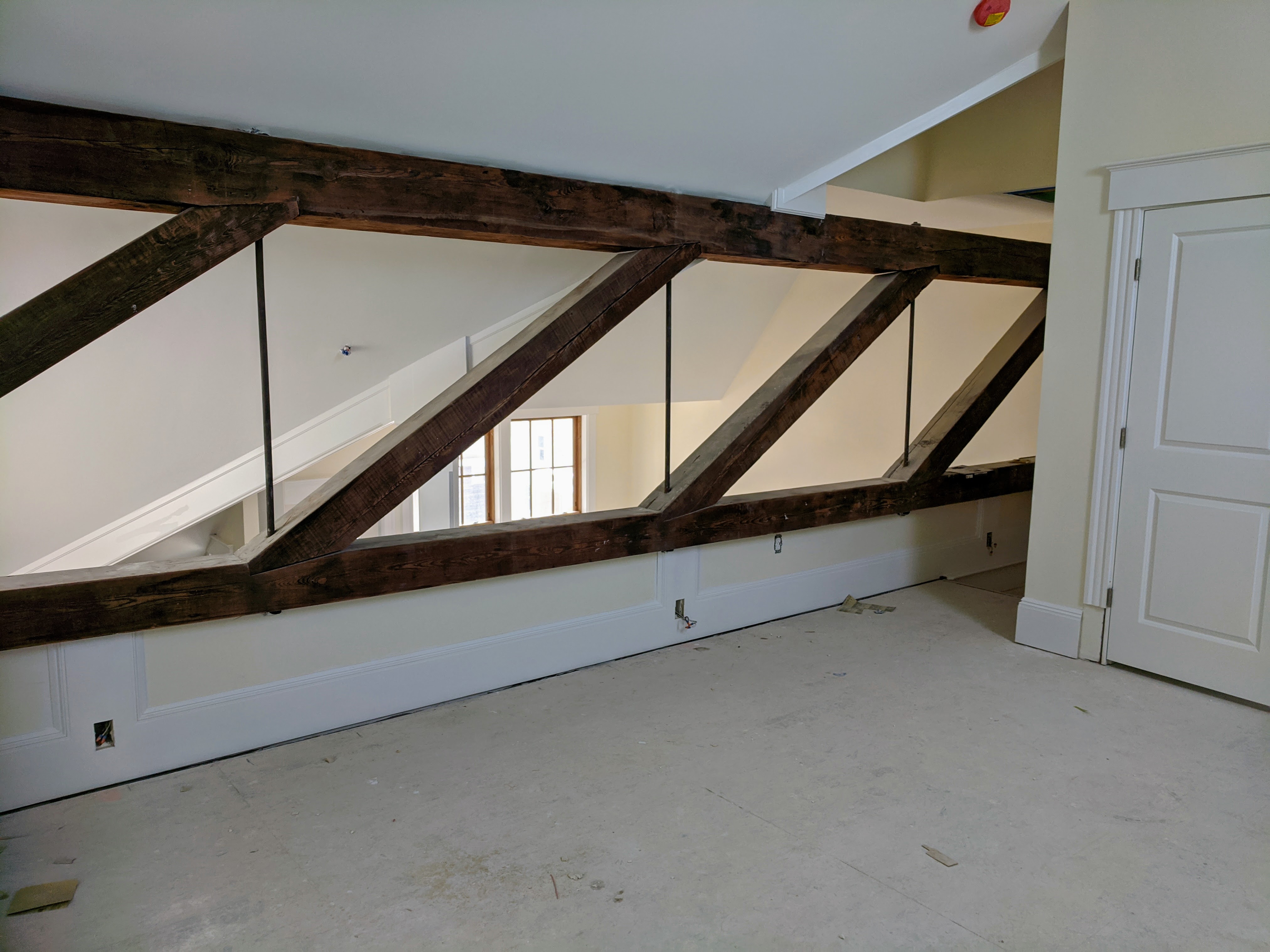




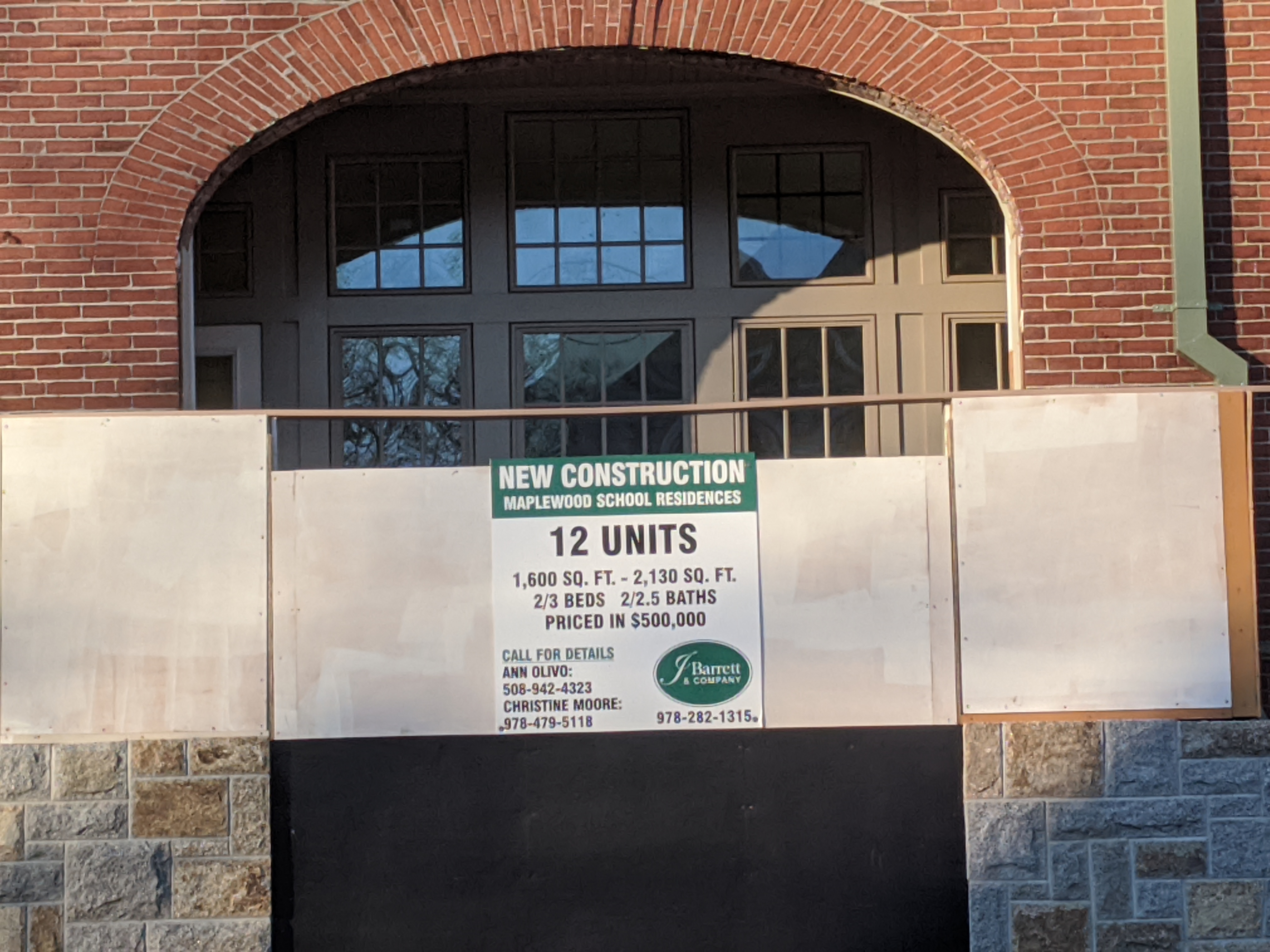





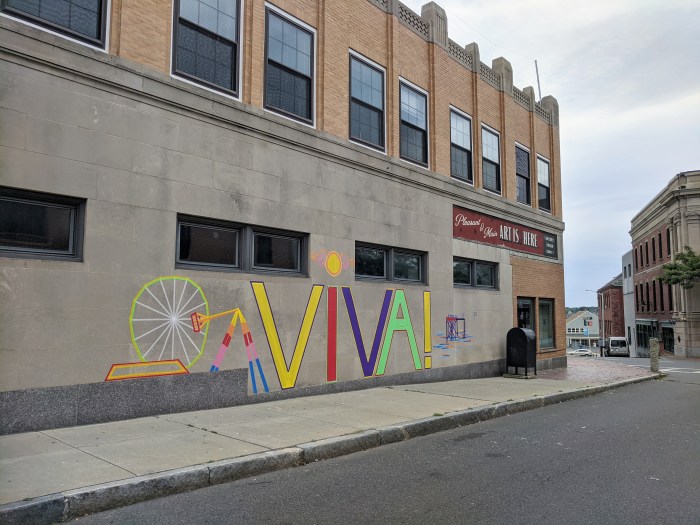
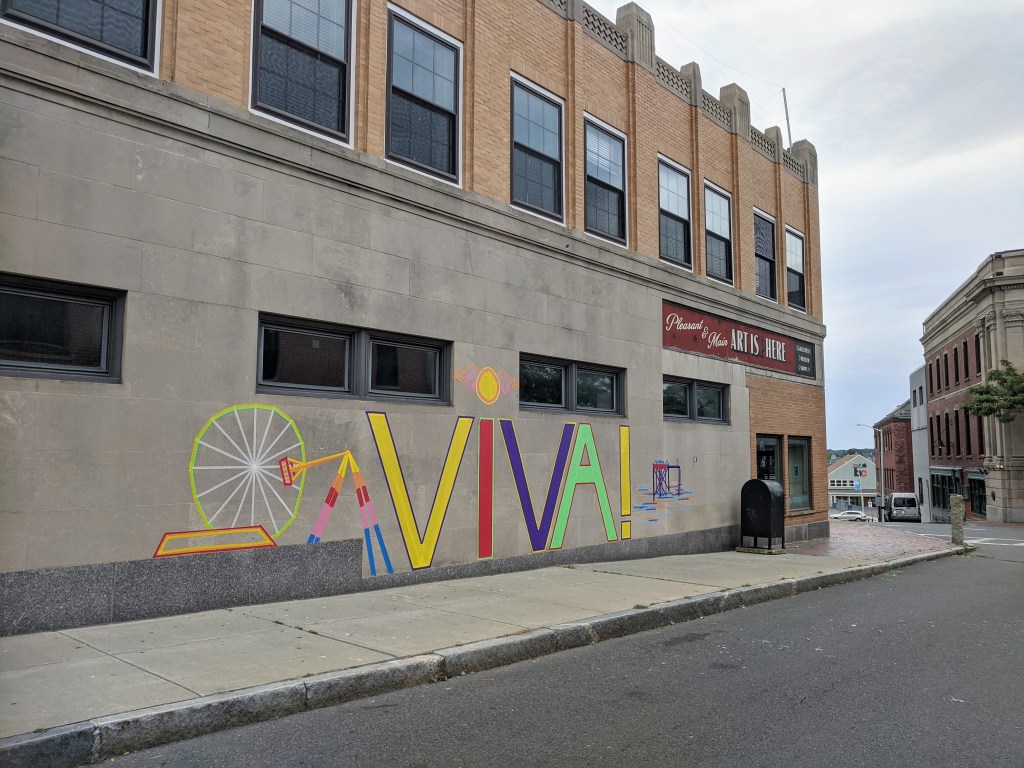


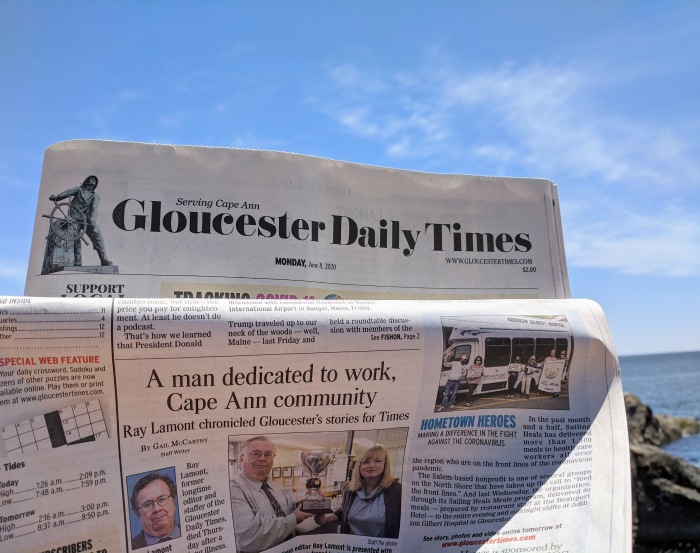
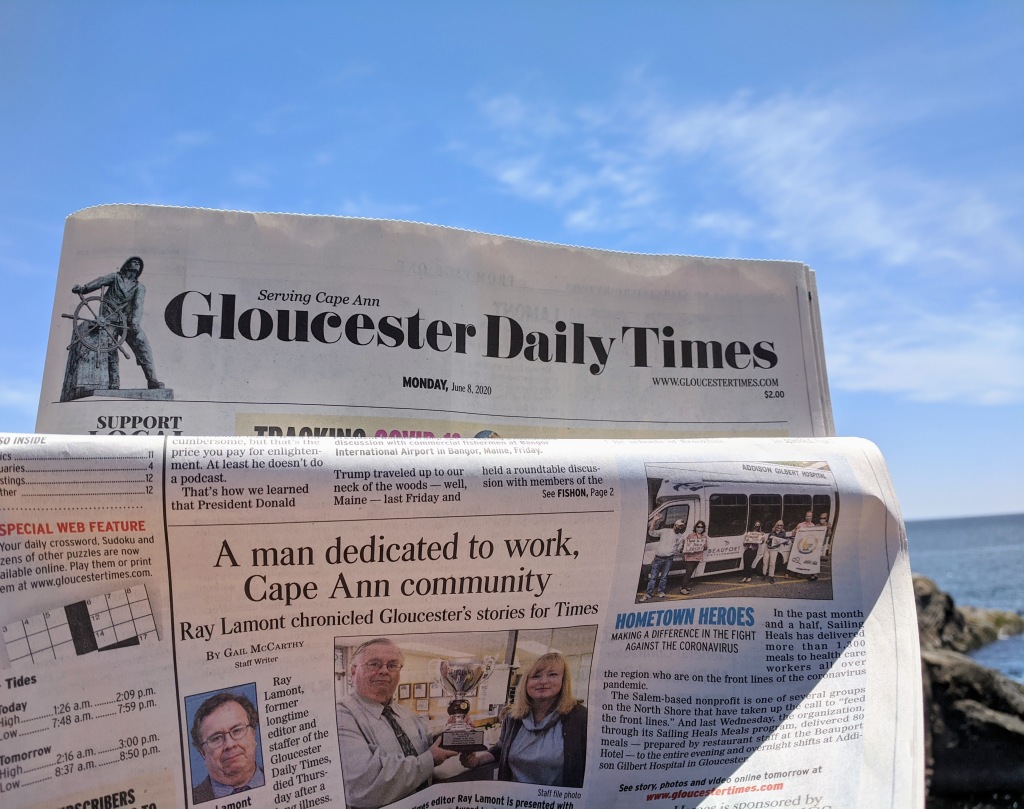


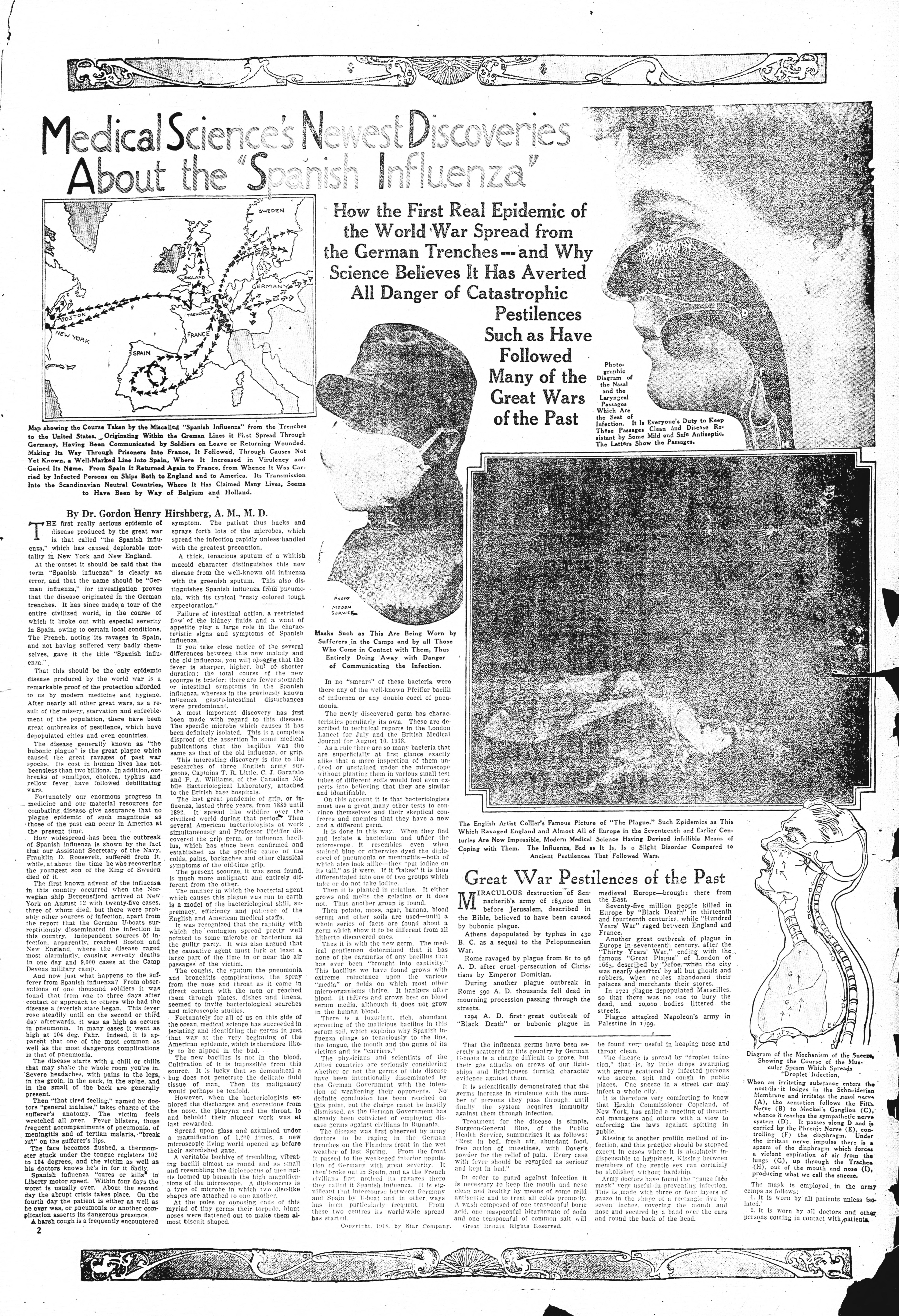

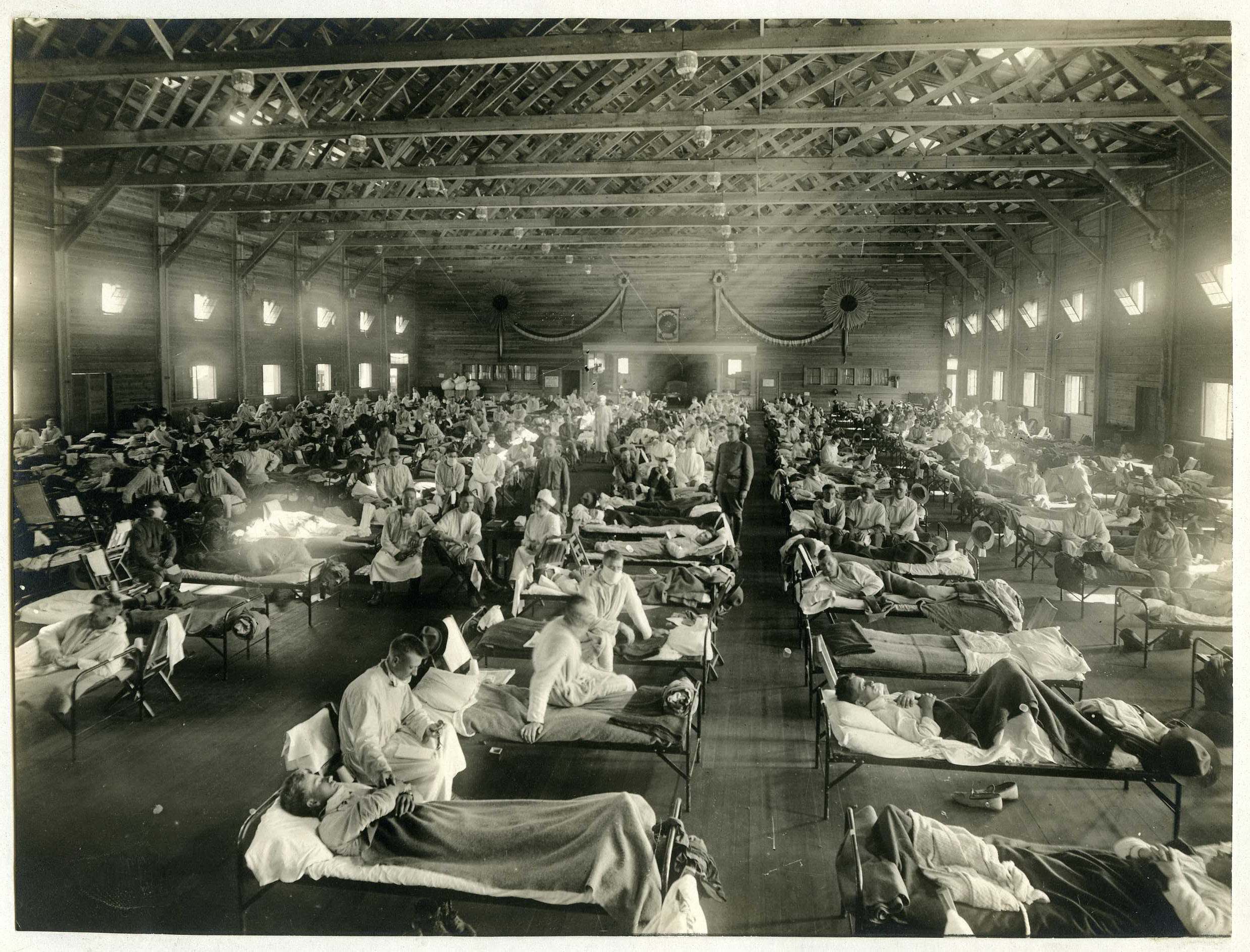


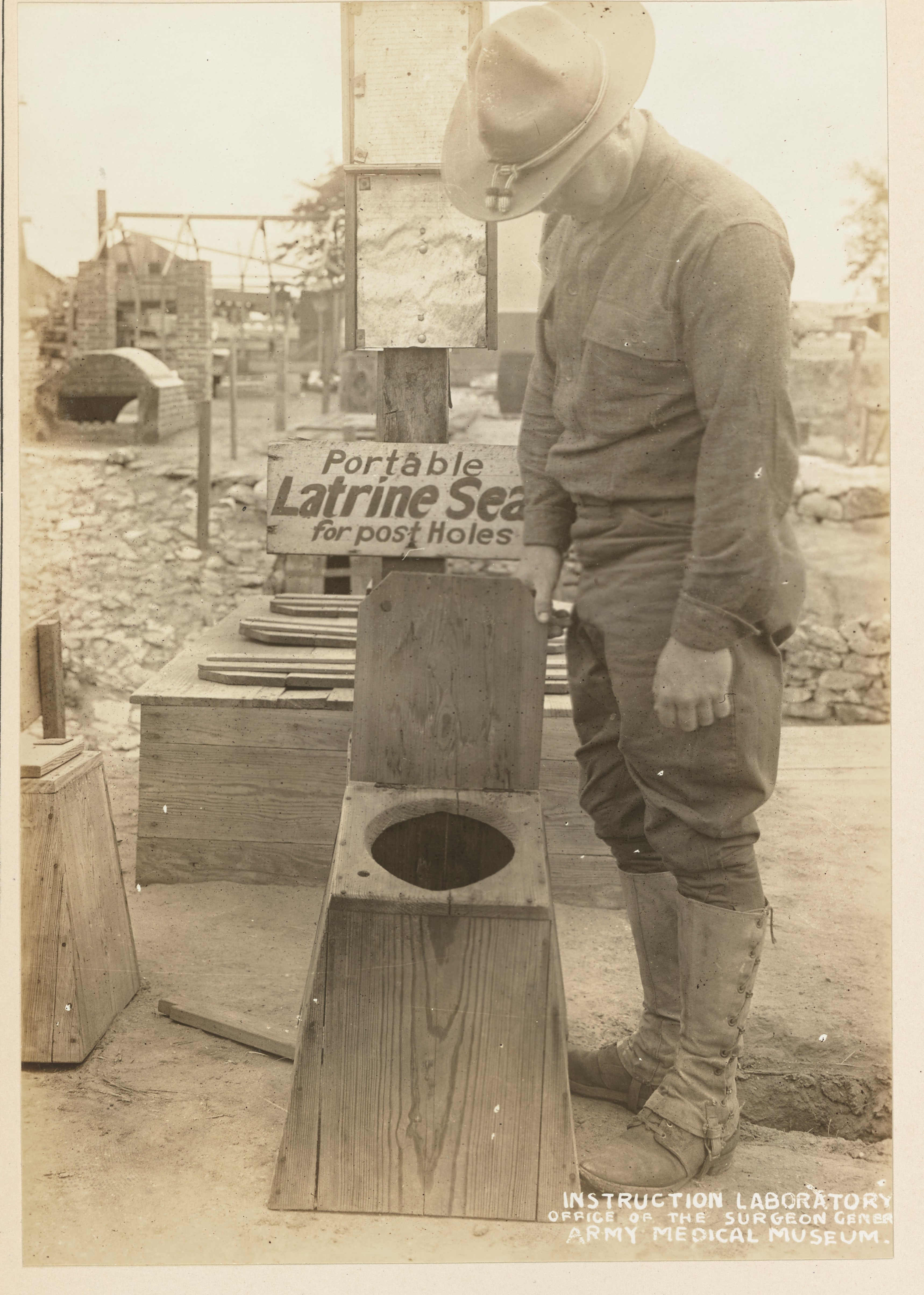


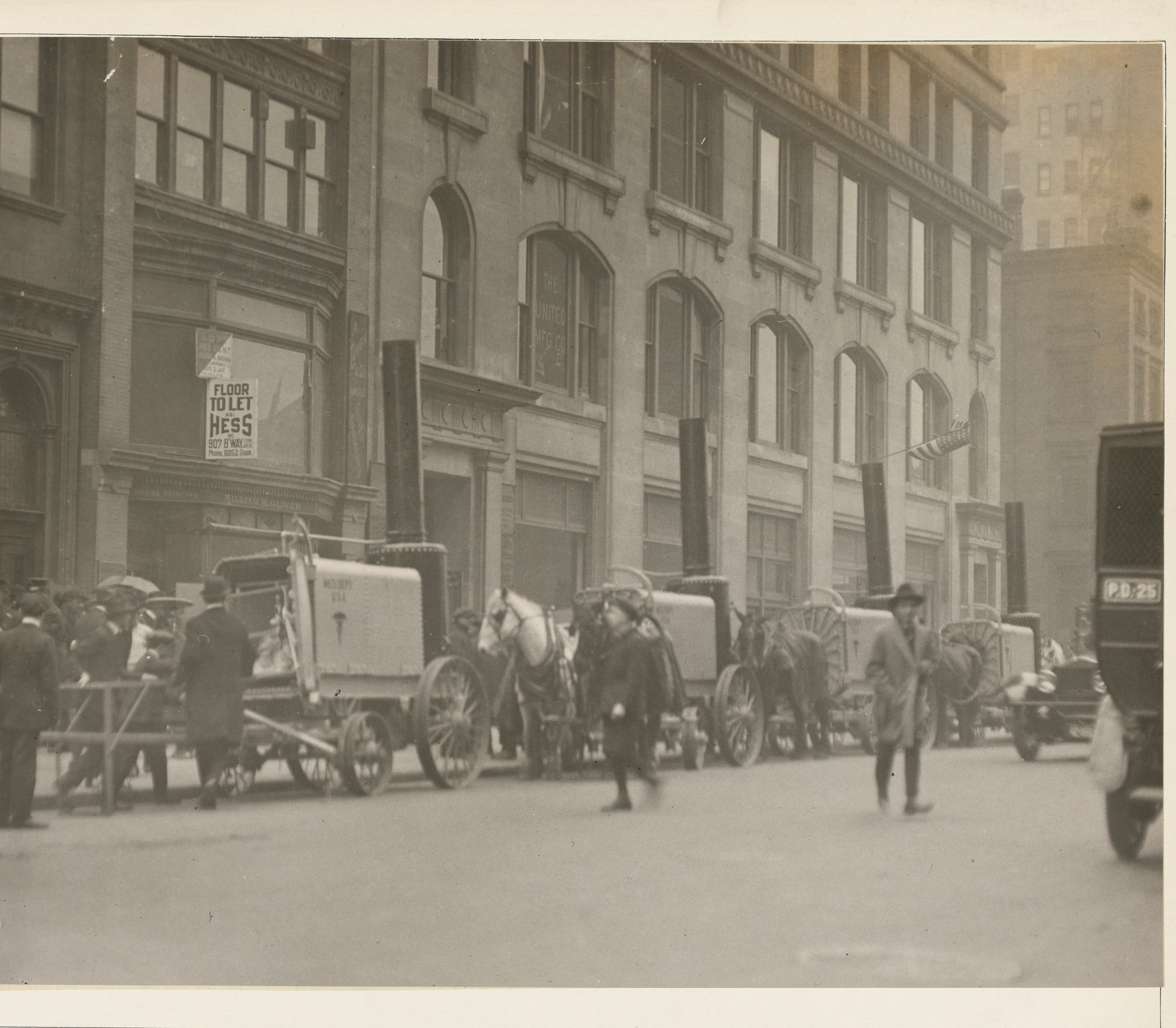
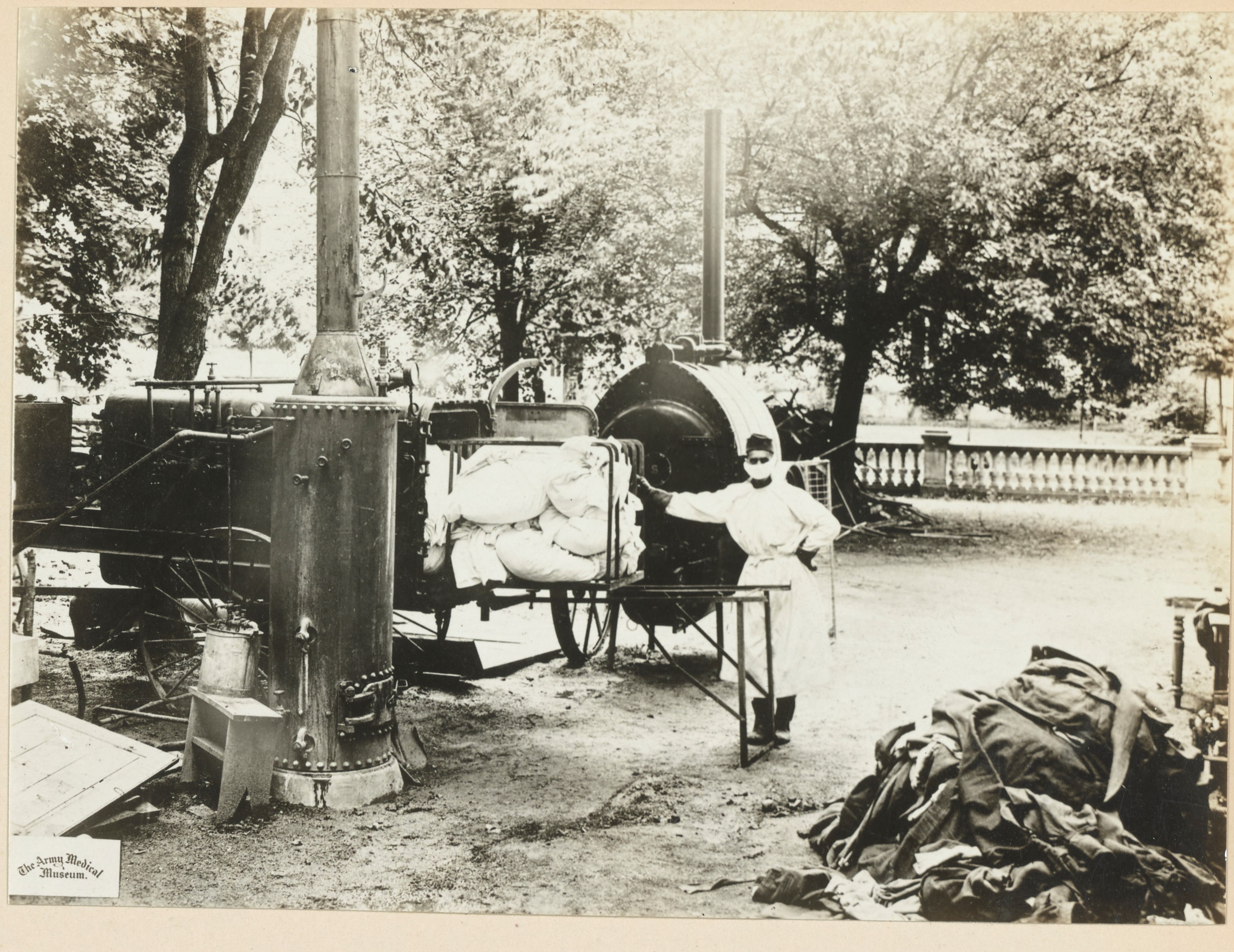
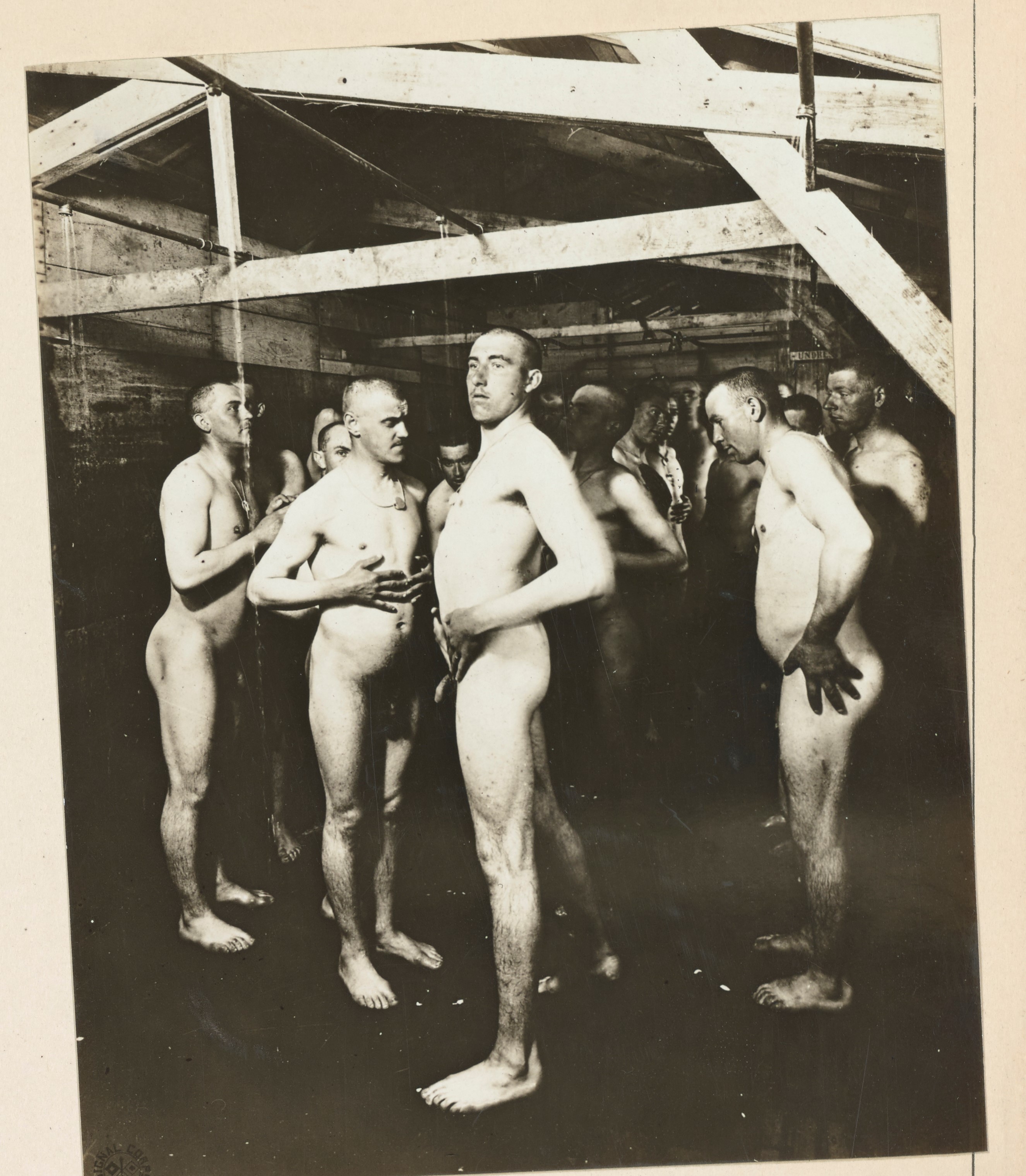
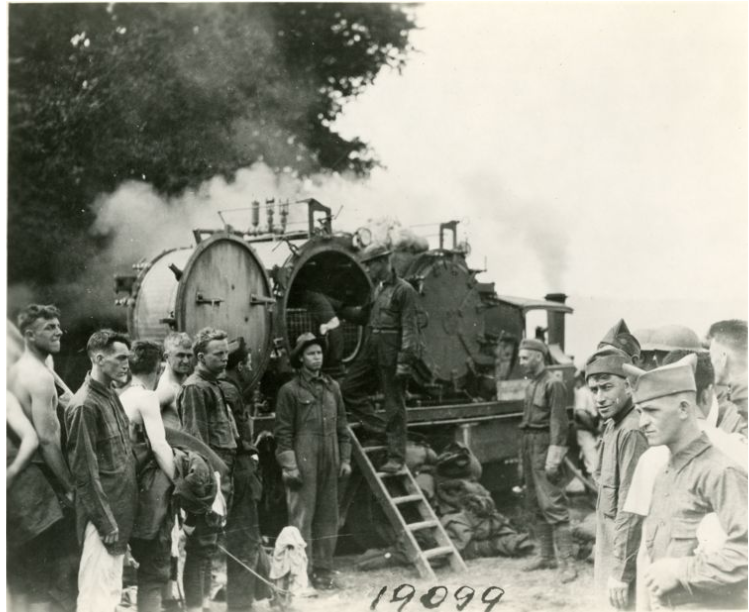


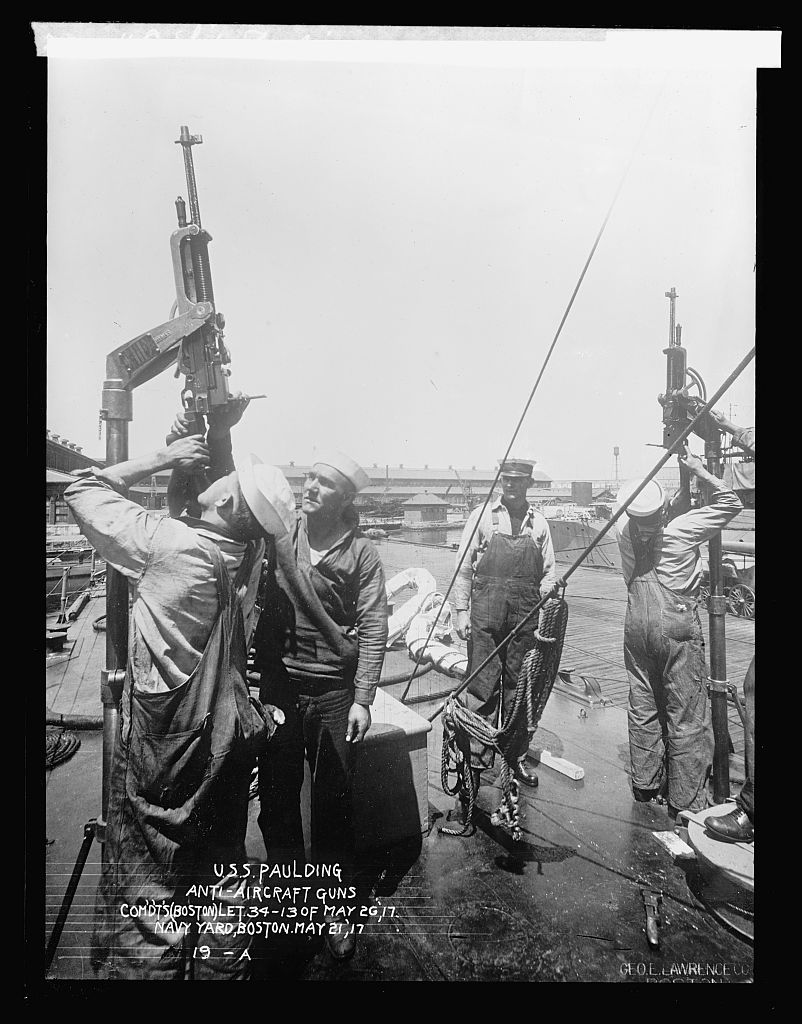
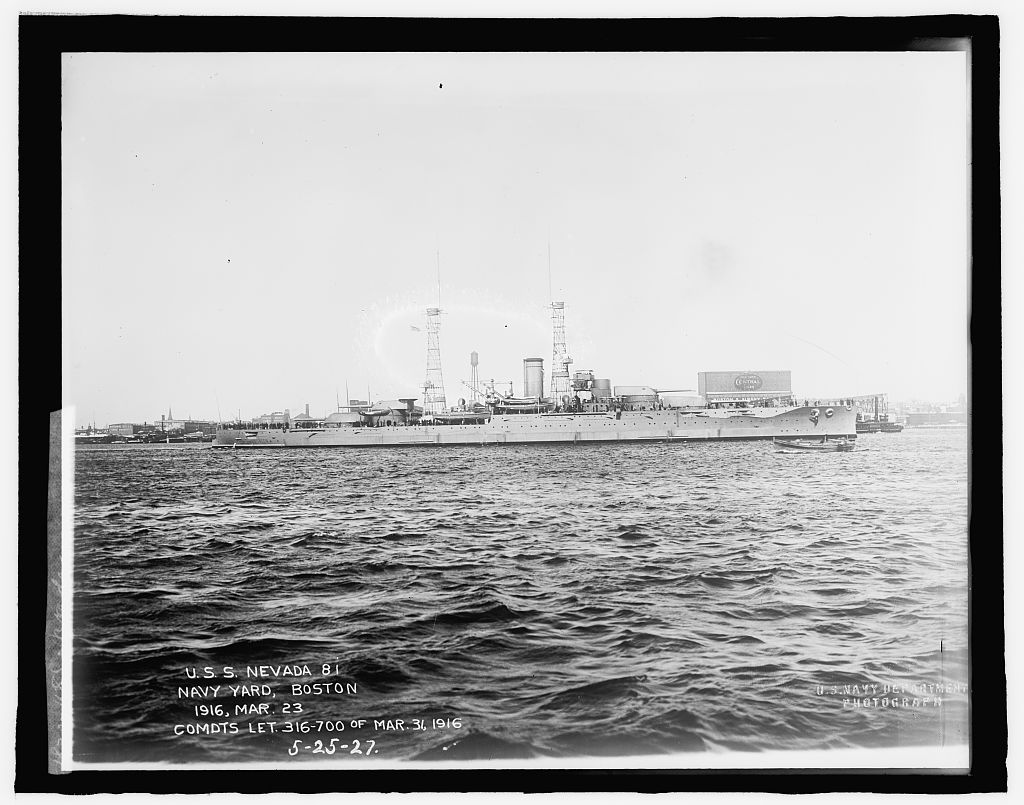
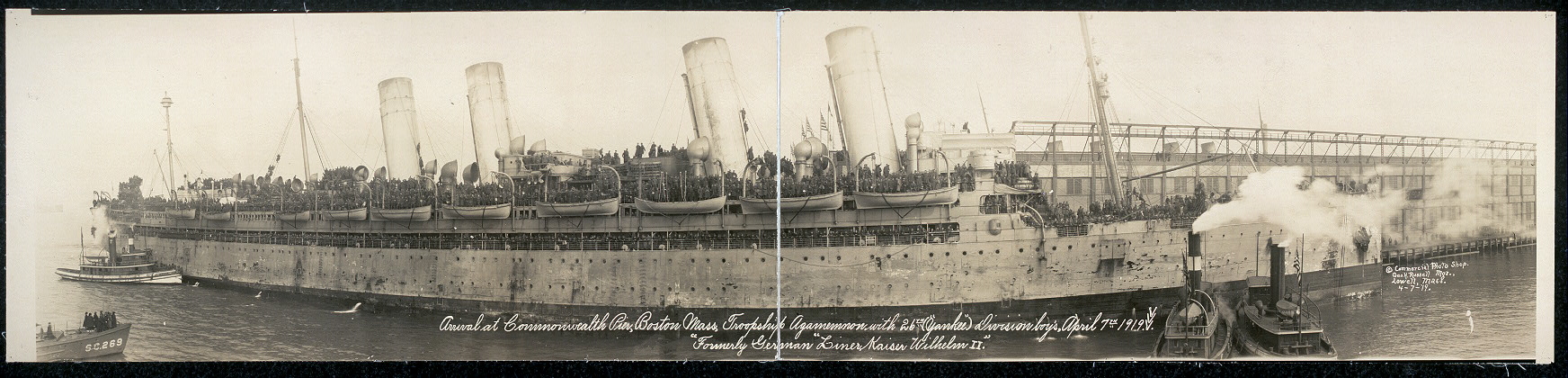
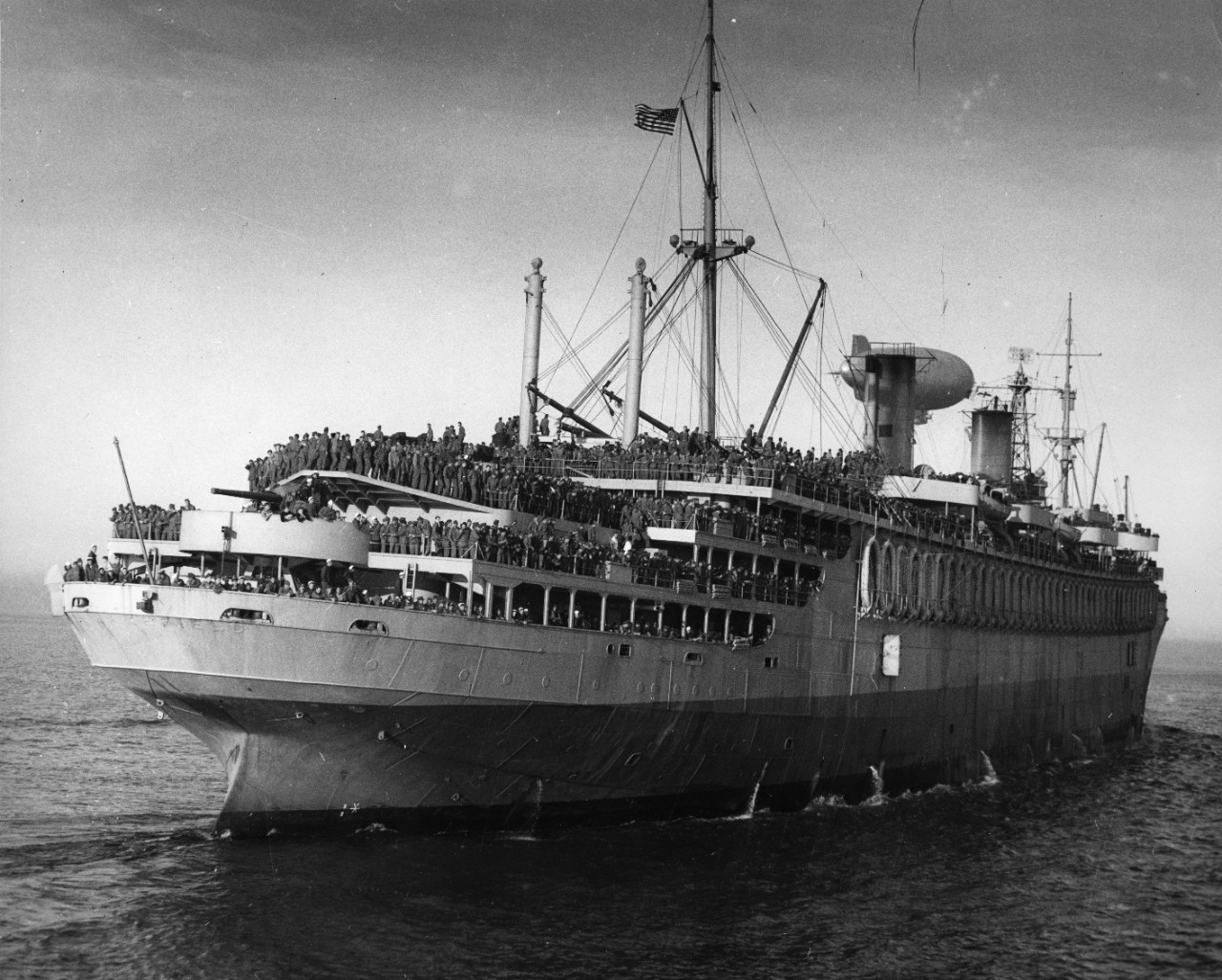

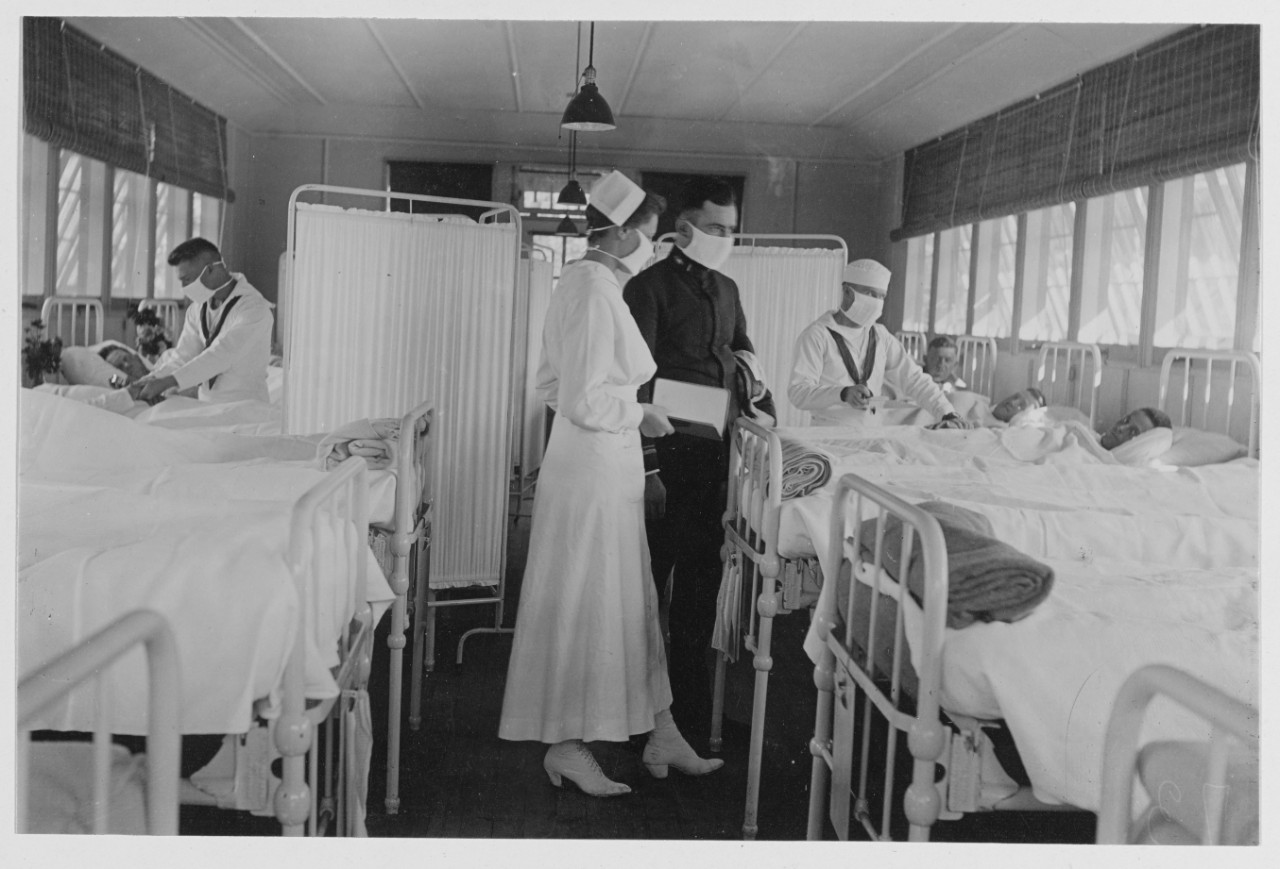
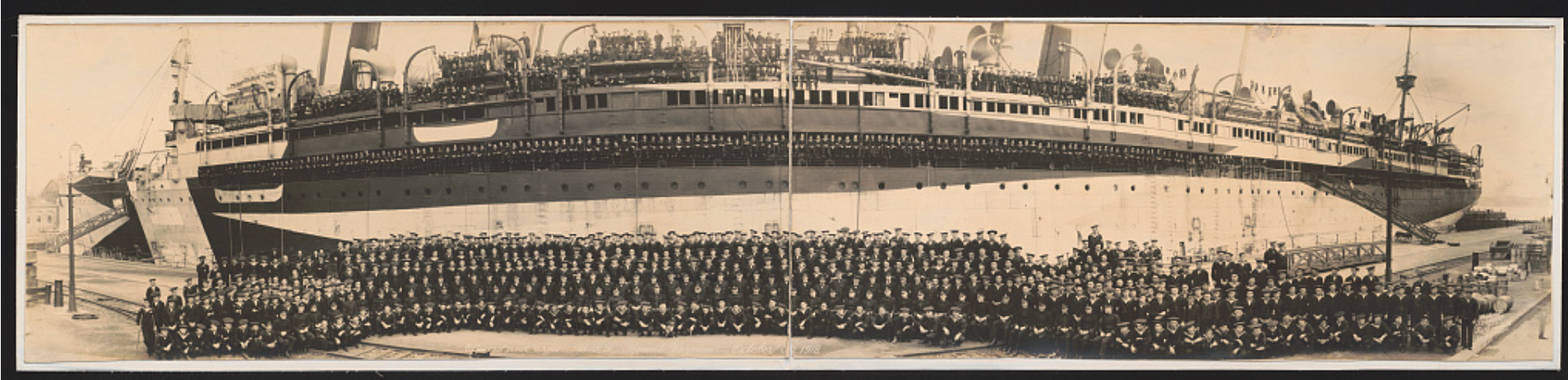


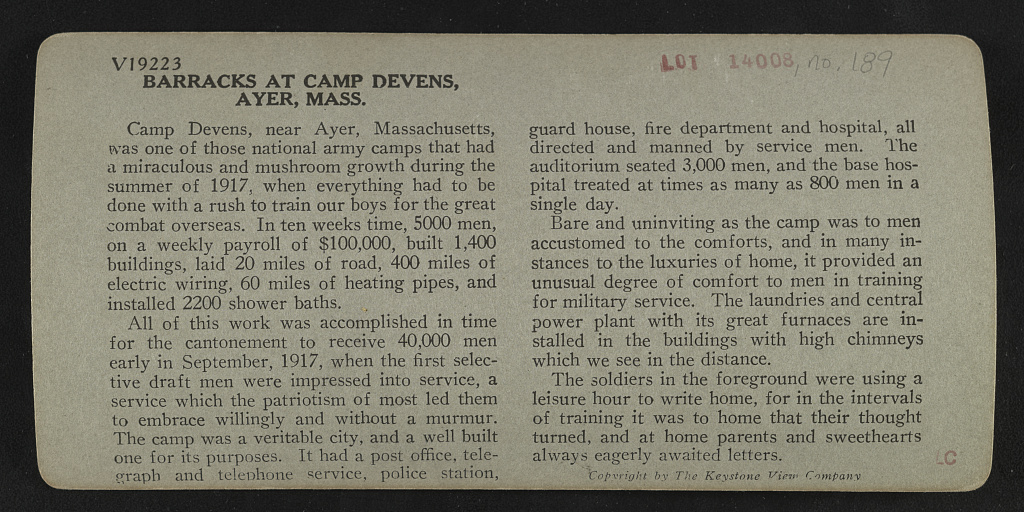


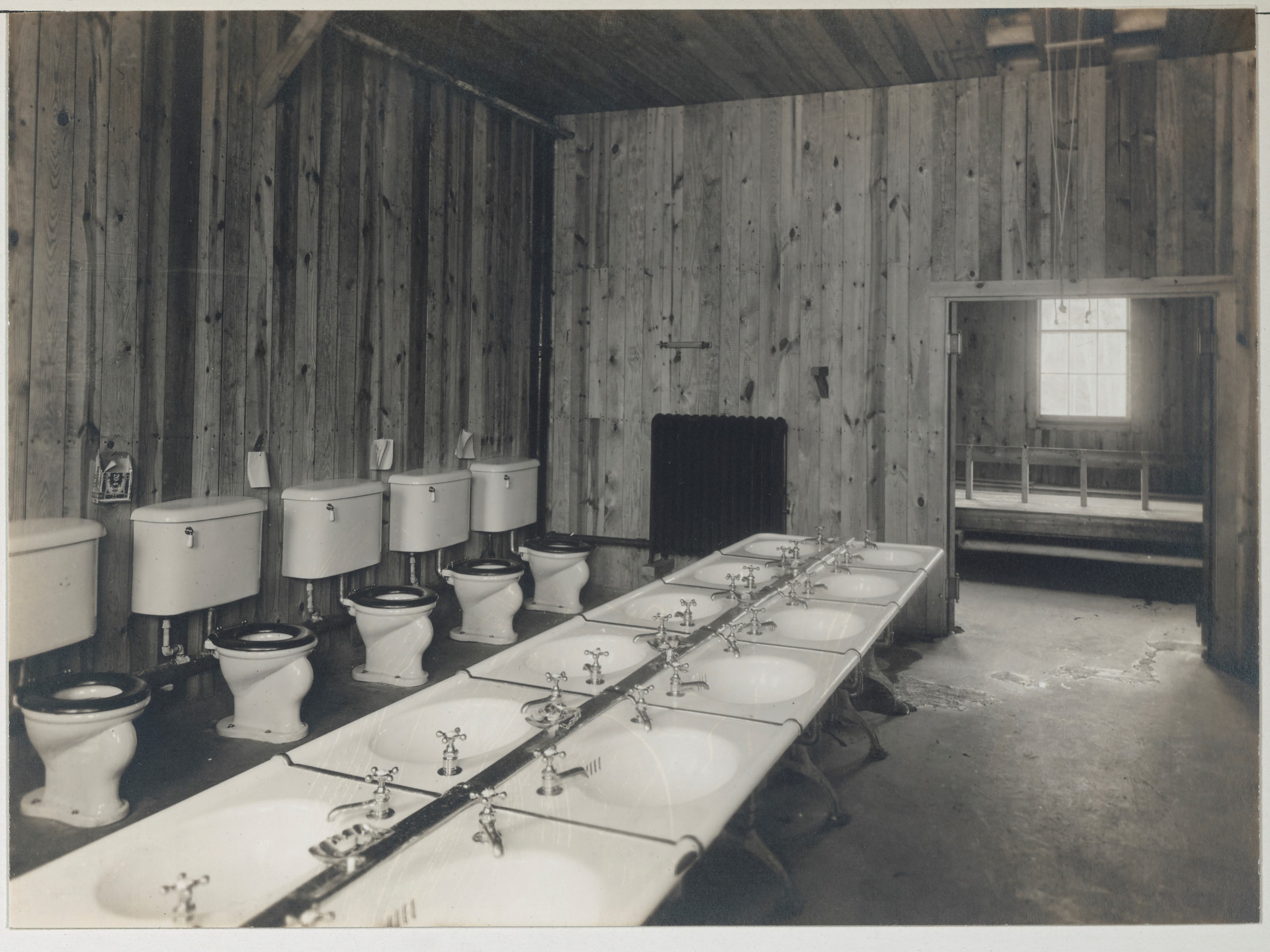




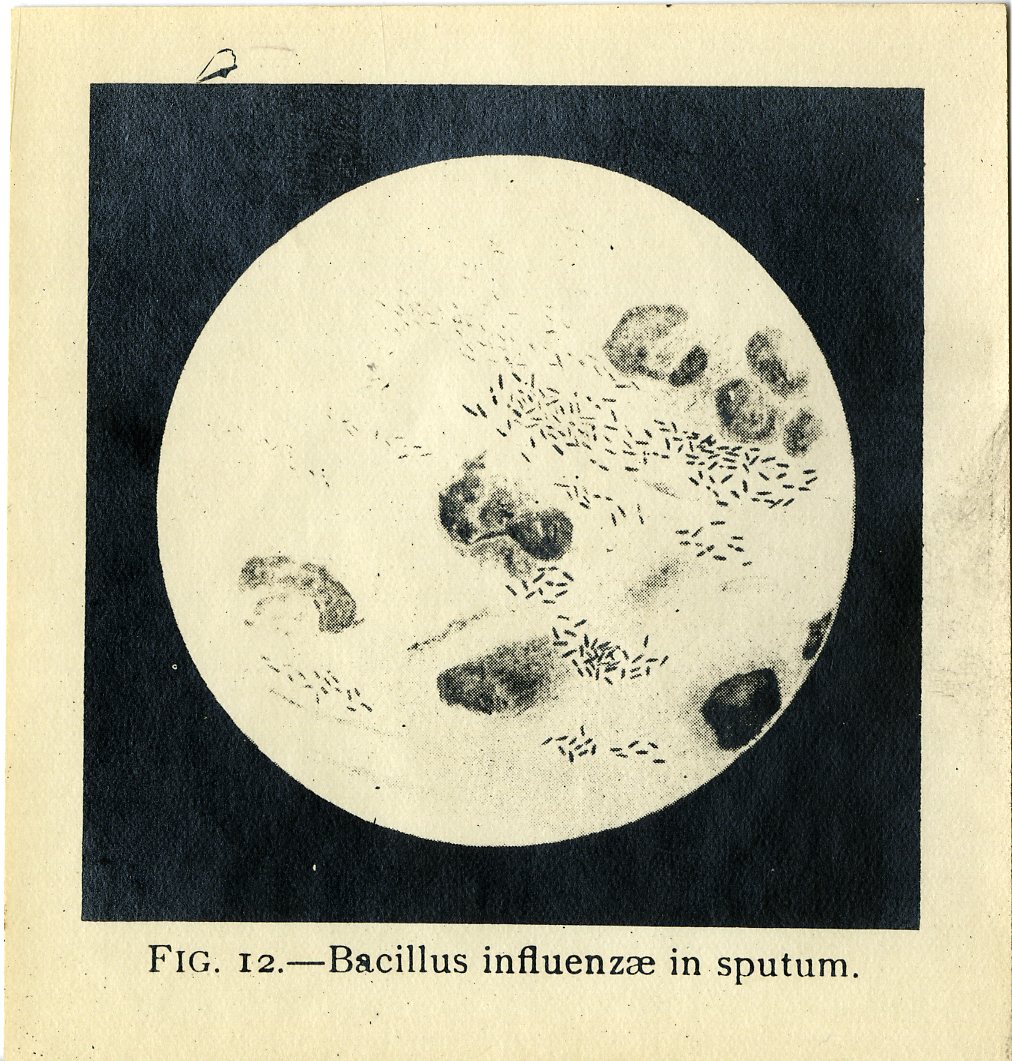
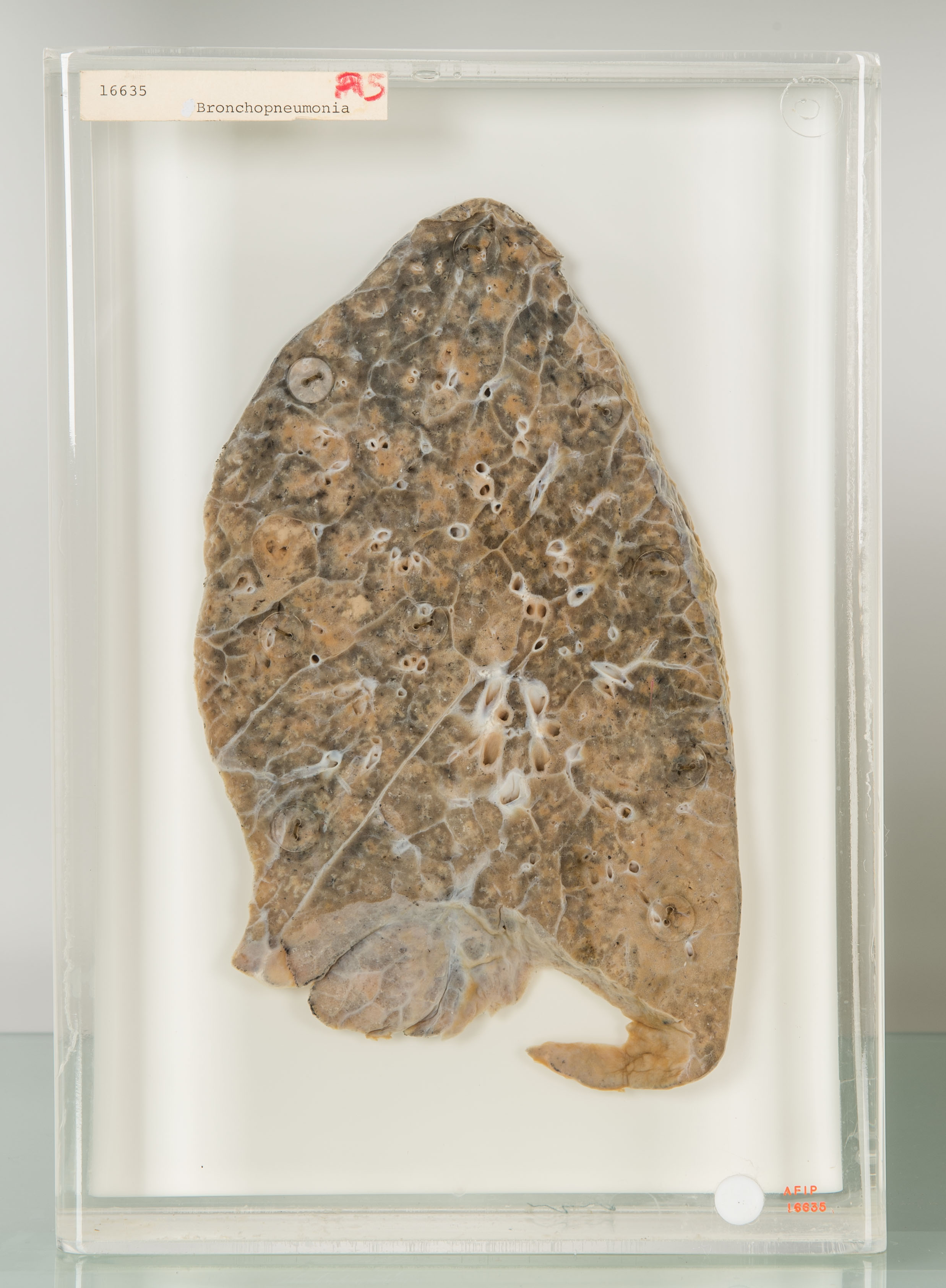

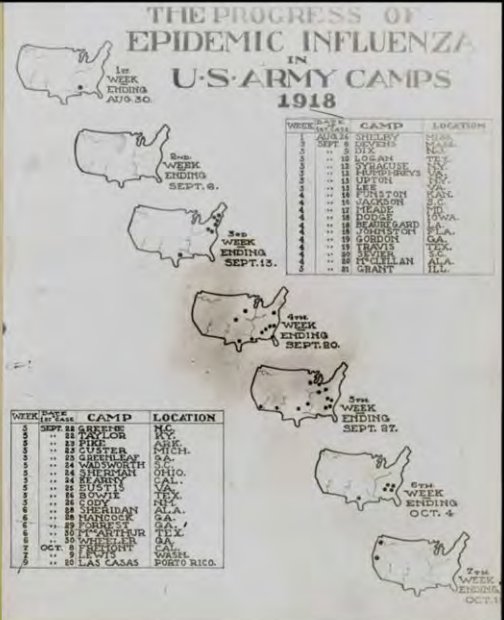
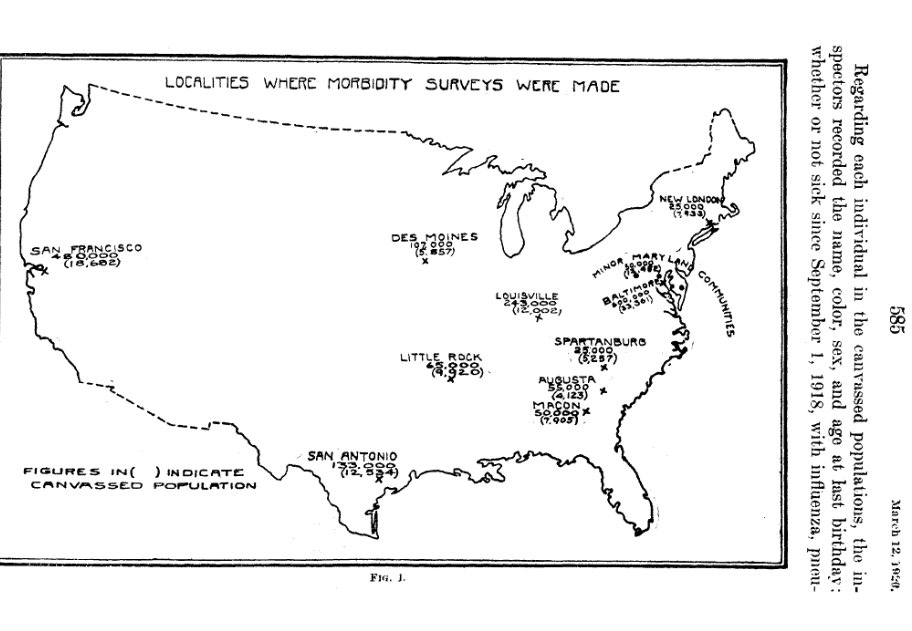


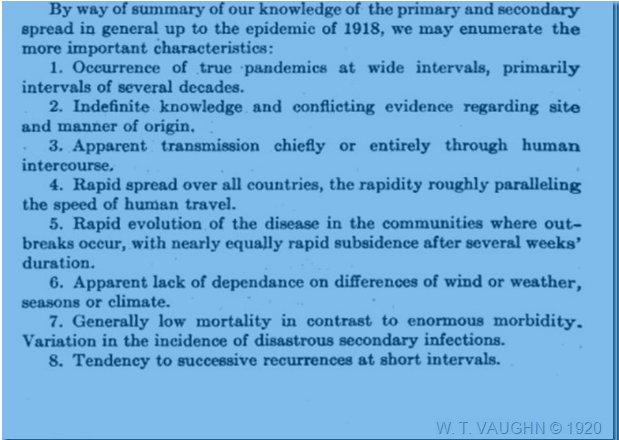
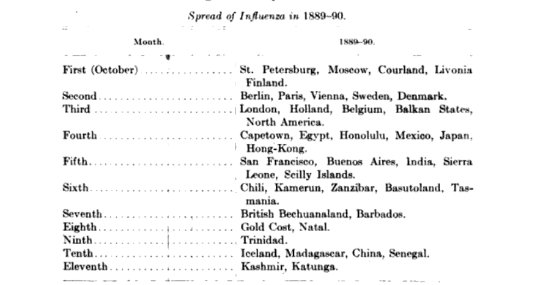
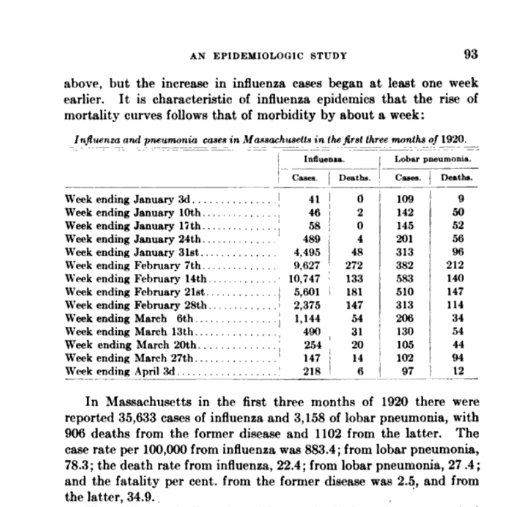

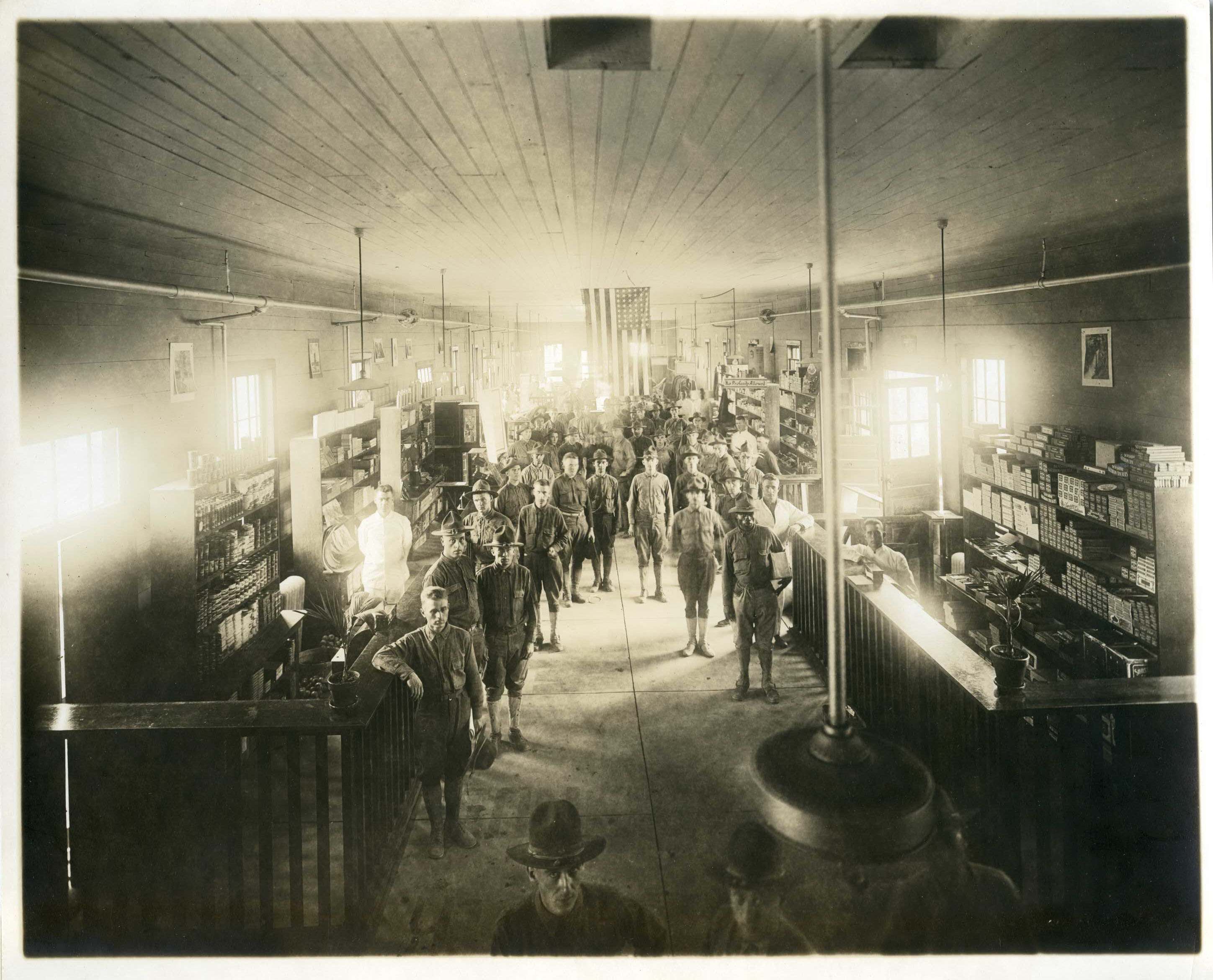
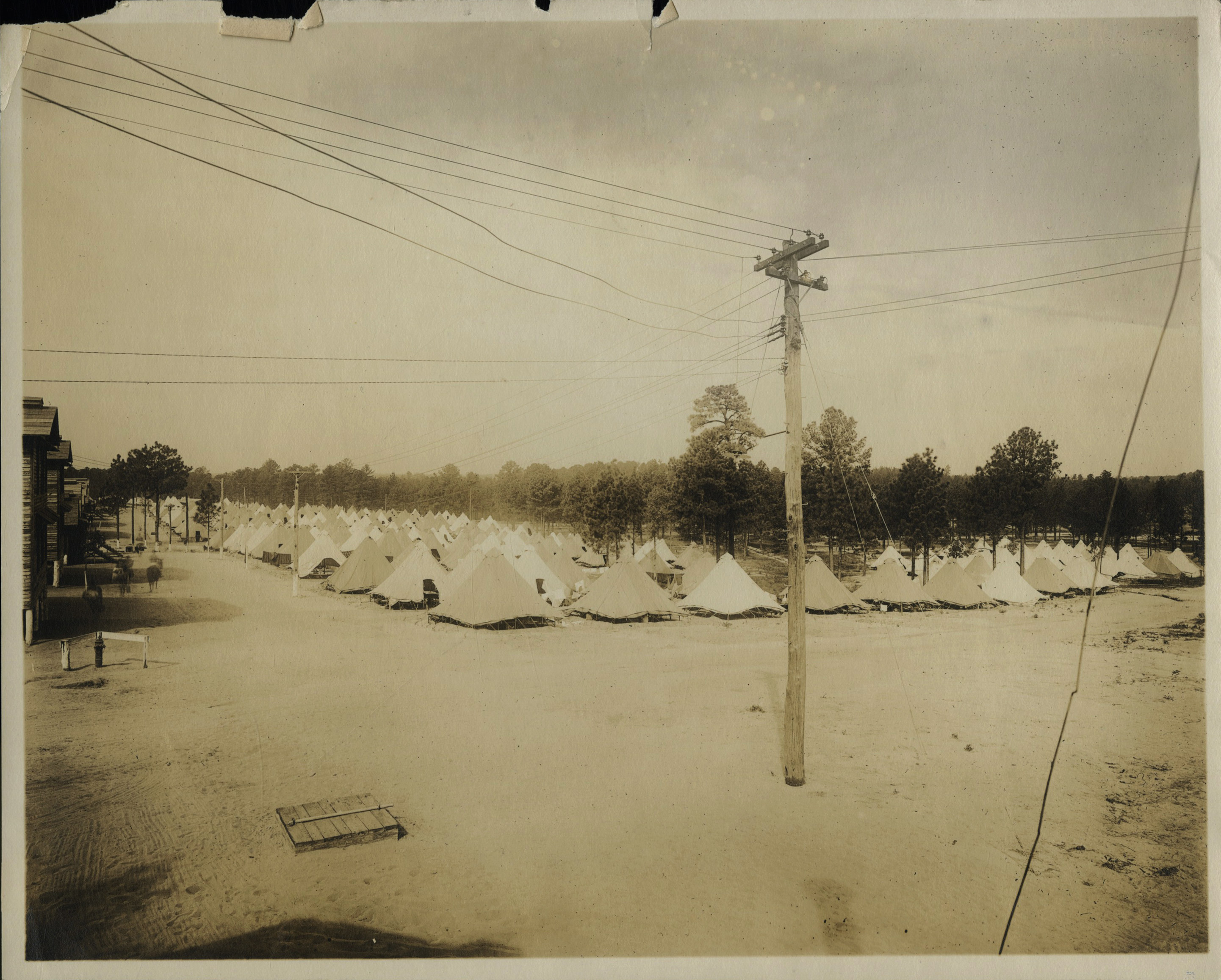


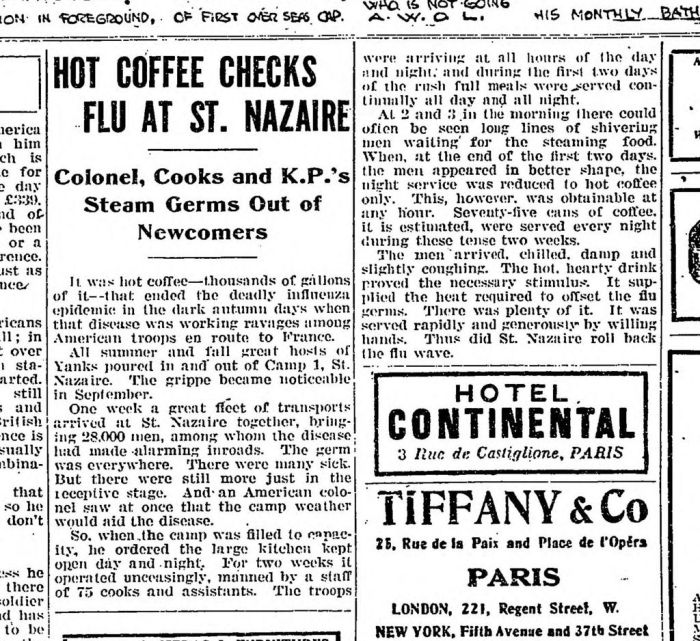
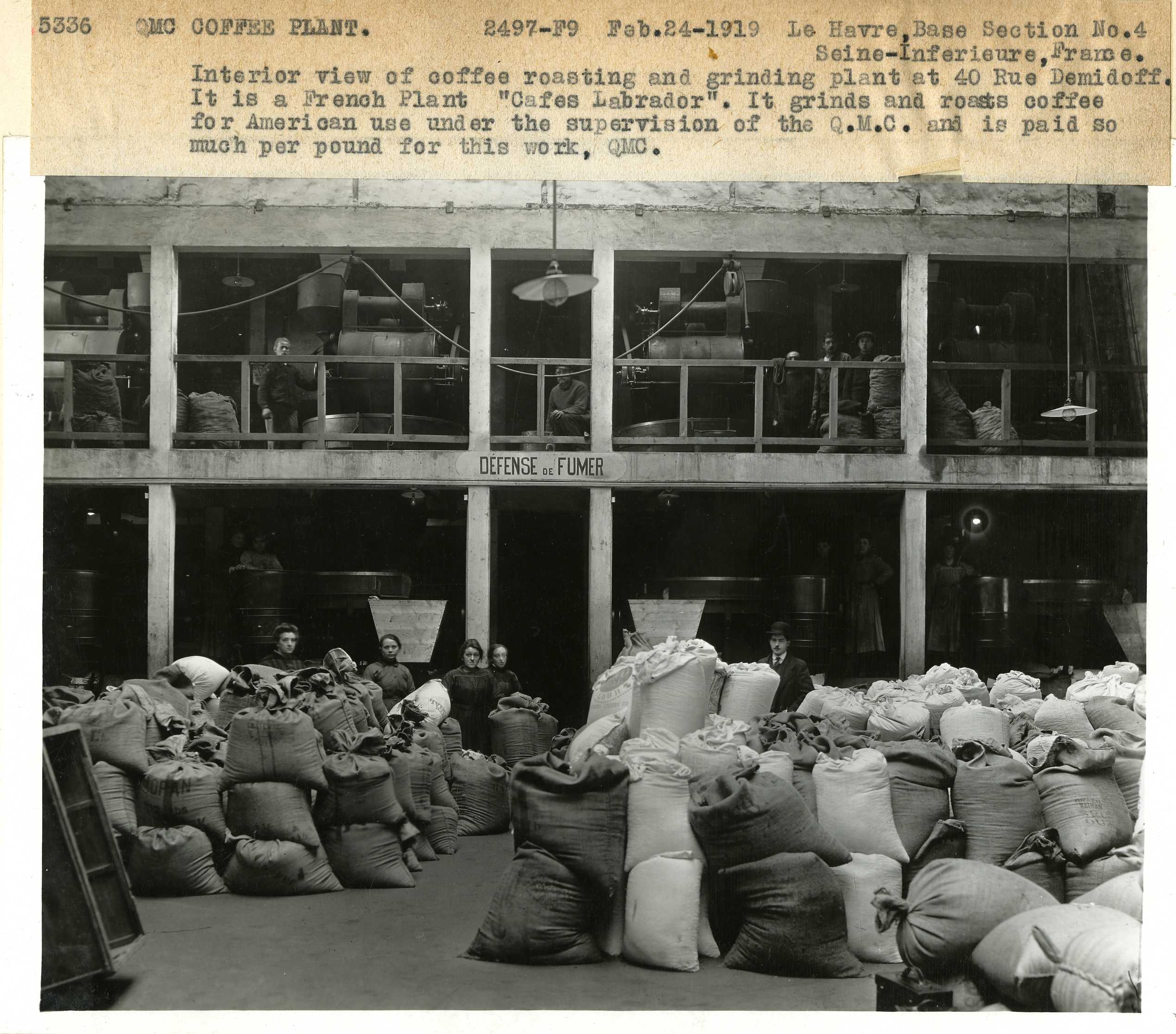

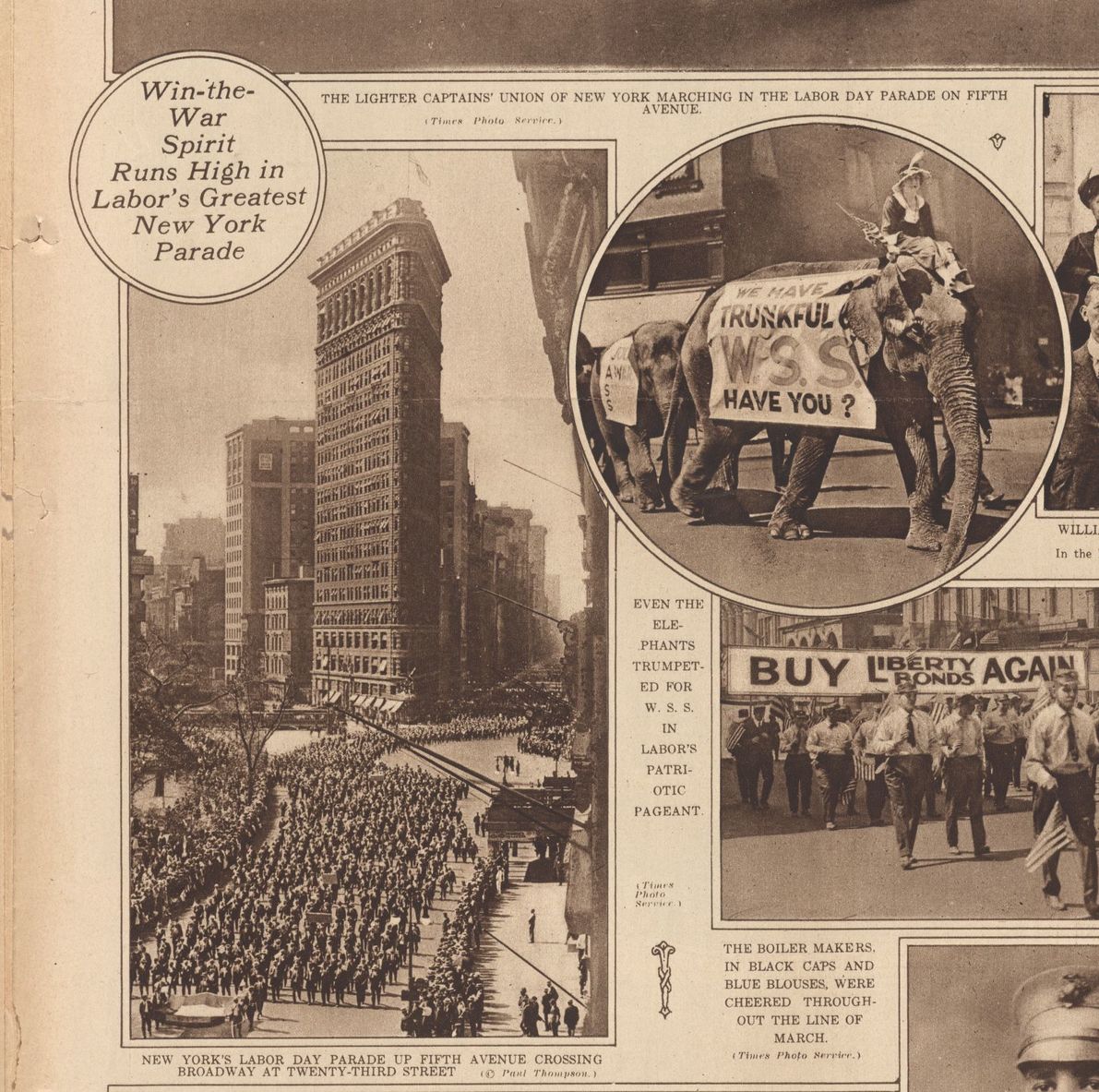
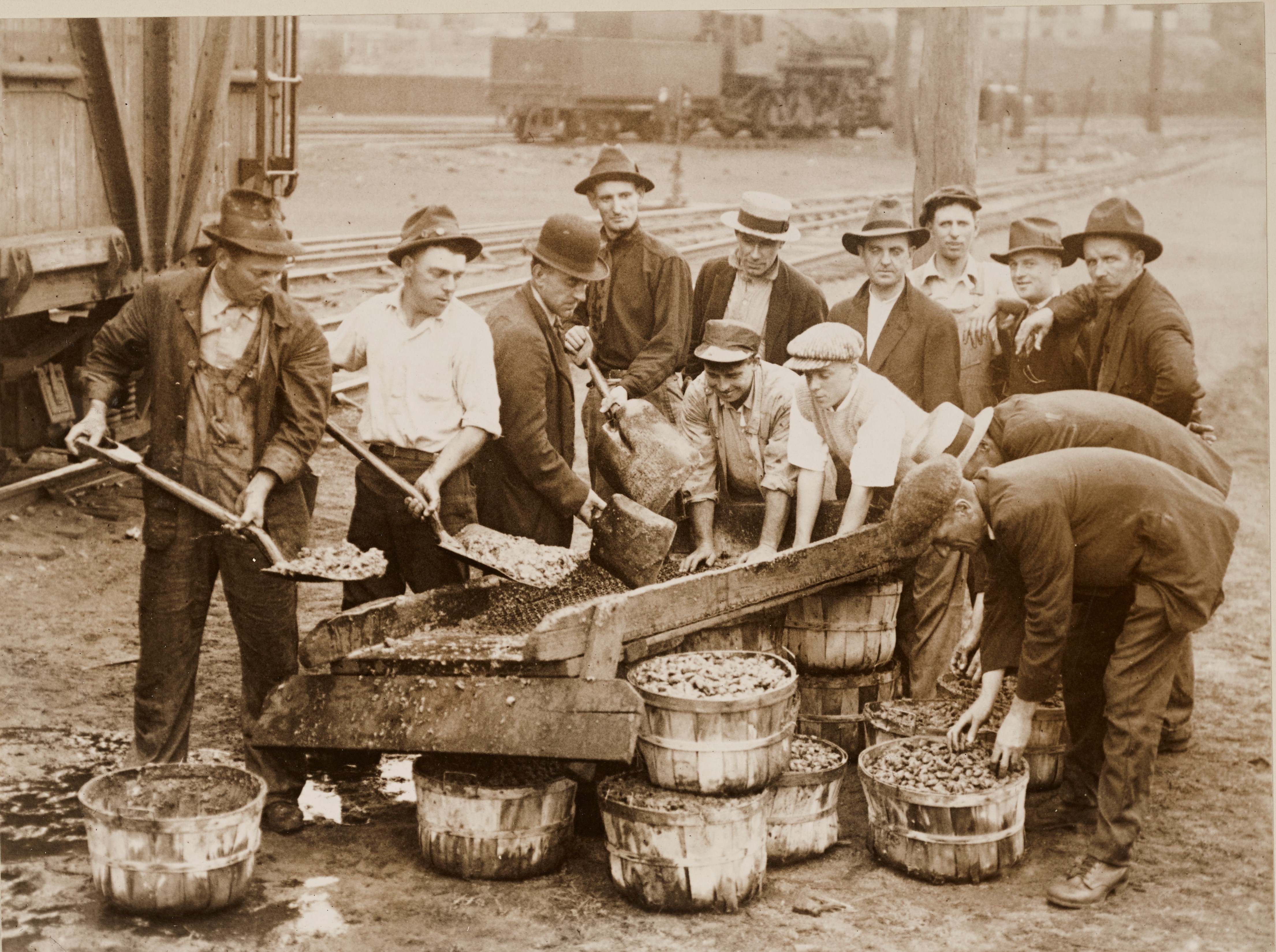

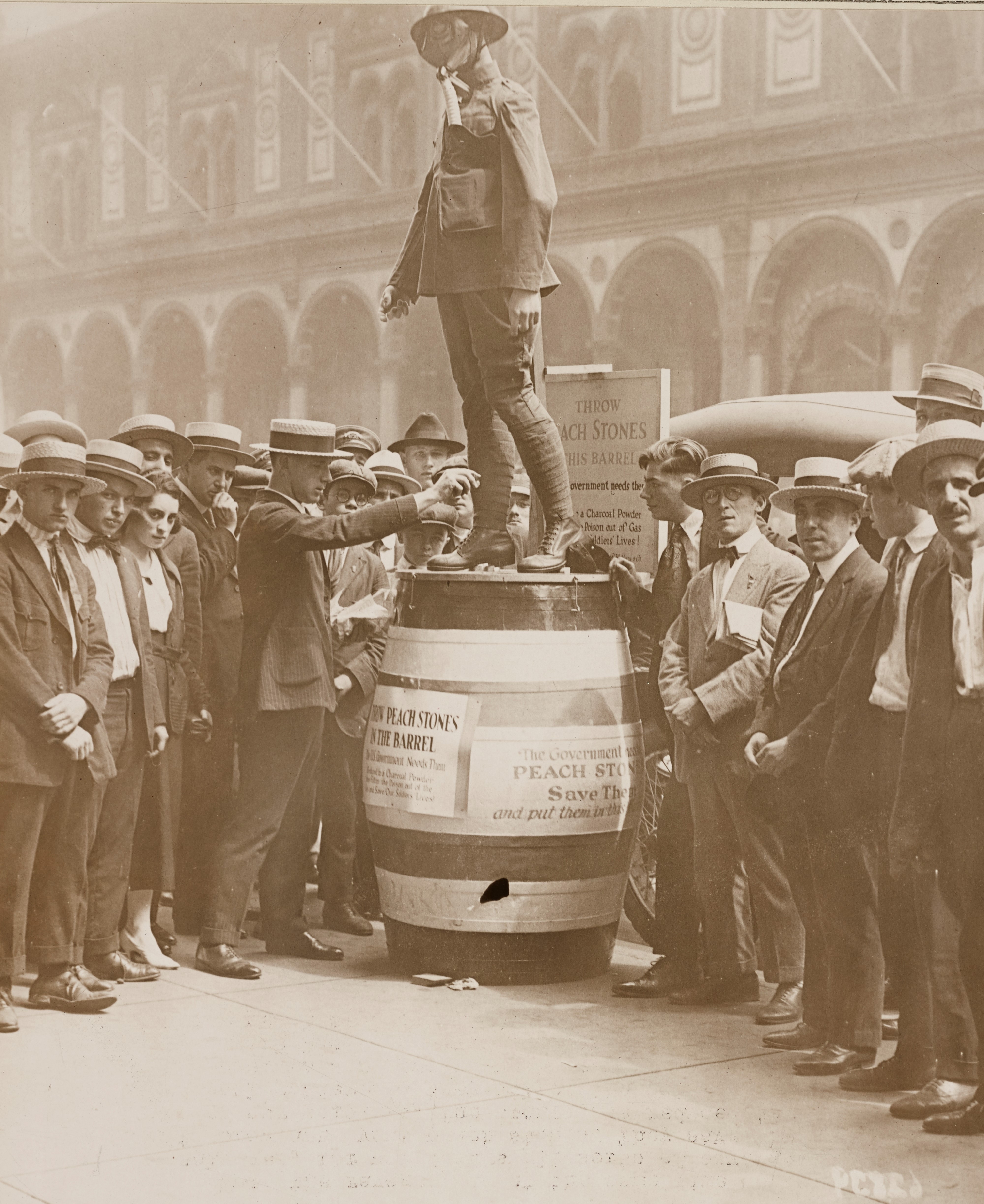
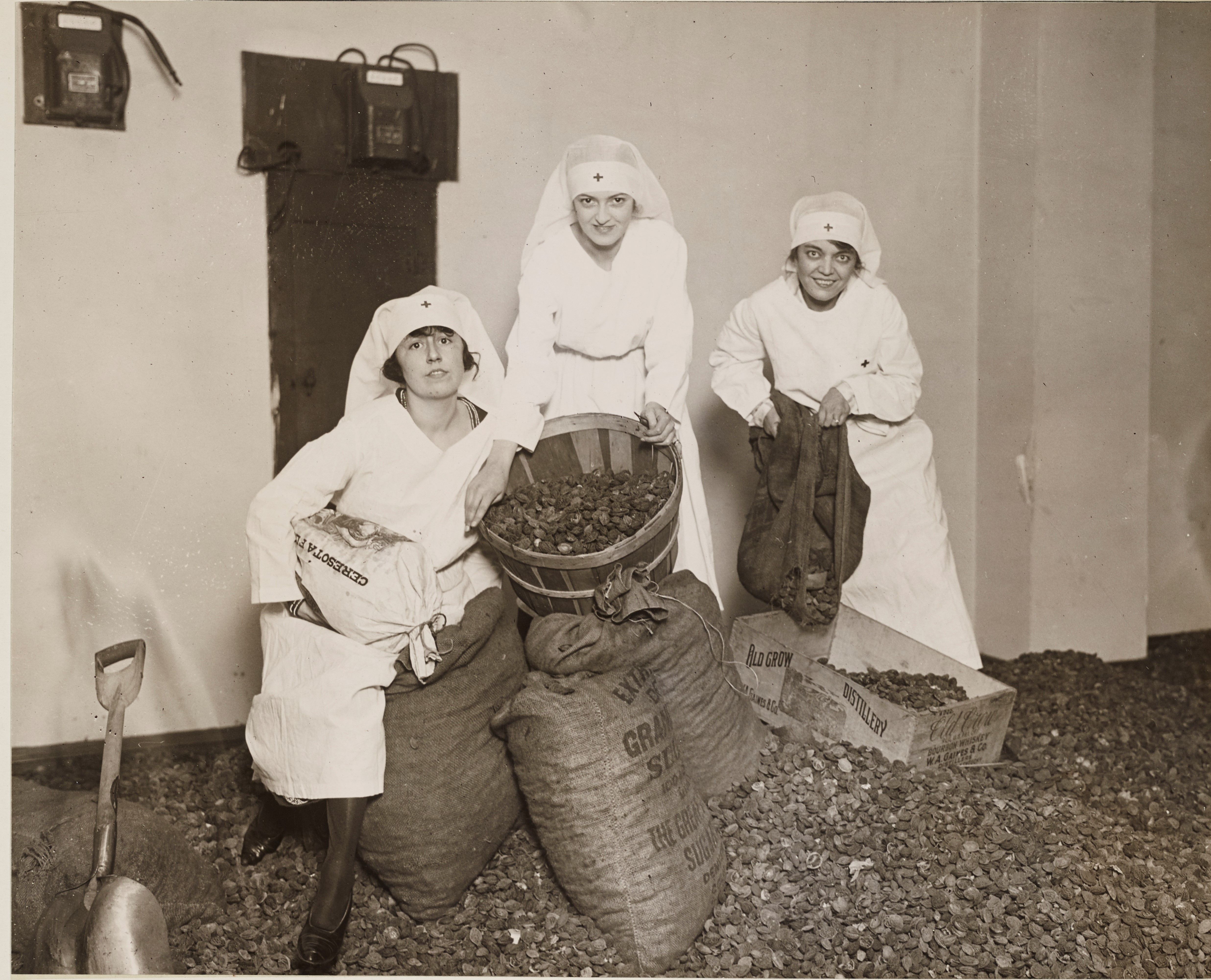
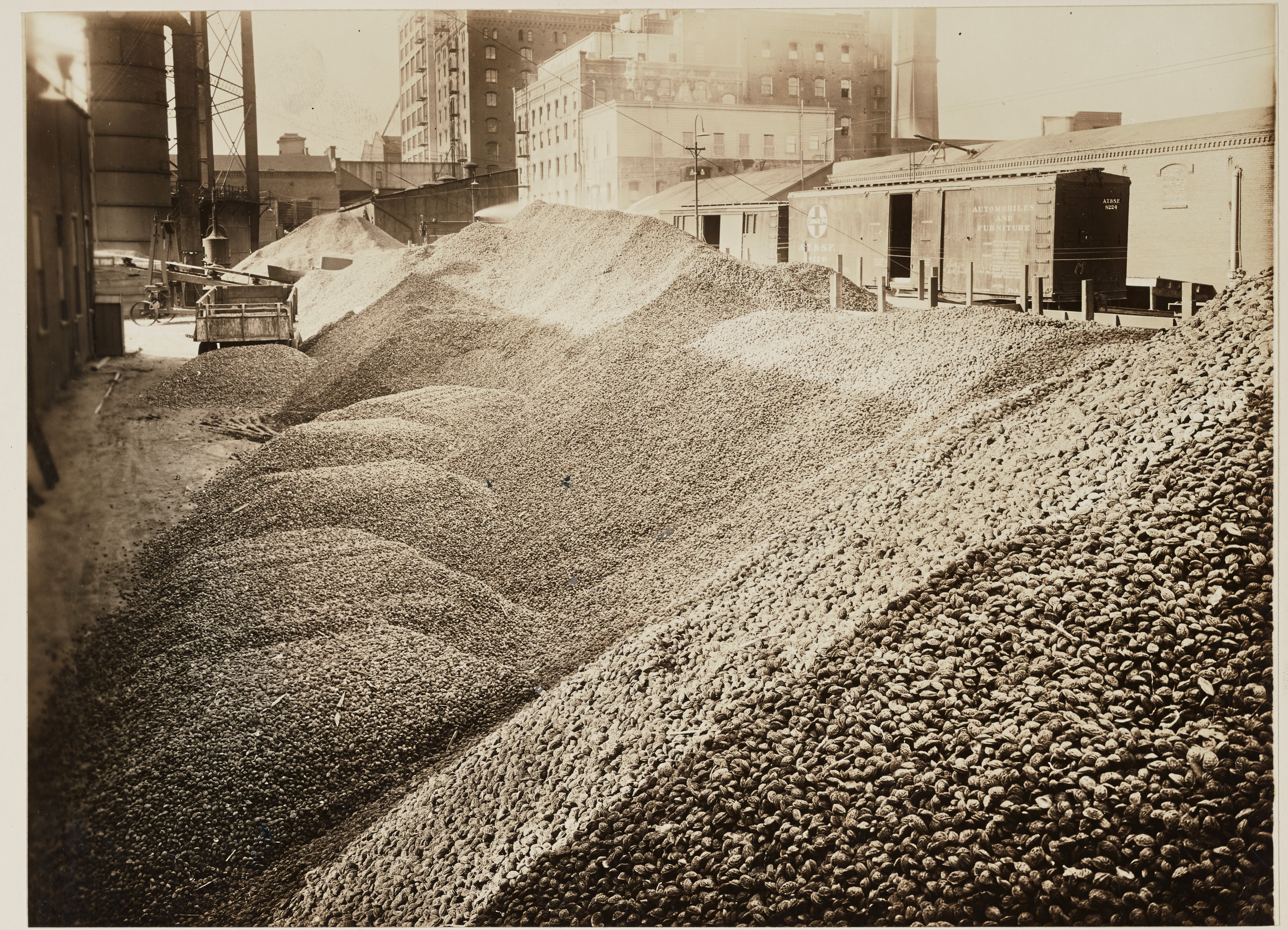
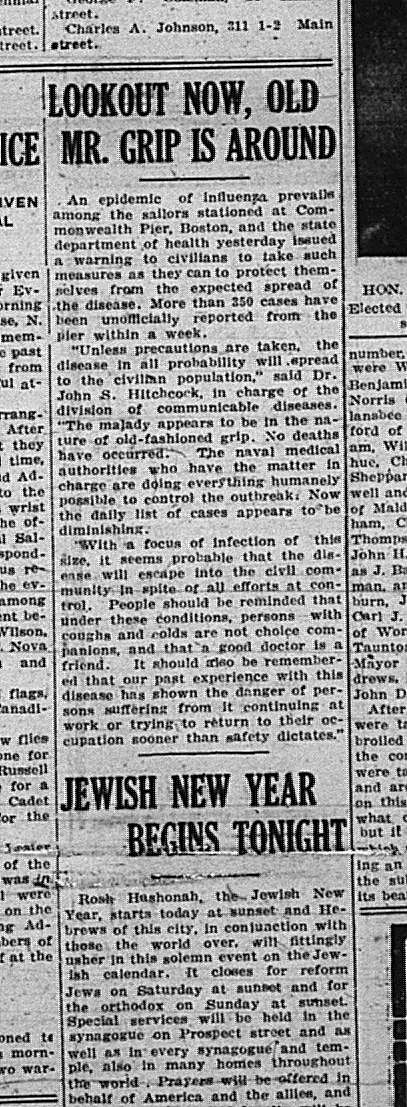
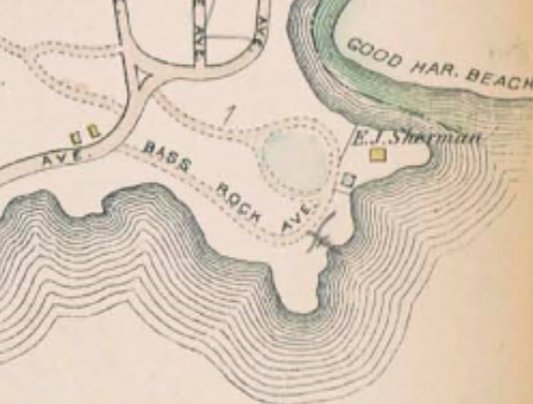
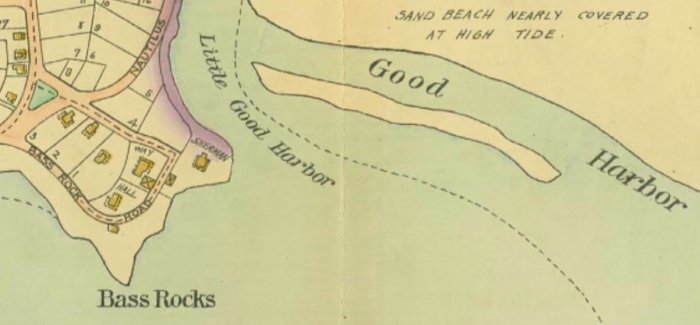
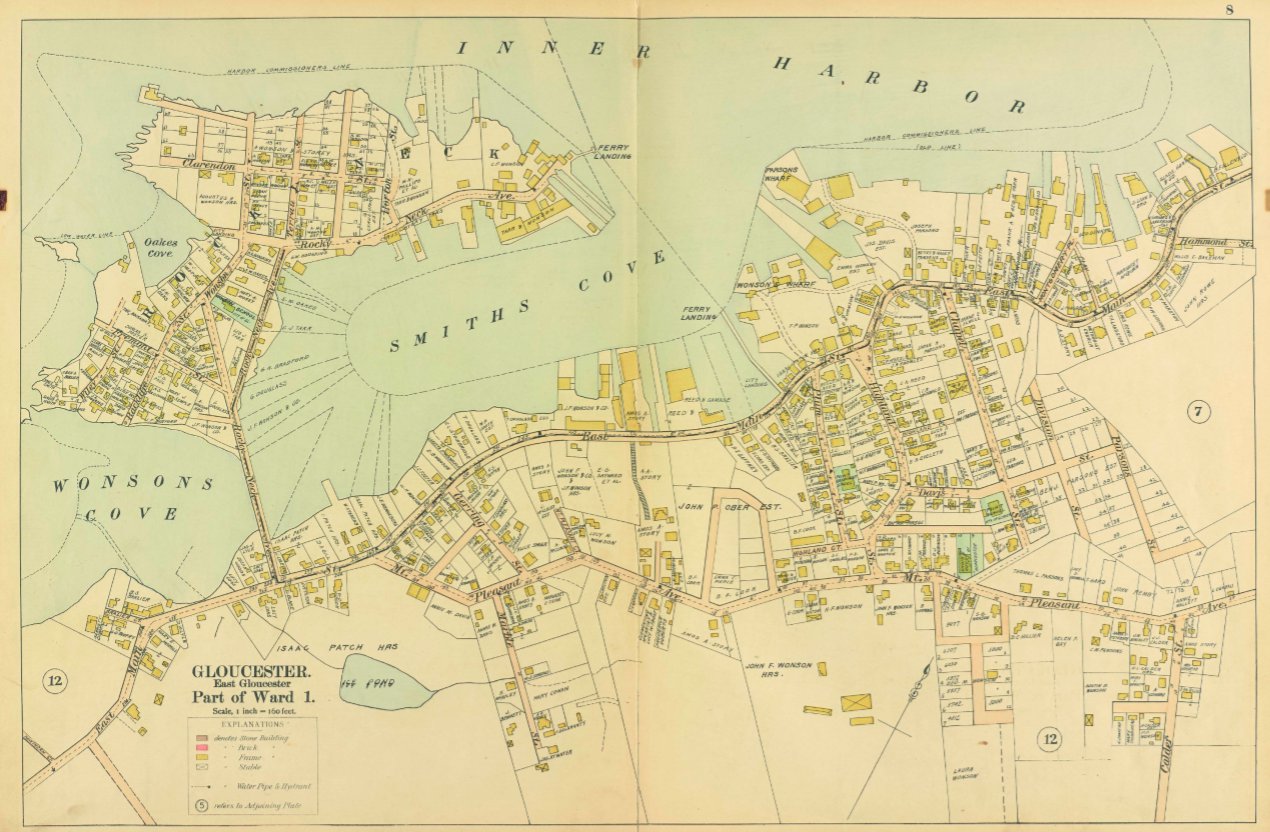
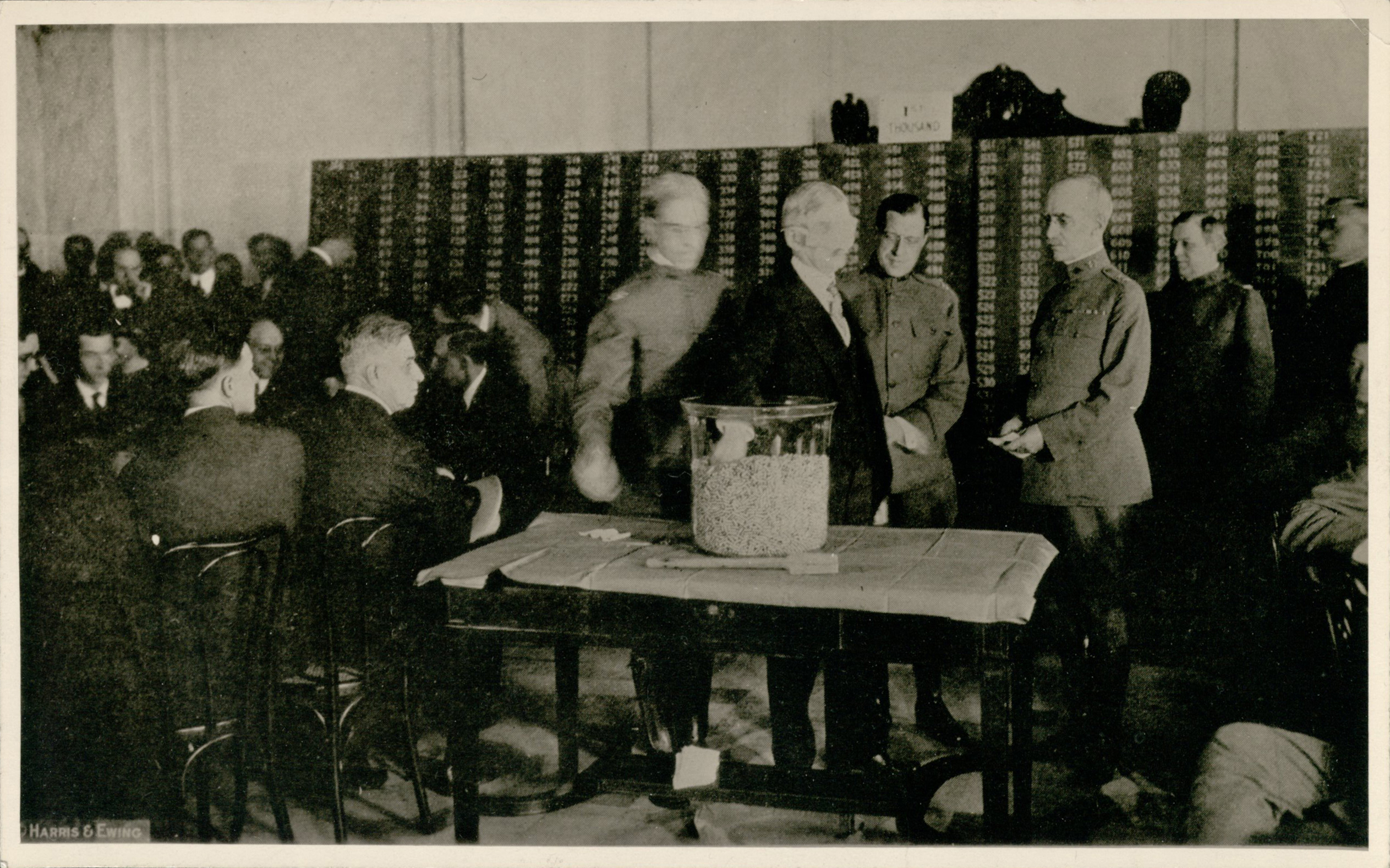
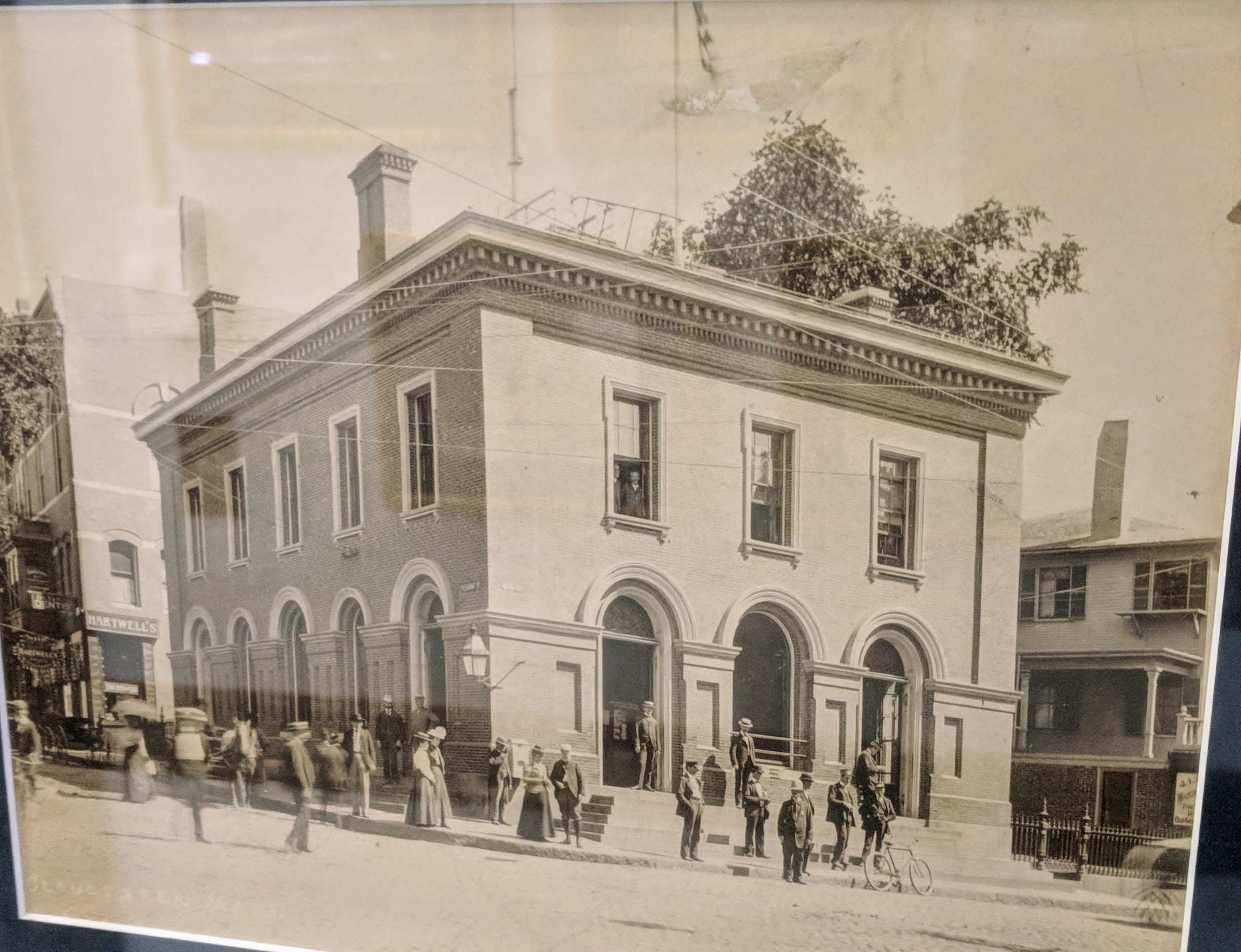
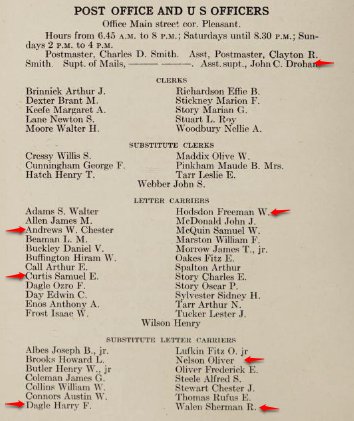


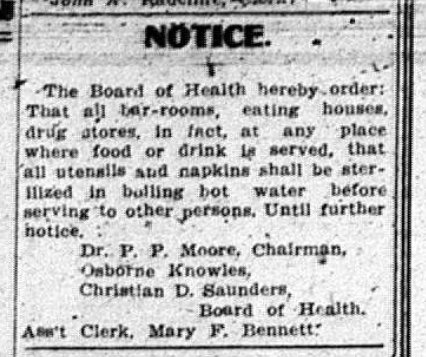
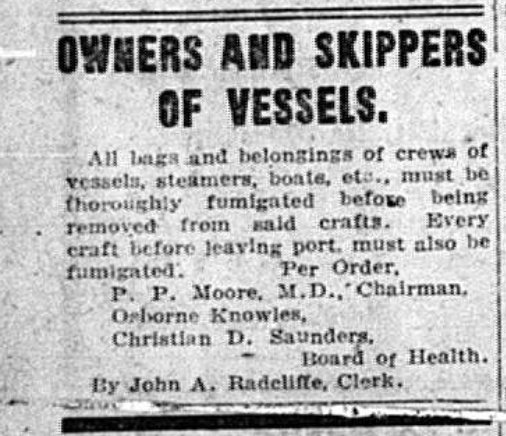

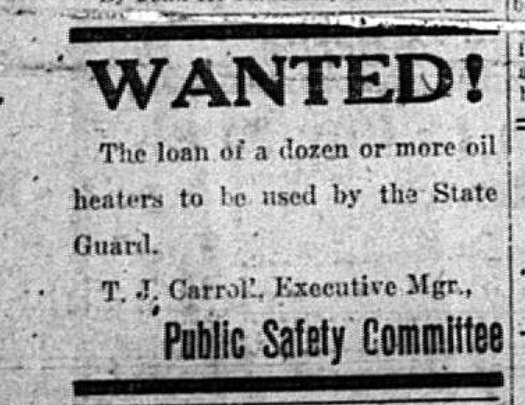
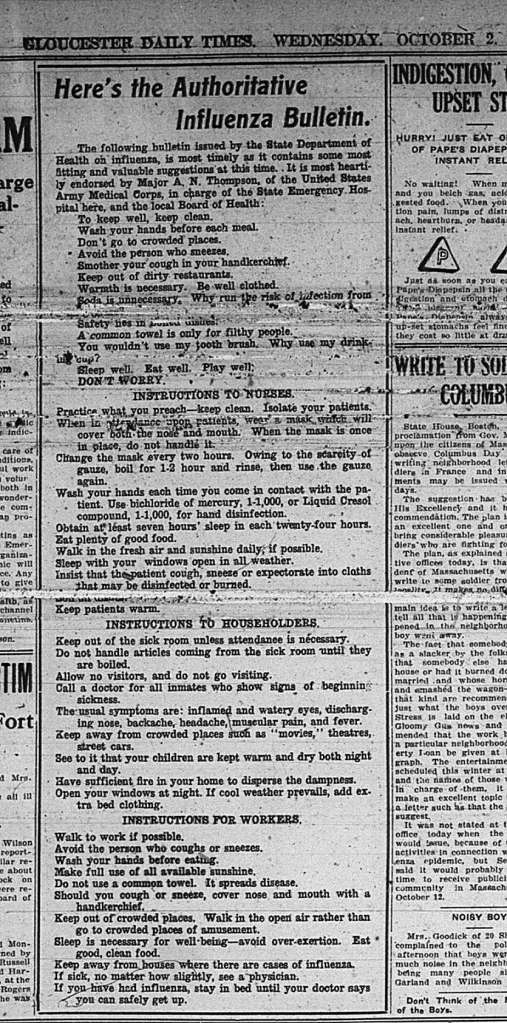
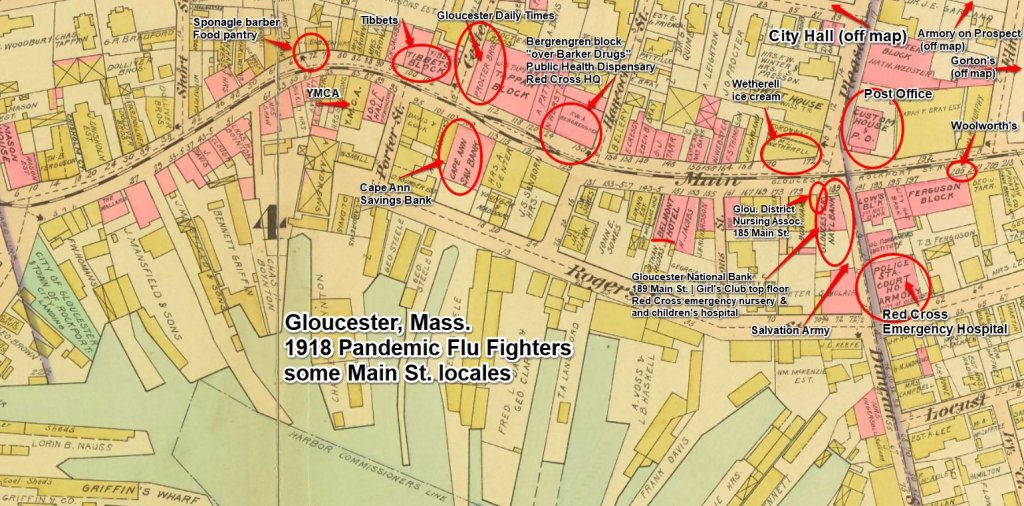
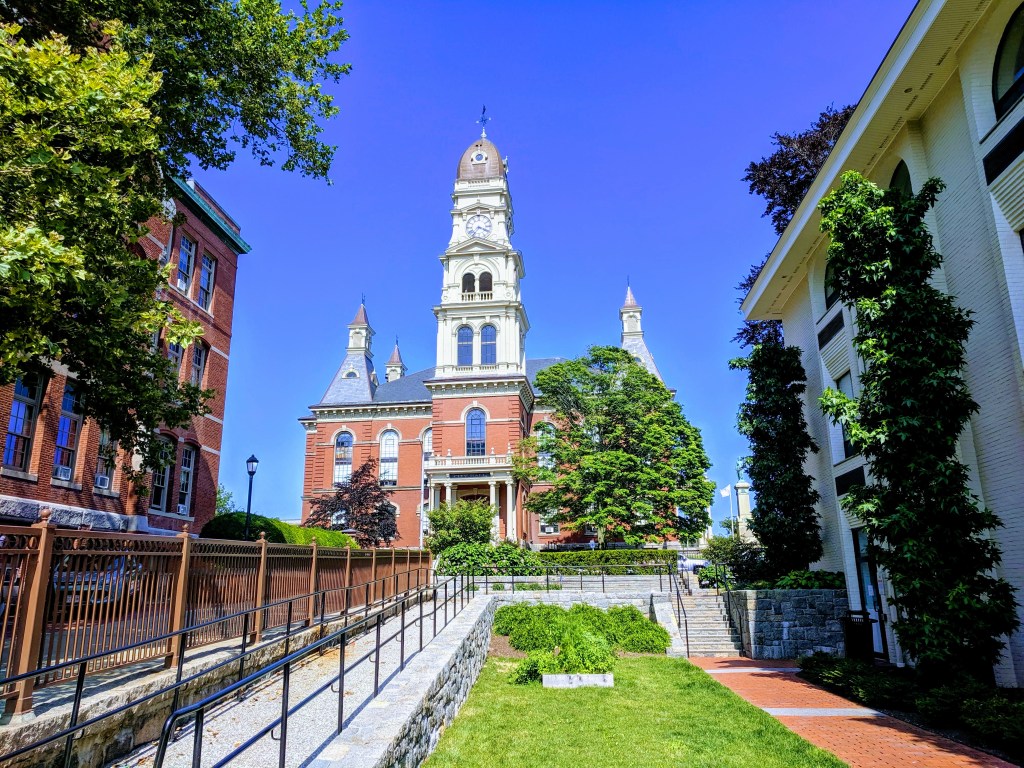
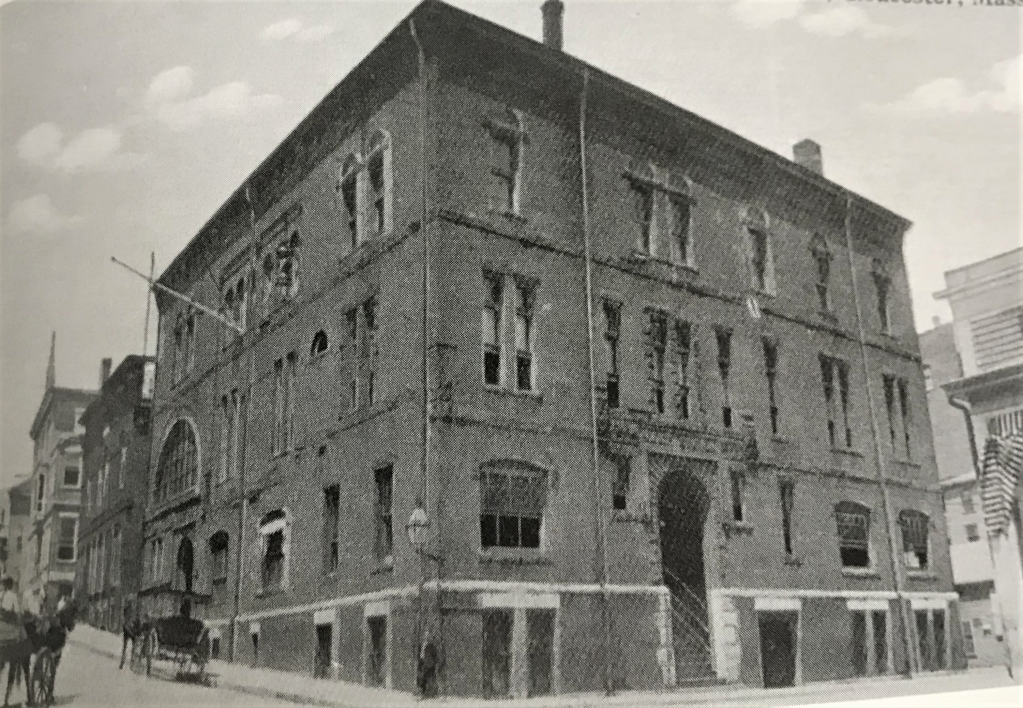
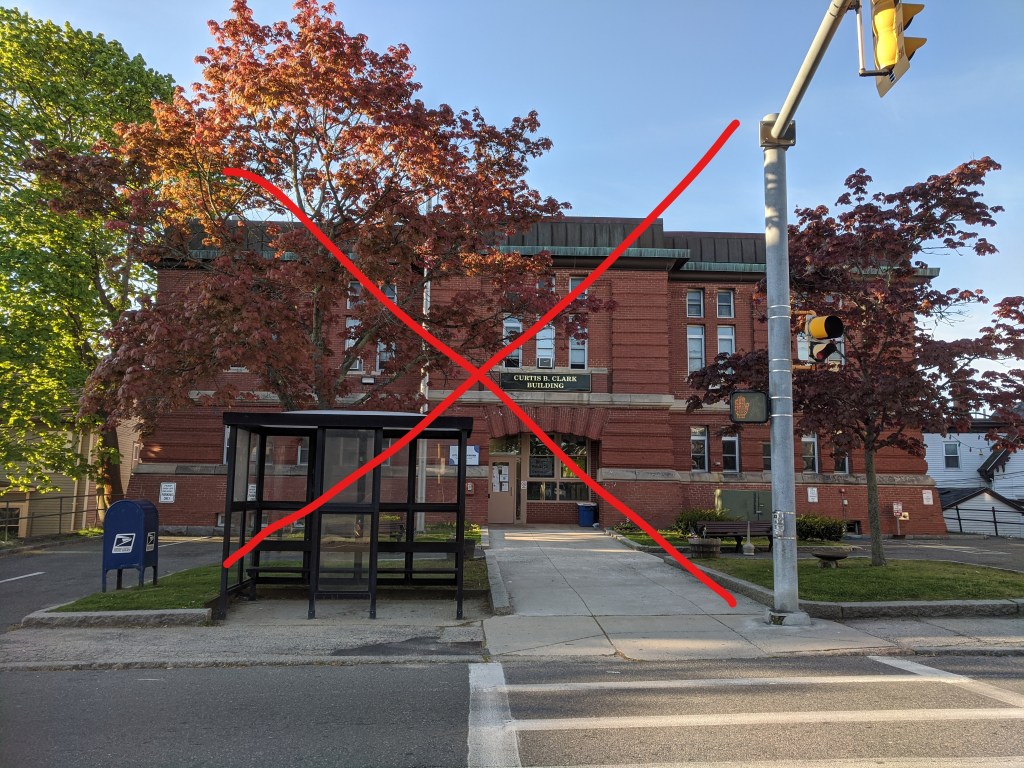


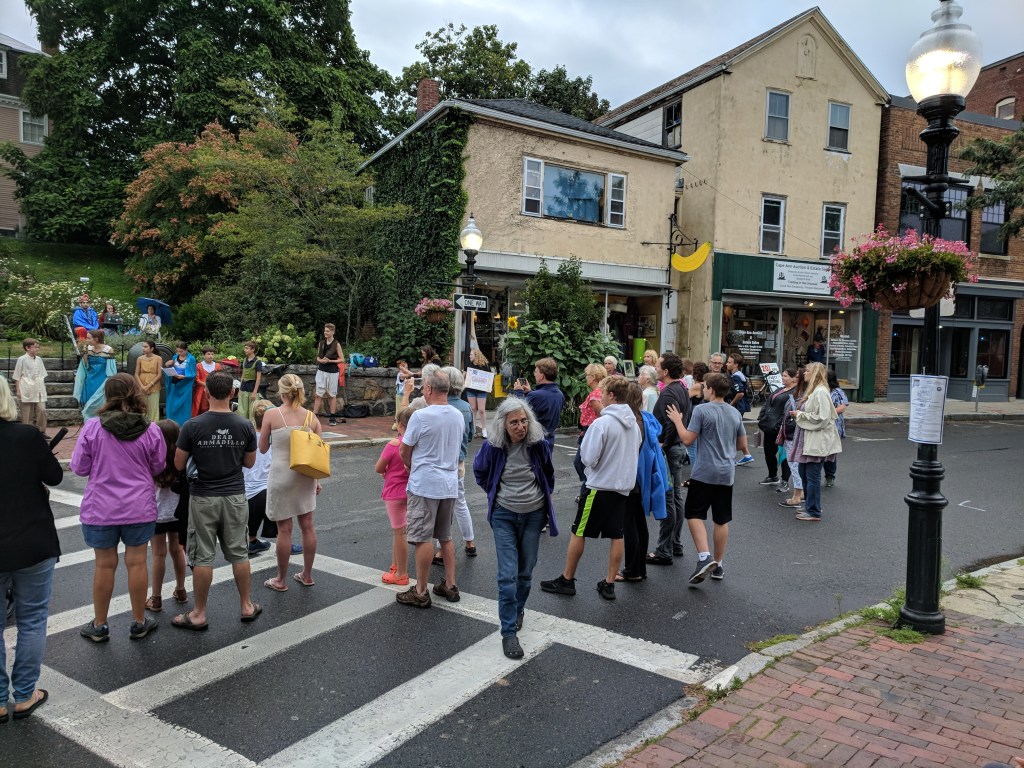
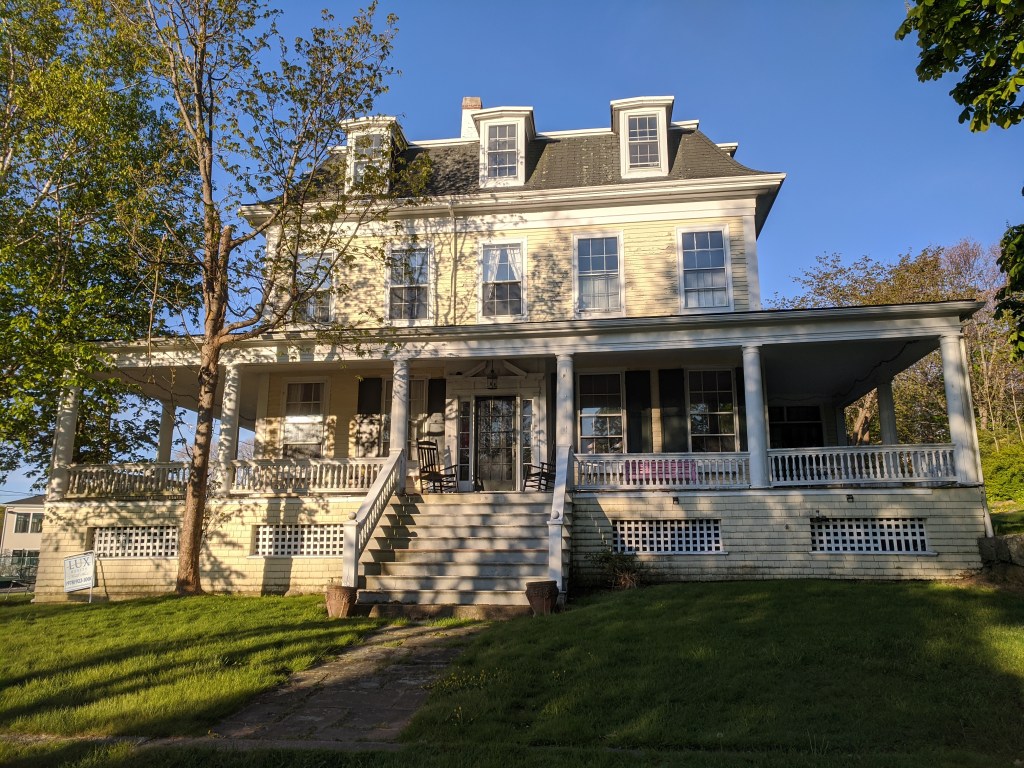

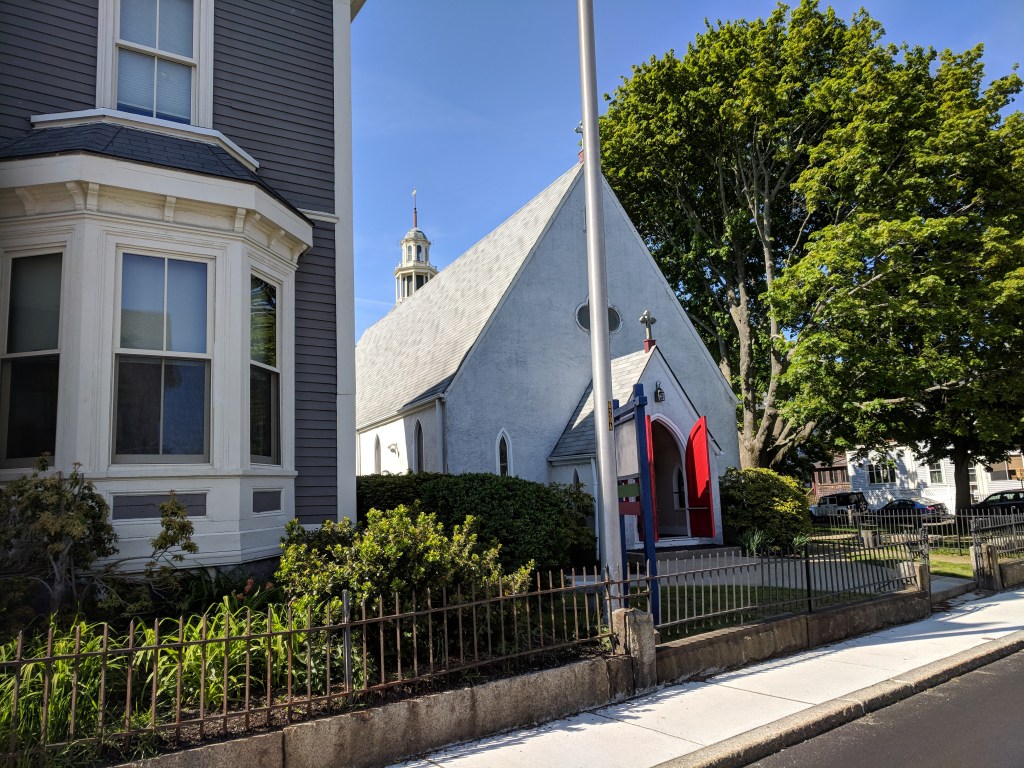
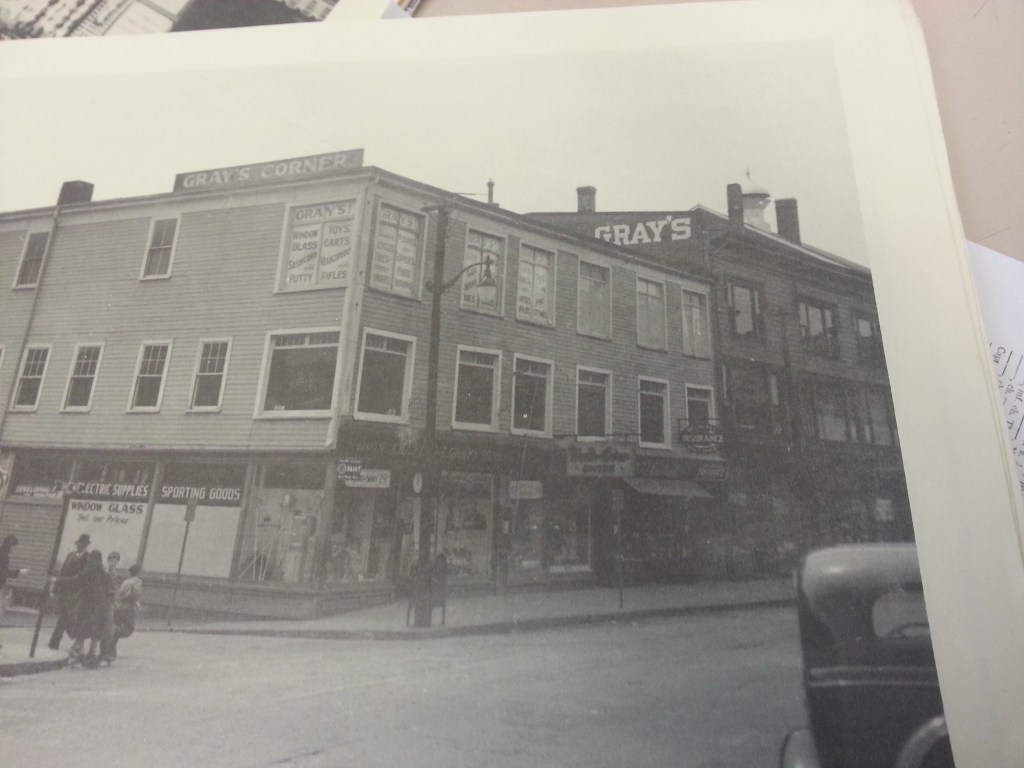
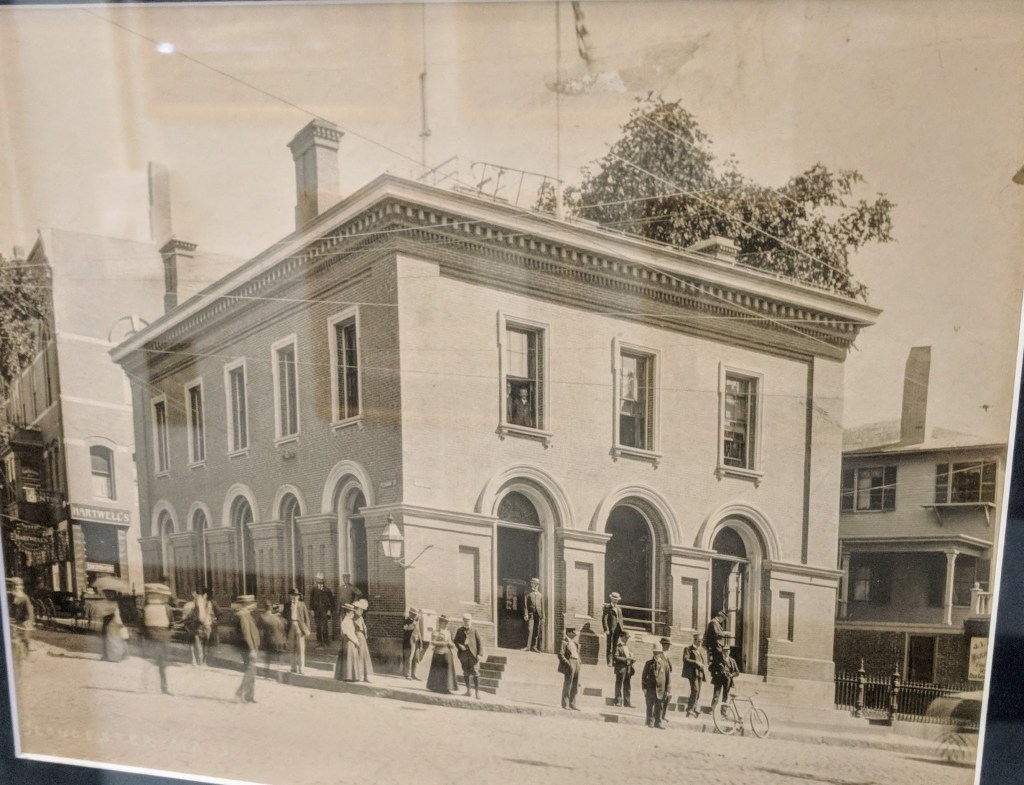


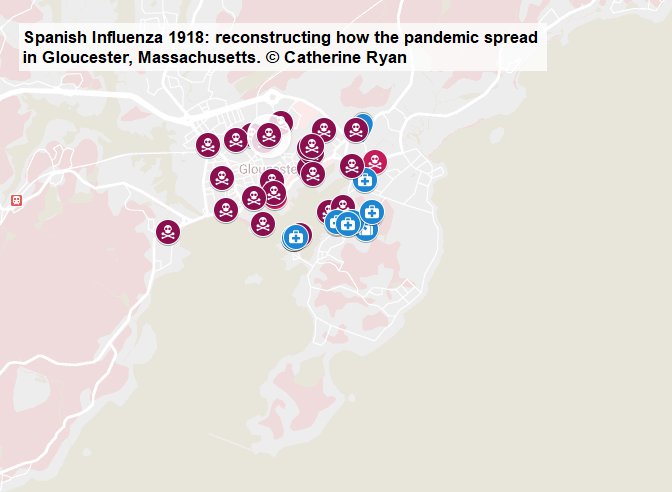

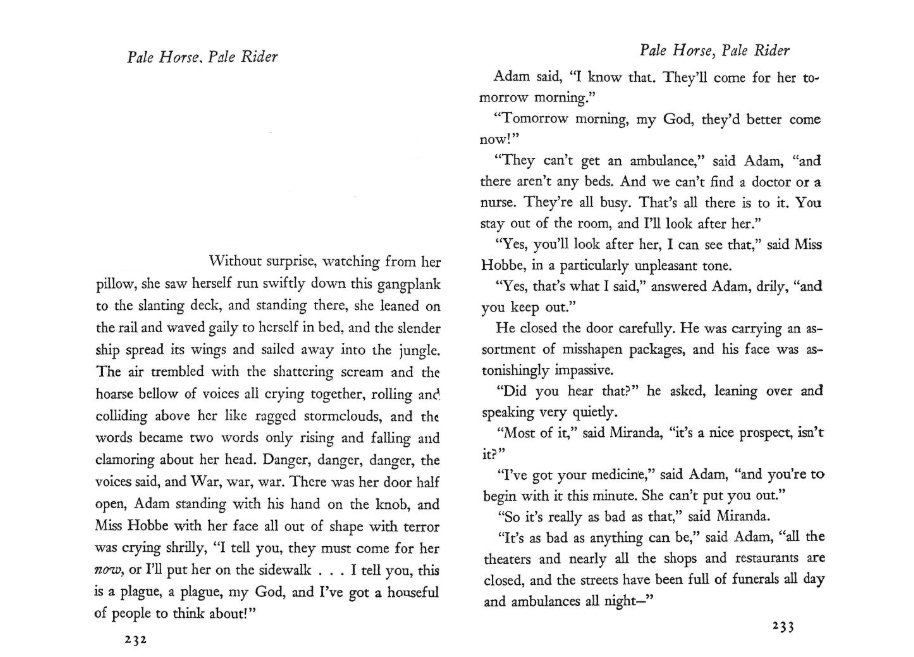







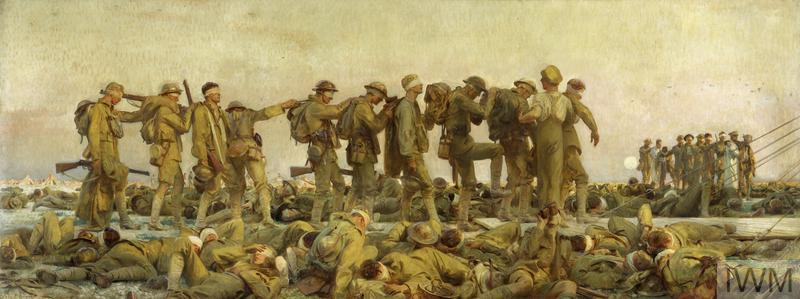





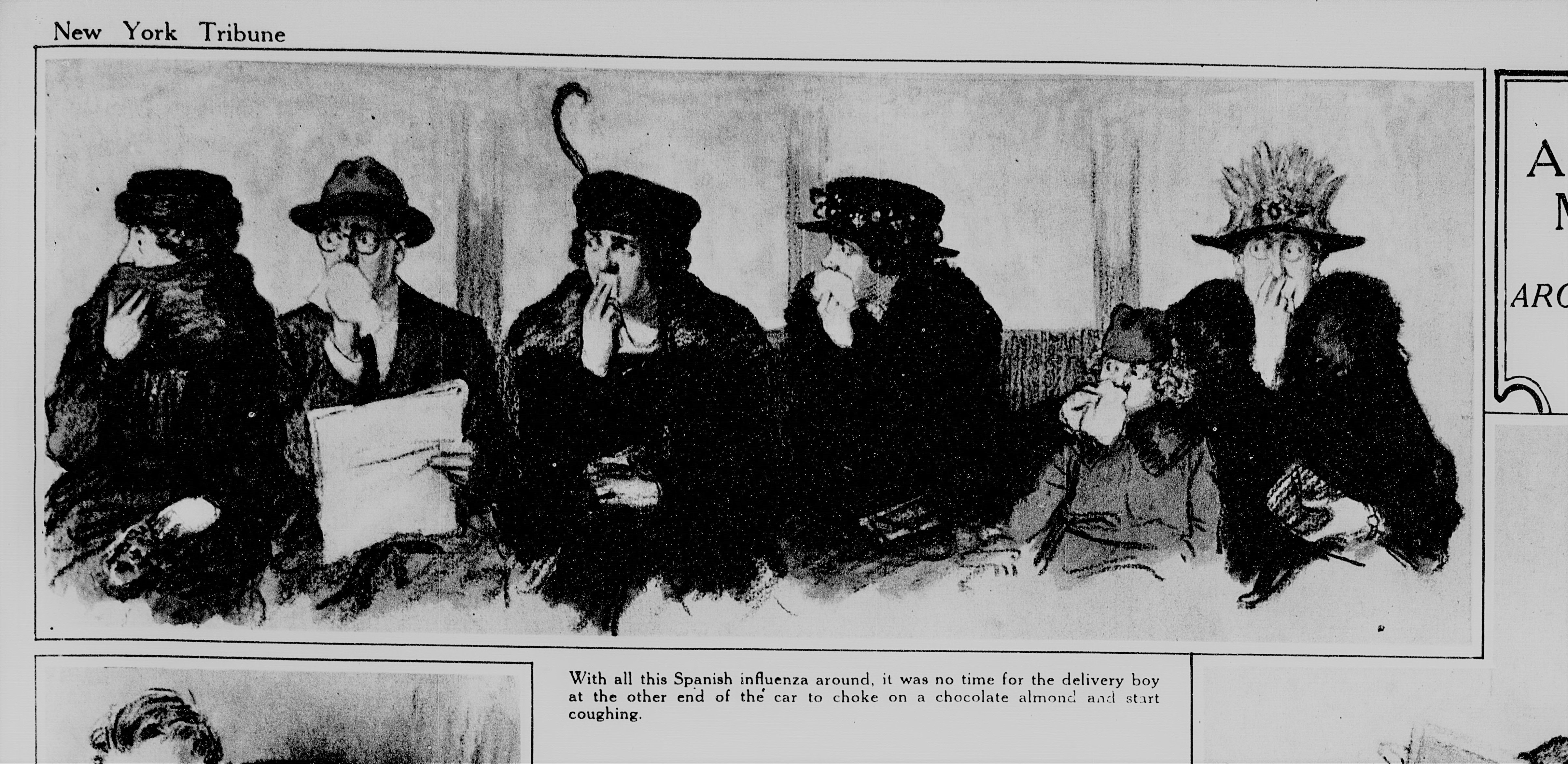


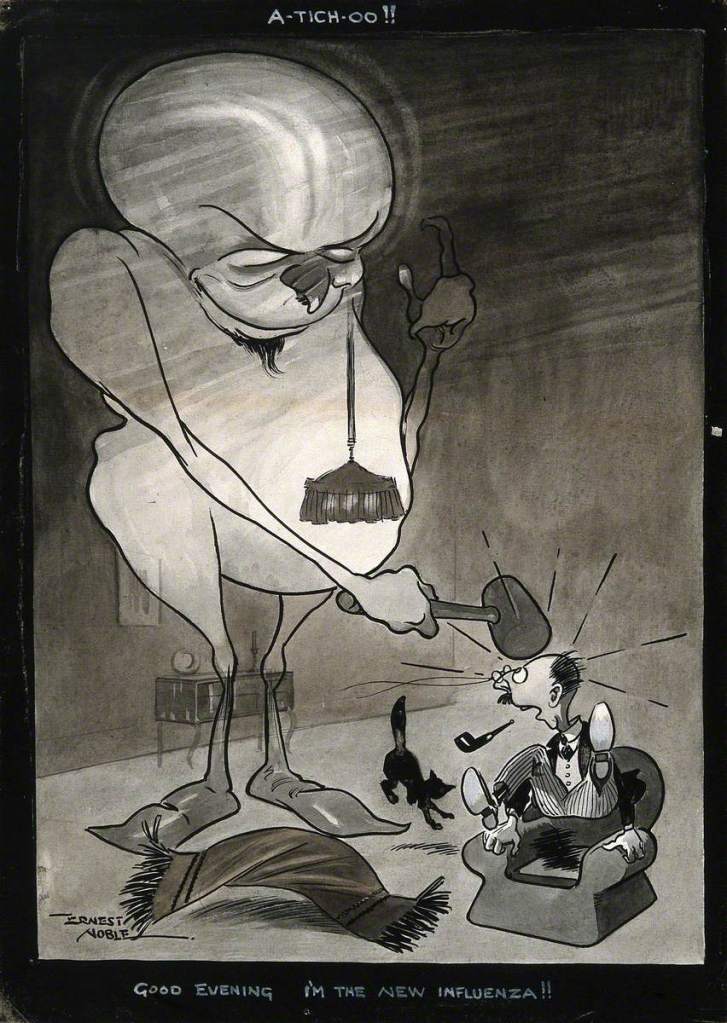
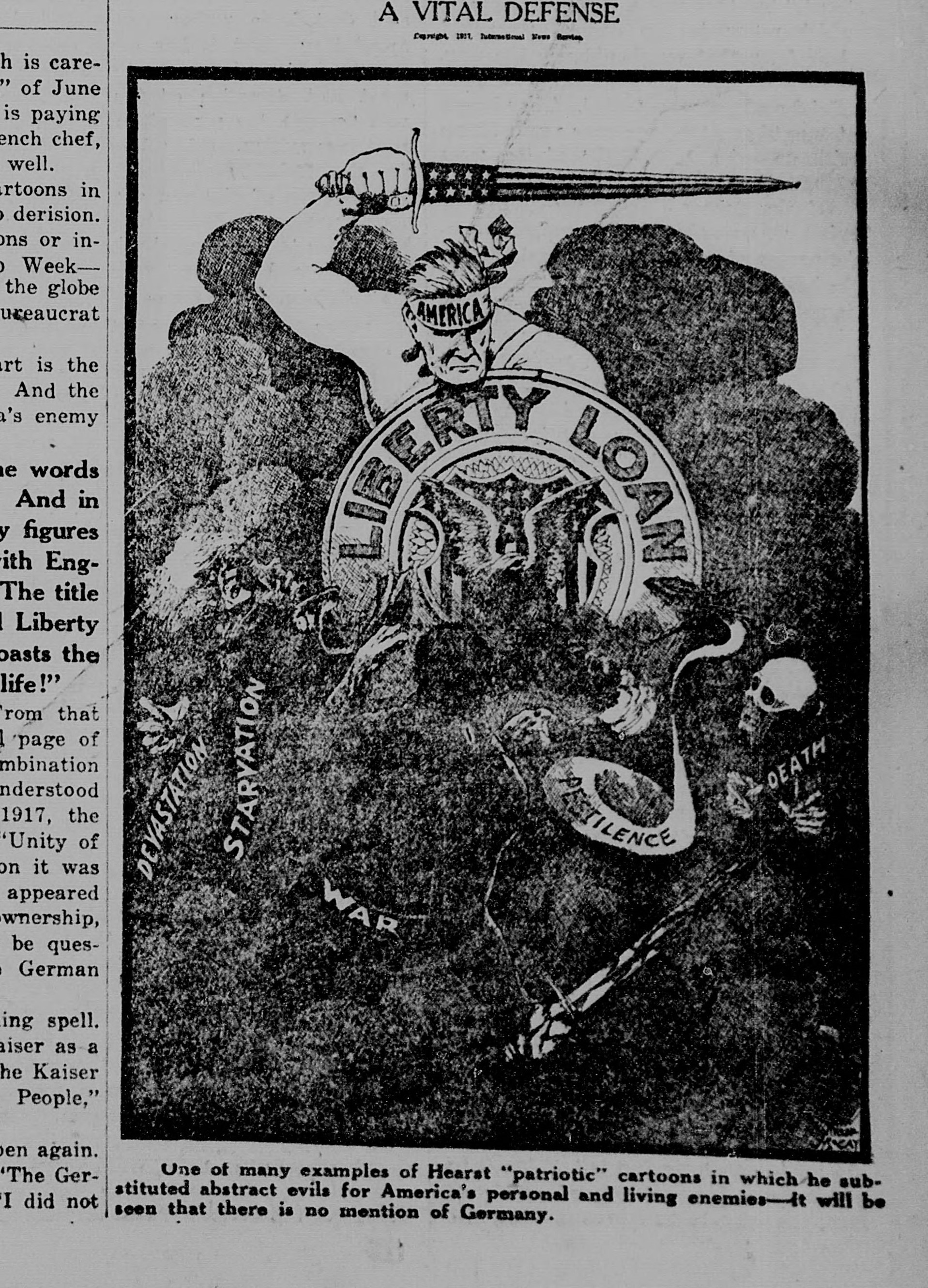

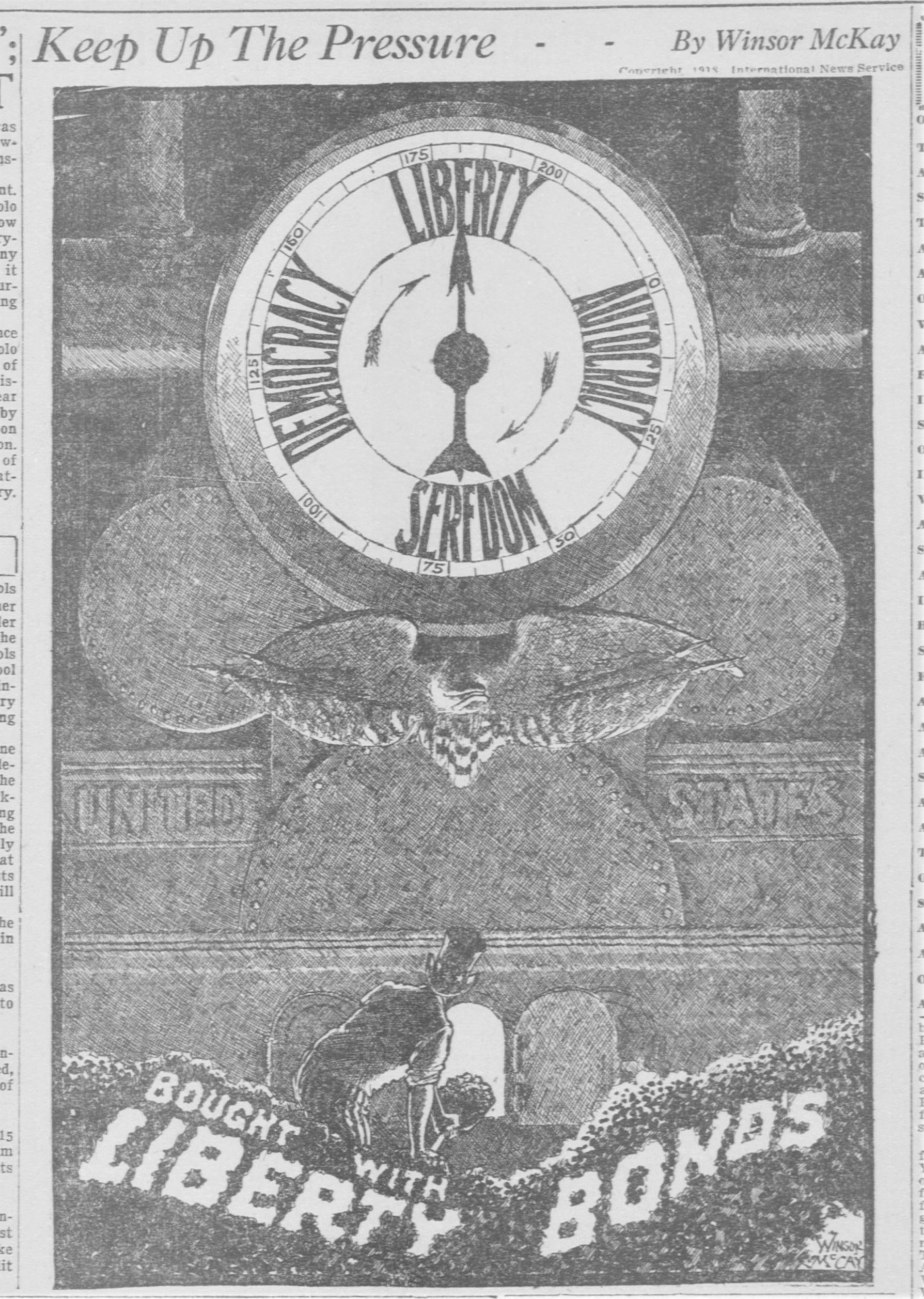


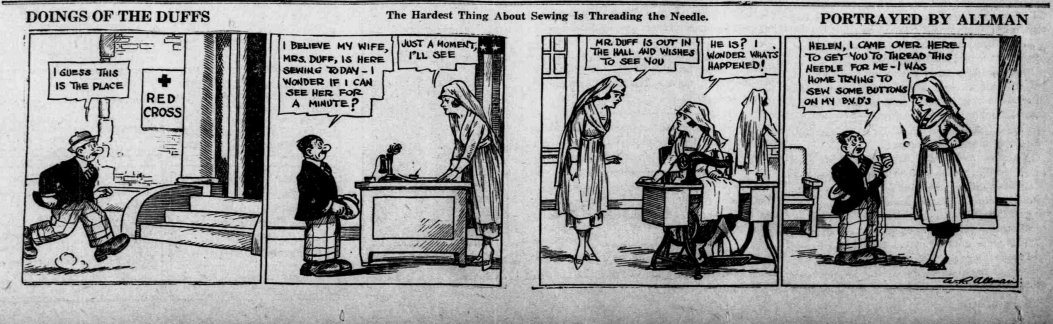
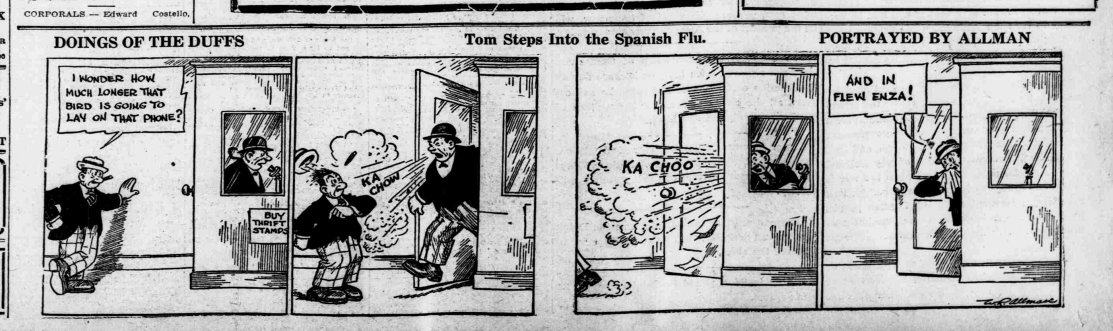
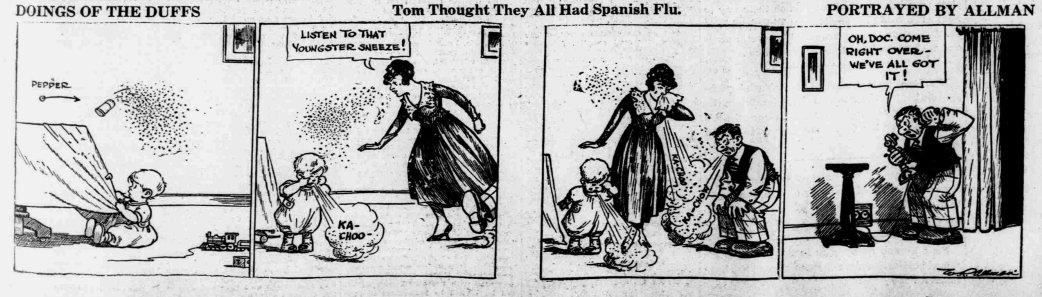
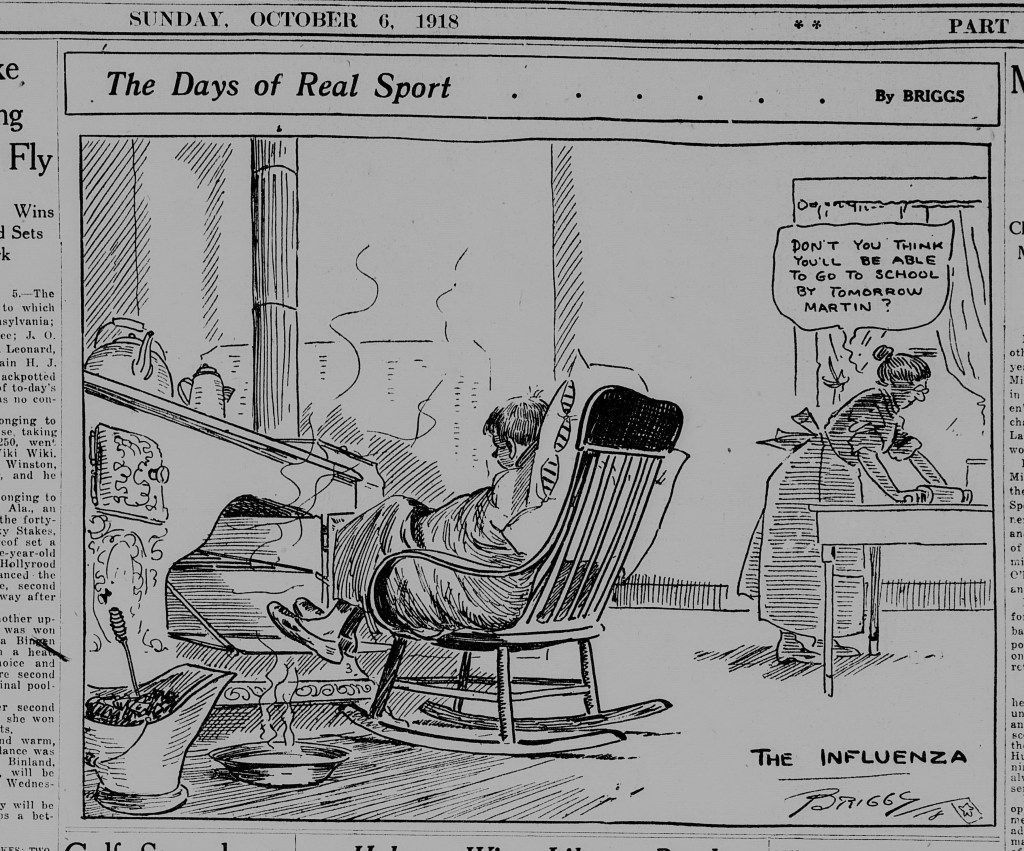
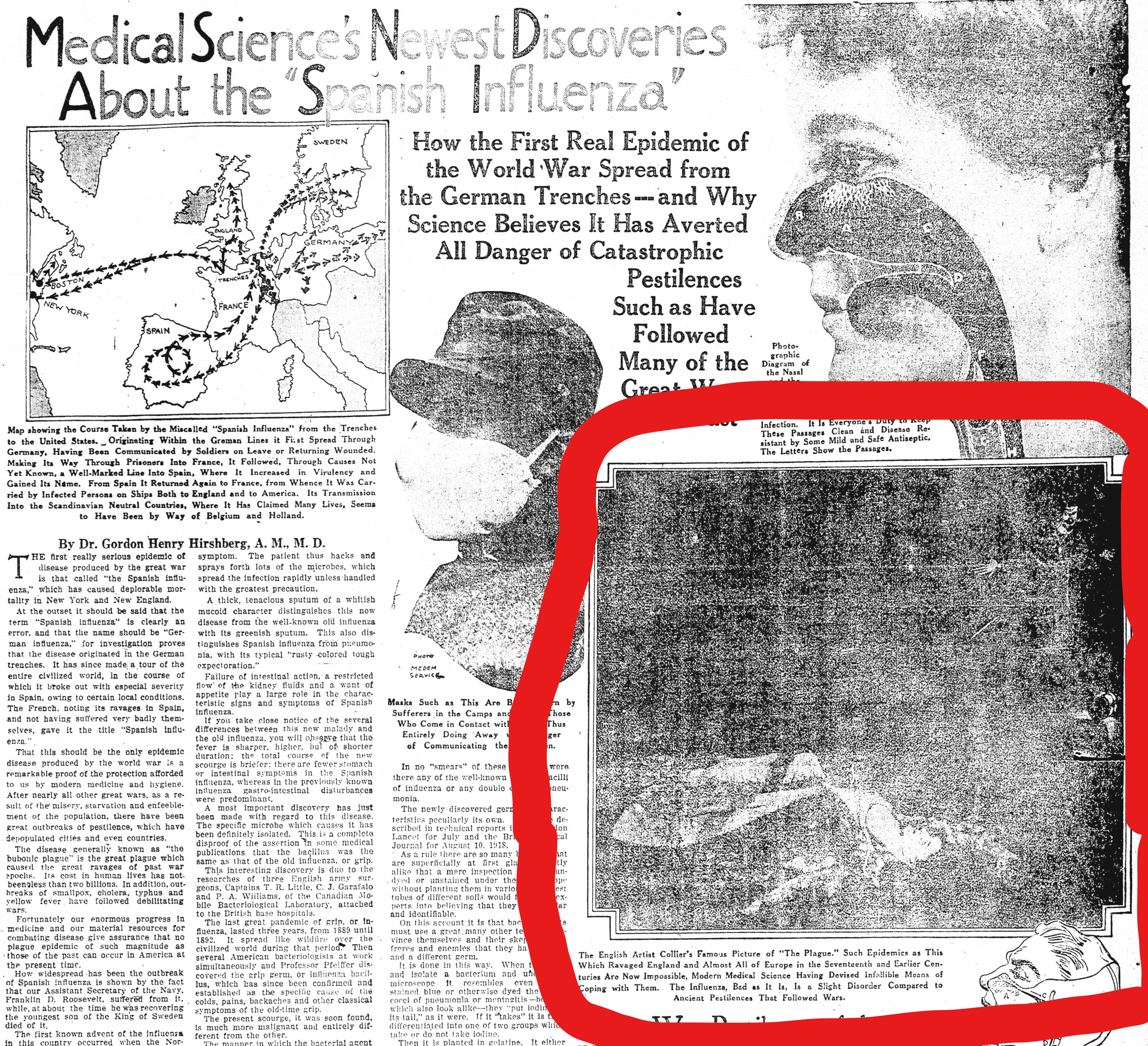


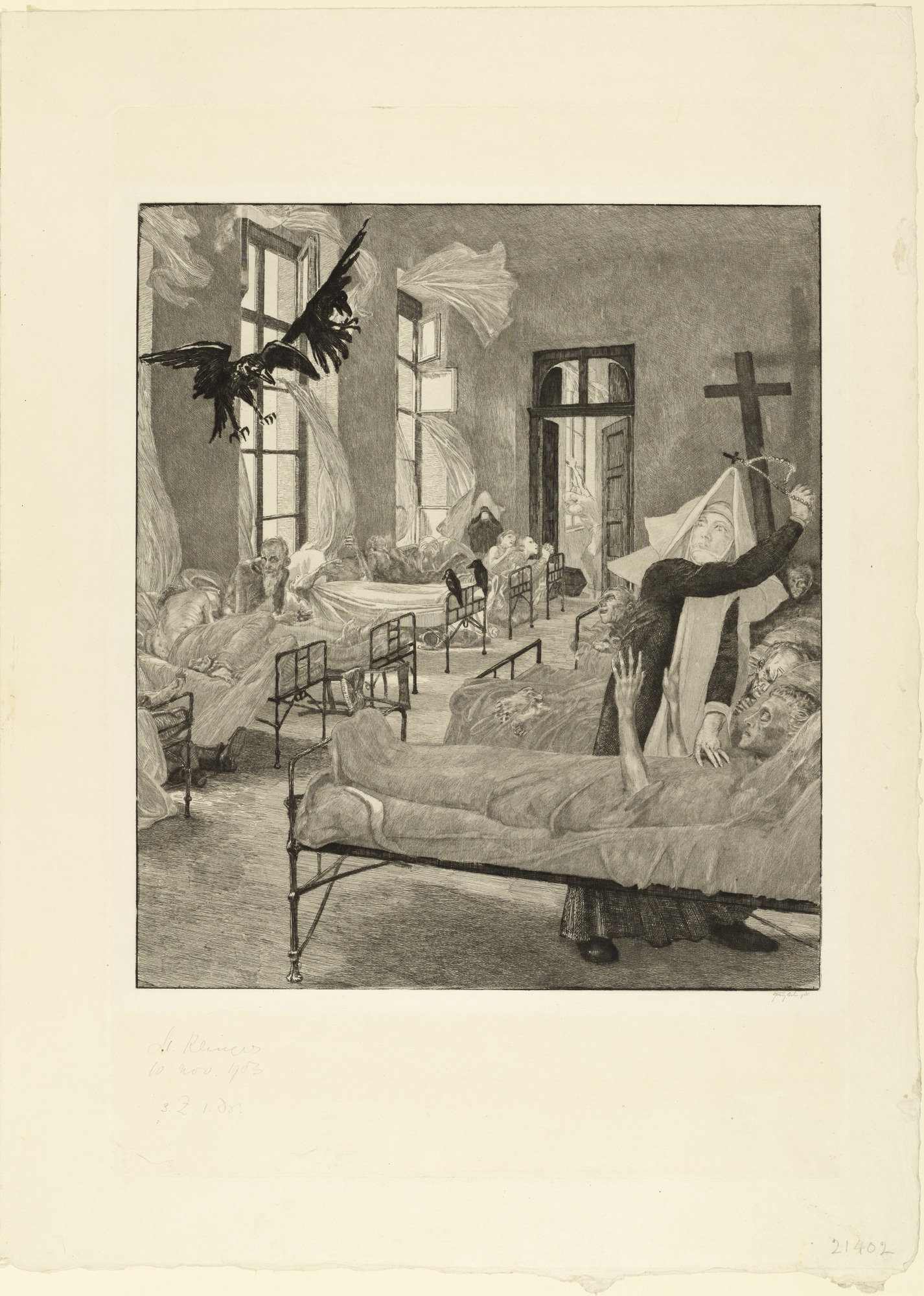



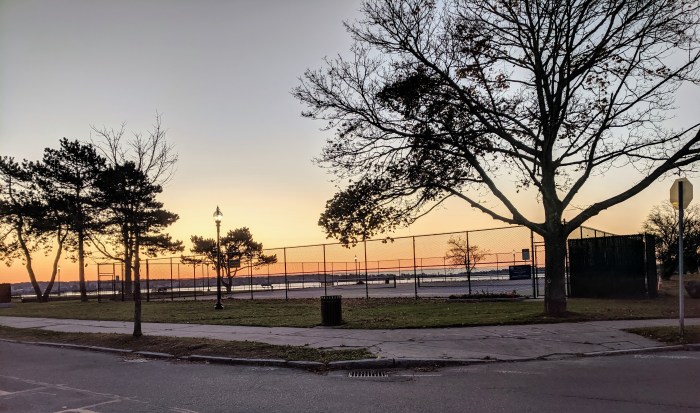
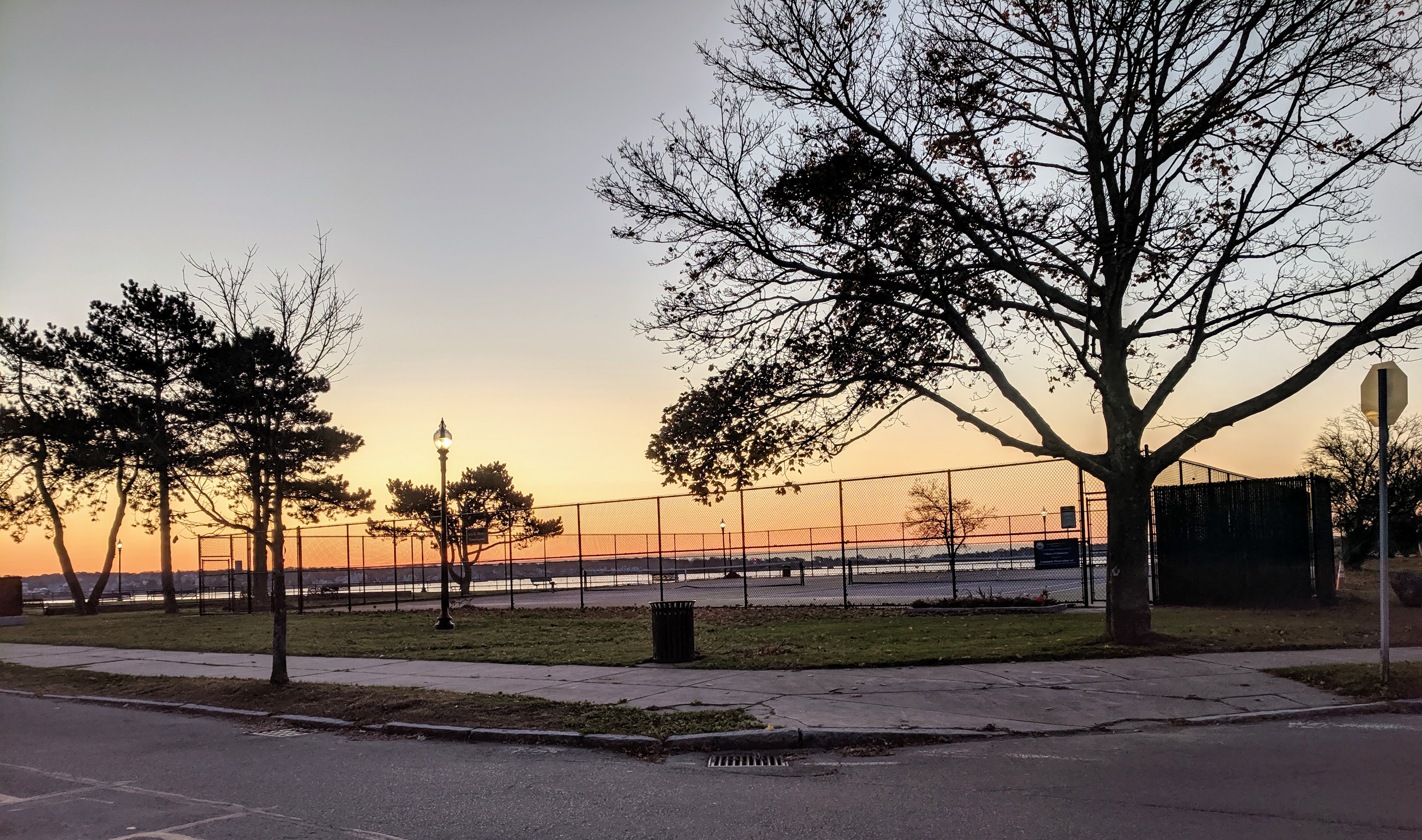




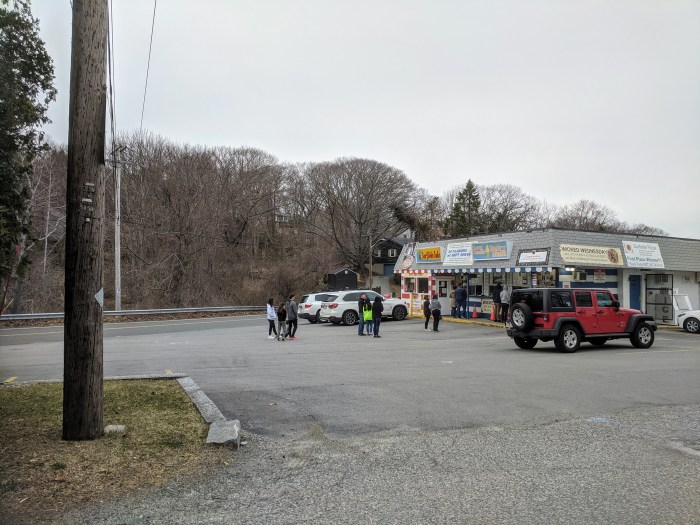




 Good Morning Gloucester