Earth Air Fire Water

My View of Life on the Dock
Earth Air Fire Water

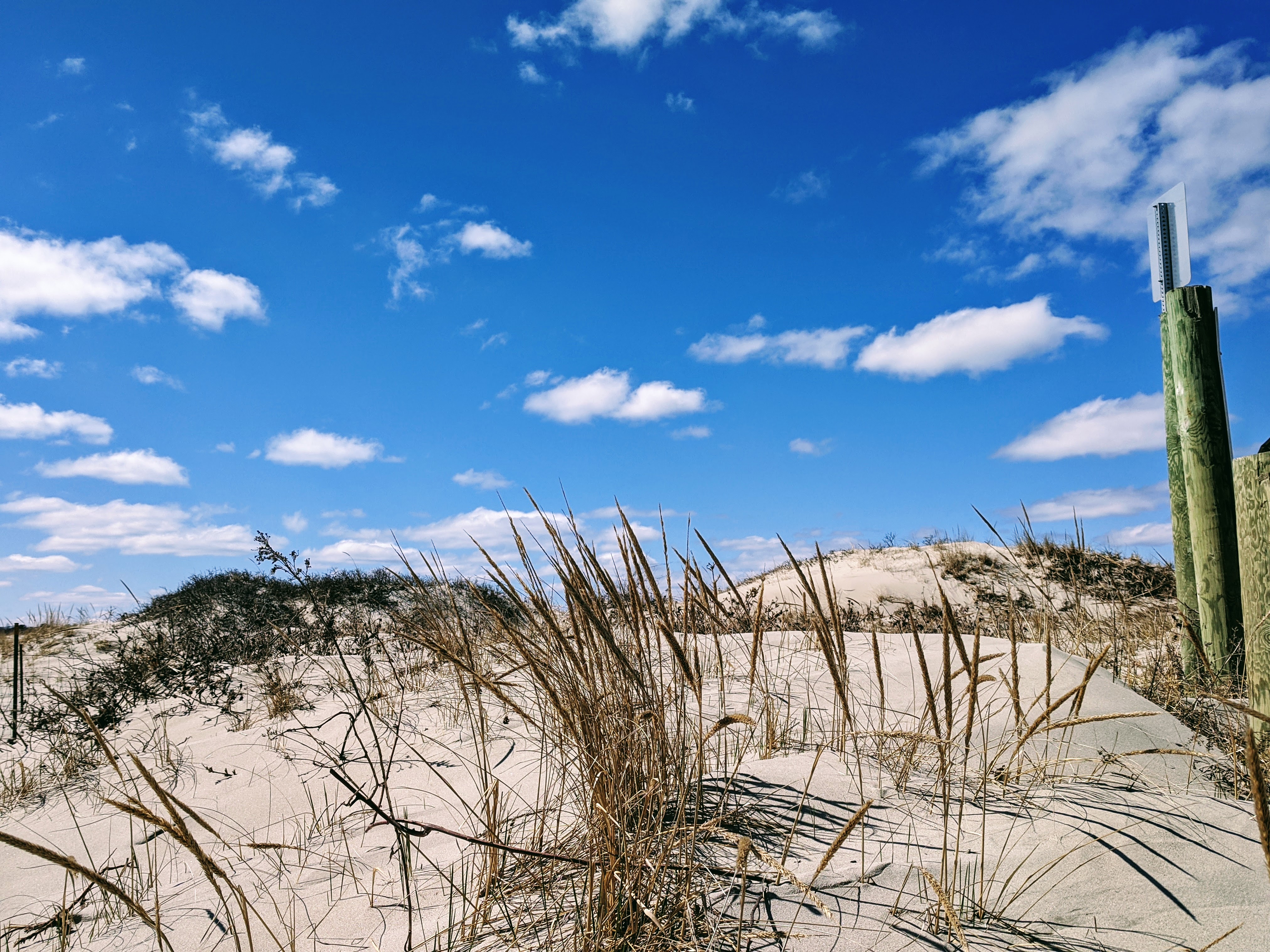
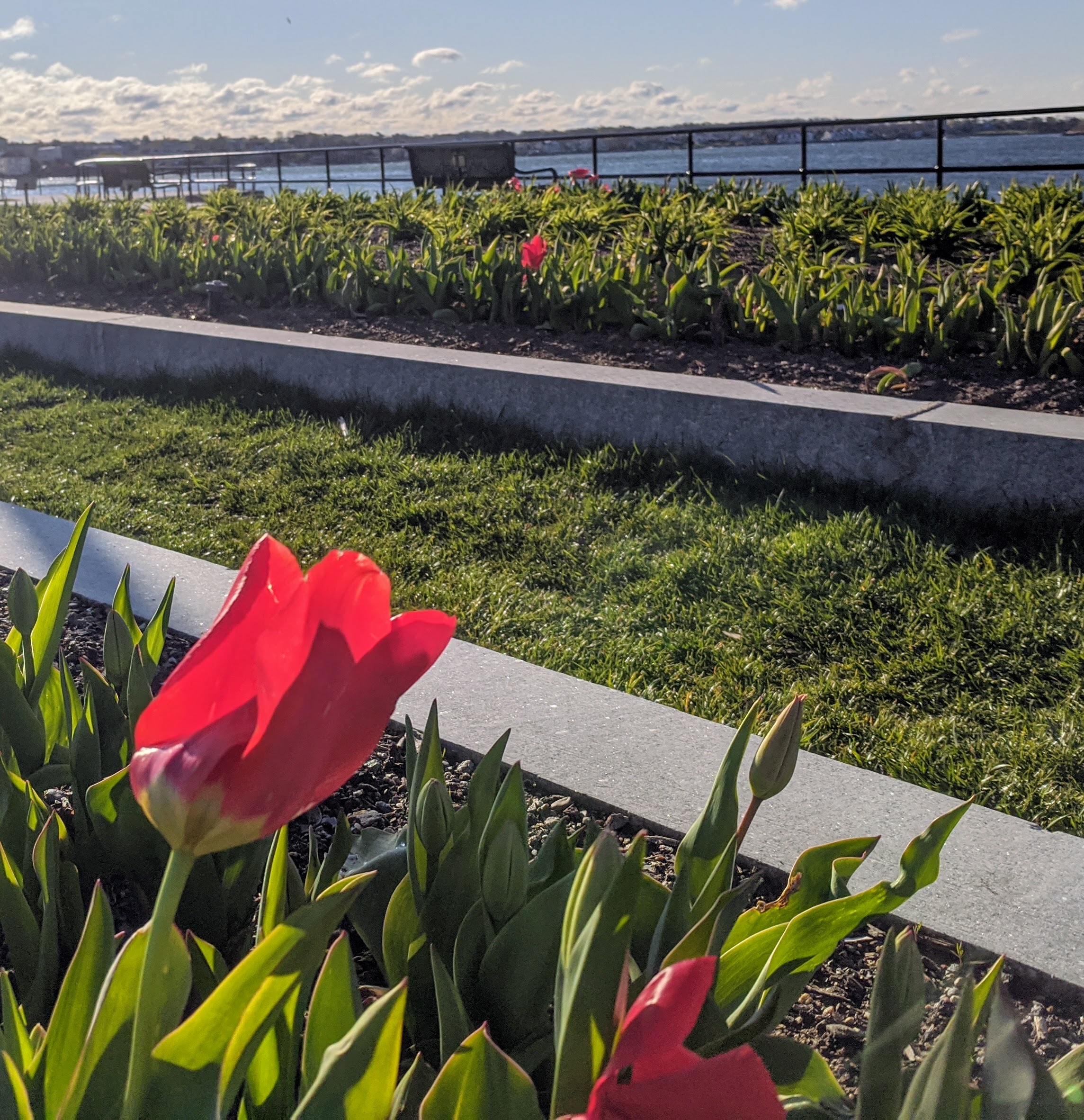

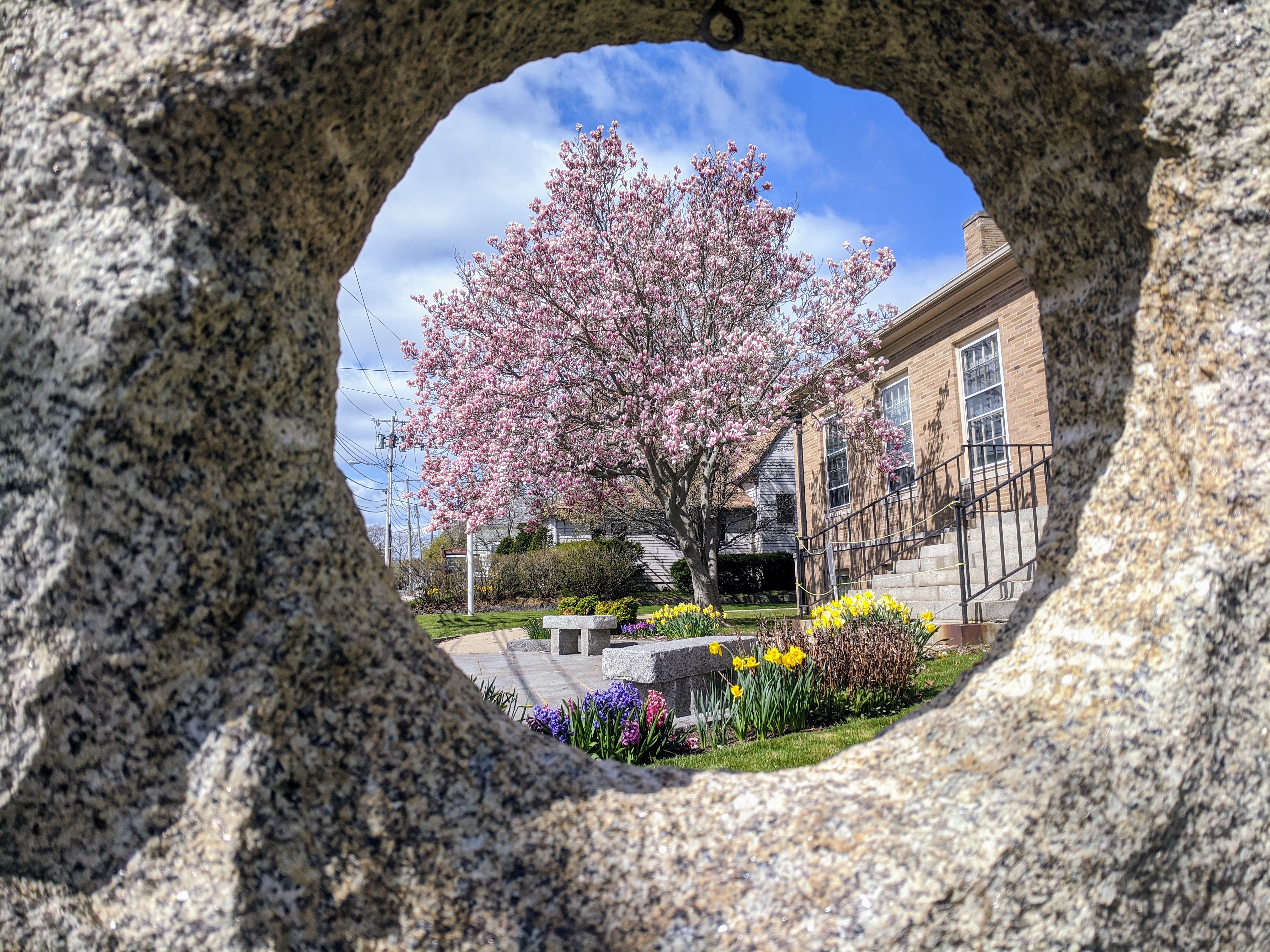

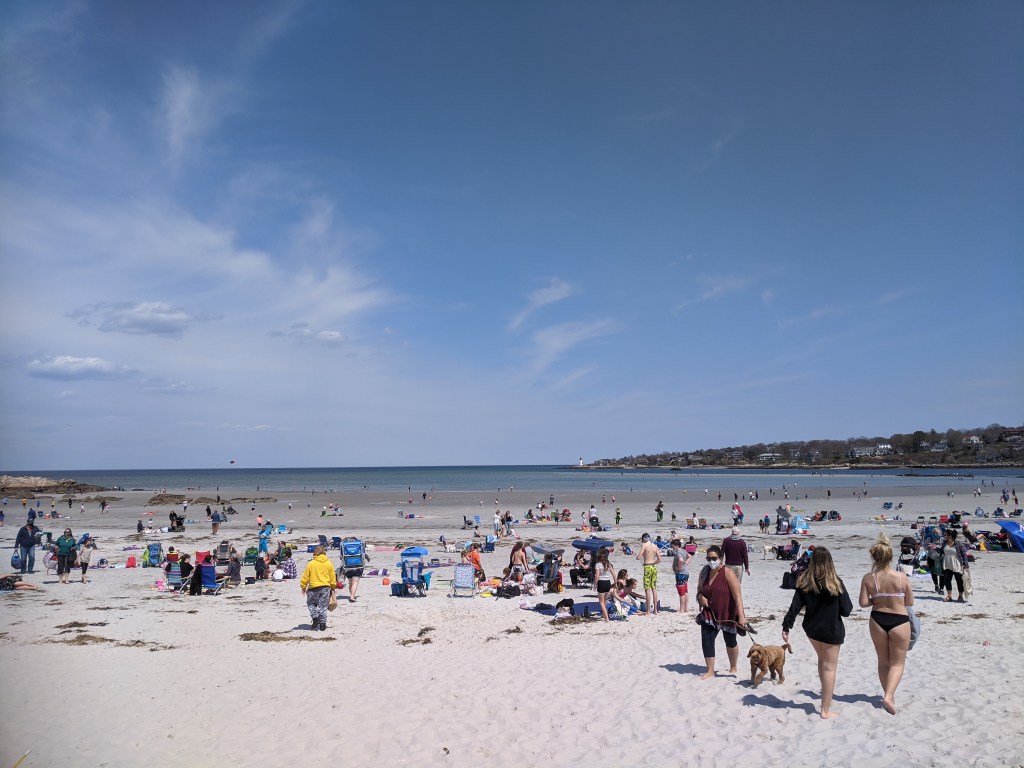
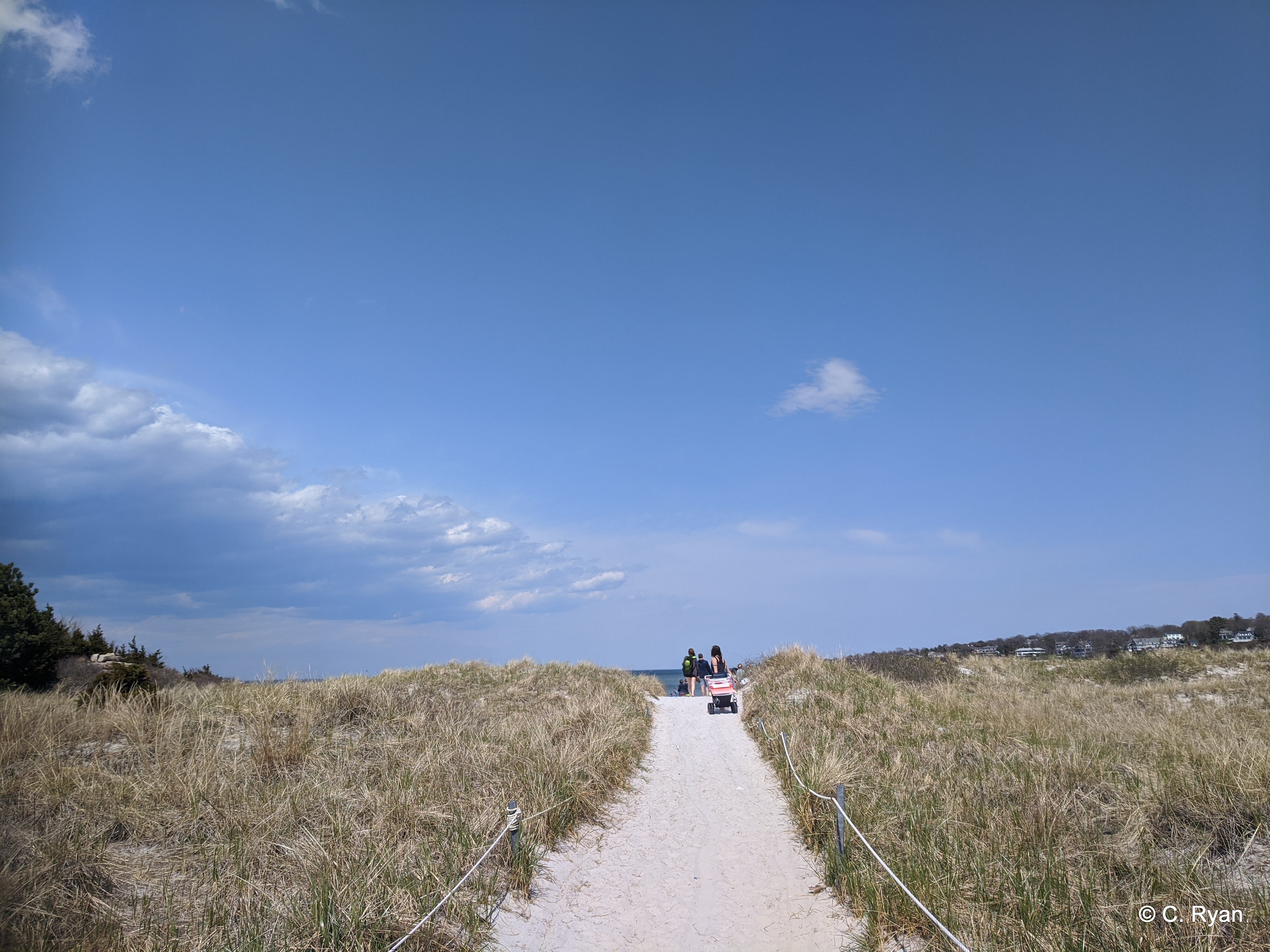
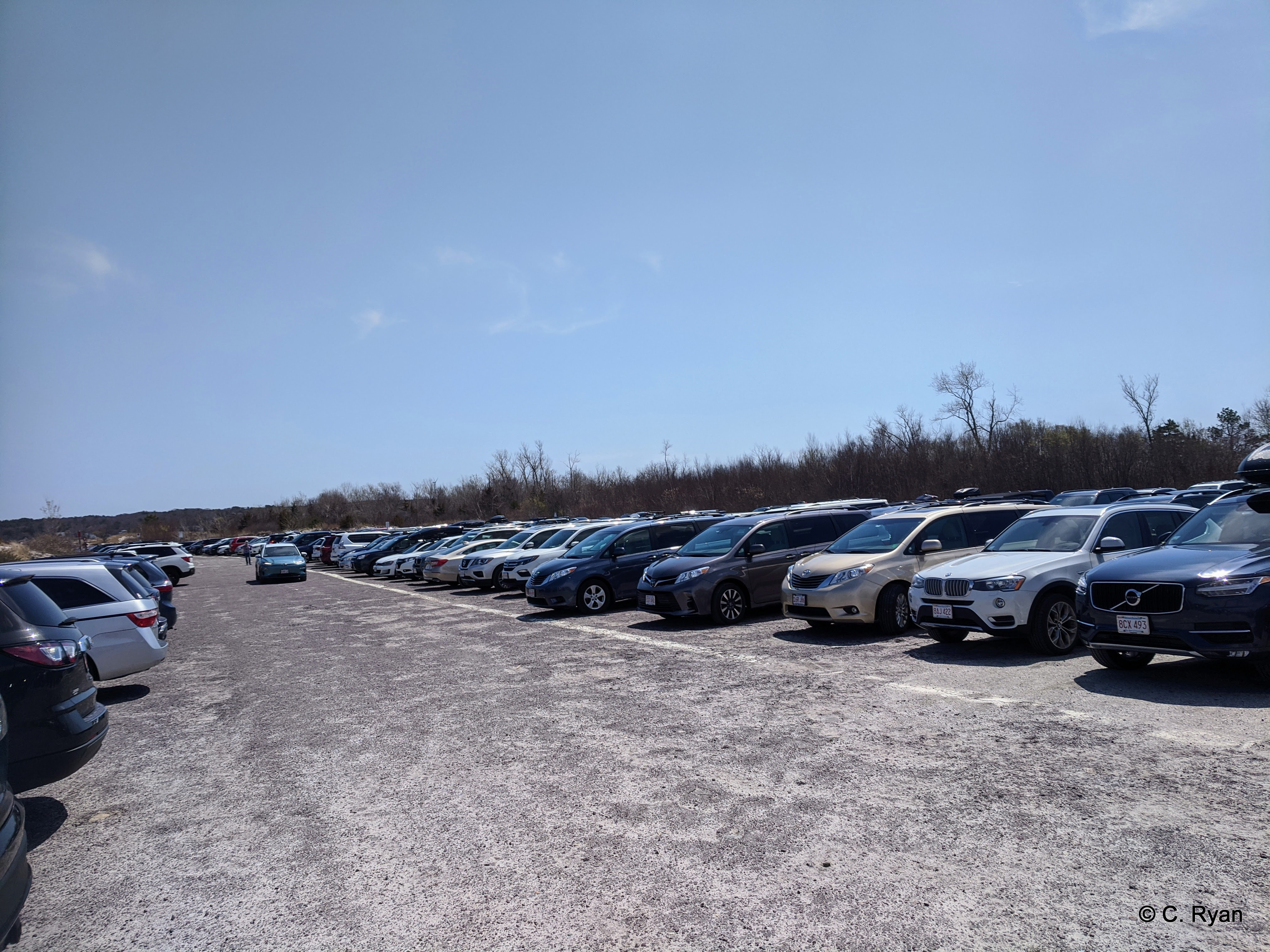
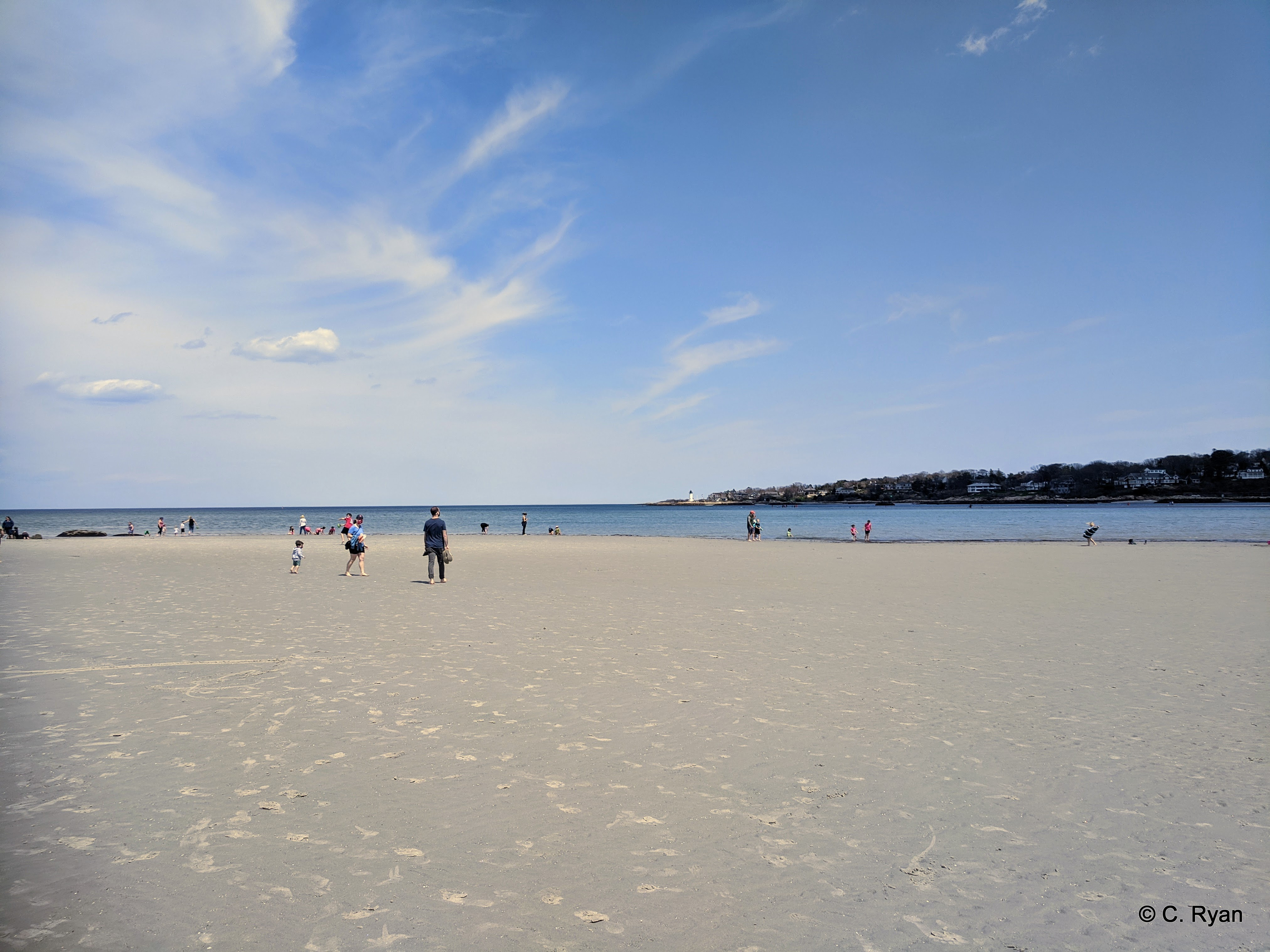
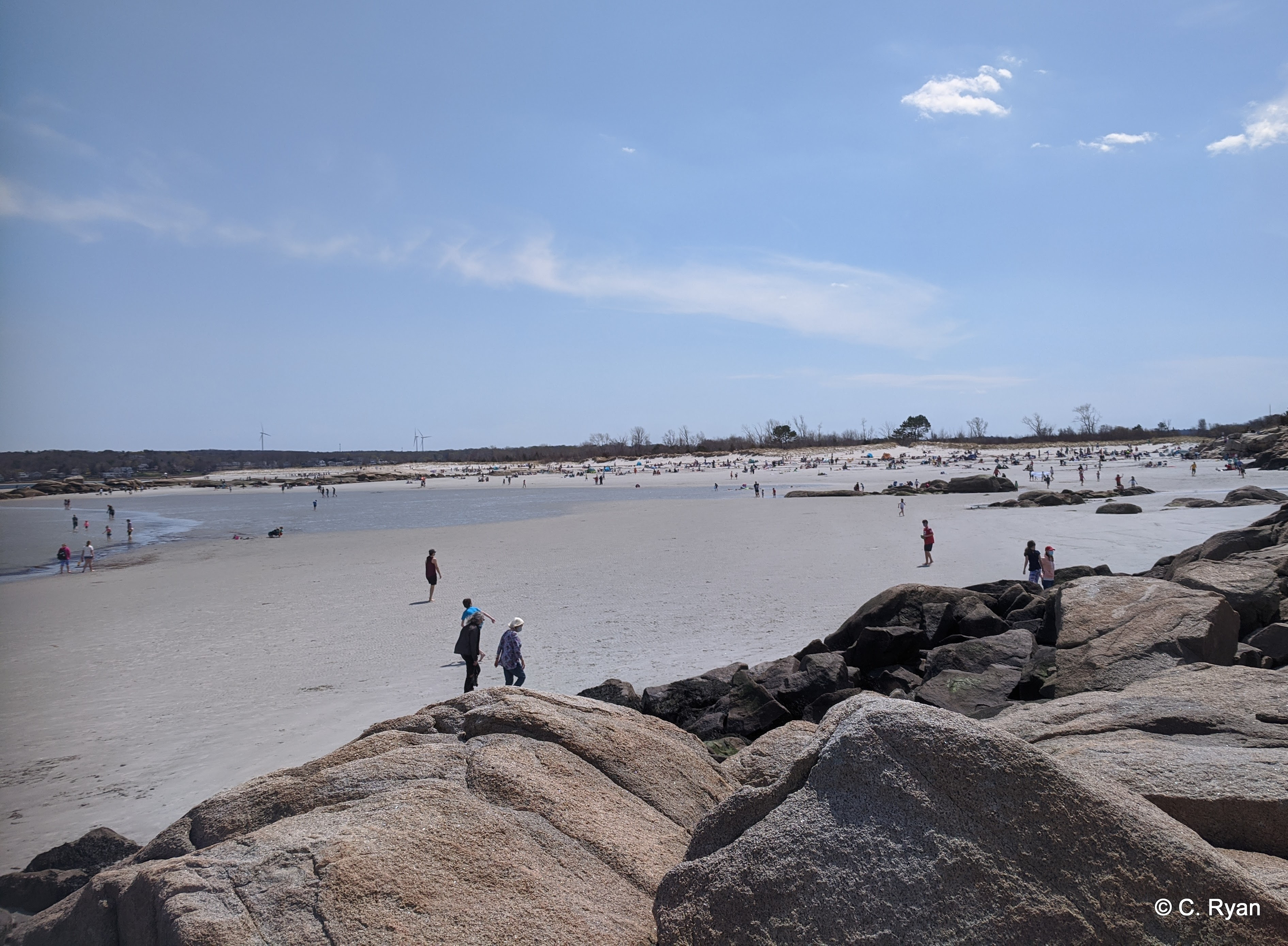
This spring day was like summer

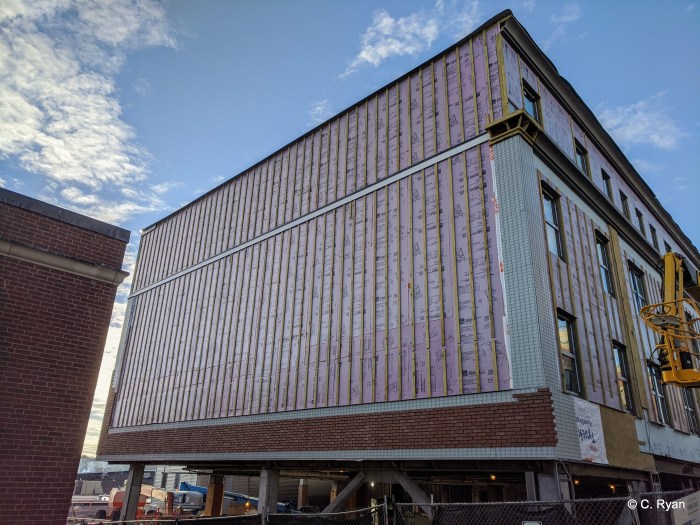
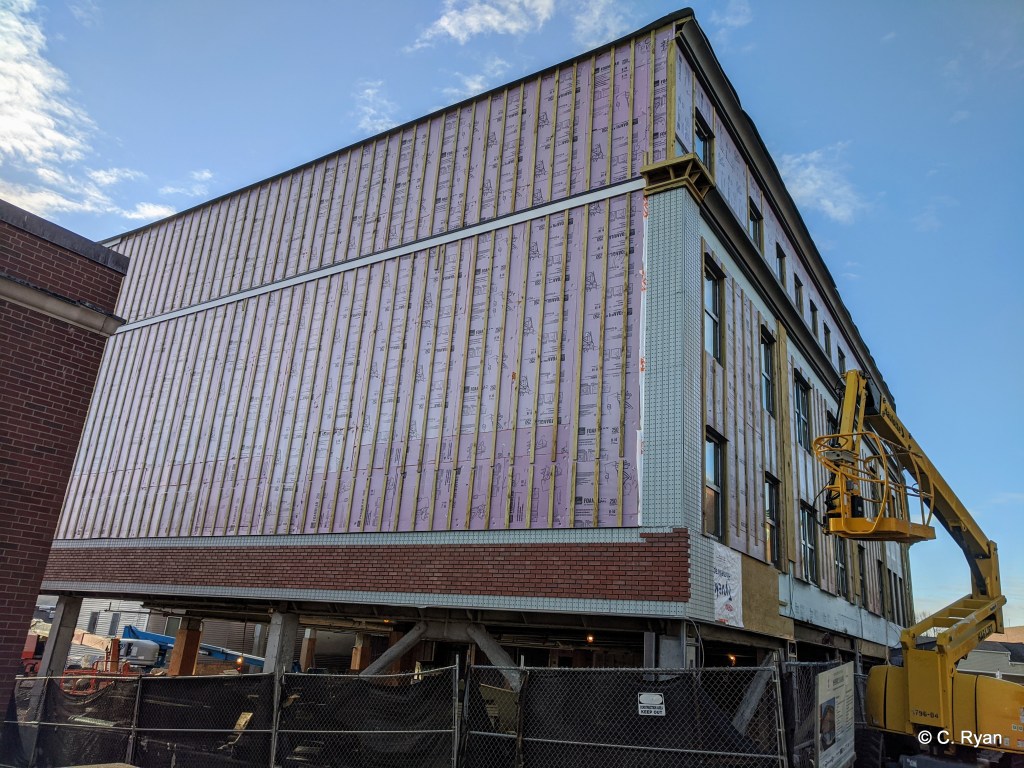
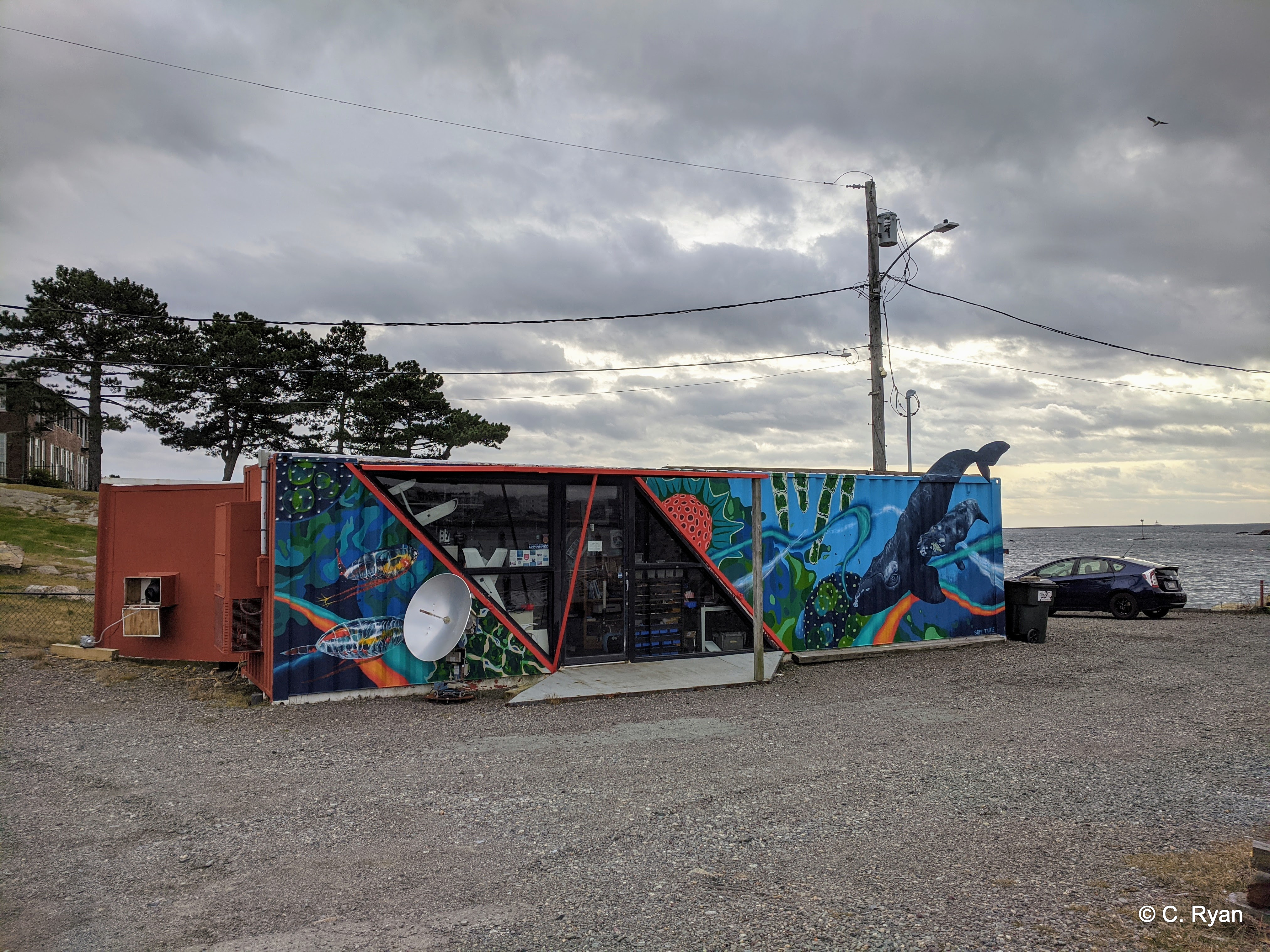
Calling all Gloucester, Cape Ann, North Shore and New England area artists! One monumental exterior wall and two interior sites are available for commission submission in downtown Gloucester on the new apartment building, Harbor Village. The exterior mural $5500 (fee & materials. Lift will be supplied.) Two mural opportunities (10 x 10; 10 x 15) inside are $2000 each (fee & materials).
“North Shore Community Development Coalition (NSCDC) and Action Inc. have partnered together to bring new art into downtown Gloucester through the Punto Urban Art Museum (PUAM)…The goal for this call is to provide opportunities for local/regional artists to bring life and color into downtown of Gloucester. Selected Artists/teams will be a part of efforts in celebrating the 400th anniversary of Gloucester!”
Submission Deadline Sunday May 2, 2021- midnight; project completion target end of summer 2021.
Harbor Village: a new mixed income apartment building developed by Action Inc. and North Shore Community Development Coalition on 206 Main Street at Elm (formerly Cameron’s) now under construction.


Harbor Village website HERE.

Not here
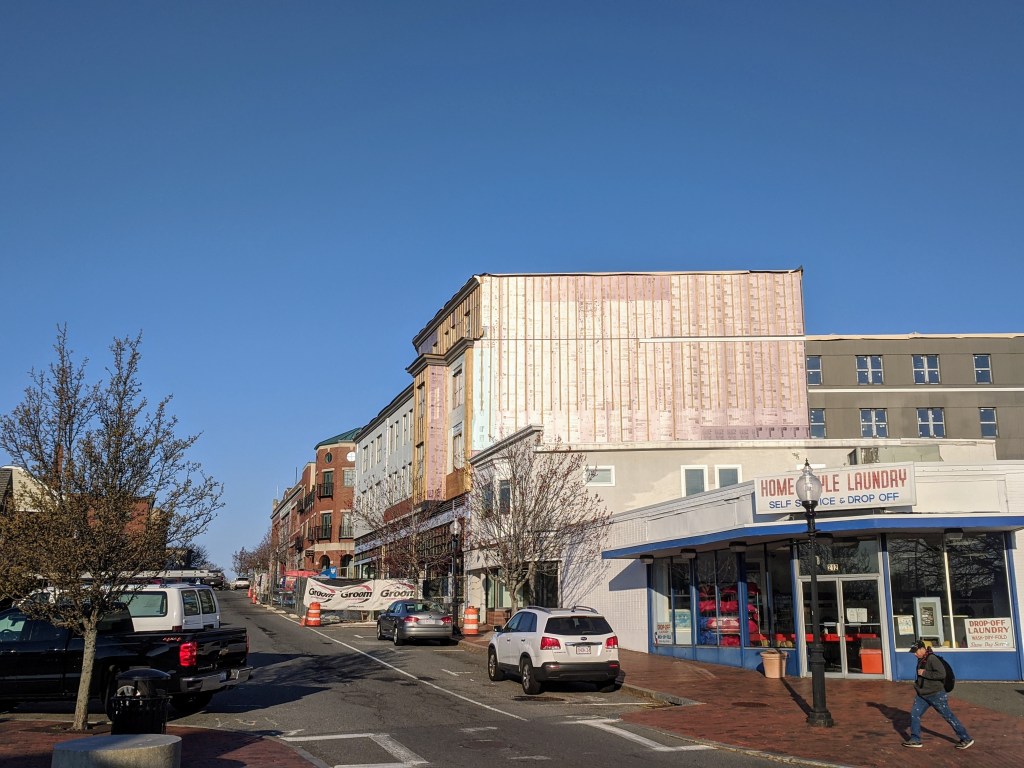

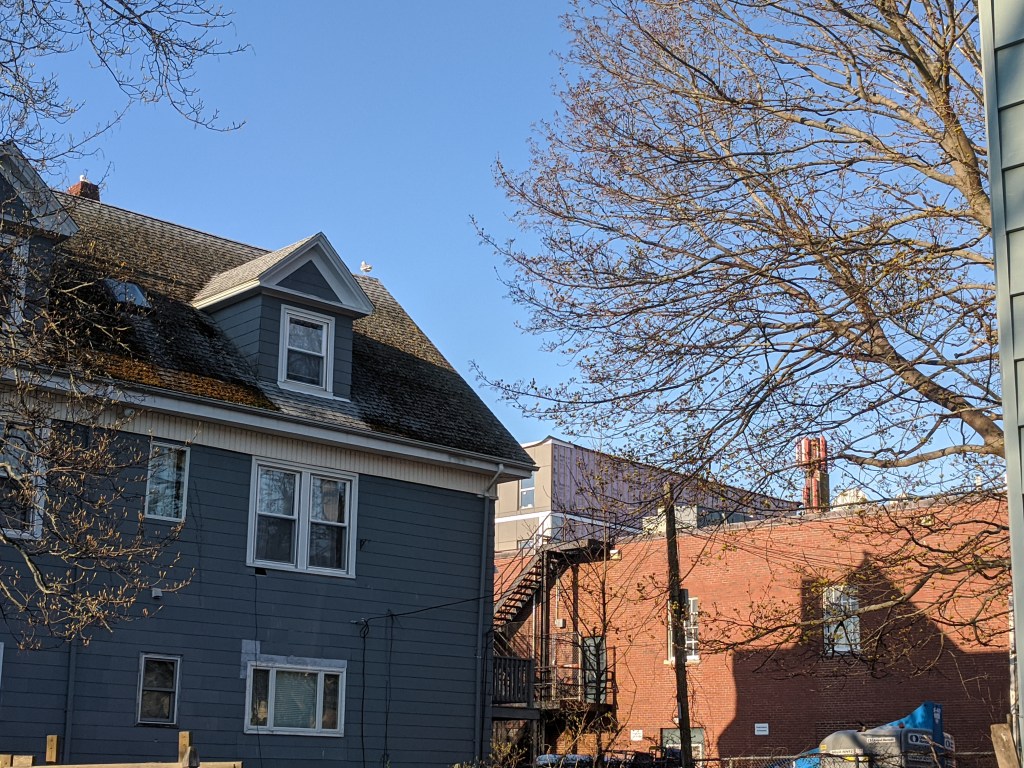
Exterior mural could be visible from the next blocks: oblique angle view back to mural wall on Elm Street from Pleasant Street (between Cape Ann Museum and Jane Deering Gallery)

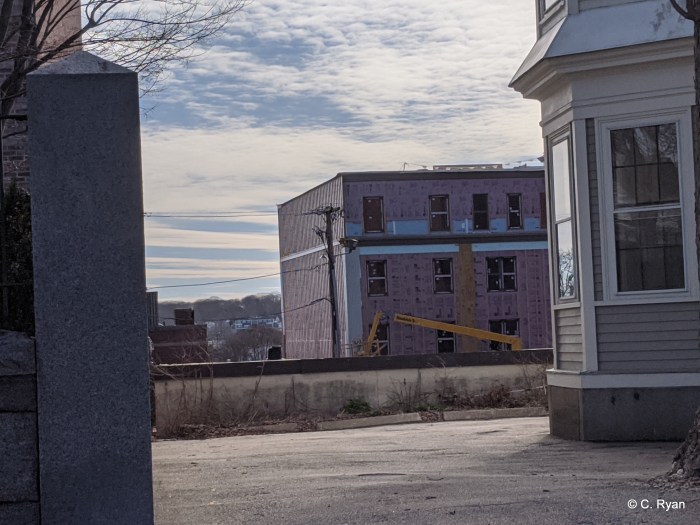
and strip at top visible from Chestnut
Action, Inc. continues a tradition of supporting the arts with these new commissions. The organization has a history of collaboration with community arts partners, commissioning original public art for its buildings, and preserving any historic assets (buildings and art).
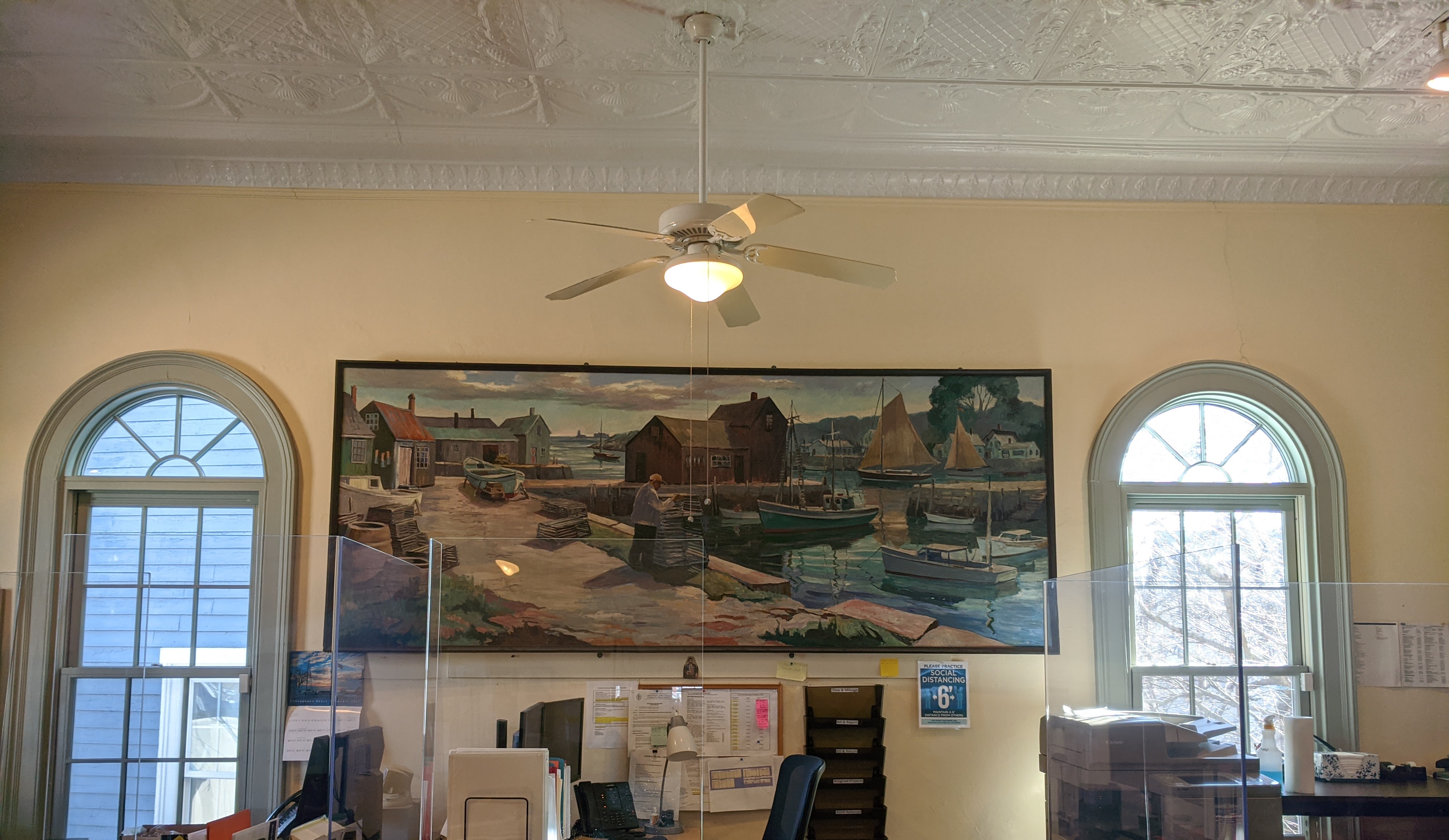
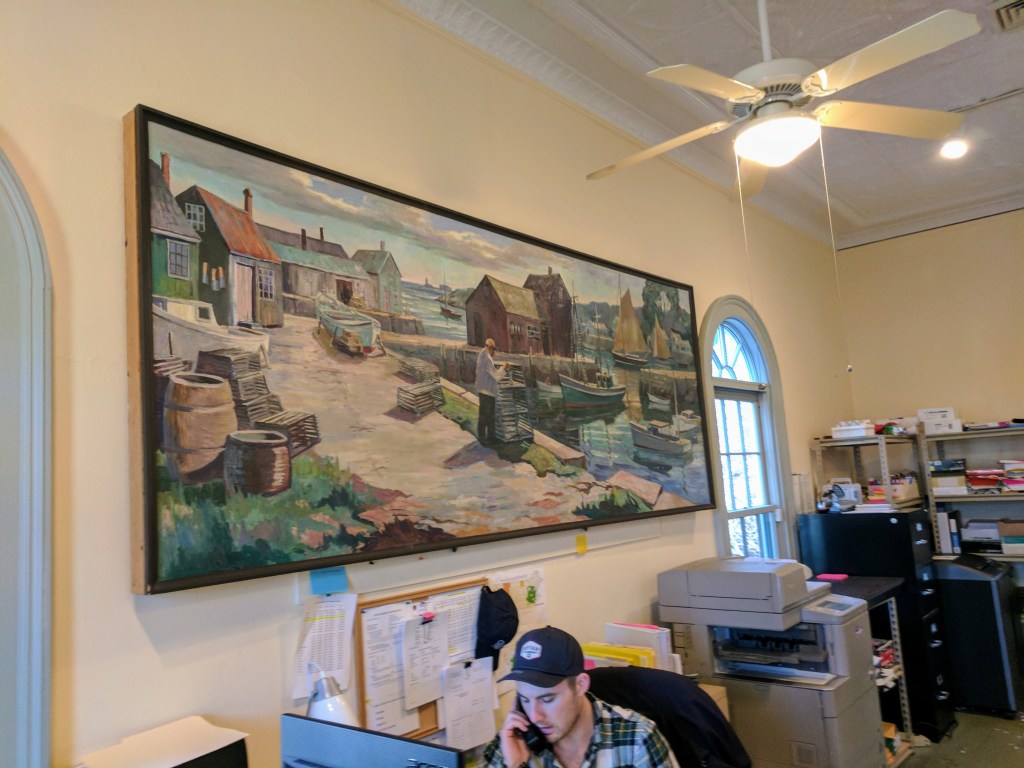
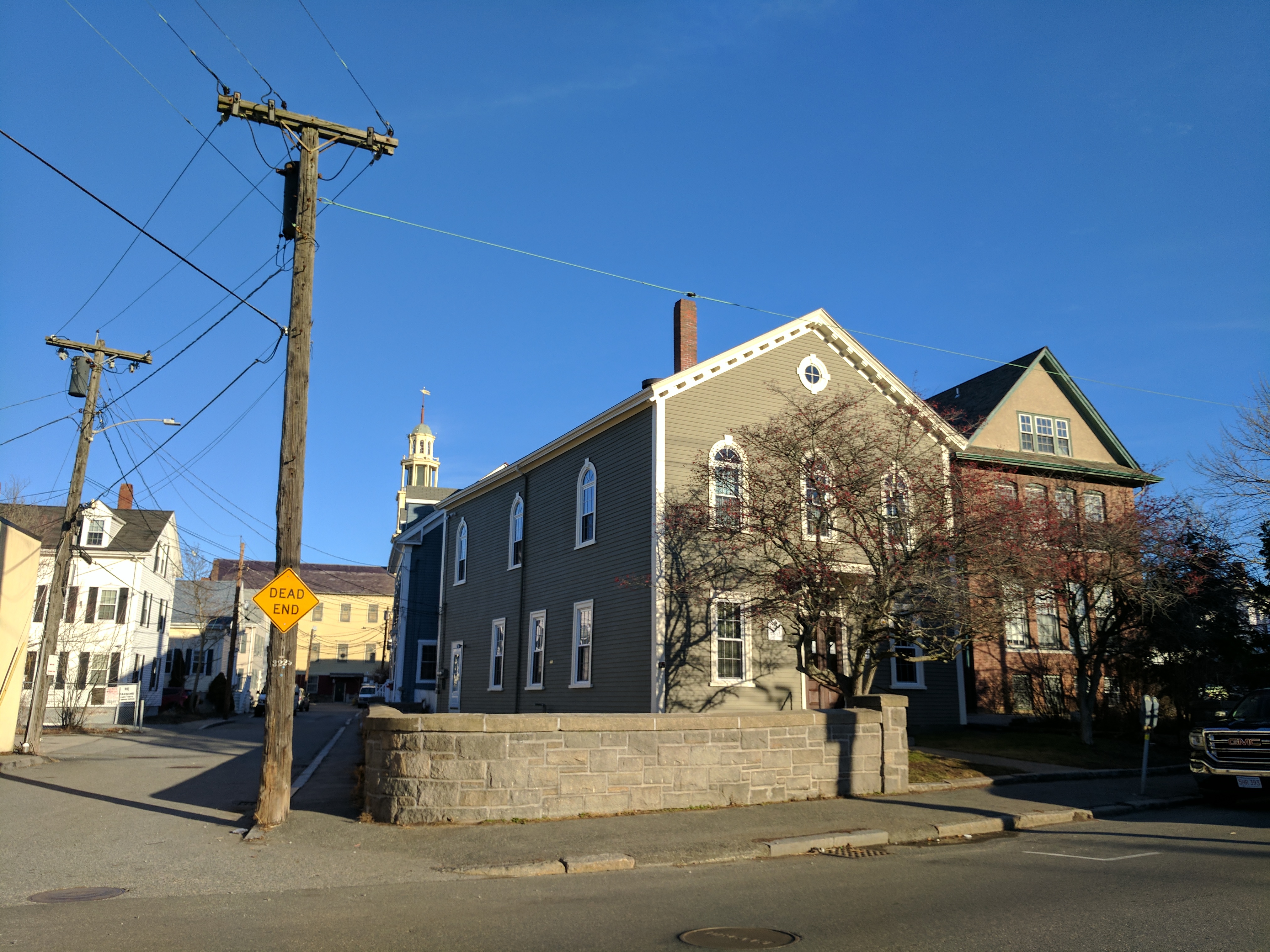

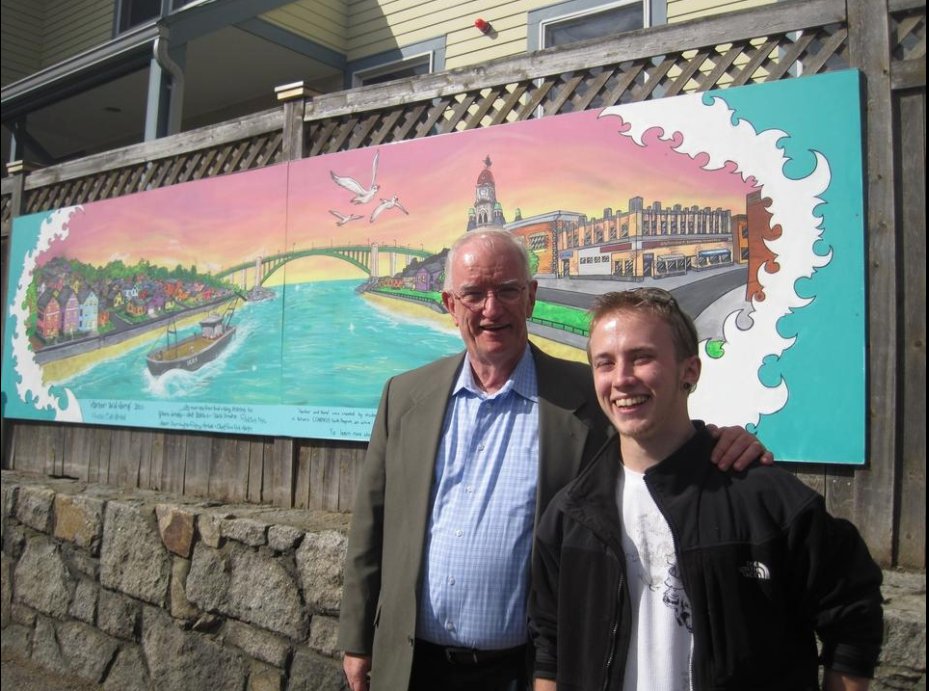
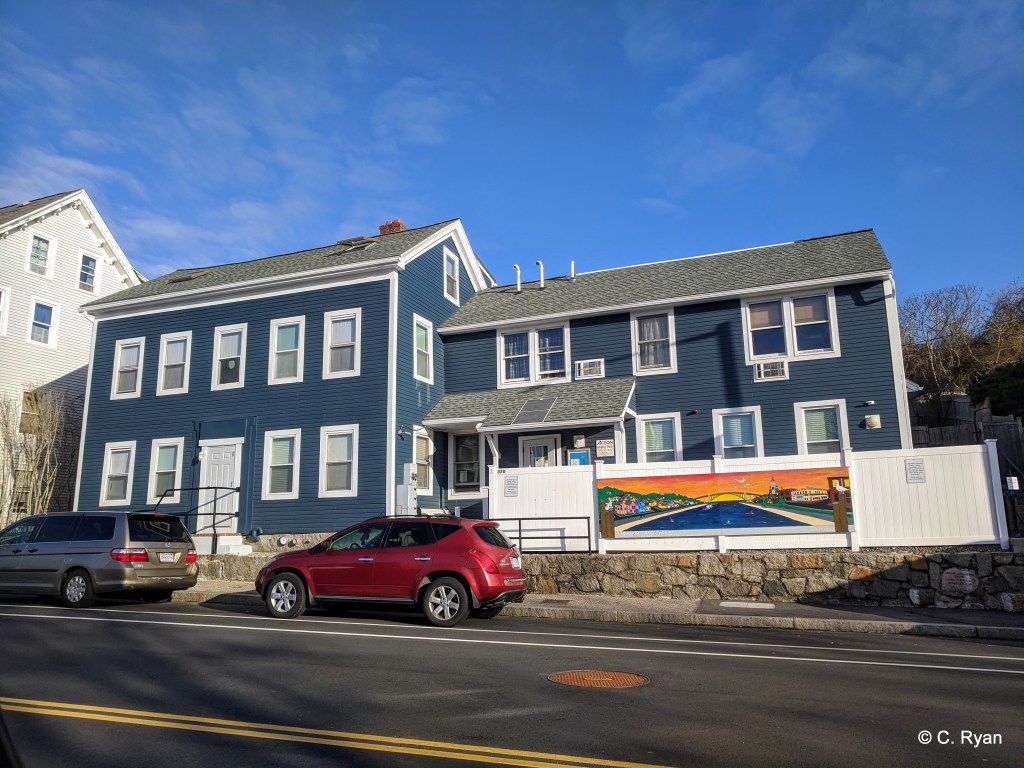
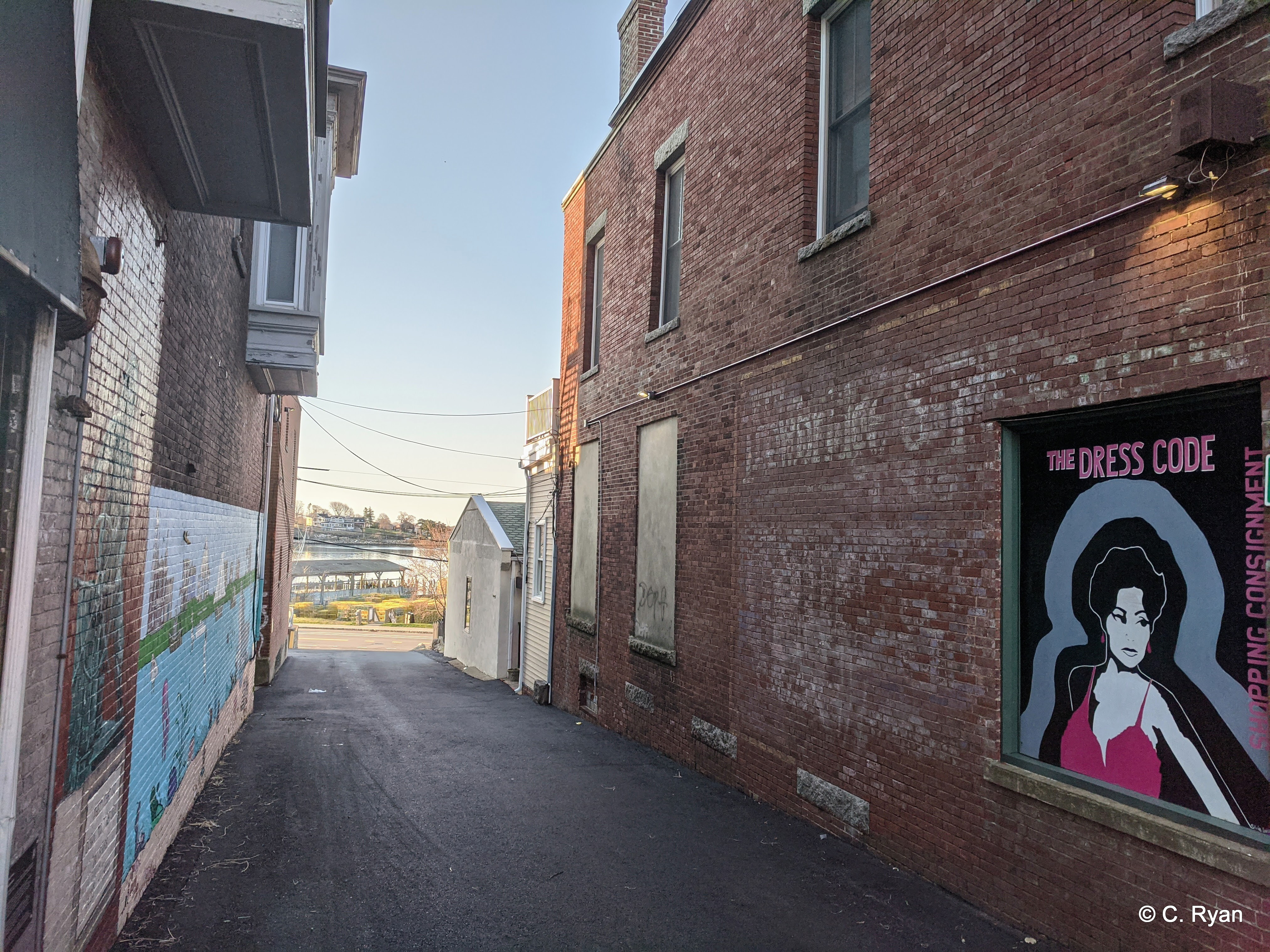
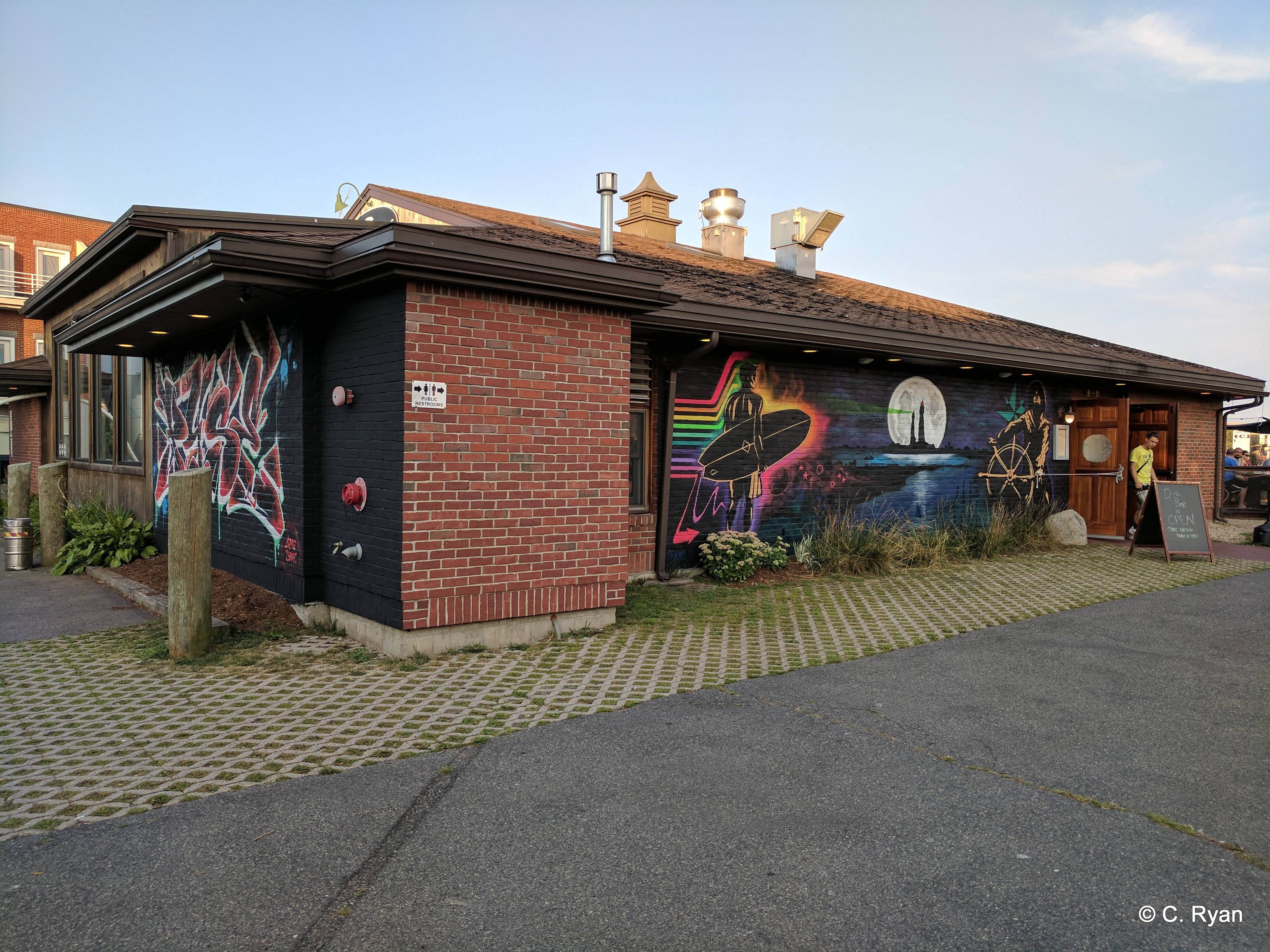
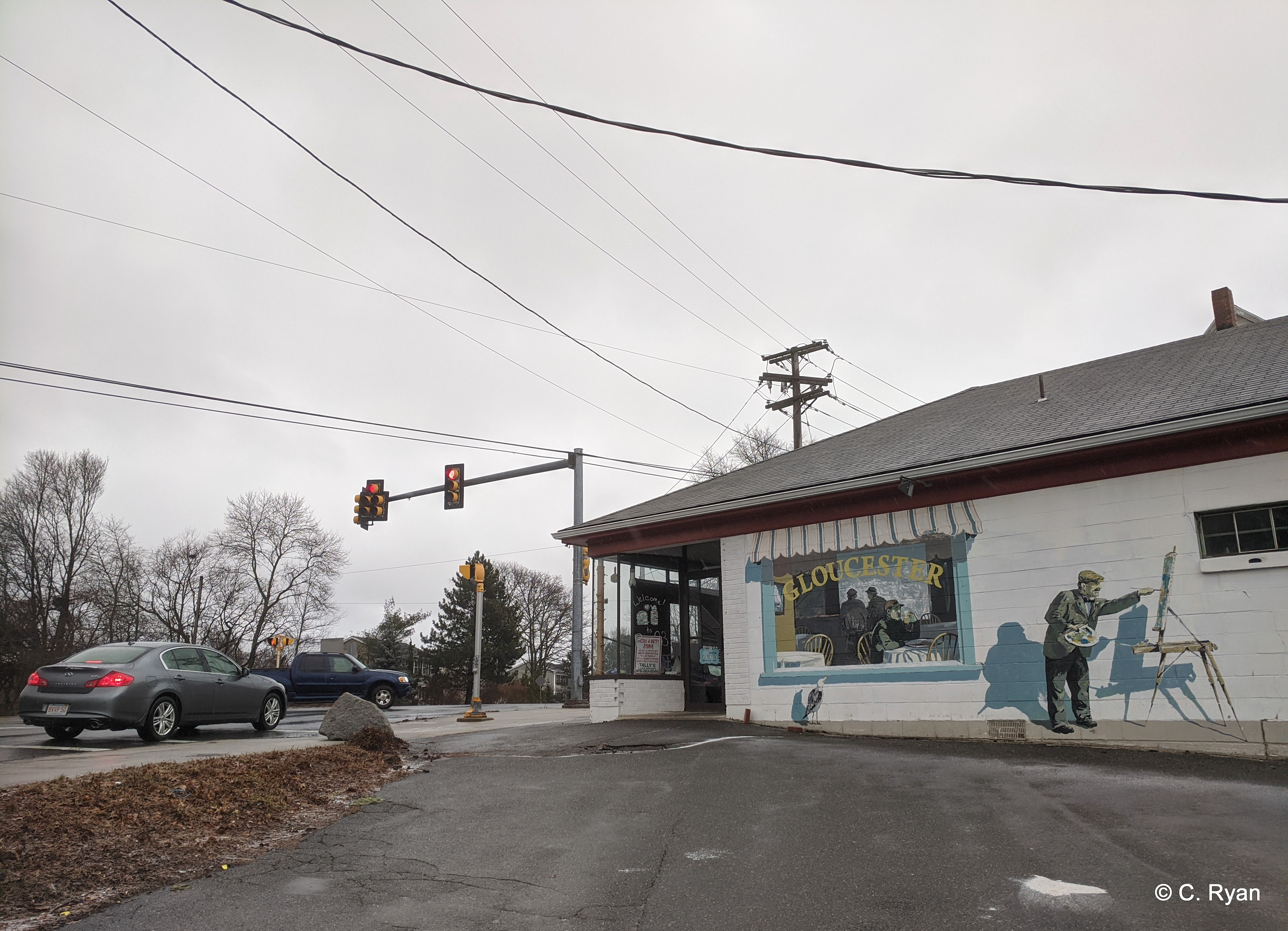
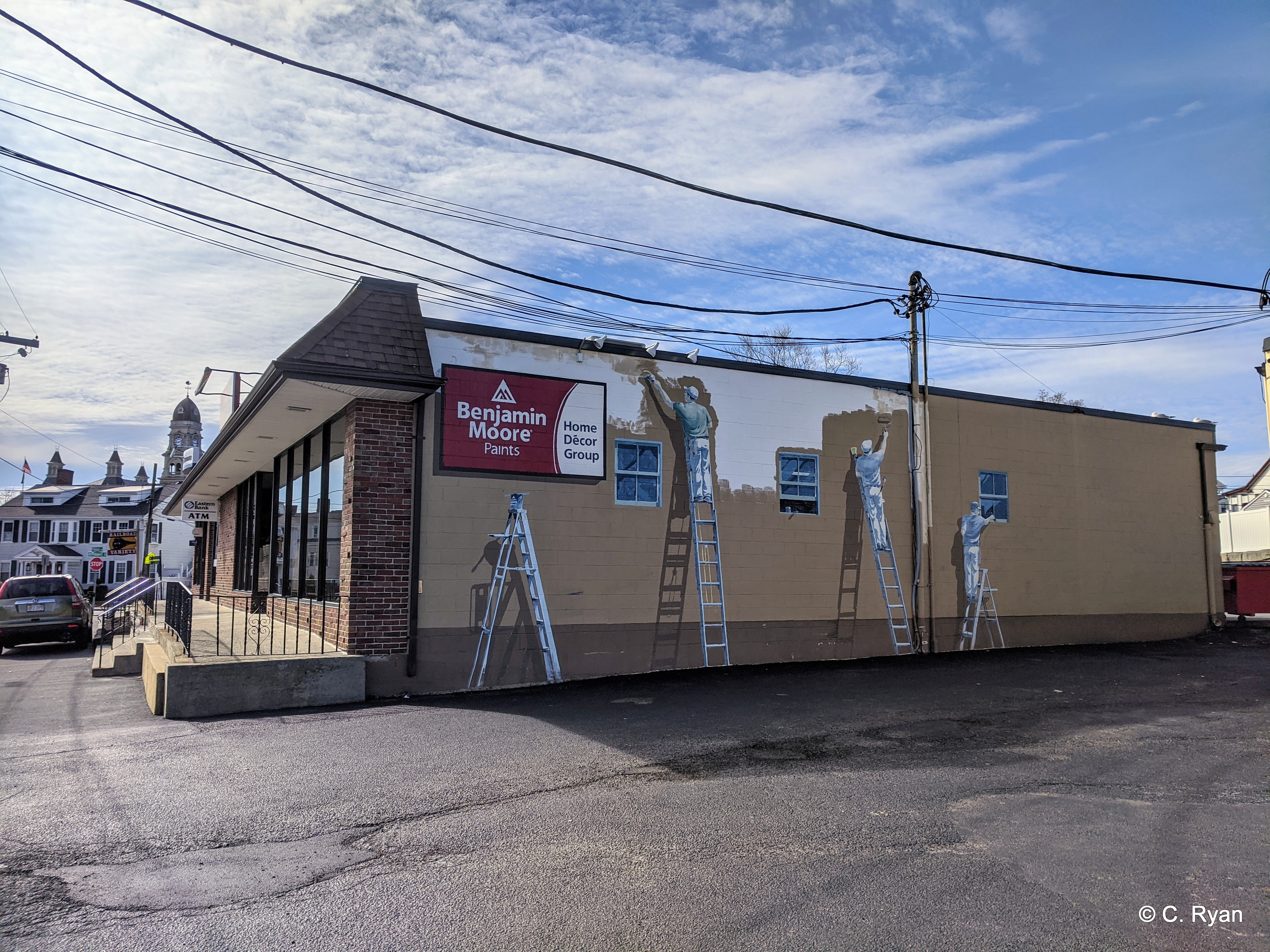
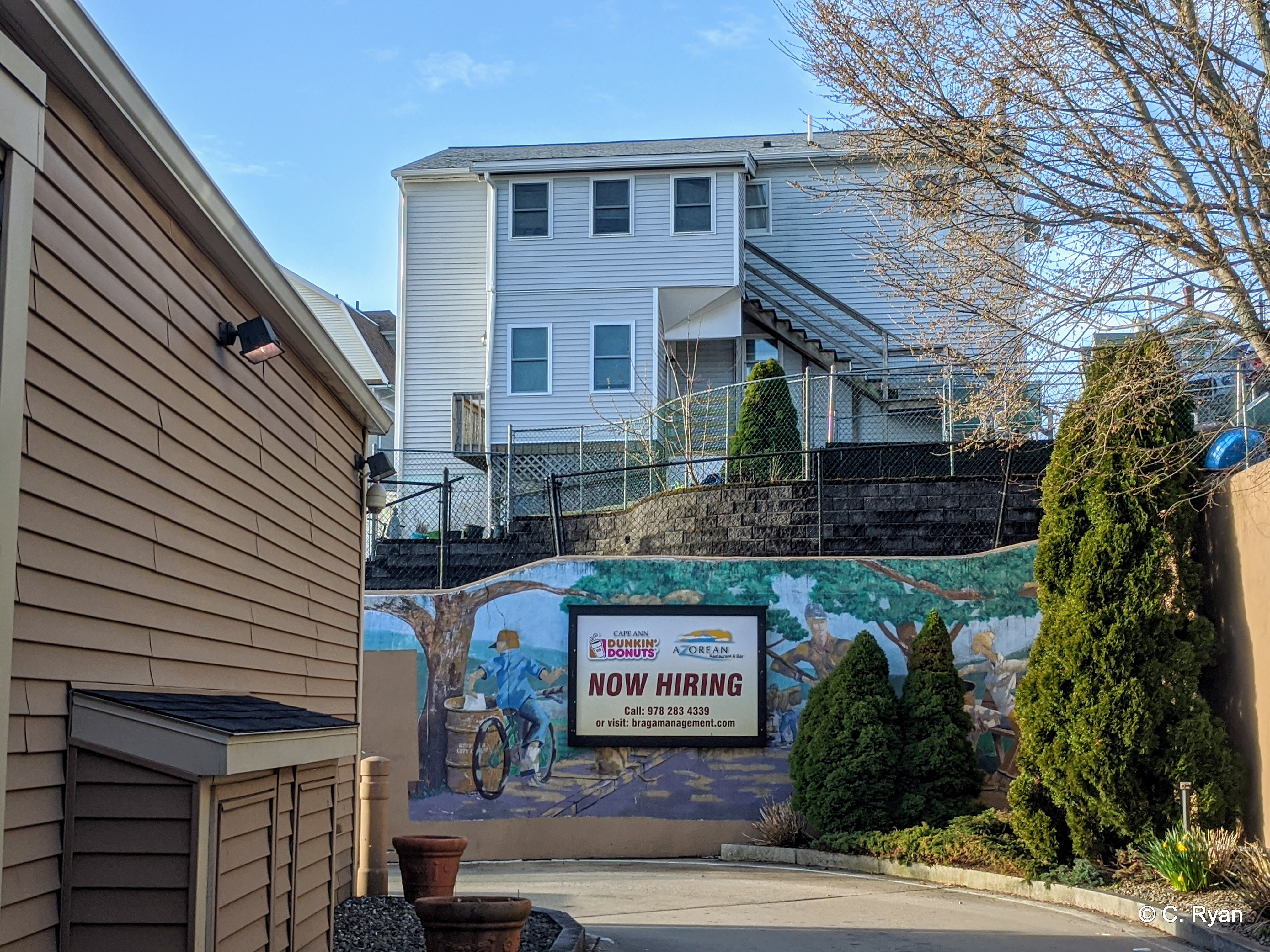
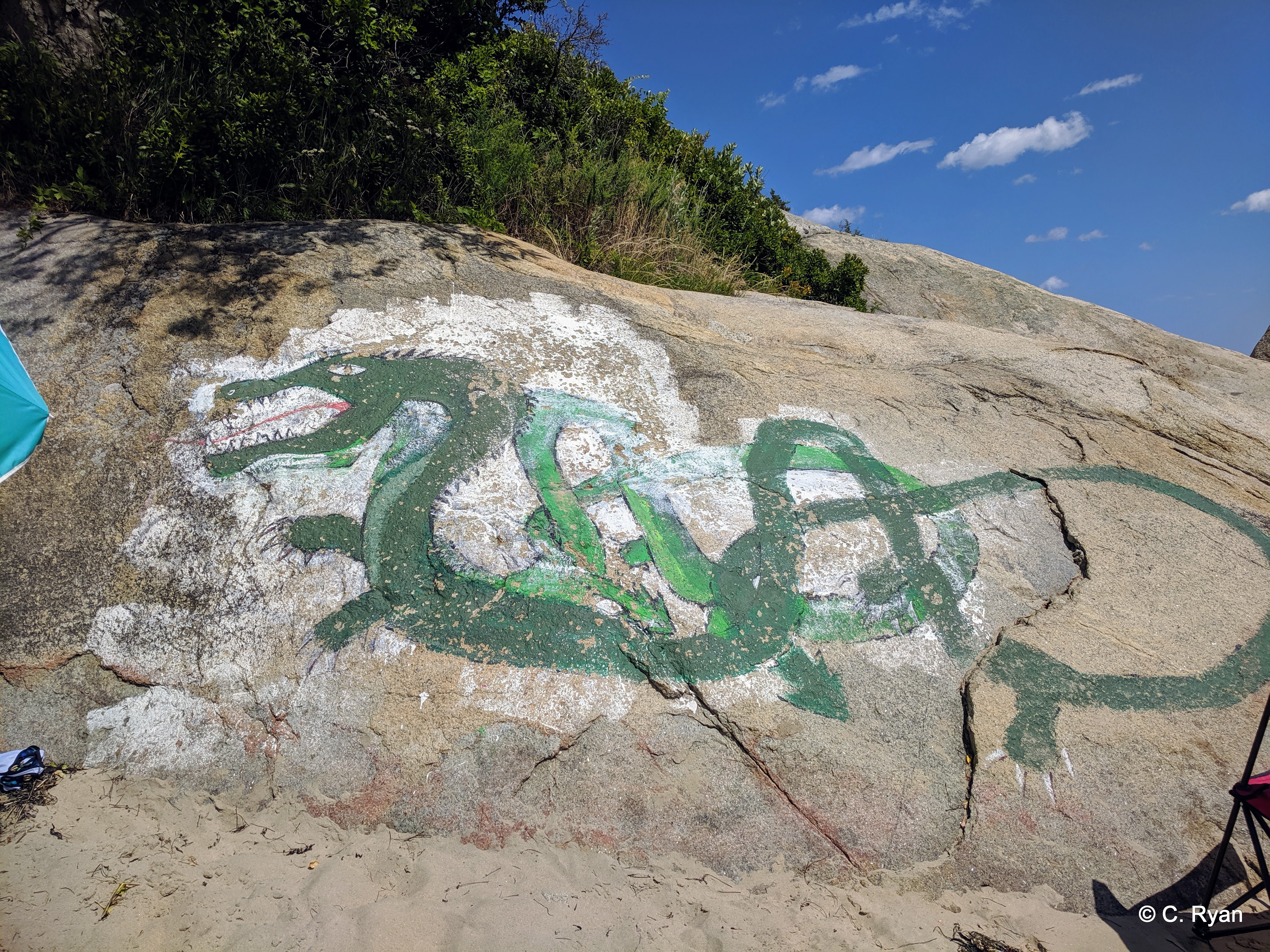
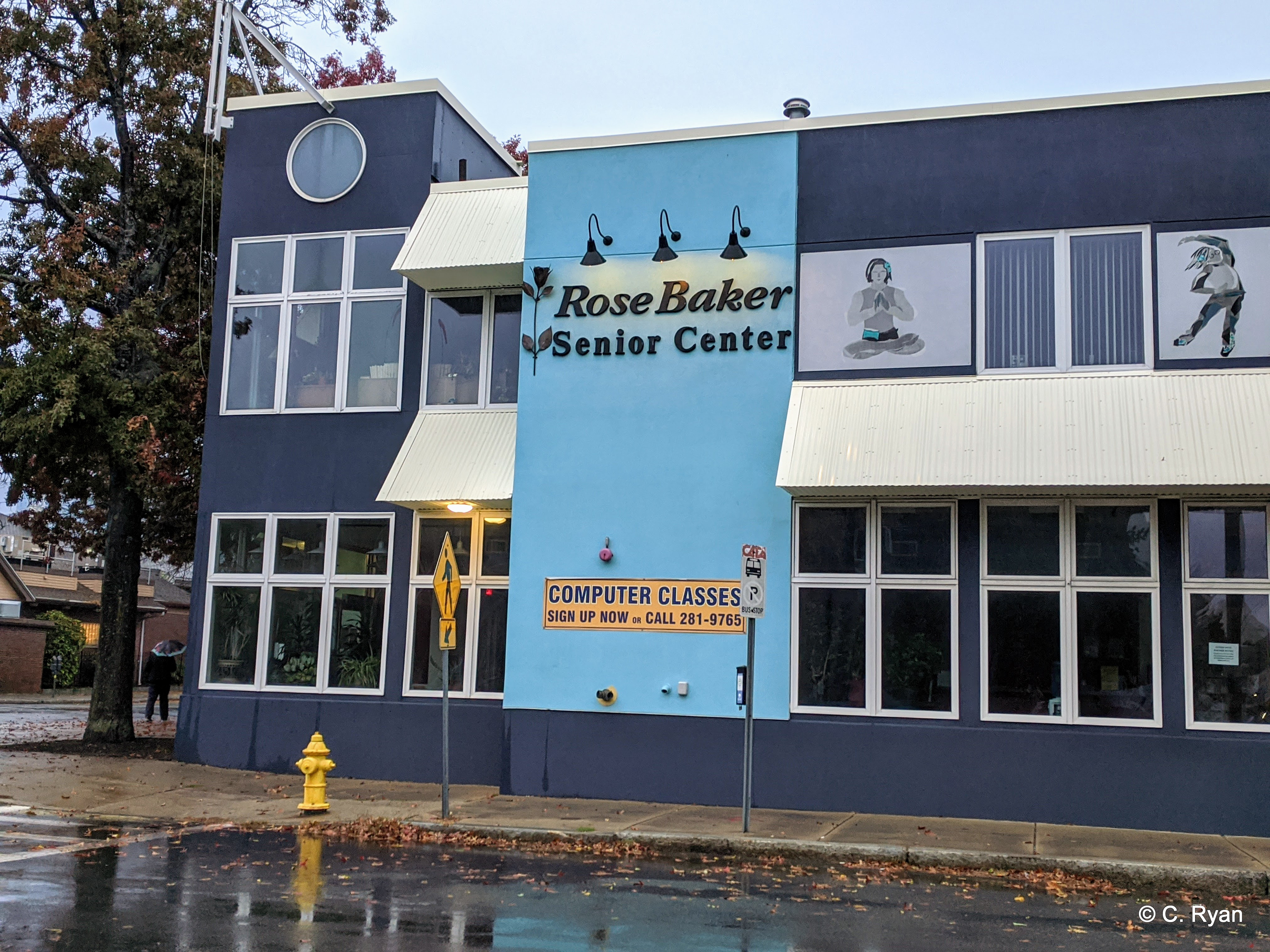
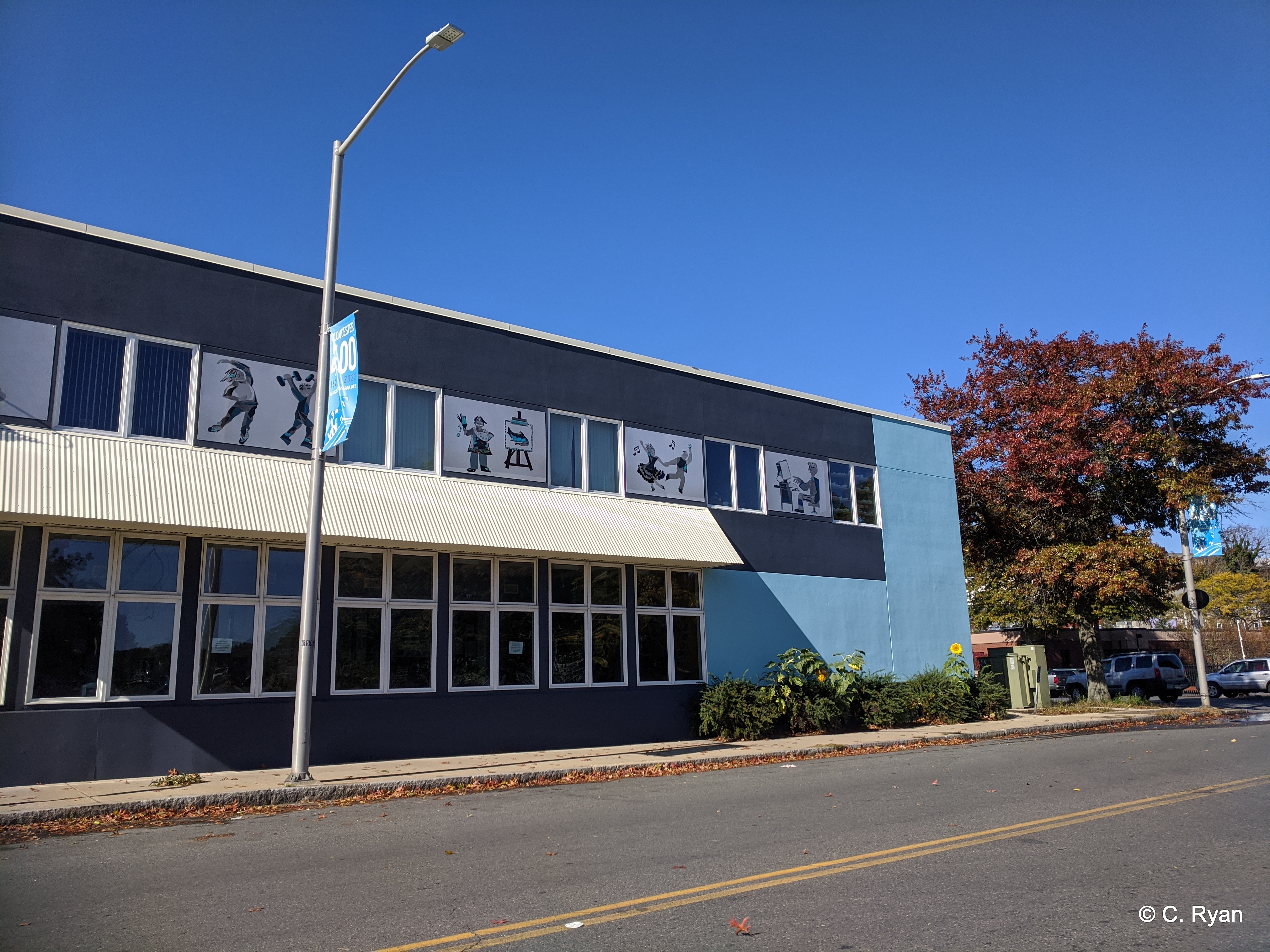
Here is a selection of some of the exterior public art murals in Gloucester. Depending upon your device, double click or pinch and zoom to enlarge and/or right click to see the credit details. On mine there is an option to select “view full size”. Indoor murals include masterworks from Gloucester’s public art collection (for example see its major WPA-era New Deal murals).

Artist experience runs the gamut: outsider and novice artists; community collaborations (with established artists helping youth); and solo endeavors (from trained professionals whether emerging or midcareer, established and revered).
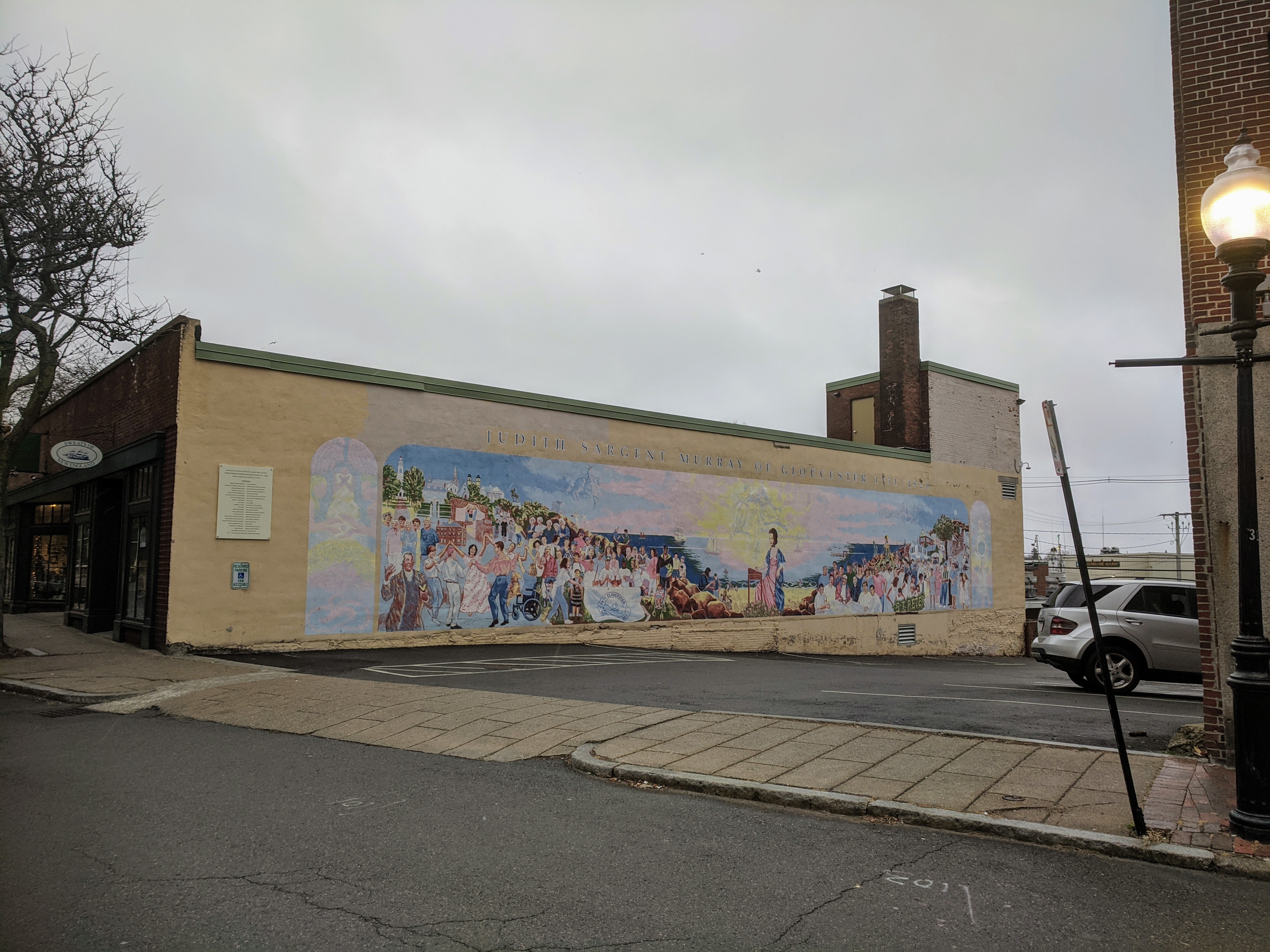

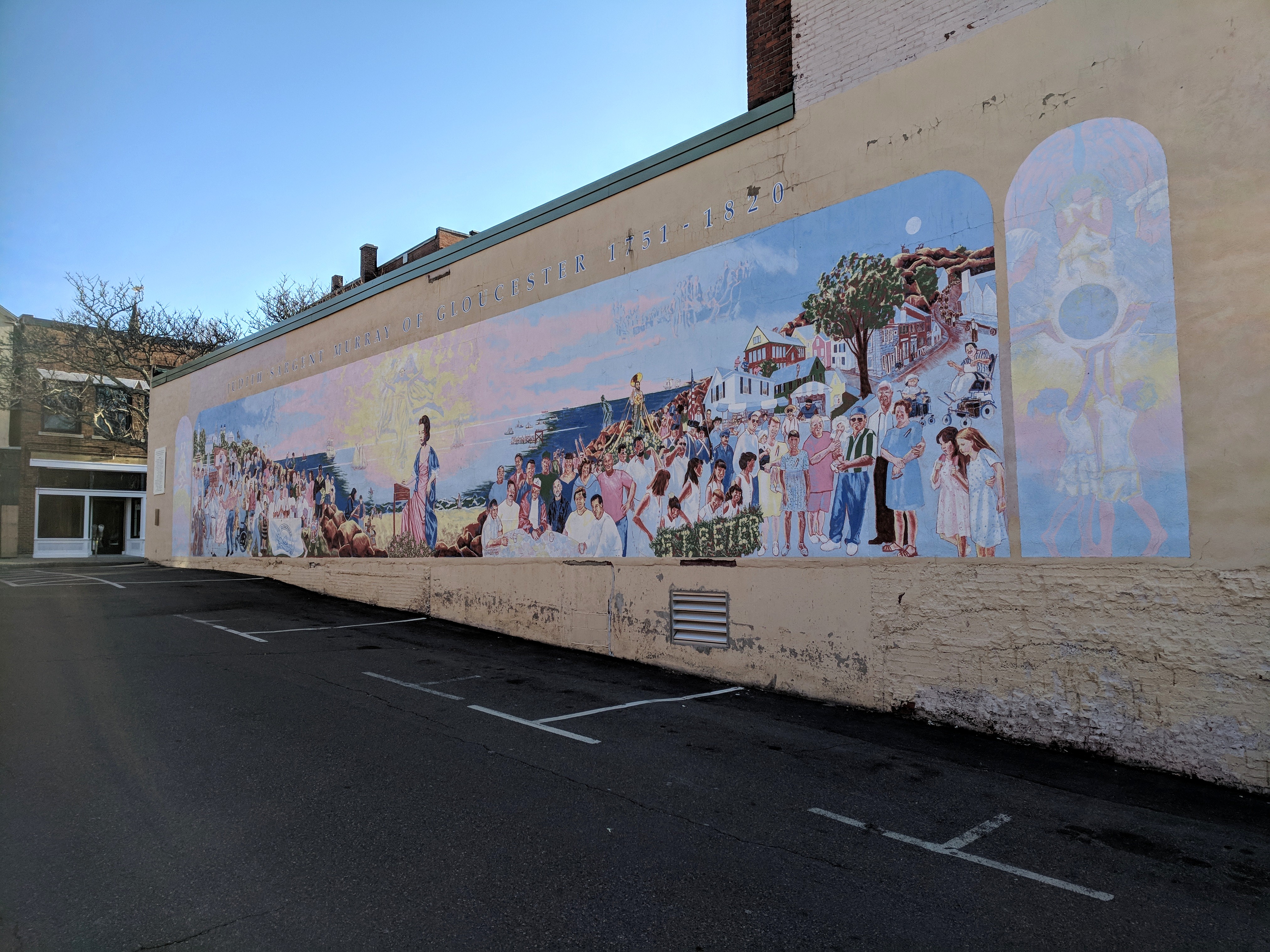

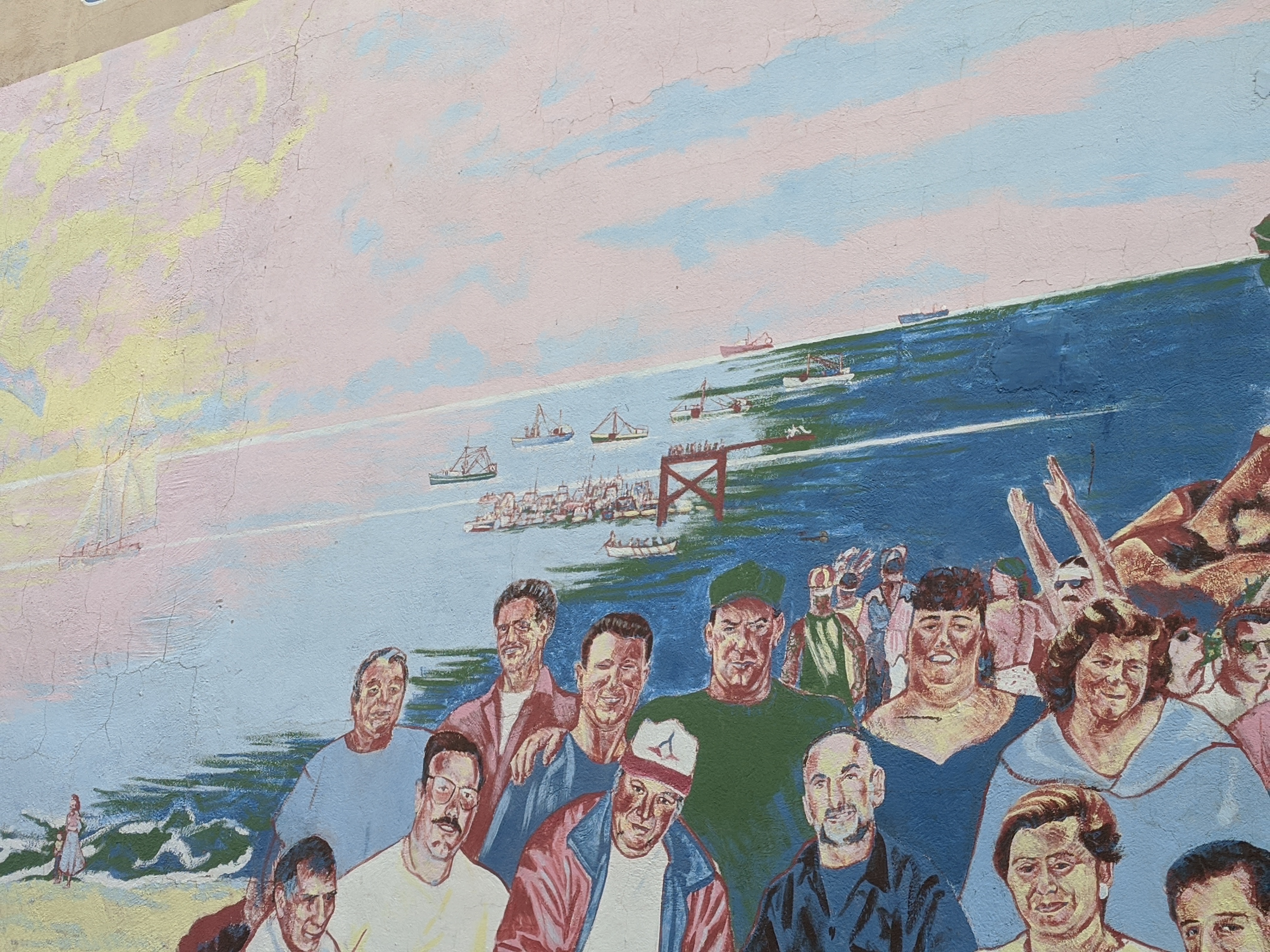
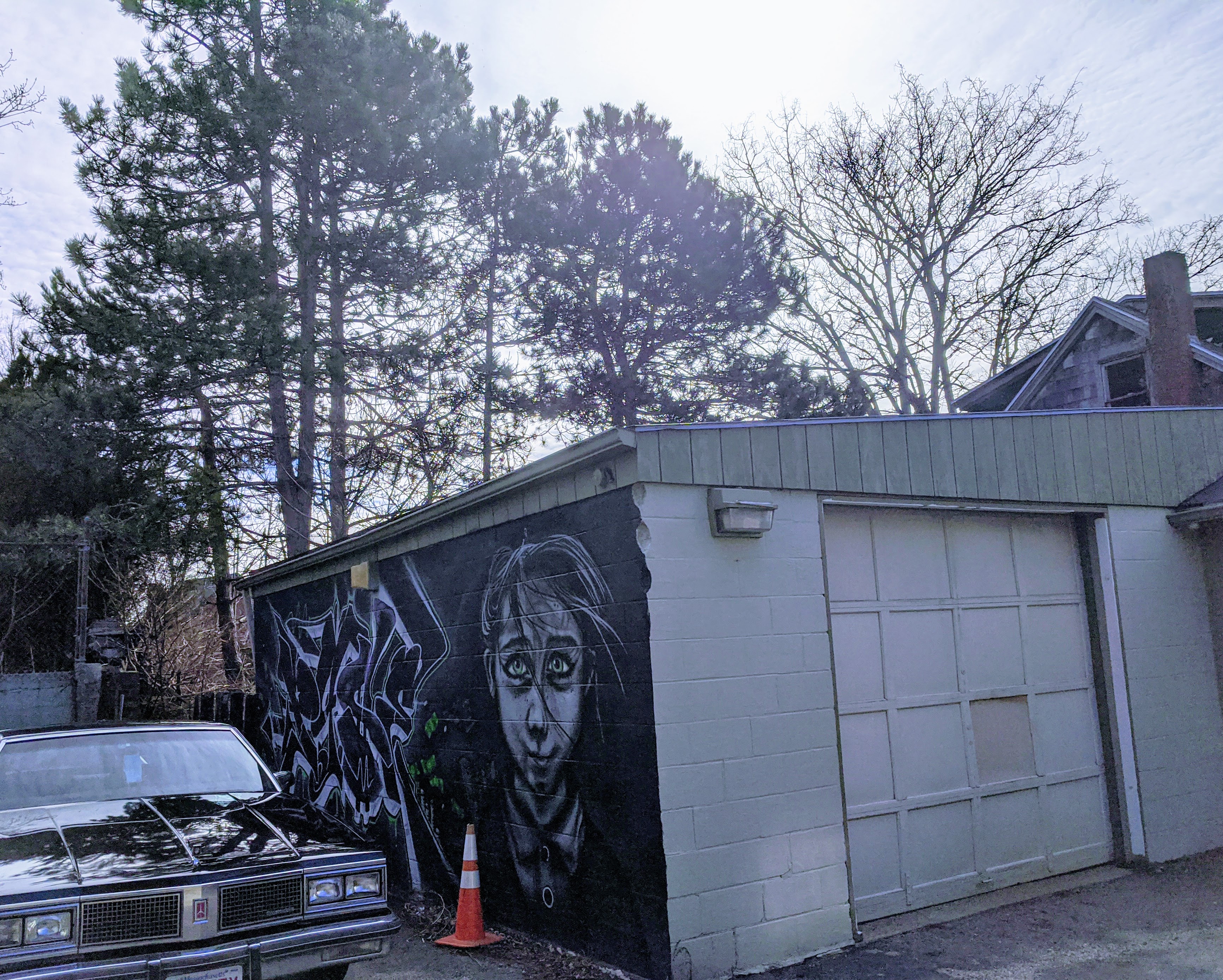

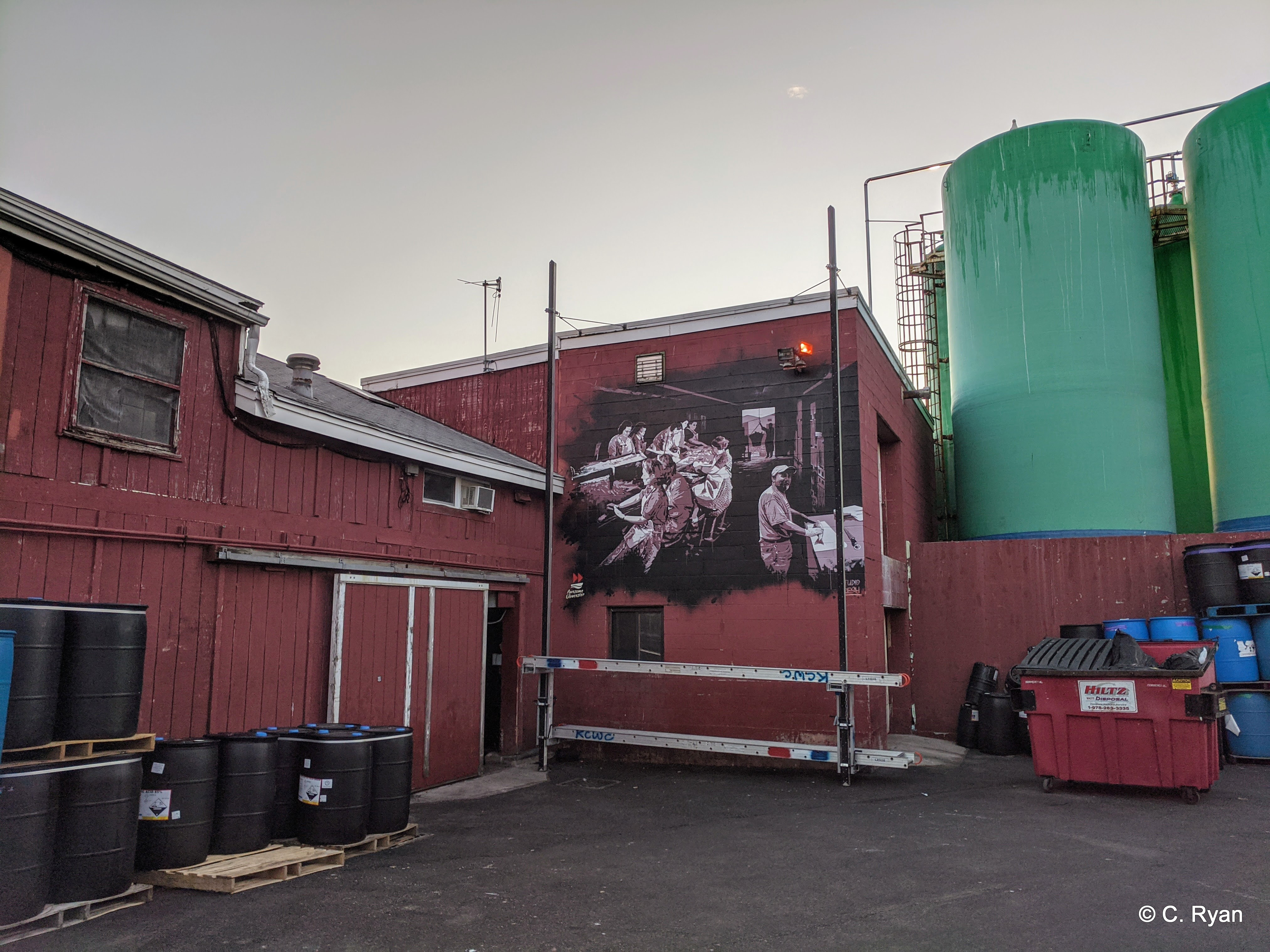





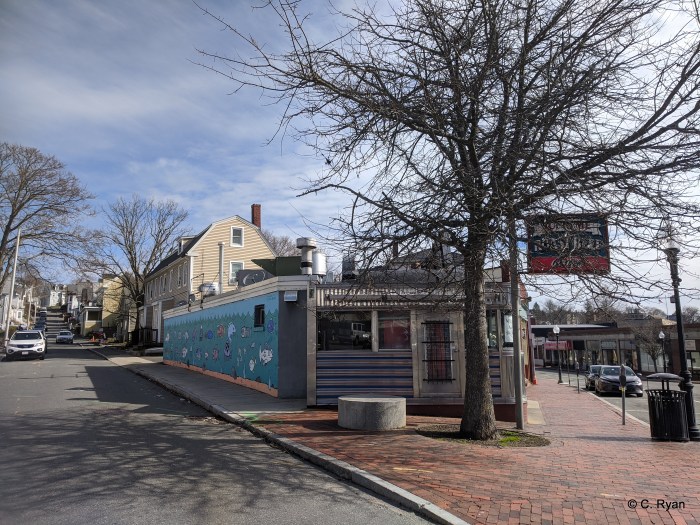
Nowadays Supreme Roast Beef
1930s | 2012 | 2021

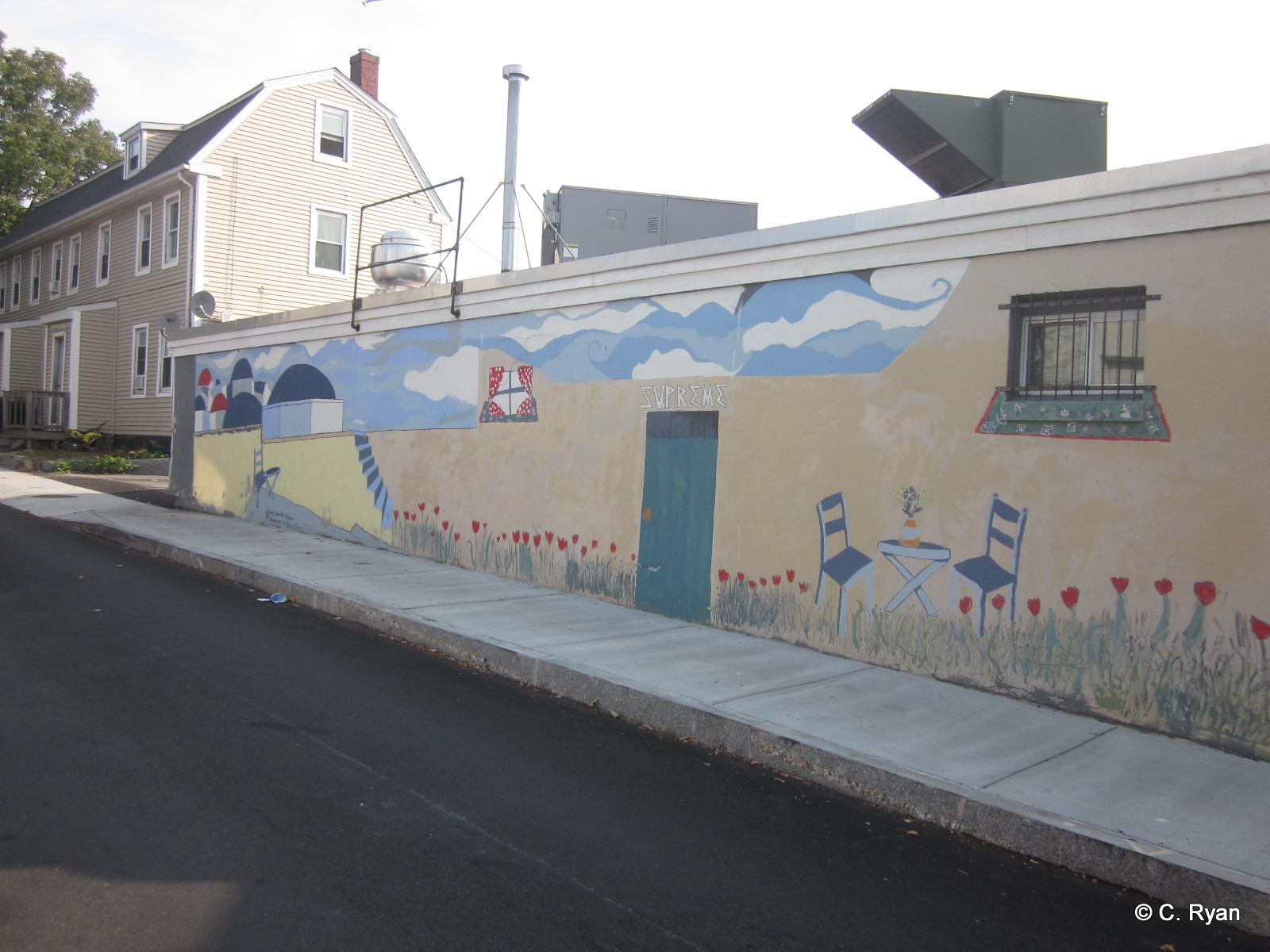

photo credit: Catherine Ryan
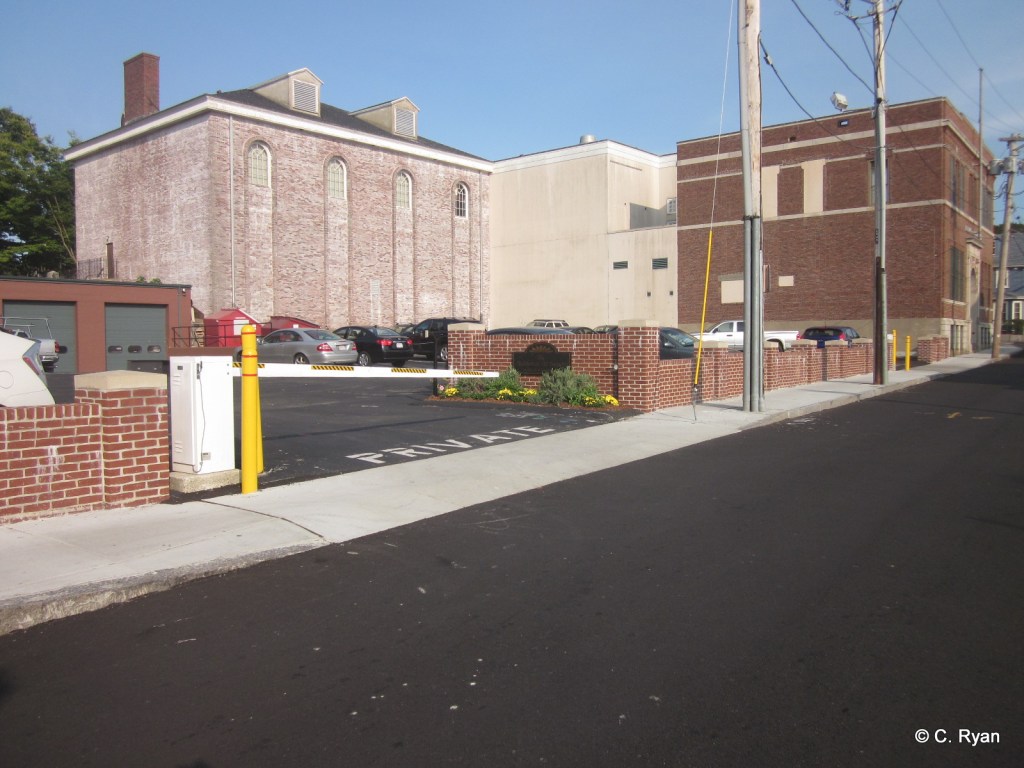
Potential walls in Gloucester abound. At the back of Cape Ann Museum on Elm Street across from the new Harbor Village. One day O’Maley (see prior post here)


Mark your calendars for a Cape Ann Museum visit this week. I’ll follow up in a part 2 post after I visit inside. Happy sea serpent seeking!
April Vacation Week Thursday, April 22 – Sunday, April 25
Free Museum entrance to all families with children under 18
Take a break from the screen and come visit the Cape Ann Museum with your kids during April Vacation Week! Reserve timed entrance for you and your family to follow the Museum’s new family-friendly guide, Cassie the Sea Serpent, by Michael Grimaldi, through the galleries. Inspired by the Cape Ann Sea Serpent, which was seen by hundreds in Gloucester Harbor between 1817-1819, Cassie poses questions and activities for students of all ages to engage with the collection. During April Vacation Week, all visitors will receive a free copy of Cassie’s Scavenger Hunt with activities and crayons included.
About the Artist: Gloucester-born artist Michael Grimaldi is a local muralist, graphic designer, and Monserrat College of Art graduate who now lives in Beverly.
For more information about the Museum, its programs, exhibits, and collections, visit www.capeannmuseum.org.
Work in progress shared by CAM on GMG
“In 2019, a nine-foot bronze sculpture of the Gloucester Sea Serpent was installed at the Museum’s front entrance. It was designed by Essex artist Chris Williams who has created a scaled-down version of his serpent for families to take home during the vacation week.”
– Cape Ann Museum



Happy Spring, Happy Books – Colleen shares an April 2021 Book Shop message from the Friends of Sawyer Free Library




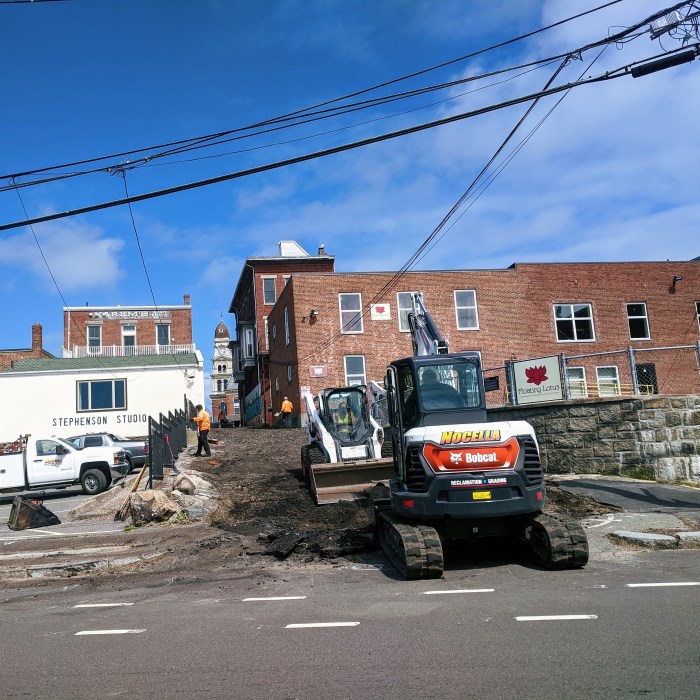
April 14, 2021 view back to City Hall from Rogers St.
Excited to see the project continue!
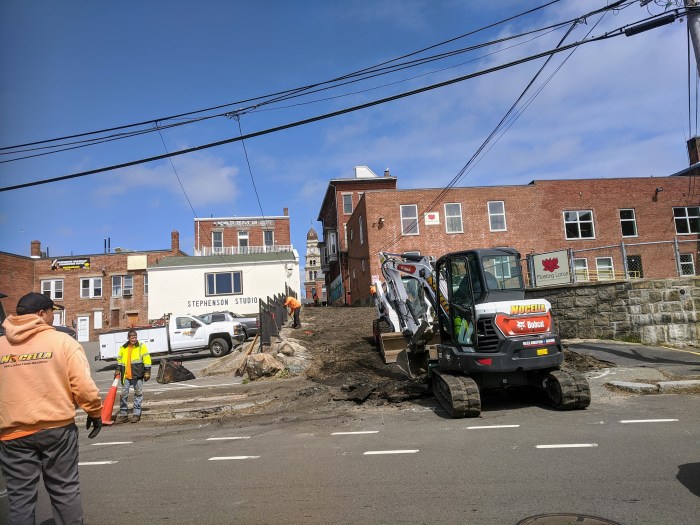
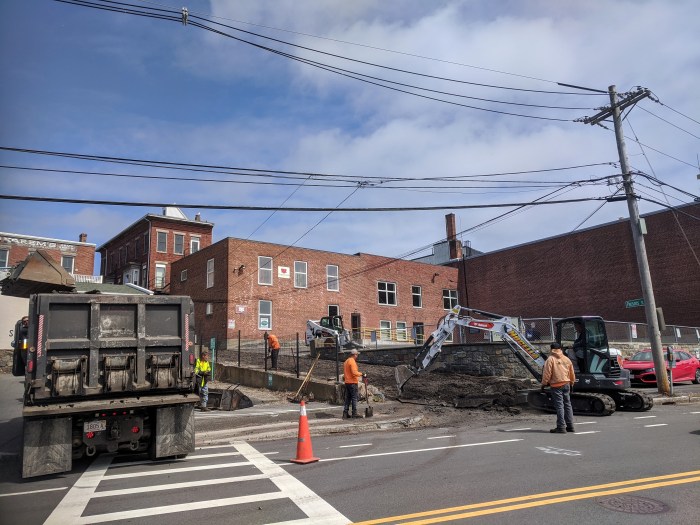
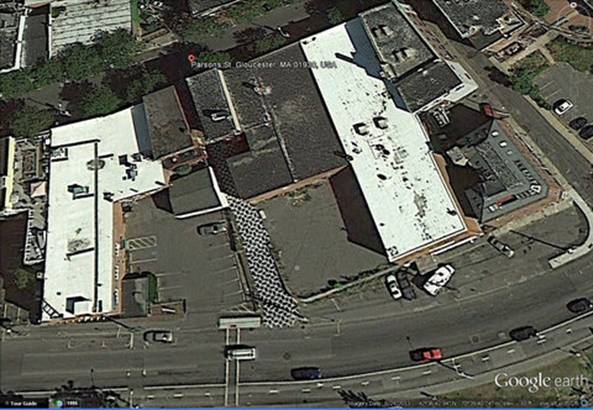
Thank you Jamie Calderwood for bringing attention to Parsons!
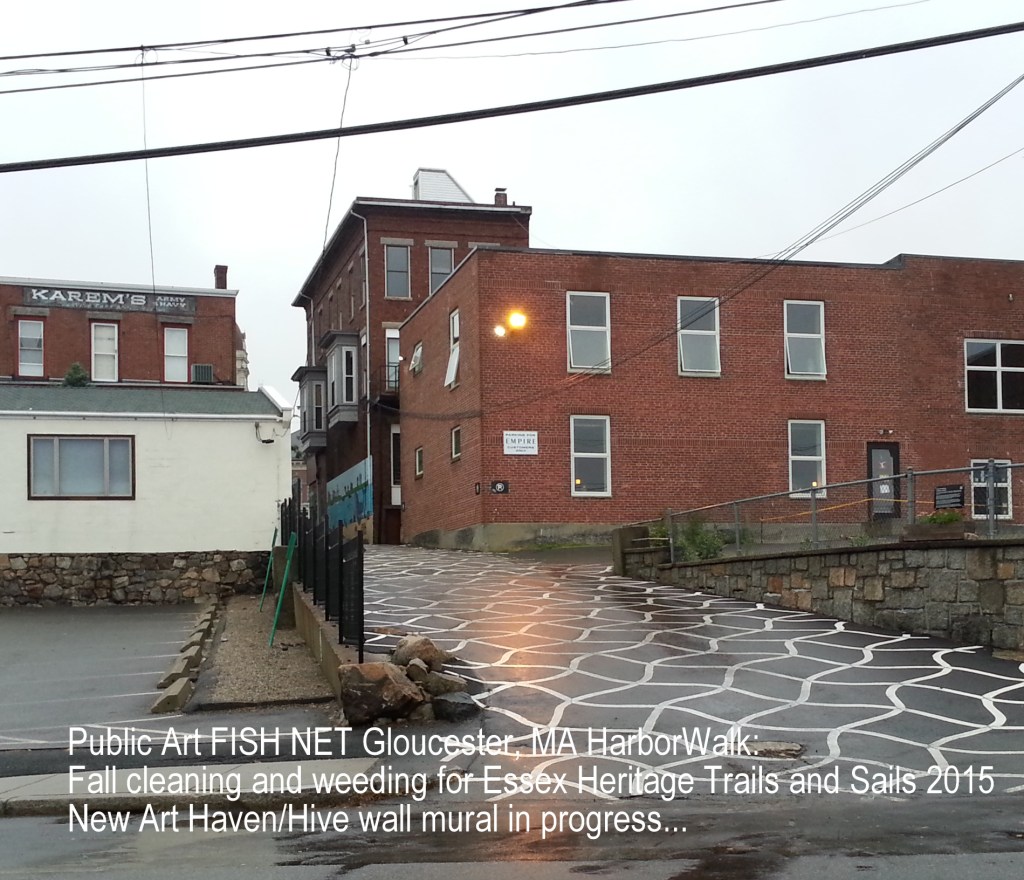
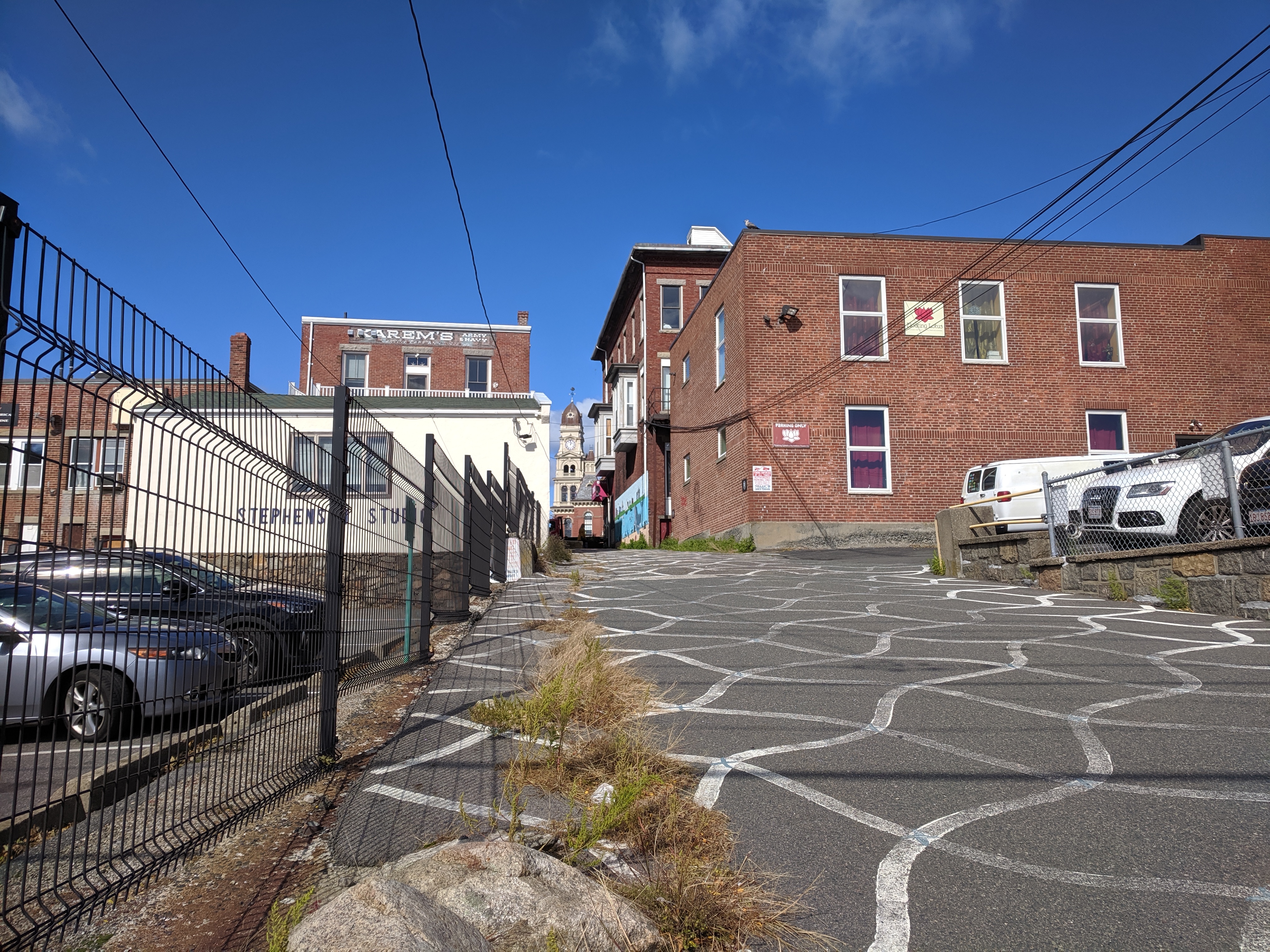
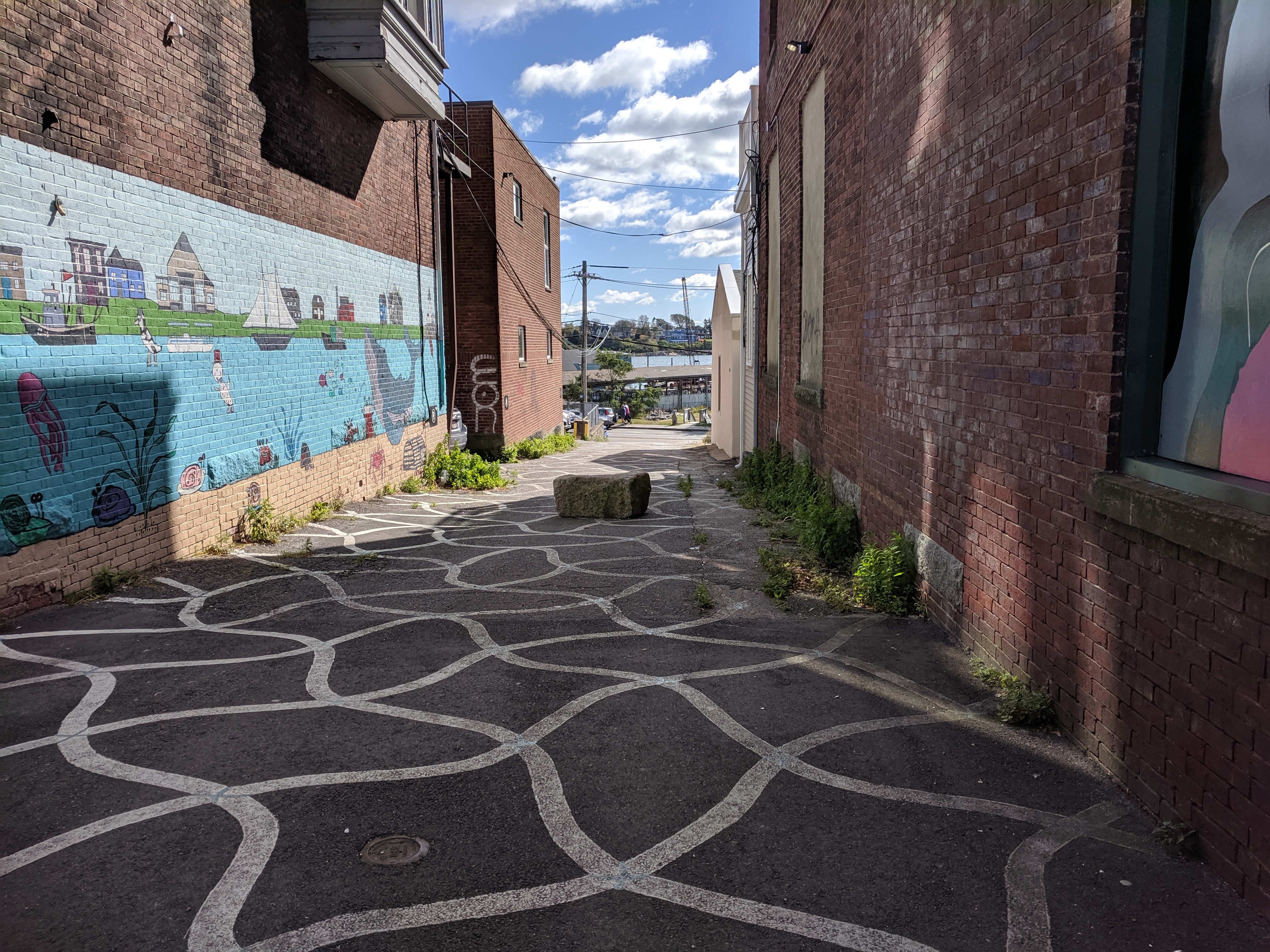
Read more about the Parson Street mural here

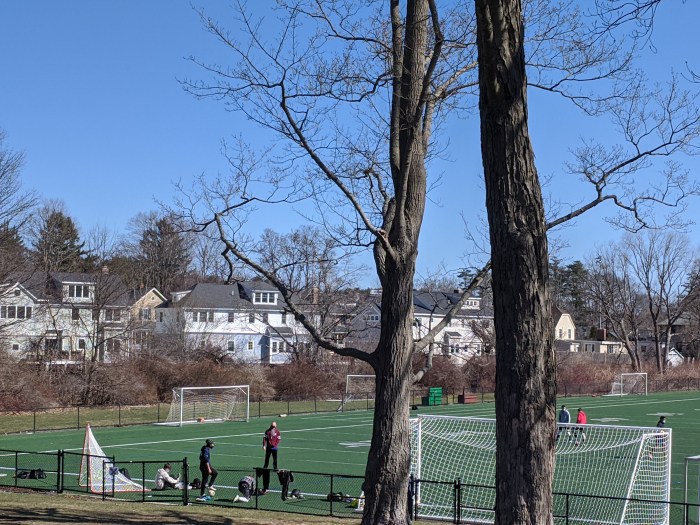
Kids play sports thanks to generous folks stepping up.
This wonderful dad and soccer coach has three more practices still to go this Saturday Easter weekend.
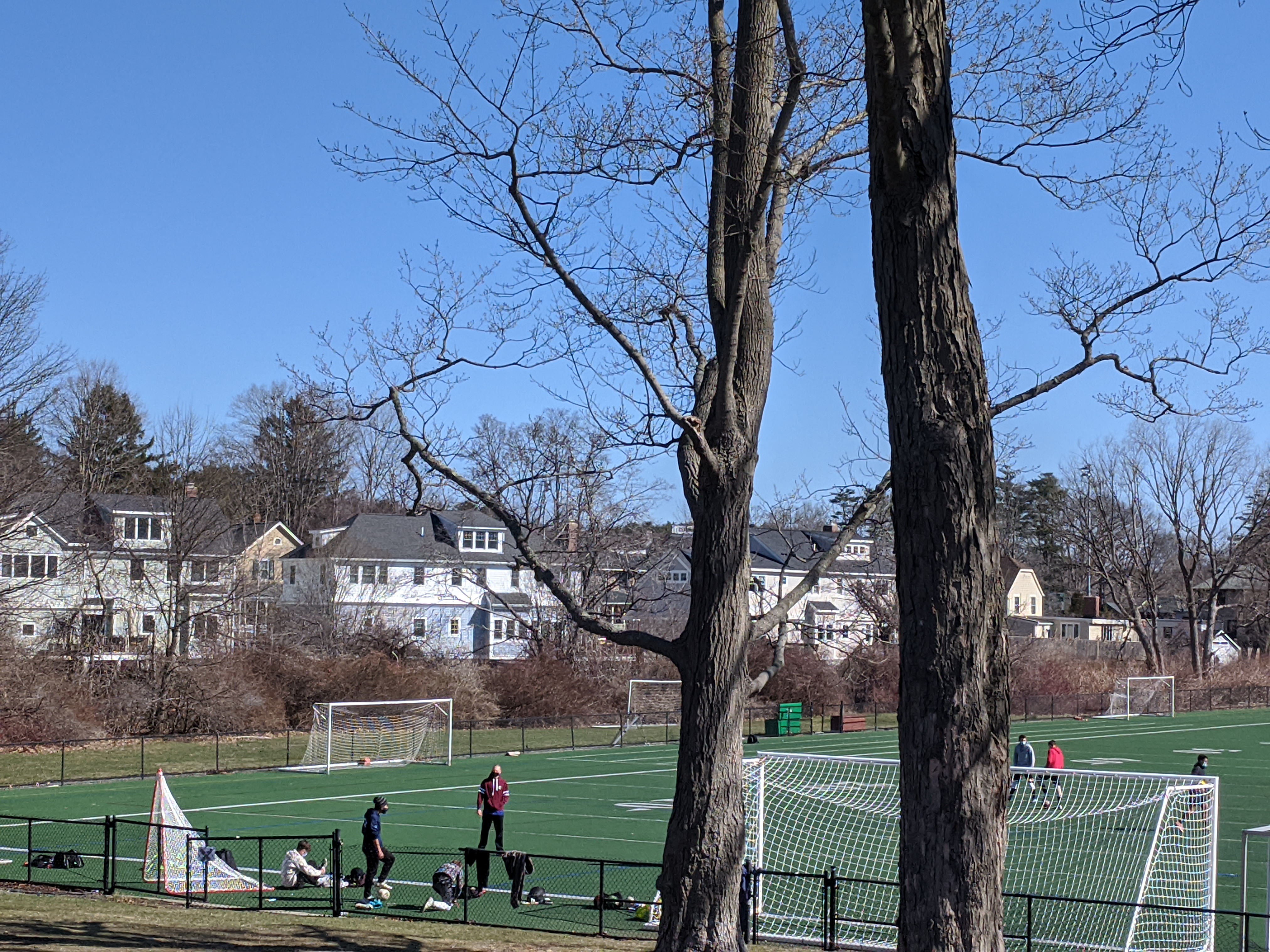
Thank you coach Jason Rutkauskas, Kyle, Jim, and all the rest!

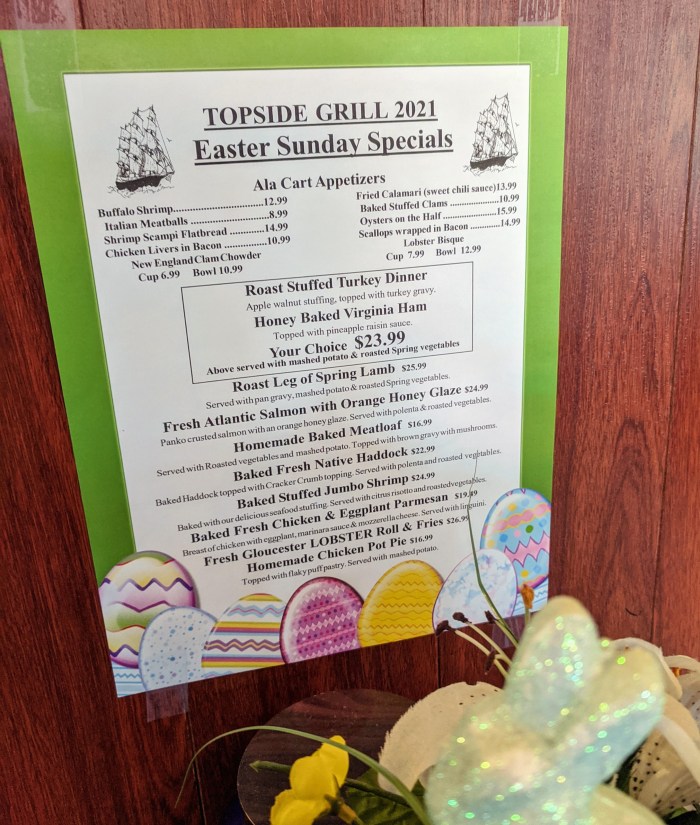
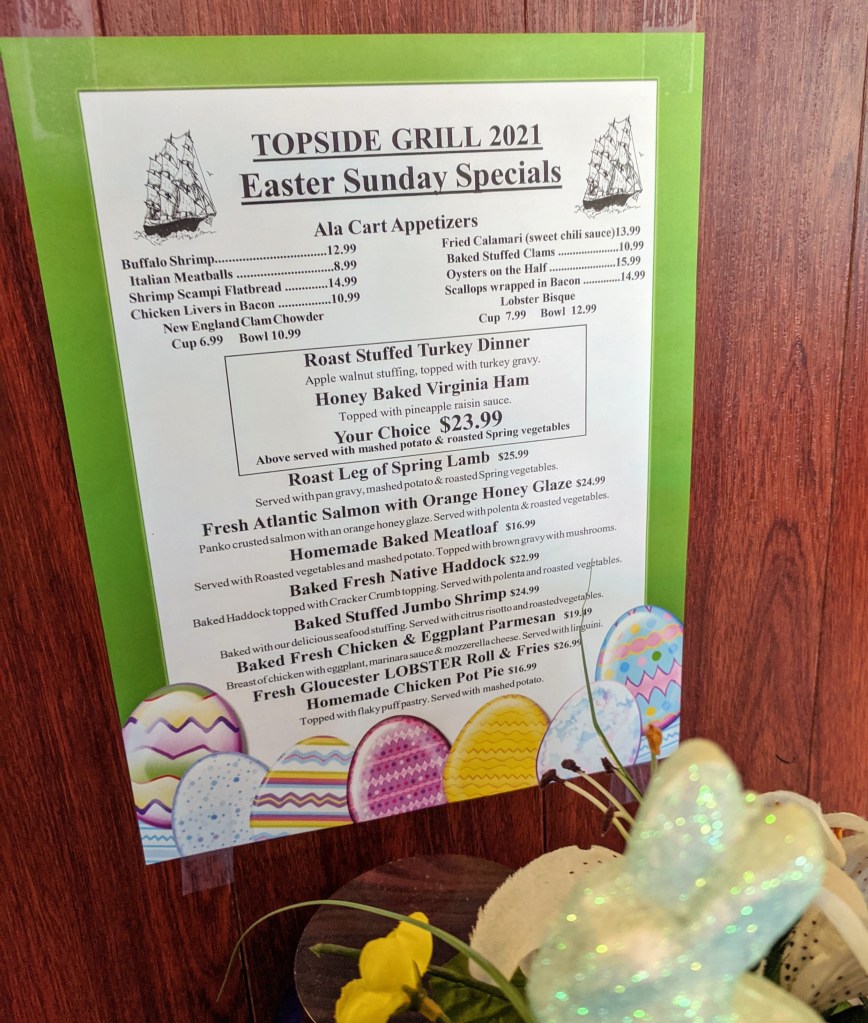
Topside Grill https://www.topsidegrill.com/ (978) 281-1399

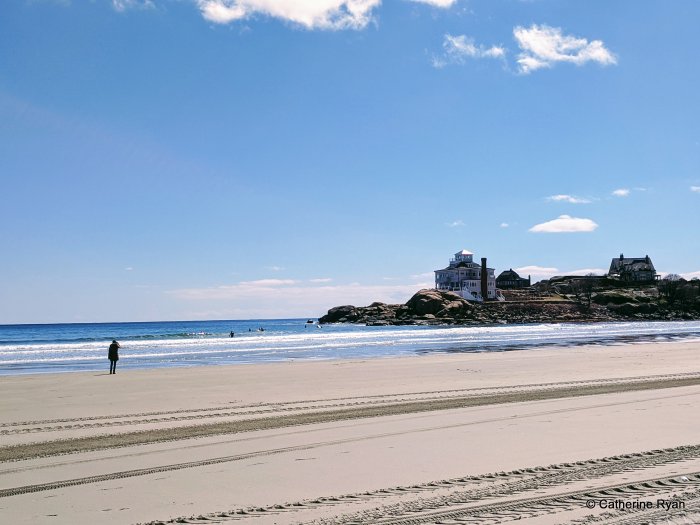
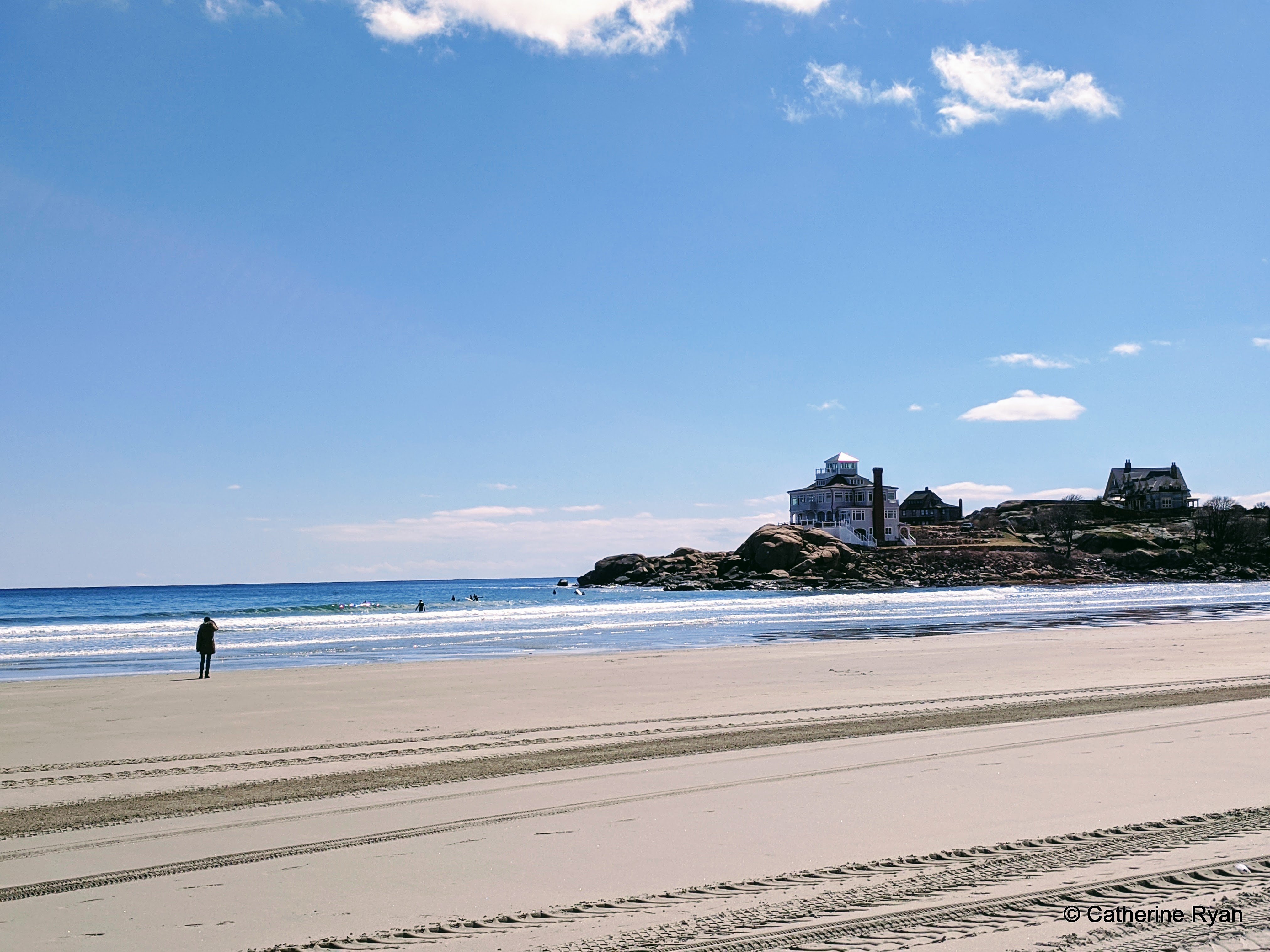
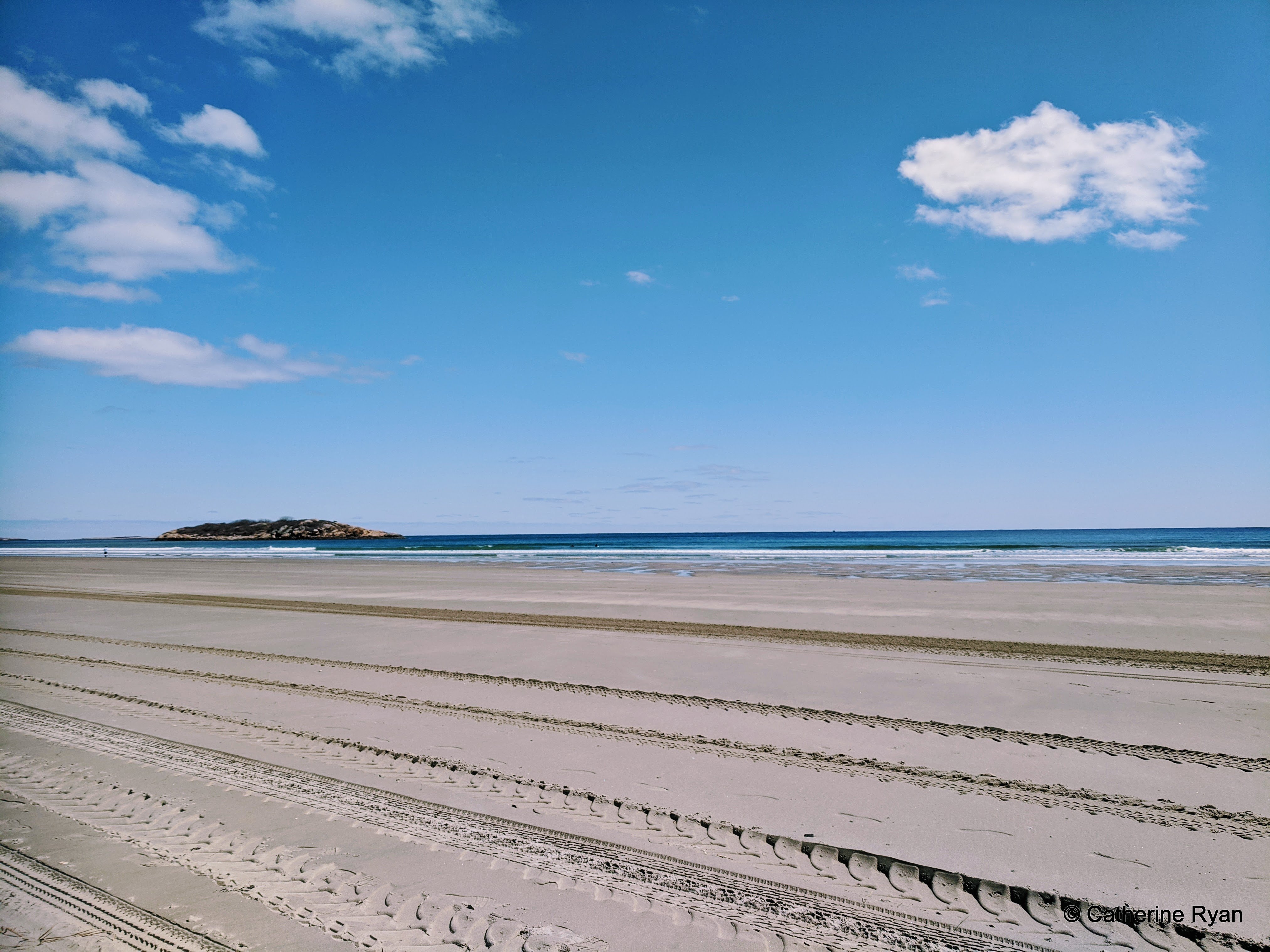
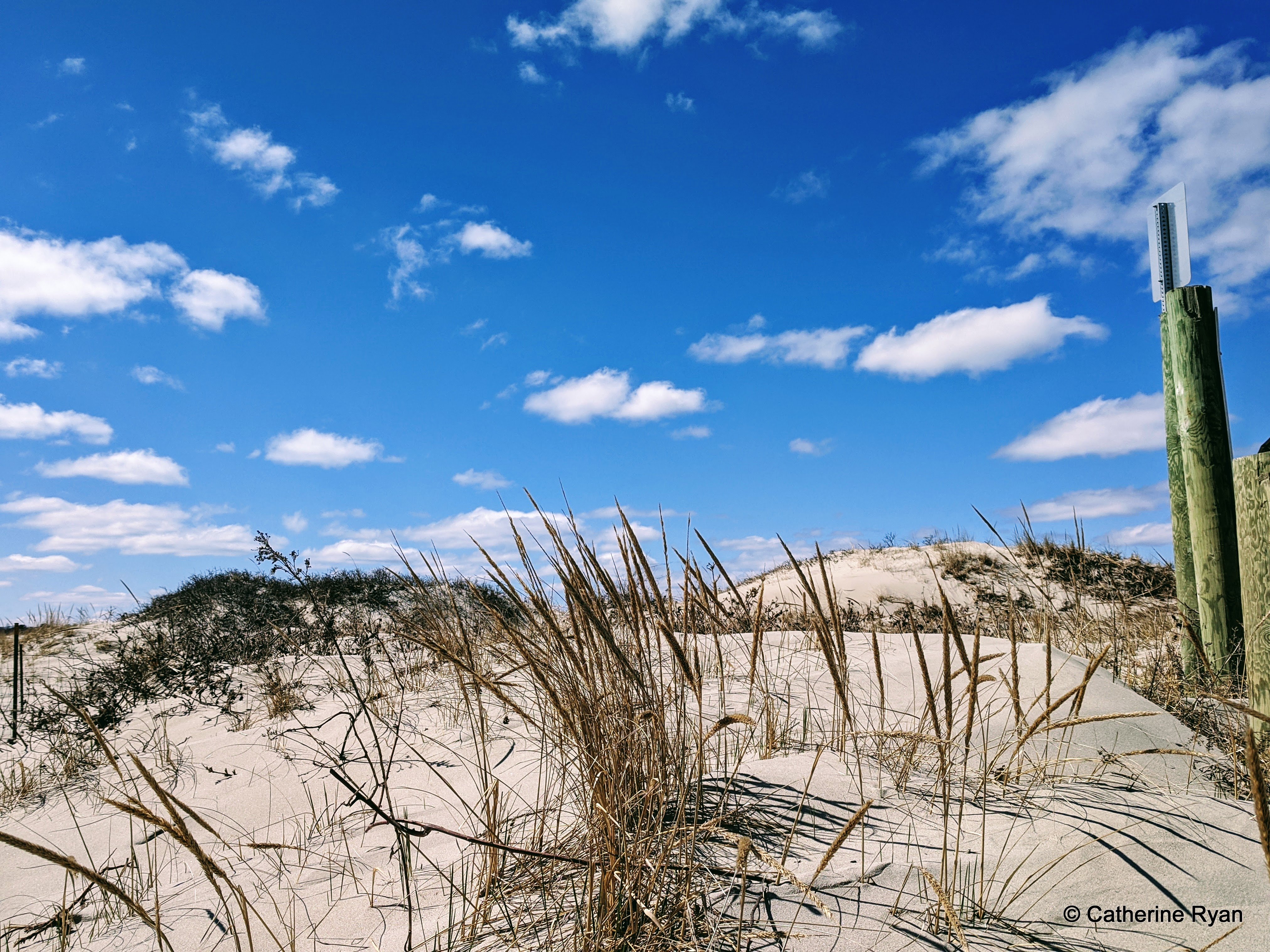
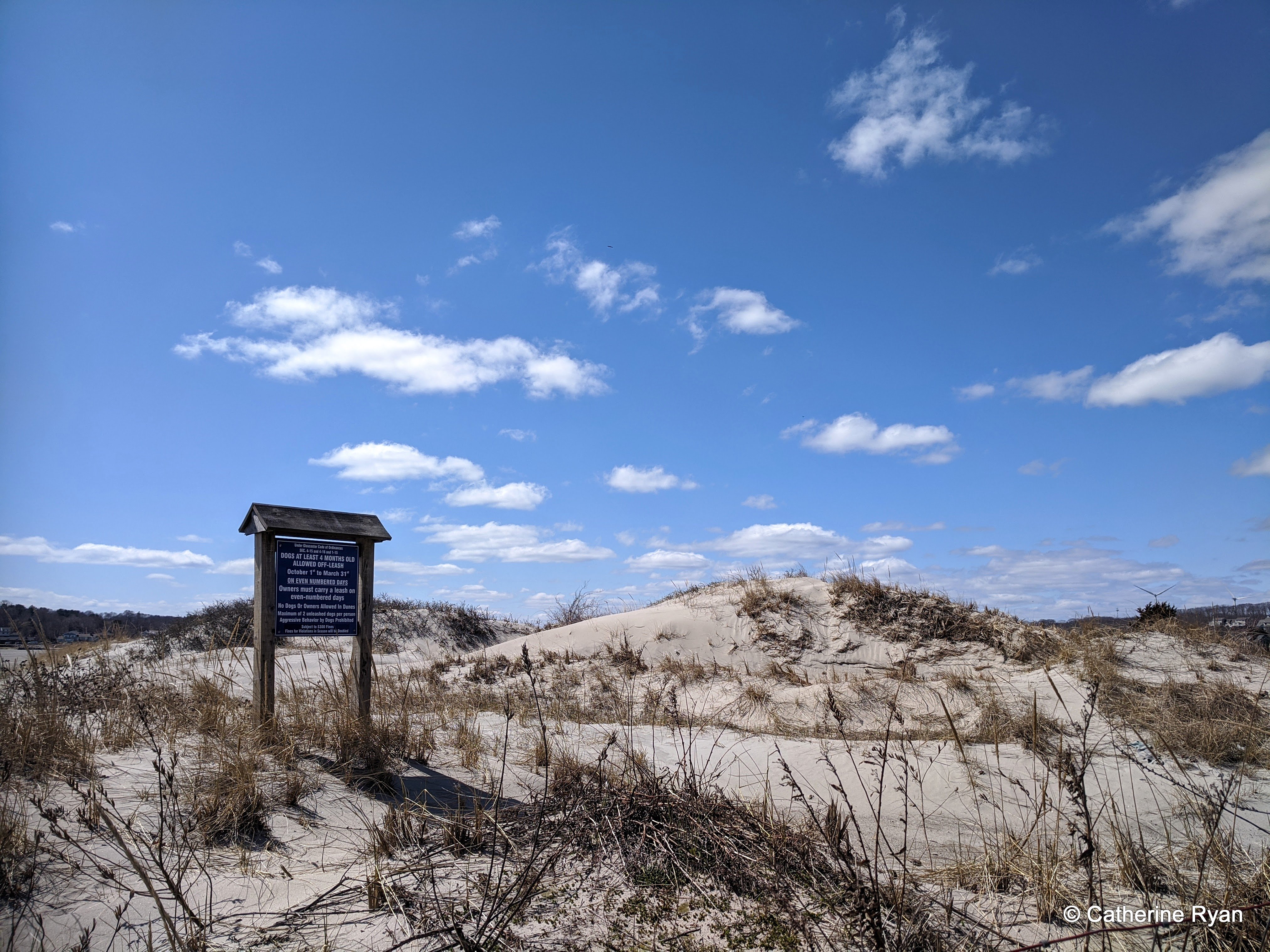
Signs of Spring- No dog rule commences April 1 on Good Harbor Beach. Piping Plovers are on the beach. Two enclosures help the wildlife and dunes. Sand felt warm underneath despite the frosty spring morning.

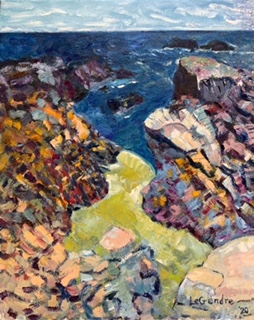
Rocky Neck Art Colony virtual exhibits are open. Don’t miss Part 2 of the annual members show, curated by Meredith Anderson.

Read more:
Stop/Look #2 is part of the 6th annual Rocky Neck Now members show from the Rocky Neck Art Colony (RNAC). Reflecting the lives of RNAC artists over the last year, Stop/Look is online only (www.RNACExhibitions.com), but it’s so big in spirit it’s actually two shows.
Rocky Neck Art Colony members made sure the year of Covid was a year of artistic achievement. Meredith Anderson, Gloucester-based graphic designer and artist, designed the show. Anderson organized the show into categories, much as she did with the Stop/Look #1 show.
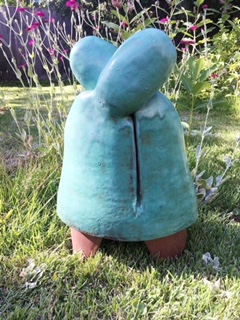
Stop/Look #2 features the work of 39 artists. There is a wide variety of work, including Abstract (Save the Animals, by Terry Del Percio-Piemonte, and Homage to Diebenkorn No 17, by Otto Laske), Sculpture & Craft (Sheltering in Partners, by Jenny Rangan), and, finally, Into Nature (Backshore Alley, by Nancy LeGendre; Fall Foliage, by Raymond Magnan, and Winter Wind by Rebecca Nagle. Materials are as varied as the artwork, from oil painting to ink jet photography, watercolor to digital, ceramic to mixed media.
Artists in Rocky Neck Now: Stop/Look #2
Jerry Ackerman—Autumn Leaves
Miranda Aisling–Knitted in Blue & Yellow
Kathleen Gerdon Archer—Core, Mantle Crust #3
Katherine Bagley—Water Casting necklace/earrings
John Bassett—Blues Dancer#2
Ted Bidwell—Maine Sunset at Covid
Elizabeth Bish—Cold Moon
Janice Brand—Three Pots
Donna Caseldon—Awry #5
Matt Cegelis—Flying in a Blue Dream
Yhanna Coffin—Releasing the Seed for the Generation
Anne Marie Crotty—Crevices
Marci Davis—Where Friends Meet
Terry Del Percio-Piemonte—Save the Animals
Barbe Ennis—Tuxedo
Liz Sibley Fletcher–Refuge Within
Elizabeth Gauthier–It’s Never to Late
Nina Goodick—Message to Covid-19
Olga Hayes—Marsh Glow
Christine Molitor Johnson–Majestic Seas
Nils Johnson—Cattail Cotton
Otto Laske—Homage to Diebenkorn no. 17
Nancy LeGendre—Backshore Alley
Nella Lush—Expressions
Raymond Magnan—Fall Foliage
Carmela Martin—Courage for the Journey
Kat Masella—Mother and Infant no.2
Dawn McDonald–Bass Rocks
Vanessa Michalak—Our Field
Ruth Mordecai—The Sign 1
Eileen Mueller—Banyan Tree
Rebecca Nagle–Winter Wind
Jenny Rangan—Sheltering in Partners
Judy Robinson-Cox—Secret of the Forest
Lyla Roth—Tuna Tail
Lynne Sausele—Hold On
Sallie Strand—Guarding my Sanity
Rokhaya Waring–Under the Apple Trees


Rose (Vitale) Geomelos grew up in Gloucester. Some GMG readers may know Rose and her relatives, including brother, Paul Vitale. You may have seen the sch. Angela & Rose heading out and returning.
That’s Rose’s name on her brother’s boat.

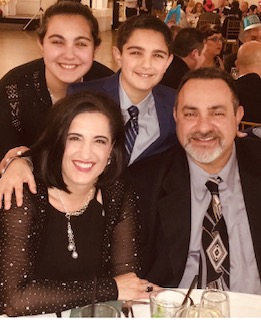

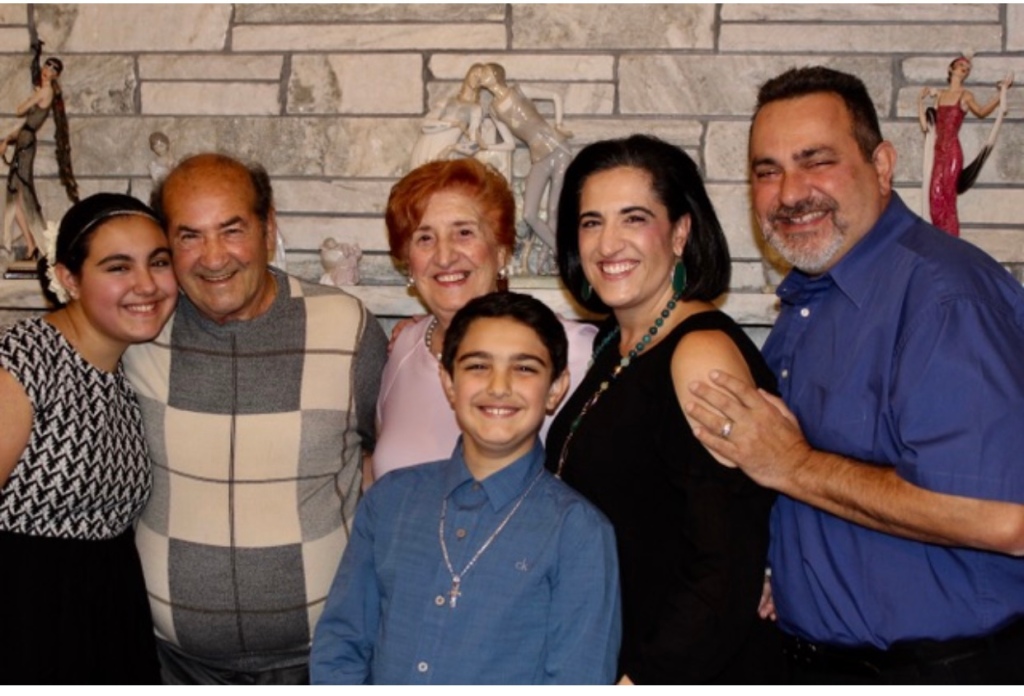
Rose is reaching out. Her husband, Lenny Geomelos, a hard working, youth sports coaching, North Shore man–with Gloucester family– is in urgent need of a healthy kidney.
If you are O +/- blood type, please consider registering for the kidney donation program for Lenny Geomelos, or the *paired exchange program for kidney donation. You’ll help save a life and family.
The first time I heard about kidney donors was when a friend of my family, who resided in Rockport, registered to be a kidney donor and eventually was a match, some time back in the 1990s. Her generosity inspired all, and helped save a family like Rose’s & Lenny’s.
Before our friend became a donor she read about it in the local paper, long before there was any social media. Who knows? Someone reading GMG might be a good fit or be the connecting share that helps this family meet a just right match. March is National Kidney Month so please share to help spread awareness.
“Sometimes it’s very difficult to do anything outside of your comfort zone for many different reasons. Seeking help is most definitely one that is out of my comfort zone, but I also realize for the sake of my wife and children, I need to take that step and seek help from altruistic strangers or possibly even people that may know me through my wife Rose, who was born and raised in Gloucester.”
– My name is Lenny Geomelos and I am in desperate need of a new and healthy, life-saving kidney. March 2021
For anyone interested in helping me, or spreading the word to others, the initial contact must come from potential donor candidate by registering with the Living Kidney Donor Center at Brigham & Women’s Hospital in Boston, Massachusetts.
Go to Register as a potential donor – Donor Registration (donorscreen.org) to register as a potential donor and submit the application. When asked who you are looking to help, please enter LEONARD GEOMELOS. It’s easy to sign up but it’s not so easy to find a match. We have been unable thus far.
*Paired Exchange Program – If you are not a direct blood type match to the person you are seeking to help, you can enter the program whereby your kidney may match another patient in need within the program; and in turn, another person in the program that might be a direct match to the person you are looking to help, will receive a kidney in exchange for your donated kidney.
I have been a diabetic for most of my adult life and have successfully managed my sugar levels.
A few years ago, I lost weight and became healthier which enabled me to get off my diabetes medications, however, my blood pressure and sugar levels inexplicably became quite elevated and landed me in the hospital twice in the span of about 8 months, where unfortunately my kidneys took an enormous hit and since then, my kidney functions have just continued to decline to where I learned in November 2019 that I’m in Stage 5 kidney failure which has forced me to now require Dialysis.
“I love my family and want to continue to be here for them. I have my wonderful wife Rose by my side and our beautiful children – our 15-year-old daughter and our 13-year-old son that I provide for and love more than anything.
I very much want to continue being here growing old with my loving wife whom I adore, and also continue to watch our children grow up in life and have the opportunity to share many more years of great memories.
I want to walk my beautiful daughter — when the time comes — down the aisle, when she is ready to begin that new chapter in her life. And I want to be there when my son makes that same transition from youth into becoming a family man himself.
A life-saving kidney would also afford me the opportunity to hopefully someday meet, hold, and watch my grandchildren grow up, and I want to do all that with my loving wife right by my side.”
Lenny
I was taught at a young age by my parents that to achieve anything, you have to work hard and also give back to your community. I started working at a young age of 10 years old and consider myself a very hard and loyal worker with strong work ethics and strong family values. I have been with the same company for almost 40 years.
My job is extremely physical and my condition is making it harder for me to do my job. I will never quit because I feel that is not an option since I have never quit anything in my life.
Through my years, I have donated my time to youth sports and also various charity events through my affiliation with the Shriners. I am a youth sports coach and have coached baseball, softball and still coach youth football. Thus, I would very much like to continue to be involved in those youth sport programs, especially for my son. It means so much to watch young athletes grow with the sport and help them develop a love for the game, but more importantly, I aim to teach athletes to understand that through their participation in sports, they come to value the importance of family and education, as well as, the importance of teamwork and teaching kids to overcome obstacles in sports that may help them to use those same skills to overcome any potential obstacles in life. And here I face one of those obstacles in my life that I am in turn, reaching out for help to overcome!
“And so, I am hopeful in finding that ‘someone wonderful’ out there — who will find it in their heart to bless my family and I — that beautiful “GIFT OF LIFE!”
No amount of THANK YOUs could ever express the gratitude I would feel in finding that special person out there that is willing and able to help in my quest to find a healthy new kidney for me.”
Lenny


Judith Dobrzynski highlights WPA murals and a renewed online resource* for “Arts in Review” the Wall Street Journal.
“During the Great Depression, federal programs funded the creation of thousands of murals in post offices, hospitals and other locations across the country, many of which can now be viewed online.”
Judith H. Dobrzynski. The Staying Inside Guide: Big-Deal Art in Plain-Spoken Venues. Wall Street Journal. March 23, 2021. *A few of the WPA murals completed in Gloucester had been included in an earlier iteration of the website, in some cases misattributed. Gloucester is not mentioned in the article.
The reviewer highlights Coit Tower in San Francisco as one renowned example.
“The New Deal murals inside Coit Tower in San Francisco are also well-known. Painted by some two-dozen artists in 1934, they are social realist panels about life in California during the Depression, with titles like “Banking and Law” and “Meat Industry.” Their story, with a detailed layout, is available in a San Francisco Recreation and Park Department brochure.”
Judith H. Dobrzynski for WSJ
The reverse ratio is evident here: Gloucester selected four artists who completed scores of masterworks* for specific public buildings. Monumental stunning mural cycles were commissioned under the auspices of Federal Arts PWAP and WPA-era programs from 1935-42 for Sawyer Free Library, City Hall, the High School on Dale Ave (now Central Grammar apartments), Hovey, Maplewood, and Forbes elementary schools. As schools were closed, disposed, or repurposed, murals were rescued and resited within City Hall and later O’Maley.
The City of Gloucester artists were significant muralists and painters. In truth, venerated. They captured stories of Gloucester and became a celebrated part of our history and artistry. When considered as a whole, the Gloucester murals rival WPA era collections completed in big cities. The density of murals are as concentrated as any found in larger cities, like Coit Tower in San Francisco, though spread out among buildings rather than one tower, or one structure, as with Harlem Hospital.
Gloucester’s post office nearly landed a commission, but fate intervened. I’ll save that for the Part 2 post.
Gloucester and greater Cape Ann artists were commissioned for murals beyond Gloucester and Massachusetts and served key roles on selection panels and planning.
“Gloucester is not mentioned in this WSJ article or few major compilations. “Though painted by nationally known and successful artists at the top of their game, the works have suffered from a perfect storm of anonymity.”
Catherine Ryan, 2012
In recent years thanks to a CPA award, the Williamstown Art Conservation Center, established in 1978 to help museums with conservation, evaluated the condition of the city’s historic Depression era collection to help with important restoration. Gloucester’s impressive collection itself is the museum and the city a work of art that continues to inspire generations of artists.
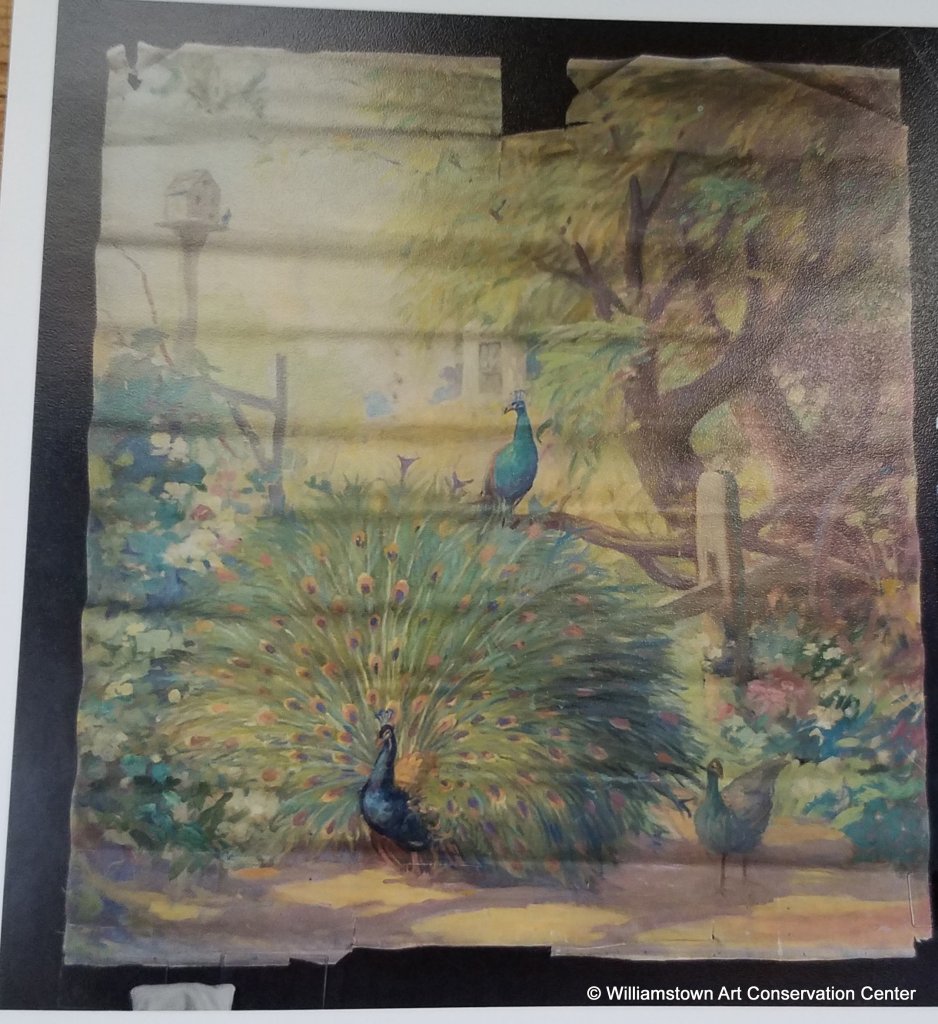
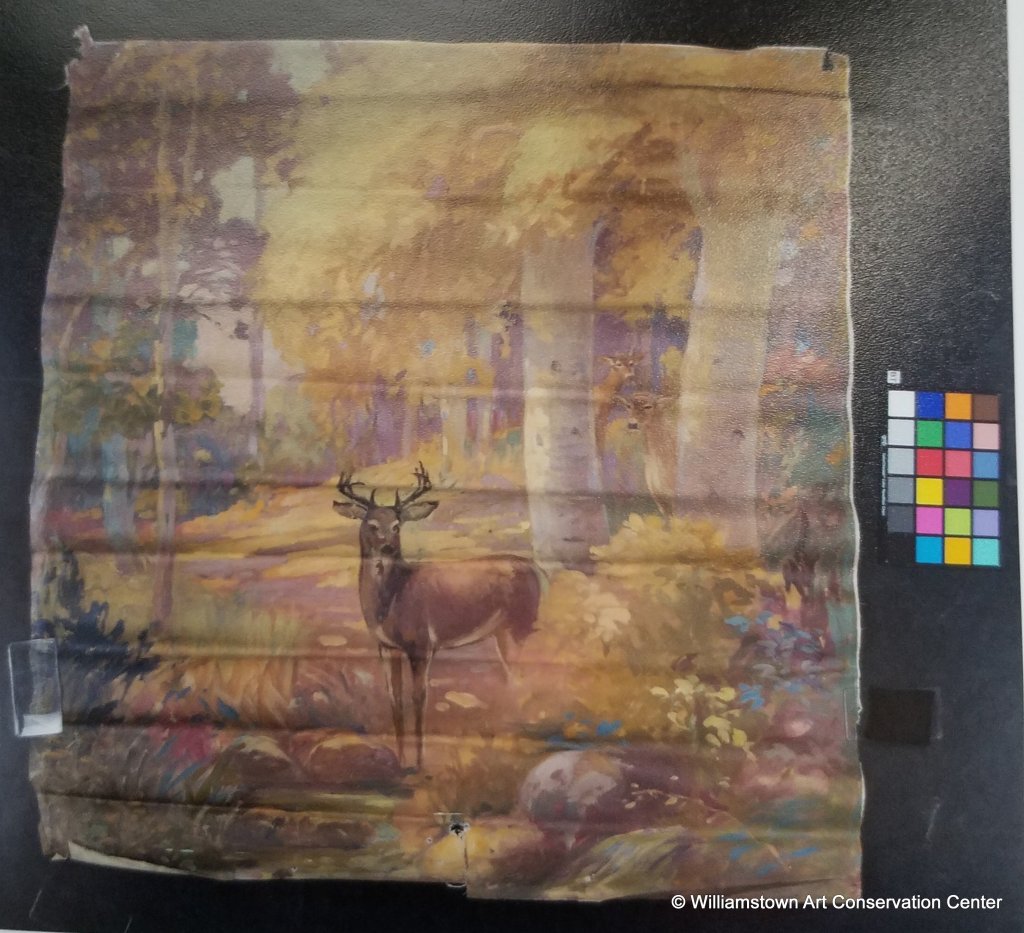

*The quantity of murals is 68 if one includes the five O’Toole murals from the 1940s. Note: because the Gloucester murals are multi-piece or series, the sections tally up to a whopping 75-90 count.
Within Sawyer Free Library are the city’s only New Deal works painted directly on plaster walls. Frederick Stoddard’s designs throughout the Saunders house encompass the first floor entryway, two story stairwell, and 2nd story wrap around stairwell hall. He described this two-story “decoration” above wainscotting upstairs and down as “a conventionalized treatment of the Gloucester region”. Familiar scenes include Dogtown “Moors”.
Marine scenes wrap around the former children’s space on the top floor.
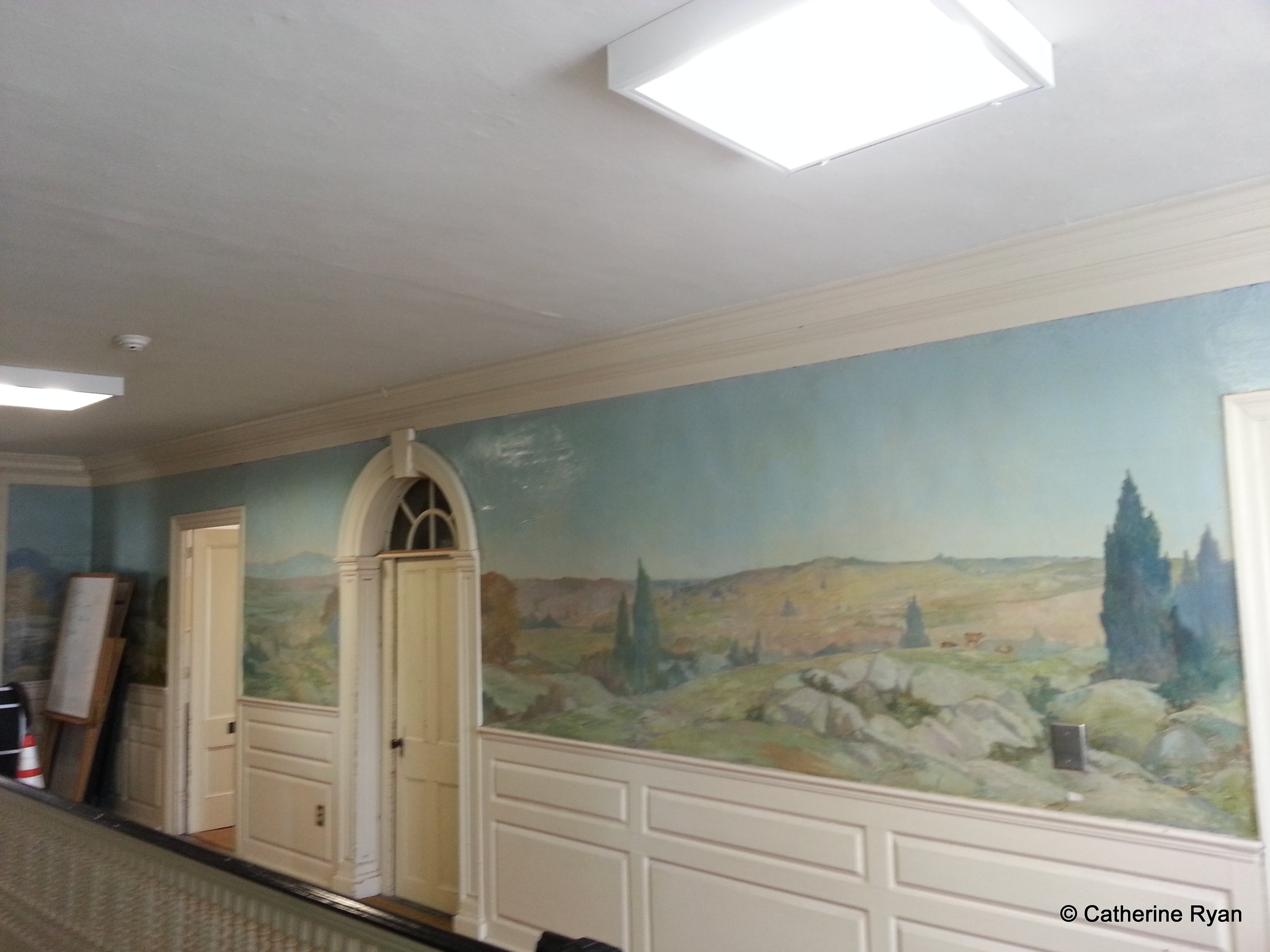

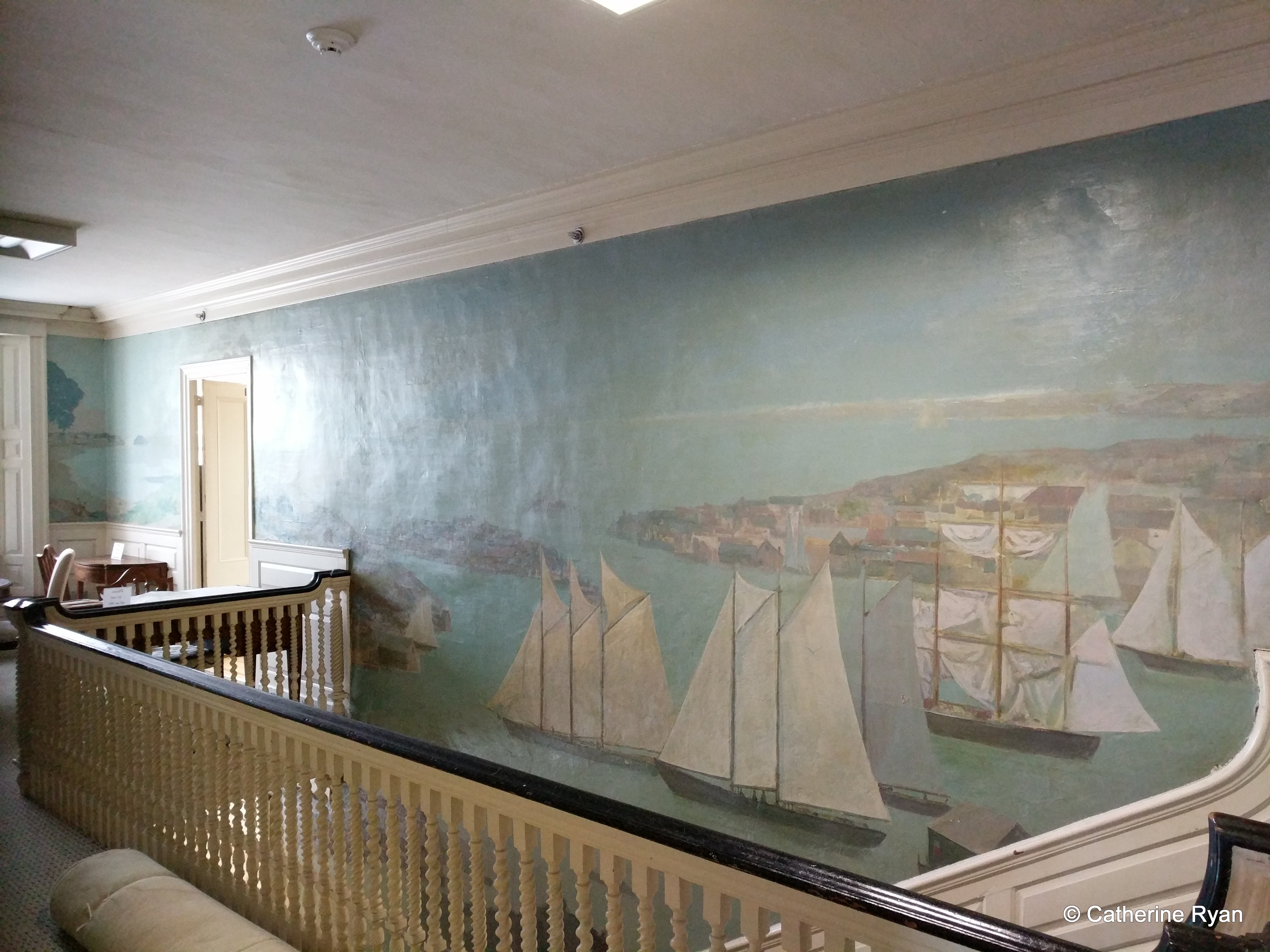

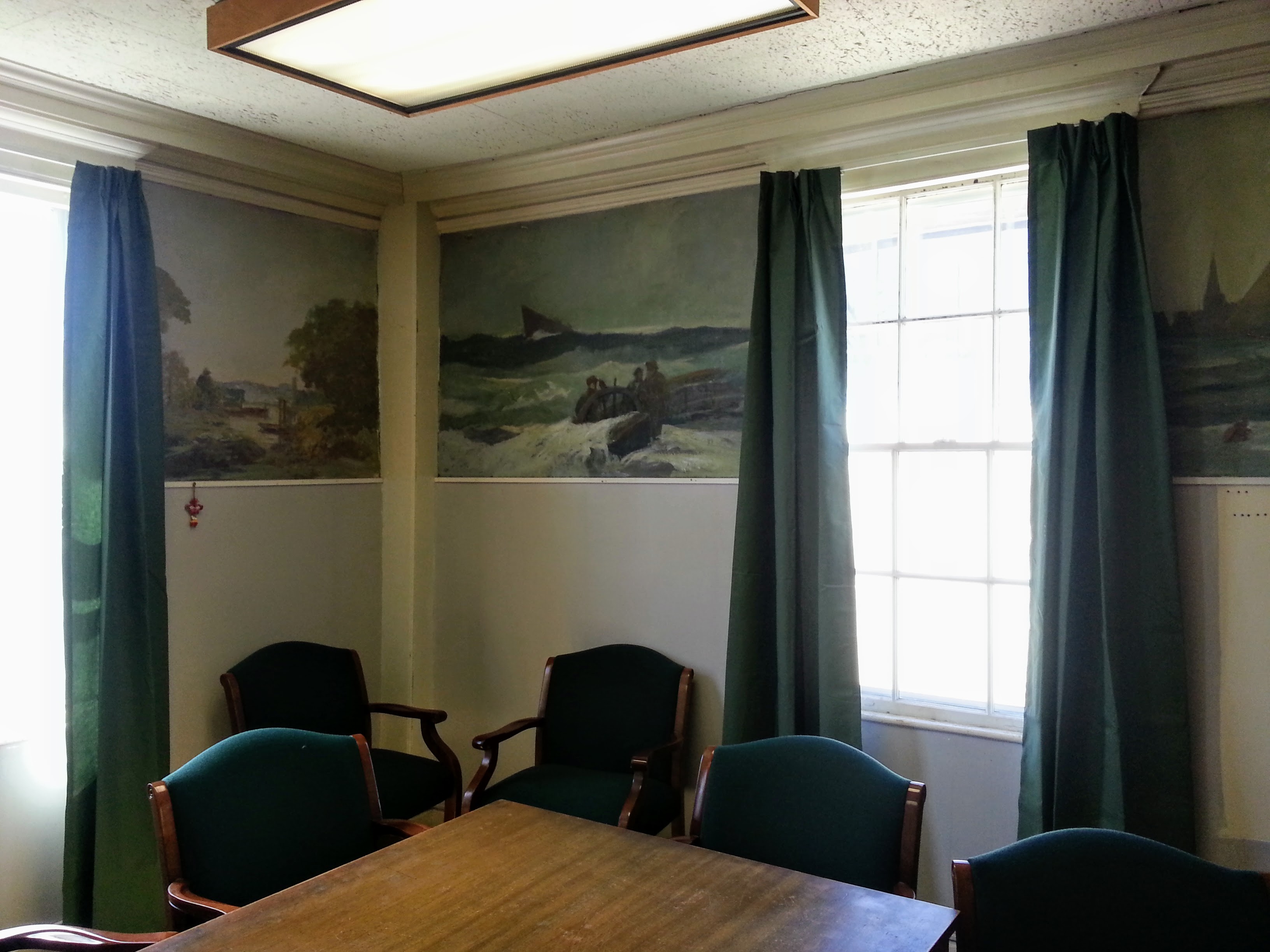


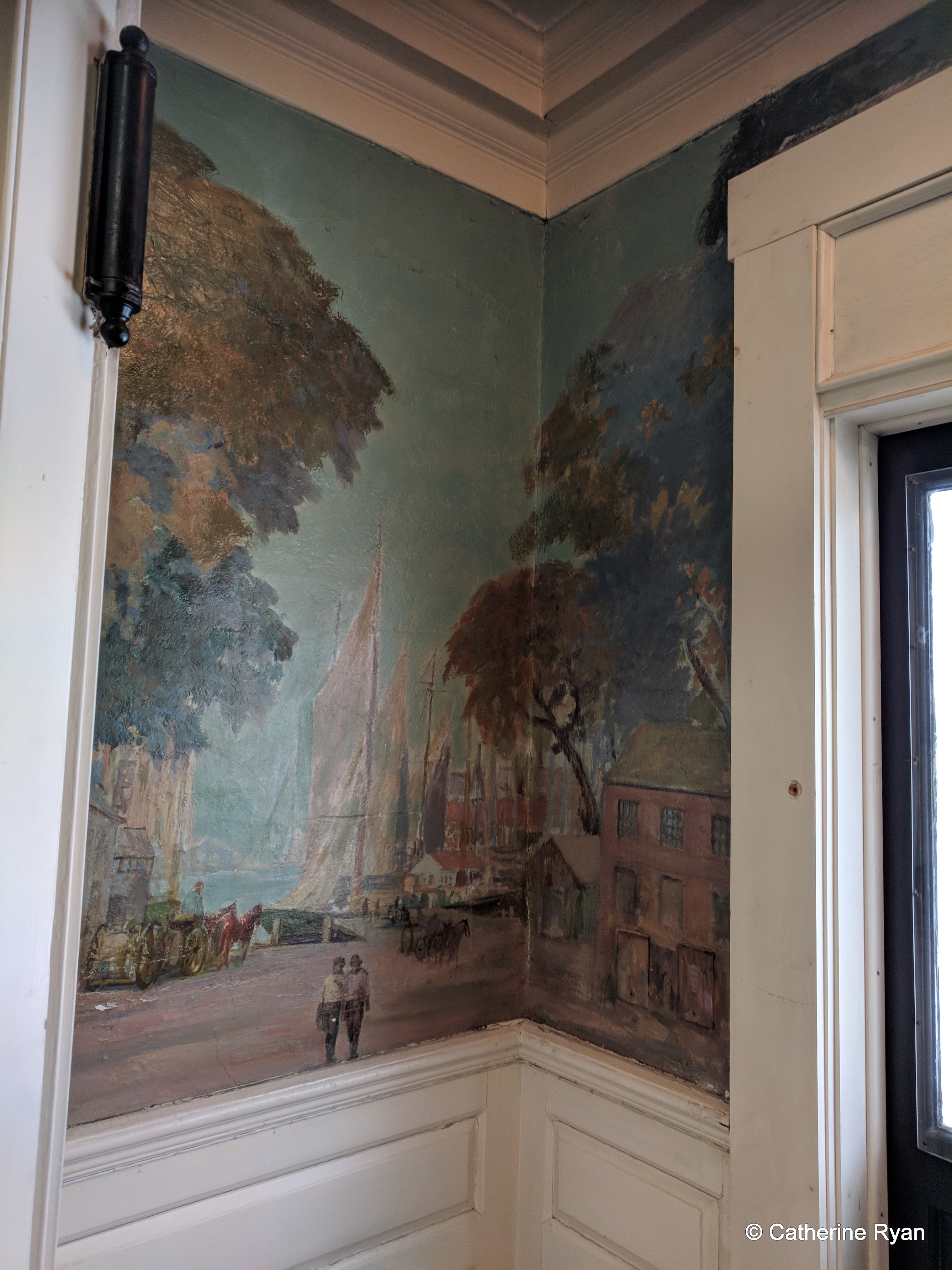
A Gloucester Daily Times article from 1934 mentions a trifecta opening honoring the architectural overhaul for the building, new murals, and Rachel Webber’s retirement:
“July 25, 1934- “The public reception at the Sawyer Free Library yesterday afternoon was for three purposes: to observe the 50th anniversary of the occupancy of the present building, to give a public showing to the mural decorations recently completed by Fredercik L. Stoddard and to the entirely restored and renovated building, and to recognize 44 years of service by Miss Rachel S. Webber, librarian who is to retire in the fall…The building has been completely repaired and largely restored. The three story tower which had been built on the front of the building has been removed*, as has the old porch which extended across the front of the house, leaving only an entrance porch. A bay window facing Dale avenue which the architects decided spoiled the character of the building has been sliced off. Everything has been painted and repaired and new lights have been installed.”
*all work near murals!
Howard Curtis assisted Stoddard with some repair work as a result (and was brought back again in 1953, 1974, and 1976-1980). In 1935, Curtis was busy completing his original “The Creation of Light” commission for the Methodist Episcopal Church on Prospect Street (now apartments).
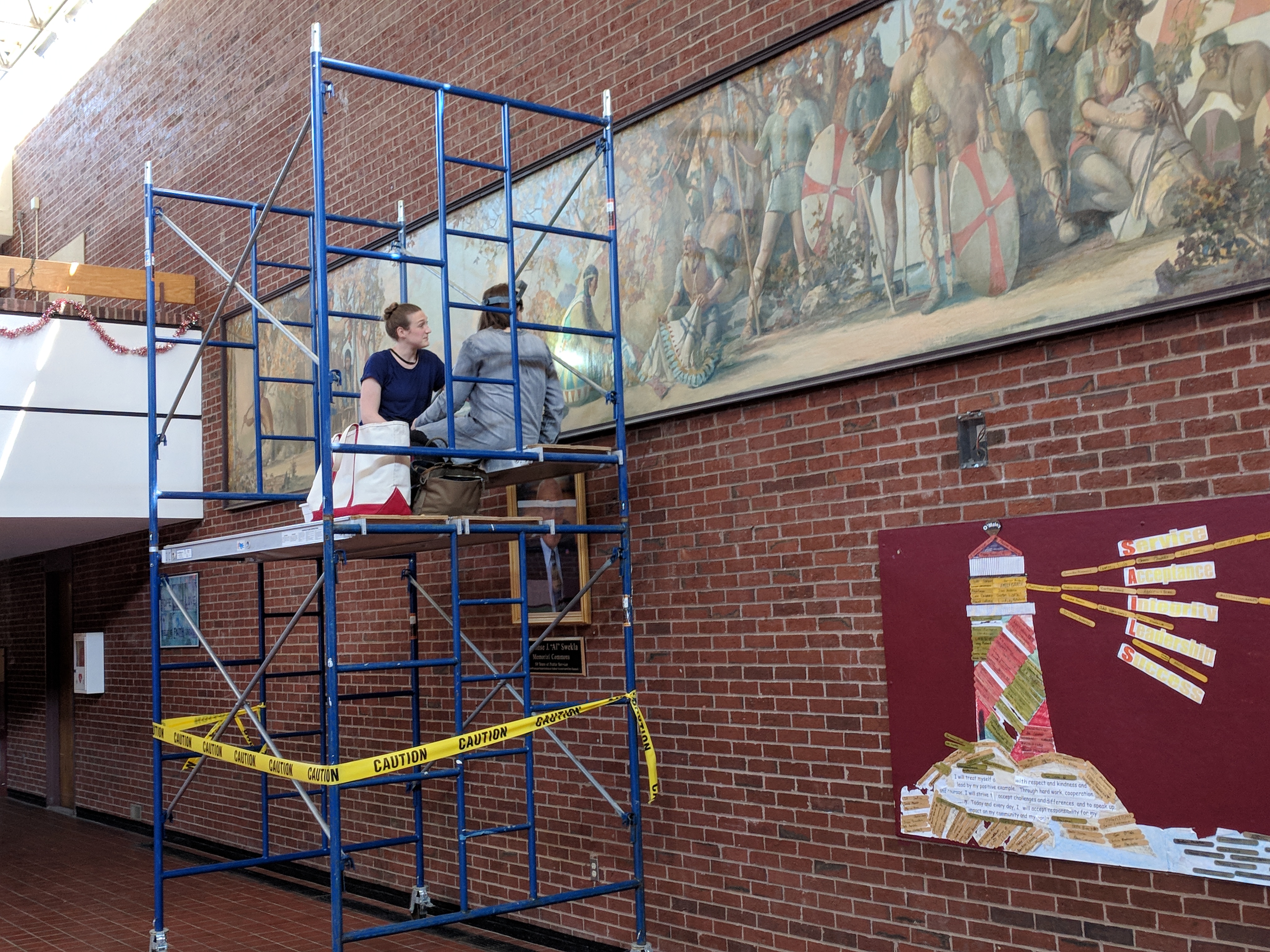
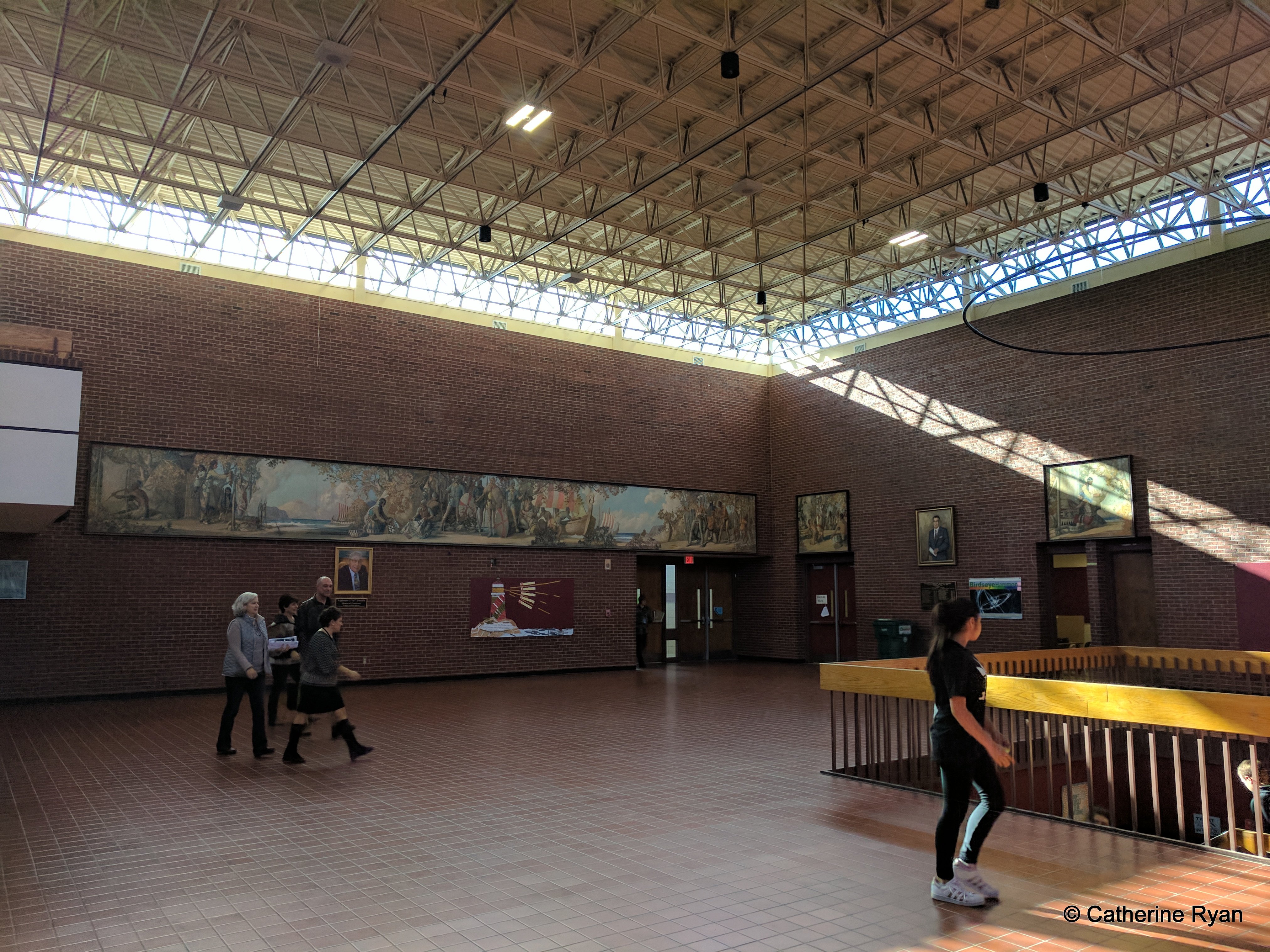
Within O’Maley Innovation Middle School are a complete though out of order Frederick Mulhaupt series (originally at Maplewood); a partial and crucial section from a 2nd immersive series (originally at the High School); and “Our Daily Bread” by Frederick Stoddard, cropped. There are important works by Larry O’Toole commissioned by Ben Pine for the Gloucester Fishermen Institute and YMCA that were painted in the 1940s. Ron Gilson, Gloucester native, author and local historian, helped with the attribution and remembered the completed art being carried out the door. Gilson was great friends with Ben Pine, his first boss, and knew O’Toole.
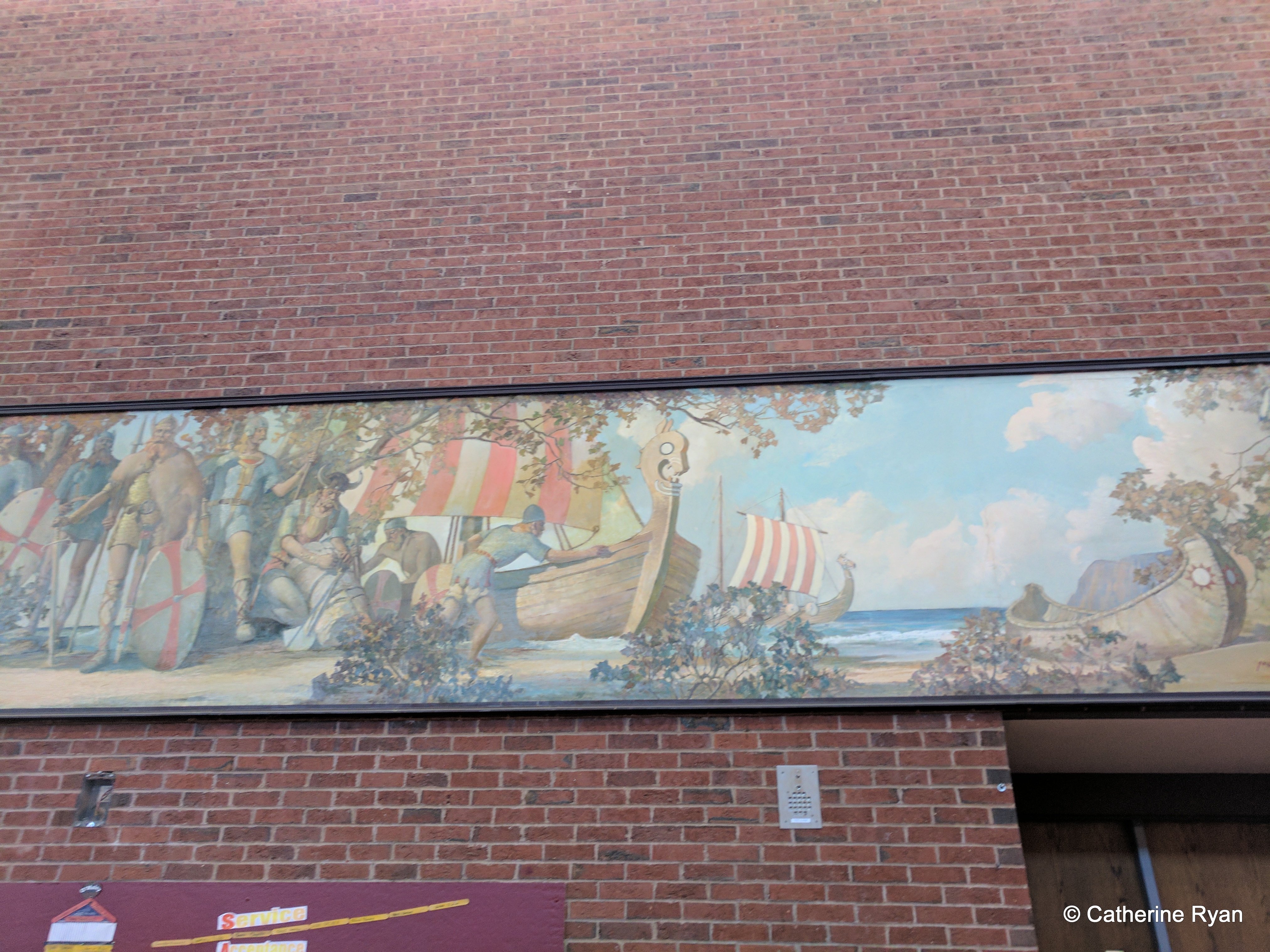
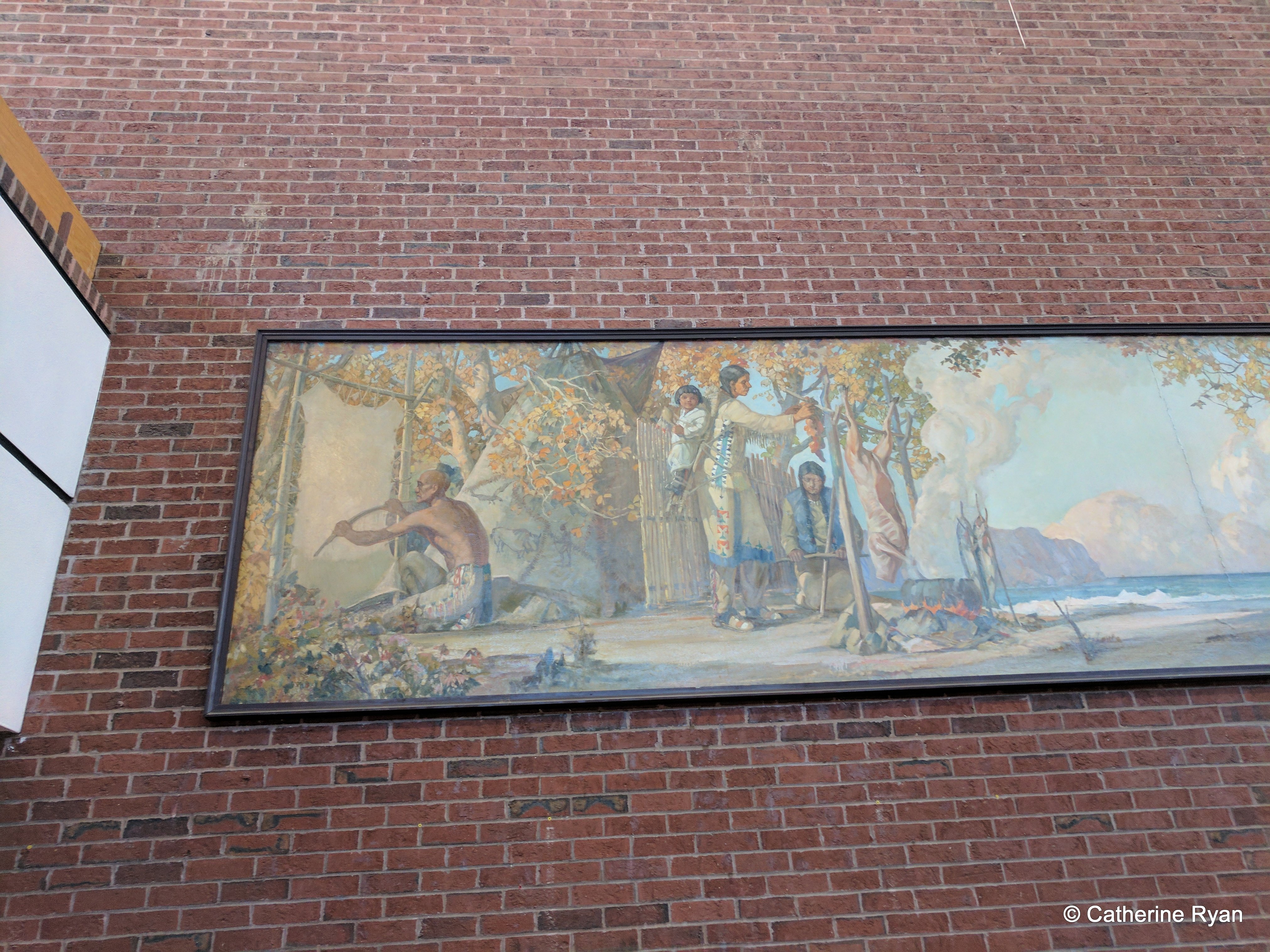
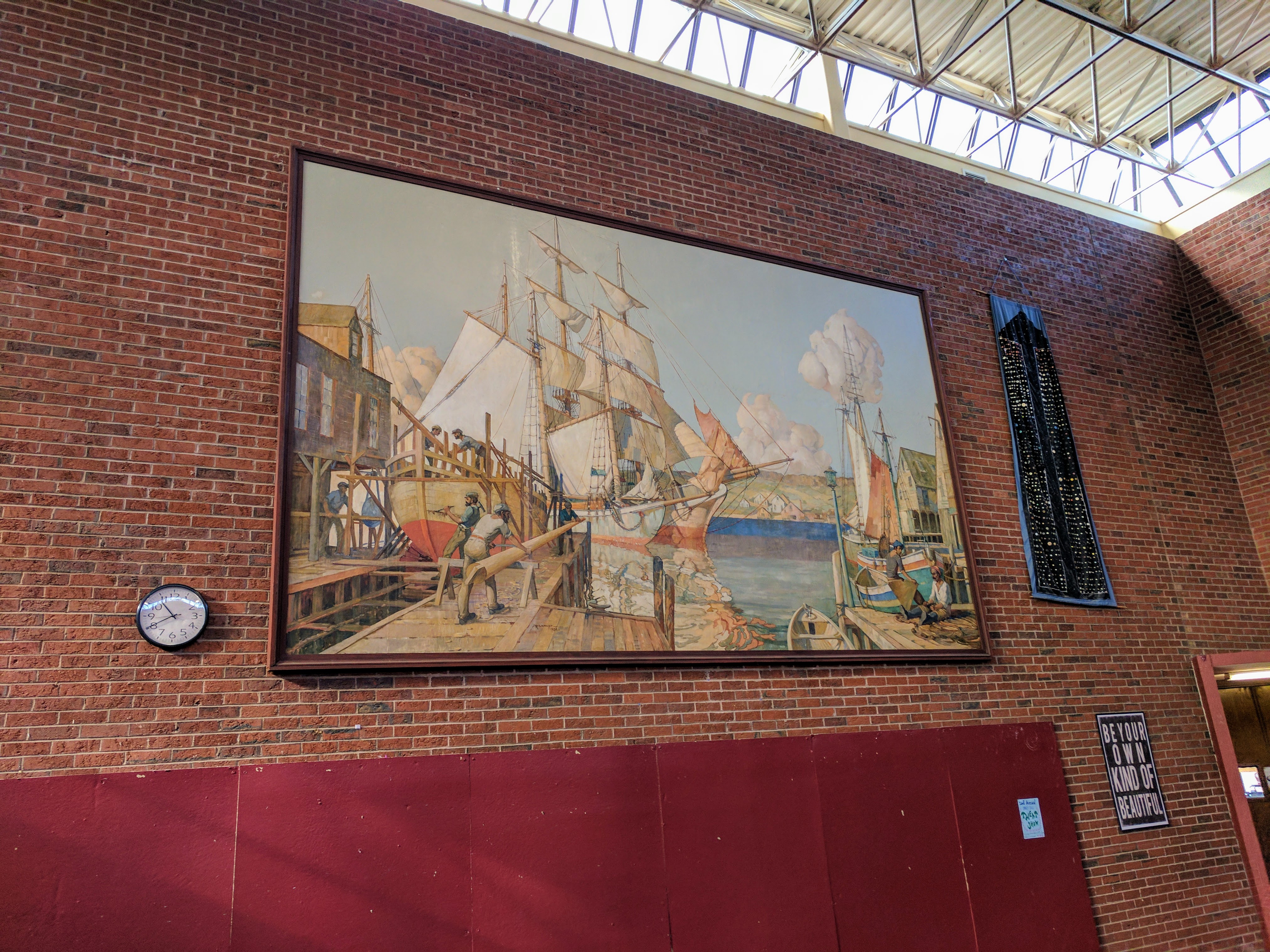
above: sections from Mulhaupt’s fantastical “Landing of the Viking Thorwald in Vinland” 1935; and central panel “Gloucester harbor” 1936 | below: DPW inspecting the O’Toole 1940s murals (photo 2015)
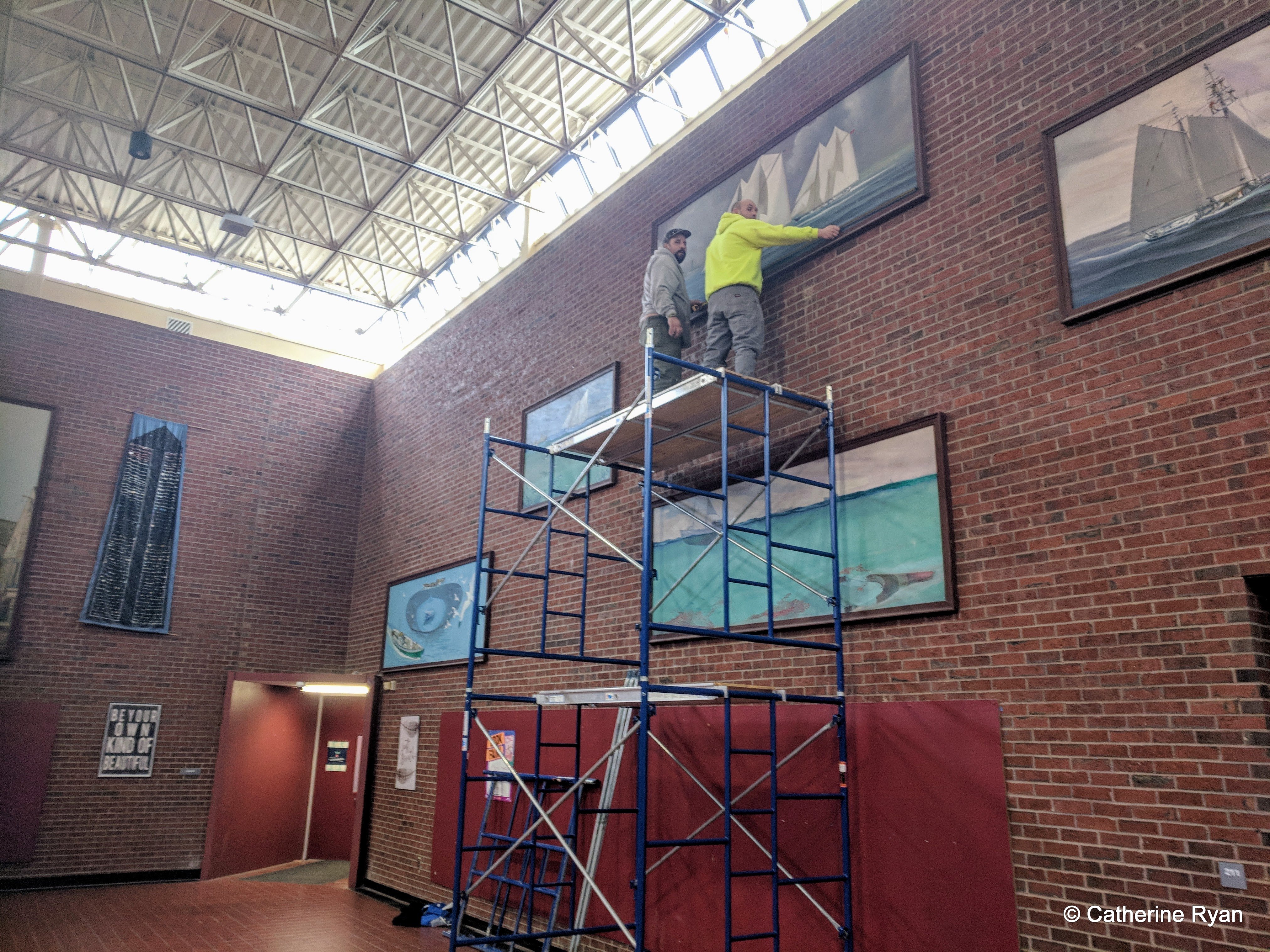
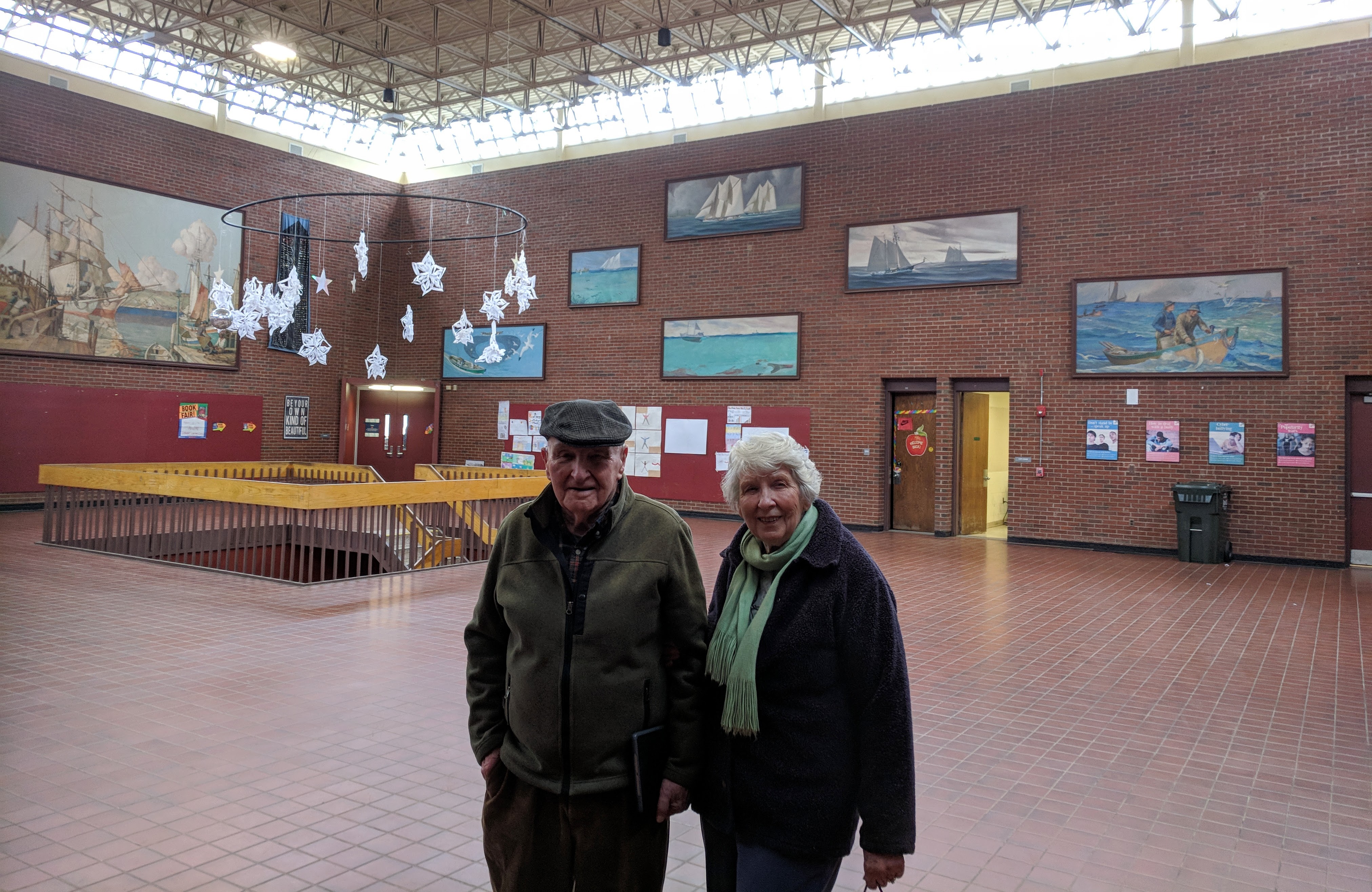
Within City Hall, there are 10 monumental New Deal murals by four artists: Charles Allan Winter, Frederick Stoddard, Frederick Mulhaupt, and Oscar Anderson. Three are multi panels so the collection in this building seems much greater than 10 murals. The Winters in the lobby and Kyrouz were site-specific for City Hall.

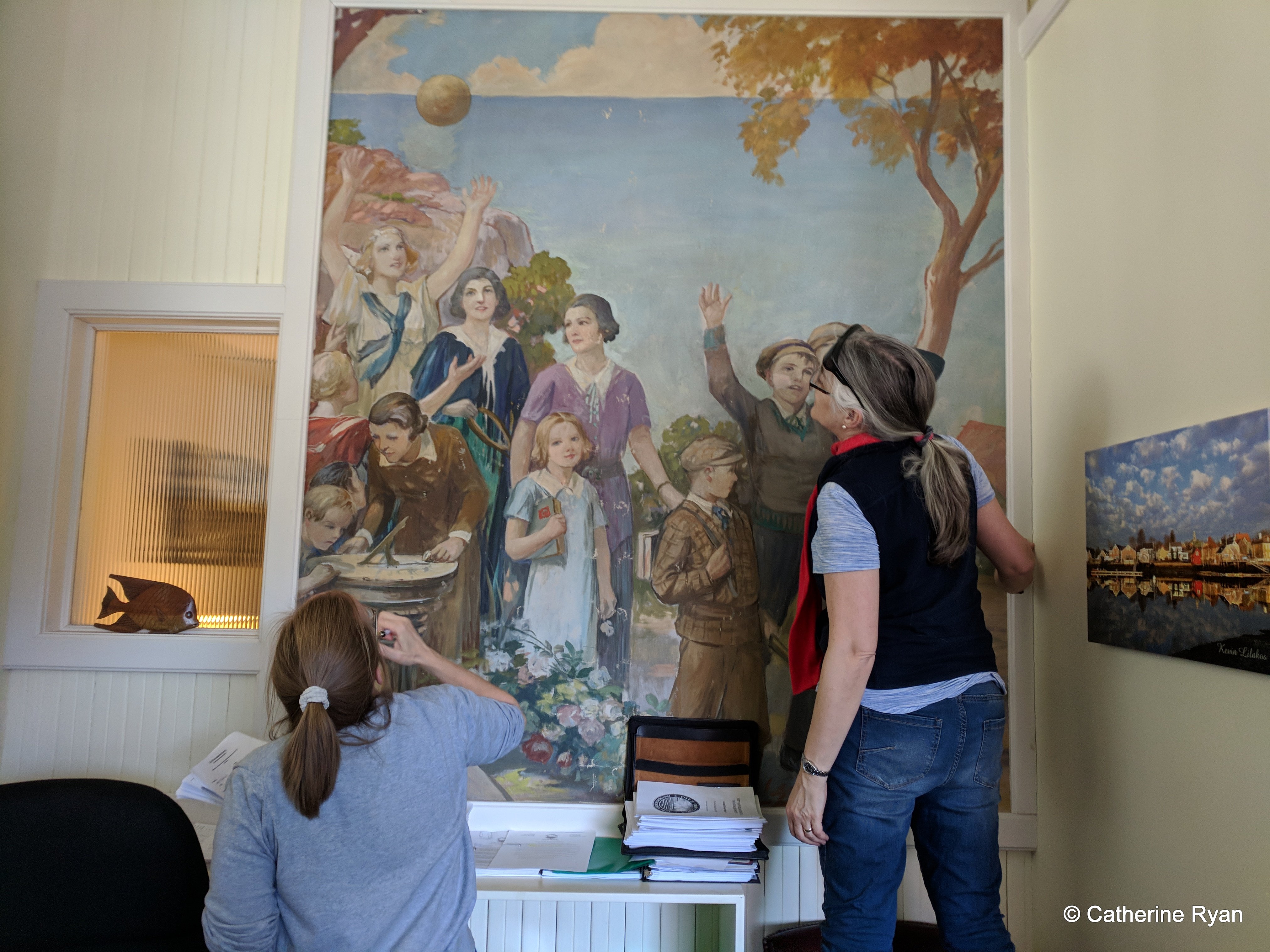

One is a small Stoddard panel from a triptych spanning 65 feet for Eastern Avenue School!

I’ll follow up with posts detailing more biographical information about the artists.
The City of Gloucester murals have the potential to be listed among the nation’s most concentrated holdings of New Deal art from the 1930s and 40s on public view anywhere today. However, they are not all on view. Historic murals not on display await further conservation treatment.
Frederick Stoddard set up a studio in an unused room of the Point Primary School in East Gloucester to paint a variety of panels for the Forbes school. African animals by a waterhole, “the only liberty was animals all close to each other and peaceful,” accompany scenes of wild animals & birds and domestic animals. An underwater scene of local fish and vegetation is missing. I imagine every child and adult found it impossible to settle on just one favorite animal.
The largest composition stretched almost 20 feet. Joseph Nunes helped Stoddard with the installation.
This pair from the series were set over the doorways leading to classrooms. Each measures 5′ x 5′, so tall ceilings. Do they look familiar?
Did you attend or are you related to someone who was enrolled at the Forbes elementary school in 1935? Perhaps you visited one of the special viewing days set aside for the public. Fun fact: There have been seven Forbes school locations if we include the two modulars from the 1920s.
Oscar Anderson painted seven soft hued and dreamy murals for Hovey School including three panoramas. Four smaller works from this school are missing since ca.1972 or later. Does seeing a few of them together help you picture the Hovey school interior?
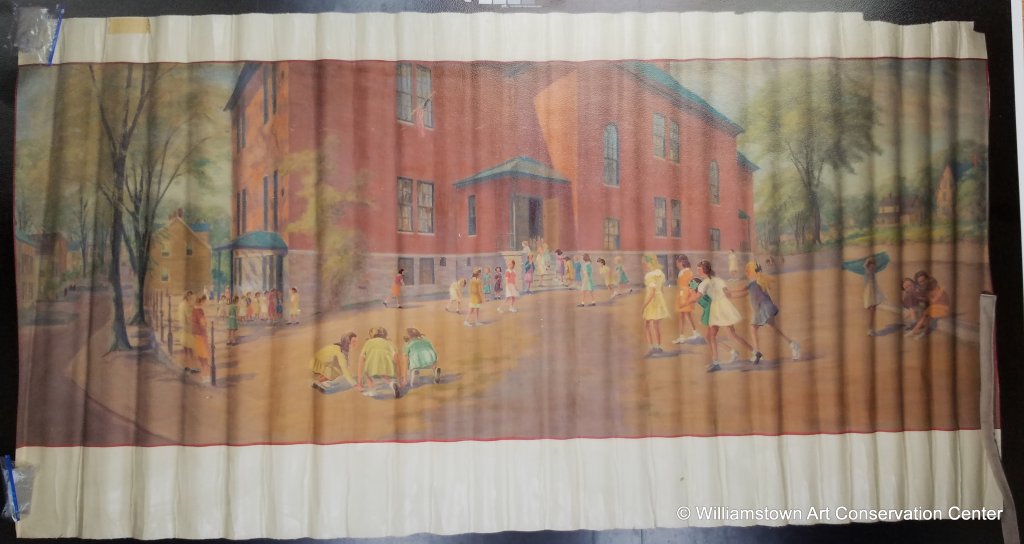
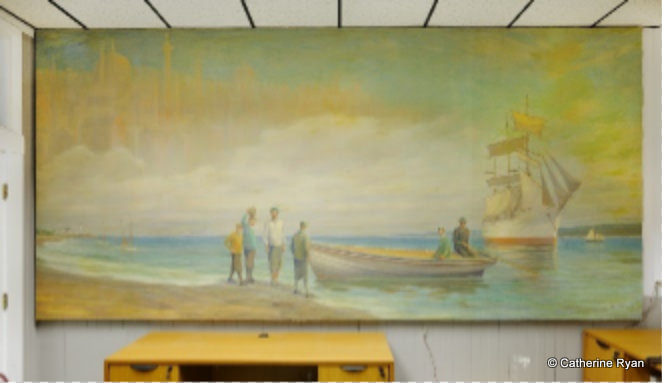
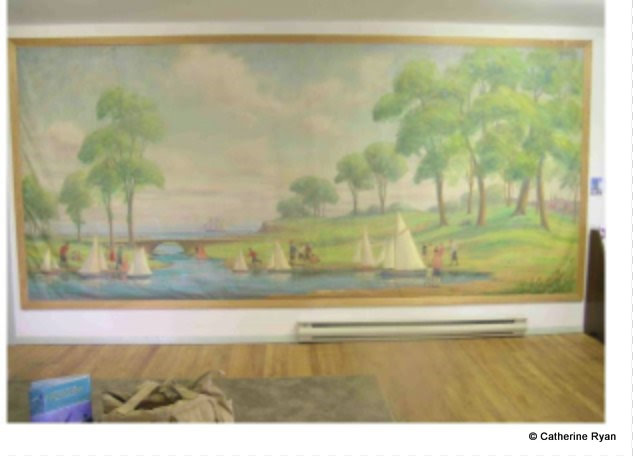
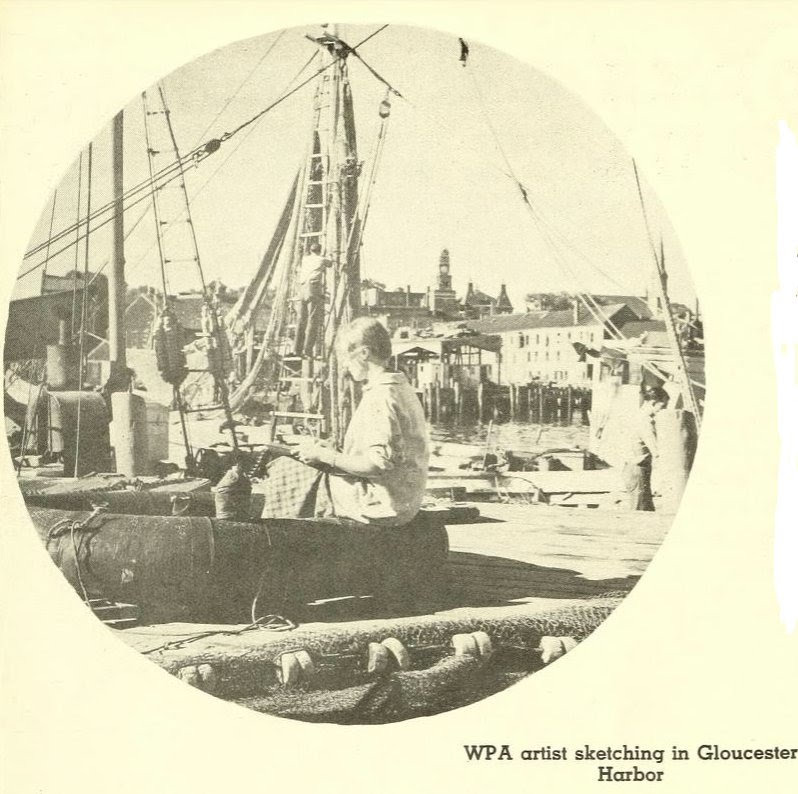
Beyond art, Gloucester benefited from multiple New Deal projects big and small. The Jodrey State Fish Pier was a Public Works Administration (PWA) biggie. Emergency funds allocated through the Treasury department paid for new public buildings like Gloucester’s post office.
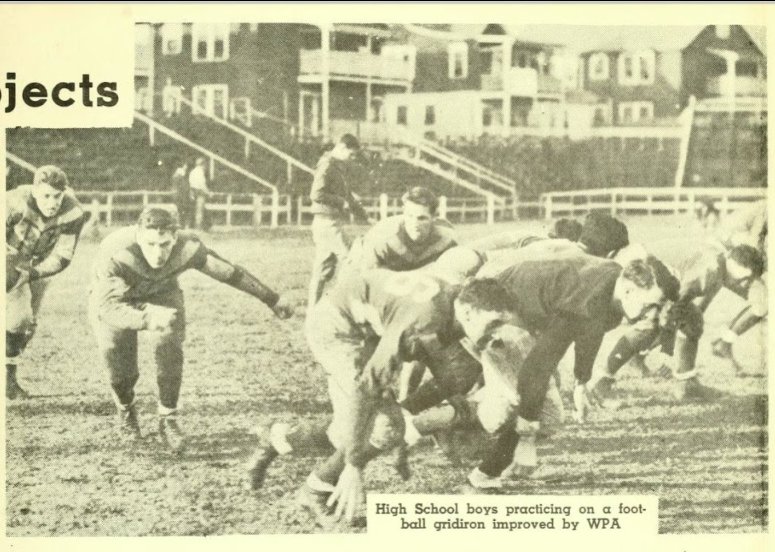
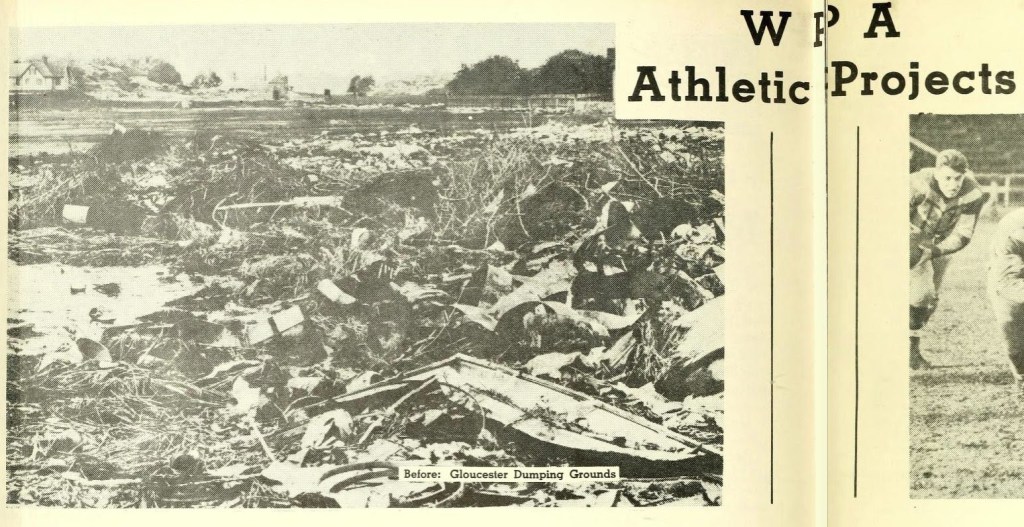
The WPA helped Gloucester finally cap off the new track and field on Centennial. For years Gloucester residents were asked to dump their trash to build up landfill. The recreation space (now New Balance Field at Newell Stadium) was recognized nationally and dubbed, “Gloucester WPA Centennial Avenue Athletic Field”.
“The benefits of men working has changed unsightly, unhealthy Gloucester dumping ground into a modern fully equipped athletic and recreation field.”
1937 WPA bulletin

WPA Athletic Field 1937 – before GHS (Gloucester vista painted by Edward Hopper, now at the MFA)
Super complimentary letter from Colorado in response to the Gloucester story:
“I have just received your bulletin of October and I cannot refrain from writing to say that I think your inside spread showing the original dumping grounds, the football game, and a panorama of the athletic field at Centennial Avenue Gloucester, is one of the most remarkable photographic histories for public information that I have seen. How fortunate it was that your photographer saw it to get that first picture. It merits very widespread contemplation.”
Very respectfully yours,ERNEST W CORN
Assistant State Administrator Division of Information Service. Denver, Colorado
The field also gained coverage with other WPA football projects
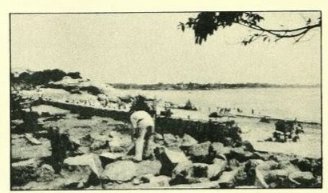
WPA salvage work helped to build a new seawall at Stage Fort Park for flood and erosion control – “More than 3500 tons of stone set in cement were required in the construction of this 1100 foot WPA sea wall at Stage Fort Park, Cressey Beach, Gloucester. The wall preserves the beach area by preventing water and driven sand from flooding the park property.”
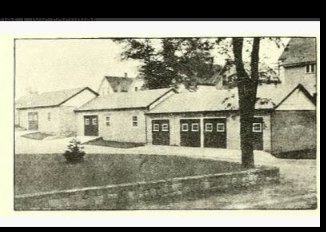
“At City Home, Gloucester, WPA razed a dilapidated wooden structure and built an all-stone garage and storage shed. These buildings will be used jointly by the City Home and the Welfare Department.”
Contributions in support of murals needing treatment can be sent to the “City of Gloucester”, note for mural conservation, City Hall, 9 Dale Avenue, Gloucester, MA 01930

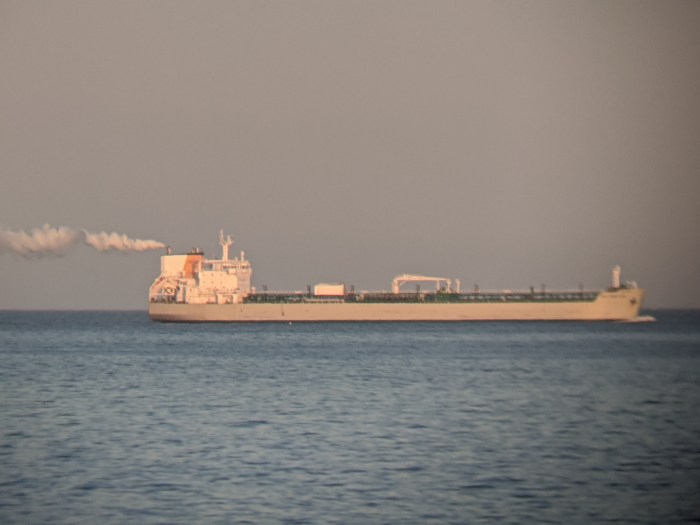
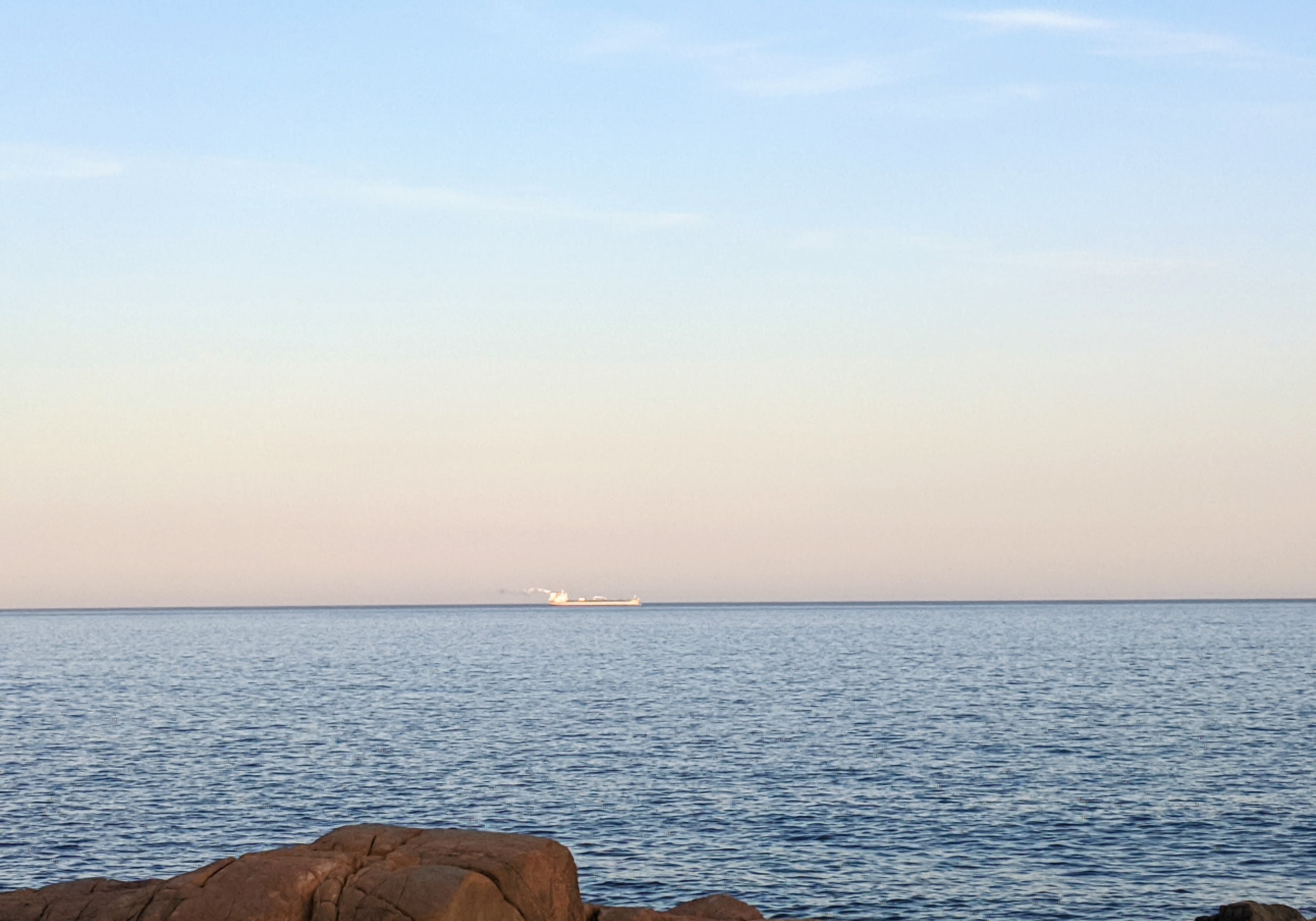
Where there’s smoke, is there processing right on board the ship? Can someone help describe this boat, what’s happening and where it’s headed to and from?
photo caption: Vessel off Gloucester 3/23/2021 visible from the shore. Binoculars held up to phone for “zoom”


“The Ever Given, a container ship longer than the Eiffel Tower,…” Suez Canal snarled by Giant Ship
Article mentions a first such incident there. What happened?

https://www.bloomberg.com/multimedia/api/embed/iframe?id=0a1cde4a-2db9-47e8-8ec3-9c21b868da18

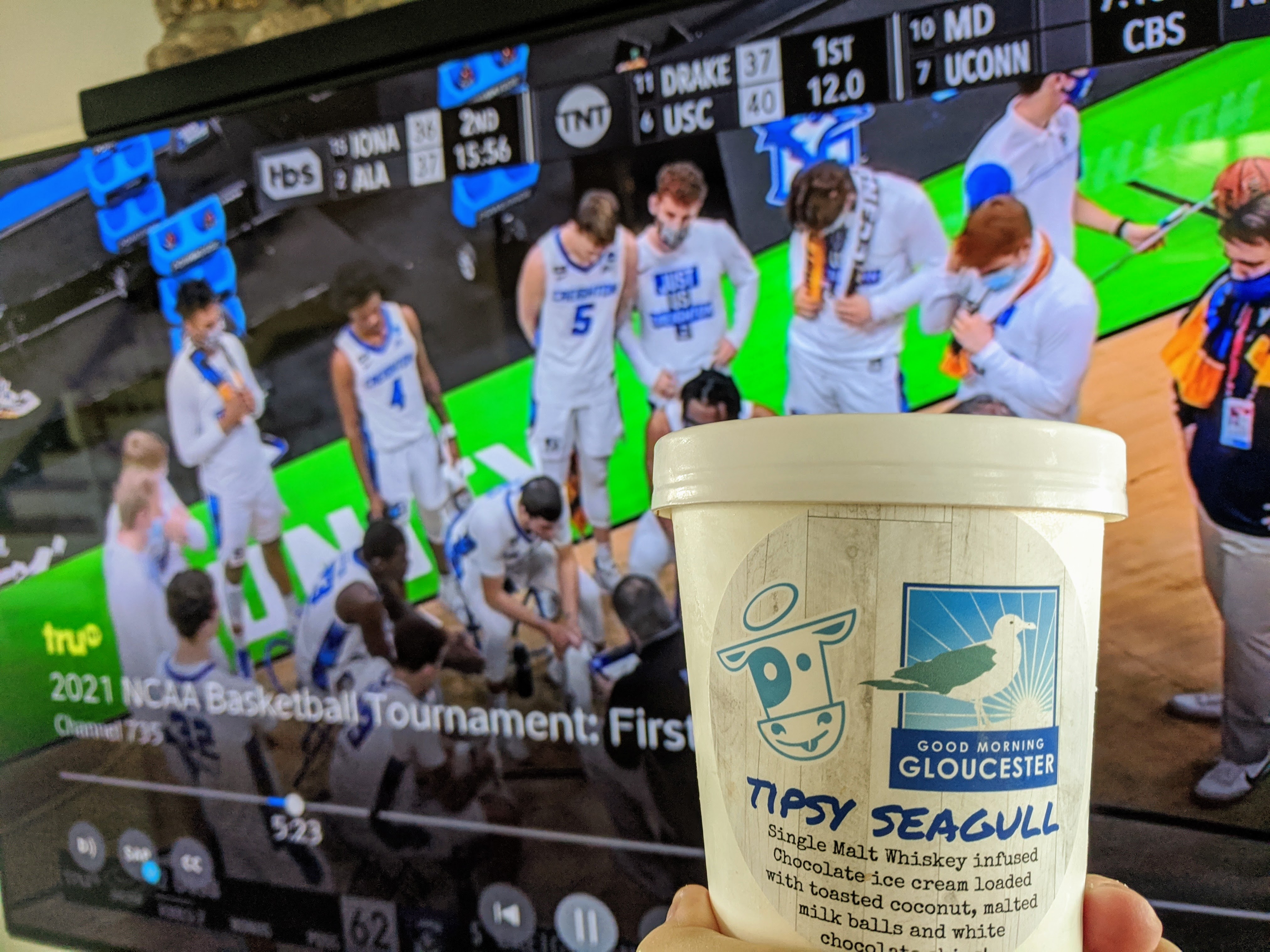
Holy Cow Ice Cream +1 978-281-0313
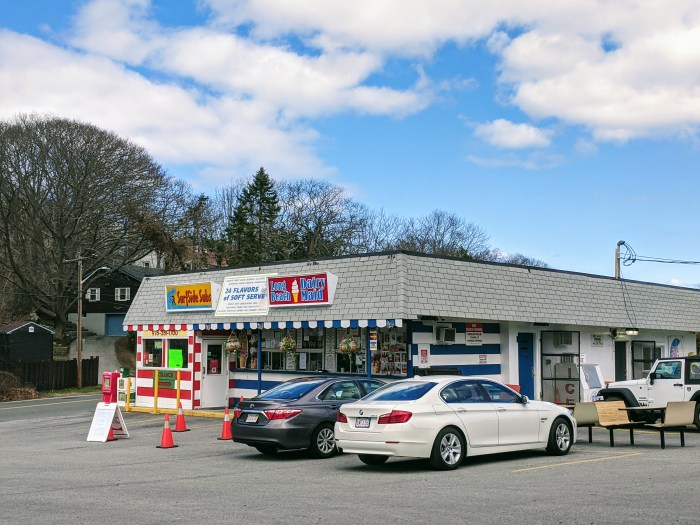
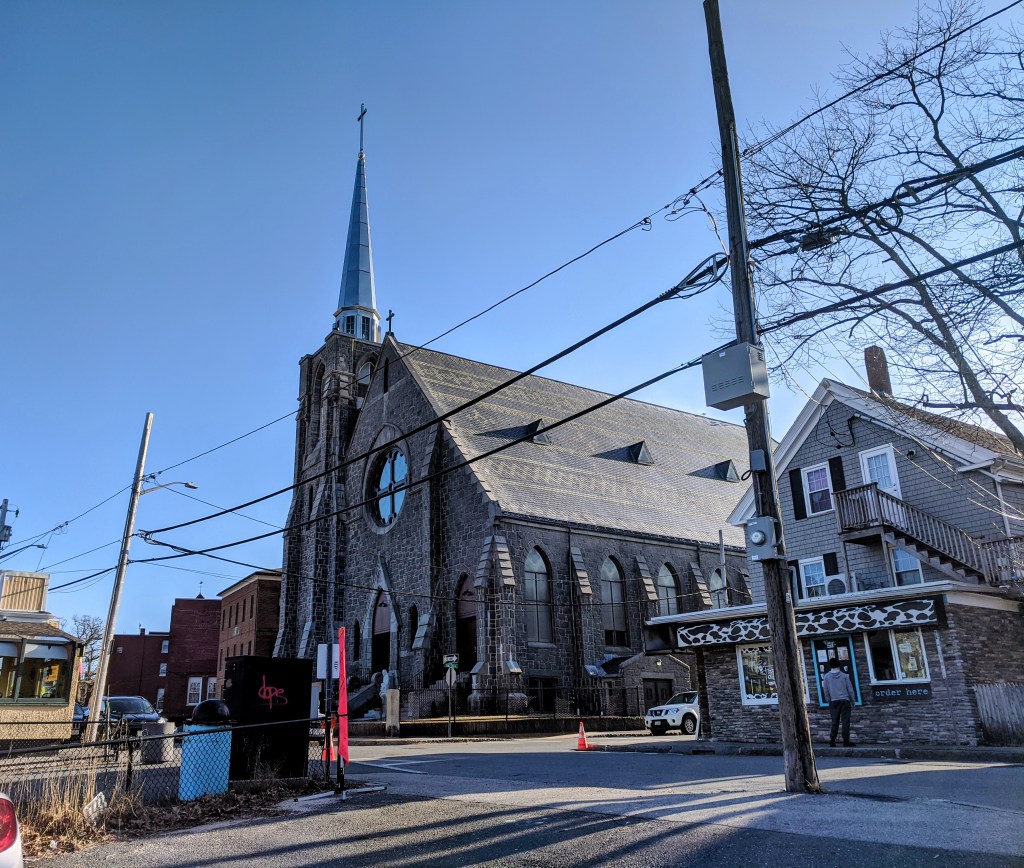
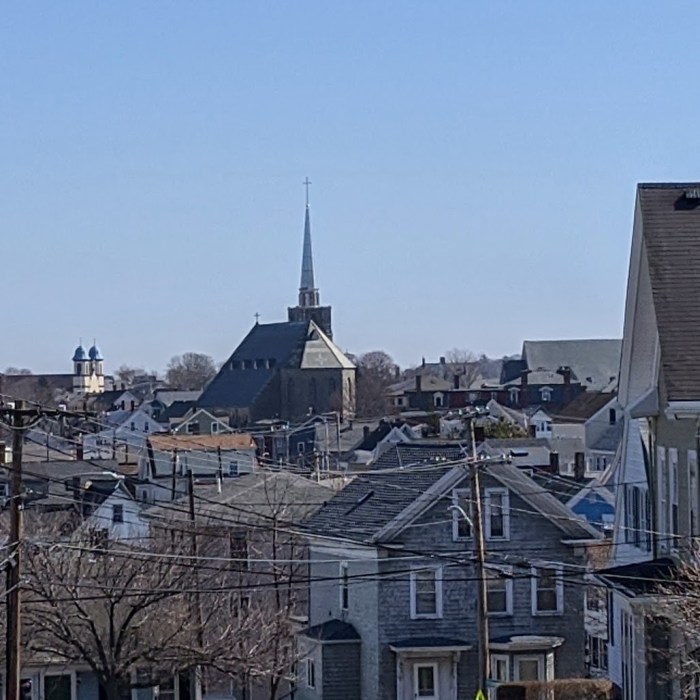
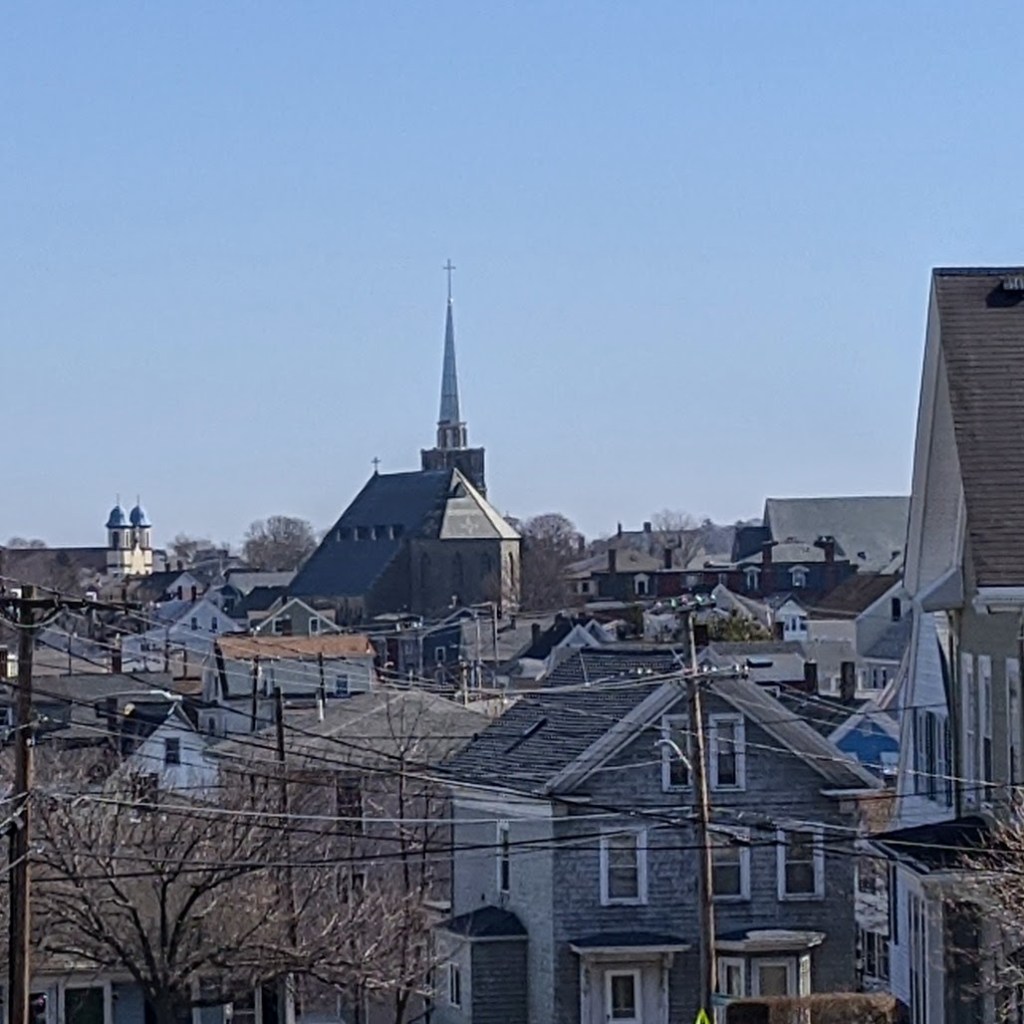
Mad dash to the Holy trinity corner – St. Ann’s Church, Holy Cow Ice Cream, Yellow Sub, on Pleasant street :),
aka Burnham’s or bust. Yummy! Go scoop some up!

Since the parade in Boston is cancelled this year, here are a few Boston Globe St. Patrick’s Day stories from the past that mention Gloucester.
St. Patrick’s Day Parade: “Roars of 450,000 Rock Old Southie – Throngs in Deafening Tribute“
Among the marching groups, a message from Gloucester:
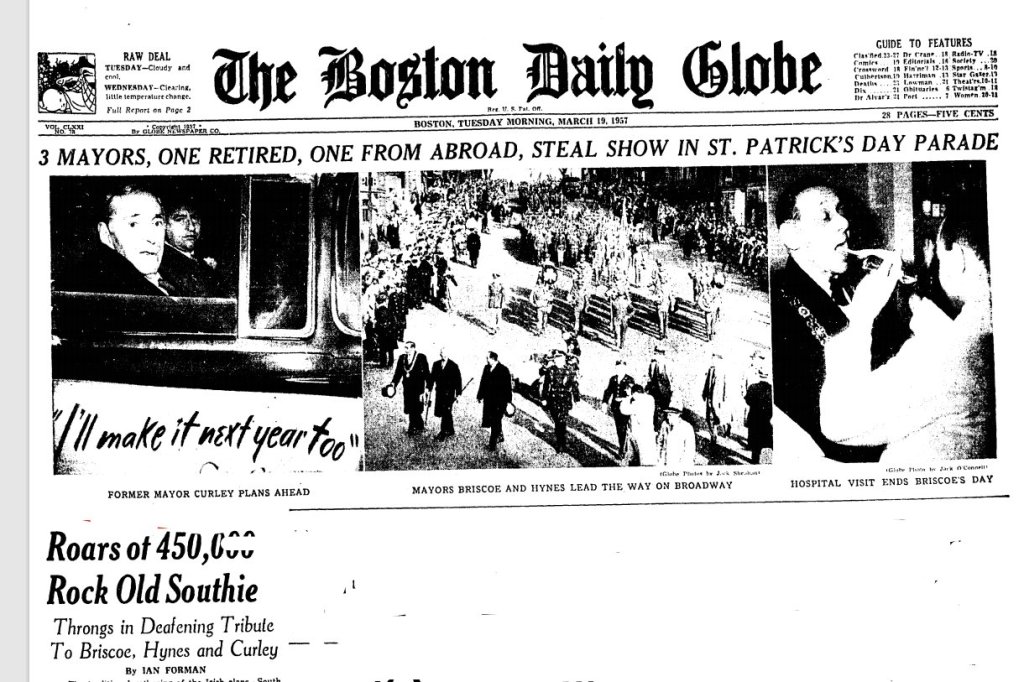
“…Typical of the pure fun of this Irish carnival was the green-clad junkie’s horse and wagon, topped with a dozen members of the Hibernian Student Assn. There was also the usual assorted nags, jockeyed by small boys in green derbies, and a number of other informal entries, like the man with the green-lettered sign, “Eat Gloucester Fish.”
Forman, Ian. “Roars of 450,000 Rock Old Southie,” Boston Globe. 1957 March 19. Front page, continued p.22
South Boston St. Patrick’s Day Parade in 1968 featured Gloucester youth, St. Peter’s Bagpipe Band, as the bring it home musical act, – were you watching or marching?
“The last musical unit to bring up the parade was St. Peter’s Bagpipe Band of Gloucester. As the boy and girl pipers marched through the rain past the final reviewing stand, they lifted their water-soaked bagpipes to their lips and proudly skirled out “The Wearing of the Green.”
Davis, William. “‘Twas a ‘Soft Day’ for Boston’s Irish.” Boston Globe, 1968 March 8, p.19.
Local politics
“the political longshot from Gloucester…He credited Al Smith for his courage in the face of bigotry, starting a job that Jack finished last November.”
“About Time We Knew: Ben Smith is Irish,” Boston Globe. 1961 March 20
Nurses from counties Cork, Limerick and Donegal, invited guests, were “beautiful, young and single.” Because 1961.
A children’s medley performance at St. Ann’s made the St. Patrick’s Day roundup news. Do you recognize family surnames? (The Church is spelled St. Anne’s in this Boston Globe article.)
“The day of Ireland’s patron saint was fittingly observed here today, the Sunday school teachers of St. Anne’s Church giving an excellent entertainment, consisting of the operetta, “A Trip to Europe,” and readings, tableaux. The entertainment was under the management of Rev. C. W. Regan, assistant at St. Anne’s. The hall was packed with enthusiastic friends of the performers, who generously applauded the finished manner in which the various parts were rendered. The tambourine drill in the second part was a picturesque and pleasant feature…The readings by Miss Maggie Keefe and the tableaux also won high favor from the audience…”
Boston Globe 1892
Names mentioned: Jeannie Dooling, Eddie Fanning, Maggie Fanning, Michael Fanning, Etta Gibbs, Maggie Gibbs, Miss Etta Greenleaf, Hannah Harris, Lizzie Healey, Charles Hennessey, Maggie Keefe, Master George Kelley, Denis Moore, Miss Mary Murphy, Miss Sadie McAuley, Hugh McDonald, John O’Brien, Willie O’Brien, Nellie Nugent, Katie A. Roach, Miss M.E.J. Roche, Clara Smith, Katie Smith, Master Walter Smith, Miss Maggie Wells, Dora West, Clara White. Minstrelsy costumes were part of the program, boys were assigned roles dressed up as “four little curly headed (slur). ” 1892
“The annual St. Patrick’s Day entertainment of St. Ann’s Catholic parish was held last evening in City Hall auditorium. The hall was filled. overture was by Ralph Handran, pianist Helen Handran, violinist, and Helen Mitchell, drummer. Vocal solos by Mrs. George Adams, Mrs. James Cunningham and Joseph Buckley; violin solo Miss Lucille Rowe; reading, with music, Miss Irene H. Veno; address, “Christian, Citizenship,” Charles S. O’Connor of Boston; selection by the orchestra. There was community singing.”
My friend dropped off her scrumptious Irish soda bread so it feels like a pot of gold already.
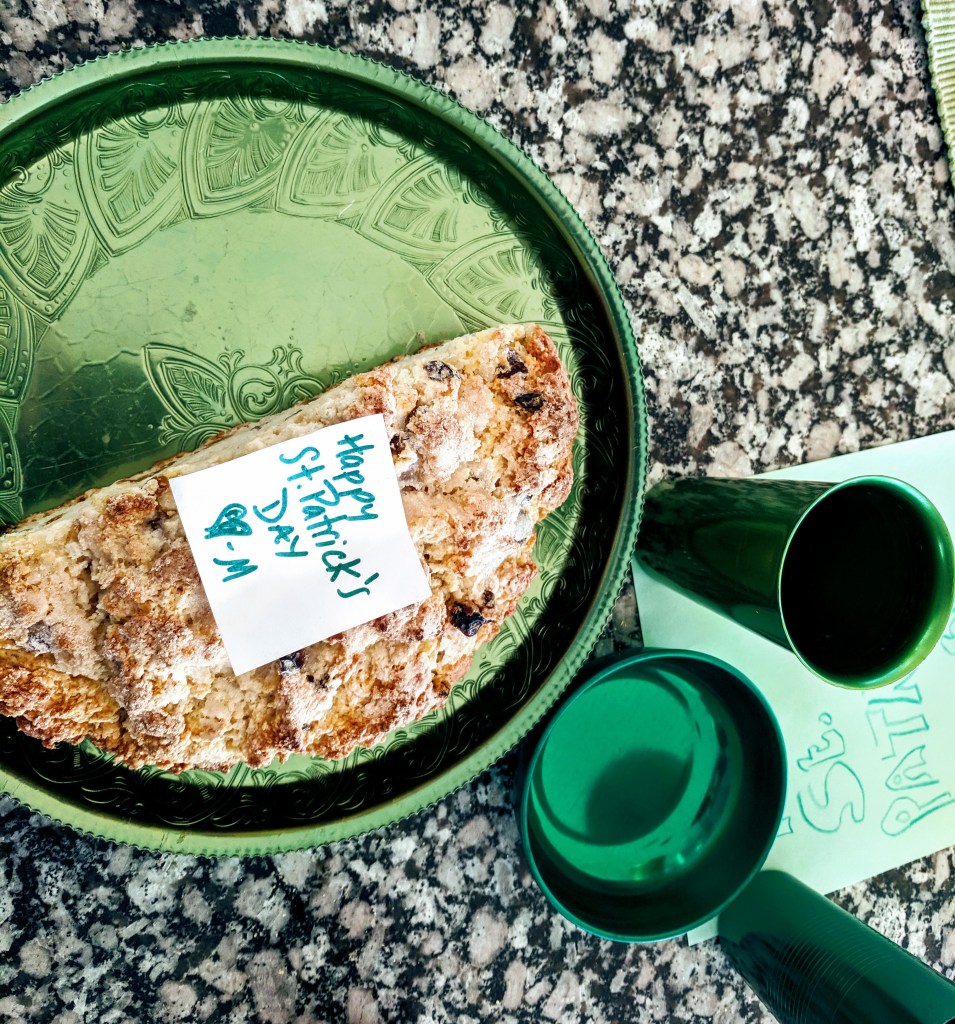
What’s your pot of gold at the end of the rainbow this year?

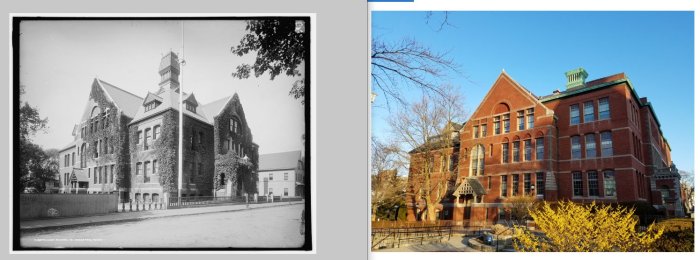
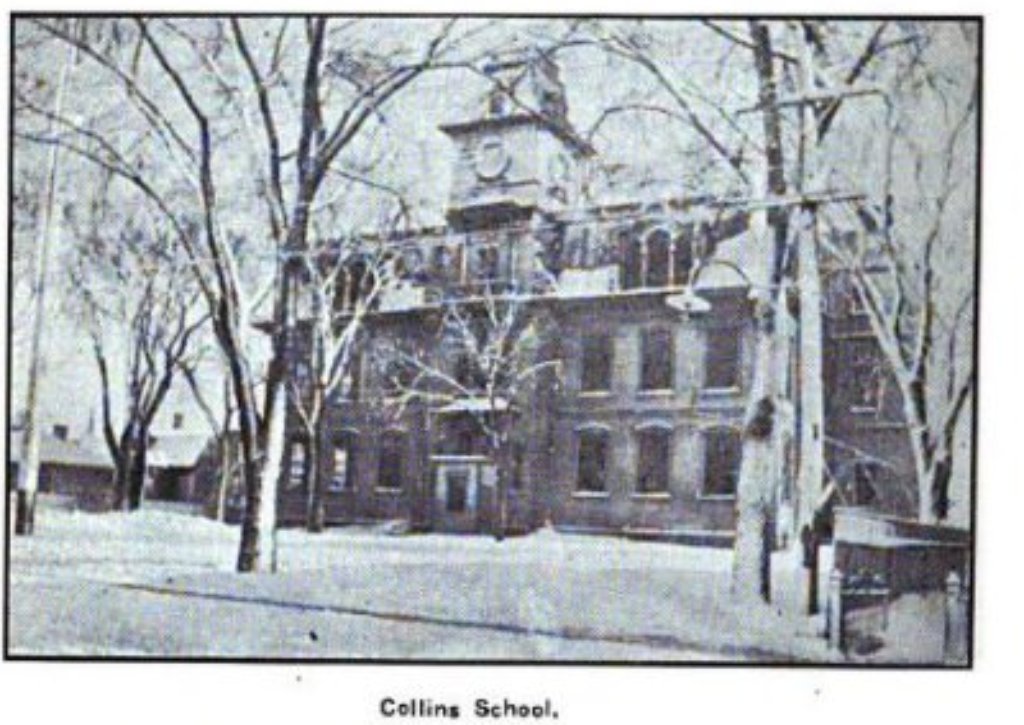
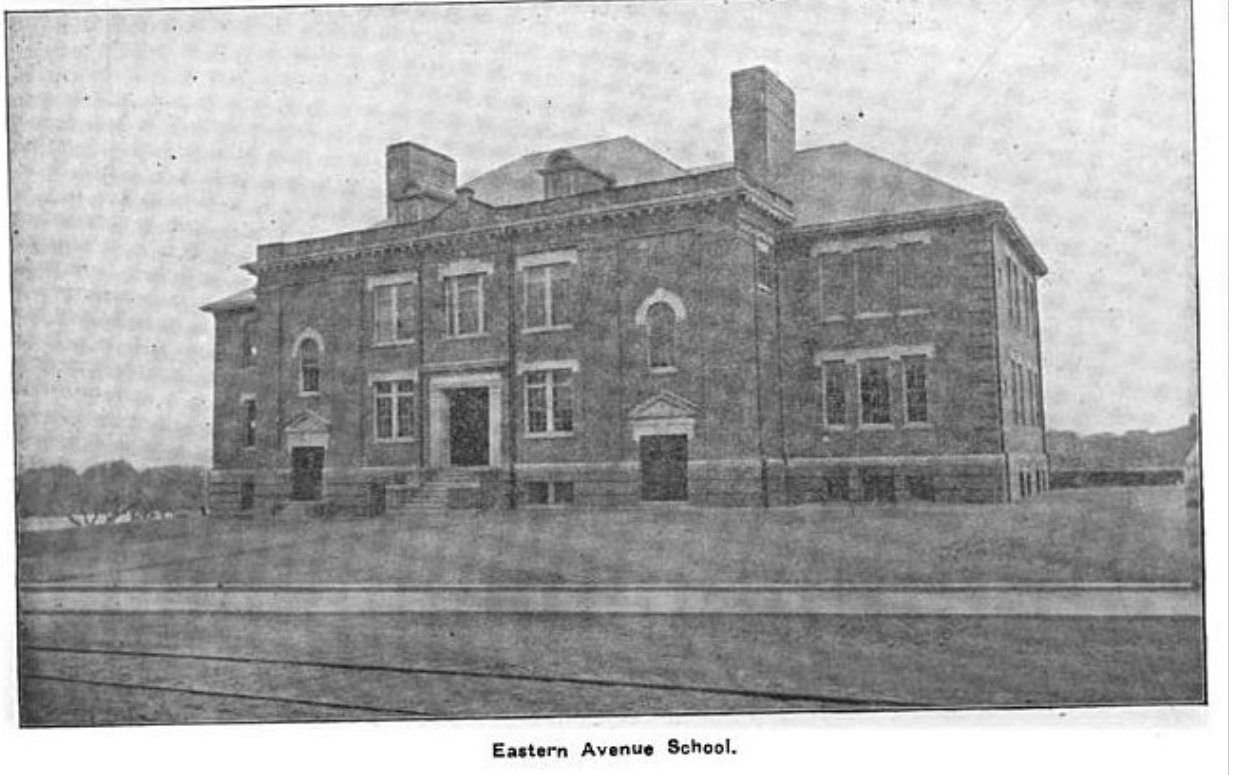
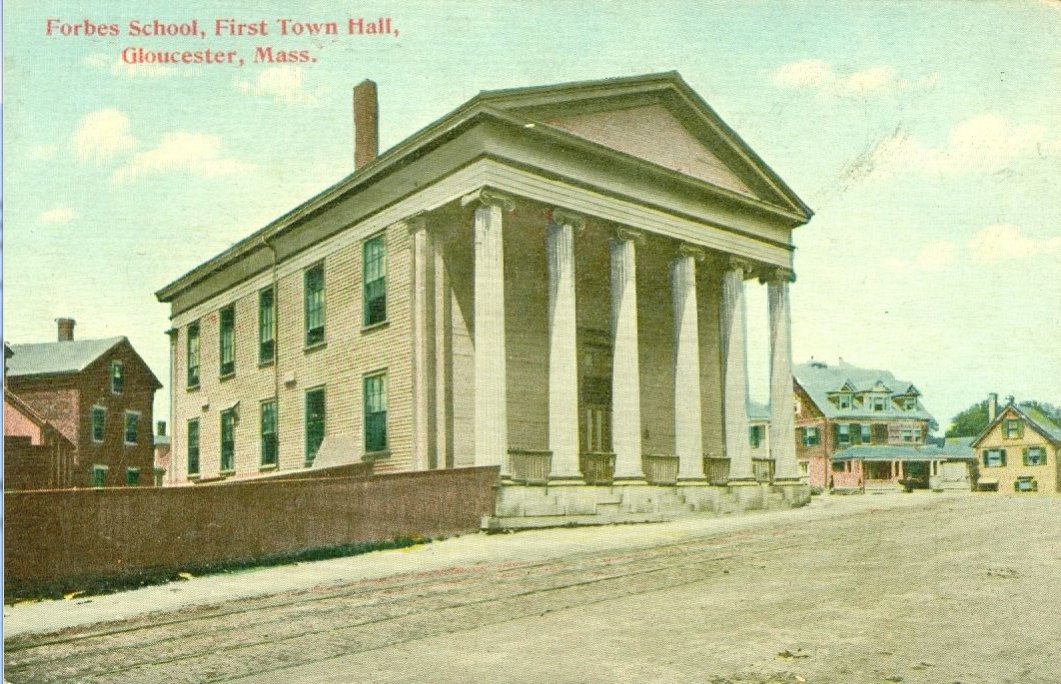
Explore a selection of Gloucester school house properties built circa 1800s-1920s. There is a greater quantity of structures still standing than not.
Note: Pinch and zoom and/or click to enlarge photographs, depending upon your device. There are three galleries of images (side by side comparisons; all vintage; and all contemporary), a self-guided map for a driving tour, excerpts from James Pringle 1892 Gloucester history, and newspaper coverage of then “new” schools. Don’t miss the Boston Globe feature about the Eastern Avenue school published in 1905. There’s another wonderful piece about a very special elementary school class –which enrolled more girls than boys–offered at Sawyer school on Friend Street.


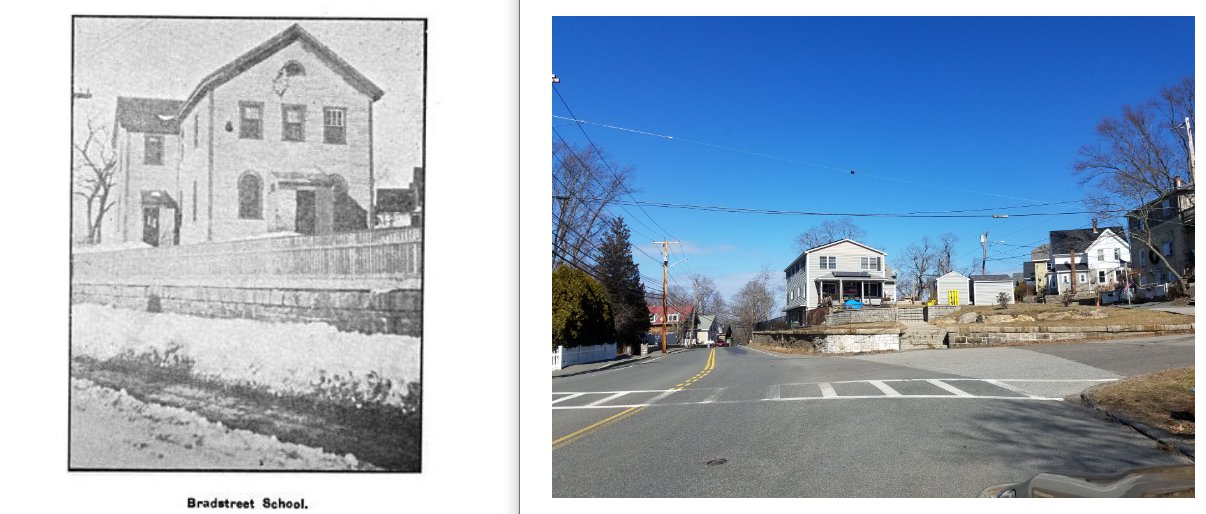
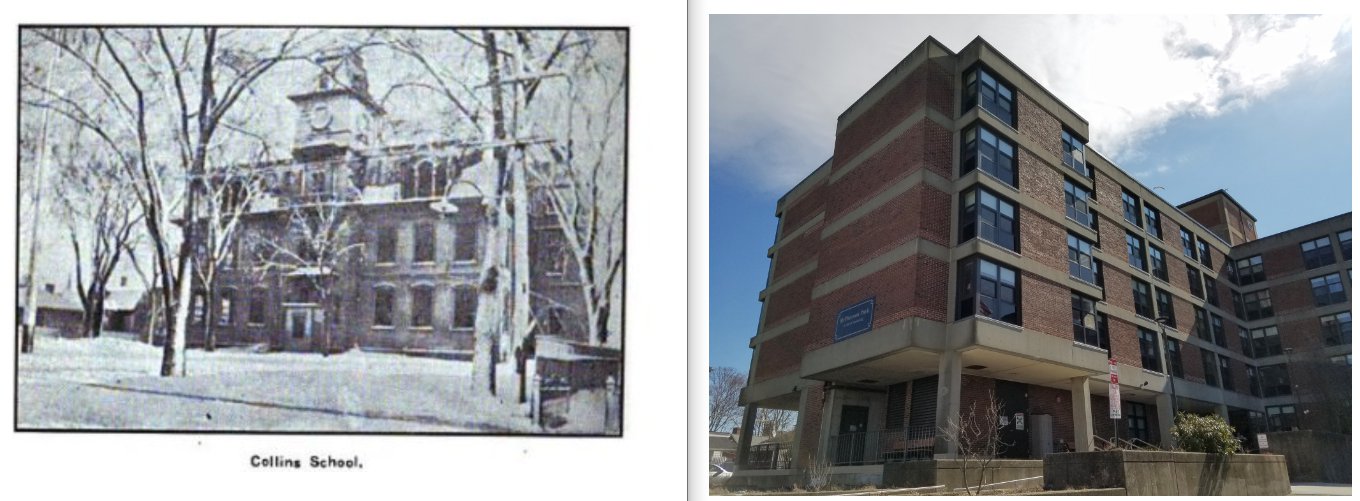
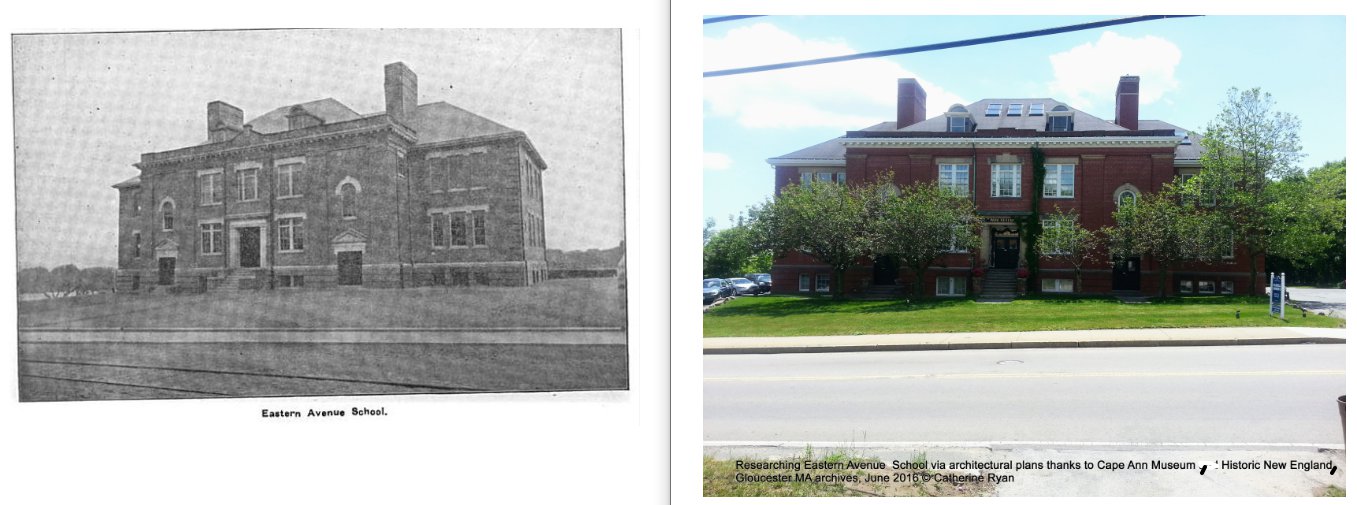


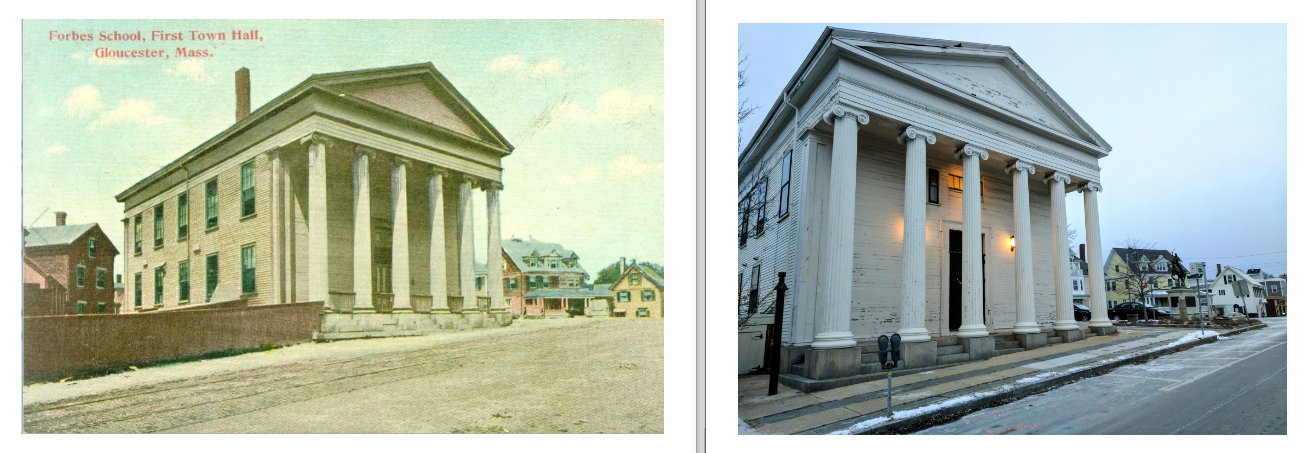
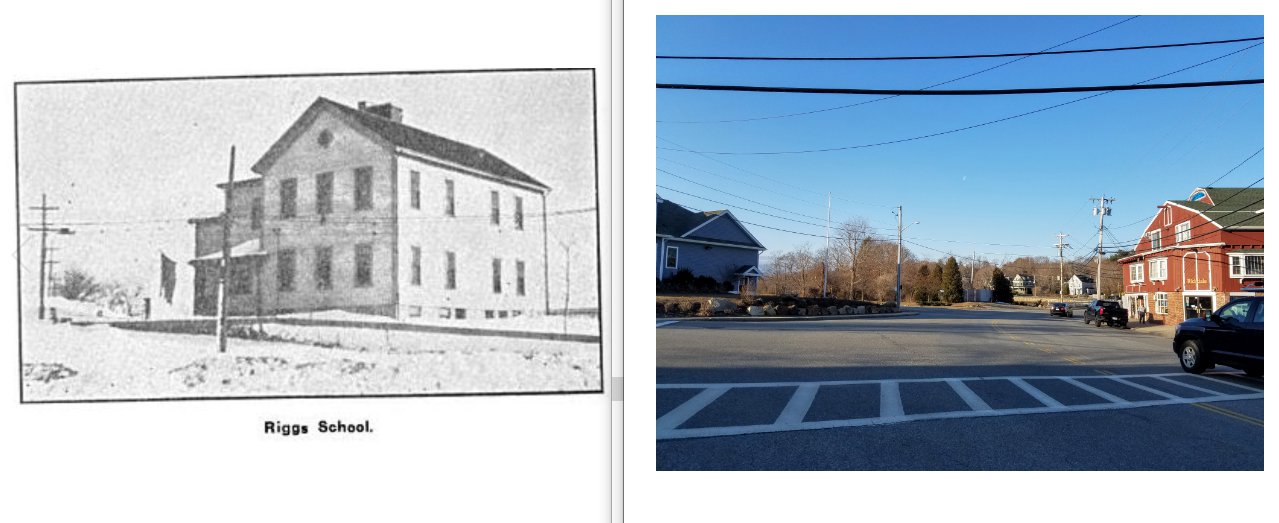
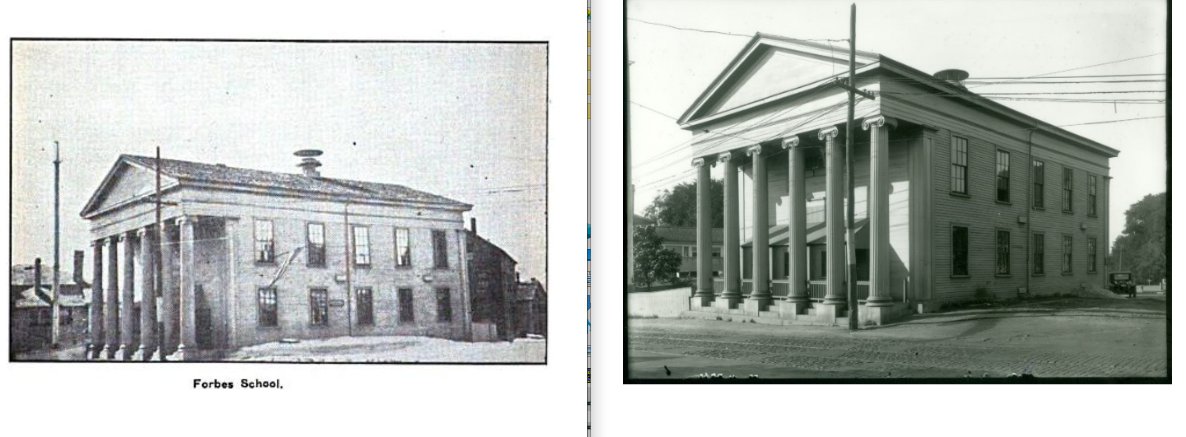
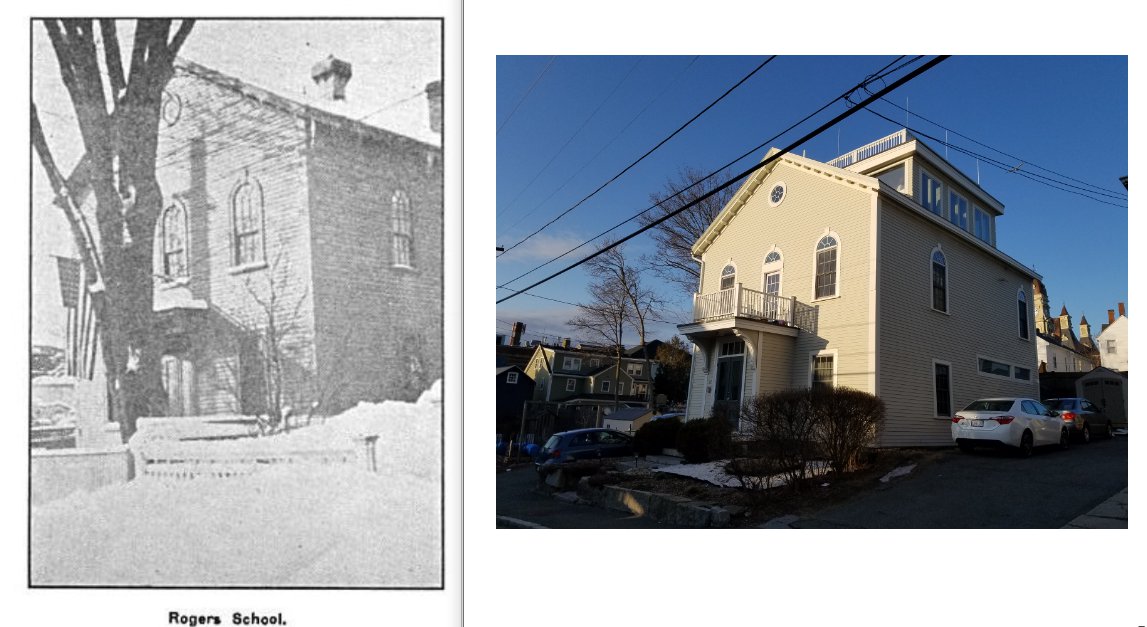
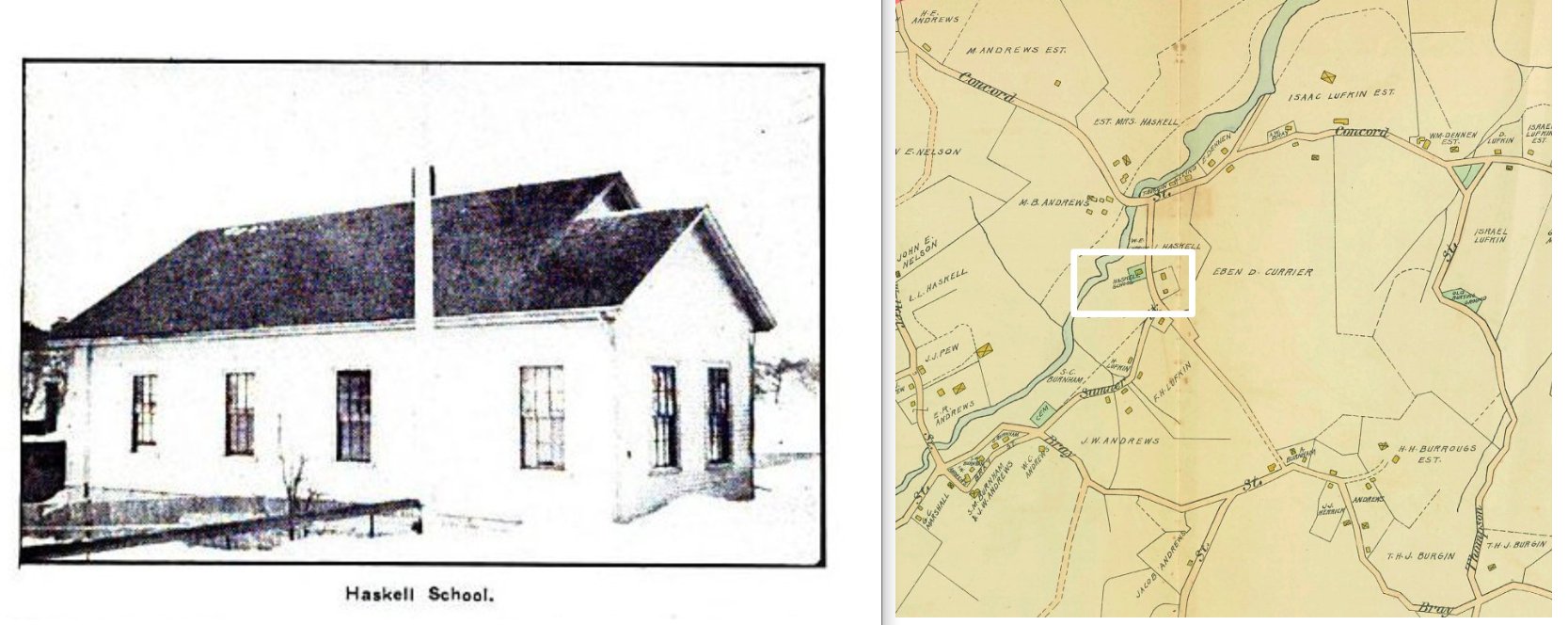


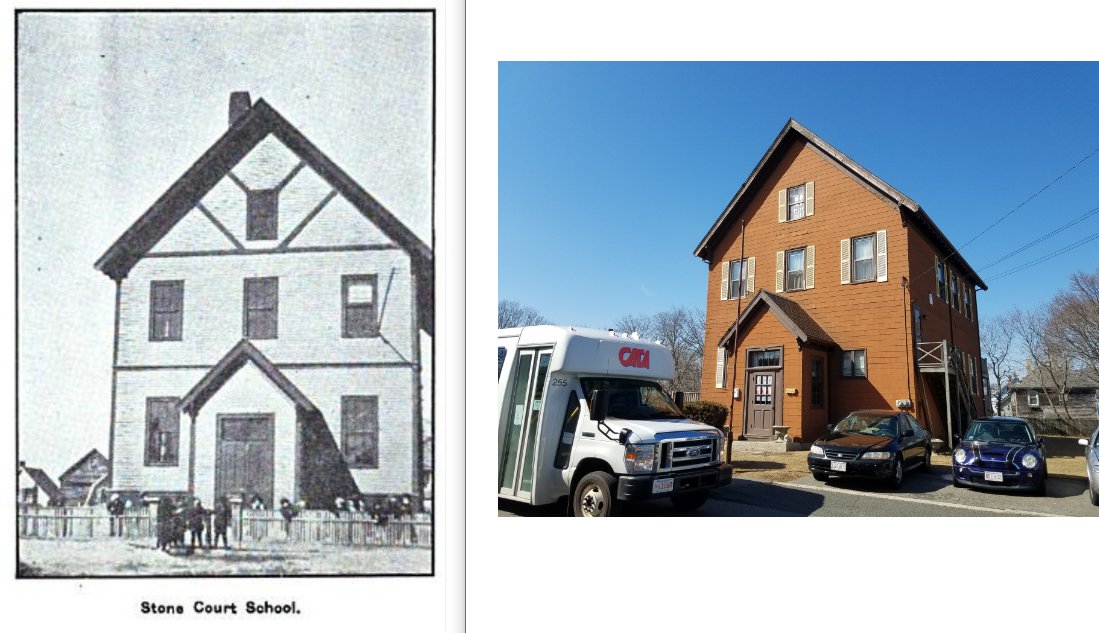
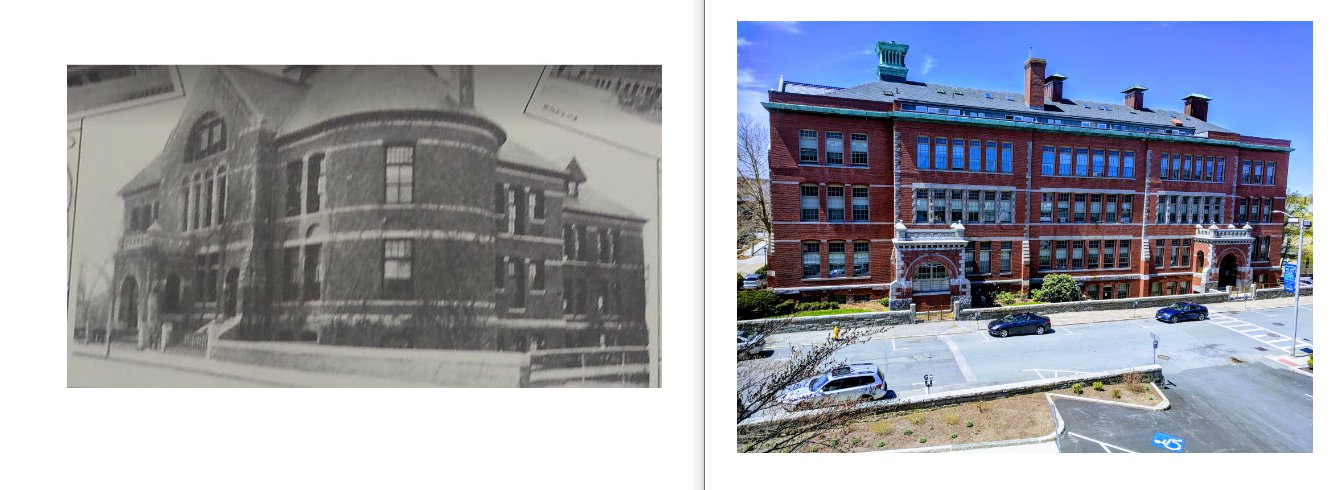

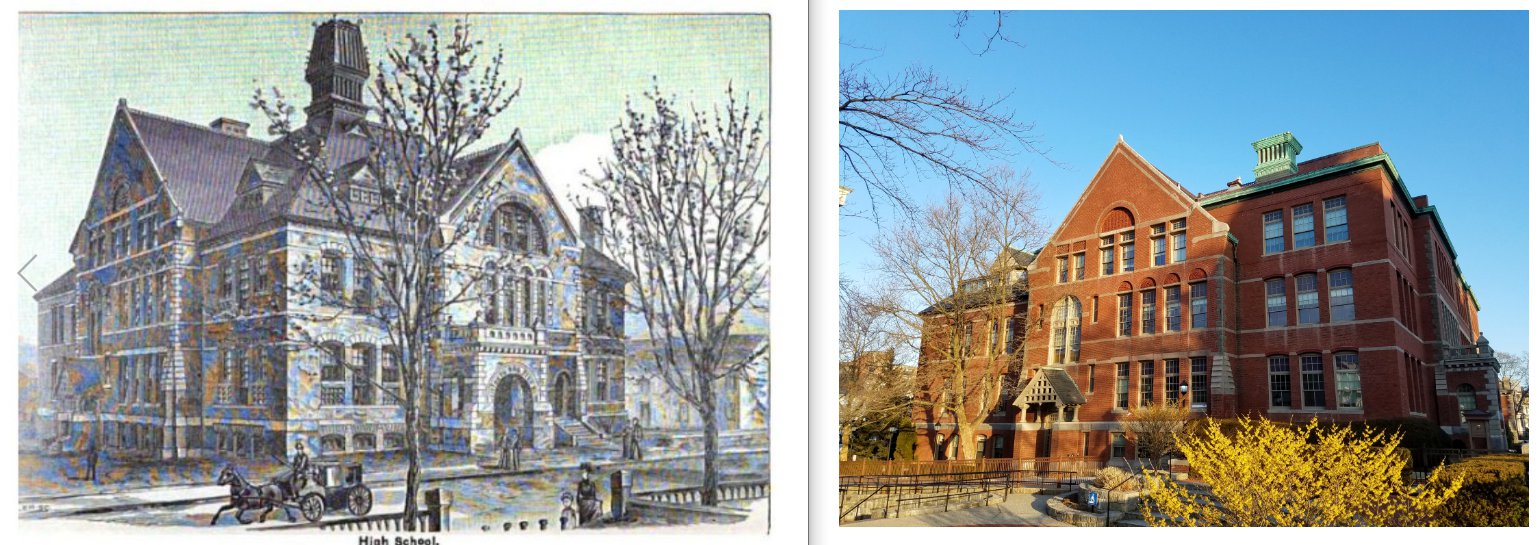
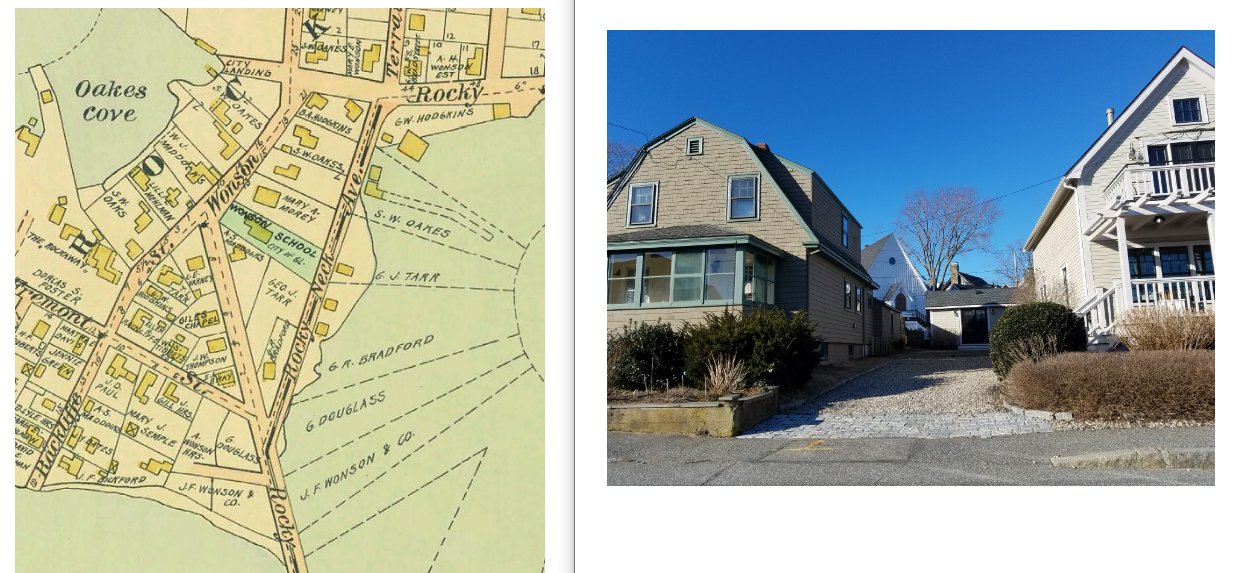


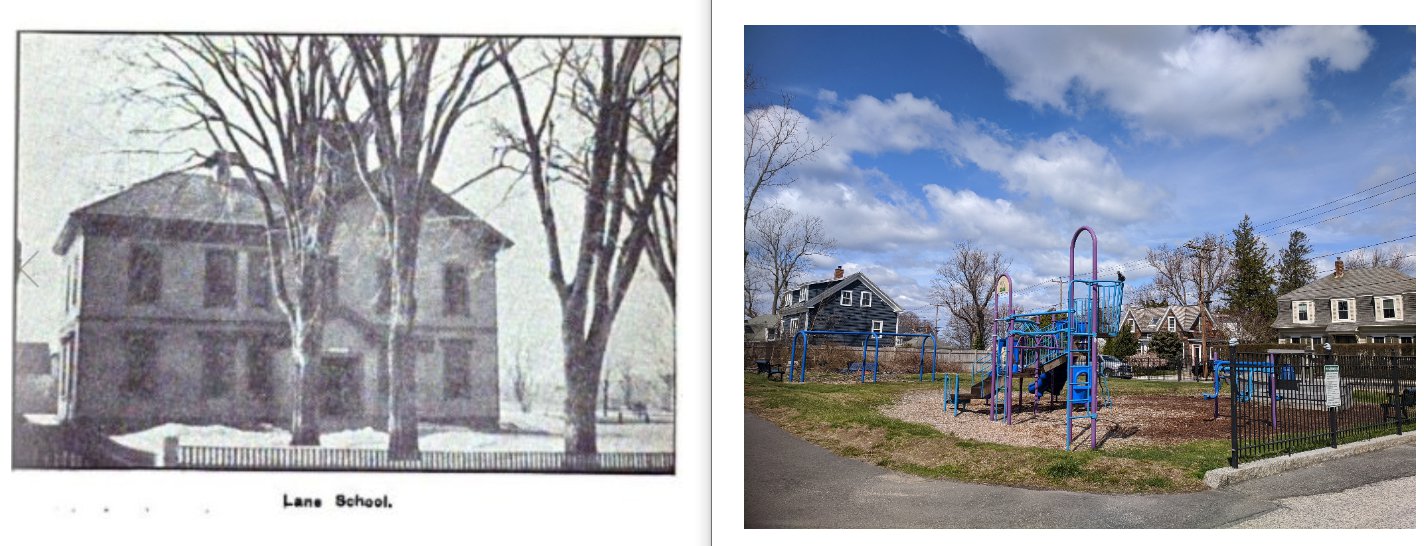
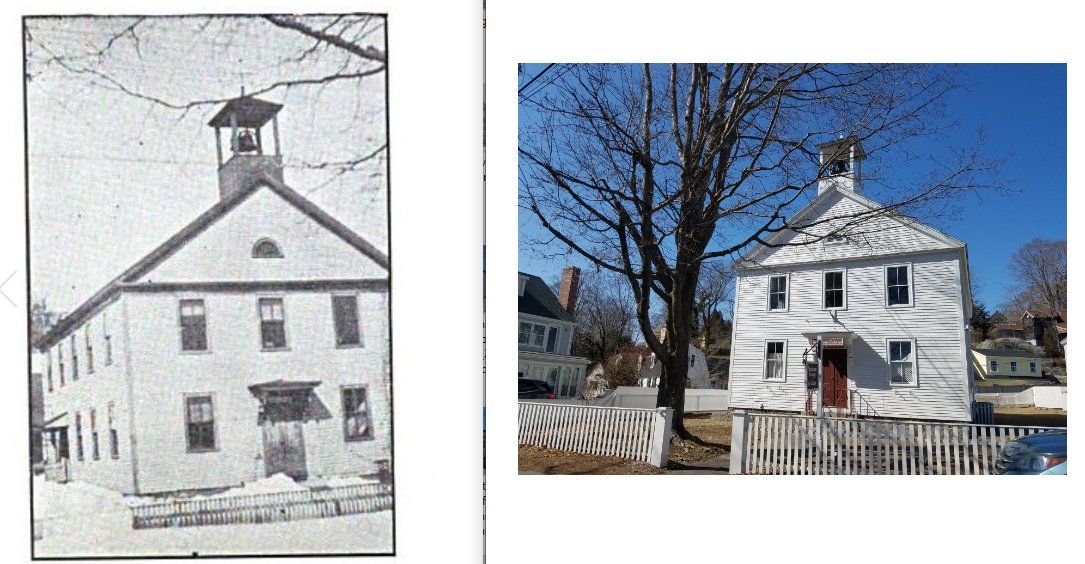
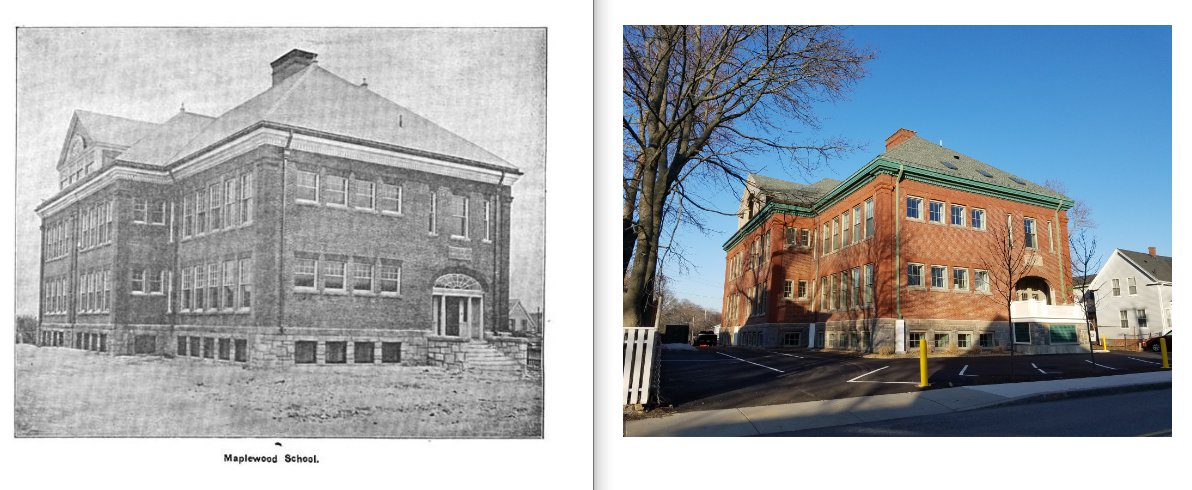


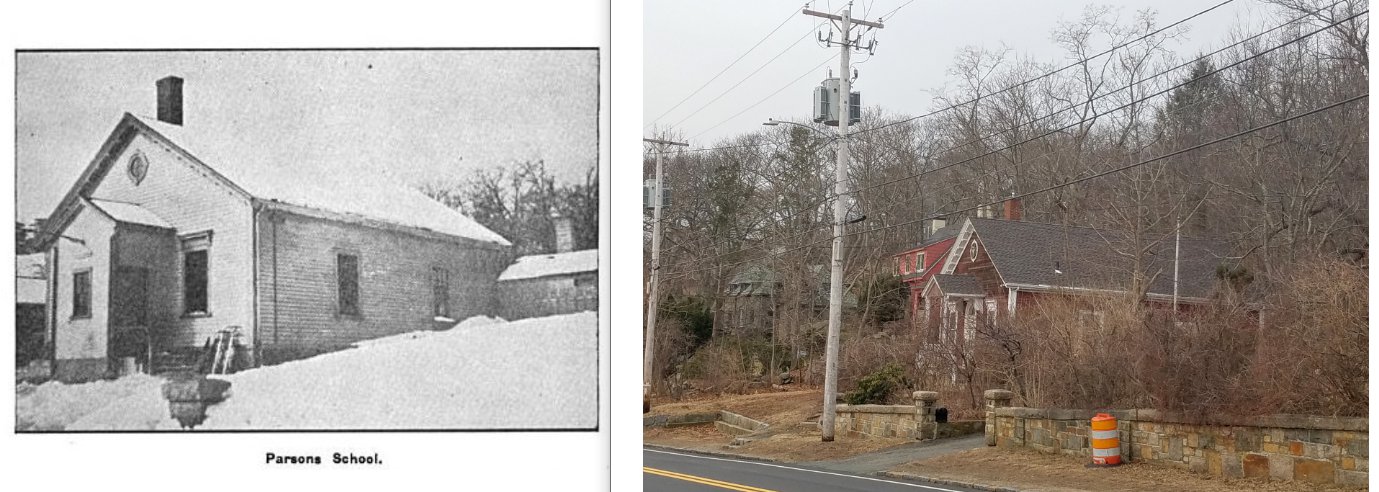


Bold indicates extant structure; italicized indicates structure no longer there; GLO = MACRIS id state’s archives- “The Massachusetts Cultural Resource Information System (MACRIS) allows you to search the Massachusetts Historical Commission database.”


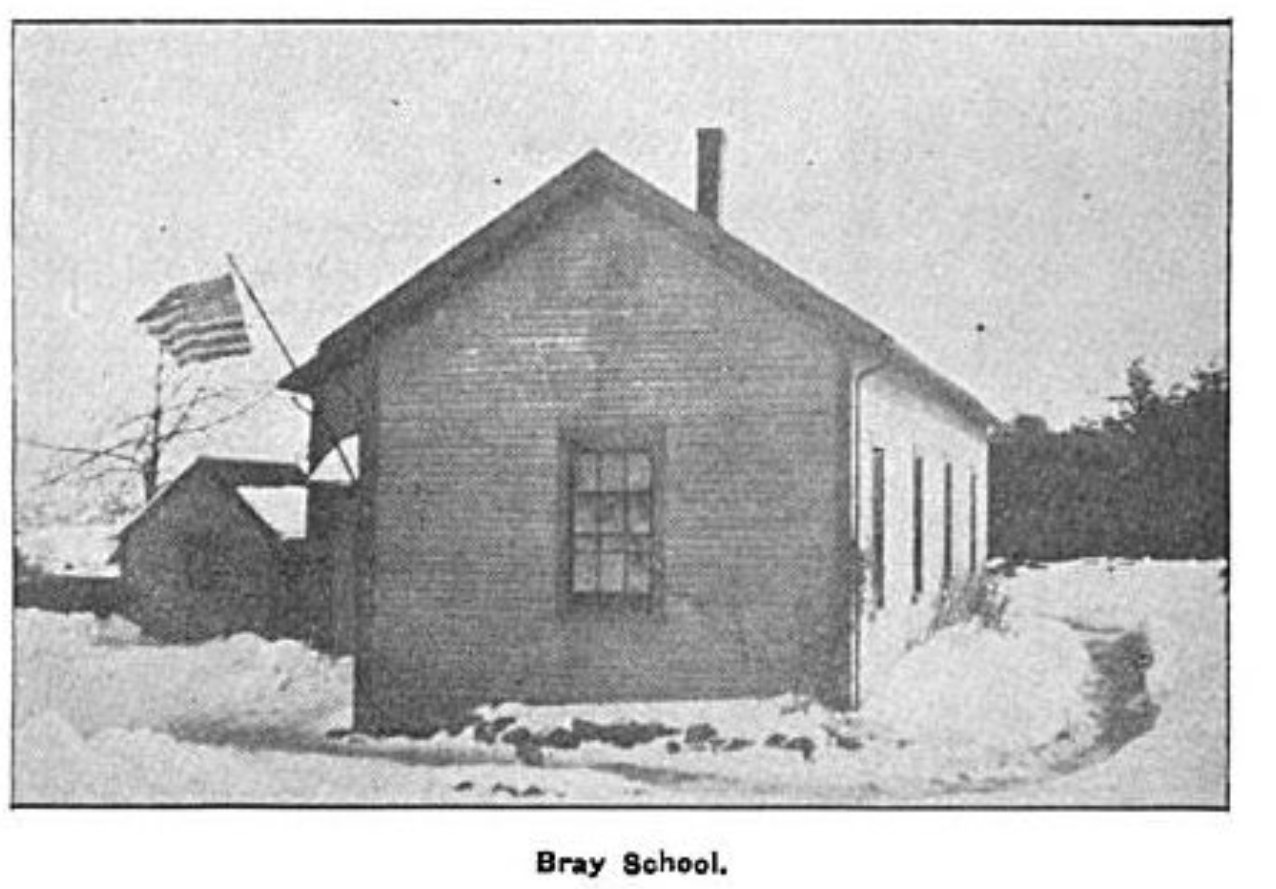

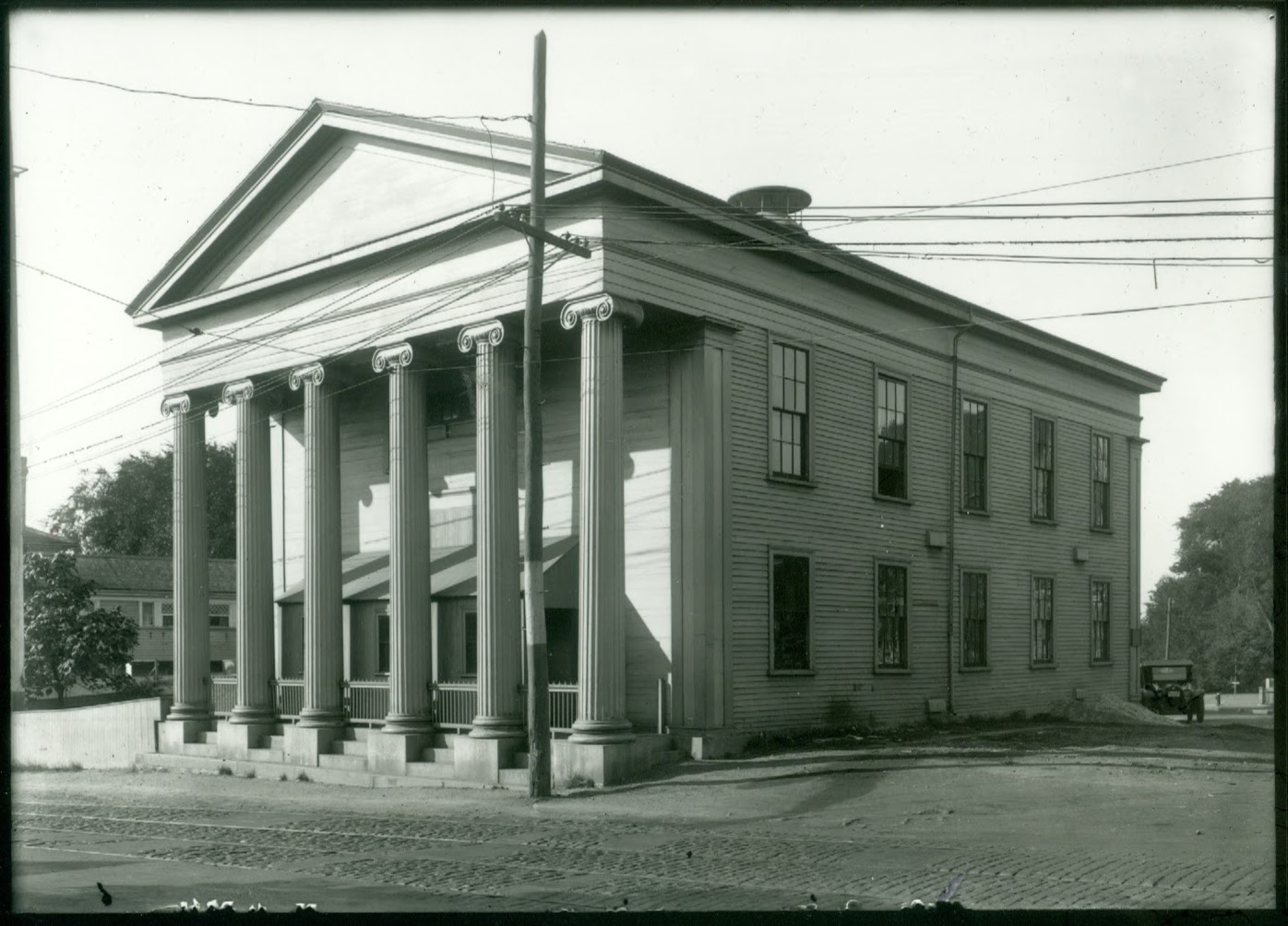
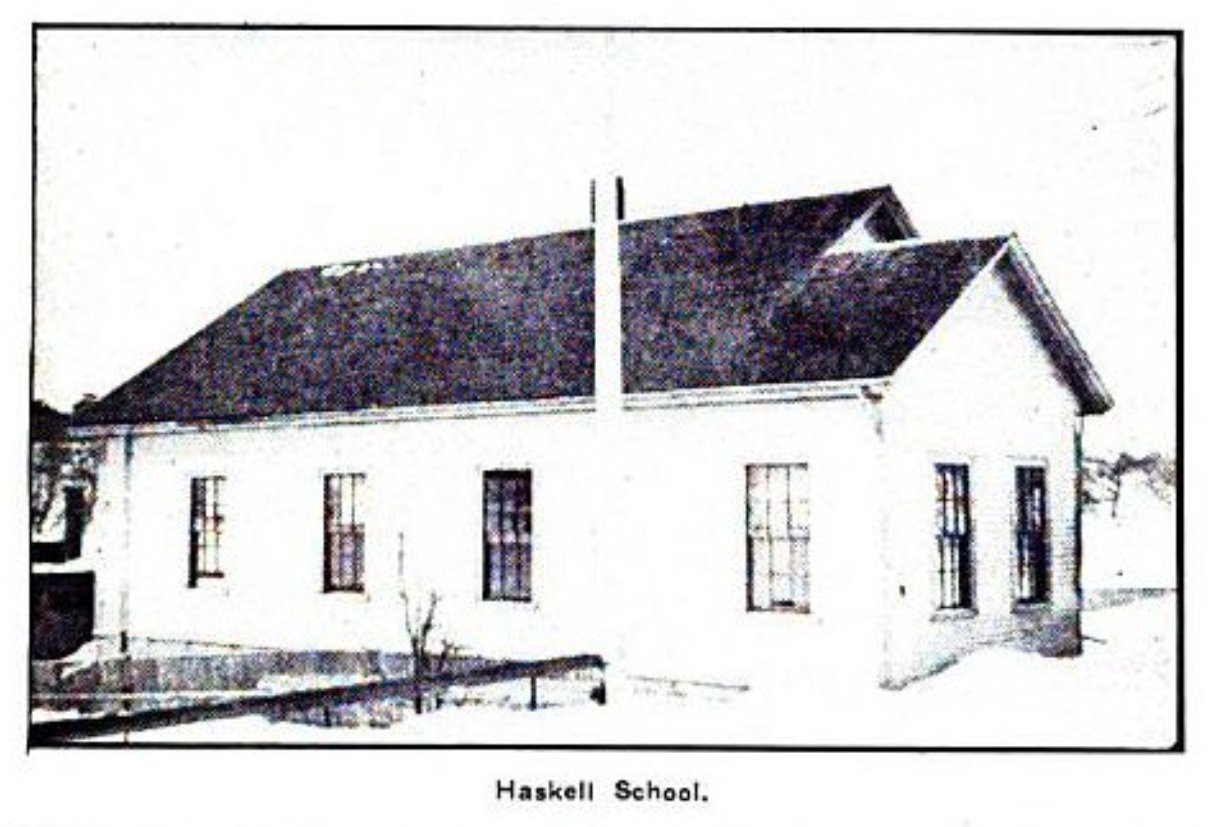
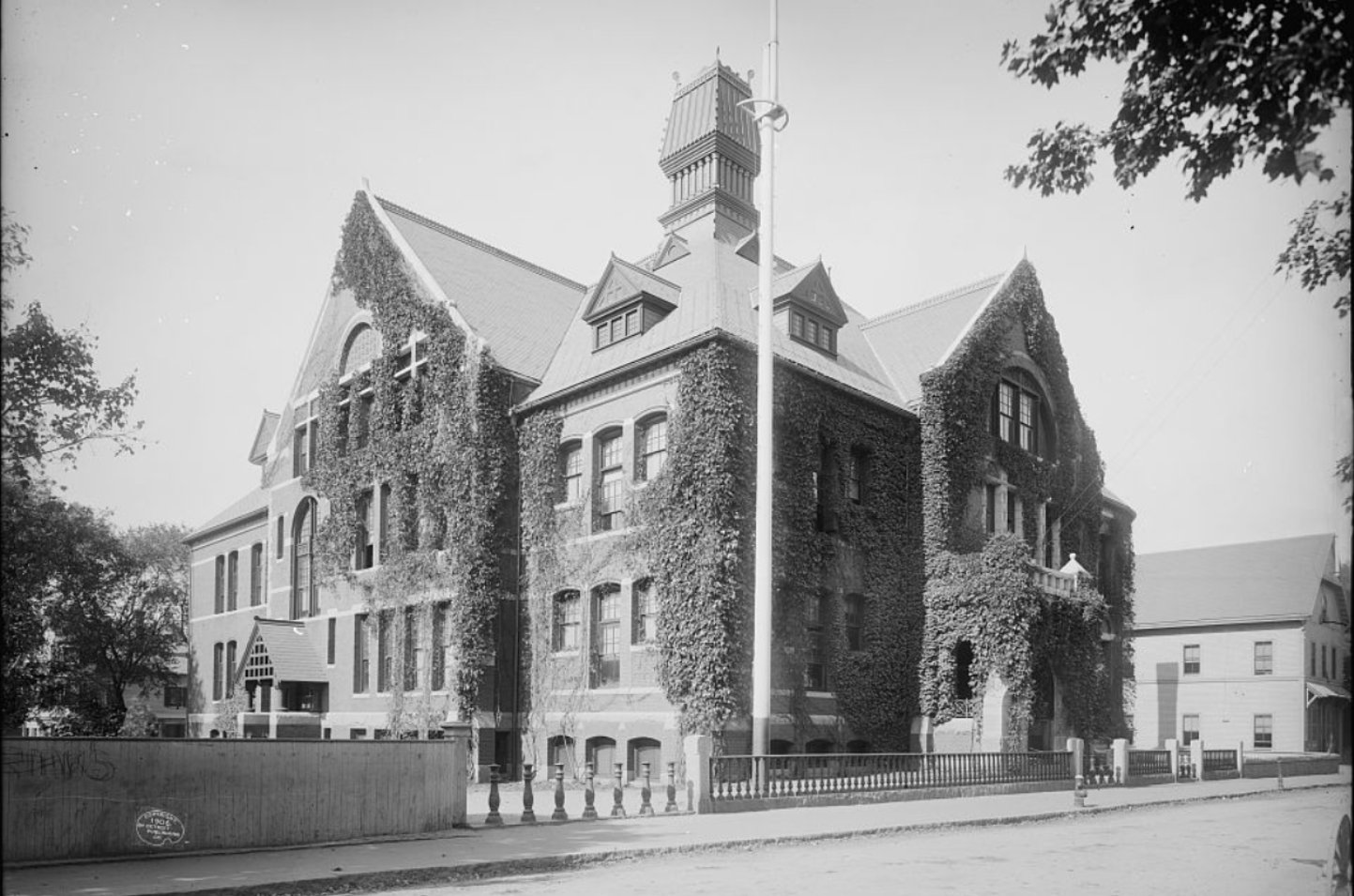
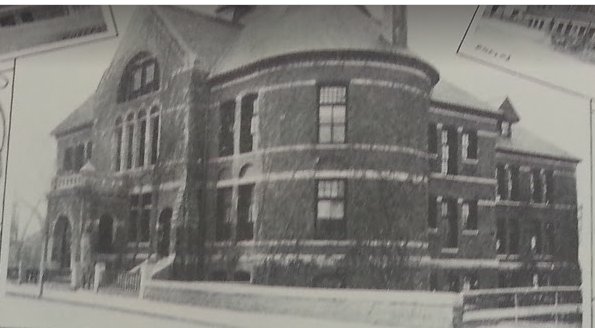
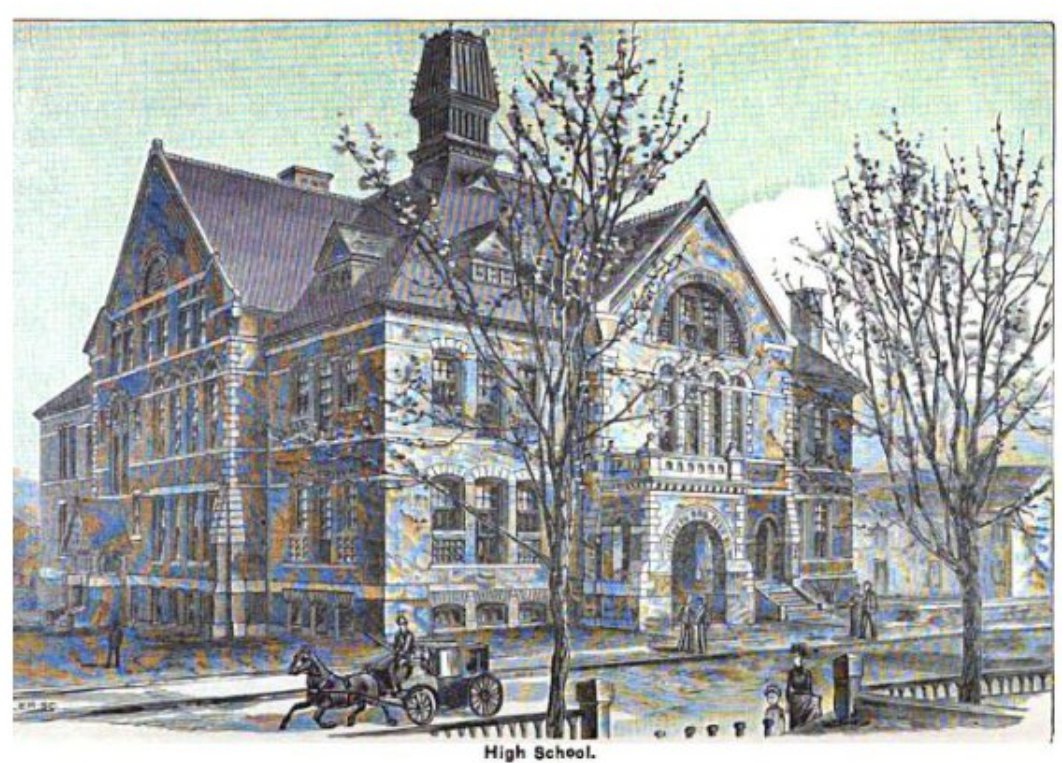


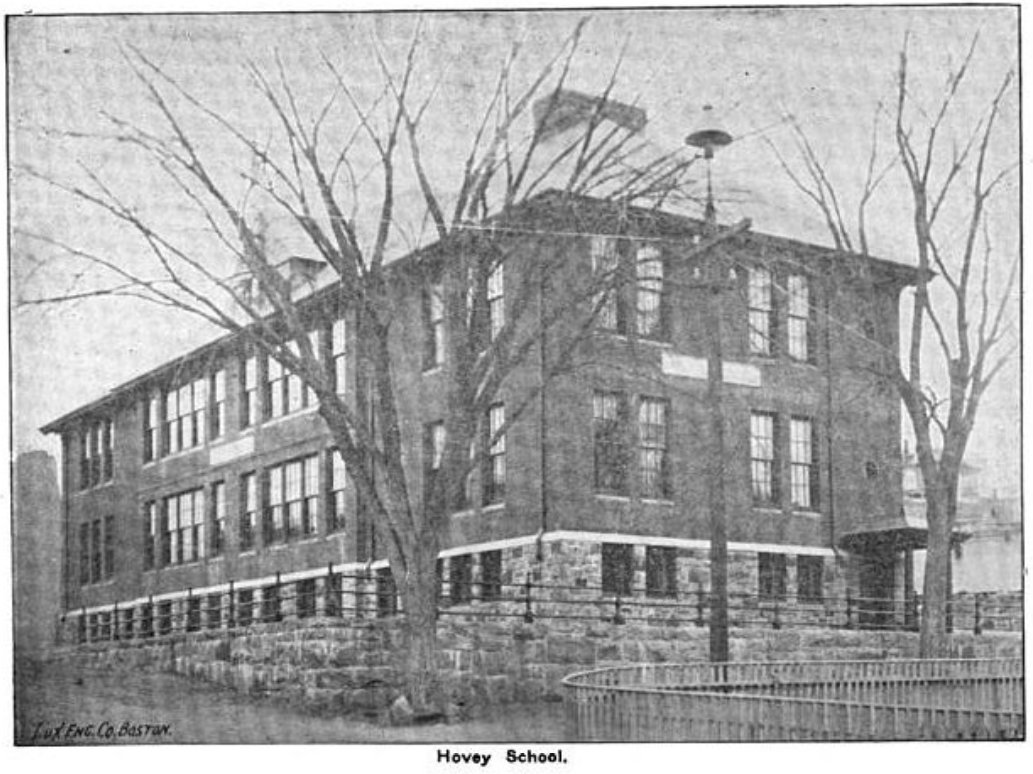
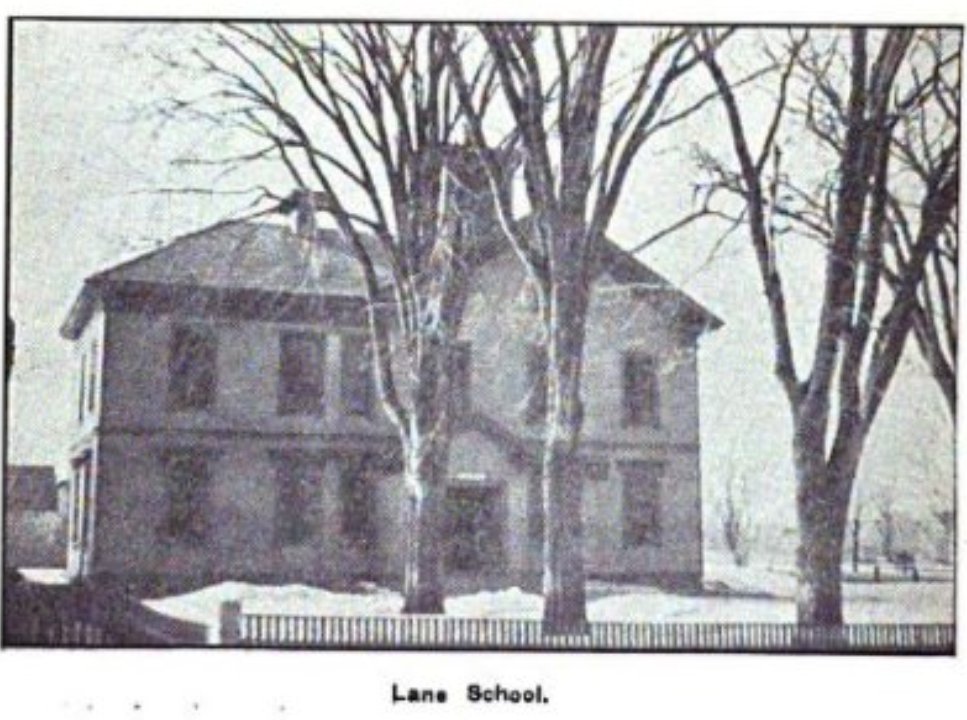

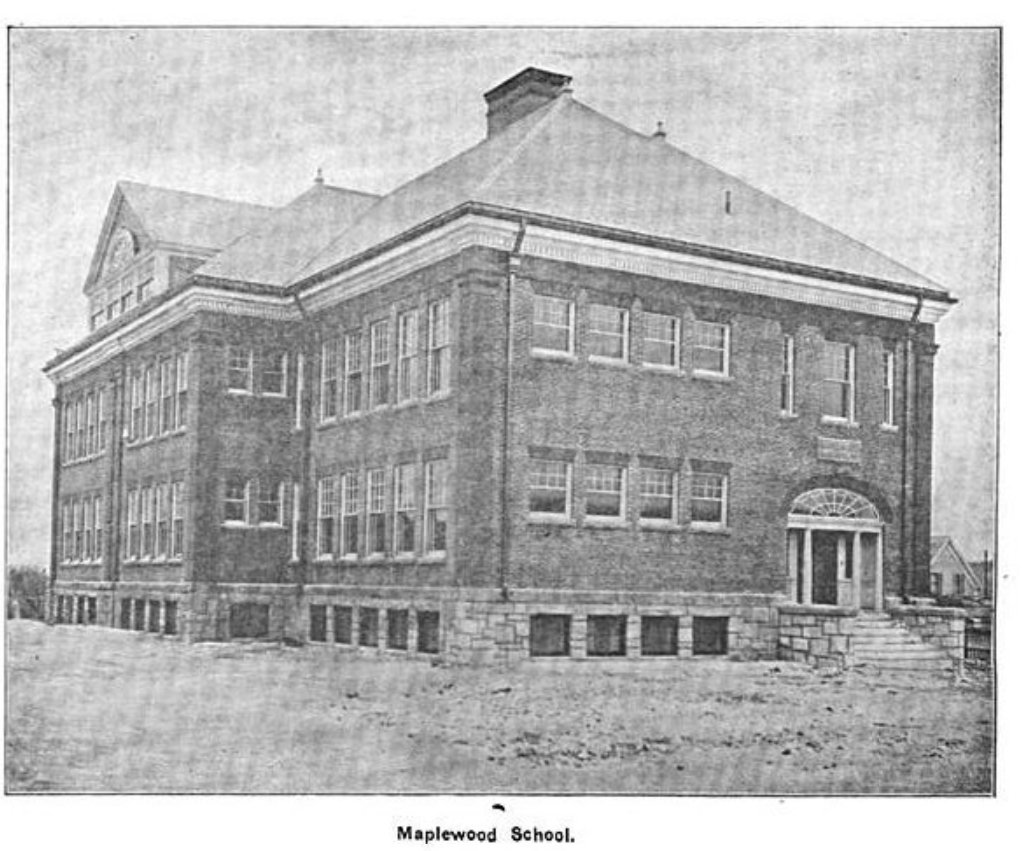

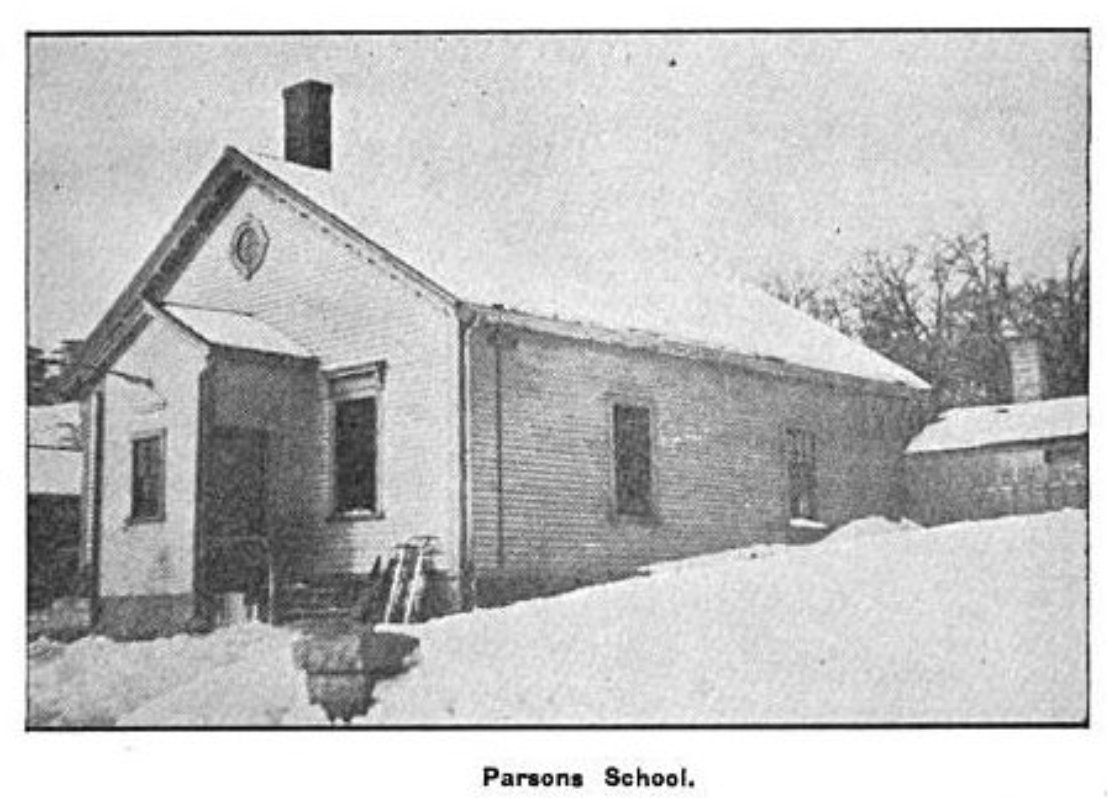
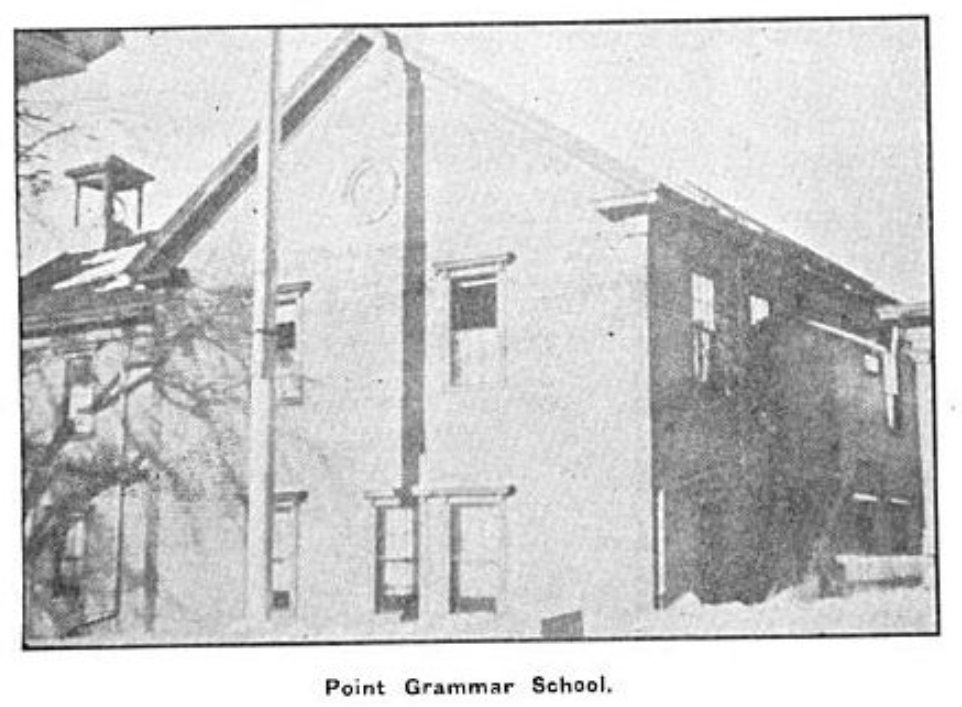

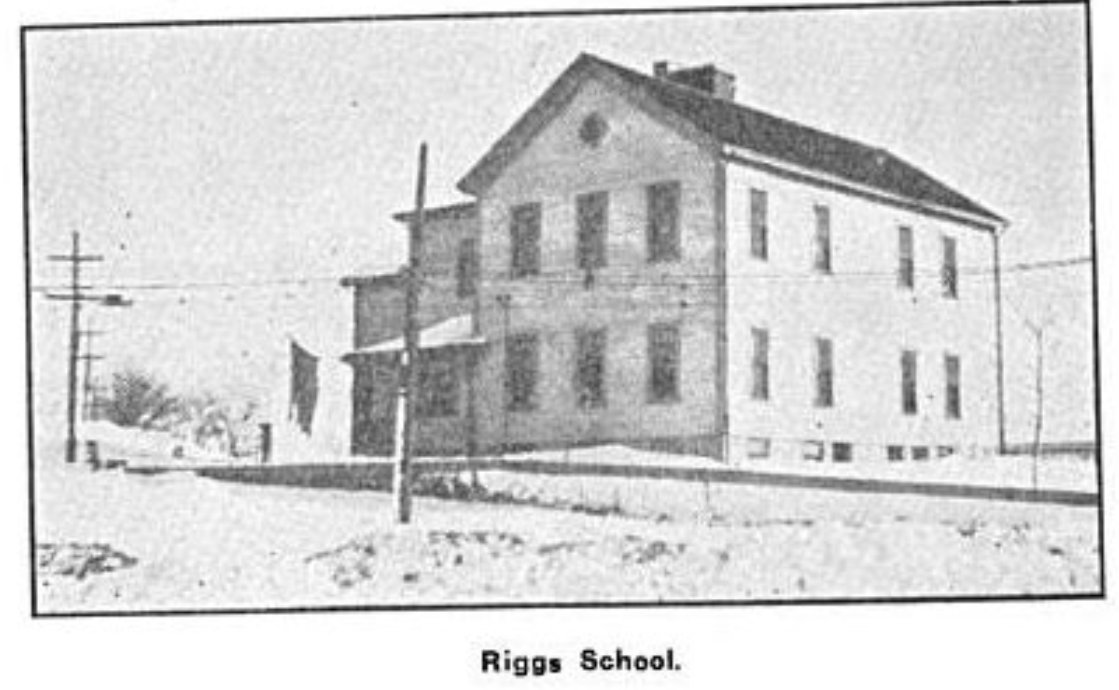


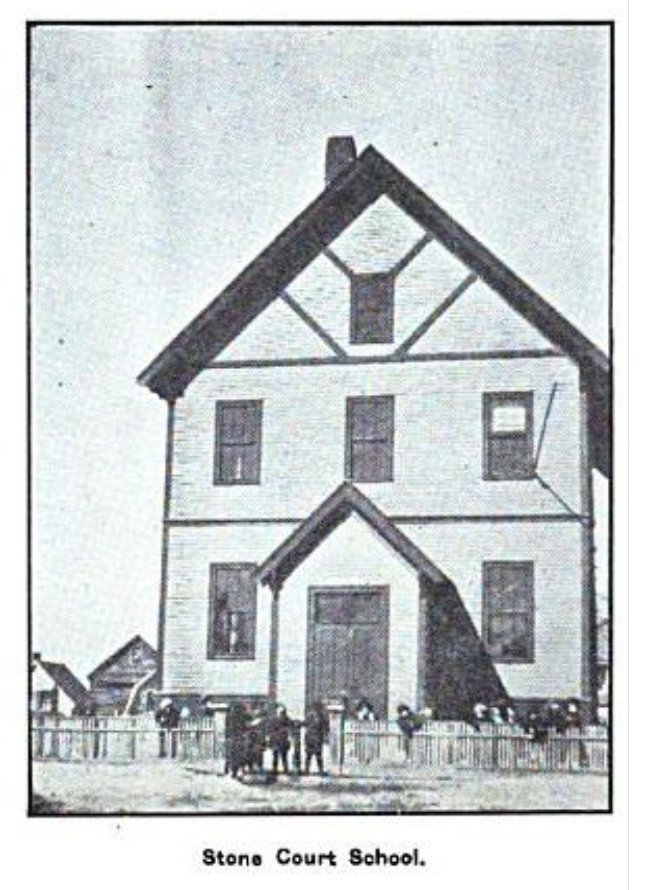


“The High school-house on Dale Avenue was erected in 1888 and ’89, the total cost, including land, being $100,000. This building, one of the most imposing and commodious of its kind in New England, is built of brick with granite trimmings.” and “The first High school-house was erected in 1851 on the southwestern corner of the present lot at a cost of $3,100 including the land. It was enlarged in 1870 and 1878, and was destroyed by fire May 11, 1887.”
“The Hildreth school-house on Eastern Avenue was erected in 1884, at an outlay of $18,000 for building and furnishing and $4,000 additional for grading.”
“Lord Bros, were awarded the contract to build the Babson school-house on Park Street for $17,498. This edifice was erected on site of an old burial ground.” and “The first brick structure, the Babson school house, was built in 1881, the entire expenditure including heating, etc., being $25,944.”
Pringle excerpts, History of the Town and City of Gloucester, Cape Ann Mass. By James Pringle, 1892 (at time city’s 250th anniversary)
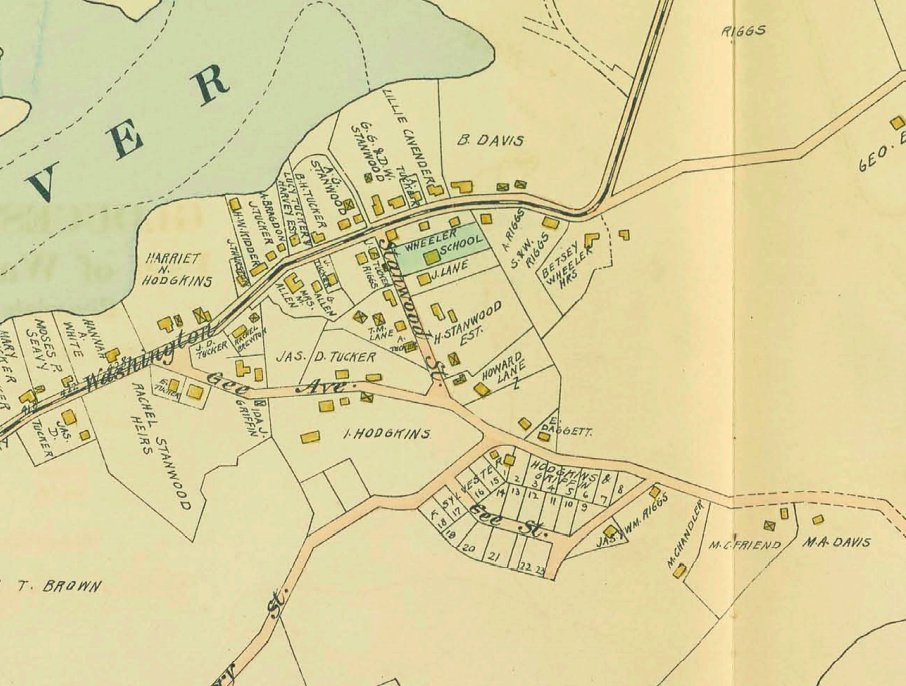
Washington St. at “the crotch of ye old highway”- Townhall | Forbes School | Legion

The frame was purchased from Rockport. The citizens of that town intended to build a town house before Gloucester, but decided to abandon the idea on economic grounds. It was occupied March 17, 1845. Previous to this, town meetings had been held in the First Parish Meeting House, Union Hall, the old Collins’ school-house and other places and at Sandy Bay before it was set off. Its cost was $4200. At a town meeting held in February, 1866, it was voted by a large majority to erect a new town house.
According to Pringle the frame of school then 1844 Town Hall / School House / now Legion was purchased from Rockport
Collins School
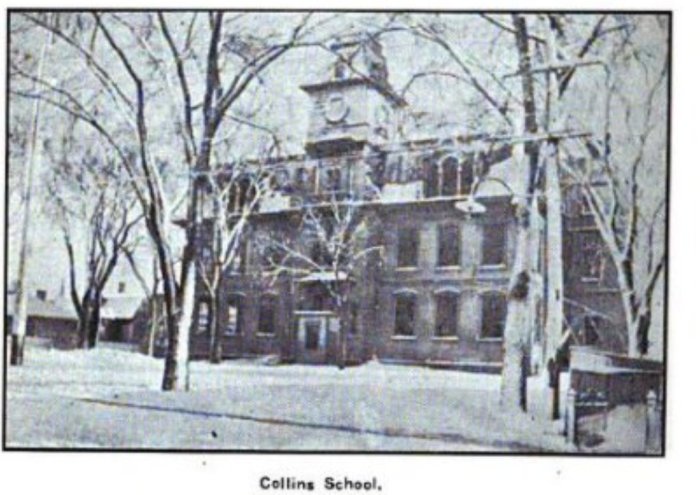
The Universalist edifice, as it stands now, the old First Parish church, with its pagoda like steeple, and the old Collins school house, standing on the site now occupied by the building of the same name, and the pride of the town, Tappan’s Hotel, were among the more noticeable features. Its name, like its predecessor, was derived from Madame Collins, who in the early part of the century gave the land upon which the building stands.
Pringle, 1892

“Grammar Pupils Taught How to Box Compass
If one were to look for a school for skippers he would naturally turn to Gloucester, but he would hardly expect to find the rudiments of the fishermen’s art taught in the public schools. But such is the fact. This “skippers’ class” has been for some years part of the regular course of the Sawyer grammar school, the progressive principal of which is N.D. Tingley…The skippers recite in one of the halls of the school, in the center of which is drawn a large compass encircled by an iron railing. This compass is some four feet in diameter, and all the points are given by their abbreviations in the same manner as on the regular mariner’s compass. In addition to the pole, as given by the needle, the true north is also indicated by a black line, the variation of the needle in Gloucester being quite marked, some 13.5 degrees…The class numbered a dozen, three quarters of whom were girls from 7 to 12. But before they had finished their lessons they demonstrated that they could give their brothers “points” in every sense concerning the boxing of the compass. Possibly Principal Tingley was giving a class of new women instruction in the art of navigation, for one of the first new women of recent times is a pilot on the Mississippi, and perhaps one may officiate in a like capacity aboard of a cape Ann fishing steamer… What is one point west of south? Five pointes east of north? Six points west of south, etc…After the skippers have become proficient and have been graduated they pass the “board.” The board in this case is Mr. Tingley, and he issues to the proficient graduate this certificate, which is highly prized by the holders, as it is printed on cardboard in gilt letters as follows:
Sawyers School Skipper’s Certificate–The Bearer, John Smith, having successfully boxed the compass and answered the required practical questions upon the same is herby awarded this Certificate of honor.–Gloucester, Mass., 1996.”
Boston Globe, 1896

“Proposed New Grammar School in Ward 2, Gloucester
After much discussion the school committee and the public property committee have selected plans for the proposed schoolhouse in ward 2. The lot where the school is to be built is especially adapted for the purpose. It is on Eastern avenue nearly opposite Day’s pond, and commands a magnificent view in all directions, including an outlook of Little Good harbor beach and Bass rocks, which, from the contour of the lands, can never be shut out by building operations. The building will be 60 x 125. it will contain two main floors and a roof section, the latter being designed for a gymnasium or large hall should such be needed. In the basement will be the usual heating apparatus, the janitor’s room and separate playrooms, with accessories for boys and girls. On the two main stories there are eight rooms…On the second floor, besides the four main rooms, there is a library and teachers’ room…The exterior will be of the colonial style, the material being red brick, with stone trimmings. The estimated cost above ground clear of the furnishings is $31,000. It is intended to have the building ready for occupancy sometime next year. Taking the cost of furnishings and everything it is estimated that the entire cost will approximate 45,000.”
Boston Globe 1905
Gloucester history 1920 may just be as much if not more current than 2021
Furthermore, whereas formerly the majority of the people in Gloucester were native born, now 46.6 percent of the fathers of public school children are foreign-born: 19 nationalities are represented. They include the following countries, Canada, Denmark, England, Italy, Ireland, Finland, France, Germany, Greece, Iceland, Holland, Newfoundland, Norway, Nova Scotia, Portugal, Russia, Scotland, Spain, Sweden. The largest number are from Portugal, Italy, Finland, England.
From the standpoint of the school, this means that the educational problem is far more difficult than formerly. It means that the school must now not only teach the three R’s, but to use a much over-worked term, it must really be the “melting pot” of all these diverse elements. It must be a social agency in the community where all elements may meet on a common footing. It must be a school where the children may have the opportunity to develop the particular gifts, which all these different nationalities bring to America, rather than a dye vat where all these different vivid colors from all over the world are dyed into one monotone.
In other words, although Gloucester is a small town of only a few thousand inhabitants, yet from an educational standpoint it is faced with the same problems which confront school systems in the average city…”
Regarding the high school on Dale and Forbes School Branches (multi building complex)
High School I claim for my administration a savings of $250,000 on the high school alone, and when completed we will have a high school building second to none in Eastern Massachusetts and at a cost of less than half what other cities are paying. And right here I wish to publicly commend and thank the teachers and scholars of our high school for the splendid spirit of co-operation and patience they are exhibiting in cheerfully walking back and forth through mud and rain. The school displaying such fine spirit deserves a good building, and I shall never forget their good and fine cooperation. Money cannot pay Mr. Ringer for his fine leadership in this school under very trying conditions, but now I wish he would confine his activities to the position he was hired for.
I think our school troubles are soon to be relieved. Mr. Fellows, our new superintendent, will, I hope, prove a second Putney. I hope to see our small neighborhood schools again running as under Mr. Putney. I believe, and I have letters from educators that agree with me, that a small school with two or three grades offers equal advantages to small children as single grade schools, as the lower grade pupils are all the time learning something from the higher grade recitations. With the completion of the Washington Street primary school, both the high and primary situation will be relieved, and those garages on the town landing will be taking out of our schools forever. And now with that building on the lot standing the city $5,000 (the cost of moving), does anyone think it should have been given away? For that is all the building stand the city—the cost of moving—for a foundation would have to have been built anyway.
Mayor Percy Wheeler Inaugural Address (2nd term)

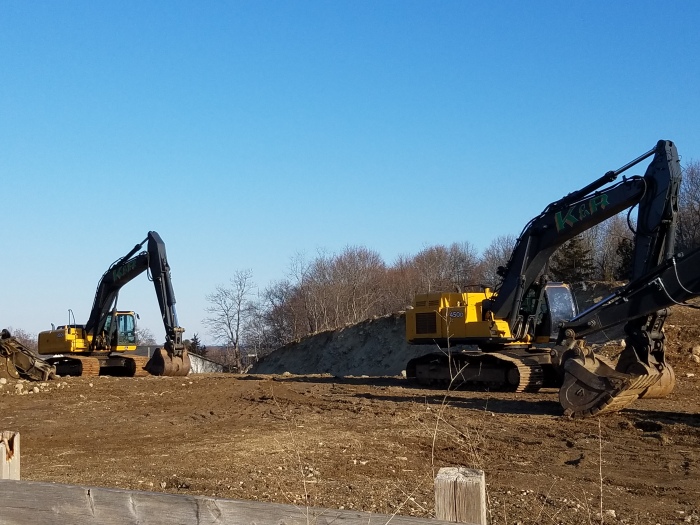
March 2021 construction status. Two projects near Good Harbor Beach at the four corners of Thatcher and Witham, and two projects in Riverdale off Washington Street.
pinch and zoom or double click to enlarge photos
Between Thatcher and Cliff Road
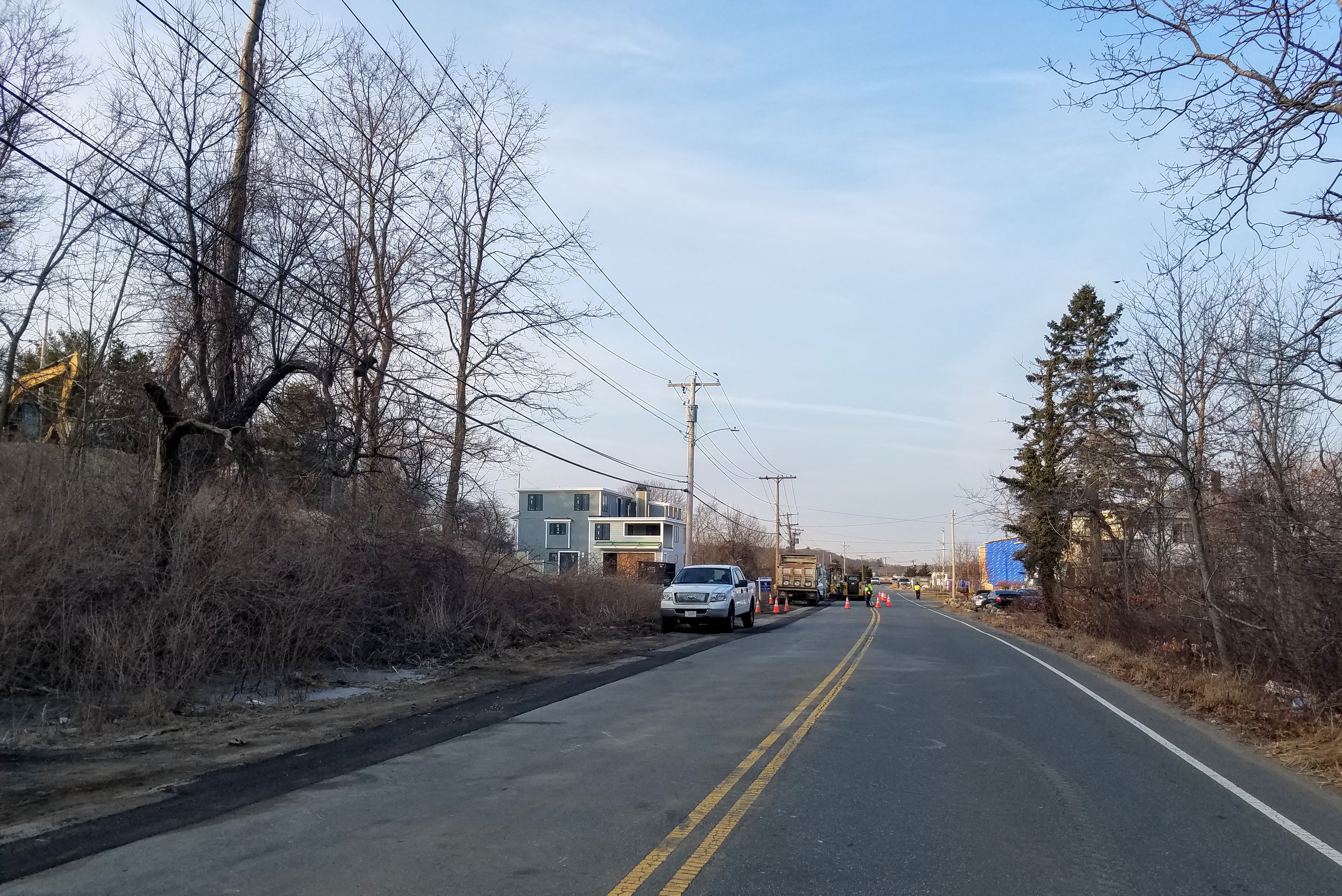
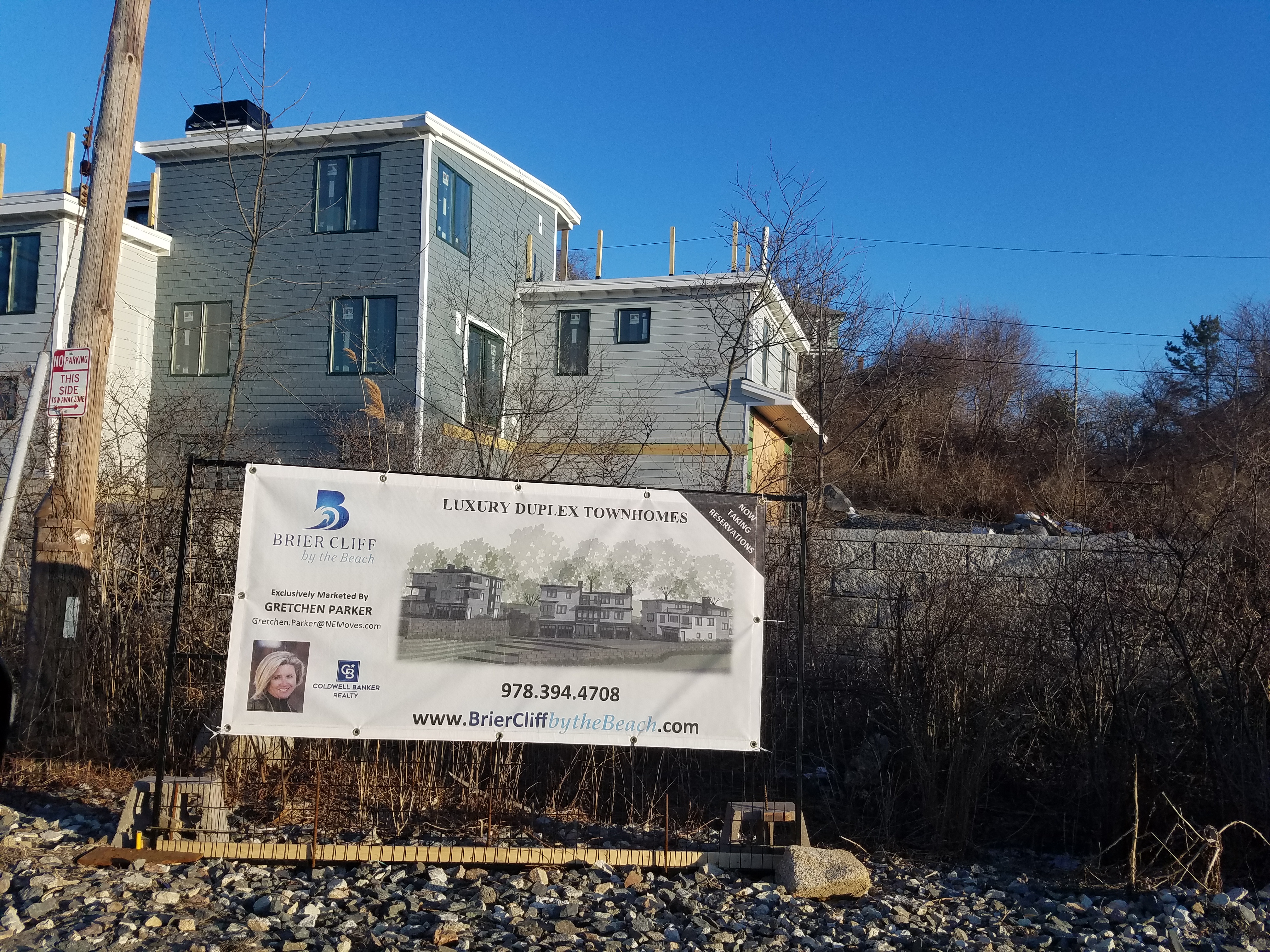
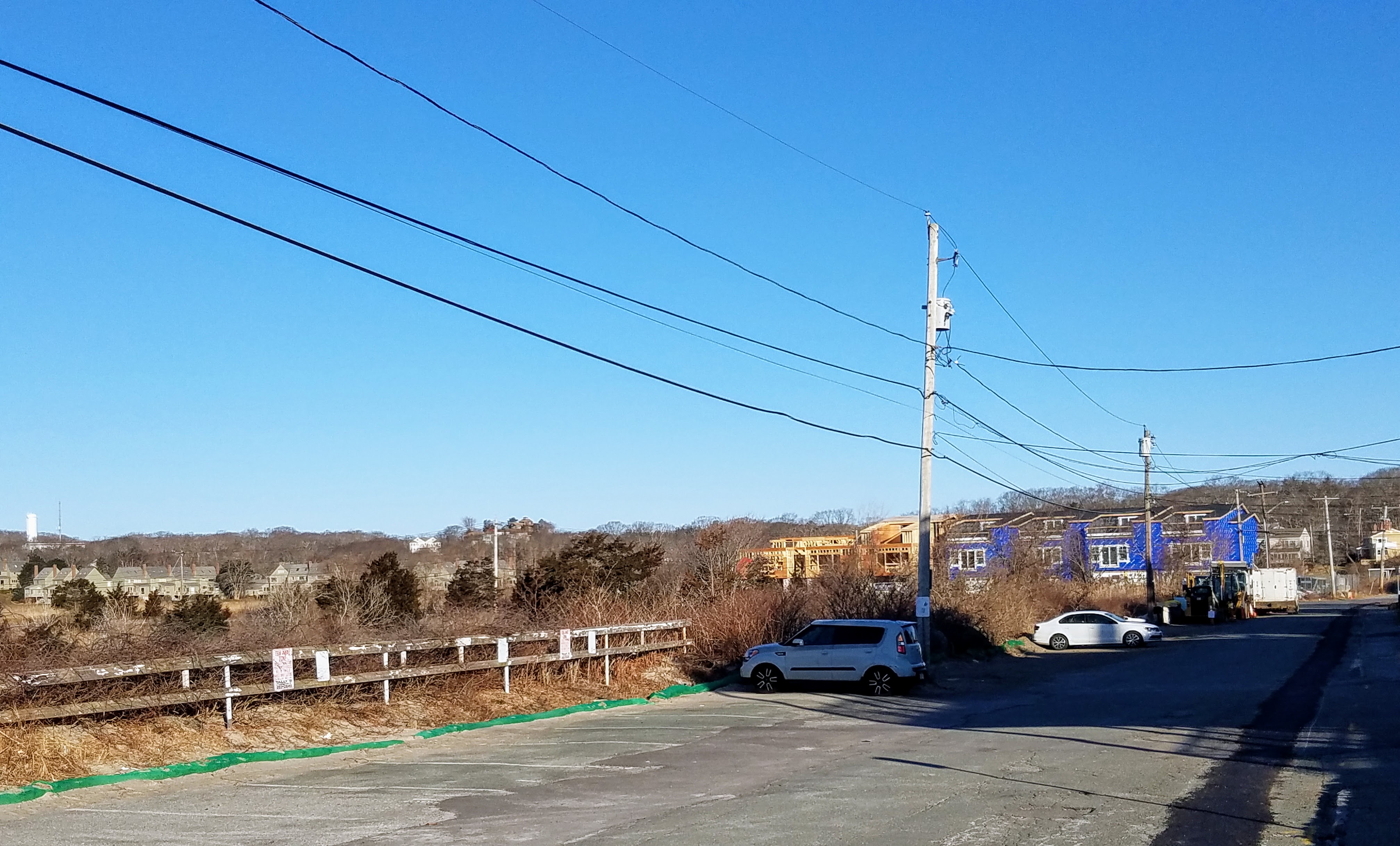
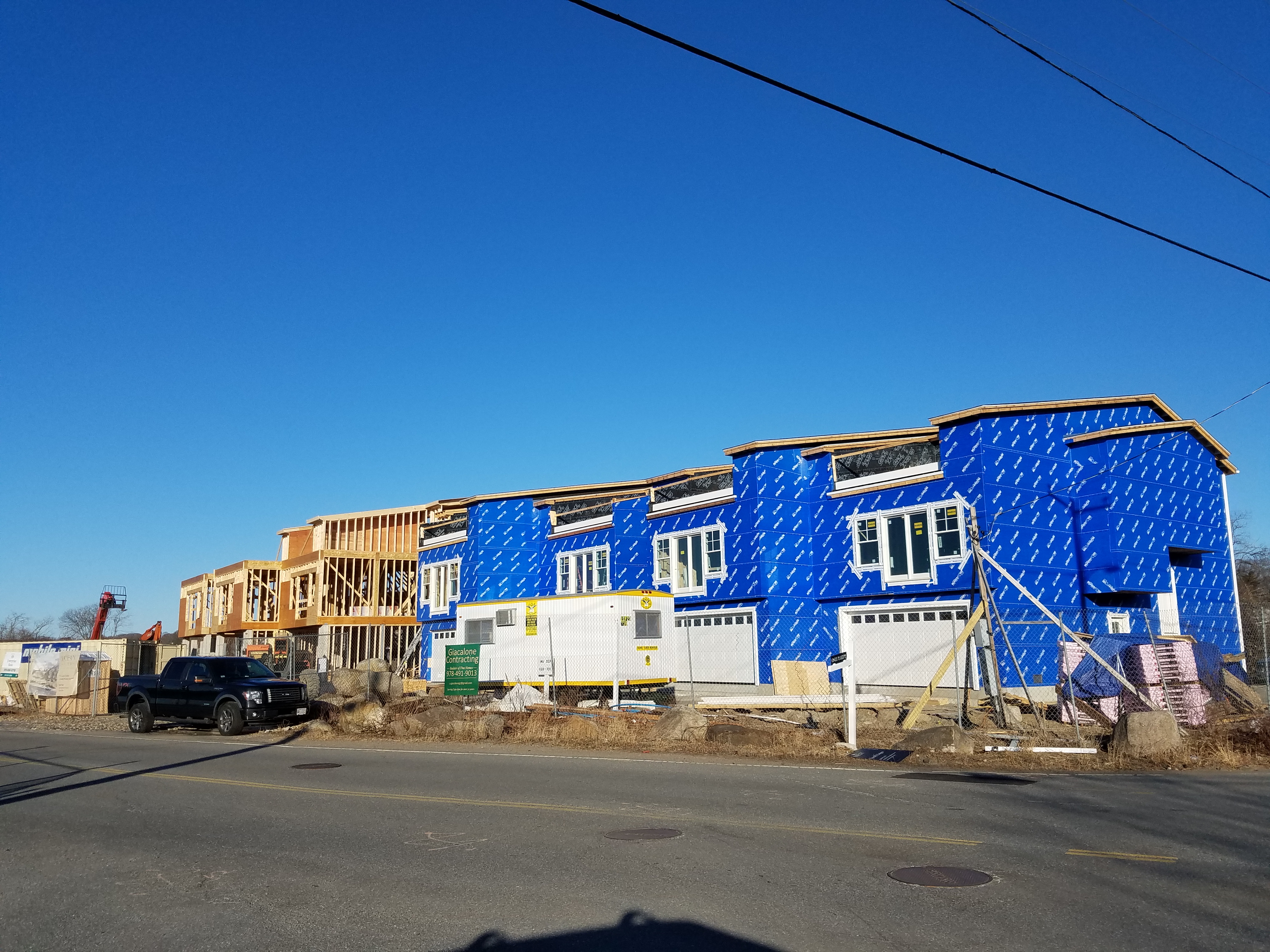
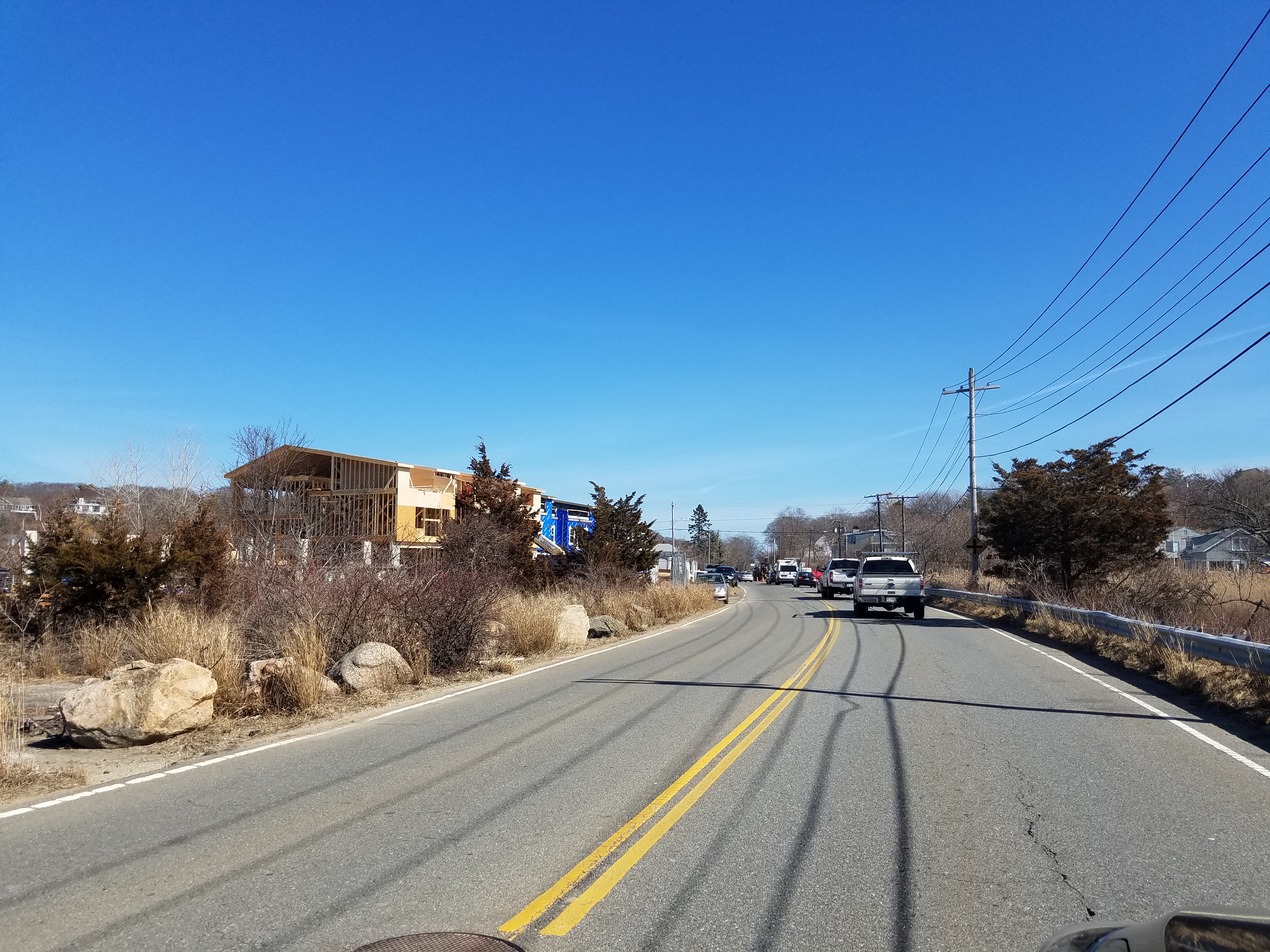
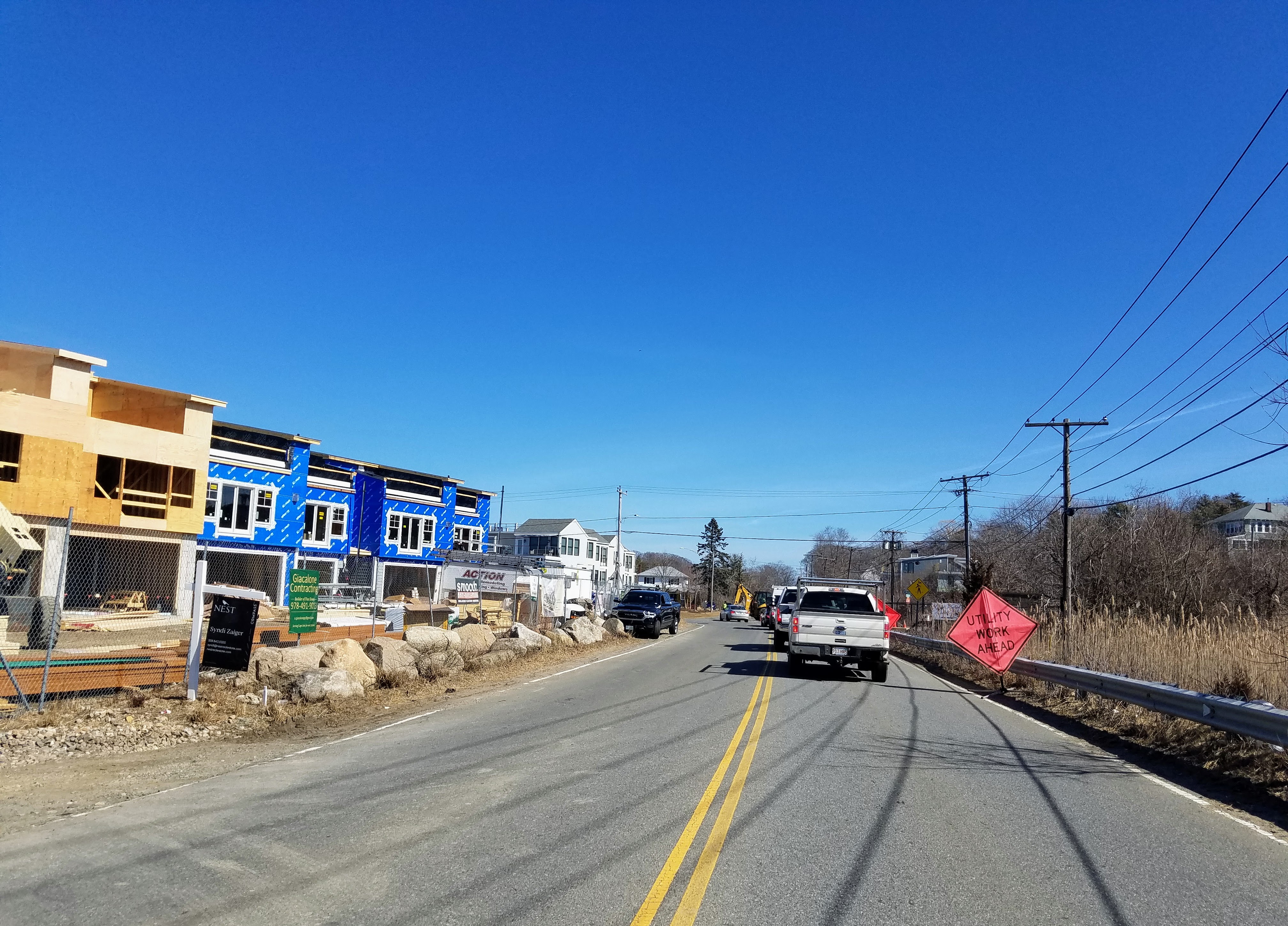
*formerly Brier Neck shores
(before Willow Rest)
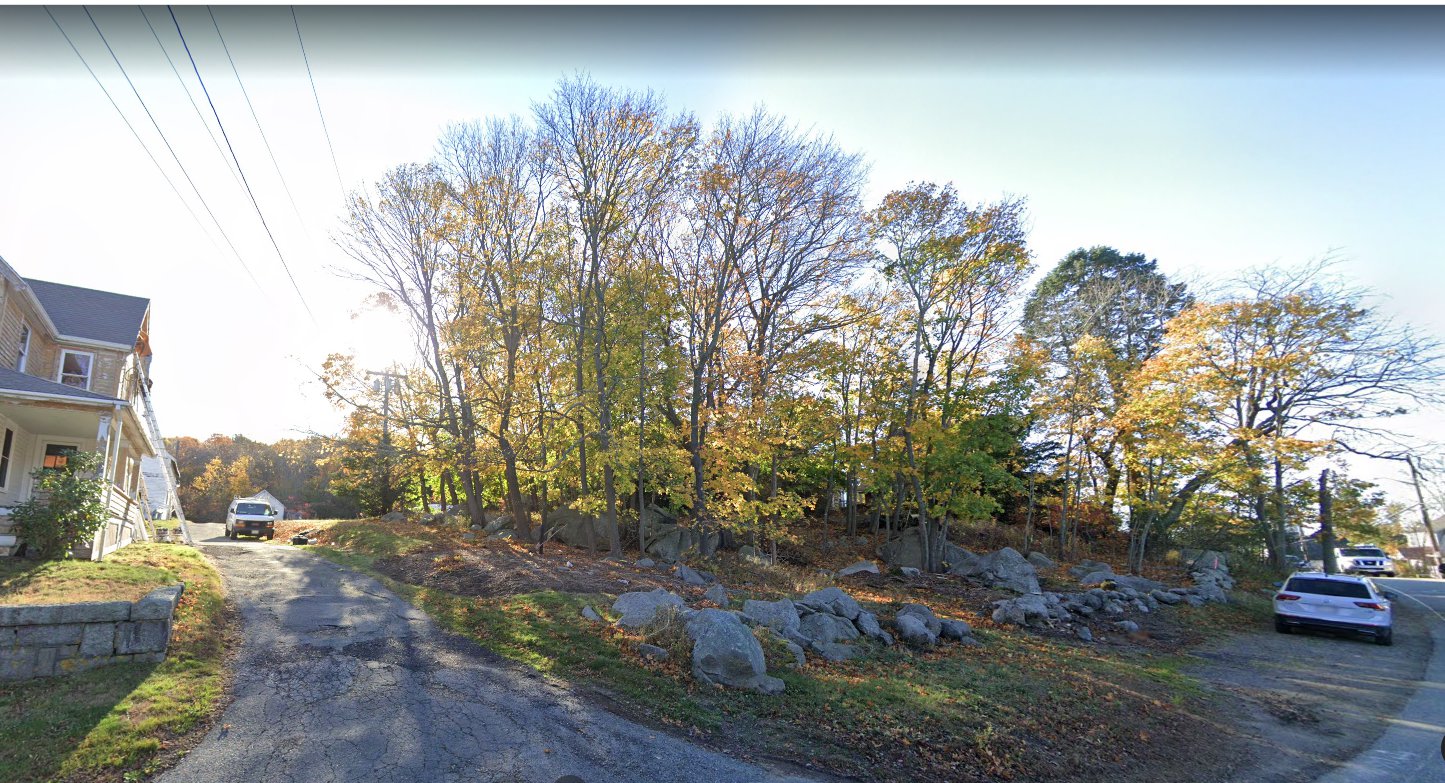
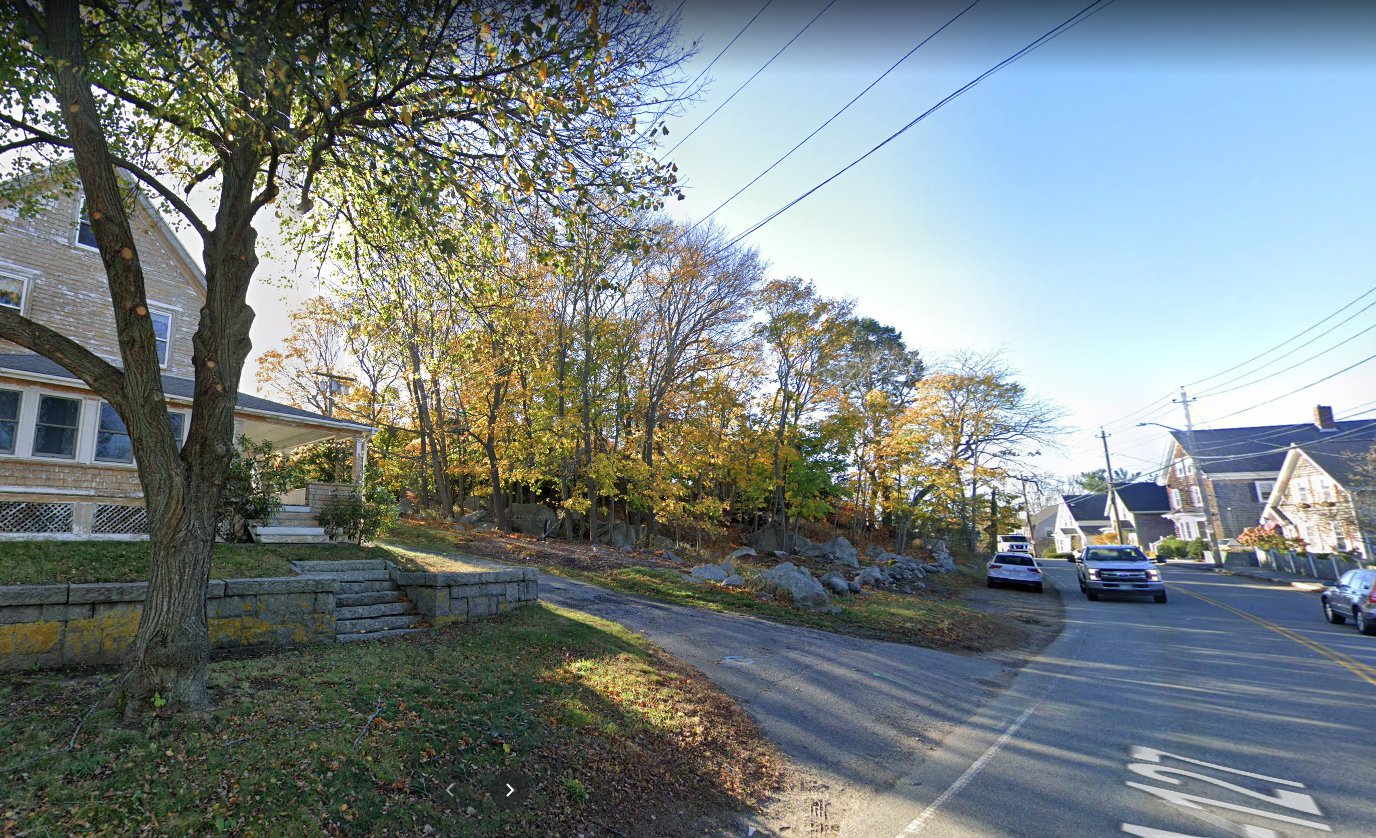
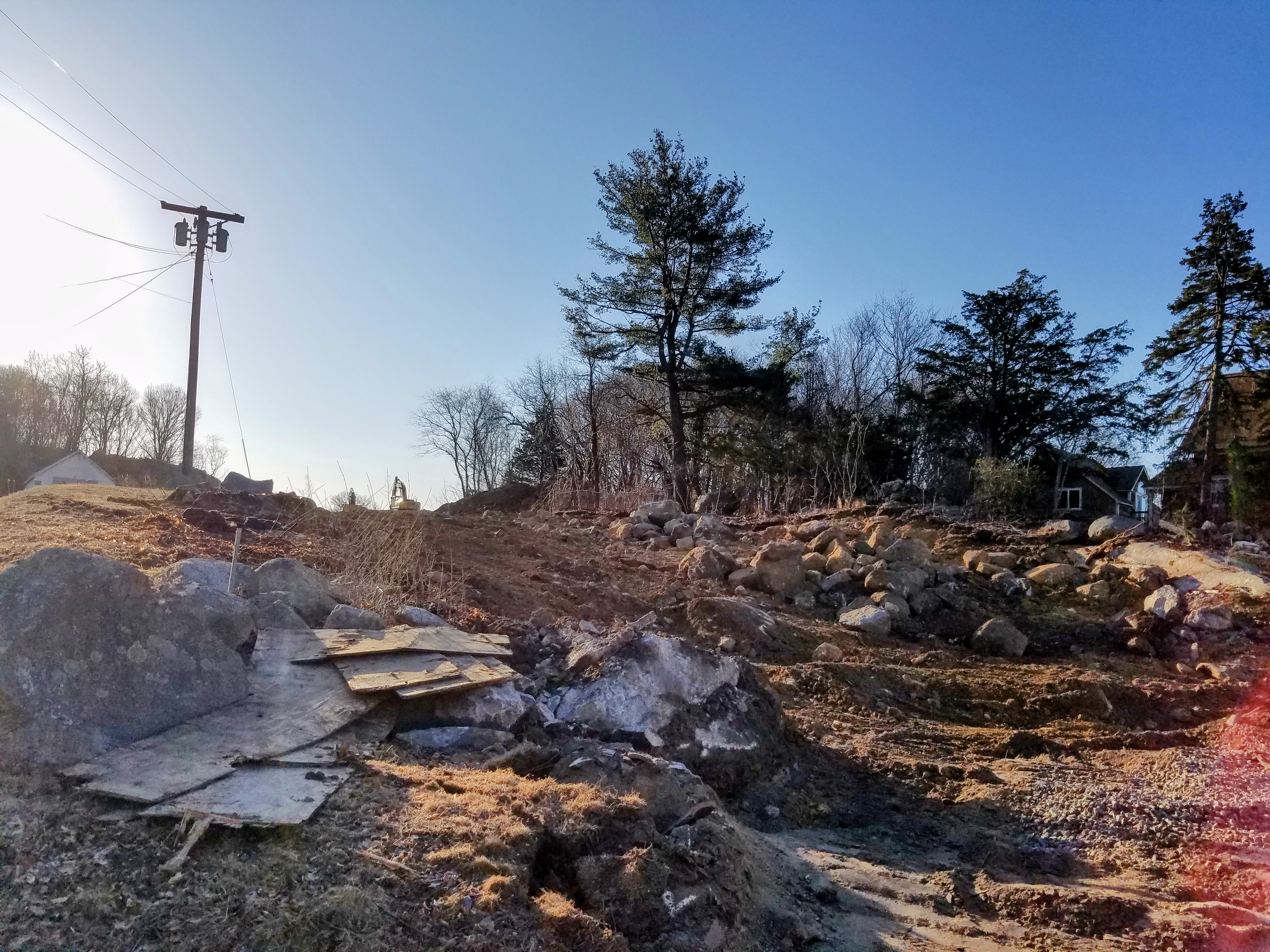
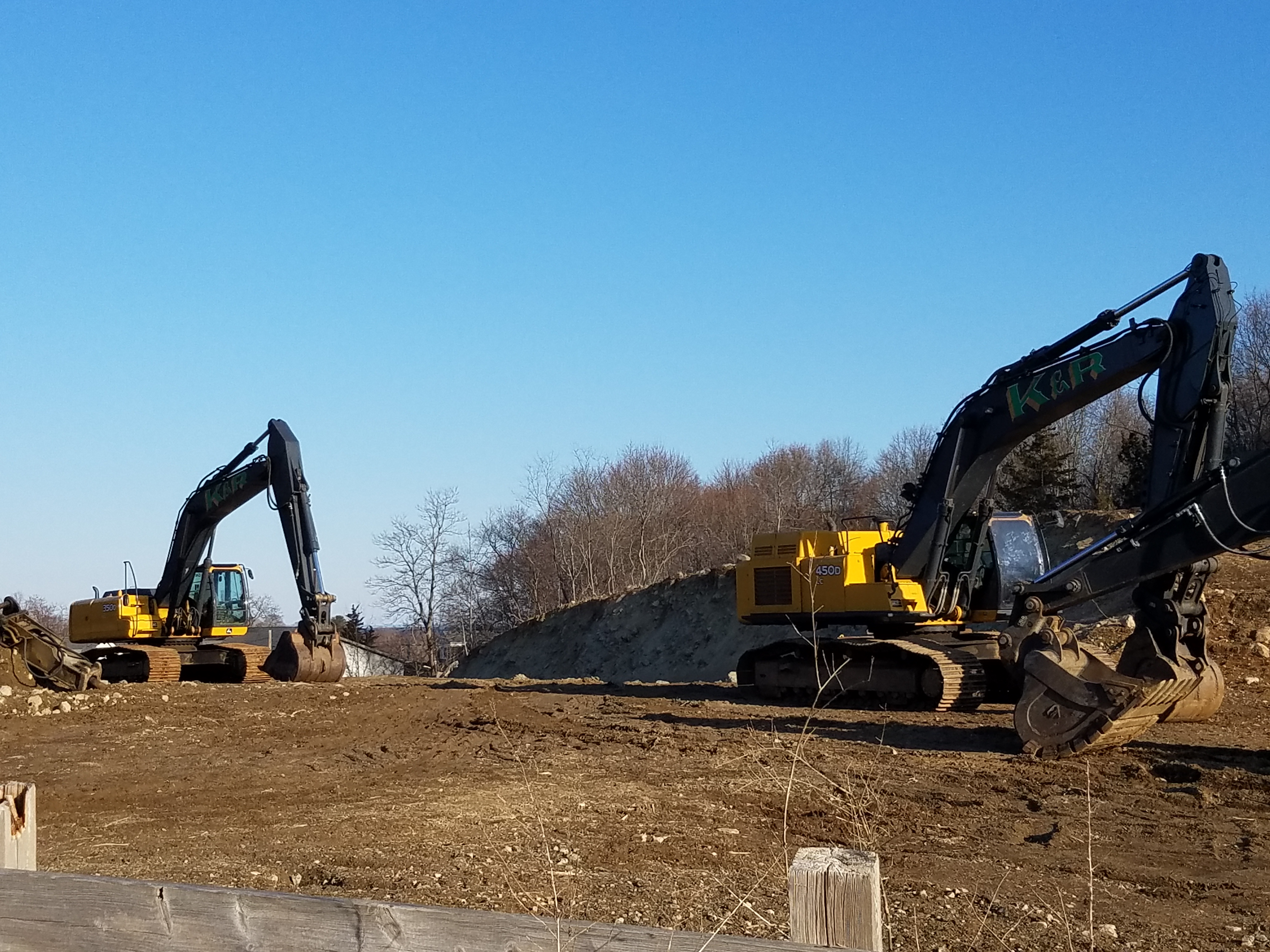
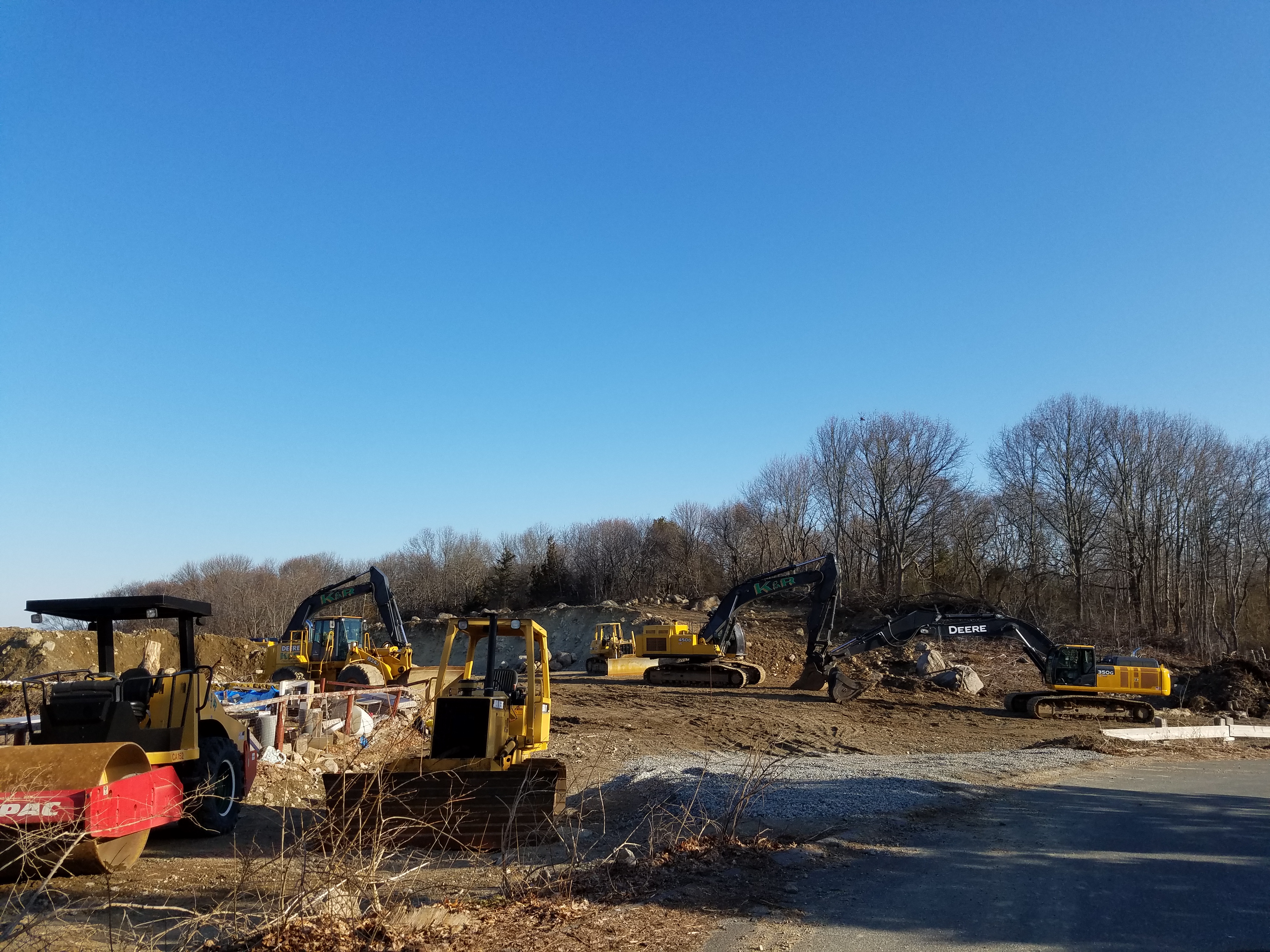
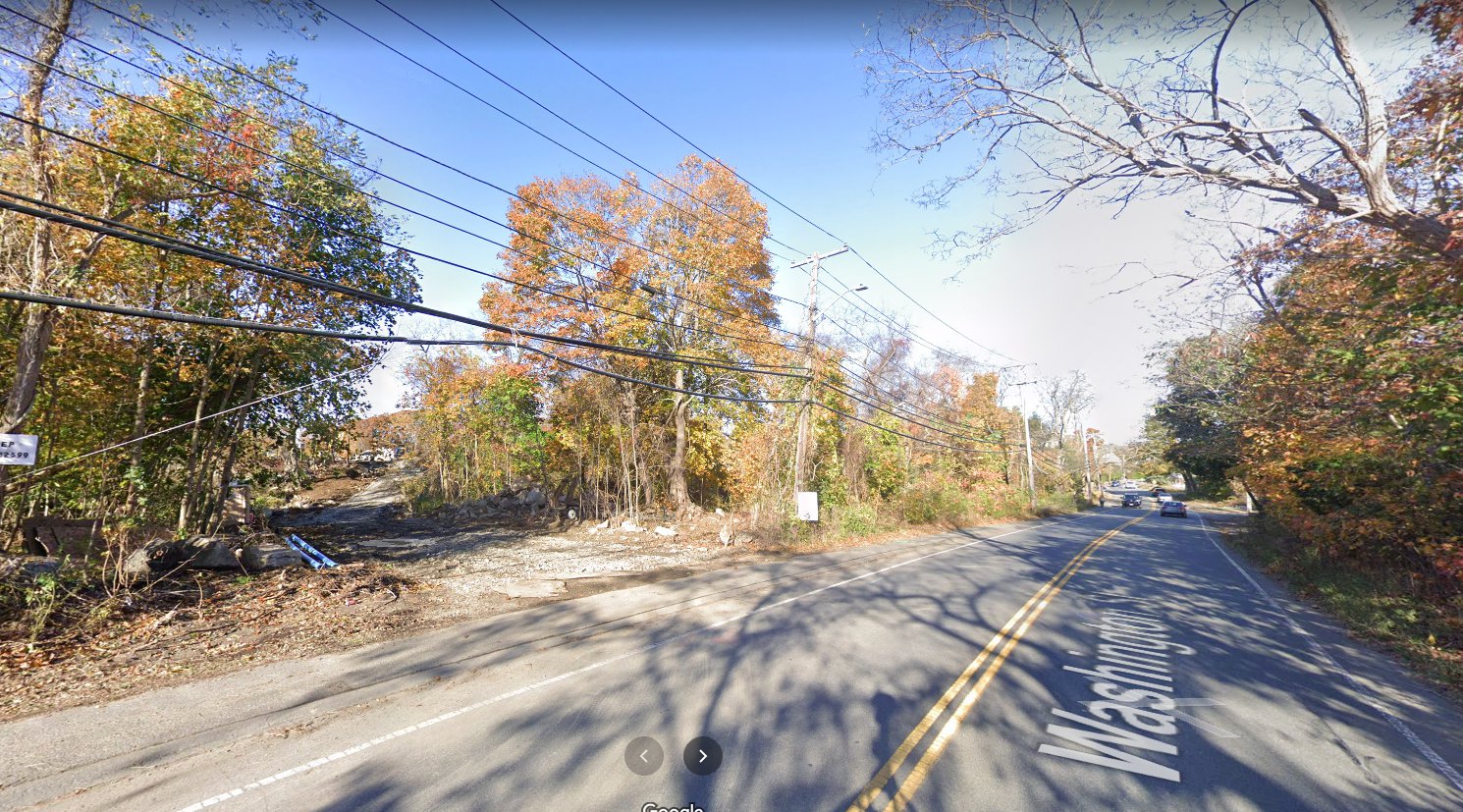
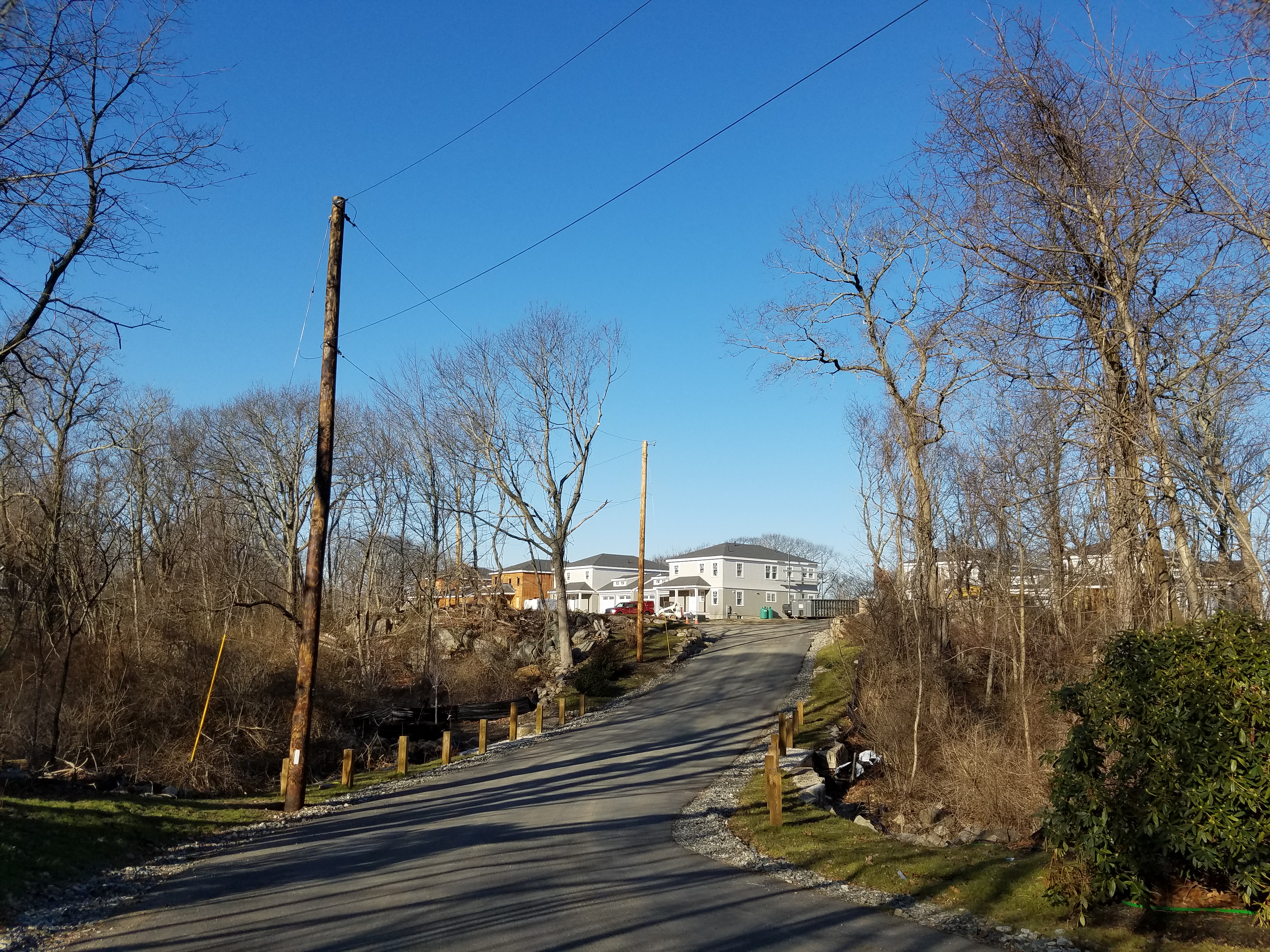


Mayor Wheeler credited women for his re-election. Highlighted equal rights in his inaugural address in1922.

“…I was re-elected by the largest vote and the largest majority ever given a mayor, and our city has made the best showing of any city in the state…
“…The time has come when the women must be recognized in our body politic. This year I have put on the ward officers several women and anyone visiting the polling places where ladies were working could easily see a cleaner influence was at work. It has been freely said that the women of Gloucester elected me. Very well, I am proud of it and I hope to make them proud of it, too.
“And I will say right here at this time, there are some offices in City Hall that would be better run if the lady assistants were the heads and the heads the assistants,
and the organization of women in this city I predict will do more for the advancement of our city and the cleaning of our politics than a dozen boards of trade or chambers of commerce. Yes, if I am a women’s mayor, I am proud of it and I thank them one and all for their support, and I will turn around and help one of them to be Mayor if you men don’t fight cleaner than some of you do now.”
Hon. Percy Wheeler, Mayoral address following re-election, Jan. 2 1922, Gloucester, MA


woodcut illustration for 1890 Boston Globe article | photos: c. ryan, mostly 2021

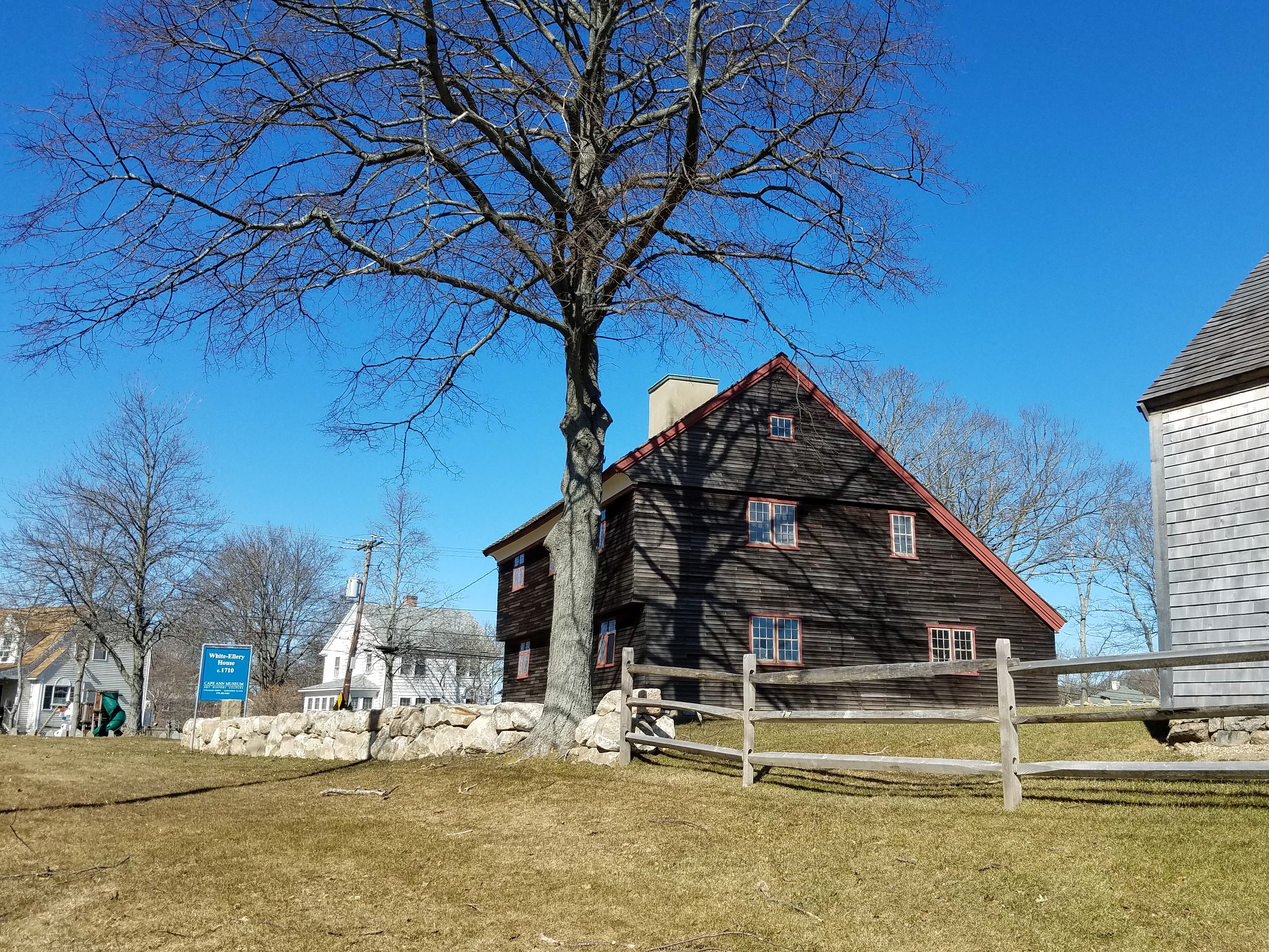
The first Massachusetts home featured in this Boston Globe historic house article was Gloucester’s “Ellery house”, as a classic First Period saltbox:
“OLD HOMES, OLD FAMILIES. Houses in New England, Each of Which Has for Three or More Generations Sheltered the Same Race. Romances Drawn from Wood and Brick
The Sunday Globe begins today to publish stories and pictures of old New England homesteads which have sheltered at least three generations of the families now living in them.
This is not so endless a task as some may suppose it to be. New England, no doubt, contains a greater number of old houses than any other division of the country, but it is rare indeed to find one among those that has been long in the possession of the same family. Such a shifting of ownerships may reflect the growing prosperity of the original occupants who perchance have built greater homes than those of their fathers, but often the disappearance of the inheritors of these ancestral houses signifies either the utter extinction or the scattering and breaking up of the family.
The sketches in this series opening today appeal, therefore, in a peculiar way to the public curiosity, and the Sunday Globe would thank any of its readers if they would call attention to any houses within their own knowledge which may be occupied by a family who have possessed the property through three or more generations continuously or otherwise.
There are various periods in the history of Gloucester house building, each marked quite as distinctly to the architectural student as the different strata of the earth’s crust indicate to the geologist the various periods of formation. In the case of the old houses of note it may be said that they all belonged to the upper crust.
The houses of the first settlers of Gloucester, with rare exceptions, have long since been replaced by others of more elaborate design, and the few remaining in the suburbs are small one-story edifices of no particular architectural pretensions.
In common with Boston, Salem, Newburyport and other colonial seaports, Gloucester once owned a large fleet of ships, brigs and barks, that sailed to foreign ports, exchanging the products of the town and of the county for Spanish gold and Surinam molasses, which was converted into New England rum.
These merchants built commodious residences and dispensed a hospitality commensurate with their position as leaders of the social and intellectual life of the town.
The most historic edifice in town is the Ellery house, which stands just below the old meeting house green on Washington street in Riverdale, a suburb of the town.
It was built by Rev. John White shortly after he came here in 1702 to minister to the spiritual wants of the First Parish, receiving a grant of land from the town on which to build his home. At that time the main settlement was in that portion of the community, but the necessities of commerce and fishing made it convenient for the inhabitants to remove nearer the seashore, deserting their first habitations on what is now known as “Dogtown Common,” where the remains of their cellars can still be traced today.
The type of architecture is well portrayed by the accompanying cut. On the projection which overhangs the lower story in front there were four balls pendant, a style of decoration of the times, which have long been removed.
Inside, the old-fashioned low studded style of room is at once apparent, and the antique furnishings and general air of the place make one realize more vividly the age of the house and fixtures, which are of a nature to bring joy to the heart of an antiquarian.
Some of the furniture in the parlor is about 200 years old. The house was bought in 1710 by Capt. William Ellery, and it still remains in the hands of his direct descendants, the occupants being John Ellery and his wife. Thus it will be seen that it has been in this family 150 years.
The purchaser of the house was a son of the original settler, William Ellery. The Ellery family were prominent in the social and intellectual life of the place from the first, being leading merchants. Hon. Benjamin Ellery, called in the family “Admiral,” was the eldest brother of William. He went from Gloucester and settled in Rhode Island and was the father of Deputy Gov. William Ellery and grandfather of William Ellery who signed the Declaration of Independence, the signer being a grandnephew of the first owner of the house.”
Boston Globe 1890*
Read the full article (PDF) to see the other Massachusetts homes selected for the article.
The Declaration of Independence connection was artfully slipped in. Fast facts on the signers from the National archives here.
The White Ellery House is part of the Cape Ann Museum collection. There are inaccuracies in the 1890 nutshell above. James Stevens and the tavern he operated is absent. The rum trade is acknowledged; any NE slave trade economic connections are not. [Massachusetts was the first colony to legalize slavery. Vermont was the first to abolish (VT 1777 vs. MA 1783).] The article predates the build out of Rt. 128 which rallied a preservation relocation.
Maybe CAM might commission a set of woodcuts of the historic properties as they are now by various local artists.
Beautiful improvements on the grounds of Cape Ann Museum


note: pinch and zoom or double click to enlarge photos.



 Good Morning Gloucester