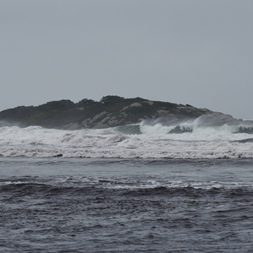
Off Good Harbor Beach Gloucester, MA
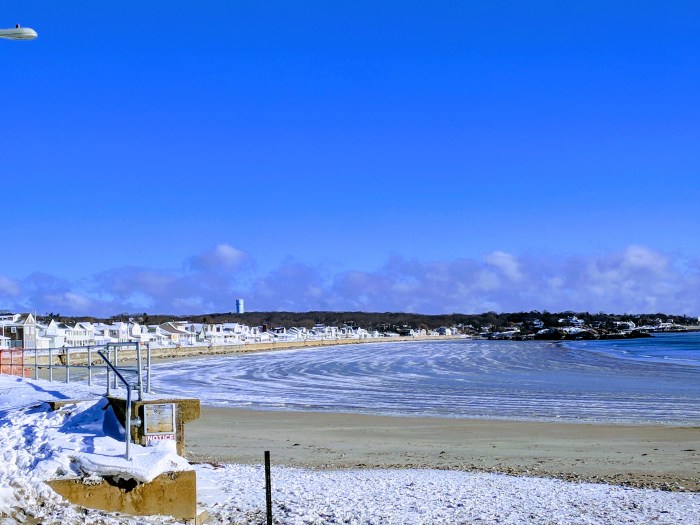
First for me-With the low temperatures, a white rainbow arch of thin ice dressed the entire length of Long Beach at low tide.
My View of Life on the Dock
Off Good Harbor Beach Gloucester, MA
First for me-With the low temperatures, a white rainbow arch of thin ice dressed the entire length of Long Beach at low tide.

Thinking of those dealing with no power, evacuation and such destructive, icy flooding.
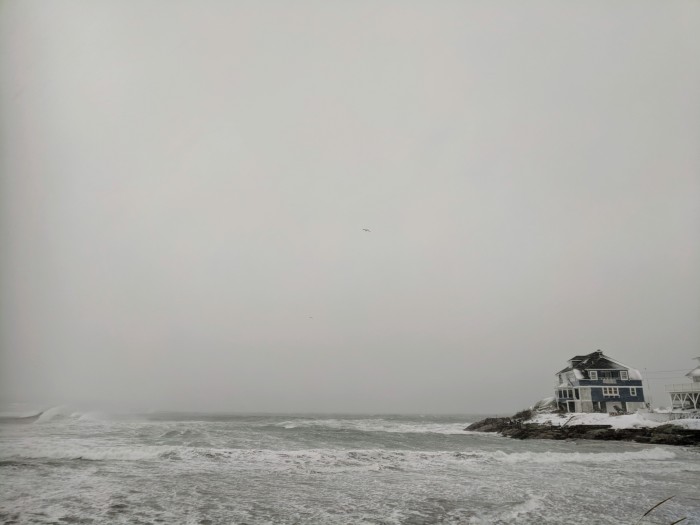
January 5, 2018 vs Storm January 4, 2018
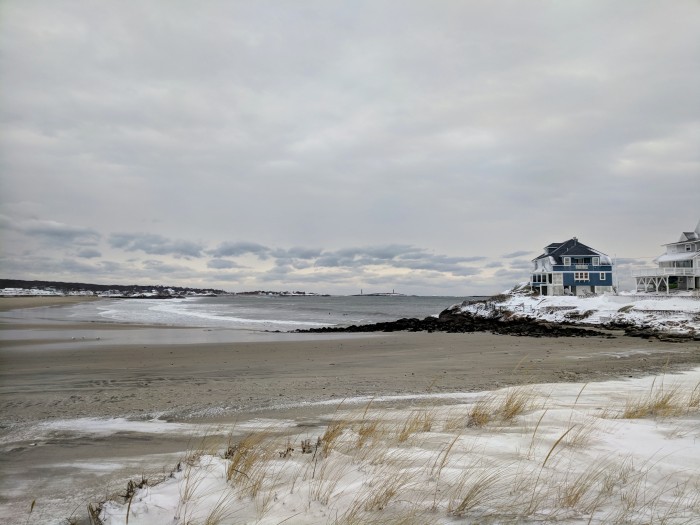
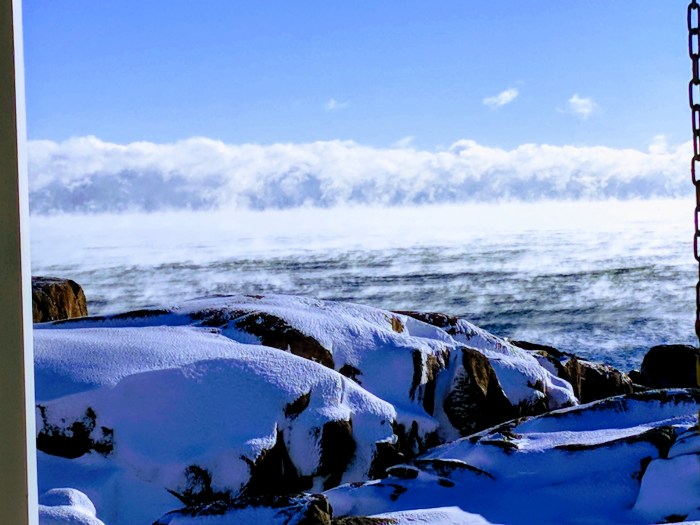
Rocks have clear icy layers and crunch pack, some pockets of drift


I’m following up on yesterday’s post, which was stopped midstream as we lost power. Scroll below for quick snaps and videos from my walk to Good Harbor Beach, Long Beach, and side streets.
About 2PM January 4, 2017 (high tide was several hours earlier)
Good Harbor Beach on sand looking out to Salt Island (from Good Harbor Beach Inn side of beach) Yes, the waves were rolling over the wall up to the homes but infrequently at this time. I don’t know what it was like at high tide.
(more Good Harbor Beach and Long beach below the break)
Continue reading “STORM video and the morning after #GloucesterMA Good Harbor Beach and Long Beach”

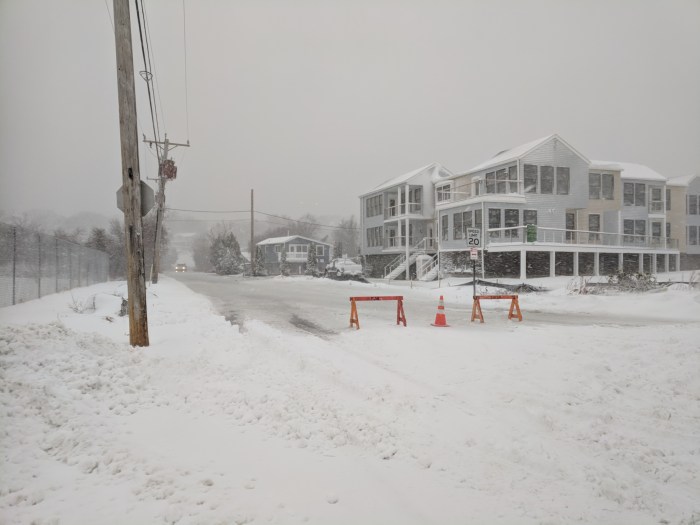
2:15PM slush pond roads and closed by Witham and Thacher and Good Harbor Beach parking lot. Power outages this way.
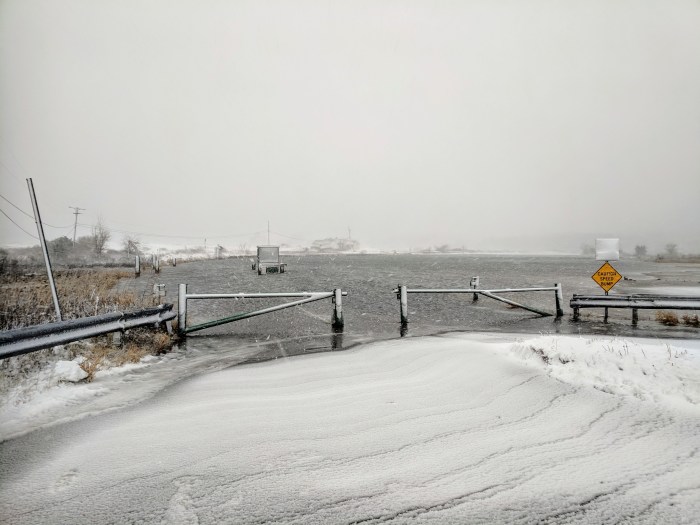


GOOD HARBOR BEACH
Ocean is up on the deck outside the Good Harbor Beach Inn snack bar, though not to the street
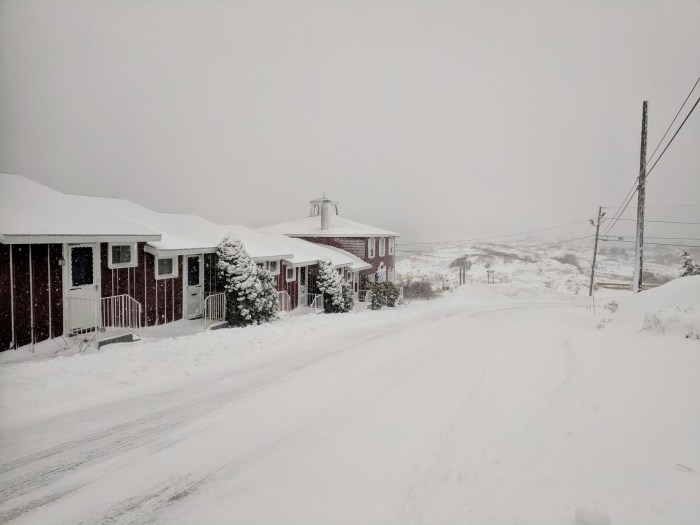
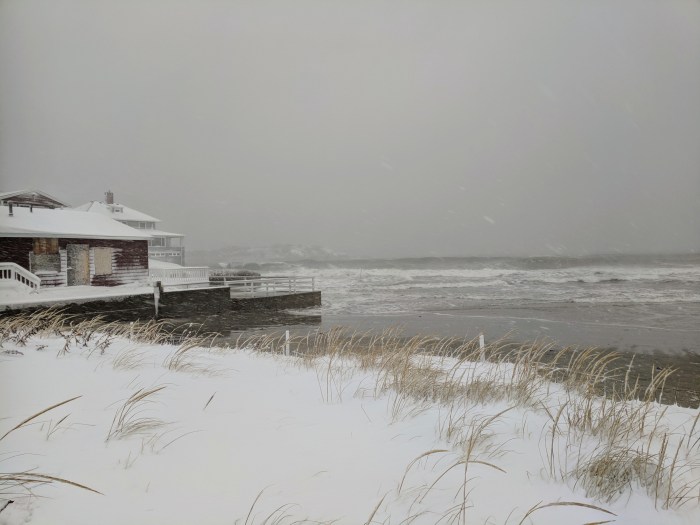
LONG BEACH
There go the staircases
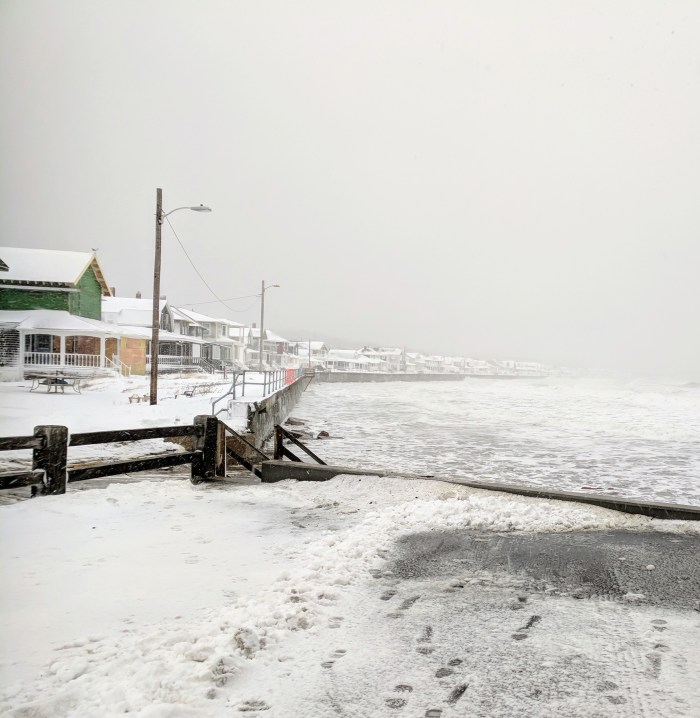
**Video coming when power-wifi back**

Beautiful January Wolf Moon rising and setting over Gloucester.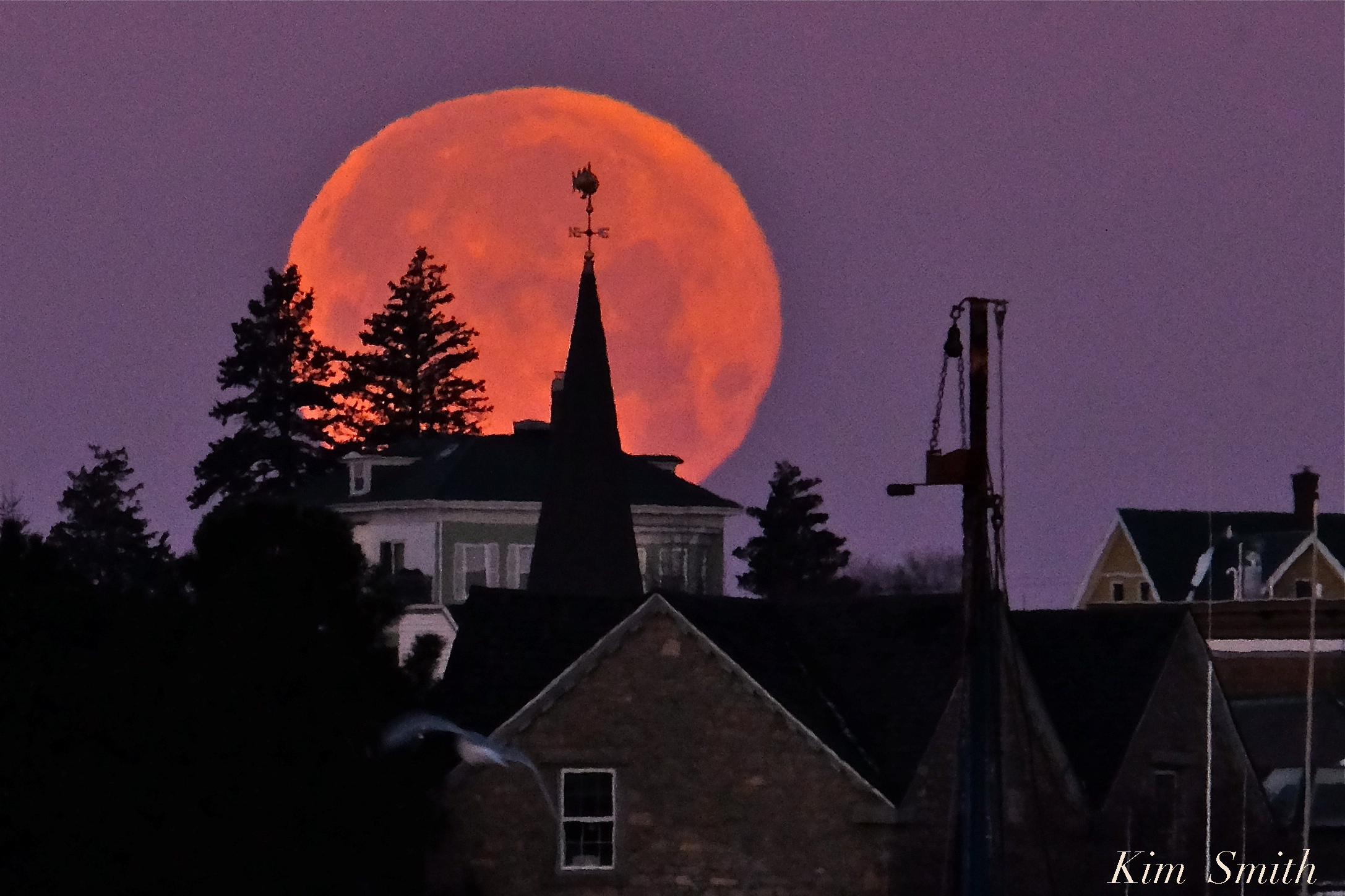
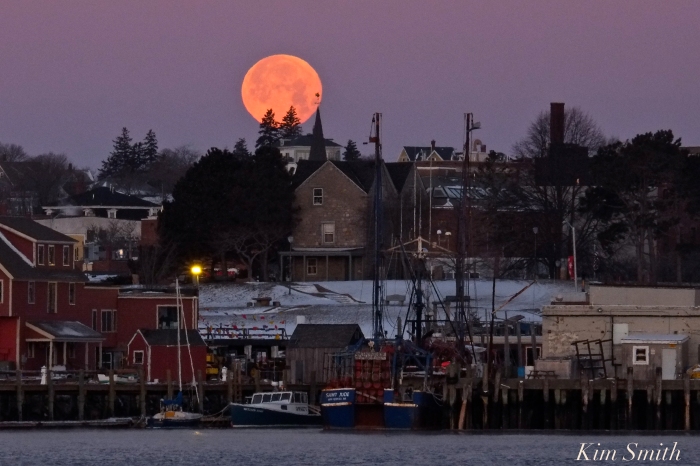
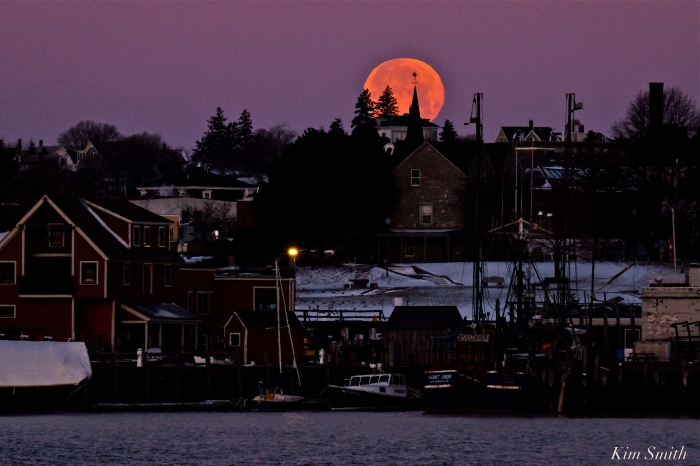
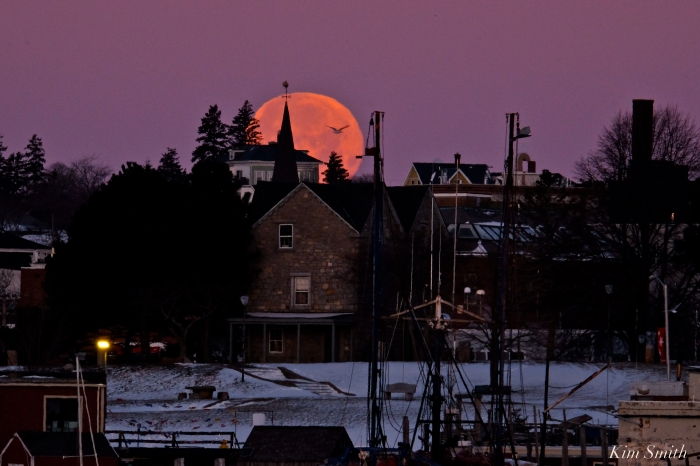
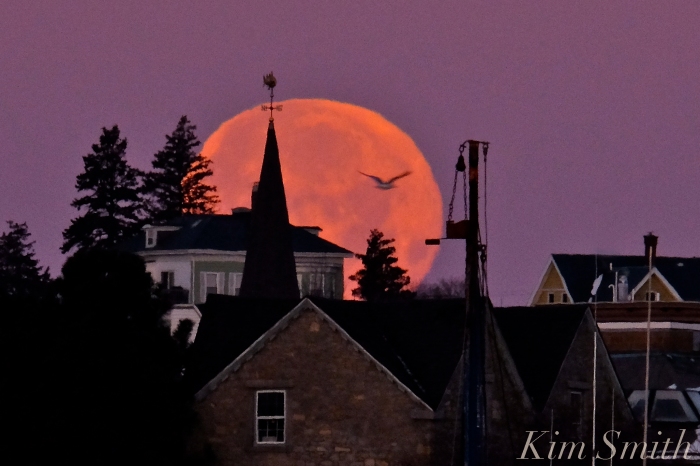
Moonsetting over the Harbor
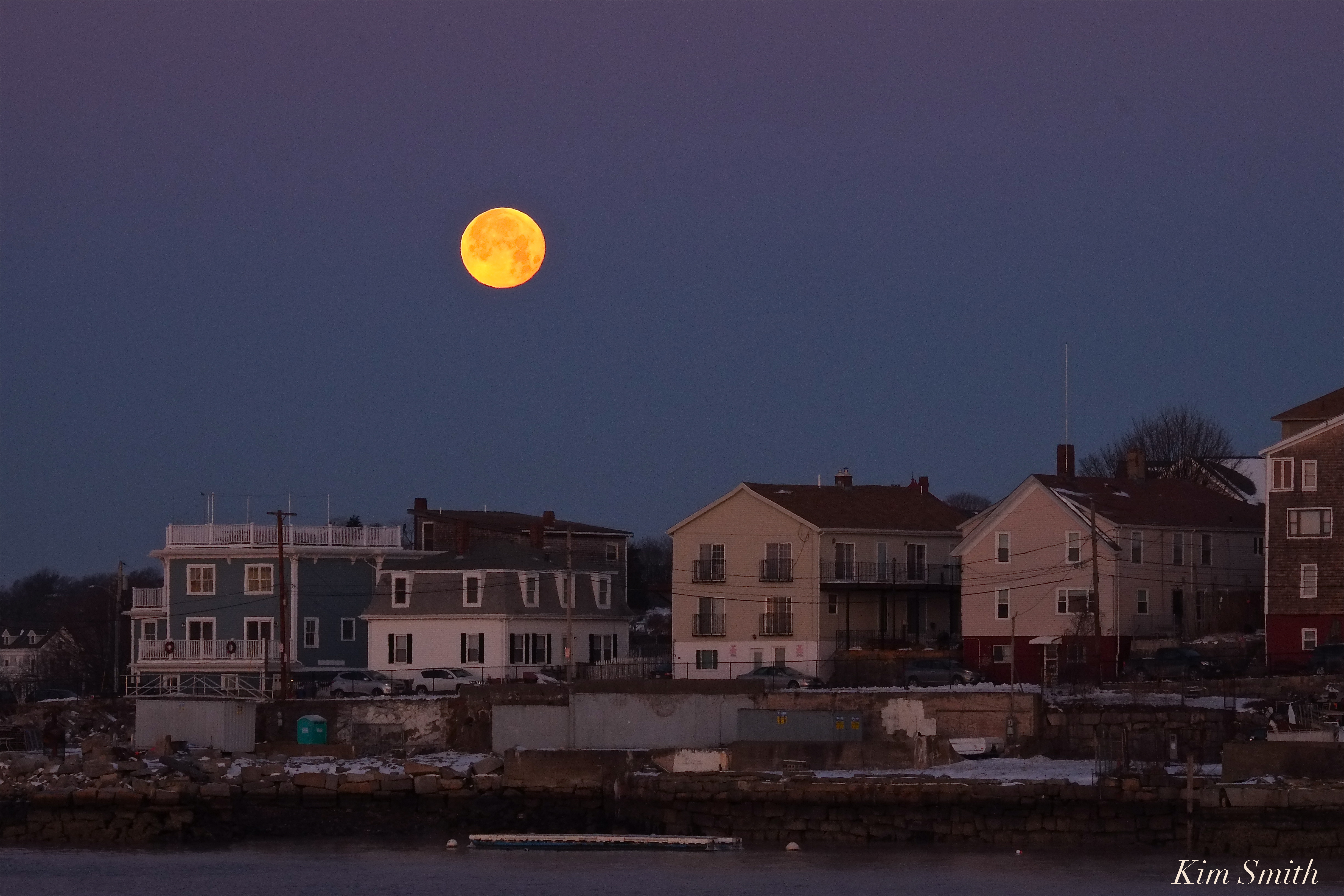 Moonset over the Fort
https://www.instagram.com/p/Bdbmr8uFgVN/

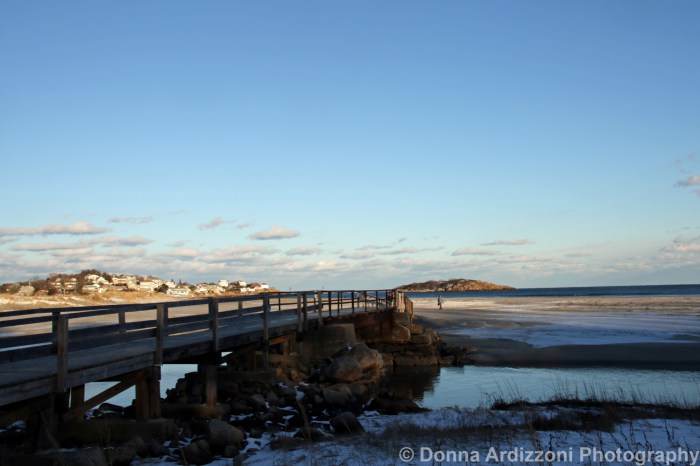
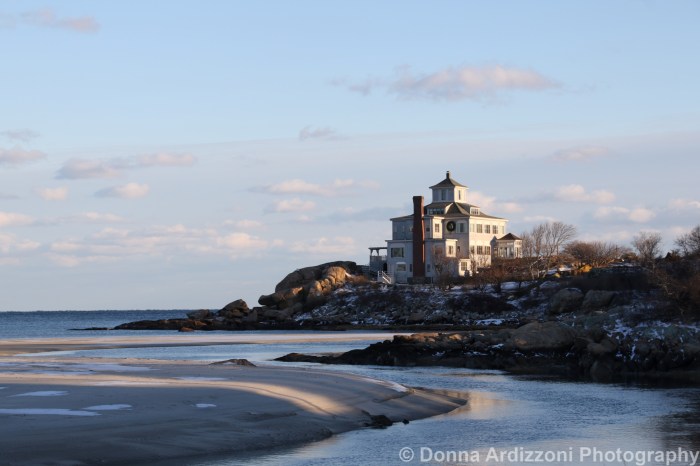

 Daybreak Christmas Eve Good Harbor Beach


Nice letter from Patti Amaral in today’s Gloucester Daily Times writing on behalf of the city’s Clean City Initiative. She thanked the city, donors and supporters while providing some background about the Carry In Carry Out art. In case you missed it: Nov 9 2017 Letter to the Editor

The murals were refurbished by Jason Burroughs in October 2017. They were designed and painted by Bob Viau from StudioVo 15 years ago. Here are a few photos documenting the refurbishing. The Wingaersheek wall needed more attention.
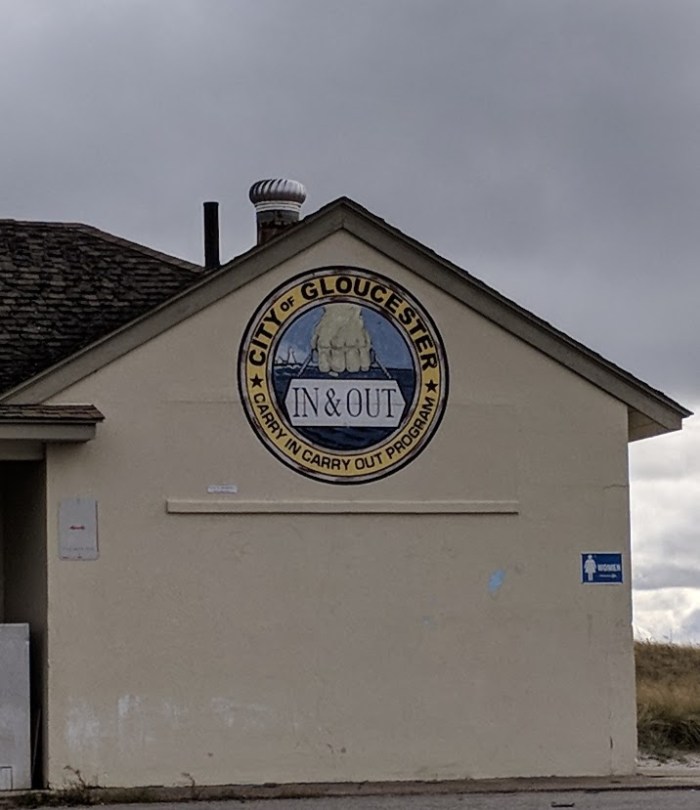
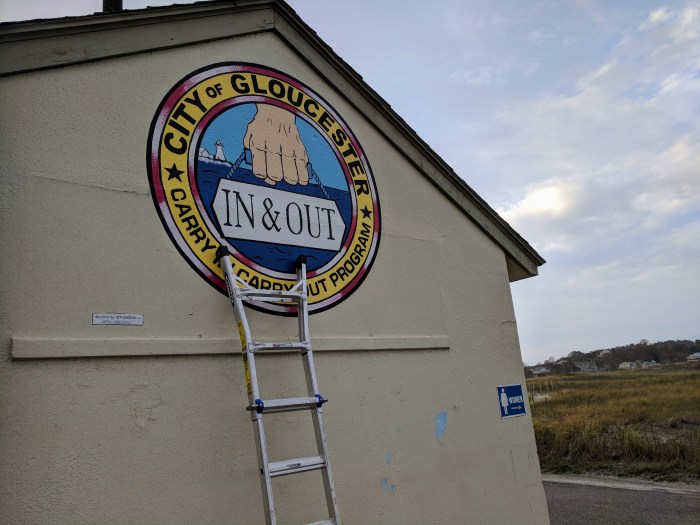
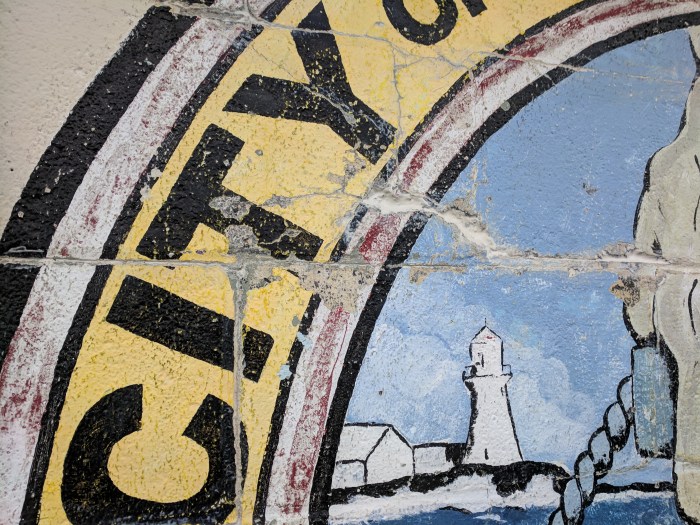
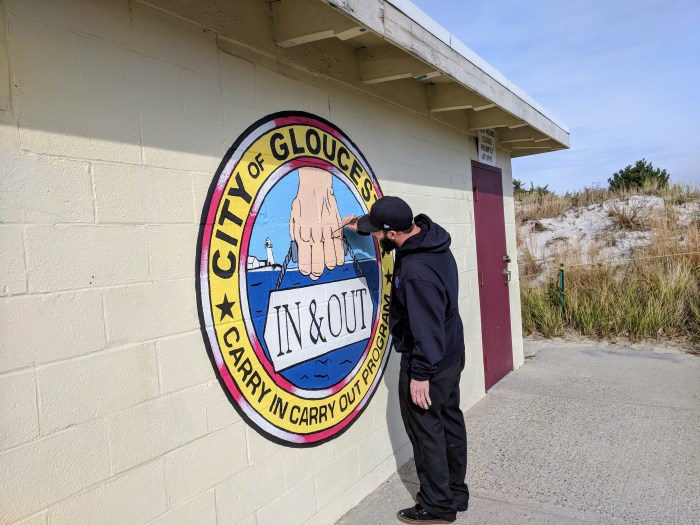
BEFORE


AFTER


Anyone interested in sponsoring a possible update to these beach displays, please let her know!

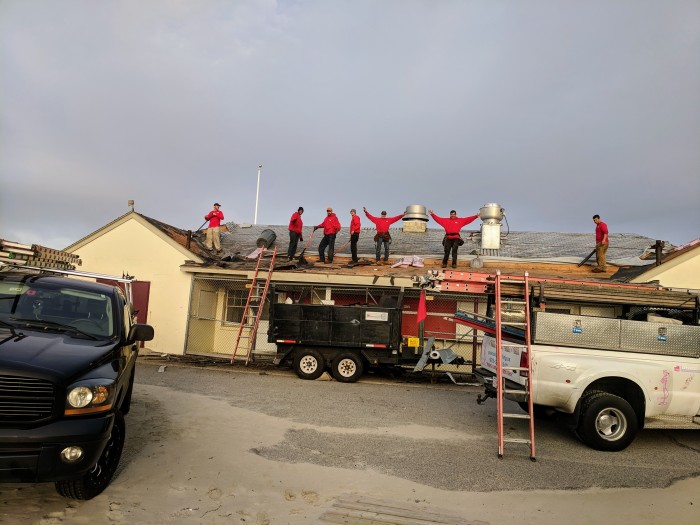
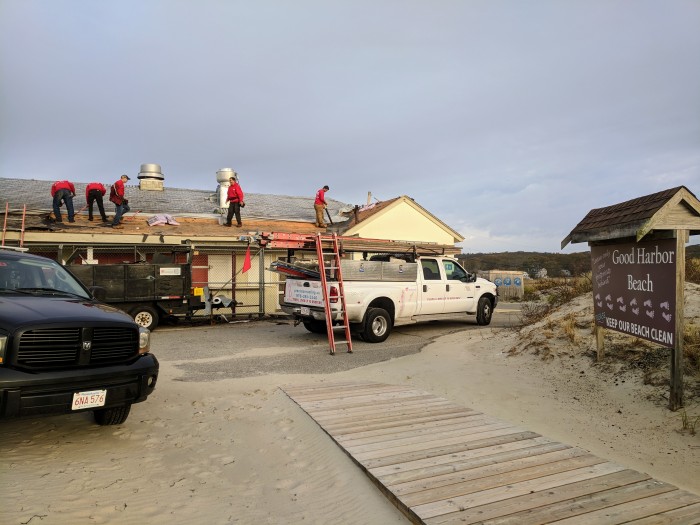
On the beach side, Precision Roofing is working on the concession topper
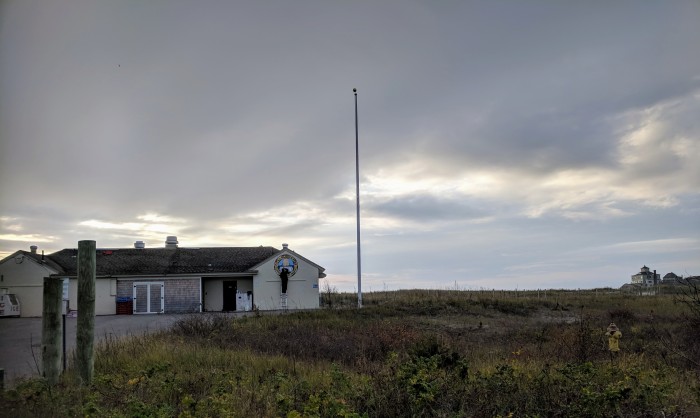
While on the parking lot side, Jason Burroughs continues some touch up on the original studiovo Carry In Carry Out mural. More before – after photographs coming.

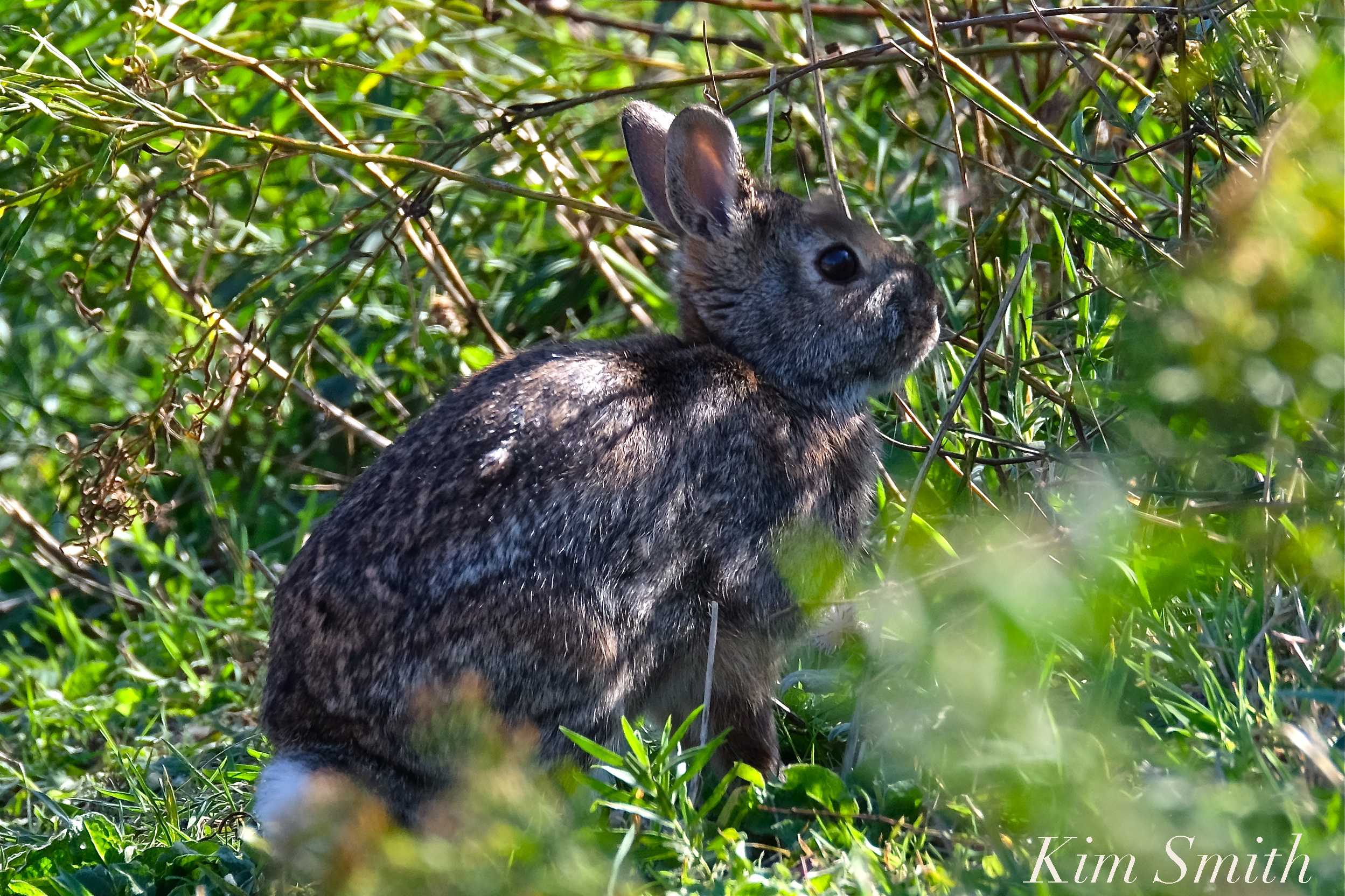 Why does this little rabbit look so different from the rabbits we see so often in our gardens, alongside roadsides, and in meadows and dunes? Because it is a New England Cottontail!
Massachusetts has two species of cottontails, the New England Cottontail (Sylvilagus transitionalis) and the Eastern Cottontail (Sylvilagus floridanus). The introduced vegetable-and-flower-eating Eastern Cottontail has flourished, while this beautiful and illusive little creature’s numbers have dwindled to an alarmingly low number.
Prior to 1930, New England Cottontails were present in all 14 counties of Massachusetts and it was the only cottontail species appearing among 59 reports, except for 7 from Nantucket where Eastern Cottontails were introduced as early as the 1880s. Between 1924 and 1941, at least 16,200 Eastern Cottontails were imported from the mid-west and released. Another 4,600 were raised and released at a state propagation facility.
The most critical threat to New England Cottontails is loss of habitat. They can only survive in the ephemeral landscape of newly emerging forests, which provide low ground cover for shelter. Once a forest matures, the low growing plants become too sparse to offer food and shelter. Today the New England Cottontail resides in only about one fifth of its historic range.
The photo above of the New England Cottontail was taken at Gooseberry Island in Westport. He shot across the path on the way to the beach and wish I had a better photo to share, but now that I know to look for them there, I’ll try again.
You can compare the difference in the rabbit species in the two photos. The New England Cottontail’s (above photo) ears are shorter and his fur a bit grayer than the Eastern Cottontail (below). When I caught a glimpse of him I immediately recognized the rabbits we saw daily at my grandparent’s home, built in the dunes on a bluff on Cape Cod, where at that time, there were few homes and lots of cool scrubby habitat for wild creatures. The ubiquitous Eastern Cottontail, Good Harbor Beach
 Dwindling New England Cottontail Range Map.
As you can see, New England Cottontails have been completely extirpated from Cape Ann and Essex County.
Learn more about New England Cottontails here.


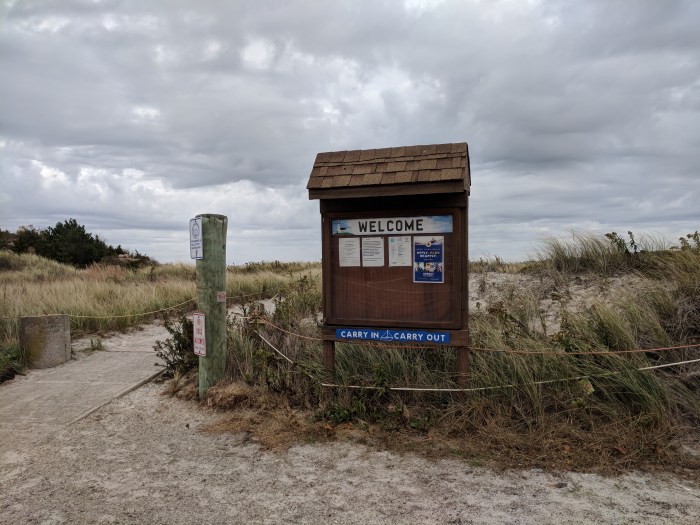
Gloucester DPW crew members Mike Tarantino and Phil Cucuru are installing a new sign at the very beginning of the footbridge. The new sign is meant to be more visible and to help eliminate the confusion regarding when and when not dogs are permitted on the beach. The older sign near the new showers will continue to be used by the Friends of Good Harbor Beach community organization to post current and important notices.
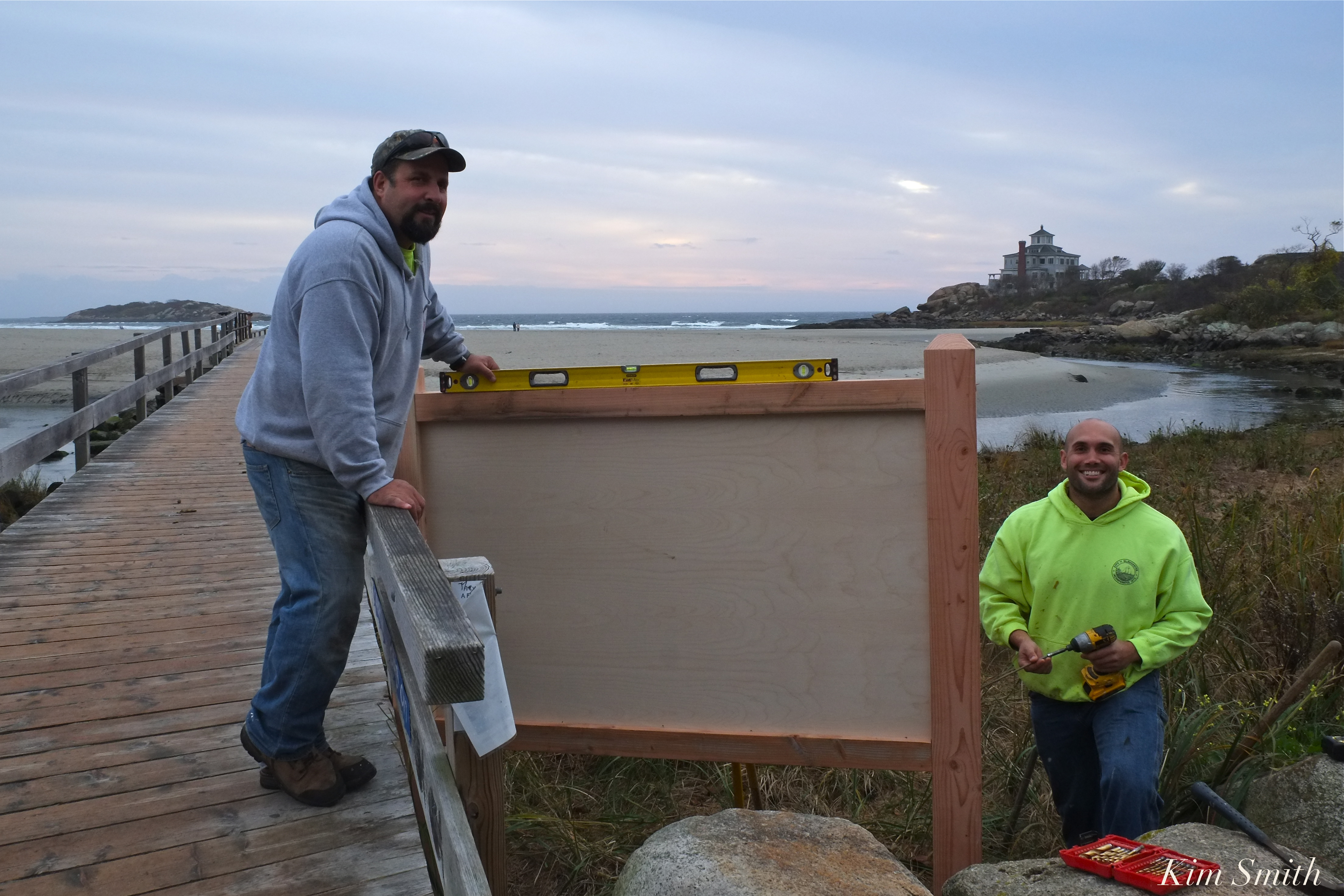 Phil and Mike always do a top-notch job!

CLOSING SOON
The blanketing New England autumn is stronger on the walls at Cape Ann Museum than the fall landscape all around us just now. (When I saw this ravishing exhibit at the beginning of June, I had that same feeling about ‘summer’.) Though the seasons of color may disappoint us one year to the next, the impact of these paintings only intensifies with close observation. This is a show for anyone with an interest in painting. Rockbound at Cape Ann Museum features a terrific variety of iconic Cape Ann seacoast scenes and artists. There’s an added urgency to see the show in person: most are on loan from private collections, shown together for the first time. Come fill your eyes and heart before this exclusive opportunity passes by.
Rockbound: Painting the American Scene on Cape Ann and Along the Shore closes October 29th.The Cape Ann Museum “gratefully acknowledges the many collectors* who lent to this exhibition and the following individuals: Mary Craven, Margaret Pearson, John Rando and Arthur Ryan.” *anonymous private lenders, Endicott College, Roswitha and William Trayes, JJ and Jackie Bell, and others
(The wonderful Fitz Henry Lane exhibition that just opened will be on view through March 4, 2018.)
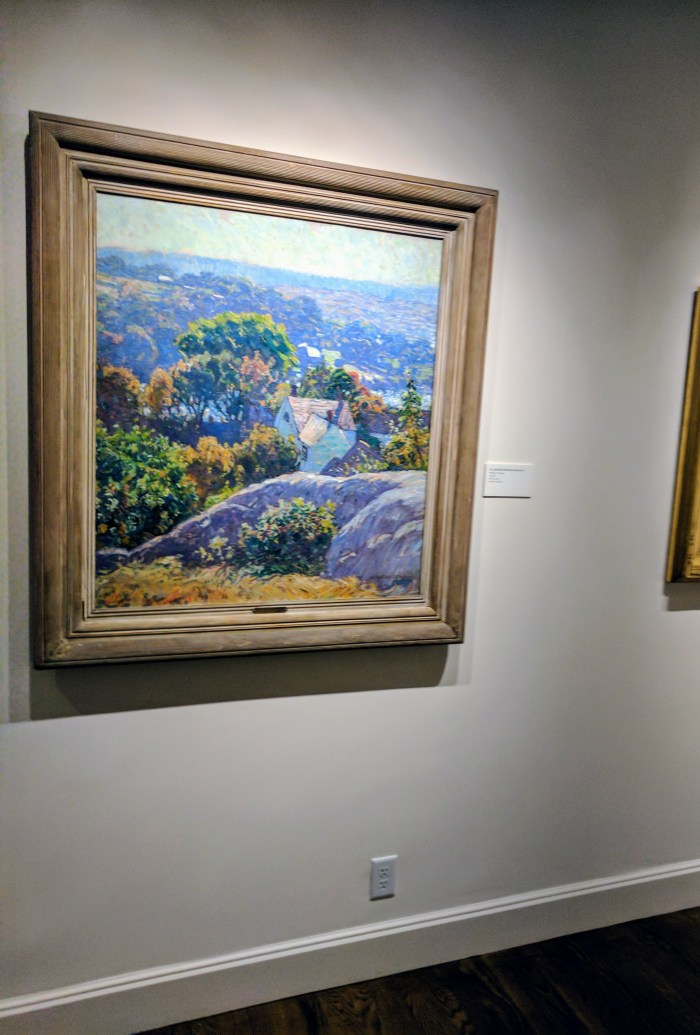
3 works by W Lester Stevens


I think that the “Unattributed decorative mirror for over mantel” may be the hand of artist Frederick Stoddard. Perhaps it’s from a series or the “Morning Mantle Decoration by Fred L. Stoddard” that’s listed in the 1923 Gloucester Society of Artists inaugural exhibition.
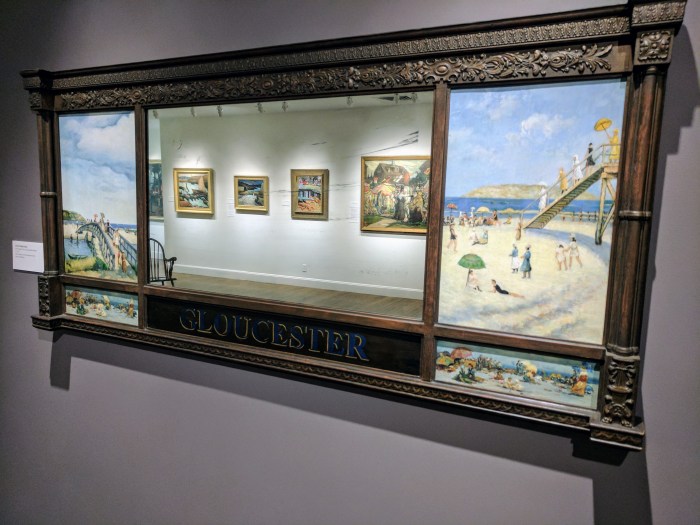


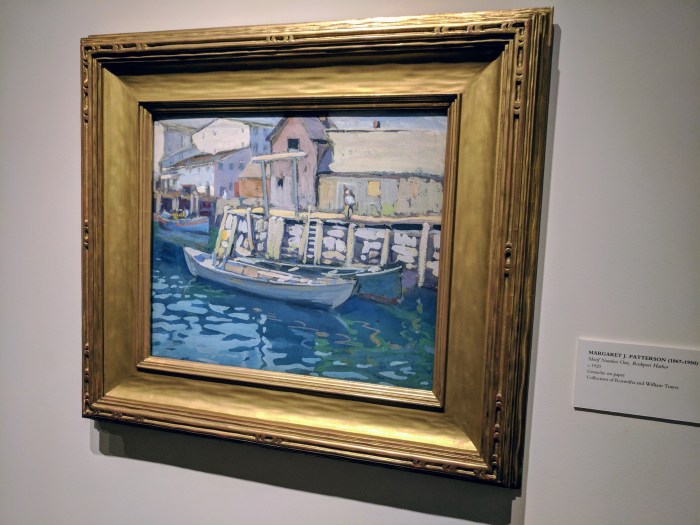
Artists include Yarnall Abbott, Gifford Beal, George Bellows, Theresa Berenstein, Hugh Breckenridge, Stuart Davis, Marsden Hartley, Aldro Hibbard, Max Kuehne, Emma Fordyce Macrae, Margaret Patterson, Lester Stevens, Anthony Thieme, and more (hover over image to see artist information)


photos pairings below: Finding Cape Ann Museum Rockbound color/mood inspiration just outside in Gloucester October vistas (not literal place/time pairings but that could be done as well!)


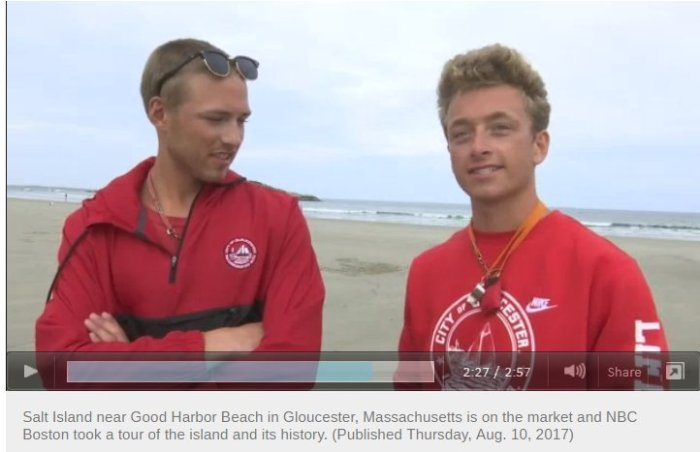
Salt Island, Good Harbor Beach, Gloucester, MA, is for sale. Unimproved and undeveloped, Salt Island is a natural monument, a beacon. For generations,the Island seemed as free as the air and sea, the beaches and shore. All were welcome at the right tide– daily the beach and island are connected. There’s an innate understanding that visitors need to respect the natural property much as they would when visiting a national park. Yet Salt Island is owned privately; it’s simply left wild and public.
Yearly taxes were paid by the family. The City provided yearly services; for instance lifeguards to help stranded visitors, unaware of the tides.
Is it possible to compensate the owner in the most advantageous way (some combination of sale, waiving estate taxes, credit for donation) to clear up any future ownership confusion and protect the means of public access, minus vague qualifiers (“left open as resources allow”) or increasing any necessary costs? Land steward organizations sometimes sell property or limit access, laws and environment change, funds for care deplete. Is there a common sense path that considers Salt Island as Good Harbor Beach– it’s attached daily– and accorded the same balance of care that the beach has legally maintained since the 1920s?
above – Lifeguards have a summer suggestion in the VIDEO link For Sale in Mass: A $750K Island Packed With History. “This small island in Gloucester, Massachusetts has hosted a major salt theft, a lobstering hermit and a Hollywood production.” by Rob Michaelson for NECN NBC Boston


above- photos of Good Harbor Beach lifeguards moving a signature chair after a morning conditioning training session that involved swimming and running the length of Good Harbor Beach, twice. Foggy drizzle, low tide connection to Salt Island
below– link to Coalition Aims to Buy Salt Island: Greenbelt Negotiating Bid for Save Our Shores, by Ray Lamont Gloucester Daily Times


infinite moods of Salt Island
GMG post about Salt Island includes a historic timeline and links to prior ‘for sale’ stories published by Cape Ann Beacon and Boston Globe

Getting the last of those late day swims in–simply beautiful this afternoon–hoping for three days in a row!
https://www.instagram.com/p/BZeucGvFbmayc0ItLGahsrH4MwXPufh5s-sFi80/

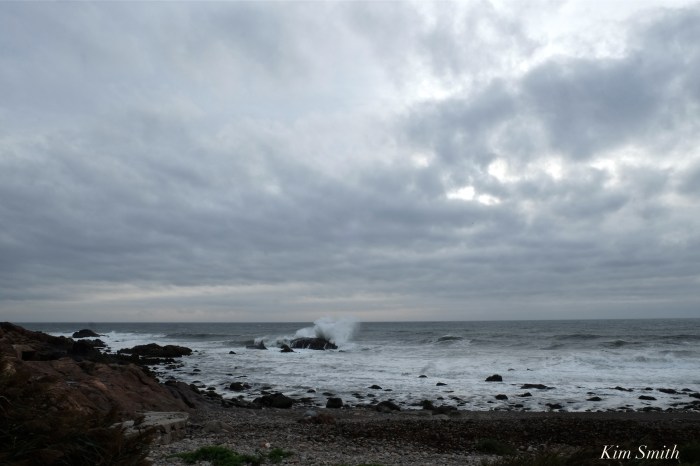
Rain wind and surf at Good Harbor Beach area last week.

Not a cloud in the sky! Take advantage of today’s gorgeous weather (and swimmable ocean temperature).
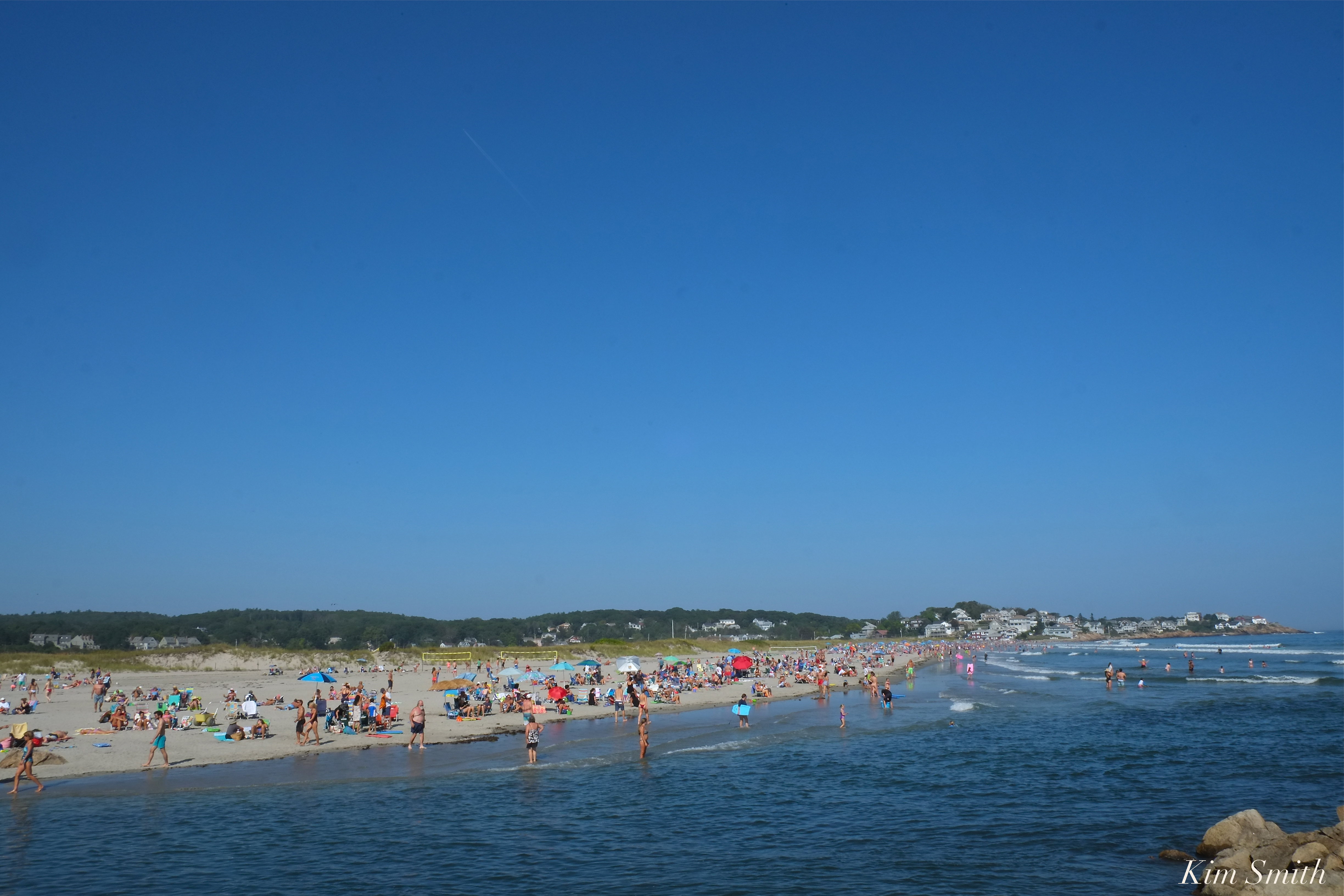 Good Harbor Beach September

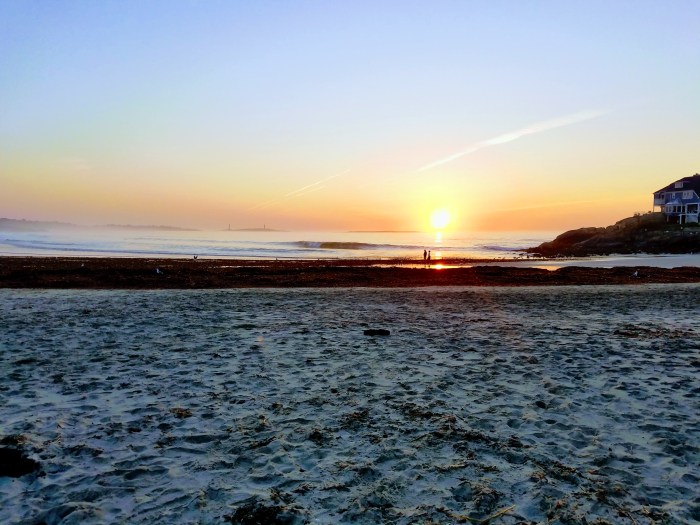
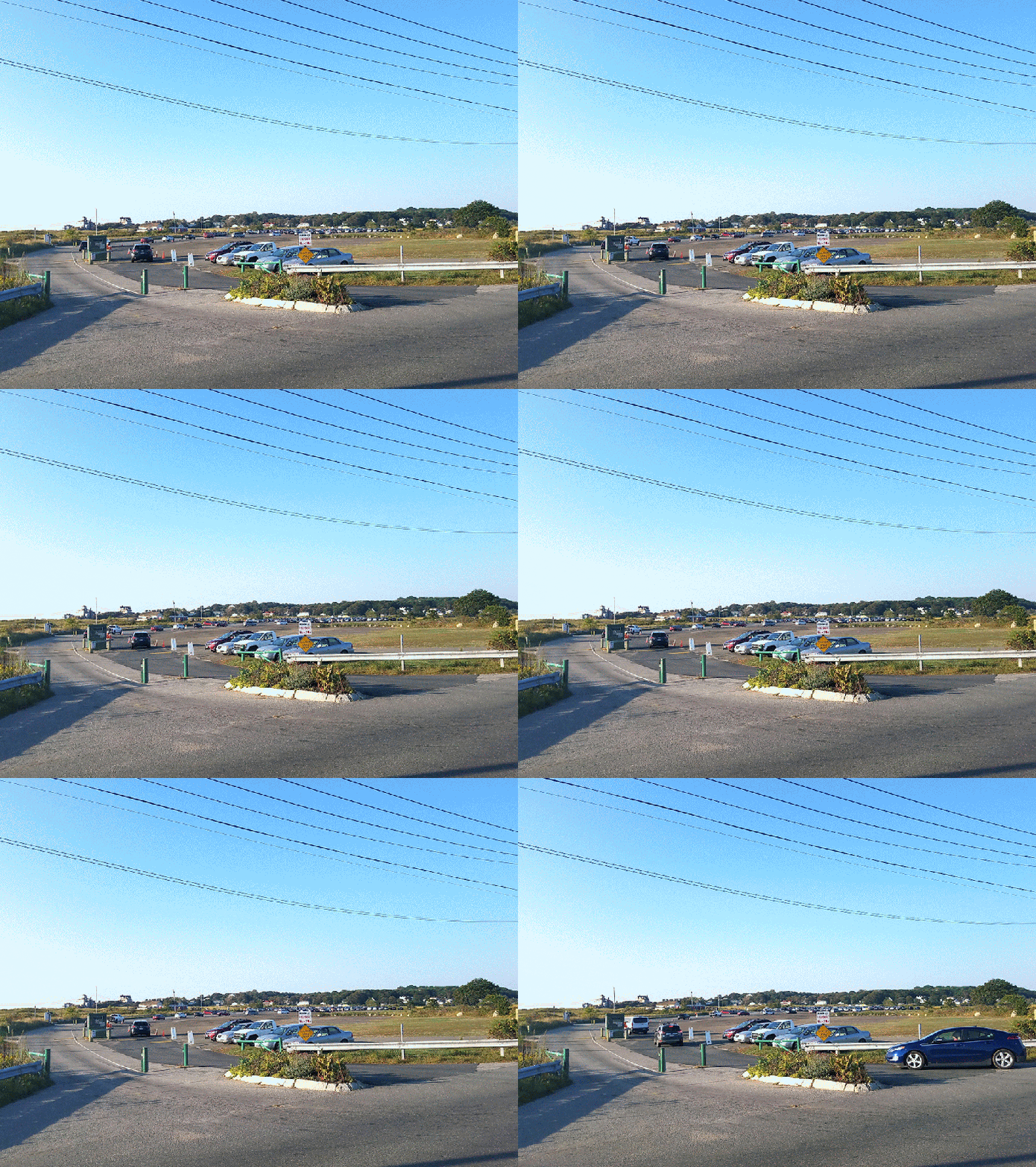
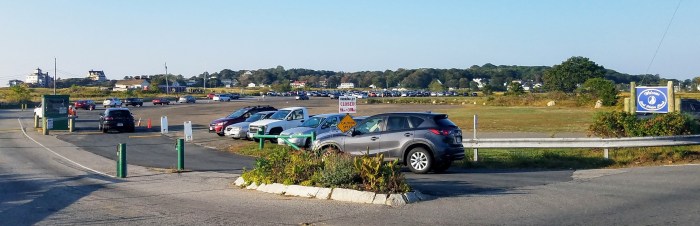
Cars streaming into Good Harbor Beach parking lot this morning for the annual Lone Gull 10K, voted 2016 Race of the Year from New England Runner Magazine.
Cape Ann Motor Inn was booked.
What a beautiful day for the race, and Essex National Heritage Trails & Sails weekends. Plan for next year!

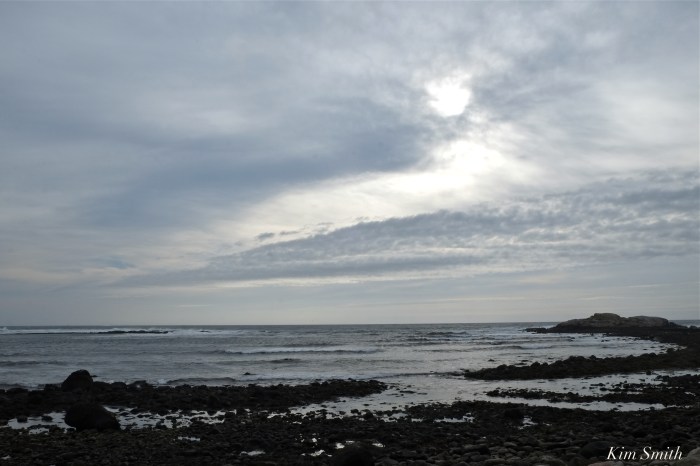
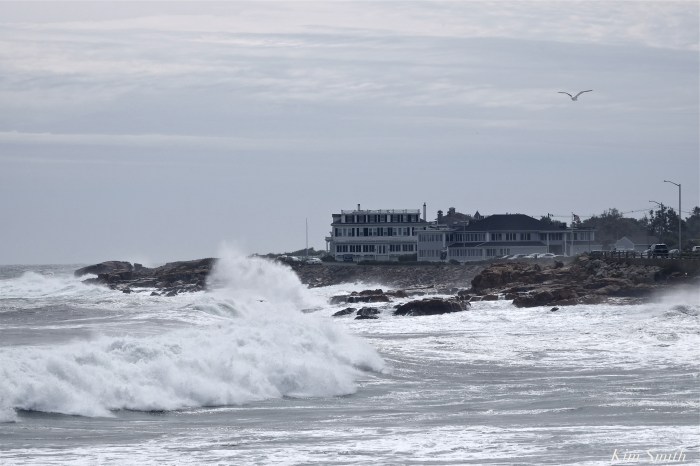
I see in the surf spray the face of an angry sea god. What do you see?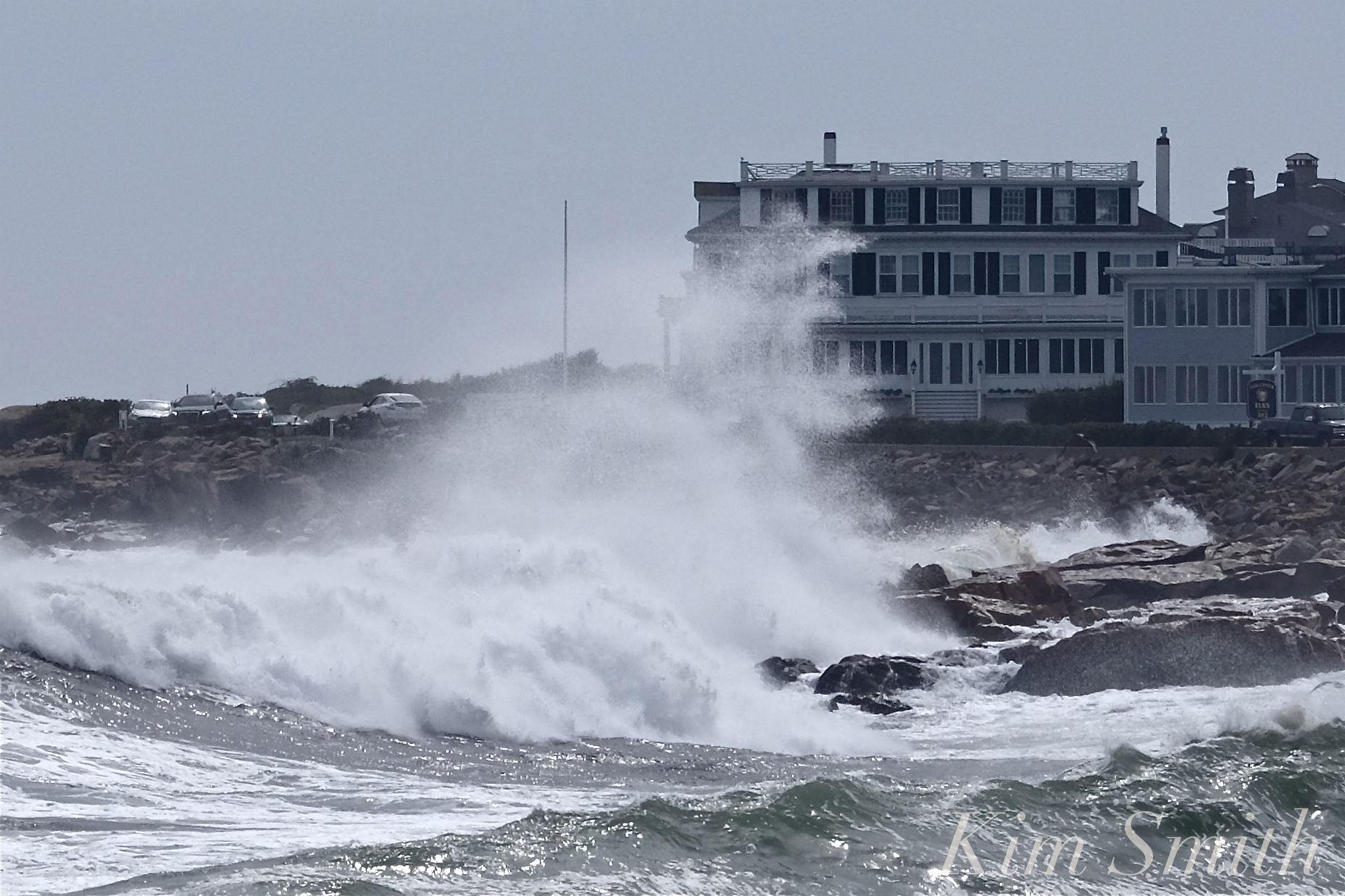
https://www.instagram.com/p/BZT_qh4lEJK_md3jEub7lYq_SgTvE6o431D0qU0/
https://www.instagram.com/p/BZT9SPWFwtUQF9RrQ2WSnsewJDJWVHYJBvyR1E0/
Sustainable Seaside Goldenrod
https://www.instagram.com/p/BZTiFcDluqNLHc1-x13tpdzxVMdesNSb4pBQqI0/
This morning around 8am


Salt Island, Good Harbor Beach and Brier Neck are naturally connected. The five acre Salt Island is about 1000 feet from Good Harbor Beach in Gloucester, Massachusetts. A sandbar links the island and beach at low tide. I’ve culled a few milestones in its history. Scroll down to 2017 to find the links for the Cape Ann Beacon and today’s Boston Globe.
History of the Town of Gloucester: Cape Ann, John Jame Babson’s published history includes a shipwreck of the vessel, Industry, at Little Good Harbor Beach near Salt Island in 1796
Joseph Parsons’ family operated a lobster business from Salt Island
silent movies were filmed on location
Parts of the Fox Film Corporation movie, Bride Number 13, were shot on location at Good Harbor Beach and Salt Island. The 15 part serial silent film –“the most costly pictures ever made…would consume expenditures of at least one million dollars.” It was conceived and written by Edward Sedgwick, directed by Richard Stanton aka “Salt Island’s Mighty Emperor”, and starred Marguerite Clayton, Jack O’Brien, and Ed Rossman. The script was inspired by Ali Baba and the Forty Thieves.
Here are a few fun excerpts from 1919 correspondence published in the book, “My father, a silent films pioneer,” by George E. Mcavoy:
“Again the picturesque Gloucester shores have been sought by a motion picture corporation for scenery and the noted Fox Film Company of New York, with its prominent director, Richard Stanton, has arrived at Hotel Harbor View, East Gloucester, to start immediately on the work of filming “Bride Number 13” at Salt Island off Brier Neck.
“It was decided that Salt Island in Gloucester, Mass., would be the setting of the silent film thriller, “Bride Number 13.” This island was an island at high tide and part of the mainland at low tide. Fox film Co. was building a wooden castle on the island, which was about one hundred feet high and hosted the actions of this silent film…”
“(This was five days before the real tornado blew the wooden castle out to sea.)”
Oct 24, 1919“Dear Mother: I left Mary and the babies in Gloucester. I am on my way through New Hampshire and Maine for a lumber camp location. I expect to be back in Gloucester Monday night…
the time for the blowing up of the castle on Salt Island and the rescue of the brides from the pirate band is rapidly approaching…
Billy Carr of Gloucester, Chief Gunner’s Mate on the Navy submarine R-1 that was assigned to the picture, was to play the hero who rescues one of the brides, slashes through the nest of cutthroats, leaps into the basket with her and off. It was now November 10th. A throng of 3,000 was at Good Harbor and all over Brier Neck to watch…On the fourth day Bill Carr was called away on duty and his place was taken by Tom Corbiey…”
“Mr. Sedgwick has achieved something heretofore unknown in moving picture production. He conceived the idea of the story, witnessed and helped direct the scenes, acted in them, had a hand in the grinding of the film, and in fact had a part in every process of the film production…”
“While all bid good-bye to Gloucester last night, there was a general expression of a desire to return and several of the company said that they intended to return here next summer for the vacation period if not in picture work.”
“The explosion was a heavy one and its shock was felt in all parts of the city. It shook the windows of houses on Mt. Vernon Street and vicinity, also at East Gloucester and as far as Rockport. It occurred at 4:20 o’clock and people who felt the shock readily attributed it to the blow-up of Salt Island.”

Then and now: filmmakers love Gloucester.
Fox Film Corporation returned to film the patriotic silent era Navy spy film, THE SILENT COMMAND on Good Harbor Beach, again on the Briar/Brier neck side.
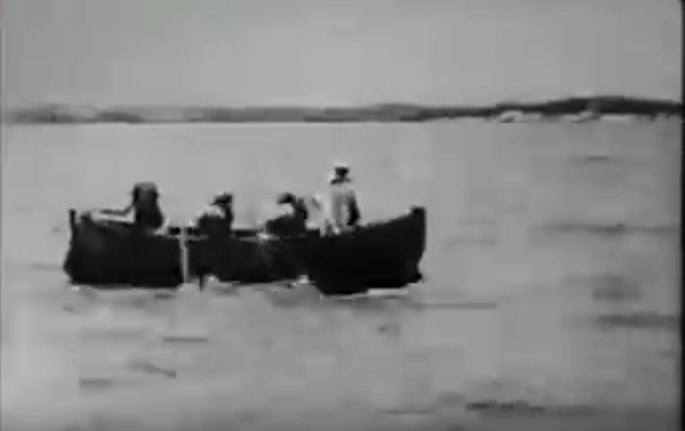
1923 was a busy year for Gloucester, MA. In addition to the municipality managing the bustling tercentenary, Gloucester welcomed another major Fox movie production to shoot on location at Good Harbor Beach. The film was made in cooperation with the Navy. It was directed by J Gordon Edwards, and starred Edmund Lowe and Bela Lugosi in his first American film. It’s essentially a spy thriller with a honeypot formula: foreign power attempts to secure plans to the Panama Canal and blow it up. The villains are thwarted by the US Navy. The production required assistance from the city’s fire department and city electrician. The film crew stayed in Gloucester at the Harbor View Hotel and the Savoy. Local people were cast and spectators lined the beach to watch the thrilling production.
BEFORE CGI:
I love this excerpt from the Gloucester Daily Times describing the staged wreck and tremendous waves washing the crew (stuntmen and Gloucester locals) overboard:
“A crowd of several hundred thronged the (Good Harbor) beach for the picture taking and enjoyed the proceedings, which were interesting, and at times thrilling…The Good Harbor beach setting is a clever contrivance, and constructed to produce a natural rocking motion of a steamer in a heavy sea. The rocking is produced by four winches operated by a crew of 10 men…Storm scenes were filmed yesterday afternoon with local actors, Stuart Cooney, son of Marion J. Cooney, taking the part of the hero and making a thrilling climb into the rigging to the crow’s nest during the height of the storm. Fred Kolstee, a rigger, commanded the crew of the steamer. The crew were (locals) Alfred Marshall, Tony Amero, Tom Bess, Peter Rice, James Francis, James Whittle and William Byers. Rain was produced from lines of hose, and a most realistic effect was produced by two aeroplanes, the wind from the speeding propellors driving the water about, and rushing through the rattlings and rigging with all the vengeance of a real gale at sea. Three times the big tank of water was released and the thousands of gallons broke over the deck in a most thrilling manner. There was some concern among the movie men before the water was released that some of the men might get buffeted about and get hurt, and they were cautioned to hold on tight.
It was best expressed by Alfred Marshall when he stepped toward the ladder to leave the craft after the picture taking was done. Alfred was quite vexed. “Blankety, blankety, blank___, is this the best you can do? Blank, I’ve bailed bigger seas than that out of a dory. And he sung it right out so all could hear, too.”
Stuart Cooney ensured that the movie was a success from a technical perspective and “purchased the outfit and (took) it over” after the filming finished. He was a Gloucester pioneer in the film industry that’s still going strong. Film Cape Ann facilitates bringing local productions here, like the award winning Manchester by the Sea. The Wikipedia page doesn’t have any mention of Gloucester, but it helped me with an illustration for The Silent Command lobby poster.

See for yourself; here’s a link to the complete movie. A few of the Gloucester scenes (not all) 1:03:44, 1:08:54, 1:09:54 (some coast), 1:10:21, 1:10:52 (dory lowered from navy ship), 1:11:12 (beach island)
AFI for TCM brief synopsis: “This is one of those ‘Columbia, the Gem of the Ocean’ pictures. Full of the ‘Star-Spangled Banner,’ patriotic to the nth degree with the navy floating all over the screen. A real hero, a vamp, and a flock of thrills.” (from Var review.) Foreign agents, determined to destroy the United States Navy’s Atlantic Fleet and the Panama Canal, after an unsuccessful attempt to obtain from Capt. Richard Decatur information regarding mine positions in the Canal Zone, hire adventuress Peg Williams to vamp Captain Decatur, thereby putting him at their mercy. Decatur, advised by the Chief of Naval Intelligence, plays along with the spies to gain their confidence. He leaves his wife and is dismissed from the Navy as a result of his association with Miss Williams. Finally, he goes to Panama, thwarts the saboteurs, saves the fleet and the canal, and gains honorable reinstatement and the gratitude of his country for his heroism.”
Guy Parsons used one of the old family fishing shacks as a summer place
By now the fishing shacks were no longer visible
Parson family sold Salt Island
James Kimball purchased Salt Island for $2000
Yankee Magazine article about Bride Number 13 Lights! Camera! Disaster! by Joseph E. Garland
Gloucester Daily Times article mentions that James Kimball “has no plans for the island, although in the past he has thought of building a summer home on the island. When I was young my family spent their summers on Brier Neck…So when the island became available I jumped at the chance.”
One of the designated “Special places in Gloucester”
“Special places in Gloucester” appendix list for the MA Heritage Landscape Inventory Program, MA Dept of Conservation and Recreation Essex National Heritage
GMG abou the Filming of Bride 13 on Salt Island by Fred Bodin
“Where is this film? I’d love to know. All sources indicate that Bride 13 was either lost or destroyed, as happened with many silent films. The reference used for this post was the May 1972 Yankee Magazine article, Lights! Camera! Disaster!, authored by the late Joseph E. Garland of Gloucester.”
and September 9, 2011 GMG Filming of Bride 13 on Salt Island Fred Buck Cape Ann Museum adds photos from the location filming
Salt Island listed for sale $300,000 plus beach parking passes for the family
Salt Island listed For Sale $750,000
Sept 1 Cape Ann Beacon “Salt Island is for Sale” by Jason Brisbois

Today’s paper: Sept 16 Boston Globe “A Gem or a Rock: For $750,000 Salt Island Could Be Yours” by Billy Baker
“If somebody buys it and builds, it’s because these guys didn’t step up to the plate and protect it the way my father did when I was a little girl, ” said Maslow, who pointed out that she and her siblings are not rich people with big summer houses. “I can’t help it if someone buys it and paints it purple and puts pigs on it.” – Karen Maslow
“…this island has been available for public use informally for generations thanks to the goodwill of that family. That point should not be lost.” — Chris LaPointe, Essex County Greenbelt

Trulia listing for Salt Island exclaims “Showings available only at low tide!”

We can hope our Little Chick is taking his time migrating southward. Perhaps he has traveled only as far as Cape May, New Jersey, or maybe he has already migrated as far as Cape Lookout, North Carolina. Migrating shorebirds often travel shortly after a low pressure system and hurricanes are a part of the environment to which wildlife like Piping Plovers have adapted. However, no wildlife has in the recorded history of the world had to cope with a storm the magnitude of Hurricane Irma.
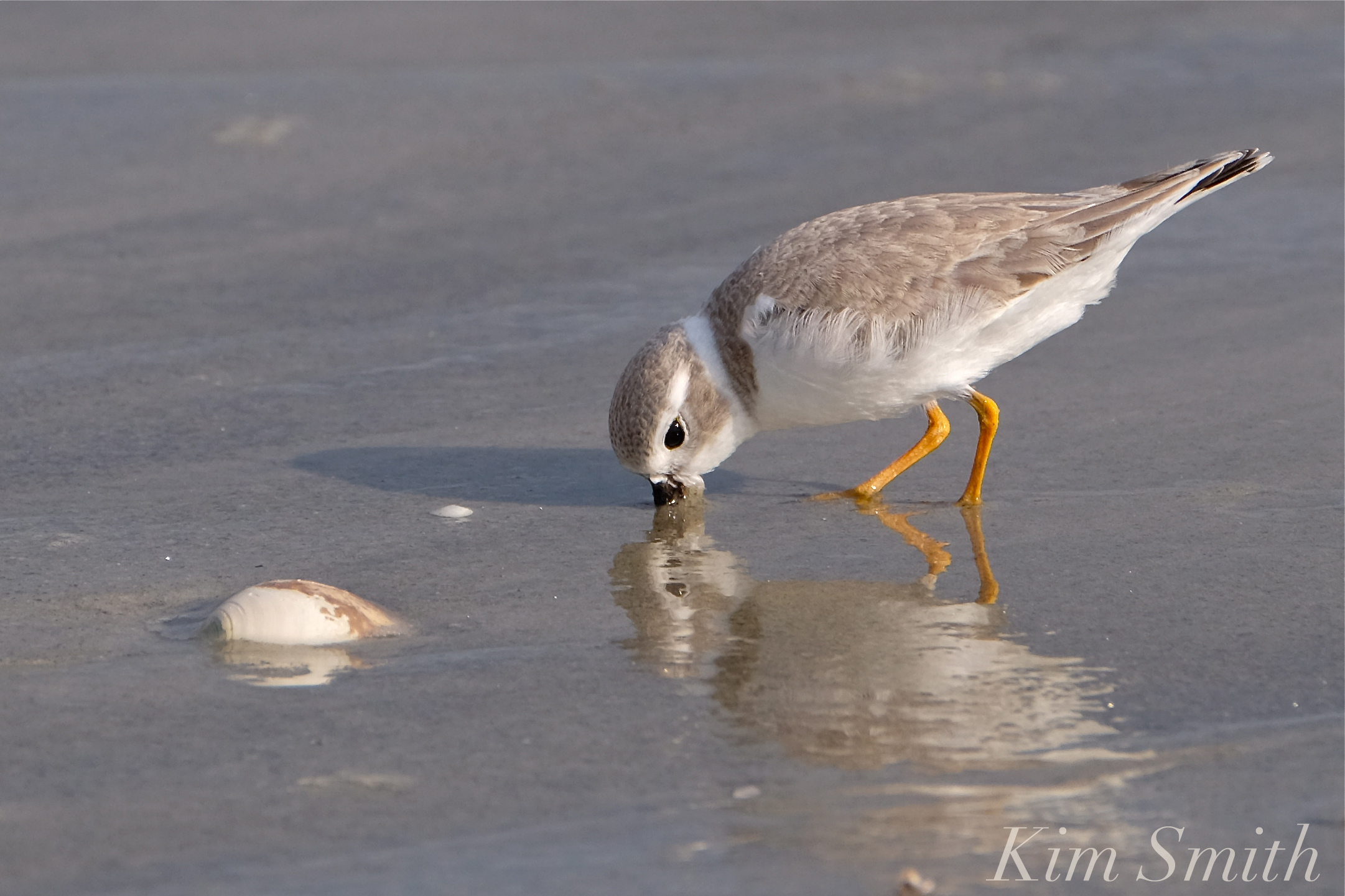 Piping Plover foraging, building fat reserves for the southward migration. The above PiPl was one of four of a small flock traveling in Gloucester, spotted on August 24, 2017.
Extraordinary weather events can push endangered species over the brink. High winds, storm surges, and wave action destroys coastal habitats and flooding decreases water salinity. Songbirds and shorebirds are blown far off course away from their home habitats, especially young birds. A great deal of energy is expended battling the winds and trying to return to course. Songbirds have it a little easier because their toes will automatically tighten around a perch but seabirds and shorebirds are the most exposed.
 Shorebirds like Piping Plovers feet have evolved to run over sand easily and do not grip well with their toes.
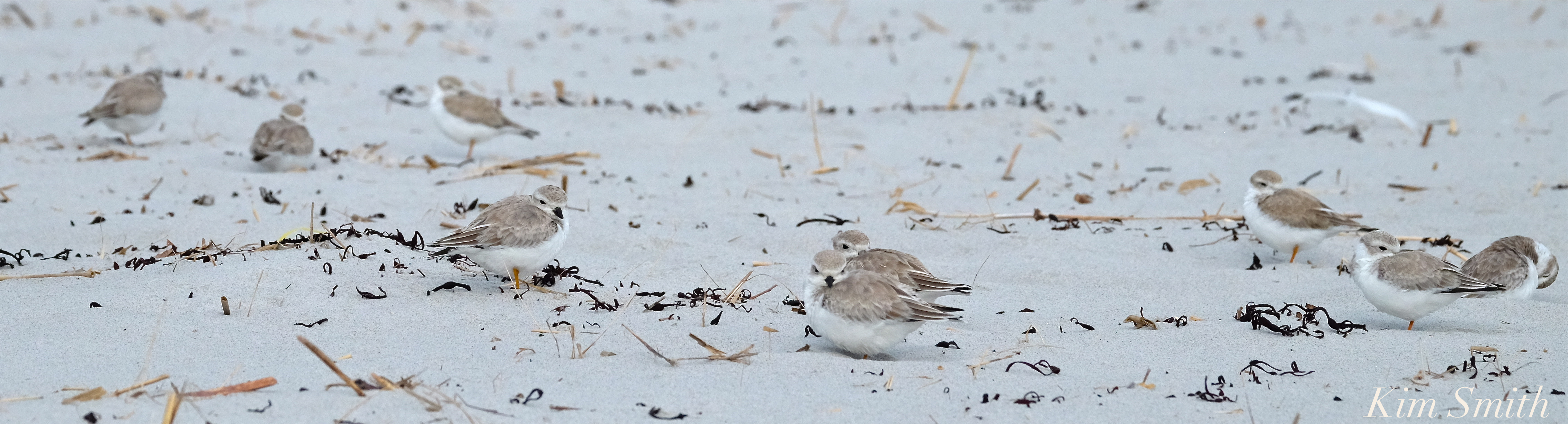 Numerous Piping Plovers winter over in the low-lying Joulter Cays, a group of sandy islands in the Bahamas, and one of the areas hardest hit by Hurricane Irma. Perhaps migrating PiPl sensed the pending hurricane and held off before crossing the Atlantic to reach the Bahamas and other Caribbean Islands. The flock of nine PiPl in the above photo were seen last year at the end of August in Gloucester (August 29, 2016.)
One famous shorebird, a Whimbrel named Machi, who was wearing a tracking device, became caught up in the eye of a powerful storm but made it through to the other side of the storm. Tragically, he was subsequently shot dead in Guadeloupe. Many migrating birds like Whimbrels know to avoid places like Guadeloupe where unbridled shorebird hunting is allowed, but Machi had no power over where he made landfall. Sea turtles too are severely affected by the loss of barrier beaches. Staggering loss of life has been recorded after recent powerful hurricanes–fish, dolphins, whales, manatees, baby crab and lobster estuaries, insects, small mammals, all manner of birds–the list is nearly as long as there are species, and nothing is spared.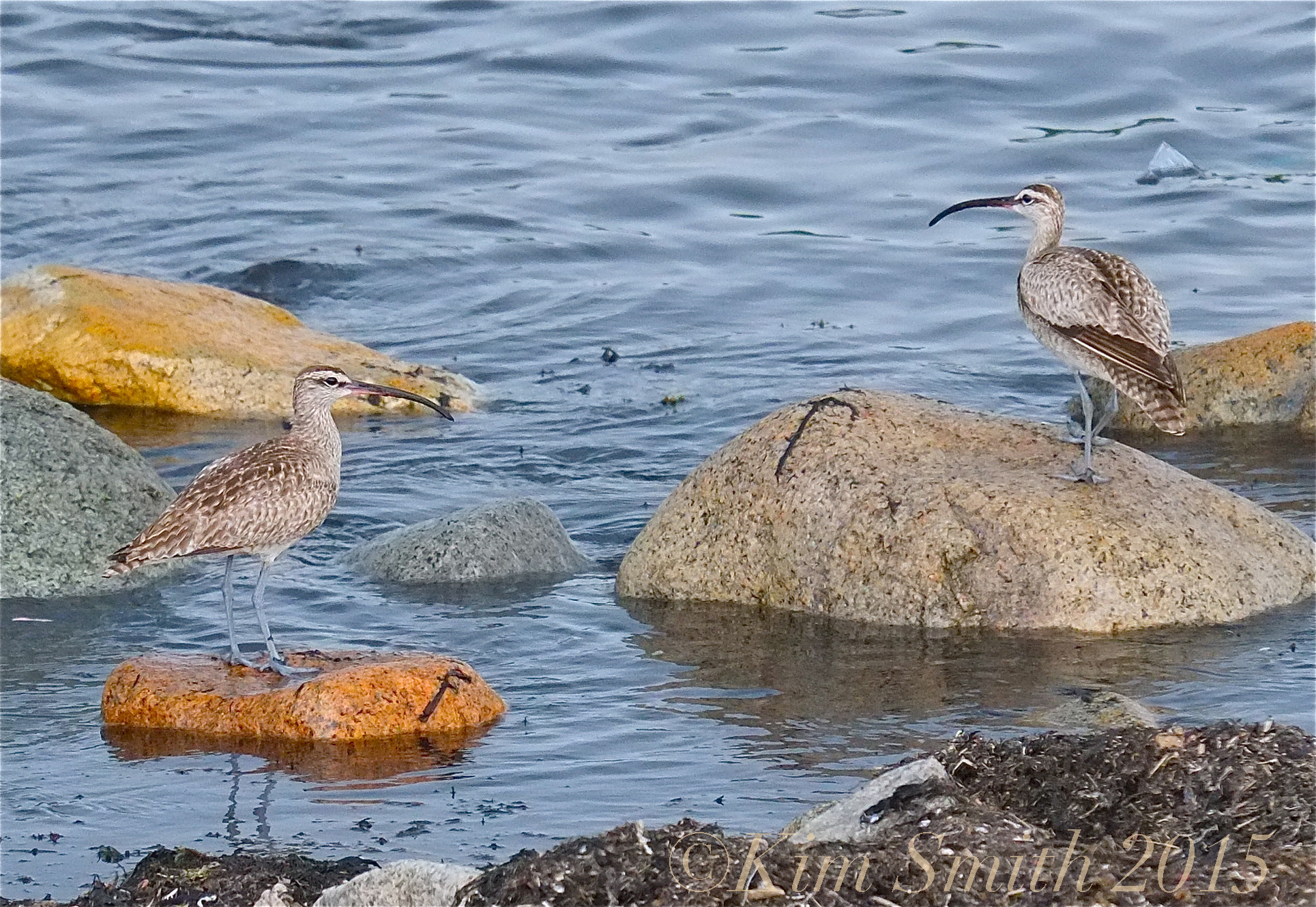
A pair of Whimbrels at Brace Cove in July 2015
If you see rare or an unusual bird after a storm or hurricane, please let us know and we can contact the appropriate wildlife official.
https://www.instagram.com/p/BY5x54fFMFBQigucWeo1zl5IpicgibKOr-SUjU0/