My View of Life on the Dock

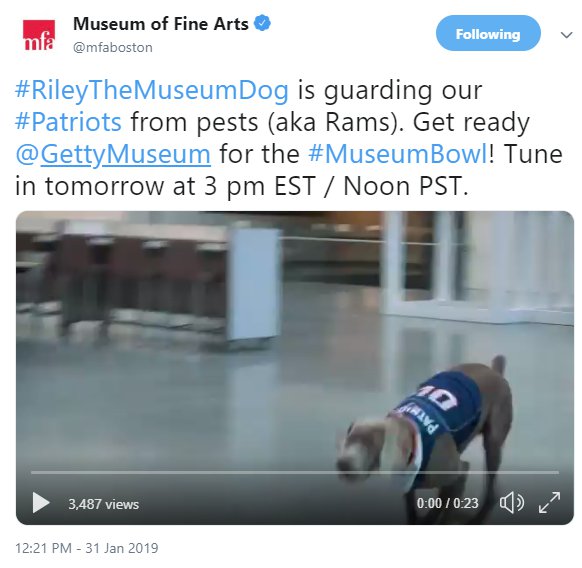
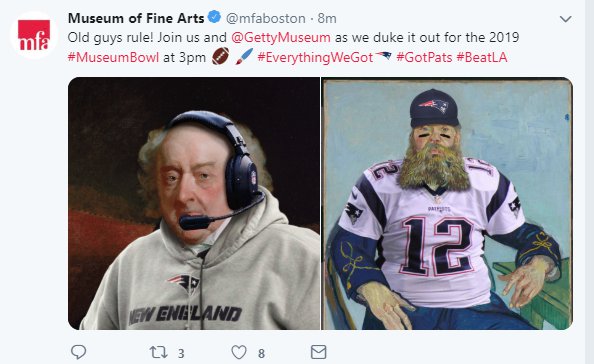
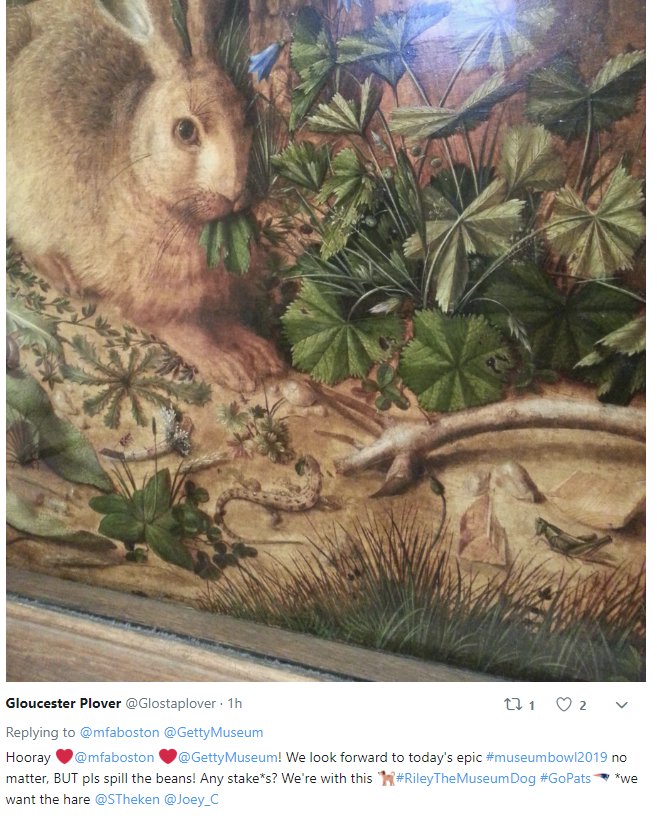
Over the past few years, museums join in the Super Bowl spirit via trash talk on social media accounts. From humorous challenges and clever collection puns it’s morphed into big stake art bets for Super Bowl contenders: Some wins have triggered a museum loan from the losing city’s rival fine arts institution. Yesterday (see below) the Museum of Fine Arts, Boston, announced a twitter showdown with the J Paul Getty Museum, Los Angeles. Look for #MuseumBowl and @mfaboston and @GettyMuseum. It’s going down at 3pm TODAY, Friday, Feb 1, 2019. I don’t know if there’s a wager but I hope so! It’s great fun no matter what.
The MFA makes good use of their archives dog, Riley.


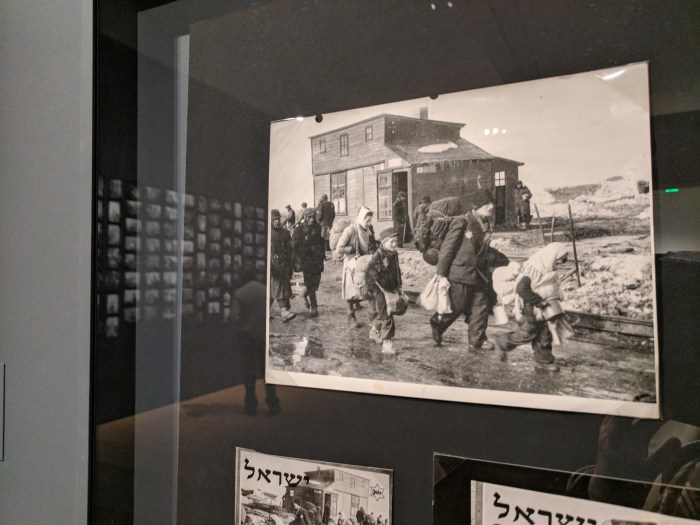
The travel exhibition Memory Unearthed: The Lodz Ghetto Photographs of Henryk Ross originated from the Art Gallery of Ontario where this searing and important Holocaust photo collection is held and much of it digitized. You can explore more than 4000 negatives here: The Lodz Ghetto Photographs of Henryk Ross (http://agolodzghetto.com/)
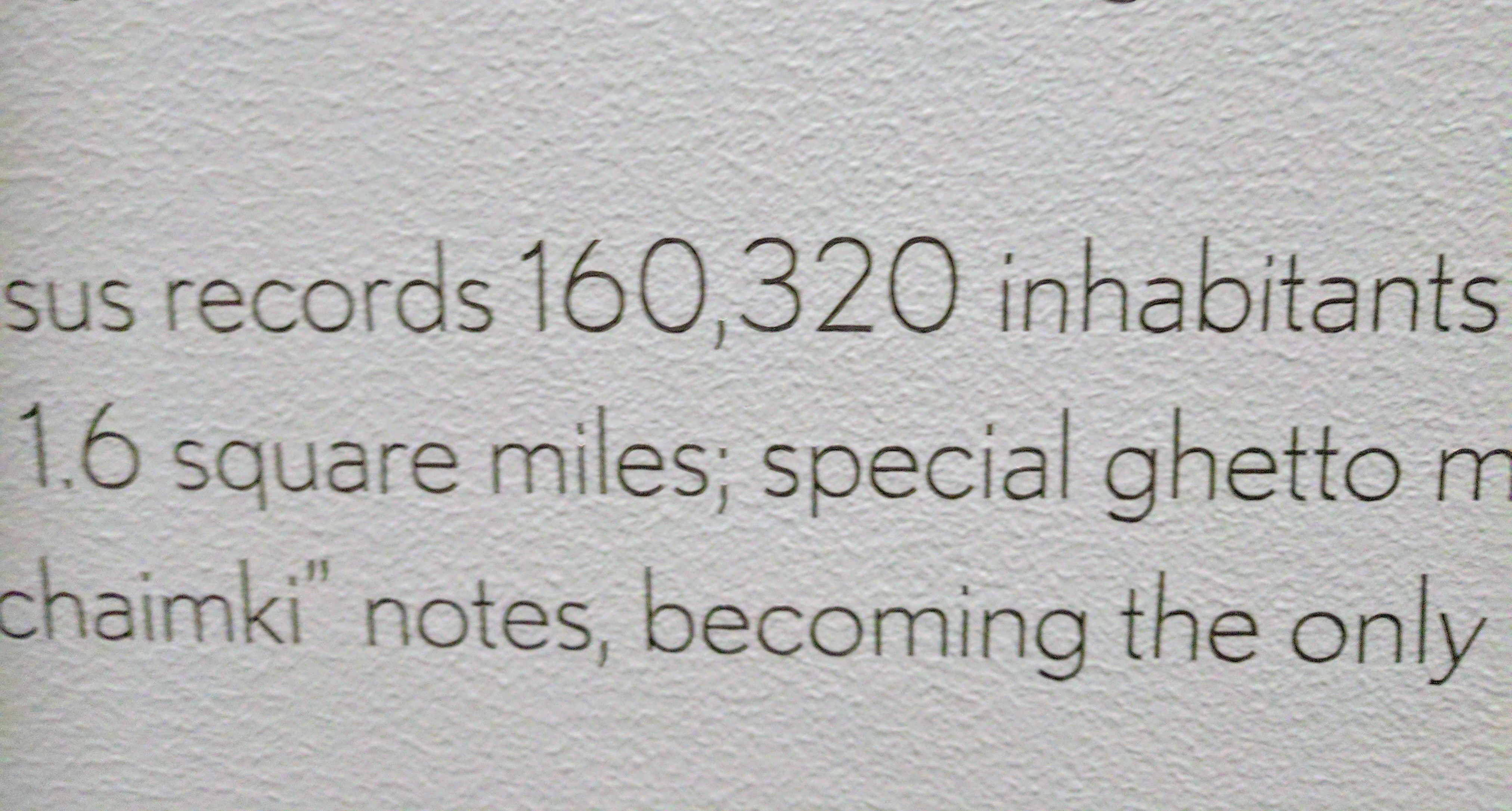
Henryk Ross (1910-1991) was one of less than 900 known survivors of 160,000 confined to the Lodz Ghetto murdered at Chelmno, the first extermination camp established by the Nazis.
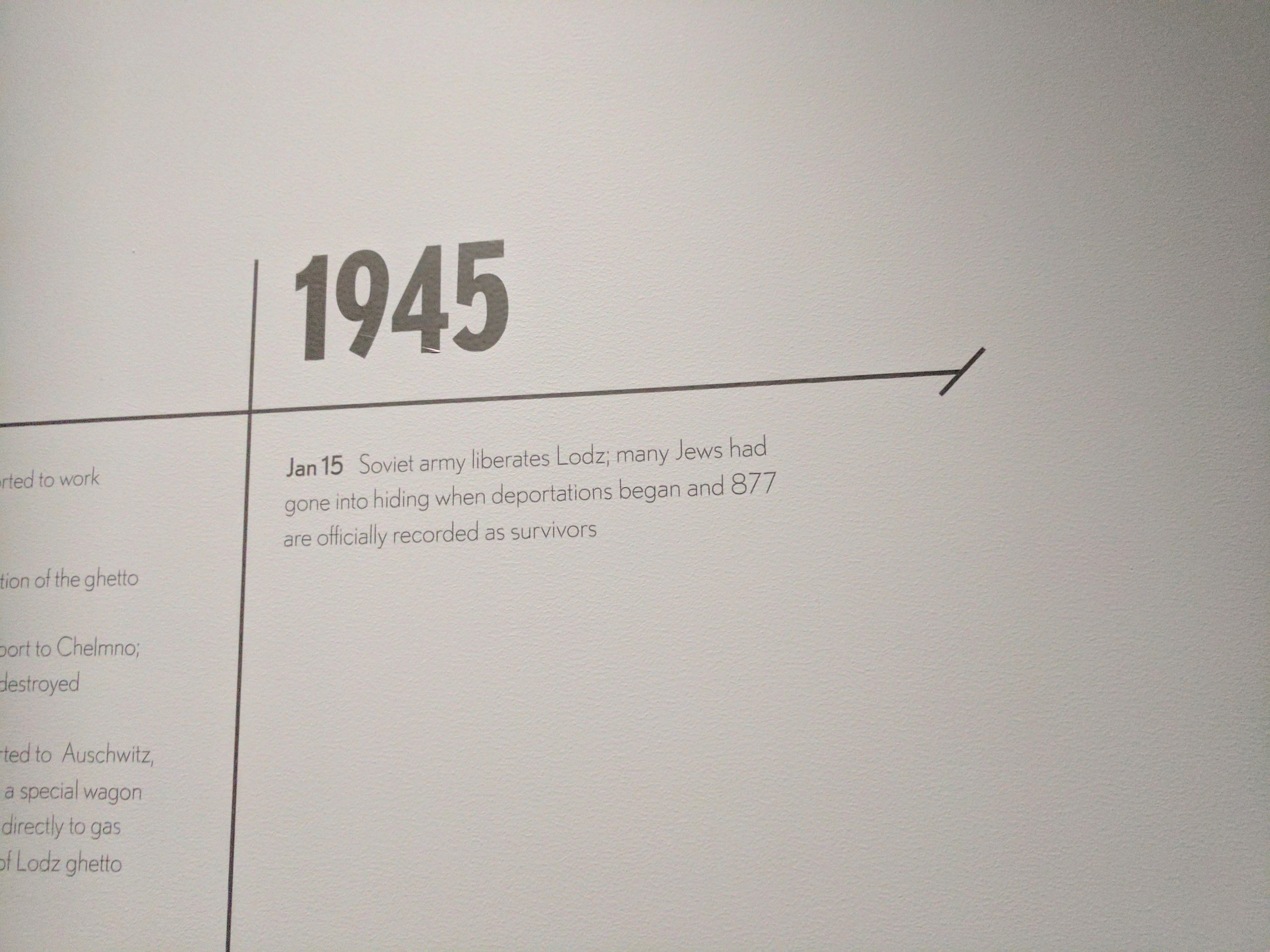
photo caption: details from exhibition wall text


Before 1939, Ross was a photojournalist for the Polish press and heroically that didn’t stop in the ghetto. He was forced to photograph identity cards for every captive, promotional material, and assignments, often gruesome, for the oppressors’ “Department of Statistics”. While photographing ostensibly for “work” he snapped away bearing witness, building evidence and leaving a record. His wife Stefa was imprisoned there as well, aiding and encouraging his activity. They were married in the ghetto. Ross’s cover necessitated movement, access to equipment, developing, and film: His perilous “employee” theft went undetected.
Henryk Ross was a brave front lines prisoner and artist surreptitiously documenting specific and deteriorating realities of the innocents for five years– building a body of persistent resistance. He was a war photographer and patriot I did not know before this exhibition and will not forget.
photo caption: selected photos on display at the MFA (click to enlarge and for more information) genocide day by day


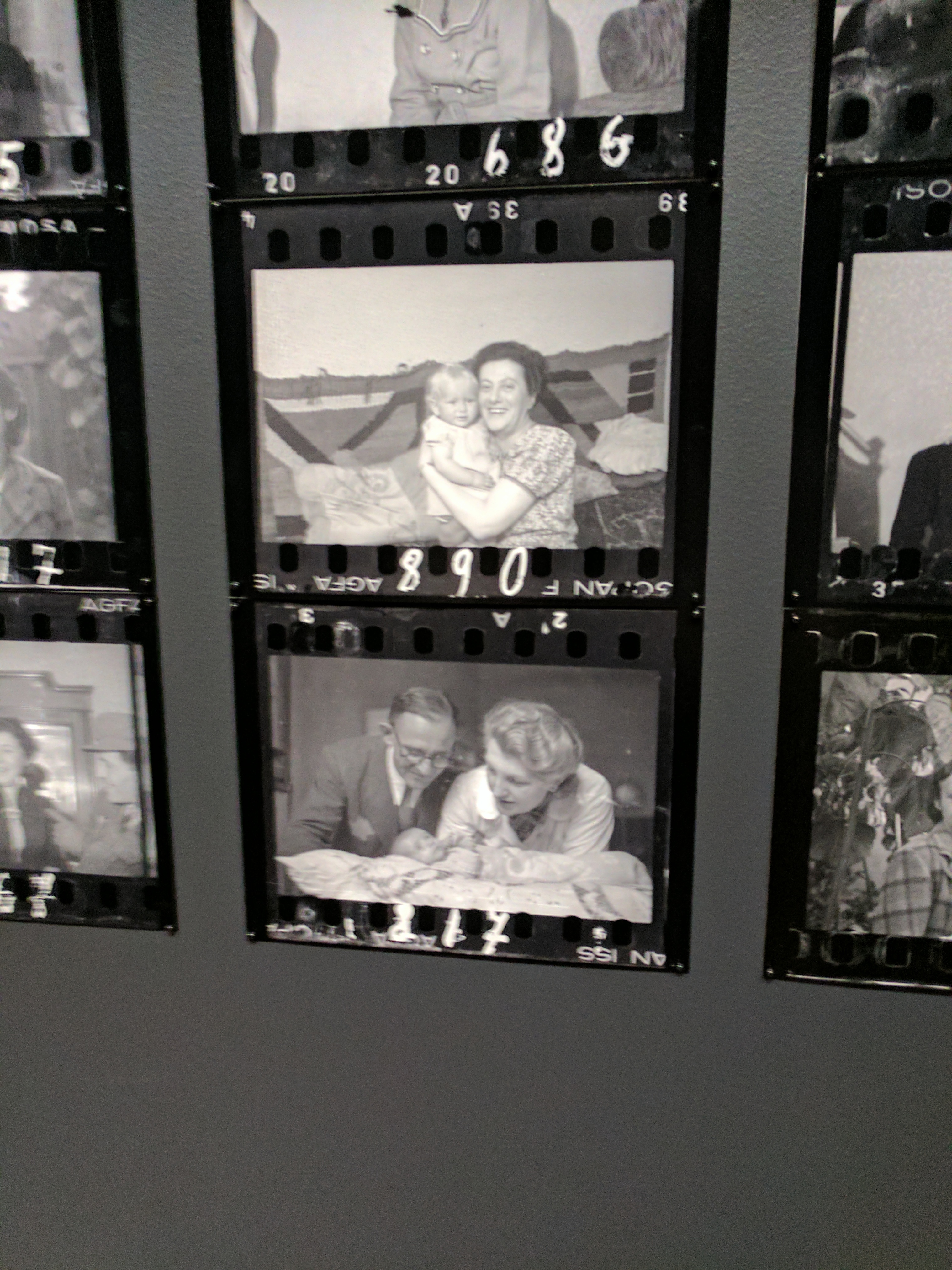


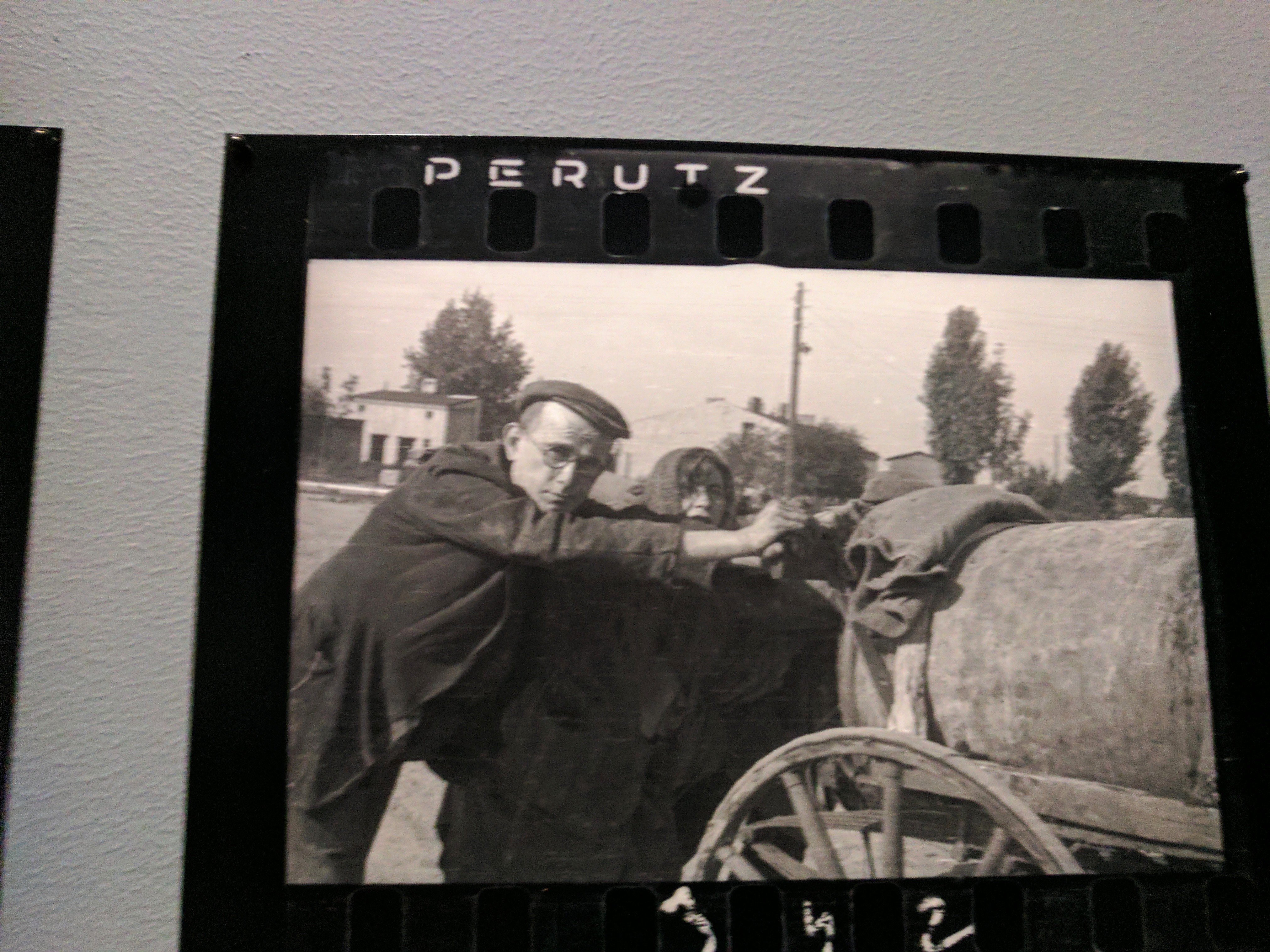
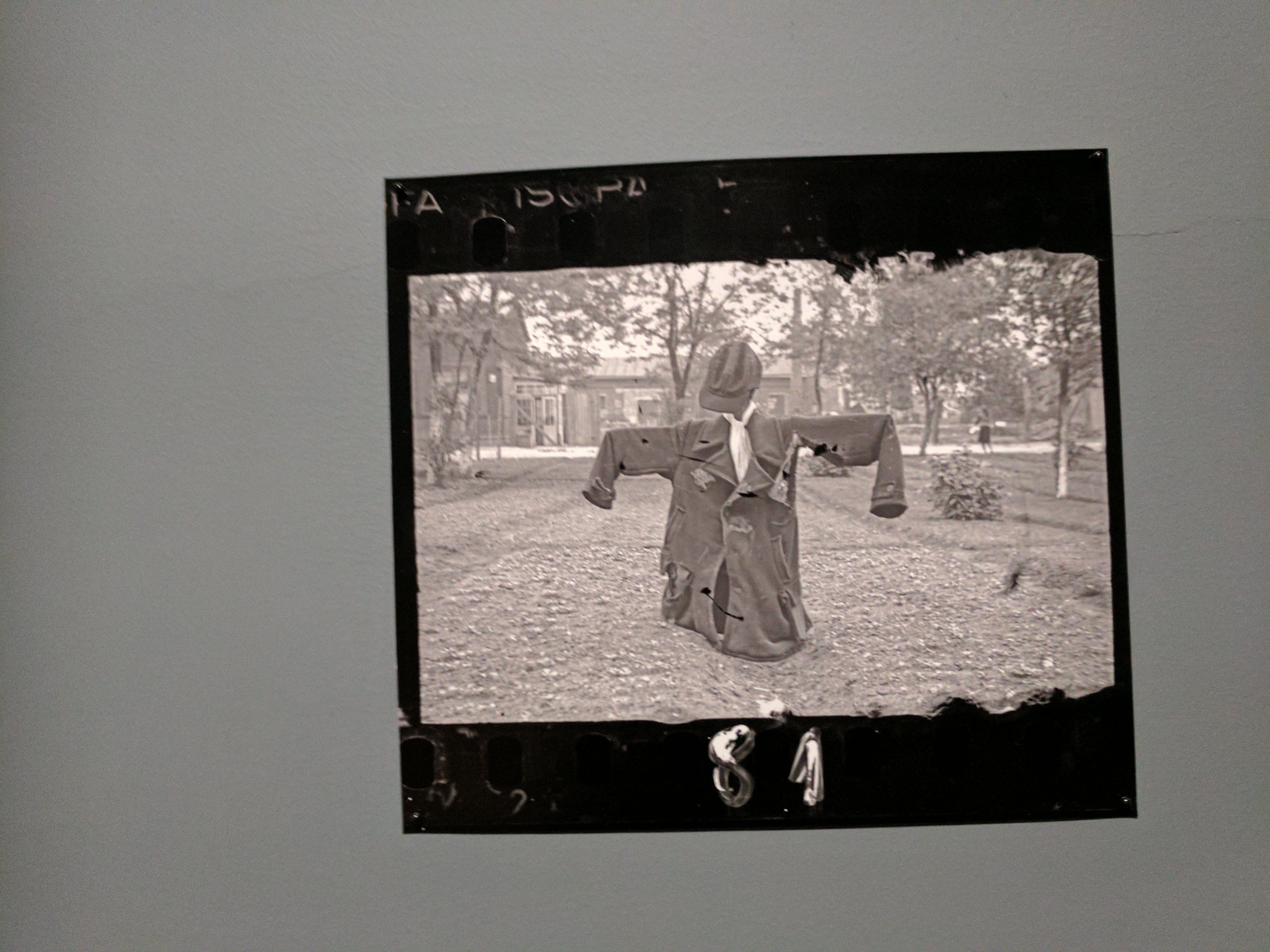
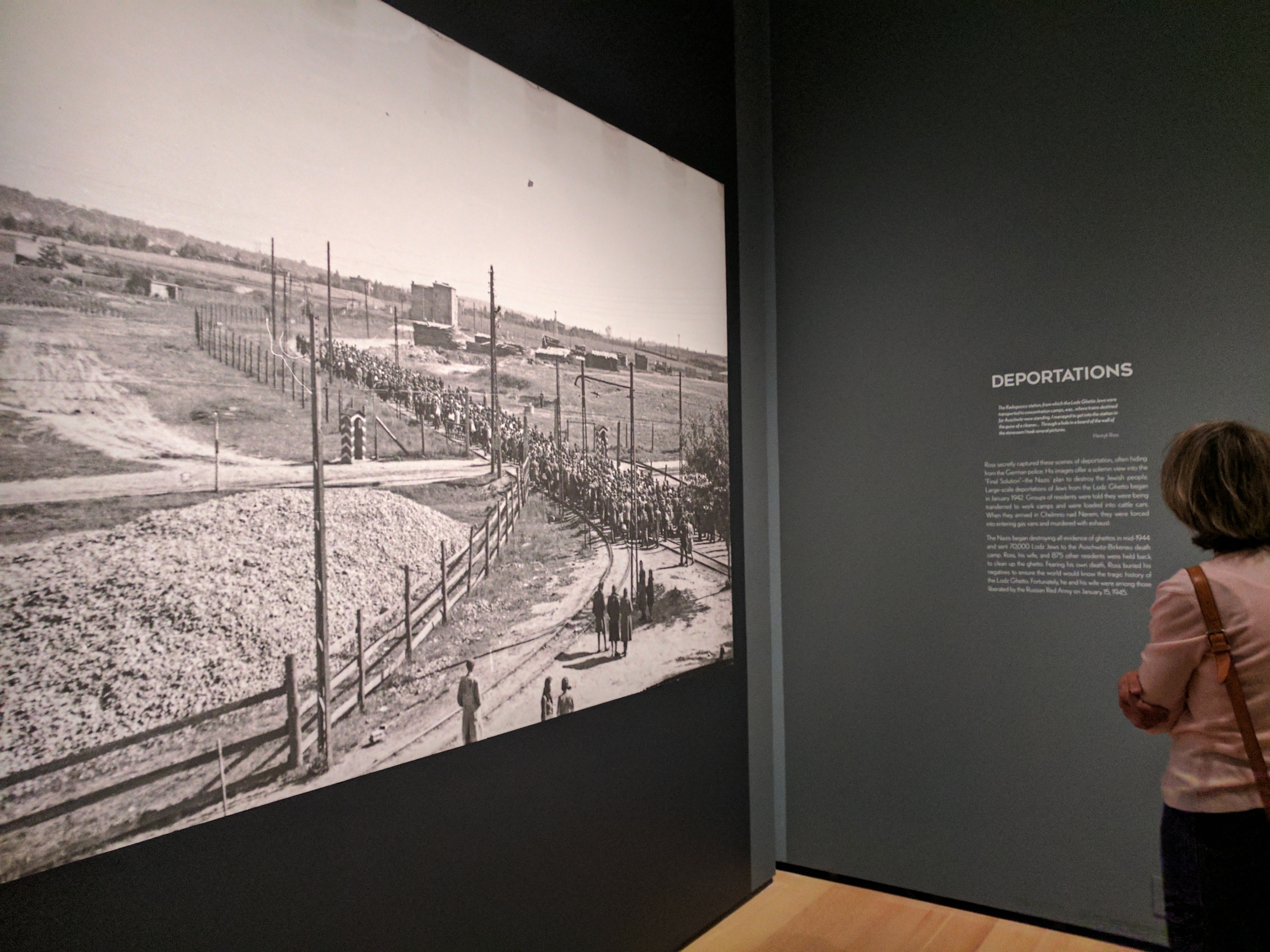


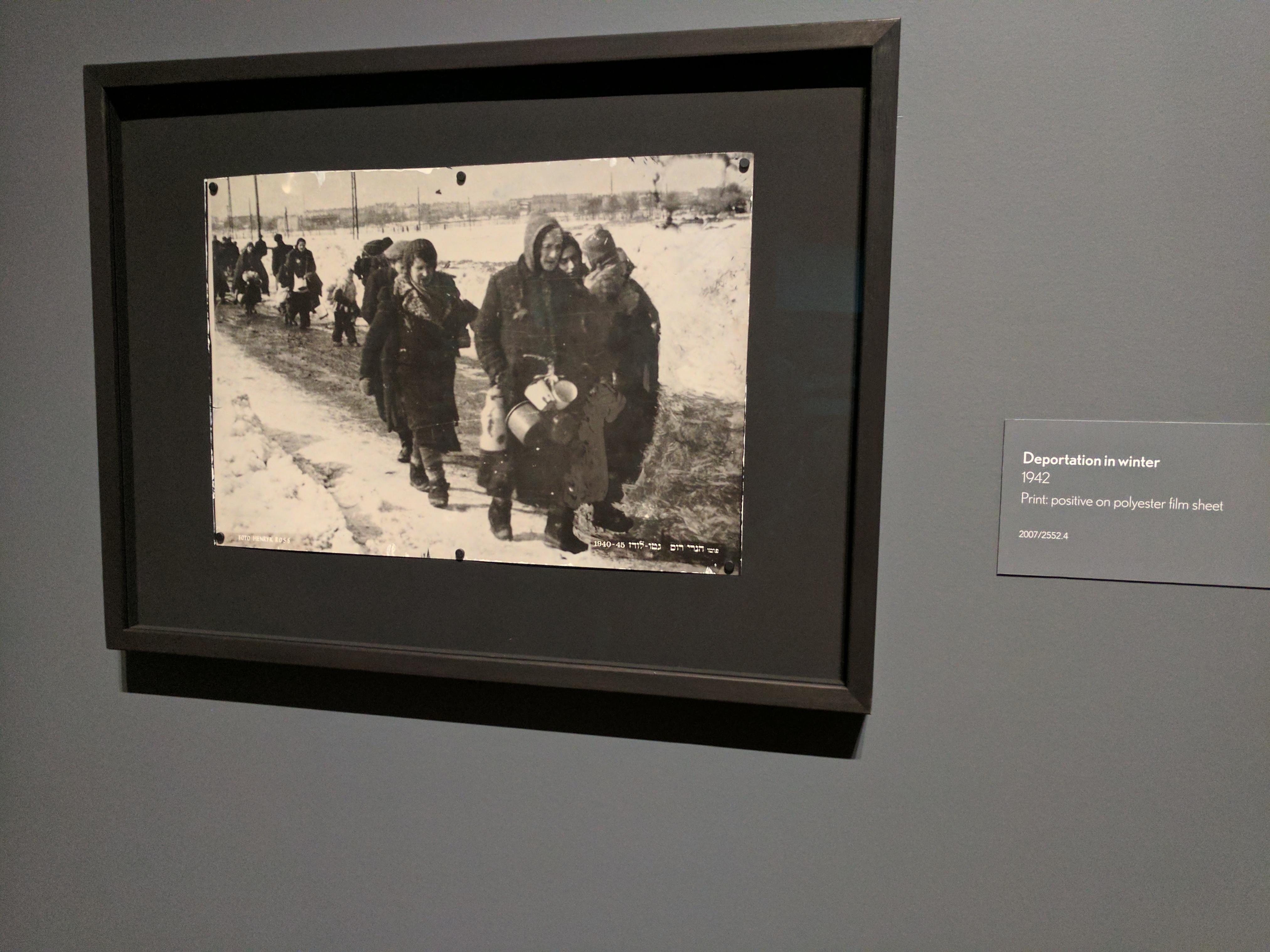

Miraculously both survived, and some negatives. Ross’s work was used as evidence in the 1961 trial of Nazi war criminal Adolf Eichmann. They testified together. By then he hadn’t photographed anything for years and wouldn’t ever again.
“I buried my negatives in the ground in order that there should be some record of our tragedy… I was anticipating the total destruction of Polish Jewry. I wanted to leave a historical record of our martyrdom.”
-Henryk Ross
I wonder if there is a memorial plaque on Jagielonska Street near where he hid them?

The exhibition included examples of the Lodz ghetto horrifying, gutting circulars. I used Google translate to transcribe a few of the letterpress announcements. I imagine that the Art Gallery of Ontario will crowd source volunteer transcription one day.
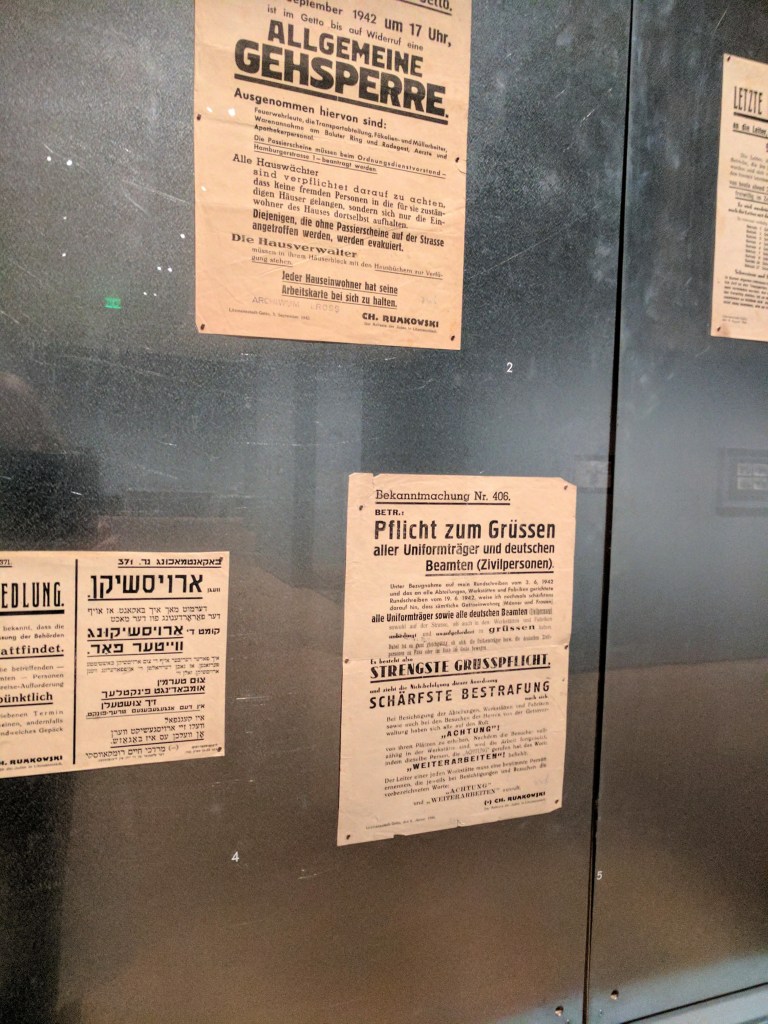

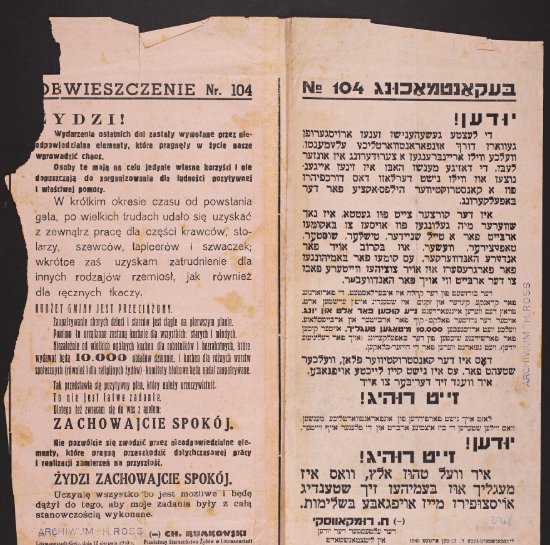
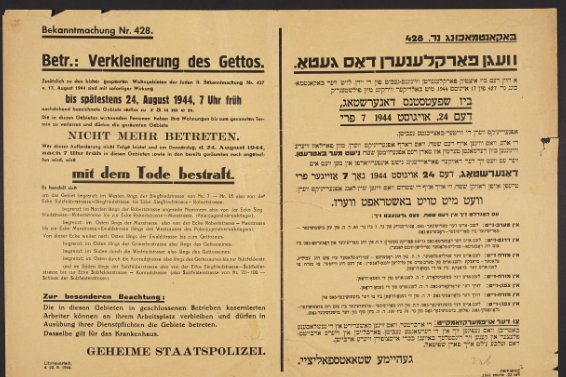
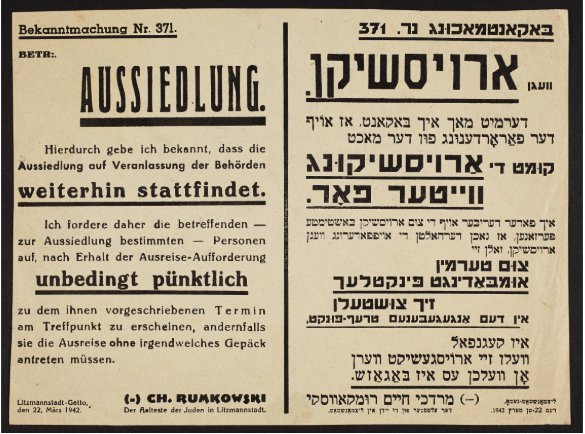
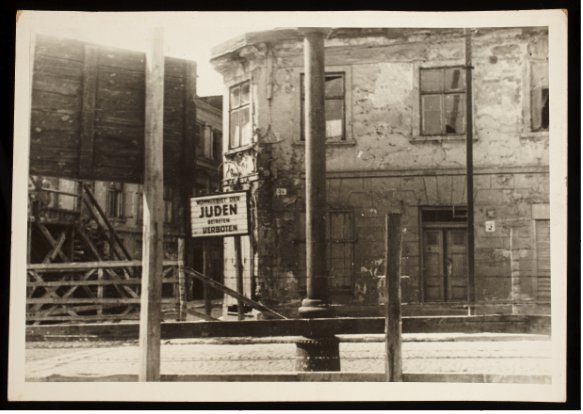
Keep Calm and Carry On pronouncements here, too
Aug 12, 1940 Announcement 104: Jews! Remain Calm!
The events of the last days were triggered by the responsible elements that we wanted to bring chaos into our cycle. These people are aimed at the only important benefits allowed to organize positive and appropriate help for the population. In a short period of time since the creation of the ghetto, after great hardships, it was possible to obtain work from the outside for parts of tailors, carpenters, shoemakers, lappers and seamstresses; soon I will get employment for other crafts, as well as for handicrafts.
The Municipal Budget is Overstated.
Supplying children and the elderly is still in the foreground. Pomino will be equipped with kitchens for all: old and young. Regardless of the (?) general kitchen for workers and the unemployed, which will be issued with 10,000 tanks per day and for various layers (also for religious Jews) – block committees will continue to be supplied. this is a positive plan that must be spotted. this is not an easy task. therefore I am appealing to you with an appeal: keep calm. Do not allow yourself to be misled with irresponsible elements that would hinder your previous work and fulfill your future intentions.
I WANT TO SAVE PEOPLE.
I will do everything that is possible and I will strive to ensure that my tasks are carried out with all due diligence – Ch. Rumkowski
March 22, 1942 Announcement No. 371 : Resettlement
Subject: Orders concerning the transfer of the ghetto.
Spatialization of the western ghetto part…From the Donnersiteg, the western part of the ghetto must be cleared of all residents and workers. the people living and working there must therefore be in the east…
I hereby announce that the resettlement continues to take place on the initiative of the authorities. I urge the persons concerned – who are destined for resettlement – to do so. upon receipt of the departure request, it is essential that you arrive punctually at the meeting time prescribed by you, otherwise you will have to leave the country without any additional packing.
litzmannstadt-ghetto the 22nd, marz 1942 Ch. Rumkowski* is the oldest of the Jews in Litzmannstadt
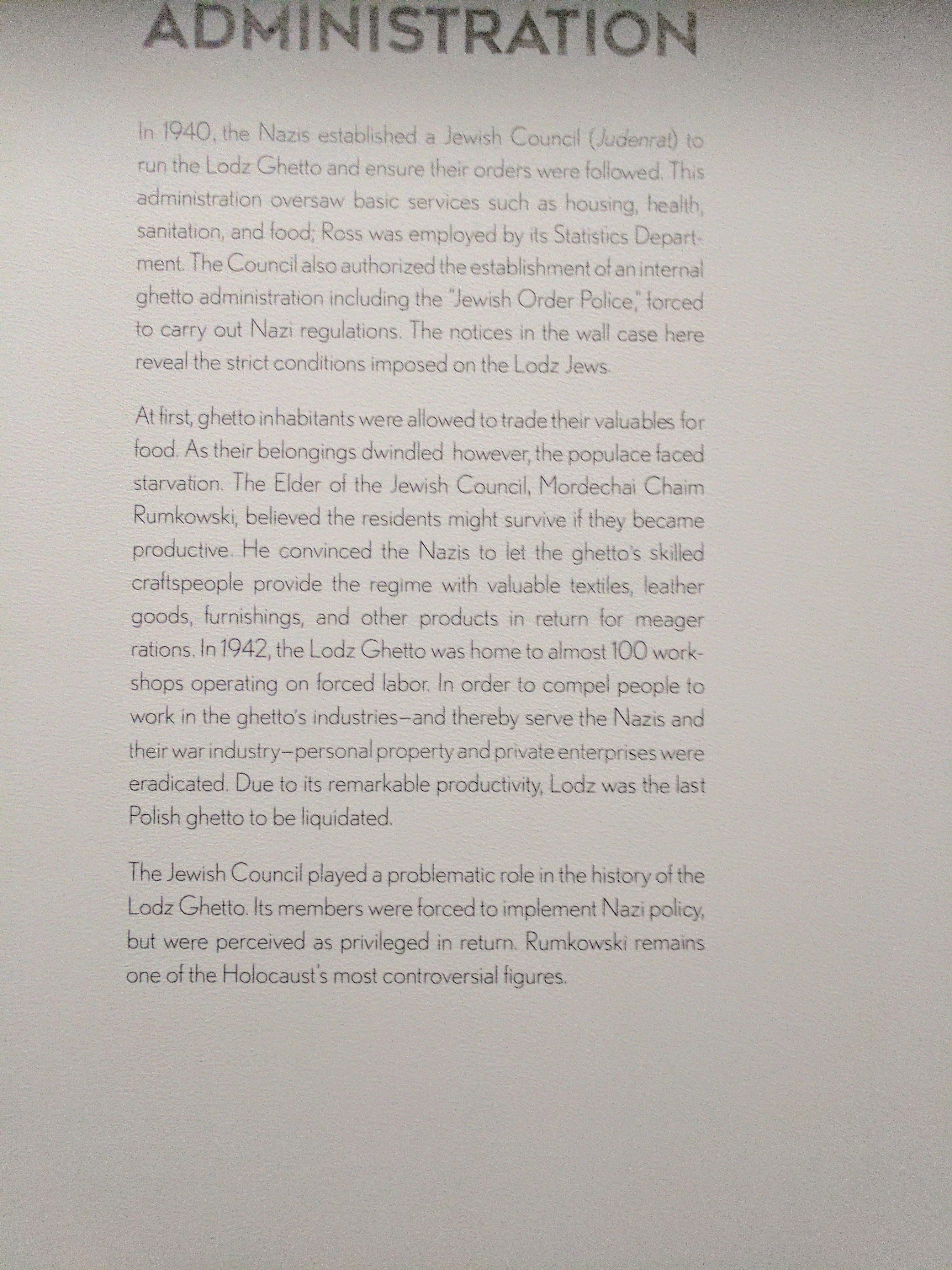
excerpt from the MFA museum label (photo below) concerning Administration and Mordechai Chaim Rumkowski: “…The Elder of the Jewish Council, Mordechai Chaim Rumkowski, believed the residents might survive if they became productive…Due to its remarkable productivity, Lodz was the last Polish ghetto to be liquidated. The Jewish Council played a problematic role in the history of the Lodz Ghetto. Its members were forced to implement Nazi policy, but were perceived as privileged in return. Rumkowski remains one of the Holocaust’s most controversial figures.”- MFA label
August 22, 1942 Announcement no. 428 Concerning the size of the ghetto
In addition to the previously no longer enter. Who does not follow this request and on Thursday d. 24 august 1944, after 7 o’clock early in these areas as well as in the already cleared still encountered, is struck, with death…
It is bounded by the area: in the west …
limited: in the east …
limited: to the south …
limited; in the East…
and slow to the south…
For special attention
Workers barracked in these areas in closed premises can remain in their workplace and be allowed to work in the same place.
Secret State Police
September 4, 1942 Announcement No. 391 General Curfew in Ghetto
Museum of Fine Arts display label (see photo above) “On September 4, 1942, Lodz Ghetto populace was told that elderly and sick residents and children under the age of 10 would be deported from the ghetto. This notice forbade the remaining residents from leaving their homes while deportees were collected. “From Saturday September 5 1942 from 5pm on a general curfew is in effect until revoked. Excepted are: firefighters, the Transportation Department, feces and garbage haulers, workers involved in the reception of goods at the Baluty Market Square and the Radogoszcz (station), doctors and pharmacy personnel.”
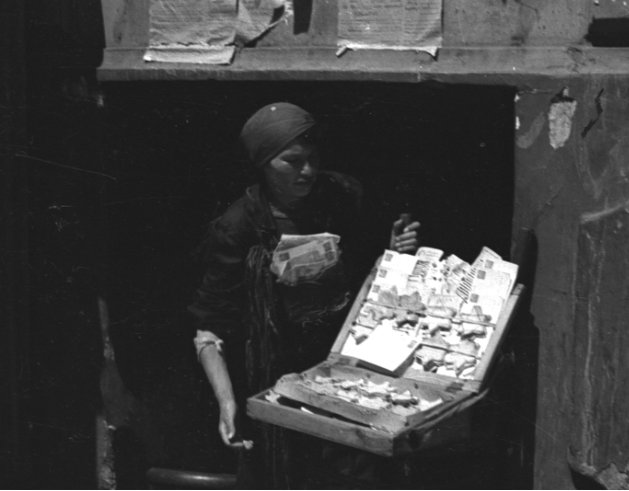
From the digitized archives: click to enlarge and read description
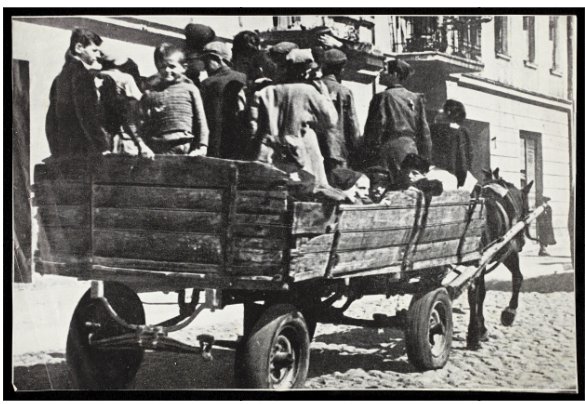

As this repository was such an exacting chronicle and similar camera format, I thought about American FSA/OWI photographers, Ross’s contemporaries, working with home front goals in the same time span as Ross, safe an ocean away. (In 1942 Howard Lieberman and Gordon Parks official assignments included portraits in Gloucester, Massachusetts, of family members missing deployed husbands, brothers, sons and daughters, of a community honoring Memorial Day, of fishermen hard at work providing “Victory Food From American Waters”. People helping. Brave souls.) FSA photographers and FSA had earned clout pre-1937. Did they inspire Ross? Decades later, did these artists ever come to know each other’s works?

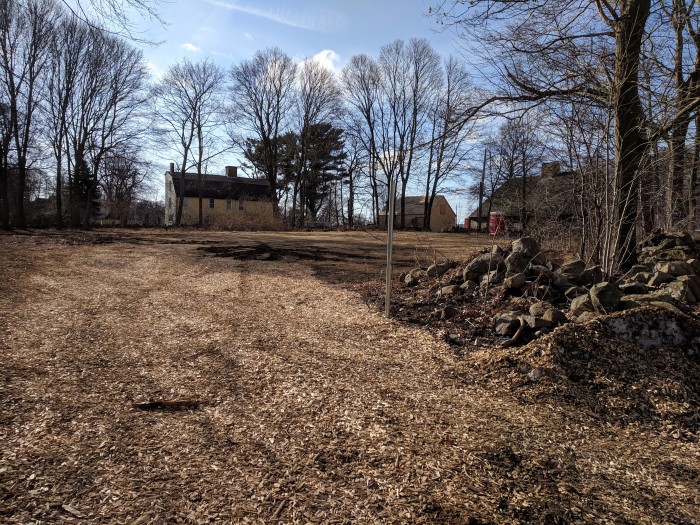
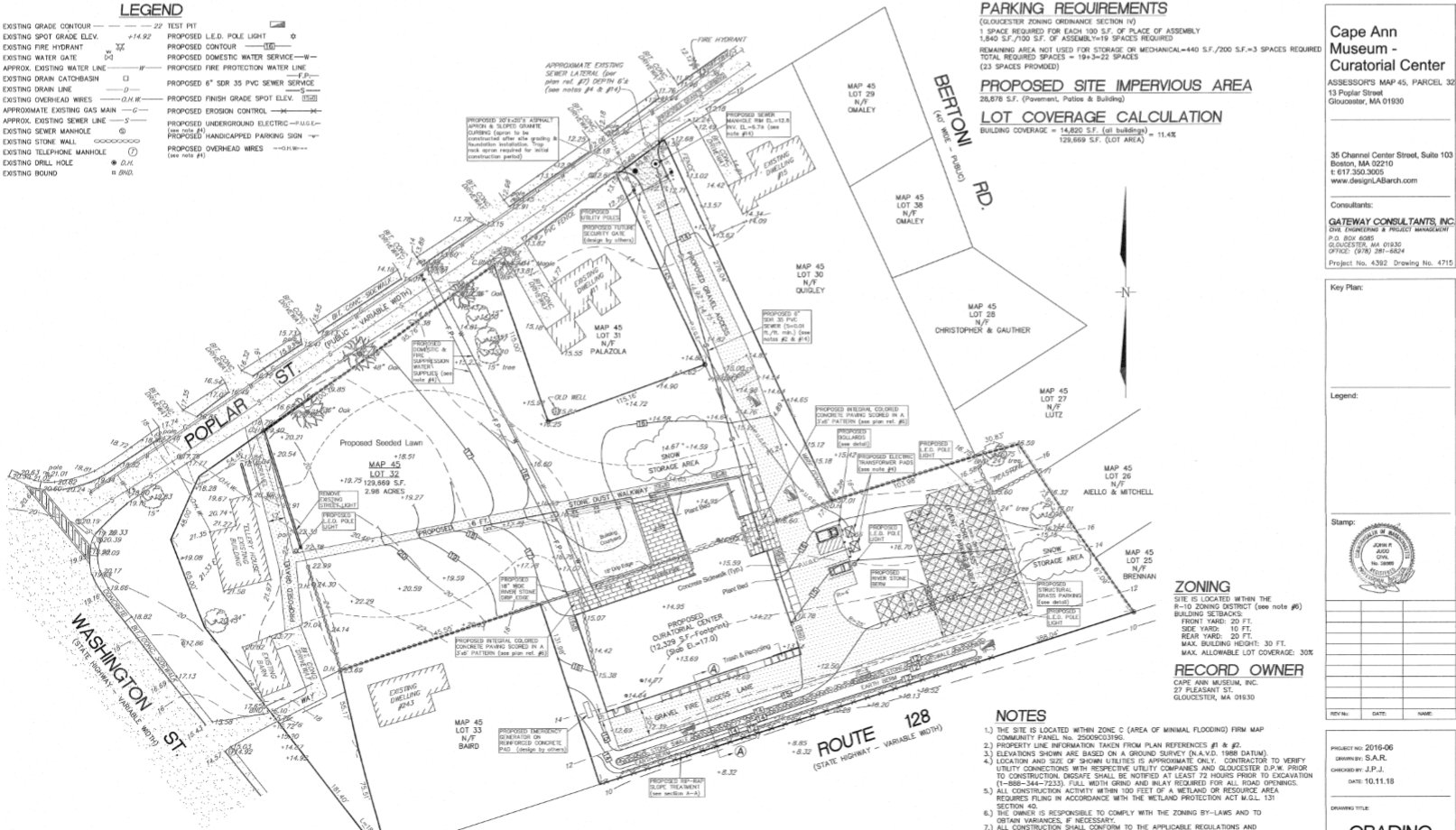
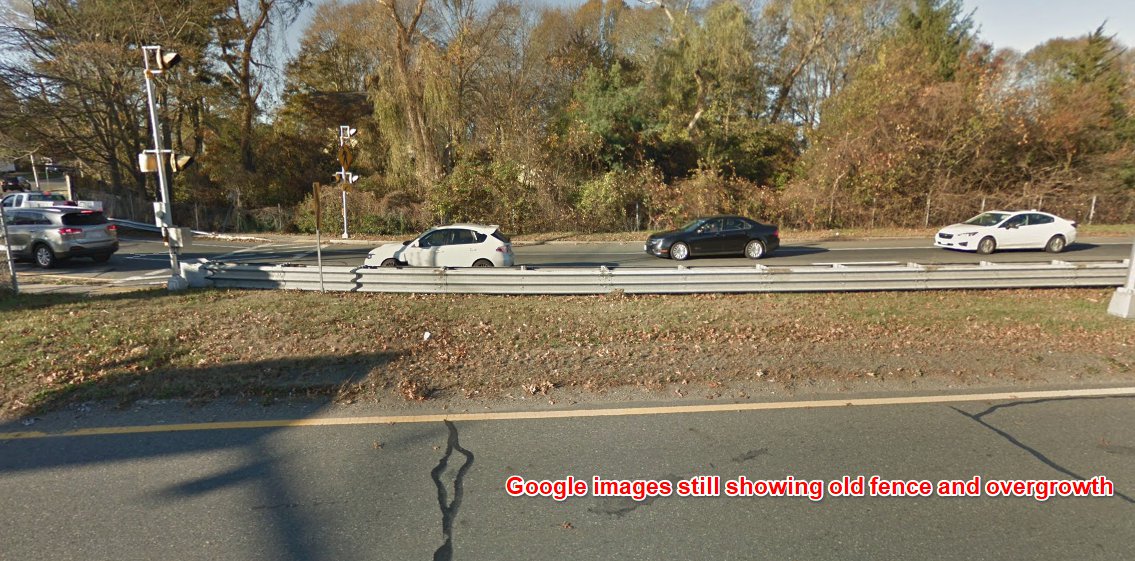
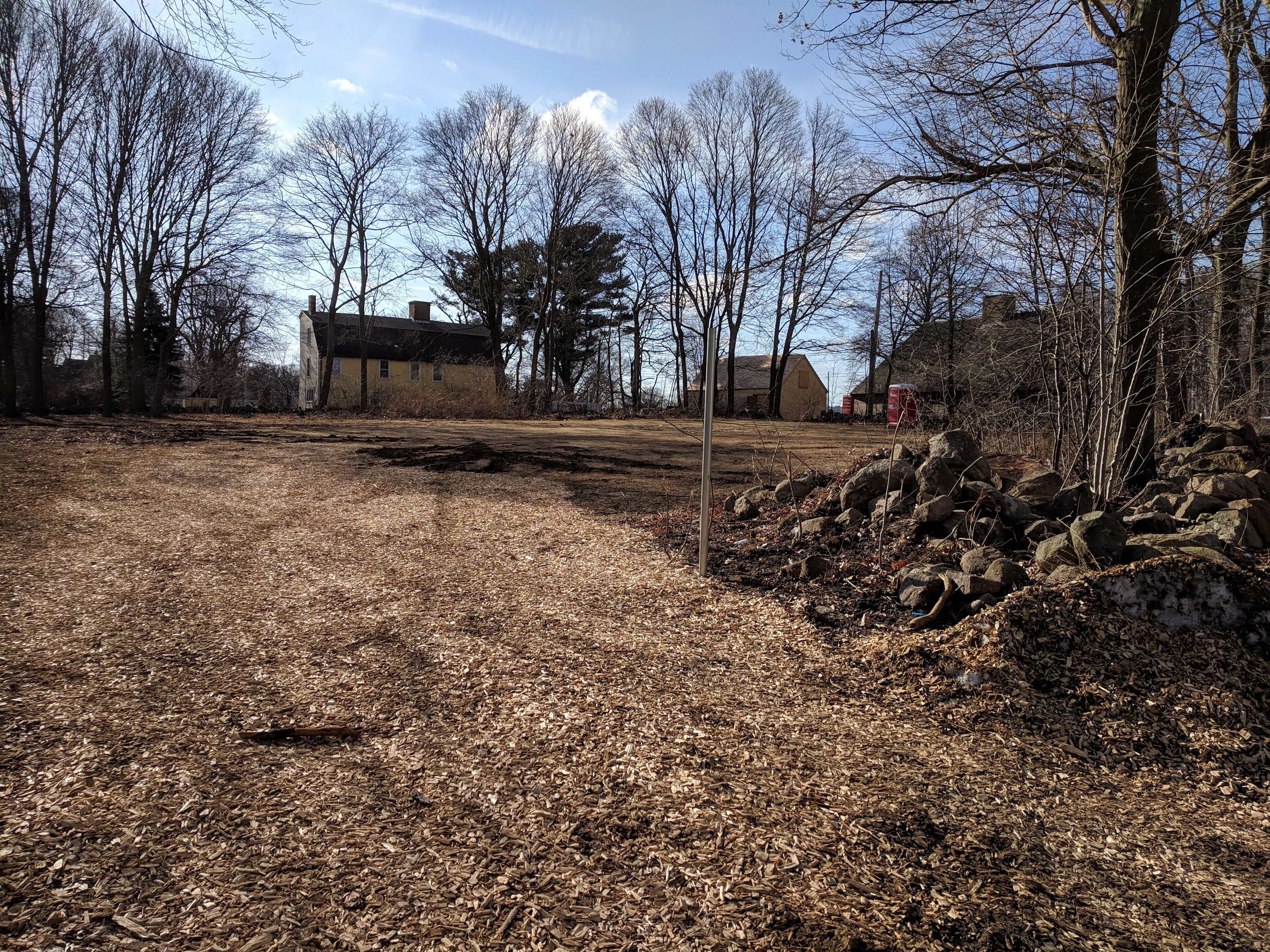
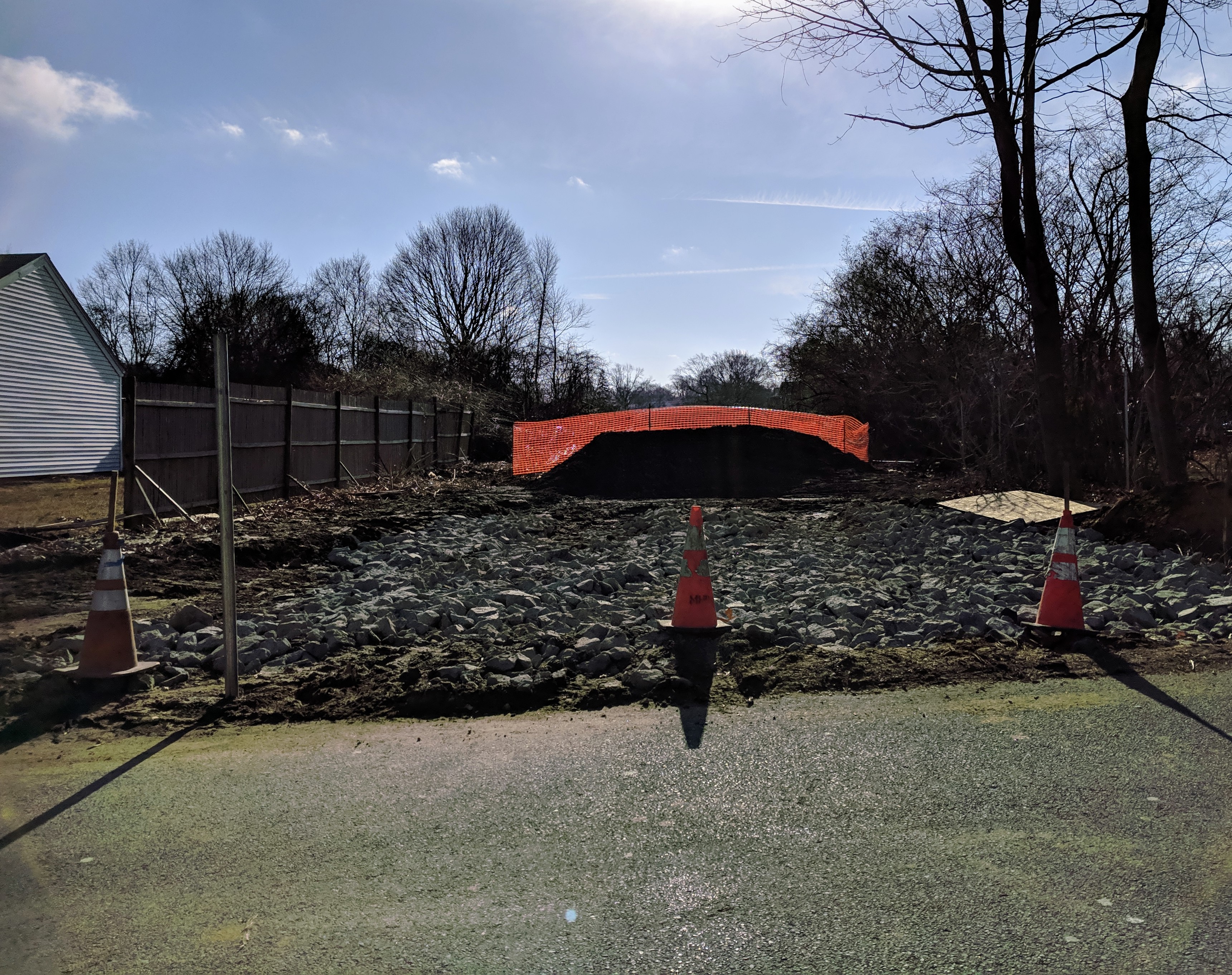
Signs of clearing for the exciting Cape Ann Museum addition for a curatorial center on the White-Ellery property January 2019 Gloucester, Massachusetts
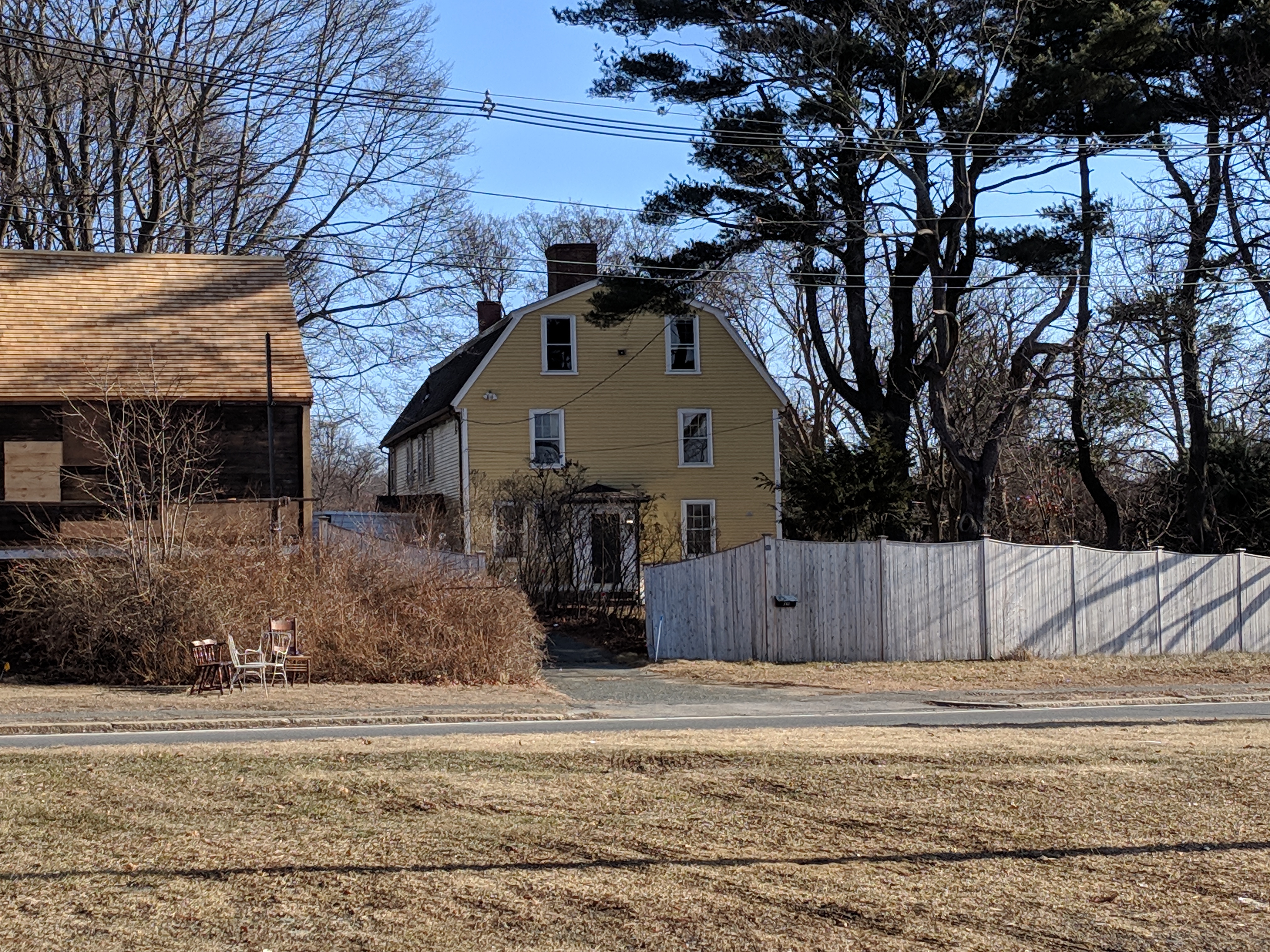
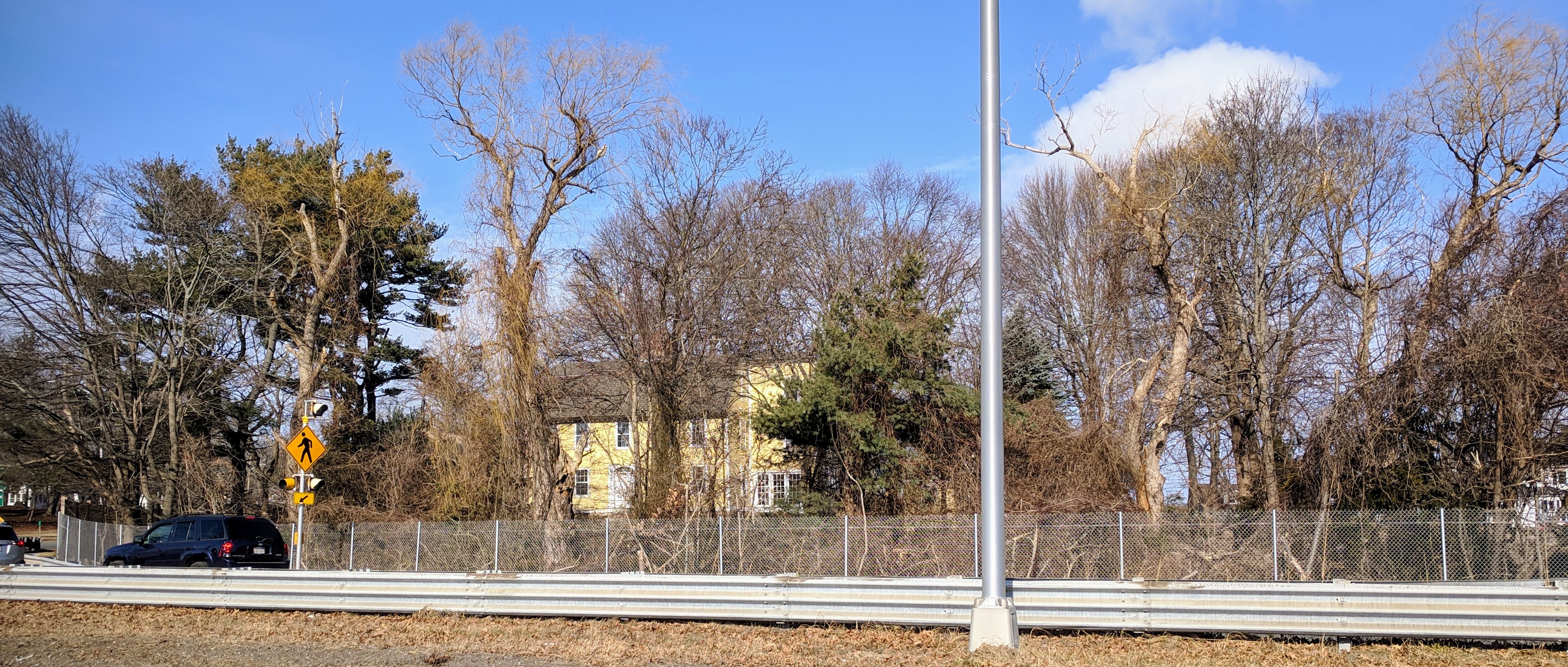
today new fence and visibility (above) vs google (below) old fence & more overgrowth…there is forsythia along there

Do not forget for all Cape Ann Residents the Cape Ann Museum is free for the month of January. This Museum is a great take in.

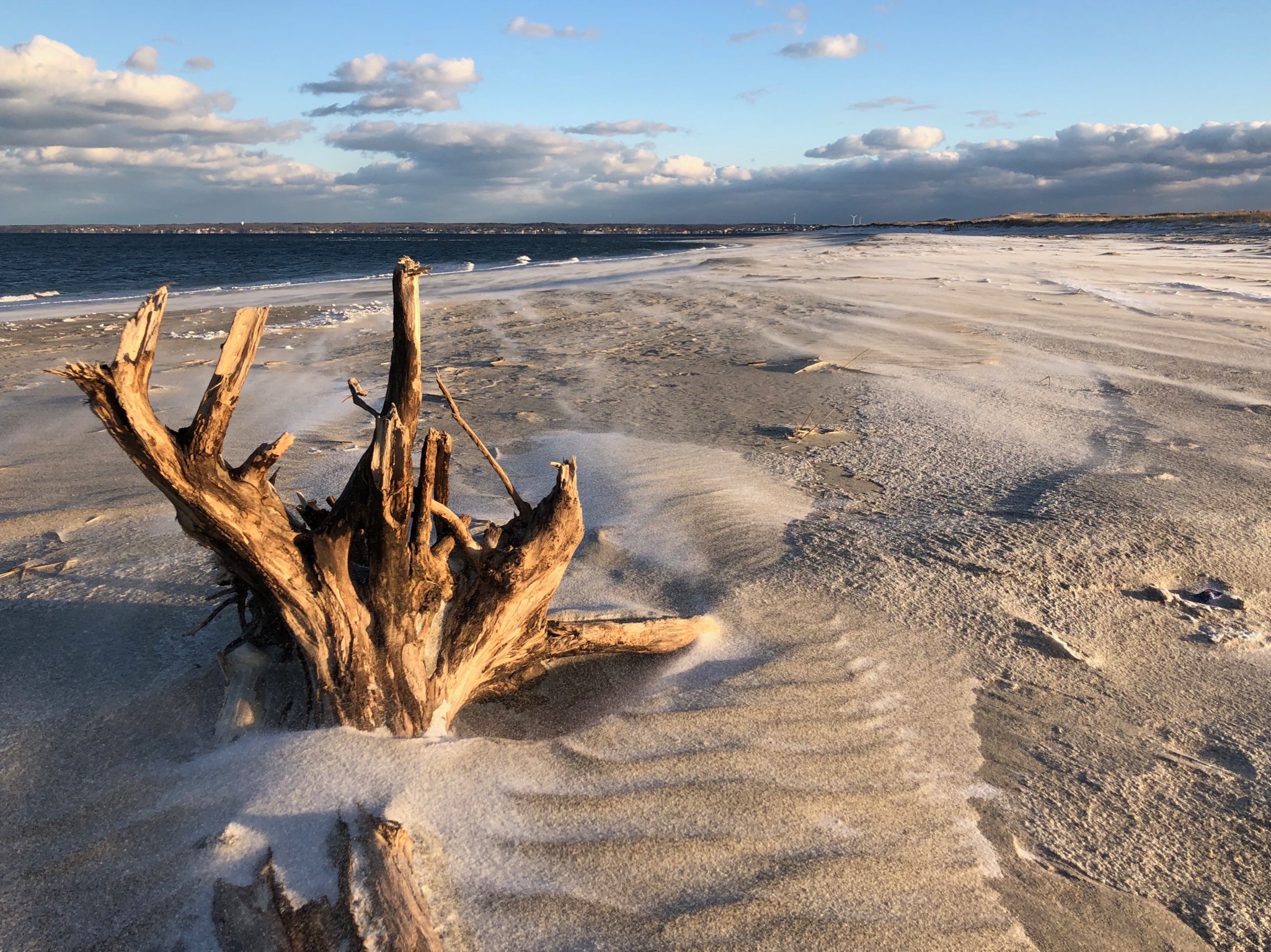
photo credit: T. Barrieau/The Trustees
Courtney Richardson at the Cape Ann Museum shares information about an upcoming special event at the museum:
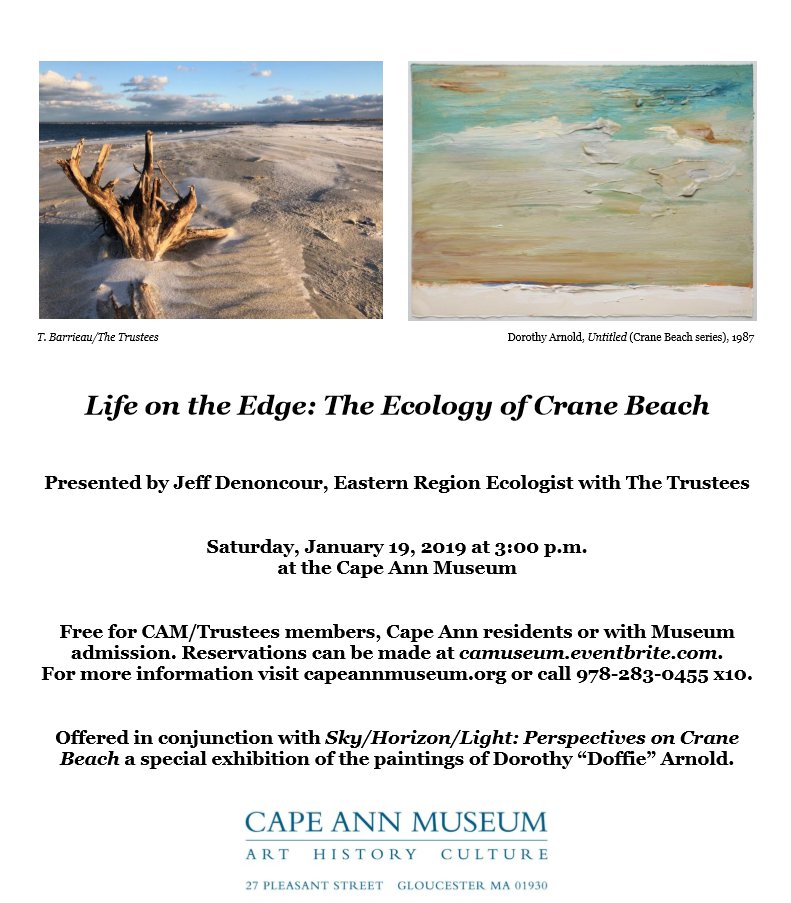
Lecture – Life on the Edge: The Ecology of Crane Beach, Saturday Jan. 19th, 3PM
The Cape Ann Museum, in collaboration with The Trustees, is pleased to present a lecture about the natural history and ecological significance of Crane Beach with ecologist Jeff Denoncour. This program is offered in conjunction with the special exhibition Sky/Horizon/Light: Perspectives on Crane Beach. This program is free for Museum members, Trustees members, Cape Ann residents or with Museum admission. Reservations required. For more information visit capeannmuseum.org or call 978-283-0455 x10.
When one thinks of Crane Beach, the sea, sun, and sand might be the first things that come to mind. But how did the forces of nature create the stunning landscape? What’s special about this incredible barrier beach and marshlands it protects? How do The Trustees protect special places and care for our vulnerable coast? Join Jeff Denoncour, an ecologist with The Trustees, for a dive into the natural history and ecological significance of Crane Beach, how they protect our coastal resources, and examples of success stories resulting from their work.
Jeff Denoncour is the Eastern Region Ecologist with The Trustees where he manages and monitors ecological resources on its properties in Eastern Massachusetts. Jeff grew up on Cape Ann and has spent most of his life living along the coast. He has 11 years of experience managing rare and endangered shorebirds that nest on beaches. For the past eight years, he has been managing the Shorebird Protection Program on Crane Beach, as well as other natural resources that make the Crane Beach such a treasured place.
This program is offered in conjunction with Sky/Horizon/Light: Perspectives on Crane Beach a special exhibition of the paintings of Dorothy “Doffie” Arnold. The works on view at the Cape Ann Museum offer an ever changing vista of Crane Beach as observed across Ipswich Bay from Arnold’s studio in Bay View (Gloucester). Painted in the 1980s, these acrylics on paper are part of larger series of works by Arnold that take as their subject the intersection of water, land and light viewed from a single vantage point over a period of years. With a low horizon line, a sky that is often turbulent and waters that range from placid to racing, the paintings reflect the strong influence of nature on the artist and her work.
A 1980 graduate of the School of the Museum of Fine Arts, Boston, Dorothy Arnold maintained studios in Cambridge and Gloucester. While much of her work is large scale, the Crane Beach paintings measure just 11×15 inches. Her work, which includes landscapes, still lives, figure studies and abstractions, was the subject of an international retrospective in 2001–2003. It was Arnold’s wish to exhibit her art locally in an effort to strengthen the community’s appreciation of the culture and traditions of the area.


About the Cape Ann Museum Continue reading “TODAY – Reminder Cape Ann Museum Crane beach talk 3pm”

Justine and Christy share Sawyer Free children’s services fun program from a versatile enrichment talent:
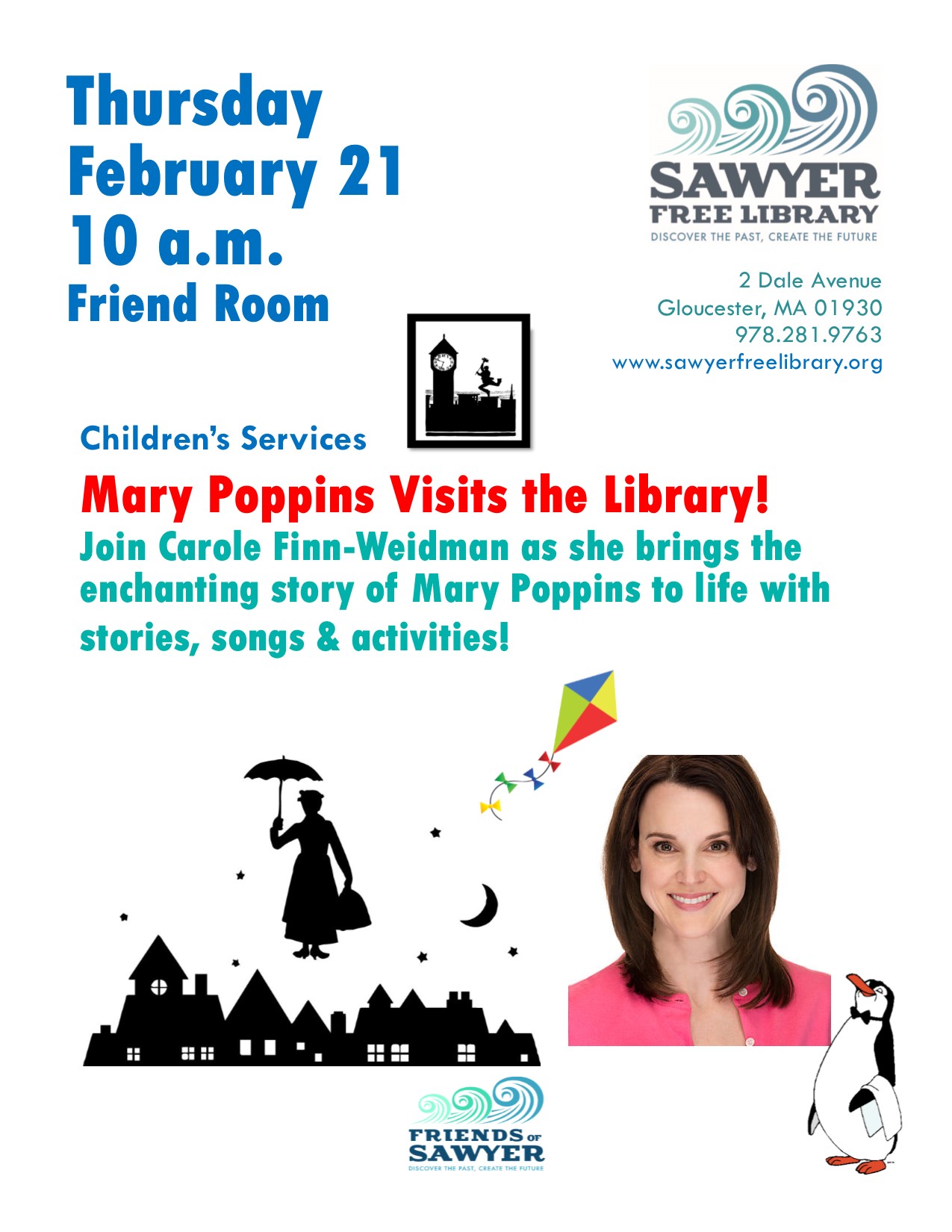
Mark your calendars: Mary Poppins Visits the Library Thursday, February 21, 2019


Don’t miss Mary Rhinelander McCarl’s floral still lifes on display January 2019 at the Matz Gallery, Gloucester Lyceum & Sawyer Free Library.


from the printed matter:
“Mary Rhinelander McCarl- Mary, a Gloucester resident, draws her artistic inspiration from the scenery of Cape Ann. In her youth, she studied both sculpture and figure drawing with George Demetrios. She has worked under the guidance of Juni Van Dyke in the Art Room of the Rose Baker Senior Center and studied watercolors with Susie Field. At present Mary uses her training as an archivist to transcribe and edit the papers of Samuel Elwell Sawyer, Gloucester’s great philanthropist and art collector.”


Today visitors to Cape Ann Museum were in for a special treat. They came excited to learn about linocut prints from artists Mary Rhinelander and Julia Garrison. Some watched. Many gave it a go. Best of all they left with an impression they pulled from the ingenious homage block Mary carved in tribute to the Folly Cove designers!


Read more about the wonderful event


Stop by Cape Ann Museum Saturday morning January 12th from 10:00 a.m to 12:00 p.m for a fun reception! As part of CAM Kids Second Saturday series, explore the inventive worlds of children’s books in the special exhibitions on view this winter: The Little House: Her Story and Once Upon a Contest: Selections from Cape Ann Reads! Meet some of the writers and artists featured in the exhibit, enjoy light refreshments, draw & color, explore the gallery with a “Seek & Find” and more!


Also look for Story Time in the Gallery each Wednesday through March!
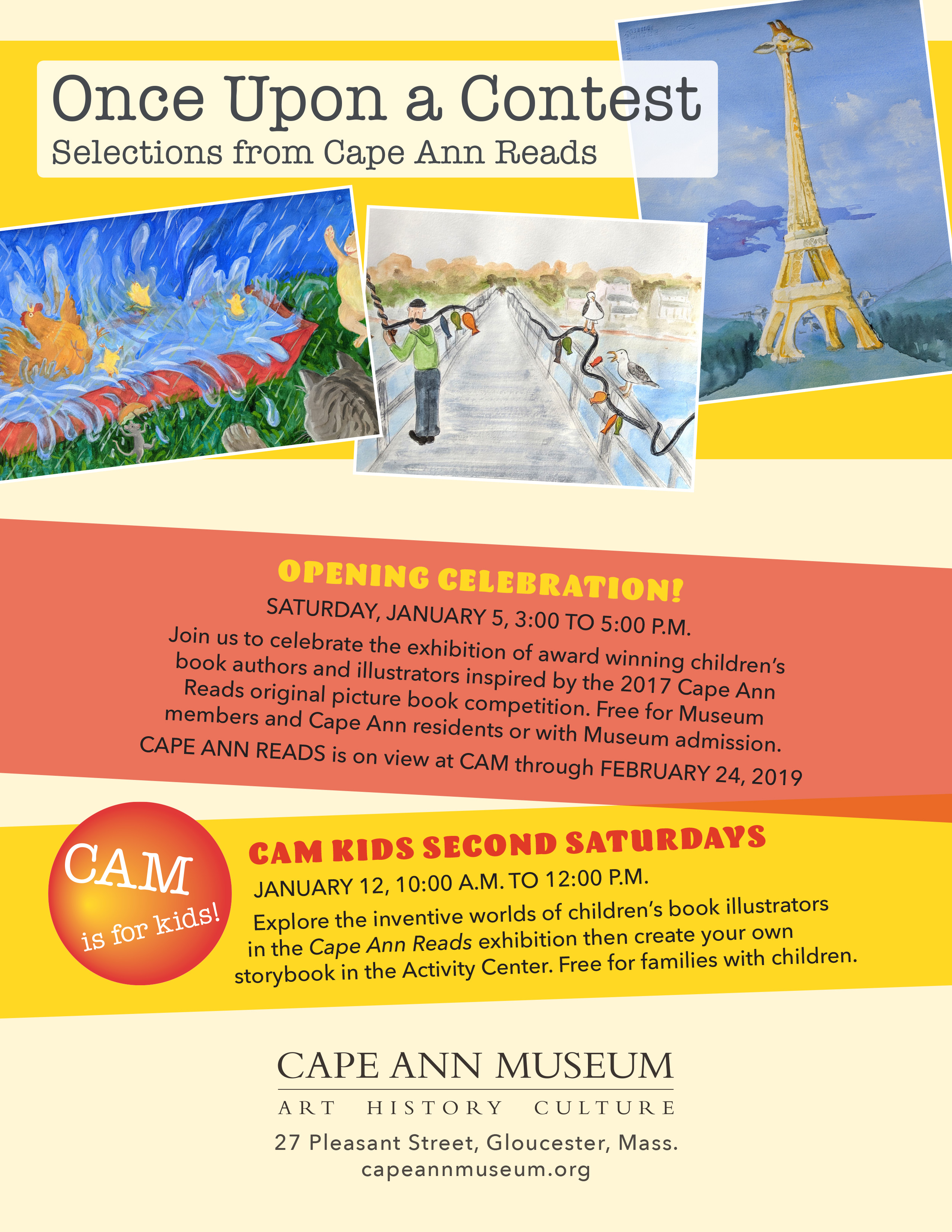
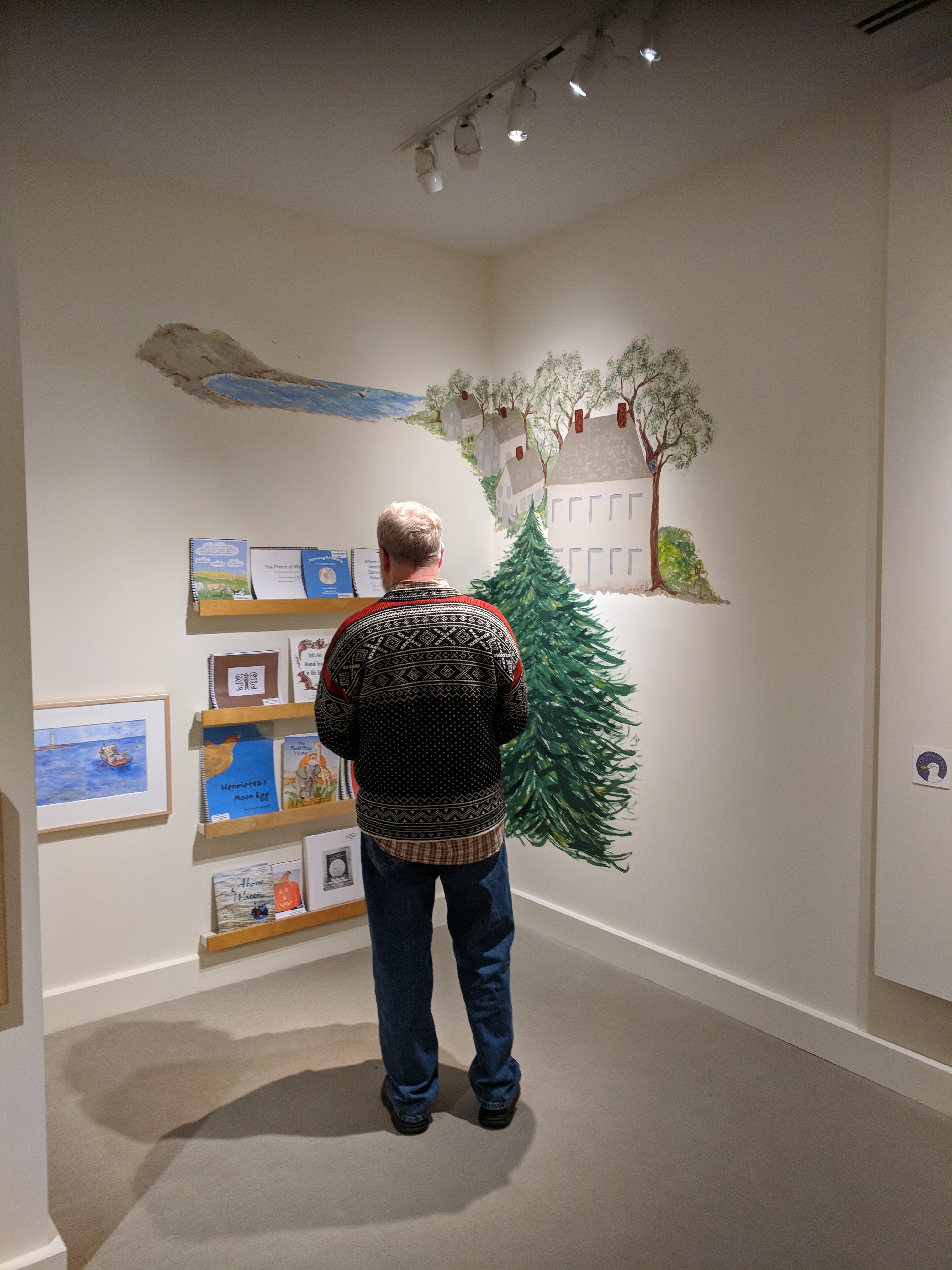

photo credit: T. Barrieau/The Trustees
Courtney Richardson at the Cape Ann Museum shares information about an upcoming special event at the museum:
Lecture – Life on the Edge: The Ecology of Crane Beach, Saturday Jan. 19th, 3PM
The Cape Ann Museum, in collaboration with The Trustees, is pleased to present a lecture about the natural history and ecological significance of Crane Beach with ecologist Jeff Denoncour. This program is offered in conjunction with the special exhibition Sky/Horizon/Light: Perspectives on Crane Beach. This program is free for Museum members, Trustees members, Cape Ann residents or with Museum admission. Reservations required. For more information visit capeannmuseum.org or call 978-283-0455 x10.
When one thinks of Crane Beach, the sea, sun, and sand might be the first things that come to mind. But how did the forces of nature create the stunning landscape? What’s special about this incredible barrier beach and marshlands it protects? How do The Trustees protect special places and care for our vulnerable coast? Join Jeff Denoncour, an ecologist with The Trustees, for a dive into the natural history and ecological significance of Crane Beach, how they protect our coastal resources, and examples of success stories resulting from their work.
Jeff Denoncour is the Eastern Region Ecologist with The Trustees where he manages and monitors ecological resources on its properties in Eastern Massachusetts. Jeff grew up on Cape Ann and has spent most of his life living along the coast. He has 11 years of experience managing rare and endangered shorebirds that nest on beaches. For the past eight years, he has been managing the Shorebird Protection Program on Crane Beach, as well as other natural resources that make the Crane Beach such a treasured place.
This program is offered in conjunction with Sky/Horizon/Light: Perspectives on Crane Beach a special exhibition of the paintings of Dorothy “Doffie” Arnold. The works on view at the Cape Ann Museum offer an ever changing vista of Crane Beach as observed across Ipswich Bay from Arnold’s studio in Bay View (Gloucester). Painted in the 1980s, these acrylics on paper are part of larger series of works by Arnold that take as their subject the intersection of water, land and light viewed from a single vantage point over a period of years. With a low horizon line, a sky that is often turbulent and waters that range from placid to racing, the paintings reflect the strong influence of nature on the artist and her work.
A 1980 graduate of the School of the Museum of Fine Arts, Boston, Dorothy Arnold maintained studios in Cambridge and Gloucester. While much of her work is large scale, the Crane Beach paintings measure just 11×15 inches. Her work, which includes landscapes, still lives, figure studies and abstractions, was the subject of an international retrospective in 2001–2003. It was Arnold’s wish to exhibit her art locally in an effort to strengthen the community’s appreciation of the culture and traditions of the area.
About the Cape Ann Museum Continue reading “Cape Ann Museum & The Trustees present “Life On the Edge: The Ecology of Crane Beach” Jeff Denoncour lecture”

January I Am More Displays
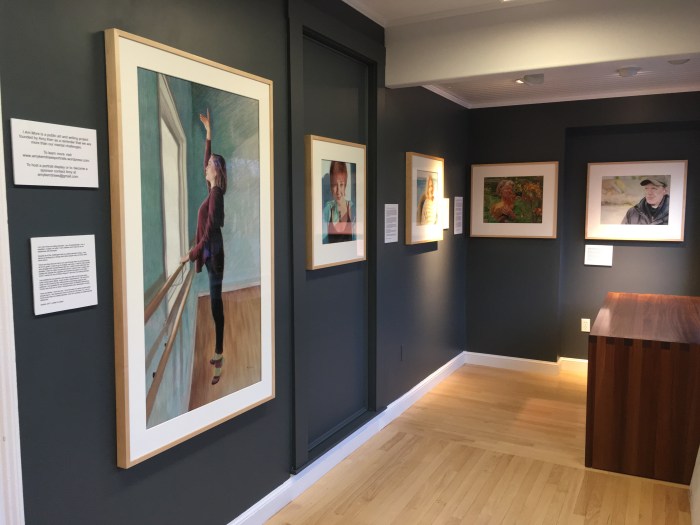
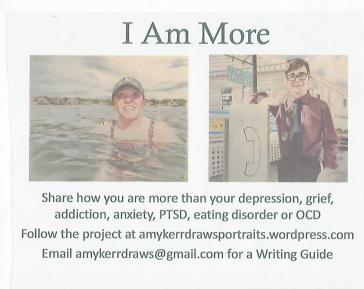
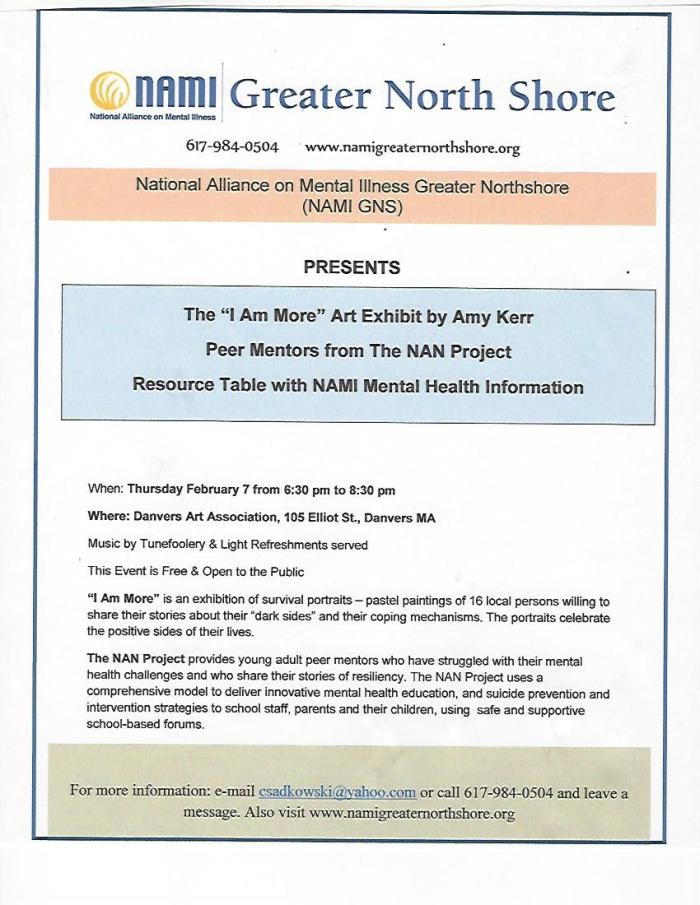
The I Am More portraits by Amy Kerr are a reminder to all of us that we are more than our challenges. This month the portraits and essays can be seen at The Common Crow Natural Market (200 Eastern Ave, Gloucester), Cape Ann Coffees (86 Bass Ave, Gloucester), Cape Ann Cinema & Stage (21 Main St, Gloucester), and TILI – Therapy for Intentional Living (11 Vinnin St, Salem). A huge thank you to these very generous display partners for sharing their spaces. You can see all of the portraits and essays at https://amykerrdrawsportraits.wordpress.com. To host a display please contact Amy at amykerrdrawsportraits@gmail.com.

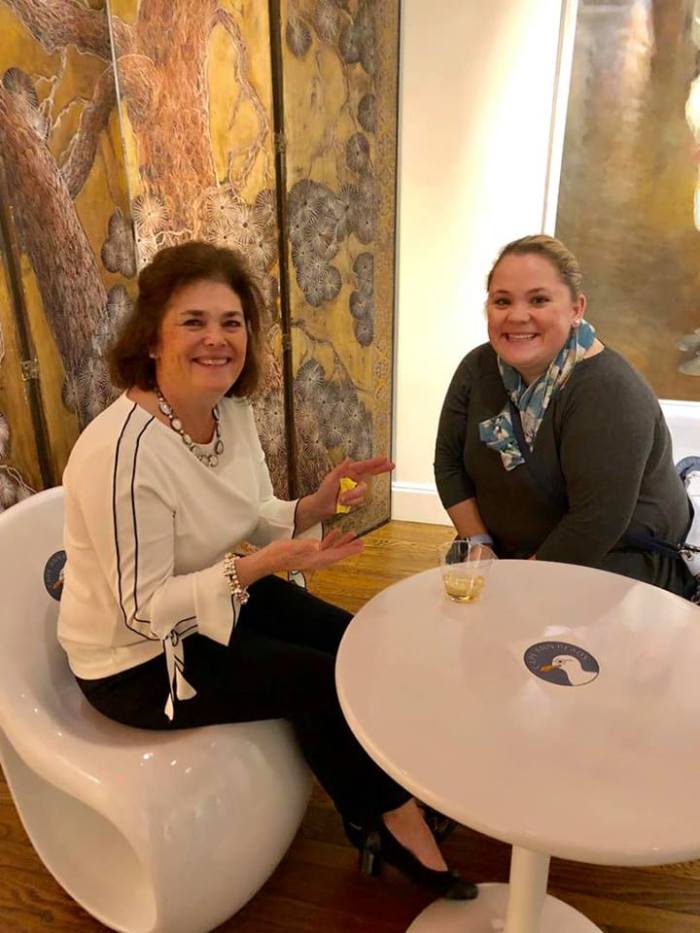
Stop by and meet some of the participants featured in Once Upon a Contest: Selections from Cape Ann Reads at a special Cape Ann Museum CAM KIDS second Saturdays family activity on January 12, 2019, from 10AM-12PM. Later that same day, artists Mary Rhinelander and Julia Garrison are offering a printmaking linocut demo related to the Folly Cove designers and the major Virginia Lee Burton The Little House Her Story exhibition!
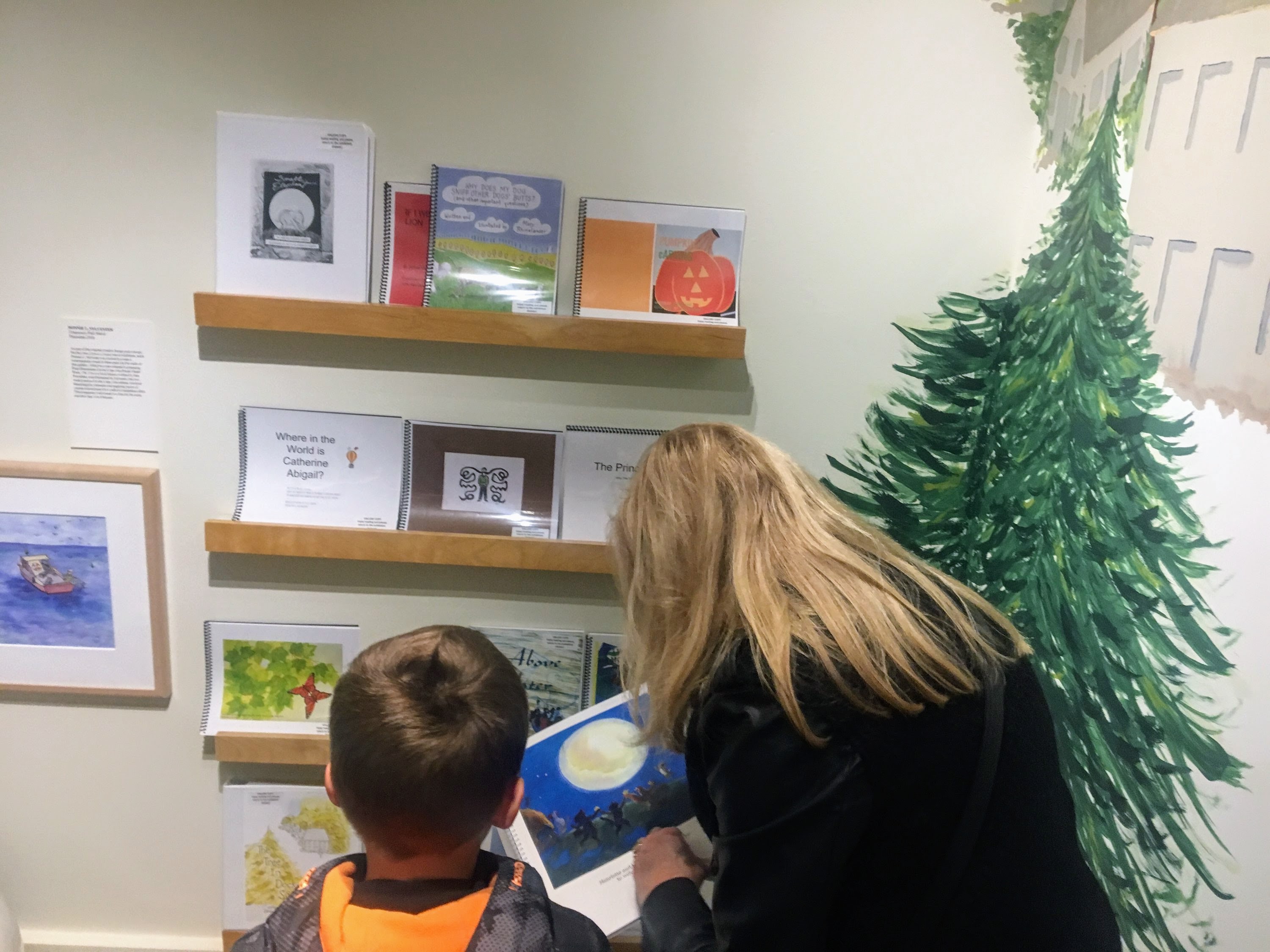
Thanks to the four public libraries of Cape Ann and Cape Ann Museum, Once Upon a Contest: Selections from Cape Ann Reads is a testament to the imagination and immense artistic talent of artists and authors. Below are photographs from the first reception for the exhibit at Cape Ann Museum January 5, 2019.
Courtesy photos from Ellen F. Kenny, Mass Center for the Book. Thank you for capturing the spirit of the reception at Cape Ann Museum! Mass Center for the Book Facebook [Folks featured in the big group shot from L-R: Anna Vojtech (Artist-Author), Claire Wyzenbeek (Artist-Author), Jean Woodbury (Author), Christina Ean Spangler (Artist), Maura Wadlinger (Author), Juni VanDyke (Artist), John Plunkett, Martha Geraghty ( Author), Barbara McLaughlin (Artist-Author)]


The Cape Ann Museum reception was beautiful. Everybody from the museum is so welcoming. The courtesy photos below document the start of the reception from Mayor Romeo Theken, Justine Vitale, and others. See Kim Smith’s photos from later in the afternoon and from another visit here! We’re so grateful to have a record of this joyous time. The show continues at Cape Ann Museum through February 24 before traveling throughout Cape Ann in 2019.


View and/or print out the Once upon a contest selections from cape ann reads trifold brochure. It’s paginated at 6pp but can be assembled like so:


December 2018 looking ahead:
“We are on the front lines of a war on poverty. Not necessarily a shortage of material wealth, although its distribution in America is both a consequence and contributor to the current distress.
The poverty our field confronts every day is that which Robert Kennedy confronted while running for President in 1968. He contrasted the wealth represented in the nation’s gross national product with the wealth necessary to sustain a democracy and make life worth living.
He said, “…the gross national product does not allow for the health of our children, the quality of their education or the joy of their play. It does not include the beauty of our poetry or the strength of our marriages, the intelligence of our public debate or the integrity of our public officials. It measures neither our wit nor our courage, neither our wisdom nor our learning, neither our compassion nor our devotion to our country. It measures everything, in short, except that which makes life worthwhile.”
We are currently in one of the best economies in a generation, but studies show record declines in our sense of well-being. Worse yet, life expectancy in the U.S. has declined for the third straight year. Major newspapers are sounding the alarm. In the Washington Post, George Will writes that loneliness, a major public health problem, is in “epidemic proportions” and that people are unhappier, more isolated and less fulfilled. David Brooks claims, in the New York Times, the biggest factor is the crisis of connection. We are “in a straight-up social catastrophe,” he writes.
For nearly the last 20 years, those of us who advocate for the arts and culture have made the economy the centerpiece of our argument. We’ve collected economic impact data, counted the jobs we create and the taxes we generate, and touted our centrality to the tourism industry. We became the poster child of the creative economy. In an environment of it’s the economy stupid, these arguments won over state legislators and delivered budget increases to state arts agencies.
Five years ago, I wrote a column for a national arts blog suggesting that it was time to dial back the economic argument, even suggesting that there is something powerful about the intrinsic value of the arts. That the transforming power of culture is the power of creative expression, human engagement, and empathy.
This is the poverty of our time. When Kennedy spoke of joy, beauty, intelligence, integrity, wit, wisdom, courage, compassion, and devotion he spoke of the ideals that are inherent in art and culture.
The arts and culture are the antidote to what ails us as a nation. In fact, they can both prevent and cure. Studies show that creative and cultural participation enhances human health and well-being leading to: reduced social isolation; opportunities for learning; calming experiences and decreased anxiety; more optimism, hope and enjoyment; increased self-esteem and sense of identity; increased inspiration and “meaning-making;” and better communication.
I can write about the studies and outcomes, but the heart is more articulate:
“It is a remarkable experience to witness a high school student watching a young adult with down’s syndrome or cerebral palsy offer a sonnet, and think to himself, ‘I want to do that. I want to have that kind of courage, that kind of conviction.’ Or to be a man or a woman of any age and watch someone you have typecast in your heart of hearts as somehow less than, stand in the center of a crowd and speak a truth about what it is like to dream of being seen for all of what you offer and know that a wall has just fallen…and through that kind of honest performance, know that you have been changed for the better,” writes Maria Sirois about Community Access to the Arts in Great Barrington, an organization that unleashes the arts in people with disabilities.
Music can help stroke victims regain their speech. You’re never too old to sing, or dance, or paint. Victims of Alzheimer’s disease or dementia find calm and clarity through the arts. Art is a universal language that bridges race, ethnicity, and culture – in a neighborhood, or across continents. The arts help explain the complexity of physics or climate change. Science and art are close cousins, sharing the bloodlines of creativity, risk taking, and problem solving.
Massachusetts cultural organizations are committed to serving everybody in the Commonwealth. They joined a new program this year to offer the benefits only the arts and culture can provide to people who have fallen on hard times and are receiving assistance through the state EBT card, a card that provides help to families living near the poverty level. Our organizations agreed to offer free or greatly reduced admission prices to EBT cardholders. In our first year, we tracked 220,000 EBT admissions.
Nearly a quarter of a million doses of arts and culture to people in need. Again, the heart is in the stories. One concertgoer, who had not been able to attend a concert in years said, “It was nice to have a slice of my old life back.” Another said “It’s hard to describe the feeling of being able to do something ‘normal’ when everything else isn’t.”
The Mass Cultural Council is not an economic development agency, but when we do arts well, tourists visit and spend money, communities become destinations and better places to live, jobs are supported and created, innovators want to live here, and build new businesses.
The Mass Cultural Council is not an education agency, but when children have a quality experience participating in the arts, in school, and out of school, they exercise their creative minds, learn to think critically, are better observers and team players, and get a better education.
The Mass Cultural Council is not a human service agency, but when some of our most troubled youth participate in arts programs that give them a productive outlet for their fears and anger, provide a supportive community, build self-esteem and teach skills that will last a lifetime, these young people are saved from gangs, prison, drugs, even death.
In her book “Not for Profit: Why Democracy Needs the Humanities,” philosopher Martha Nussbaum writes:
“Citizens cannot relate well to the complex world around them by factual knowledge and logic alone. The third ability of the citizen, closely related to the first two, is what we can call the narrative imagination. This means the ability to think what it might be like to be in the shoes of a person different from oneself, to be an intelligent reader of that person’s story, and to understand the emotions and wishes and desires that someone so placed might have.”
Martha Nussbaum is a close reader of Aristotle, who defined the good life as one that was authentically meaningfully rich: rich with relationships, ideas, emotion, health and vigor, recognition and contribution, passion and fulfillment, great accomplishment, and enduring achievement.
George Will writes of the crumbling of America’s social infrastructure and the need for new habits of mind and heart, new practices of neighborliness. David Brooks says, “It’s not jobs, jobs, jobs anymore. It’s relationships, relationships, relationships.” Real relationships, not virtual or transactional ones. True engagement of heart and mind.
The poverty we face is one we can defeat. Novelist Alice Walker once said, “The most common way people give up their power is by thinking they don’t have any.”
Story. Imagination. Empathy. This is our superpower: the power of culture.” –
Anita Walker , Executive Director, Massachusetts Cultural Council (MCC)
Visit the Mass Cultural Council website
Have a podcast listen – Creative Minds Out Loud: podcast for art and Culture – Informative and lively conversations with arts and cultural leaders. Creative Minds Out Loud is a project of the Mass Cultural Council, and is hosted by Executive Director Anita Walker. https://creativemindsoutloud.org

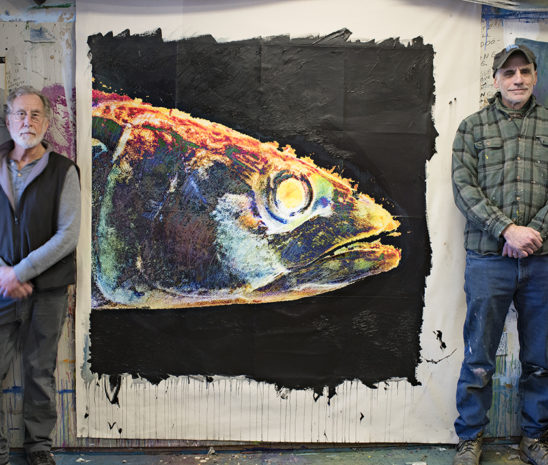
Gloucester Marine Genomics Institute (GMGI) acquired original art by Paul Cary Goldberg and Jon Sarkin for its special new research institute headquarters on Main Street — which means they built an impressive ~~temporary~~ corporate collection from the get-go! *update 1/10/19: GMGI stresses that “these pieces are on loan, and remain property of the artists and are for sale.” Ok! So they could be a great start to a permanent collection. For a peek inside, including in-situ shots, see Kim Smith’s post about the GMGI expansion groundbreaking
Gloucester Marine Genomics Institute (GMGI) is excited to host an Artist Reception for Paul Cary Goldberg and Jon Sarkin on Thursday, January 10th from 5- 6:30pm at GMGI’s Research Institute at 417 Main Street. RSVP Please contact Ashley Destino (772.708.8266 or Ashley.destino@gmgi.org) if you’d like to join us!
GMGI regularly hosts private groups, including science educators from the North Shore this January. GMGI will be announcing plans for public Open House dates in the coming weeks!
Mark your calendars: on Thursday January 24th, 2019, there’s an academy open house at the teaching facility in Blackburn (55 Blackburn Circle, Gloucester, MA.,) for the community and prospective students to learn more. Check it out!

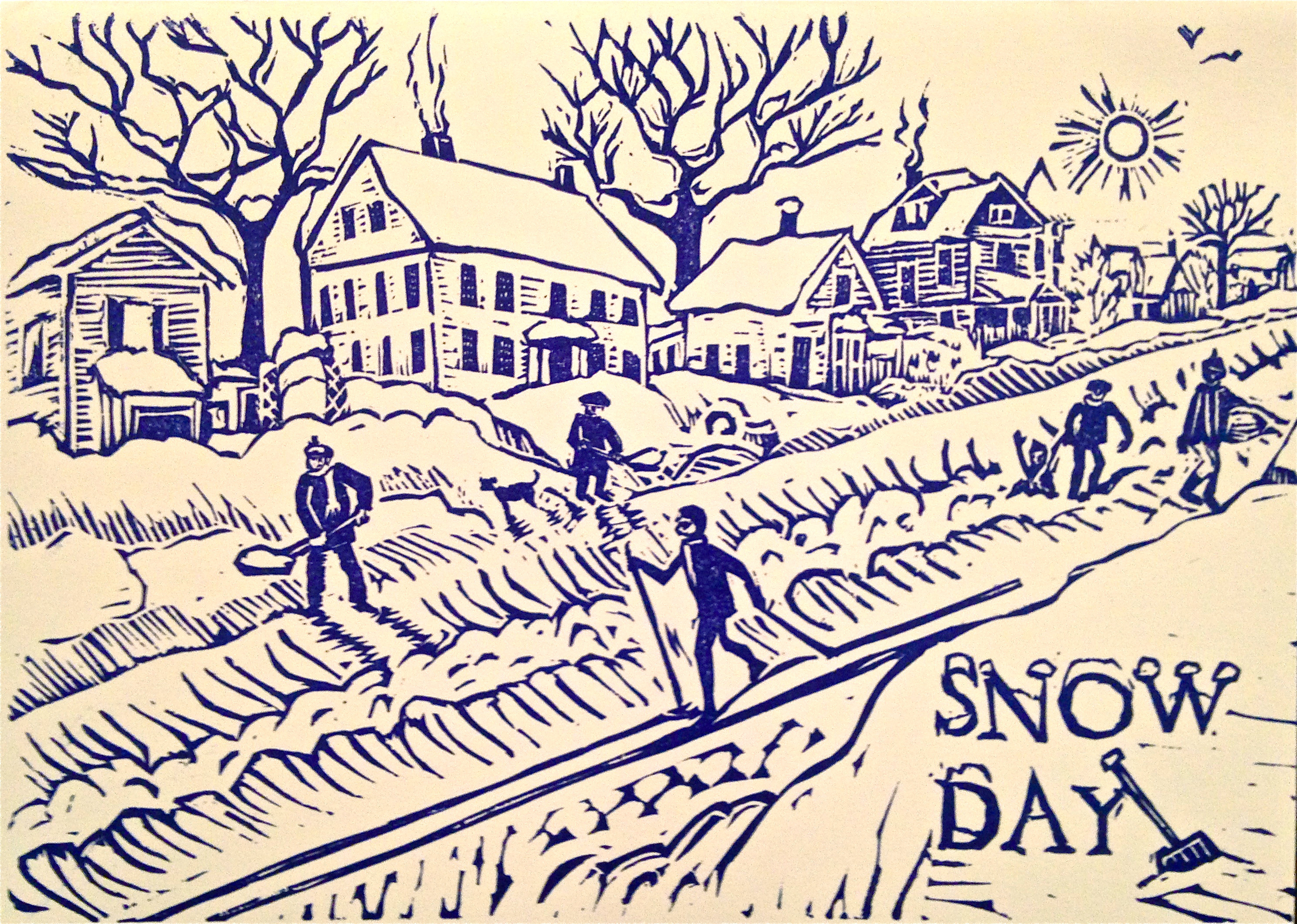
Blockprinting Demonstration in the Gallery
Artists Mary Rhinelander and Julia Garrison demonstrate the techniques of the Folly Cove Designers
The Cape Ann Museum is pleased present a blockprinting demonstration with artists Mary Rhinelander and Julia Garrison on Saturday, January 12 from 2:00 – 4:00 p.m. These artists have long been inspired by the Folly Cove Designers. Drop by the Museum to see the Folly Cove Designers exhibition and to watch printing in action. This program is free for Museum members, Cape Ann residents or with Museum admission. For more information visit capeannmuseum.org or call 978-283-0455 x10.
Mary Rhinelander is a professional artist with an MFA in printmaking. She has had many solo and group shows and her work is in both public and private collections. She has painted murals, designed logos and book covers, illustrated for a variety of publications, and taught students of all ages. In 2004 she founded a fine art card business, Mermade Press. With a deep affinity for the Folly Cove Designers and Virginia Lee Burton in particular, it has been Mary’s great pleasure to bring block printing workshops into Cape Ann’s public schools with the support of CAM and the Gloucester Education Foundation. Mary will be joined by Julia Garrison, an artist with ties to Lanesville, who until recently owned and operated the Sarah Elizabeth Shop in Rockport’s Whistlestop Mall.
The Folly Cove Designers were a group of 45 designer-craftsmen who worked together between 1938 and 1969 producing carefully wrought designs cut into linoleum blocks and printed (primarily) on fabric. Their common interest was in producing solid designs and in good craftsmanship. The Folly Cove Designers was composed almost entirely of women, most being residents of Cape Ann and a majority having no artistic training prior to becoming involved in the group. They worked under the leadership of Virginia Lee Burton Demetrios, who devised a design course which she offered to her friends and neighbors in the Folly Cove neighborhood. Participants were urged by Demetrios to look to their surroundings for inspiration, to draw “what they knew” and to sketch their subjects over and over again until they made them their own. This program is offered in conjunction with the special exhibition The Little House: Her Story which takes a closer look at Virginia Lee Burton Demetrios and her award winning story, The Little House.
This custom 4-week course for adults offers the opportunity to create artwork surrounded by the inspirational work of the Folly Cove Designers. Sketch, carve linoleum blocks and print an original work to take home. Materials provided. $125 CAM members/$145 nonmembers. Space is limited, registration required.
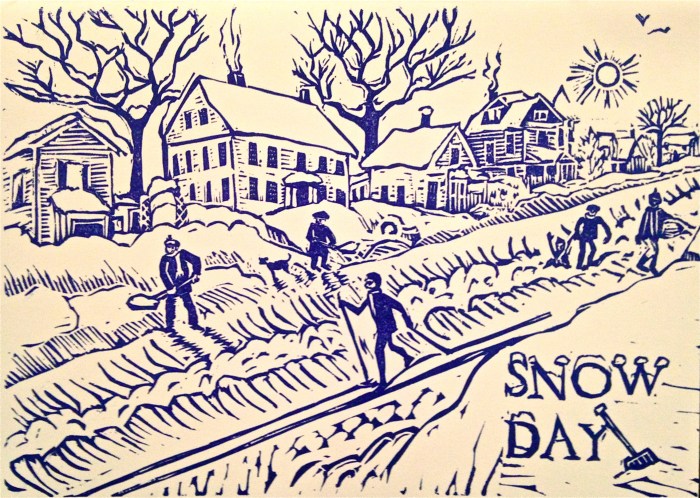
Image credit: Snow Day. Courtesy of Mary Rhinelander.
About the Cape Ann Museum
The Cape Ann Museum has been in existence since the 1870s, working to preserve and celebrate the history and culture of the area and to keep it relevant to today’s audiences. Spanning 44,000 square feet, the Museum is one of the major cultural institutions on Boston’s North Shore welcoming more than 25,000 local, national and international visitors each year to its exhibitions and programs. In addition to fine art, the Museum’s collections include decorative art, textiles, artifacts from the maritime and granite industries, two historic homes and a sculpture park in the heart of downtown Gloucester. Visit capeannmuseum.org for details.
The Museum is located at 27 Pleasant Street in Gloucester. Hours are Tuesday through Saturday from 10:00 a.m. to 5:00 p.m., and Sundays from 1:00 p.m. to 4:00 p.m. Admission is $12.00 adults, $10.00 Cape Ann residents, seniors and students. Youth (under 18) and Museum members are free. For more information please call: (978)283-0455 x10. Additional information can be found online at www.capeannmuseum.org.


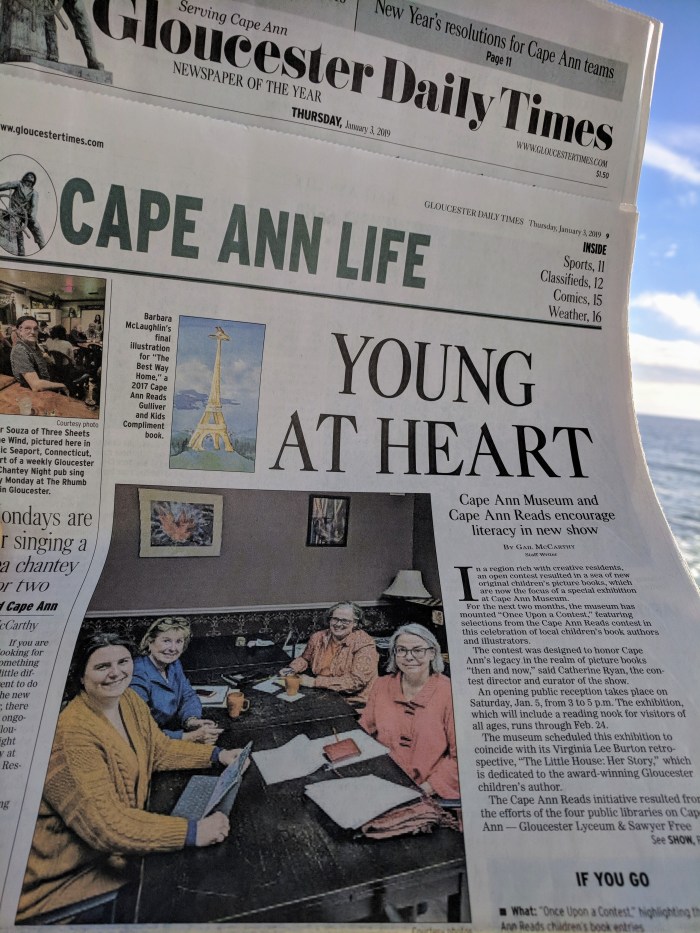
Gail McCarthy wrote a wonderful article about the exhibit at CAM in today’s Gloucester Daily Times newspaper: “Young at Heart: Cape Ann Museum and Cape Ann Reads encourage literacy in new show” Cape Ann Museum Reception Saturday 3-5pm


SAVE THE DATE! RECEPTION IS ONE WEEK AWAY
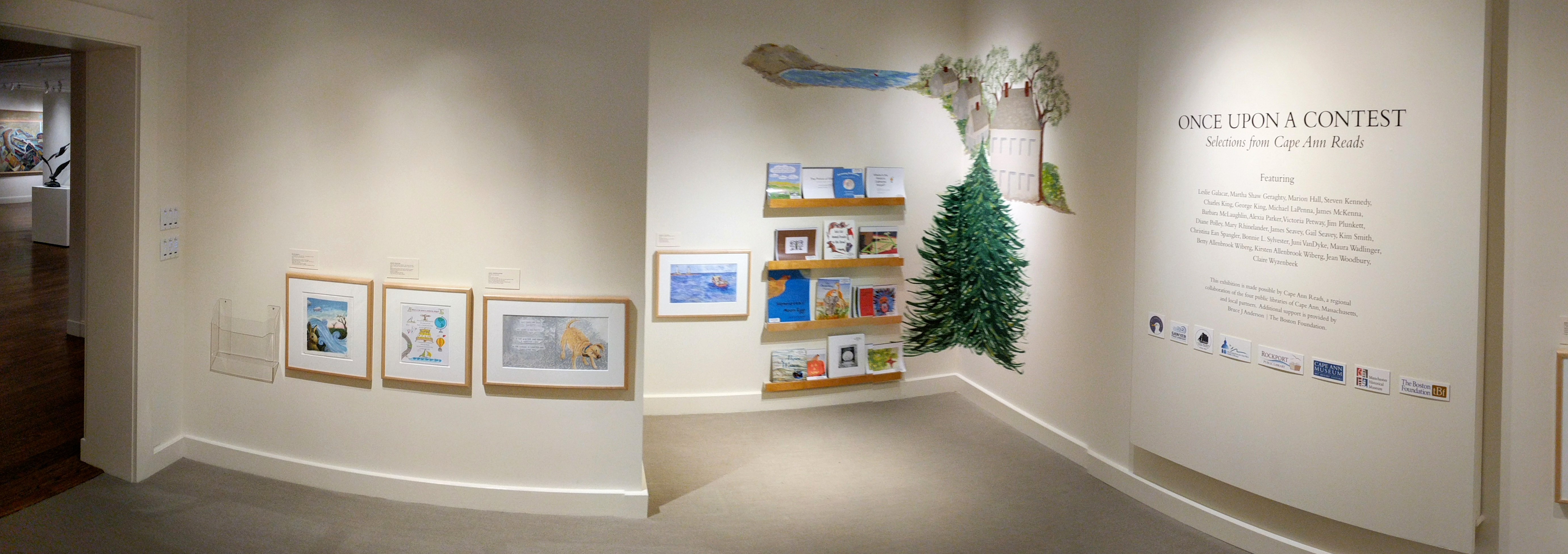
Cape Ann Museum reception for the four libraries of Cape Ann Once Upon a Contest: Selections from Cape Ann Reads travel show, Saturday, January 5th, 2019, 3-5PM
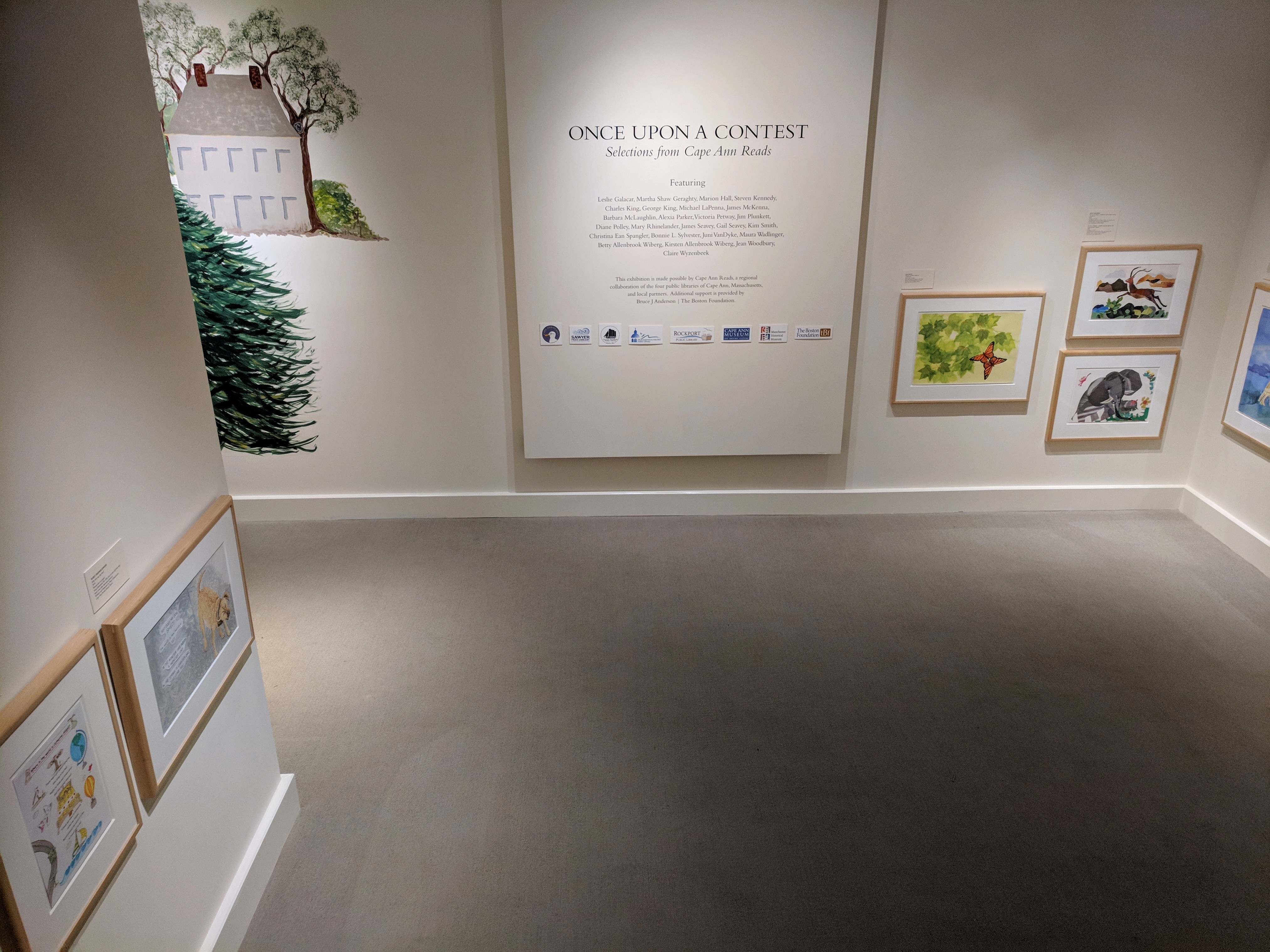
photo credit: Installation partial view of “Once Upon a Contest: Selections from Cape Ann Reads” travel show debuted at Cape Ann Museum, December 2018. © c ryan
Photo shows from left to right: in the foreground illustration by Leslie Galacar for Where in the World is Catherine Abigail written by Michael LaPenna; illustration for “Why does my dog…” written and illustrated by Mary Rhinelander; back wall left hint of temporary public art mural by Bonnie L. Sylvester, a Cape Ann tableau as walk-in installation, by the manuscripts (Sylvester illustrated The Tree in Dock Square by Jean Woodbury); back wall right drawing for Beauty on the Wing written and illustrated by Kim Smith; illustrations by Juni VanDyke for two books from the If I were … series by James McKenna; and a lower left corner from an illustration for The Best Way Home, written and illustrated by Barbara McLaughlin.

NEW WATERCOLOR WORKSHOP
🌠🎇🎆🌠🎇🎆🌠🎇🎆🌠🎇🎆🌠🎇
You’ve taken care of everyone else!! Isn’t it time you did something fun for yourself ? Join an Art Class with drawing and watercolor painting for beginners. January/February , Monday’s @ 6:00-8:00 pm (6 week Workshop ) a demonstration at each class, with instructor Kathy Roberts at her studio in East Gloucester. Contact 978-853-7825or kathygroberts@yahoo.com for more details! #caagkgr or kathryn-g-roberts.pixels.com

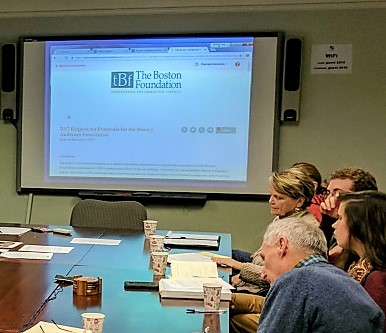 Don’t miss the Bruce J Anderson Foundation funding opportunity in the New Year! The foundation has helped many local efforts such as: Gloucester Stage, Cape Ann Reads, Cape Ann Art Haven, Cape Ann Museum, Cape Ann YMCA, Rocky Neck, Cape Ann Symphony, and many more.
From the Boston Foundation outreach by Loren Van Allen:
We are pleased to announce the 2019 Request for Proposals for the Bruce J. Anderson Foundation, a supporting organization of the Boston Foundation. The Bruce J. Anderson Foundation has been making grants on Cape Ann and in the Nashoba Valley for over 30 years. Please review the guidelines carefully and note that the application deadline is Friday, February 8, 2019. Grant announcements will be made in mid-June.
This year we will be hosting an informational webinar session in January. Those interested in attending can join us to hear about the Bruce J. Anderson Foundation’s grantmaking priorities, the process for applying for funding, and to ask questions you may have. More information will be sent out in the coming weeks on how to participate in the webinar. Please note that this year all applications will be submitted online.
We hope you will consider taking advantage of the Bruce J. Anderson Foundation funding opportunity. Questions regarding program eligibility can be directed to my attention at loren.vanallen@tbf.org or 617-338-1621.

 Good Morning Gloucester