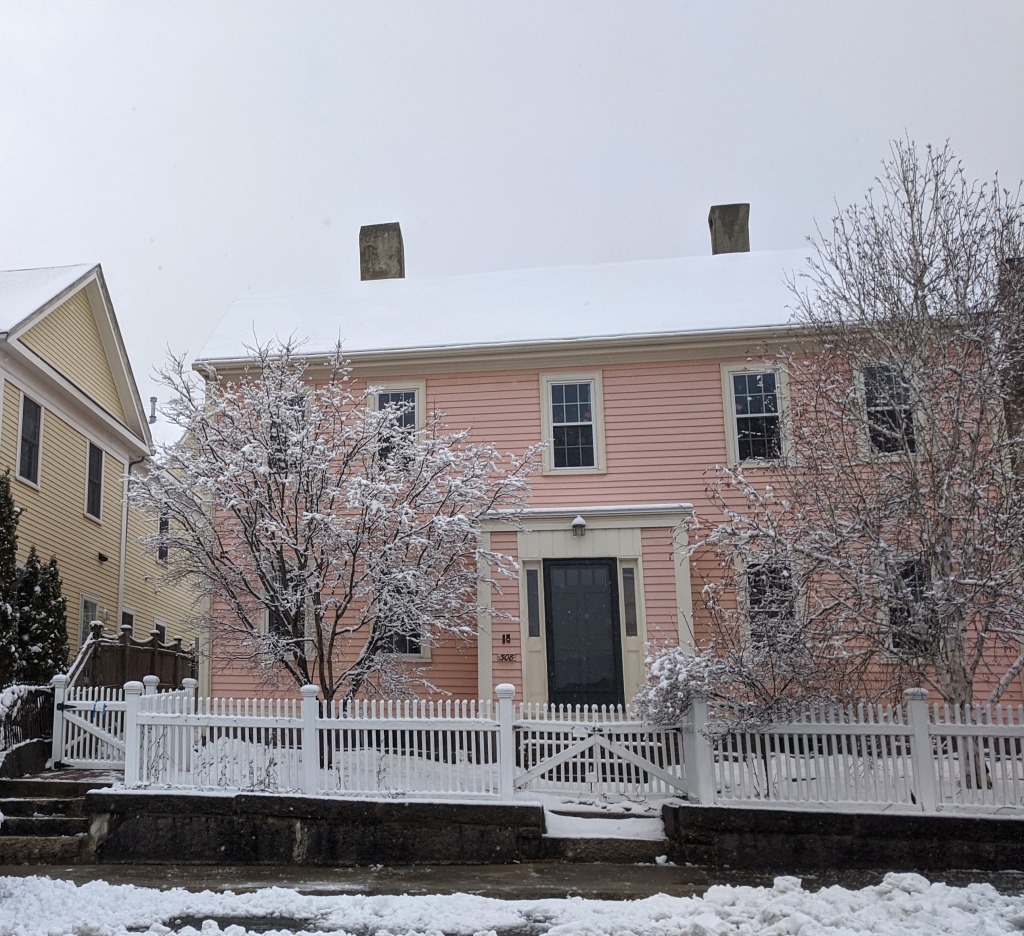
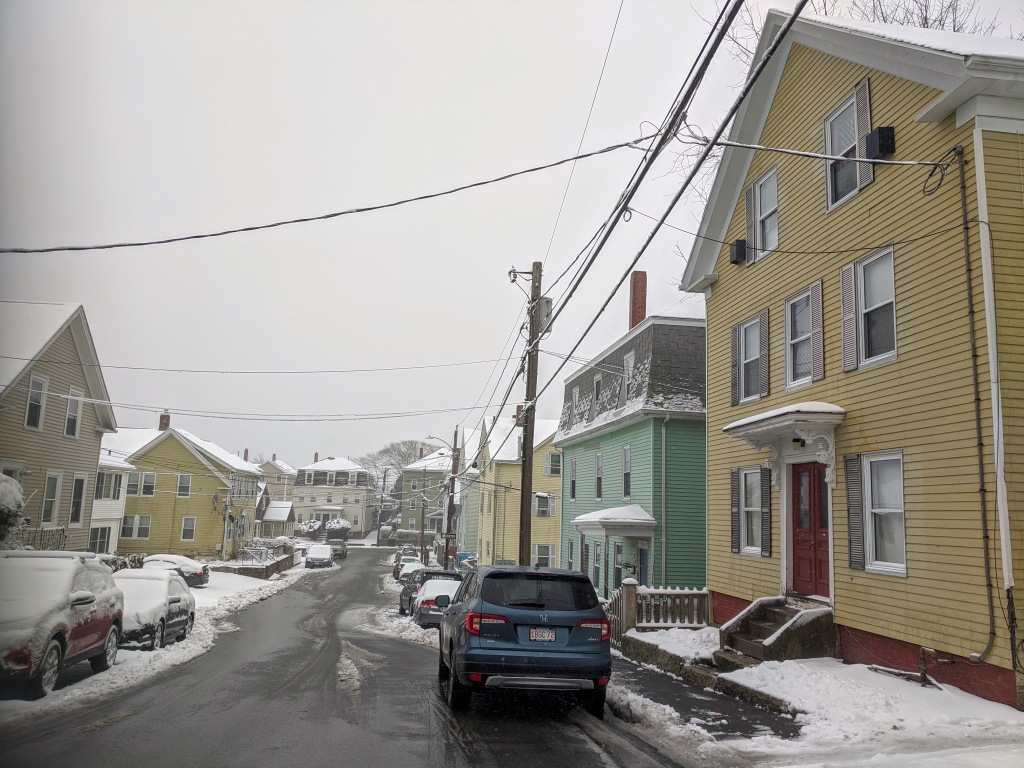
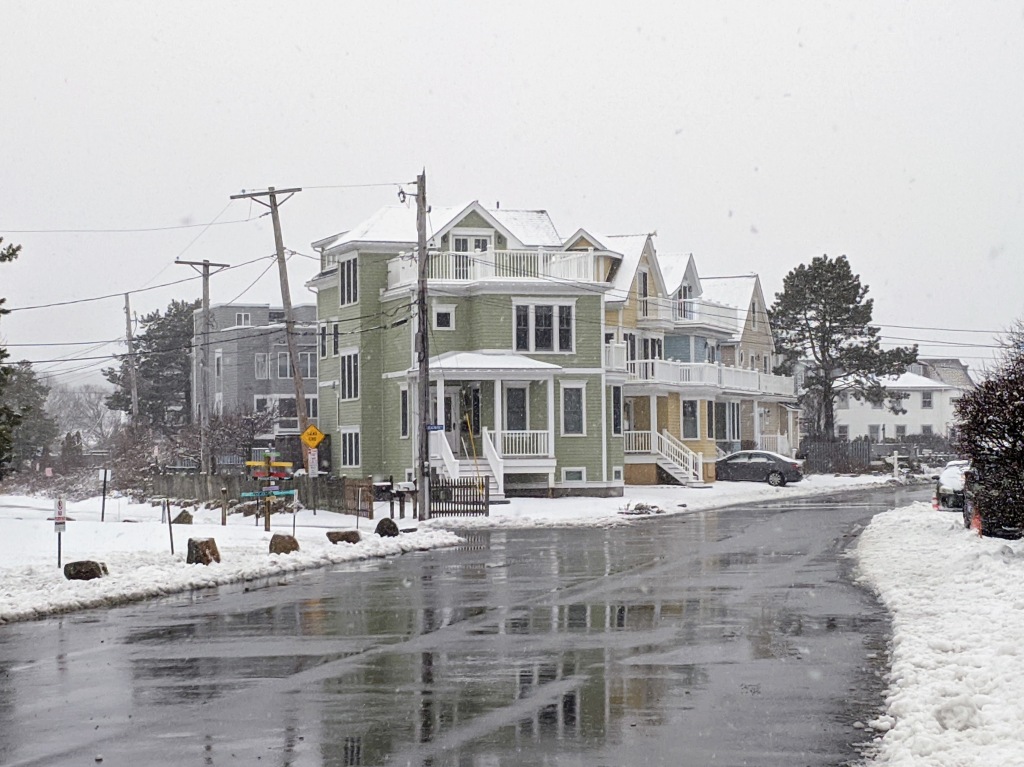
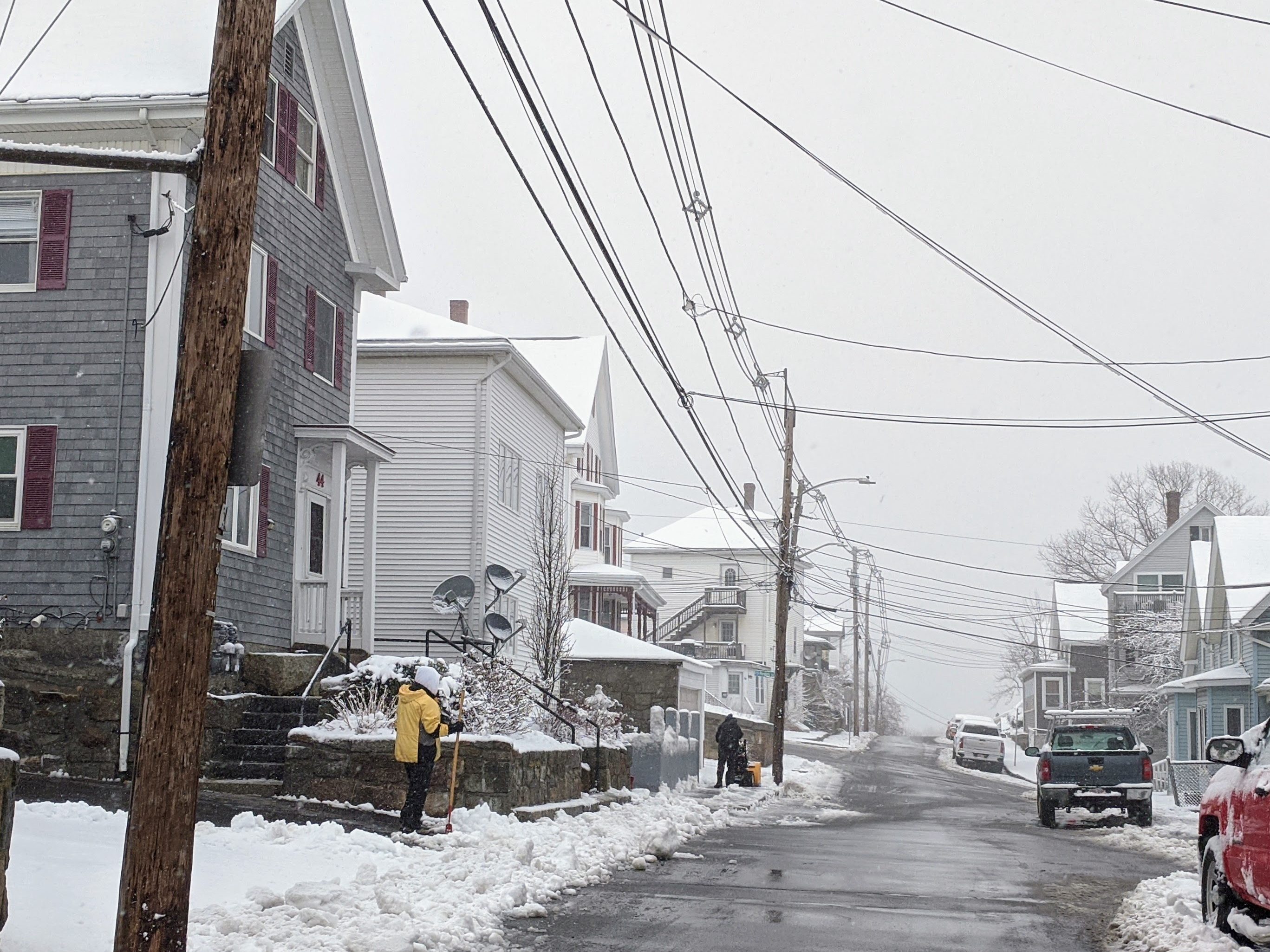
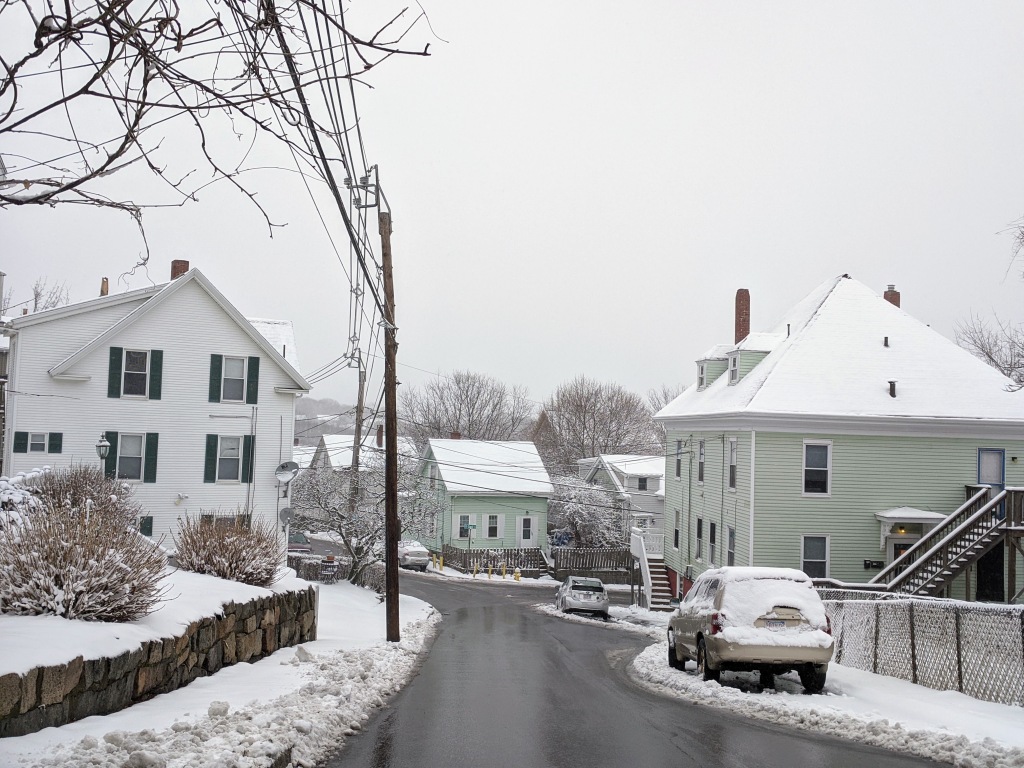
On February 23, 2023, this much snow.

My View of Life on the Dock
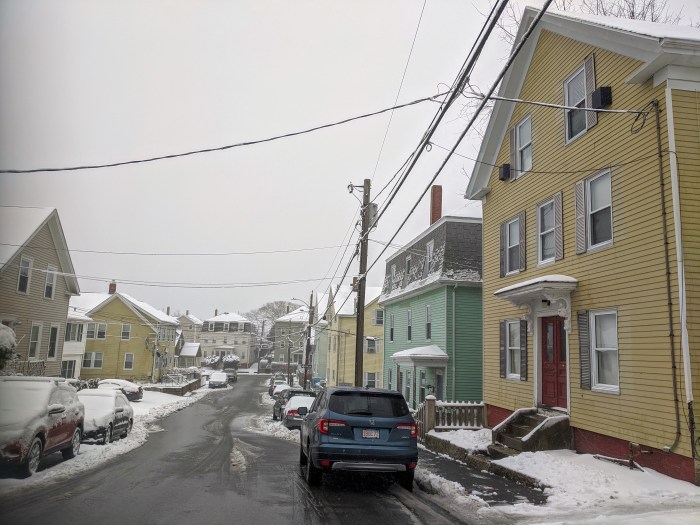
On February 23, 2023, this much snow.


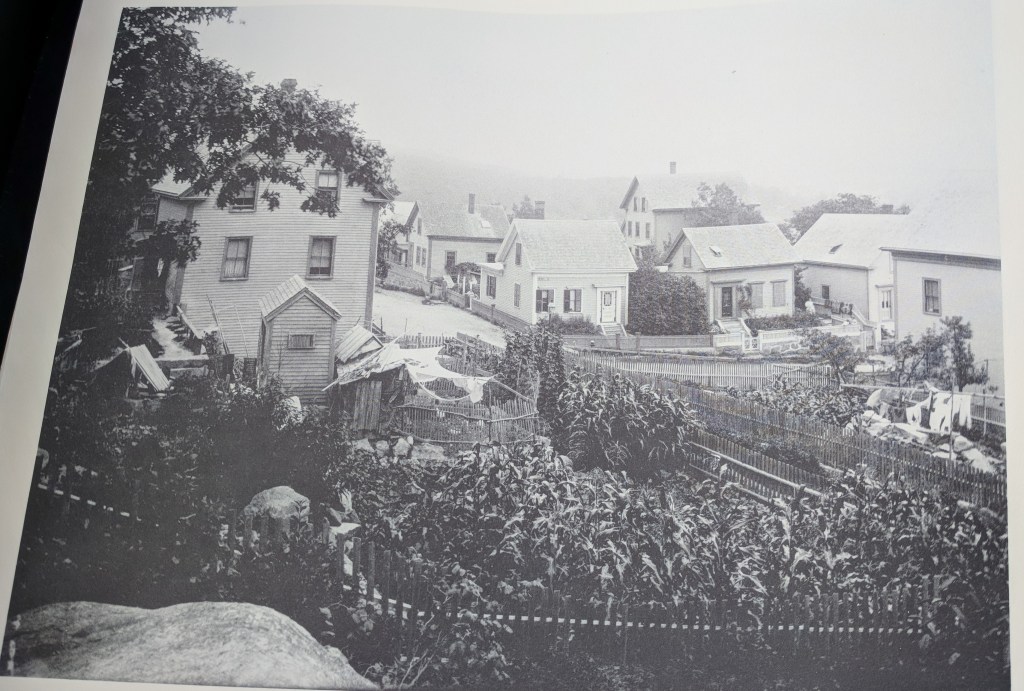
Bet you can name the cross streets. Scroll down for Then | Now Answer
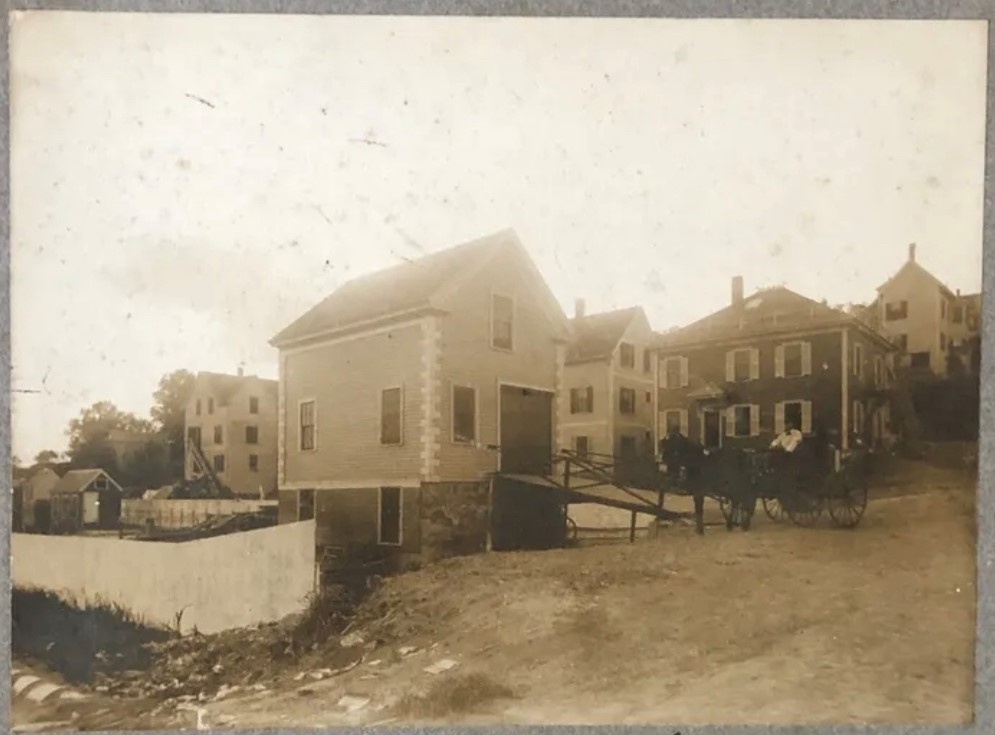
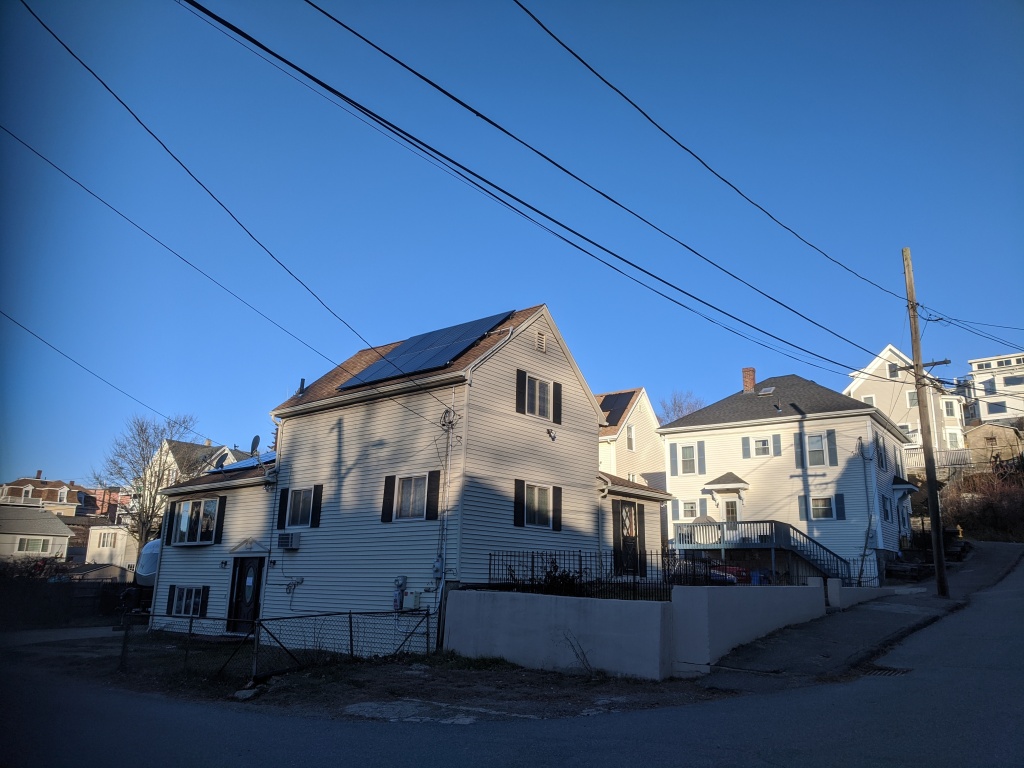
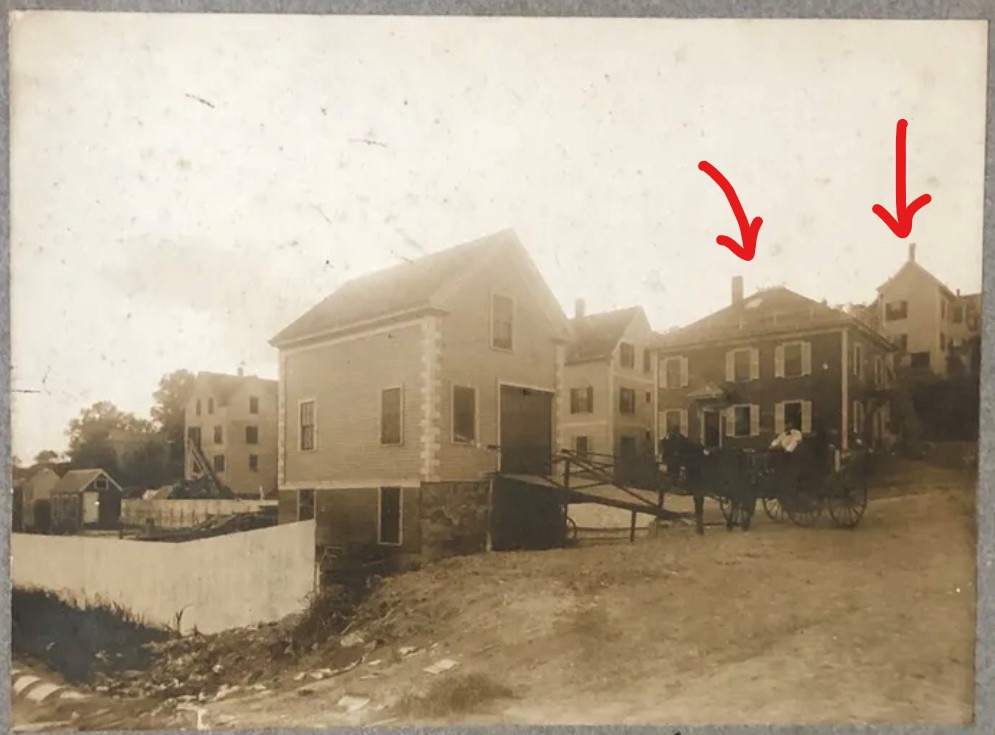
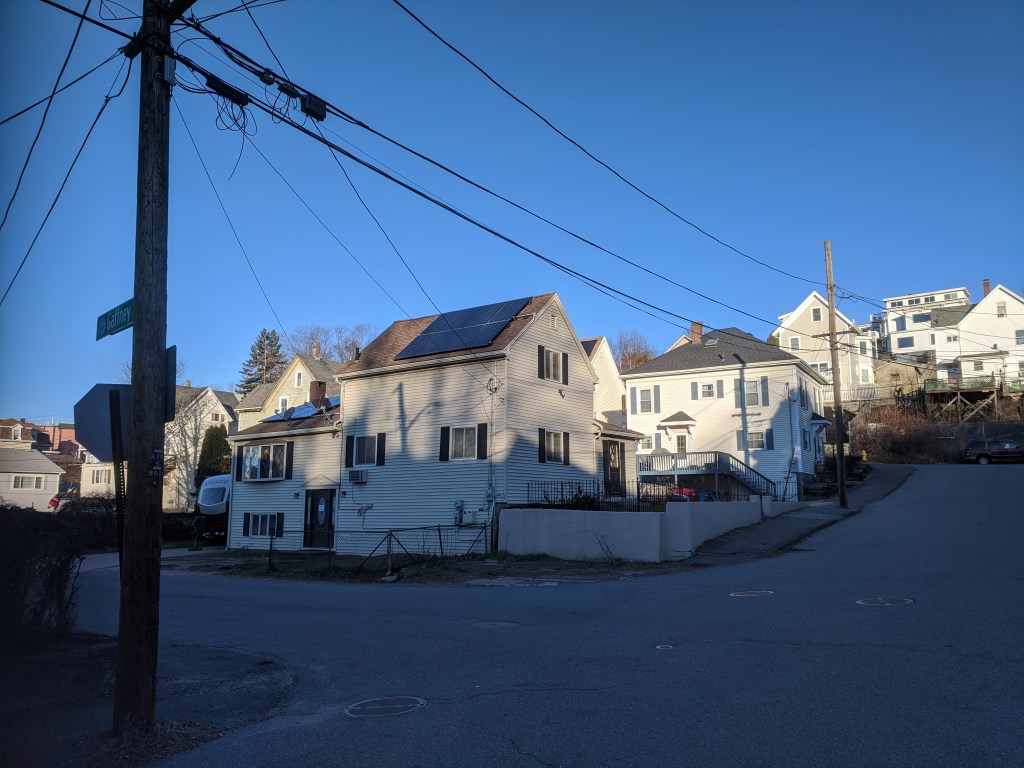
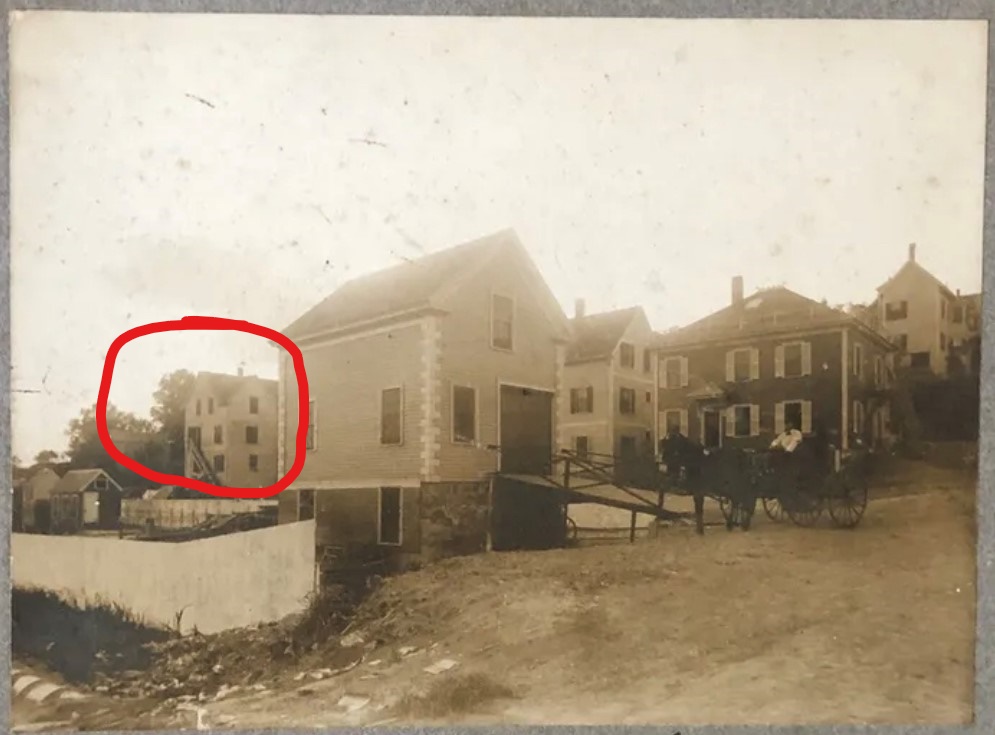
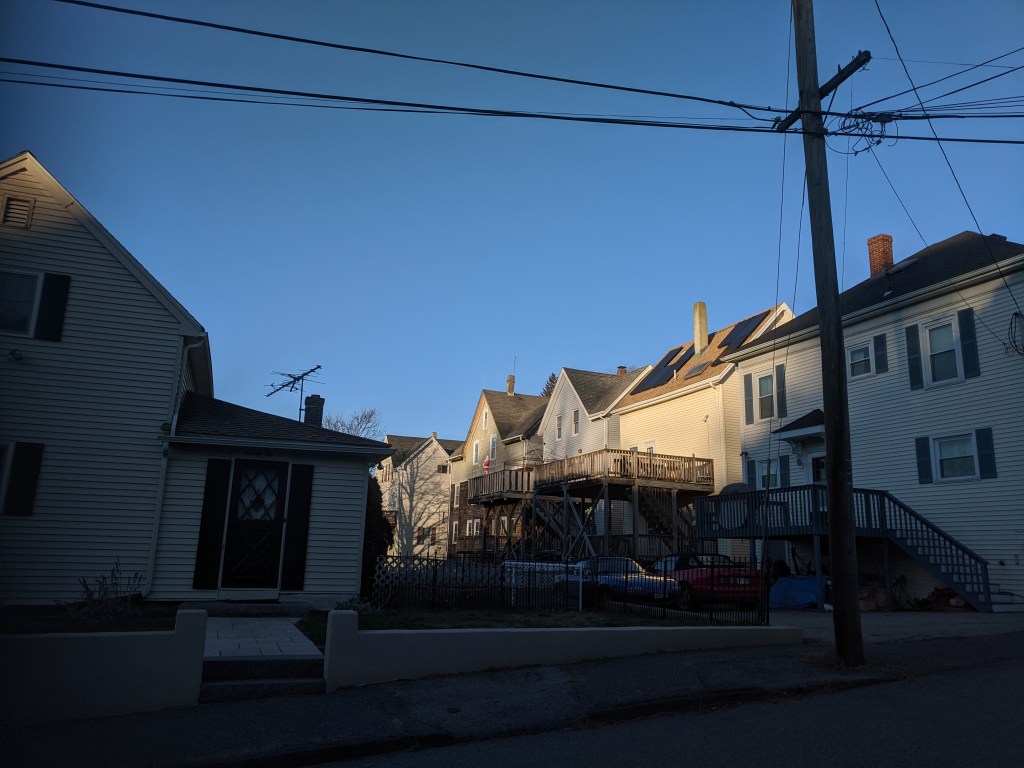
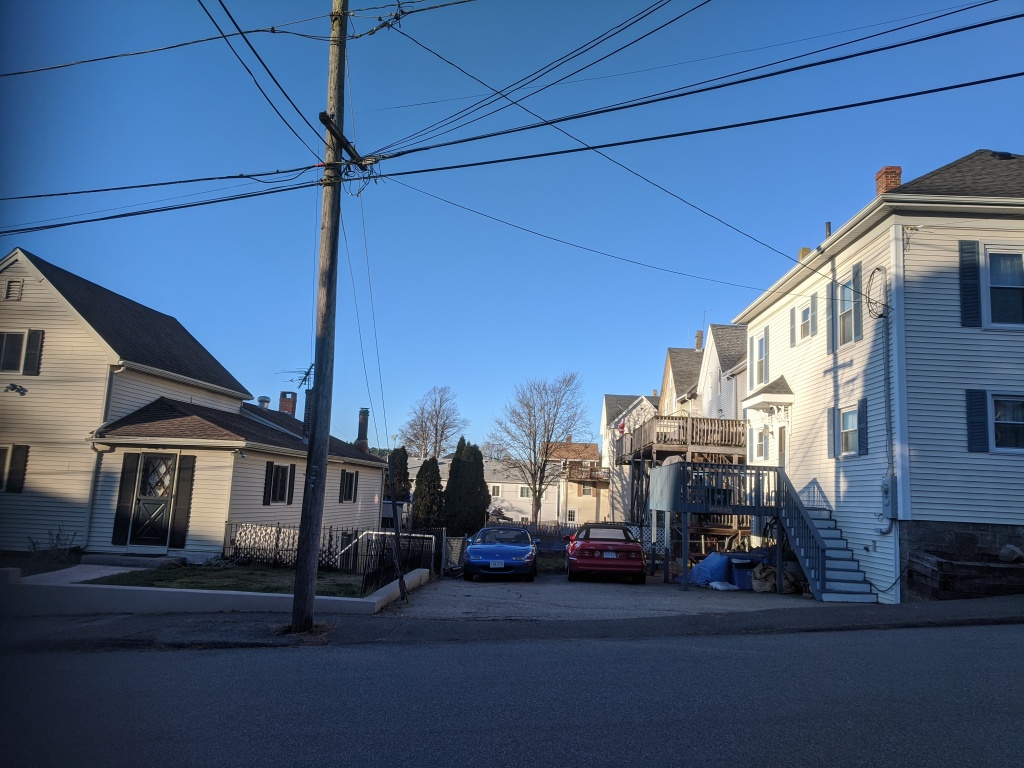
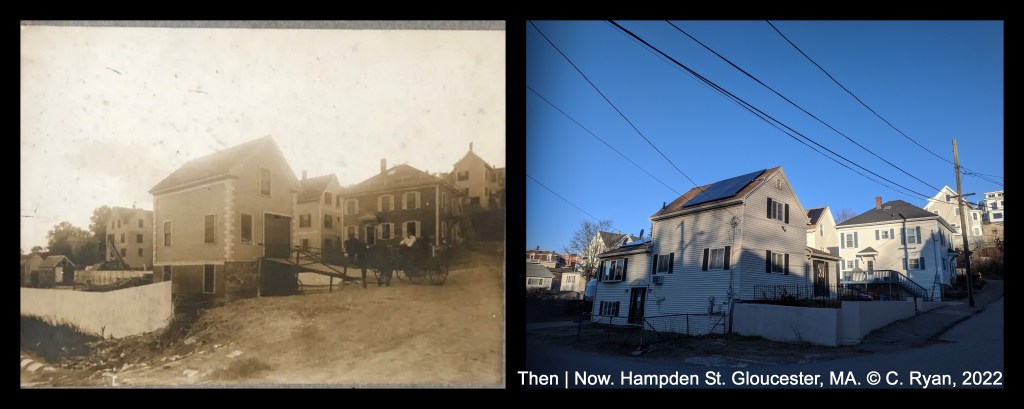
vintage photo album snapshot, with stable ramp: courtesy Jill. contemporary photos: C. Ryan, December 20, 2022

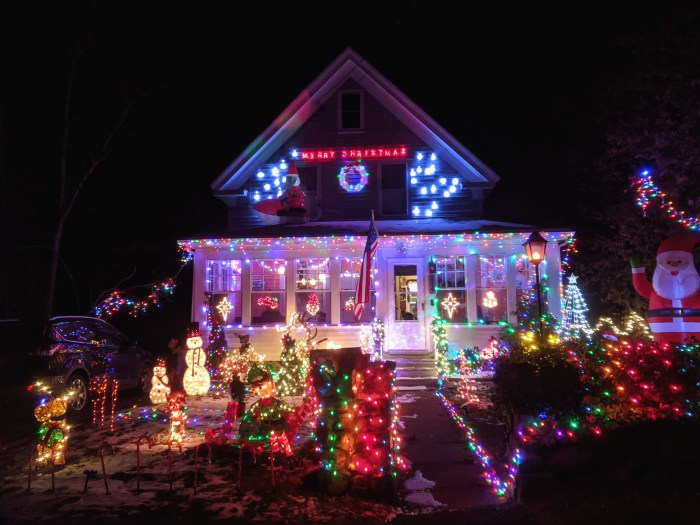
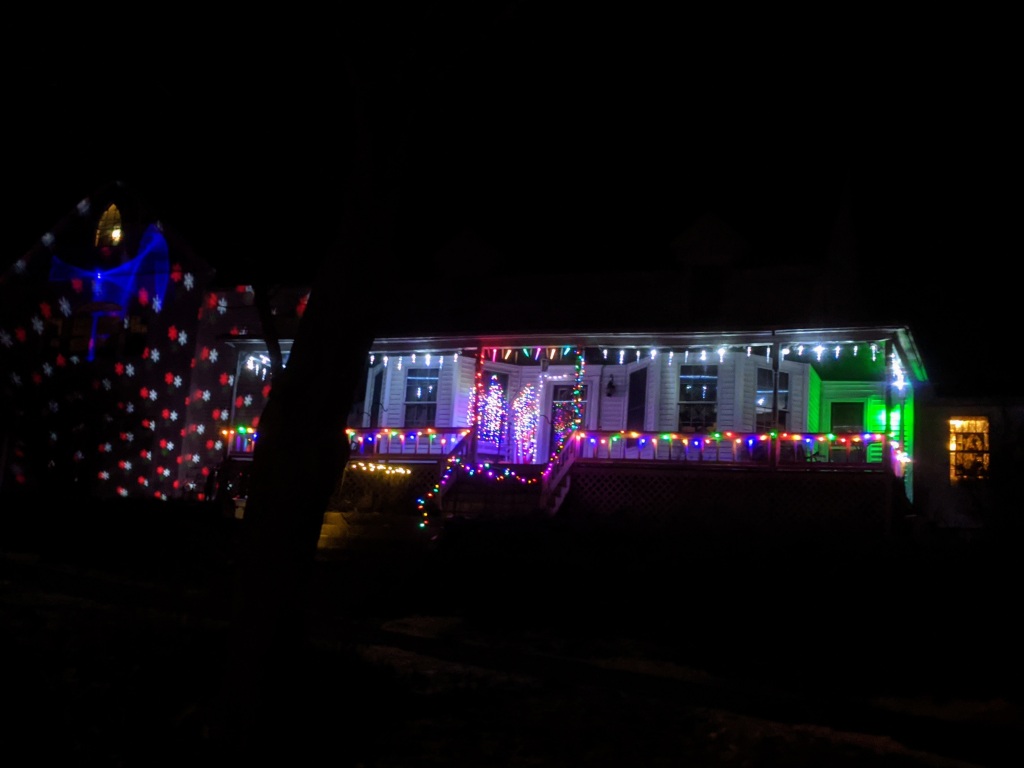
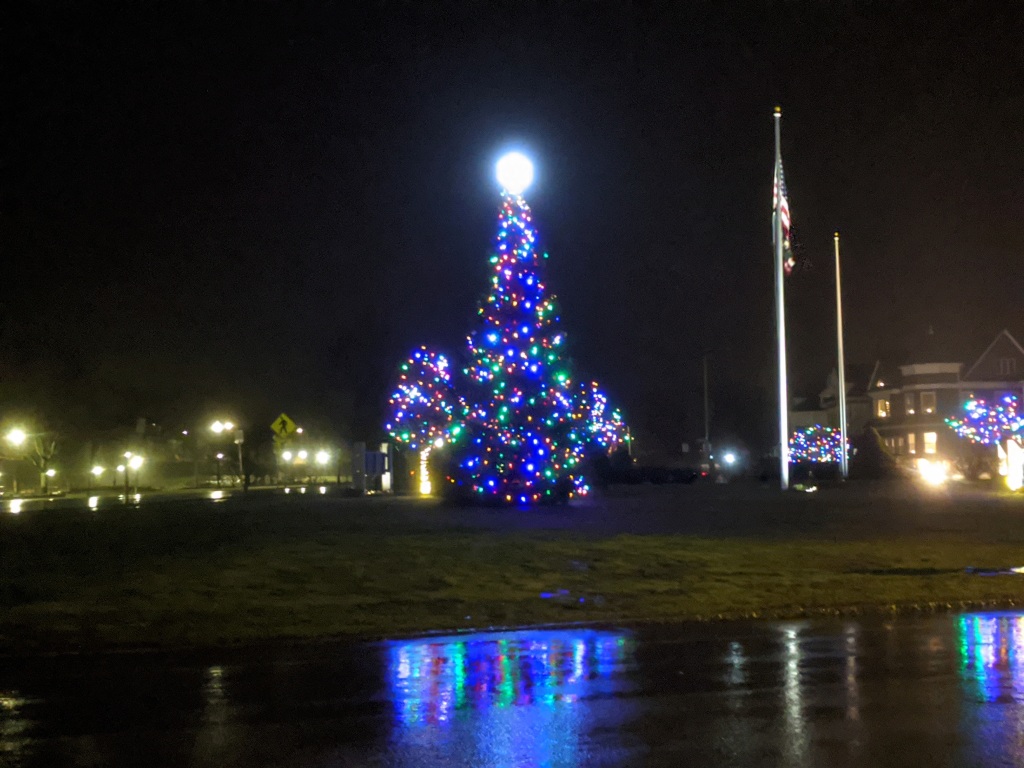
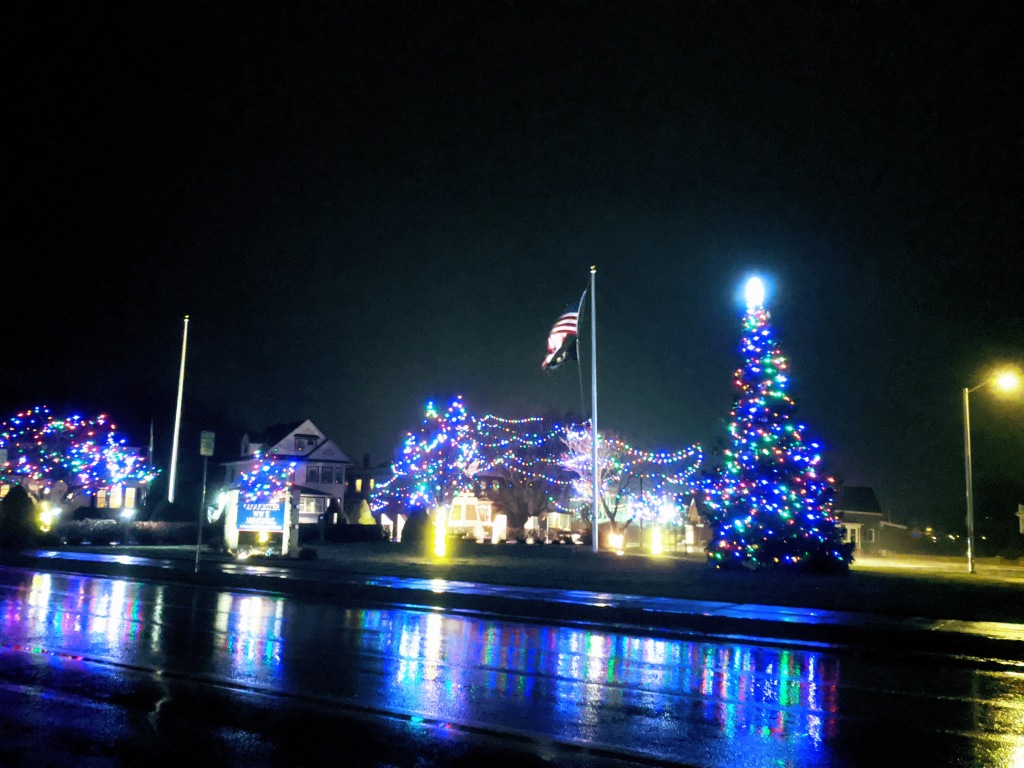
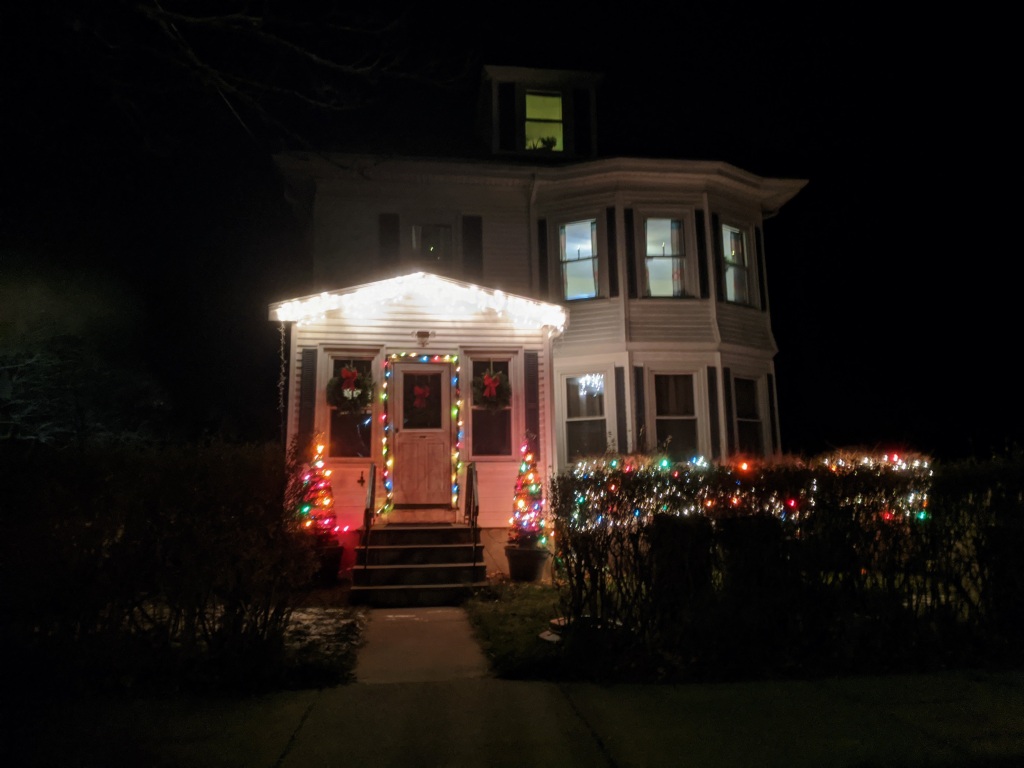
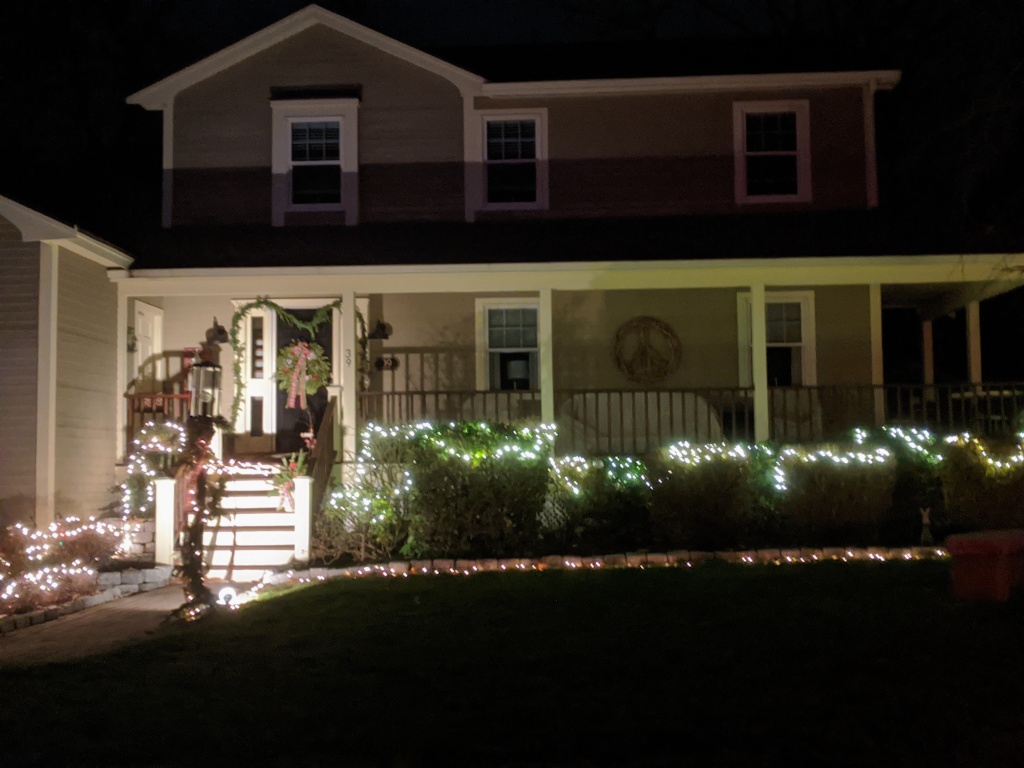
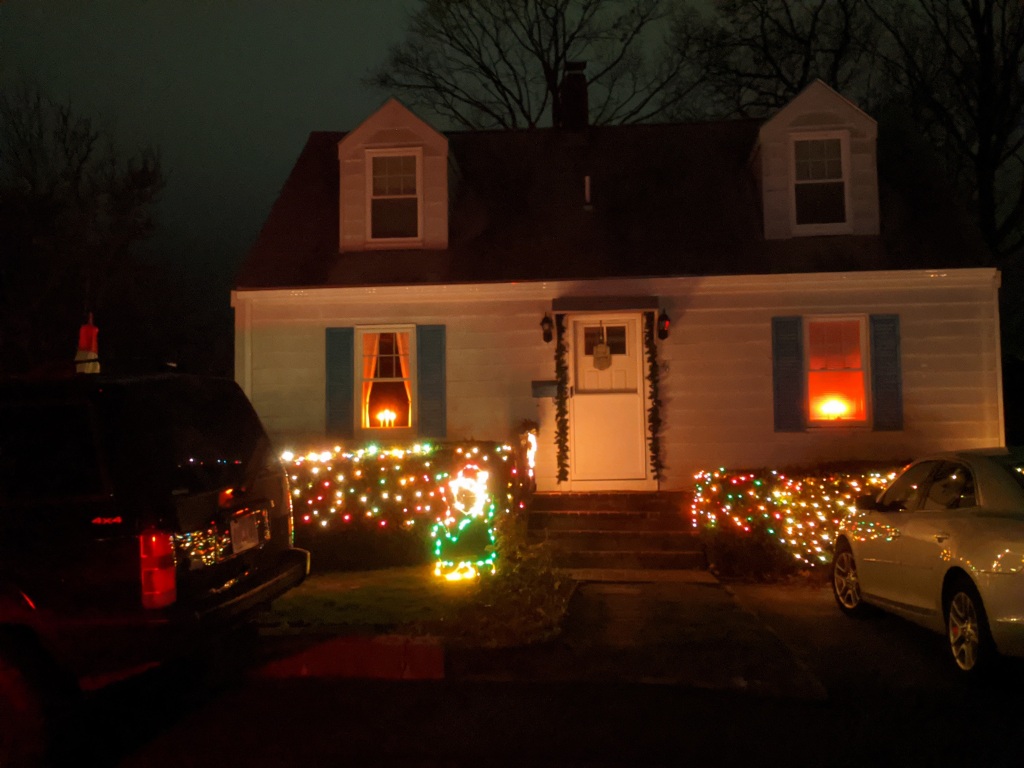
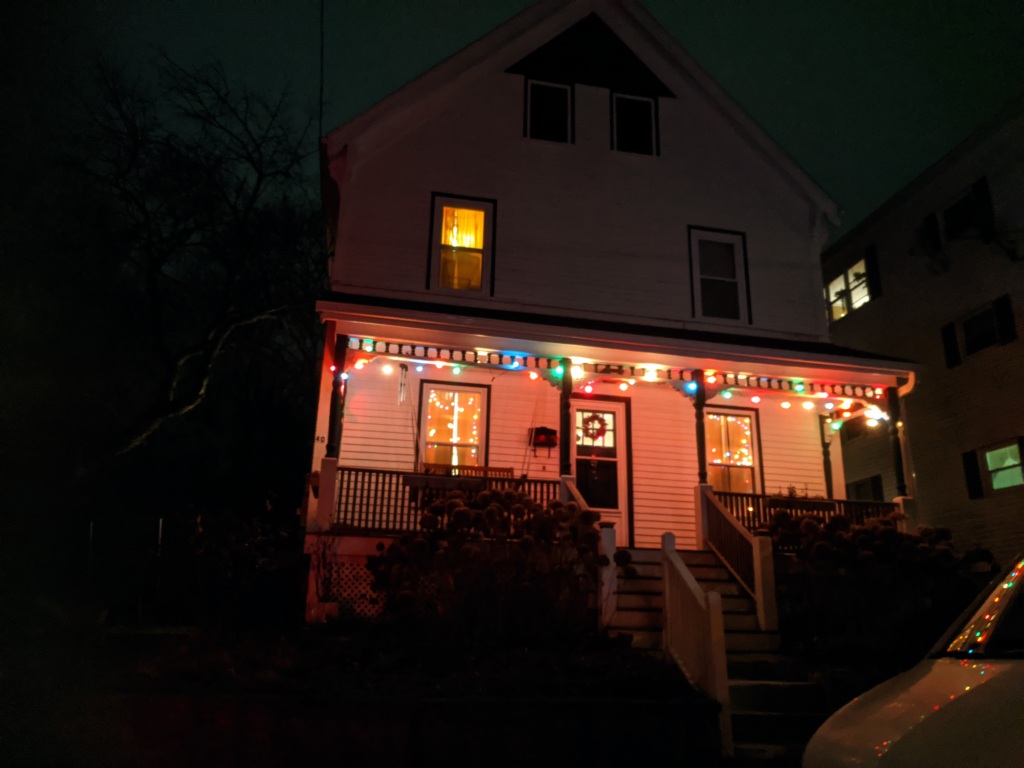
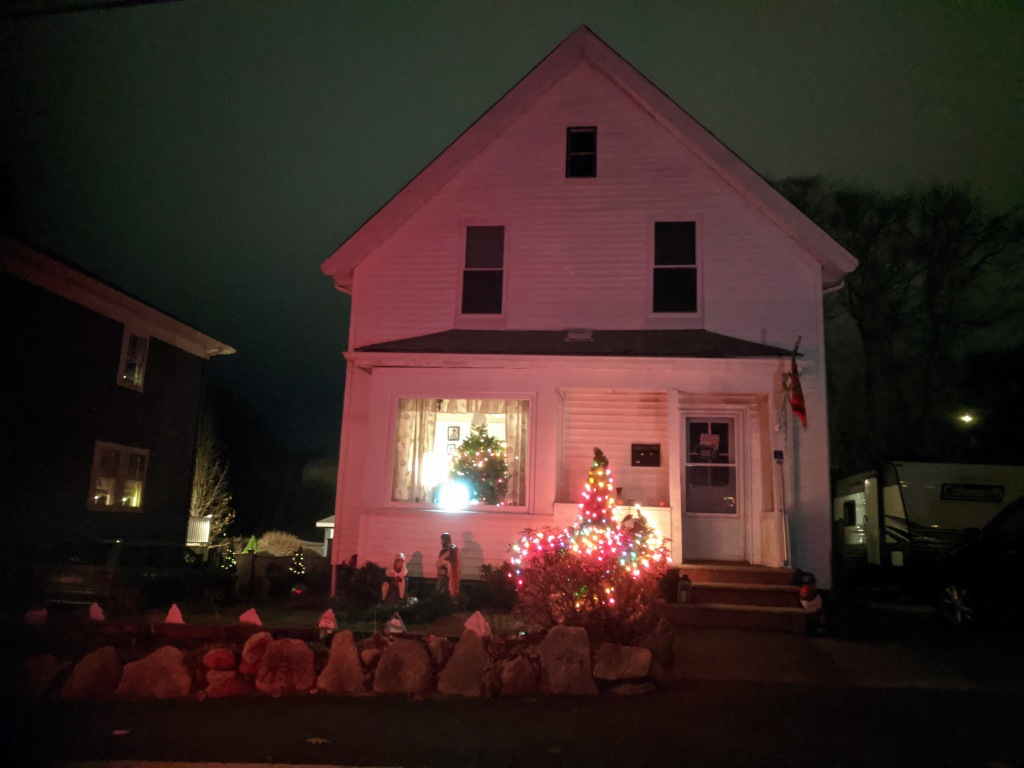
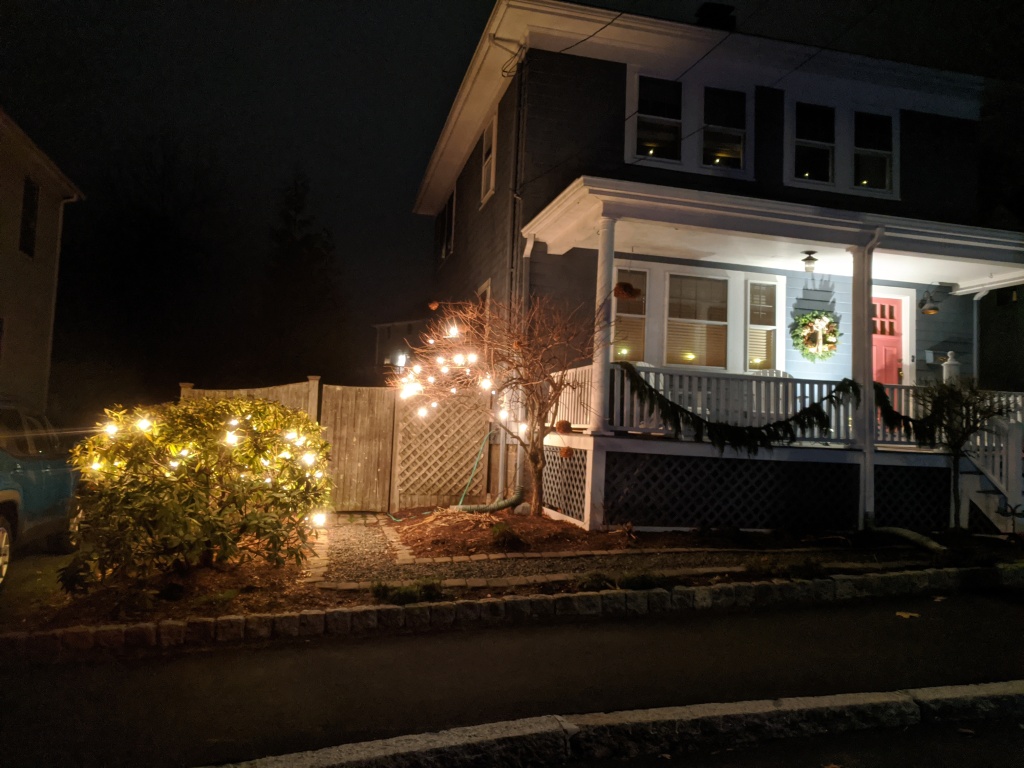
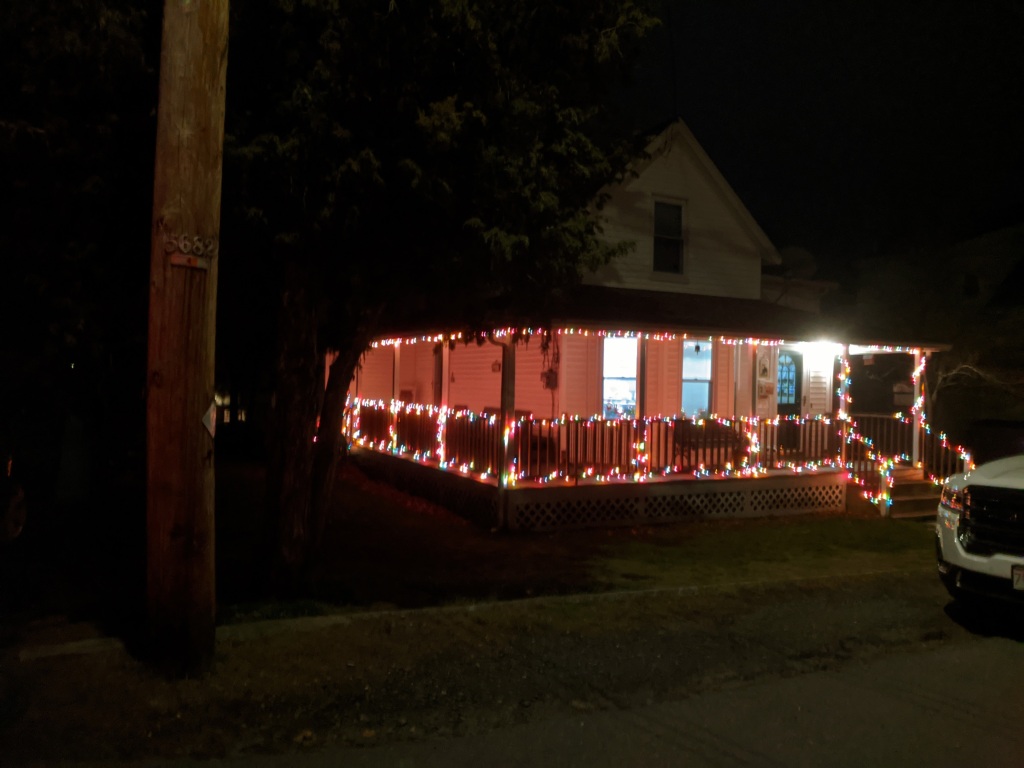
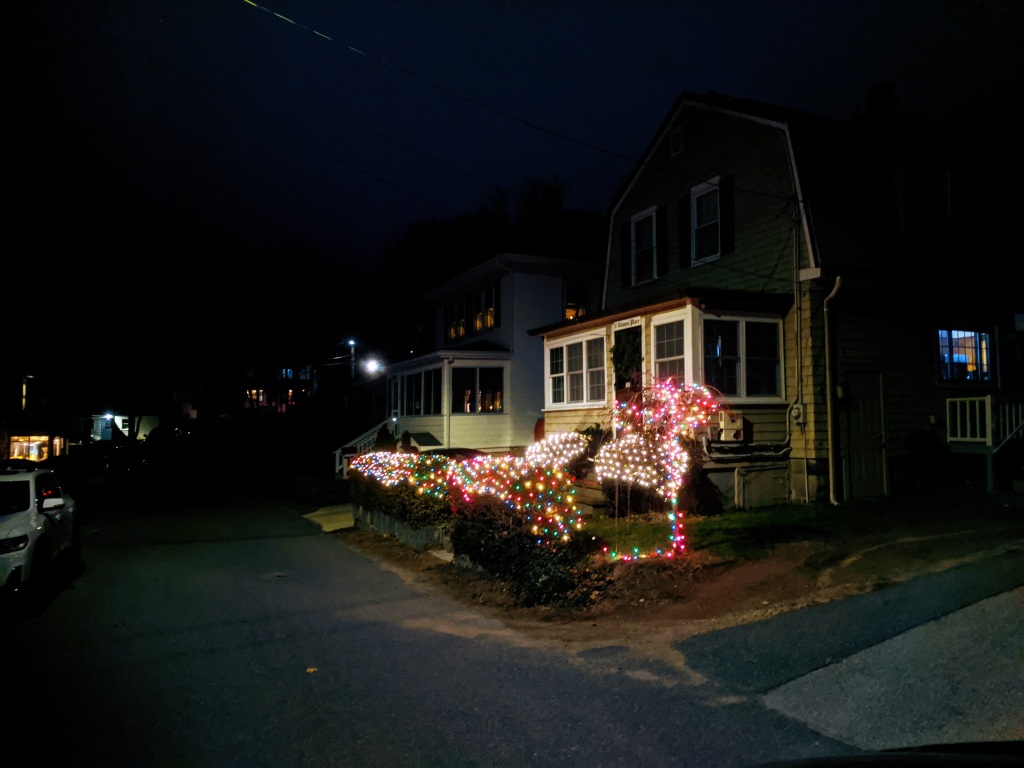
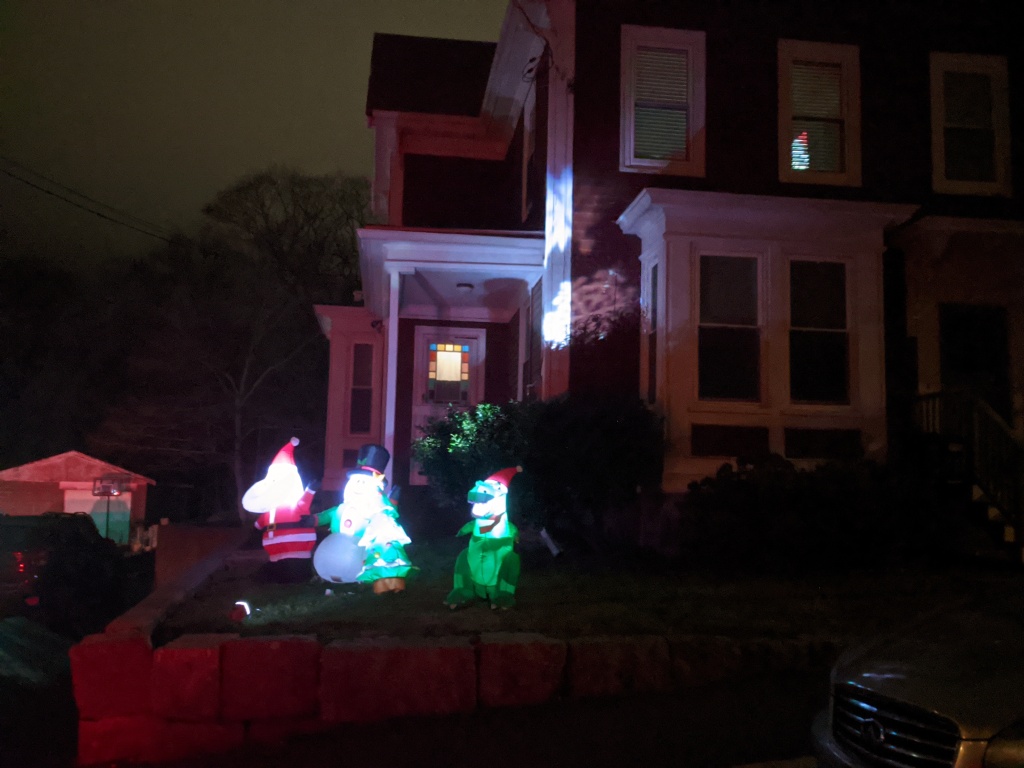
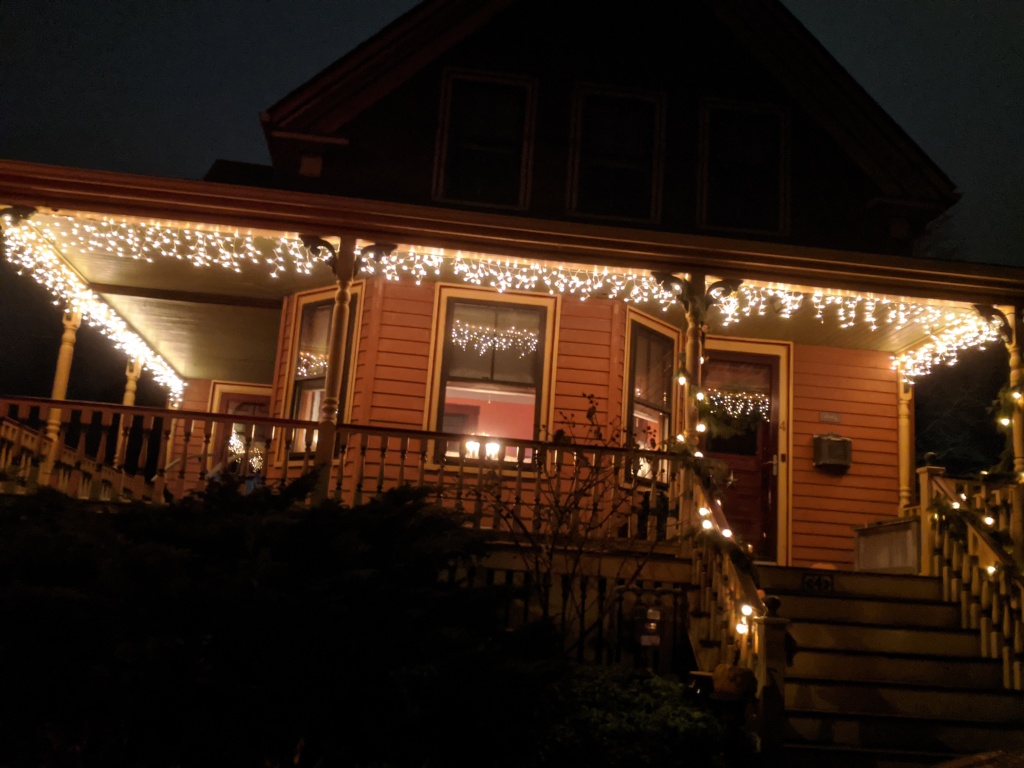
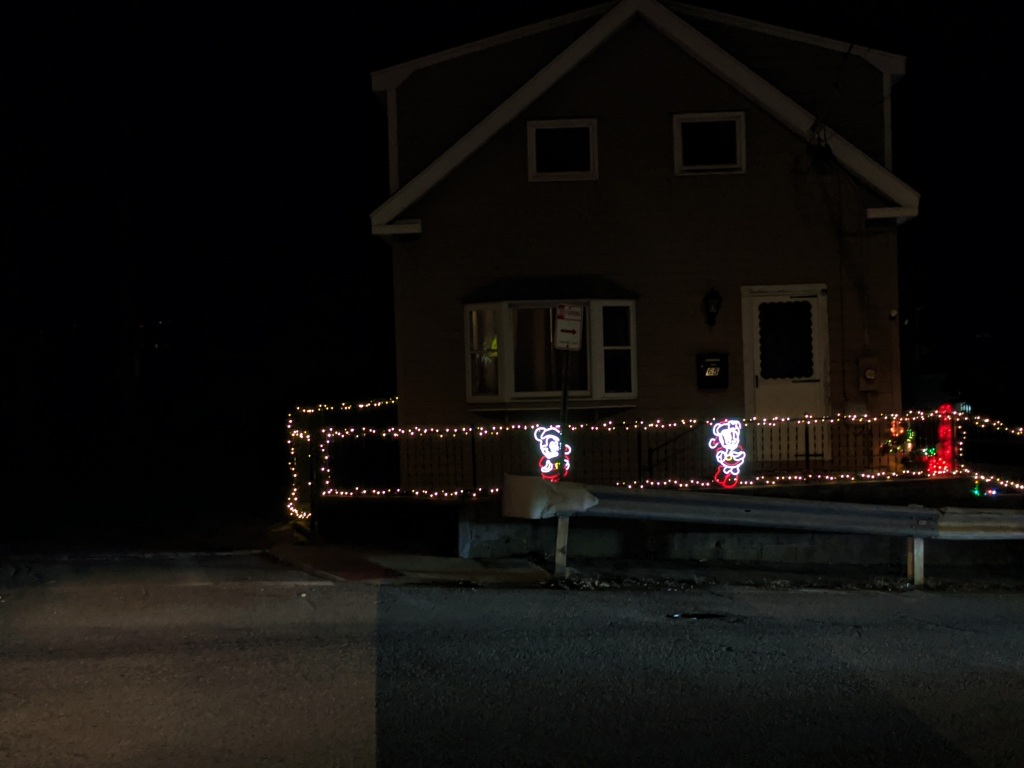
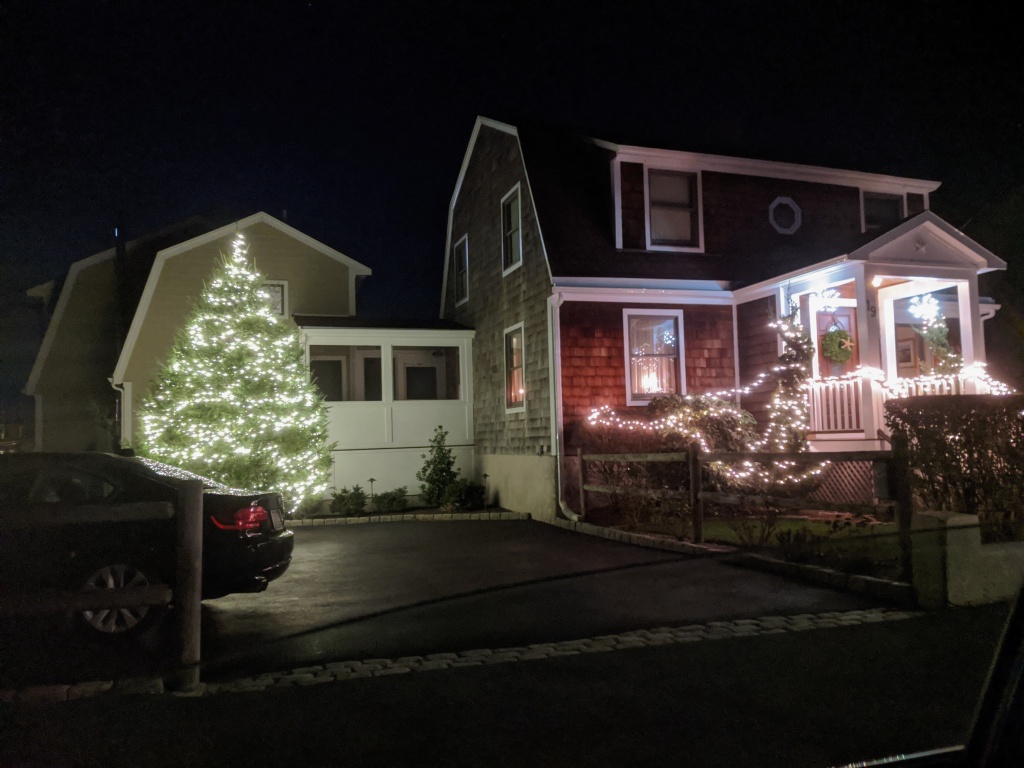
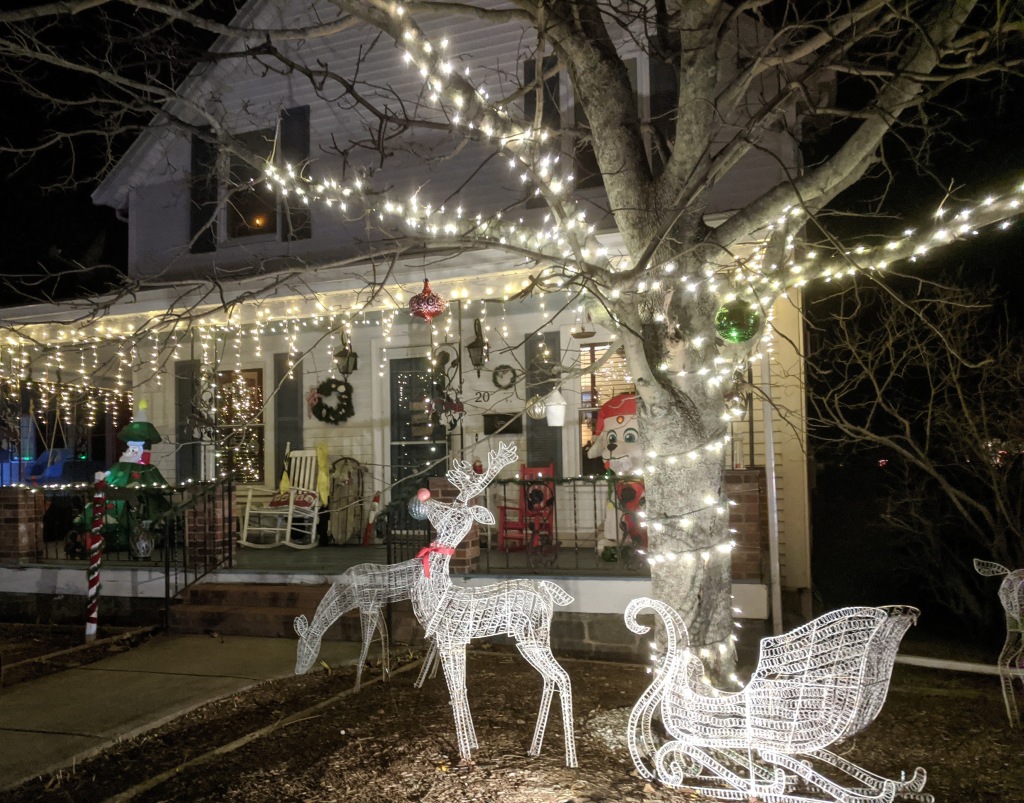
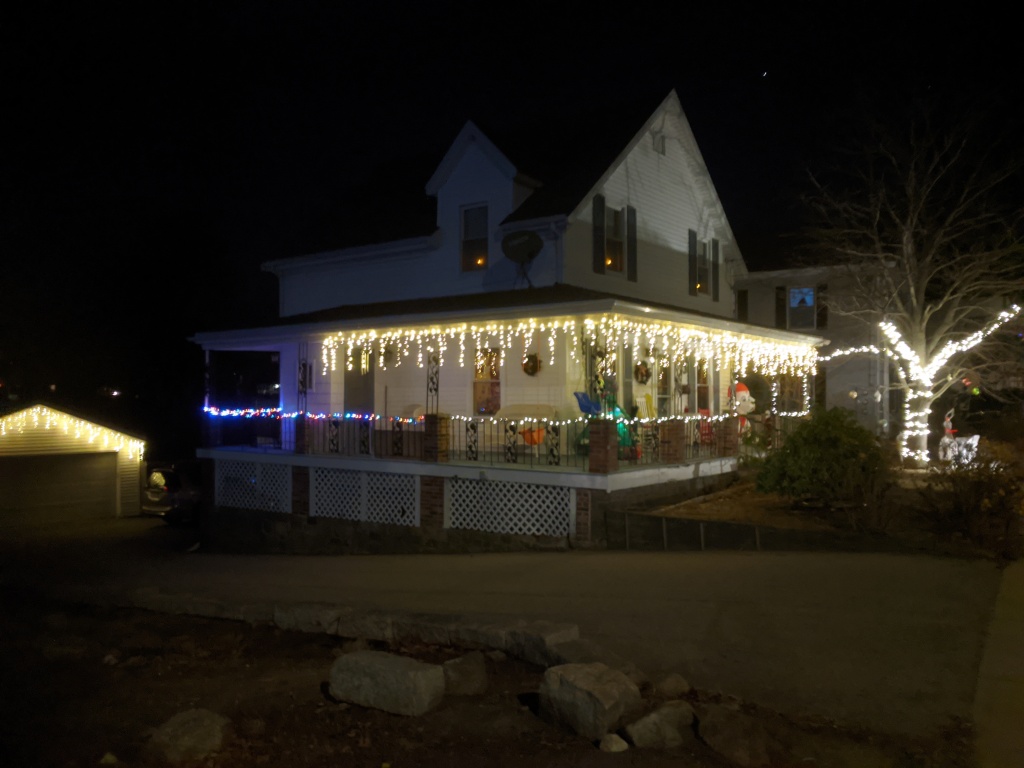
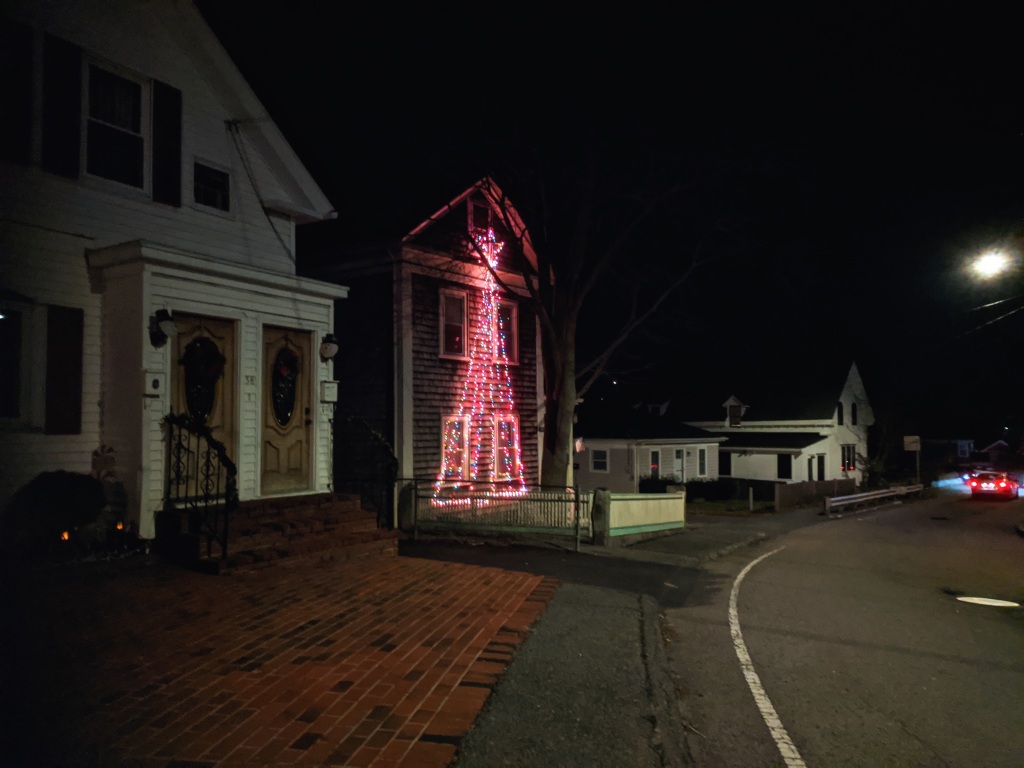
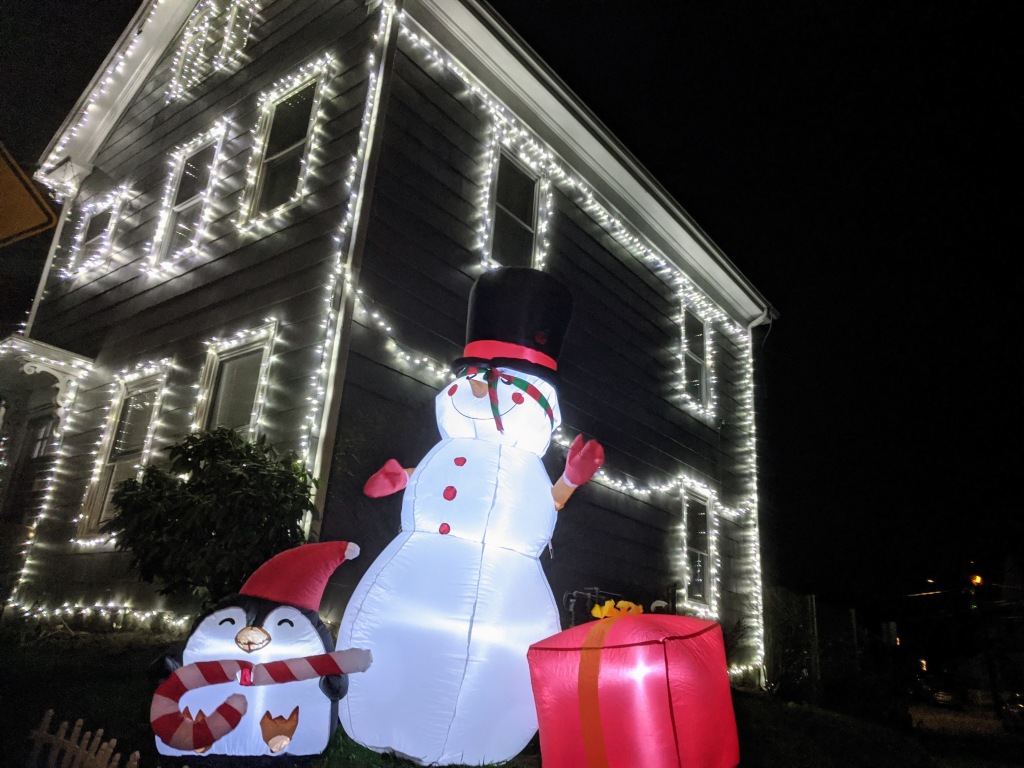
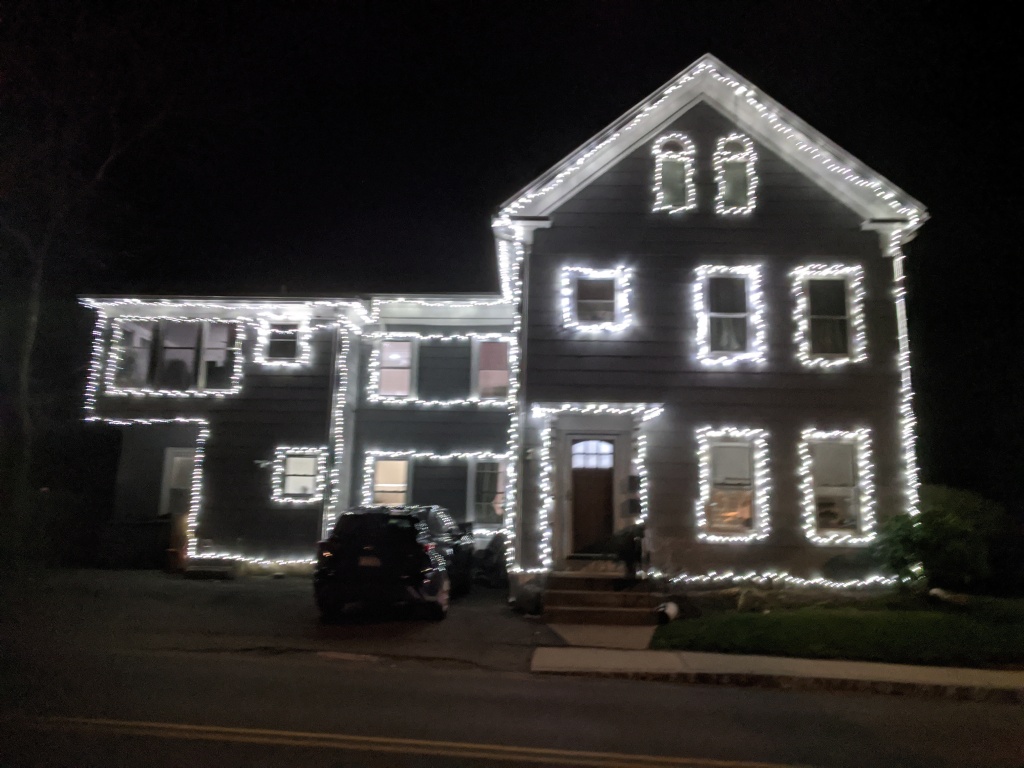
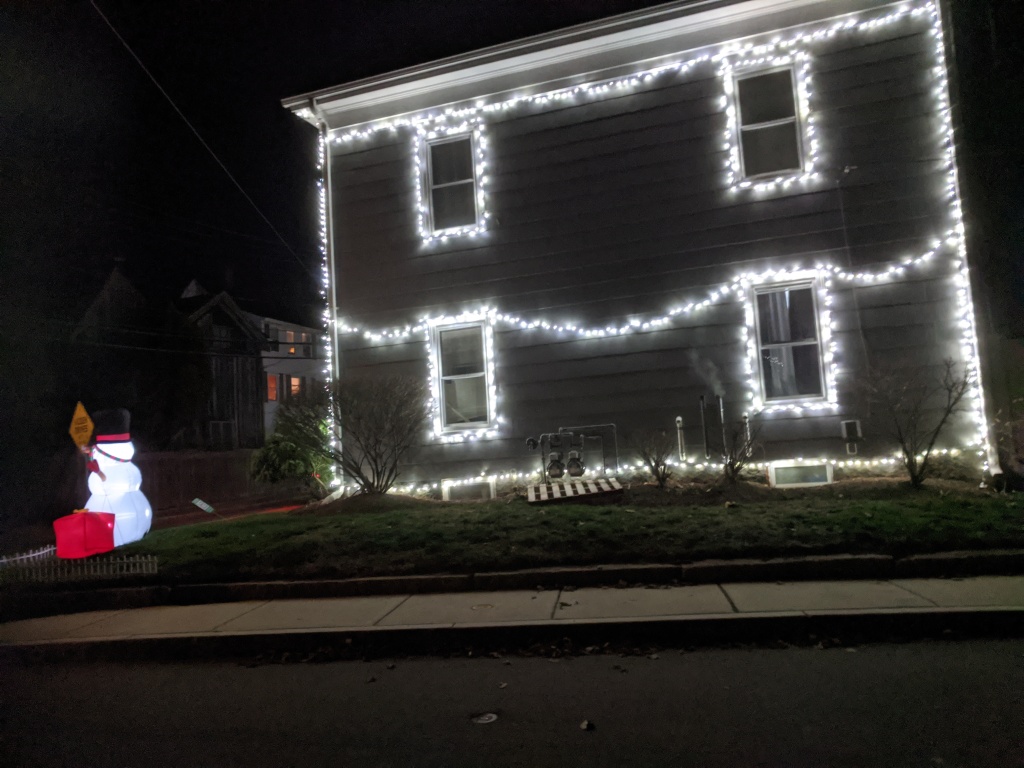
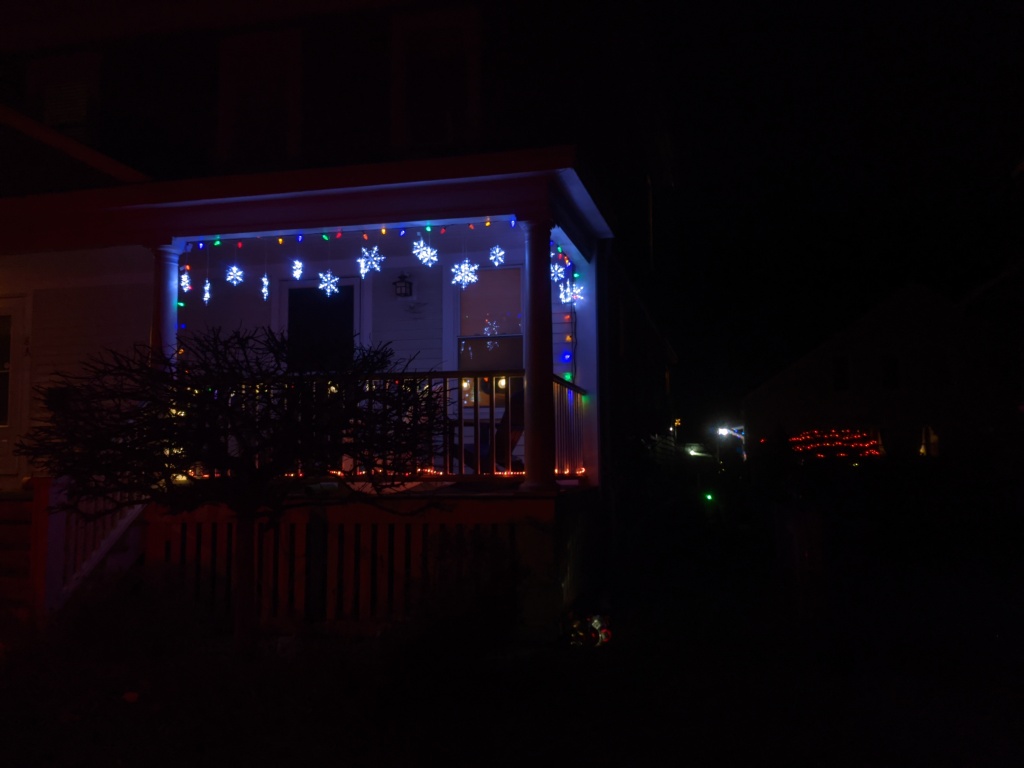
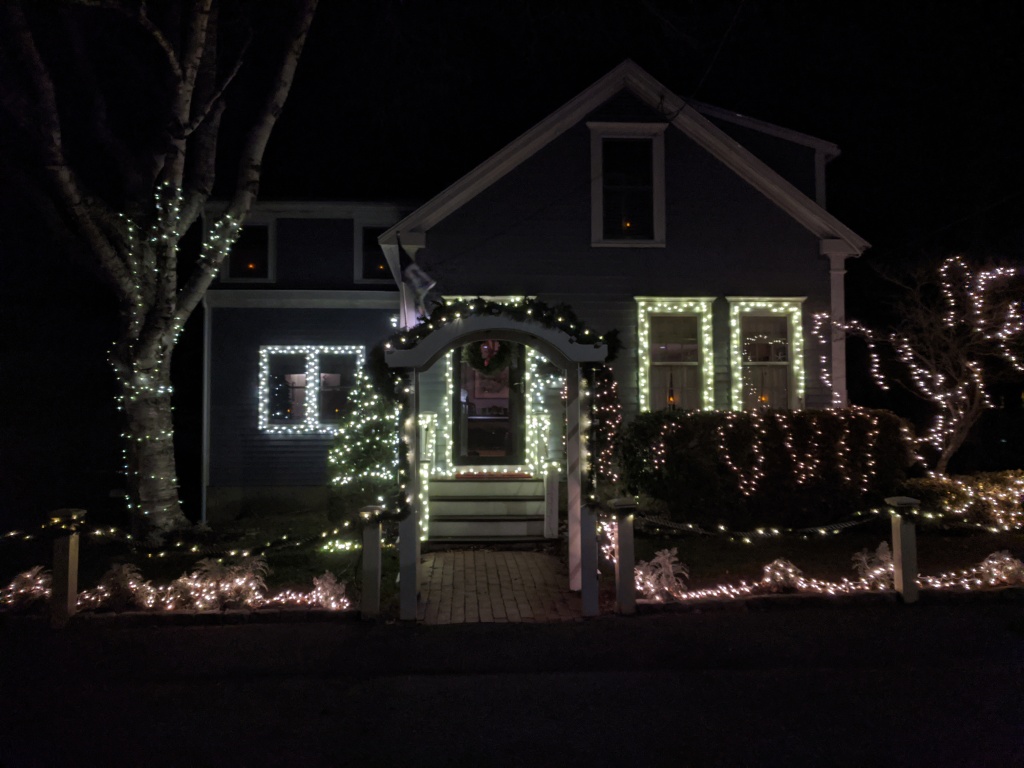
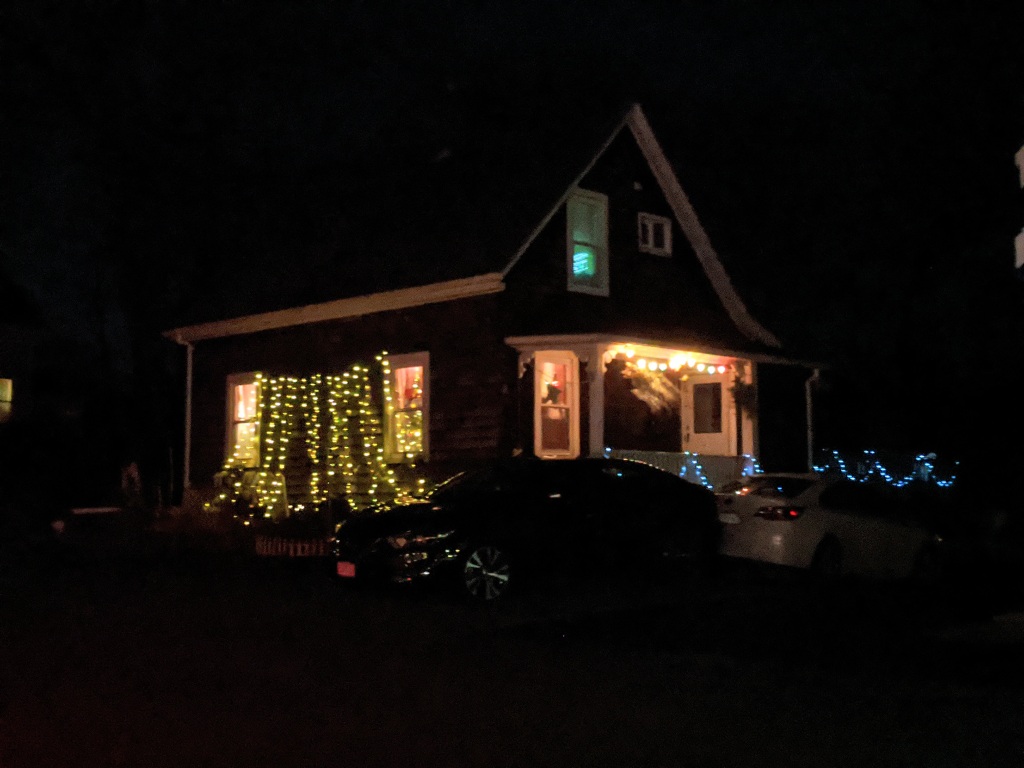
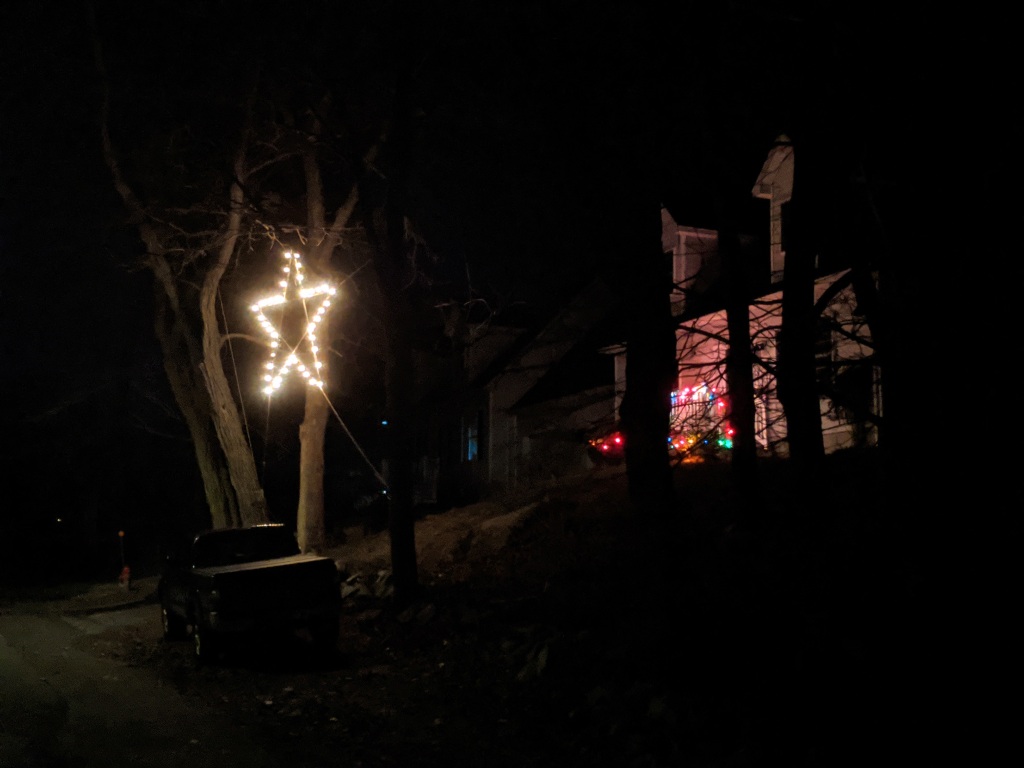
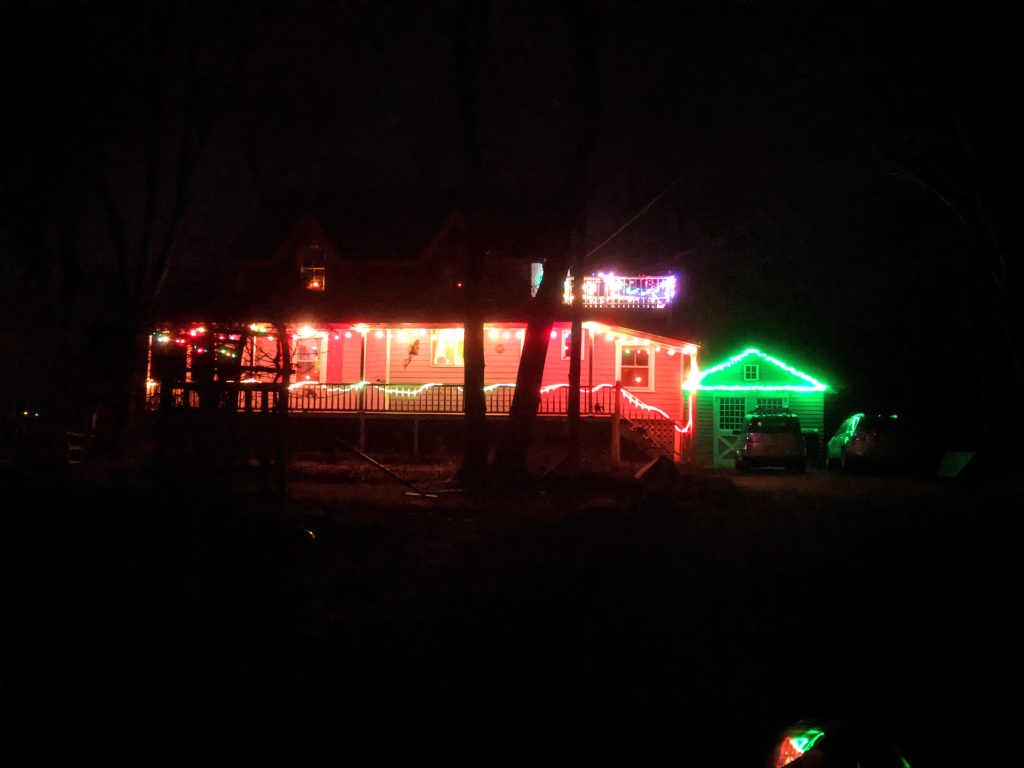
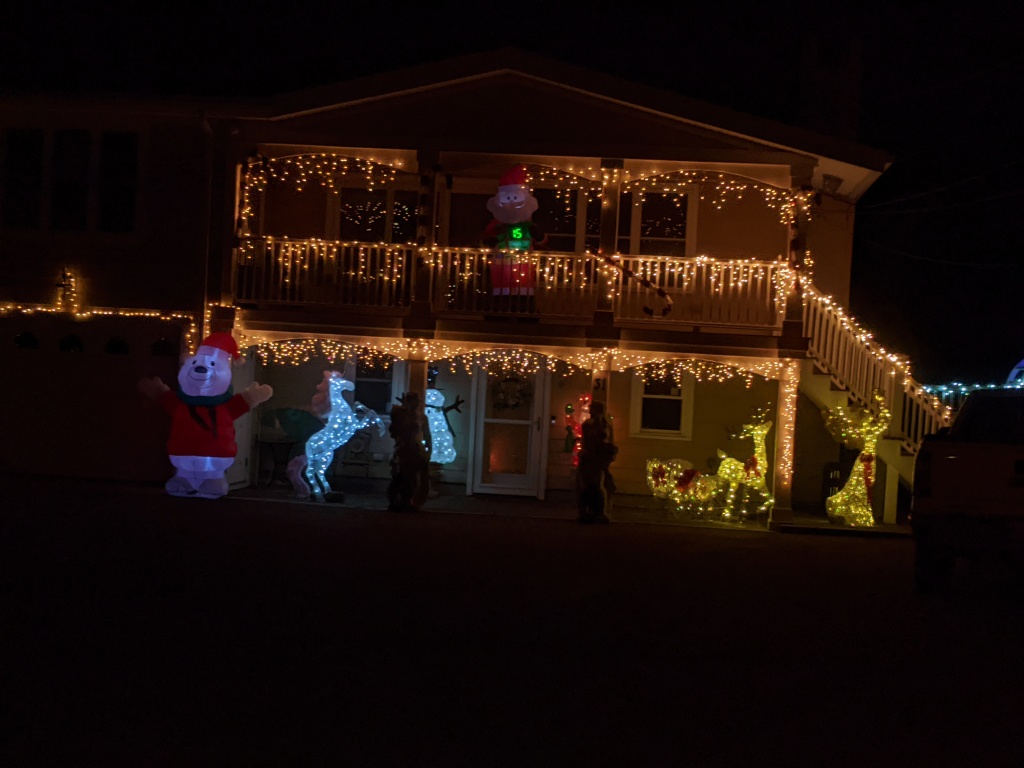
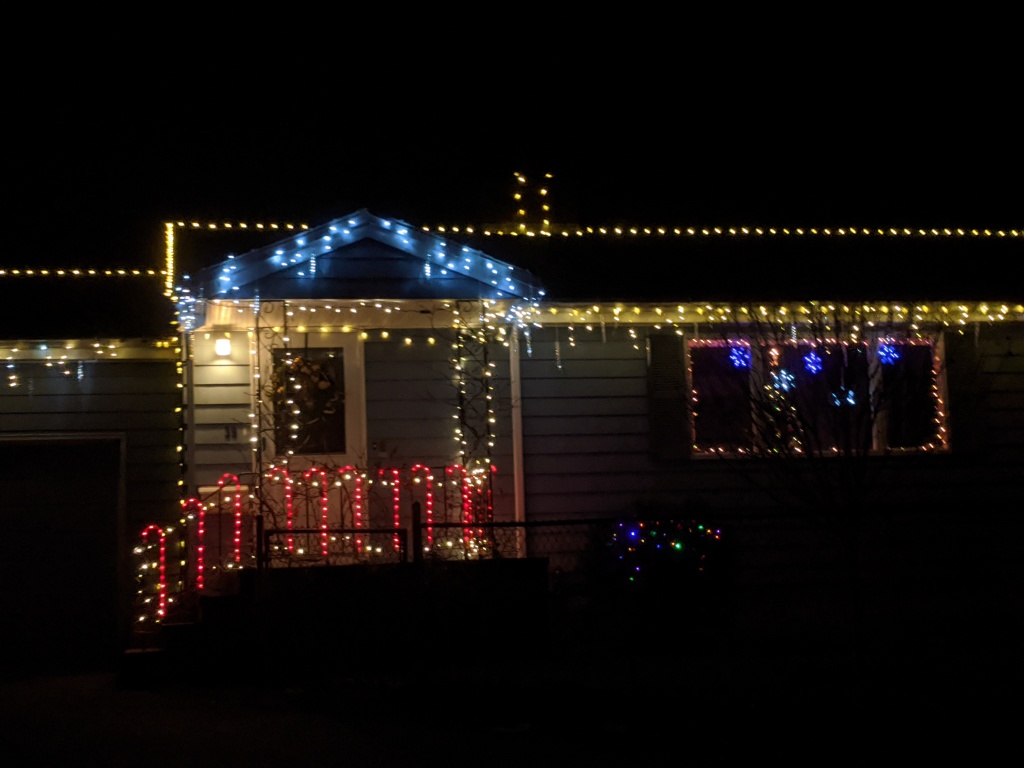
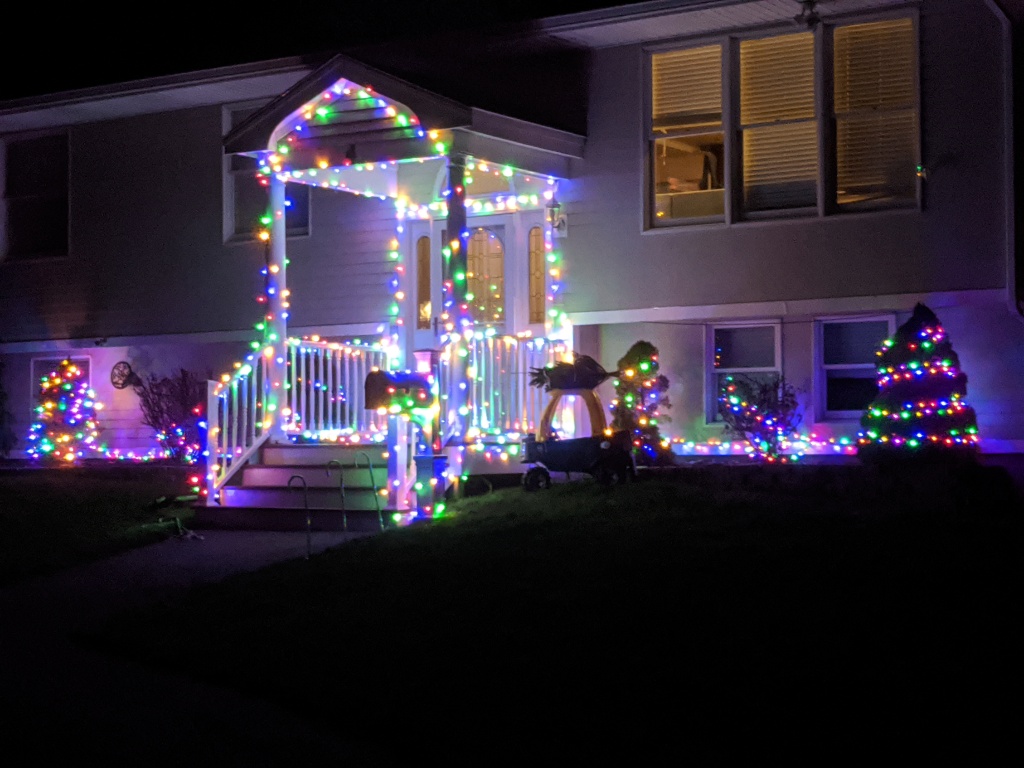
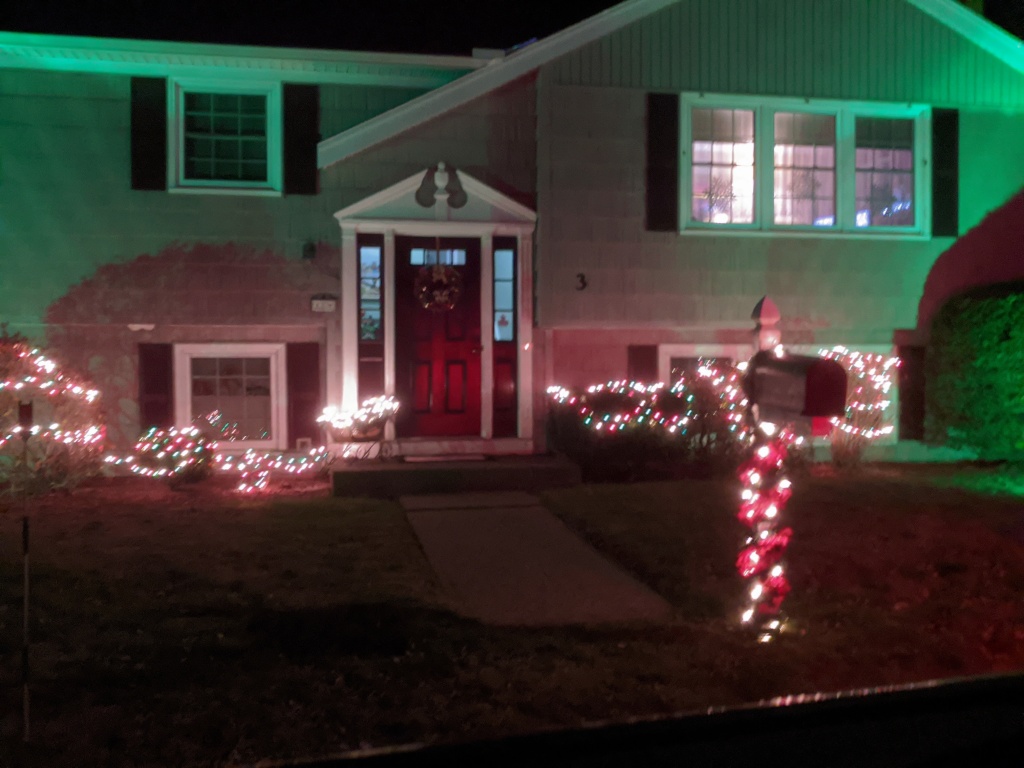
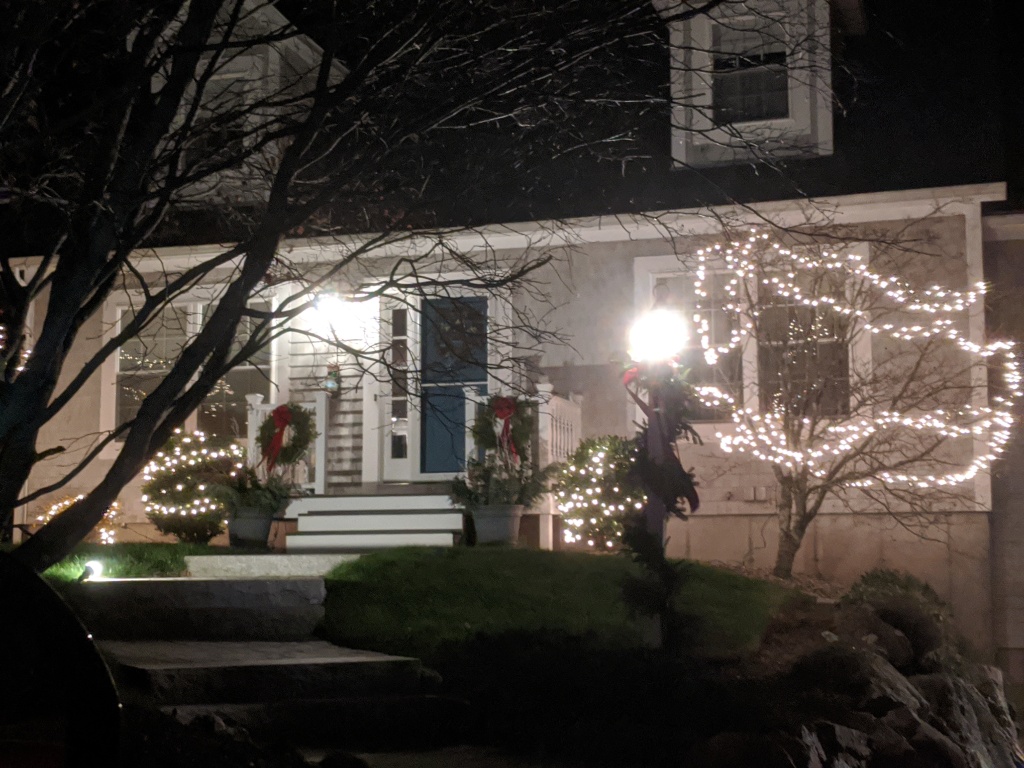
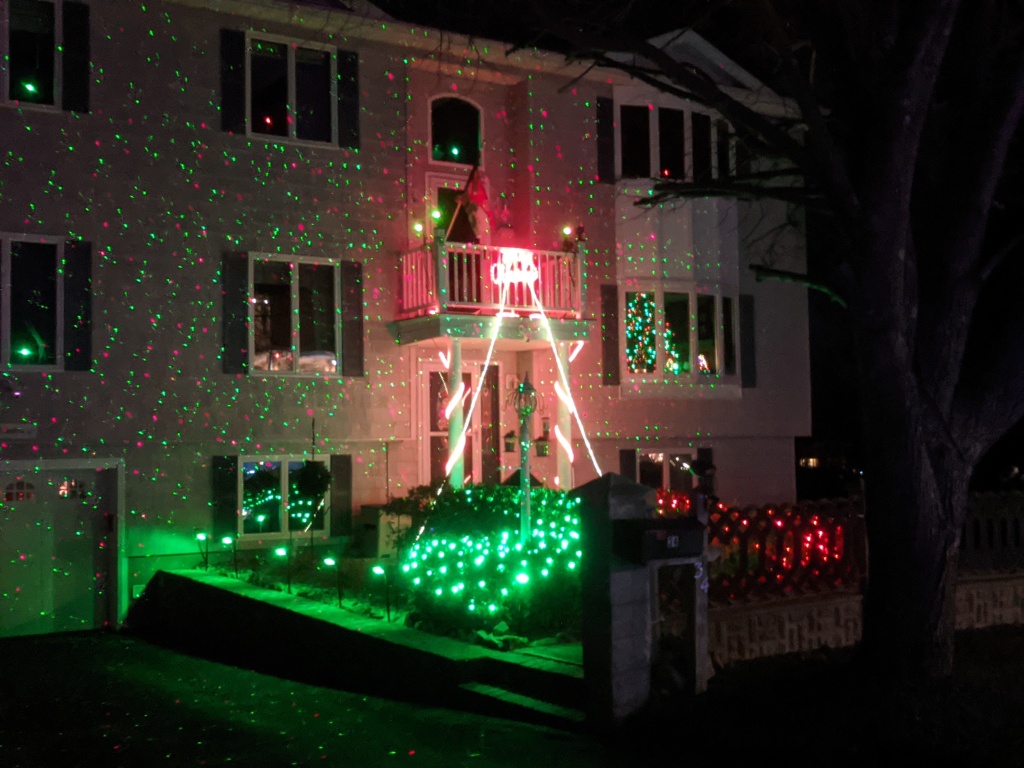
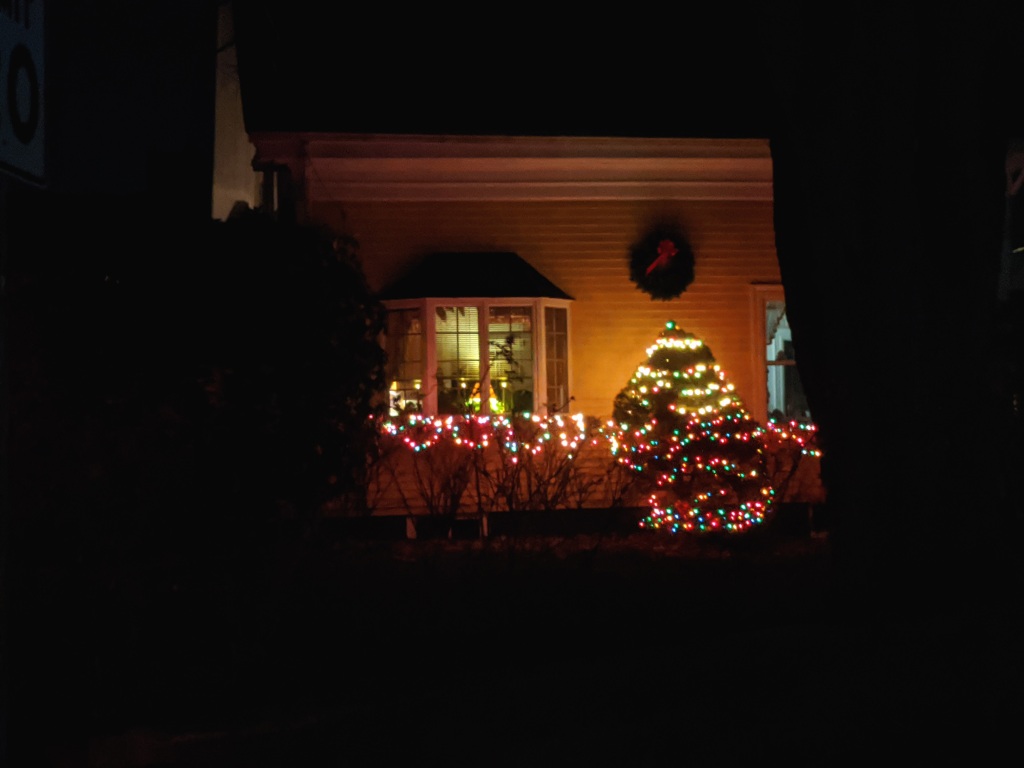
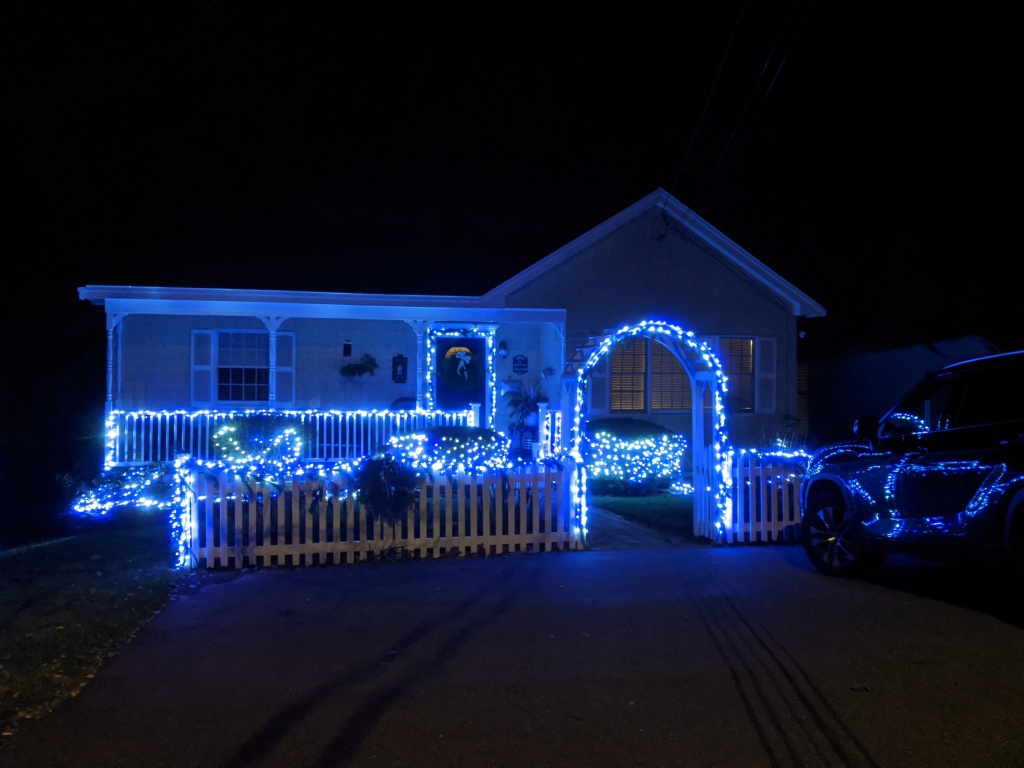
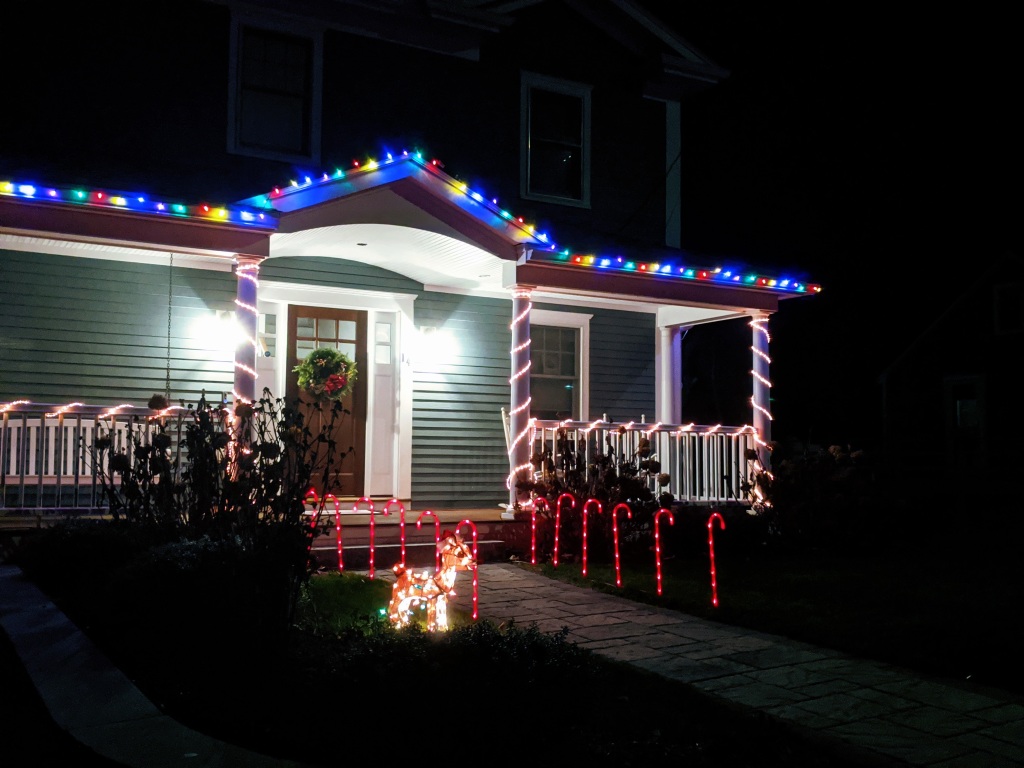
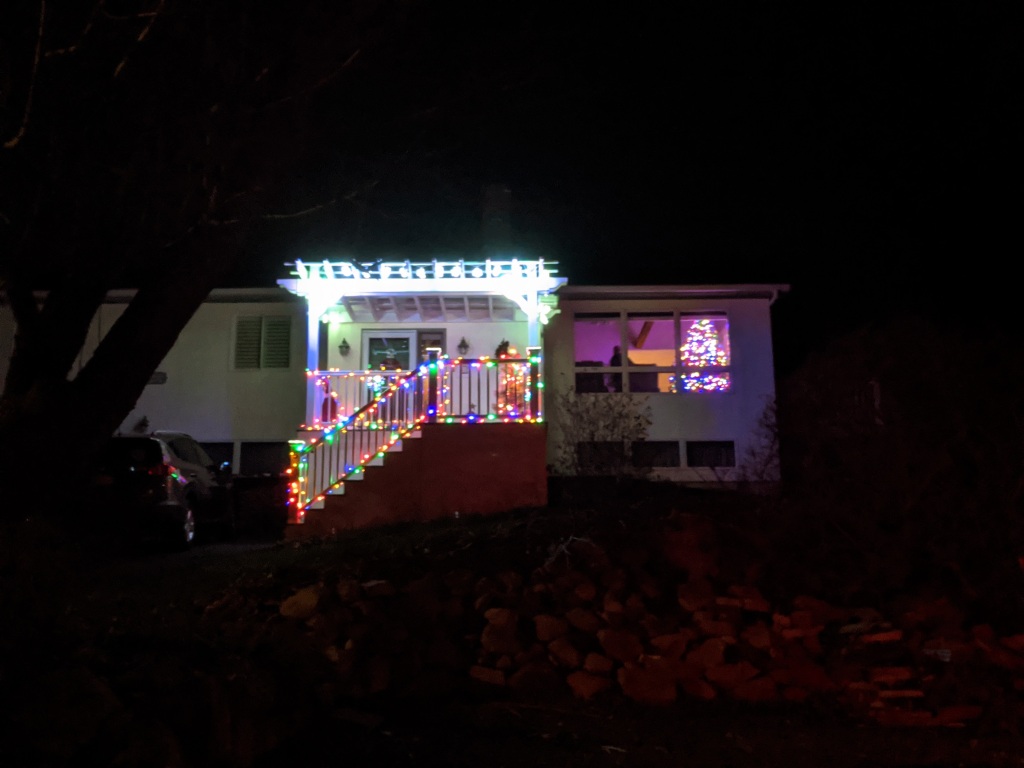
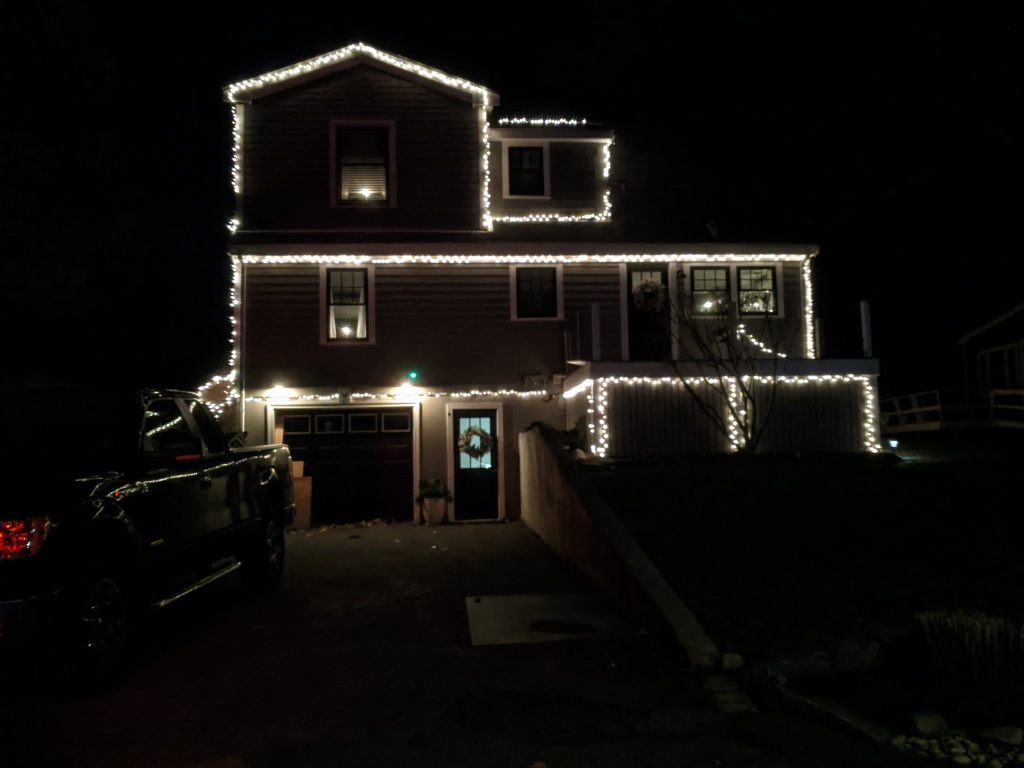
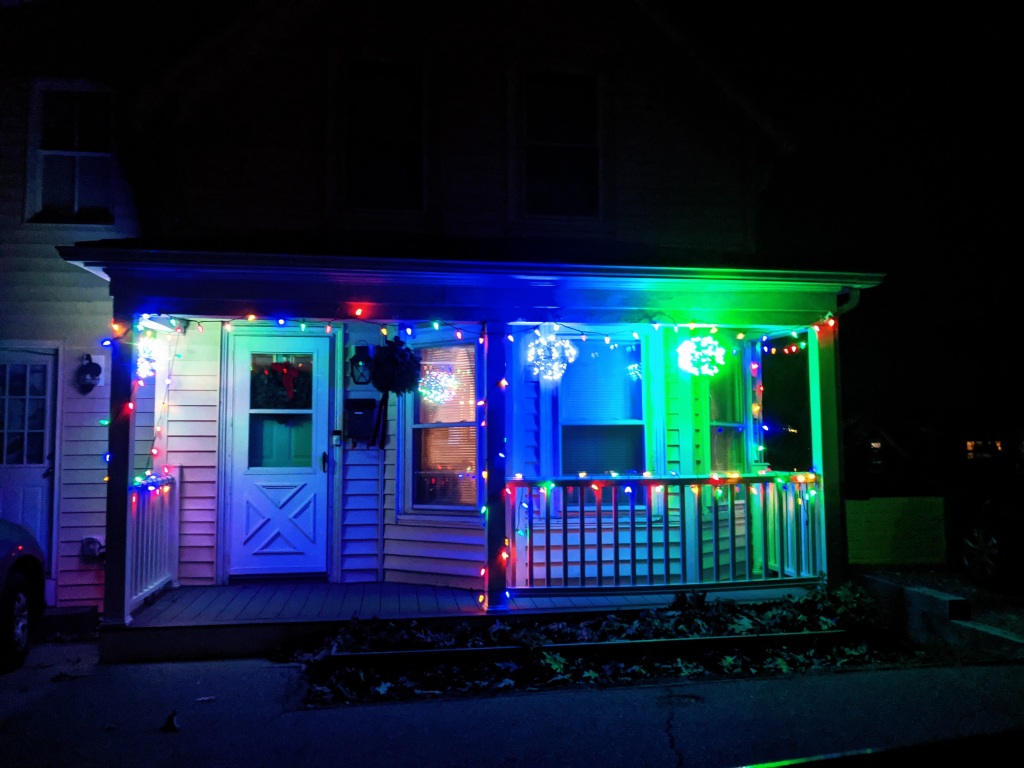
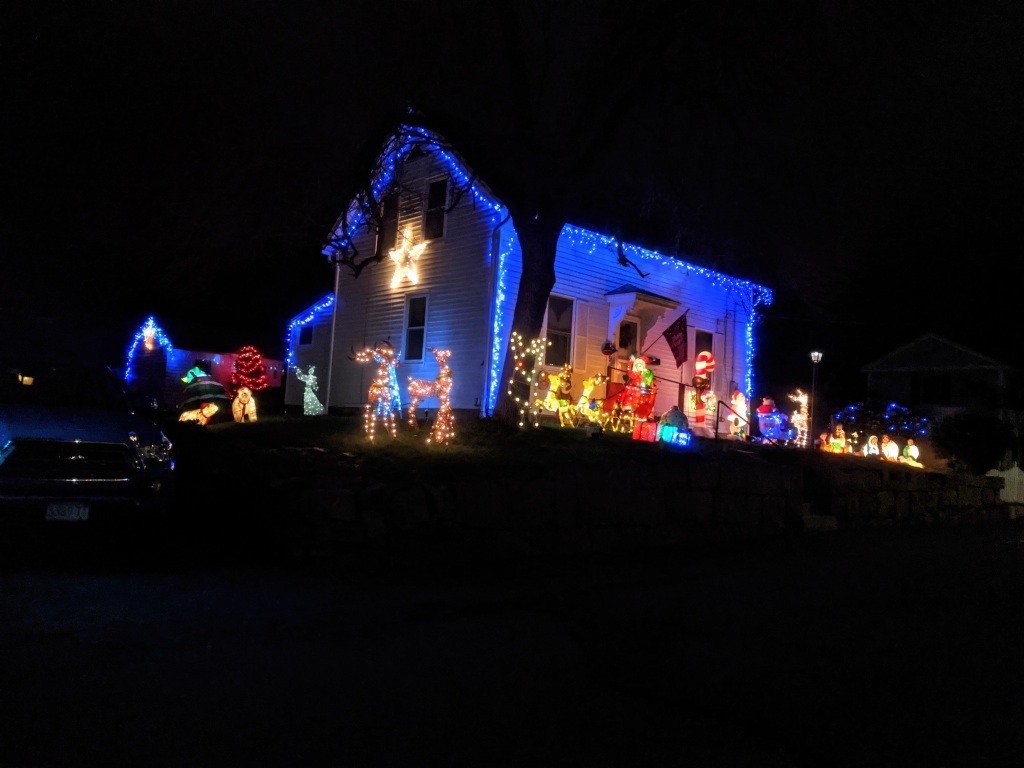
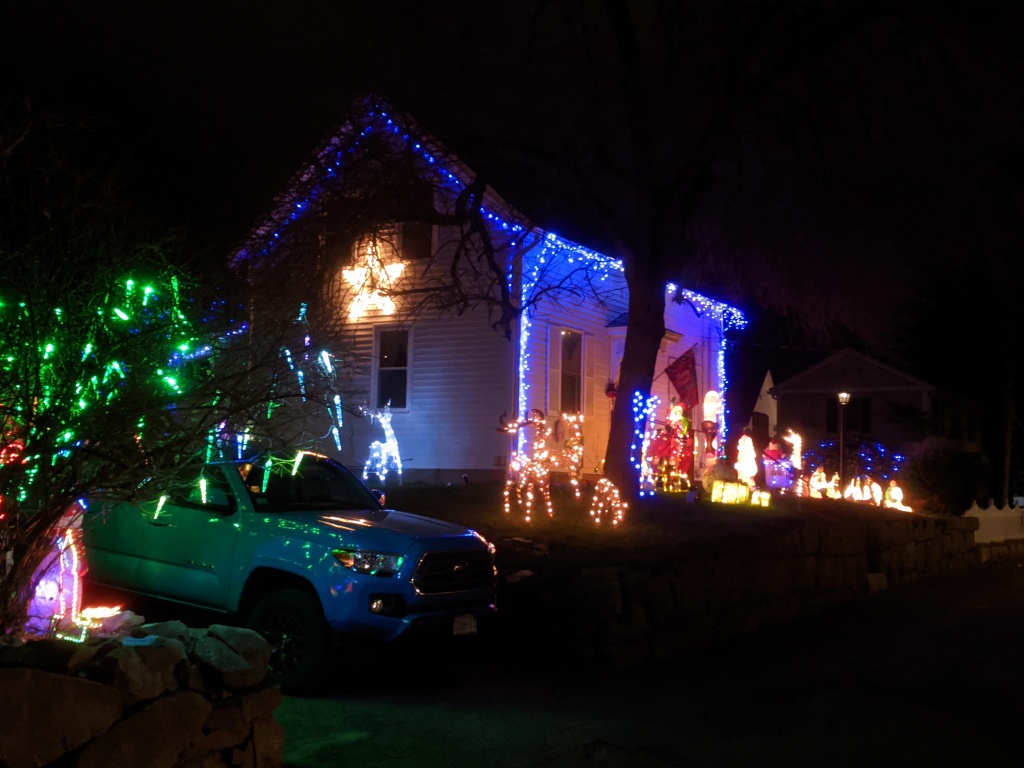
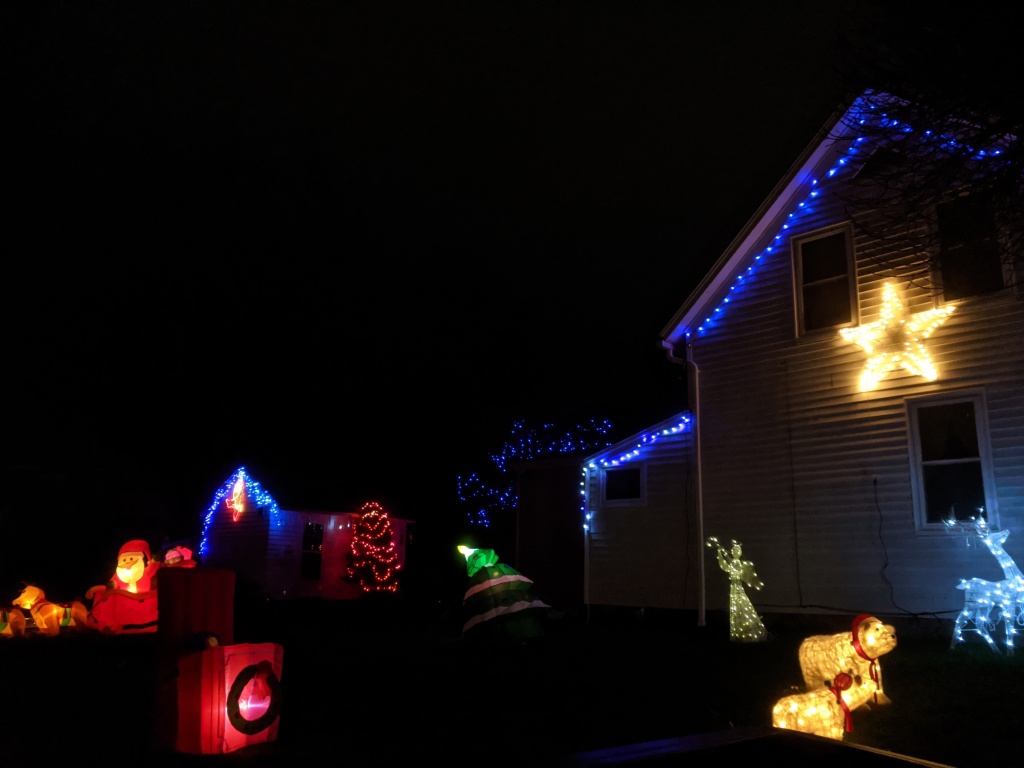
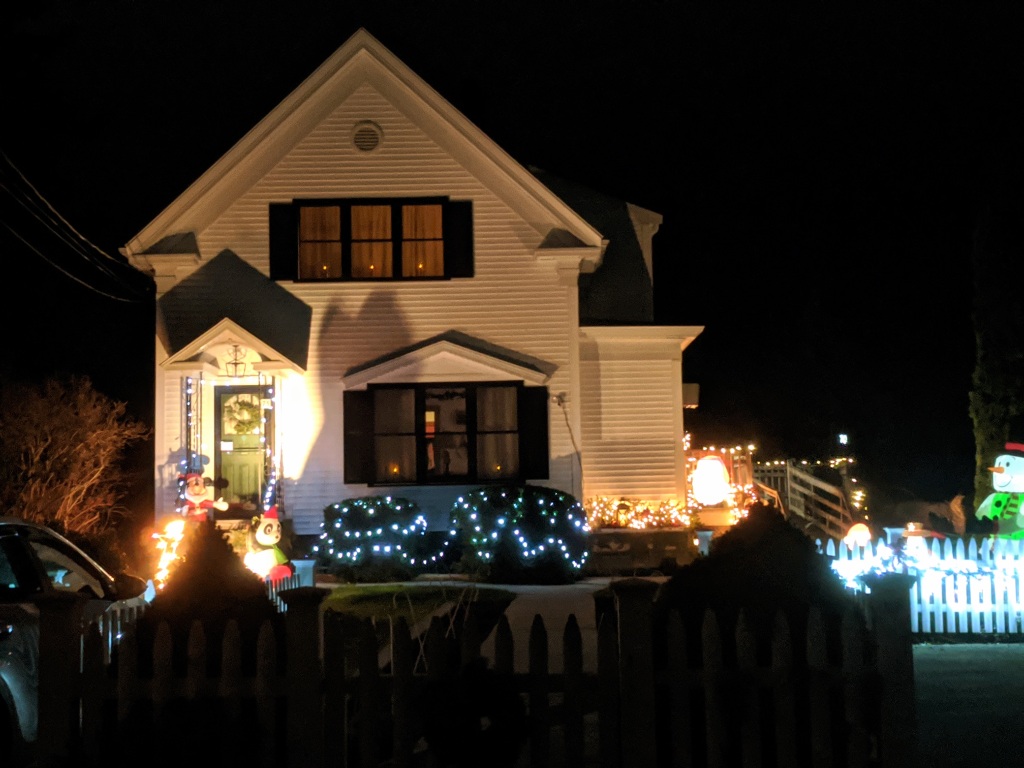
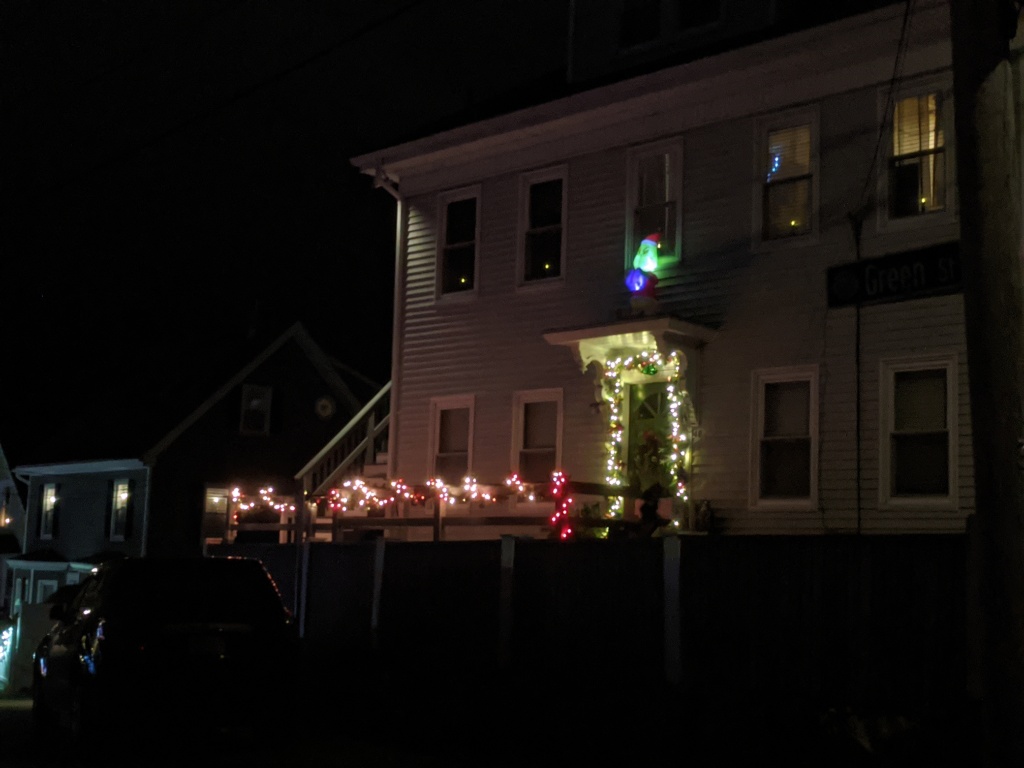
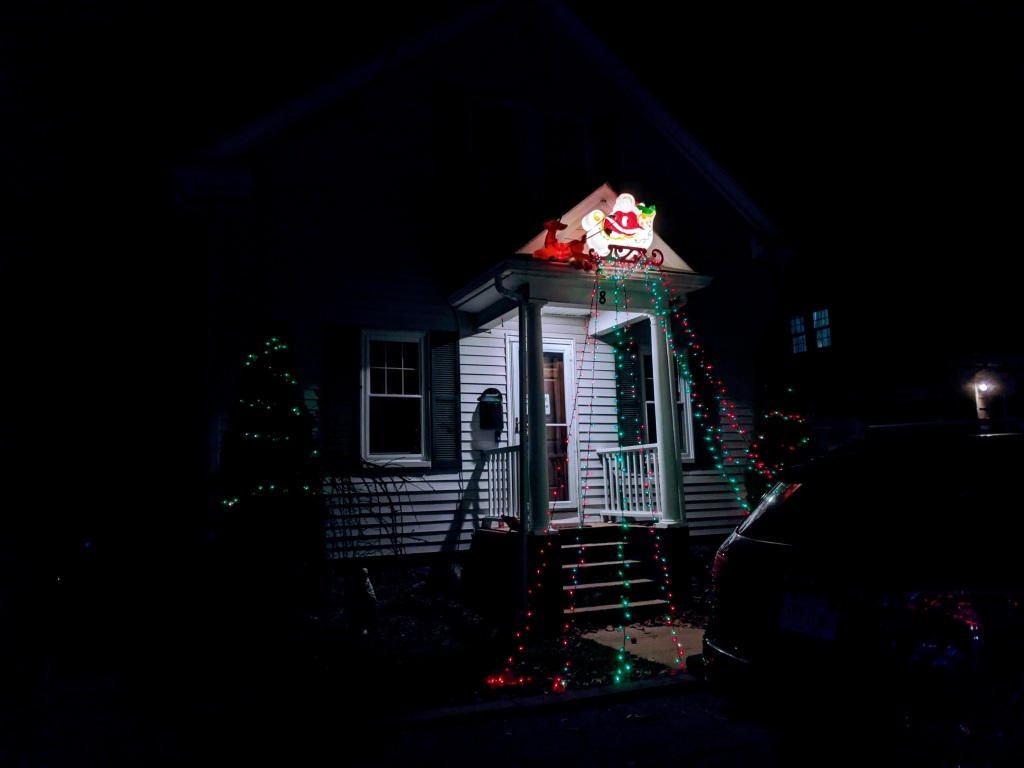
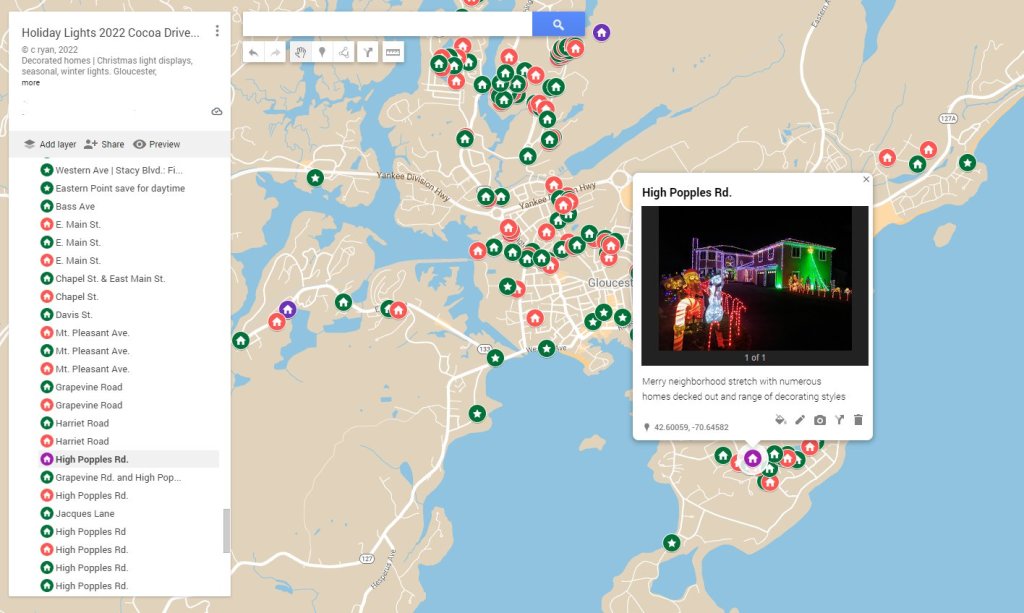
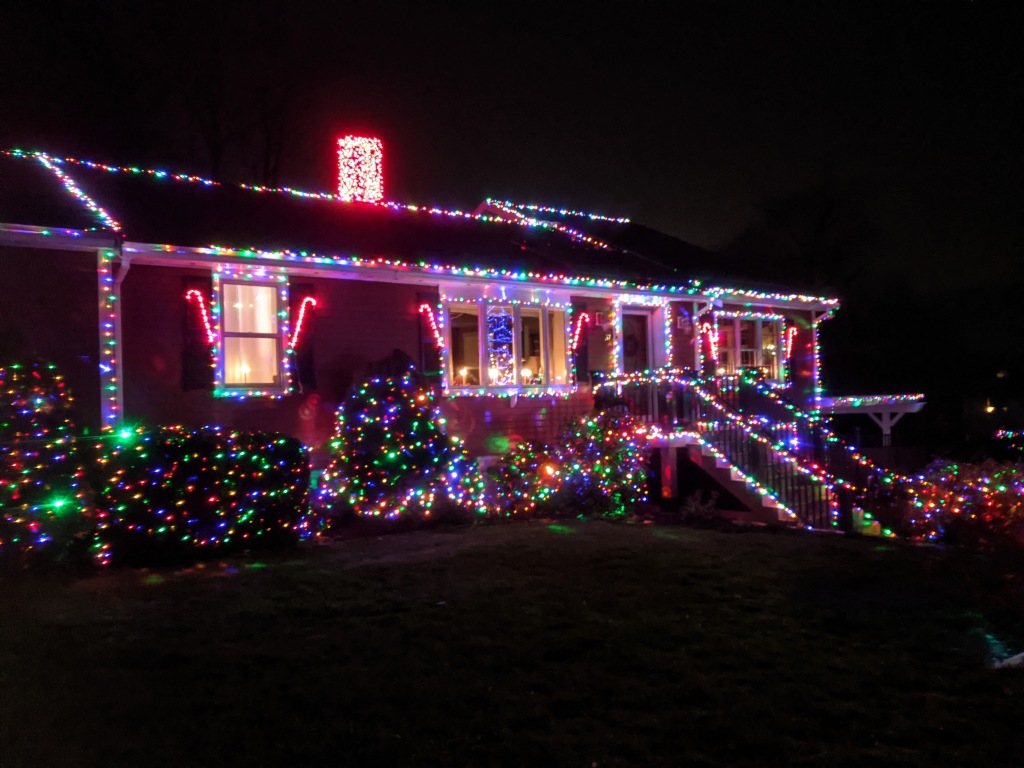
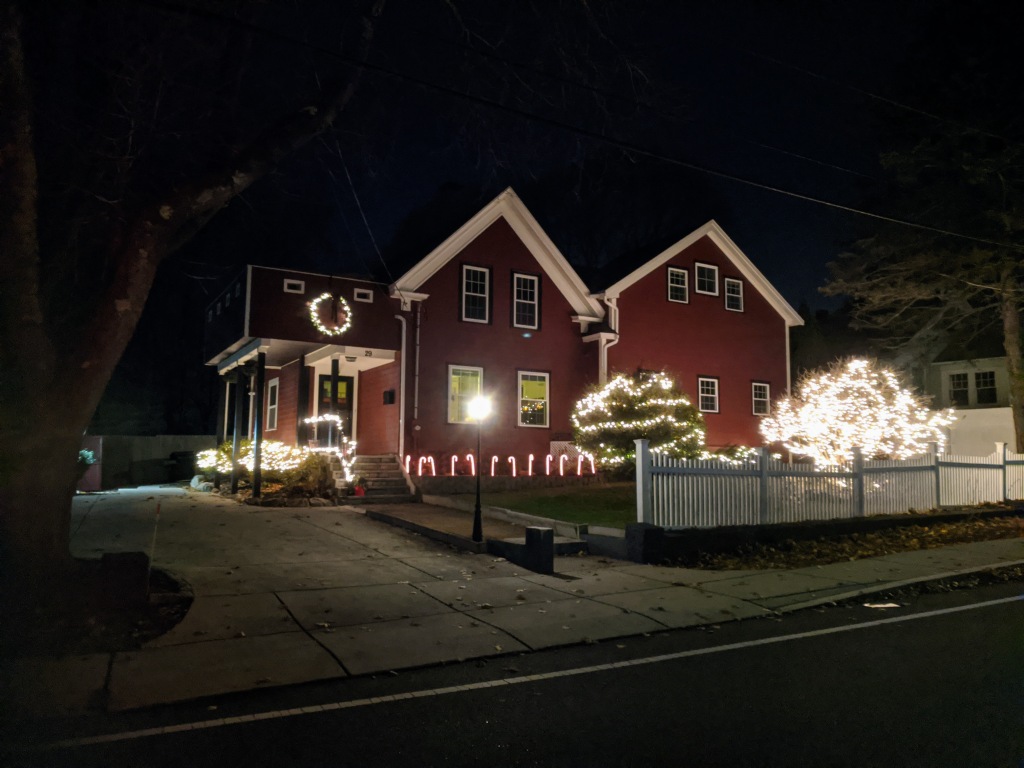
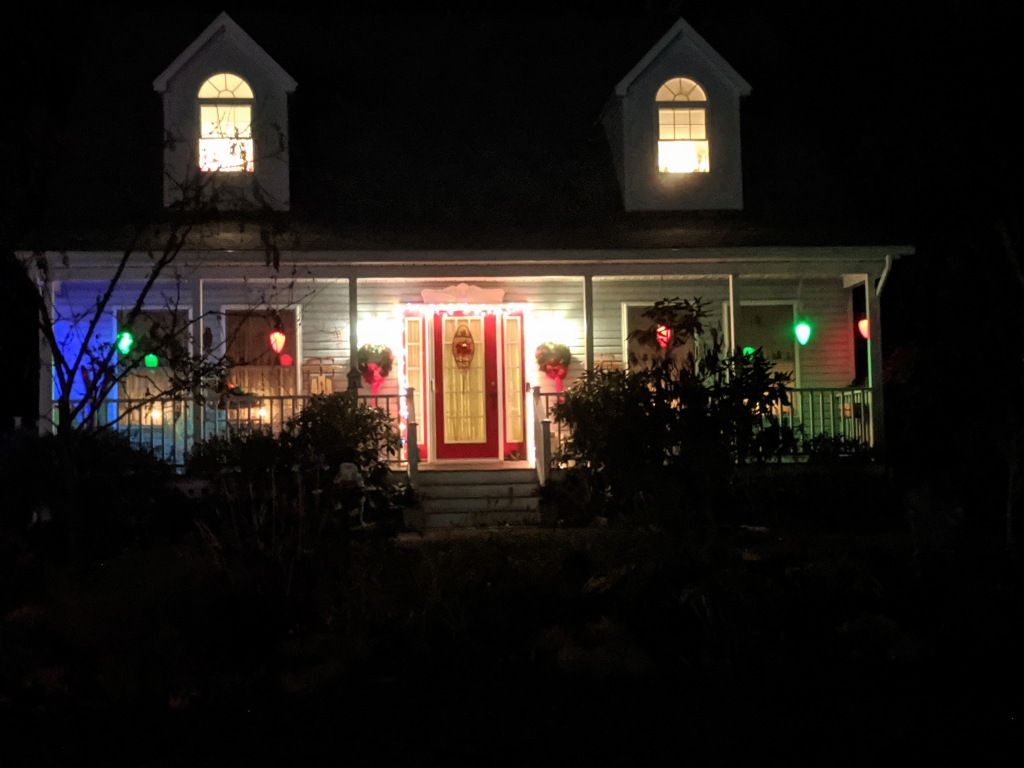
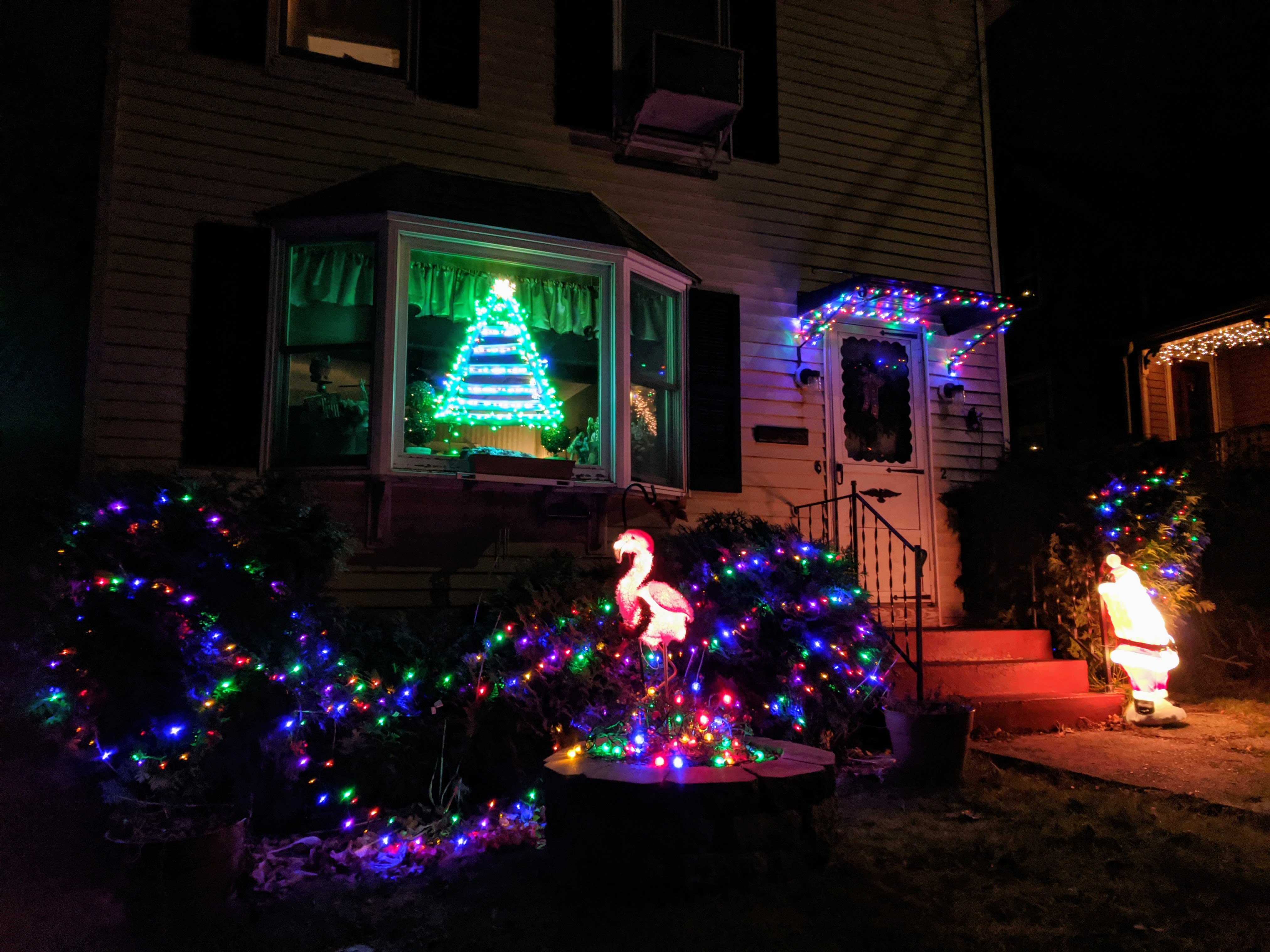
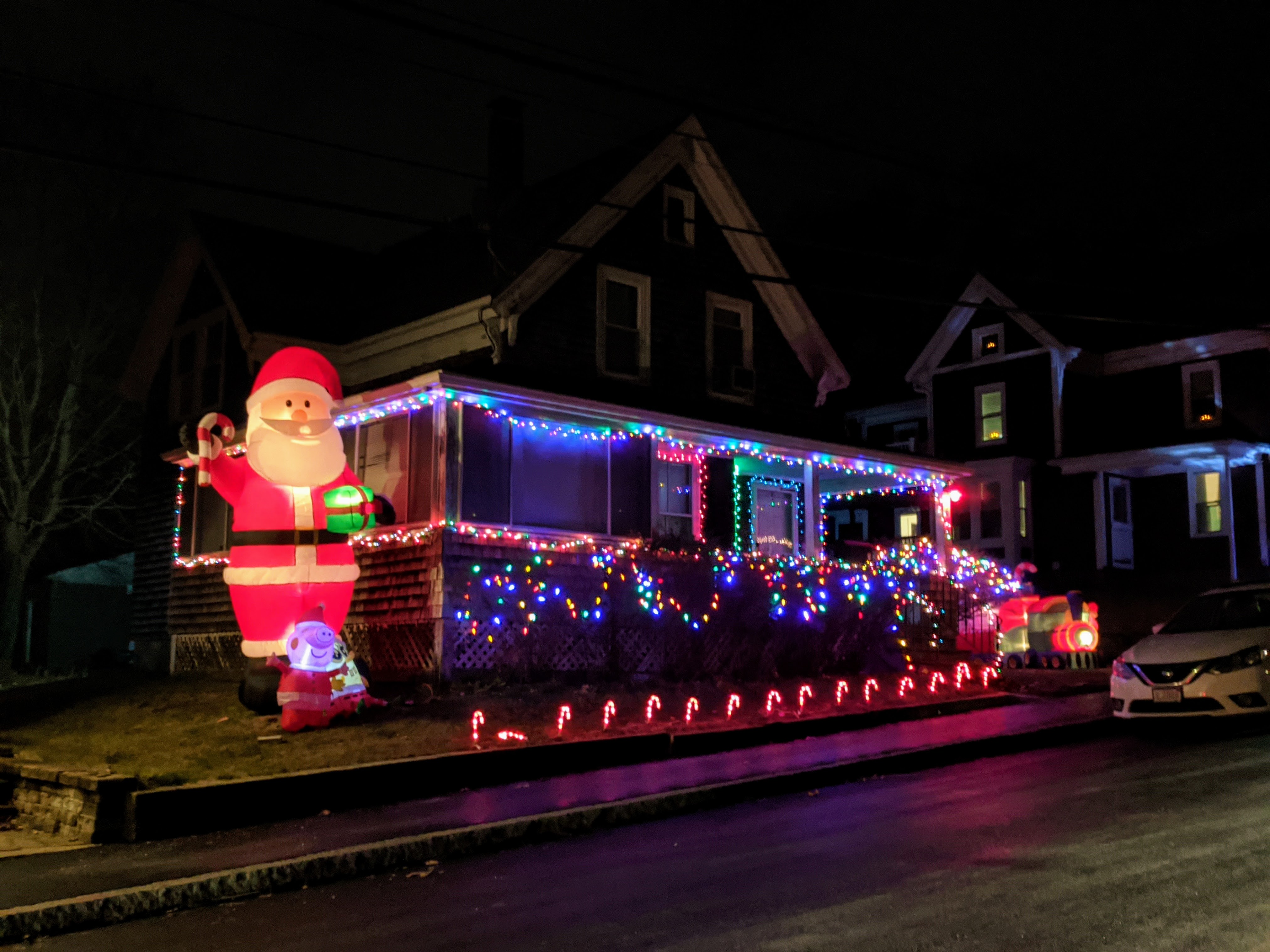
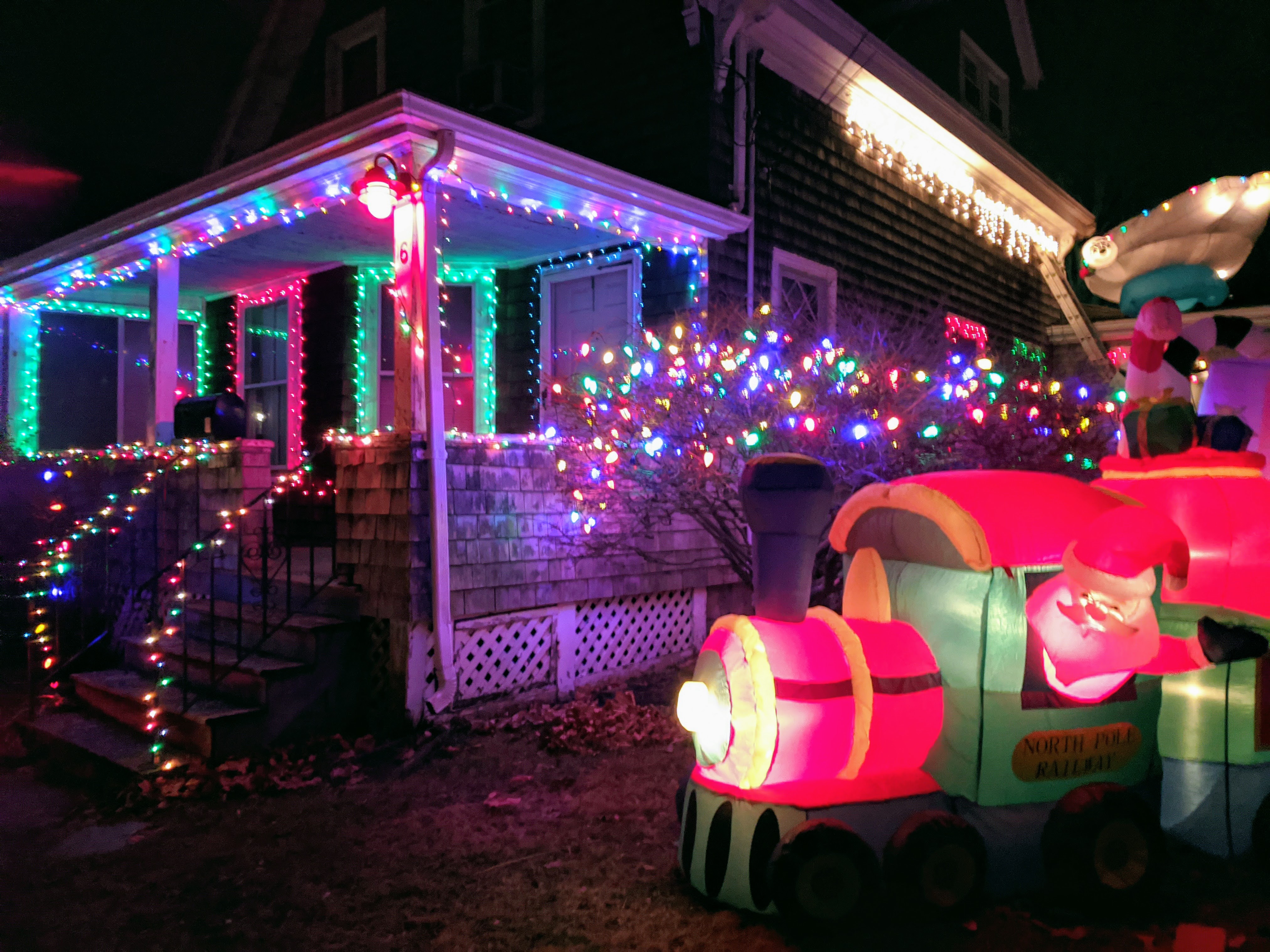
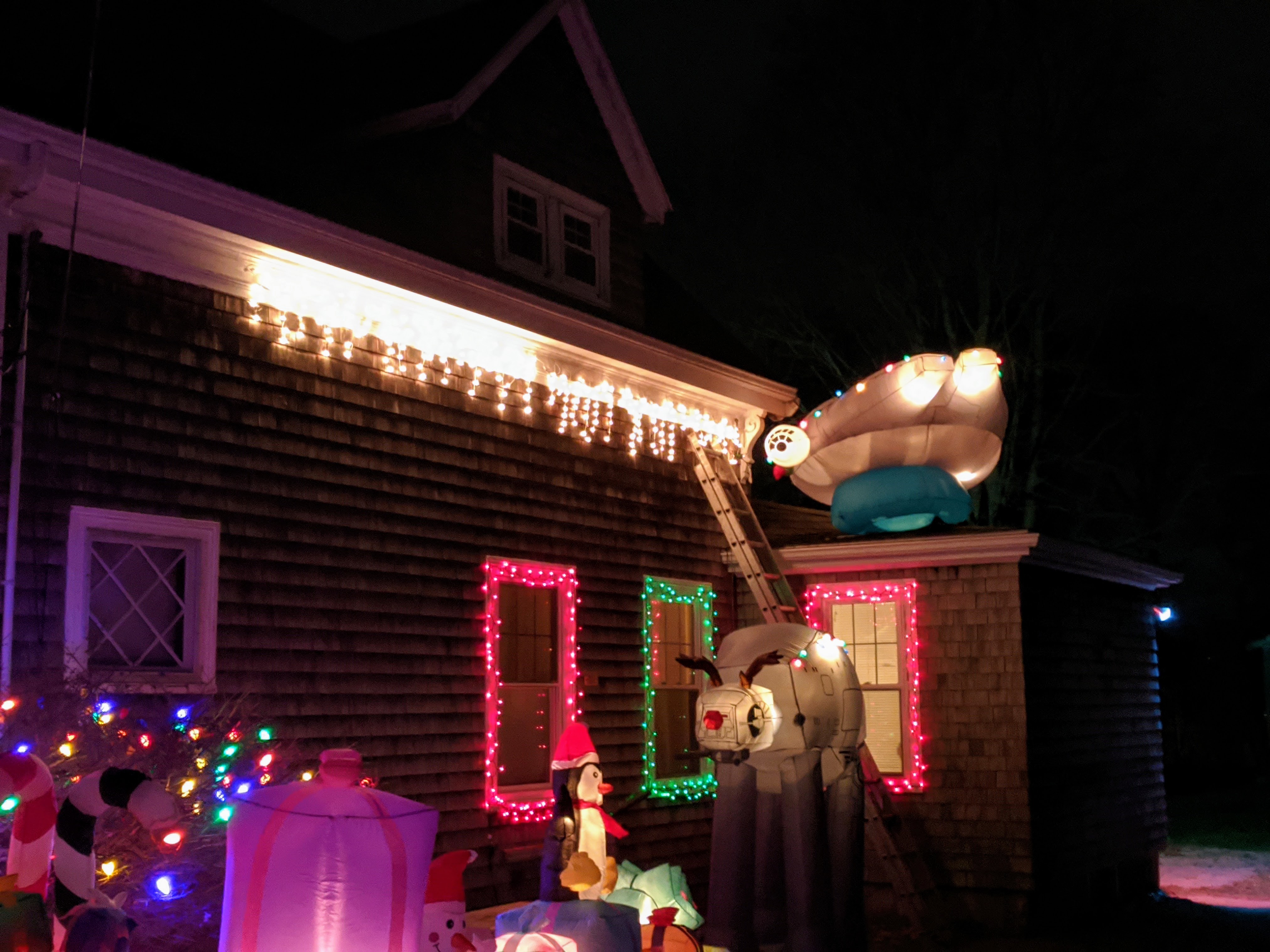
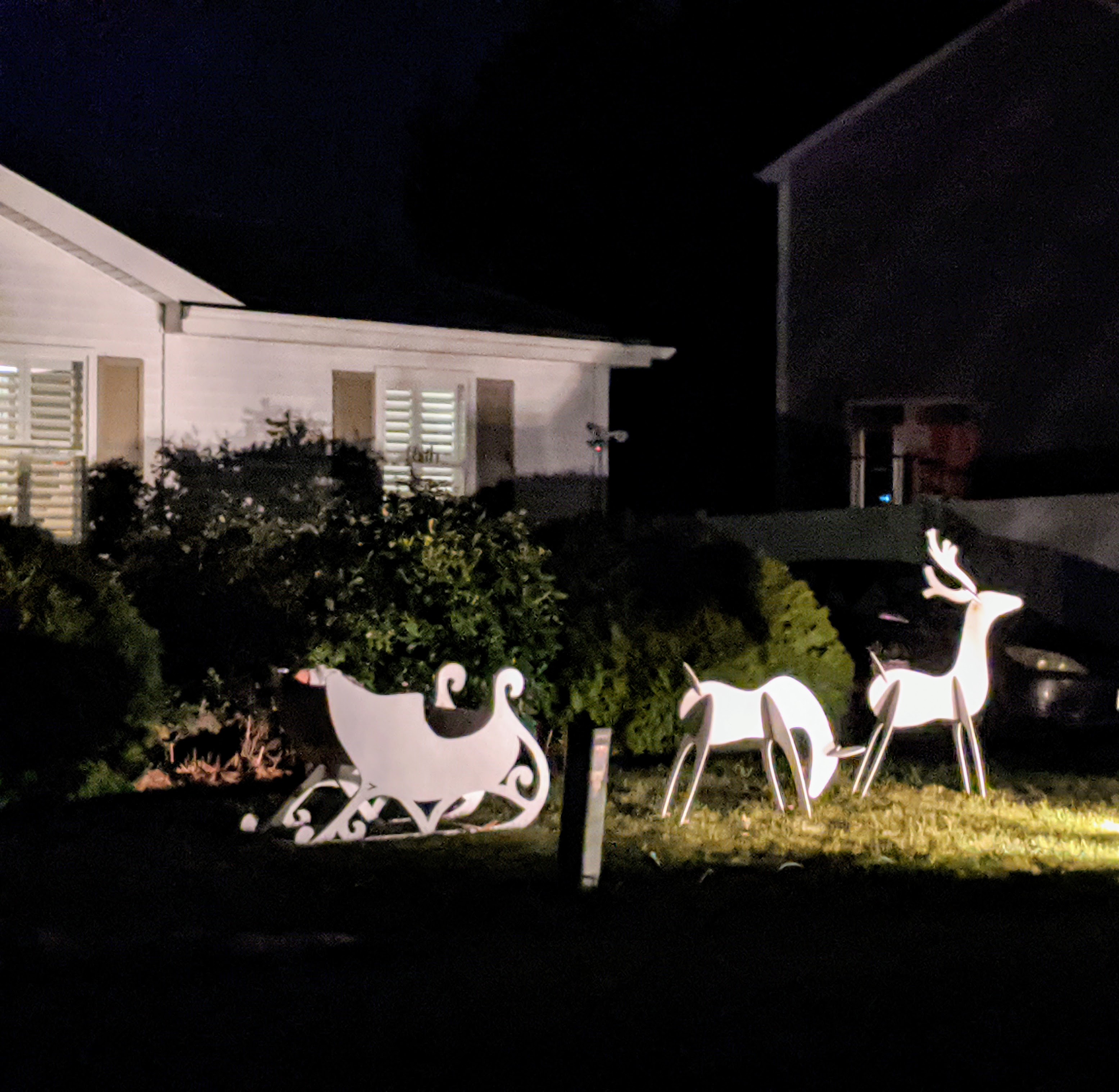
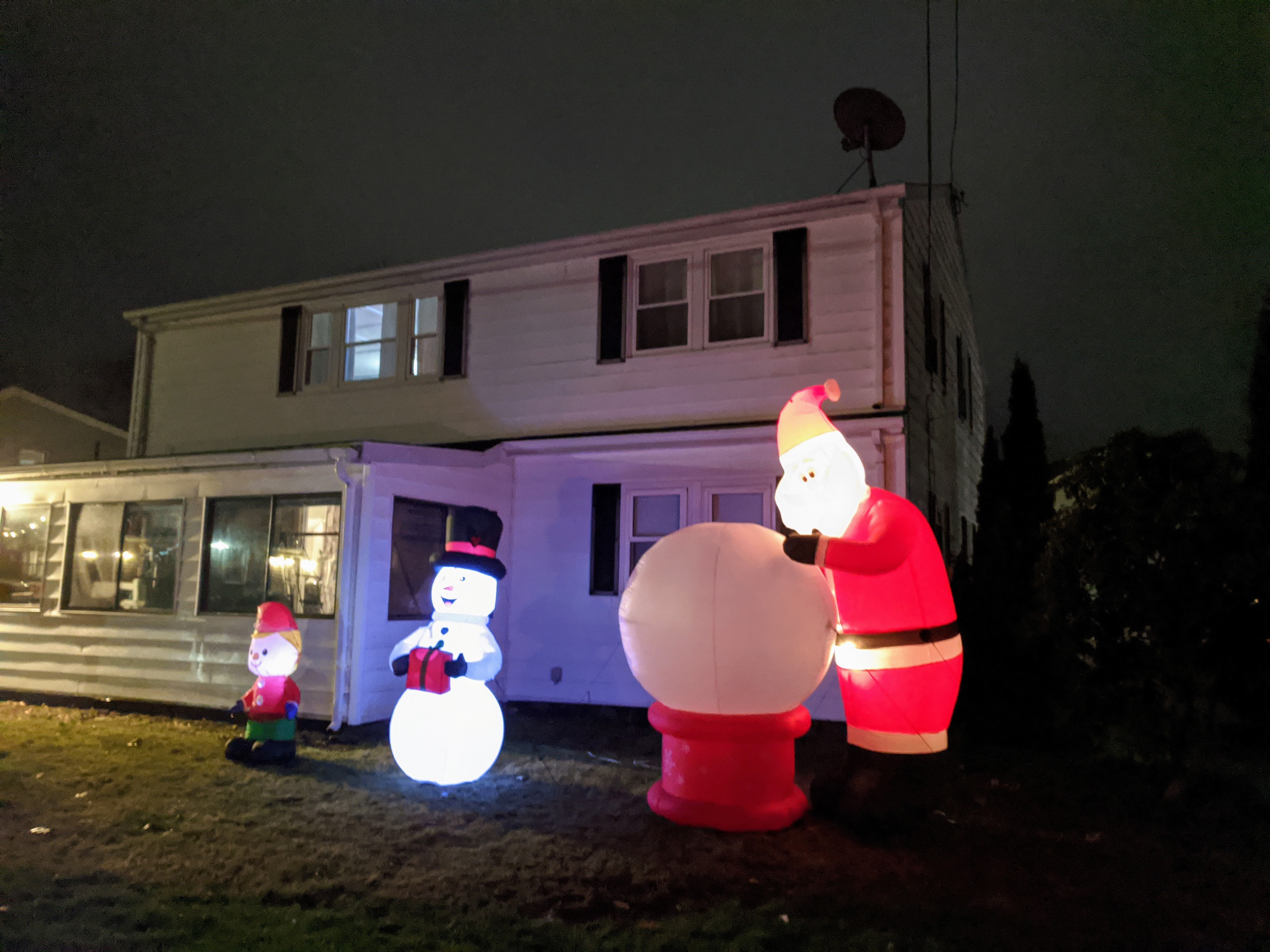
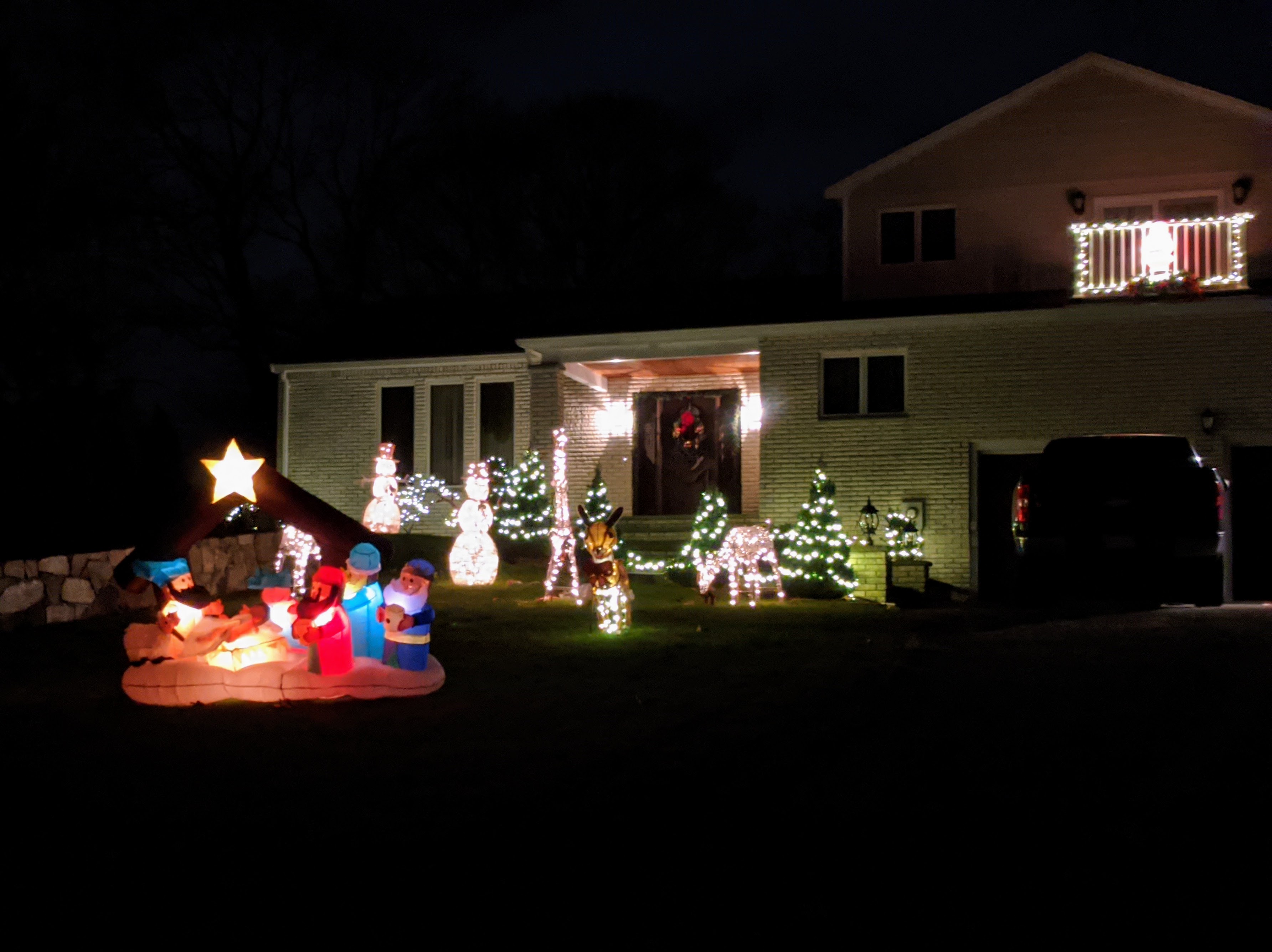
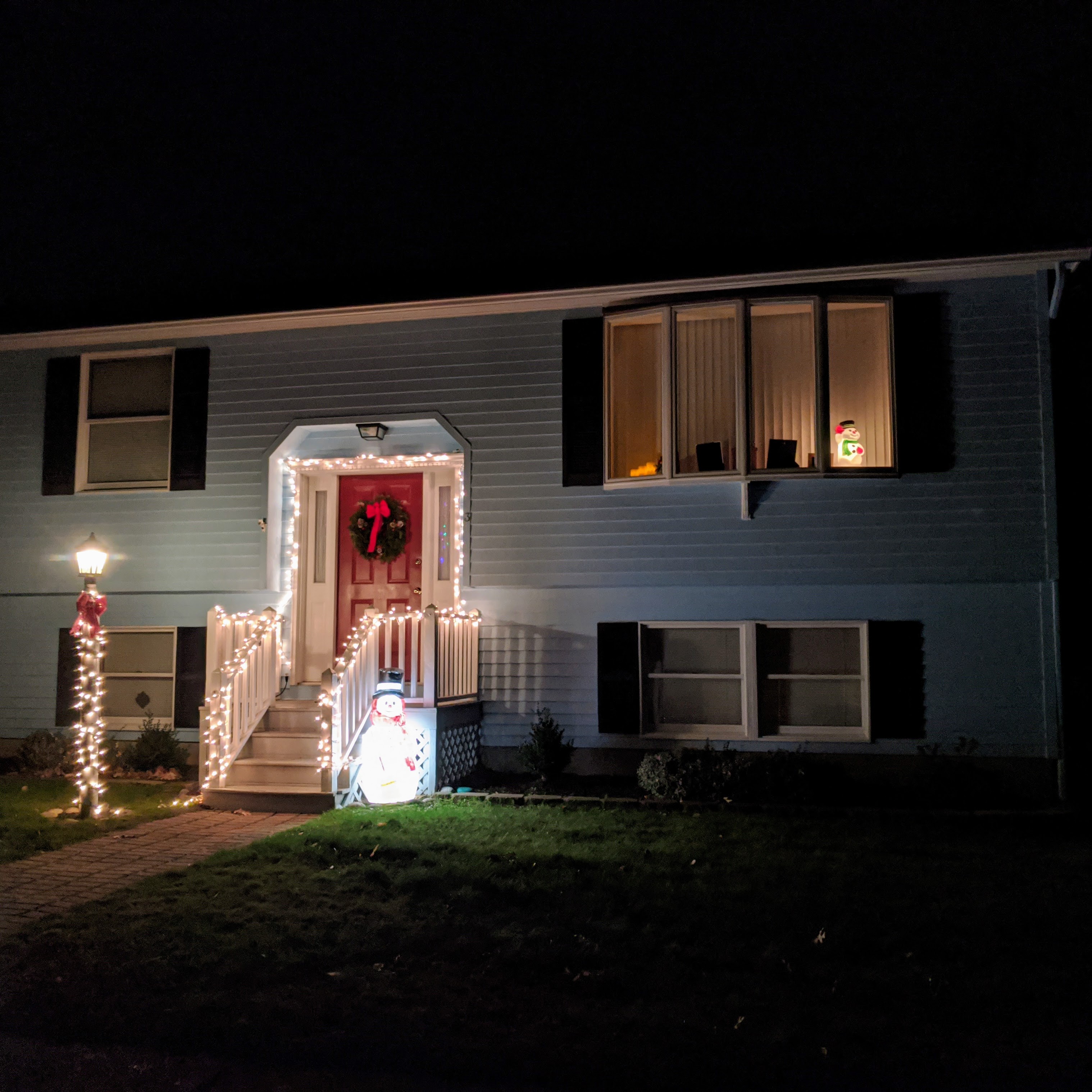
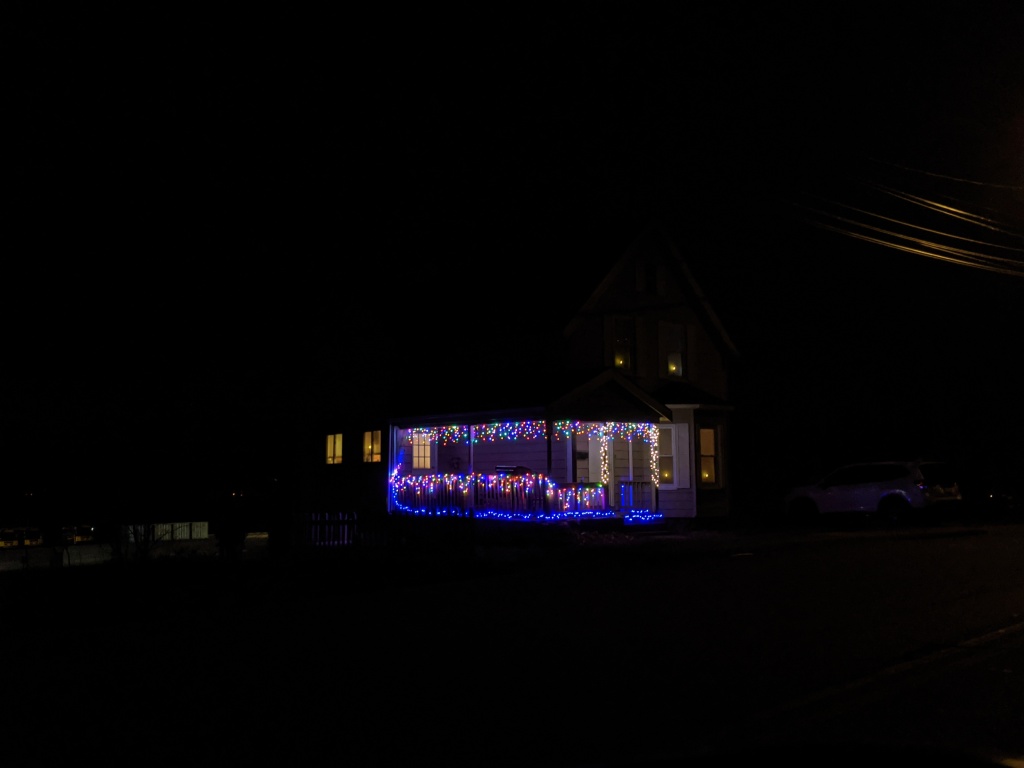
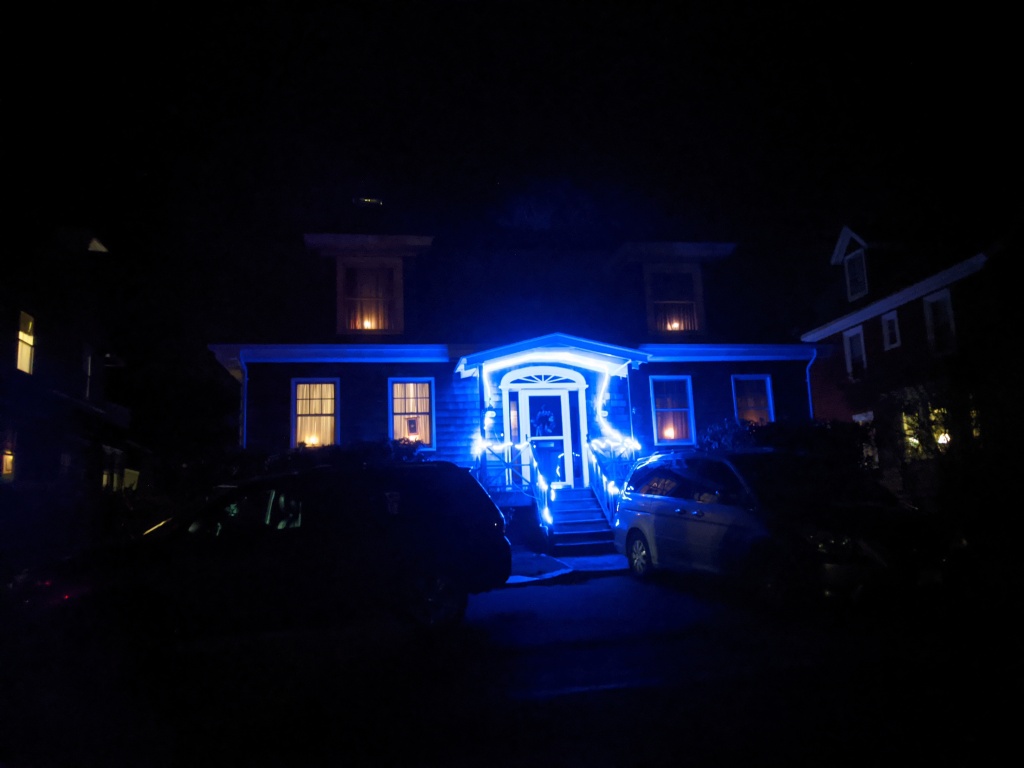
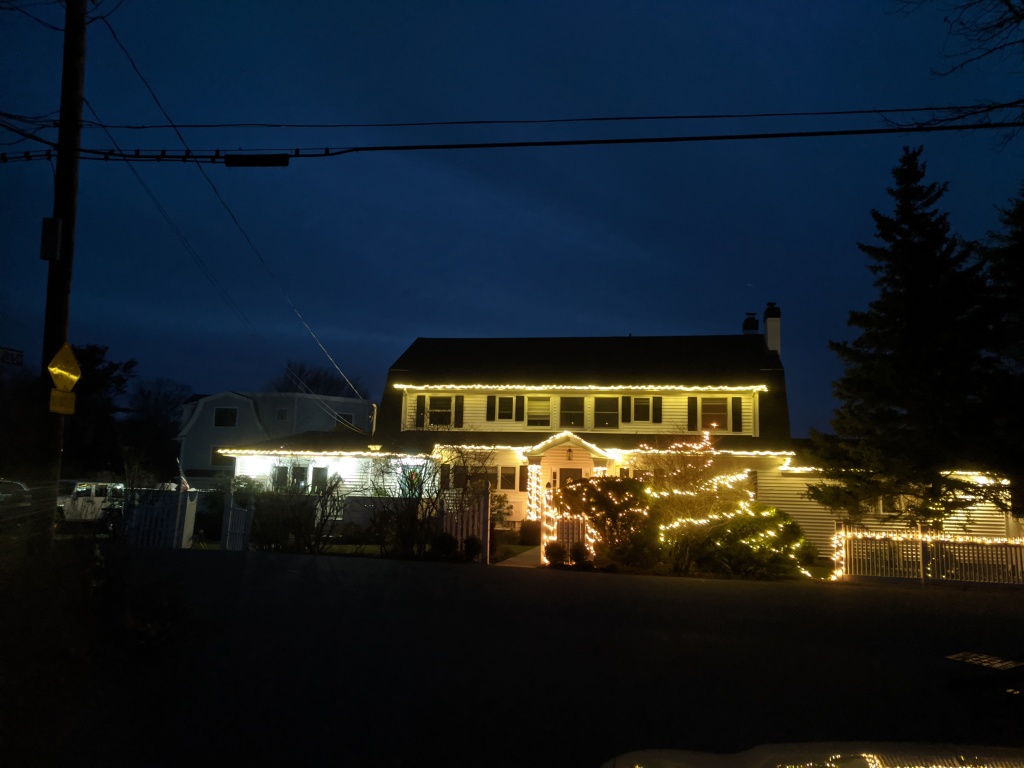
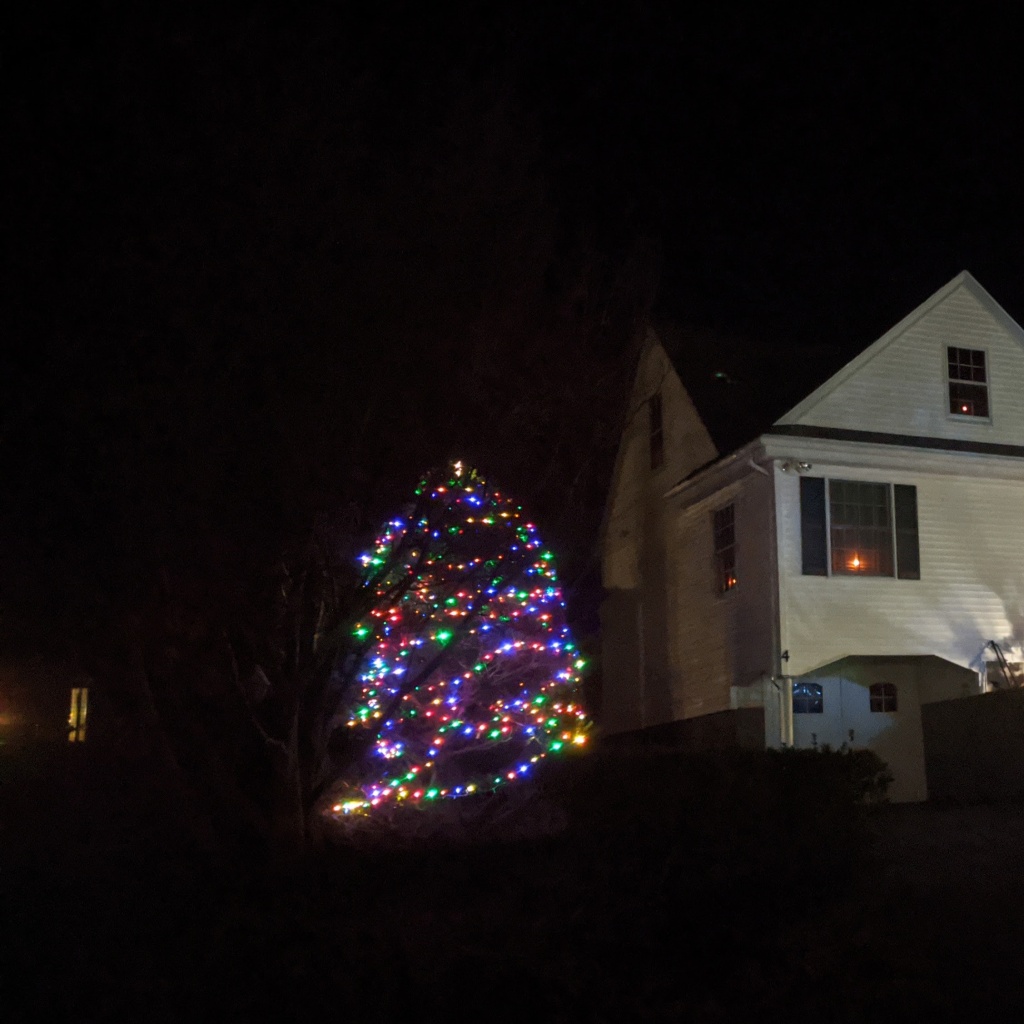
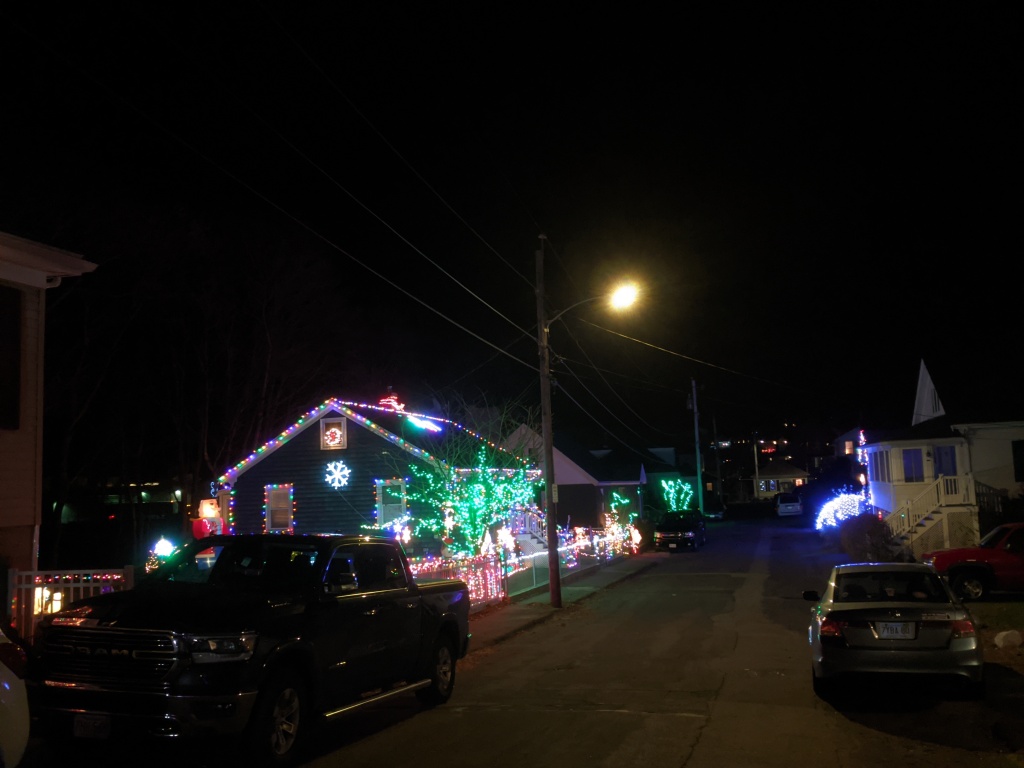
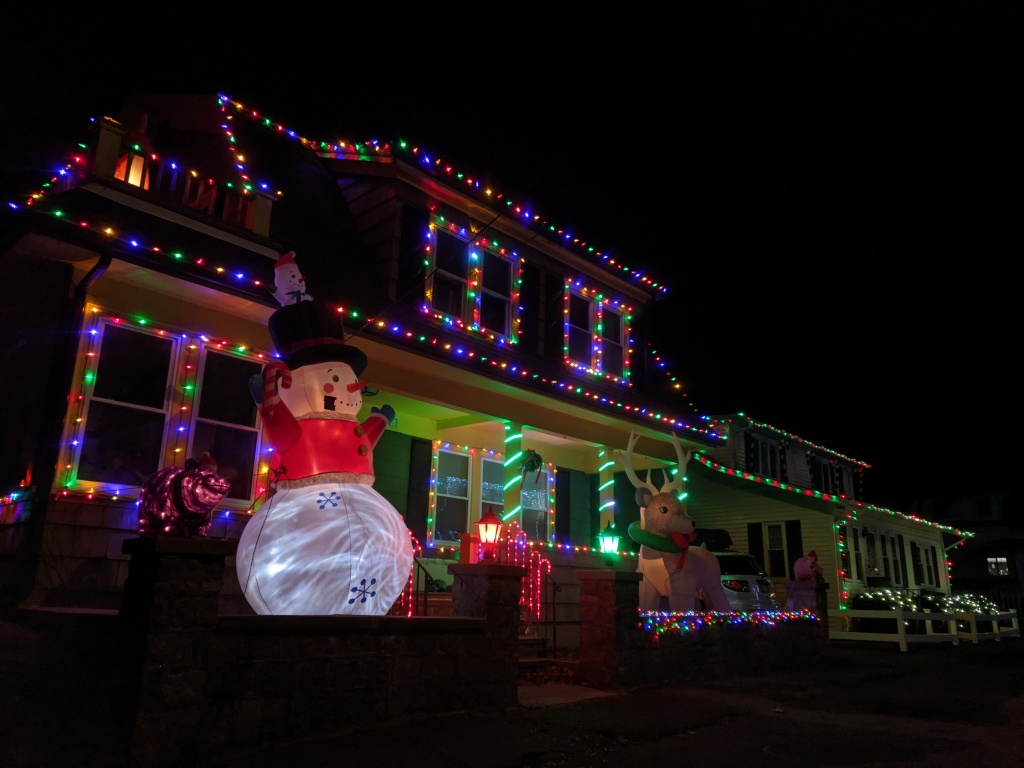
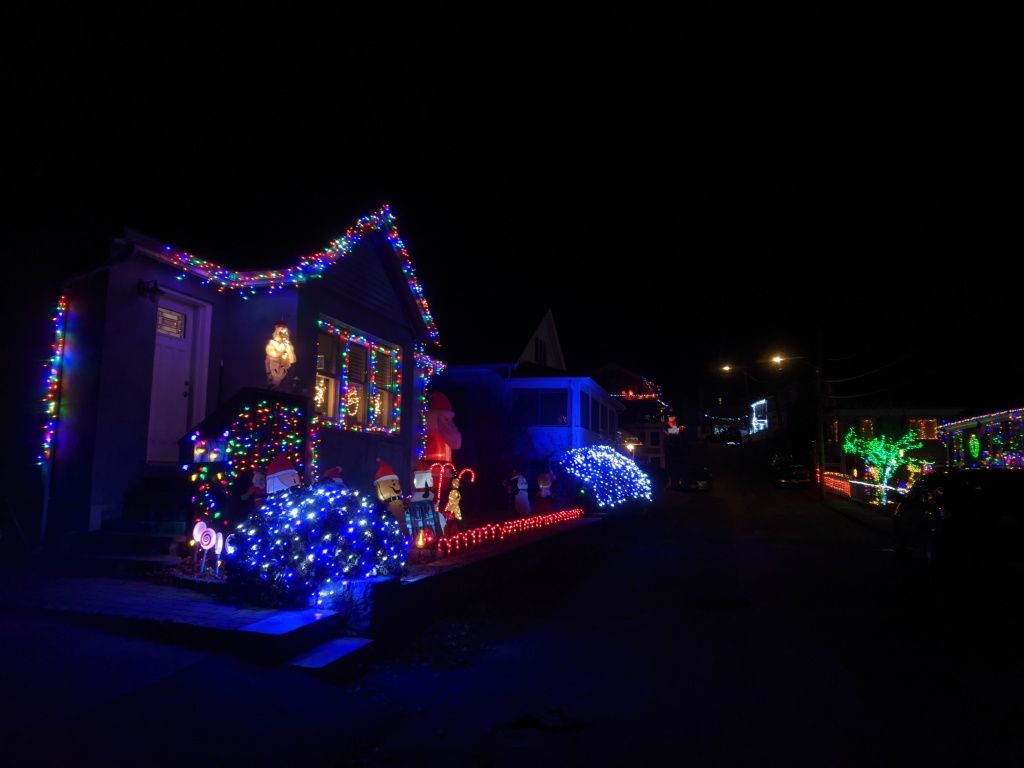
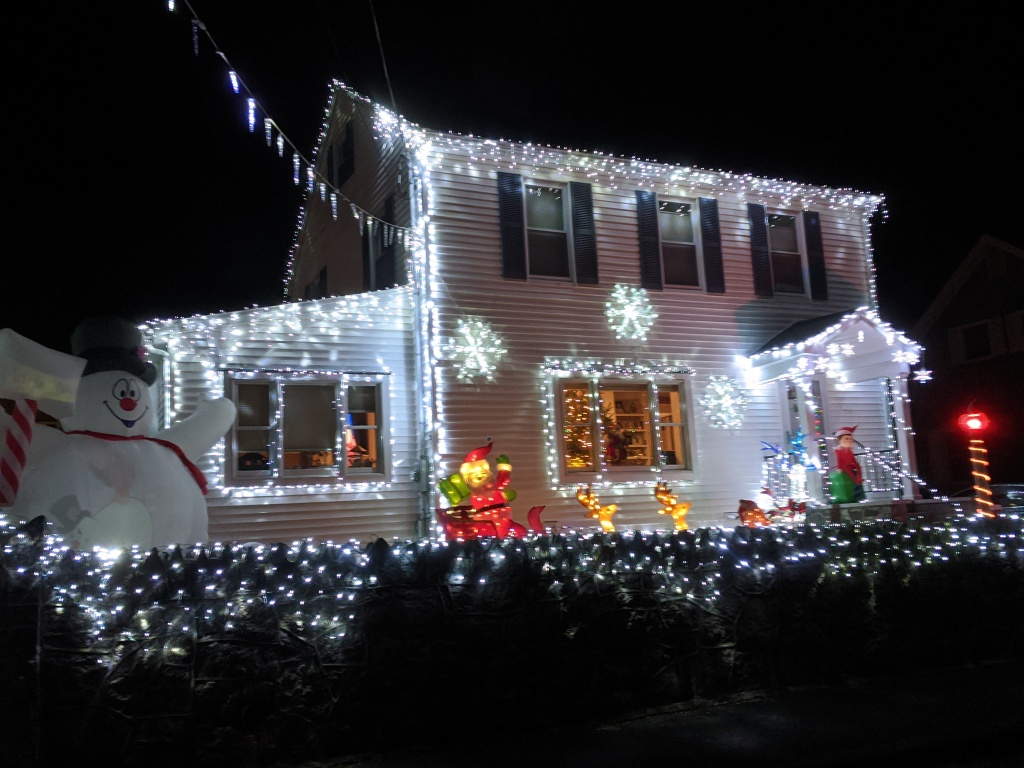
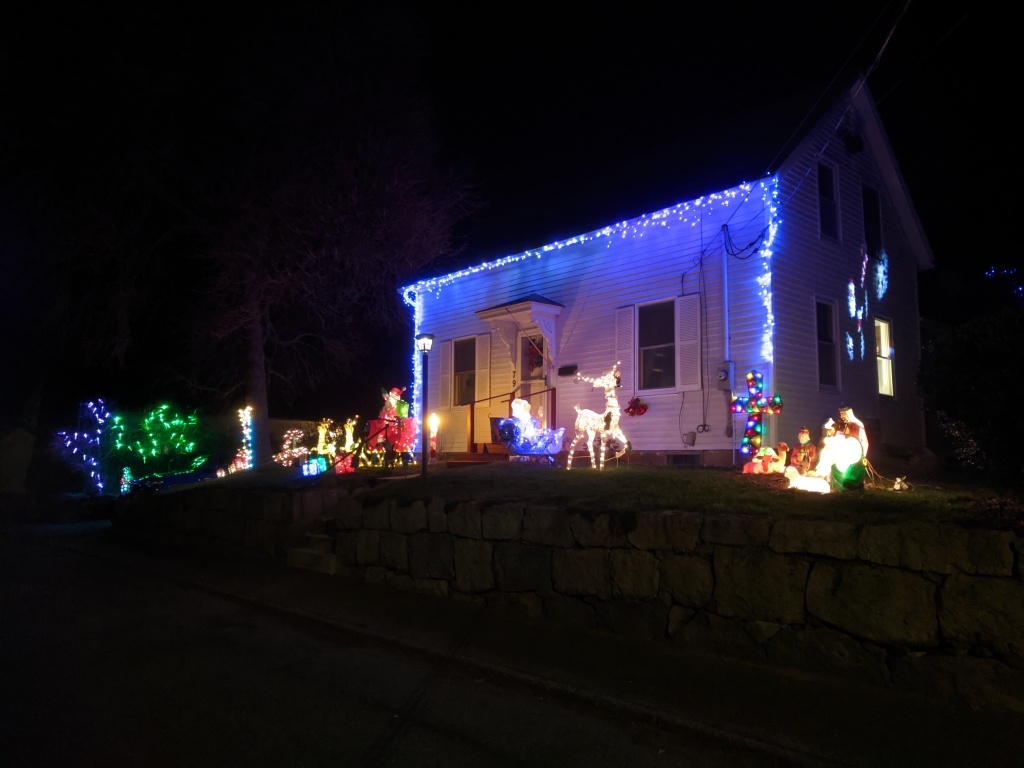
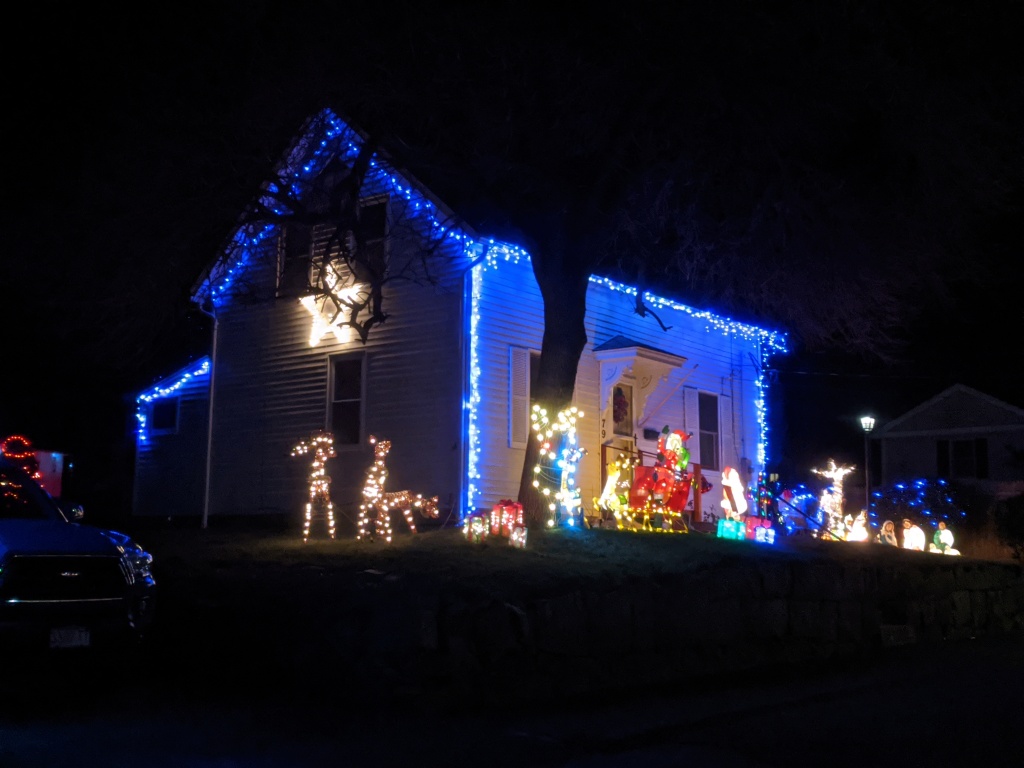
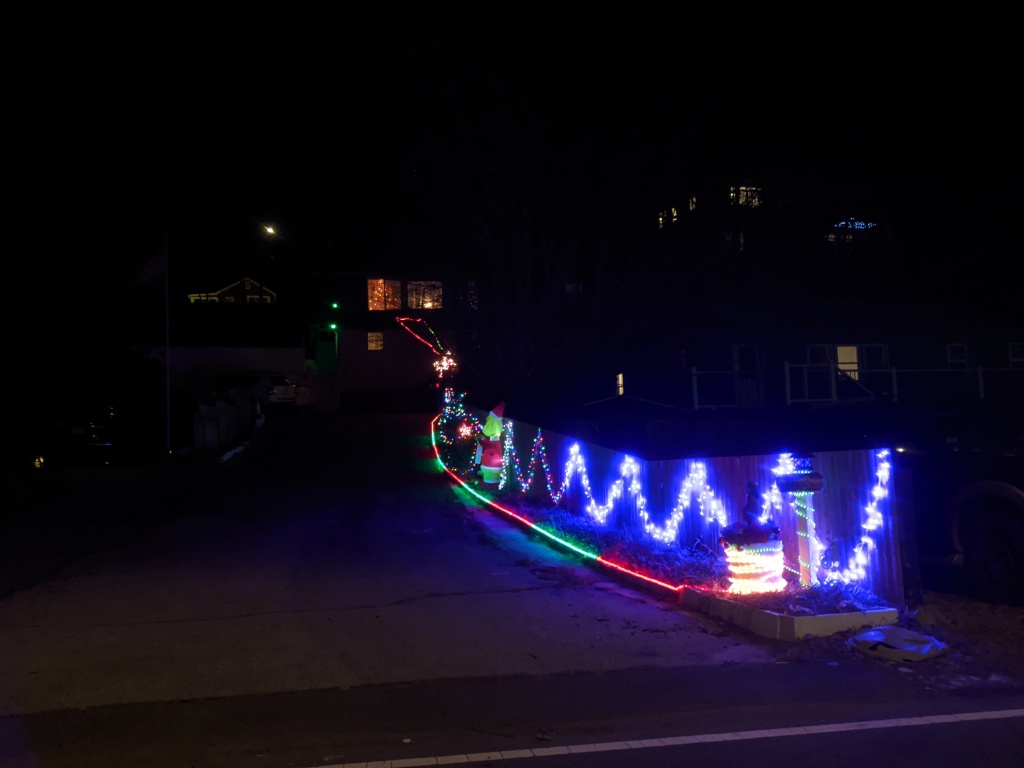
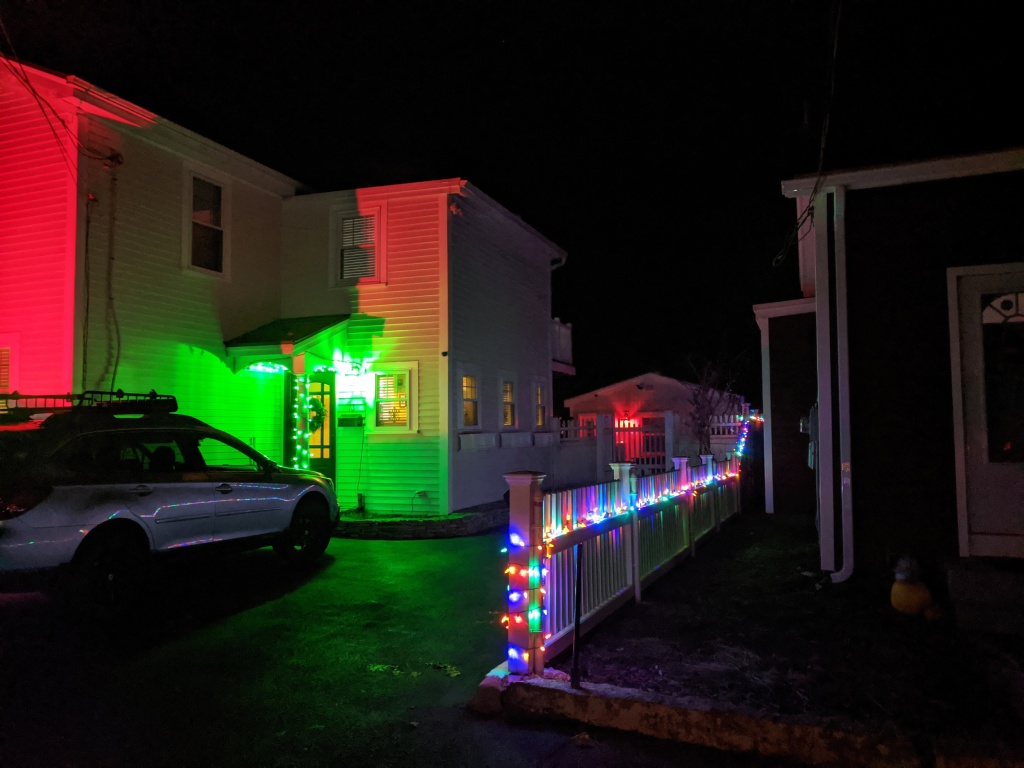
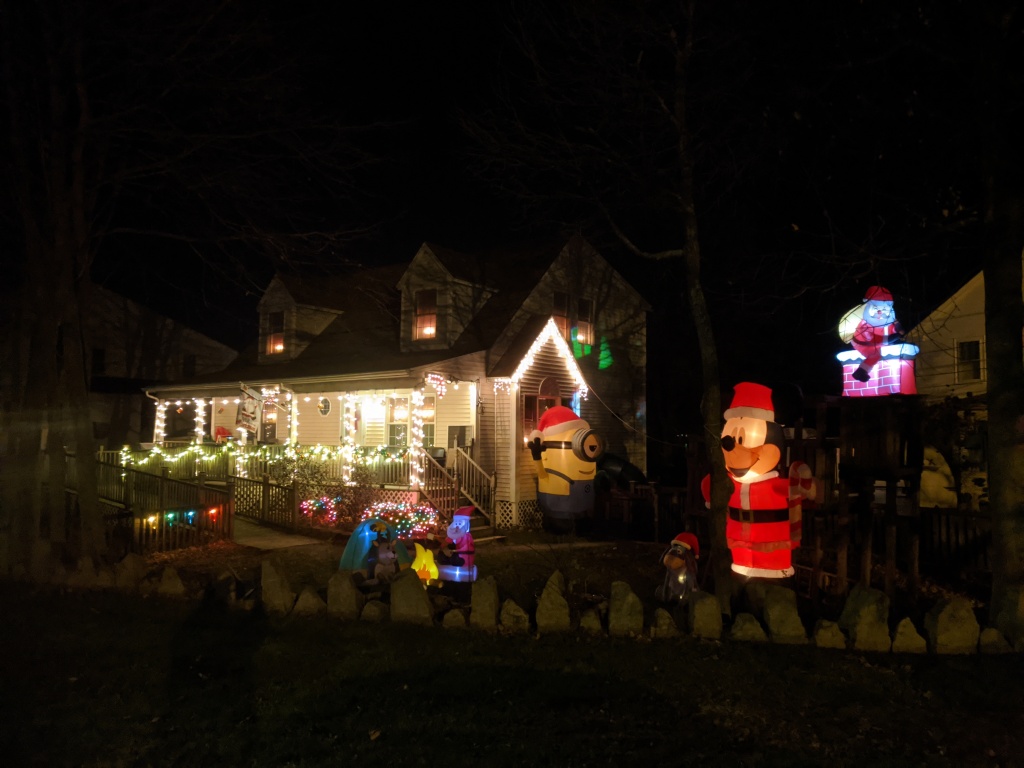
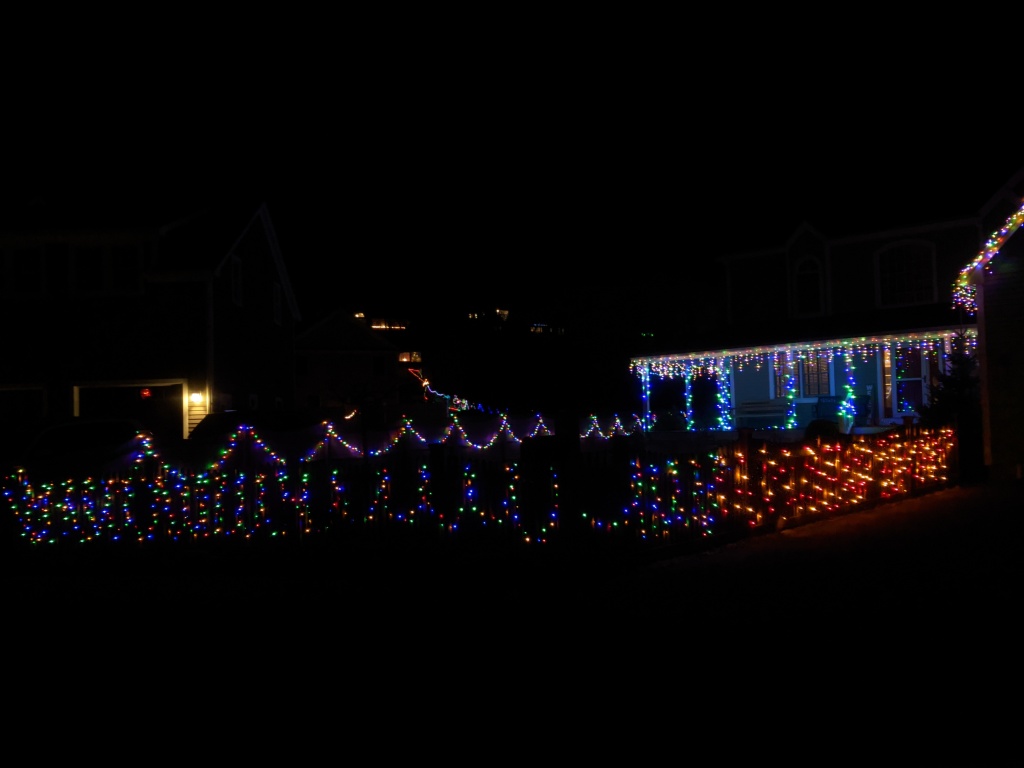
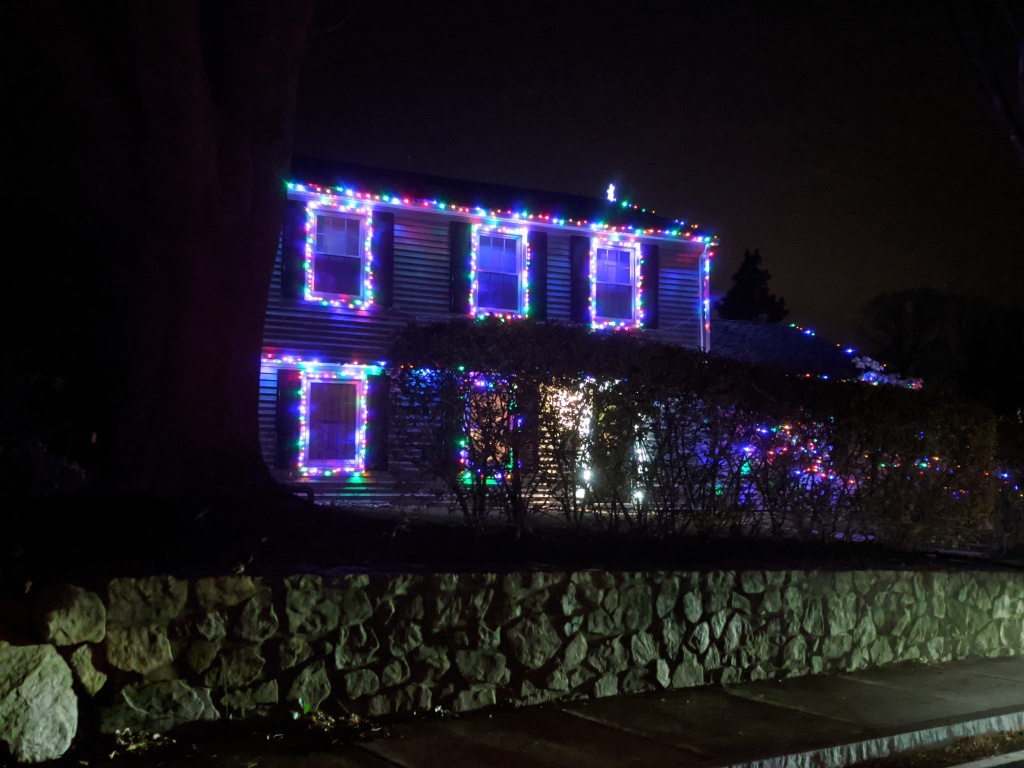
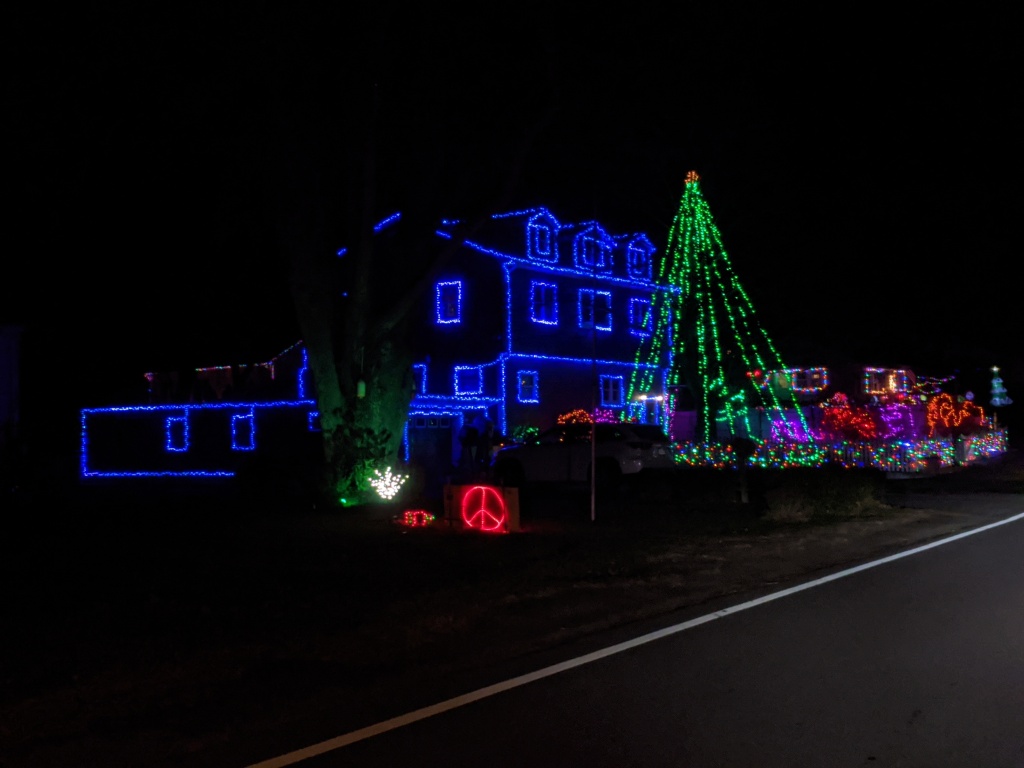
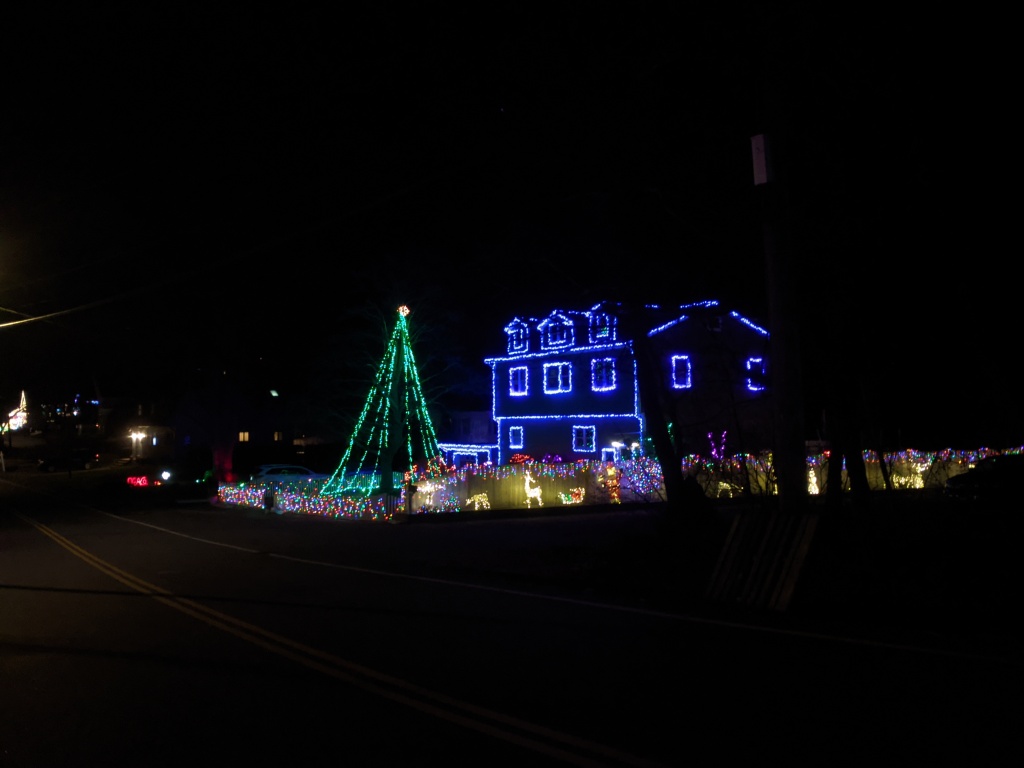
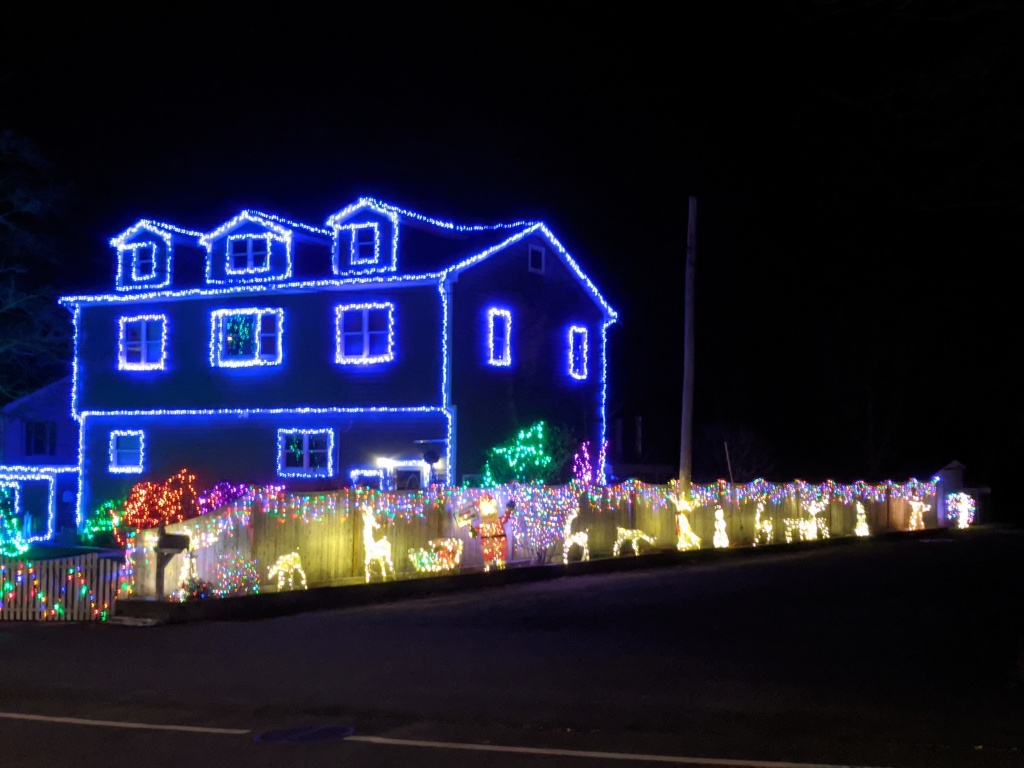
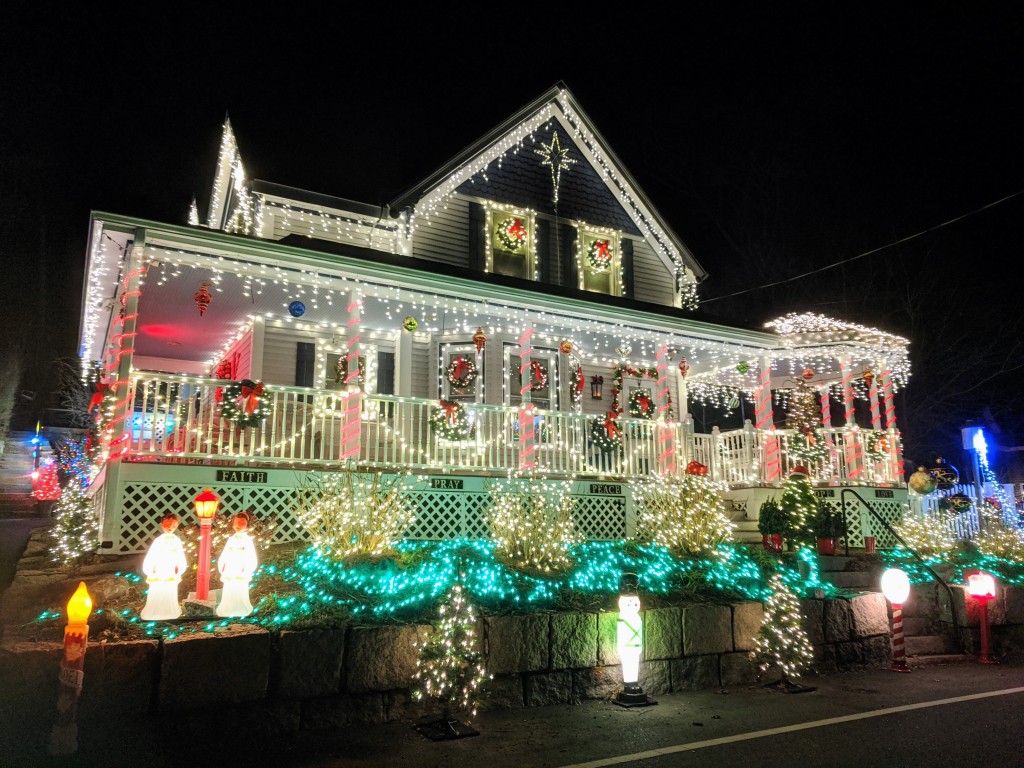
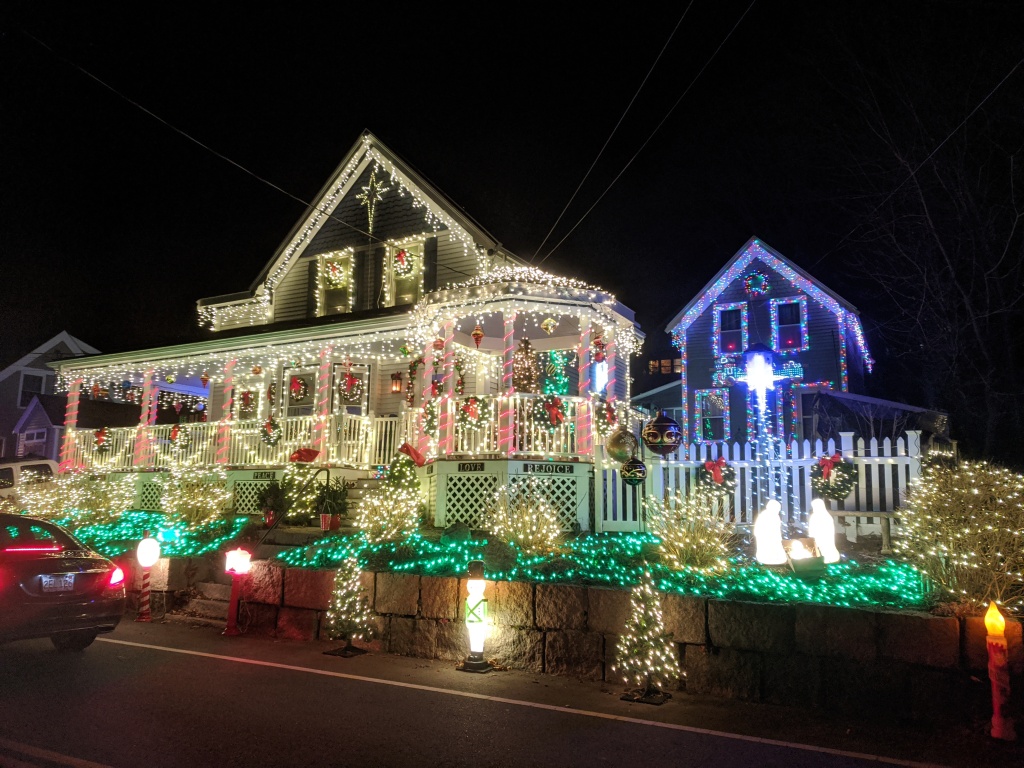
Gloucester neighborhoods are shining bright! There are some 350 houses on the 2022 map. The map is smart phone ready with house pictures. A little light goes a long and welcome warm way. It’s dark so early now!
New homes mapped on December 14th,16th, &18th cover some of Gloucester’s main roads, mostly in West Gloucester, Magnolia, and along Rt. 127. Enjoy scenes from:
(Scroll down to see photos. Pinch and zoom or double click depending upon your phone/desktop. On mine I double click and then have to select “Full size”. Scroll down to map.)
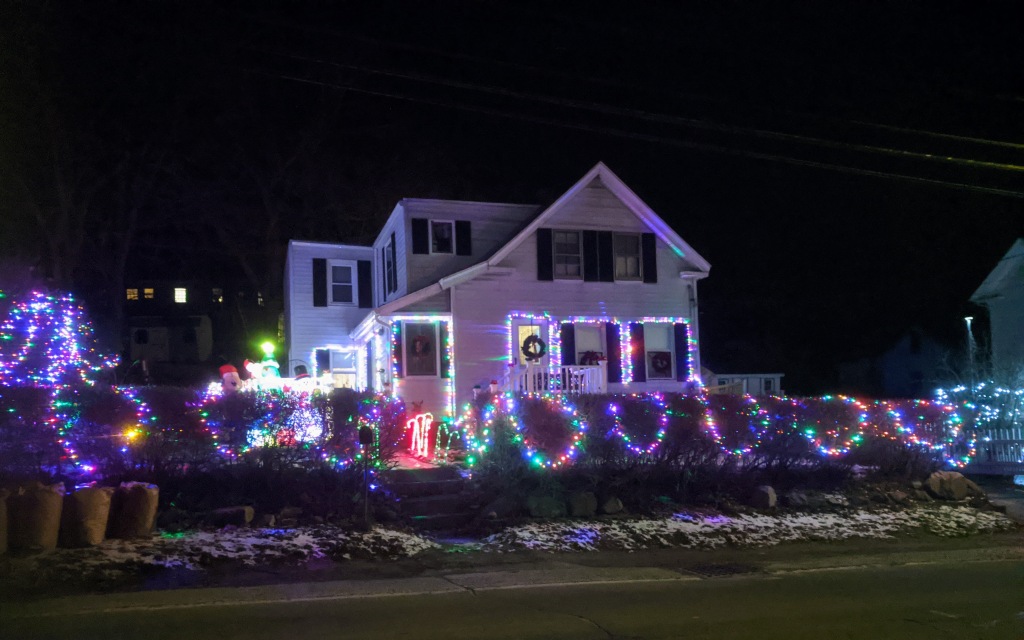
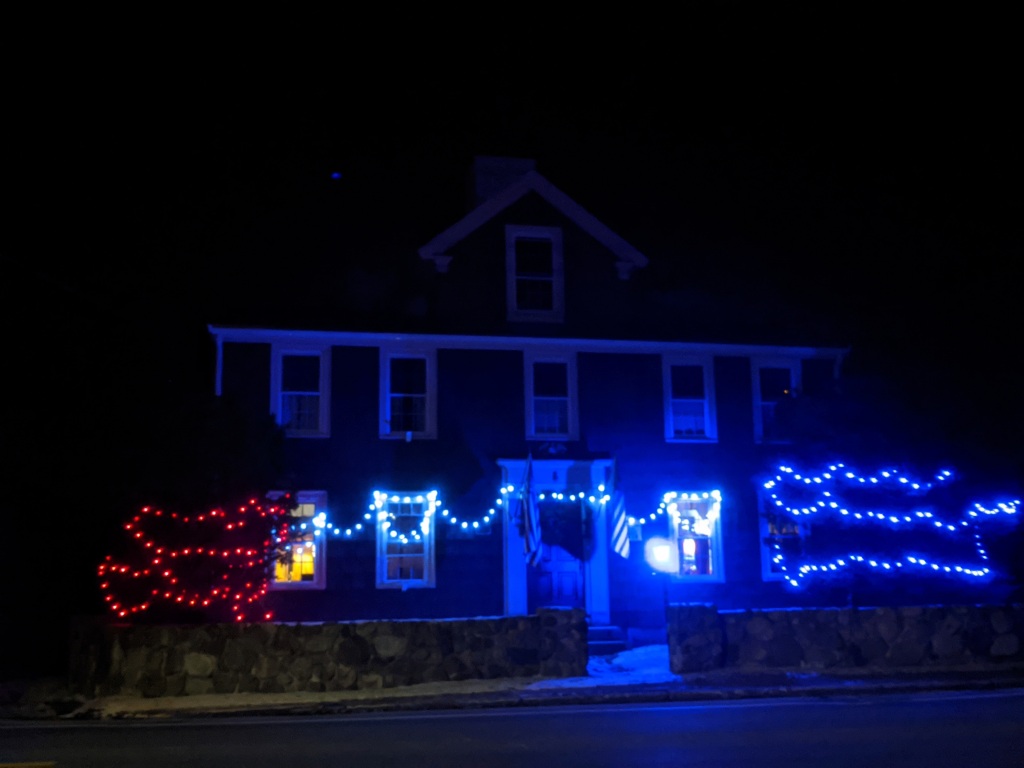
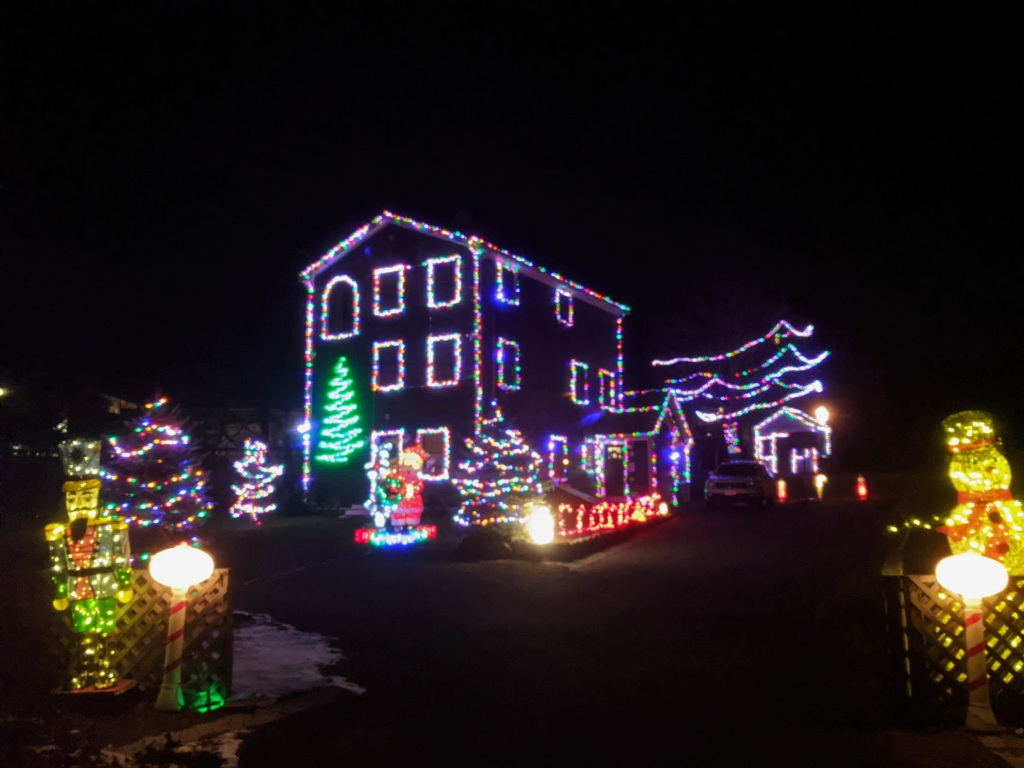
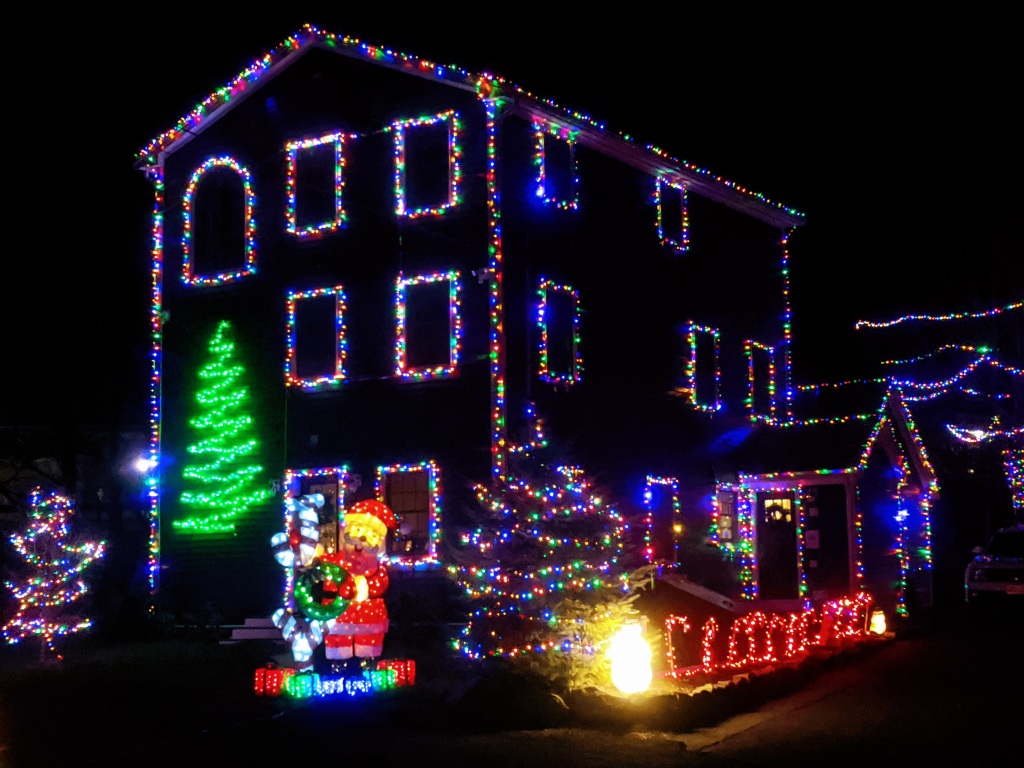
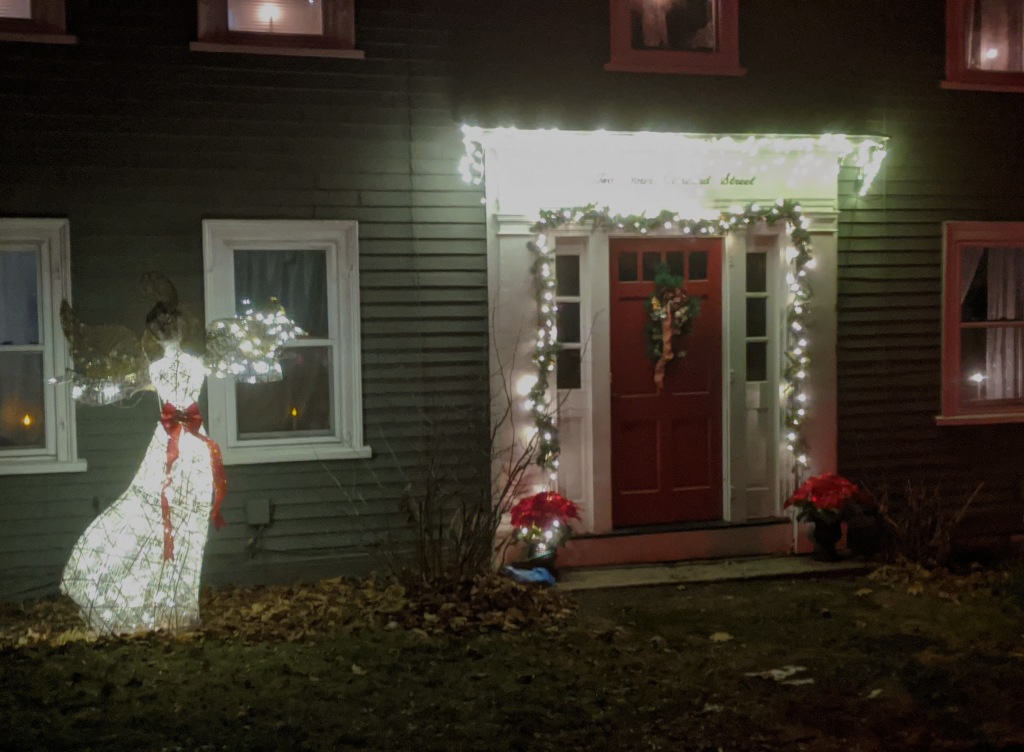

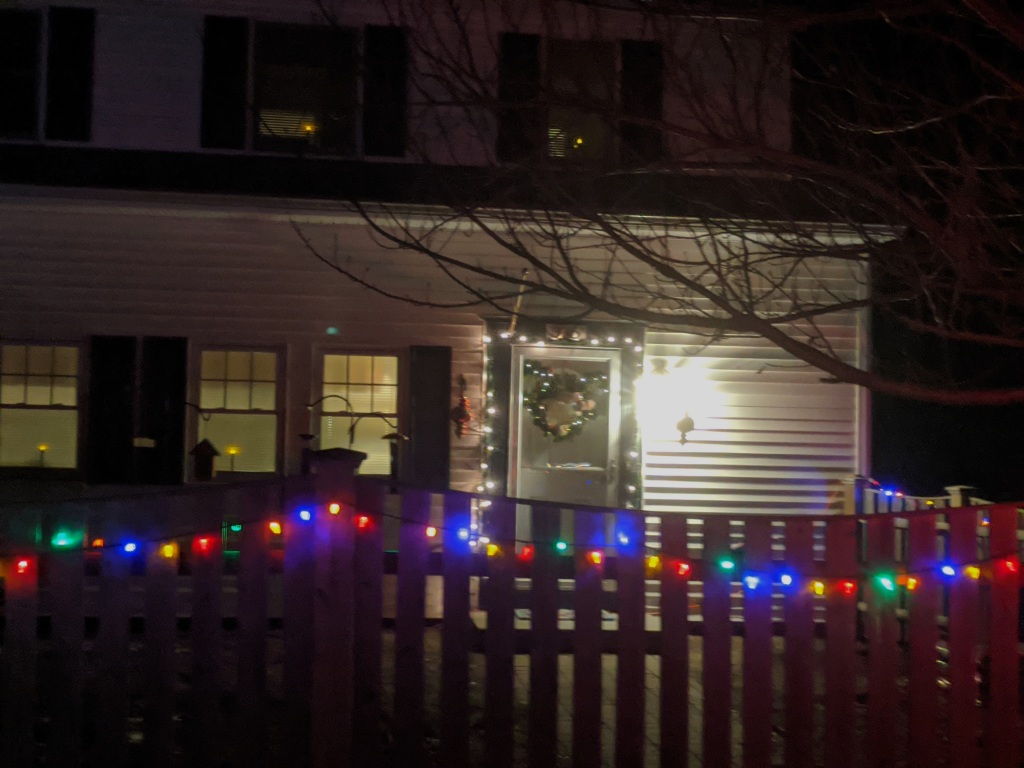
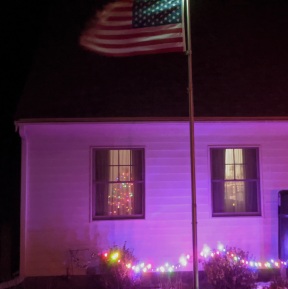
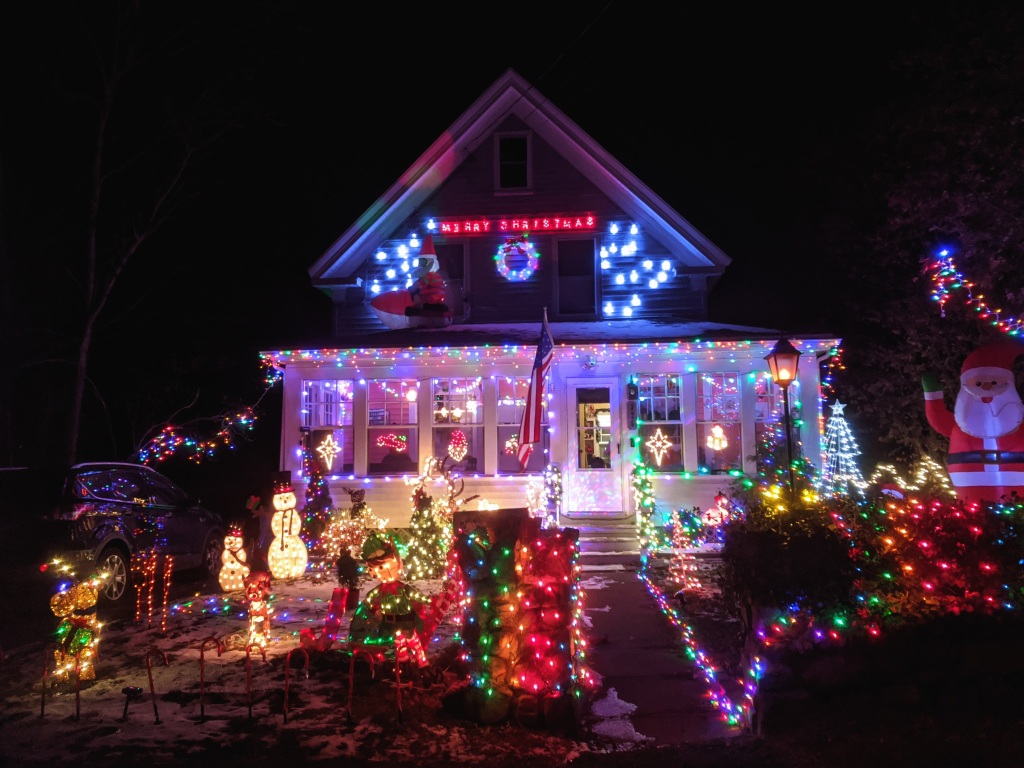

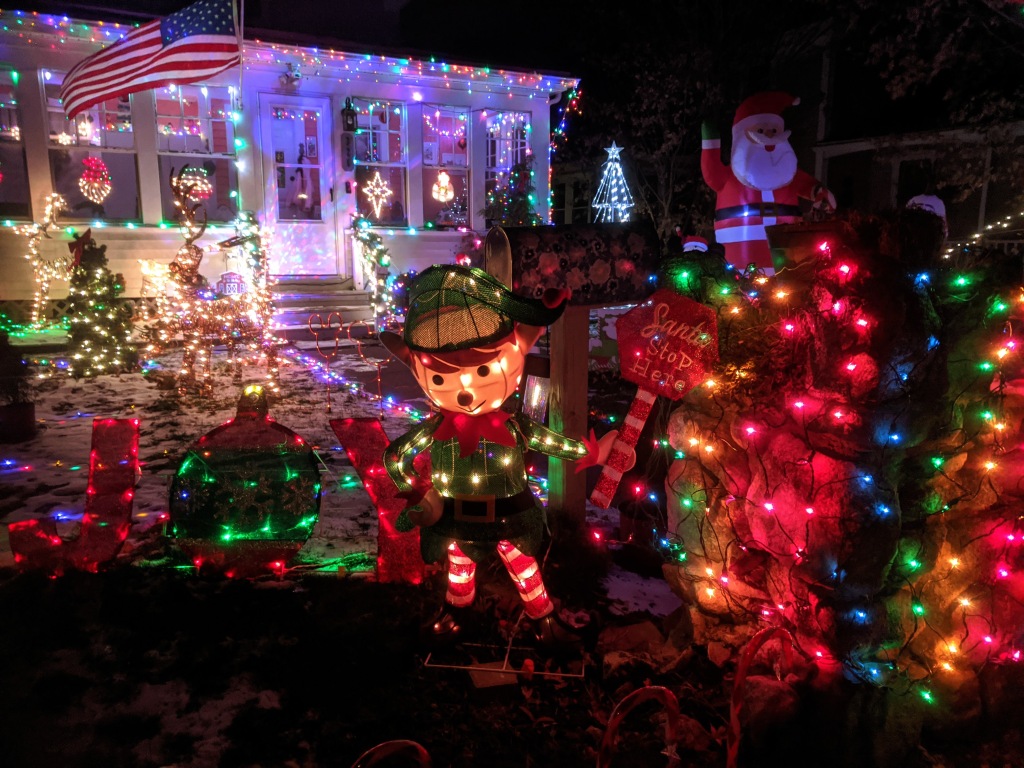
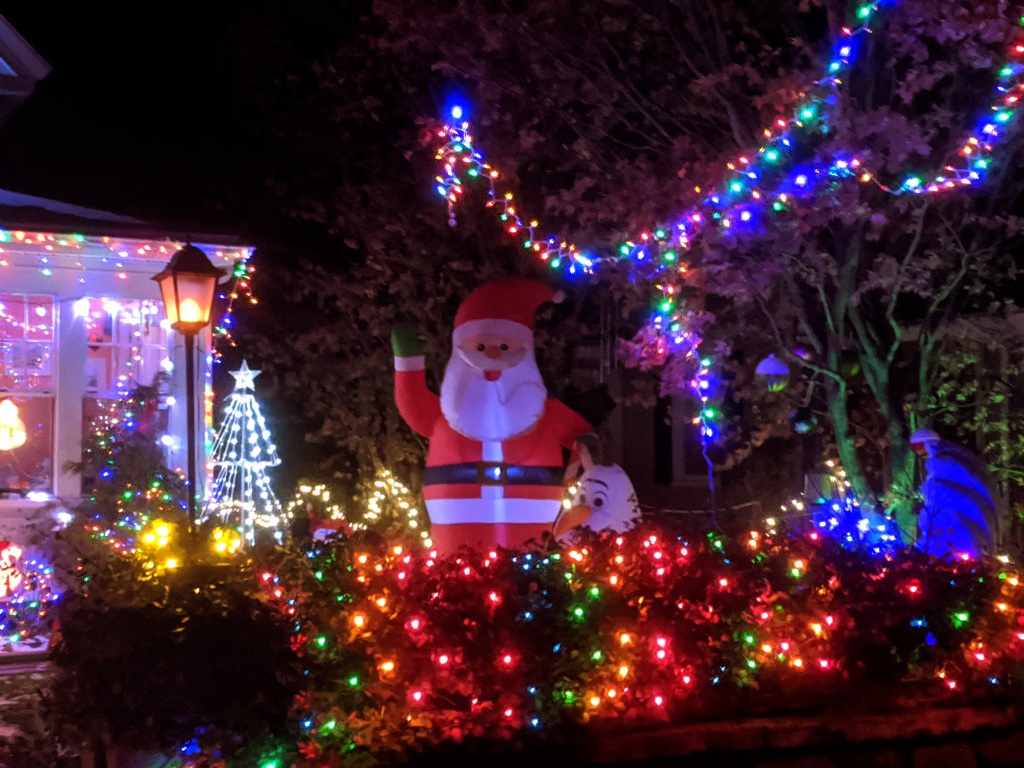
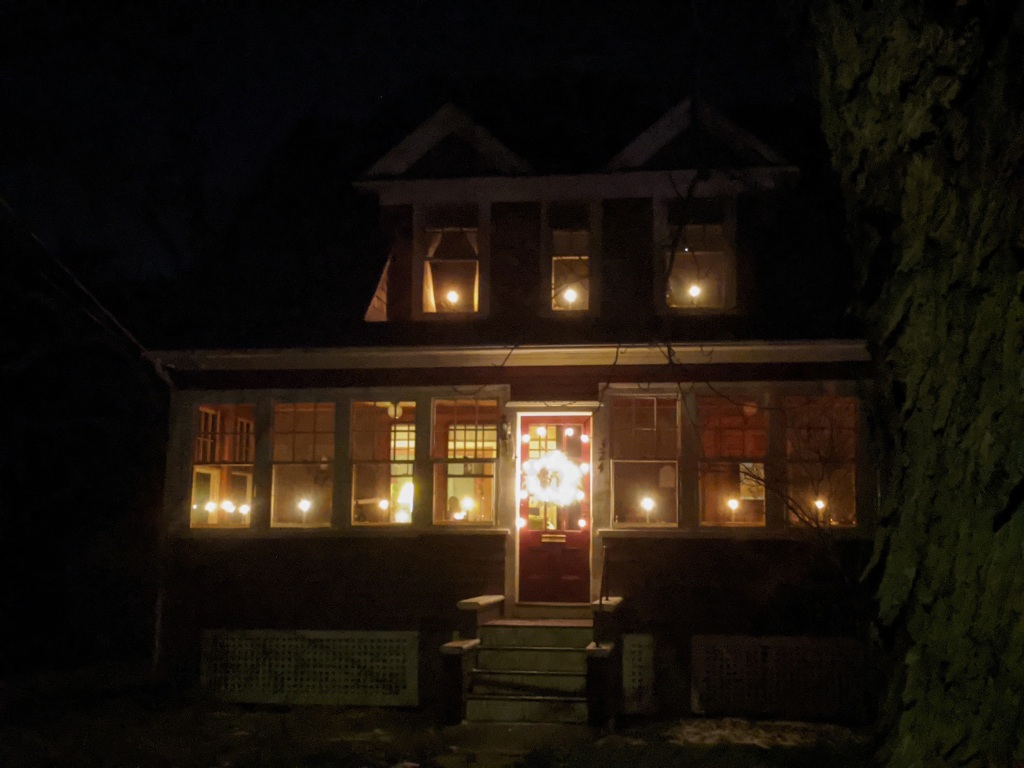
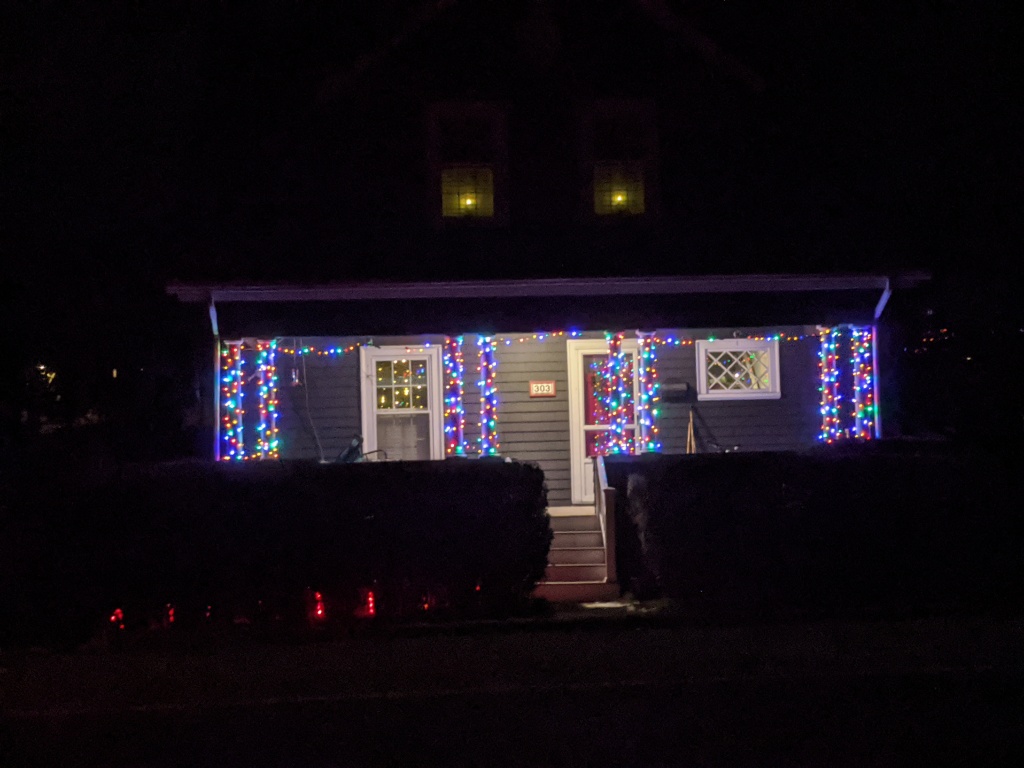
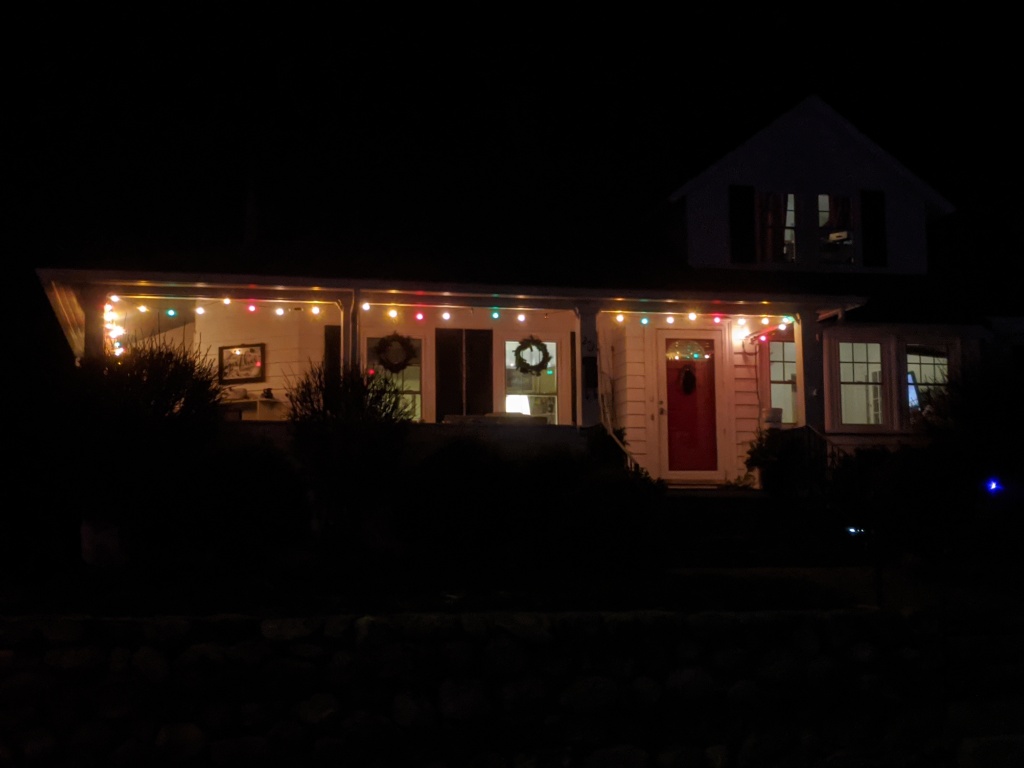
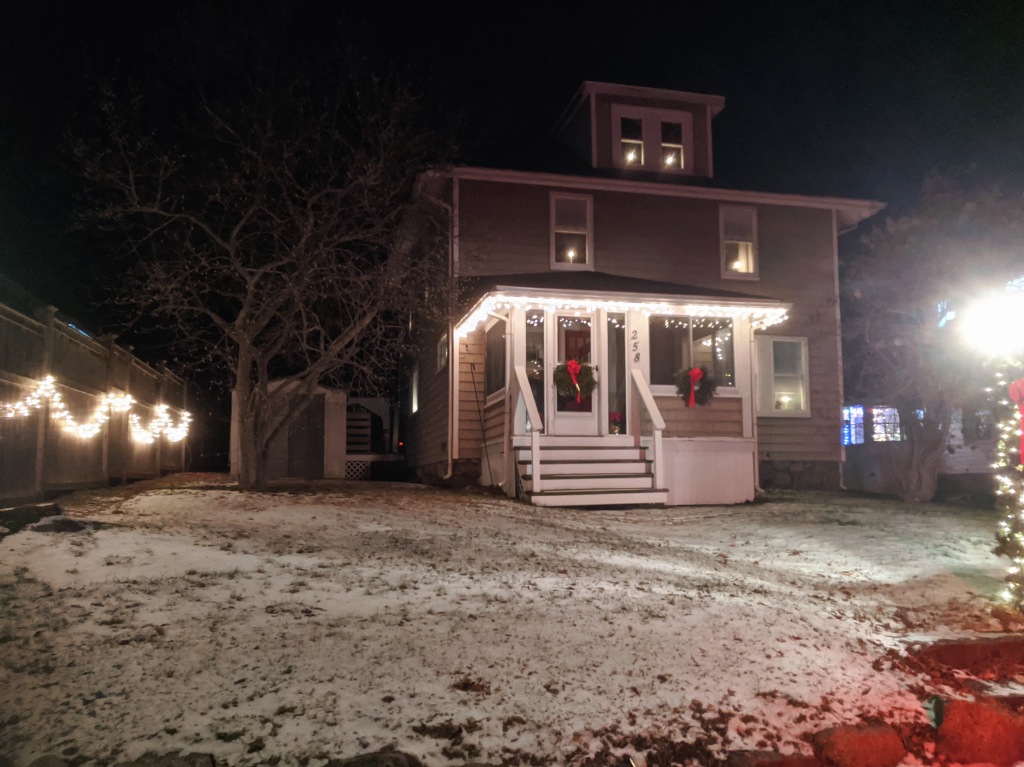
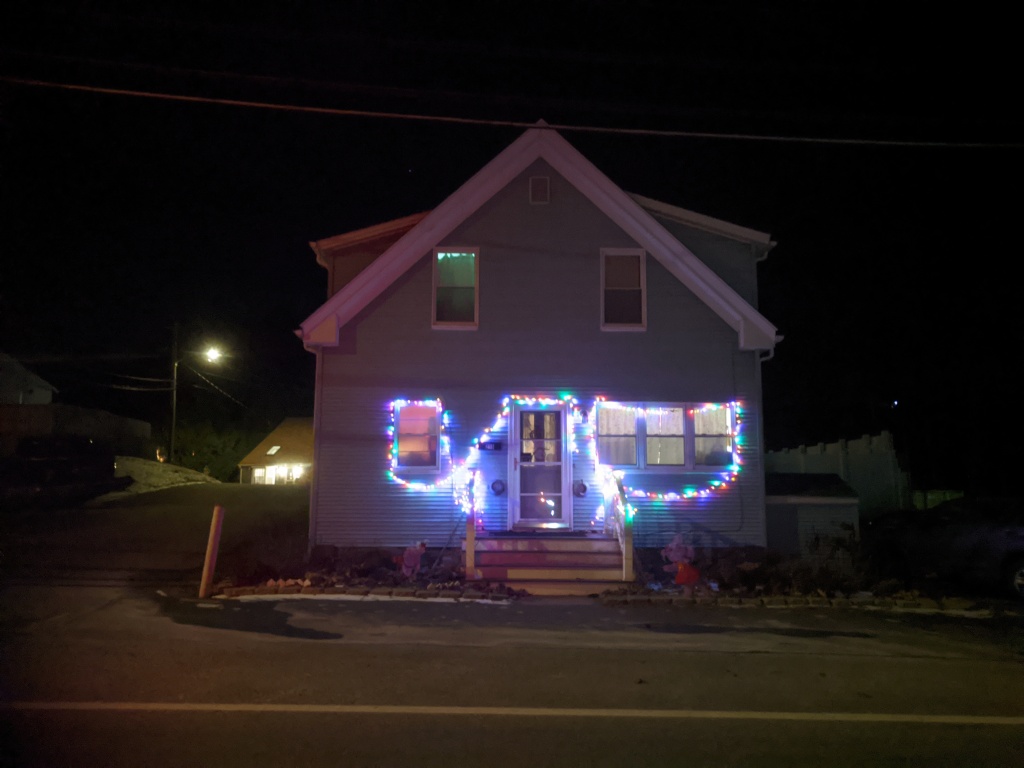
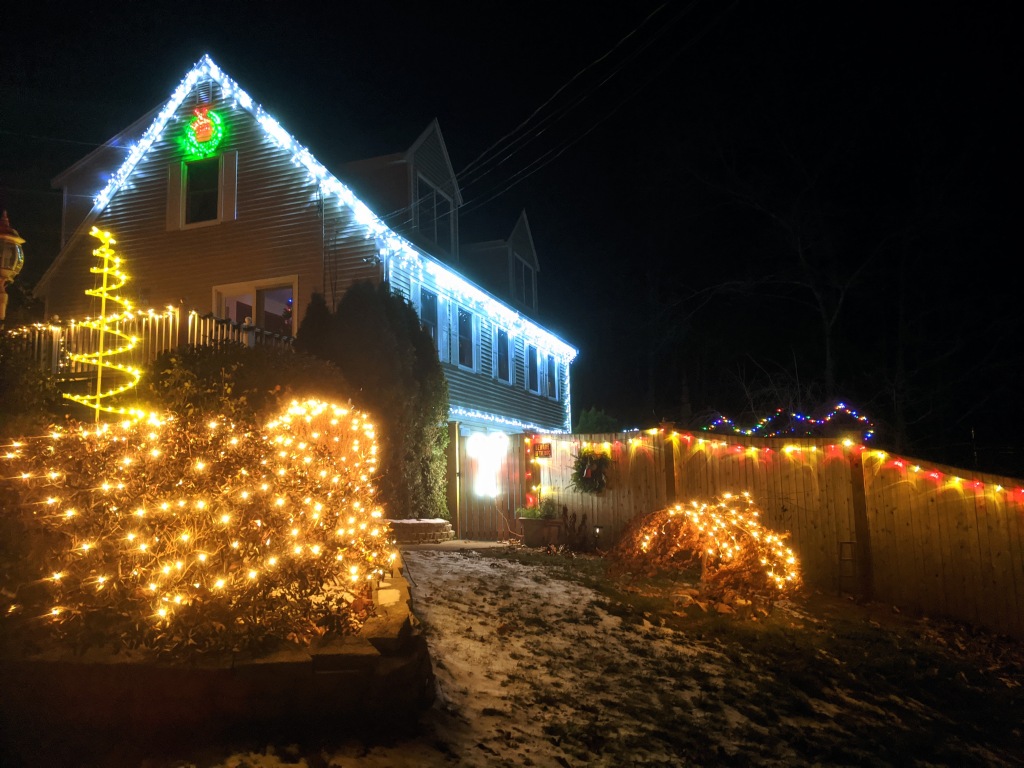
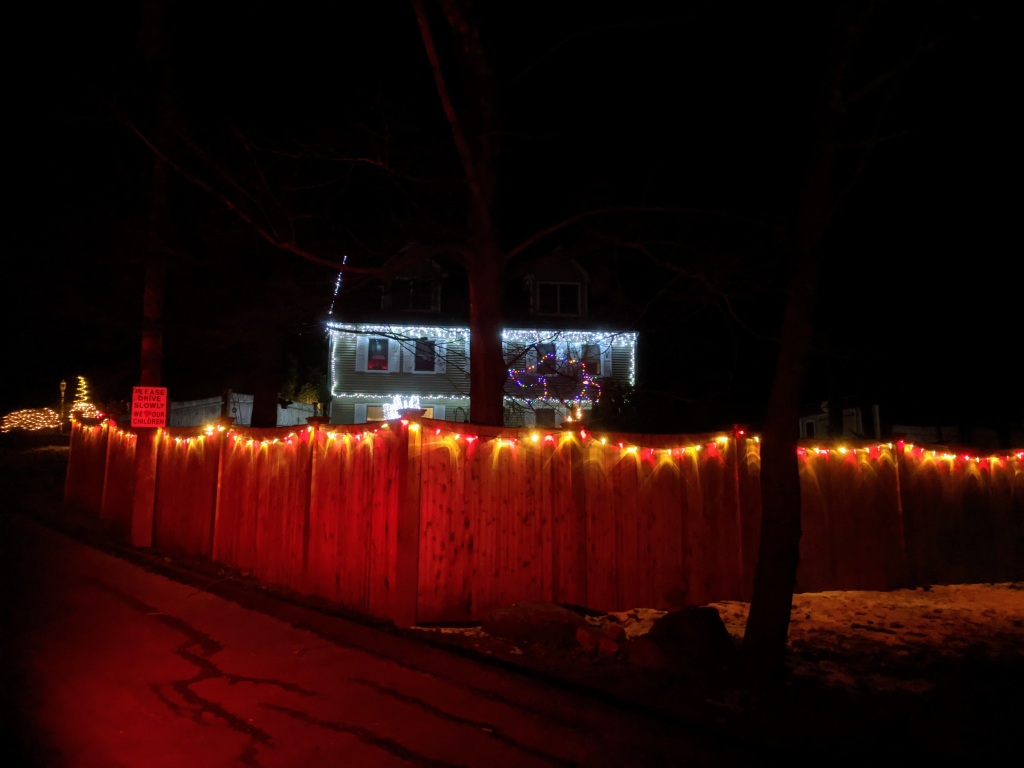



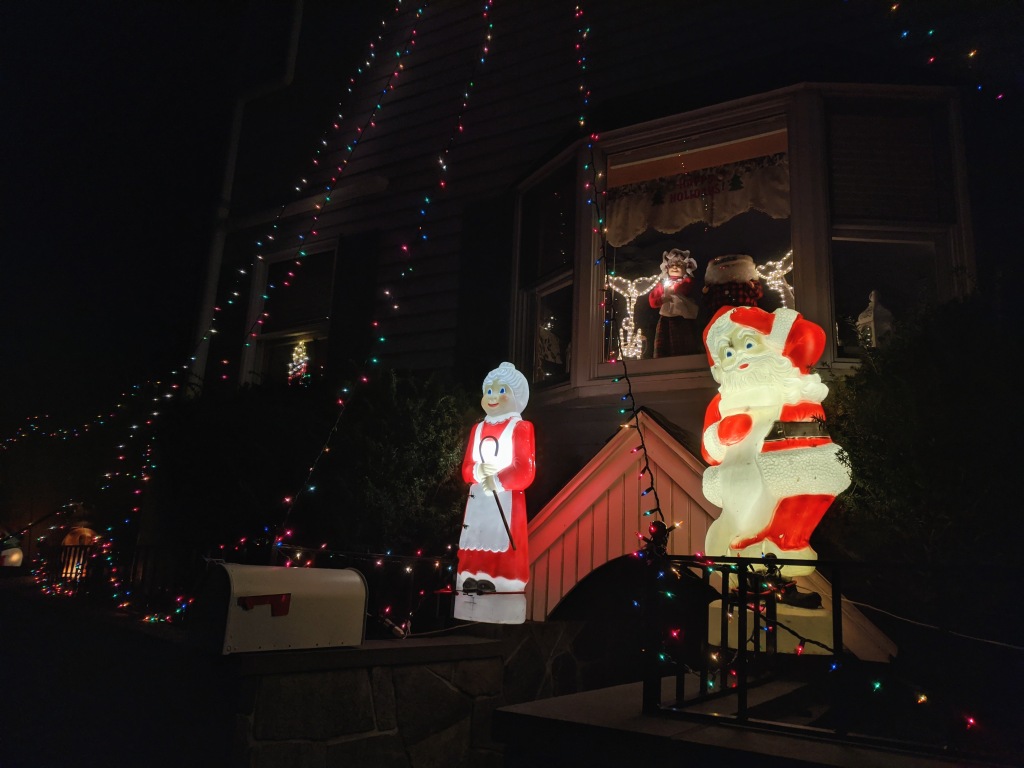
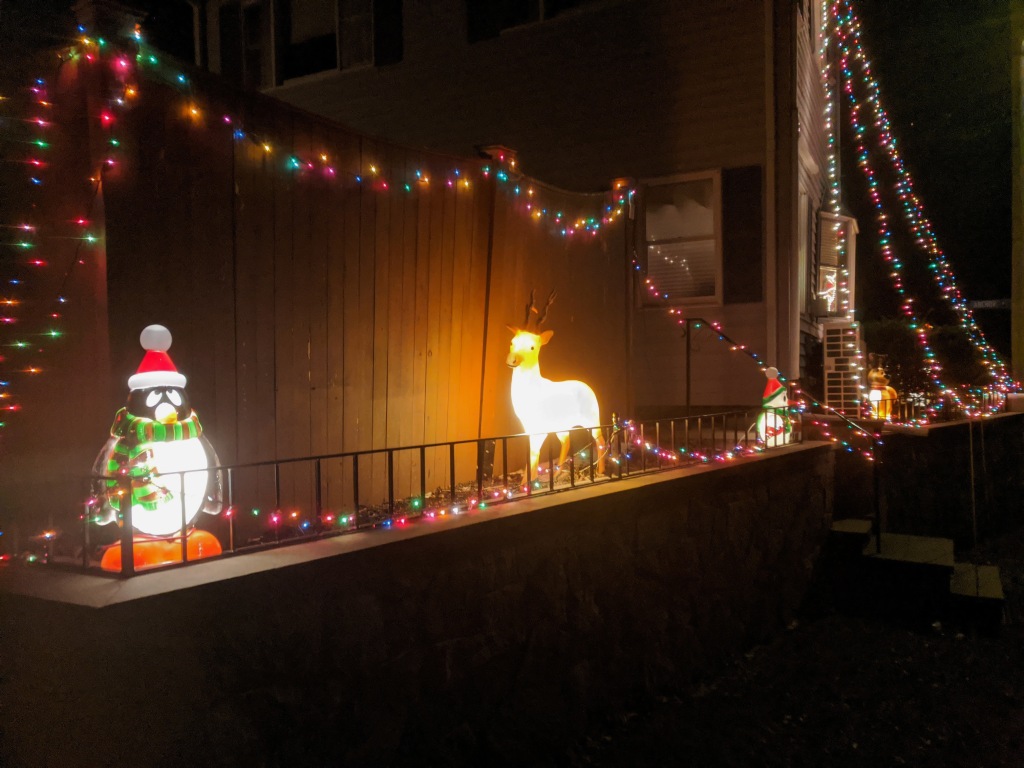
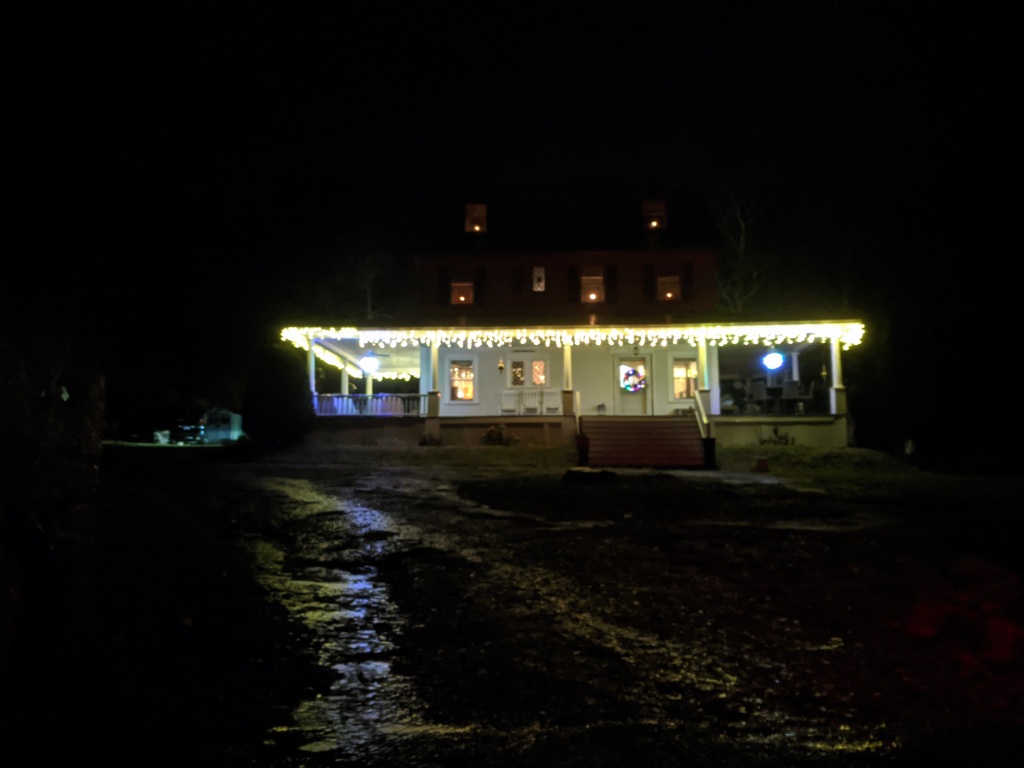


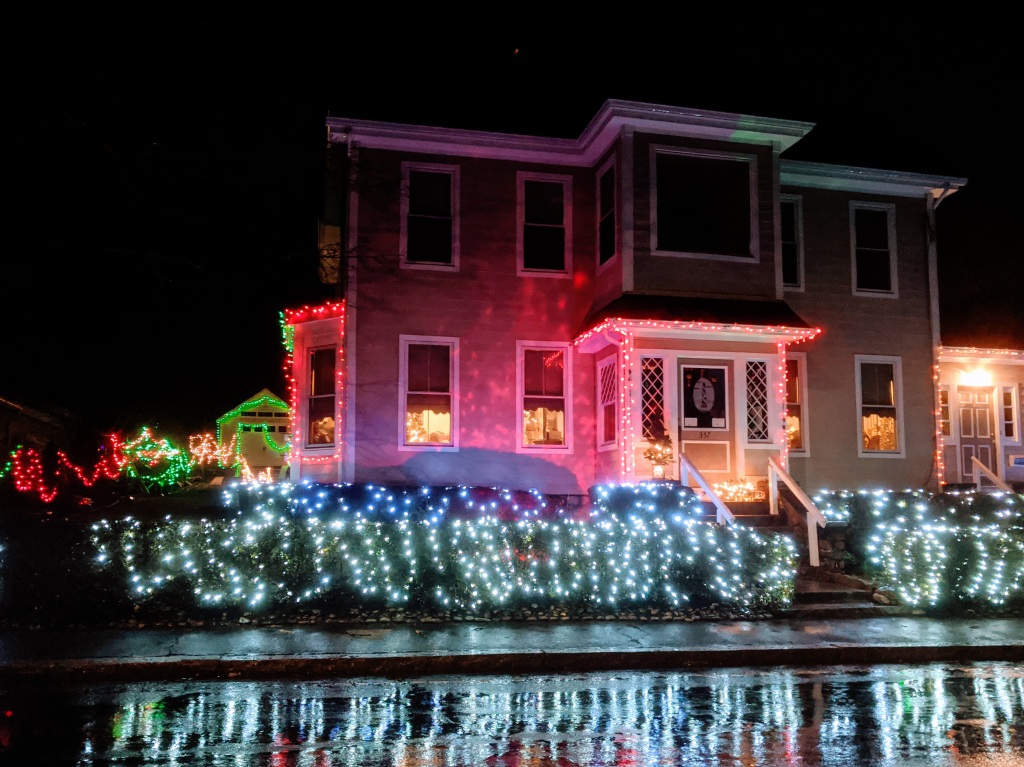
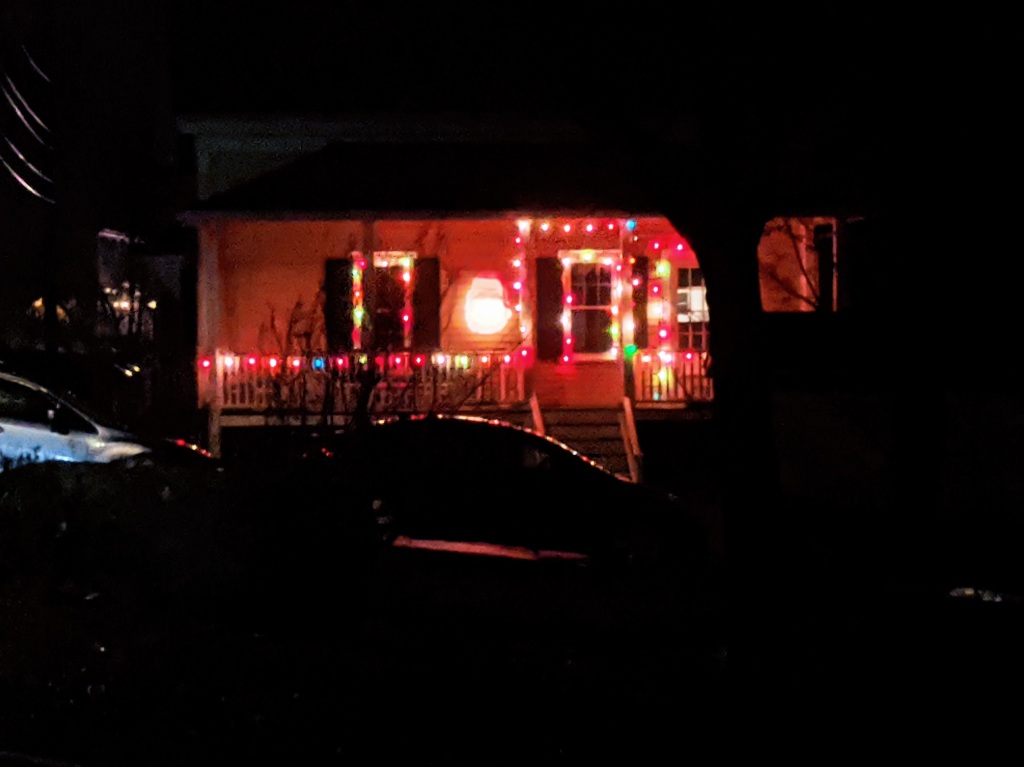

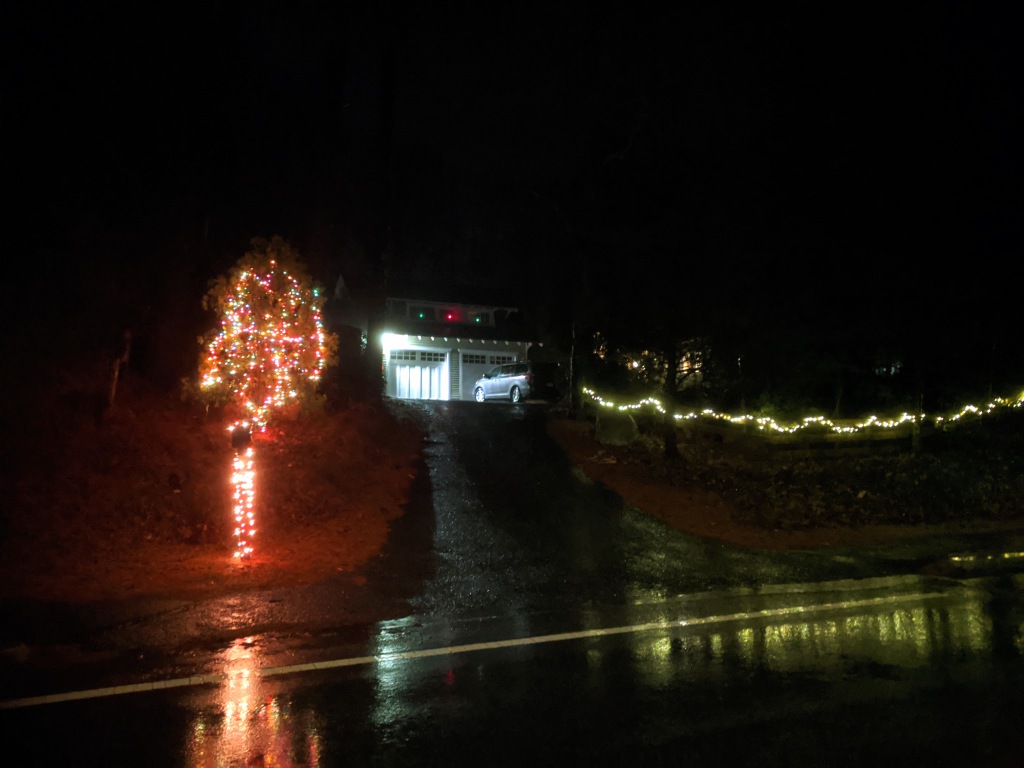
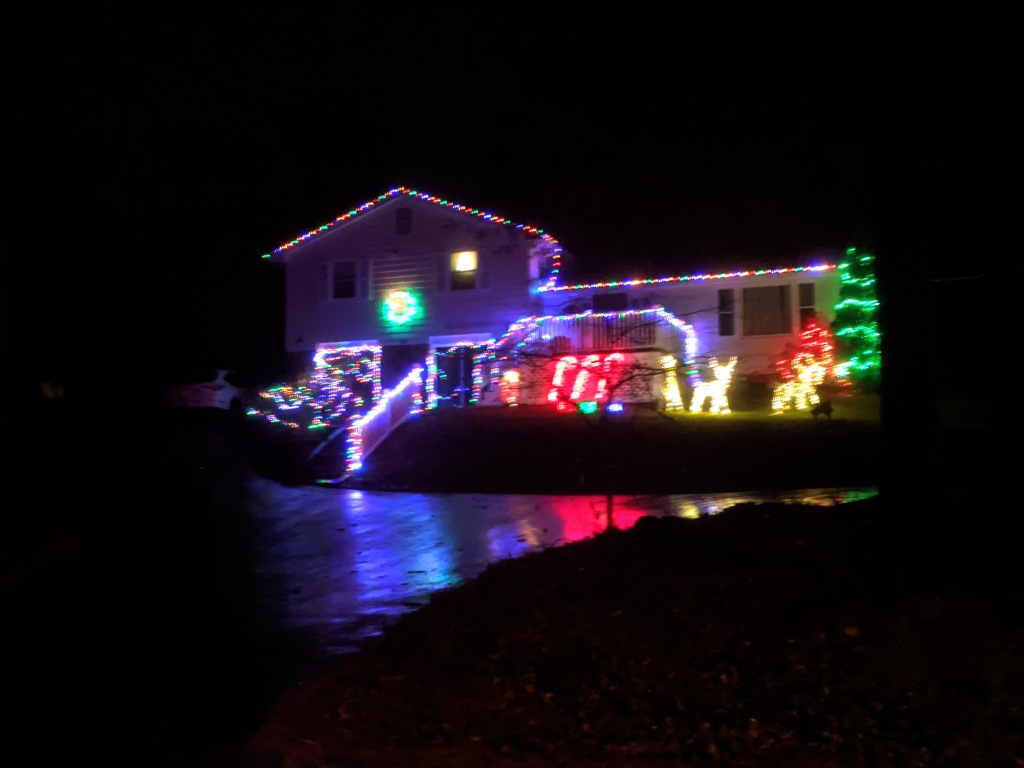
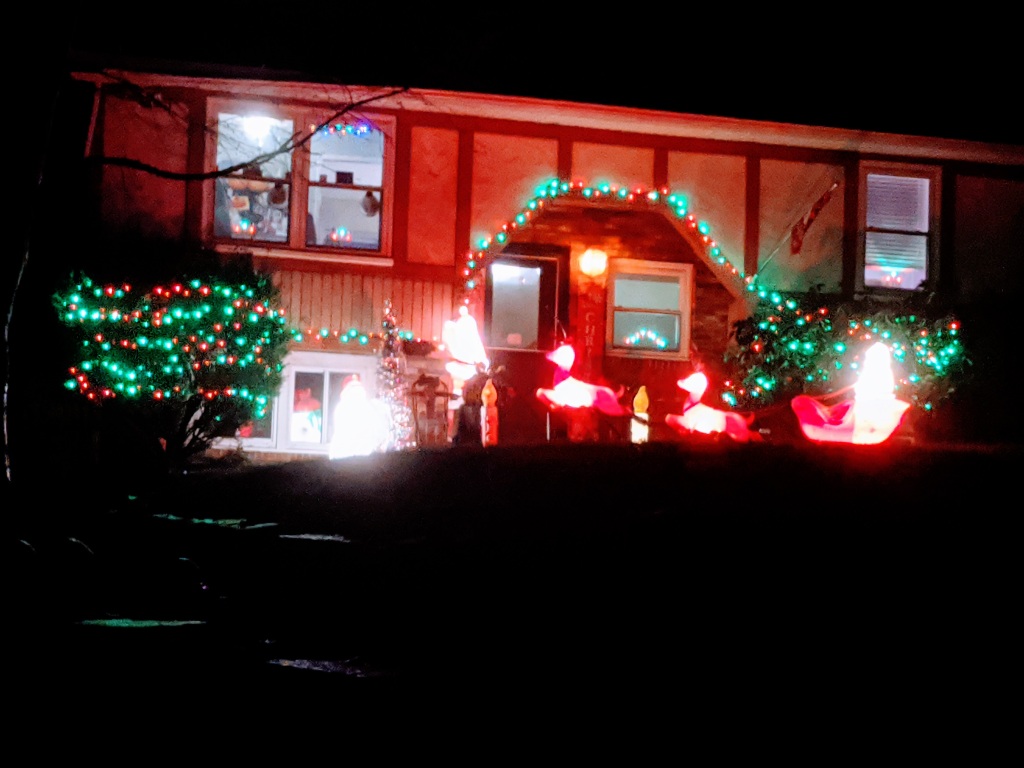


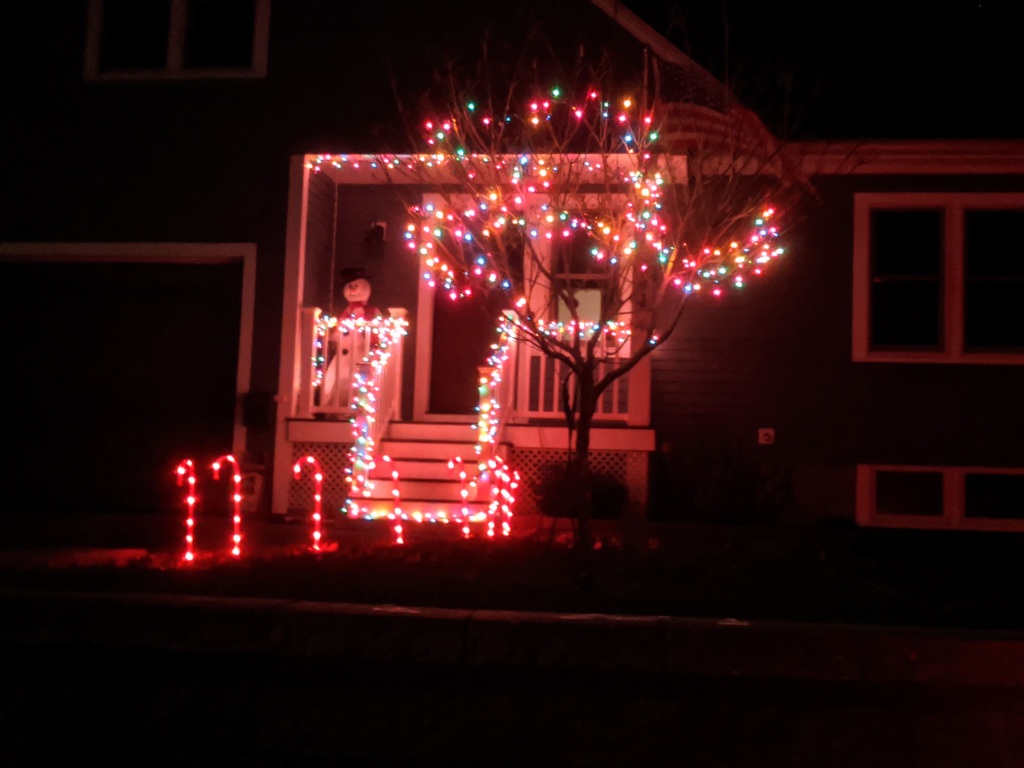
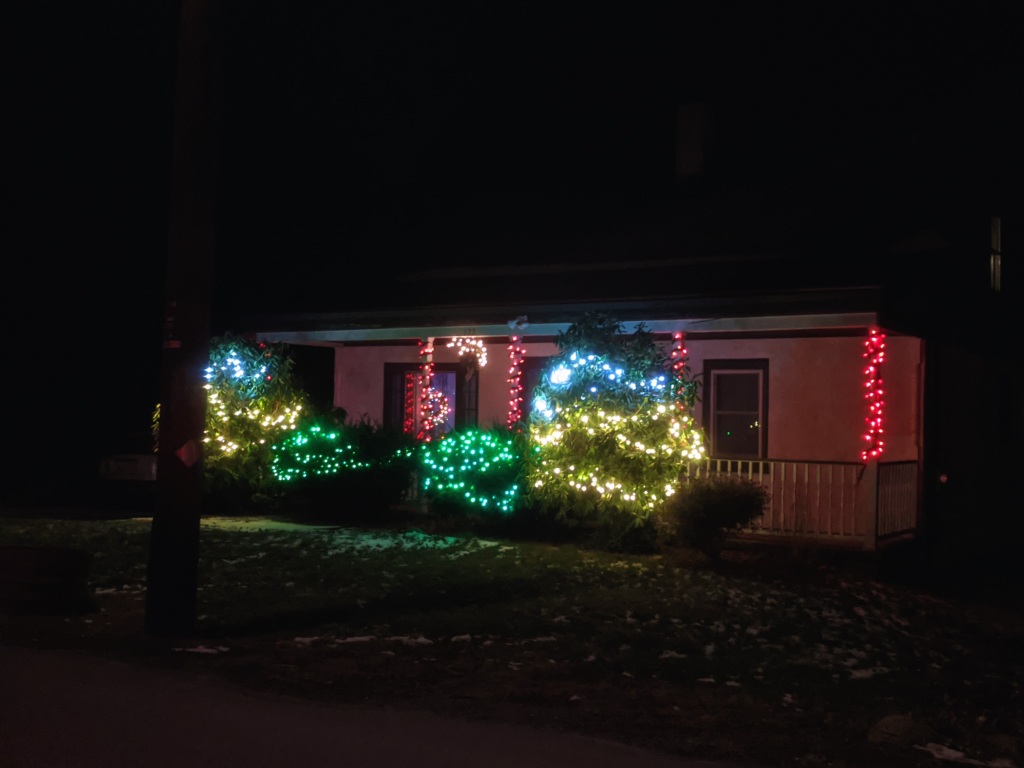
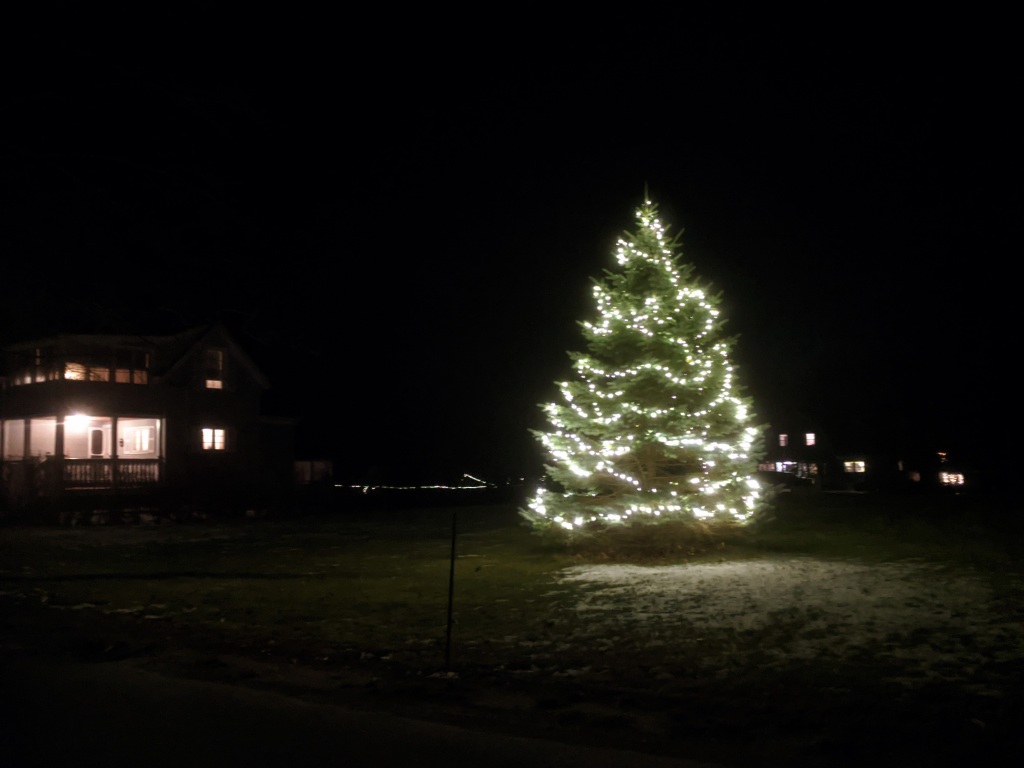
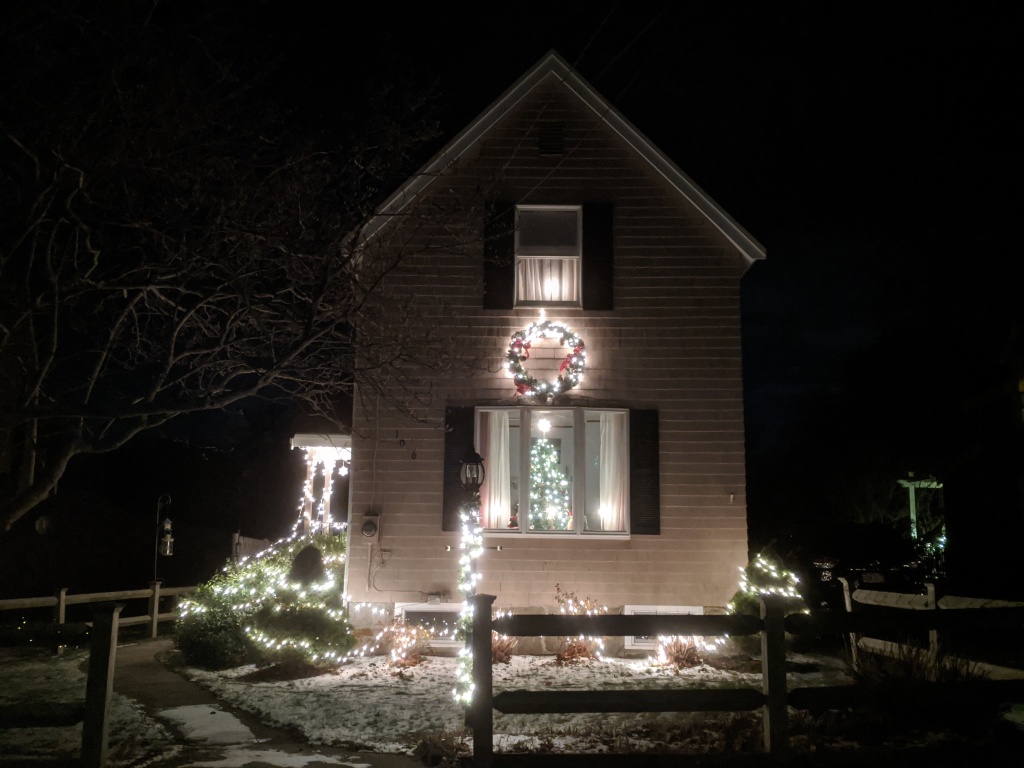


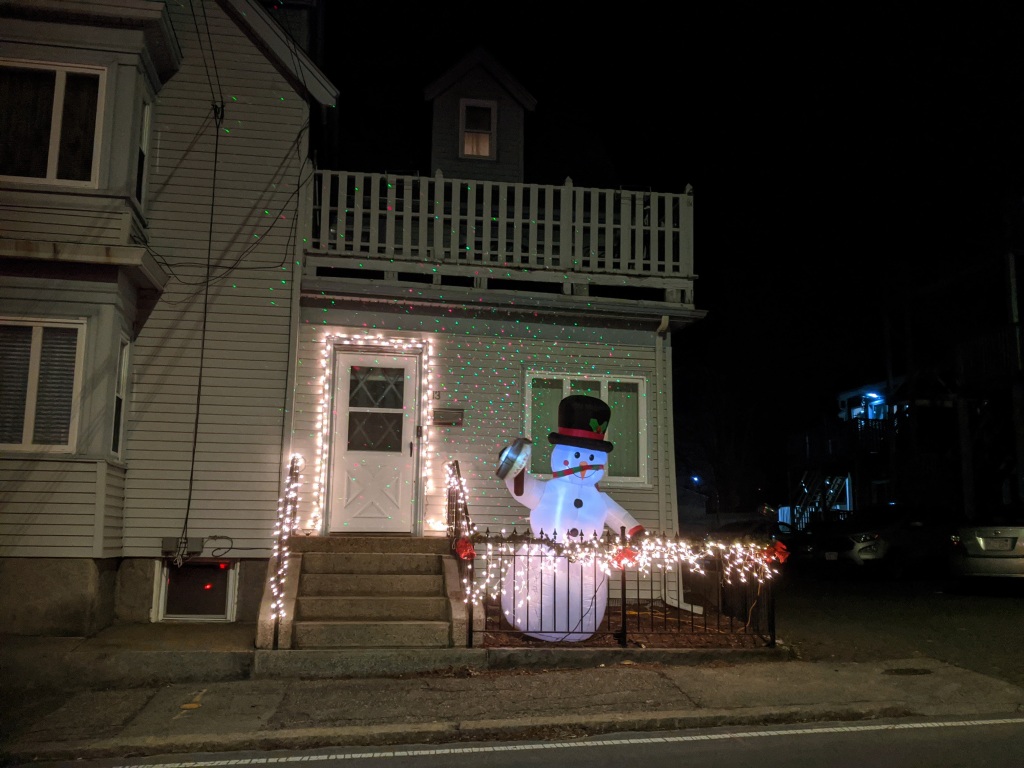
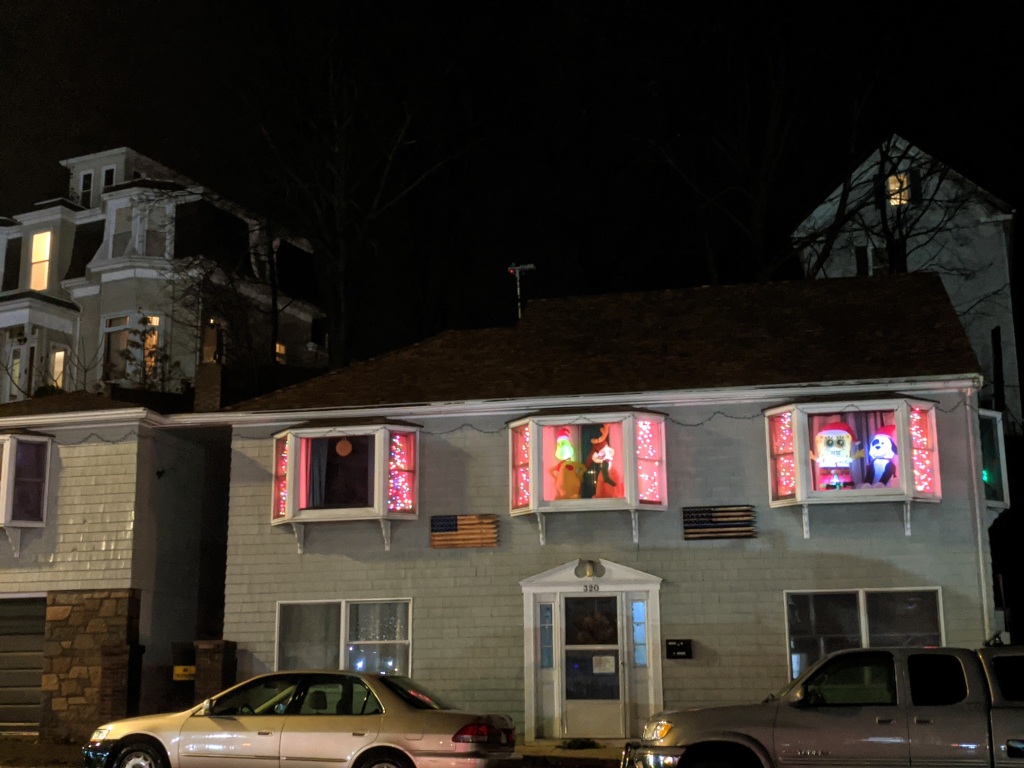

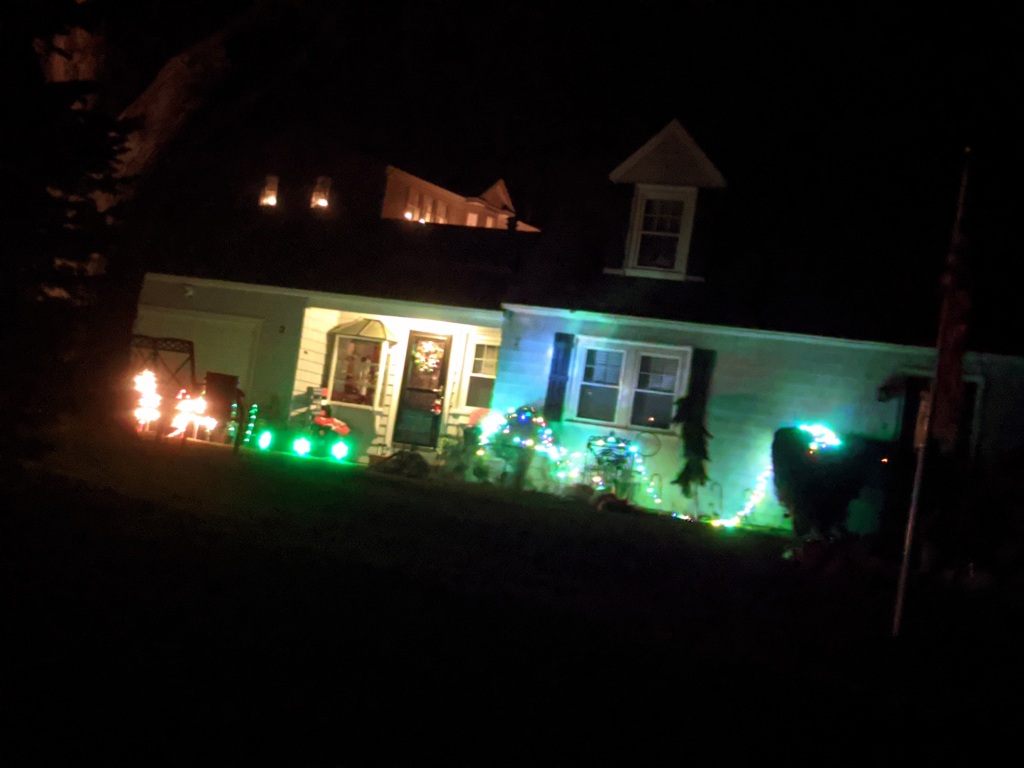


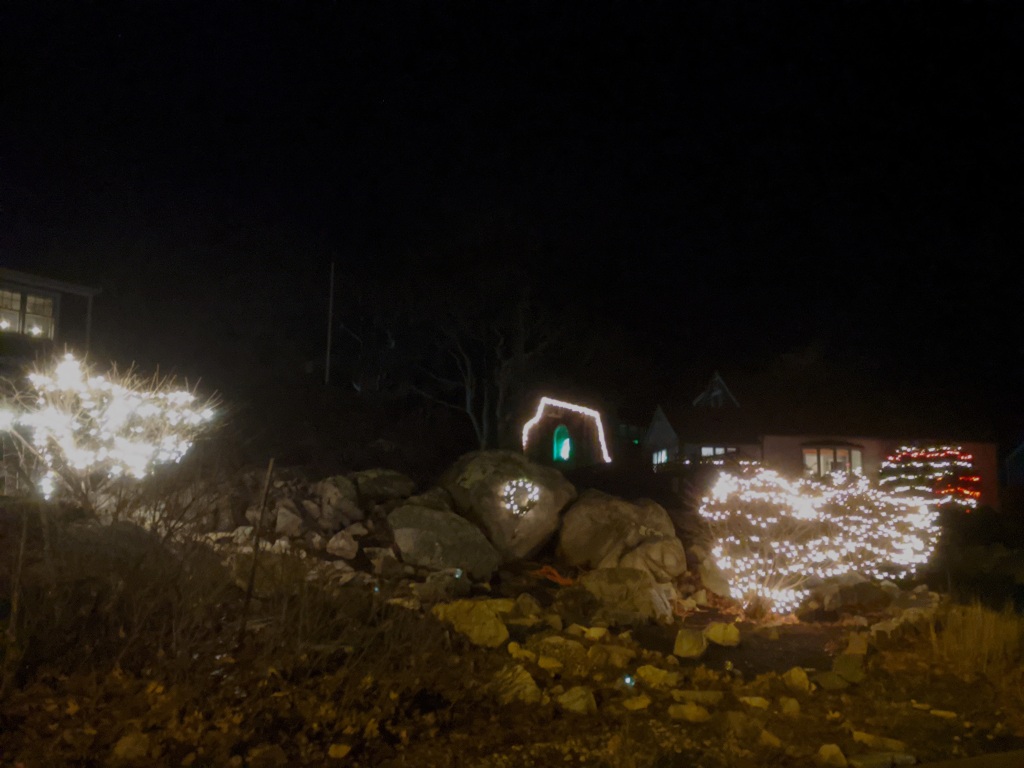

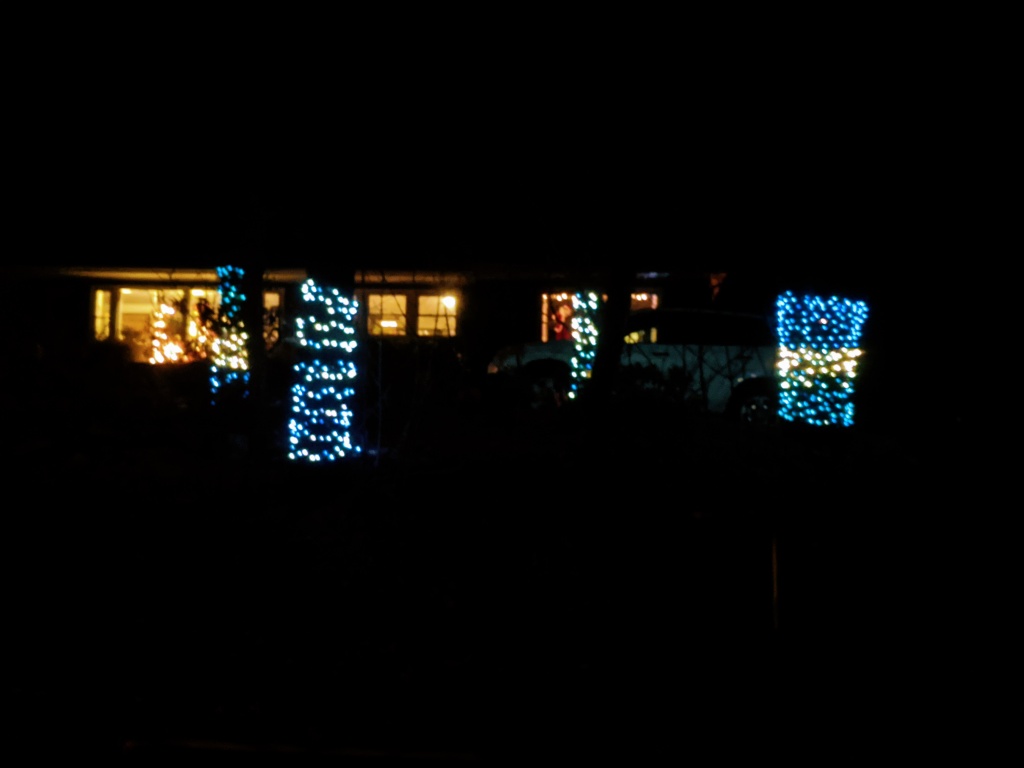

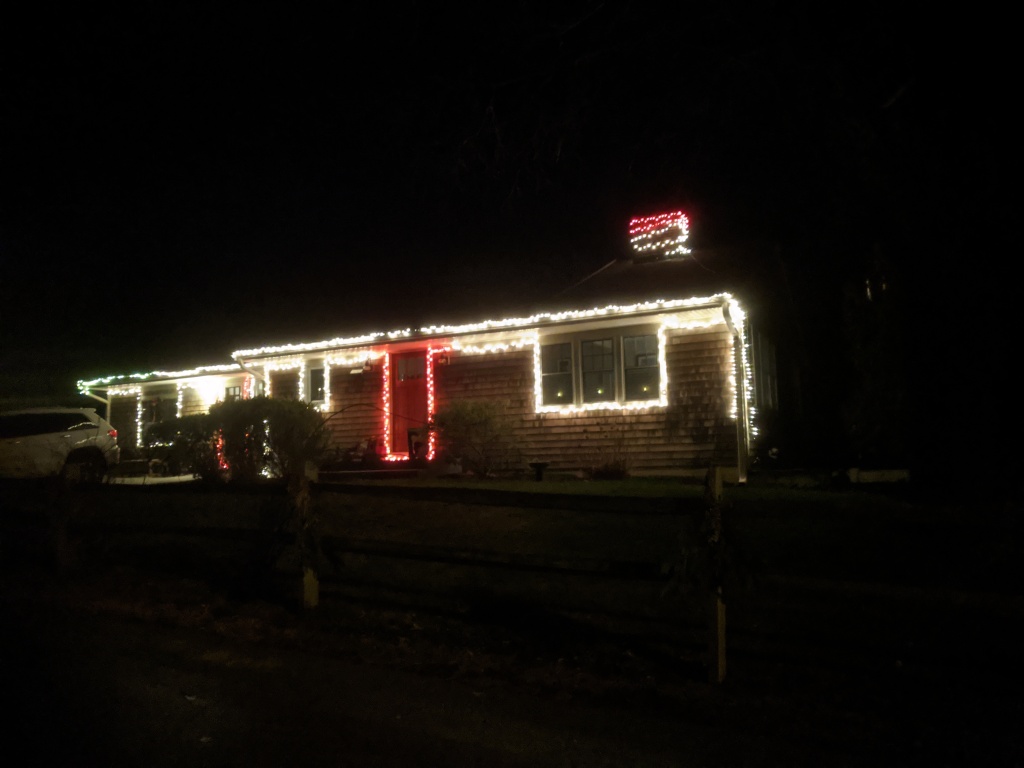
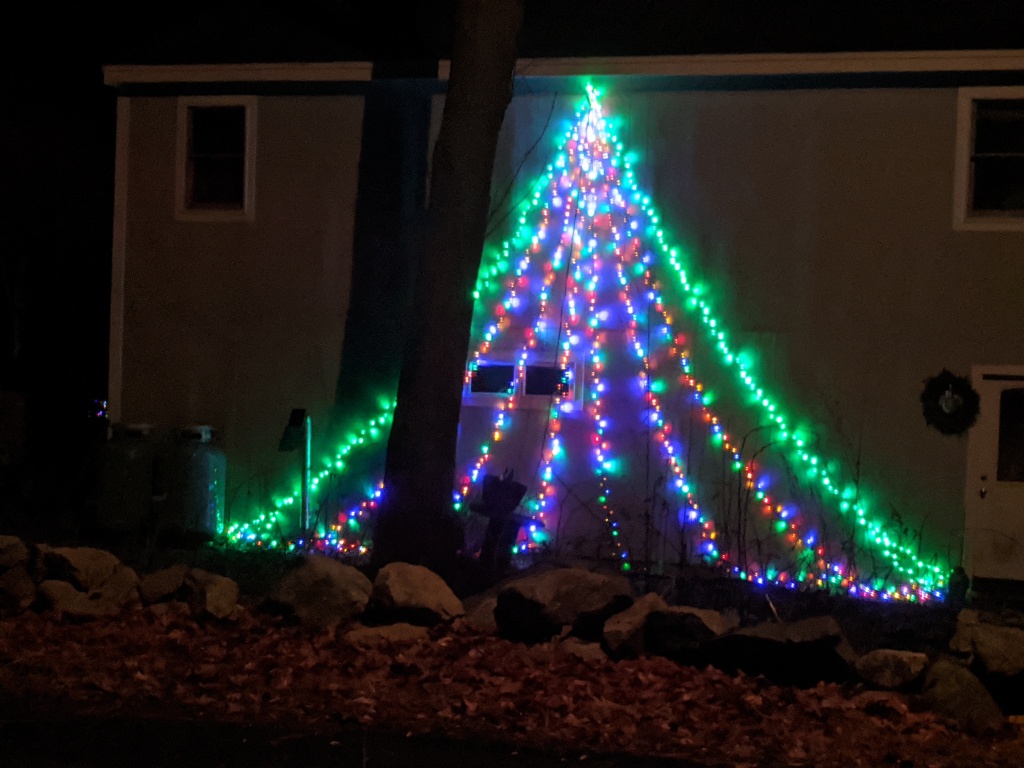
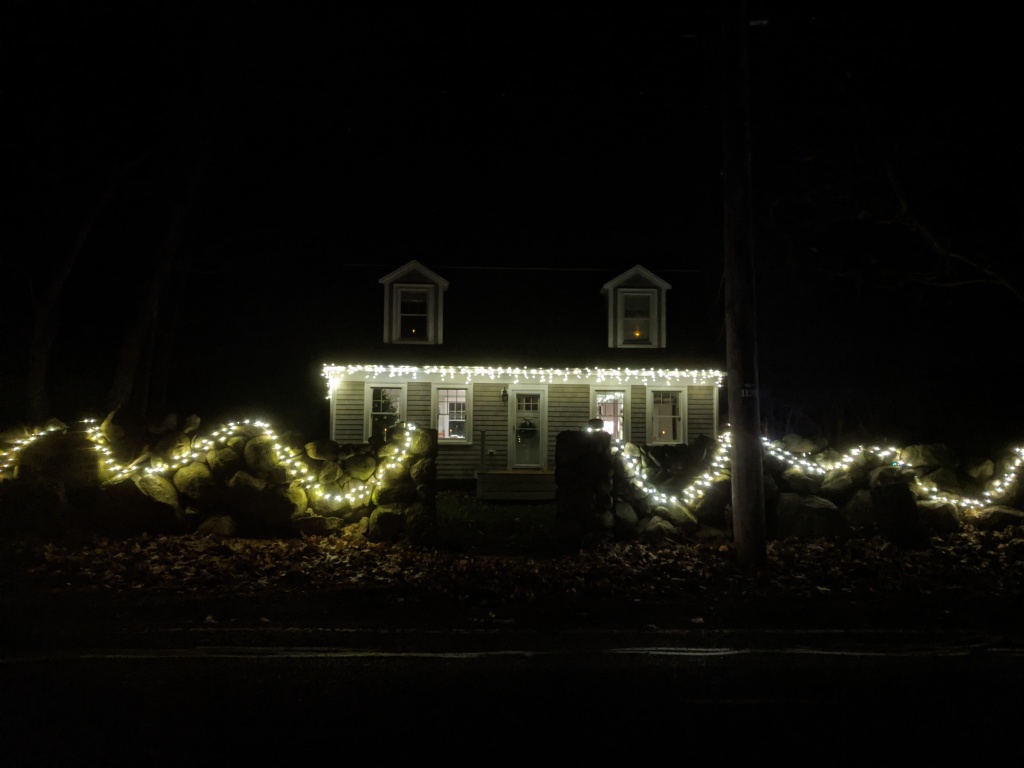


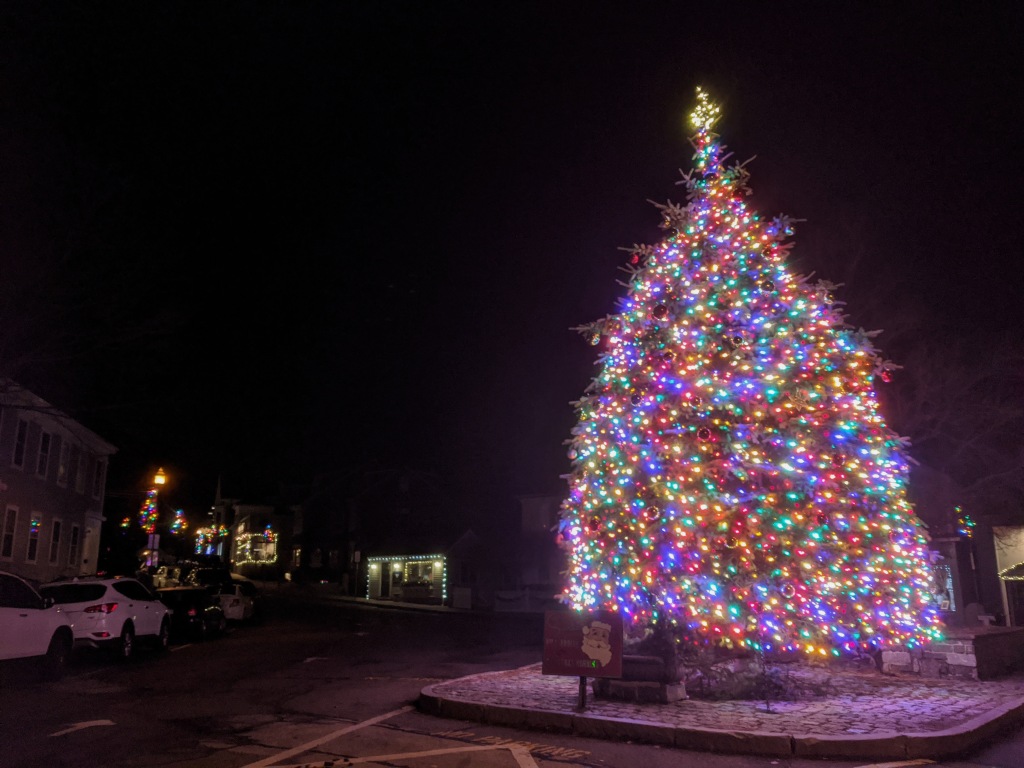
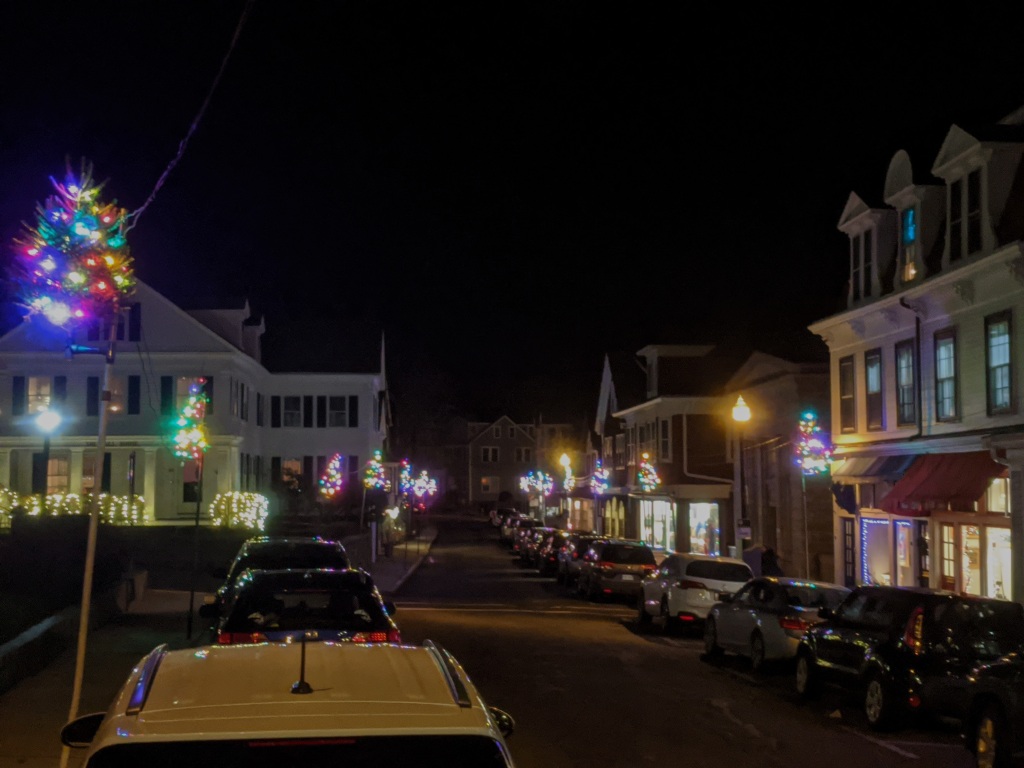
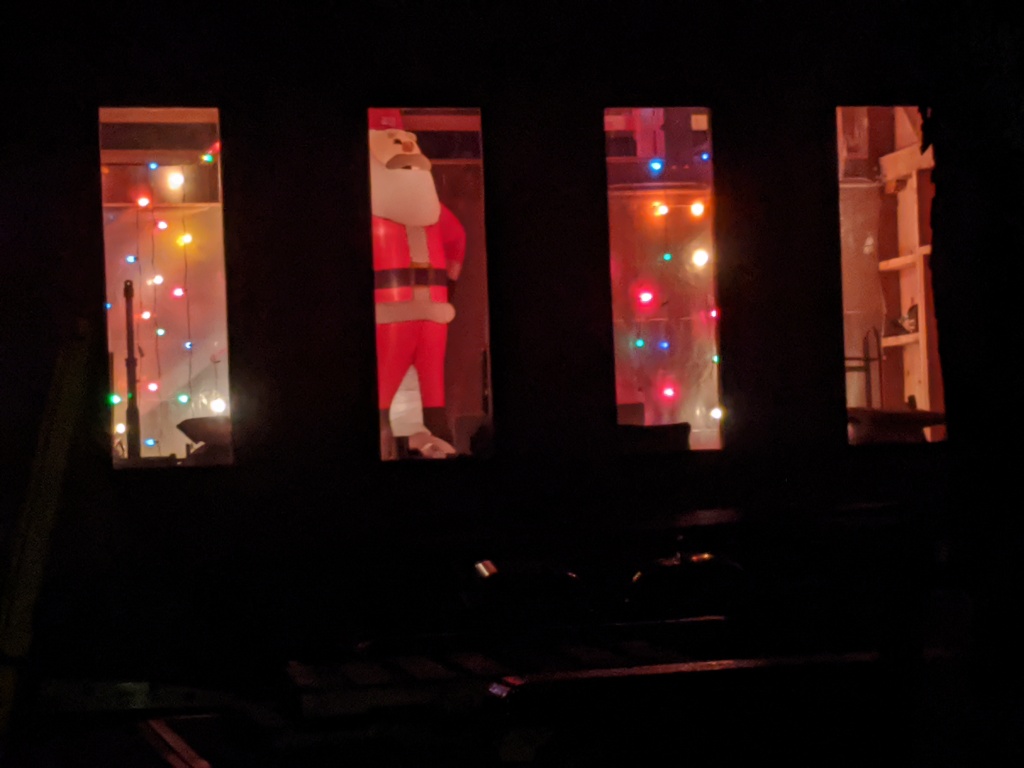
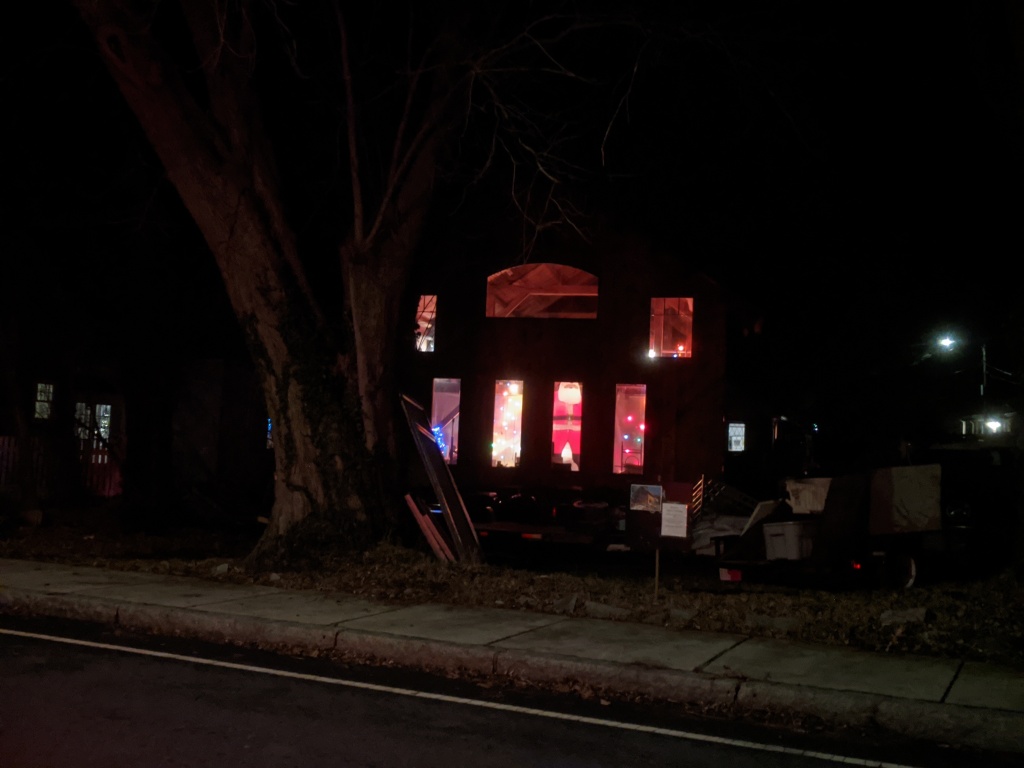
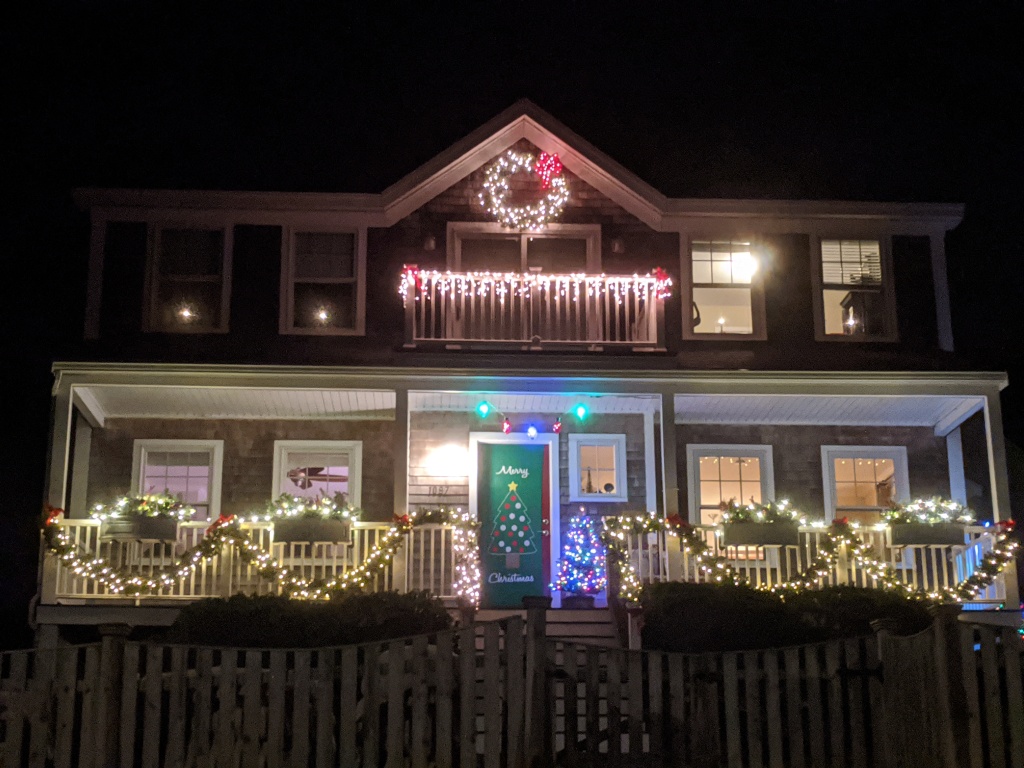
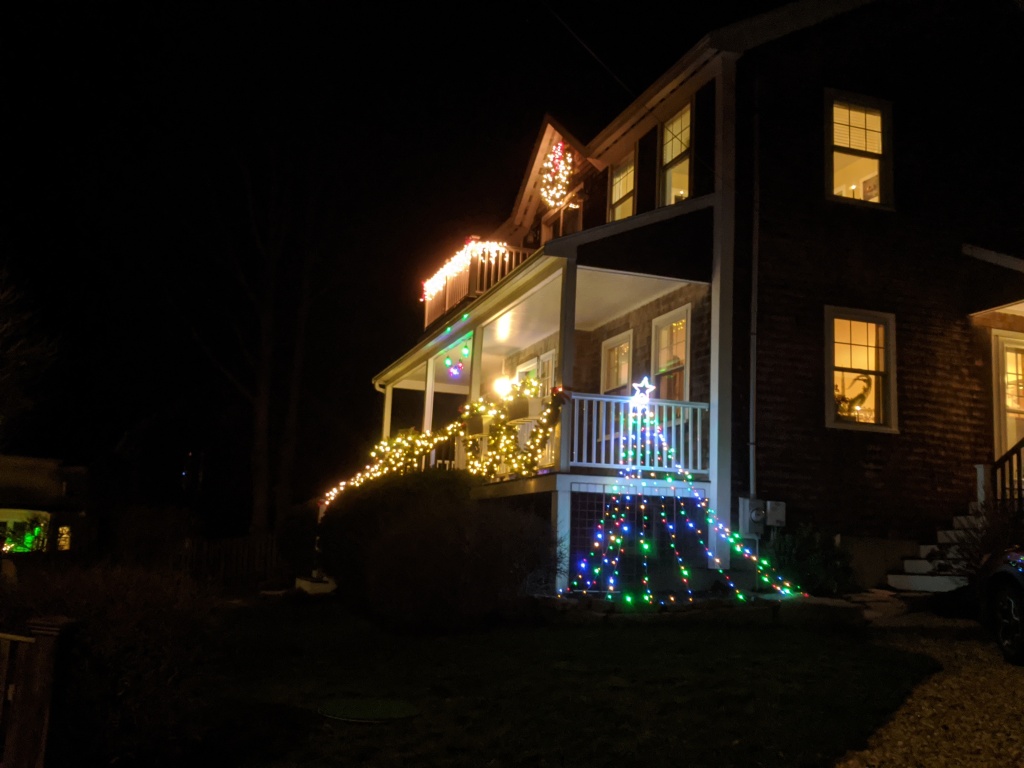

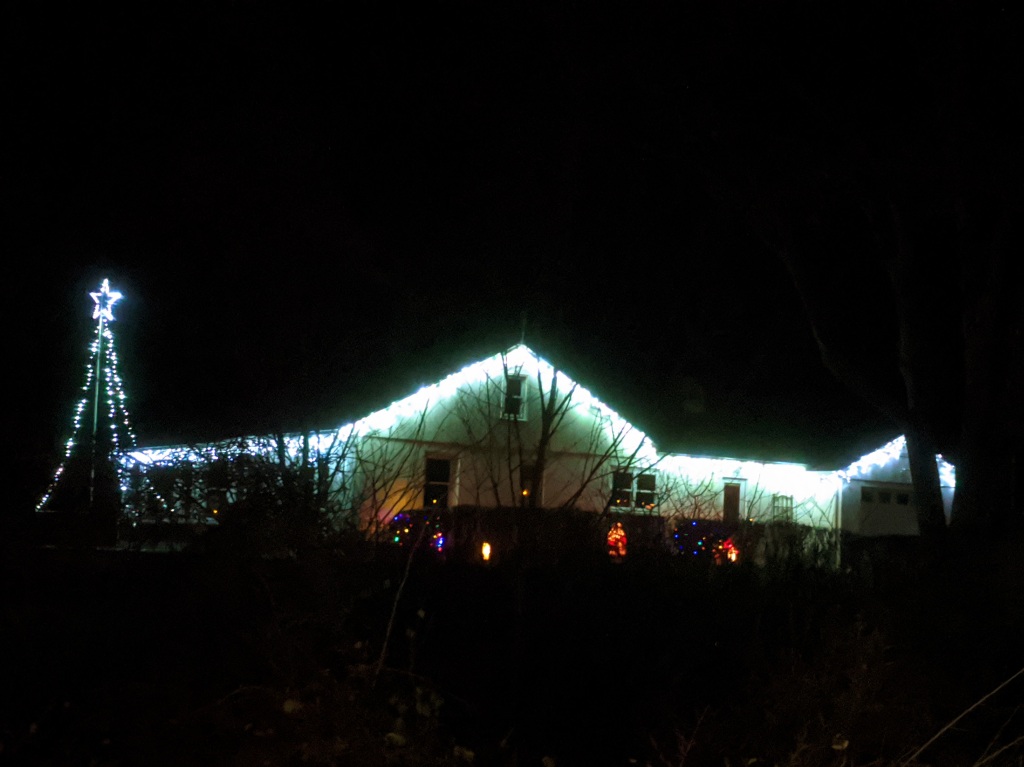
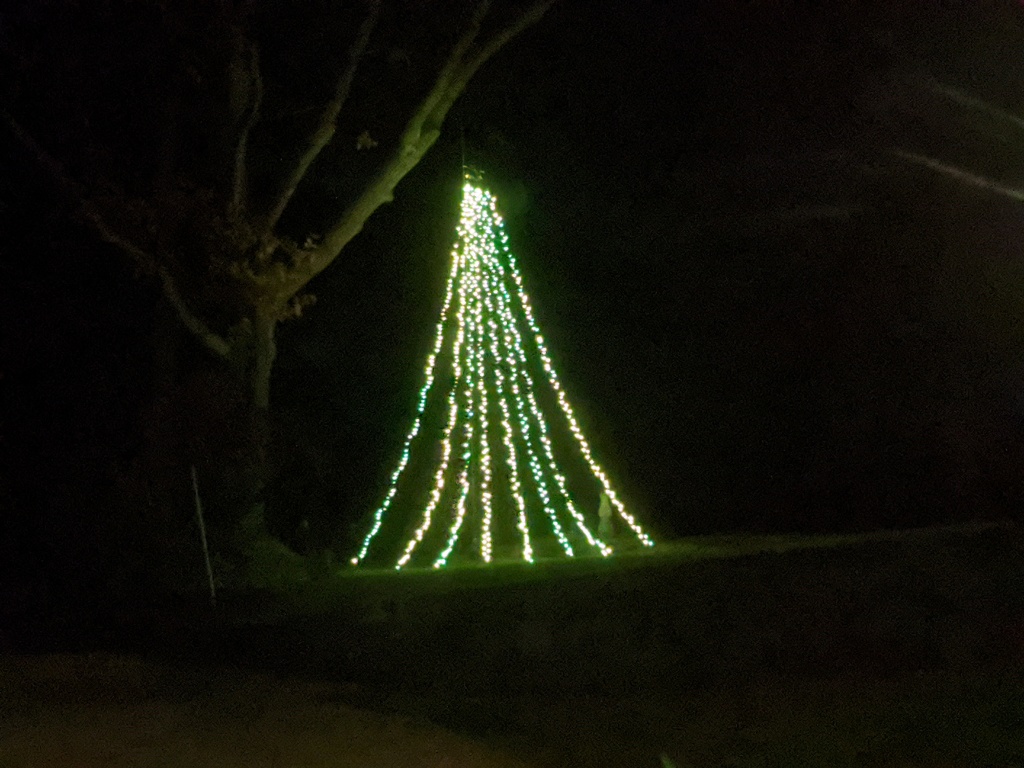
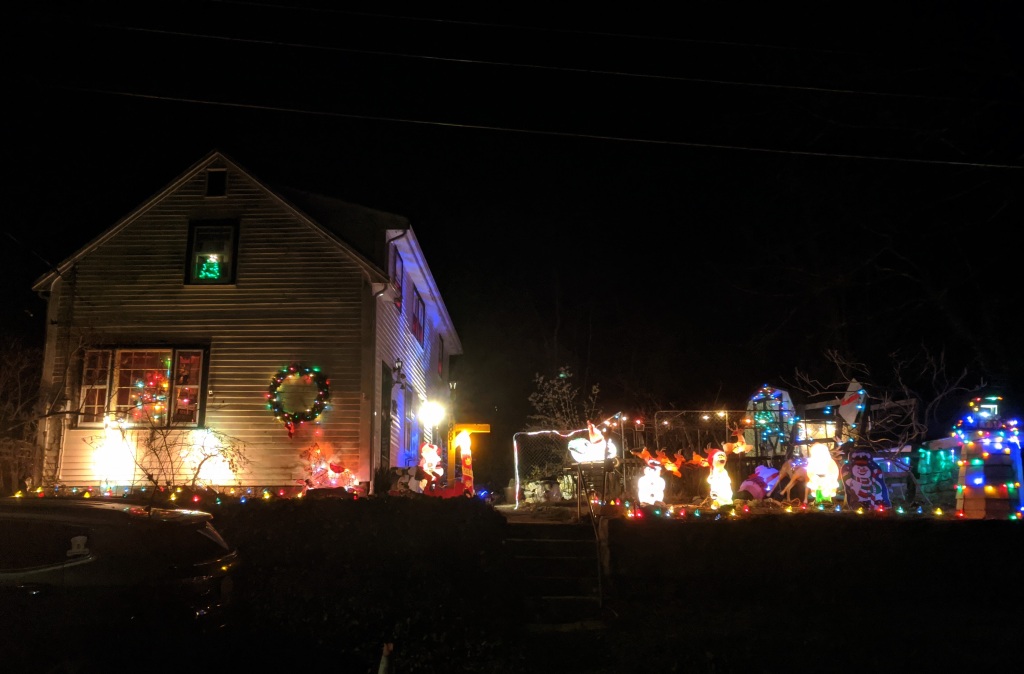
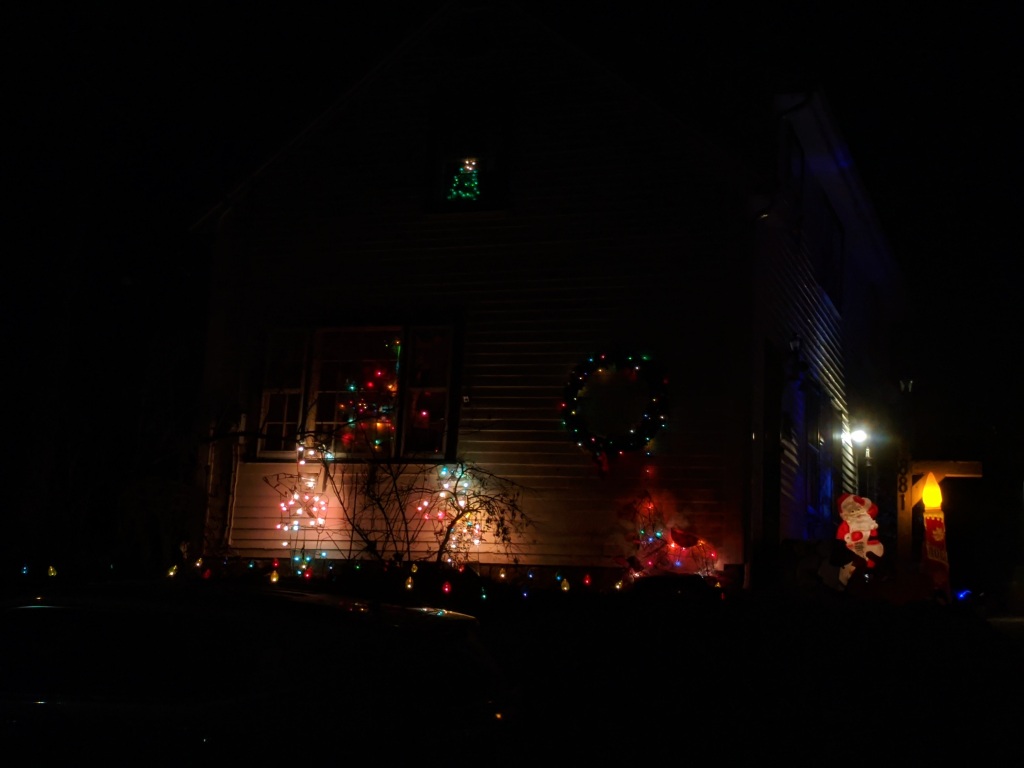
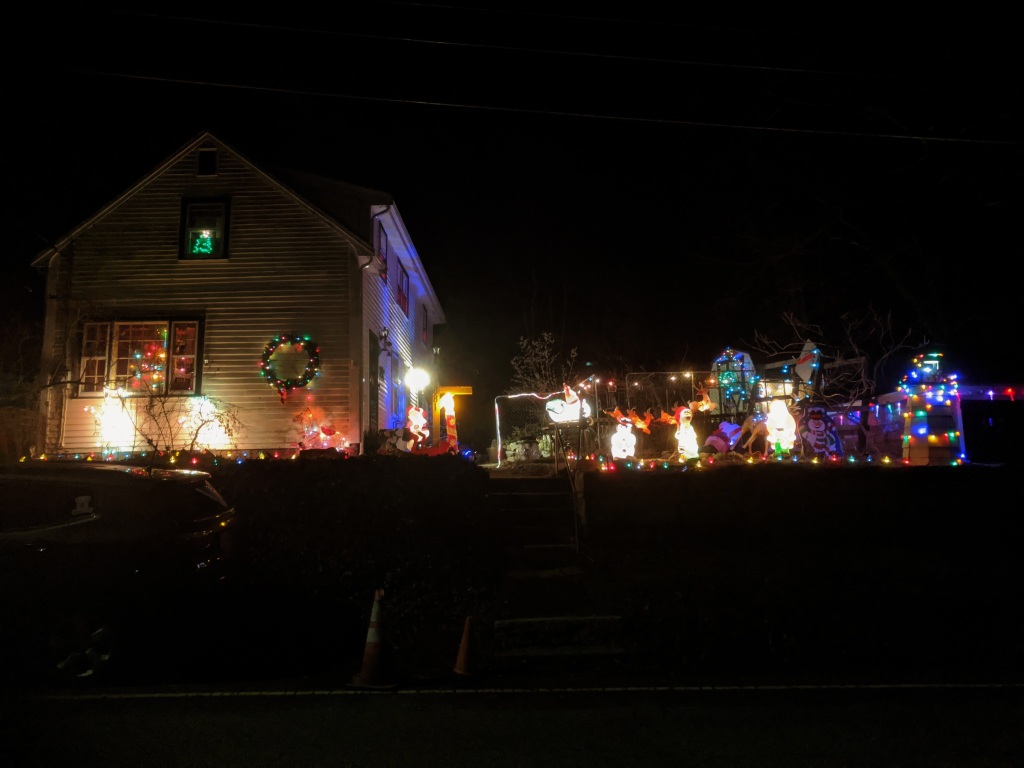
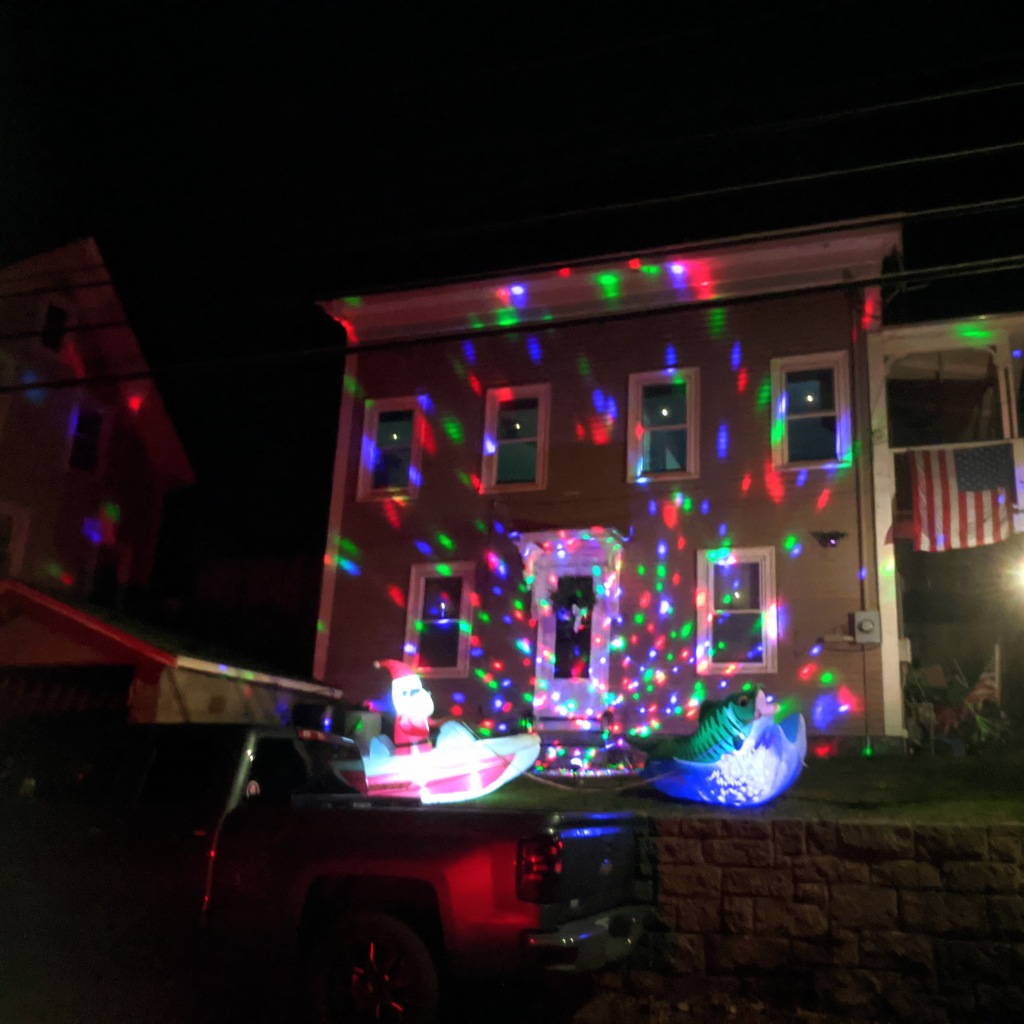
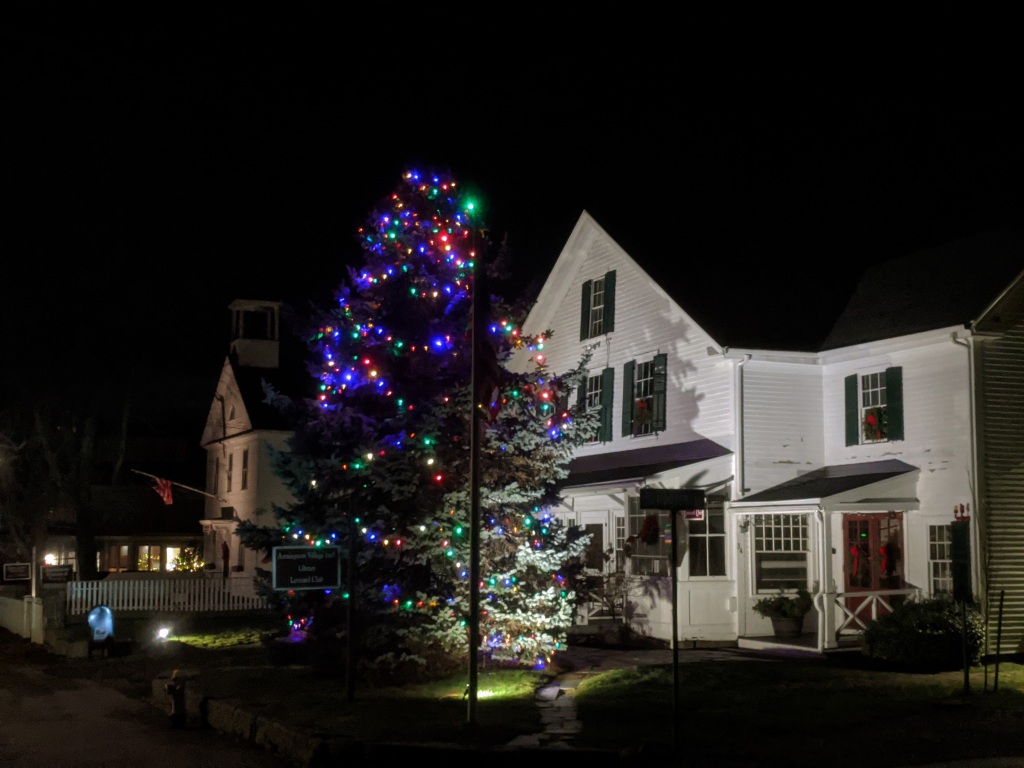

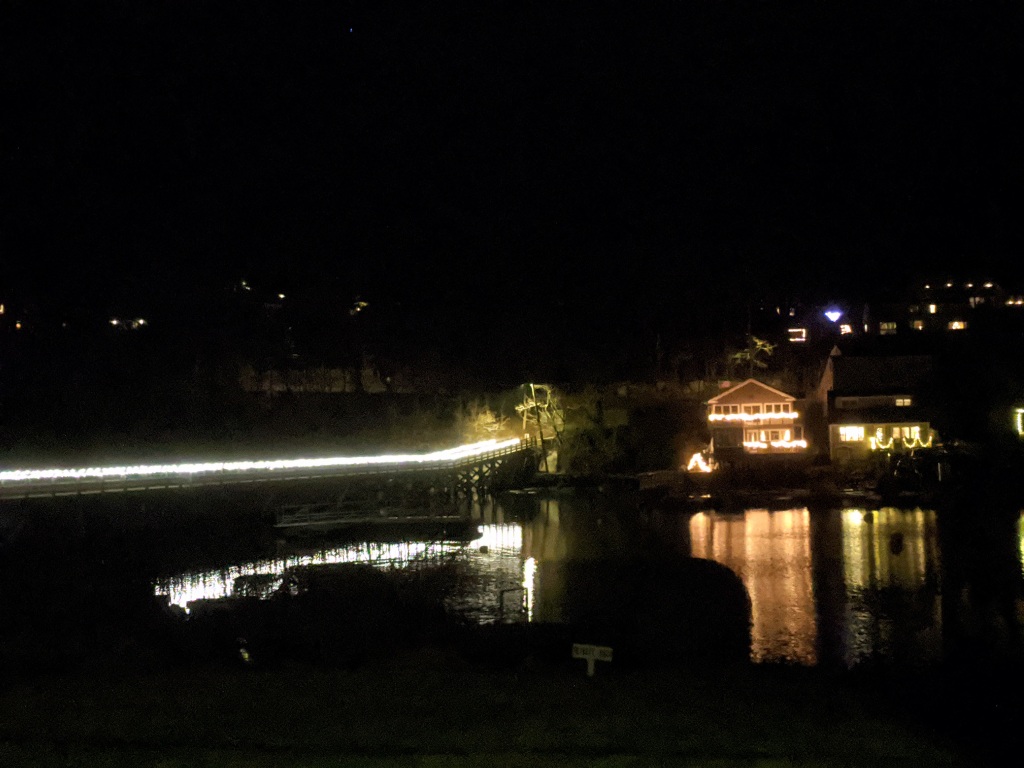
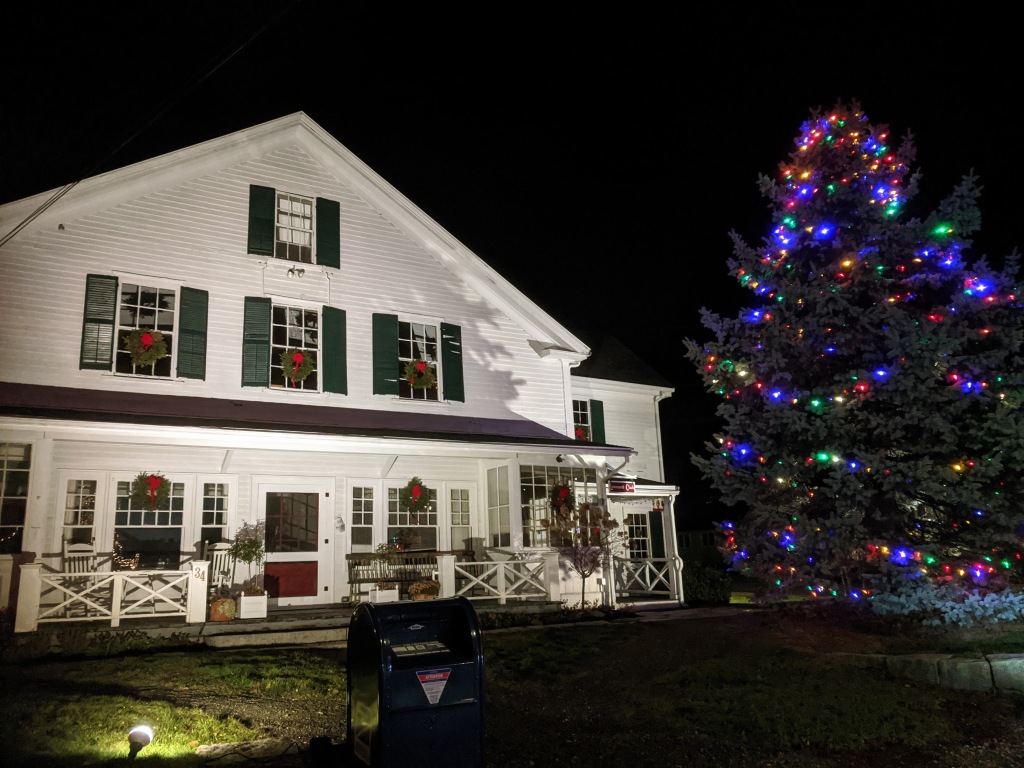
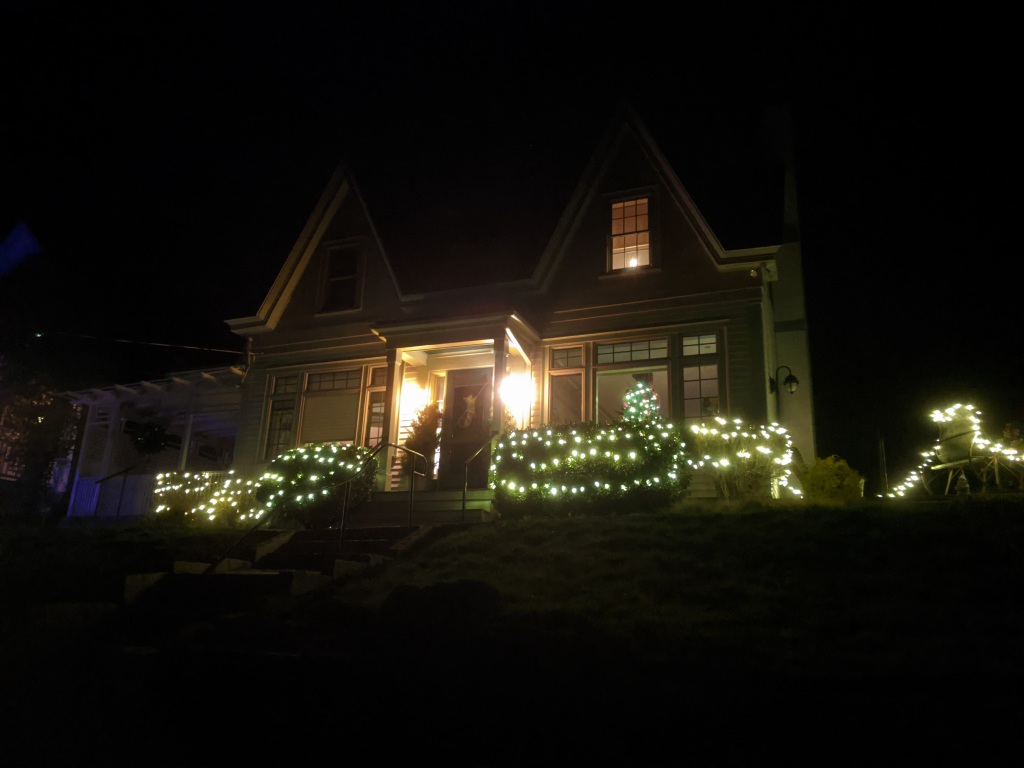
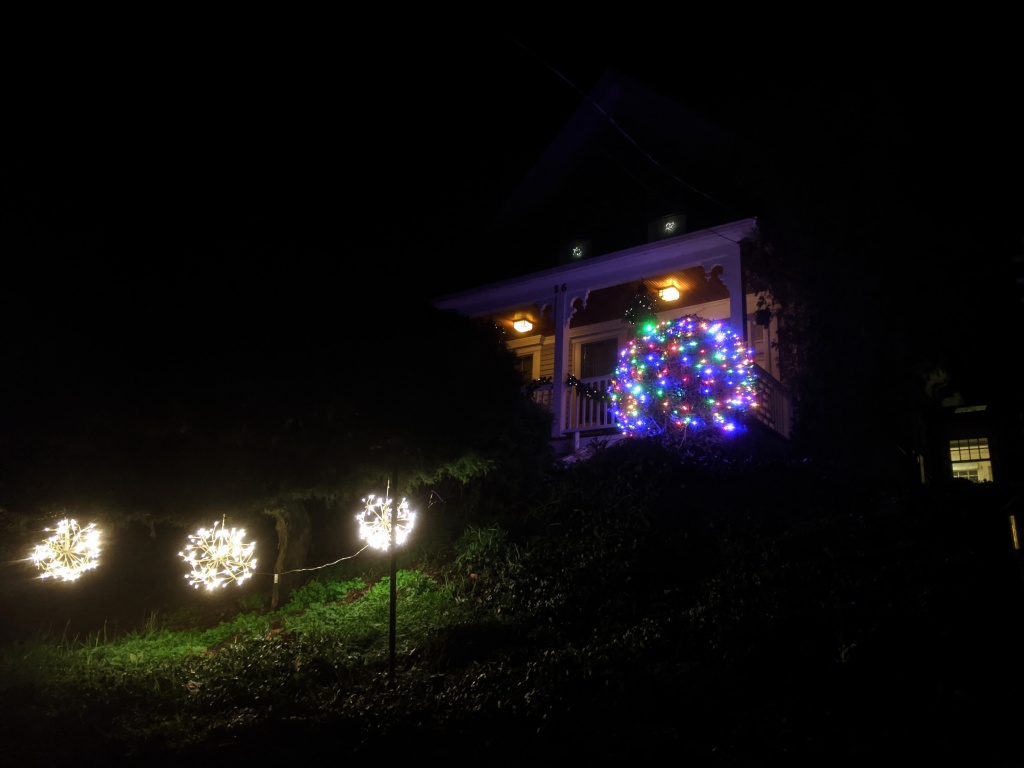
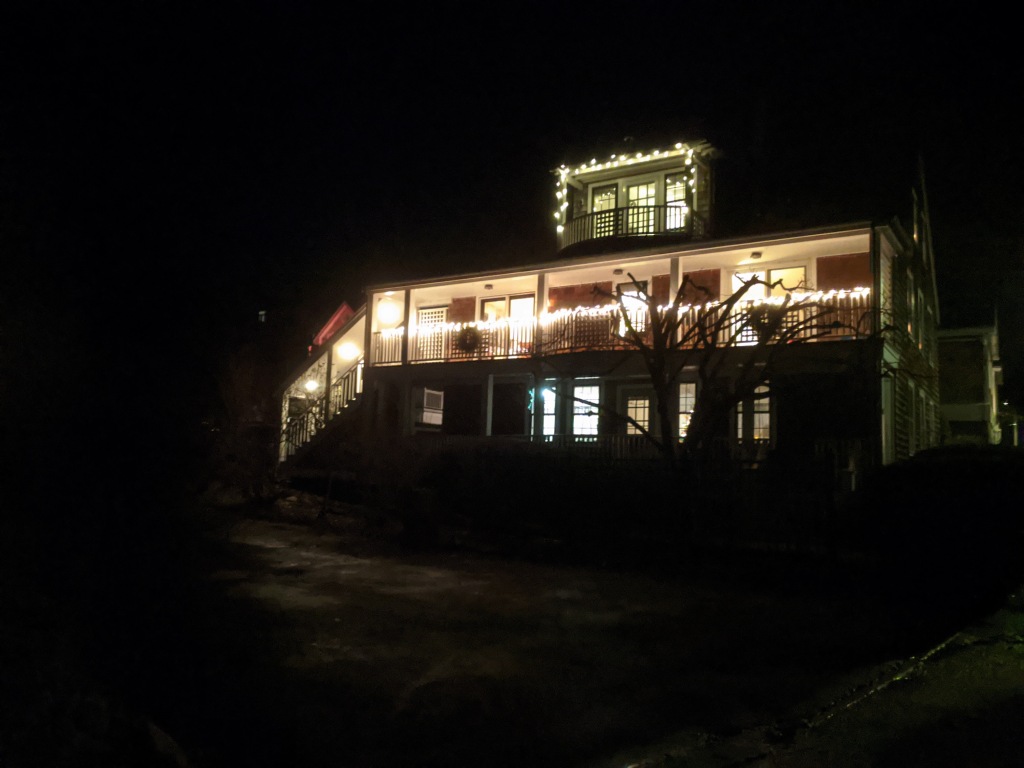
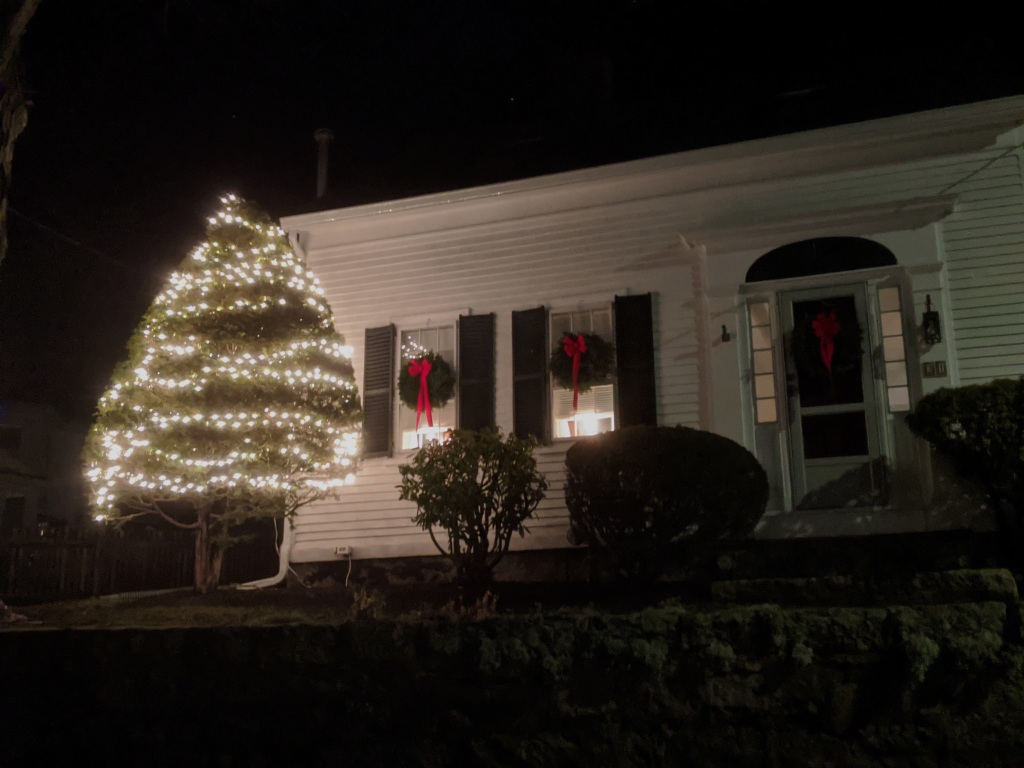
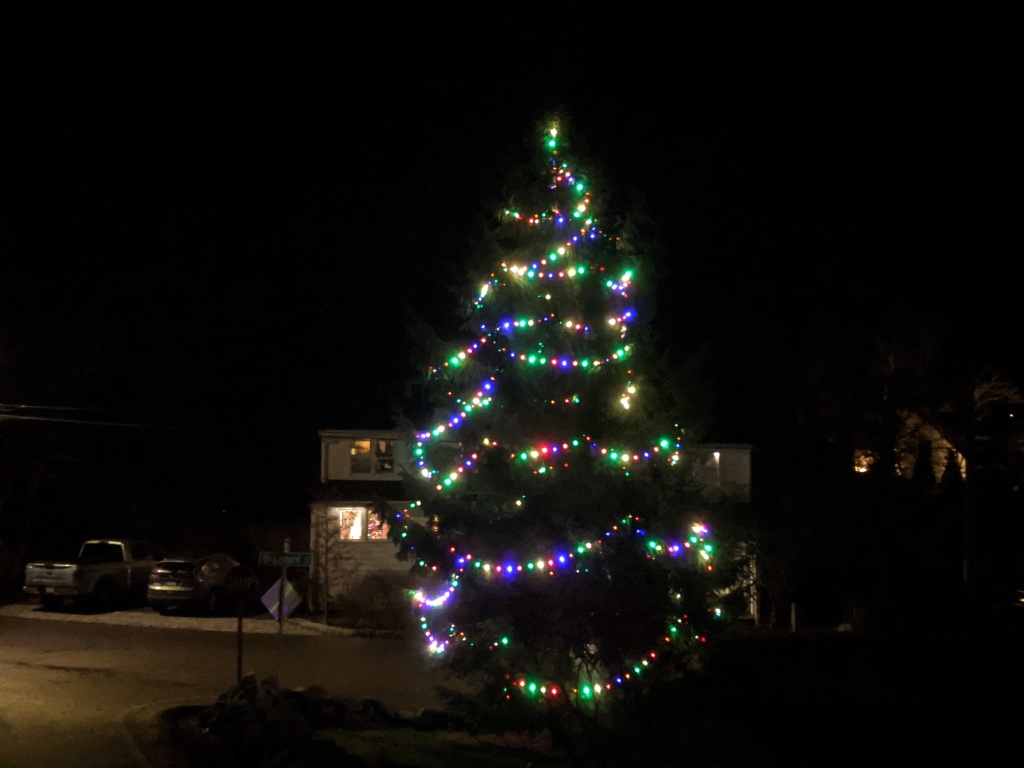
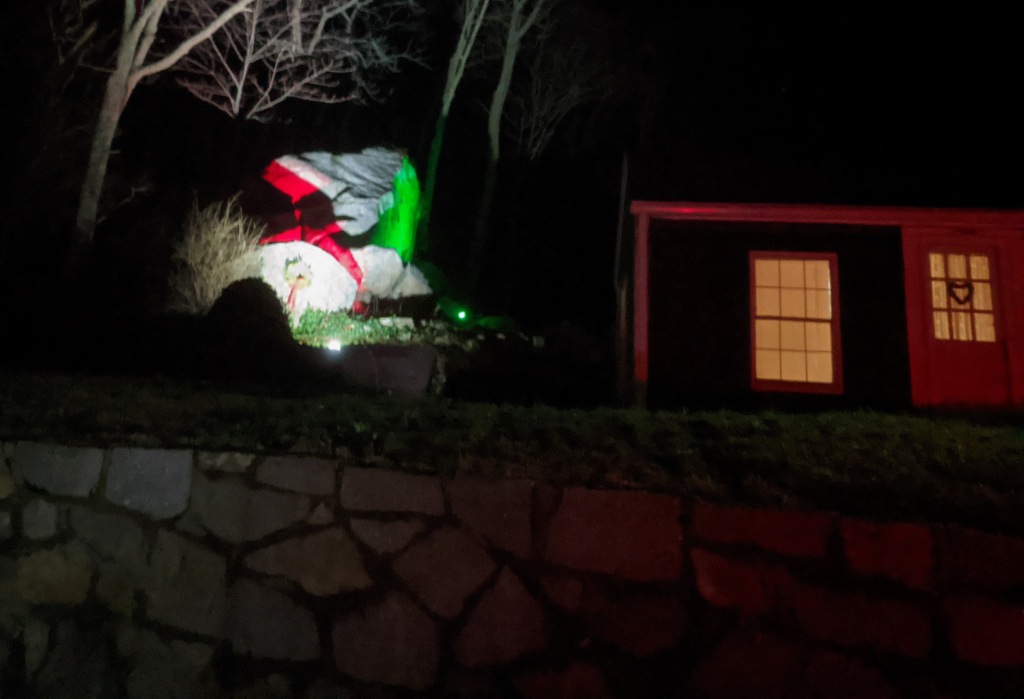
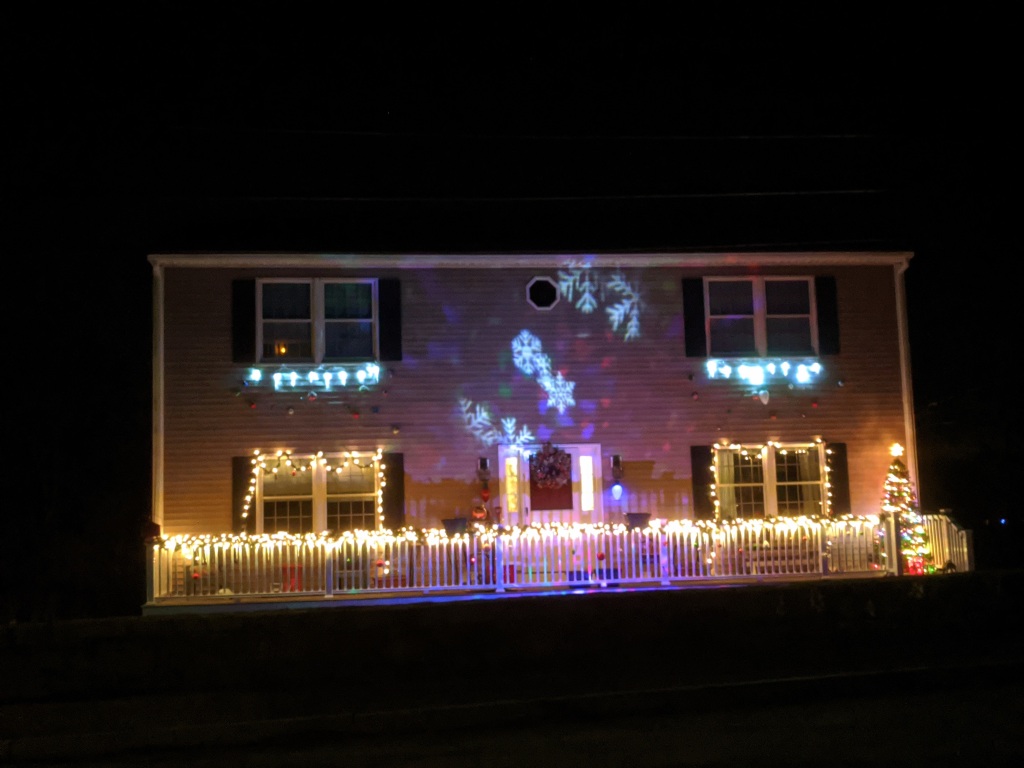
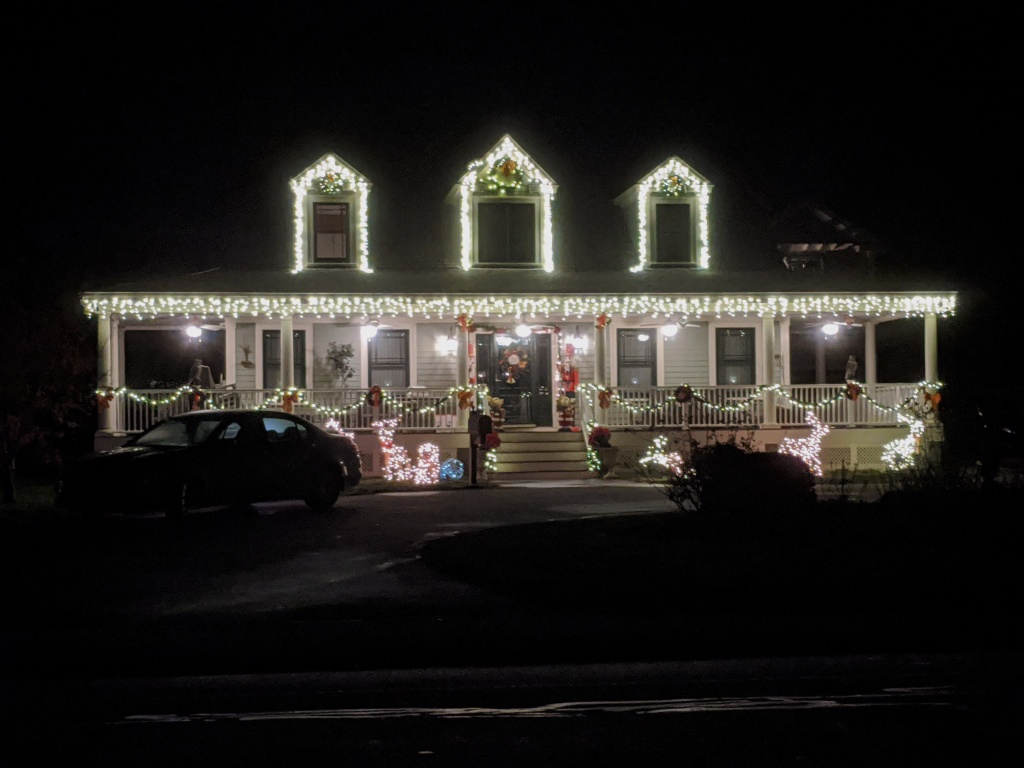
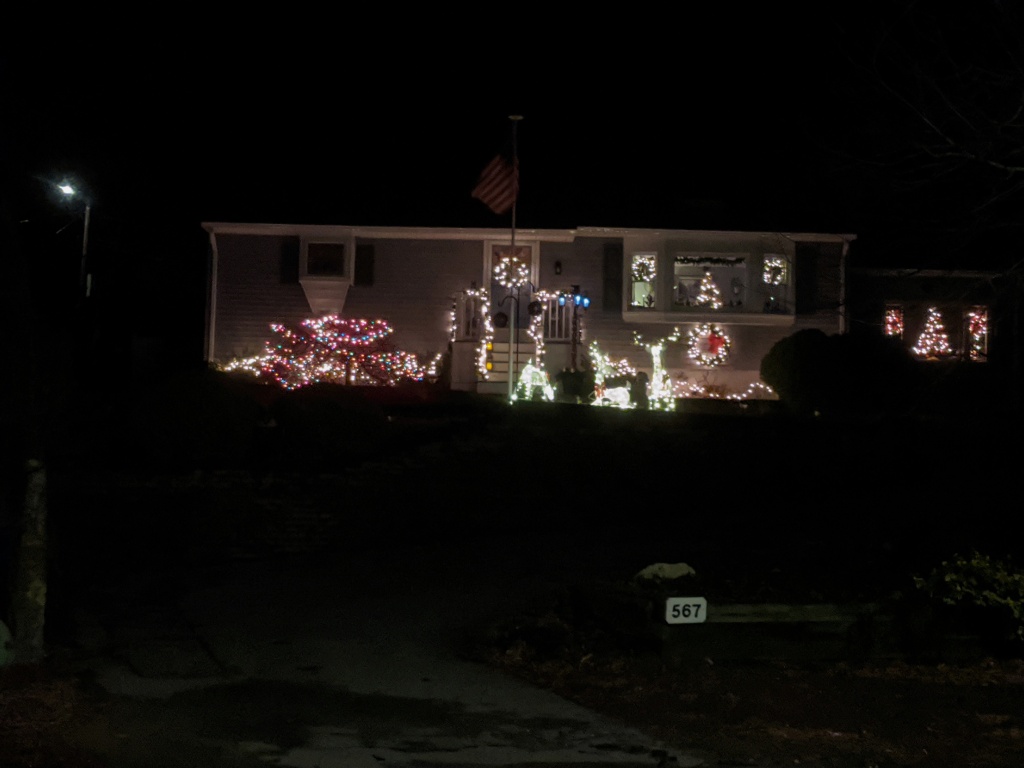
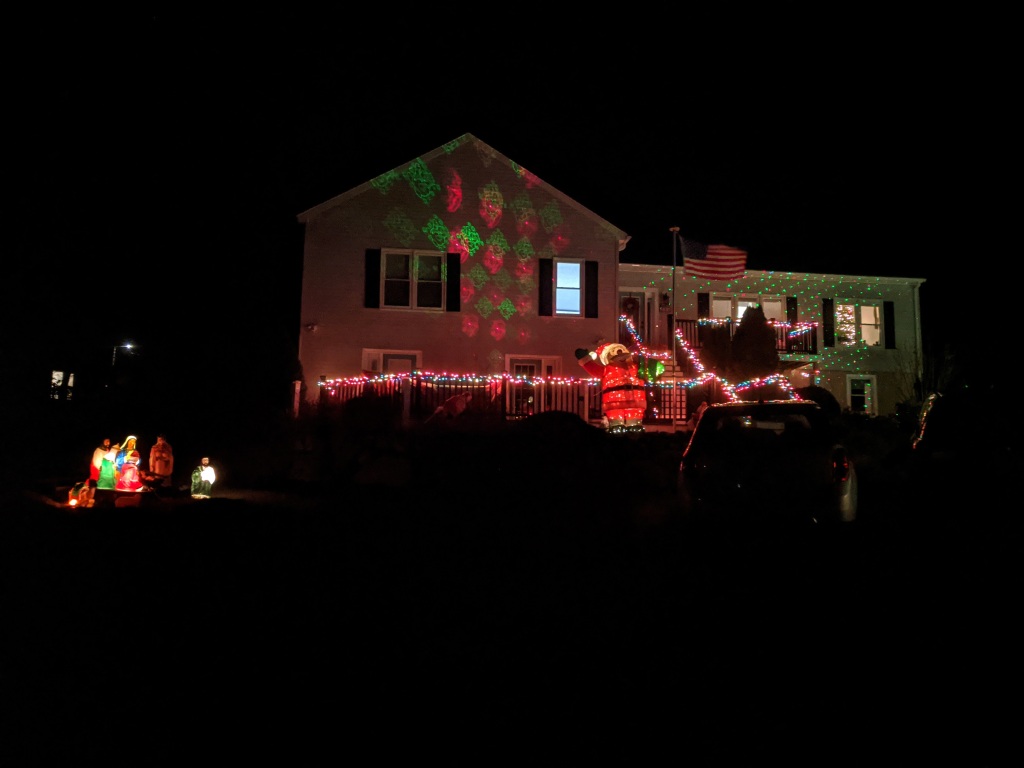
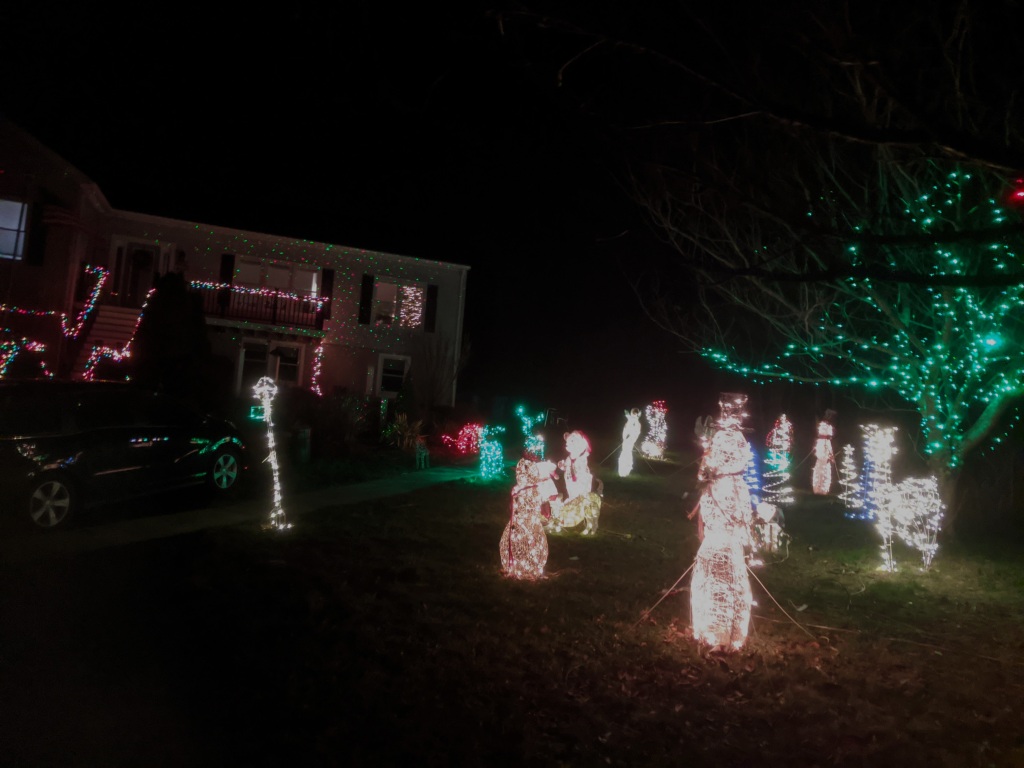
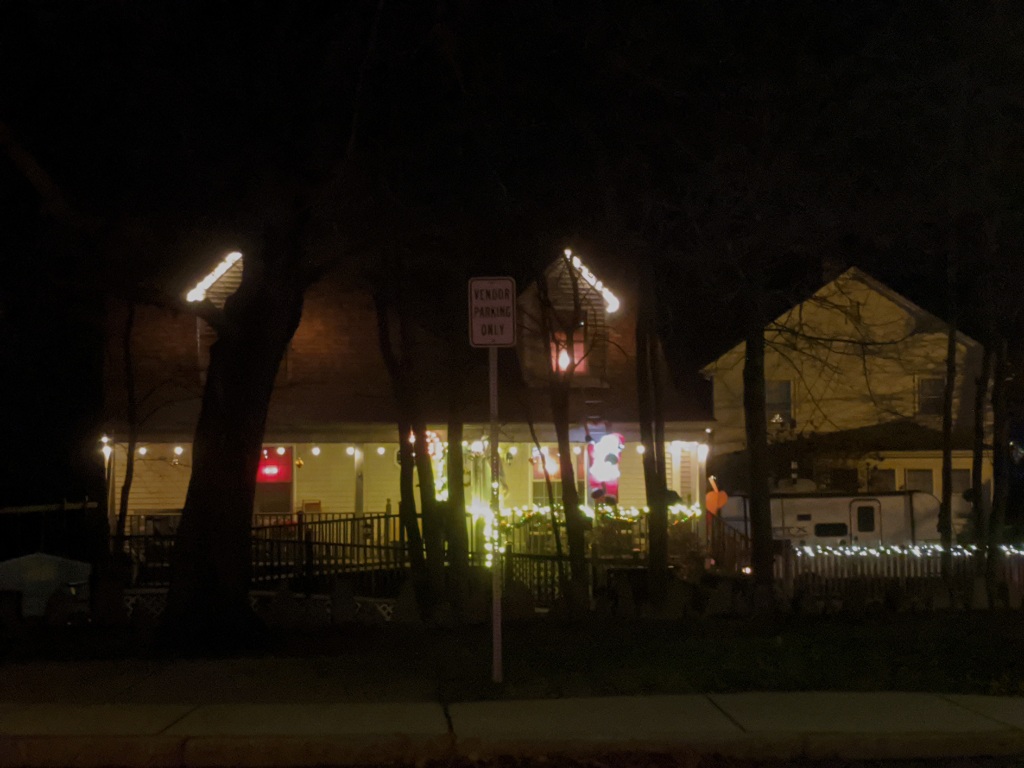
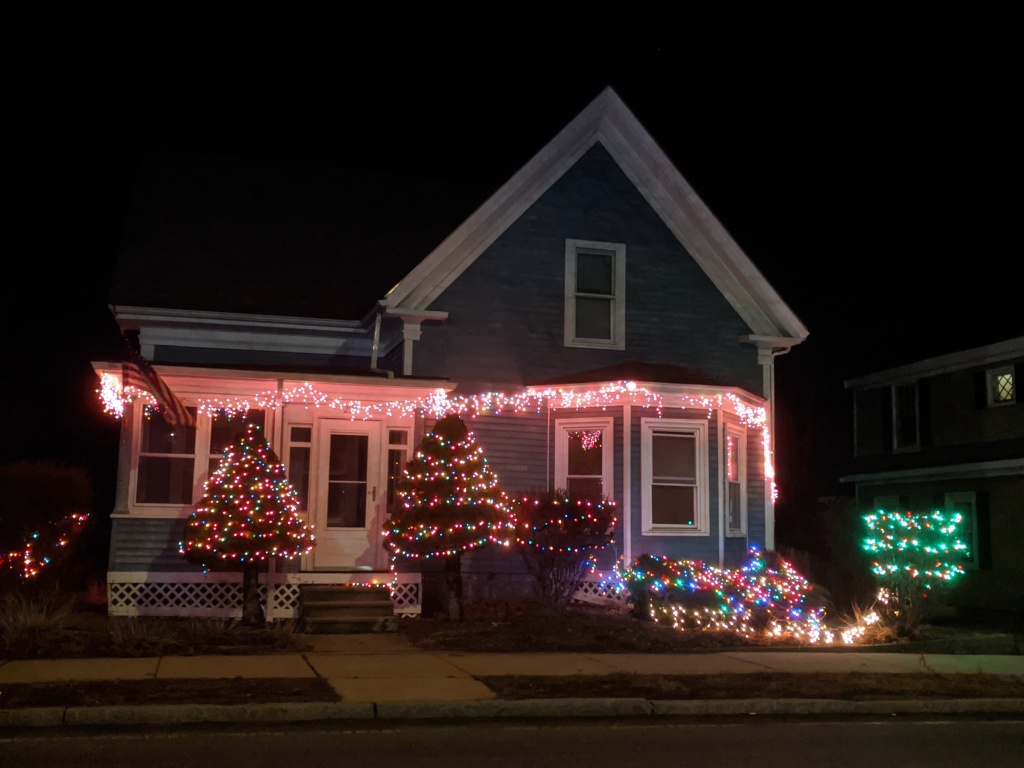
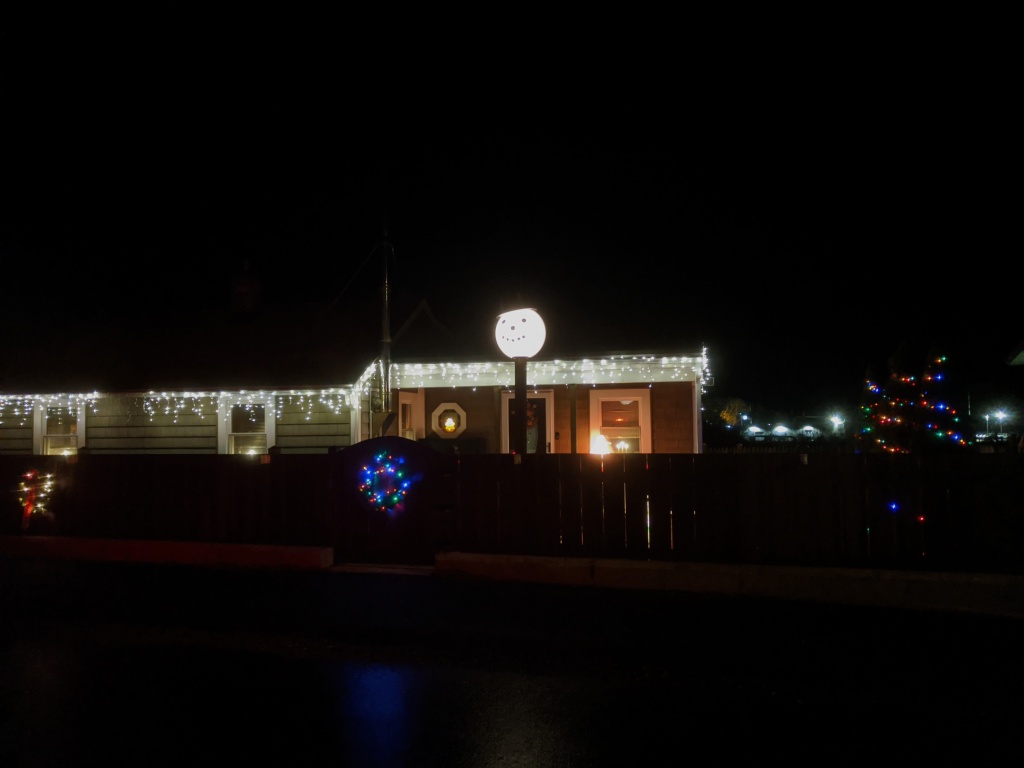
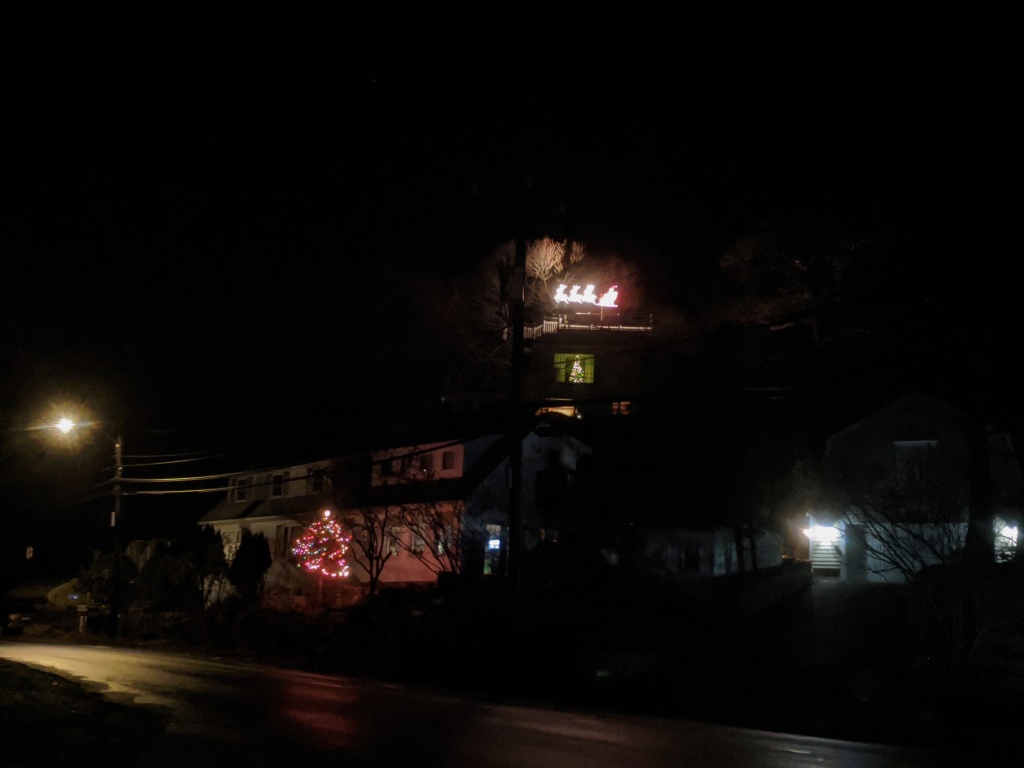

and buoy ornaments inside and out
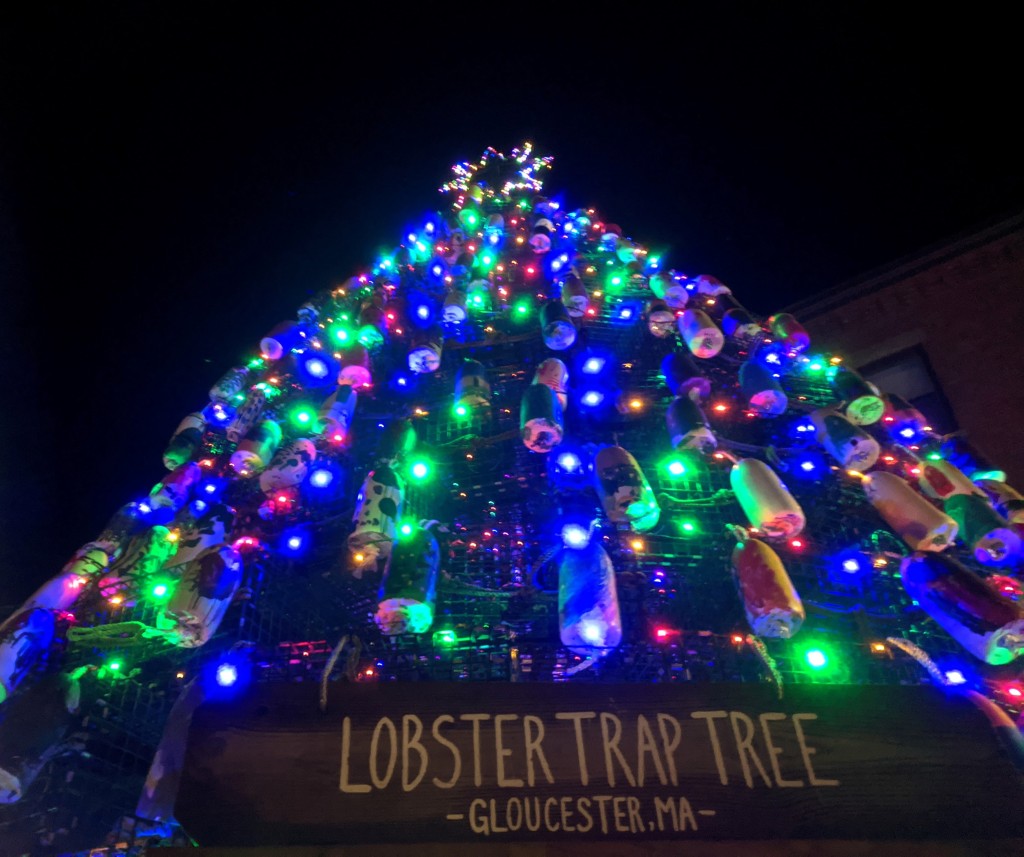

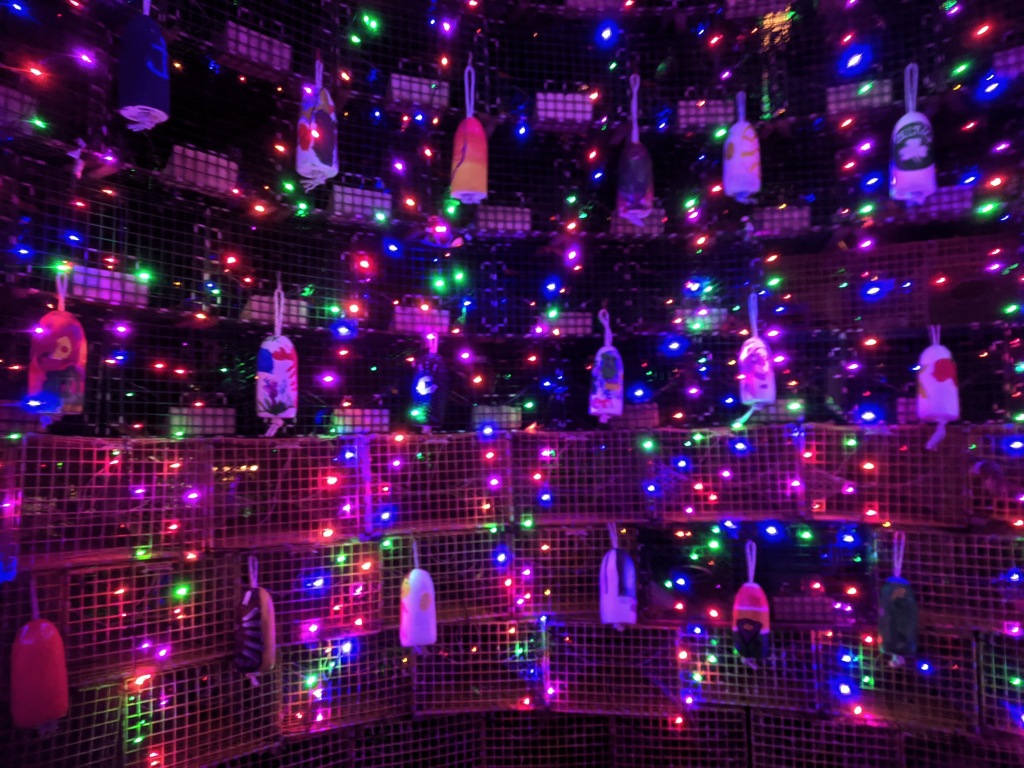
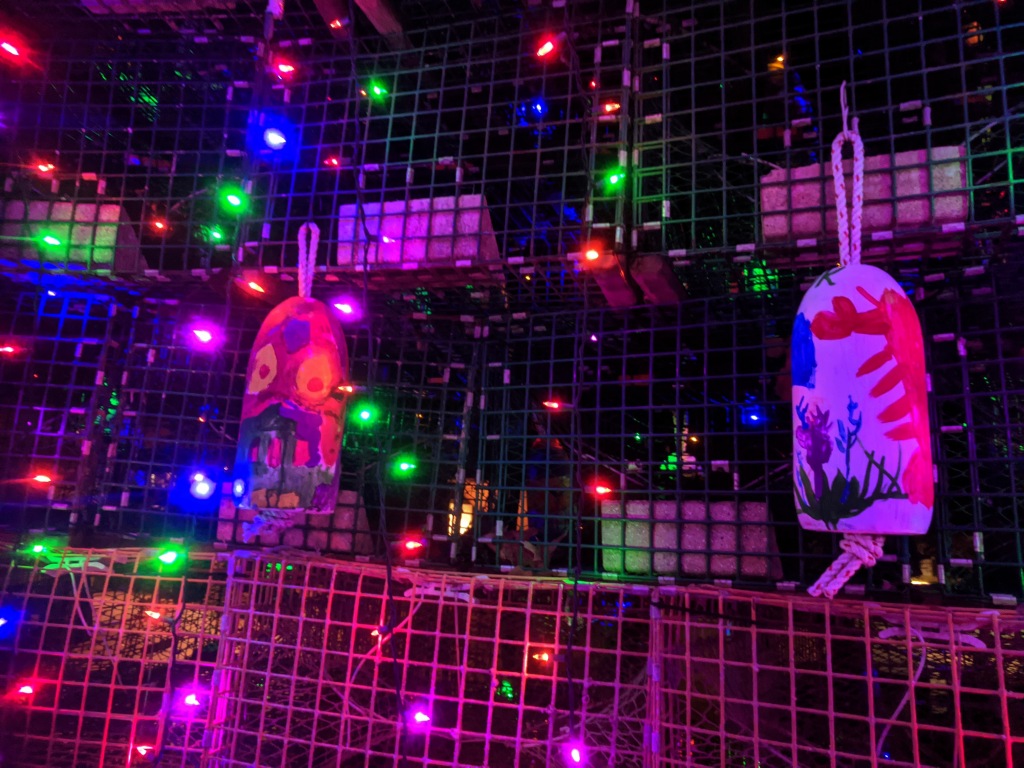
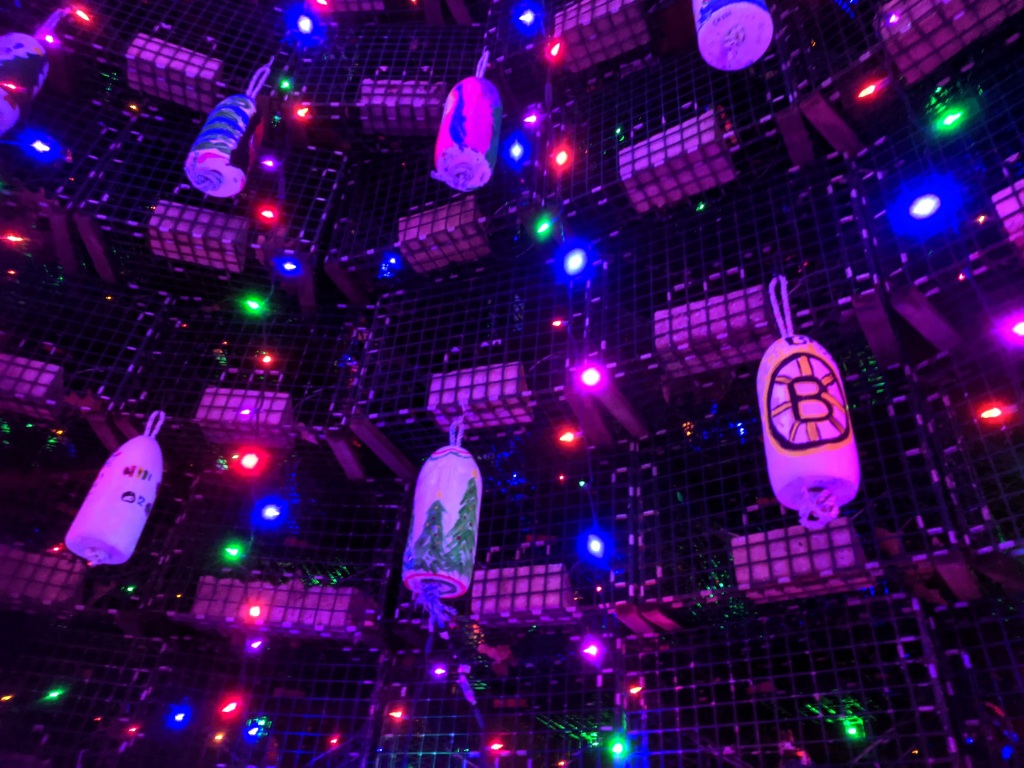
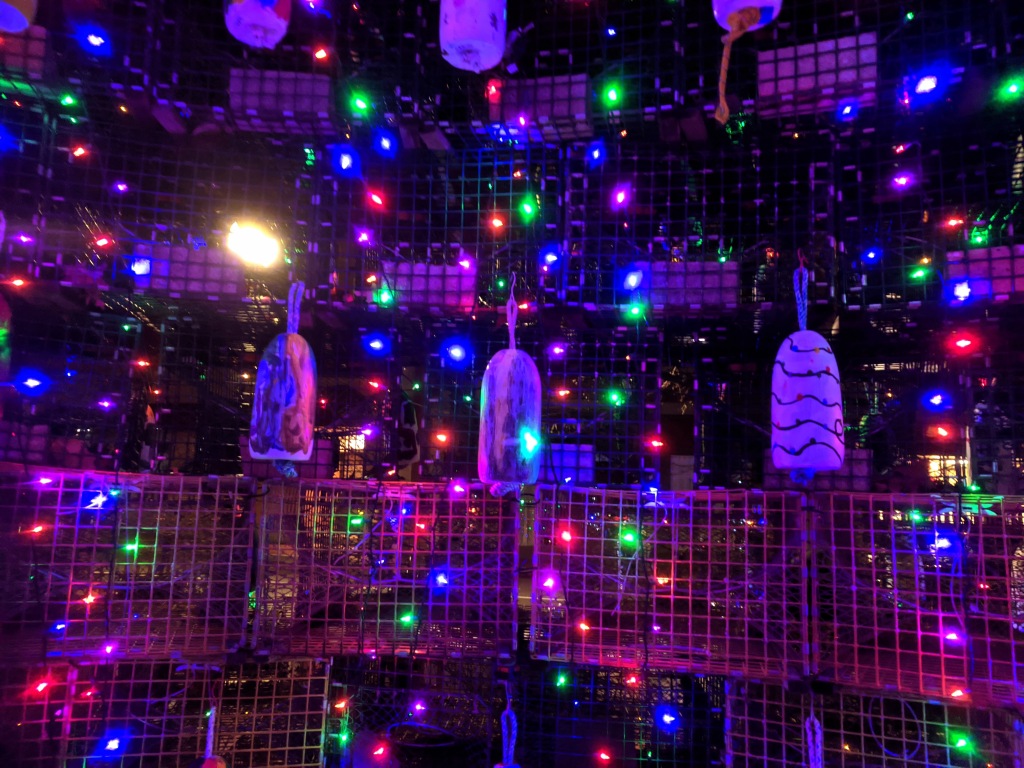

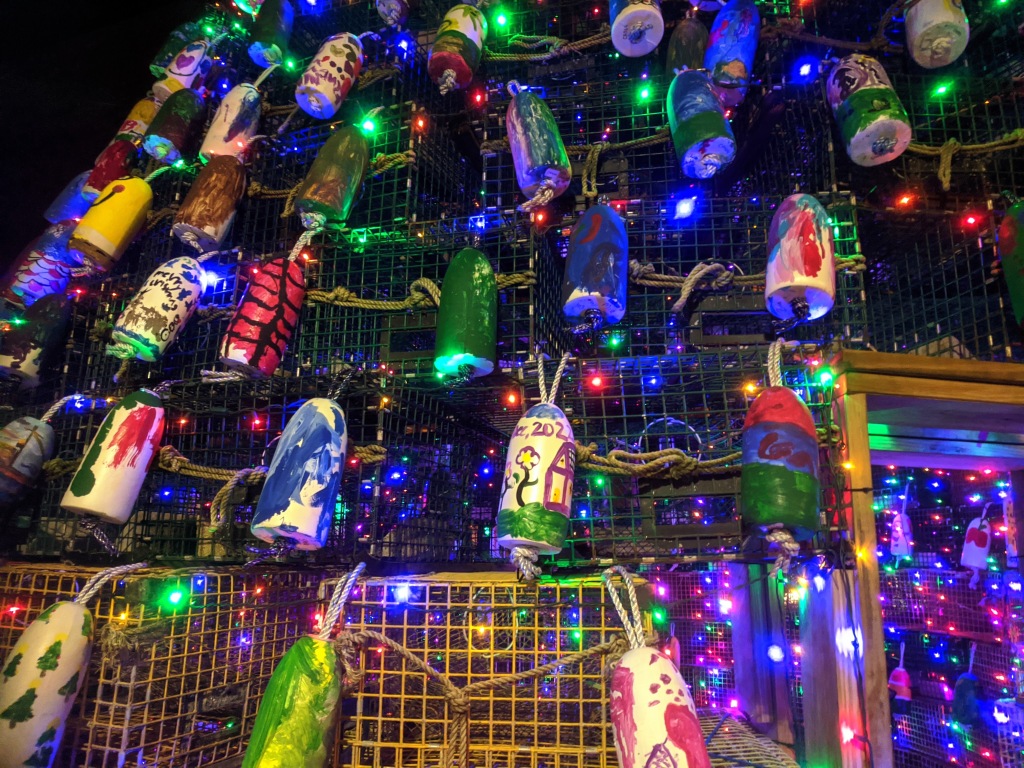
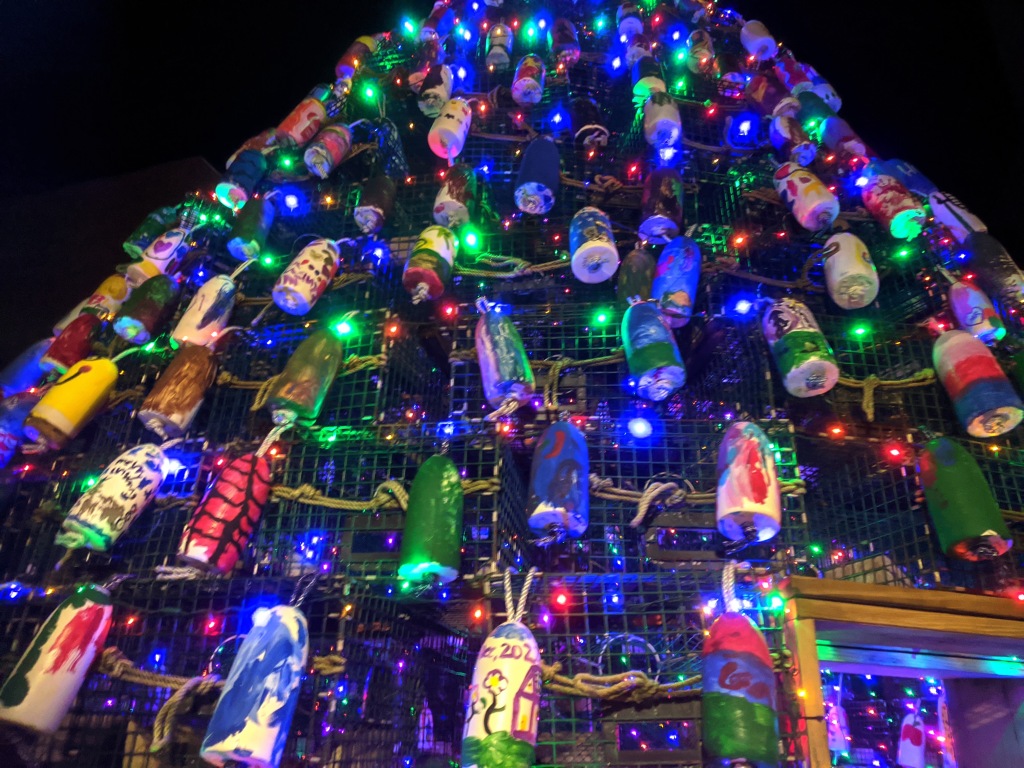
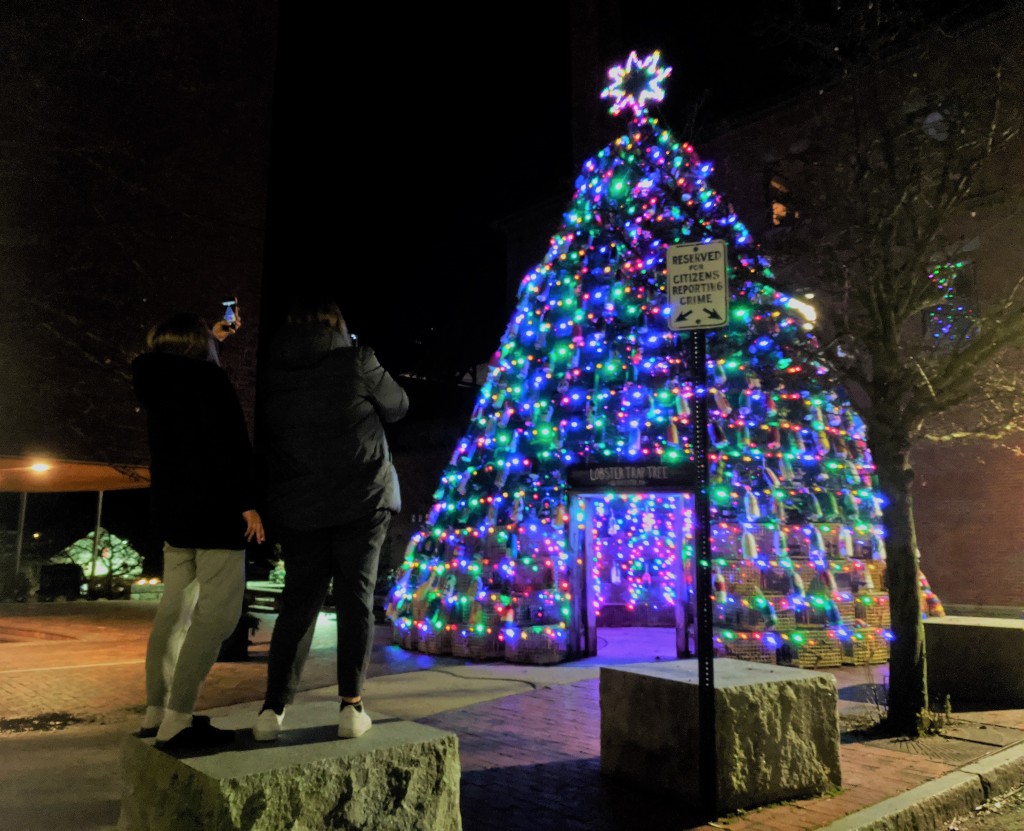
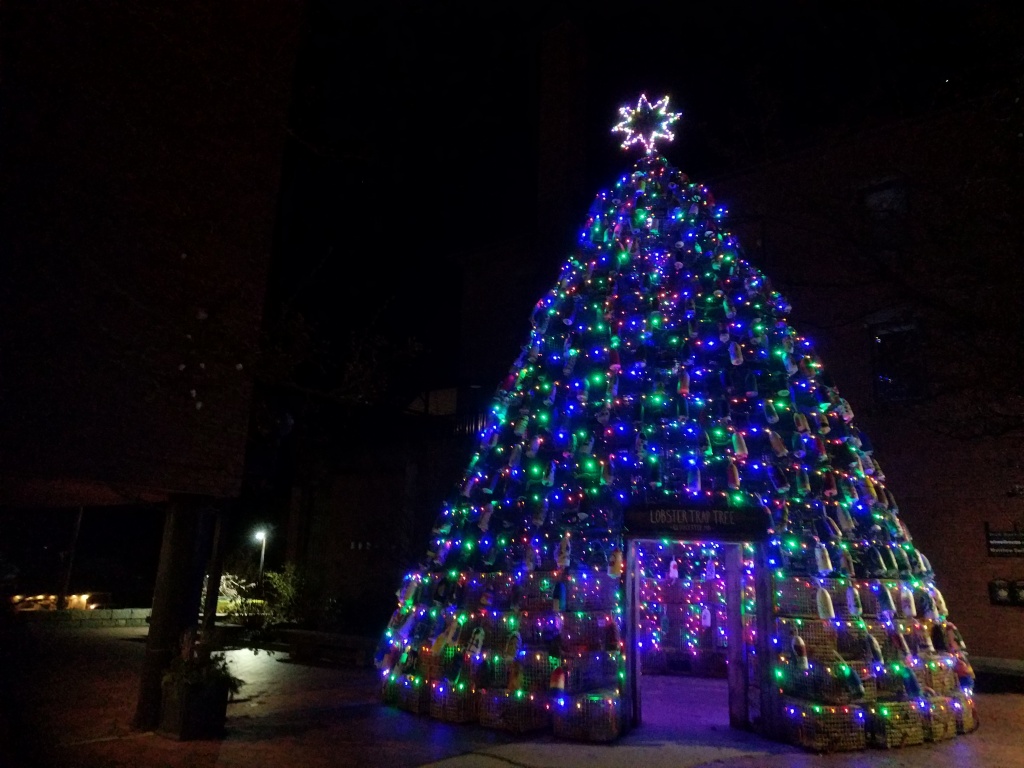


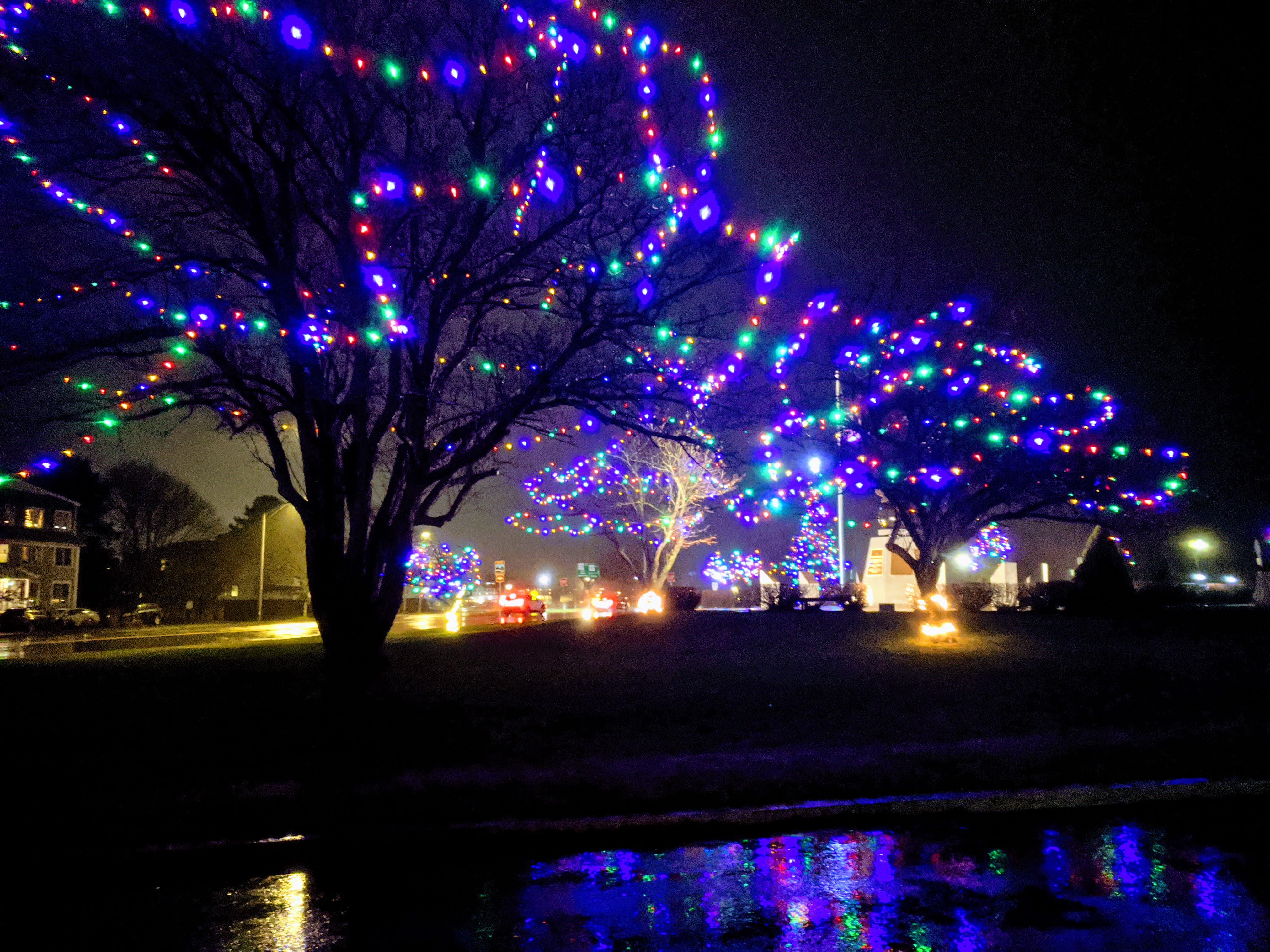
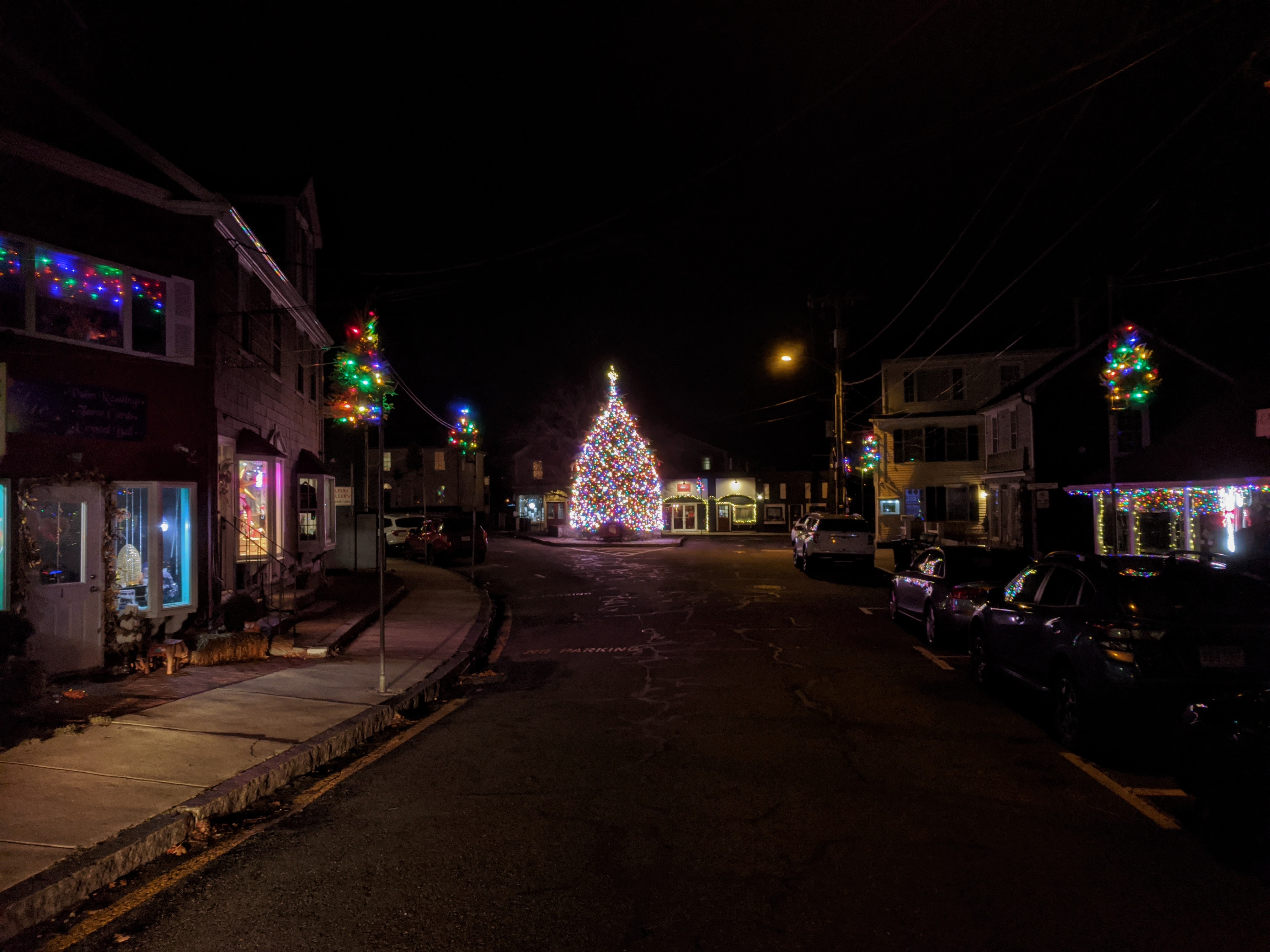
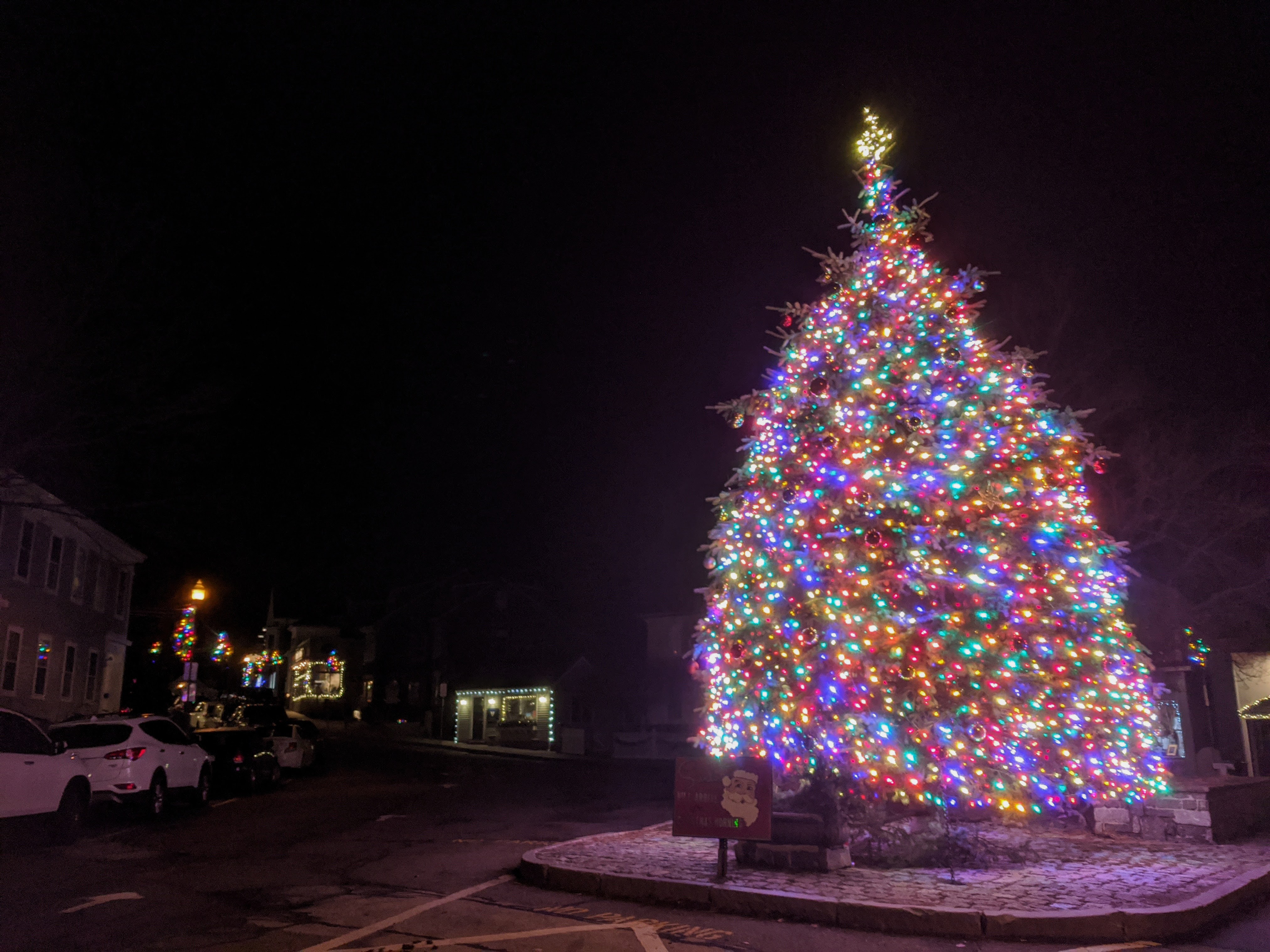
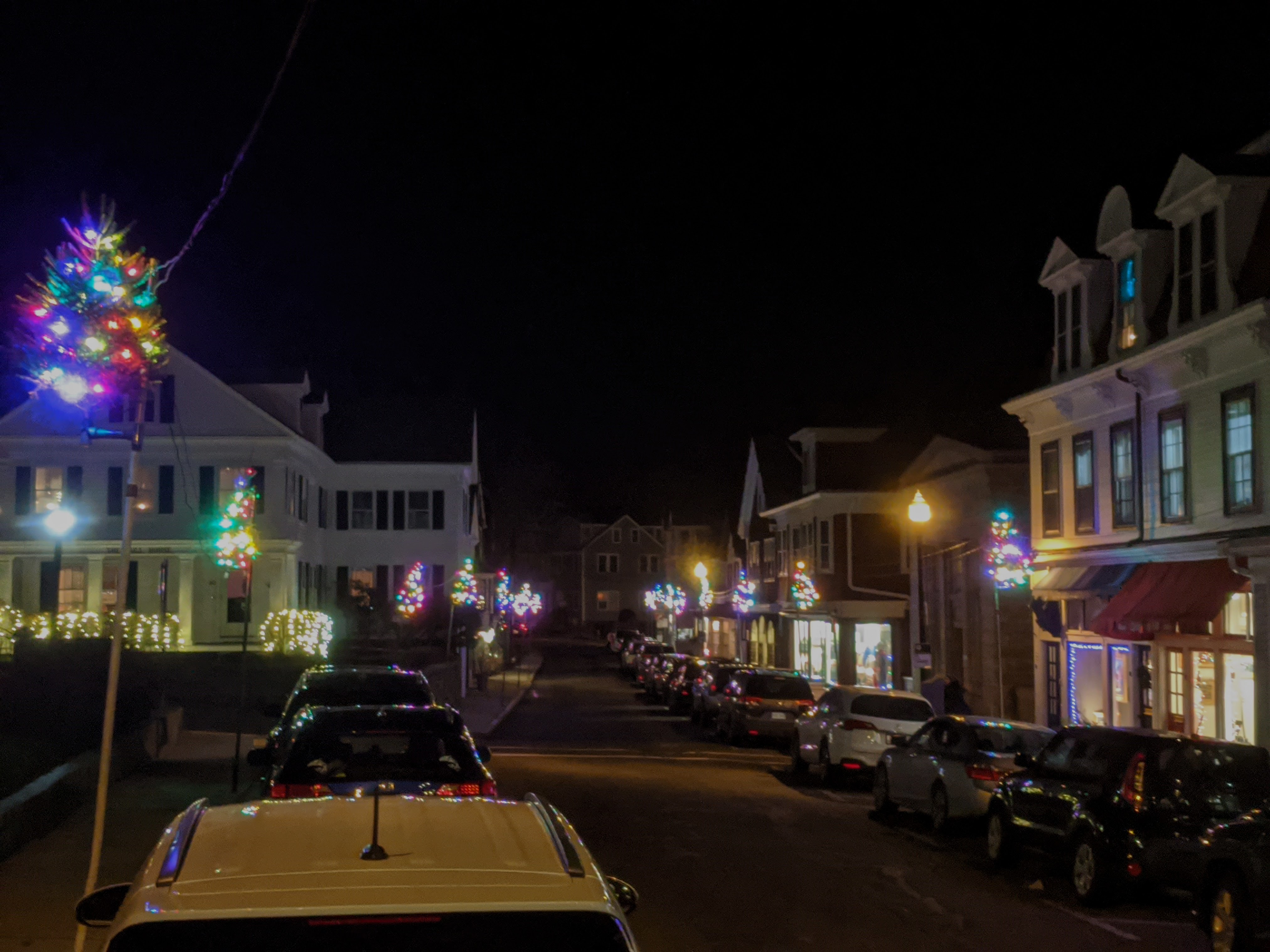
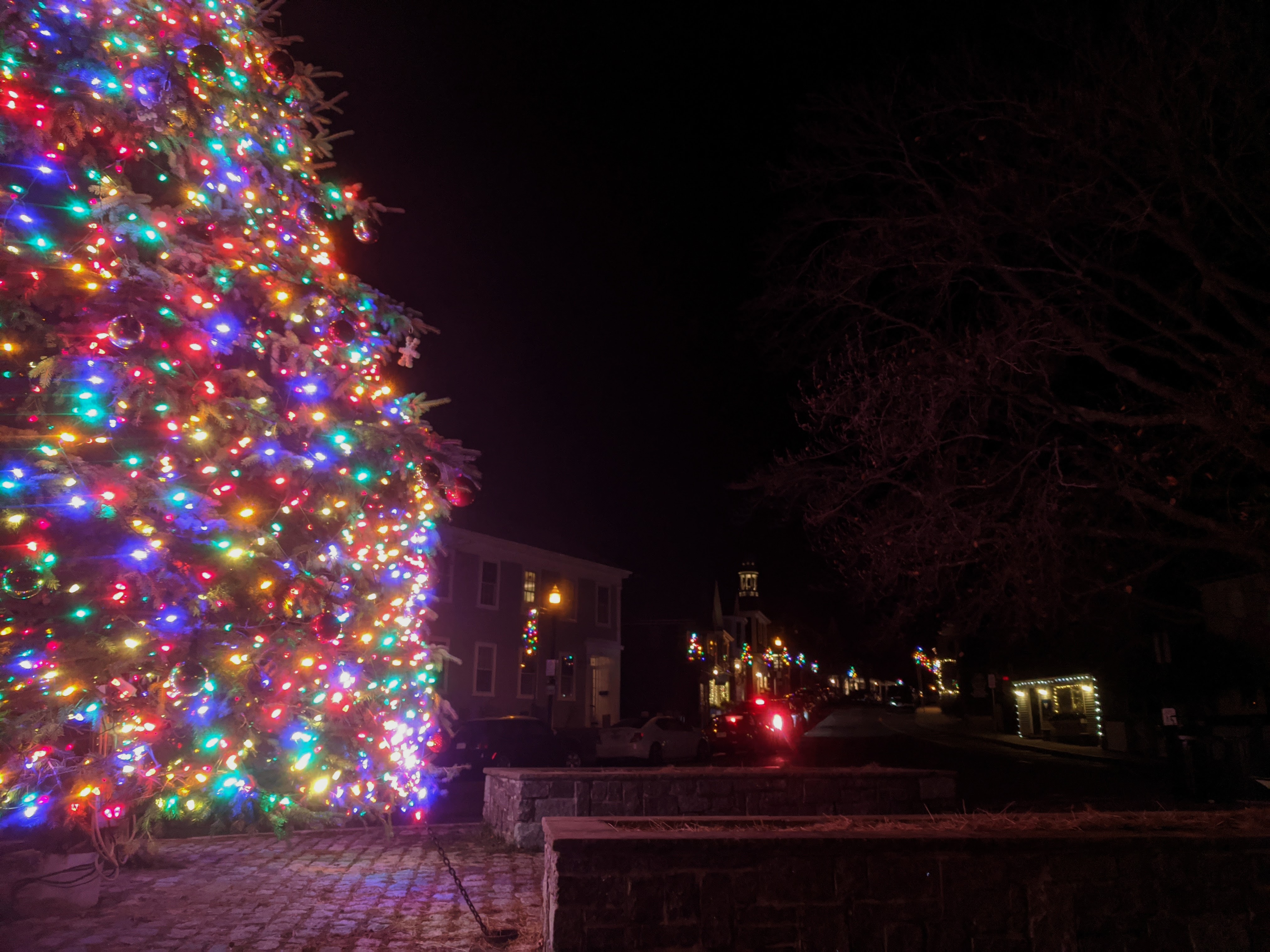

Annual merry dazzler Rt. 133

Batch 1 photos and gifs published 12/5 here
Batch 2 photos and gifs 12/9 here
Batch 3 photos and gifs 12/13 here
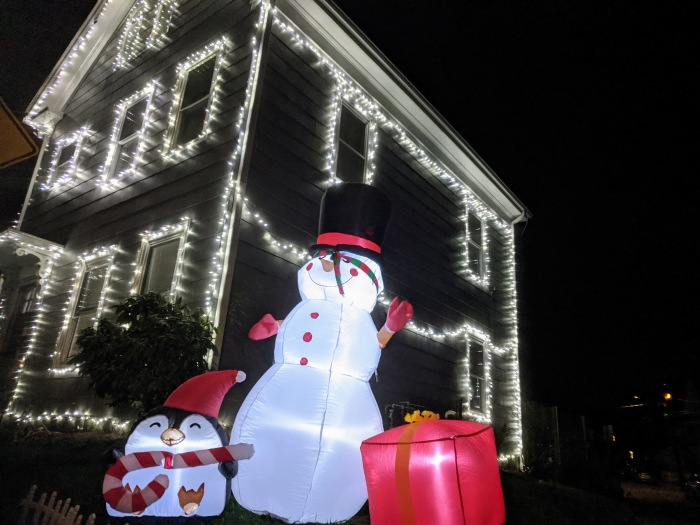


100 more homes mapped as of December 9, 2022. New streets (and/or newly lit homes on previously mapped streets), especially in East Gloucester, include:
Abbott Road, Abbot Place (off Harrison), Bass Ave., Brightside Ave, Chapel St., Crestwood Terrace (off Harrison), Davis St., Decatur St., East Main St., Grapevine Road, Green St., Harrison Ave., Hartz, Haskell, High Popples, Jacques Lane, Mt. Pleasant Ave., Perkins St., Rocky Pasture Rd., Skywood Terrace (off Harrison), Witham







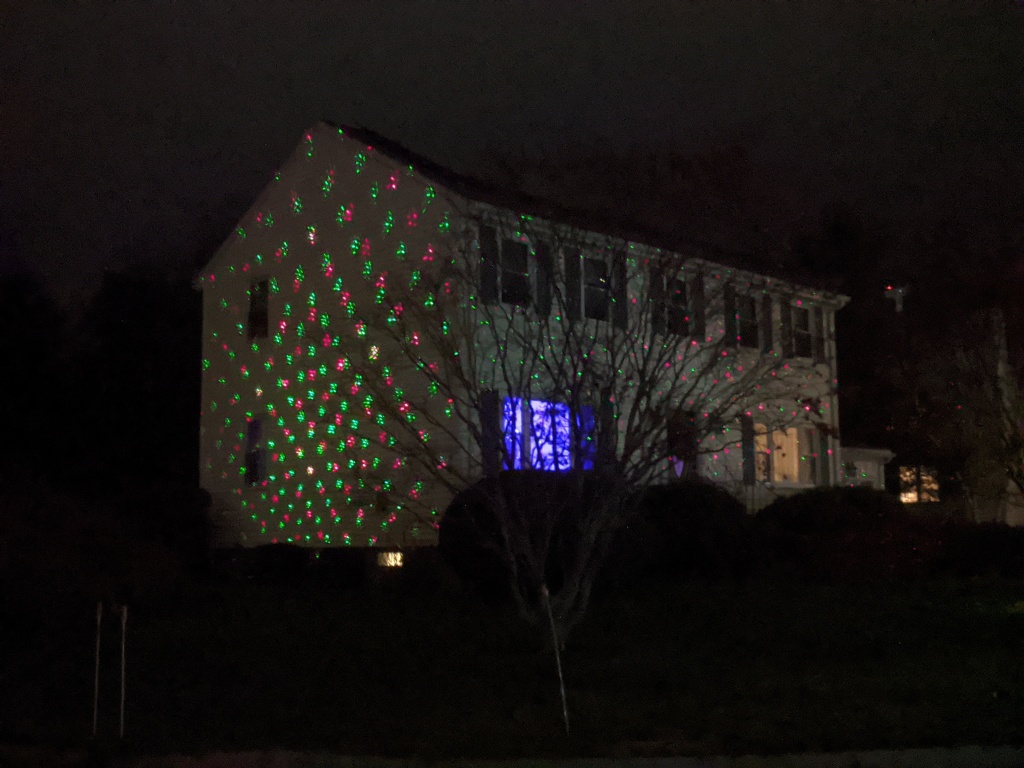
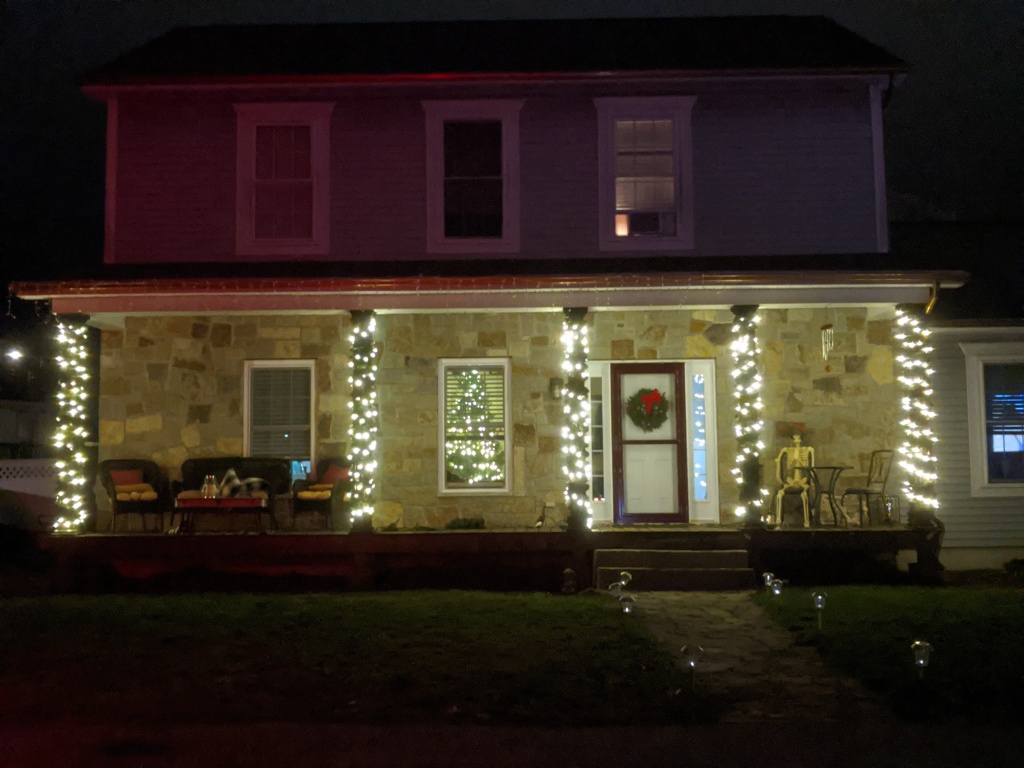
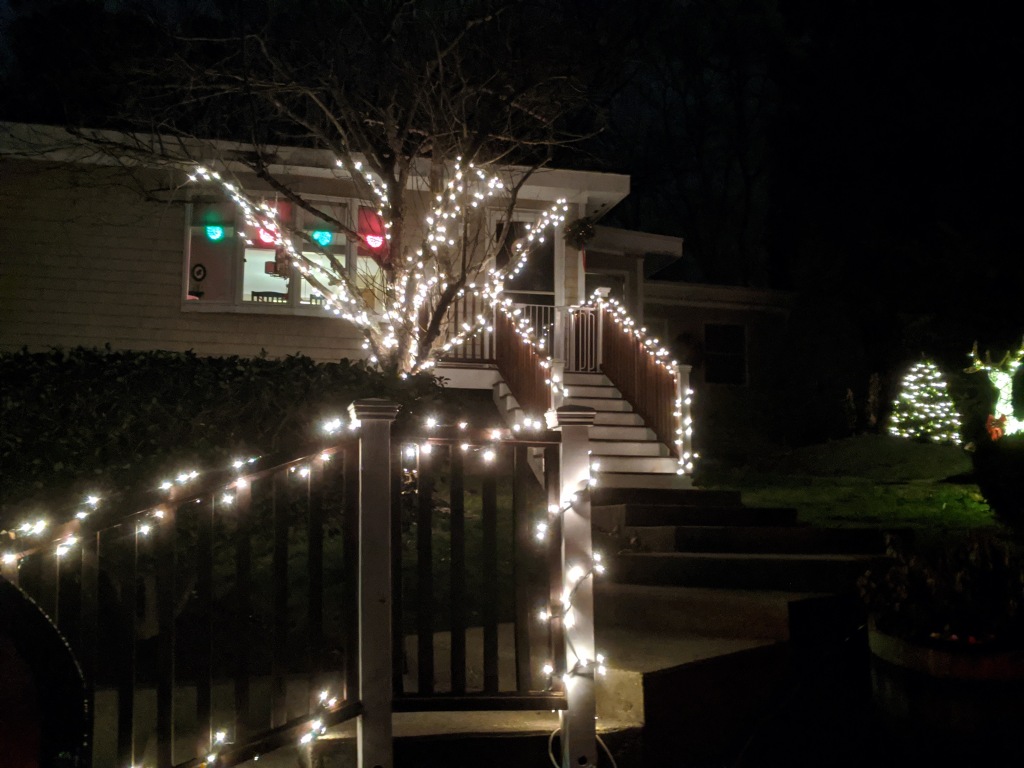
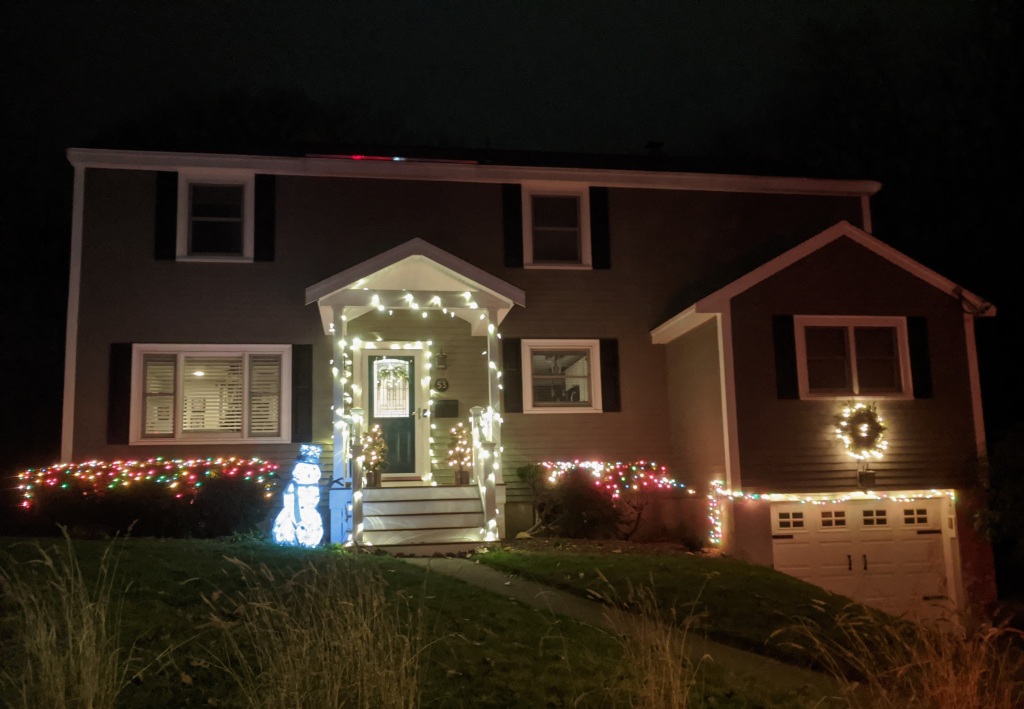
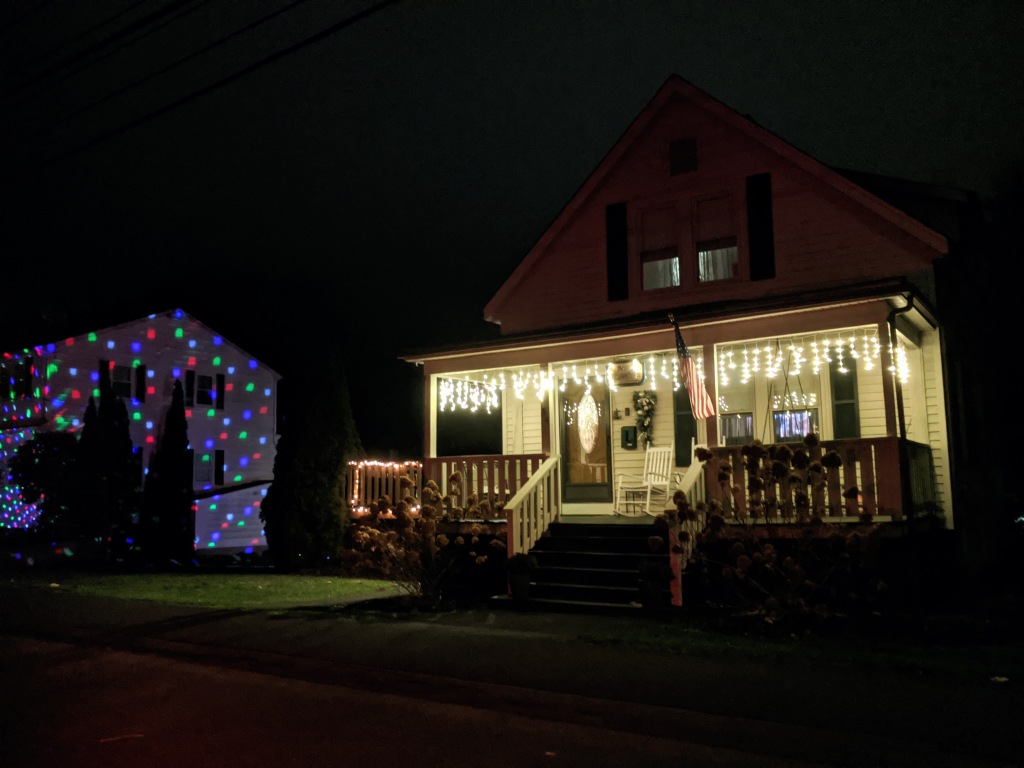













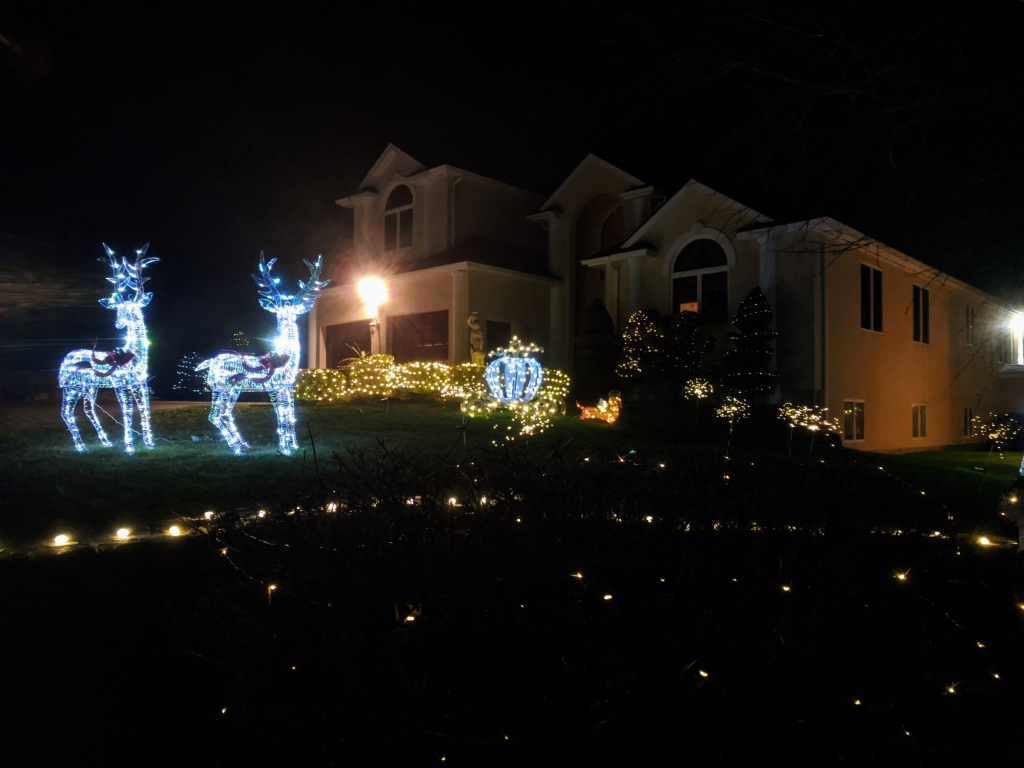
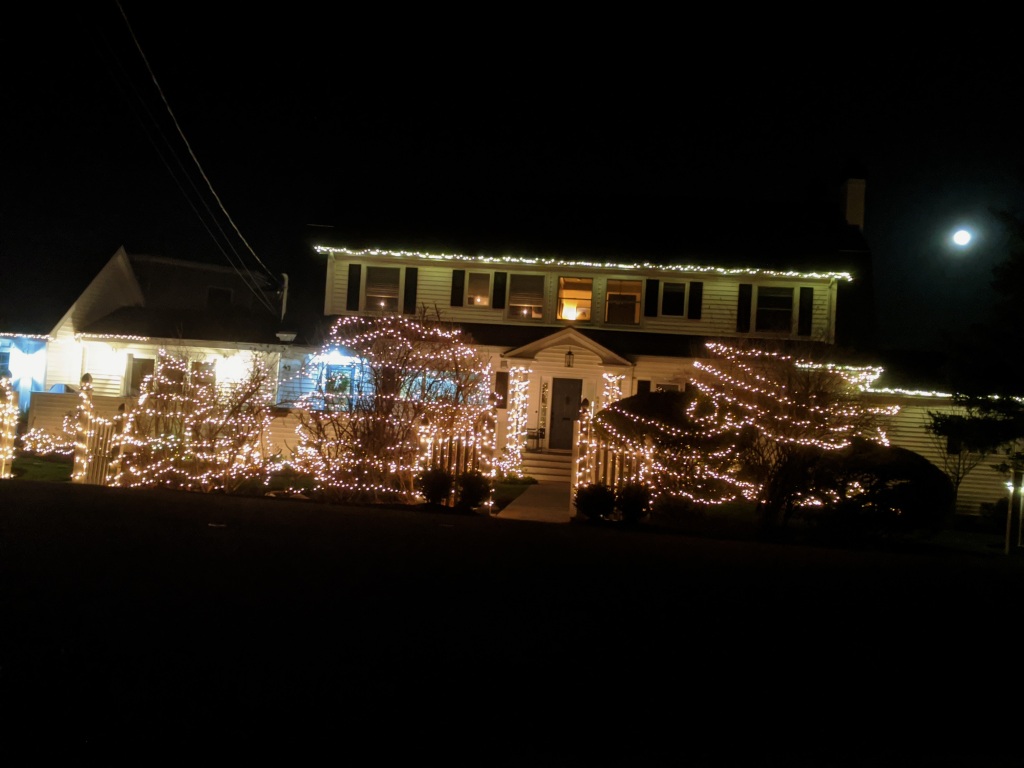
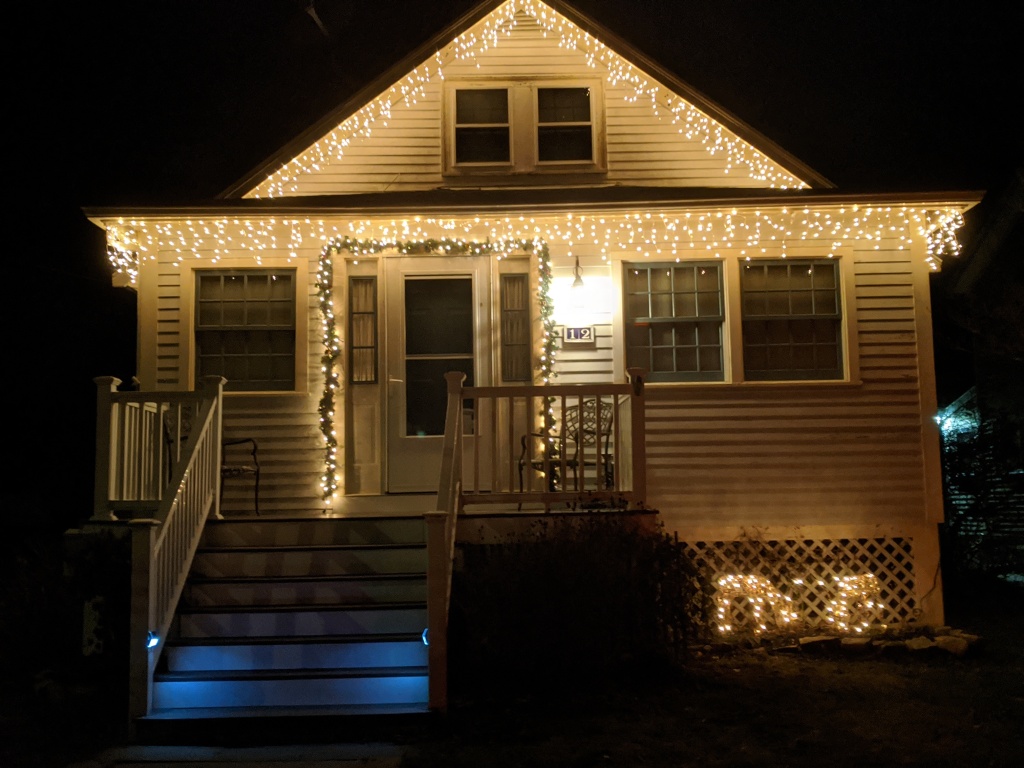


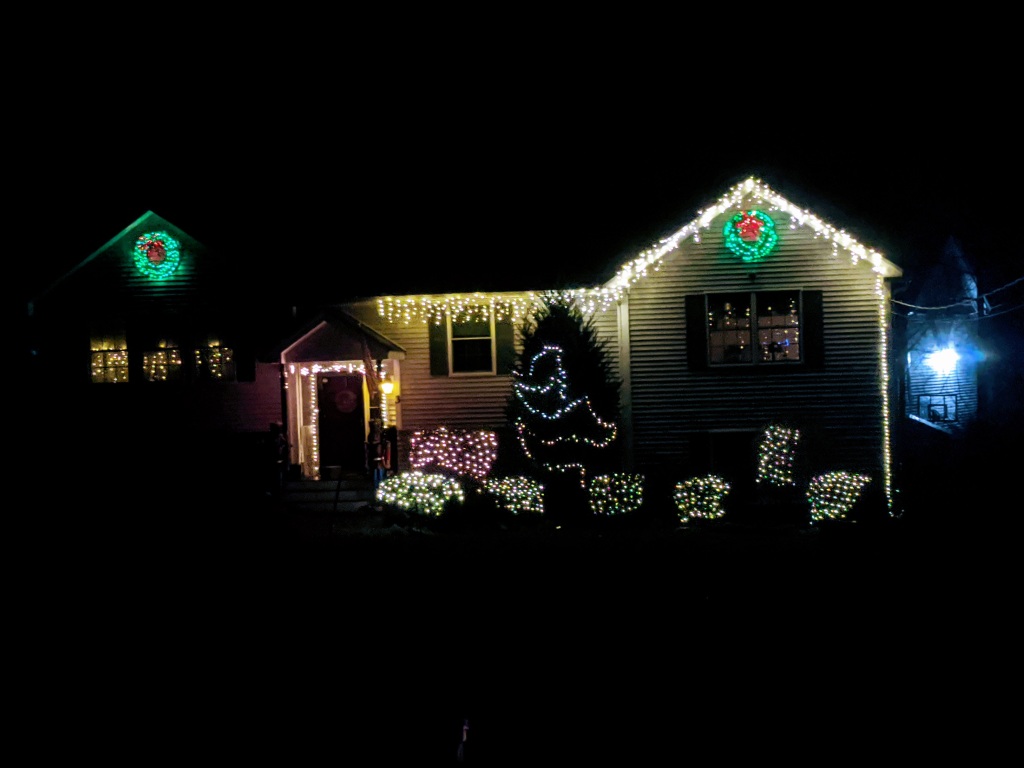






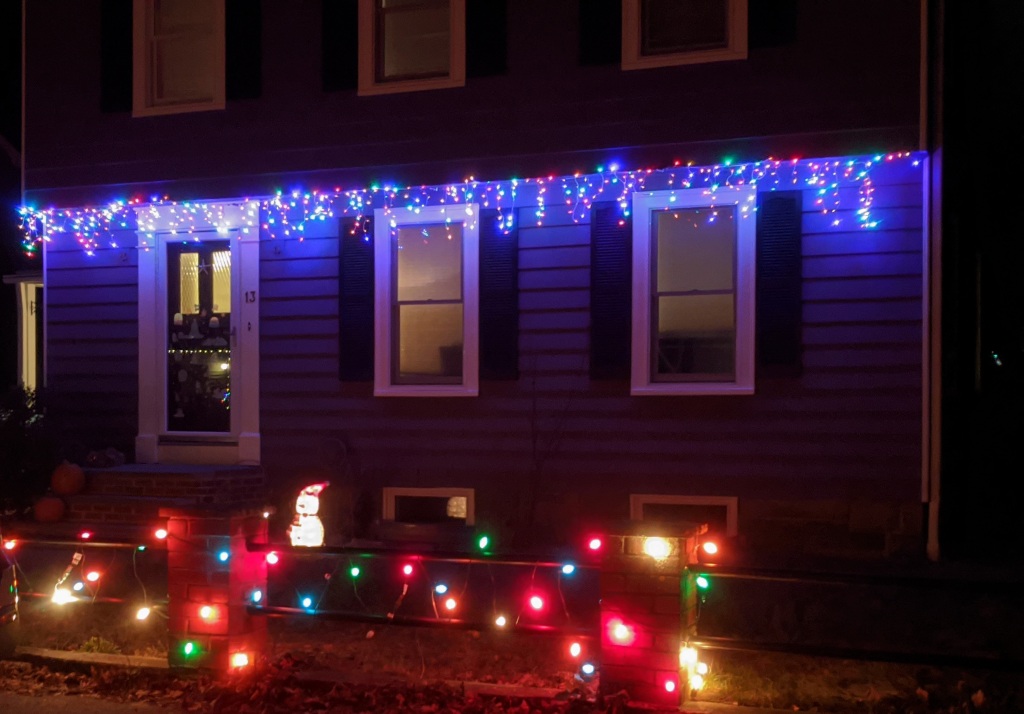
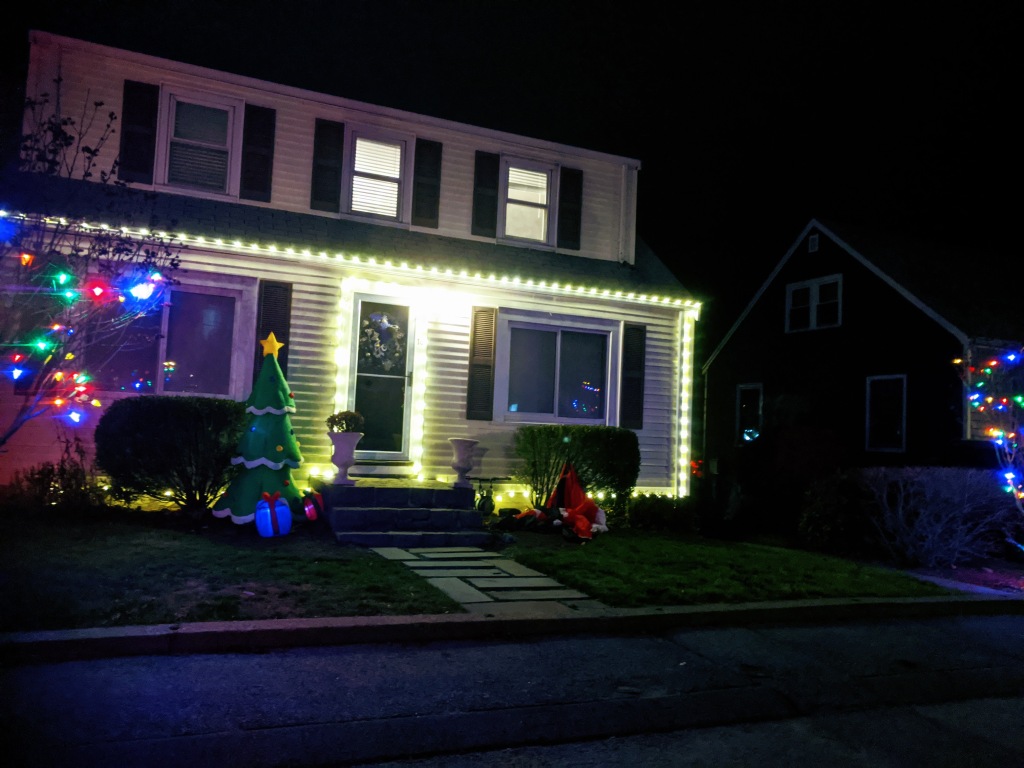
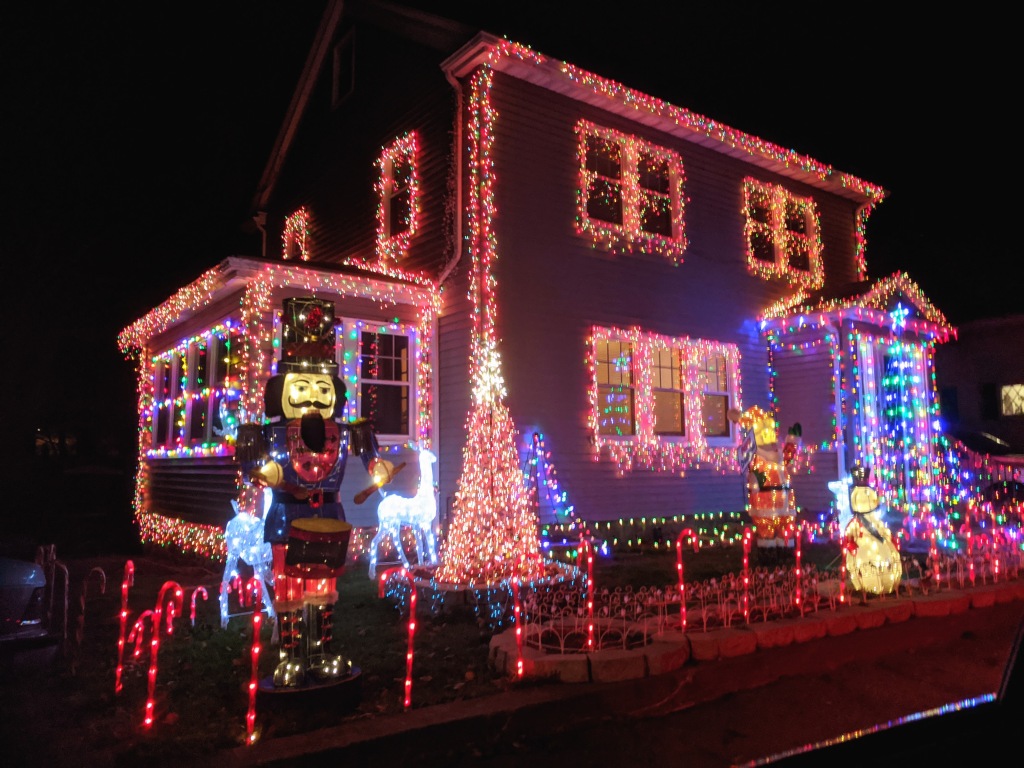





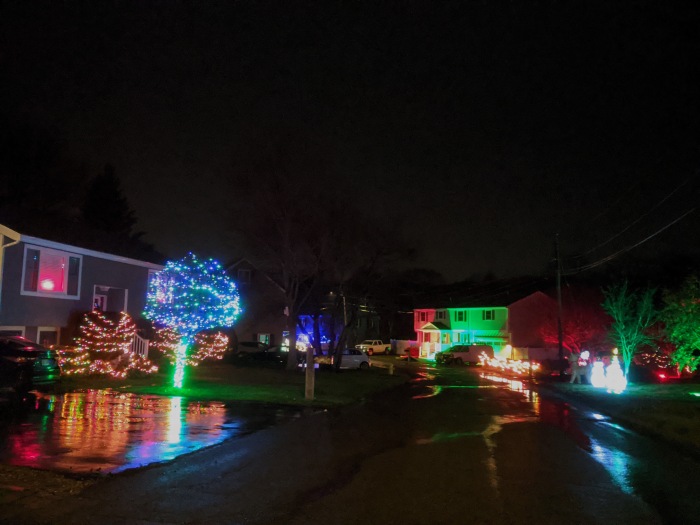
Finch Lane
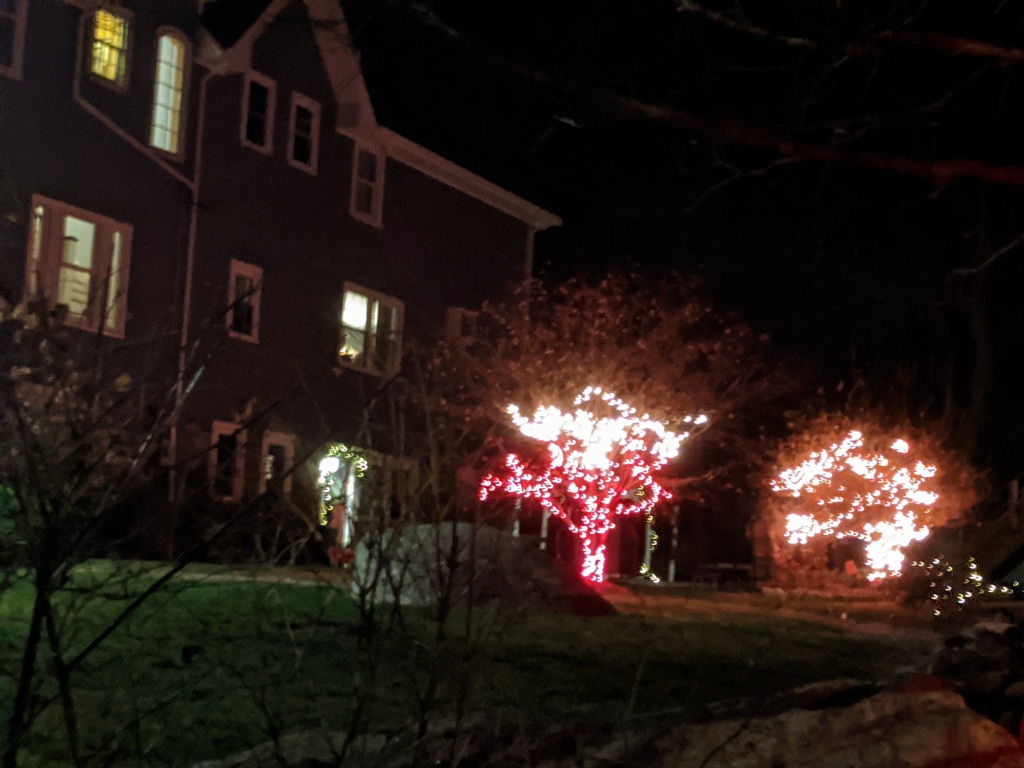
Gloucester nearing 200 sparkling homes added to the map so far. Batch 2 (this post) streets include :Arthur Ct., Carlisle Ave., Cherry St., Cleveland St., Collins Ave, Doane Road, Essex Ave, Finch Lane, Gloucester Avenue, Honeysuckle Road, Lupine, Maplewood (near Poplar bend), Marchant, Millet St., Montvale Avenue, Mystic Ave., Reynard, Riverside Ave., Sargent St., Shore Hill Road, Riverside Ave., Thatcher, Thornhill Way, Thurston Point, Warner St., Washington St (at Piraino), Washington St. (near Capt. Hooks), Wheeler Street, Whittemore St.
First Batch streets: Centennial Drive, Cherry St (near O’Maley), Crestwood Ter. – Skywood Ter. (off harrison), Derby St., Elizabeth Road, Essex Ave / Rt. 133 (between Kent Circle and Little River), Fleetwood Dr., Friend Ct., Green St., Grove St &Colonial, Grove near Maplewood, Hampden & Gaffney, Hodgkin St., Lendall St off Harrison, Lupine Lane, Maplewood at Derby, corner Mt Vernon & Oak St, Perkins St., Poplar St., Reservoir Road, Reynard St., Spruce St., Starknaught, Washington St. (between Azorean and the rotary)
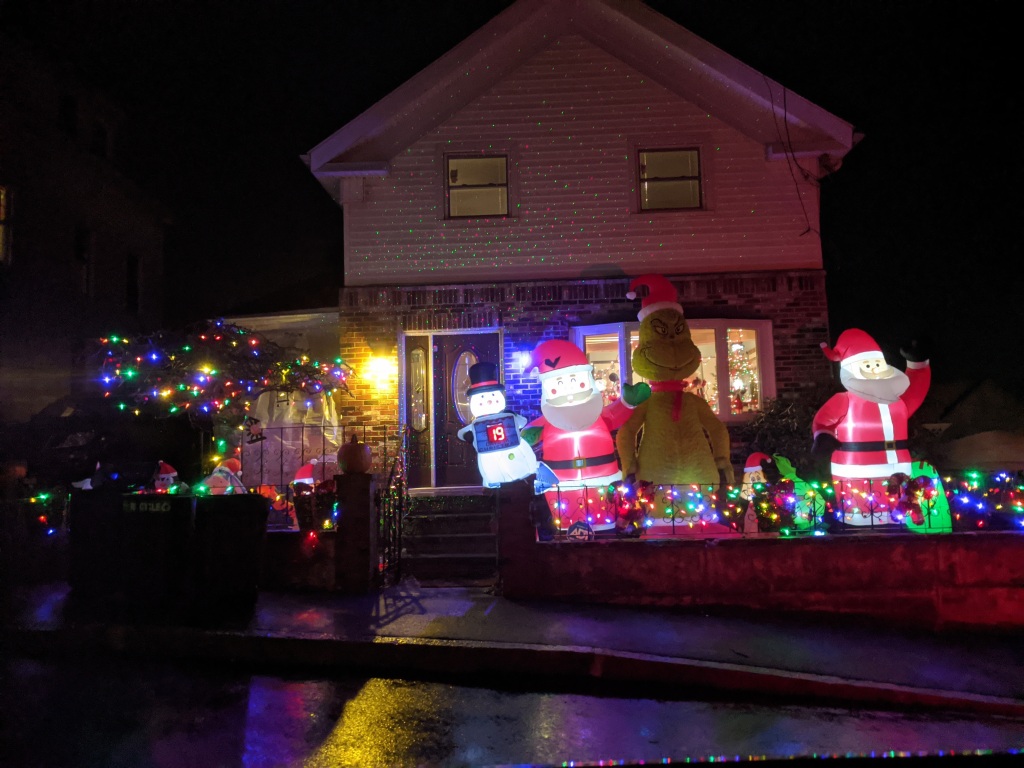
countdown clock – Millet St.
More to come. photos: c. ryan, Dec. 6, 2022. Click or pinch and zoom to enlarge.
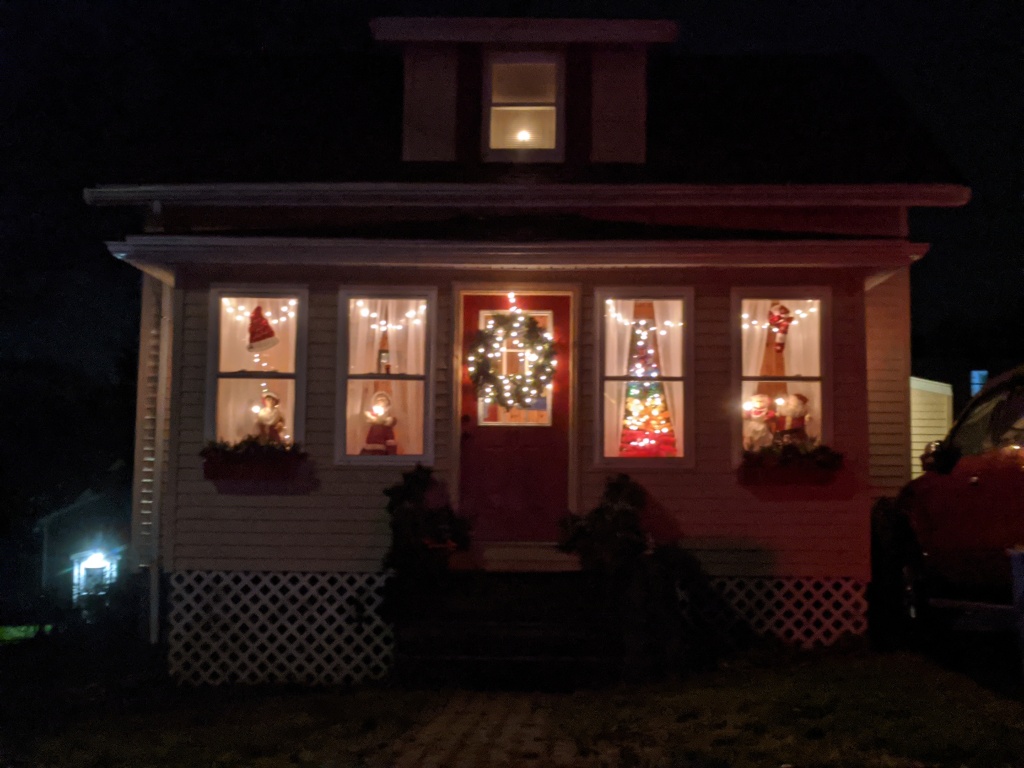
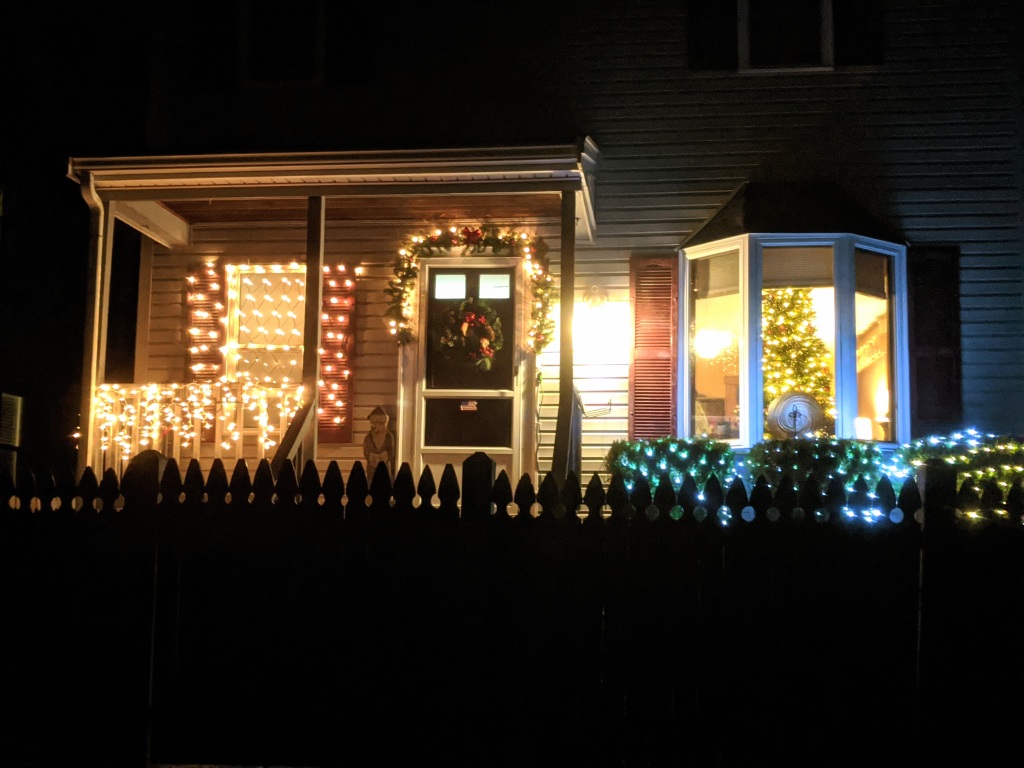

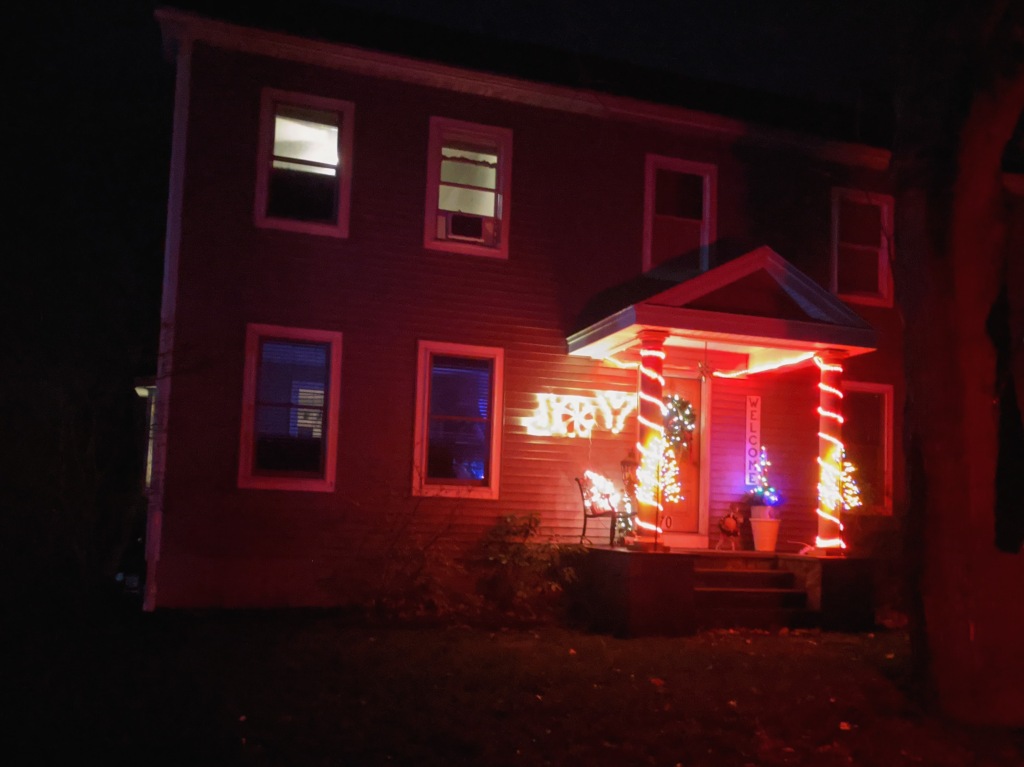
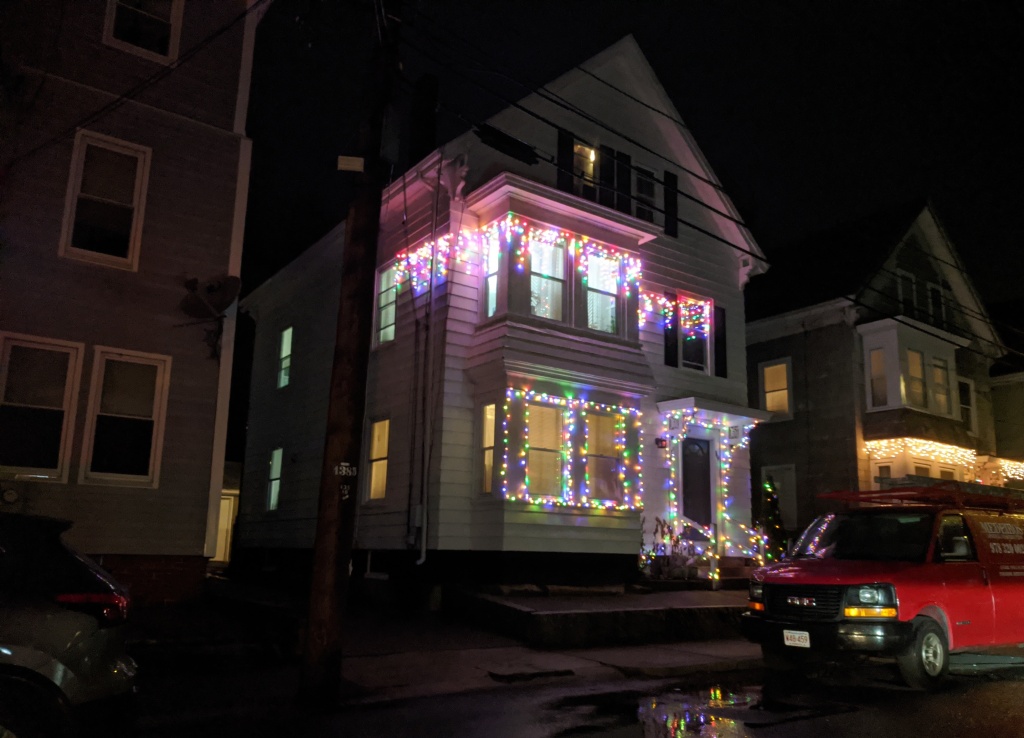
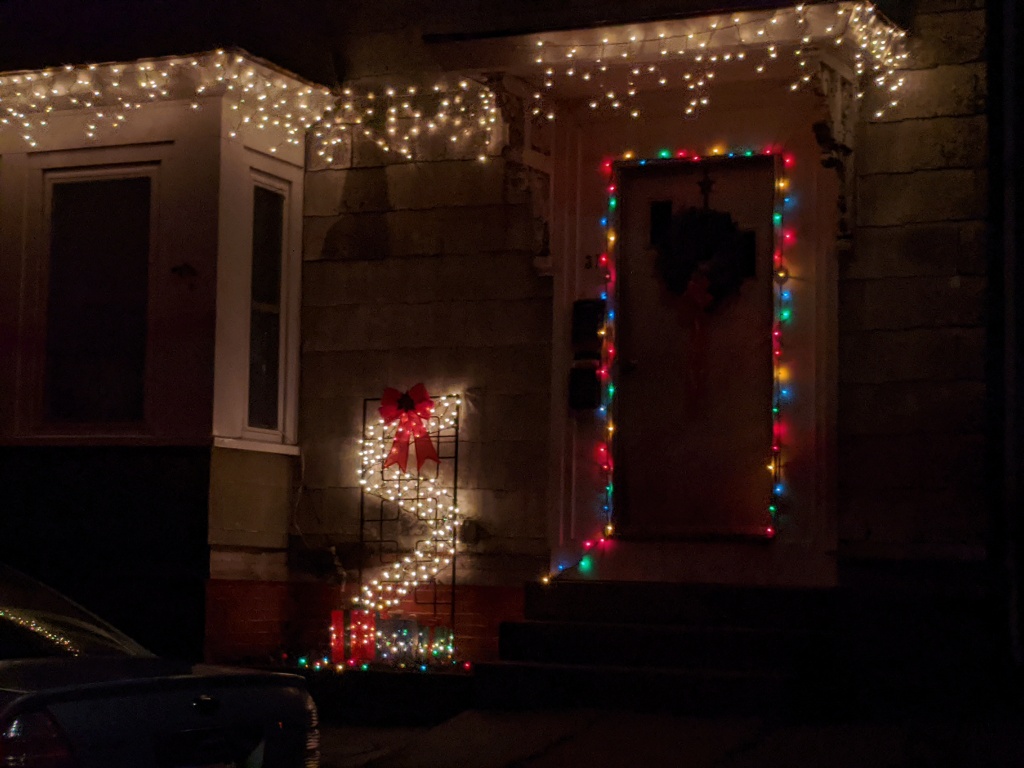


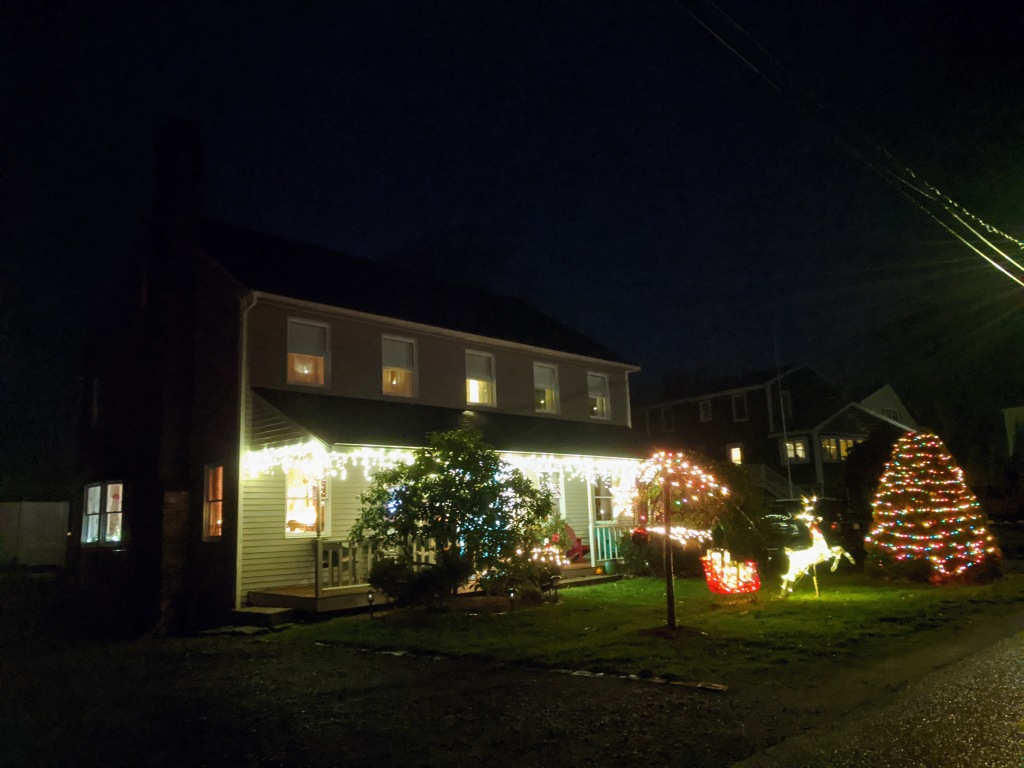
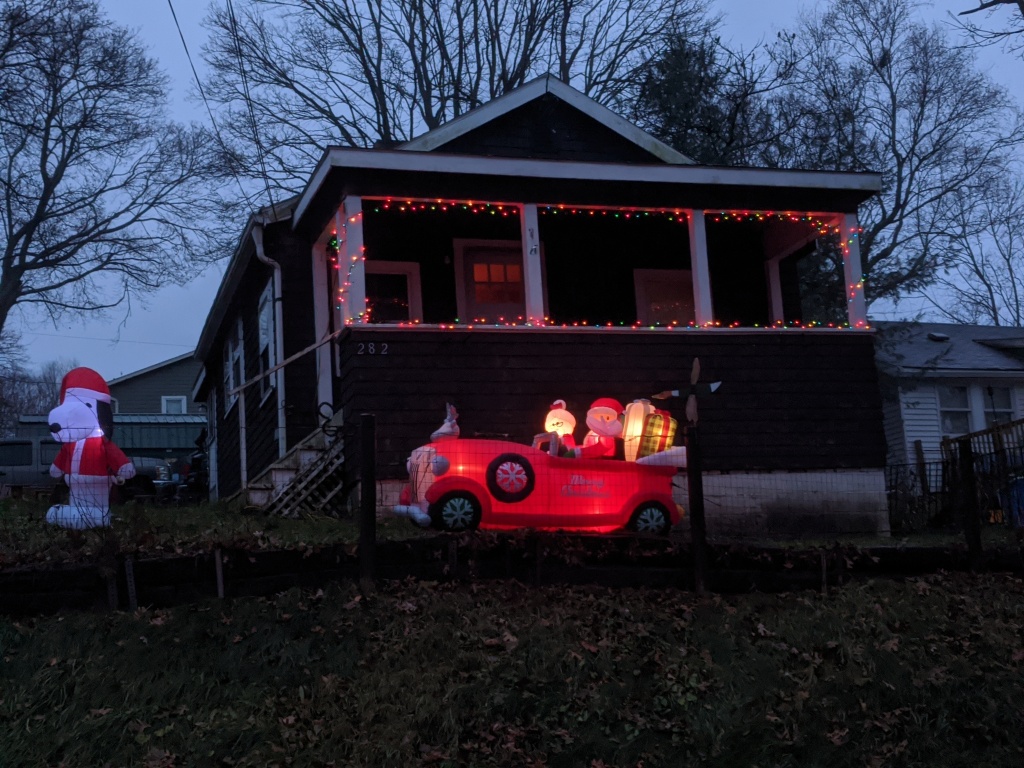
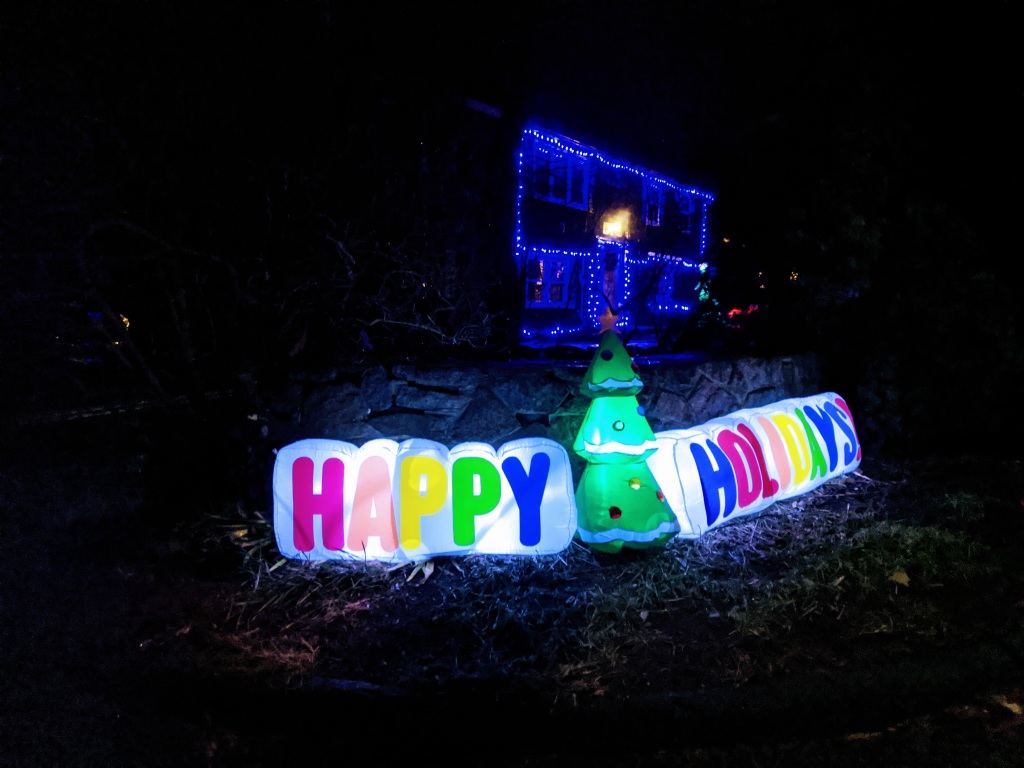
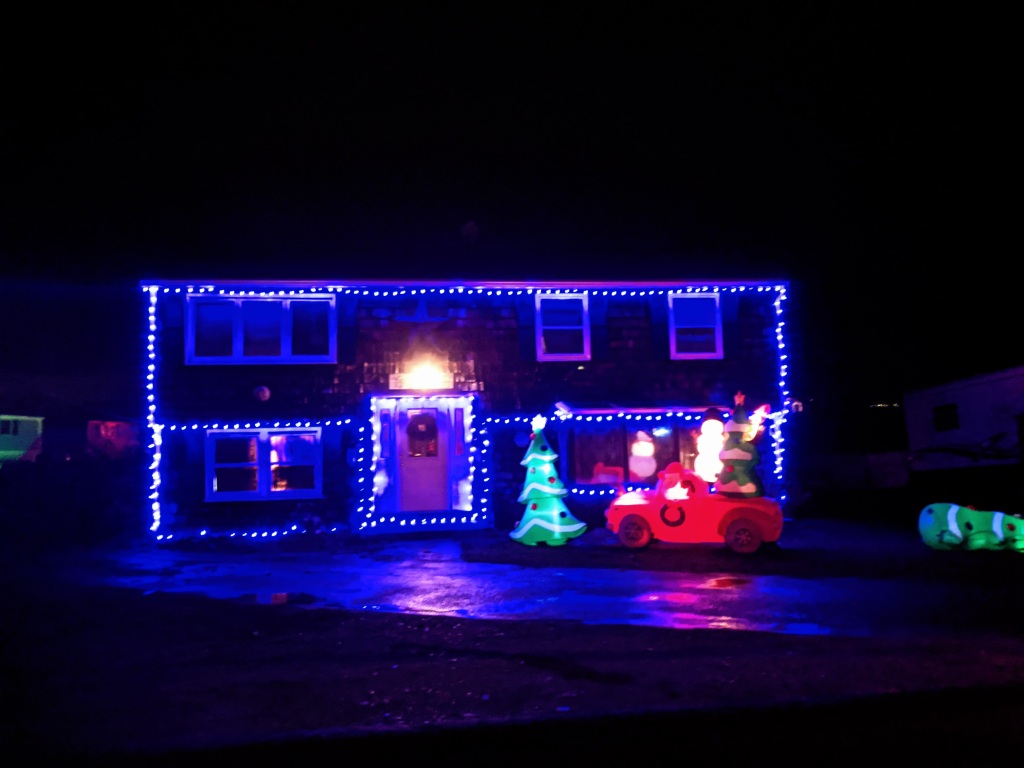
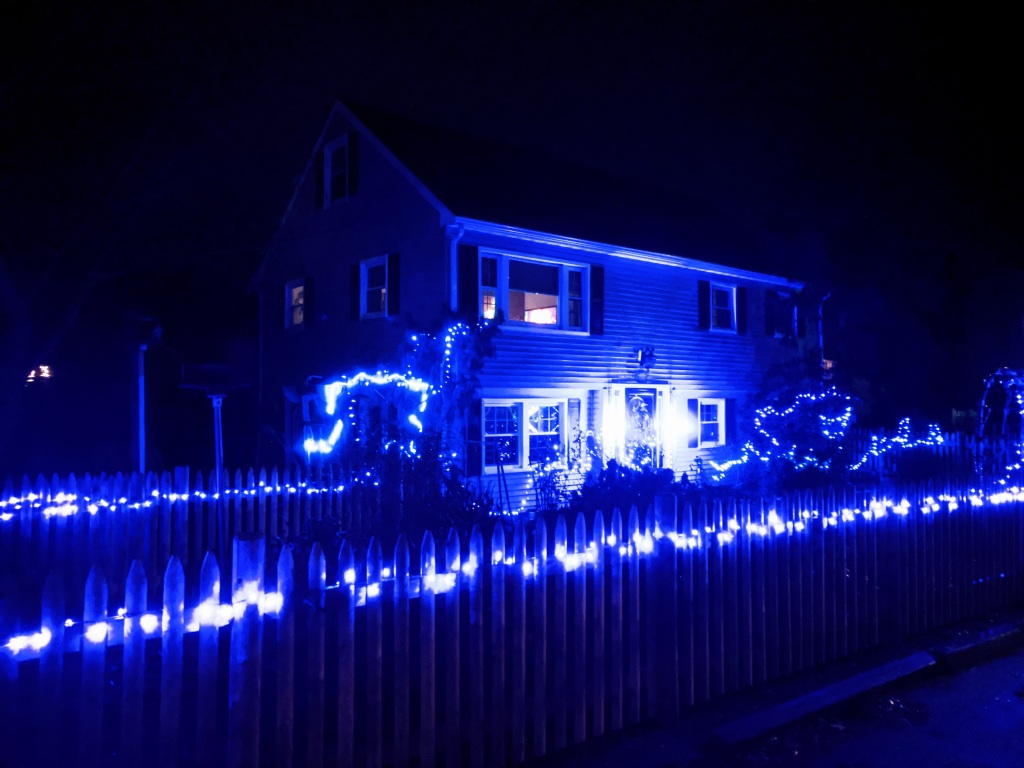

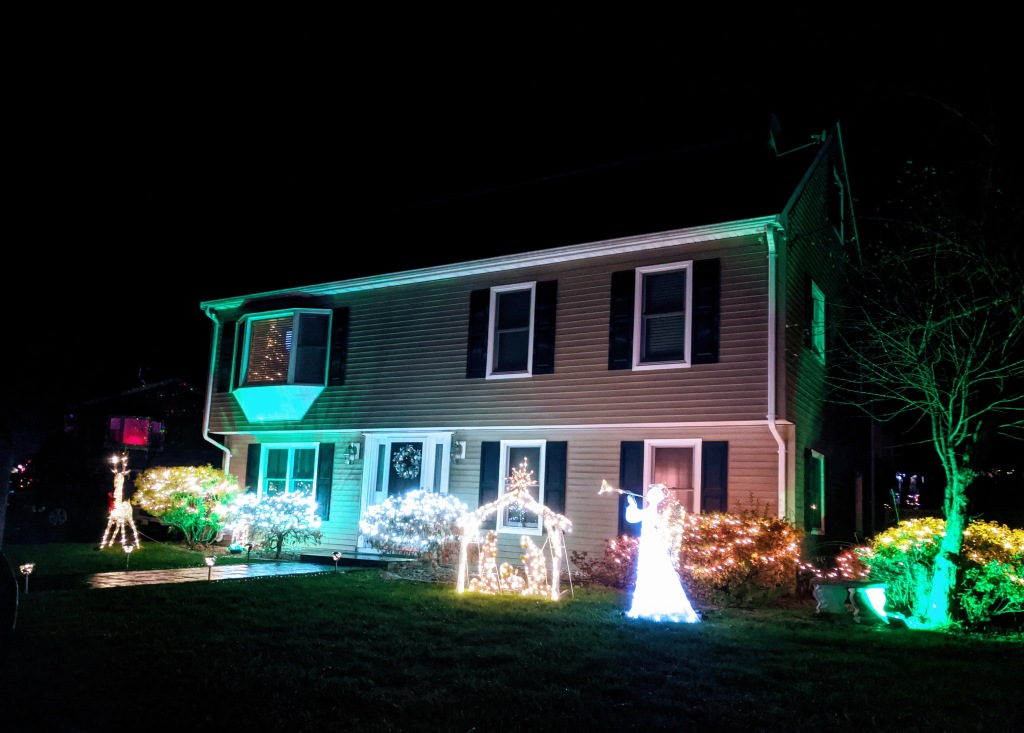
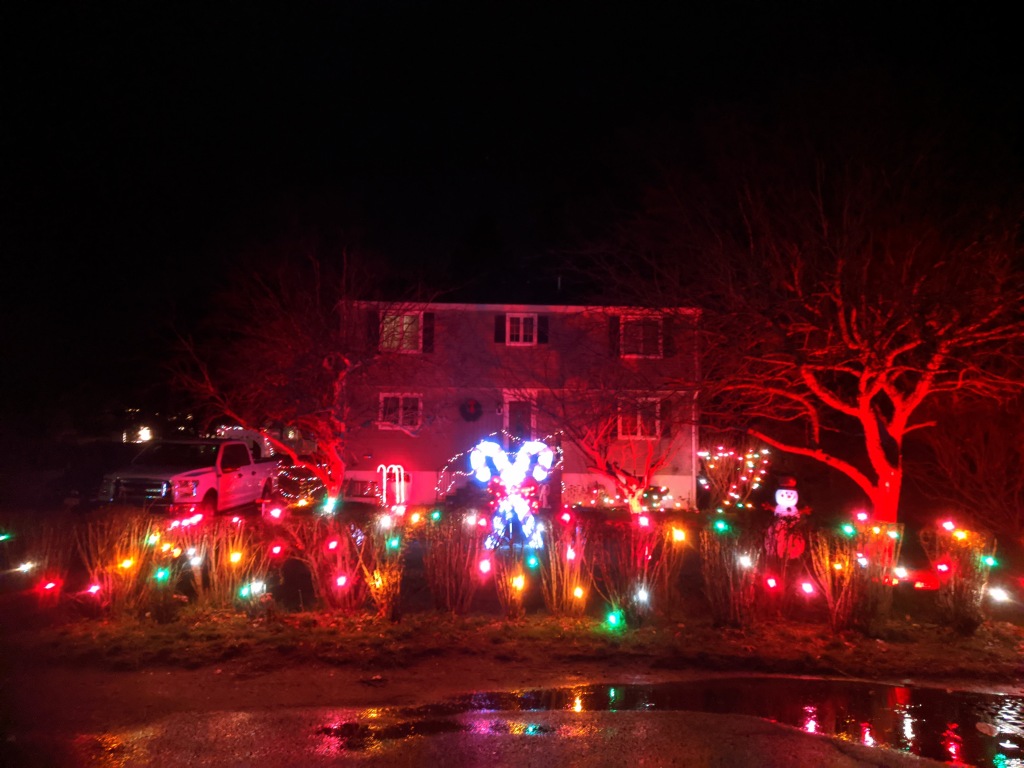
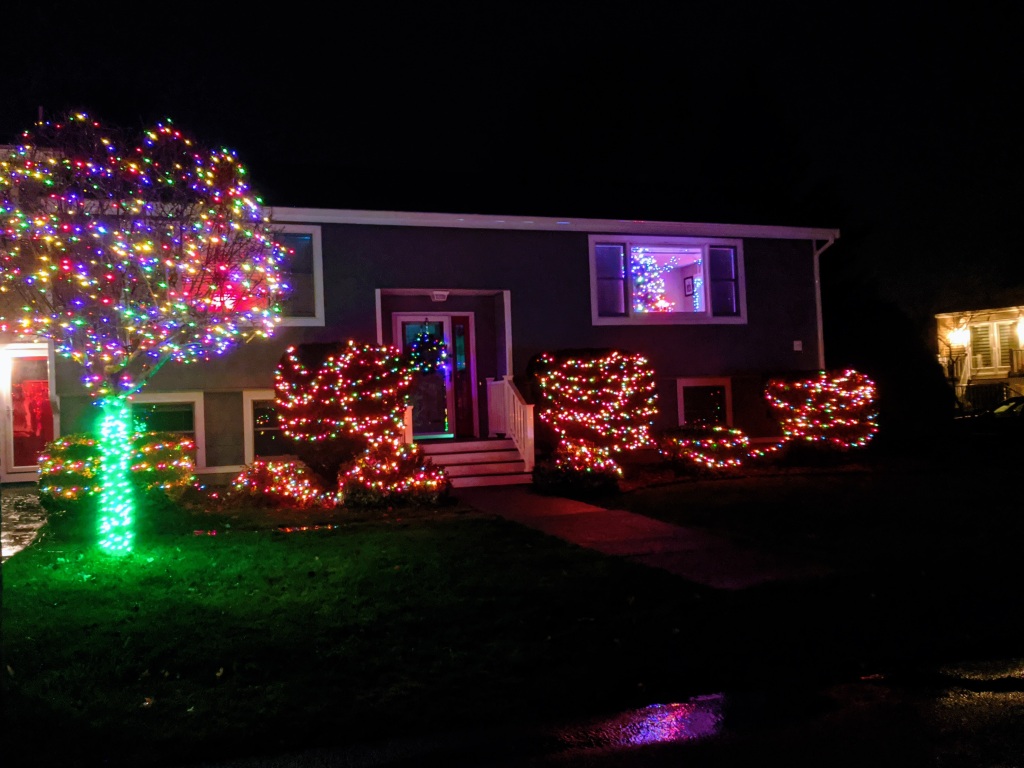

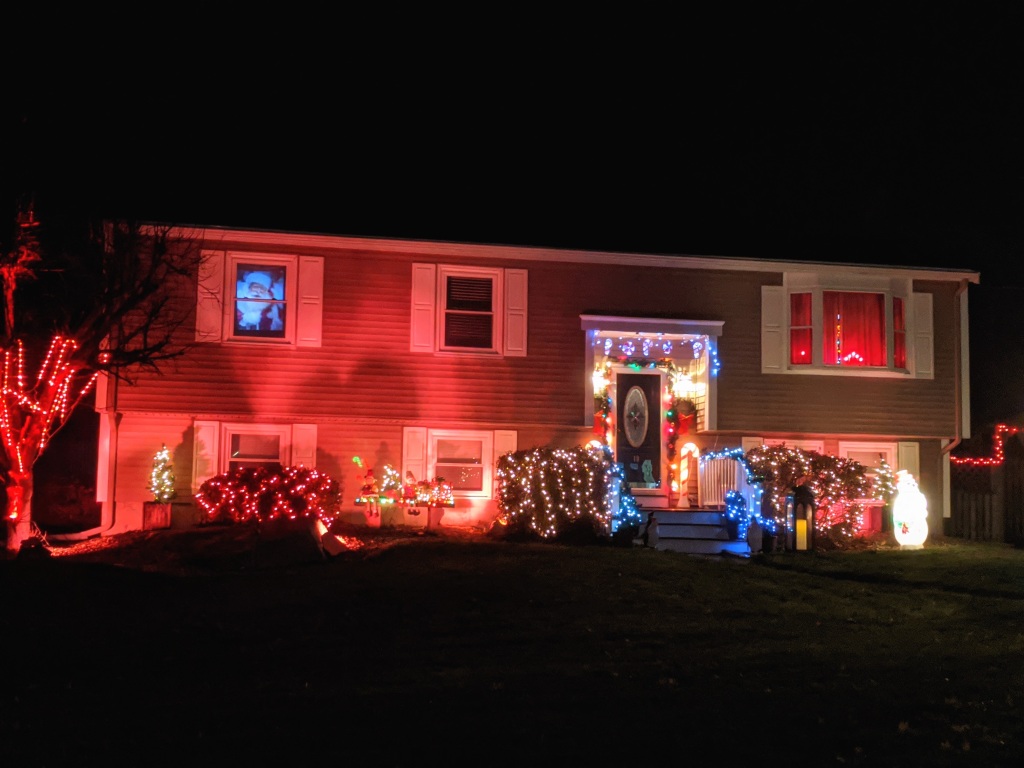
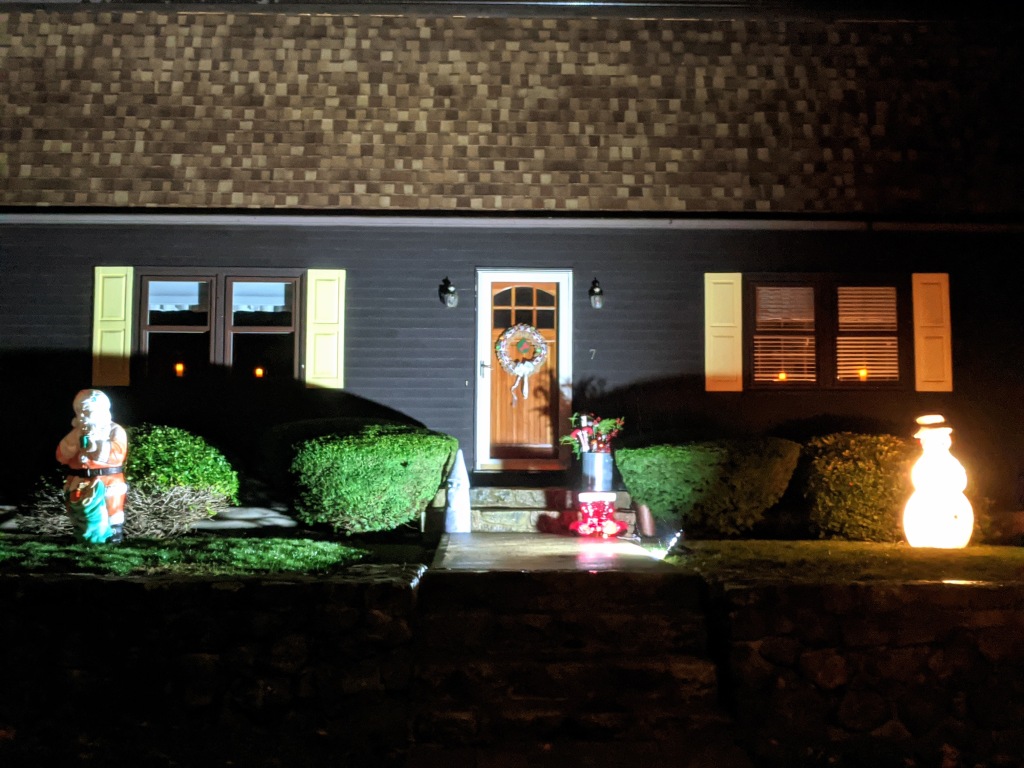
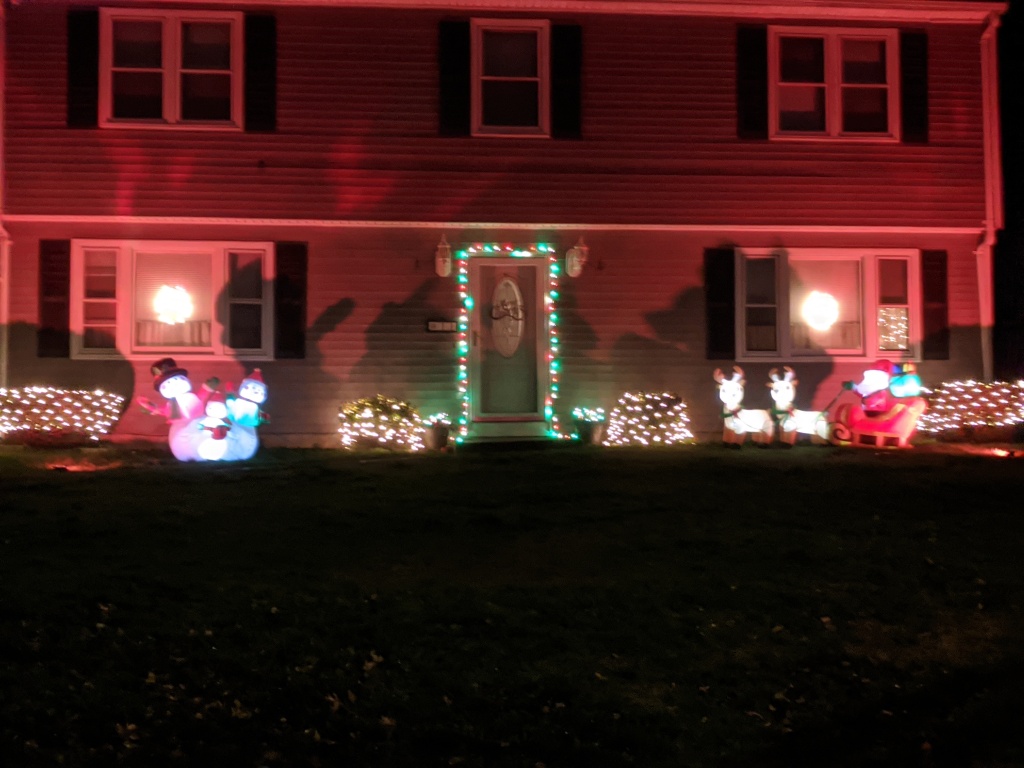


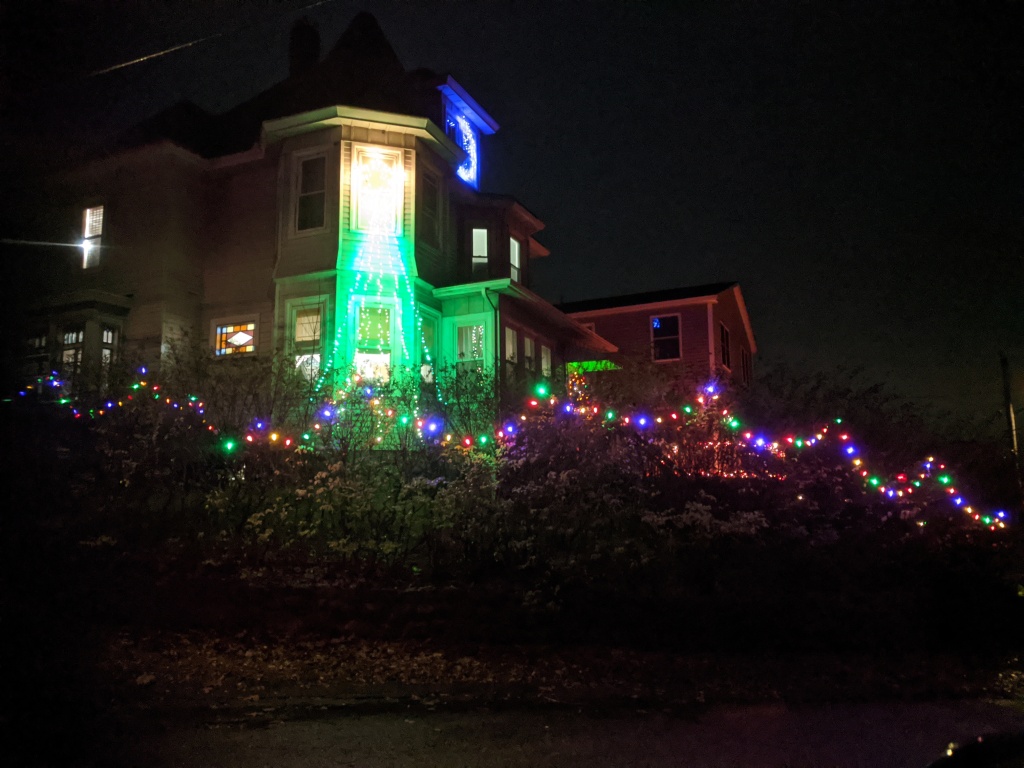
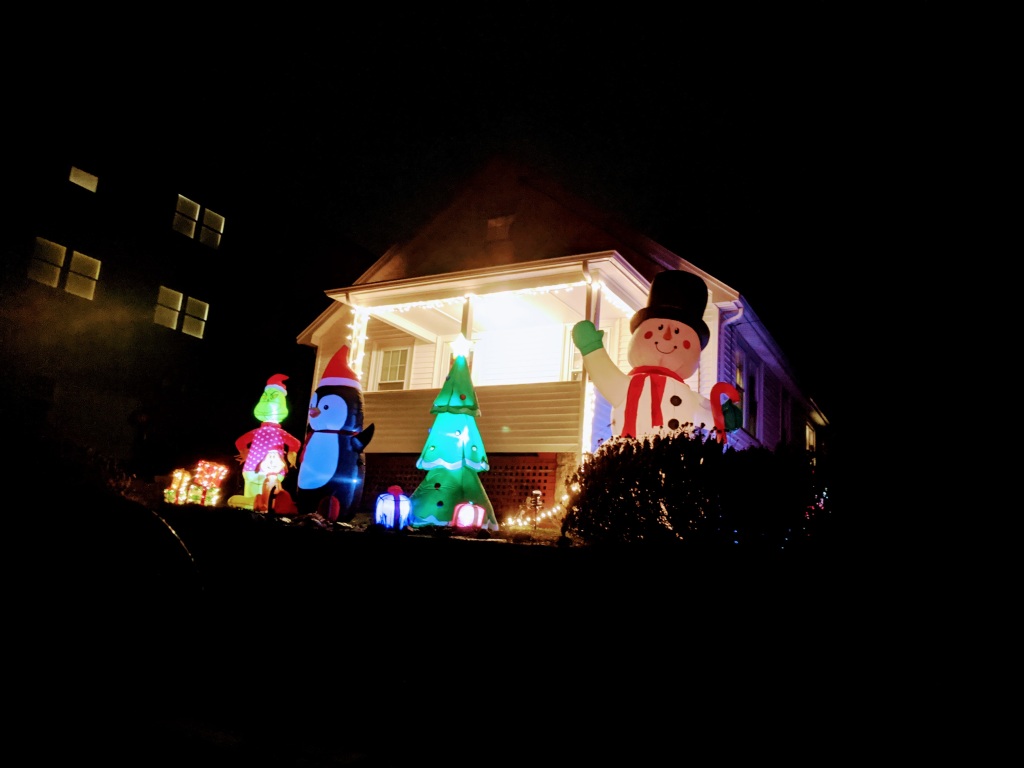

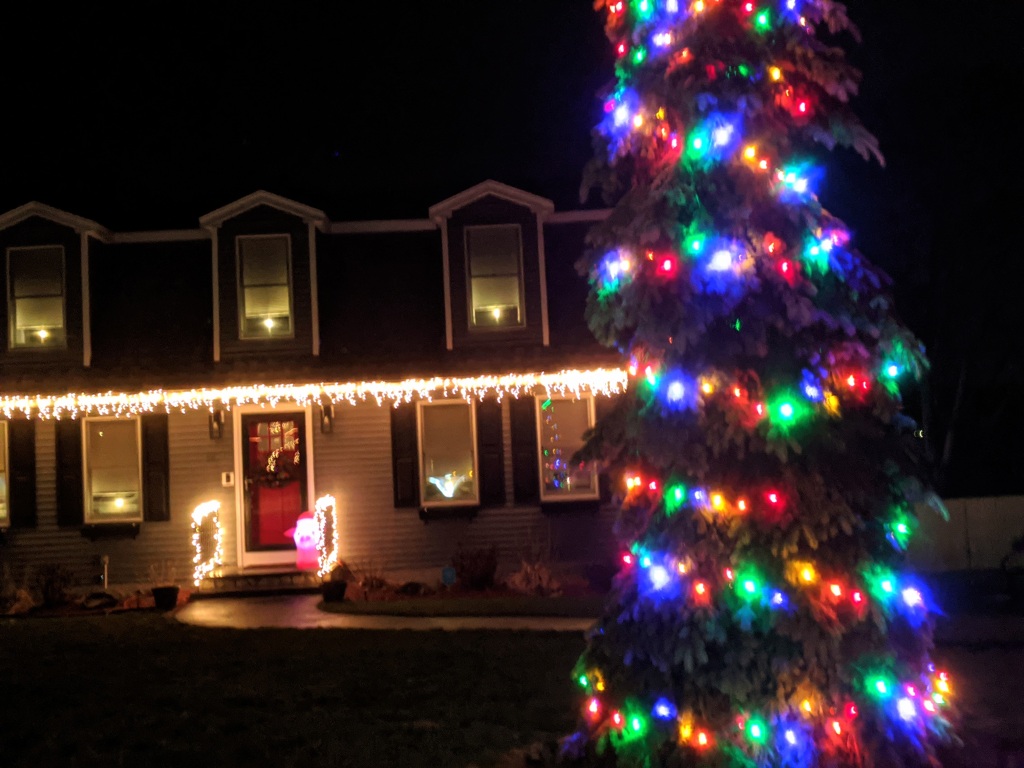

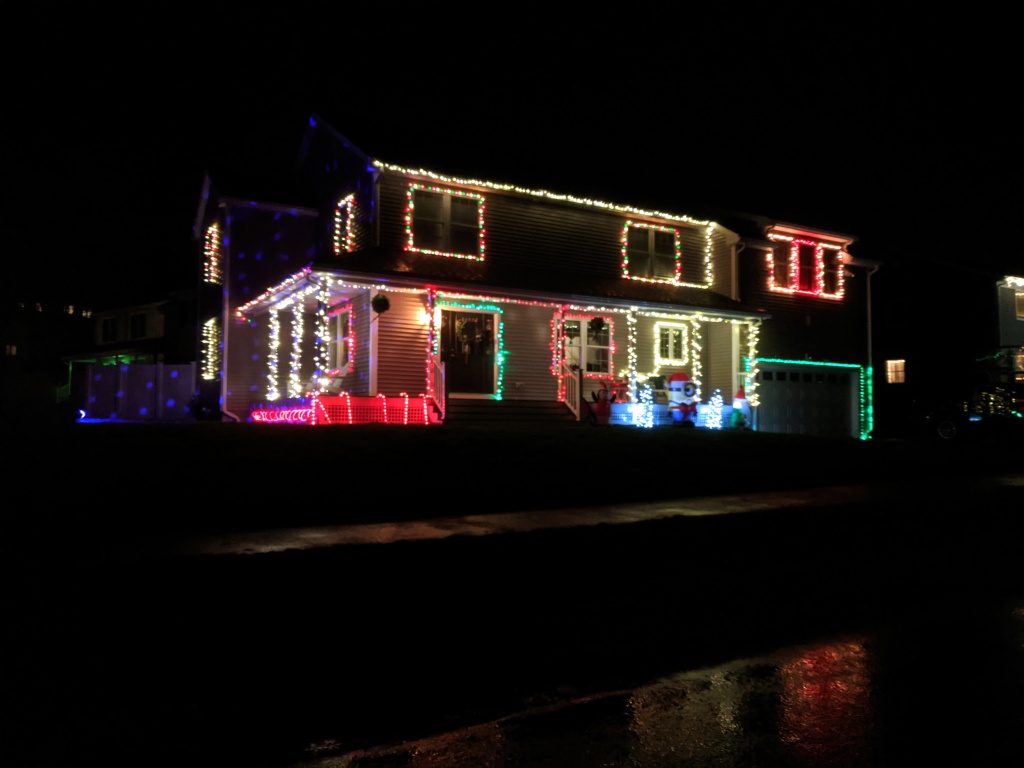

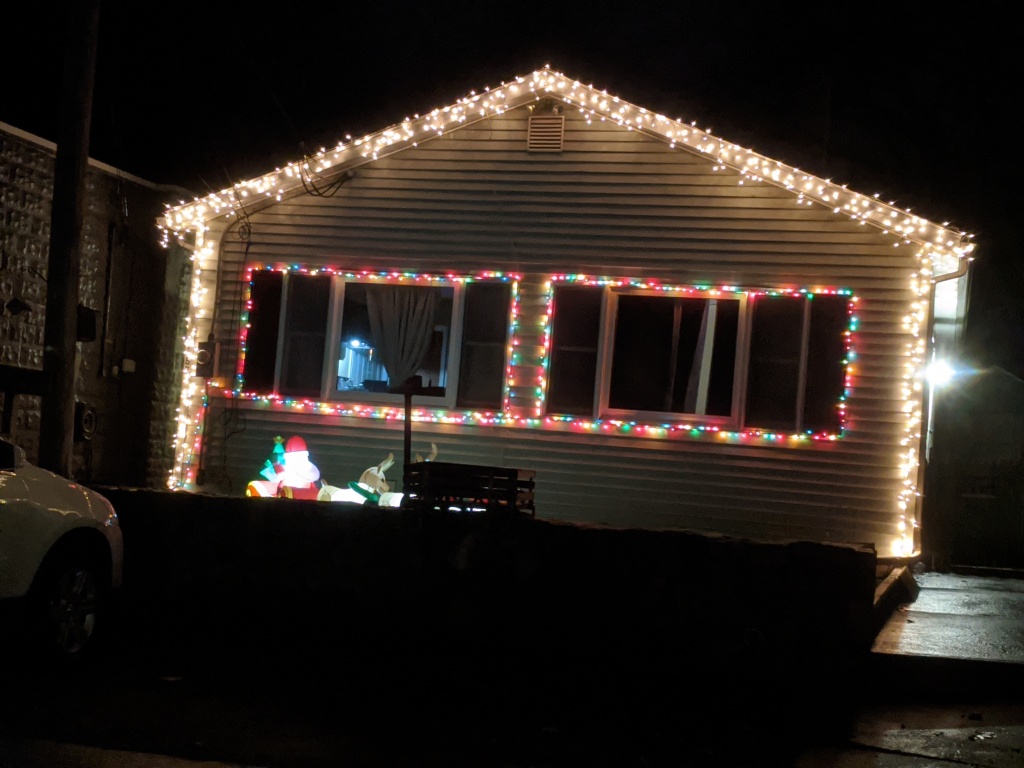


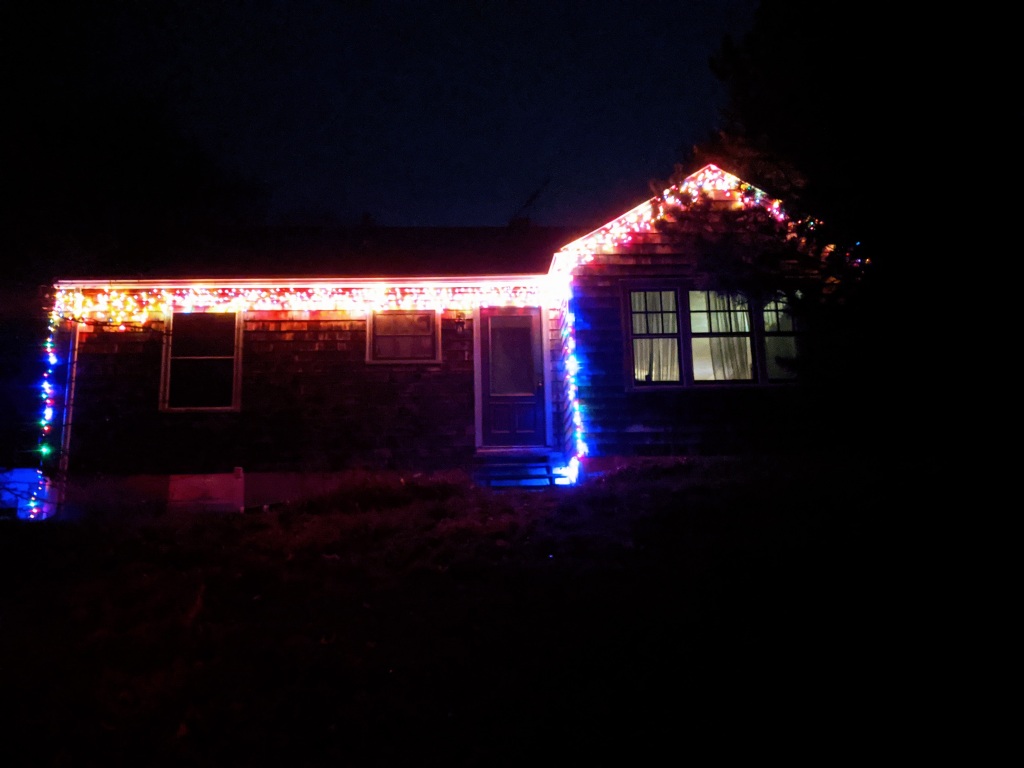


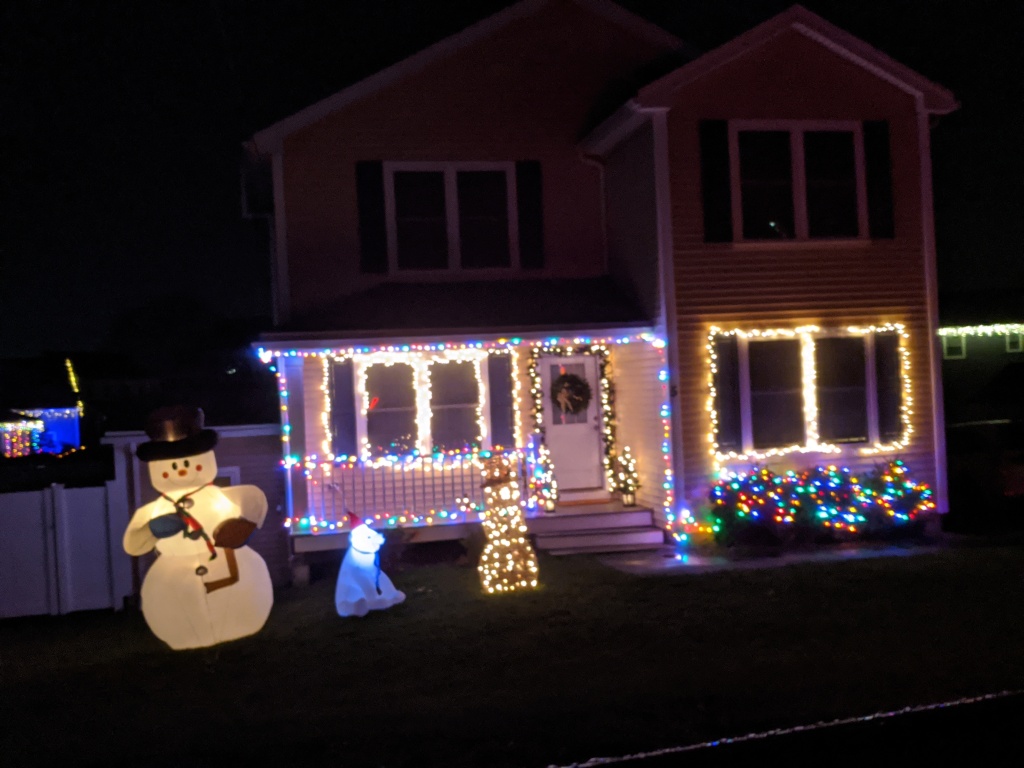

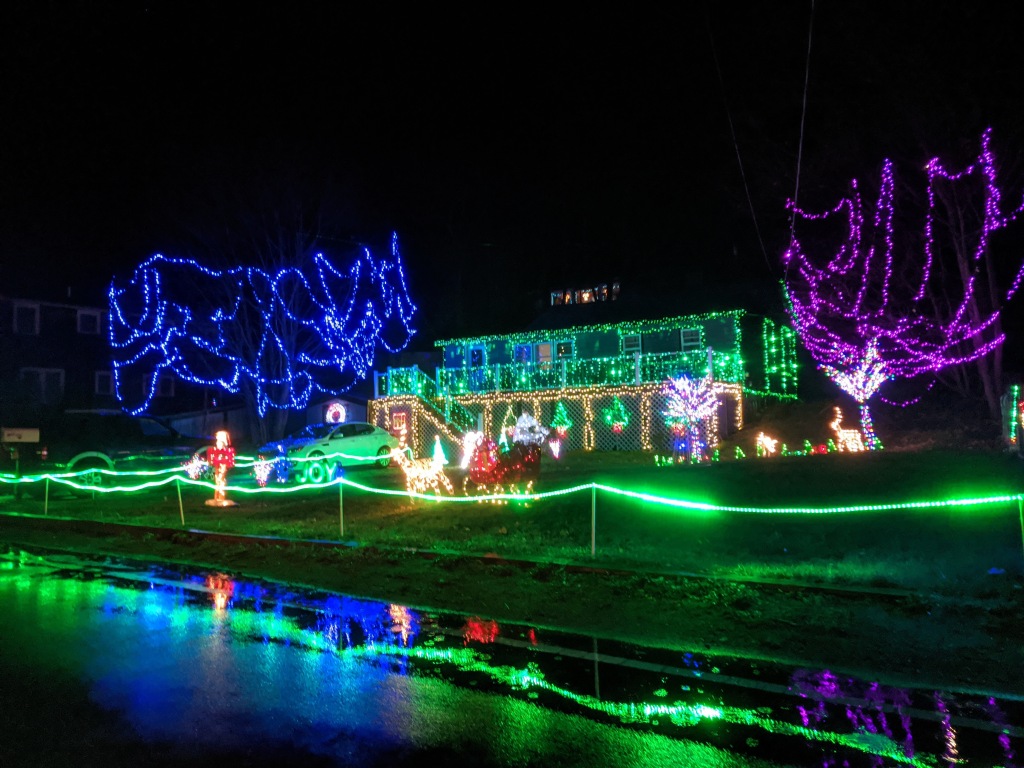
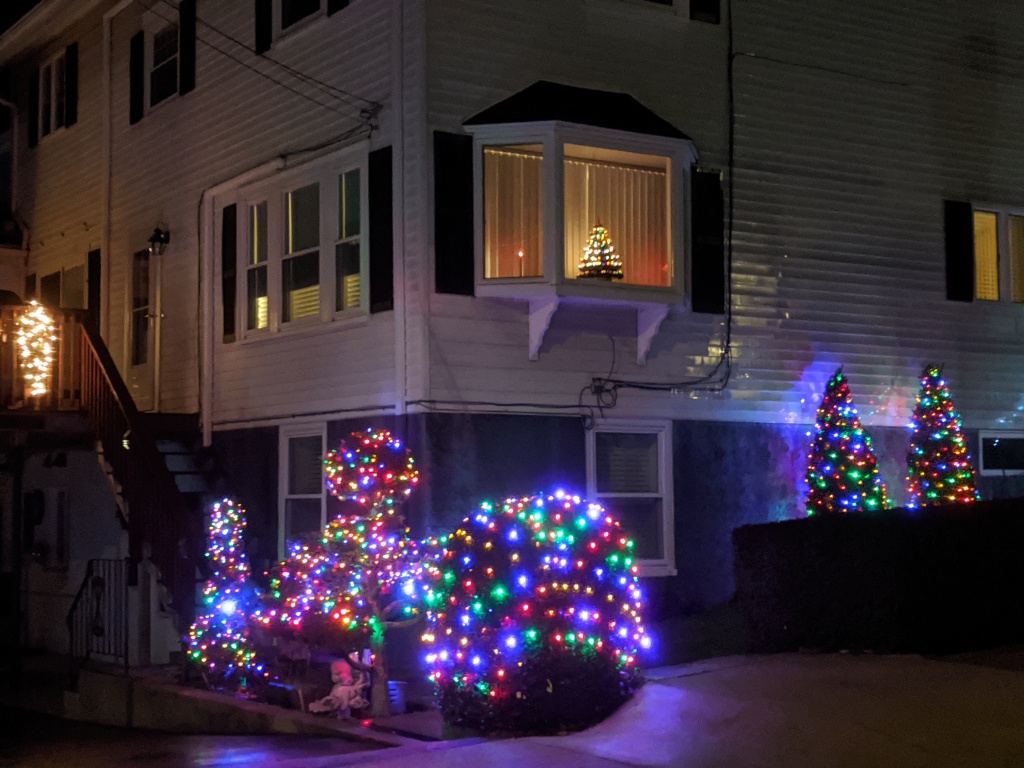
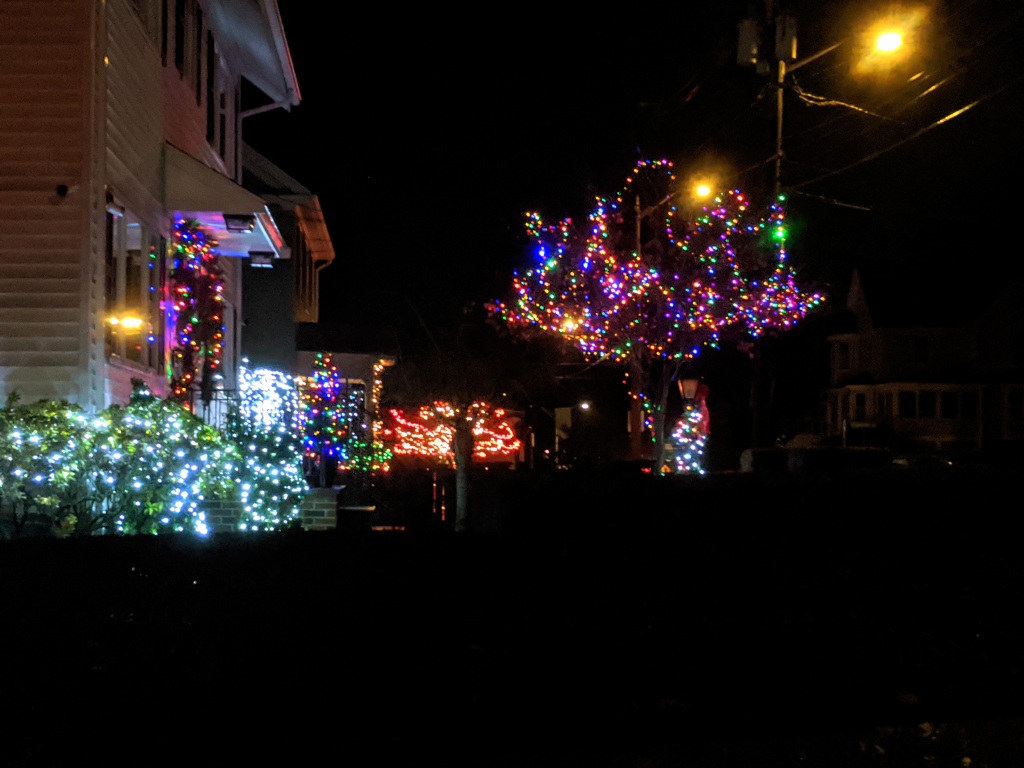
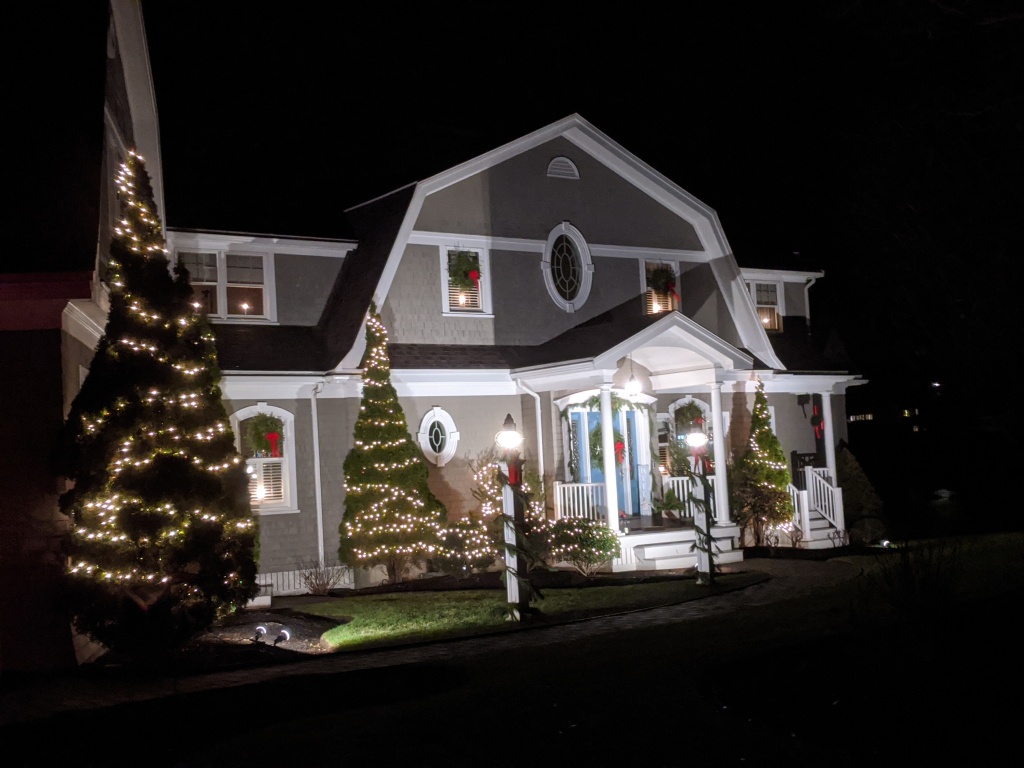
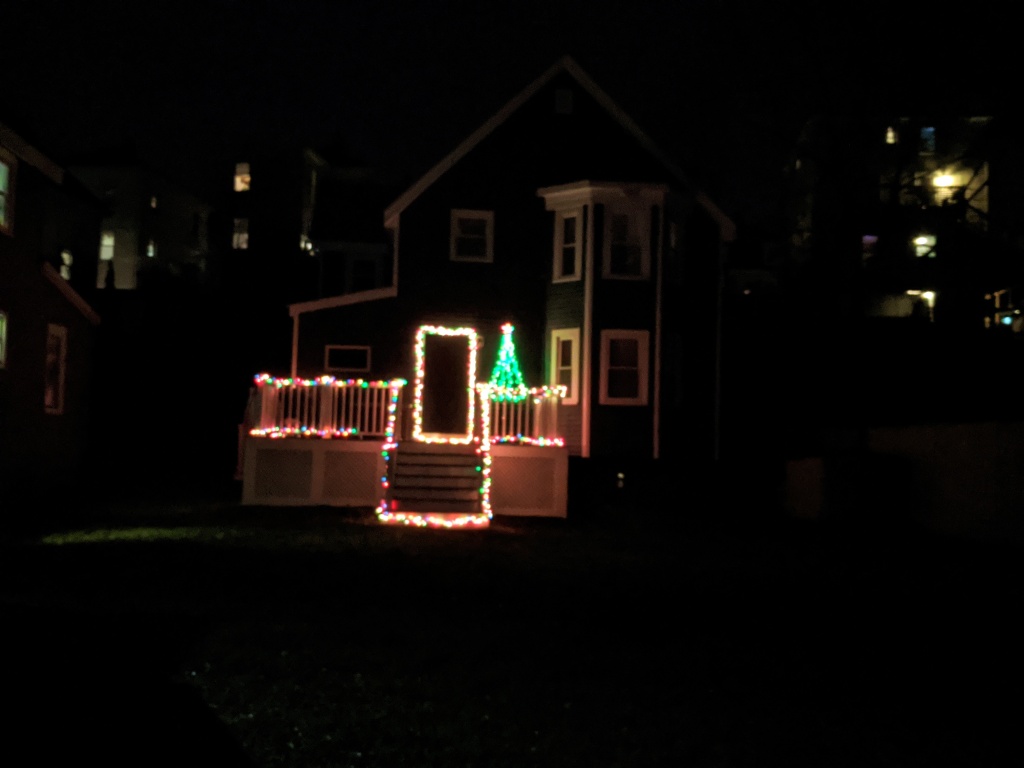
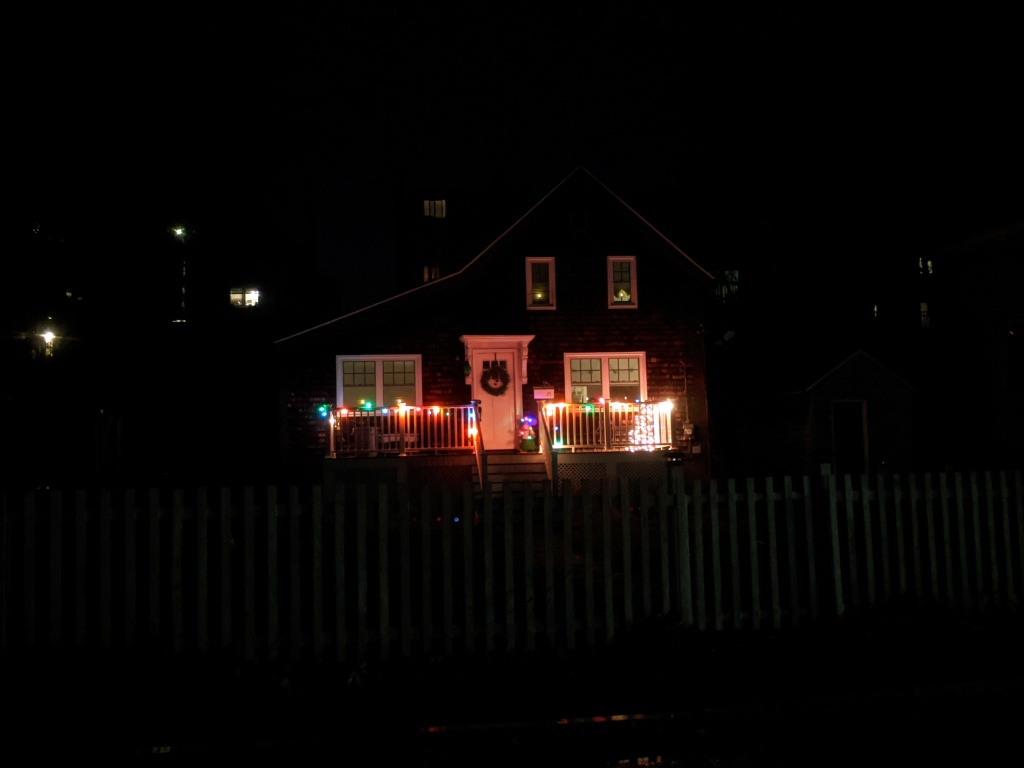
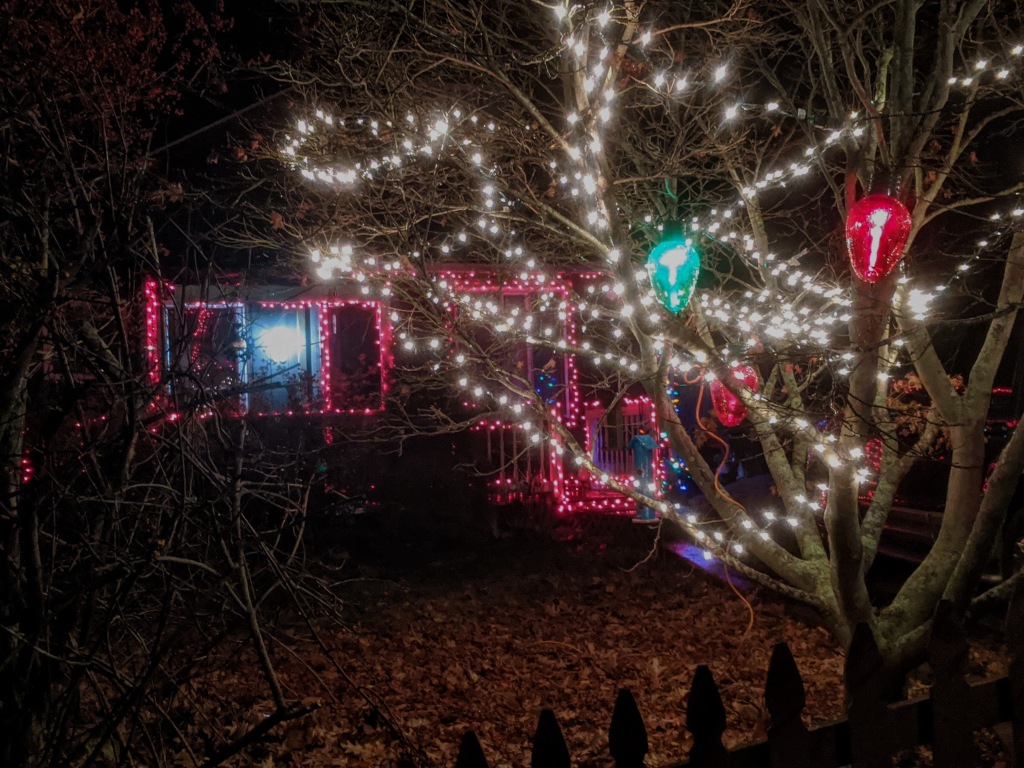
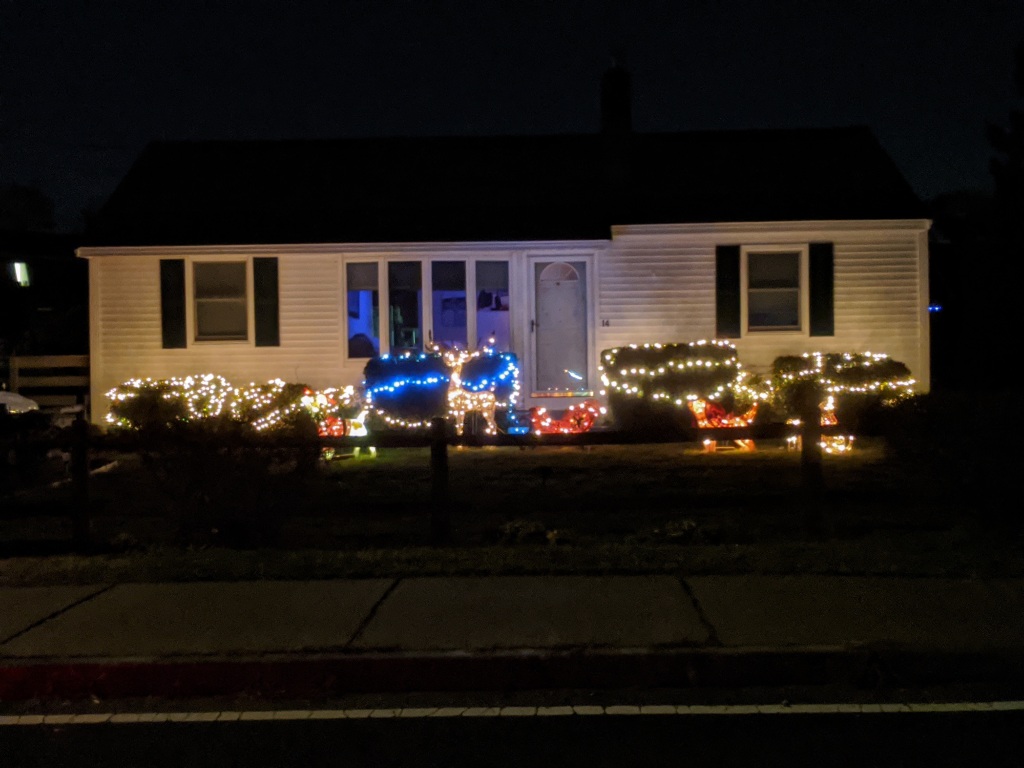
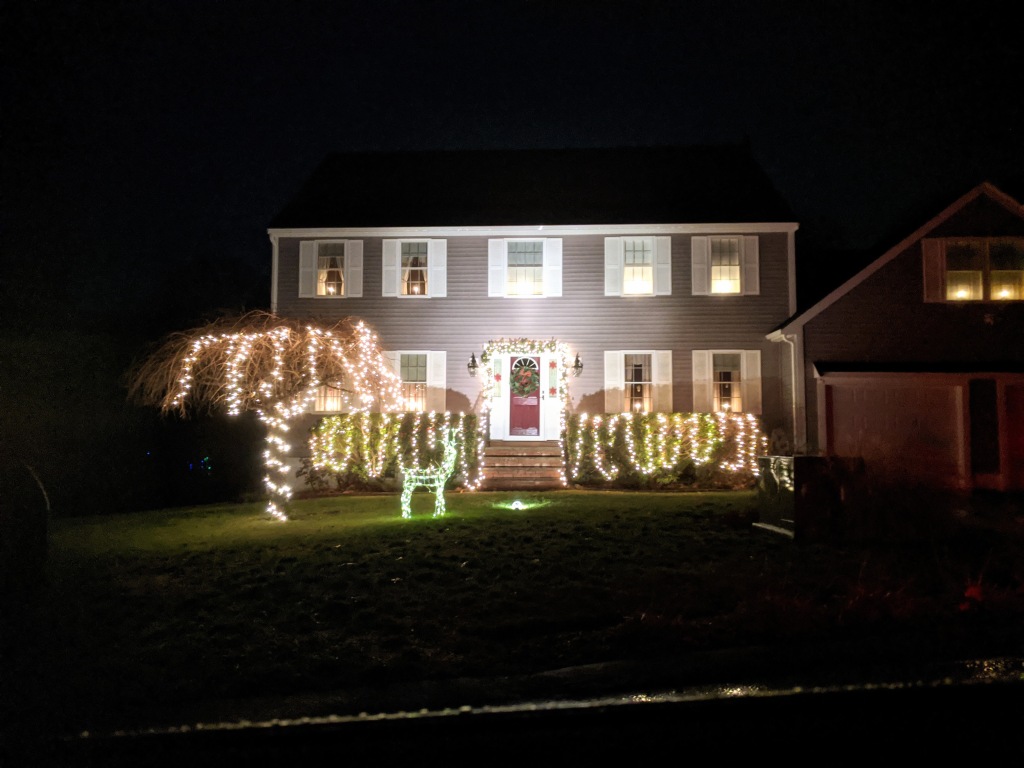

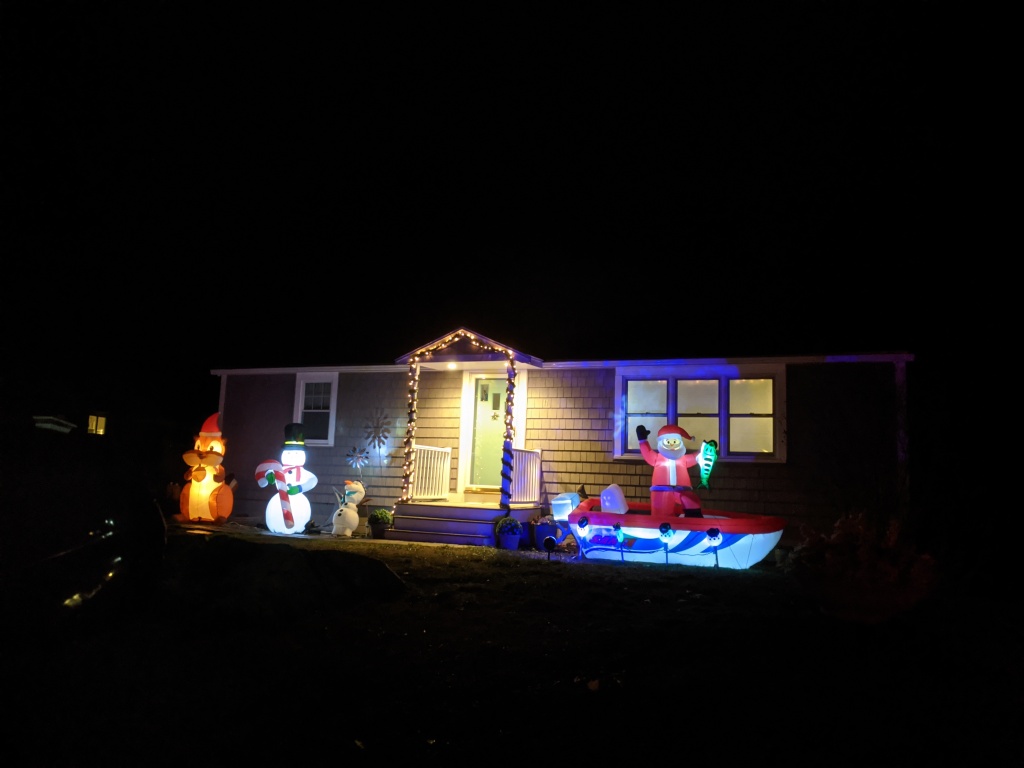
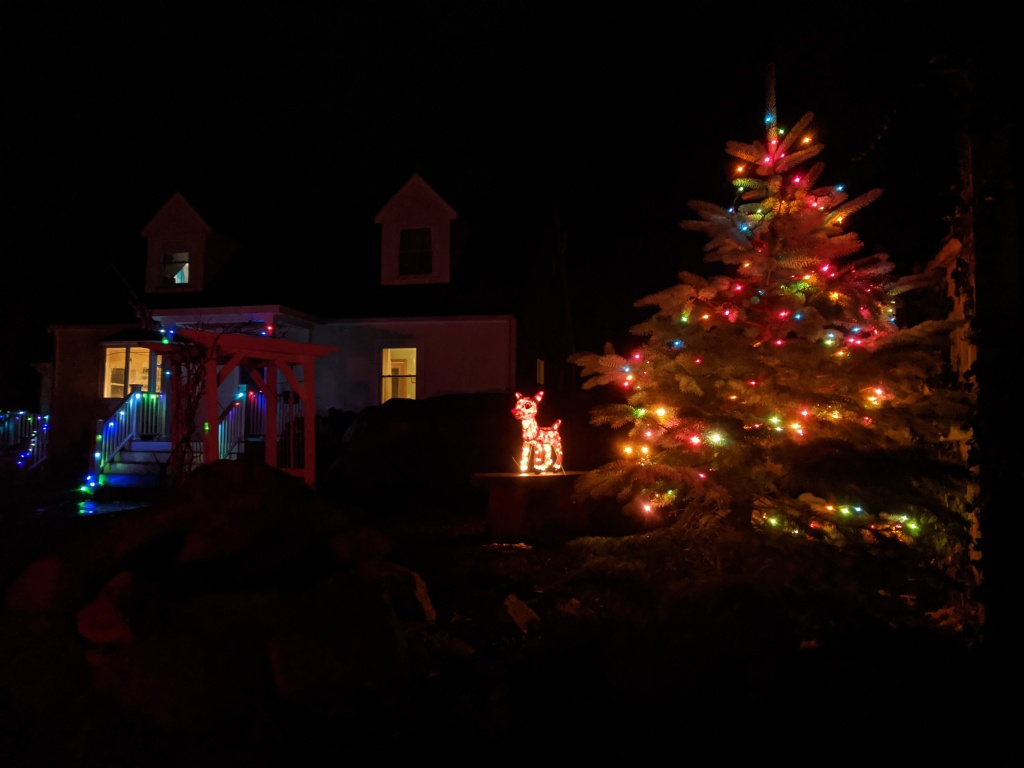


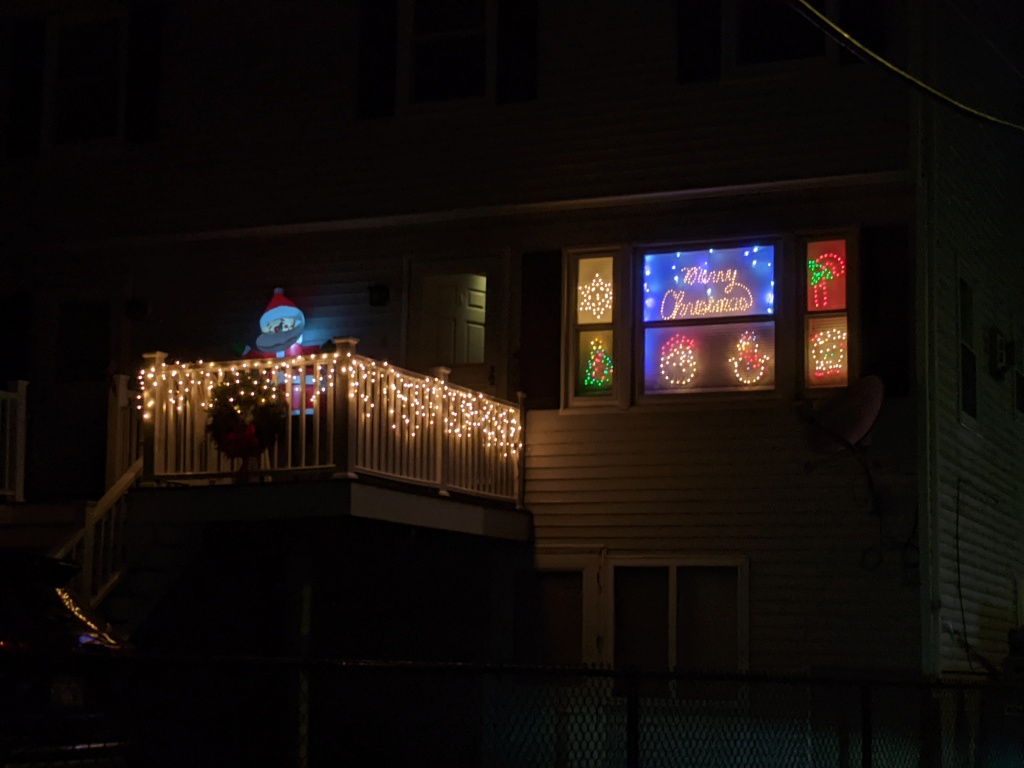
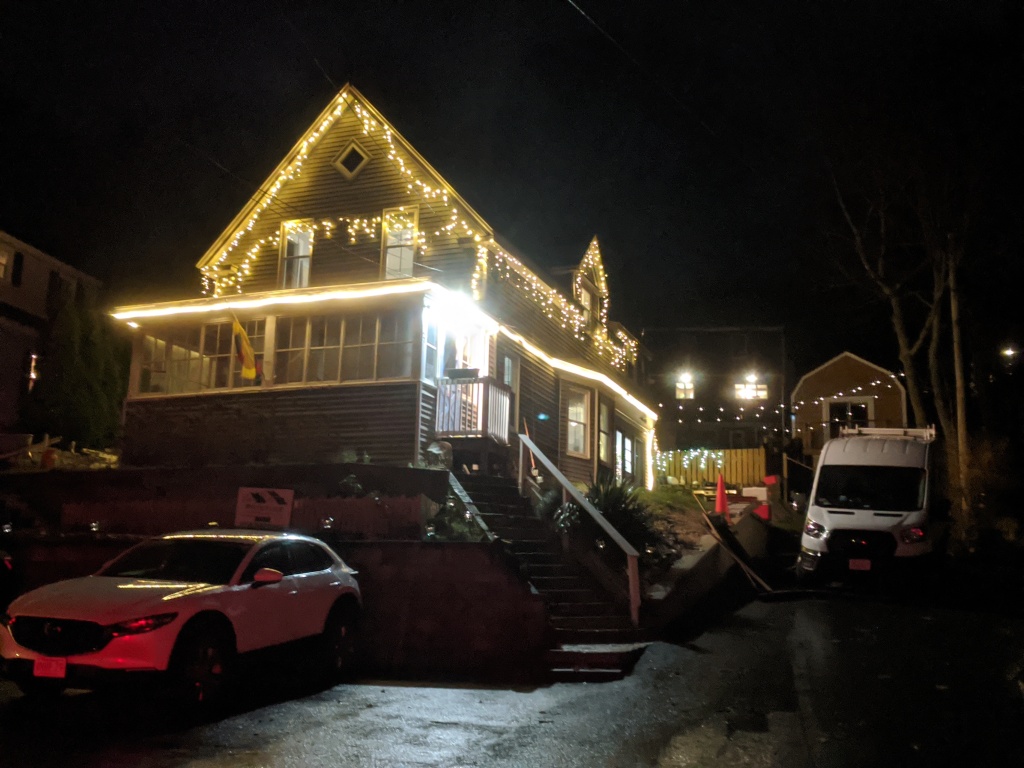

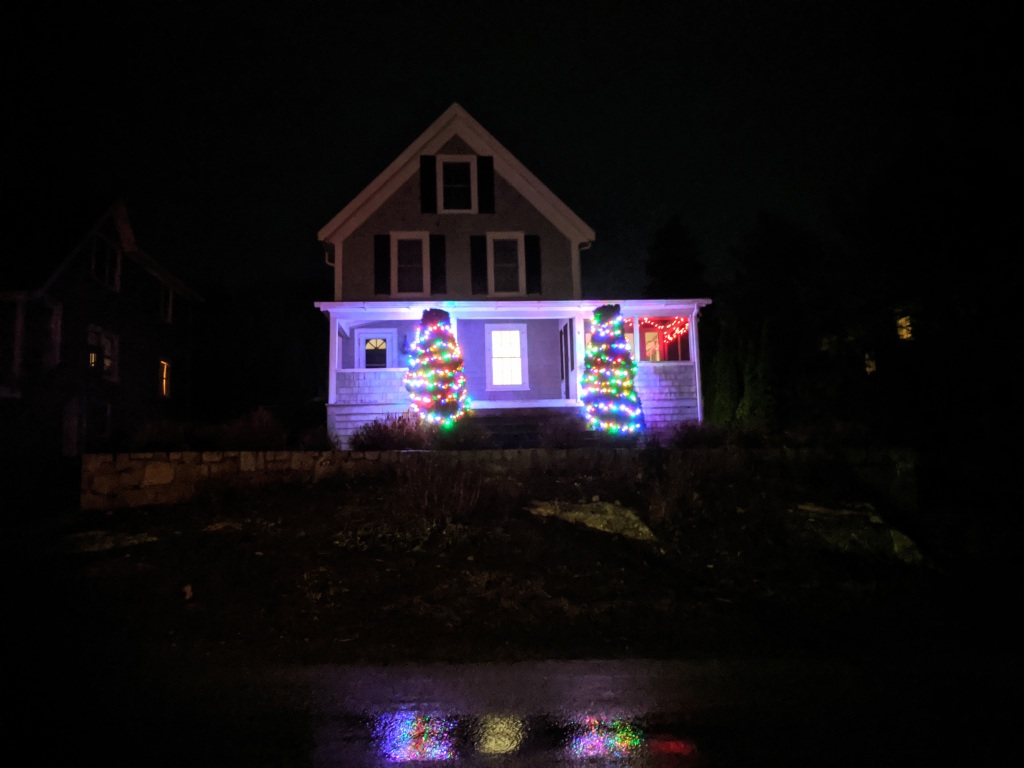
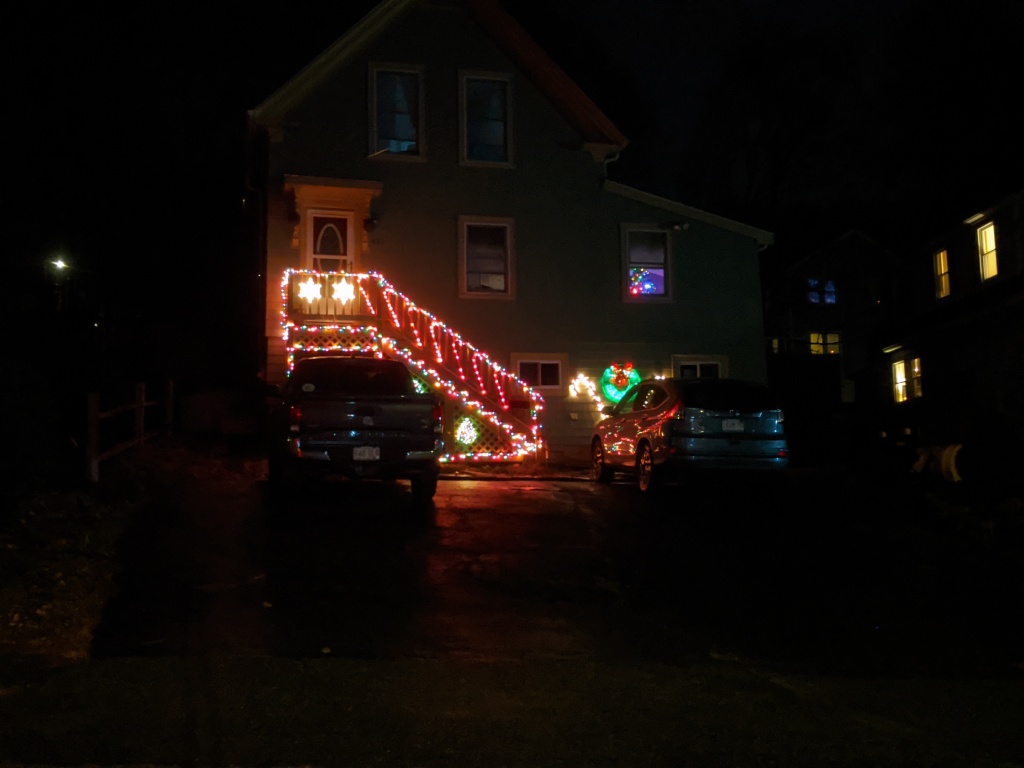
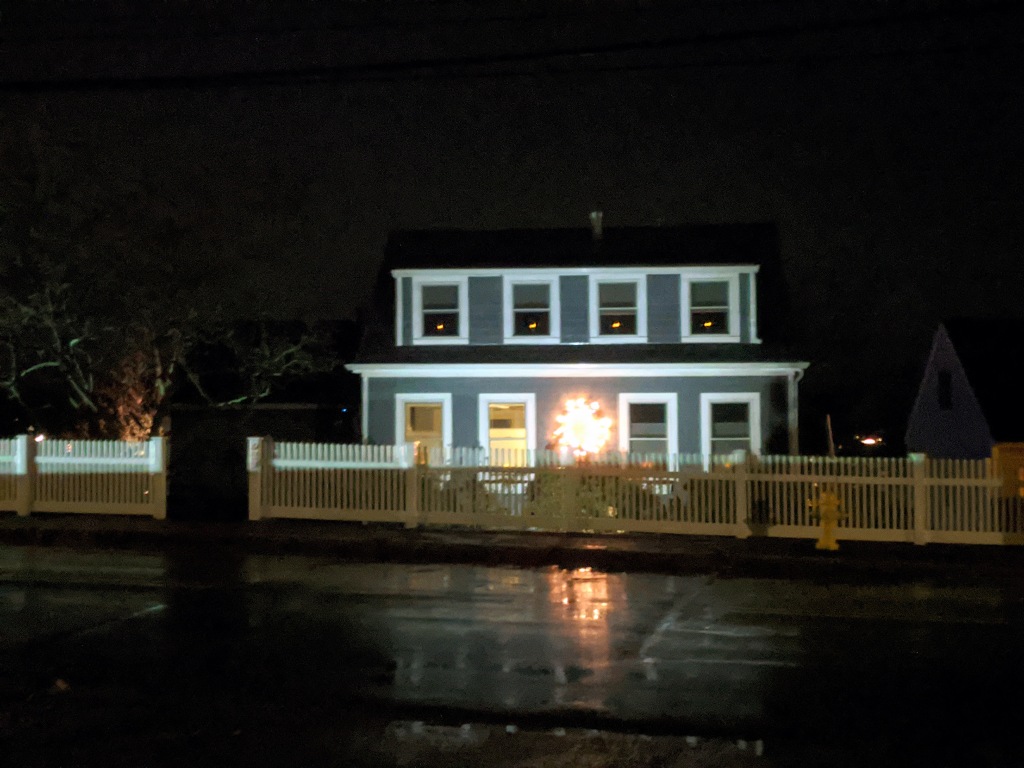

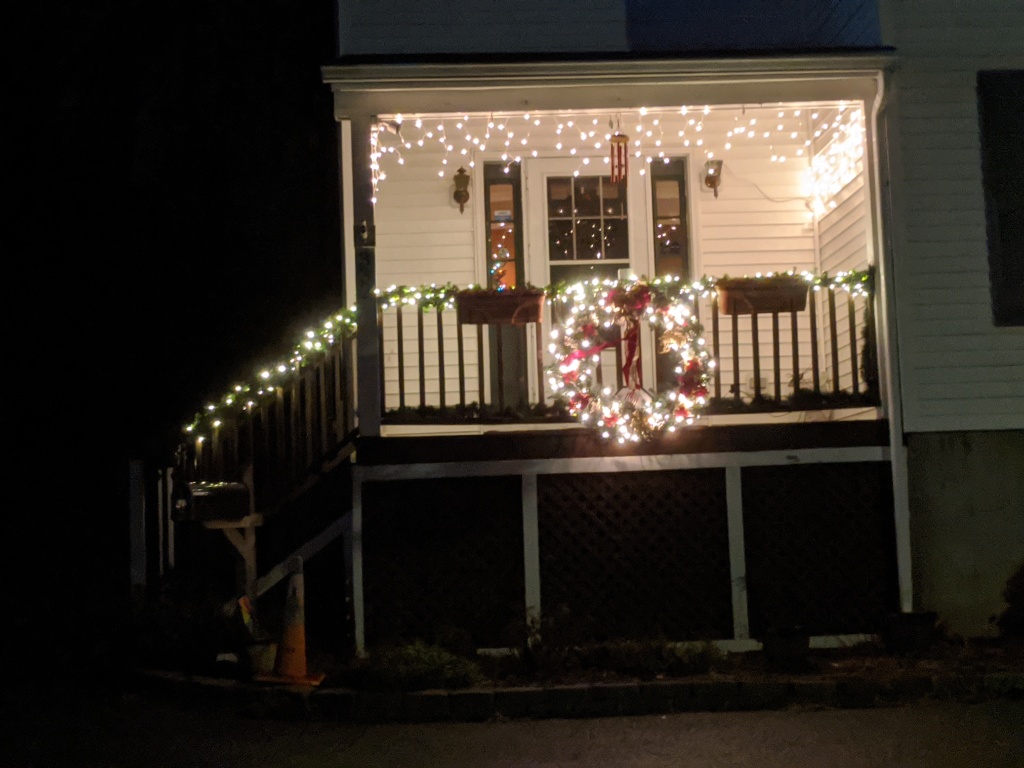
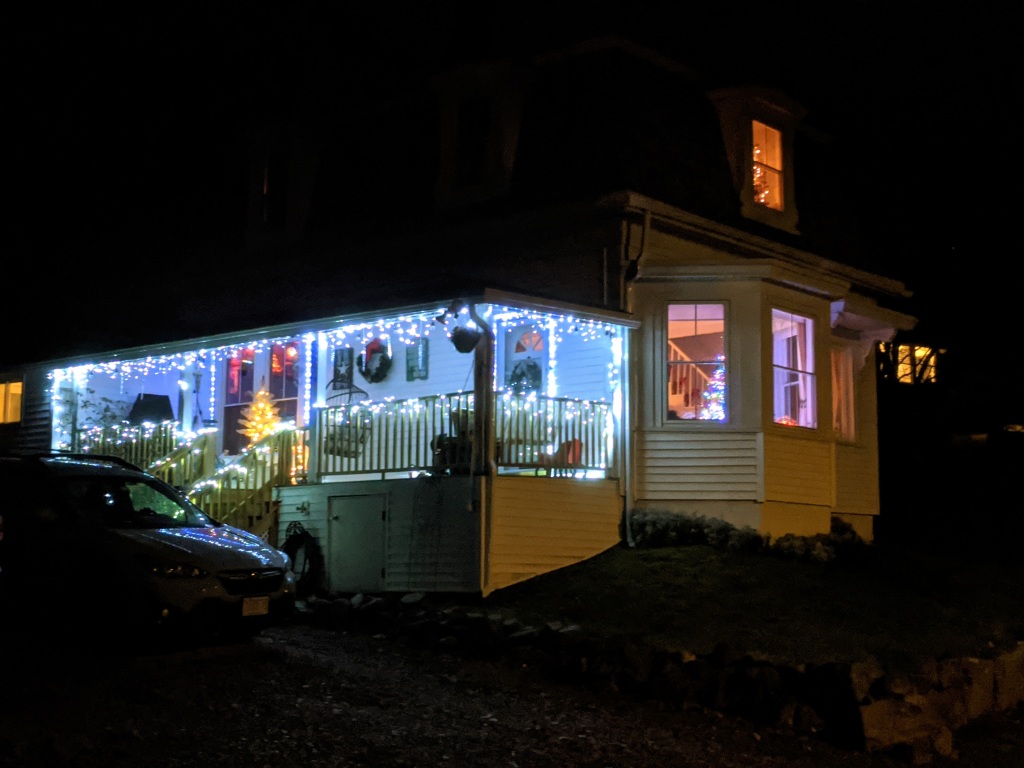
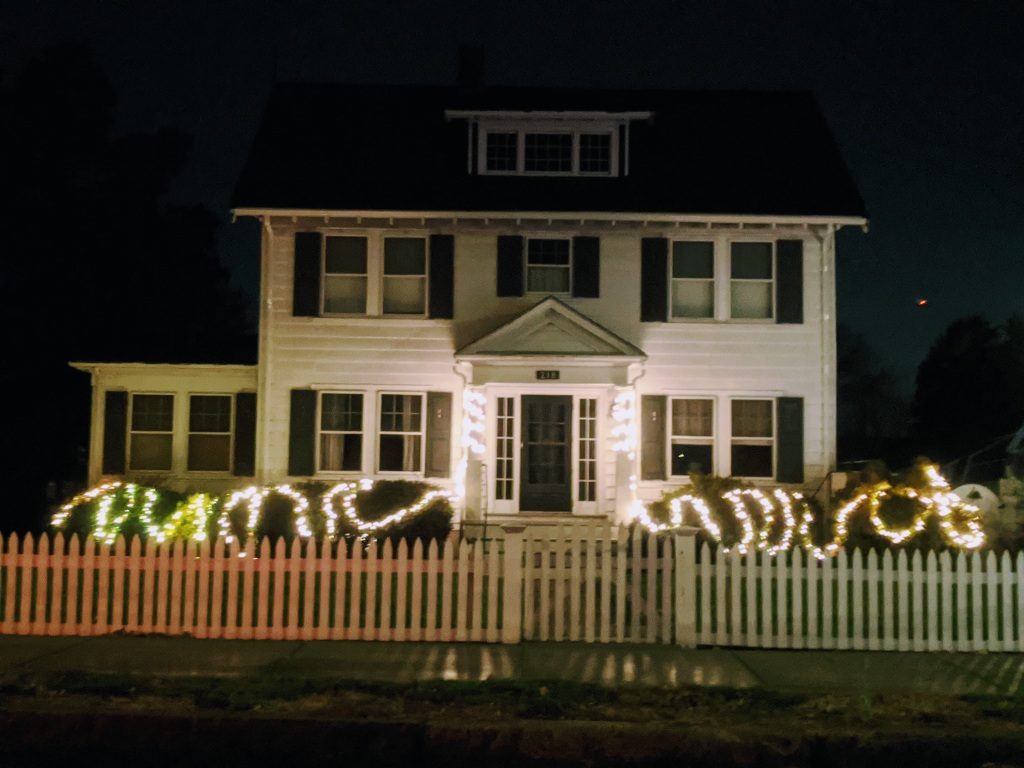
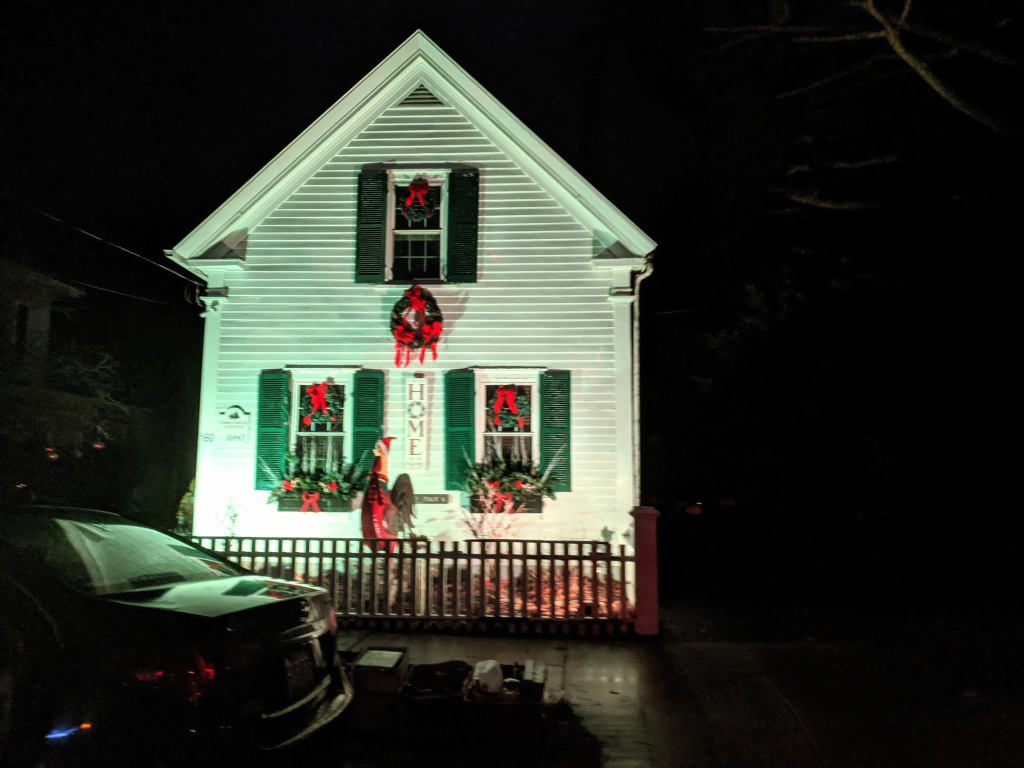

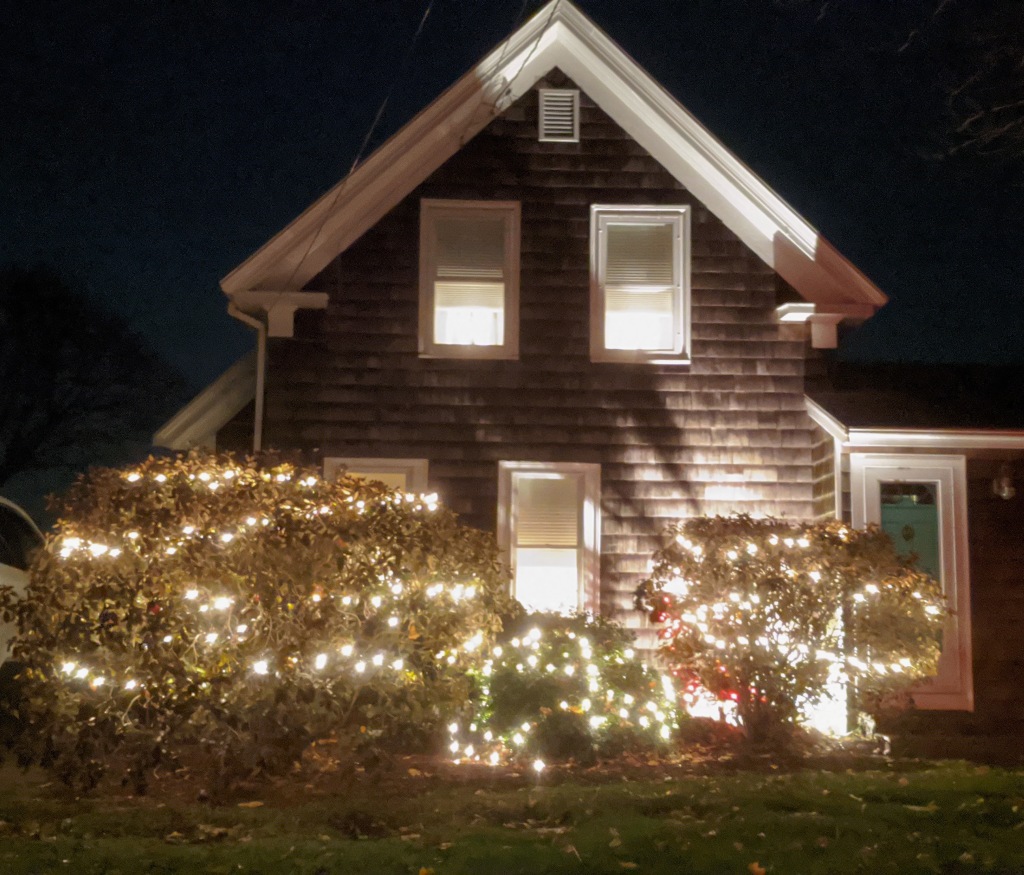
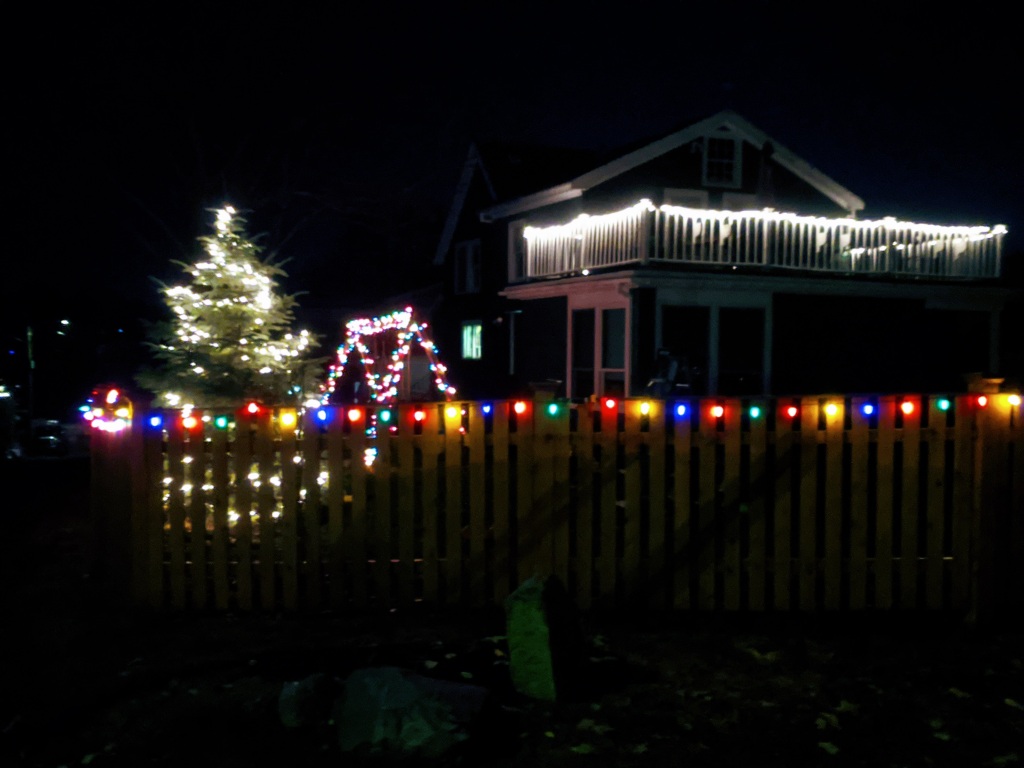
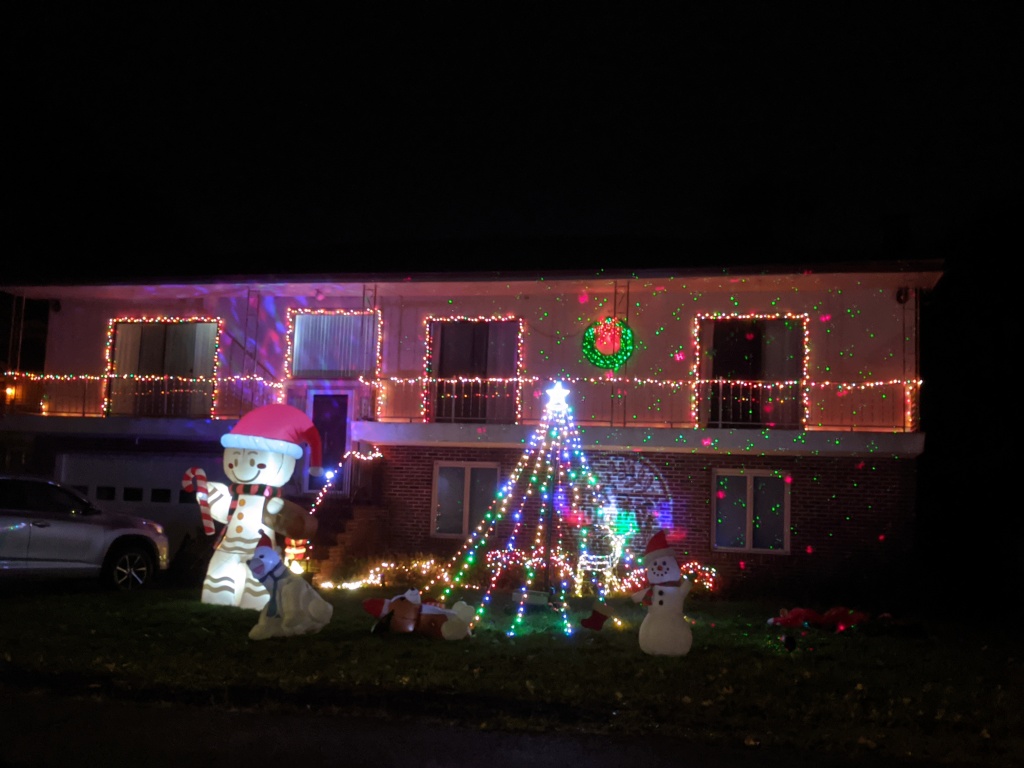
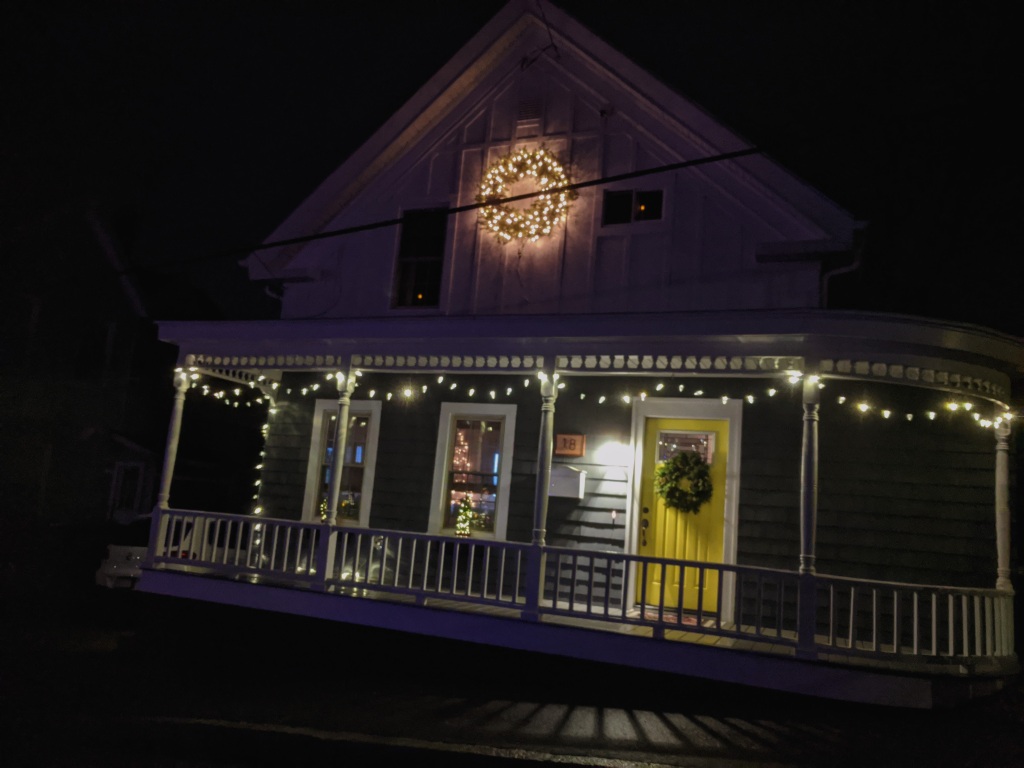

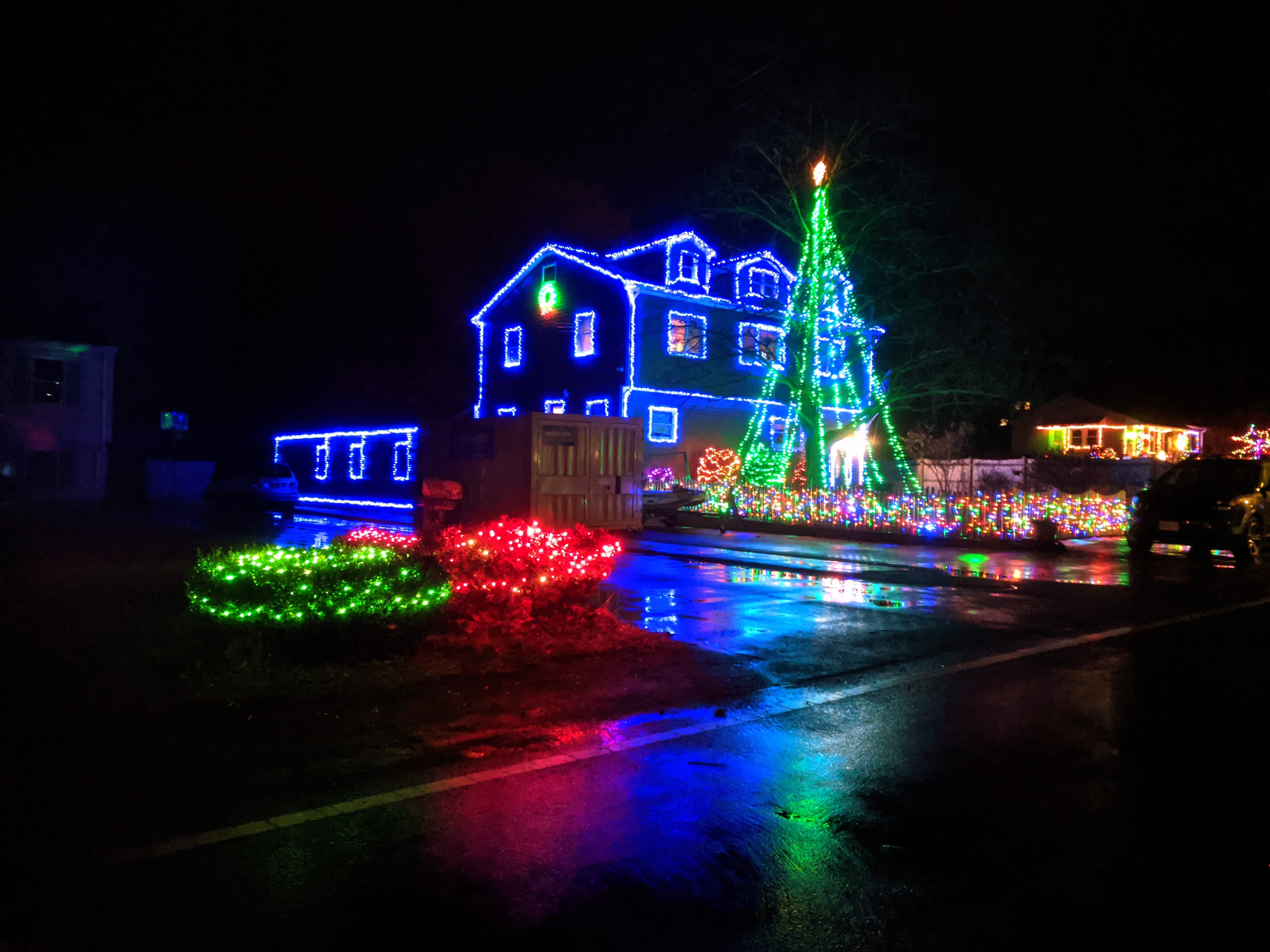
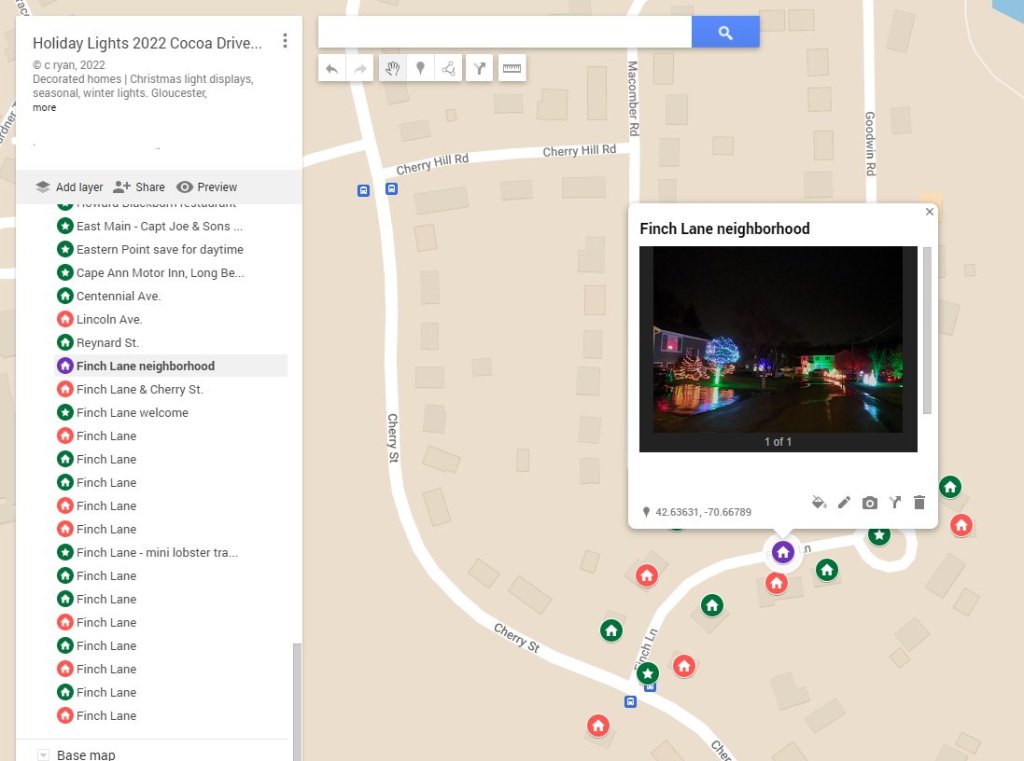
It’s easy touring whether by car or via smartphone, desktop, or preferred device. Grab a hot chocolate and go or view from home! Imagination and themed repeat visits encouraged.
Notes about the map: This map is great in the embed mode because when you scroll down, each house photo(s) pop up, with a big arrow that directs you to that one point. From a desktop, hovering or right clicking the house icons reveal the photos for each pinpoint. For those who prefer a paper copy –which doubles as a seek and find sheet–click on the three vertical dots and then select “print” (horizontal mode best) from pull down menu. You can also google search Holiday Lights and Cocoa Drives Good Morning Gloucester.
2021 Map here
2020 Map here
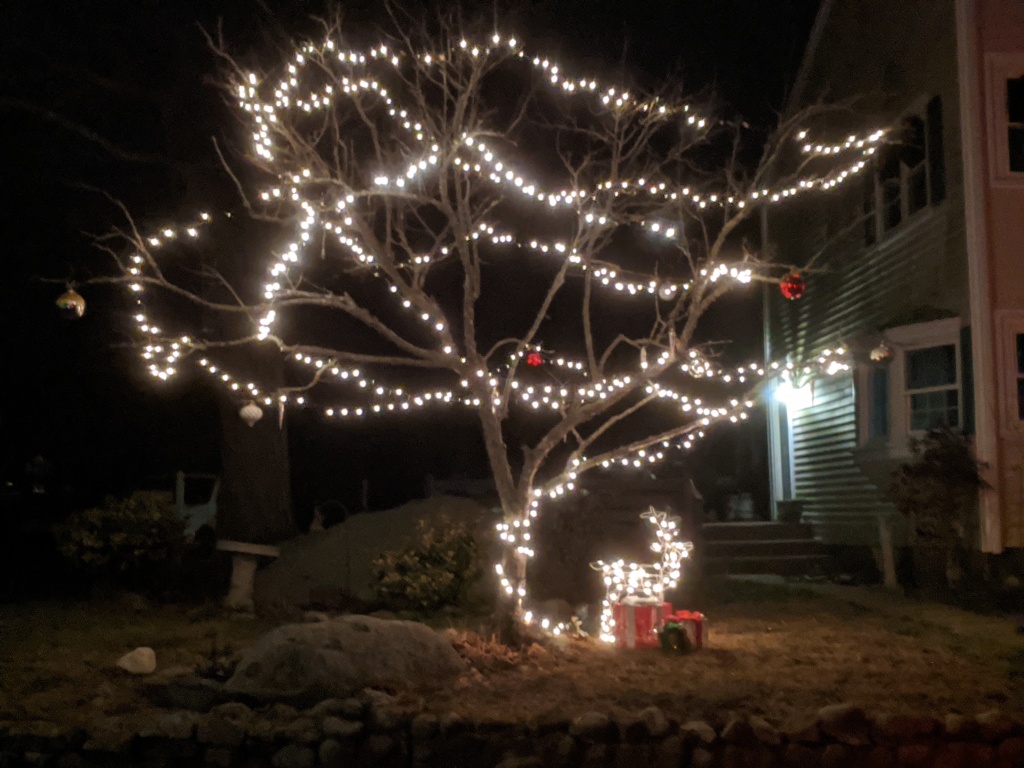
Finch Lane twinkling tree, Thurston Point Rudolph with your nose so bright, Cleveland chatoyant


Tis’ the season of lights! Bright and colorful festivals of light illuminate dark nights heightening religious and secular celebrations and traditions around the world. October – February holidays include: Diwali, Bodhi Day, Lucia’s Day, Winter Solstice, Hanukkah, Christmas, Kwanza, New Year’s, Lunar New Year, Teng Chieh, and many more.
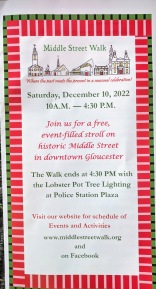
Gloucester’s Lobster trap tree lighting 4:30pm culminates Gloucester’s enchanting Middle Street Walk (program here) all day 10-4:30pm! Holiday Delights 1pm at the Legion. https://middlestreetwalk.org/
Jul Fest Spiran Lodge, Rockport, MA 9am – 1pm
Temple Ahavat Achim’s Lobster trap menorah lighting – Hanukkah 18-26 — celebration Dec. 20 5:30-6pm
mini lobster trap tree – Finch Ln


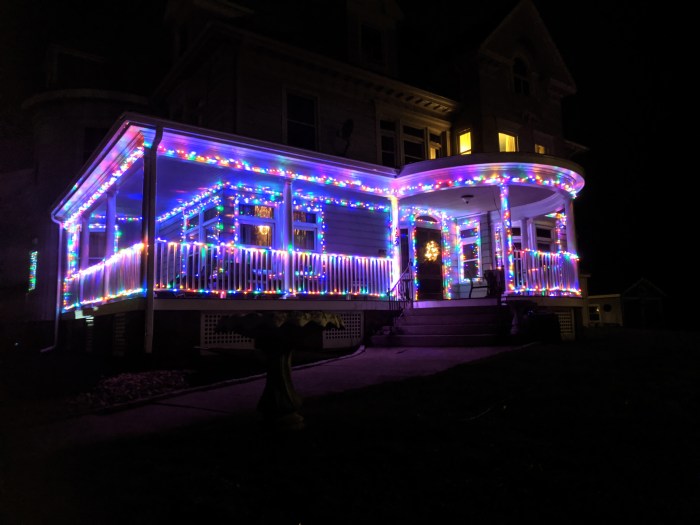
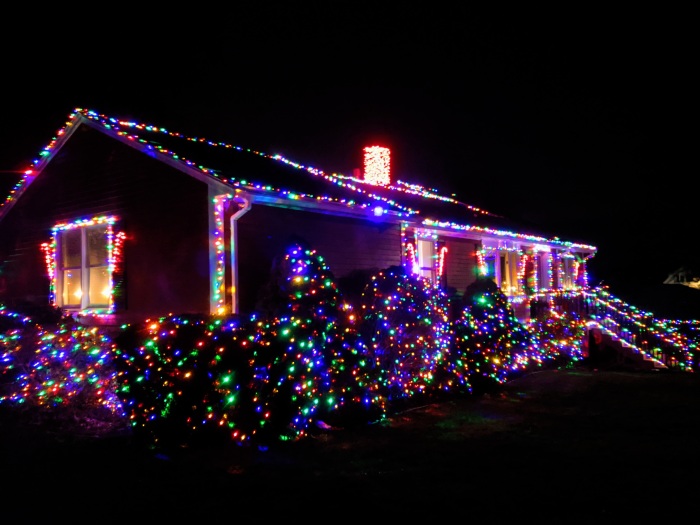
6th annual Holiday Lights and Cocoa Drives Gloucester, Massachusetts – the web-based digital map on Google is now LIVE!
Gloucester 100 sparkling homes added to the map so far. Streets include: Centennial Drive, Cherry St (near O’Maley), Derby St., Elizabeth Road, Essex Ave / Rt. 133 (between Kent Circle and Little River), Fleetwood Dr., Friend Ct., Green St., Grove St &Colonial, Grove near Maplewood, Hampden & Gaffney, Hodgkin St., Lendall St off Harrison, Lupine Lane, Maplewood at Derby, corner Mt Vernon & Oak St, Perkins St., Poplar St., Reservoir Road, Reynard St., Skywood Terrace off Harrison, Spruce St., Starknaught, Washington St. (between Azorean and the rotary)
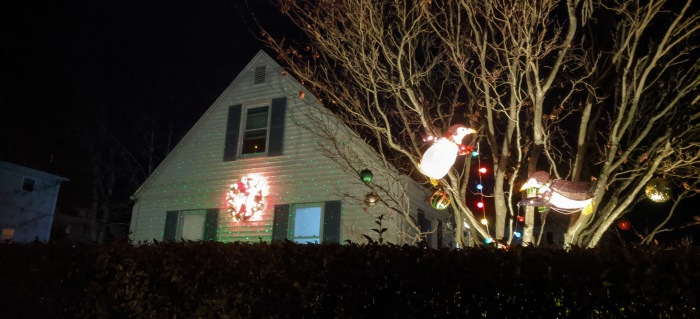
Bright Nights and Sights.
If you’re looking for holiday cheer any day of the week, you can’t beat the New England charm of twinkling homes and neighborhoods in Gloucester, Massachusetts. For the 6th year in a row, enjoy a selection of seasonal lights and Christmas displays on Gloucester houses. Many streets join in together, glittering, and have for years. Every year is unique. With each passing new day more homes are decorated. Since 2019, the year’s curated selection –on average some 200+ homes– has been google mapped and each pinpoint has a photo(s).
Scroll down to see the first batch of photos for the 2022 map (as of December 4, 2022), and 2022 trends further down. More homes and neighborhoods will be added, so be sure to check back.
Photos: C. Ryan, Nov. 24, 28, and Dec. 4, 2022

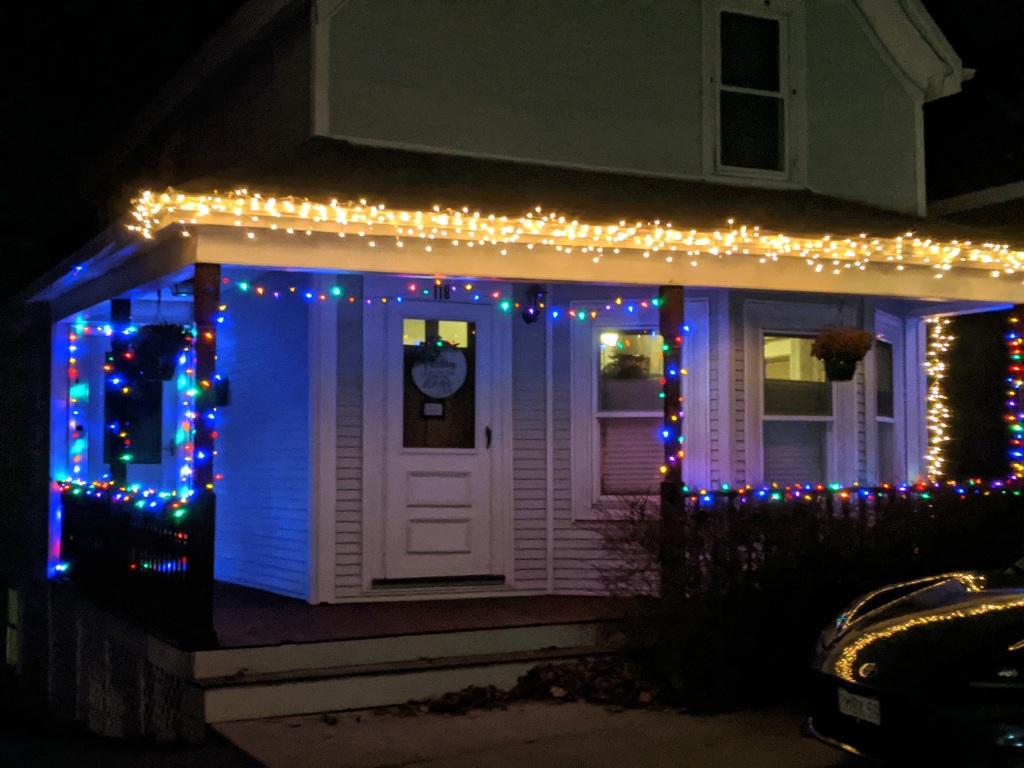
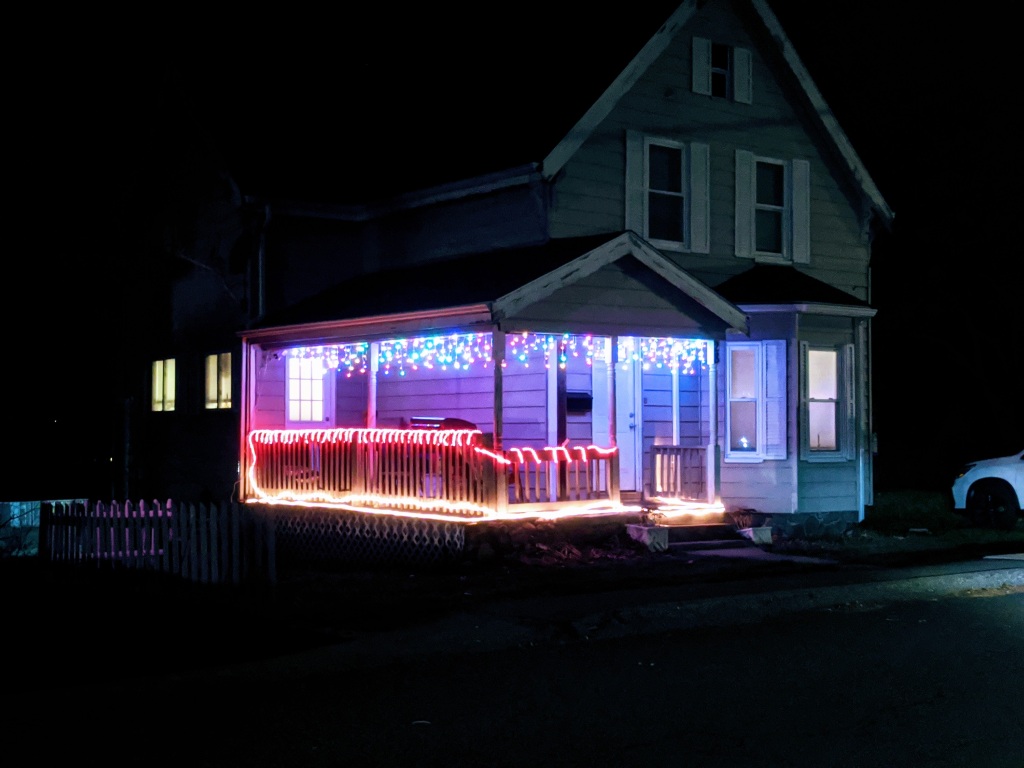

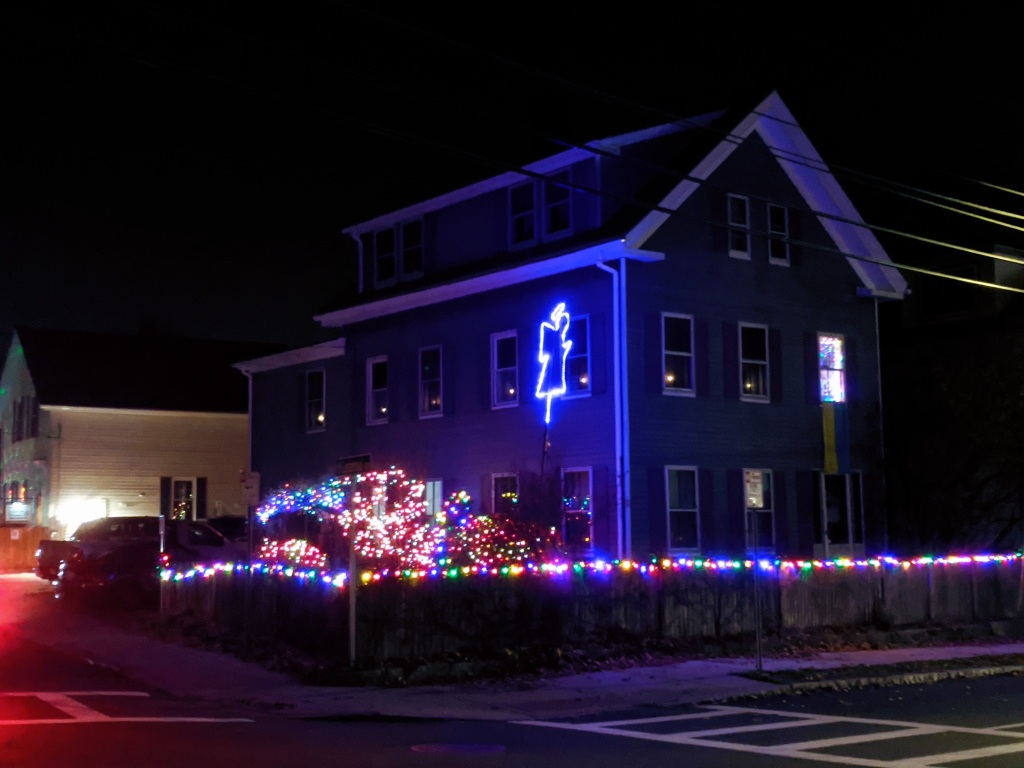
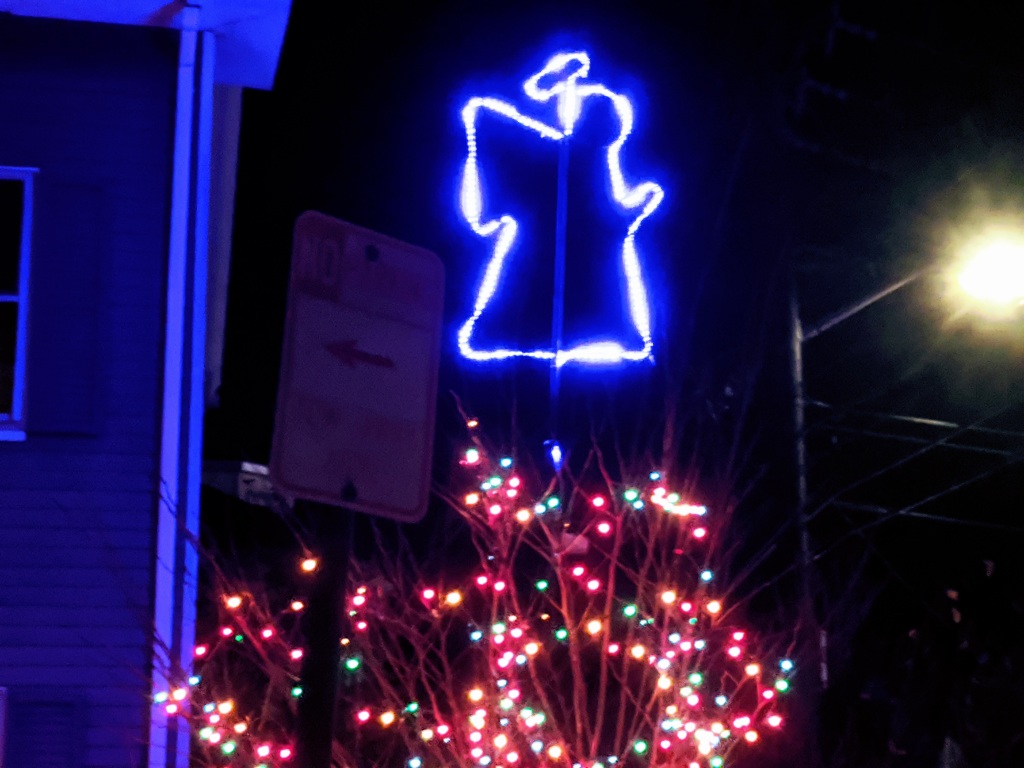
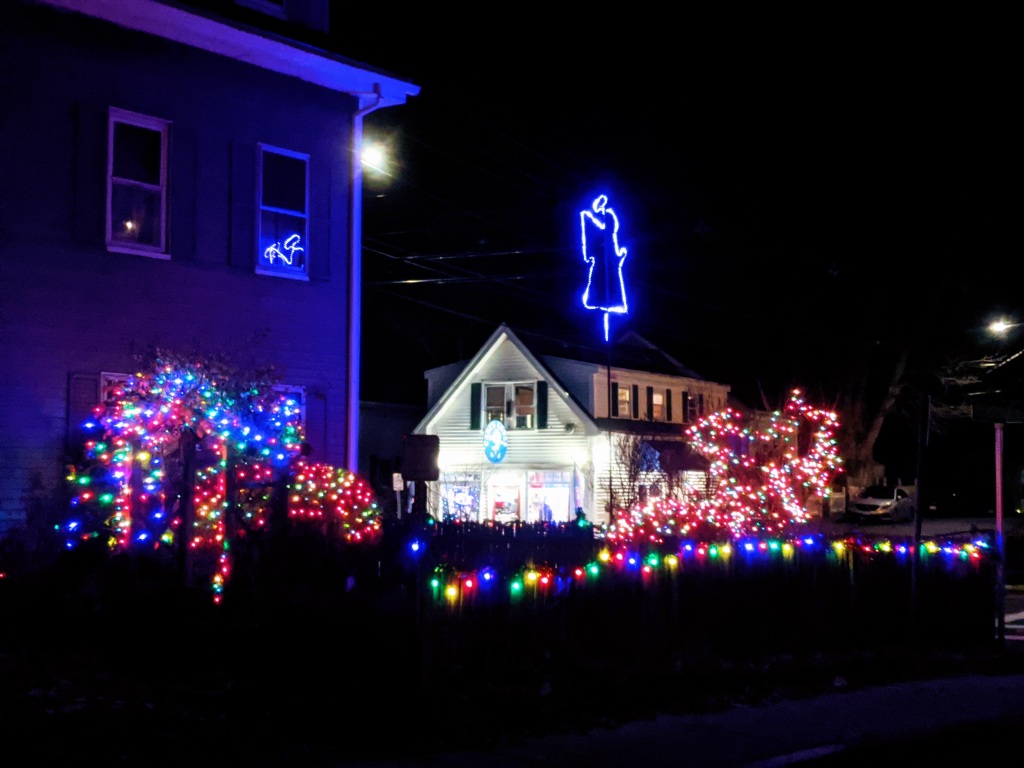

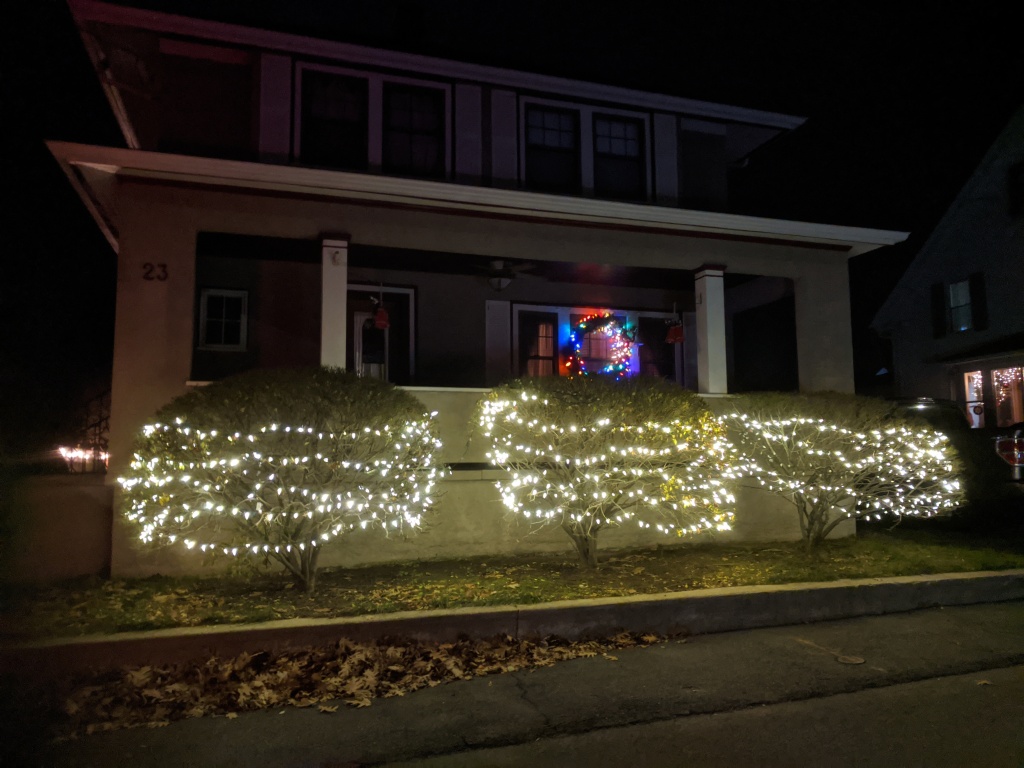
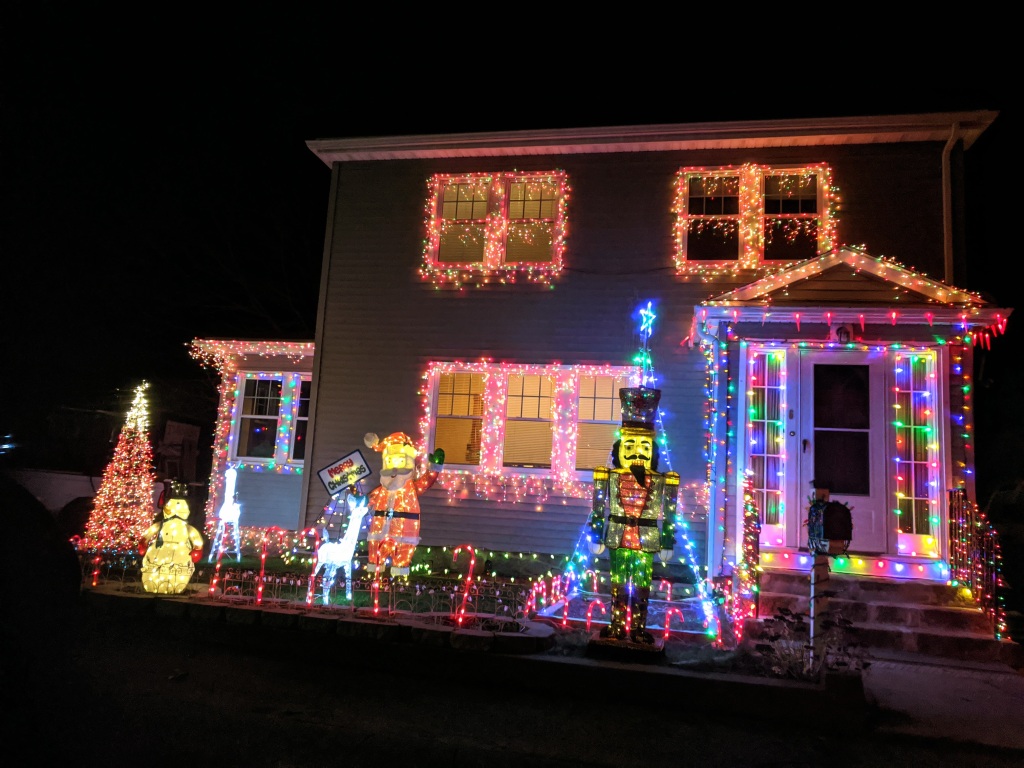
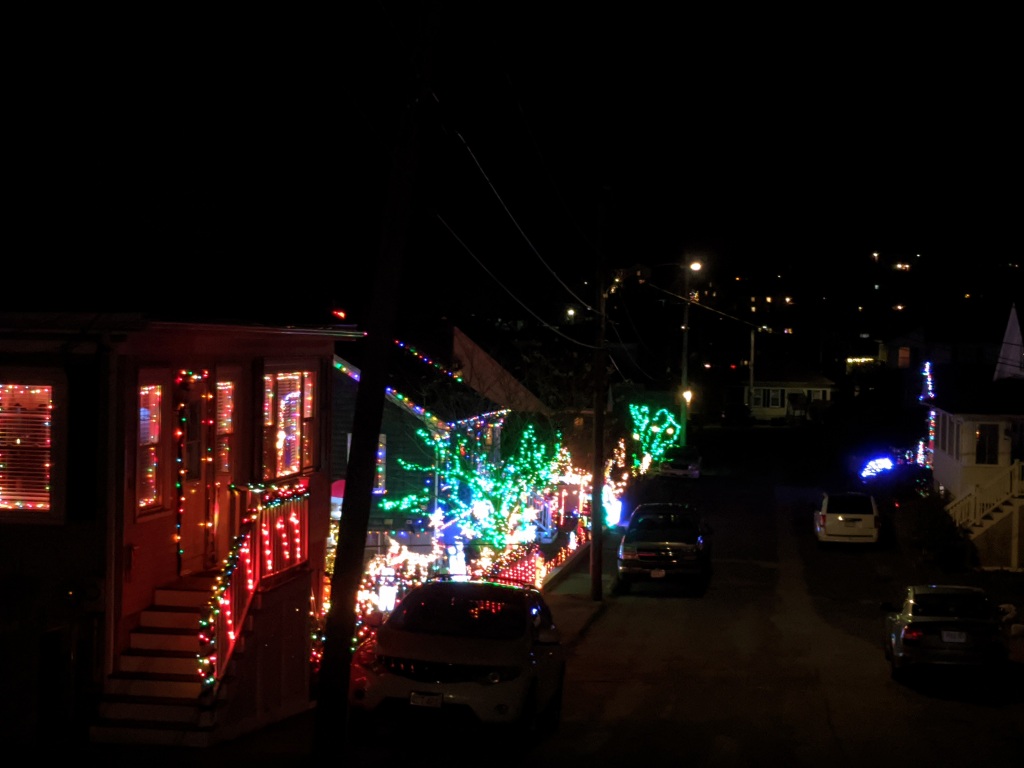
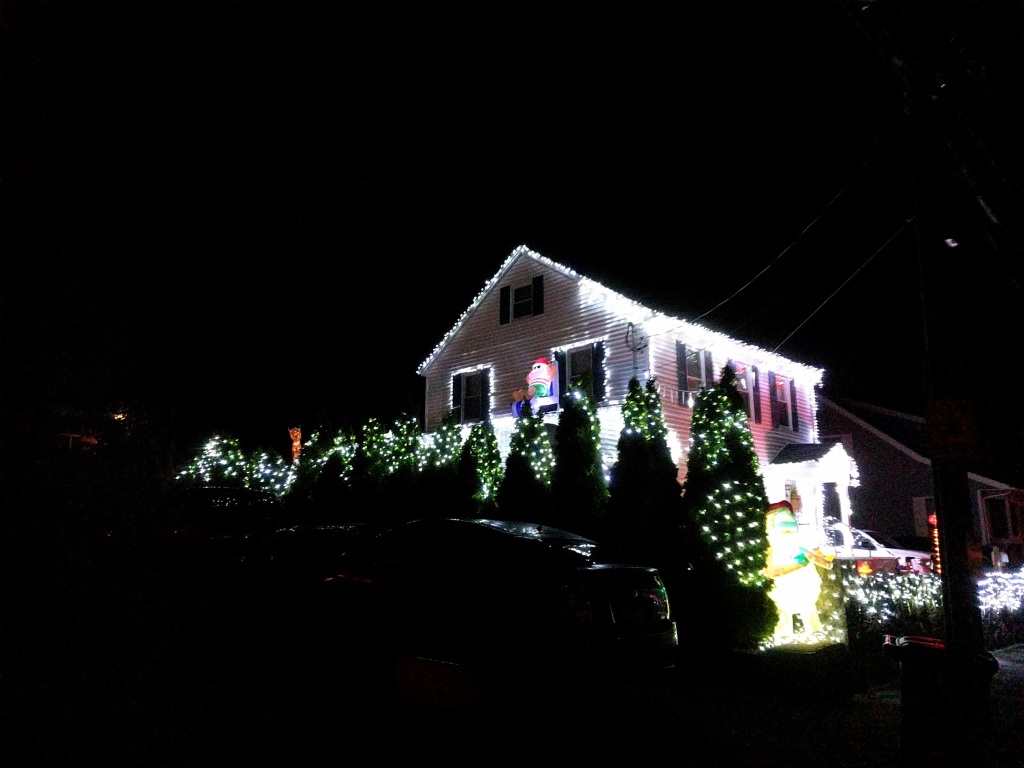




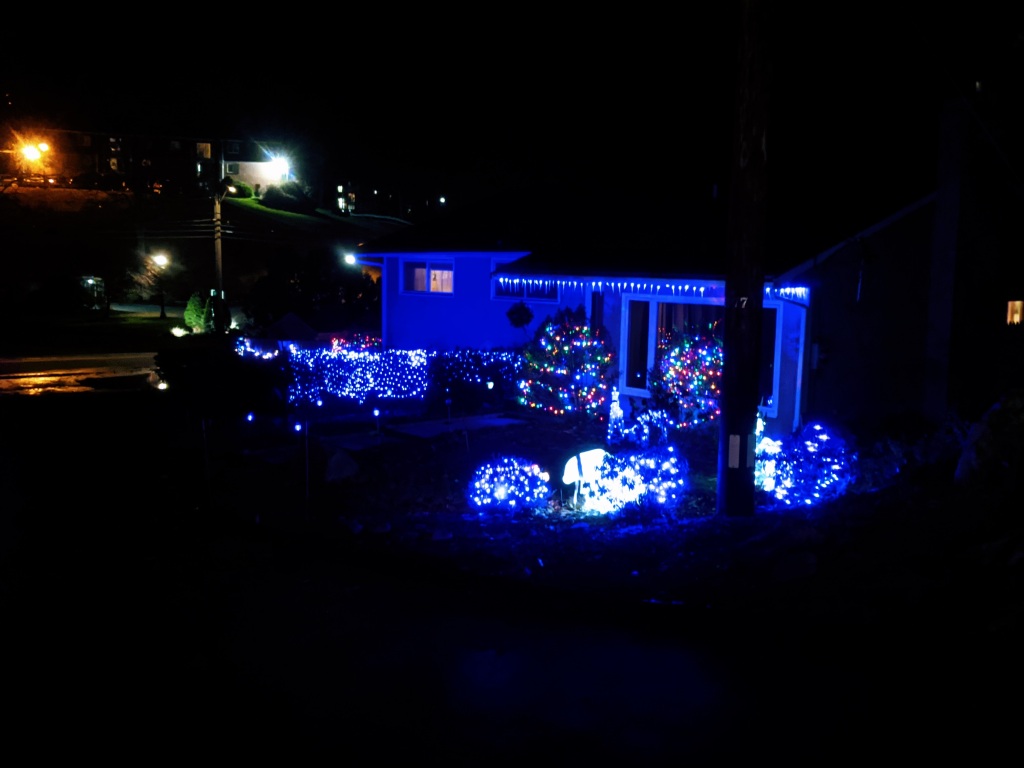
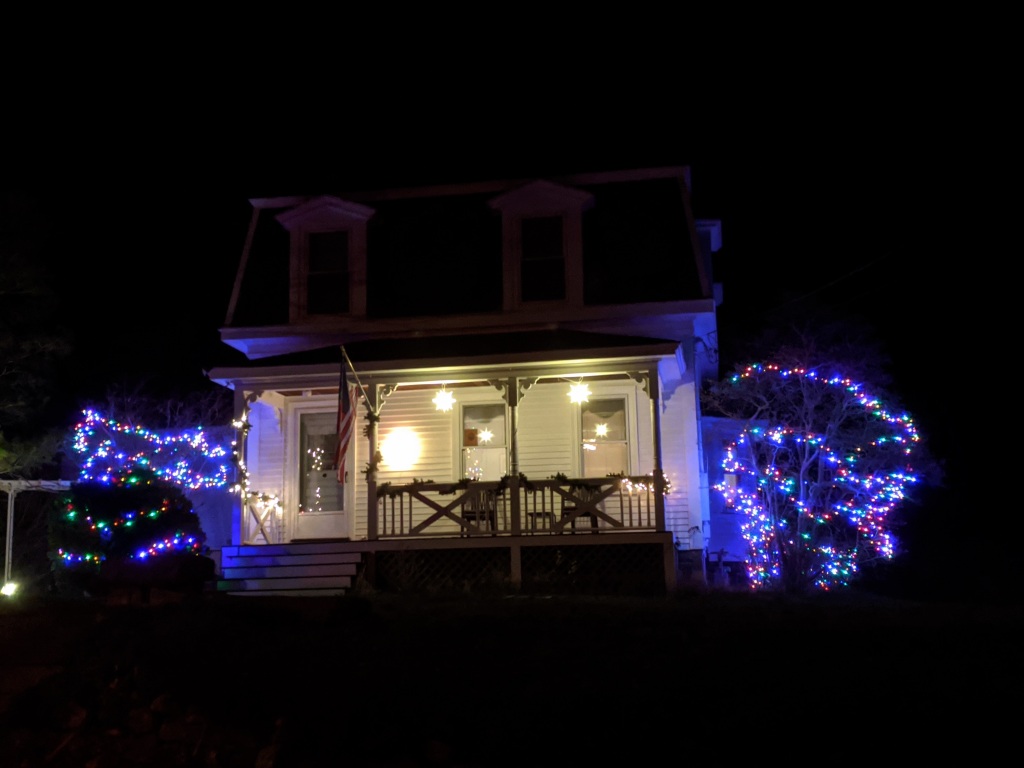



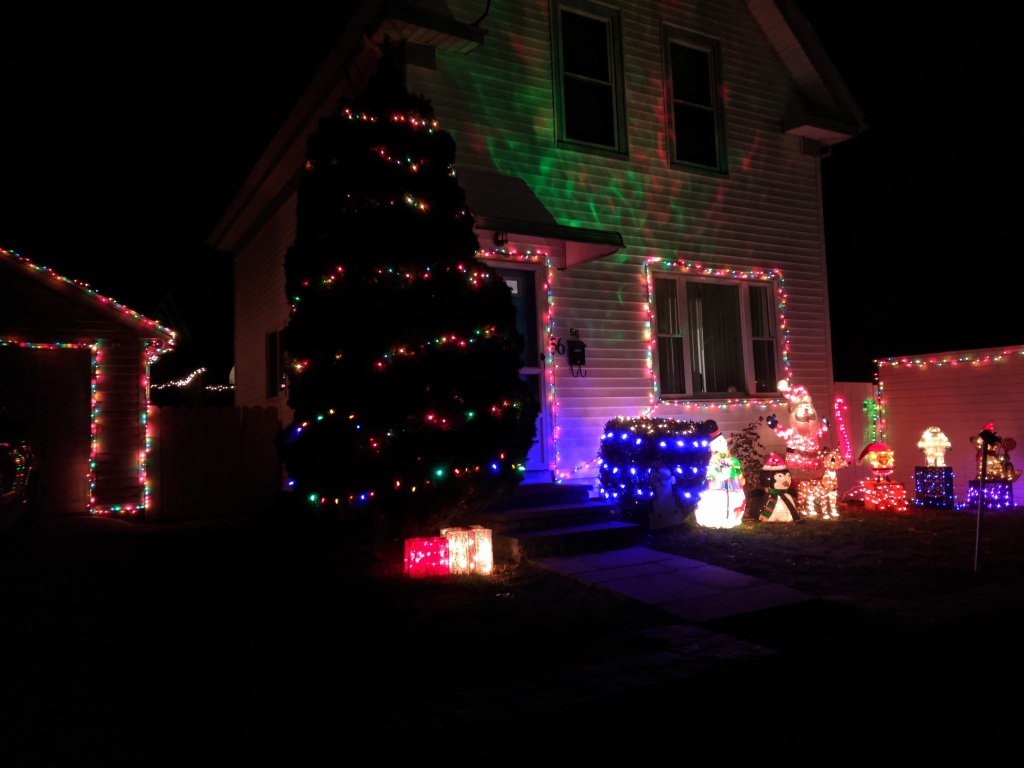
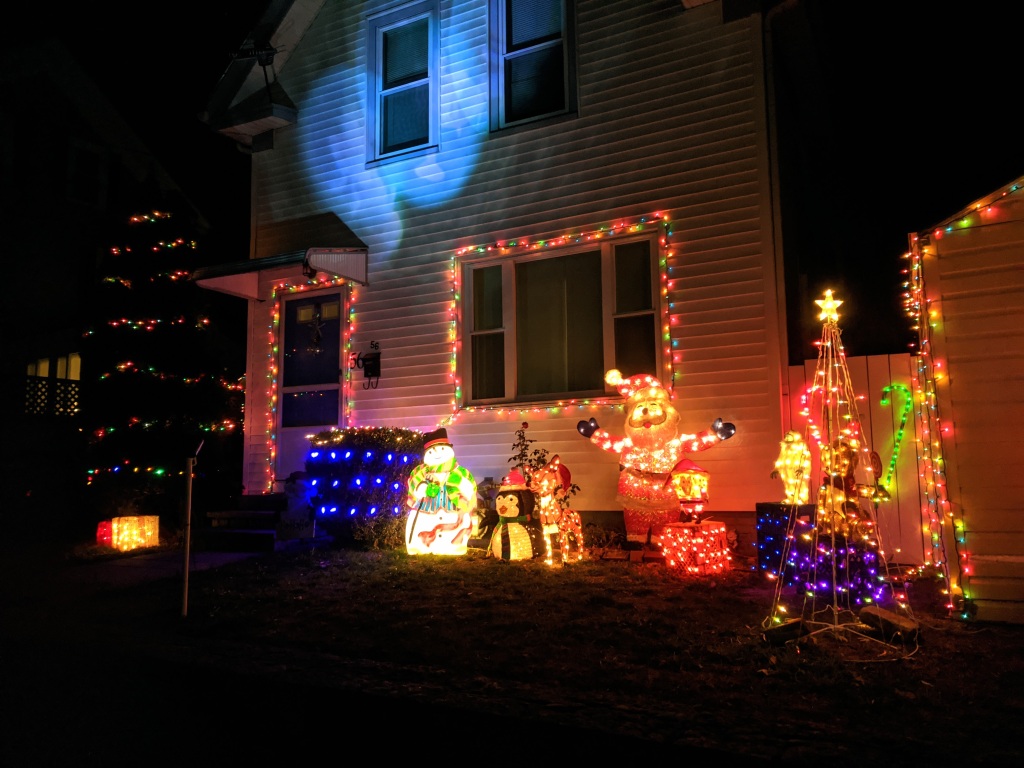

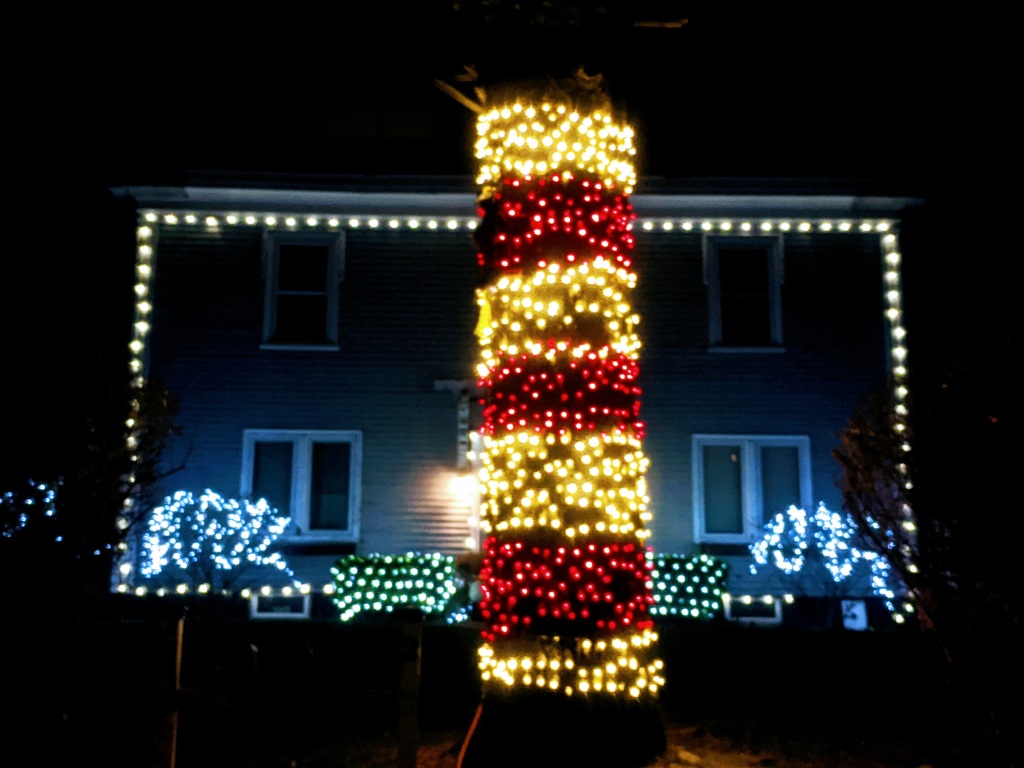
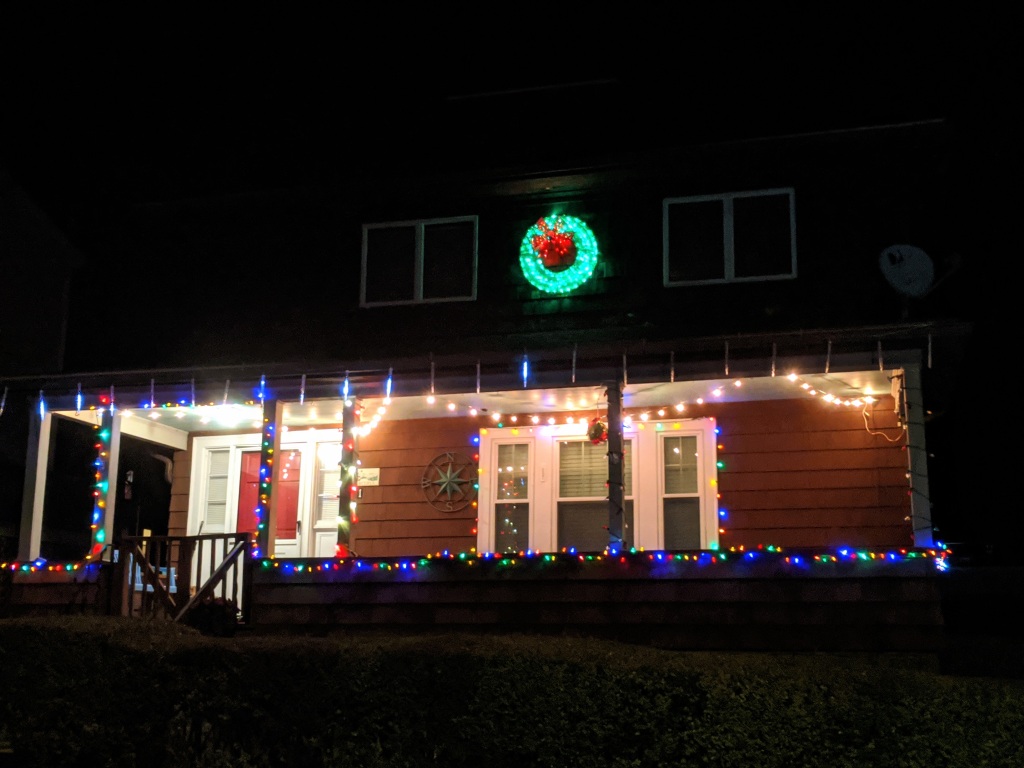
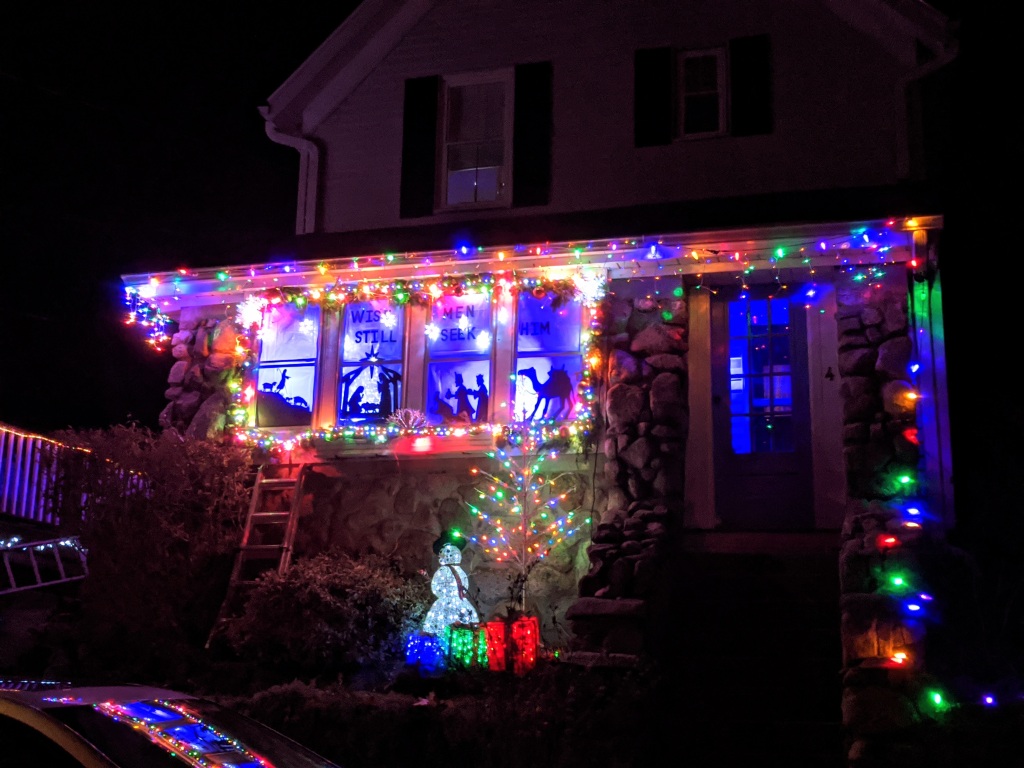
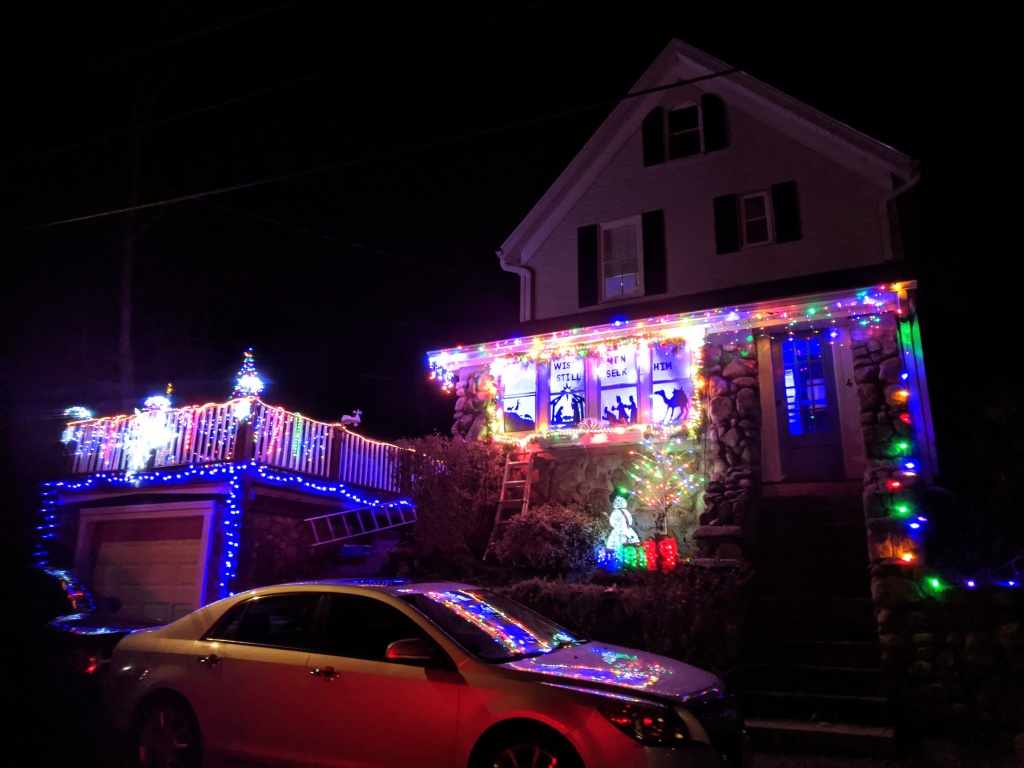
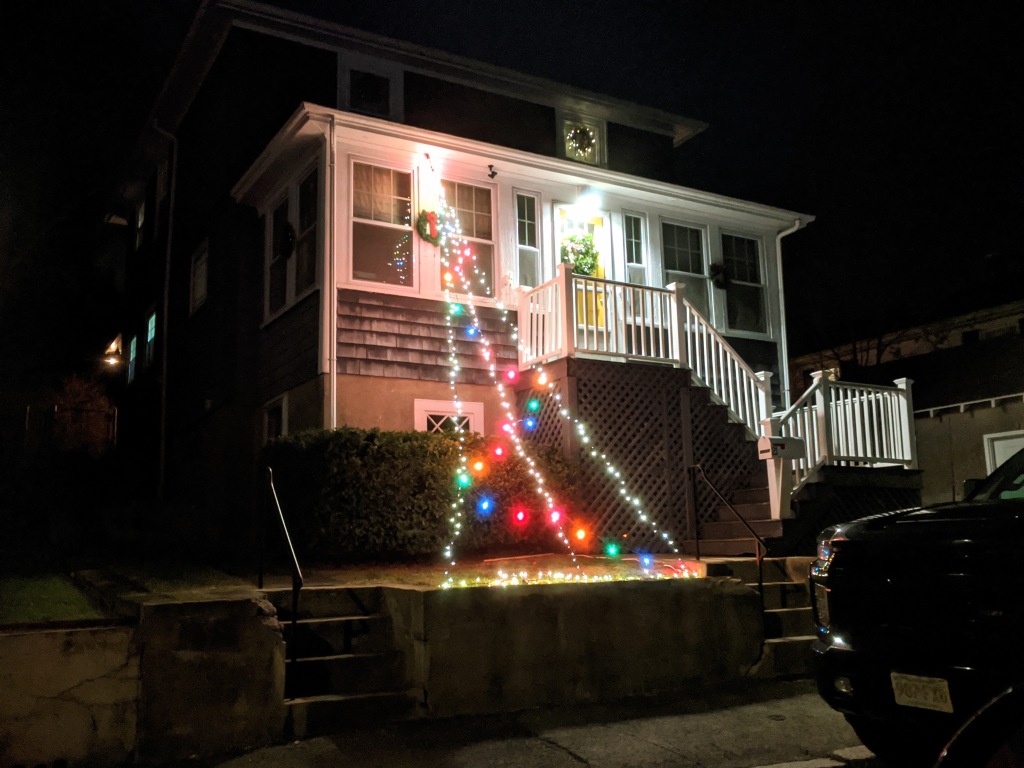
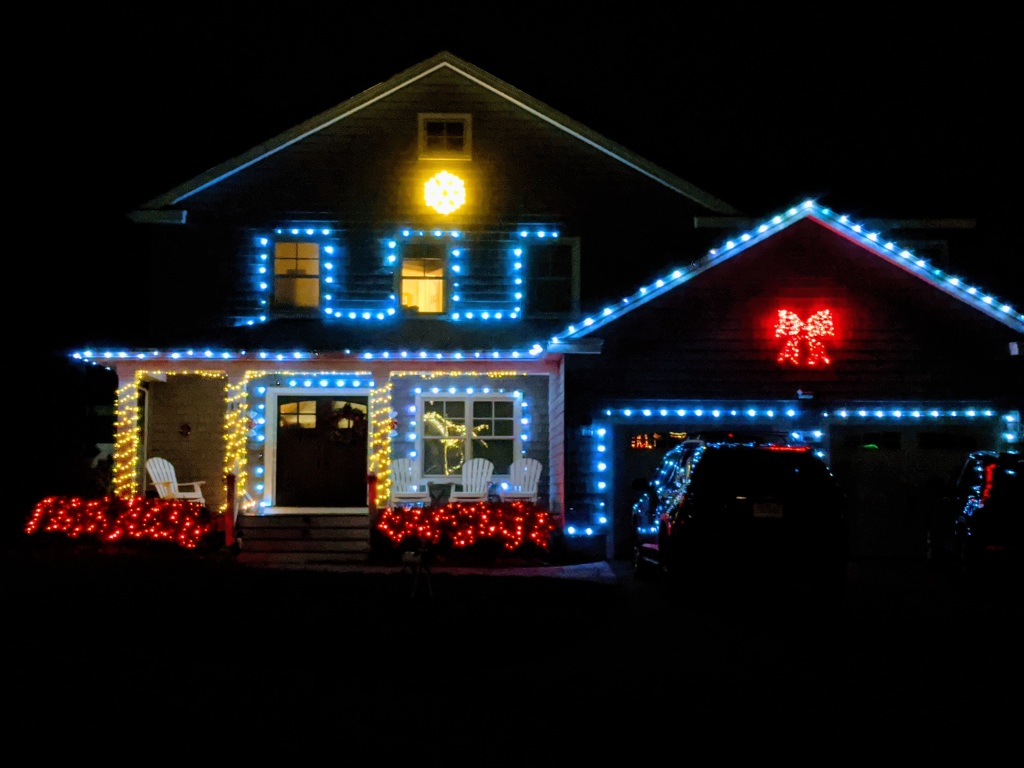
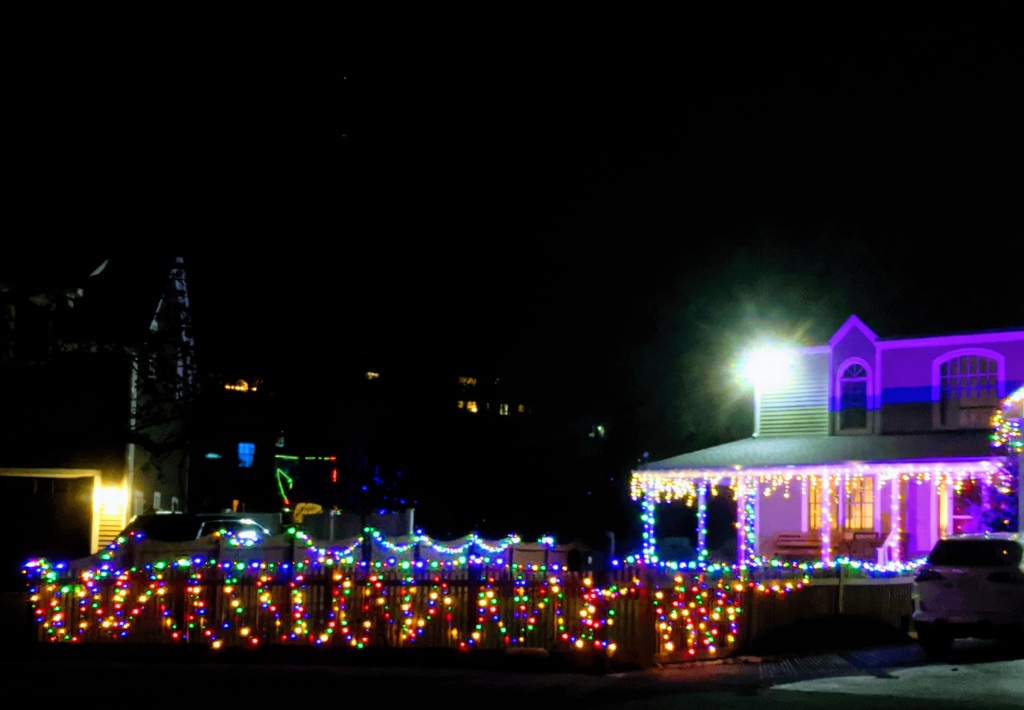
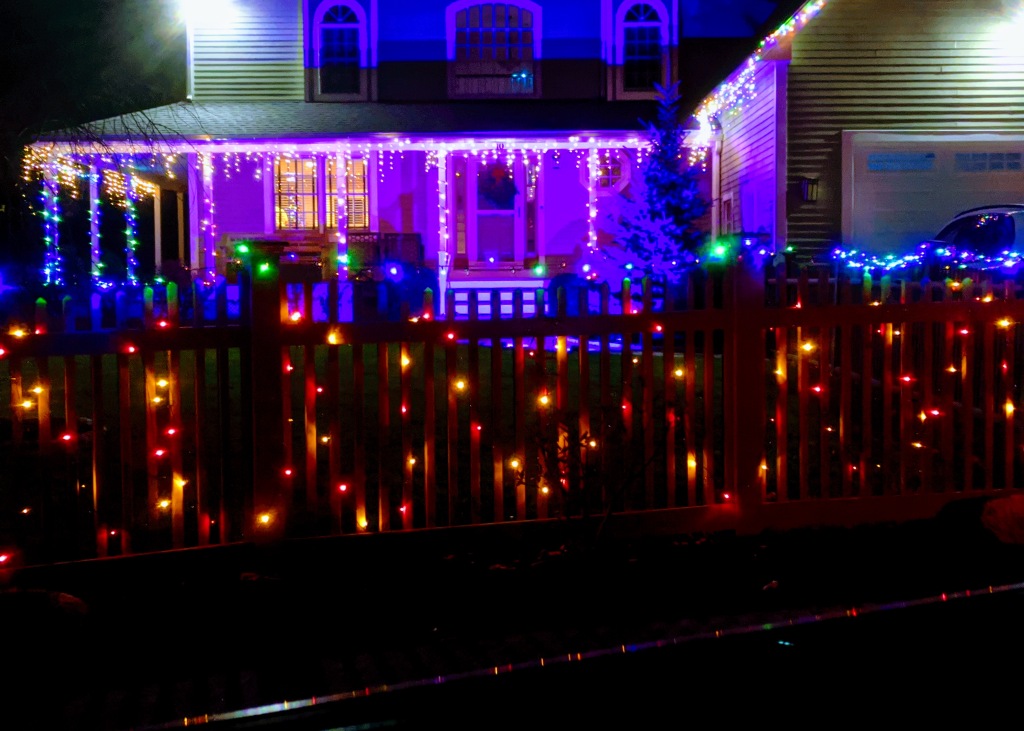
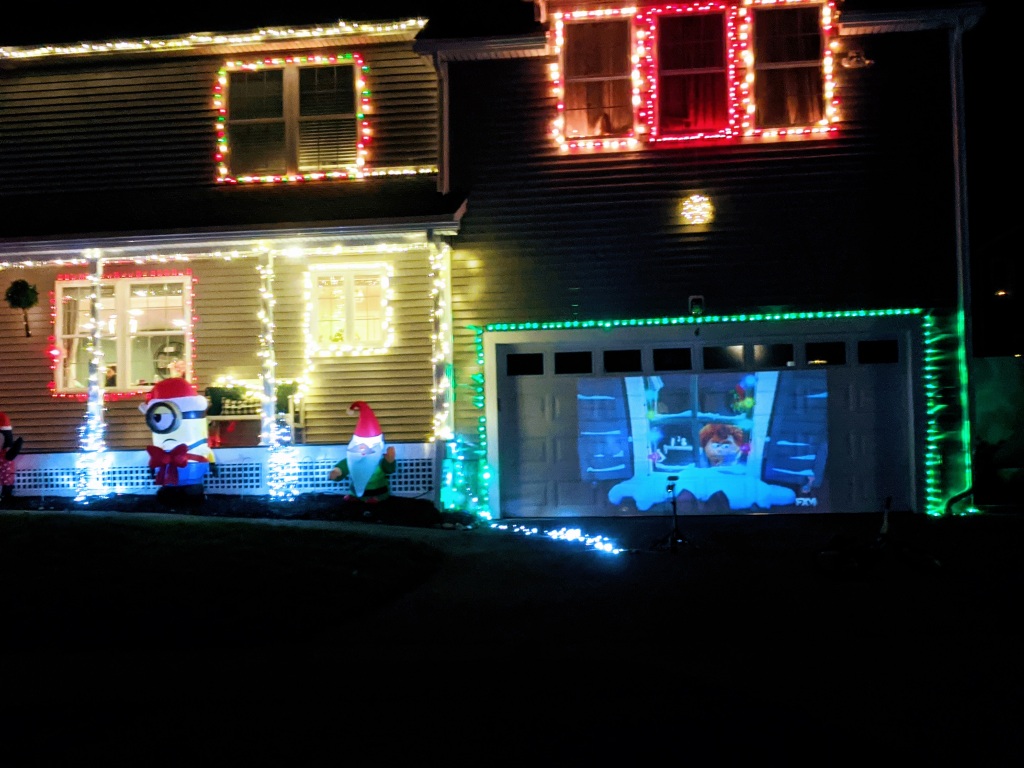
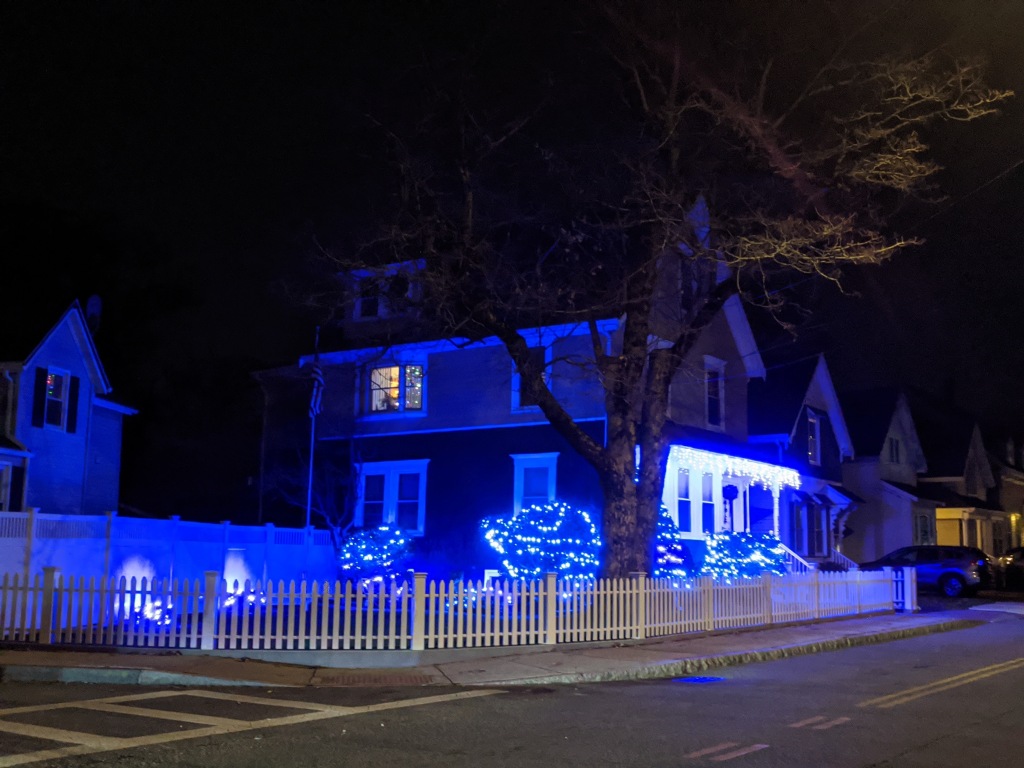

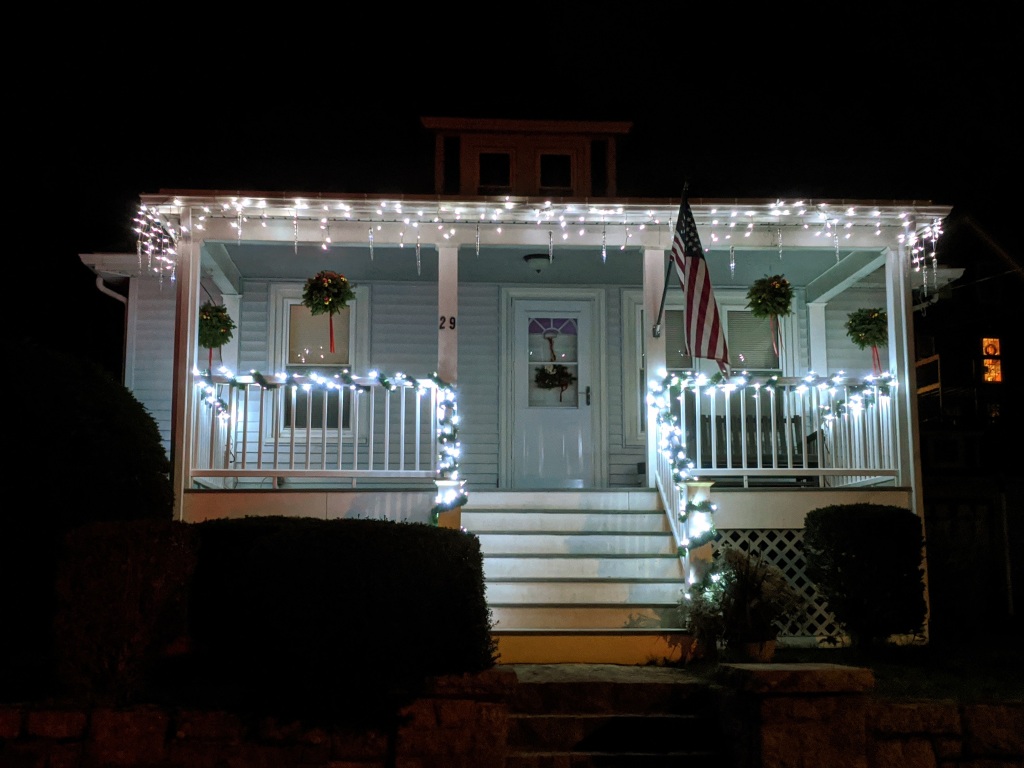
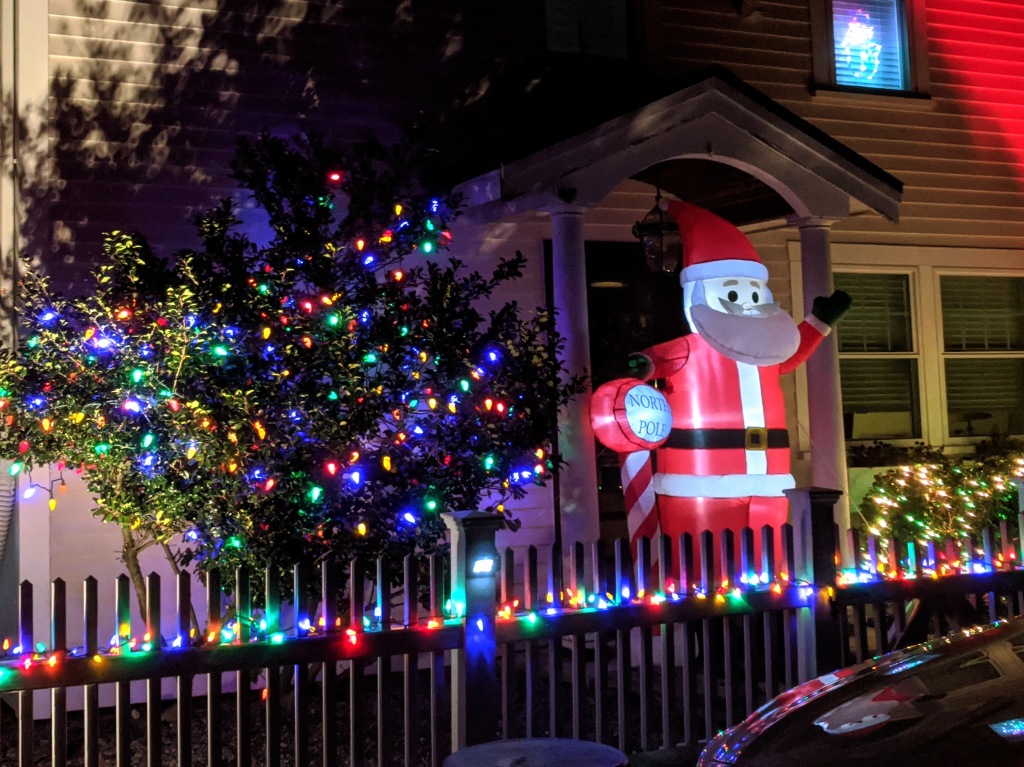

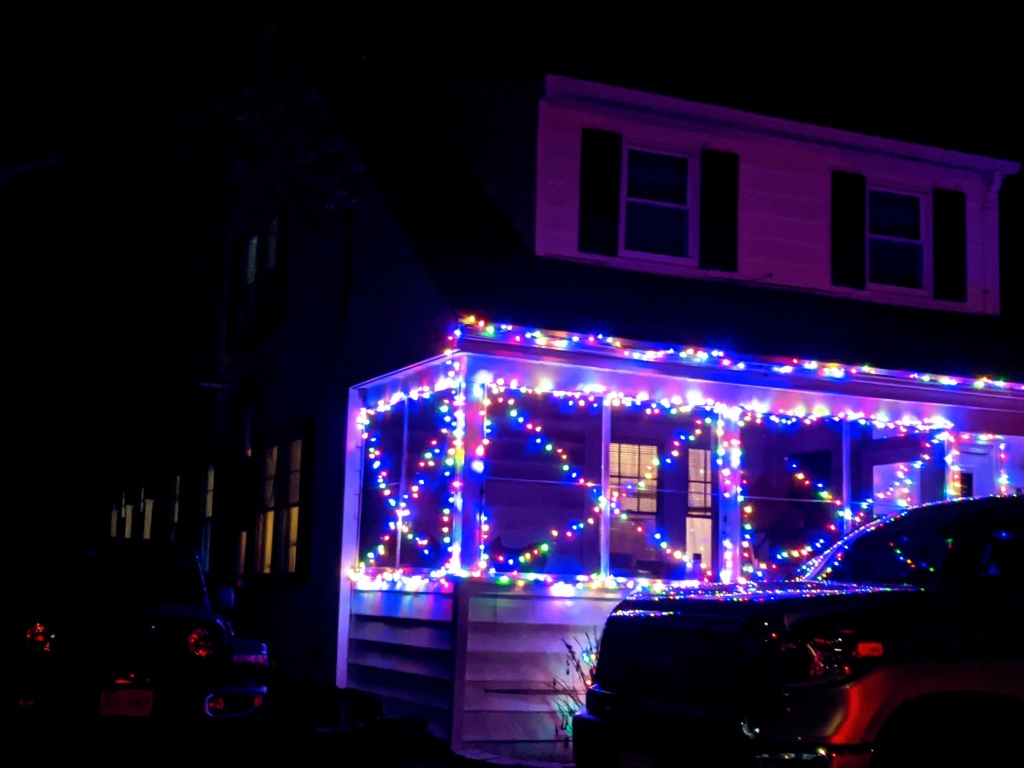
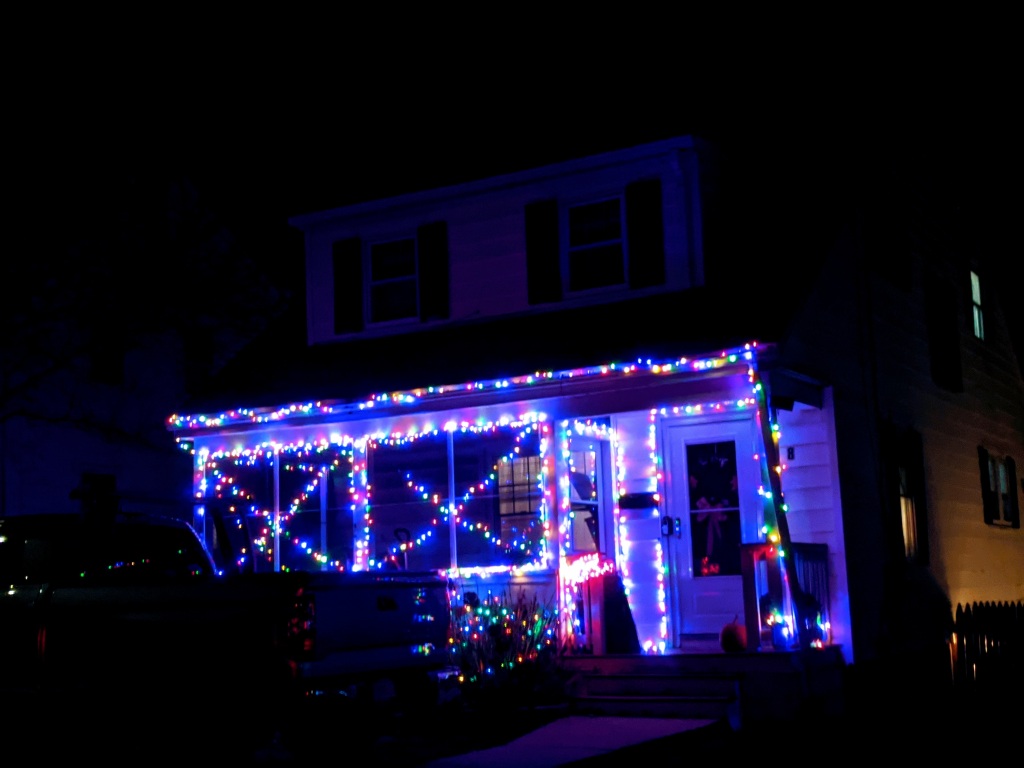
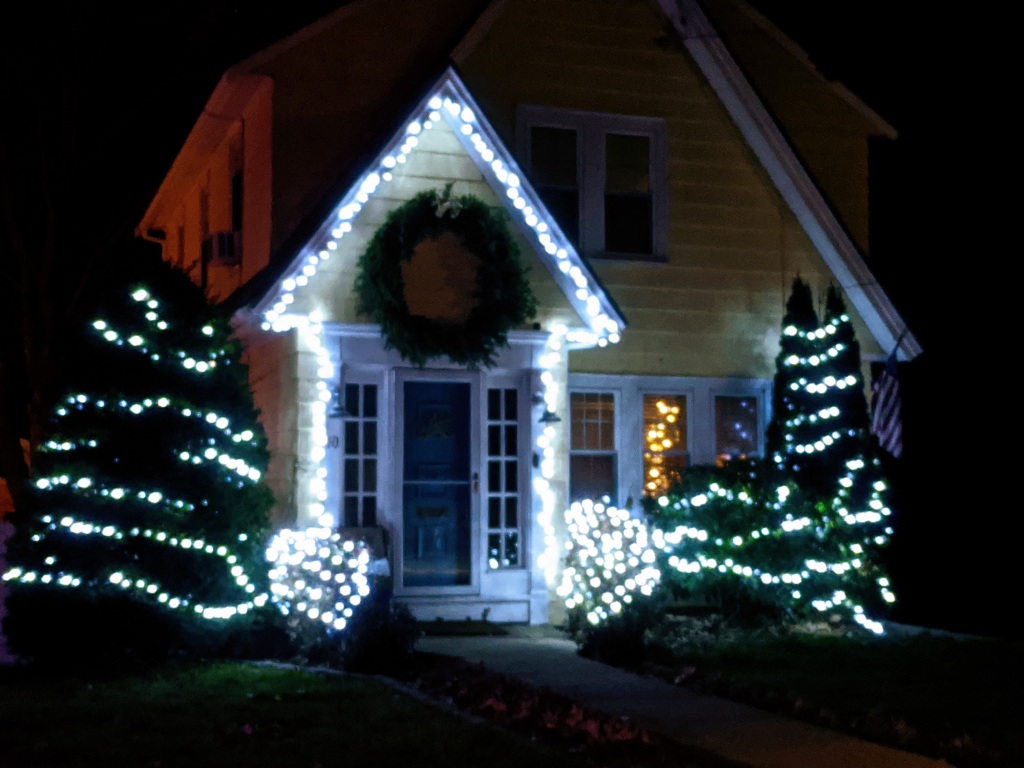
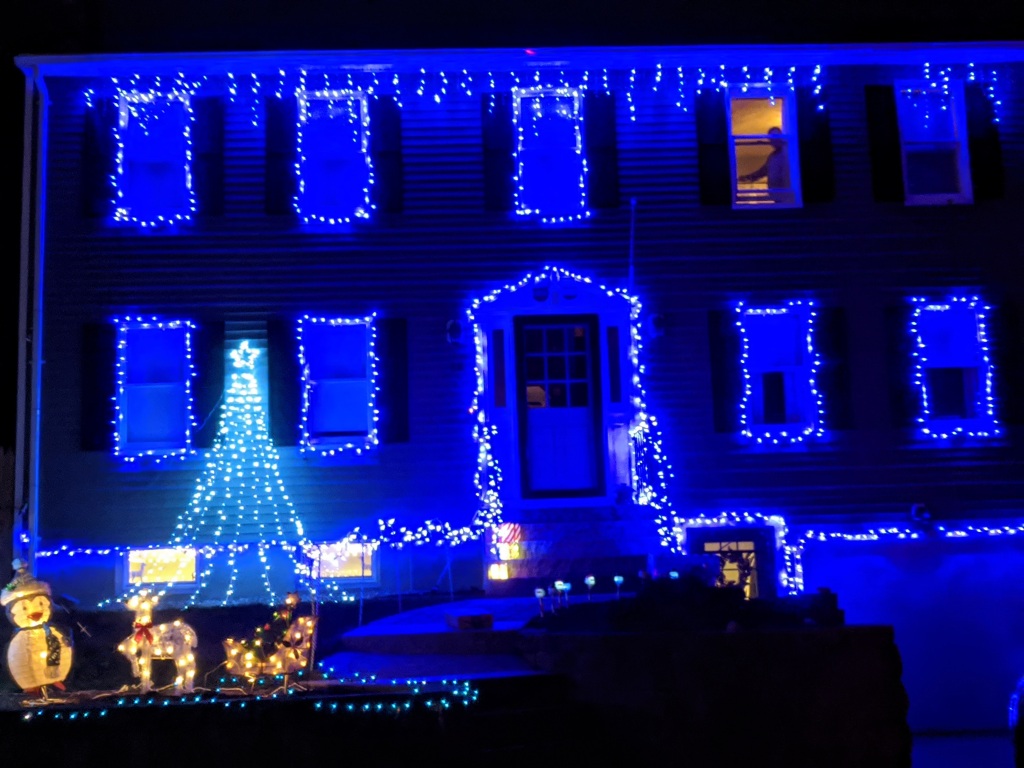
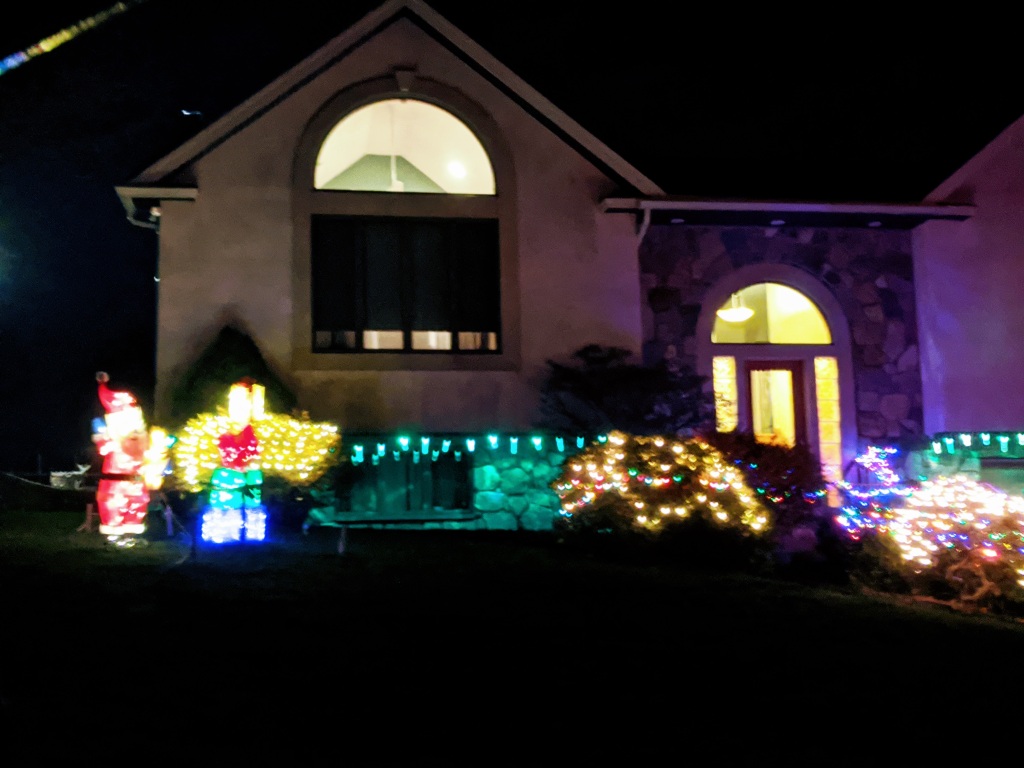
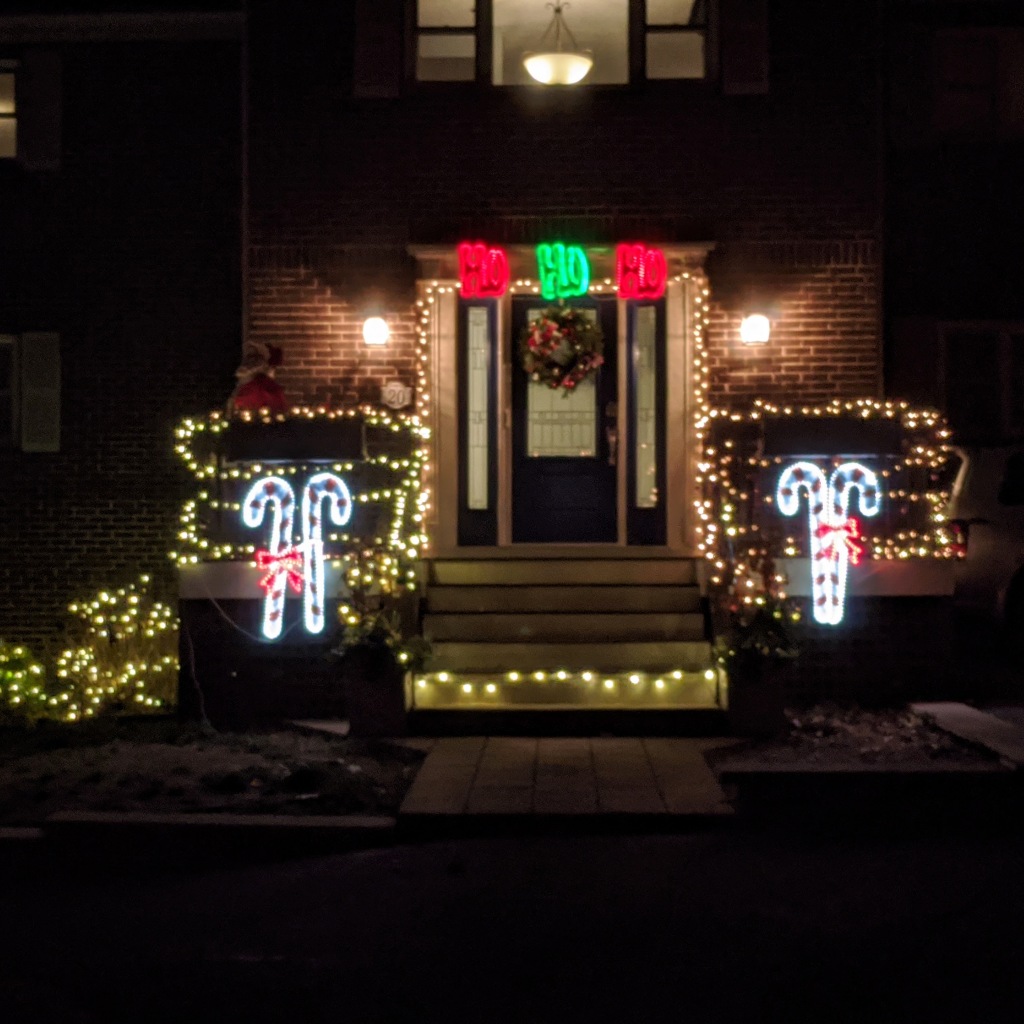
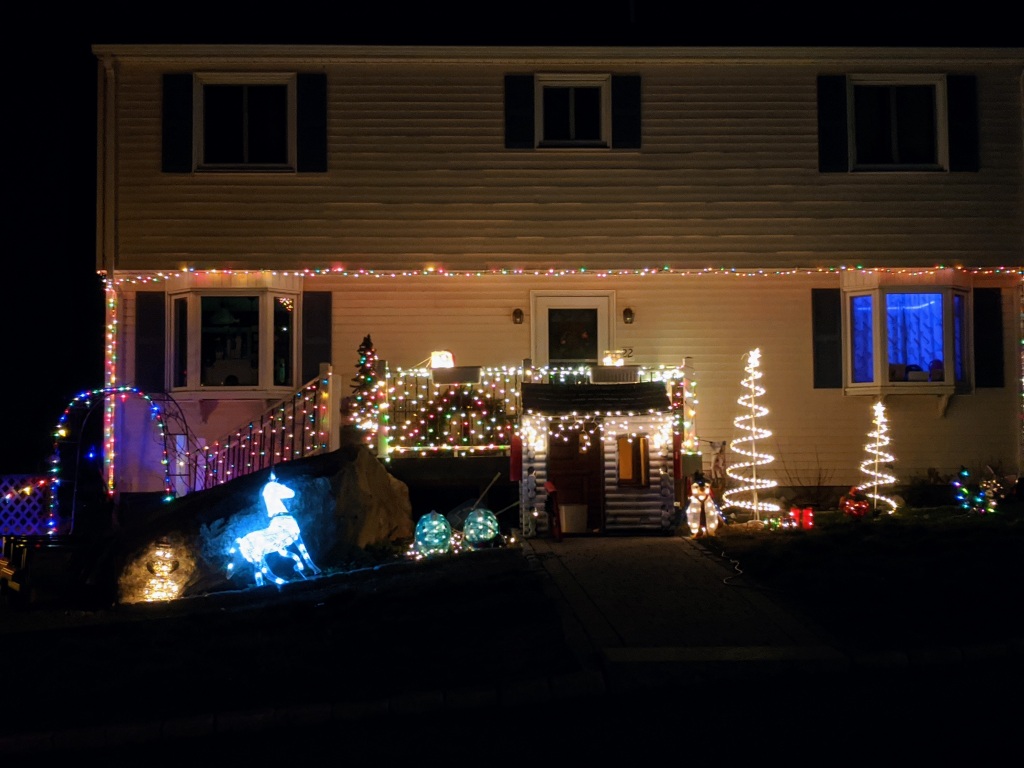


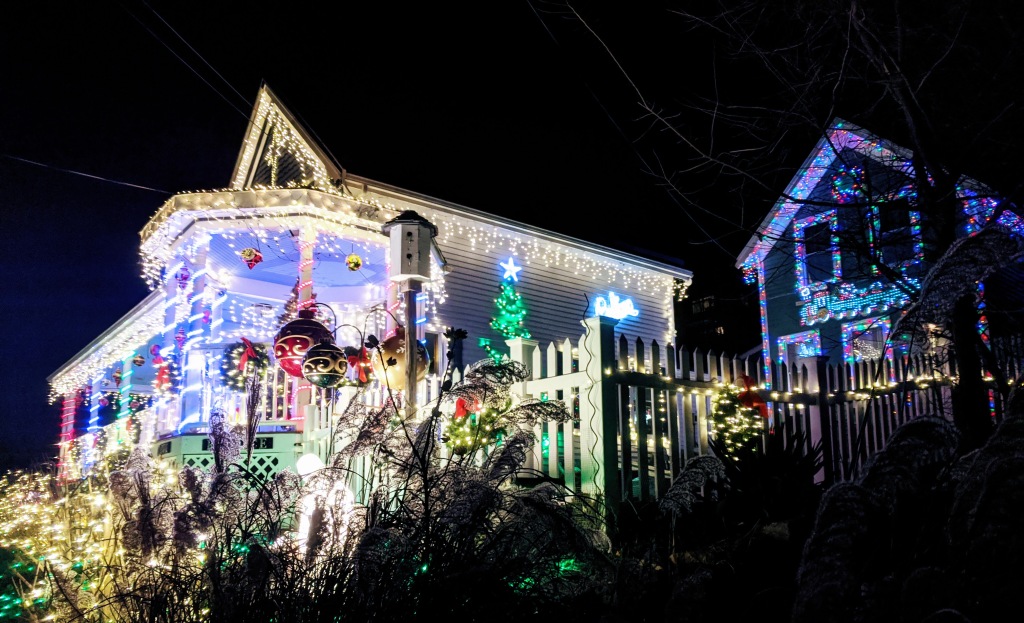

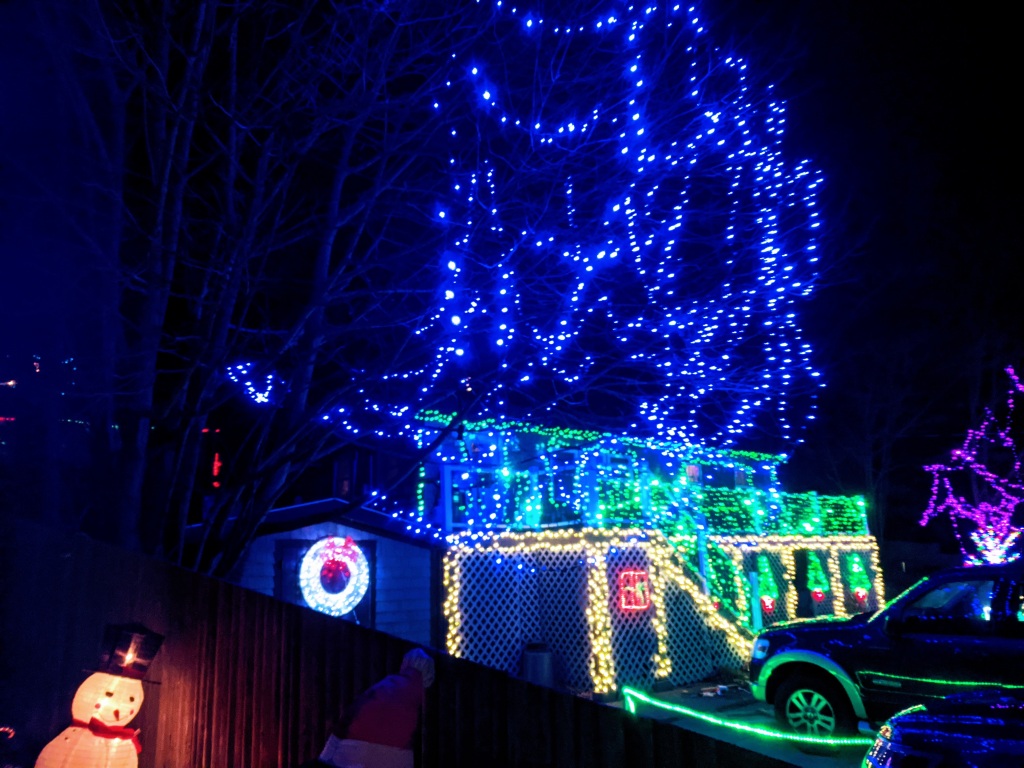


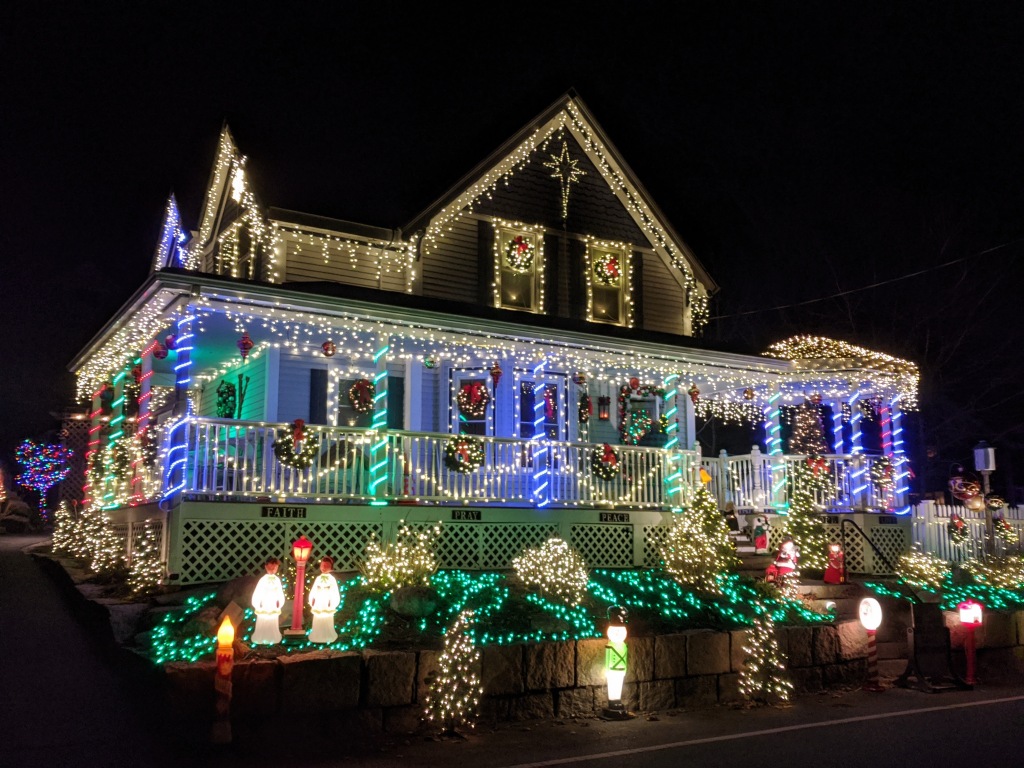


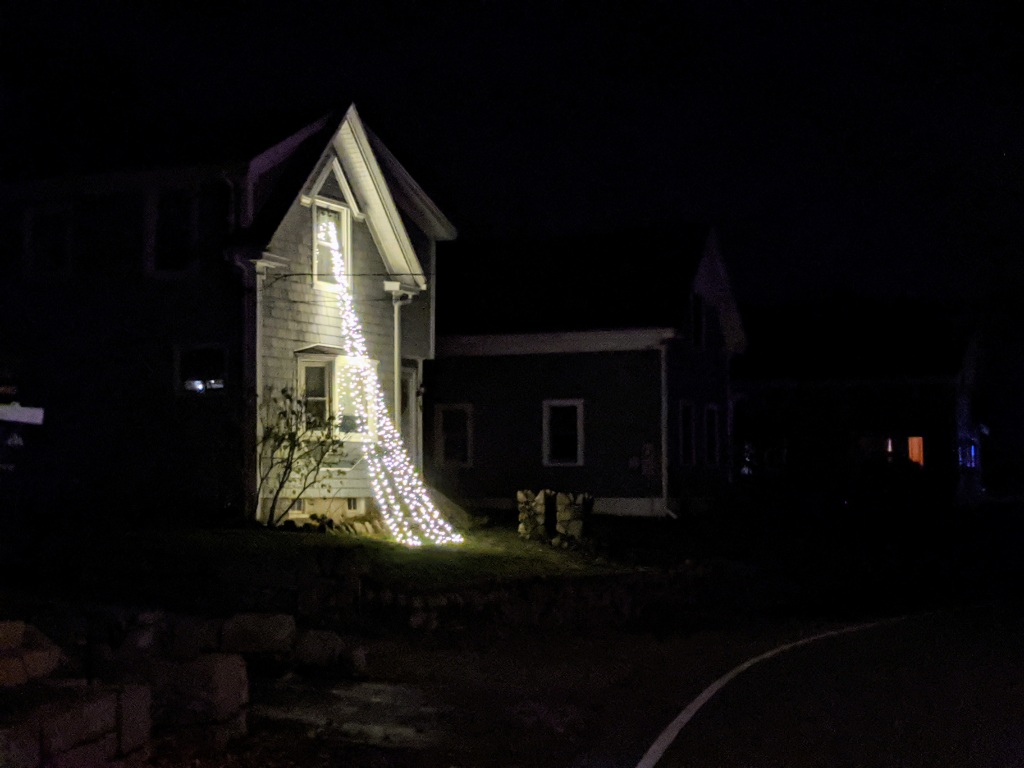
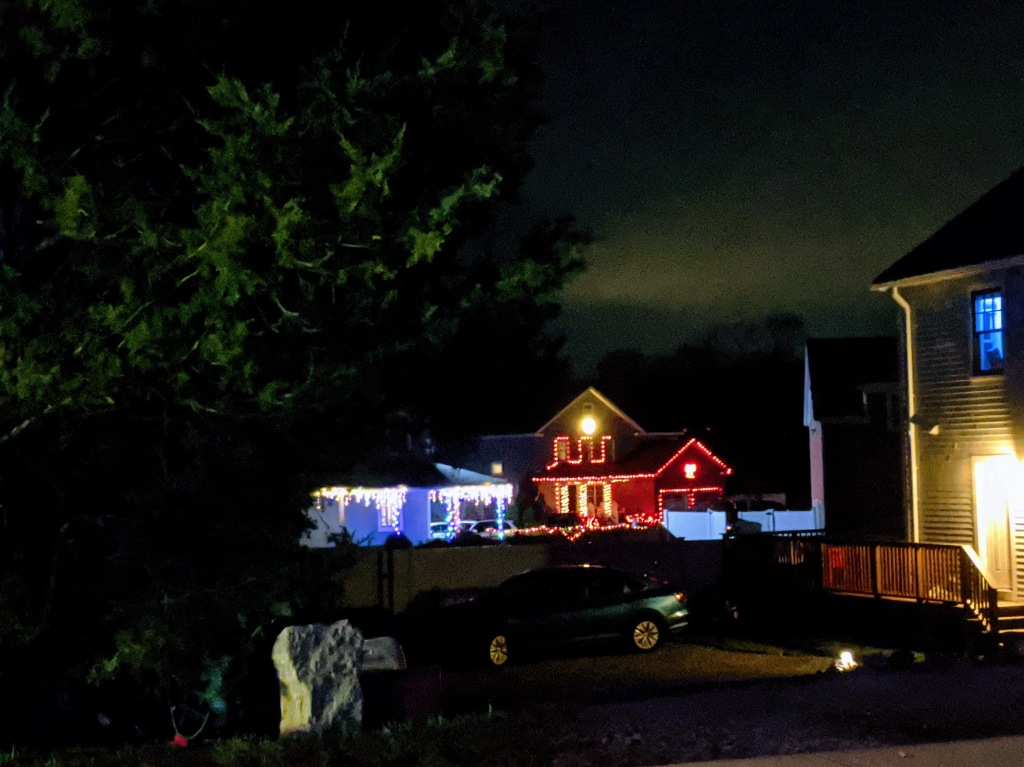
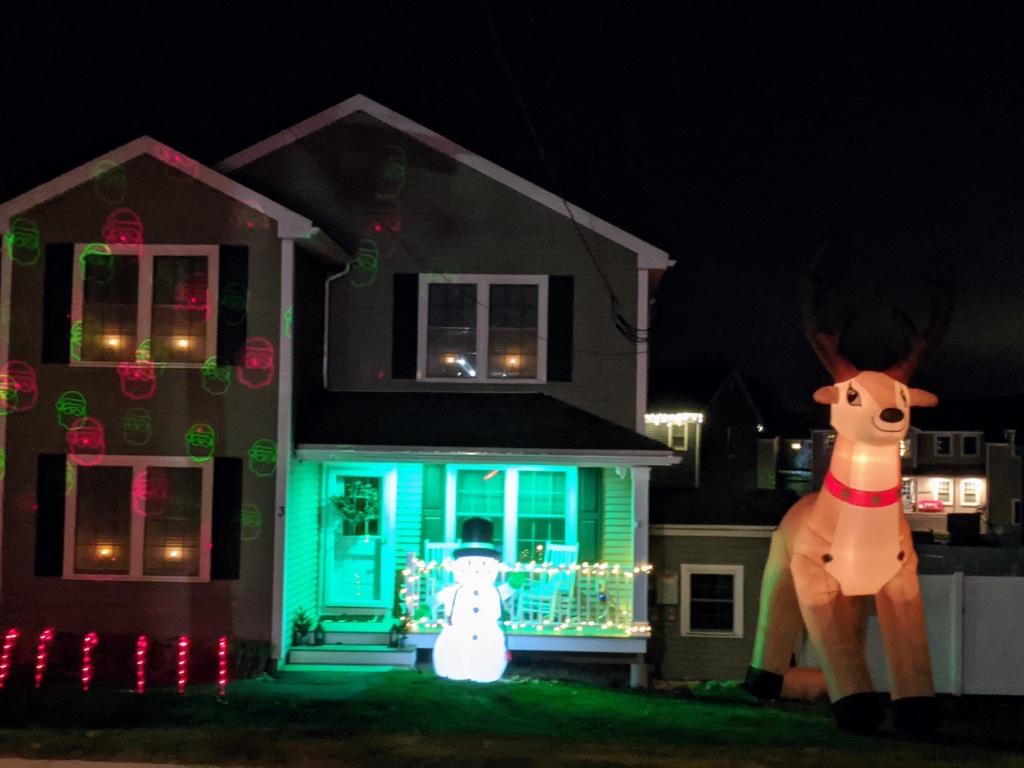
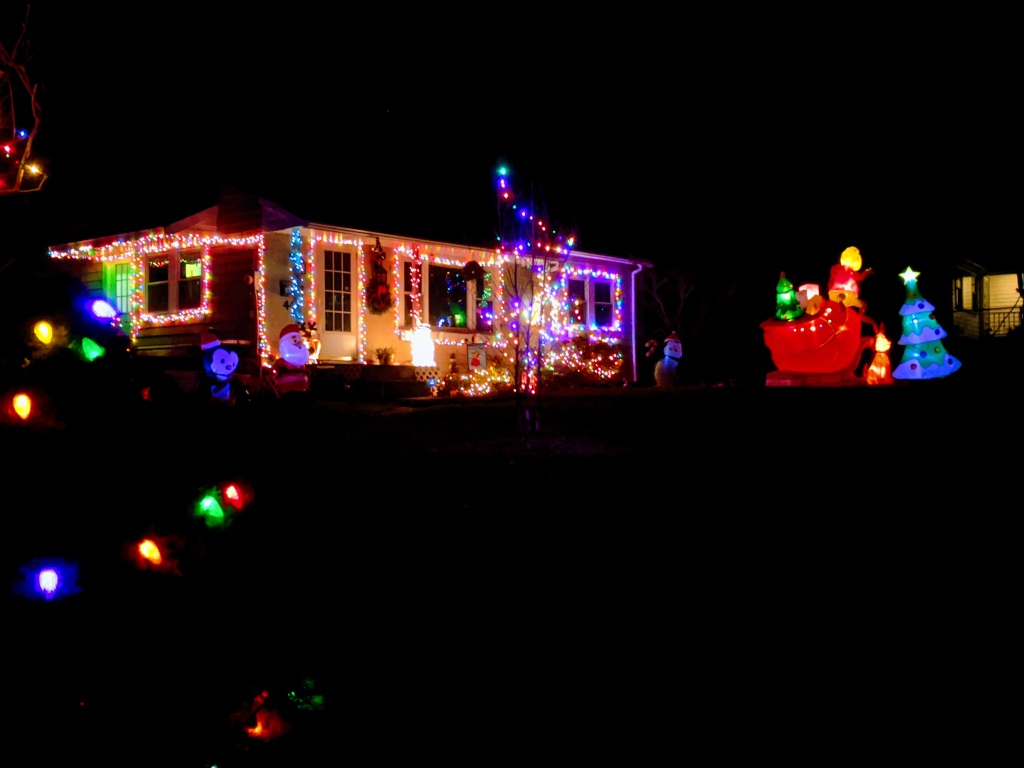

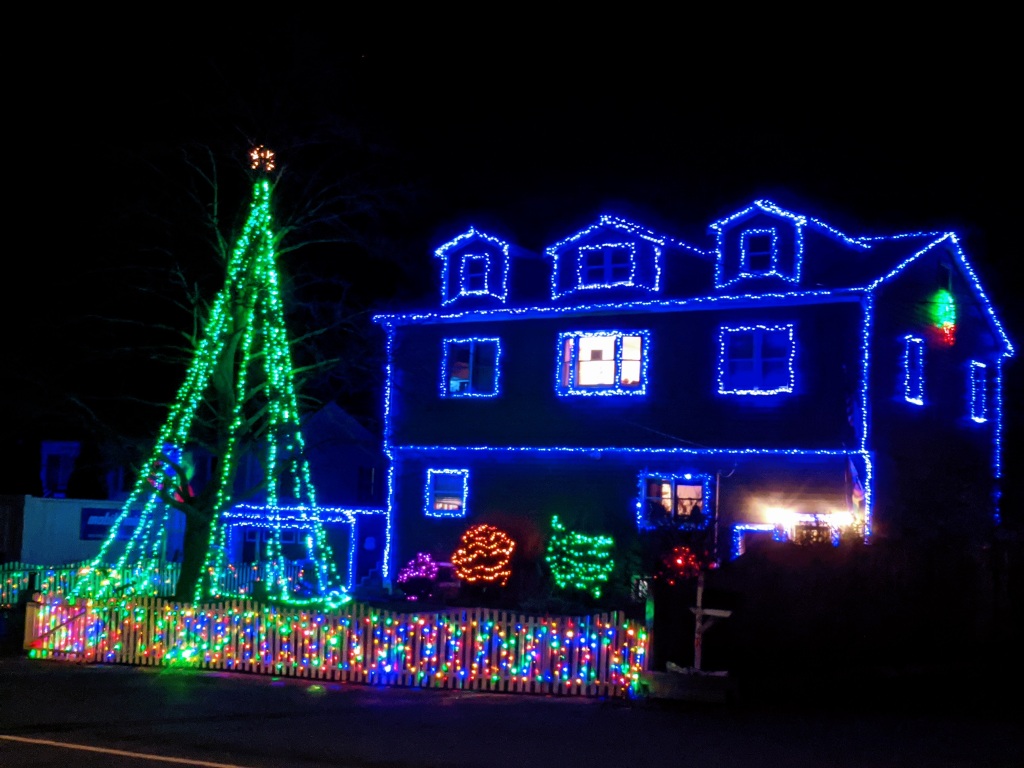




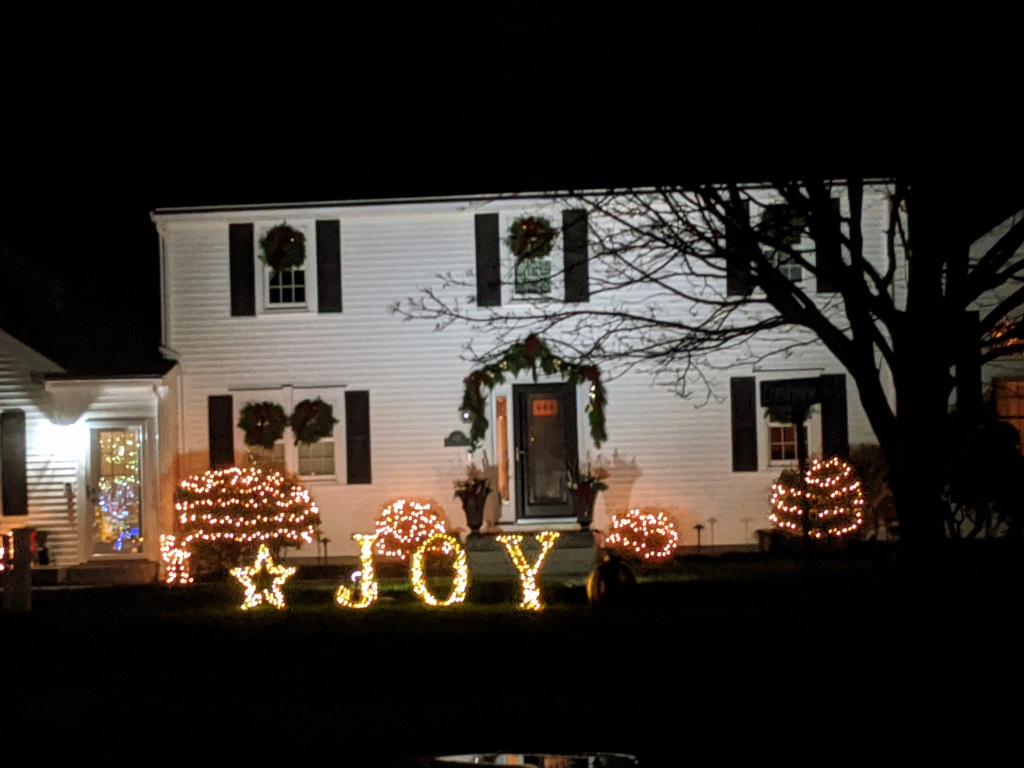
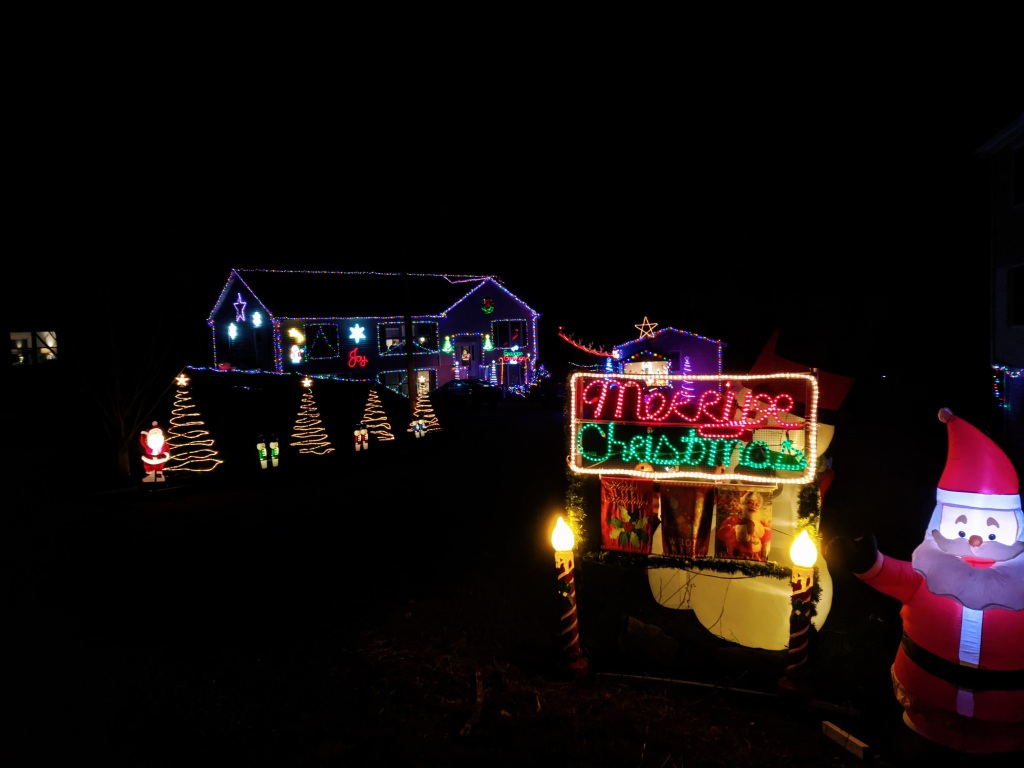

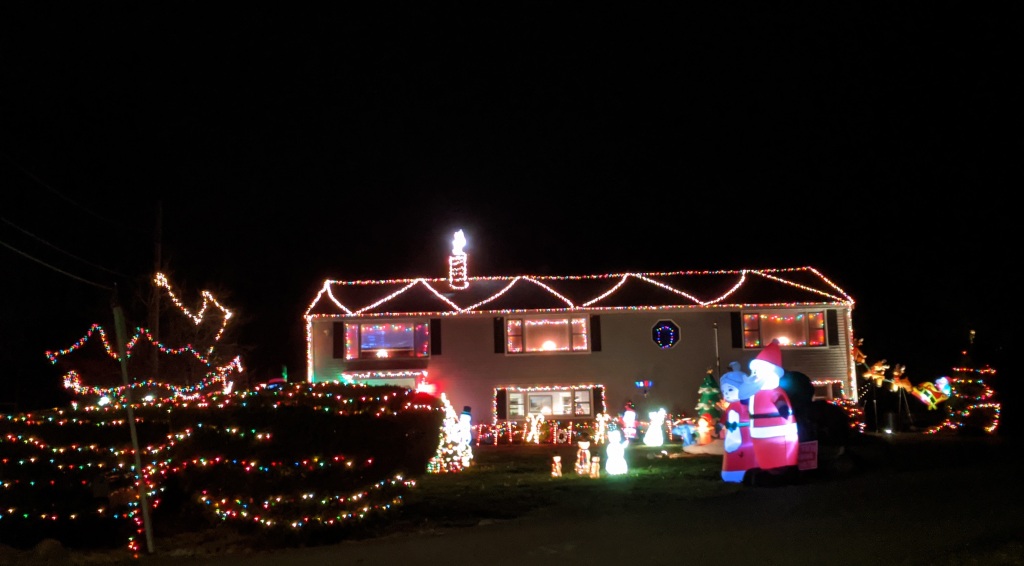

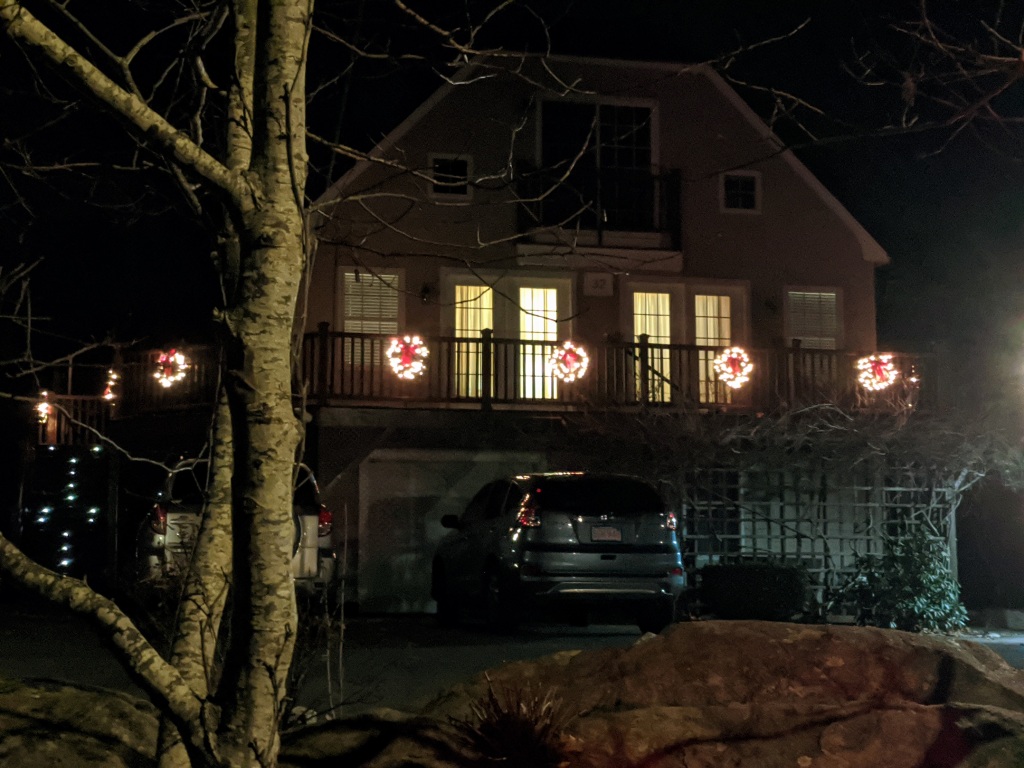
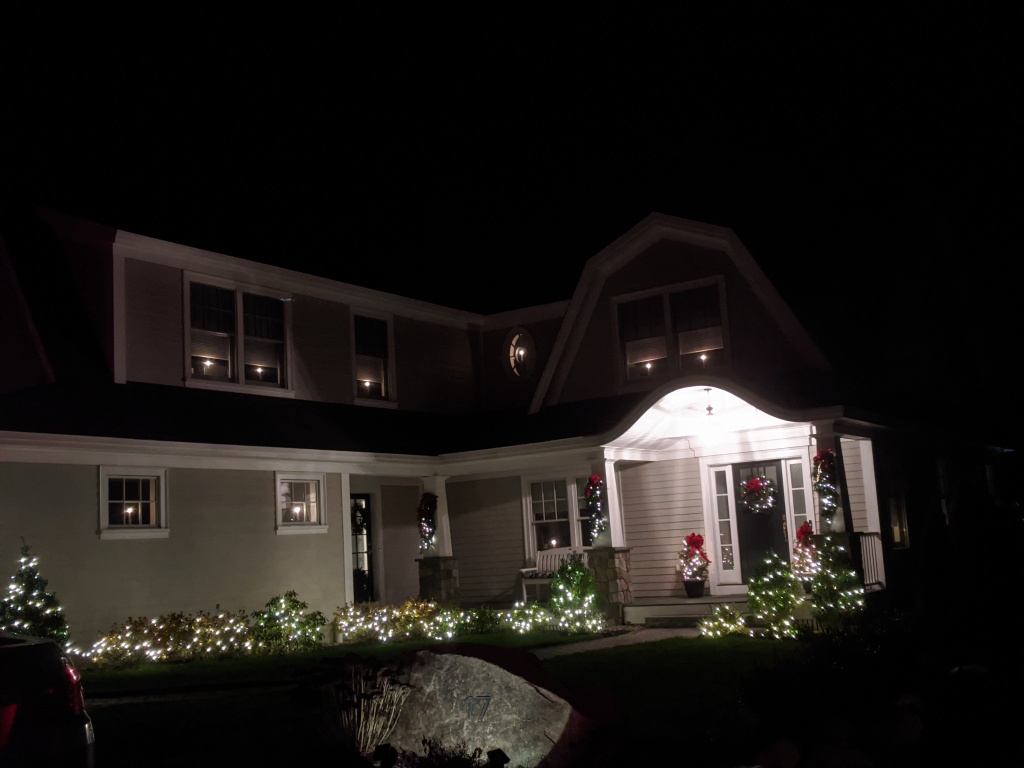
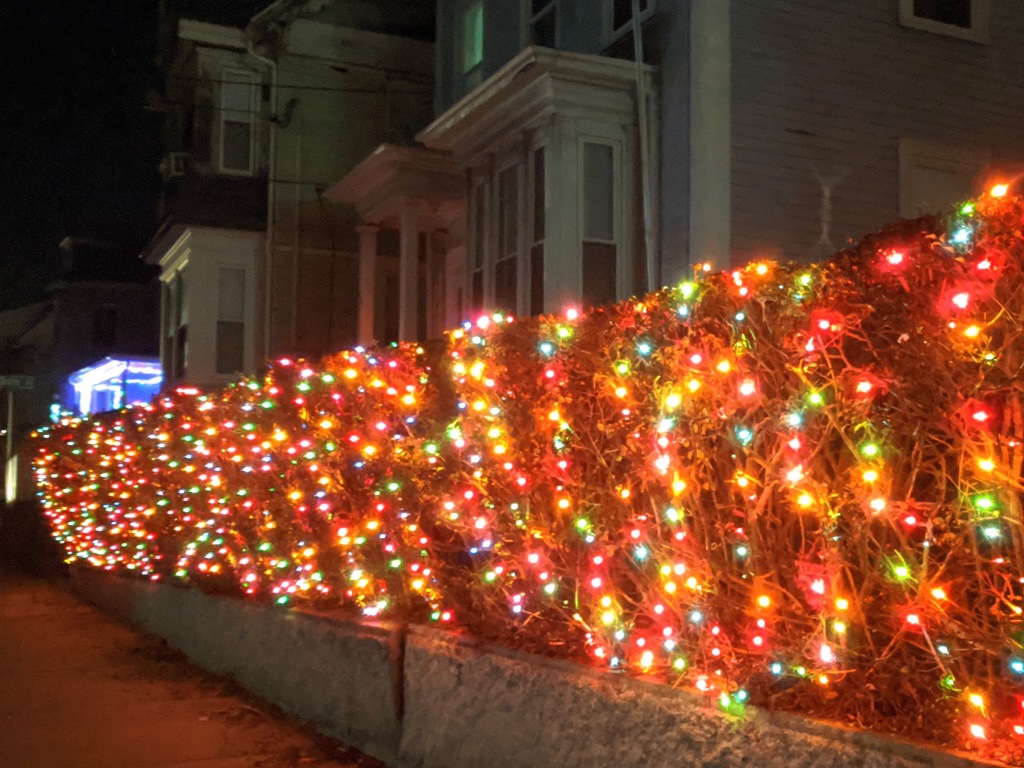

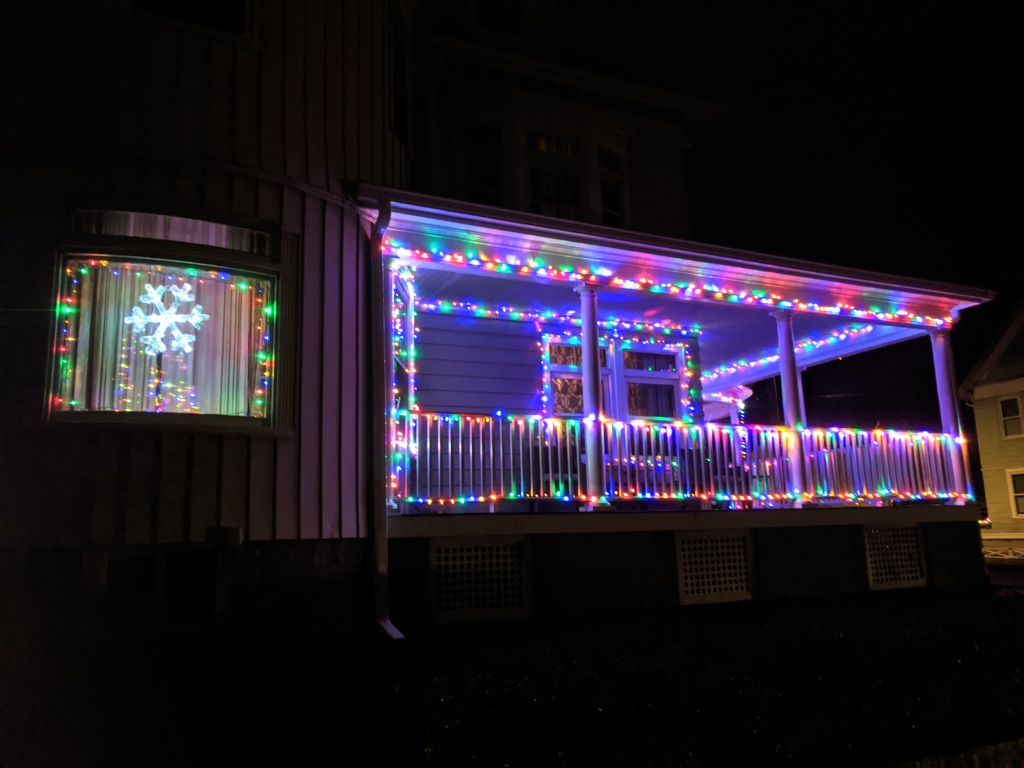
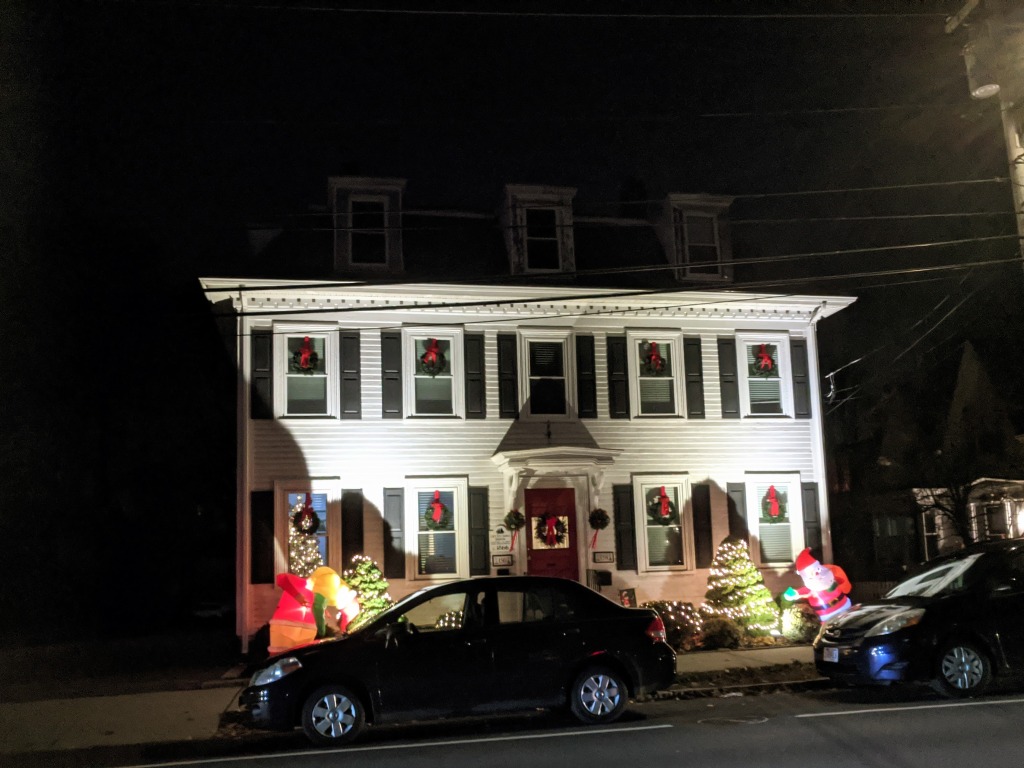
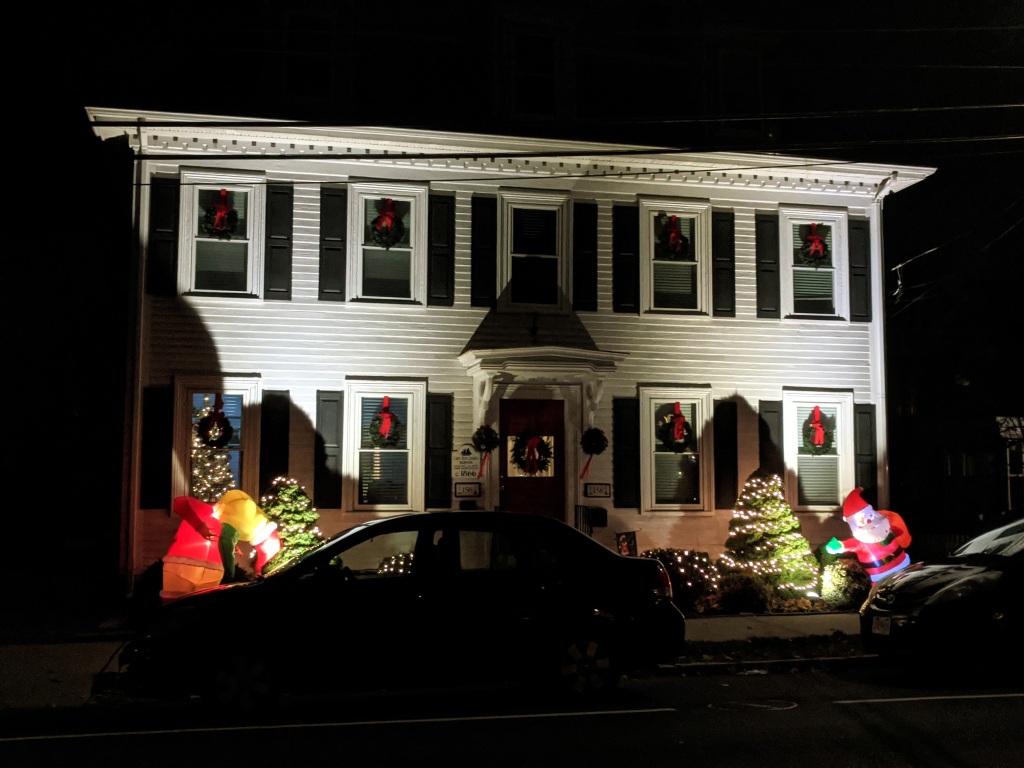

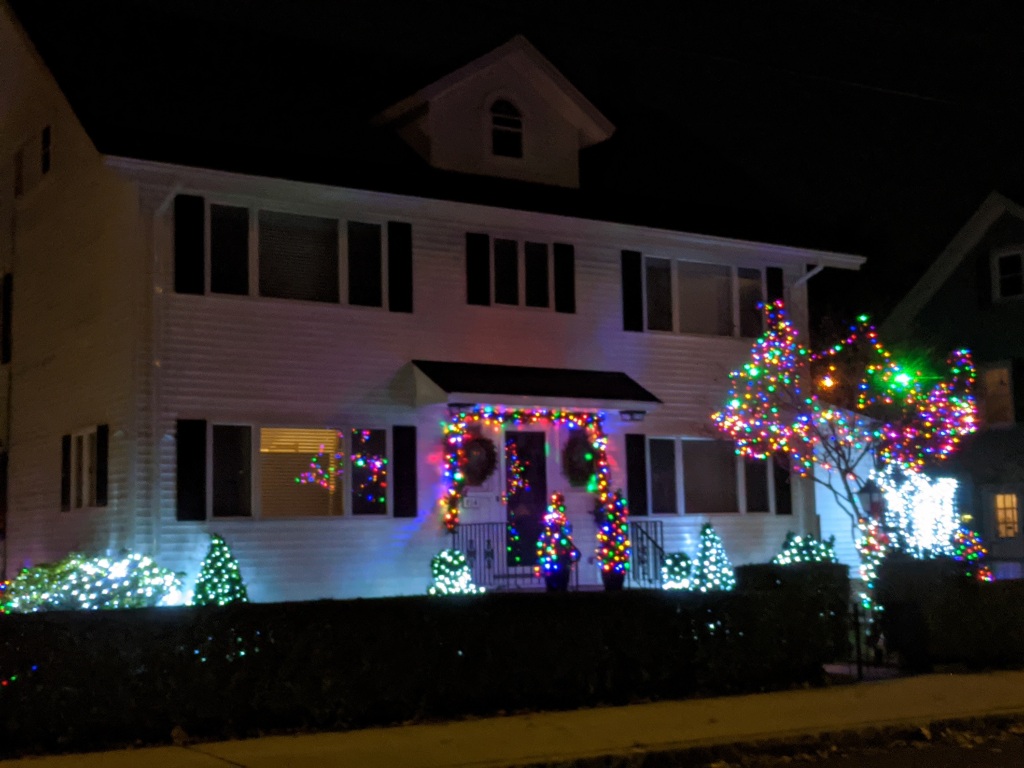
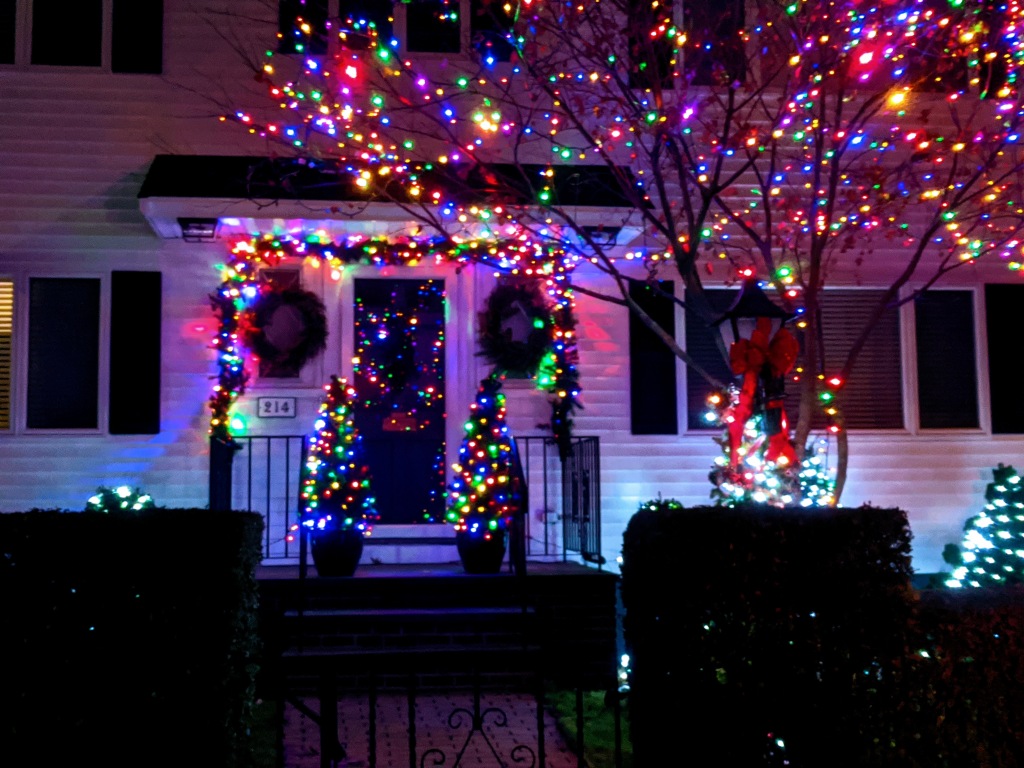
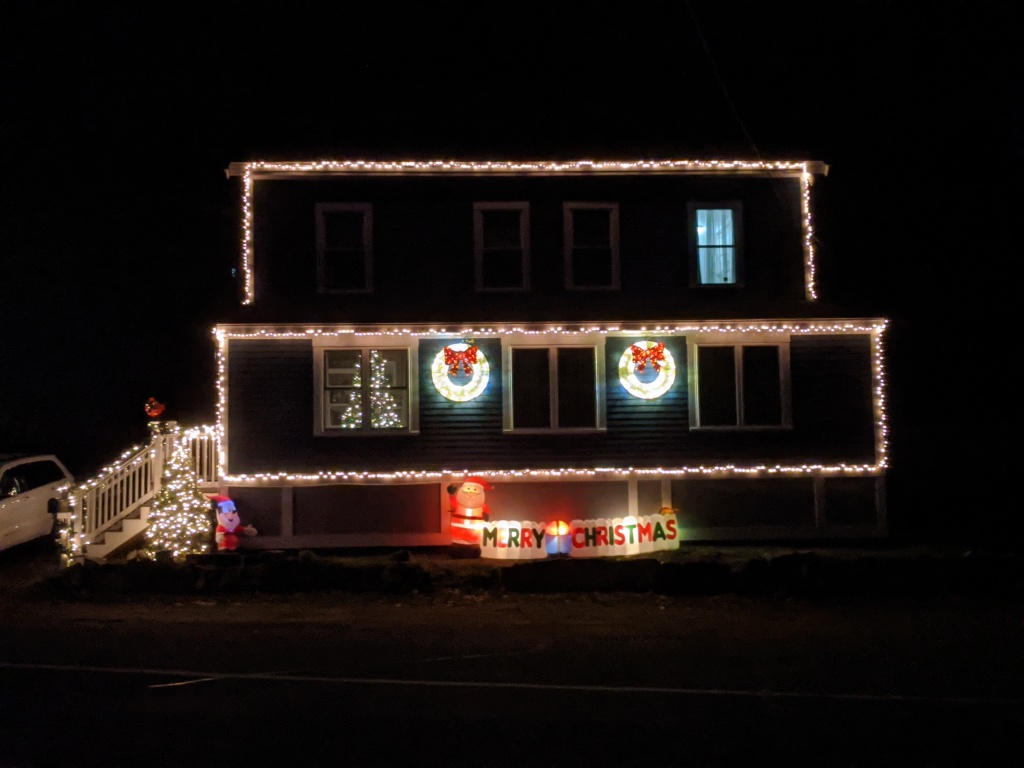

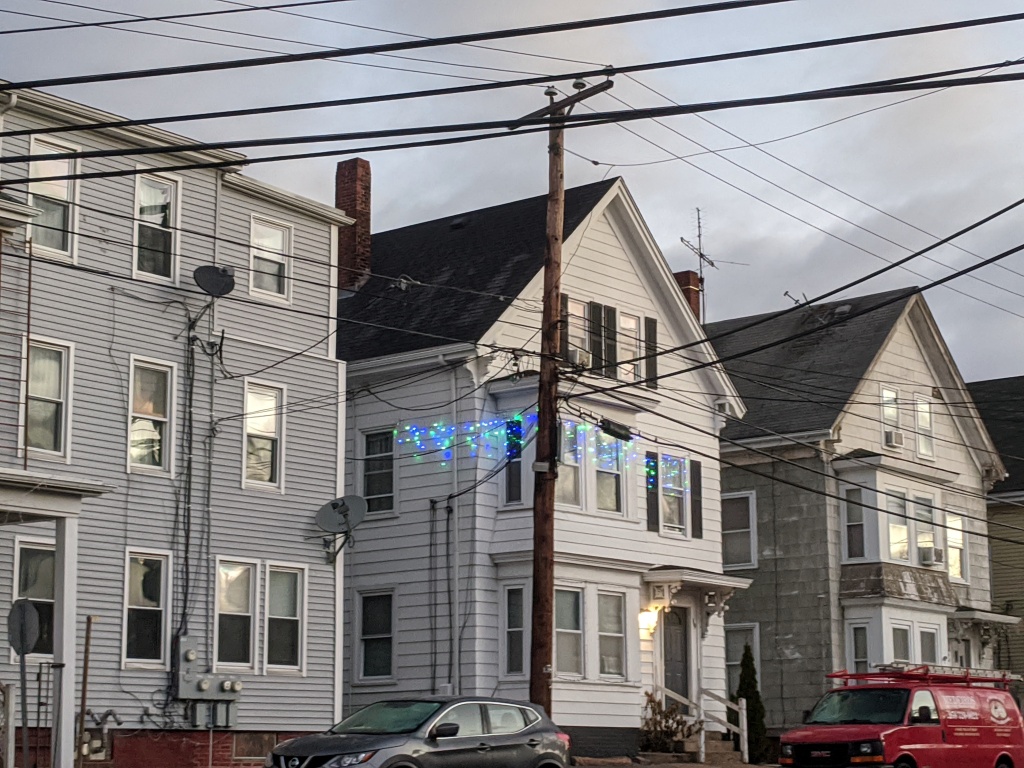

Trends so far? 2022 is looking like The Year of “JOY” signs, which by the way is an easy & cheery Ispy addition for Holiday Lights and Cocoa Drives. Also, illuminated green sequined wreaths and evergreen kissing ball pairs framing doors.
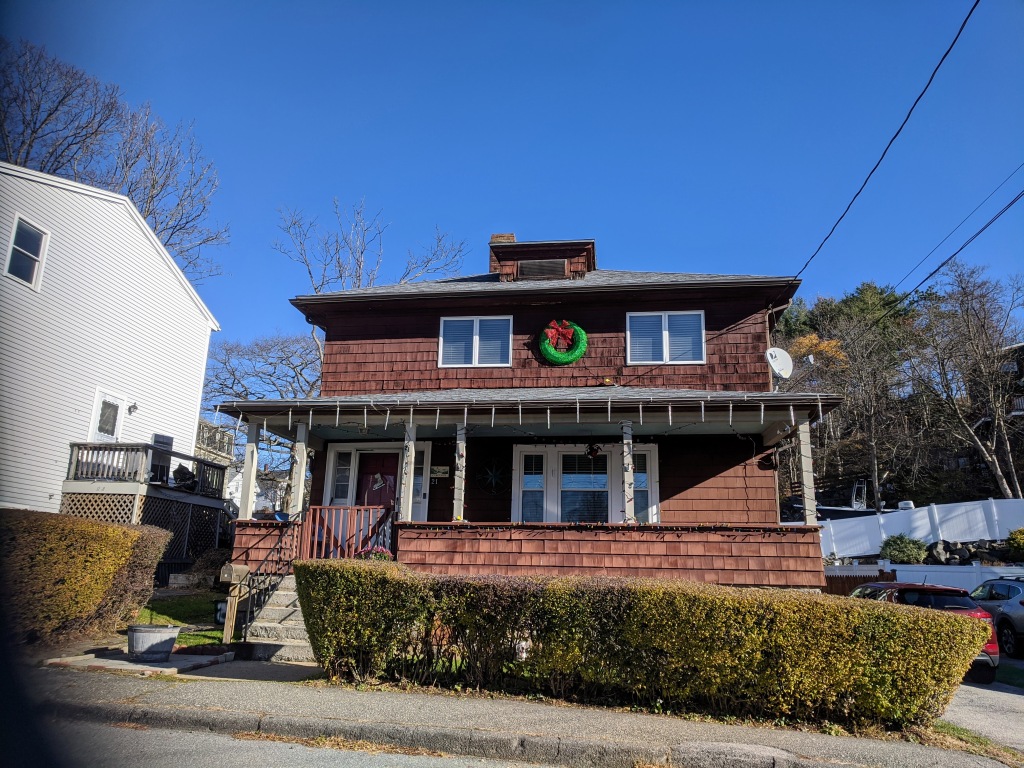
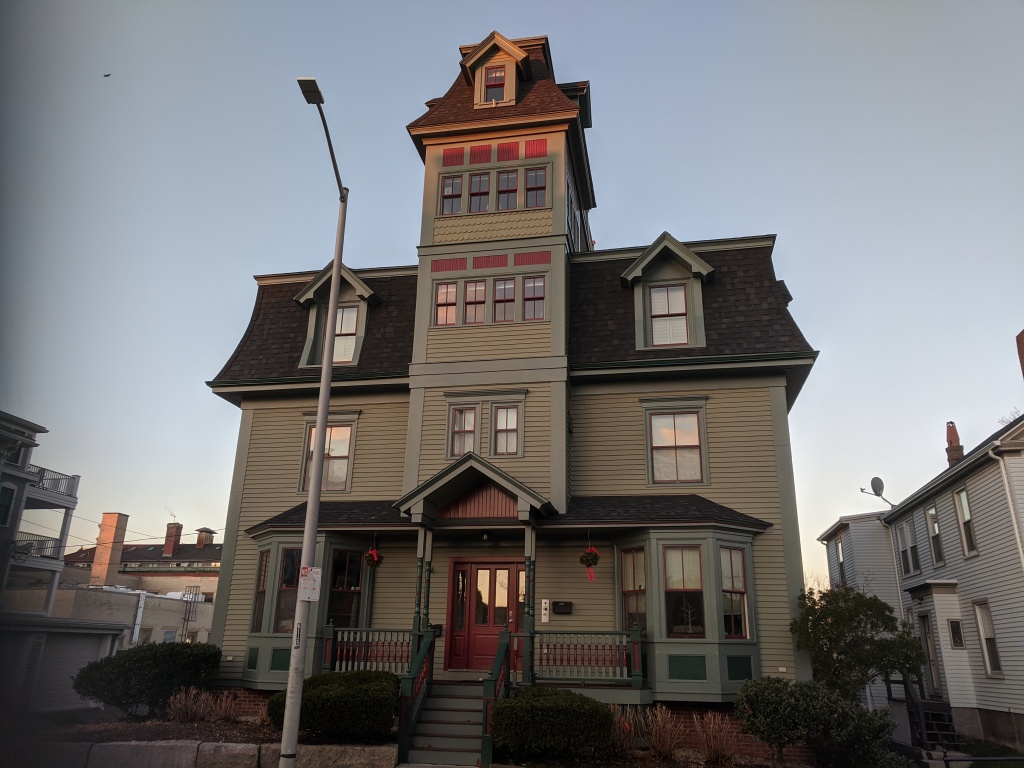
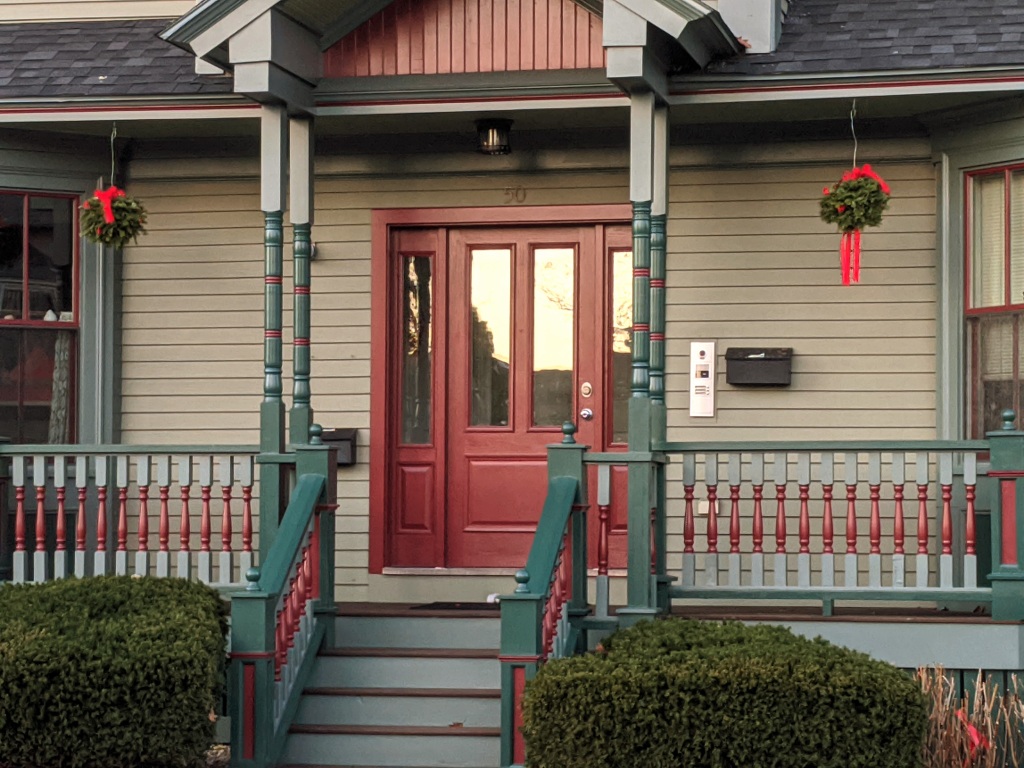
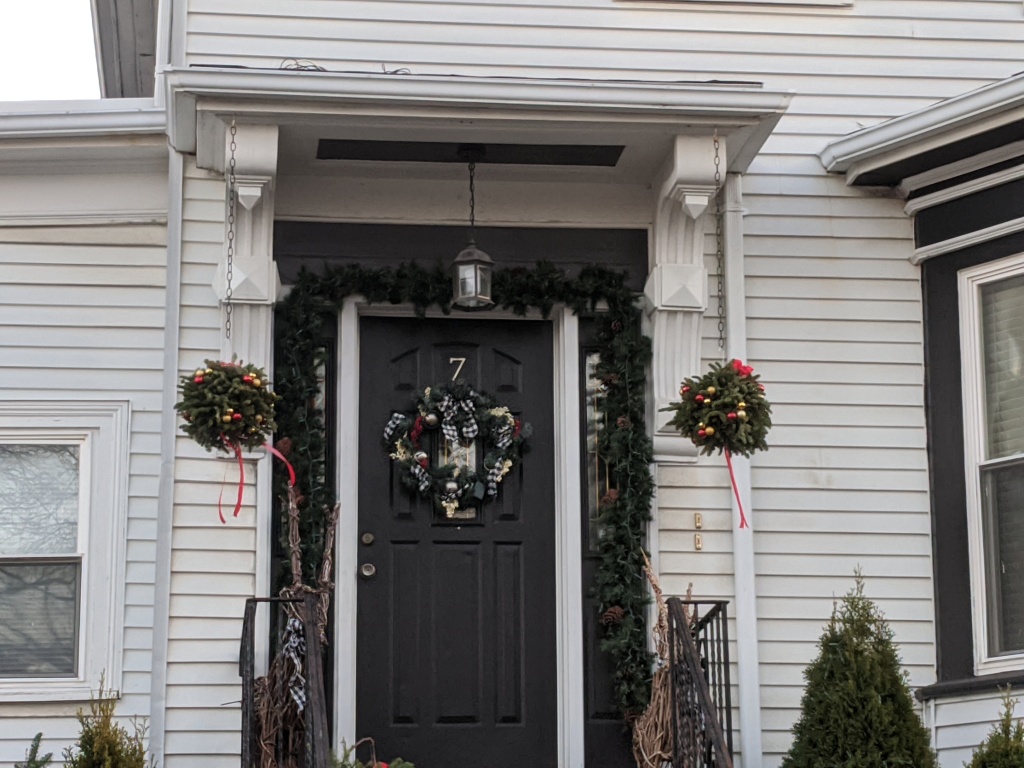


It’s easy touring whether by car or via smartphone, desktop, or preferred device. Grab a hot chocolate and go or view from home! Imagination and themed repeat visits encouraged.
Notes about the map: This map is great in the embed mode because when you scroll down, each house photo(s) pop up, with a big arrow that directs you to that one point. From a desktop, hovering or right clicking the house icons reveal the photos for each pinpoint. For those who prefer a paper copy –which doubles as a seek and find sheet–click on the three vertical dots and then select “print” (horizontal mode best) from pull down menu. You can also google search Holiday Lights and Cocoa Drives Good Morning Gloucester.
2021 Map here
2020 Map here

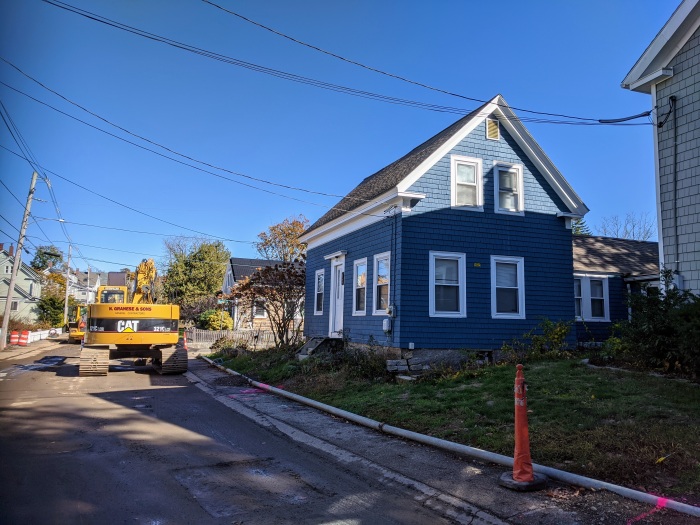
October 30, 1926 – 96 years ago today

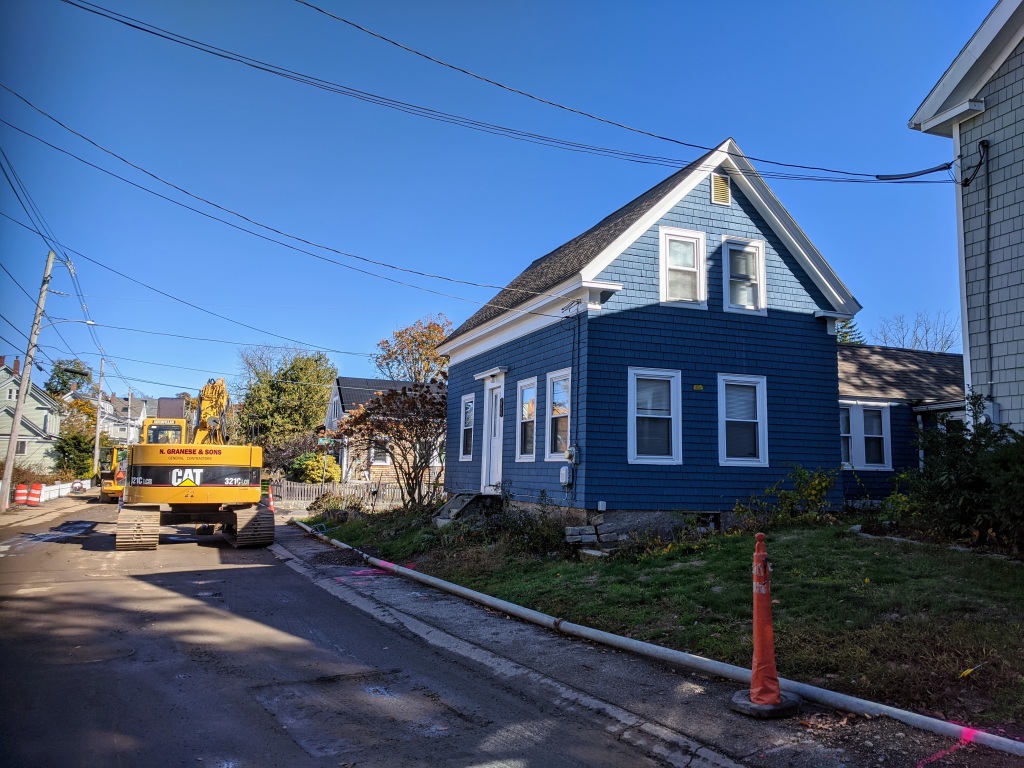

photo description: 92 Mt. Pleasant THEN detail from Sanborn Fire Insurance map, 1917; 92 Mt. Pleasant NOW (same footprint)
“Gloucester, Oct. 30
Hale and hearty at the age of 90, Capt. William W. Foster, an ancient mariner of East Gloucester, strolls down to the wharves every day, puffs his pipe and looks with optimistic eye on life in general, and the passing fishing schooners remind him of his early experiences.
Capt. Foster was born in Port Medway, N.S., Oct. 20, 1836*. He lives with his daughter, Mrs. Susan B. Eason, wife of patrolman W. Wallace Eason of the Police Department, at 92 Mt. Pleasant av, East Gloucester. There, Oct. 20, he quietly observed his 90th birthday.
Capt. Foster’s life has been mainly passed on the seas. Until he was 15 he worked on his father’s farm. Then he went fishing for the Summer. The next year he shipped on a salt fishing trip to the Labrador and for many years thereafter followed the sea, fishing, and on merchant voyages to the West Indies.
He was married in 1872 to Miss Patience Cole of Liverpool, N.S., after which he worked as a stevedore at that place. In 1877 he shipped on a voyage to the Grand Banks.
The vessel came to Gloucester to dispose of her cargo.
Mr. Foster liked the old fishing town so much that he determined to make it his home and so shipped out of here on fishing voyages and worked around the wharves. in 1882 he sent for his wife and family.
In January, 1903, his wife died and his daughter, Dezlah, assumed the duties of mistress of the home until 1911, when he received word from his mother that his father had died. Then he went home to live with his mother until 1916 when his mother died. In 1923, his son, Harry W. Foster of the police department went down to Port Medway and brought him back to Gloucester.
Captain Foster is in good health. he reads the papers and magazines with the aid of glasses. Except once when he was taken with the cramps, he never has had the services of a physician. While he enjoys a good smoke he has always been an abstainer from liquor.
His grandfather, Joseph Foster, died at 93.
His father, Benjamin, lived until 92.
His mother saw the ripe old age of 103.
He has two sons, Harry and J. Mack, and two daughters, five grandchildren and seven great grandchildren.”
Boston Globe, 1926
Capt. Foster returned in Gloucester’s tercentenary year, and stayed until his death in 1928. His daughter, Susan, died Oct. 31, 1966. Her husband was officer W. Wallace Eason. Capt. Foster’s son J. Mack died Dec. 10, 1931 (widow Flora G., resided on Highland). In the 1930s, his son Harry W. was employed as a salesman. I wonder what happened to Dezlah.

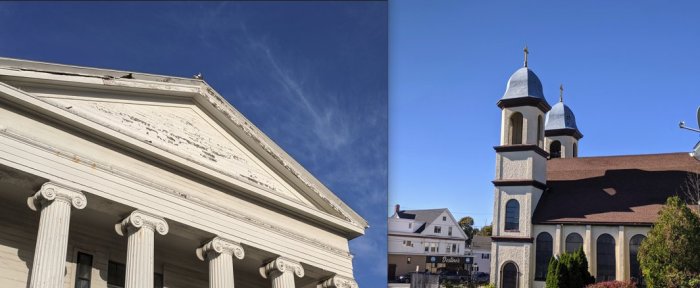
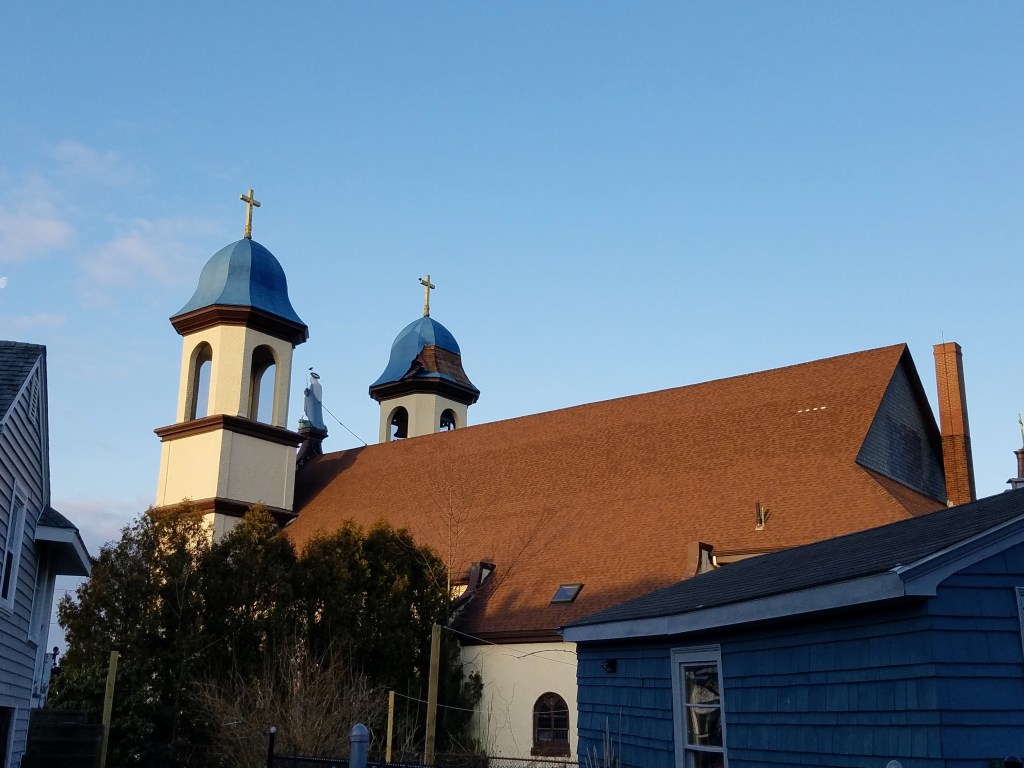
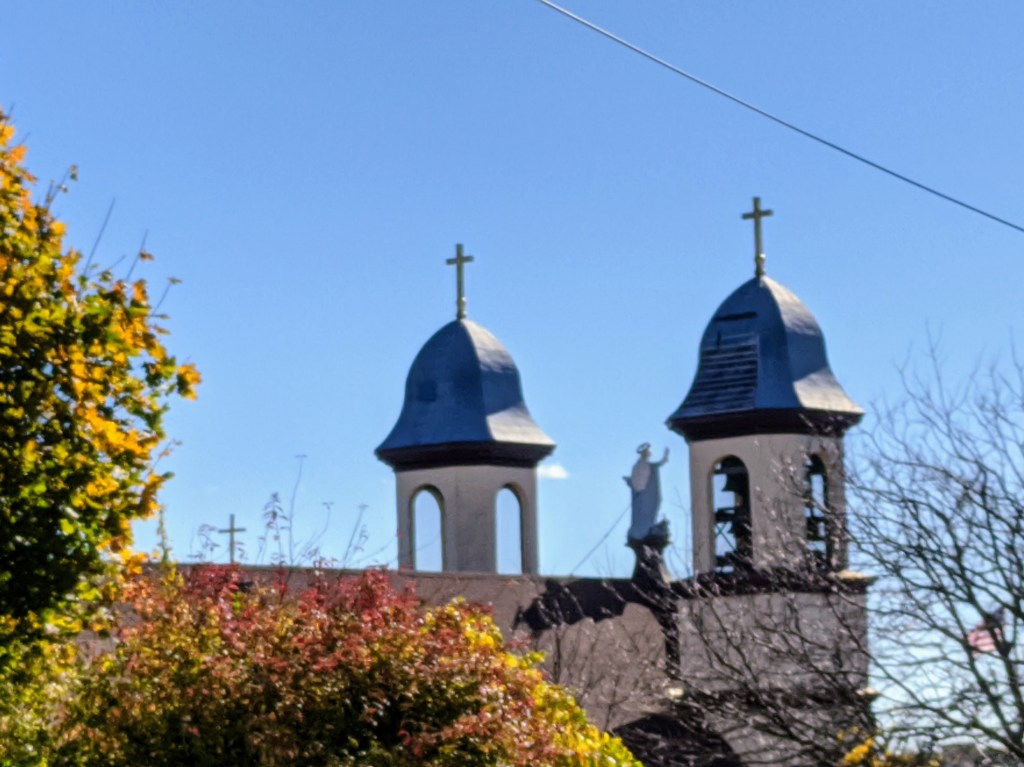
Both buildings require immediate facade care. Preservation goals have been outlined for the Legion that will be necessary, too.
They’re heritage landmarks of cultural significance then and now.
Captain Lester S. Wass Post 3 of the American Legion is located at 8 Washington Street, Gloucester, MA.
Our Lady of Good Voyage is located at 142 Prospect Street, Gloucester, MA.
Private-public partnership projects for incremental studies, phases, projects and initiatives greenlit in Gloucester have been awarded funding support with big price tags: $400,000, 1 million, 4-5 million, 29 million, 56 -90+ million, and incentives. Perhaps **new** endeavors could include care of irreplaceable cultural mainstays as part of their ventures.
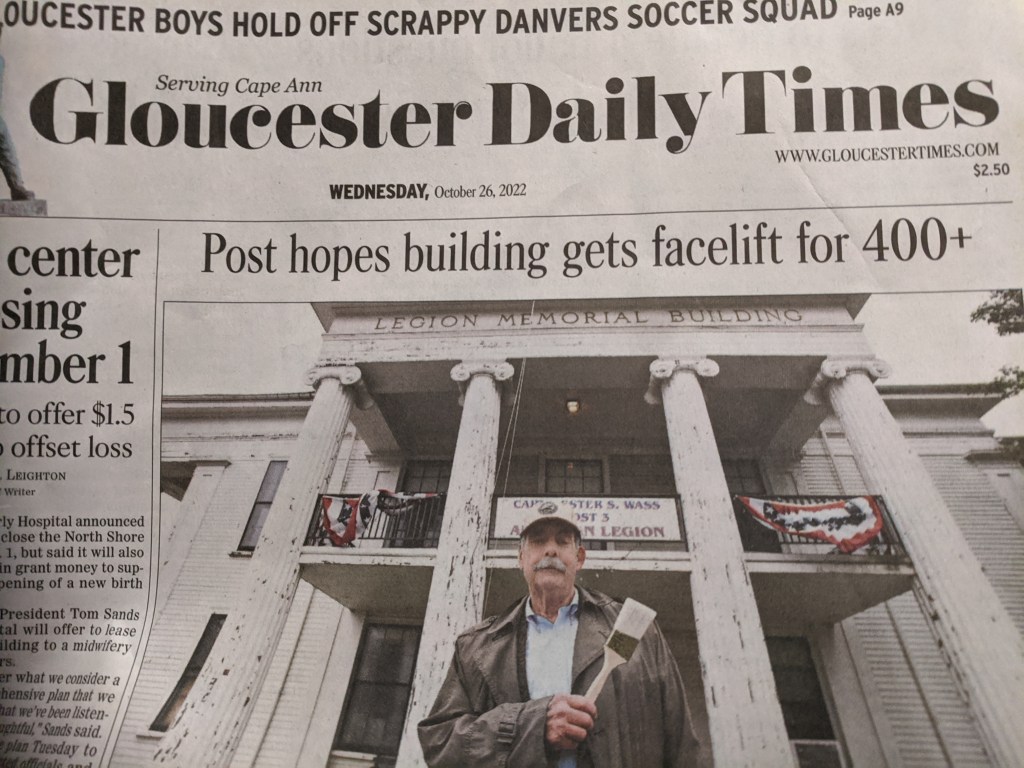
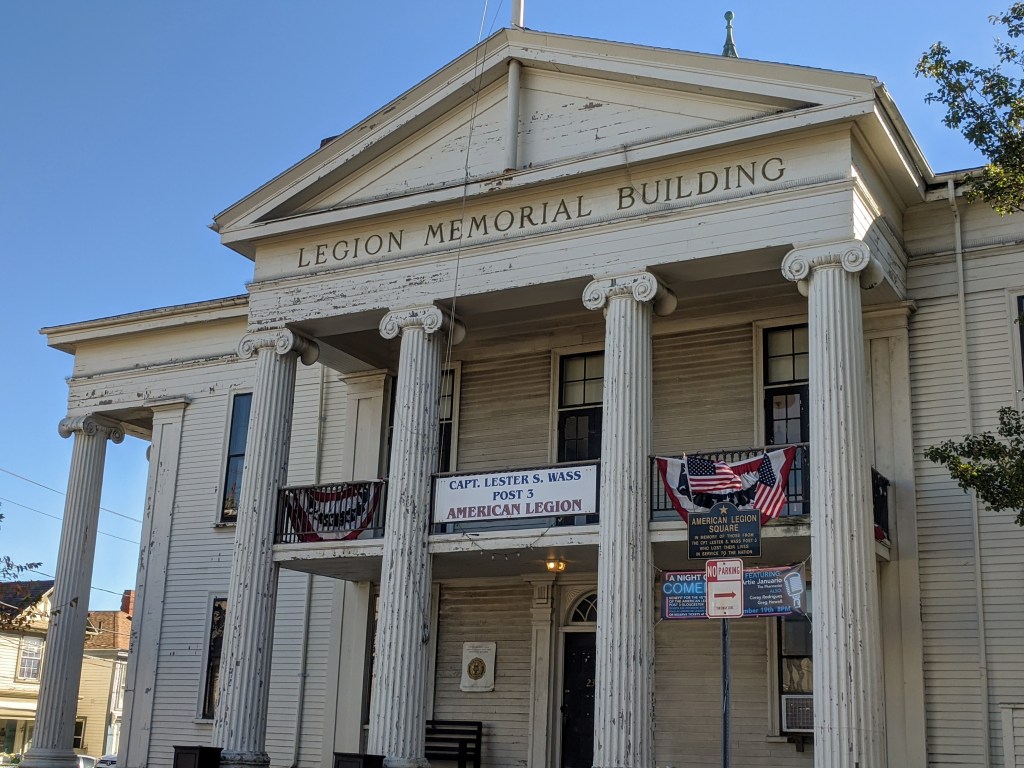
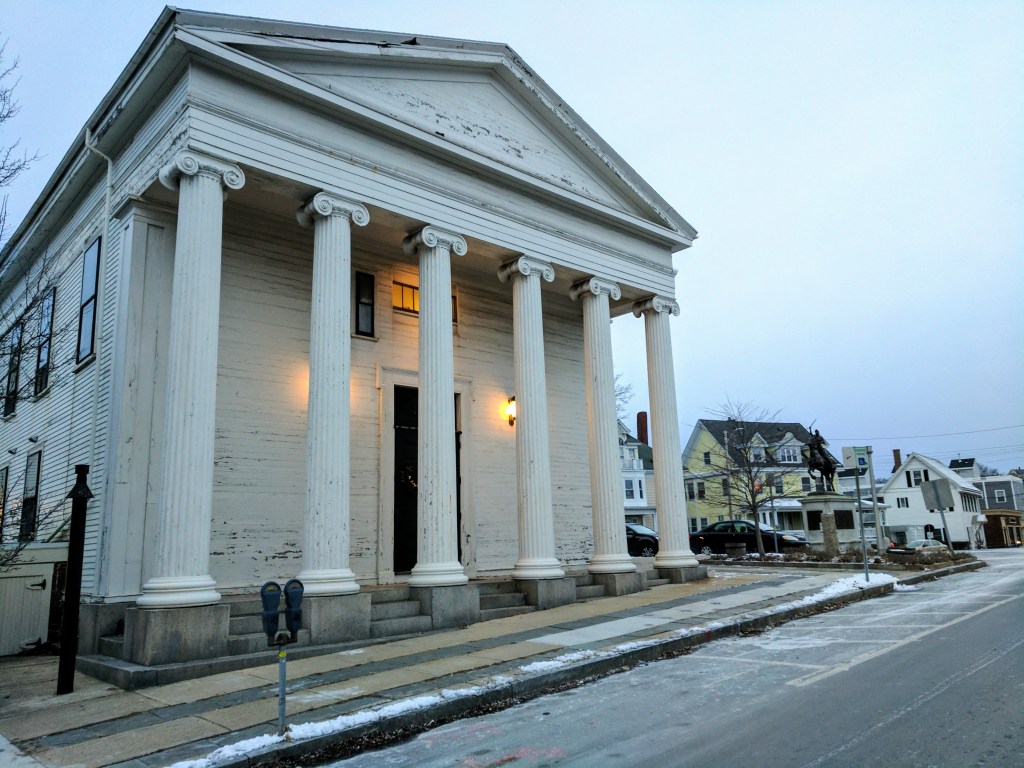
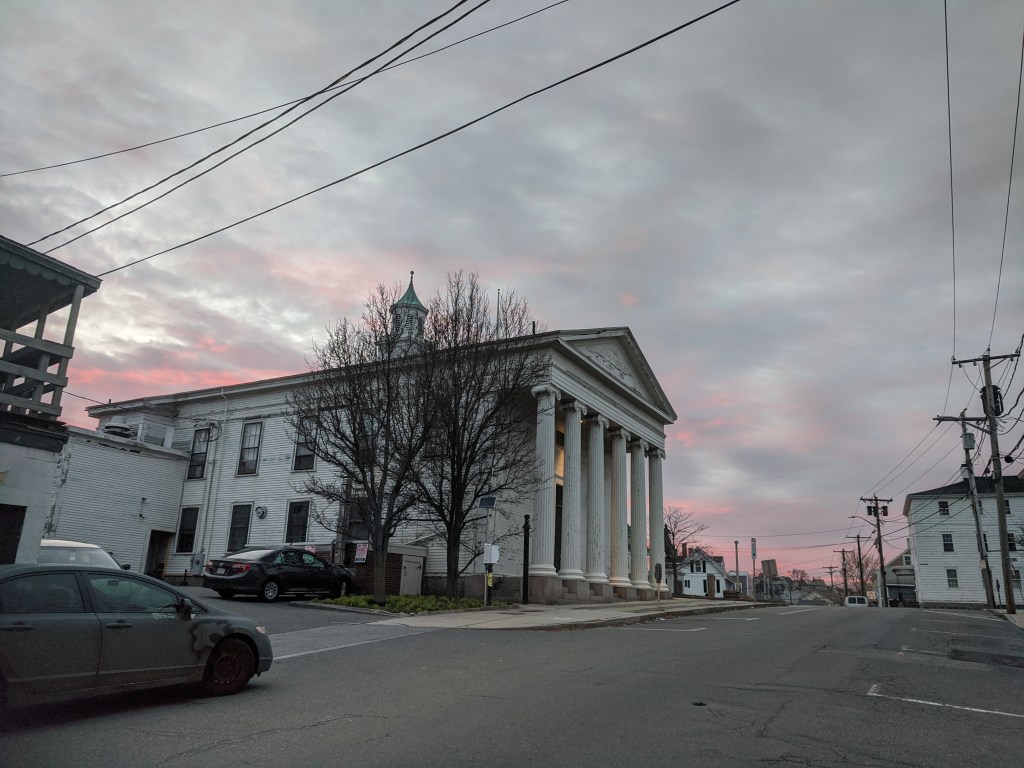
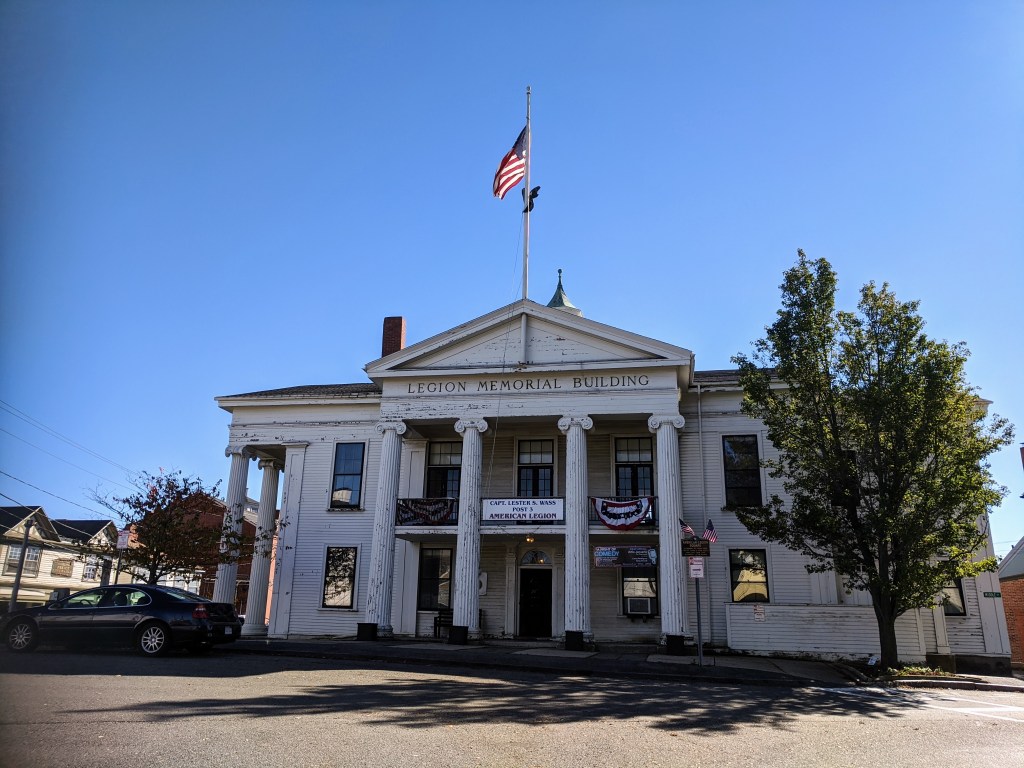
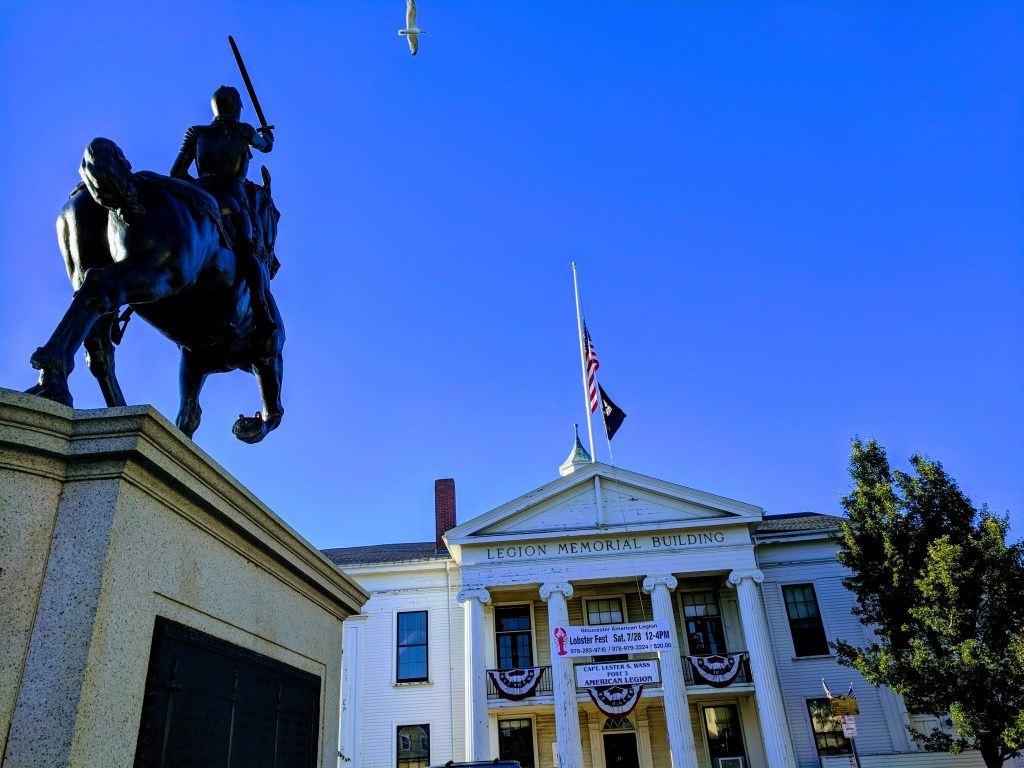
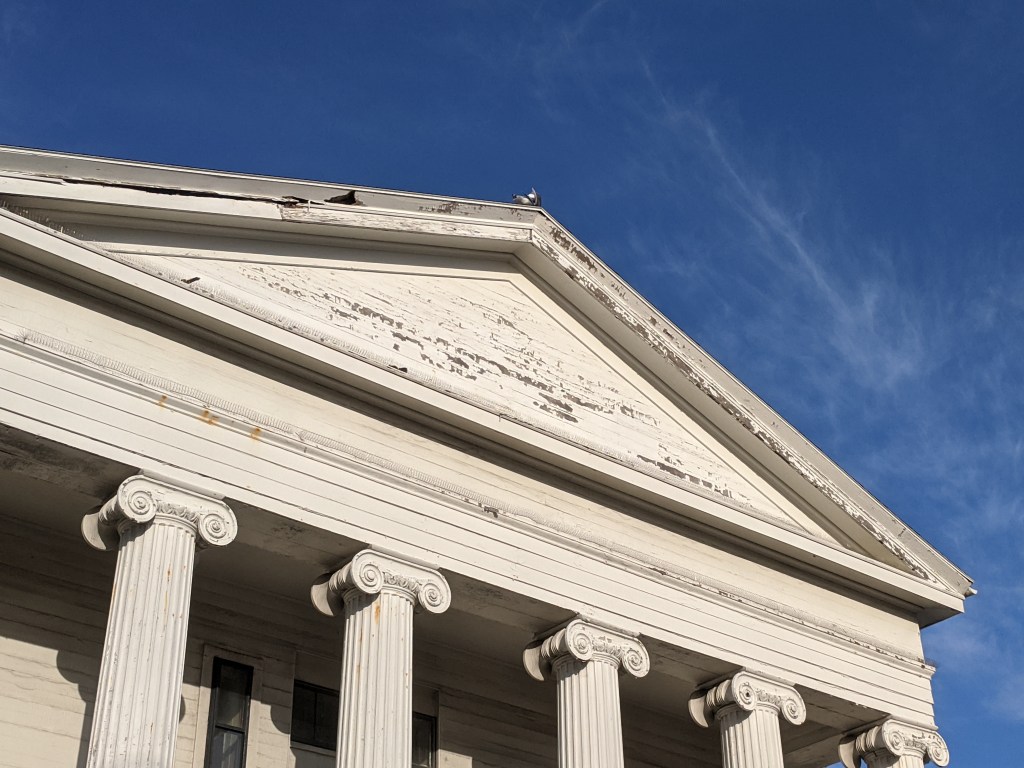
Read more about the Legion then|now here
Legion organizing its own fundraiser – read the Gloucester Daily Times article here
Our Lady of Good Voyage Church – blue domes sustained damage. Read more about it here
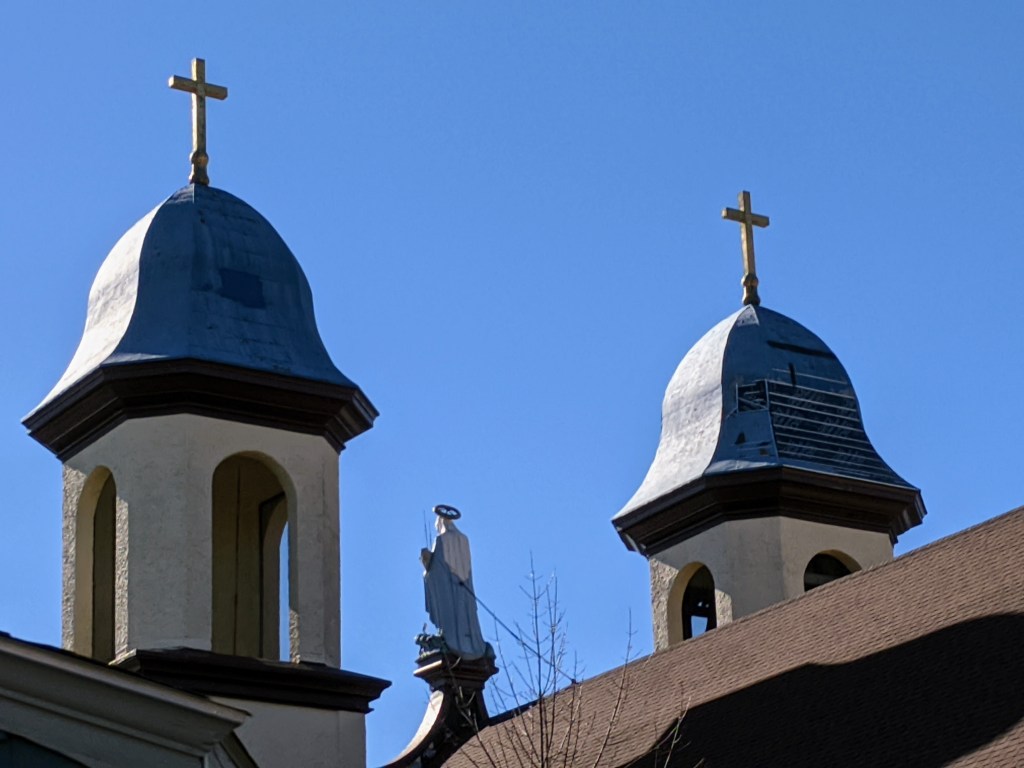
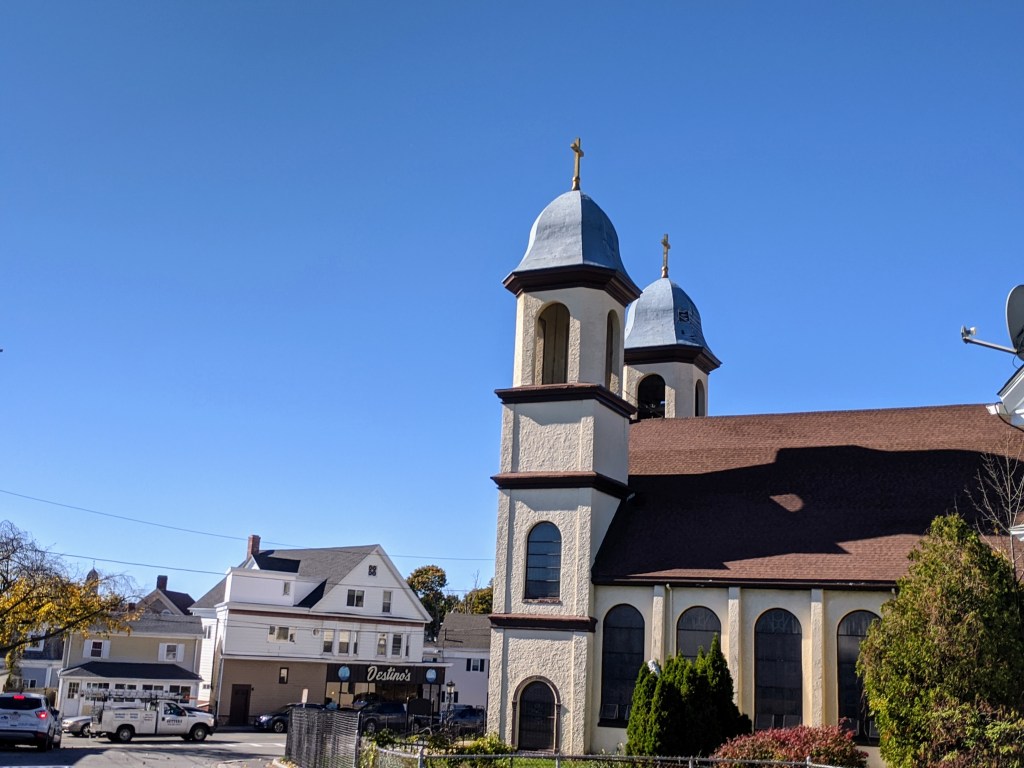

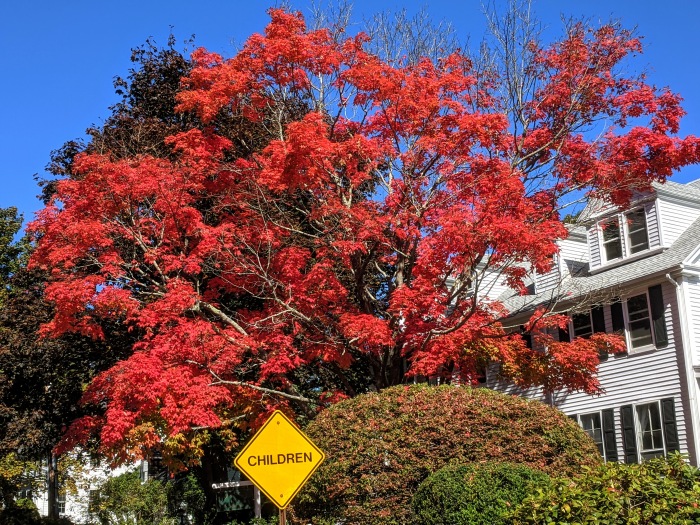
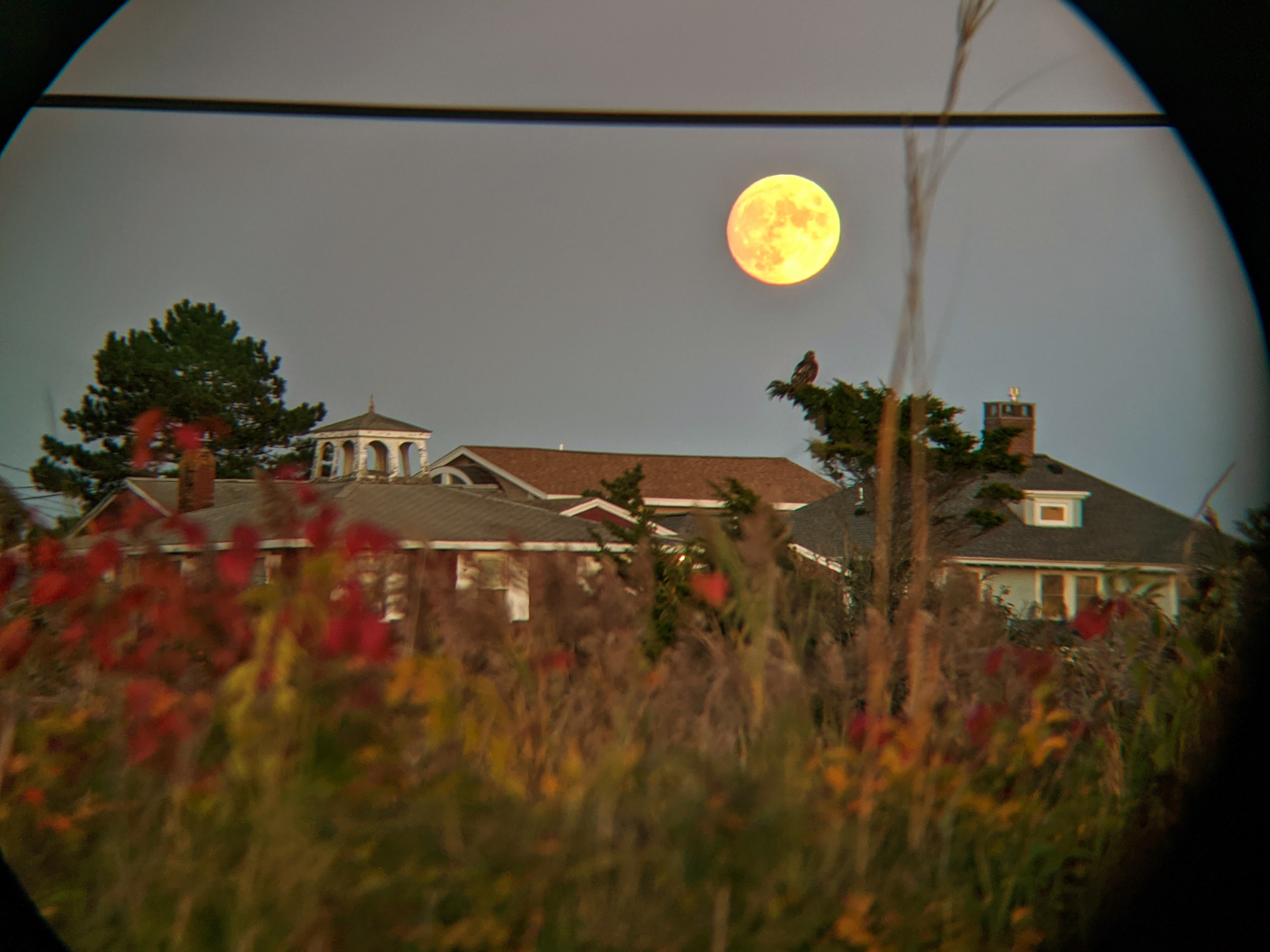
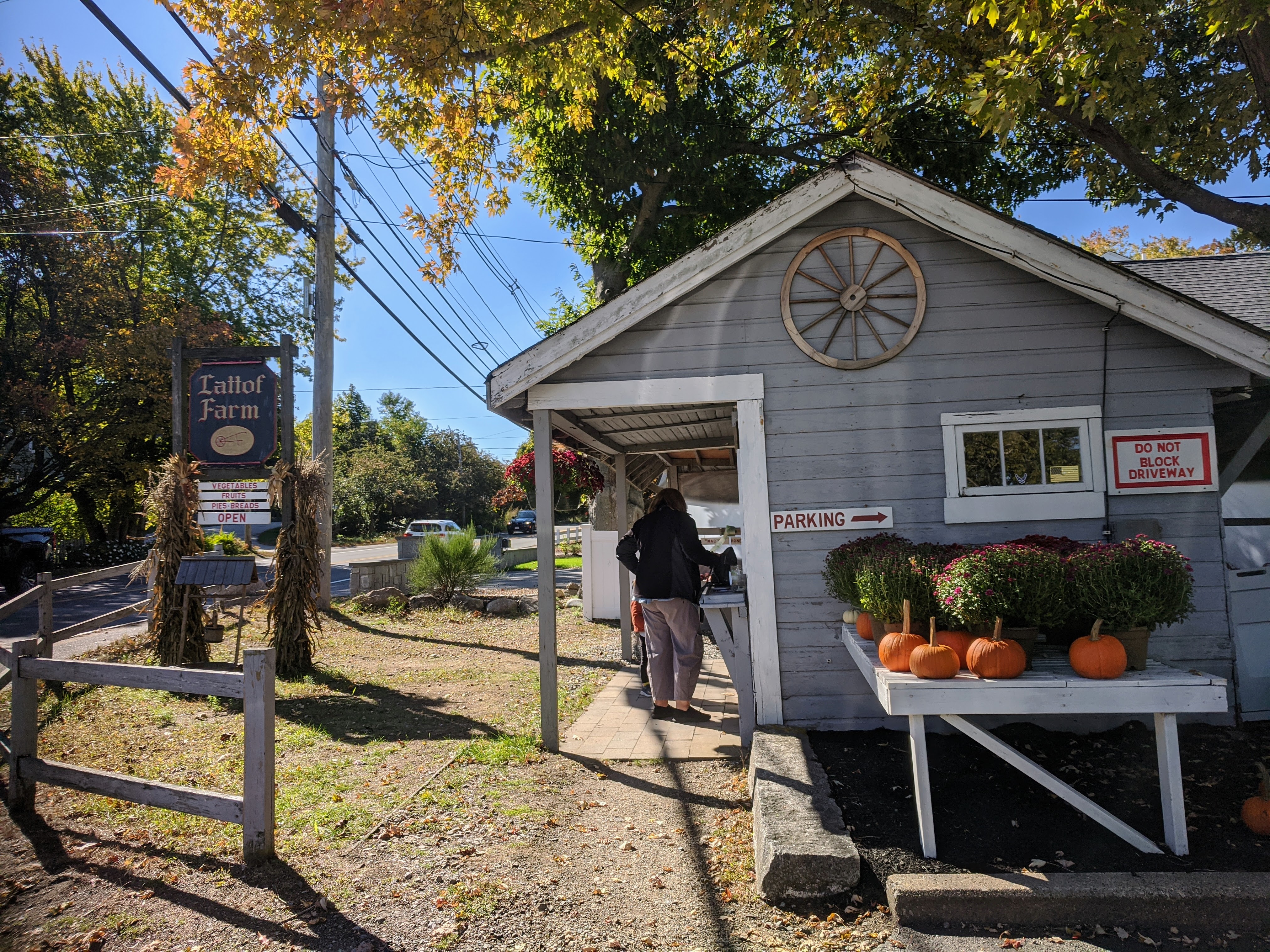
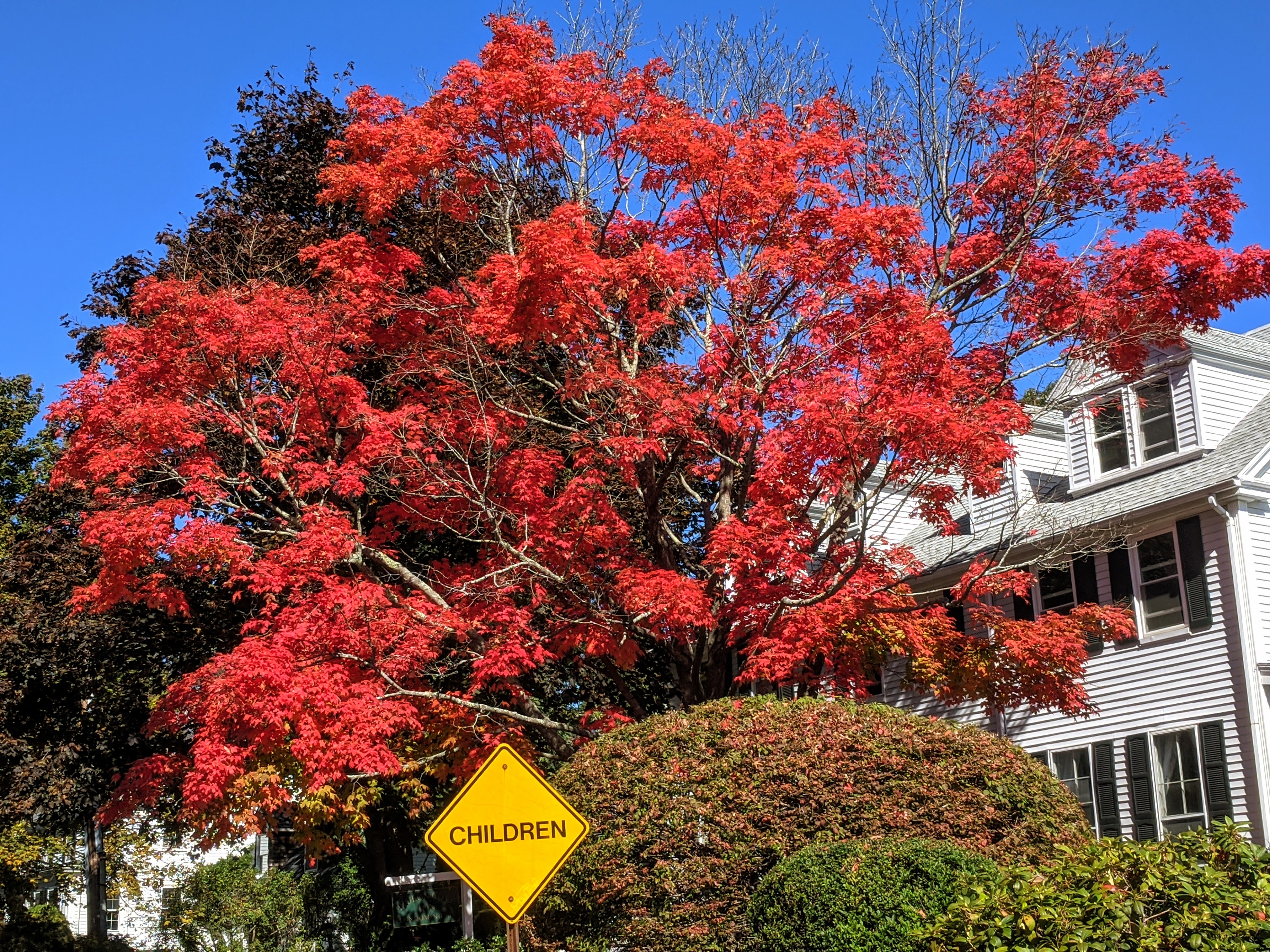
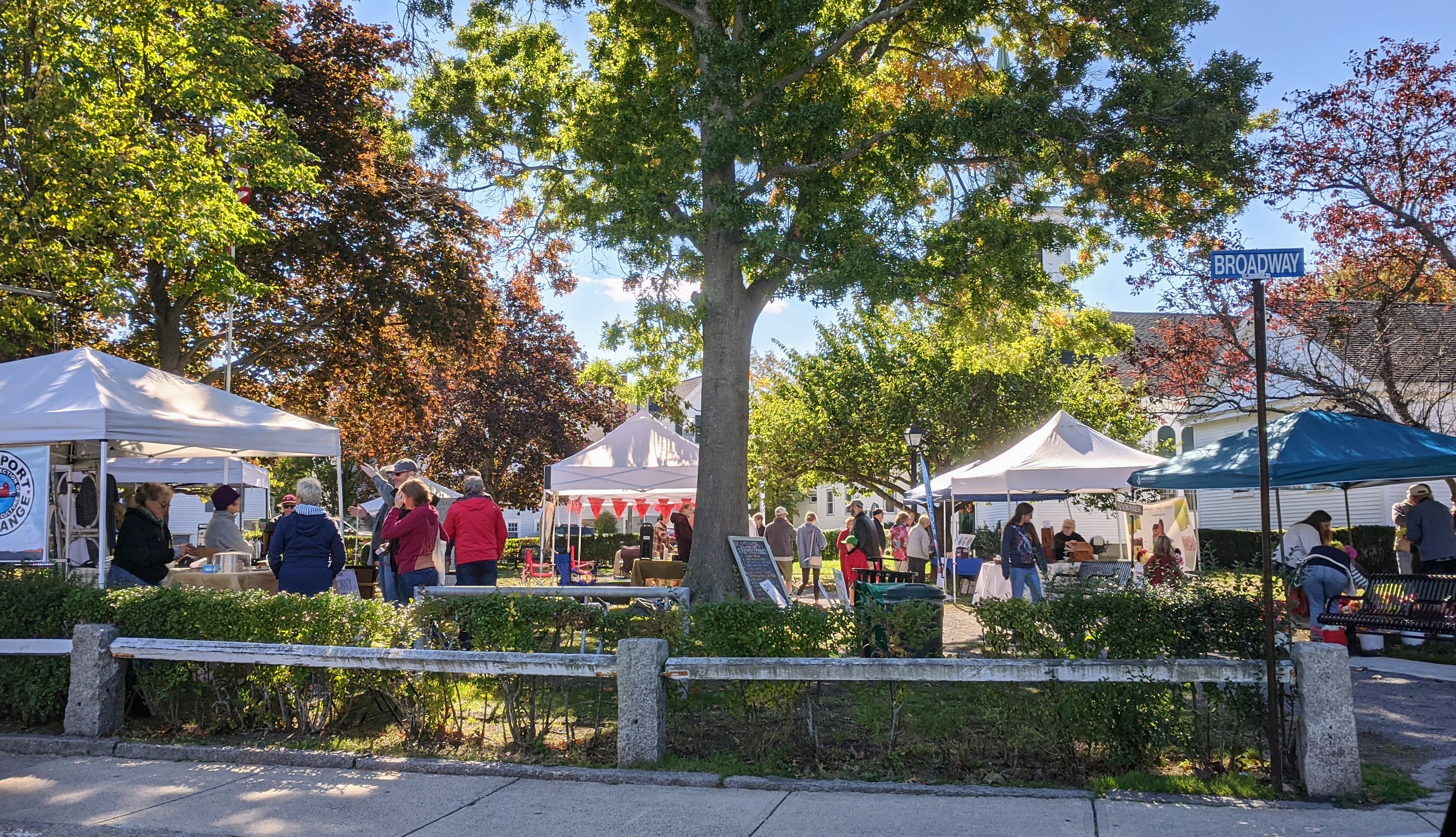
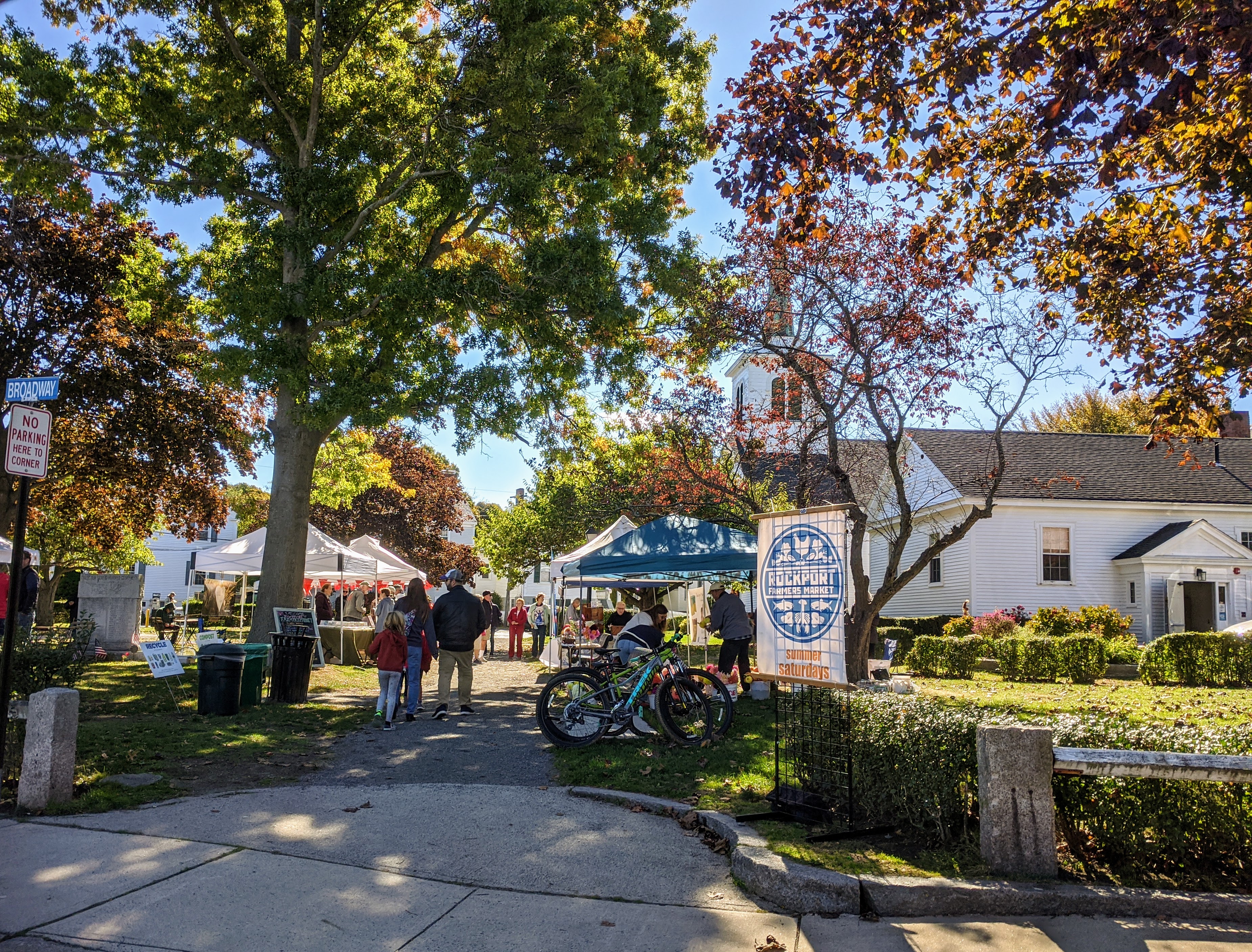
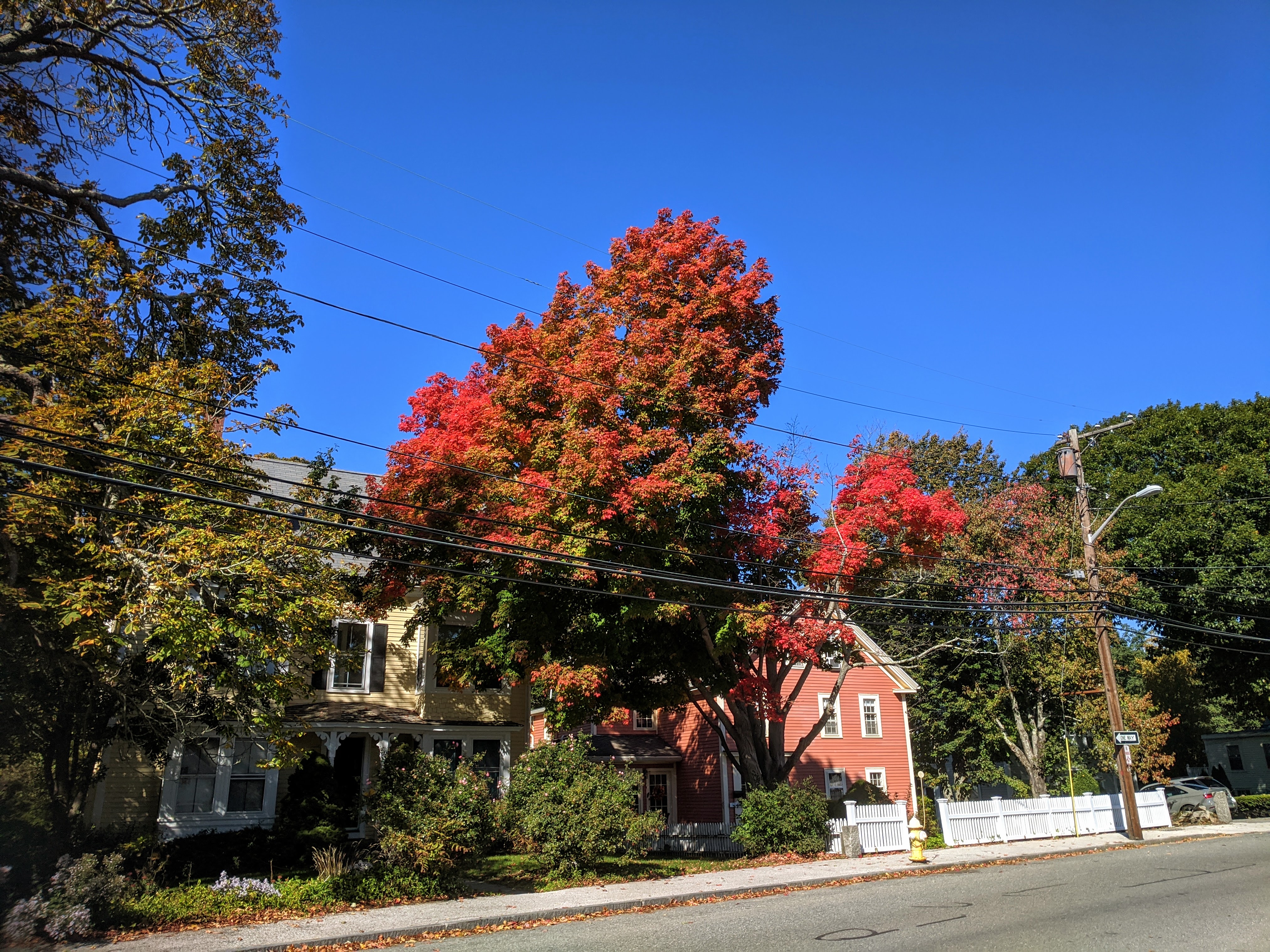
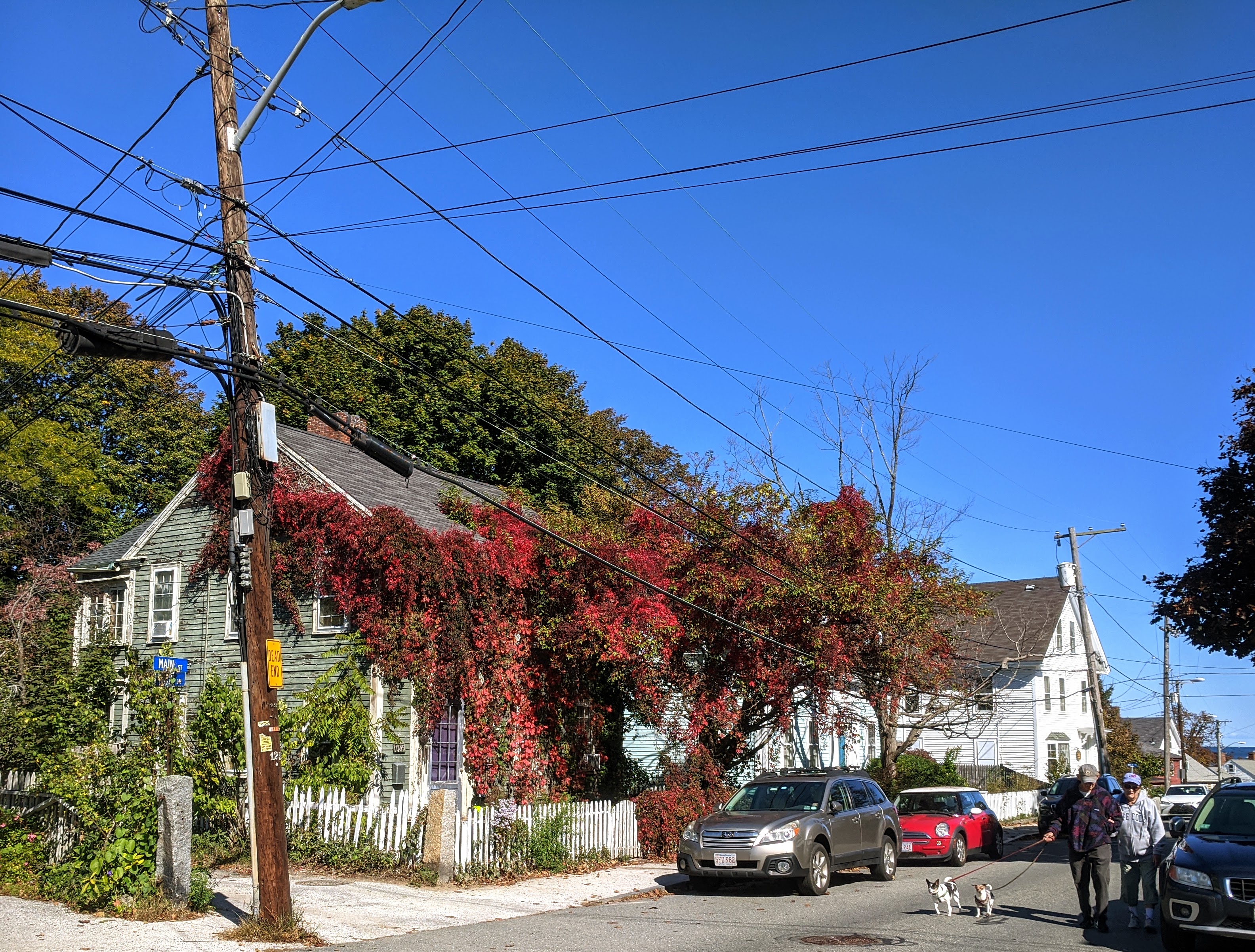
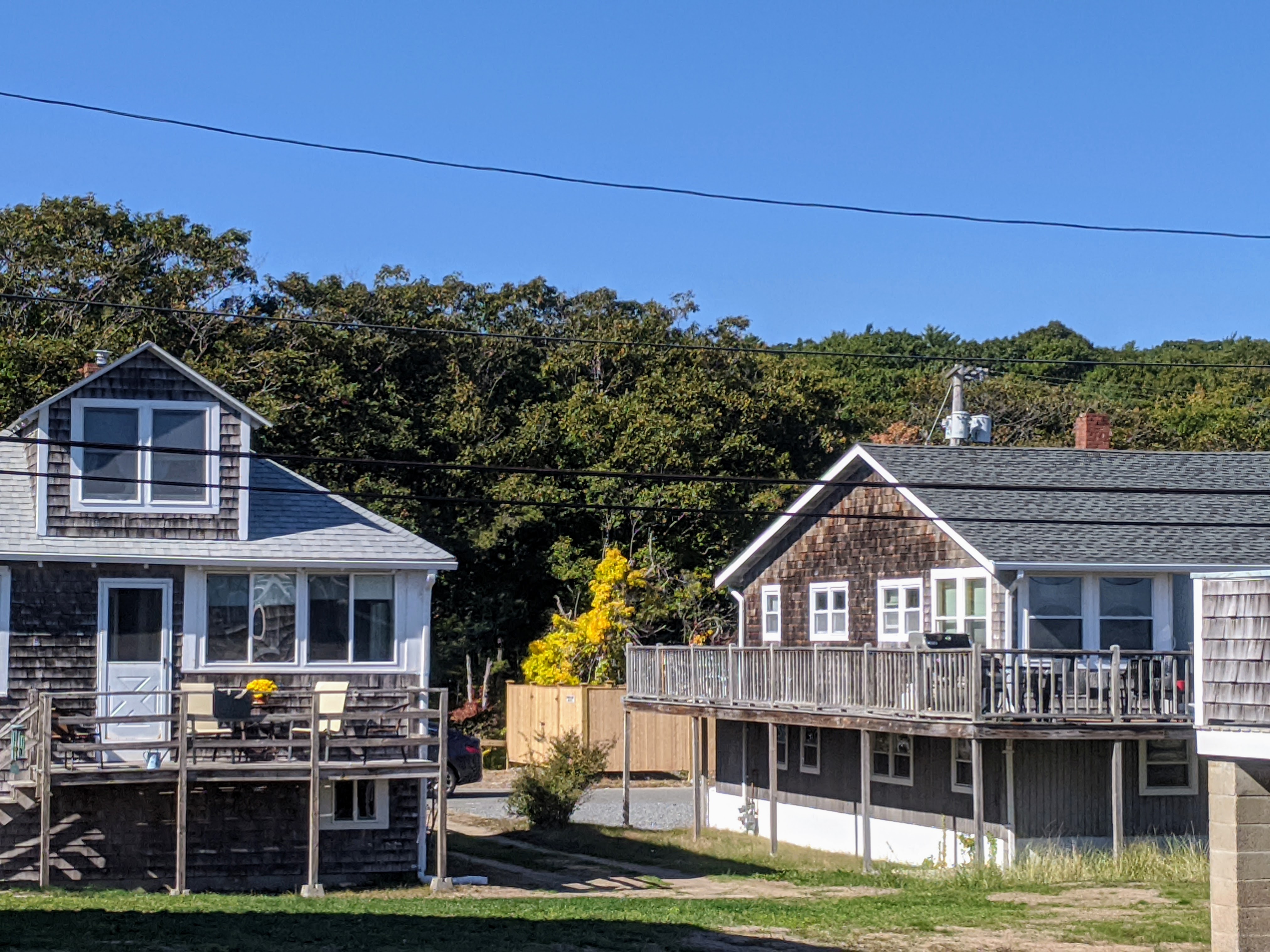
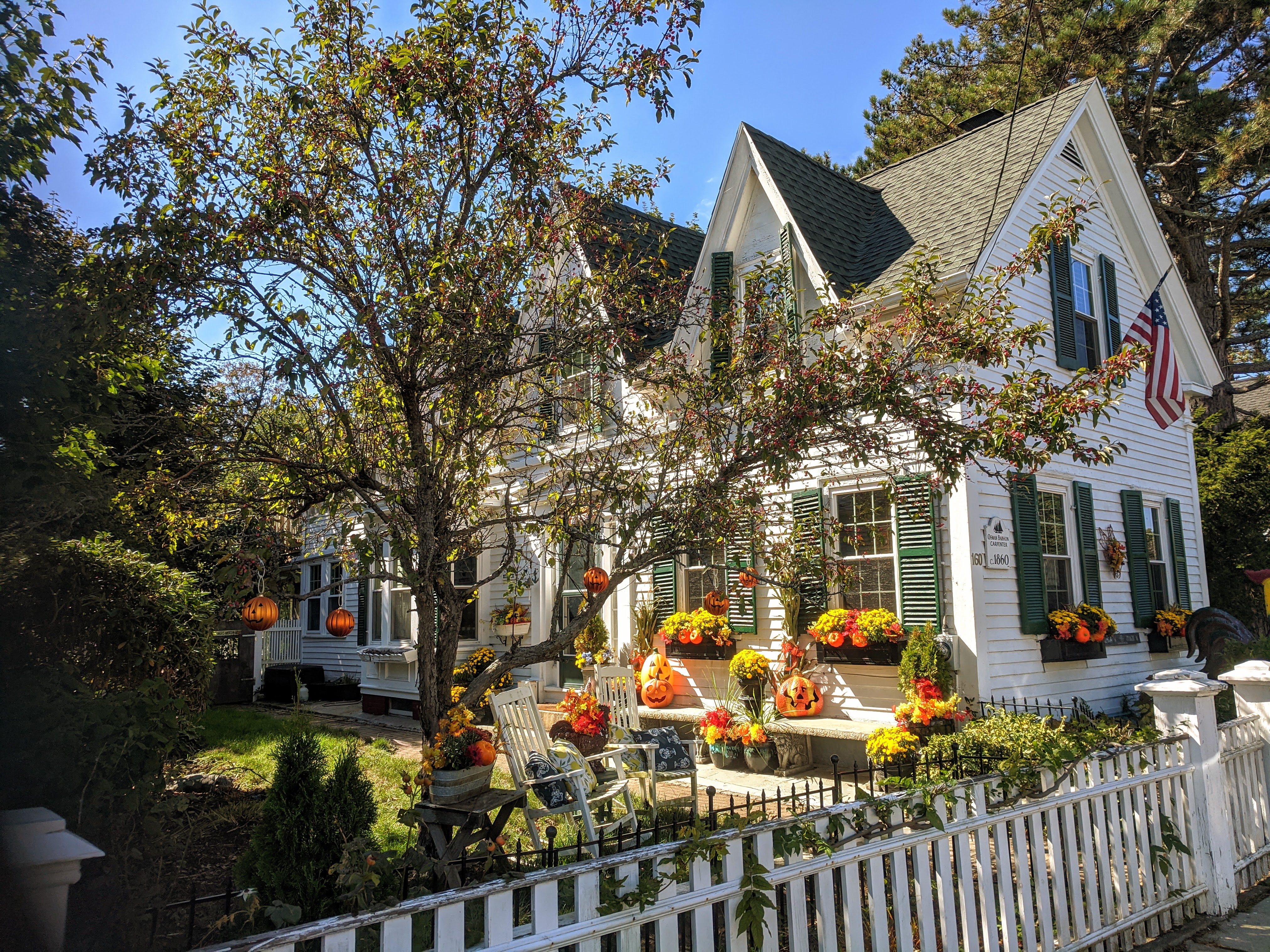
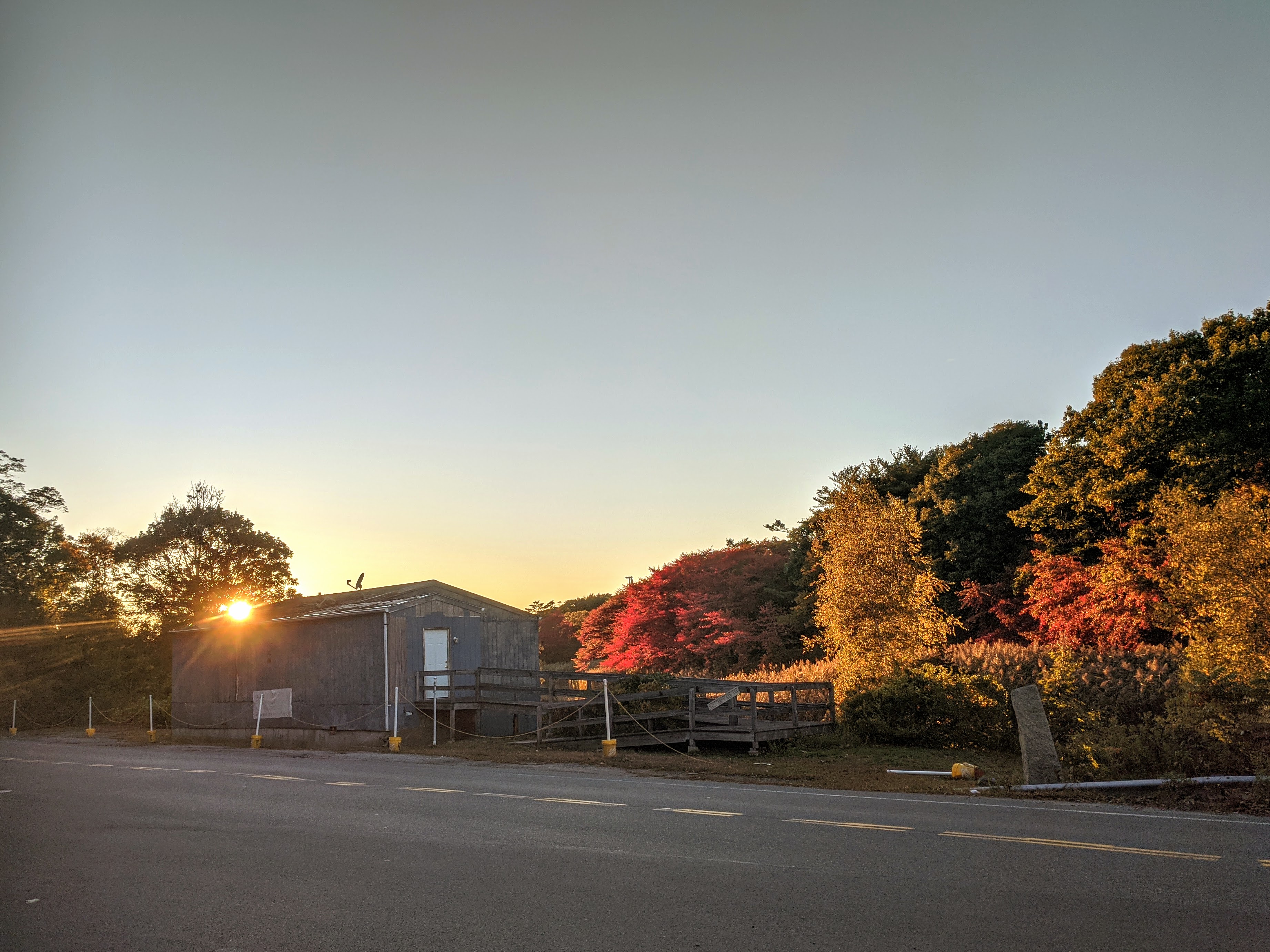
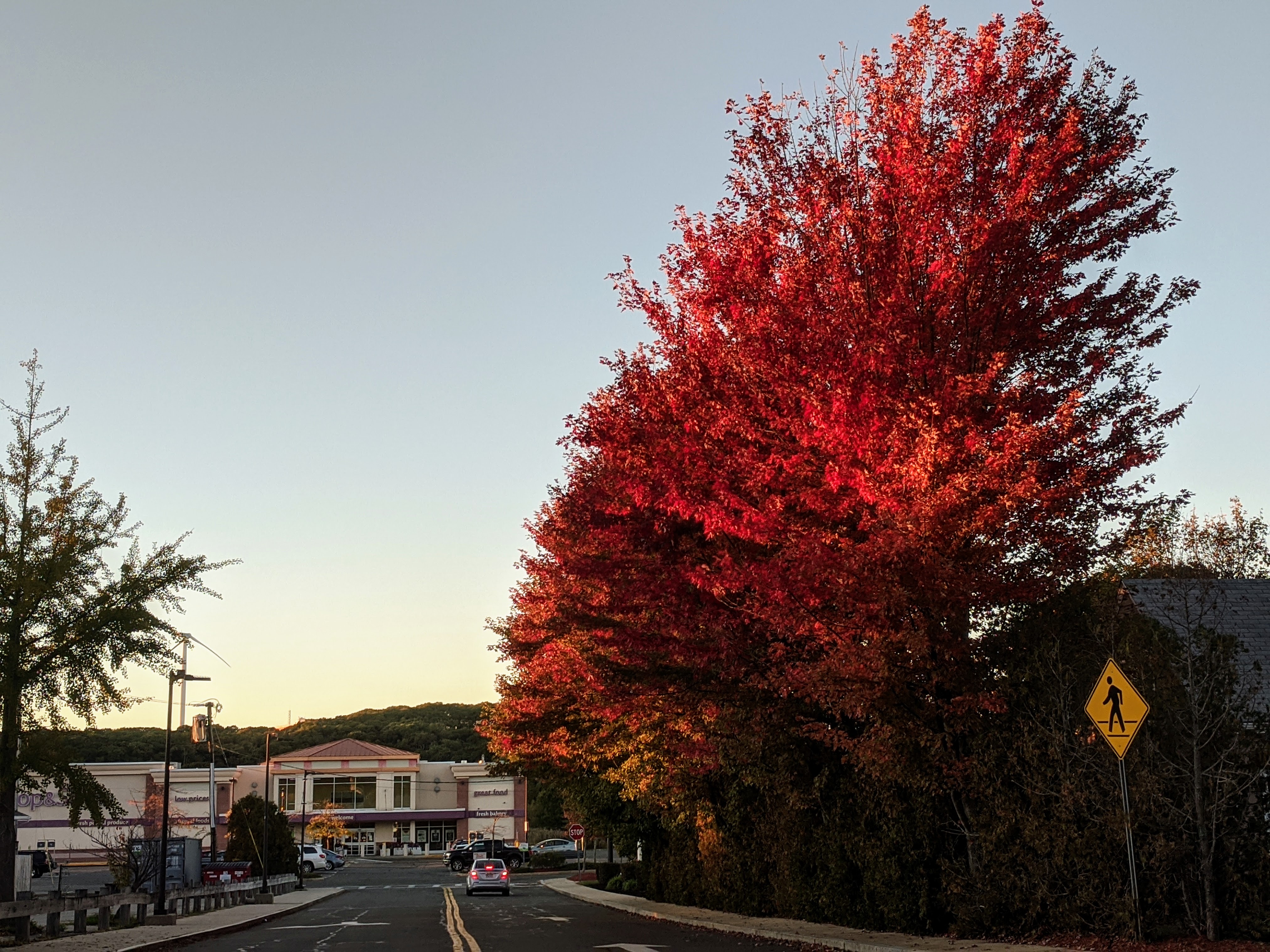
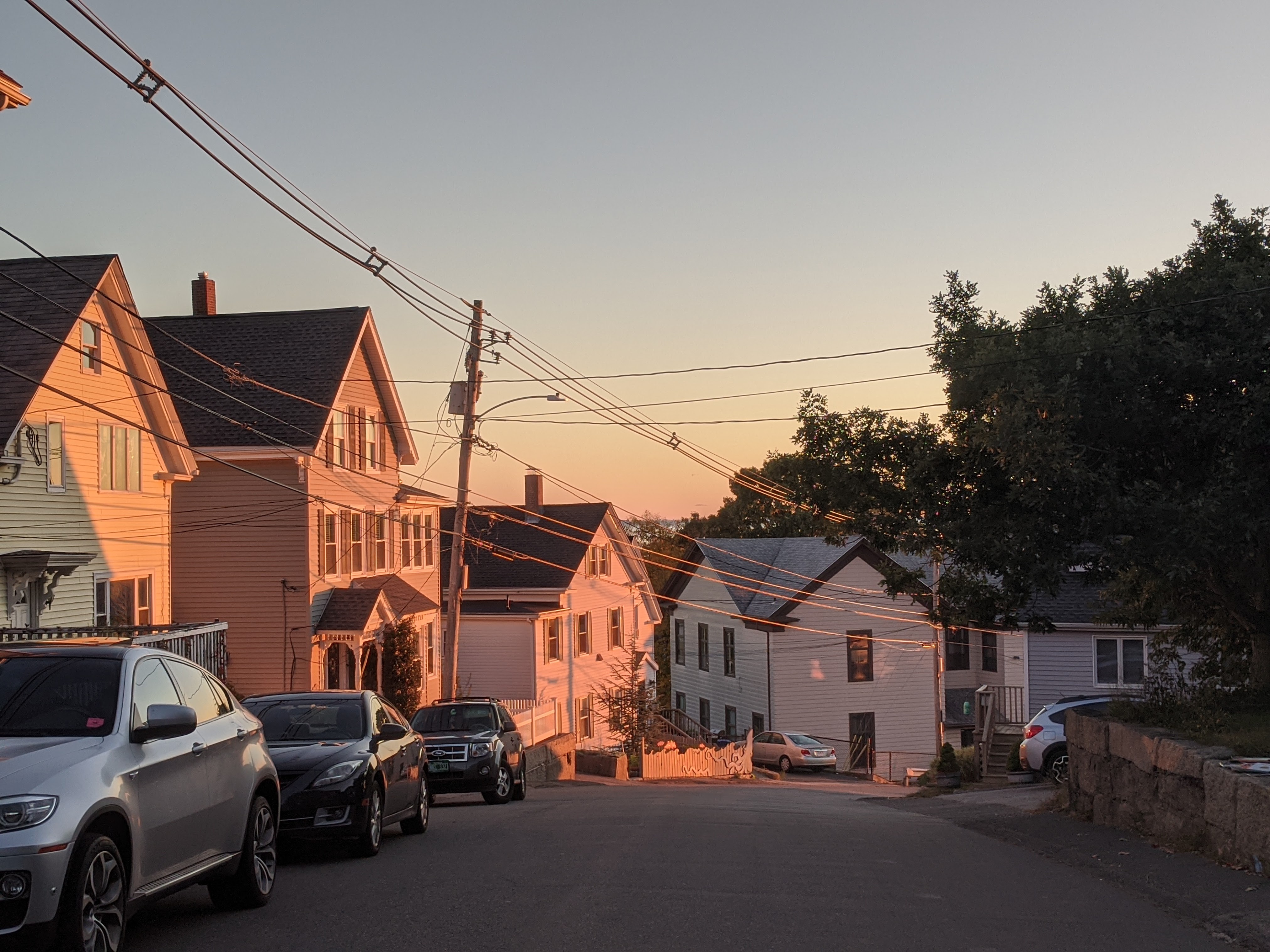
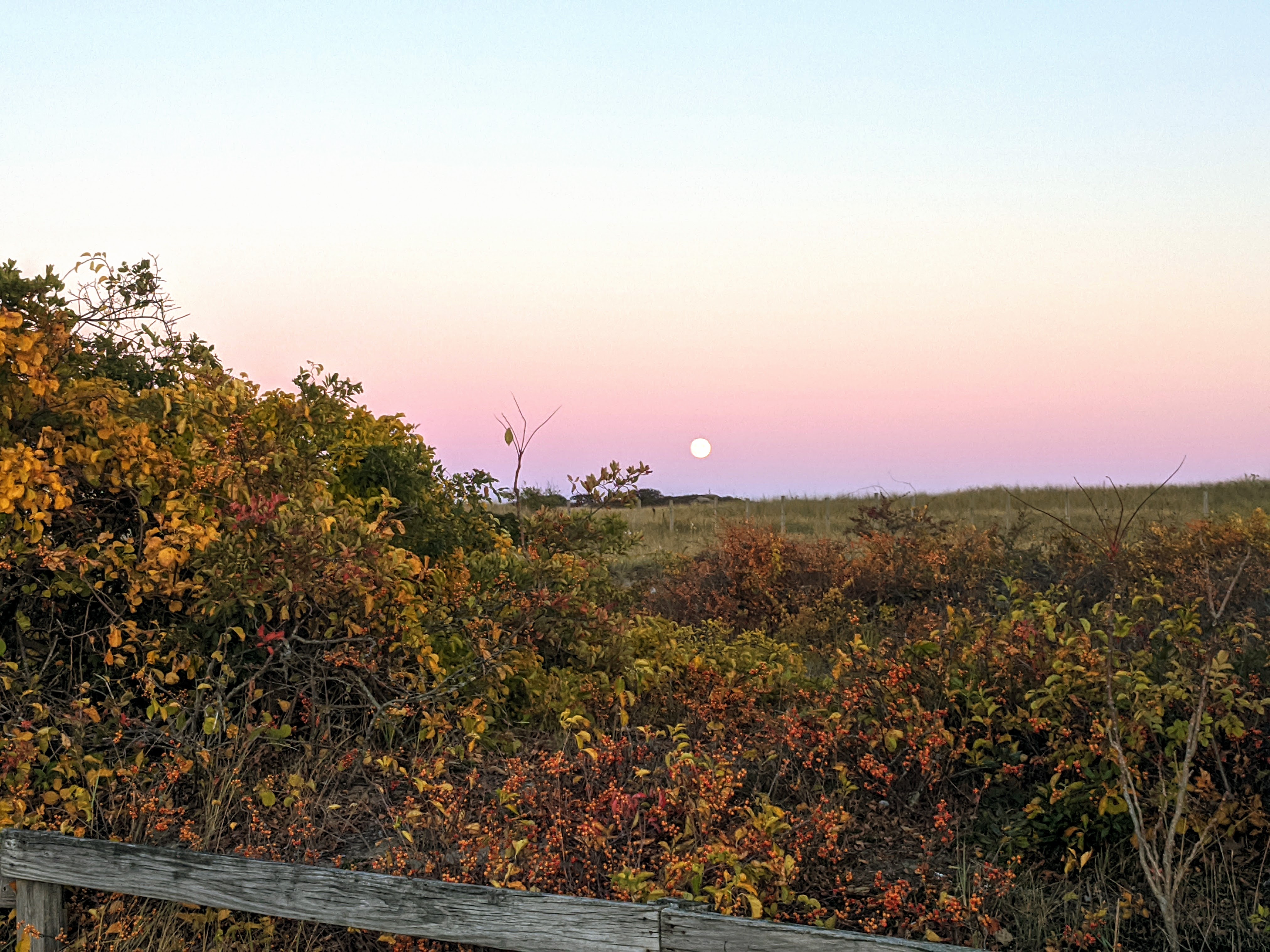
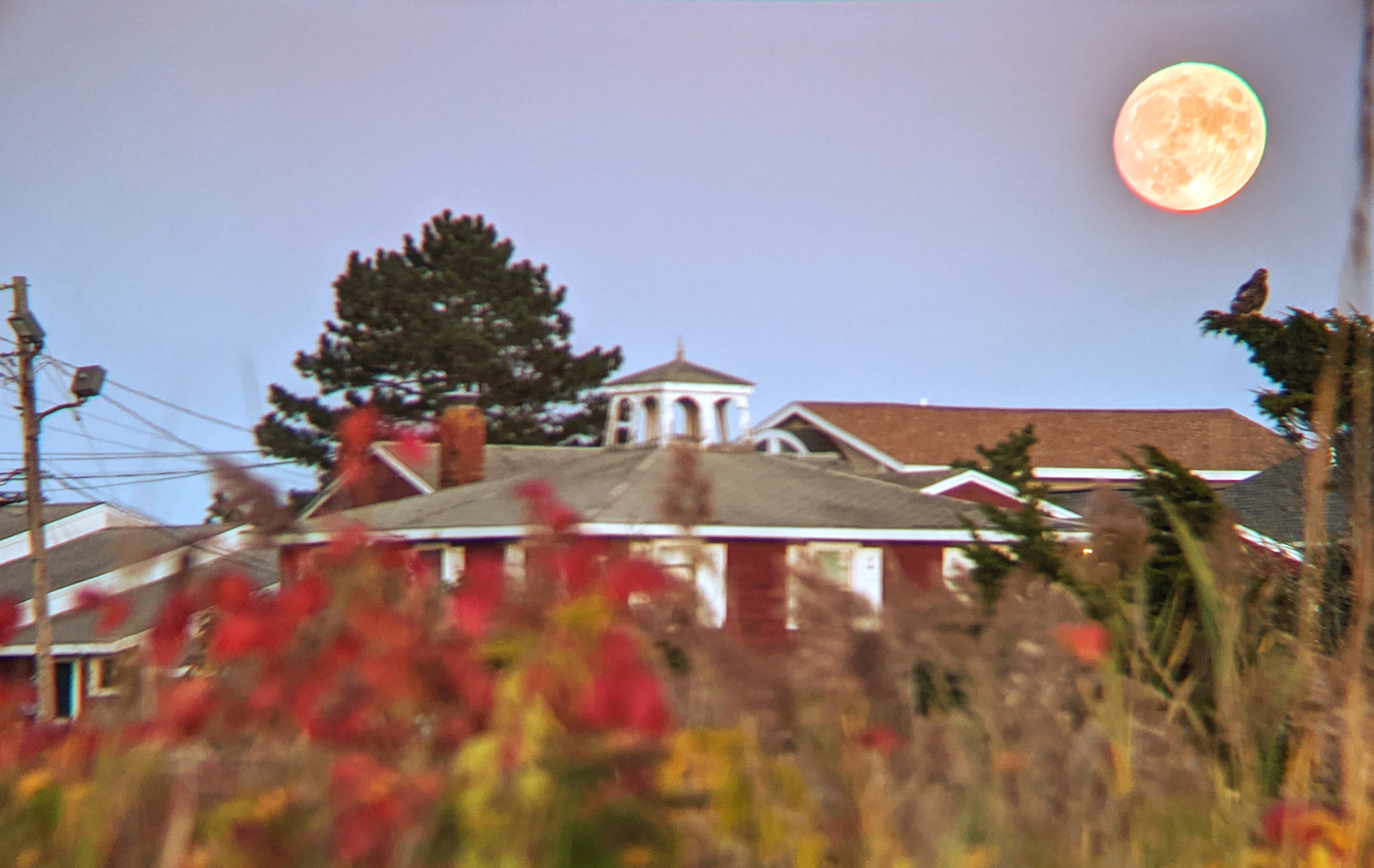
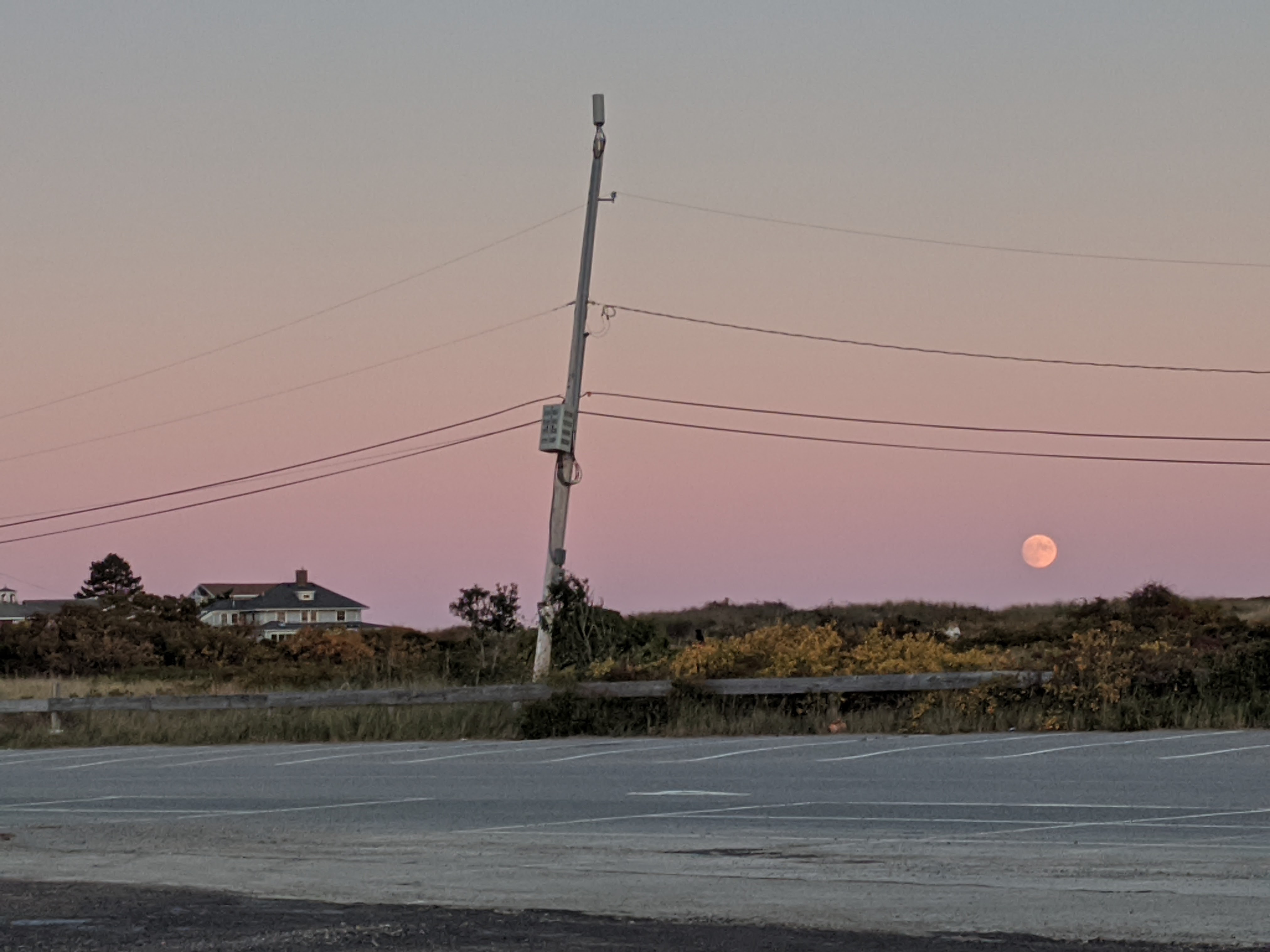
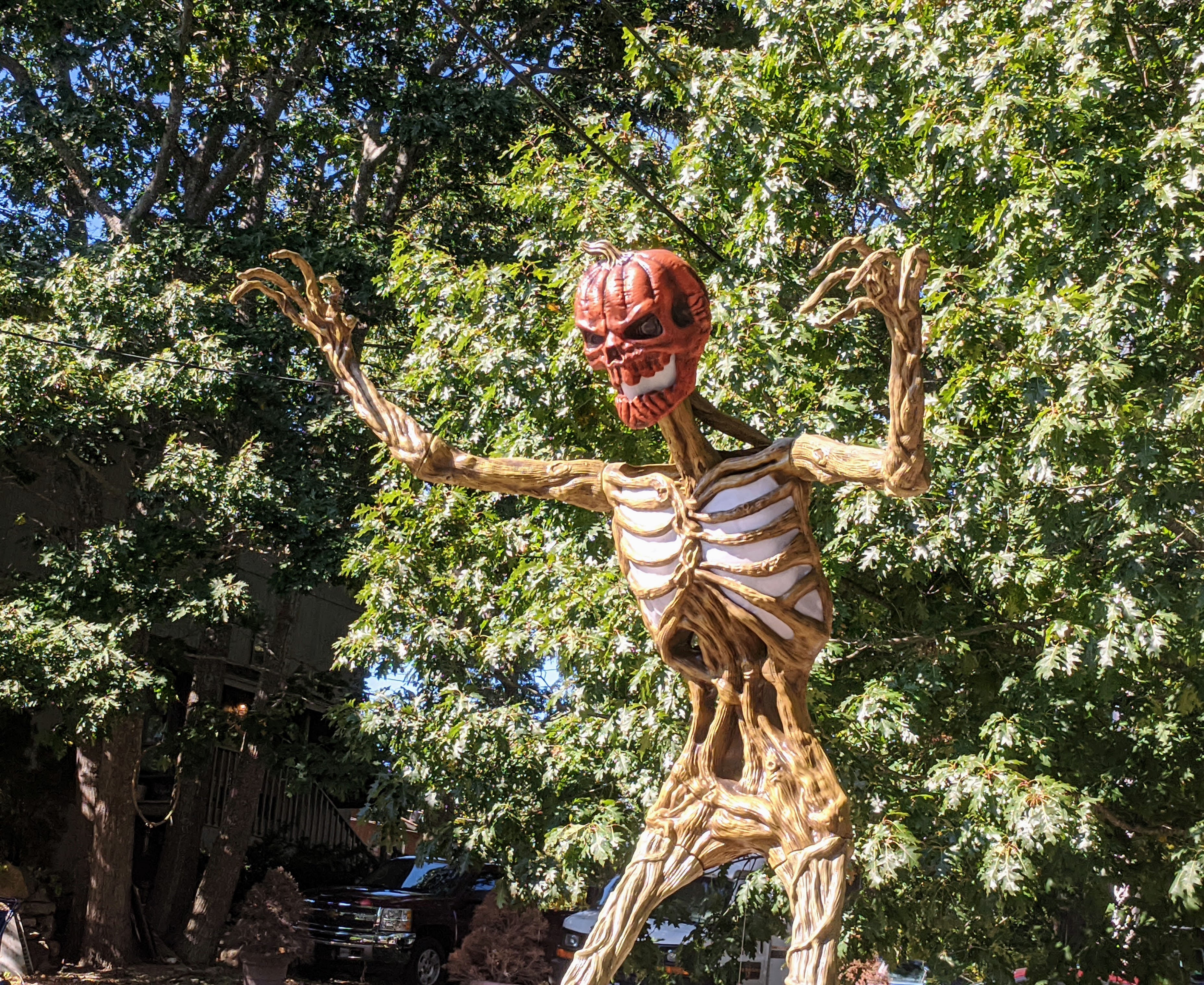
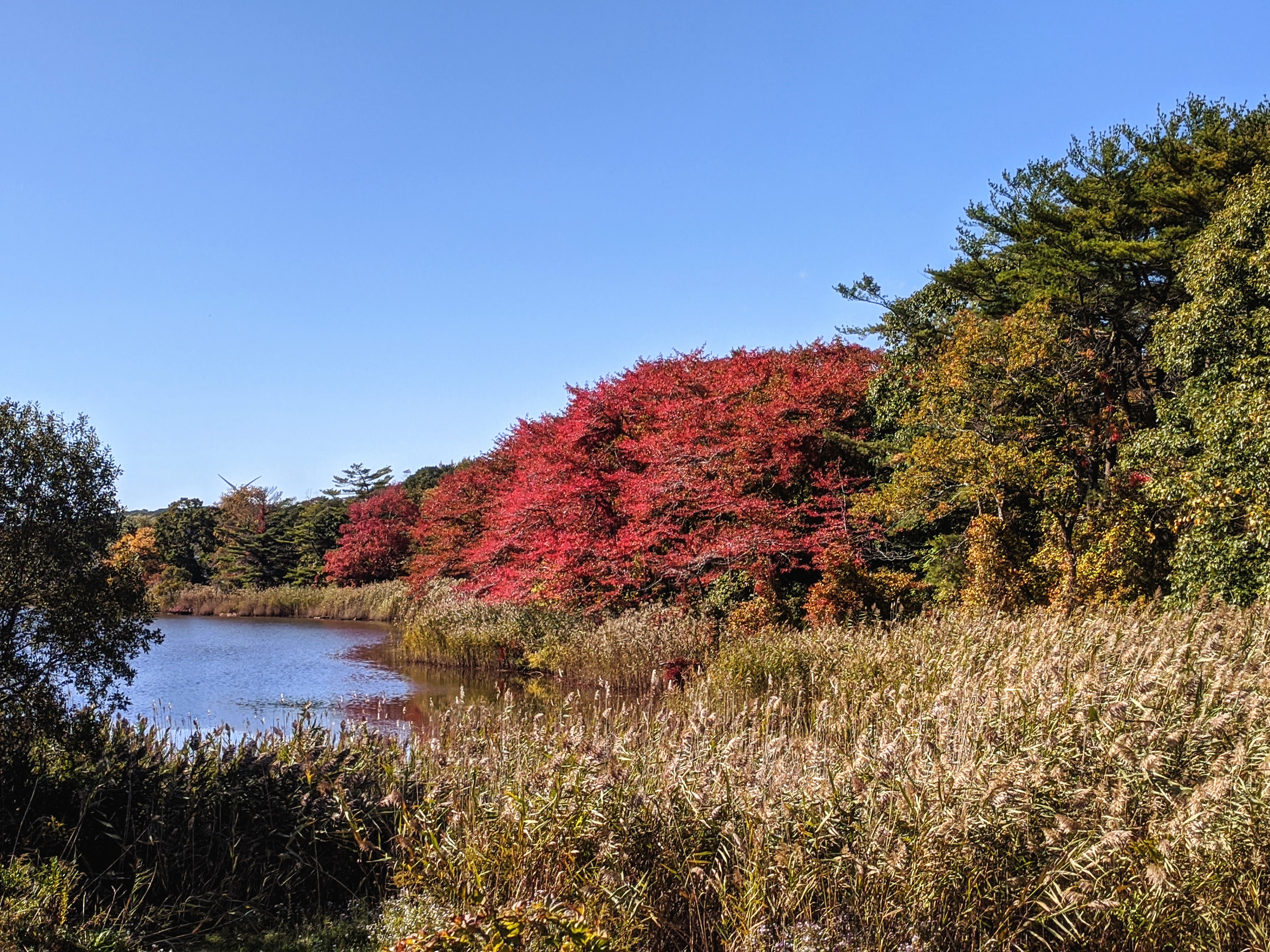
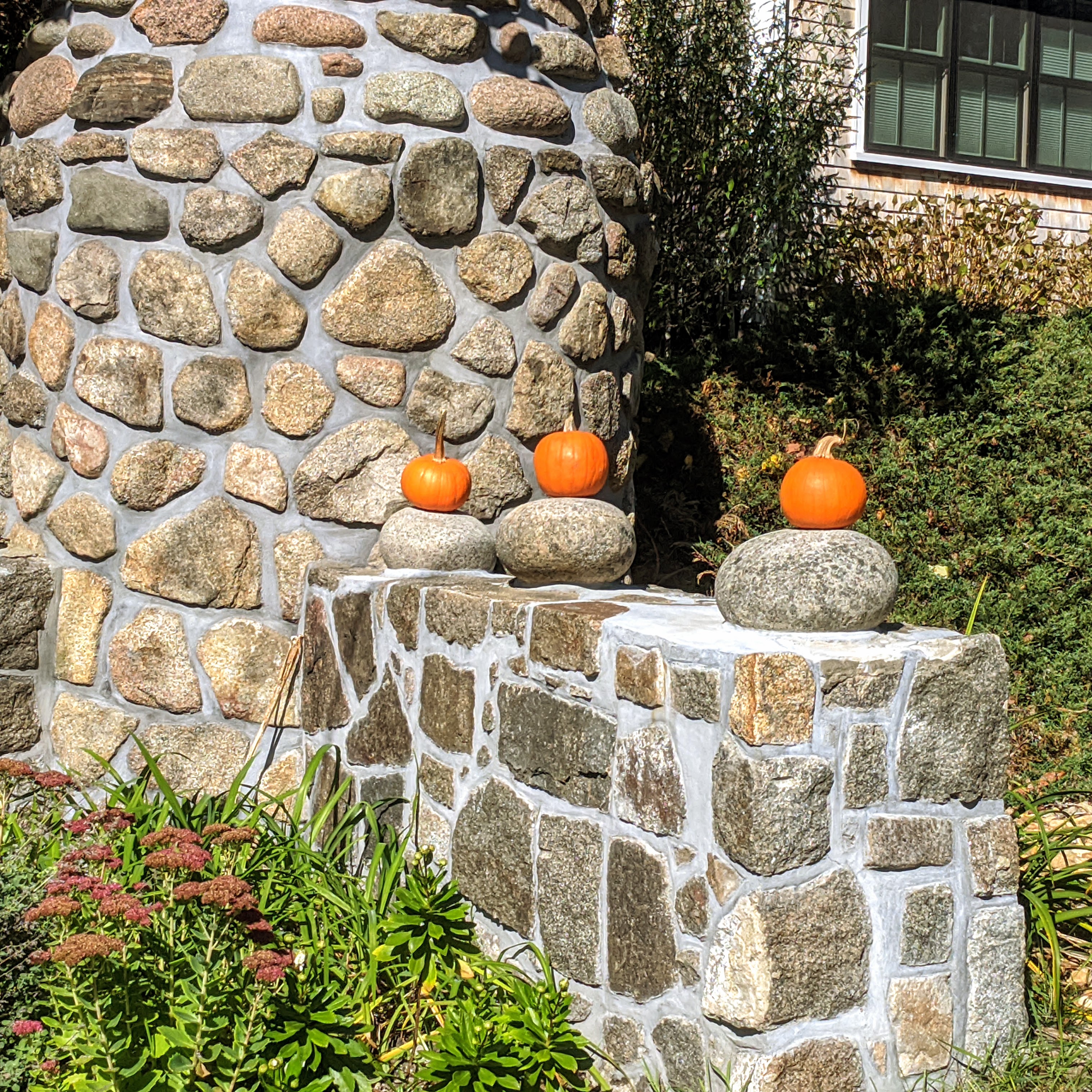
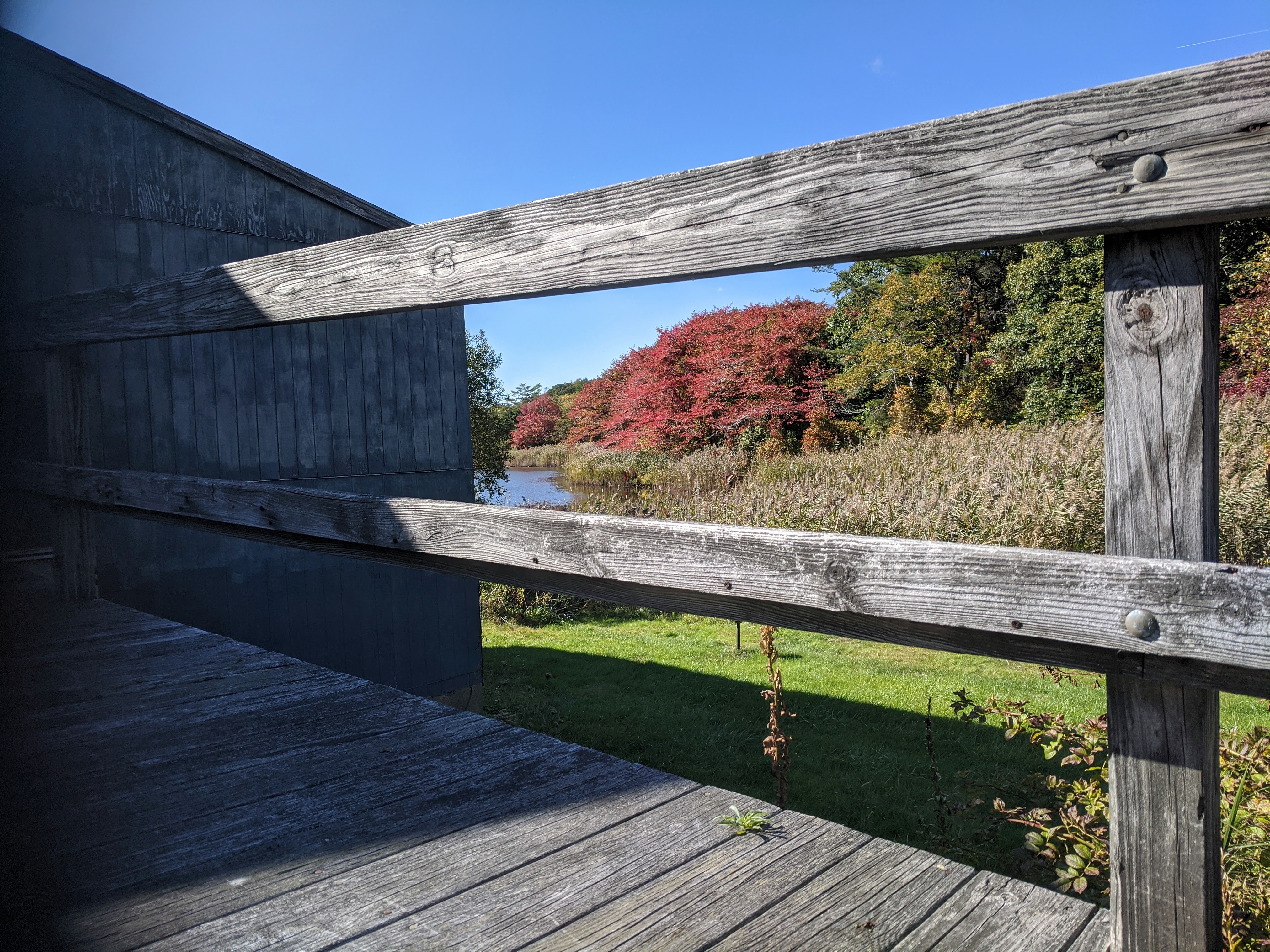
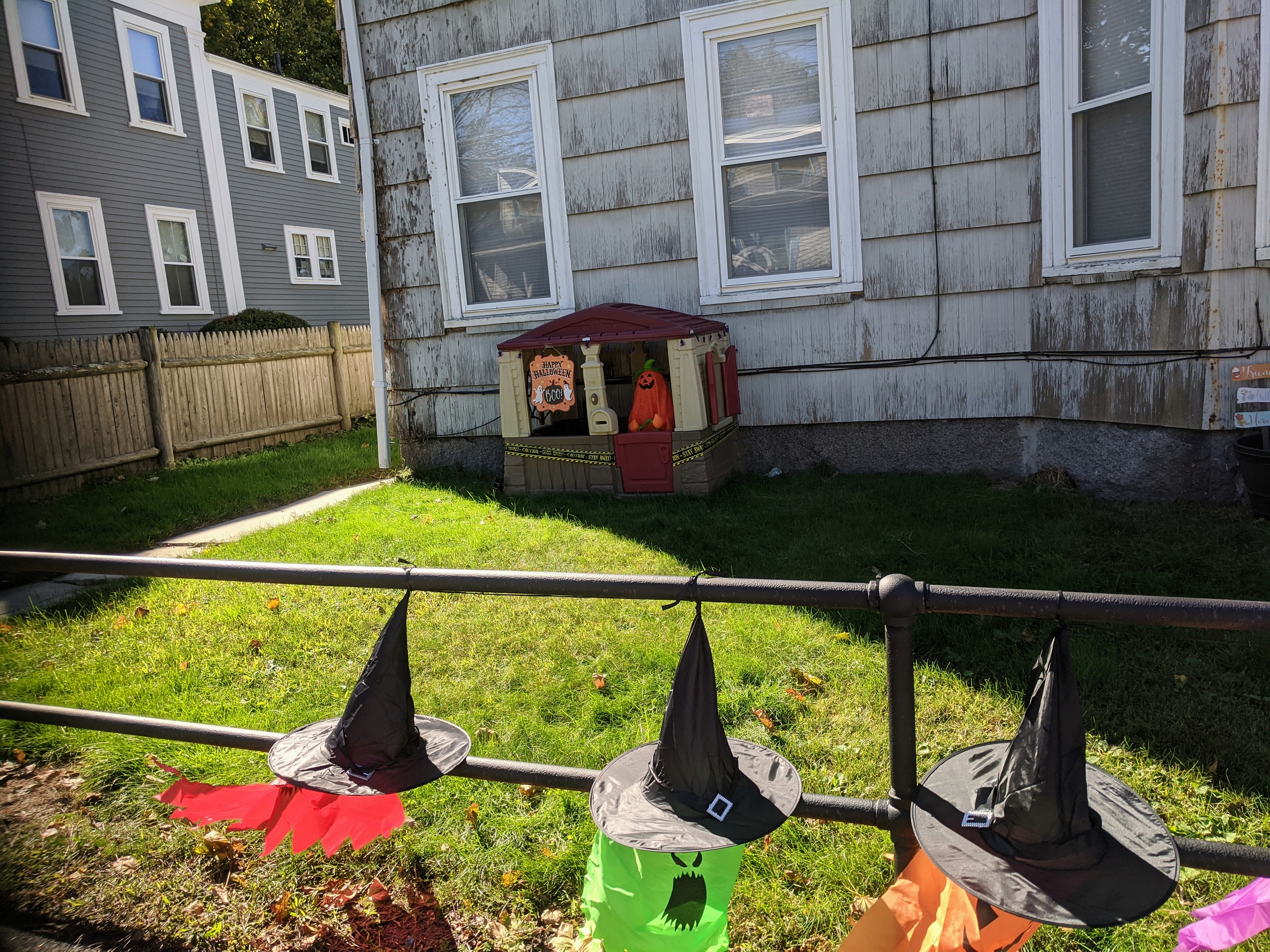
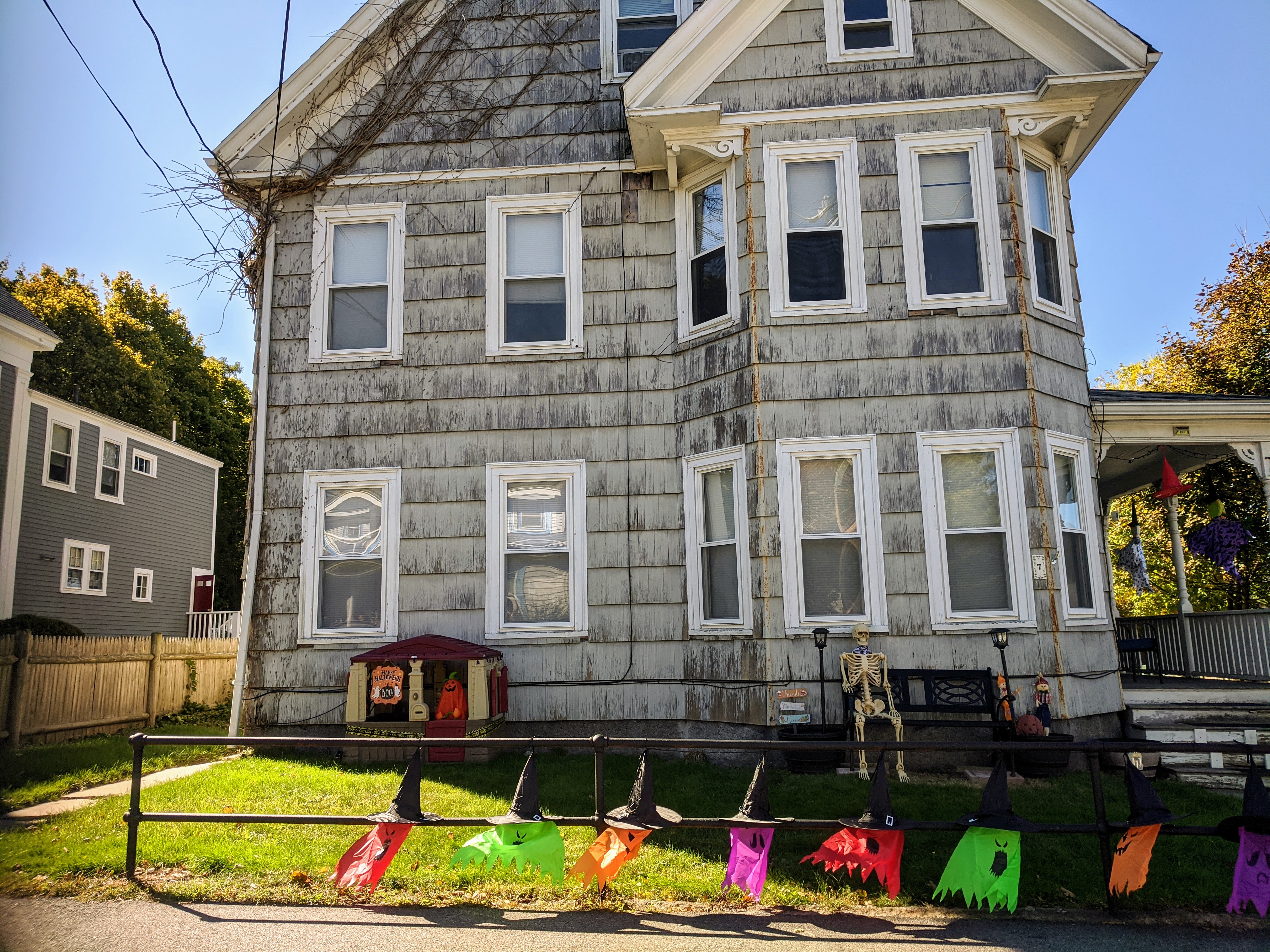
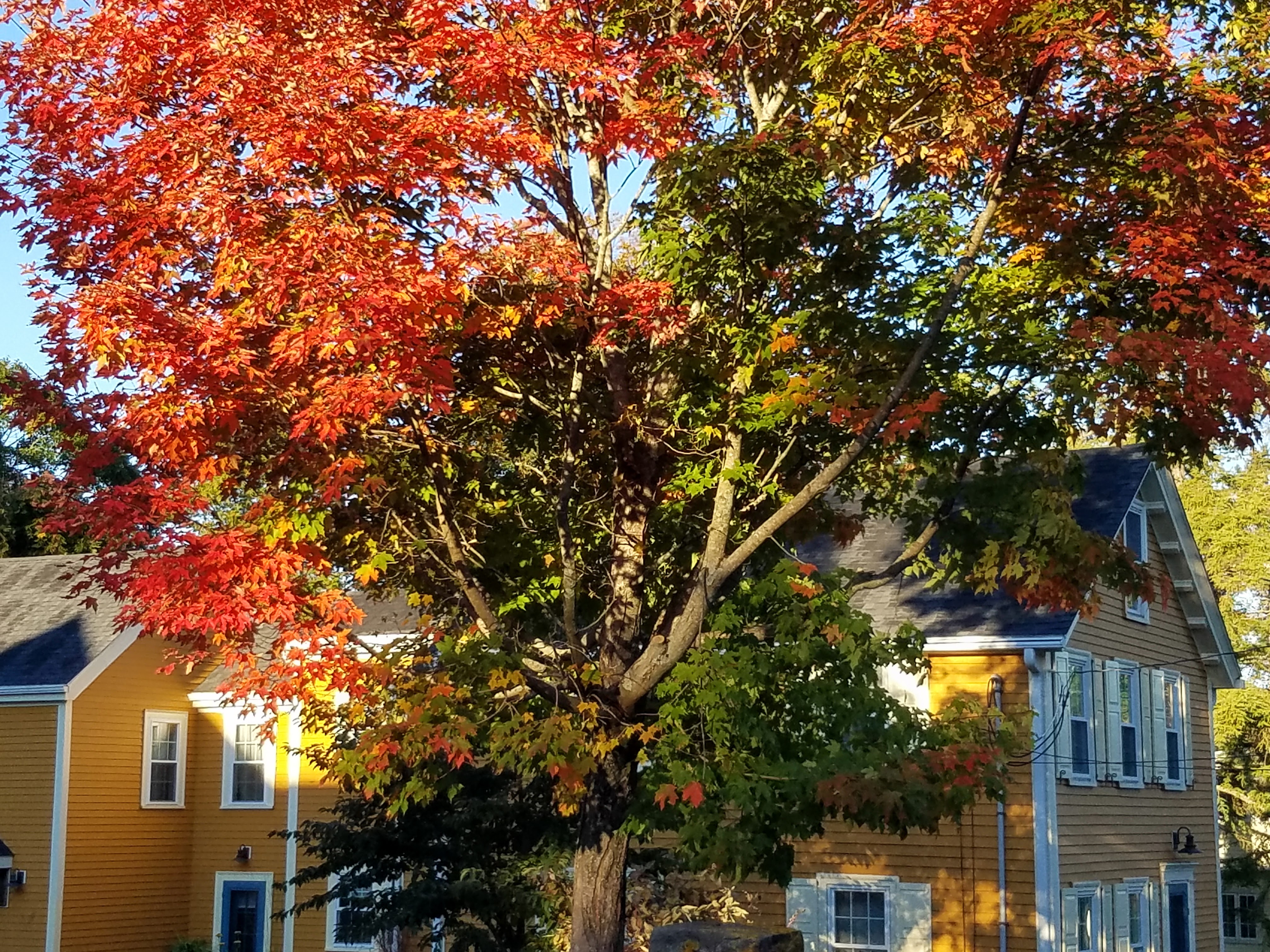
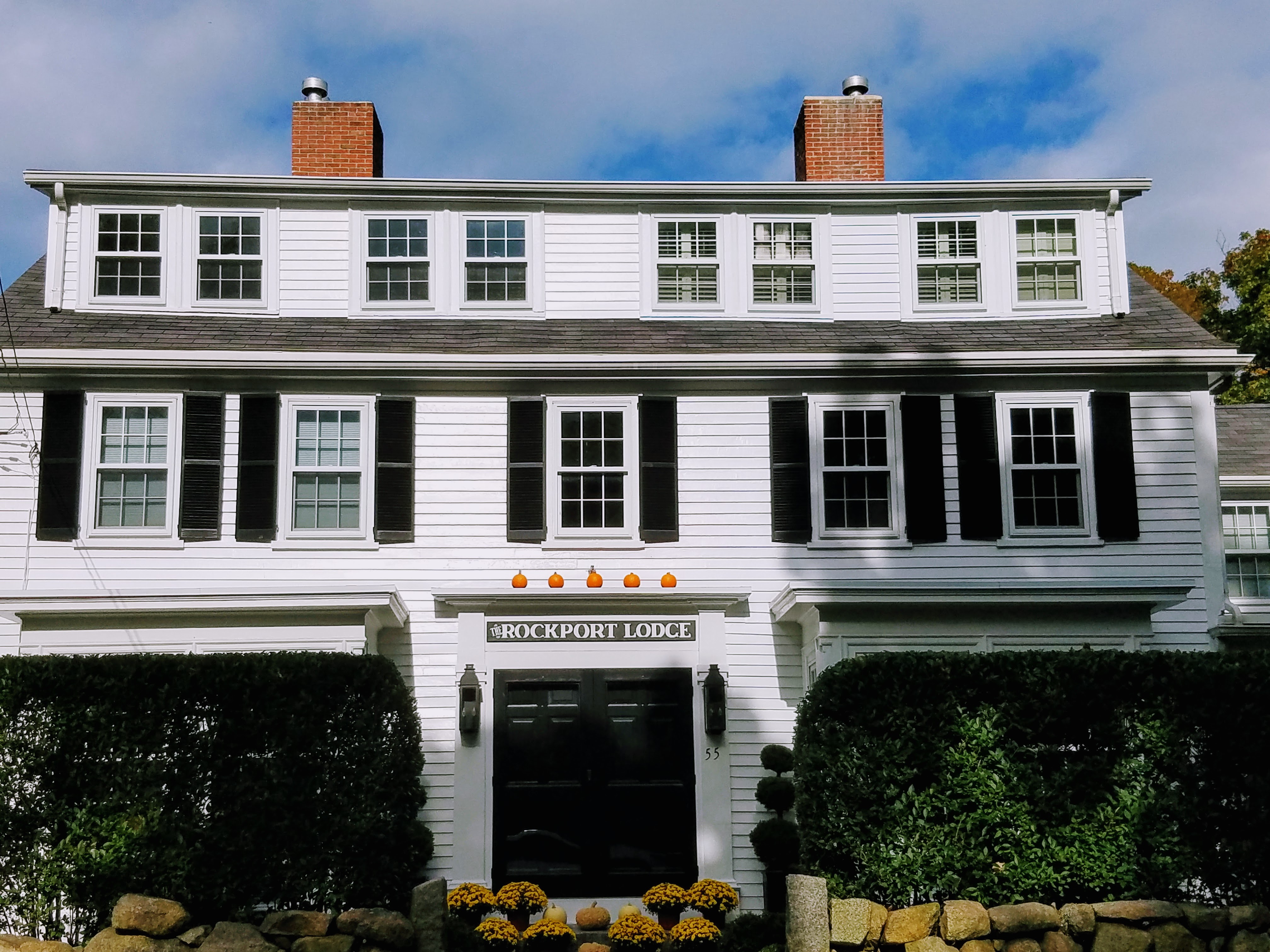
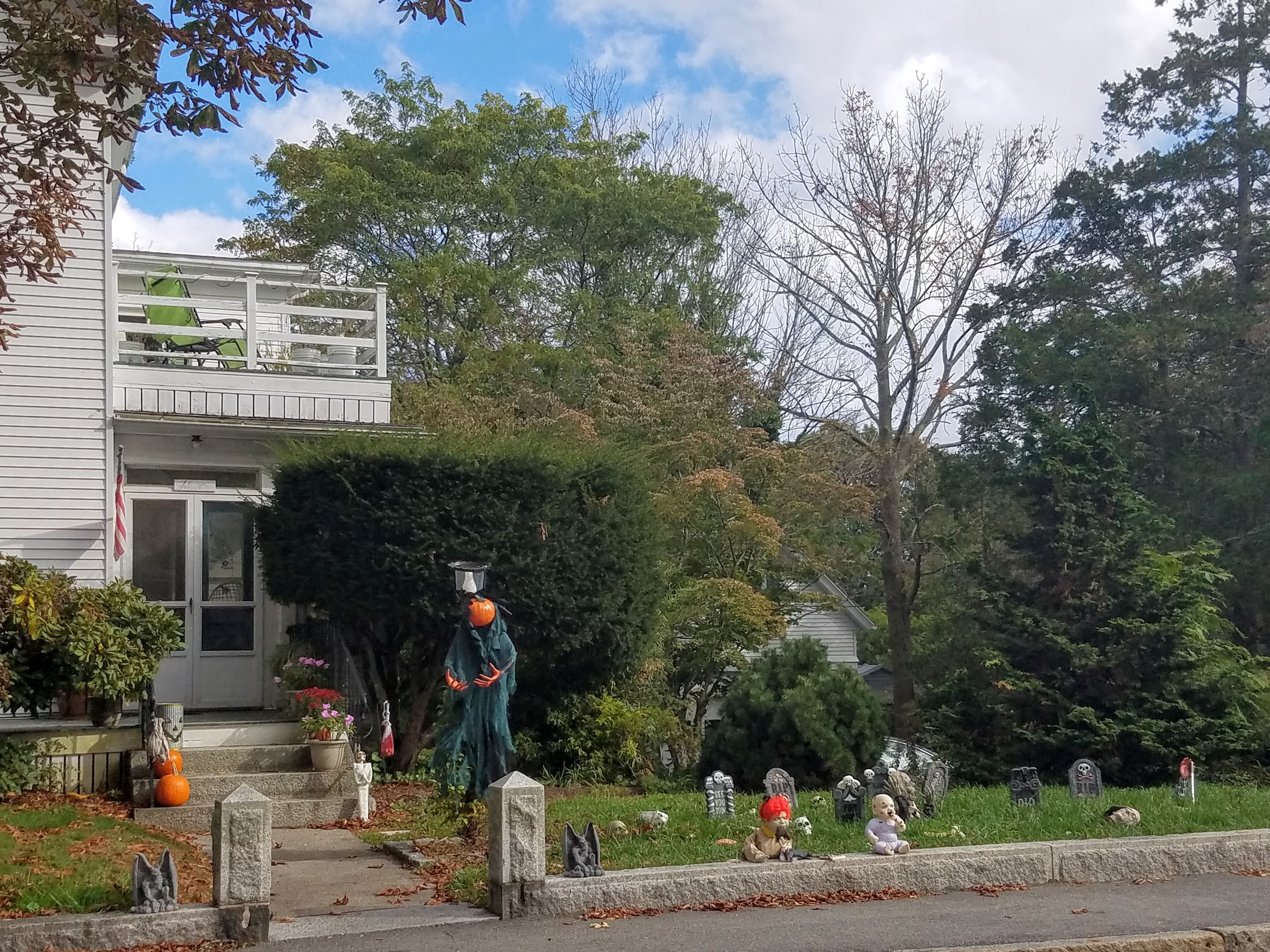
Saw Some Autumn. It Was Awesome 2022 photo series description: Early fall Oct. 2022. Leaves are changing color in Gloucester and Rockport. Fall and Halloween scenes. See 2021 here.


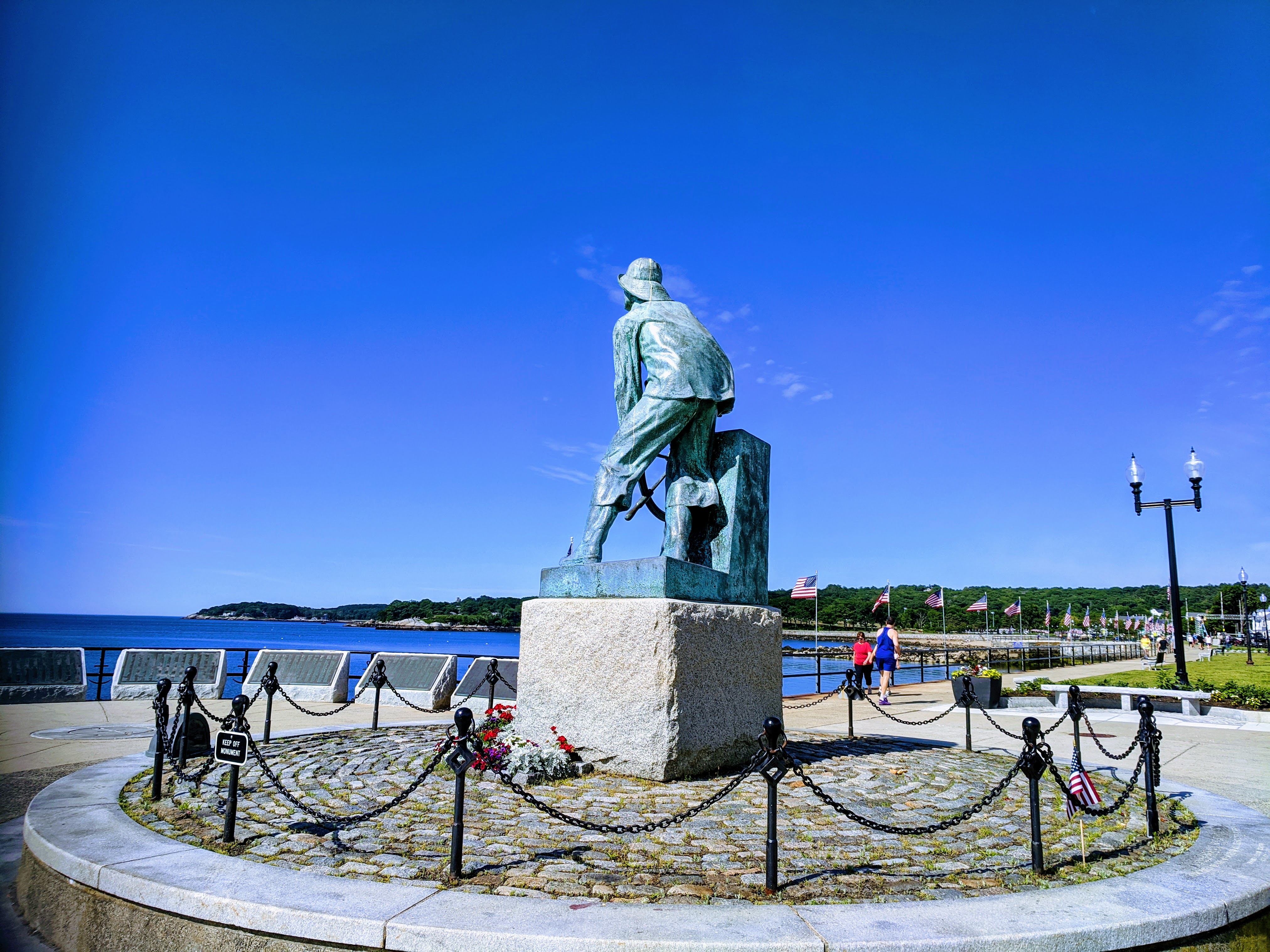
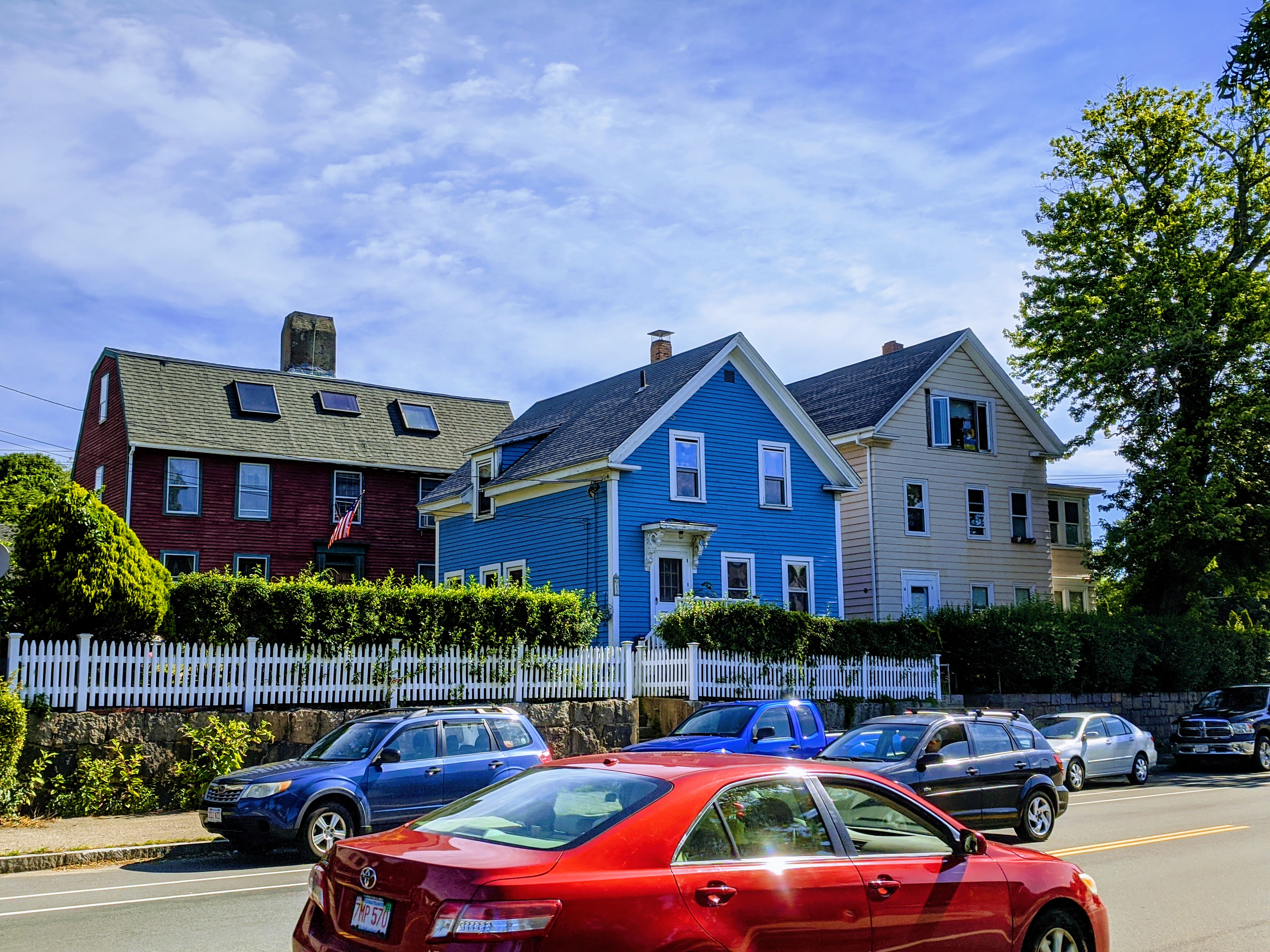




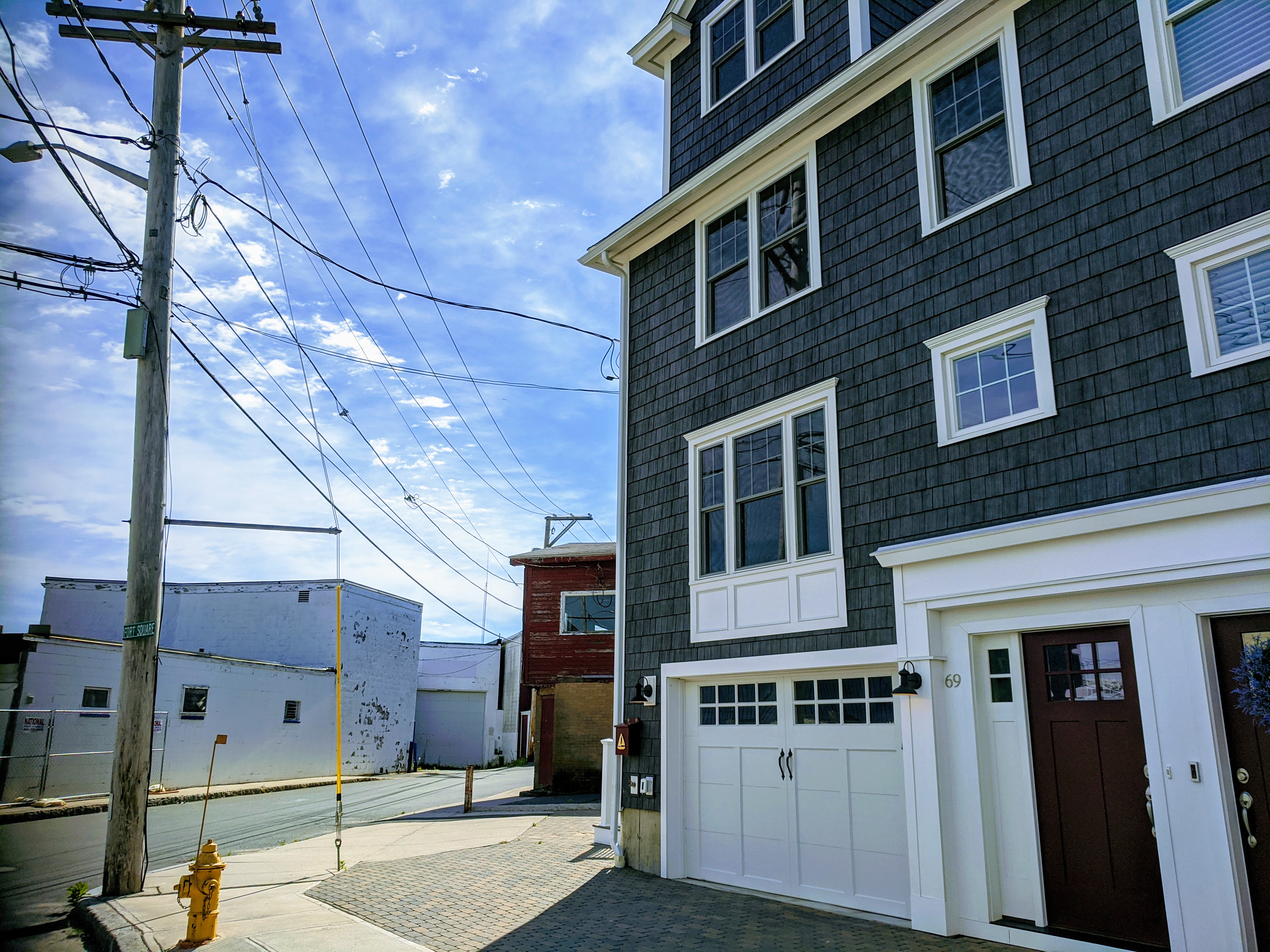
photos: red, white and blue – c. ryan, July 4, 2022, Gloucester, MA.

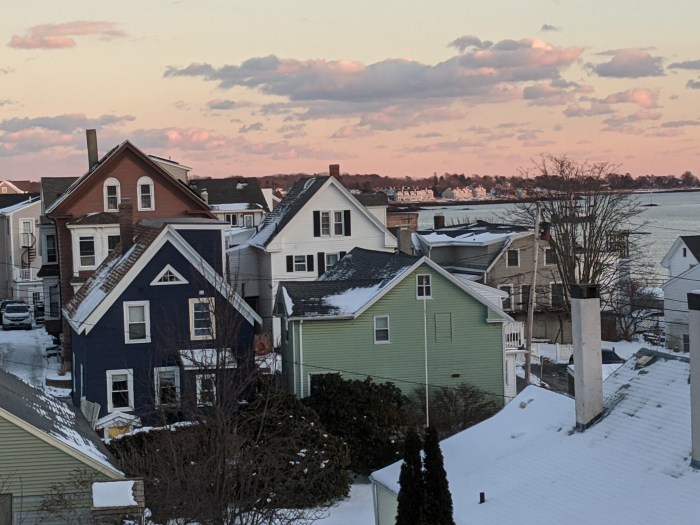
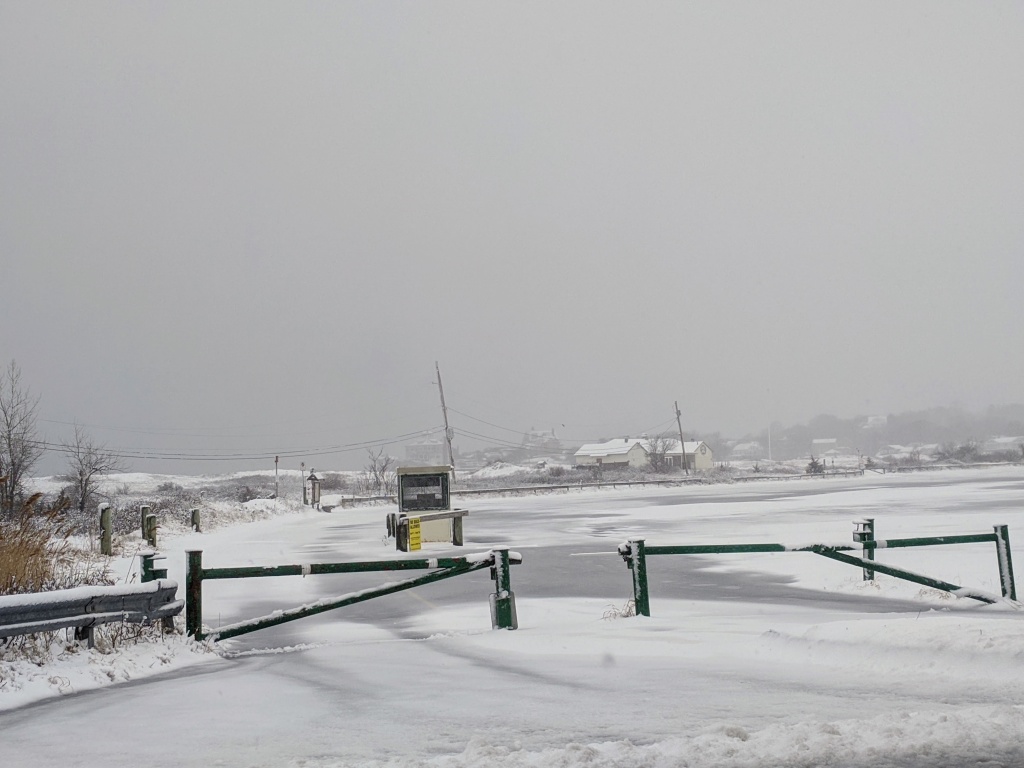
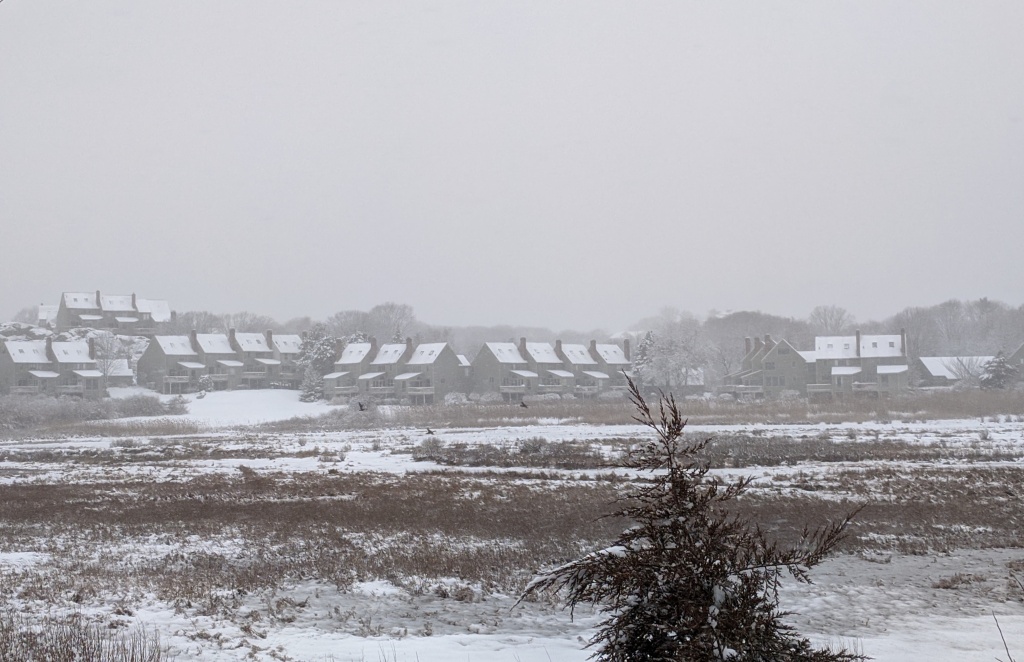
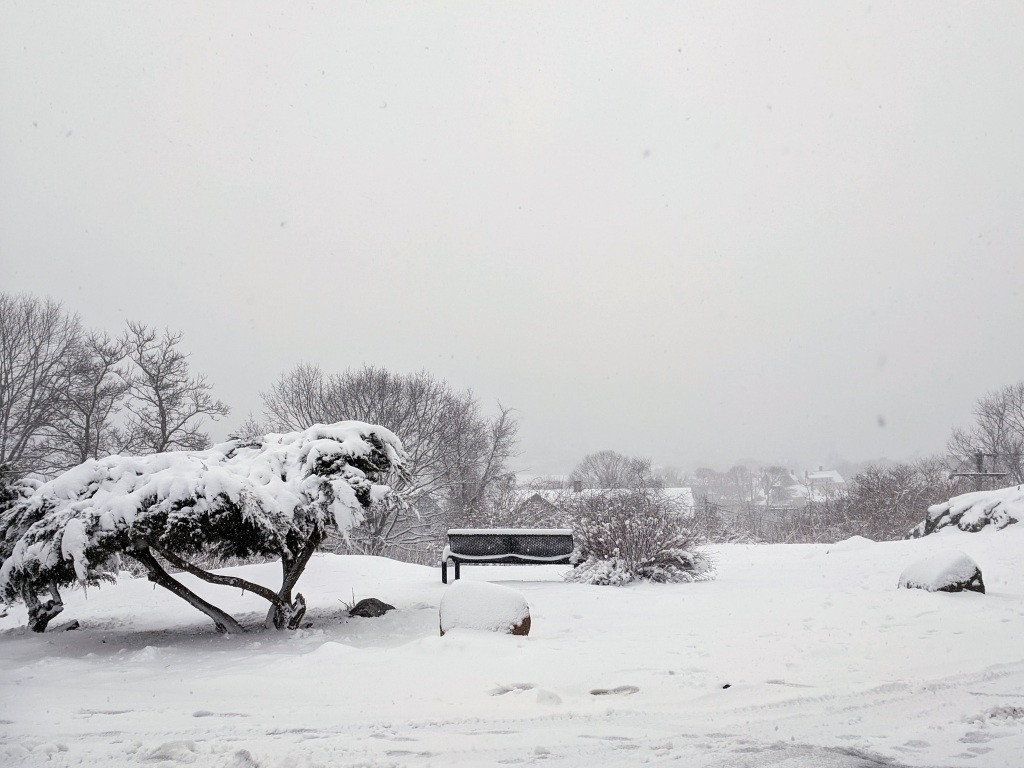
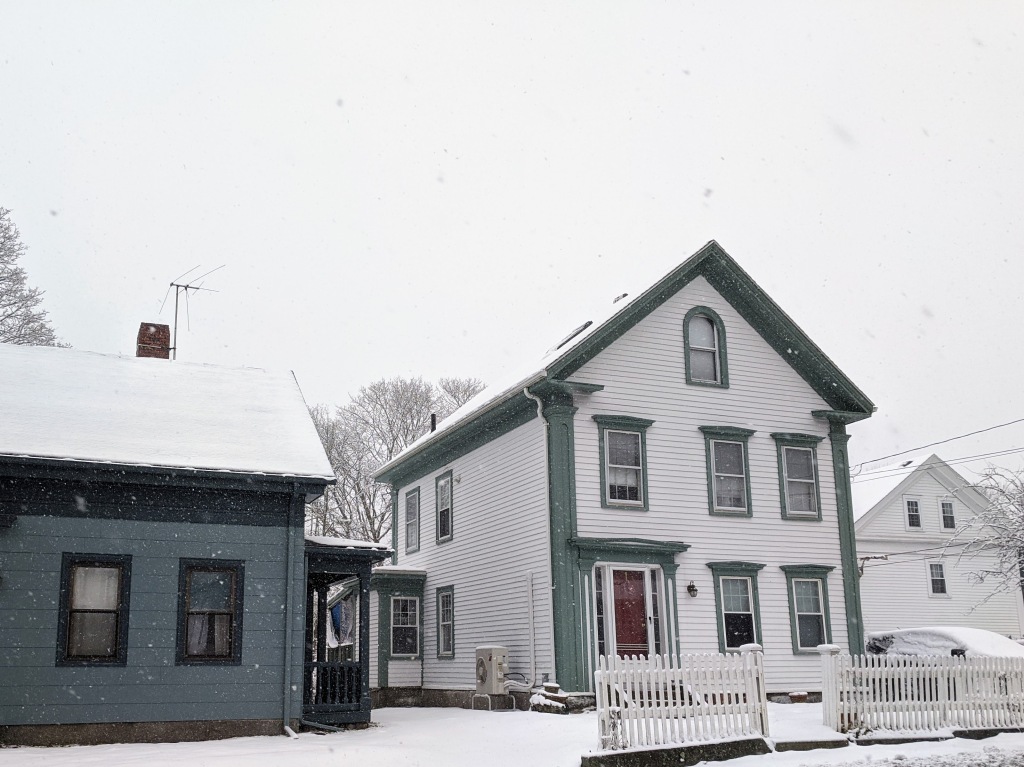
Winter walks and drives after snow storms February 15 and February 26, Gloucester, Mass.
on the morning after snowstorm left 8-10″

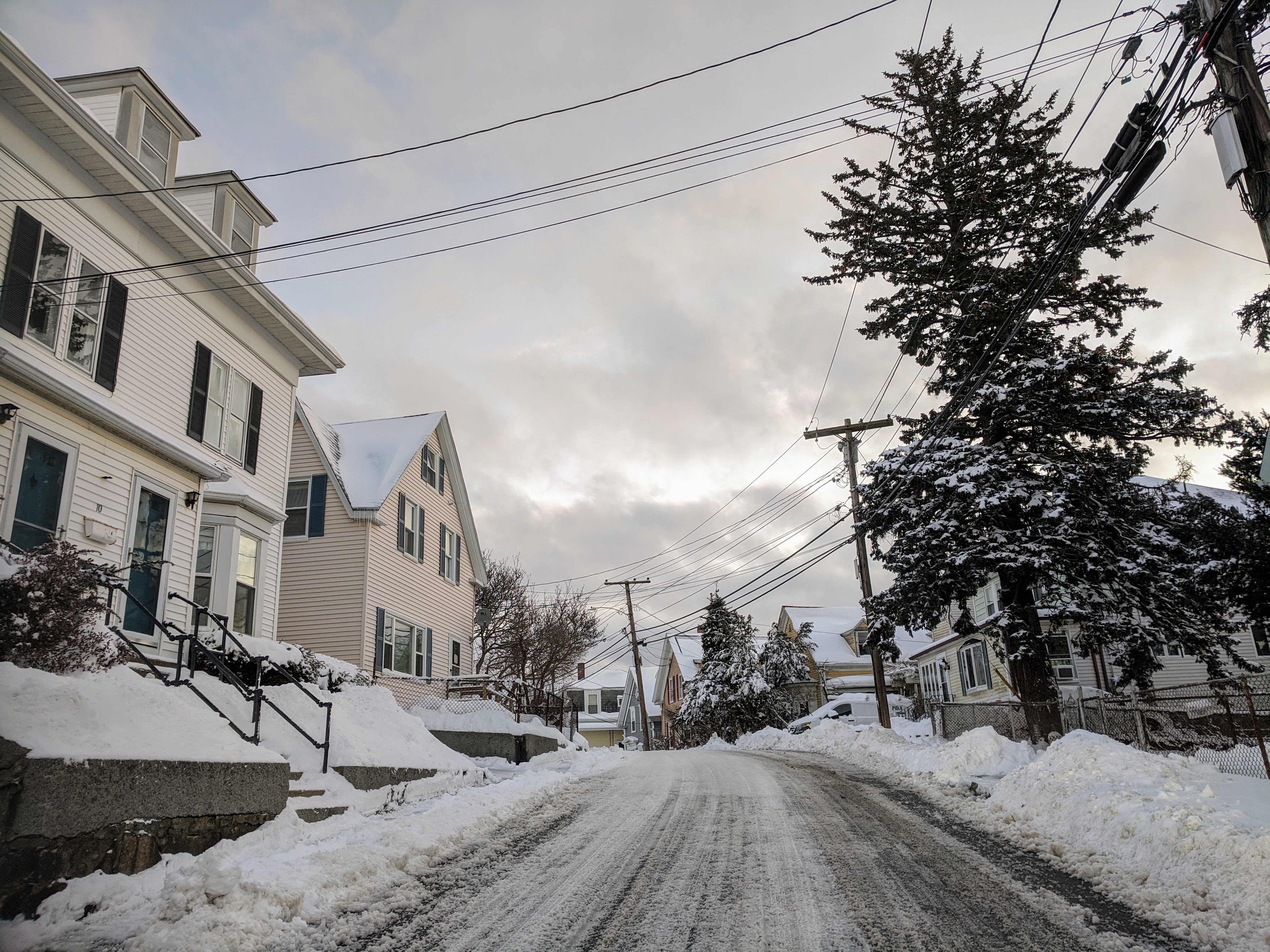
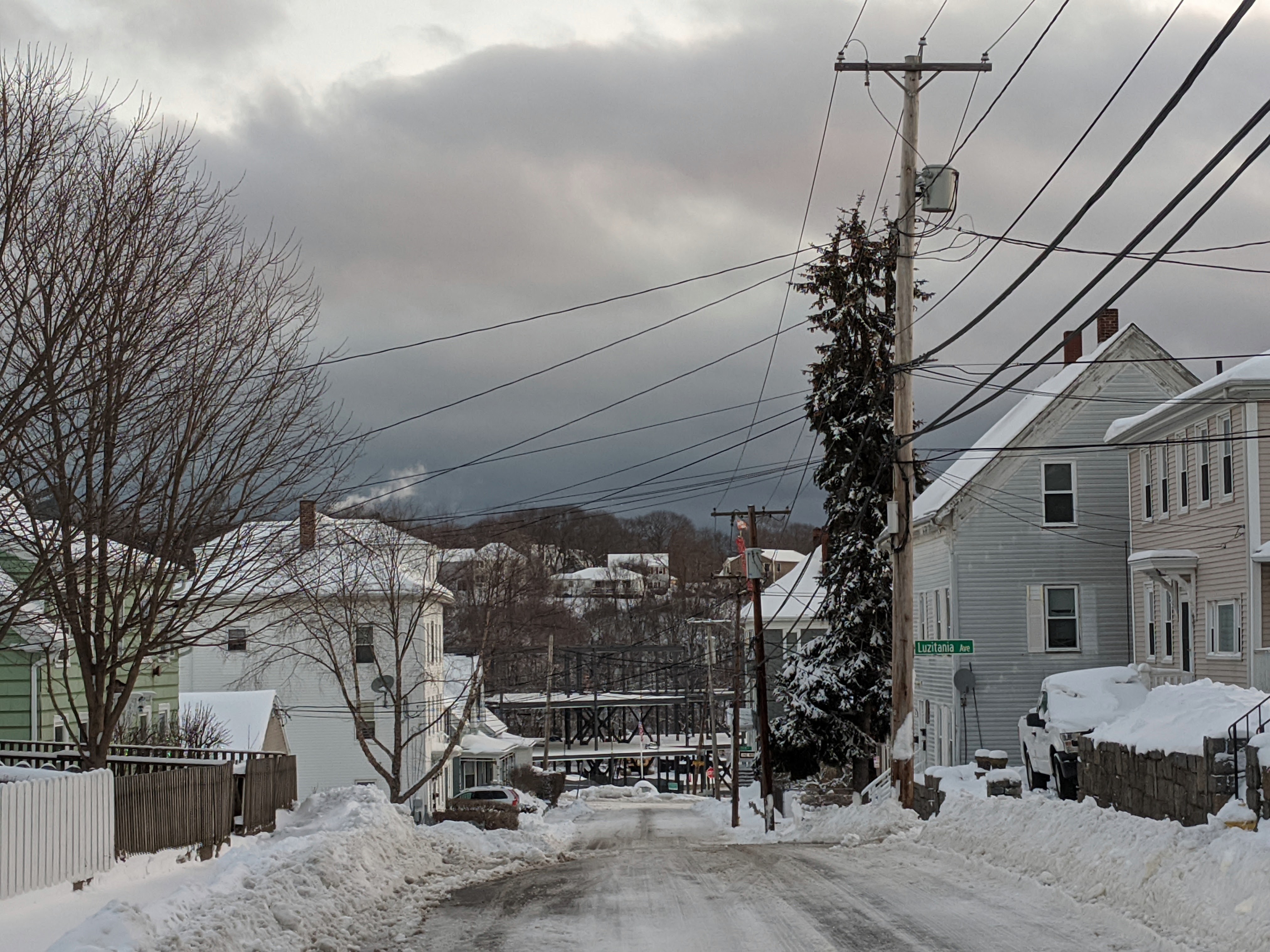
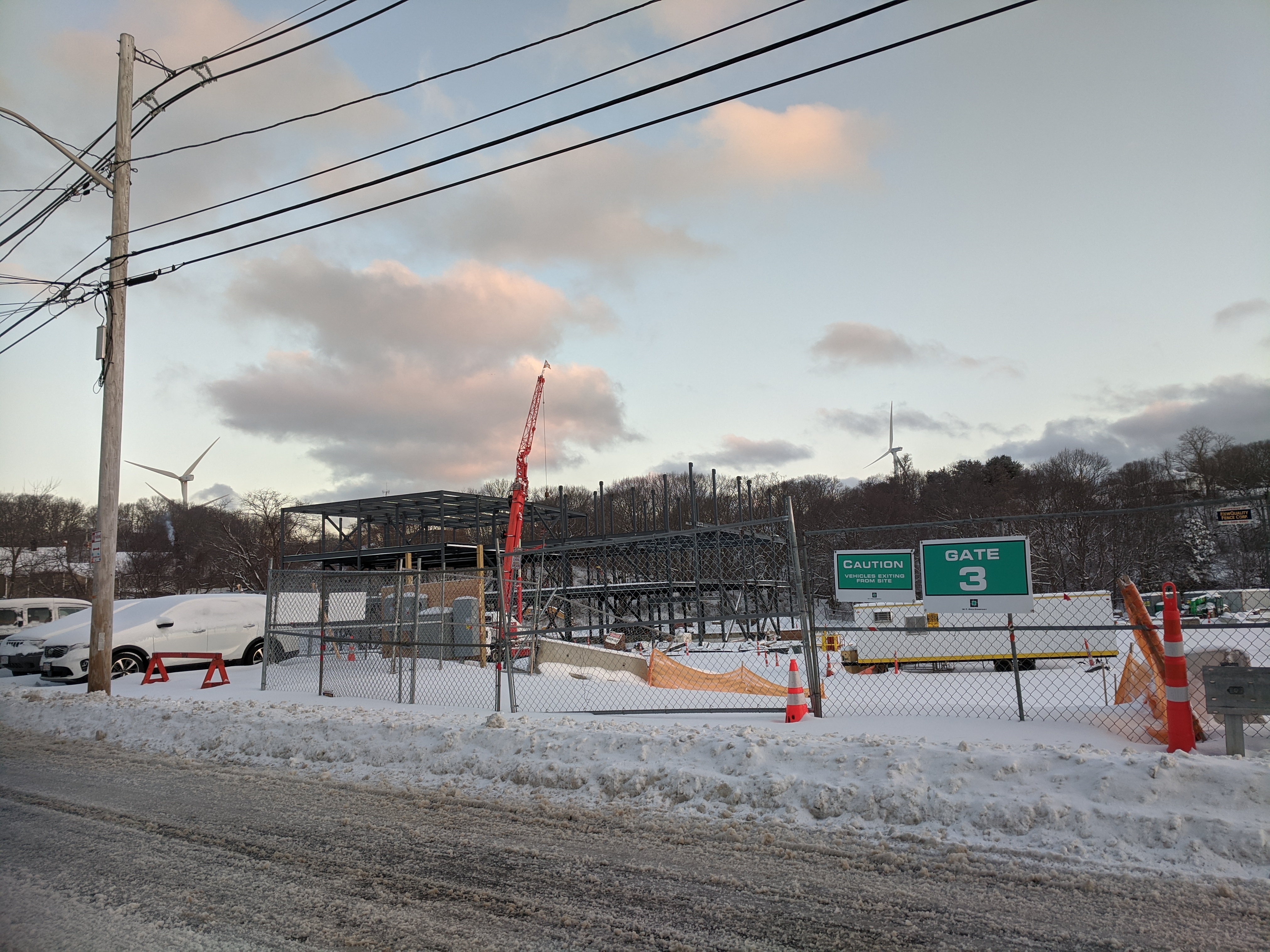
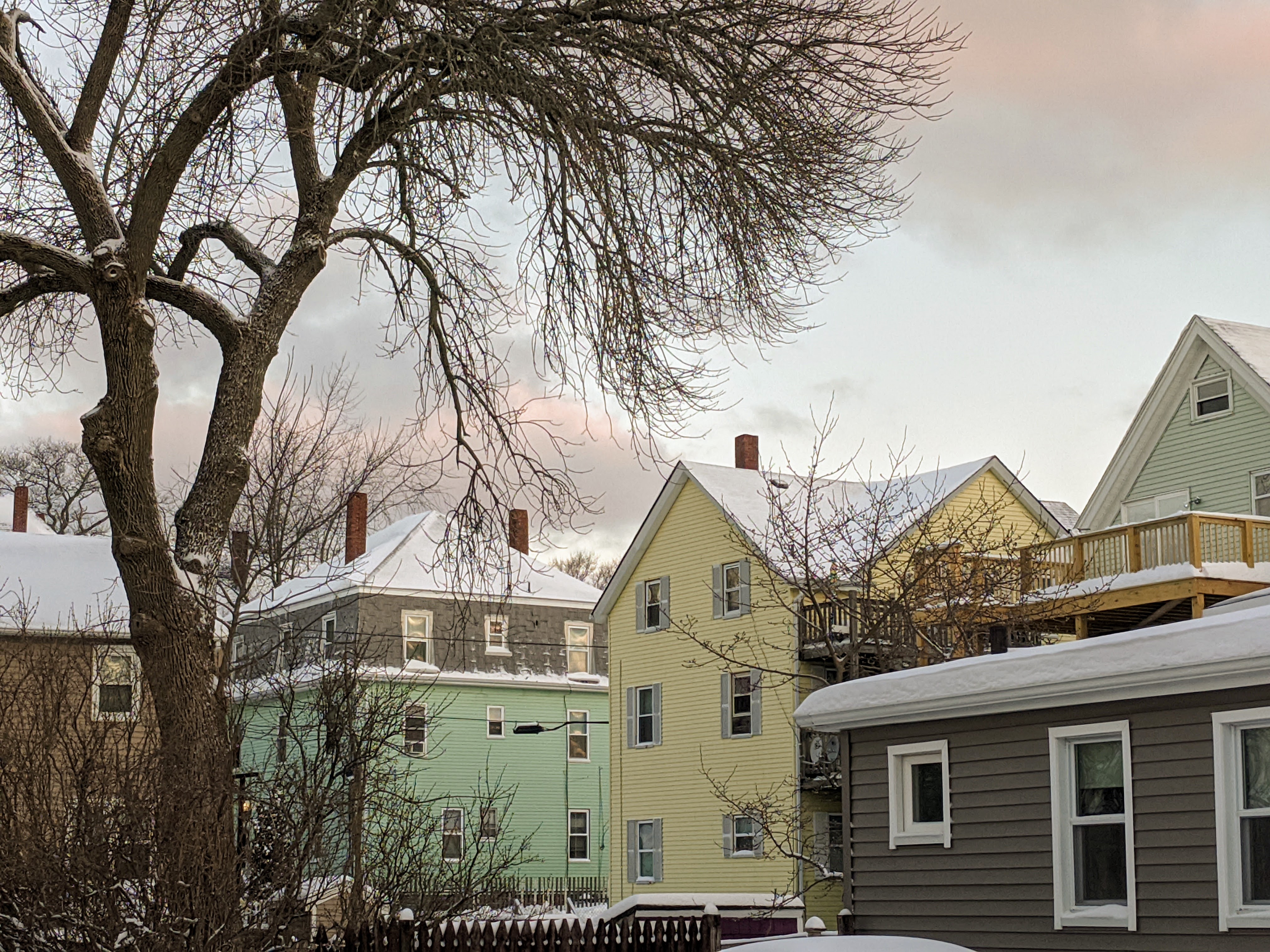
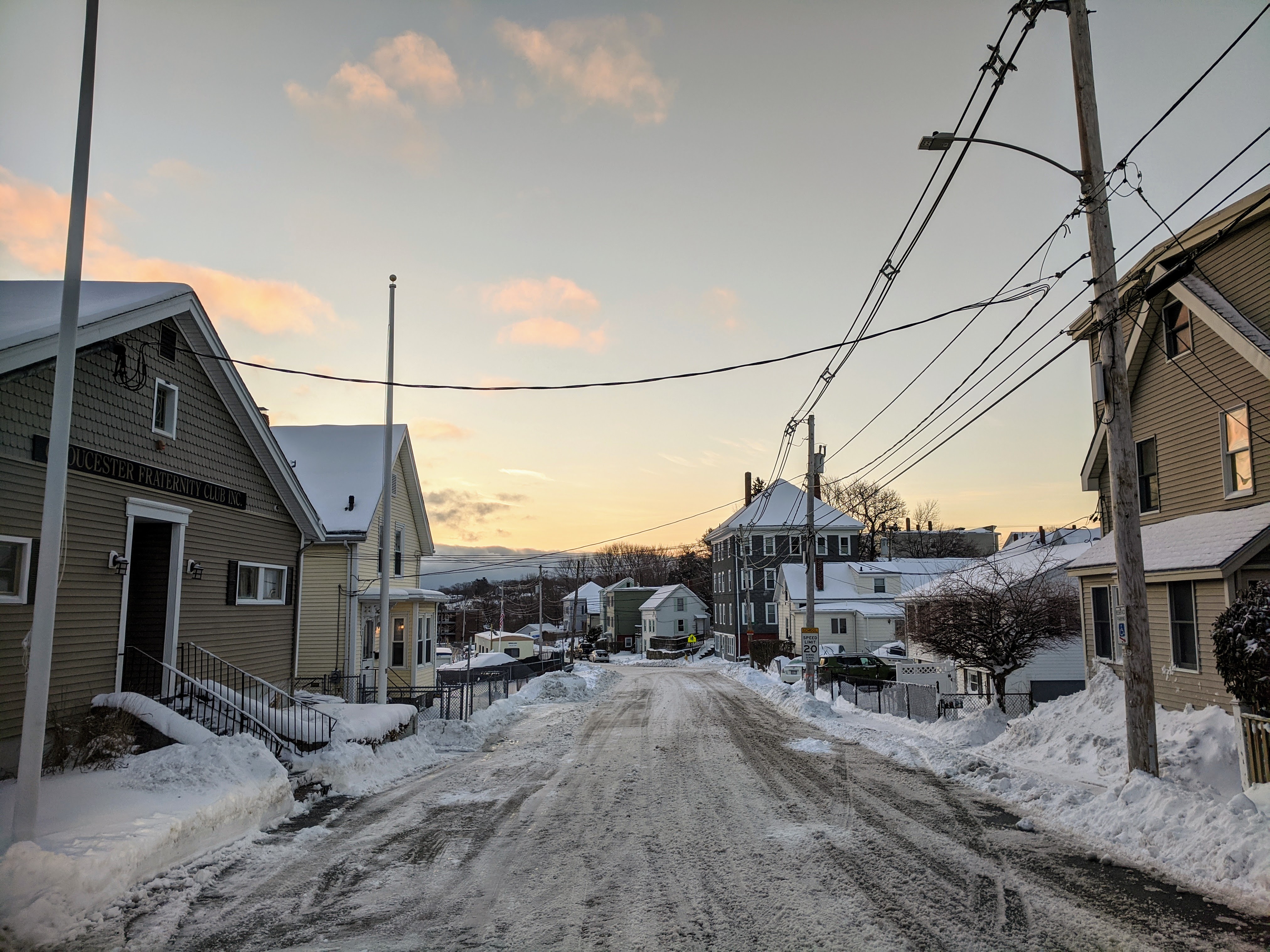
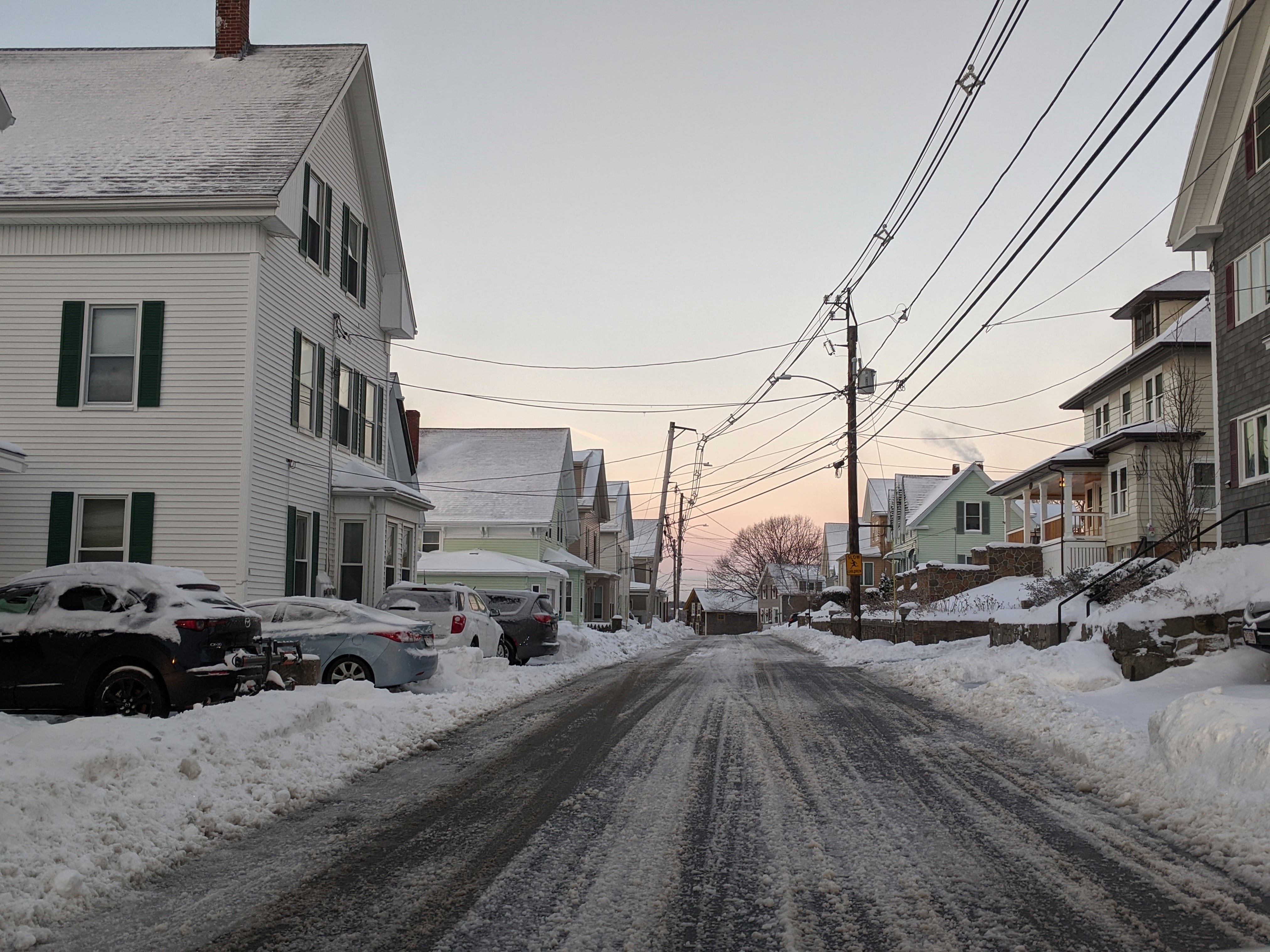
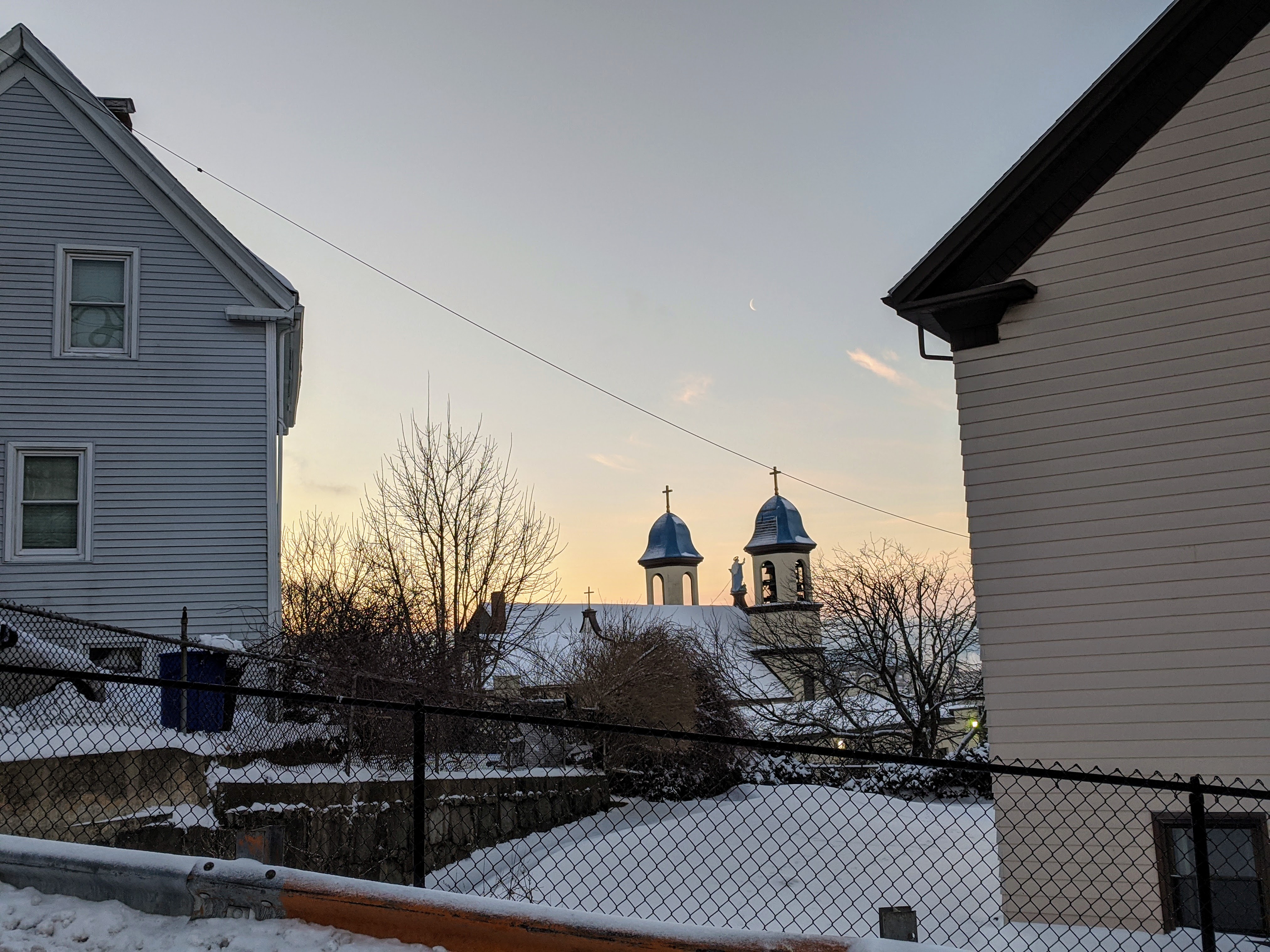
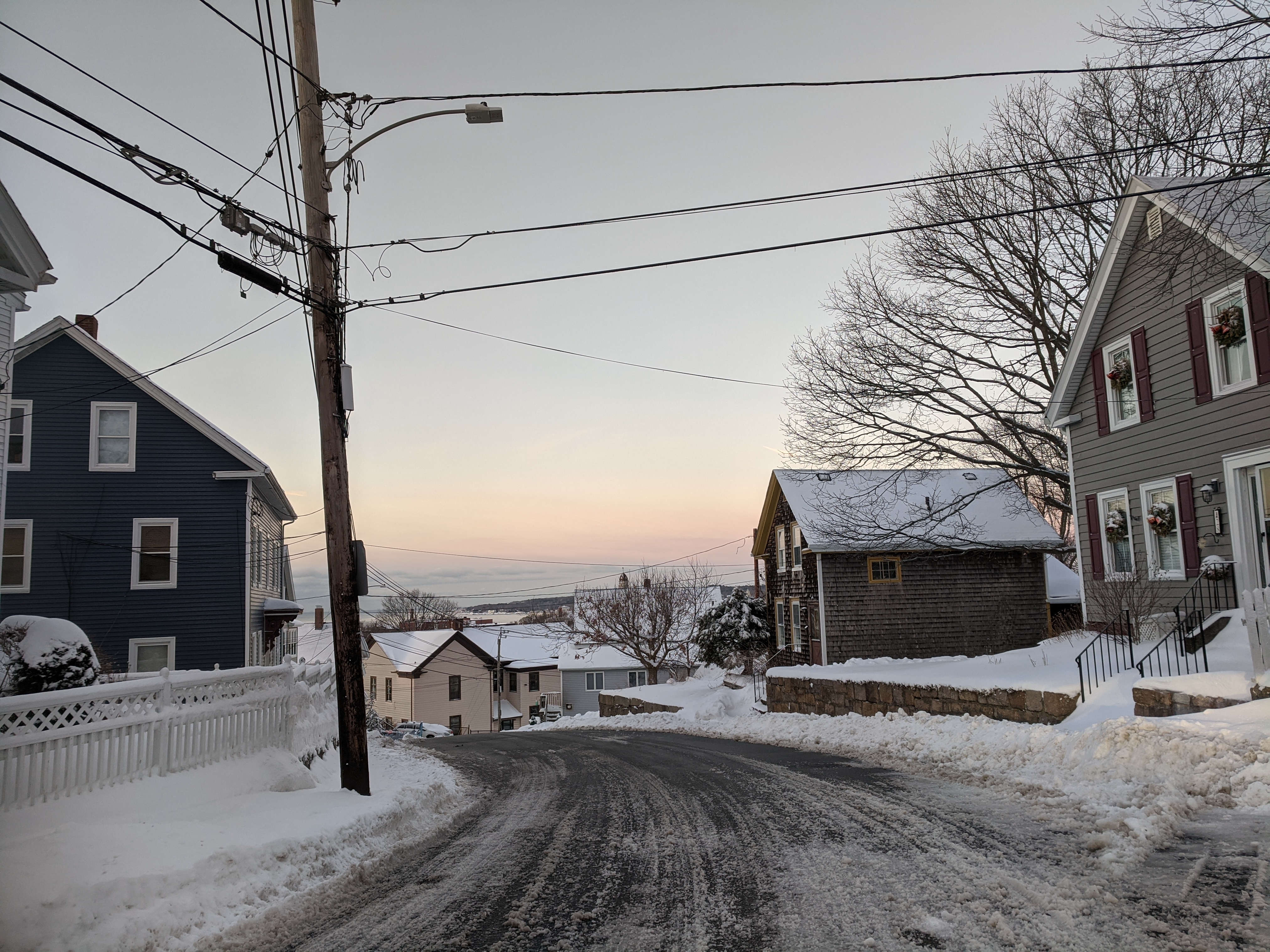
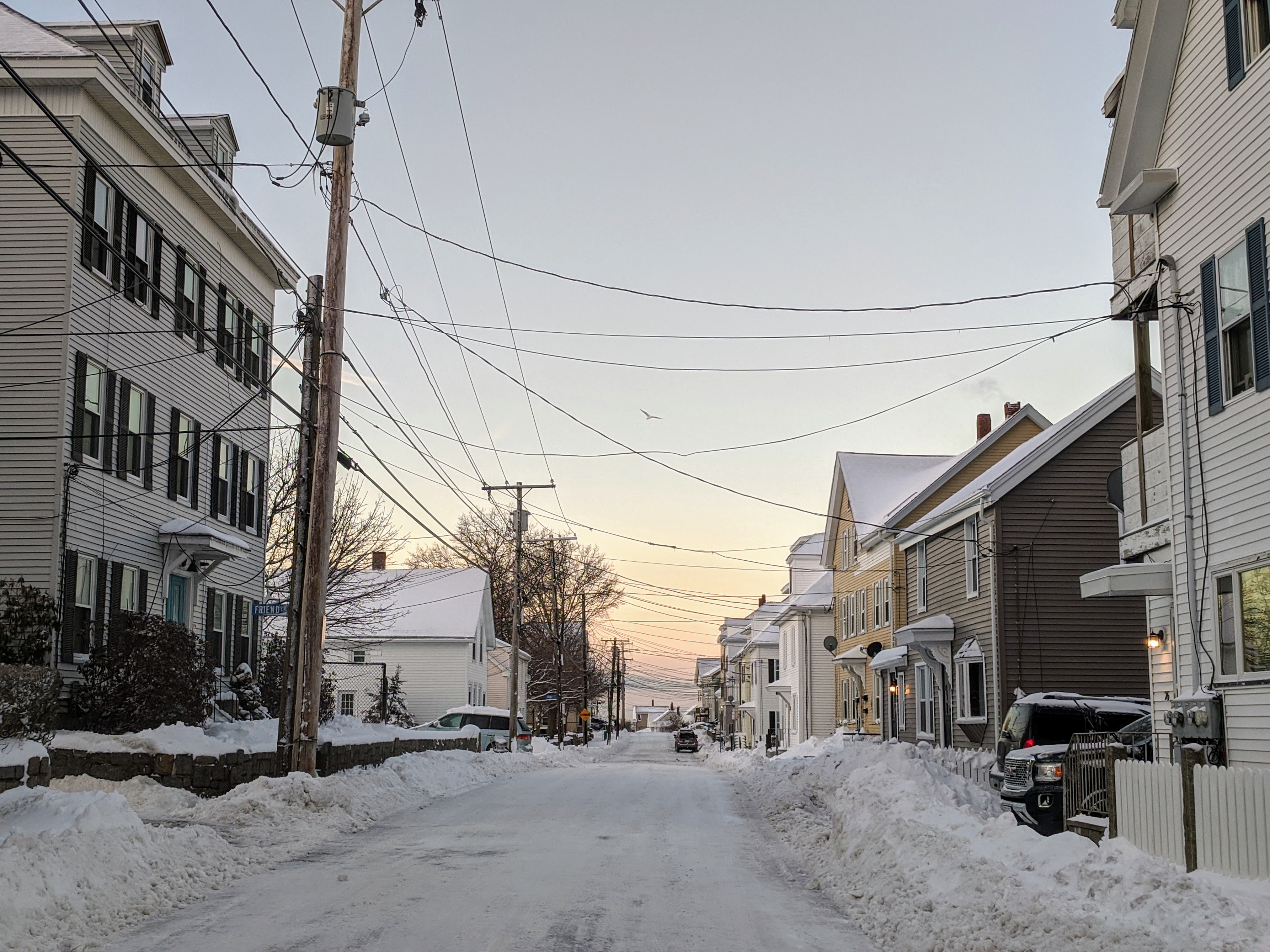
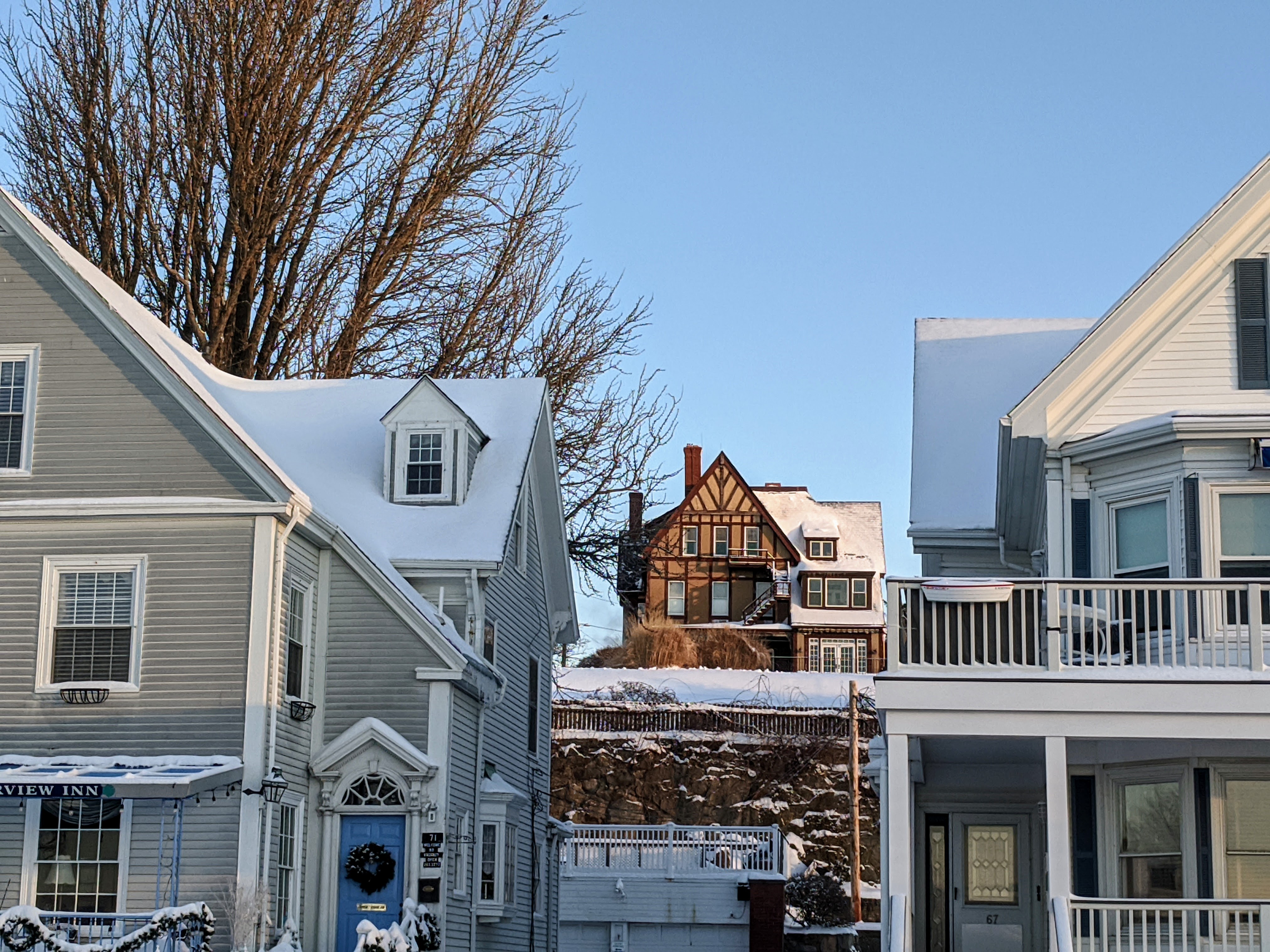
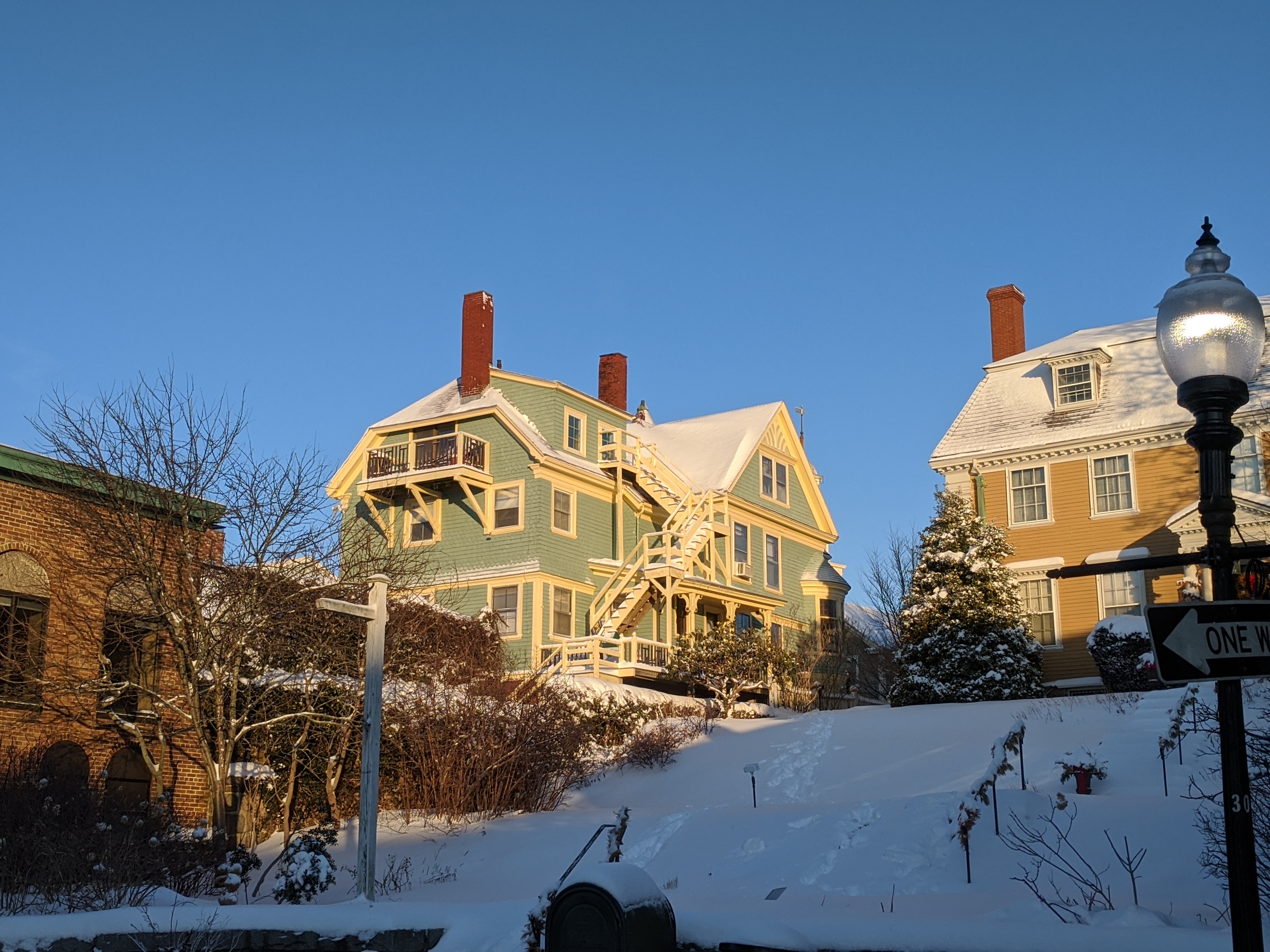
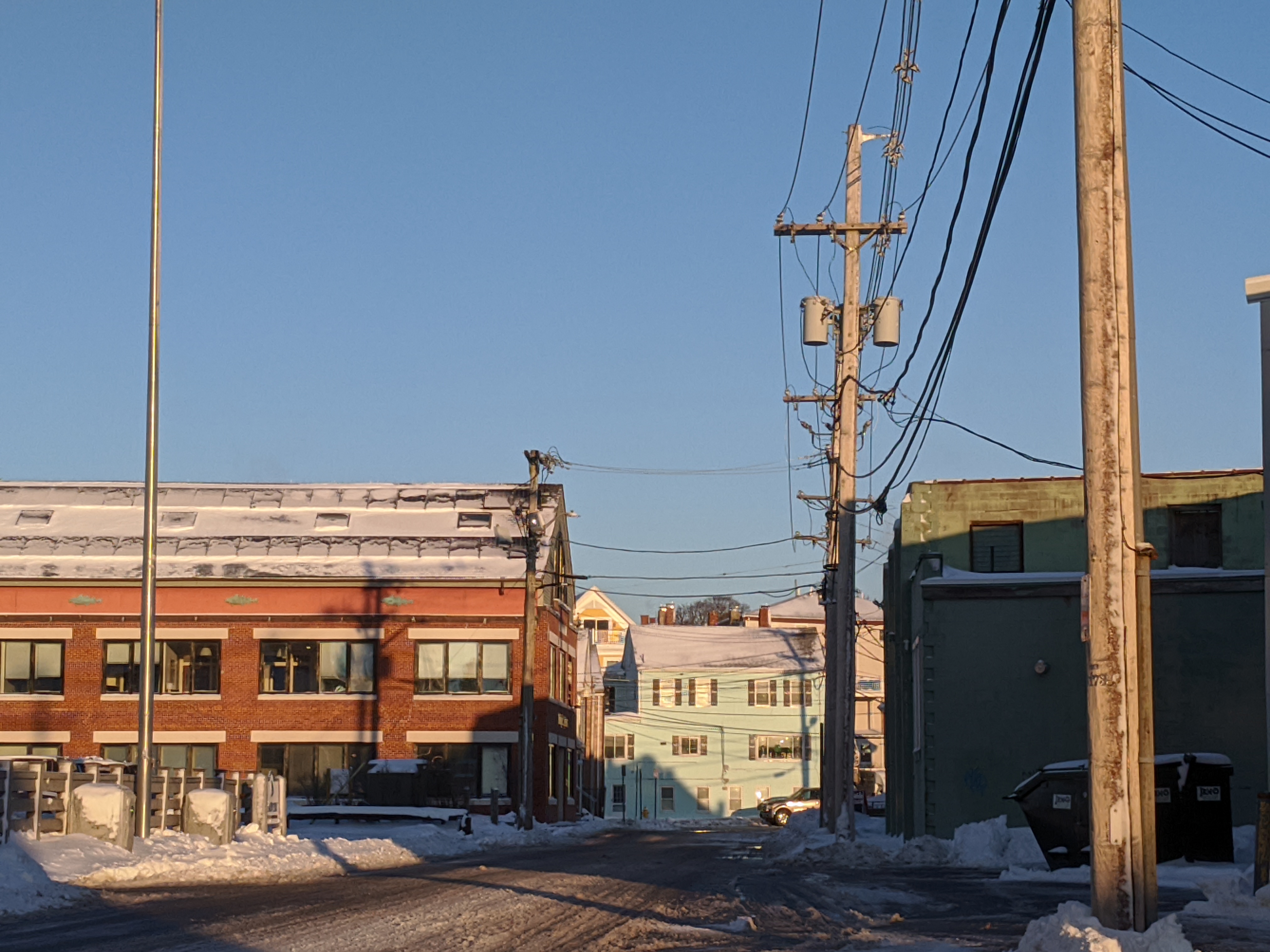
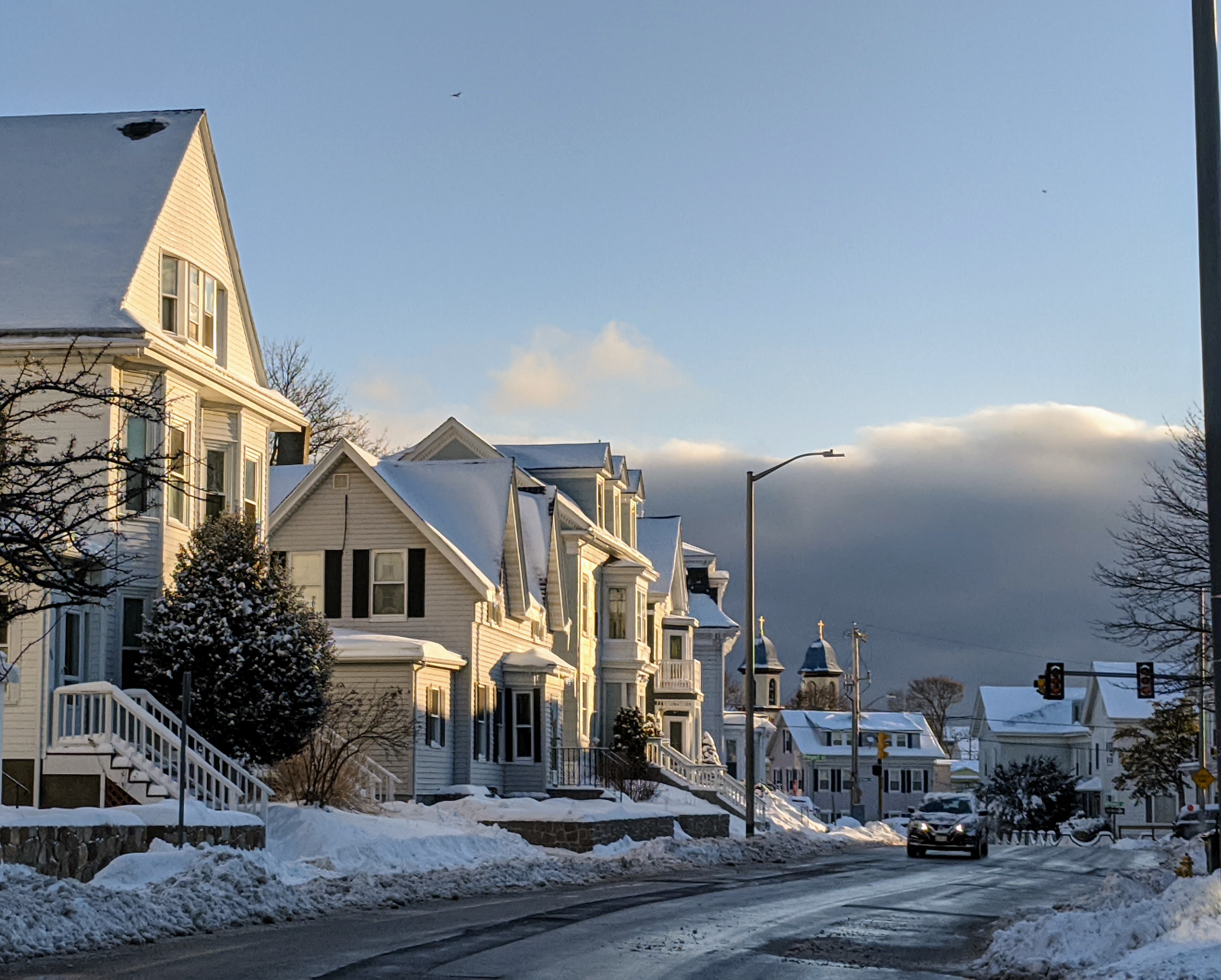
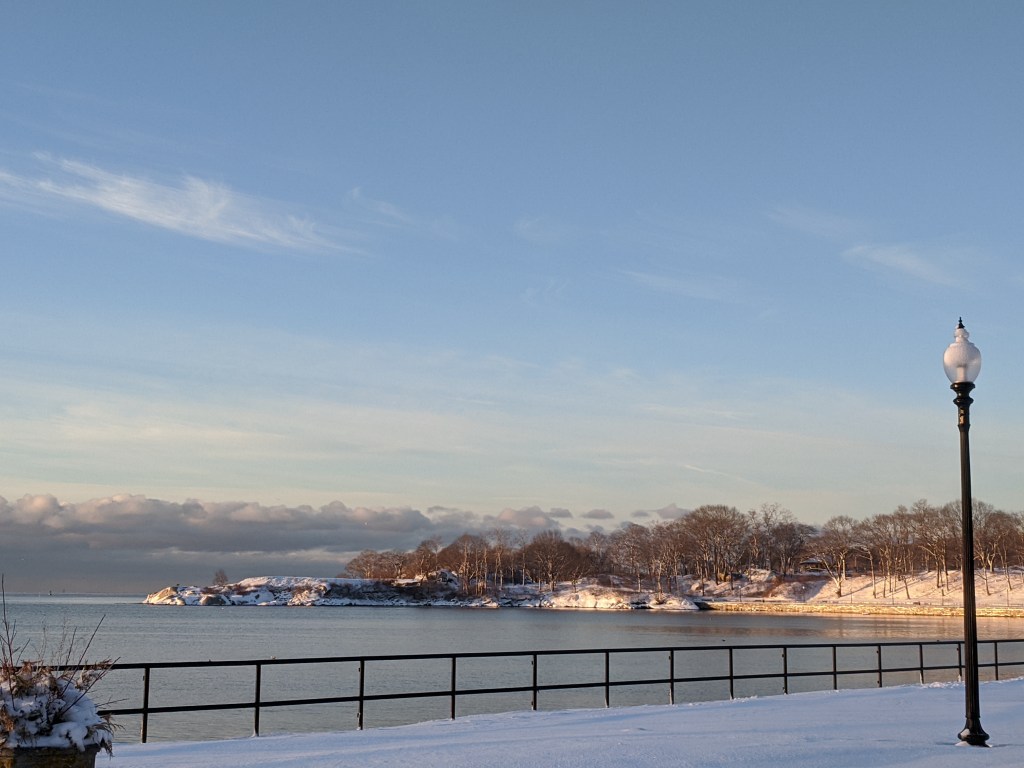
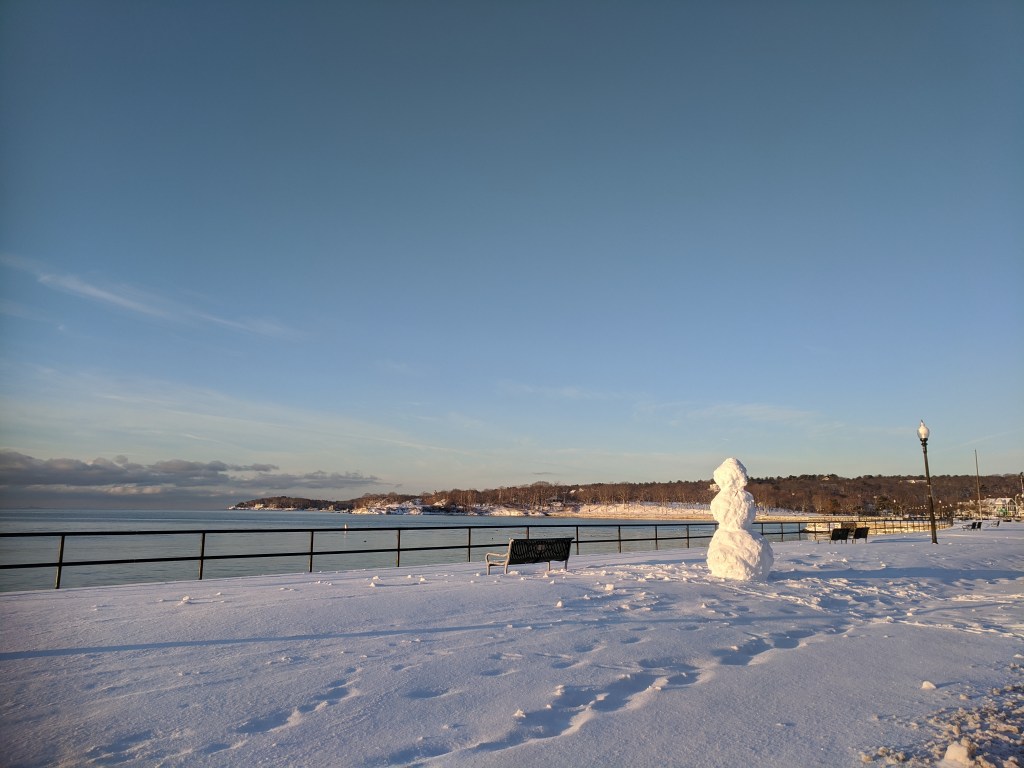
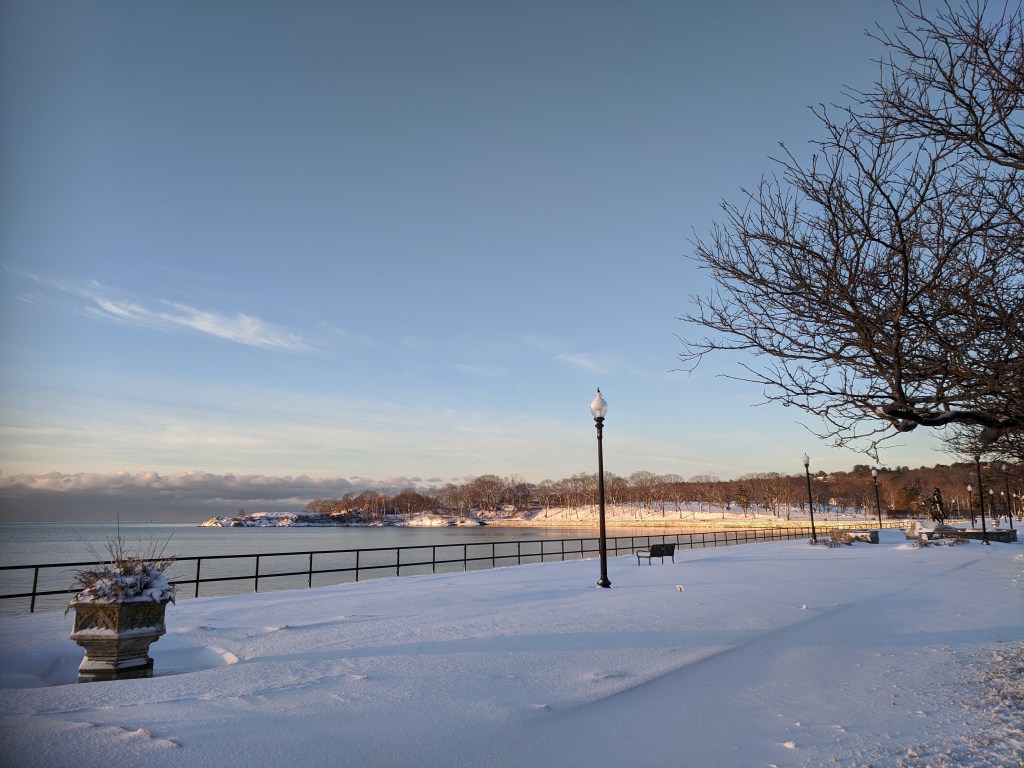
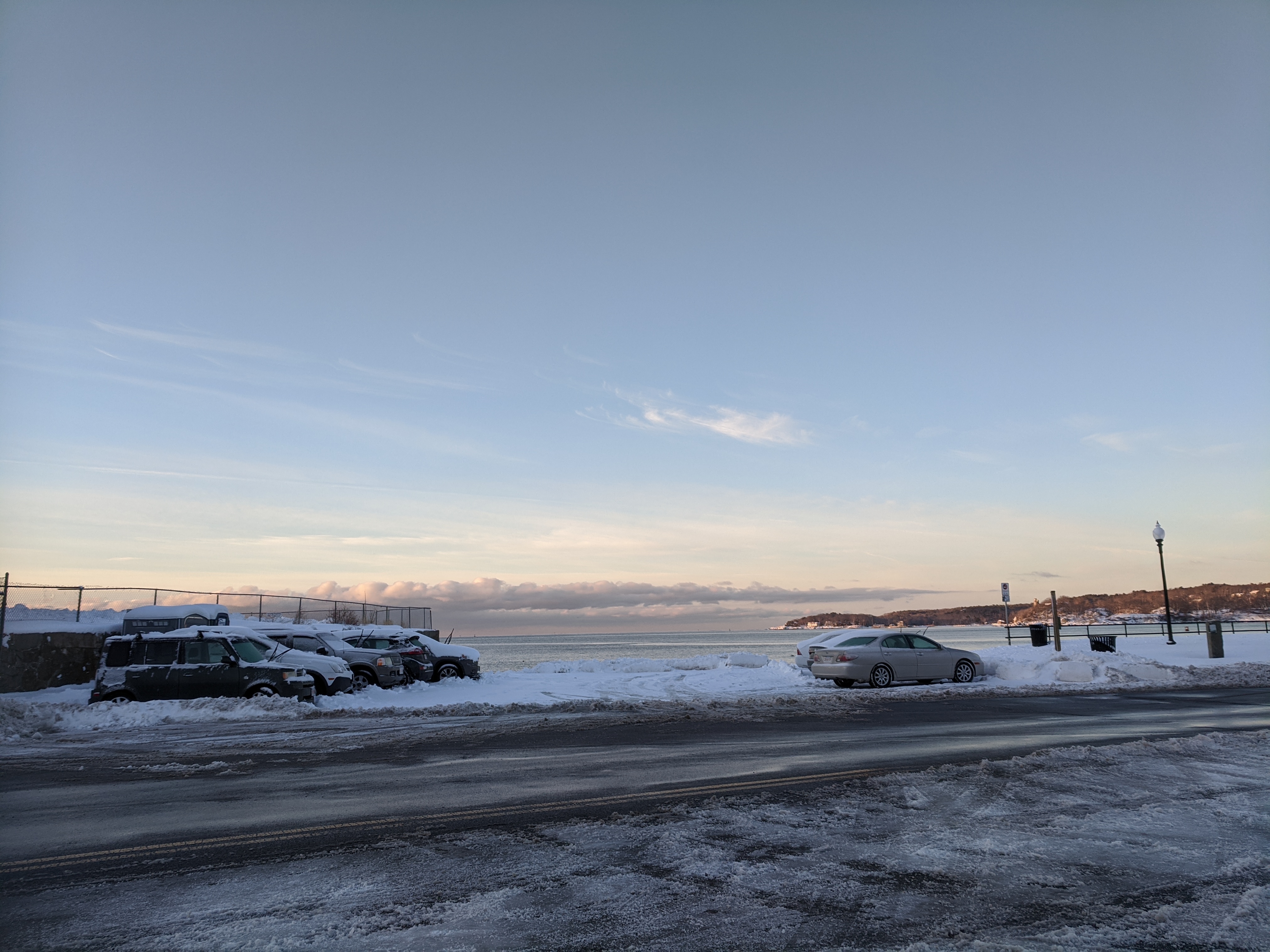
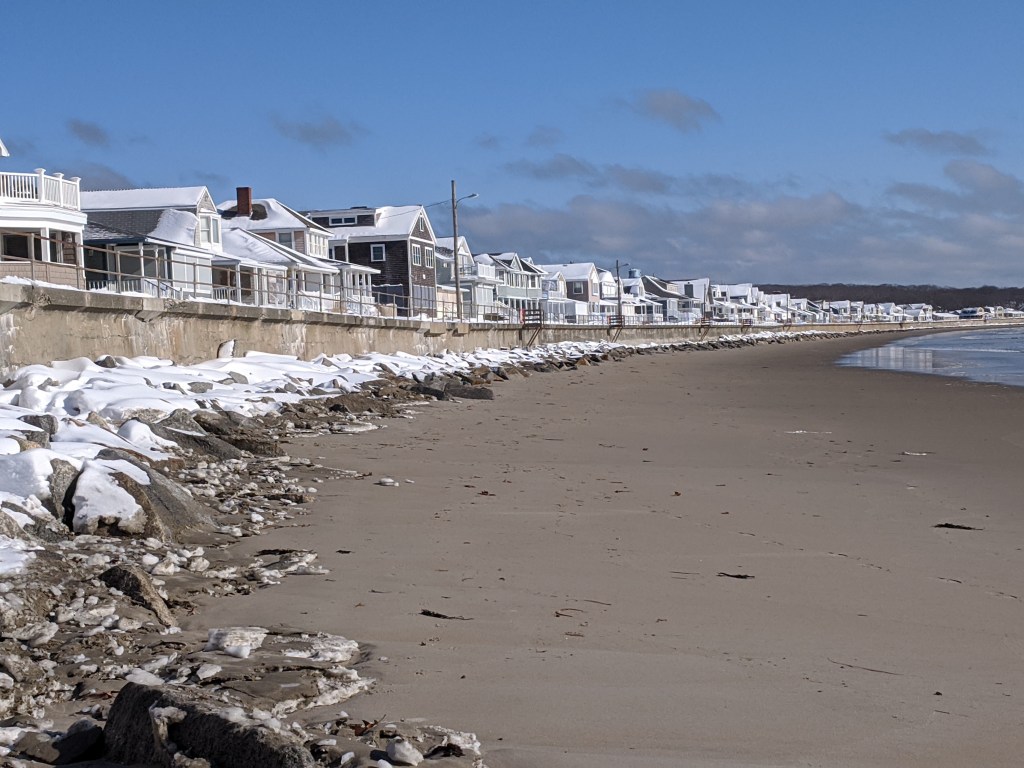
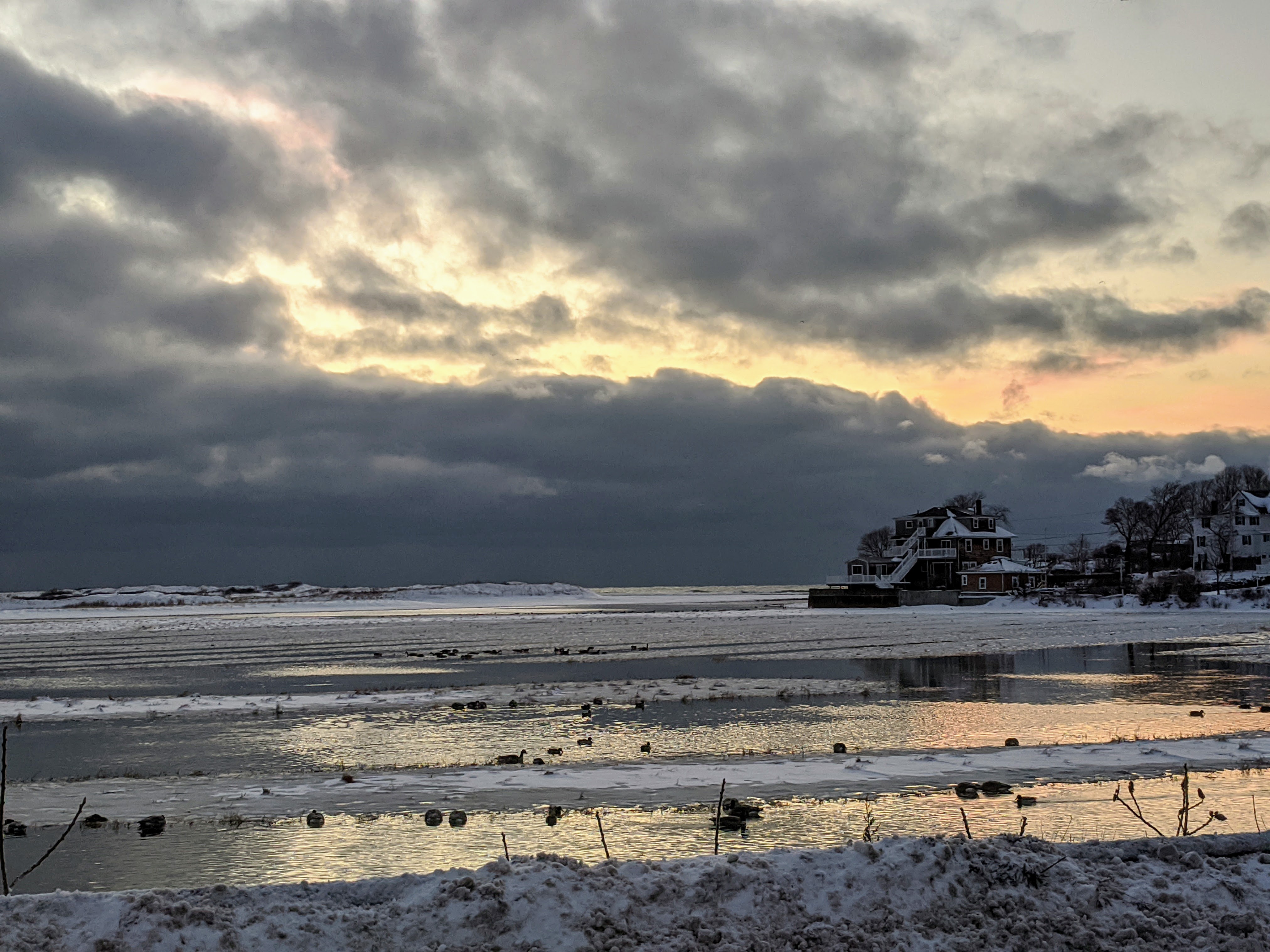
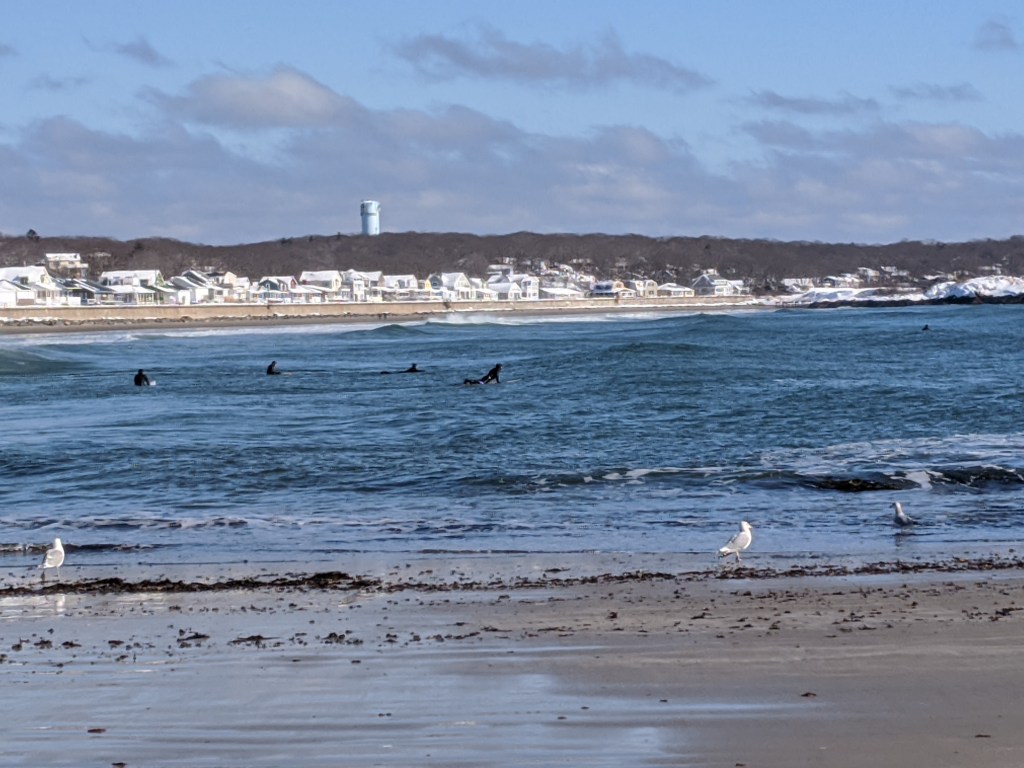
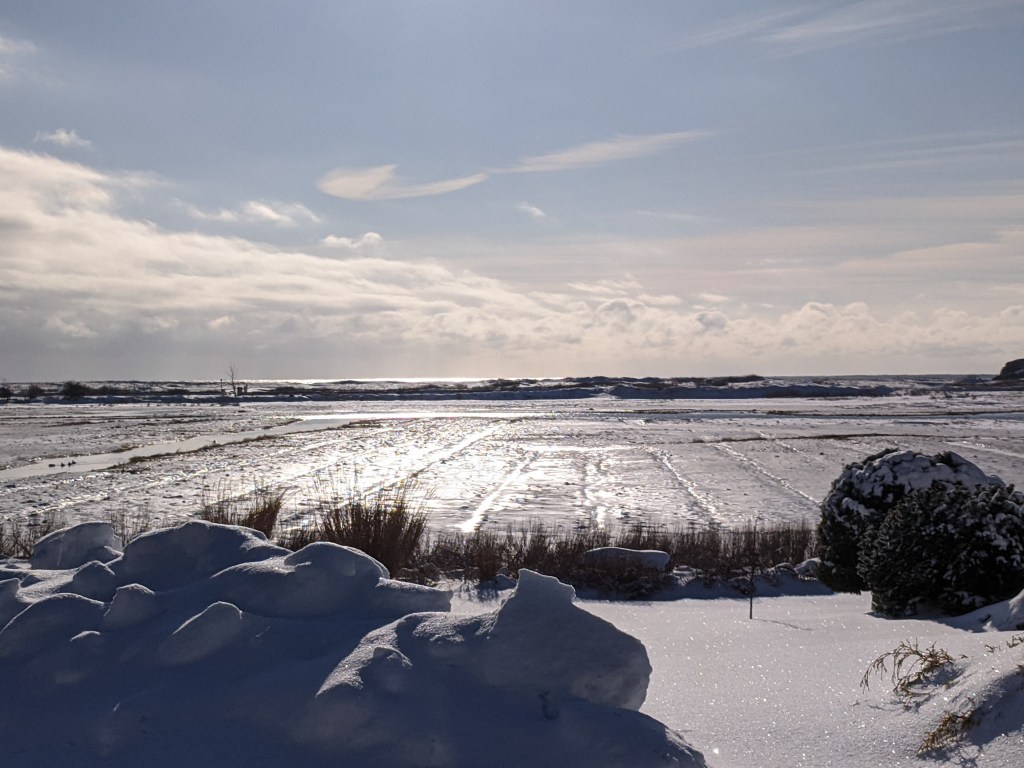
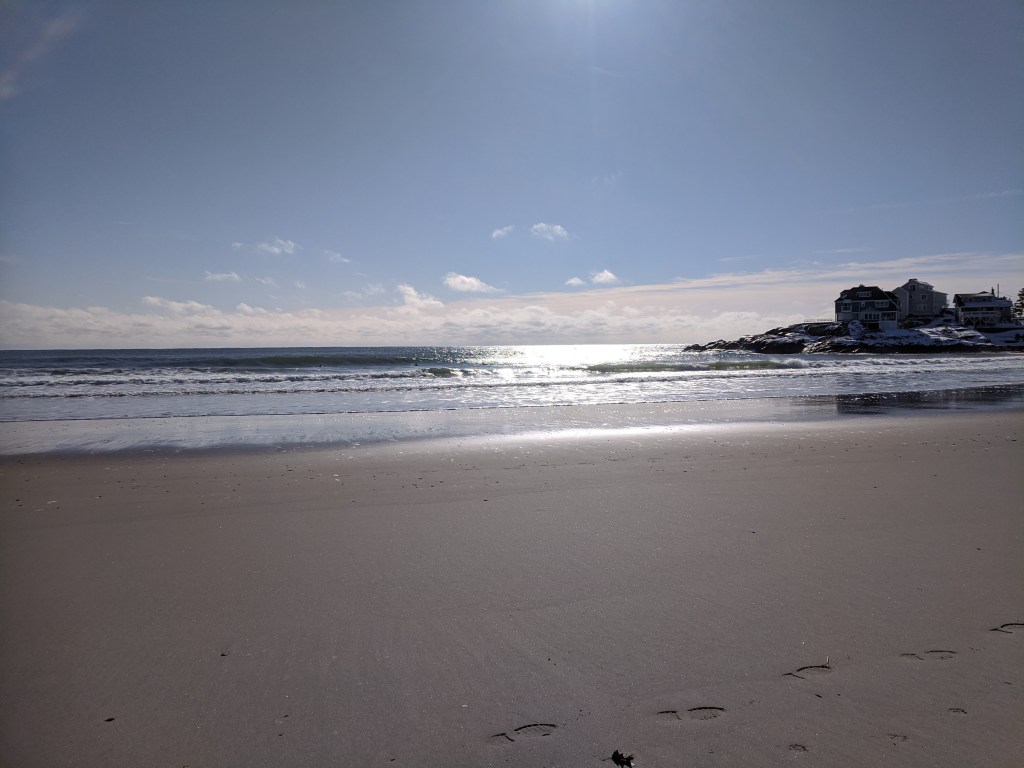
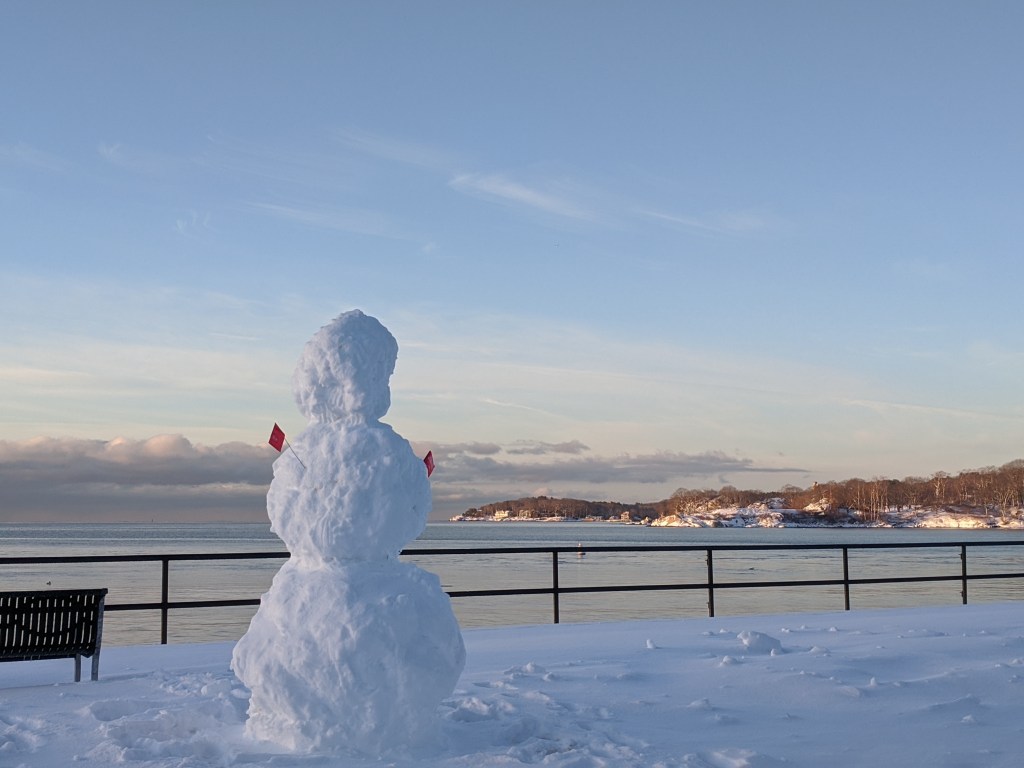
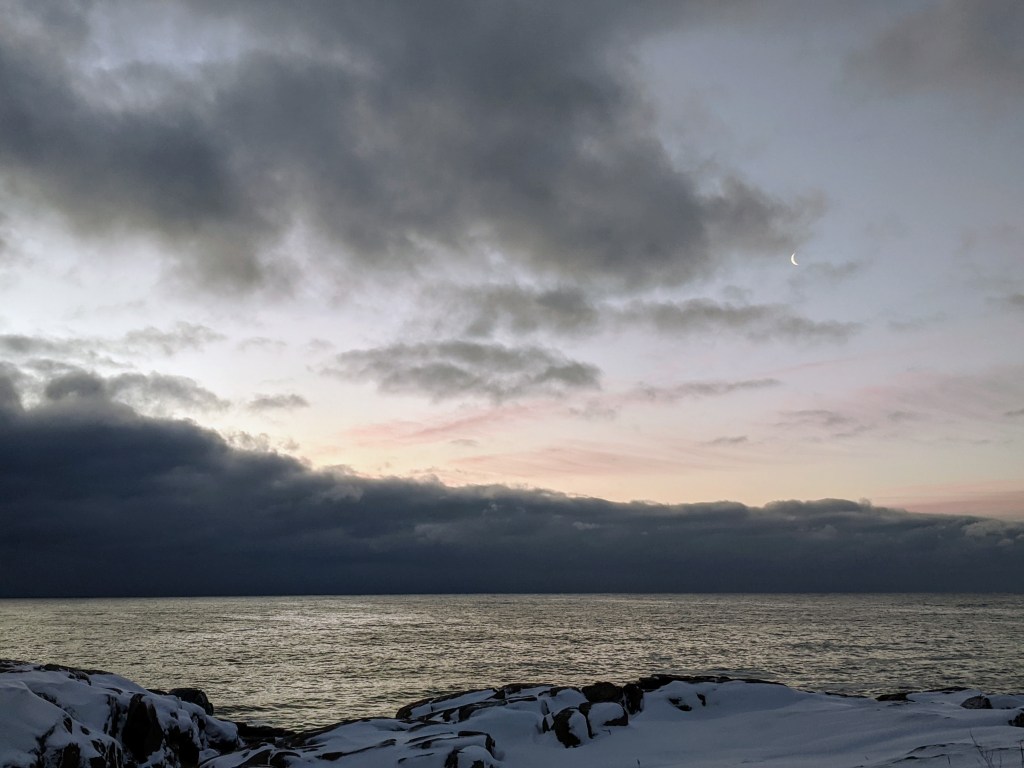
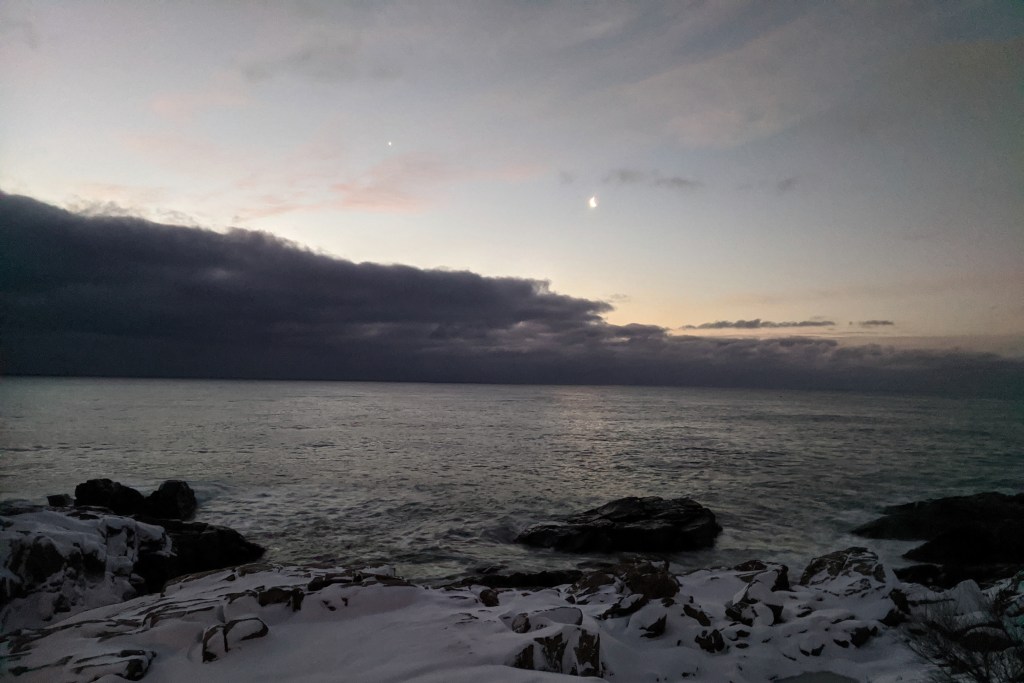
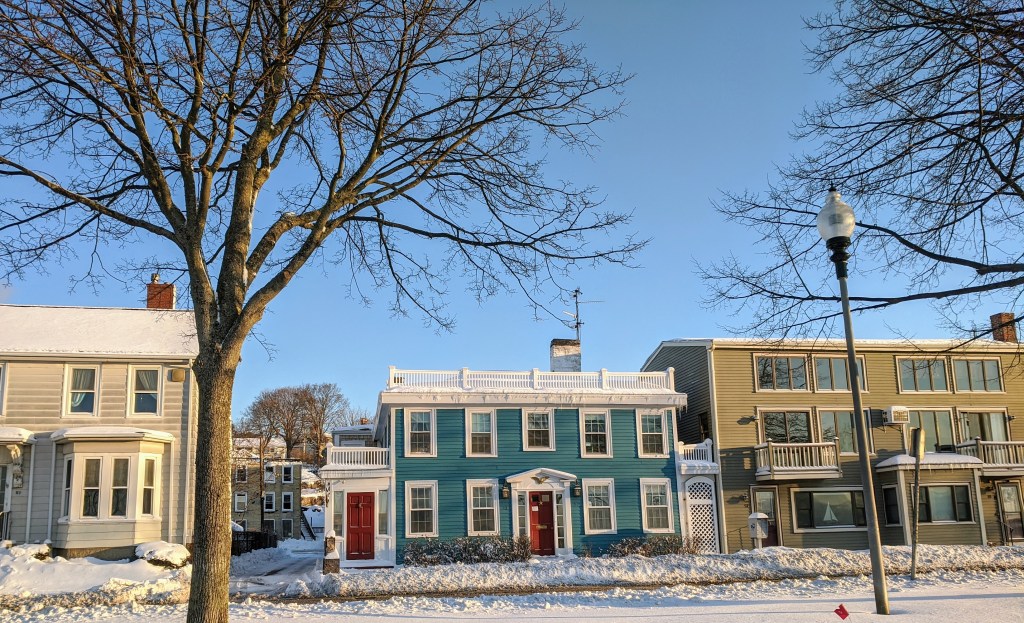
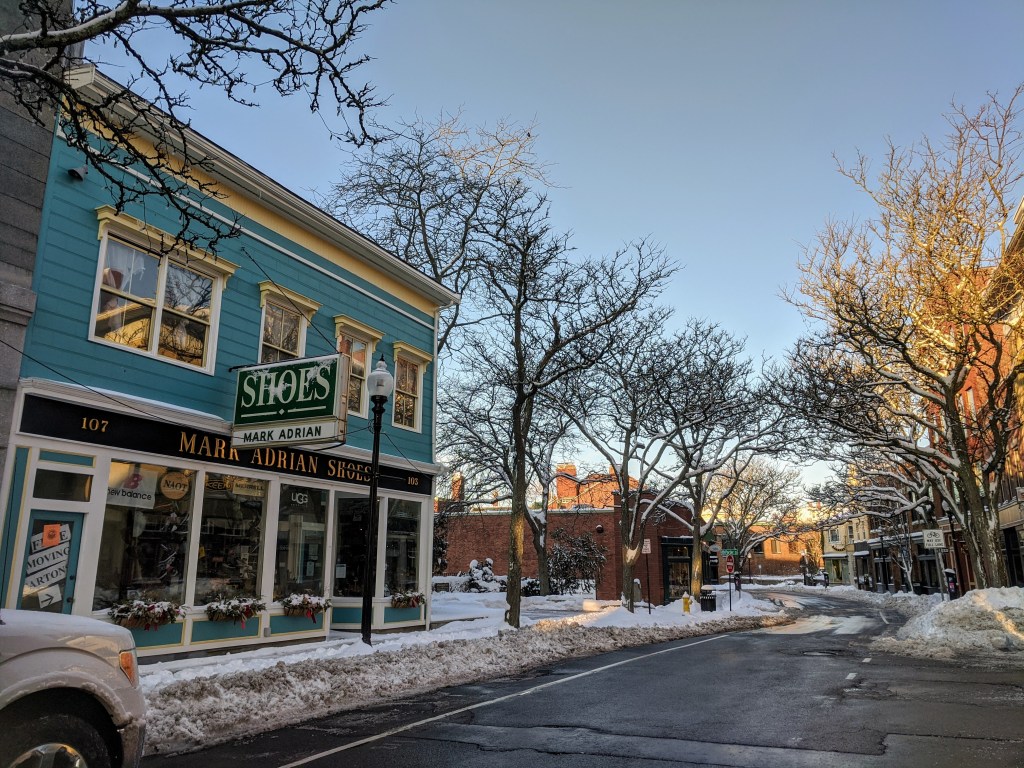
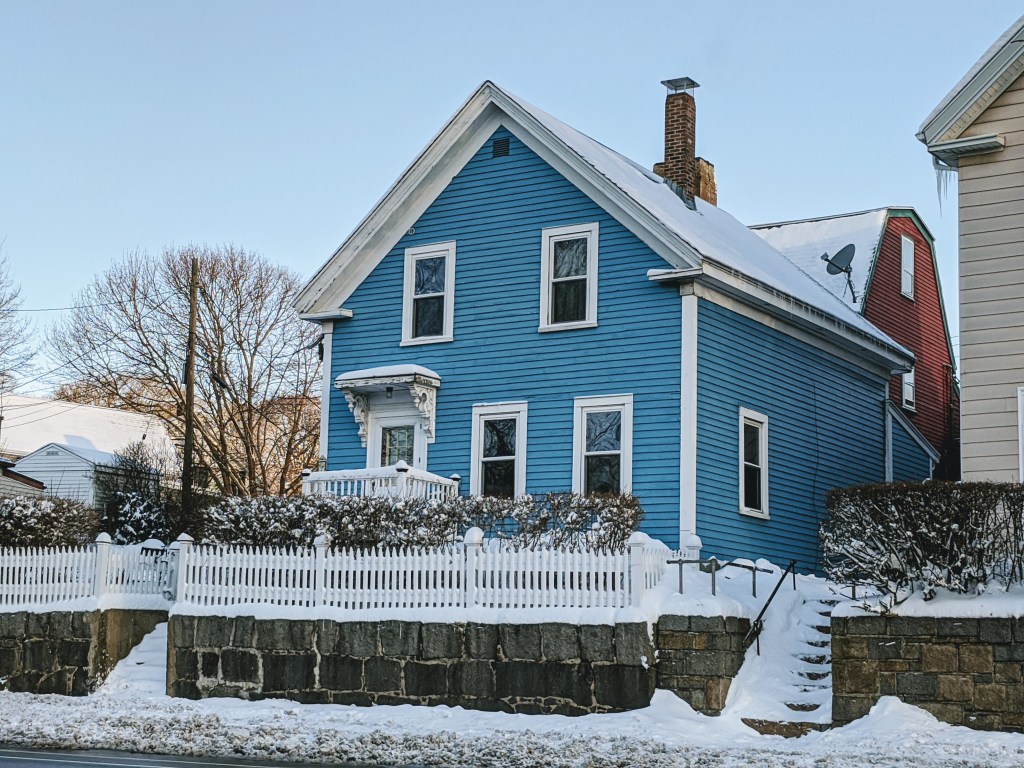
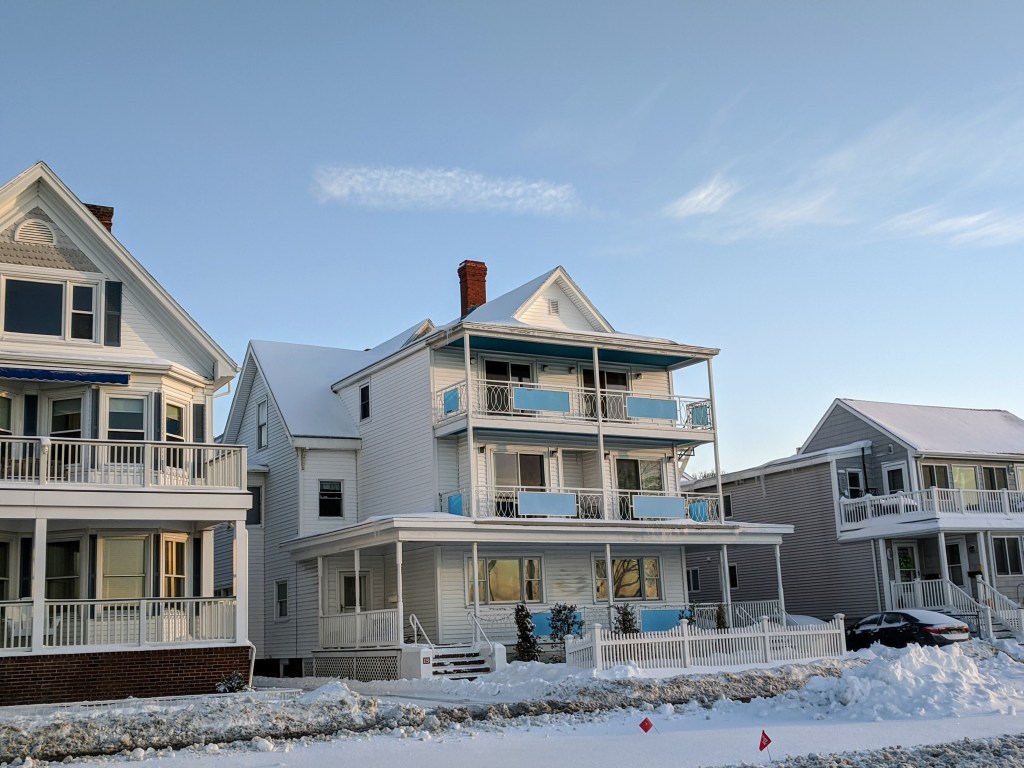
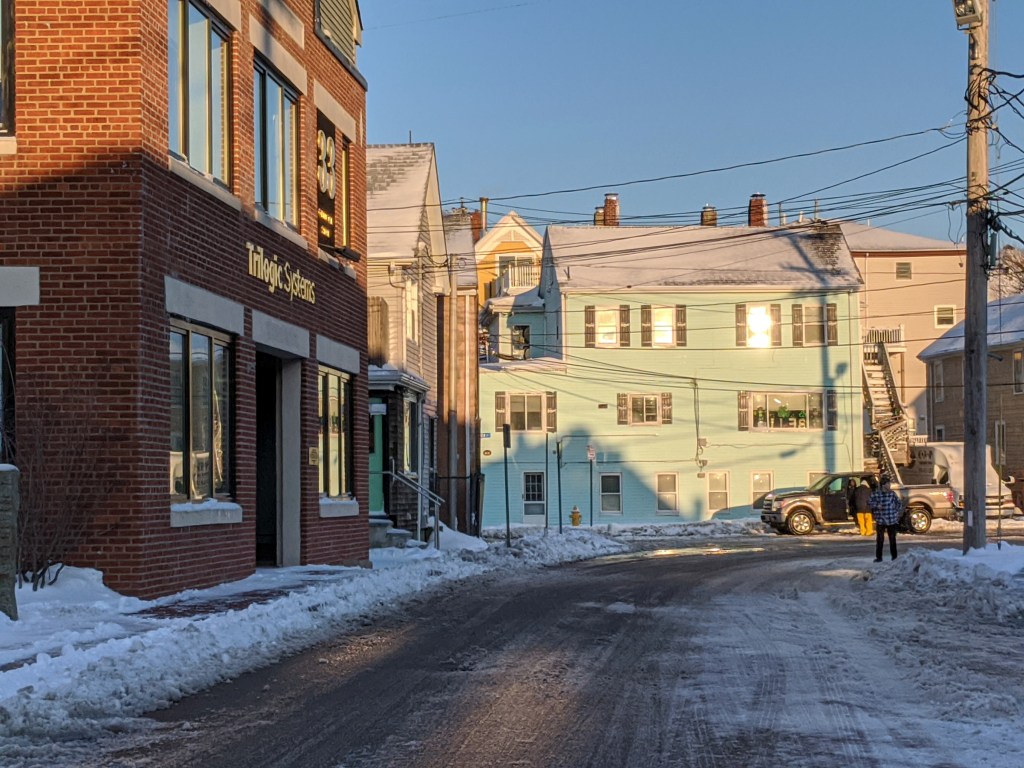
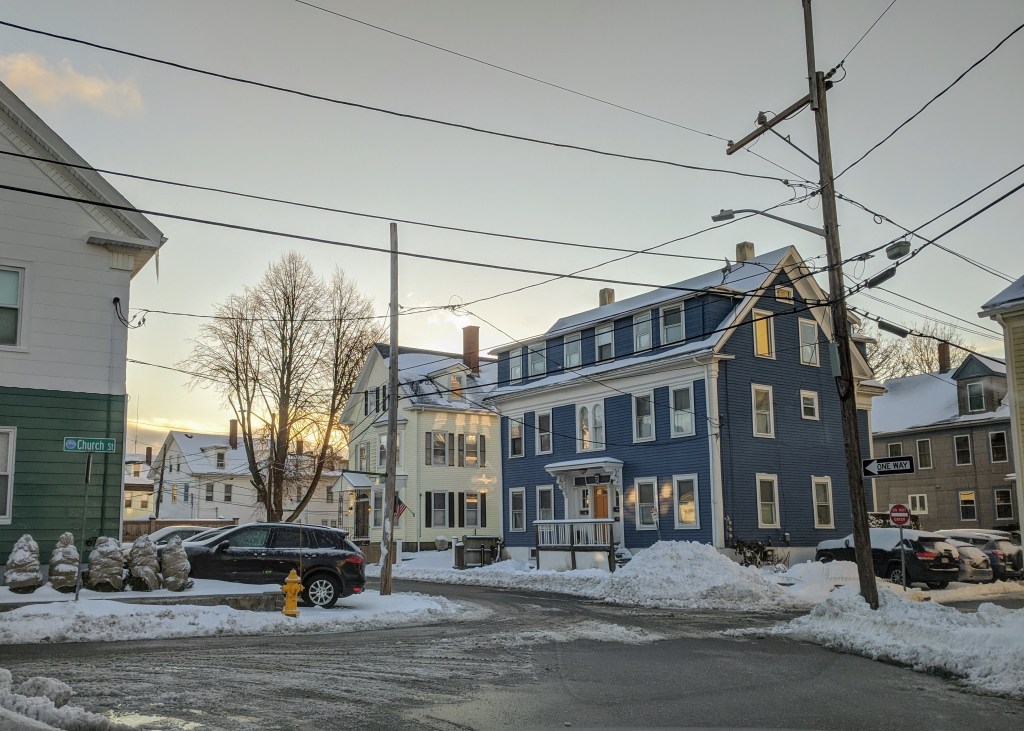
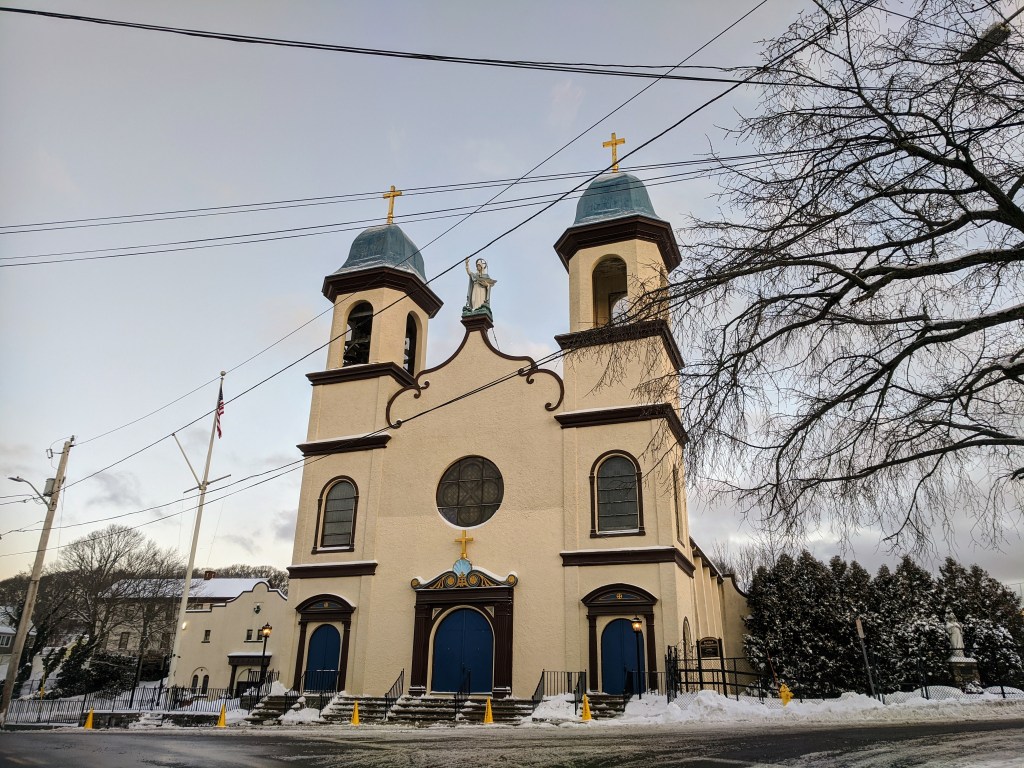
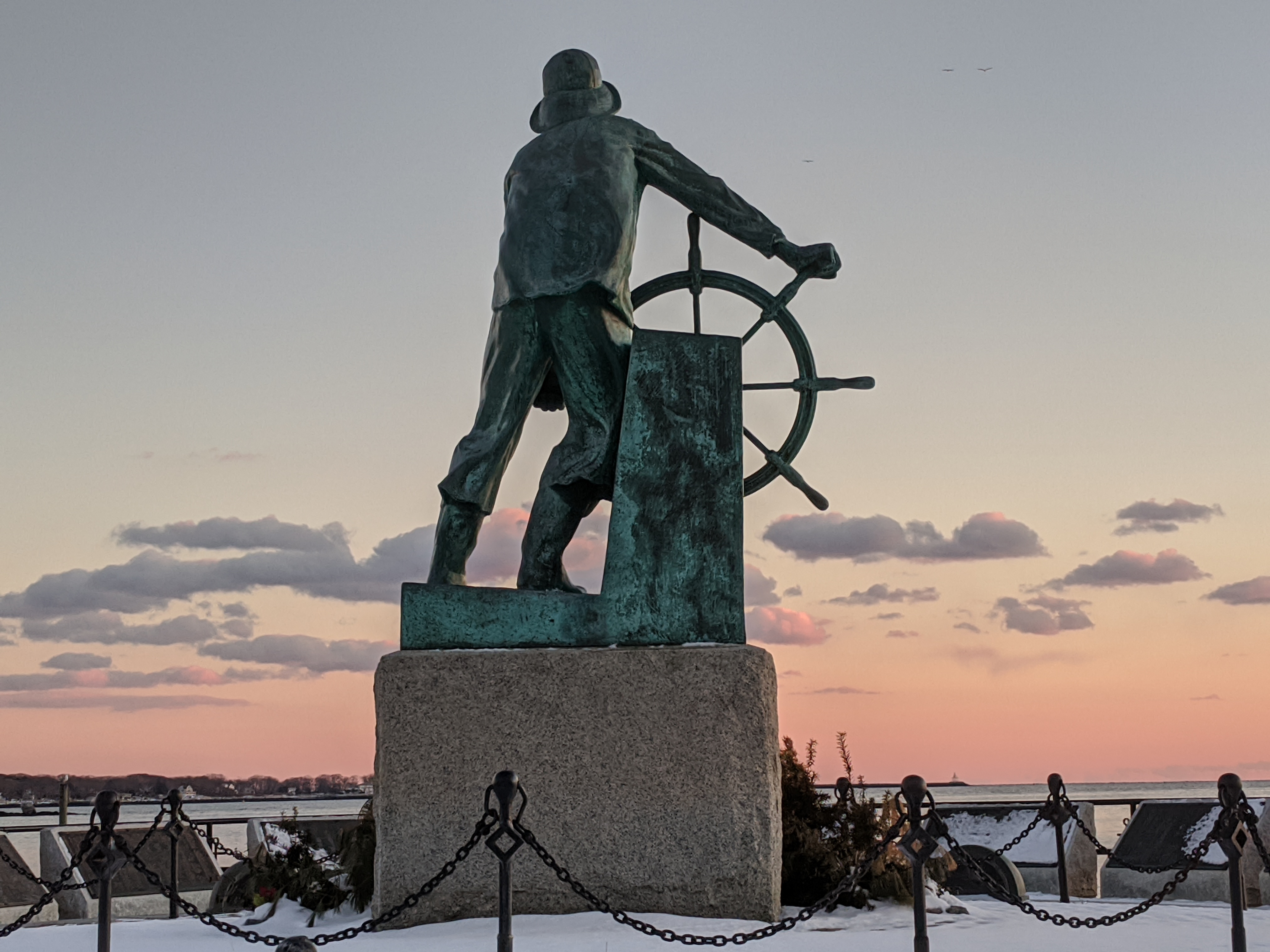
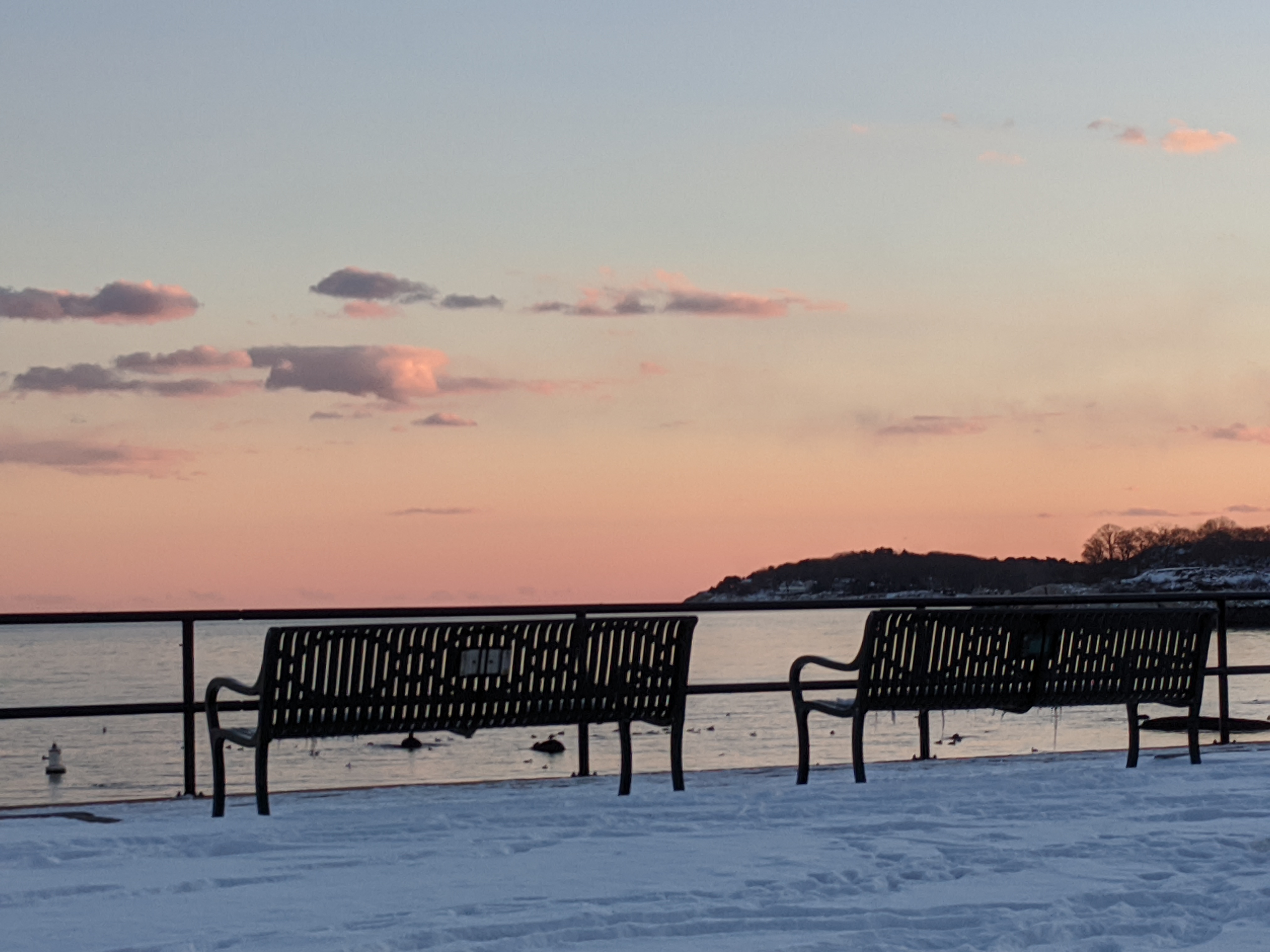
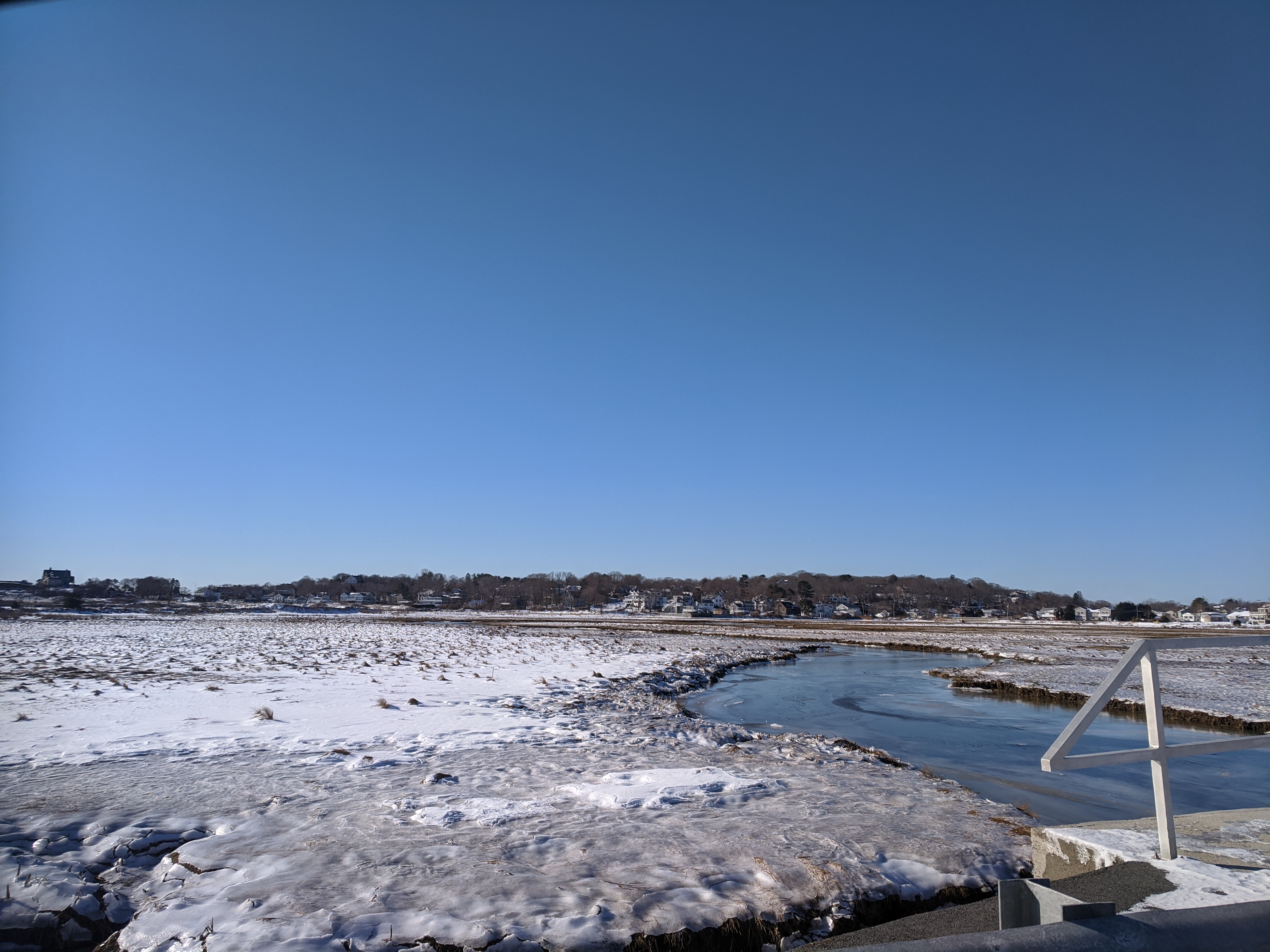
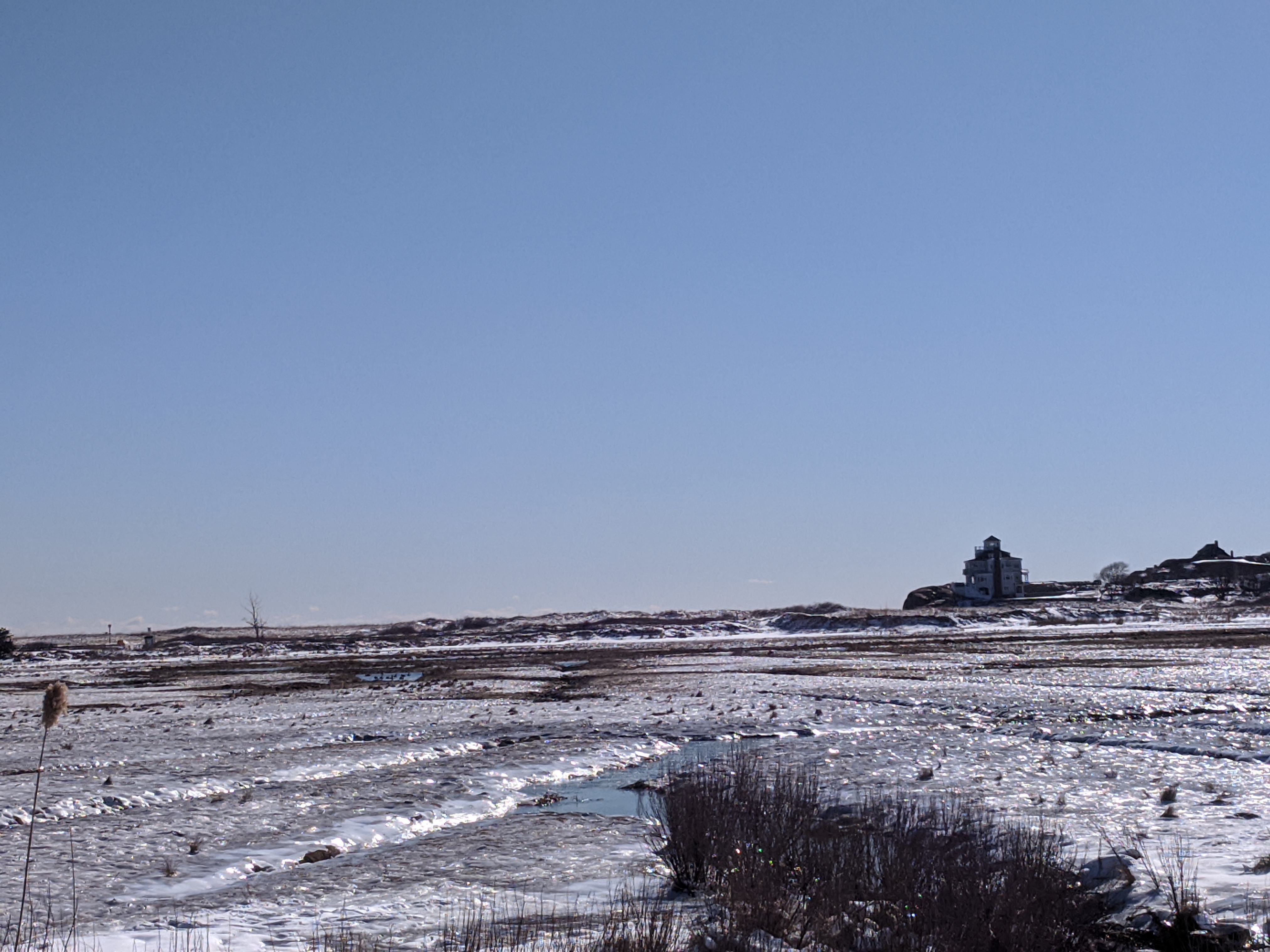
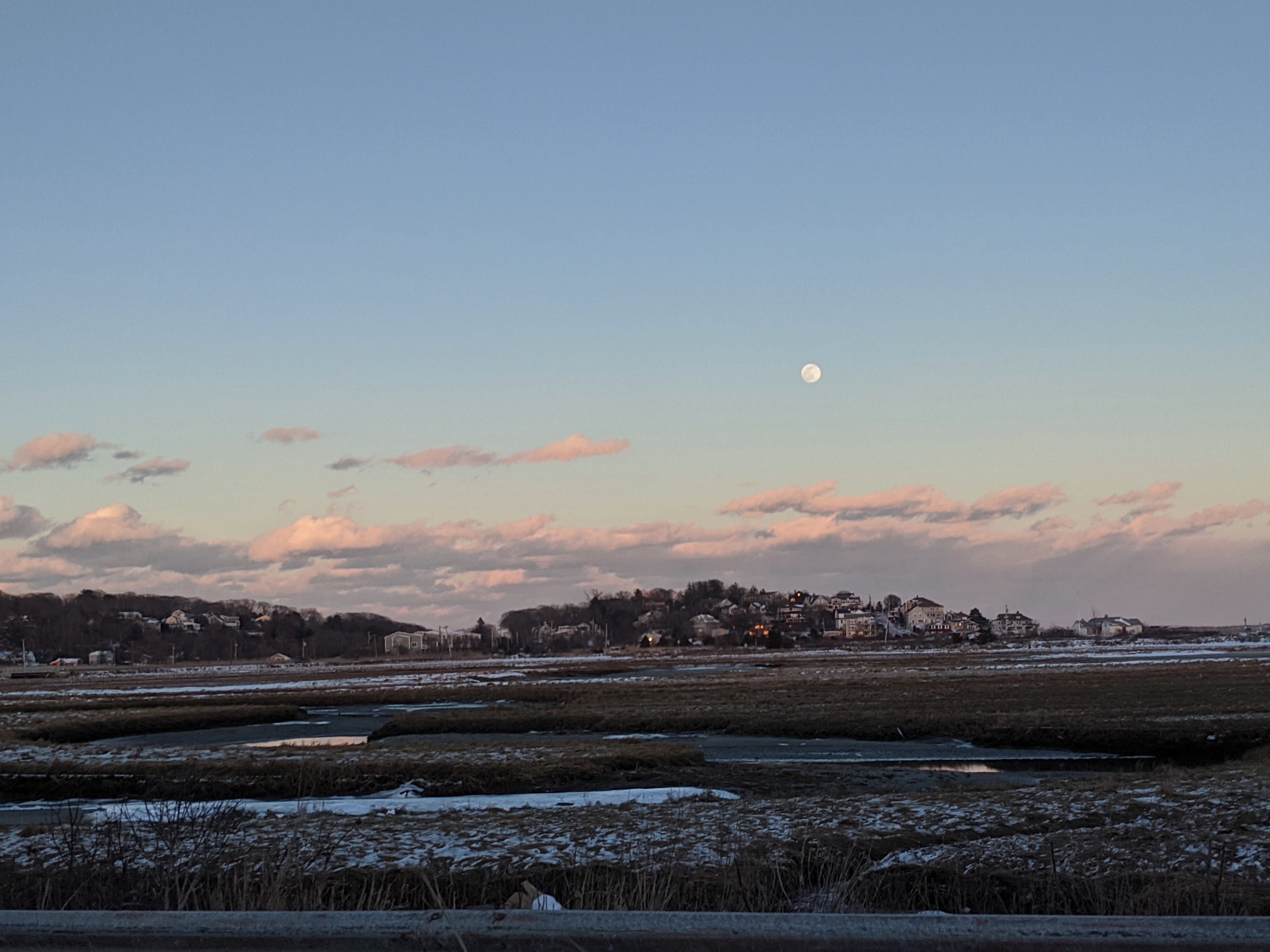
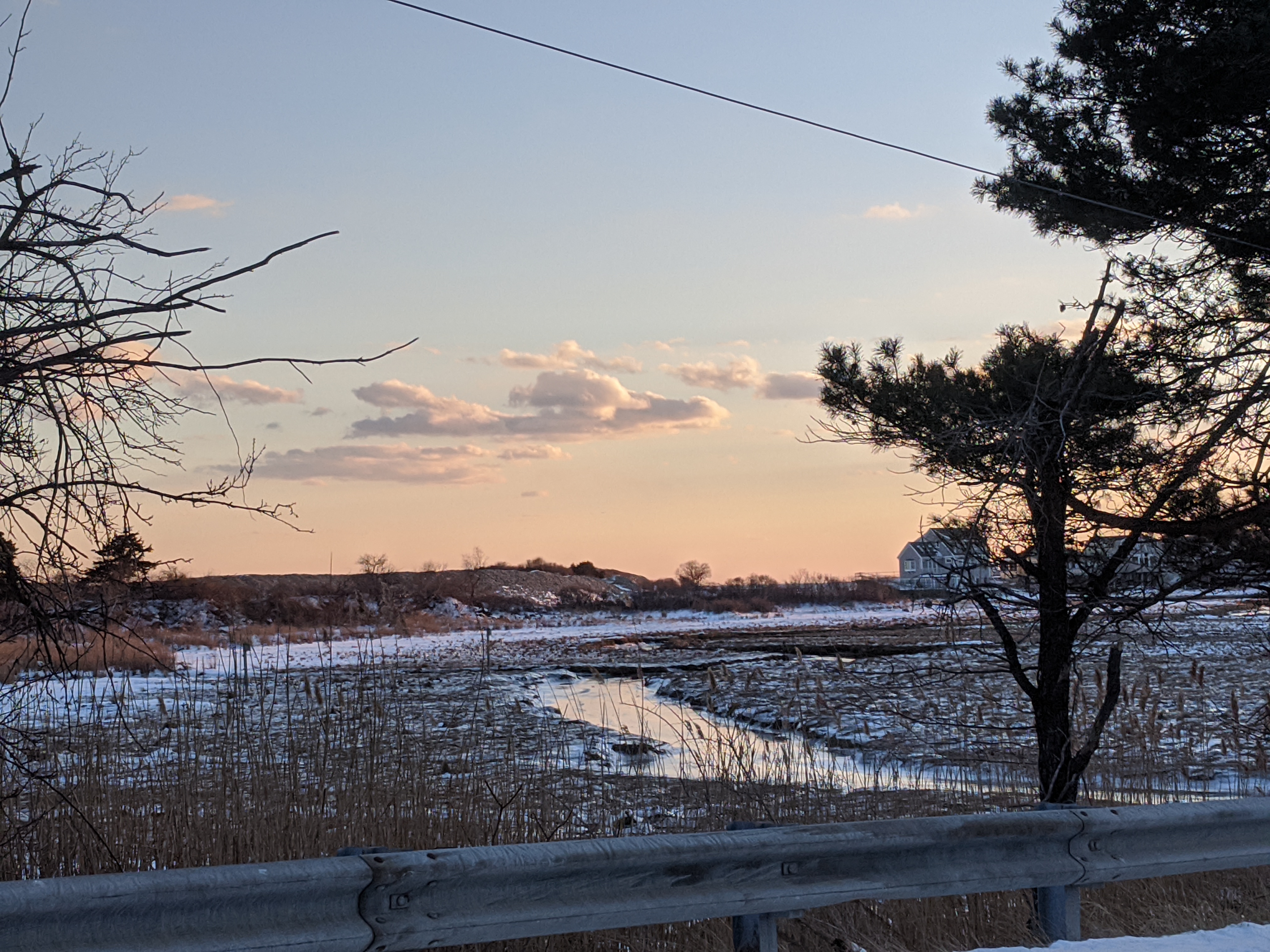
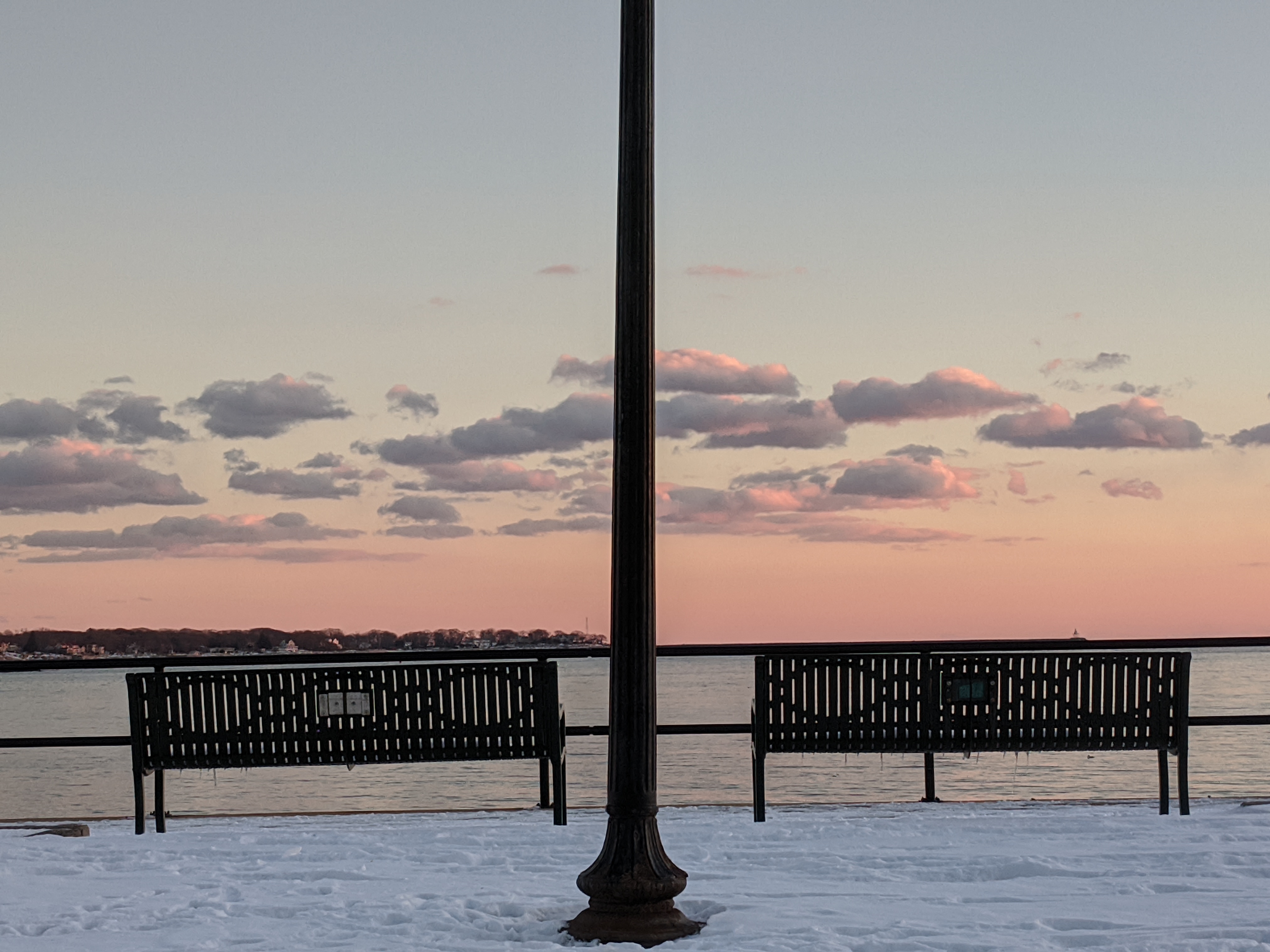
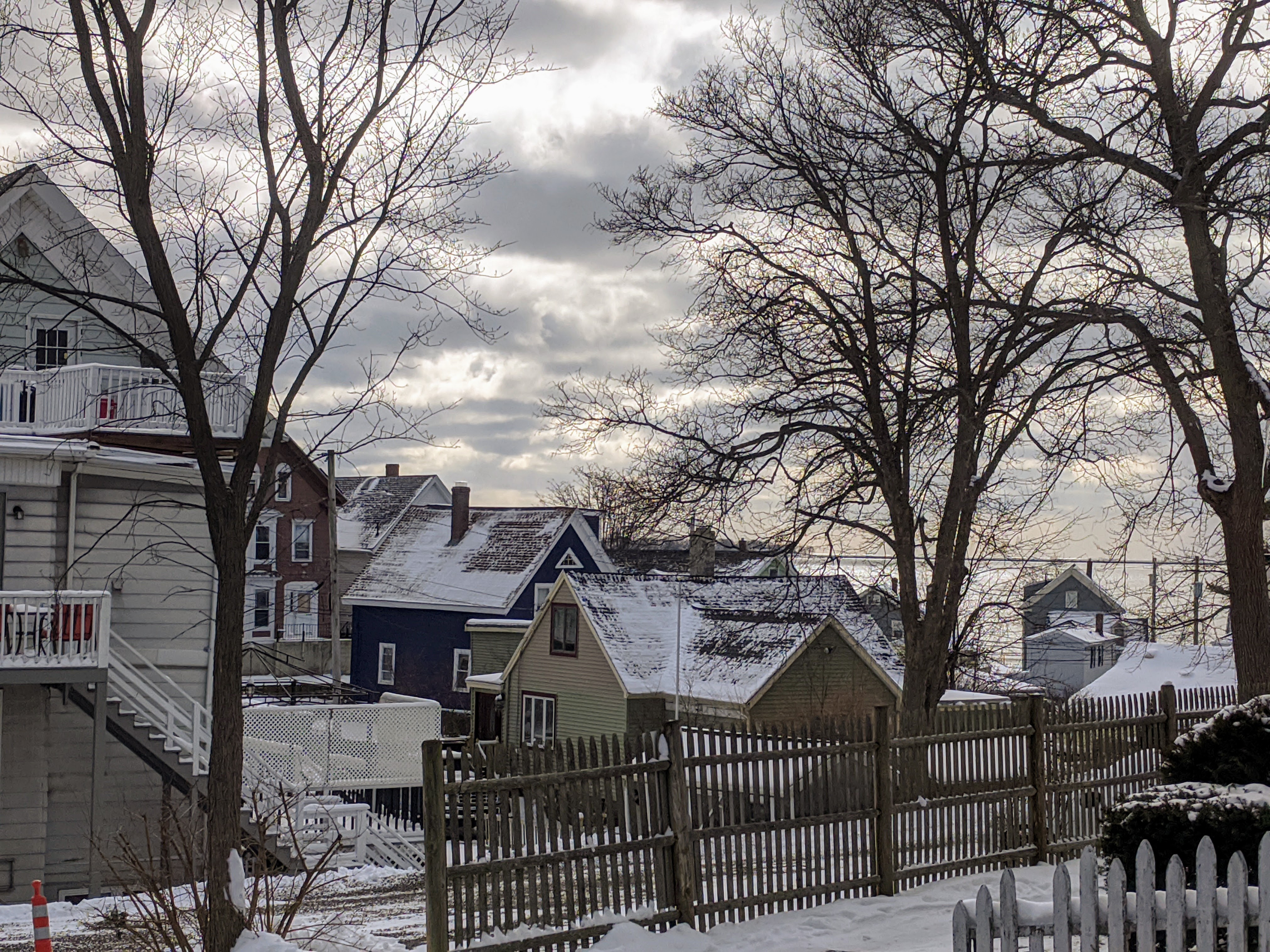
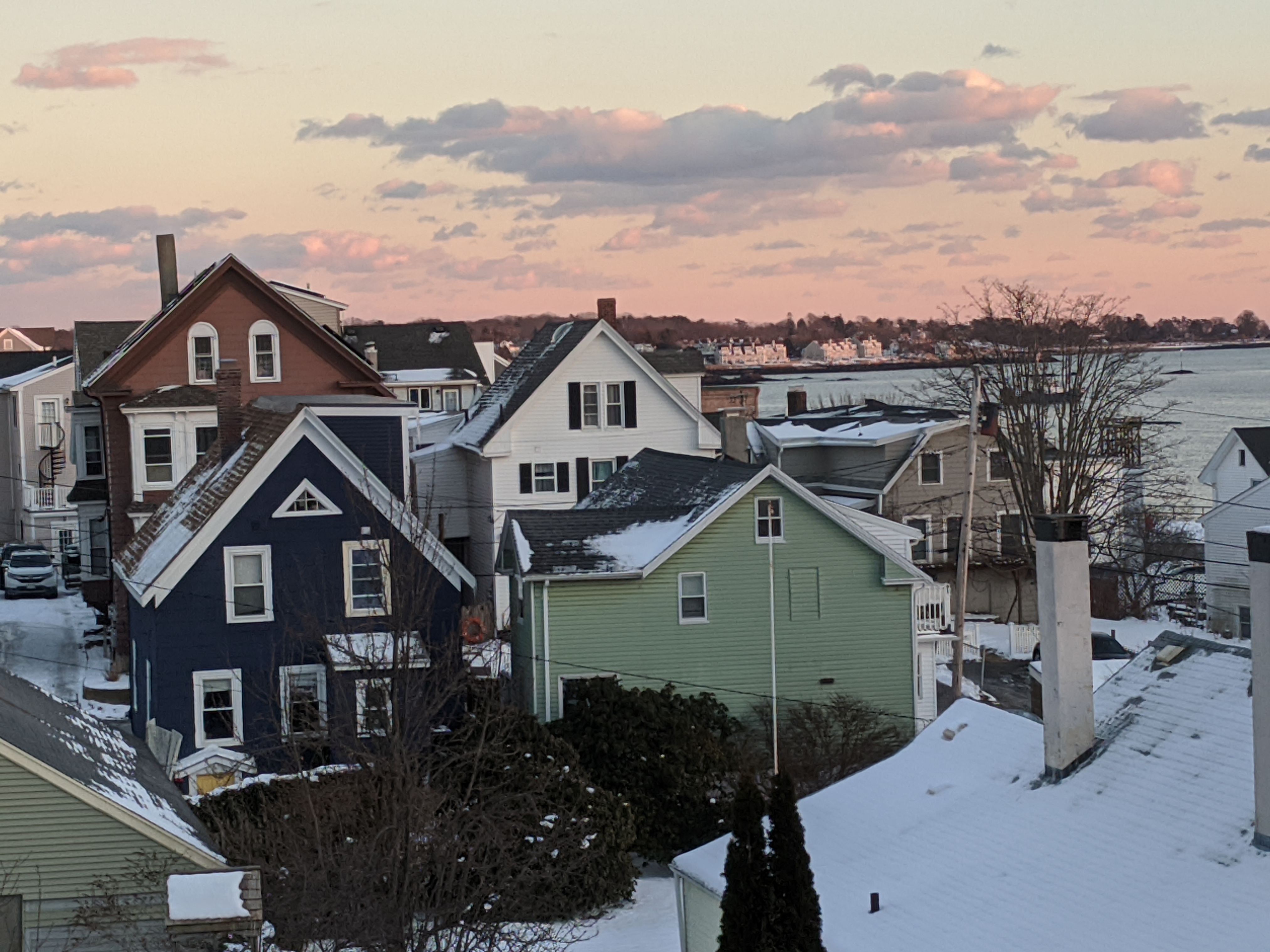
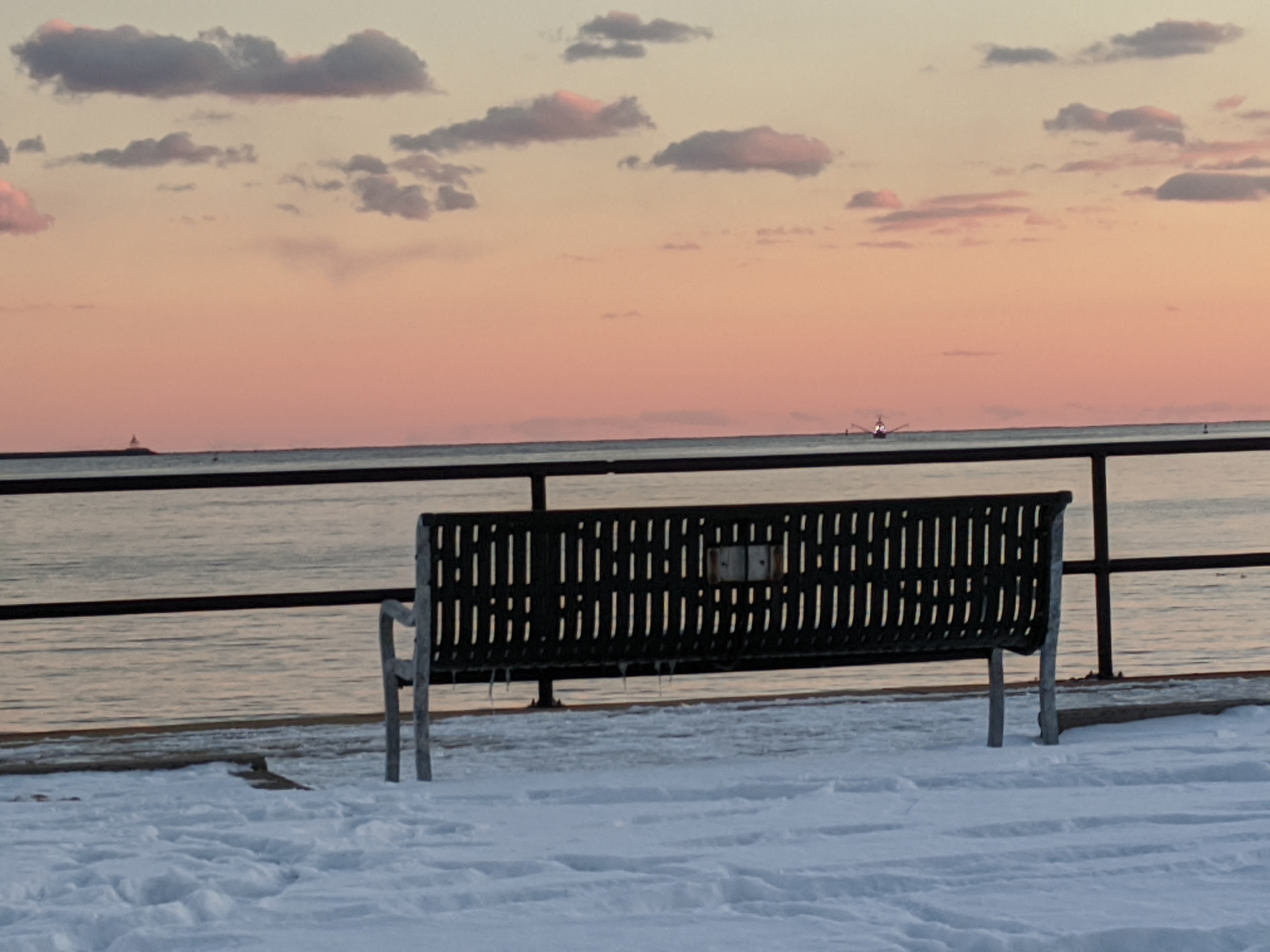
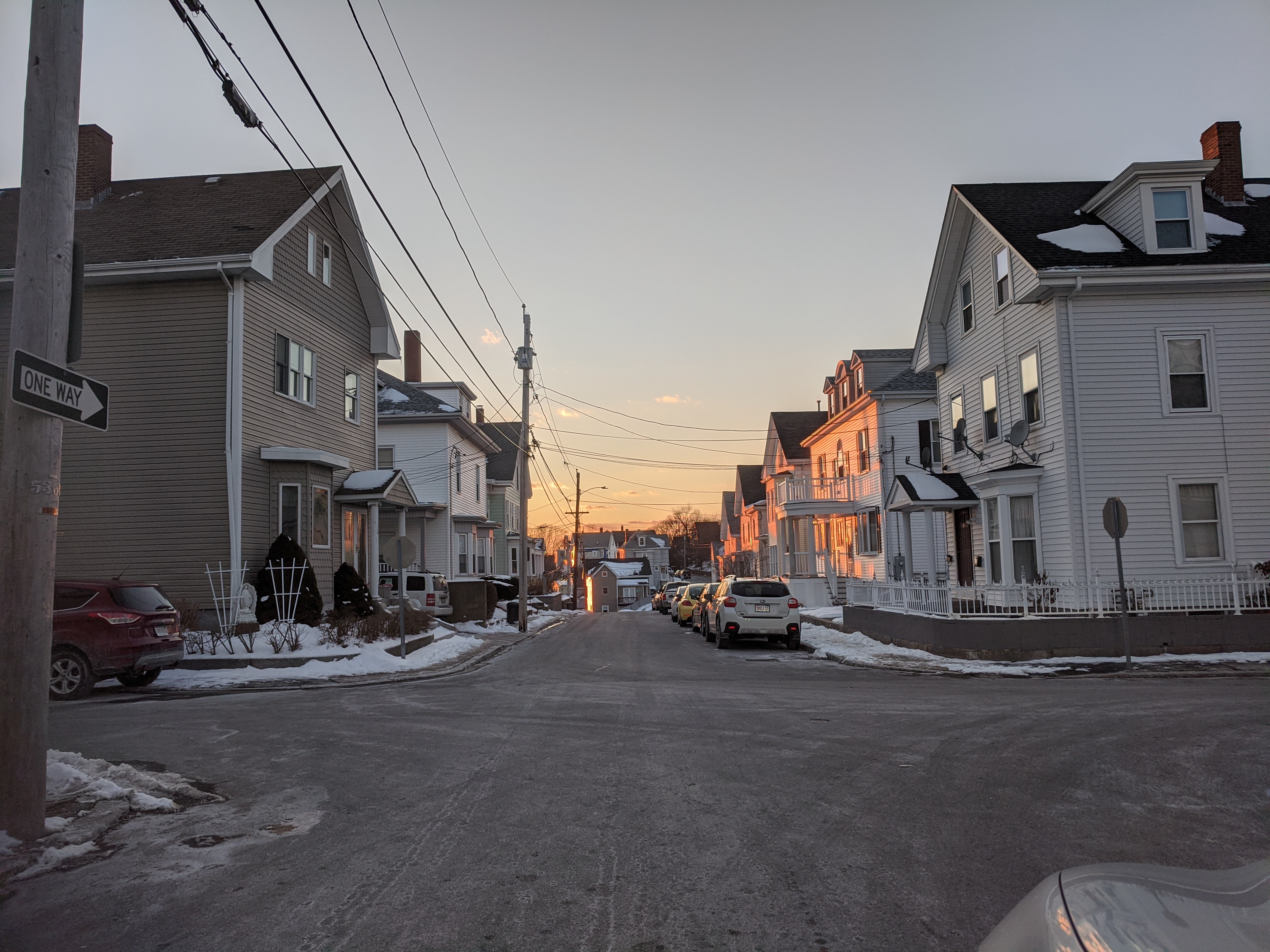
Thinking about all the colors in snow with light and shadow, and artists impressions of white, prompted a brief mission to Cape Ann Museum followed by a Rockport confirmation pass. (I know the Motif has been rebuilt and situated, and the Hibbard hill is fancy. Still. The thrill of tracing is immediate here!)
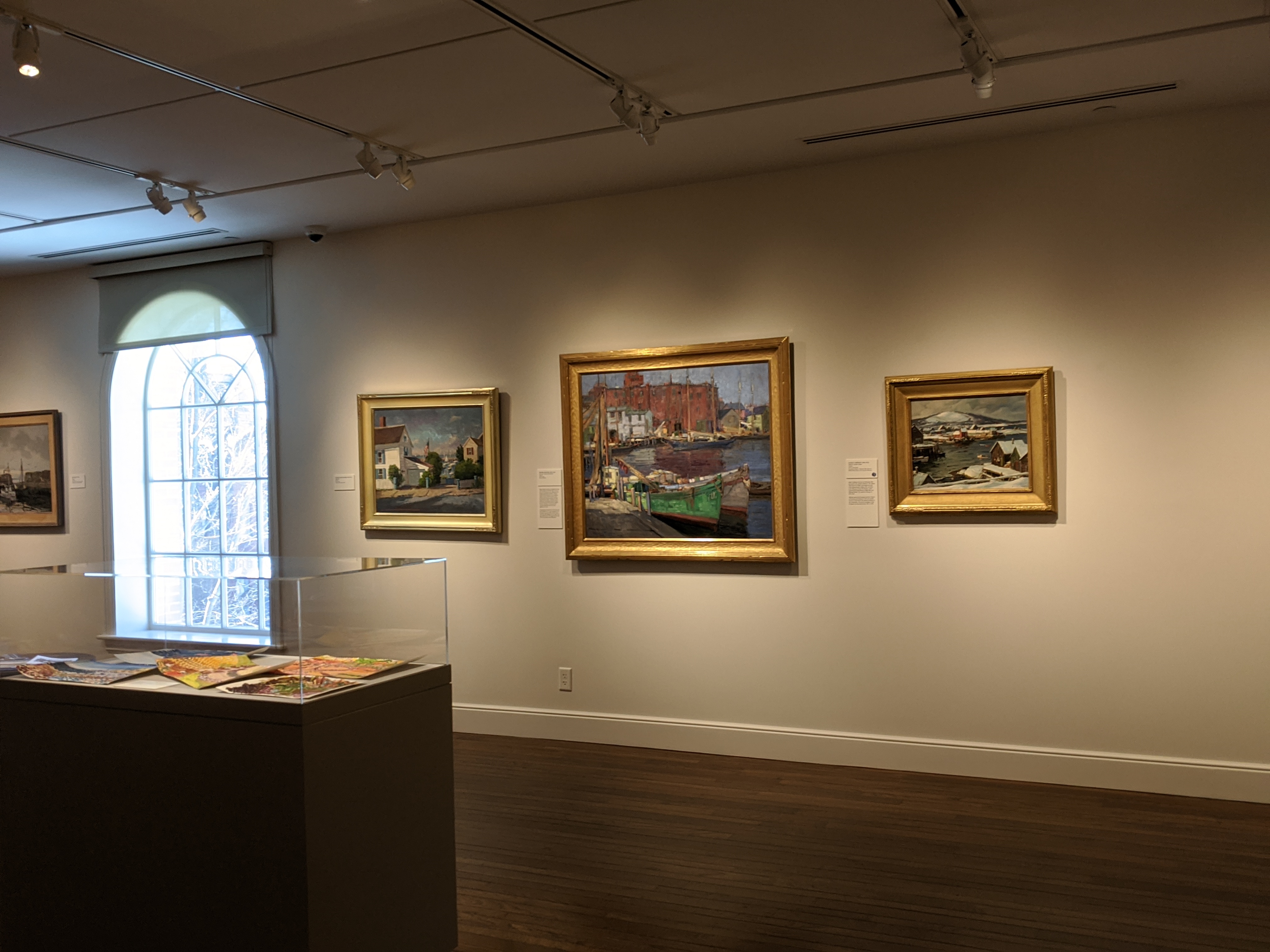
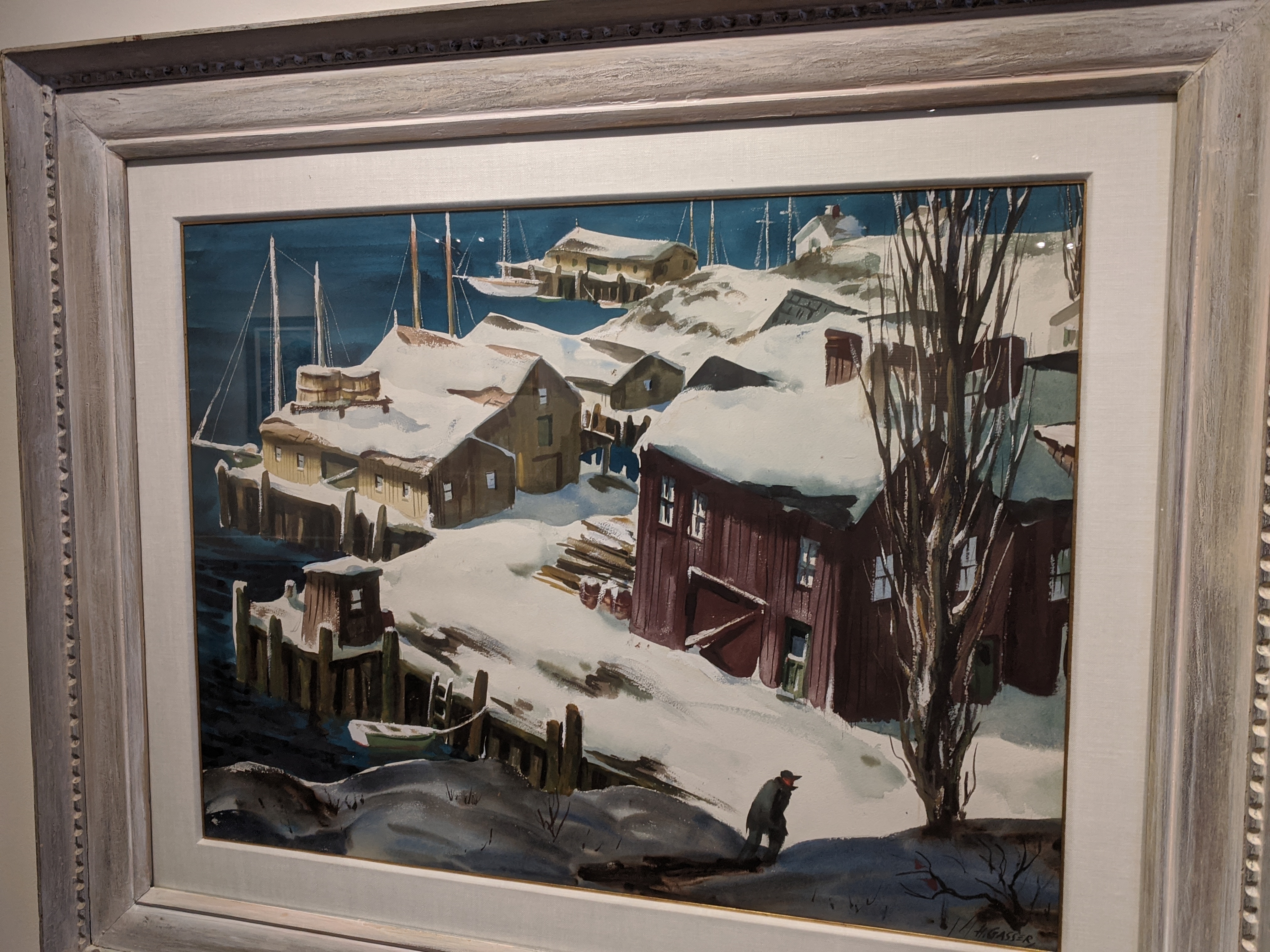
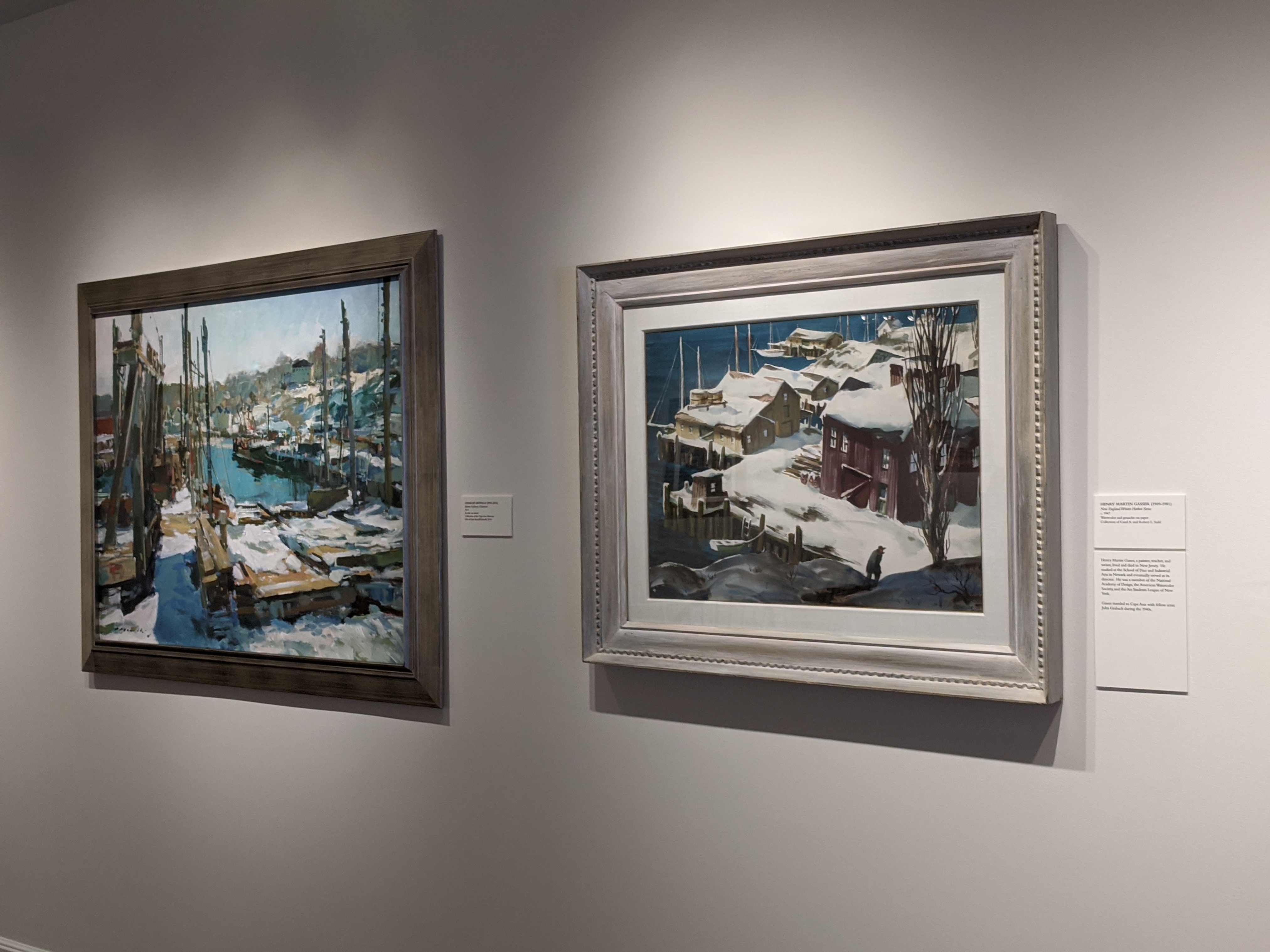
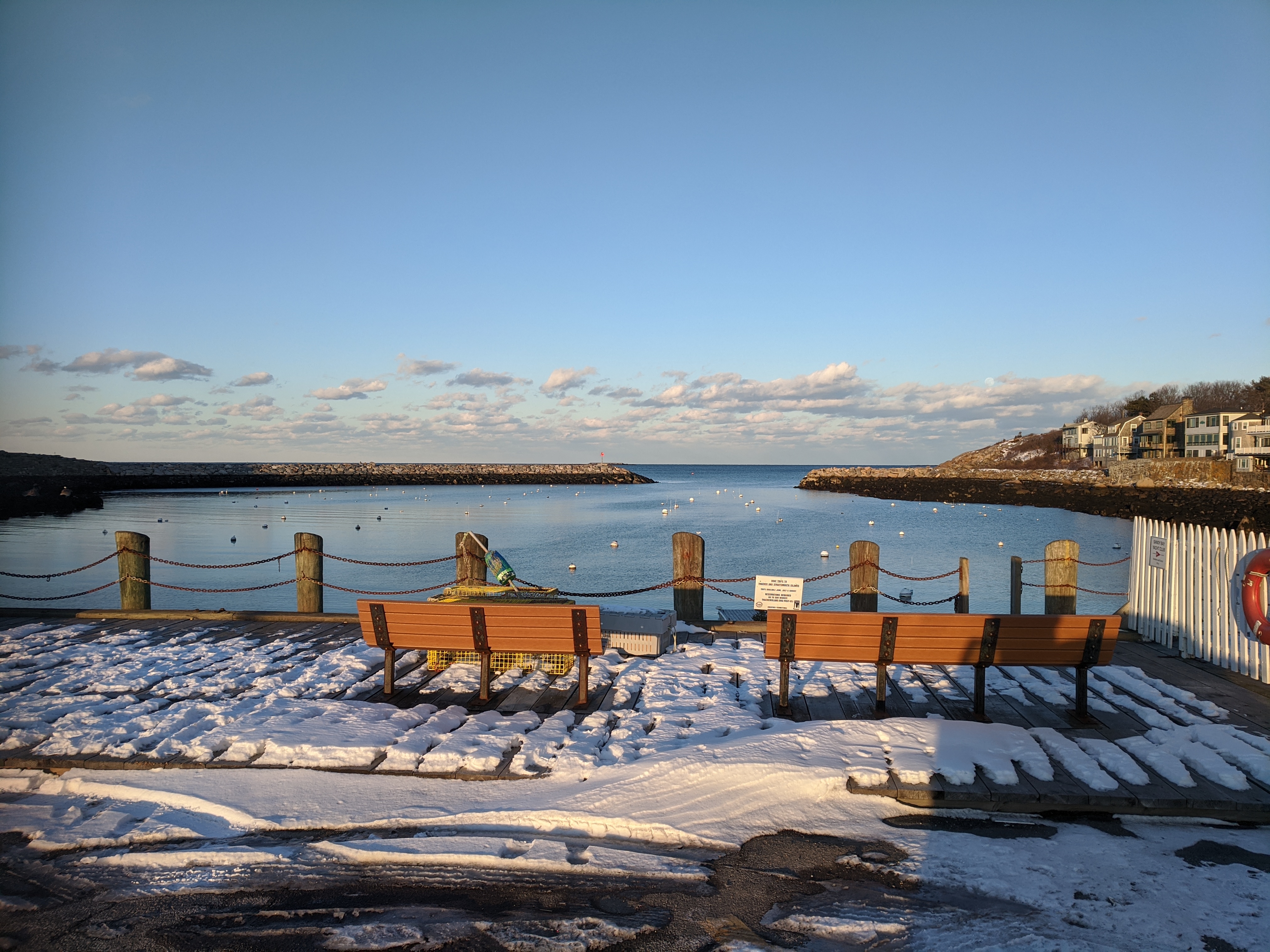
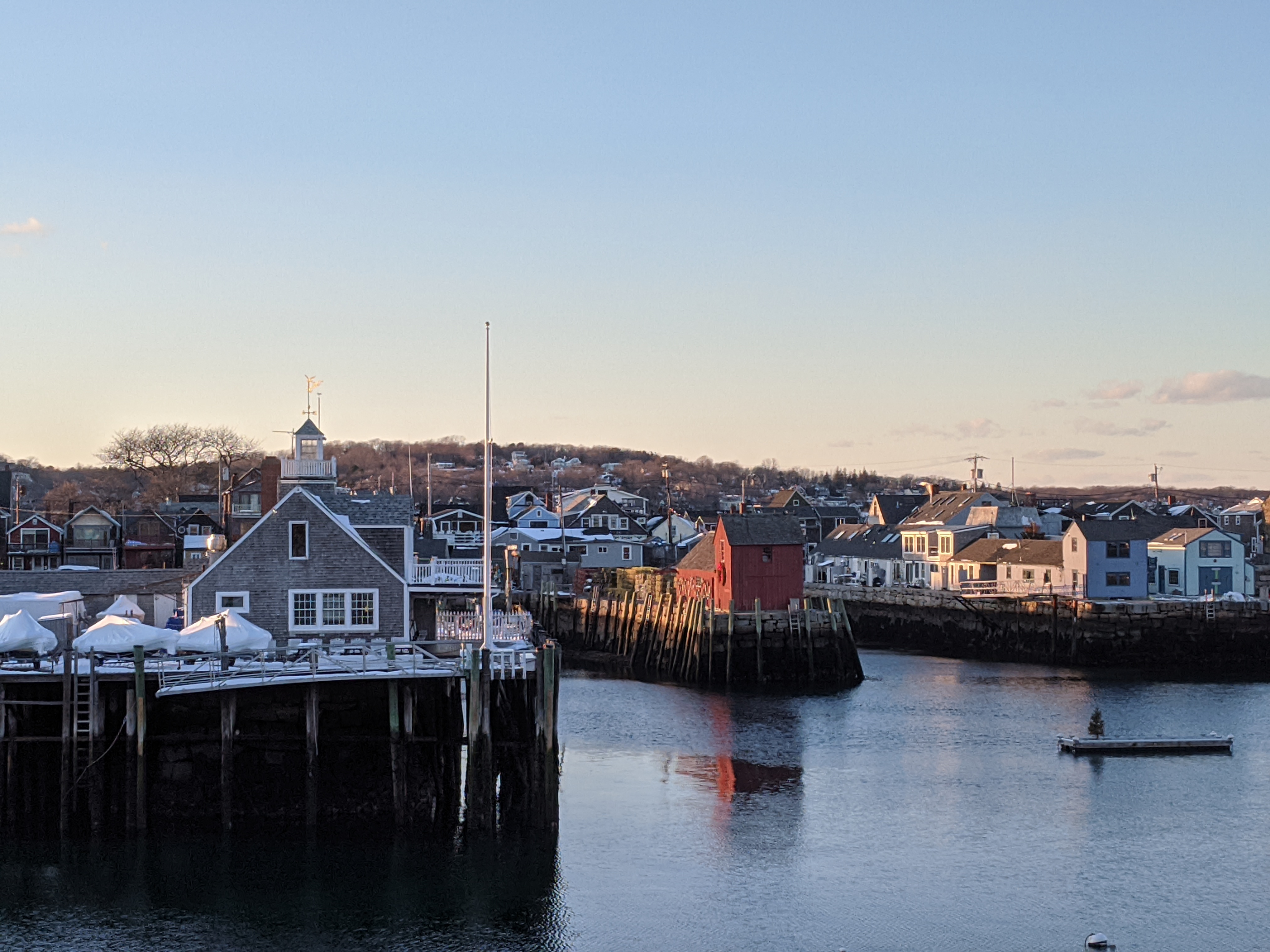
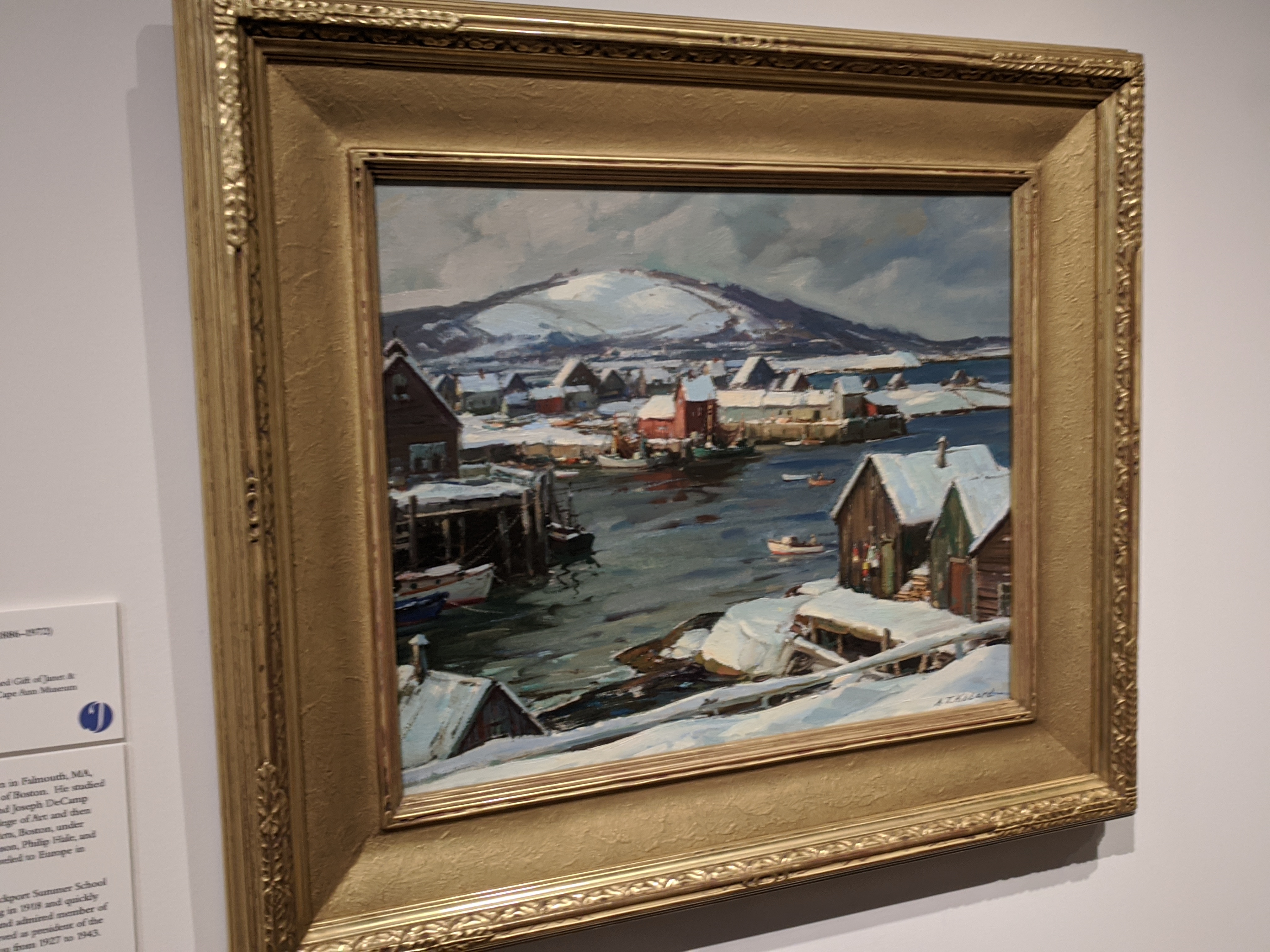
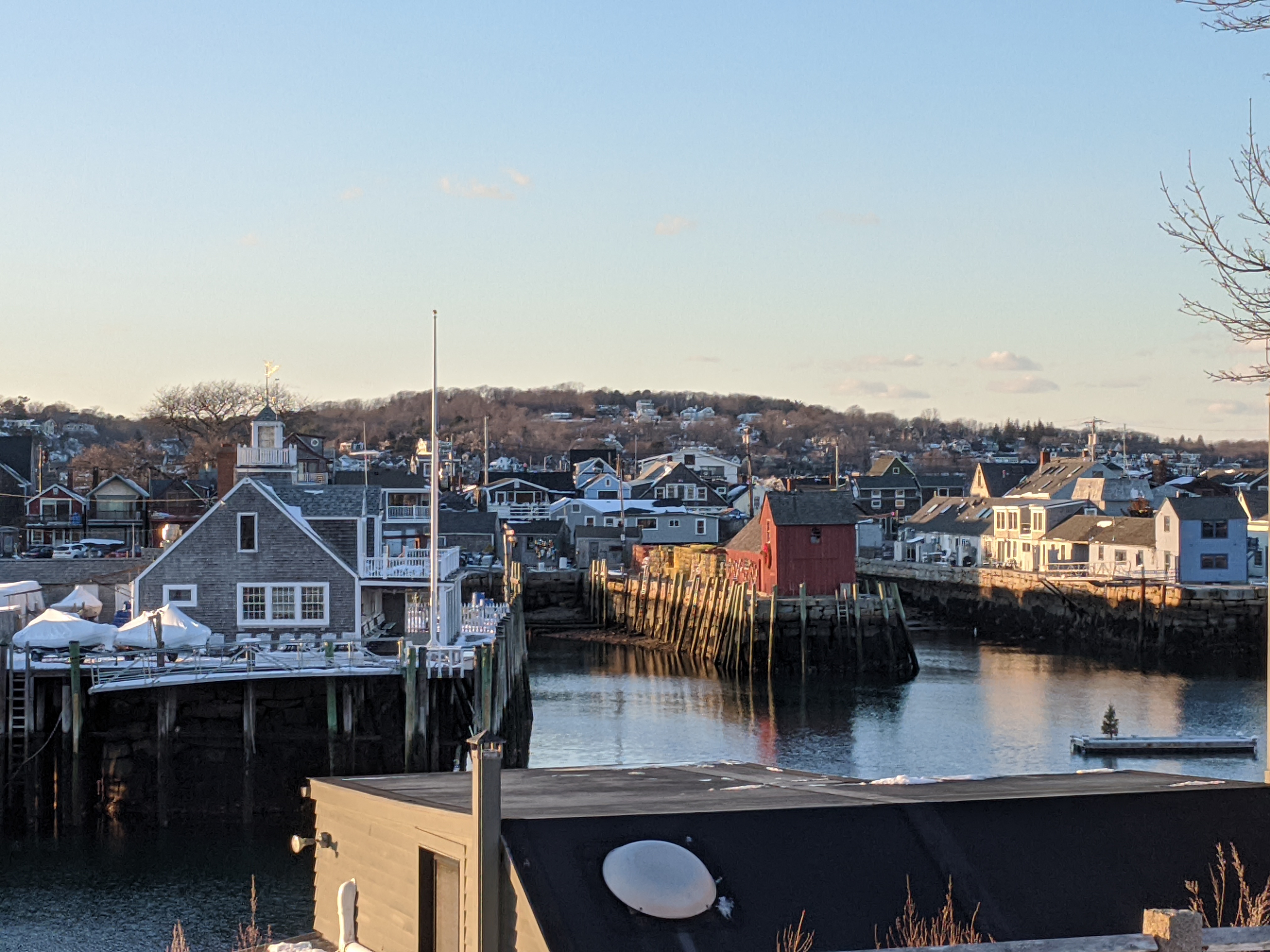
Cape Ann and Monhegan Island Vistas, CAM temporary exhibition did not disappoint and marked a rare stop since pre-covid. In January 2021 I was masked and looking at another Hibbard on display at CAM.
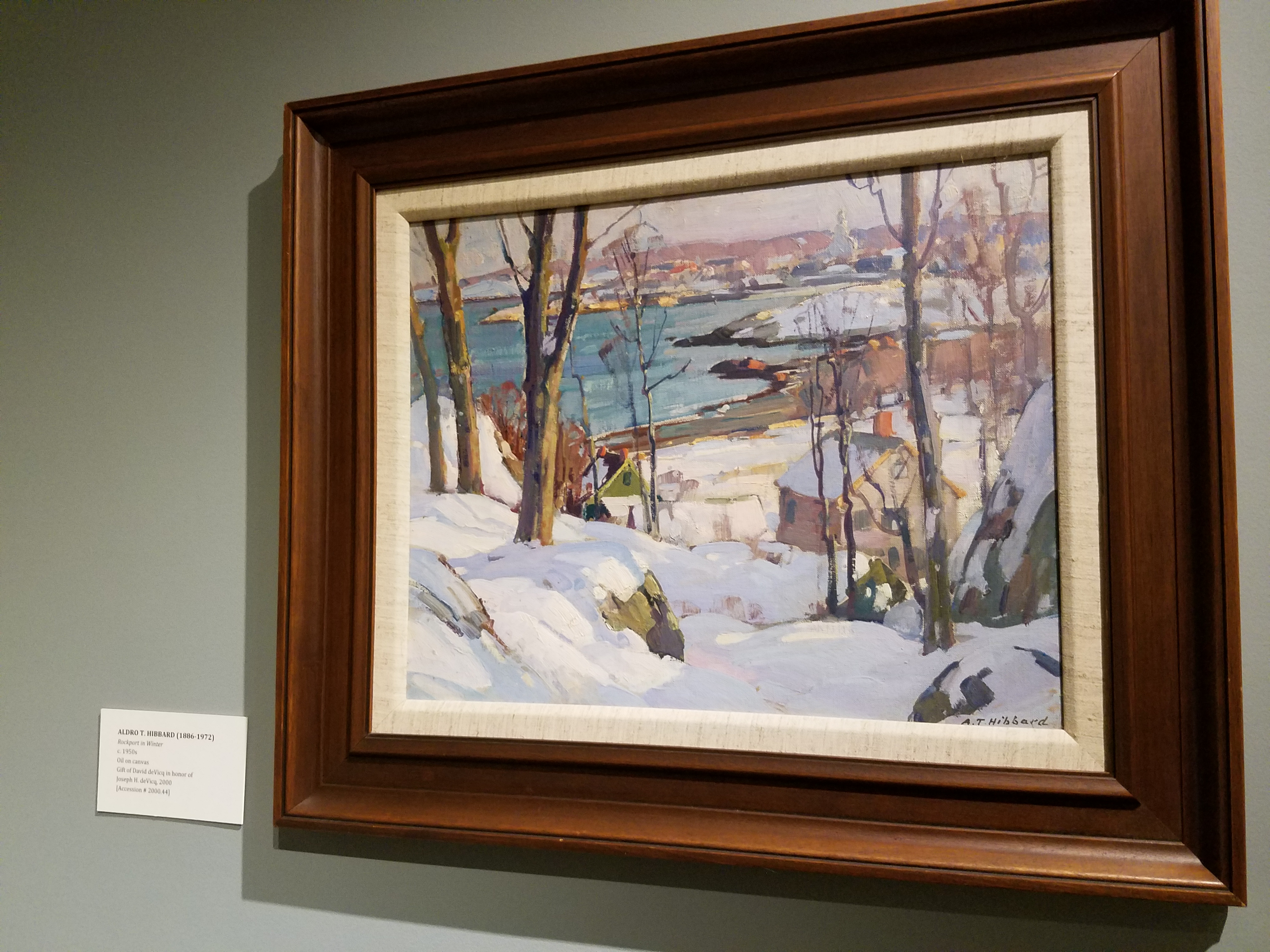
artists specific to this post – Aldro Hibbard, Henry Martin Gasser, Don Stone

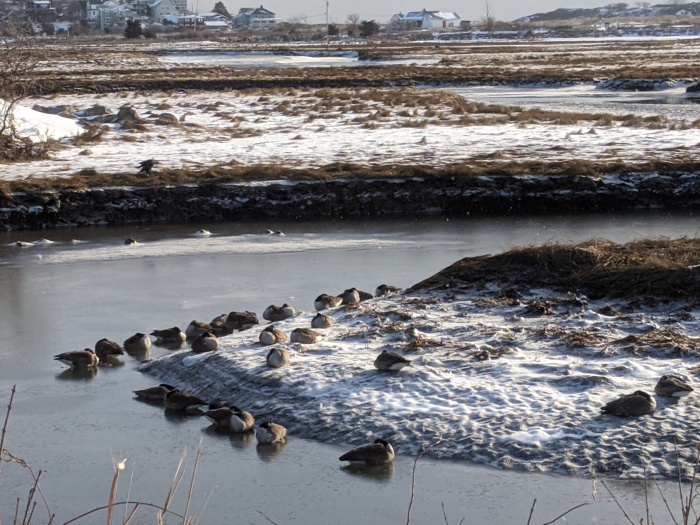
February 6, 2022 – about 8 AM.
A bright winter morning. Snowing. 10 degrees.

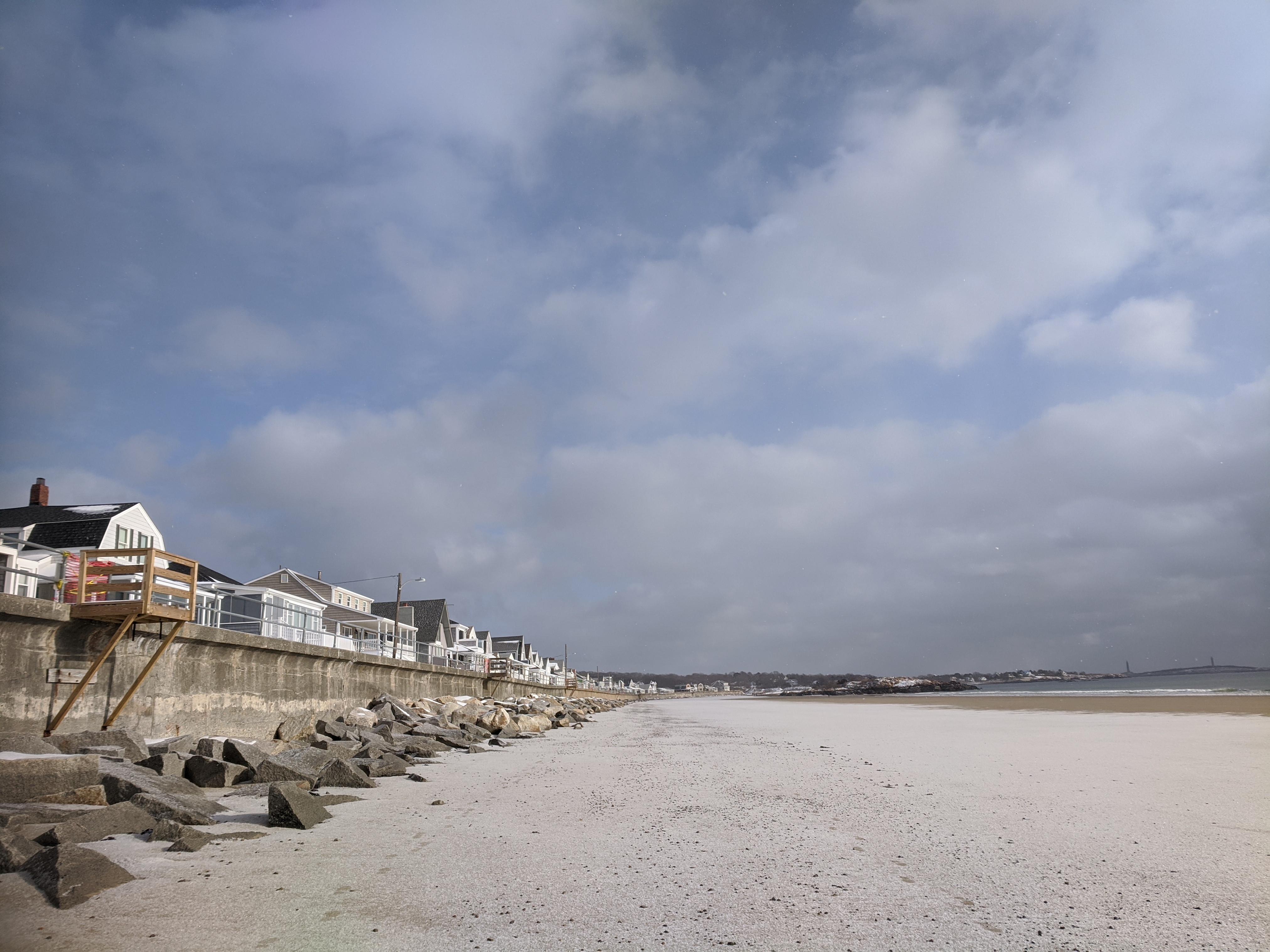
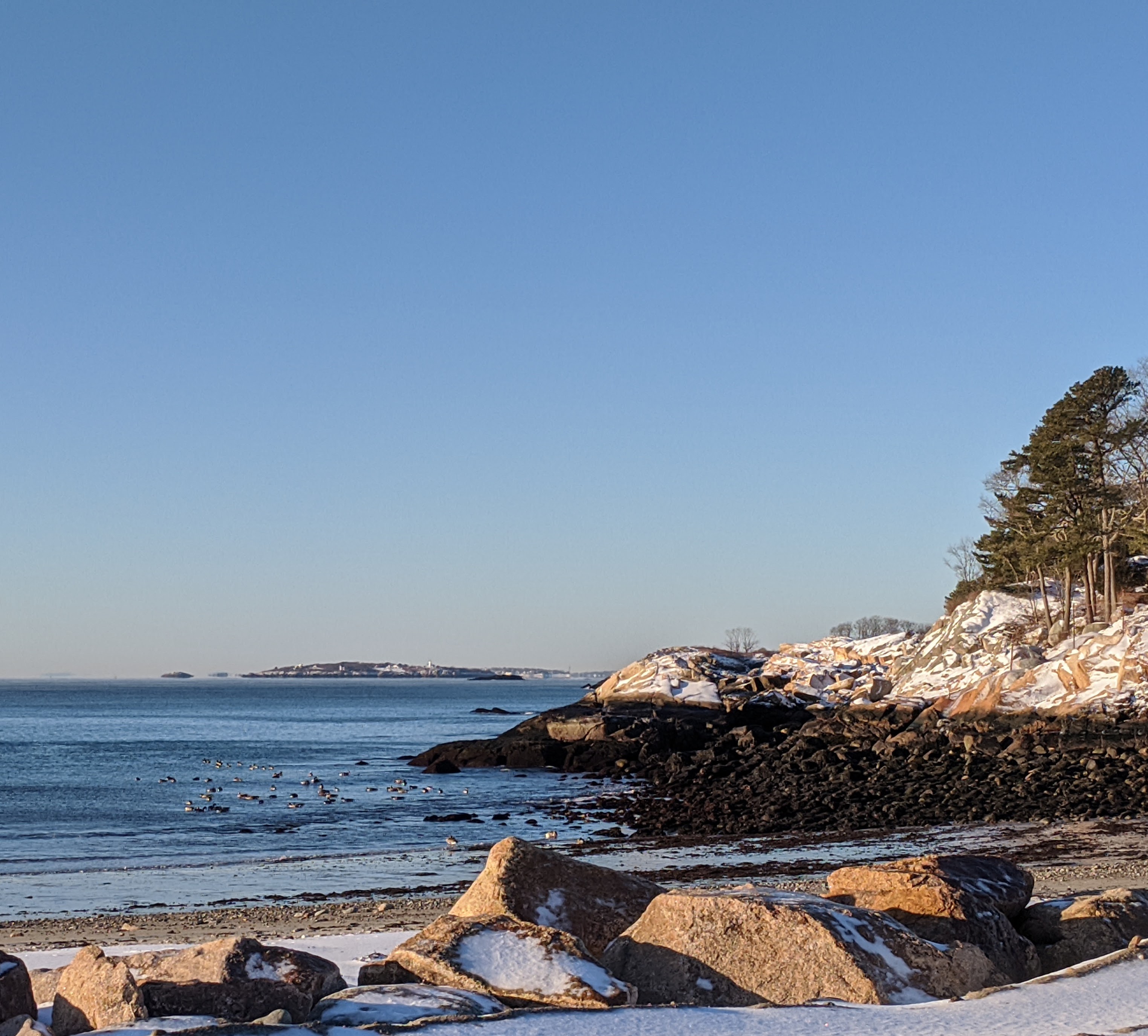
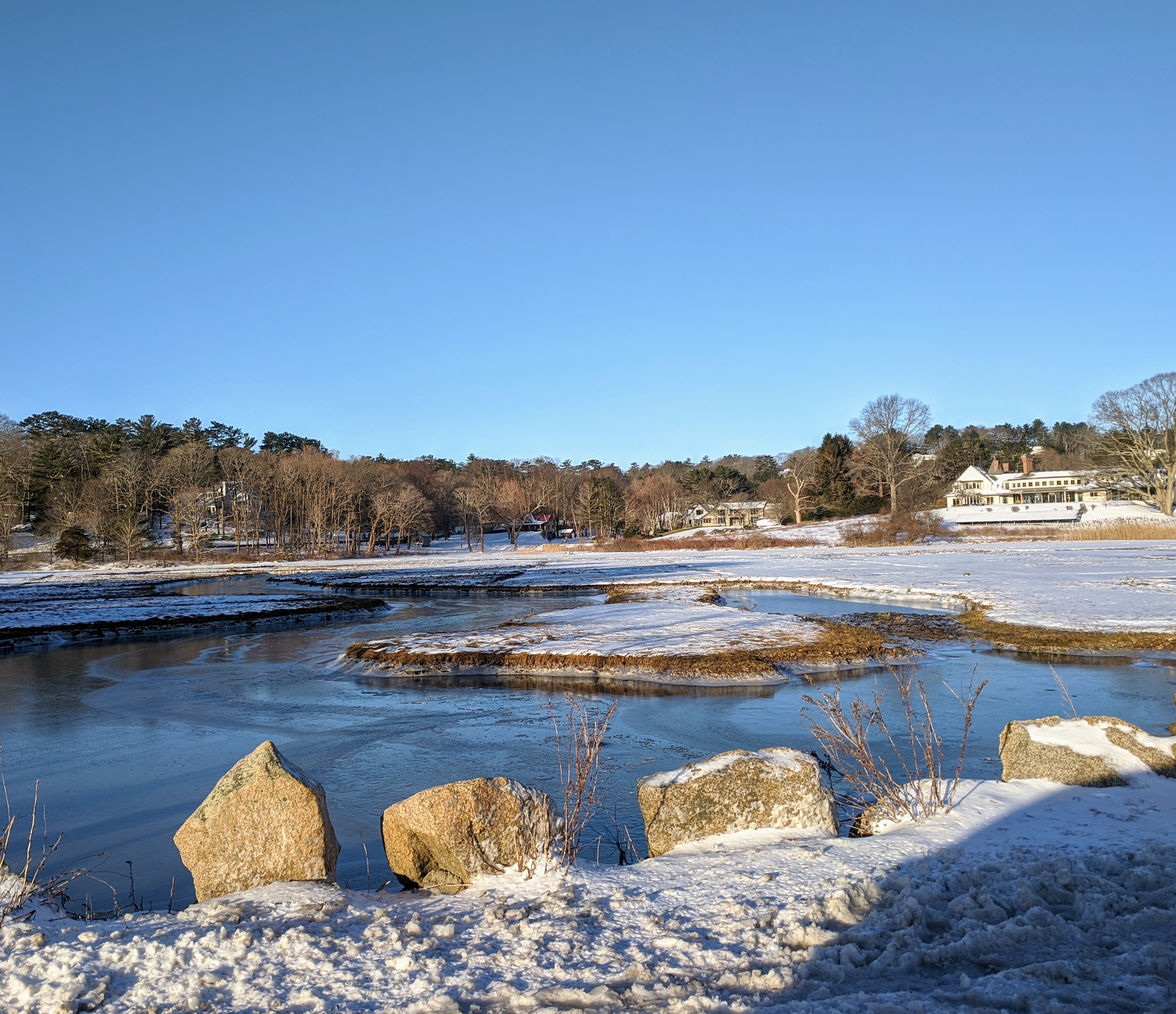


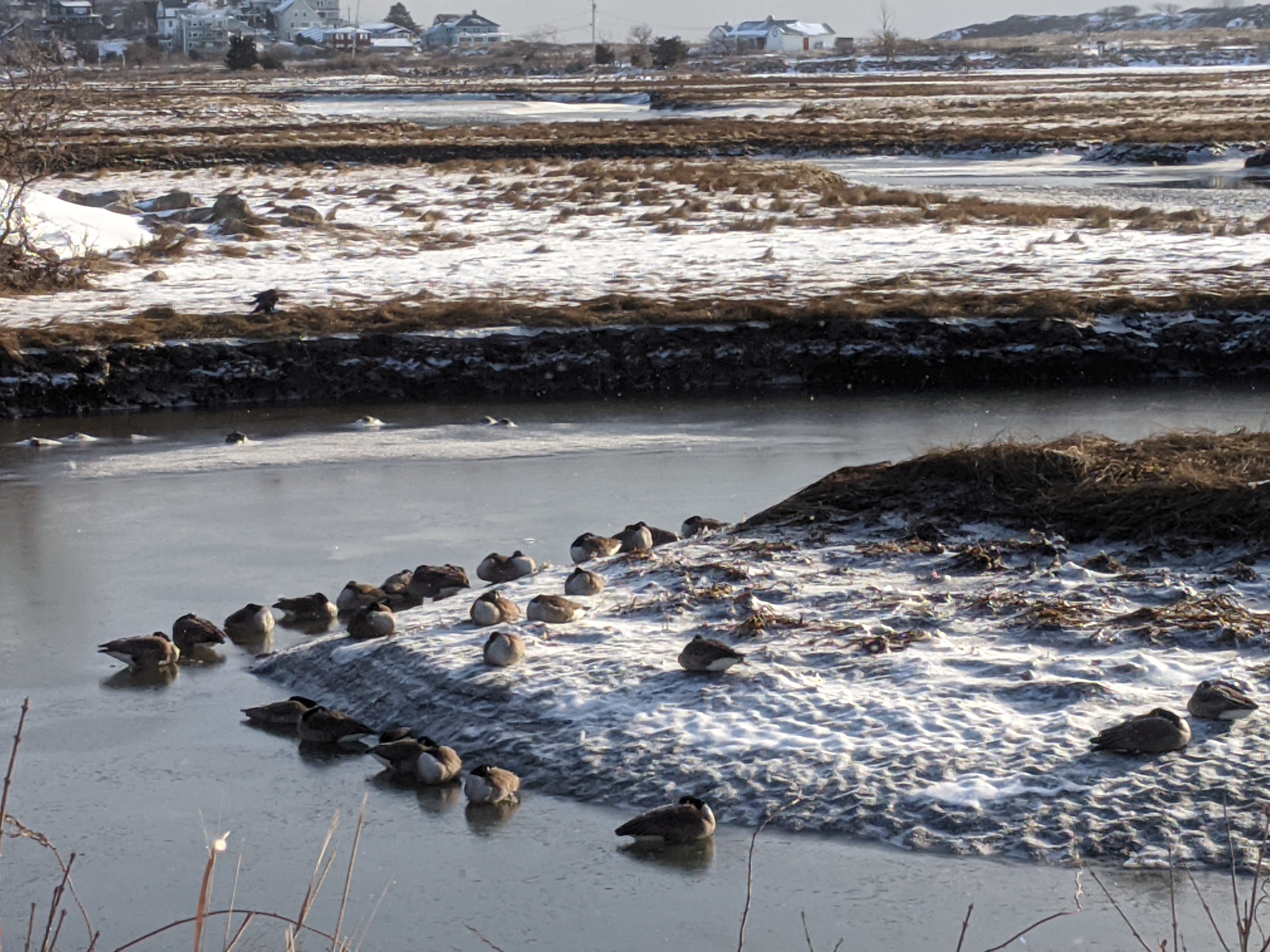
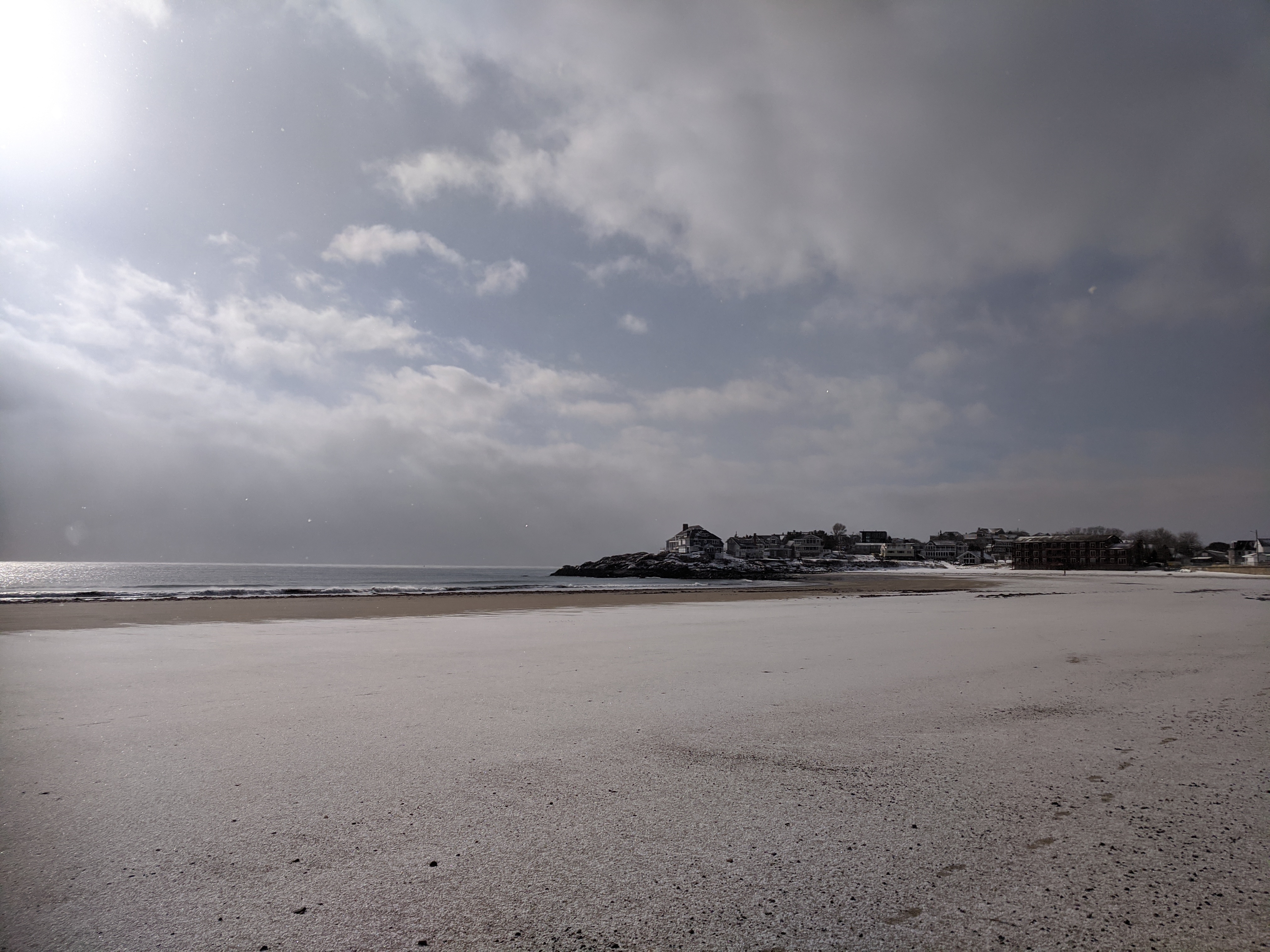
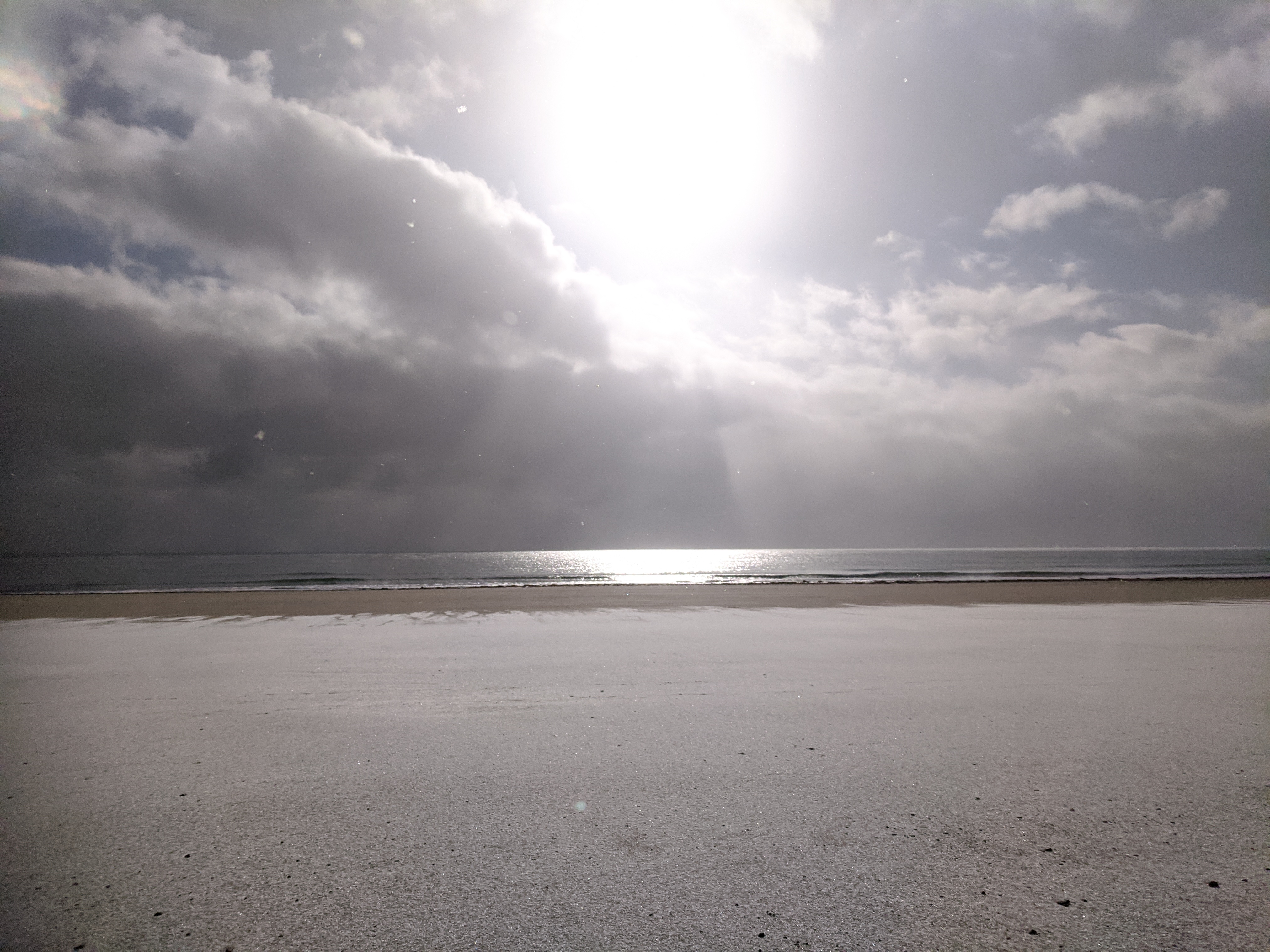


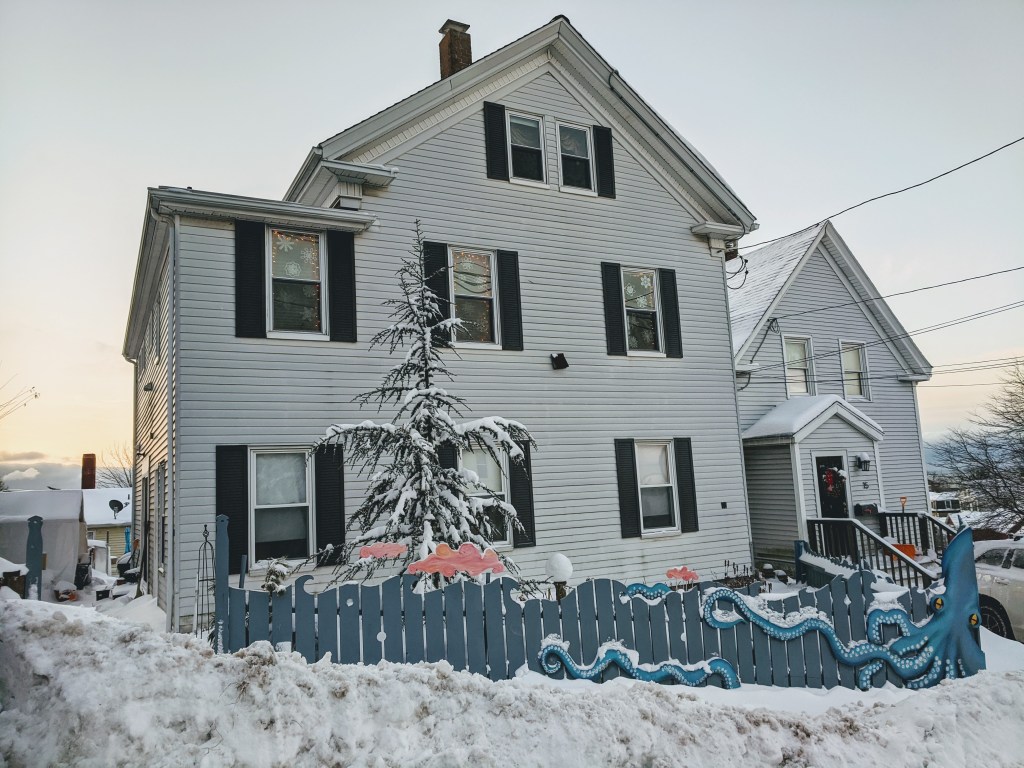
winter octopus fence with snow pile like sea foam
Snowing Long Beach – circle view
Goose down– and goose up :). Vid. clip geese dropping down to marsh behind the Long Beach cottages

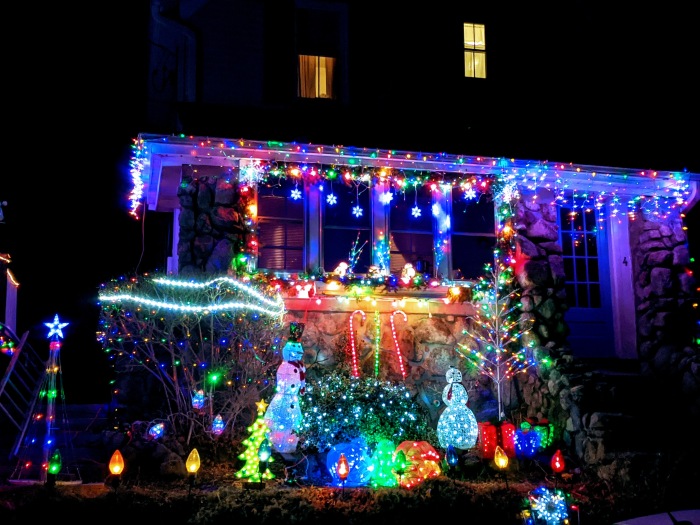
Holiday Lights and Cocoa Drives Map 2021 edition now features about 200 decorated residential homes with Christmas light displays in Gloucester, Massachusetts. Updated as of 12/11/2021
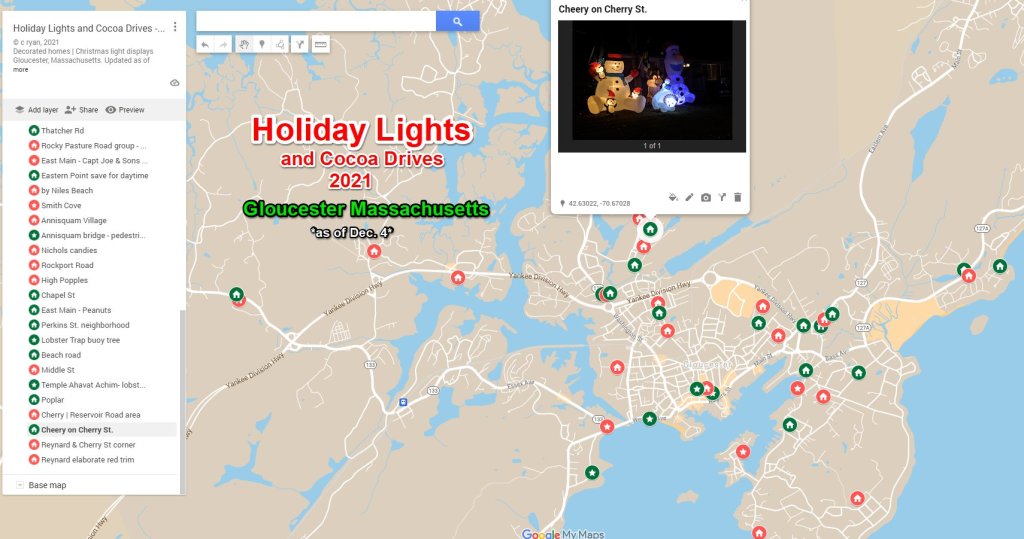
Trends so far? Can you spot a snowman in the photos? Yes, yes you can! In Gloucester, Massachusetts, 2021 is showing super strong as the “Year of the Snowman”. More and more are popping up each day, all sizes and varied media. What a fun seasonal seek & find, countdown treat, or bedtime routine sweet repeat.
Climb Harrison Avenue and enjoy the creative inspiration on every block. The resurfaced paving is a plus. On warm winter nights, this stretch and offshoots would be a great park & walk.
(Scroll down to see photos. Pinch and zoom or double click depending upon your phone/desktop. On mine I double click and then have to select “Full size”)

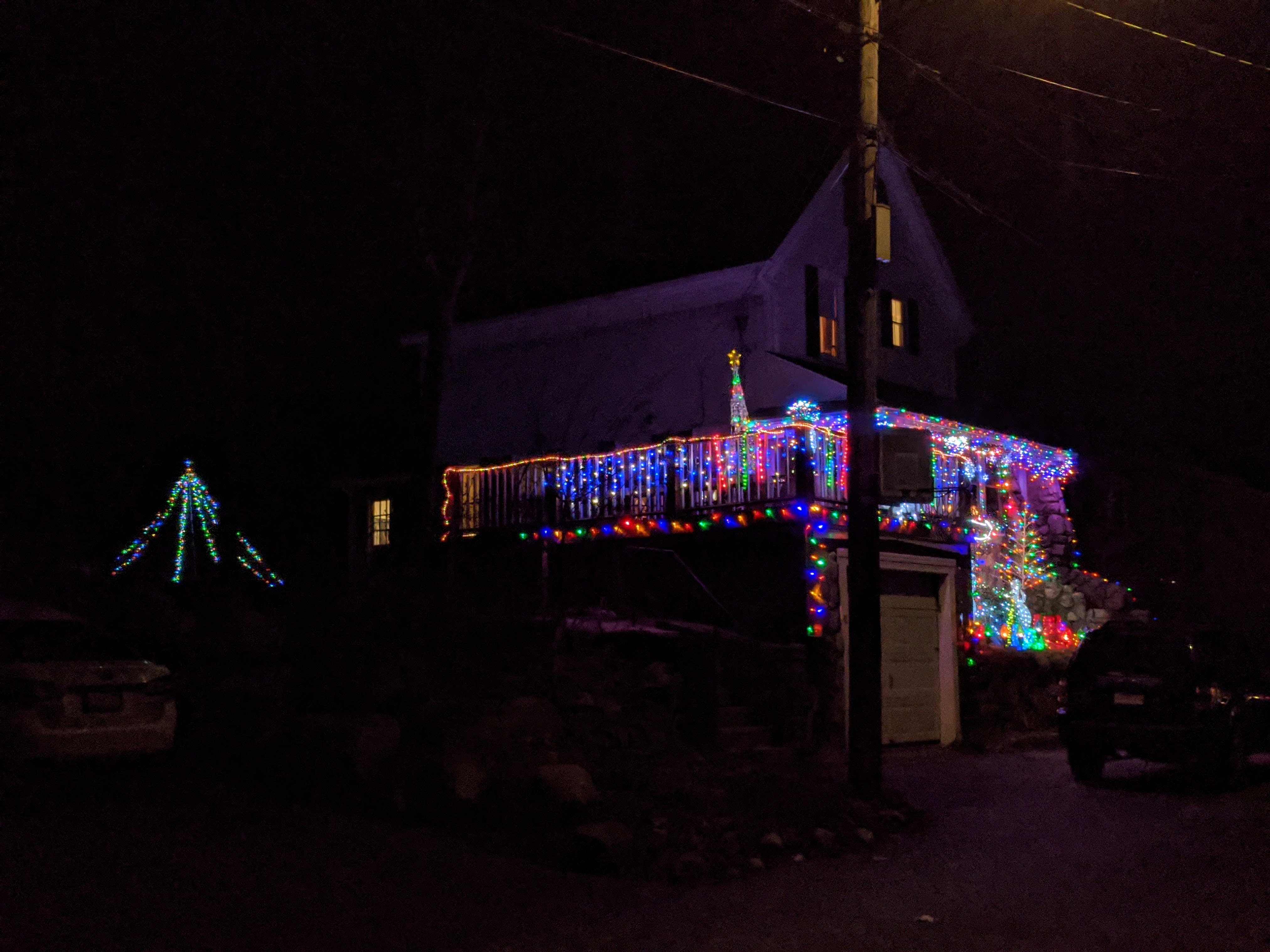
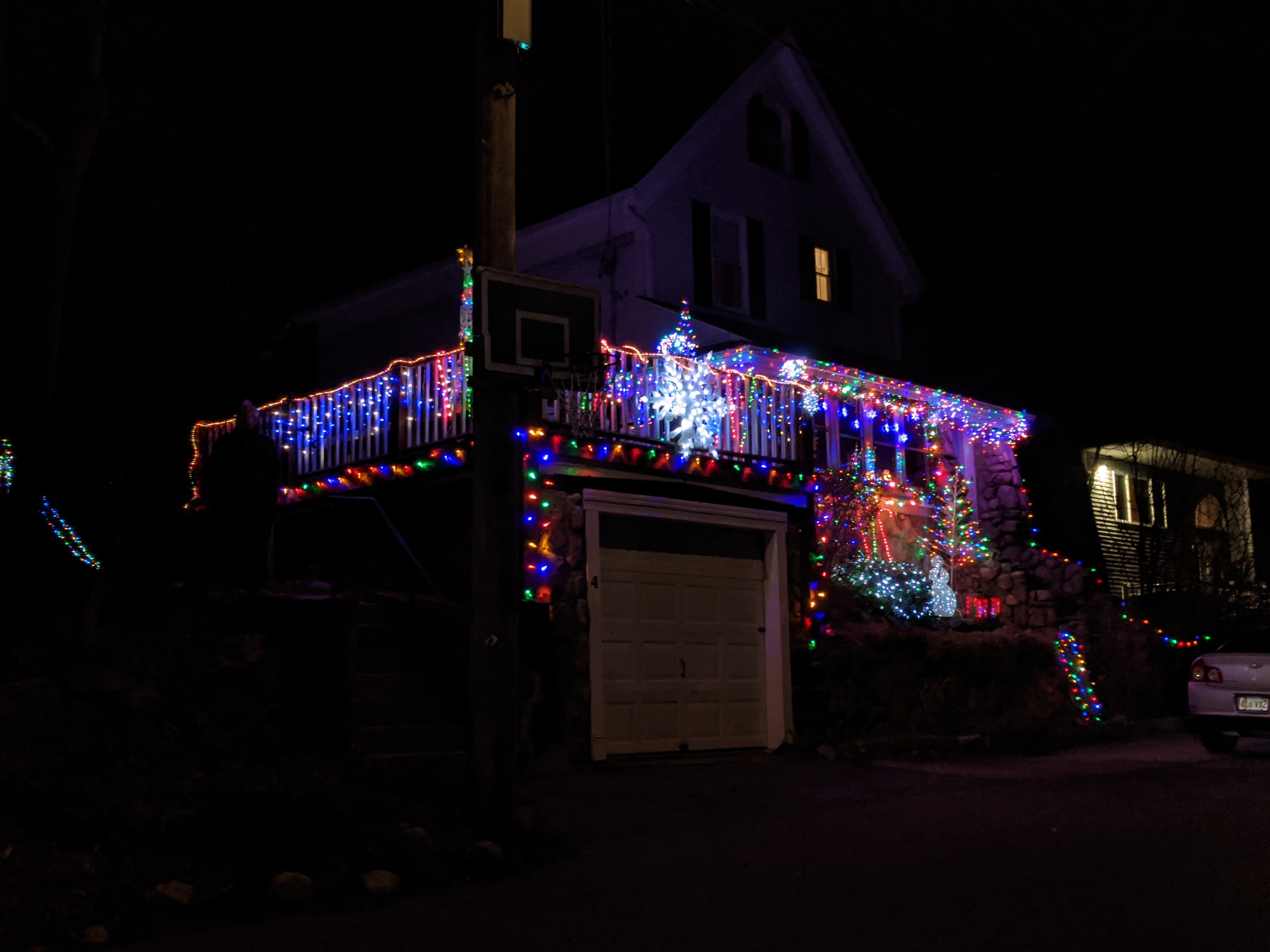
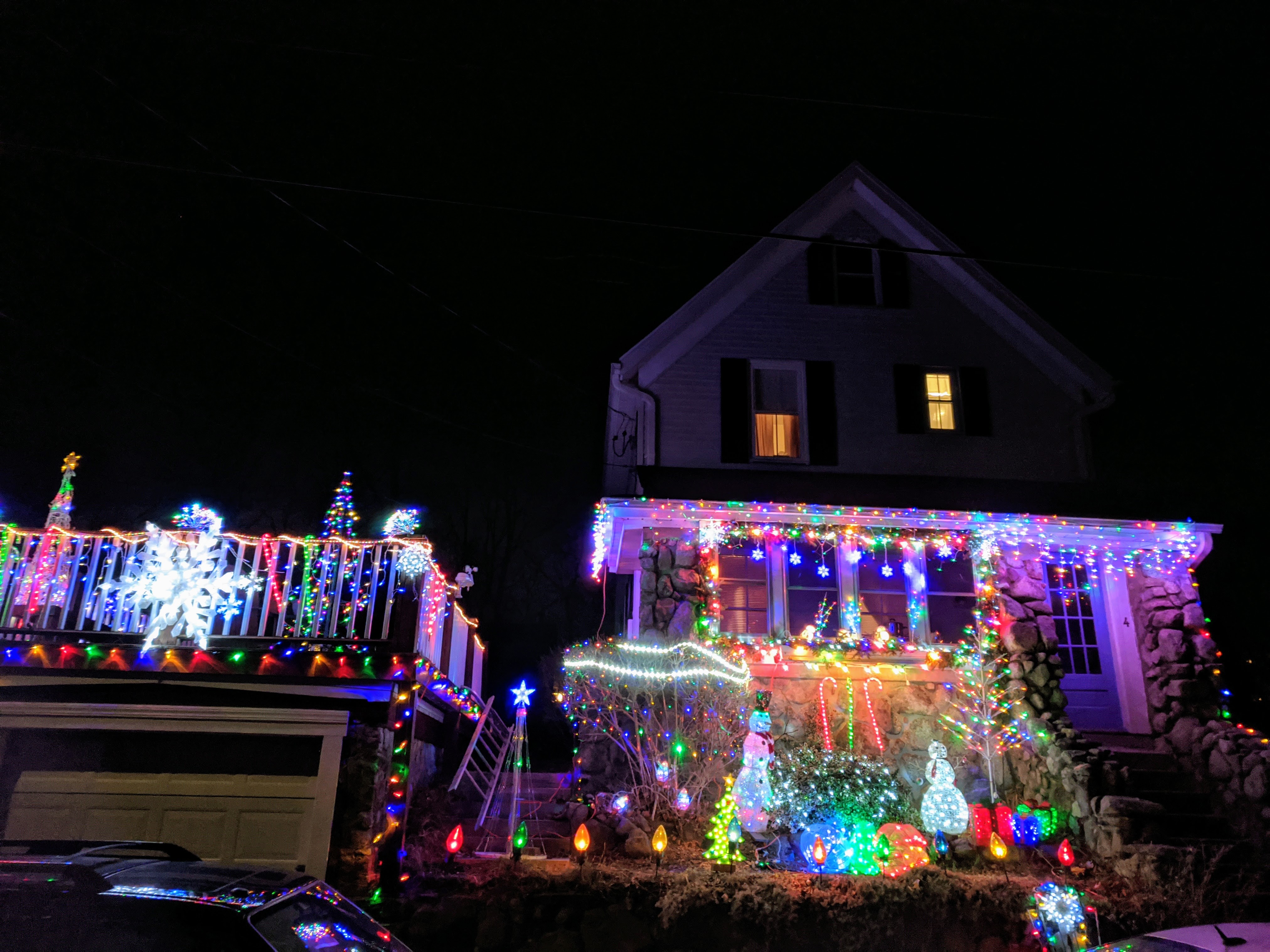

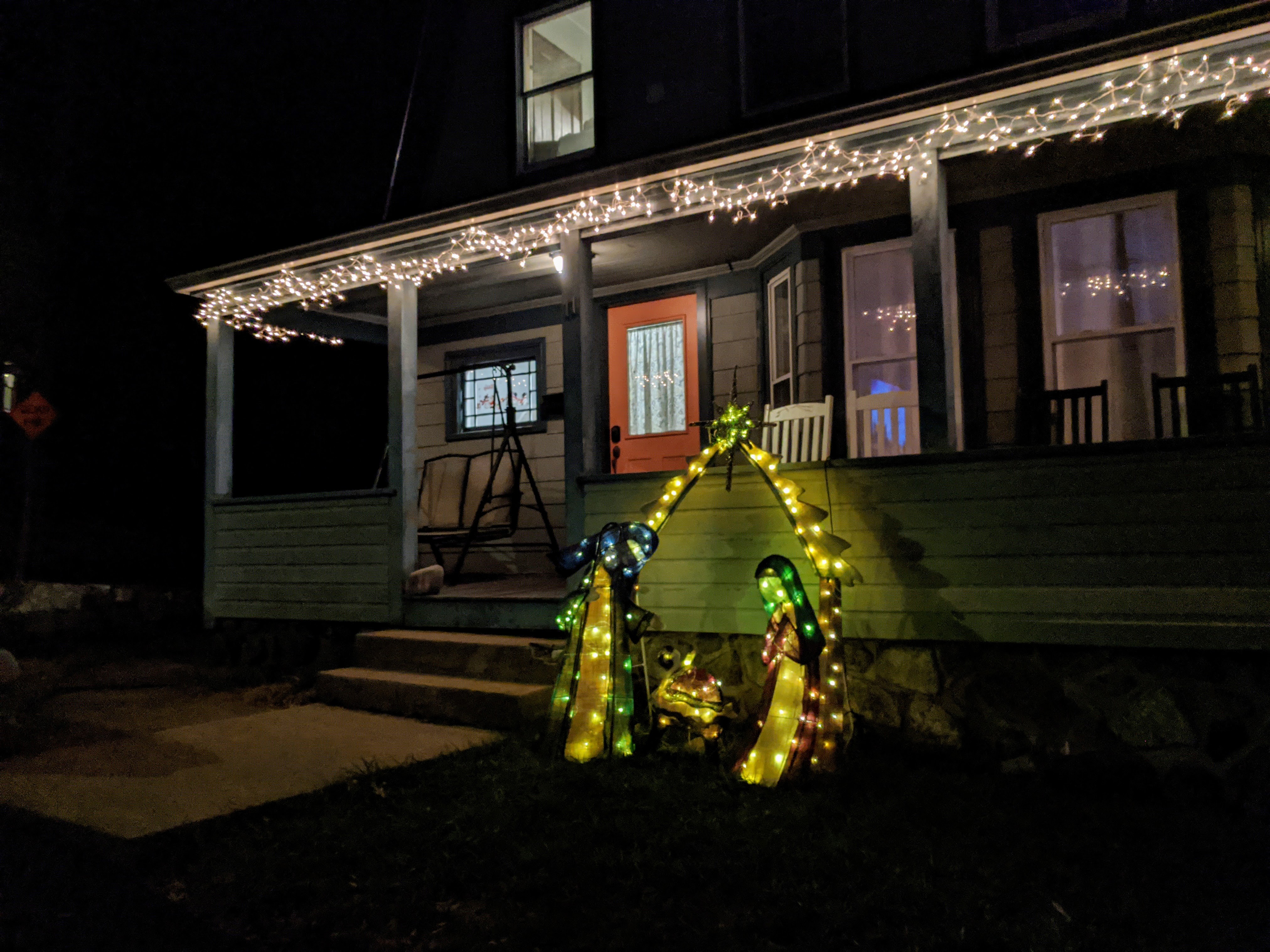


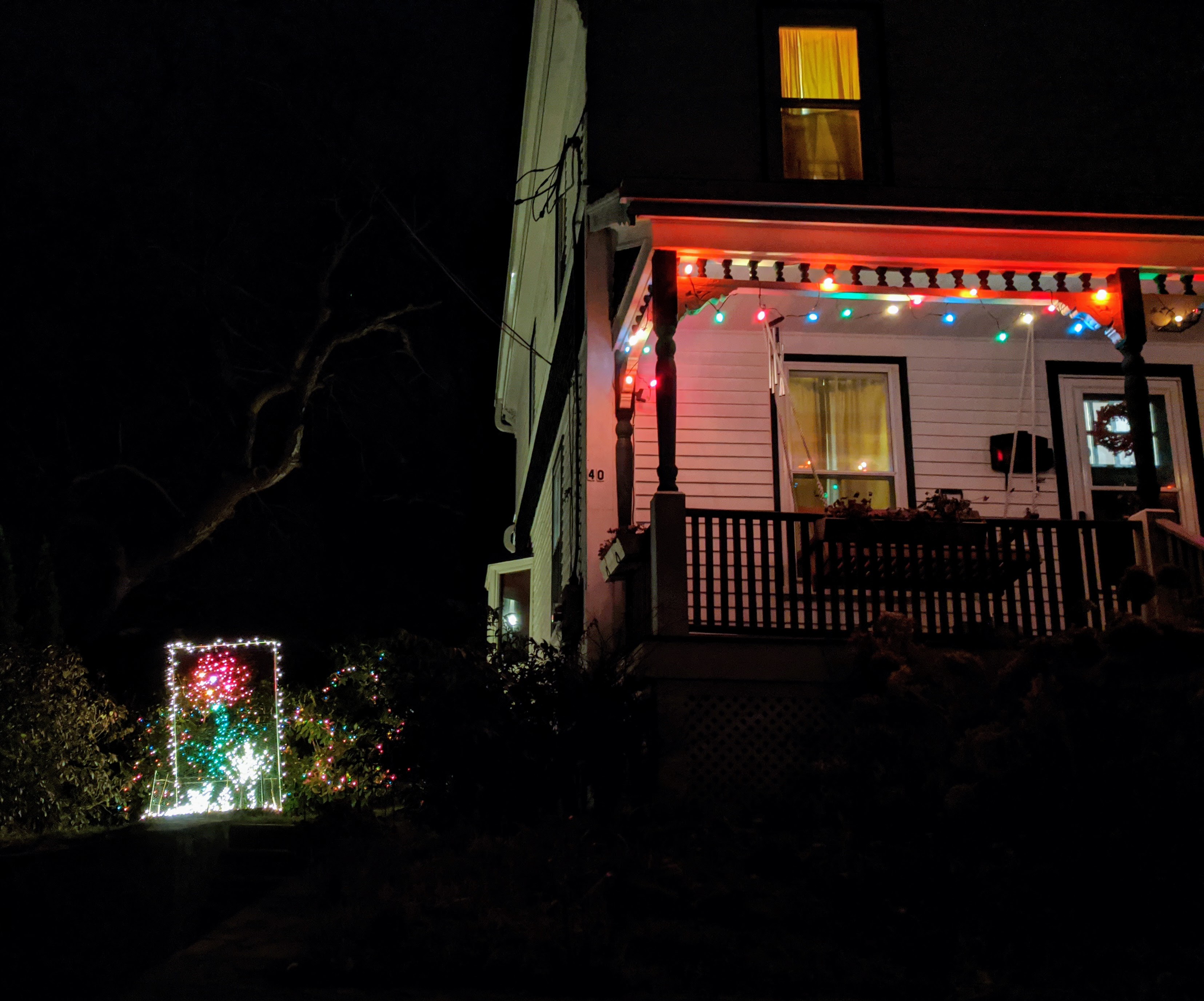

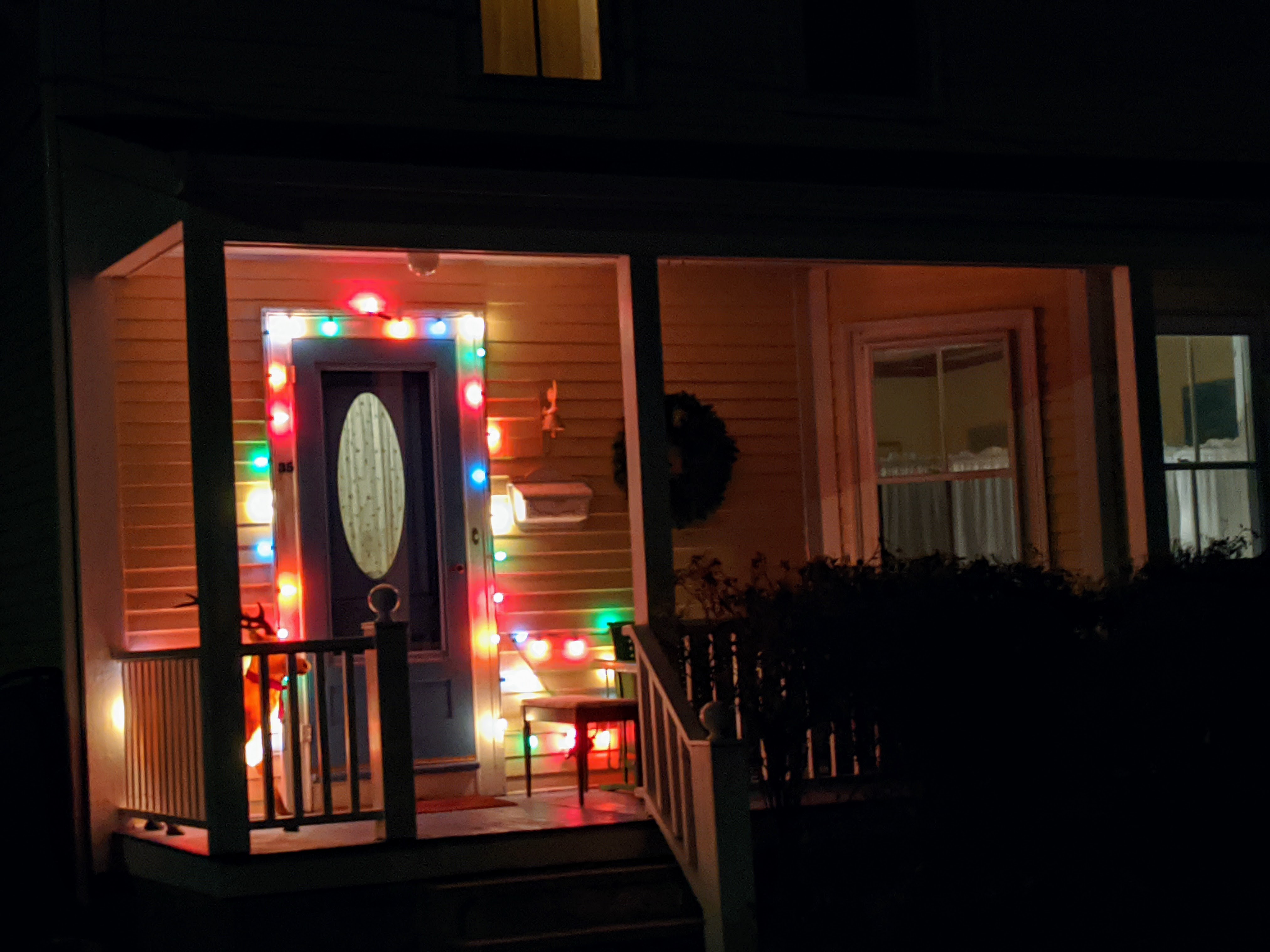



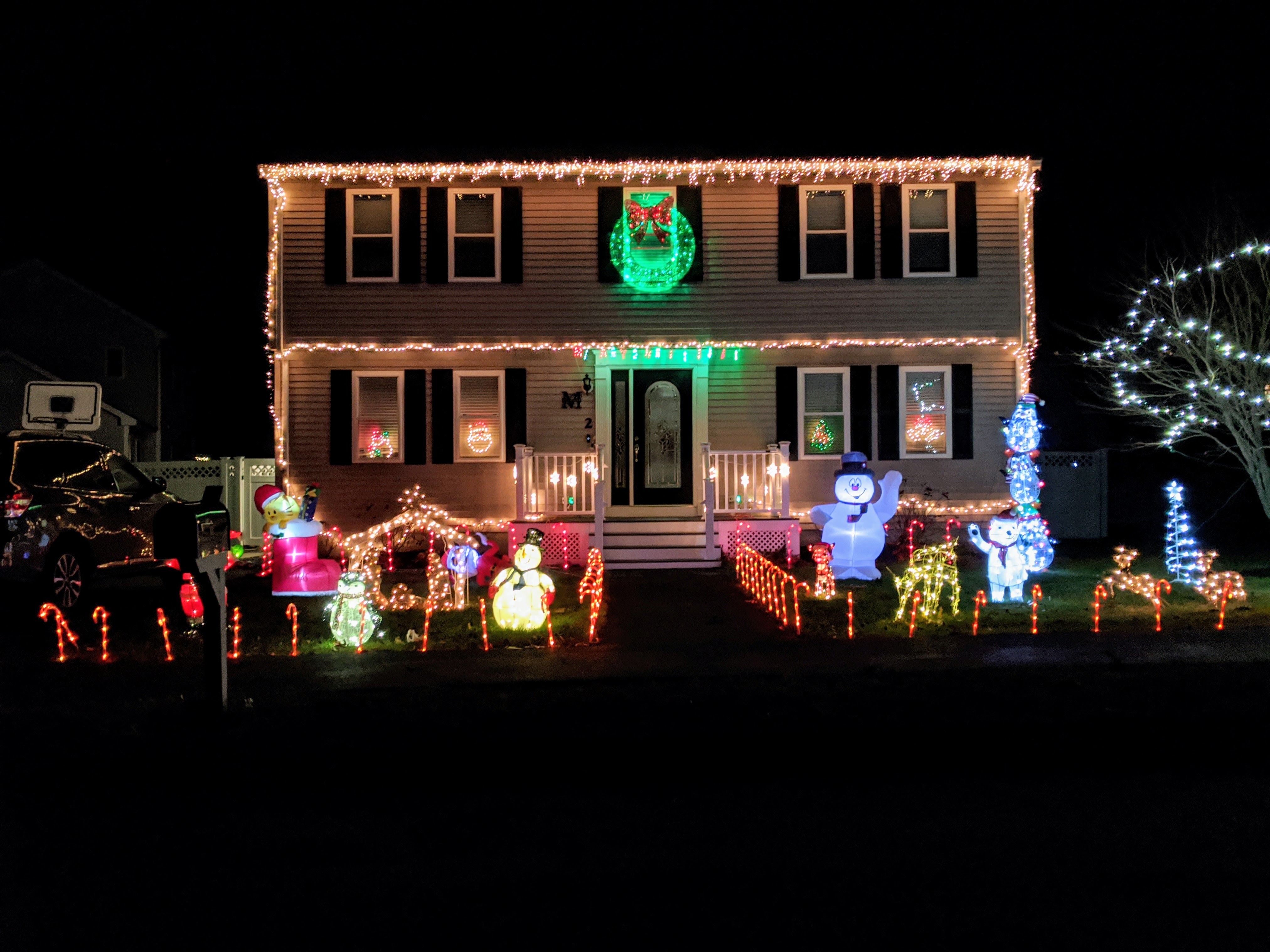



Wrapped trees are big this year, too. A Thurston Point twinkling annual reminds me of New York’s landmark Tavern on the Green, circa 1970s Warner Leroy Crystal Room reno. Little “Tavern on the Riverine” in Gloucester is inspiring a few more wrapped Thurston trunks in 2021. Who knows? Perhaps a Thurston trunk trail may become a neighborhood seasonal thing.

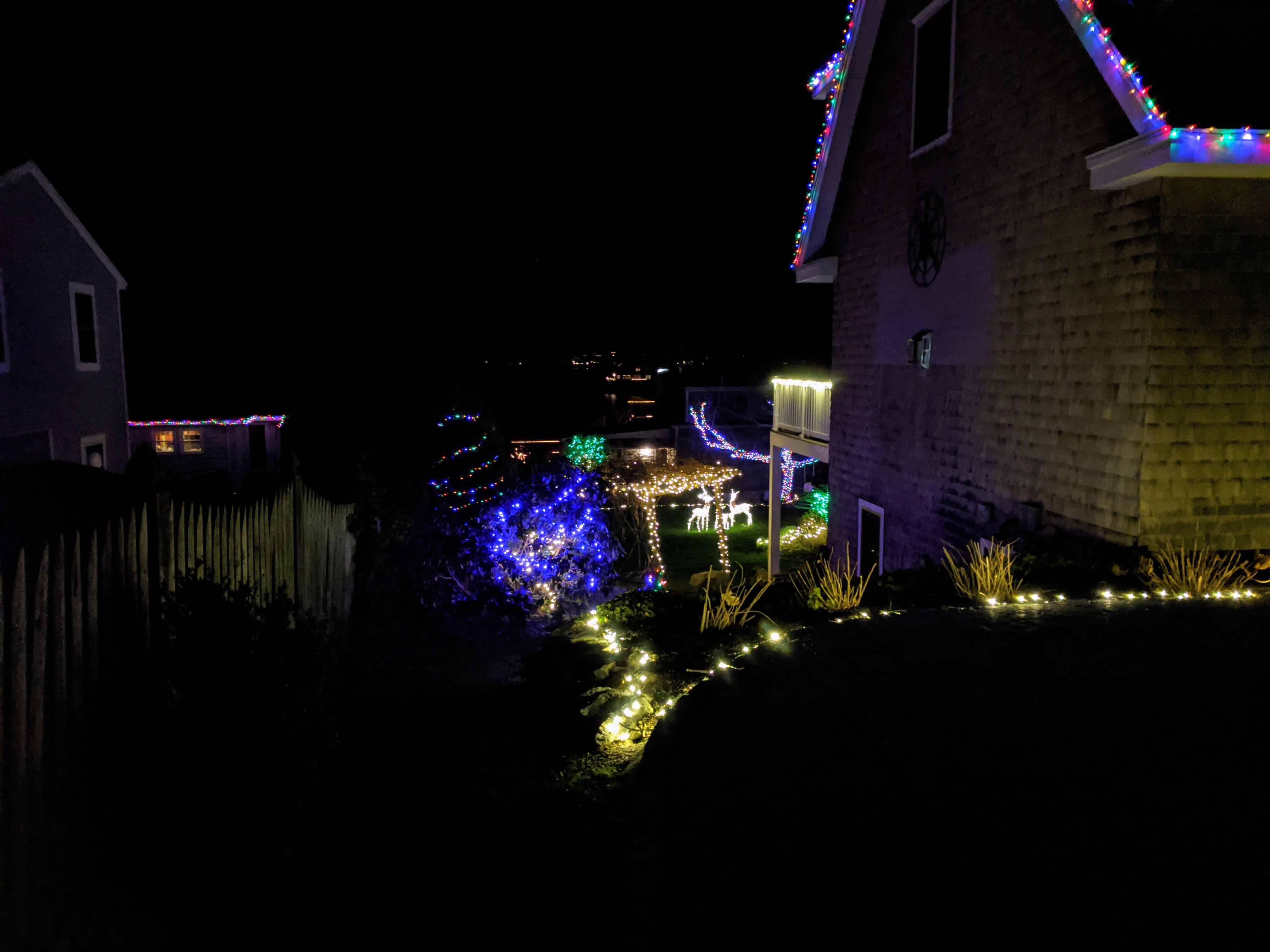
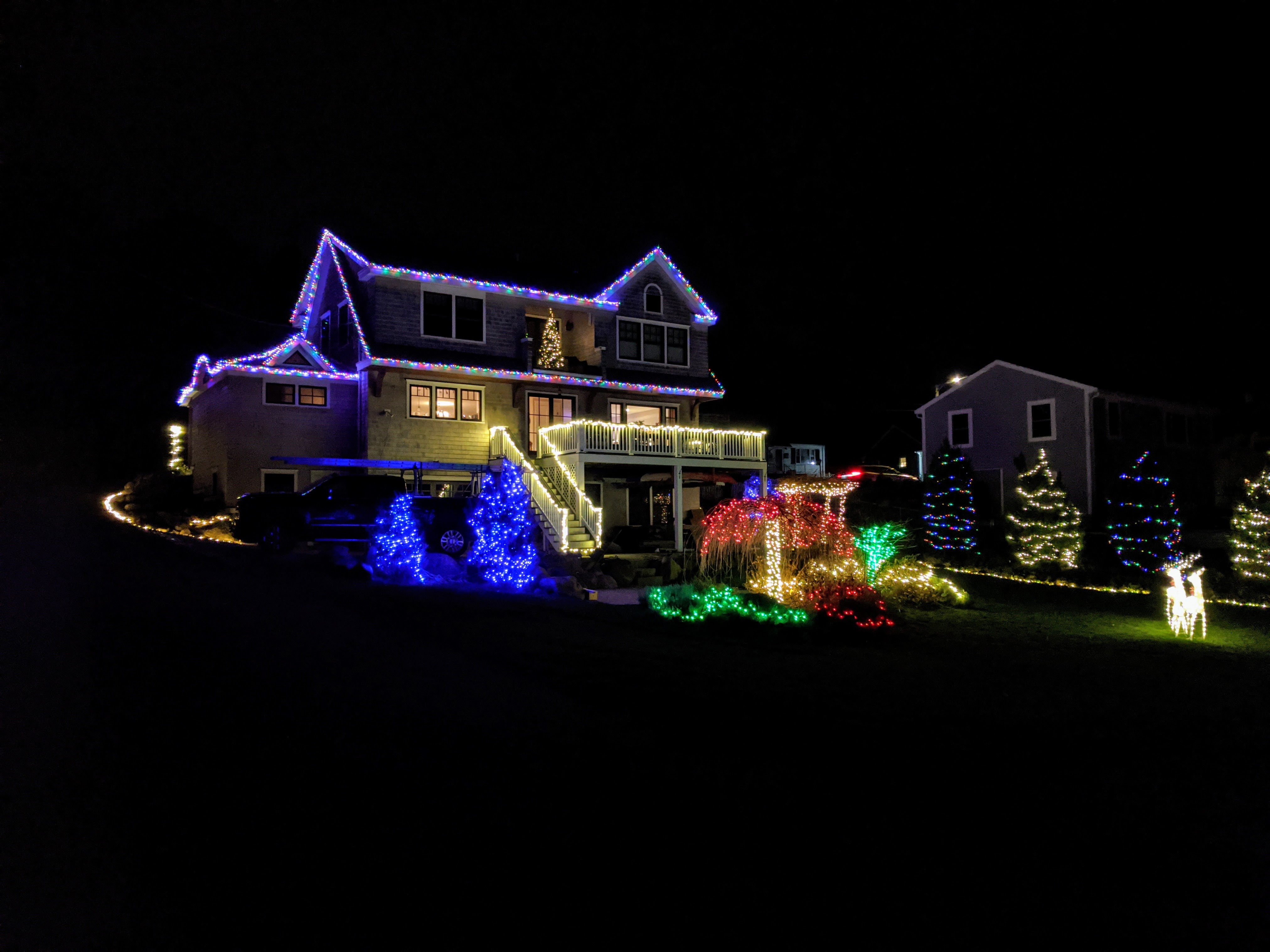
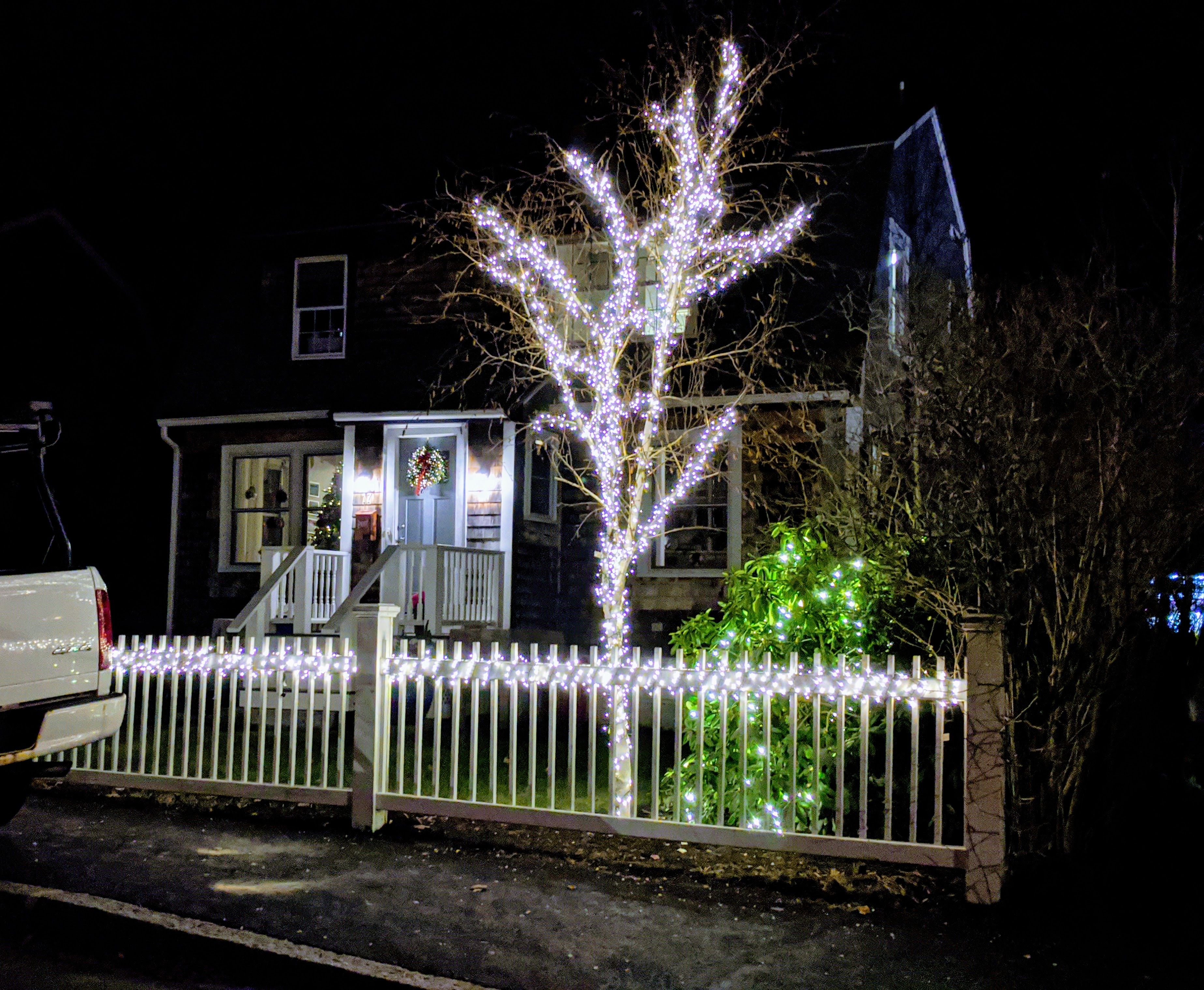

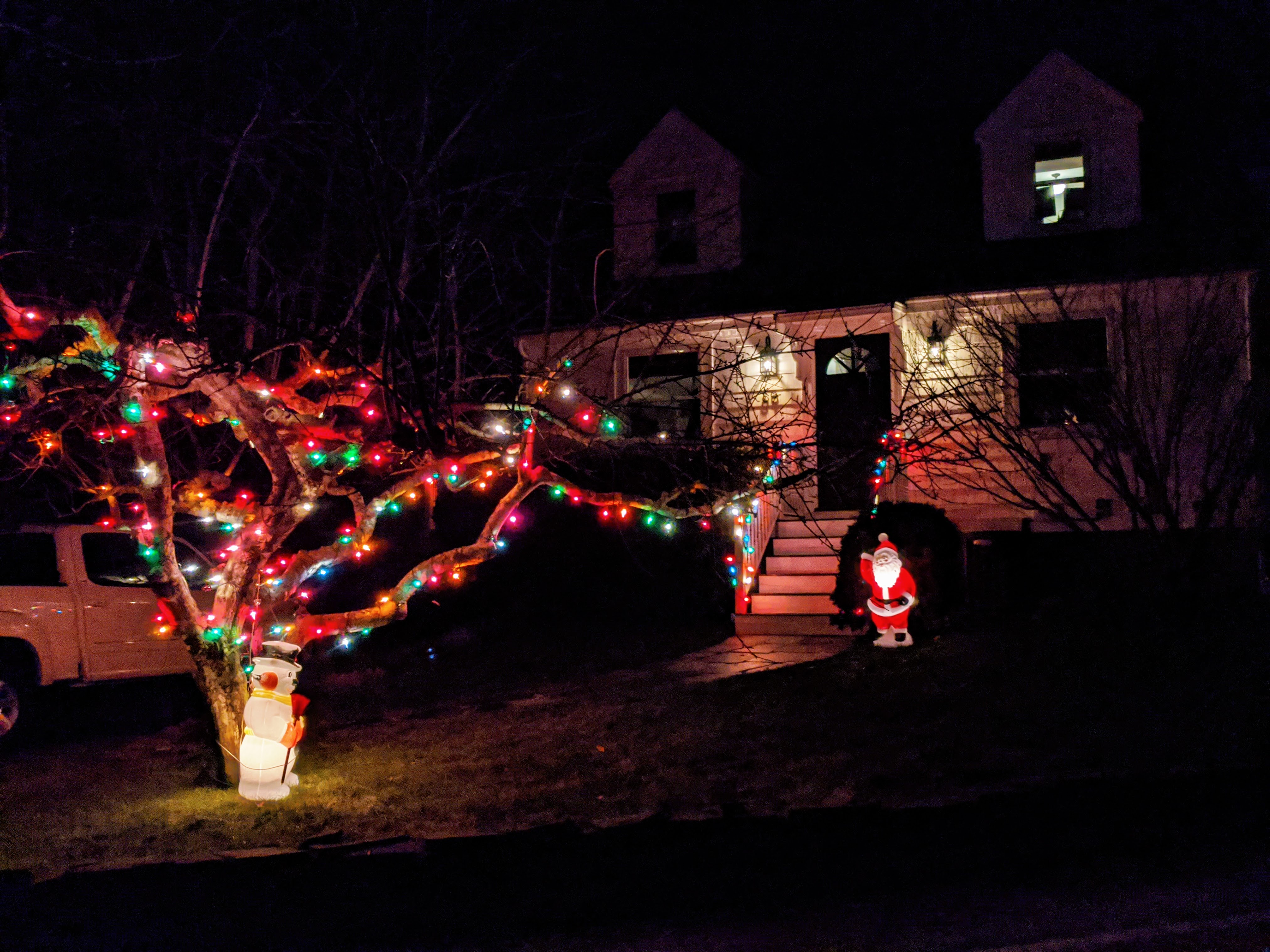

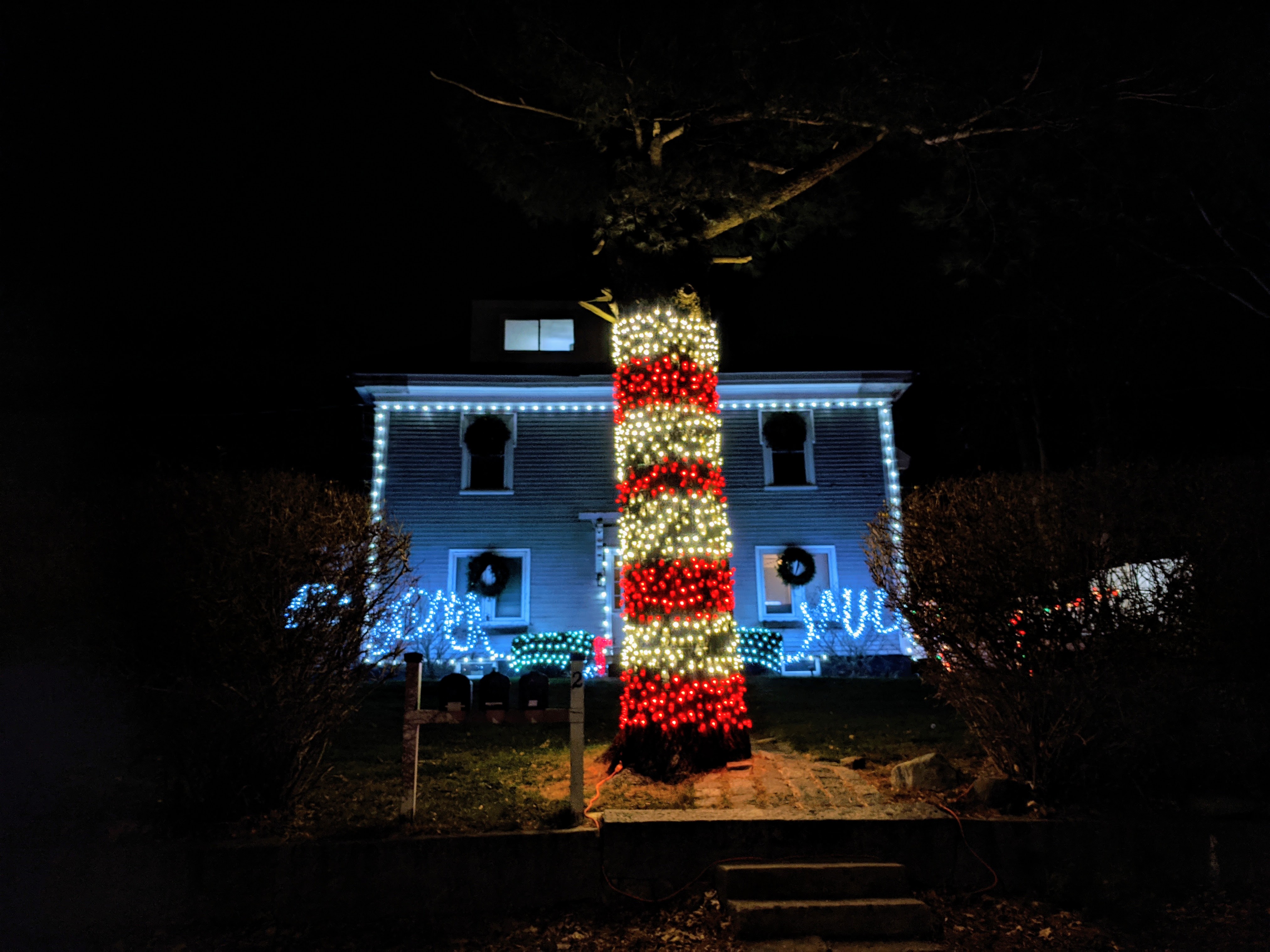
All over the map. Every neighborhood. Go!


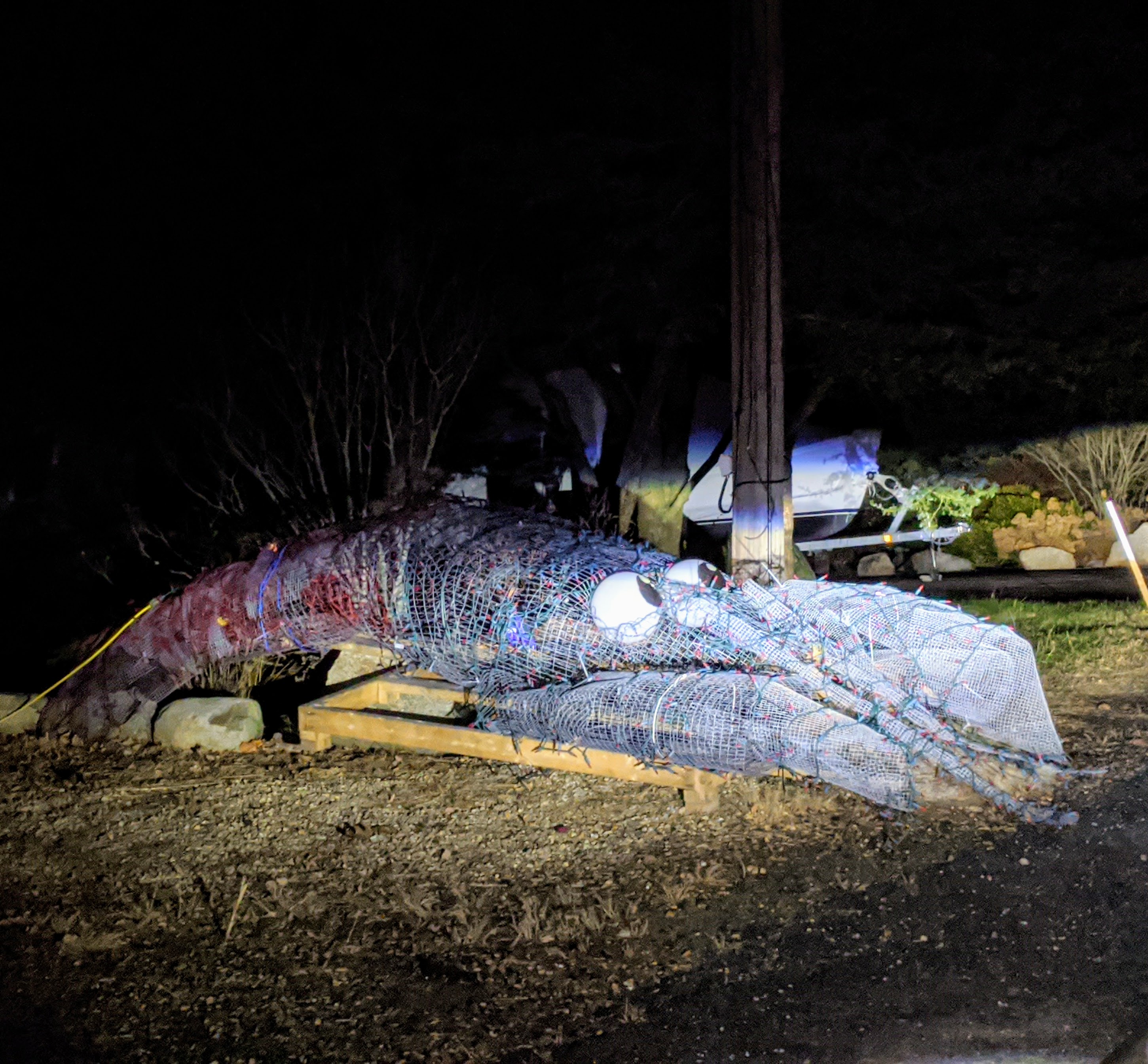


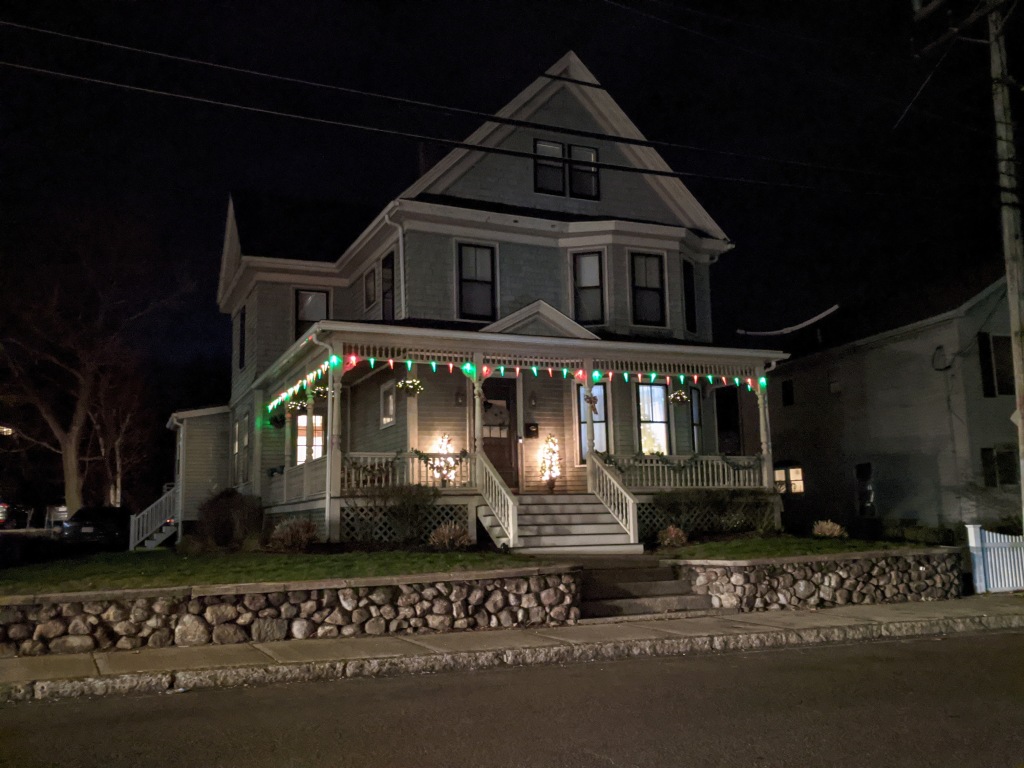


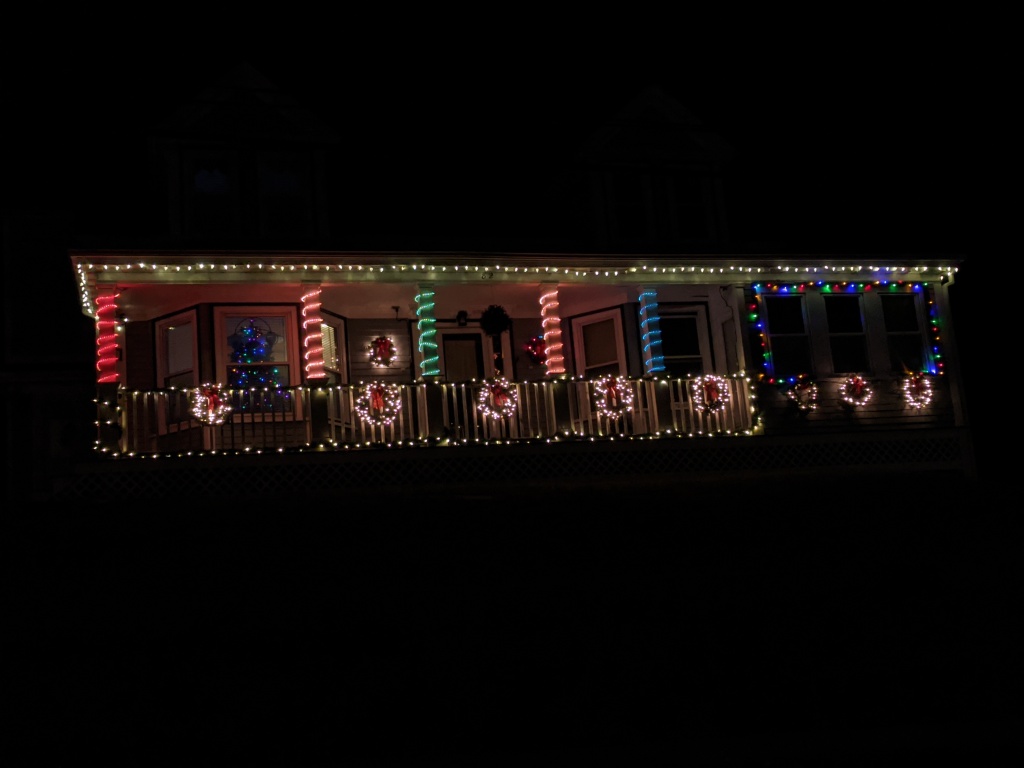
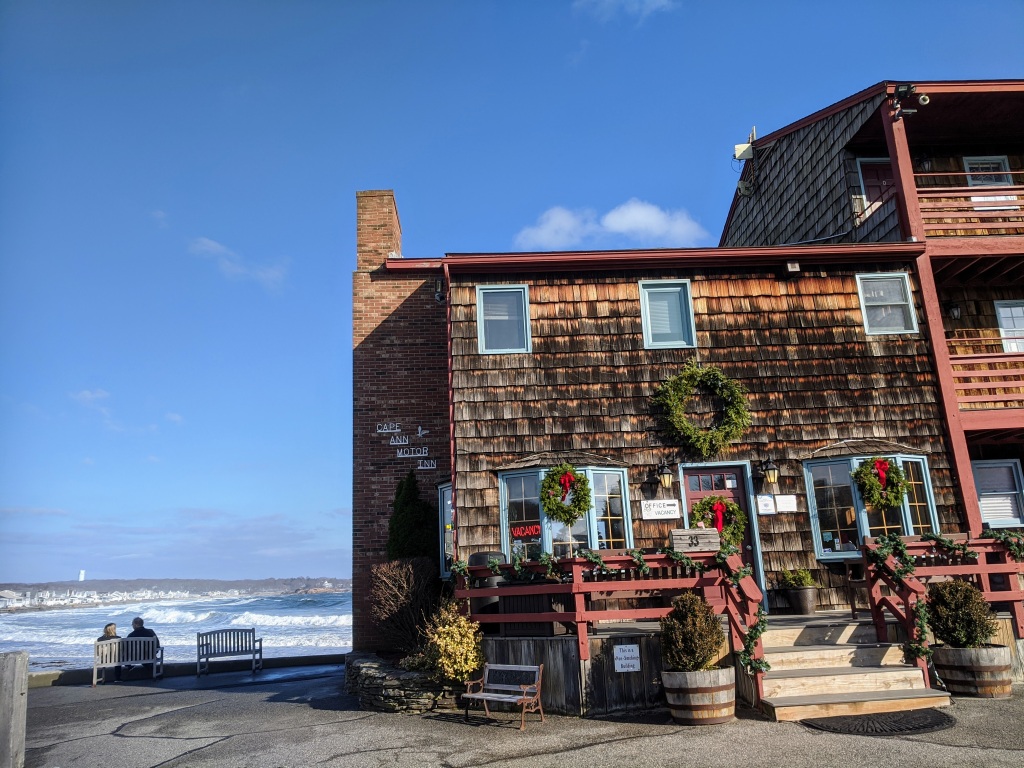
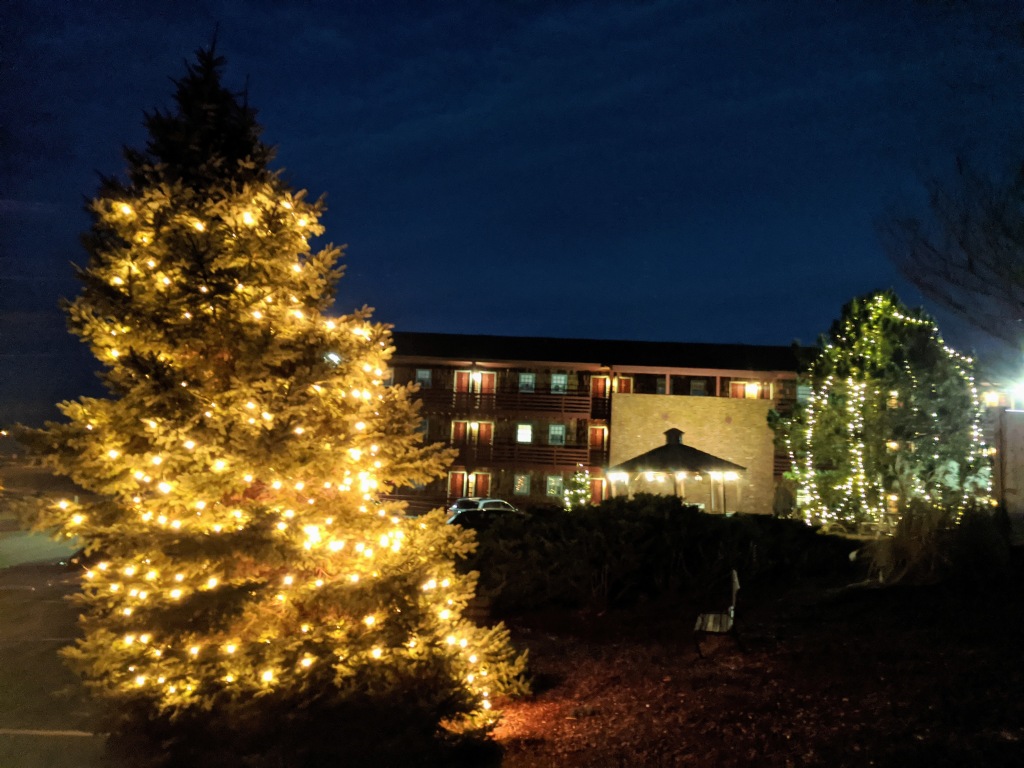

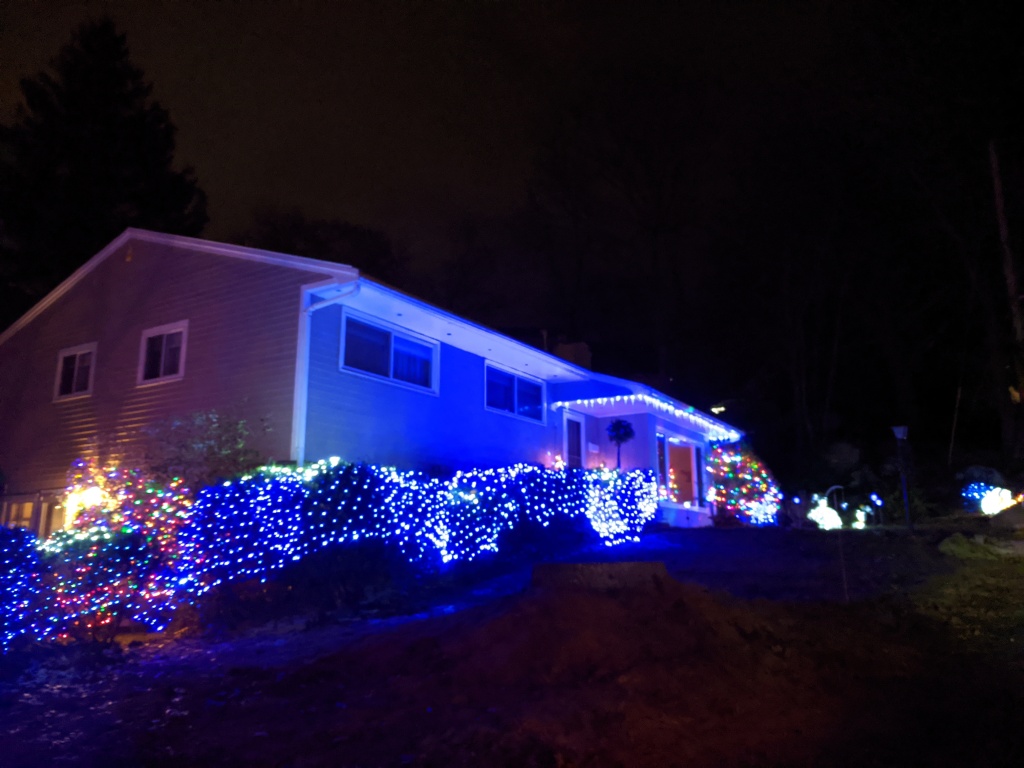
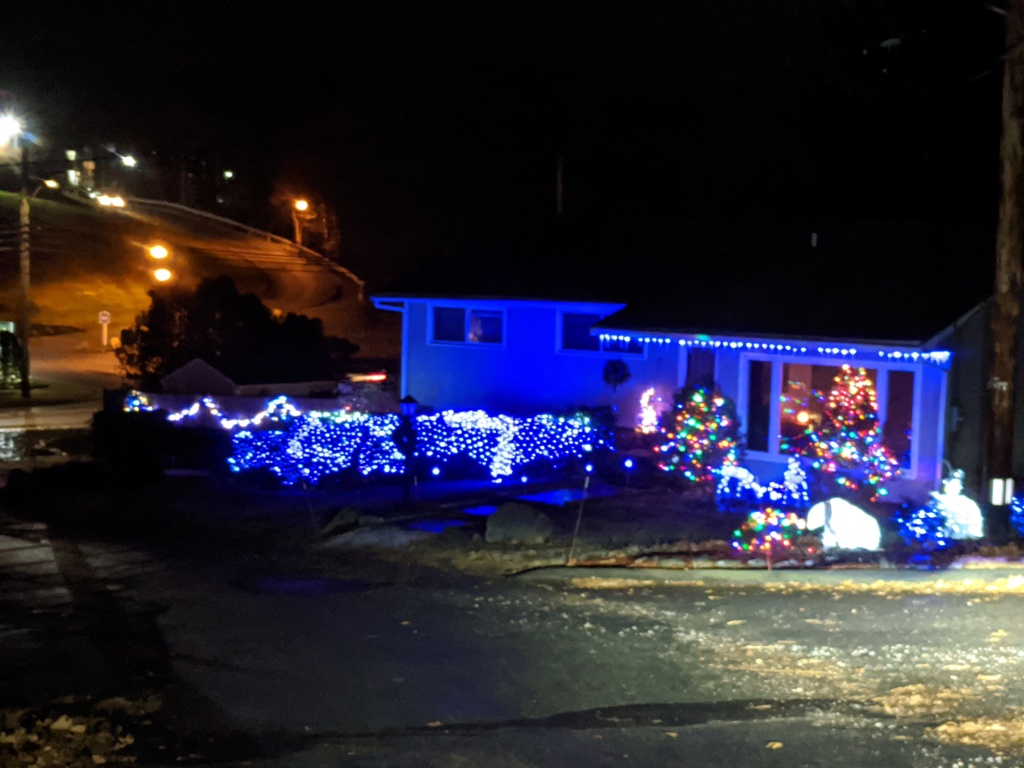


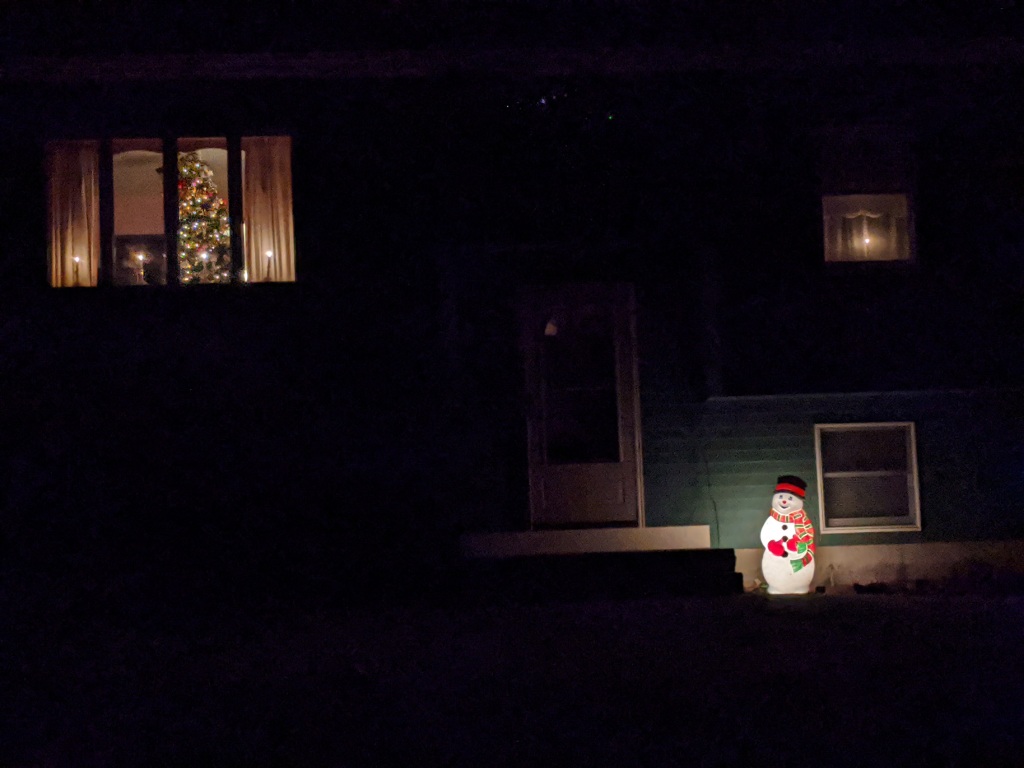

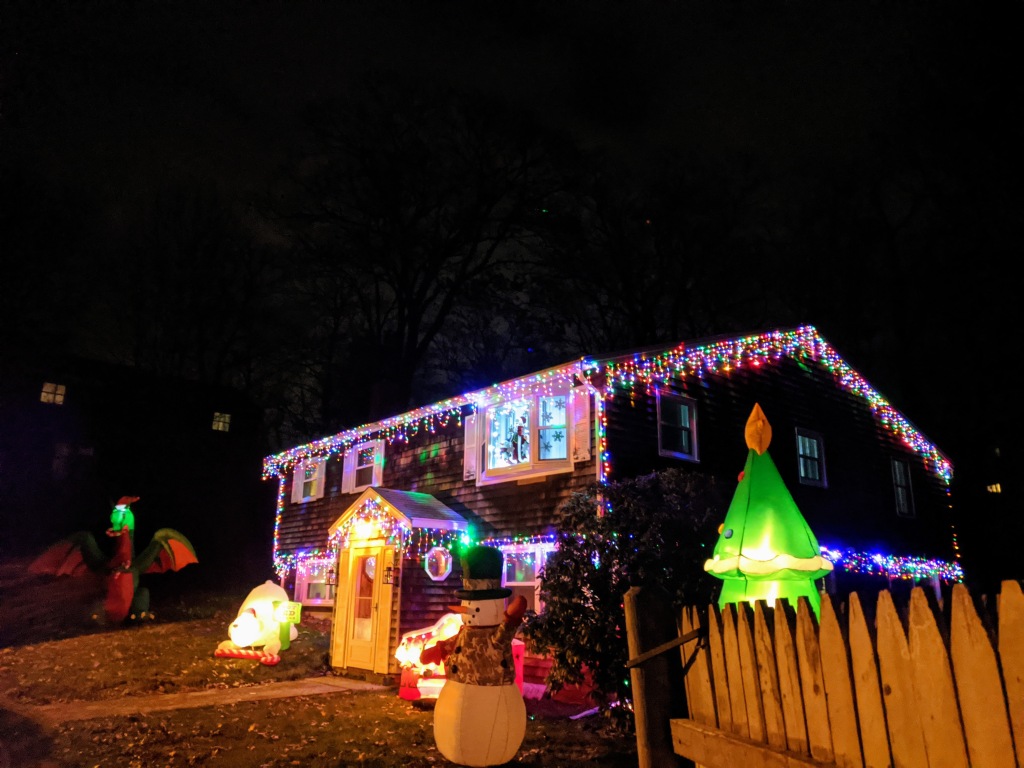
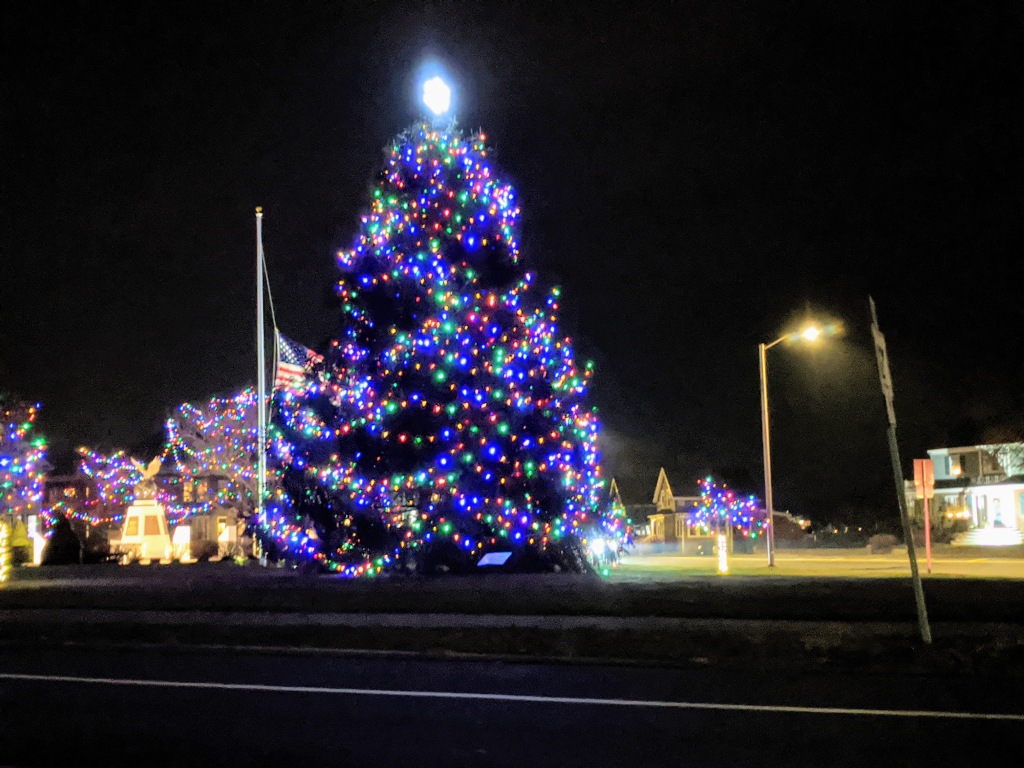
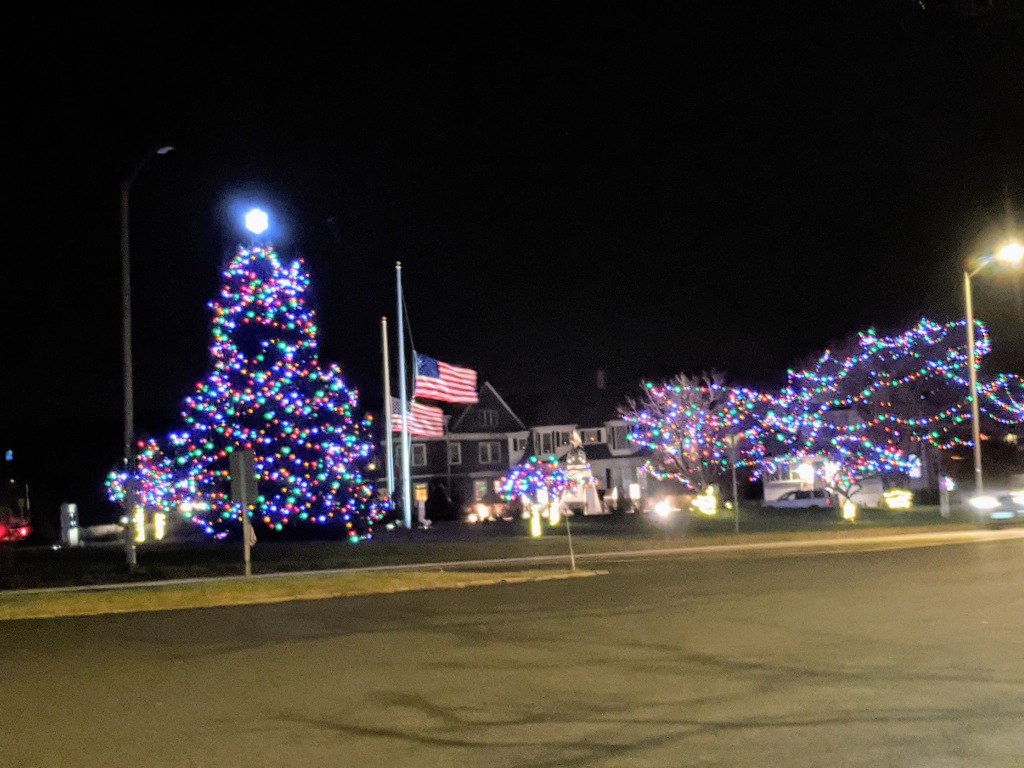


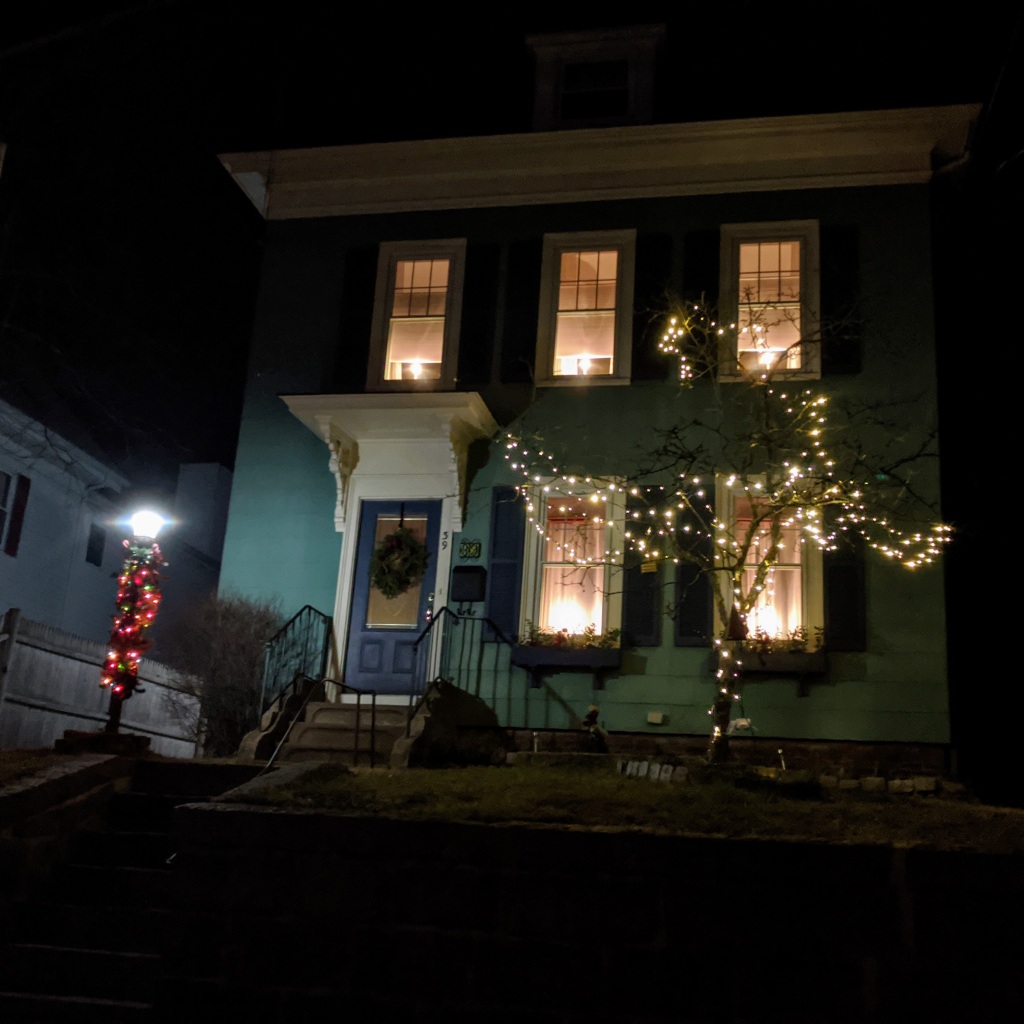

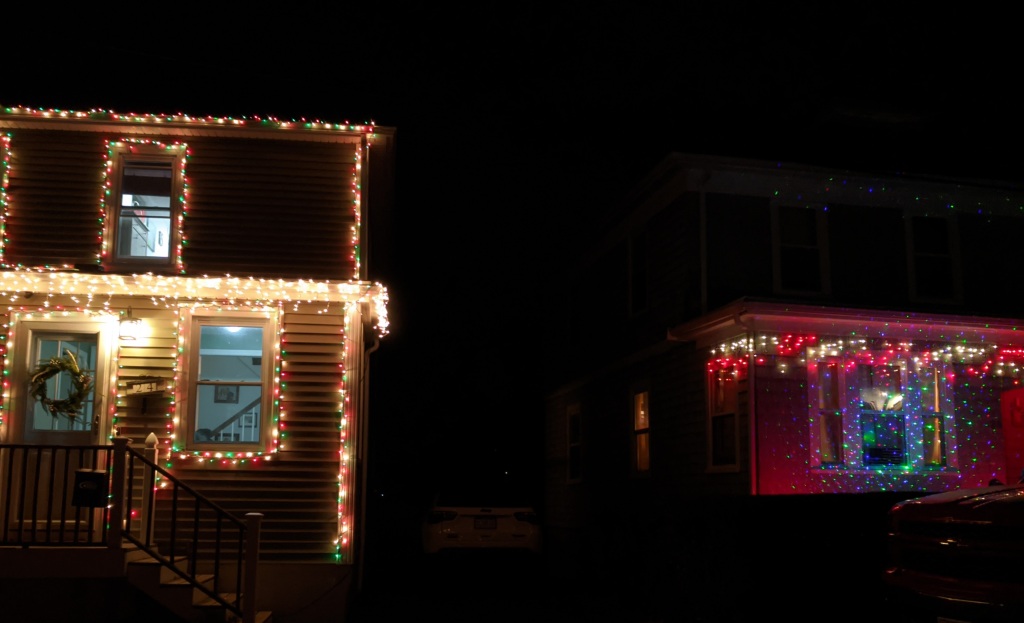

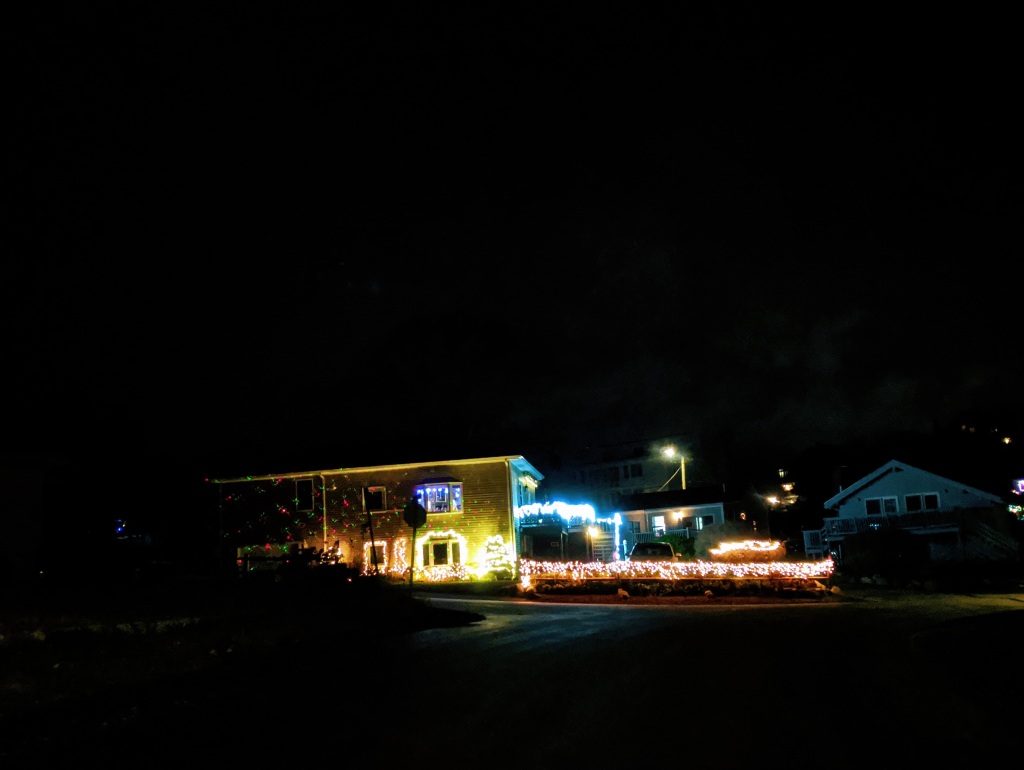
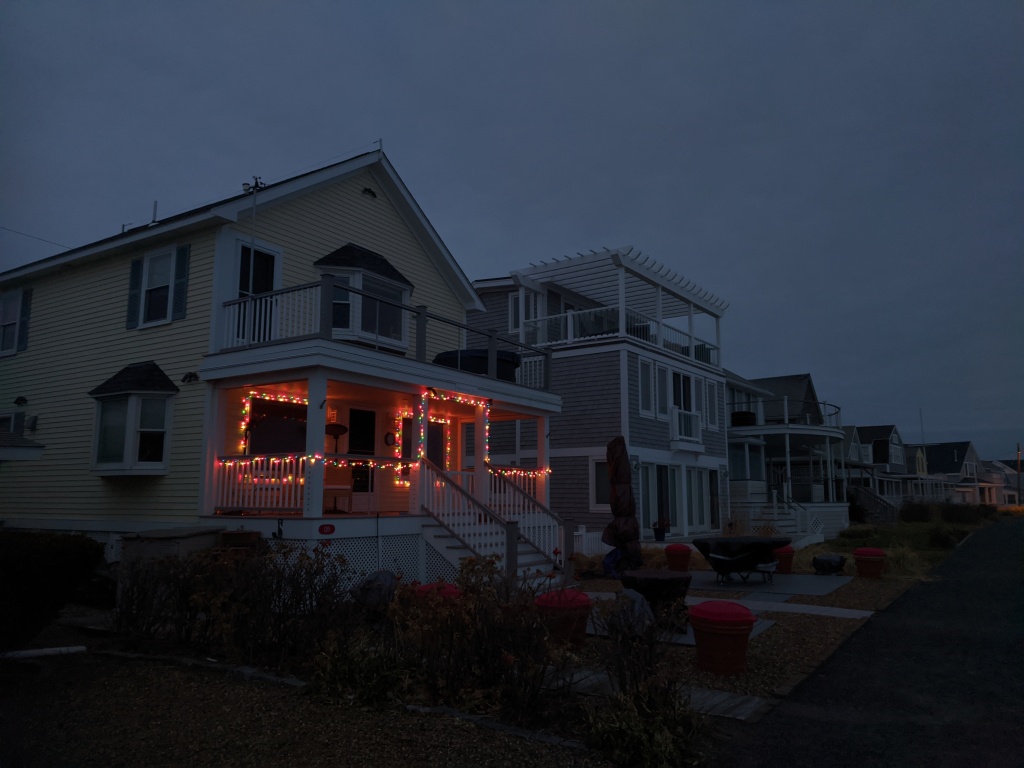
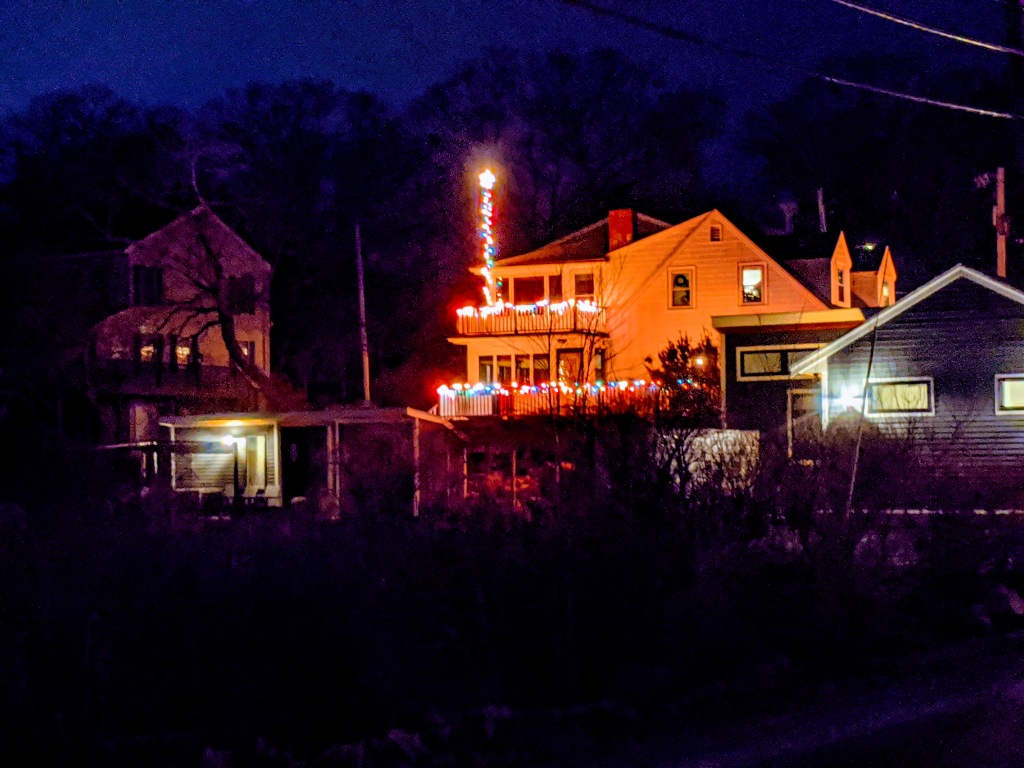
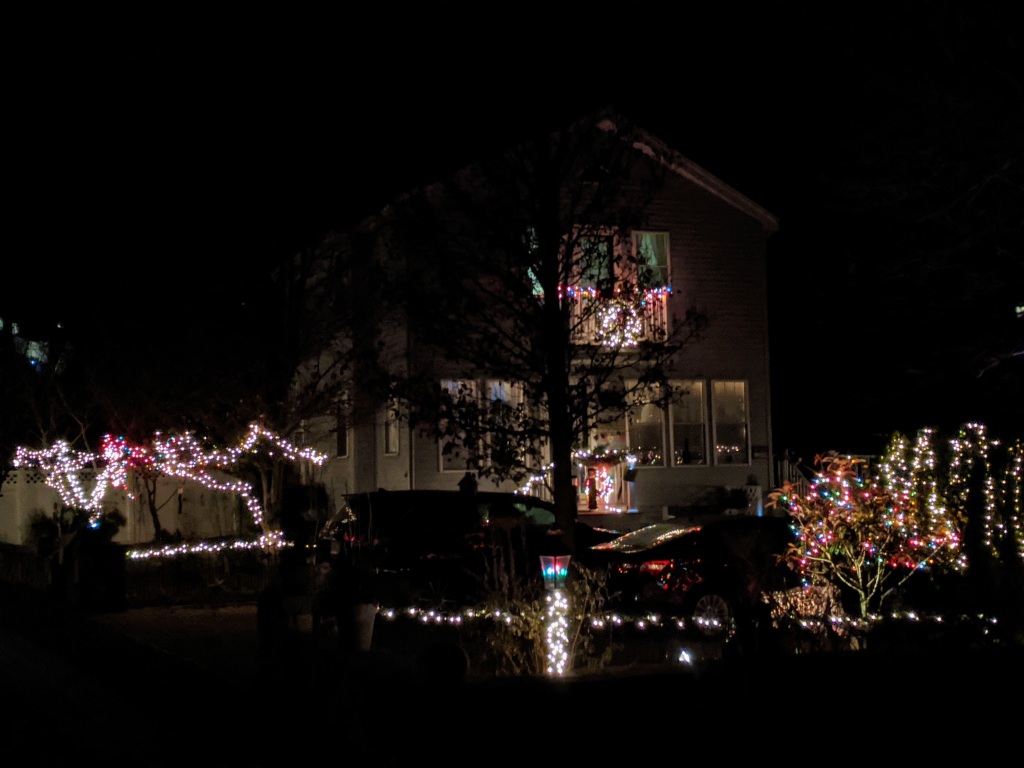
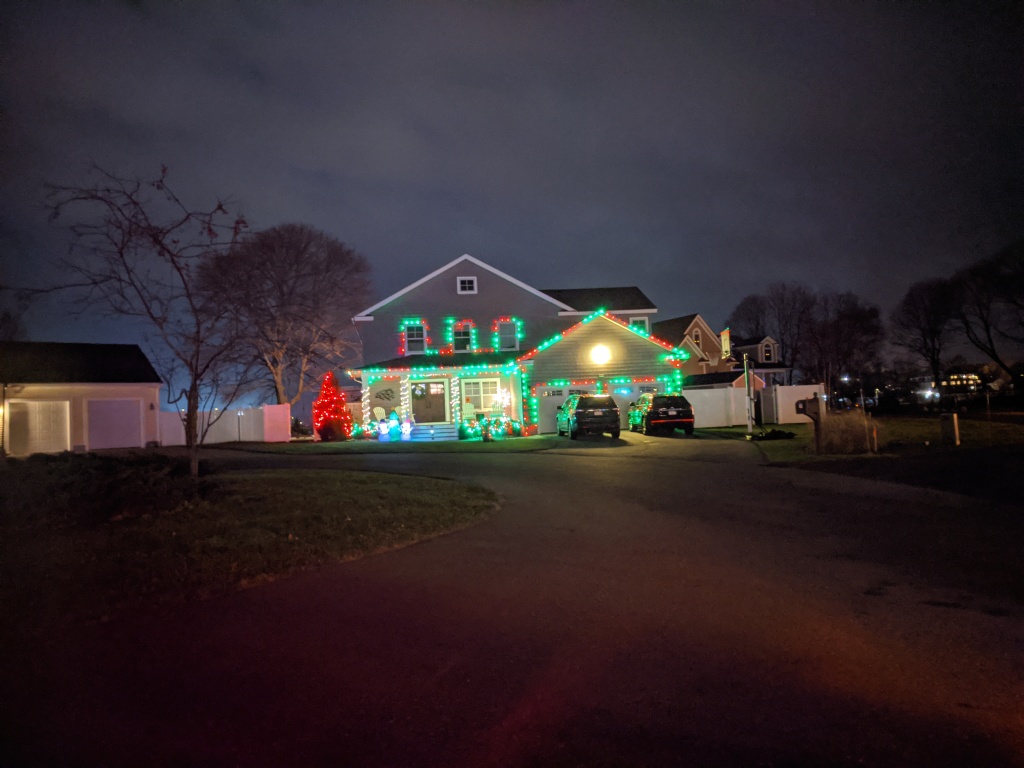
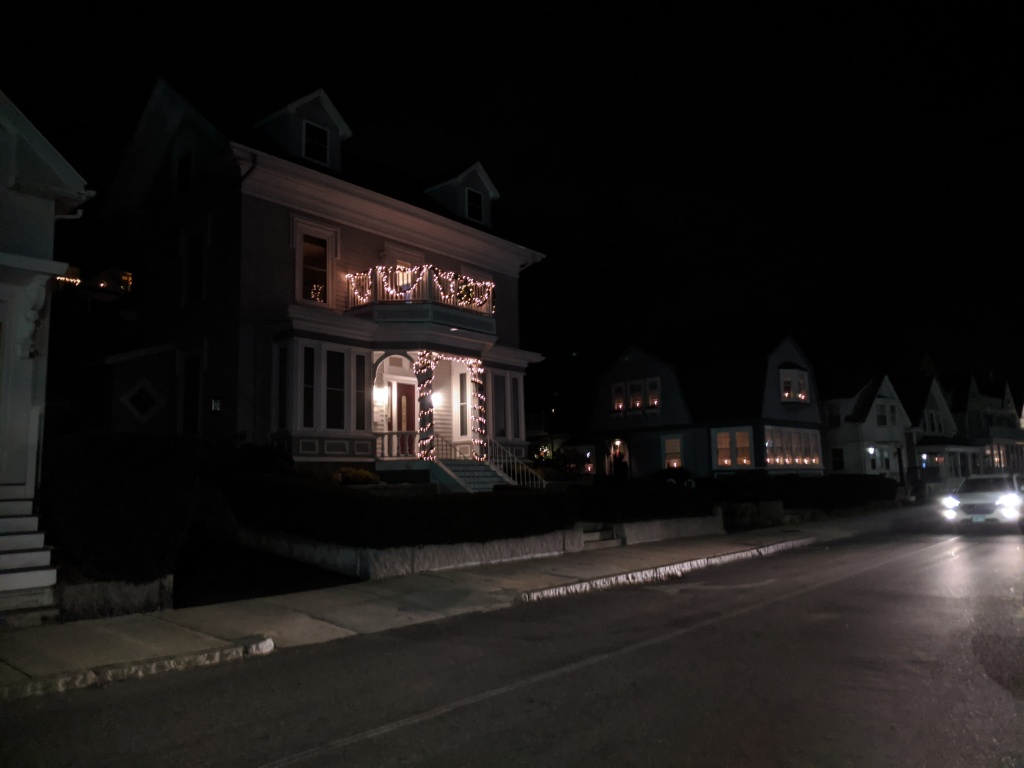
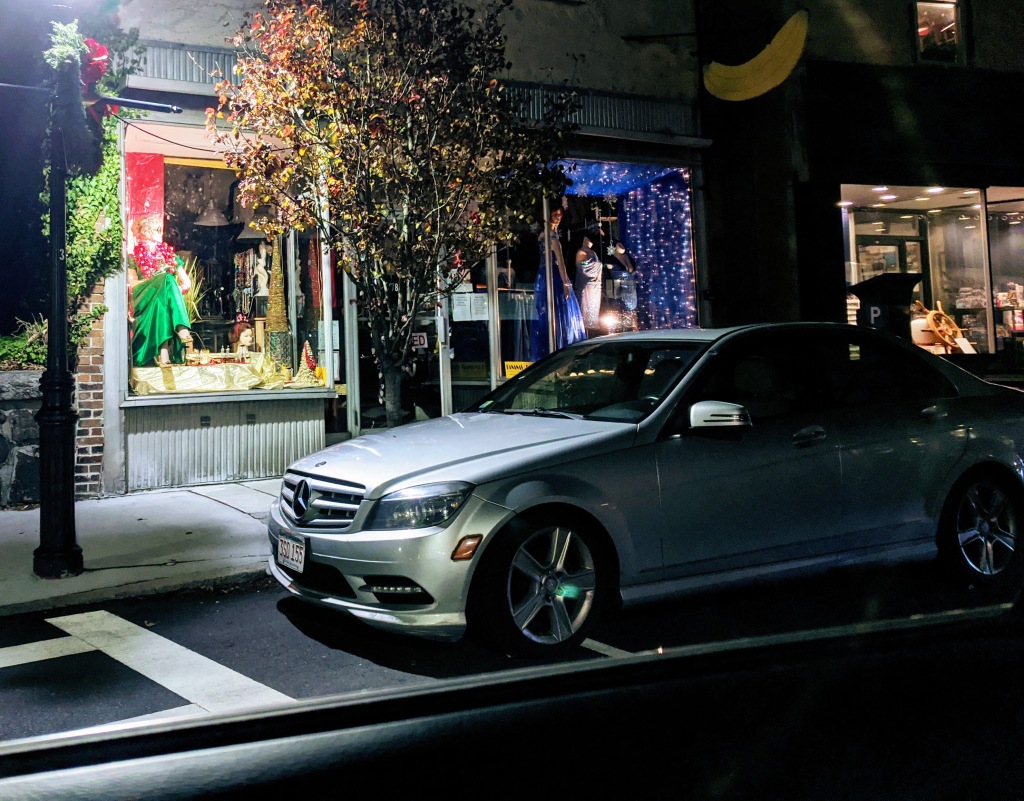
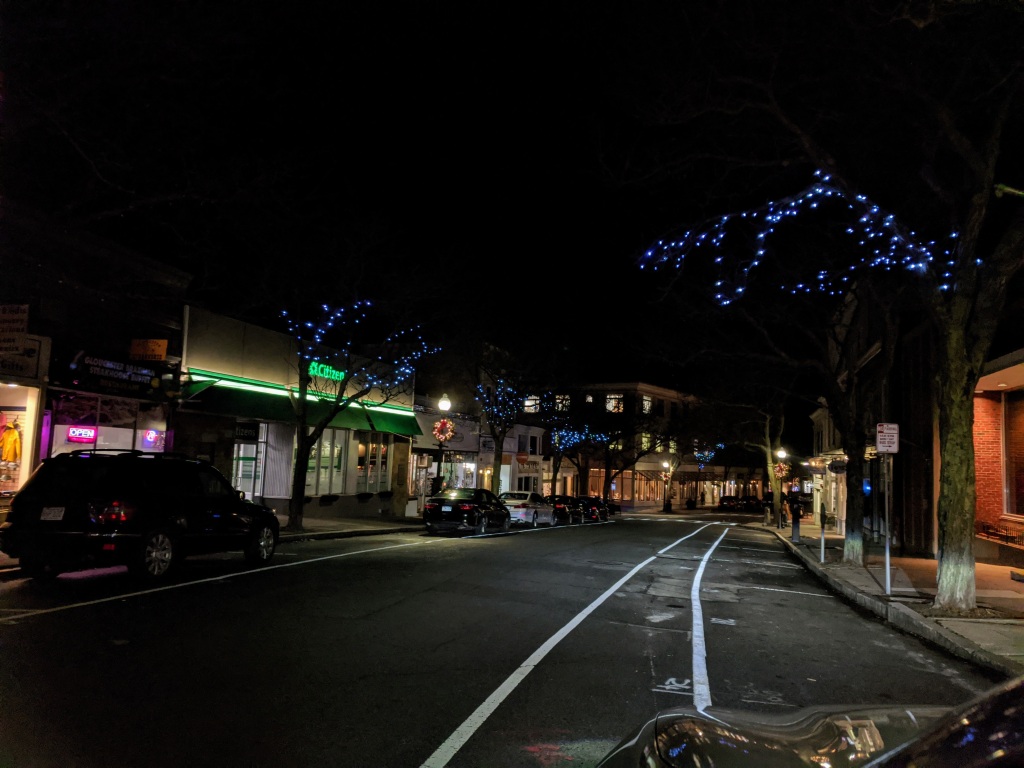
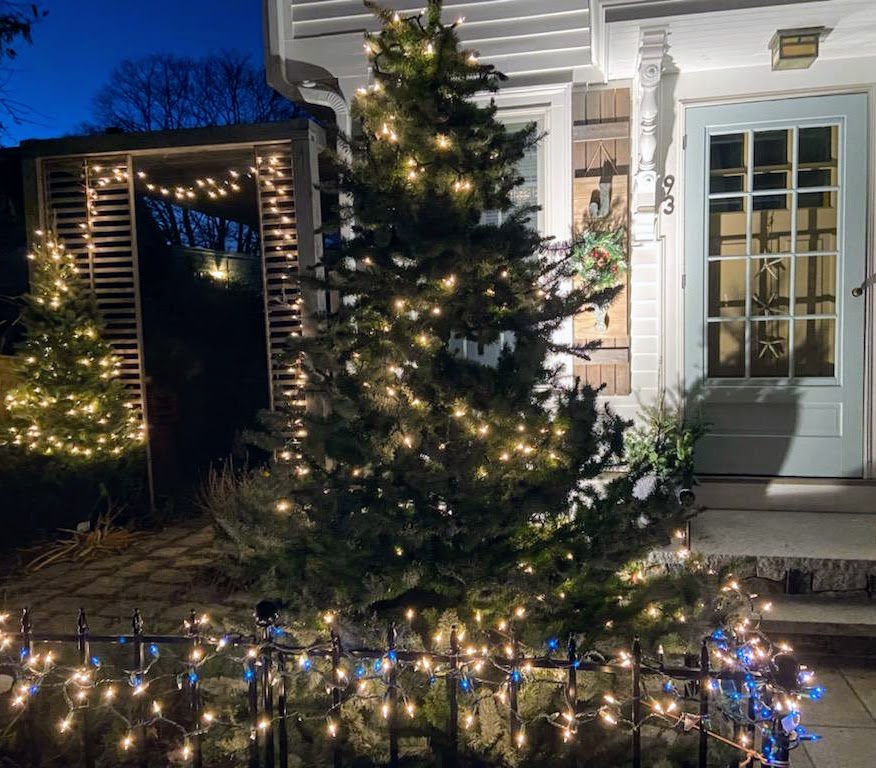
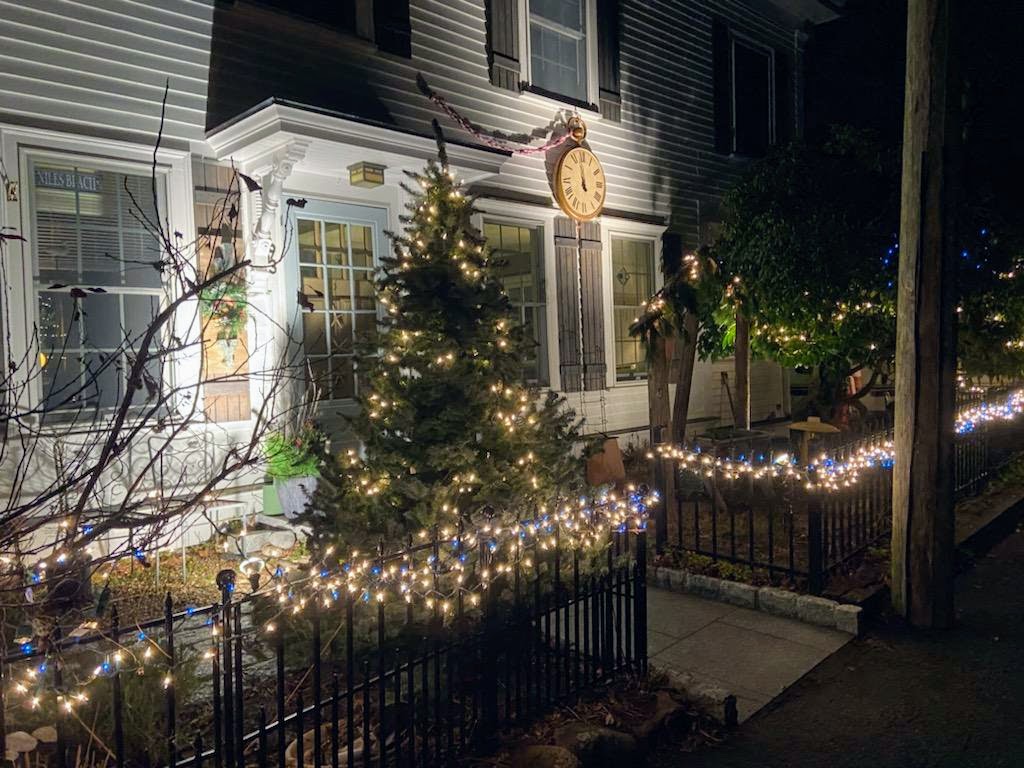

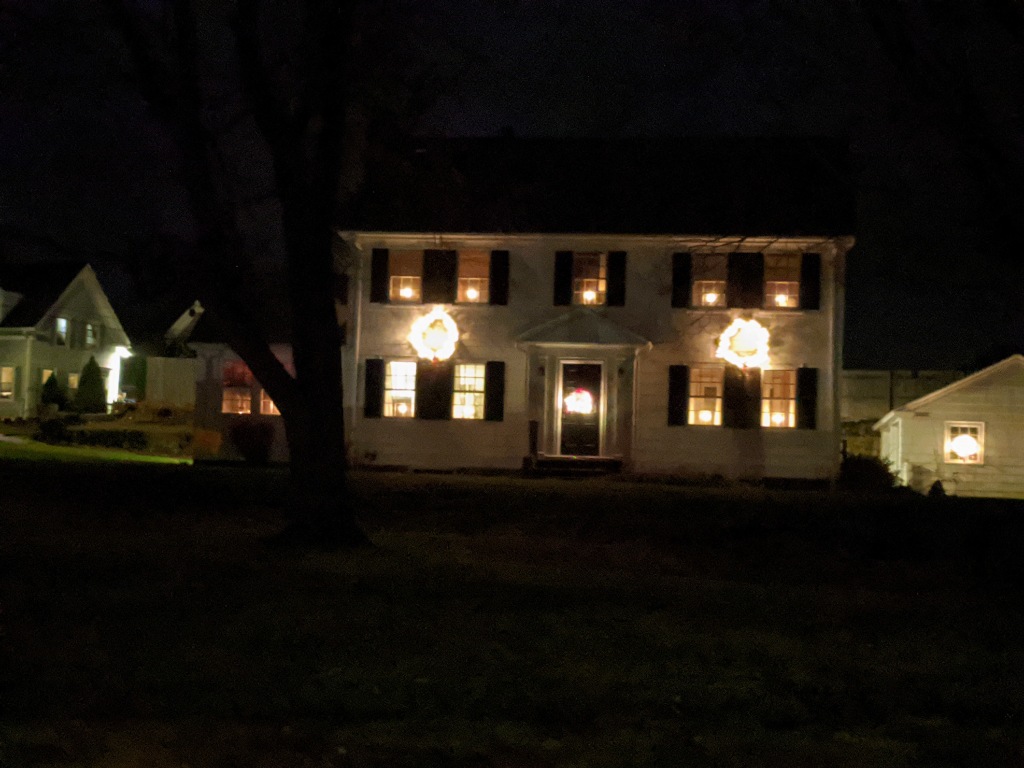

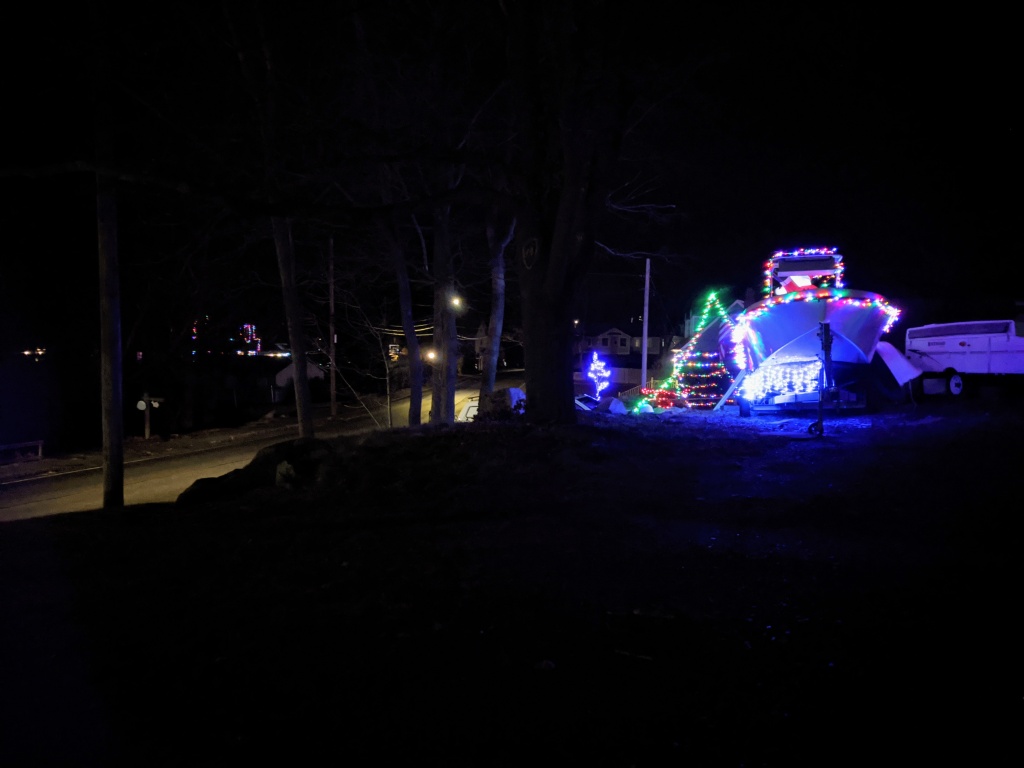



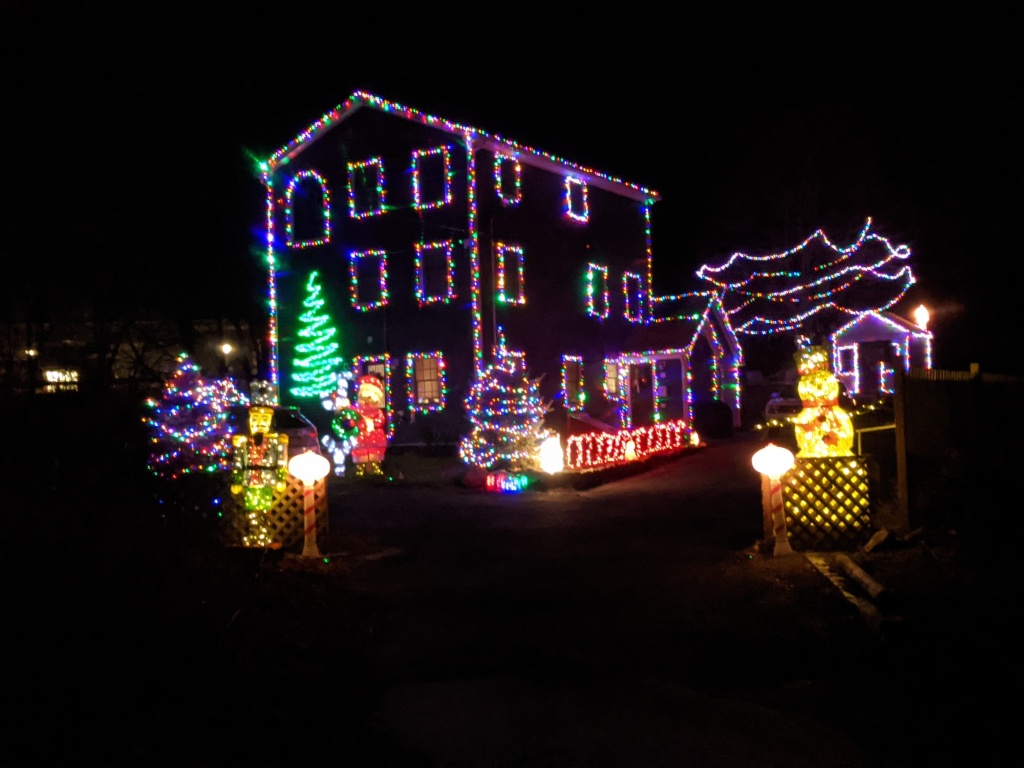
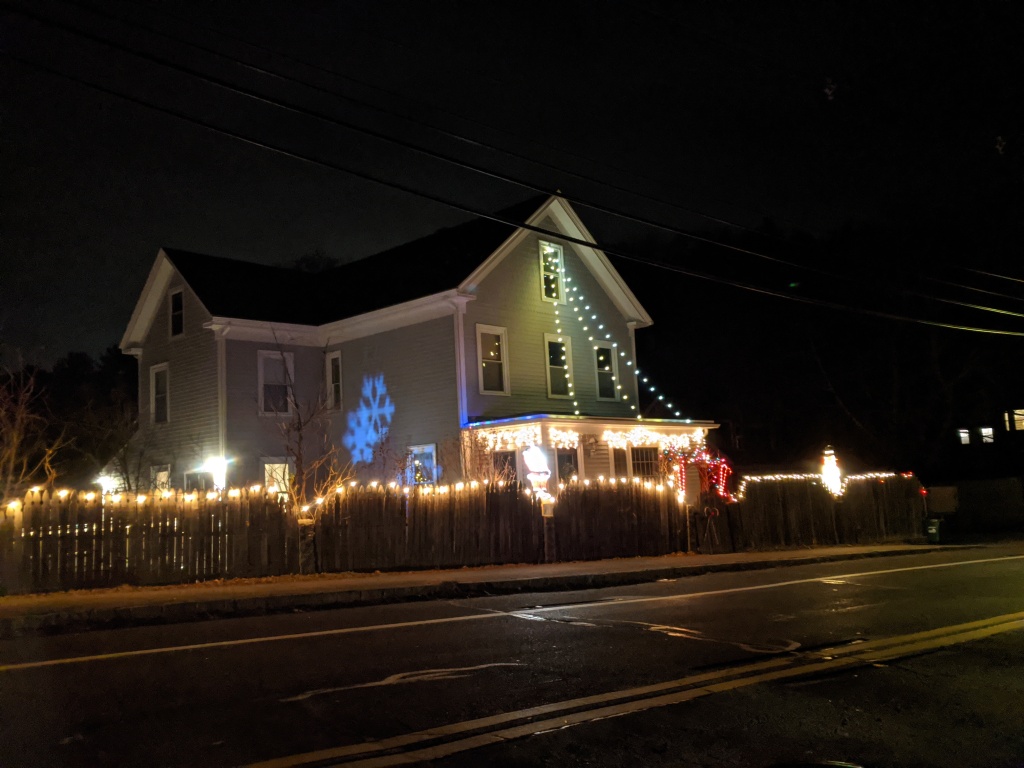
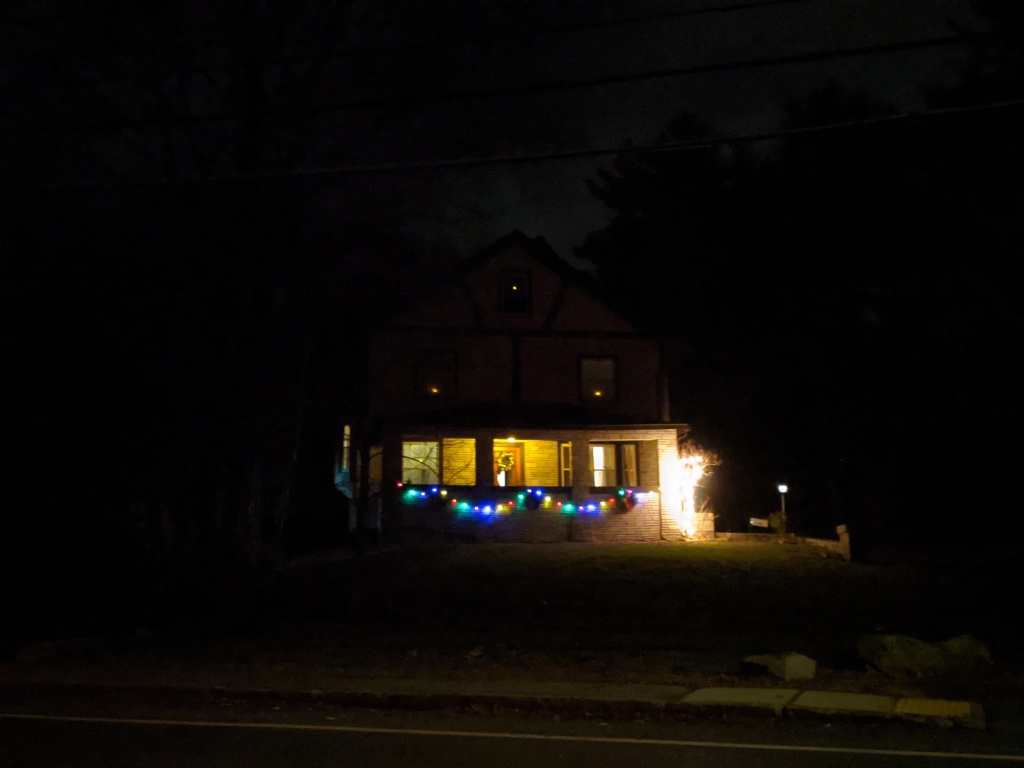

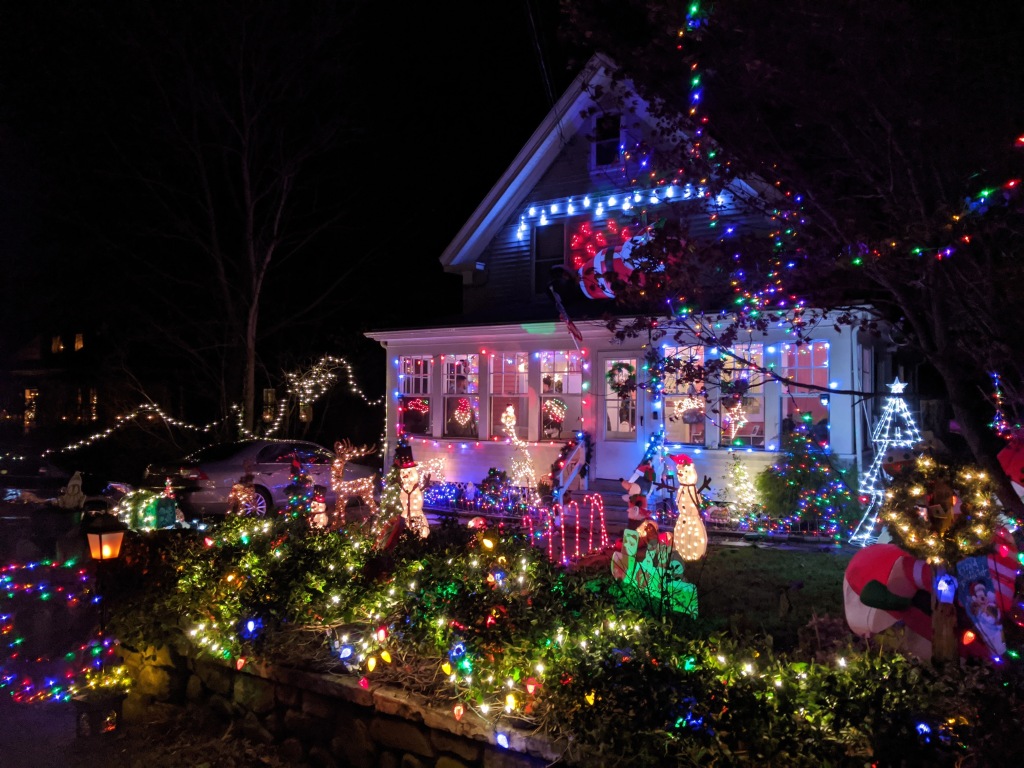
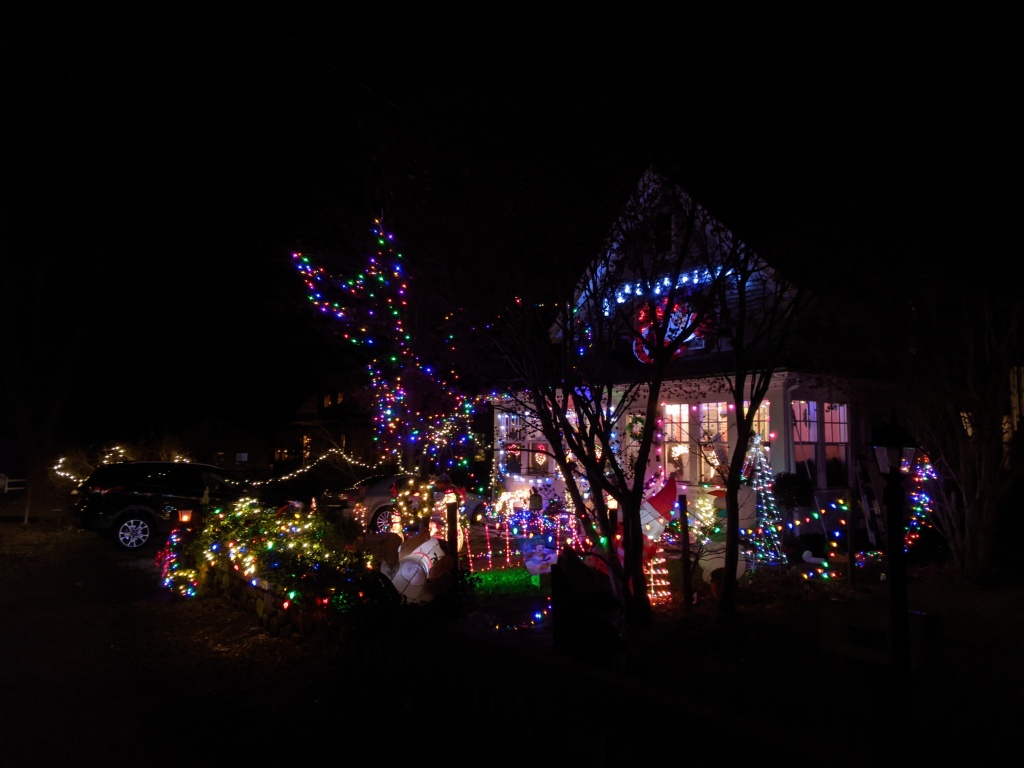
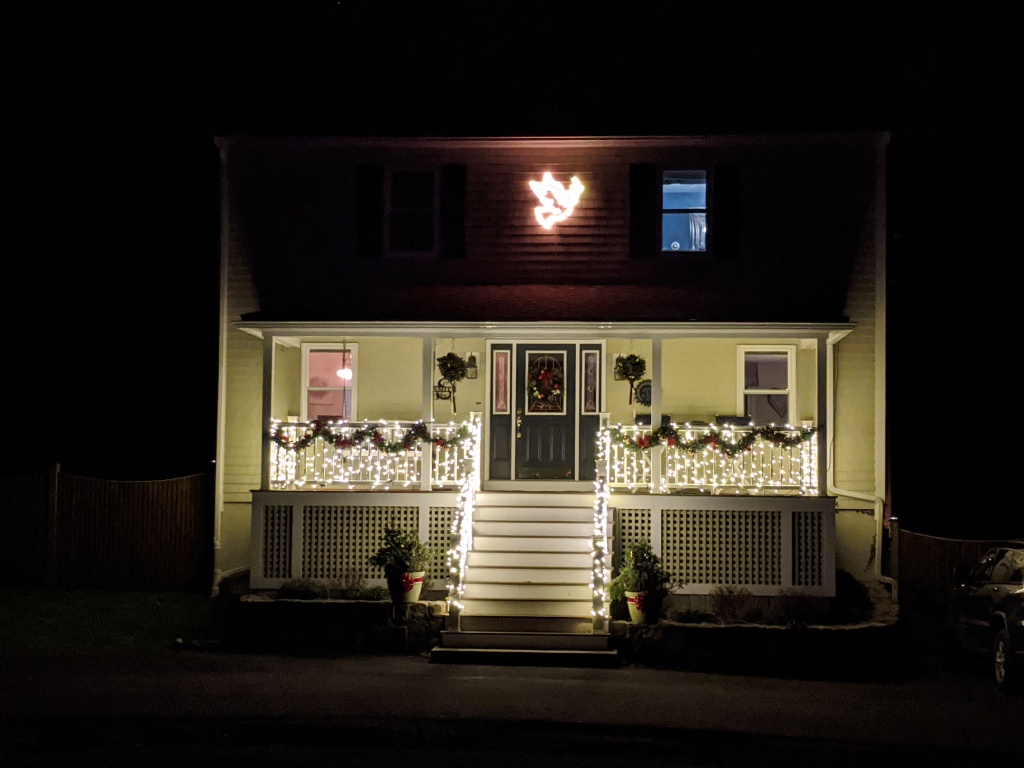
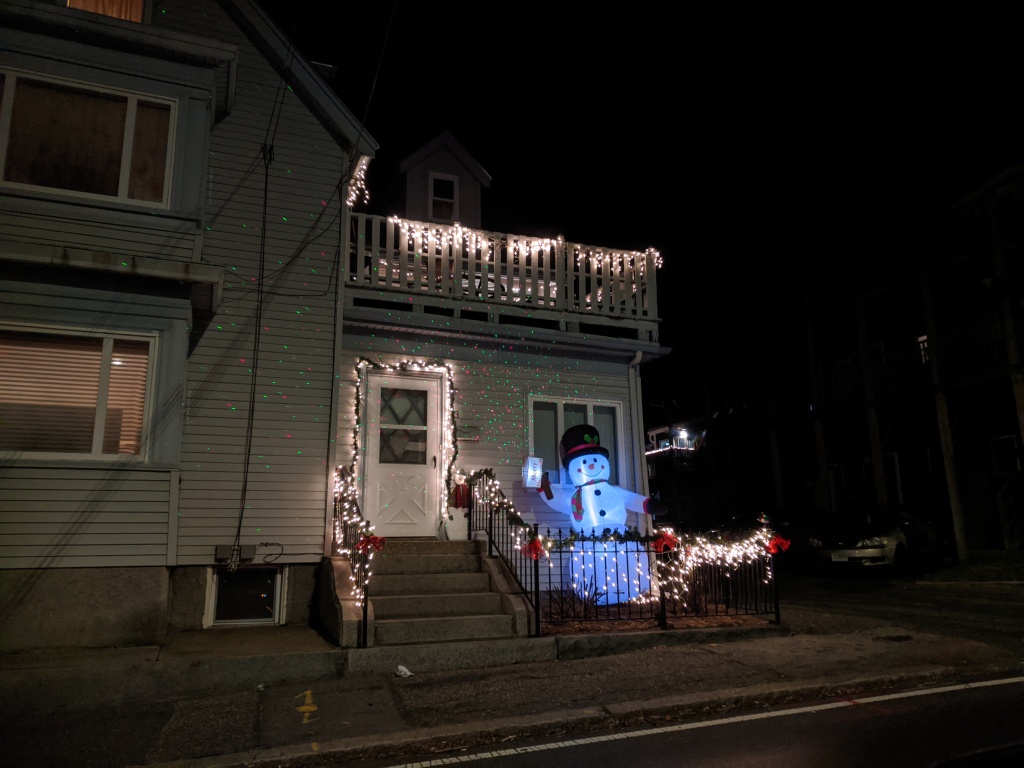
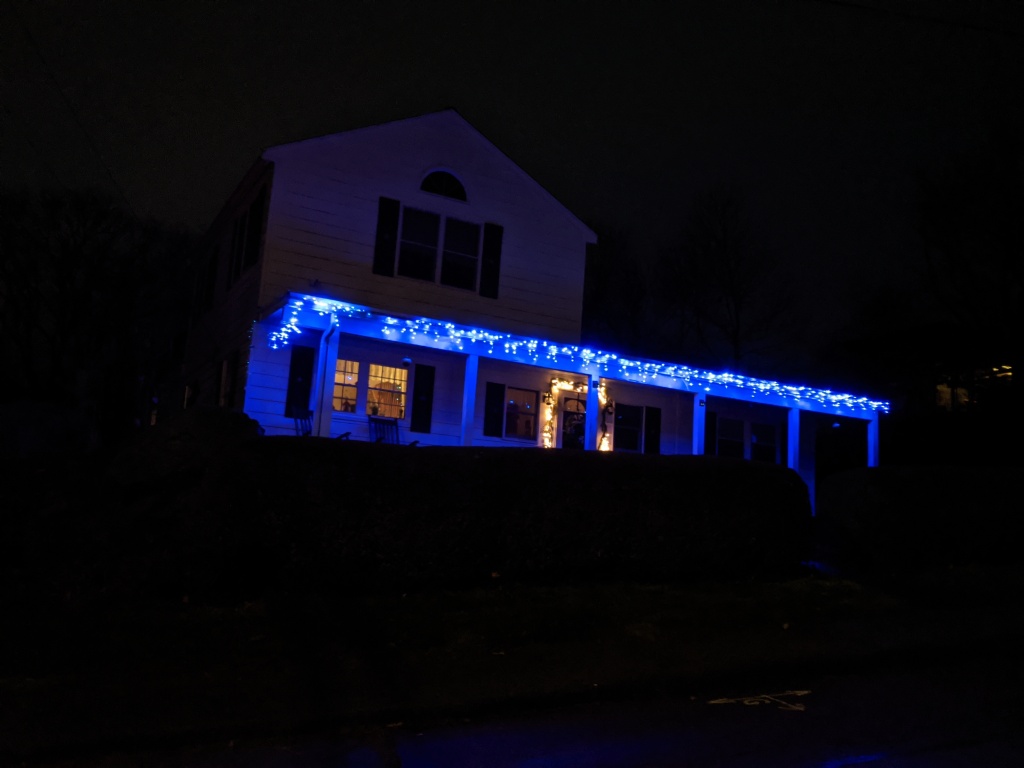
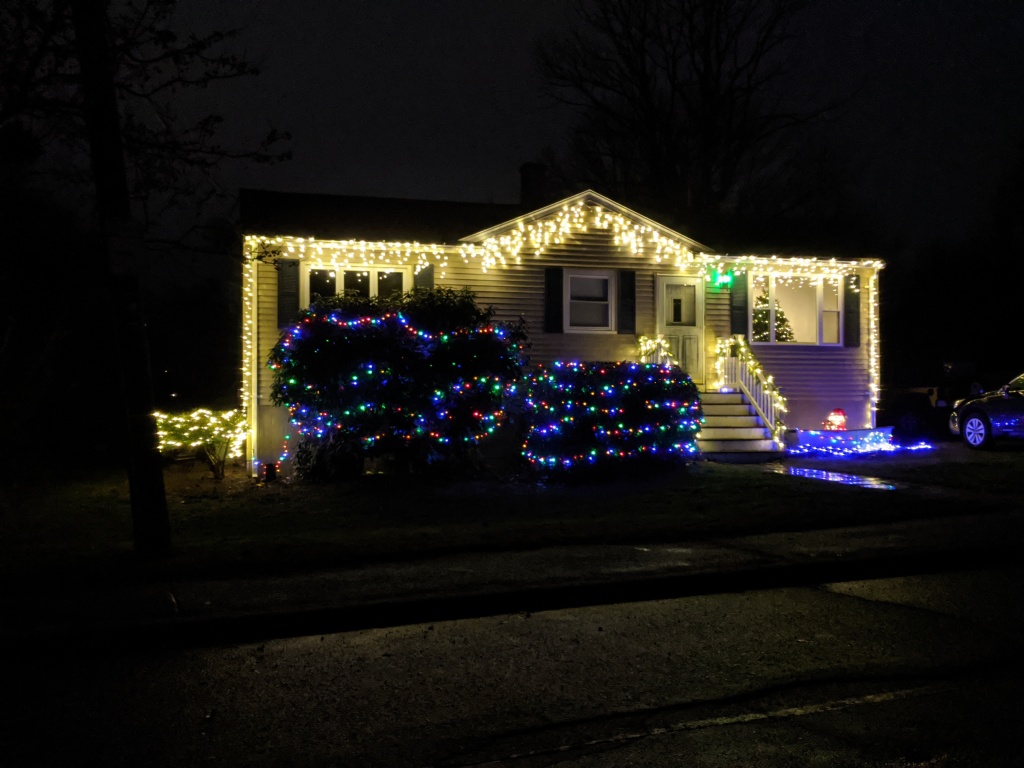

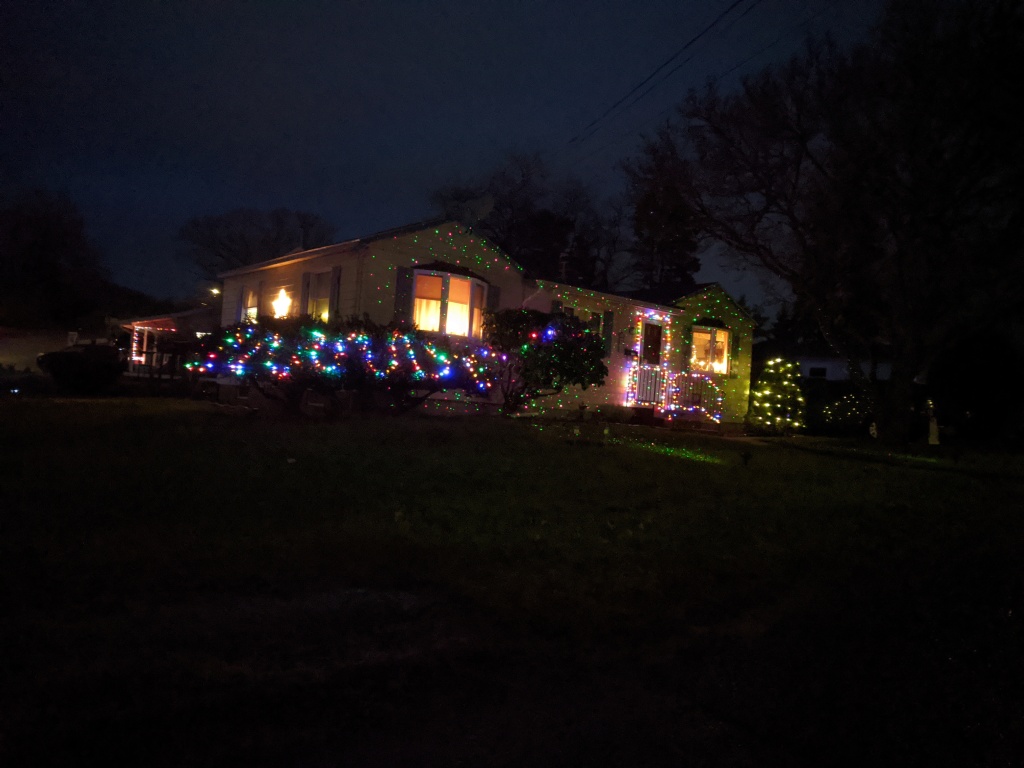


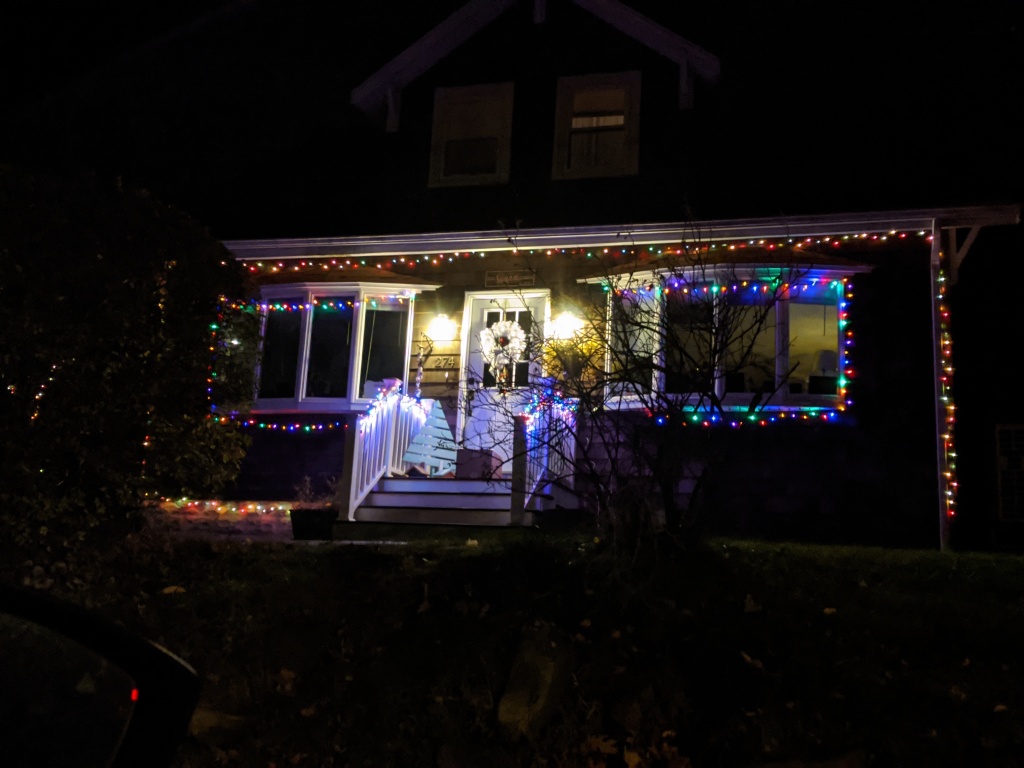
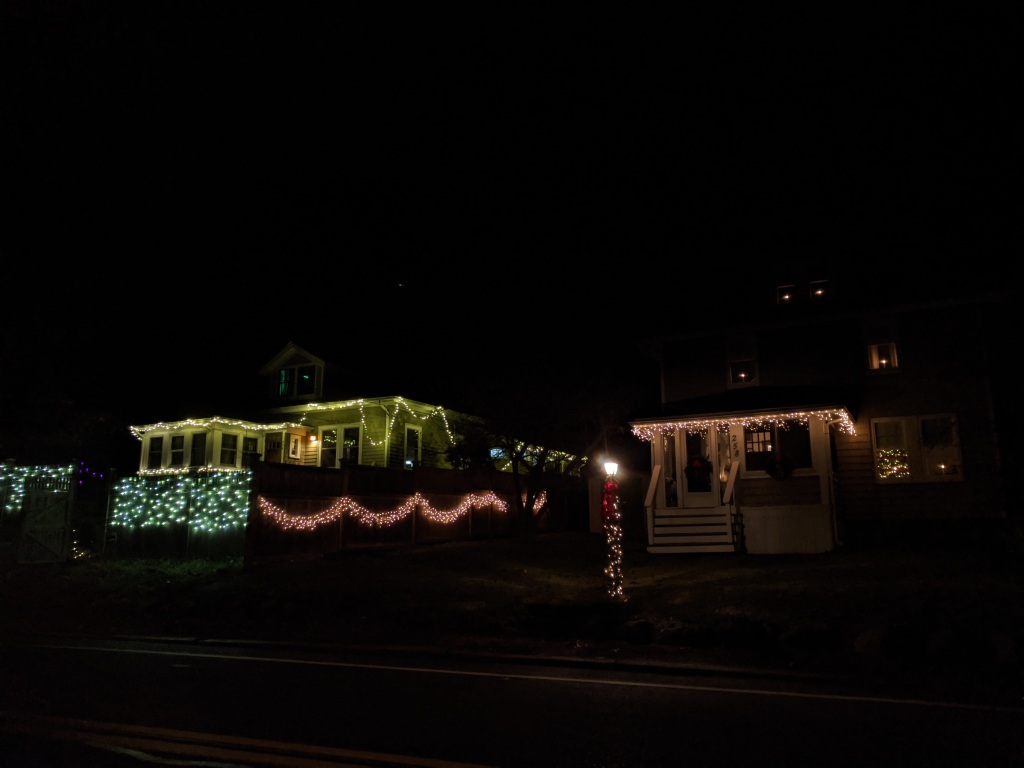


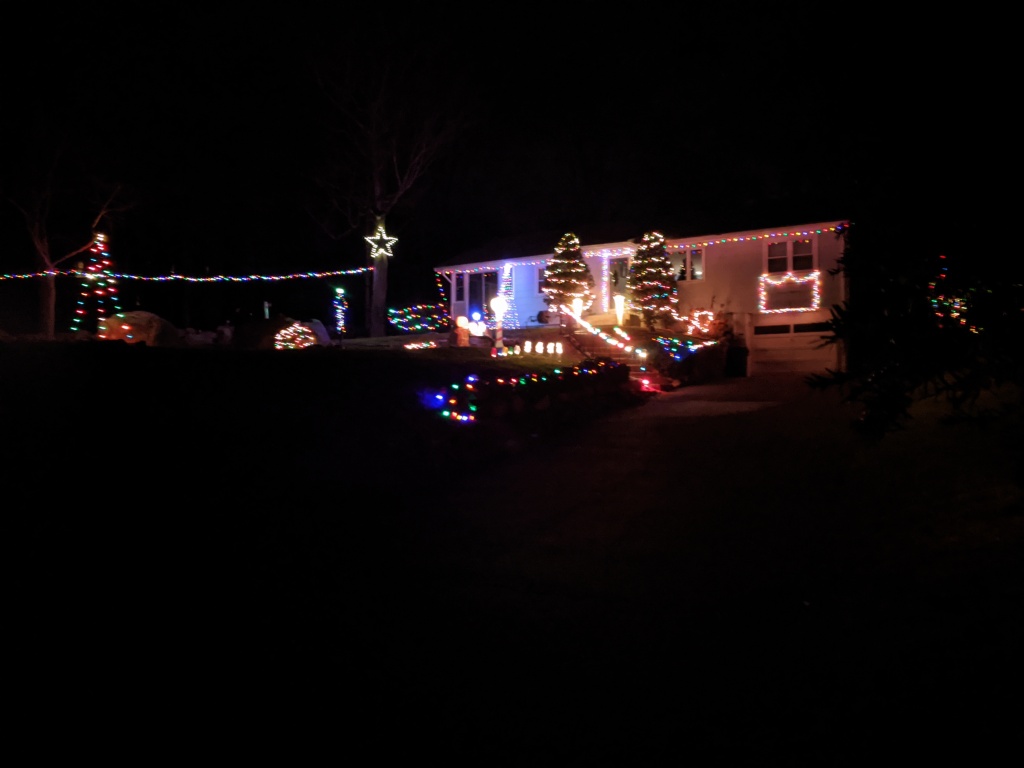
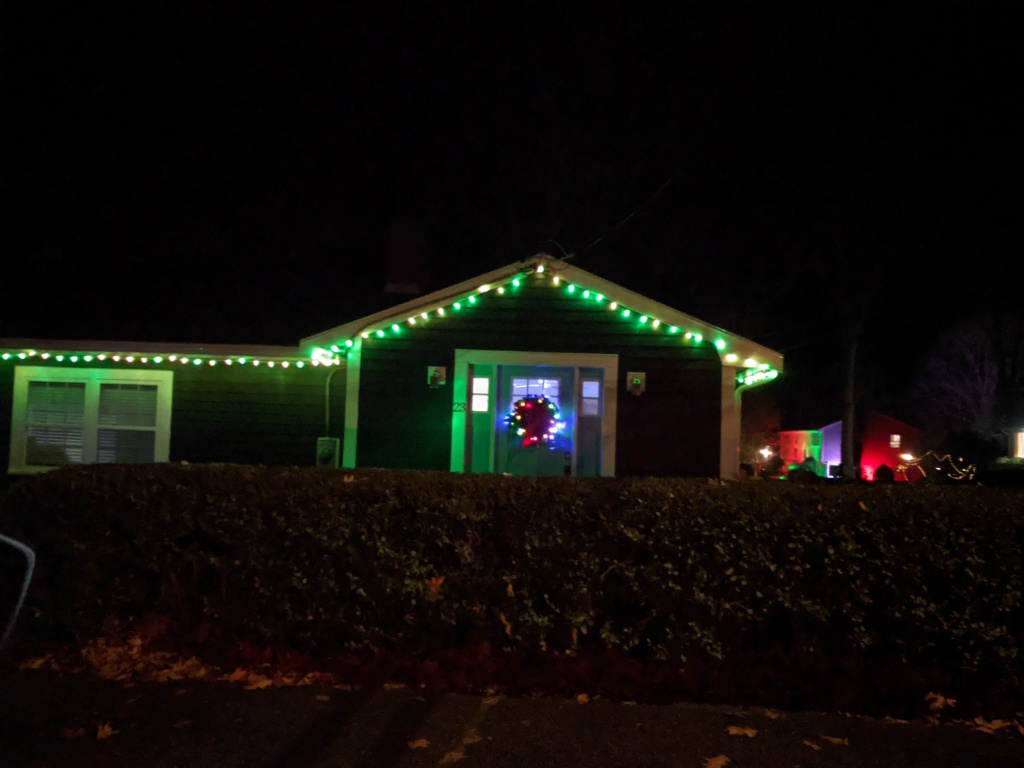
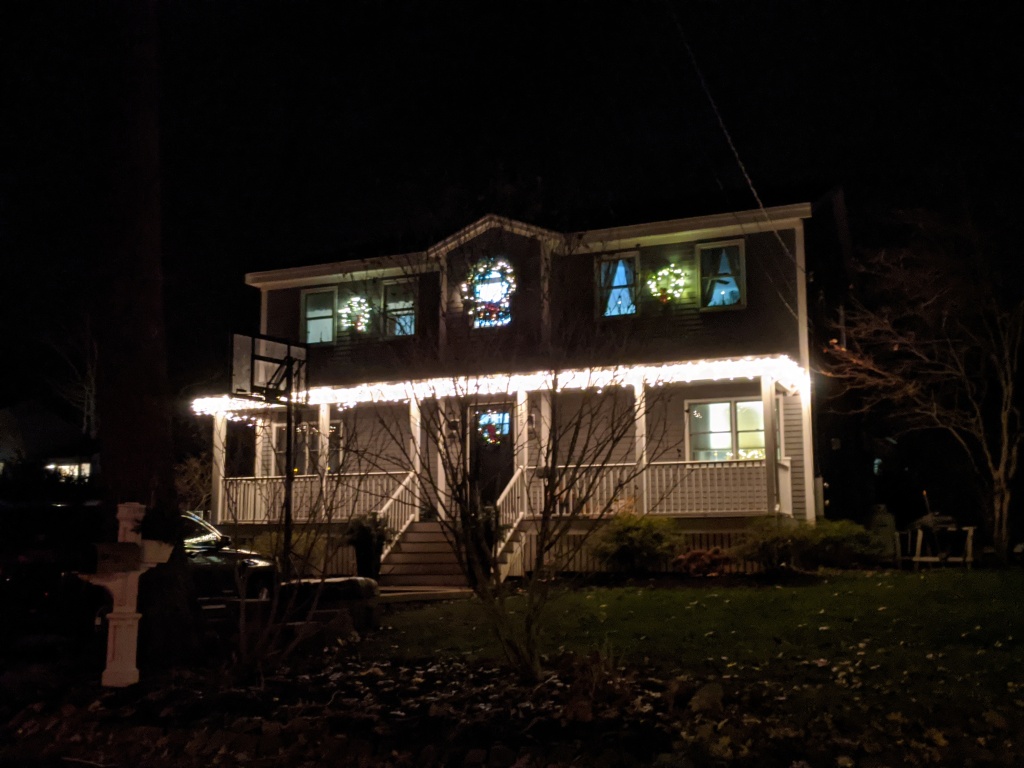
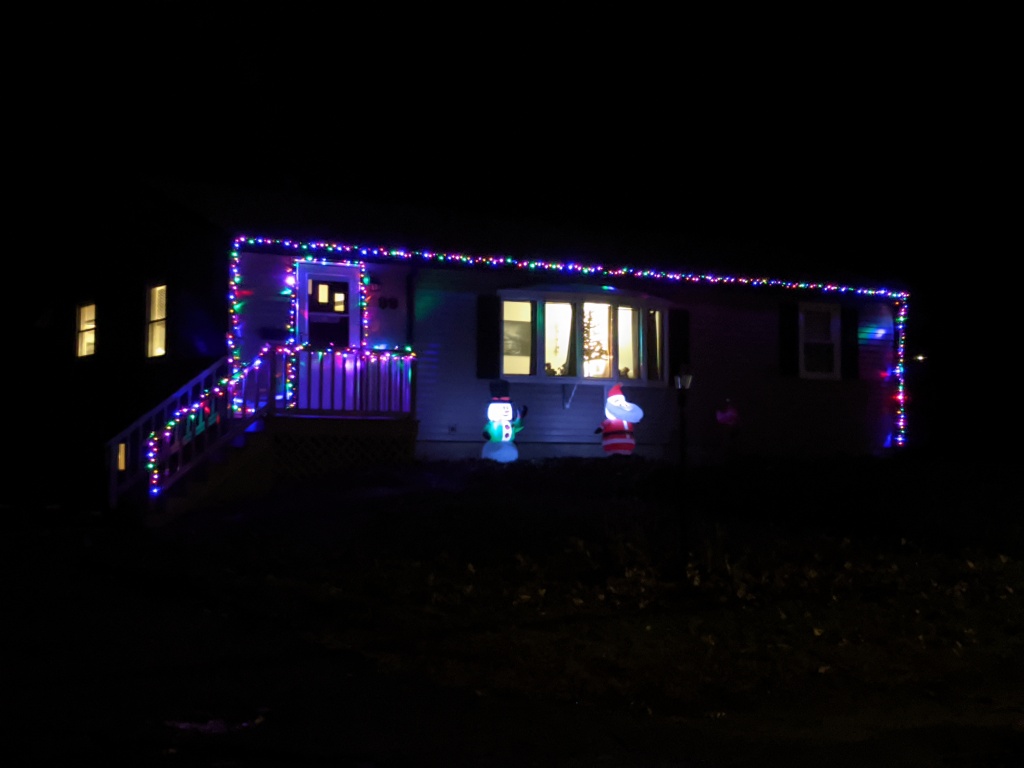
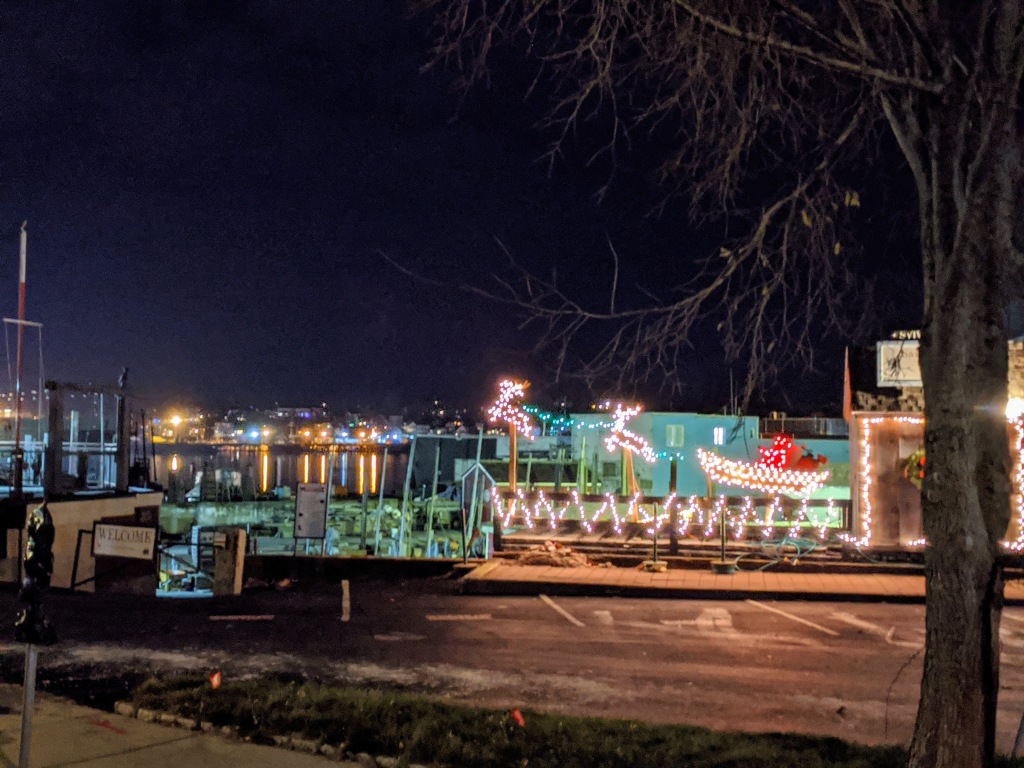


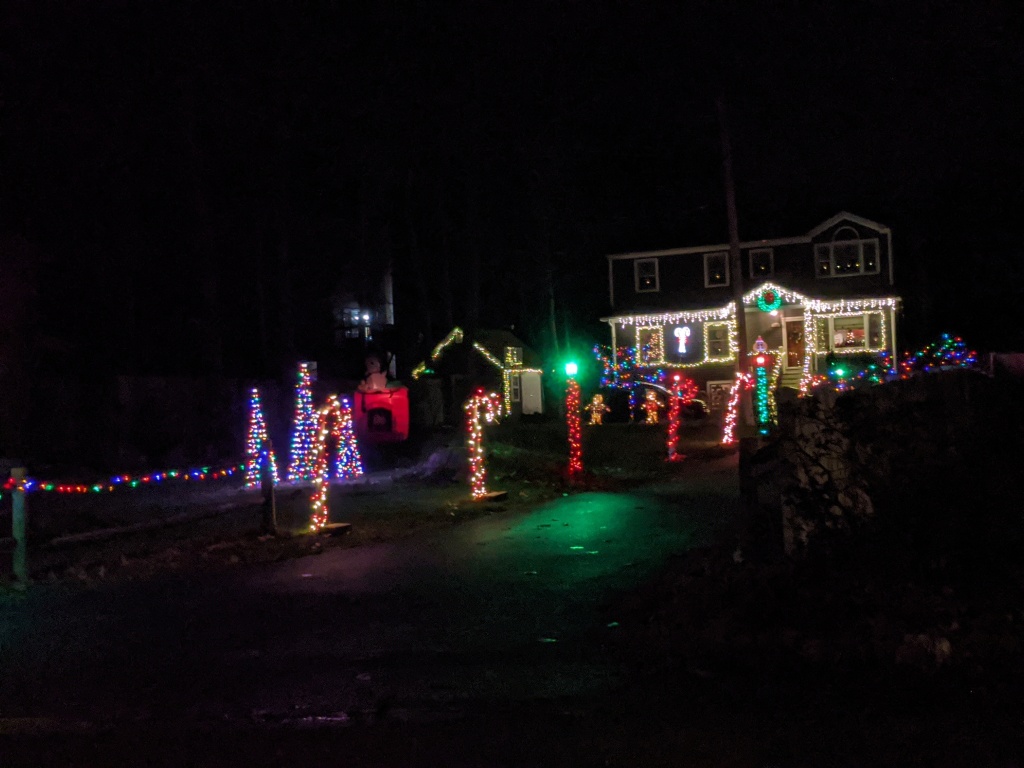
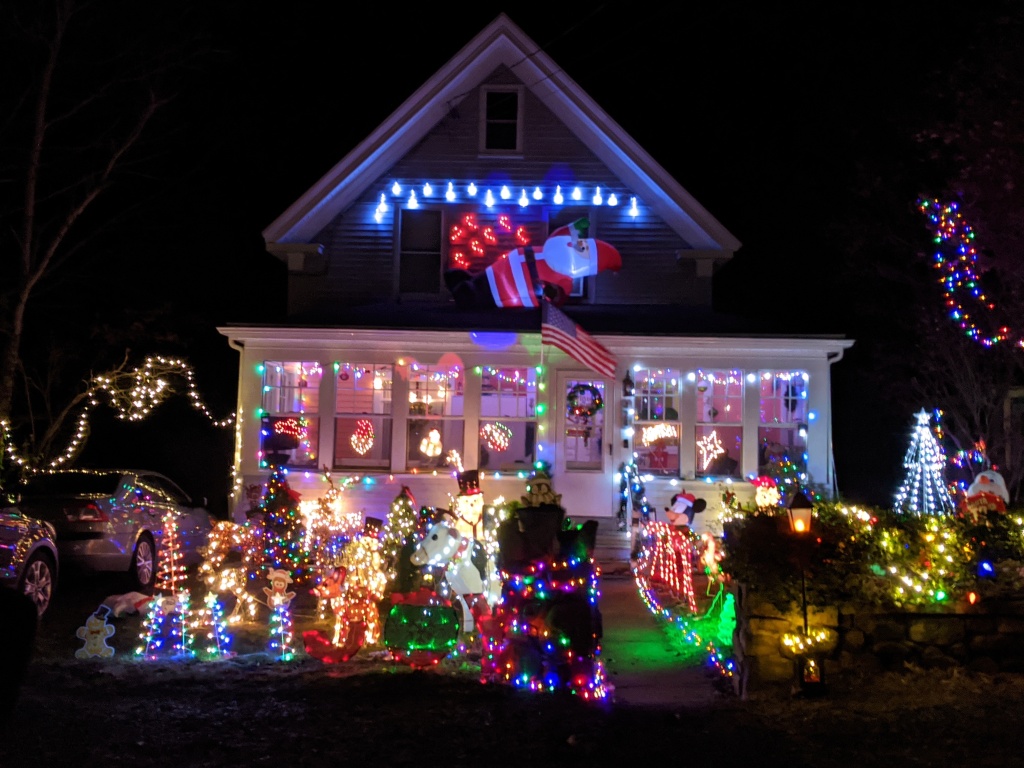
100+ **new photos** added to the map include:
Concord Street; Eastern Avenue-Rt. 127; Essex Avenue-Rt. 133 and streets off of Essex Ave; Kent Circle; Harrison Ave. and surrounding streets; Hartz; Long Beach Road; Lupine Ln.; Main Street; Magnolia, various; Marina Drive; Mt. Pleasant Ave; Rockport Road; Thurston Point area; Washington Street; Western Ave-Stacy Boulevard; Witham area
To see the first 100+ #GloucesterMA 2021 house photos already posted 12/5/2021 on GMG click HERE
Holiday Lights and Cocoa Drives 2021 map
The map is great in the embed mode because when you scroll down, each house photo(s) pop up, with a big arrow that directs you to that one point. From a desktop, hovering or right clicking the house icons reveal the photos for each pinpoint. For those who prefer a paper copy –which doubles as a seek and find sheet–click on the three vertical dots and then select “print” (horizontal mode best) from pull down menu. You can also google search Holiday Lights and Cocoa Drives Good Morning Gloucester.
5th year Holiday Lights and Cocoa Drives #GloucesterMA map

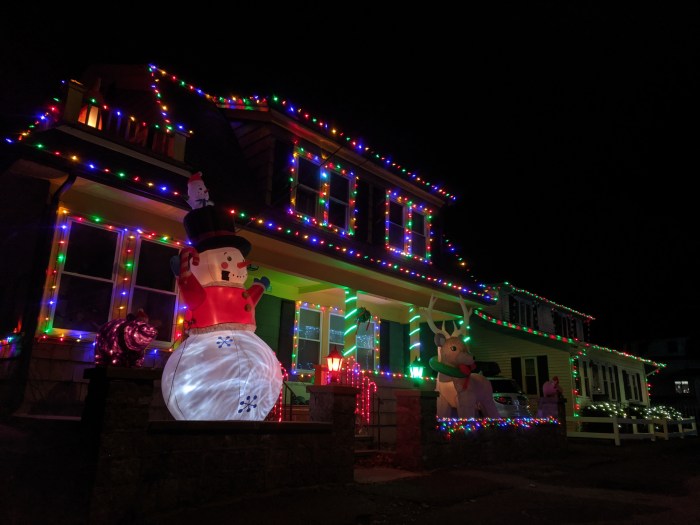
Gloucester is big on winter lights charm and New England architecture. Many neighborhoods join in together, glittering, and have for years. Every year is unique. Scroll down to see the first batch of photos for the 2021 map – as of December 4, 2021. More homes and neighborhoods will be added, so be sure to check back. This first week in December is twinkling less than last year at this same time. (By December 29, 2020, more than 250 illuminated homes were mapped.) Weather impacts planning and displays. Perhaps the mighty wind storms October 24th and 27th and November 11, 12, & 19 may have waylaid some early trimming prep. Could it be the supply chain clog?
Trends so far? 2021 is looking like “The Year of the Snowman”, which by the way is an easy & cheery Ispy addition for Holiday Lights and Cocoa Drives. A Mandalorian holding a baby Grogu was new to the list of lawn inflatables.
How lovely to see Temple Ahavat Achim Lobster Trap Menorah back again!
#GloucesterMA house photos Dec. 4, 2021: C. Ryan
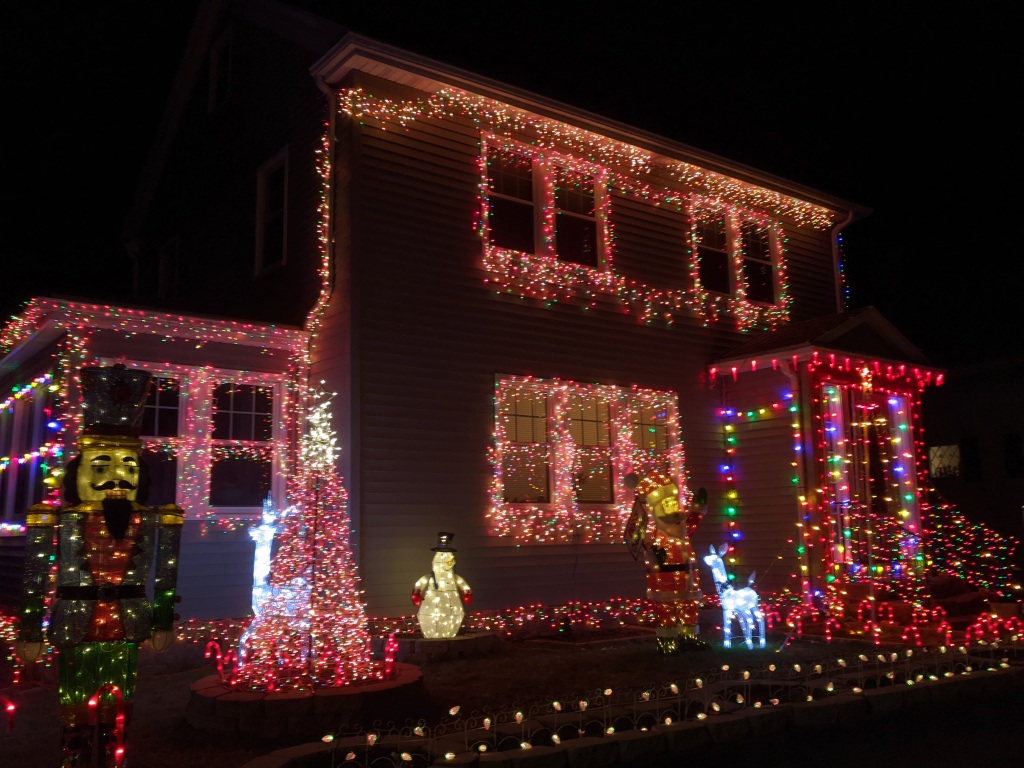





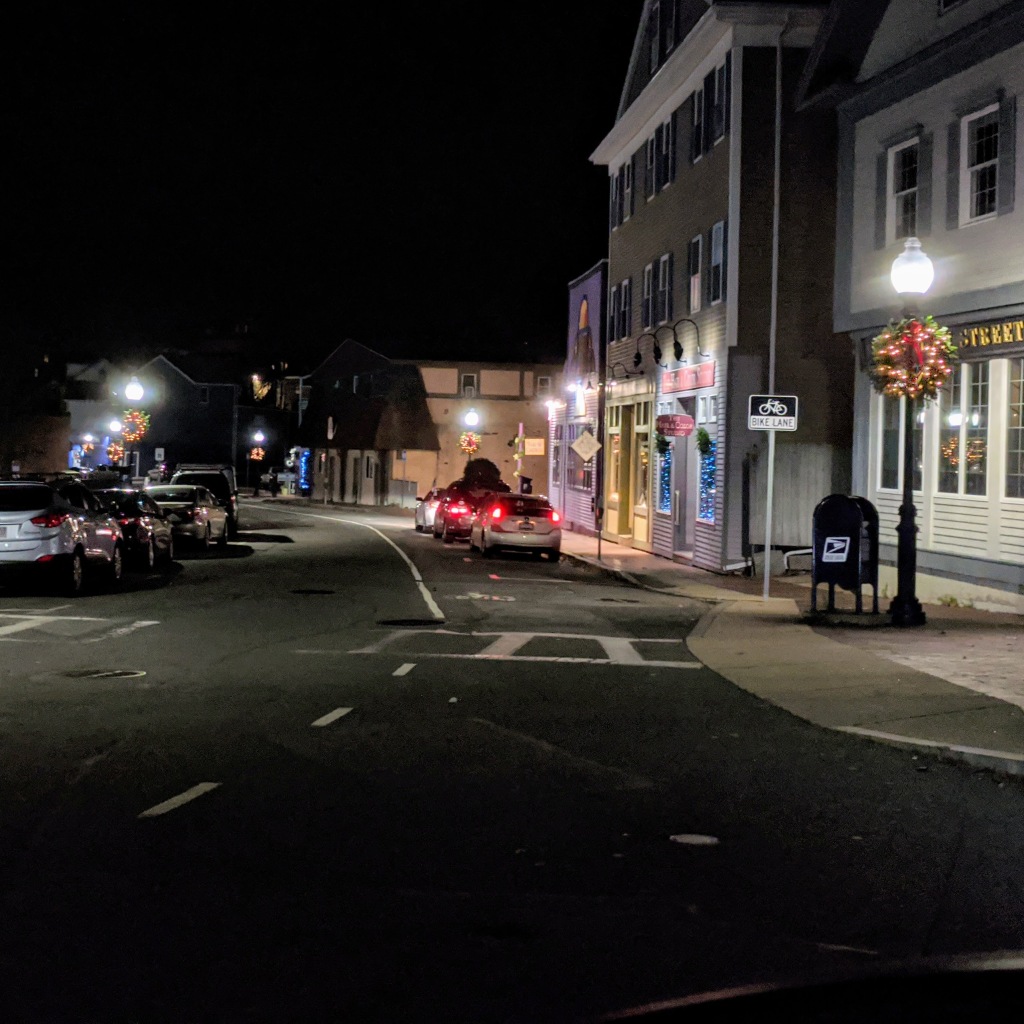
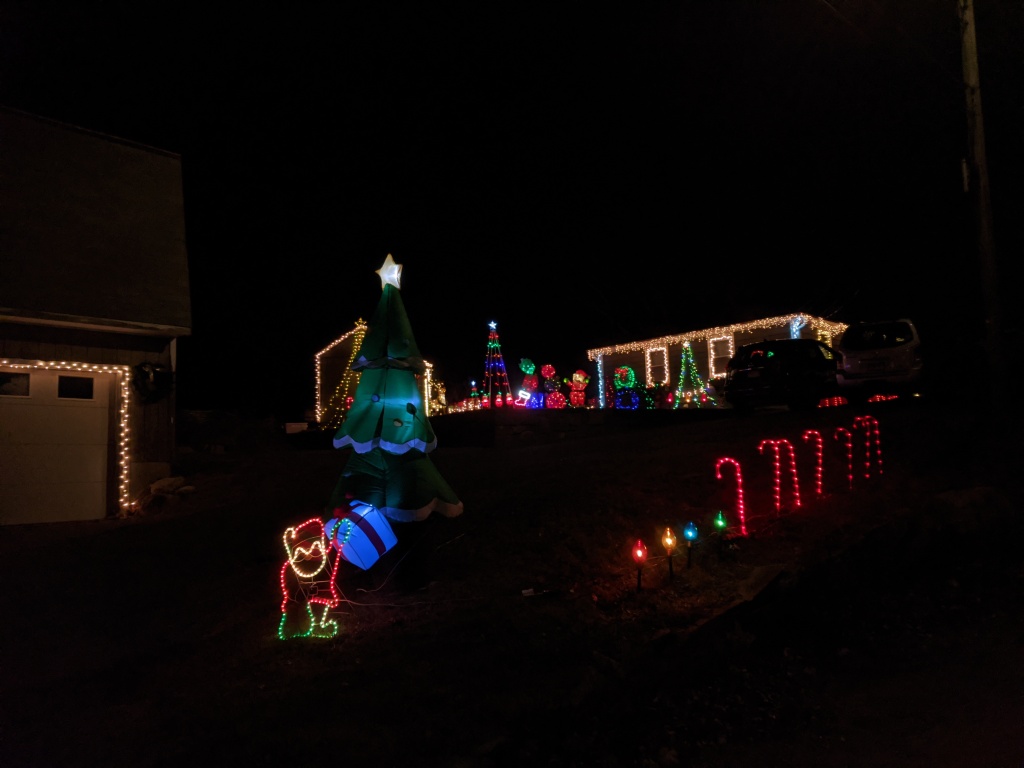
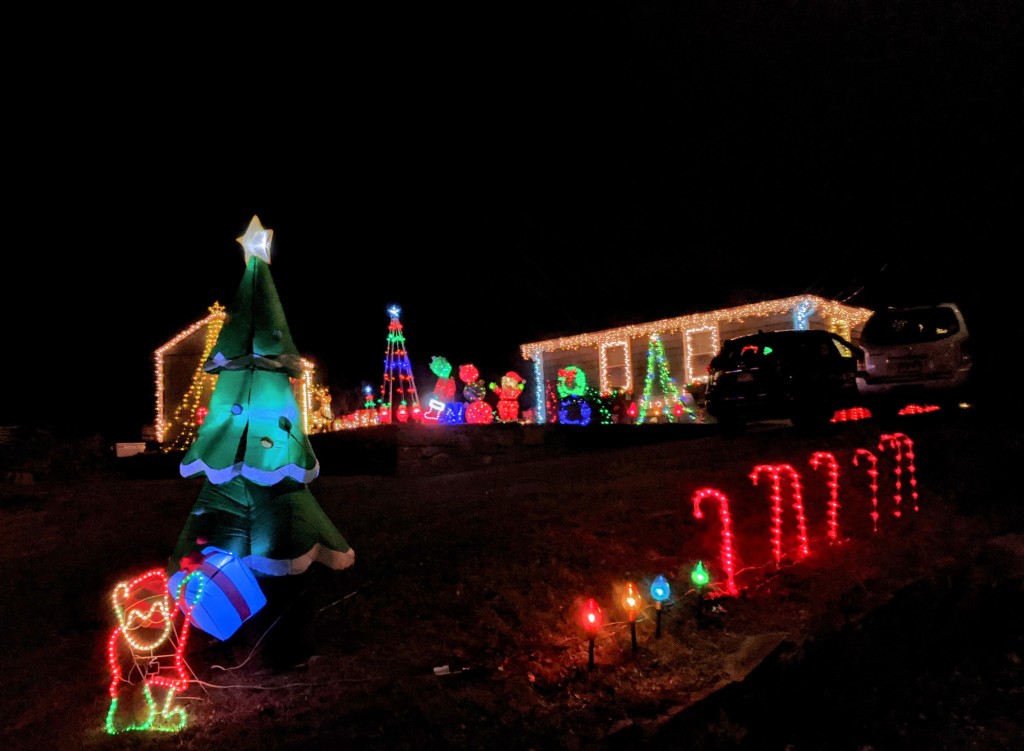
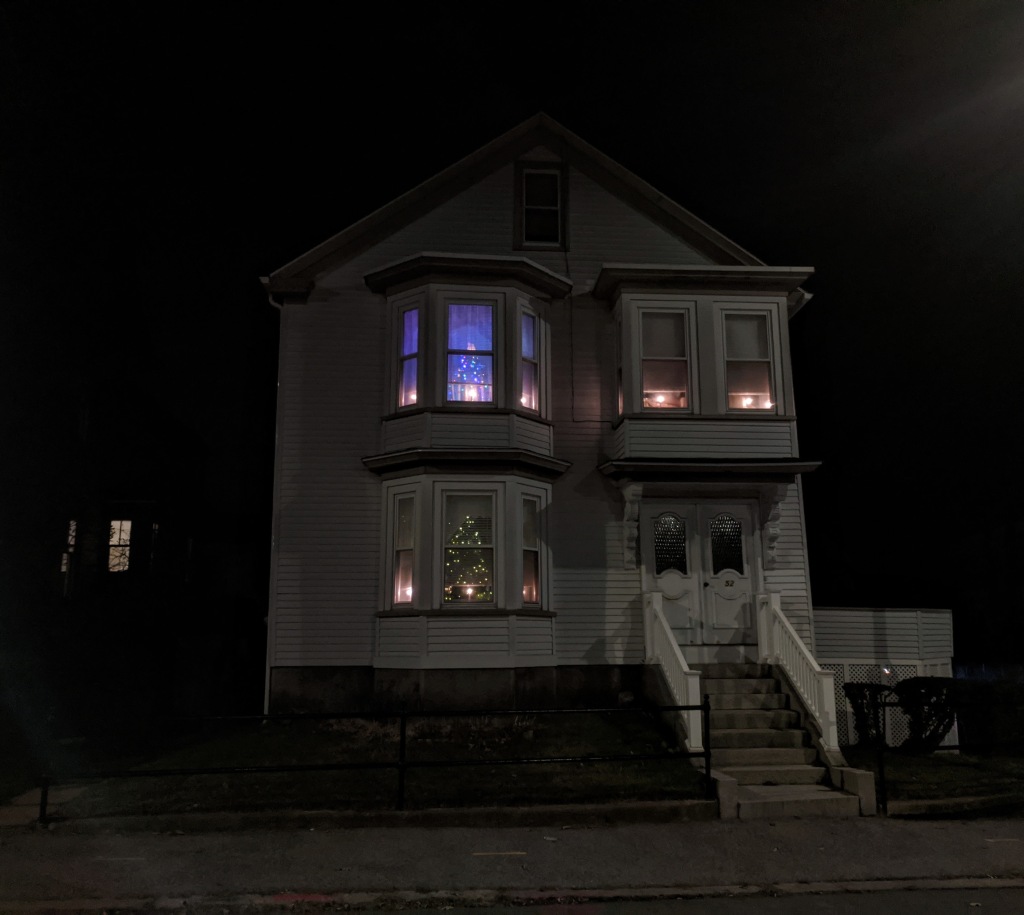
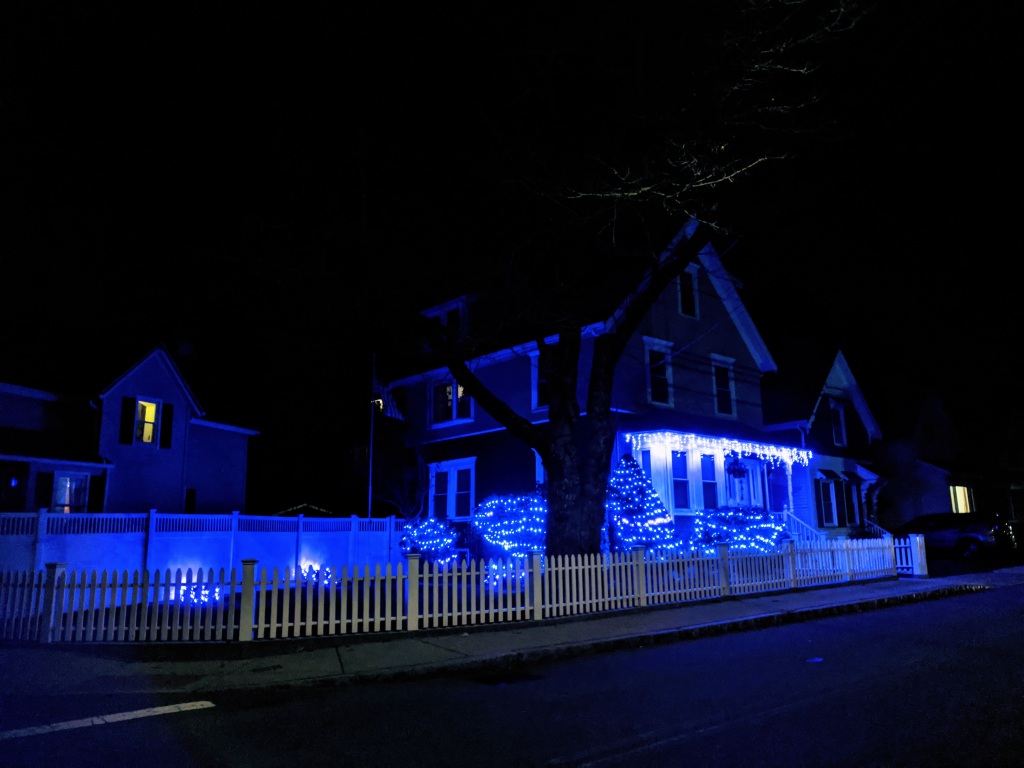
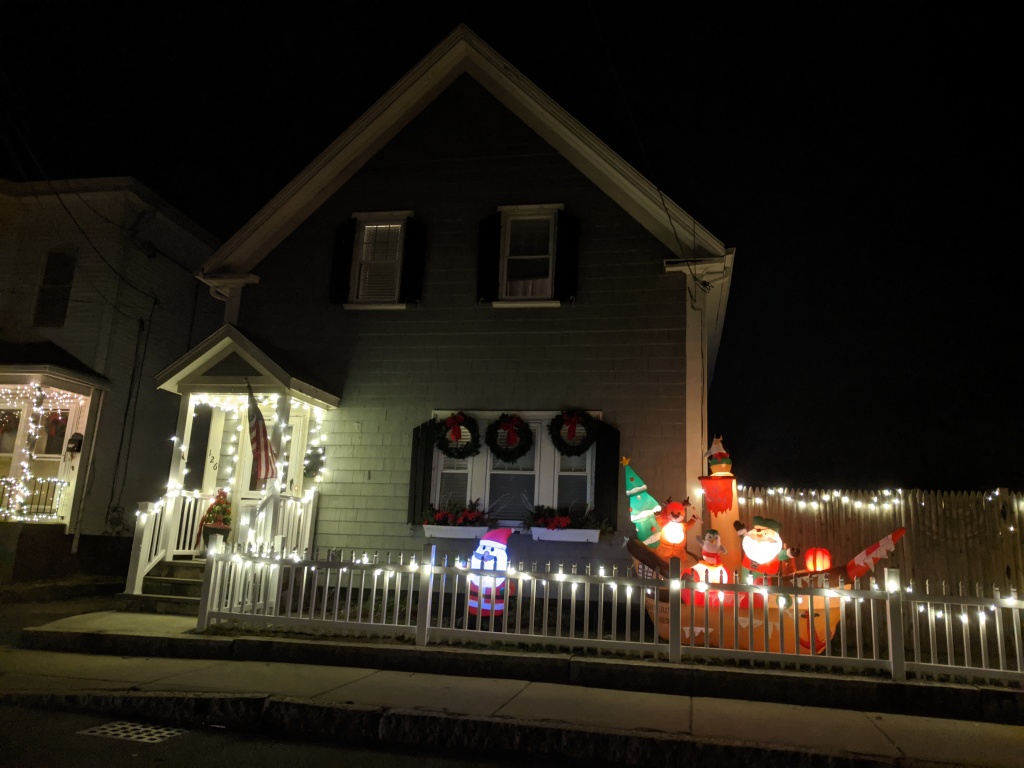



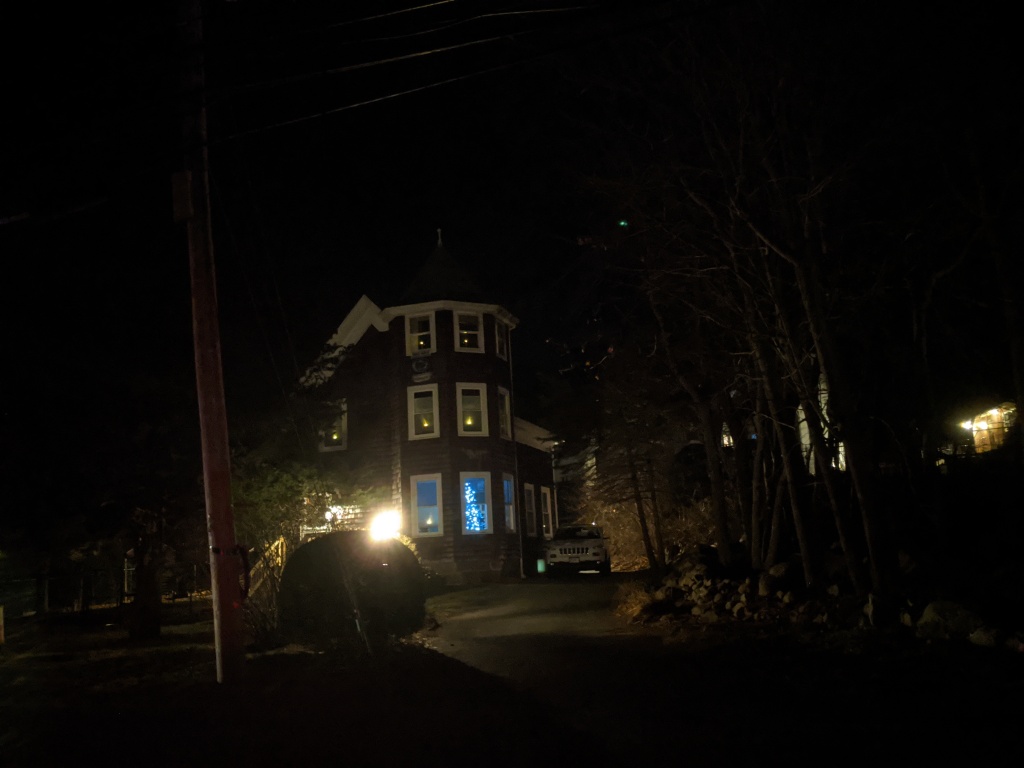
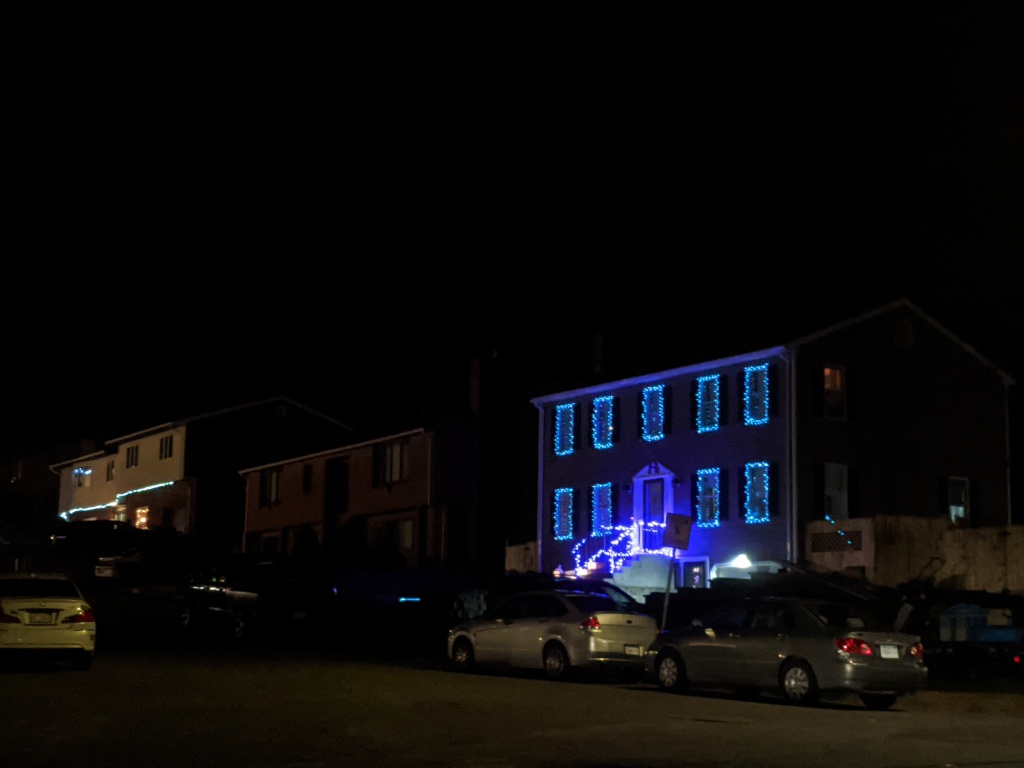





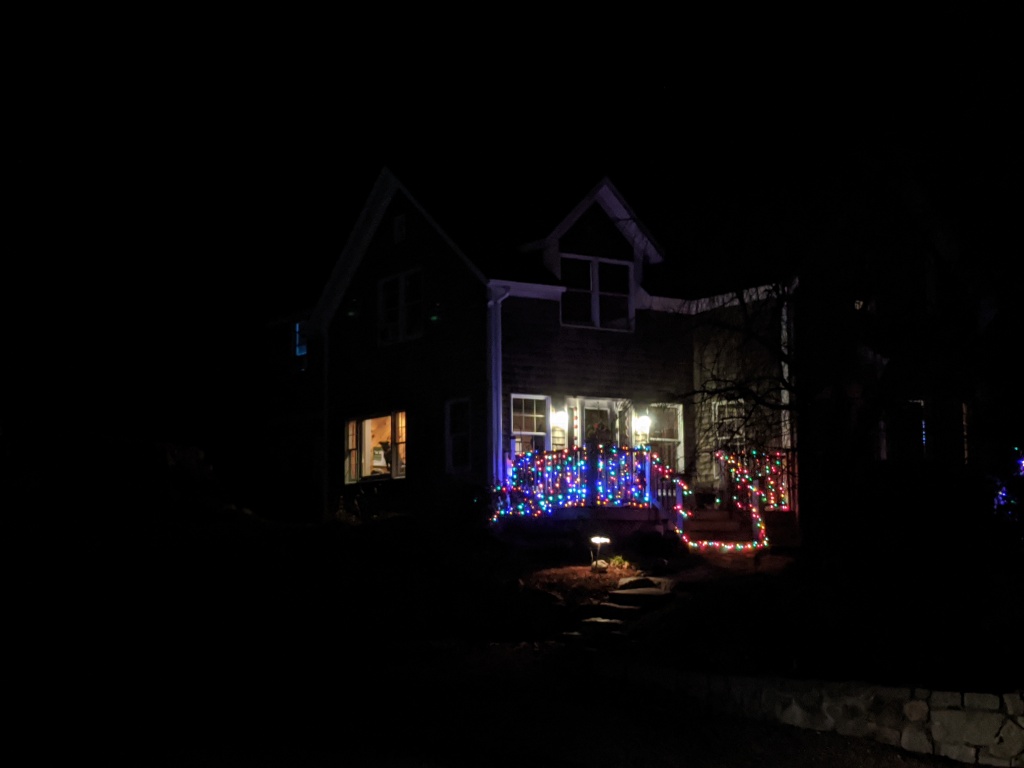
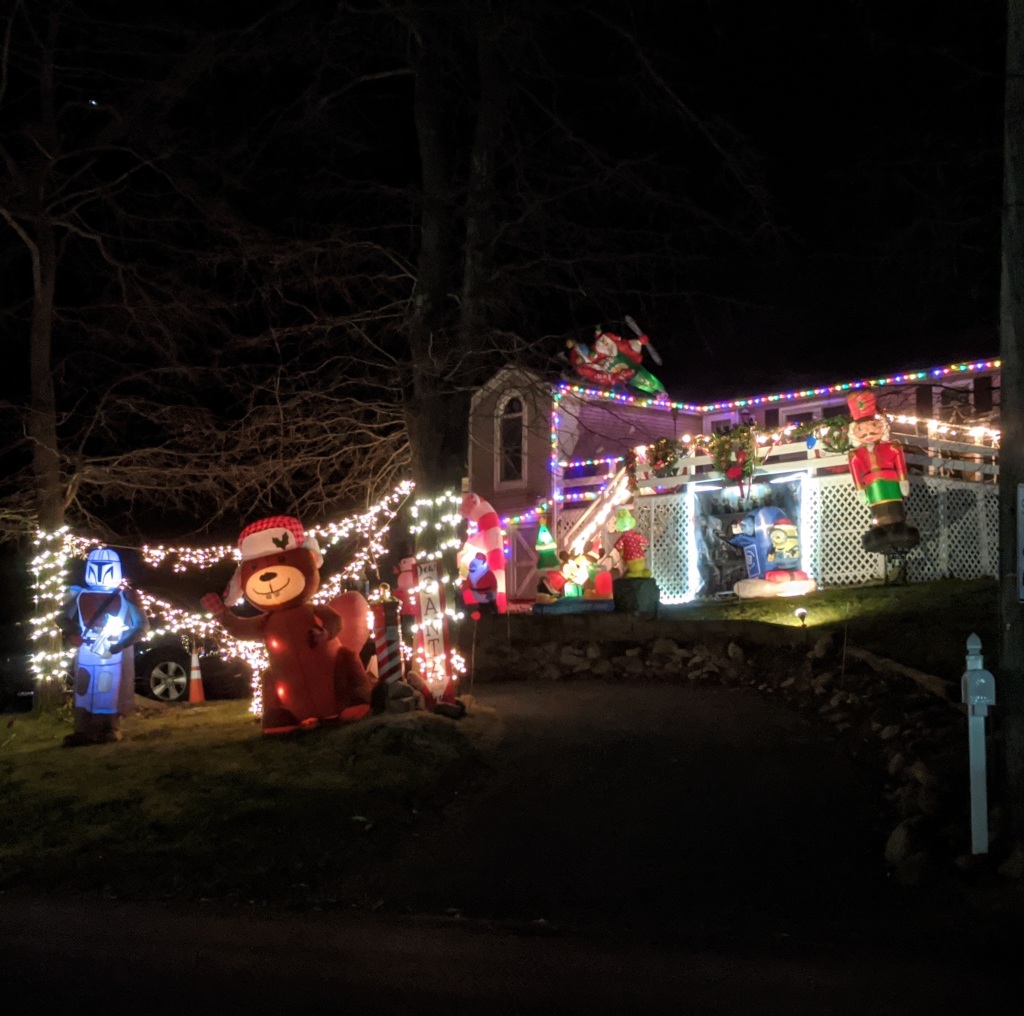



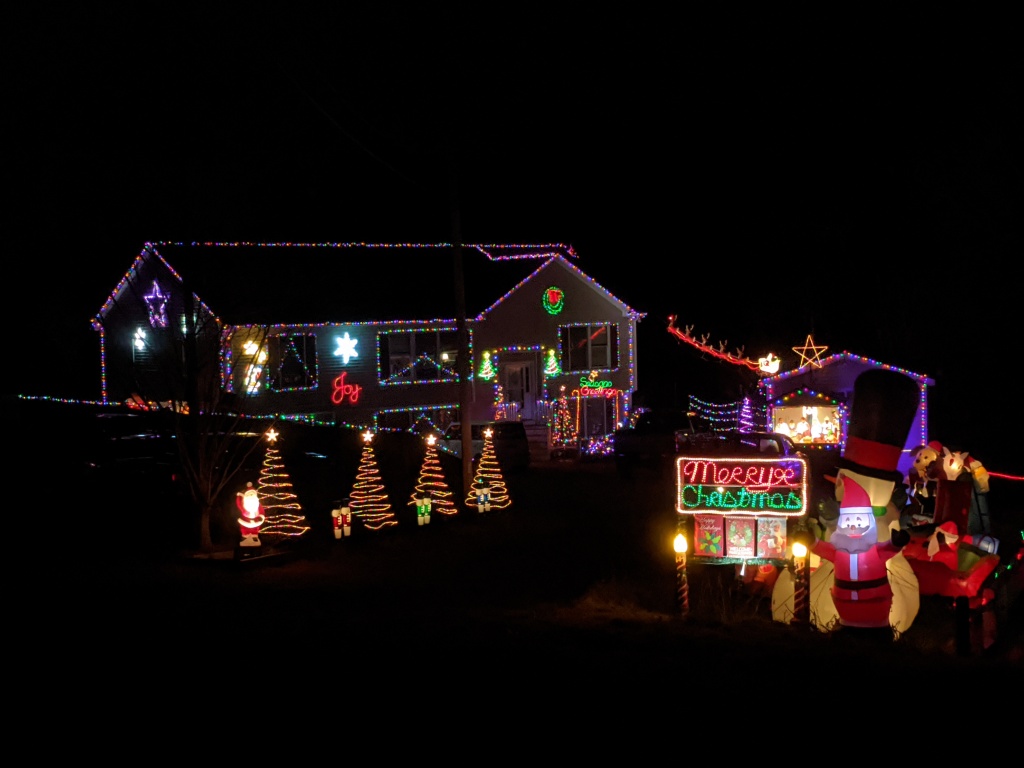

Before the lighting ceremony and hand-painted buoy ornaments. Town wreaths and banners were installed even earlier. 2021 lobster trap tree lighting ceremony is scheduled for Dec. 11th ** new date** Due to the forecast, the event will move to Sunday, Dec. 12th.


Bring on the ladders! Before Thanksgiving- some photos November 18th, 2021.
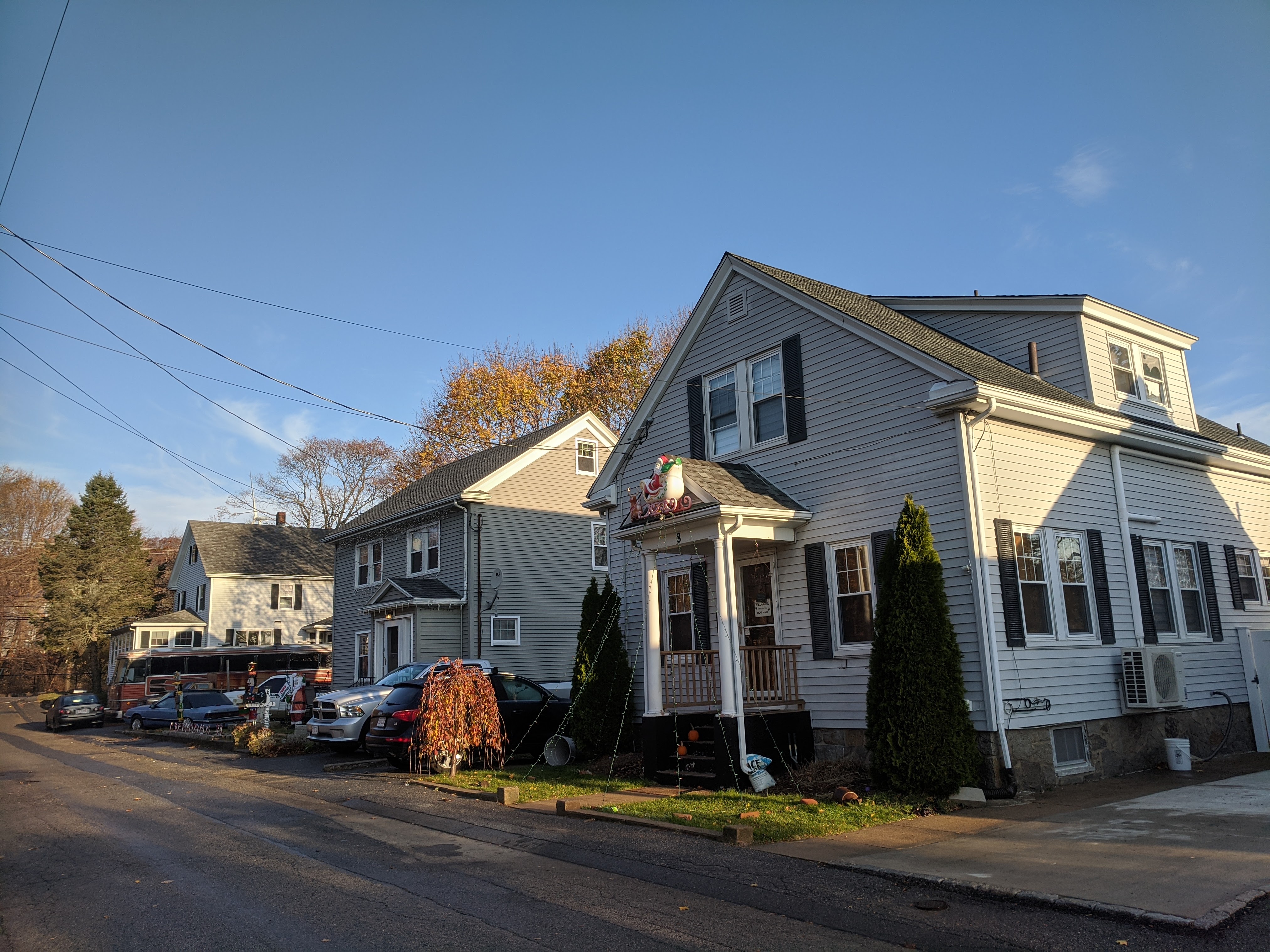
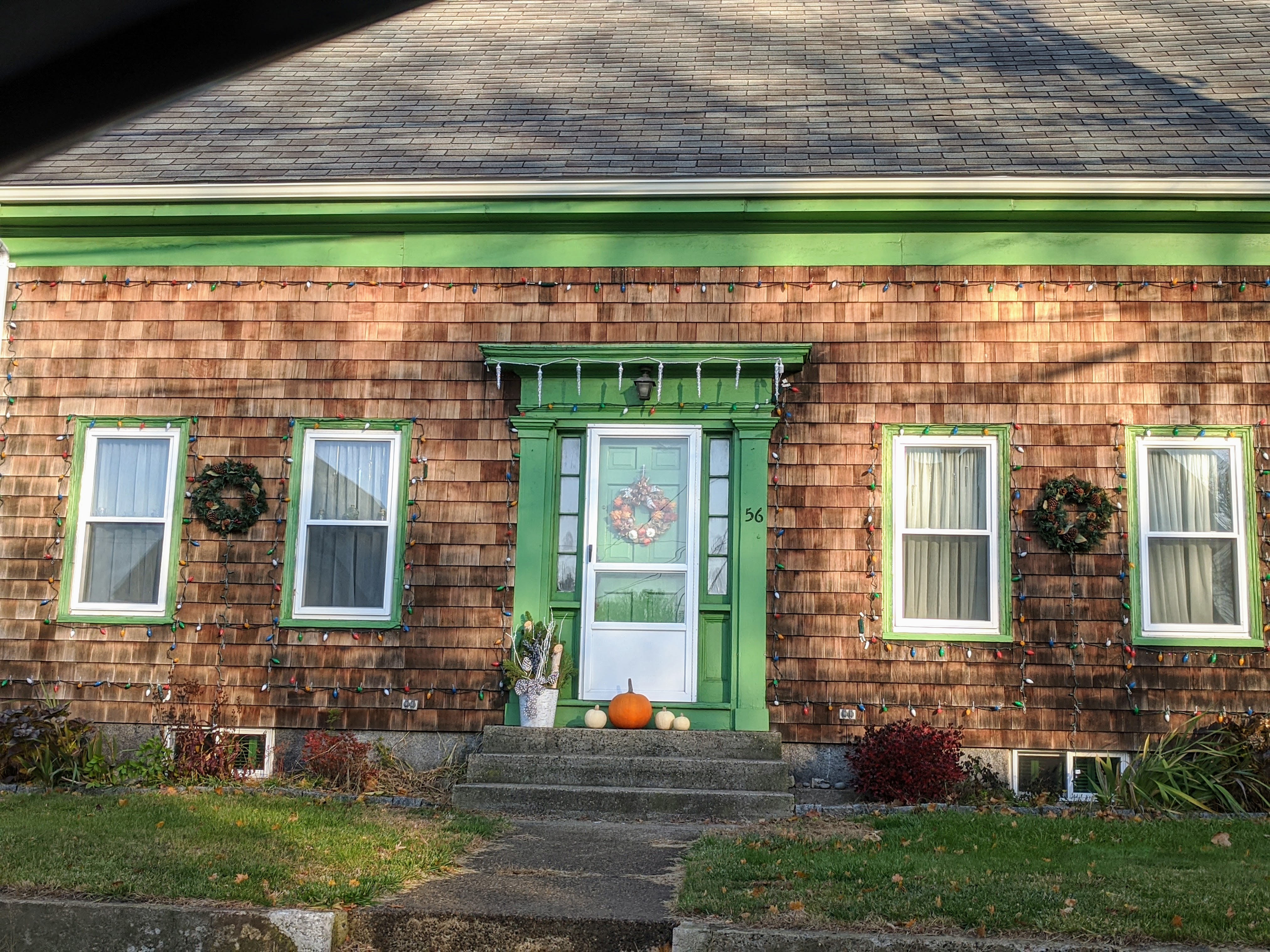
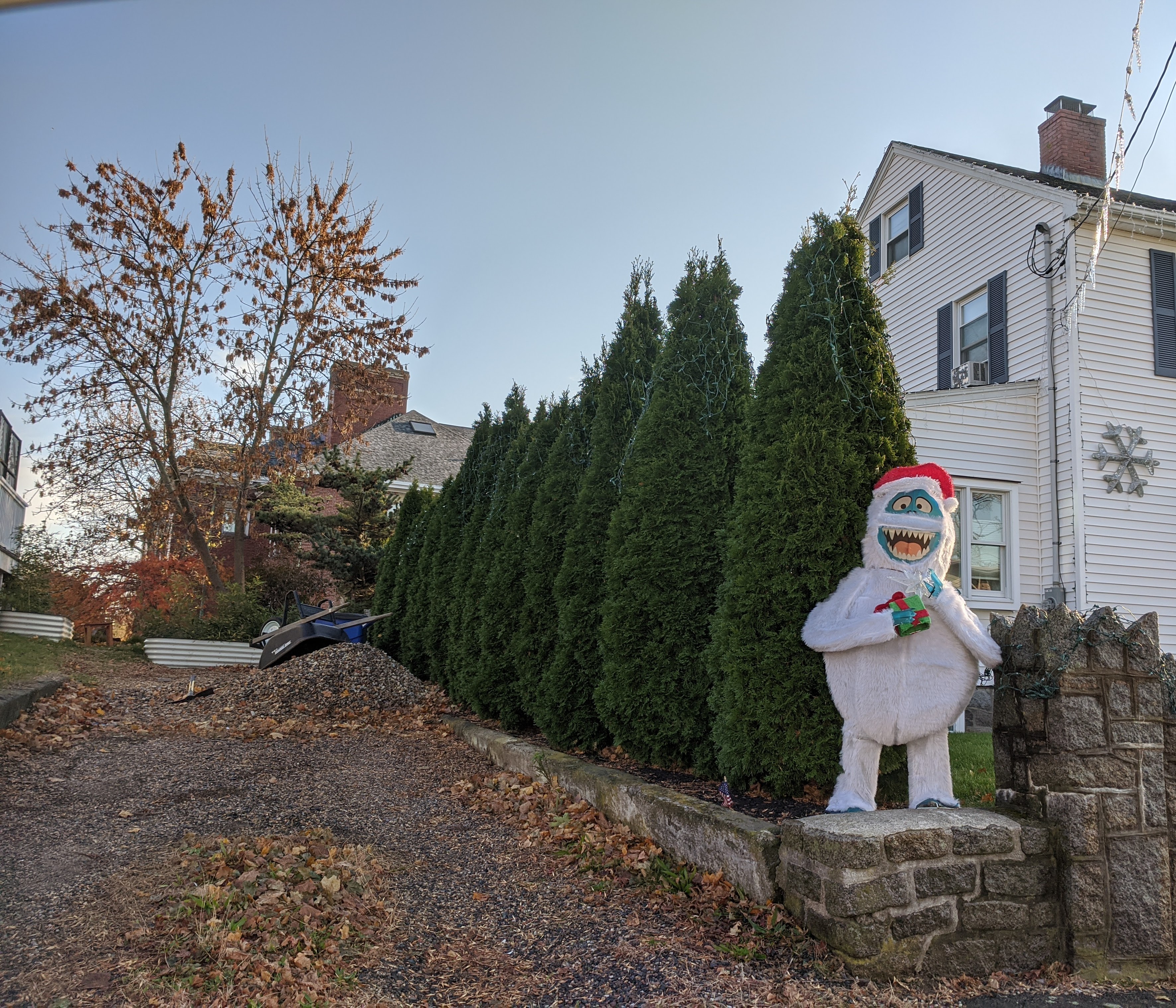
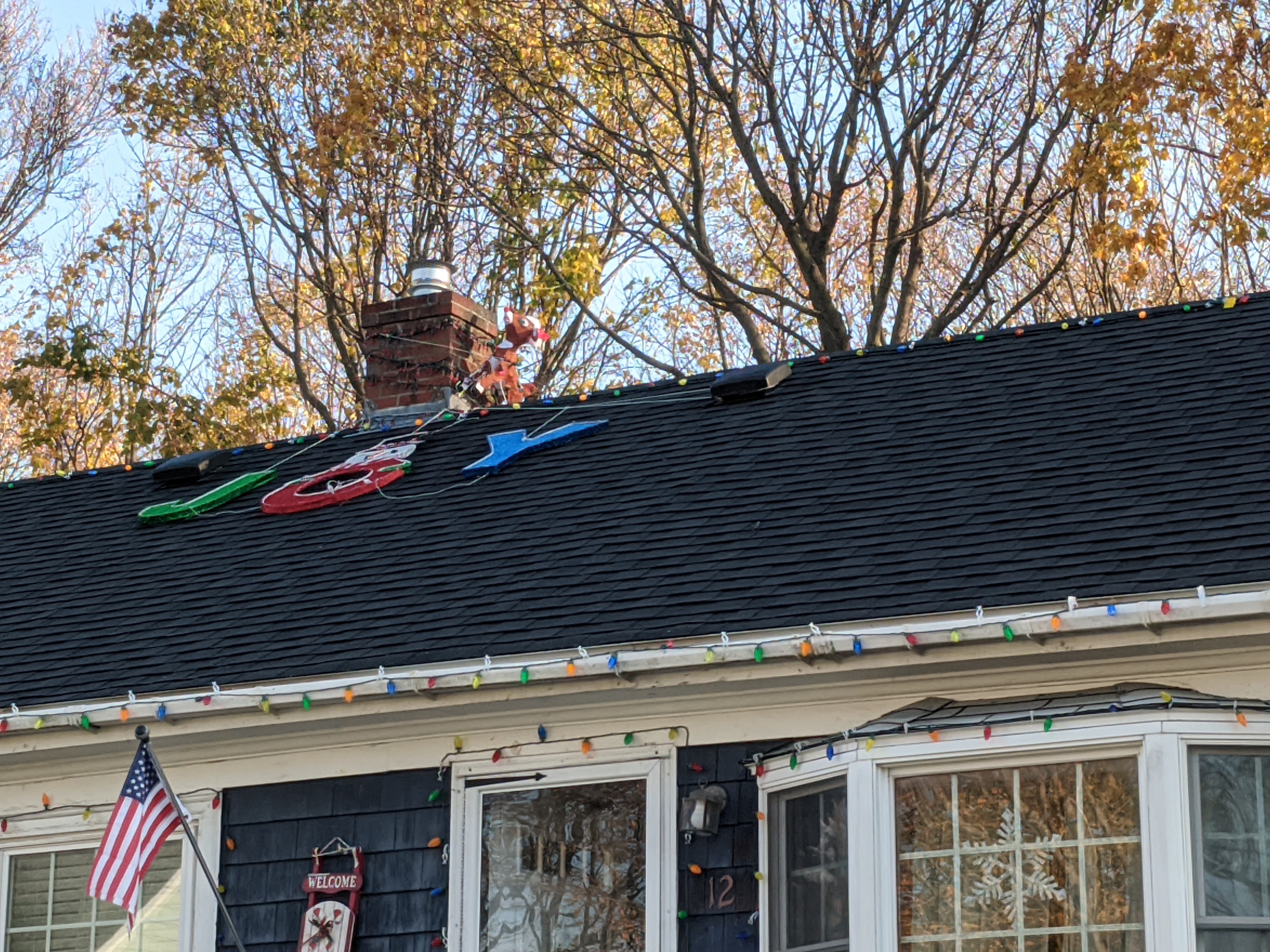
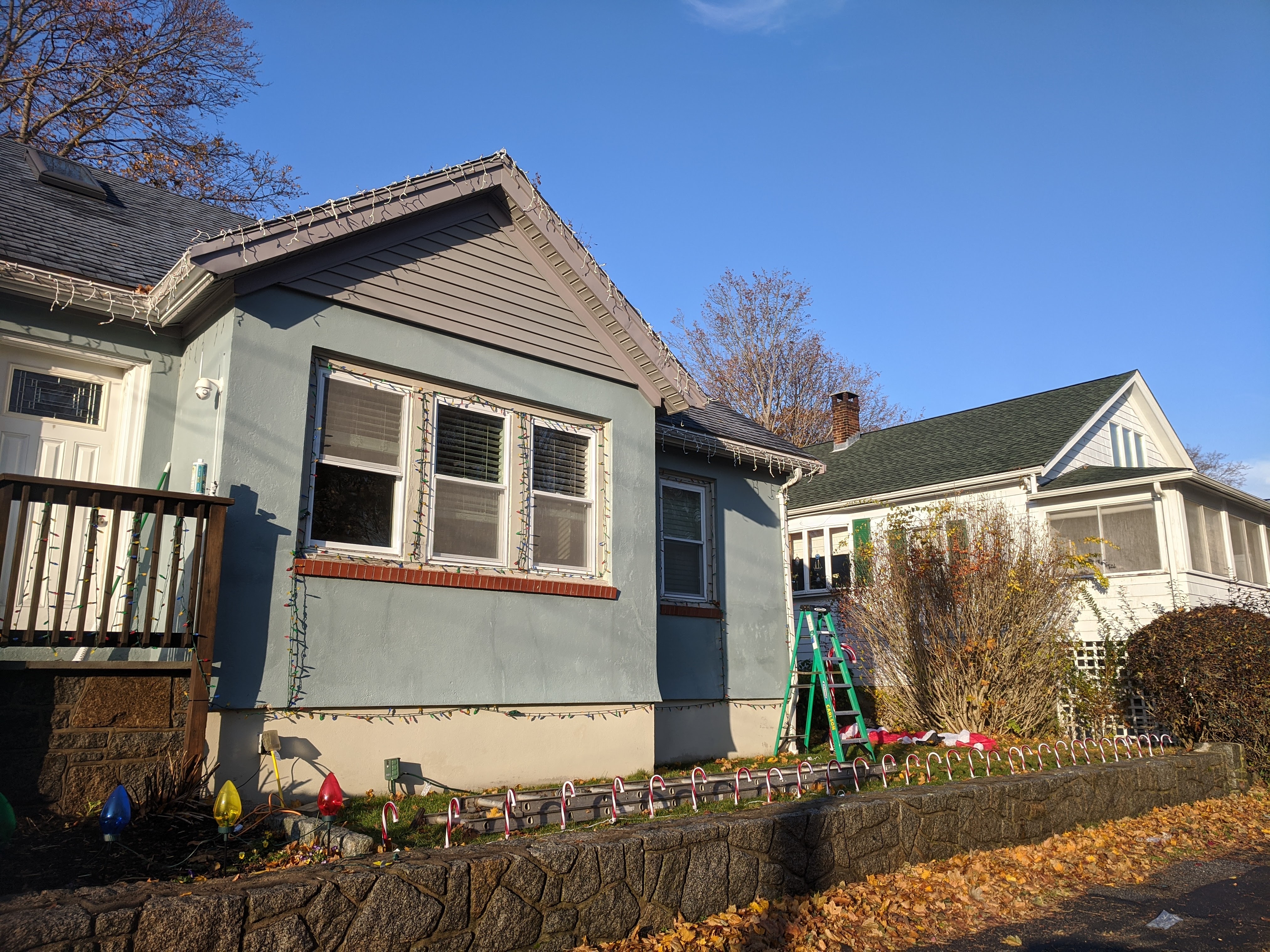
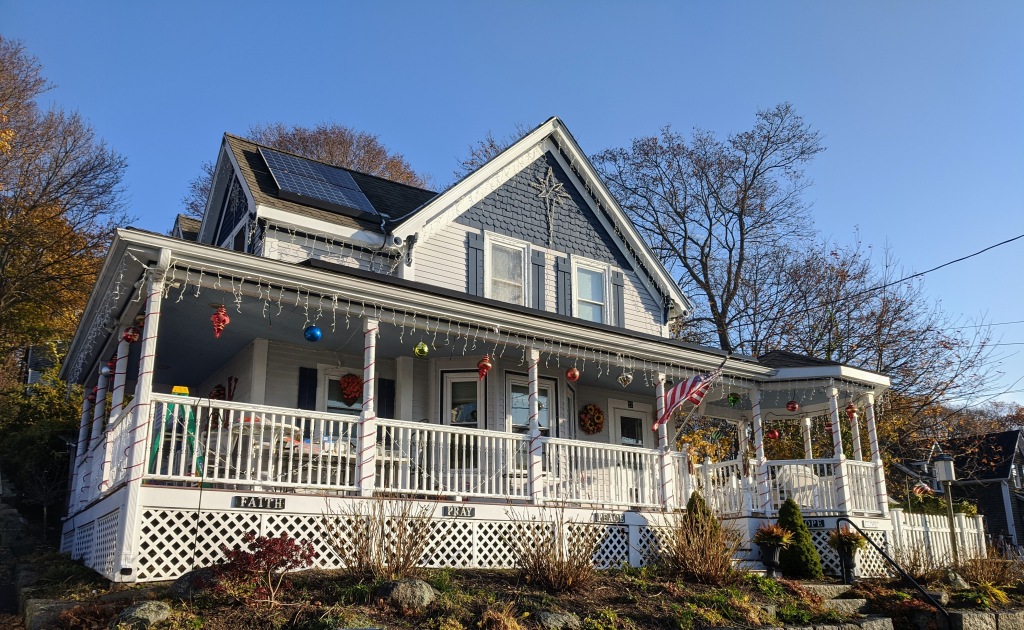
Mighty effort: the Blue Christmas and Red Trim dazzlers on Reynard were surprisingly bare November 18, 2021. Now they’re all decked out, too.

Open Door food pantry drive drop

This is the 5th year of Holiday Lights and Cocoa Drives. Here’s the 2020 map for comparison. More than 250+ homes were illuminated and over 100,000 map views were tallied in just a couple of weeks!
Notes about the maps: The maps are great in the embed mode because when you scroll down, each house photo(s) pop up, with a big arrow that directs you to that one point. From a desktop, hovering or right clicking the house icons reveal the photos for each pinpoint. For those who prefer a paper copy –which doubles as a seek and find sheet–click on the three vertical dots and then select “print” (horizontal mode best) from pull down menu. You can also google search Holiday Lights and Cocoa Drives Good Morning Gloucester.

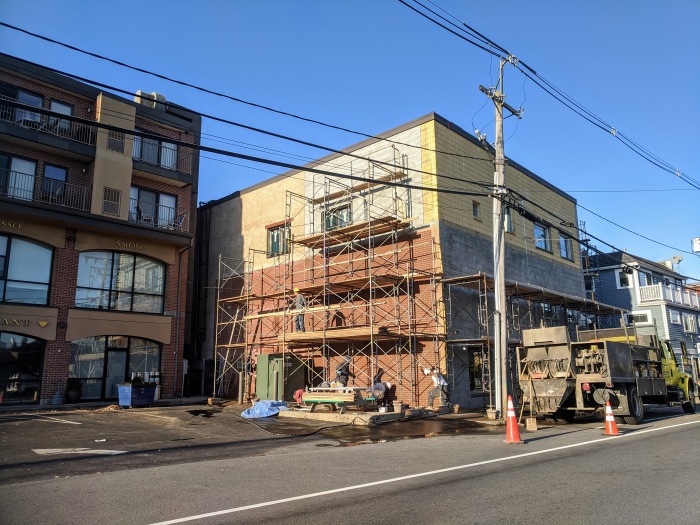
Brick cladding exterior renovation underway on a ‘for sale’ commercial building spanning Main Street to Rogers, 21 Main Street, with tenants Mystery Train and St. Peter’s Club. Before and In Progress photos below.

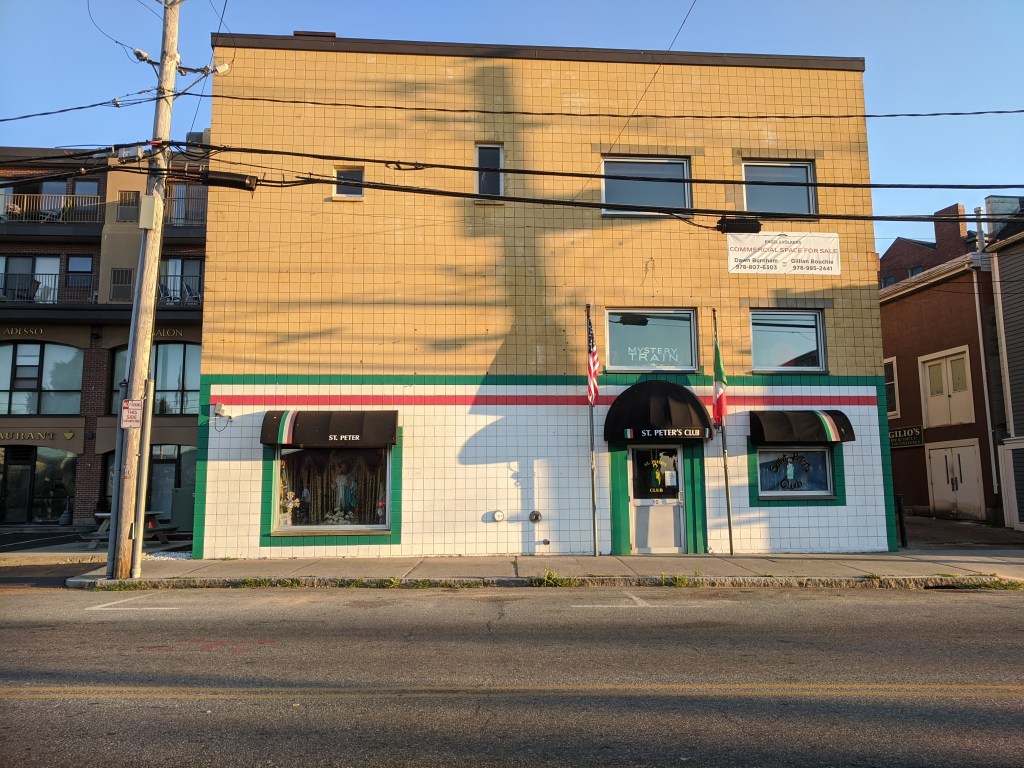
Multi story major building prep foreshadowed extra weight
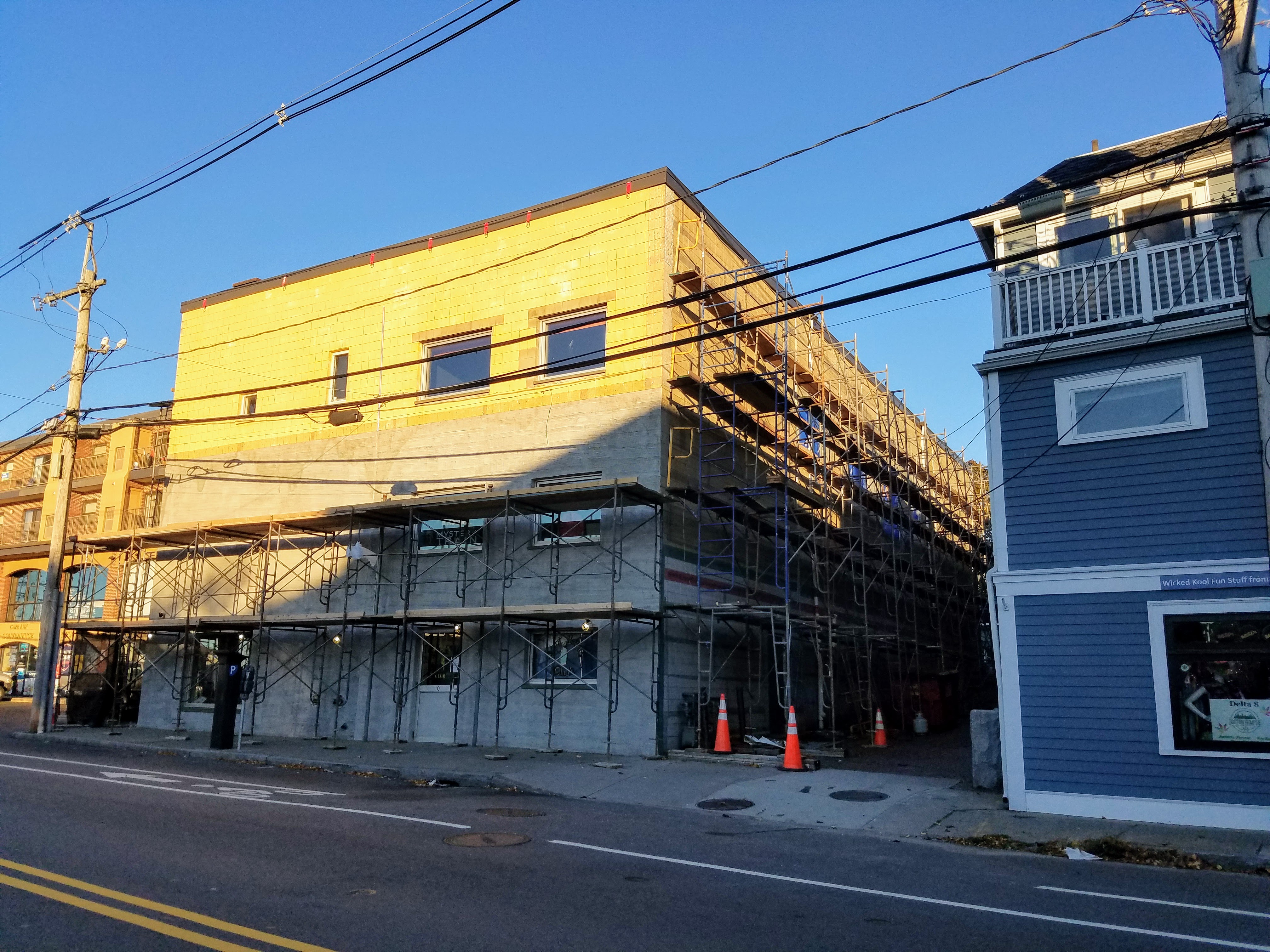
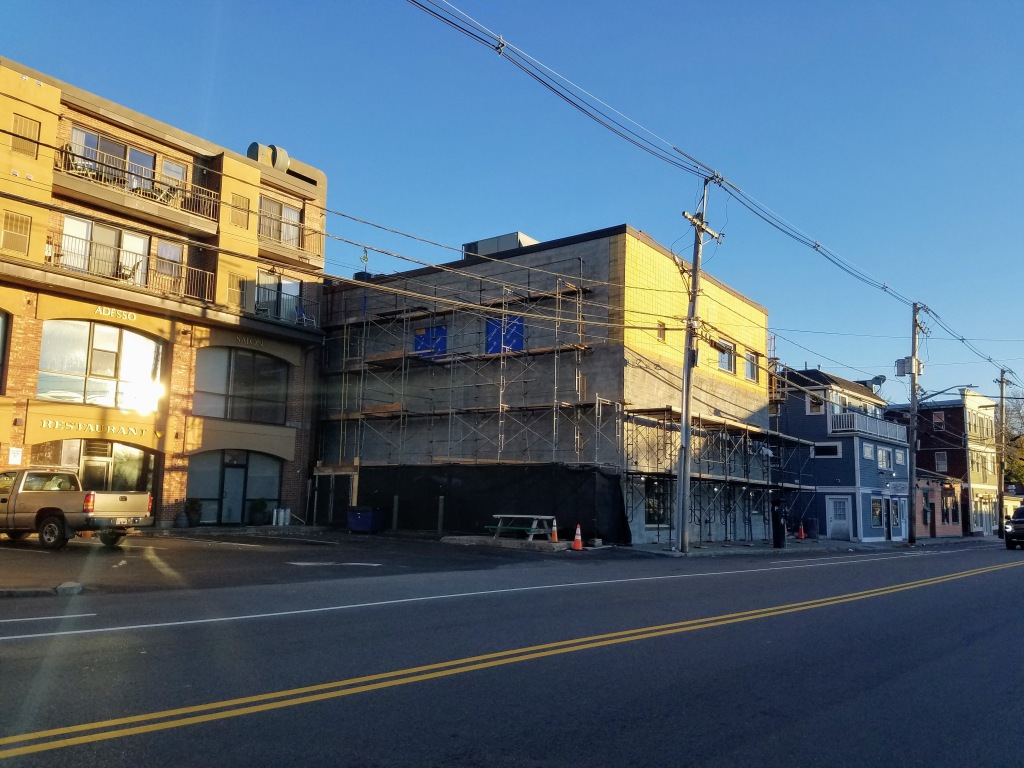
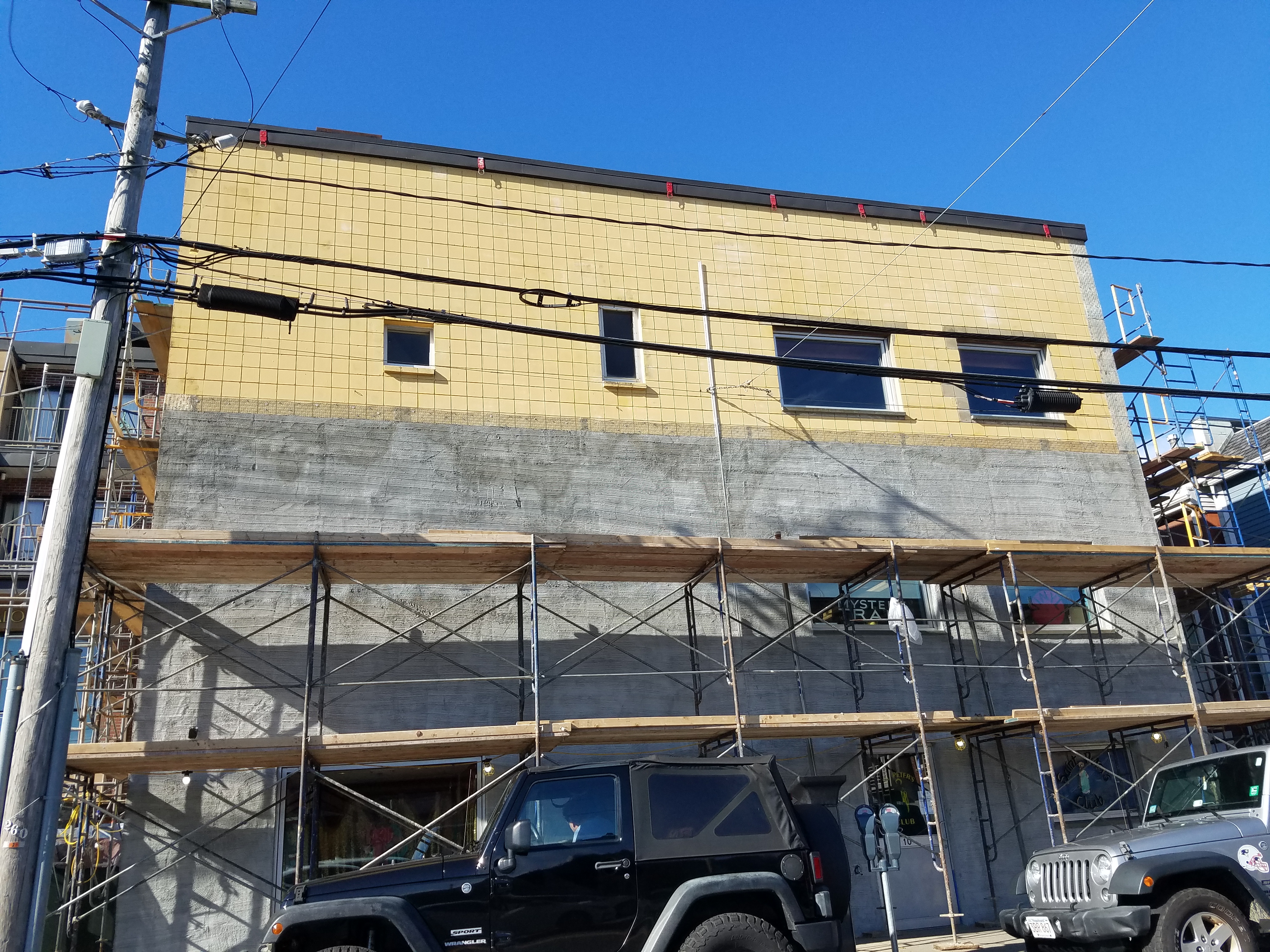
Note the architectural details developing like the decorative pattern emphasized by quoins (pronounced “coins”) toothed (staggered), lighter in color, and running 2/3 the full height (at this point) where the building edges meet.
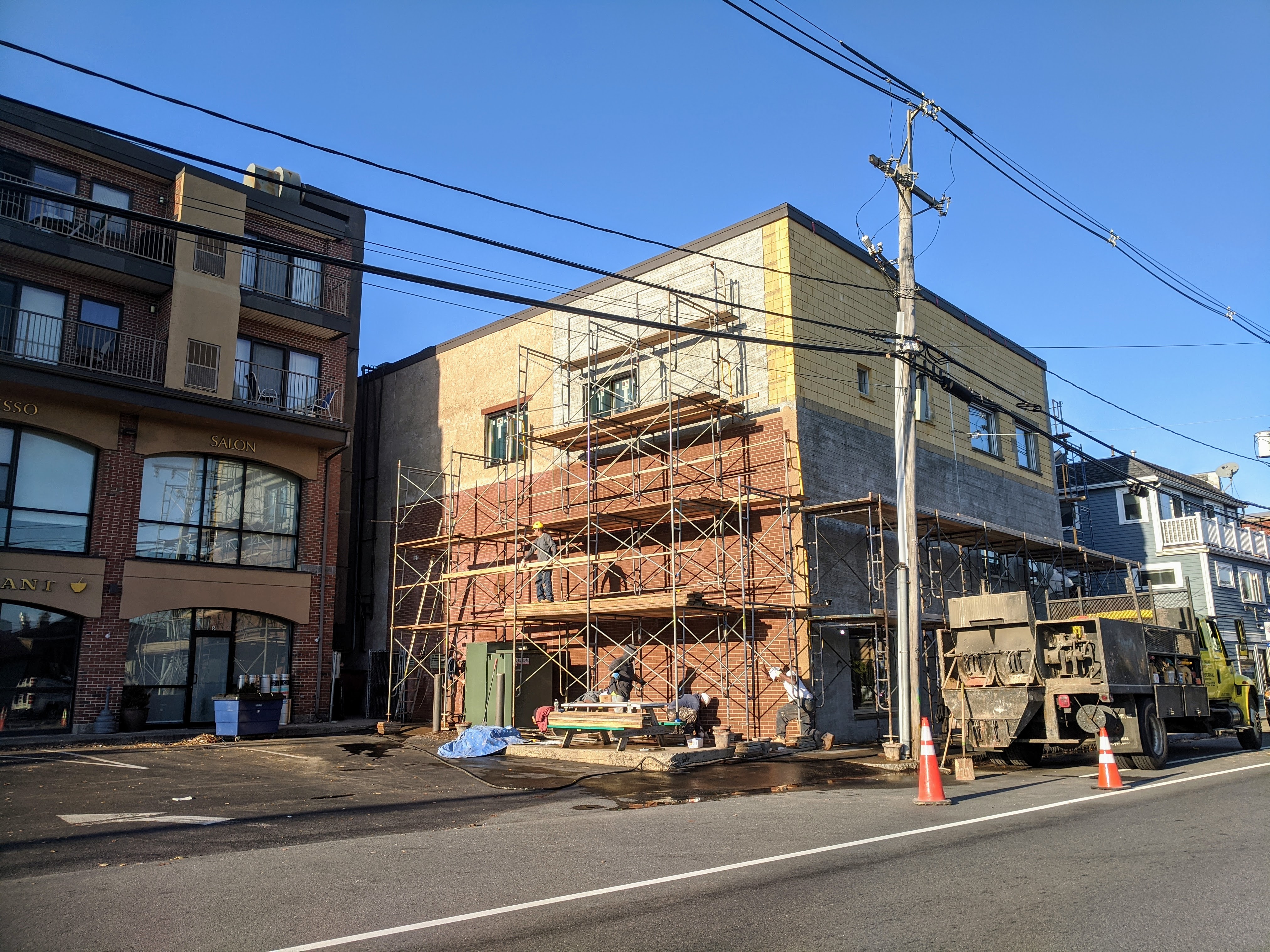


Stay tuned for the After photos.

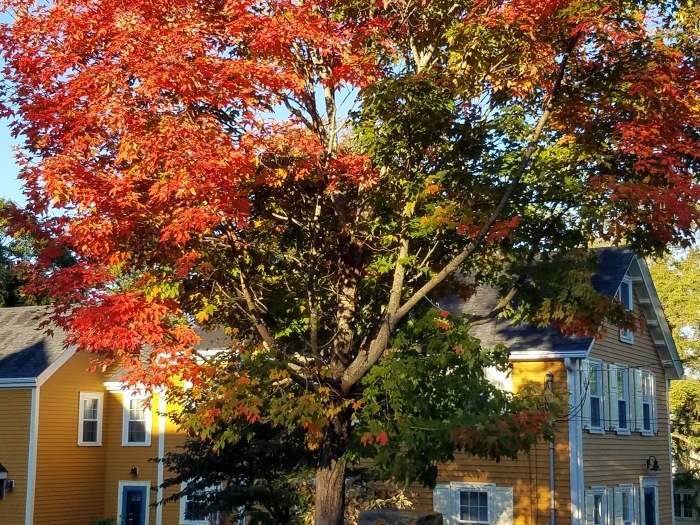
Was awesome.
Errands with benefits thanks to all the local trick or treat eye candy. October 2021








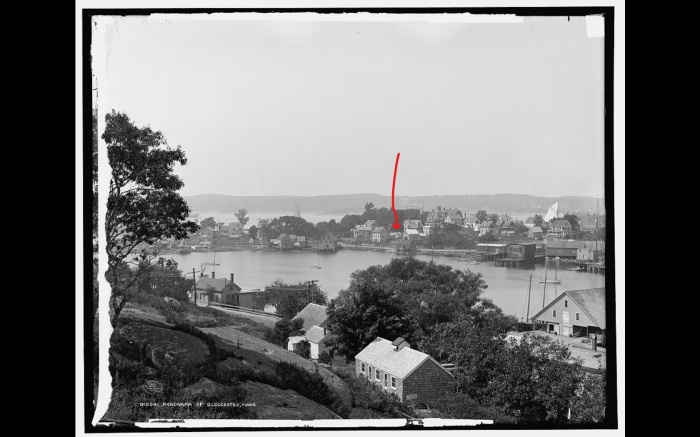
Per reader request, over the next few days I’ll be reposting mini chapter excerpts — primarily illustrations– from a longer read about the evolution of outhouses and public utilities specific to Gloucester, Massachusetts, Privy to Privy History, on Good Morning Gloucester June 6, 2021.
Catherine Ryan, Aug. 2021
Gloucester housing stock (and hotels) included luxury homes with bathrooms and water closets as well as modest solutions. Rough outhouses were common, too. Can you spot the outhouses downtown and in East Gloucester?
(Reminder about the photographs: you can pinch and zoom to enlarge and right click for descriptions. Some media offer the option to “increase file size”.)


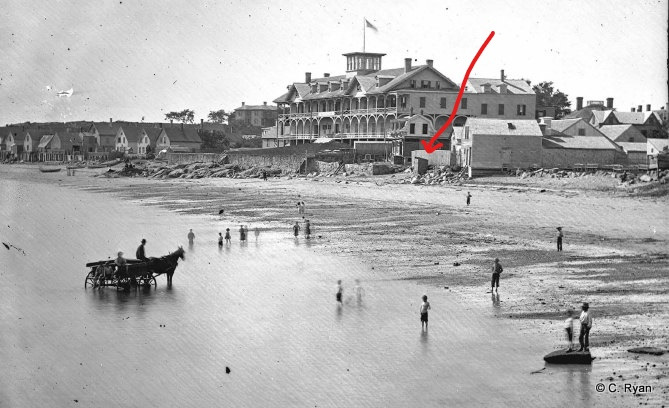
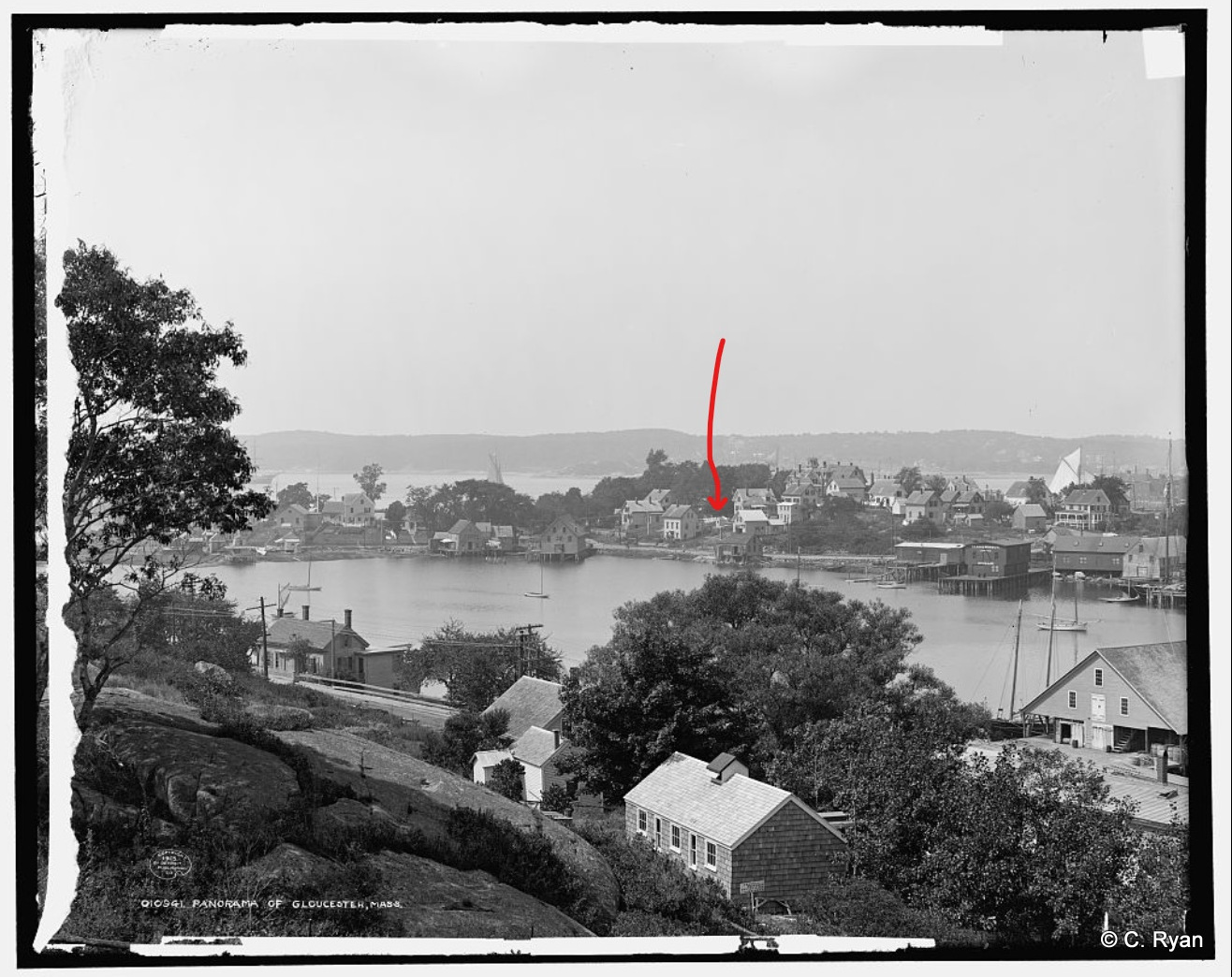
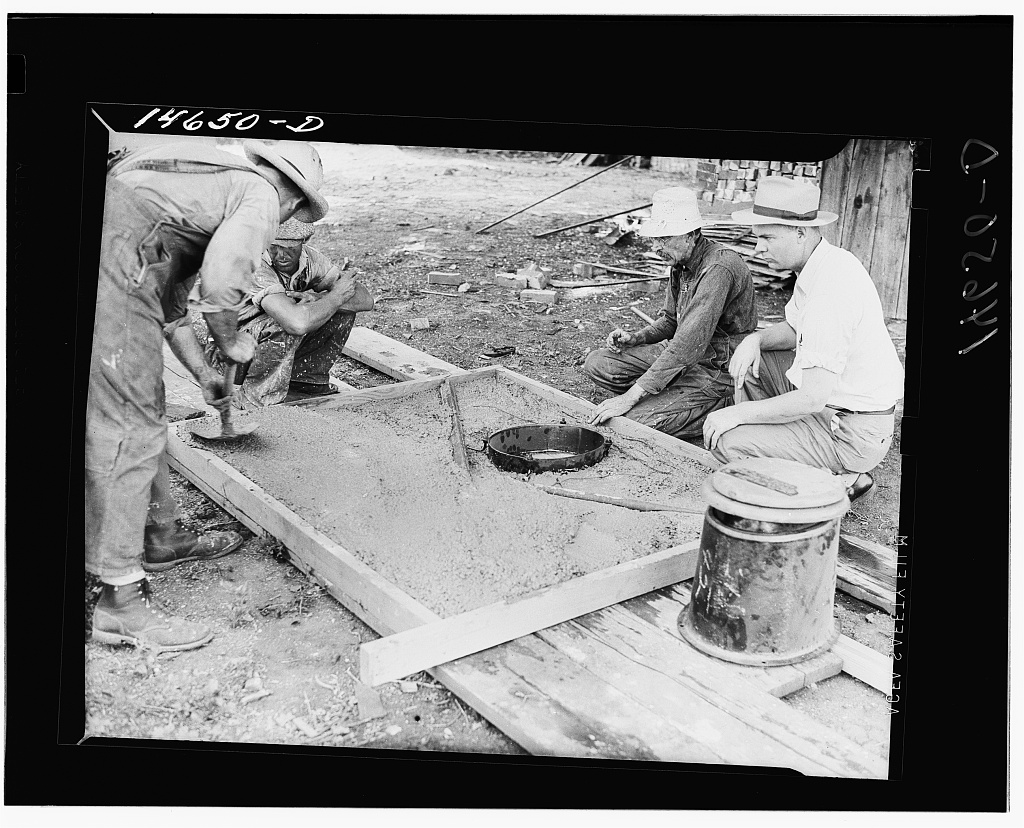
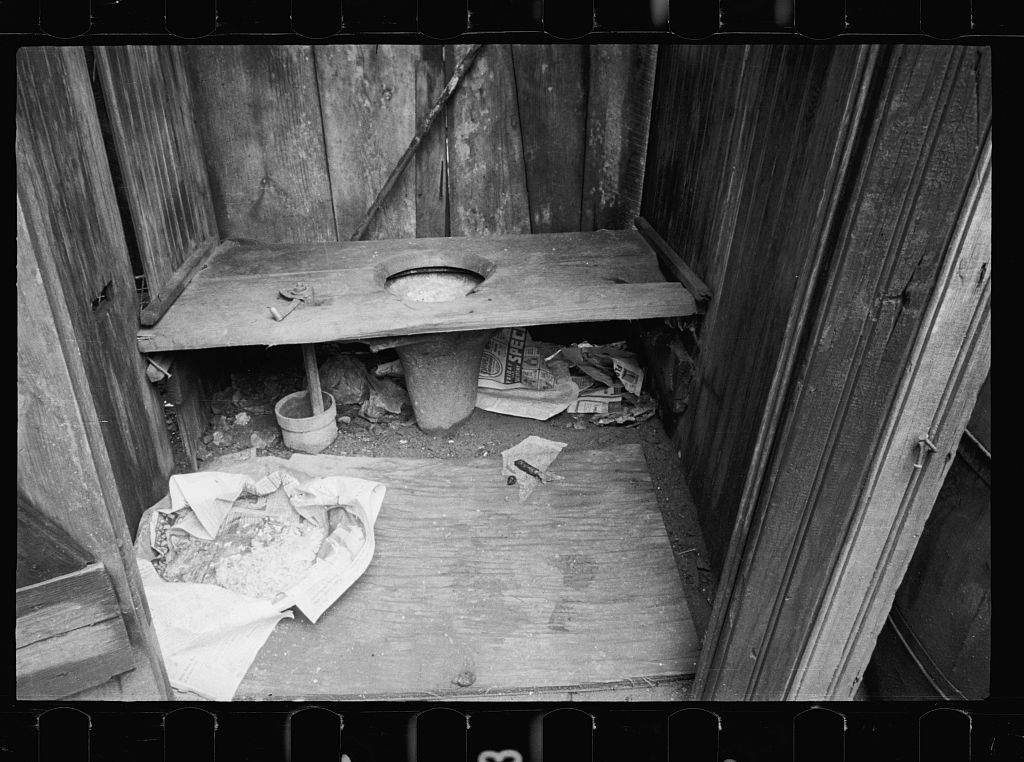
photographs outhouses across America – Library of Congress
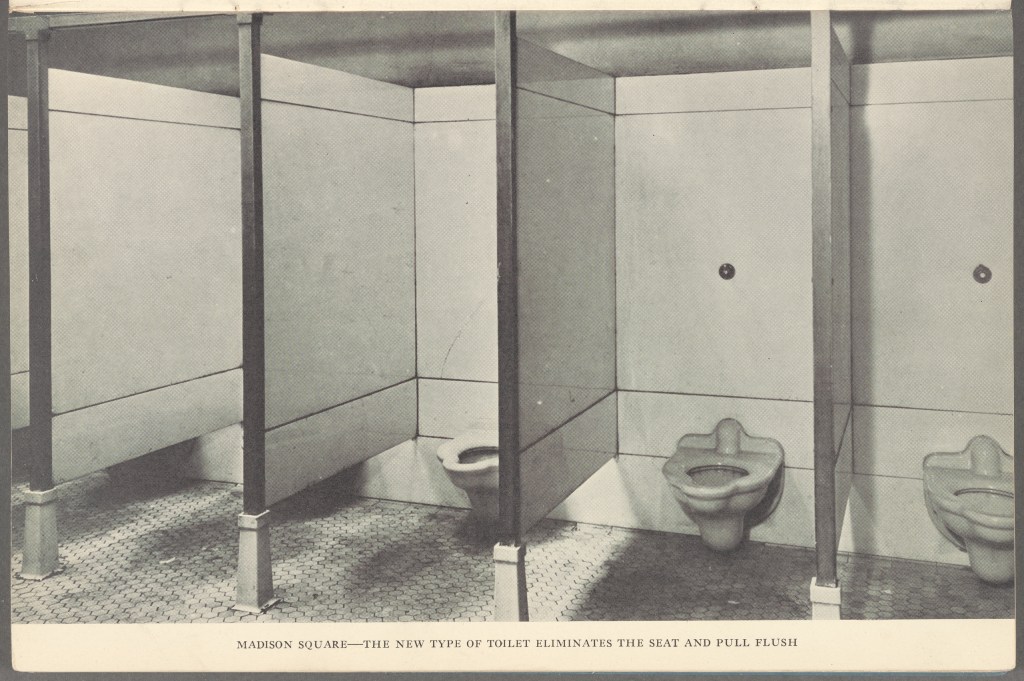
photographs Indoor bathrooms residential and public – New York Public Library






Per reader request, over the next few days I’ll be reposting mini chapter excerpts — primarily illustrations– from a longer read about the evolution of outhouses and public utilities specific to Gloucester, Massachusetts, Privy to Privy History, on Good Morning Gloucester June 6, 2021.
‘Gloucester Outhouses in American Paintings’ copied below is “Excerpt 1” (stay tuned for some more Cape Ann Museum additions); Excerpt 2 will focus on early 20th century photographs; future excerpts might highlight some of the history mentions such as the bathroom fixtures at the Crane estate; and so on.
Catherine Ryan, Aug. 2021
Edward Hopper included outhouses in numerous Gloucester vistas. Hopper depicted buildings and worked with watercolor and gouache long before his renowned first sell out show of Gloucester images in the 1920s.
Illustrations: Reminder- You can pinch and zoom to enlarge (and select “full size” image if that option shows)


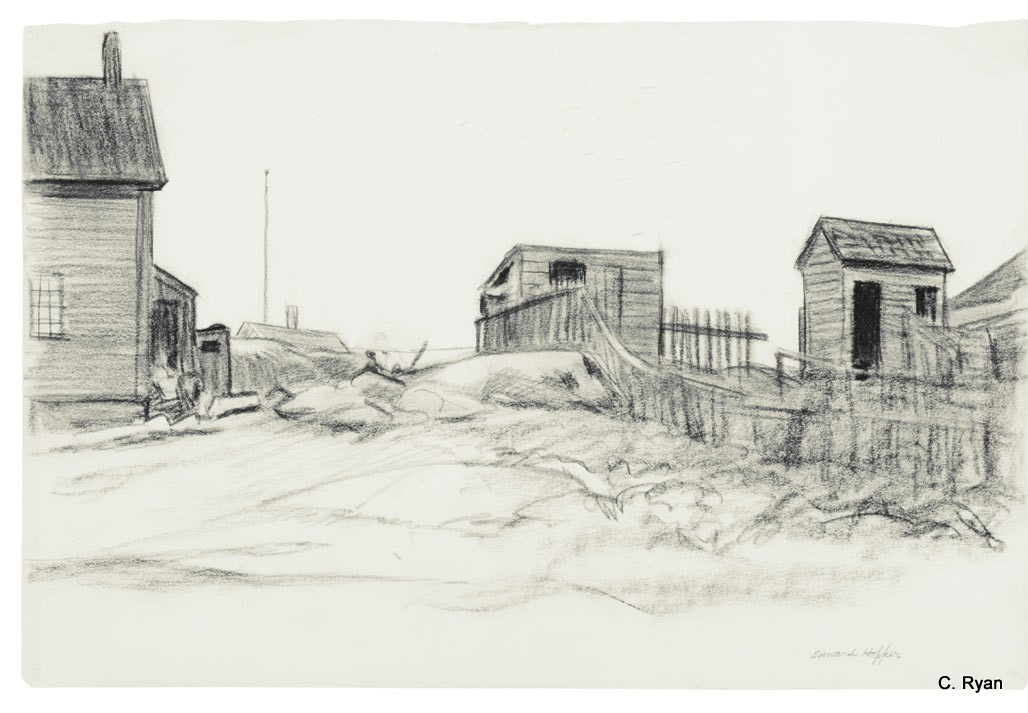
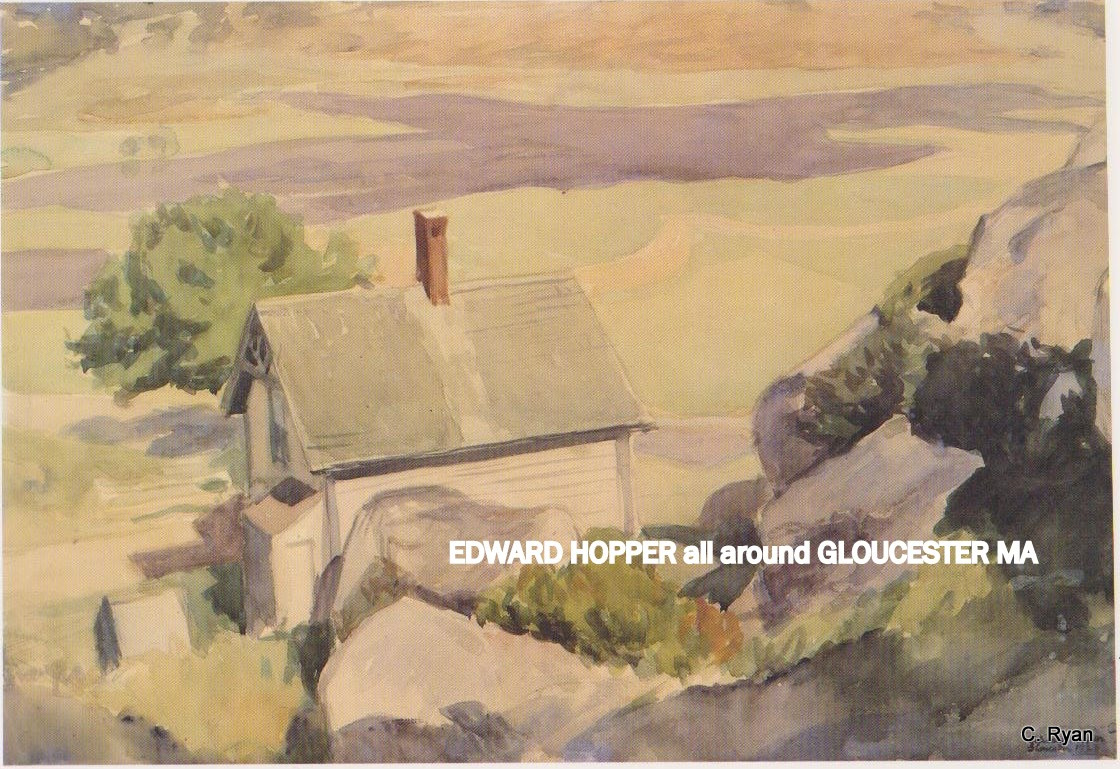
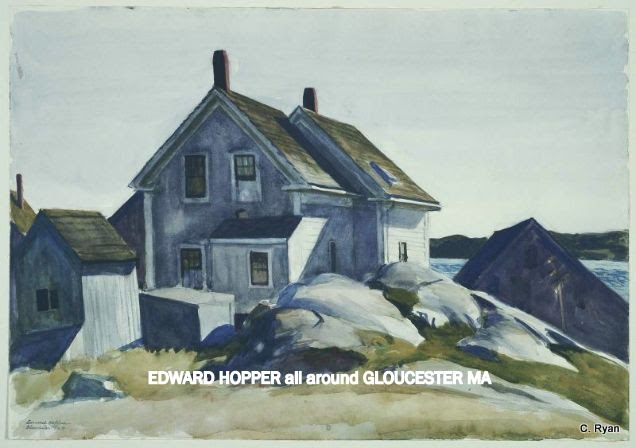

The Whitney Museum of American Art has the largest collection of Edward Hopper art. This small watercolor study the museum dates circa 1900 contains germs of his later work. There is an elusive building, or nestled buildings, front and center. Strong shadows are emphasized. Is the shed attached or not? An entrance, a ticket booth, an outhouse? Is that a circus tent flag squiggle? The pencil line beyond the vertical street light (or railroad signal) might be a train track. Further right, there’s a red dab. Perhaps another structure. The window with yellow has a barn vibe. I did think about the scene in Butch Cassidy and the Sundance Kid when Katherine Ross looks down from a hay loft to catch the ‘Paul Newman riding a bike for the Raindrops Keep Falling on My Head’ show.


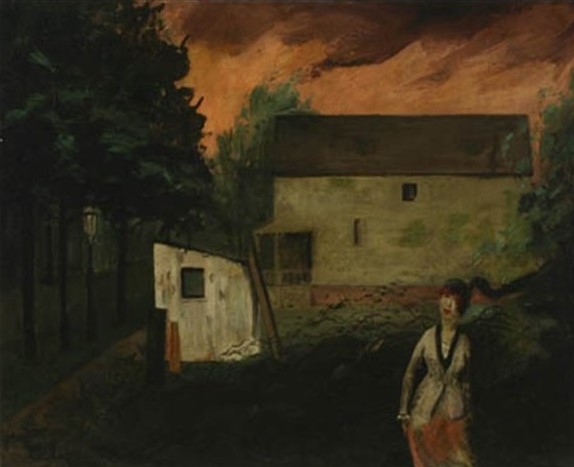


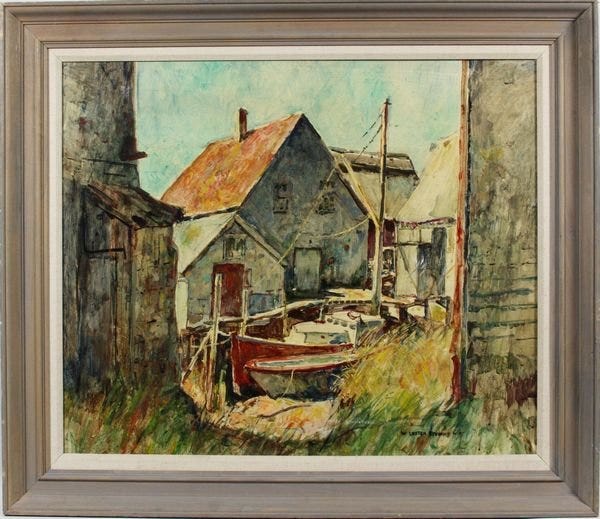
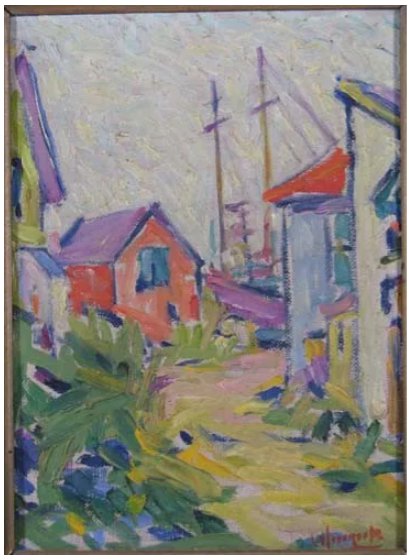
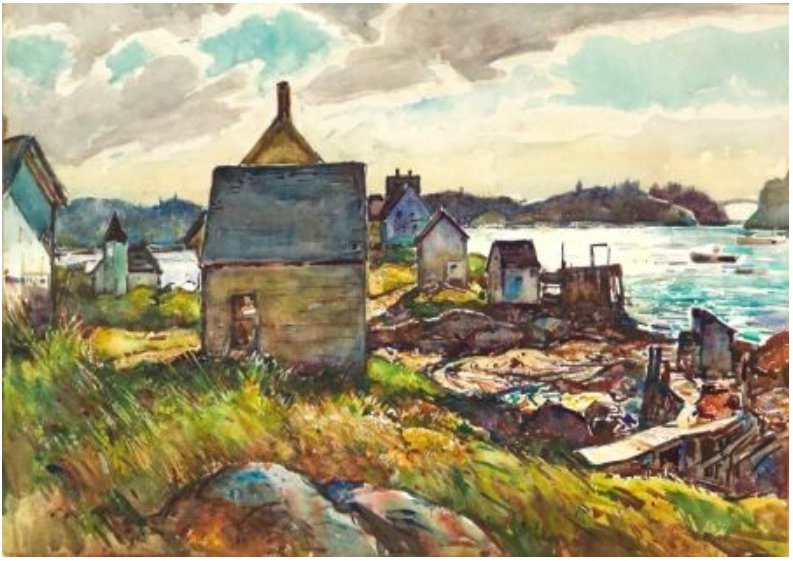
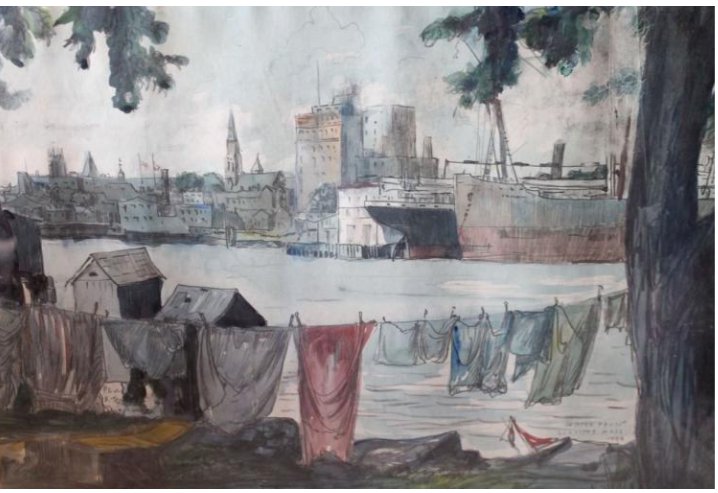
Selection of Gloucester scenes with outhouses by various artists: Dennis Miller Bunker; Charles Burchfield; James Jeffrey Grant; Emil Gruppe; Max Kuehne; William Lester Stevens; Paul Bough Travis; and Louise Woodroofe. Stay tuned for more.




Leave it to Mabel Dwight for a humorous and original take, Backyard, 1938 WPA/FAP lithograph.
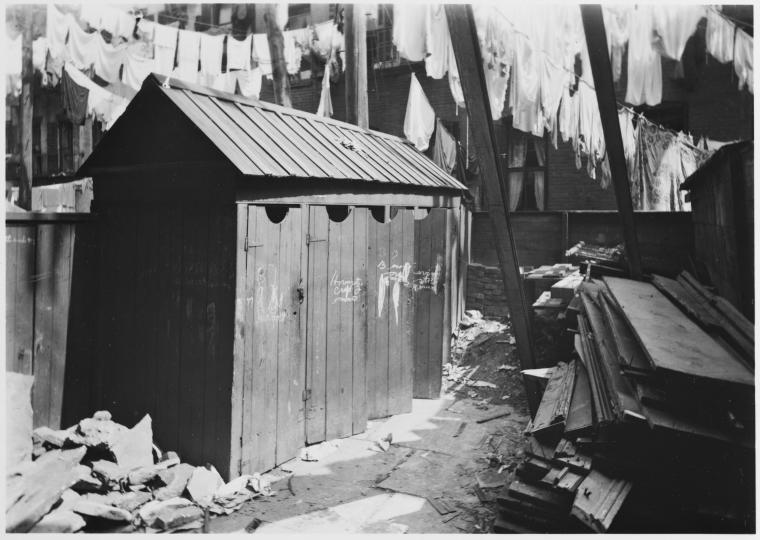
Below – New York City images (collection, NYPL) for comparison of the flip view. More photographs featured in Excerpt 2.


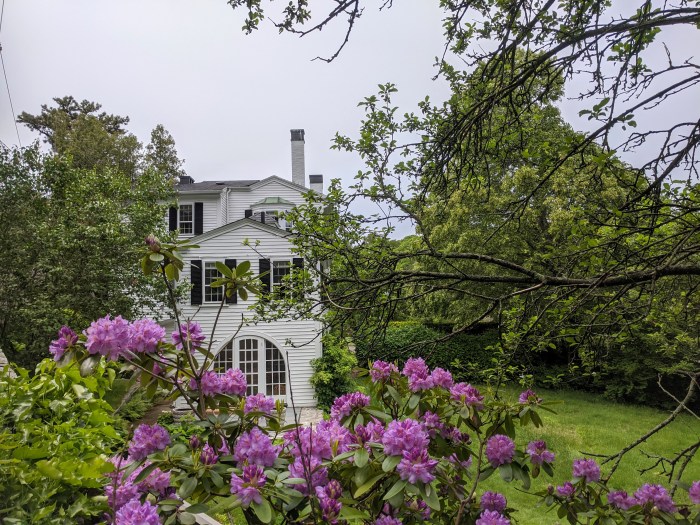
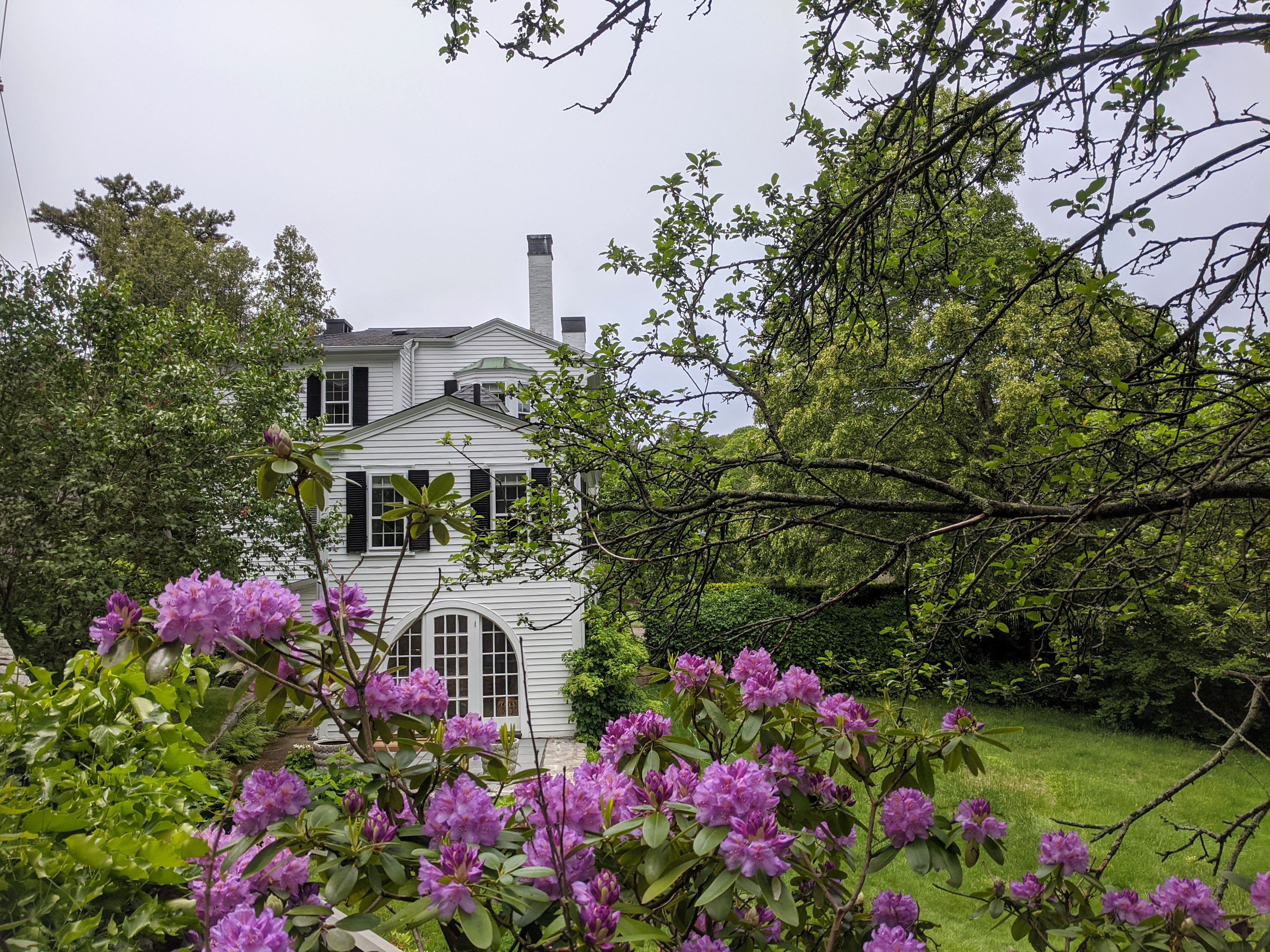
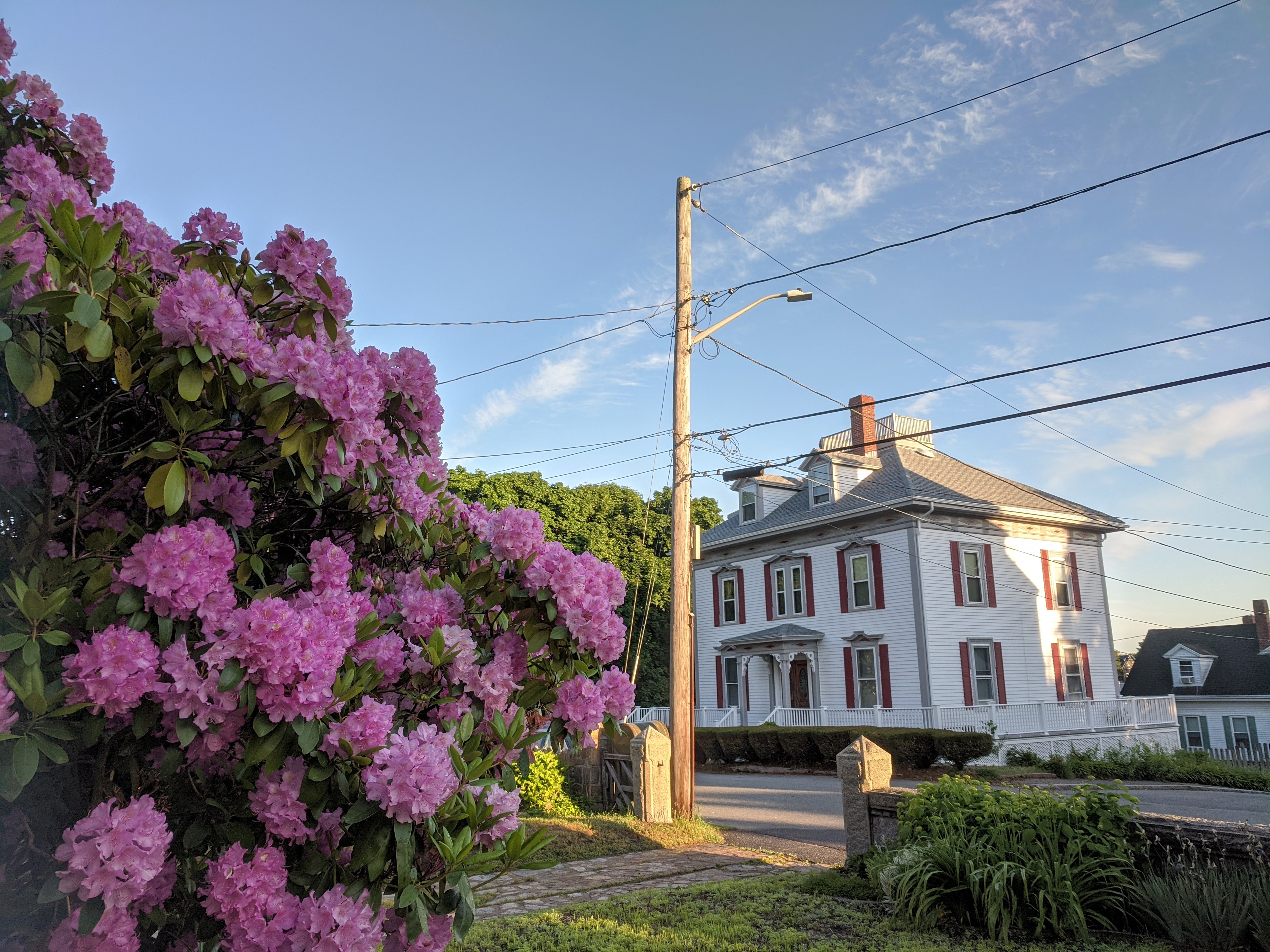
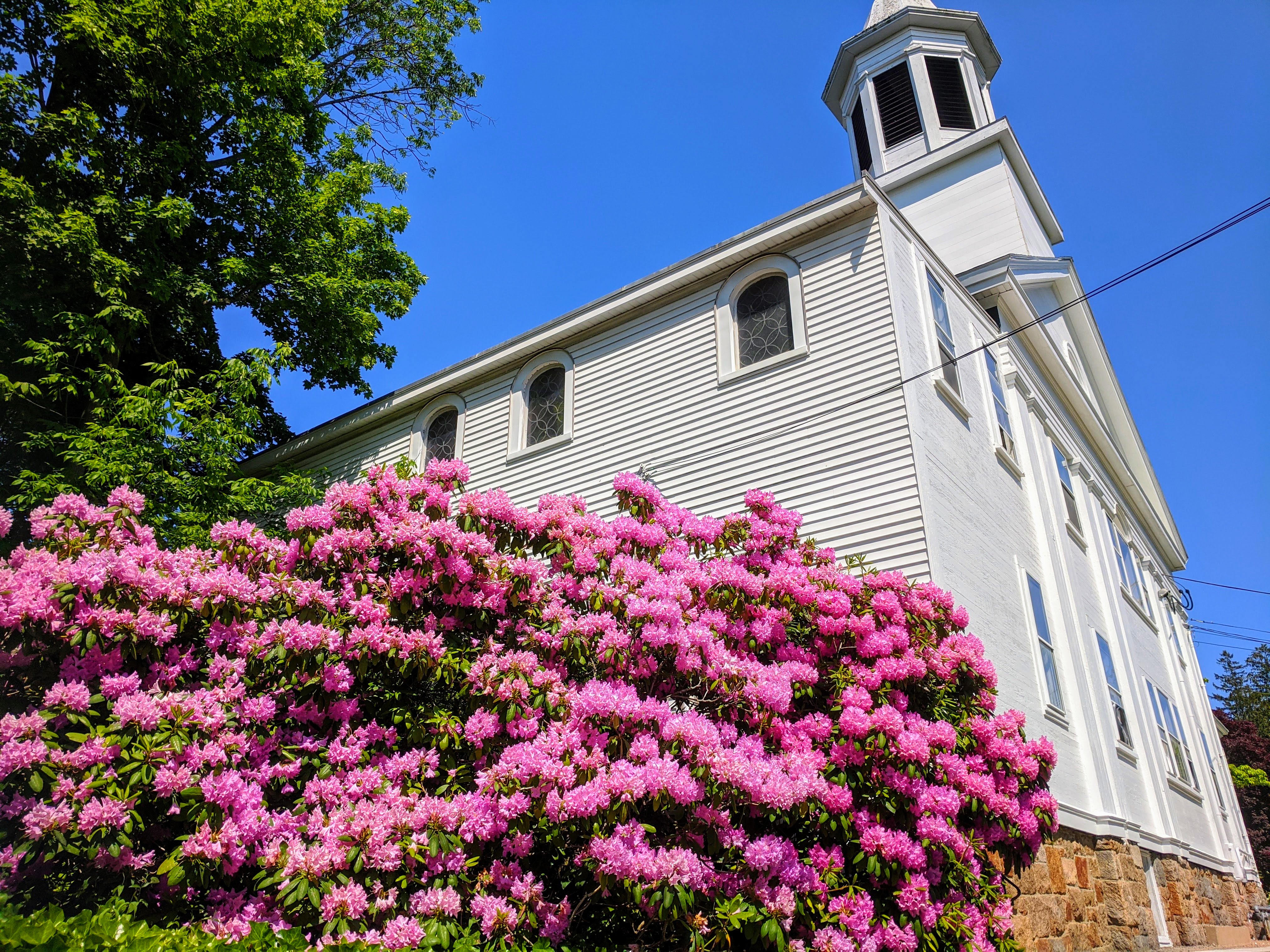
Some rhododendrons can last hundreds of years and wild and rare species can be found in Massachusetts. Do you have a favorite stretch?
My mom called them rhodies. I’ve heard others use the nickname rhodos. Have you?


A GMG reader describes area residents as “those on Cape Ann”*, compliments Joey and Good Morning Gloucester, and asks about outhouses:
“Hello Joe, nice to meet ya. I have a Cape Ann question that is a bit strange. When I was younger I used to go on digs to find old bottles on Cape Ann. Recently I saw an article that said in the days of outhouses people would throw their bottles down the hole in their outhouses. I began thinking where on my parents’ property an outhouse might have been located. Then it occurred to me: there isn’t anyplace on my parents’ property that you won’t hit ledge one or two feet down. So what did those on Cape Ann* do about digging outhouses back in the day? I said it was a strange question. All the best,
Bob Condon Jr., February 2021
Thank you for the great conversation topic, Bob. When did your parents live here and can you relay the neighborhood? The address could help describe the specific conditions at that property. Here you go!
Outhouses were in use well into the 20th century locally. They were also referred to as: “necessaries”, privies, toilets, loos, thrones, backyard “escapes”, reading rooms, sheds, crappers, fly factories and the office. Newspaper and pages ripped from mail order catalogues worked as toilet paper. Usually they had no window, heat or light. Some were designed with access doors below seat level to clear out the contents.
Which of the following were factored into the history of local outhouse architecture?
The answer is ALL. Water and waste management are the heart of Gloucester’s city planning.
The variable terrain of Cape Ann impacted outhouse design. If one was a farmer or owned enough land with suitable soil, they might opt for a basic “dig, bury & move” or “slide & fill” solution, rotating the outhouse footprint after it filled –faster with a bigger family– like a handheld number slide puzzle.
When digging a deep enough pit latrine was not an option, or the property was solely ledge, mucking out with rake and spreading ashes (later lime) was necessary. Waste and refuse was portable. Compost could be used for backyard gardens. Whether collected from a vault hatch, pail & sawdust, custom cabinet drawer, bucket & lid sanitary ware, or chamber pot, it did not matter. Filth, euphemistically “night soil”, could be dropped off or conveyed (eventually with a license only, and off season dates) to designated collection sites near and far, sold, or even stolen (as late as 1915 – see below!). Those who could afford to hired help or contracted with a subscription company. Municipalities like Gloucester had line items in the budget for waste collection, incineration and plumbing inspectors: These were thriving businesses.
Prior to sanitary reform in Gloucester and all of Cape Ann, the surrounding streams, marsh and ocean were availed as unmitigated dumps. The natural topography of Gloucester — all that water! all those hills! – – was considered an enviable benefit for city infrastructure and street plans, and likely delayed the city’s modern sewer system. (When public water carriage lines were introduced they could flow downhill into the harbor from densely populated areas or directed into the sea anywhere along the coast, whether for public or private owners. Out of sight. Out of mind.) Dilution was the solution.
Efforts to improve municipal services– to manage public and private waste to keep it out of the water table– were increased. Separate water and sewer lines would be regulated; eventually outhouses were a thing of the past and (quality) food scrap or compost value from home garbage was reduced to nil. You have to skip ahead a full century to find the Gloucester Harbor Clean Harbor swim milestone.
Below is a chronology illustrated with famous vs. local American outhouses, and a **selection** of Gloucester’s sewer and sanitation milestones. I’ve written a fair amount about Gloucester art and public works so a few links are provided for those as well.
You have to love Public Works.
Those who were more prosperous had better privies and hired help for cleaning and carting. Everyone used a combination of chamber pot and outdoor toilet combo.
Outhouses for the well heeled – George Washington Mount Vernon
The octagonal outhouse at the George Washington Mount Vernon estate is an example of a high end family bathroom of its time. The custom fancy shape and finished interior convey an air of refinement. The museum describes the wood paneled, “large drawers for ease of cleaning.” (I don’t know if there’s evidence of dig and move pits as well.)
The smaller middle seat was designed for children. Martha Washington, a widower, had four children from her first marriage; two died prior to their union. Their step-grandchildren, the President’s first family, were born in the 1770s. Having suffered the loss of two little ones, and both then caring for her youngest, Patsy, who suffered torrents of seizures until her death at 17 in 1773, health concerns may have informed the bathroom layout. This opulent design could handle a potty queue when nature called family members at the same time, and adults could accompany a child in need of assistance. The museum estimates that there were four on the property.
The Mt. Vernon residence was originally built in 1734 by Washington’s father. Expansions to the main building and outbuildings were completed in the 1750s and 1770s. A century later, the historic property was rescued by a women’s preservation group. A century again, the property’s historic designation status was awarded in 1960. The exterior photograph by Frances Benjamin Johnston dates from circa 1894. The interior photograph is 2018.


Calvin Coolidge (1872-1933)
Calvin Coolidge birthplace in Plymouth Notch, Vermont was a more modest farmhouse example.


MONTANA
Restored Western gold rush hotel outhouse


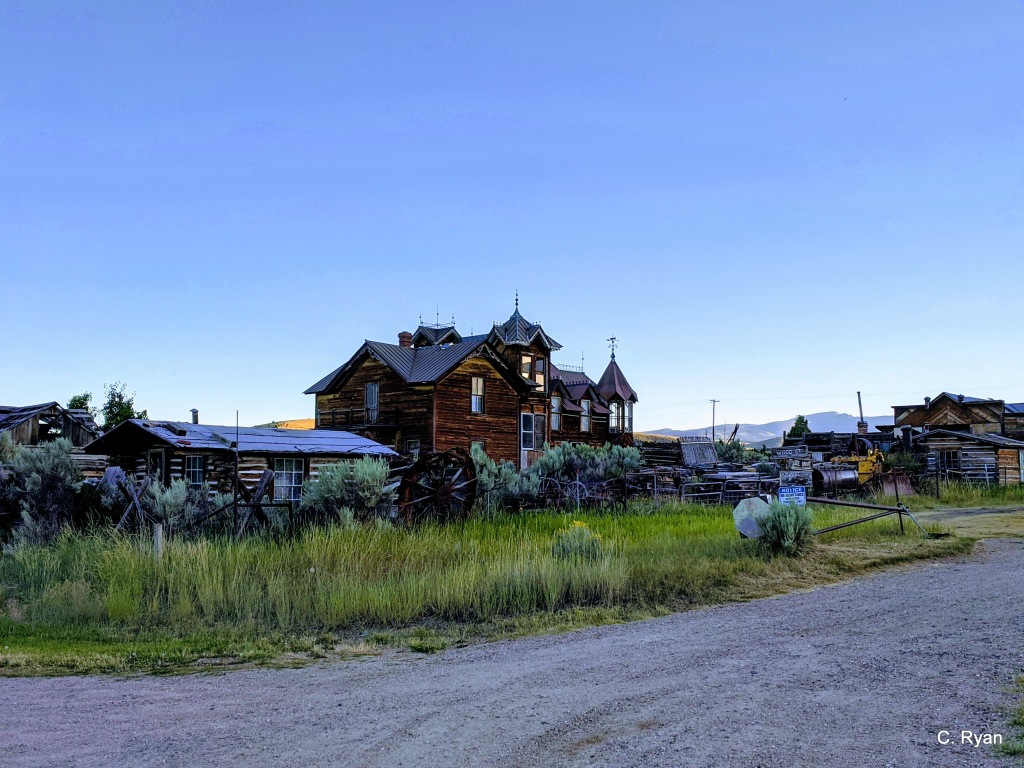
Still standing – luxury outhouse
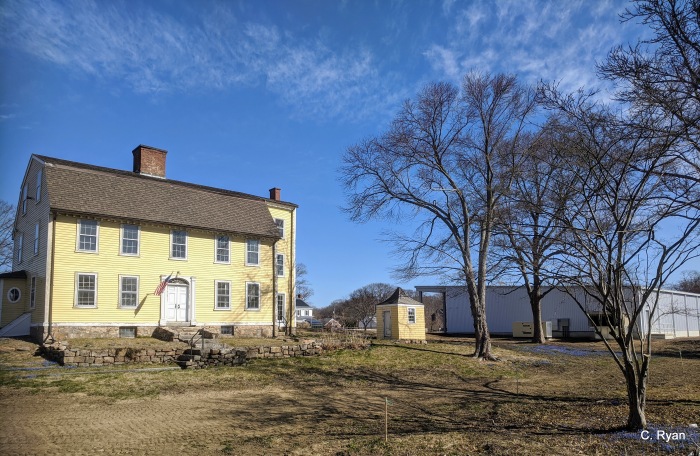
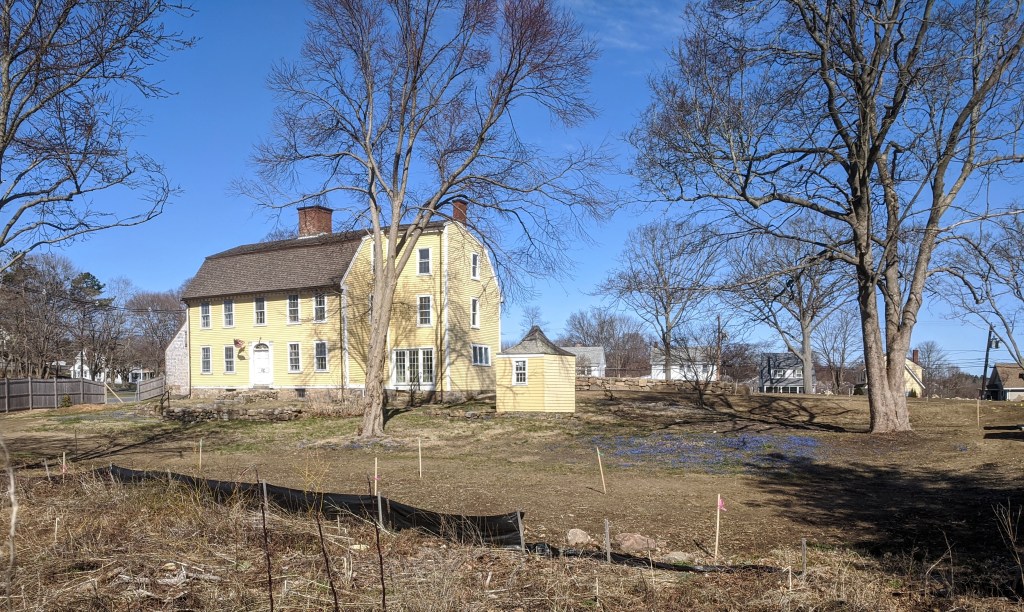
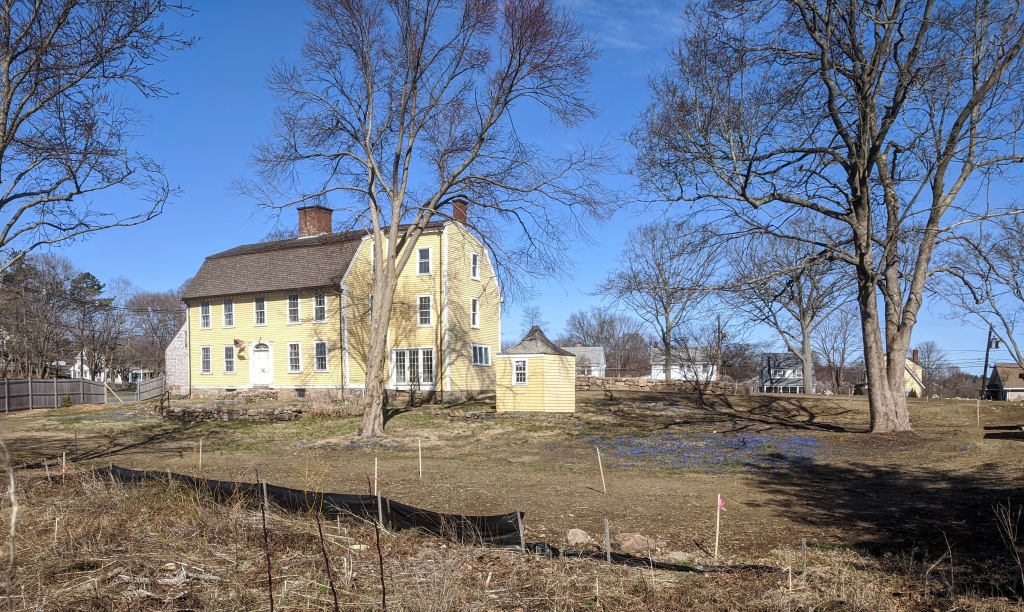
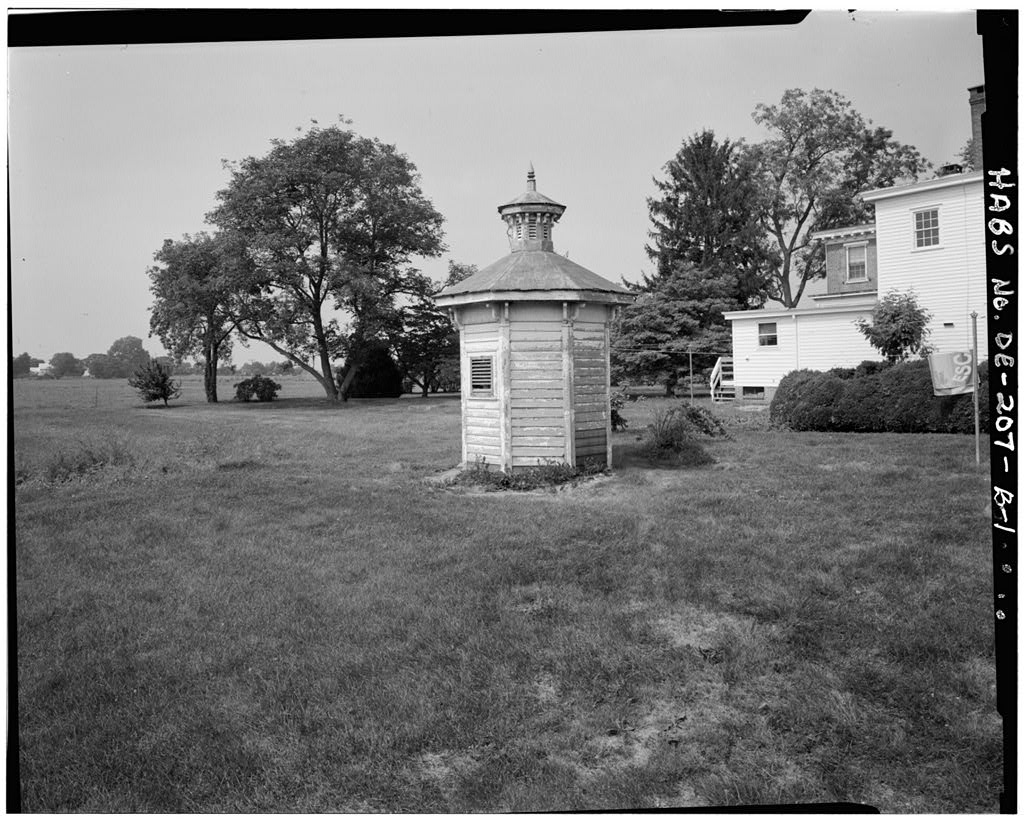
Driving around Grant Circle, you might have thought as I once did that the free standing out building on the Cape Ann Museum Babson Alling property was a shed. The fancy roof and architectural details inside and out give this tony privy much character. Years ago, Pru Fish and Peggy Flavin confirmed their hunch as to its original use. (Naturally, after hearing about this hidden history from Prudence Fish, I’ve dubbed this highly visible Mt. Vernon of Gloucester outhouses, “Pru and Peggy’s Privy”.)
Still standing – Rustic models
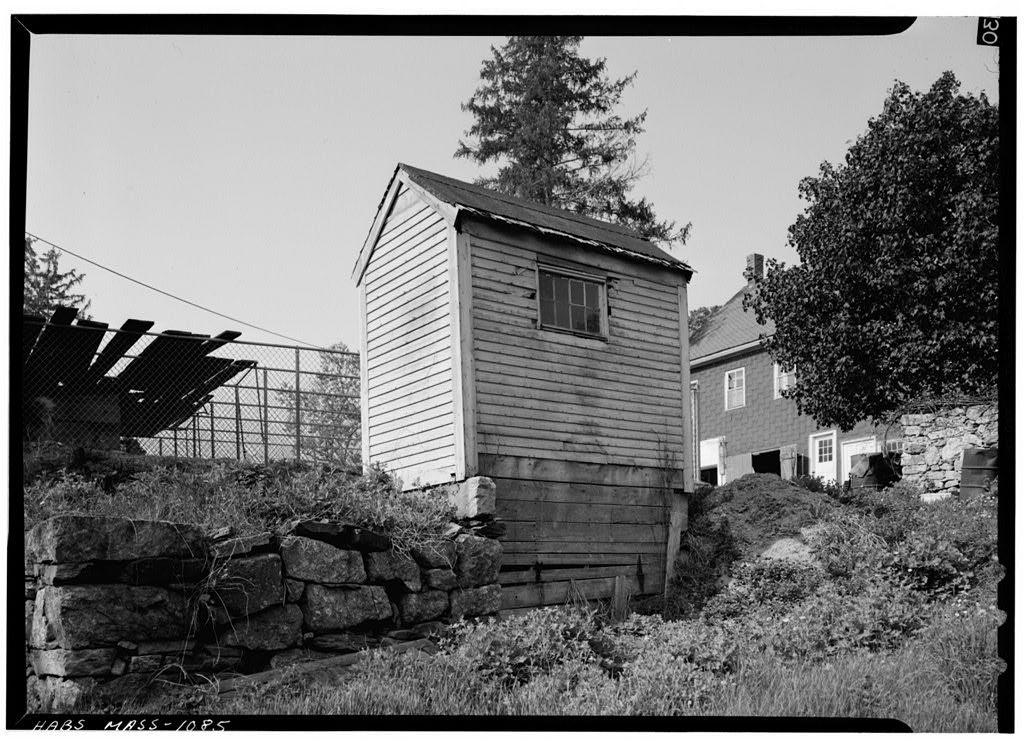
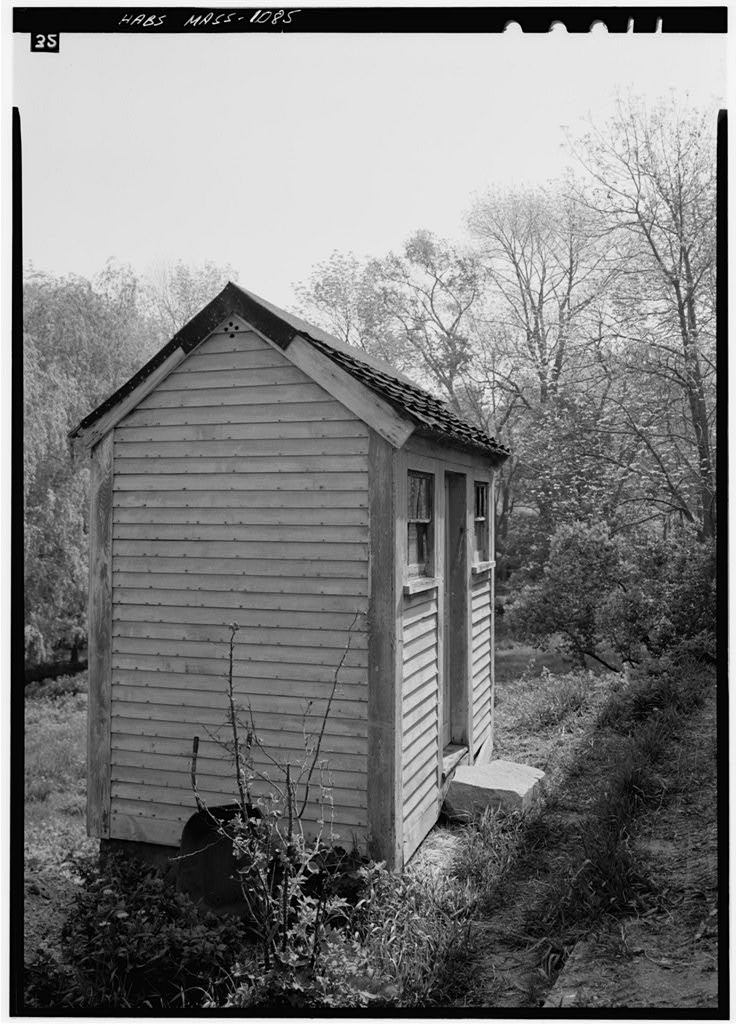
Whether restored, repurposed or replicated I’m not certain, but there are structures in Rockport and Gloucester that approximate the rough and modest models.


Chairman of the City’s Highways Committee.
“It seems to me strange and very unfortunate for the city, that, by a general vote in 1877, an Independent Board of Health as authorized by the State Legislature should have been discarded. Our want of public sewerage has, in the most densely populated parts of the city, filled the soil with excrementitious matters and, in many places, covered the surface with drainage from sinks and cesspools. Some of our localities are filled with stenches that make the idea of repasts anything but agreeable…the shortest road to reform in this department is ample public sewerage, but if this be found impracticable, I would recommend that both should use all authority invested in it to eradicate or mitigate existing evils.”
Mayor Joseph Garland (1880)
Mayor Franklin Dyer ( Civil War surgeon) died February 9, 1879
Word for the day: “Excrementitious”
for fire services
“With the introduction of water into our city comes the perplexing problem of how to dispose of the waste. During the year 1887 the Committee on Highways have extended the main drain to Foster street at a cost of $5800. The public health demands that a system of sewerage be established and built and it can be no longer delayed without serious danger, particularly in those portion of our city in which there is not natural drainage. Our present drain or sewer should have an outlet, approved by the State Board of Health, and permits could then be granted to enter the same and an income derived from these rights, which would go far toward defraying the expense of construction.”
Mayor David Robinson, 1887
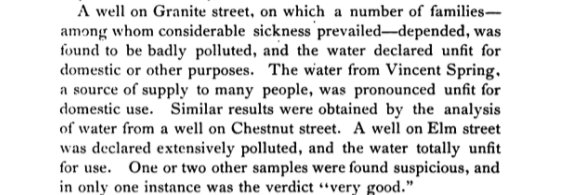
“The complaints from foul cesspools and imperfect drainage are increasing from year to year, and with the increased use of water, consequent upon a public water supply, such complaints must continue to increase until some method of sewage is devised. Offensive privy vaults, filthy cesspools and sink drains, stagnant water in cellars and upon the surface of the ground, and decaying vegetable and animal matter in yards and upon vacant lots, are a standing menace to the public health…The disposal of filth and sewage is one problem confronting the city. The connection between public cleanliness and the public heath cannot be too forcibly urged upon the attention of our people. Equally if not more important is the question of the quality of the water used for drinking and cooking purposes. indeed, one great danger, if not the principal danger arising from the privy and sink vaults with which our territory is so thickly strewn, is their contiguity to the wells which so many of our people depend upon for water for domestic uses. The danger is the greater from the fact that the water itself may convey no warning of the hidden germs of disease and death of which it may be the medium. It may be clear and colorless, agreeable to the taste and without objectionable odor, and yet be seriously polluted and dangerous to health.
“Realizing this, the board pursued a liberal policy in the way of obtaining a scientific analysis of the water from wells regarded by physicians and others as open to suspicion. In a few cases parties desiring the analysis have paid a portion of the expense, but where there were reasons to believe that the water was dangerous, such payment has not been insisted upon. The analysis have all been made by Dr. Harrington, of the Chemical laboratory of the Harvard Medical School…”
Board of Health
Toilet design heyday hit during the Victorian age. Residential plumbing products were promoted in illustrated catalogues. (Kohler porcelain tubs were promoted as early as 1883.)

clean beaches
“Every person should have pride in keeping our beaches free from filth…We are especially favored in the matter of fine beaches, and during the summer our own people and visitors resort to them in large numbers for bathing and recreation…Nature has so wonderfully endowed our city in the way of beautiful scenery, that we should not spoil the effect by collections of material objectionable to the eye.”
Burnham’s Field was a vegetable garden, doctor’s pond on Mt. Vernon, and Harbor Swamp
The condition of the region on and bordering Burnham’s Field and Harbor Swamp became such in the summer, that an effort was made to secure better drainage by removing obstructions from the brook which courses through these fields, and which has in Doctor’s Pond, on Mount Vernon Hill. The Board of health personally superintended this work, and when finished, a notable improvement was manifest; …Old residents refer to the time when Burnham’s Field was under cultivation and produced vegetables of marvelous size and sweetness, but the owner died and the field went to waste. In those old days the proprietor personally drained his land by means of trenches and, in the summer time, his vegetables thrived because of the natural dampness of the soil. But the question of placing houses on the field at that time would have been a difficult problem, for the water then was present in sufficient quantity to make fair skating for the children. For building purposes this land could be filled in, but it would seem to be a farce to fill in land so high above the ocean and so near to it; yet each year sees new houses going up on the edges, and last year a tract of the swamp itself was built over, which last caused the immediate appearance of the Board of Health, who immediately ordered the lots filled up, as water had accumulated in the yards and cellars in a manner dangerous to health.
The fact is that this region is highly advantageous from central location for houses or factories, and if it could be drained would doubtless be immediately covered with buildings which would bring into the city taxes to a large amount. There is more water entering the field than in the old days, because the use of city water has added to the amount which formerly was there. If it is dangerous to have vaults full, then it must be so in this region, for water stands in the vaults full, then it must be so in this region, for water stands in the vaults here unless the land is built up above the field.
Various plans have been suggested to improve this region. The extension of the Washington street main drain into this field would be a good idea. It has been suggested that a drain could be built from Burnham’s field to the wharves, through Marchant street, which is a short distance. Other plans have been talked of, but it is sufficient for our purpose to urge the need of looking into the subject. It would be a great deal better to do something permanent than to appropriate money for temporary purposes in sums which would soon amount to more than the cost of a radical improvement.
Board of Health
Night Soil – Ward Two
“Another year has passed, and the question of the disposal of night soil is more serious than ever before. By hook or by crook the contents of the vaults have been disposed of; objections have been made by those near the places used as dumps, and a discontinuance of the practice in ordered in one or two instances. Where will our night soil and sink waste go next year? At present, a farm in Ward Two offers the only available chance; as last year, other places may be used until the objections become too numerous, but what would we do in case of cholera appearing near enough to frighten us? Would anybody want this material which would be suspicioned anywhere near them? There will be difficulty without the cholera, but with it we can only say that something would have to be done.”
There are four methods by which this material may be gotten rid of: The first by dumping on land; the second by dumping in the ocean by means of a scow; the third by cremating it by means of one of the well-known processes, as the Engle, the Simonin and others; the fourth by building a sewerage system.
As to these methods, the dumping on land accommodates many by the discomfort of others.
The scow system is very cheap, and could probably be rendered available here. The cremating process for night soil could hardly be given intelligent discussion just now, and cremation finds its largest use in the disposal of garbage. Sewerage would drain the central and thickly settled parts of our community and, of course, would do that well, and it is probably only a question of time, when sewerage will be introduced here.
GARBAGE – PIGS – SWILL- NIGHT SOIL: Board of Health argues for SCOWS FOR OCEAN DUMPING
The practice of throwing garbage on vacant lots and dumps still continues, but most of the swill is collected at the houses and fed to swine. Considerable material is of little value for this latter purpose, and this finds its way into the stove or to some vacant land. In view of the tendency to discuss the subject of cremating garbage, it seems wise, for all, to inquire how much garbage there is to be disposed of. If a crematory were established, it would by no means indicate that all table and cook-room waste, or even all provisions, fruit and grocery store waste, would be cremated, for then, as now, pigs would be kept in some out of the way places, as there is some profit in it, and it is not to be supposed that sentiment can soon rise to a point where prohibition of the feeding of swill to pigs, or the absolute prohibition of keeping pigs, will be ordered. This, then, leaves only a portion of the garbage of the city to be disposed of, and this could very conveniently be placed in a scow, which being absolutely tight and covered, would not cause an objectionable odor, even though it were mainly used for night soil. If a scow is of advantage for this purpose, then there is no place on the coast so favorably situated for using it as our city. Certainly the cheapness of the method and probable reduction in price per load for removing vault contents would commend it.
1892 Gloucester Board of Health – Murrow, Thurston and Dennen


Boston scenes by Leslie Jones, collection Boston Public Library [tug pulling garbage scow) 1956; and boats and garbage, no date (circa 1917-1934)]
“There is no question in the minds of any of us, but that our city needs a system of sewerage. The proper disposal of sewage is one of the great questions of our age. Our city is favorably situated, being so near the ocean, for sewage disposal. It has already been surveyed for the introduction of some system, and the plans are on file and will be available whenever the action of, or financial condition of the city, will warrant such proceedings. My attention has been called to the necessity of draining Burnham’s Field and vicinity, as a sanitary measure. I would recommend that, if practical, the drain leading there from be cleared from obstruction and the natural outlet to the sea be utilized for that purpose.”
Mayor Benjamin Cook, 1893
“The Board of Health is often obliged to order the discontinuance of dumping in certain places when too great a nuisance has been caused, while the owners of the land sometimes do the same for various reasons. It seemed in the spring as if there was no available place, and the Board appealed to the City Council, which appropriated two hundred dollars, to be used in relieving the difficulty (no pun intended). None of this money was expended for that purpose, as places were secured without the interference of the Board of health. There is a great deal of objection made to the dumping of night soil on land, and wherever it is done it generally annoys somebody. If sewerage is not soon adopted, the city must resort to some method less objectionable than the present method of disposing of night soil and sink waste…”Burnham’s Field and Harbor Swamp: It seems that there has been some disposition to investigate this region during the past year, on the part of the City Council. The presence of such a large tract of swamp land in the heart of a city must be a menace to health. Buildings are being put up all around it and even in it, and this fact must cause some attention to be given, as it increases the amount of filth which finds its way into it. Objection to acting on the score of the land being private property, would hardly seem to be altogether reasonable, as the benefit arising would be shared by the whole city. To deepen the “brook” which flows through it, or to continue the “main drain” into the district, while it would not probably be a complete system of drainage, would furnish an outlet which could be utilized by the abutters at some expense, for the purpose of draining their land. At present there are two ledges in the course of the “brook” which should be removed by the Boston & Maine Railroad Company or in some other way. The water in the swamp will not fall much below the level of these ledges. After their removal the “brook” might be deepened. The people of this region should have some way of relieving their premises from the natural fall of water and the volumes of “City water,” which must find its way into it from the surrounding houses. At present no sink or privy vault can be dug in this region.”
Charles H. Morrow, S.S. Thurston, and Wm. H. Dennen, BoH 1893
$1,500,000 for “22 miles of cement lined pipes, pumping station, reservoirs and their property acquired for storage and distribution throughout the city.”
$1,500,000 for “22 miles of cement lined pipes, pumping station, reservoirs and their property acquired for storage and distribution throughout the city.”
“Percy Blake places the cost of the entire plant at not over $269, 977. He further states that the average length of satisfactory life of this kind of pipes is from 15 to 20 years, and that Somerville, Manchester NH, Fitchburg and Worcester and other places have for some time been replacing the same kind of pipe with cast iron…”
“We must undertake a system of sewerage, but a full consideration of the matter must be deferred until a settlement of the water question. We can, however, begin in a small way…

excerpts, Mayor Robinson
House drains, water closets, cesspools, and grease traps
“An ordinance relative to the licensing of Plumbers and the Supervision of the Business of Plumbing”
Sect. 15 WATER CLOSET SUPPLY

“That the regulations of governing plumbing are in the interest of public health, no better exemplification can be given than by calling your attention to the large number of jobs of plumbing and house drainage found defective by your inspector. Having examined some 200 houses where there had been contagious diseases, I found 90 percent without traps or ventilation, the gases from cesspools, escaping into the house, through the sink wastes, some houses with leaky waste pipes passing directly over cisterns, containing drinking water; and in one case all sewage matter deposited into a brick cesspool (formerly a rain water cistern), placed directly under dining room. The water closets located in cellar directly under parlor without flush of water wand all deposits on ground with very imperfect ventilation. This was was in an outlying district. In my experience of some 35 years, I never saw a case in a more unsanitary condition…”
Plumbing Inspector for the City of Gloucester, 1895
From Gloucester archives – Thai delegates summer in Gloucester as early as the late 1890s. (Skip to 1916 and 1921 for more about Prince Mahidol , “Mr. Songkla”) – research by City Archives members
Gloucester housing stock (and hotels) included luxury homes with bathrooms and water closets as well as modest solutions. Rough outhouses were common, too. Can you spot the outhouses downtown and in East Gloucester? (Reminder: you can pinch and zoom to enlarge and right click for descriptions. Some media offers option “increase file size”.)
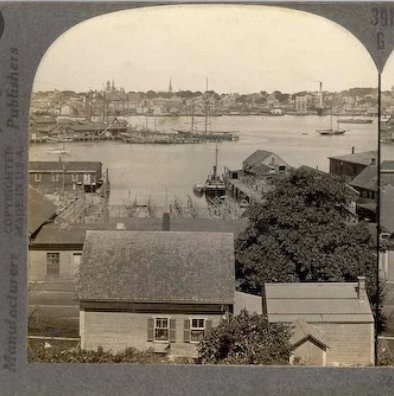
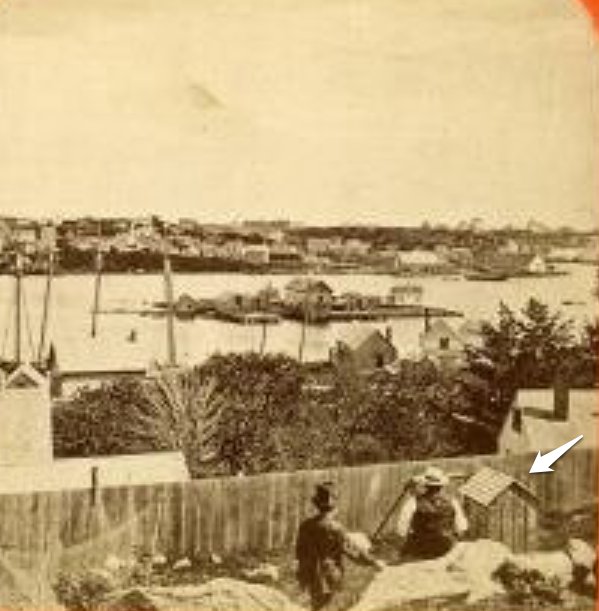

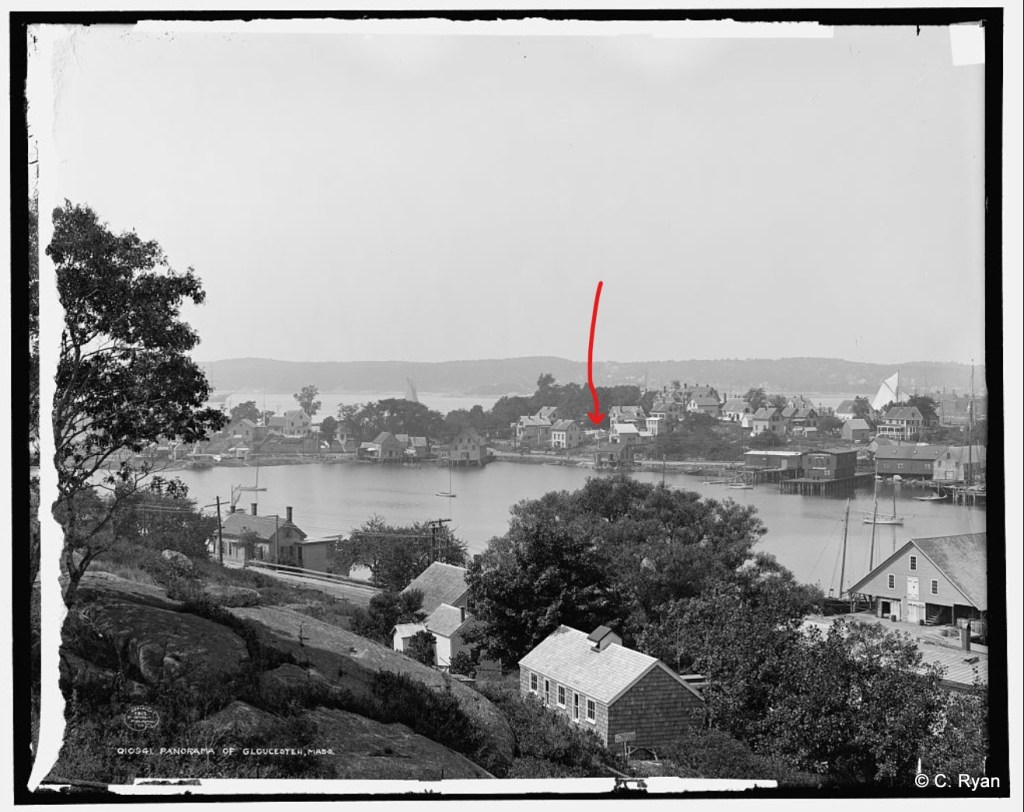
“Sewerage is a much mooted question, which the Board of Health have tried to bring to the attention of the city council, but so far have been unsuccessful in calling their attention to a much wanted service to the city.”
Budget appropriations include two additional contractors:
“Dikes’ Meadow and Wallace Pond reservoirs are the only sources of supply now used…”
“Average daily use is 900,000 more than two reservoirs can supply…”
“New water plant necessary…there is water enough in West Gloucester. To supply the city a hundred years….go to Chebacco lakes and (Dikes , Wallace Lily Pond and pumping station become worthless, money thrown away)—a new pumping station at lakes (would be an) arrangement satisfactory to town of Essex…”
“As far as purity of water all agree Haskell’s Pond stands first…” – Haskell dam to come.
For a deep dive into Gloucester’s water utilities, read about Haskell Dam history here
“…menaced, by contagious diseases which threaten to become epidemic…resources at the command of this board, very largely inadequate, would be materially strengthened by a suitable building for the detention and isolation of contagious diseases*, such as diphtheria, scarletina and measles…
Very many nuisances have been investigated and abated during the year and the number has been augmented by the foul odors arising from catch basins along our principal streets. After thorough investigation by its Agent, it is the opinion of the Board of Health that such foul odors arise from the contents of sink and privy vaults which empty into said basins. This condition, deplorable indeed, is unavoidable so long as the present unsanitary condition, due to lack of sewerage, obtains.
And again the Board repeats its annual recommendation to the City Council to take immediate steps to remedy this condition and thus thwart the danger with the absence of a proper system of sewerage in a city approximating 28,000 inhabitants persistently presents…”
Board of Health, Gloucester, MA, 1905-*see Gloucester’s 1918 Flu epidemic (resulting Braewood purchase)
The Mayor lobbies for dredging Annisquam and for more playgrounds for children.
”Wherever a vacant lot is found, it is liable to be used by the neighborhood for a dumping ground for rubbish, tin cans and other unsightly objects and sometimes animal and vegetable refuse; the owners of these lots are often unable to prevent such use of the property. The Board of Health has paid especial attention to these places and a great improvement has been made. If Gloucester could establish a reputation for cleanliness, we believe it would be of great financial value to the city. The city dump on Centennial Avenue is available for all kinds of ashes and rubbish and is well cared for; in time this land will be available for public use, but large quantities of good filling material will be needed; however, satisfactory progress has been made and a large quantity of material has been already deposited.”- Board of Health

Walter Cressy’s land on Bond’s Hill was taken for a new reservoir.

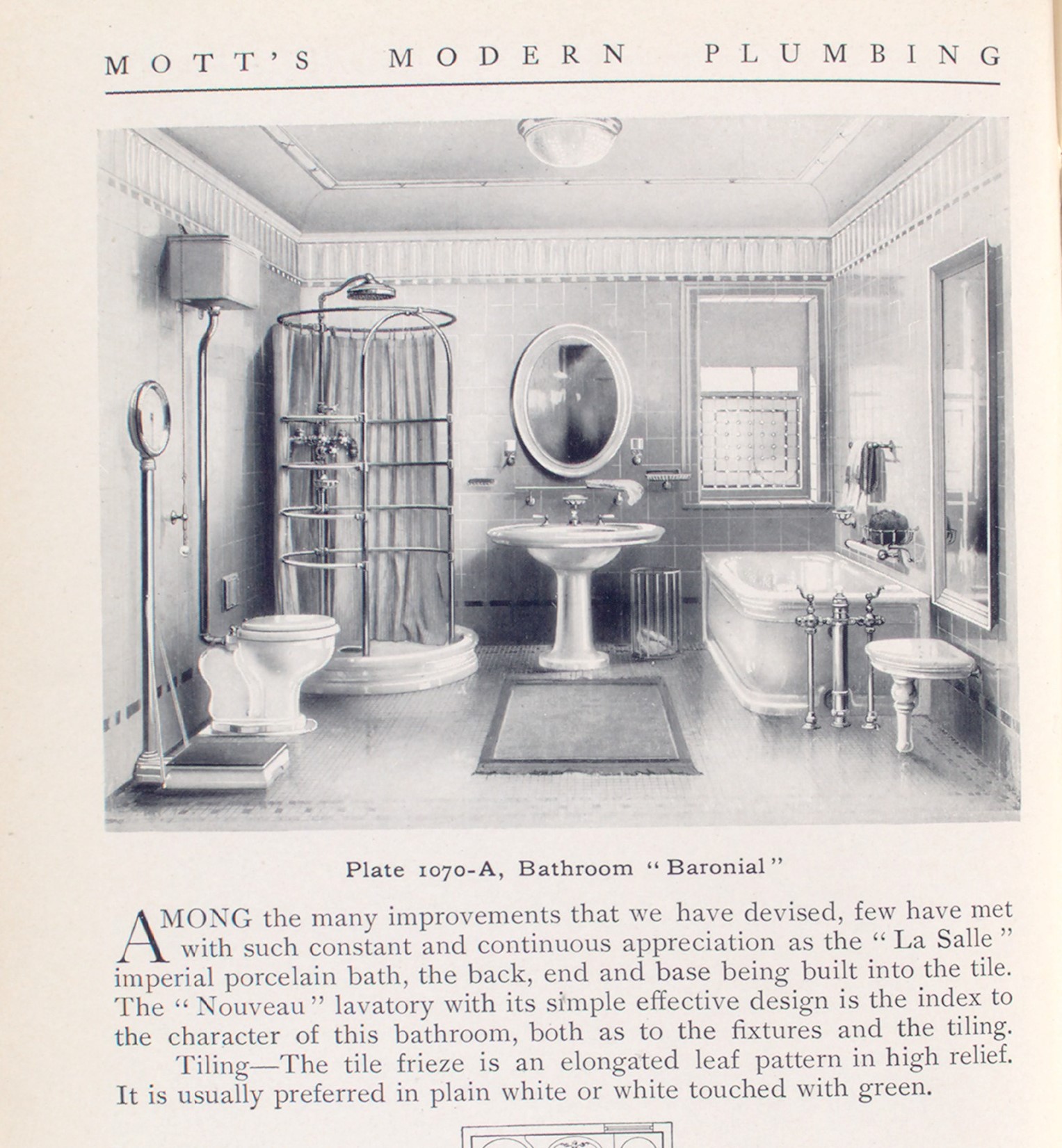
(see 1925 – Crane Jr. expanded his family’s industrial firm, booming throughout the Gilded Age, into a global powerhouse by the 1920s. They manufactured ironworks, cooking stoves, bathroom fixtures product lines.)
Gloucester population was estimated to be 24,478 in 1916 and to increase up to 36,000 in summer. The estimate of residents on the city’s pipe line, “including summer takers”, was 35,000 and water consumption 46.2 gallons per inhabitant (479,370,834 gallons total per day).
One city budget line item for 1916 that became obsolete was (extra) waste removal help.
“DUMPS: The practice of using the nearest vacant lot for the dumping of paper and filth continues; this is often done at night to prevent detection. People should place such materials in barrels or other receptacles and have them removed, as it would prevent a good deal of ill feeling in neighborhoods.
“VAULTS (night soil): Neglect to clean out privy and sink vaults is a common cause of complaint. It is unfortunate that owners of them cannot enter suitable drains, but it not excusable to neglect them until they overflow or emit a foul odor, which vaults are apt to do in the summer months.
Summer residents increased concerns.
“SWILL: “The large quantity of house waste in summer due to the influx of summer population at hotels and the relatively small quantity in winter creates trouble. If all swine could be slaughtered at the end of the vacation season, much trouble would be saved; but, as it is, swill is often not collected in the center of the city in summer and so numerous are the collectors in winter that complaints of swill stealing are frequent. The Board of Health has little power to correct these conditions, as only under a contract system can the collection of house waste be controllable.”
As of 1916, Gloucester residents were still encouraged to fill the public dump on Centennial for a future playground. (A generation later, this repurposed transformation would receive national recognition as a WPA project. See 1930s.) The City’s Plumbing inspector lobbied for a modern sewer. DPW was praised.
“The streets of the city have greatly improved in appearance and cleanliness and the chairman of the highway committee should be highly commended for the great interest he has displayed in street cleaning.”
Mayor John Stoddart reviewing 1916 and a shout out to DPW
Appropriations detail that the Union Water Meter company made waste stops and Arthur G,. Osboro oil and waste; Royal Mfg. Co. waste; Lewis E. Tracy Co, waste
Prince Mahidol of Siam enrolls at Harvard to study public health.
“The Prince, or “Mr. Songkia,” he prefers to be known in this country, has been staying at Gloucester for some weeks.”
read the article: “Brother of King Mahidol…” Boston Globe, September 1916
While studying in Cambridge he stayed in the house where “Robert Lincoln, son of Abraham Lincoln, was living when the news of his father’s assassination was broken to him.” The Prince continued to spend his breaks and summers in Gloucester (Bass Rocks) which inspired his public health thesis.
Scattered throughout Cape Ann, converted outbuildings for art studios likely included outhouses.
“One day we were motoring through Gloucester and, always interested in art, were going from studio to studio to see what the artists were doing and to purchase some pictures for our home on Chebacco Island. We found many of the artists tucked away in dark little lofts, old outhouses, chicken coops, stables, tiny rooms, poorly-lighted and unattractive makeshift places such as one might find in an old-time fishing village–little spaces that had been discarded by the fishermen. We were inconvenienced by the difficulty of seeing the pictures and thought others might be. We felt in this active summer colony there might be many like ourselves who would welcome an opportunity to see what the artists were doing. Here was our chance — beautiful pictures, a leisure public anxious to see them. We would provide the place.’ ”
Emmeline Atwood quote, 1917 Boston Herald article by Gustav Kobbe – about Atwood’s Gallery on the Moors published on the occasion of its 2nd annual season
US Public Health Service illustration example
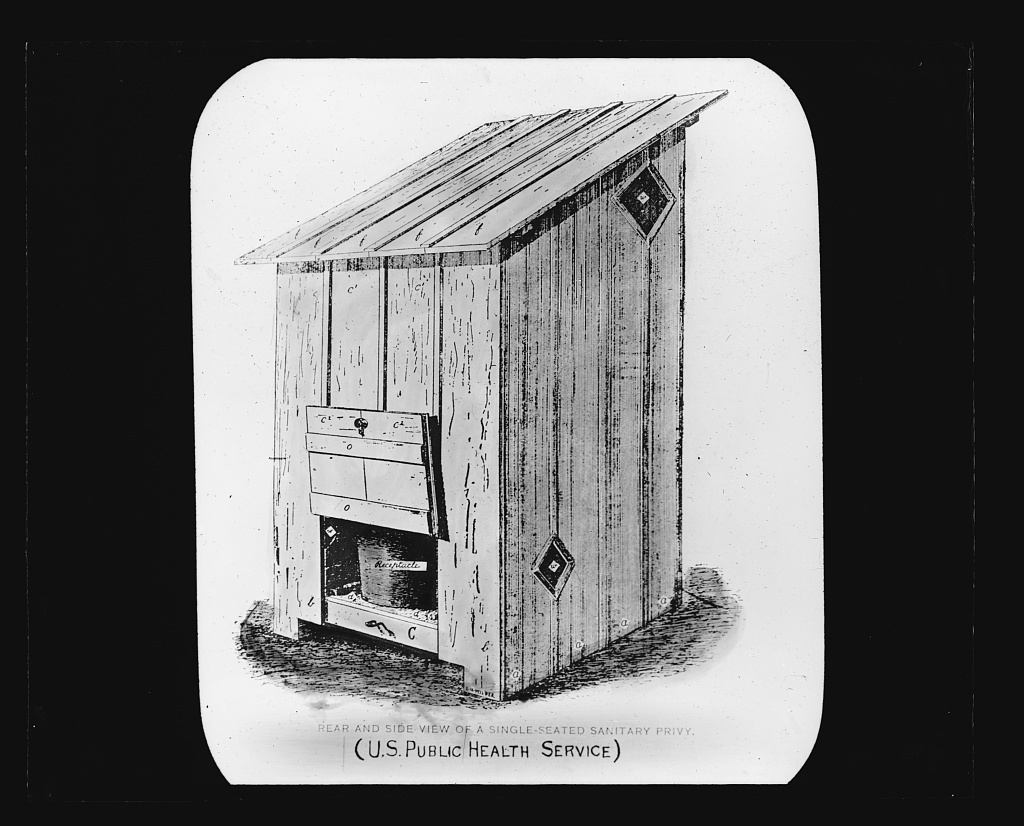
“The most important matter that this city faces in the immediate future is the question of sewerage. The action of one of the leading fishing firms of the city, who own a large part of the business water front, in notifying all persons who have had the privilege of the use of their docks for sewerage, that such privileges will cease within five years, will undoubtedly be followed by similar action by the owners of every other dock in the city. This action was to be expected, and the wonder is that it has not been taken before. But such action brings to a head the question of what Gloucester and its inhabitants who have had such privileges so long, will do, and that question can only be answered by saying that Gloucester will now have to do something that it can no longer delay. Five years will quickly pass, and before that time something tangible will have to happen. It is a big question, the question that involves the expenditure of a large amount of money, and requires far-sighted action.”
Mayor Brown
“We must meet this sewerage question this year. I recommend that an entrance fee of $1 per front foot on all property on the line of any public sewer be collected and used for the extension of sewerage, or for the payment of the interest on a sewer loan. This should give us perhaps $15,000 for this purpose this year. But no sewerage plan which does not provide for the cleaning of the dead water of our inner harbor should be considered. This is a growing menace to our health, and to our future as as summer resort, for in July and August our inner harbor is filthy. I am glad to say that one of our summer residents, a man of great wealth and knowledge, has written me a fine letter of congratulations on my election and offered his assistance in working out a plan without much cost to the city. I have great hopes of something good from this. ”
Mayor
“Sanitary Survey of the City of Gloucester, Massachusetts”, 1921 by M. Songkla | Prince Mahidol
He concluded the city’s sewer management and all those outhouses very much still in use were the primary source of disease, not summer residents and tourists.
See Sarah Dunlap’s research, Gloucester Archives, to learn more about Prince Mahidol.
“He himself went to many schools to survey their heating, food, health and toilet facilities, — he went to the Lane, Sawyer, Collins, Western Avenue (Parsons) schools and the High School at the time (the brick building just across the street), and he went to the Haskell Reservoir in West Gloucester. He also brought in his personal knowledge from staying in East Gloucester hotels and the Sherman and Way cottages in East Gloucester…
“He had photographs of the sewer outfalls into the ocean, including one from the Bass Rocks Hotels that flowed into the ocean just below the Sherman and Way cottages, where the Siamese legation often stayed. In downtown, outfalls were at docks in the inner harbor. And he not only described the existing system and numerous problems in public health, but he had recommendations for solutions to each problem.”
Sarah Dunlap on Mahidol’s thesis, 2016
See also Harvard, T. H. Chan School of Public Health, Preserving Thai History the King of Thailand Birthplace Foundation, Harvard Medical School. Celebrating the legacy of His Royal Highness Prince Mahidol of Songkla: a century of progress in public health and medicine in Thailand, 2016.
And “Celebrating Thailand Father of Public Health and Modern Medicine”
“PLAN FOR CLEANSING WATER MEETS OPPOSTION
The Municipal Council was well filled last night by persons from the East Gloucester section interested in the hearing relative to the petition of John L. Lorie and others that a tide runway be cut from Smith’s Cove at Rocky Neck, connecting with the outer harbor at Wonson’s Cove. Mr. Lowrie, in advocacy of the project said that the matter was one which had agitated the people of the locality for many years. they thought if the proposed cut were made it would cleanse the stagnant waters and materially clean up the waters which had become polluted by fish offal and sewage. Since the fish business had left the locality the place had become a Summer colony and something should be done to remedy the situation. In response to his request about a dozen people arose who favored the proposition. Carle T. Tucker, Nathan McLeod, Capt. David F. Mehlman, assistant city marshal, and others, property owners on the other side, opposed the plan. Mr. Tucker said that in the event of such a sluiceway being constructed the sewage and offal would run into the outer harbor and be deposited on the rocks where the summer residents congregate and spoil the place for bathing purposes. It was the only beach in the locality and should be preserved in a cleanly condition. Capt. Mehlman said he had rowed to and fro on the place through the harbor on his way to the Police Station for 40 years and thought he had a a knowledge of conditions. He strongly opposed the proposition which would convert the only white sand beach in the locality used for bathing into a muck deposit. Deputy collector of Customs Albert H. McKenazie, a property owner in the locality, Mr. Brown, whose wife owns a tea house, and Nathan McLeod, owner of a summer hotel, opposed the proposition. A letter was received from George O. Stacy strongly condemning the plan and stating that if it were undertaken he would oppose it by litigation…”
Boston Globe, 1924
Dr. Kelly Blames Gloucester sewage.
“It is the odor caused by poor sewerage, not the odor of fish that drives summer residents from Gloucester,” said Dr. Eugene R. Kelley, State Commissioner of Public Health (For more about Kelley see 1918 Flu Pandemic), before the Legislative Committee on Public Health, appearing for his department relative to the question of the disposal of the sewage of Gloucester. “This is purely a local matter and a matter which must be attended to immediately,” he added. Dr. Kelley said that Gloucester had the worst waterfront conditions of any city or town in the Commonwealth. “Gloucester is a great food center advertises cleanliness,” he said. “how can Gloucester continue such advertising with sanitary conditions as they are?” N.N. Goodnough, chief engineer of the State Department of Public Health, said that tests had been made of the currents and tides about Gloucester Harbor and conditions were found to be satisfactory. He added that he felt this was an immediate necessity and would cost about $331,000. Alden Roberts, official representative of Gloucester; Carl Philips, President of the Gloucester Chamber of Commerce; William J. McGinnis, ex-Mayor; Alderman Smith and Representative John Thomas also spoke in favor of the bill. There was no opposition.”
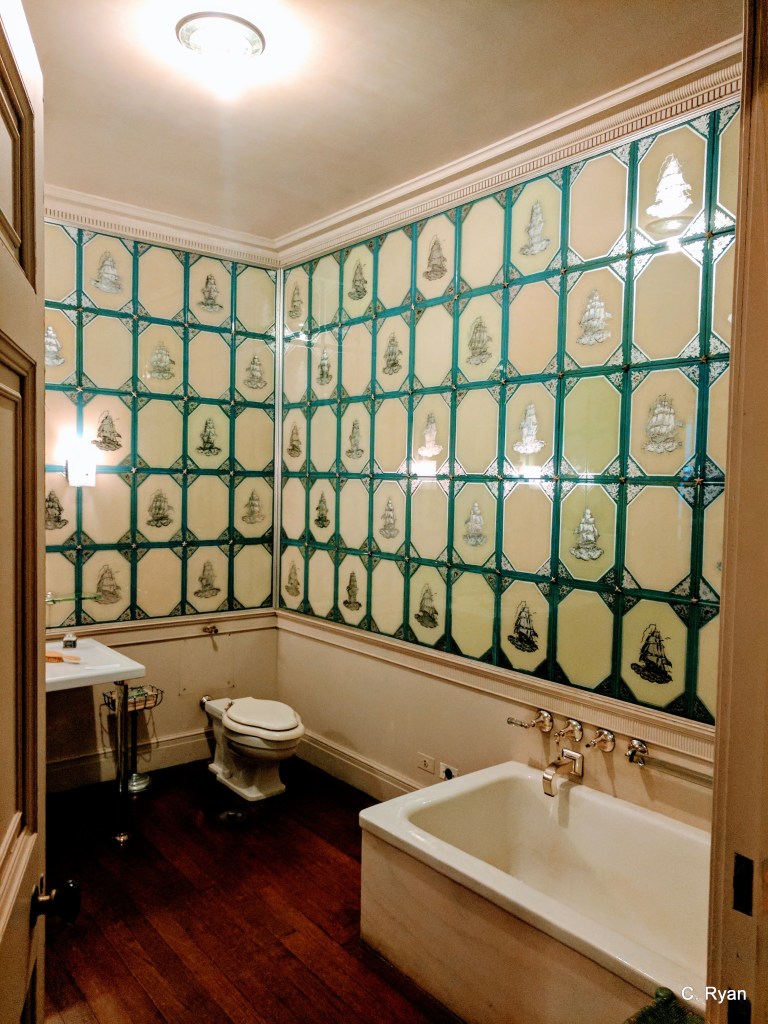
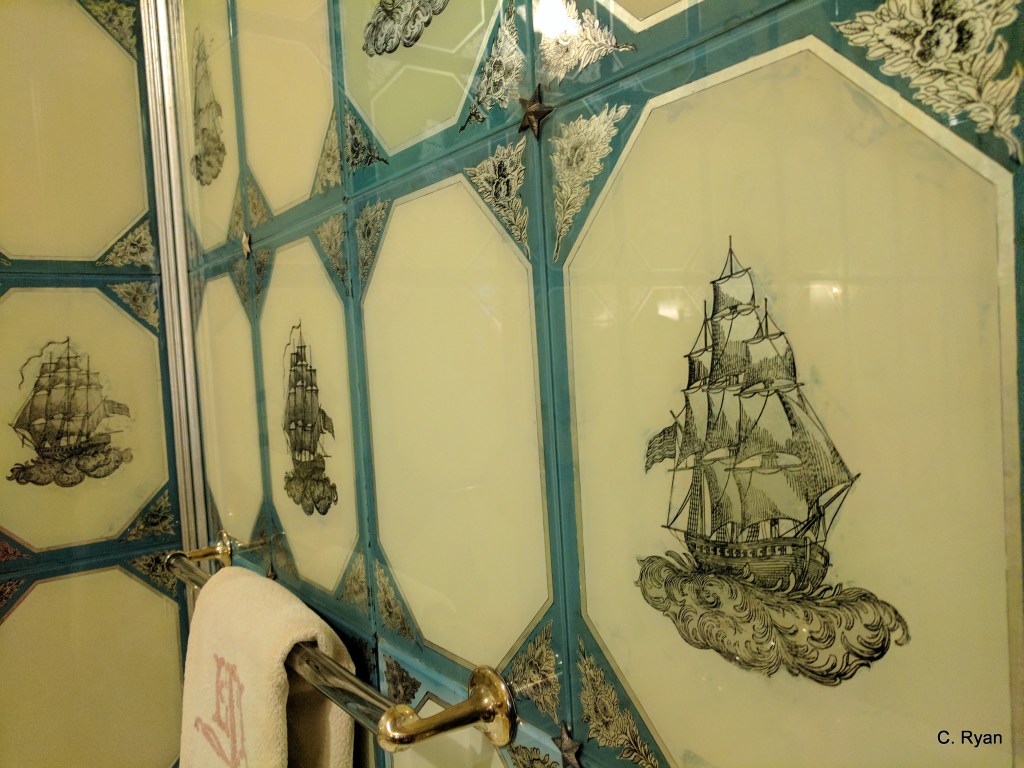
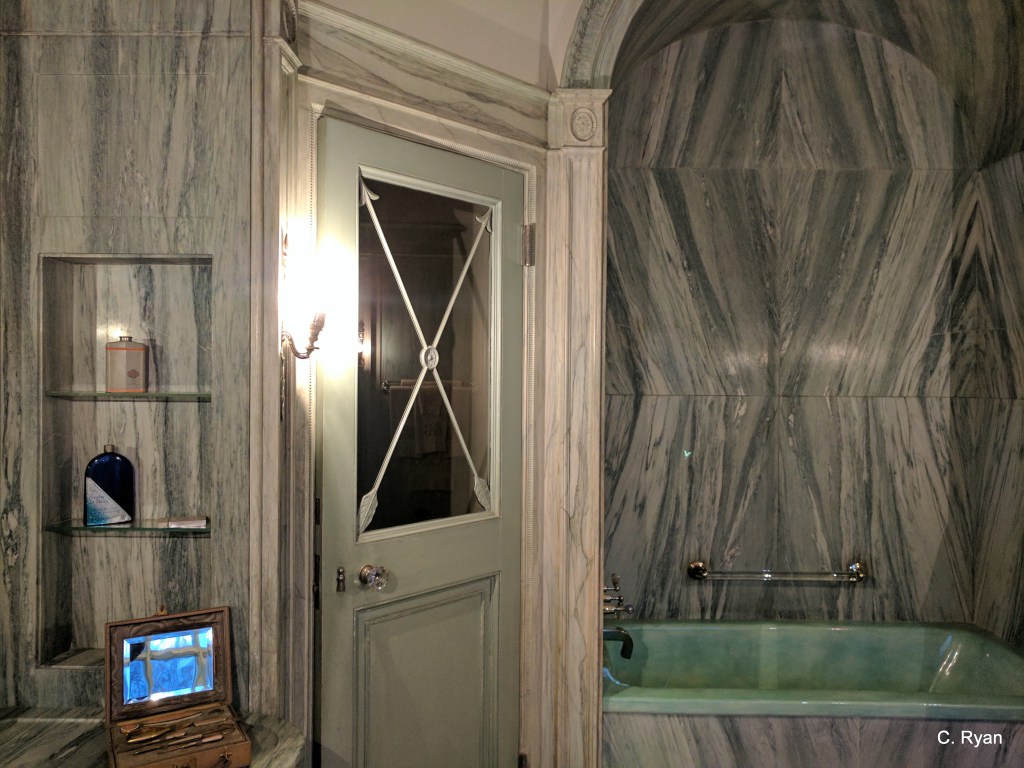
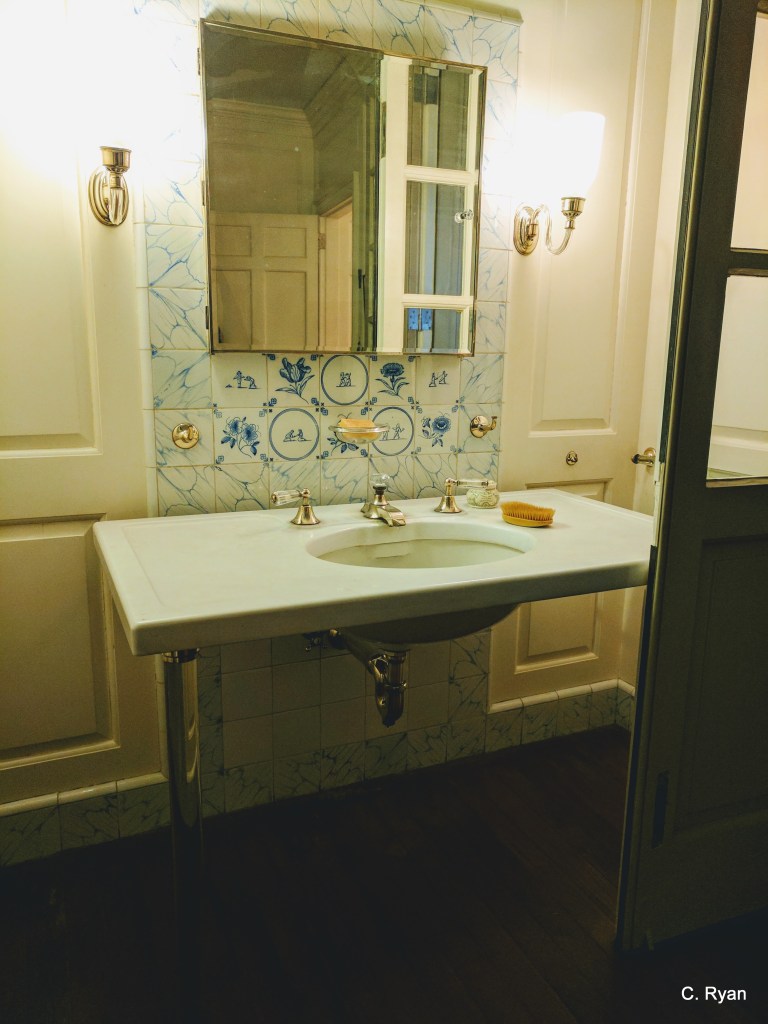
Richard Crane (1832-1912) was born in New Jersey and working at the age of 10 to support his family after his father died. In his twenties, he made his way to an uncle in Chicago and set up a small contracting outfit. His younger brother joined him and they cofounded Crane Bros. They manufactured plumbing fittings, expanding the product line and reincorporating as they grew into a major American company. The estate and business was passed to Richard’s heirs, the two sons, Charles and Richard, who fought over the helm. The Trustees attempted to settle the matter by voting the eldest to lead, Charles, who agreed. Richard did not. The litigation that ensued was not drawn out. Within a couple of years, the younger brother bought the older one out.
Richard Crane, Jr., took the company global. Florence Higinbotham and Richard Jr. were married in 1904. (Her father cofounded Marshall Field & Co.) Legend “blames” Florence for the stunning Crane estate we see today, designed by architect David Adler. Florence, so the story goes, loathed the presumably equally stunning 60 room Italianate style of the first mansion. Her husband promised to rebuild it for her if she felt the same way in 10 years. Conveniently for the global leader in convenience designs, she did. The new one featured Crane’s modern bathroom and systems designs.


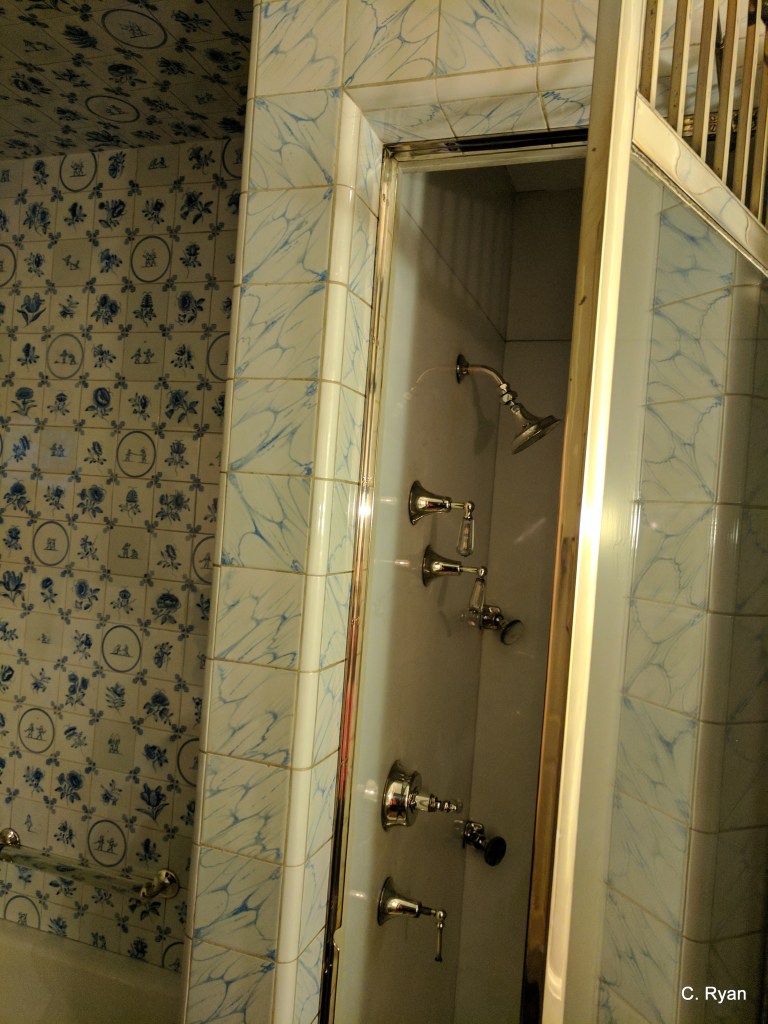
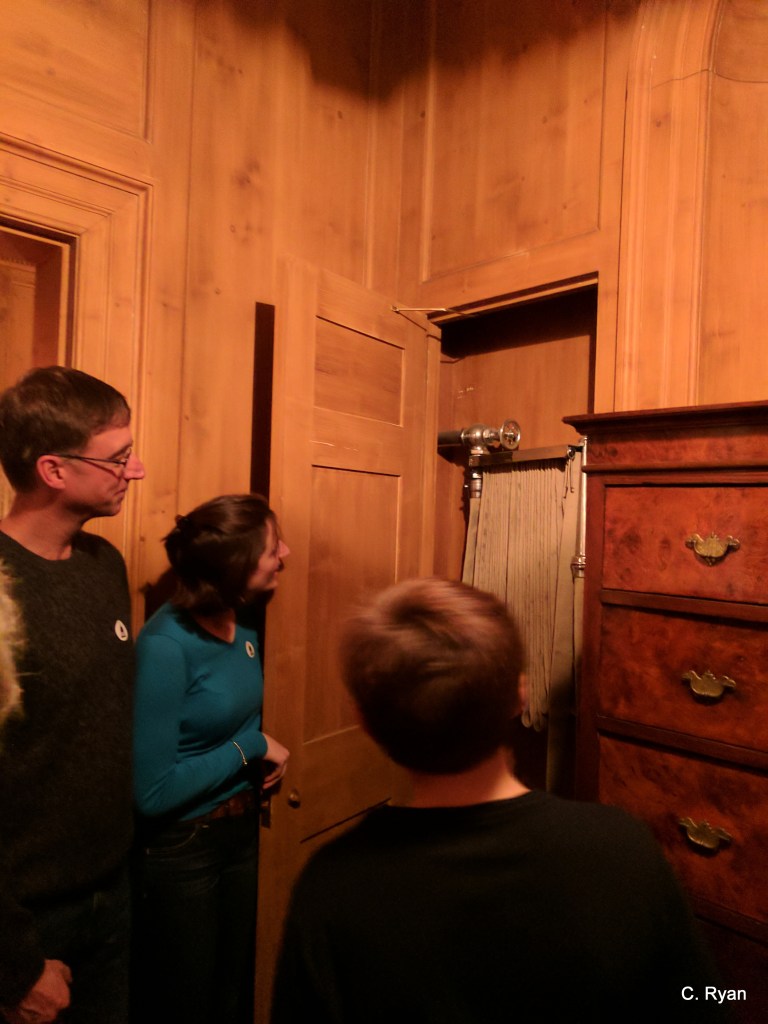
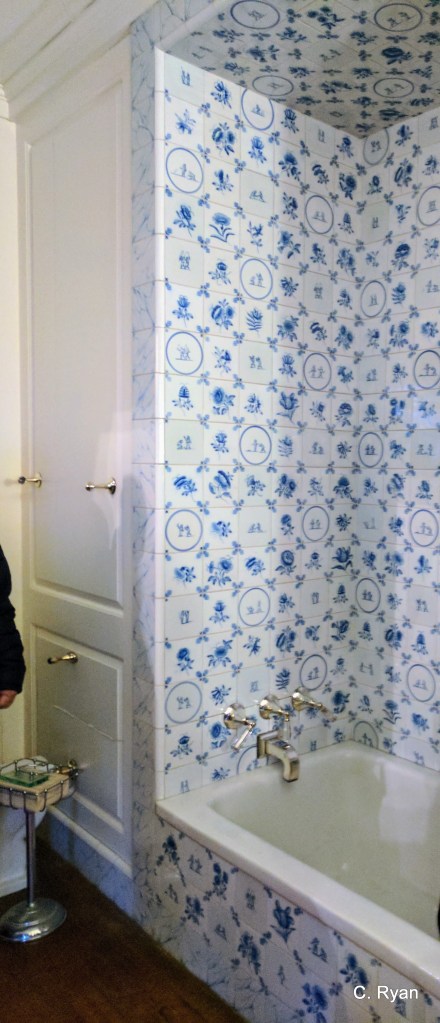


Eastern Point: Smith Cottage Sewer Plan Menace to Health | Complaint by Archbishop Against Site Near St. Peter’s Chapel
GLOUCESTER, March 29- The controversy that arose last Fall between the Eastern Point Summer colony and Arthur W. and Herbert E. Smith who seek to build 45 small cottages on their property at Eastern Point came up today before Starr Parsons of Lynn, appointed by the court as master. This case, fought out in the Municipal Council last Fall, involving personages of prominence, attracted widespread notice. The bill of complaint was filed by the Roman Catholic Archbishop of Boston against the Smith brothers to prevent the building of the camps and to cause the removal of a tea house, dance hall and roadside stand already erected under a permit from the Municipal Council. Dist. Atty. Fred H. Tarr and Henry V. Cunningham of Boston were the lead counsel assembled for the objectors and Carlton H. Parsons and Dist. Atty. William G. Clark Jr. appeared for the Smith brothers.
The morning was spent in an inspection of the premises at Eastern Point. The first witness of the afternoon was Arthur W. Smith, who testified as to the general construction of the camps and especially the method of sewage disposal, either by septic tanks or cesspools.
Prof. George E. Russell of MIT testified that the terrain at Eastern Point is rocky and ledgy, covered with pulverized and rotten granite with a slight topping of humus, and that neither septic tanks nor any forms of underground sewage disposal were feasible by nature of the soil but would create a menace to health.
A regular water-flushed sewerage system to the sea would be prohibitive in cost, from $10,000-$100,000.
Prof. M.P. Harwood of MIT corroborated Prof. Russell’s testimony.
The proposed site of the cottages is Farrington Ave near St. Peter’s Roman Catholic Chapel (St. Anthony’s) built by Mrs. Margaret E. Farrell of Albany, one of the wealthiest owners of show places at Eastern Point.”
Boston Globe March 1928

Margaret Ruth Brady Farrell (1872–1944) was not in Gloucester in 1928, in case you’re wondering why her philanthropy and voice were missing. Margaret married James Charles Farrell. Their primary residence was Albany. Her famous financier father, Anthony N. Brady, was born in France to Irish parents, “practically penniless”. At the time of his death in 1913 the magnate had amassed a great fortune estimated to be worth 100 million, “one of the few men in New York State whose fortune was discovered to have been much greater than the estimates made of his riches when he was alive.” Their philanthropy in Gloucester may have been greater but tragedy kept them away. Although the estate was split equally, some of her siblings fought bitterly and long. Margaret likely had no energy or inclination for objections, nor held the reins. The year before her father died, four of their family died in a train wreck, burned alive. Her sister. Her sister-in-law. Two aunts. Her husband died in 1918.
There are examples of land preservation, but featuring a watershed in 1931? Isn’t it wonderful!


By 1938, W.P.A. workers (Massachusetts) laid close to 200 miles of new water mains and even more miles of new sewers. They built 15 new sewage disposal plants, thousands of manholes and culverts, tens of thousands of roadside ditches & culverts, and miles of curbing.
excerpt from the official guide book to “A Century of Progress International Exposition in 1934, the World’s Fair at Chicago” The guide book
“contains the fullest and most accurate information possible for the purpose of directing our visitors how to find everything in the Exposition and how to make use of the Exposition’s facilities for their comfort and convenience.
“Crane Co. Station 134 had its own pavilion Display of bathroom fixtures and plumbing, also the “World’s Largest Shower”—Crane Co. Station. Home and Industrial Arts Group.
“A 45-FOOT SHOWER bath is a refreshing attraction. The shower is a giant reproduction of the company’s shower bath equipment. At the base of the tower is seen, in contrast, a bathroom used in 1893. Here, also, is seen a modern, de luxe bathroom. Display of antique and historical plumbing fixtures includes a “chaise longue” French bath tub of 100 years ago, a French lavatory 150 years old, a bath tub shaped like a hat that was in vogue in this country after the war between the states, and a bath tub of the type used by Queen Victoria in England.”
“Home and Industrial Arts Group. The NEW possibilities of the ideal small house are demonstrated at the Exposition in the Home and Industrial Arts section , by a group of completely finished, furnished and equipped homes, ready to live in. The new methods of building with new materials and with prefabricated units for rapidity and economy of construction are shown.”
1933-34 “Century of Progress” Chicago World’s Fair

Selection of Gloucester scenes with outhouses by various artists: Dennis Miller Bunker; Charles Burchfield; Stuart Davis; James Jeffrey Grant; Emil Gruppe; Edward Hopper; Max Kuehne; William Lester Stevens; Paul Bough Travis; Louise Woodroofe.
Artists and photographers cropped outhouses out.
Let me know if there’s a favorite you’d like to add. Once you notice them, you’ll find more.
Reminder: You can pinch and zoom to enlarge (and select “full size” image if that option shows)
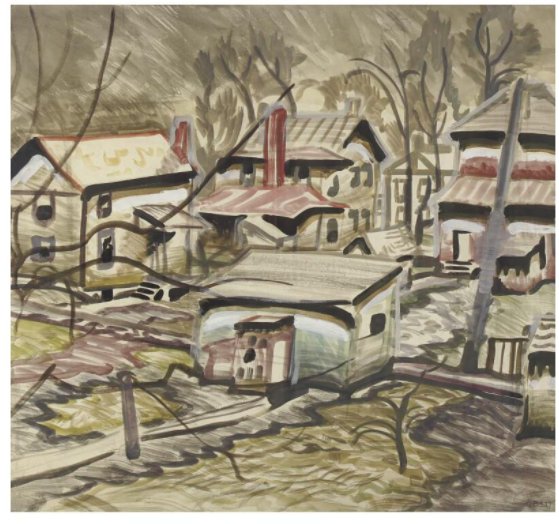




Edward Hopper included outhouses in numerous Gloucester vistas. Hopper depicted buildings and worked with watercolor and gouache long before his renowned first sell out show of Gloucester images in the 1920s.
The Whitney Museum of American Art has the largest collection of Edward Hopper art. This small watercolor study the museum dates circa 1900 contains germs of his later work. There is an elusive building, or nestled buildings, front and center. Strong shadows are emphasized. Is the shed attached or not? An entrance, a ticket booth, an outhouse? Is that a circus tent flag squiggle? The pencil line beyond the vertical street light (or railroad signal) might be a train track. Further right, there’s a red dab. Perhaps another structure. The window with yellow has a barn vibe. I did think about the scene in Butch Cassidy and the Sundance Kid when Katherine Ross looks down from a hay loft to catch the Paul Newman riding a bike for the Raindrops Keep Falling on My Head show.
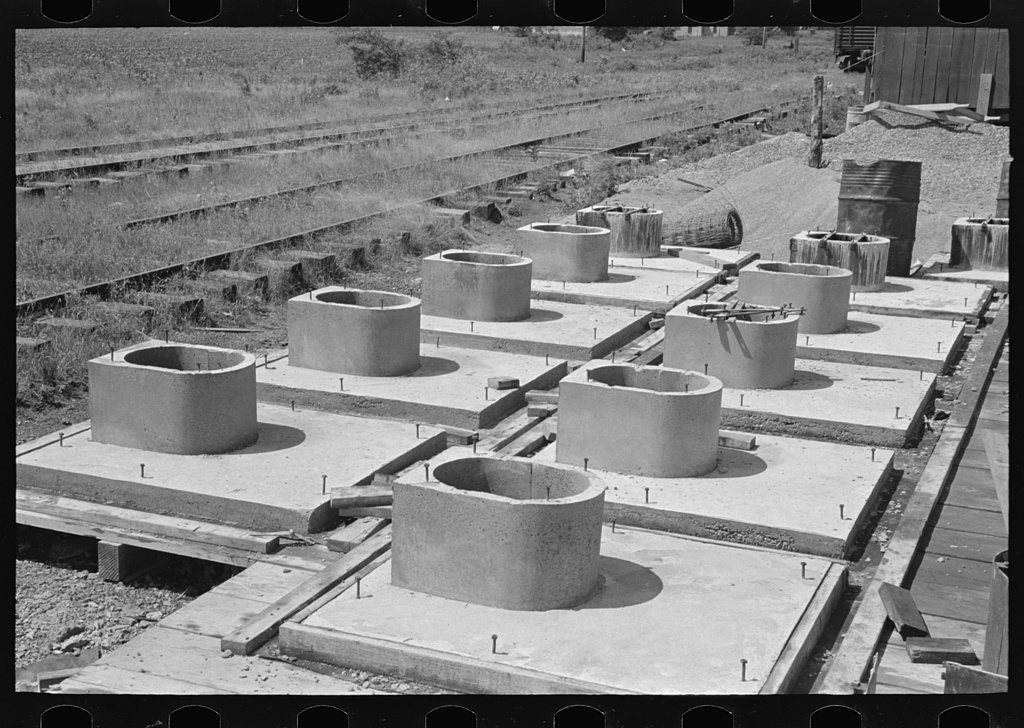
photographs outhouses across America – Library of Congress
photographs Indoor bathrooms residential and public – New York Public Library
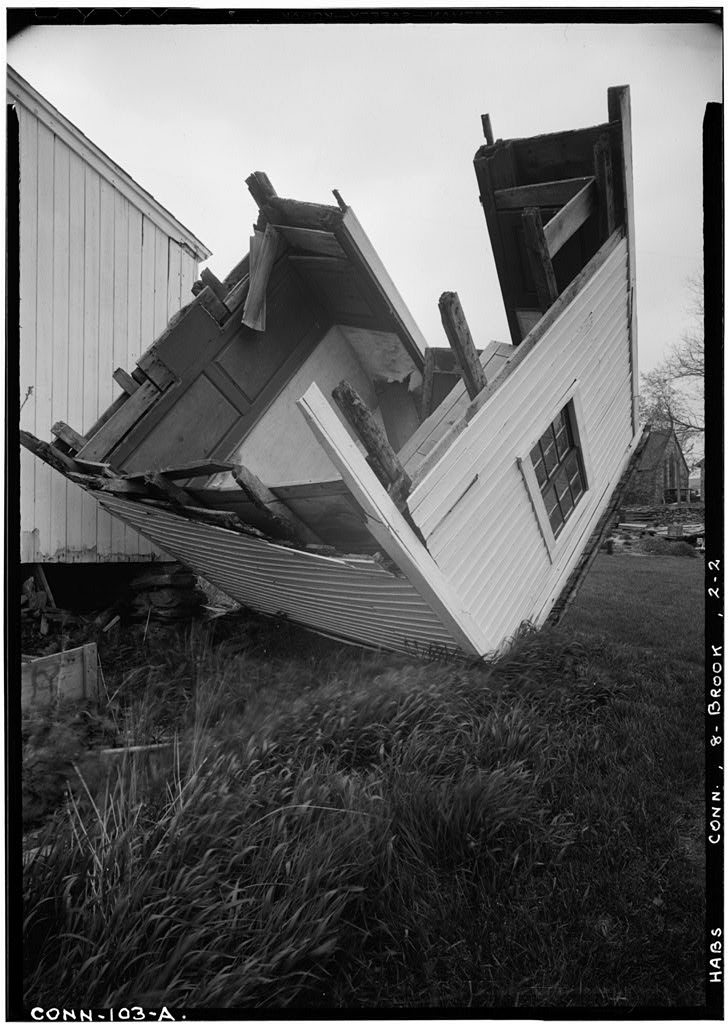
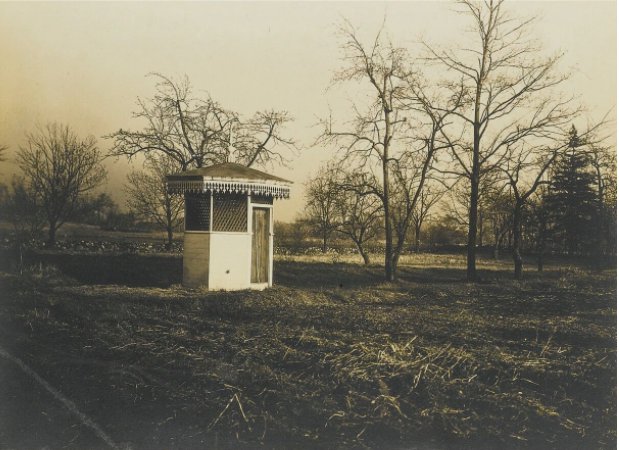
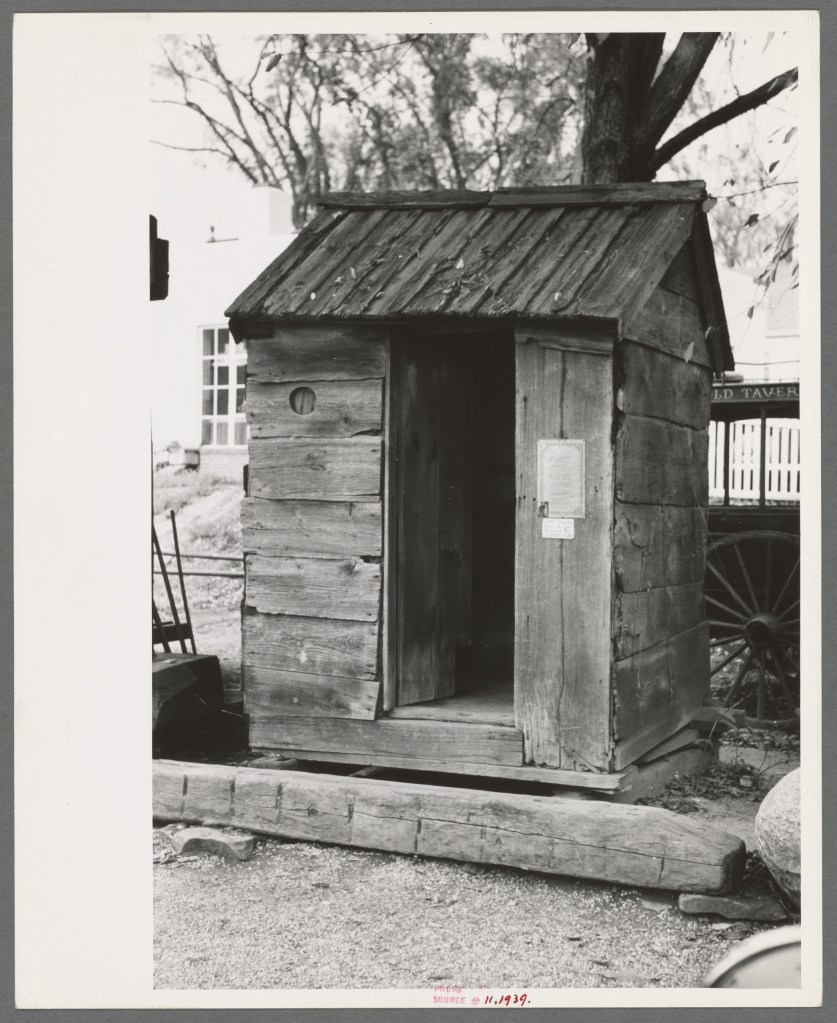

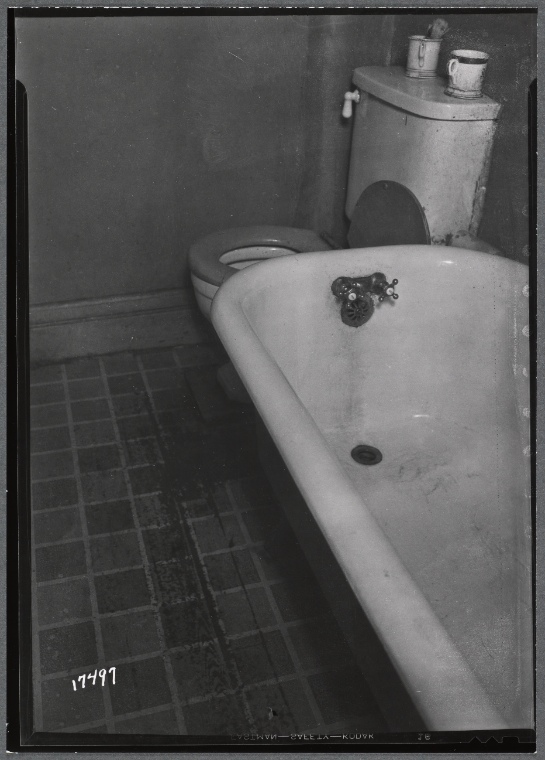
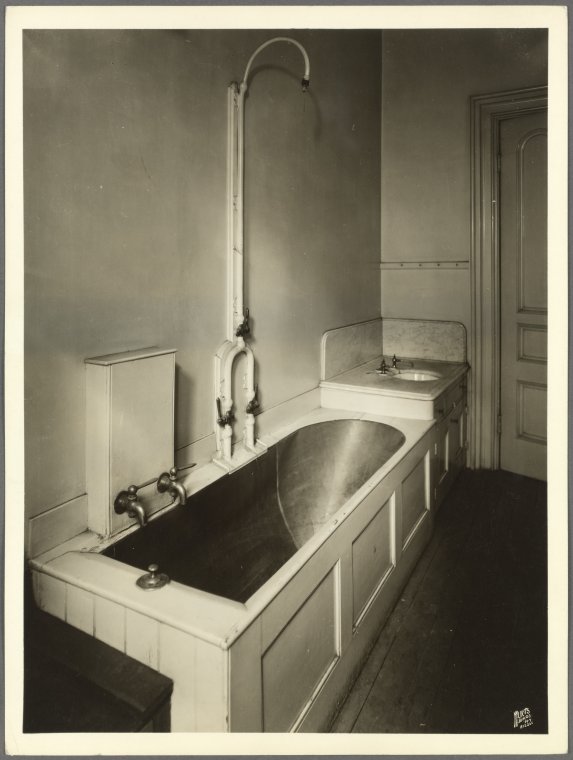
Leave it to Mabel Dwight for a humorous and original take, Backyard, 1938 WPA/FAP lithograph. Outhouses were shared; doors were left open. Rear window… (last pun!)

Boston Globe North Shore News- “Town Sewage Problems Pose Threat to Beaches” by Anthony Romano –
“Is pollution posing a threat to the recreational facilities of the North Shore’s coastal communities? Local officials from Marblehead to Gloucester thinks so–as evidenced by the closing of beaches at various times during the past few years because of sewage carried shoreward by winds and tides. The possible corrective solution rests with the Legislature which has been asked for an appropriation of $15,000 to investigate and study the pollution problems in the affected harbors and tributaries. There is considerable anxiety among North Shore officials who point out that conditions will worsen with each passing year because of the increasing influx of industries and new residents.”
Litter and parties – Read Crackdown at the quarries
The Federal government sued Gloucester for dumping raw sewage. Before it was celebrate Gloucester Harbor it was clean it. Read more about the gains 1970s and 1980s.


Dedicated to George P. Riley
In 2019, Mike Hale, Director of Public Works, explained that this diaper wipe fatberg issue was not a crisis here as it was in the municipalities featured in the viral London video.
During the pandemic, stories increased about sewers clogged by even more wipes, protective wear and disposable masks. Again that was not overly remarkable here.
My grandparents never wanted a dishwasher. They collected the food scraps (all the wet garbage) by the sink until they tossed it outdoors in the backyard garbage pail. A metal bin was inlaid underground roughly in line with a flagstone path. The heavy cover was raised with firm stomp on a foot pedal, a novel chore for us because our home did not have one. I don’t remember it smelling, but it was just the two of them. The garbage collectors took care of pick ups from there. My husband’s grandparents raised pigs, so it was direct deposit there.


Author Note related to original question from GMG reader
*What’s in a name? I’m perplexed about a convivial nickname for “those on Cape Ann” myself. Cape Anners, Cape Ann-ites, other capers? Nope. Nope. Nope. I’m told Cape Cod natives may say “islanders”, though I’ve never heard that from my relations there. Maybe it’s Massachusetts? Massachusetts-ite is so awkward. Bay Stater- a marketing stretch too far. Bostonian works!

 Good Morning Gloucester