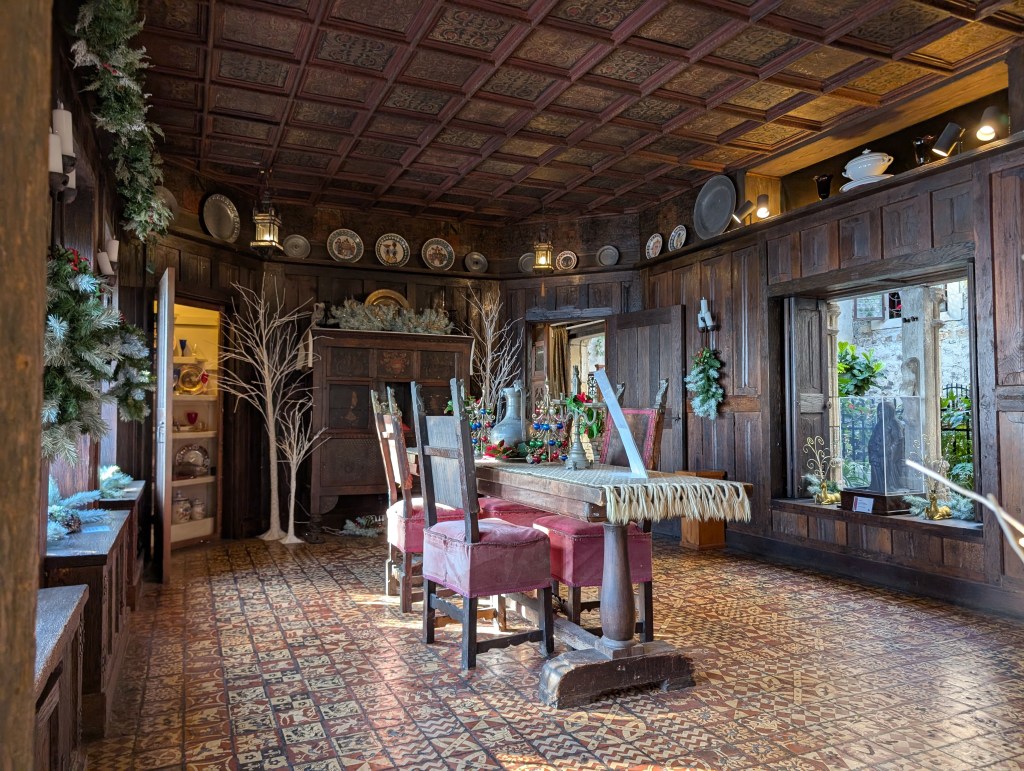
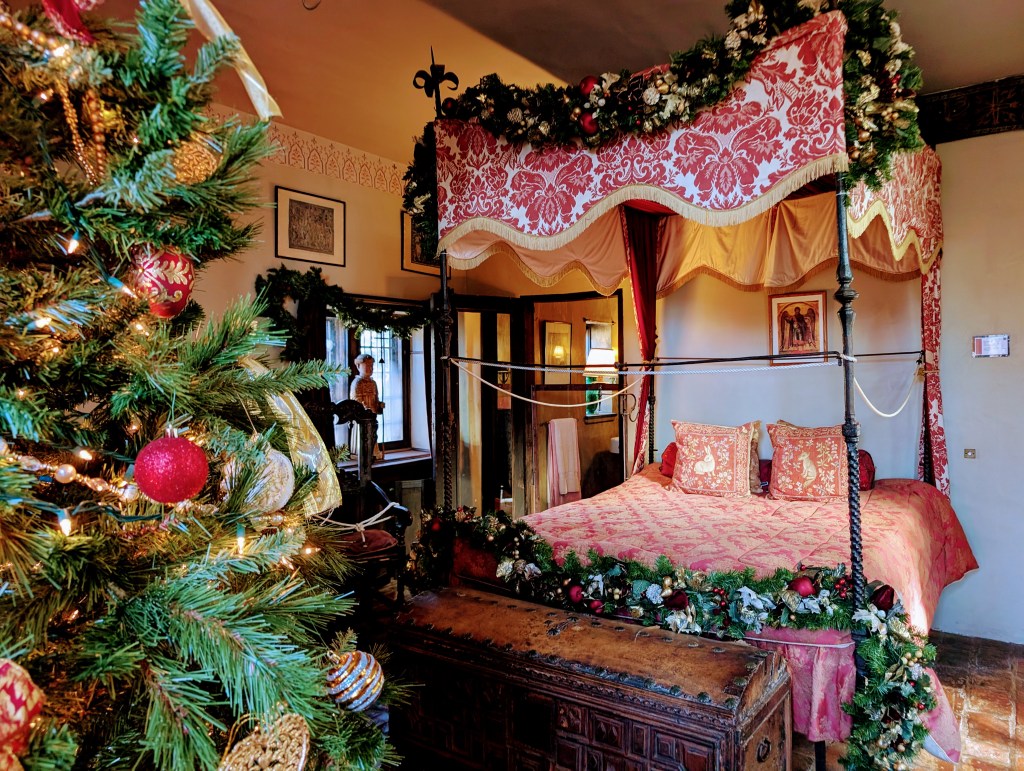
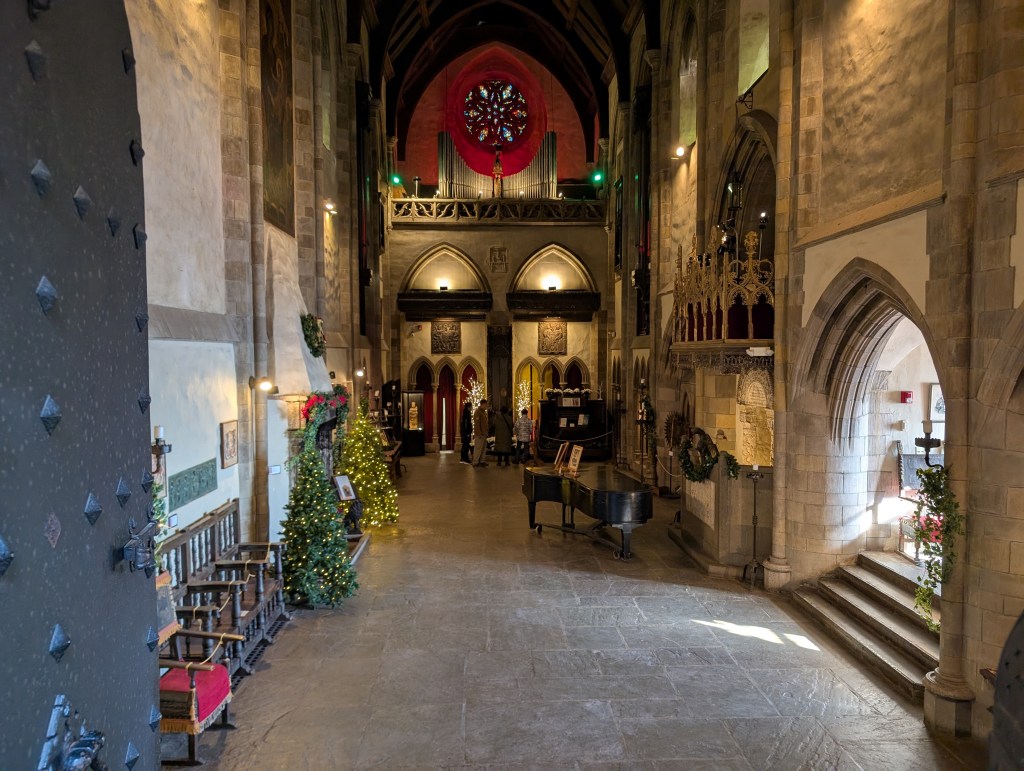
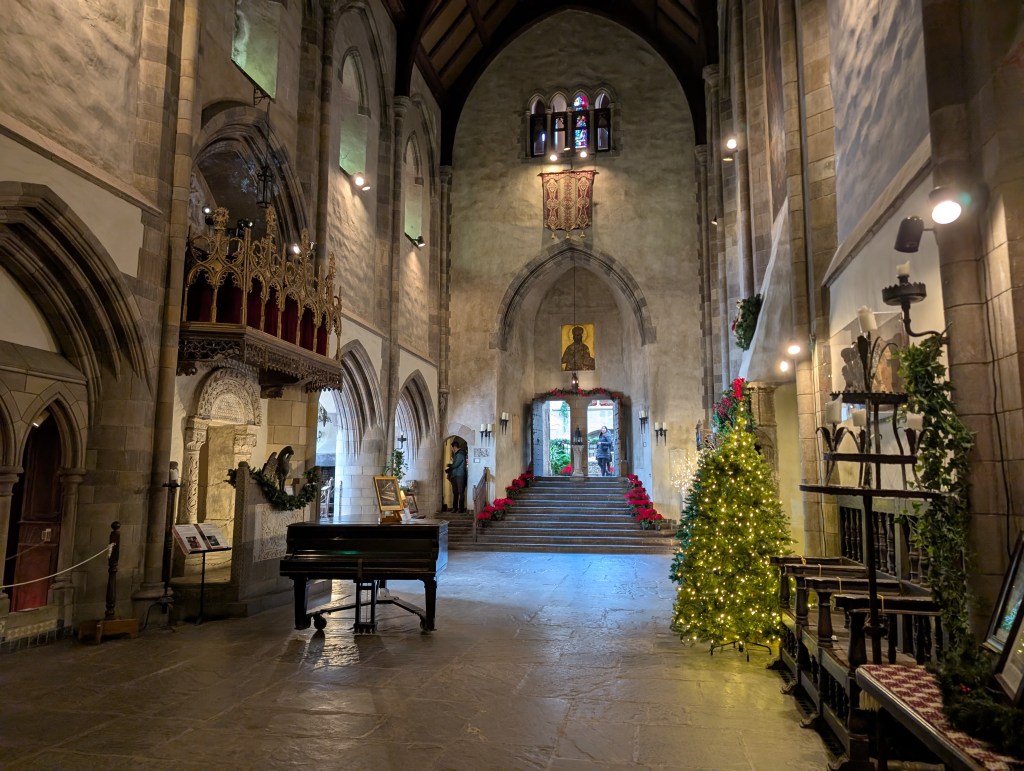
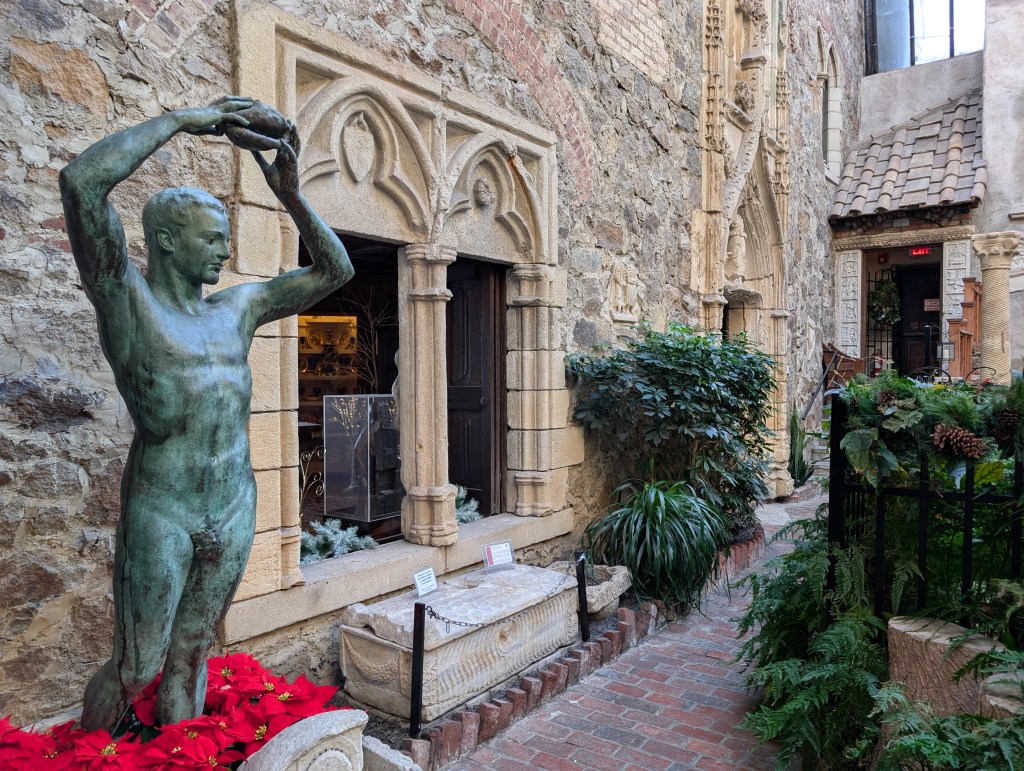
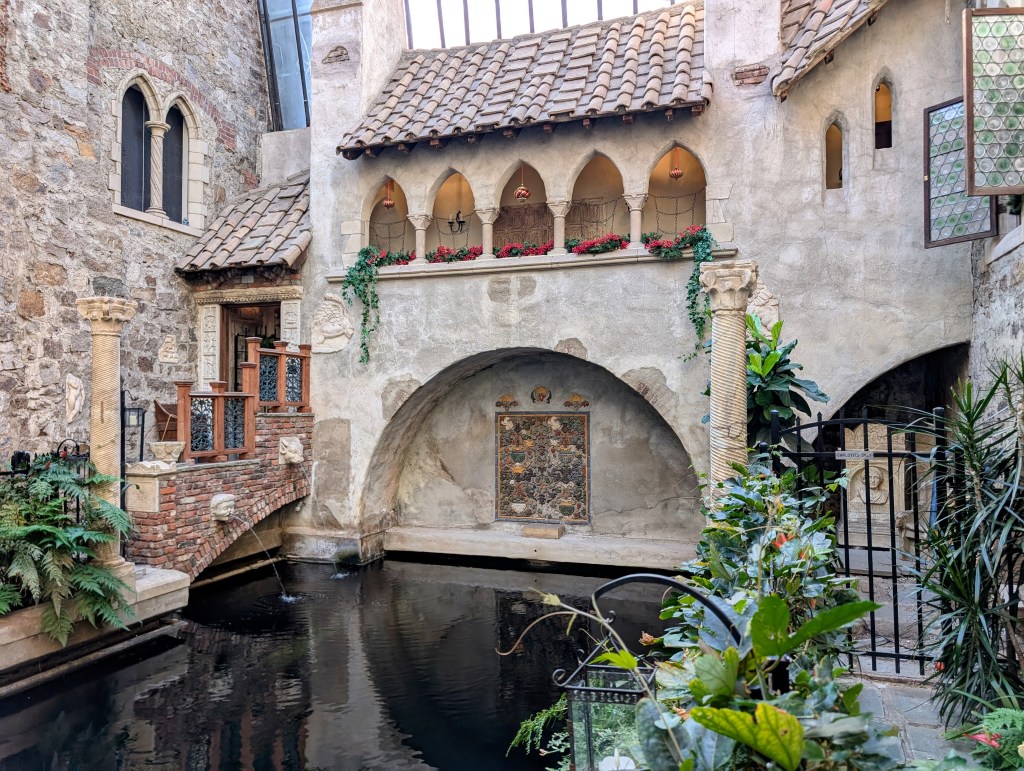
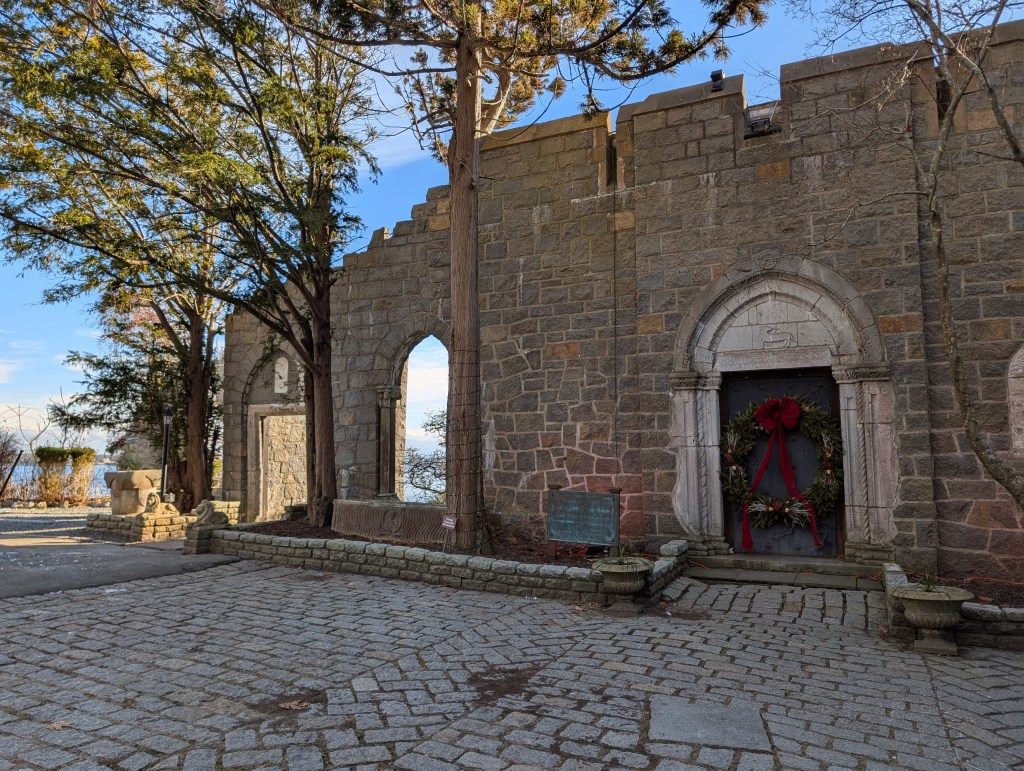
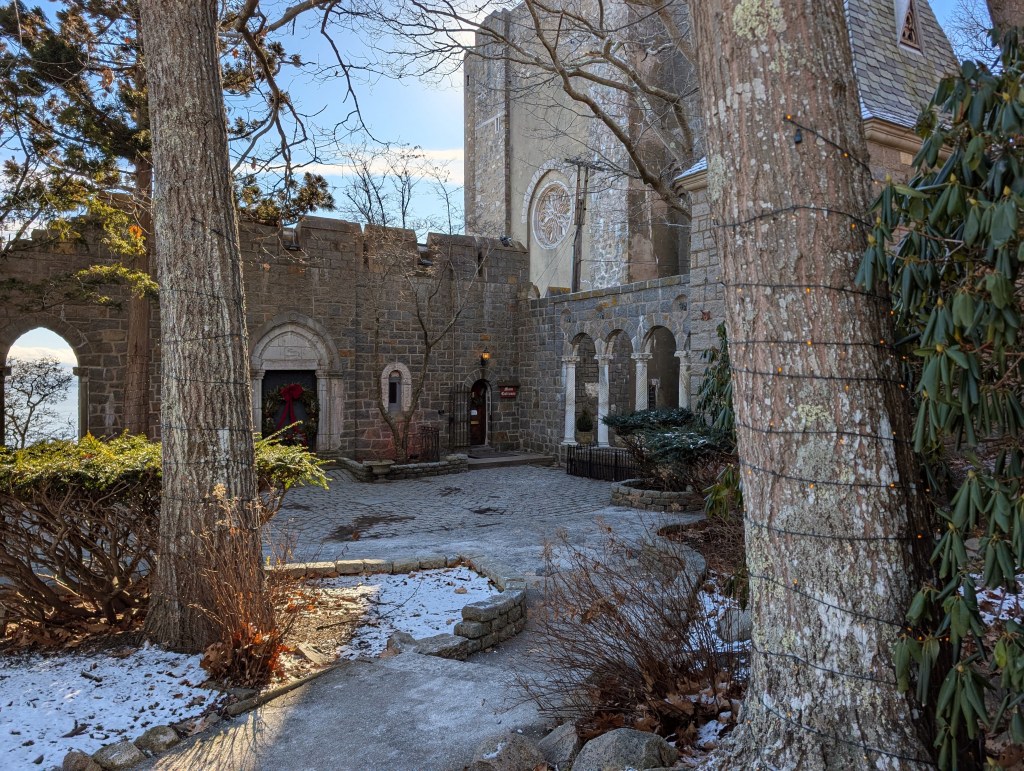
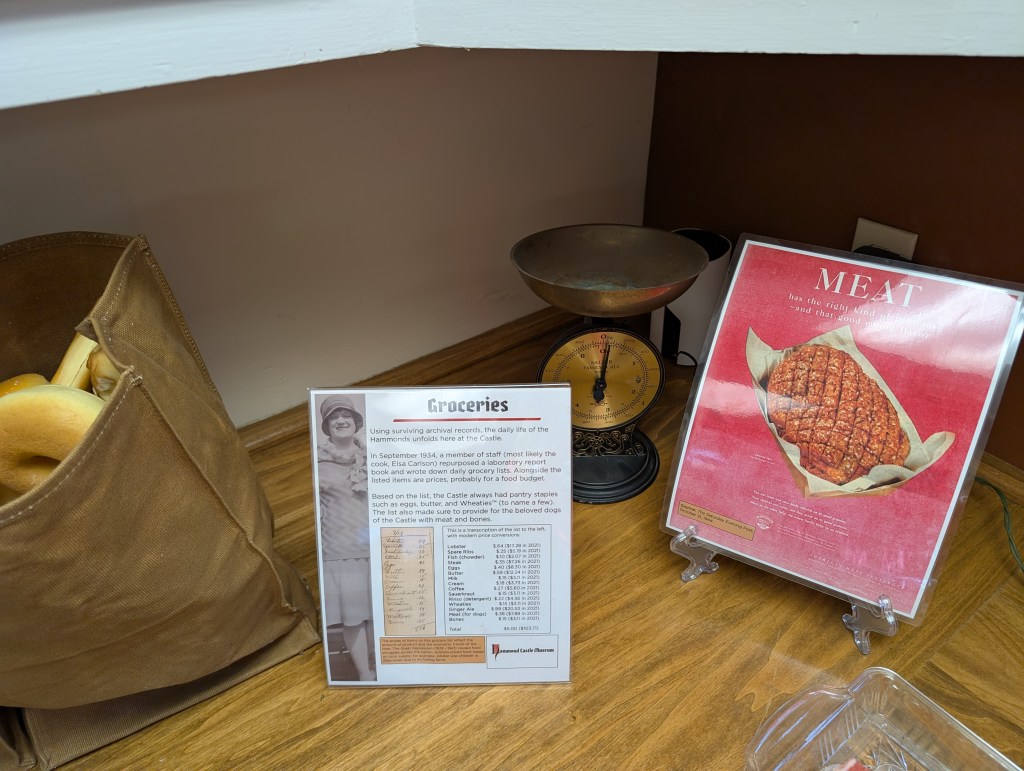
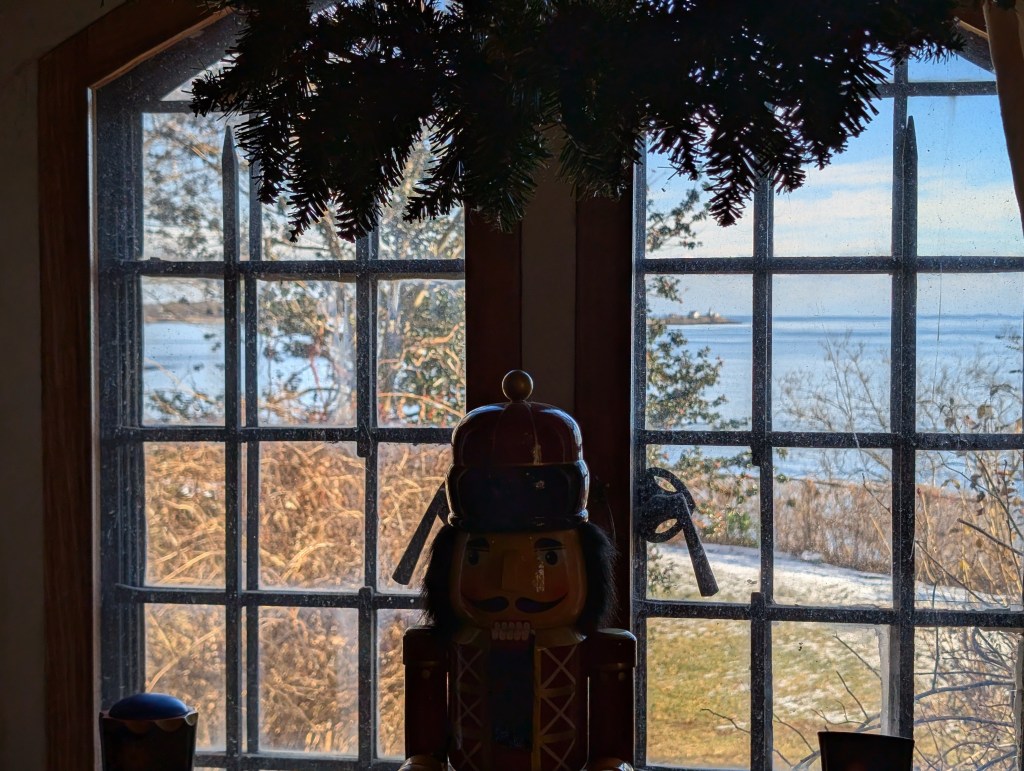
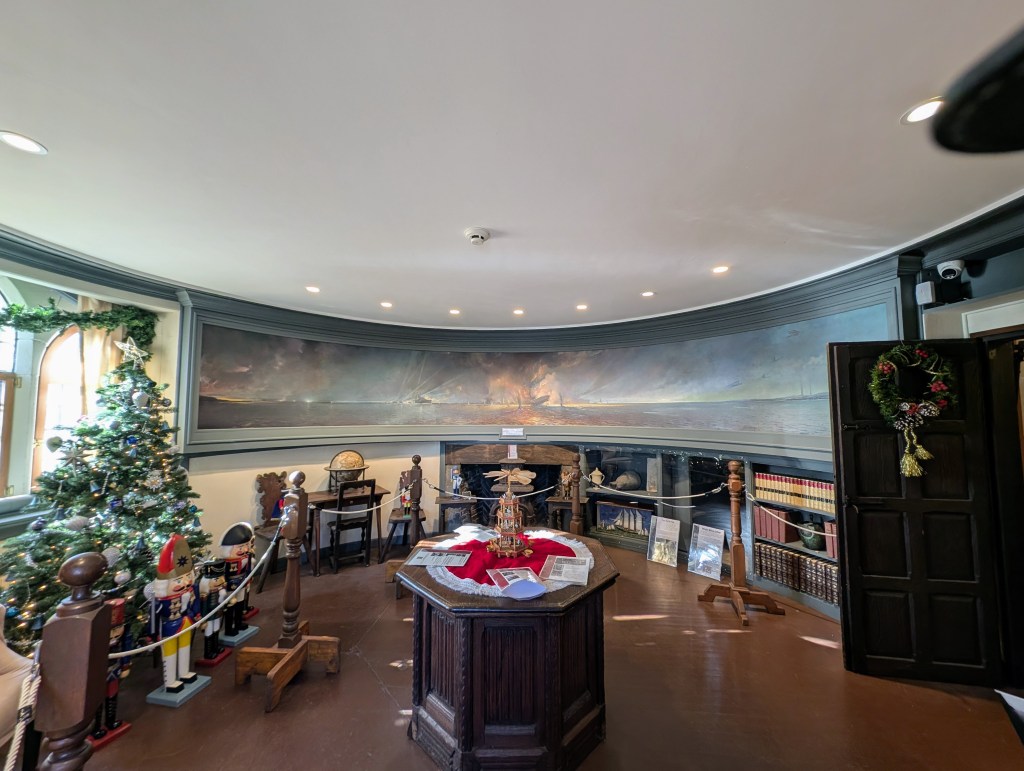
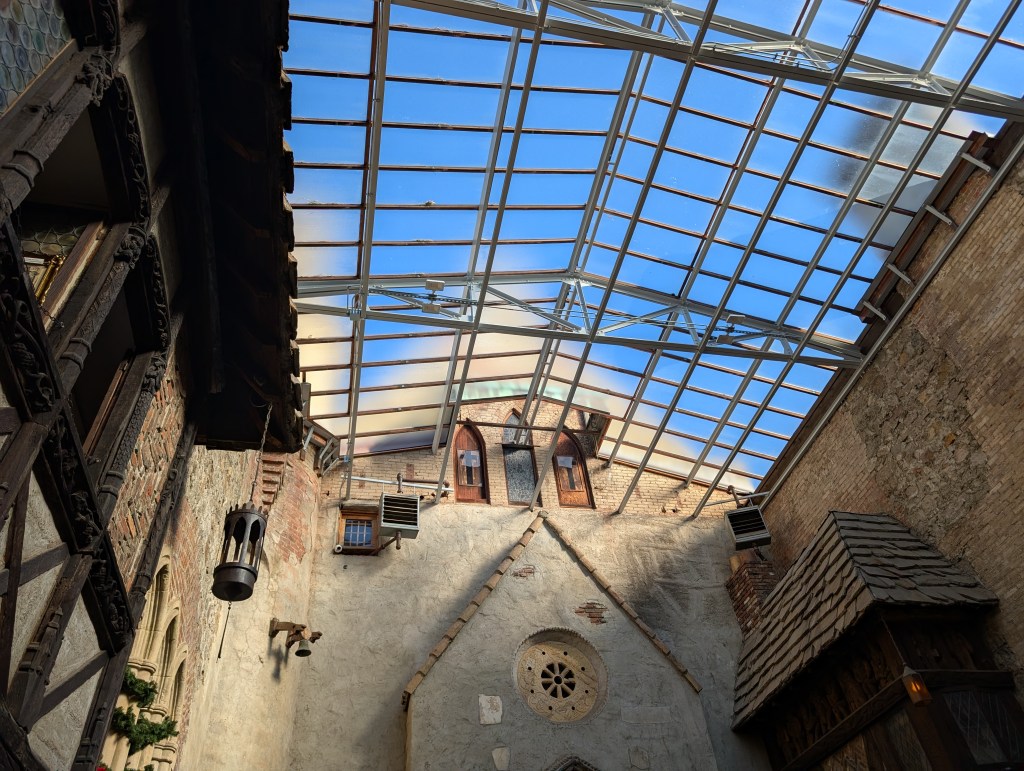
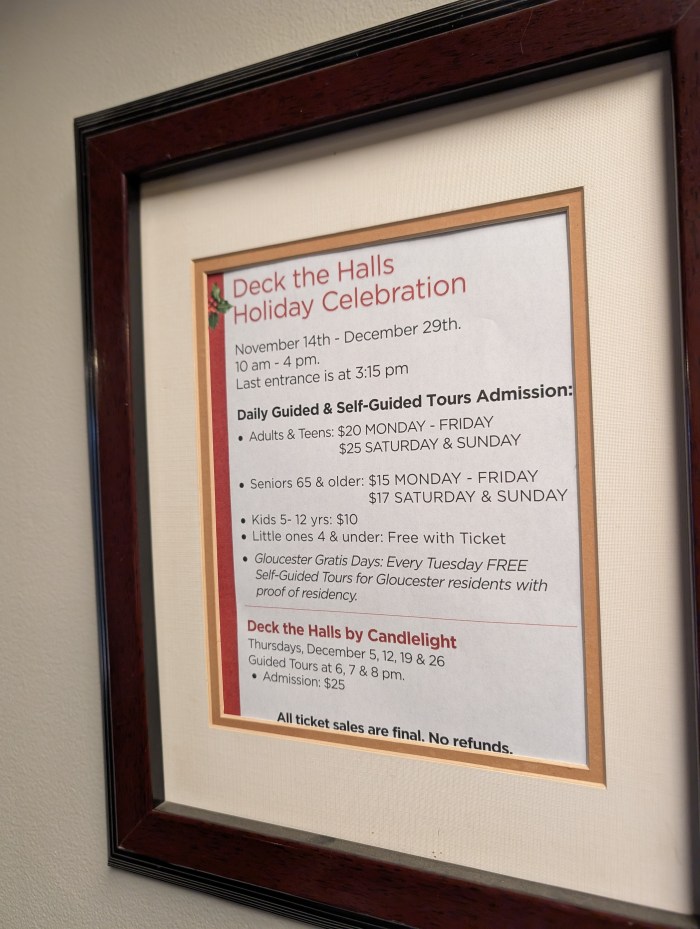
Last chance to visit Hammond Castle and two special temporary exhibitions on view before it closes for the winter at the end of the day December 29th, 2024. The museum has completed major architectural repairs, restoration and archival research sampled throughout the museum and well labeled for captivating tours and repeat visits.
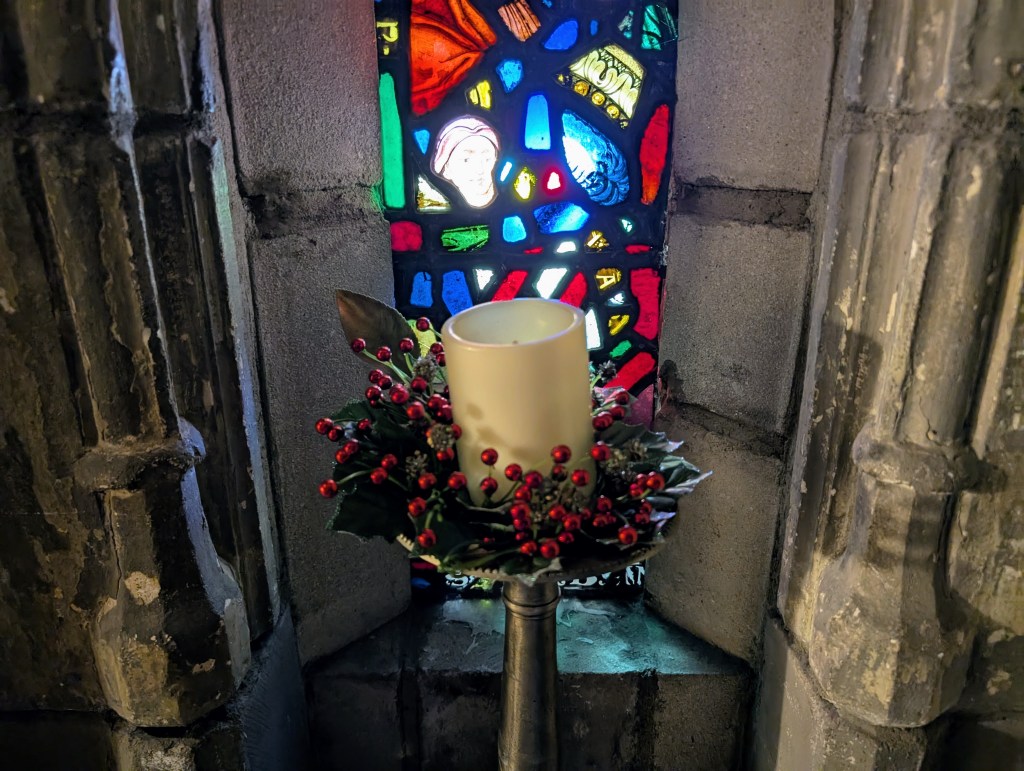
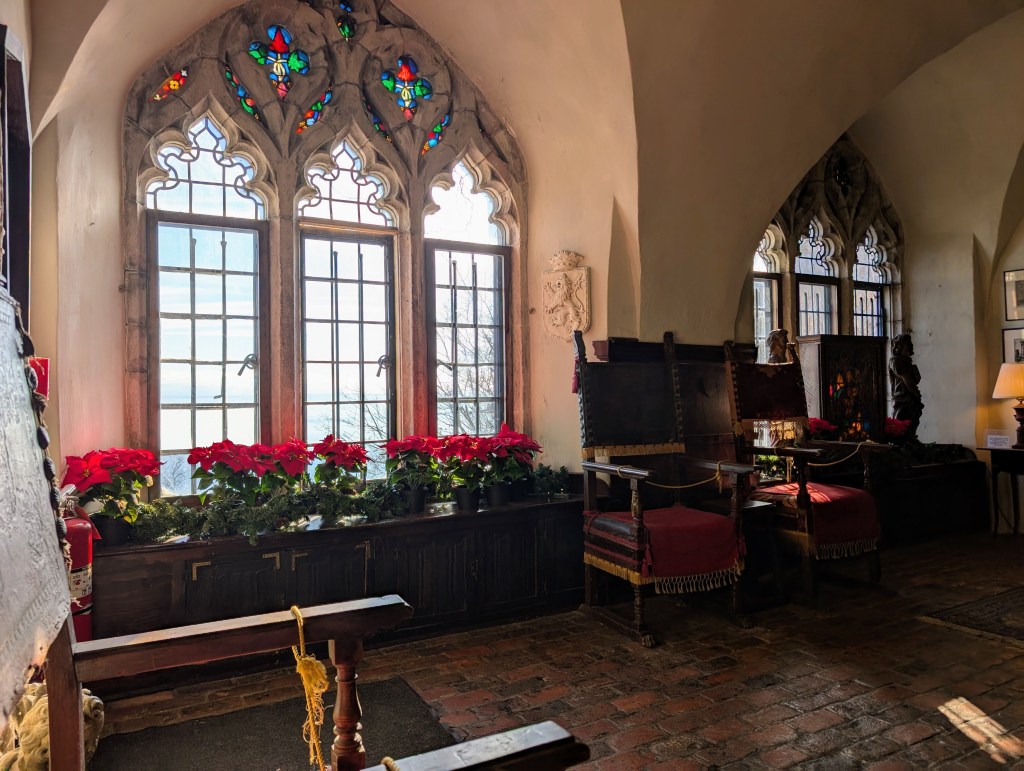
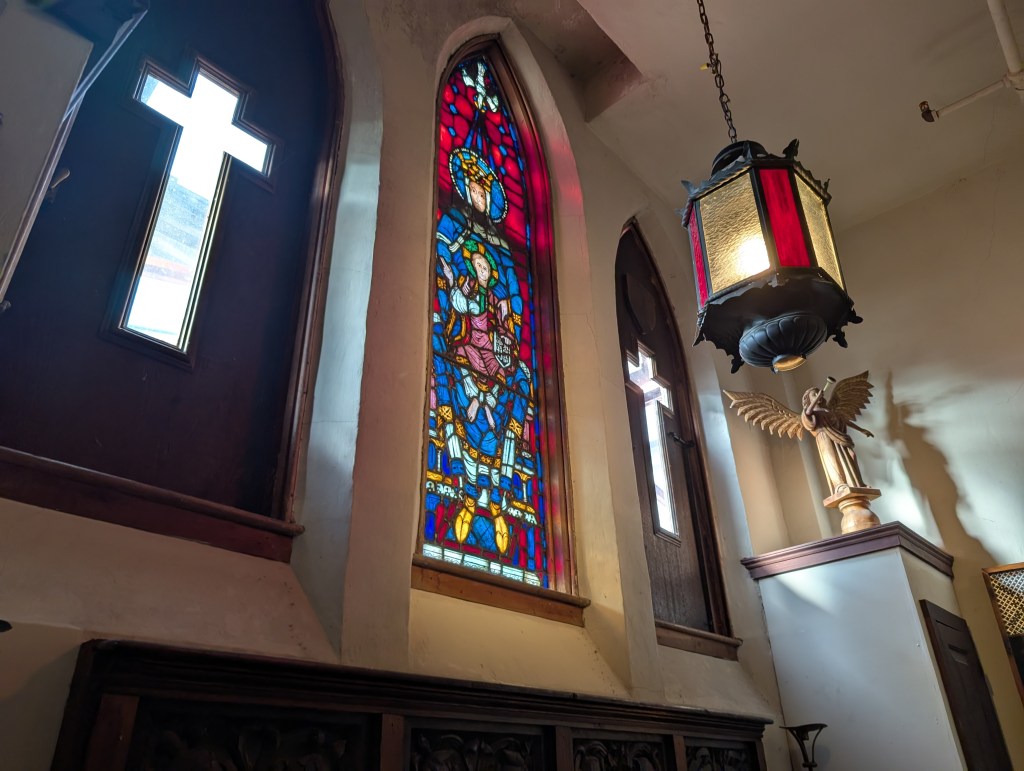
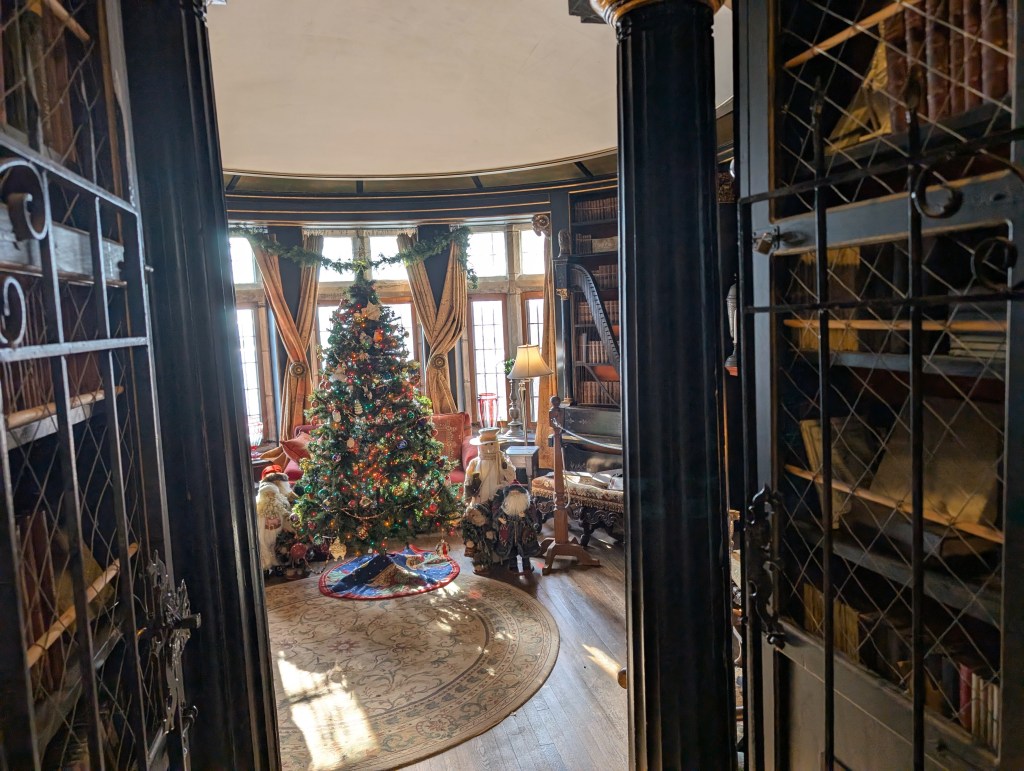
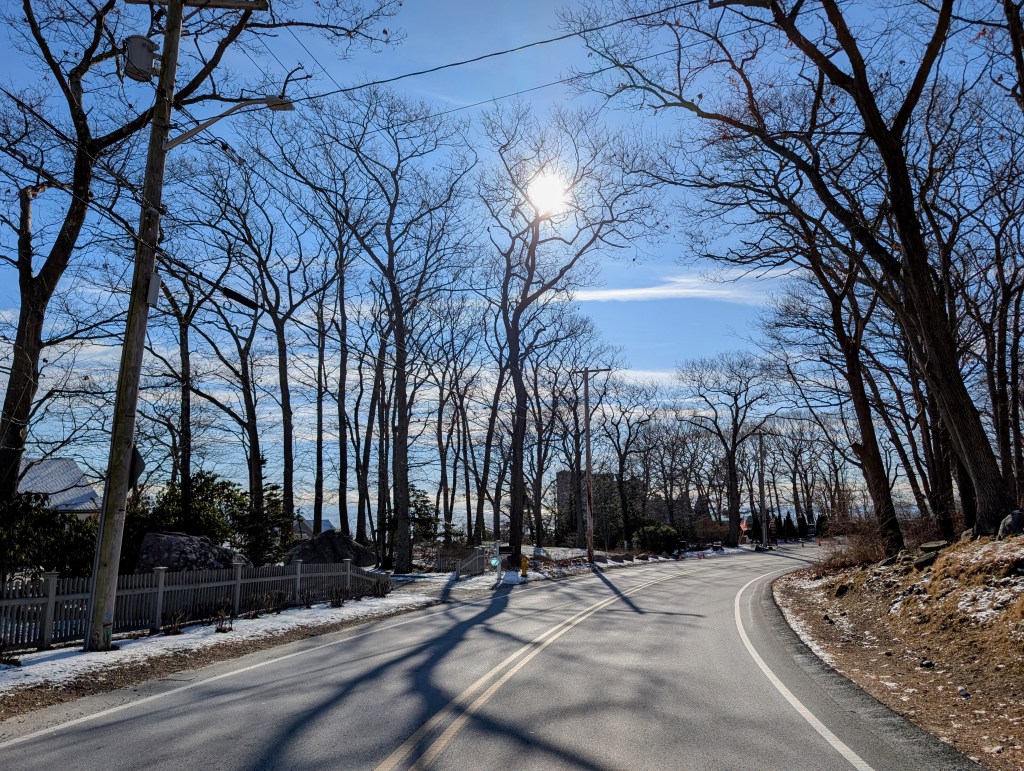
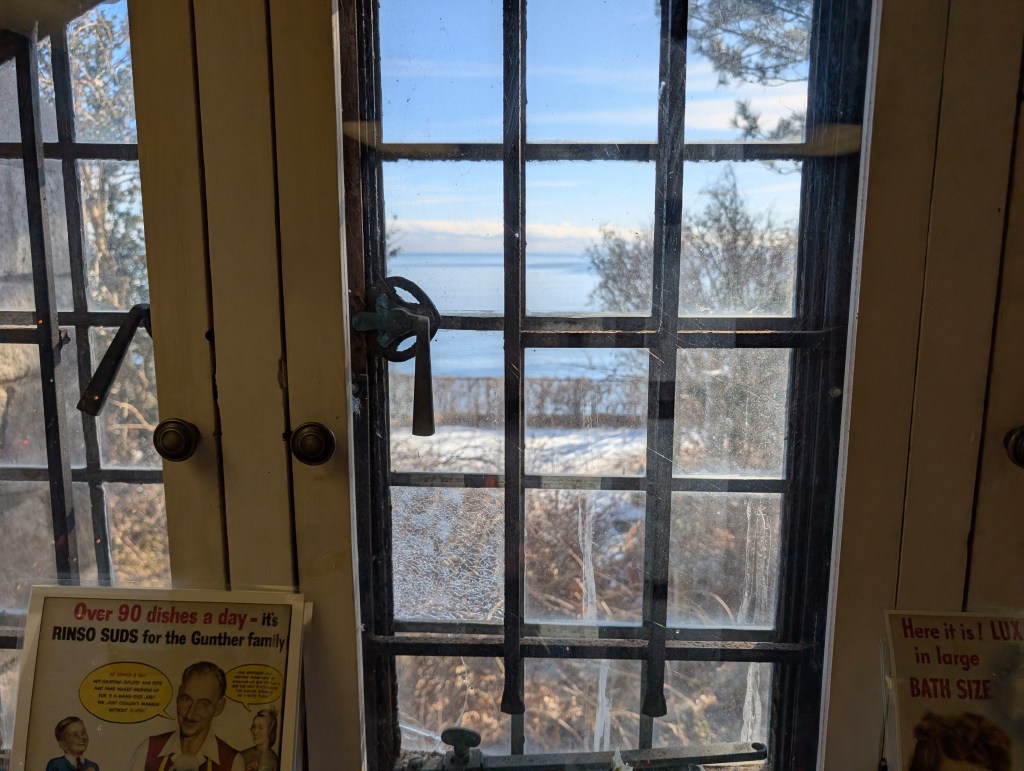
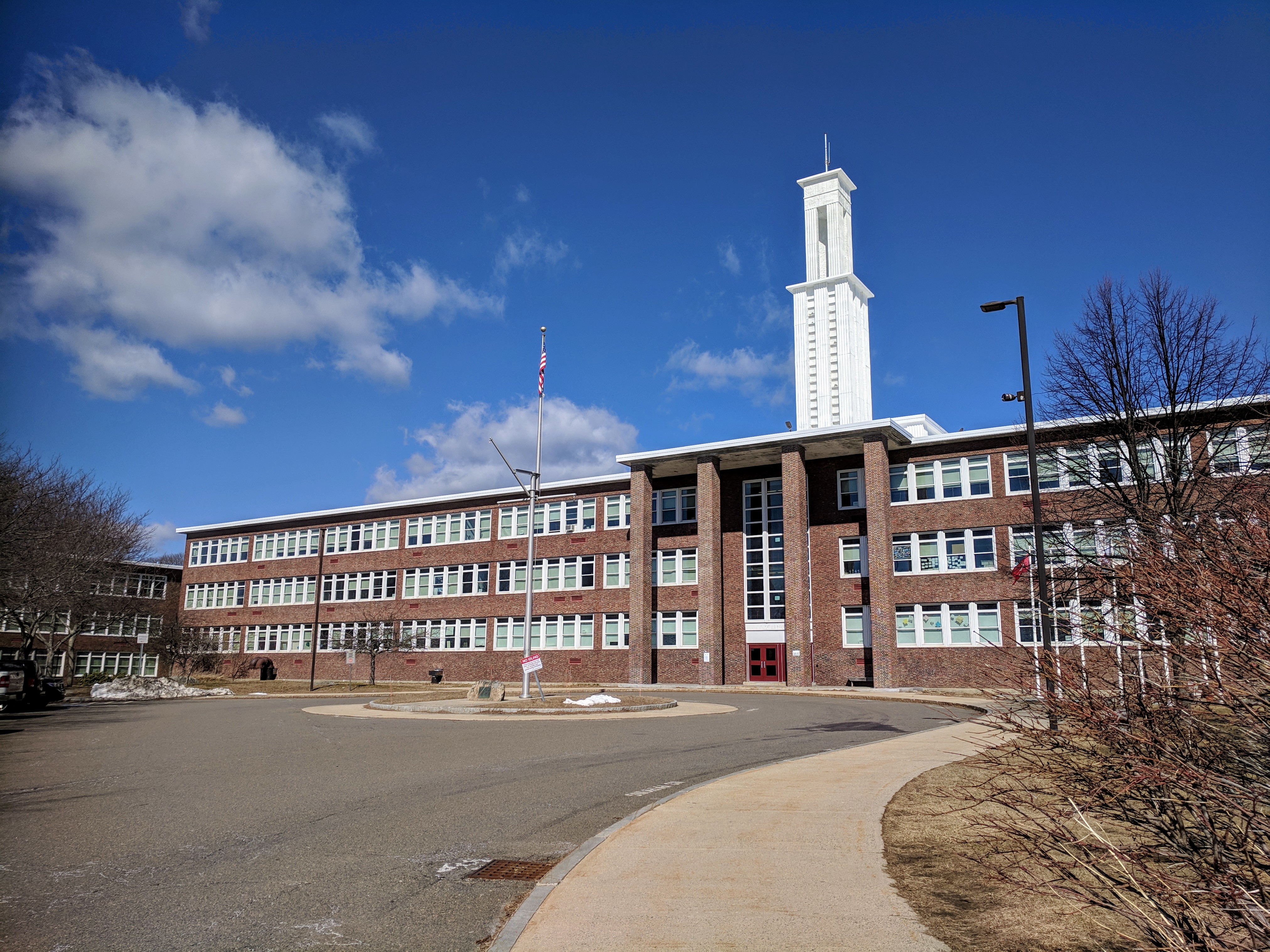
Images: Hammond Castle on a crisp winter day
Temporary Exhibits
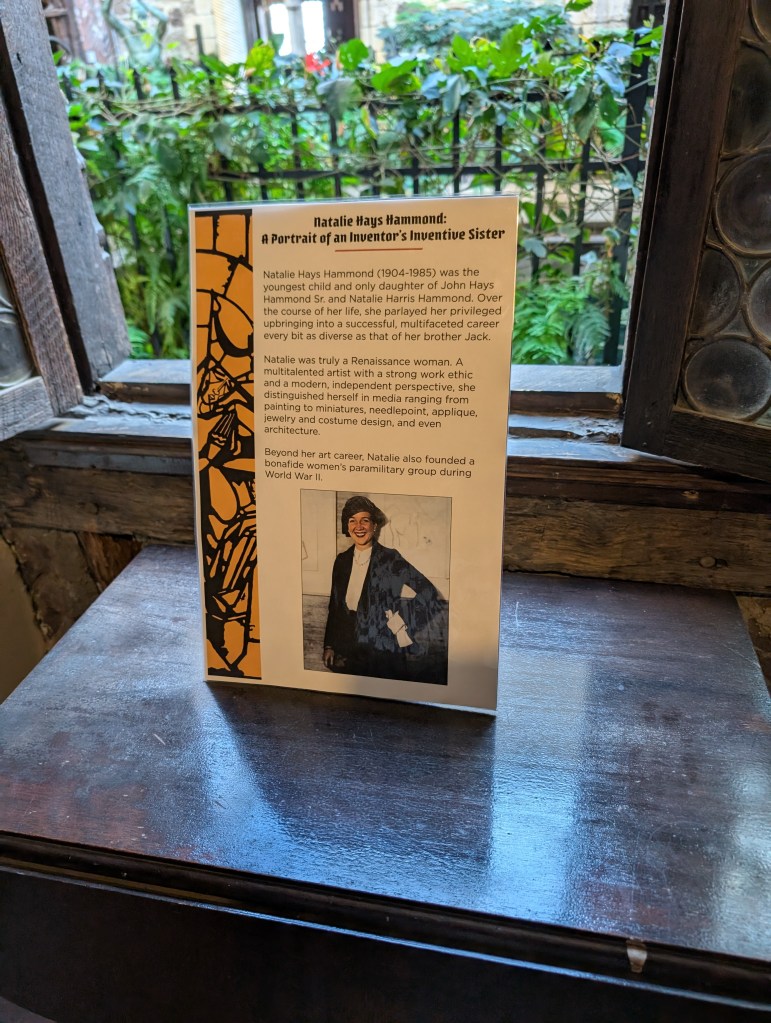
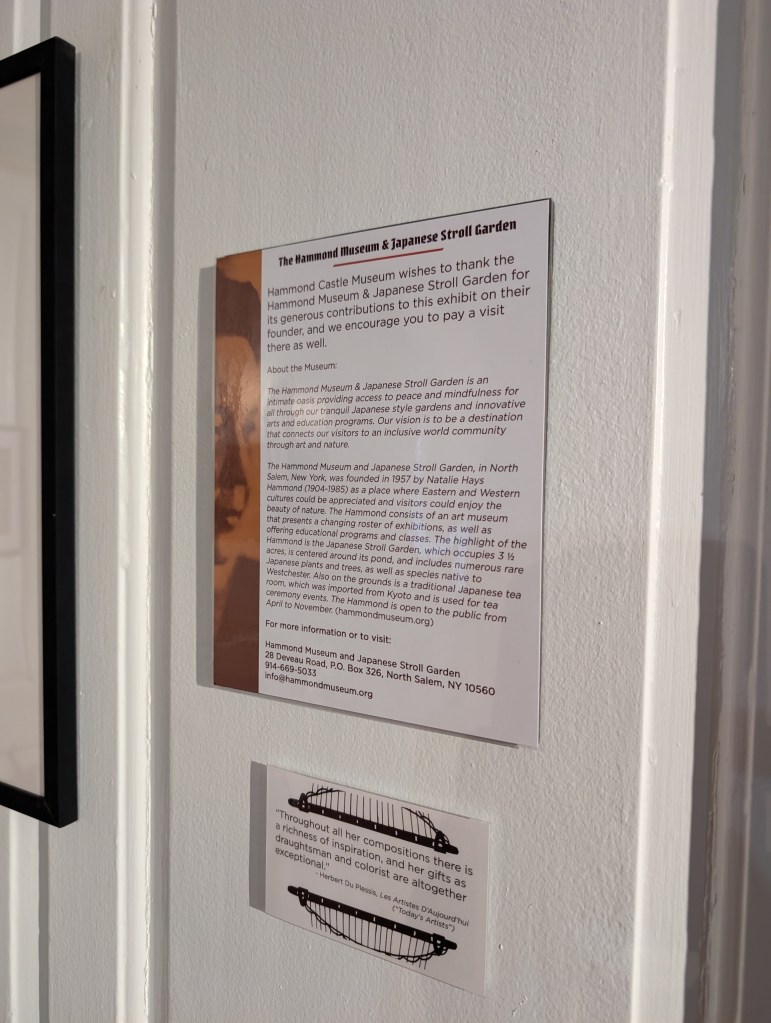
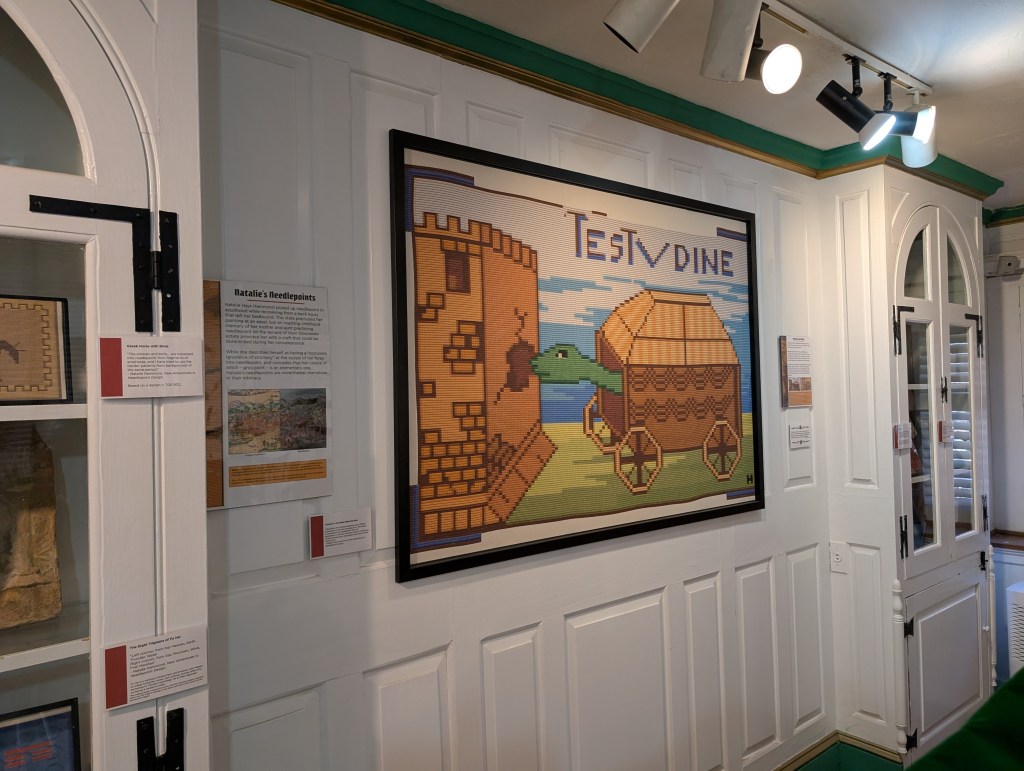
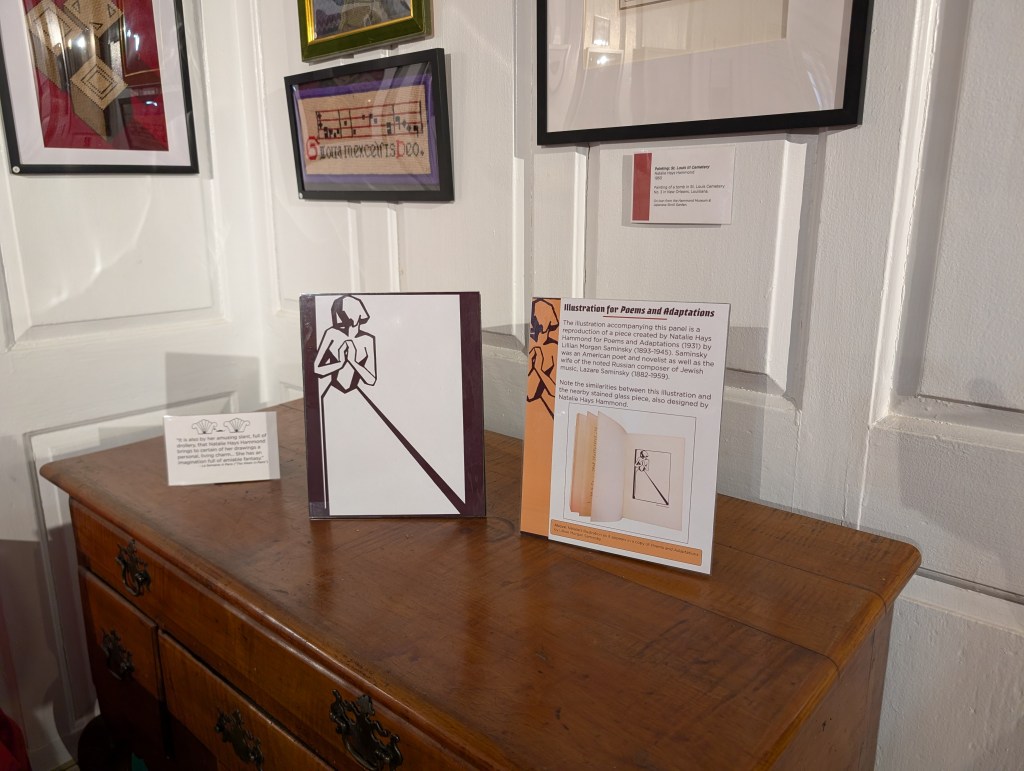
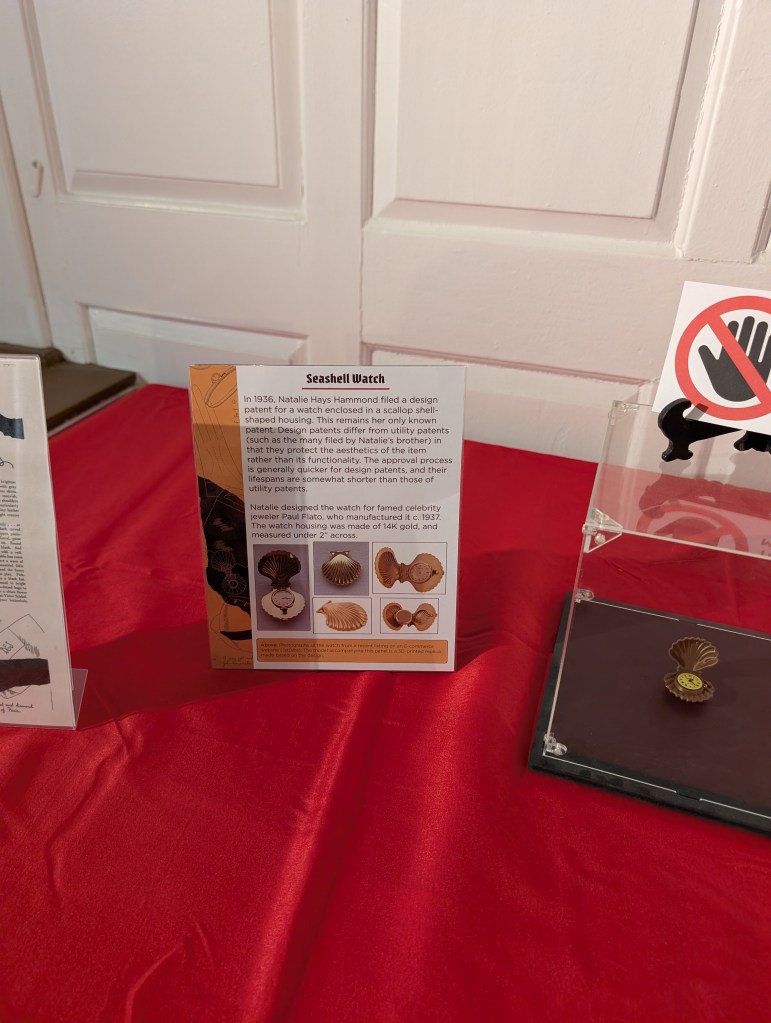
featuring work by Natalie Hammond including wonderful loans from the Hammond Museum and Japanese Scroll Garden which she designed and founded in North Salem, New York in 1957.
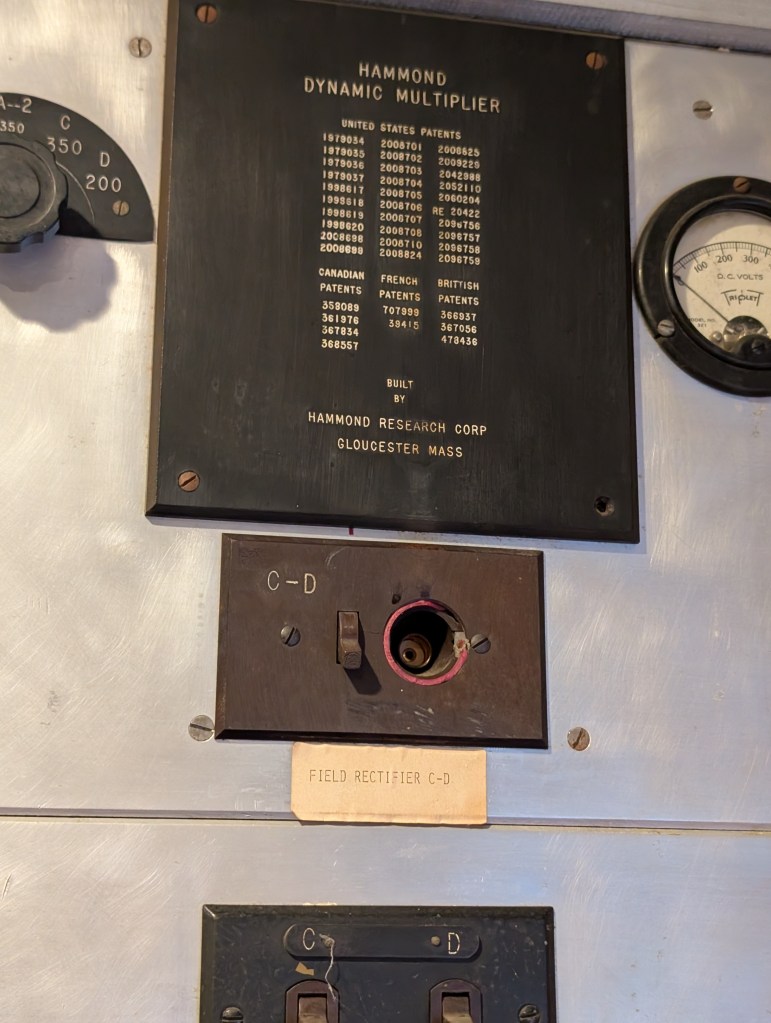
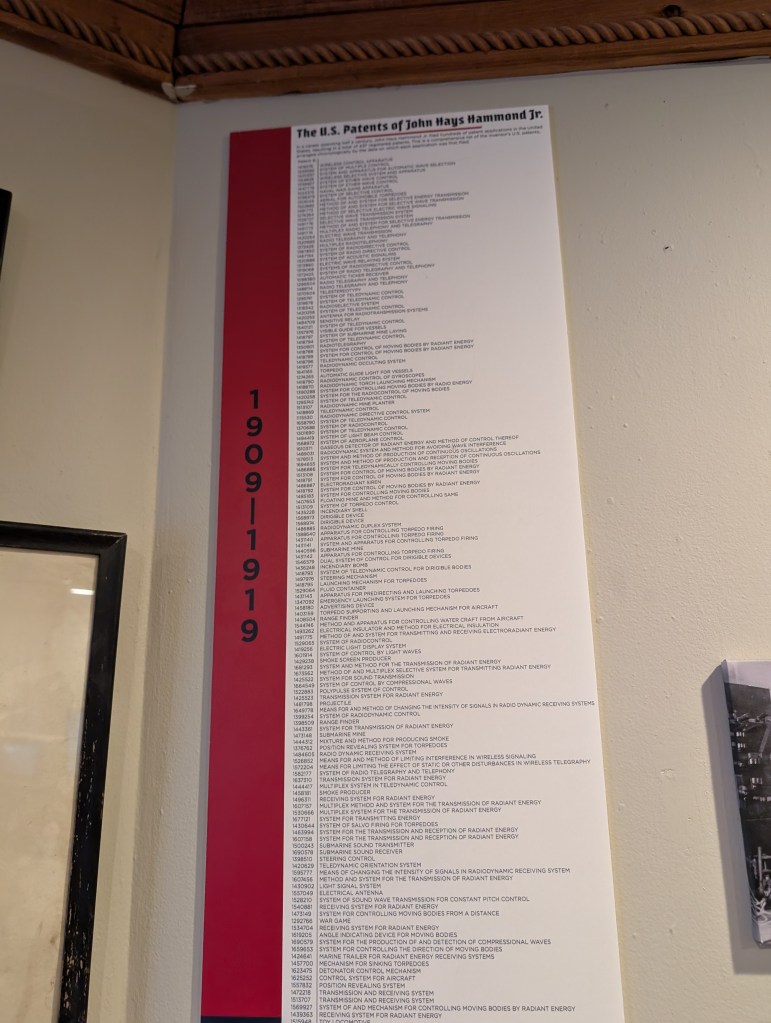
Invention room featuring John Hays Hammond inventions with an informative focus on the history of early 20th C encryption and decryption technology in this special exhibit and creative interactive displays.
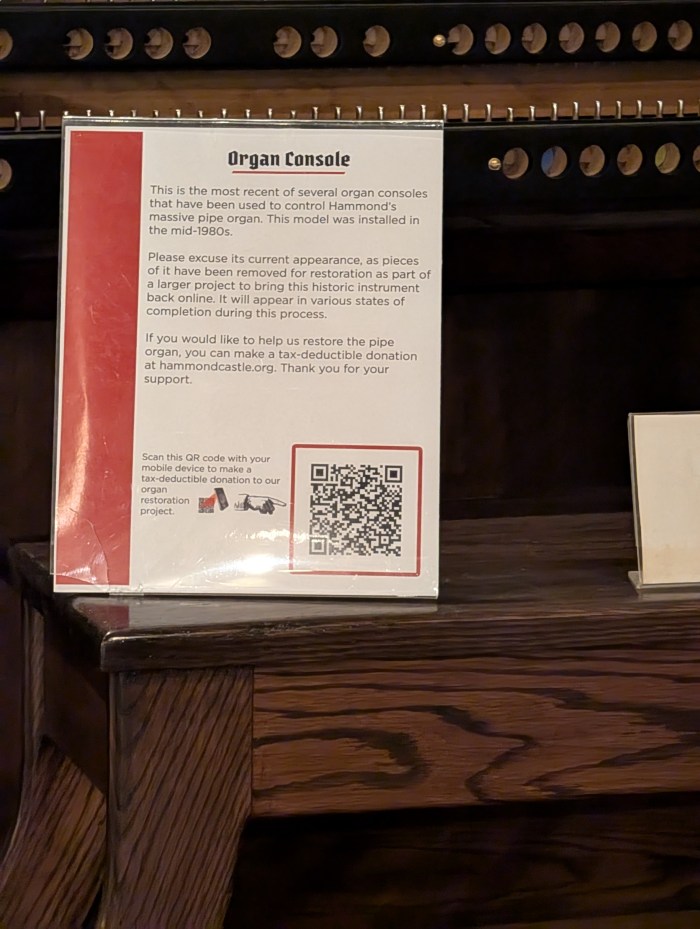
You can help repair the organ!
Spread The GMG Love By Sharing With These Buttons:
Gloucester, Mass.- Great teacher at Gloucester High School, Shaun Goulart, creates a local history scavenger hunt trivia game for his 9th grade students that takes place weekly for 6 weeks. We’re taking the challenge one week after the students. Good luck!
ANSWERS TO SHAUN GOULART’S LOCAL HISTORY TRIVIA WEEK TWO
How did you do? Week two delved into scenes of historic battles. I’ve added some background. Stop here if you prefer to go back to see Week 2 questions only from 3/17/19
WEEK 2: DEFENDING GLOUCESTER Location #1
Who was the first governor of Massachusetts Bay Colony? ANSWER – ROGER CONANT
Go to the location of the fort named after him and take a picture with a member in it. *Stage Fort Park “Fisherman’s Field”
Bronze tribute plaques embedded in Tablet Rock at Stage Fort Park detail the site’s history and were commissioned and unveiled at different times. The monumental and stunning Founders plaque from 1907 on Tablet Rock itself is in fantastic condition. Two DAR plaques were inlaid on the glacial outcroppings past half moon beach on the way to the cannons. The Fisherman’s Field (ca.1930) is so worn it’s nearly indecipherable, though that’s part of its charm. The plaque compels close inspection, lingering and discovery. It’s a fun family activity for anyone who likes a challenge. For those who want help reading the content, I transcribed it back in 2010. Scroll down below the “read more” break in this post to open.
Stage Fort Fisherman’s Field plaque honoring all actions. My attribution is Harriet Hyatt_plaque refers to restoration of area 1930 by DAR
Revolutionary War tribute commissioned by DAR and installed 2013
During which war did it receive this name? ANSWER – FORT CONANT during the Civil War
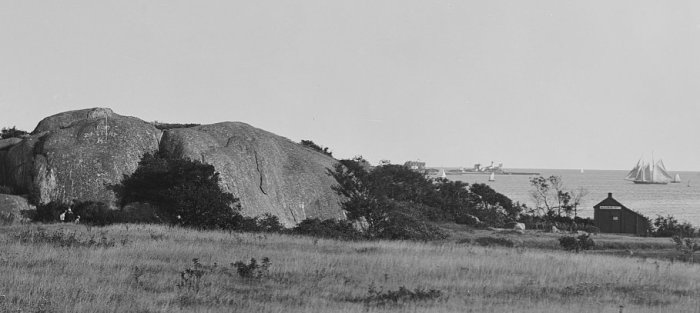
When you zoom in on this 1901 photograph, you can see the big ‘Battery K’- for the Spanish American War (Camp Hobson) Fort conant during Civil War
Scrutiny
1901 before the Tablet
Gloucester vs Plymouth / Captain John Hewes vs Miles Standish
DAR plaques marvelous glacial outcroppings Stage Fort Park
Founders Plaque
Gloucester HarborWalk #32
Location #2
location 2 courtesy photos
Take a picture at Fort Point with the former location of the Coast Guard Aviation Station behind you (must be visible in the picture) ANSWER – TEN POUND ISLAND
What was the fort called on Fort Point? ANSWER – FORT DEFIANCE Fort Point Hill, Fort Lillie (Lily)
Name a war it was utilized in. ANSWER – Efforts to fortify as early as 1703 (see Pringle) ATTACK OF CAPTAIN LINDSAY (OR LINZEE) 1775 –population about 5000 –REVOLUTIONARY WAR, WAR OF 1812, CIVIL WAR
“In 1743, what is known as the old fort on Commercial Street, now encroached upon and surrounded by buildings, was completed. On this point, well selected strategically, is a hill which effectually commands the inner harbor. In 1742 and 1742, the General Court appropriated 527 pounds to defray the cost of fortification. Breastworks were thrown up and eight 12-pounders placed in position in the fort. The immediate cause of its erection was the fear of French incursions, but these fears were never realized. An effort had been made as early as 1703 to fortify the place, but the petition of the selectmen to the General Court for an appropriation for the purpose was refused. The petition shows that he harbor, even at that early date was extensively frequent for shelter, and was “very seldom free from vessels.”
“In order to be better prepared for future assaults breastworks were thrown up at Stage Fort, the Cut, Duncan’s Point and Fort Point. This, however was the last attack by sea or land that the people experienced.”
Location #3
From Fort Point go to the location of the seven-gun earthwork battery and barracks in ramparts field. Take a picture with the old towers in the background (do not go on private property) ANSWER – EASTERN POINT FORT by eminent domain, Ramparts Field Road Fort Hill
Name a war it was utilized in ANSWER – CIVIL WAR
“Immediate action was taken toward the erection of fortifications. Land at Eastern Point, belonging to Thomas Niles was acquired by the government, and earthwork fort erected and manned…”
Screenshot
Screenshot Google Earth with all three above locations in it and circle them. Submit the image.
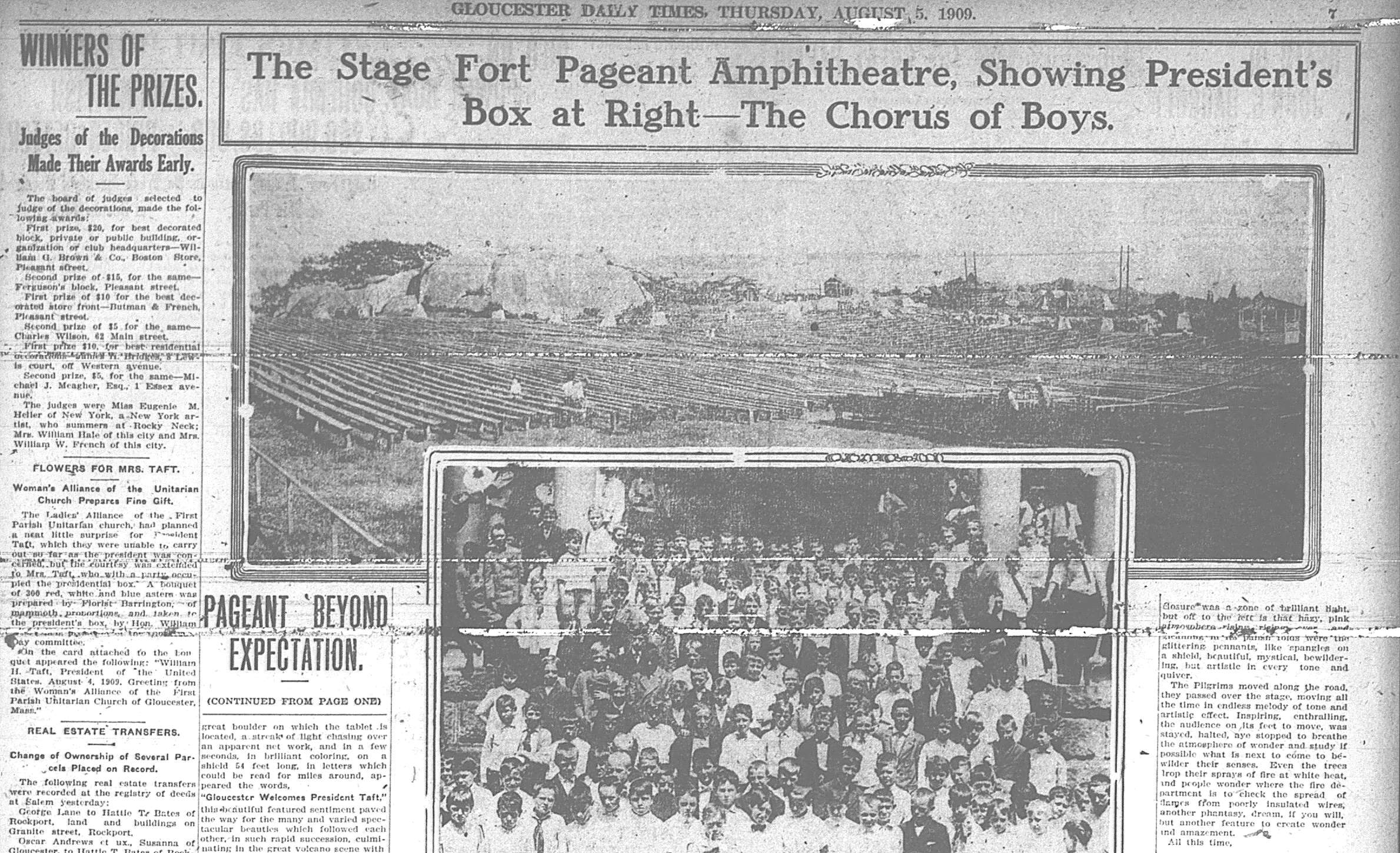
August 4, 1909, Gloucester Day brought an audience of 20,000 to Stage Fort Park in Gloucester, Massachusetts. The 1909 pageant of “The Canterbury Pilgrims” by Percy Wallace Mackaye was touted as the “greatest open air performance ever attempted in the country”.
“Stage Fort Park was the magnet which attracted thousands of people at the close of the grand afternoon parade yesterday, the procession in that direction, commencing early and continuing all through the evening, until between the hours of 7 and 8 o’clock, there was a continuous mass of moving color along both sides of the boulevard, with the middle of the street almost covered with the swifter moving carriages and automobiles. This scene was most inspiring, giving one something upon which to build an imagination for the greater display to come, when the play and pageant were presented for their consideration. The vast amphitheatre, with its great stage, were soon filled, the latter by nearly 20,000 spectators, in the boxes, on the seats and in automobiles, while the wings of the latter were filled with (thousands of) players.”
William H Taft (1857 – 1930), the 27th President of the United States from 1909-13, planned to be in attendance, thanks to host, John Hays Hammond, Sr., his boyhood friend and college classmate at Yale. The Mayor of Gloucester at the time of the 1909 pageant was Hon. Henry H. Parsons. Artist Eric Pape (b.Oct 17, 1870 San Francisco – d.Novembre 7, 1938), Master of the Pageant, directed the Canterbury performance. He was the lead design for Gloucester’s enormous bronze plaque and granite bas-relief commemorating the Founding of the Massachusetts Bay Colony set in tablet rock at Stage Fort Park and dedicated in 1907.
Few days left to bid! Link to more photos of the collectible and sale found here: sale on capeanntiques, ebay seller
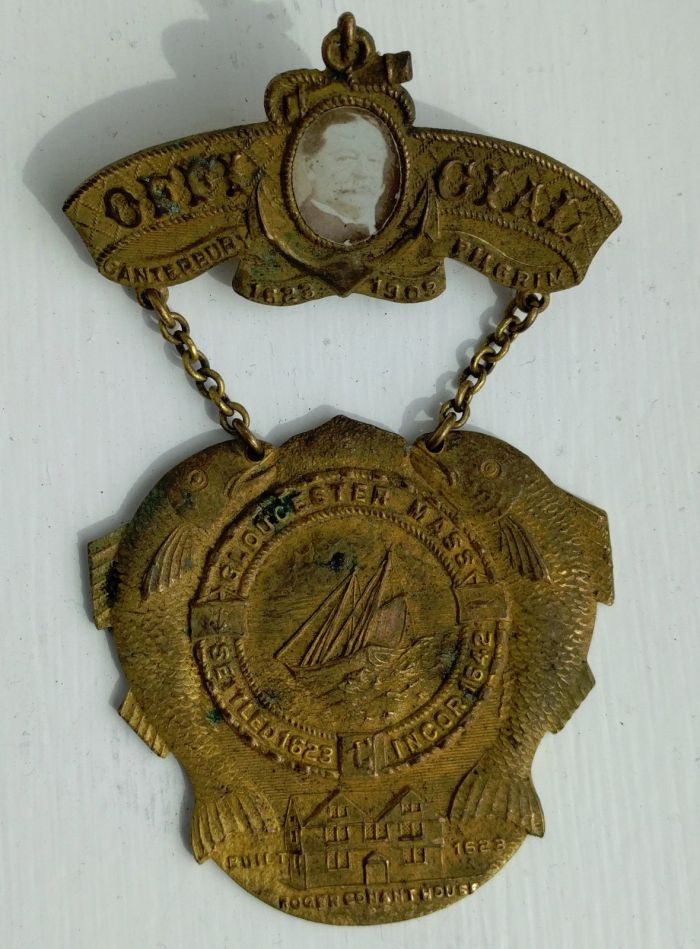
July 30, 1909 Gloucester Day Badge – Unique Design to Commemorate Event
“The Gloucester Day badges have arrived and are certainly worthy of the occasion. The special gold badge to be presented to the president is fo the same design as the others. It consists of a bar, backed by anchor stock, with the cables running along each side, and in the center a miniature of President Taft, flanked by the dates 1623-1909. Suspended from this bar by two chains is the embossed shield, the central figure of which is a Georges handline fisherman, riding at anchor under bare poles. On either side, clinging griffin-like to the inner circle dividing th ose parts is the inscription, “Gloucester, mass. Settled 1623. Incorporated, 1642” and beneath this is a representation of the Roger Conant house, with the word “built” on one side and the date “1623” on the other, and the inscription, “Roger Conant House,” beneath.”
“May be worn as badges or watch fobs…Design selected after keen competition.” They were pre sold for 50 cents.
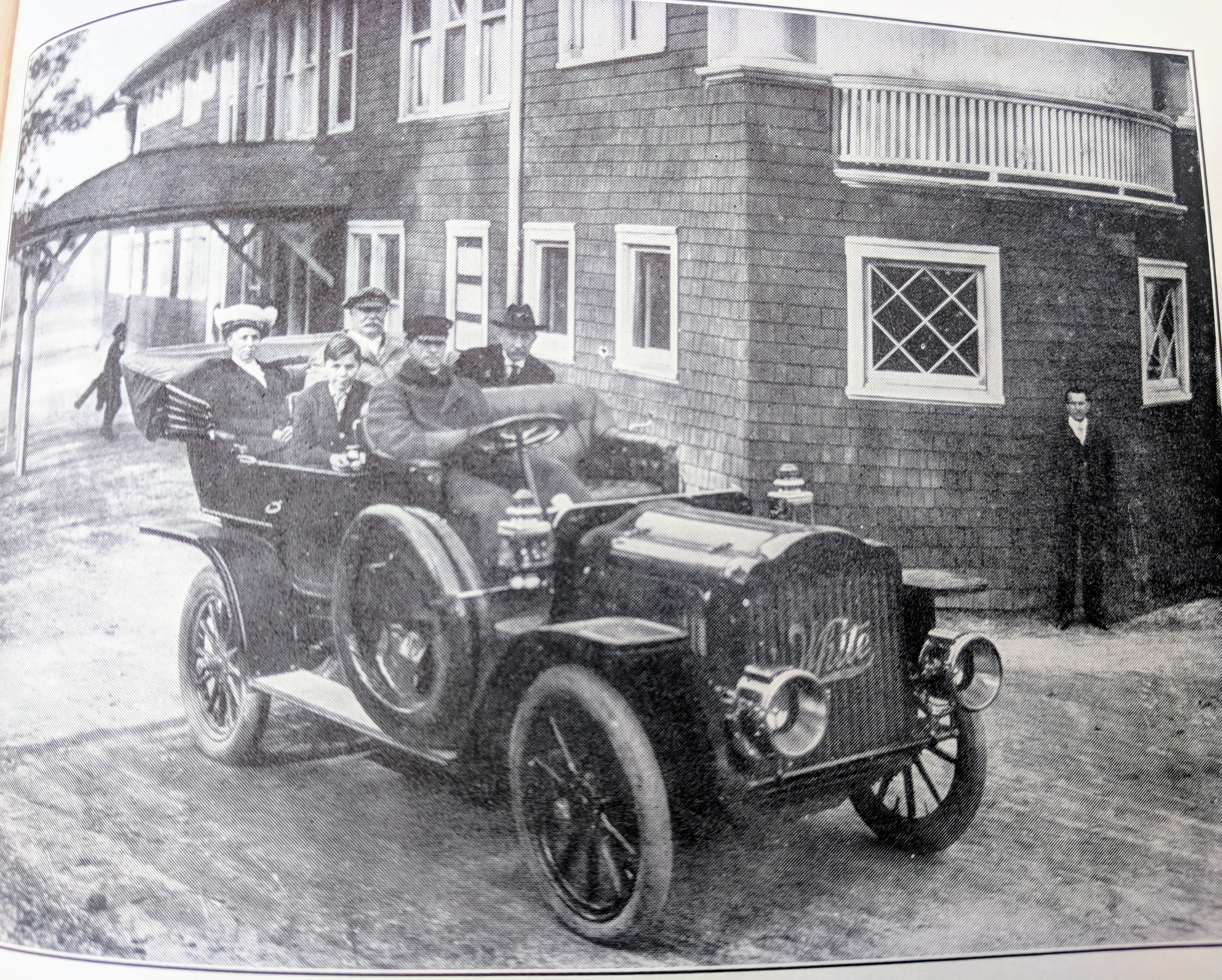
John Hays Hammond Sr. 2nd row with Taft family and driver
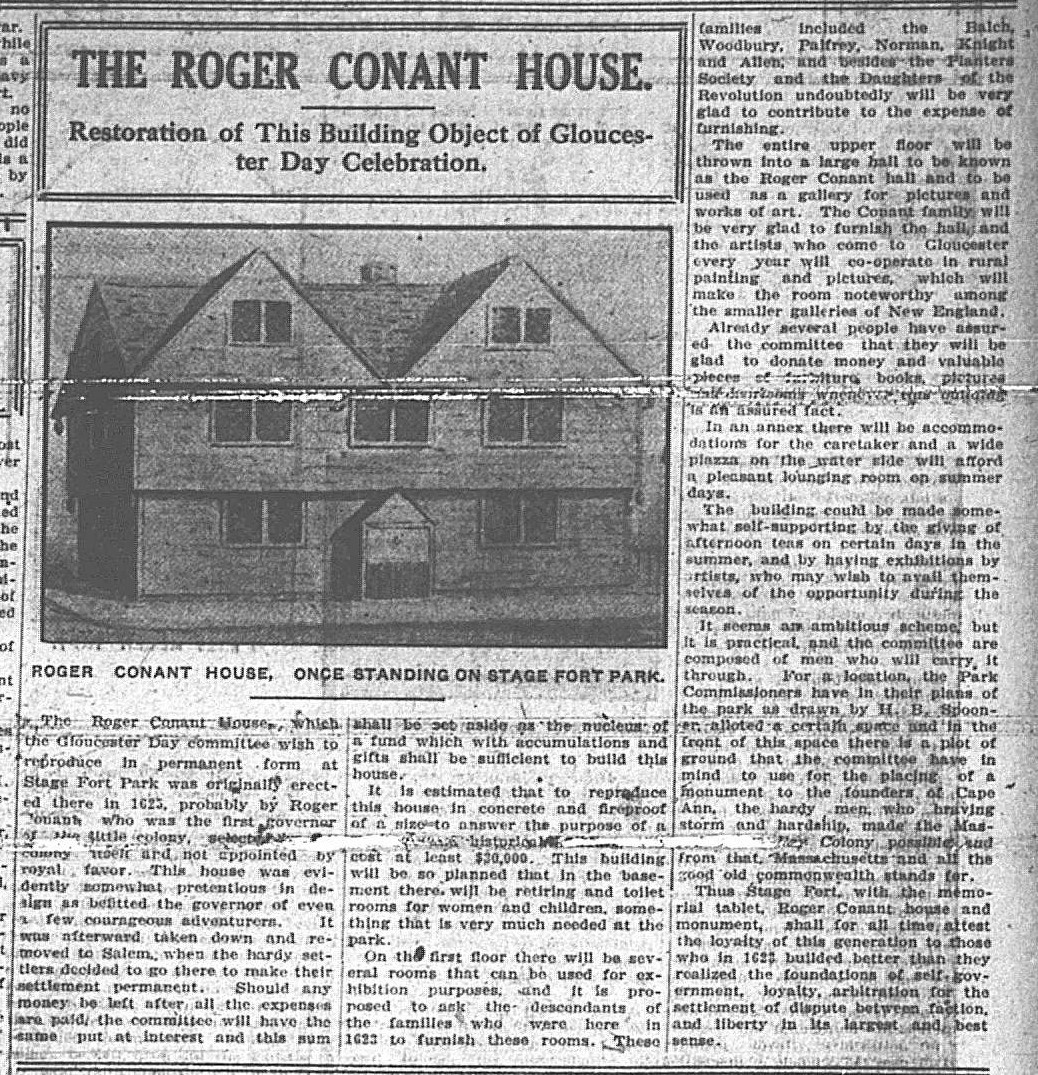
Pageant benefit to possibly rebuild Roger Conant House at Stage Fort Park









 Good Morning Gloucester