A Happy Pooch Welcome!
In case you are unaware, click on the volume button in the lower right corner.
My View of Life on the Dock
A Happy Pooch Welcome!
In case you are unaware, click on the volume button in the lower right corner.

 Still frozen, the Essex Salt Marsh panorama was taken yesterday.
Click to see full size.
As we were talking about salt marshes on a recent podcast, the following is information provided by the Massachusetts Bays Program:
The Essex Salt Marsh is part of the 17,000 acre Great Marsh that extends from Cape Ann into New Hampshire. Salt marshes are found in coastal areas. These unique ecosystems are formed within protective estuaries and support numerous plants and animals. Salt marshes are among the most productive lands on earth, outcompeting even the best-managed farms. Two-thirds of all marine fish and shellfish depend on salt marshes during some portion of their lives.
Salt marshes are divided into two general vegetation zones. The Low Marsh is flooded twice daily by the incoming tide and is dominated by Spartina alternifolia (low salt marsh grass). The High Marsh is flooded sporadically and is dominated by Spartina patens (high salt marsh grass). Salt marshes contain tidal creeks, pools, and islands of high ground, and serve as highly efficient pollution filters.
Nationwide, vast areas of salt marsh have been destroyed by filling, dredging, and developing upland areas. The Great Marsh has escaped much of this destruction, but it is impacted by pollution runoff and mosquito control ditches built in the 1930s, and by road and rail crossings, which restrict tidal flows to upstream marshes.

Published in Live Science, March 11, 2015
By Laura Geggel, Staff Writer
A remarkably well-preserved fossil of a 480-million-year-old sea monster is helping researchers understand the evolution of arthropods. The creature, an anomalocaridid, has not one but two sets of legs on each of its body segments, showing that it’s an ancestor of modern-day arthropods, which include arachnids, insects and crustaceans.
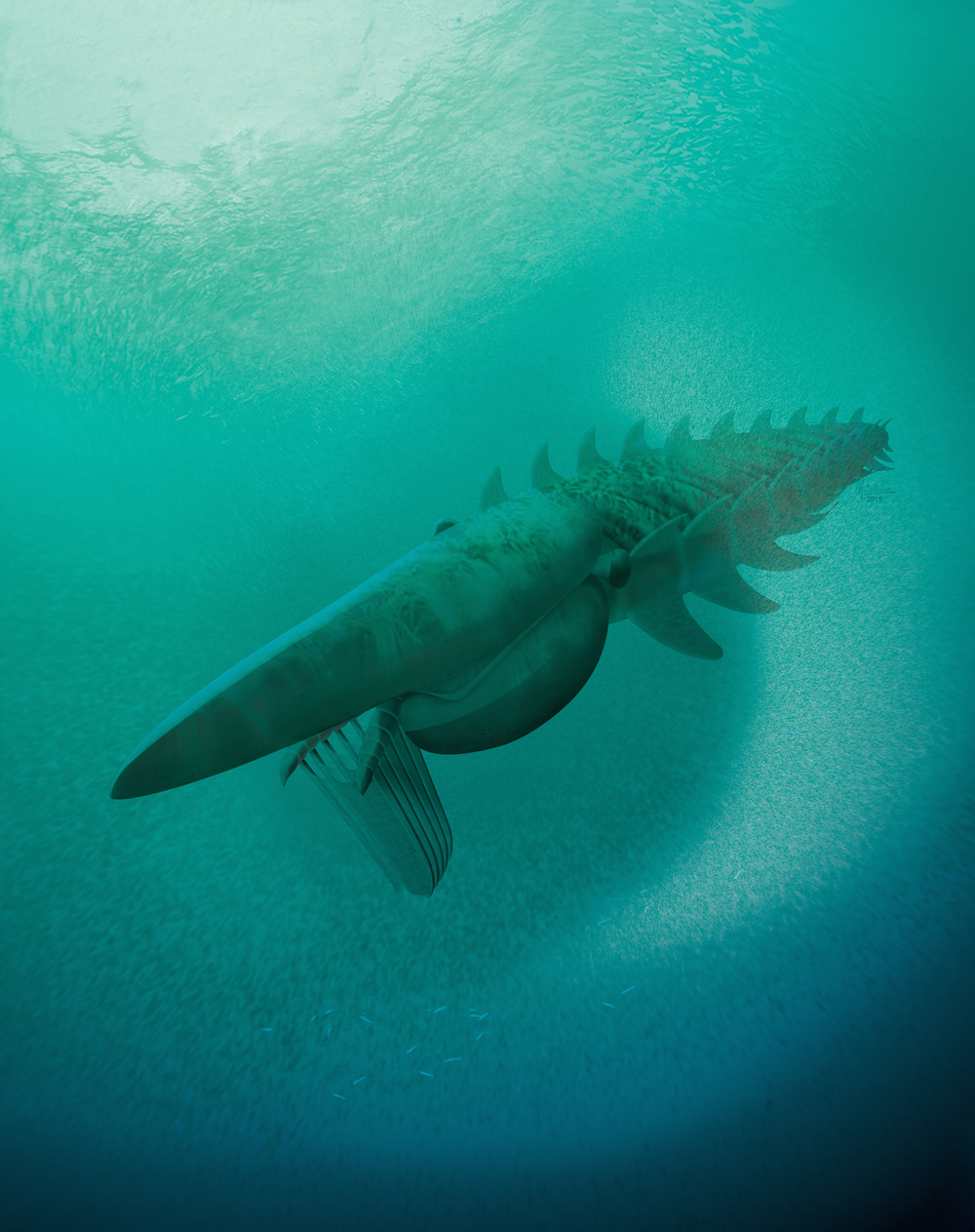
Here’s an illustration of the anomalocaridid (Aegirocassis benmoulae), a giant filter feeder that ate plankton and lived in the Early Ordovician period about 480 million years ago. The animal measured about 7 feet (2 meters) long, and is one of the largest arthropods that ever lived.
Despite its size, A. benmoulae was a gentle giant, said John Paterson, an associate professor of paleontology at the University of New England in Australia, who was not involved in the study.
“Its feeding appendages werebuilt for filtering plankton, not grasping prey,” he said. “This is in contrast to olderanomalocaridid species, some of which are interpreted to be the apex predators of their time.”

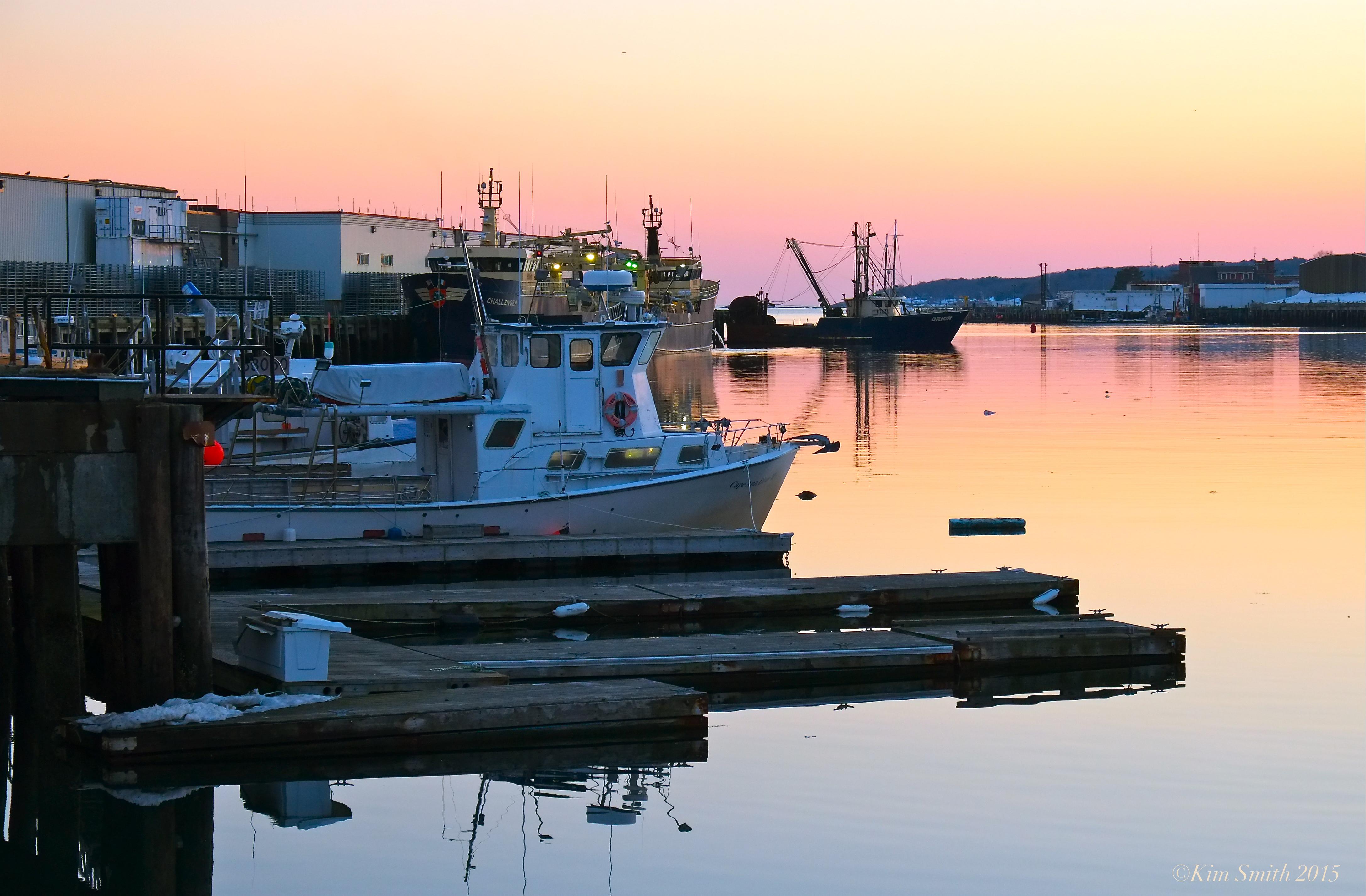 The Orion just after sunset last night. What a gorgeously warm afternoon, a hint of spring days to come!

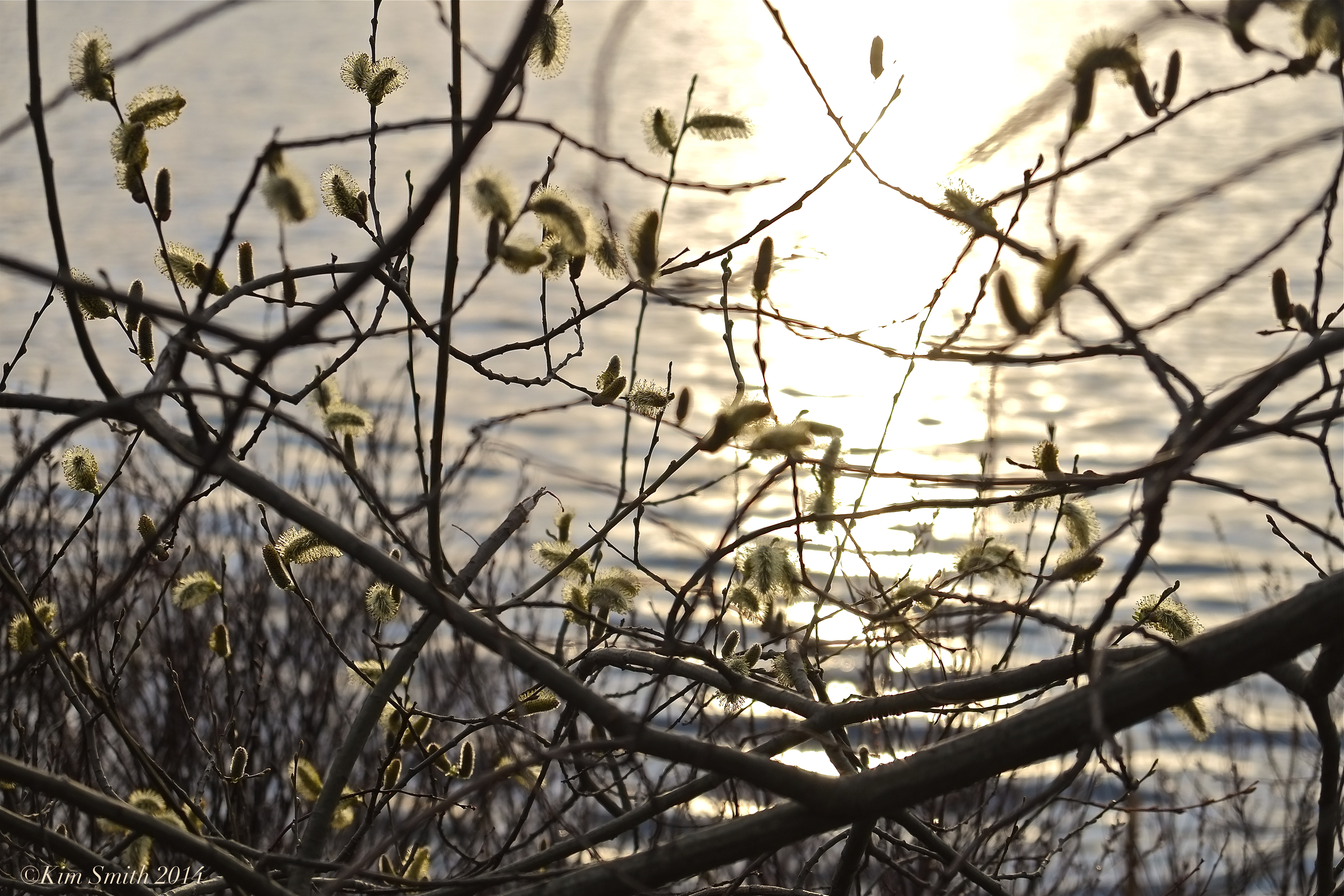


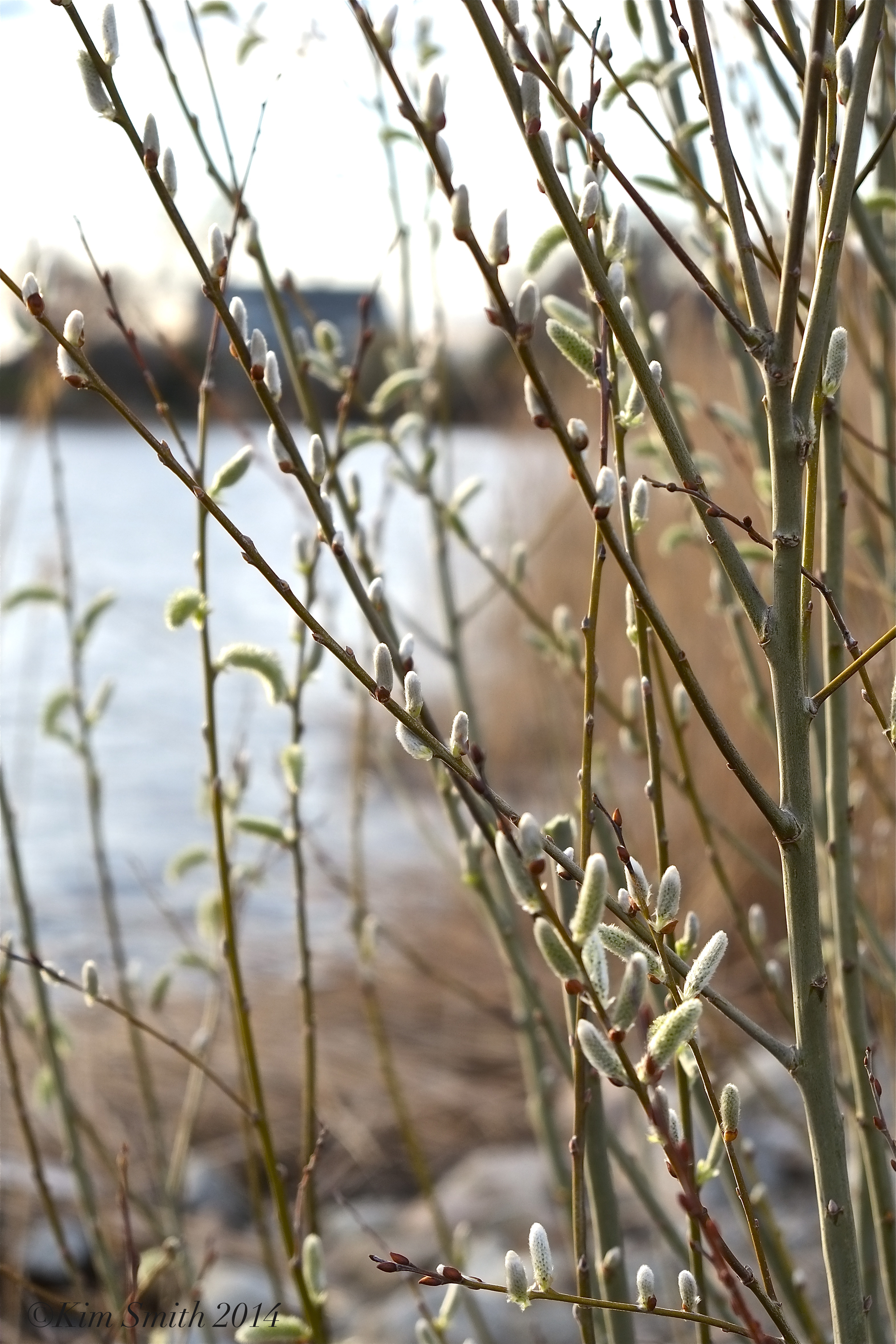 Read more about the beautiful, and healthy beneficent properties of, Pussy Willows Here: Looking for Pussy Willows.

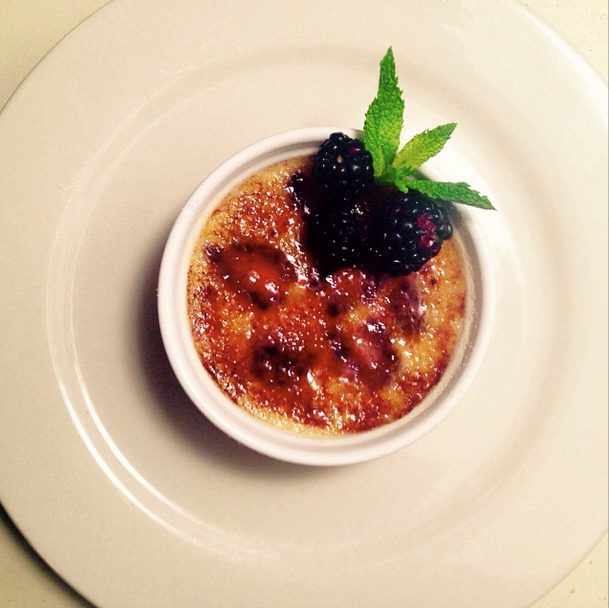
Cacciatore’s is opening its doors Friday, March 20th, at 11am. Located at 23 East Main Street, you can read more on their Facebook page here: Cacciatore’s.
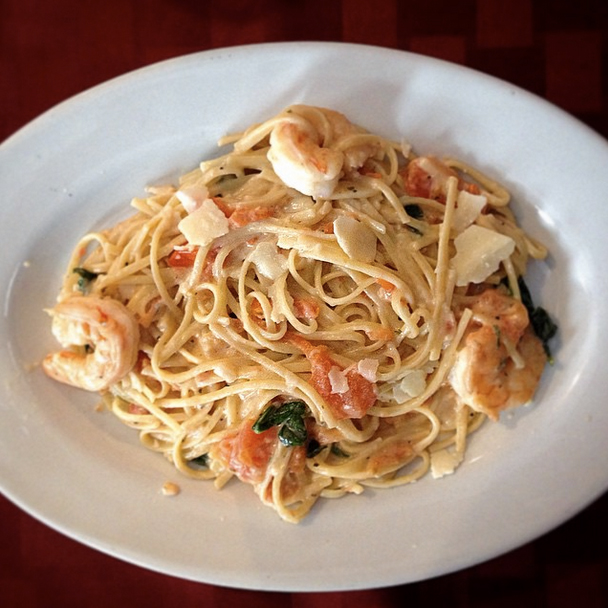
Photos Courtesy Cacciatore’s Facebook Page
Don’t miss Cacciatore’s at A Taste of Cape Ann on March 18th at Cruiseport from 5:30 to 7:30. They will be serving their Lobster Potato Pancakes.
Anyone that drops by for a visit to the Cacciatore booth at A Taste of Cape Ann will receive a coupon to use on their first visit to Cacciatore’s!




Posting hurriedly today. My darling daughter is arriving Friday for a wedding dress fitting, and I am sooo behind in wedding dress making that I am sure I will be up half the next two nights!
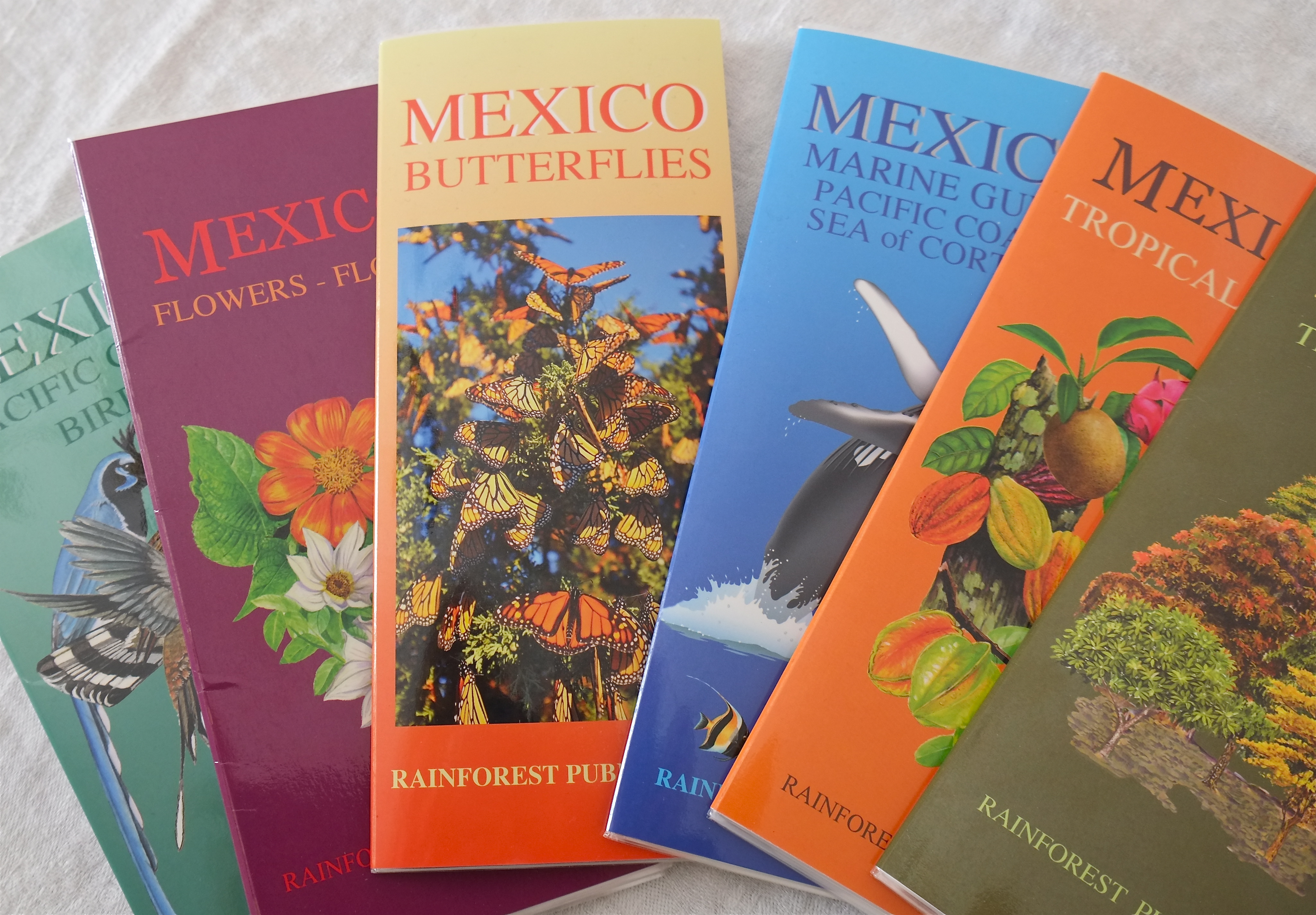
Recently brochures from Rain Forest Publications arrived. Don’t you love pocket guides, for the very reason the name infers–so easy to tuck along when traveling and hiking. That’s my photo on the cover of “Mexico Butterflies.” The photo was taken not in Mexico, but in Gloucester!
 Be on the lookout for the first butterfly of spring, which will most likely be the Mourning Cloak Butterfly. Mourning Cloaks do not spend the winter in the cool volcanic mountains of Mexico as do the Monarchs, or as a chrysalis in our gardens, like the Black Swallowtail, or as a caterpillar rolled up in a tight little ball under a leaf, as does the Wooly Bear, but as an adult butterfly!
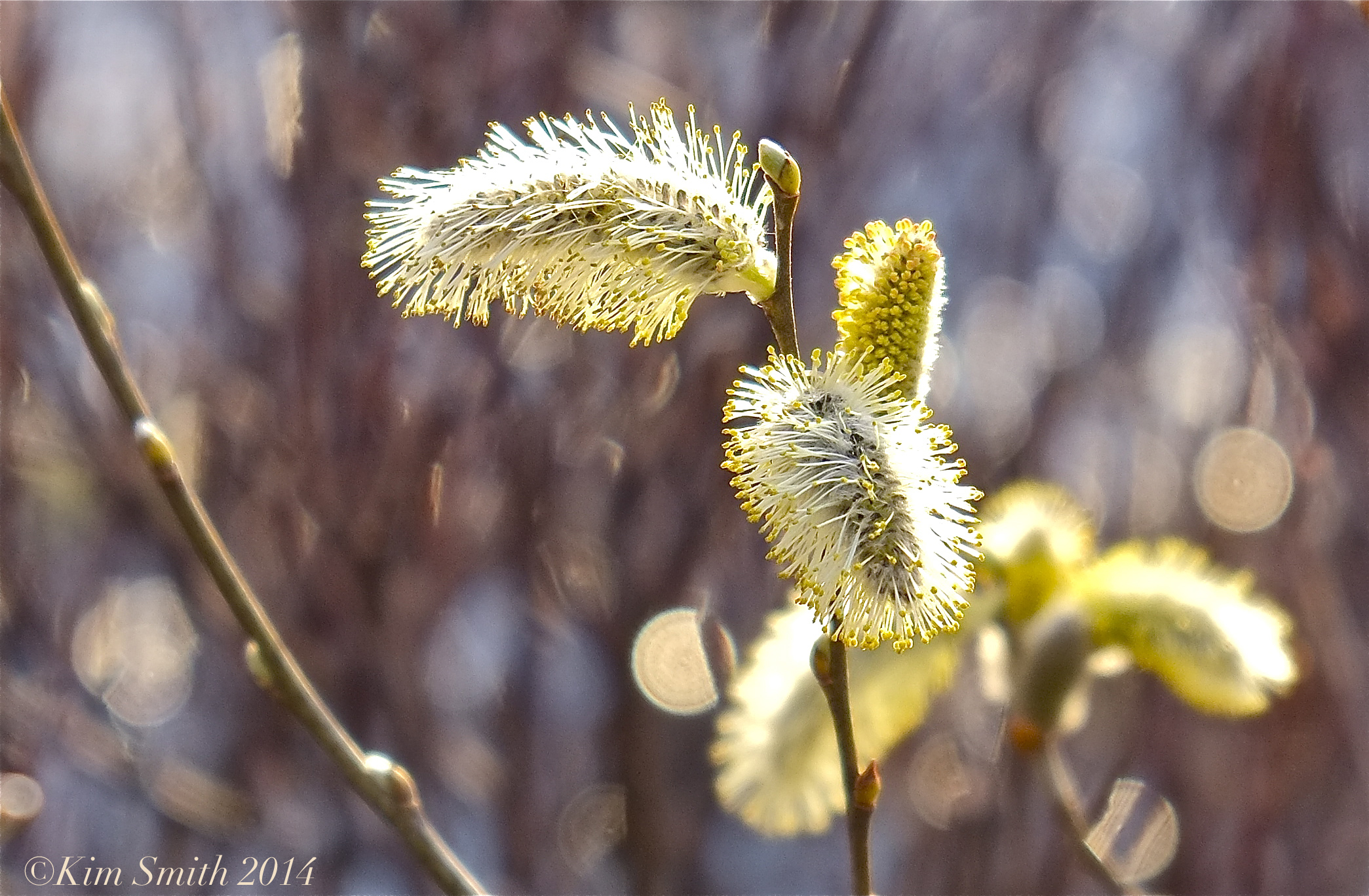 Pussy Willow (Salix discolor)
During the winter months Mourning Cloaks live tucked away in cracks and crevices, between chinks of tree bark, for example. At the first warm breath of spring they begin to take flight, searching for a mate. You’ll often see them on the wing around Pussy Willows, one of the Mourning Cloak caterpillar’s food plants.
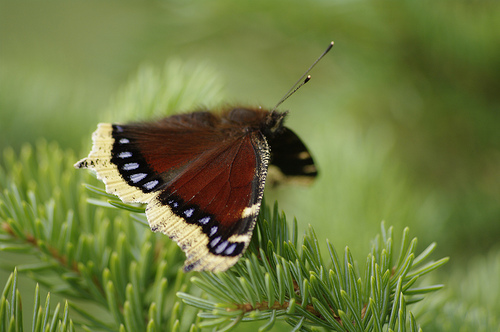 Mourning Cloak image courtesy wiki commons media

Did you know that the facilities and equipment at Cape Ann TV are available to all Cape Ann residents? All you need to do is to become a member and pay a yearly membership fee of $20. We also provide the training, no experience necessary. To sign up for the class or for more information about Cape Ann TV call: 978-281-2443 or email lsmith@capanntv.org. website: http://www.capeanntv.org


 Yesterday afternoon as the sun was setting I stopped down the Jodrey State Fish Pier to see if there was any ice left in the harbor. There was some, but it seemed mostly along the edges. Snapping photos of the Captain Joe fishing boat, I met the captain of the Captain Joe and, no surprise, his name is Captain Joe! He was super personable to talk with and asked whether I was speaking American English or was from Great Britain. I asked him from where was his accent and he said a combination of Sicilian and Italian. One of the crew joked and demanded a $100.00 per shot as he assumed I was working for an international magazine. Funny! I told them all about Good Morning Gloucester. If you read this Captain Joe, thanks for the photos of your beautiful boat in the setting sun!
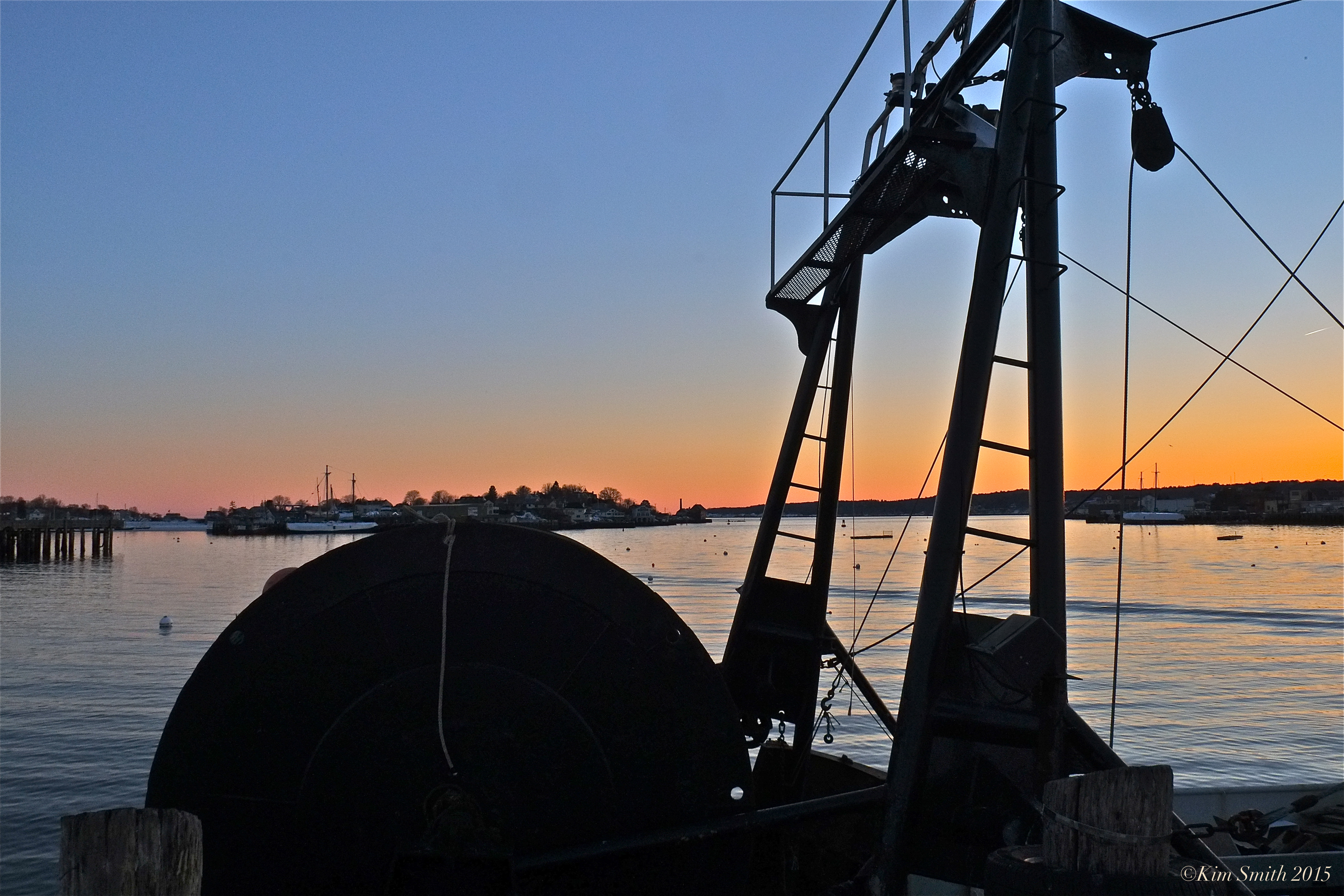

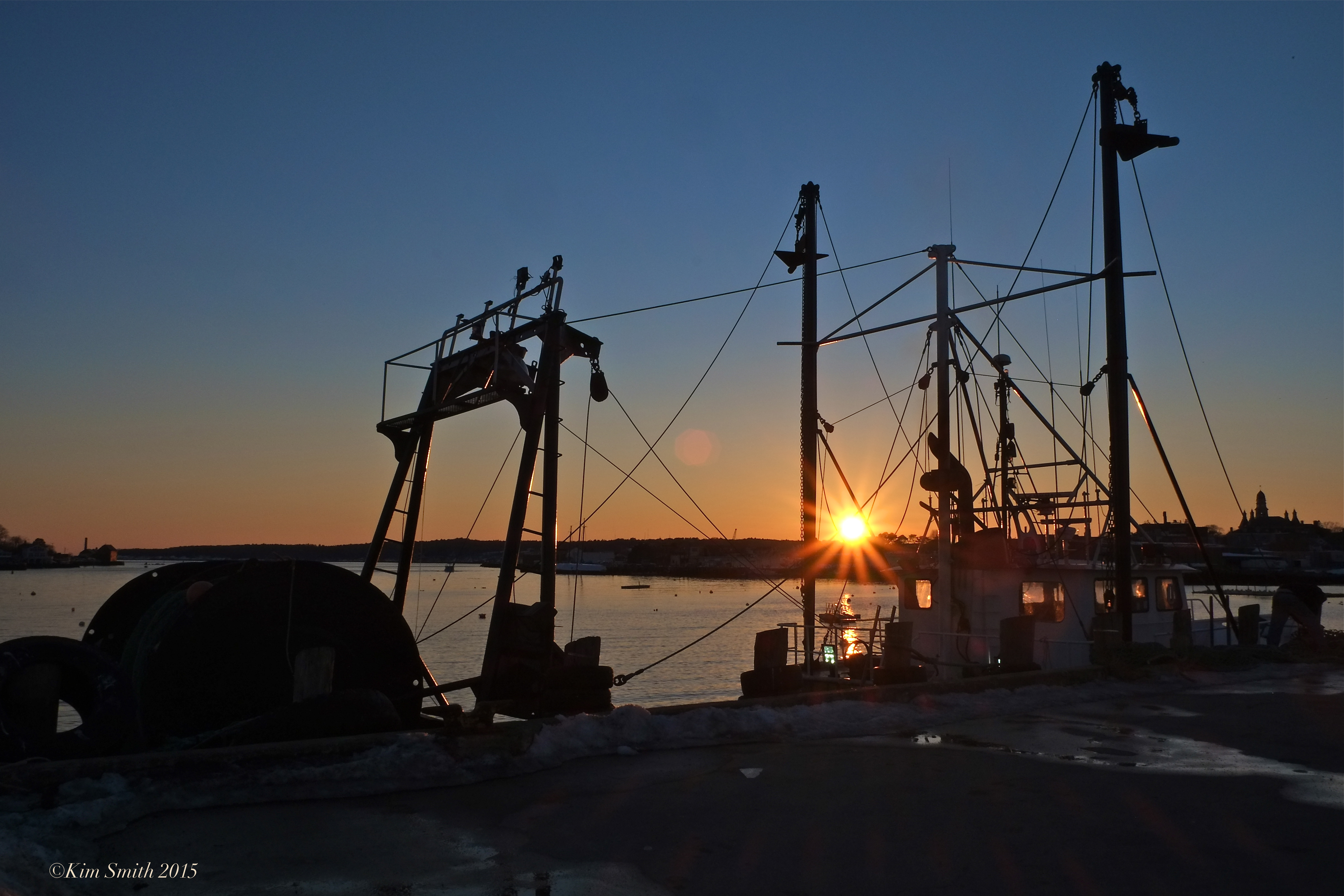
 I think the photos would be prettier if it were high tide, and will try again one afternoon.



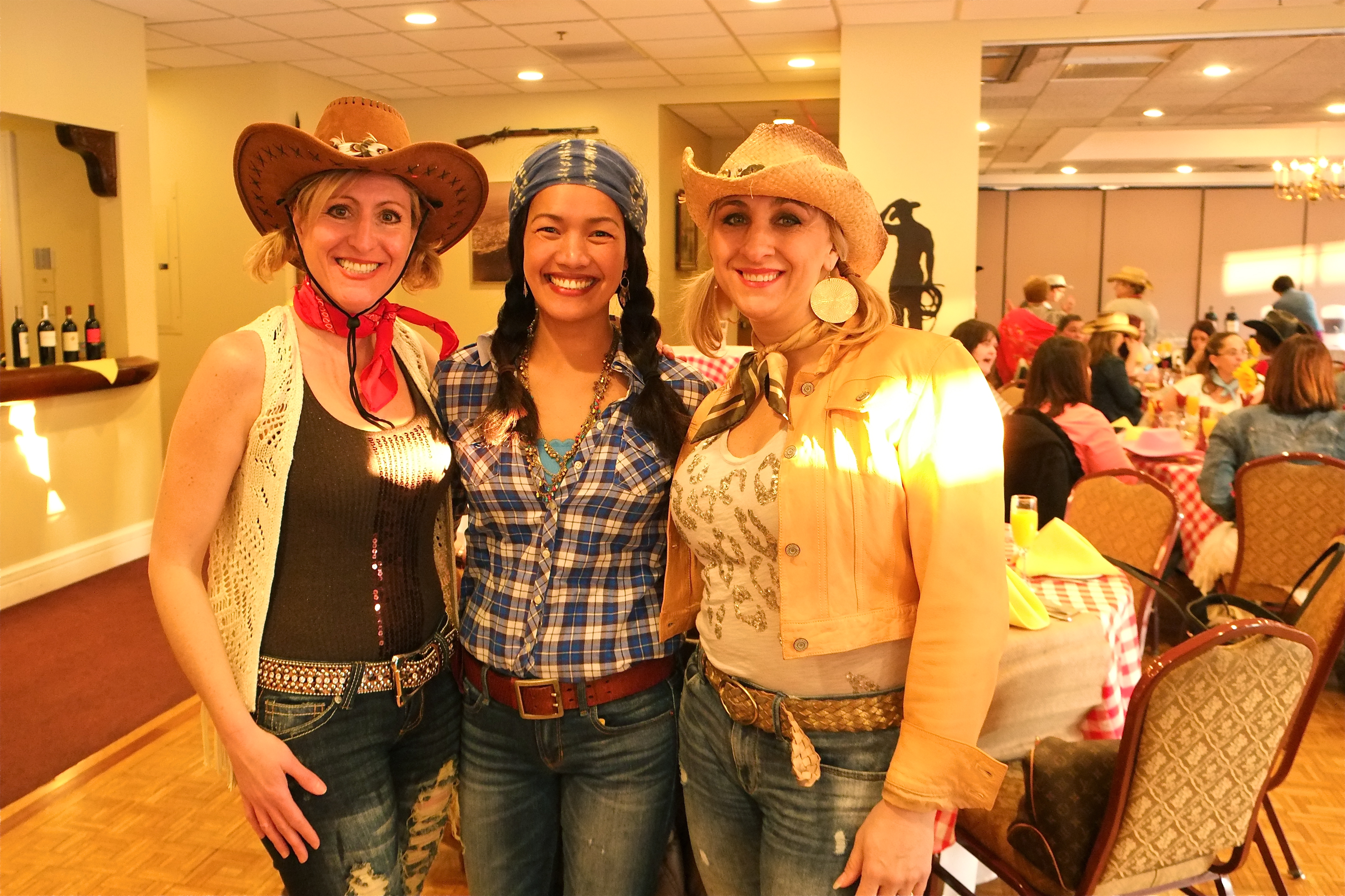
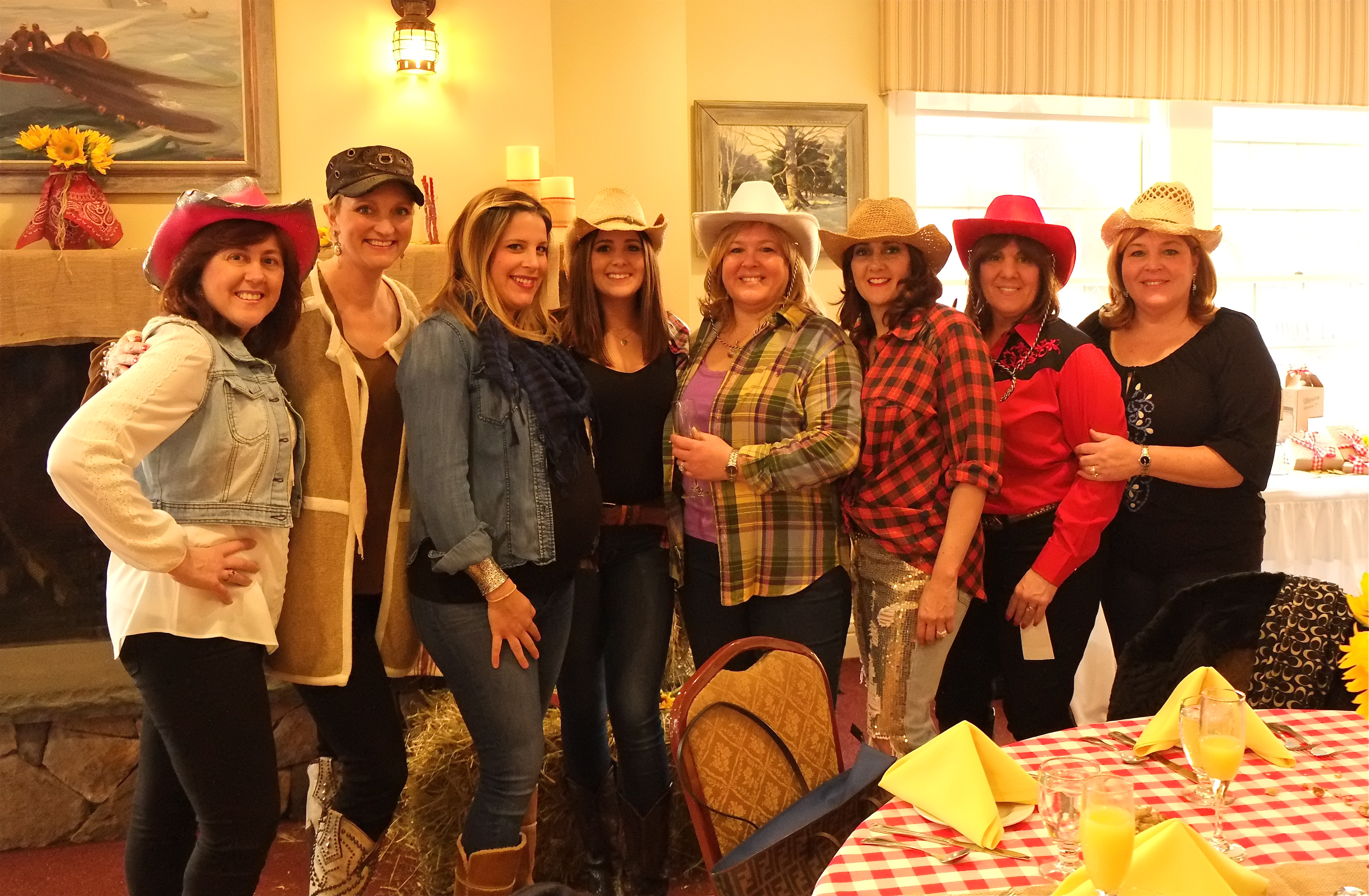
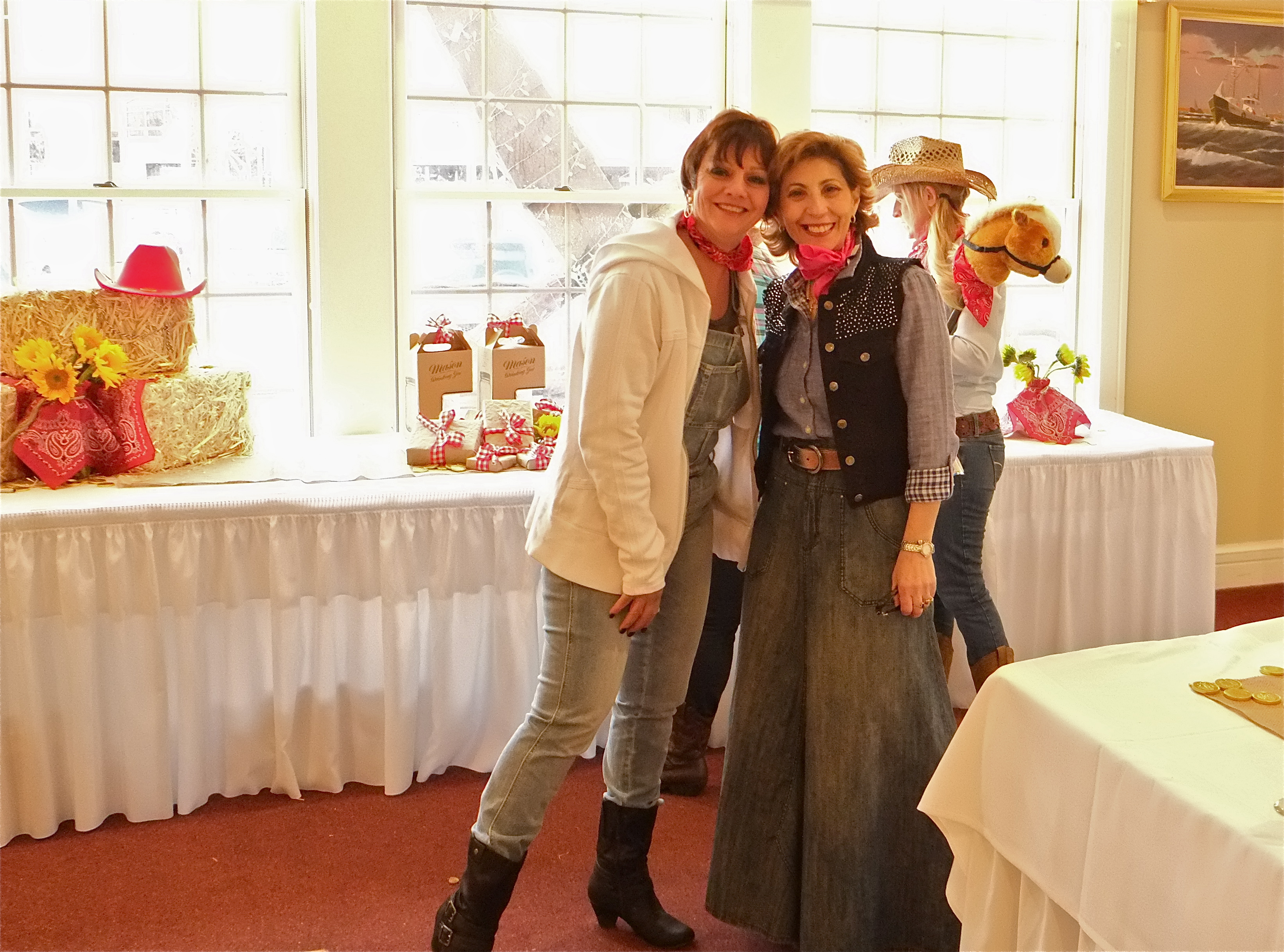
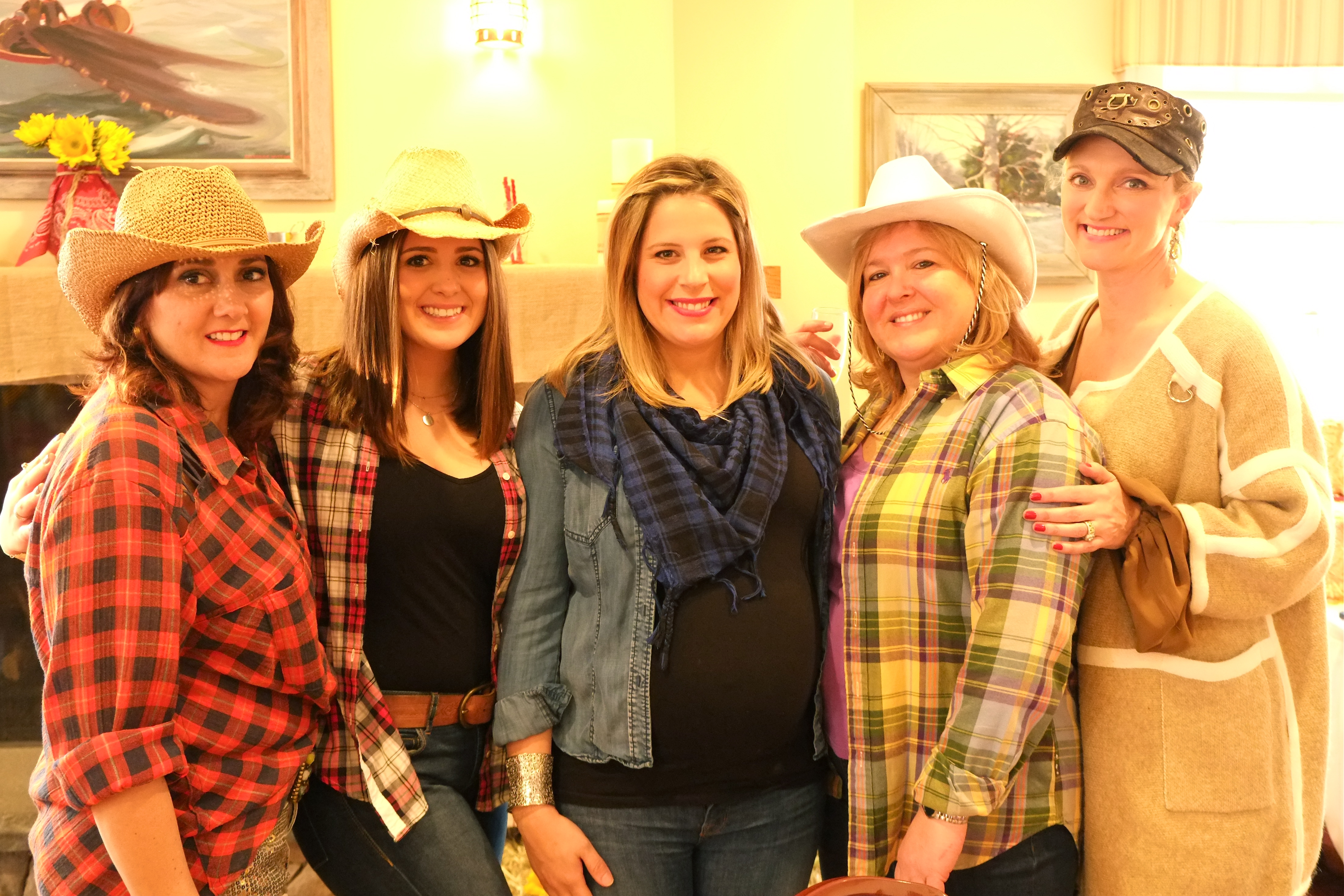
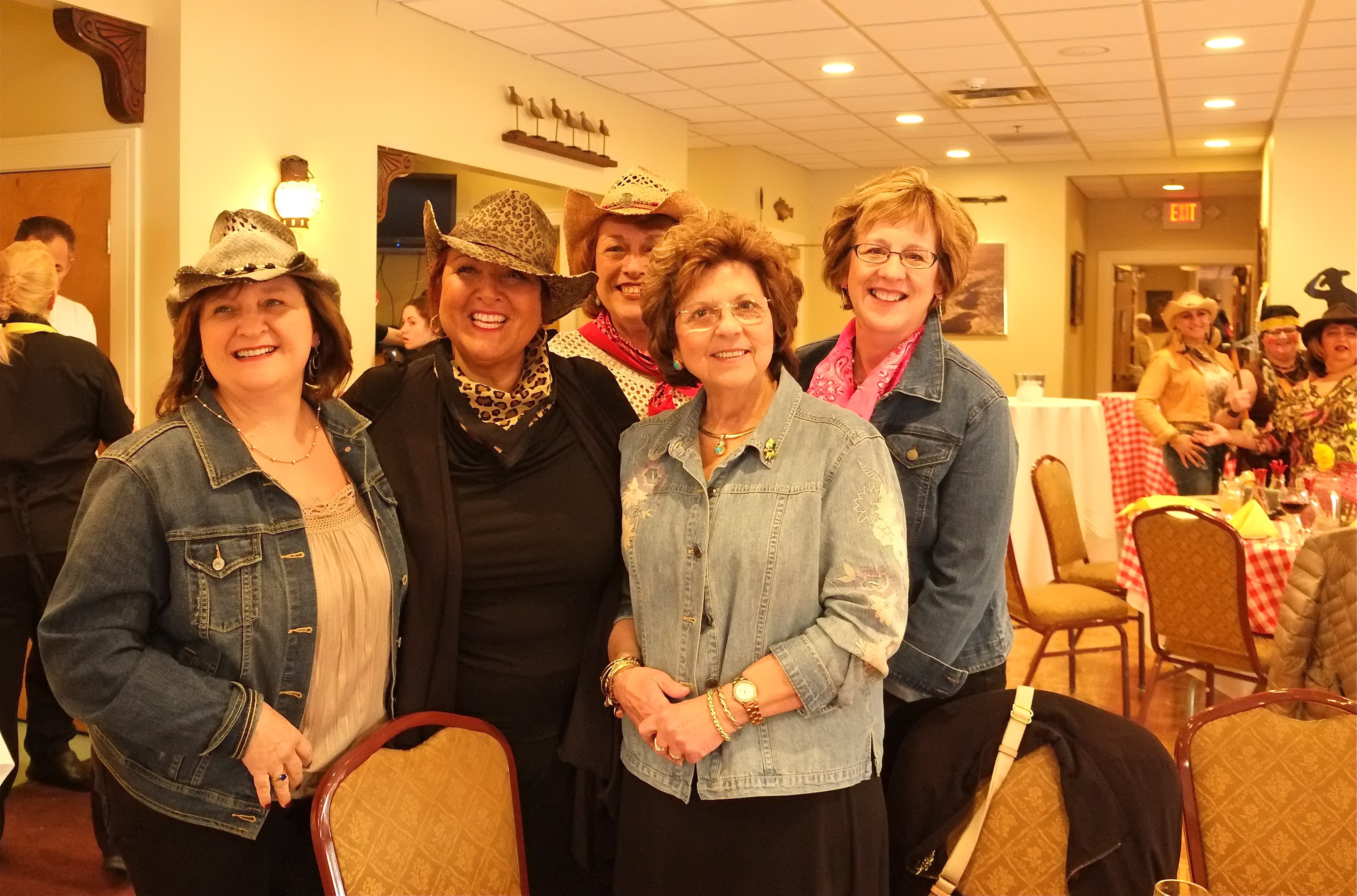
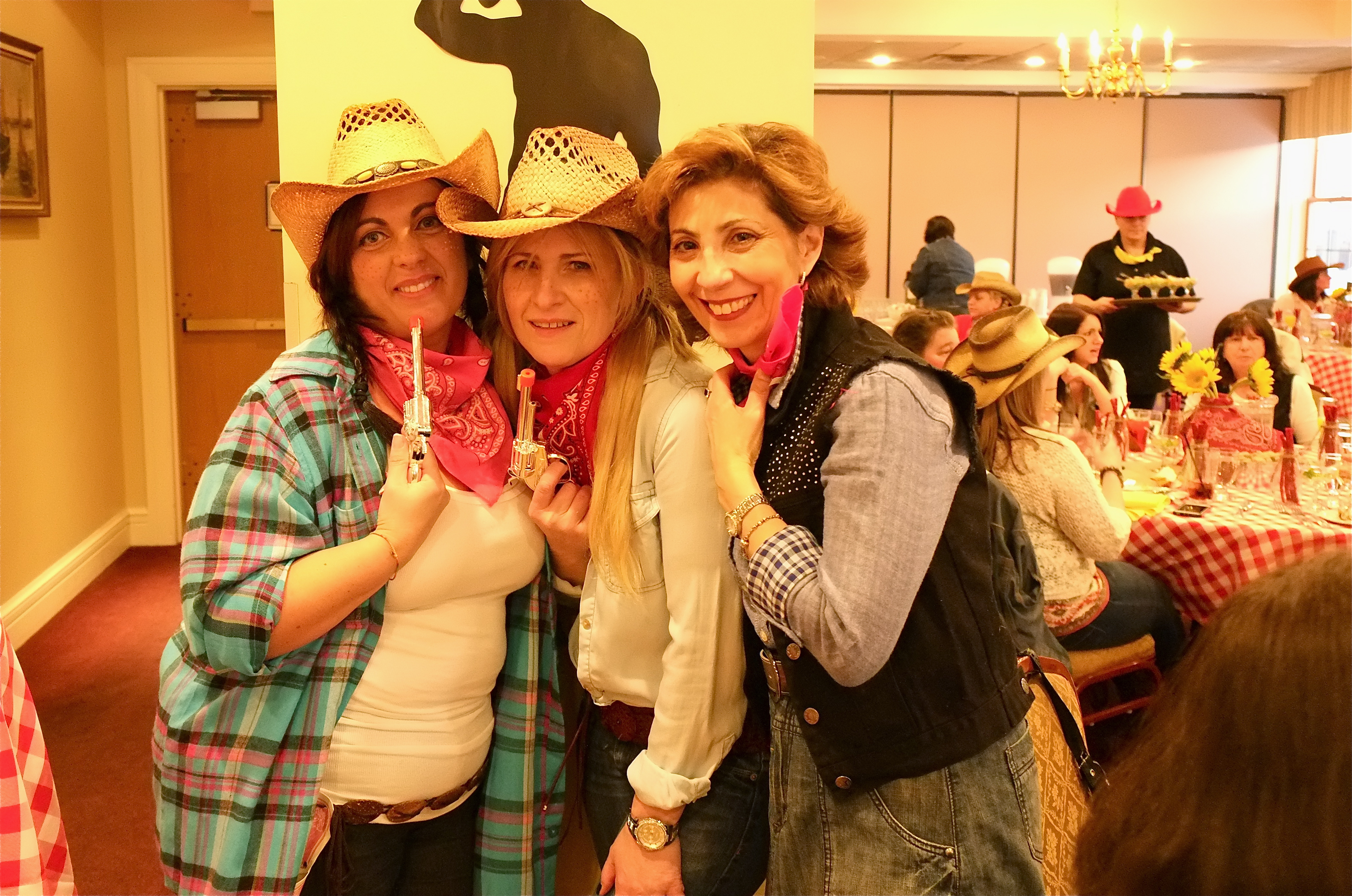
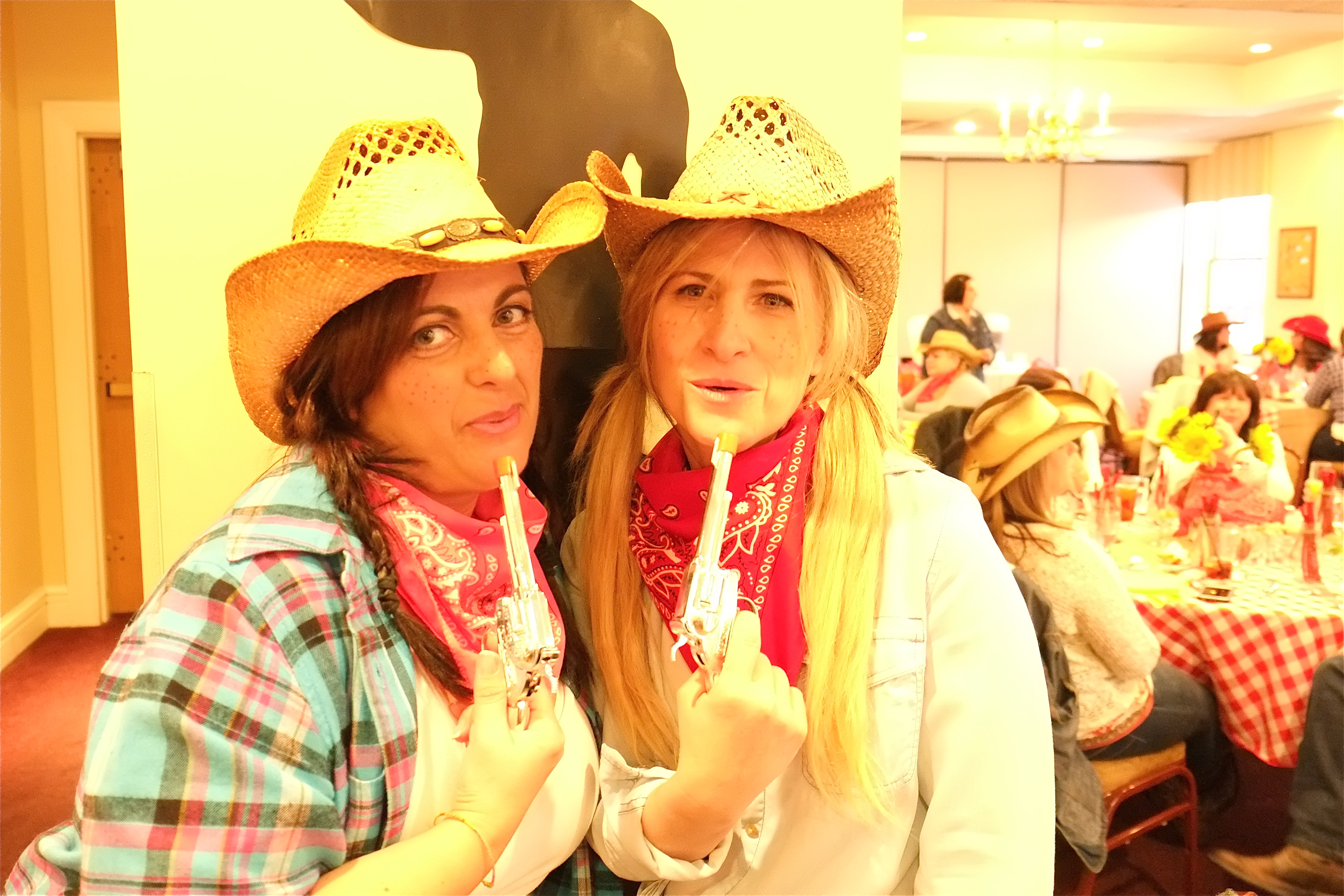
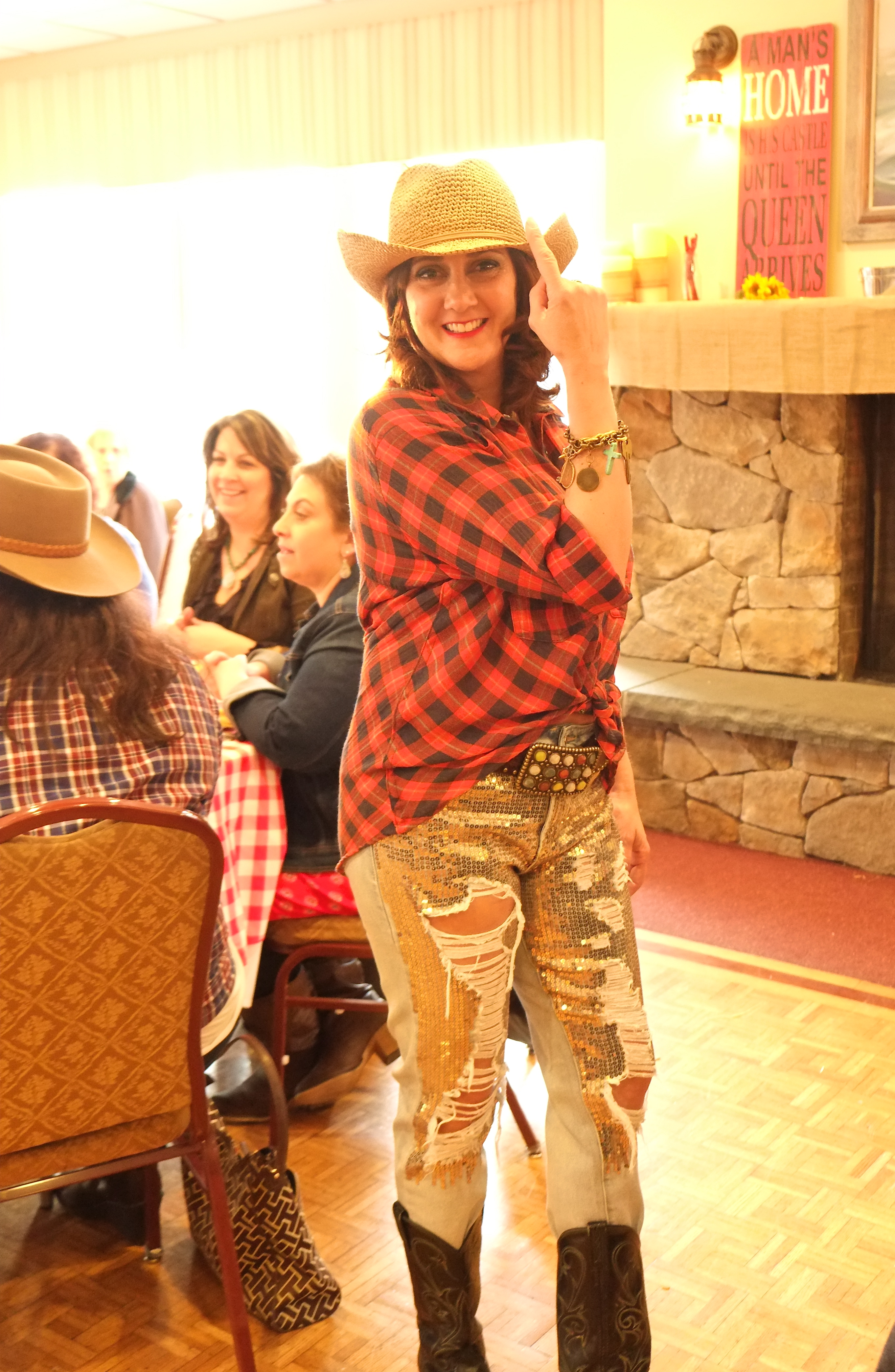
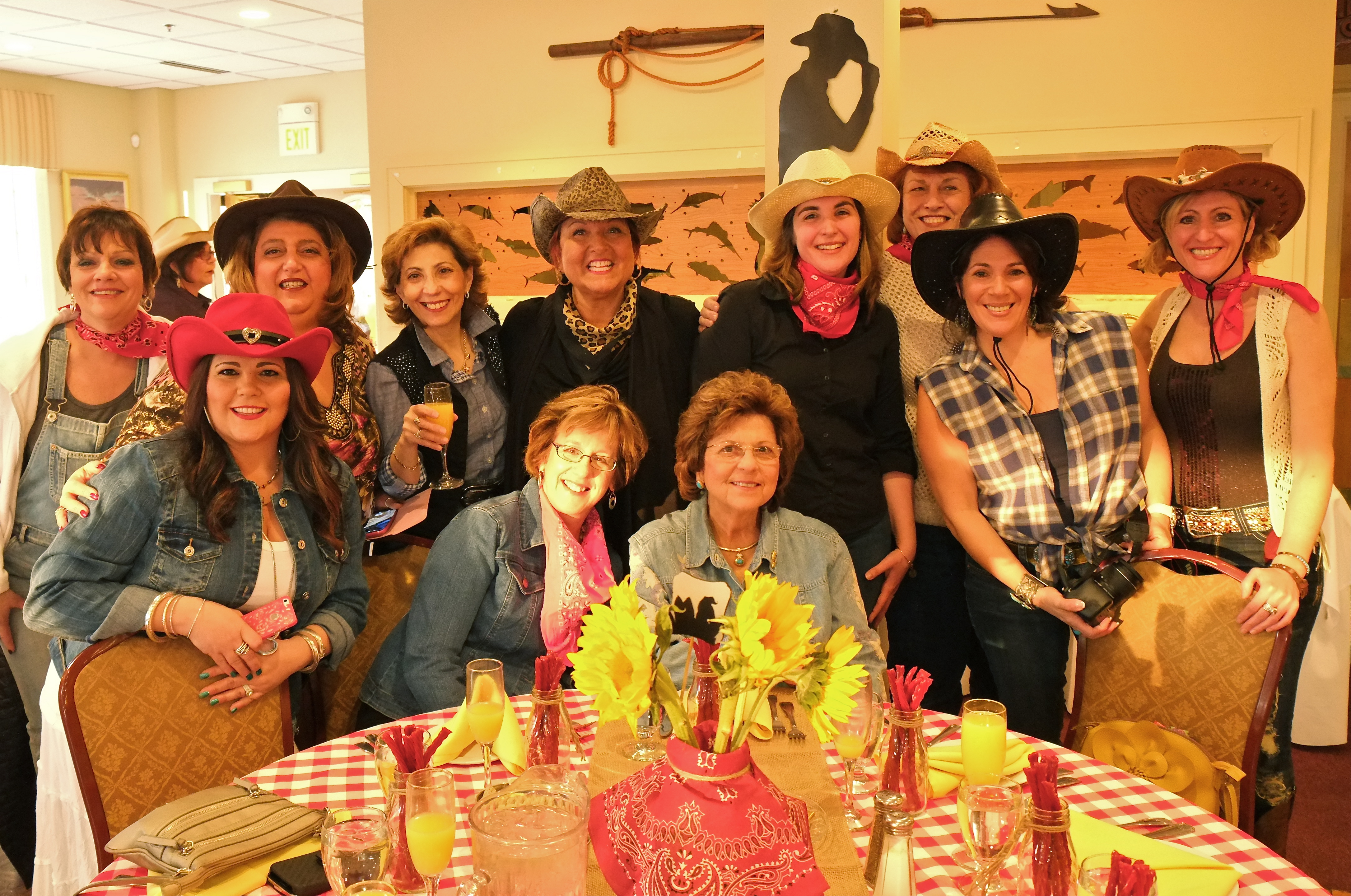 International’s Women’s Day, or Festa della Donna, held last night at the Gloucester House Restaurant and hosted by Figli di Trappeto was, simply put, a smashing fun time. In attendance were an amazing group of Gloucester community-minded women and it was an honor to be with such a group, and all gathered under one roof!
Crocetta Groppo gave a heart felt speech honoring Gloucester’s first Sicilian-American woman mayor, Mayor Sefatia Romeo Thekan. The guests included State Representative Ann Margaret Ferrante, Angela Sanfilippo, and Mayor Romeo Thekan’s sisters Rosaria Floyd and Marianne Pacquette. The Gloucester House was transformed into a charming country western club with cheery red and white checked tablecloths, golden yellow sunflowers, red bandanas, milk bottle vases, and rustic touches abounding. After a delicious dinner of fried chicken, ribs, succotash, and macaroni and cheese, dancing ensued well into the night.



Mayor Sefatia Romeo Theken has sent off a Memorandum to the City Council. It reads as follows.
“After a long, extraordinarily snowy winter, it’s time to celebrate the arrival of spring. In an effort to encourage people to shop and dine downtown, the Administration is announcing a parking meter holiday in which all parking meter fees on Main Street will be waived effective March 16 through March 31, 2015.
We are optimistic that this will generate much needed business for the downtown shops and restaurants and we are working with the Cape Ann Chamber of Commerce to reach out to the downtown merchants to publicize this promotional event”
In order for this “parking holiday” to work we must all be vigilant to make sure we all do not abuse the parking privilege by parking on Main Street. Please explain to employees that the parking in front of businesses are for customers only not employee parking.
Please, lets make this promotion by the Mayor work for us, God knows this has been one rough winter.
Thank You Madam Mayor, for helping and thinking of our downtown.
Moving Forward.
Joe Ciolino
Chair- Gloucester Downtown Association

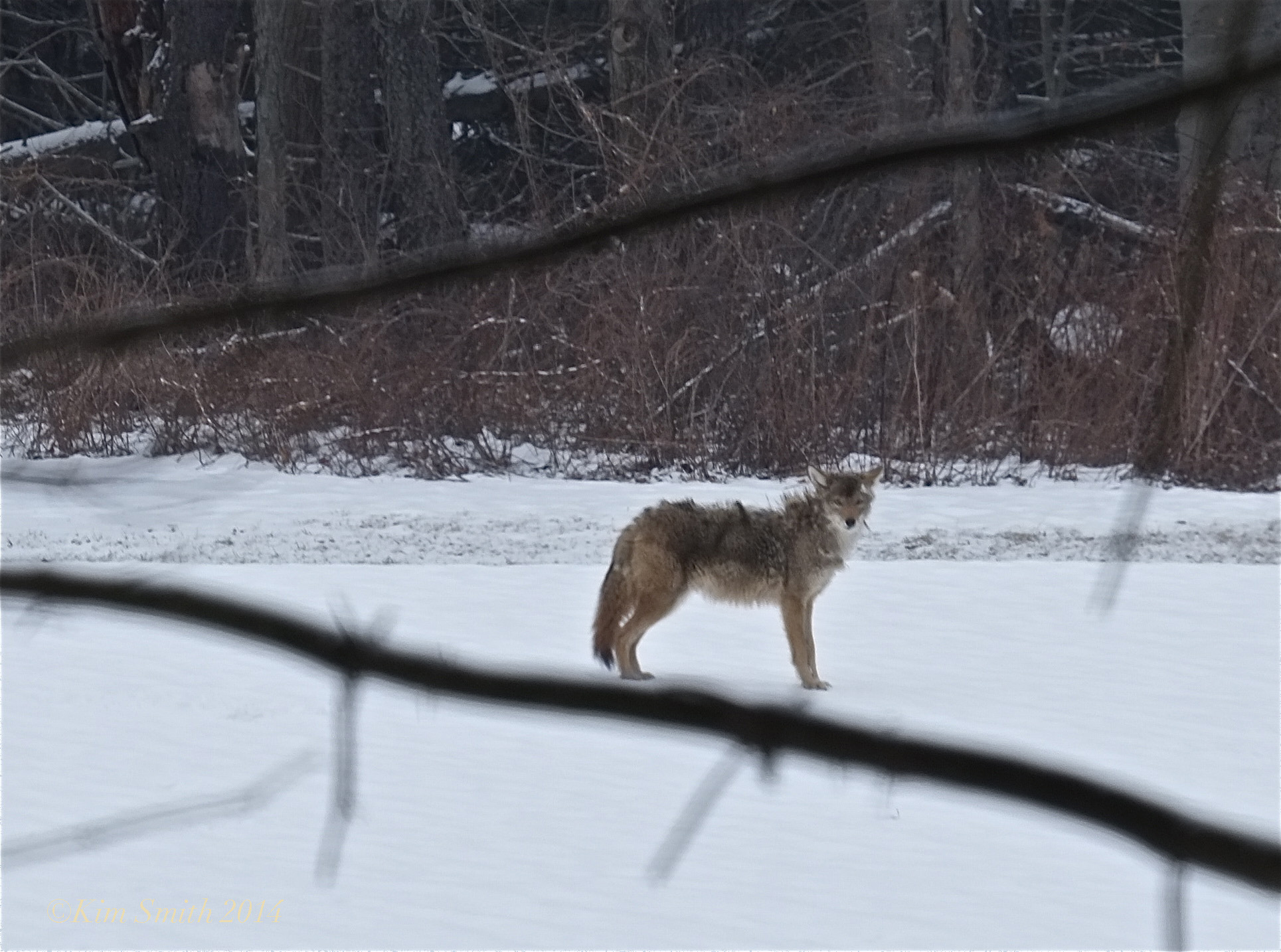
Joey forwarded the following information and links from an editorial that was recently posted on “North Shore Nature News.” We’ll post the first several paragraphs from the editorial, and the comment from Jim Schmidt that Joey found particularly interesting. In fairness to the author, the See More, directs the reader back to the original editorial.
“In Nancy Gurney’s classic children’s book, “The King, the Mice and the Cheese,” a king brings in cats to get rid of the mice eating his cheese. He then brings in dogs to get rid of the cats. Lions to get rid of the dogs. Elephants to get rid of the lions. And, finally, mice to get rid of the elephants.We find ourselves in similar straights with the eastern coyote.
Wolves once occupied the top of the area’s food chain. But we hunted them into near extinction. So, with no wolves in the area, coyotes began to enter the commonwealth in the 1950s as the food chain’s top dog. DNA evidence shows the coyotes mated with what was left of the wolves and with dogs. The cross breeding created the eastern coyote, a larger version of what wildlife experts now call the western coyote.
The coyote is bolder and more adaptable than the shier, more reclusive wolf. So, instead of confining itself to rural areas, as the wolf once did, the coyotes occupy rural, suburban and urban habitats. Add the fact that Massachusetts loses an estimated 40 acres a day of rural land to development and it’s inevitable the human and the coyote worlds will collide.” – See more at: Ipswich Wicked Local
Comment from Jim Schmidt:
“I have 54 years of first hand and face to face experience with coyotes. I retired as a fulltime USDA government coyote specialist recently. I have dealt with coyotes in New York, South Carolina, Kansas, Texas, Colorado, New Mexico, Nevada, Utah, and Arizona. Many remarks in this editorial are very incorrect. Coyote are dangerous wild predators. They are smart, problem solving, professional killers. They kill and eat everything too.
They DO NOT have to be rabid to be dangerous. Look up the “Biting Coyote of Green Valley, Arizona” as an example. This unprovoked coyote attacked and bit 8 adult people. The media and local medical professionals claimed it “must be Rabid” and it was not. How do I know? I was the one that removed him. Coyotes have a very low history of rabies too. I know first hand that coyotes will attack any size animal if it wishes. Three coyotes attacked and killed a large Rottweiler dog while the owner was walking it and another large dog. They killed and ate it-I was there again.
How do they kill a horse you ask? They will run it until it over heats and stops and often lies down and they take them. I have seen it again. They stand at the rear of a cow or horse giving birth and attack and kill the newborn when it hits the ground. Goats, sheep, chickens, cats, apples, water melons, garden hoses, and much more are at risk all the time…basically nothing is safe from the clever coyote. This dangerous animal will never be on welfare as it can take care of itself better than anything I know of or experienced.
I encourage you to learn the truth about coyotes not fantasies. They are a marvel of nature and they are in your state and community now. This is a professional dangerous killer for sure.” Jim Schmidt – See more at: Ipswich Wicked Local

I am looking forward to celebrating International Women’s Day, or Festa Della Donna, tonight with friends at the Gloucester House. We’ll be honoring Mayor Romeo-Thekan!
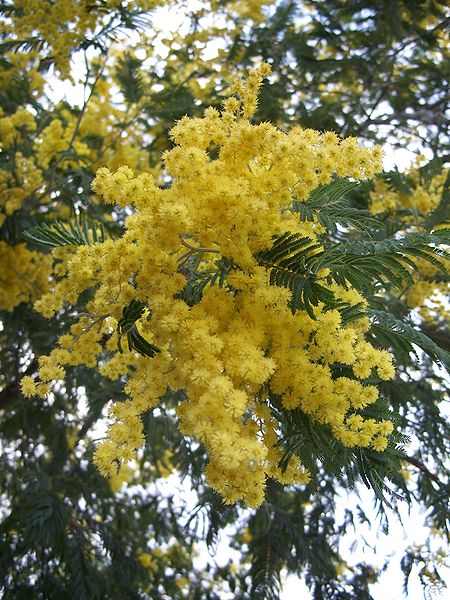
I was curious about the yellow flower that is traditionally given to women on International Women’s Day and it is the mimosa flower (Acacia dealbata), which has become a symbol of female solidarity. Immediately following World War II, it became popular in Italy to give the flower for La Festa Della Donna because of its cheery hue, sweet scent, and abundance in blossoms at that time of year.
International Women’s Day began as a day of memory and protest, following a tragic event that took place in 1908. One story of its origins purports that in early March of that year, the women textile workers (mostly Italian) at a New York City factory went on strike to protest the abhorrent working conditions. The owner blocked all of the exits to the factory and set the building on fire. The 129 workers trapped inside all died.

Super GMG FOB Al Bezanson sends along “Fast Food Stop”. What do you think Al–is it a male Dark-eyed Junco?

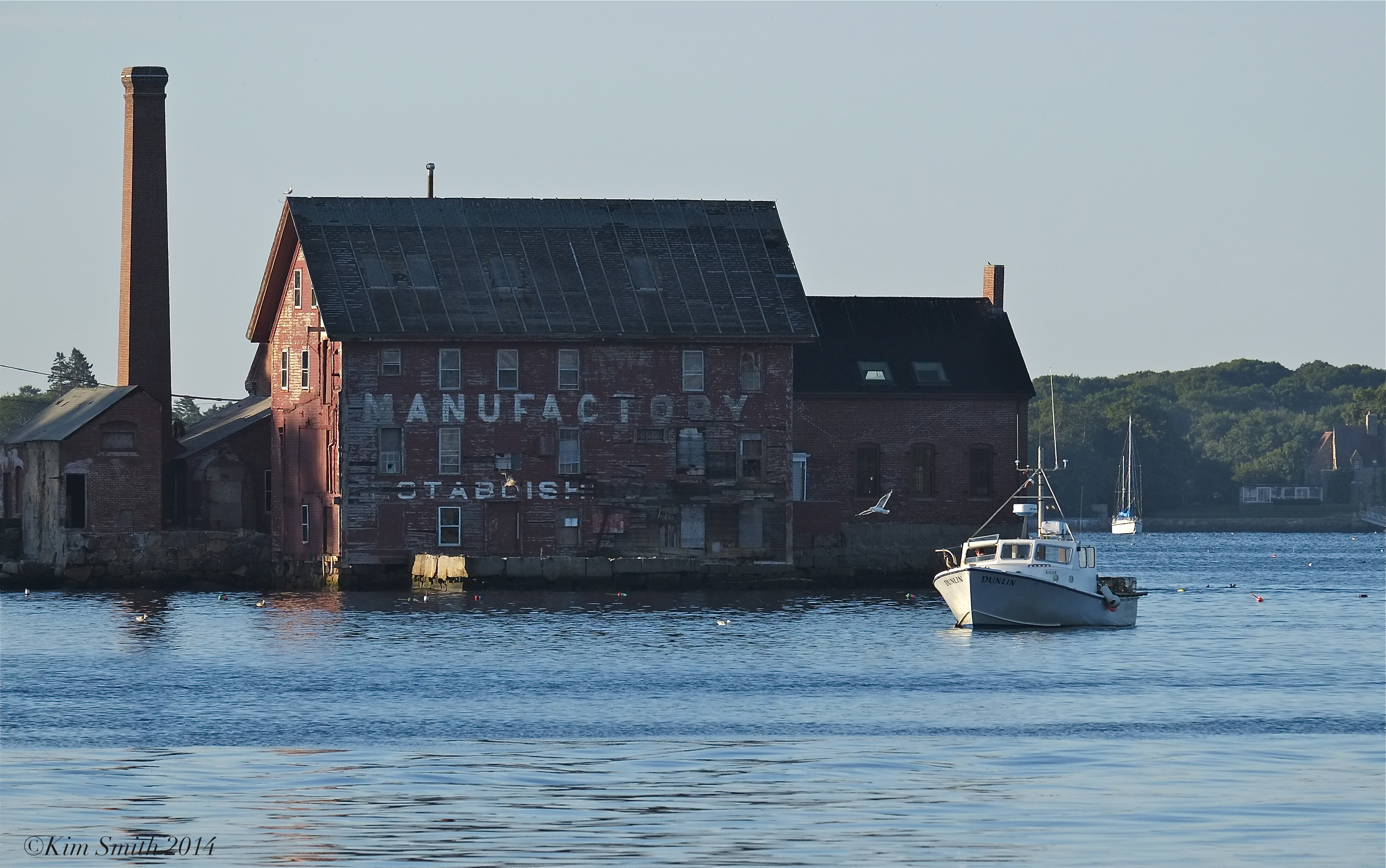 Dunlin Lobster Boat
Snapshots from an August morning, taken just after sunrise while watering the HarborWalk gardens. I am so swamped with work during the warmer months that I never got around to posting these.
Do you have a favorite Gloucester lobster boat? Two that come to mind immediately are the Stanley Thomas, painted in her classy red, white, and aqua blue, and the Degelyse, with her colorful orange flags. What’s yours?
Hurry Summer ~ We Miss You!
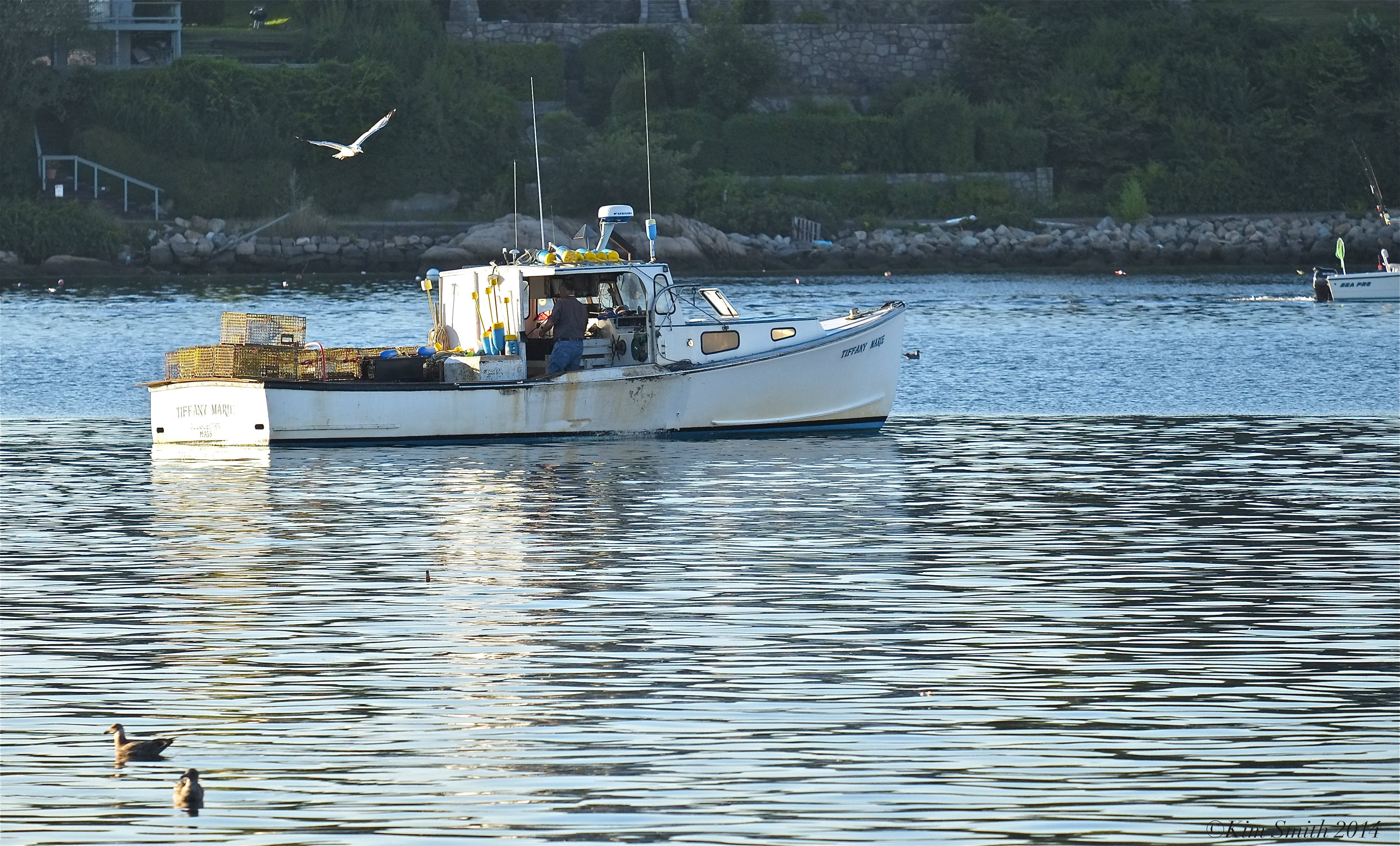 Tiffany Marie
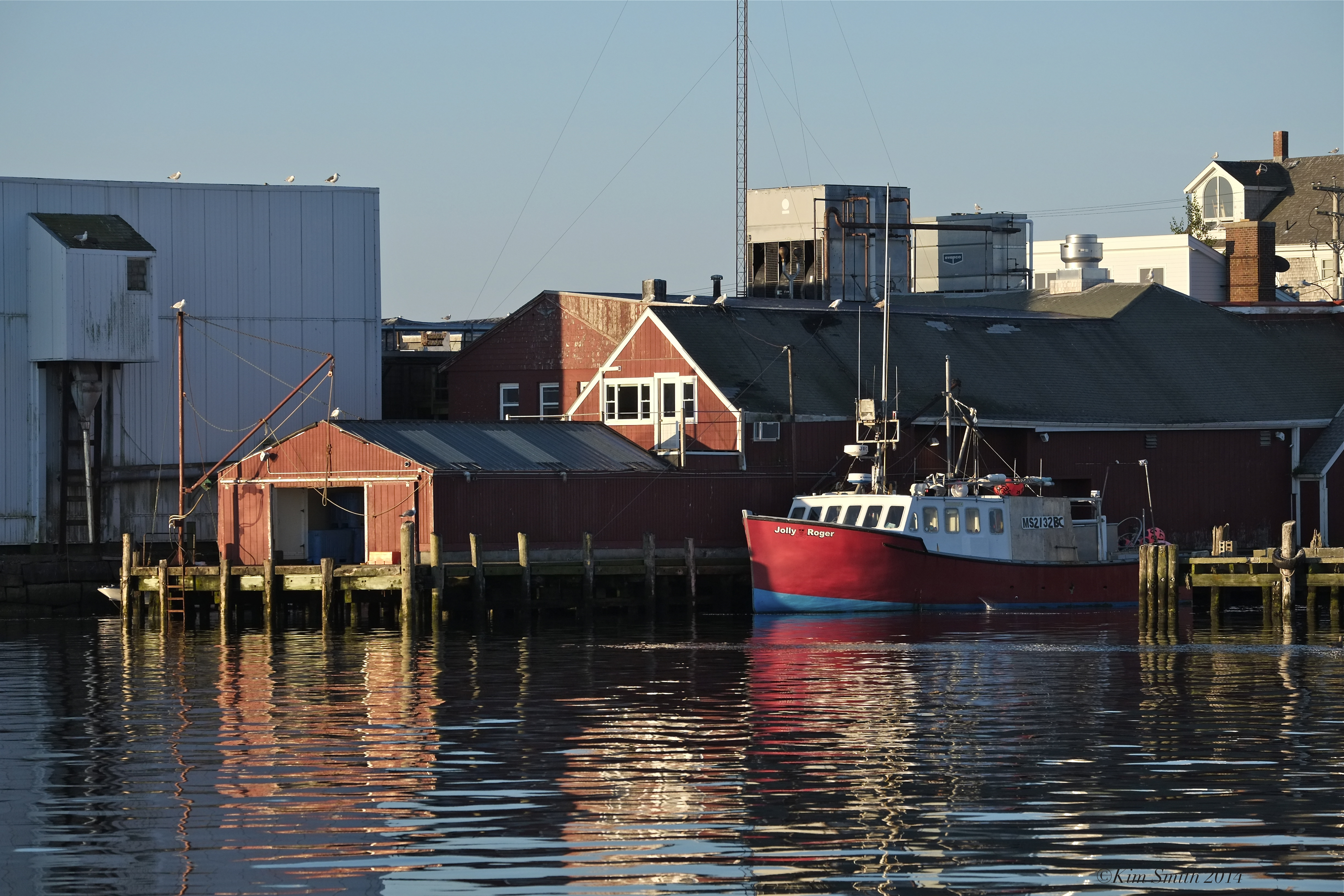 Jolly Roger
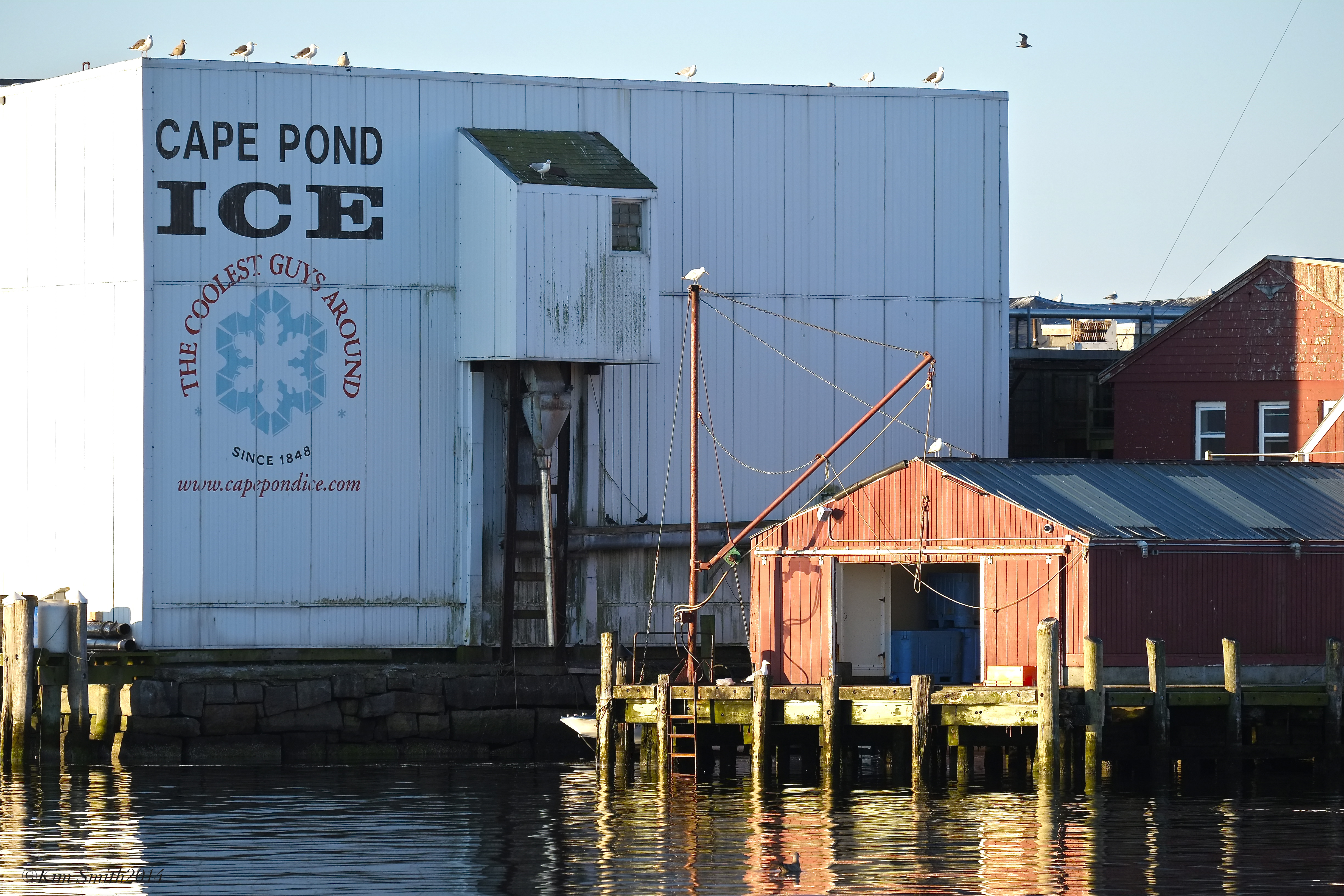 Cape Pond Ice
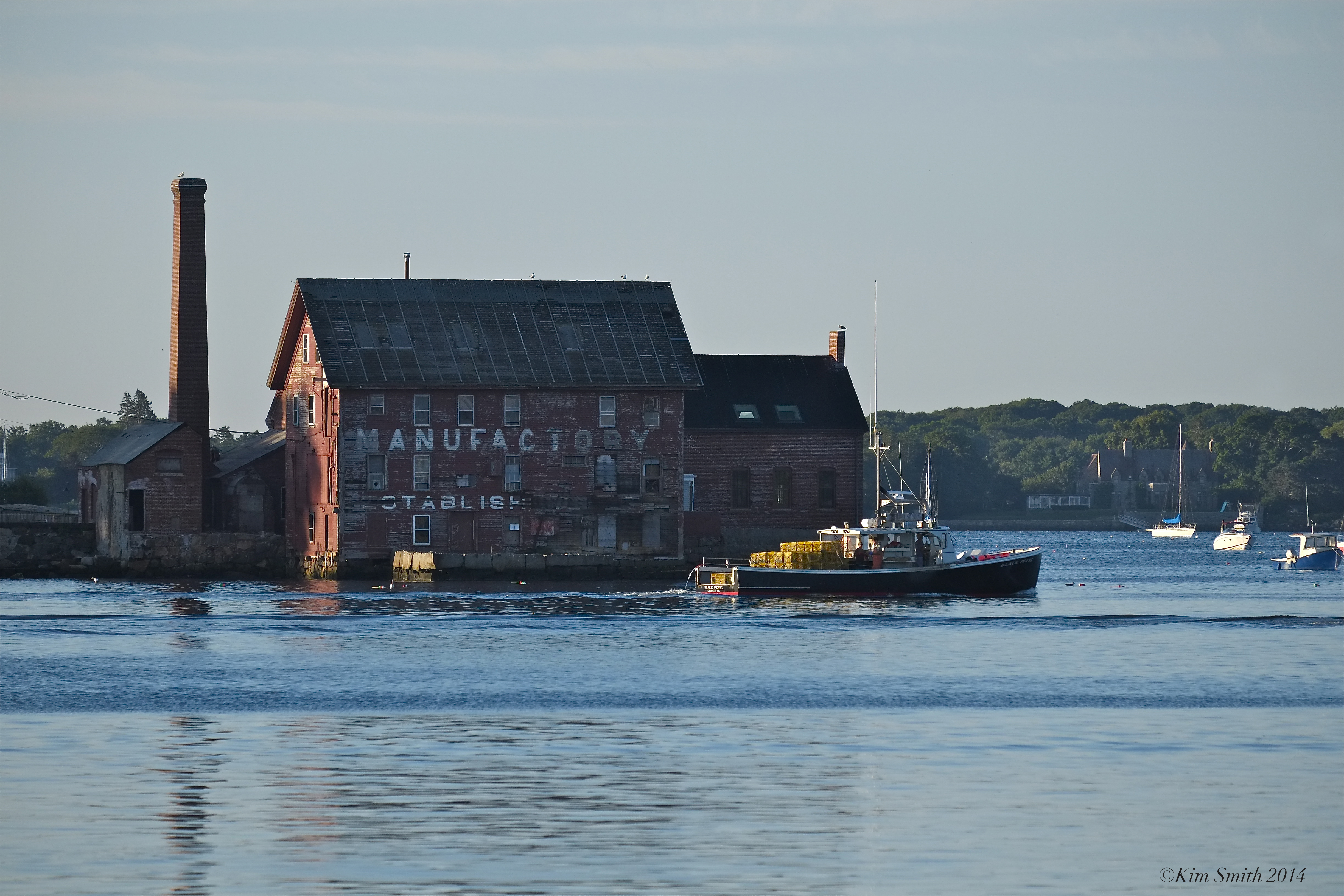 Black Pearl
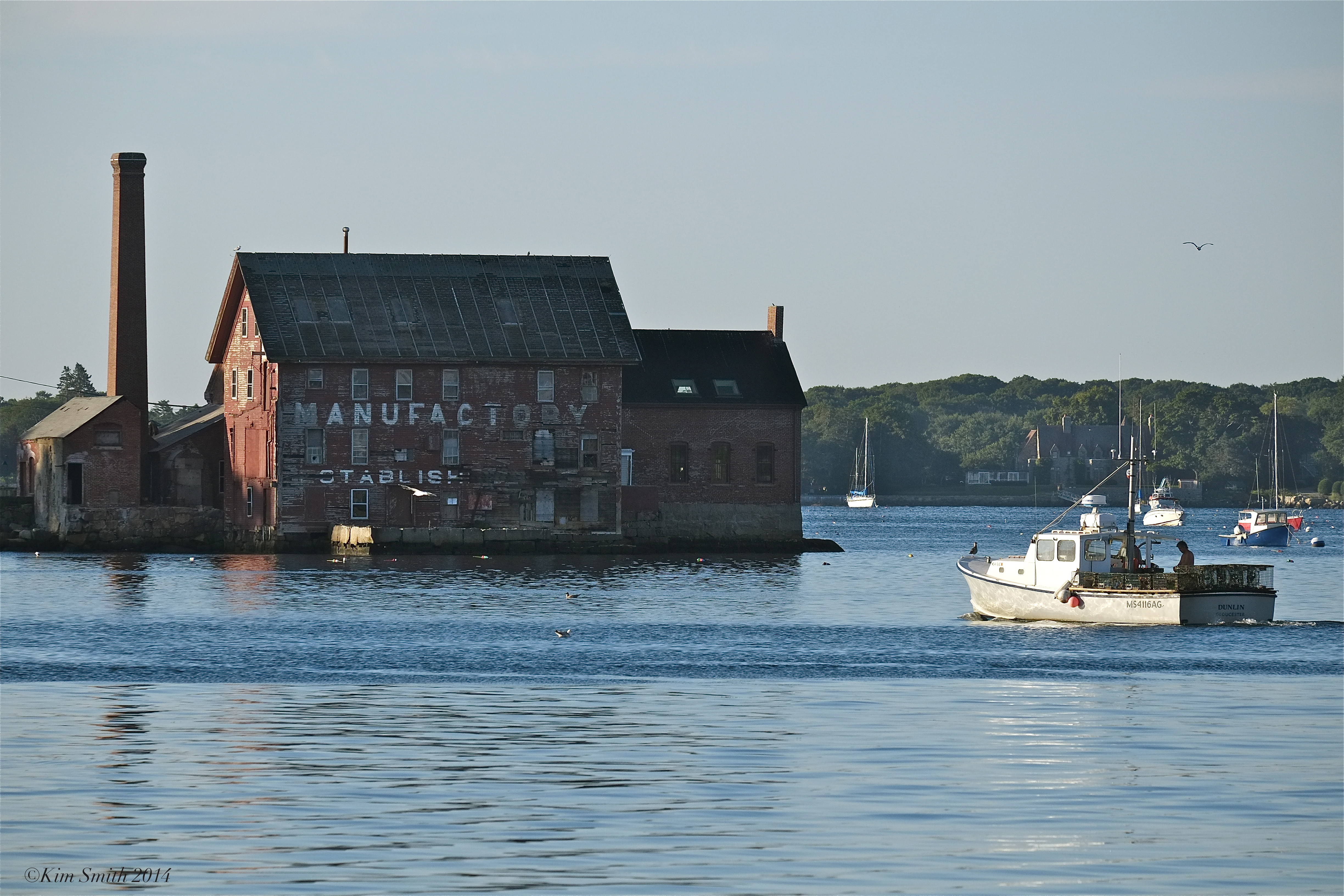 Dunlin

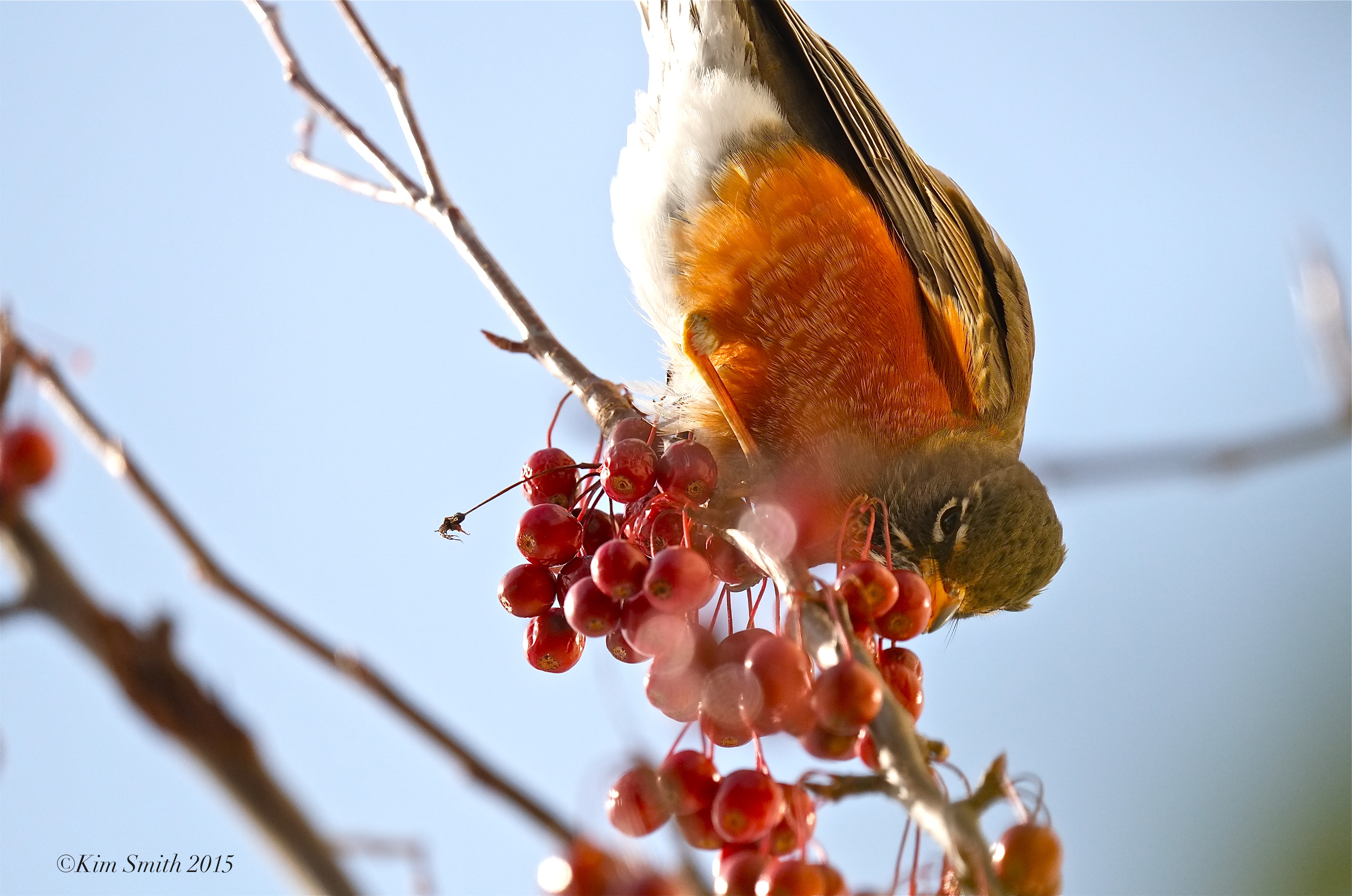
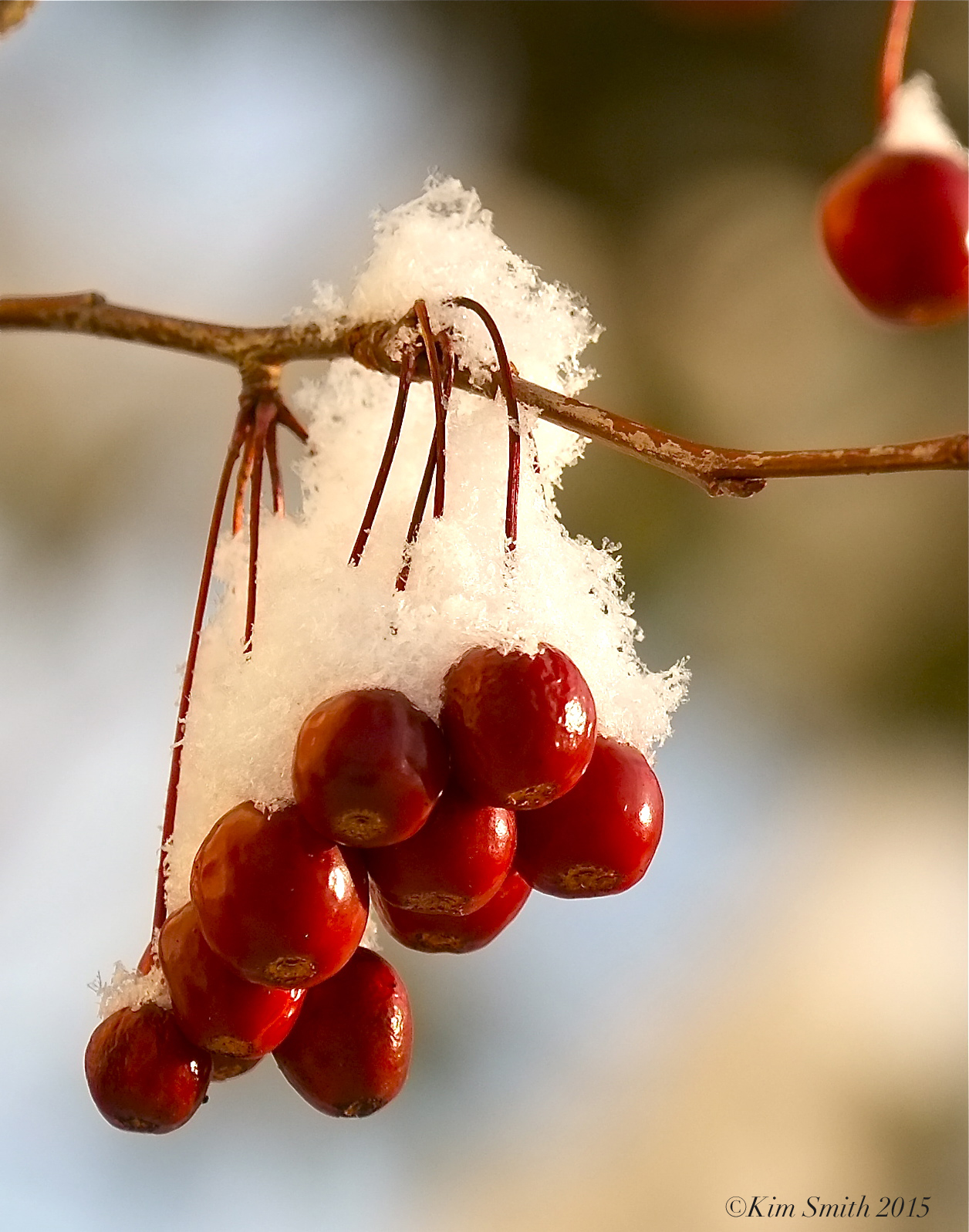
Outside my office window is a pair of stately hollies, our “Dragon Ladies;” aptly named for their prickly foliage, and adjacent to the hollies is a sweet scented flowering crabapple. The autumn fruits of this particular crabapple are chunkier than most and, I simply assumed, must bear the worst tasting fruit imaginable because year in and year out, the fruit is never, ever eaten by the birds. When flocks of robins arrive in our garden in late January, the winterberry and hollies are stripped bare of their fruits in a day, or two, at the most, after which the robins head to our neighbor’s sumac and then further down Plum Street to our other neighbor’s smaller and much better tasting crabapples.
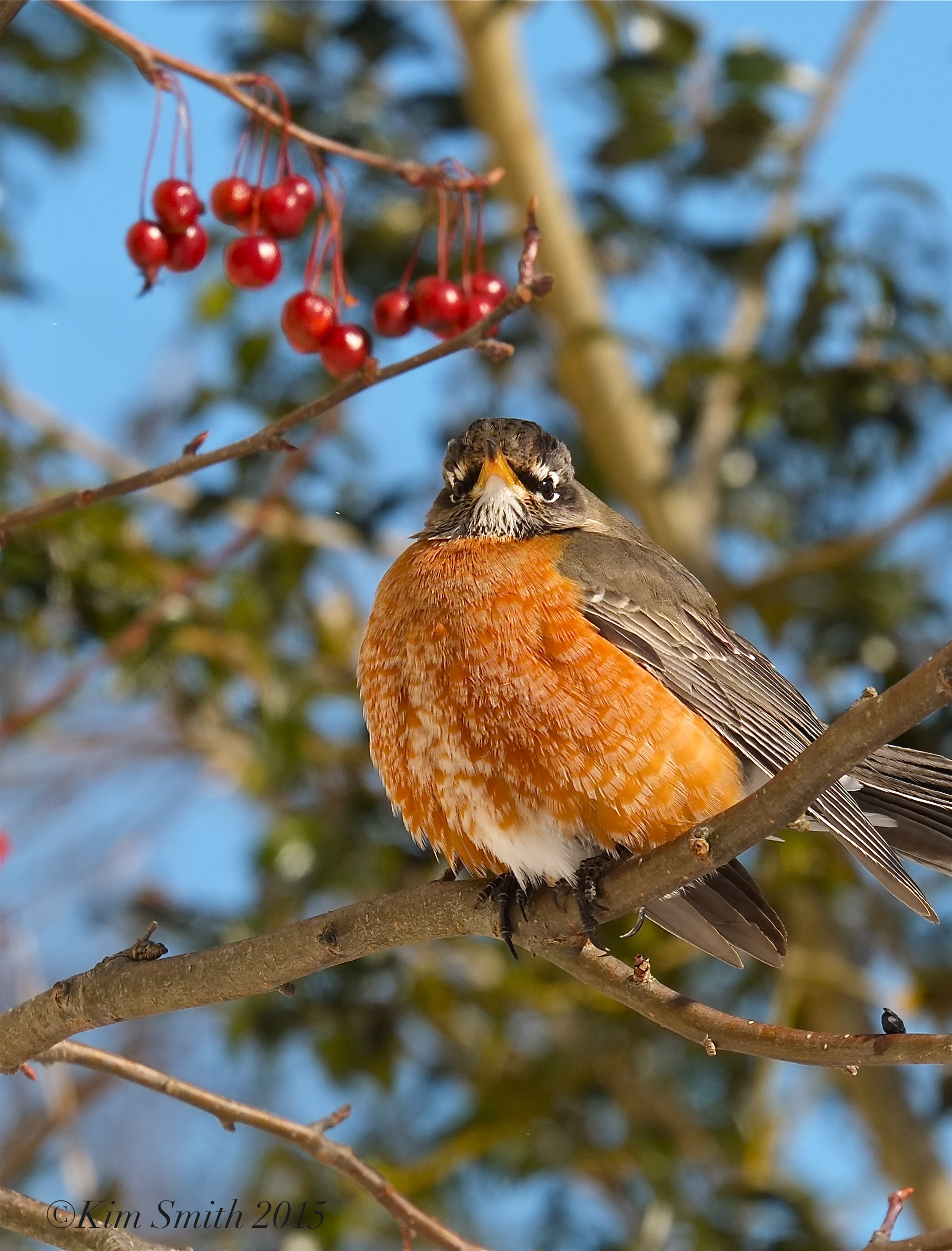 Not this year! A pair of robins is setting up house along the garden path and they vigorously defend the crabapples from other robins. In late winter, robins typically switch over to worms, but with the ground still frozen solid, they are continuing to look for tree fruits. Unfortunately, much of it has been consumed.
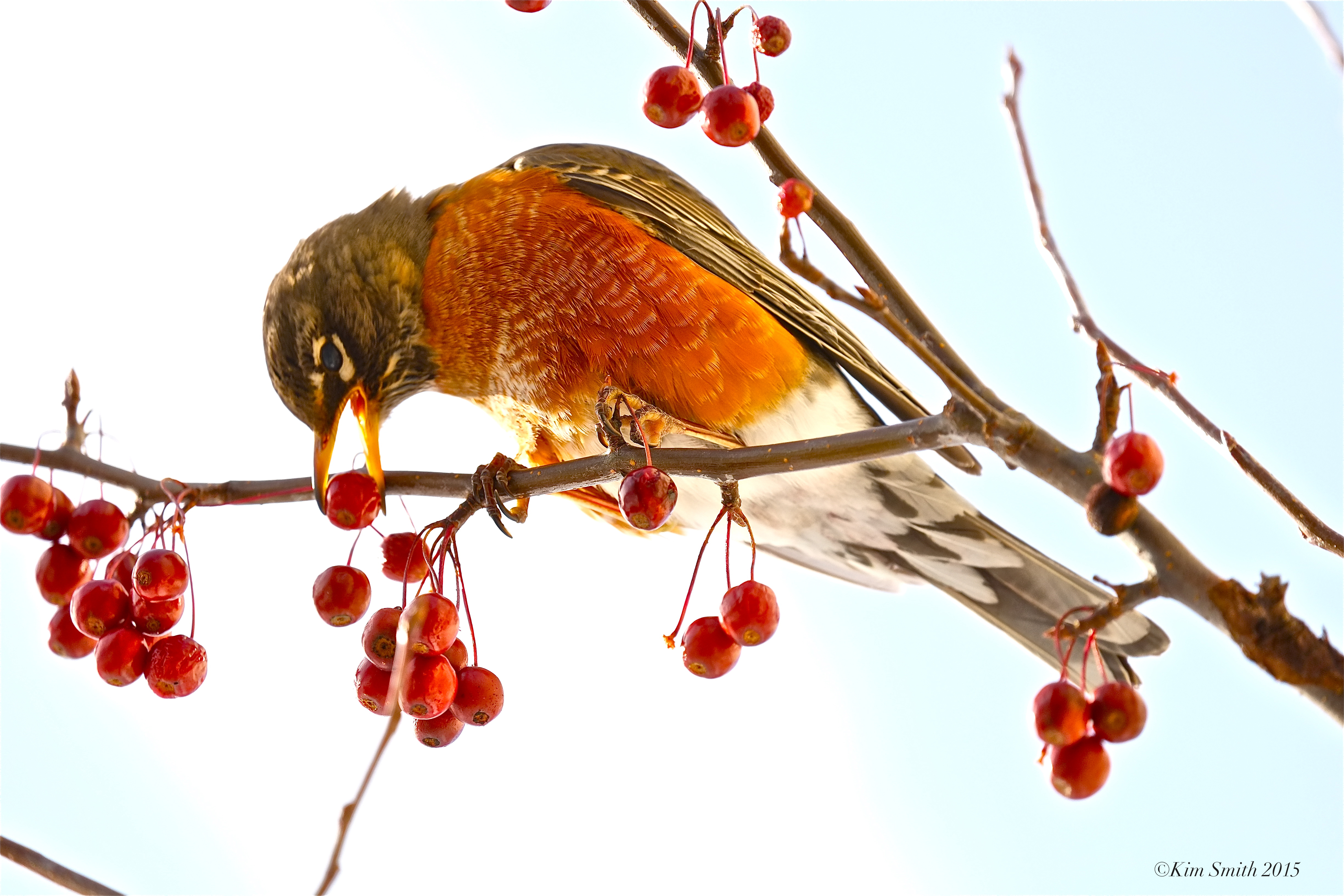
Repeatedly, I noticed that our robin couple was struggling to eat the crabapples. They would snip off a stem and then drop it onto the brick path below and peck and peck and peck. A robin’s bill did not evolve to crack open grains and as it seems in this case, nor for penetrating our unusually hard crabapples. A great deal of energy was being spent to get a morsel of food, which is never a good thing because it can leave a creature weakened and at risk of freezing to death.
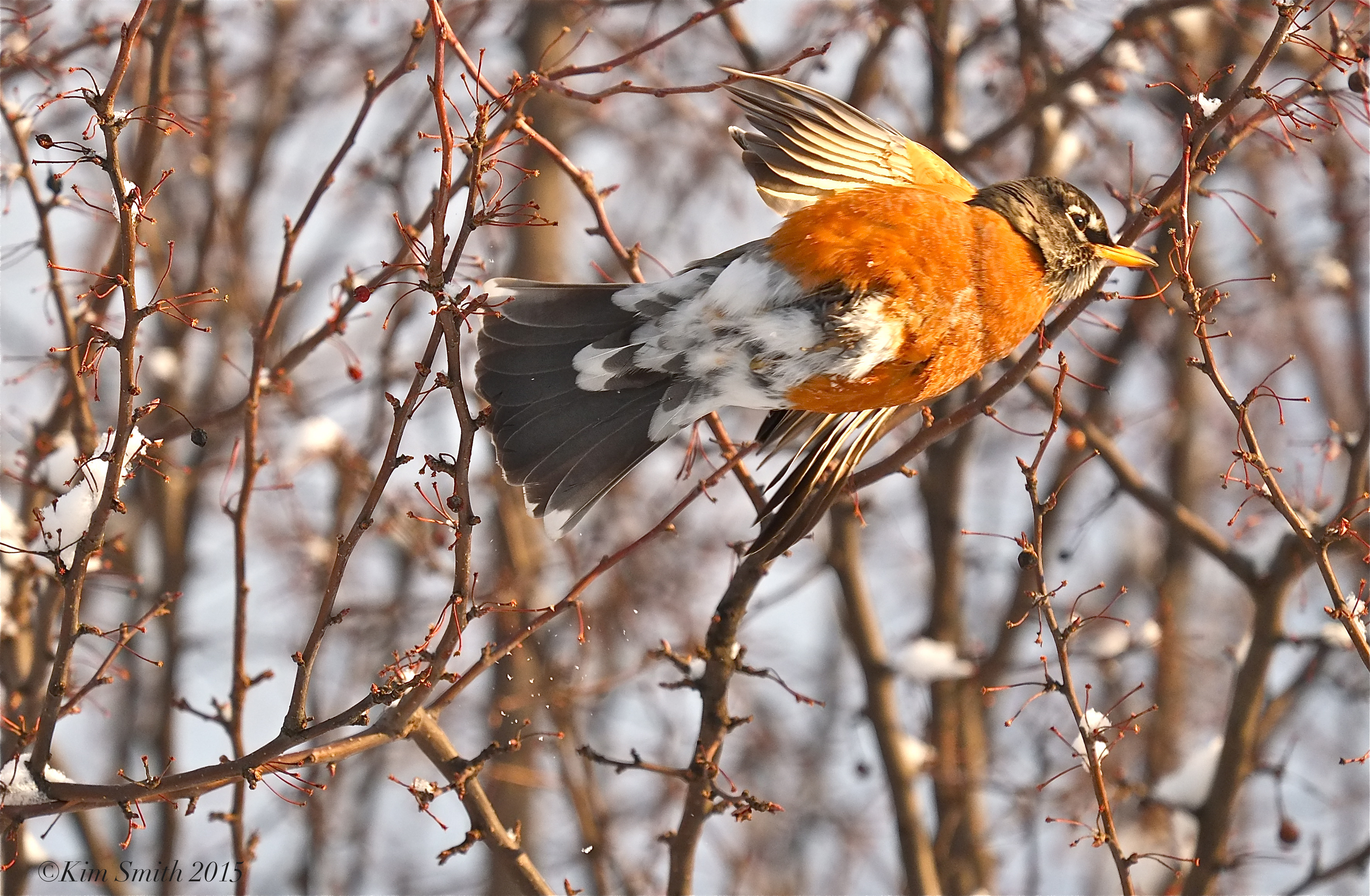 Robin in flight
I picked a few berries and made a crabapple mash, placed it under the tree and, within hours, all the fruits were devoured! Now when feeding the pets and filling the bird feeders each morning I pluck a small handful of crabapples, mash, and place in the pie tin below the tree. I’ve experimented with adding blueberries and raspberries to the dish, but the robins prefer the crabapples.
If we move very slowly when walking down the path, they now allow us to come quite close—and what a treat to observe from this distance—beautiful, beautiful robins!
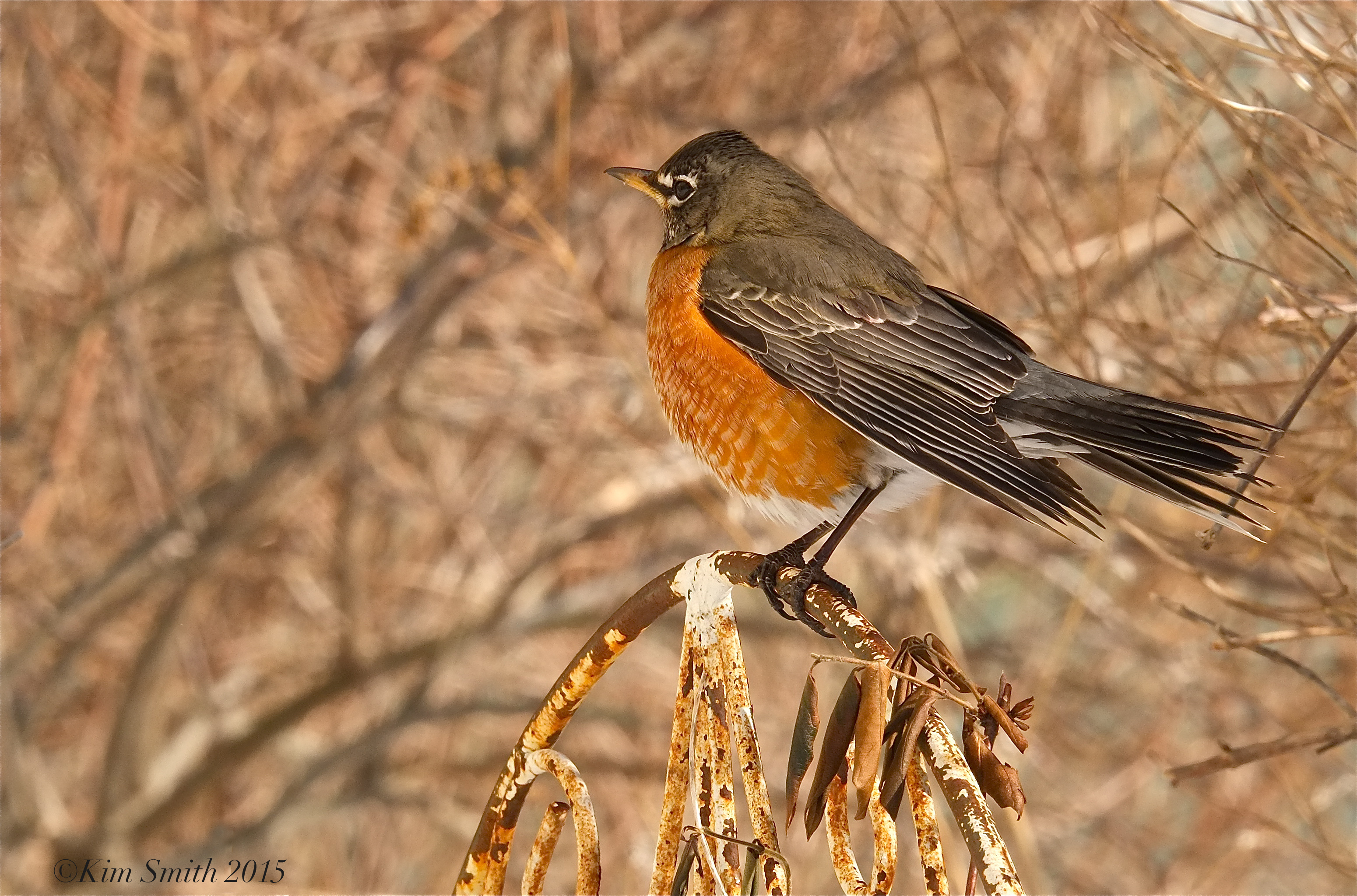
Do you think we will be rewarded with a nearby nest? I hope so!

 Good Morning Gloucester