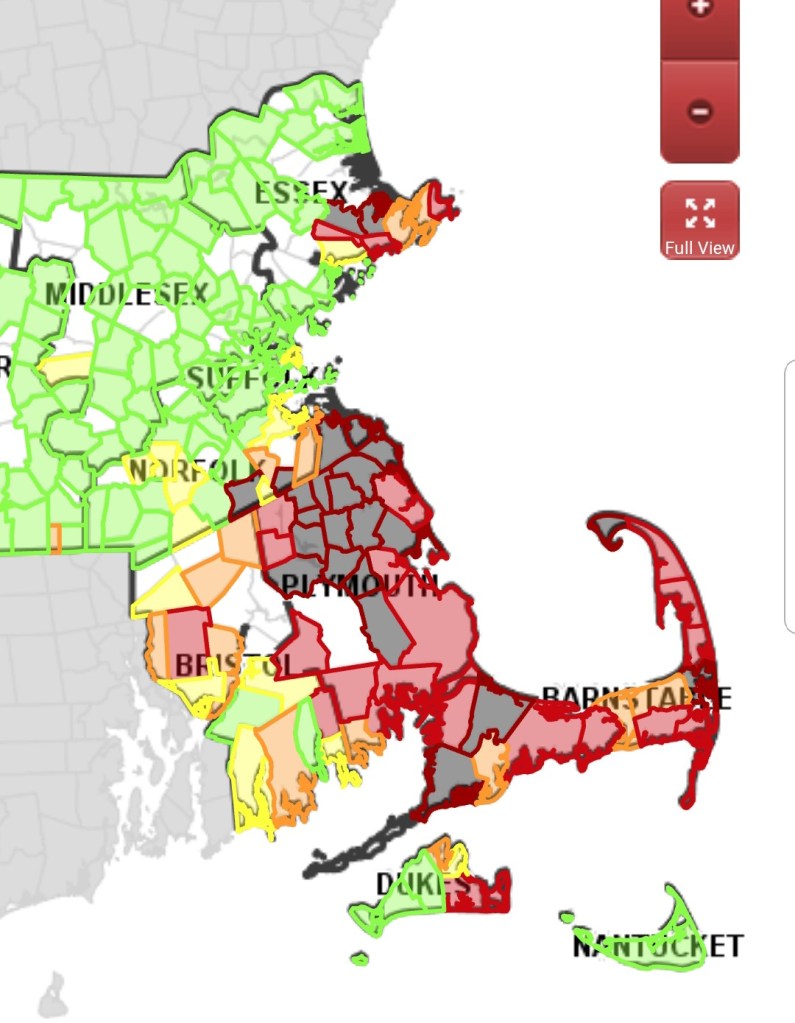
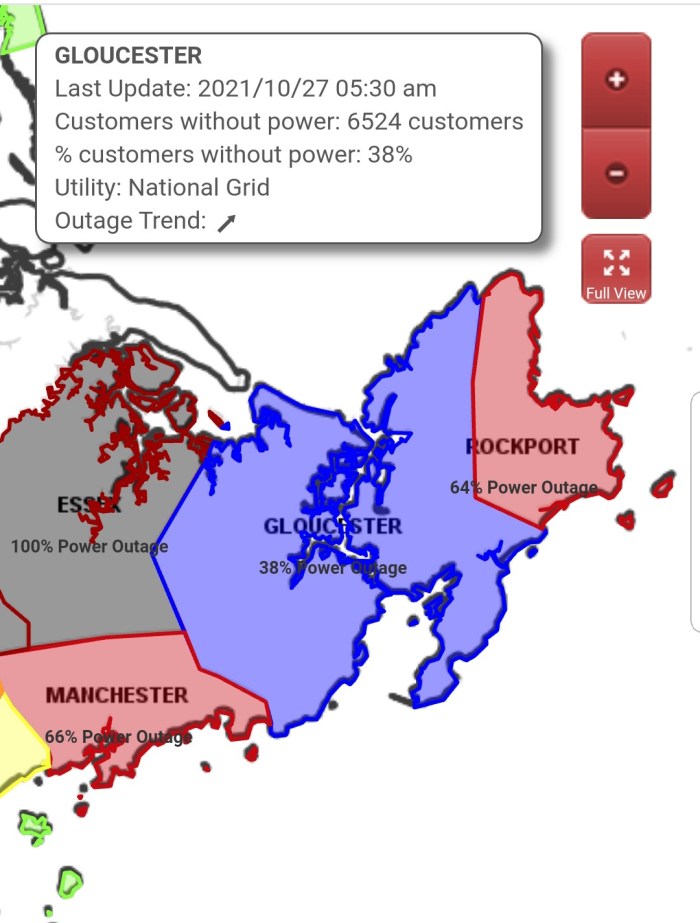
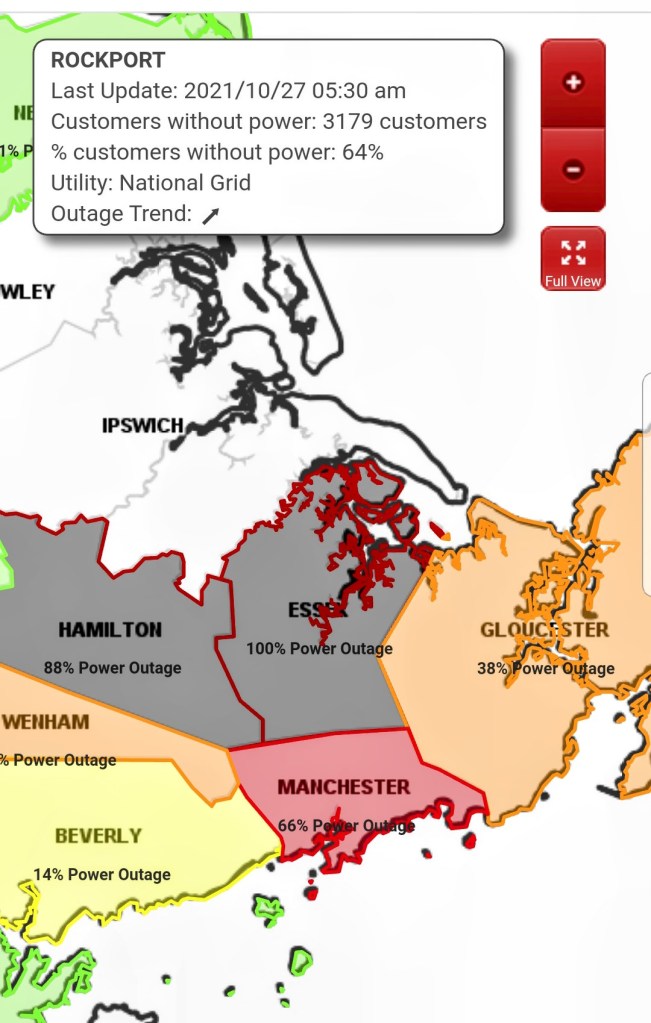
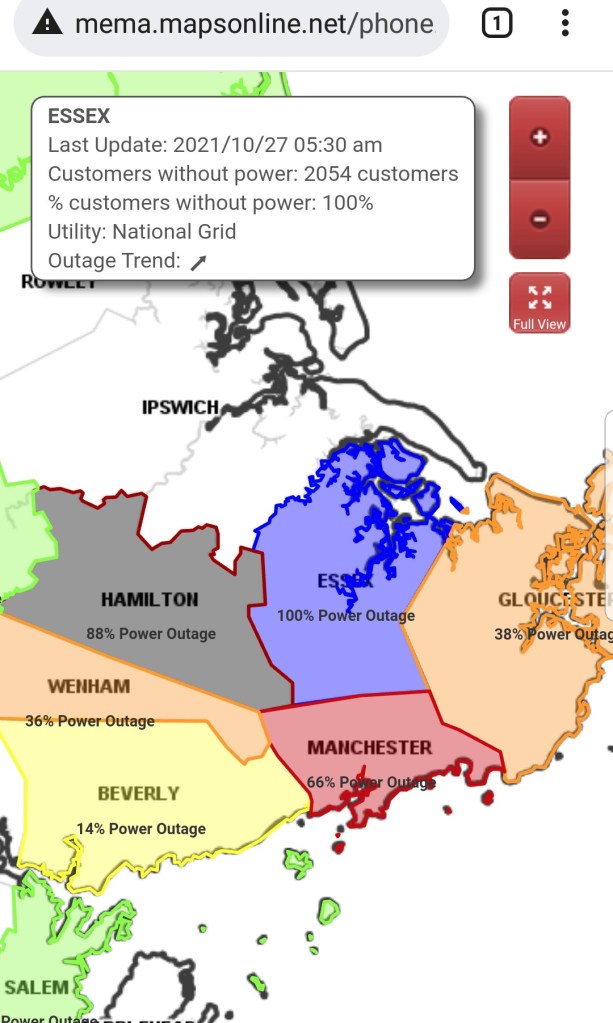
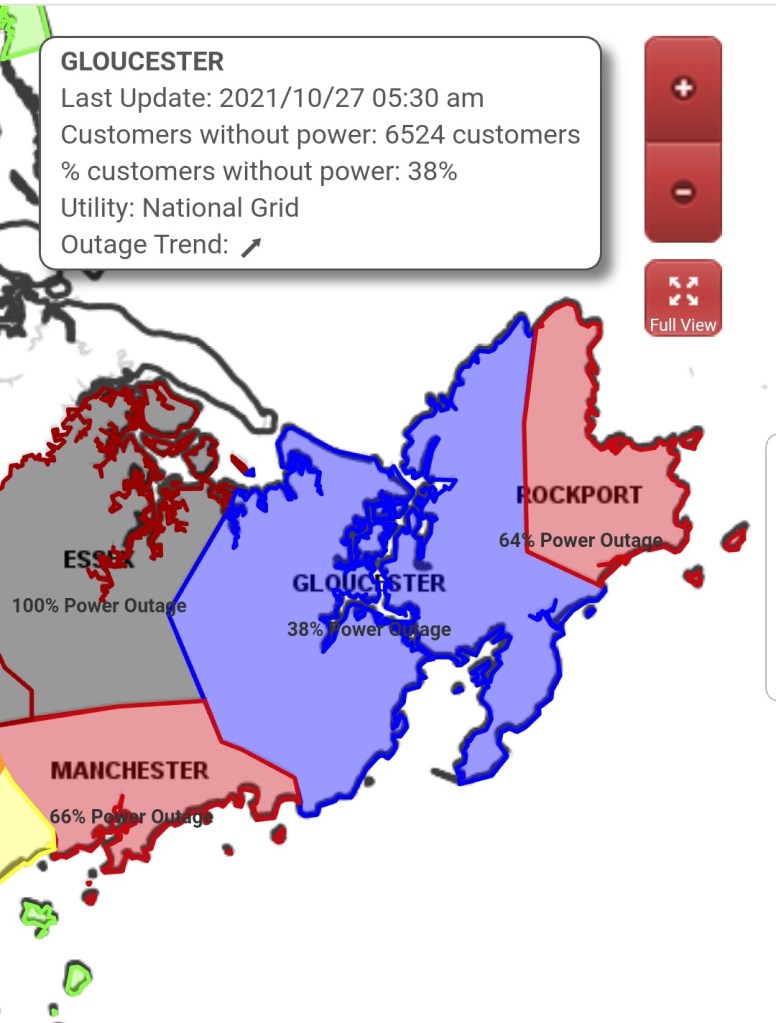
before daybreak, 400,000+ and climbing, hitting the coast, both Capes up to Boston

My View of Life on the Dock
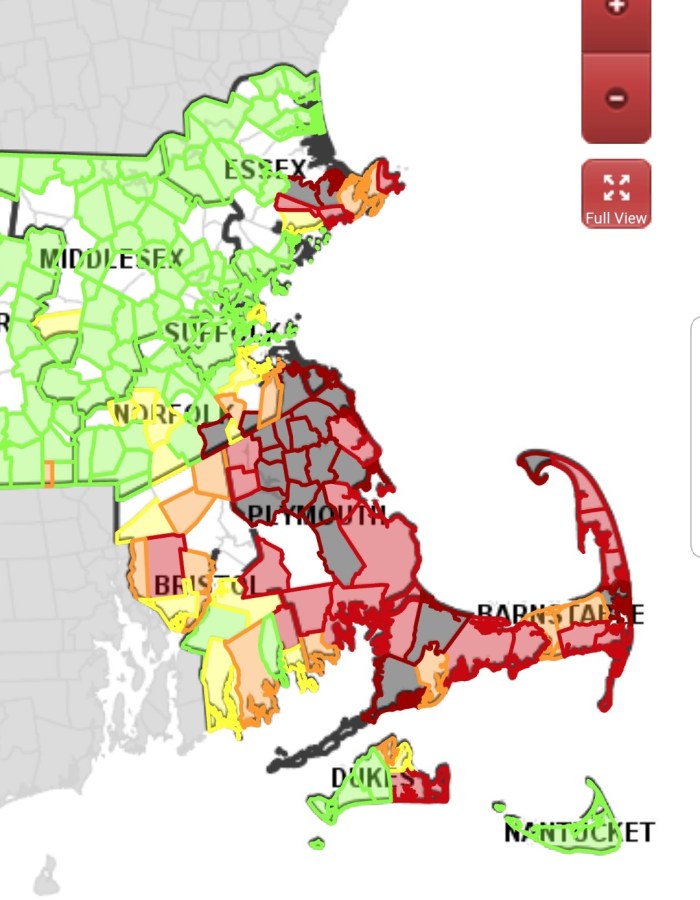
before daybreak, 400,000+ and climbing, hitting the coast, both Capes up to Boston

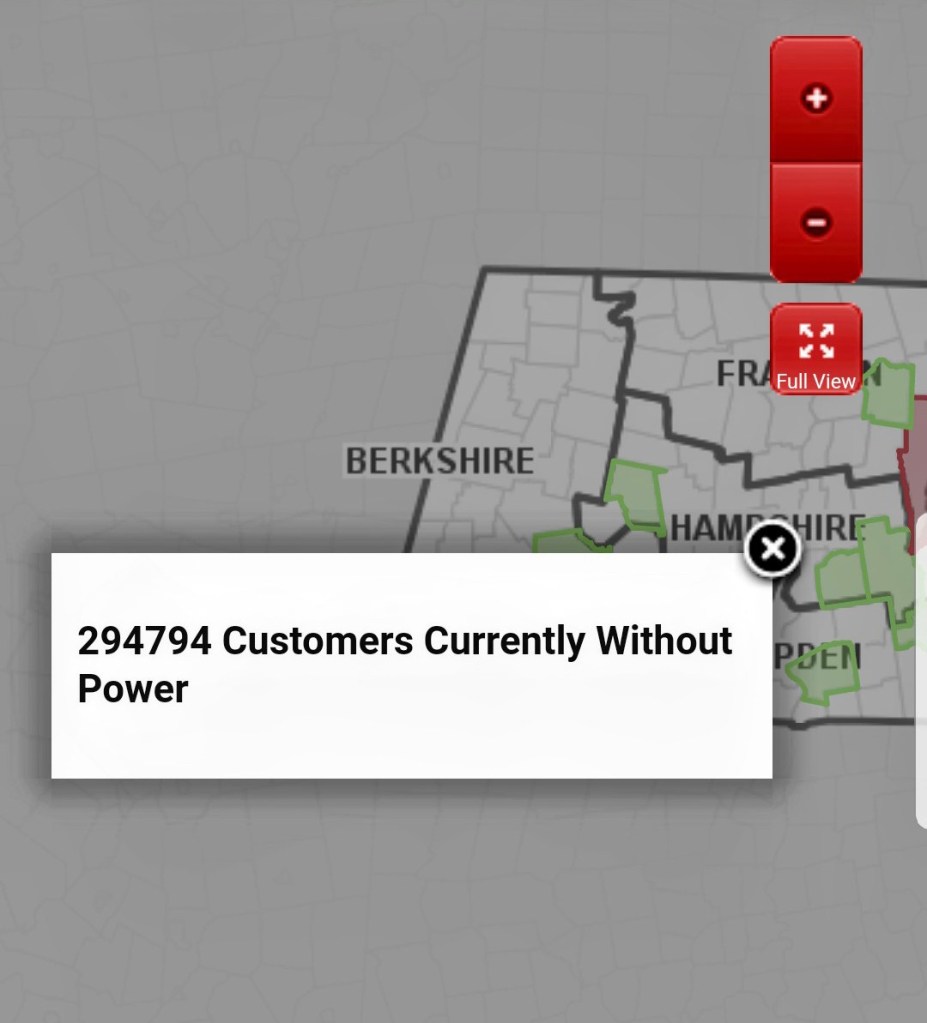
Massachusetts power outages 294,794 at 5:44AM are climbing near 387,676 by 6:30AM


Was awesome.
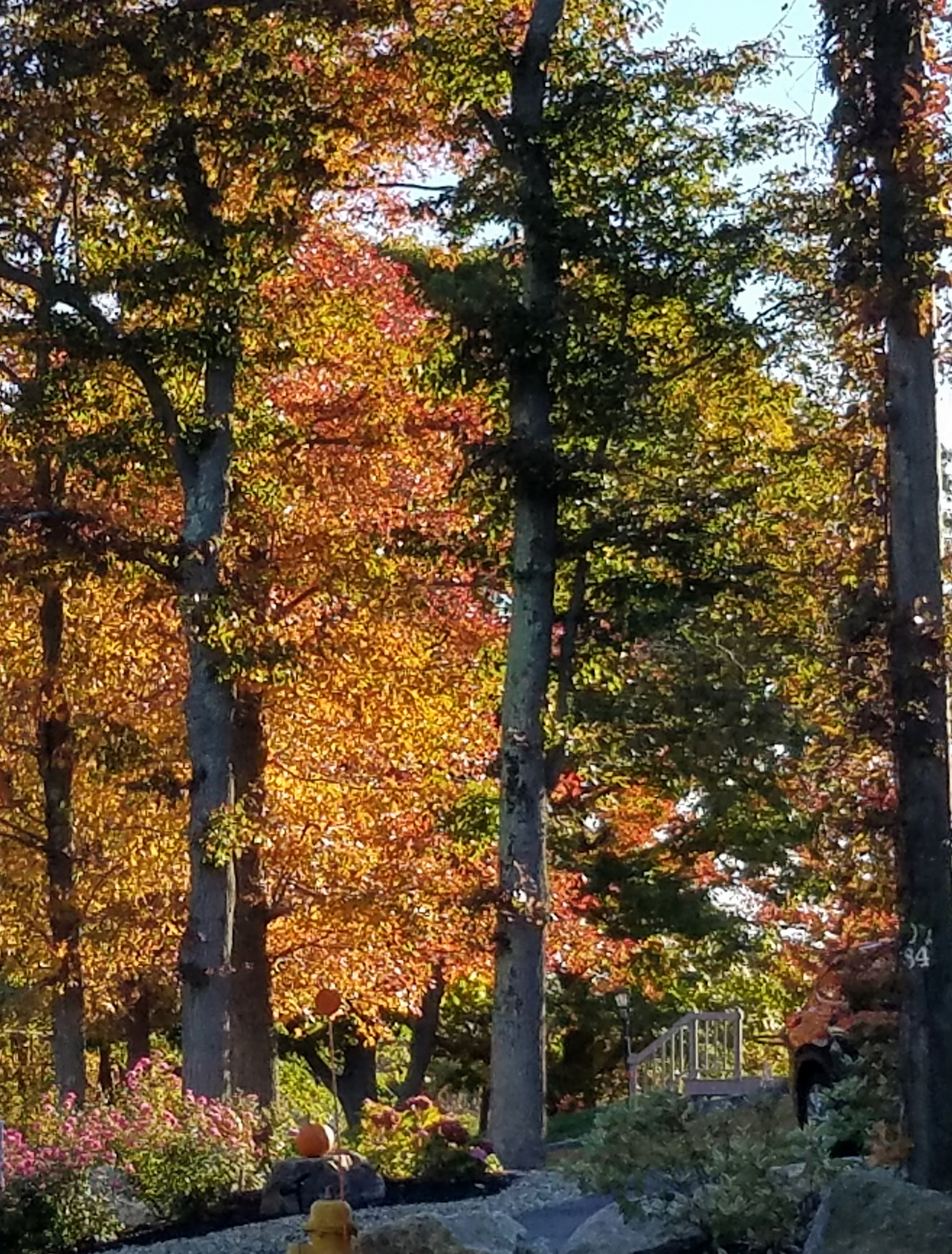
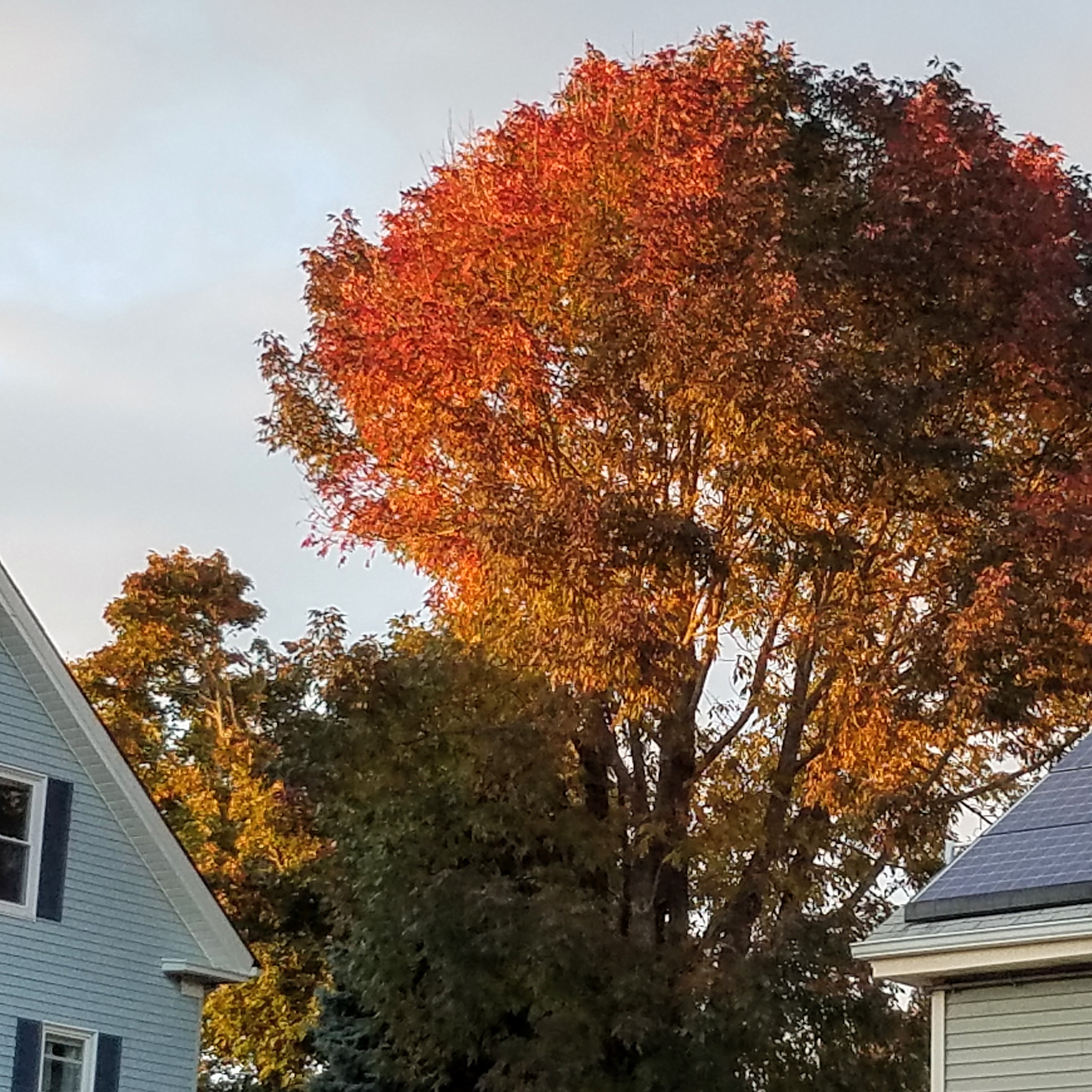
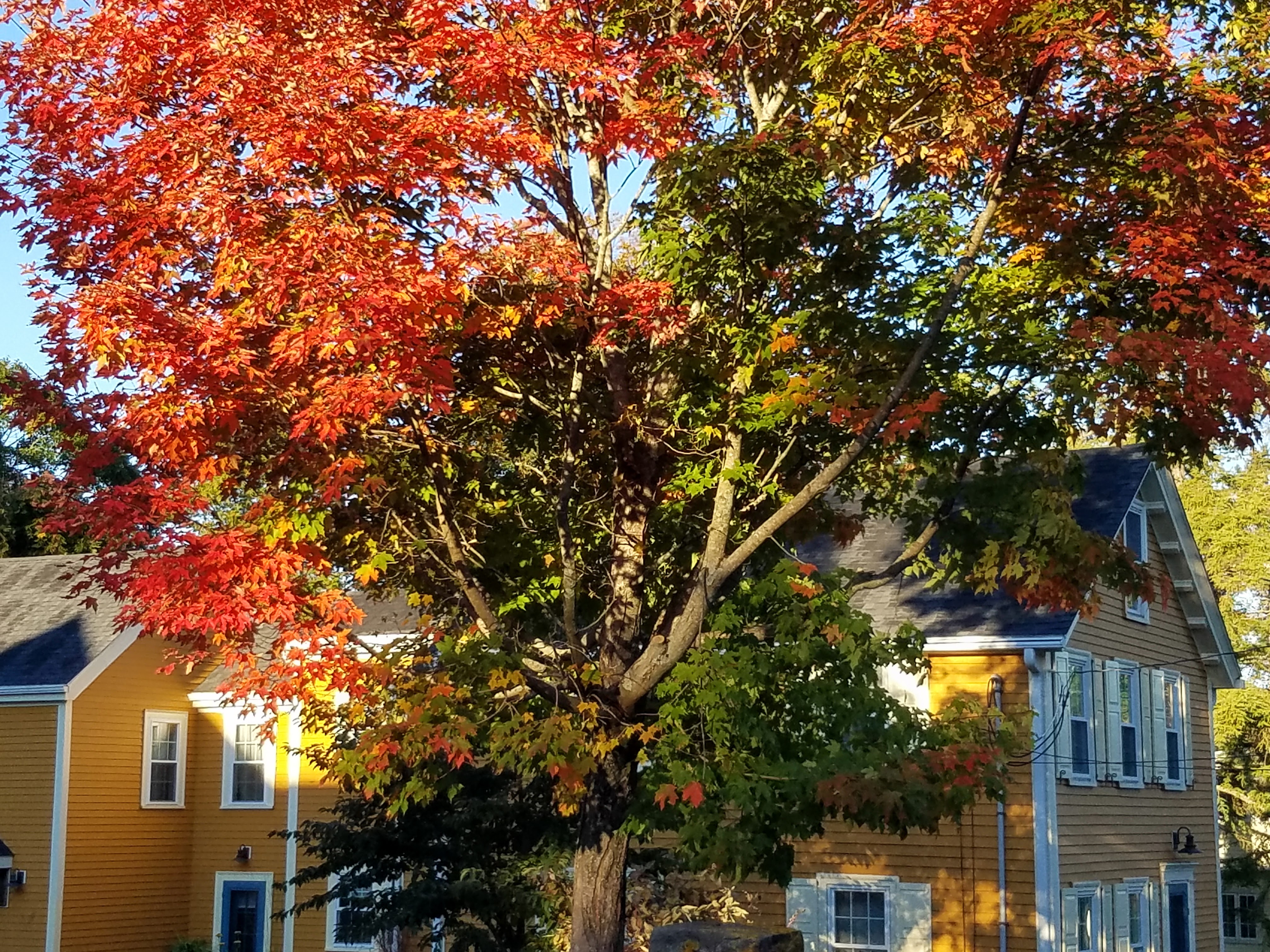
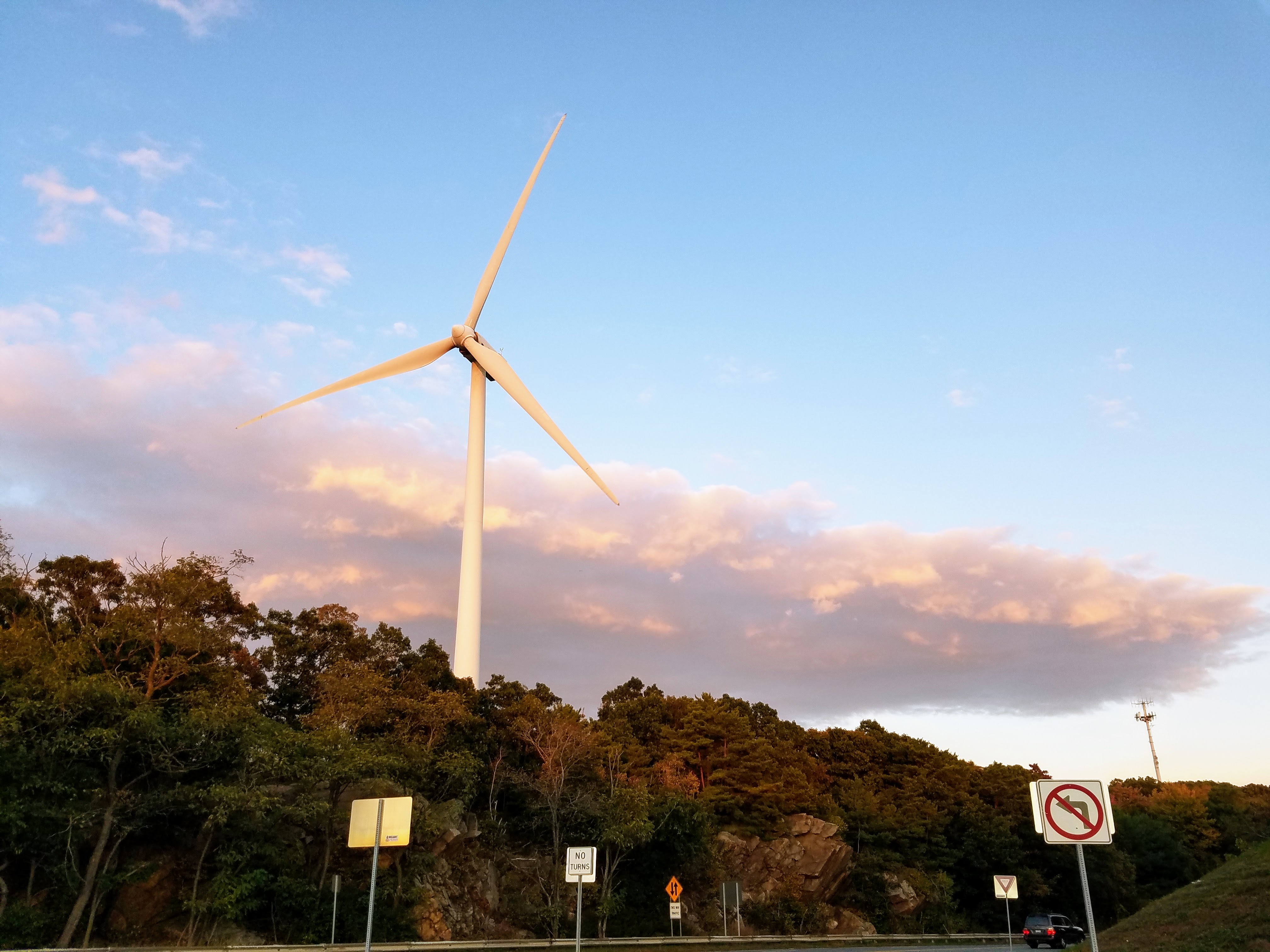
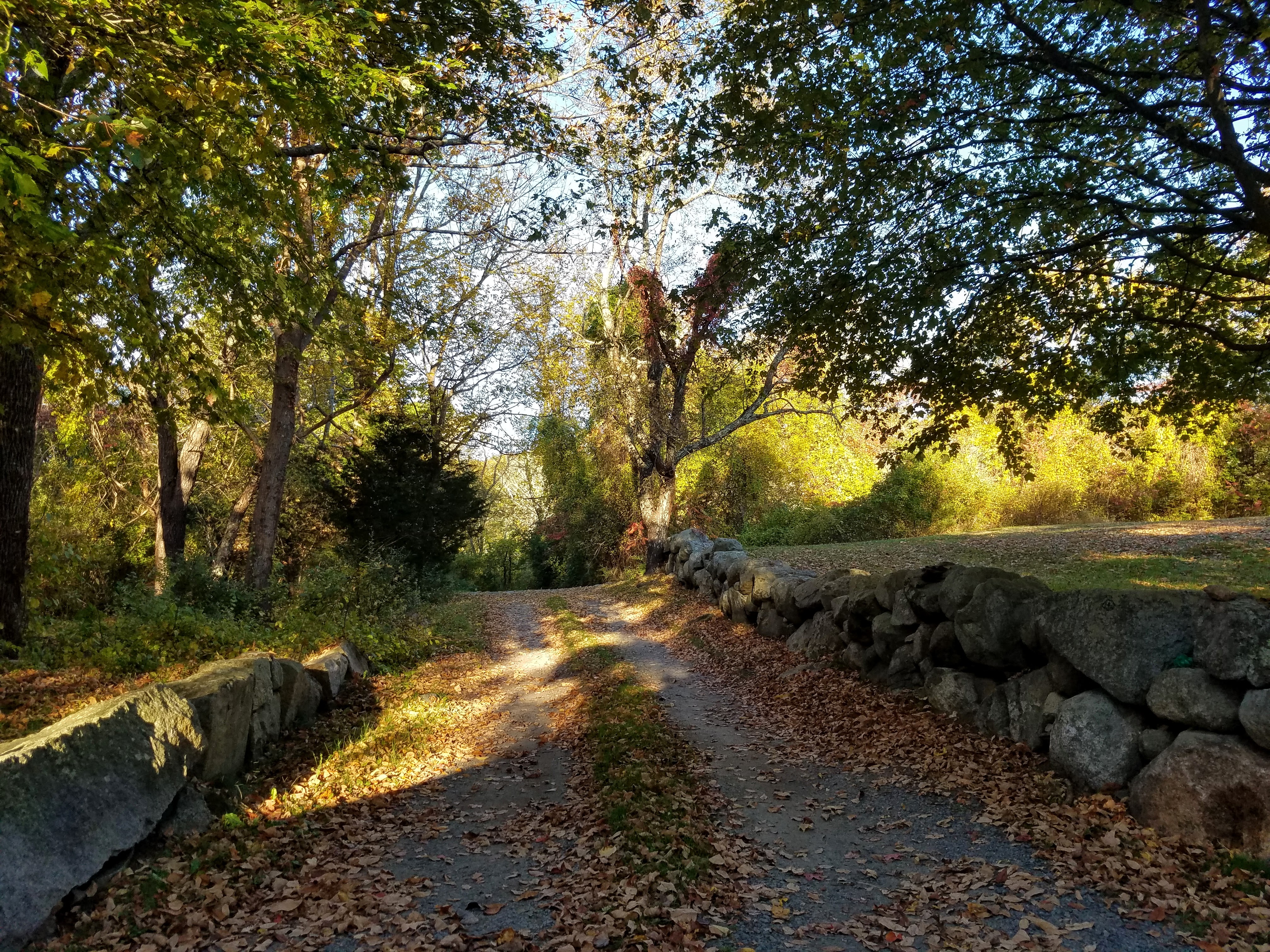
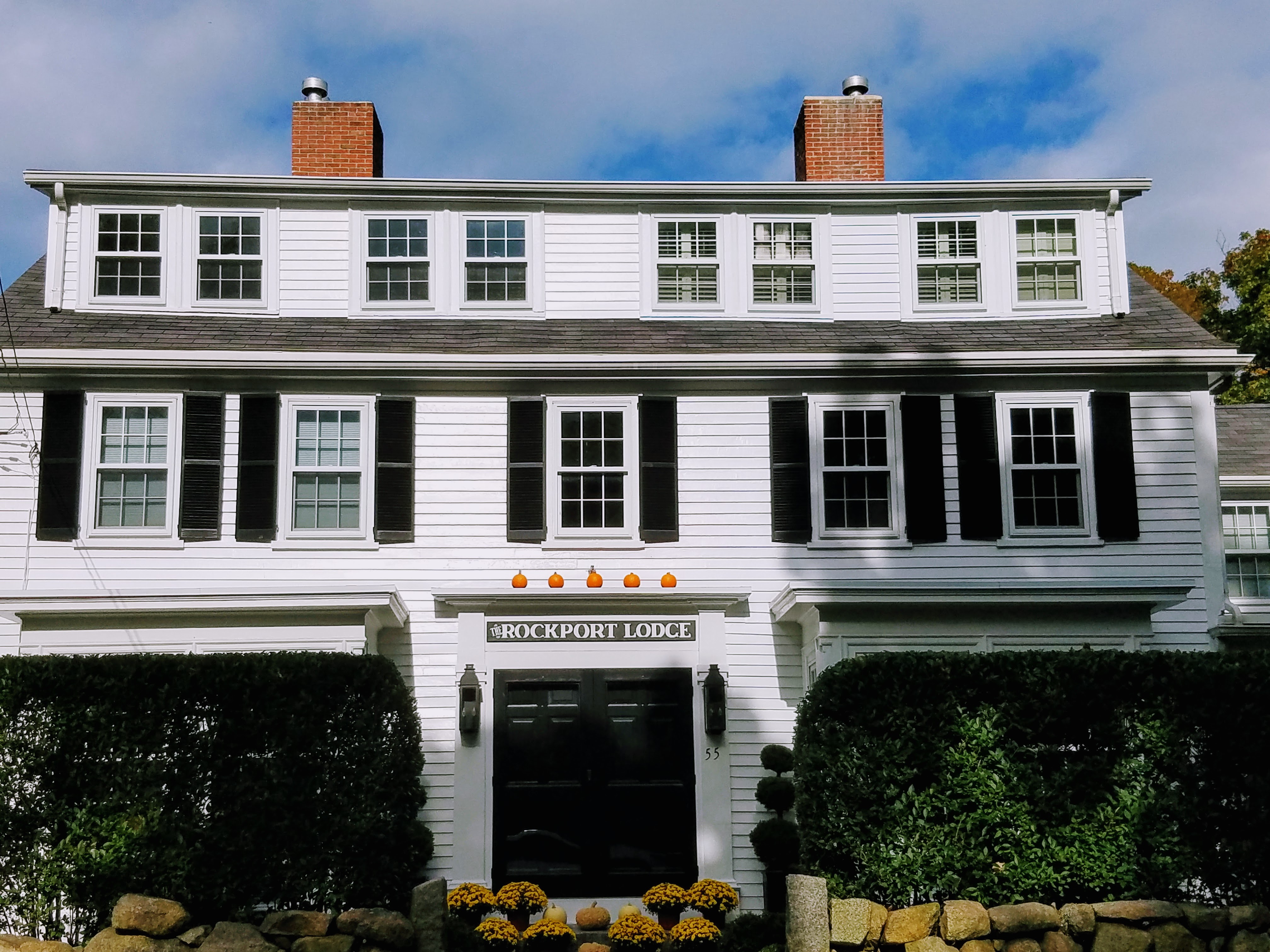
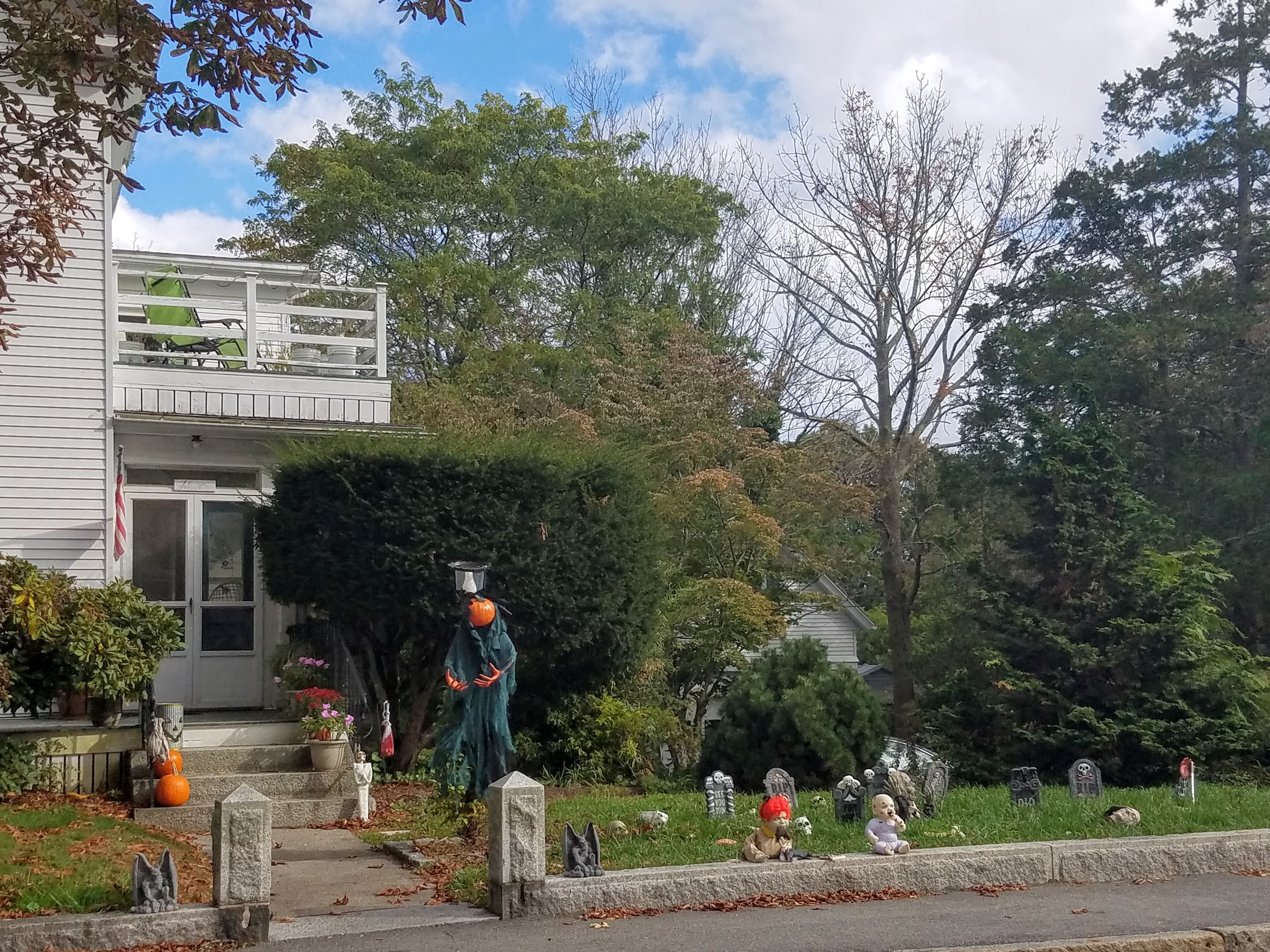
Errands with benefits thanks to all the local trick or treat eye candy. October 2021








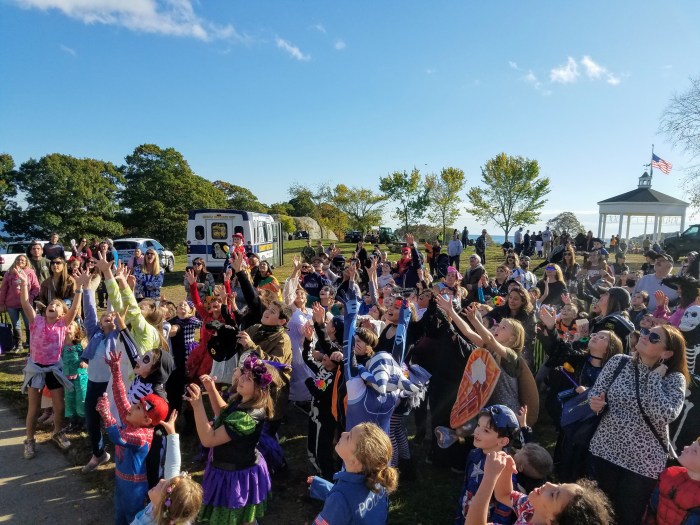
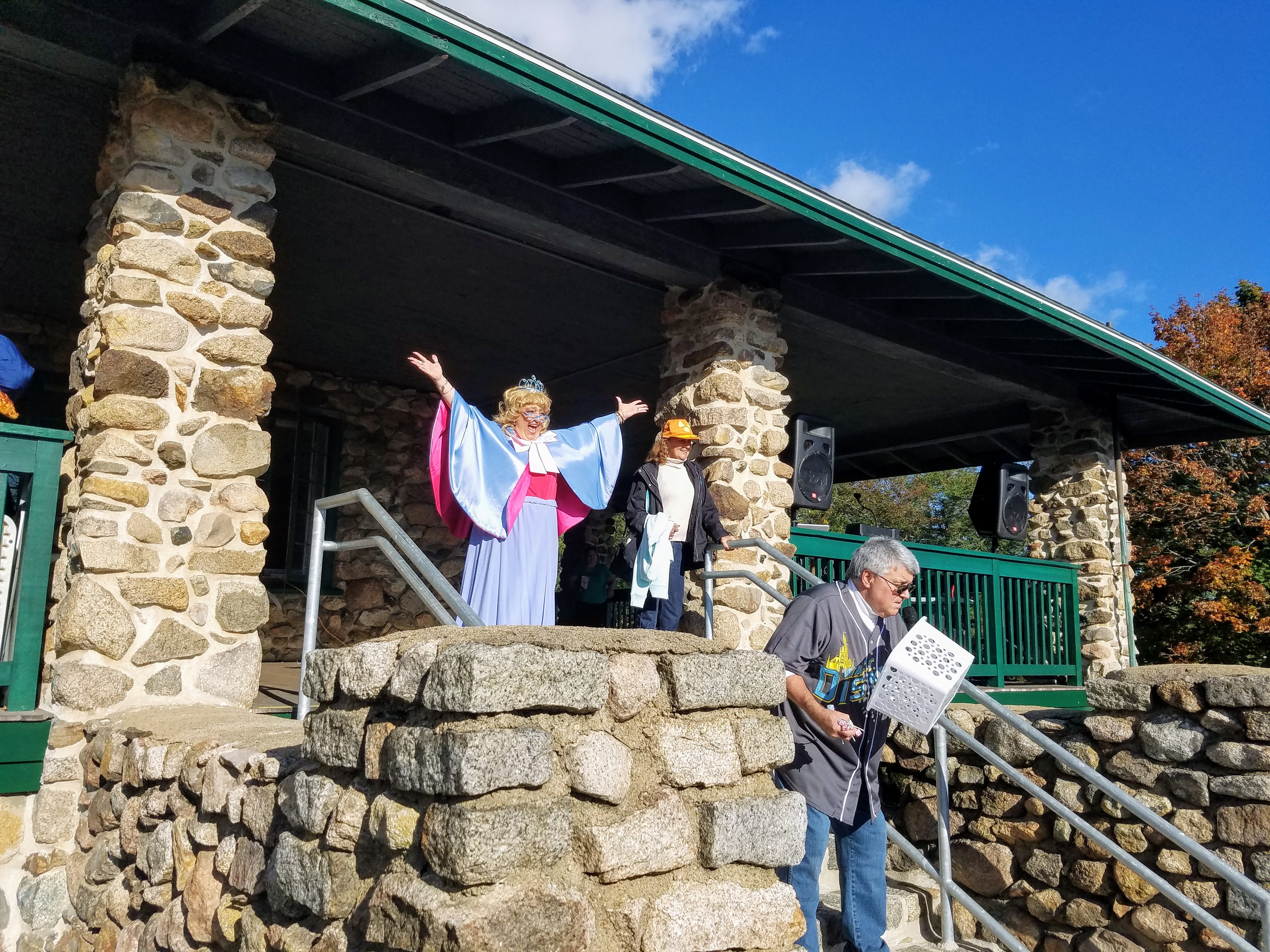
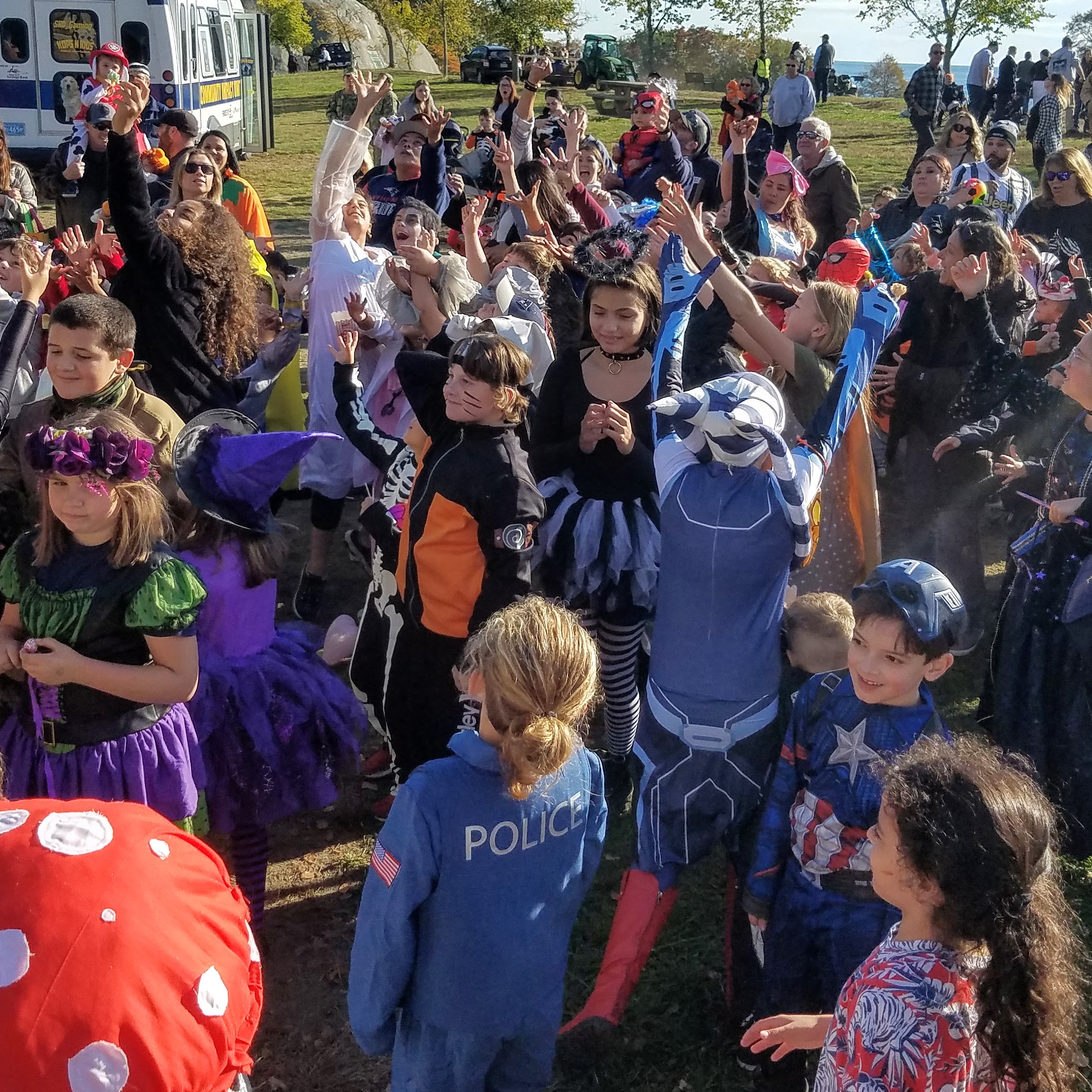
Mayor Romeo Theken and friends, Gloucester 2021 Halloween Festival at Stage Fort Park was a smash. Congratulations to the party planners, Roseanne Cody, Jamie Margiotta, volunteers, generous sponsors and partners. All of Stage Fort Park was in use on this beautiful autumn day. I forgot to take a picture at the dog park but it was busy and festive, too.
Enjoy a few snapshots of the Gloucester Halloween Festival Stage Fort Park 2021. How fun to see not one, not two, but three tractor hayrides looping Stage Fort Park.


Mayor Romeo Theken cues the crowd

See Jimmy Dalpiaz GMG post from the prep at City Hall readying for this big event


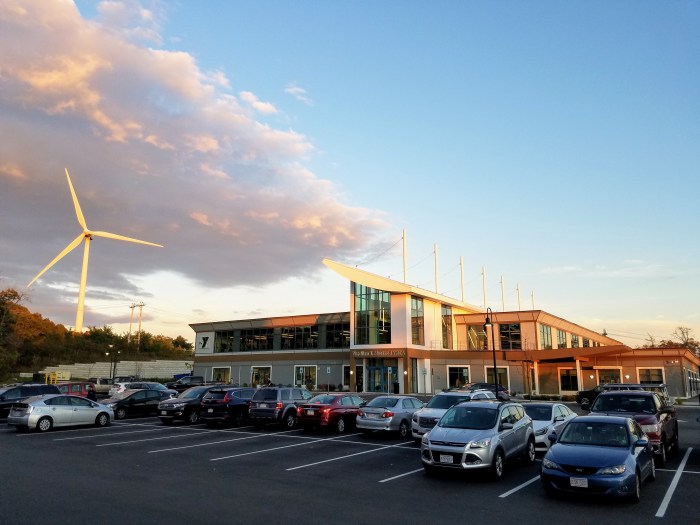
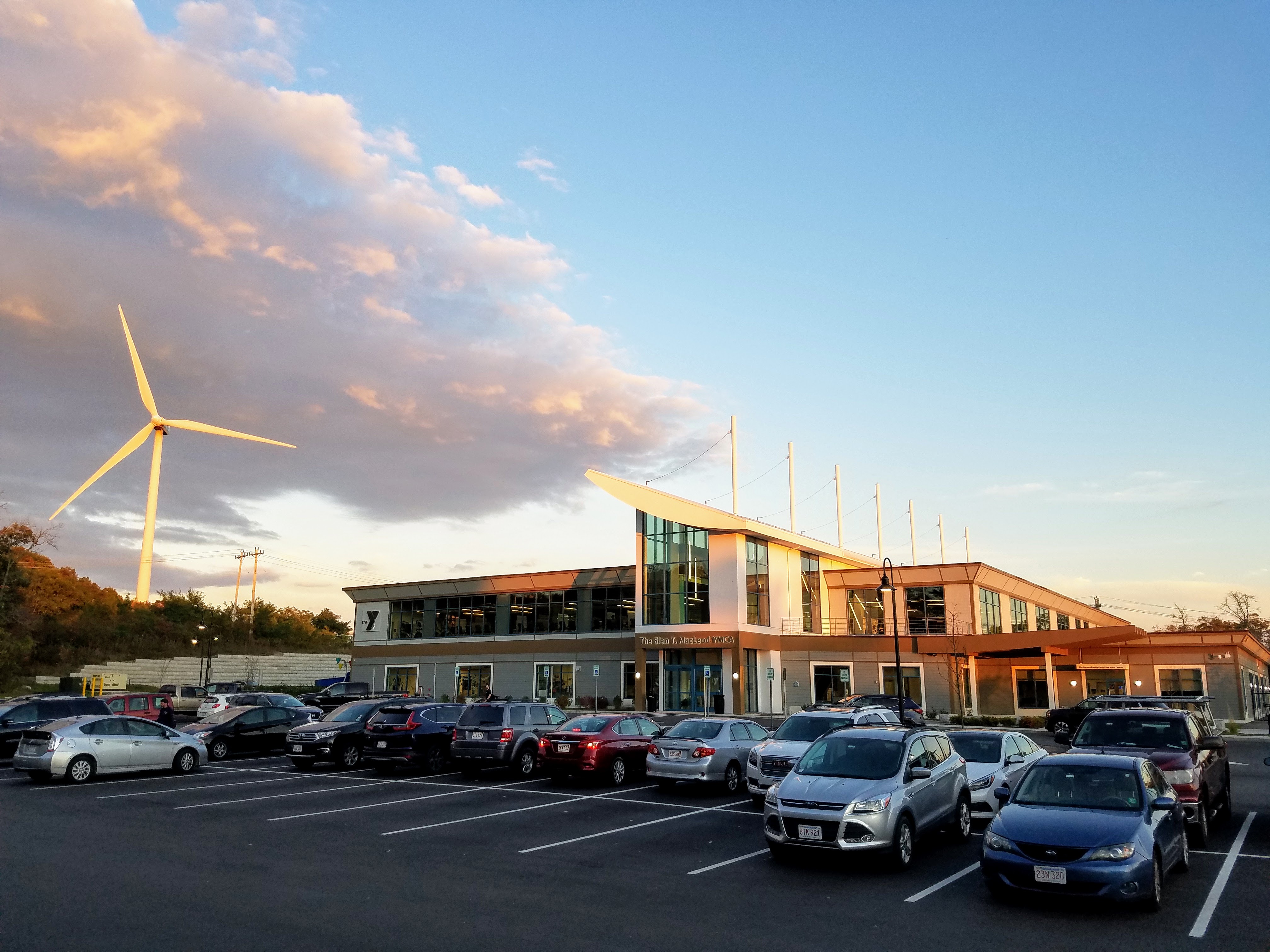
Happy winds of change-
“Theater at the Cape Ann YMCA kicks off with a Holiday Delights Performance Workshop during which student actors can learn the basics of professional theater as well as be part of a Cape Ann holiday tradition.
The 7 week session culminates in a workshop performance of scenes from Holiday Delights for family and friends at Ames Hall in Salem. Set in Gloucester, Holiday Delights is a festive evening of stories, music and movement recounting the special traditions that other cultures and families experience as seen through a young child’s magical journey on Christmas Eve to discover what is really important during the holiday season.
Theater training at the Cape Ann YMCA provides young people an outlet to nurture their creative potential while developing self-confidence, communication and teamwork skills as well as introducing them to the skills necessary for professional theatre. The YMCA of the North Shore Theater Company– NOW Offering Theater Training Performance Opportunities at the Cape Ann YMCA!”
Heidi Dallin | YMCA of the North Shore Theatre Specialist
Theatre Kids Save the dates –
Contact Heidi Dallin | Cape Ann YMCA (P) 978-283-0470 (E) dallinh@northshoreymca.org  www.northshoreymca.org
YMCA of the North Shore arts programs
Dallin is also running a program at Manchester/Essex Middle School. Look for their “Annie” notices soon!


GHS Gloucester Fishermen boys varsity soccer are 8-2-1 bound for Swampscott (away) today, looking to cinch playoffs. Boys & girls sports team alternate home vs. away. Tonight Gloucester Fishermen girls varsity soccer home game is their “Senior Night” 6pm at GHS New Balance-Newell stadium.
Senior Night, honoring the senior players, is not always last home game. Check the full calendar below!
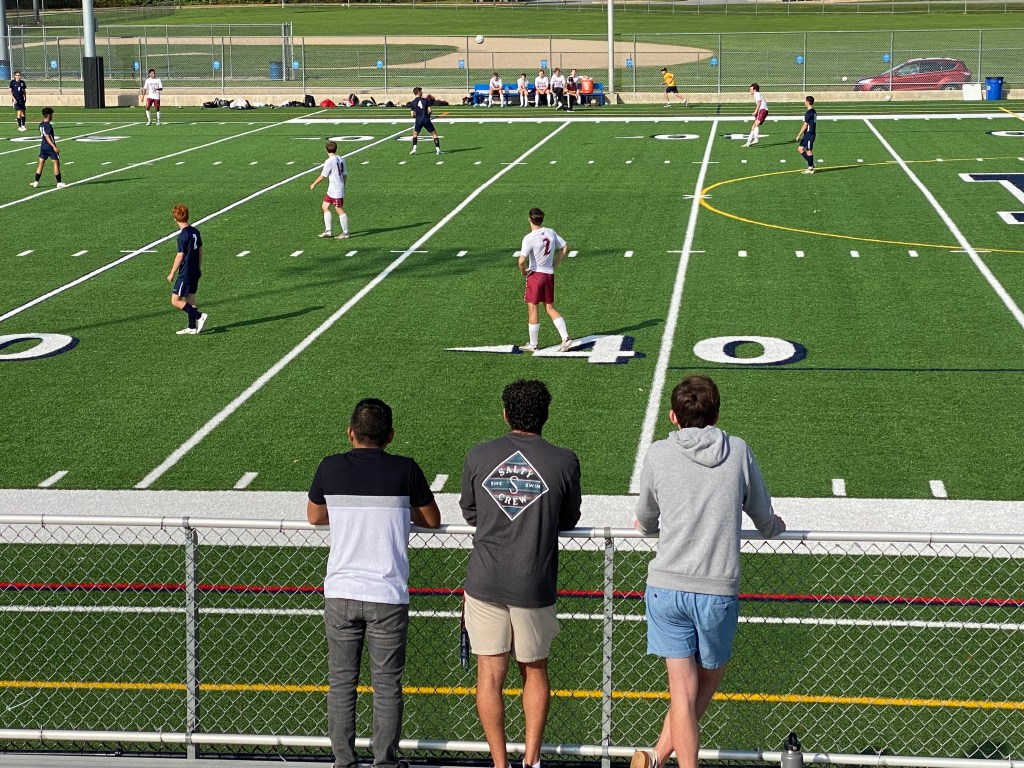
photo caption: (L-R) Felix, Richard, Kyle (Enz not pictured) | GHS Gloucester Fishermen boys varsity soccer alumi watch game vs. Dracut October, 2021. Gloucester won –shut out 8:0 – courtesy photo Paul Vitale
https://www.northeasternma.org/public/genie/595/school/5/
Boys soccer schedule-
| Monday, Oct 18, 2021 Game 4:30PM Away vs. Swampscott Blocksidge Field Wednesday, Oct 20, 2021 Game 4:30PM Winthrop High School Gloucester High School Thursday, Oct 21, 2021 SENIOR NIGHT Game 6:00PM Salem Gloucester High School Saturday, Oct 23, 2021 Game 10:00AM Wayland Gloucester High School Monday, Oct 25, 2021 Game 4:00PM Marblehead Gloucester High School Thursday, Oct 28, 2021 Game 6:00PM Beverly High School Gloucester High School Saturday, Oct 30, 2021 Game 3:00PM Away vs. Danvers Danvers High School |  |
GHS Fishermen Athletics website –all sports – https://gloucesterhighschoolma.rschoolteams.com/
Twitter – Tweets by @FishermenGhs
Insta
GHS sports calendar- today’s listing, Monday, October 18, 2021
| 9:00am | Golf: Varsity State Tournament | vs. TBA @ Renaissance Golf Club |
| Division 3 North Tournament | ||
| 4:00pm | Field Hockey: MS Game | vs. Beverly High School @ O’Maley Middle School Nate Ross Field |
| 4:30pm | Soccer: Girls JV Game | vs. Swampscott @ Gloucester High School Newell Stadium |
| 4:30pm | Soccer: Boys Varsity Game | vs. Swampscott @ Blocksidge Field |
| 4:30pm | Soccer: Boys JV Game | vs. Swampscott @ Blocksidge Field |
| 6:00pm | Field Hockey: Varsity Game | vs. Central Catholic @ Central Catholic High School |
| Non-League | ||
| 6:00pm | Soccer: Girls Varsity Game | vs. Swampscott @ Gloucester High School Newell Stadium |
| Senior Night |

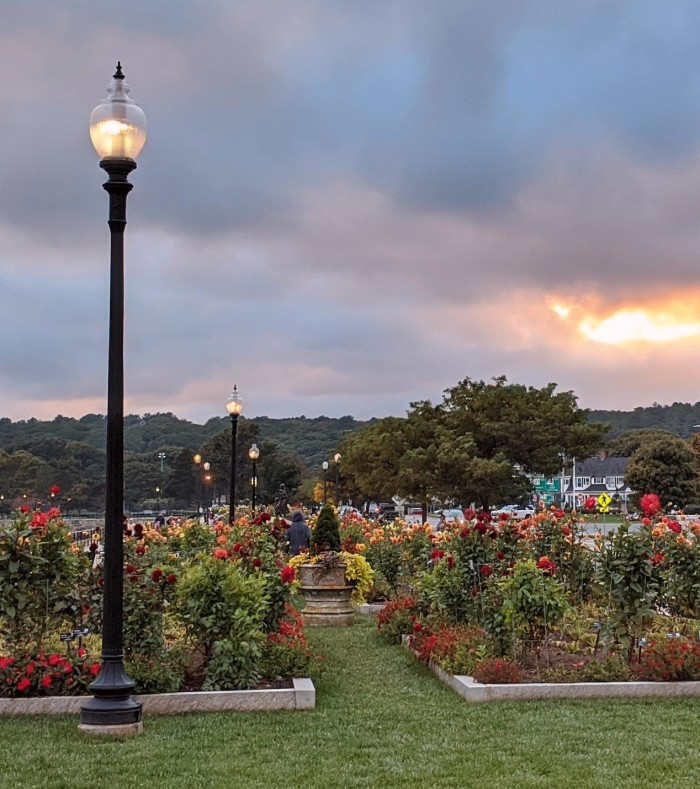
There’s a bright autumn haze in Stacy Boulevard gardens. Thousands of fall dahlias are waiting. Go find your bloom and color!
The varieties are labeled. I wondered how many were chosen, and if any were grown from area heirloom seeds? The Glory of New England, a prizewinning “fancy dahlia” dazzler was cultivated from seeds by the Lufkin dahlia gardens of Gloucester and introduced in 1925 (see below). I love reading about Gloucester gardeners.
Dahlia flowers were eventually named after Swedish botanist, Anders Dahl. The giant ones are nicknamed dinner plate dahlias. In the 1800s avid gardeners and commercial seed and plant firms bloomed in Massachusetts. Established in the early 1800s, the Massachusetts Horticultural Society is recognized as the oldest in the country. A gardener from Bridgewater is credited with the first American collarette dahlia variety in 1912.


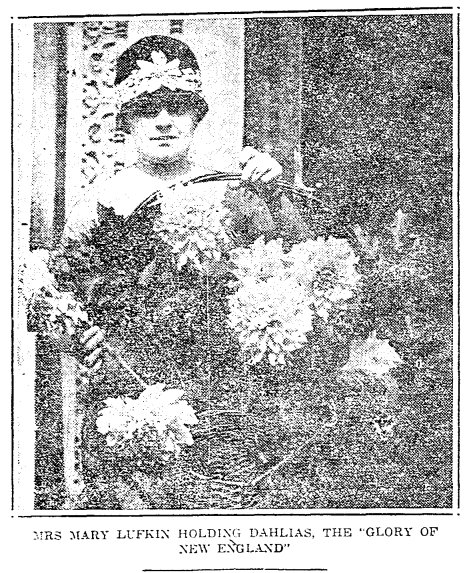
Thousands of gorgeous dahlias, exhibited by 50 growers attracted throngs to Horticultural Hall on the opening day of the free dahlia show, held under the joint auspices of the New England Dahlia Society and the Massachusetts Horticultural Society.
For the site of his exhibit and the magnificence of its setting, L.L. Branthover of Wakefield held first place. His pompom dahlias decorate the stage of the lecture hall, and rays from a warm moon falling obliquely over the stately blooms, against their evergreen background, lend added glory to the scene.
Wonderful tints of orange, cream, scarlet, vermillion and gold are to be seen in the dahlias exhibited by George L. Fish of Billerica, president of the society. (“Francis Cooper Hav-A-Look” illust.)
Giant blossoms, some of yellow with white tips, are introduced for the first time from seedlings of the Lufkin dahlia gardens of Gloucester. The new blossom is called “The Glory of New England.”
Another prize winning variety is the dark-red “Alexander Pope,” one of the most beautiful of the collection in the A.I. Strobel exhibit, grown in the Montrose dahlia gardens of Wakefield.
Boston Globe 1925 – 2 Wakefield gardens, 1 Billerica, and the “Lufkin dahlia gardens of Gloucester” are featured
Have any Gloucester gardeners entered the Topsfield Fair this year? There are usually dahlias in the running.
Whenever any one flower is cultivated and shown, I always think of Mrs. Miniver and the rose. Maybe someone can propagate a “Glory of Gloucester Gardens” variety for the city of Gloucester’s horticultural history then & now, generous gardeners and public works!

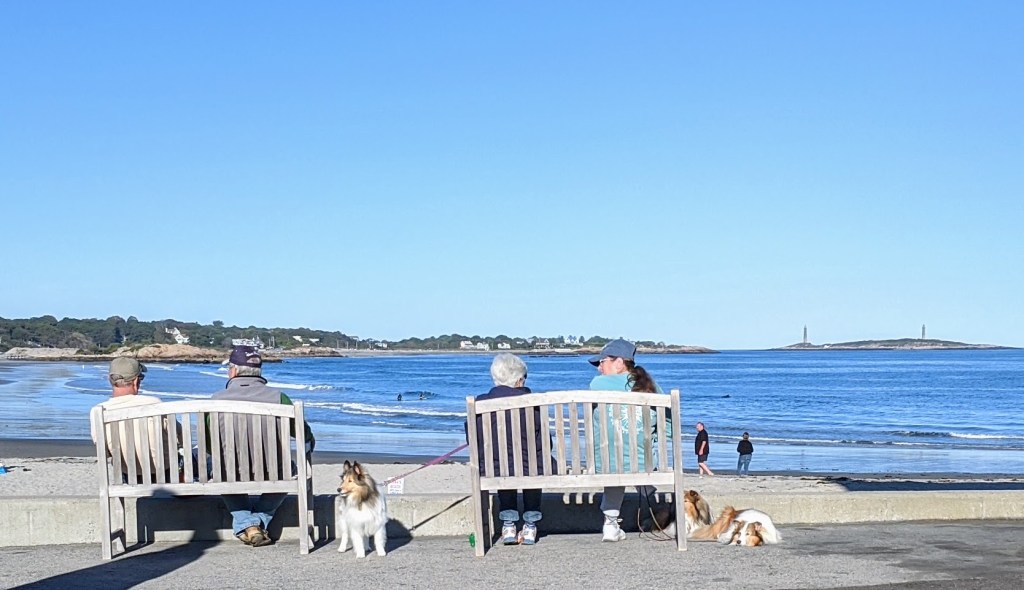
Soaking up the sun. View across Long Beach from Cape Ann Motor Inn, Gloucester, Ma.

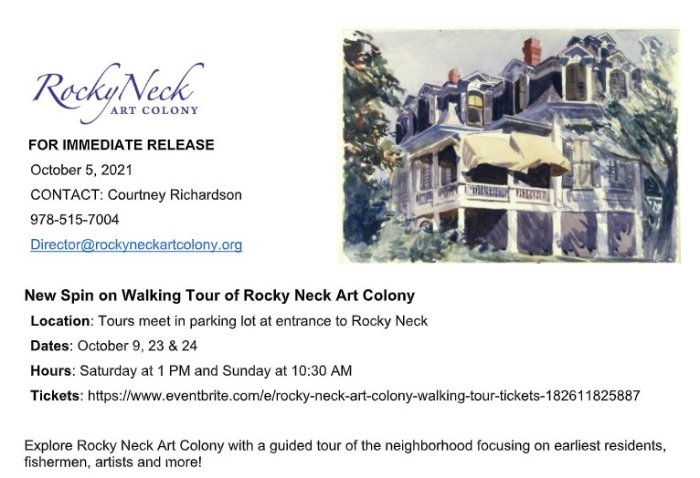
Courtney Richardson shares news from Rocky Neck Art Colony:
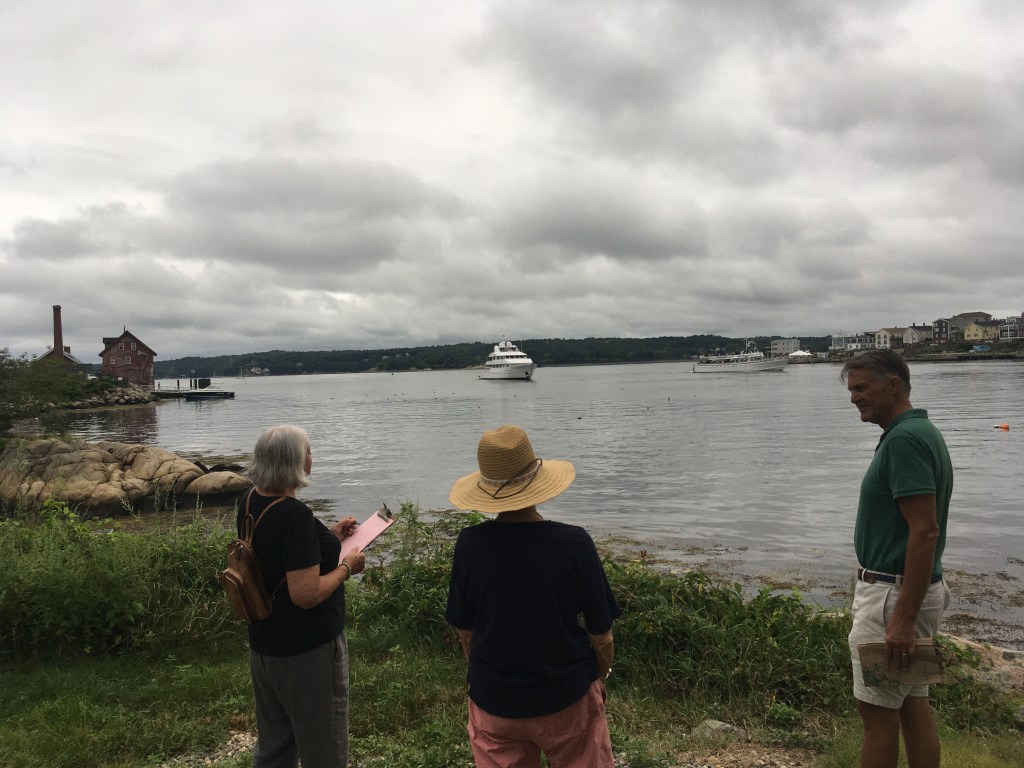
New Spin on Walking Tour of Rocky Neck Art Colony
Location: Tours meet in parking lot at entrance to Rocky Neck
Dates: October 2021- 9, 23 & 24
Tickets: https://www.eventbrite.com/e/rocky-neck-art-colony-walking-tour-tickets-182611825887
Explore Rocky Neck Art Colony with a guided tour of the neighborhood focusing on earliest residents, fishermen, artists and more!
The Rocky Neck Art Colony is pleased to offer guided walking tours of the neighborhood on Saturday, October 9, 2021 at 1 PM; Saturday, October 23 at 1 PM and Sunday October 24 at 10:30 AM. These tours are free for RNAC members or $10 for nonmembers. Tickets can be reserved at: https://www.eventbrite.com/e/rocky-neck-art-colony-walking-tour-tickets-182611825887
In appreciation of the unique continuum that is Rocky Neck today, the walking tour showcases both the rich history of Rocky Neck and the contributions and achievements of the present community. Building on the original Rocky Neck Historic Art Trail (https://trail.rockyneckartcolony.org/), the tour takes visitors on a journey from the time of Native Americans to today. The path includes many of the diverse subjects that have enriched today’s community: Native Americans, fishermen, industry, ships, tourism, transportation, celebrations, education, entertainment, and ,of course, the artists. The tour is informative and enjoyable for both guides and visitors. Tours begin at the Rocky Neck Parking Lot, end at the Cultural Center, last 1 to 1.5 hours and are limited to 10 people. Participants are encouraged to park in the parking lot located at the entrance to Rocky Neck. Comfortable shoes are encouraged. Be prepared to walk on uneven terrain. Water is available. Free for RNAC members; $10 nonmembers. For more information email rnac.director@gmail.com or call 978-515-7004.
The Rocky Neck Art Colony (RNAC) was founded in the mid-19th century and incorporated as a 501(c)(3) in 1973. With the creation of the Cultural Center at Rocky Neck in 2012, RNAC programs are reaching a wider demographic as the visual arts focus is expanding to include more diverse cultural and educational offerings. The Cultural Center is located at 6 Wonson Street, Gloucester, MA 01930. For more information visit www.rockyneckartcolony.org.
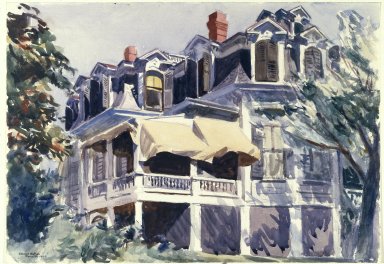
Image credit: Edward Hopper (American, 1882-1967). The Mansard Roof, 1923. Watercolor over graphite on paper, 13 7/8 x 20 in. (35.2 x 50.8 cm). Brooklyn Museum, Museum Collection Fund, 23.100. © artist or artist’s estate (Photo: Brooklyn Museum, 23.100_SL1.jpg).

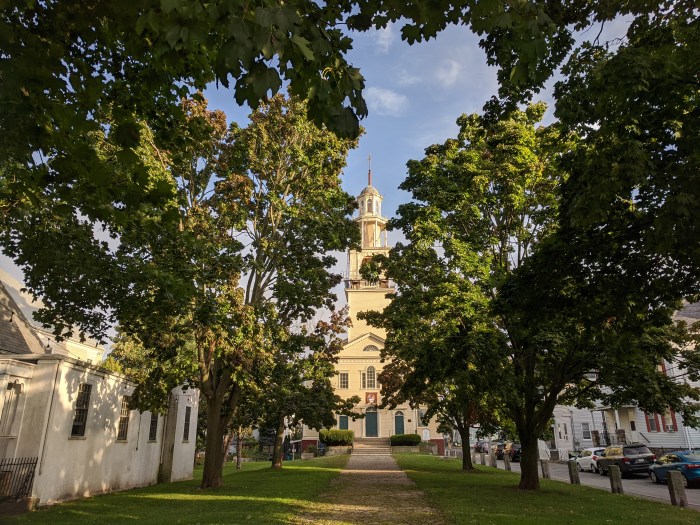
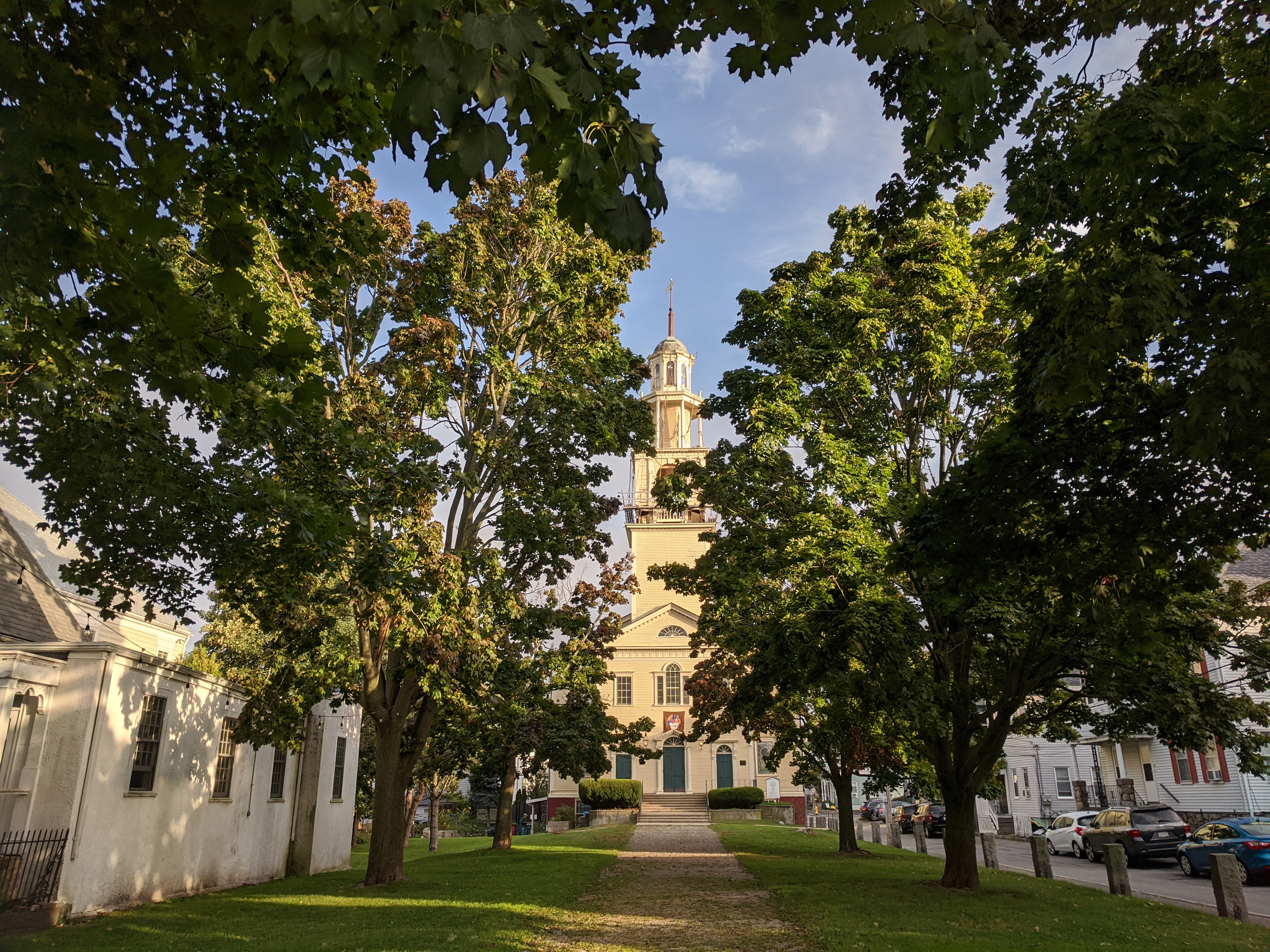
Check out the progress underway on the tower
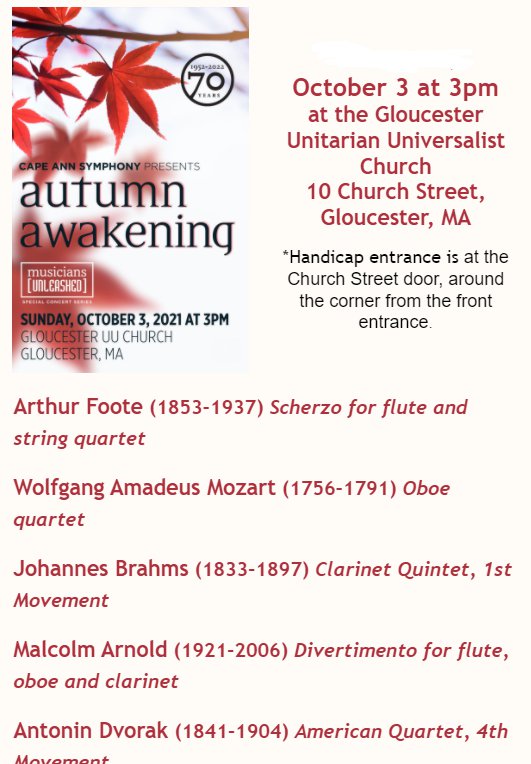
10/3 at 3PM TODAY – beautiful program lined up. Buy tickets online or at the door


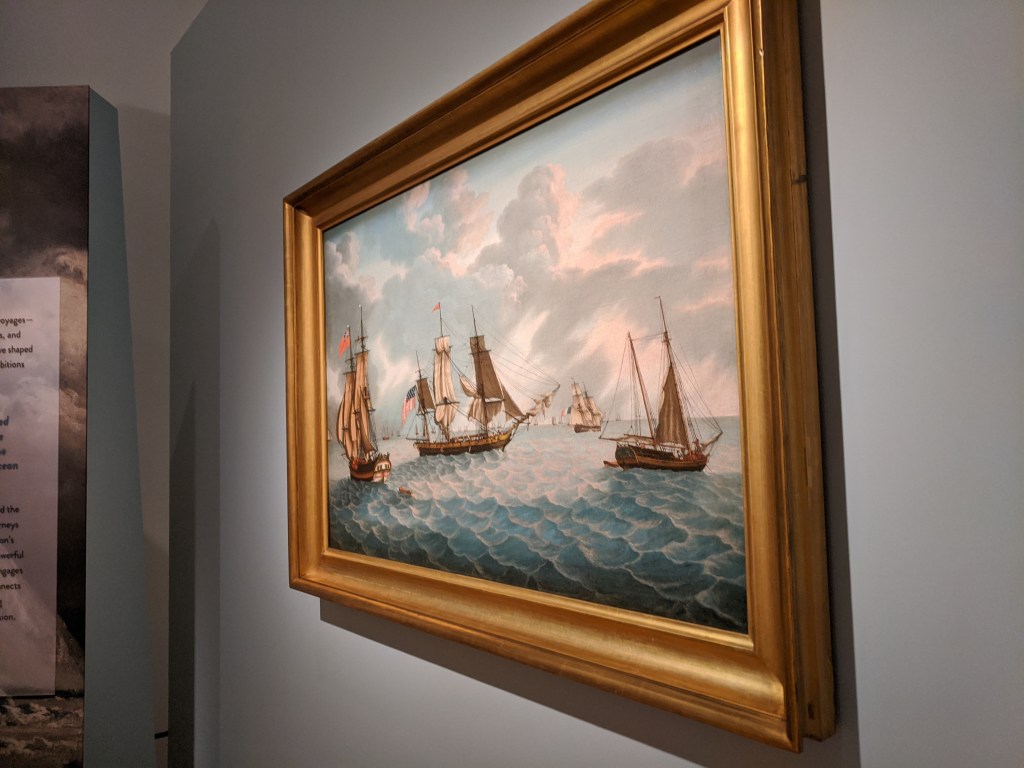
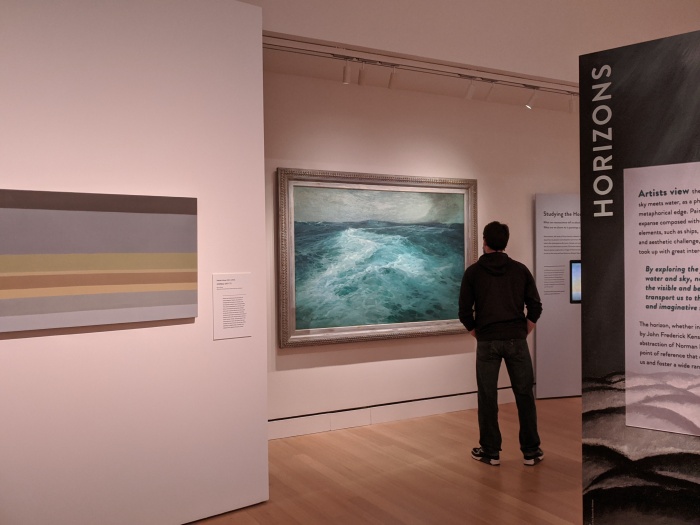
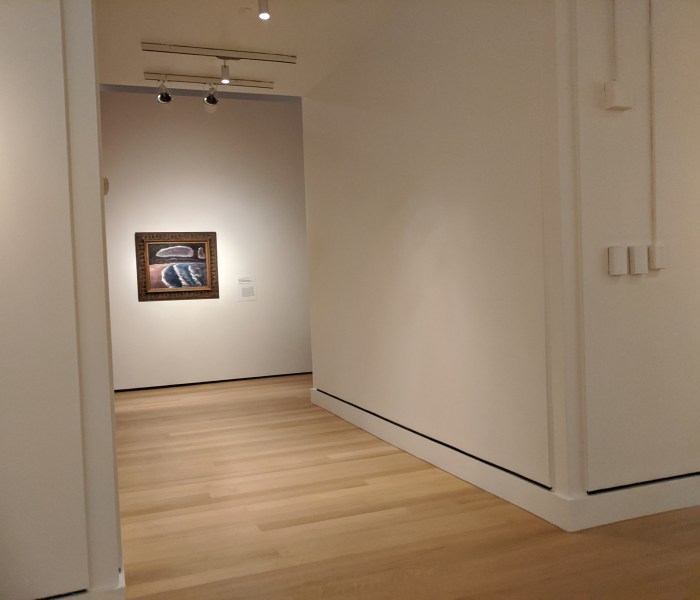
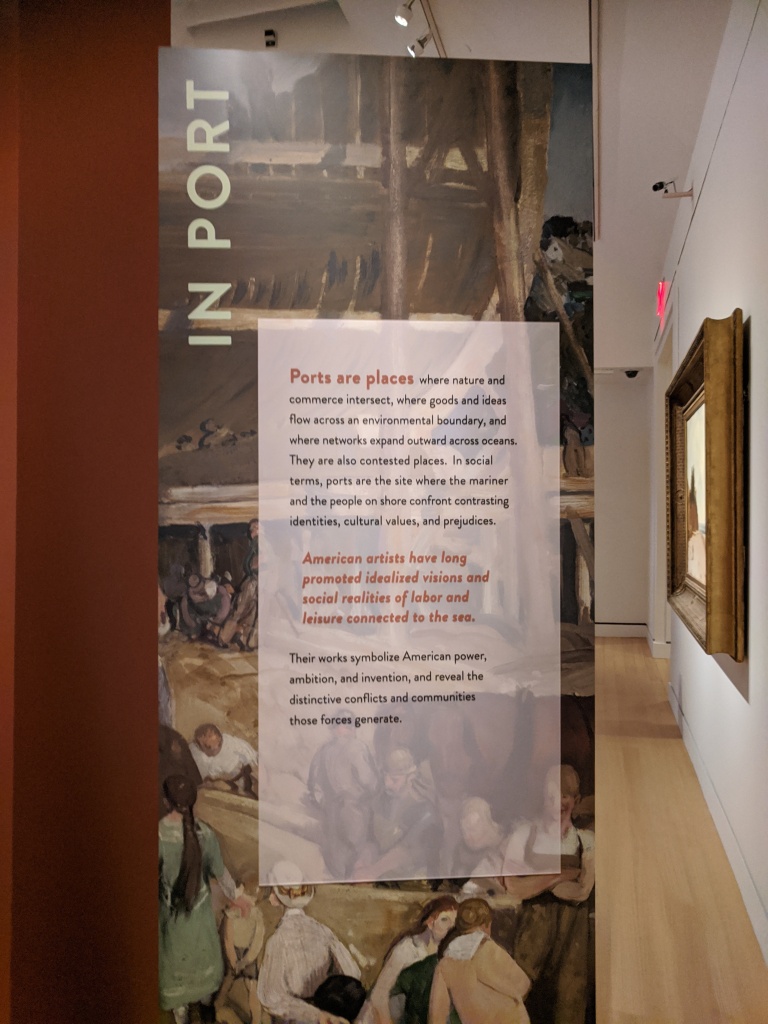
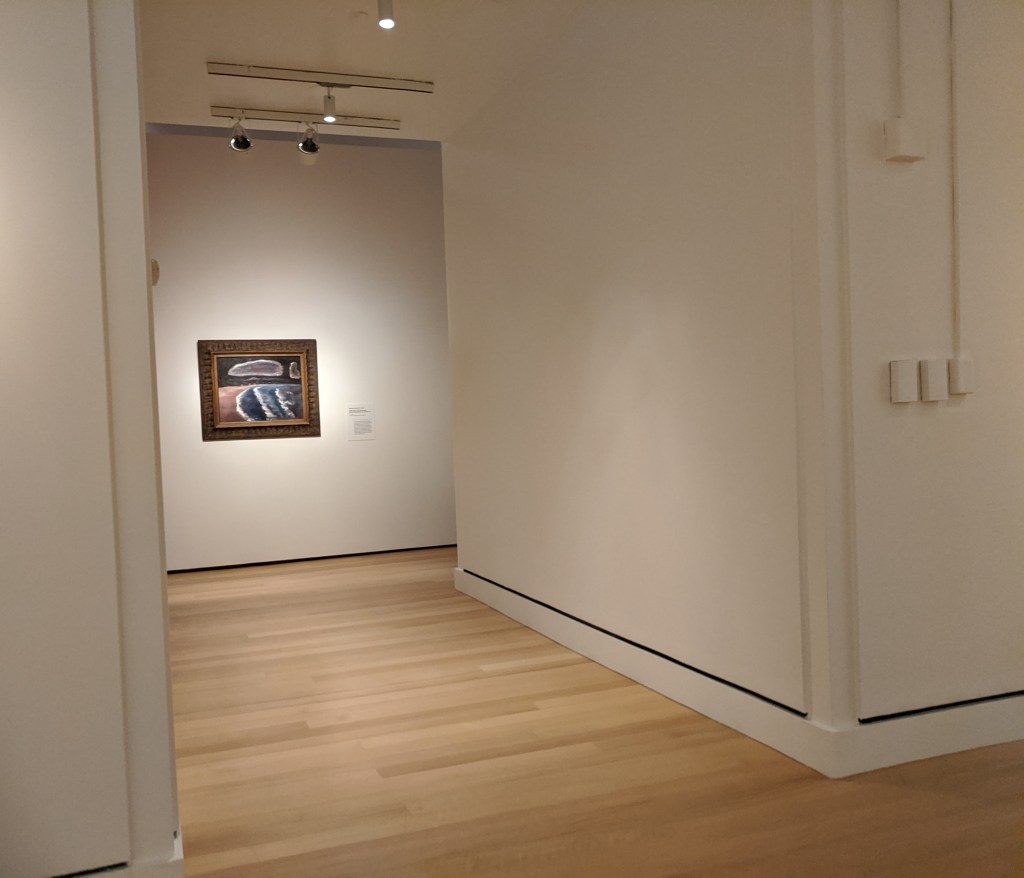
Today, tomorrow (Oct. 3) final days of exhibit, In American Waters: The Sea in American Paintings, at Peabody Essex Museum.
Don’t be distracted by a simplistic thematic construct especially when it coaxes a mind game of “What about…?” as in: What about this artist or that one? Why aren’t they included? (Visual artists like May Stevens, Vija Celmins, Blanche Lazzell, Juane Quick to see Smith, April Gornik, Joan Nelson, Duncanson, Eric Aho, Morris graves, Rauschenberg, Fischl, Frankenthaler, Fitz Henry Lane, Winslow Hopper, and Edward Hopper sprang readily to mind. And more Lawrence.) What about the de rigueur annual summer exhibitions at major galleries and institutions, since late 1880s? Aren’t the planet’s oceans a global motif not limited by media or place?
Ignore the categories or “chapters”.
Forget the sea change promise.
Just go.
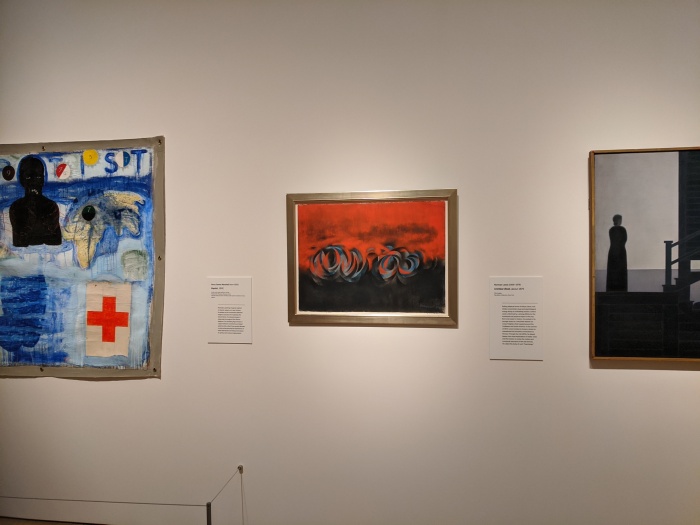
Do make the must see trip to be awed and enjoy the momentous loans and great gift of seeing these selections displayed, together and their many moods of expression. Sensuous, tranquil, volatile, mysterious, distant, abstract–this major group show delivers art that conveys emotion, expressed and experienced.
photos: c. ryan, May 29, 2021
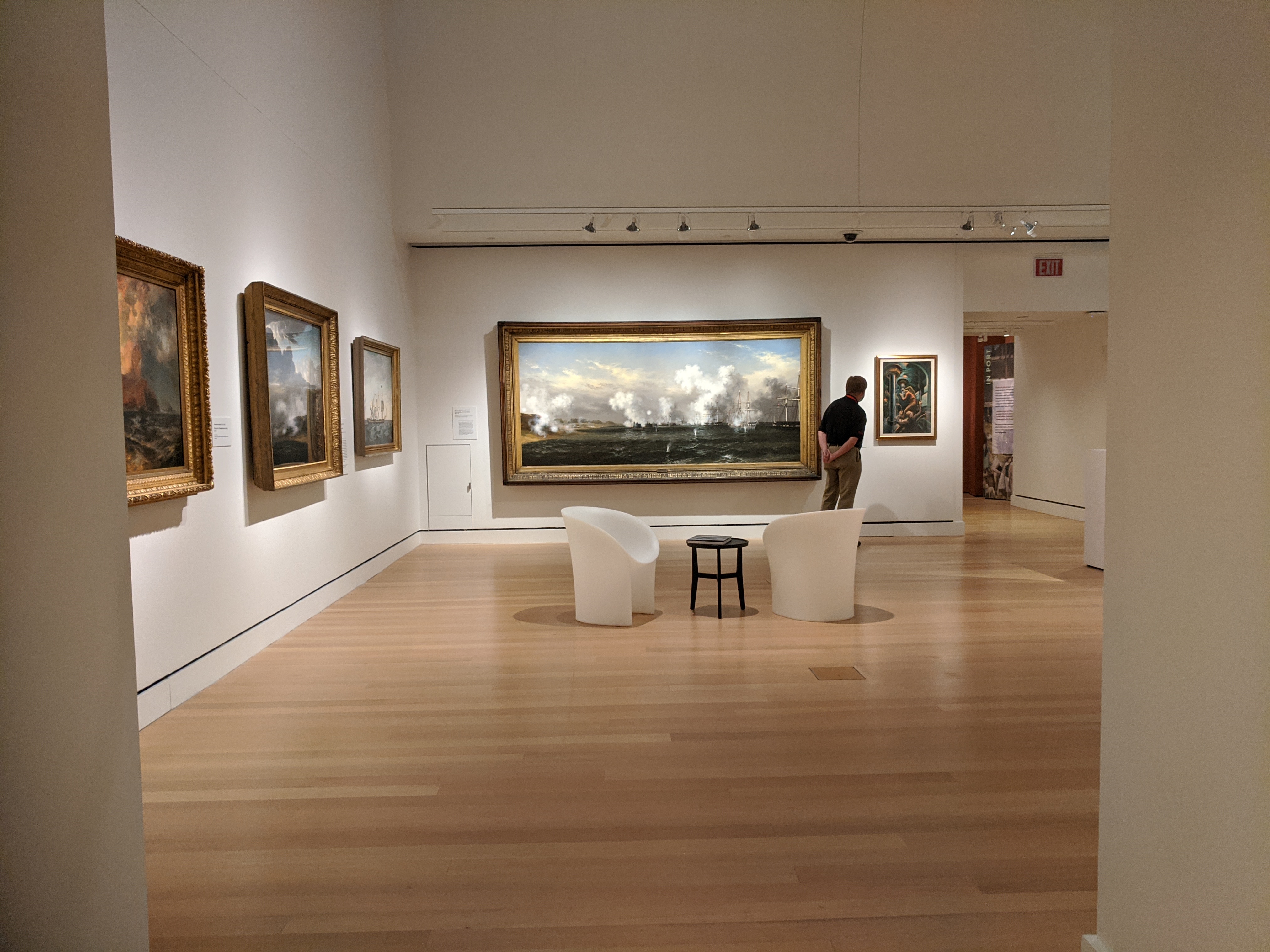
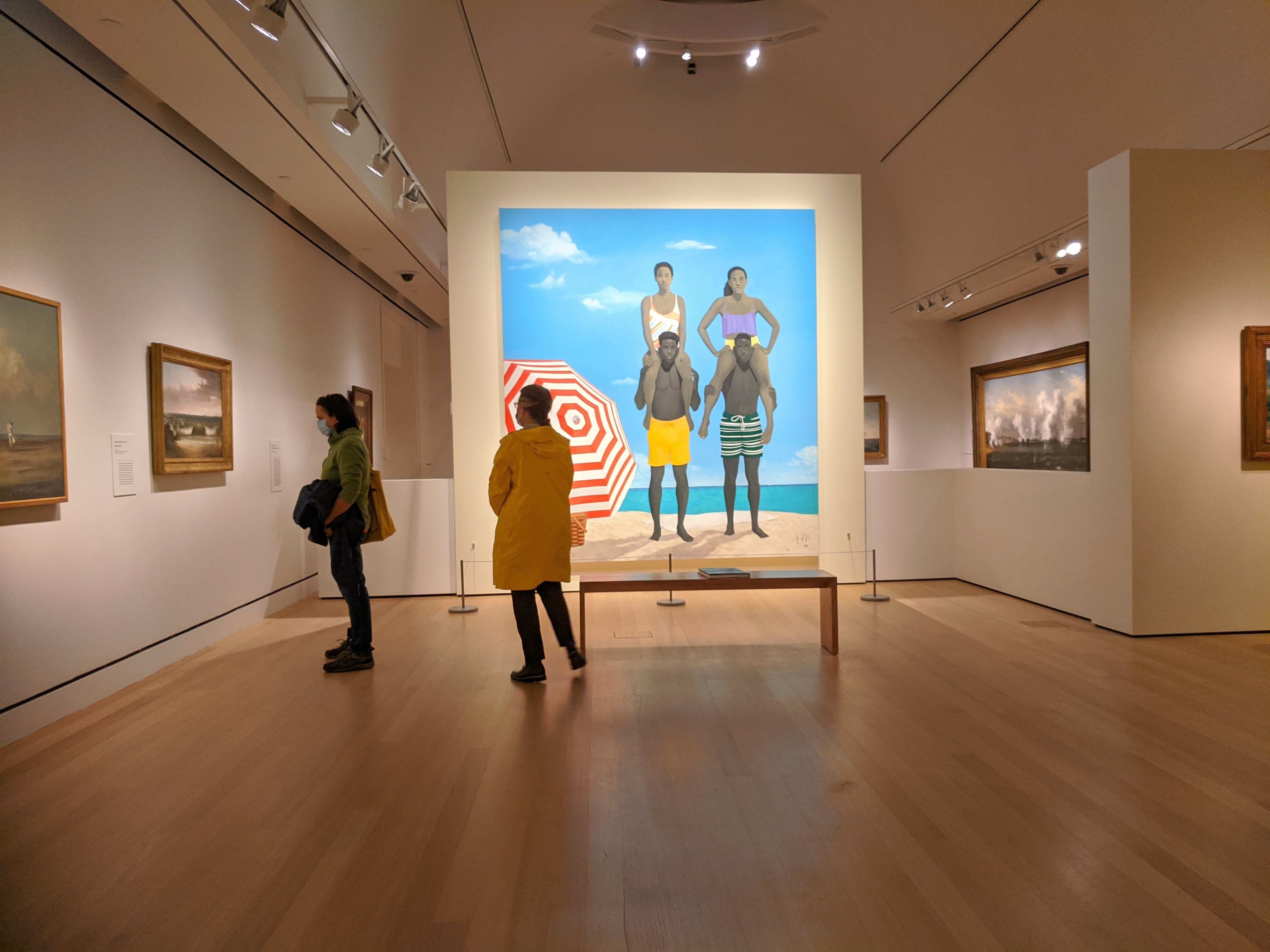
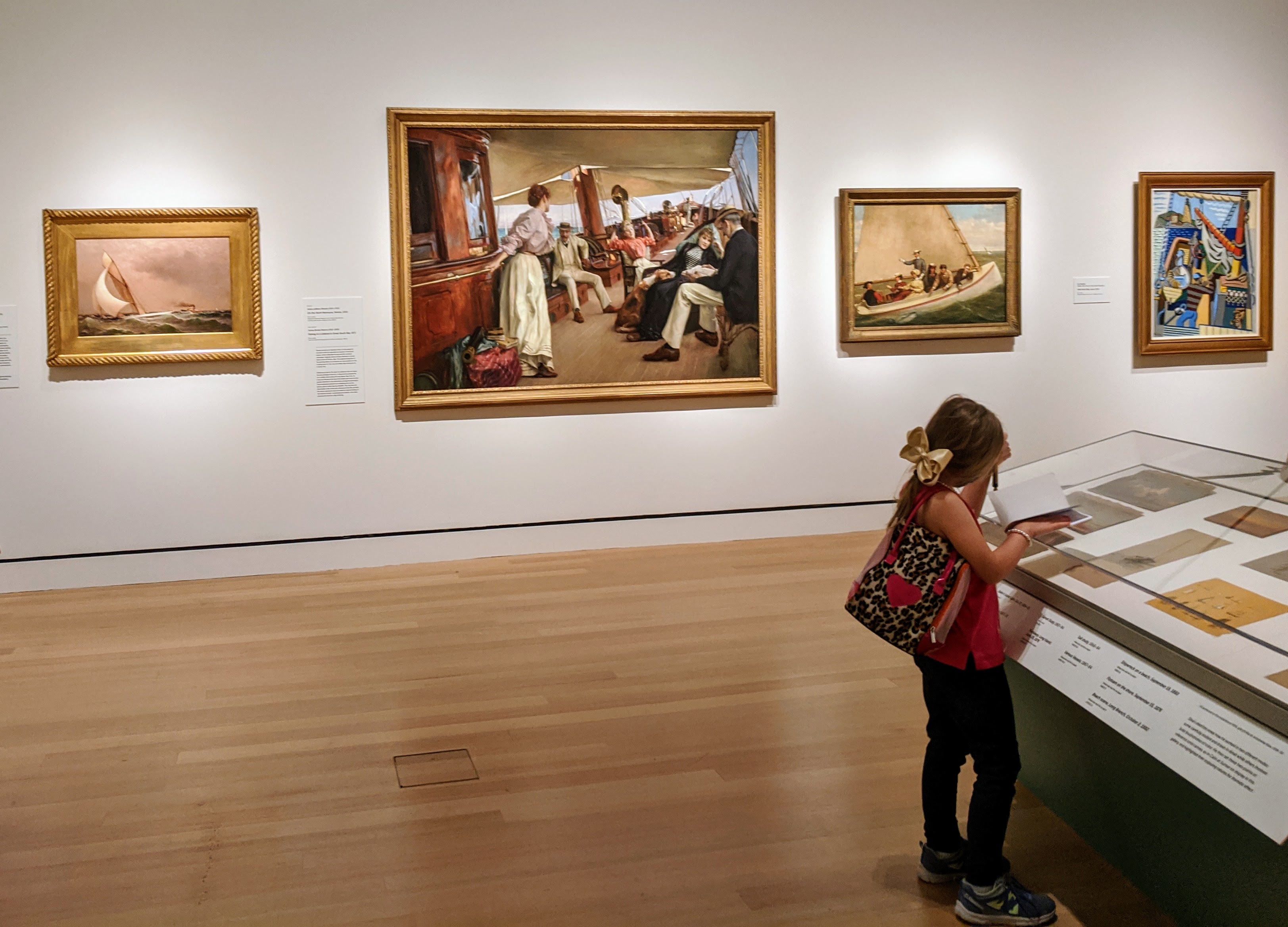
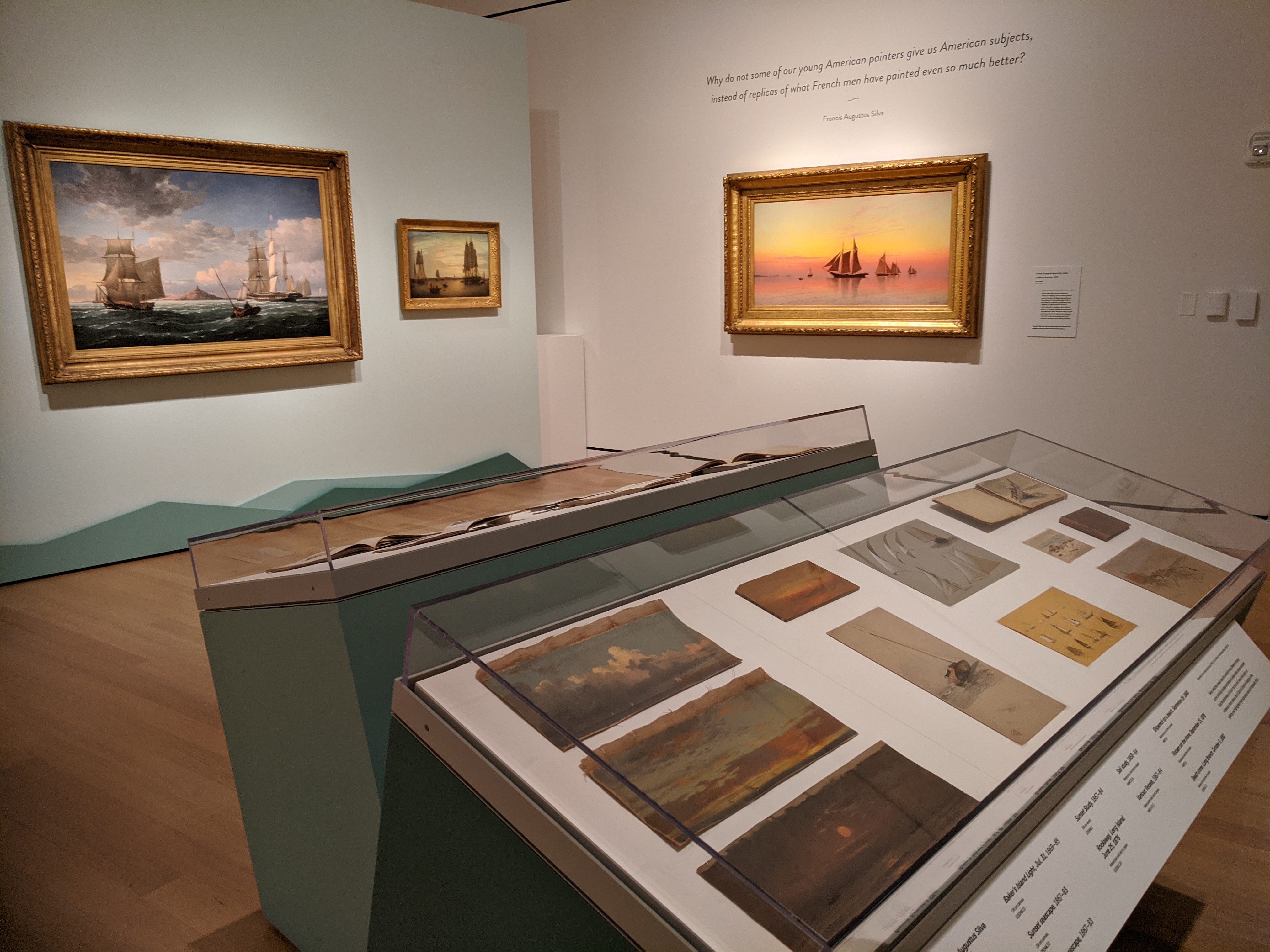
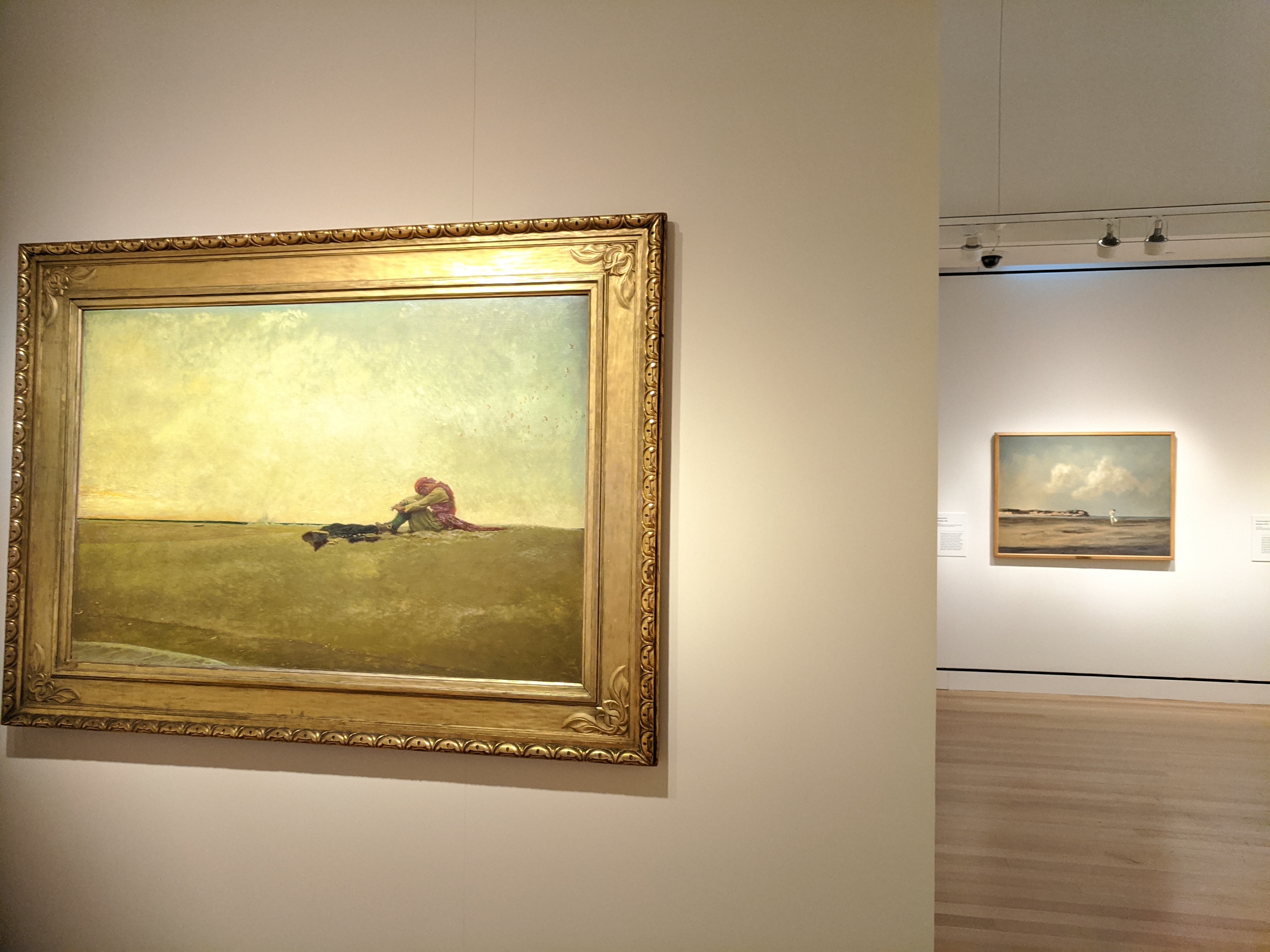
*mostly (scroll through till end for some misses)
in no particular order
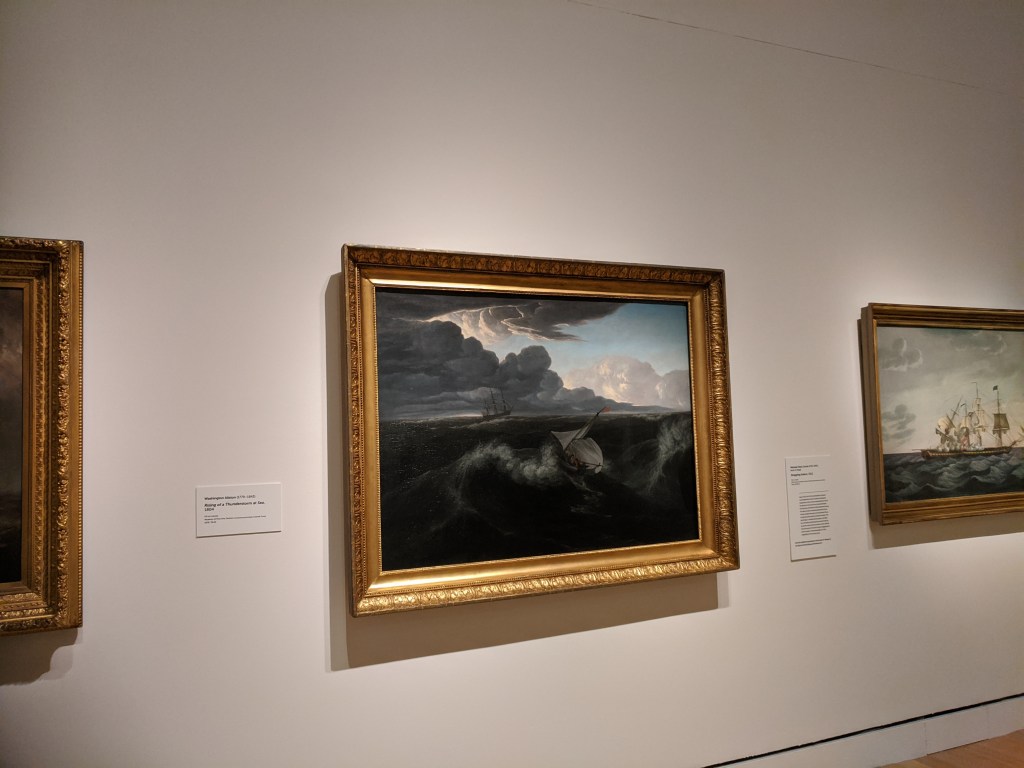
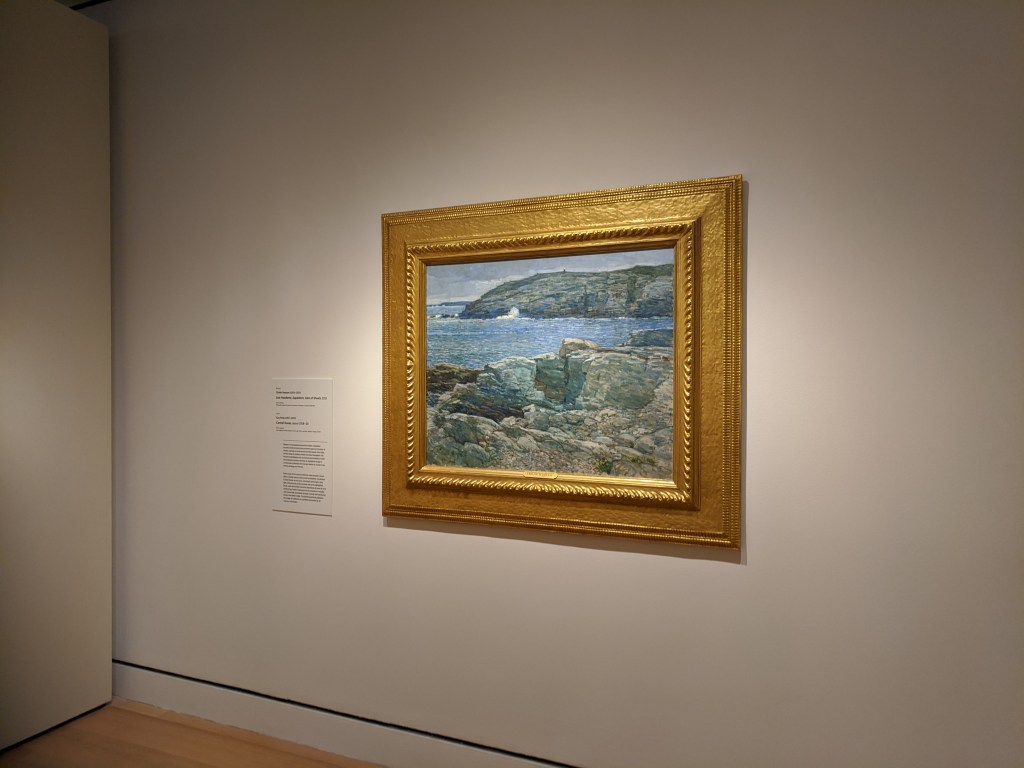

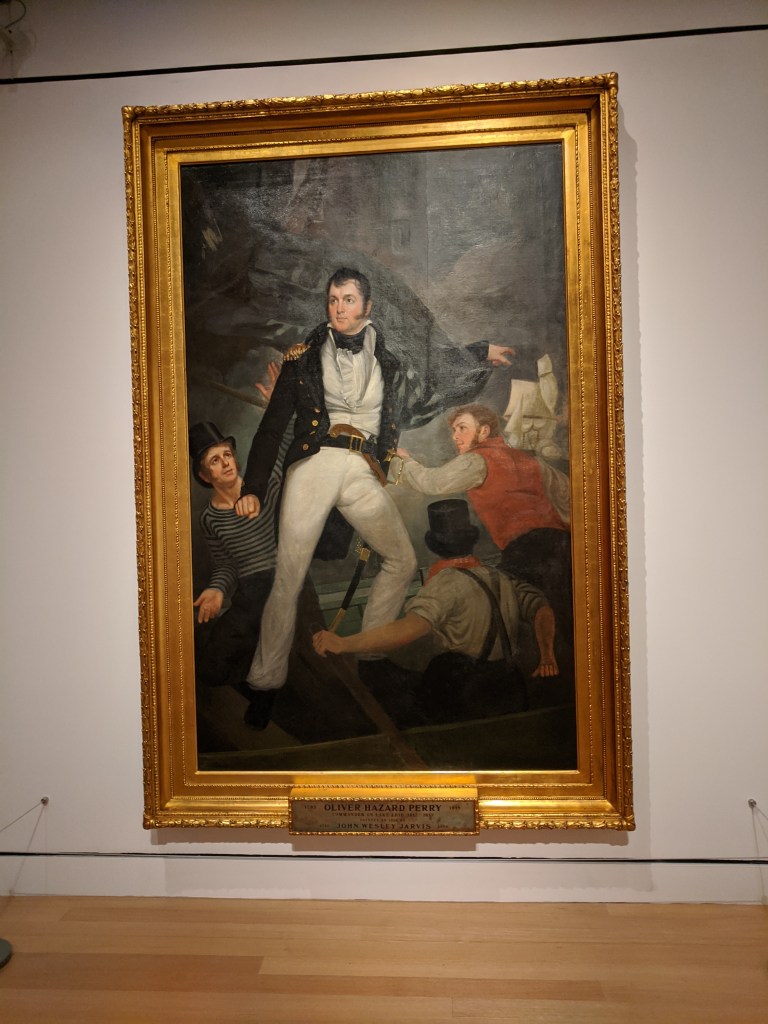
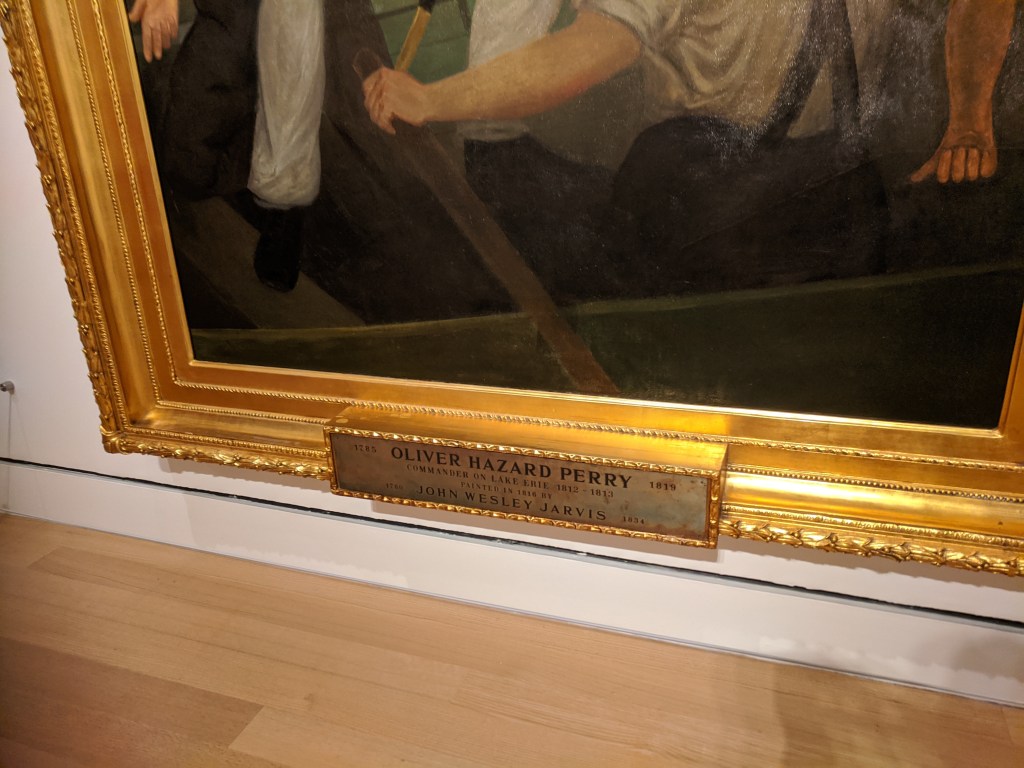

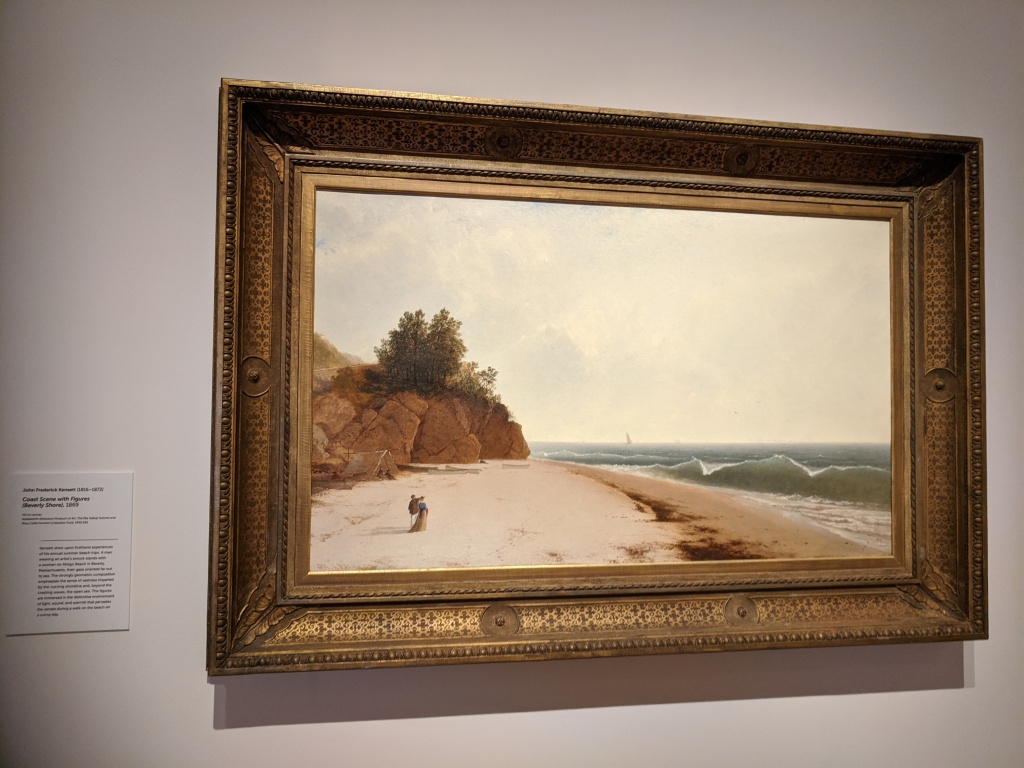
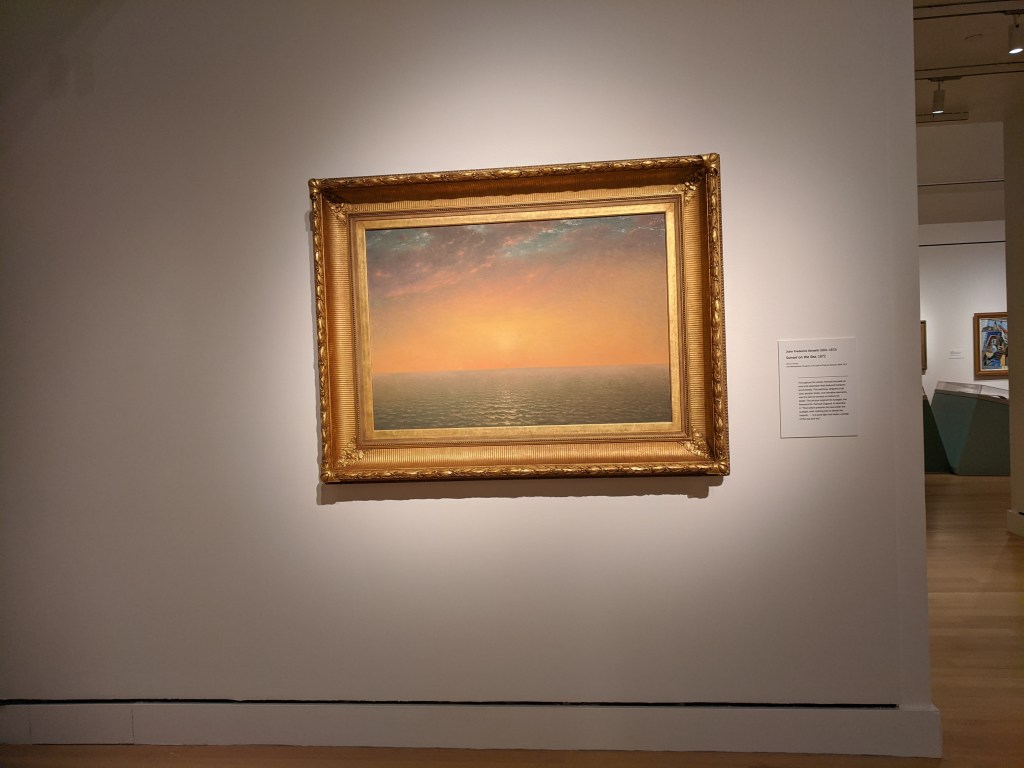


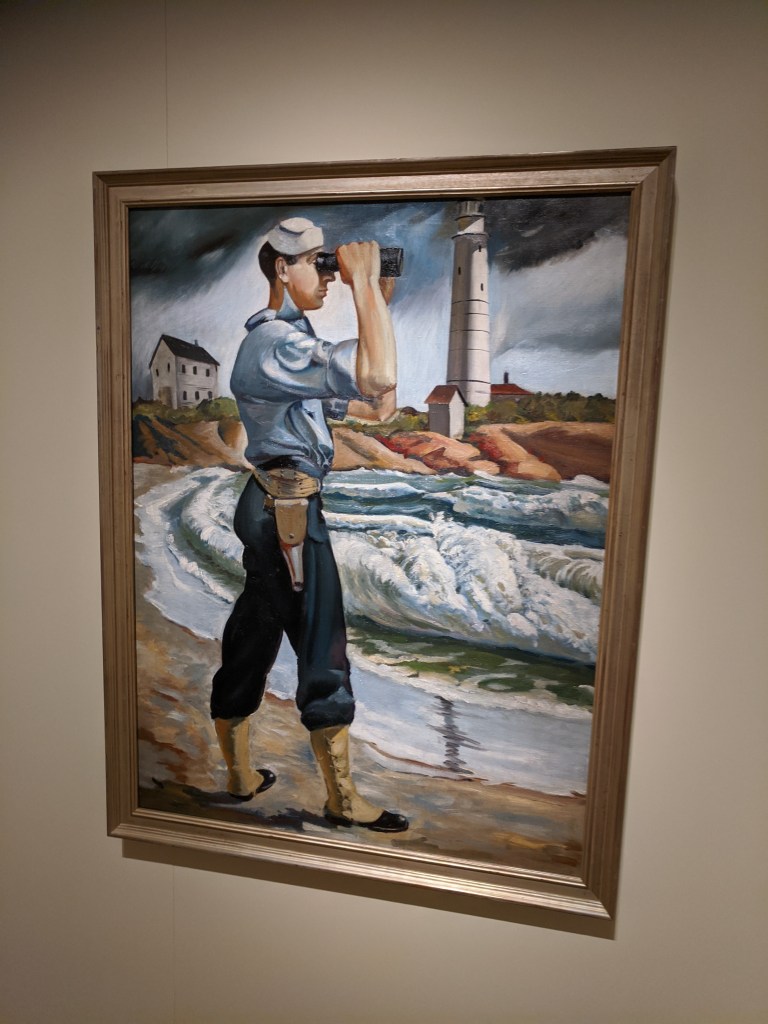
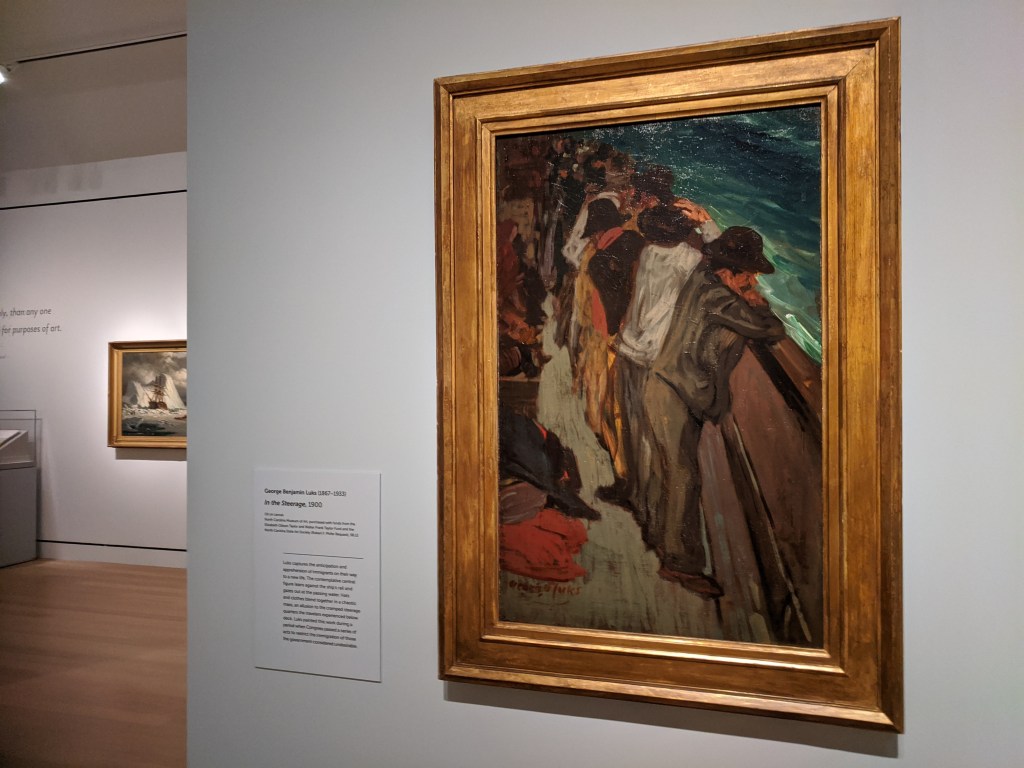
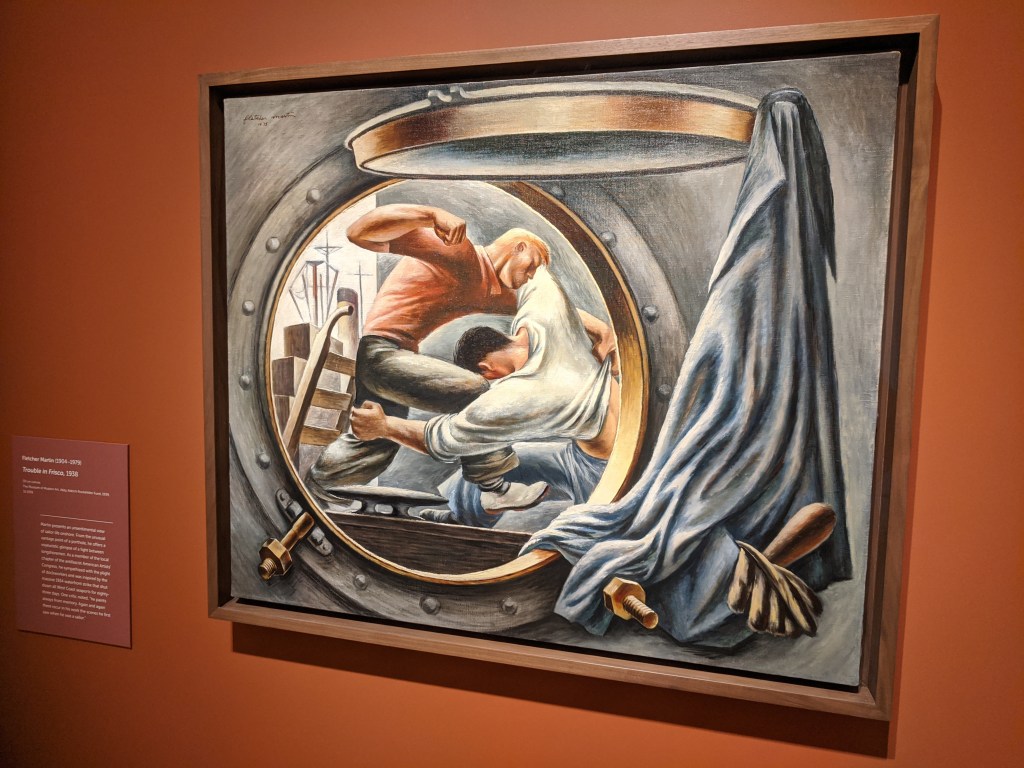
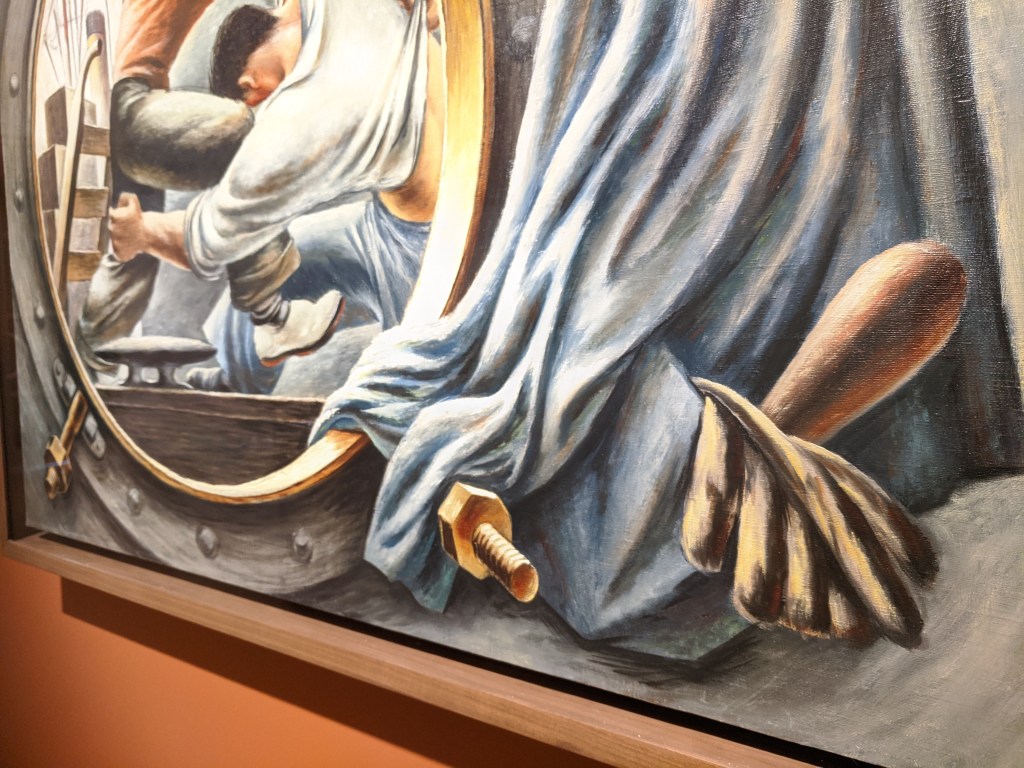

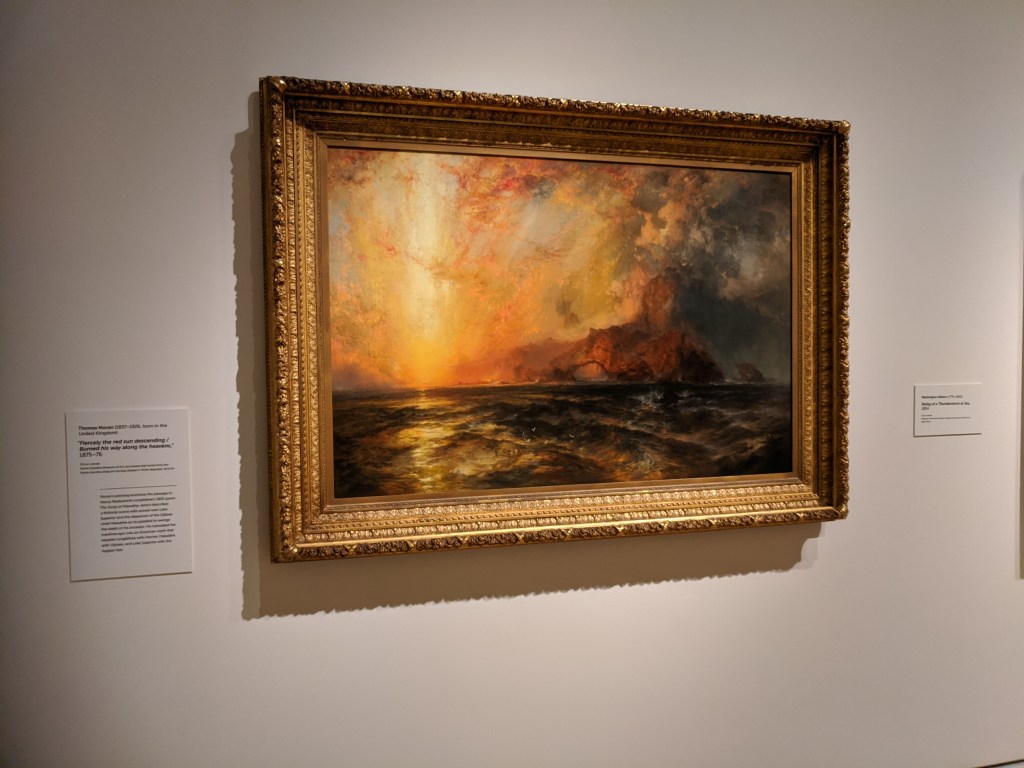

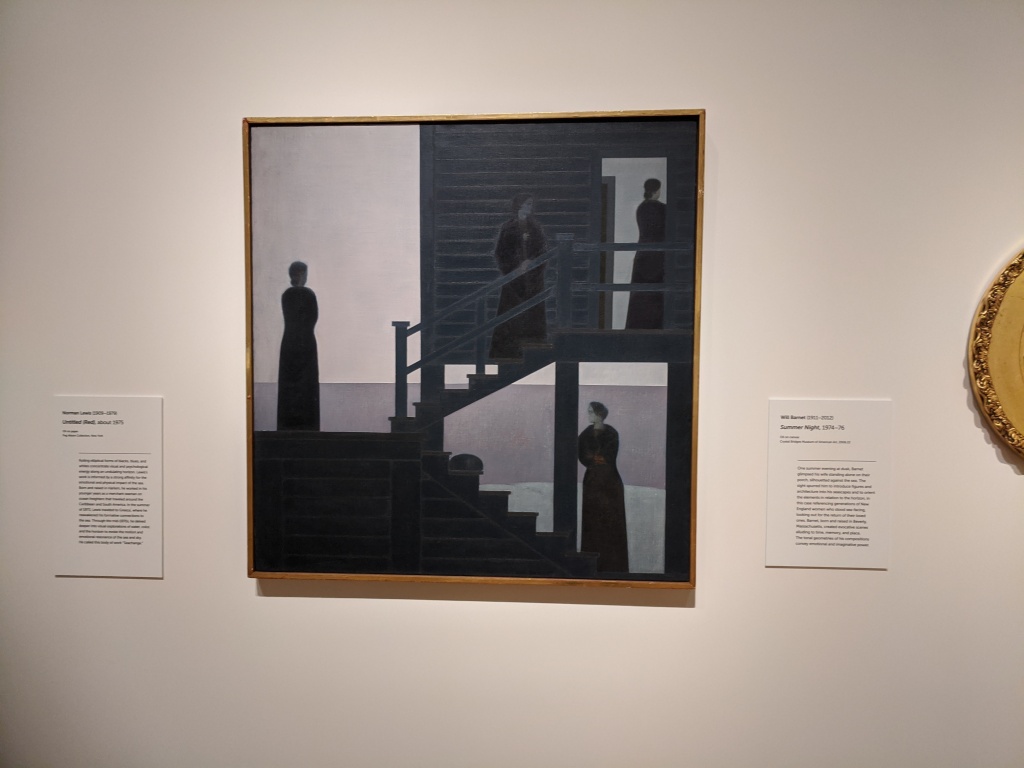
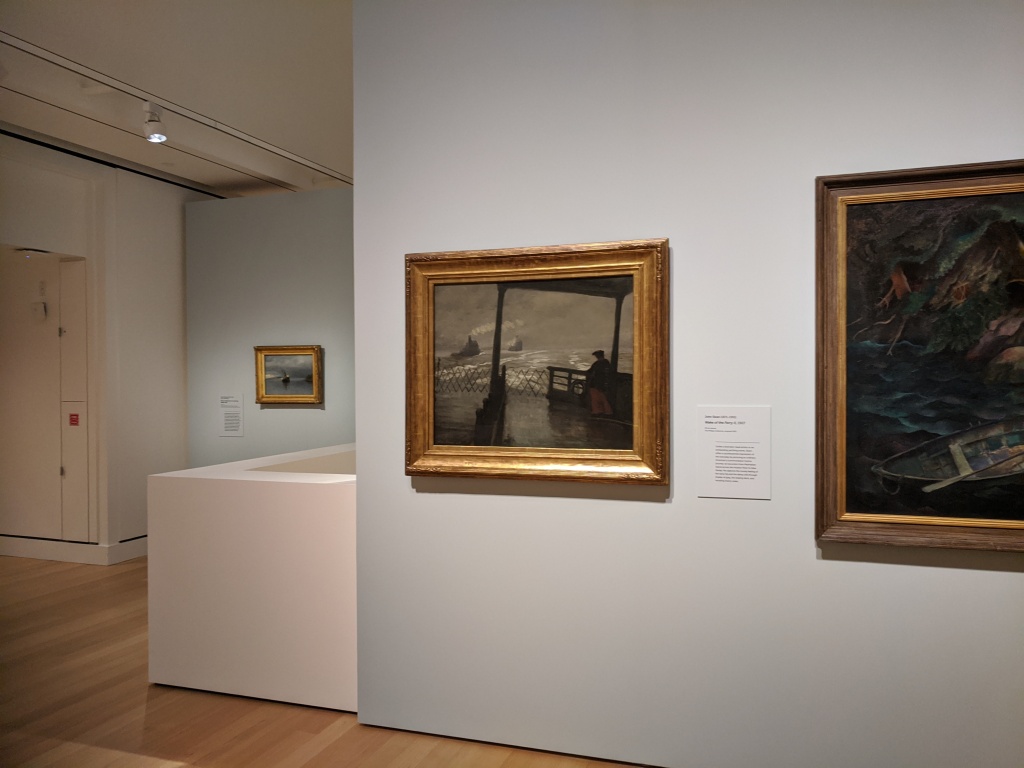

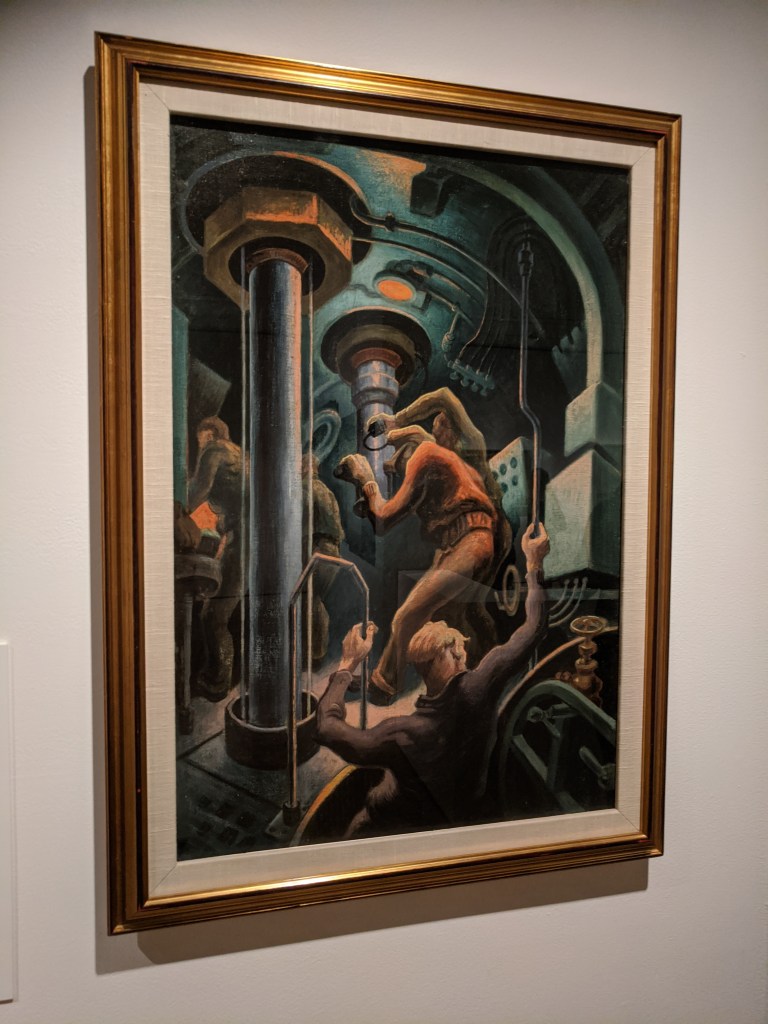

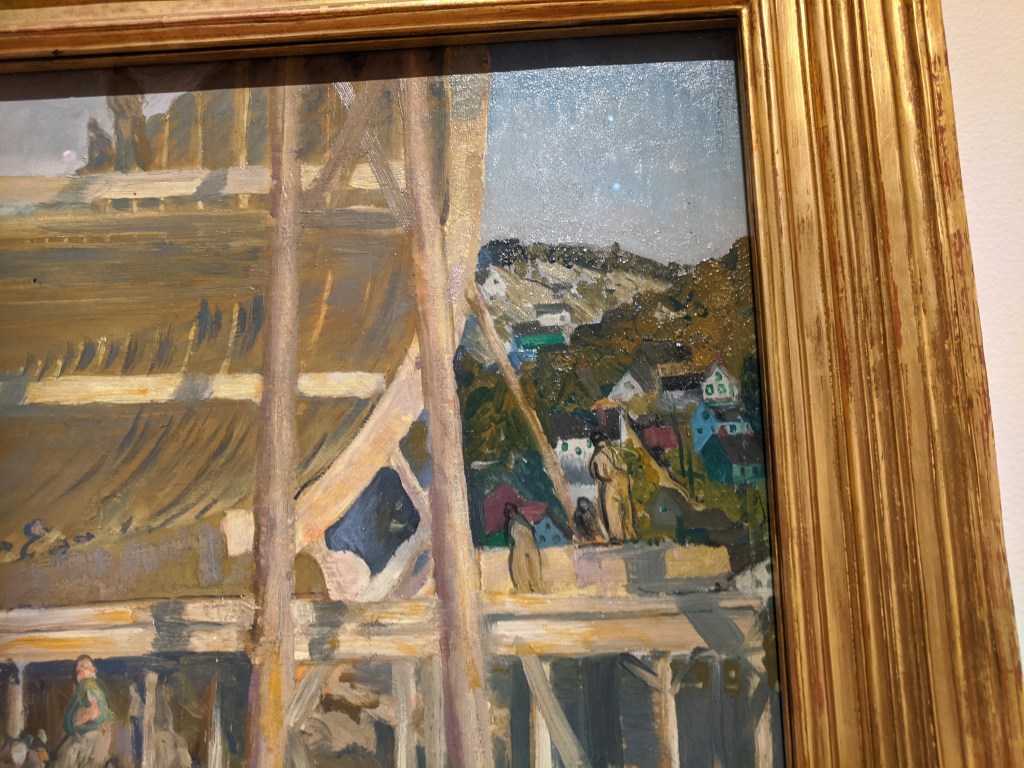

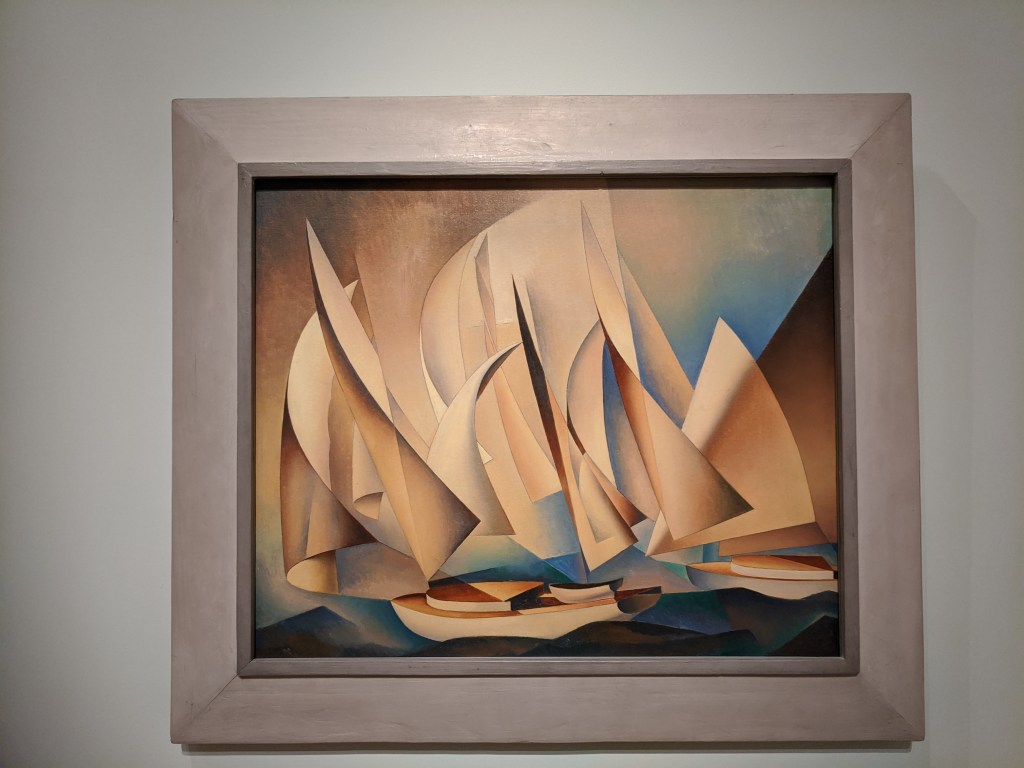
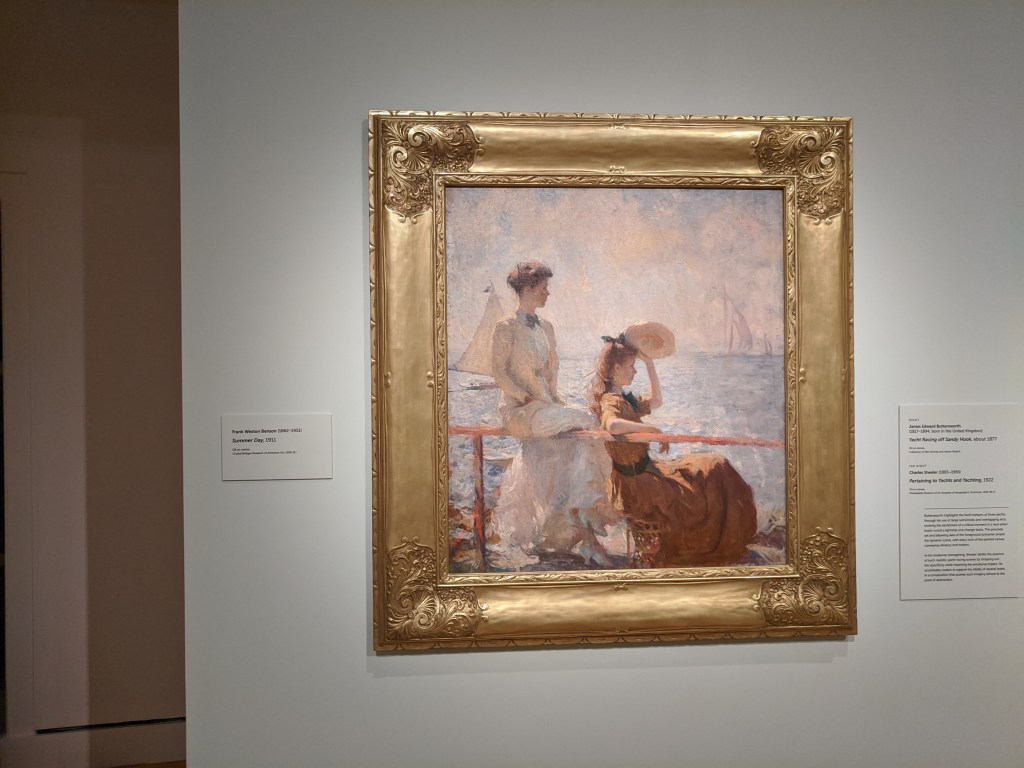


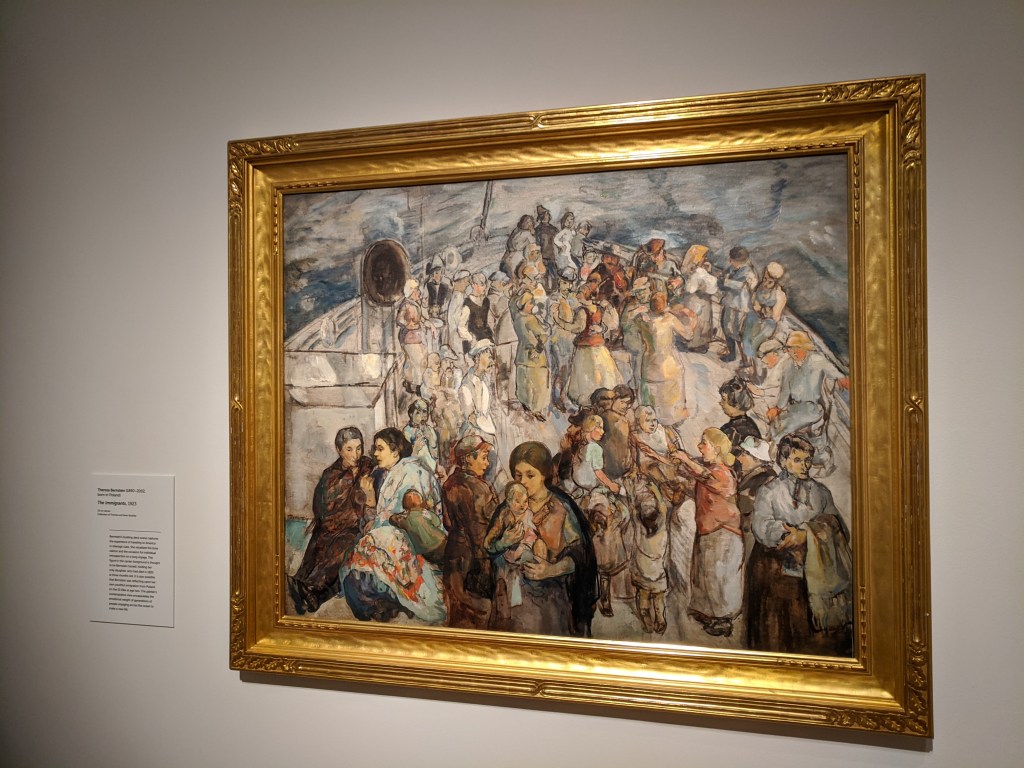
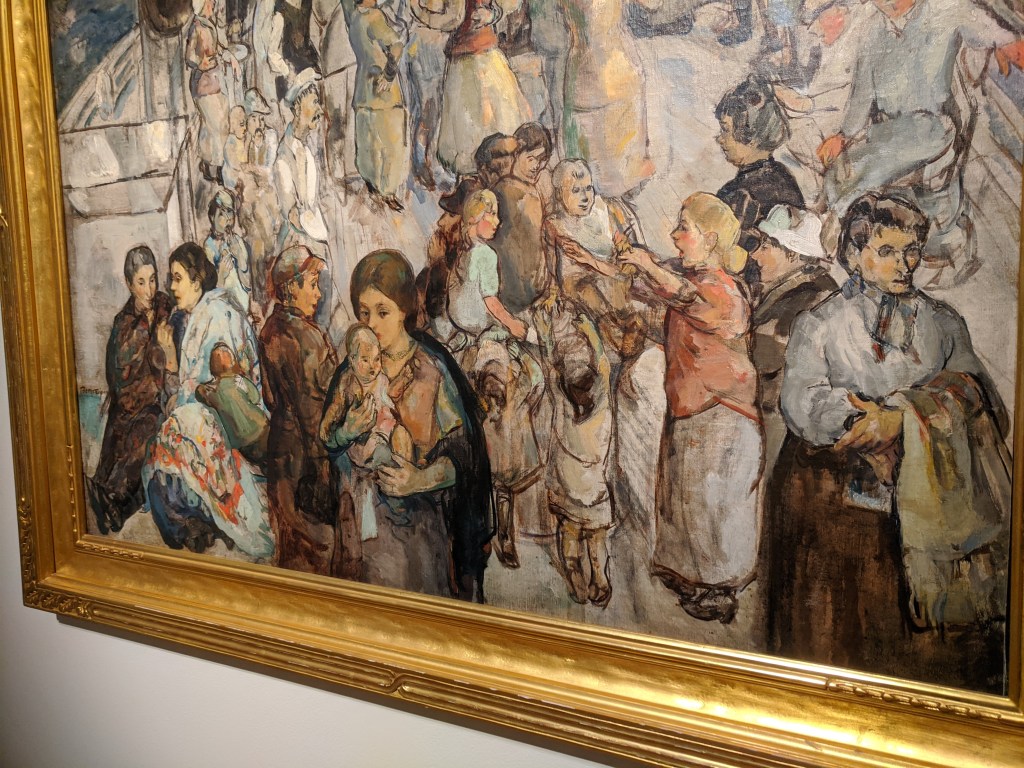


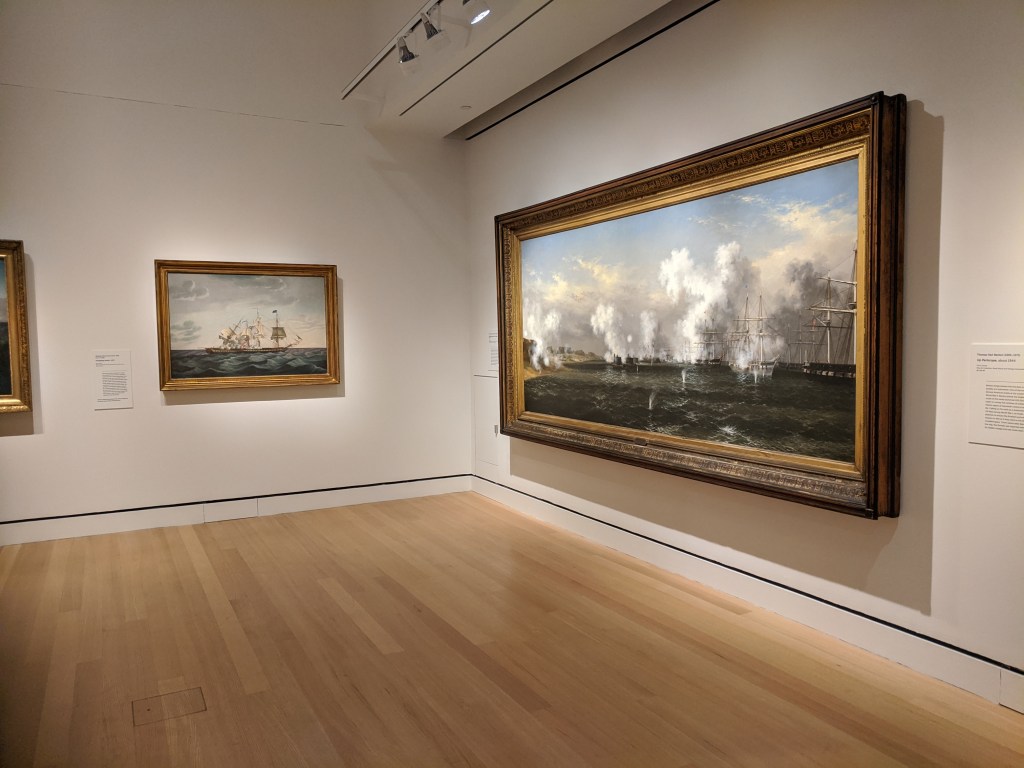


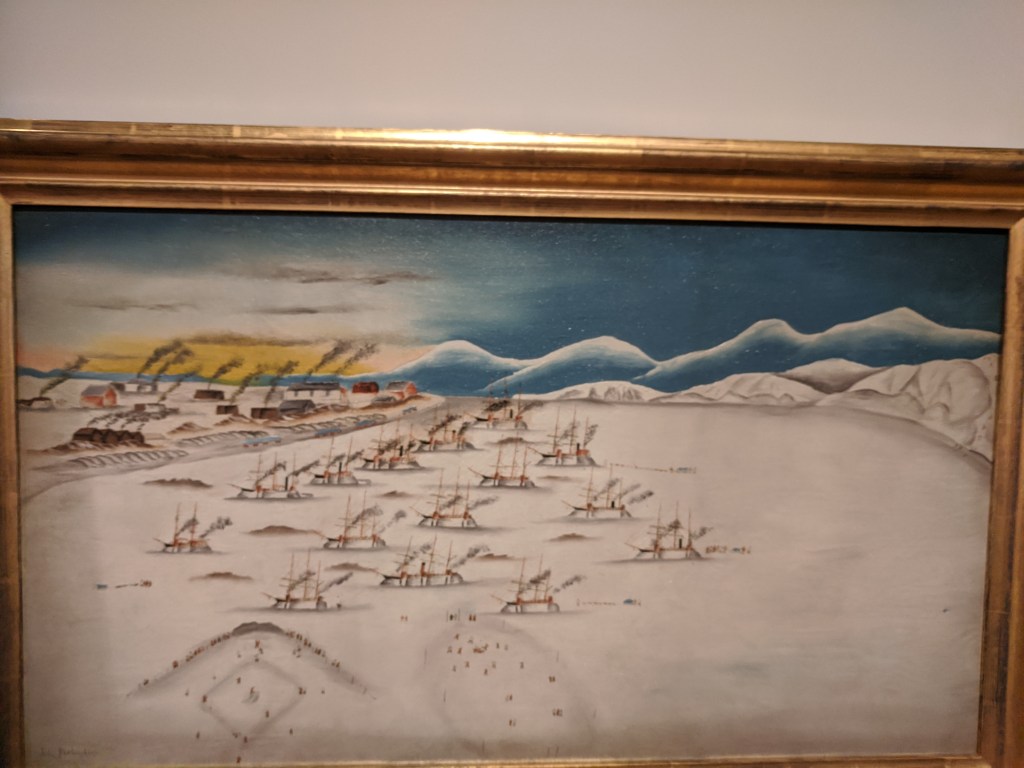

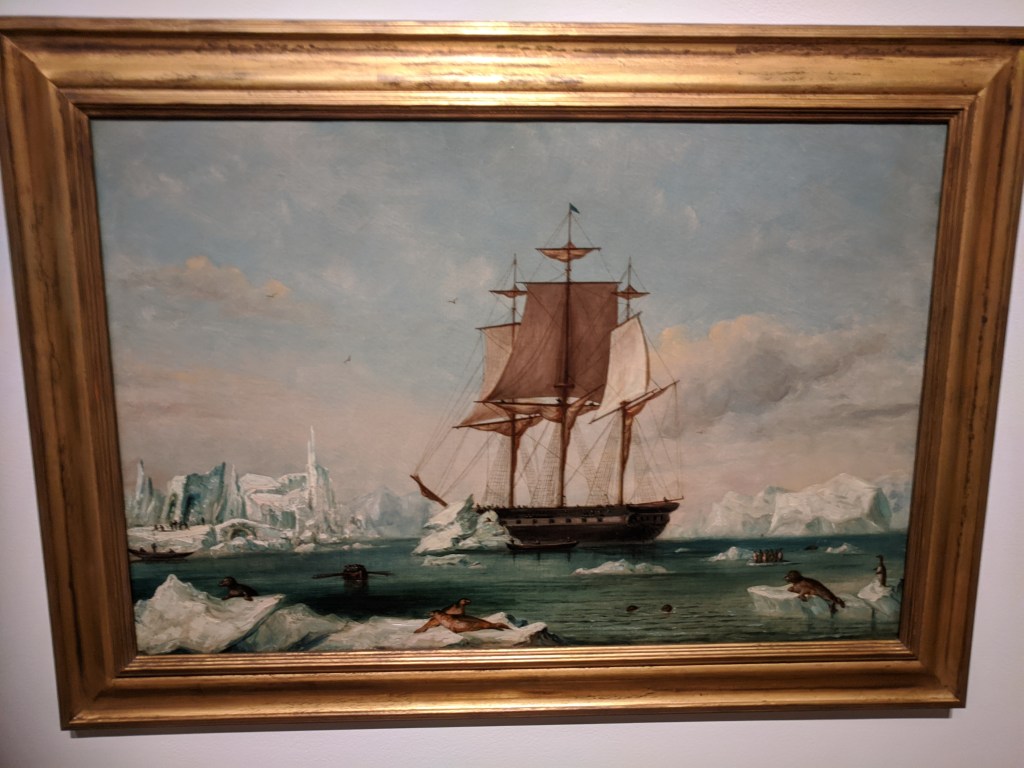
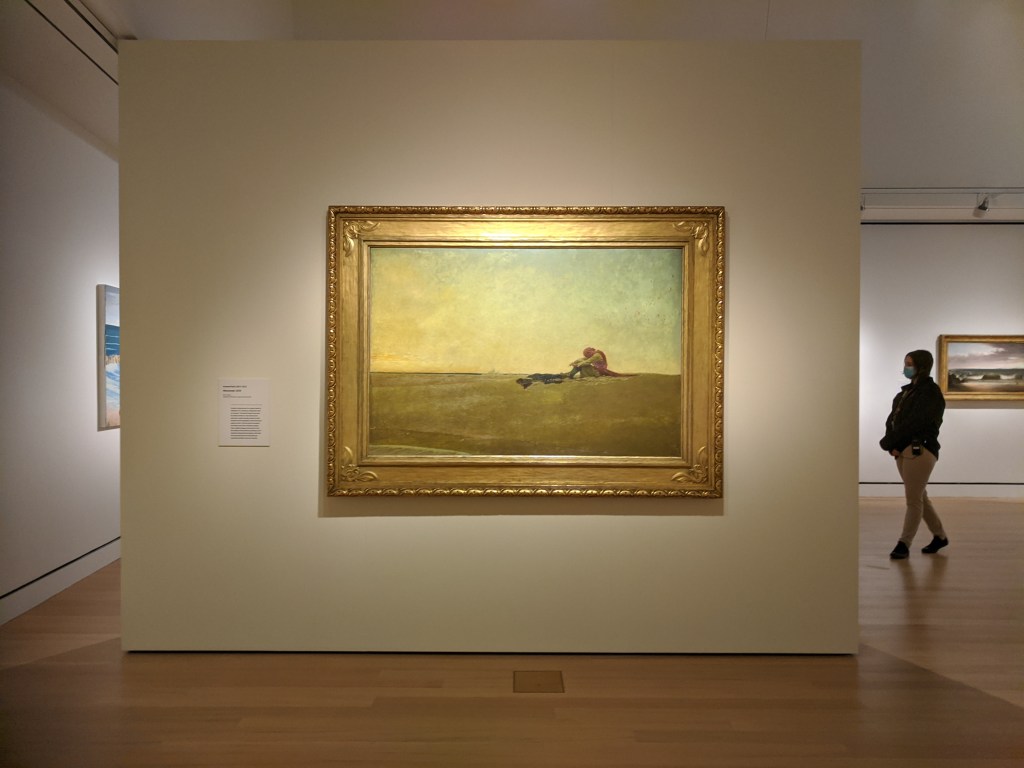


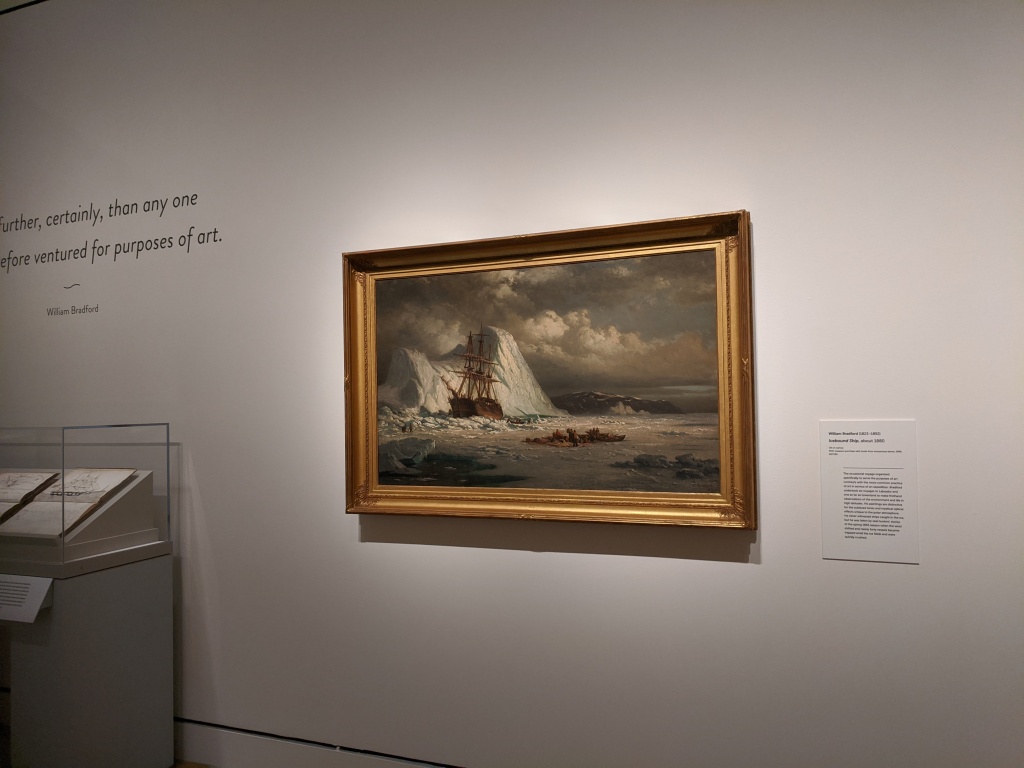

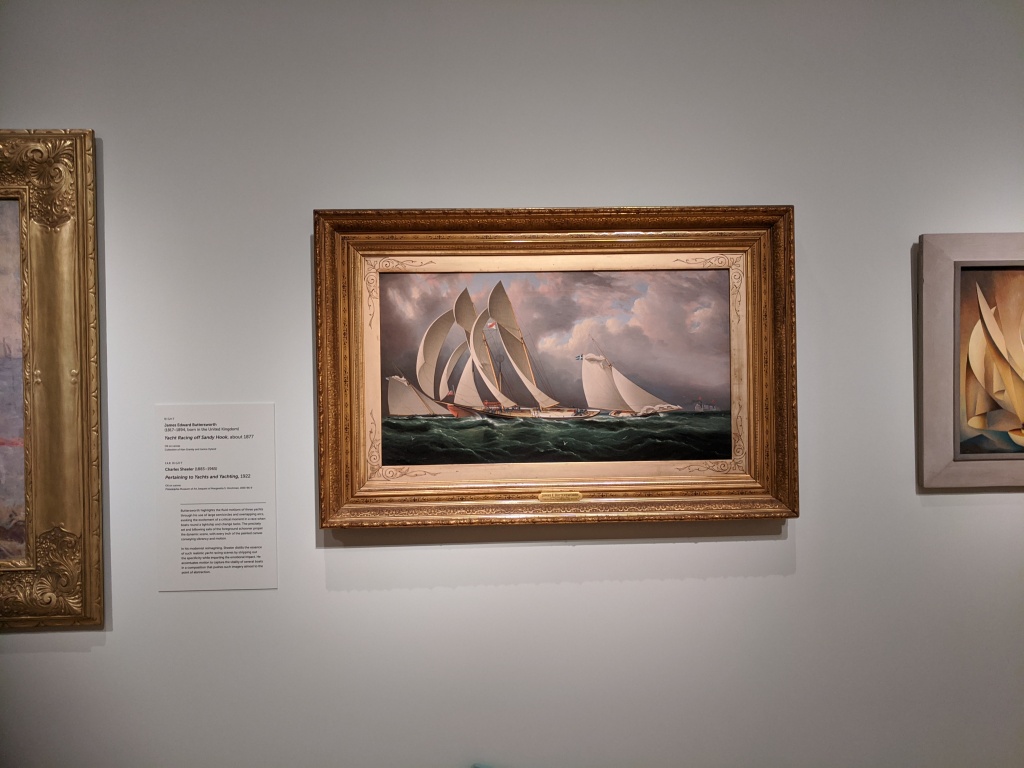

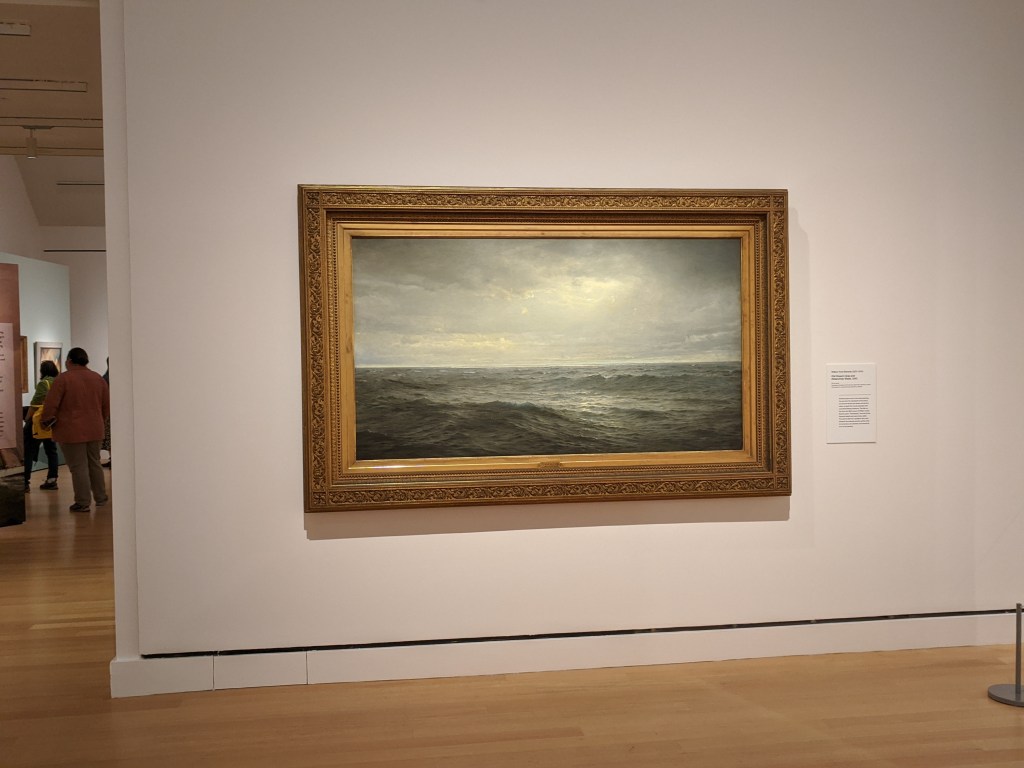


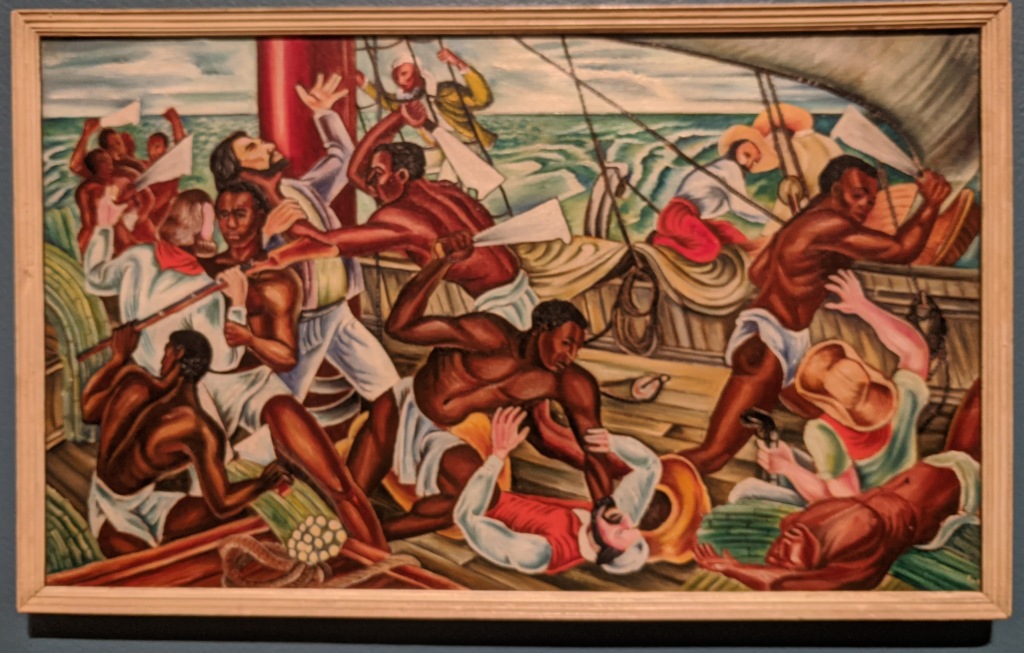

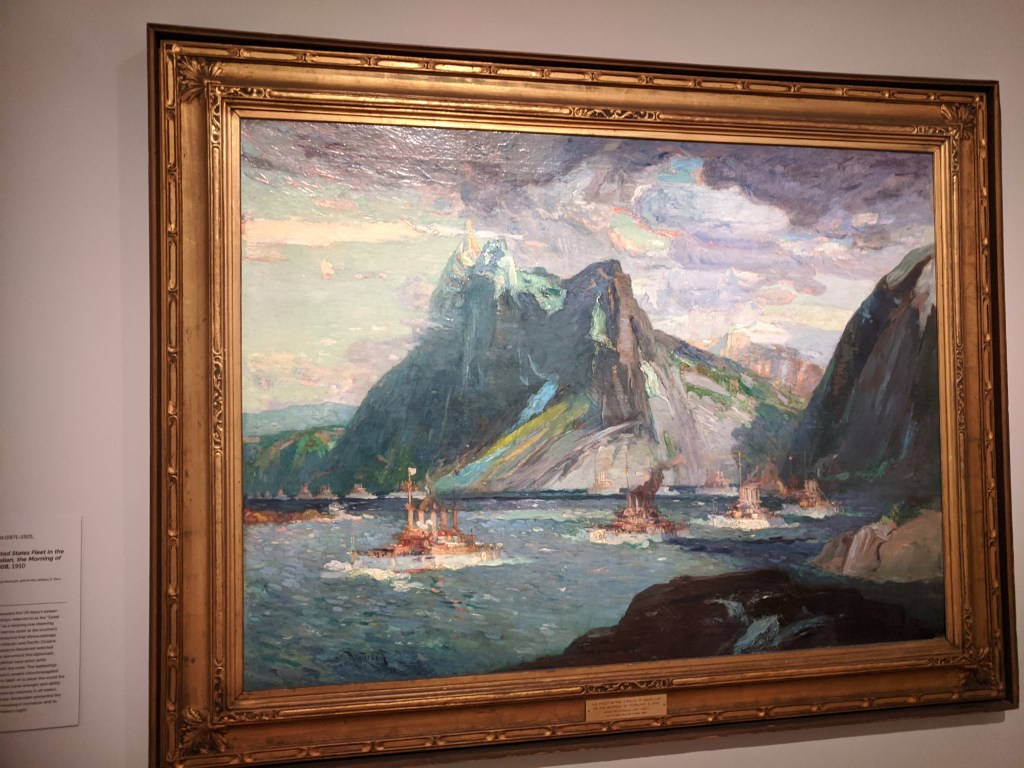
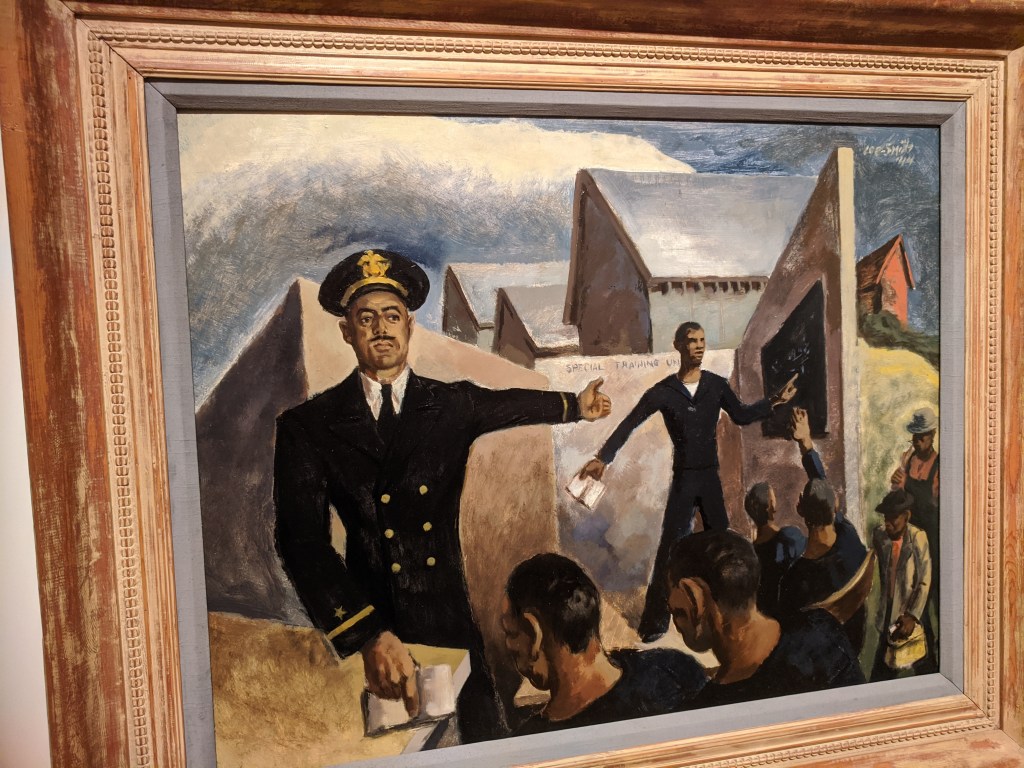


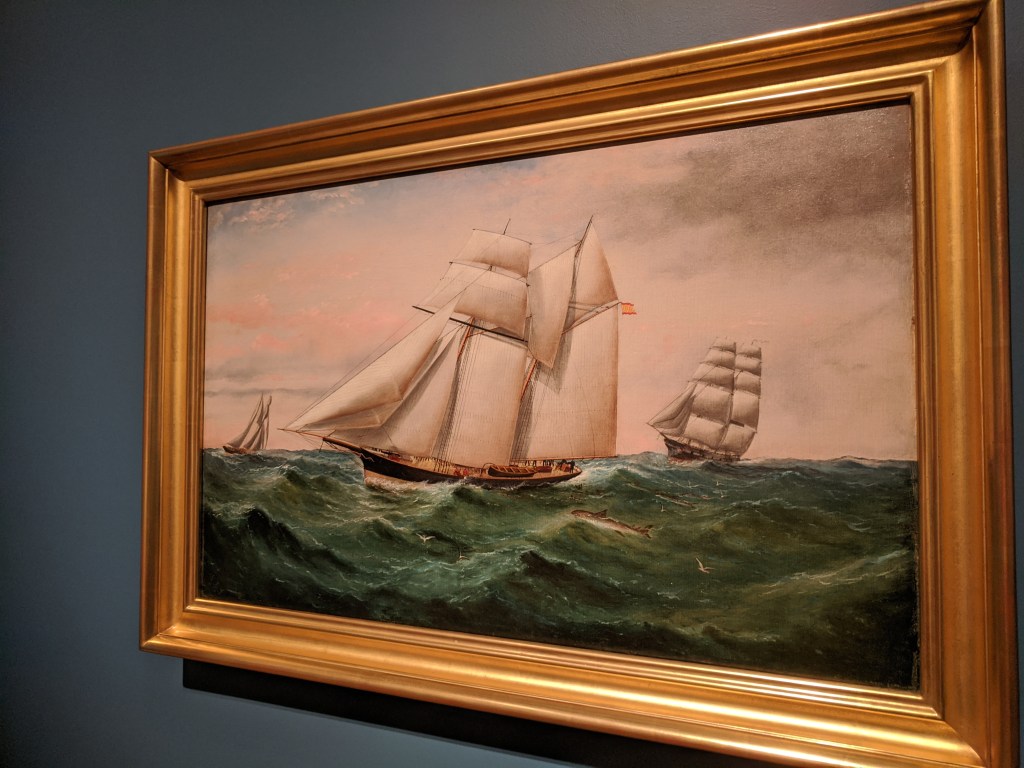
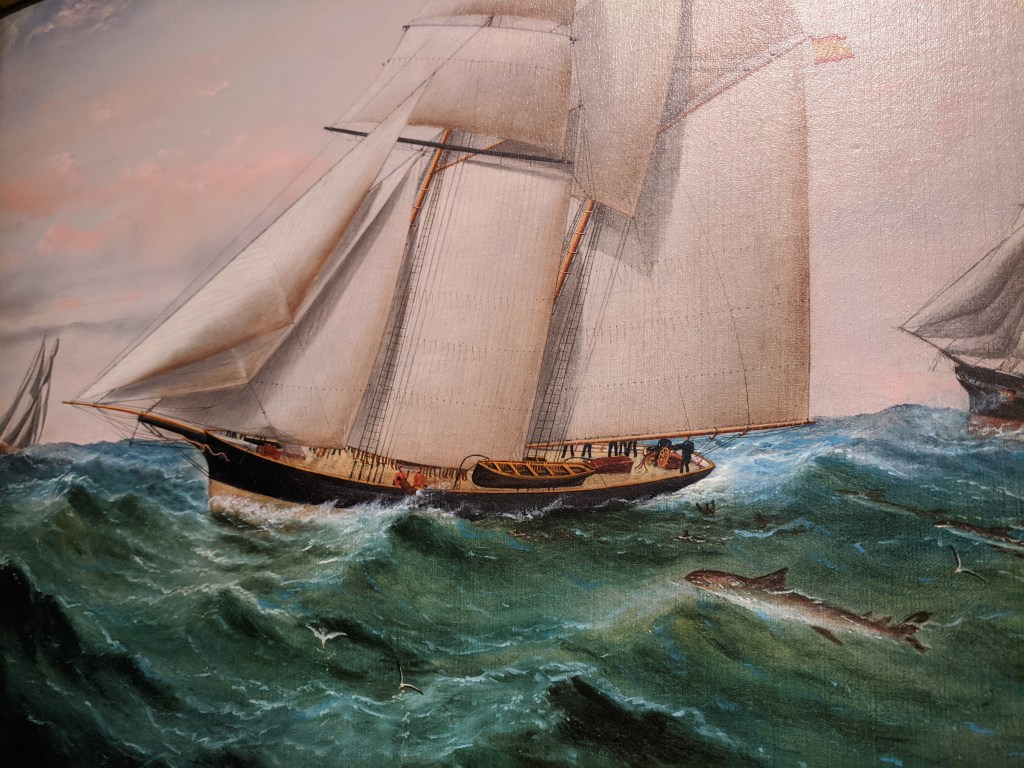
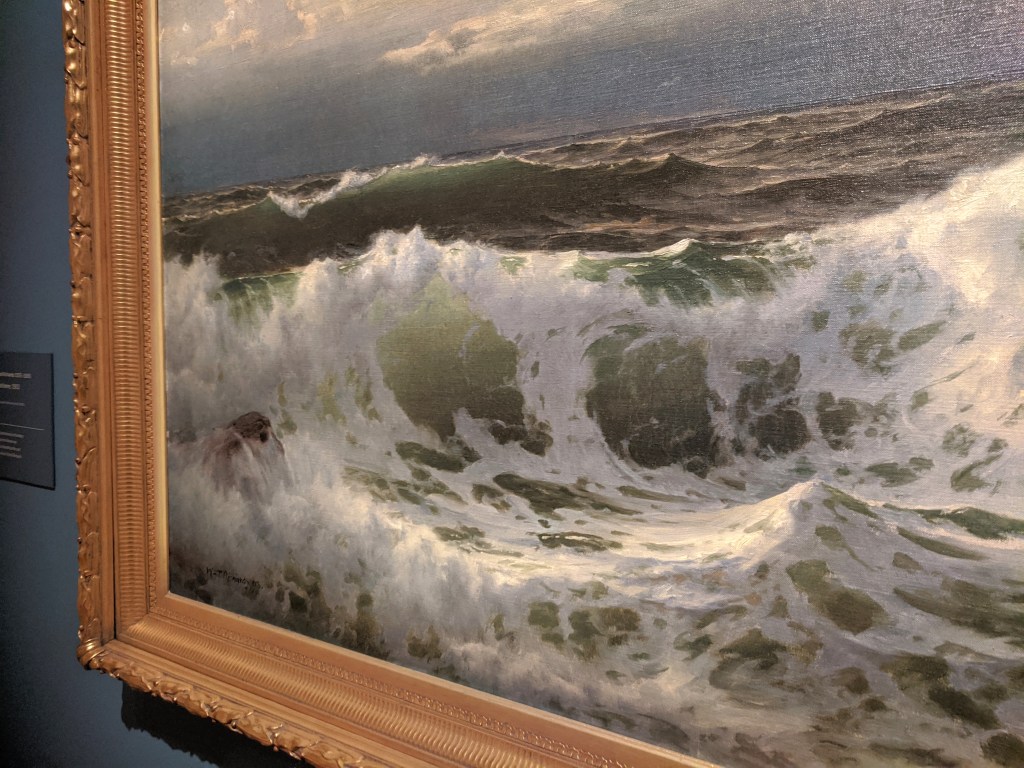

Animated some to help bring you there:
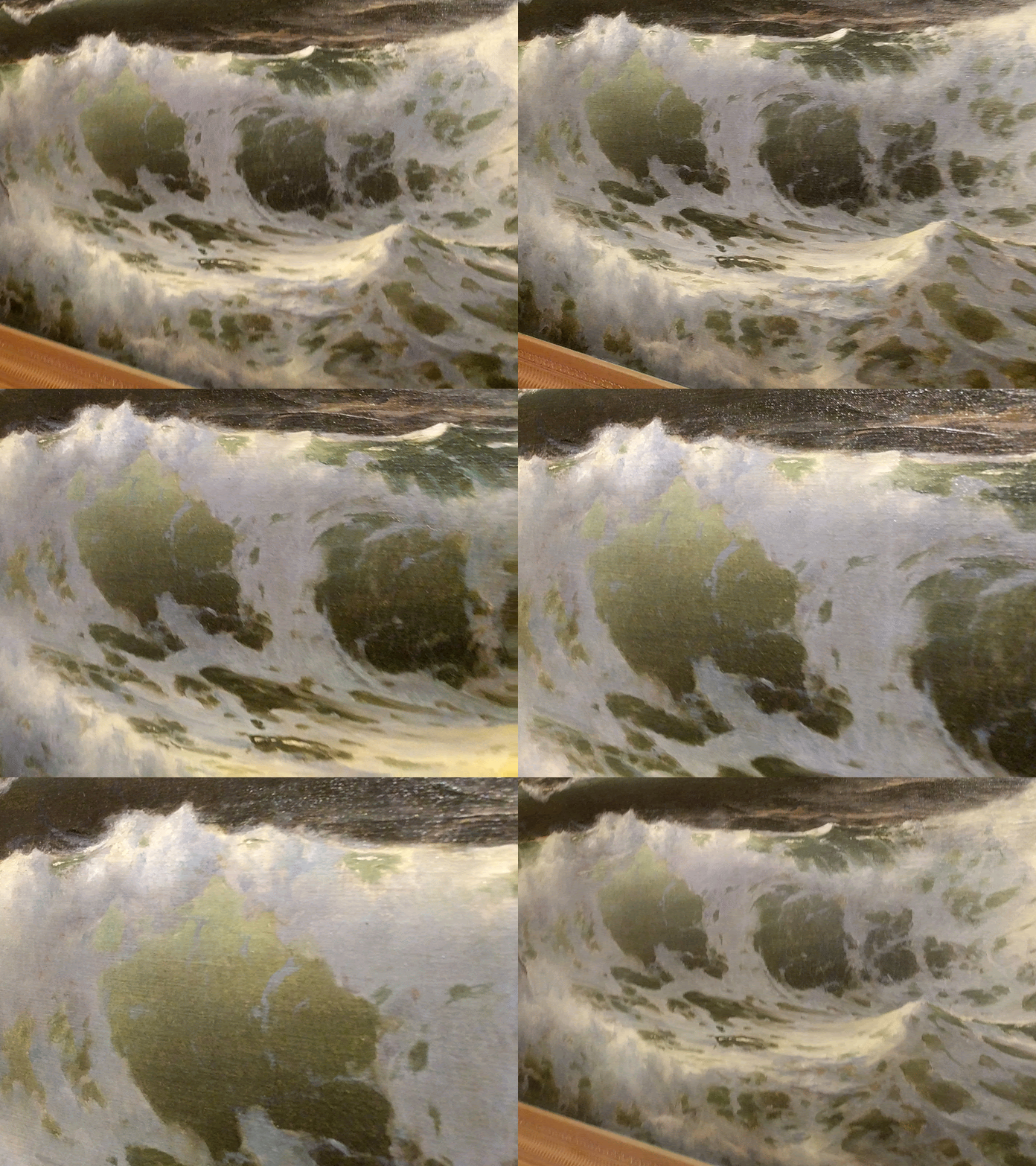
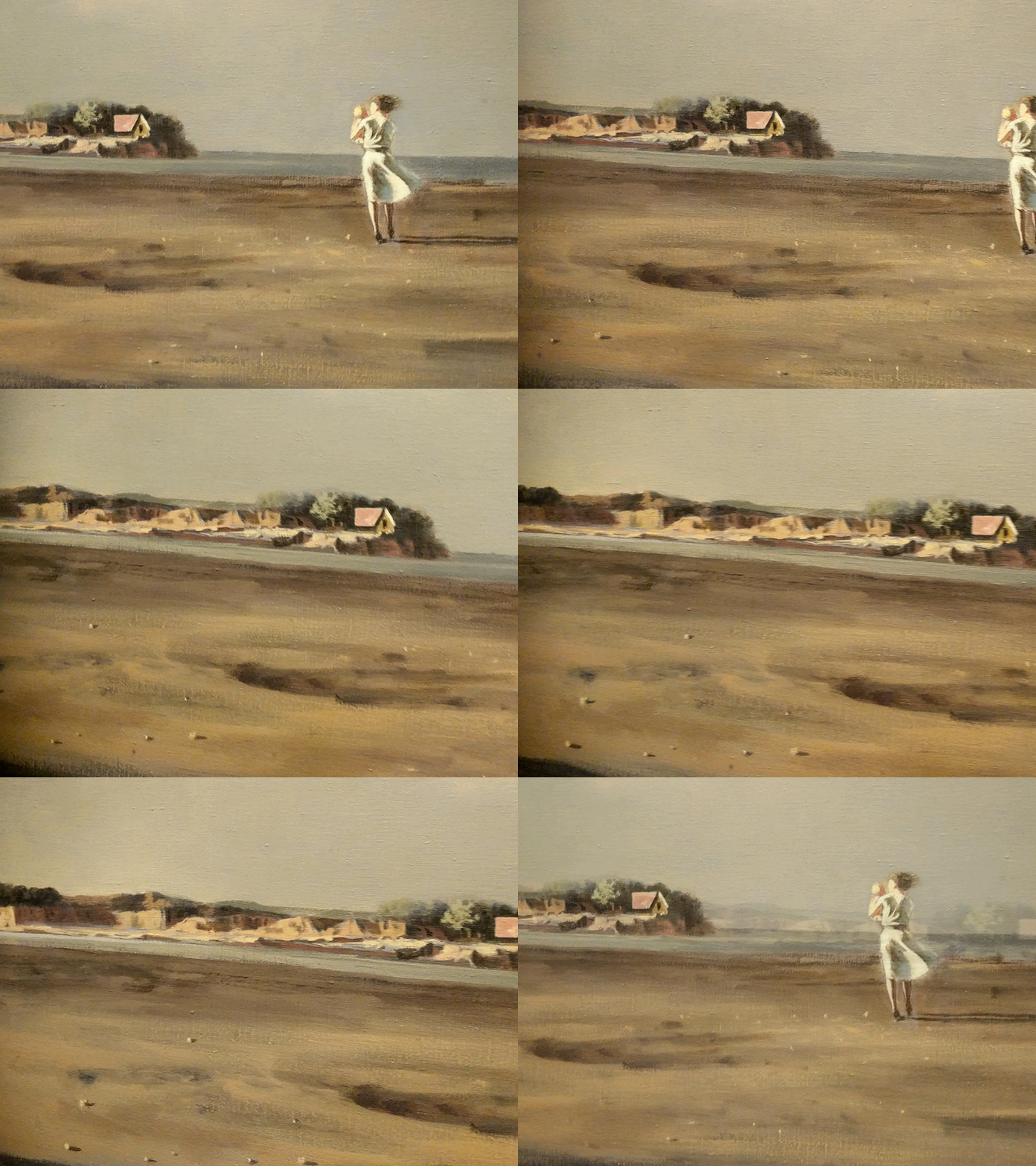
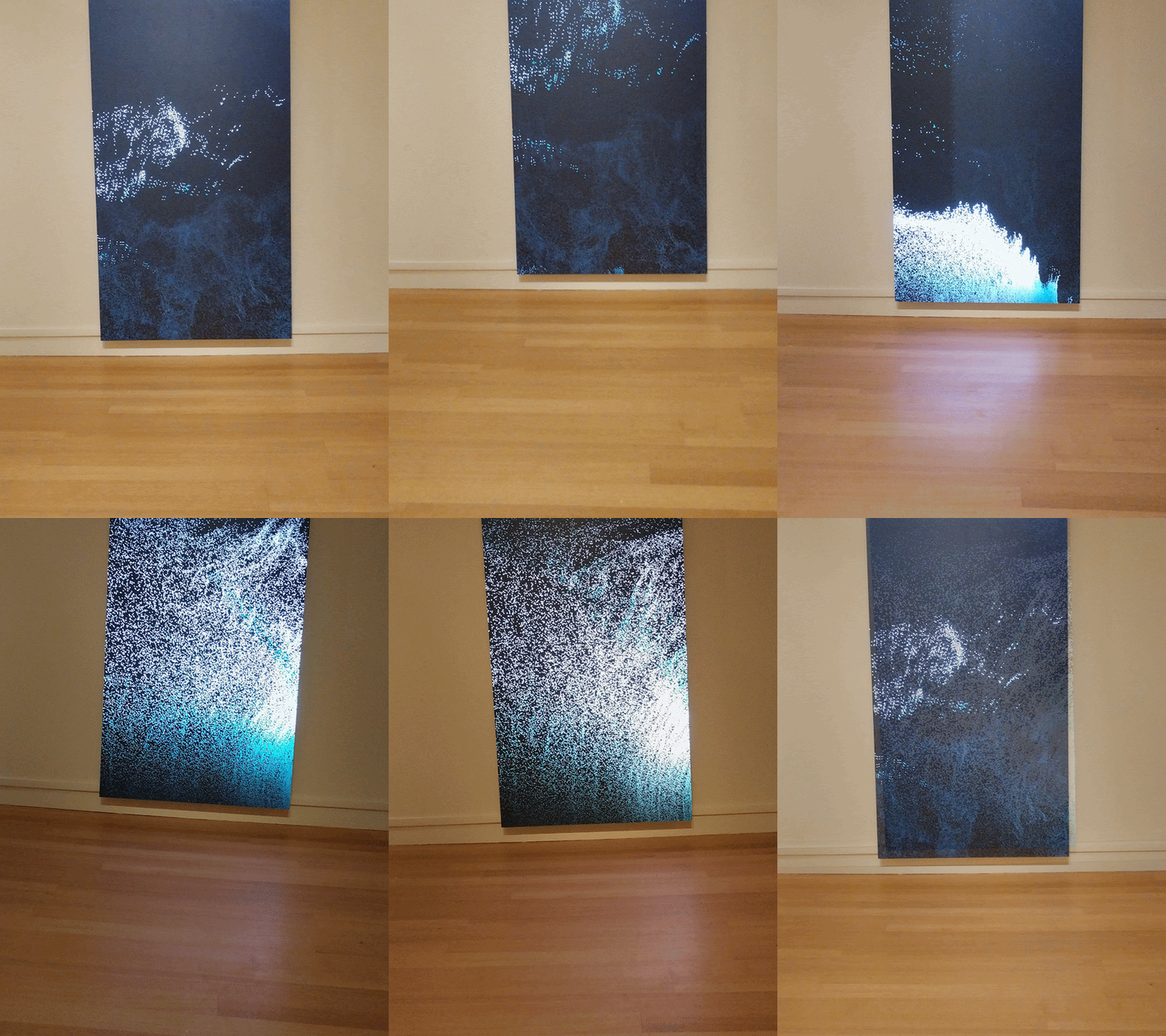

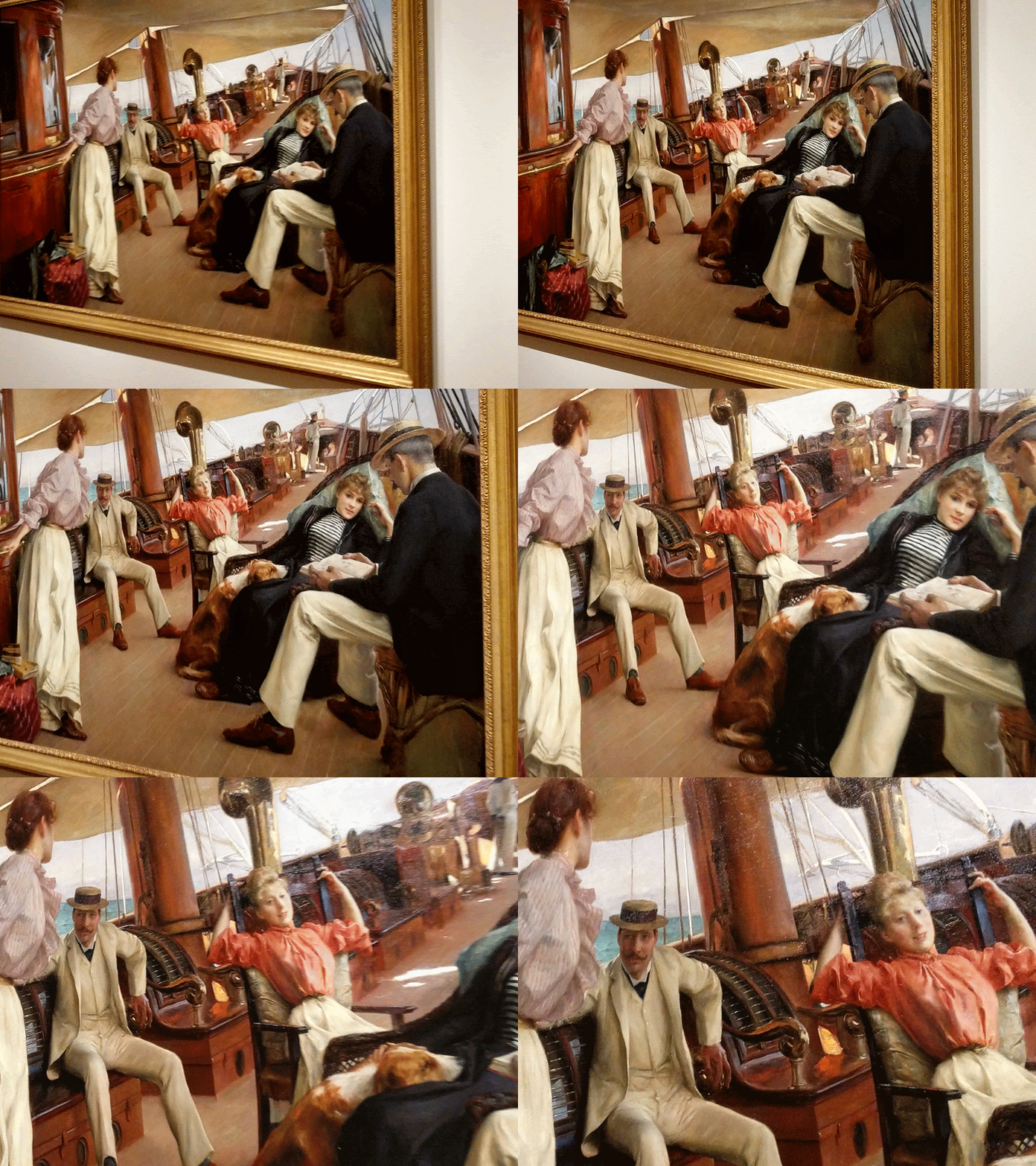
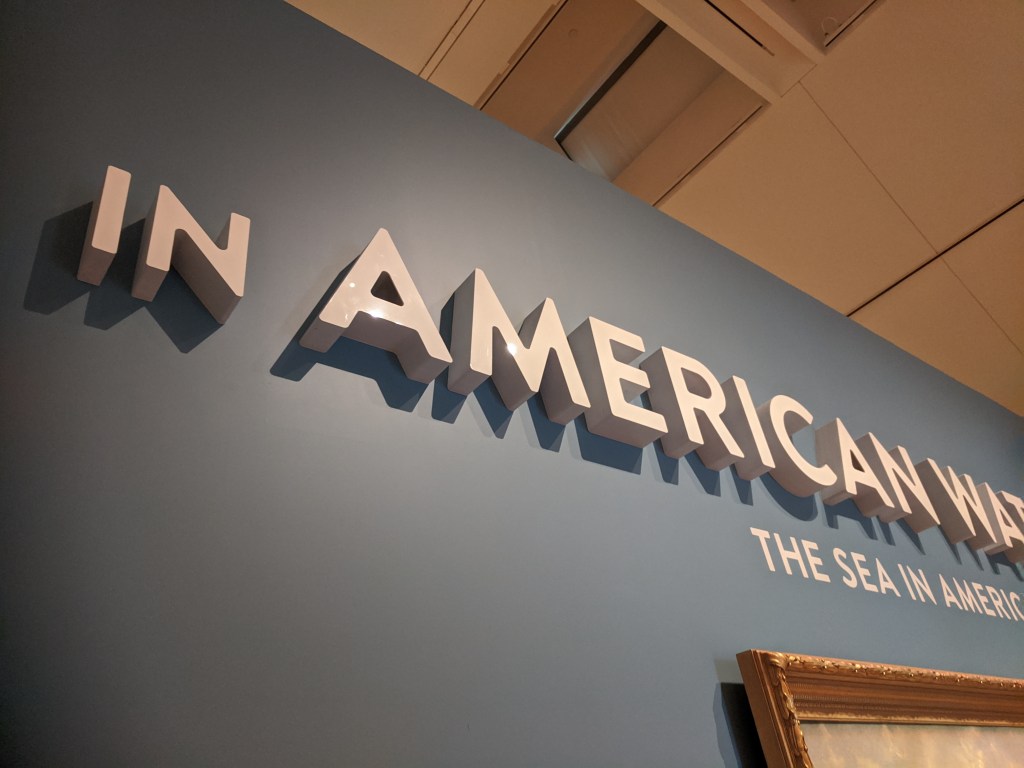
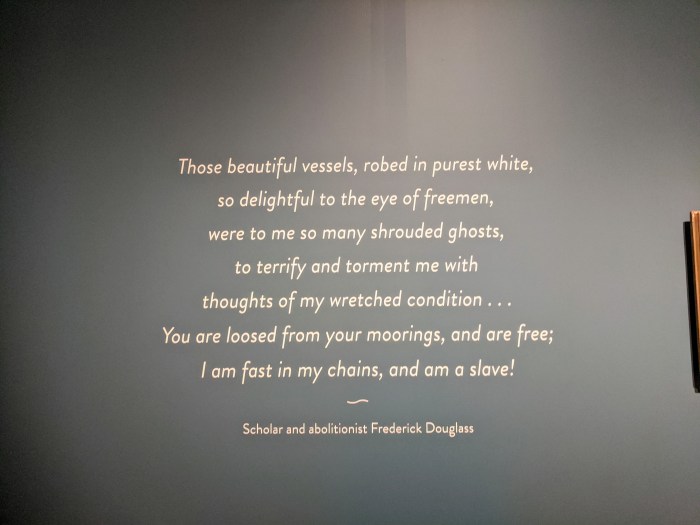
Museum wall labels – 3d letters, Frederick Douglass quote

Crystal Bridges
Crystal Bridges partnered with PEM, so naturally most loans were procured from Arkansas.
William Trost Richards; Richard Diebenkorn; Frank Benson; Amy Sherald; Marsden Hartley
Philadelphia Museum of Art
Charles Sheeler; Jan Matulka
Pennsylvania Academy of Fine Arts
William Trost Richards
New York, Metropolitan Museum
John Frederick Kensett
Collection of New York City
John Wesley Jarvis
Navy Art Collection
Hughie Lee Smith; Paul Cadmus
American Civil War Museum
Conrad Wise Chapman
Phillips Collection
John Sloan
Smithsonian
Stuart Davis; Hughie Lee Smith
Los Angeles County Museum of Art
Cuneo
Brooklyn Museum
Rockwell Kent
MoMa Museum of Modern Art
Fletcher Martin
Wadsworth Athenaeum
Kensett
Cahoon Museum American Art
North Carolina Museum of Art
Luks
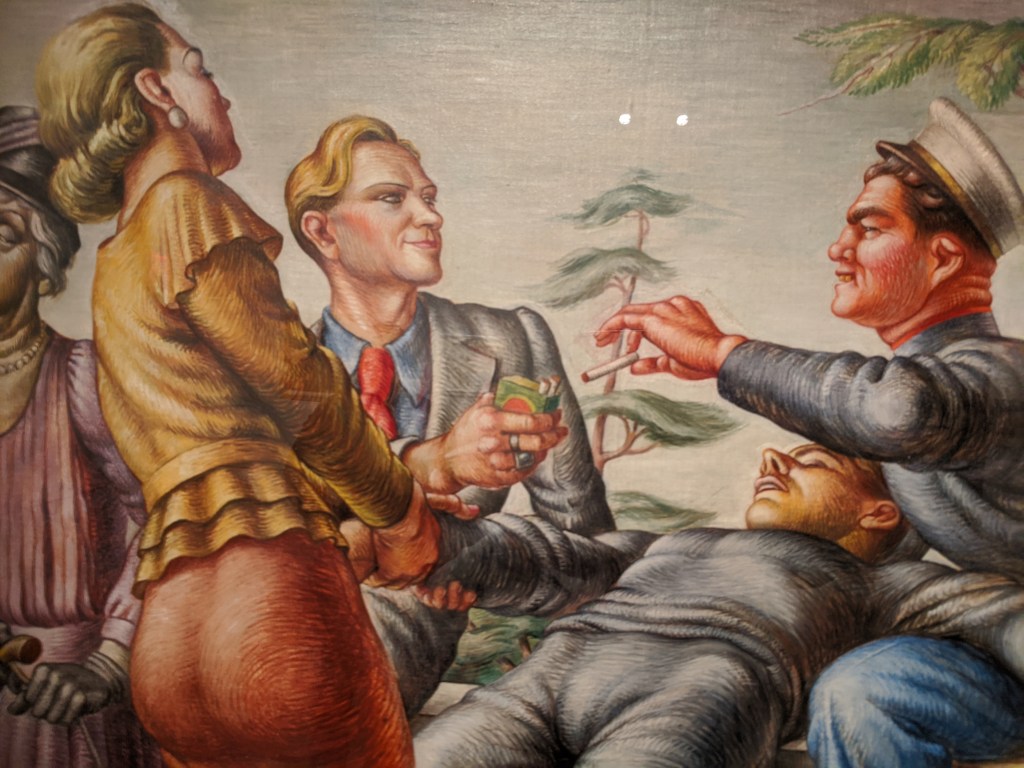
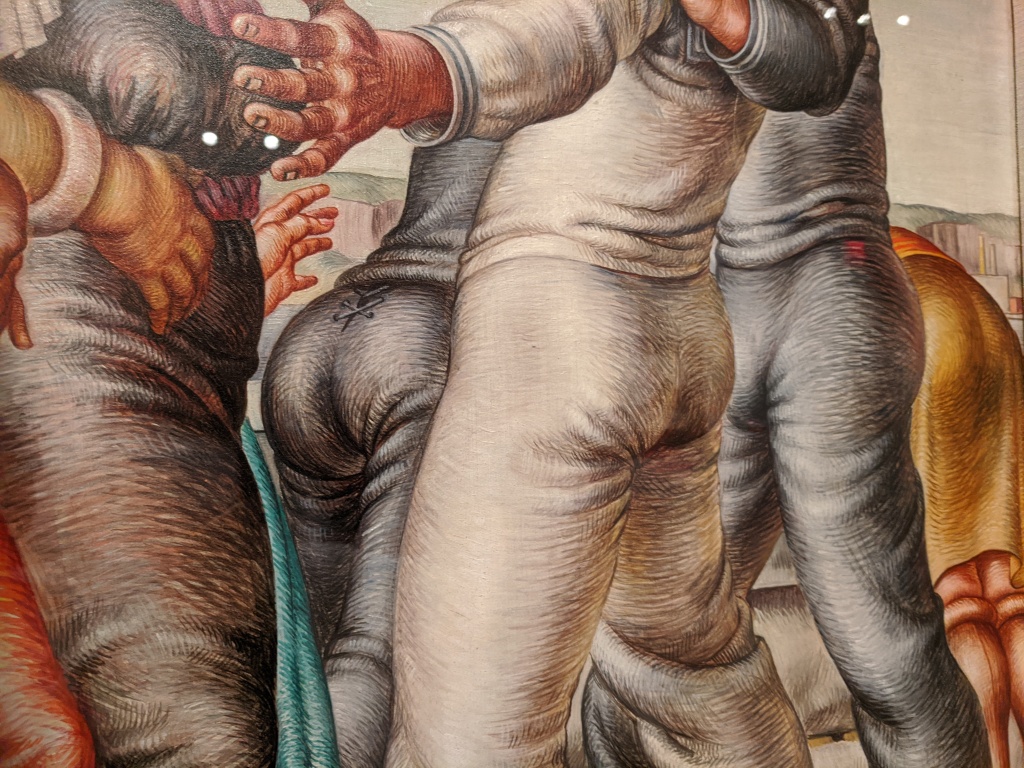
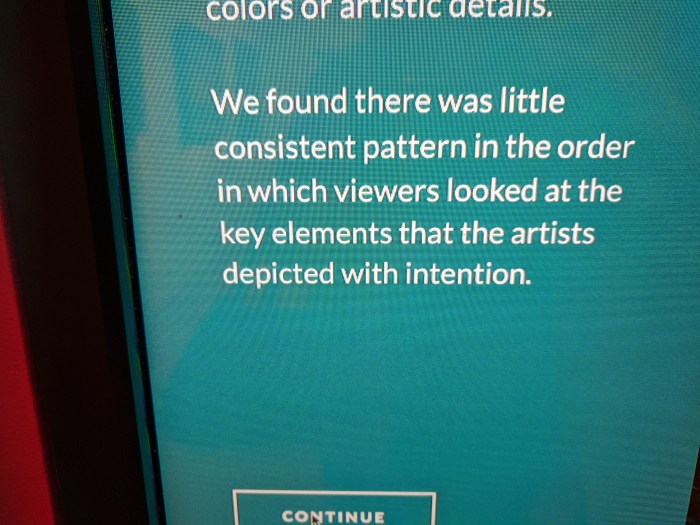
This show was also billed as one exhibition comprising PEM’s **new** Climate and Environmental Initiative. **Includes iconic American homoerotic art – Cadmus Fleet’s In and Fletcher Martin**
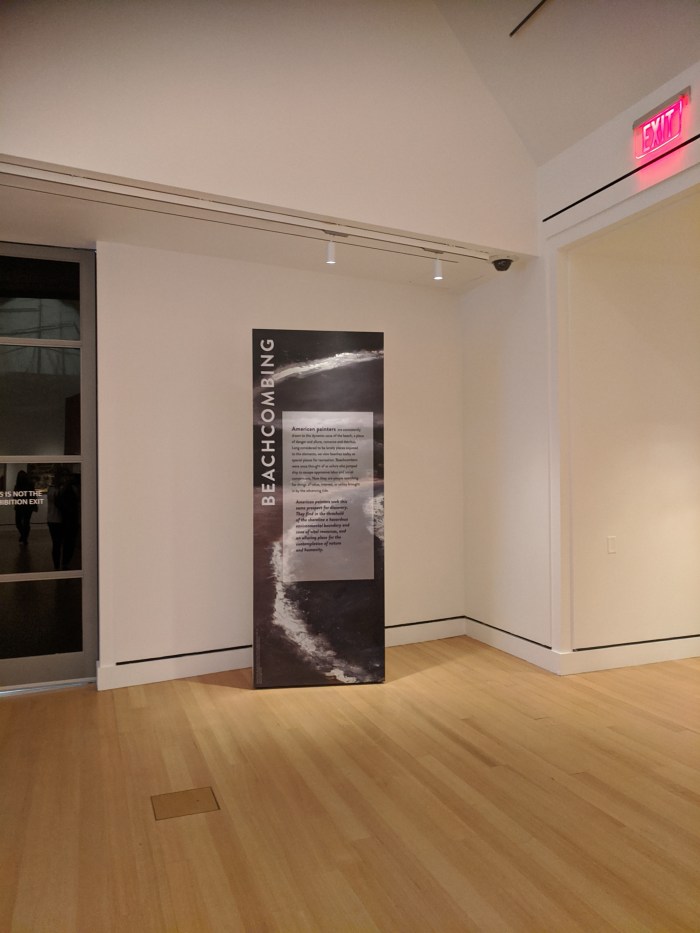

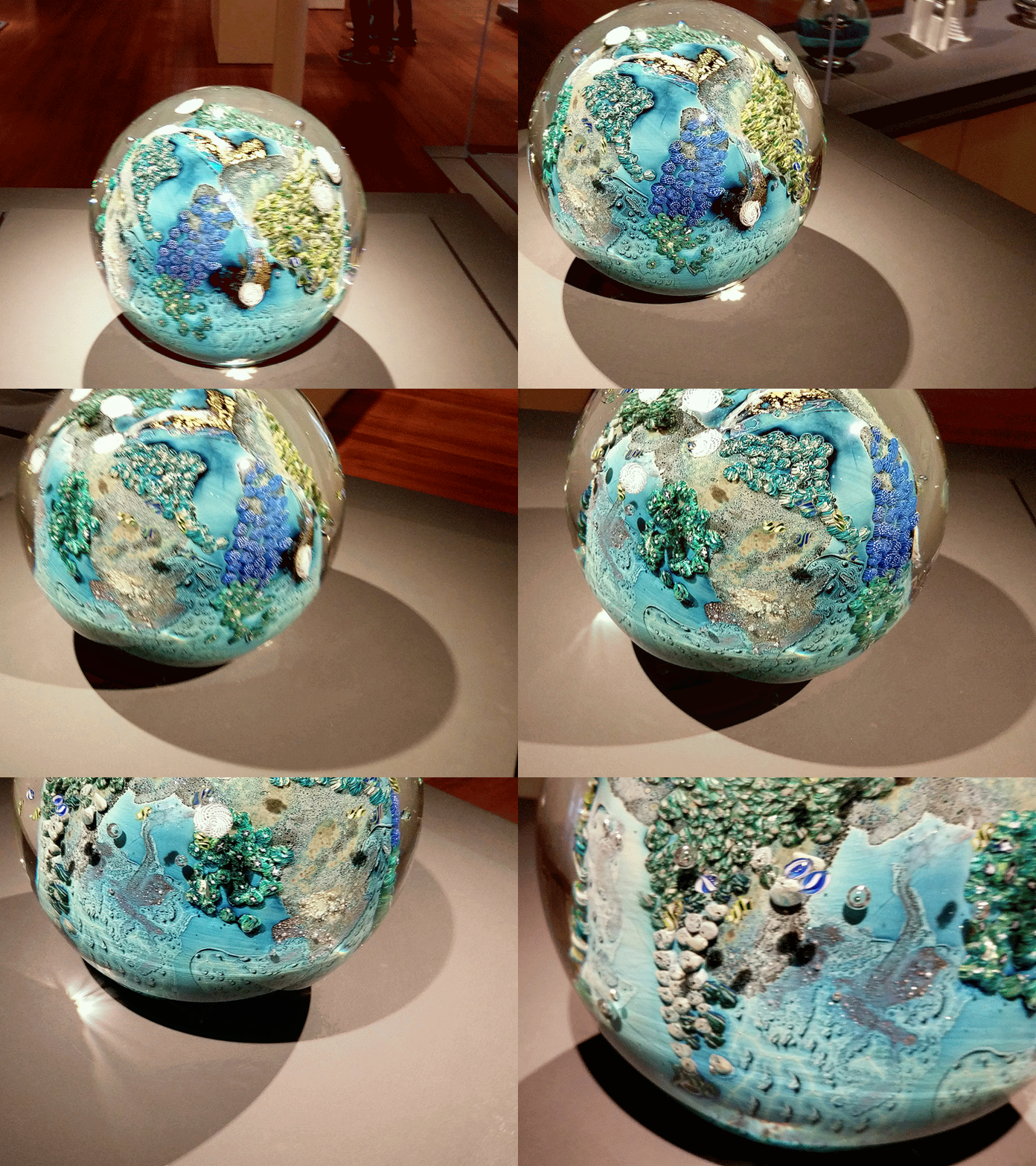


Josh Simpson megaplanet glass earth, 1989
Michael C. McMillen detail of The Pequod II
Sea Coco
installation view Rockman exhibit, May 29, 2021, see more here
Continue reading “last chance! splendid waves at peabody essex museum FEATURE CROSS COUNTRY MUST SEE LOANS”
Today, tomorrow 10/3/2021 final days of exhibit, In American Waters: The Sea in American Paintings, at Peabody Essex Museum.
Don’t be distracted by a simplistic thematic construct especially when it coaxes a mind game of “What about…?” as in: What about this artist or that one? Why aren’t they included? (Visual artists like May Stevens, Vija Celmins, Blanche Lazzell, Juane Quick to see Smith, April Gornik, Joan Nelson, Duncanson, Eric Aho, Morris graves, Rauschenberg, Fischl, Frankenthaler, Fitz Henry Lane, Winslow Hopper, and Edward Hopper sprang readily to mind. And more Lawrence.) What about the de rigueur annual summer exhibitions at major galleries and institutions, since late 1880s? Aren’t the planet’s oceans a global motif not limited by media or place? Ignore these categories or “chapters”.
Forget the sea change promise.
Just go!
Do make the must see trip to be awed and enjoy the momentous loans and great gift of seeing these selections displayed, together and their many moods of expression. Sensuous, tranquil, volatile, mysterious, distant, abstract–this major group show delivers art that conveys emotion, expressed and experienced.
C. Ryan May 29, 2021 – stunning installation design, mostly
Animated some to help bring you there:
Museum wall labels – 3d letters, Frederick Douglass quote
Crystal Bridges
Crystal Bridges partnered with PEM, so naturally most loans were procured from Arkansas.
William Trost Richards; Richard Diebenkorn; Frank Benson; Amy Sherald; Marsden Hartley
Philadelphia Museum of Art
Charles Sheeler; Jan Matulka
Pennsylvania Academy of Fine Arts
William Trost Richards
New York, Metropolitan Museum
John Frederick Kensett
Collection of New York City
John Wesley Jarvis
Navy Art Collection
Hughie Lee Smith; Paul Cadmus
American Civil War Museum
Conrad Wise Chapman
Phillips Collection
John Sloan
Smithsonian
Stuart Davis; Hughie Lee Smith
Los Angeles County Museum of Art
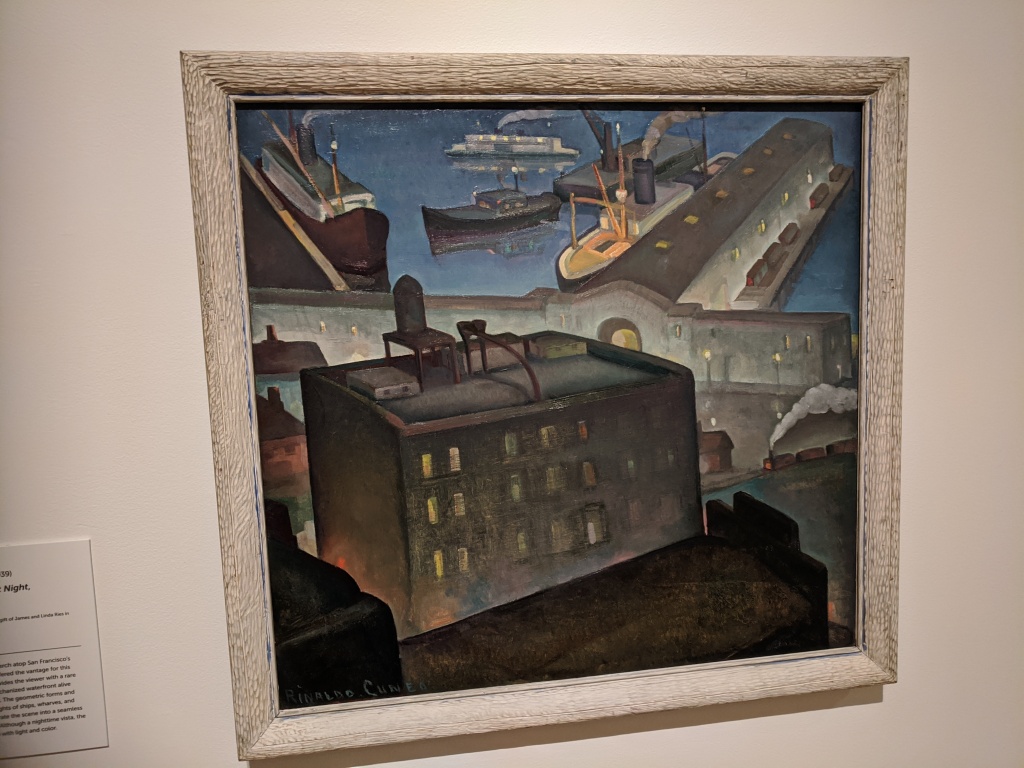
Cuneo
Brooklyn Museum
Rockwell Kent
MoMa Museum of Modern Art
Fletcher Martin
Wadsworth Athenaeum
Kensett
Cahoon Museum American Art
North Carolina Museum of Art
Luks
This show was also billed as one exhibition comprising PEM’s **new** Climate and Environmental Initiative. **Includes iconic American homoerotic art – Cadmus Fleet’s In and Fletcher Martin**

Josh Simpson megaplanet glass earth, 1989
Michael C. McMillen detail of The Pequod II
Sea Coco
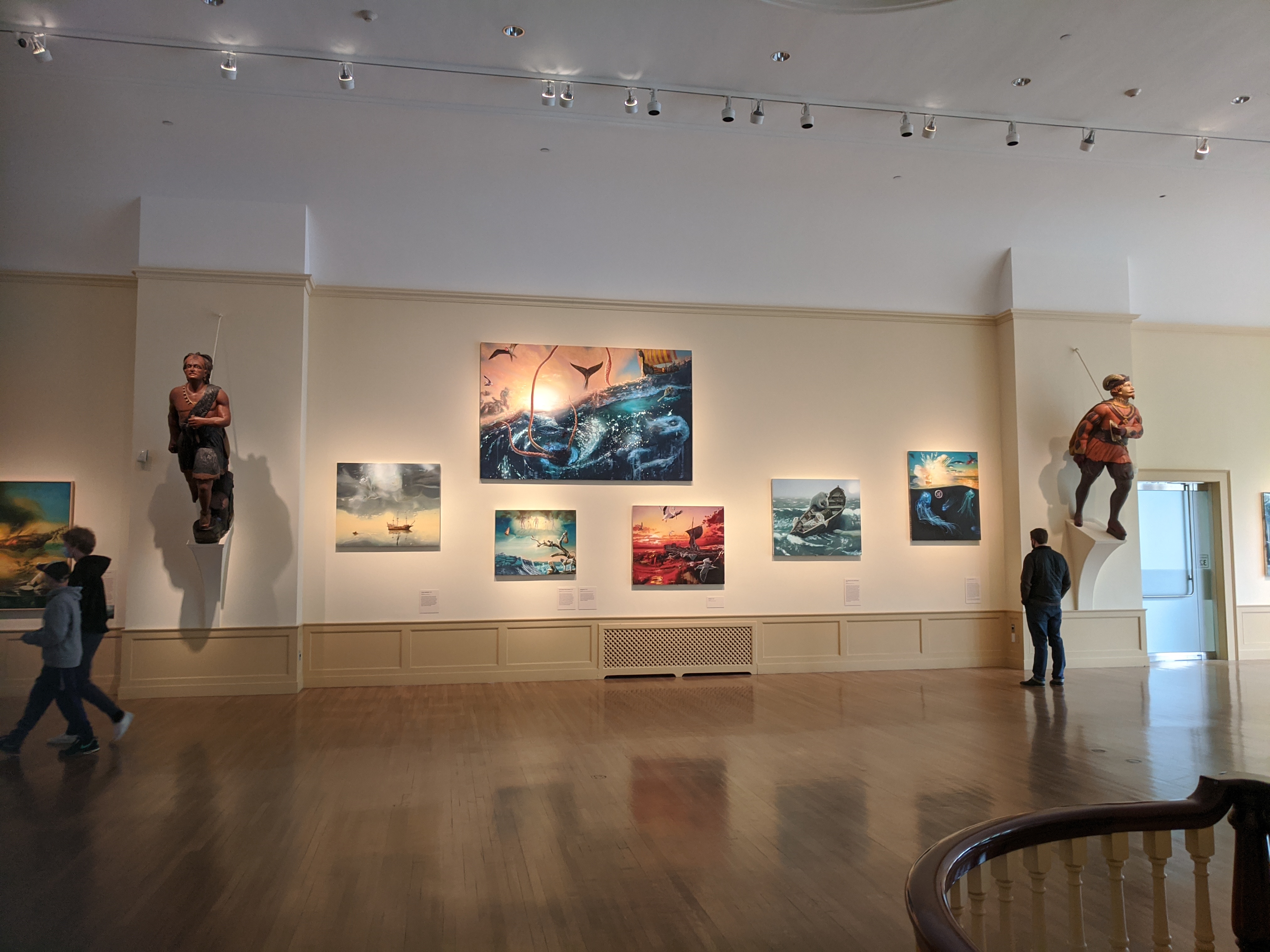
installation view Rockman exhibit, May 29, 2021, see more here
Continue reading “Last chAnce: In American Waters Peabody Essex Museum. splendid waves amazing loans. Go!”
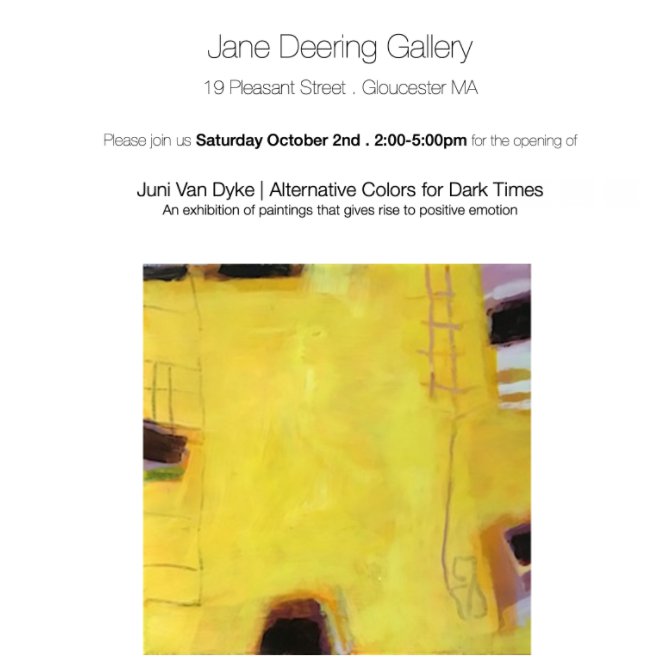
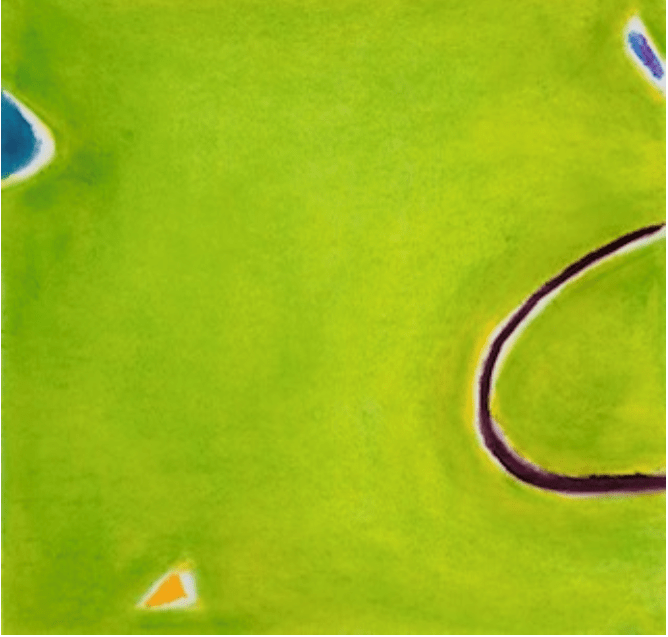
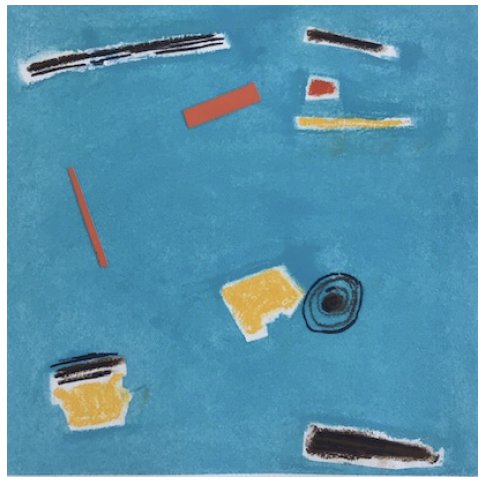
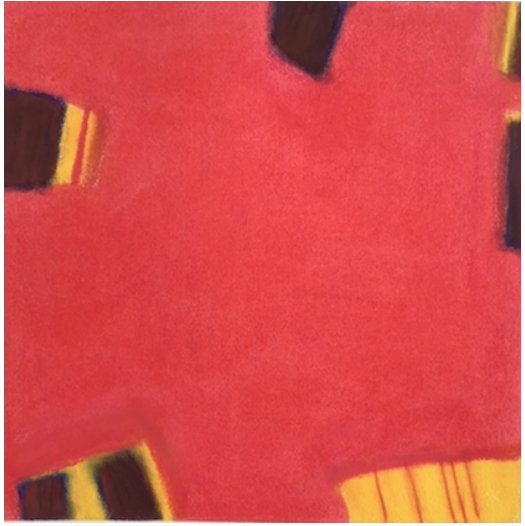
Juni Van Dyke | Alternative Colors for Dark Times: An exhibition of paintings that gives rise to positive emotions, Jane Deering Gallery, 19 Pleasant Street , Gloucester, MA.
Opening Reception Oct. 2nd, 2-5pm
Both nature and music are driving forces in my art. And, as I work, these words by Spanish painter Joan Miro are never far away: “I try to apply colors like words that shape poems, like notes that shape music.”
It has been said that one can live in the dreariest corners of the world all the while performing color miracles on the dreariest of days. German artists Nolde and Kandinsky did just that during the dark impending doom of war suggesting color to be more a matter of preference for expression rather than allegiance to source. Perhaps, color for these courageous artists was embedded in a sense of optimism and hope despite all odds.
I am blessed to live here on Cape Ann where the geography and the light has informed my work for many years. The natural beauty of Cape Ann sweeping across granite; coastal views; hillside vistas is an ever present force in my work. On the way to my job in Gloucester, I travel over the Annisquam river bridge where the ocean below is an ever changing marvel of light and activity awaiting interpretation. Using abstract forms, I invite the viewer to experience my work without interruption of title. Energized by the interaction, I find viewer interpretation fascinating and exciting — valid without exception.
— Juni Van Dyke, October 2021
About the artist
Juni Van Dyke is a graduate of the School of the Museum of Fine Arts, Boston and holds an MAT from Tufts University. Since 1996, she has been the Director of the Arts Program at the Rose Baker Senior Center, Gloucester Massachusetts; under her direction, work created by the senior citizens has been exhibited in museums and public institutions in New England. She is the recipient of several awards and grants, including the St. Botolph Foundation Award, Boston; the Massachusetts Cultural Council Grant; and an honorary citation from the Massachusetts Senate for her outstanding contribution to the arts. VanDyke’s work is held in the permanent collection of the Cape Ann Museum, Gloucester, Massachusetts and in numerous private collections. Her work was selected by Room&Board for inclusion in its limited edition art series and is on view throughout the US in Room&Board locations. Van Dyke lives and works in Manchester, MA. This is her fifth solo show with the gallery .
Gallery hours: Friday & Saturday 1:00-5:00 . Sunday: 1:00-4:00
and by appointment @ 978-526-7248 junivandyke@yahoo.com


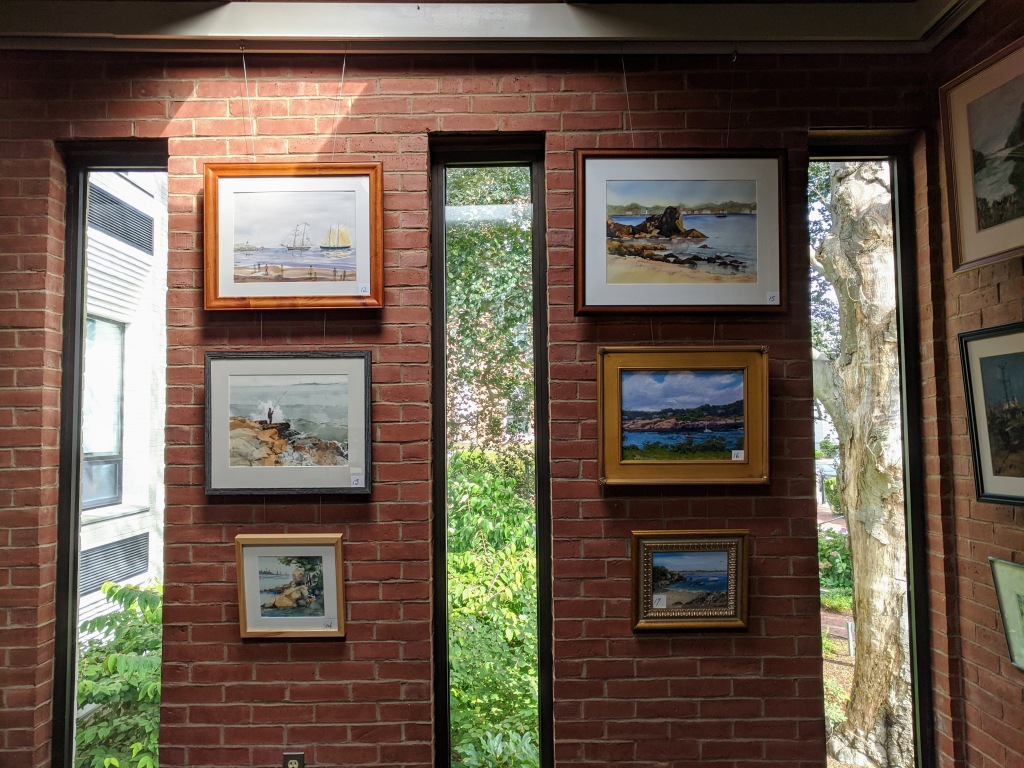
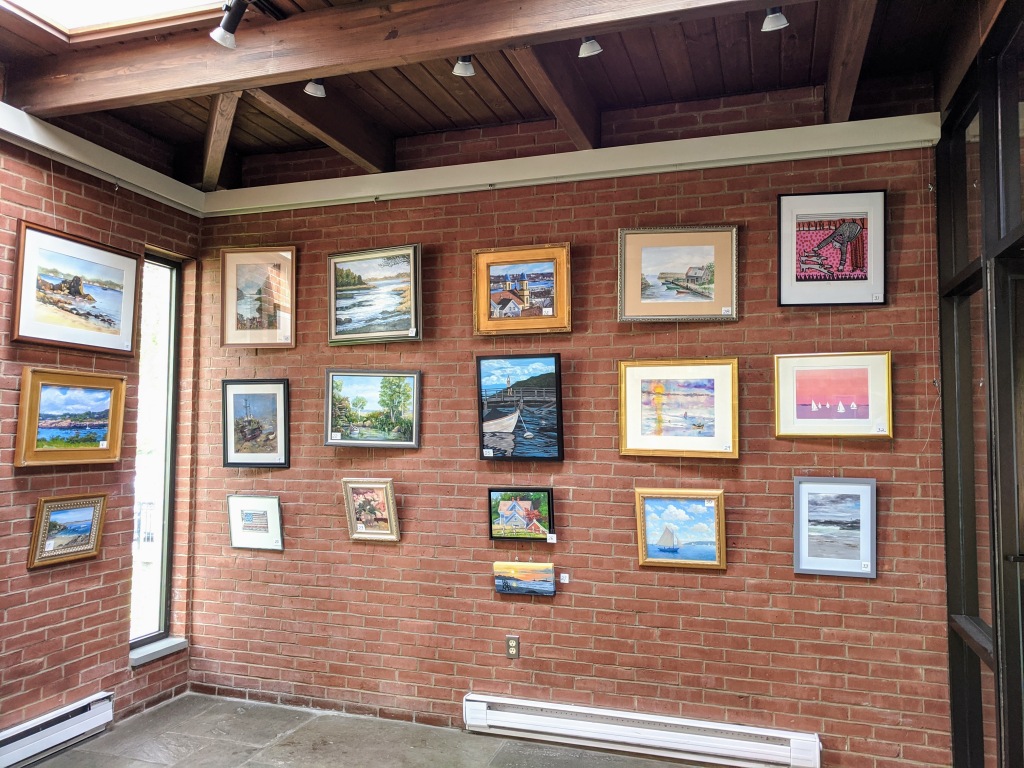
The Friends of the Sawyer Free Library Annual Art Auction 2021 is on! 54 artists donated original works of art to help the library.
To generate excitement and get the ball moving, a hallmark of the annual art auction is the group show featured in the lovely Matz Gallery, a remarkable main entrance venue. Temporary shows of work by living artists are rotated monthly. In Gloucester, Massachusetts, art at the threshold greets all library visitors. What a treat to walk though an art exhibit to enter a library! The library interior has boasted major bequests via philanthropists and local big wheels since the library’s namesake benefactor, Samuel Sawyer. Books, art, library and learning were essential and inseparable to the founders.
The contemporary Annual Art Auction group shows begin as silent auctions with starting bids set low (well below retail for some of the participating artists*) ahead of a LIVE event. The idea is the bidding will rise above opening reserves so that The Friends of the Sawyer Free Library Annual Art Auction fundraiser can be a success.
*scroll down for checklist and to view the lots
DEADLINES APPROACHING – There’s still time to visit, enjoy, and leave a silent bid in person
During the month of September 2021, beautiful art works by 54 artists–which they’ve so generously donated to the Art Auction–were installed in the singular Matz Gallery. Casual, emerging and established creatives are united in their support of our local library. View the art in person. Take notes. You may recognize artists, neighborhoods, a favorite motif or medium. These auctions are a great opportunity for a first time original art buyer or for a collector that helps an artist with a first time sale.
Leave a bid and/or try again when the auction moves on line October 1-5. The highest September bid will be the beginning reserve for the online auction October 1 – 5, 2021.




Signs of the times – Covid 19 precautions and greater access have spurred the LIVE auction to move online. Visit www.sawyerfreelibrary.org October 1-5, 2021
Bonus- The art is framed and ready to take home and hang after the online auction concludes.
Support our local artists and Friends of the Sawyer Free Library


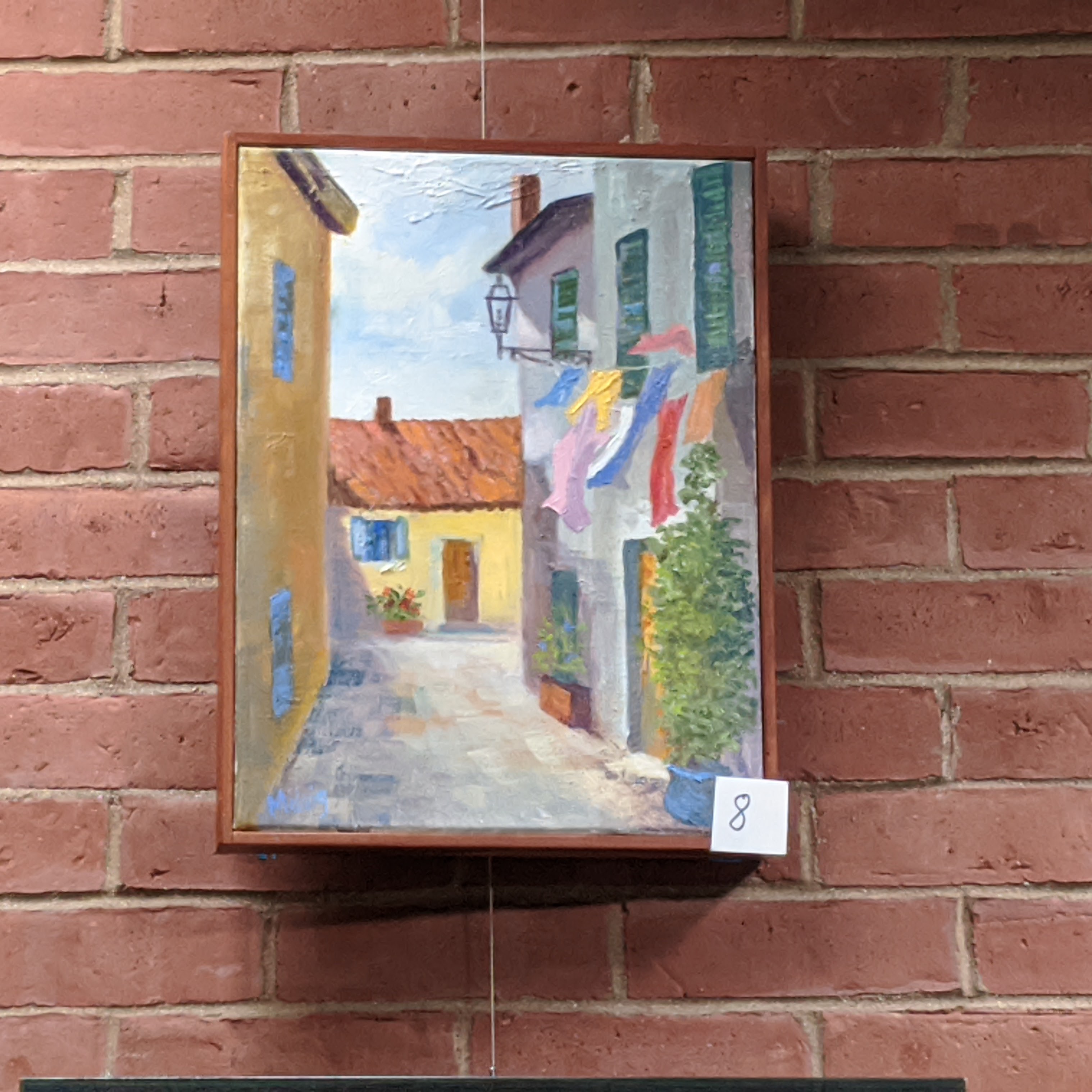


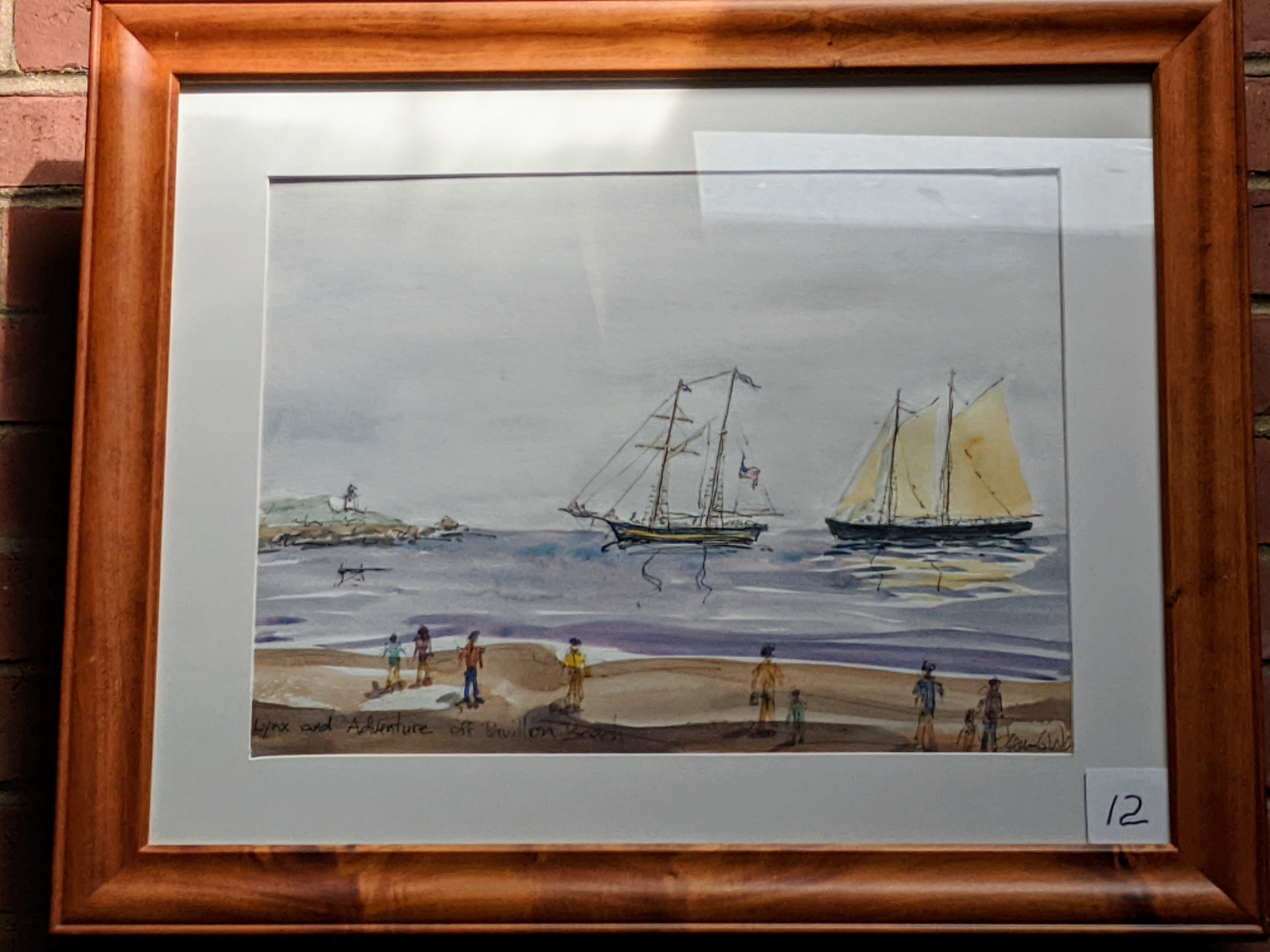


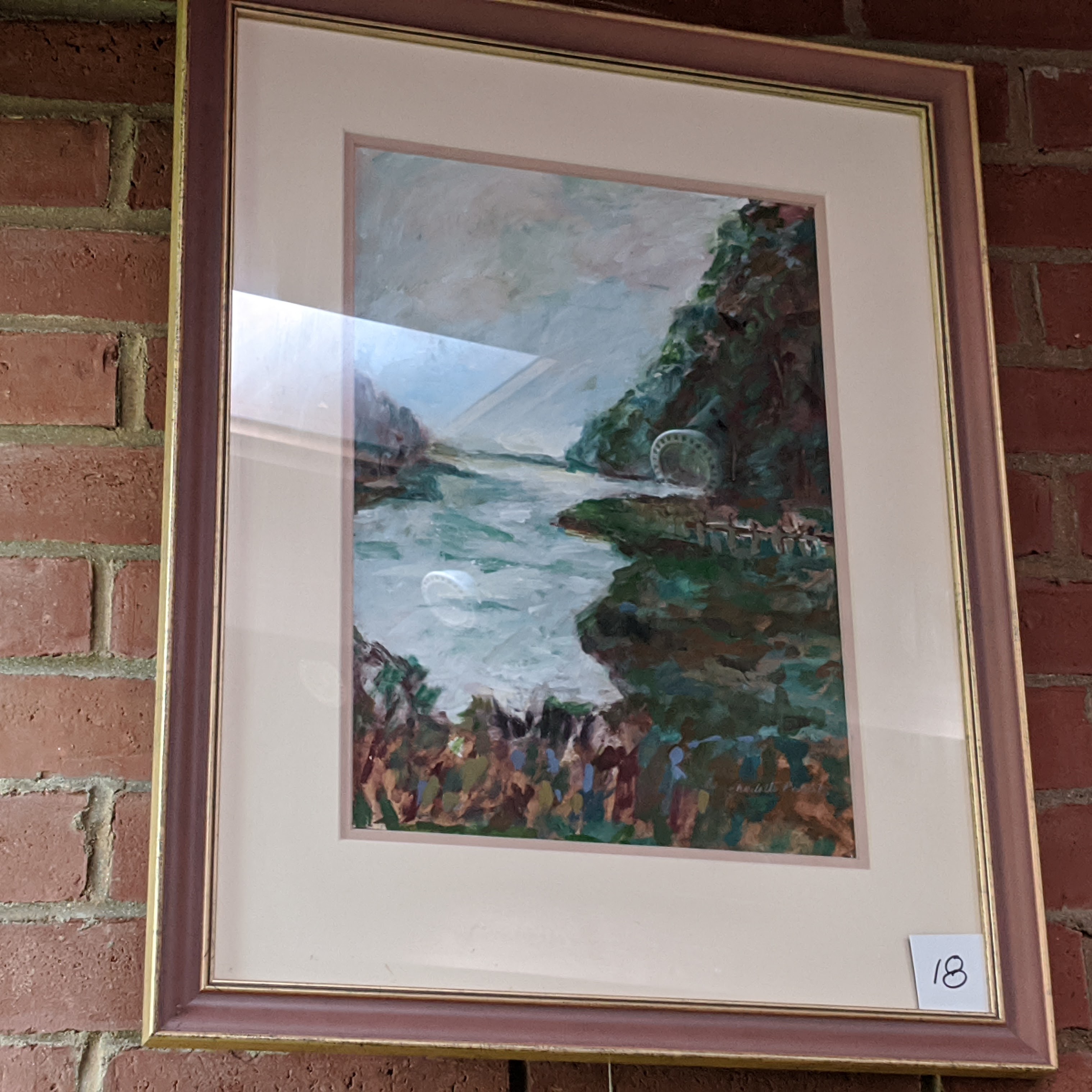


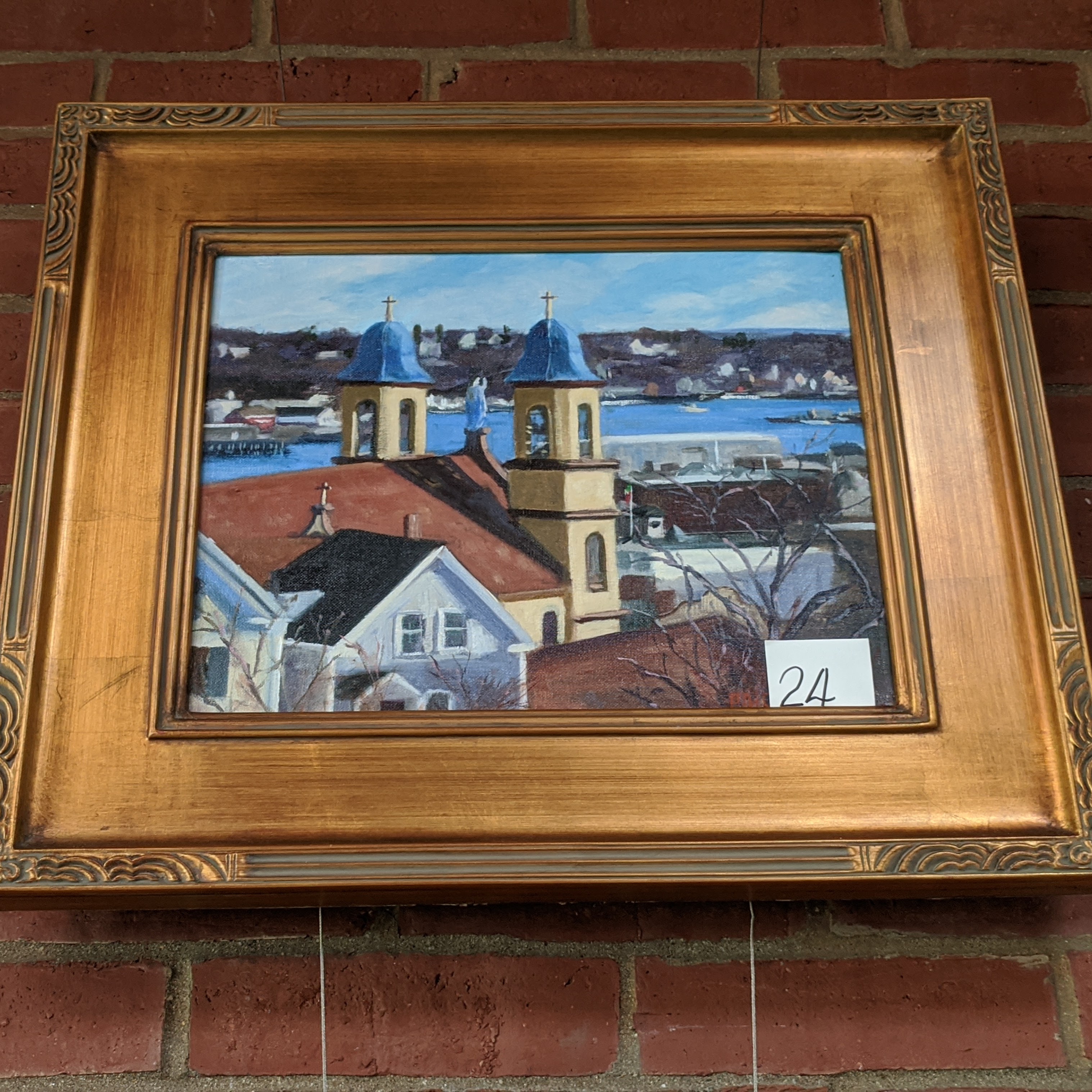
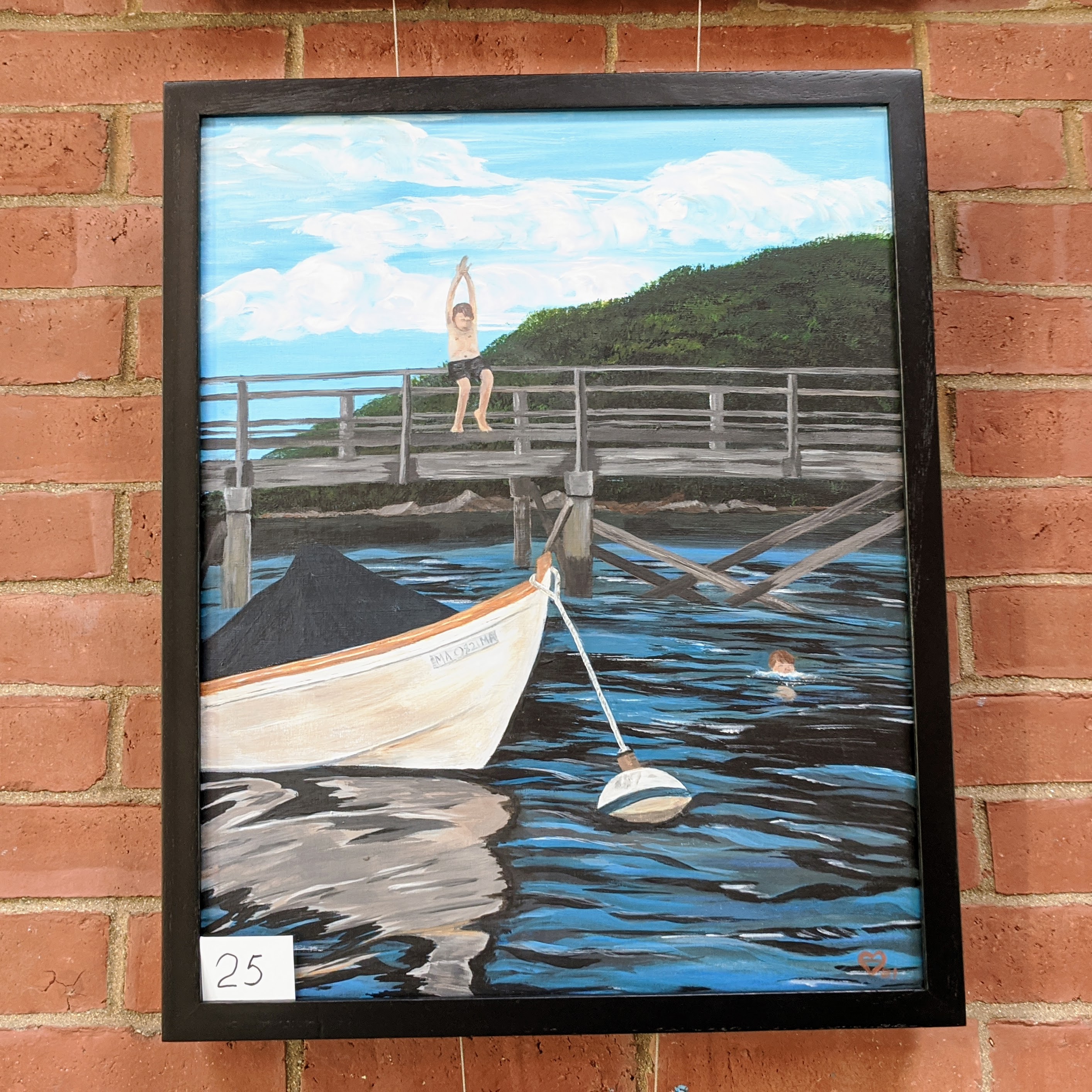


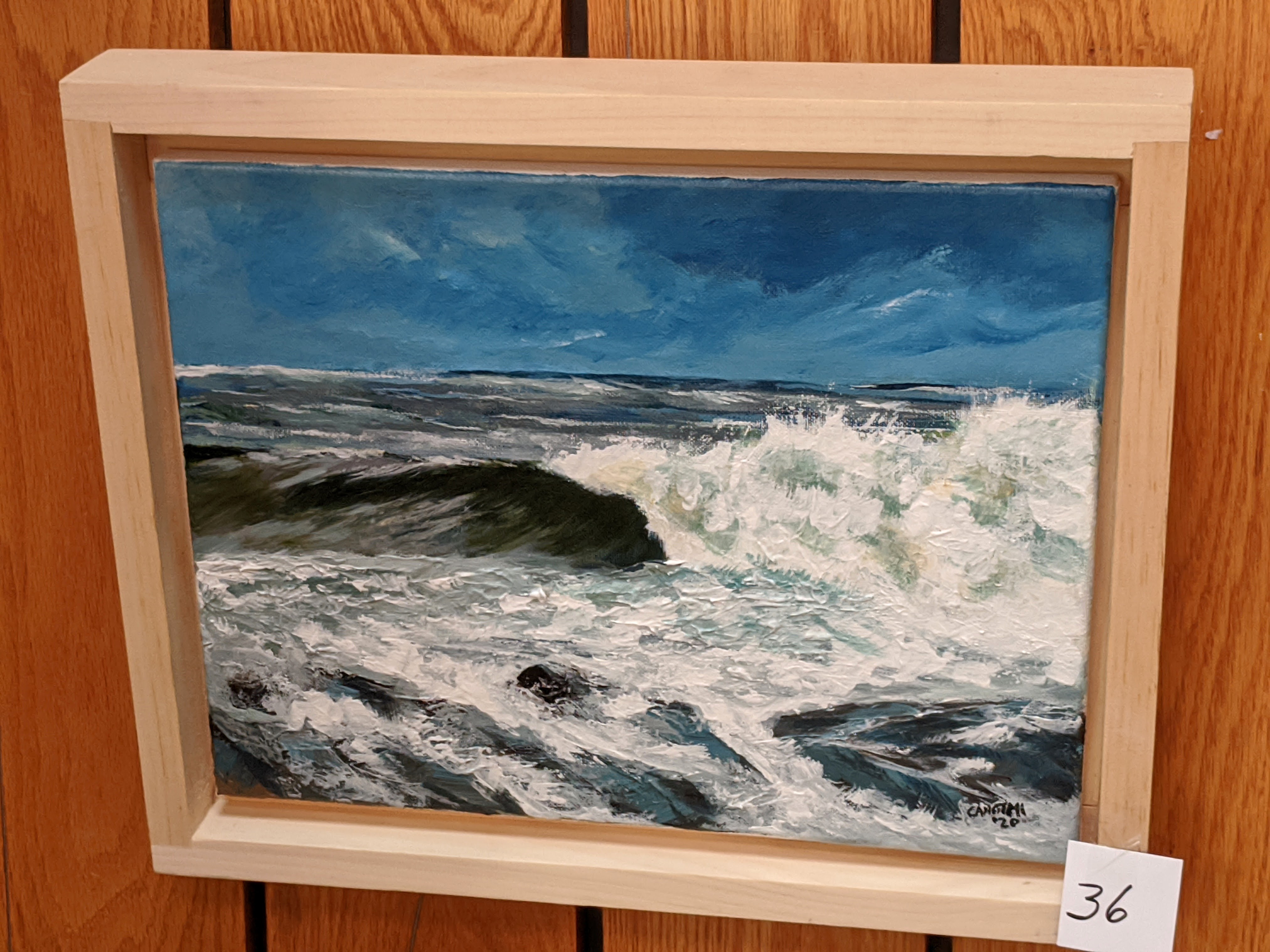
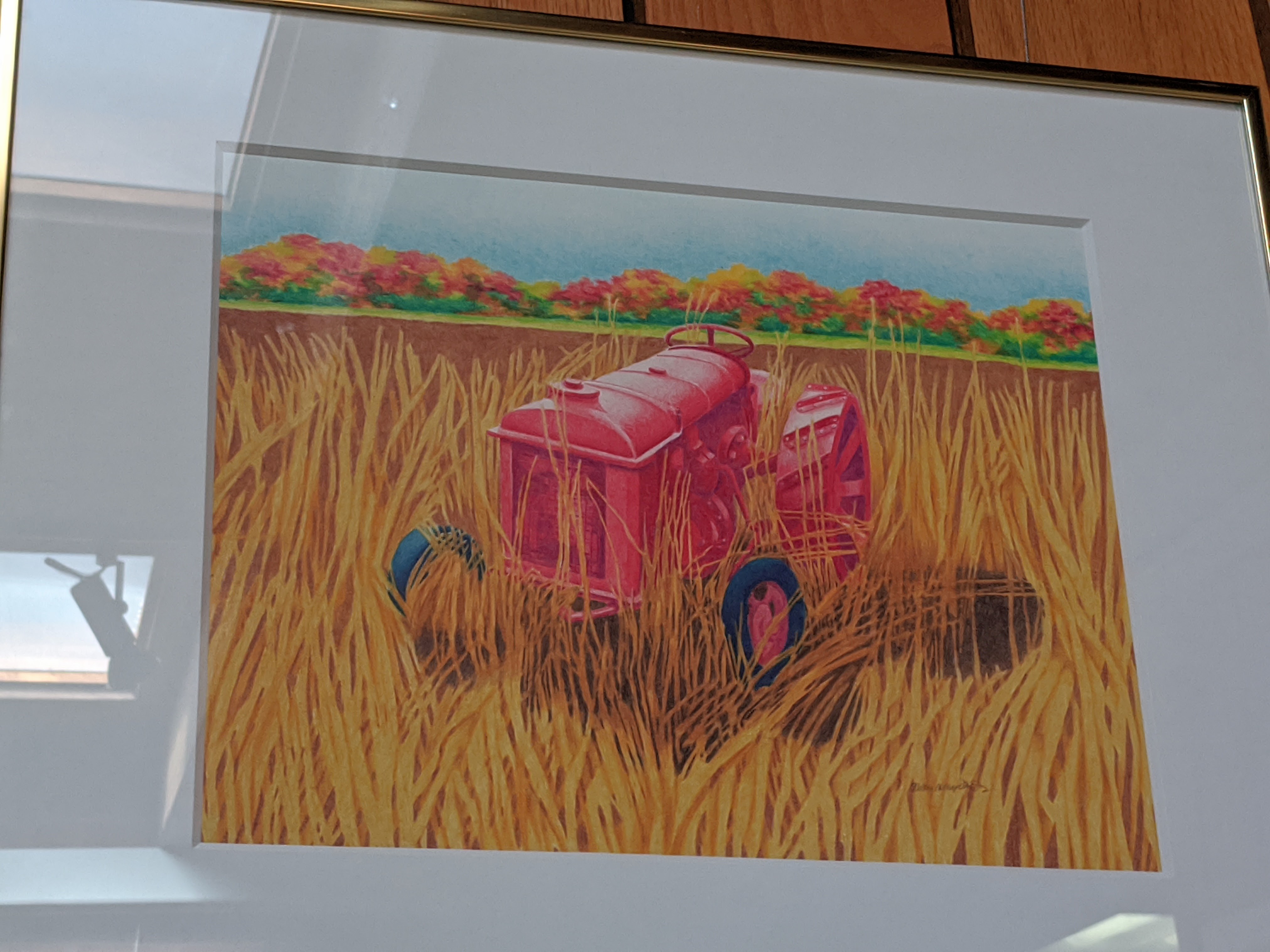


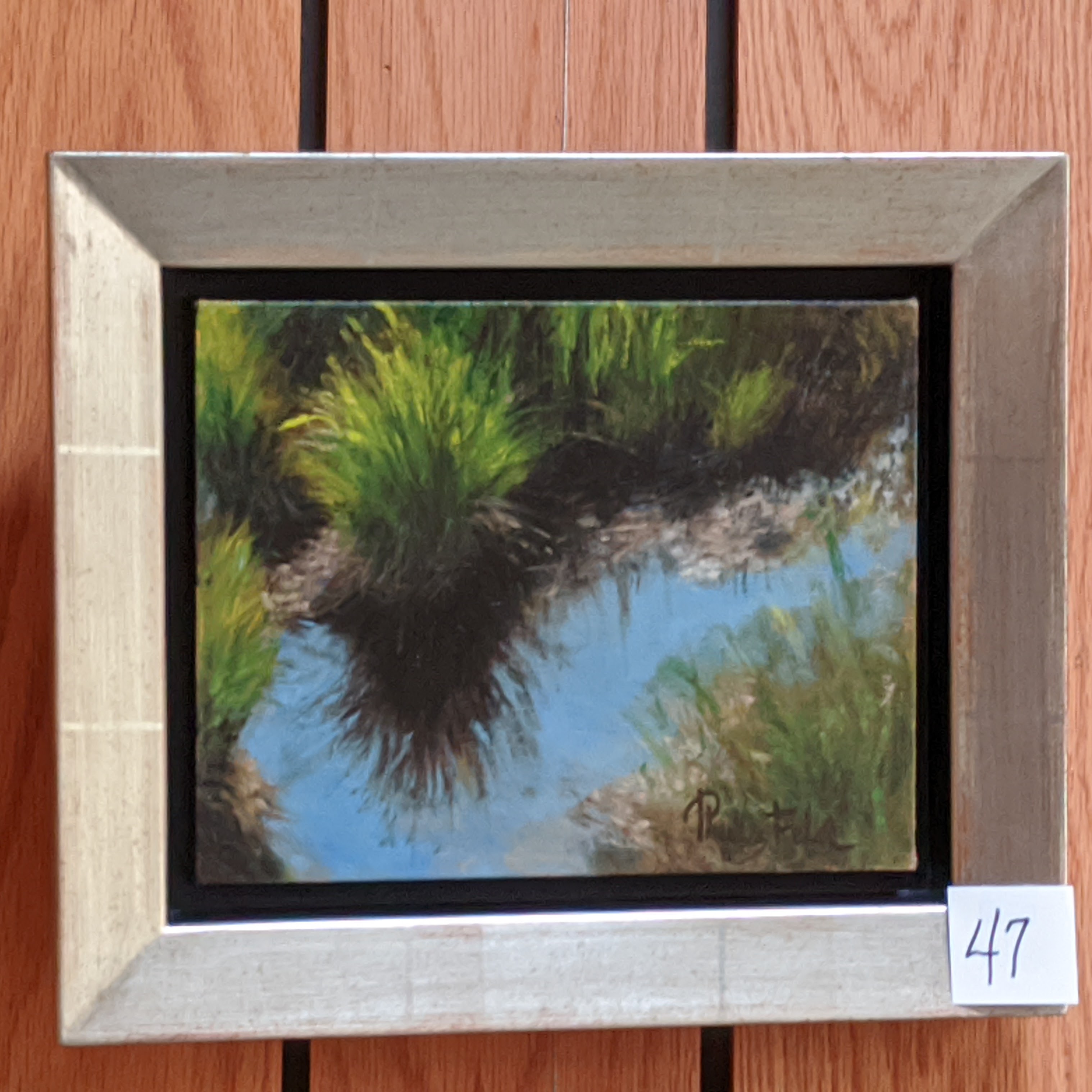

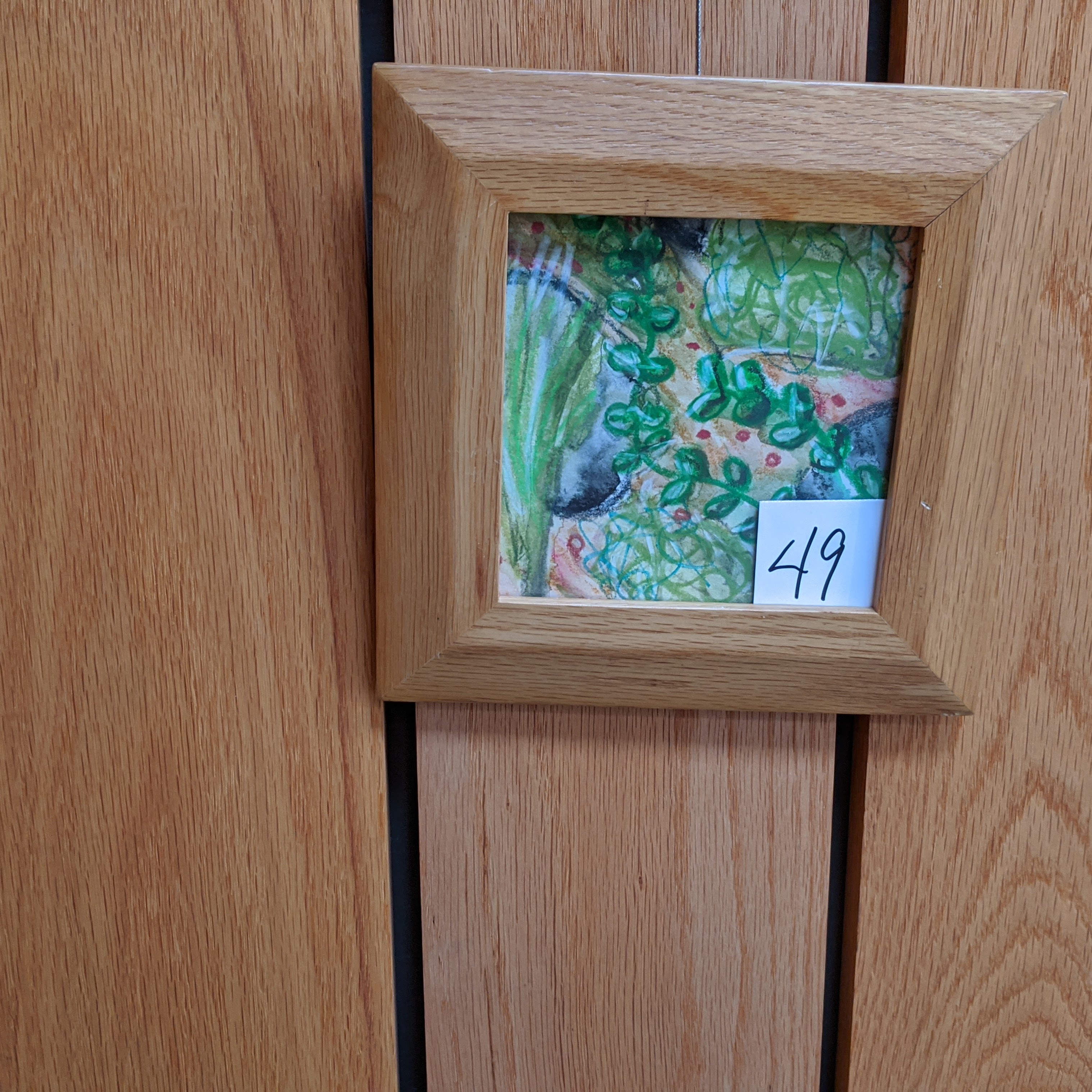


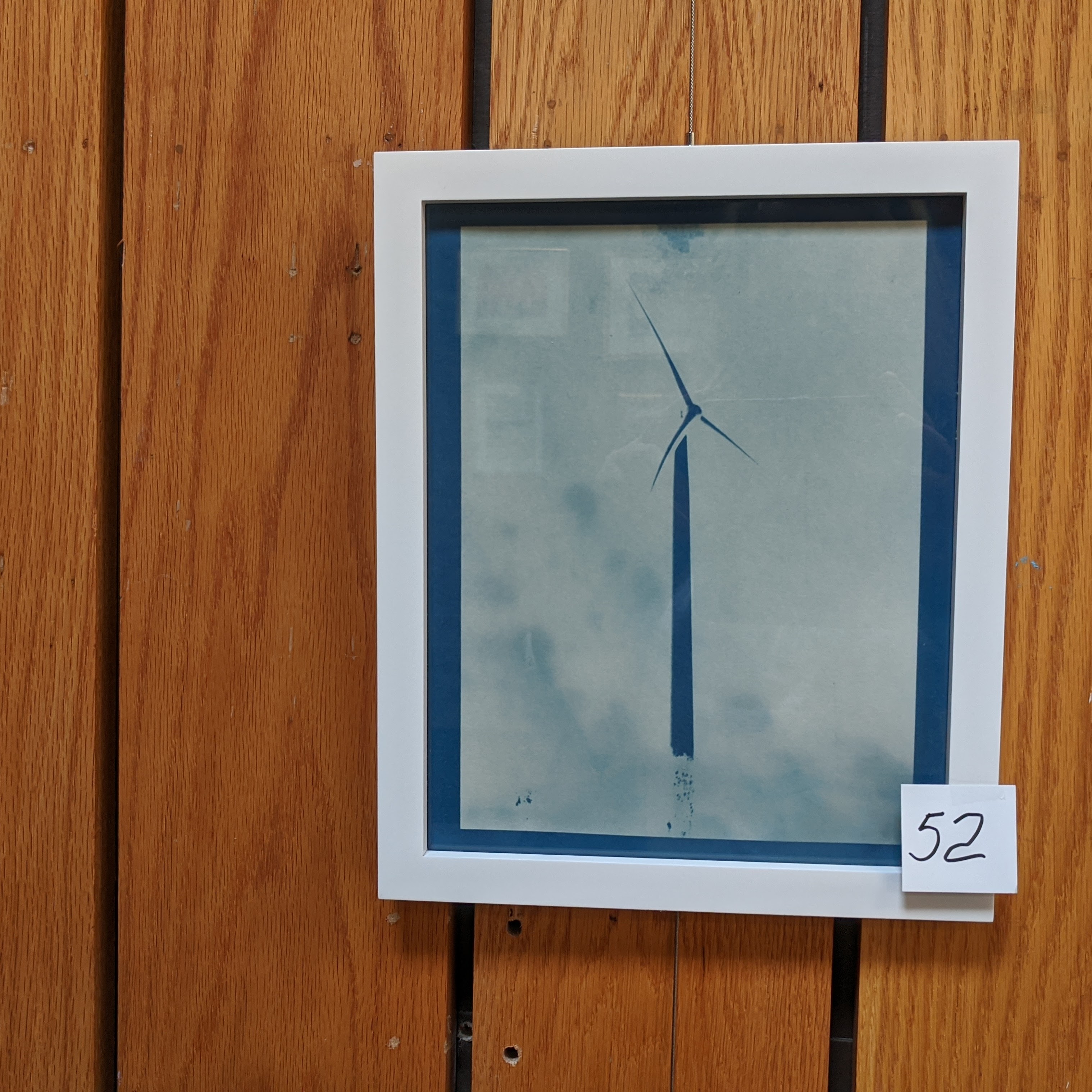


Lot #, Artist Name, Title, Minimum opening bid
NOTE NEW DAYS/HOURS at Sawyer Free Library: M-W 8-6; Th 10-7; F-S 10-5
Face masks required.



Heidi Dallin shares happy news:
Cape Ann Symphony Musicians Unleashed Concert Series Returns LIVE On Sunday, October 3, 2021
AUTUMN AWAKENING at The Gloucester Unitarian Universalist Church
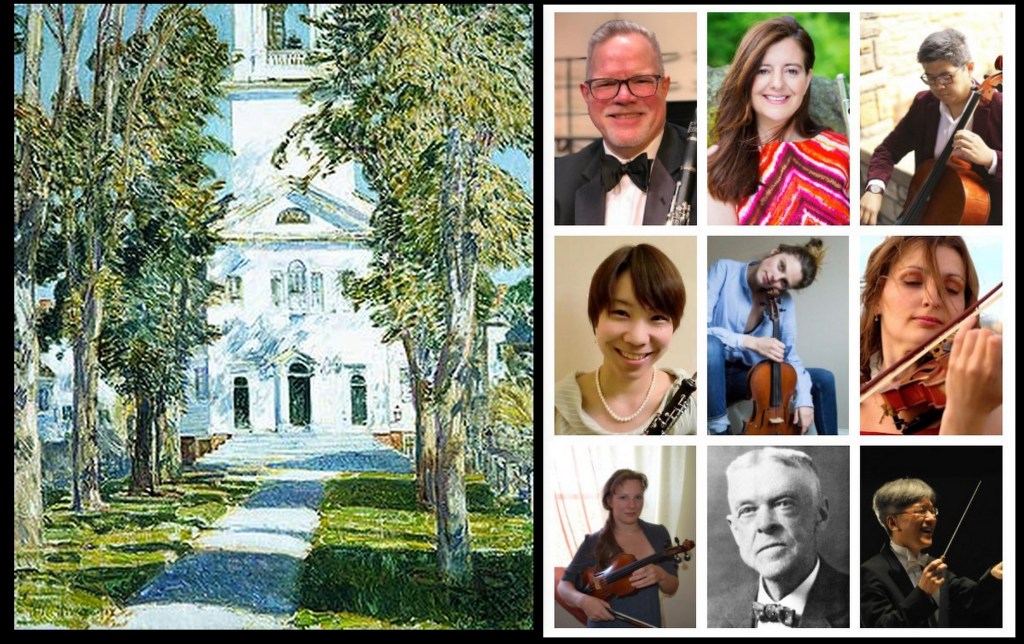
Cape Ann Symphony proudly announces Autumn Awakening, a Musicians Unleashed Concert, at 3:00 pm on Sunday, October 3, 2021 at the Gloucester Unitarian Universalist Church, 10 Church Street, Gloucester, MA. Musicians Unleashed is a series of musical events featuring Cape Ann Symphony musicians performing in a variety of intimate settings on Cape Ann and beyond. CAS launched the popular series to an overwhelmingly enthusiastic audience response in 2019. The ticket price for Autumn Awakening is $40. Call CAS at 978-281-0543 or go to www.capeannsymphony.org to purchase tickets. In accordance with the CAS Covid Safety Policy, all concert attendees will be required to show proof of Covid 19 vaccination or to present documentation of a negative test within 72 hours prior to the event and will be required to wear a mask during the performance.
Autumn Awakening is a chamber music concert featuring music written for flute, oboe, clarinet and strings in various combinations and performed by seven CAS musicians at the Gloucester Unitarian Universalist Church. An historic meetinghouse founded in 1779, the church was the first Universalist congregation in the United States. Built in 1806, the building was created in a perfect “shoe box” design which gives it ideal acoustics. CAS Music Director Yoichi Udagawa programmed a varied selection of music written by a mix of well known and lesser known composers from all over the world. Maestro Udagawa and the musicians will introduce each piece of music to offer audiences insight and little known facts about the composers and their music.
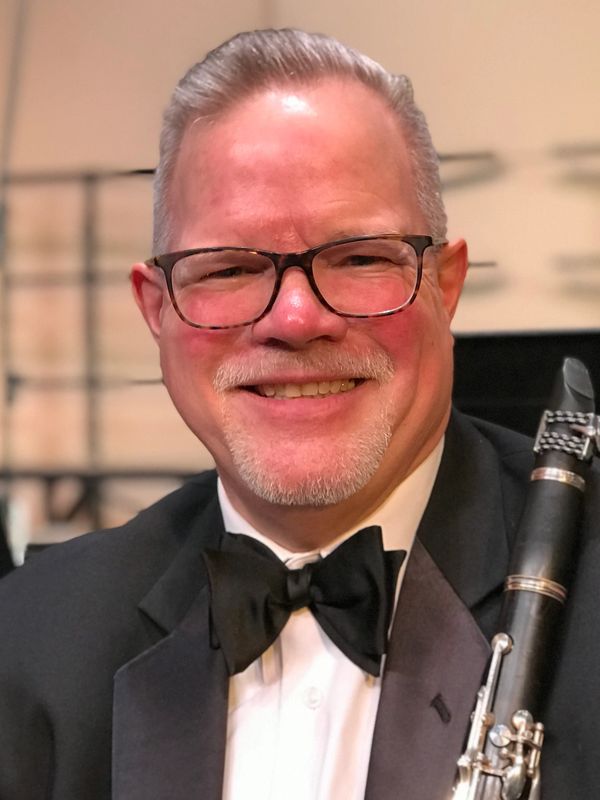
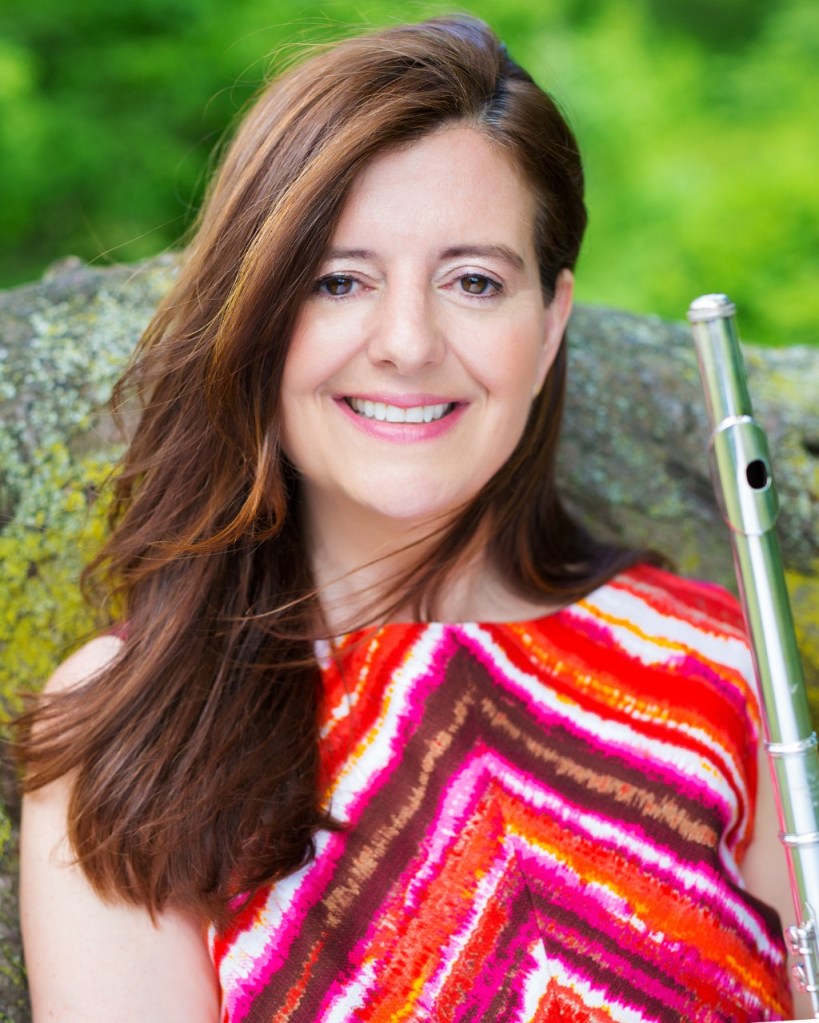
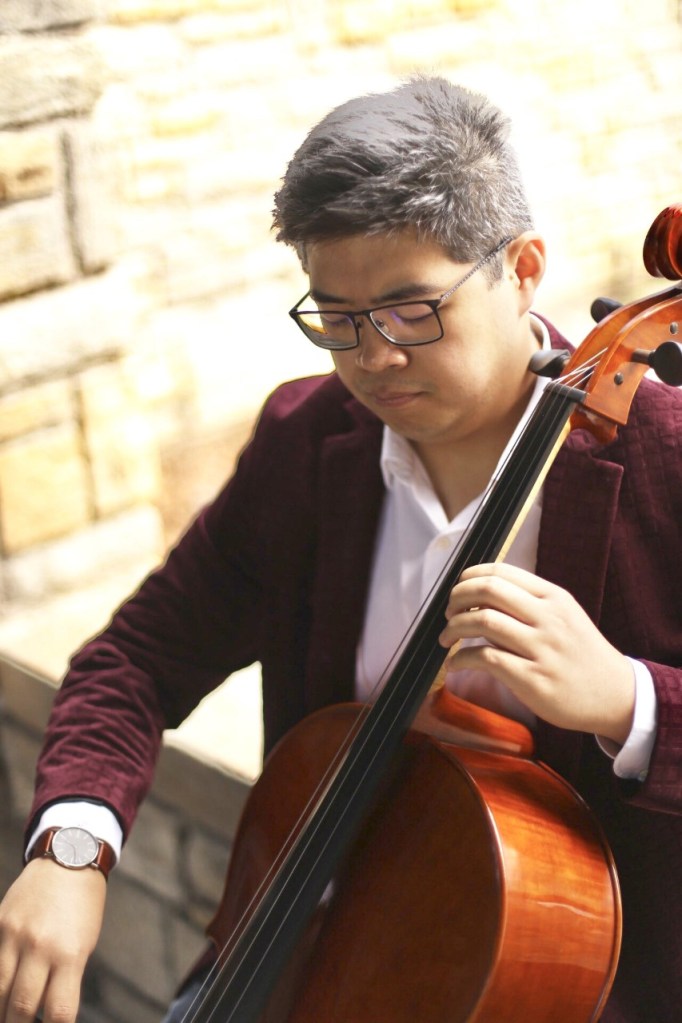
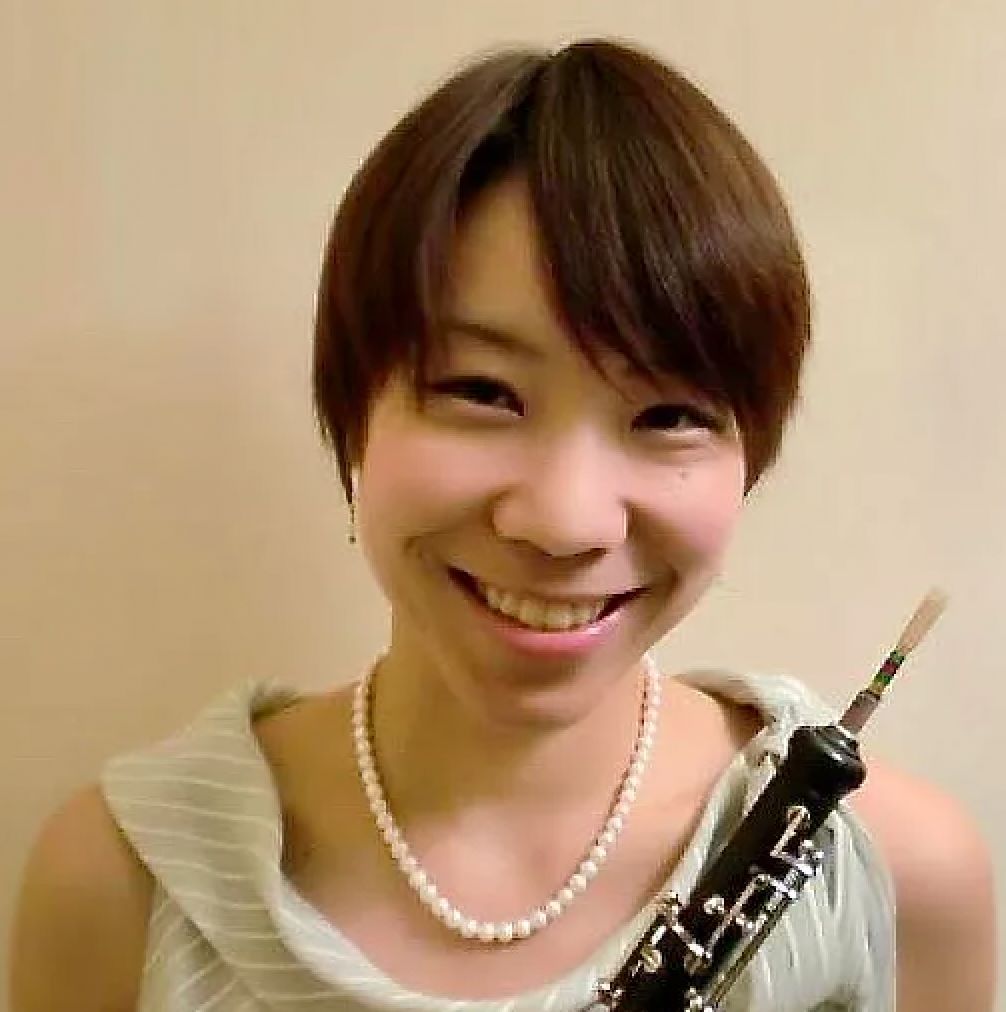
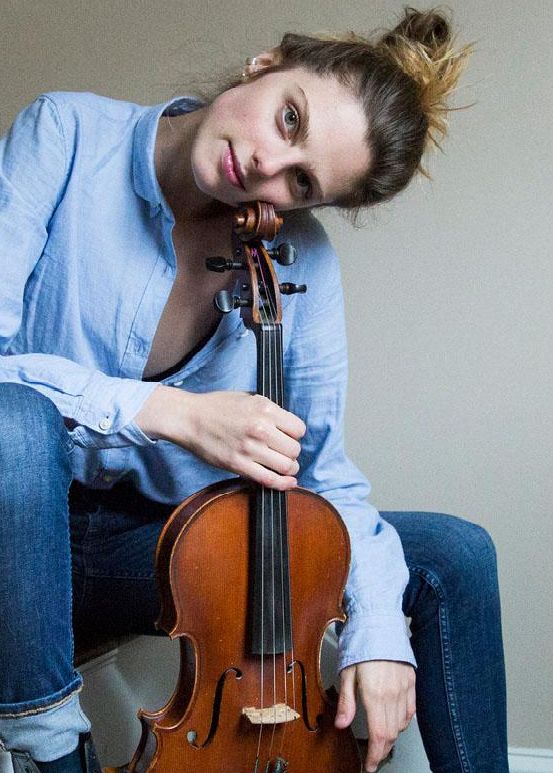
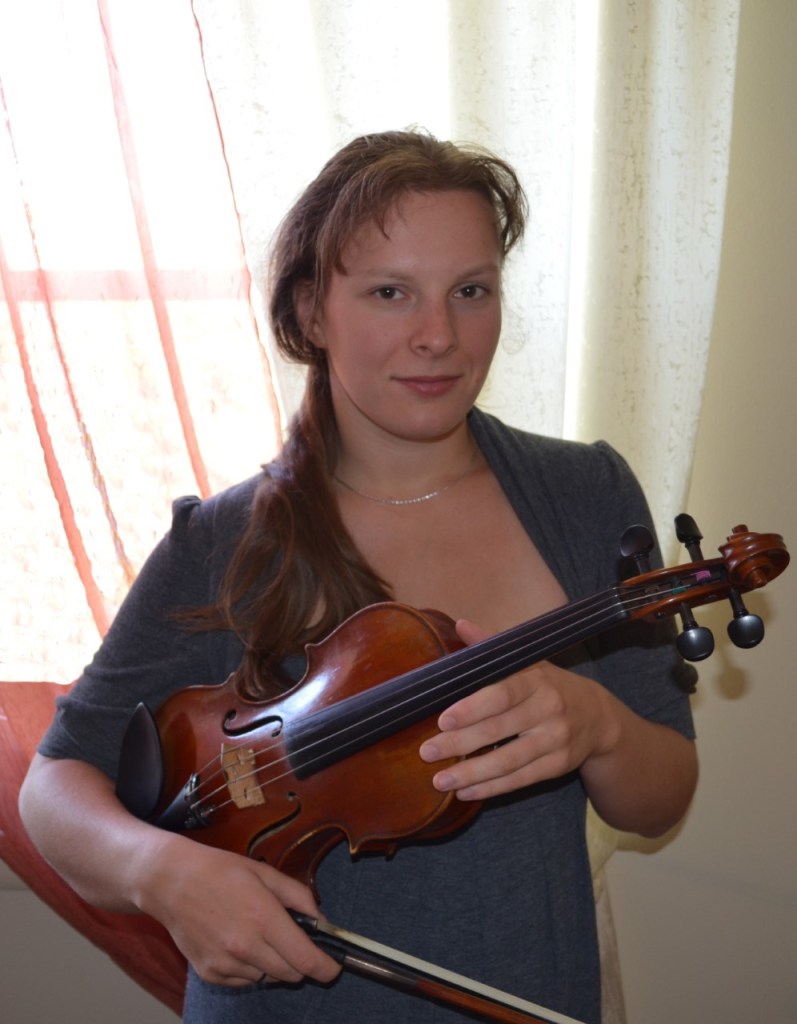
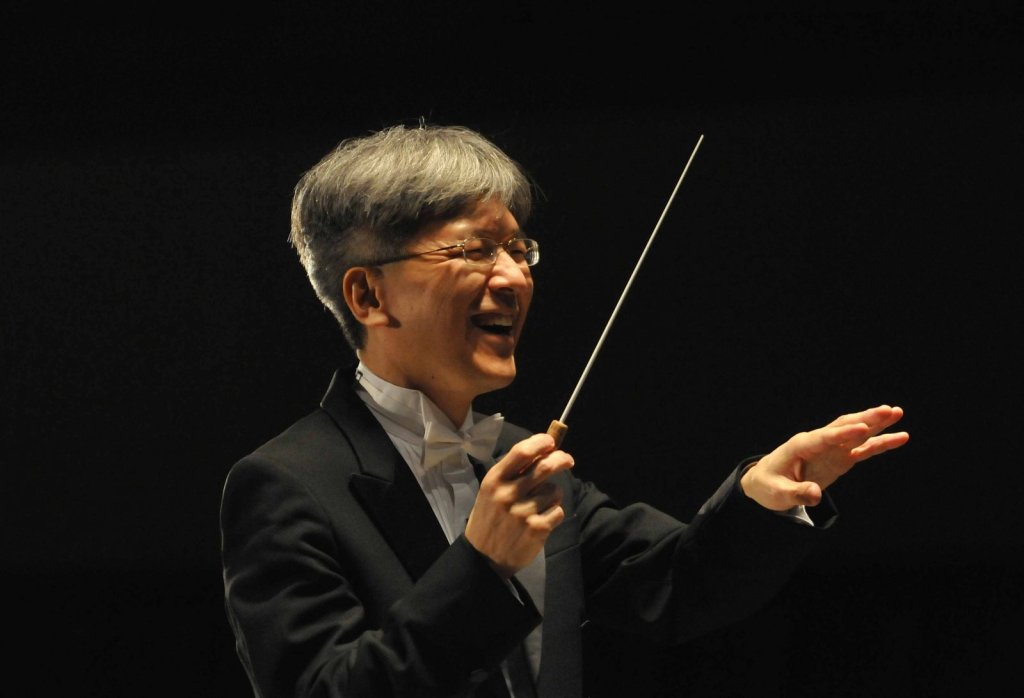
Maestro Udagawa looks forward to these intimate Musicians Unleashed concerts, “ The Cape Ann Symphony is made up of extraordinary musicians, and we are thrilled to be able to highlight them! This concert will feature our principal flute, oboe and clarinet as well as some of our outstanding string players. We tried to make this concert a mixture of different composers as well as combination of instruments, and I’m sure the audience will enjoy this concert very much.” The musicians performing in Autumn Awakening are Stephanie Stathos, flute; Izumi Sakamoto, oboe; Bill Kirkley, clarinet; Oksana Gorokhovskiy, violin; Olga Kradenova, violin; Anna Stromer, viola, and Johnny Mok, cello. The concert program includes Salem, MA born and raised composer Arthur Foote’s Scherzo for Flute and String Quartet; British composer Malcolm Arnold’s Divertimento for Flute, Oboe and Clarinet; Austrian composer Wolfgang Amadeus Mozart’s Oboe Quartet; German composer Johannes Brahms’ Clarinet Quintet, 1st Movement; and Czech composer Antonin Dvorak’s American String Quartet, 4th Movement.
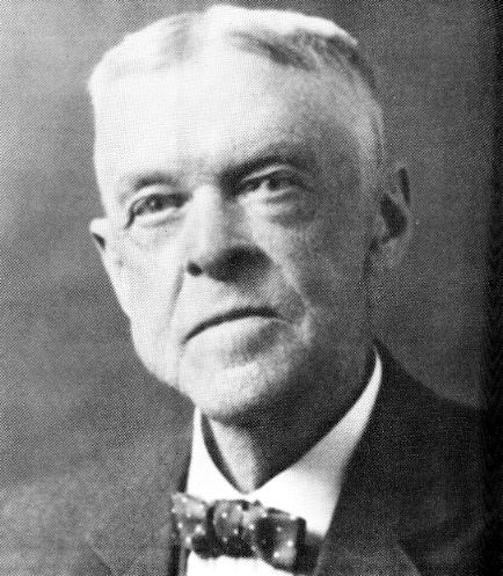
Salem native composer Arthur Foote, known for his chamber music, art music and choral music, was also a musician and a teacher. “When thinking about the program for the concert, we wanted to include music by a ”local”,” explains Udagawa, “and this charming piece by Arthur Foote fit the bill perfectly! We have an amazing tradition of musicians, writers and artists who worked right here in our area, and left great works for all of us to enjoy. And Gloucester’s Unitarian Universalist Church is a perfect venue for Foote’s music with his strong ties to the Unitarian Church.” Foote’s father, Caleb Foote, was the owner and editor of the Salem Gazette and his mother, Mary Wilder Foote, was a devout Unitarian. Arthur Foote began composing while studying harmony at the newly formed New England Conservatory in 1867. He then went on to study music at Harvard University where he received a Bachelor of Arts and the very first Master of Arts degree in Music awarded by an American university according to Foote’s Faculty Papers at New England Conservatory .
Arthur Foote was a leading member of a group of composers known as the Boston Six or the Second New England School. Together, the Six: John Knowles Paine, Horatio Parker, George Chadwick, Edward MacDowell, Amy Beach, and Arthur Foote wrote the first substantial body of “American” classical music. “In his time Foote was considered to be the ‘Dean of American Composers'” points out Maestro Udagawa.
Arthur Foote was the organist and Choirmaster at the First Unitarian Church in Boston for 32 years, taught piano in his own studio for over 50 years and served on the faculty of New England Conservatory for 16 years, teaching piano and piano pedagogy. Foote helped edit Hymns of the Church Universal in 1890, and collaborated in the writing of Hymns for Church and Home, prepared for the American Unitarian Association in 1896 according to Unitarian Universalist History & Heritage Society
Ticket prices for Autumn Awakening are $40. Call Cape Ann Symphony at 978-281-0543 or go to www.capeannsymphony.org for tickets. In accordance with the CAS Covid Safety Policy, all concert attendees will be required to show proof of Covid 19 vaccination or to present documentation of a negative test within 72 hours prior to the event and will be required to wear a mask during the performance.


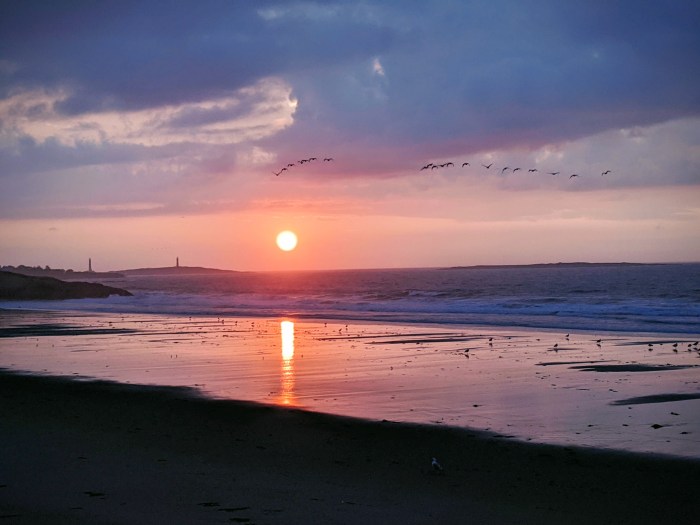
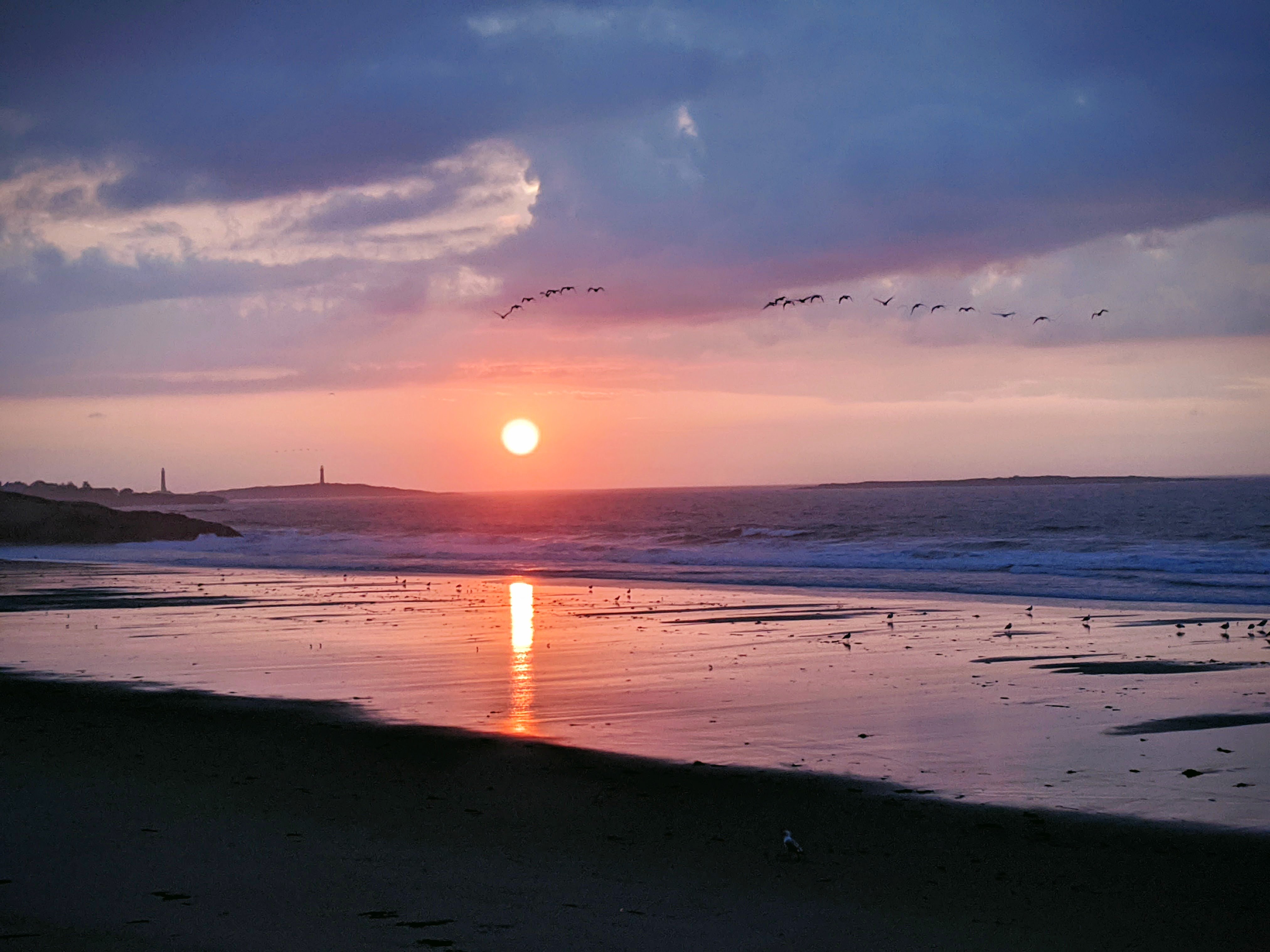
September morning Long Beach

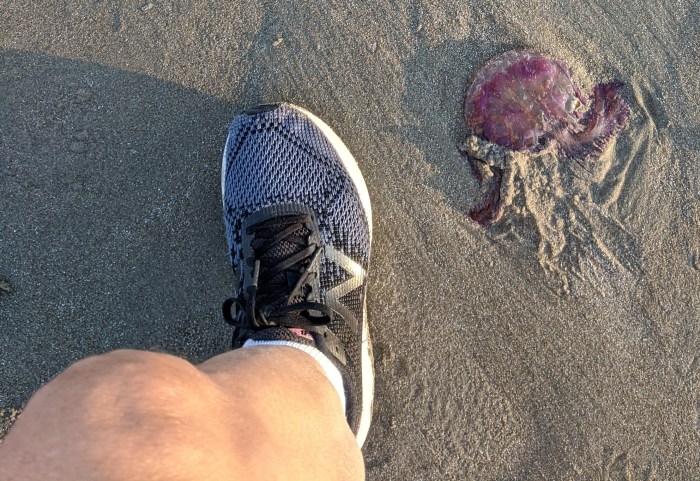
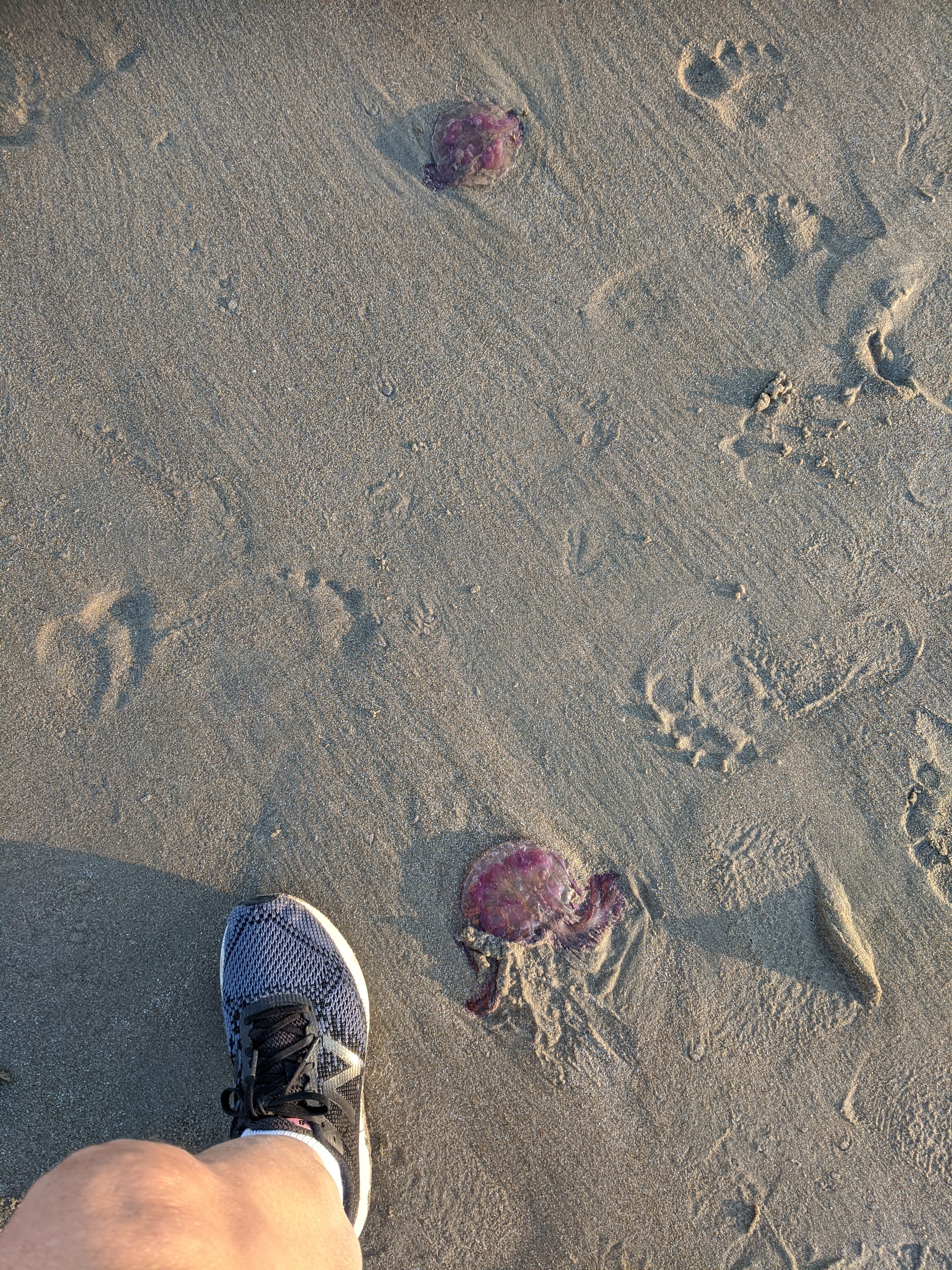
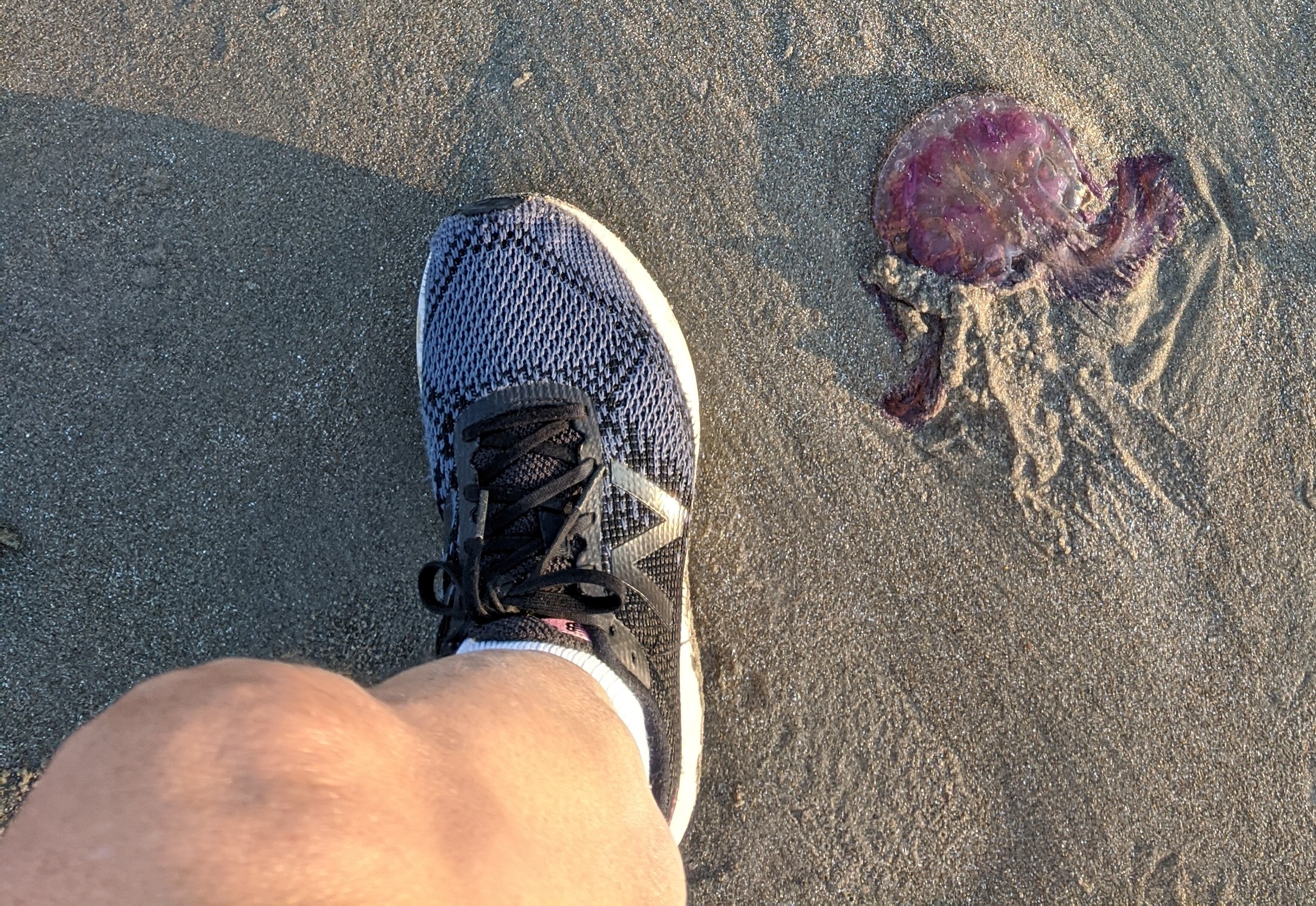
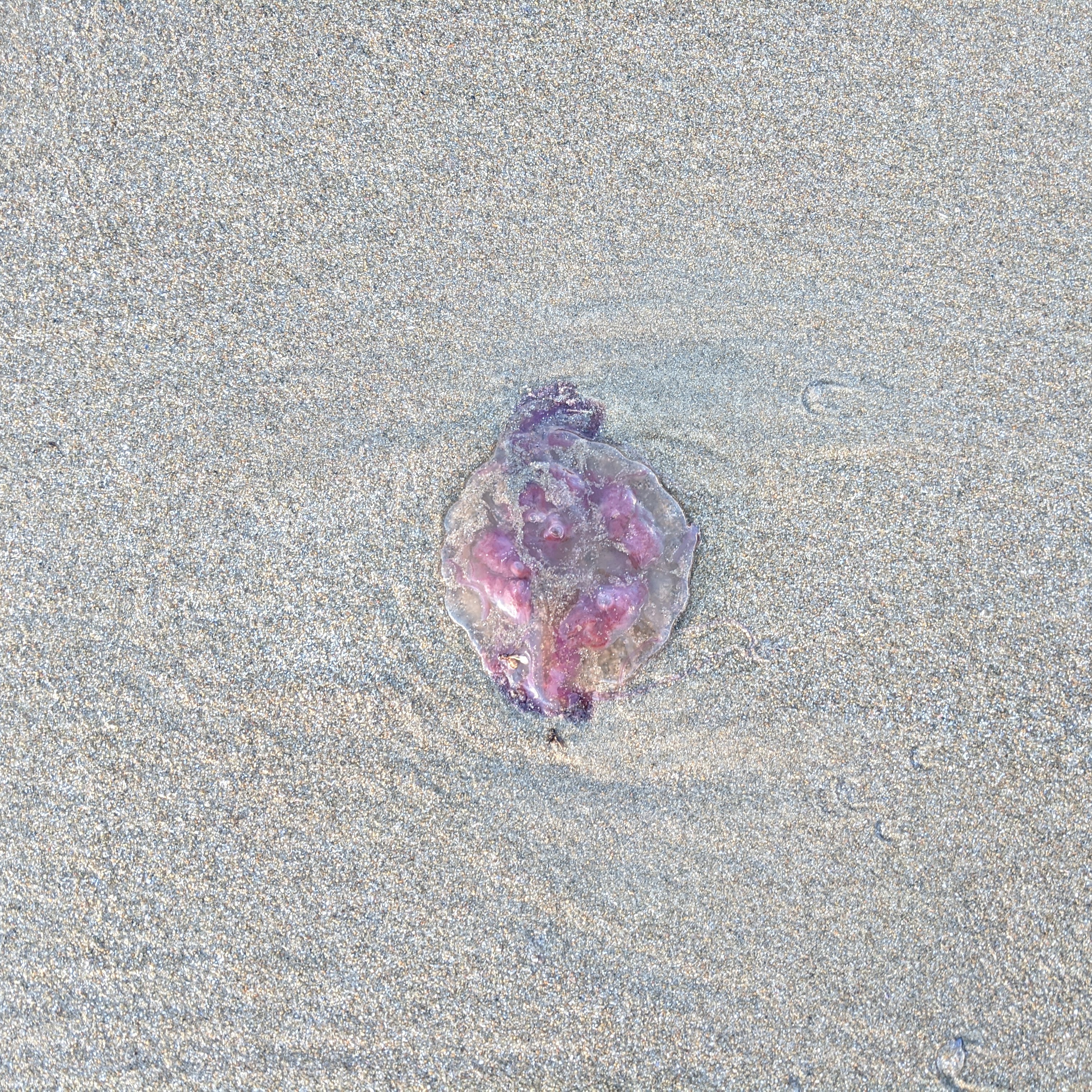
I’m adding a couple of photos to the great question about the mystery jellyfish Joey posted thanks to a GMG reader.
I saw them that same day on Long Beach, September 6, 2021. I only saw seven, and one was a piece rather than whole, so I can’t confirm hundreds were there.
The one in the photo with the sneaker was the largest I observed. They were hard to miss. Four were in proximity at that spot. On the other side of the beach, one group of kids scooped up a sample with a sand shovel, running back to the furthest Gloucester end to show their parents.
The two times I’ve seen lions mane on any beach, I was wrong. If these were lion’s mane this will be the third time they’ve looked like a different jellyfish to me. The beached jellyfish on Long Beach this week looked a bit like pictures I’ve seen of mauve stingers.
Everyone has been remarking how warm the water’s been, and these deposits followed Hurricane Ida. Storms bring in unusual gifts from the sea.
Looking forward to a marine educator helping us learn more!

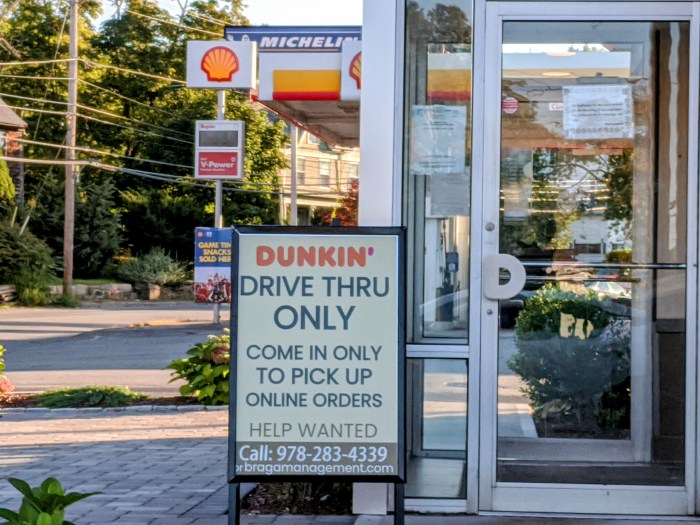
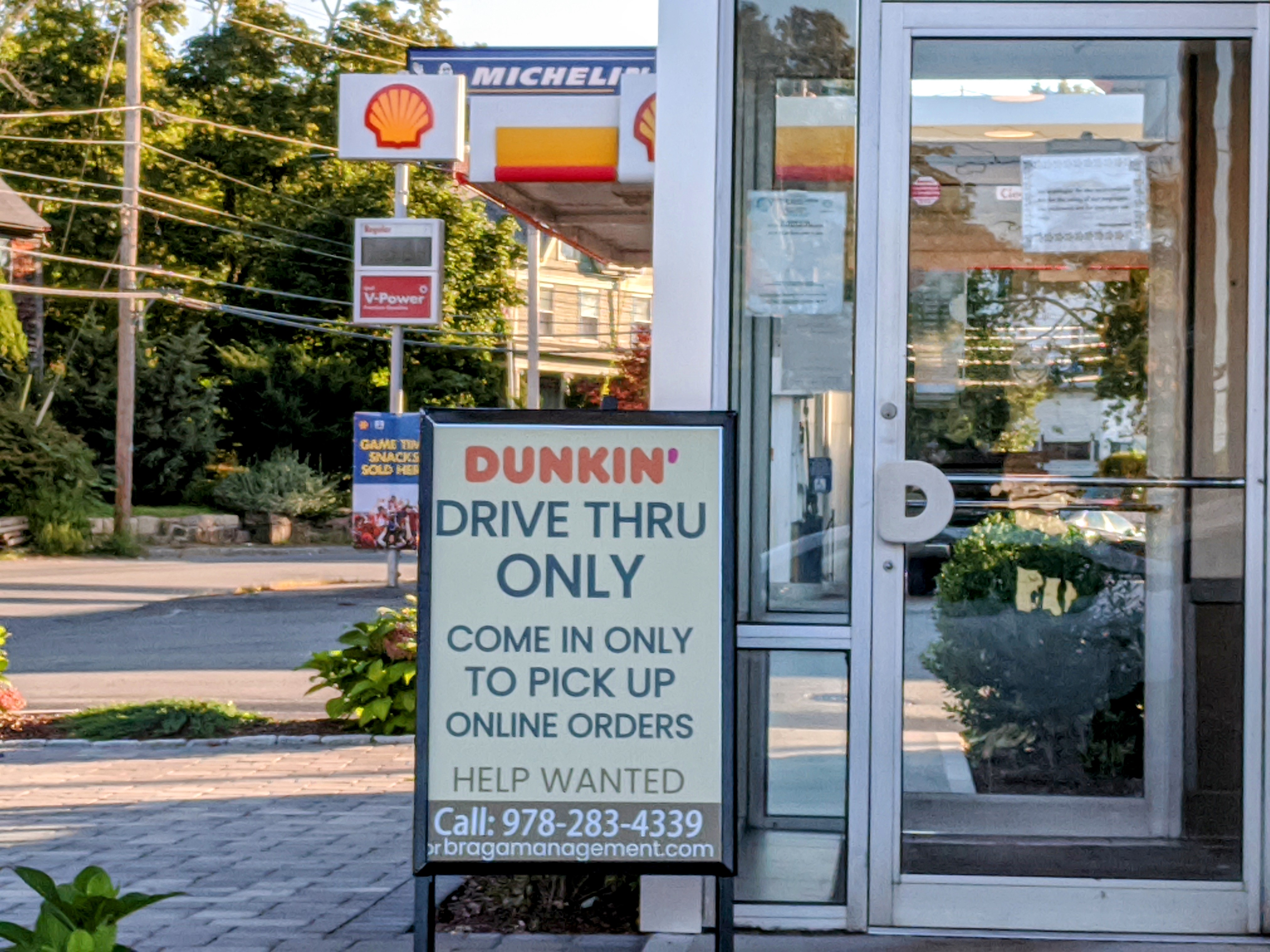
and pick up online orders

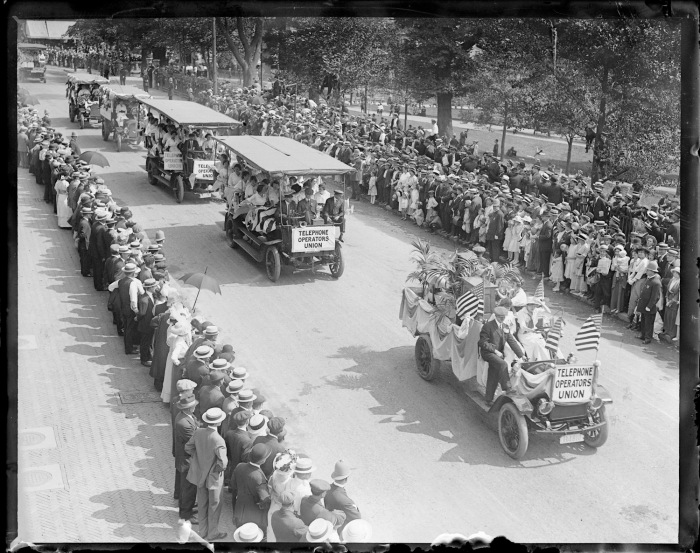
marvelous photojournalist, Leslie Jones, Boston Public Library collection (date of this Labor Day photo featuring female telephone operators is unknown-circa 1917-34. Any guesses? Amazing despite WWI and the Spanish Flu epidemic that they would need to strike–and won–in 1919.)


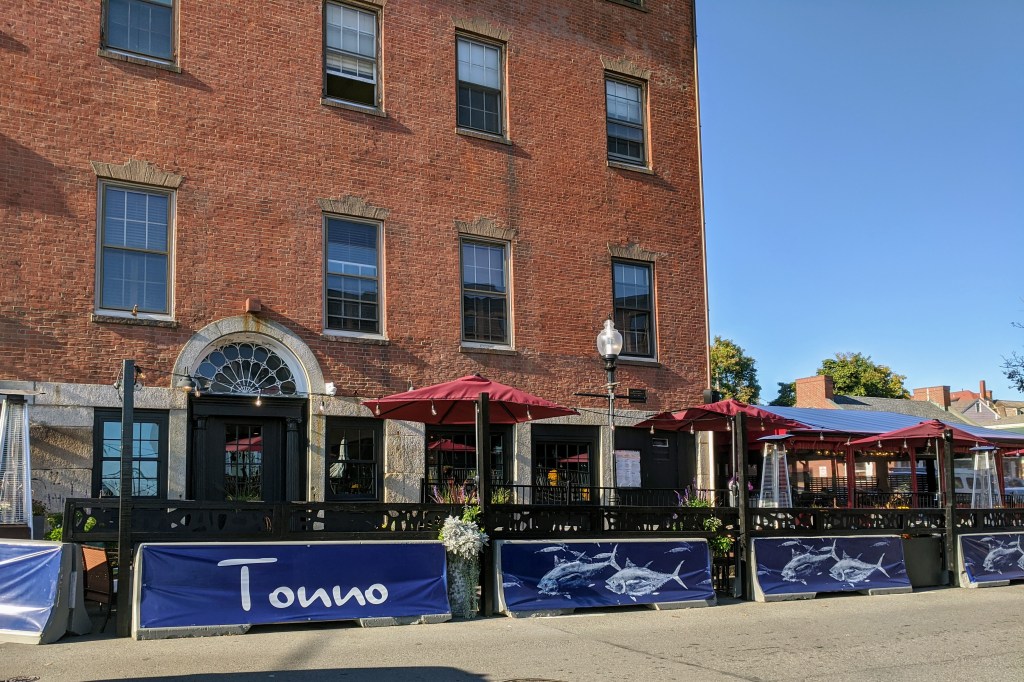
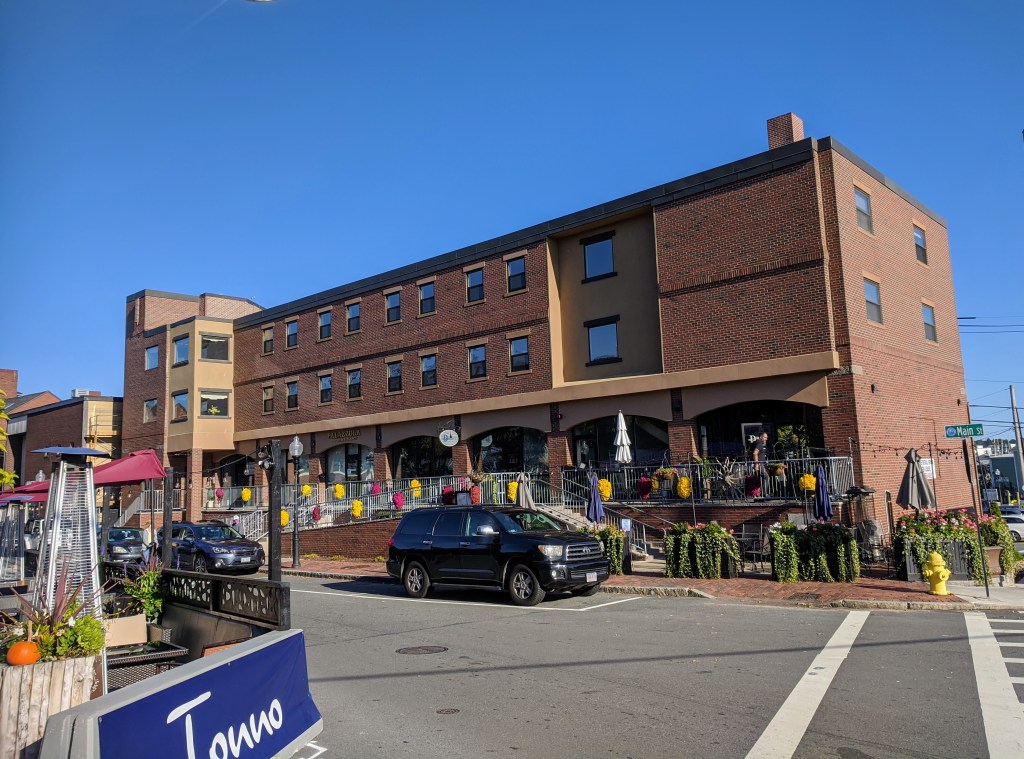

 Good Morning Gloucester