Author: Catherine
posted content / cell phone photos mine, unless otherwise credited
(thumbnail portrait of Catherine at MFA, Boston © David Cox photo)
https://www.cryanaid.com/

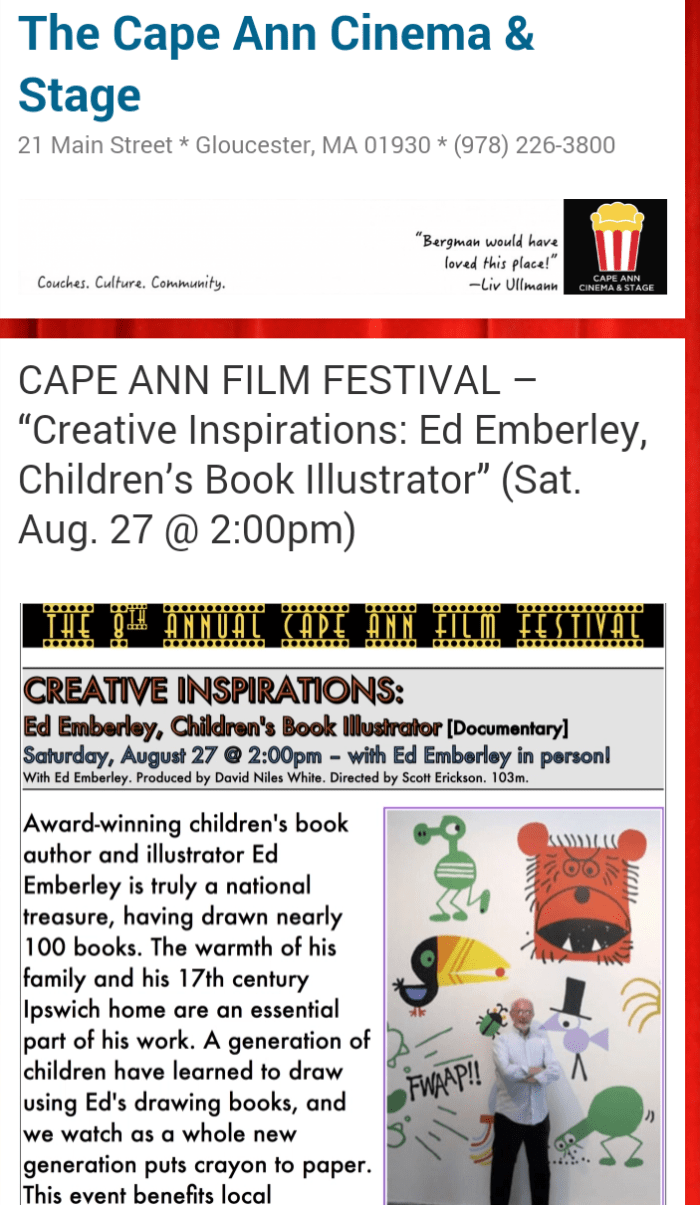
Get your tickets! Come meet famous children’s author Ed Emberley at Cape Ann Community Cinema Saturday 2PM
Ed Emberley is “drawing” them in for Cape Ann Reads. Plus he’s part of the film festival!
Spread The GMG Love By Sharing With These Buttons:

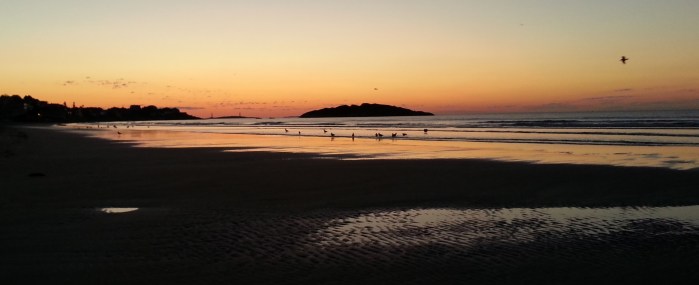
How seagulls eat when there’s no trash
Spread The GMG Love By Sharing With These Buttons:

Motif Monday: Gloucester smiles when Manny reels them in
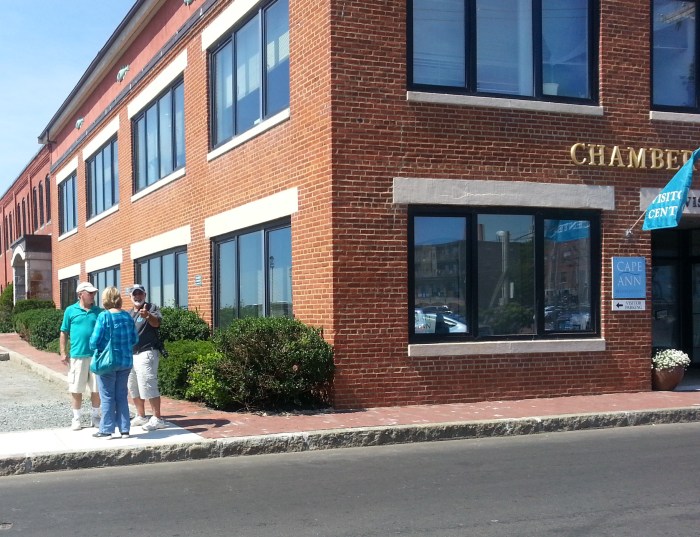
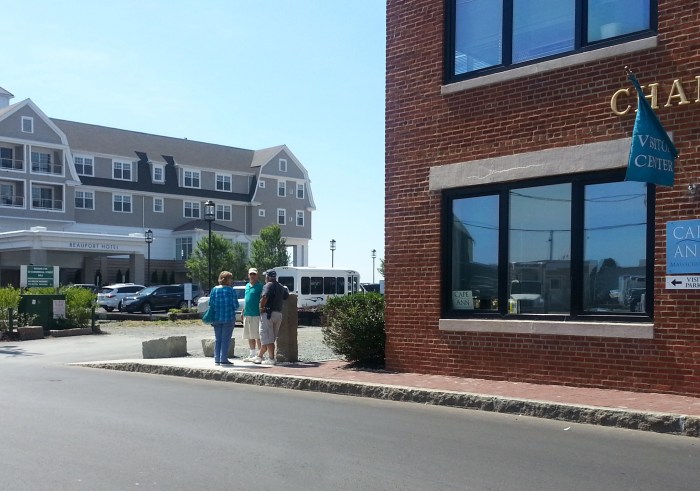
Manny’s post of this couple from New York, for his Gloucester Smiles series.
She was a photographer. I ran into Manny at this way point between Beauport Hotel and the Cape Ann Chamber. Some time after, I crossed back that same way to return to Cape Pond Ice. He was still with them–so amiable and welcoming! I meant to post a compliment to him that very same day. A wonderful post by James Eves with a dynamite portrait of Manny shined through my GMG email and I thought that was pretty cool kismet.
Spread The GMG Love By Sharing With These Buttons:

Bird on the edge of impressionism
Spread The GMG Love By Sharing With These Buttons:

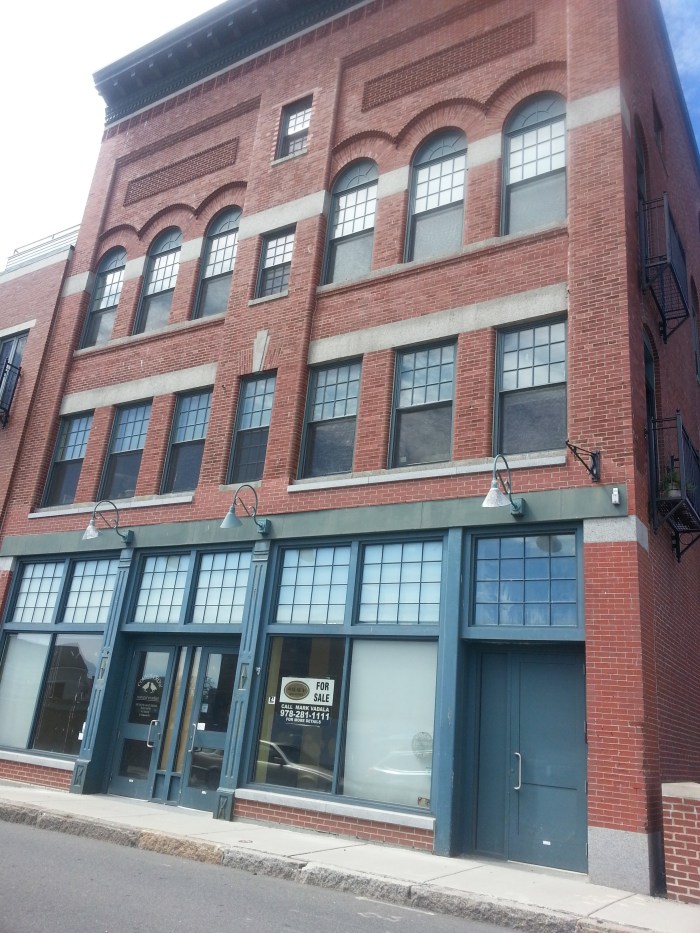
Another gallery moving to Main Street in Gloucester
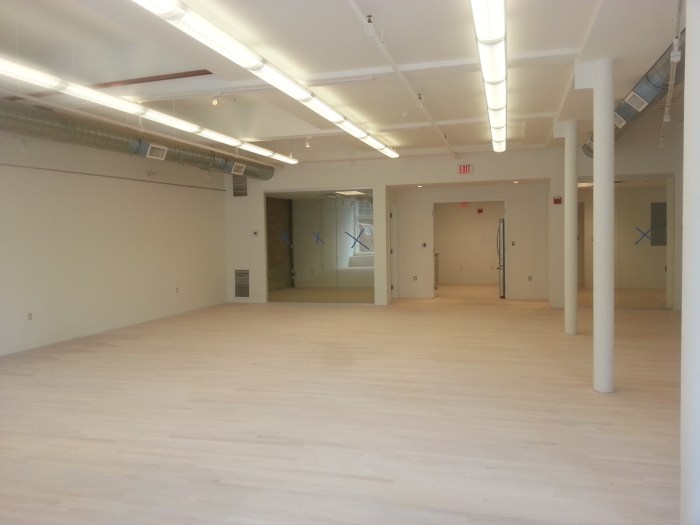
122 Main Street-I had a peek at brand new hardwood floors. Coming soon next door to goodlinens.
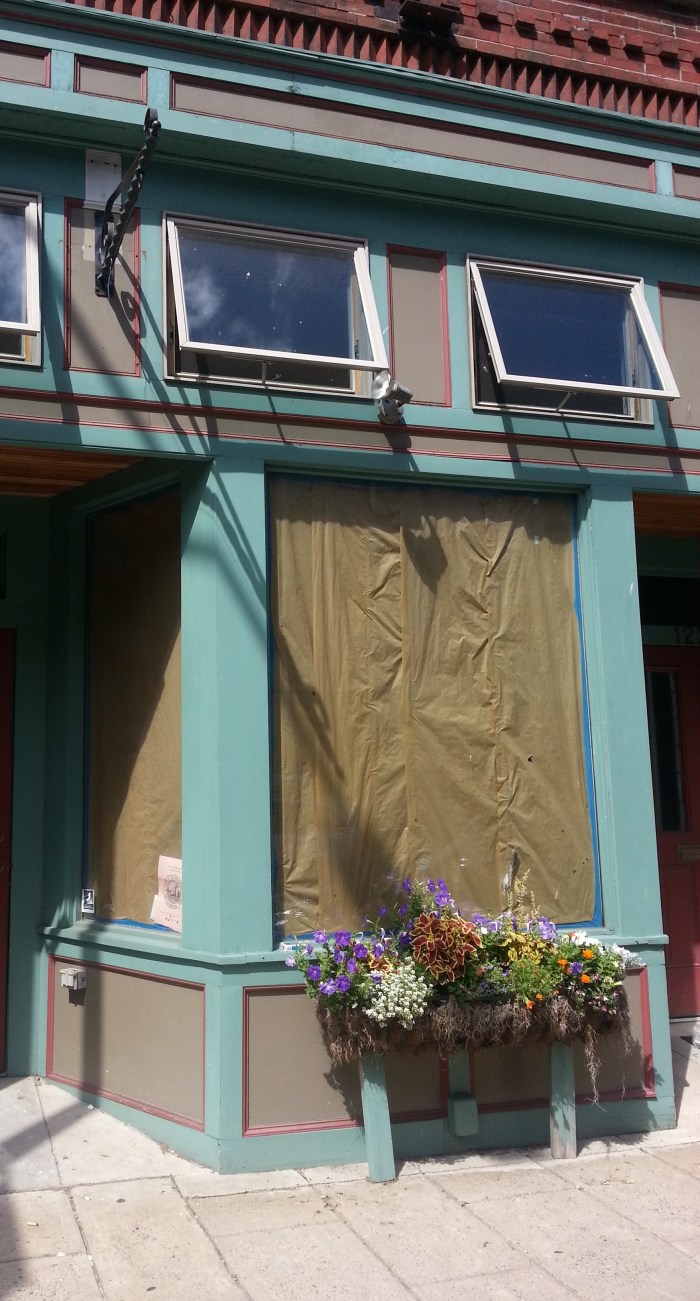
At 196 Main Street (the space where Green Life used to be) the Copley Society of Art is also coming along with its build out, paint, floors and a line of studios.
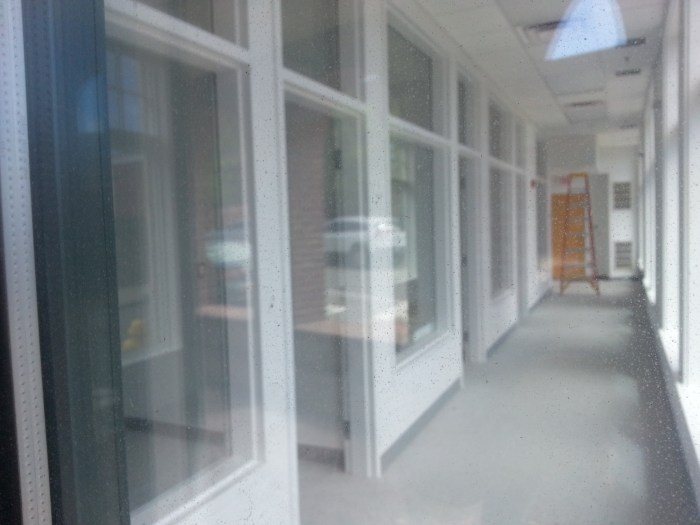
Who will be their neighbor next door (in the old Common Crow space)?
Spread The GMG Love By Sharing With These Buttons:

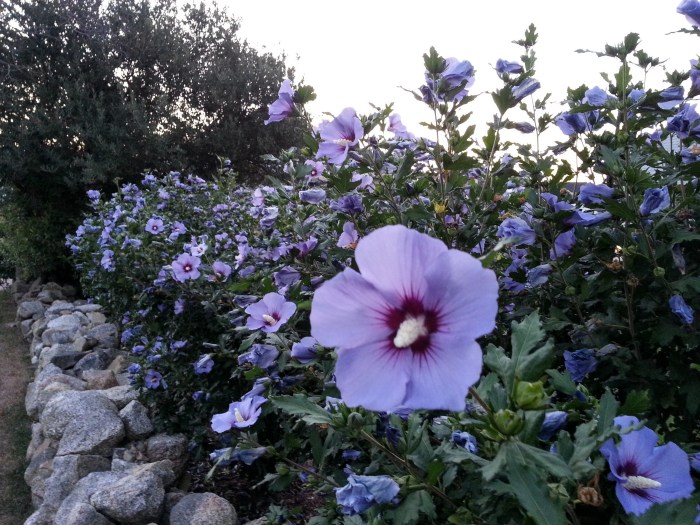
A rose by any other name
Spread The GMG Love By Sharing With These Buttons:

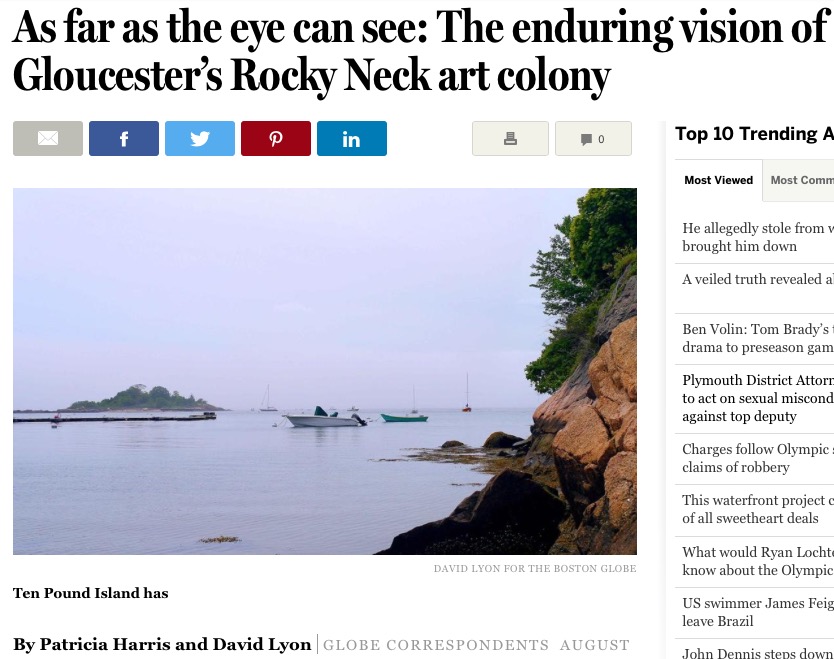
Boston Globe good read: Gloucester’s Enduring Rocky Neck Art Colony
Where artists still live and work. Article mentions Rocky Neck Historic Art Trail, Elynn Kroger, Robert Gruppe, John Nesta, open air painters, and more. By Patricia Harris and David Lyons
Spread The GMG Love By Sharing With These Buttons:

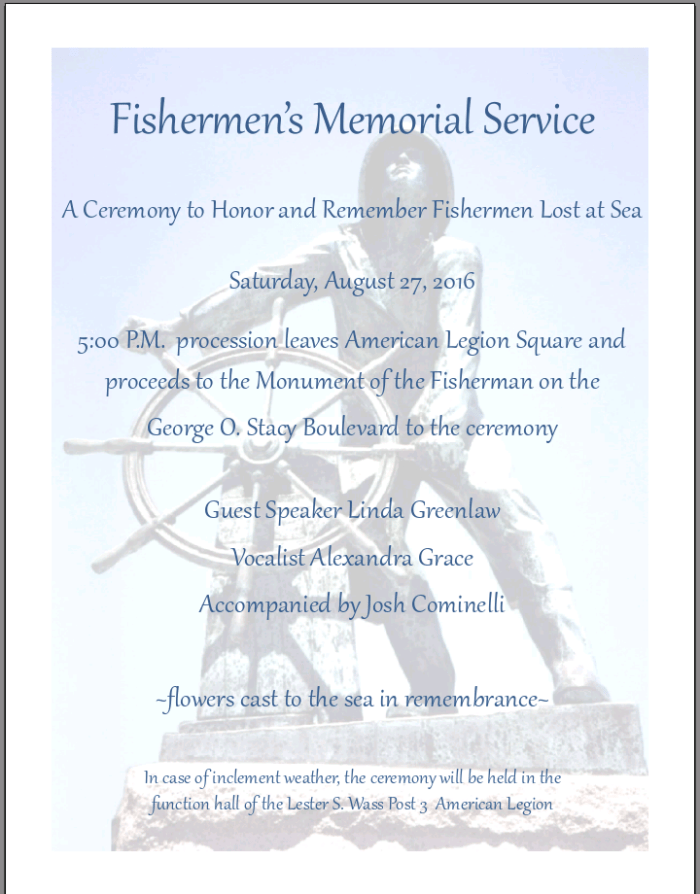
Fishermen’s Memorial Service 5PM August 27. Guest speaker Linda Greenlaw.
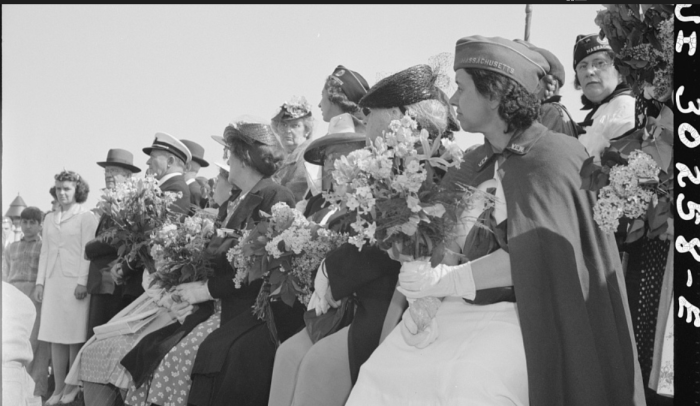
Gordon Parks 1943 FSA Gloucester photograph-
“Memorial services for fishermen lost at sea. Here relatives of fishermen wait their turn to toss flowers into the water”
Spread The GMG Love By Sharing With These Buttons:

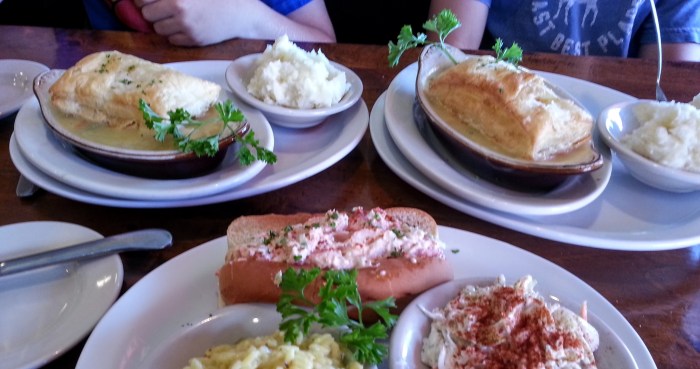
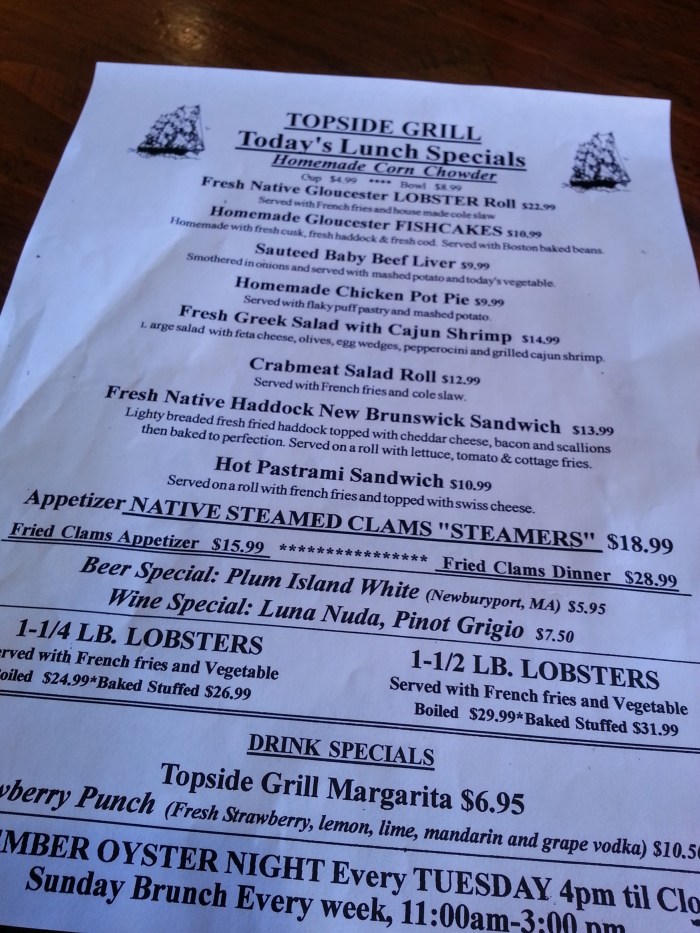
What’s for lunch? Lobster roll at Topside Grill
Spread The GMG Love By Sharing With These Buttons:

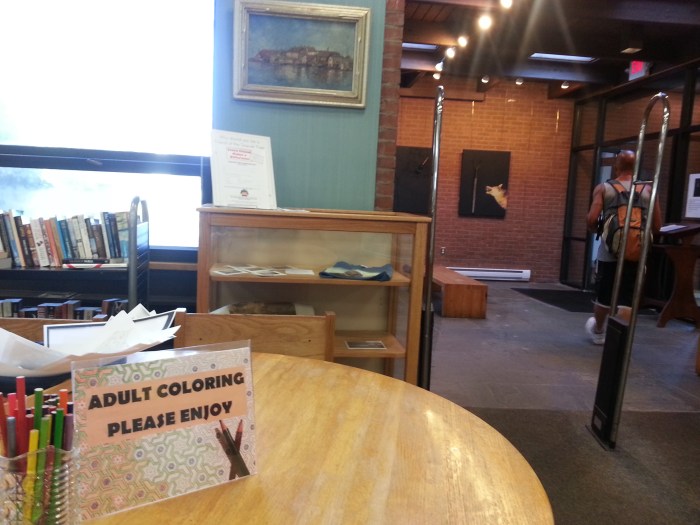
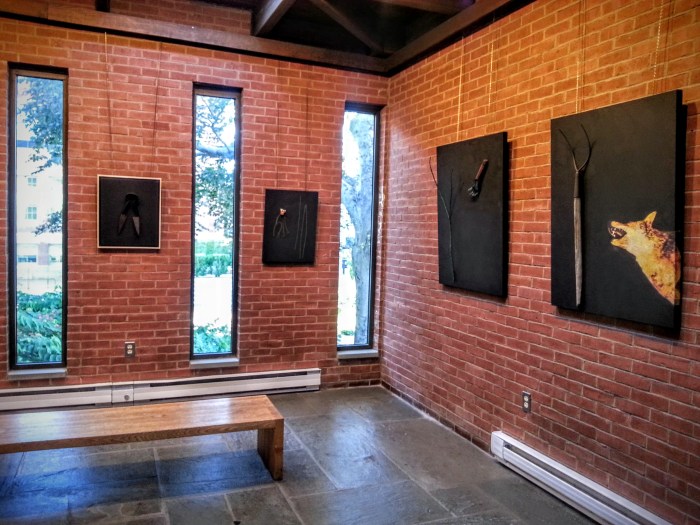
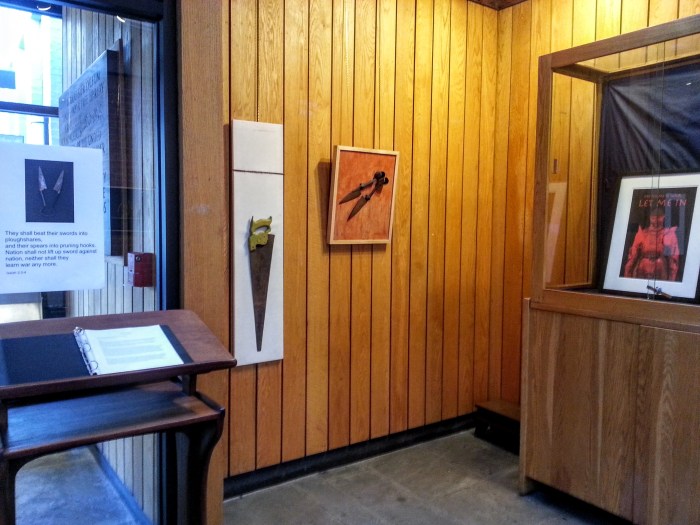
Adult coloring at the library. Artist Christy Park show in the Matz Gallery.
Spread The GMG Love By Sharing With These Buttons:

Gloucester whale research in Alaska: report from the field
15 blow samples, 1 delivery by plane Northern Exposure-like (Alaska! ), and one eagle, not in distress:
“We were out on the water by 7:30 am yesterday, but it was still cloudy and raining so we were a bit down. We don’t like to collect Snot in the rain; droplets of rain in the dish could be Snot so we have to process every dish which is a lot of work for us and even more for the analysis lab.
By 10:00 am the skies cleared the seas started to calm down and the team worked like a well-oiled machine (albeit in a very small boat). We collected 6 samples in the next 3 hours and then changed location close to Turnabout Island about 10 miles away. The first thing we saw here was a bird in distress just off the shoreline, we sent up a drone and realized that it was not in distress but it was a bald eagle swimming shore with a fish so big that it could not fly. It swam amazingly well and reached the shore successfully (with dinner).
The water around us seemed to be boiling with life and soon 4 whales turned up and were swimming less than one body length from the shoreline side lunging. The footage we recorded is absolutely spectacular and we collected 2 more samples.
The day was saved by the fact we could charge our flight batteries all day from the boat batteries. The previous day our inverted failed and we had a new one flown in (the same day) from Juneau (for $11) from Alaska Industrial Hardware & Alaska Seaplanes. Only in Alaska!!
We had a chance to have 2 drone’s in the air, one recording the other collecting Snot. Our Inspire 1 drone’s worked flawlessly.
We finally pulled into the dock last night at 8:00 pm exhausted but elated with a total of 15 samples, stunning video footage of whale behavior and memories that will last a life time. Foggy this morning – but we are sure that it will soon burn off so we are heading out.”
Ian Kerr Ocean Alliance
Shore lunge photo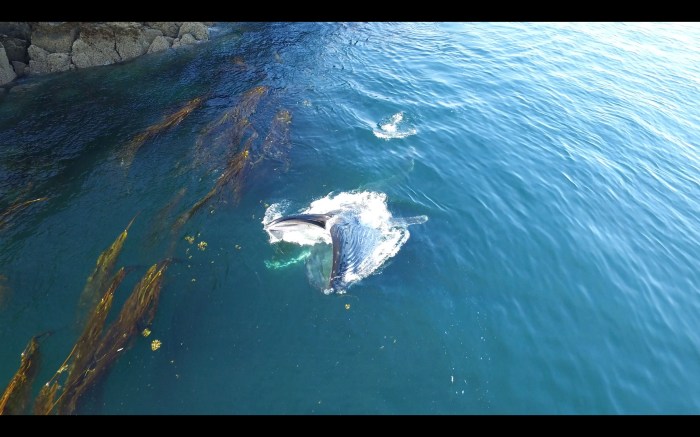
Spread The GMG Love By Sharing With These Buttons:

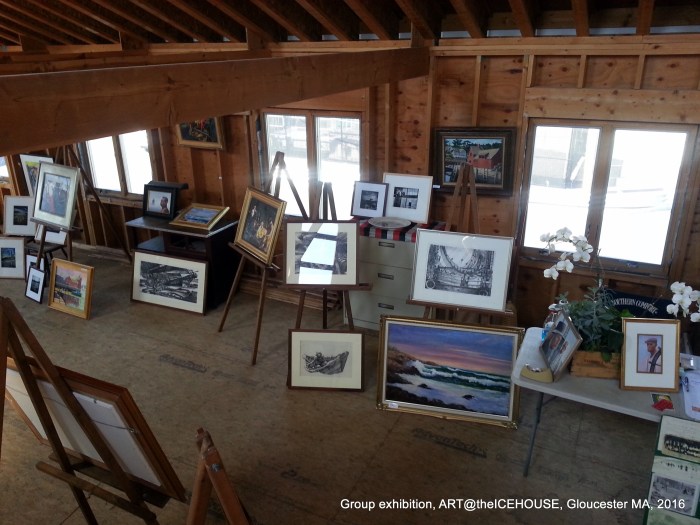
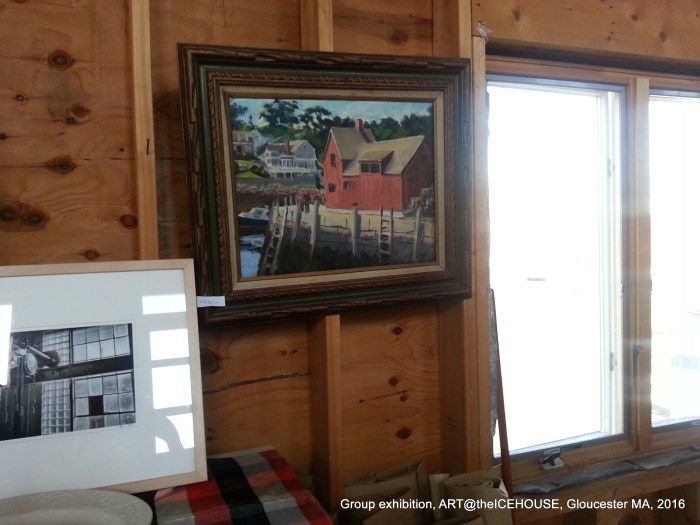
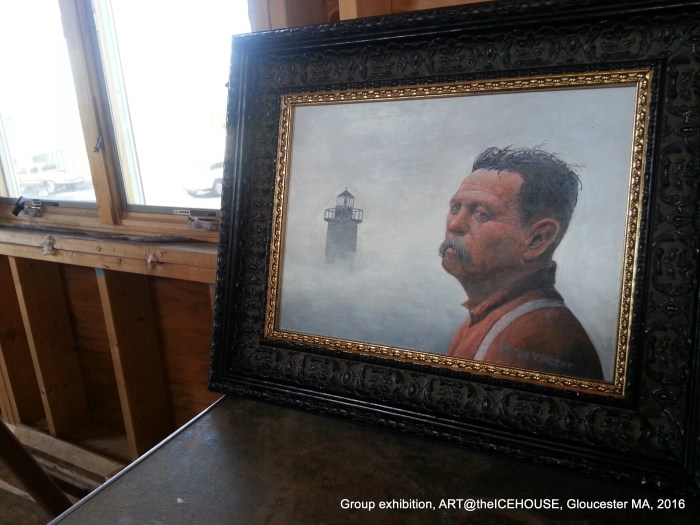
group ART show at the IceHouse: Phil Cusumano, Christopher Fleming, Sue Memhard, Sam Parisi, Eoin Vincent, Peter Vincent at Cape Pond Ice 2016
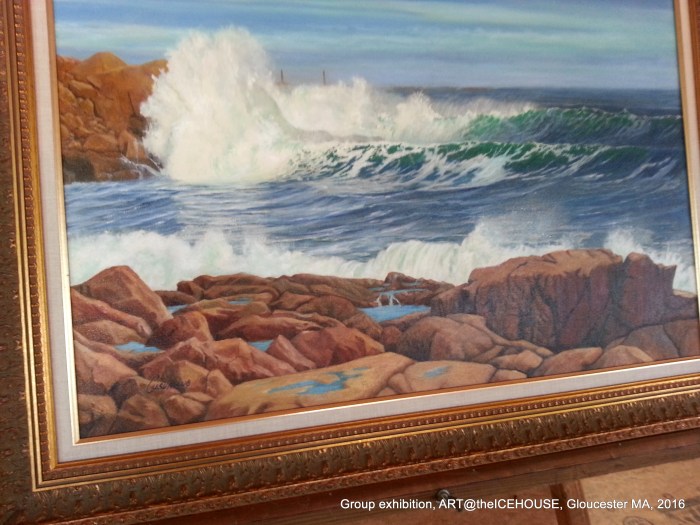
Phil Cusumano – paintings
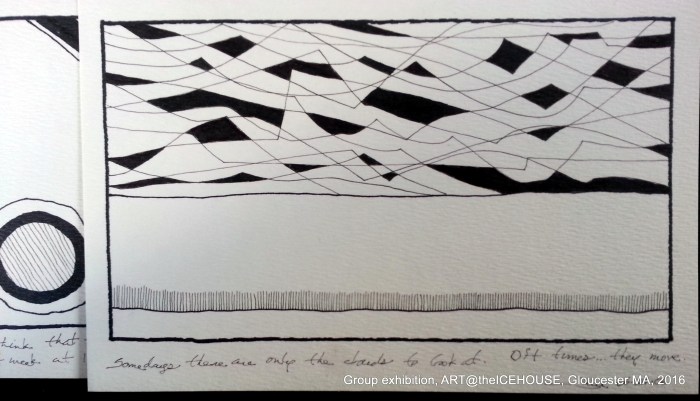
Christopher R. Fleming – ink line drawings
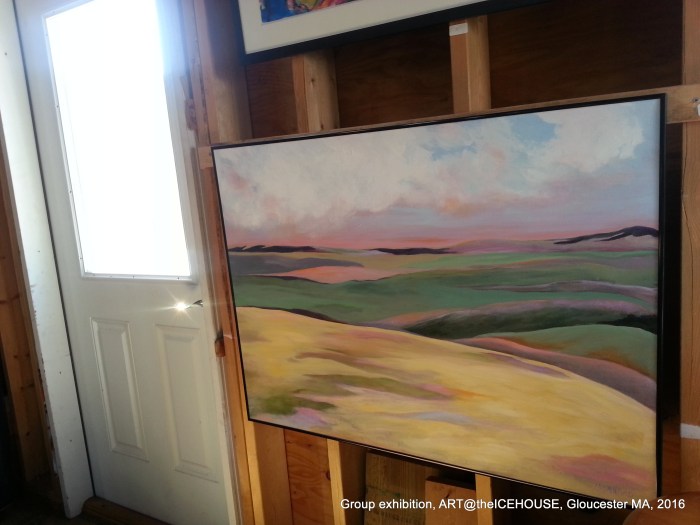
Sue Memhard (1949-2011) – paintings
Eoin Vincent – photographs
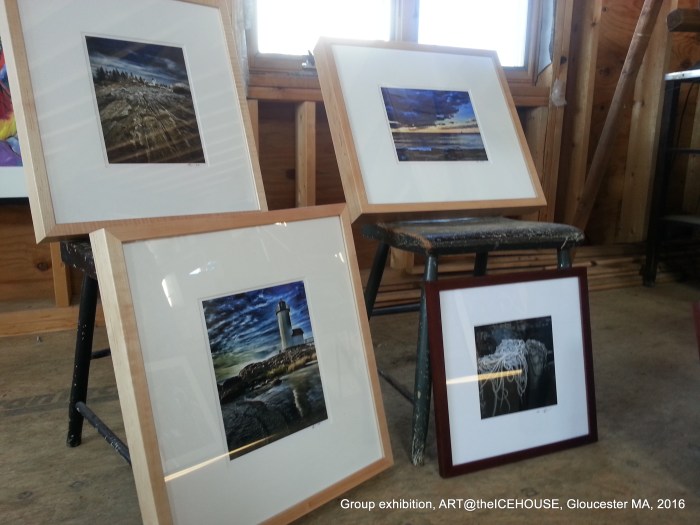
Sam Parisi – paintings
Peter Vincent (1946-2012)– paintings and prints


Spread The GMG Love By Sharing With These Buttons:

Arts Update from Mayor Romeo Theken

-
So grateful for the calls and emails related to the arts hotline: sefatia4arts@gloucester-ma.gov.
-
The first business to respond to arts hotline was ZEKE’S.
-
FREE shared studio spaces are available downtown within the historic Fitz Henry Lane house:
- on the second floor; approx 6 feet by 10 feet; carved out space within landmark Schooner Adventure headquarters
- on the first floor; approx 6 x 10 feet; carved out shared space within Sail GHS office
- email sefatia4arts@gloucester-ma-gov if you’re interested in signing up for one of the shared studio spaces
- Sail GHS has also extended a generous offer to bring artists sailing who may want to be out on the water for their plein air work


Spread The GMG Love By Sharing With These Buttons:

Art New England magazine at Cape Ann Museum: what a swell party it was
August 11, 2016
This festive summer soiree was a chance to celebrate some of the creative current on Cape Ann and enjoy two impressive exhibitions at the Cape Ann Museum— Design/Build and New Acquisitions.
Art New England’s summer issue includes Cape Ann. The May issue celebrated Bobbi Gibbs. The upcoming issue previews some of the fall not to miss art events like Cape Ann Plein Air in October.


Rita Fucillo, Assoc Publisher Art New England with Matthew Swift Trident Gallery


Artist Neta Goren will show her work on Rocky Neck later this month

Bernard Chaet painting and Zygmund Jankowski behind a special dessert table Sweet Bella & Harvey, Bearskin Neck Rockport and Beach Gourmet.


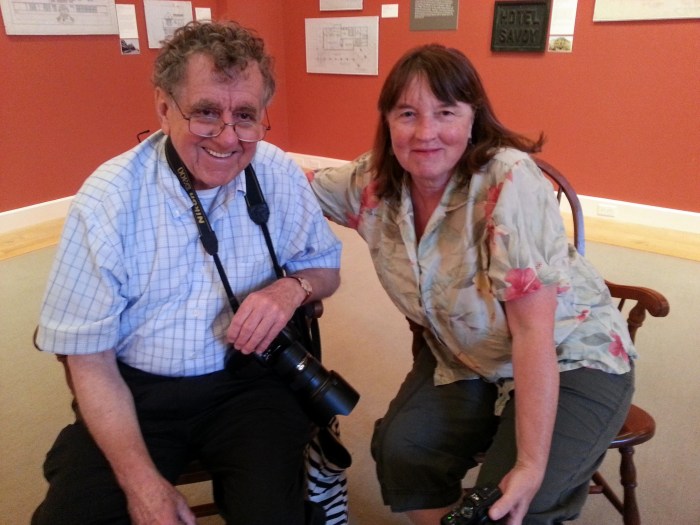
Marty Morgan, Beth Williams, Rita Fucillo

David Cox & Ken Riaf

Beth Williams, Judy Robinson Cox, Marty Morgan

Swell music. Charles Allen Winter painting flanked by two Umberto Romanos.

Mayor Romeo Theken, Art New England Editor Sarah Baker


Director Ronda Faloon. Go see the Jeff Weaver painting and other new acquisitions.

Sarah Baker Art New England, Leslie Shlopak Cape Ann Museum
Spread The GMG Love By Sharing With These Buttons:

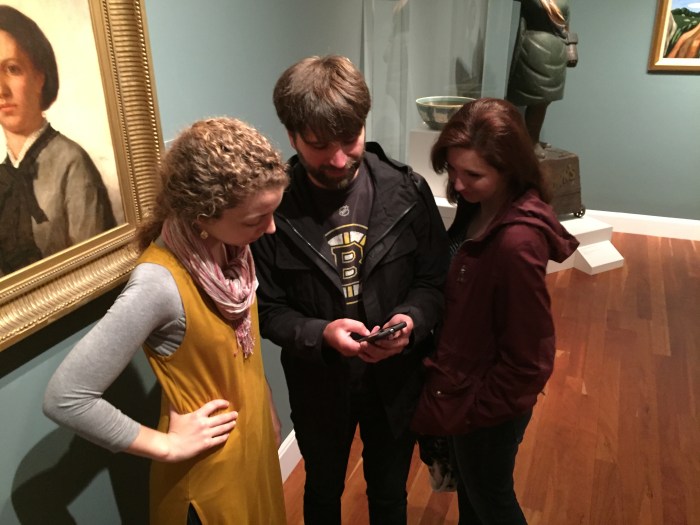
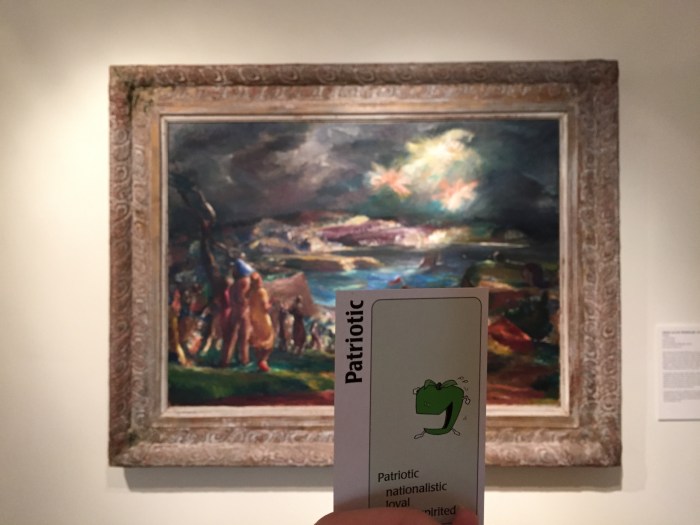
Grab your family or a group for a super fun custom tour at Cape Ann Museum: #CAMoffthewall
Kate LaChance of the Cape Ann Museum sent in a few photos from new options for touring the collection.
Do you have summer guests who may not be regular museum-goers? Do you love museum tours, but would like to connect with the collections at a different level? This new tour may be for you. Designed for groups of 6 to 14 people, ages 10 and beyond, the CAM Off the Wall Tour challenges its participants to problem solve, to act out, to use their imaginations, and even to photograph works in the Museum. Similar to a standard tour, a trained guide will lead participants to particular works of art and artifacts, but unlike the standard tour, participants will be assigned an activity at each stop. This is not so much a guided tour as a personal adventure through the Museum. Call ahead to organize an Off the Wall Tour for your family or group. Remember to bring a smart phone or digital camera, and of course, a sense of humor! For more information email katelachance@capeannmuseum.org or call (978)283-0455 x12.
Spread The GMG Love By Sharing With These Buttons:

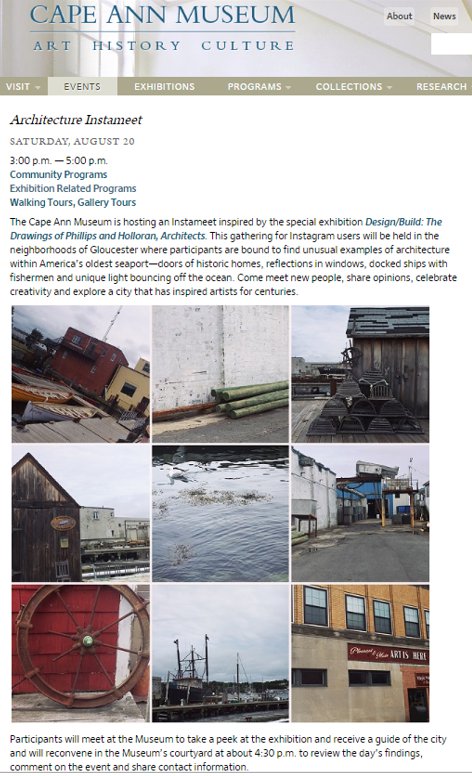
Meeting up to take photographs, just 4 more days until Cape Ann Museum’s first Instameet!

Do you know where Tysvers is? Pauline Bresnahan shares some local Civil War history
Hi, Being from W.Glou. forever there is a FB page: “Do you know where Tysvers is?” My friend Audrey Allenshared this article:
Stone Marks Reveal Civil War Training In West Gloucester – Elliott C. Rogers – November 1954
Men were trained for Civil War services on a nearly forgotten muster field in West Gloucester. This is the conclusion reached by a student of local history and terrain after research and observation. Initials and symbols carved in stone mark the place.
There is some evidence that men trained there for the Revolutionary War, too, says Elliott C. Rogers in a “memorandum” that makes a timely reading at Memorial Day time:
Memo in Re the Old Training Ground or Muster Field at West Gloucester.
Undoubtedly dating from Revolution or Colonial times and probably used as a training ground for militia from then to and including the Civil War period.
After some search, there seems to be no actual evidence that this particular field was used during the Revolution, but it was, as shown clearly by the existing permanent record, in use at the time of our Civil War. (See later re Revolutionary Monument.)
This training ground is located on a height of land overlooking Ipswich Bay, off Concord street, nearly to Sumner street, and above with a view of Walker Creek where in 1860, William Haskell, Jr., and Mark Haskell made a request of the town to “have liberty to set down a corn mill on tidewater called Walker Creek.”
This is a tide water creek from Ipswich or Essex Bay according to the latest map prepared under the direction of the Army Map Service copied by the U. S. G. S. for Gloucester, 1945. The Essex boundary crosses the creek not far from the Conomo Point Road, and the Ipswich line, comes into Essex Bay, so called, on the map just outside of Tommy Island, and crossing a part of it. The creek runs through the marsh and land not far at any time, from Sumner street, crosses Walker street and goes almost to the line of Essex avenue, where the brook or overflow from Haskell’s Pond enters it. This point is hereinafter mentioned in connection with the sawmill formerly there. I give this slight description of Walkers Creek because people, except West Gloucesterites, seem to know nothing about it, or have even heard of it. It has, however, played a prominent part in the industrial development of that region, and our town and city.
Spread The GMG Love By Sharing With These Buttons:

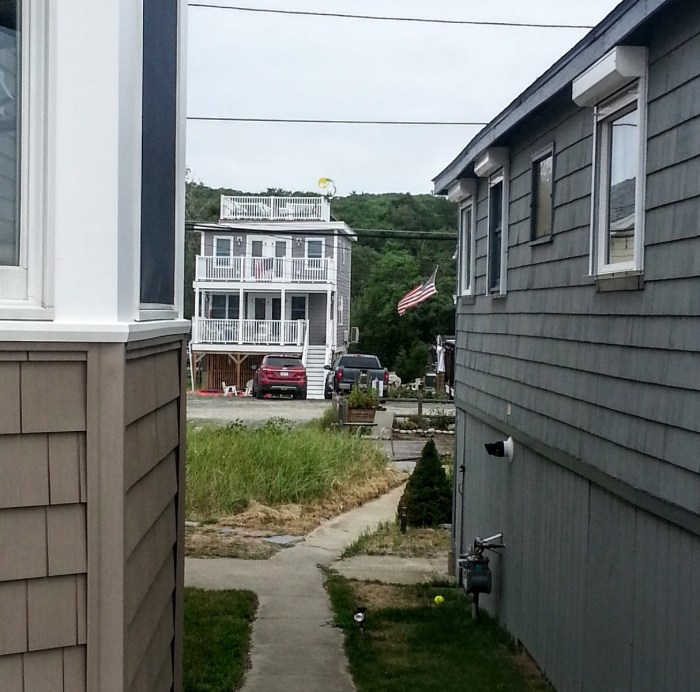
I spy Rio Olympics on Long Beach
Spread The GMG Love By Sharing With These Buttons:

Northshore Magazine: August 2016 issue Best of North Shore includes so much on Gloucester and Cape Ann!
 Before we dive into Northshore Magazine’s Fall Favorites September issue, let’s take a moment to acknowledge its Best of North Shore August issue. Although votes did not come in all Cape Ann for categories you thought might be a shoe-in: best beach, bakery, breakfast, burger, clam chowder, farmer’s market, art gallery, art anything (!), museum, or attraction — Gloucester and all of Cape Ann businesses receive a lot of deserved attention! Signing in to vote may be a barrier to entry for some. Still, 150,000+ votes were cast. You can check out what won in many additional categories in the 300pp monster issue.
Congratulations to Cape Ann 2016 Best of awardees!
DINE ALFRESCO – The Market Restaurant, Gloucester
FRIED CLAMS- Seaport Grill, Gloucester and Top Dog (seasonal), Rockport; reader’s choice: Woodman’s
LOBSTER DINNER- Roy Moore Lobster, Rockport; reader’s choice Woodman’s of Essex
LOBSTER ROLL- Seaport Grille, Gloucester
PIZZA- Short and Main, Gloucester in a three way tie
ROMANTIC- Duckworth’s, Gloucester
SANDWICHES- Willow Rest, Gloucester
WATERVIEW RESTAURANT- The Market Restaurant, Gloucester
HOTEL BAR- Beauport Hotel, Gloucester
CHOCOLATE- Rockport Fudgery, Rockport (seasonal)
HOTEL- Beauport Hotel
CHARTER BOAT- Schooner Thomas E Lannon
COMMUNITY WALK RUN BIKE BY SEASON – summer Twin Lobster Half Marathon & 1 mile Race, Gloucester; winter Happy Holidays Half Merrython, Gloucester; reader’s choice, Motif #1 Day 5K, Rockport
FESTIVAL (FALL)- Essex Clamfest, Essex
GOLF COURSE- reader’s choice Bass Rocks Golf Club, Gloucester
MARINA- Cape Ann Marina, Gloucester
NATURE TRAILS- Ravenswood Park, Gloucester
BOOKS-The Bookstore of Gloucester
MATERNITY CLOTHING- The Urchin Exchange, Gloucester
CONCIERGE- reader’s choice Tending the Sweet Life, Gloucester
DANCING- Minglewood Tavern, Gloucester
LIVE MUSIC VENUE INDOORS- Shalin Liu, Rockport


