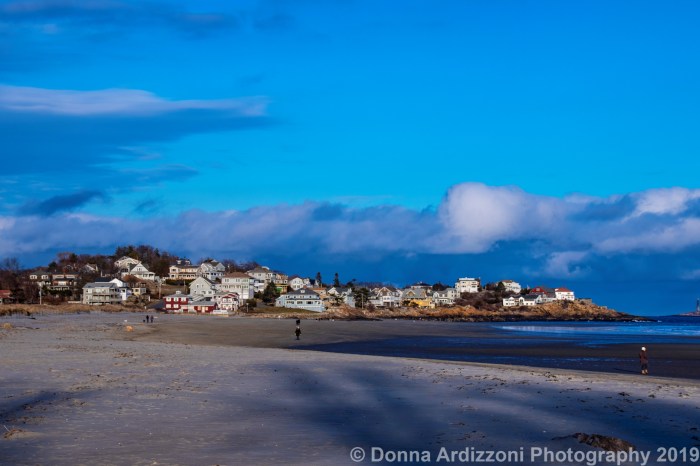
Tag: Good Harbor Beach

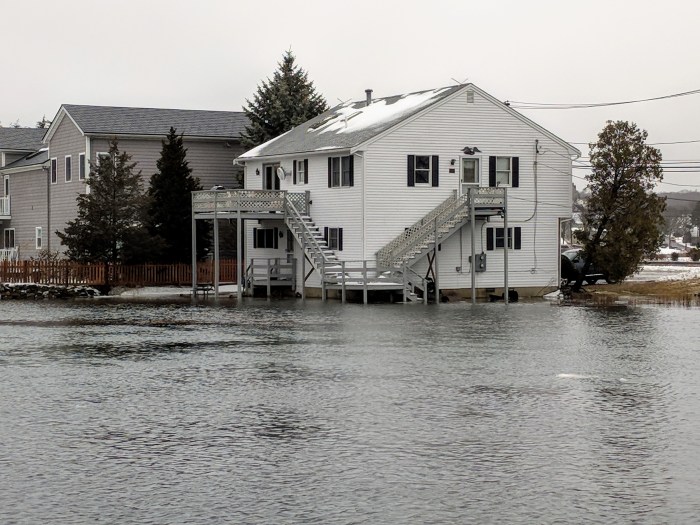
#GloucesterMA | So this is high tide first winter storm of 2019 – back of Good Harbor and Long Beach
Gloucester, Massachusetts – So this is morning high tide 10AM


Spread The GMG Love By Sharing With These Buttons:

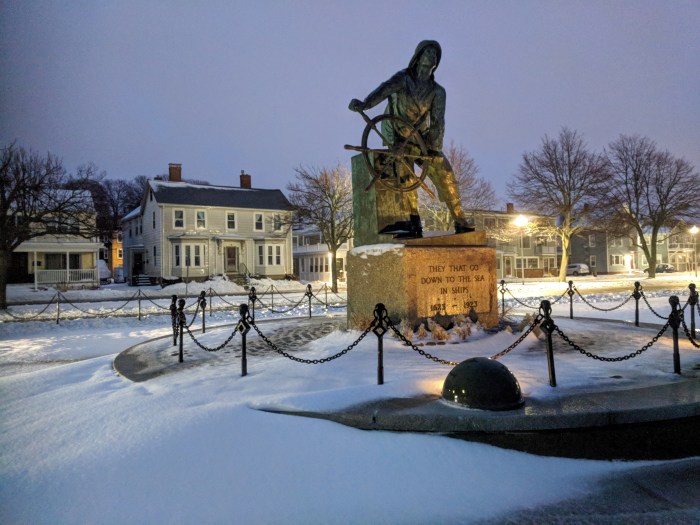
First winter storm of 2019 #GloucesterMA
Scenes from Gloucester, MA, January 20, 2019, about 6:30AM and 35 degrees.
Fisherman at the Wheel memorial, Stacy Boulevard,


Three hours till high tide and surf is not placid


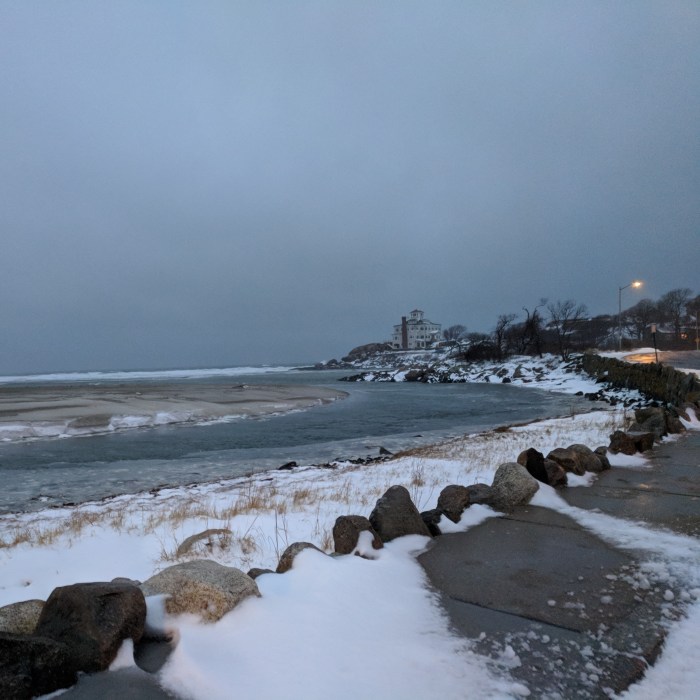
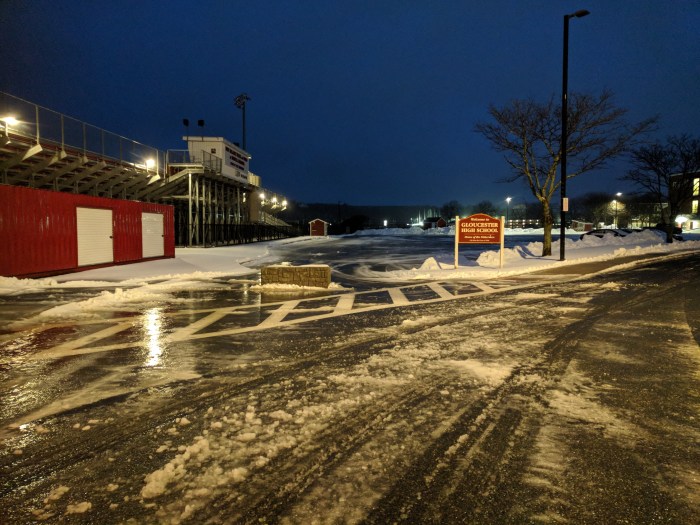
Winter storm prep at the High School. It’s easy to see why it’s going to be icy


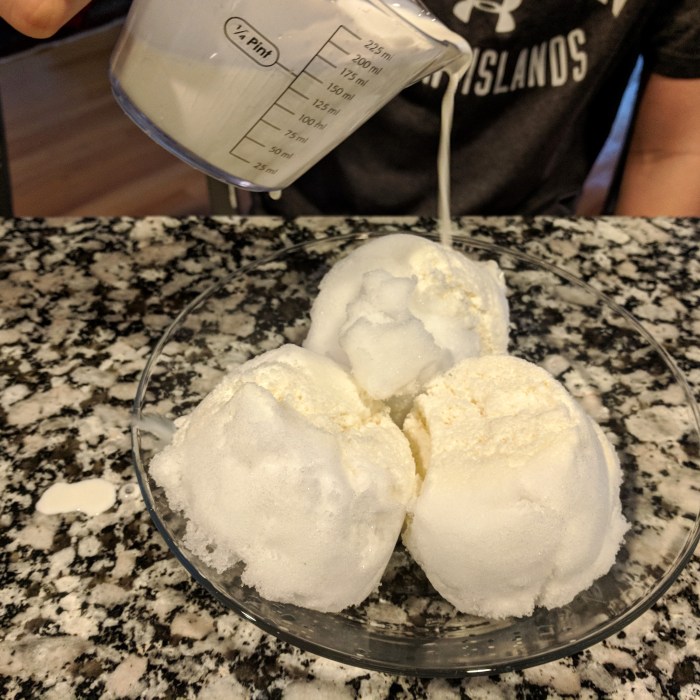
Snow if you can still get some is perfect for snow cream!
Spread The GMG Love By Sharing With These Buttons:


CAPE ANN WILDLIFE 2018: A YEAR IN PICTURES AND STORIES Part Three: Summer
Go here to read Part One: Winter
Go here to read Part Two: Spring
PART THREE: SUMMER

The most joyous story about Cape Ann wildlife during the summer months of 2018 is the story of the high number of Monarch butterflies and caterpillars in gardens and meadows, seen not only in strong numbers along the Massachusetts coastline, but throughout the butterfly’s breeding range–all around New England, the Great Lakes region, Midwest, and Southern Canada.


Three days after celebrating the two week milestone of our one remaining Piping Plover chick, Little Pip, he disappeared from Good Harbor Beach. It was clear there had been a bonfire in the Plover’s nesting area, and the area was overrun with dog and human tracks. The chick’s death was heartbreaking to all who had cared so tenderly, and so vigilantly, for all those many weeks.
Our Mama and Papa were driven off the beach and forced to build a nest in the parking lot because of dogs running through the nesting area. Despite these terrible odds, the Good Harbor Beach Piping Plover pair hatched four adorable, healthy chicks, in the parking lot. Without the help of Gloucester’s DPW, the Piping Plover volunteer monitors, Ken Whittaker, Greenbelt’s Dave Rimmer, and the AAC, the parking lot nest would have been destroyed.
These brave little birds are incredibly resilient, but as we have learned over the past three years, they need our help to survive. It has been shown time and time again throughout the Commonwealth (and wherever chicks are fledging), that when communities come together to monitor the Piping Plovers, educate beach goers, put in place common sense pet ordinances, and reduce trash, the PiPl have at least a fighting chance to survive.


Little Pip at twelve- through seventeen-days-old
All four chicks were killed either by crows, gulls, dogs, or uneducated beach goers, and in each instance, these human-created issues can be remedied. Ignoring, disregarding, dismissing, or diminishing the following Piping Plover volunteer monitor recommendations for the upcoming 2019 shorebird season at Good Harbor Beach will most assuredly result in the deaths of more Piping Plover chicks.
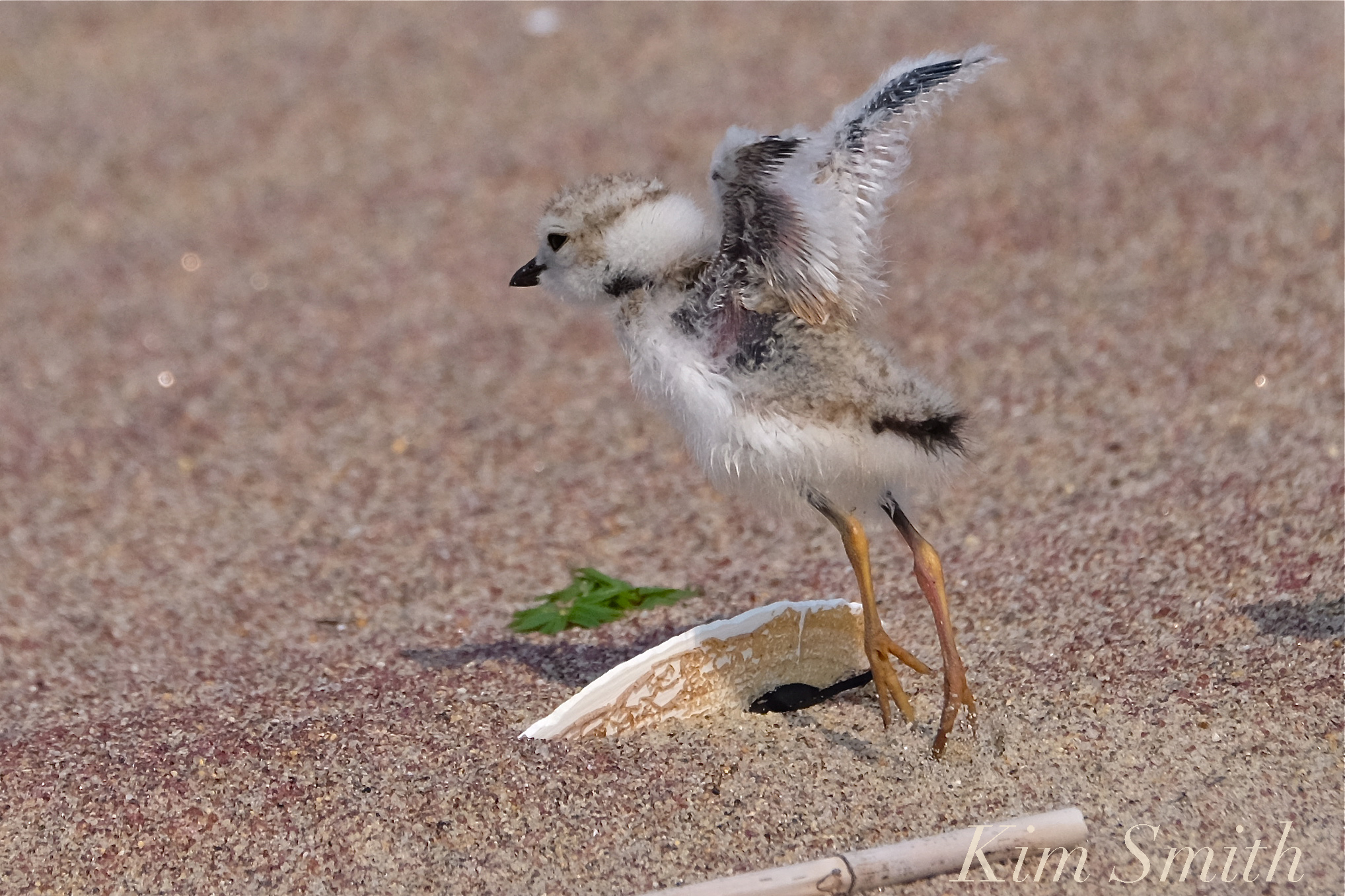 Piping Plover chick testing its wings.
Not one, but at least two, healthy and very hungry North American River Otters families are dwelling at local ponds, with a total of seven kits spotted. We can thank the fact that our waterways are much cleaner, which has led to the re-establishment of Beavers, and they in turn have created ideal habitat in which these beautiful, social mammals can thrive.


Several species of herons are breeding on our fresh water ponds and the smaller islands off the Cape Ann coastline. By midsummer, the adults and juveniles are seen wading and feeding heartily at nearly every body of water of the main island.


In order to better understand and learn how and why other Massachusetts coastal communities are so much more successful at fledging chicks than is Gloucester, I spent many hours studying and following Piping Plover families with chicks at several north of Boston beaches.


In my travels, I watched Least Terns (also a threatened species) mating and courting, then a week later, discovered a singular nest with two Least Tern eggs and began following this little family, too.


Least Tern Family Life Cycle
Maine had a banner year fledging chicks, as did Cranes Beach, locally. Most exciting of all, we learned at the Massachusetts Coastal Waterbird meeting that Massachusetts is at the fore of Piping Plover recovery, and our state has had the greatest success of all in fledging chicks! This is a wonderful testament to Massachusetts Piping Plover conservation programs and the partnerships between volunteers, DCR, Mass Wildlife, the Trustees, Greenbelt, Audubon, and US Fish and Wildlife.
 Fledged chick
 Cape Ann Museum


Monarch Madness
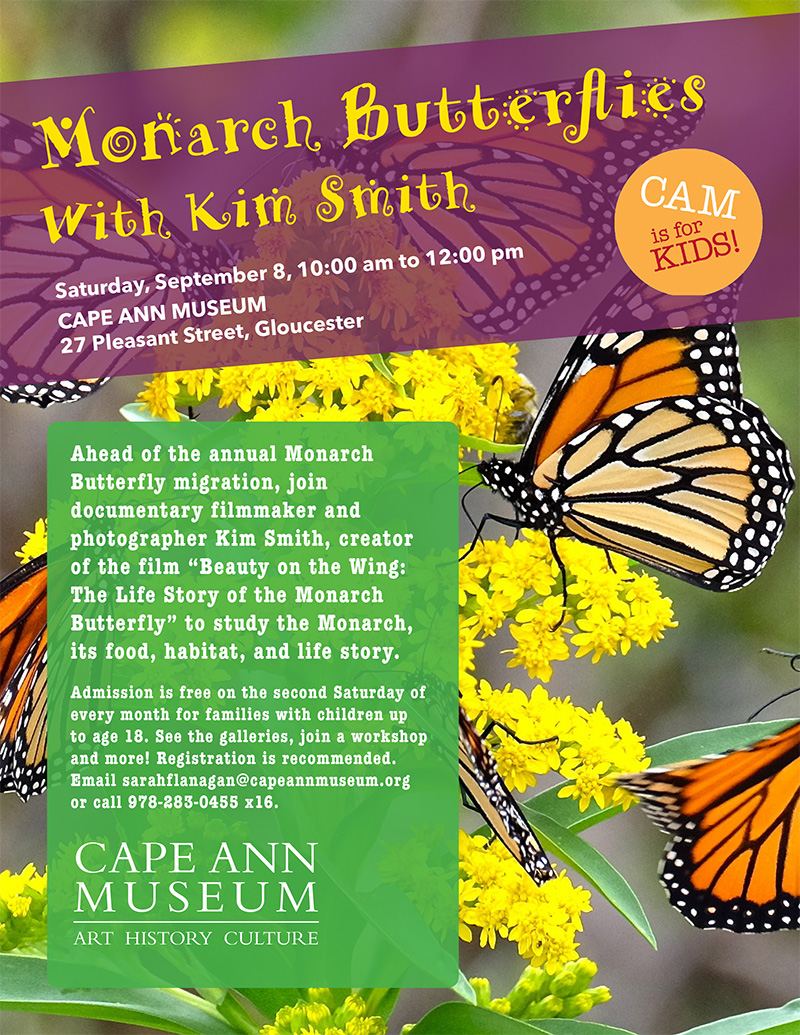
Friends Jan Crandall and Patti Papows allowed me to raid their gardens for caterpillars for our Cape Ann Museum Kids Saturday. The Museum staff was tremendously helpful and we had a wonderfully interested audience of both kids and adults!
 In August I was contacted by the BBC and asked to help write the story about Monarchs in New England for the TV show “Autumnwatch: New England,. Through the course of writing, the producers asked if I would like to be interviewed and if footage from my forthcoming film, Beauty on the Wing, could be borrowed for the show. We filmed the episode at my friend Patti’s beautiful habitat garden in East Gloucester on the drizzliest of days, which was also the last day of summer.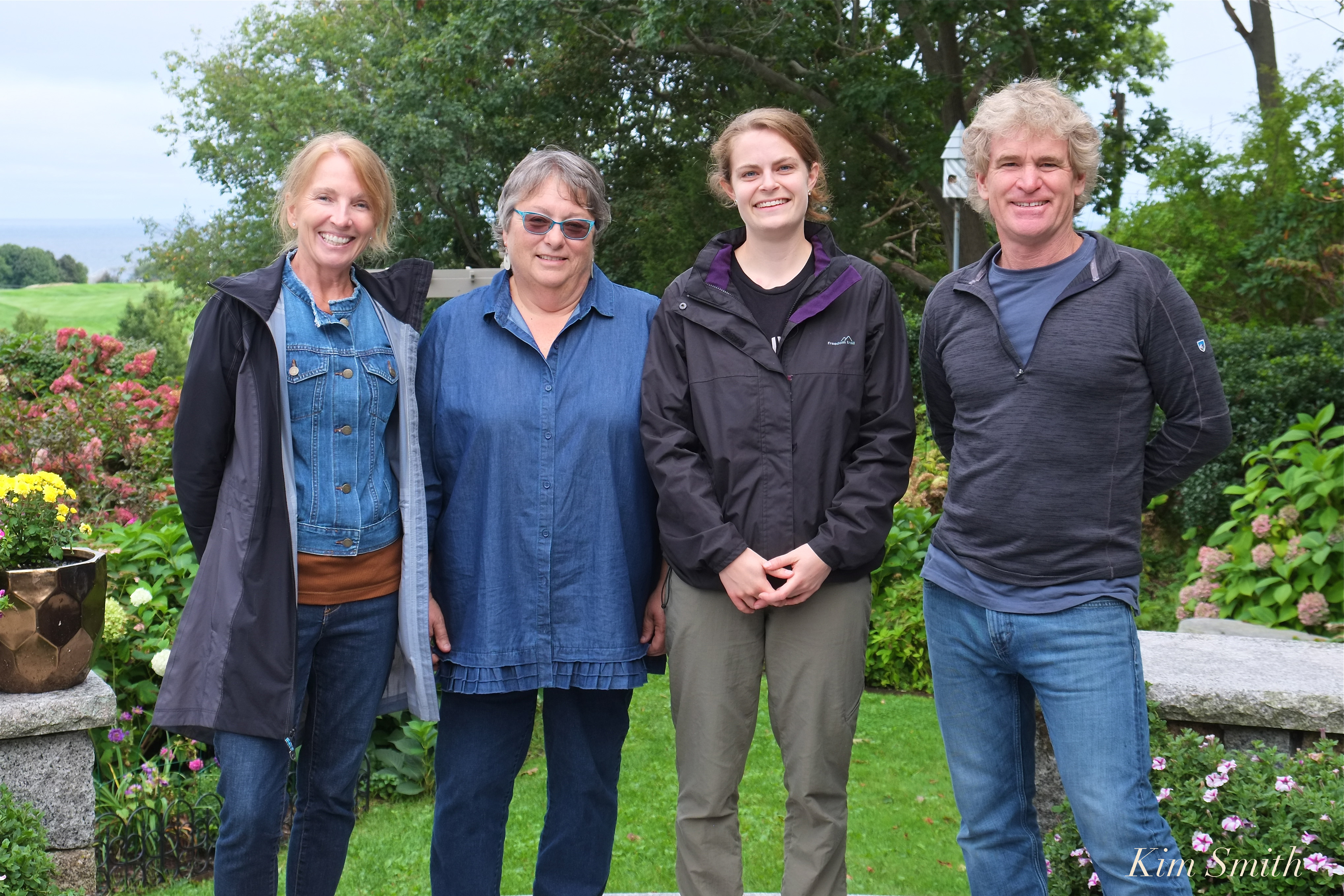


Happy Two-week Birthday to Our Little Pip
Common Eider Ducklings at Captain Joes
Little Pip Zing Zanging Around the Beach
Piping Plover Update – Where Are They Now?
42 Pairs of Piping Plovers Nesting at Cranes Beach!
Welcome to Good Harbor Beach Mama Hummingbird!
Least Tern One Day Old Chicks!
Welcome to the Mary Prentiss Inn Pollinator Paradise
Piping Plover Symbolic Fencing Recomendations
Good Morning! Brought to You By Great Blue Herons Strolling on the Beach
OUTSTANDING COASTAL WATERBIRD CONSERVATION COOPERATORS MEETING!
Stuck Between a Rock and a Hard Place
Grow Native Buttonbush for the Pollinators
A Fine Froggy Lunch for a Little Blue Heron
Snowy Owls in Massachusetts in August!?!
Monarch Butterfly Eggs and Caterpillars Alert
Snapshots from Patti Papows Magical Butterfly Garden
Keep Those Monarch Babies Coming!
A Chittering, Chattering, Chetamnon Chipmunk Good Morning to You, Too!
Butterflies and Bird Pooh, Say What?
Thank You To Courtney Richardson and the Cape Ann Museum Kids
A Banner Year for Maine’s Piping Plovers
Snowy Egret Synchronized Bathing
Good Harbor Beach Super High Tide
Otter Kit Steals Frog From Mom
Monarch Butterfly Ovipositing Egg on Marsh Milkweed: NINETEEN SIBLINGS READYING TO EMERGE
FILMING WITH THE BBC FOR THE MONARCHS!
Spread The GMG Love By Sharing With These Buttons:

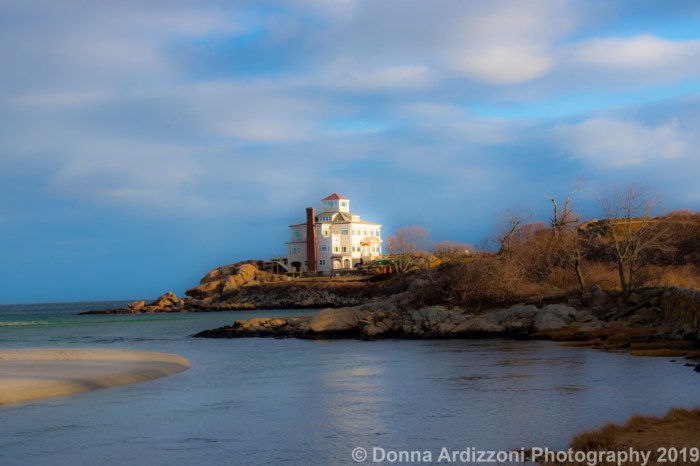
The light over at Good Harbor Beach
It is all about the light. This house is so beautiful at Good Harbor Beach.
Spread The GMG Love By Sharing With These Buttons:

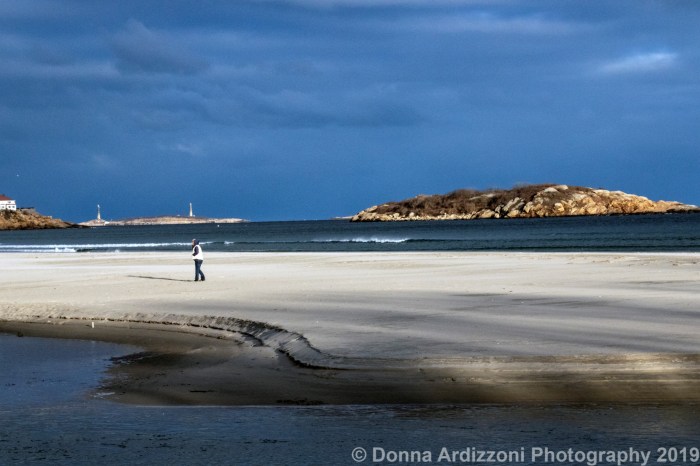
Lone walker on Good Harbor Beach
Spread The GMG Love By Sharing With These Buttons:

CAPE ANN WILDLIFE 2018: A YEAR IN PICTURES AND STORIES Part Two: Spring
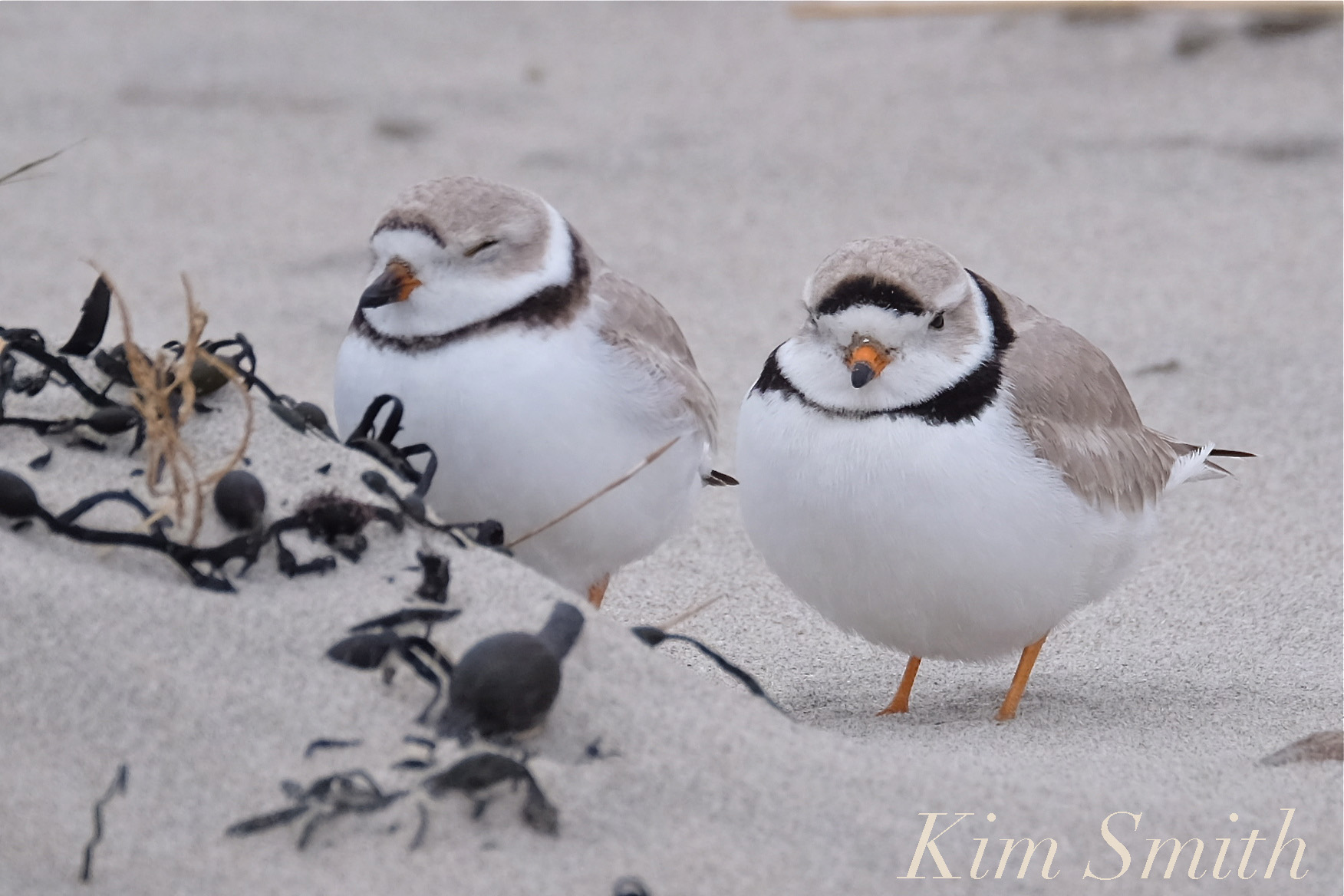 Mama (left) and Papa (right) return to Good Harbor Beach on a bitterly cold day, April 3, 2018.
Part Two: Spring
By Kim Smith
The return of Mama and Papa Piping Plover to Good Harbor Beach filled our hearts with hope and heartache. Although not tagged with a definitive id, we can be fairly certain they are the same because the pair attempt to build their nest each year within feet of the previous year’s nest. Not only did our returning pair try to nest on Good Harbor Beach, there were two additional pairs of Piping Plovers, and several free-wheeling bachelors.
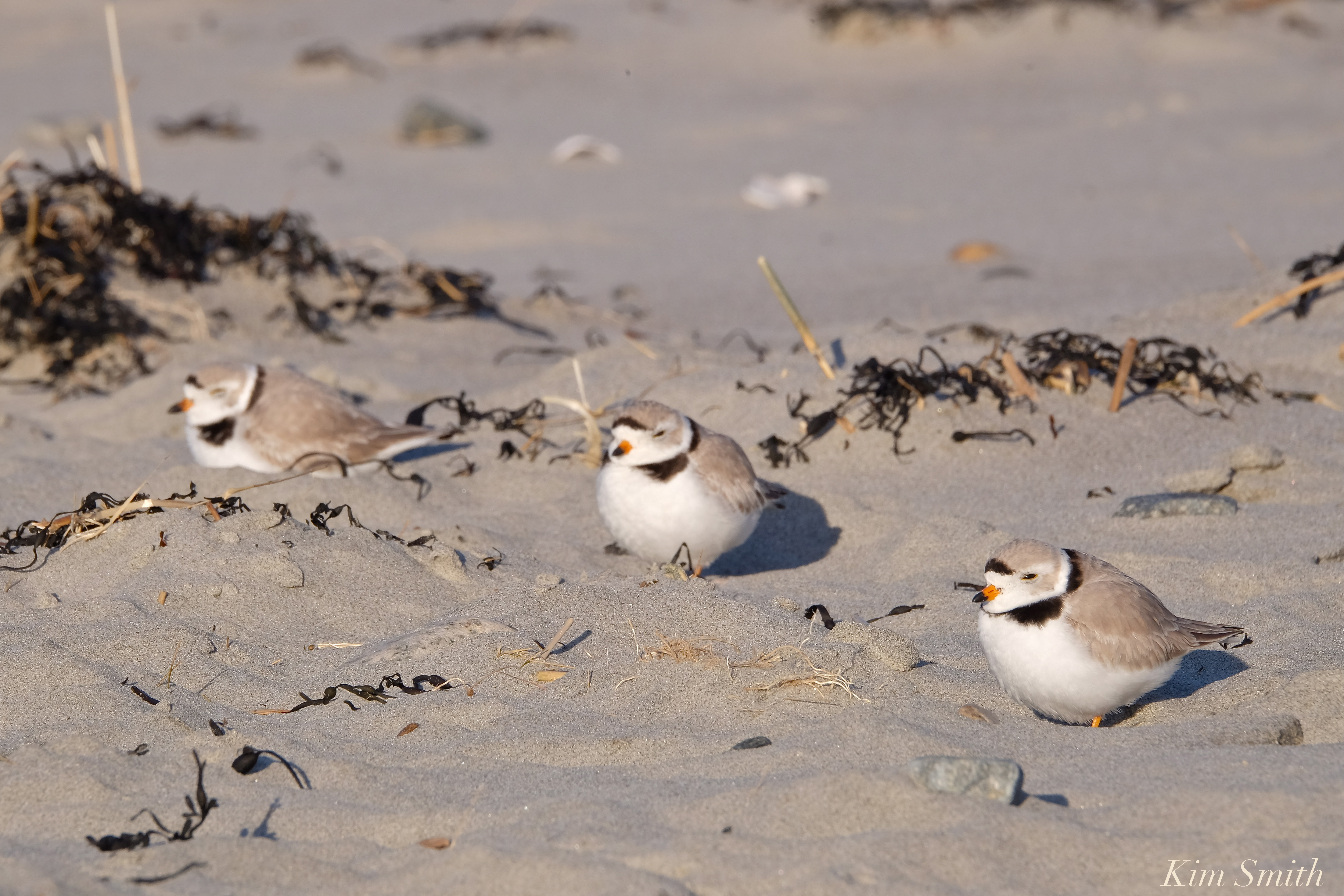 The GHB Bachelors
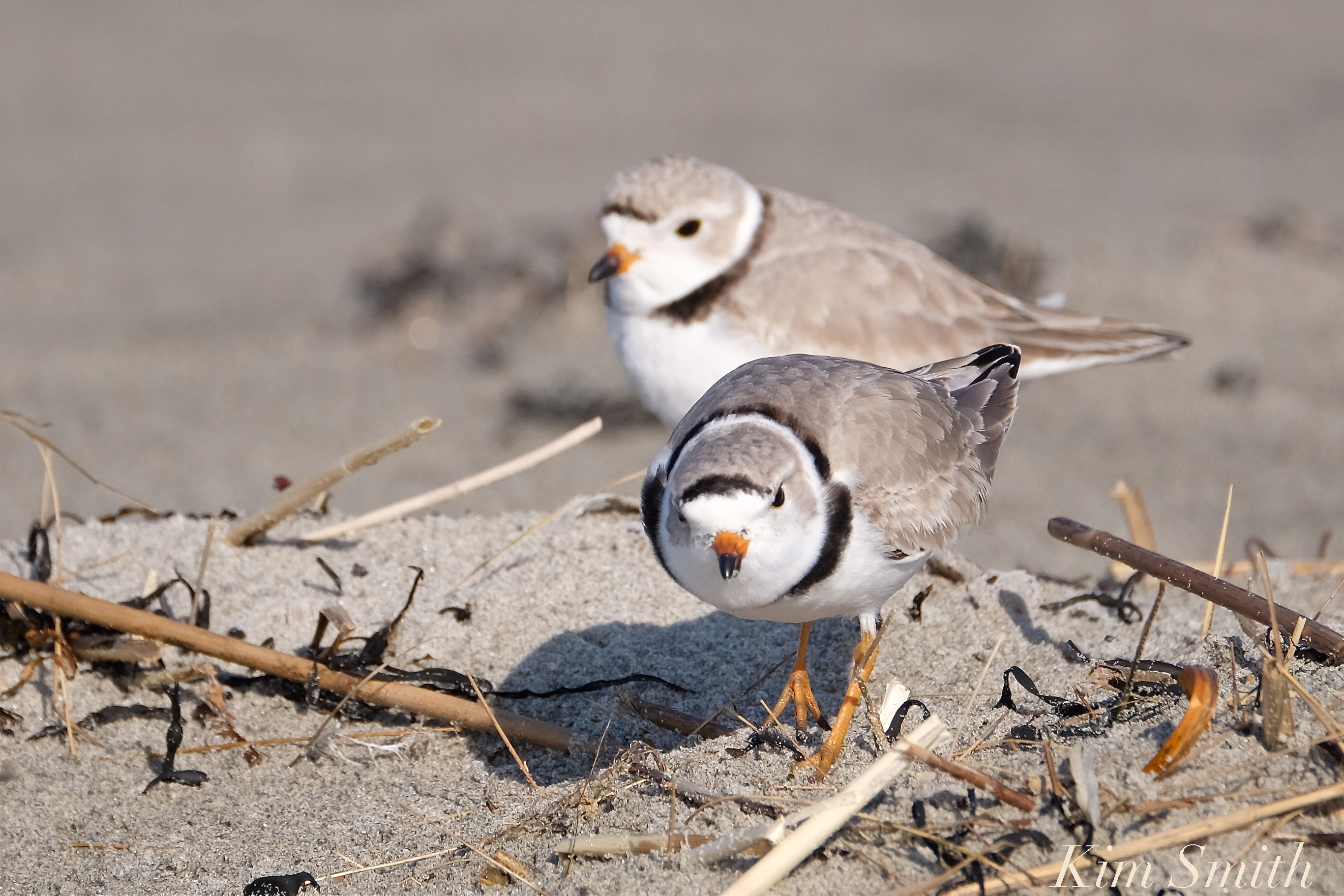 Papa guarding all-things-Mama
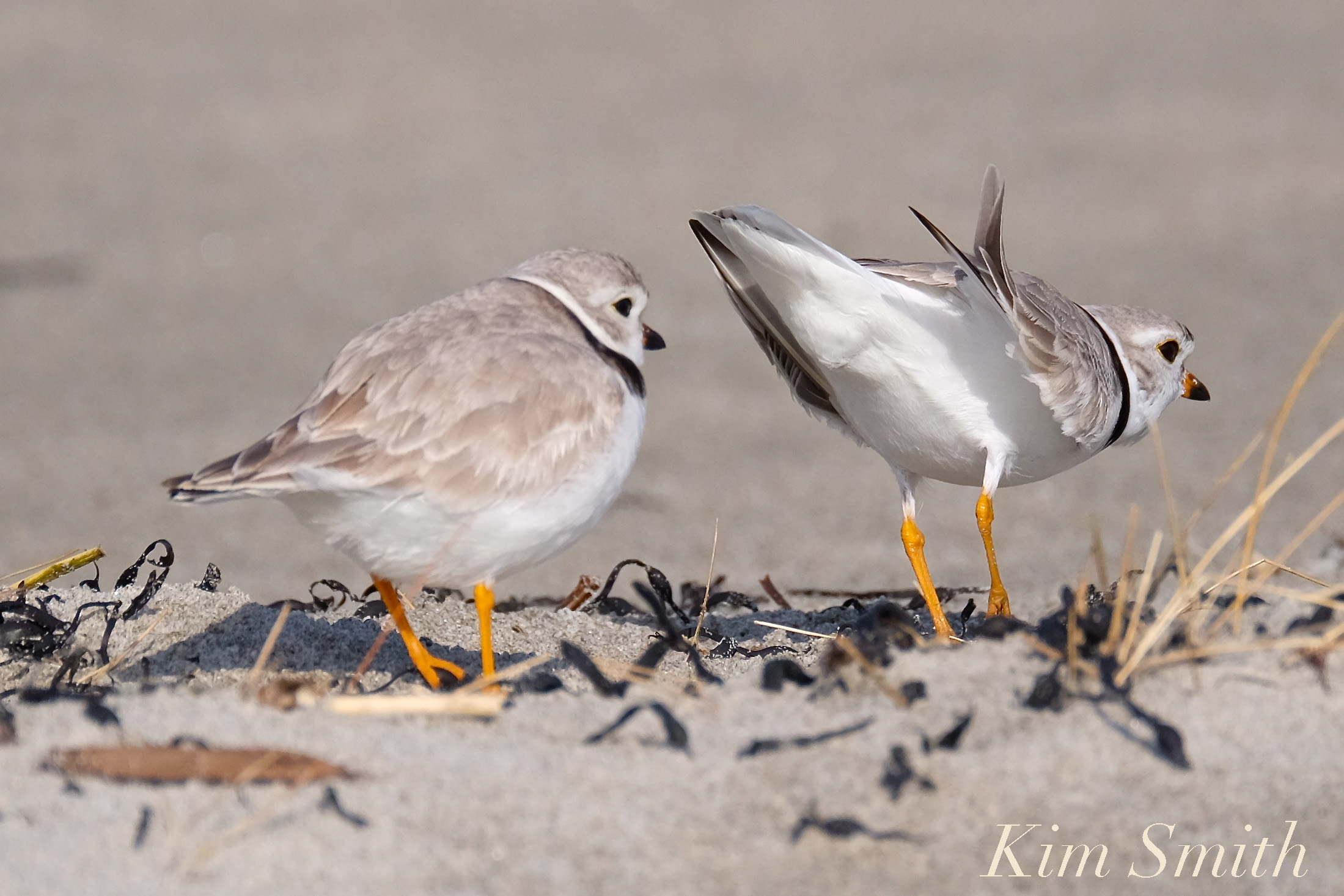 Papa and Mama courting, building a nest scrape, and establishing their territory on the beach.
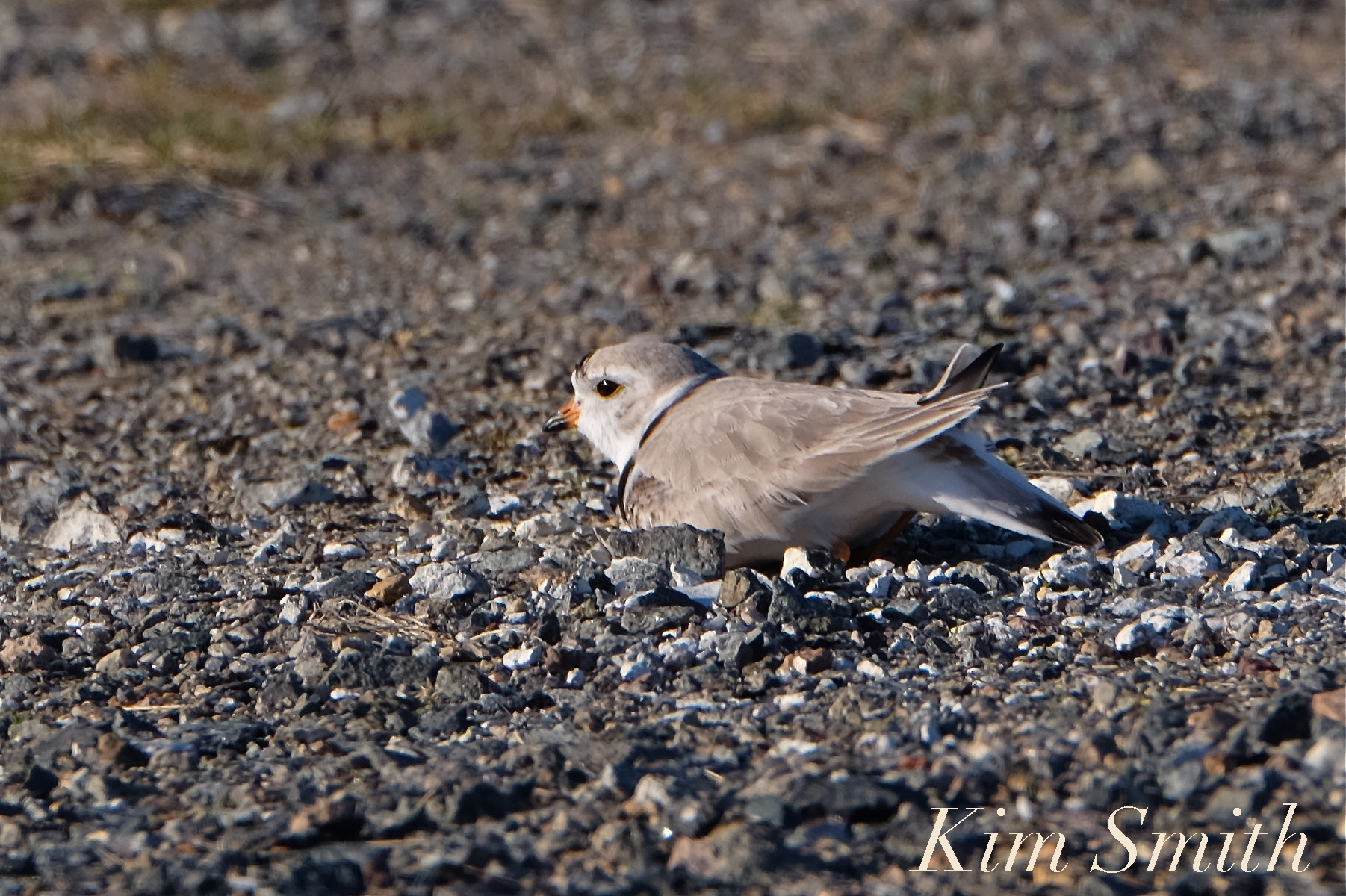
The PiPls are forced off the beach by dogs running through the nesting area. They begin building a second nest in the Good Harbor Beach parking lot.
Each spring the Good Harbor PiPl have returned earlier than the previous, which show us that the pair is gaining in maturity, and in familiarity with the area. Tragically, at the time of their arrival in April, dogs are permitted on the beach. Dog traffic running through the Piping Plover nesting area was unrelenting, despite signs and roping. The Plover family never caught a break, and were soon making overtures at nesting in the parking lot.
Even with desperate calls for help and repeated warnings from the Piping Plover volunteer monitors, owners continued to allow off leash and on leash dogs to run freely through the PiPl’s nesting area, daily forcing the PiPl off the beach. They were at first torn between maintaining the territory they had established on the beach or establishing a new territory on the white lines in the parking lot. After one particularly warm sunny Sunday in April, they gave up completely on their beach nest scrape.
We learned that during the month of April, dogs at Massachusetts barrier beaches, such as Good Harbor Beach, not only endangers the lives of threatened Piping Plovers, but many species of migrating and nesting shorebirds.


 On May 5th, the first egg was laid in the parking lot. Thanks to Gloucester’s amazing DPW crew, a barricade around the nest was installed within hours of the first egg laid. Greenbelt’s Dave Rimmer soon followed to install a wire exclosure around the parking lot nest.
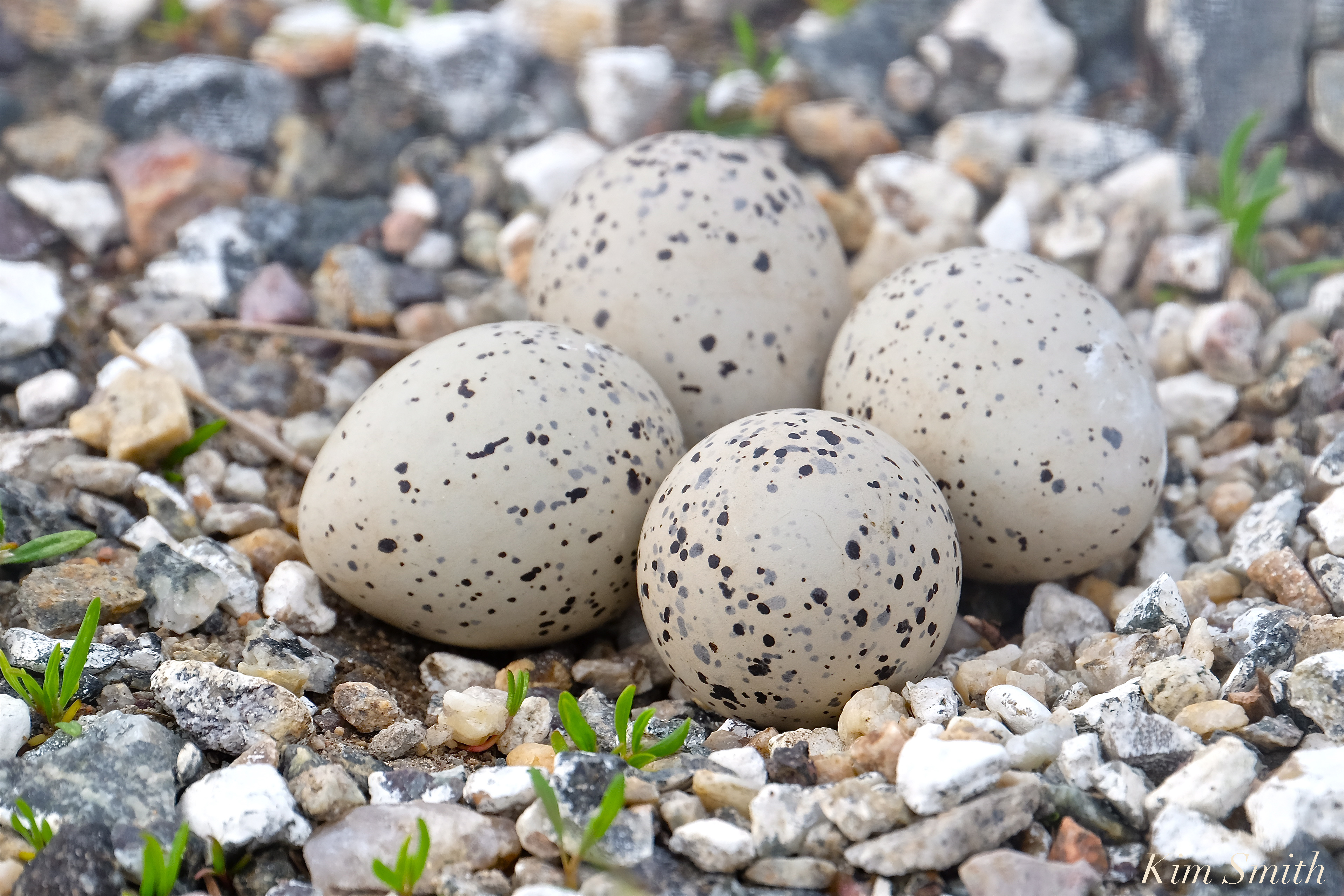 Four!
Four!
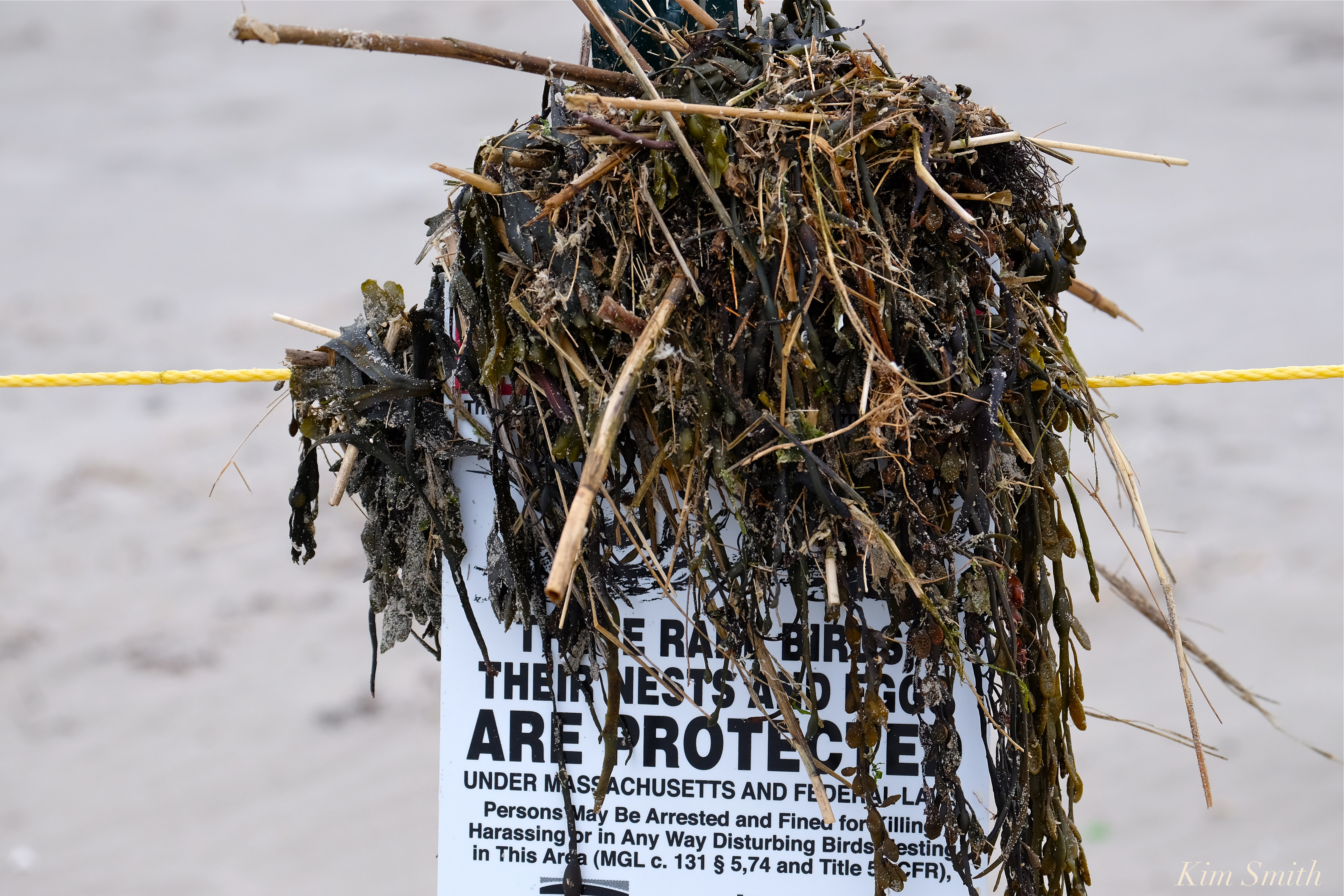 No shortage of vandals.
Garbage left on the beach brings predatory gulls and crows and they, too, became a serious threat to our Piping Plover family after the chicks hatched. The lack of a common sense ordinance to keep dogs off Good Harbor Beach during the month of April, the unaware dog owners, the garbage scavenging gulls and crows, and the vicious vandals are absolutely our responsibility to better manage and to control. For these reasons, and despite the kindness and care of dozens of PiPl volunteer monitors, as well as good people from around the community (and beyond), the Piping Plovers face terrible odds nesting at Good Harbor.
Scroll down to the end of the post to find links to some of the dozens of stories that I have written about the Good Harbor Beach Piping Plovers. Many communities throughout Massachusetts and coastal New England have in place common sense management rules and are successfully fledging chicks. I wrote about that extensively during the summer months and you will find a list of the posts regarding that topic in Part Three: Summer.
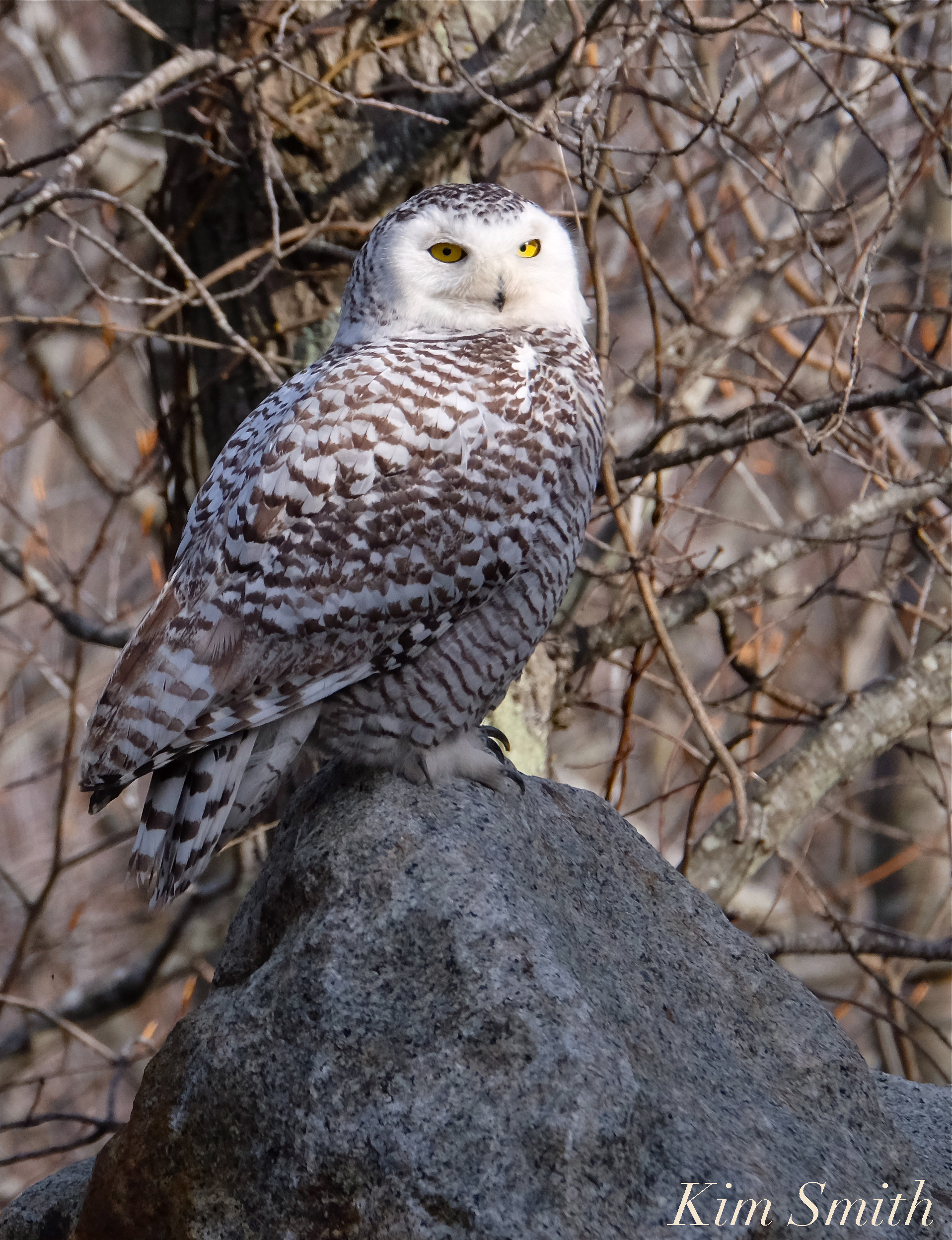 Most of the Snowies from the great Snowy Owl irruption of 2017-2018 had departed for their Arctic breeding grounds by the time the Piping Plovers arrived to Cape Ann beaches. This was a relief as I imagined that the Piping Plovers might make a tasty meal in the mind of a Snowy Owl. Thinking we’d seen the last of Hedwig and all Snowies, Bob Ryan called to let us know there was a Snowy Owl hanging around the distillery. I jumped in my car and raced right over. She appeared in good health and stayed for a day.
We did learn weeks later that during July and August there were still a few Snowies remaining on Massachusetts beaches and, from examining their pellets, it was clear they had been eating Piping Plover adults.
 I was deeply honored to receive Salem State University’s Friend of the Earth Award.
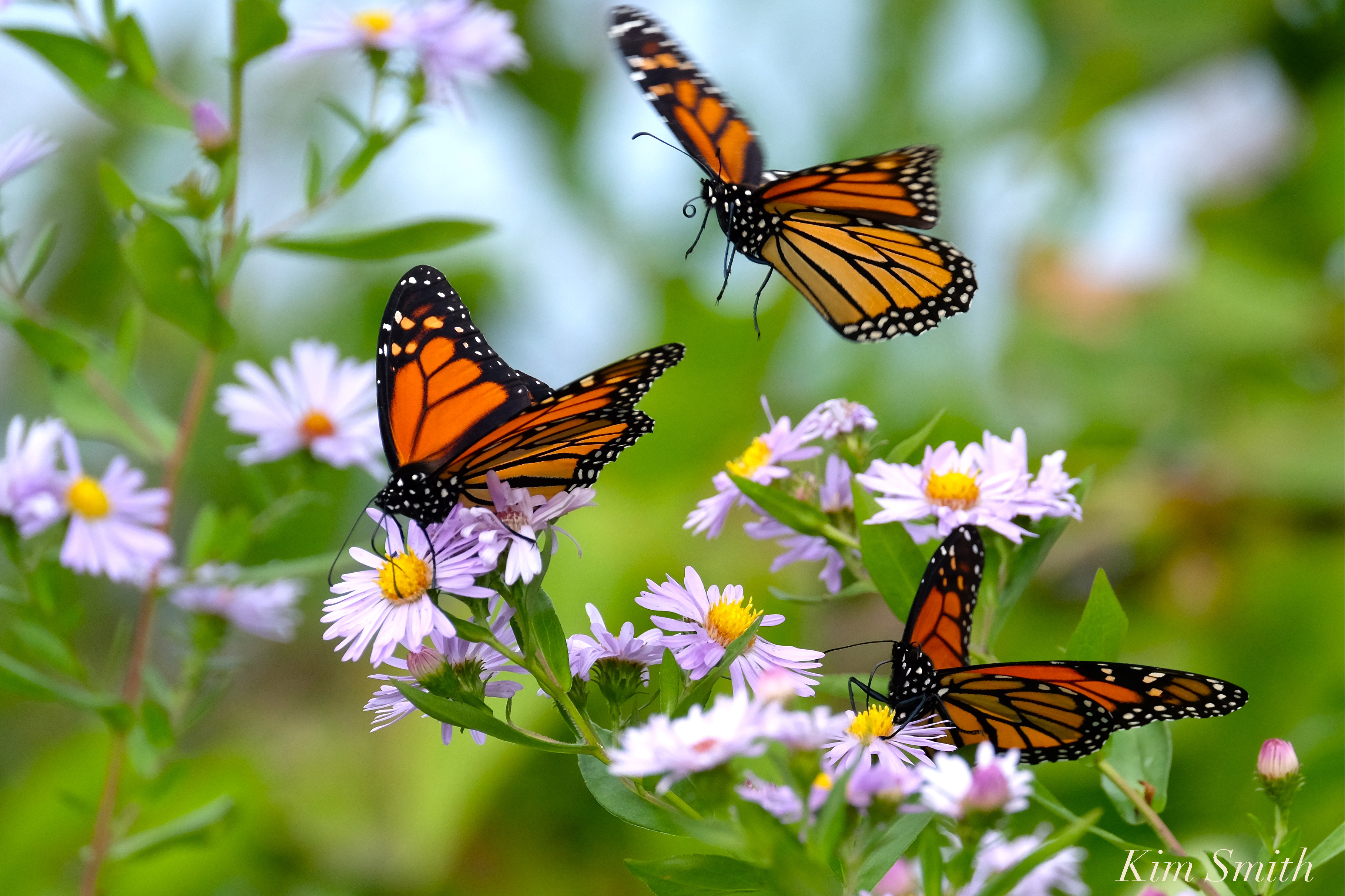 and to give my conservation program about the Monarch Butterflies as their keynote speaker.
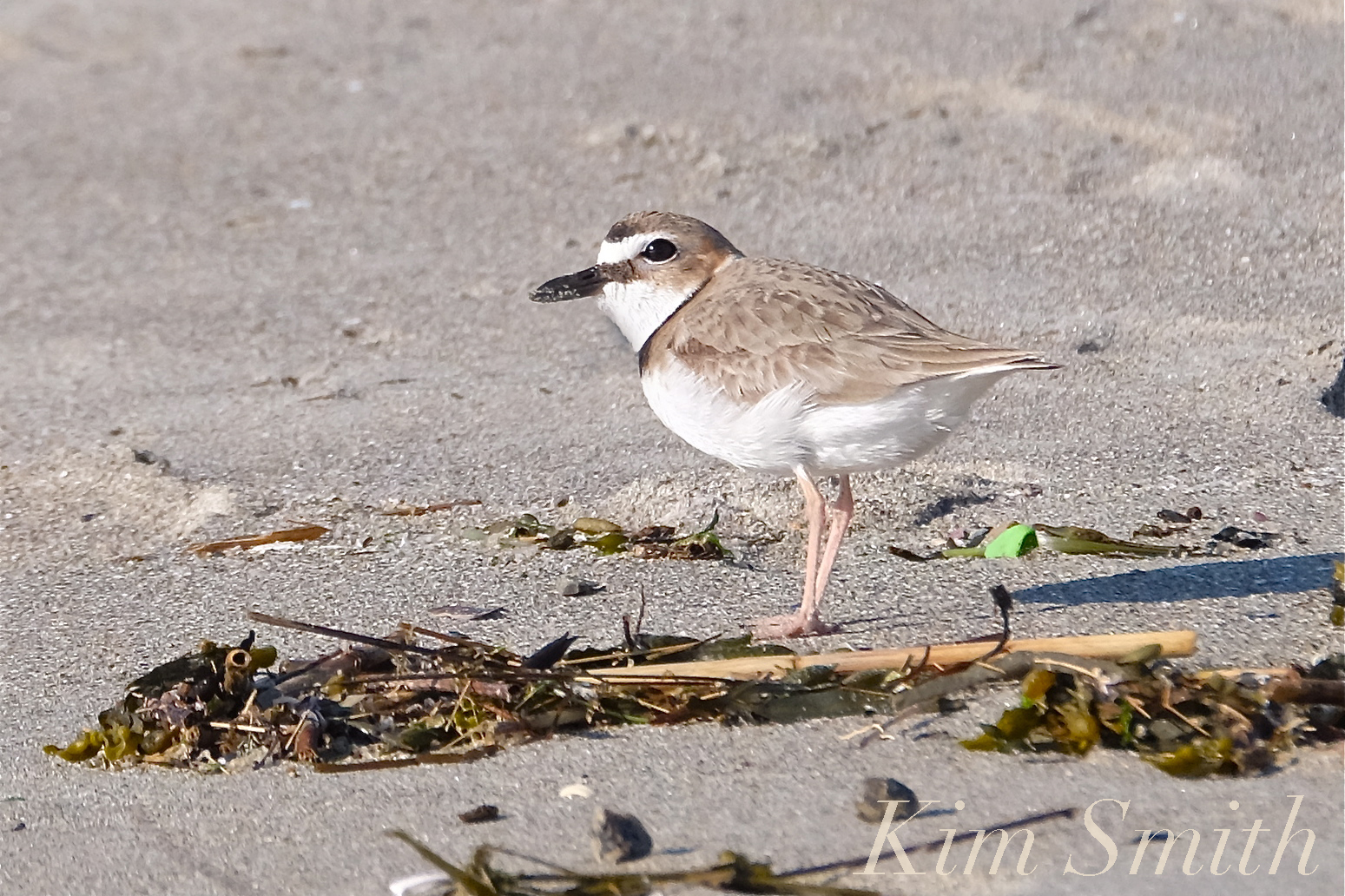 In May, three Wilson’s Plovers were spotted briefly on Good Harbor Beach. This was a very, very rare northern sighting, especially so as there were three.


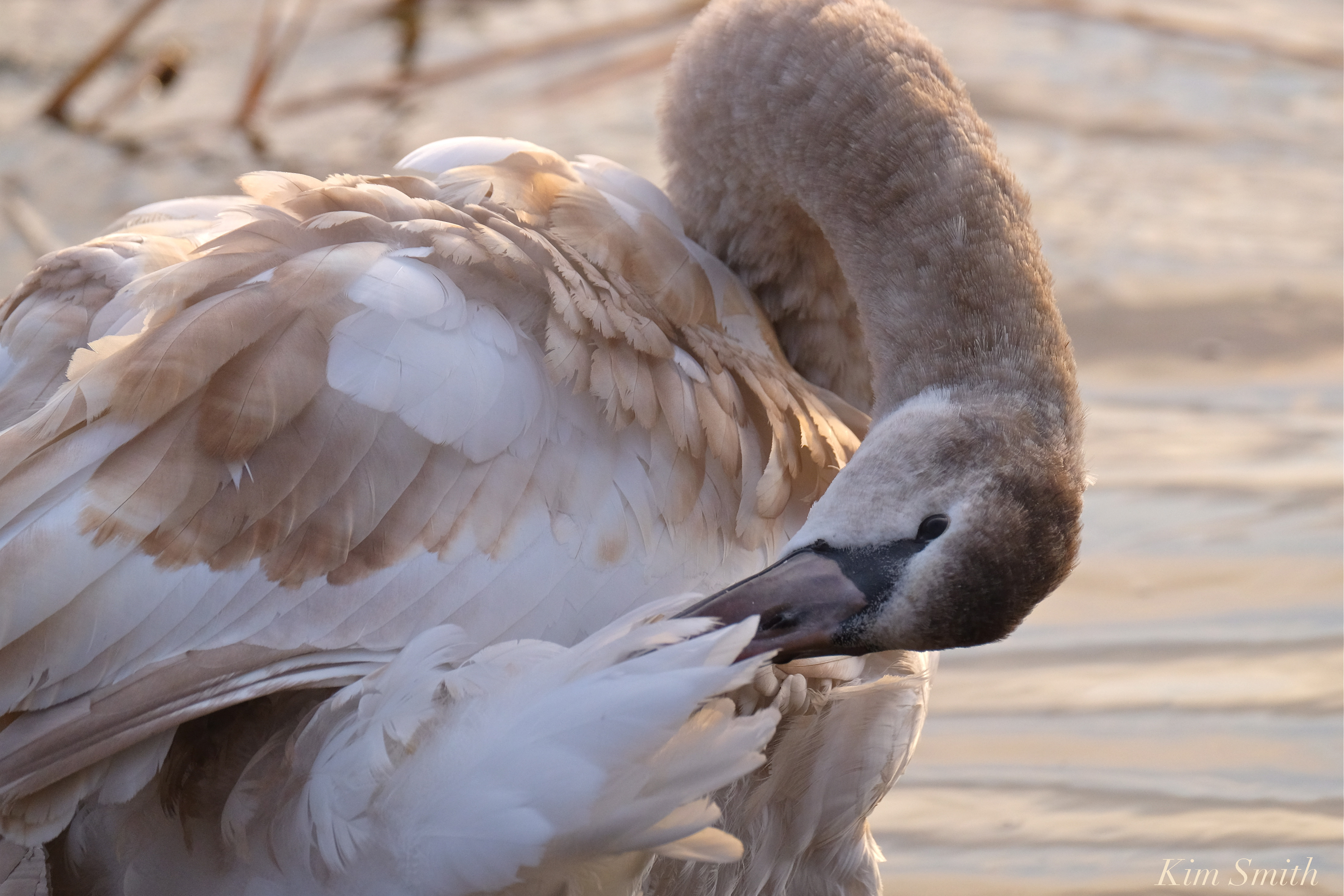 The Young Swan of Niles Pond was released by Lyn and Dan, only to lose his life later in the spring.
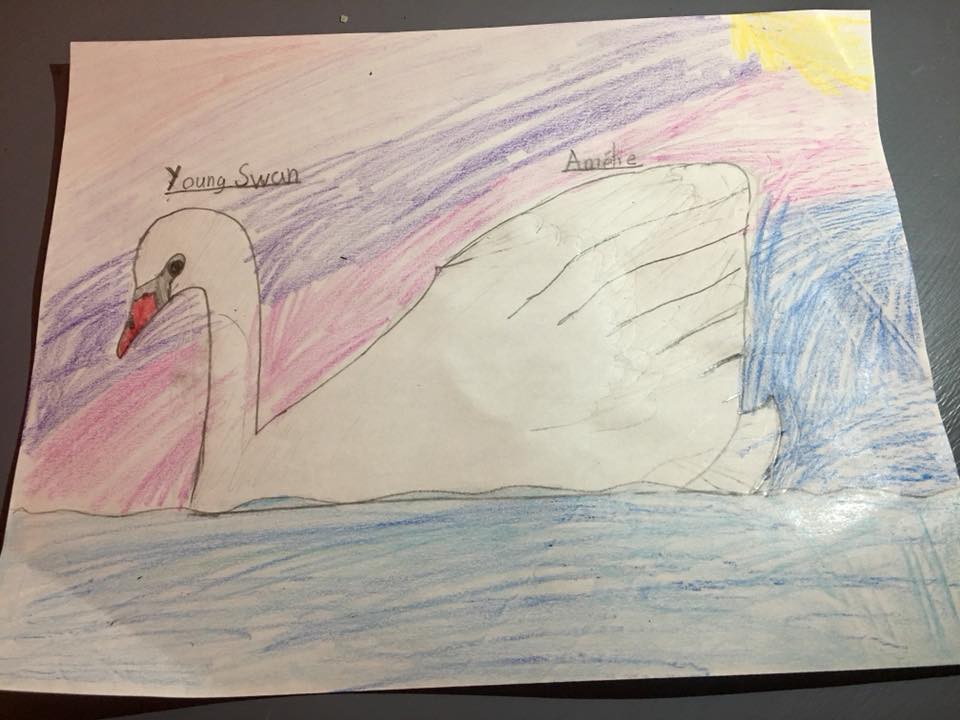 Amelie Severance sent us a lovely and detailed drawing of the Young Swan.


A fabulous Green Heron was photographed and filmed on an area pond–signs of a great summer season for all species of herons, yet to come.


For the past several years, at least, Killdeers, which is another species of plover (although not endangered) have been nesting in the dunes at Good Harbor Beach. This year we had, at a minimum, two successful nests!


All four chicks hatched and, at only one-day-old, made the epic journey to the beach. Miraculously, four teeny tiny mini marshmallow-sized baby birds, led by Papa and Mama, zig zagged across the parking lot, trekked through the dunes, and landed within feet of the parent’s original nest scrape.
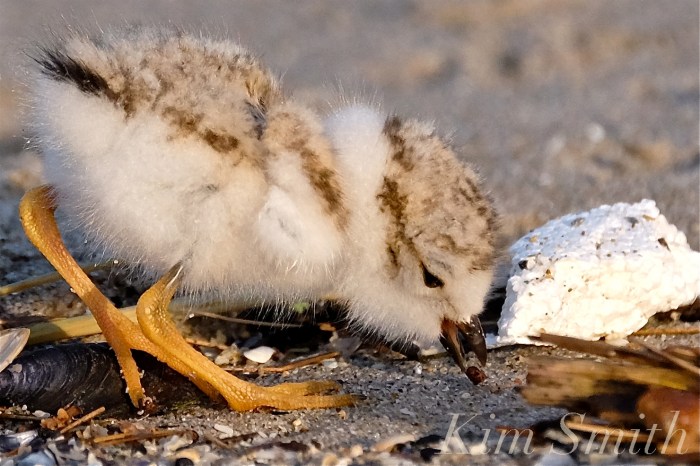
Only one chic, the one PiPl volunteer monitor Heather names Little Pip, survives into summer.


Piping Plovers Return to Good Harbor Beach!
Kim Smith to Receive “Friend of the Earth Award” and Keynote Speaker Salem State earth Days Week
Piping Plovers Driven Off the Beach
Monarch Butterflies at Salem State University
Fencing is Urgently Needed for the Piping Plovers
Check Out Gloucester’s DPW Phil Cucuru Showing Extensive Storm Erosion
How You Can Help the Piping Plovers
Gloucester Celebrates Earth Day With Great News: Lyn and Dan Release the Young Swan Back to the Wild
Piping Plovers Forced off the Beach By Dogs for the Second Weekend in a Row
Piping Plovers and Thoughts About Signs, Dogs, and Why We are in This Predicament
We Need Volunteer Piping Plover Monitors Saturday at the PiPl Nesting Area #3
Heartbreaking to See the Piping Plovers Nesting in the Parking Lot
Snowy Owl at Ryan and Woods Distillery
Breaking: Plover Egg in the Parking Lot at Good Harbor Beach
Breaking: Two Eggs in the Nest: Shout Out to Greenbelt for Installing the PiPl Wire Enclosure
Rarest of Rare Visits from Wilson’s Plovers
Vandals Harming the Piping Plovers
Tonight on Fox See Our GHB Piping Plovers
Debunking Piping Plover Myth #1
Amelie Severance’s Lovely Drawing of the Young Swan
Debunking Piping Plover Myths #2 and #3
More Shorebirds Nesting at Good Harbor Beach!
So Sorry to Write Our Young Swan Passed Away this Morning
Beautiful Shorebirds Passing Through
Debunking Piping Plover Myth #4, Winthrop Beach is Amazing, and Lots of Sex on the Beach
Our Good Harbor Beach Killdeer Chicks
Breaking News: Our Piping Plover Good Harbor Beach Chicks Have Hatched
Piping Plover Makes the Epic Journey to the Beach
Good Harbor Beach Two-Day Old PiPl Chicks
Good Morning! Brought to You By the Fiercely Patient Green Heron
Shout Out to Gloucester’s Animal Control Officers Teagan and Jamie!
Our Third Piping Plover Chick was Killed This Morning
Happy Father’s Day, Brought to You By Papa Plover
Spread The GMG Love By Sharing With These Buttons:

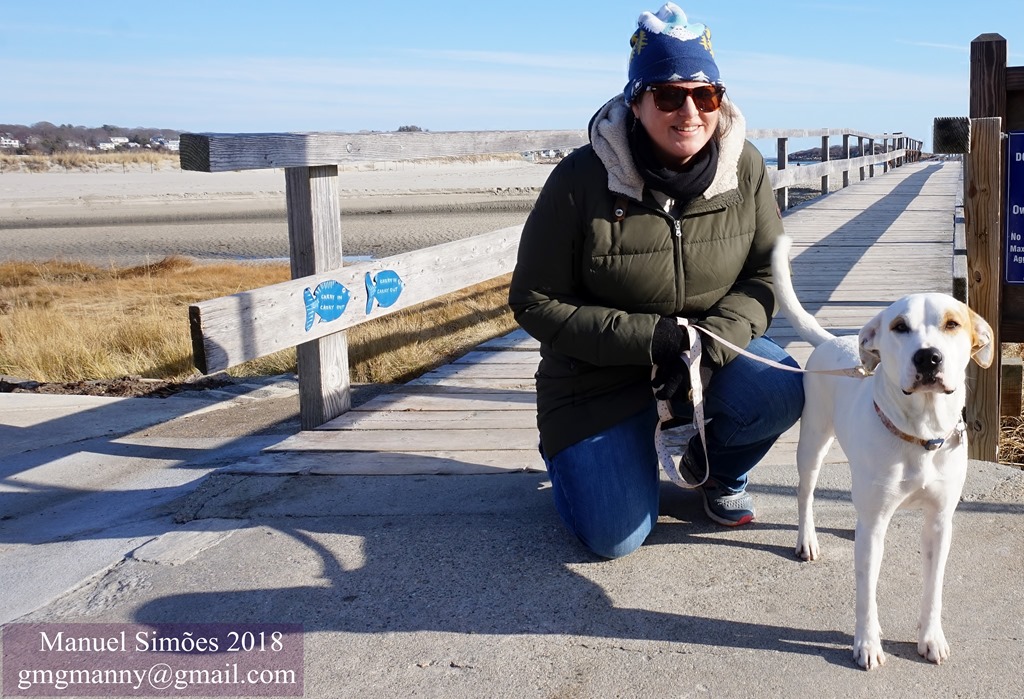
Gloucester Smiles-1112
Spread The GMG Love By Sharing With These Buttons:

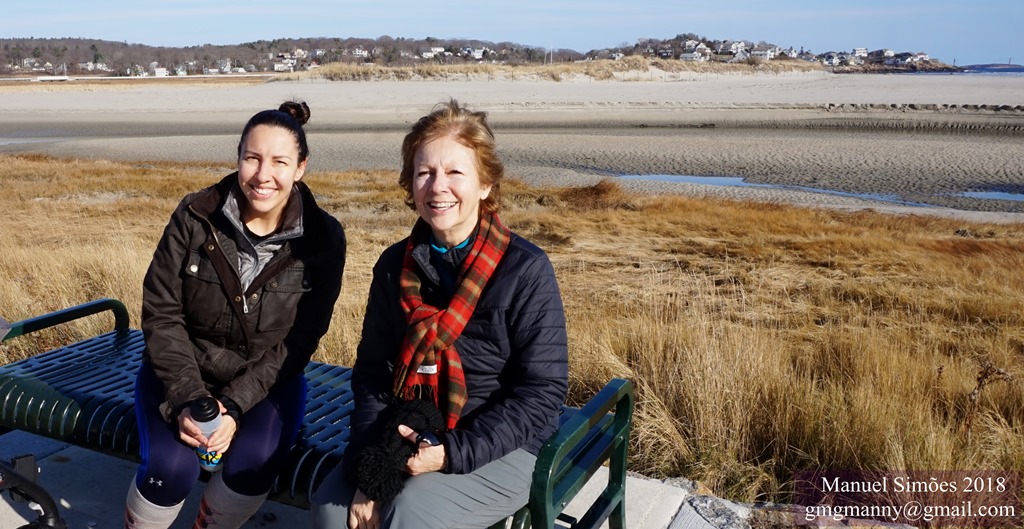
Gloucester Smiles-1110
Spread The GMG Love By Sharing With These Buttons:

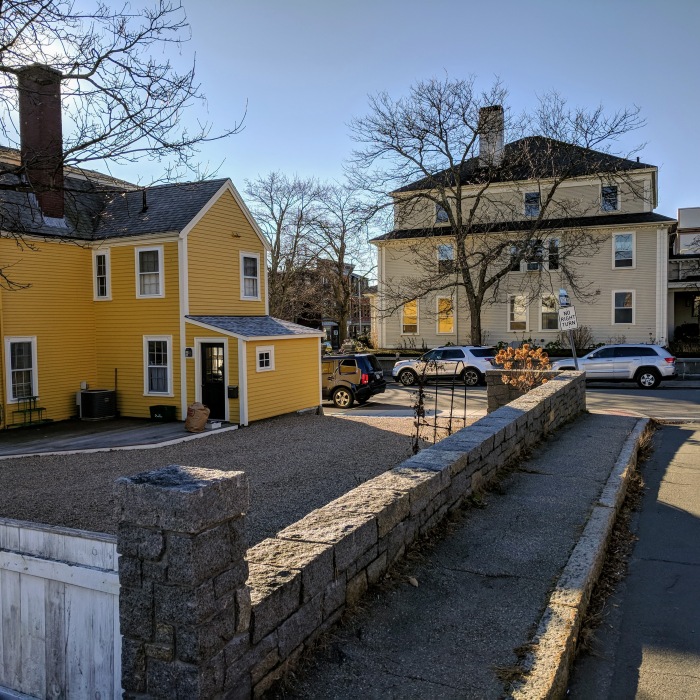
Motif Monday: Gloucester winter yellows (skies, ocean, sun and homes)
Motif Monday- a photo journal of December yellows, Gloucester, MA


Spread The GMG Love By Sharing With These Buttons:

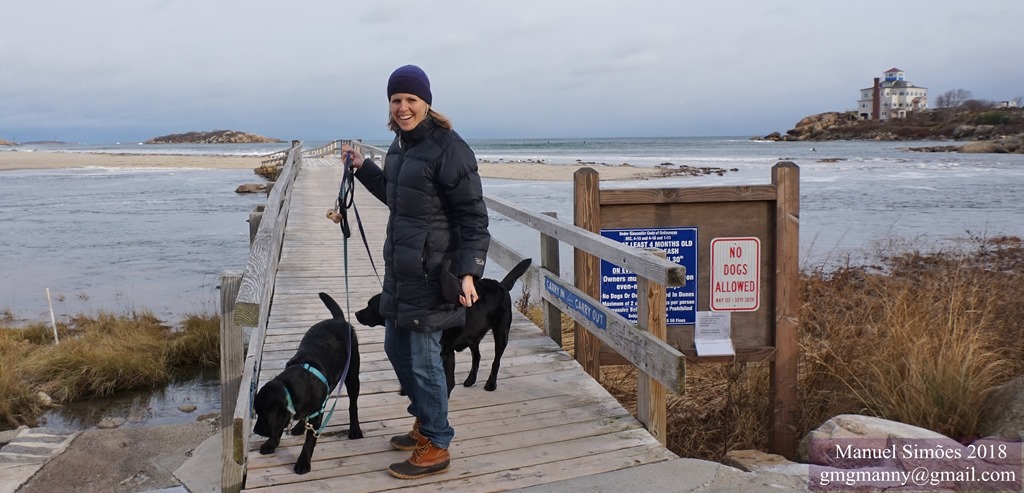
Gloucester Smiles-1104
Spread The GMG Love By Sharing With These Buttons:


sale at goodlinens and everyone’s favorite penguin is fishing now


photos above- holiday window 2018 goodlinens studio, 130 Main Street, Gloucester, MA
photos below – They’re my towel of choice for piping plover watch at Good Harbor Beach, body surf days, and rainy camping. I love how quickly these towels dry out, and how light and compact they are– perfect to pack down.


Spread The GMG Love By Sharing With These Buttons:

ARE WE GOING TO HAVE A SUPER SNOWY WINTER??
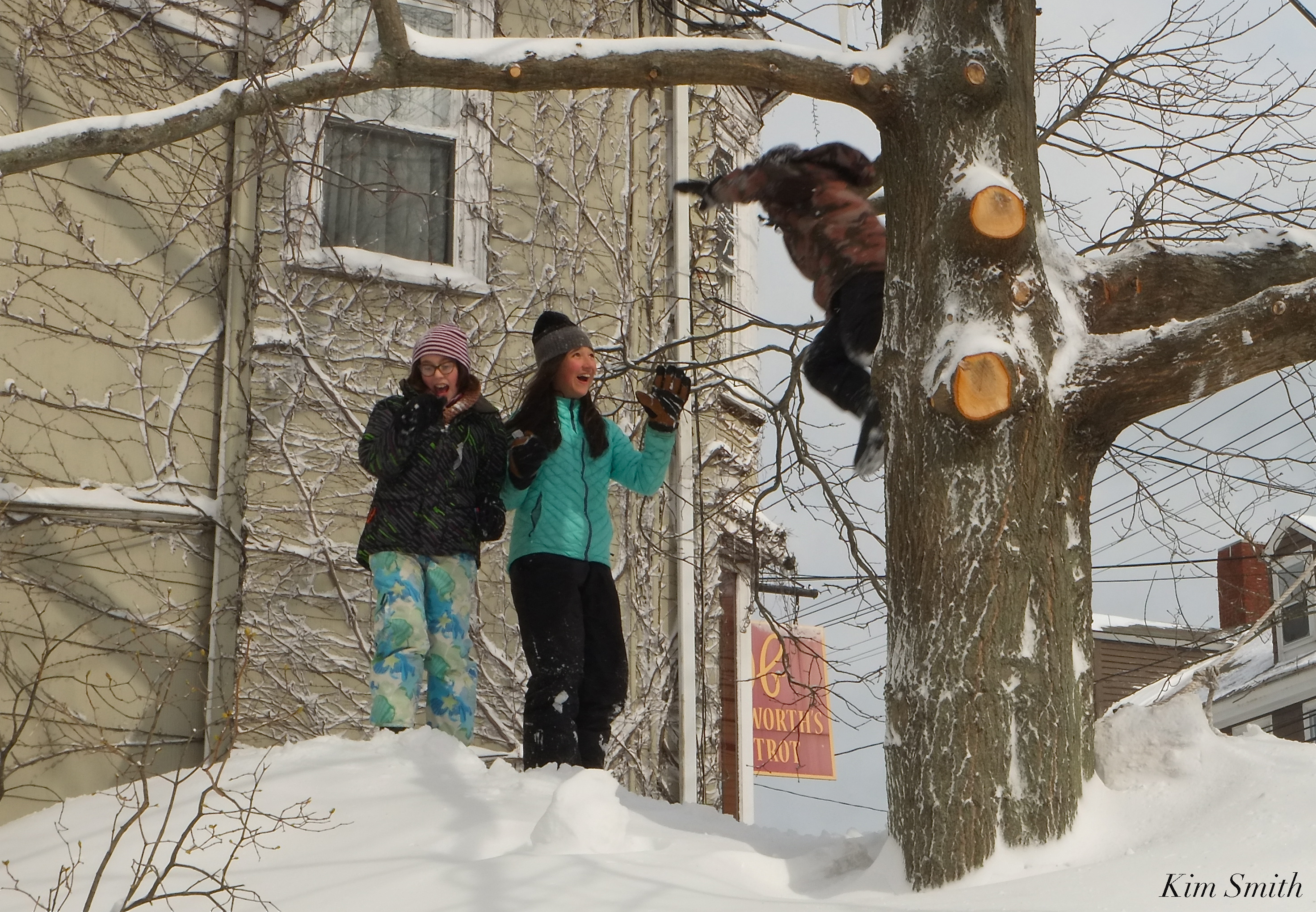 Emma, Ben, and Lily – note that the snow is nearly as high as is the Duckworth’s sign – Snowmageddon 2015
On Sunday’s podcast we asked our guest, Chris Spittle, the Cape Ann weatherman to predict whether 2018-2019 would be a snowy winter, or not. Judging by the snowstorms of the past that have brought the greatest amounts of snowfall, it is likely that we may very well have a snowy winter and here’s why Chris suggests yes.
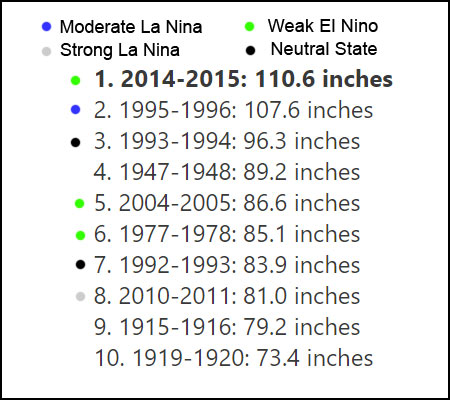
Historically, the greatest amounts of snowfall occur when North America’s trade winds are transitioning (Neutral state) from La Niña to El Niño. During the transition, and at the beginning (weakest) state of the transition to El Niño we are most likely to experience the greatest amounts of snowfall. Currently, La Niña (east to west trade winds) is oscillating to El Niño (west to east).
Chris shared the graphic below classifying the ten worst snowstorms of the past two centuries.
On the plus side, El Niño summers are generally warmer 🙂
NOAA website: What are El Niño and La Niña?
El Niño and La Niña are opposite phases of a natural climate pattern across the tropical Pacific Ocean that swings back and forth every 3-7 years on average. Together, they are called ENSO (pronounced “en-so”), which is short for El Niño-Southern Oscillation.
The ENSO pattern in the tropical Pacific can be in one of three states: El Niño, Neutral, or La Niña. El Niño (the warm phase) and La Niña (the cool phase) lead to significant differences from the average ocean temperatures, winds, surface pressure, and rainfall across parts of the tropical Pacific. Neutral indicates that conditions are near their long-term average.
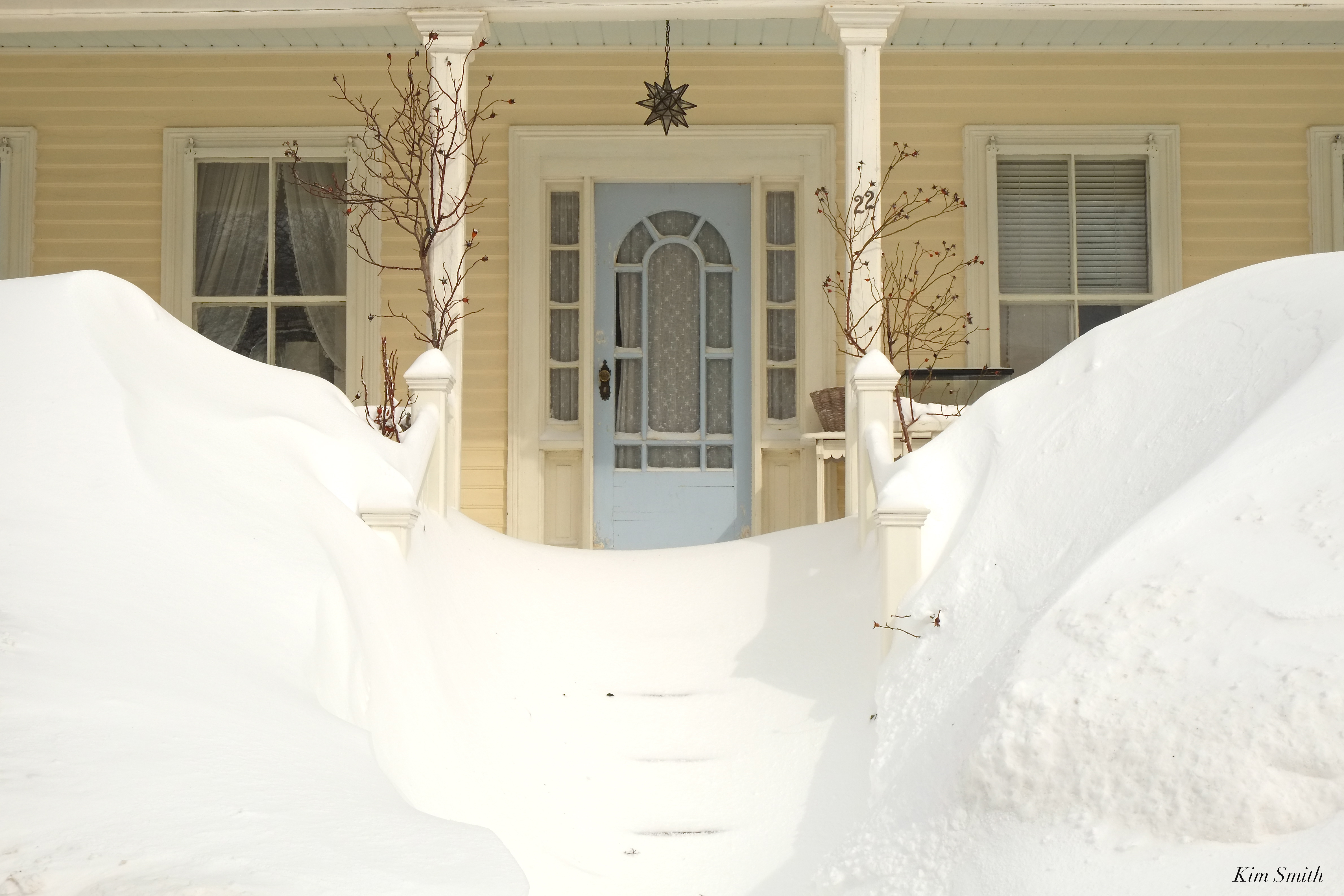
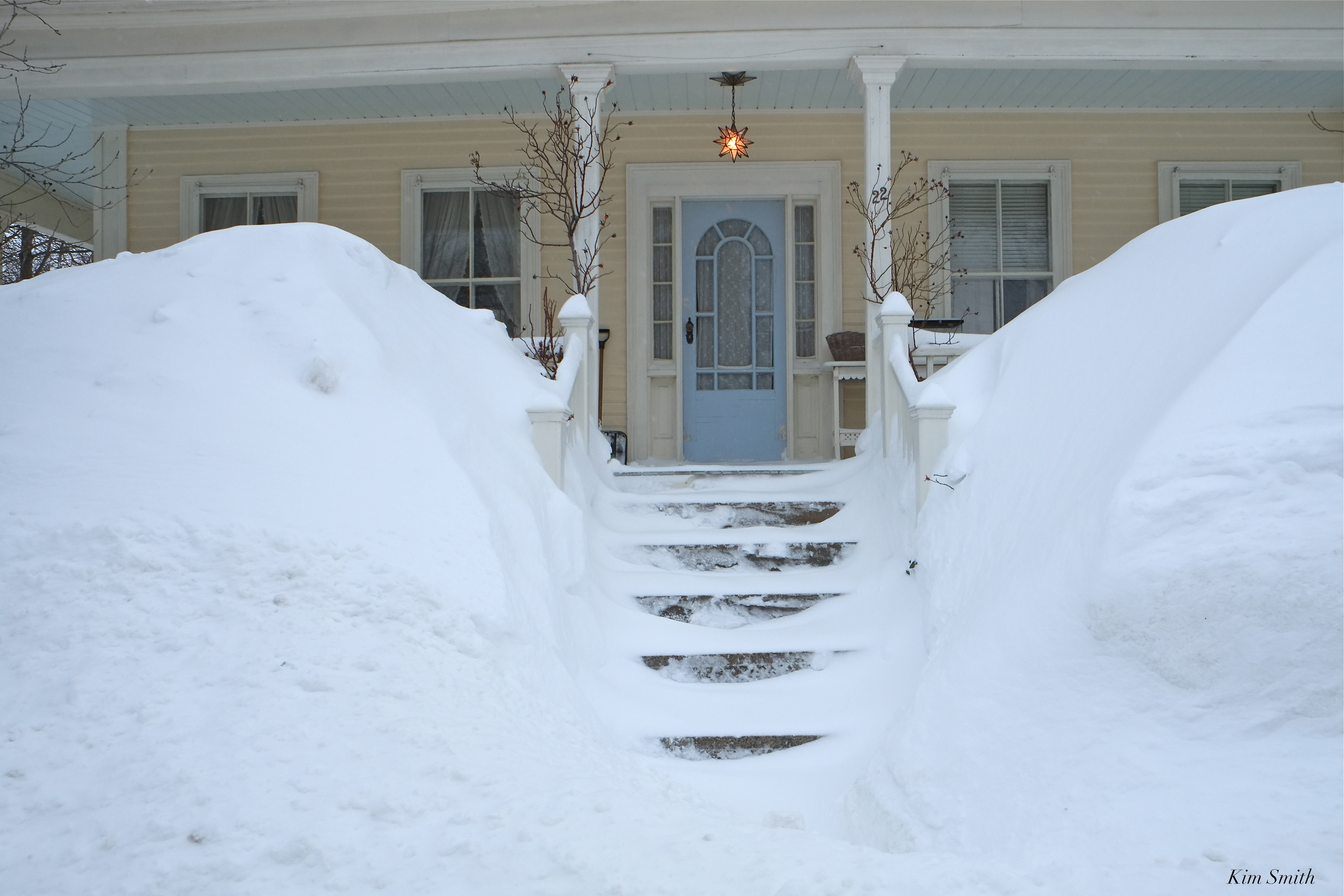
Our front dooryard, in 2015, between blizzards.
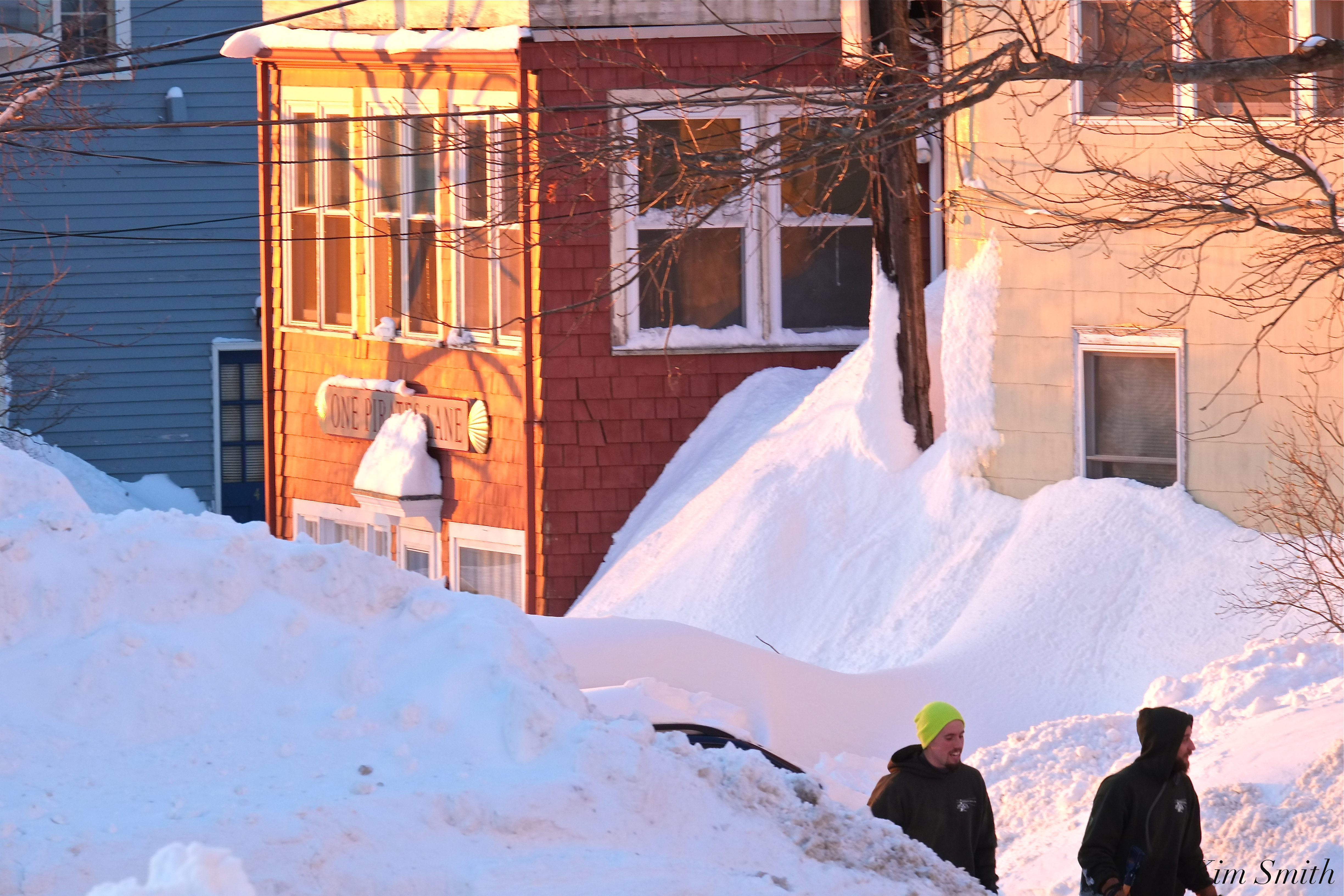 Pirate’s Lane East Gloucester 2015
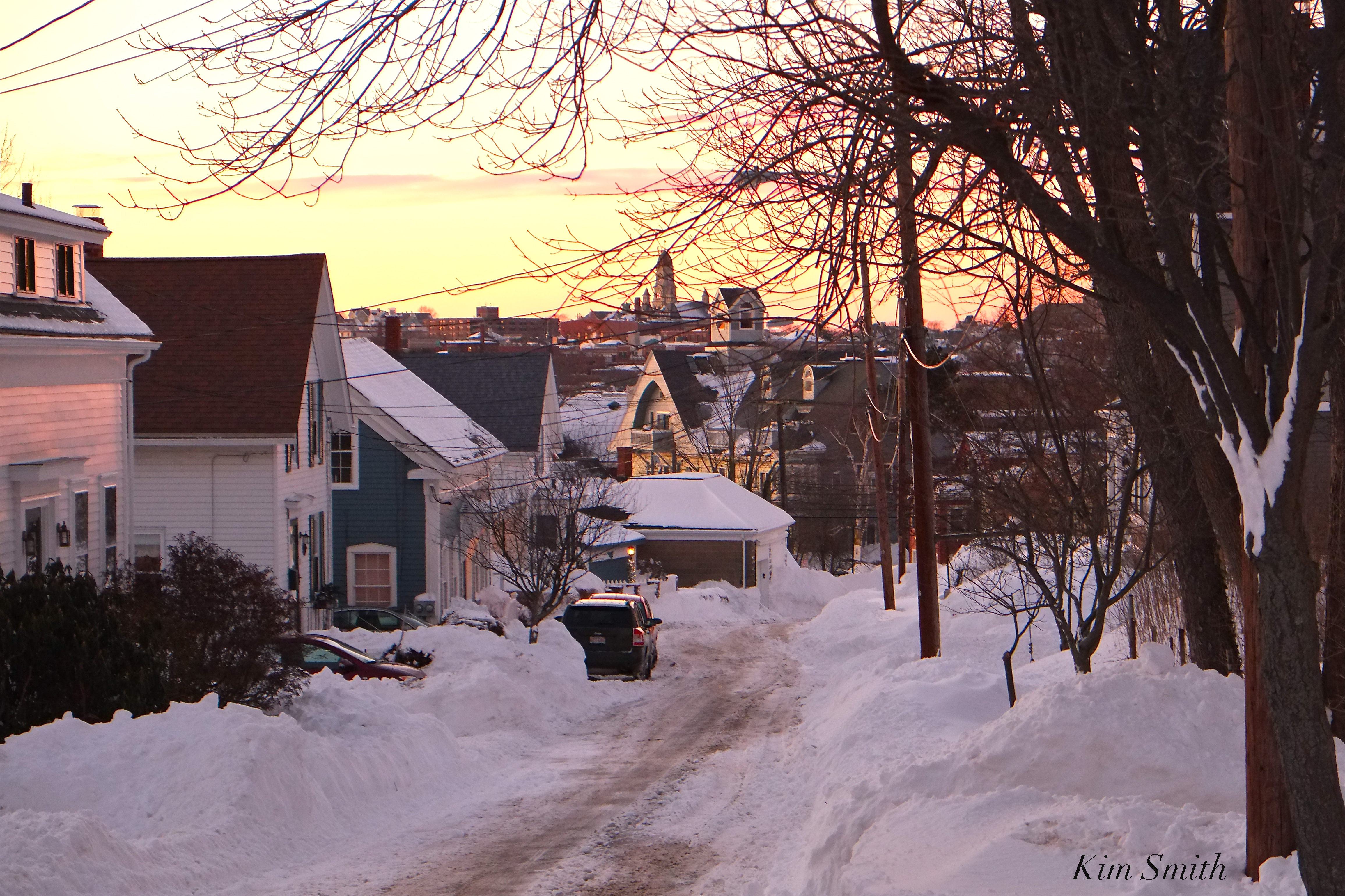 Plum Street 2015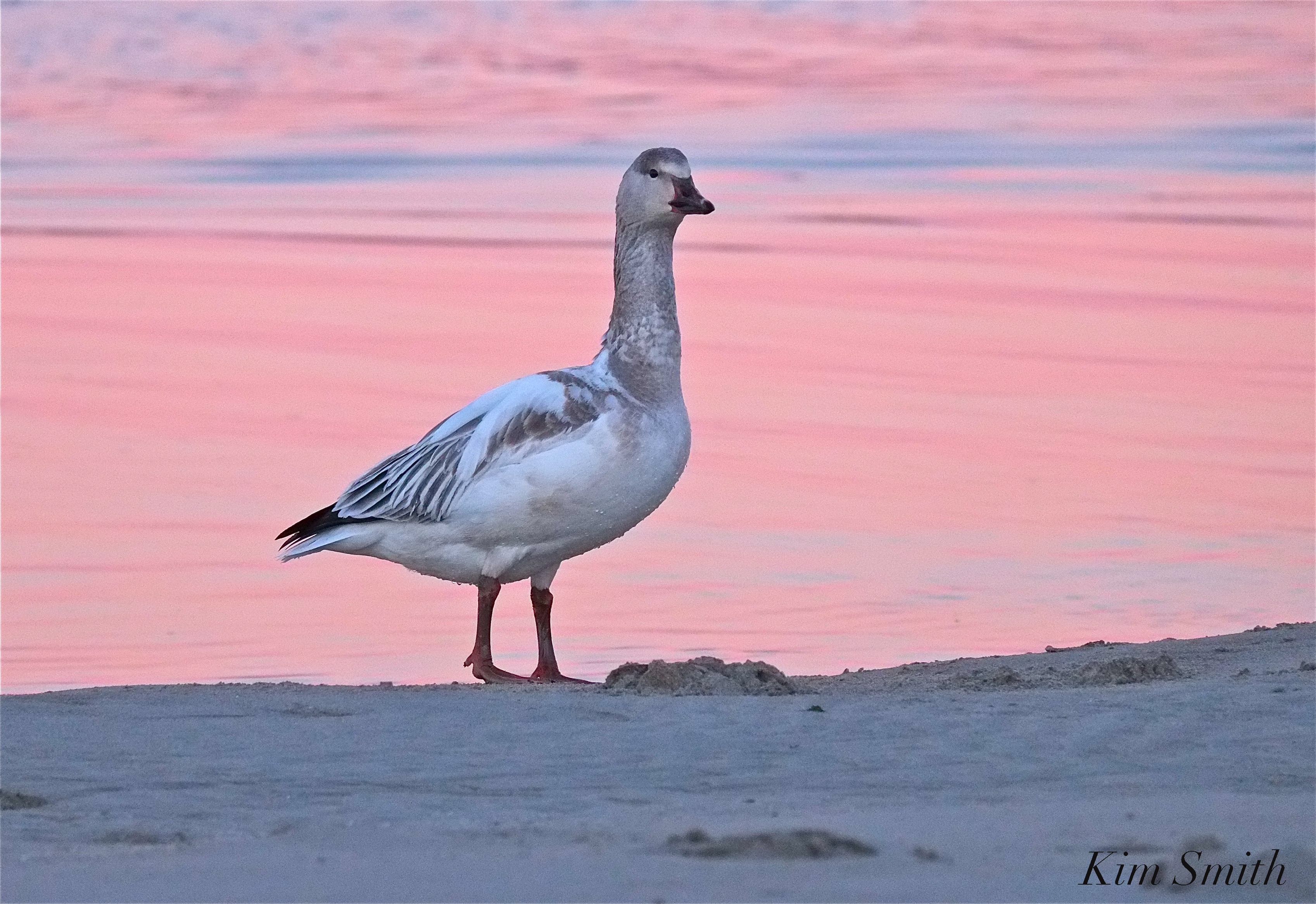
We even had visit from a Snow Goose during the winter of 2015! He mixed with a flock of Canada Geese, staying for about a week, foraging on sea grass at Good Harbor Beach.

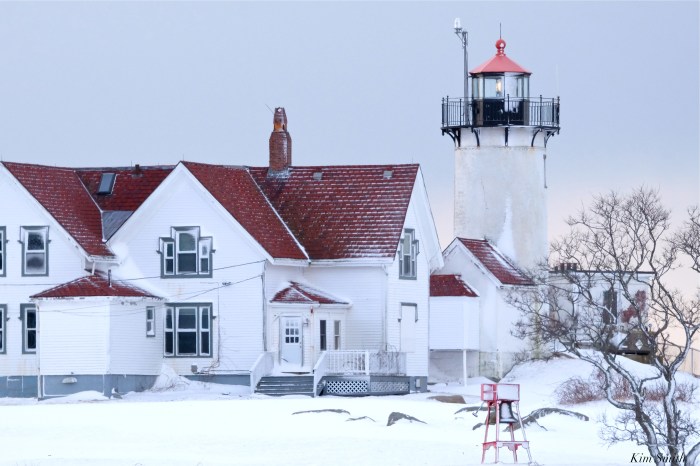
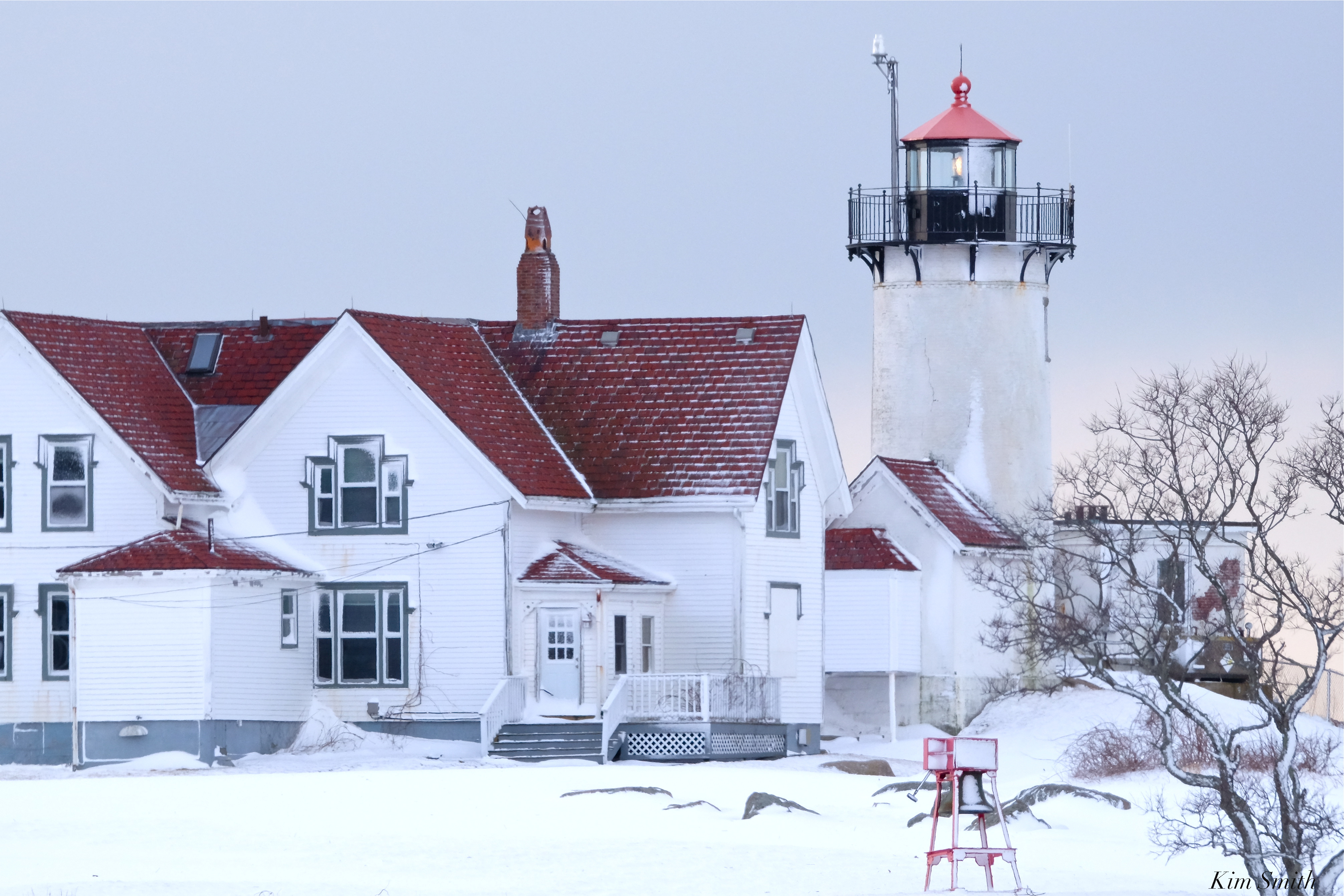 Eastern Point Lighthouse Snowy Day
Spread The GMG Love By Sharing With These Buttons:


Enjoying scenic overlook on Thatcher Road walkway to Good Harbor Beach
Beautiful build by Gloucester DPW to Good Harbor Beach is seeing steady use. The new pedestrian bridge spanning the marsh little river makes it easy to linger over a sweeping November vista to Good Harbor Beach and back.

clone tag: -1675895261771600638

Prior posts on Good Morning Gloucester about the marsh walkway under construction.
October 6, 2018 snazzy new guardrails
September 12, 2018 construction begins
Spread The GMG Love By Sharing With These Buttons:

Gloucester Smiles-1077

Spread The GMG Love By Sharing With These Buttons:

around town #89
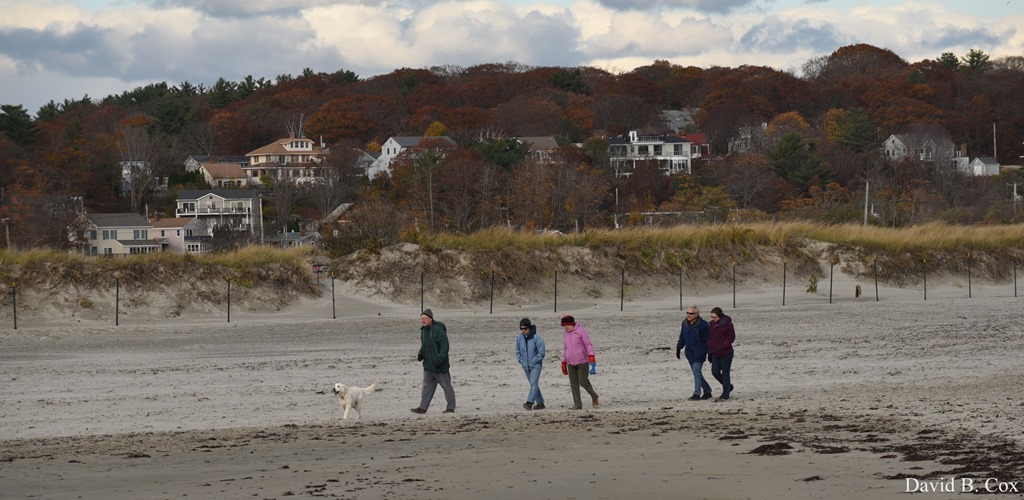
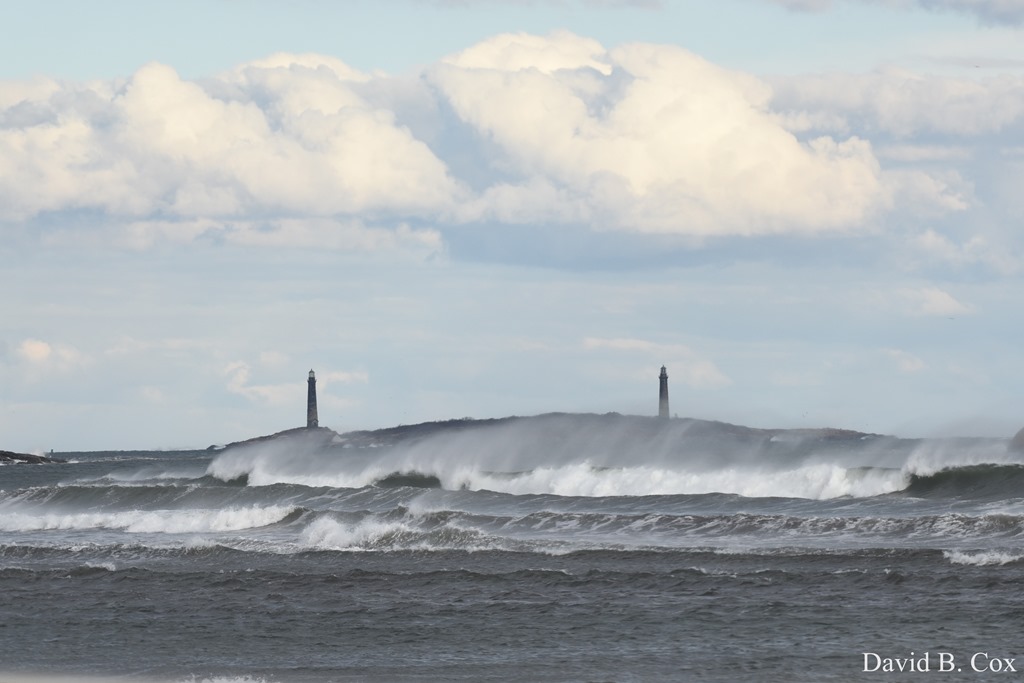
A day at Good Harbor.
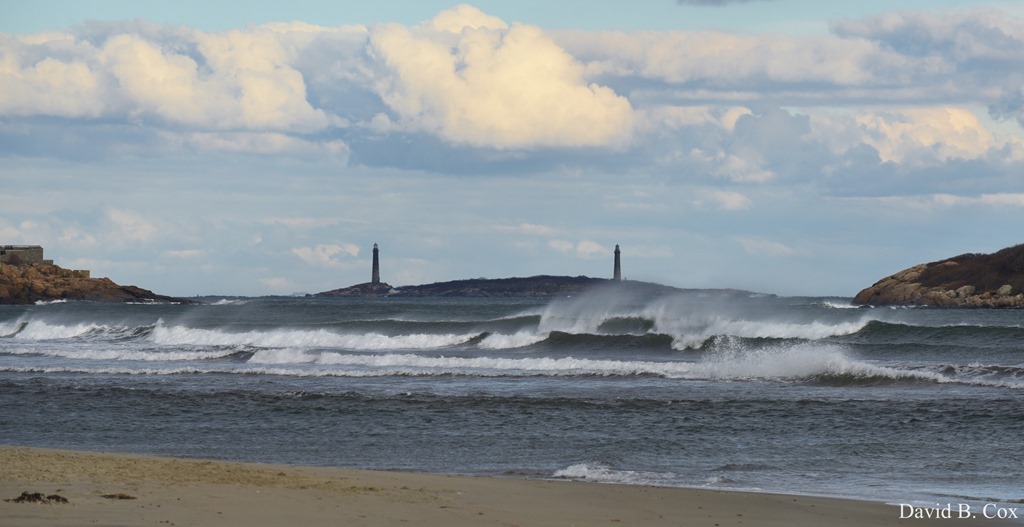
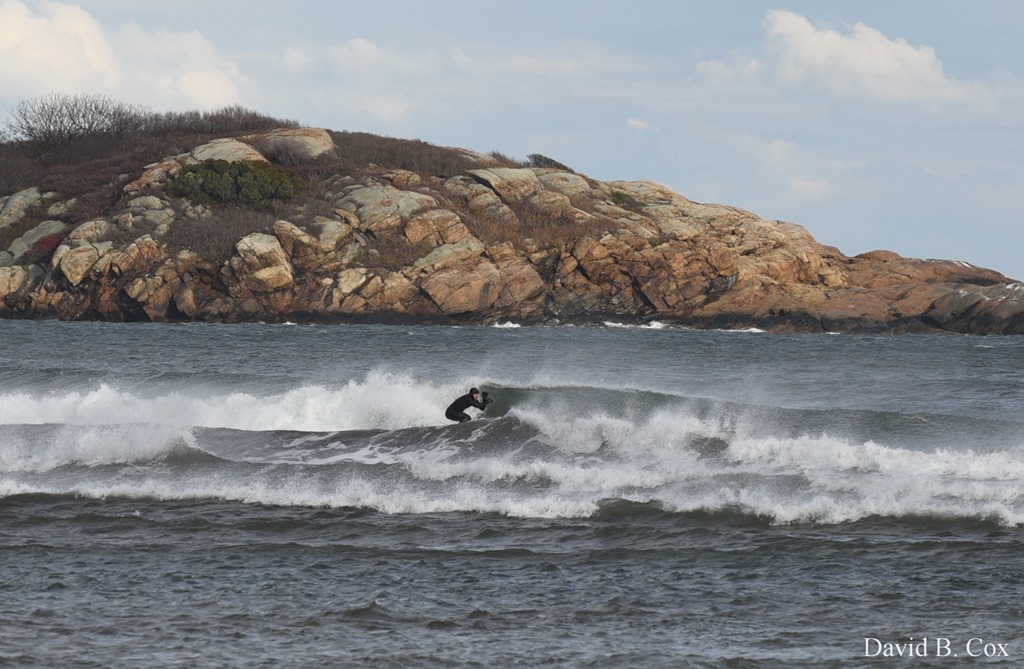
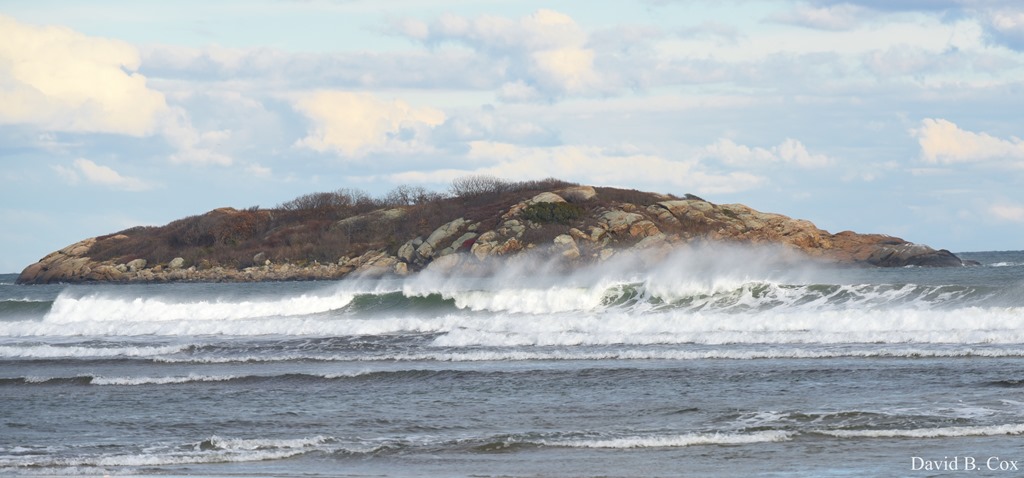
Spread The GMG Love By Sharing With These Buttons:

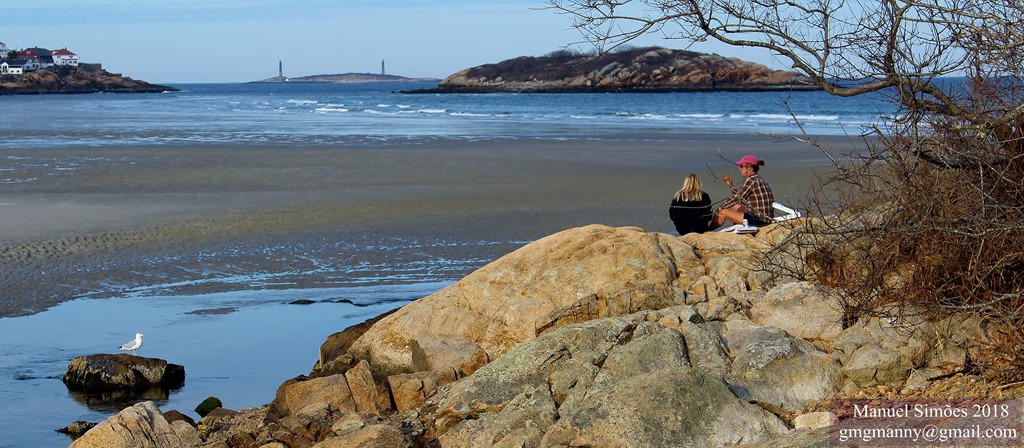
Good Harbor Beach at Low Tide–Very Peacful
Spread The GMG Love By Sharing With These Buttons:

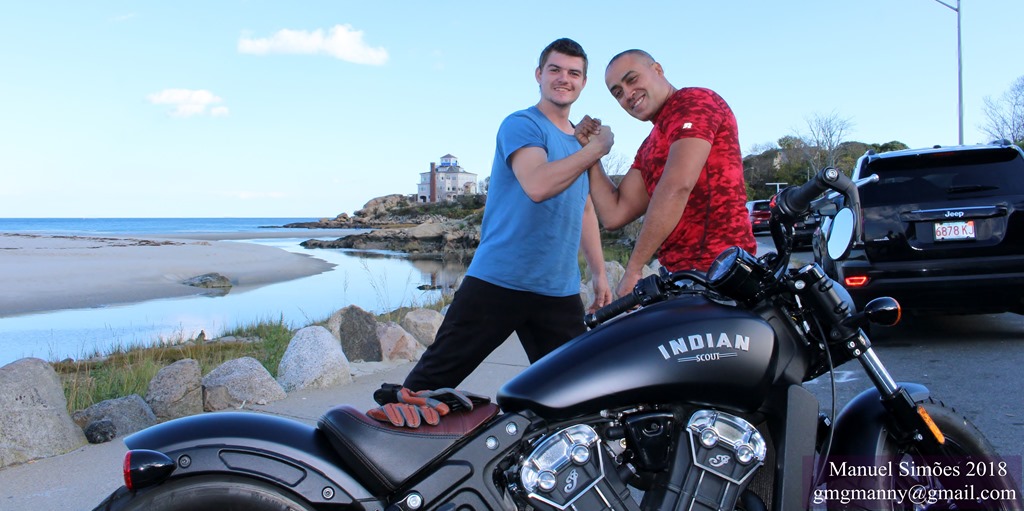
Gloucester Smiles-Gloucester Strong
Spread The GMG Love By Sharing With These Buttons:

BREATHTAKING SUNRISE AT GOOD HARBOR BEACH
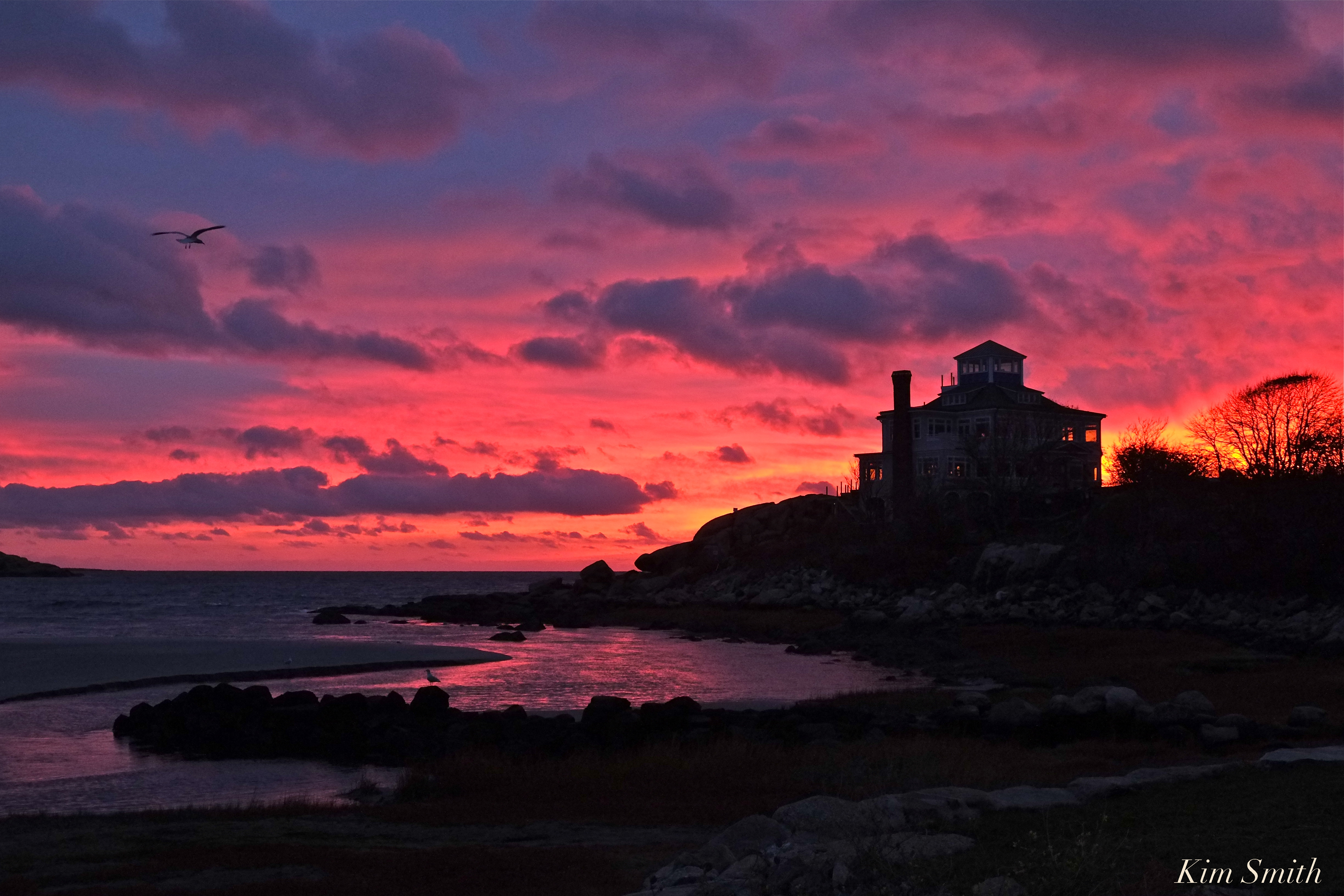 Glorious light and colors at Good Harbor Beach this morning.
Spread The GMG Love By Sharing With These Buttons:


Here’s a look at iconic art inspired by #GloucesterMA for sale at the big auction houses November 2018
For sale at Sotheby’s November 2018
Last spring a Homer image of Gloucester boys in a dory fetched $400,000. Relatable, though not Gloucester: Life Brigade is expected to fetch 4x that amount at Sotheby’s; another classic motif , Gathering Wild Blackberries, is estimated to sell for $150,000-$200,000. There is a smashing Marsden Hartley of Dogtown.


For sale at Christie’s November 2018

Besides Stuart Davis, artists featured include Jane Peterson, Martha Walters, Hayley Lever, and George Bellows. There’s a classic Nahant work by William Stanley Haseltine and a marine themed WPA mural study by Lyonel Feininger.


Click on thumbnails to enlarge the photo and see descriptions. I’ll post results after the sales.


