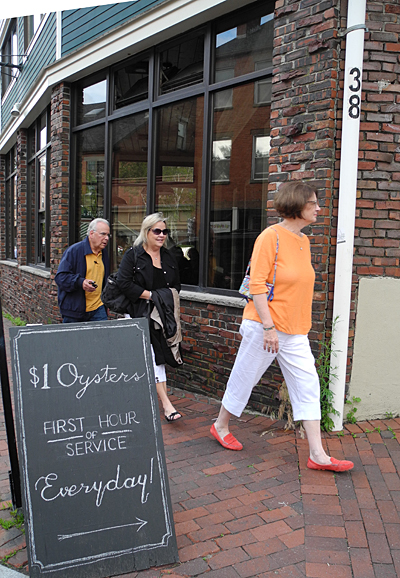
I’m happy to report that Short & Main restaurant is still with us, and apparently adapting to the local market.
My View of Life on the Dock
I’m happy to report that Short & Main restaurant is still with us, and apparently adapting to the local market.

Sent from Xfinity Mobile App



Come on down…..
Sent from Xfinity Mobile App






The Fish on Fridays series is a collaboration between Gloucester photographers Kathy Chapman and Marty Luster. Look for various aspects of Gloucester’s centuries-old fishing industry highlighted here on Fridays.
Jimmy Santapaola Jr. and his crew of the Amanda Leigh are setting out early this year for monkfish off of New London, CT. Their catch will be sold primarily to the foreign market and presented on tables stuffed whole.
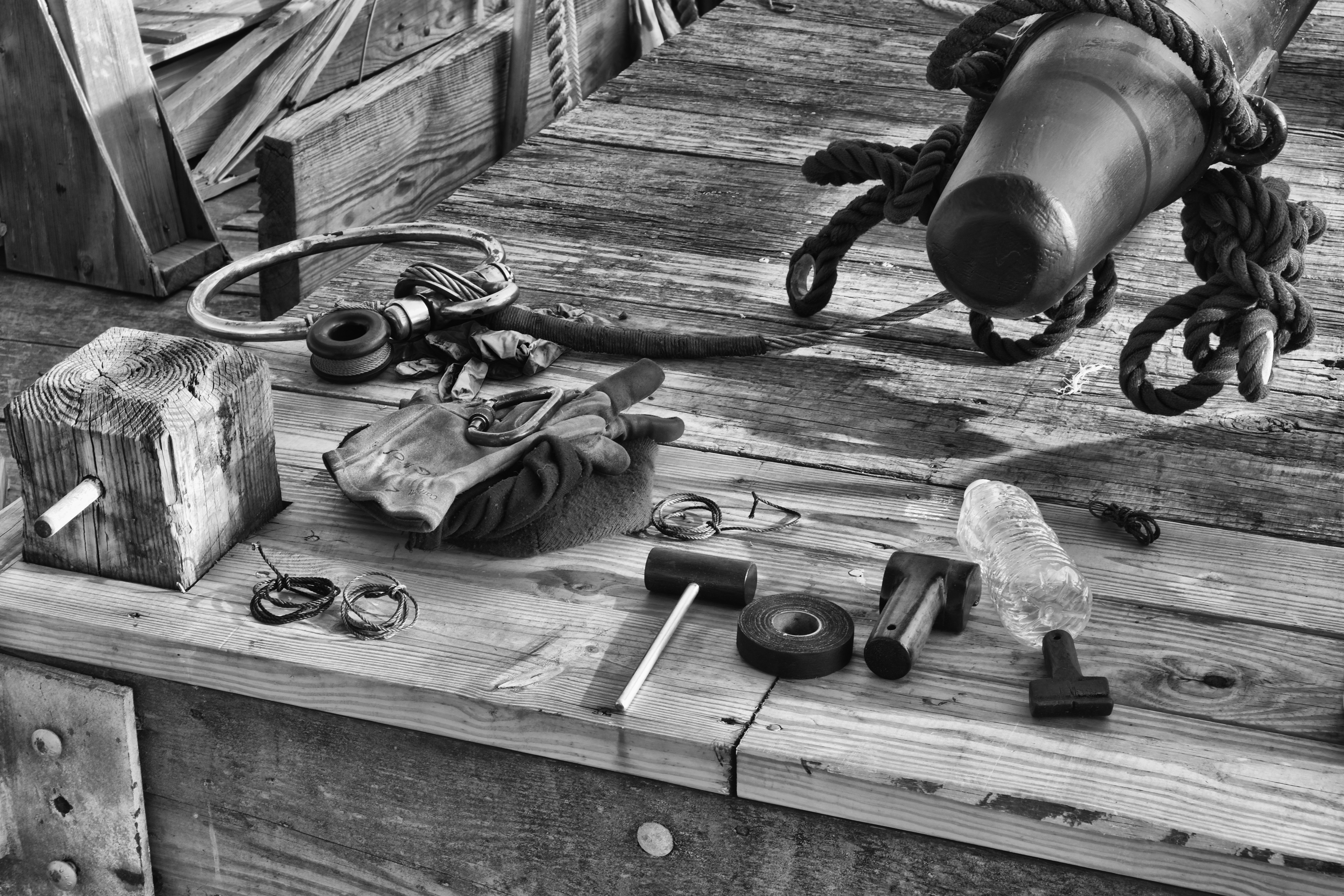
Monkfish live on the sea floor and can be found about 30 miles offshore this time of year. As the waters warm up in the spring they will go out about 70 miles. The 12″ mesh net used for trapping them will allow the small ground fish to swim through without being caught.
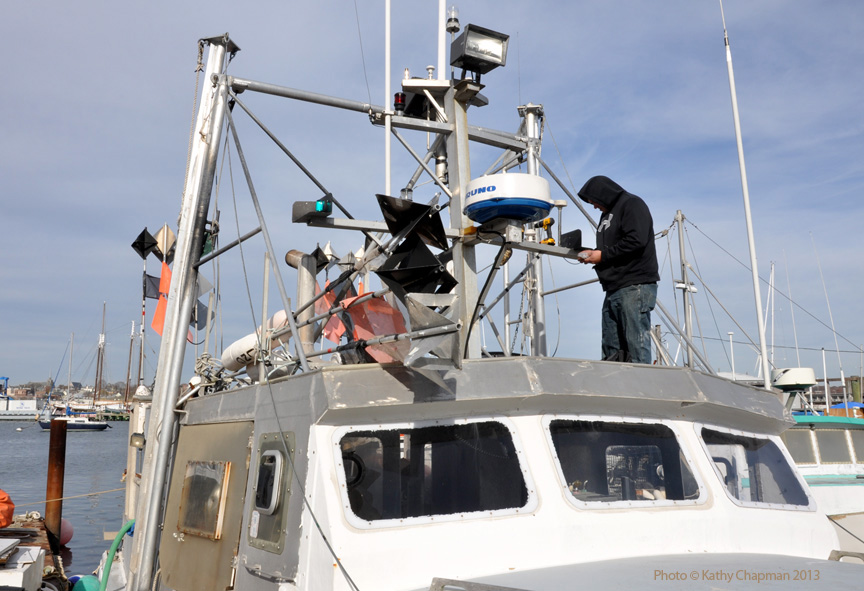
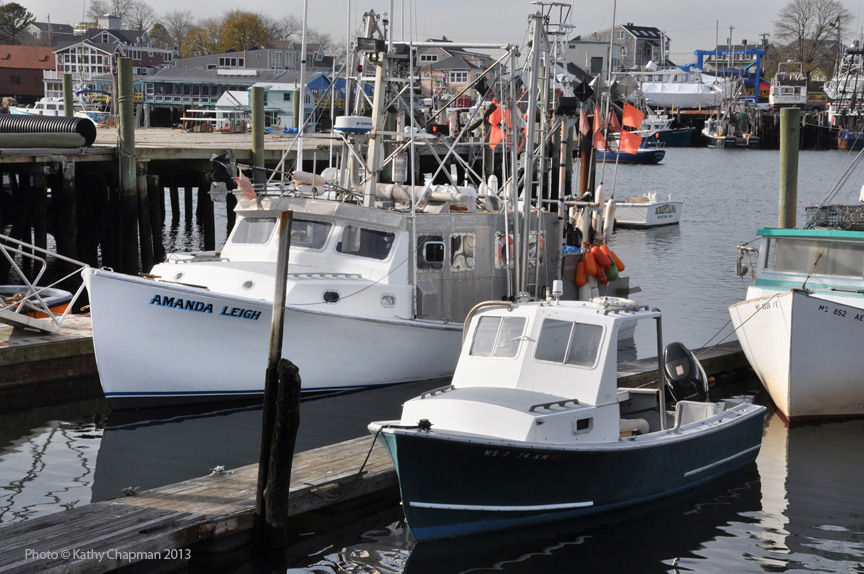
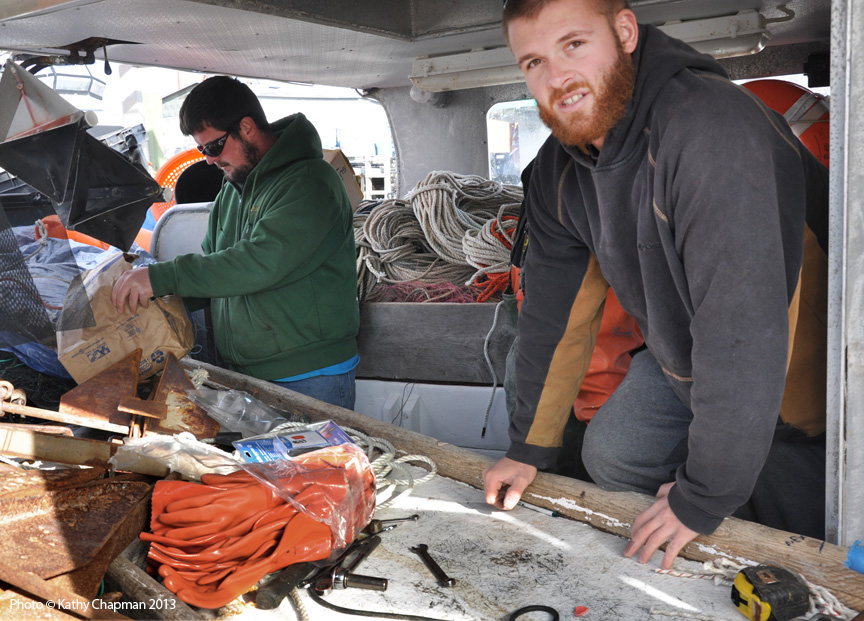

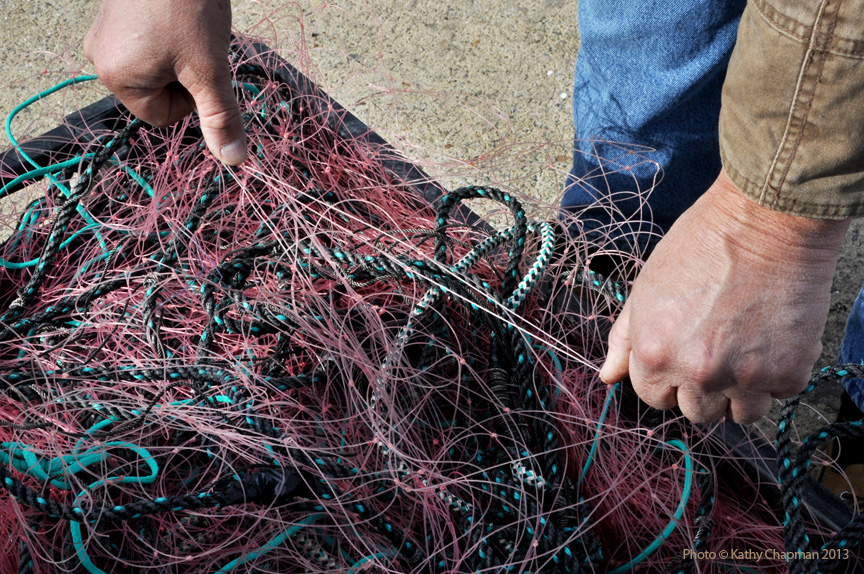 Photos © Kathy Chapman 2013
http://www.kathychapman.com

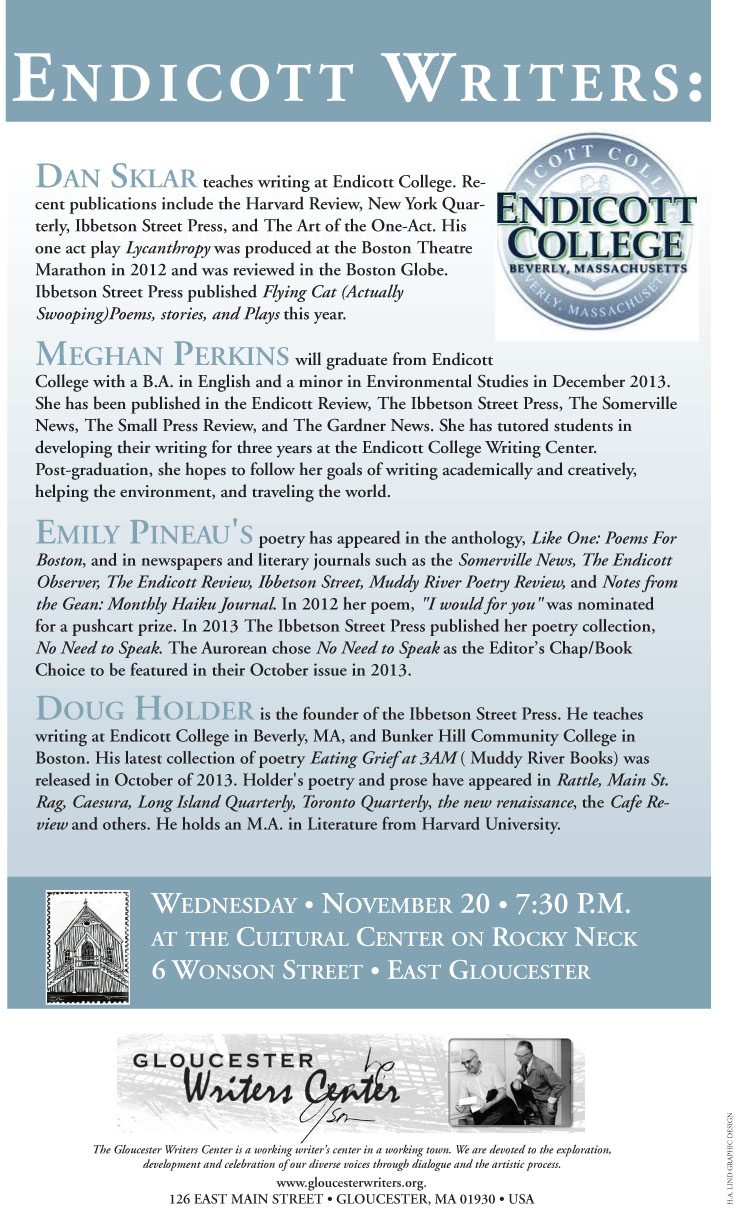


Spotlight on belle + me (Anne Malveaux and Lisa LeVasseur)
Created by Anne Malvaux and Lisa LeVasseur, belle + me is a French-inspired line of cool scarves and cooler jewelry. Their hand-made pendants are one of a kind and they use “repurposed” metal, beads, and fabric when possible. These pendants are designed to be worn on their unique line of scarves, in a multitude of colors and designs.
belle + me’s fall/winter collection is very textural. Anne and Lisa have been working with unique stones, recycled glass, and great fabrics plus a fresh new line of scarves made of “re-used T-Shirts” exclusively made by Ipswich resident, Kate Dwyer.
You can see a great selection of belle + me scarves and jewelry at The Cultural Center at Rocky Neck, 6 Wonson Street, East Gloucester during the Rocky Neck Holiday Art & Fine Crafts Festival
Saturdays and Sundays, Noon-4 PM
November 30 – December 29
http://www.rockyneckartcolony.org/winter.php
E.J. Lefavour


Mimi is an artist driven gift, jewelry and fine art store located at 19 Central Street in Manchester. It was started in Ipswich in the summer of 2007 with locations in Ipswich and a bit later Manchester. Having closed the Ipswich store about three years ago Manchester has become their flagship store.
Co-founders Mia Nehme and her daughter Claudia Bowman say that they search for gifts and fine art that are made or designed by artists, and they feature the work of several local painters and artisan gifts. In addition they carry glassware, silverware, scarfs, by several vendors including Ekelund, Simon Pearce, Le Jaquard Francais, Mariposa and more. Then there is an extensive selection of jewelry.
In the having something for everyone department, Mimi has gifts from $10.oo on up, Yankee Swap gifts to art work and gifts for very special occasions. For men they have created a “Man Cave” at the back of the store where they sell primarily shaving and smoking items.(Actually the “Cave” is a nice display case). They have a jewelry selection with pieces from various local artists. Aron Leaman of Gloucester, a artist who works in glass produced a number of glass globes with actual Singing Beach Sand inside. Mia highlights this to say that because they deal directly with many of the artists special orders even with design changes on some items can be requested.
From time to time Mimi holds special events in which their customers are invited to hear from, see and learn about particular vendors or artists work.
Mimi’s website is at http://www.mimigiftgallery.com, the store is at 19 Central Street just across the street from the Town Hall. Check them out!


http://kingsleyflood.com/photo-video/
THE RHUMB LINE BAR & RESTAURANT
40 Railroad Ave.
Gloucester, MA 01930
phone: 978-283-9732
http://www.therhumbline.com/index.htm


Get your tickets today at brownpapertickets.com. Last year’s performance sold out a couple of weeks before the show.



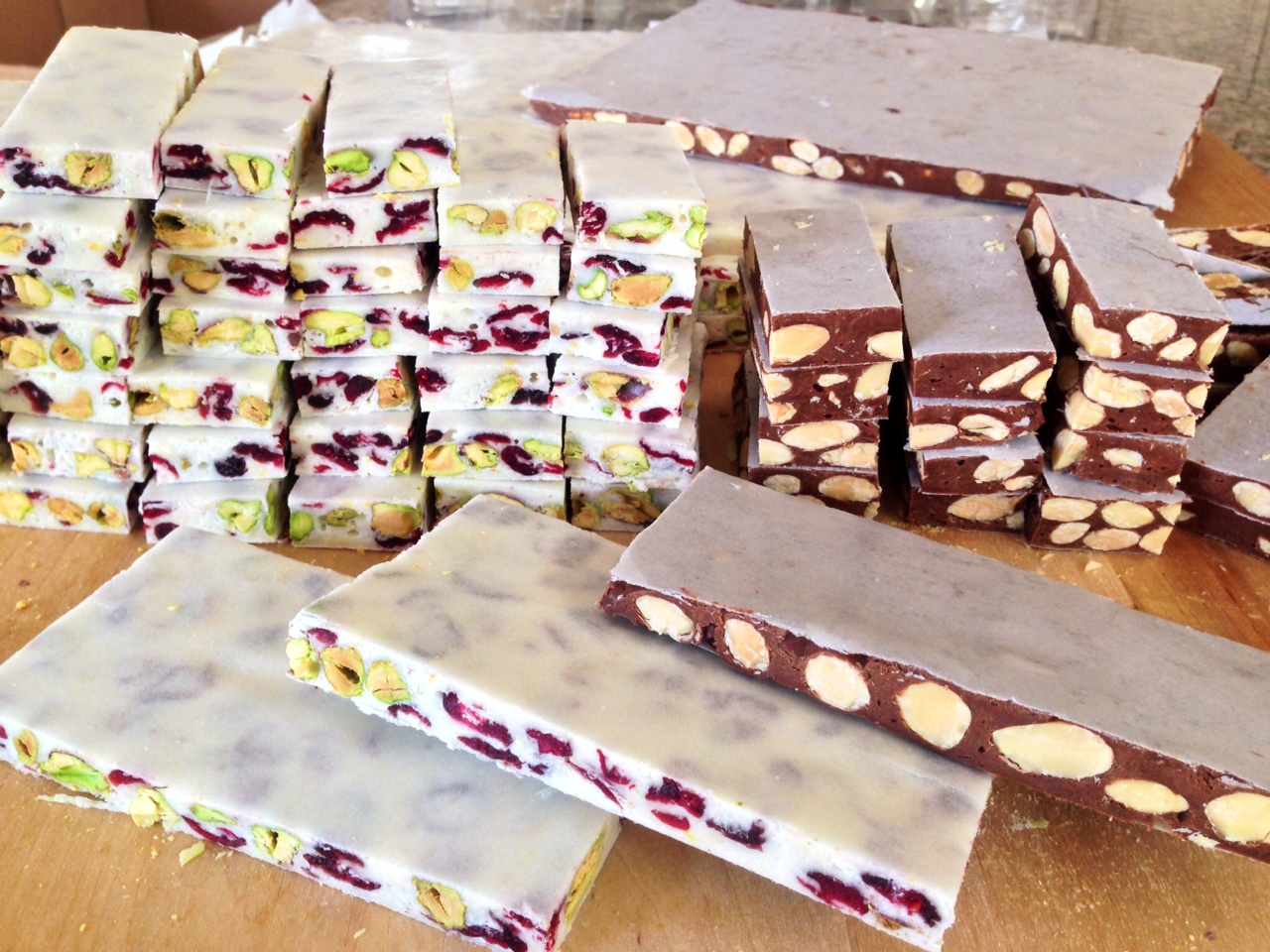
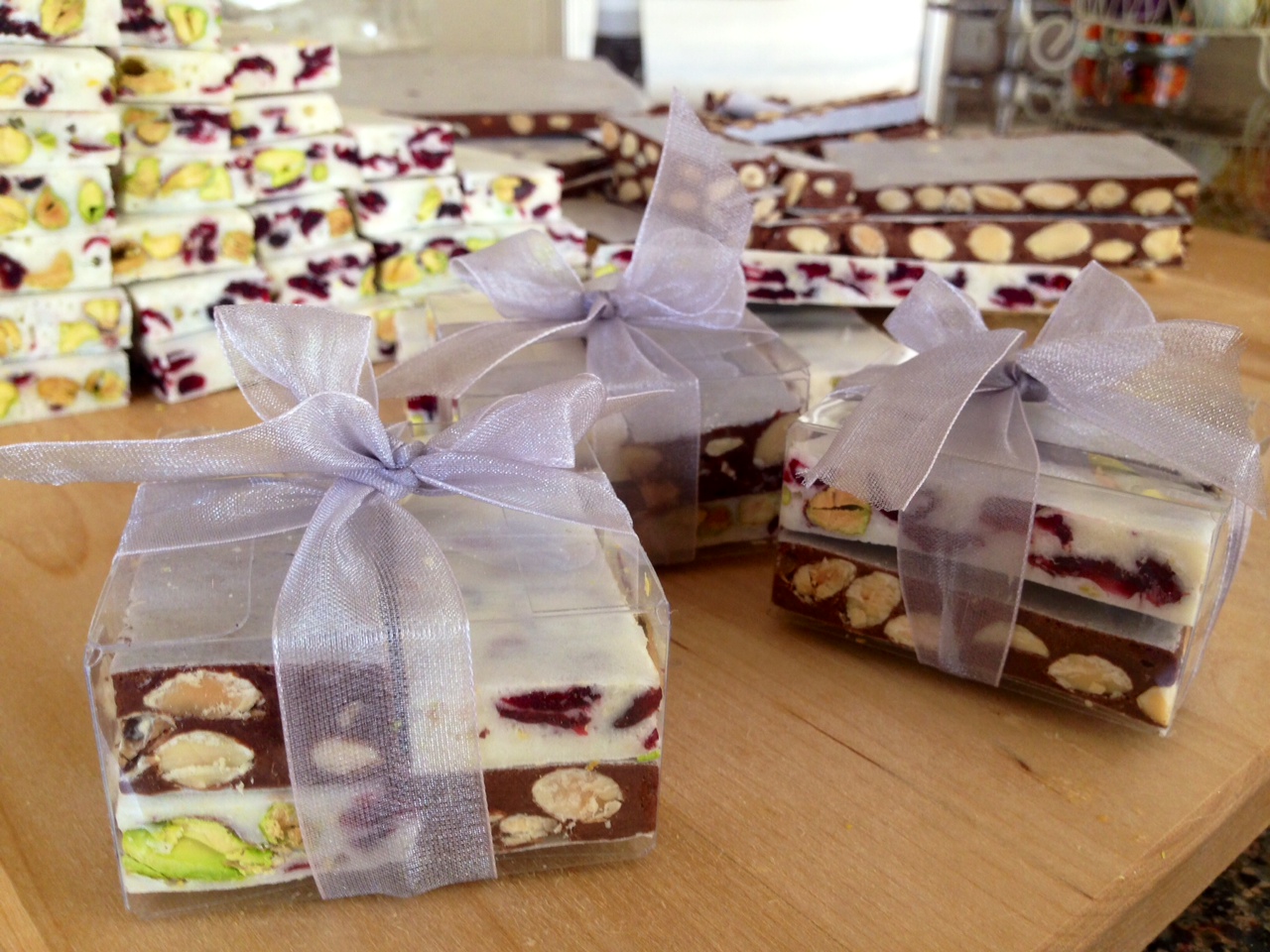
Chocolate-Almond Torrone featured in “Gifts Of Gold” and Sista Felicia’s Holiday Pistachio Cherrie Torrone featured in the upcoming Cape Ann Magazine’s December issue, will be on sale tonight at the GMG/ Sista Felicia Table. Torrone proceeds will be donated to The GHS Photo Class Fundraiser. Hope to see you tonight !




 Are you looking for a new side dish for your Thanksgiving Dinner?

Smoky Mashed Potatoes
Ingredients
3 lbs. Russet potatoes peeled and cut into 1½ inch pieces
1 stick salted butter, plus 1 tablespoon
1 cup sour cream
½ cup whole milk
2 cups shredded Smoked Gouda Cheese (reserve ½ cup for topping)
2 teaspoon kosher salt
1 1/2 teaspoon freshly ground pepper
4 scallions diced (reserve 1 for topping)
8 thick cut sliced smoked bacon(reserve 2 slices for topping)
Step-by-Step
1 Fry bacon until crisp, cut/ crumble into bite size pieces, reserve
2 In large sauce pan, place potatoes and 1 teaspoon salt and enough cold water to cover potatoes by 1 inch, bring to boil over high heat 10-12 minutes or until potatoes are fork tender, strain water in colander return potatoes to hot pan
3 Add 1 stick butter, 1 teaspoon salt, 1 teaspoon pepper, milk, and sour cream to potatoes, mash well
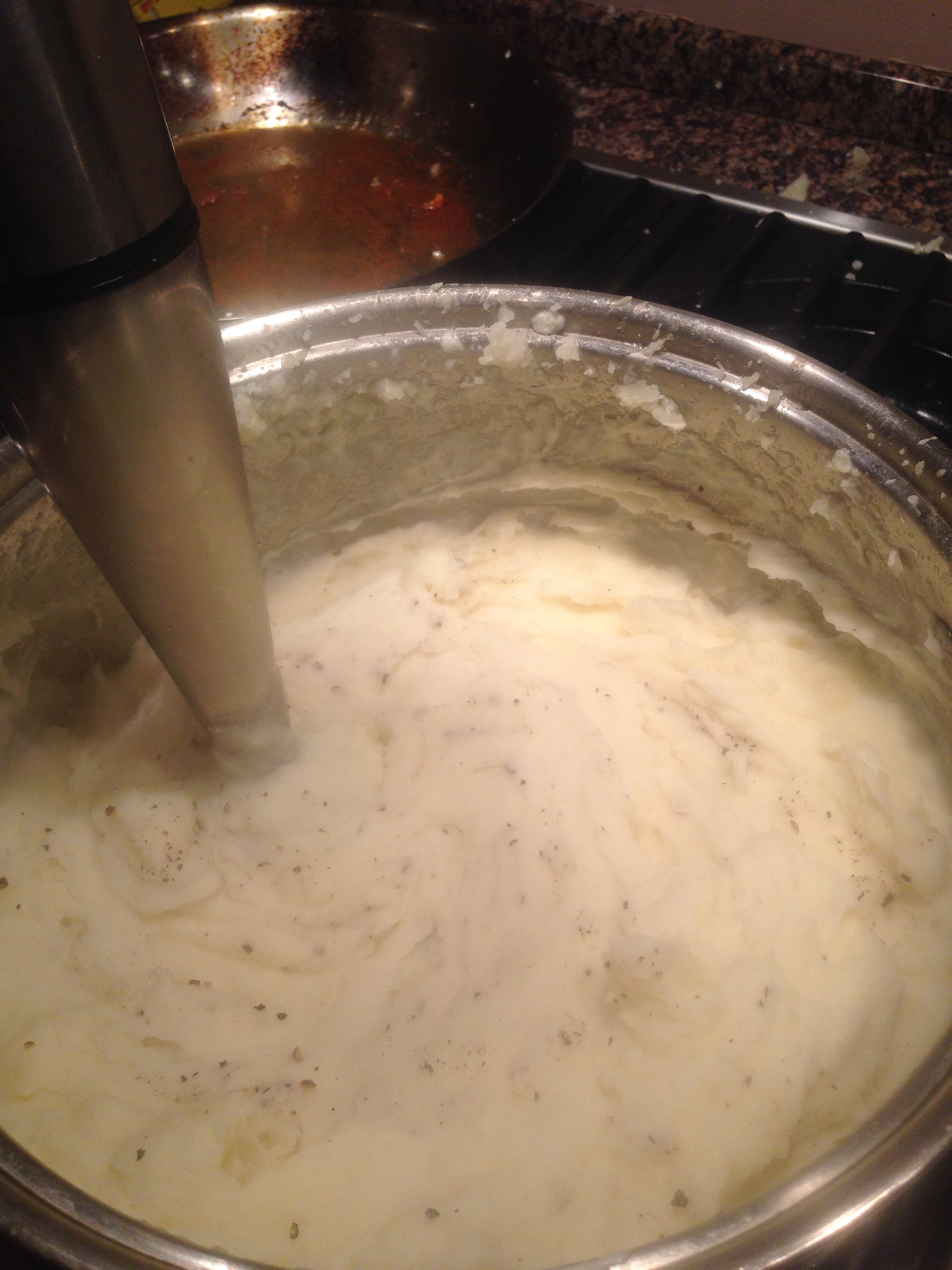
4 Add 1 ½ cup cheese, 6 slices crumbled bacon, and 3 diced scallions to mashed potatoes, mix well

5 Butter 13x9x2 glass baking dish with 1 tablespoon butter, evenly spread mashed potato mixture into prepared dish

6 Mix reserved bacon, scallion and cheese, scatter over potato mixture


7 Bake 35 minutes in preheated 375 degree oven, or until mixture is heated throughout and toppings are golden in color; serve warm

The combination of the smoky cheese and bacon combined with the creamy potatoes, and bite from the scallions are heavenly. I promise your family and guest will love them. My Thanksgiving Recipes are included in my new cookbook “Gifts Of Gold In A Sicilian Kitchen With Sista Felicia, Harvest” to order online click link http://www.storenvy.com/products/2742897-gifts-of-gold-in-a-sicilian-kitchen-with-sista-felicia-harvest ….Or Stop by The GMG table at Cruisport Gloucester tomorrow evening where I will be selling my “Gifts Of Gold” at The Girls/Guys Night Out Shopping Extravaganza to help support the GHS Photography Class Fundraiser.


Patricia Anders submits-
Hi Joey.
I’m a new Gloucester resident who’s been enjoying Good Morning Gloucester for the past couple of months. What a great way to get acquainted with my new town! My husband and I are from the Greater Los Angeles area, and we just love the true sense of community in Gloucester (in LA, forget about anyone ever stopping in traffic to let you turn left in front of them!).
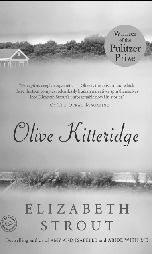
It’s also been fun to see all the pictures and recreations of downtown for the upcoming HBO film Olive Kitteridge. I was thinking that most Gloucester residents are probably wondering just who is this “Olive Kitteridge,” so I thought maybe they might enjoy reading a book review I wrote about it a few years ago (yes, it was a book—even won a Pulitzer Prize!). Attached is the review that was published in Modern Reformation magazine, of which I am the managing editor (although I’m now also working as an associate editor at Hendrickson over the bridge in Peabody).
Keep up the good work!
All the best,
Patricia
This review column is subti- tled, “Books Your Neighbors Are Reading,” but I’m thinking it might need to be called—at least in this case—“Books Your Neighbors Should Be Reading.” I doubt most people race to their newspaper on the day the Pulitzer Prizes are announced (and that goes for the Nobel Prizes as well—
who do you know has read anything by the 2009 literature winner Herta Müller?). These are highly esteemed awards and for writers can mean a nice increase in sales (as these are books rarely found beforehand on The New York Times Best Sellers List). I’m wondering, however, how many of your neighbors logged online or ran down to their local bookseller to grab one of these prize winners?
So, the question remains, how many of your neighbors have even heard of last year’s Nobel winner Herta Müller or the Pulitzer winner Elizabeth Strout, let alone have read their prize-winning books? But aren’t we curious to know why these writers have won? Surely, they have accom- plished something worthy of our attention.
Having said all that, let me recommend that you obtain the 2009 Pulitzer Prize-winning novel Olive Kitteridge; read it yourself and then pass it along to your neighbors! This Pulitzer Prize is awarded for “distinguished fiction by an American author, preferably dealing with American life.” According to the Pulitzer announcement, the prize was awarded to “Olive Kitteridge, by Elizabeth Strout (Random House), a collection of 13 short stories set in small-town Maine that packs a cumulative emotional wallop, bound together by polished prose and by Olive, the title character, blunt, flawed and fascinating.” But what makes Olive so fas- cinating, and why do we want to read a story about a woman “blunt” and “flawed”?
When we meet her, Olive Kitteridge is a cranky retired high school math teacher and her husband Henry, a kindly retired pharmacist. They seem to have a “normal” life, but this is the beauty and the power of this story: no one’s life is ordinary, especially Olive’s. What makes this book so compelling is the way Olive impacts the lives around her, whether it’s an in-class comment one of her former students remembers—“Don’t be scared of your hunger. If you’re
scared of your hunger, you’ll just be one more ninny like everyone else” (195)—or an encounter with Nina, a young woman suffering severely from anorexia nervosa.
Nina’s story, located in the chapter “Starving,” is one of the most touching in the novel. Olive Kitteridge appears only in a brief scene, but it is a memorable one. Olive, normally a strong and rather offensive woman, shows a deep sym- pathy for Nina. Having stopped by a friend’s to collect money for the Red Cross, and breaking in upon what she calls “a tea party” in her usual sarcastic manner, Olive notices the thin- ness of Nina and says to her, “You’re starving.” The girl, quite aware of her condition, responds with an ungracious “Uh- duh.” To which Olive responds, “I’m starving, too.” Nina doesn’t believe her, but Olive persists: “Sure I am. We all are.” A few moments later, we are told through the eyes of a middle-aged man who also is “starving”:
Olive looked through her big black handbag, took a tis- sue, wiped at her mouth, her forehead. It took a moment for Harmon to realize she was agitated….Olive Kitteridge was crying. If there was anyone in town Harmon believed he would never see cry, Olive was that person. But there she sat, large and big-wristed, her mouth quivering, tears coming from her eyes. (96)
Olive says to Nina, “I don’t know who you are, but young lady, you’re breaking my heart.” It’s not long before Nina is crying with her, leaning against her and whispering, “I don’t want to be like this.”
This scene comes rather as a shock to the reader who is used to Olive’s off-handed insolence—there doesn’t seem to be a sensitive bone in her big body. She is of solid, hearty Maine stock, a schoolteacher for thirty-two years who thinks she has seen everything. Yet she is moved to tears by a young woman who compels her to disclose that she too is hungry—and perhaps even scared (although she will never confess that she may have become the much-maligned “ninny”). The rest of the story works out the reason for this hunger, and we come to realize that it is really all Olive’s doing. She is stubborn and can’t seem to show love to her husband and her son—at least in the way they need to be loved—and certainly can never admit when she’s wrong. Only too late in life does she finally realize this.
Although she doesn’t seem to support or encourage her husband or son, she somehow gives strength to others— even if it’s merely sitting in the car with a former student whom she doesn’t realize has returned to his hometown to commit suicide, just as his mother had done years earlier. Strout does not resolve his story for us, and we are left won- dering whether or not Kevin went through with it—but I like to think he didn’t. After he saves the life of an old friend (while picking flowers, she happens to slip down the cliff into the ocean while Kevin and Olive are sitting in the car), he says of Patty Howe who clung to him after he jumped into the water: “Oh, insane, ludicrous, unknowable world! Look how she wanted to live, look how she wanted to hold on” (47).
In the chapter simply named “Tulips” (Olive is an avid gardener), after her husband Henry has suffered a debili- tating stroke and her son Christopher has moved to California with his new wife (whom Olive does not like), Olive finally begins to understand:
There were days—she could remember this—when Henry would hold her hand as they walked home, middle-aged people, in their prime. Had they known at these moments to be quietly joyful? Most likely not. People mostly did not know enough when they were living life that they were living it. But she had that memory now, of something healthy and pure. (162)
Once again, Strout says—now through Olive, echoing Kevin’s words above—that this is a “strange and incompre- hensible world.” Olive had given permission to Henry to die, and now she pondered whether or not to plant her tulip bulbs “before the ground was frozen” (162).
After some time has elapsed, in the chapter “Security,” Olive travels to visit her newly remarried son (we’re never quite sure if she likes the second wife), who now resides in New York City. As she flies over Maine,
Olive saw spread out below them fields of bright and tender green in this morning sun, farther out the coastline, the ocean shiny and almost flat, tiny white wakes behind a few lobster boats—then Olive felt something she had not expected to feel again: a sud- den surging greediness for life. She leaned forward, peering out the window: sweet pale clouds, the sky as blue as your hat, the new green of the fields, the broad expanse of water—seen from up here it all appeared wondrous, amazing. She remembered what hope was, and this was it. That inner churning that moves you forward, plows you through life the way the boats below plowed the shiny water, the way the plane was plowing forward to a place new, and where she was needed. She had been asked to be part of her son’s life. (202–3)
Although Olive appears to be a strong woman, we dis- cover that she is frail—emotionally and spiritually. Only at the age of seventy-two, when she begins to lose those she loved, does she realize what she had. “Sometimes, like now, Olive had a sense of just how desperately hard every person in the world was working to get what they needed. For most, it was a sense of safety, in the sea of terror that life increasingly became. People thought love would do it, and maybe it did” (211).
In the end, Olive reaches out for companionship but pic- tures it as “two slices of Swiss cheese pressed together, such holes they brought to this union—what pieces life took out of you” (270). Although there have been chapters of vari- ous characters and their thoughts (with Olive only popping momentarily into a scene), Strout gives Olive the last word: “Her eyes were closed, and throughout her tired self swept
waves of gratitude—and regret. She pictured the sunny room, the sun-washed wall, the bayberry outside. It baffled her, the world. She did not want to leave it yet” (270).
An interesting “interview” follows the end of the story with the author, the Random House Reader’s Circle, and Olive Kitteridge. Olive is her usual cantankerous self and when Strout asks Olive why there seems to be so many sui- cidal thoughts or even attempts in such a small town, Olive characteristically answers: “You may be the writer, Elizabeth, but I think it’s a wacky question, and I’ll tell you something else—it’s none of your damn business. Good-bye people. I have a garden to weed.”
It is my sincere hope that you—and your neighbors—
will eagerly look for the announcement this spring of the
2010 Pulitzer Prize fiction winner. If the next one is anything like Olive Kitteridge, we’re in for a treat—or as Olive would say, “That’s ducky.”
Patricia Anders is managing editor of Modern Reformation.
“This thought causes Olive to nod her head slowly as she lies on the bed. She knows that loneliness can kill people—in different ways can actually make you die. Olive’s private view is that life depends on what she thinks of as ‘big bursts’ and ‘little bursts.’ Big bursts are things like marriage or children, intimacies that keep you afloat, but these big bursts hold dangerous, un- seen currents. Which is why you need the little bursts as well: a friendly clerk at Bradlee’s, let’s say, or the waitress at Dunkin’ Donuts who knows how you like your coffee. Tricky business, really.”
Olive Kitteridge by Elizabeth Strout

Sent from Xfinity Mobile App






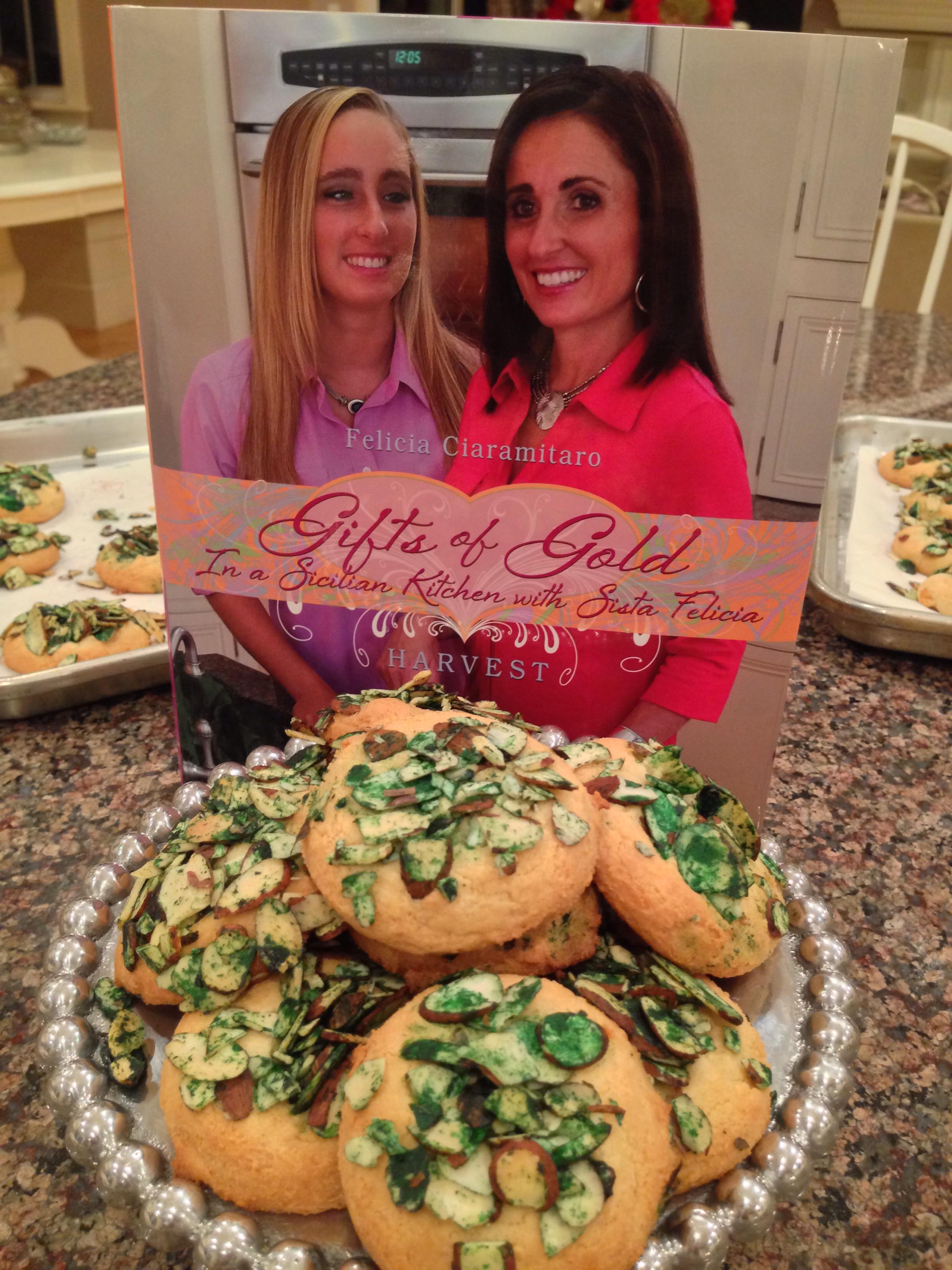
Owners Rosalie Orlando -Foti and Felicia Sciortino and their Talented Staff are hosting A Grand Re-Opening tonight at 18 Washington Street Gloucester. Doors open at 4:00 pm. I will be there at 6 pm selling and signing Copies of my cookbook ” Gifts of Gold In A Sicilian Kitchen With Sista Felicia, Harvest” with a fresh batch of Almond Macaroon Cookies. All are invited to attend they will be serving light refreshments and offering many special deals. Great way to start your Holiday Shopping.
Sent from Xfinity Mobile App


 Good Morning Gloucester