Have stripers migrated into your local waters? Check out the Migration Map: http://t.co/7mLdKnpgi5 pic.twitter.com/ckJn5pspFB
— On The Water (@OnTheWaterMedia) May 12, 2015
Month: May 2015

The Results Of The Dog Poop vs Gum Poll Are In…
Just as I suspected…
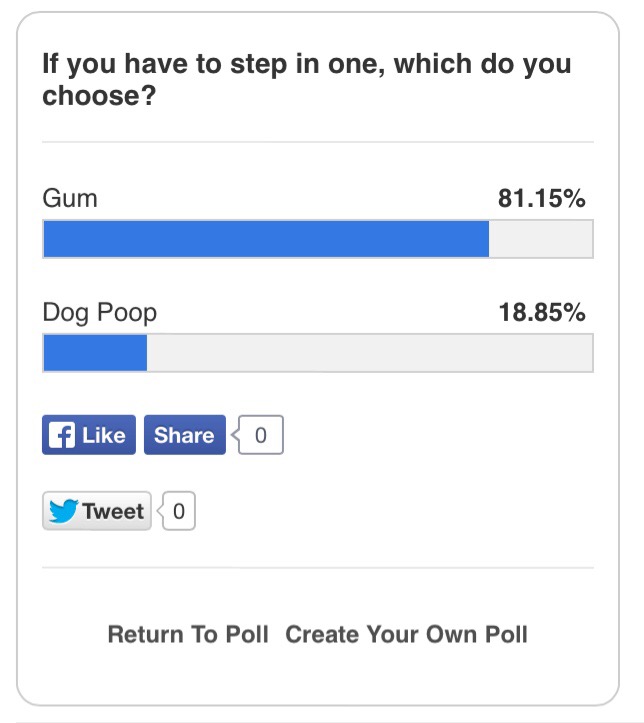
Only an absolute savage chooses to step in dog poop over gum. Just reconfirms everything I know about dog people. Cray Cray…
Spread The GMG Love By Sharing With These Buttons:

Cape Ann Vernal Pond Team Update
Rick Roth writes ~
Your 2015 Special Edition, 25th Anniversary Issue of the CAVPT Newsletter is speeding toward your domiciles as I type this. Thanks to Colleen Anderson, Nick Taormina, Tracy Bowen and the Fabulous Bevins Family. If you want to recieve a copy of your very own, make sure we have your snail mail address, which you can inform us of by responding to this email.
We’ve been doing some more swamping with Nick Taormina and MERHS Green Team Scholar Ben Alger. More vernal pool surveys. Starting next week we’ll be setting some turtle traps on Essex County Greenbelt property, hoping to find Massachusetts Threatened Blanding’s turtles. If we have a population on Cape Ann, we certainly want to know about it, so we can make sure the habitat remains Blanding’s-friendly.
Thursday May 14, 2015 4-5pm
Meet a live kestrel at the Get Outside Center at Brown’s Mall on Main St. in Gloucester.
And, the same day, 5-7:30pm Spring Fling- Kestrel Educational Adventures Fundraiser
at Latitue 43 on Rogers Street in Gloucester. Complimentary appetizers, cash bar, raffle and live music.
Tickets available for $15 at https:kestreleducation.squarespace.com/fling/
On Friday, May 15, 2015
Visiting Scientist Day at O’Maley School
Sam Bevins and I will be among several scientists to visit the school.
Wednesday May 20, 2015 8-11am
Saltonstall School (in Salem MA) Sustainability Fair
I’ll be there with native New England snakes. Anybody want to volunteer for this one?
And… don’t forget:
Big Giant Benefit Yard Sale for the Cape Ann Vernal Pond Team and Kestrel Educational Adventures
Saturday May 23 (Rain date May 30)
Behind St. Peter’s Parking Lot, Commercial Street, Gloucester
This is how it works- You gety to clean up your house, basement, kid’s room, neighbors’ yard, etc… and bring the stuff to us on the morning of the sale between 7:00 and 9:00 am. Have something too big to bring us? Give a call and we may be able to pick it up. Please, no TVs, computers, mattresses or junk. Rick 978 281 3480.
We will need lots of volunteers to help set up, sell stuff, break down and clean up.
Spread The GMG Love By Sharing With These Buttons:

If Eyes are the Windows to the Souls…
If eyes are the windows to the souls, what are front doors to the homes that we love? I have a quirky affinity towards front doors. When we can’t afford to do the renovations that we’d so love to do, I find myself sprucing things up…or maybe just mixing things up…by throwing on a fresh coat of paint, changing a wreath, looking for door knockers, etc. I am also somewhat obsessed with quarterboards….but that is a blog post for another day.
These are a few that have caught my eye recently.


Spread The GMG Love By Sharing With These Buttons:

Dance of the Sea Smoke from Lisa Smith
Hi Kim,
After I saw you, I ran to the station and got the DSLR to shoot the fog on the harbor. I had to chase it, as the fog was moving- it just wouldn’t wait for me!
Here is a time-lapse I shot from Niles Beach, looking over towards Magnolia. I sped 6 minutes of video up to 18 seconds, and the fog looked like it was dancing. Thus the name: “Dance of the Sea Smoke”.
National Geographic describes this phenomena as advection fog:
Advection fog forms when warm, moist air passes over a cool surface. This process is called advection, a scientific name describing the movement of fluid. In the atmosphere, the fluid is wind. When the moist, warm air makes contact with the cooler surface air, water vapor condenses to create fog. Advection fog shows up mostly in places where warm, tropical air meets cooler ocean water.
Spread The GMG Love By Sharing With These Buttons:
Dads and Donuts Saturday Morning May 16th at the Sawyer Free Library

Spread The GMG Love By Sharing With These Buttons:

Let Me Try This In Bold and Capitalized and Italicized- JOEY C IS OFF THIS WEEK
JOEY IS AWAY
PLEASE SEND PRESS RELEASES TO ANY OTHER CONTRIBUTOR UNTIL NEXT FRIDAY
PLEASE AND THANK YOU

Spread The GMG Love By Sharing With These Buttons:

How Solar Installers Design Your Solar Panel System
If you would like a completely free Solar evaluation to see if your house qualifies for the crazy amount of incentives and potentially 90% of your electricity for free, Fill Out The Form and Solar Advisors Will Contact You To Set It Up-


Energy Sage explains the process of how Solar Systems are designed-
The process of of how solar installers design a solar energy system is often a mystery for most consumers. Because of this, we would like to give you some insight into how solar installers design a solar power system for your home or business. A solar power system is designed considering two important factors – the amount of space that you have available for installing solar panels and the amount of electricity you consume annually. Other factors, like shading analysis and the efficiency of solar panels and inverters also come into play.
Space to Install Solar Panels
Assuming that you are interested in installing solar panels on the roof, the amount of viable roof space determines the maximum number of solar panels that can be installed. An individual solar panel varies in size, but is usually around 16 square feet in a rectangular shape. The panels are affixed to racking systems that are more efficiently designed when installed in a contiguous space together rather than spread out all over the roof. The available roof space – limited by vents, chimneys, dormers and any required offsets from roof edges or roof-mounted equipment – may limit the system size such that a solar system offsets less than 100% of your annual electricity consumption. The average solar system in the US consumes about 300-400 square feet of space, so your viable roof space may limit the size of the solar system you are able to install. In this case, installers may recommend higher efficiency panels that generate more electricity per square feet than standard panels. These will also come at a higher cost, but is something you might consider depending on your personal goals.
An average solar panel system may generate different amount of electricity based on your location in the world and the orientation of your roof, so installers will use various tools to estimate the viable solar system size. These tools allow installers to use aerial imagery and to “draw” in system designs on your roof space in order to estimate the size of a system that will fit and how much electricity this system will produce each year given a number of assumptions. If you’d like to try this yourself, you can go to PV Watts, a tool developed by the National Renewable Energy Laboratories, to estimate your system size and annual production.
Annual electricity consumption
One of the first information a solar installer might ask for is twelve months of electricity bills. While this might seem like a lot of information right off the bat, this gives the installer a sense for how much energy you use throughout the year. Often an electric bill will include the last twelve months of usage history in a table or a chart, removing the need to fish around for past bills. Armed with your electricity usage information, the installer can determine about how big of a solar photovoltaic system would be required to offset 100% of your annual usage. This will vary by your location and roof profile. Typically, solar panel systems are designed to cover 100% or less of annual usage to maximize the financial benefits, but if you are planning to increase your energy use in the near future – for example, if you are planning to buy an electric car or converting from oil to electric heat pumps – you might consult with your solar consultant to estimate your expected energy demand in order to design a system that better matches that use profile.
The impact of shading
If your roof has shading – from neighboring trees, other buildings or large chimneys – installers may choose to leave these areas uncovered by solar panels to optimize the production of the system or may place panels in these locations with the understanding that these panels may produce less energy at certain times of the day. Installers may also suggest changes to system design to create separate solar panel strings that are designed to avoid power loss from shading or may suggest the use of micro-inverters or power optimizers to help mitigate the impact of shading of the production of the overall system. The latter two technologies may come at a higher cost, but these costs may be justified from the additional power they help your system to generate.
From Energy Sage Site
Spread The GMG Love By Sharing With These Buttons:
Please, Please, Please Don’t Feed Our Beautiful Wild Creatures Crappy Junk Food
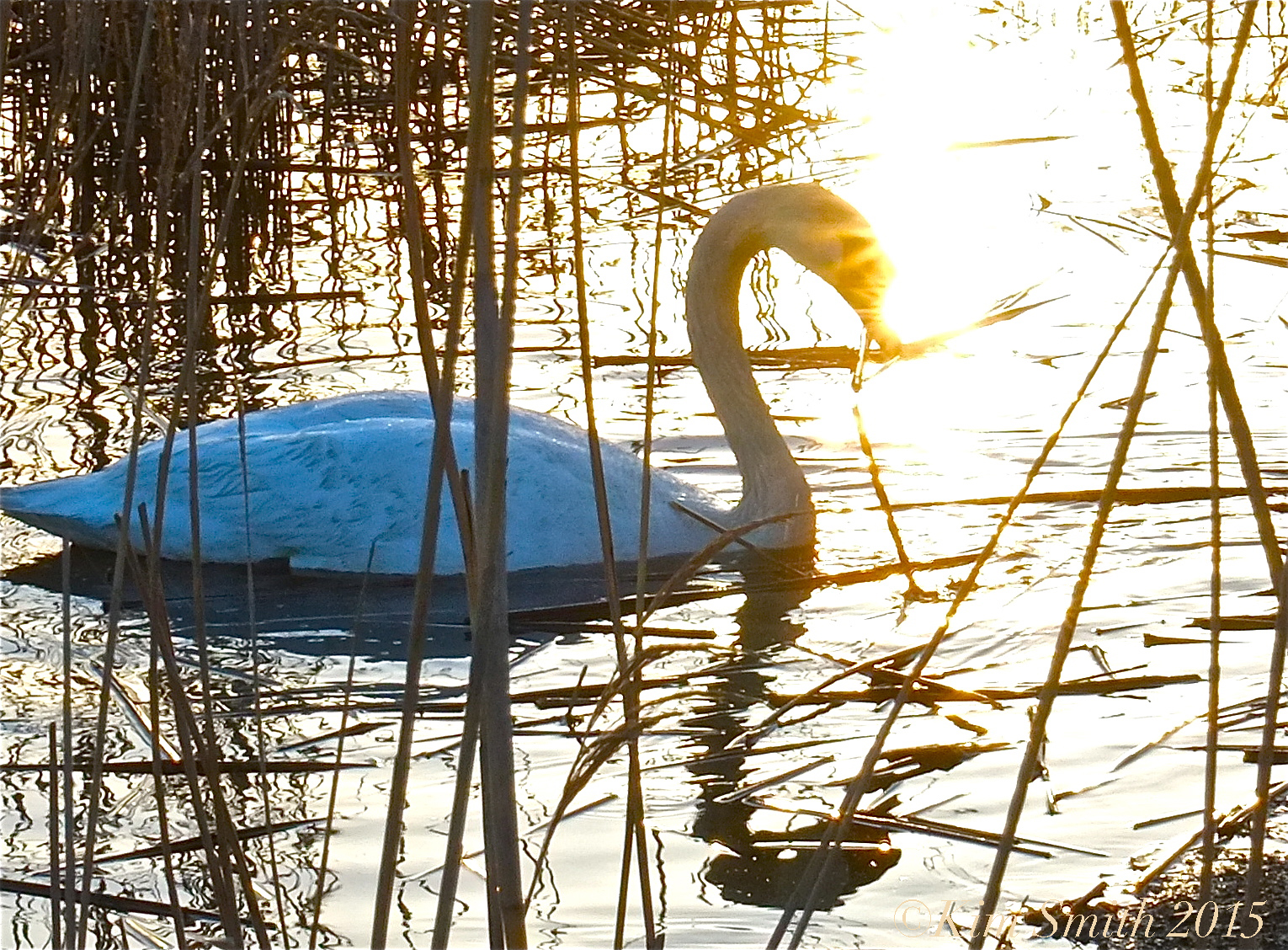
Mute Swan
Early Sunday morning was spent filming along the water’s edge. It was a gorgeous scene and I observed dozens of different species of wildlife foraging for seaweed, seagrass, seed heads, and sundry other native plants and grasses.
I left for a moment to go back to my car to change a camera lens and when I returned, there was an old woman throwing crackers at the ducks and the shoreline was littered with the unmistakeable bright orange of CHEETOS. Seriously??? First denying she had dumped the Cheetos, she stared mutely when I suggested that it is really not a good idea to feed our beautiful water birds junk food. Wildlife face challenges enough adapting to climate change and habitat destruction; it’s just plain common sense not to feed them garbage. She had her dog with her and I wanted to ask if she fed her dog junk food, too.
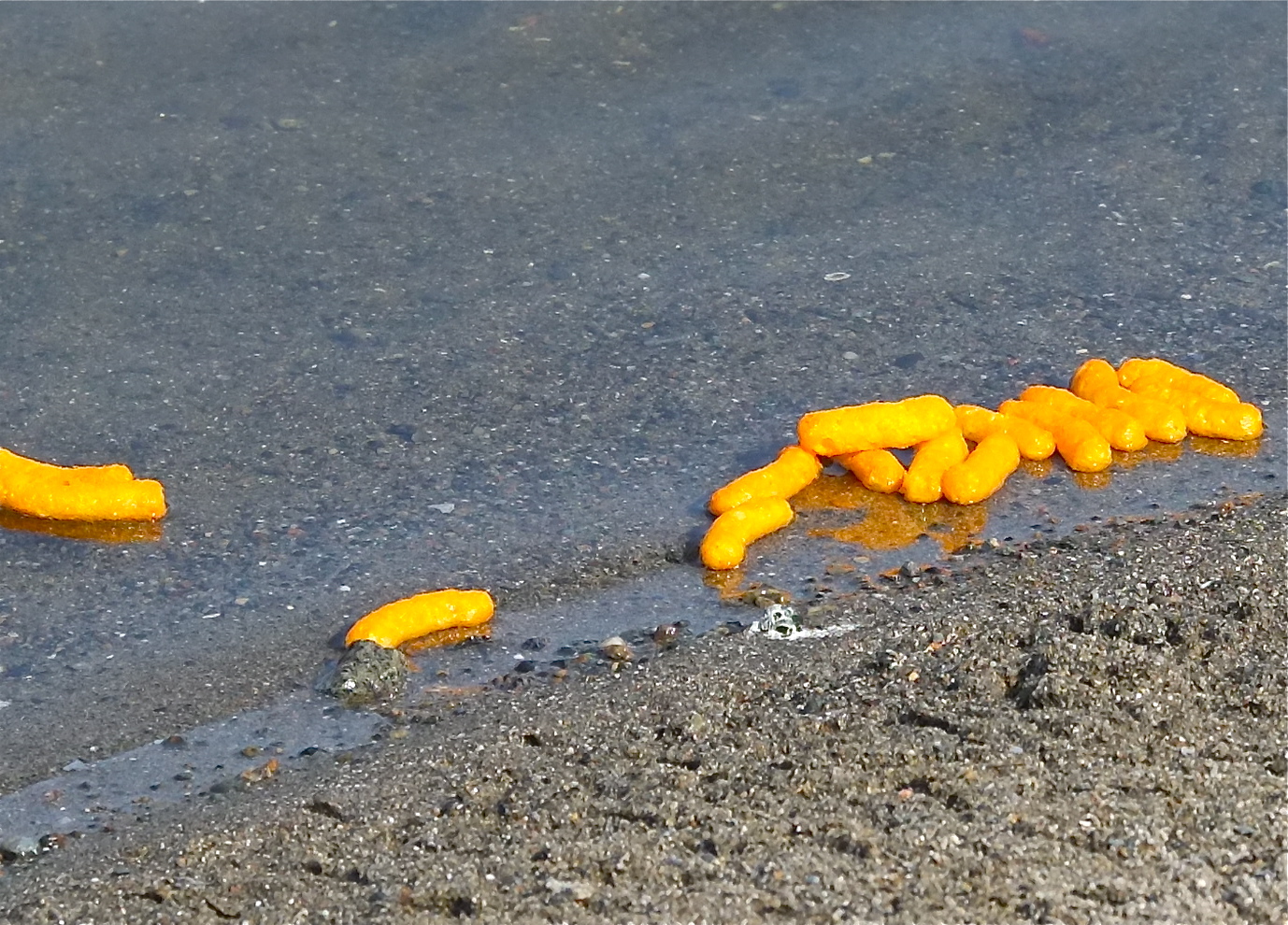
A bounty of food for wildlife, at this time of year especially, grows naturally along the shores, marshes, and meadows of Cape Ann. If you are interested in feeding a particular avian species, find out what is safe and healthy. For example, the best food for ducks such as mallards are those that provide nutrients, minerals, and vitamins and they include cracked corn, wheat or similar whole grains, chopped lettuce, spinach, and mealworms. The absolute worst and most unhealthy are bread, chips, crackers, popcorn, and it should go without saying, Cheetos.
Spread The GMG Love By Sharing With These Buttons:

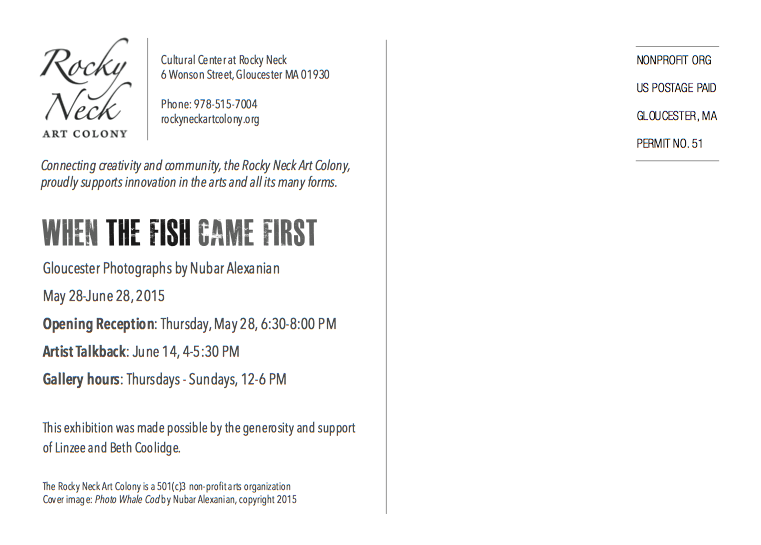
When the Fish Came First

Spread The GMG Love By Sharing With These Buttons:

Don’t Miss the RED SHED FILM FESTIVAL SATURDAY MAY 16th
The Red Shed Film Festival is part of the Motif No. 1 Day Rockport Arts Festival. Screenings will take place at:
Peggy Brenner Room
Rockport Public Library
17 School Street
Rockport, MA 01966
The Brenner Room is on the second floor; take the main staircase and turn left at the top, take another left at the end of the hall and you’re there.
For the documentary shorts, there will be audience voting for the favorite first, second, and third places.
Spread The GMG Love By Sharing With These Buttons:
Good Morning Gloucester Podcast Premiering Tonight! Cape Ann TV Channel 12 at 8:00 p.m.!
https://twitter.com/CapeAnnTVCATV/status/597862578254127104
Spread The GMG Love By Sharing With These Buttons:
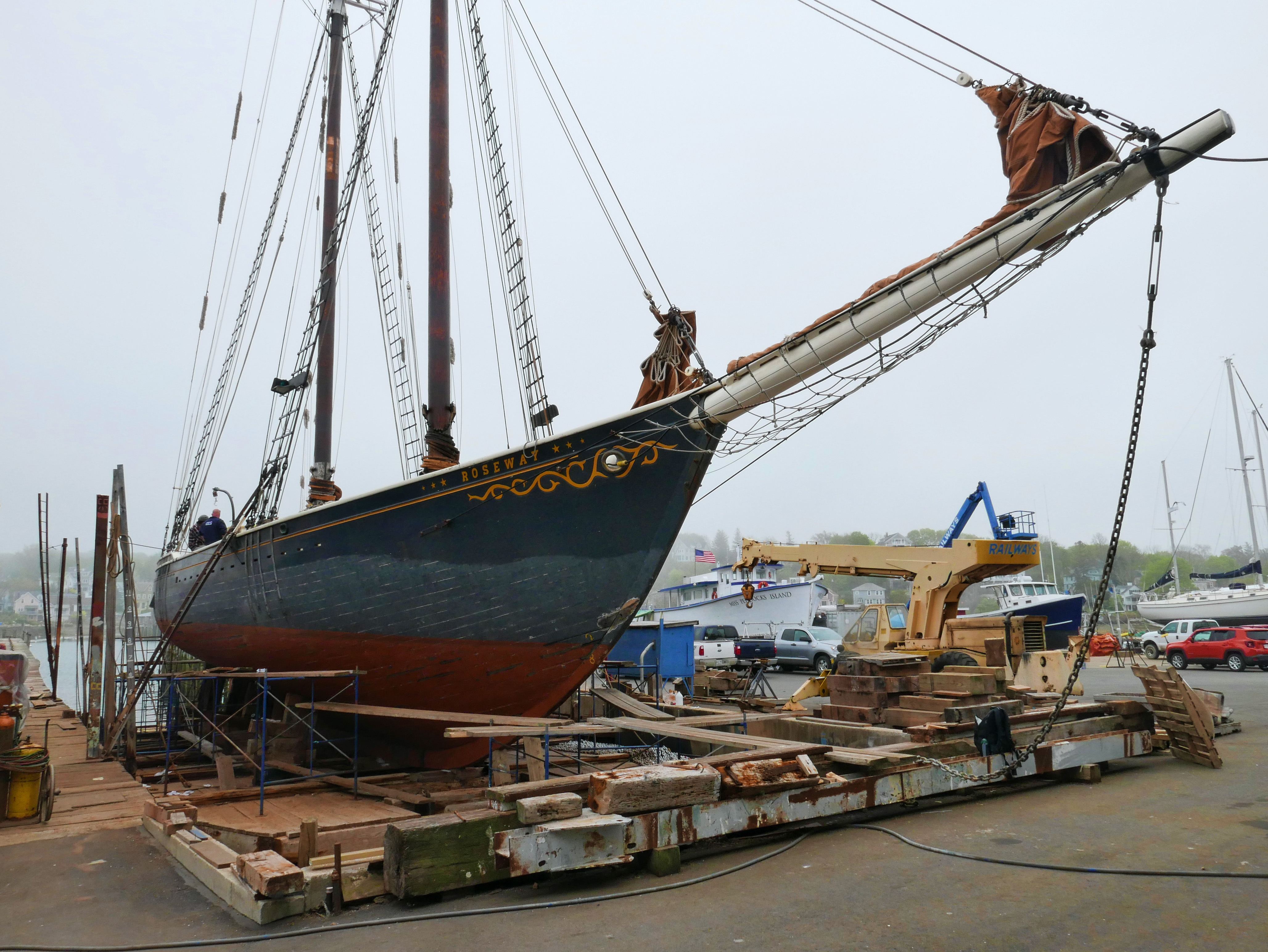
Roseway
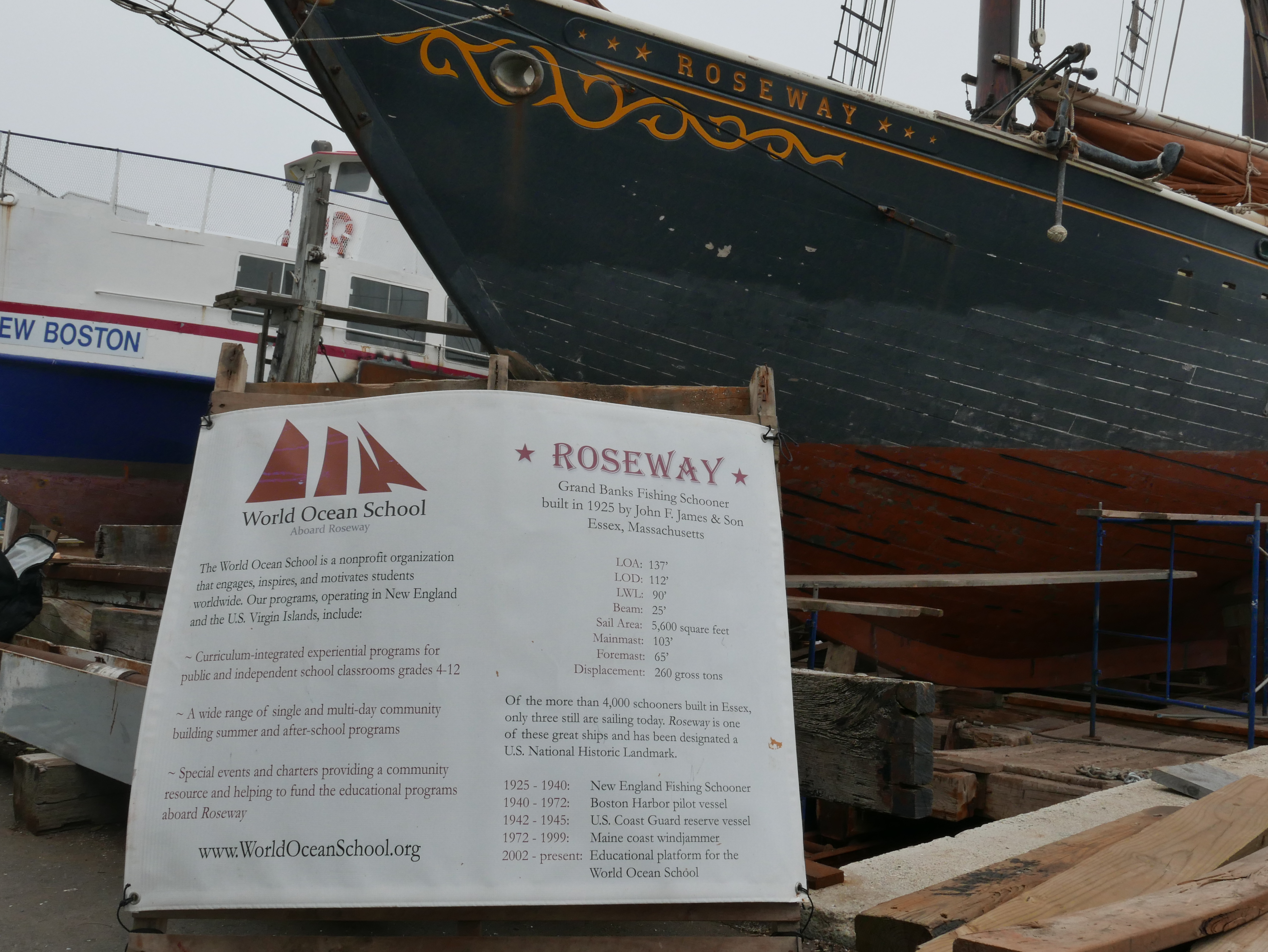
Click on image to enlarge.
Spread The GMG Love By Sharing With These Buttons:

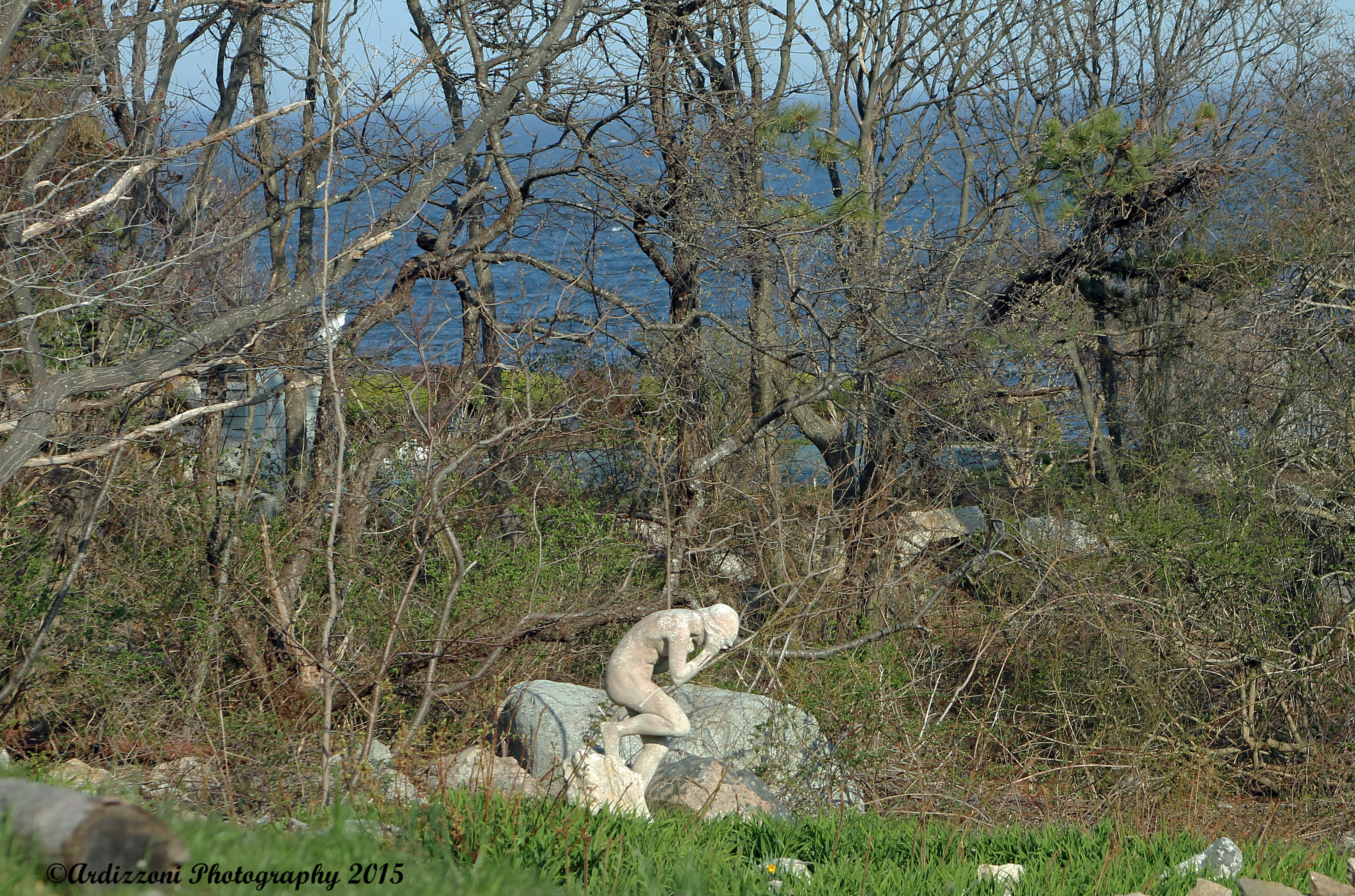
Thinking by the sea
Spread The GMG Love By Sharing With These Buttons:

Cape Ann Museum Annual Meeting: Celebrating the accomplishments of 2014
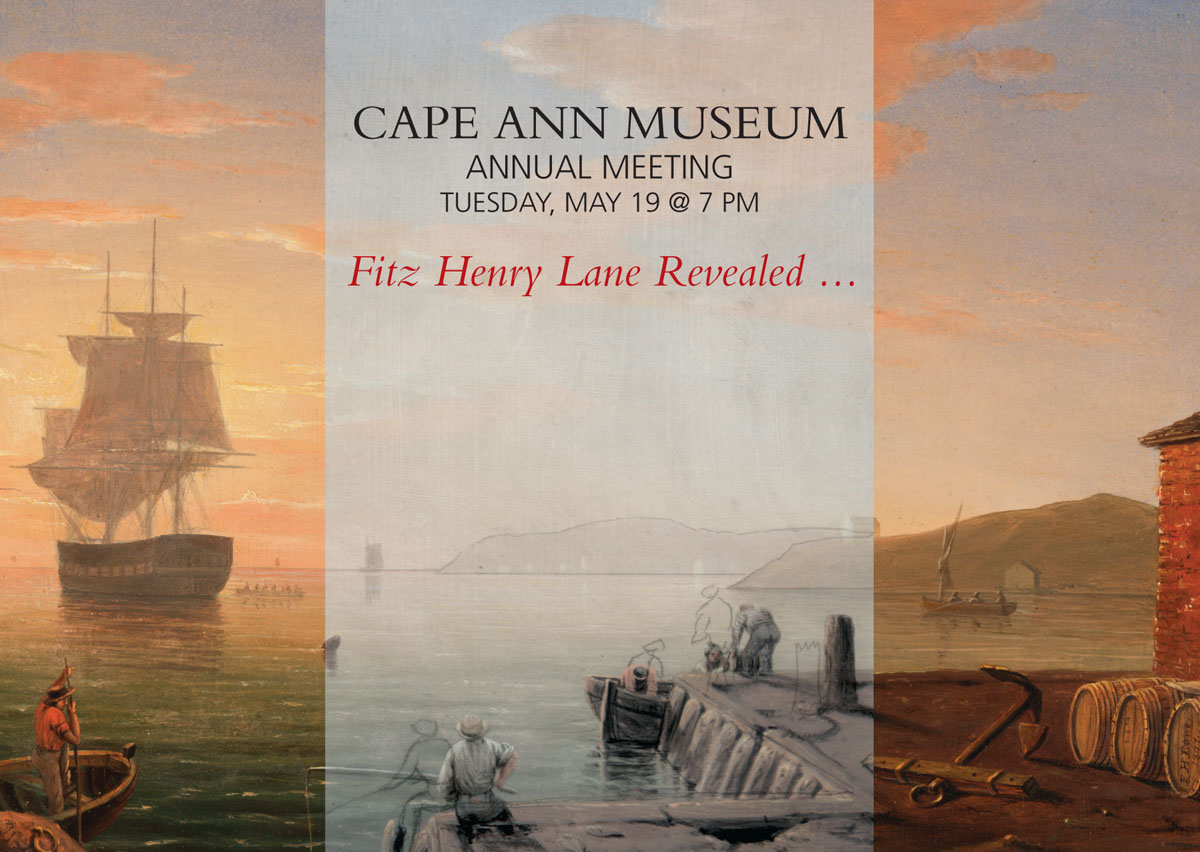
GLOUCESTER, Mass. (May 8, 2015) – The Cape Ann Museum will hold its Annual Meeting on Tuesday, May 19 at 7:00 p.m. The meeting is free and open to the public.
Staff reports and Board elections will be followed by Fitz Henry Lane Revealed, a brief discussion of new research based on infrared photography presented by Board member and FHL Online Project Manager, Sam Holdsworth. Refreshments will follow.
Spread The GMG Love By Sharing With These Buttons:

Music Around Town ~ May 11-17, 2015
 click photo for music info
Spread The GMG Love By Sharing With These Buttons:

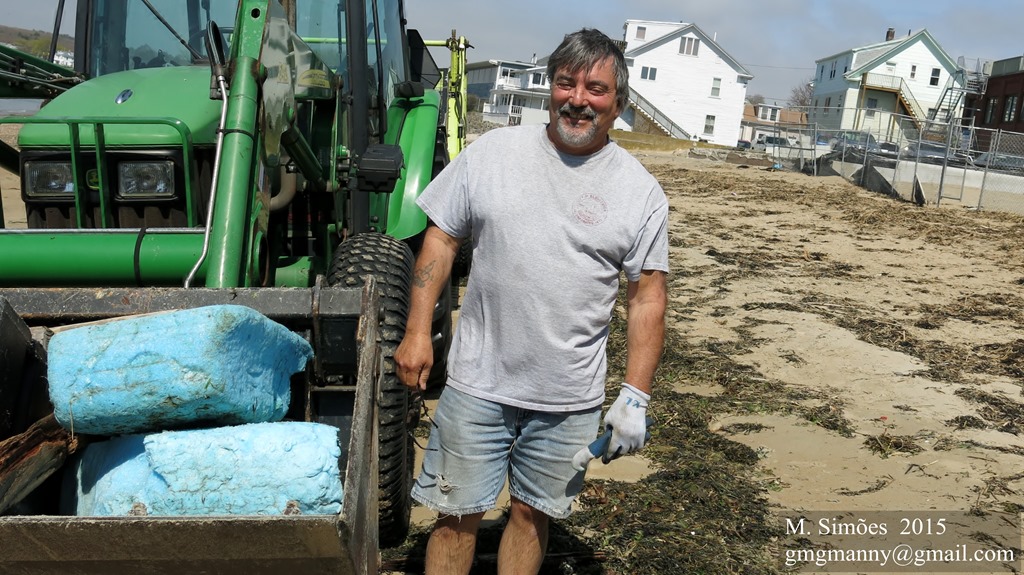
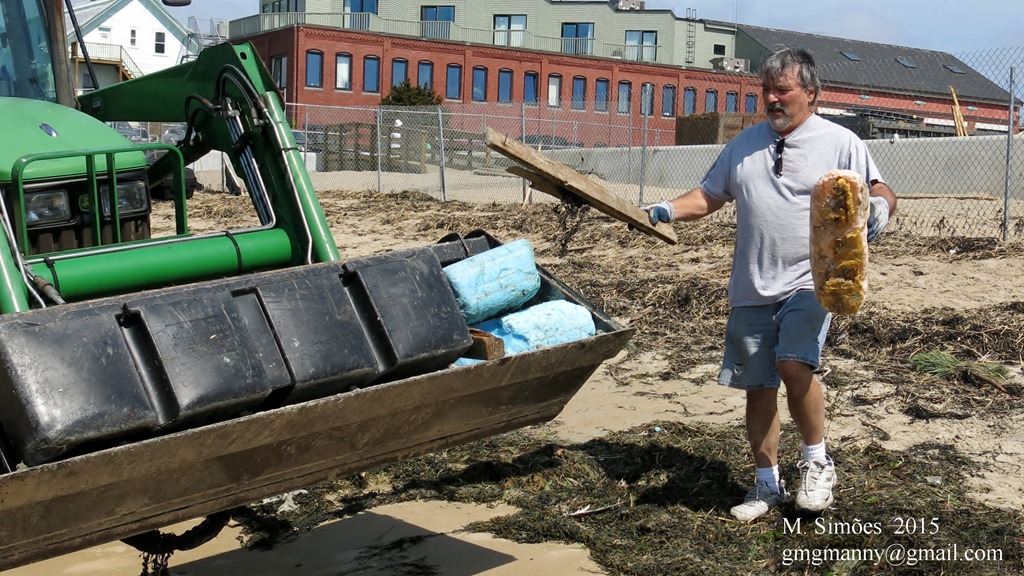
DPW Charlie Nicastro Performs Heavy Debris Clean UP before Raking Pavilion Beach
Spread The GMG Love By Sharing With These Buttons:

“Invent, Improvise, and Overcome.”
Old movies show pop walking to the factory, lunch pail in hand. When he got home, dad gave the pail to one of the kids to fill with beer at the corner tavern. In our Rockport house the second floor is used for sleeping and to use the bathroom. The kitchen with perishable food and dish washing,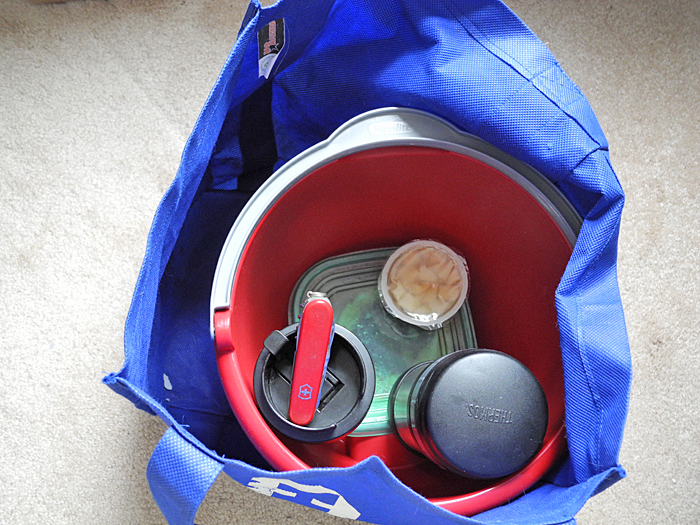 are on the first floor. Because of my mobility challenges, I needed to protect the white rug and safely transport fresh food upstairs and dirty dishes downstairs, so I resurrected my version of the lunch pail. If something spills, it goes into the pail.
Spread The GMG Love By Sharing With These Buttons:

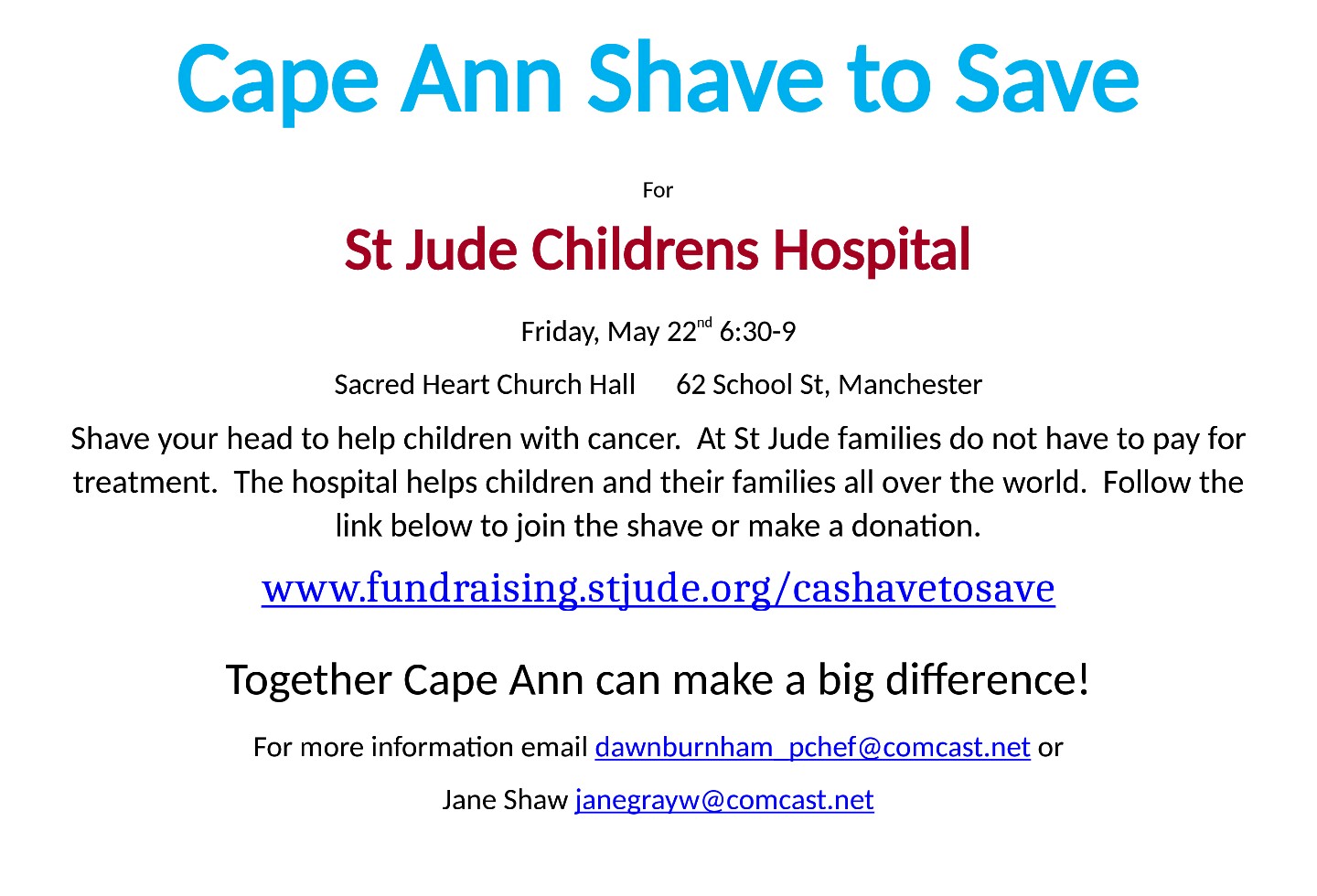
Cape Ann Shave To Save

 Good Morning Gloucester