Published by Joey Ciaramitaro
The creator of goodmorninggloucester.org Lover of all things Gloucester and Cape Ann. GMG where we bring you the very best our town has to offer because we love to share all the great news and believe that by promoting others in our community everyone wins.
View all posts by Joey Ciaramitaro


 Good Morning Gloucester
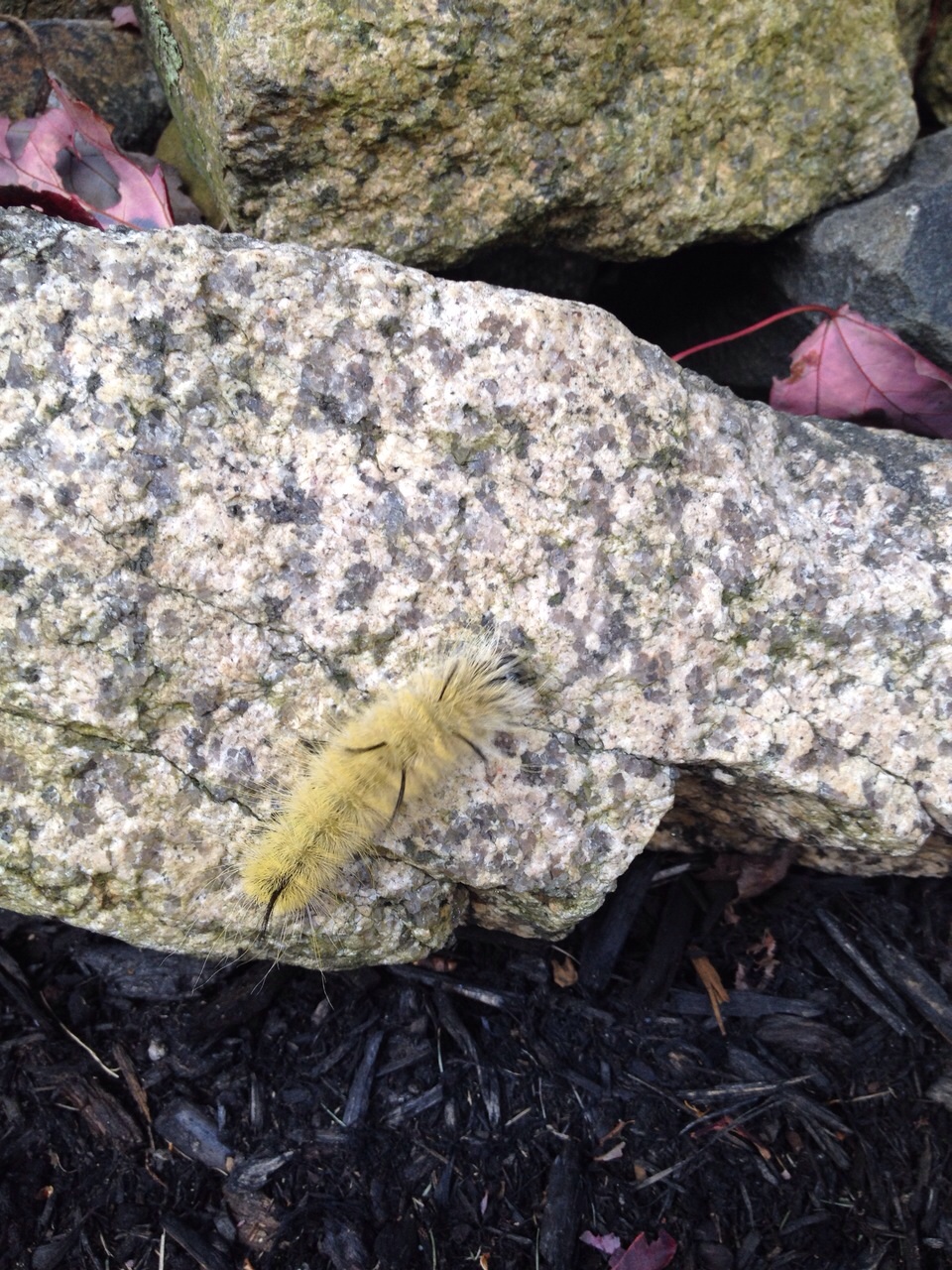
A dagger moth caterpillar. Funny….we were just talking about these in the classroom last week!
LikeLike
I should mention that if their little “spikes” break off in your skin they can release a toxin. Usually gives a rash. Or so my students told me.
LikeLike
The setae (tufts of hair) do not beak off and are not poisonous however, the setae can cause a mild skin irritation.
LikeLike
So in other words we should squish ’em, right?
LikeLike
Correct–no squish!
LikeLike
Think we know way they call them dagger moths…And they love the type of tree’s that way also woods and yards… These include alders, maples, oaks, willows, and poplars.
LikeLike
It is the caterpillar of the American Dagger Moth (Acronicta americana) and its food plants include many trees –alders, ashes, birches, elms, hickories, maples, oaks, poplars, walnuts, and willows. They are seen well into the fall. At the end of the season, the caterpillars will pupate and overwinter inside their cocoons, emerging the following summer.
LikeLiked by 1 person
It’s a nasty, prickly, burning rash. We always picked them up when we were kids.
LikeLike
I think this is a Hickory Tussock caterpillar. Their black spikes have been known to cause an allergic reaction and/or rash in sompe people. http://bangordailynews.com/2011/08/30/news/state/entomologists-beware-of-hickory-tussock-caterpillar/
LikeLike