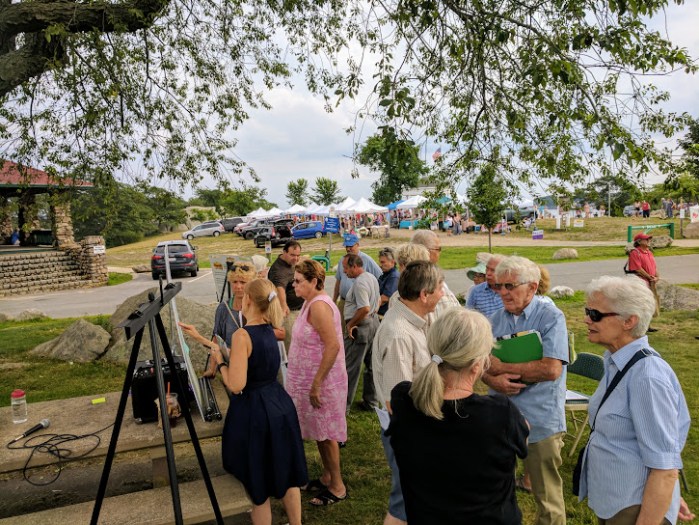
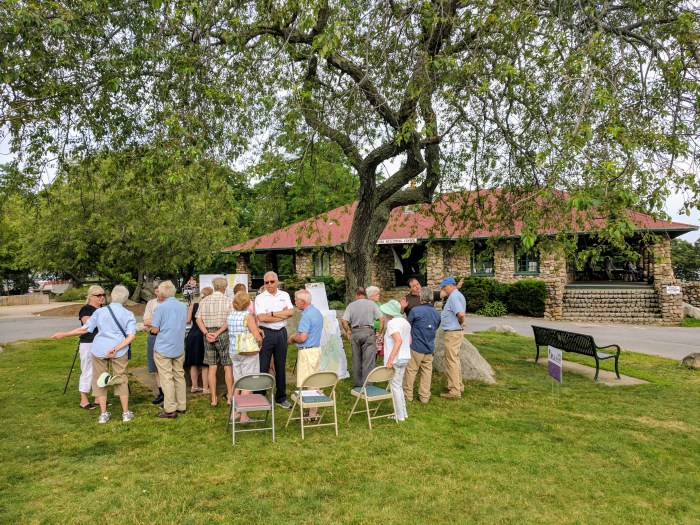
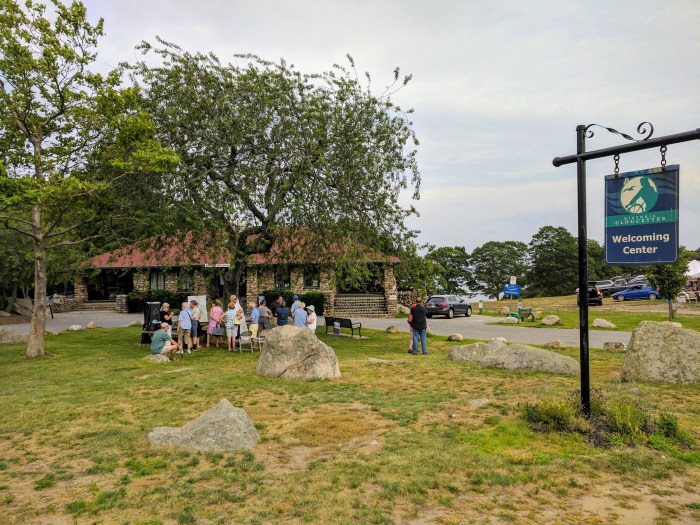
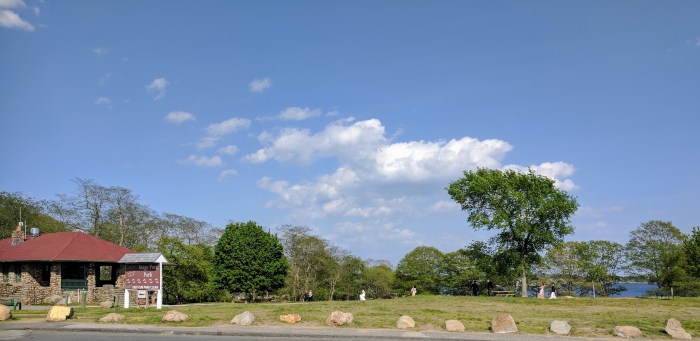
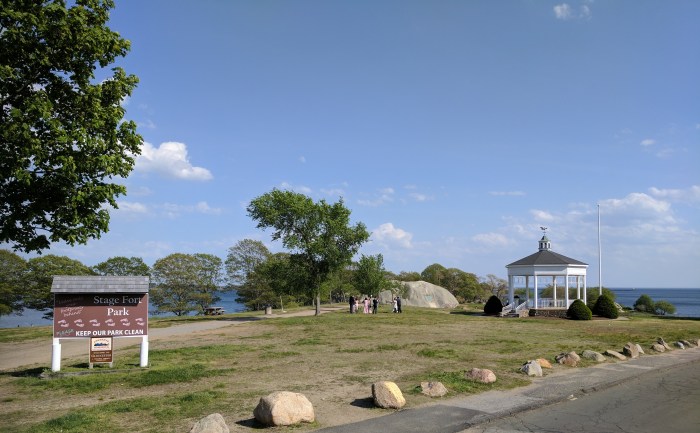
Scenes from last Thursday’s public display and discussion about proposed plans to Stage Fort Park, held during the Cape Ann Farmers Market.
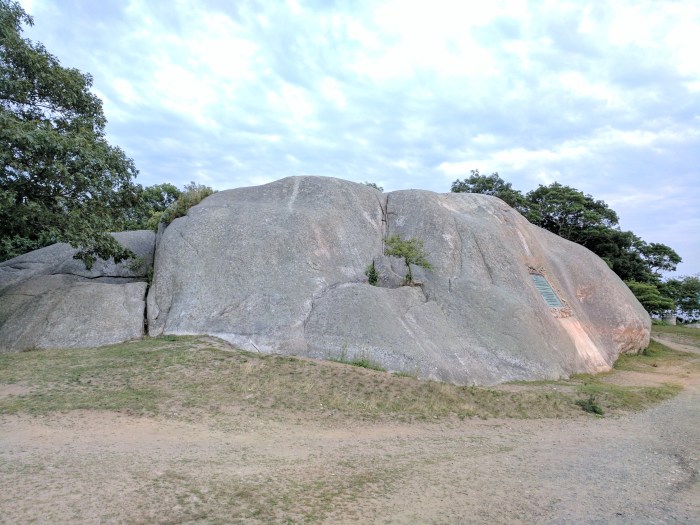
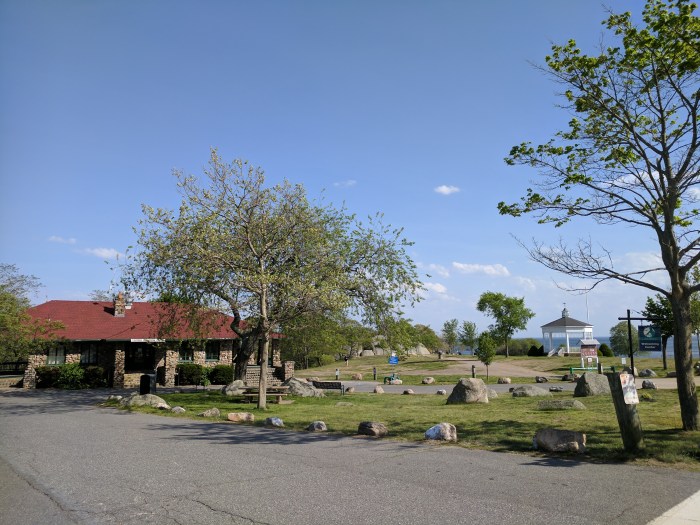
The plans are similar to ones you may have seen over the last year, though it is always something else to inspect them in person, walk through a site, and hear feedback, input and questions. I’ve considered the plans before, but had not realized that the parking lot was going to be shifted and expanded double wide at the top abutting the dog park. Some neighbors liked the idea of an altered viewshed, others not so much. People talked about cleaning up the broken glass, trash management (great praise for DPW dealing with this every day), repairing the stone steps, the beach, bringing back some of the fanciful playground elements, trees and maintenance. There was pretty much universal praise for the Rotary and the farmers market. I was told there was mention of altering the Tablet Rock plaque, which does not need it, though I did not hear any. I was there for the duration of the meeting and even a tad beyond as Steve Winslow was kind enough to lead a tour into the field and perimeter afterwards. A great challenge is maintaining the meadow expanse which many feel is ragged around the gazebo while serving crowds. The proposed plans center about the gazebo and parking lot, and did not cover the area along the harbor (across from the cupboard) where the annual Waterfront music festivals occur as well as elements listed above.
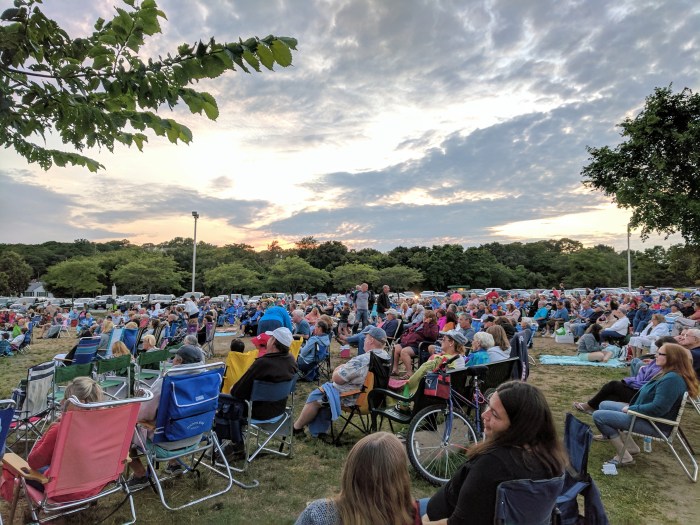
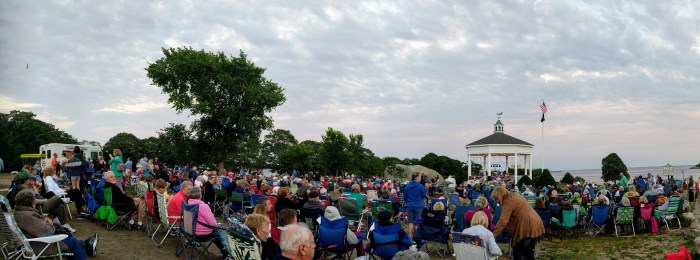
Here are some scenes from July 23rd during the 4 Ever Fab Beatles nicely played tribute band evening sponsored by Cape Ann Savings Bank, part of the 2017 line up for the annual Stage Fort Park summer concert series at the Antonio Gentile Bandstand. See the full 2017 schedule here The crowd brought chairs and blankets. What a venue!
We walked to Stage Fort Park from City Hall and could hear 4 Ever Band on the approach from the Boulevard, and later Tablet Rock where we settled in with a picnic dinner. The band sounded great!
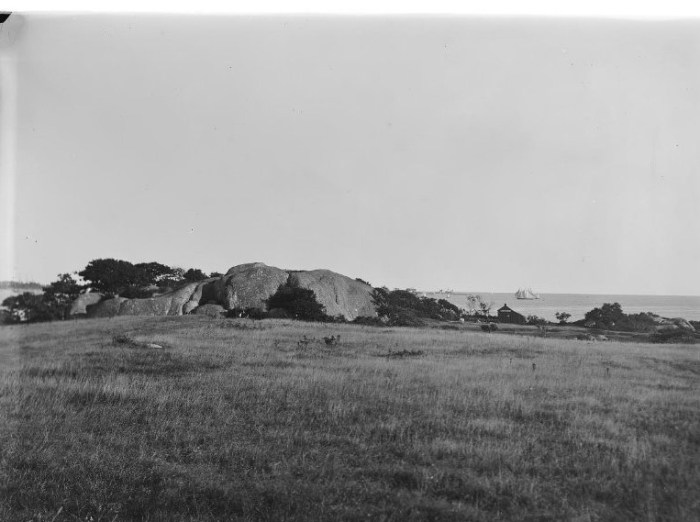
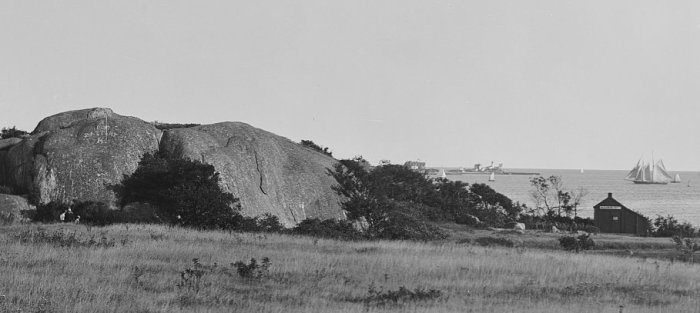
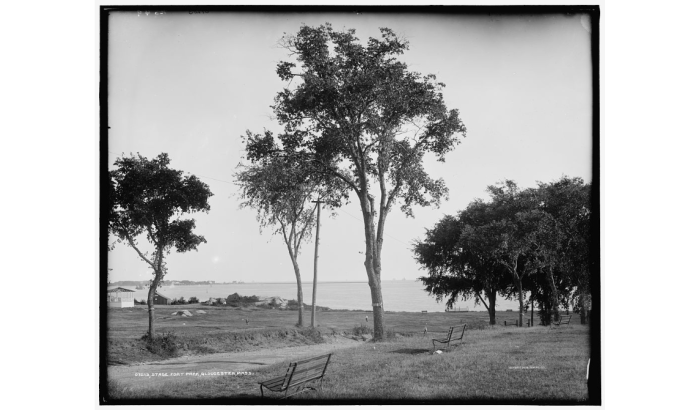
Here’s Stage Fort Park in 1901 with it’s grassy meadow expanse.
When you zoom in you can see the big ‘Battery K’- for the Civil War 1861 to 1865 Fort Conant.
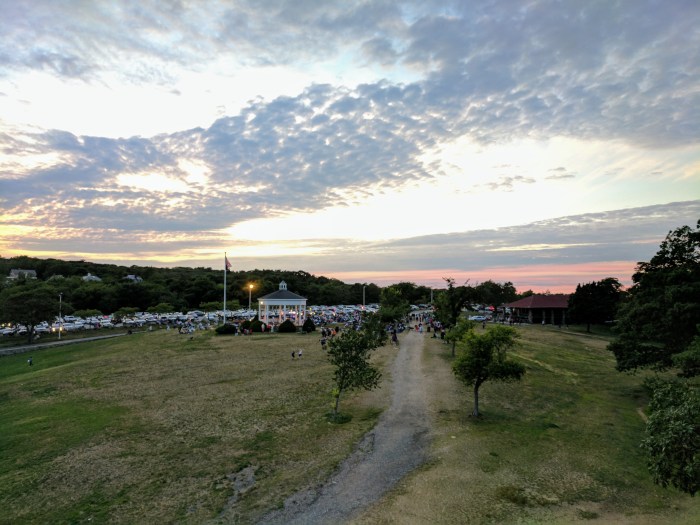
And this weekend.
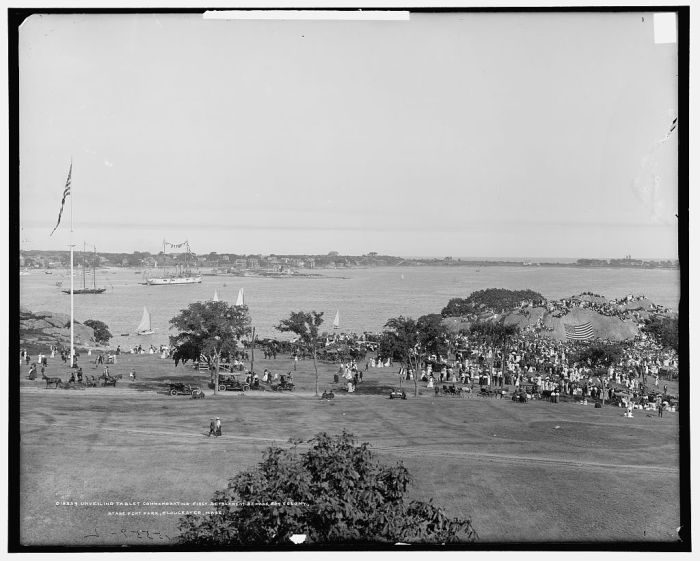
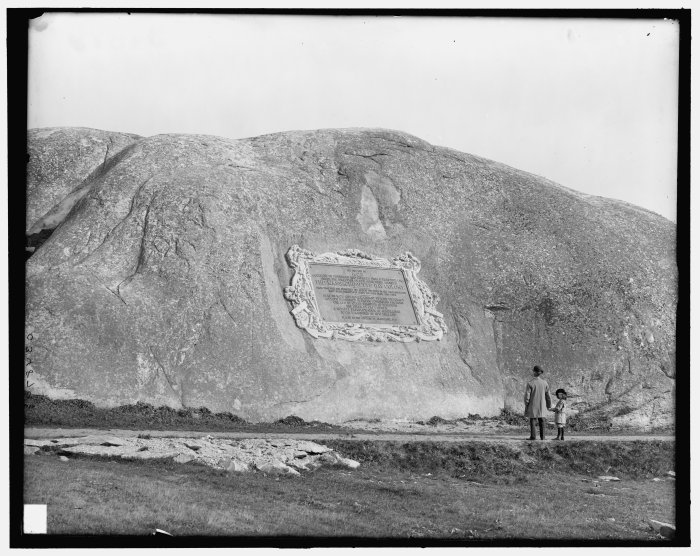
Here’s a gorgeous aerial photo from the 1907 Tablet Rock dedication. There are several modes of transportation by land and sea. The well worn road was ground in from years of steady use, carriage trade and automobiles in this picture. The road is still prominent today.
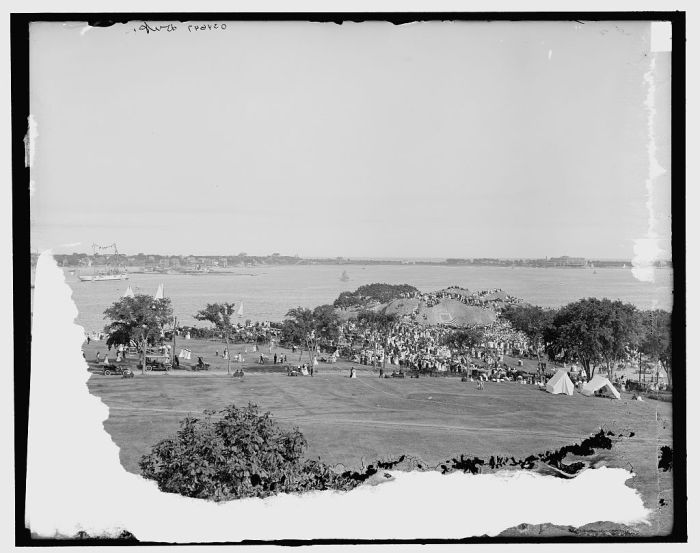
Note the tents in this one.
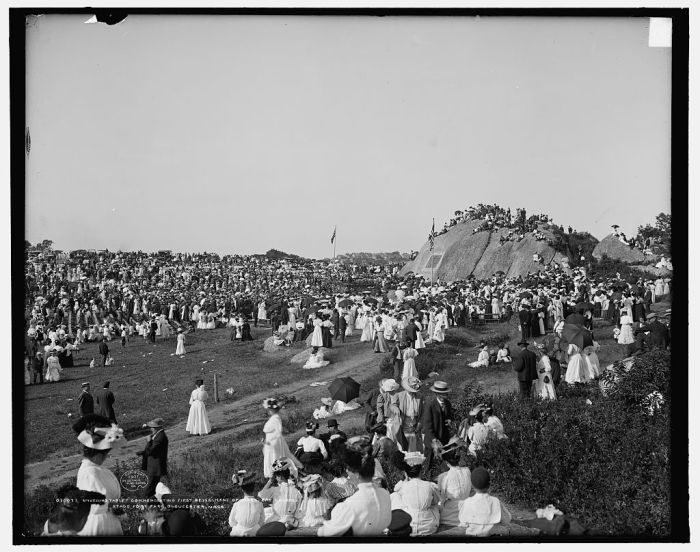
Here’s another angle and a closer picture from the ground
John Hays Hammond, Sr. with his daughter Natalie (not looking happily back at the photographer). She pulled back the cord for the reveal. Hammond orchestrated and compelled the press coverage.
I’ll go into more details about the commission with Part II.
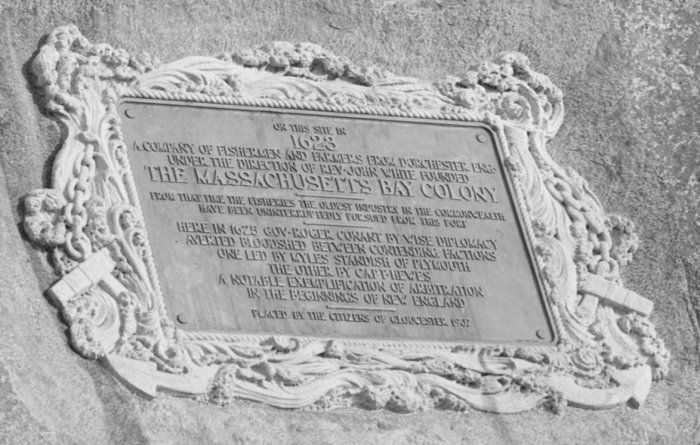
Here’s a detail of the plaque in 1907
Spread The GMG Love By Sharing With These Buttons:
Ways to beat the traffic and work around MBTA closures– Bob Ryan (General Manager Cape Ann Transportation Authority) and Heidi Dallin (Gloucester Stage and so much more) are such incredible Gloucester–and greater Cape Ann– ambassadors.
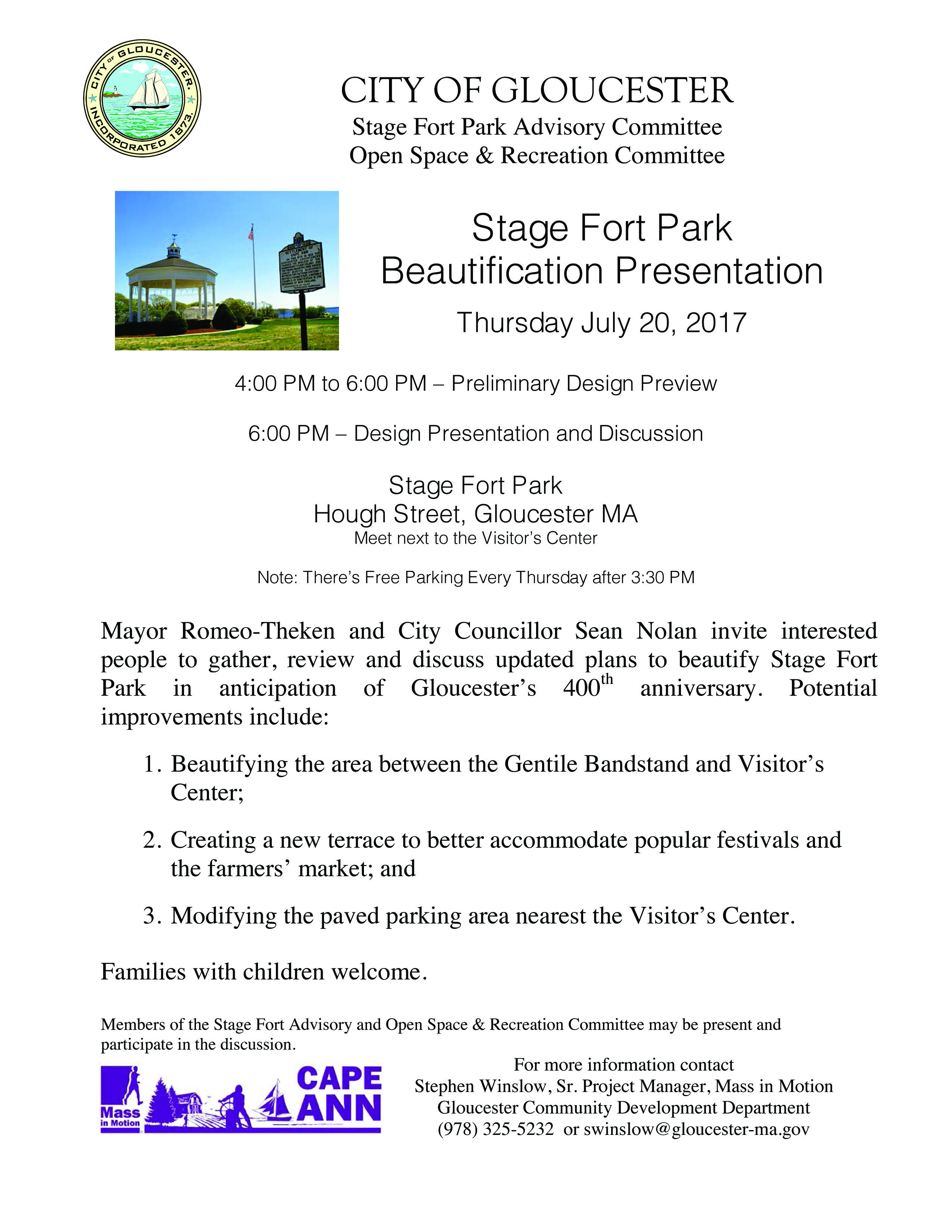
Mayor Romeo-Theken and City Councillor Sean Nolan invite interested people to gather, review and discuss updated plans to beautify Stage Fort Park in anticipation of Gloucester’s 400th anniversary. Potential improvements include:
Beautifying the area between the Gentile Bandstand and Visitor’s Center;
Creating a new terrace to better accommodate popular festivals and the farmers’ market; and
Modifying the paved parking area nearest the Visitor’s Center.
Spread The GMG Love By Sharing With These Buttons:
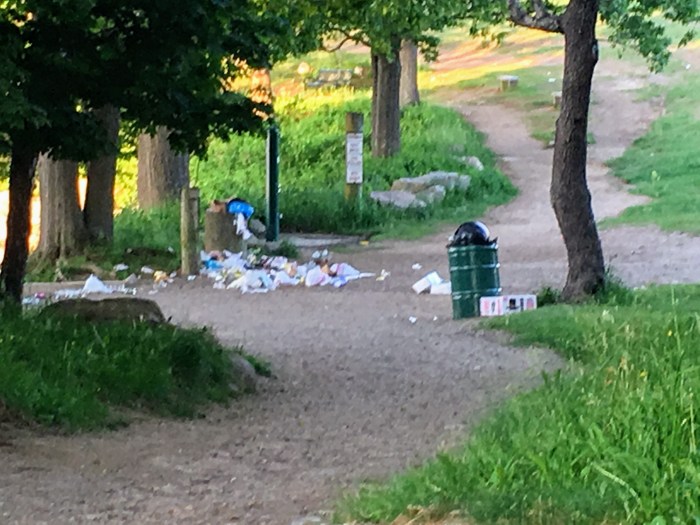
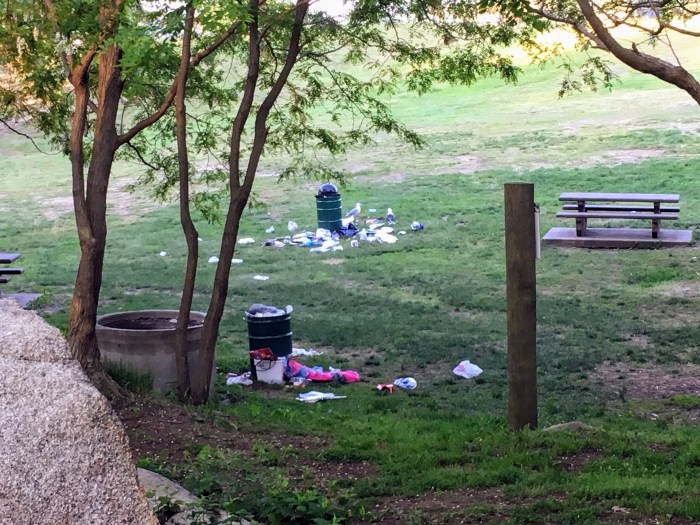
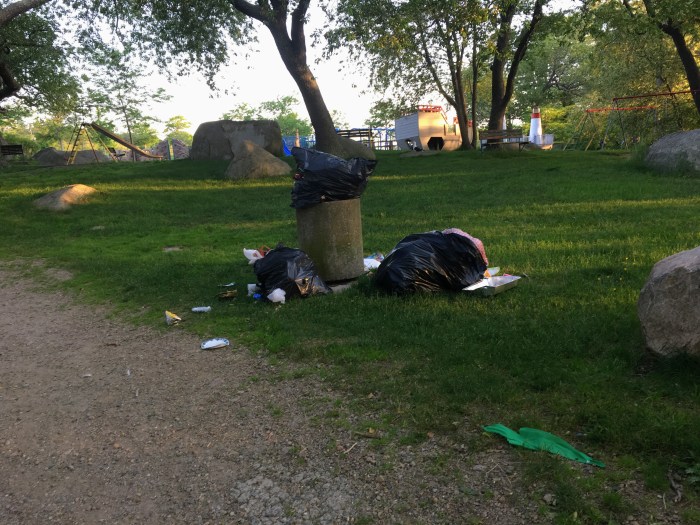
One thing is for certain, when Stage Fort is trash heaped, DPW will pick it up…but why does it have to be like this? Trash operations and picking up litter are expensive. National and state parks worldwide are taking out the trash cans rather than trash by instituting various carry in/carry out policies. Cape Ann is about as National Park worthy as any designation out there. I like
Carry IN Carry HOME
to extra underscore that the parking lot isn’t “out” enough. Marketing won’t help 100%. Despite anti-litter, Keep America Beautiful and green goals, we drop stuff. Especially if it’s convenient. The Law of Litter will prevail. If there are barrels we toss it in, then on, and too quickly around. Once any scrap meets ground, an overflowing heap isn’t far behind. It’s the psychology of litter: people are more likely to litter where there’s litter.
There are great DPW departments (like ours), policies in place in every community, and people who stop pollution (like Donna, Kim, Patty, Amy, and others here in Gloucester). I am amazed and grateful for just how cleaned up the beaches and parks are with every morning’s reset.
Gloucester offers options: DPW, barrels, carry in/carry out, volunteer clean ups and pooper scooper baggy dispensers. If it’s not enough, other options include allocating more funds to the DPW and police department via the municipal budget, entrance fees, and ‘take out/to go orders’ tax charge. Or us.
all photos: Stage Fort Park this morning (before DPW) photos by Pauline Bresnahan. thanks for sending to GMG, Pauline
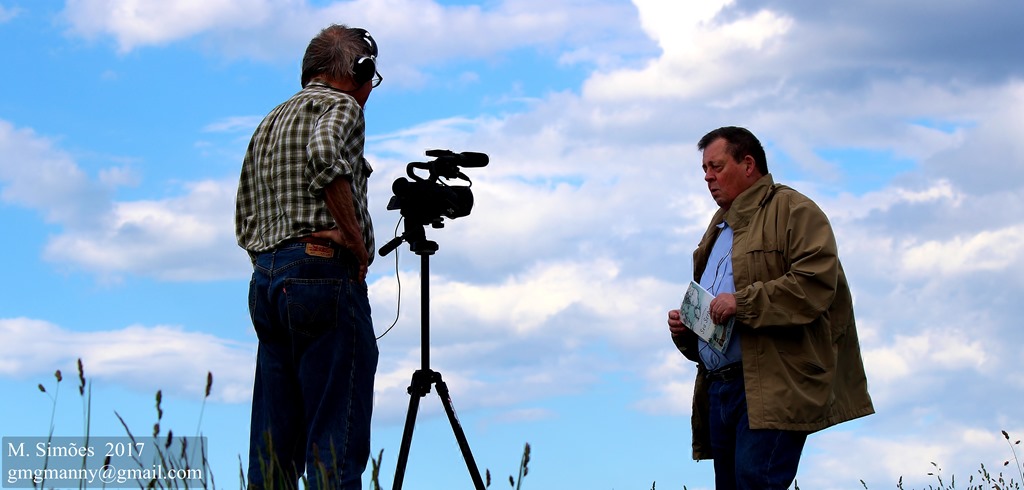
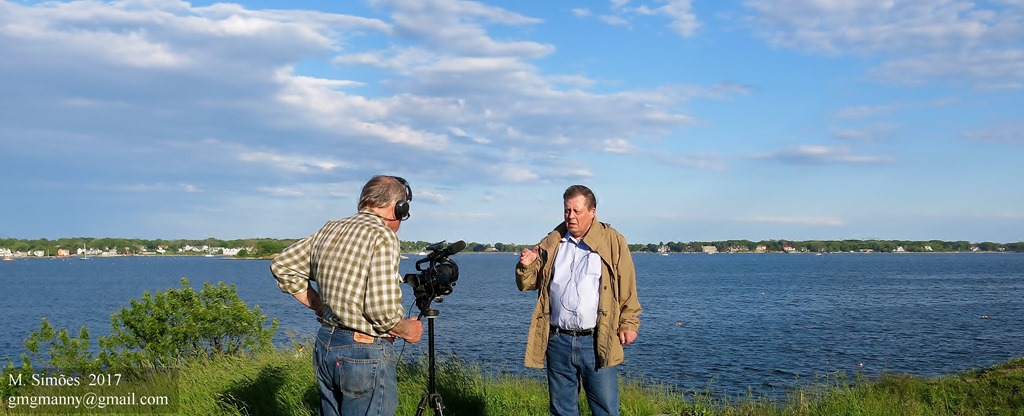
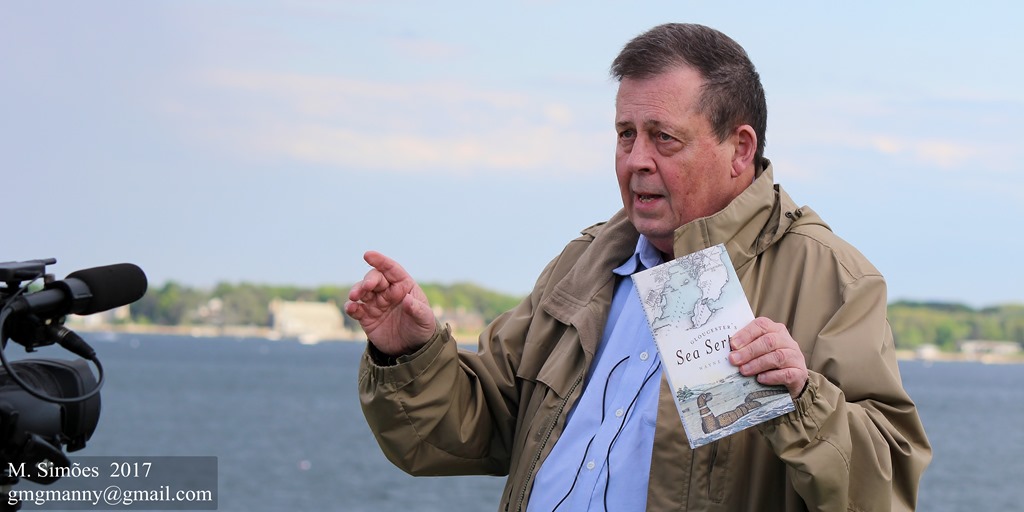
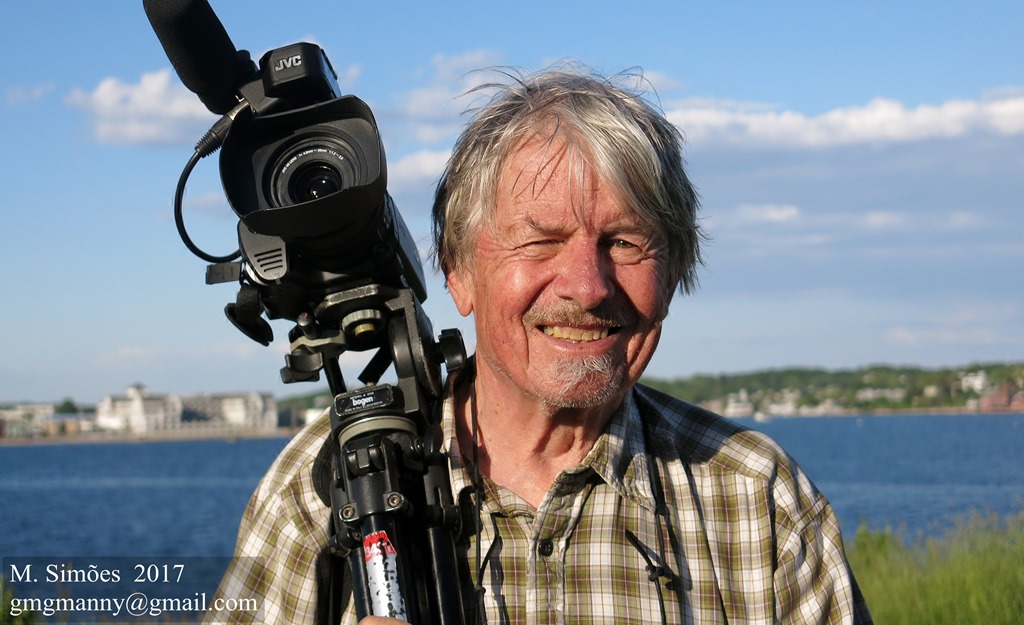
Shep Abbott, (film/video producing, directing, and writer), video tapes an interview with Wayne Soini author of “Gloucester’s Sea Serpent”, for the documentary “Gloucester Speaks”.
Wayne Soini Shep Abbott
Spread The GMG Love By Sharing With These Buttons:
Contractor:Newport, Nashua, NH, Brian McCabe is the Project Manager Status: in progress Progress April 2017: nearing finish line Project start (historic): pre 1900 Modern project start: 1999 Funding Awarded: 2013
from State:$5,600,000 Seaport Advisory Council
from City:$1,120,000 + contingencies
Funding in place: 2015
Gloucester seawall grants over the last 18 years include: Cripple cove/ Robinsons landing; small sea wall by beacon marine and pirates lane; fort square; Stacy (Stage Fort through Blynman); plus emergency work on Blynman collapse
Bid Open and contract amount: 2/24/15 approx $7 million Contract completion: on schedule, estimated spring 2017 Locations: Stacy Boulevard and Blynman Priority:Top Level! Unique and exceptional project– Mayor’s Office considers seawall boulevard a priority necessity, for safety, a centuries infrastructure project with immeasurable quality of life benefits for residents and visitors and essential to economy Temporary work site chain link fence: Required. The chain link fence is installed by the contractor to protect the work zone and define it better. Tender house at Blynman and bridge: These are State not city/DPW purview. The new bridge house is temporary (thankfully). The entire bridge needs to be replaced and when it is a new tender’s house will be constructed. I will write more about the bridge house and Blynman in other posts. Local jobs– scroll below
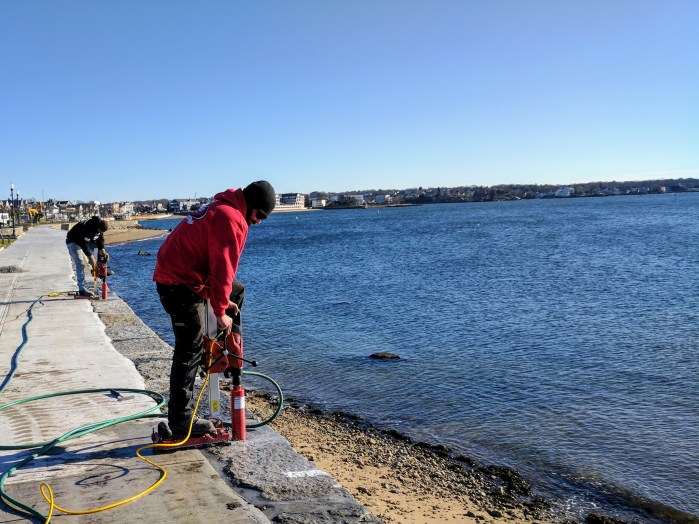
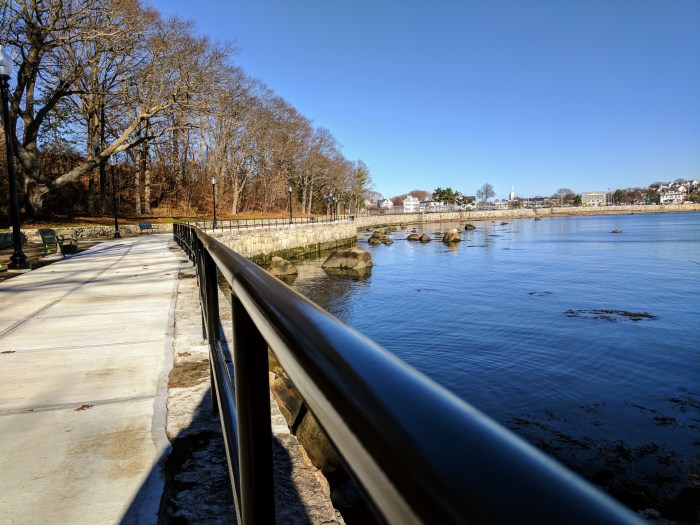
photo above: fencing subcontractor on a beautiful work site readying for railing. Railing required diamond coring like old granite quarrying. Stacy Boulevard December 2016.
photo caption: Railing! 2000 feet of new galvanized railing. (The replaced railing was not galvanized. DPW replaces railing: it’s simply a matter of funding.)
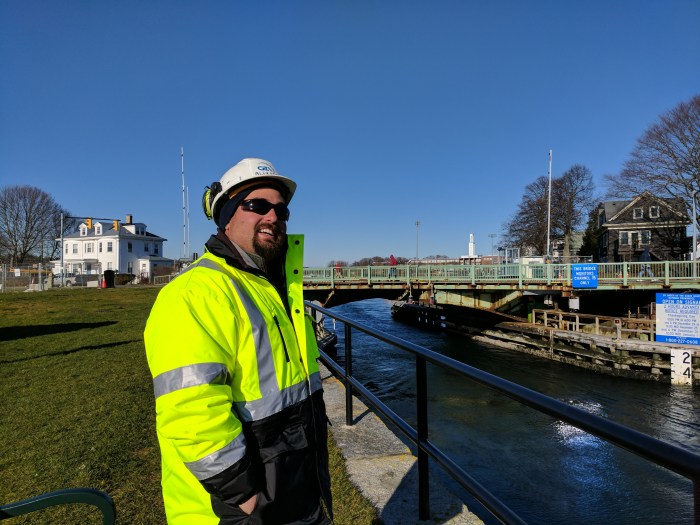
photo caption: Alex Karp – GZA Field Engineer Boulevard construction. The GZA company acquired (David) Vine Associates. GZA is the design engineer for the boulevard project. David Smith at GZA (formerly Vine) has worked with Gloucester since 1999.
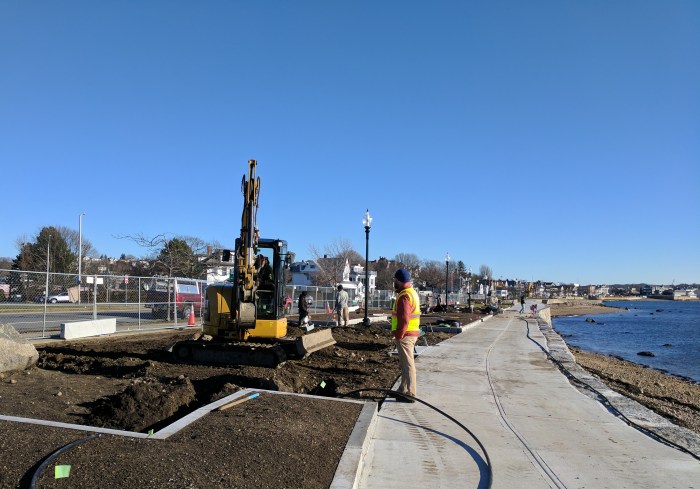
photo caption: Gloucester’s DPW construction along the Boulevard
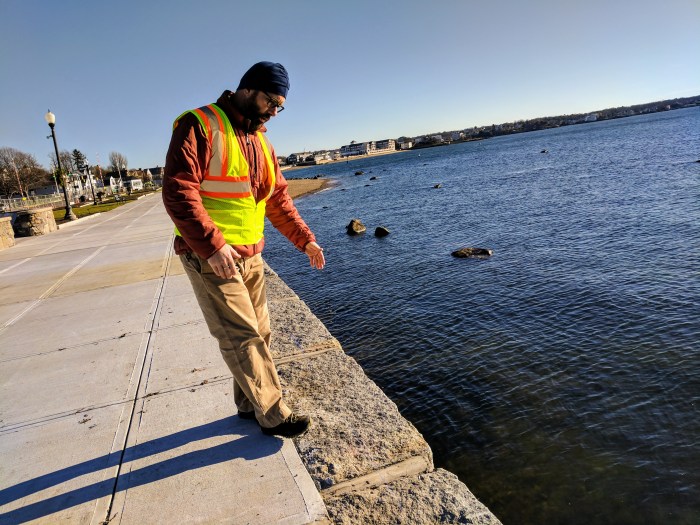
photo caption: CAP STONE! It’s more than decorative. It has two exposed sides that need to be trimmed to look perfect. Mike Hale, Boulevard construction, November (of course note beard) 2016
photo caption: Stacy Boulevard contruction capstone and harbor
photo CAPtion!: Stacy Boulevard dazzling dizzying scope of ocean and capstone as far as the eye can see
photo caption: Mike Hale with Brian McCabe, Project Manager, Newport construction, November 2016, Gloucester Boulevard
LOCAL JOBS
Along with the Mayor’s office and current administration, Gloucester’s DPW and Newport Construction work with subcontractors including local ones such as:
GZA – national with corporate headquarters in Norwood, MA – Engineering
Anne Gilardi Johnson – additional new gardens, site and landscape design for the Boulevard (building upon the successful Gloucester Fishermen’s Wives Memorial)– Johnson , a Gloucester native and multi award winning landscape architect, was commissioned by the Fishermen’s Wive Memorial board back in 2000 to design the landscape for Morgan Faulds Pike bronze sculpture, dedicated August 2001. “A series of design plans, and finally a study model, was produced as part of an interactive process between the designer, sculptor, and the Gloucester Fishermen’s Wives Association.” Johnson is a member of the Boston Society of Landscape Architects (largest chapter of the national organization), “known for her design of urban spaces including parks, playgrounds, memorials and streetscapes in Boston,” Worcester, and Gloucester. Her award winning designs include Boston’s (James) Hayes and Childe Hassam Parks in the South End. Generous Gardeners is planting the new beds on the Boulevard: thousands of tulip and daffodil bulbs were planted by many volunteers last fall to bloom this spring!
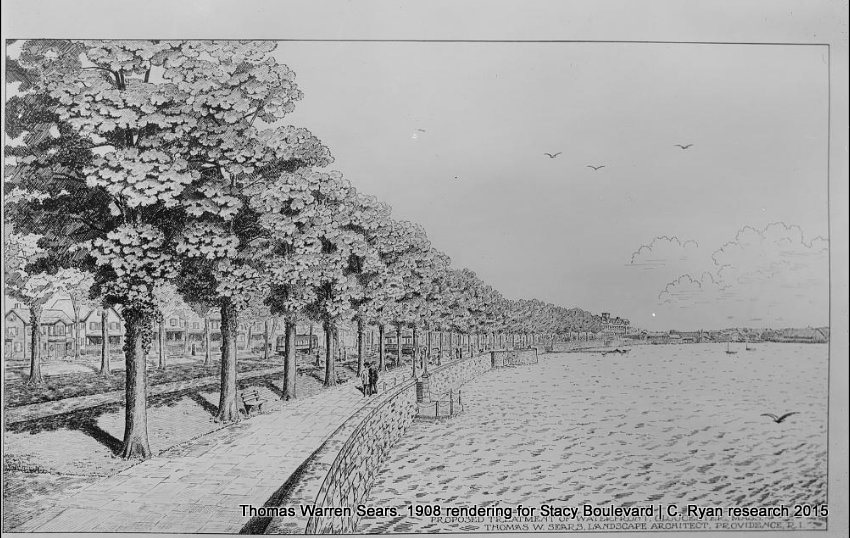
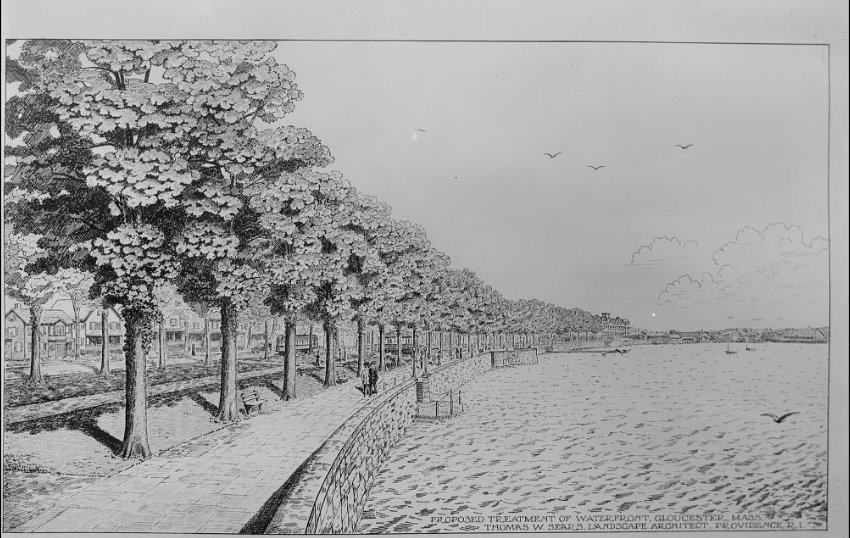
The Gloucester Daily Times published this image in 1923 with the photo caption: “Now Under Construction on the Southern Side of Western Avenue, this Project When Completed Will Give Gloucester one of the Finest Approaches of Any City on the Atlantic Seaboard.” The meticulously hand drawn credit within the drawing itself caught my eye as much as the drawing: “Proposed Treatment of Waterfront, Gloucester, Mass. Thomas W. Sears Landscape Architect, Providence RI”. Thomas W. Sears was a remarkable 20th Century landscape designer. The modern Boulevard work completed in 2014-17 gracefully carries out and returns to the original dreams for the Western Avenue highway and park that are more than a century in the making.
Thomas Warren Sears (1880-1966) preliminary designs for Gloucester’s future Boulevard
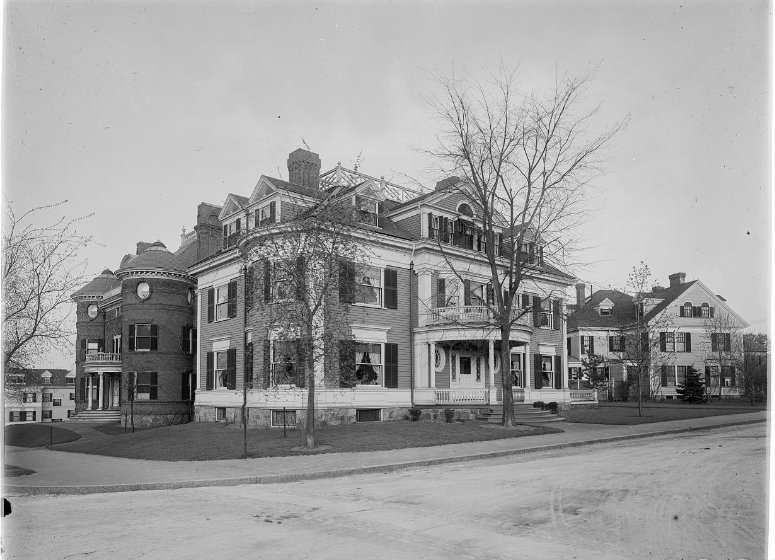
Thomas Warren Sears was born in 1880 in Brookline, Massachusetts, and grew up in this elegant abode at the corner of Beacon and Charles Street. This black and white house portrait was shot in 1897.
Here’s a Google street view photo for comparison today.
After being ousted from the New York City parks department, the ‘father of American landscape design’, Frederick Law Olmsted (1822-1903), launched his business a ten minute walk from the Sears family home. The headquarters at 99 Warren Street was named “Fairsted” and was in operation until 1979 when it was declared a National Historic Site and transferred to the National Parks.
If there was no neighbor connection early on, a professional one came soon: Sears worked for the Olmsted Brothers immediately after receiving two degrees from Harvard– his BA in 1903 and his BS in 1906. (There may have been an earlier Brookline connection.) Rather quickly Sears left to set up his own firm: first in Providence, RI, when he did work for Gloucester’s Boulevard, and not long after in Philadelphia. In 1911 he gave a talk for the Proceedings of the Engineers’ Club of Philadelphia 28 (April 1911):147-158., “The Functions of the Landscape Architect in Connection with the Improvement of a City”available online as part of an urban planning anthology compiled by John W. Reps, Professor Emeritus, Cornell University. I wonder if he shared his Gloucester photographs as part of his talk?
“There are two main approaches to cities: (1) On water by boat, and (2) on land by railroad. Along both of these lines of approach land should be taken for public use, and for very different reasons. Take first the use of water fronts: Unless some provision is made for the public, the whole water front, whether it be river or harbor, may be usurped by commercial enterprise and the public deprived of ever seeing the water except when aboard a boat. In certain cases, as in New York, where the water front must of necessity be utilised for dockage, a combination of commercial and public use may be successfully employed. There the docks are owned by the city and leased by the steamship companies; in this way their appearance can be controlled. At present it is planned to build on the tops of these docks huge recreation parks which may be used by the public.”- 1911 Thomas W. Sears
Mike Hale’s contemporary perspective shares a similar philosophy with Sears:
“An effort has been made in this paper to show clearly that landscape architecture is utilitarian quite as much as esthetic; that whatever one is designing, whether it be a city plan or any of the elements in a city, the design should be governed by use as much as beauty.” – 1911 Thomas W. Sears
By 1917 Sears was commissioned regularly and had a long, full career including notable designs for the Reynolda estate now part of Wake Forest University, Winston-Salem, North Carolina, and the wildly influential outdoor amphitheater for Swarthmore College, the Scott Outdoor Auditorium. His work in Gloucester is rarely mentioned.
Since the Gloucester drawing was marked ‘Providence’, I knew the drawing was done long before the 1923 construction. I tentatively dated the schematic ca.1910. Thankfully Thomas Warren Sears was a photographer, too. Turns out that this image is a Sears’ photograph of a lovely Sears’ design. The glass negative is dated 1908 which squares with his professional career timeline.
ALL NEW LED LIGHTS
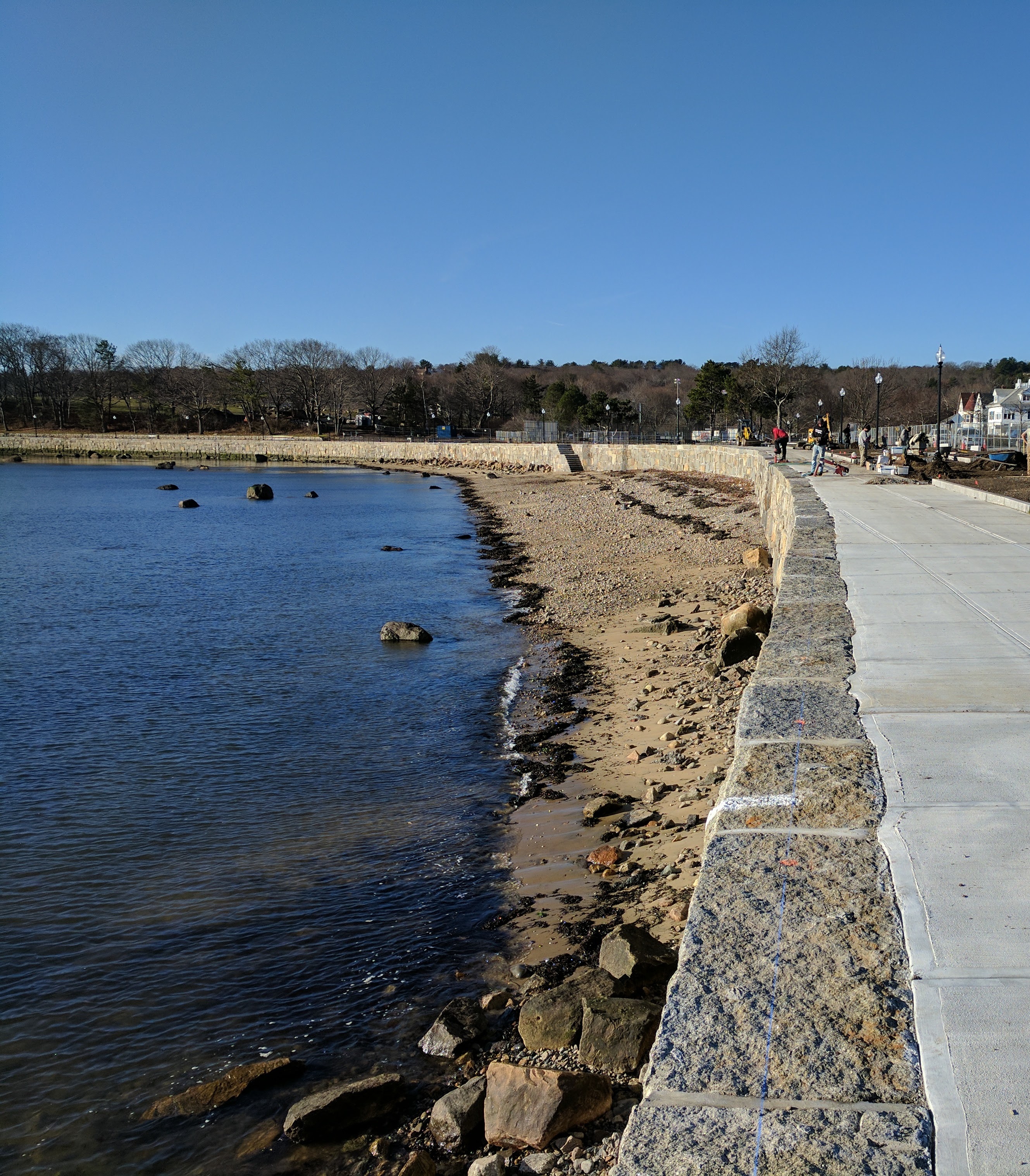
One of the modern design elements is the welcome ornamentation of lights. They feel like they were always here because line is such an essential part of design and they add the vertical visual interest. When I saw the new light bases I thought of the line of trees in the Sears drawing. I love the mix of natural and formal design in his rendering, but am equally gobsmacked by the sweeping open vista. Both are sensitive approaches and part of the context of the Boulevard’s build.
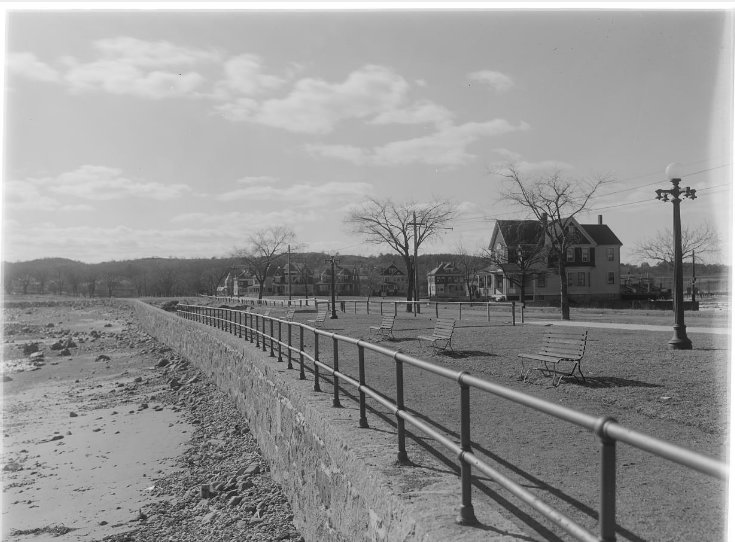
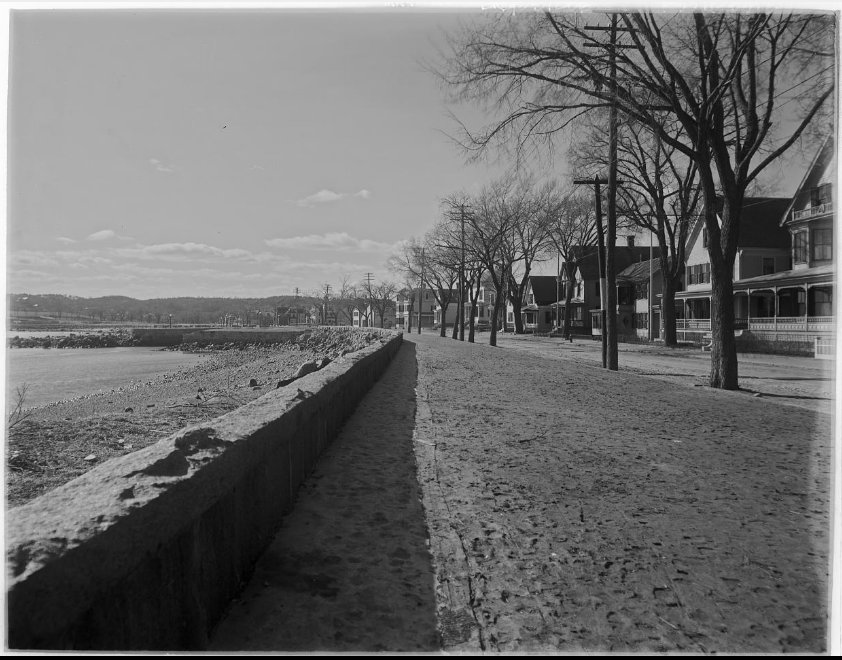
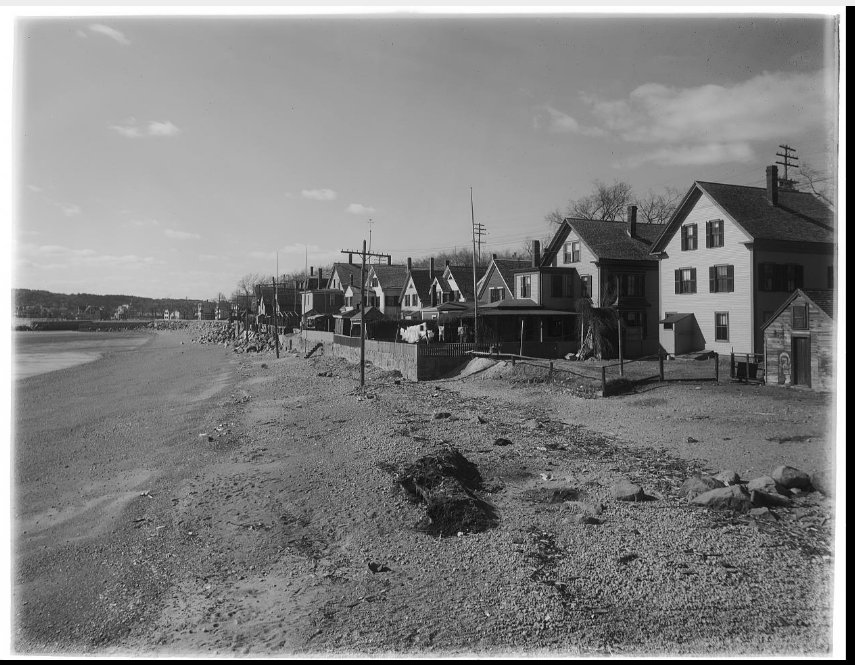
Thomas Warren Sears photographed Western Avenue for his preparatory work. See the homes along the beach that were later removed for the construction of the Boulevard; distant vistas to the Surfside Hotel (built after Pavilion burned) and Stage Fort park; and Western Avenue street scenes looking east and west before the road was widened.
This view will be changing imminently! Today’s Motif Monday is the work on the Boulevard.
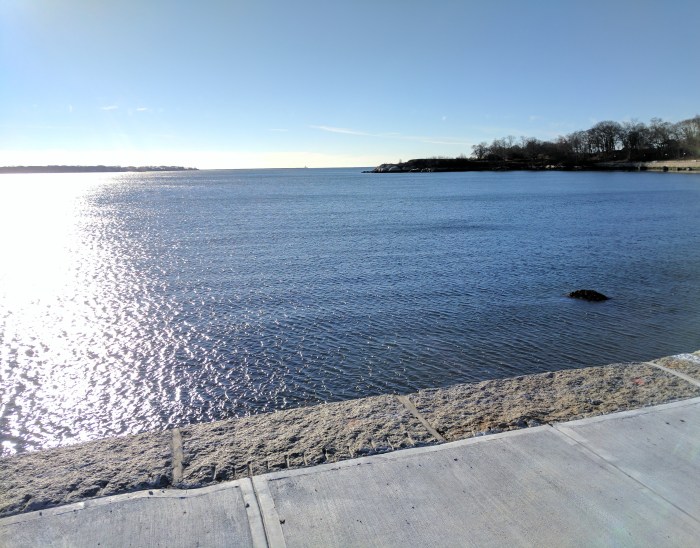
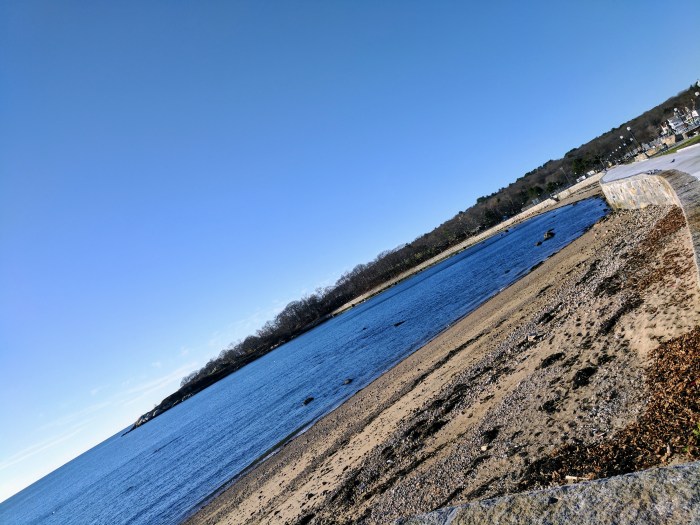
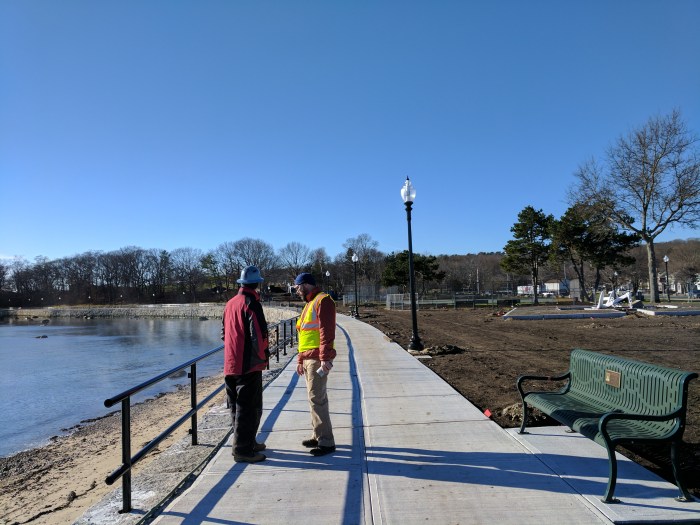
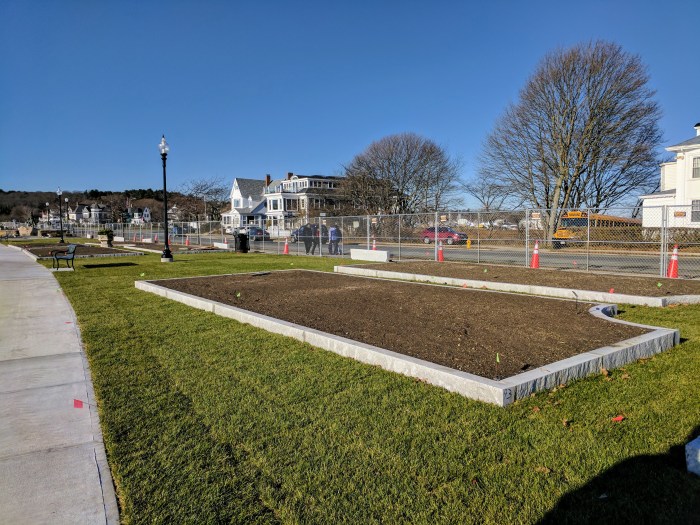
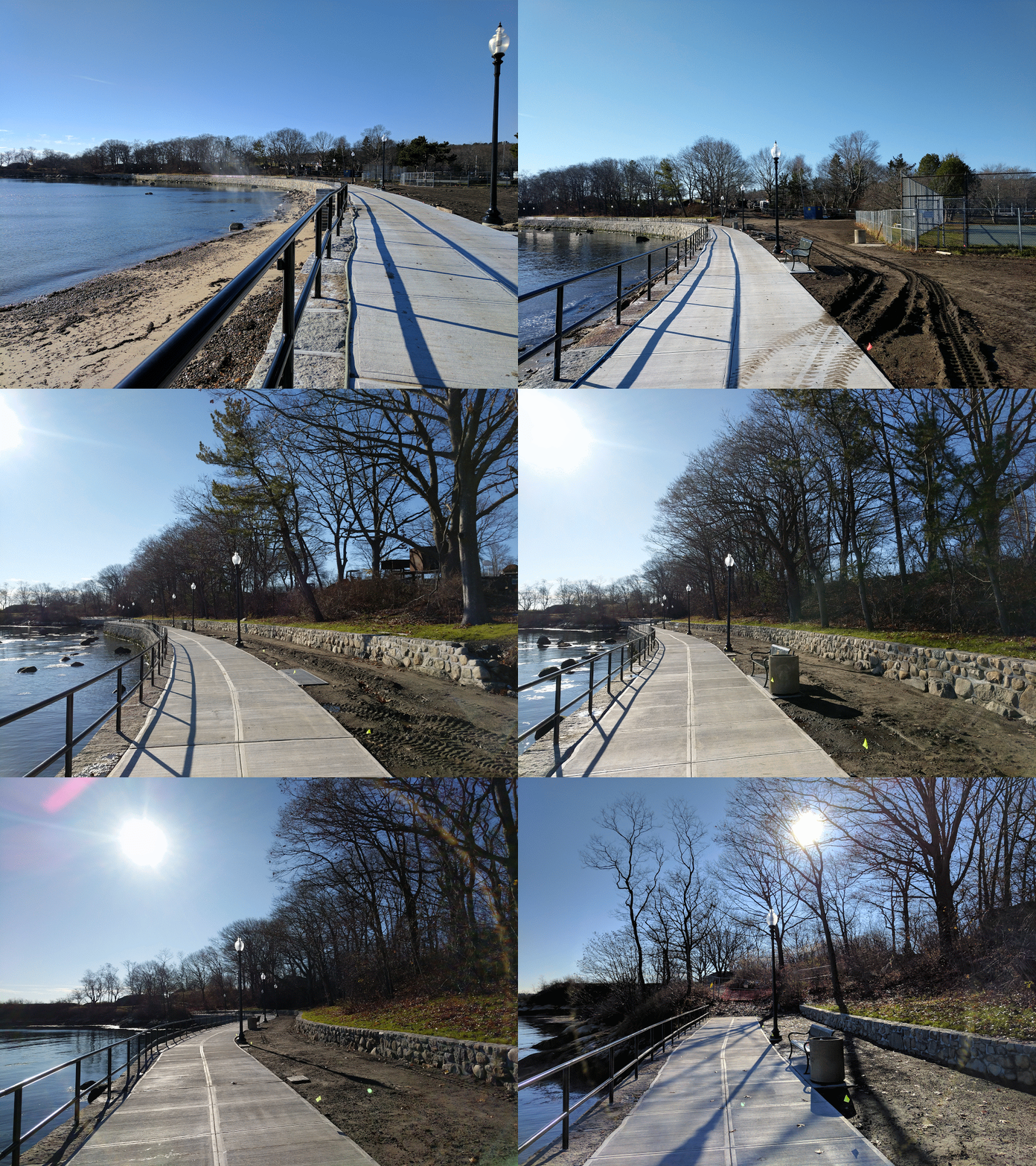
The marvelous engineering and construction for the boulevard is a HUGE story. In all the collective excitement to walk this way, let’s remember to take a moment to acknowledge this feat.
Mike Hale, Gloucester’s Director of Public Services, was hired in July of 1999, the very same year that this ambitious boulevard infrastructure planning and funding search began for this project. It was funded in 2014. That means the current project timeline spanned 4 Mayors, administration, staff and city councils. The construction has been exceptionally well managed and I predict it will be or should be nationally recognized with awards. I have been documenting the progress and in the coming days will post several tributes, contemporary views, historic photos and background to rev up anticipation and respect.
Coincidentally, April 16, 2017 will mark the 94th anniversary of an important piece of the boulevard’s construction.
On that day in history, Gloucester’s city council approved the purchase of two lots, the Grant and Low properties:
“Whereas it is the desire of the board of park commissioners of the city of Gloucester to take in fee by purchase or otherwise certain land in said Gloucester lying between Western Avenue and the sea,
“And whereas, the said board has estimated the expenses of acquiring the same to be $8000,
“It is hereby ordered that the sum of $8000 be and hereby is appropriated from the $90,000 Western Avenue act of 1922 to the board of park commissioners as provided by law for the purpose of acquiring and laying out as a public park such land as the said board of park commissioners consider desirable therefore, being the land as shown on a plan entitled ‘Proposed taking for highway and park purposes, Gloucester, Mass, dated April 16, 1923, John H. Griffin, City Engineer,’ having reference to that portion as shown on said plan as is proposed to be taken for park purposes.” I’ve added the bold emphasis to note the big vision of Western Avenue as a public park and extension of Stage Fort in 1923.
The significant original investment was tangible and long lasting, hallmarks of any successful public works project. Did the Boulevard improve the quality of life in Gloucester? It wasn’t easy. Houses and roads were moved.
Photo caption: “A VIEW NOW OF THE PAST. Most of us are familiar with the Above View. it Shows the Dwellings which Once Lined the Western Avenue Waterfront Before Work was Started Constructing the New Boulevard.”
These photographs were published in August 1923 and retrieved from the Gloucester Daily Times microfiche reel at Gloucester Lyceum & Sawyer Free Library.
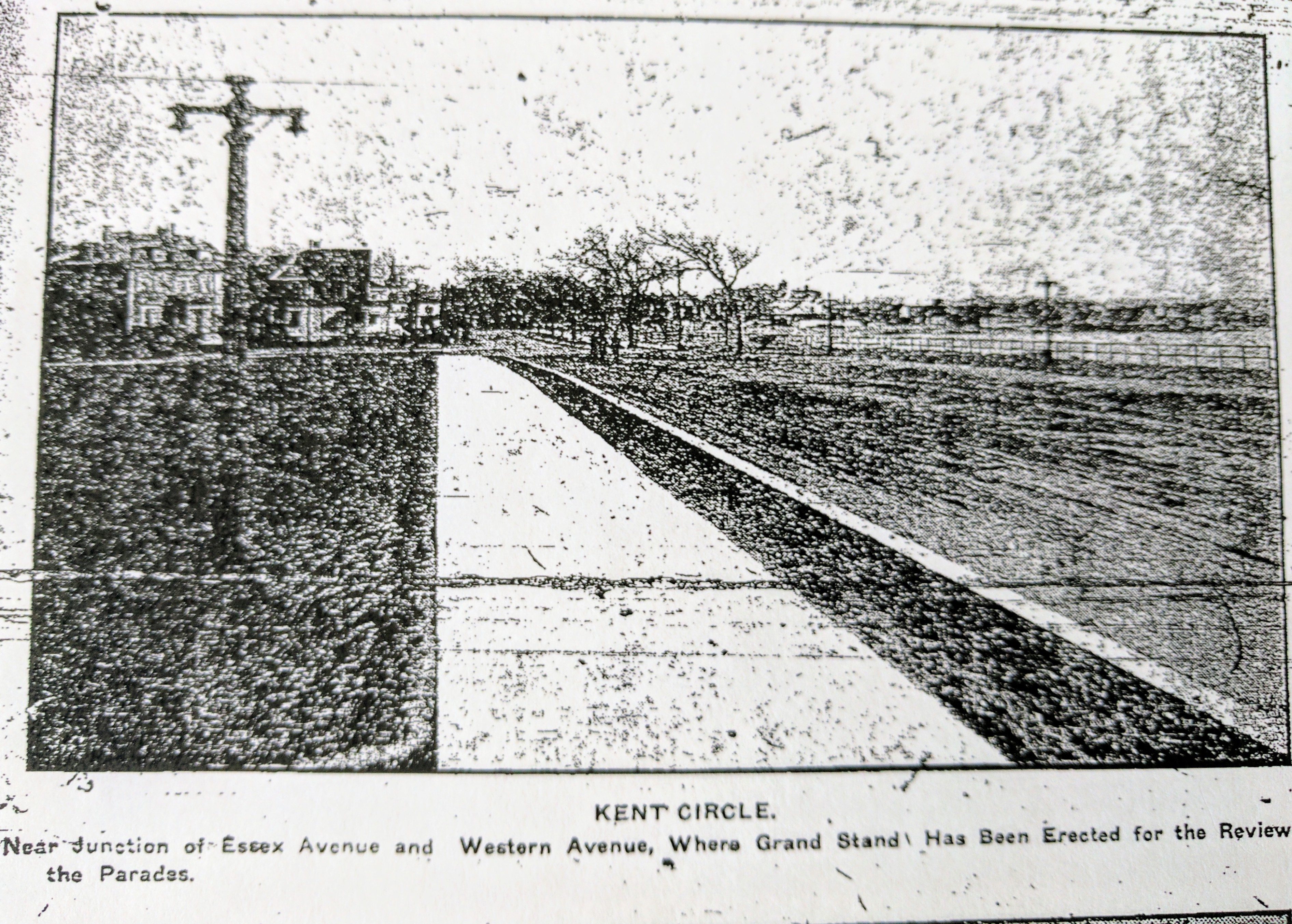
The caption below describes Kent Circle “where grand stand has been erected for the review of the parades” for Gloucester’s tercentenary celebration.
Awaiting full access in 2017 is a mere blip of an inconvenience when considering how fundamental the Boulevard is for Gloucester. Its benefits are priceless.
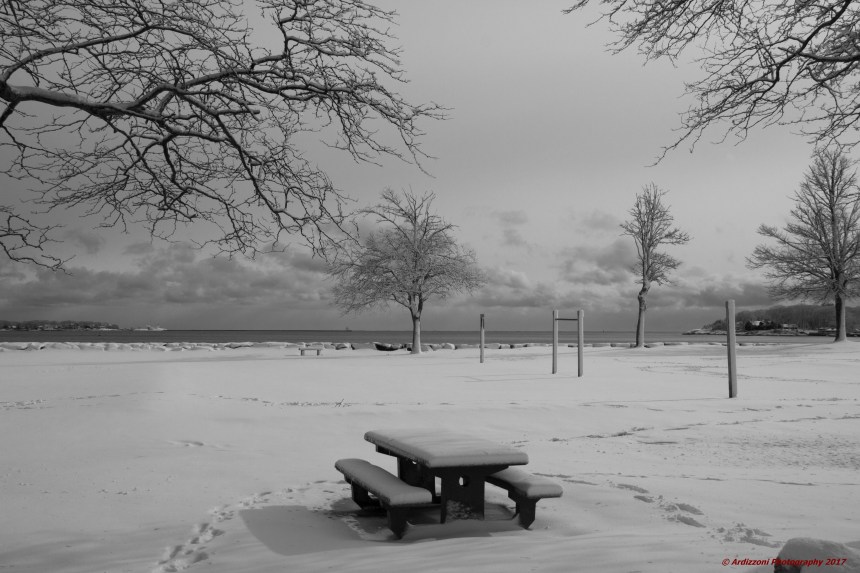
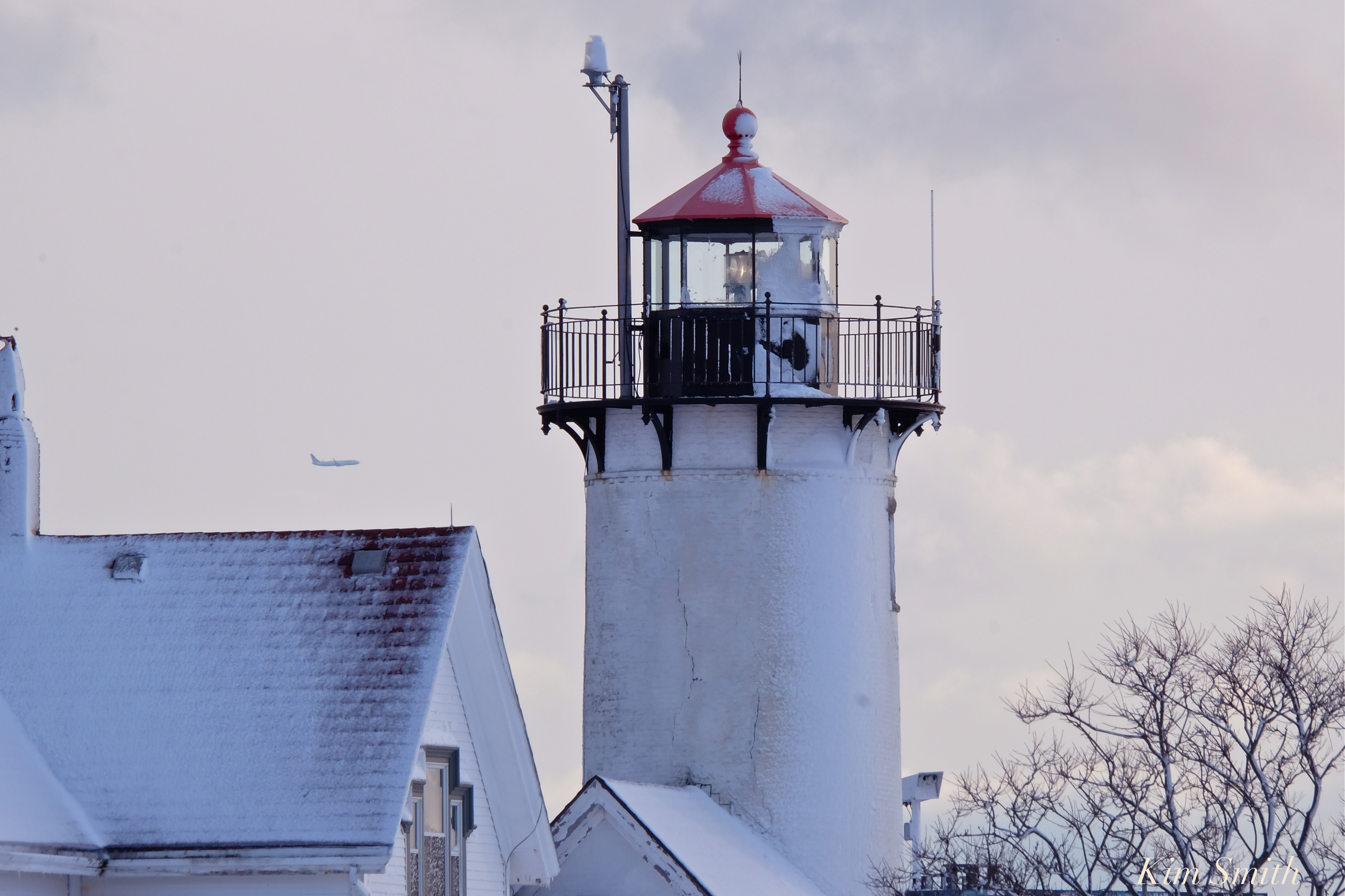
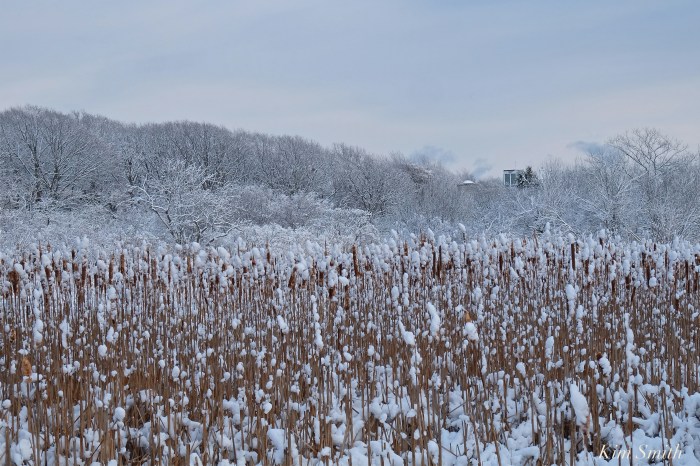
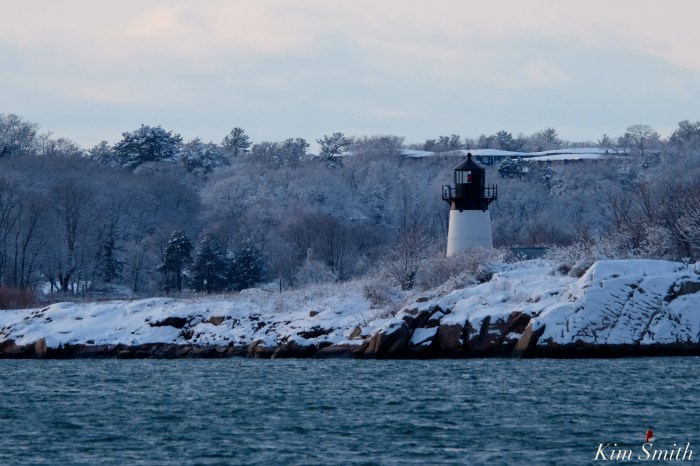
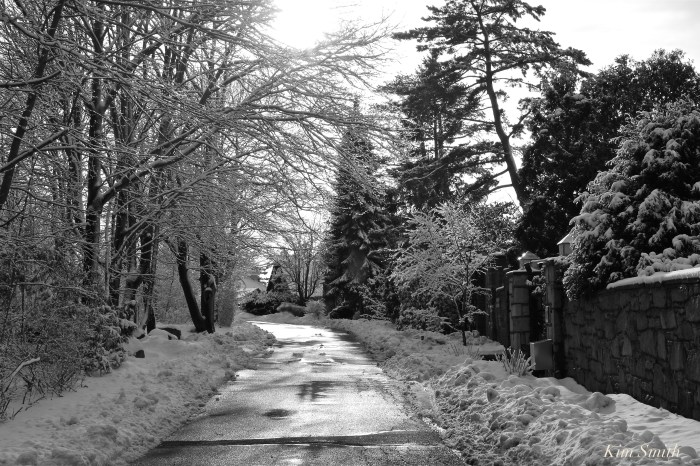
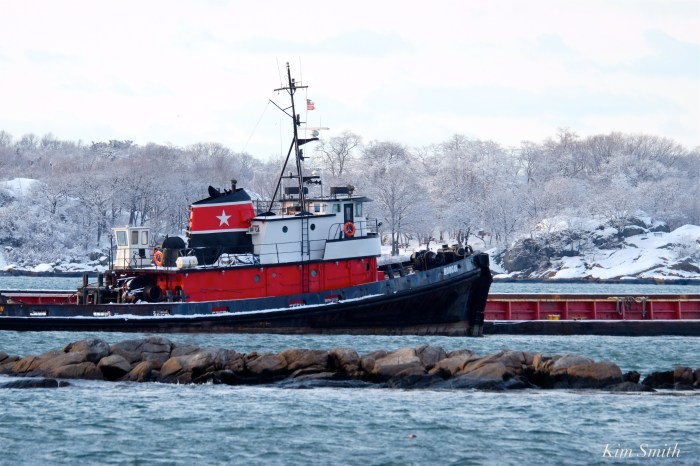
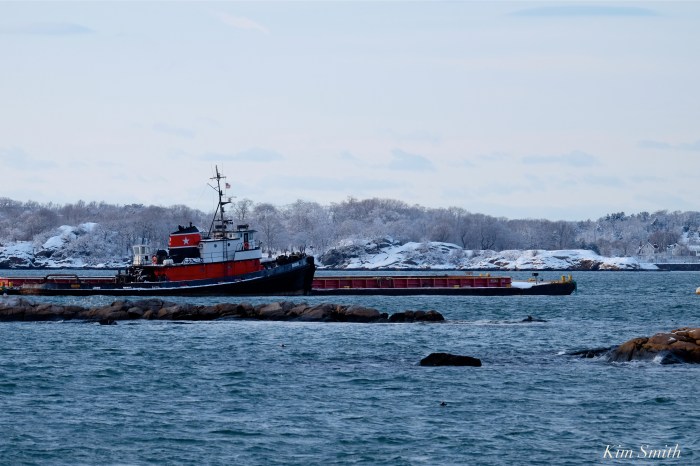
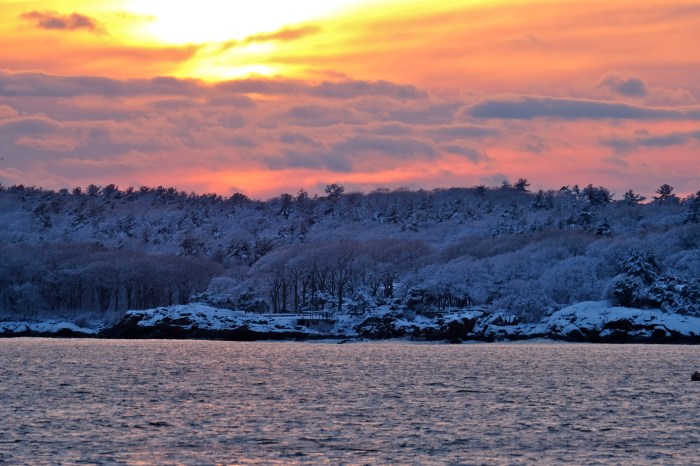
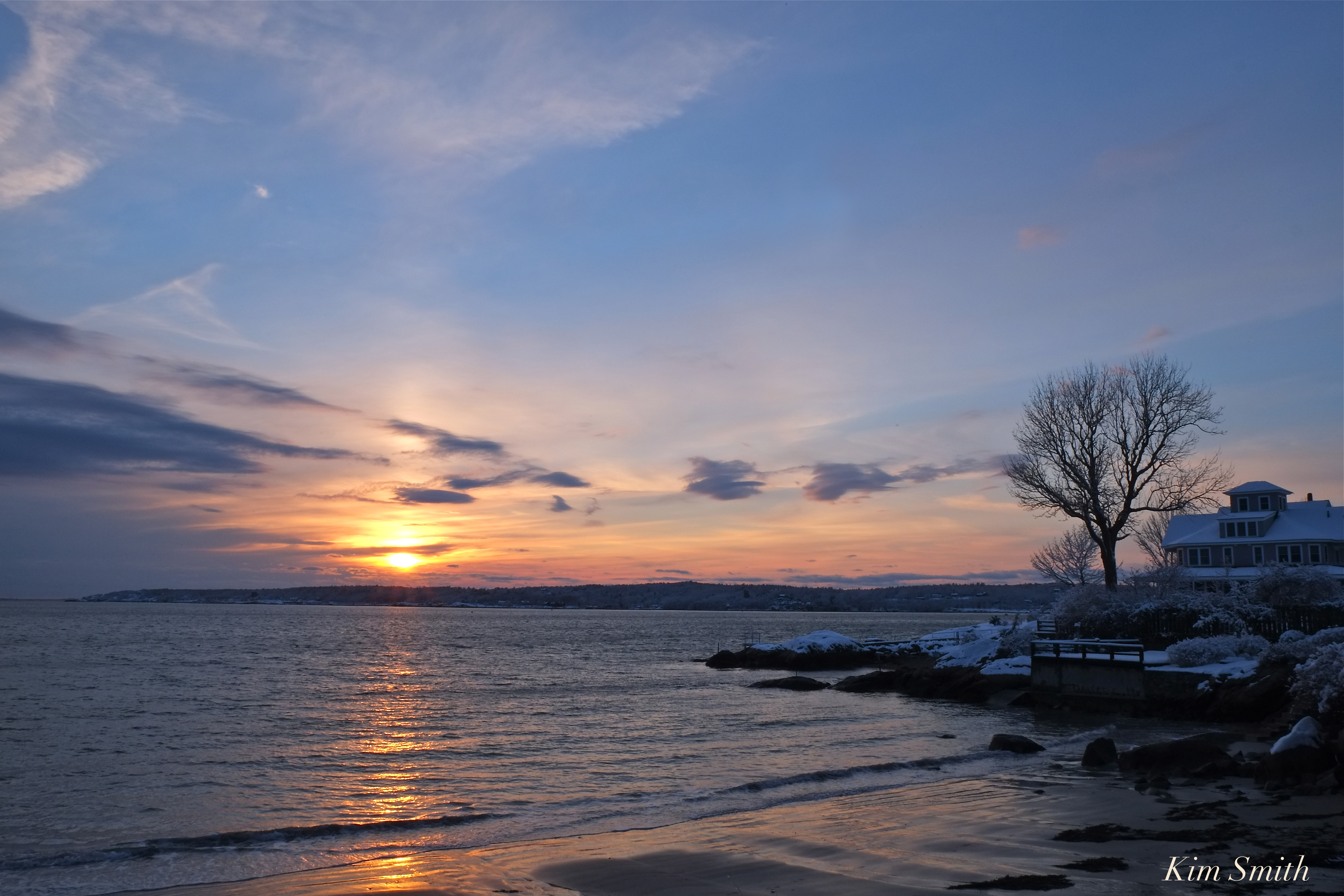
This morning’s snow and ice lingered all day, shrouding the city in such a hauntingly beautiful manner that I couldn’t help but take the late afternoon off and went looking and taking as many photos as possible before the sun set.
Spread The GMG Love By Sharing With These Buttons:






























 Good Morning Gloucester