Cool science at Good Harbor Beach | sign up for Piping plover watch

IMG_20170626_113221

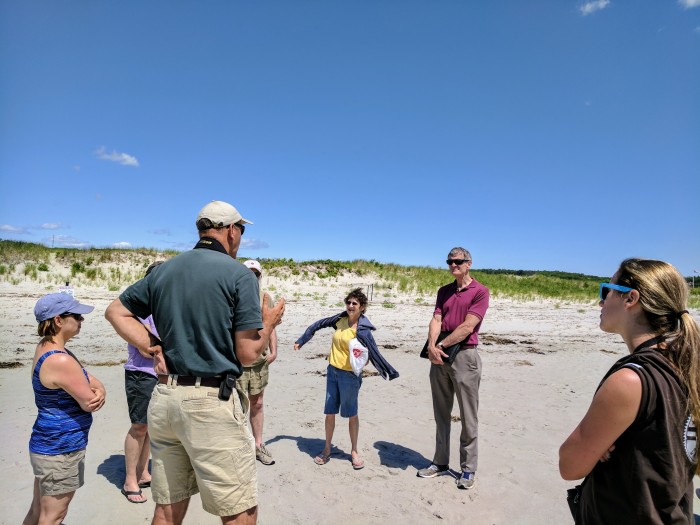
photo caption: Dave Rimmer, Director of Land Stewardship, Essex County Greenbelt (Left) with Ken Whittaker, City of Gloucester Conservation Agent (Right)

Contact: Ken Whittaker kwhittaker@gloucester-ma.gov

Ken Whittaker, City of Gloucester Conservation agent, put the word out seeking volunteers to help monitor the piping plovers (Gloucester Daily Times). Today was the first organizational meeting and informational session with Dave Rimmer, Essex County Greenbelt. Ken is coordinating the schedule, and there are plenty of open slots available. “We will take this a day at a time until I have the opportunity to put together a formal schedule.”  More than one volunteer is welcome on any shift, so please email if you’re interested in helping. Ken, Dave and other officials monitor the birds. When Kim Smith is there, she’s working on critical filming.

For those of you who could not make it, Ken Whittaker is holding a second meeting tomorrow evening about 4:30; Ken will be at Good Harbor Beach from about 3:30 to 5.

Piping Plover volunteers can receive free parking!

Planning on a beach day and can devote an hour of your time for observation? Email Ken to sign up for a shift and to learn more.

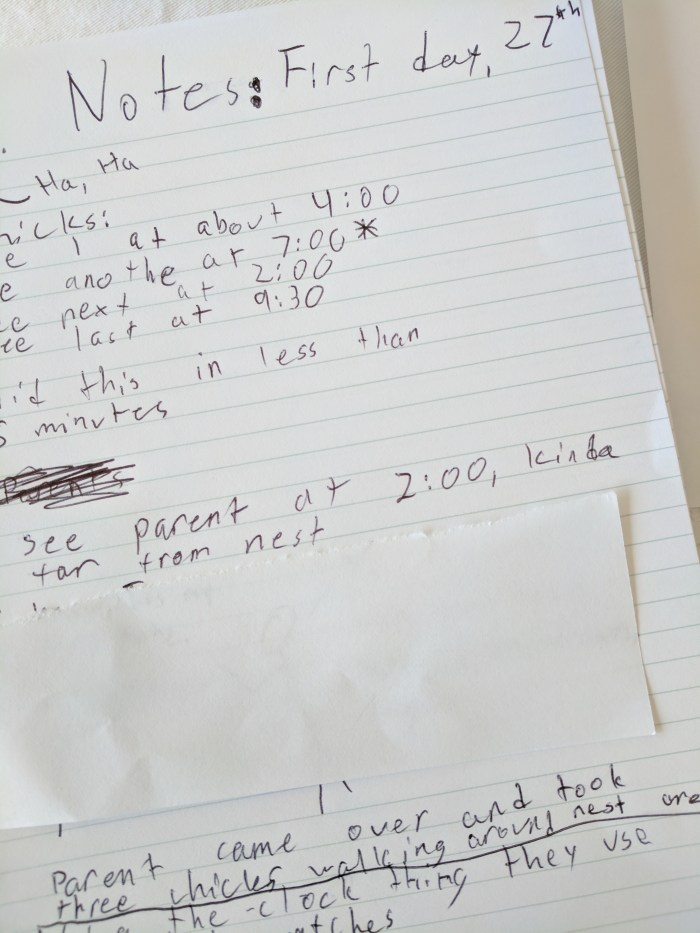
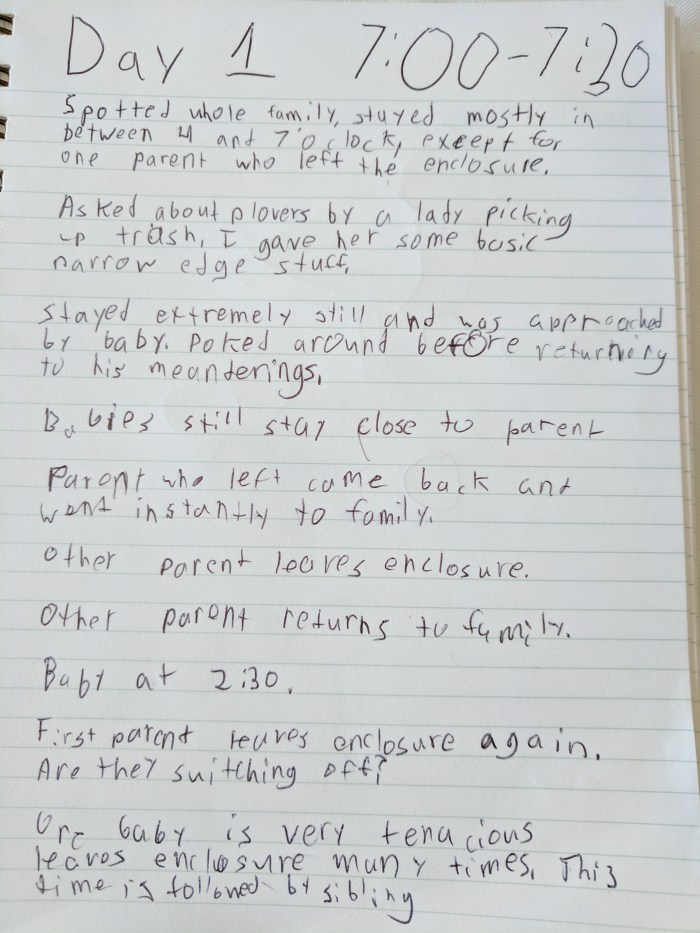
Volunteers are asked to bring binoculars and feel free to jot down some observations about the parents and the 2017 brood of 4. It’s simple. The birds need to be left alone and given wide berth when they’re on the move.  Don’t follow after them. Look but don’t touch. Maybe intercept trash tumbleweeds. What gets tricky is when the birds are going back and forth from the water to the enclosed area.

Thanks to the enclosure, it’s obvious to stay away from inside the protected area. What’s less obvious is where to put your towel outside the fence.  If you know your beach visit wouldn’t be complete without a vigorous paddle ball, can jam or football game, lining up your towels right outside the fencing is a little dicey. It happened today and the group was happy to move when Ken explained the situation. However, if you’re not one for major games and are happy to sit in your chaise for a long read and full day, you might want to think about doubling up as a piping plover volunteer for one hour. You’re there anyway. They are super cute and you’ll feel good helping out! Midday is low on sign ups.

You could make it a first class retreat: Good Harbor Beach rents umbrellas and cushy recliners. See “Good Harbor Beach Day: How To Pack Light”

Ken writes:

“I have been in contact with the animal control officer who says she has been monitoring the situation but will kick it up a notch.  Dogs are not allowed on the beach and you can remind scofflaws of this.  If this becomes an issue I suggest people immediately call 978-281-9746 – Diana Corliss is the animal control officer and she can guide you from there. (Note, three essentials for monitoring include cell phone, binoculars …. and sun screen!)”

IMG_20170626_111859

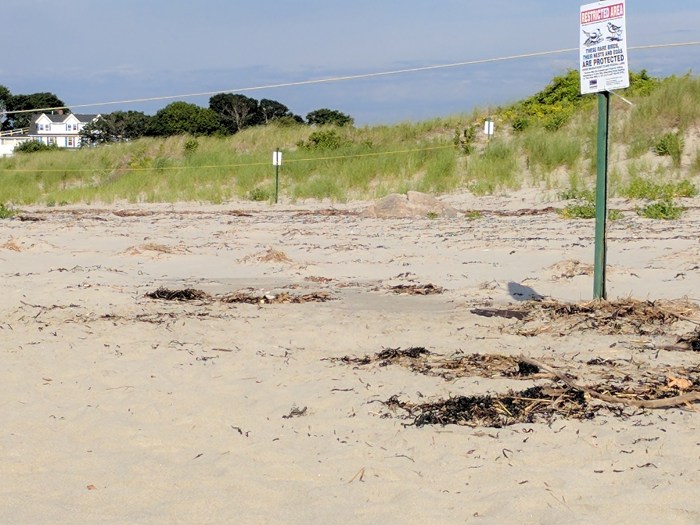
Essex County Greenbelt is responsible for the fencing of the protected area which is to the right of the boardwalk #3. They’ll tweak the fencing as needed. This year’s nest is within a close distance to last year’s nest.


IMG_20170626_111058
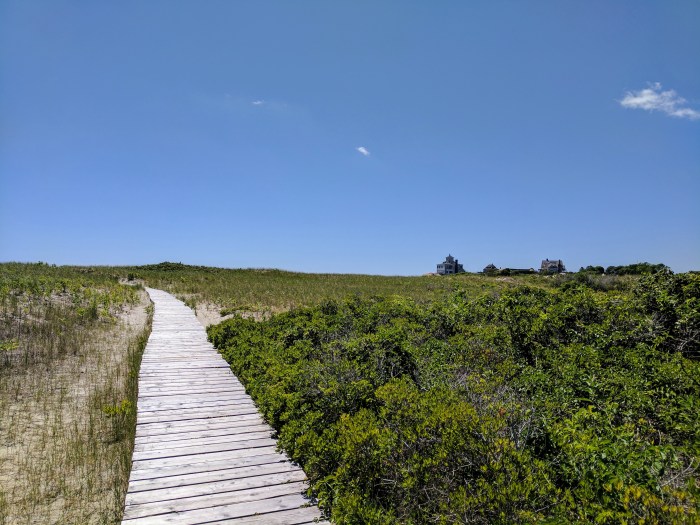
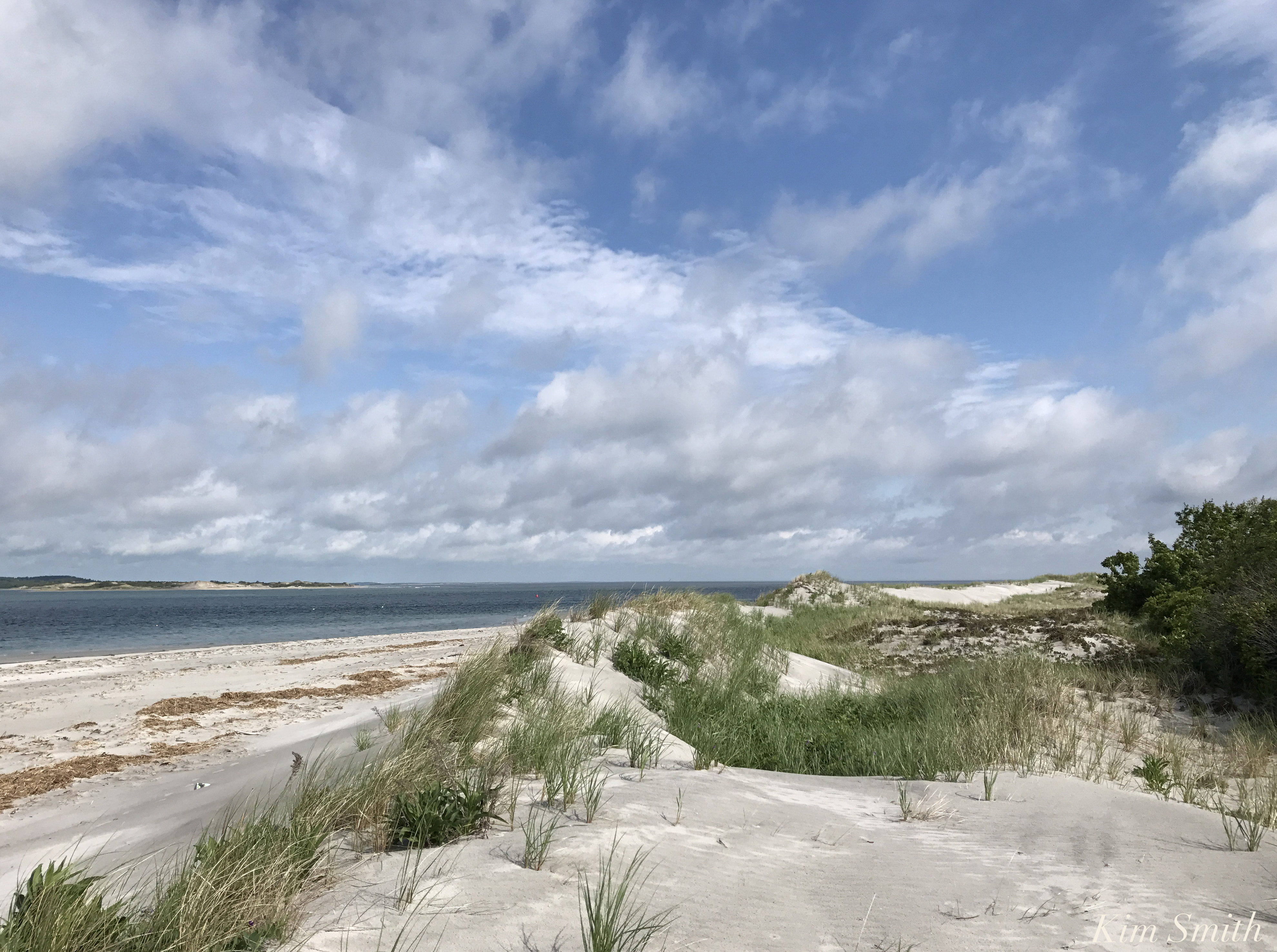
The piping plovers nested on the beach by the dune’s edge to the right of boardwalk 3 


FIESTA BABY PLOVERS!

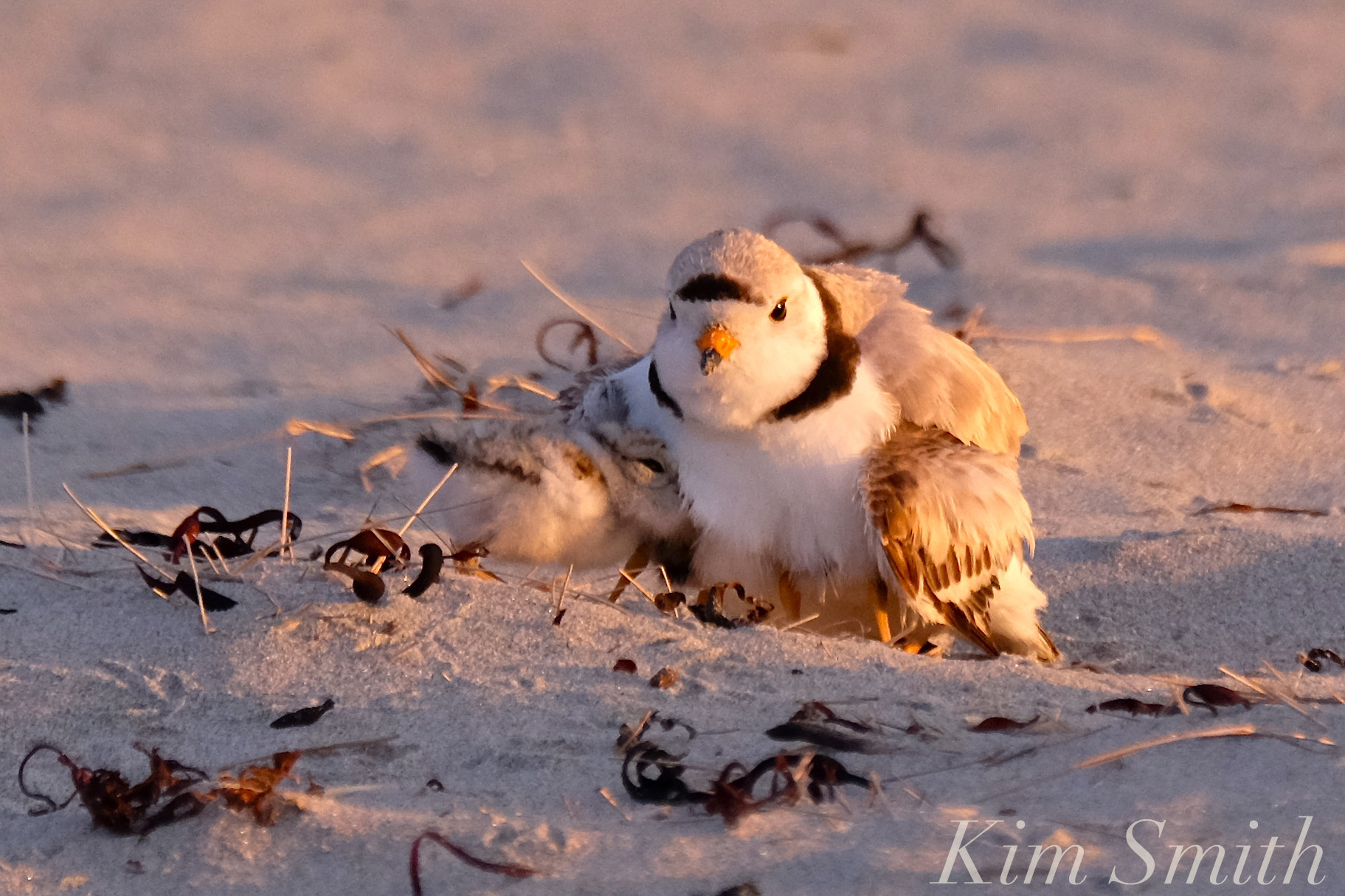
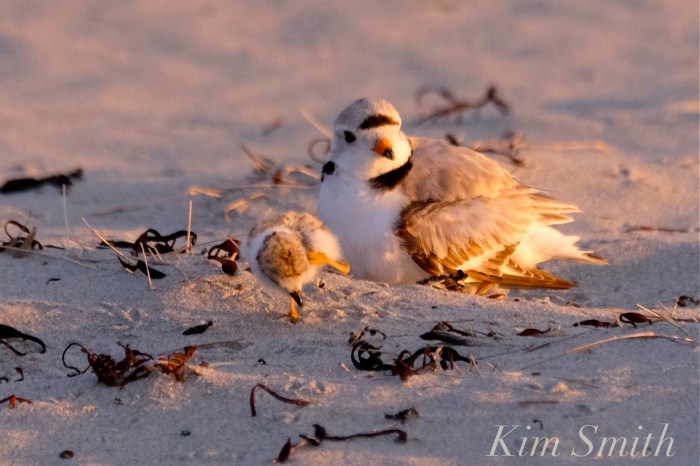
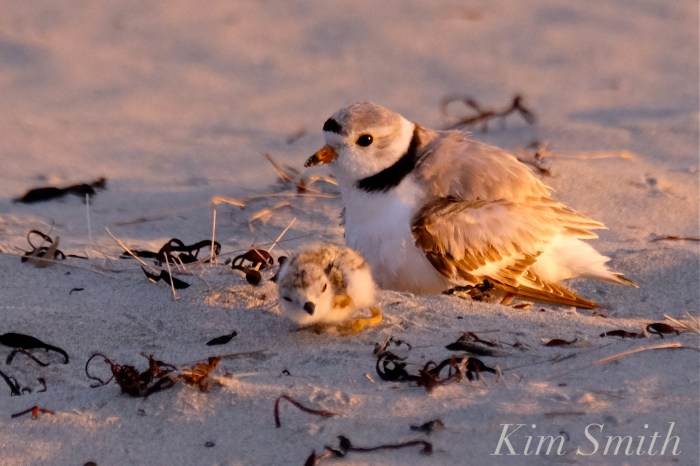
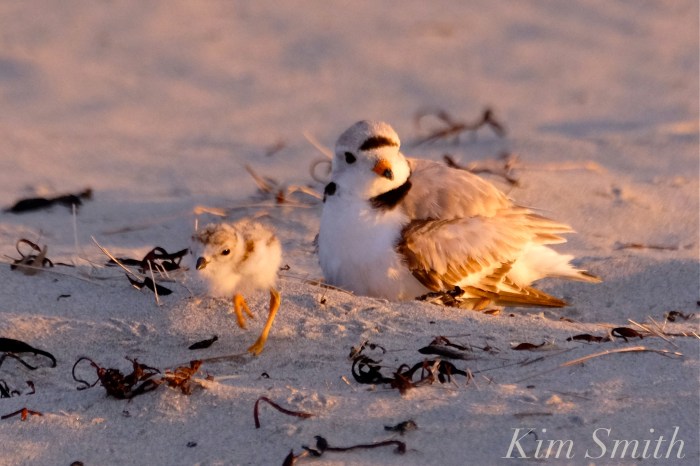
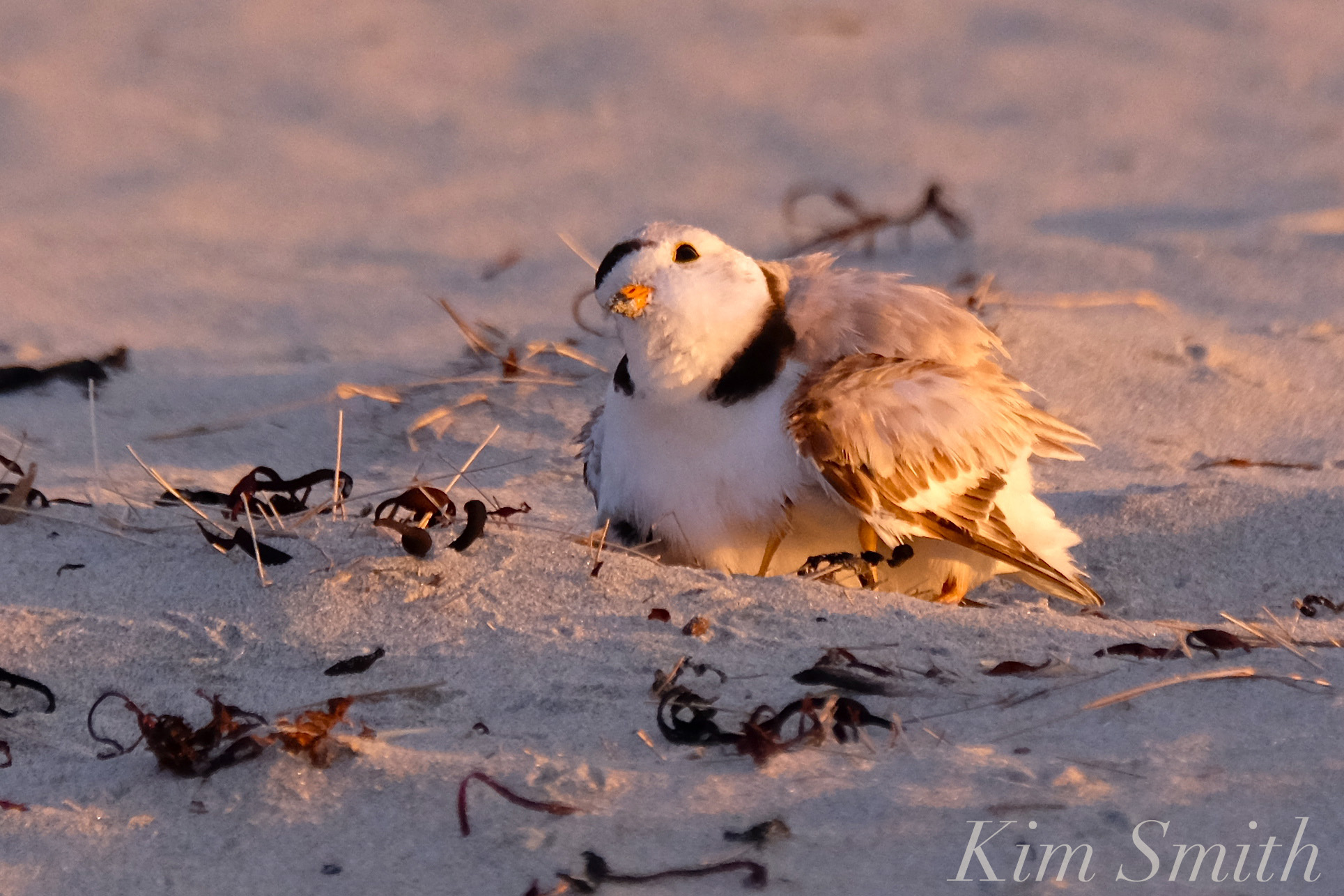
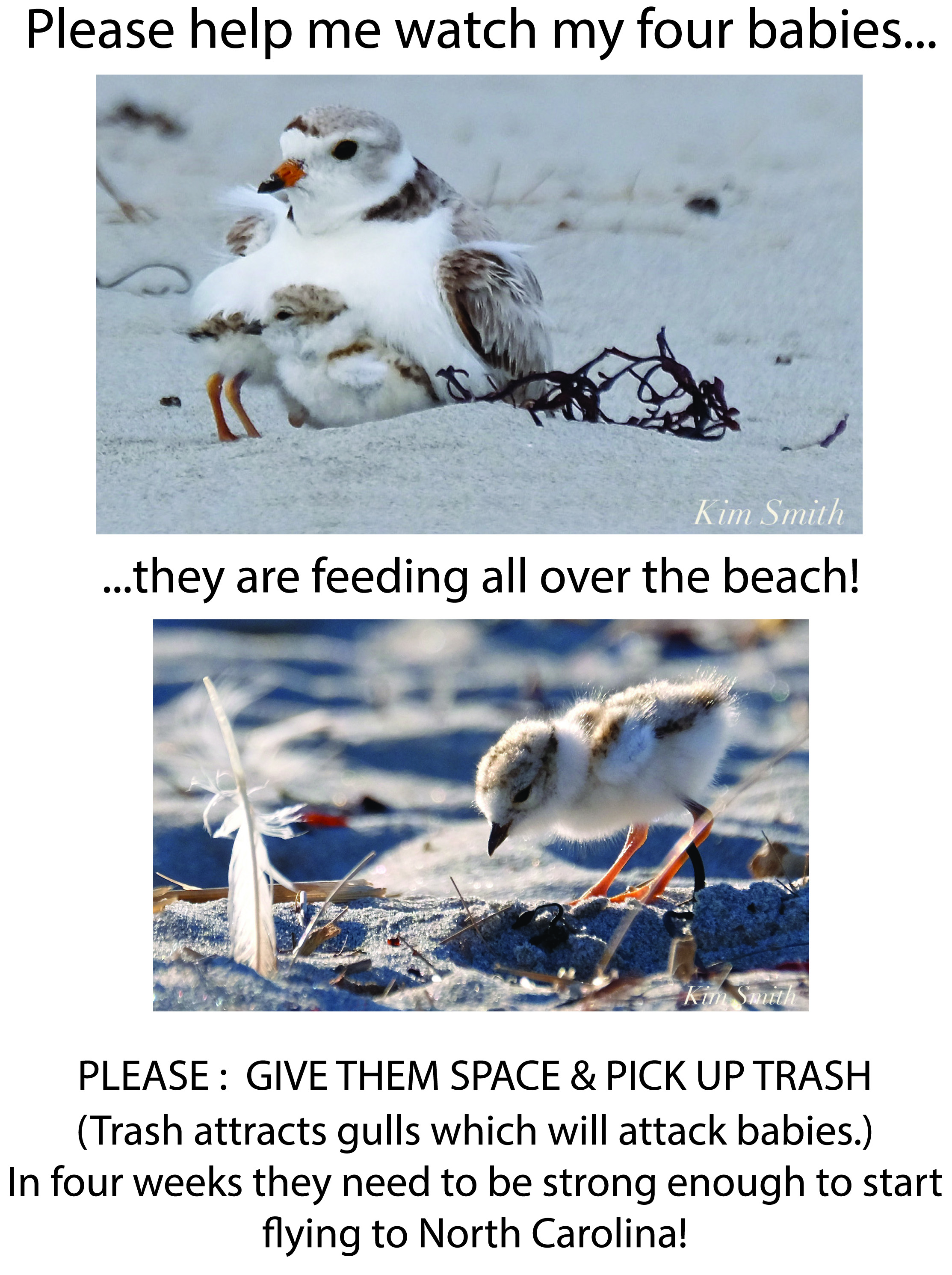
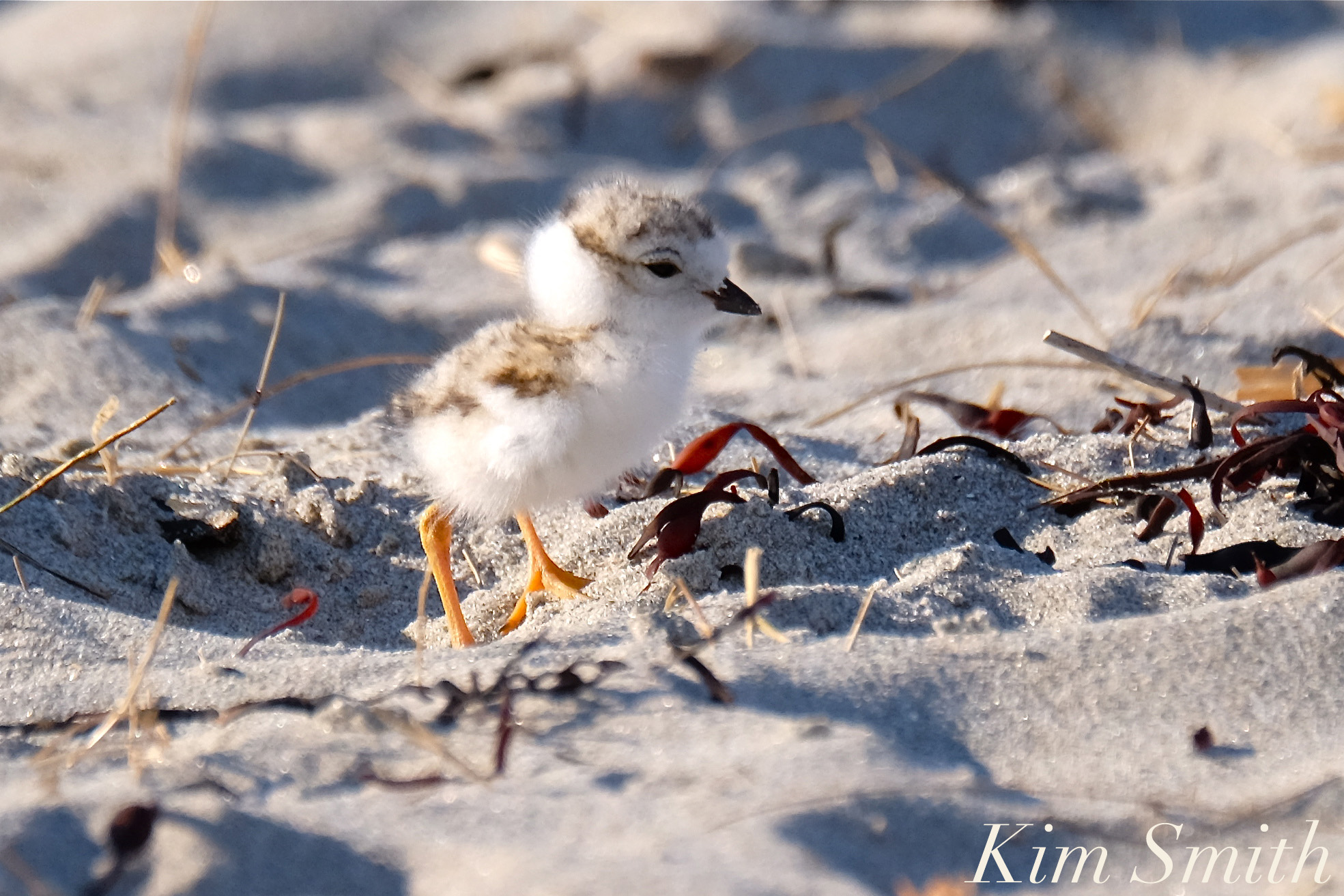
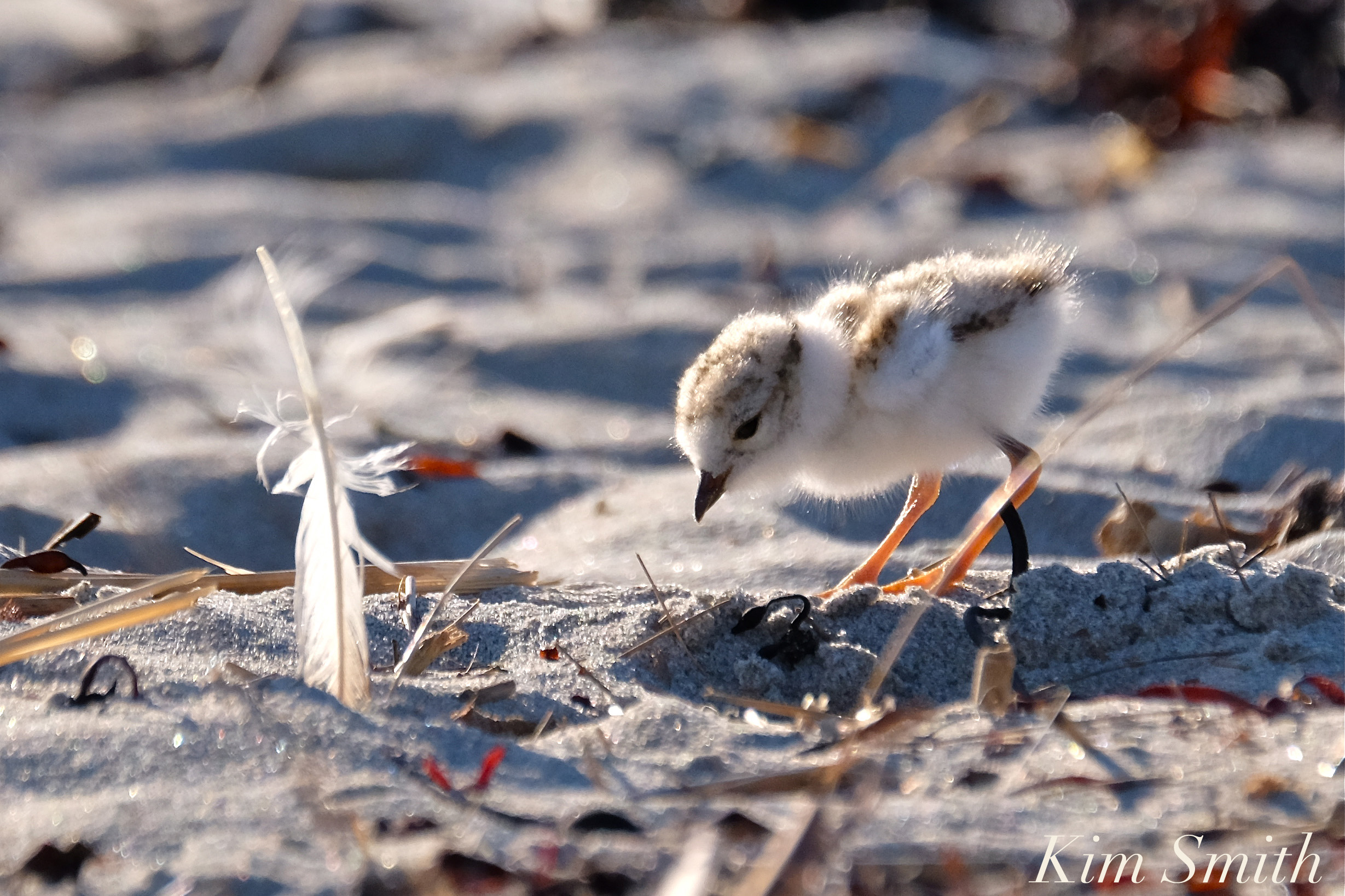
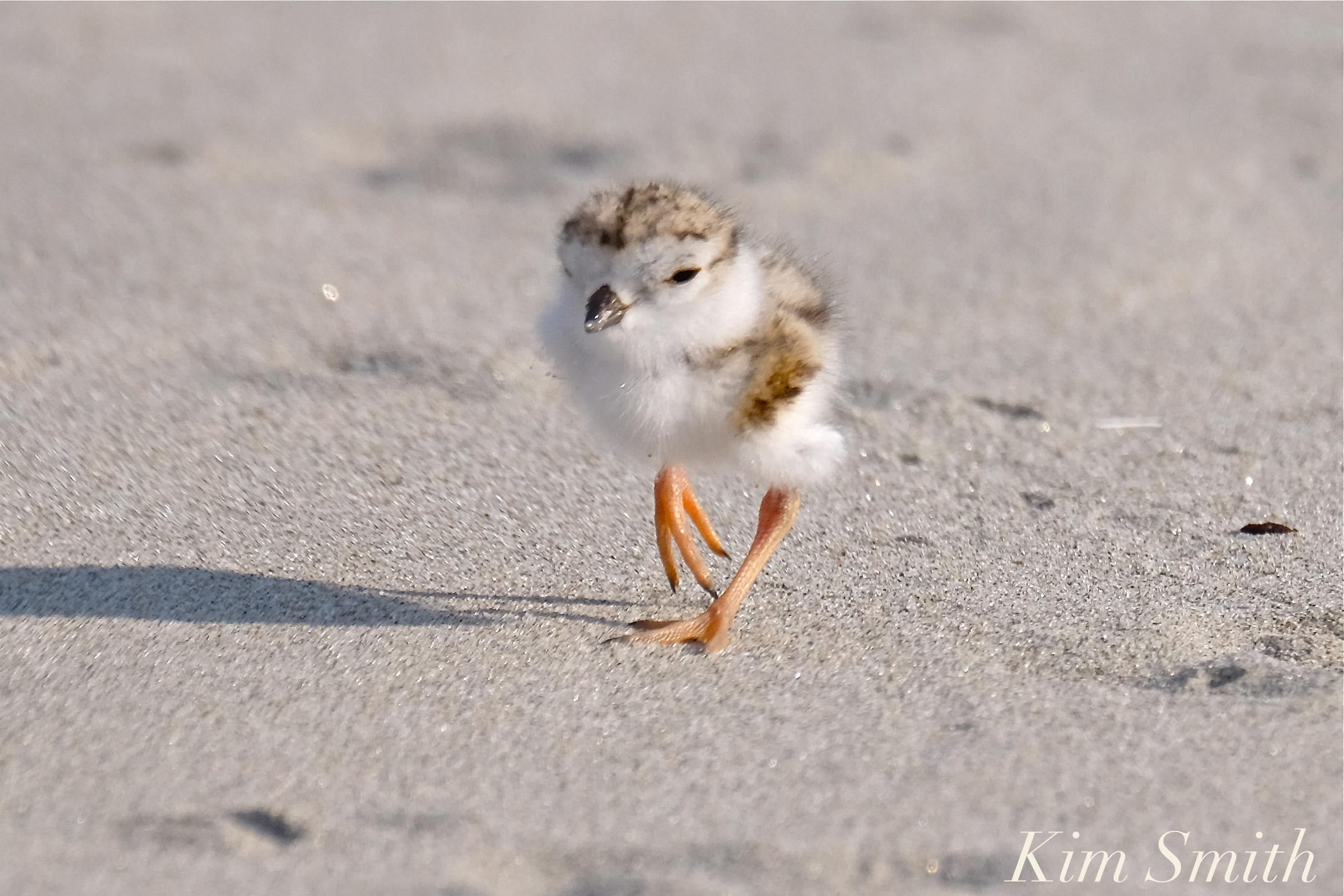
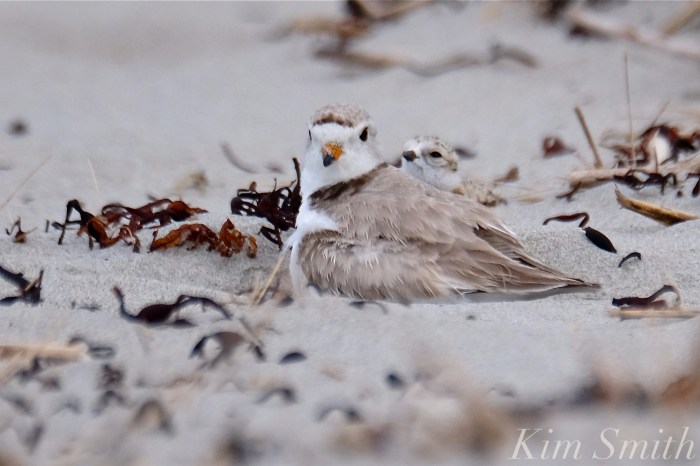
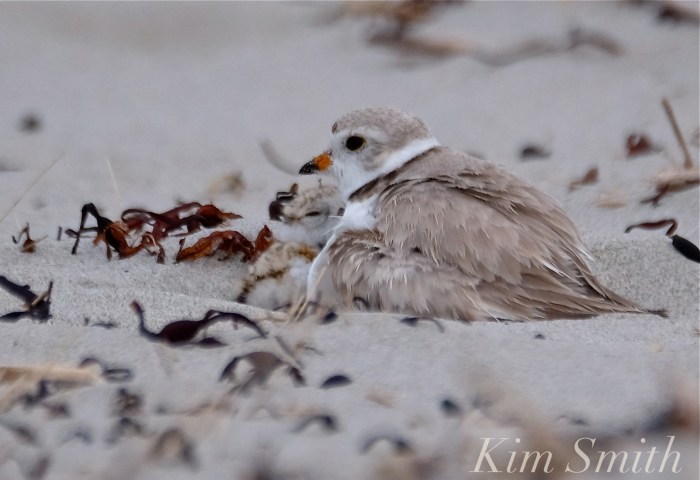
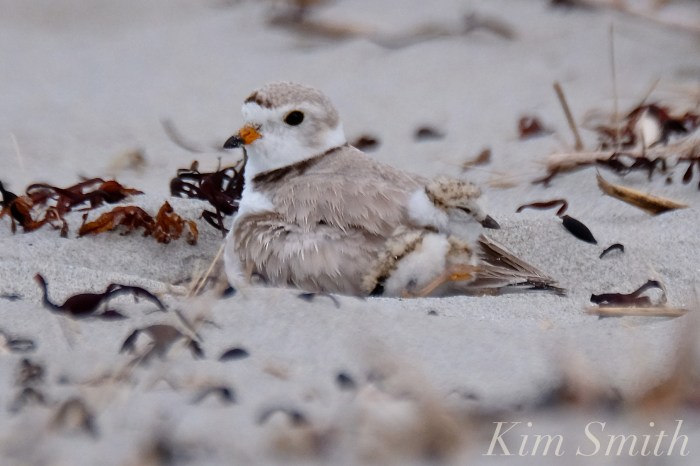
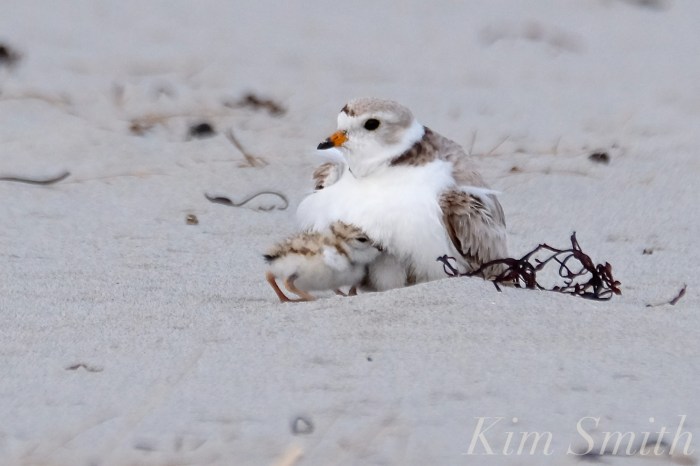
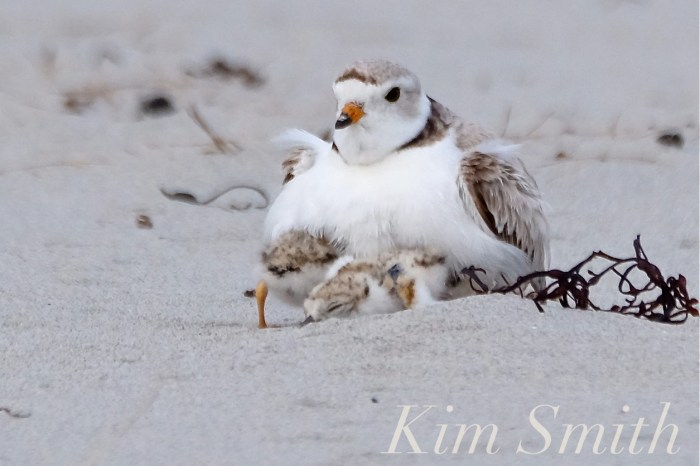
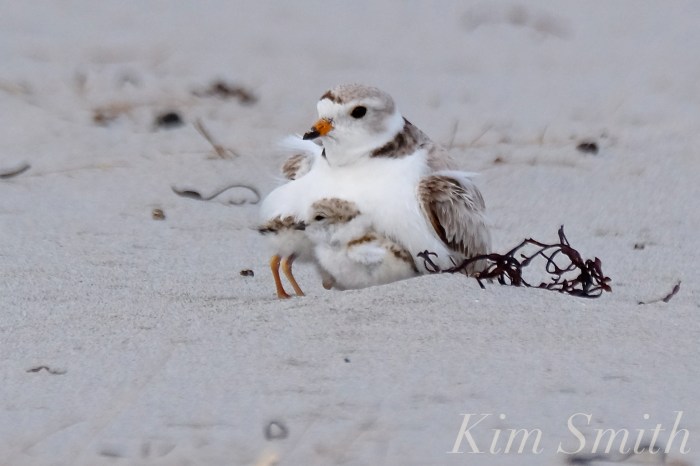
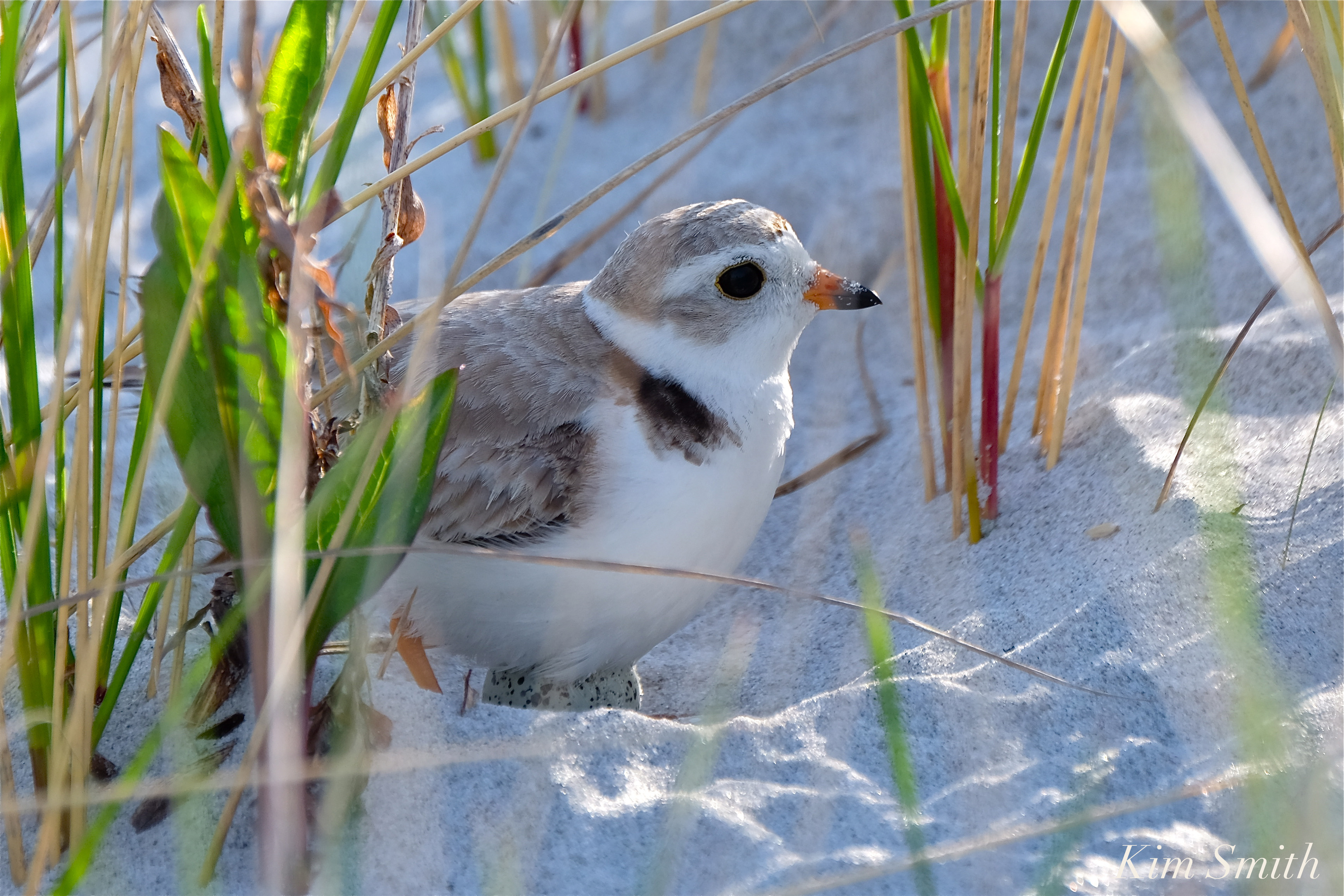
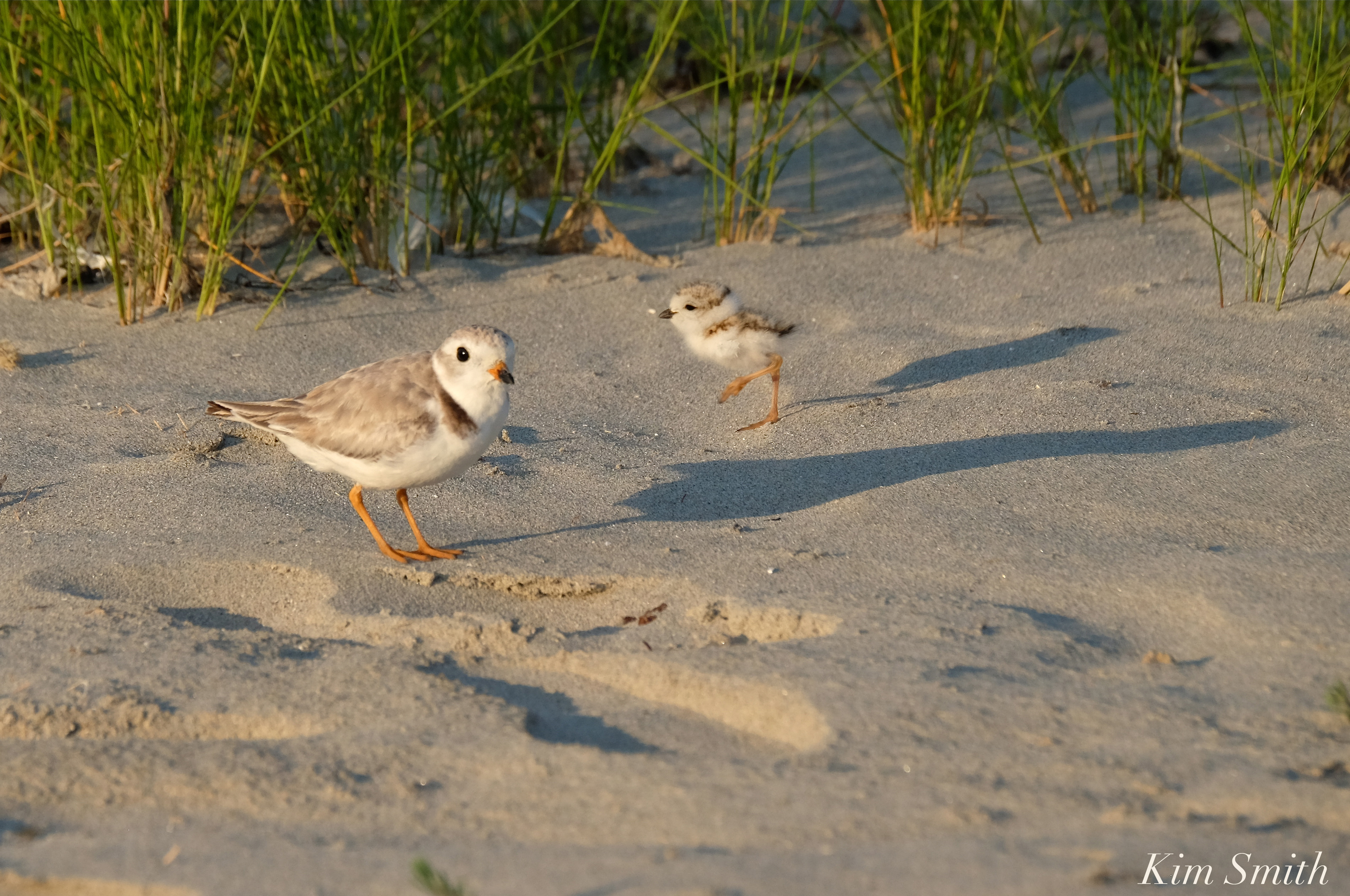
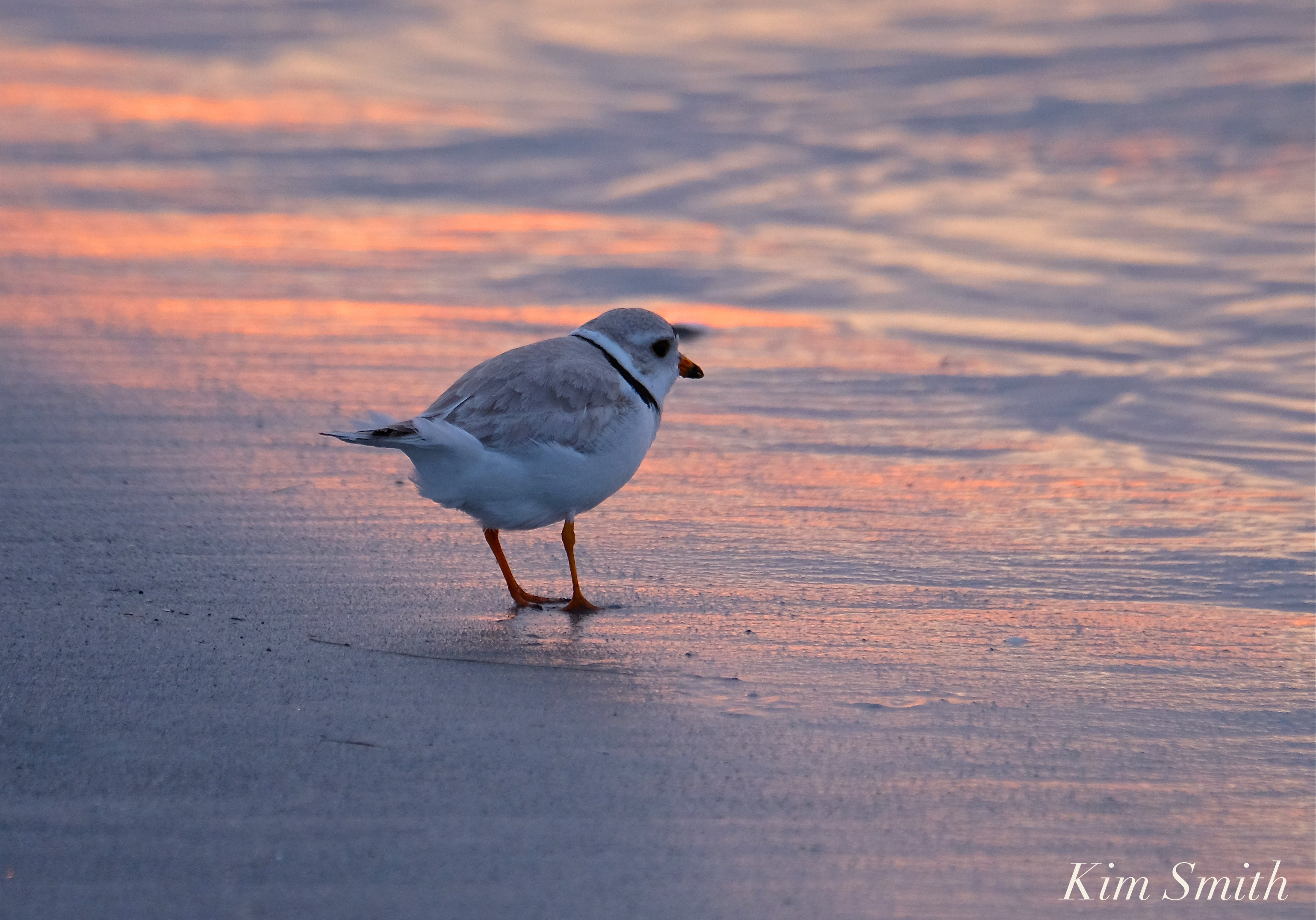
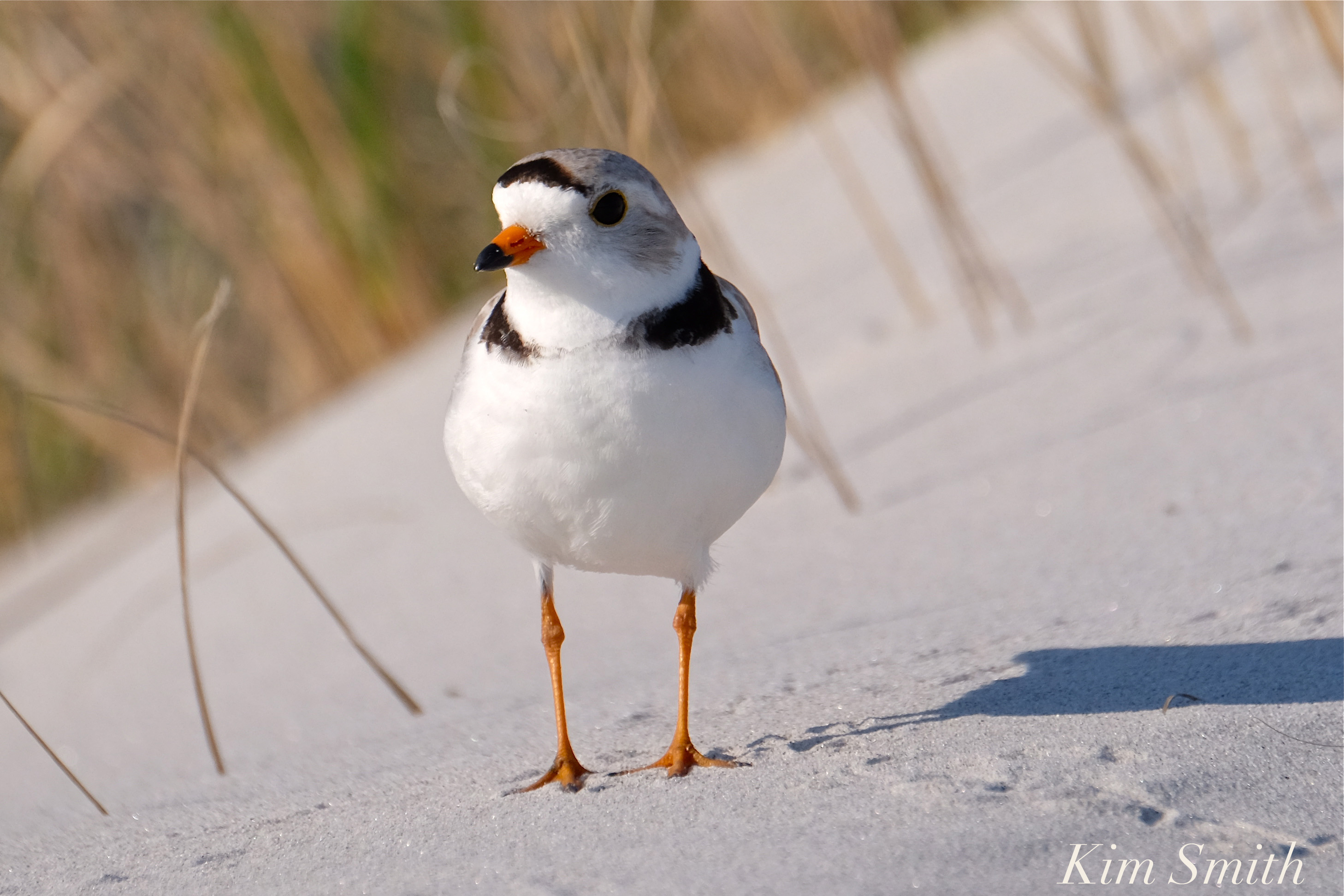
Four of the sweetest little Piping Plover chicks hatched Thursday morning, June 22, at Good Harbor Beach. They are all beautiful and perfectly formed and healthy. Within hours of hatching, the mini-marshmallow-rockets were zooming and tumbling about the shore. Mom Joy and Dad Joe are in full on protective mode, doing their best to chase seagulls and people out of their territory.

Don’t mess with Mama Joy!

Last year the East Gloucester neighborhood kids named the parents, Joy and Joe; and chicks PuffPuff, FluffFluff, and Tootsie Pop. The parents are most likely the same pair as they have nested in nearly the exact same spot as last year. Comment in the comment section for name suggestions if you would like. Wouldn’t it be great if the four names were somehow Fiesta inspired 🙂

Good Harbor Beach is going to be very crowded this weekend. If the chicks manage to survive the first ten days, their odds of surviving increase dramatically.

How we can all help the Piping Plover chicks survive:

1) Perhaps the most important point to understand is that within hours of hatching, Piping Plover chicks are on the move. They soon begin to explore outside the symbolically roped off area. Keep an eye out for the chicks. Educate friends and family that they may see these tiny vulnerable creatures on the beach. Do not approach the chicks or adults, but observe quietly from a distance. Mom and Dad Plover will let you know if you are too close.

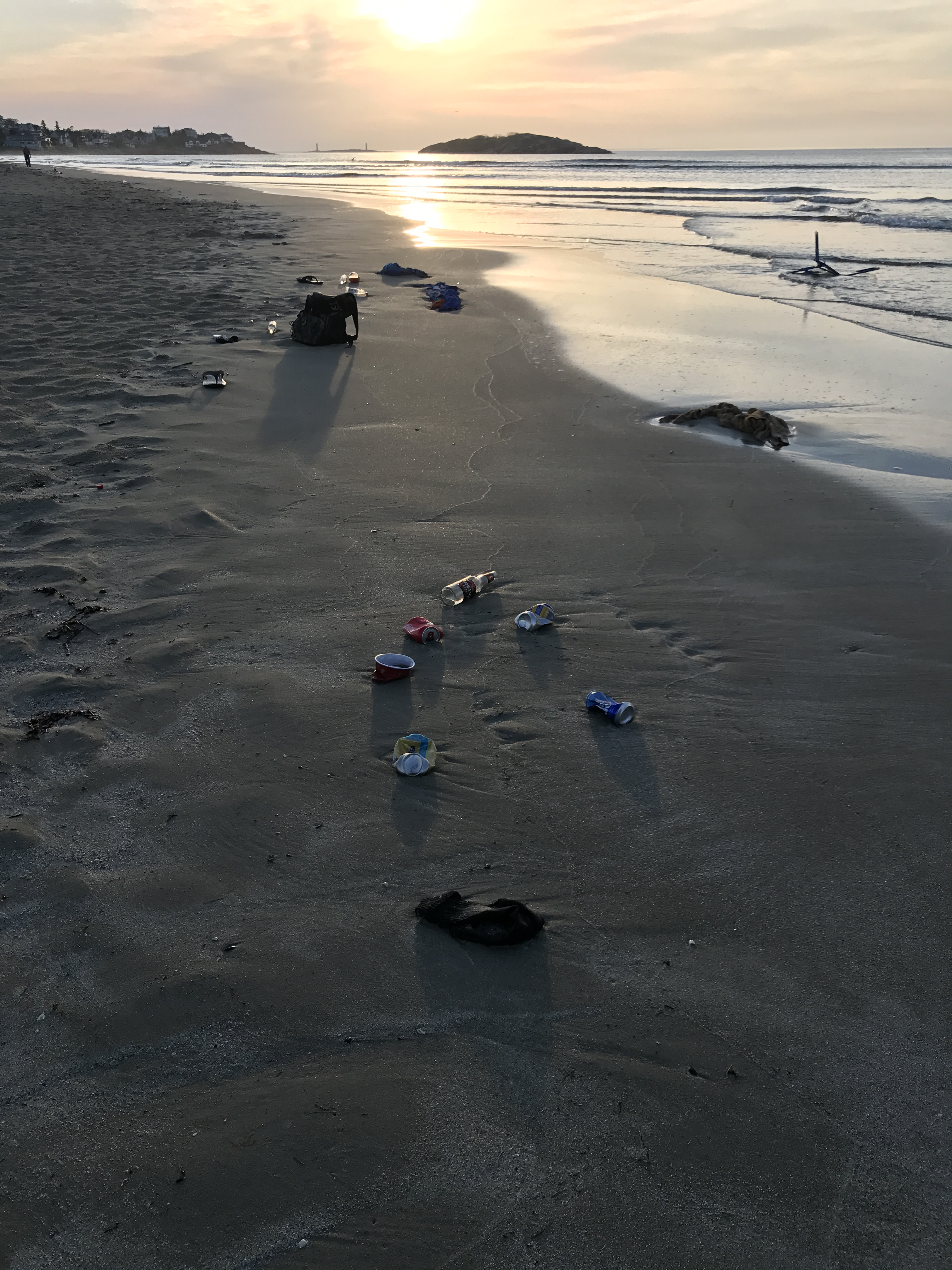
2) Don’t leave behind or bury trash or food on the beach. All garbage attracts predators such as crows, seagulls, foxes, and coyotes, and all four of these creatures EAT plover eggs and chicks.

3) Do not linger near the Piping Plovers or their nests. Activity around the Plovers also attracts gulls and crows.

4) Keep dogs off the beach at all times of the day and evening.


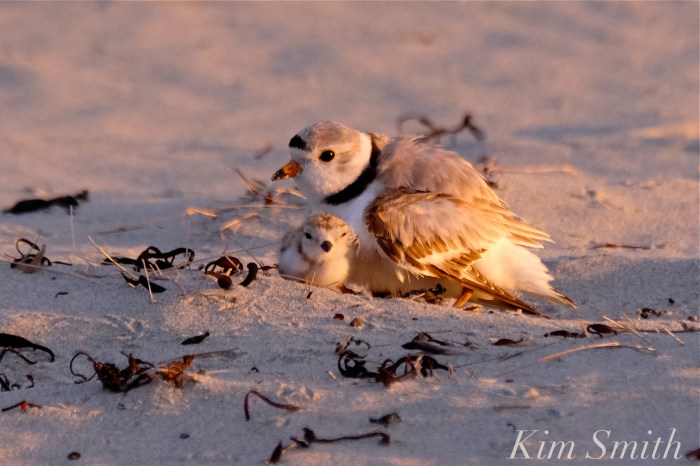
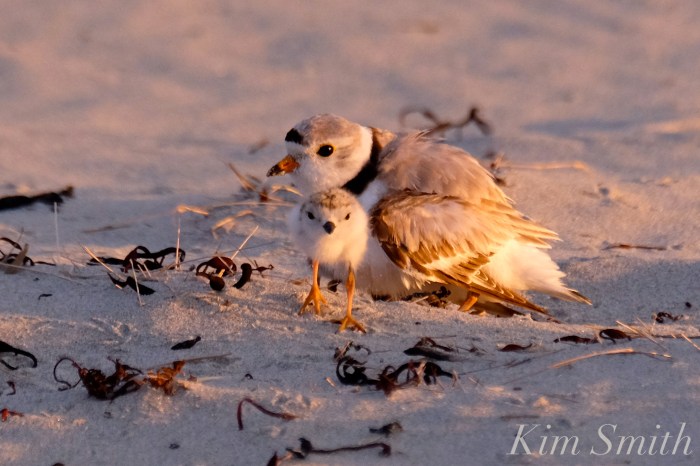
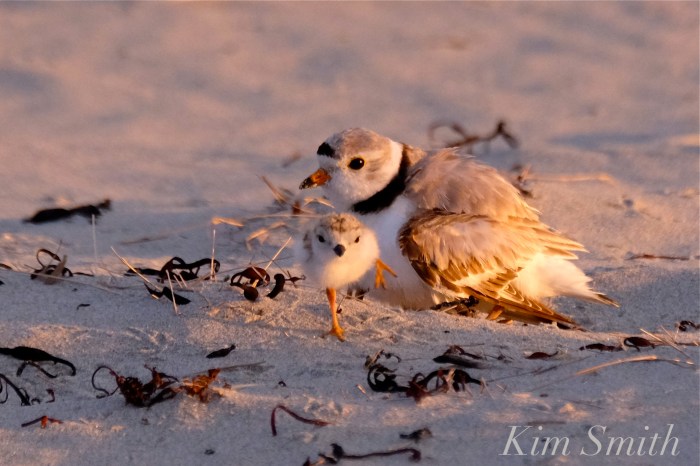
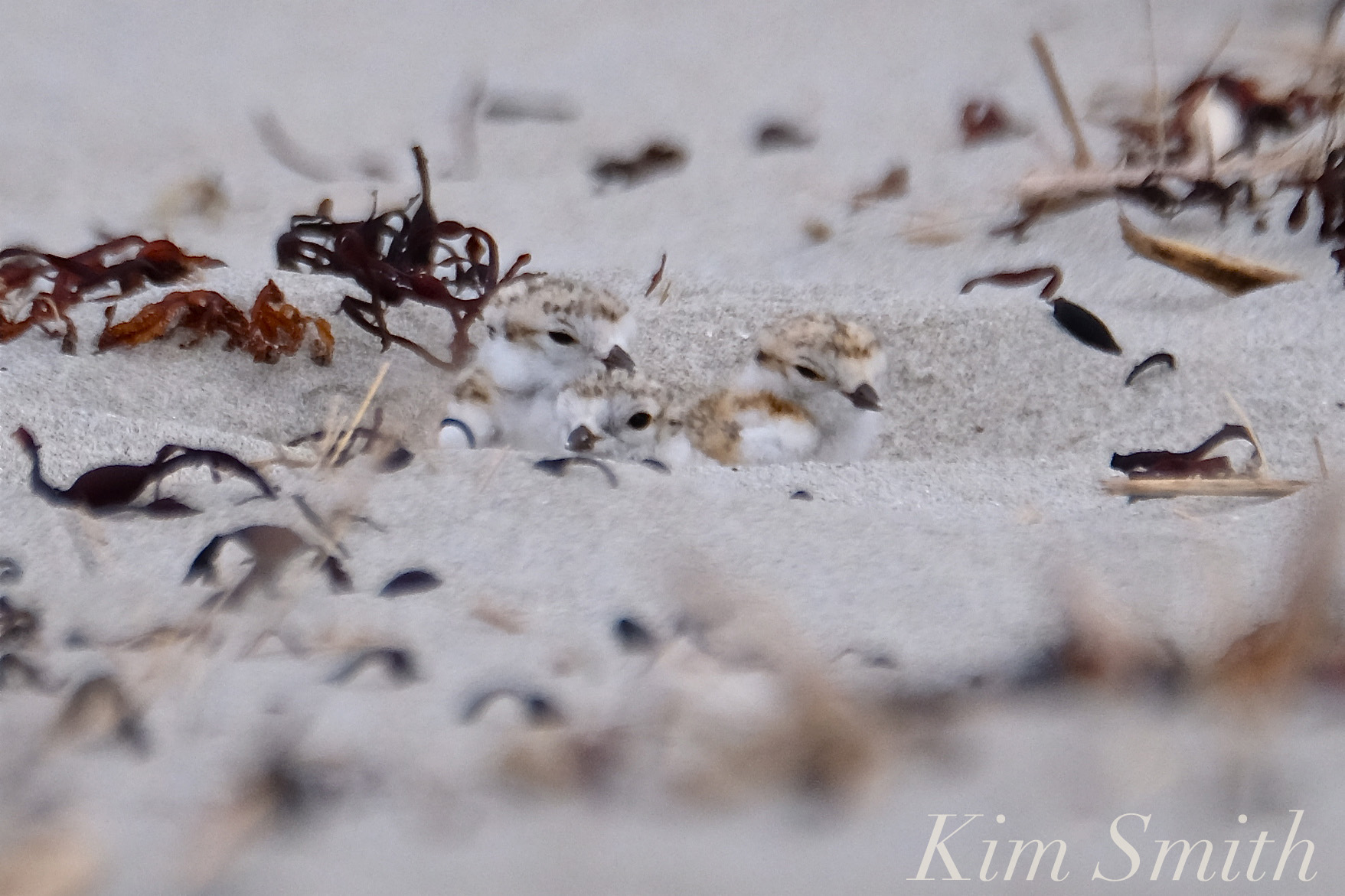
Snuggling next to Mom for warmth.


Clip from last year’s year Piping Plover Family —

Caddy Shea waits for a customer | history Bass Rocks Golf Club ca.1910

Shea is perched on the rock. He told me it was worth the wait–eventually he made $40.

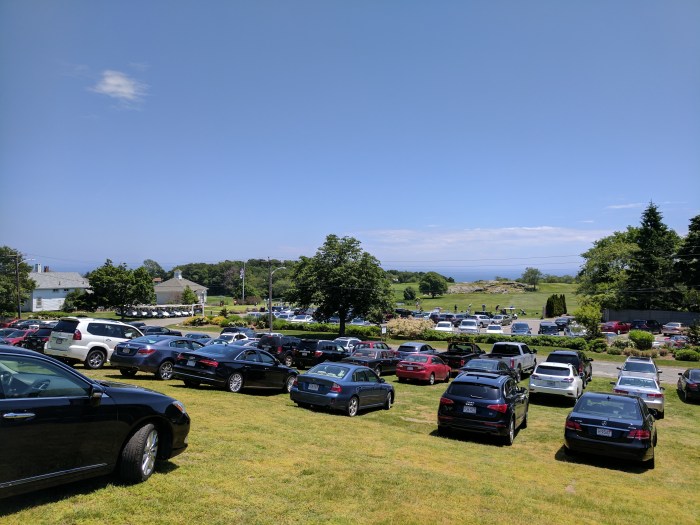
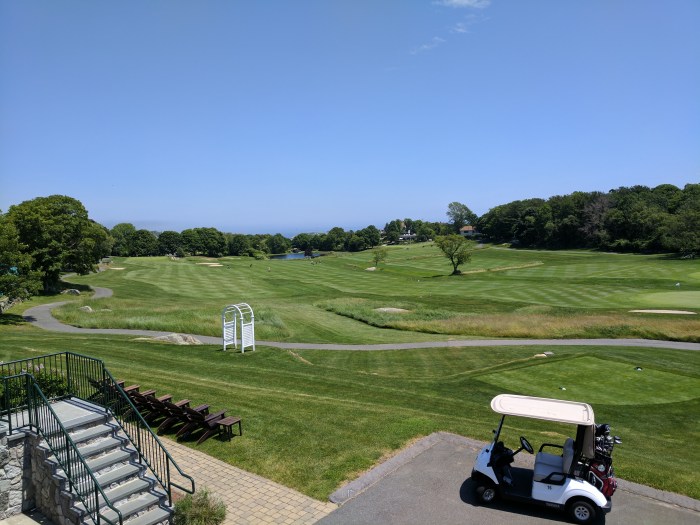
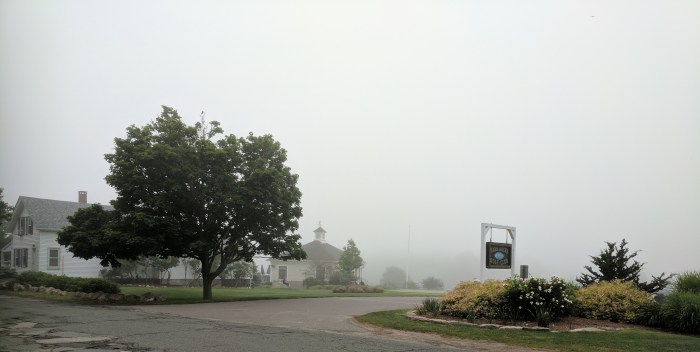
 I was happy to see the dramatic fog burn off to a spectacular Father’s Day. Bass Rocks Golf Club filled up by mid day. IMG_20170618_055704
IMG_20170618_124009

IMG_20170618_123741

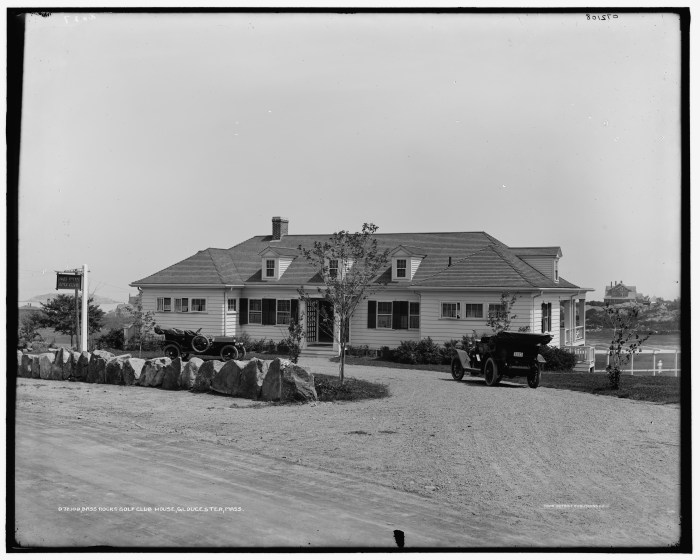
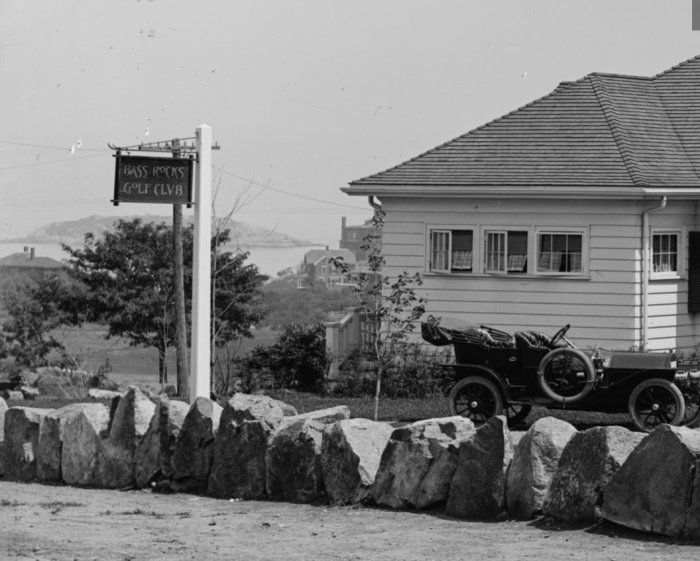
Bass Rocks Golf Club ca.1910

bass rocks golf club loc detroit publishing co ca1910 on license plate small size

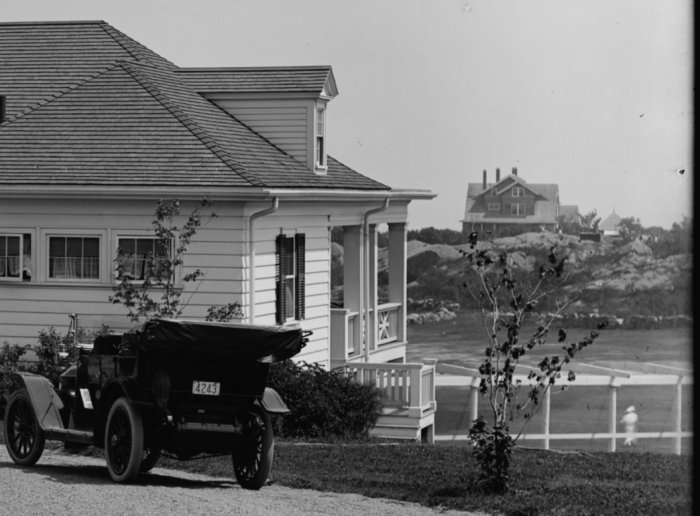
photo caption: Bass Rocks Golf Club, ca. 1910 (note the date on the license plate), Library of Congress collection. Scroll down to see detail zooms  from the left and right sides of the photograph.
detail 2detail

My folks loved Bass Rocks  and Cape Ann Golf Clubs  two breathtaking linkslands. The Bass Rocks Golf Club was started in 1896, two years after the US Golf Association was formed. Yale and Princeton bought land and began organizing golf clubs in 1895. 

some background from the Bass Rocks Golf Club website:

The club was founded “by a group of Bass Rocks summer residents who rented the land in the area surrounded by Beach Road, Moorland Road, Souther Road, and Nautilus Road. This area is known as “The Meadows” and is currently used for our 15th, 16th, 17th, and 18th holes. The rental fee was based on the value of the hay crop that would normally have grown there.

The first six-hole course was laid out by Alex Findlay, a Scottish golfer who worked as a salesman for a sporting goods company. This job entailed the planning of golf courses to increase the sales of golf equipment.

The original course was known as the Intervale Links. Subsequently Madison Mott Cannon, Gloucester’s City Engineer, designed a new nine-hole course. At a dedication of the new nine-hole course in June of 1904, a flag was raised proclaiming it to be the Bass Rocks Golf Links. The membership was about 250. In 1905, with increasing membership and more golf and social functions, it became evident that a more structured organization was in order and the Bass Rocks Golf Club was incorporated for the “purpose of encouraging athletic exercises and the establishment and maintenance of places for social meetings.” A formal lease was entered into with the landowners, The Souther Estate*. In 1909 the clubhouse was built and the rent increased.

More land was leased from the Souther Estate and the course was increased to 18 holes in 1913. Designed by Herbert Corey Leeds, who also designed the original Essex County Club (since redone by Donald Ross and modified by E.F. Wogan), a new 18-hole course began to take shape at Bass Rocks. Leeds also designed and maintained the Myopia Hunt Club course until his death in 1930.”

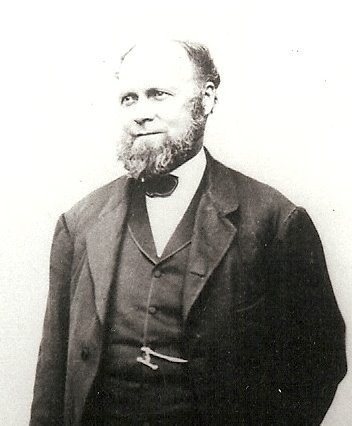
ed. note *Here’s a picture of Henry J Souther (1810-1892) who was married to Gloucester gals Eliza Phipps Souther (1814-1863) and Mary Wheeler Souther (b.1832-d.1914). His father John Souther Sr, owned Souther Tide Mills and Souther Shipyards.  Henry rebuilt the mills after a devastating fire. Later in his career he opened a brewery. He also owned Bass Rocks Hotel (twice!) in Gloucester MA. Henry and Mary’s son Henry Souther (1865-1917) was an MIT grad specializing in mining and metallurgical subjects who spent his early professional career in PA and consulted for the automobile industry eventually founding his own firm. He married Edgar Jay Sherman’s daughter Elizabeth Louisa. Sherman’s point and Sherman’s home on bass rocks are famous Good Habor Beach motifs. 
Henry Souther

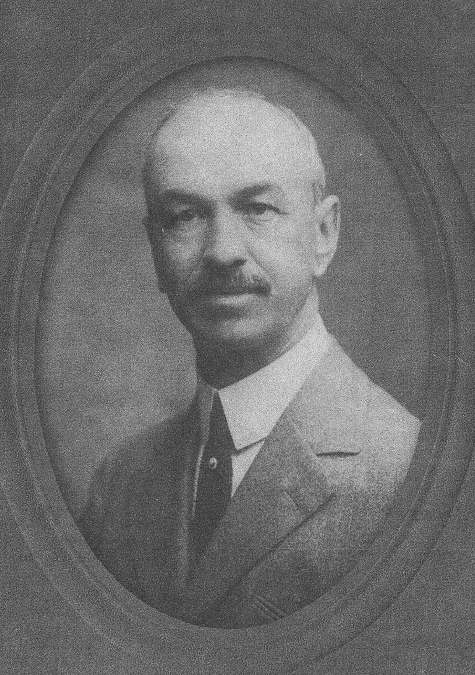
photo caption below: Scottish golfer Alexander “Alex” H. Findlay. Findlay designed hundreds of courses. Findlay’s younger brother, Fred, also designed golf courses in the US. 
alex findlay scottish golfer american golf evangelist

Richard B. Findlay and his older brother Ronald A. Findlay, grandsons of Alex Findlay, did tremendous research and writing for a website devoted to this “Father of American Golf.” Bass Rocks was among Findlay’s first if not his first course. Bass Rocks was founded in 1896 though the Findlay family site lists 1899 for the year he worked on it. There were more than 20 Findlay golf courses in Massachusetts, a veritable “Golf Coast”, including several close enough to seek out a Findlay golf trail: Andover, Salem, Reading, Stoneham, Belmont, Haverhill, Weston, Wellesley, and West Newton.

I love this design excerpt from their blog:

The process of finding and authenticating golf courses designed by Alex is an ongoing thing. According to Alex’s list there may well be close to 500. About 200 so far have been found. Interestingly, throughout the ages new golf course architects take an older course and do some tinkering or even a major renovation on that course and it then becomes their design. A good example of that is with the renowned golf course architect, Donald Ross. He moved to the United States in late 1899, but many courses are attributed to him that have a stamp of origin earlier then 1899. Actually over 600 courses are acclaimed as a Donald Ross creation. In many cases he never set foot on the property but merely drew up a layout from his distant office. So it goes with the business of golf course architecture. Alex Findlay visited every single course that he designed, walking off each yard of the layout and in many cases actually was involved in the construction process with his youngest son, Norman, who developed a construction business for the purpose of constructing golf courses. As I visit Alex’s golf courses I learn so many valuable tidbits that I think you will find fascinating.

For instance, when he was building golf courses in the Northeast he would always face the green to the south in order to get at least 6 more weeks of play in the late fall into early winter, before the greens would take a hard freeze. Did you know that not one of his greens are alike. No two fingerprints are alike, no two snowflakes are alike and no two clouds are alike. You see, every green he designed he did so by laying down on his back and looking up at the clouds. He would then sketch the clouds on his design sheets, and presto every green is a unique masterpiece. Clouds of Green!”

 And this interview with Richard Findlay from Golf Club Atlas, 2012:

“In the early 1900’s the Prince of Wales, a childhood friend of Alex Findlay and soon to be King of England, wrote a letter to Alex. He did not have his address so he just simply put my grandfather’s name on the envelope and mailed it. In a short while the letter was delivered to Alex’s home in Boston, MA. This will give you an idea of how well known Alexander Hamburg Findlay was during his life in the United States as well as Scotland and England. Imagine putting the name Tiger Woods on an envelope and dropping it in the mail. Would it be delivered? Would people recognize the name? Of course they would…Move the clock back 100 years and who do you have? Alex Findlay, one of the most written about athletes in the world at that time…

What have you gleaned from studying your grandfather’s golf courses?

“Alex protected par.”

GLORIOUS GLOUCESTER MORNING

All is well with Plover Families, on both the West and East sides of Gloucester!

https://www.instagram.com/p/BVkxzAyldXv/

https://www.instagram.com/p/BVkyzEIl-To/

Blech. Why?

IMG_6481

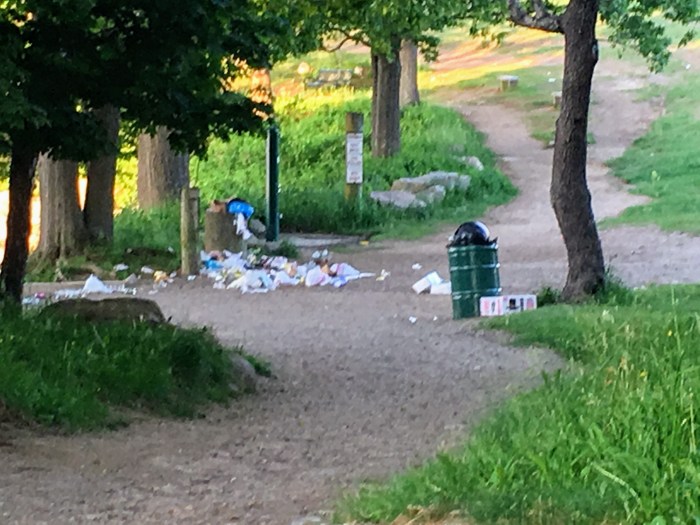
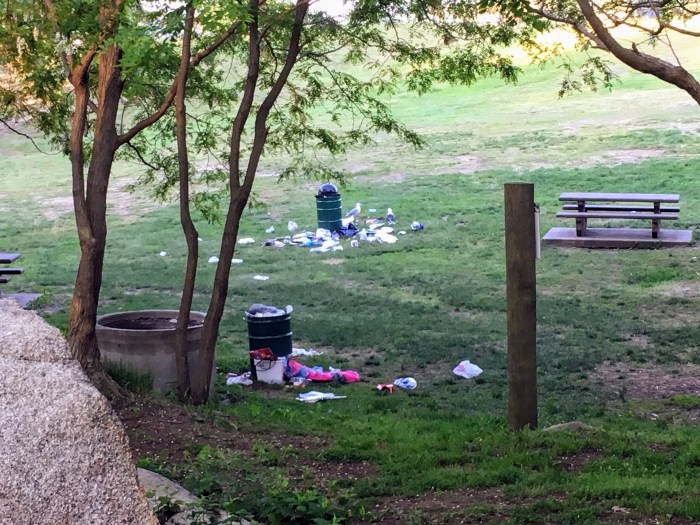
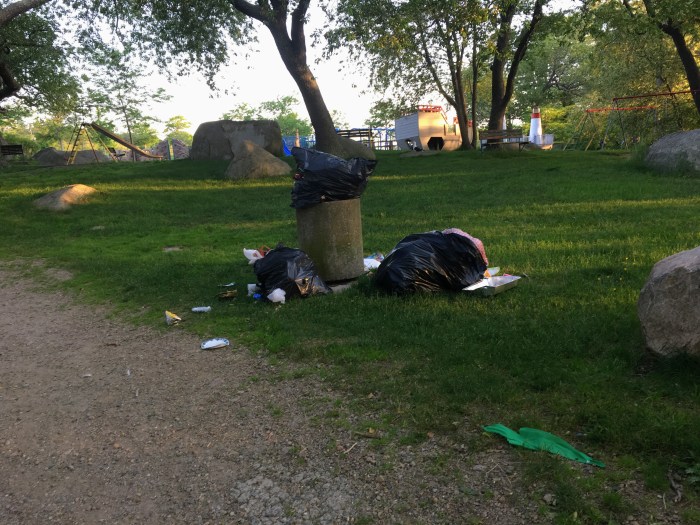
One thing is for certain, when Stage Fort is trash heaped, DPW will pick it up…but why does it have to be like this? Trash operations and picking up litter are expensive. National and state parks worldwide are taking out the trash cans rather than trash by instituting various carry in/carry out policies. Cape Ann is about as National Park worthy as any designation out there. I like

Carry IN Carry HOME 

to extra underscore that the parking lot isn’t “out” enough. Marketing won’t help 100%. Despite anti-litter, Keep America Beautiful and green goals, we drop stuff. Especially if it’s convenient. The Law of Litter will prevail. If there are barrels we toss it in, then on, and too quickly around. Once any scrap meets ground, an overflowing heap isn’t far behind. It’s the psychology of litter: people are more likely to litter where there’s litter.

There are great DPW departments (like ours), policies in place in every community, and people who stop pollution (like Donna, Kim, Patty, Amy, and others here in Gloucester). I am amazed and grateful for just how cleaned up the beaches and parks are with every morning’s reset.

Gloucester offers options: DPW, barrels, carry in/carry out, volunteer clean ups and pooper scooper baggy dispensers. If it’s not enough, other options include allocating more funds to the DPW and police department via the municipal budget, entrance fees, and ‘take out/to go orders’ tax charge. Or us.

all photos: Stage Fort Park this morning (before DPW) photos by Pauline Bresnahan. thanks for sending to GMG, Pauline

IMG_6476

They brought their own bags…

IMG_6475

people start pollution people can stop it

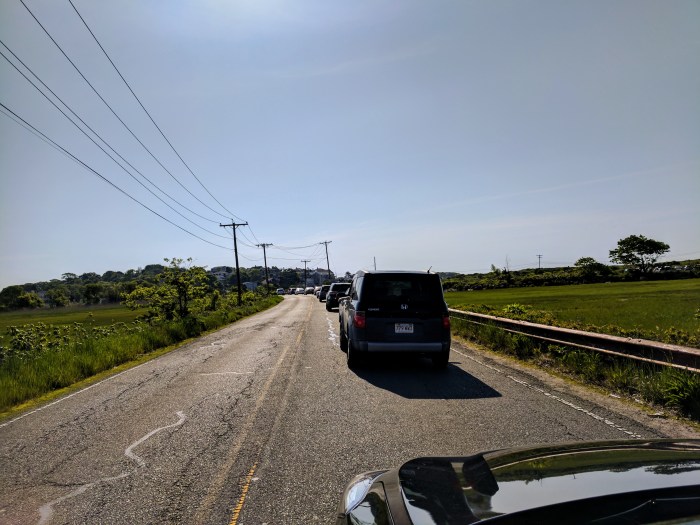
Good Harbor Beach parking 8:45am

For updates follow the City’s ‘Gloucester Beaches’ and Mayor Romeo Theken Facebook pages

@gloubeaches https://www.facebook.com/gloubeaches/

@MayorSefatia https://www.facebook.com/MayorSefatia/

Info on water temperature, wave height, etc

http:www.surf-forecast.com

IMG_20170611_084447

Way cool NE Beach Soccer Cup at Good Harbor Beach June10 also benefits GHS soccer and FYS

“The New England Beach Soccer Cup tournament is not just about crowning a champion, but more importantly giving back to the community.

This year, all of the proceeds from the event will be donated to Fishermen Youth Soccer as well as the Gloucester High School Soccer Boosters.

These two organizations have been instrumental in the development of thousands of young student-athletes and soccer players and have played a vital part in the community for several decades. We’re so happy to be able to give back to these deserving organizations and re-invest in our youth and community!”

We can’t be there because of a Fishermen Youth Soccer game this Saturday–AWAY AWAY as in Haverhill– but we’ll check out that this cool new add-on: LIVE streaming the event!

NE 2017 beach soccer cup

Video from 2016

MOM, WHY ARE THE PIPING PLOVERS IN JAIL?

Mama Plover sitting on an egg

This question was asked by a young child visiting the plover nesting area at Good Harbor Beach. Another asked, why are the Piping Plovers in a cage? And today while on plover wellness check, I overheard an adult telling her daughter that the little tufts of dried seaweed within the roped off area are all Piping Plover nests, filled with Piping Plover eggs. 

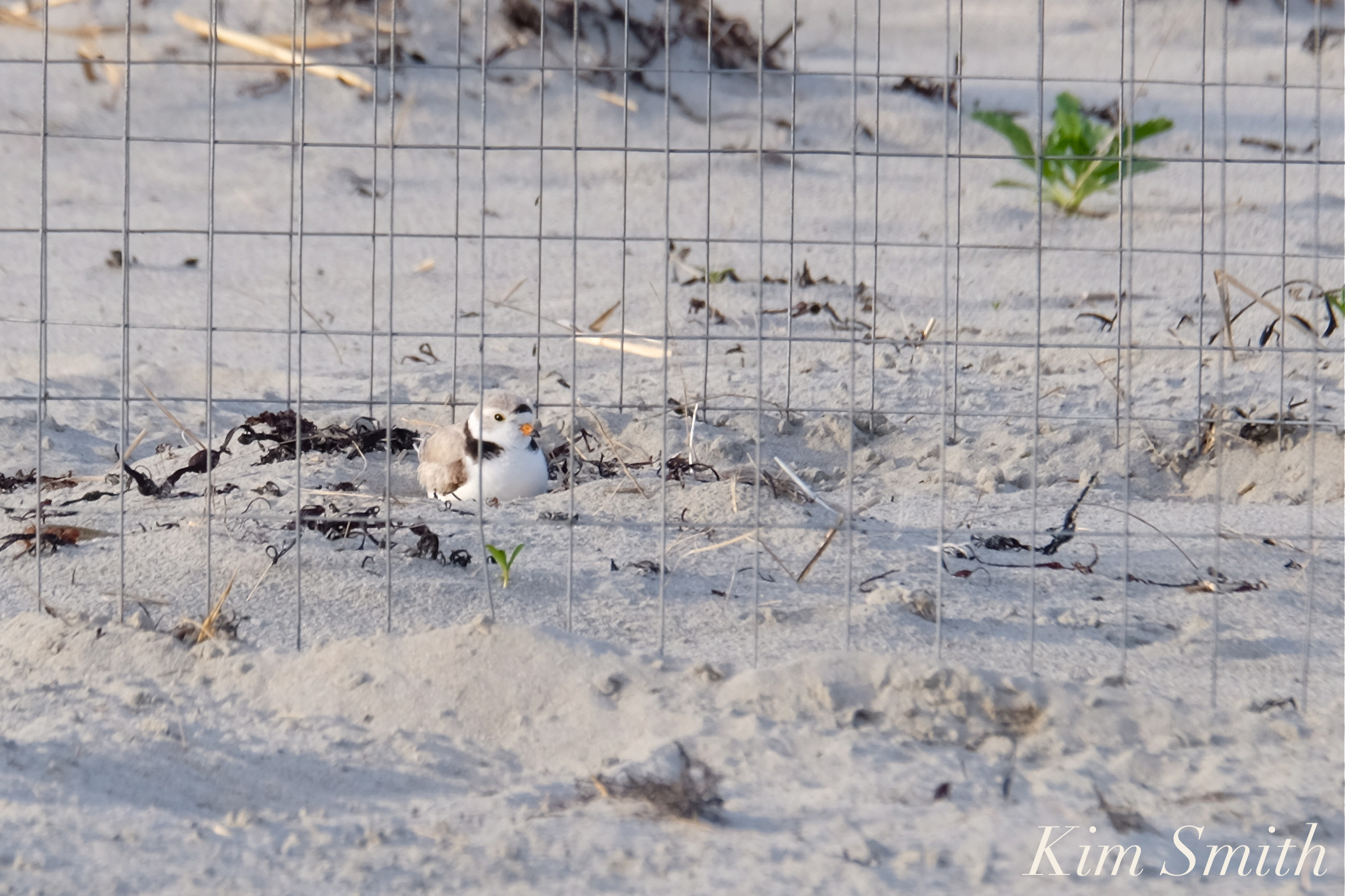
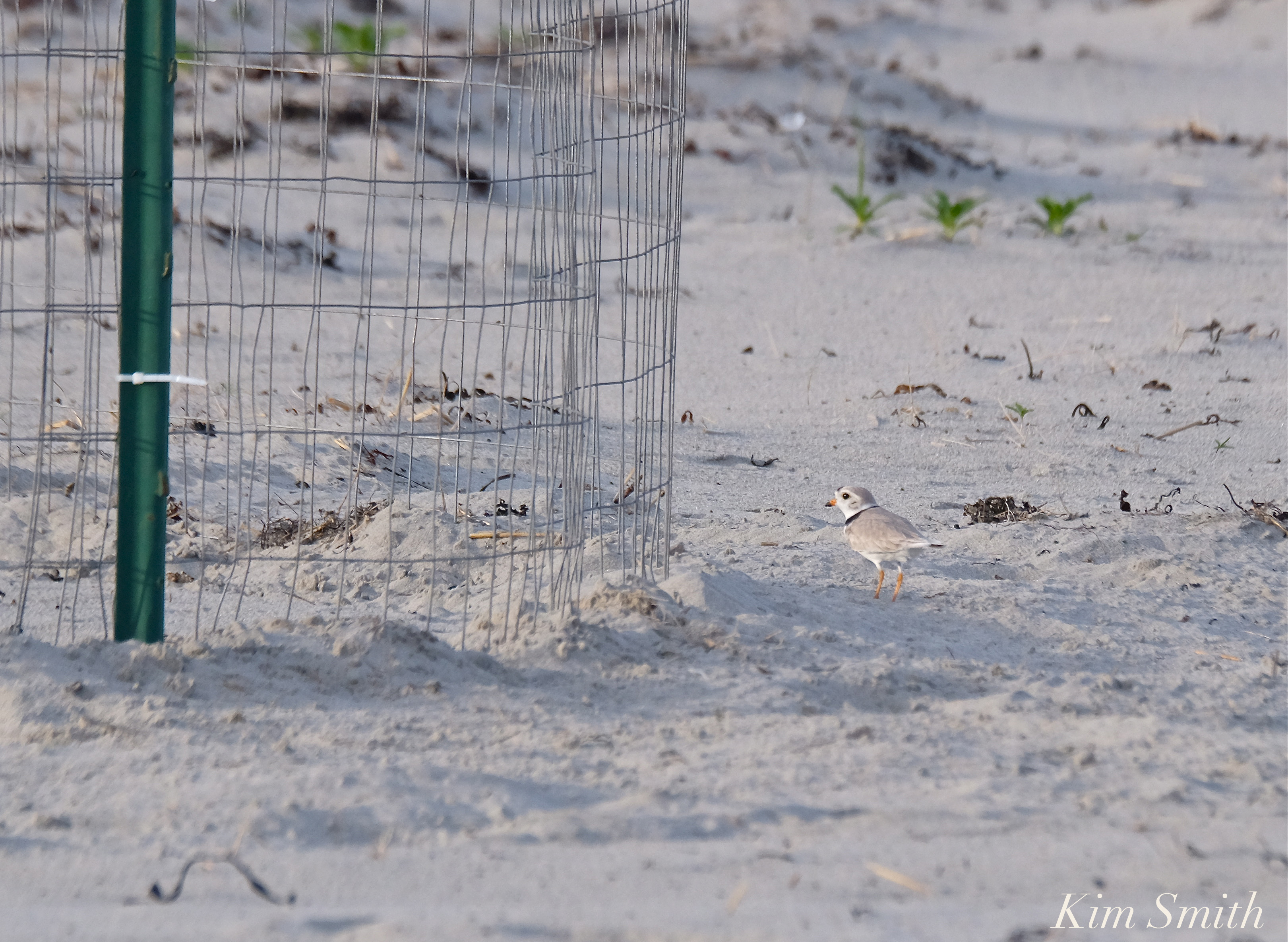
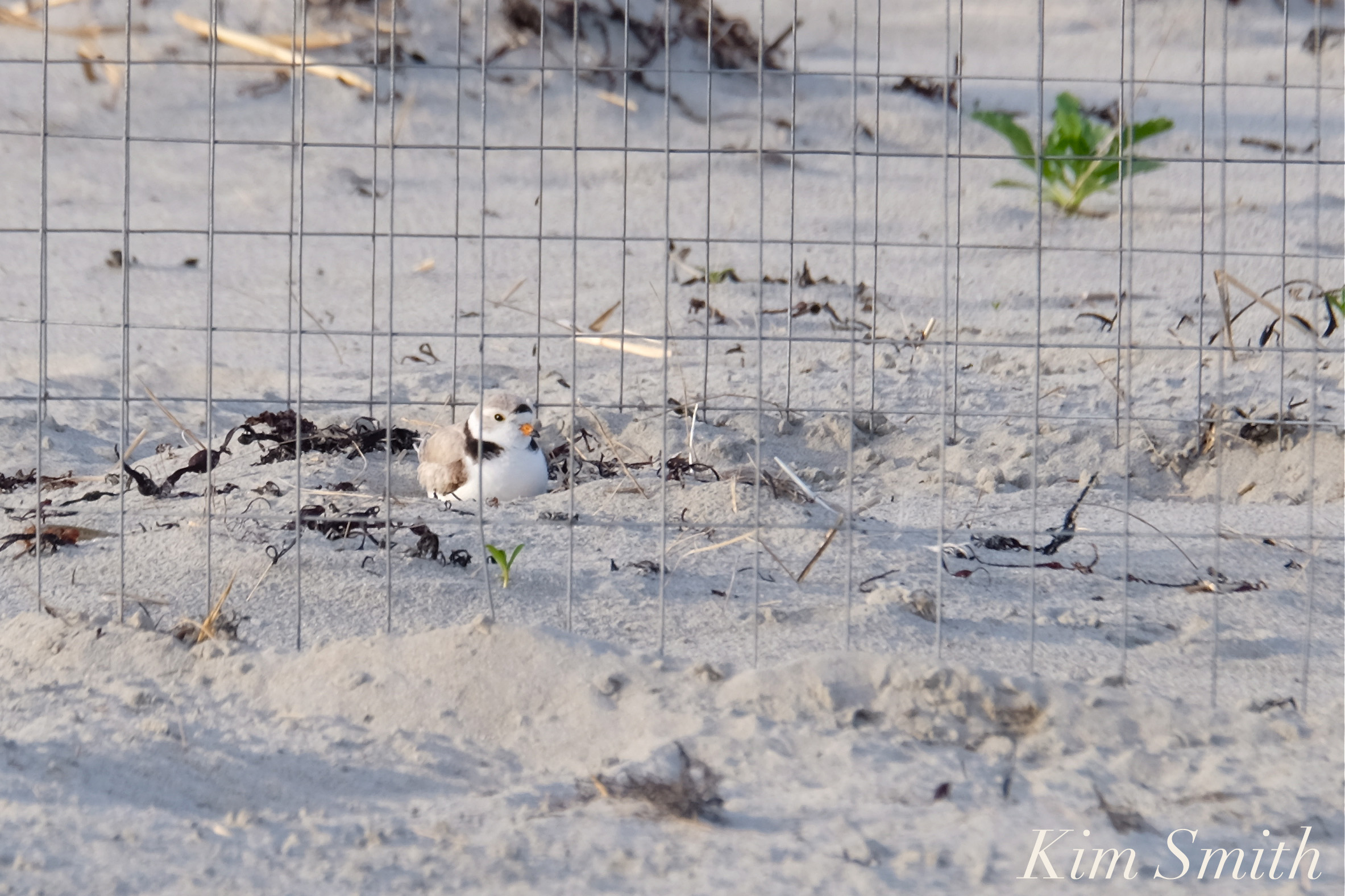
In actuality, there is only one nest in the roped off area, and that nest is in the middle of the net and wire exclosure. The prefix ex in the word exclosure gives us a clue as to the meaning of the word. The contraption is designed to exclude other creatures, not to confine the plovers.

Wildlife monitors will place an exclosure over a nest to prevent people and dogs from accidentally stepping on the eggs and to prevent foxes, other mammals, seagulls, crows, and owls from eating the eggs. The holes in the wire are large enough for a Piping Plover to run freely in an out of the exclosure, and small enough to keep predators out.

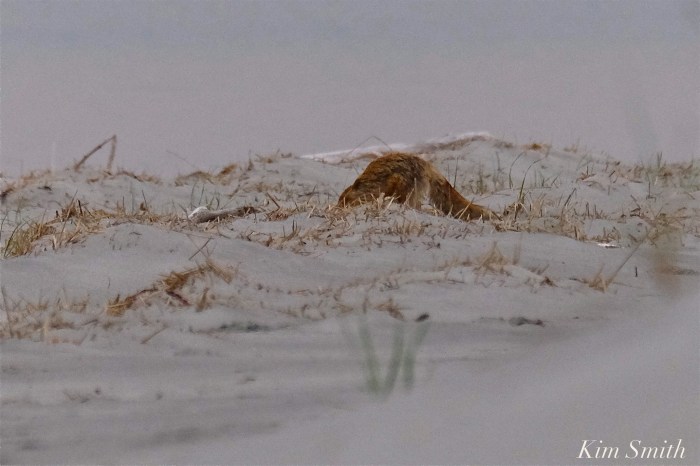
What is Foxy Loxy up to? It’s morning and the young fox is very hungry He is foraging in the sand for plover eggs!

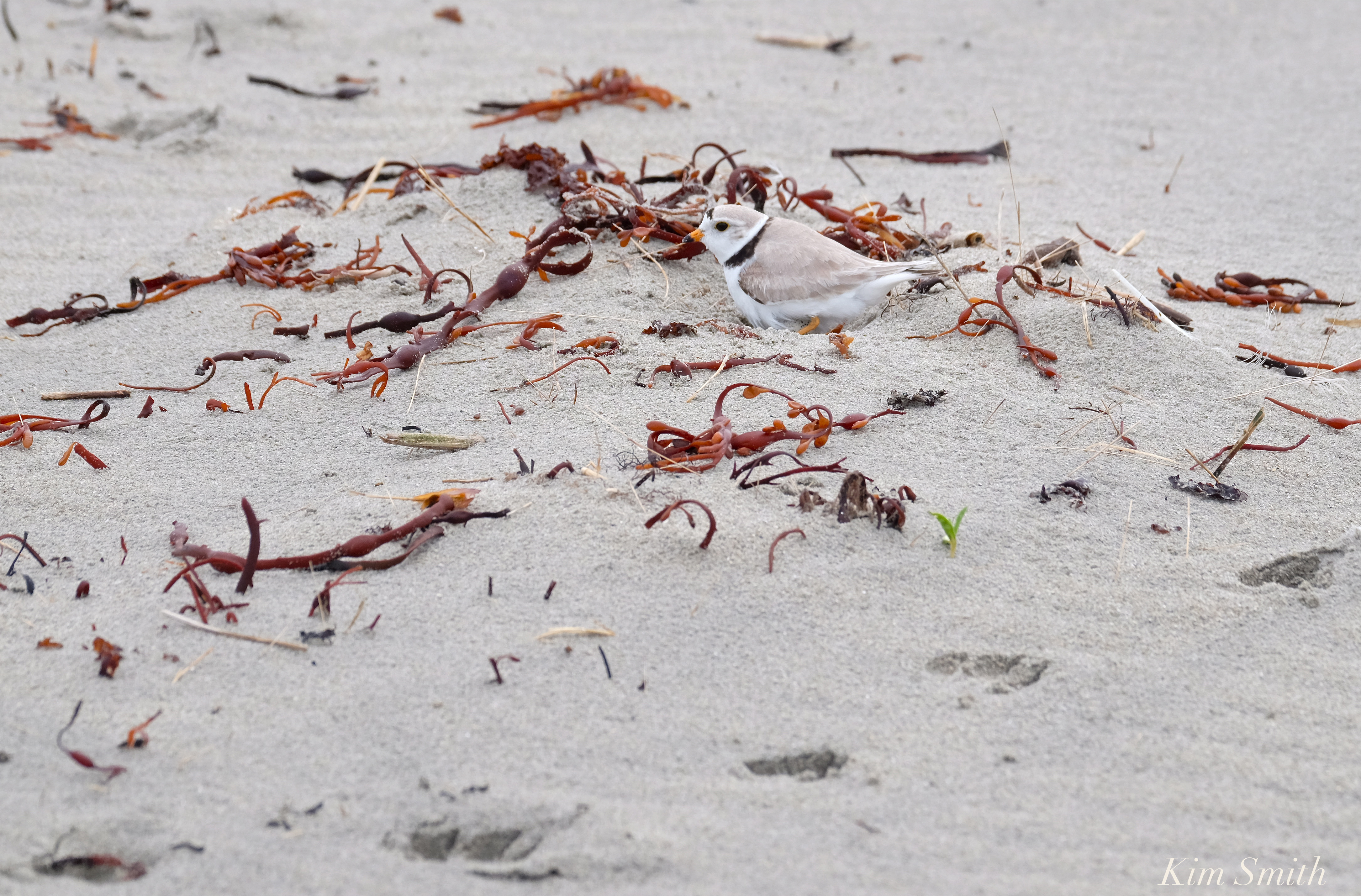
You can clearly see the Mom and Dad plover taking turns on the nest. About every twenty minutes or so, they exchange places. When there visiting the plovers with your children bring binoculars or your camera and watch this wonderful story unfolding right here our beautiful Good Harbor Beach. 

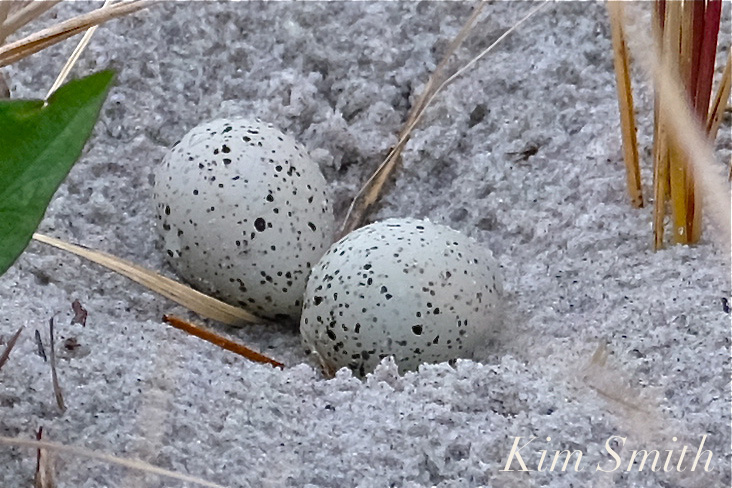
The very slight depression in the sand in the photo above shows a Piping Plover nest scrape. The diameter of the scrape is about the size of a tennis ball. Sometimes the Dad plover tosses tiny bits of shells or pebbles in the scrape, but just as often as not, the scrape is unlined.

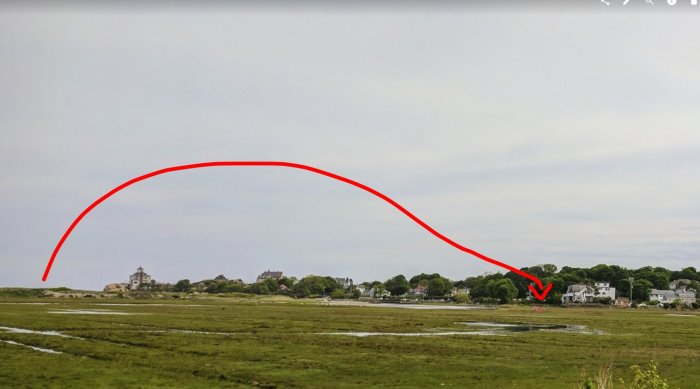
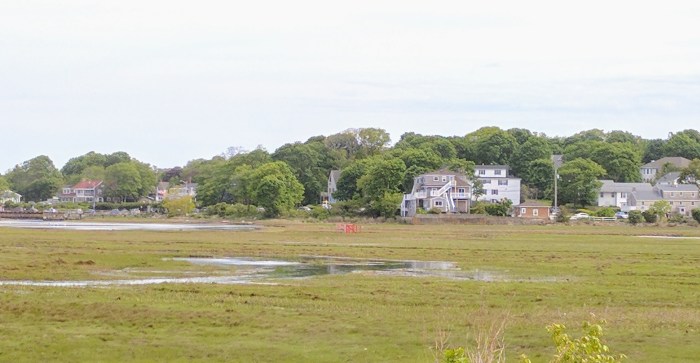
Good Harbor Beach lifeguard chair in the marsh and logs on Long Beach

The latter brought by the tide. The former…

GHB lifeguard chair

IMG_20170528_161304

IMG_20170519_055130

IMG_20170519_055422

Continue reading “Good Harbor Beach lifeguard chair in the marsh and logs on Long Beach”

WHAT ARE THOSE CRAZY BIRDS RUNNING AROUND GOOD HARBOR BEACH PARKING LOT?

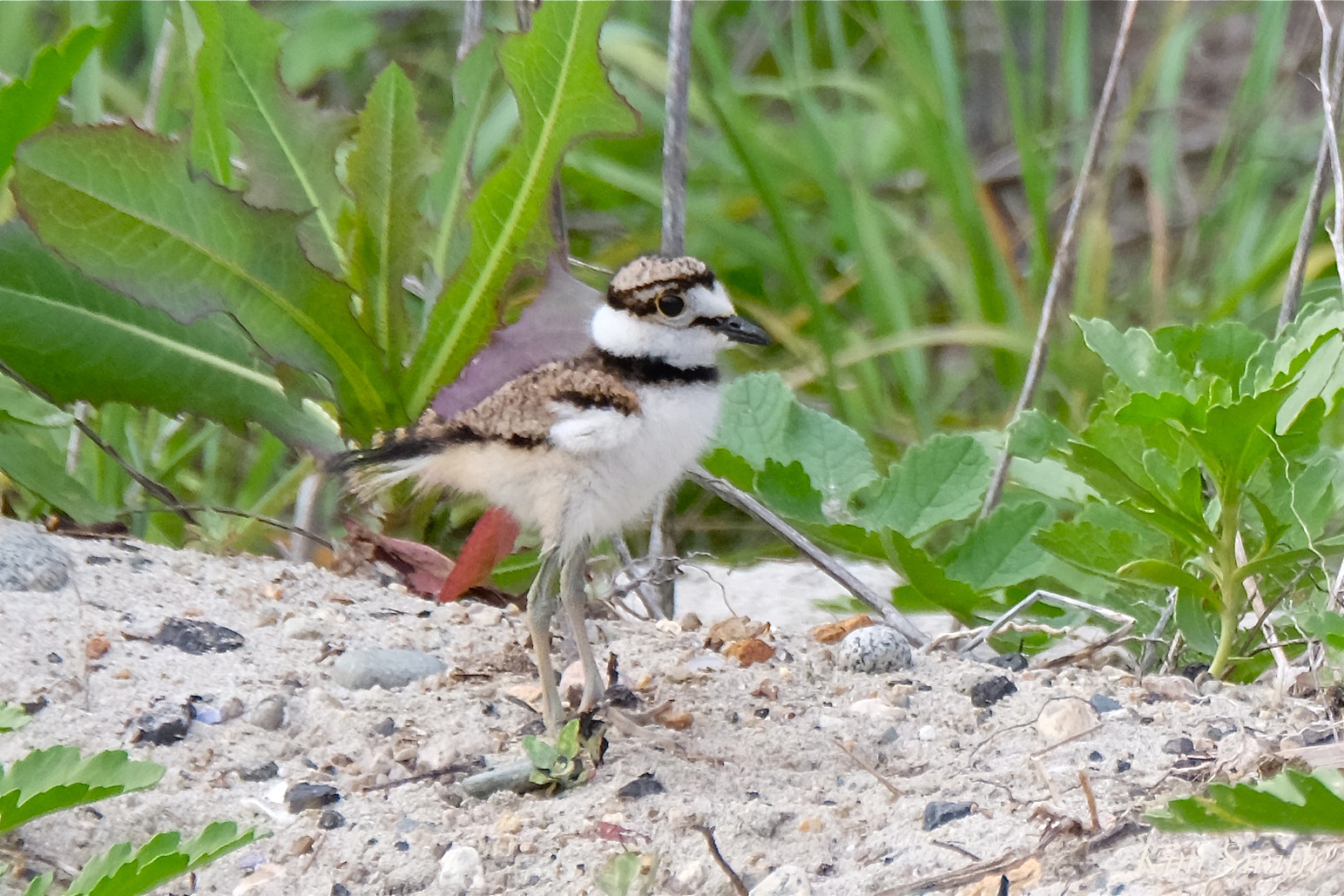
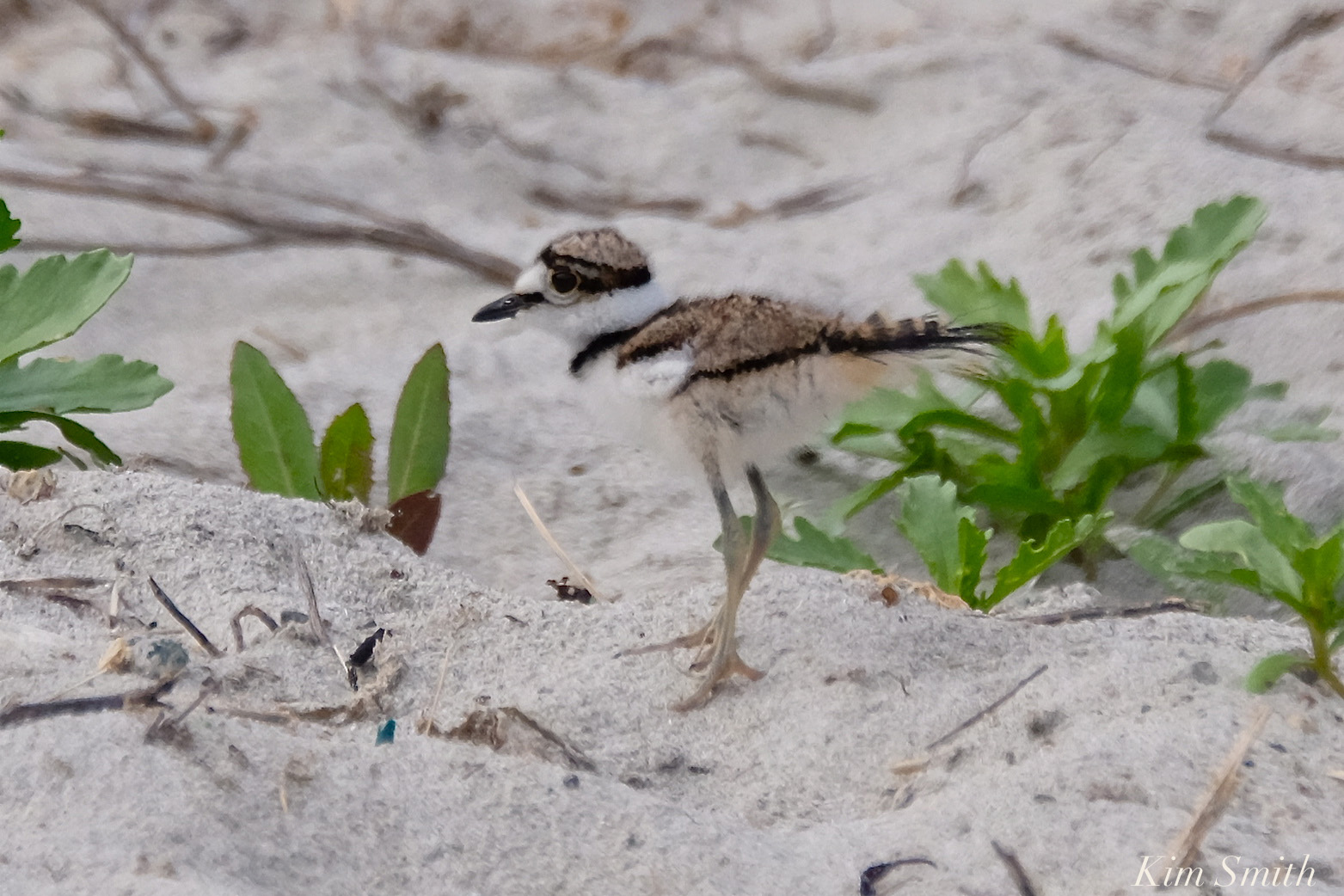
Killdeer Chick

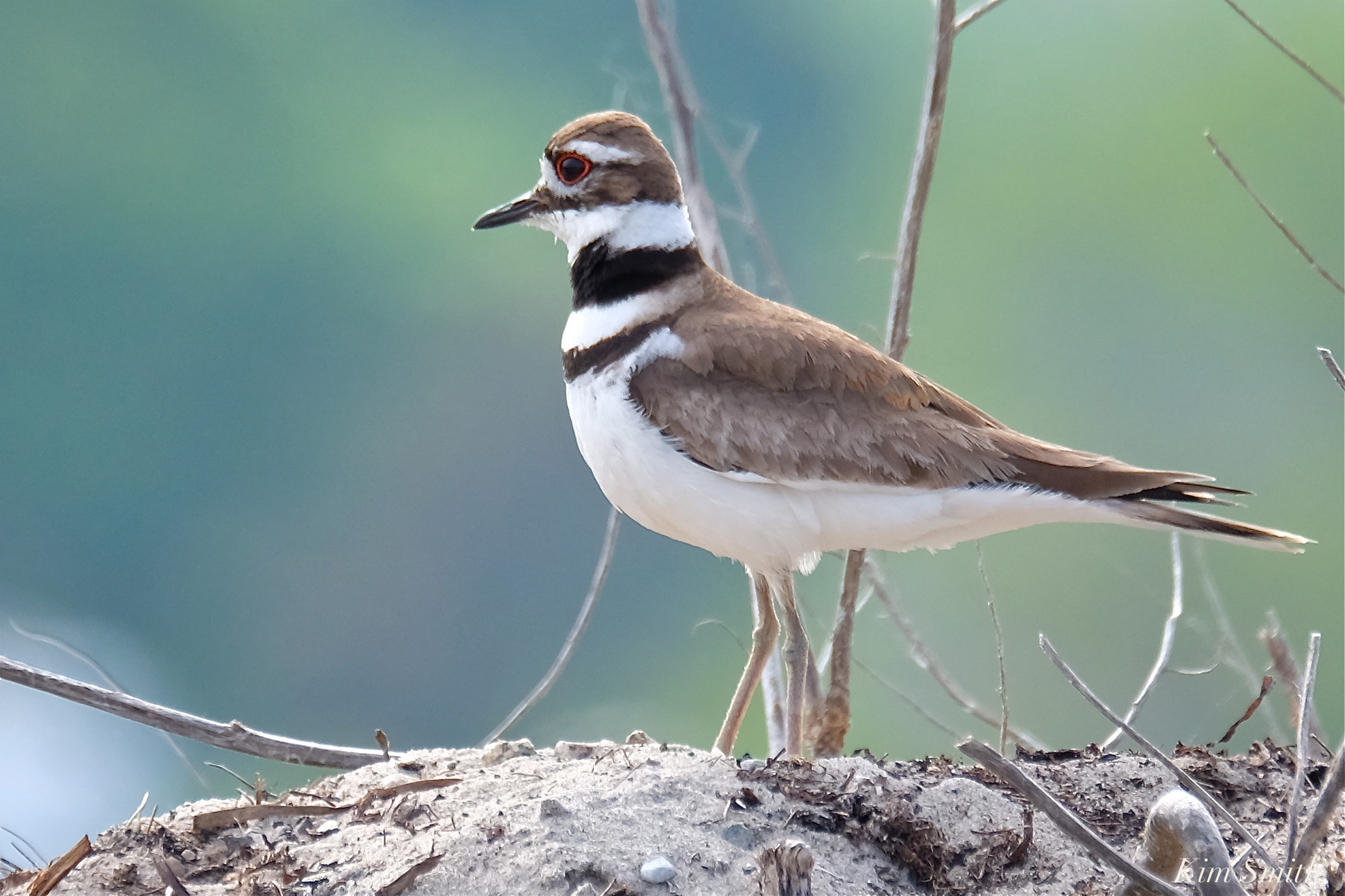
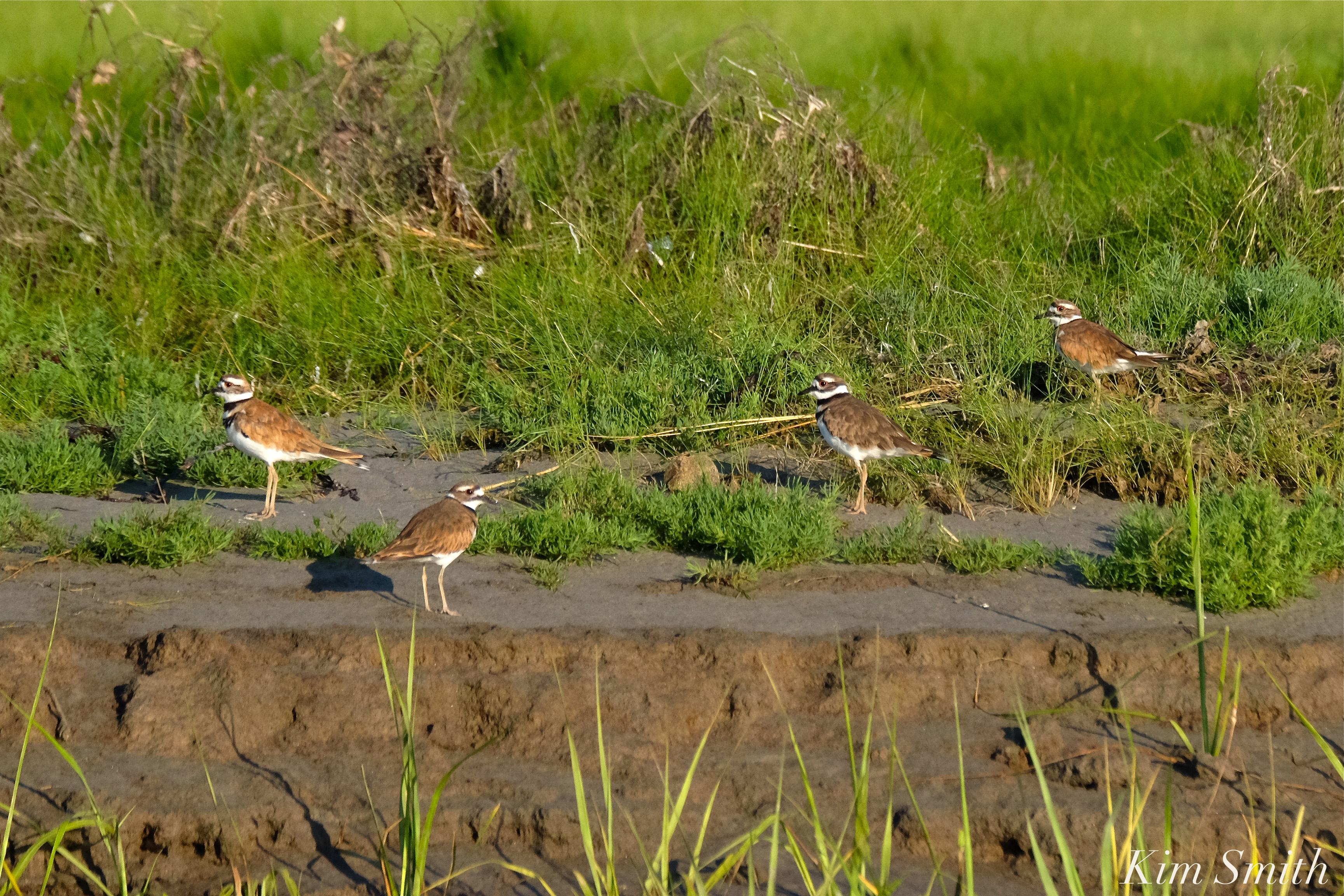
Lost of folks are asking, are the Piping Plovers nesting in the Good Harbor Beach parking lot? The answer is no, the Piping Plovers are nesting on the beach near boardwalk #3. The mama and papa, and now chicks, that are running all around the GHB parking lot are a shorebird named Killdeers. Comparatively quite a bit larger, and more commonly seen, Killdeers are related to Piping Plovers, but are a different species.

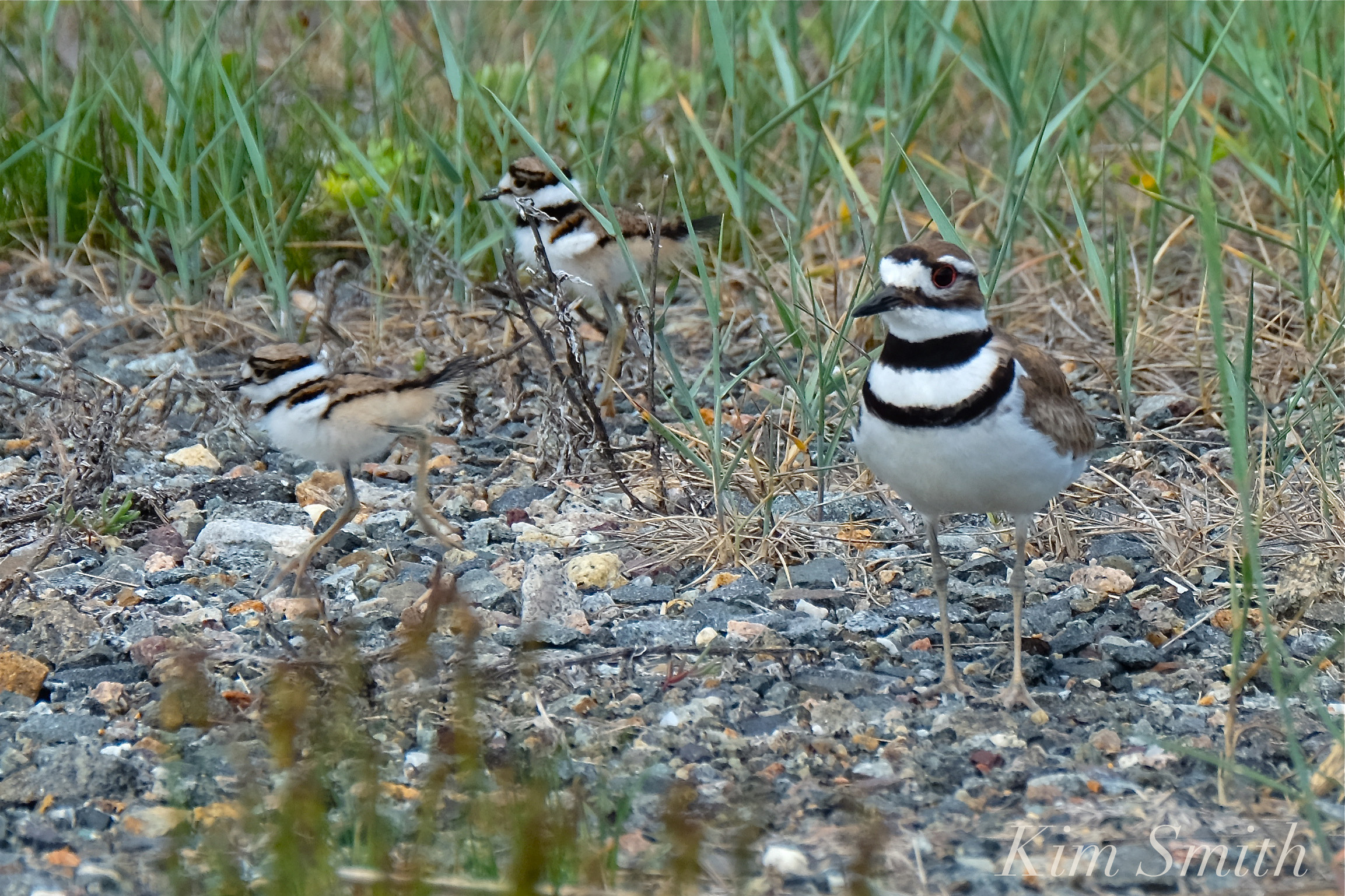
Killdeer Chicks and Parent, Good Harbor Beach 2016

That I am aware of, this is the second year in a row Killdeers have chosen to nest at the Good Harbor Beach parking lot. It is frightening to see the babies zoom in and out between the cars. The mom and dad give vocal cues to the chicks, but still they run willy nilly. Killdeers have a fondness for human modified habitats, such as the GHB parking lot, and a willingness to nest close to people.

Like Piping Plover chicks, Killdeer chicks are precocial. That is a word ornithologists use to describe a baby bird’s stage of development at birth. Precocial means that shortly after hatching, the bird is fully mobile. Plover chicks are not completely mature, they still need parents to help regulate their body temperature, but they have downy feathers and can run and feed themselves within moments after emerging. The opposite of precocial is altricial. Birds that hatch helpless, naked, usually blind, and are incapable of departing the nest are altricial. Robins and Cardinals are examples of altricial birds. 
Adult Kildeer

If you encounter the Kildeer family and would like to take a photo, or simply observe these adorable babies on-the-go, my advice is to stand quietly and don’t chase after them. Running after the chicks will put the parents into panic mode and they may lose sight of the other siblings. As the chicks mature, they will spend less time in the parking lot, and more time in the marsh and at the tidal river edge. Kildeer adults, and even the chicks, are actually good swimmers. Last year the Kildeer family crossed the tidal river and spent the second half of the season on the opposite side of the marsh.Compare the Killdeer chick above, to the Piping Plover chick below.

Piping Plover Chick and Mom

Killdeer Family all grown up, September 2016

HOORAY!!! THE GOOD HARBOR BEACH PIPING PLOVERS ARE OFFICIALLY NESTING!

Two Perfect Piping Plover Eggs!


After last week’s harrowingly warm weather, we lost all sight of the Piping Plover pair trying to establish a nest by the boardwalk #3 location. Thursday and Friday brought record temperatures of over 90 degrees, drawing unseasonably large crowds and literally, a ton of garbage, which was not only beyond disgusting, but in turn, attracted a plethora of seagulls and crows. Saturday, there was absolutely no sign of the Plovers, from one of end of Good Harbor to the other. Sunday, my husband Tom discovered a few tracks and Monday, I found a few as well, but nothing like we had seen earlier.

Thinking our Plover Pair were lost to us, lo and behold Tuesday morning I spied Papa Plover sitting in one location, for a very long time (half an hour is a long time for a plover to sit in one spot). Could there be an egg beneath Papa? Unfortunately, where Papa was sitting was on the edge of the roped off area, next to the party rock, with dog tracks only several inches away.

Dog tracks running through the roped off area and next to the Piping Plover nesting site.

I quickly called Dave Rimmer, director of land stewardship for Essex County Greenbelt. He came by immediately and confirmed yes, we have a nest!!!

An exclosure has been installed and the plover parents are adapting well to the protective wire frame.

The roping has been rearranged with the nest now in the center.

GLOUCESTER DPW’S MIKE AND PHIL GETTING GOOD HARBOR BEACH IN TIP-TOP SHAPE WITH NEW BOARDWALK AND BRIDGE REPAIRS

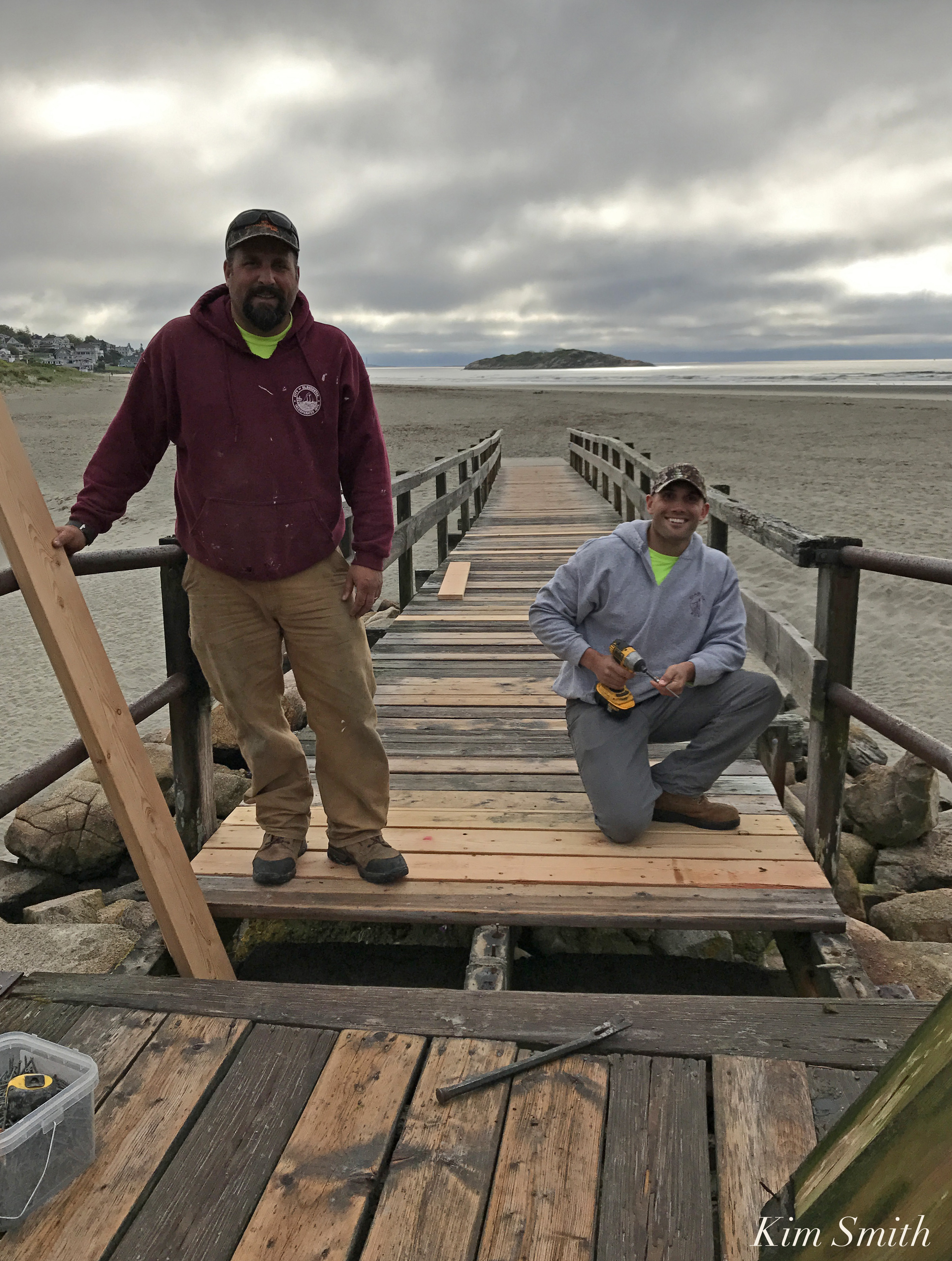
Mike Tarantino and Phil Curcuru

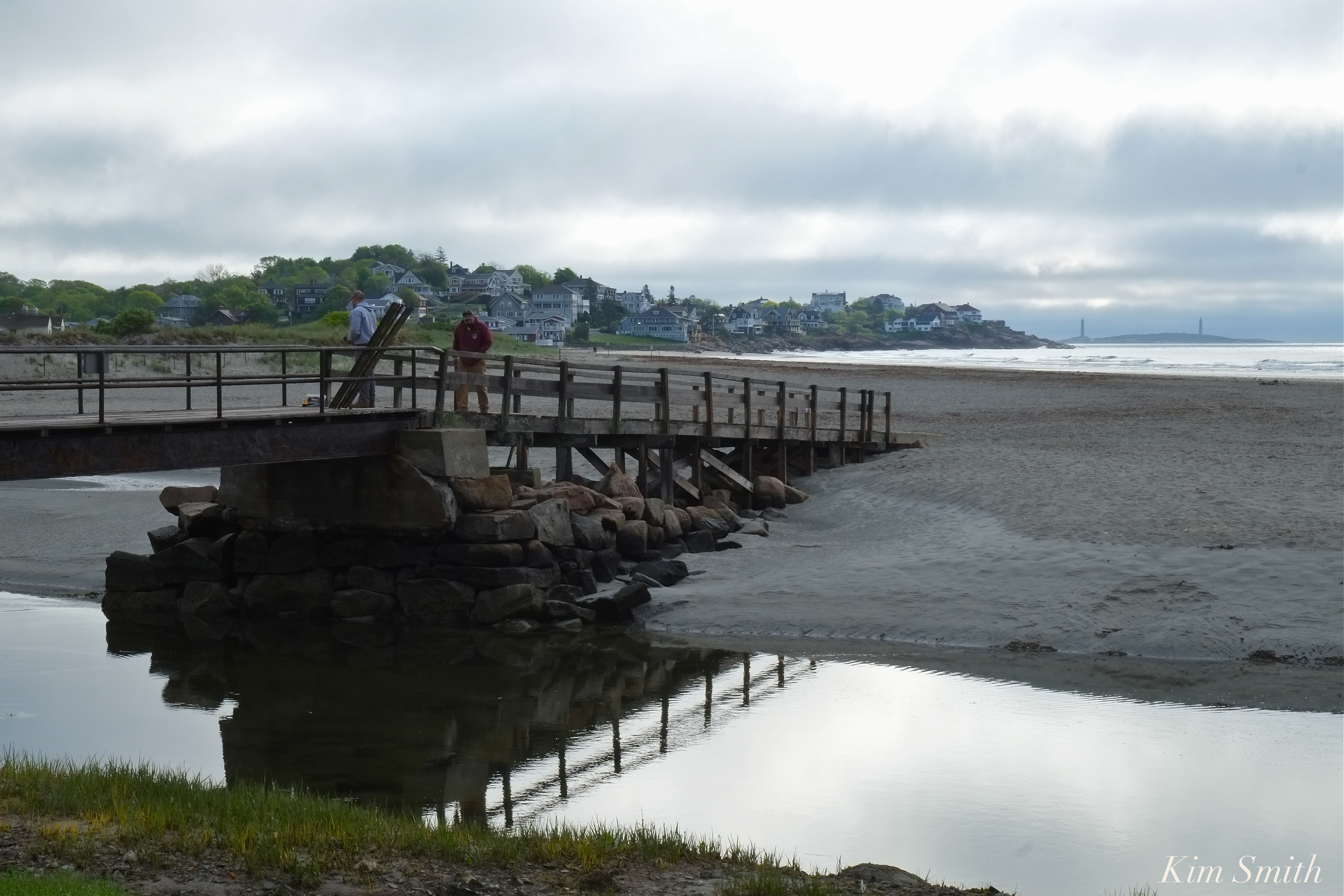
If you see these two at Good Harbor Beach, tell them thanks for the terrific job they did on the new handicap accessible boardwalk. Additionally, this morning, they were making needed repairs to the footbridge. Thanks so much to Phil and Mike and all of Gloucester’s DPW for getting Gloucester beaches ready and in tip-top shape for the coming Memorial Day weekend.

THE GOOD HARBOR BEACH PIPING PLOVER PAIR ARE STRUGGLING AND NEED OUR HELP

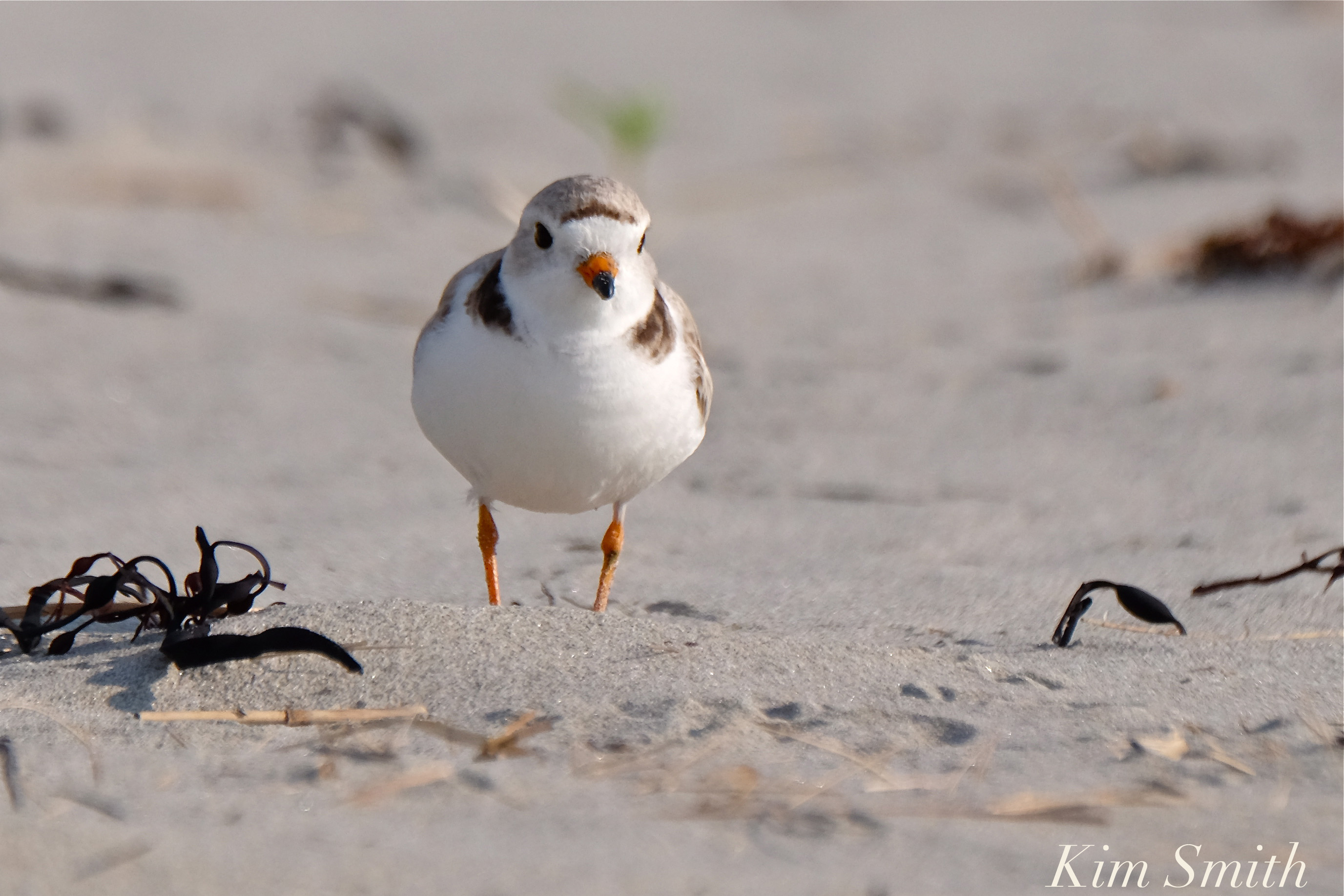
Good Morning Papa Plover!

Over the past several weeks, five Piping Plovers battling over nesting turf have been observed at Good Harbor Beach, from the creek end of the beach, all the way to the entrance by the Good Harbor Beach Inn. In the past three days, there hasn’t been activity in the roped off area nearer the GHB Inn. It appears only one pair has decided to call GHB their home for the summer and they seem to be zeroing in on the cordoned off area by boardwalk #3, same as last year.

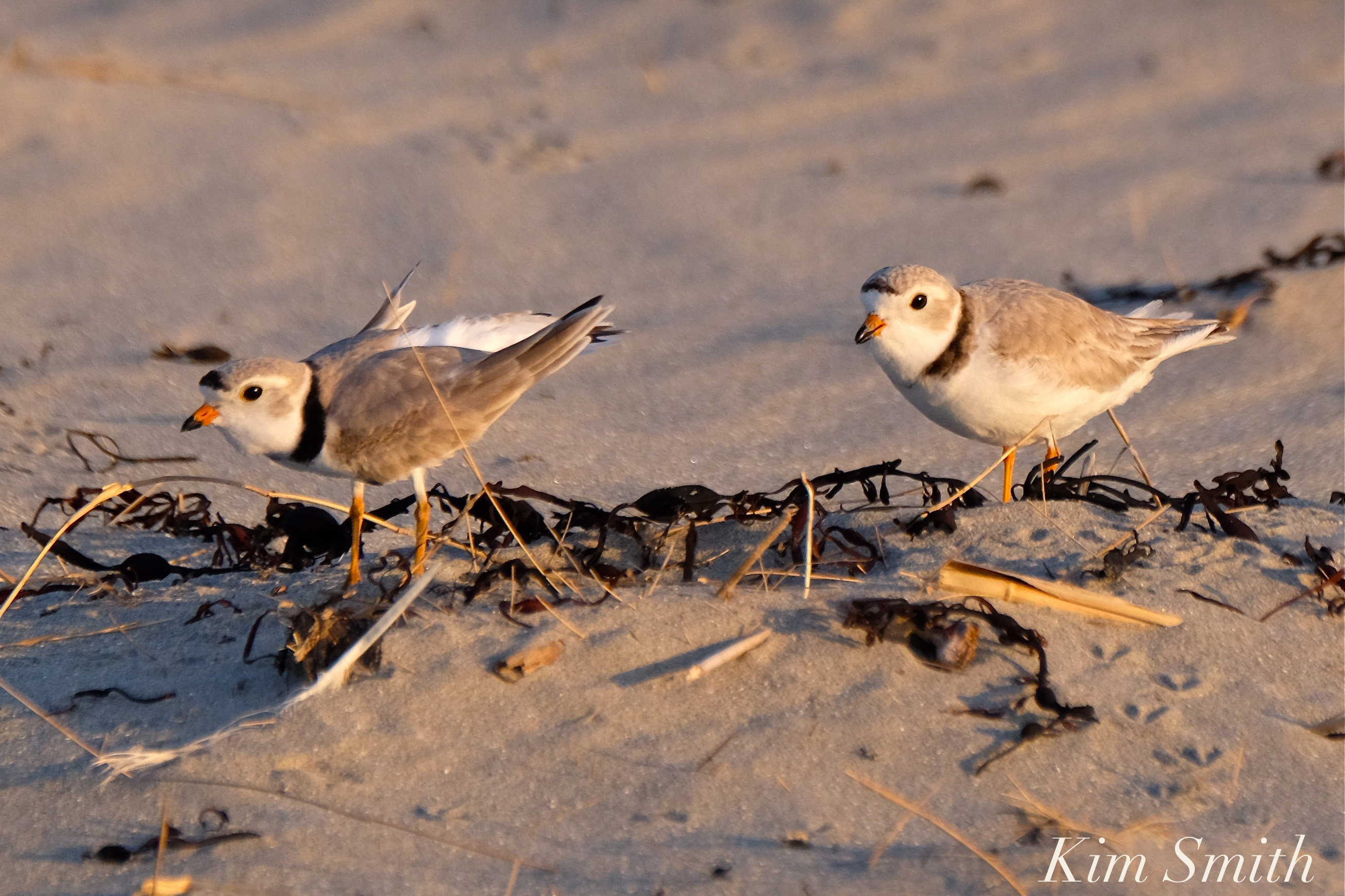
Unfortunately, the “Party Rock,” the large exposed rock up by the wrack line, is this year not in the roped off area; the roping comes just short of enclosing the “Rock.” The past few evenings, even before the heat wave, folks have been setting up their hibachis, behind the rock, abutting the restricted area. This morning there were a group of six sleeping next to the rock. Needless to say, our Plover pair was super stressed. Early morning is when they typically mate and lay eggs, and neither are happening under duress.

Papa wants to mate with Mama, but she is too stressed.

Here are just a few things we can do to help the Plovers. Please write and let us know your ideas and suggestions, they are so very much appreciated. It would be terrific to put together all the suggestions to present to Mayor Sefatia and Chirs. Thank you!

  1. Post a No Dog sign at the footbridge. I think this is critically important.
  2. Post signs at entrances to the beach to help educate folks about the Piping Plovers, why respecting the restricted area is so important, and why removing trash is equally as vital to the survival of the plovers.
  3. Additionally, I would love to make a brochure about the Piping Plover life cycle that we could hand out to visitors at the parking entrance. Though when I suggested that idea to a friend, he thought the brochures may end up littering the beach. What do you think?
  4. Fix the fencing around the dunes. As it stands now, the rusty old fencing is nearly buried in the sand and actually dangerously invites tripping. If the fences were mended and signs posted about the fragility of the dunes, folks would stop cutting through the dunes to go to and from the parking lot. Right now, they are walking through the restricted area to access the dune trail. Visitors may also want to know that the grass and shrubby growth on that trail is teeming with ticks, another reason to keep off the dunes.
  5. If folks are setting up a cookout or planning a sleepover next to the nesting area (especially near the party rock), gently explain why it would be best to move further down the beach, away from the restricted area.

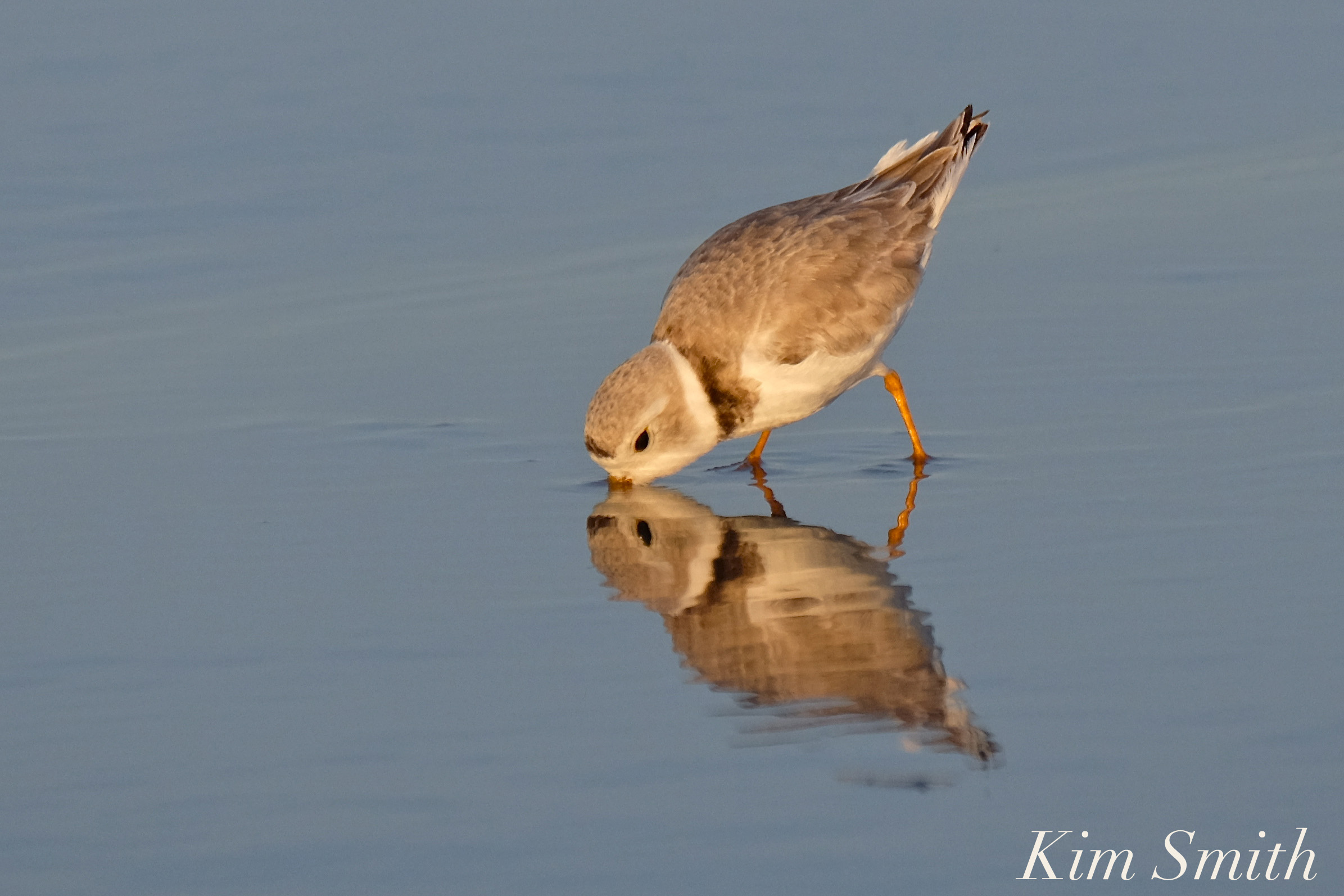
Mama Plover fishing for worms

I would be happy to meet anyone at Good Harbor Beach to show exactly what are the issues. Dave Rimmer from Essex Greenbelt mentioned that in other communities where Piping Plovers have nested on very busy beaches, a network of Piping Plover babysitters was established to help the chicks survive on the busiest of beach days. If we are so fortunate as to have chicks, I would love to get together a group of “Piping Plover Babysitters.”Good Harbor Beach sunrise

Here they come! Good Harbor Beach day

H2O. 52

Low tide 11:30 am

High 6 pm

IMG_20170518_111158
11:12AM May 18, 2017 Good Harbor Beach

Burst_Cover_GIF_Action_20170518110804

Streaming in now vs. early bird first car parking for the day precisely when the gates opened

ghb may 18 2017 first car 755.jpg

City getting ready – it was spic and span

IMG_20170518_075145

Good Harbor Beach inspires 1972 Chevrolet Blazer Building a better way to see the USA tagline

Chevrolet. Building a better way to see the U.S.A.

“72 Chevy Blazer. Because the good places start where the good roads end”

Well, yeah. At Good Harbor Beach, Gloucester, MA.

Vintage ad  with Chevy trucks Oh and people on a picnic probably atop piping plover nests. Now we know better…Anyhow, this creative campaign was inspired by the Bass Rocks motif with that iconic Edgar J Sherman house on Sherman’s Point, parts bolted down nearly a century by then. I like the green truck’s wheel tucked in with the gang.

1972 chevrolet mag ad good harbor beach

Here’s the song from the commercial (mentions Cape Cod). Dinah Shore was part of the 1950s version.

and I enjoyed this timeline of Chevrolet advertising. The image for 1972 features a lobster shack stop in Maine

Chevrolet ended a sponsorship of the Soap Box Derby that dated to the Depression (see 1935) and began to sponsor another youth-oriented event, the Junior Olympics. In dropping the derby, a Chevrolet executive said: “With today’s changing life styles, young people in America have different needs, attitudes and interests. To keep pace with the changes, we must develop creative new programs that are responsive to modern attitudes.” Interpublic Group of Cos. bought Campbell-Ewald, marking what at the time was the biggest agency acquisition in history (based on billings). Interpublic already owned another major GM agency, McCann EricksonChevrolet promoted its 1972 line with the theme, “Building a better way to see the USA,” recasting its 1950s theme. 1972 Chevrolet U.S. vehicle sales: 3,037,885 U.S. market share: 24.0%”

GLOUCESTER’S AWESOME DPW HARD AT WORK AND ON THE JOB!

Phil Curcuru shares that a new and improved boardwalk is being installed this week at Good Harbor Beach at the #2 location, directly in front of the snack bar. The boardwalk will be wide enough to be handicap accessible.

Thank you Phil and Mike, and thank you to the Gloucester DPW for the tremendous job they do maintaining Good Harbor, and all of Gloucester’s public beaches, throughout the year.