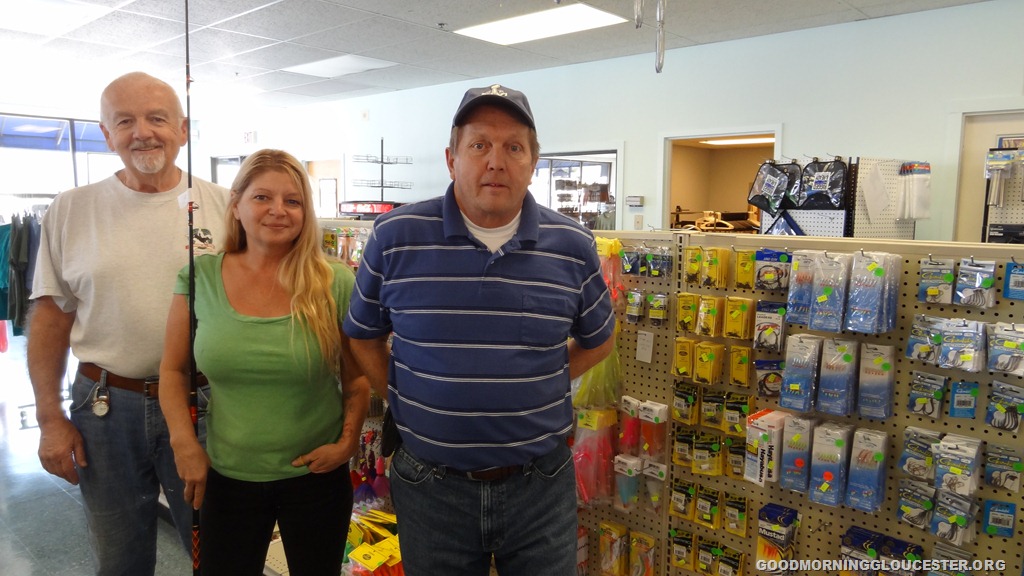
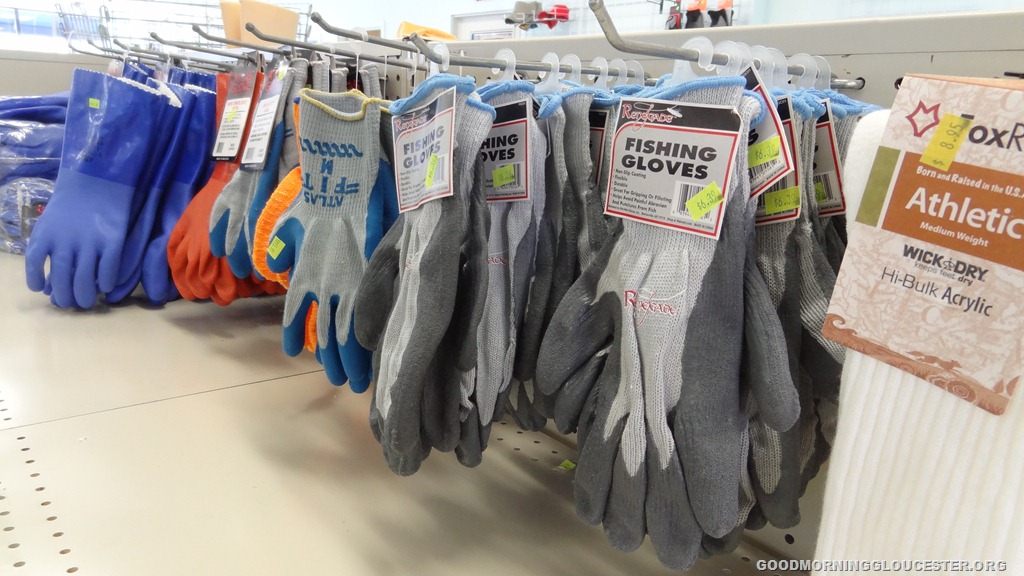
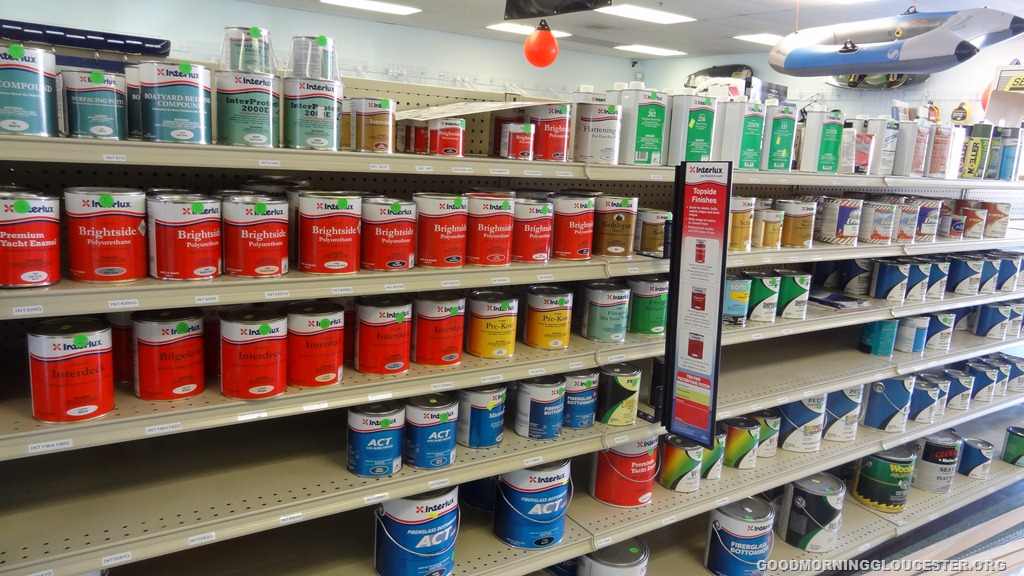
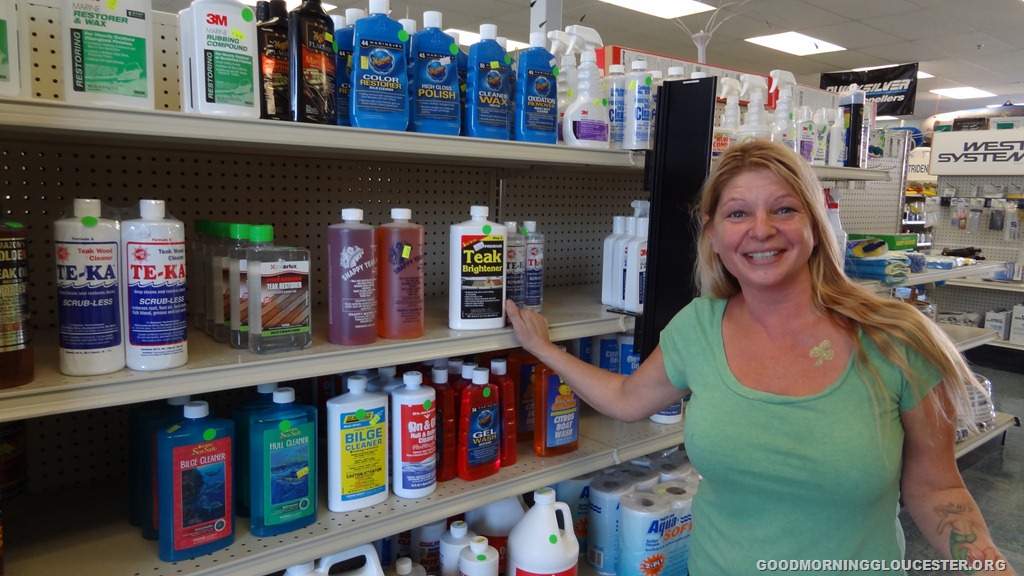
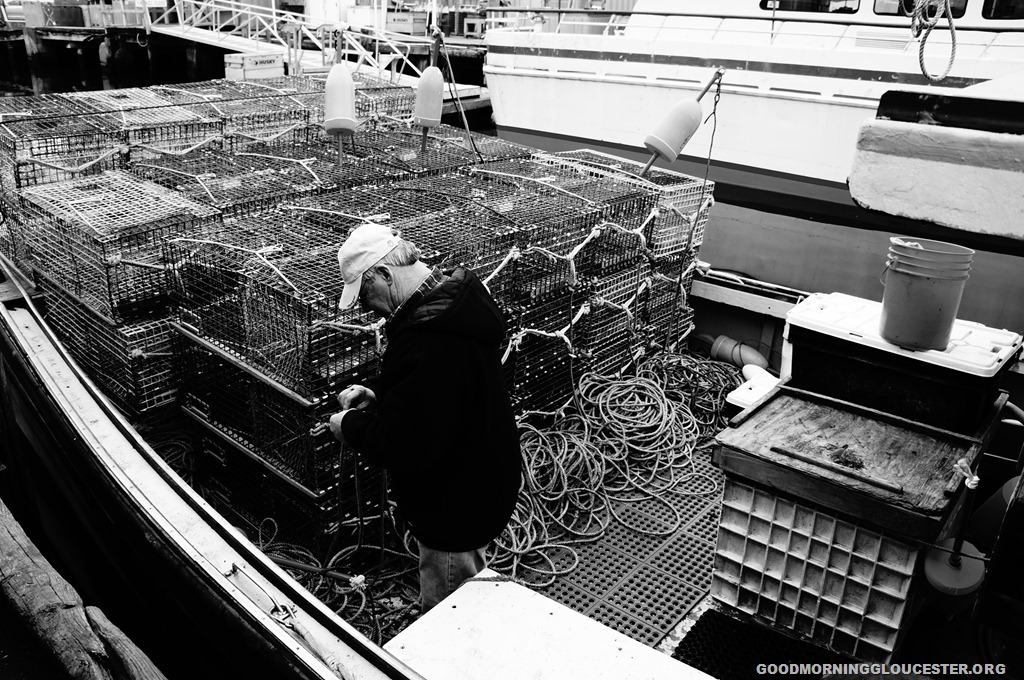
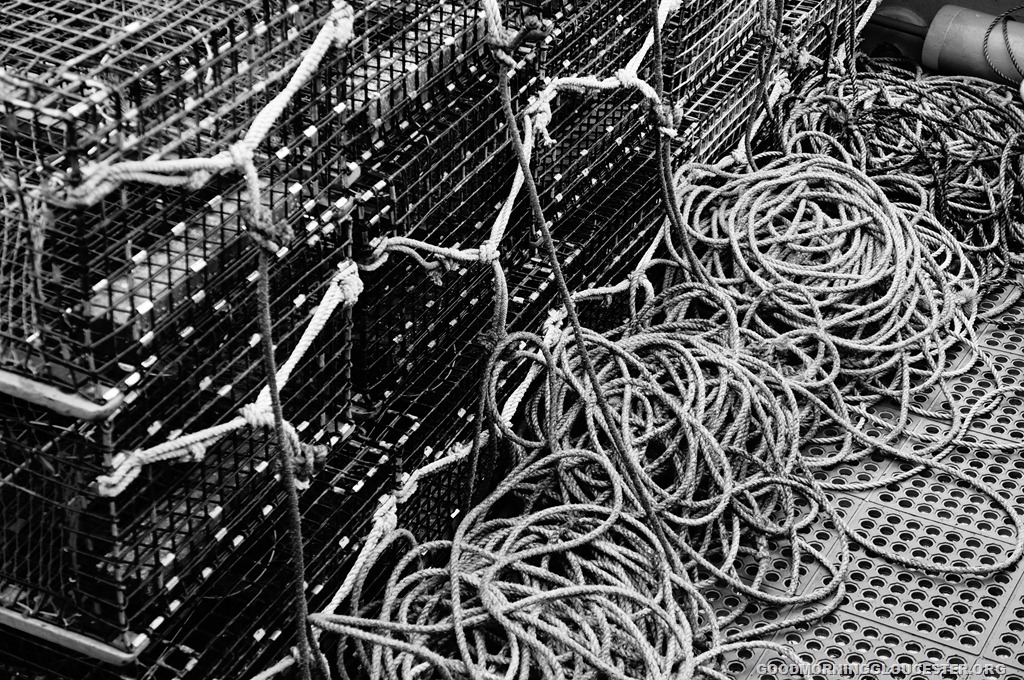
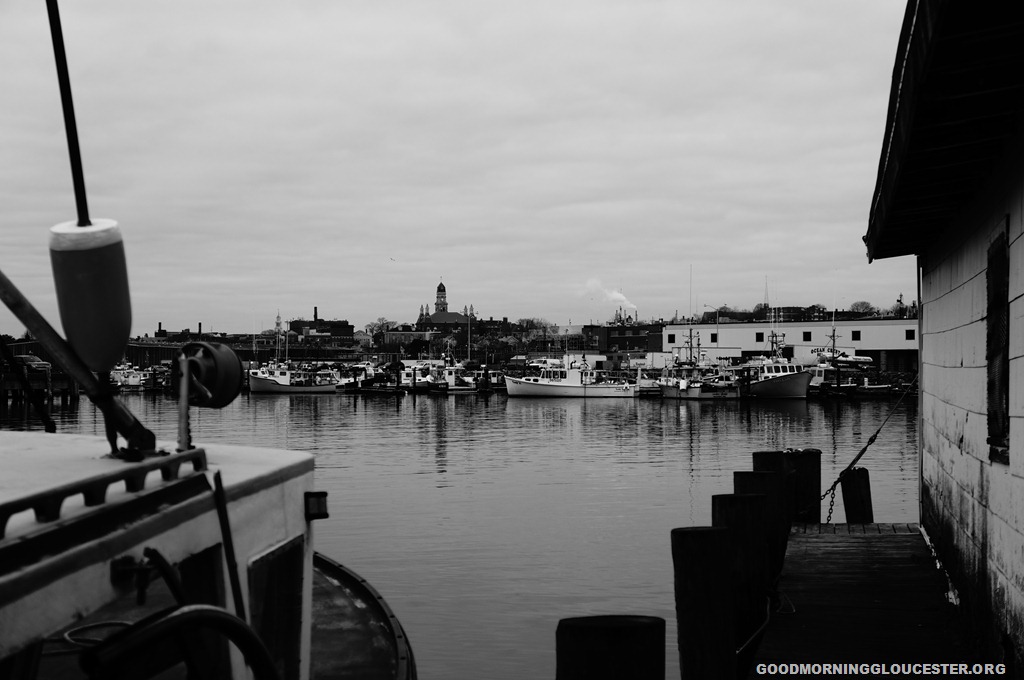
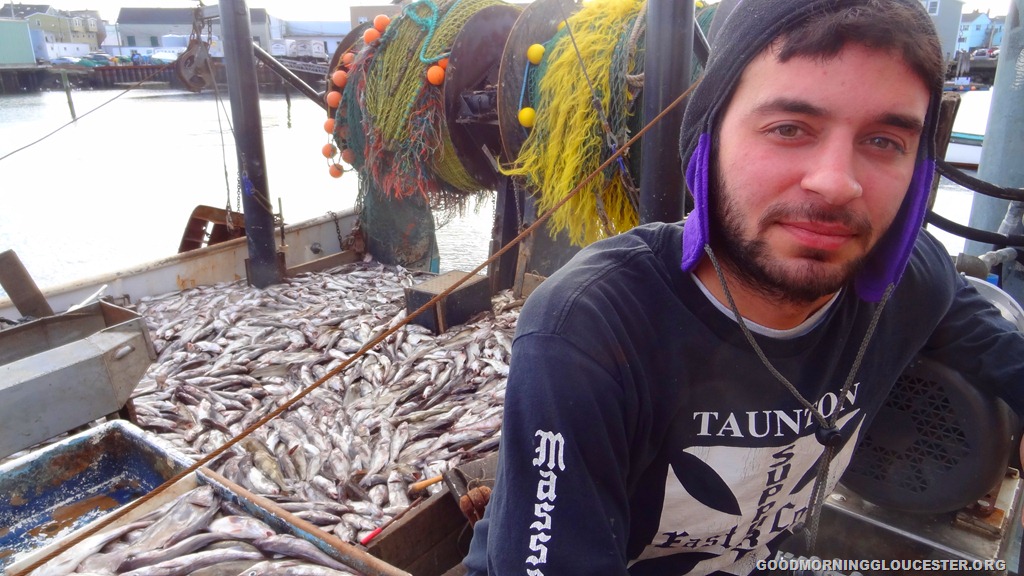
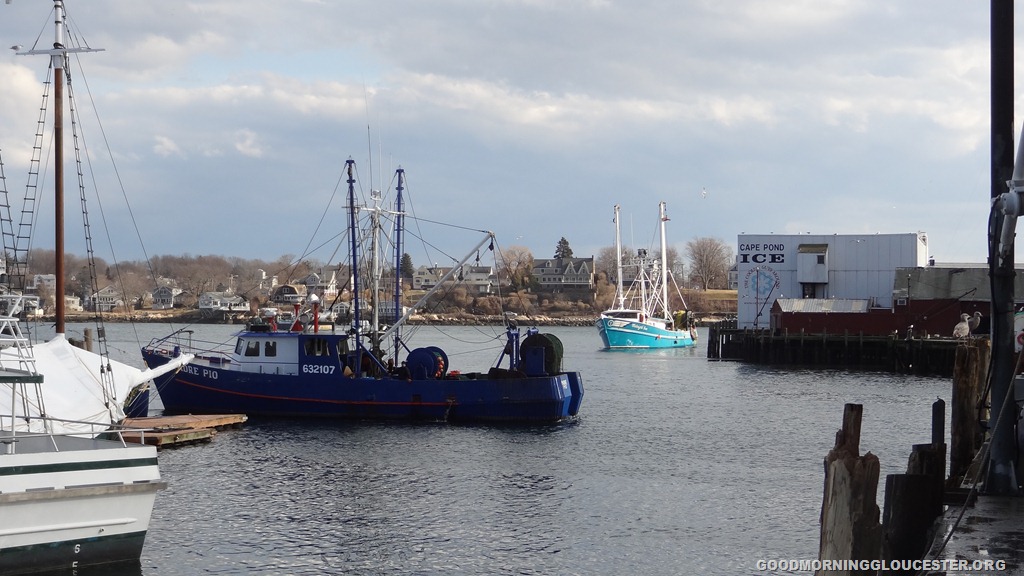
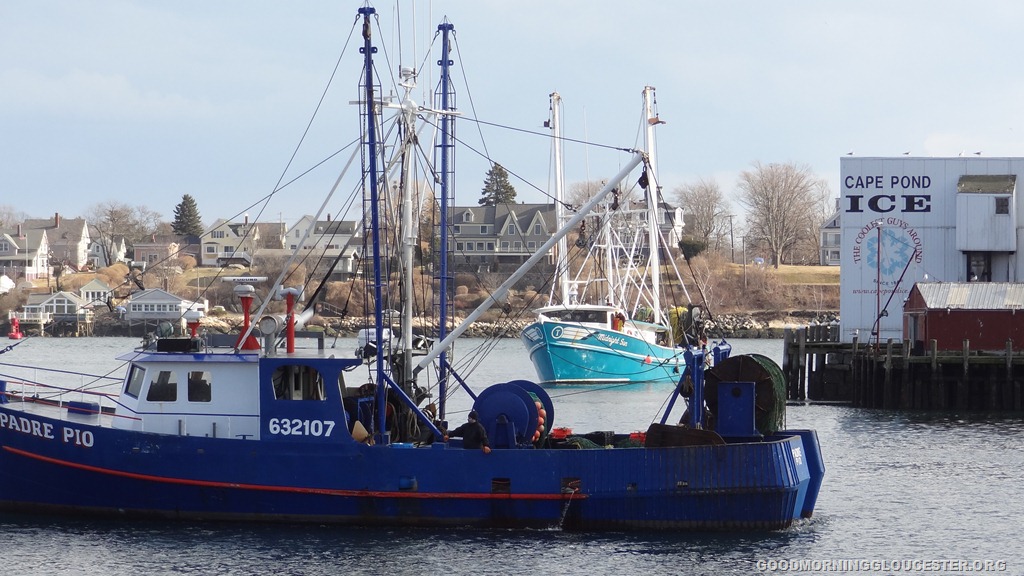
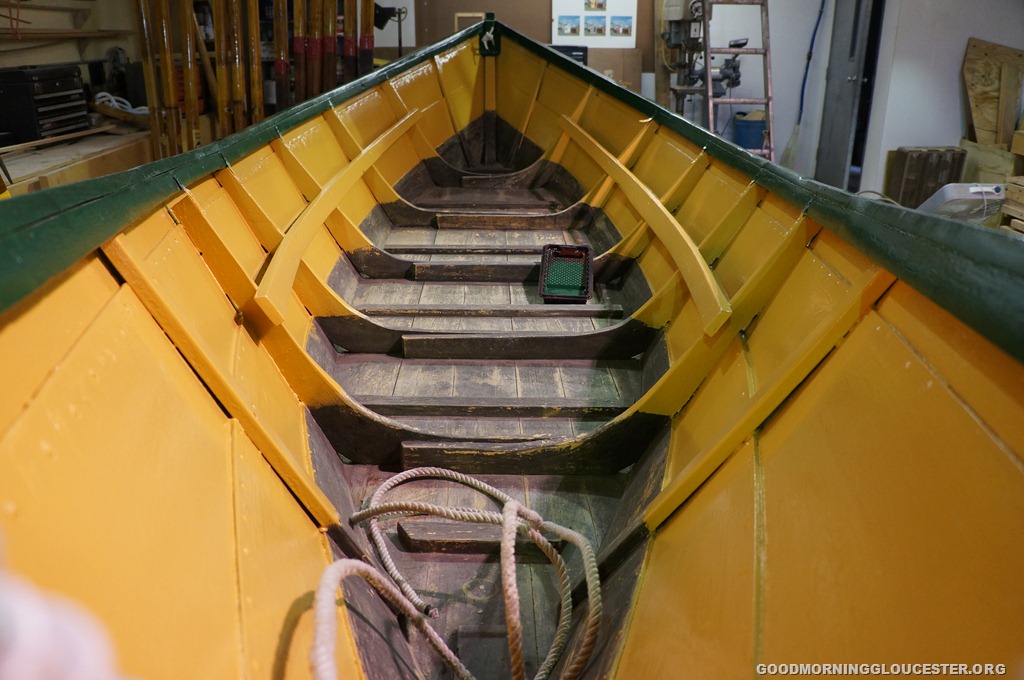
Coming Soon- Three Lantern Marine and Fishing

(Don’t Call It Three Lanterns)

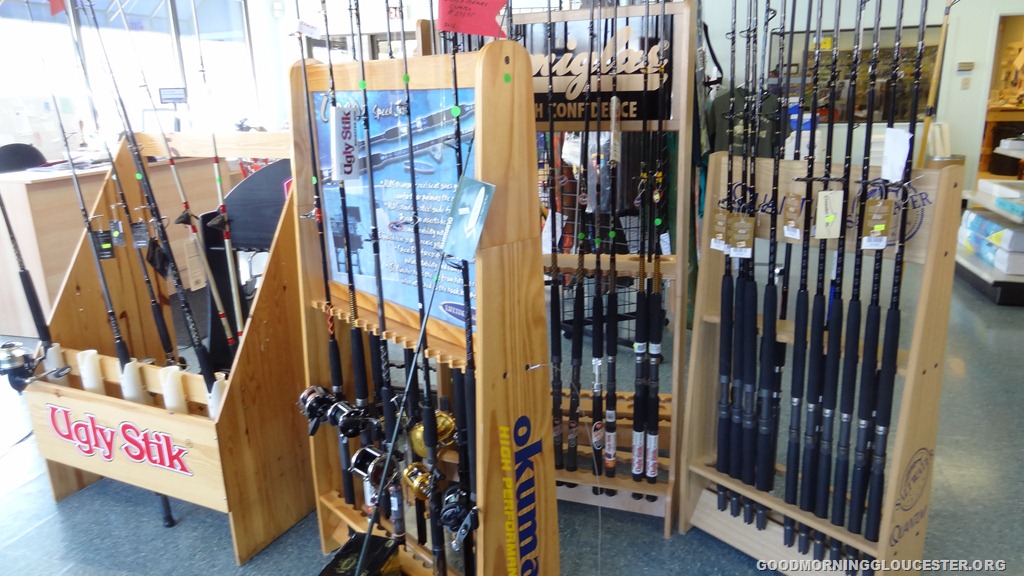
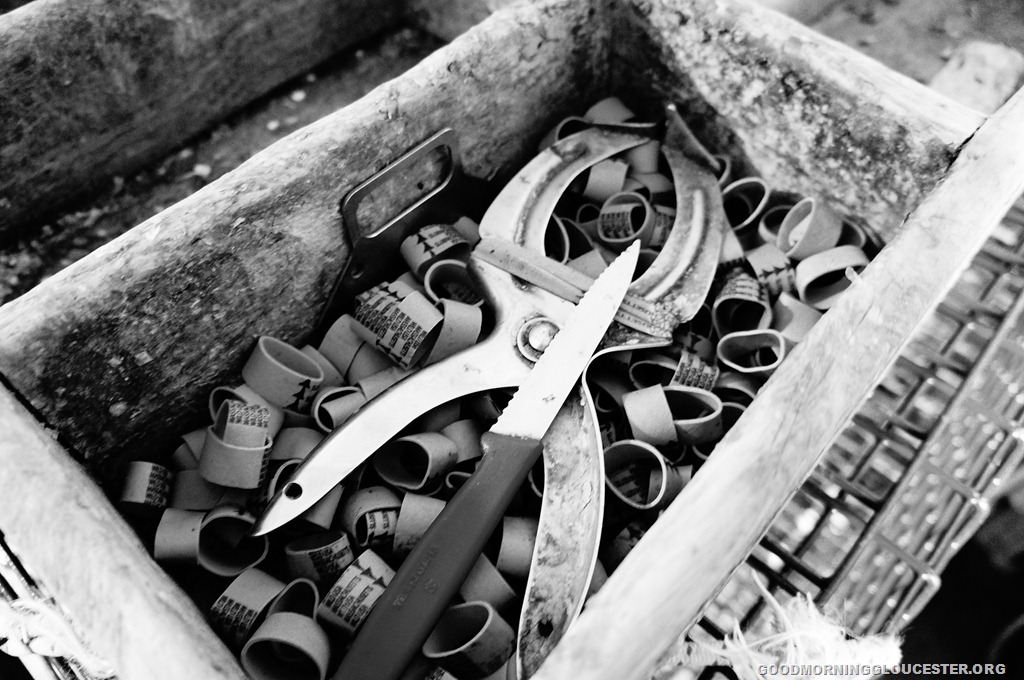
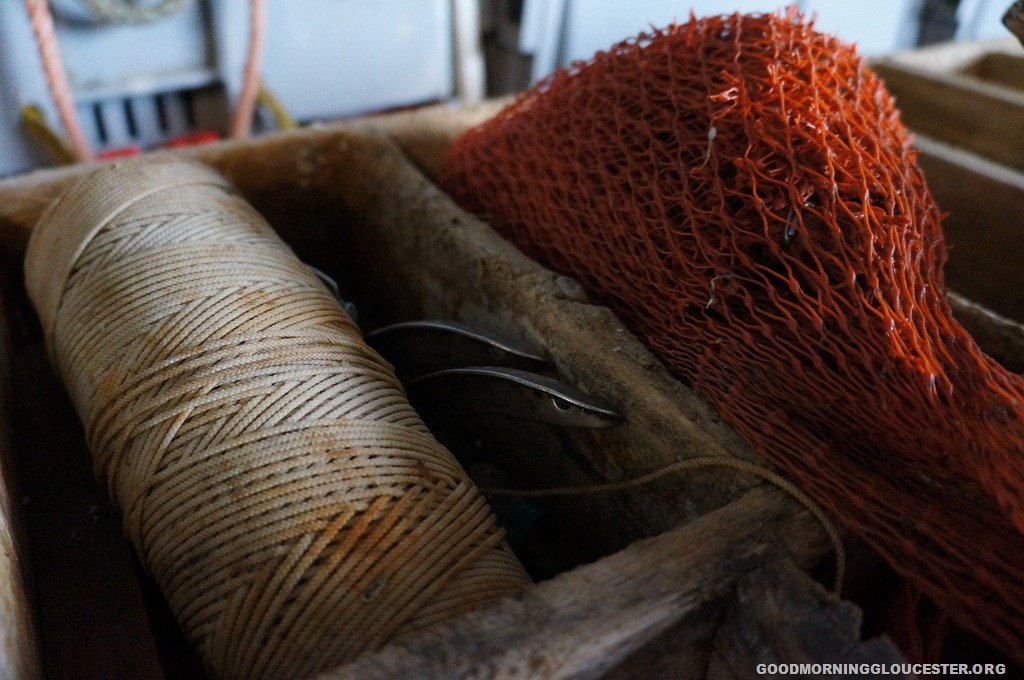
My buddy Tina Greel (who I still can’t wrap my mind around as being a grandmother) is part of the team that will be reopening and expanding the former Three Lantern Ship Supply store at 7 Parker Street.  Look for the interview tomorrow!

DSC03498DSC03499DSC03500DSC03501DSC03502DSC03503

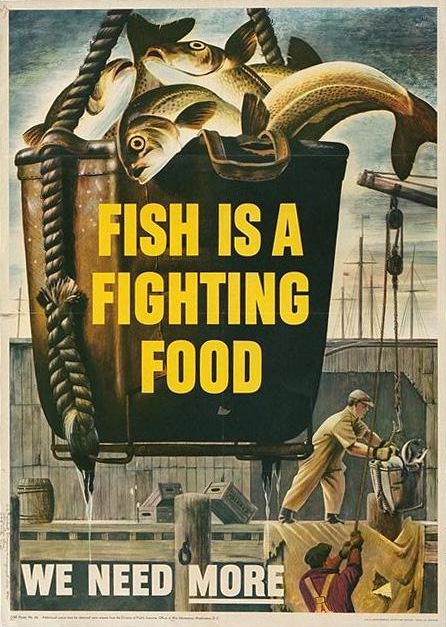
Fish Is A Fighting Food Poster From The US Office Of War Information 1945

Ann Kennedy submits-

Hi Joey.  I came across this cool poster online while doing some research for my blog.  Meat was scarce in NE in ’45 and as you know, the promotion of fish was widespread.  The poster was originally printed by the US Office of War Information.  (If you want to post the poster, no need to include my comment unless relevant.  The poster is available at www.artnectar.com.)  I just think it’s a great image.

world_war_II_fish_poster_1943

I know Joe Testaverde knows a little something about those take out baskets.  I’d like to have a nickel for every one I ever dumped on the culling table at the dock.  They had a long long life on the waterfront.  We also used the ones with the same types of frame but with net which would allow the ice to drop through.  Joe Testaverde, did they sell them with that canvas or with the net or once that duck canvas material wore away did they mend in the netting around the frame to keep use of them?  I can’t remember if they were sold with the net or if they were just repaired that way. I can’t be that old can I?

Whiting, cod, haddock, pollock they all got offloaded the same way.  They have a guy using that double pulley though and lifting it by hand.  In my day at least we got to use the winch.

Out My Work Window Series- FOB Meg Lee’s Marine Industrial Park in South Boston

Send in your out your work window pic and description and we will post it here!

FOB Meg Lee writes-

Hi Joey,

It never occurred to me to share what’s outside my window at work. I’ve been working at a company for about 2.5 years now that is situated in Marine Industrial Park in South Boston. The building I’m in was the so-called Army Base back in the day. I’m fortunate enough to have a "window seat." My desk is right next to a window that I peer out of often. Though my view is not of the Cape Ann scenery I so love, it’s not too bad. My direct view is Black Falcon Terminal, now considered officially Massport Terminal. I see cruise ships pull in every week during the cruise season. I see small lobster boats departing from the small fishing pier on the other side of the terminal and returning with their catch. There’s been a lull in the activity there, as I believe the fishing season ended temporarily at the end of December. Looking southeast about a mile away is Castle Island. Further out on the horizon you can see Spectacle and Thompson Islands. Did I mention the killer sunrises? I’m an early bird; I get in between 5 and 5:30a.m. so depending on what time of the year it is I’ll be viewing the moon and stars.

Yesterday afternoon, a small navy ship pulled in to the terminal. It’s right in my direct view, literally a stone’s throw away from my window. It’s called Desron 2, and you can see a pic and find out more about it here:

http://www.cds2.navy.mil/

This morning when I got into work and came over to my desk, it was of course still completely dark out. However, I was surprised and delighted to see a string of green lights from bow to stern on the ship. Maybe the sailors are getting ready to celebrate St. Paddy’s Day?

Oh – by the way – I guess I should also share what’s currently in the drydock terminal on the other side of the building, on Drydock Ave. It’s a navy hospital ship, called the Comfort. It pulled in about 2 weeks ago. It must be here for maintenance.

http://www.med.navy.mil/sites/usnscomfort/Pages/default.aspx

Best regards,

Meg Lee

Commercial fishing and conservation from Alex Gross

Hi Joey,

Our daughter Alex – a senior at UMass Amherst – wrote a terrific piece about commercial fishing and conservation. It was an assignment to show how two seemingly conflicting things aren’t actually in conflict at all.  It’s based on her experience working with the sea life at the Gloucester Maritime Heritage Center (now Maritime Gloucester) where she worked a couple of summers and then lobstering one year with Tony. We thought you might like it for GMG.

Abbie Lundberg

Commercial Fishing & Conservation

By Alex Gross

When my father offered me a well paid job at the age of 14, I gladly accepted.  The appeal of the challenging physical work, early hours and convenient commute outweighed the aspects of the work that came into conflict with my idealistic values.  Sure, I was to work harvesting lobsters for profit and consumption – I could still be an avid environmentalist, right?

Lobstering requires a certain toughness. You have to haul trawls of eight 40-pound lobster traps from the sea, wrangle lobsters without getting your hand caught by their skin-shredding claws, tolerate the smell and feel of pounds upon pounds of bait fish (usually greasy herring and sometimes gnarly-toothed whiting) and, on top of it all, my meticulous father insisted on being at the dock by 4:00am.  I relished the challenge.
The summer before I became the first mate on a lobster boat, I took what I saw as the first step on my path to becoming a world renowned marine biologist.  My first job, working at a local aquarium, was surely a sign from the Universe that I was destined to be an environmental crusader, protecting Earth’s oceans and discovering new species in the black depths of the Marianas Trench.  I knew that I was on my way to a life of investigating the seas and protecting the wellbeing of every fish and anemone therein.
I was enamored with the work.  I spent hours happily scrubbing the tanks, dissecting squid to feed to the animals in the exhibits, and sharing my knowledge and passion for marine life as a guide to visitors to the aquarium.

Before we opened, after we closed and in the down time during the day, I would do that extra bit of cleaning in the back corner of a tank or spend a few extra minutes on feeding the creatures in each exhibit.  The skates were my favorite.  You had to hand-feed them because the silversides in their exhibit would devour any floating piece of squid before it reached the skates at the bottom of the shallow tank.  I adored each fish, sea star, spider crab and periwinkle in those exhibits.

My relationship with marine life had always been one of affection and protection.  I had grown up fishing recreationally and was always comfortable with (and fascinated by) catching and killing fish for my own culinary purposes, but was unsure what lay in store for me as a first mate on a commercial lobstering vessel.  Was I really to be responsible for the sale and ultimate consumption of thousands of lobsters each week?
My father was a skilled teacher and I was a fast learner.  By week three I had fallen into the rhythm of hauling gear, sizing lobsters to see if they were legal to keep and sell, banding the keepers, stuffing fistfuls of herring into bait bags, tossing any shorts, hitchhiking crabs or fish back into the water, and keeping my feet from becoming tangled in the ropes that could so easily pull me to an early watery grave.
Although I was in my element, this fast-paced job allowed me little time to examine the tiny lumpfish that may have loosened its suction grip on the trap and fallen to the deck, or the intriguing slug whose feathery adornments flow gracefully underwater but look like a pink lump of phlegm in the dry air.

As I became a brutal and efficient master of crustaceans’ fates on my father’s boat, I began to develop a greater understanding of the world beneath the waves.  I unflinchingly skewered invasive green crabs on the protruding spike of the trap that holds the bait bag, protecting my beloved ecosystem from these invaders from the East.  As a fourteen year old in love with marine life, I would have been incapable of stabbing these poor crabs to death; as a conscientious environmentalist working for a responsible and careful lobsterman, I felt some sense of empowerment in doing my part to eliminate a tiny minority of this invasive population.

As it turns out, commercial lobstering helped me understand more about conservation than I may have had the opportunity to learn had I only worked in the aquarium.  I was able to enrich the aquarium by bringing in specimens that came up in the traps and adding variety to each exhibit.  We were even lucky enough to find a triggerfish that had lost its way in the cold North Atlantic waters one winter, bringing it to a warm tank on the brink of death and helping it to regain its strength.

I did not end up a marine biologist or an independent lobsterwoman, but I do continue to draw strength and inspiration from those pungent, early-morning, hard-working summers.

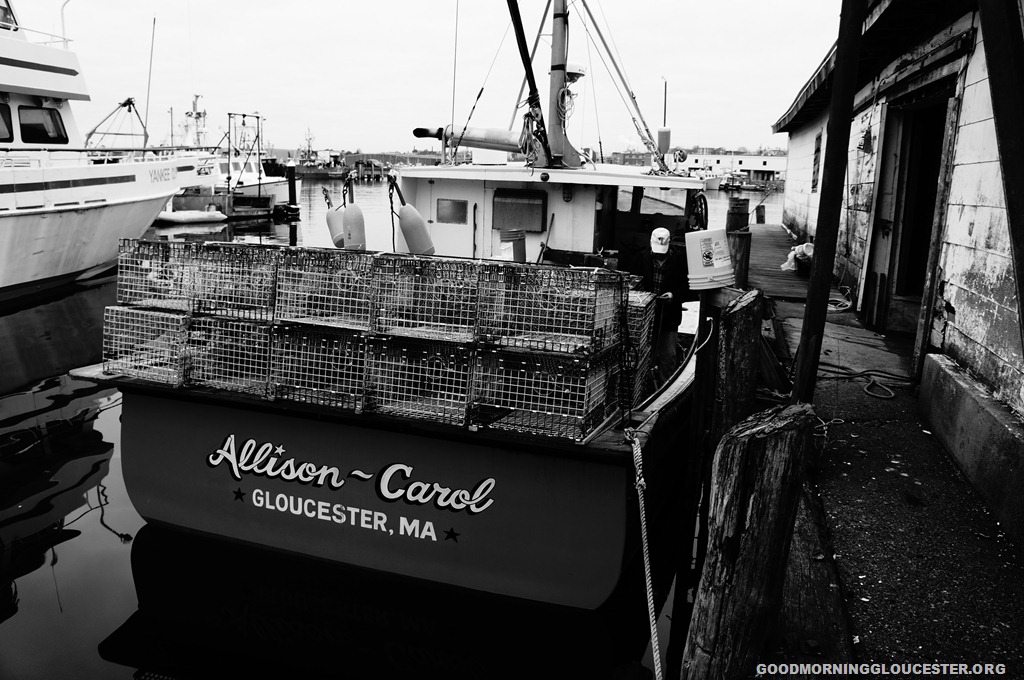
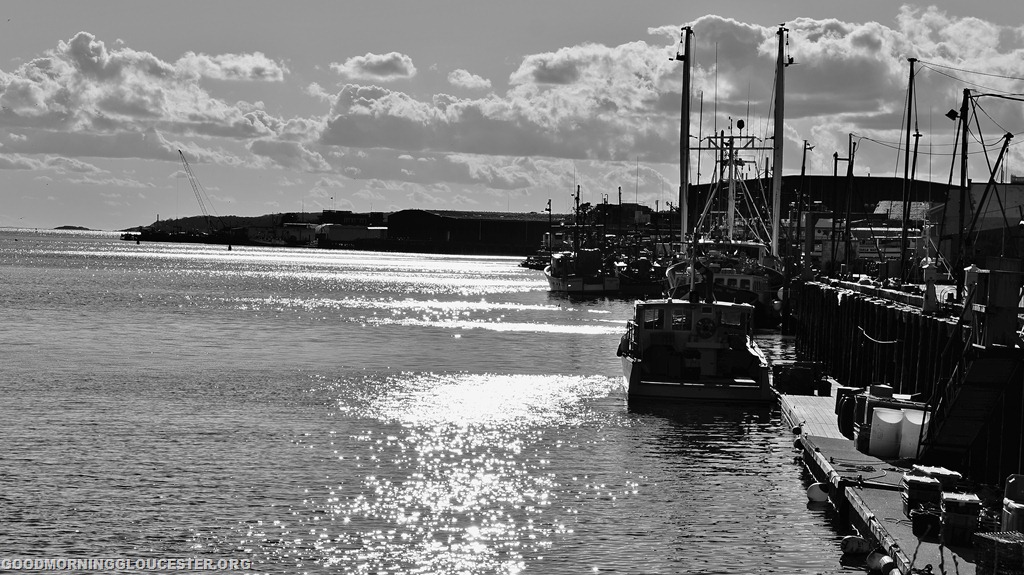
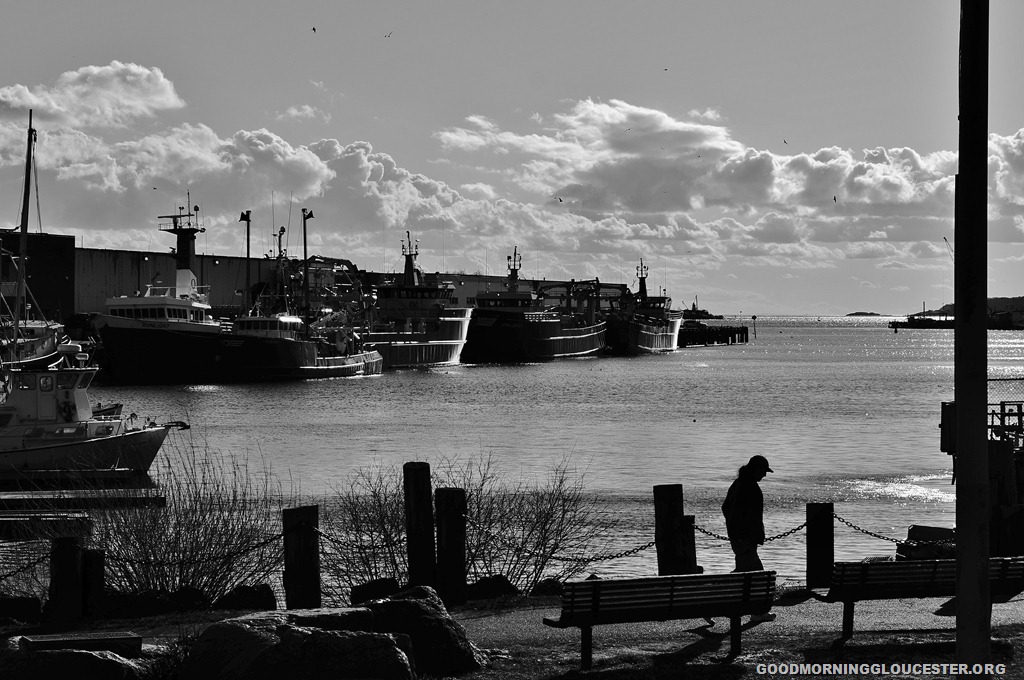
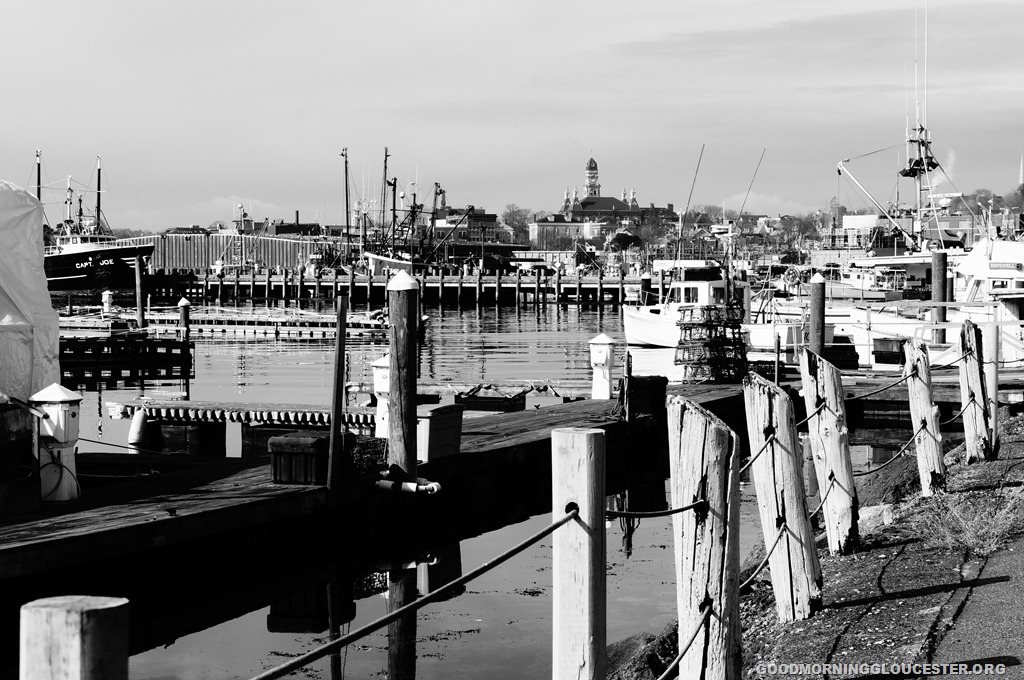
Black and White Series South Channel Gloucester Harbor From International Lobster

DSC03036

United States Coast Guard Video Of The Plan B Sinking

Click Here For The Many Pictures and Videos of The Plan B We’ve Taken Here at Good Morning Gloucester

BOSTON — The 81-foot fishing vessel Plan B sank approximately eight miles east of Kennebunkport, Maine, after taking on water, Tuesday.

The two fishermen aboard were unable to control flooding and were rescued by a good Samaritan before the vessel sank about three and a half hours after it began taking on water in approximately 286 feet of water. A ruptured pipe may have caused the flooding.

Because the Plan B was listing on its port side, Coast Guard crews determined the boat wasn’t safe to board the vessel to pump the water out of the boat.

U.S. Coast Guard Station South Portland recovered the boat’s emergency beacon, life raft and several pieces of large debris.

The boat produced a diesel fuel sheen approximately 200-feet by 200-feet when it sank. The Coast Guard will continue to monitor the area for pollution, including a scheduled trip to the site by a Station South Portland boatcrew in the morning.

The Coast Guard protects the maritime ecosystems and natural resources important to our national economy and
essential to the livelihood and way of life for coastal communities.

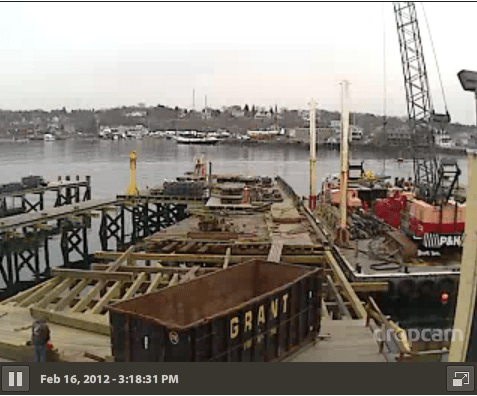
Maritime Gloucester Pier To Be Named For Harriet Webster

Maritime Gloucester recently began the final stage of the restoration of the main pier. This project represents the culmination of a decade-long effort to upgrade our public waterfront access to Gloucester Harbor. We could not have accomplished this extraordinary task if not for the tireless efforts of our longtime executive director, Harriet Webster.

The pier will be named for Harriet in recognition of her many contributions to Maritime Gloucester.  Maritime Gloucester will host a ceremony dedicating the pier to Harriet and recognizing her public service to Gloucester on May 20, 2012 at 2:00 in the afternoon. We hope that you will be able to join us.

Sincerely,

The board and staff of Maritime Gloucester and Harriet’s Family

Click on slideshow to see photos taken just today.

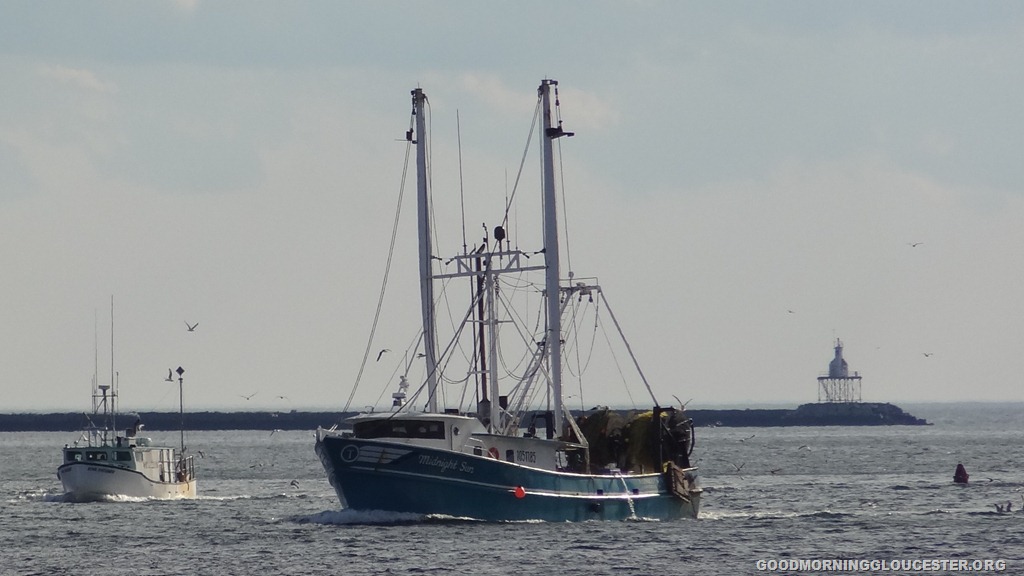
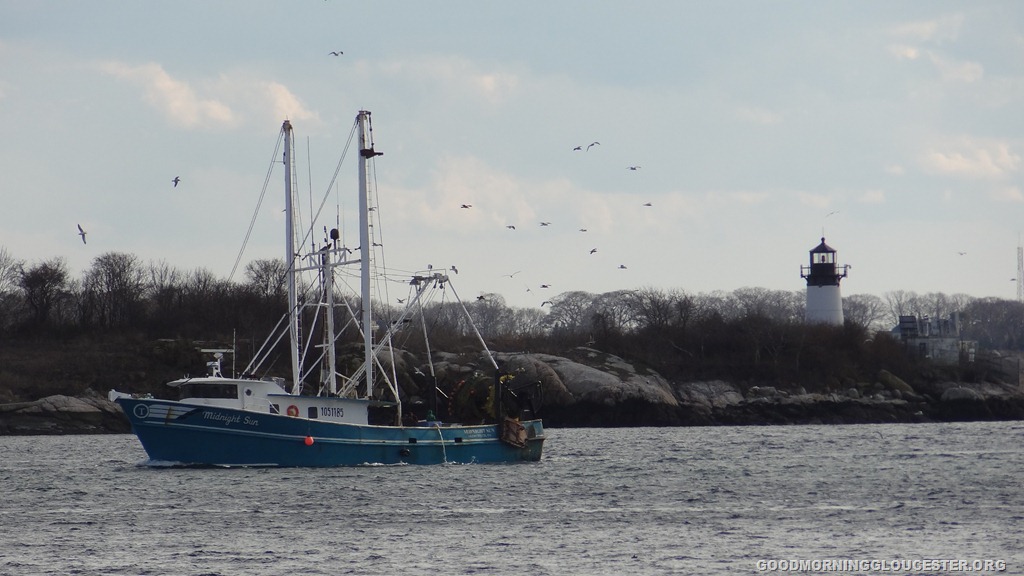
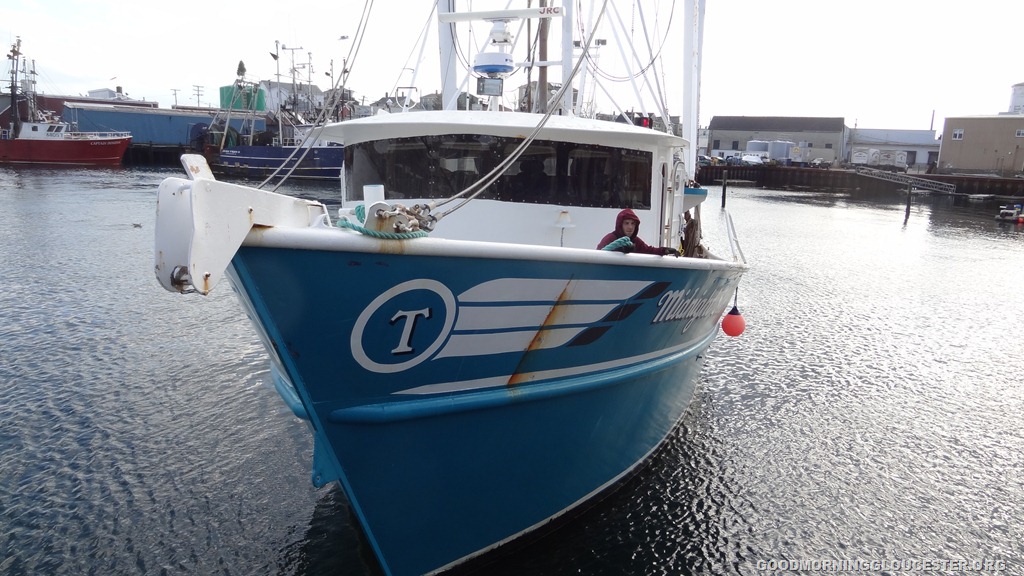
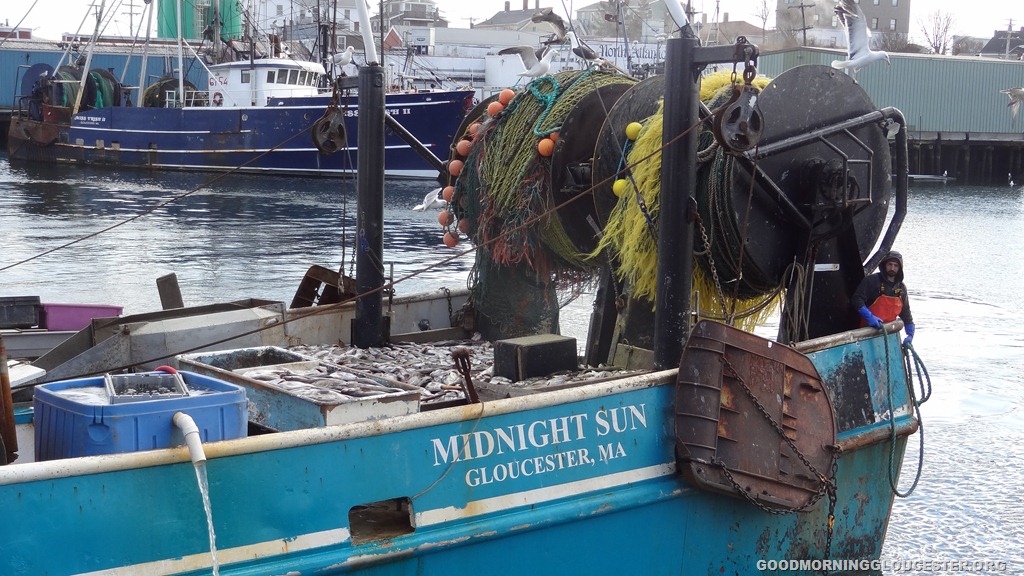
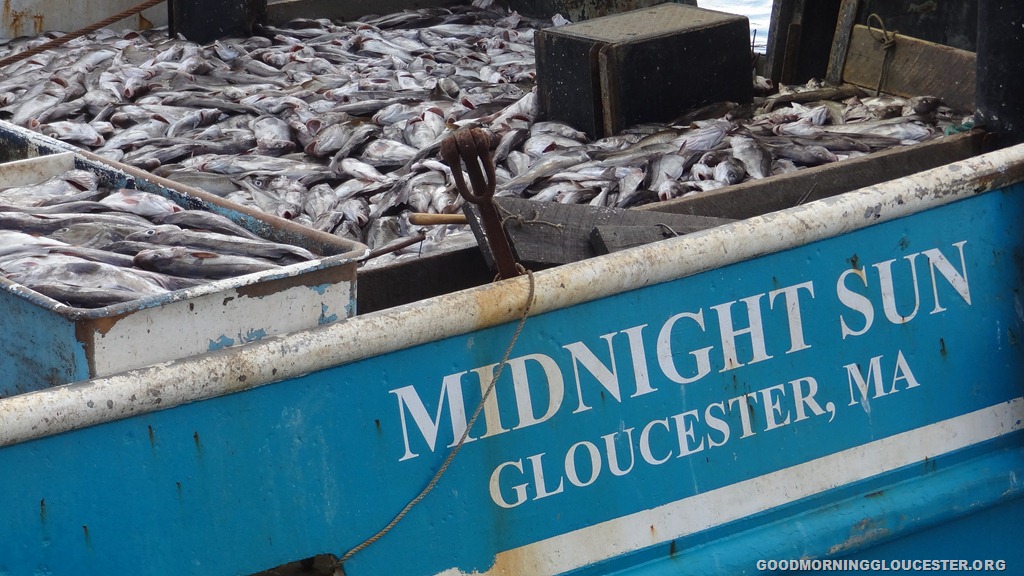
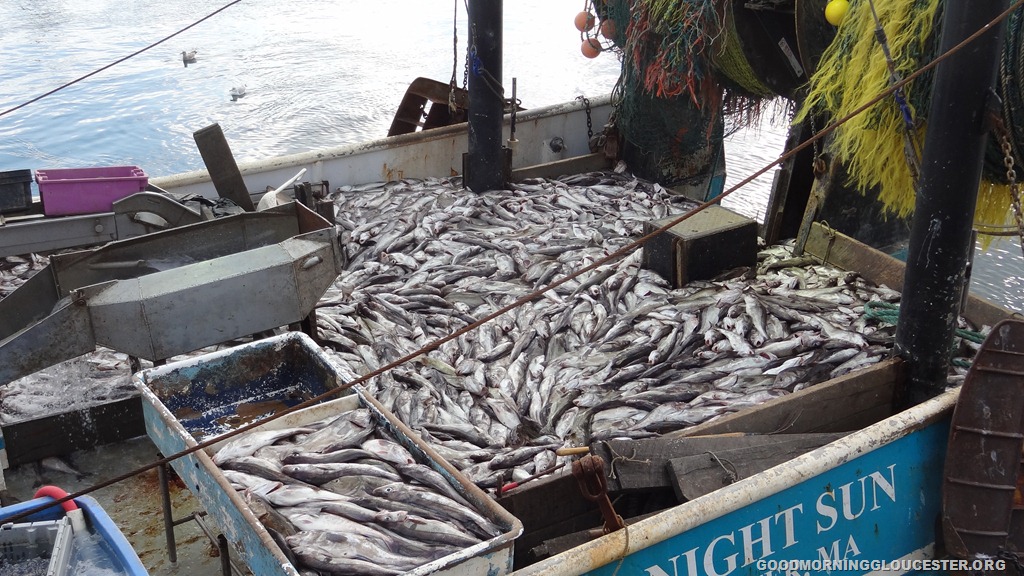
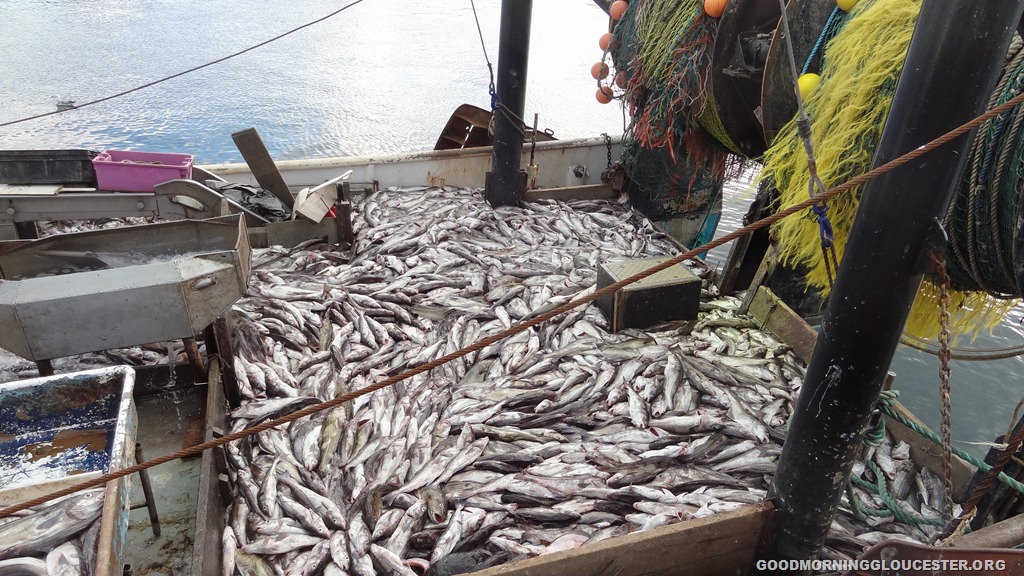
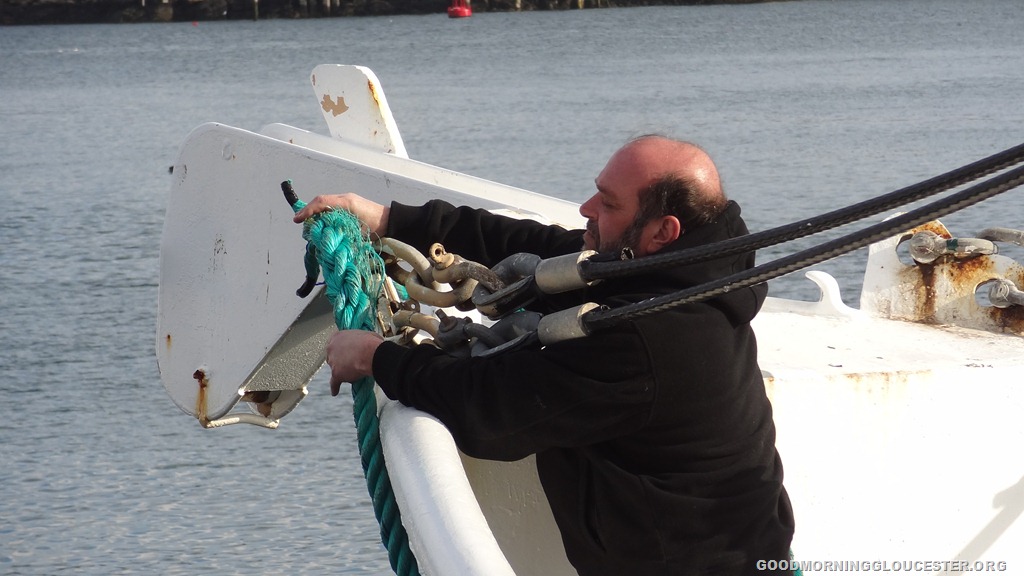
Haddock? Yeah The Testaverde’s Midnight Sun’s Got That!

For all the negativity you read about the fishing industry here’s a family that’s always done it right and continues the tradition of being at the top of the list. Classy, strong, hard working Gloucester fishermen. 20,000 down the hole and 15,000 on deck. 

Boom!  That just happened!

Video tomorrow.

DSC02692

DSC02661DSC02668DSC02669DSC02670DSC02676DSC02683DSC02685DSC02688DSC02690DSC02696

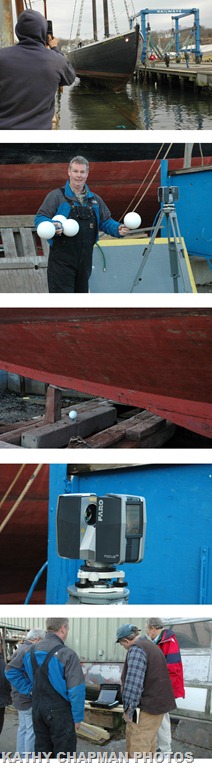
History Meets Technology at the Gloucester Marine Railways From Kathy Chapman

Andrew Williams of 3D Measure is performing a 3D laser scan on the National Historic Landmark Schooner Adventure, which was built in 1926, in Essex, Massachusetts, by the John F. James and Son Shipyard.

http://schooner-adventure.org/

While a vessel is dry-docked, a laser measure can be made of the outside of the hull and deck, collecting "as-built" data. This data is then turned into a 3D surface model.

http://www.3dmeasure.com/

Naval Architects John and Fritz Koopman of Propulsion Data Systems of Marblehead will then use the 3D model together with an internal scan to produce a stability calculations, tonnage and other documentation which can be submitted to the US Coast Guard.

Photos © Kathy Chaman 2012

http://www.kathychapman.com

3DimagingAdventure

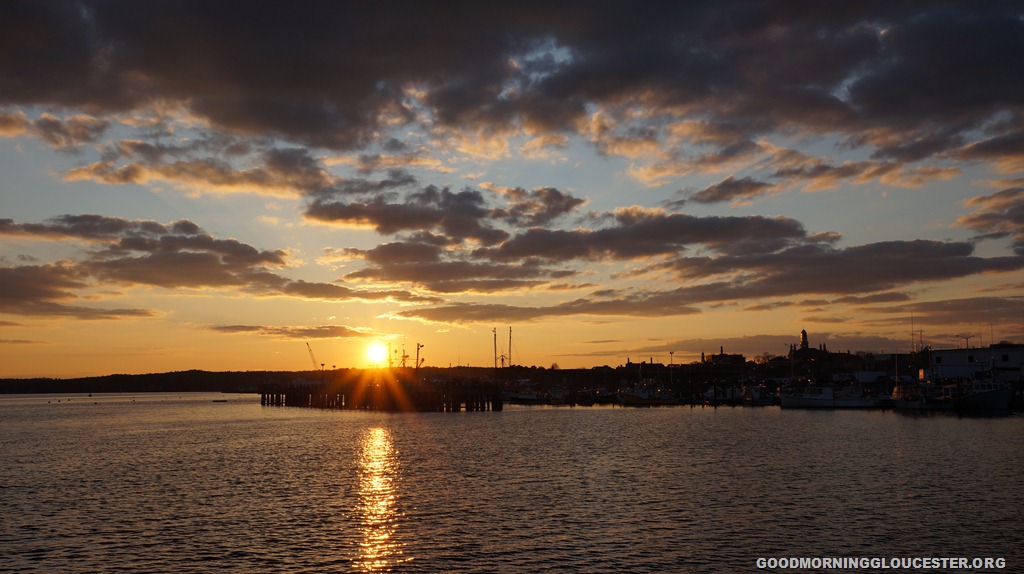
Sunset From The Dock 2/17/12

After reporting to duty down here since I was 9 years old and after school and summers in High School and every day since graduating from Bentley I sometimes take the view for granted.  But then every once in a while when it’s slow I stop for a second and get bowled over by how lucky I am to have this view from our dock.

DSC02900

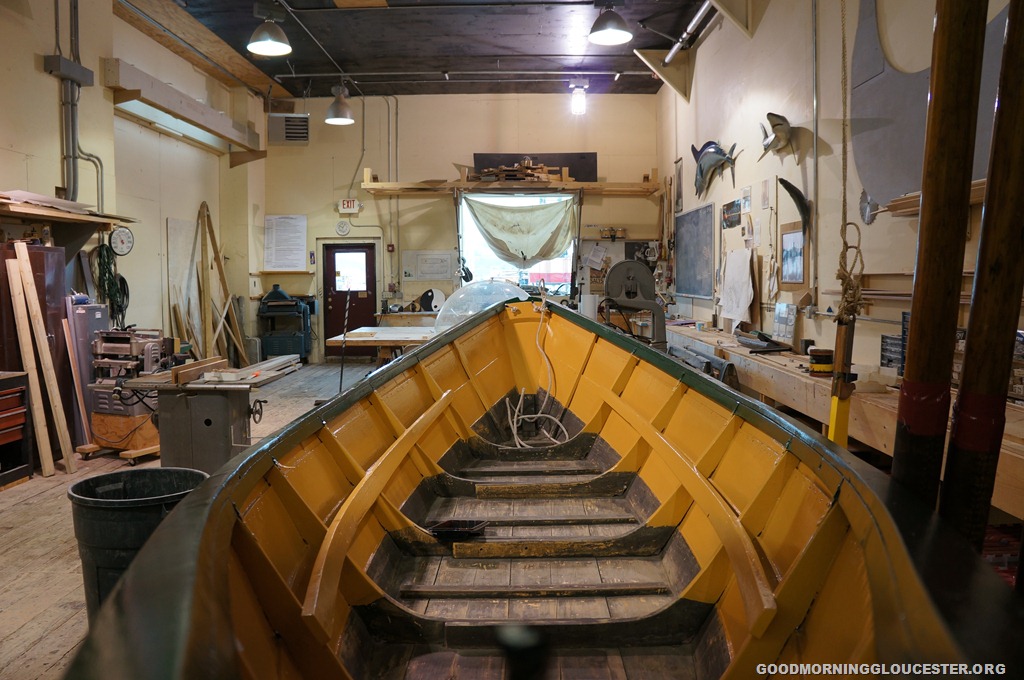
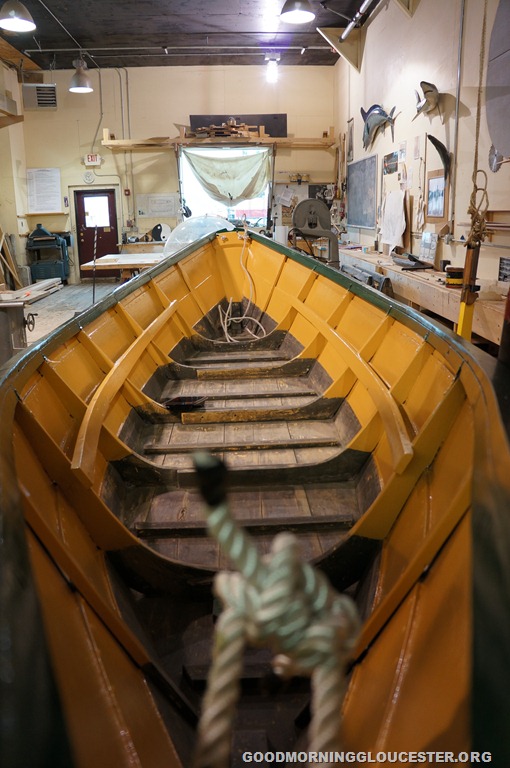
Gloucester Maritime Dory Topsides All Painted Up!

As a member of the Gloucester Maritime Heritage Center (Maritime Gloucester) you can take this dory out for a row.  There’s no better way to see Gloucester Harbor than on a dory.  Just one of the many perks of membership.

DSC03016

DSC03019DSC03022

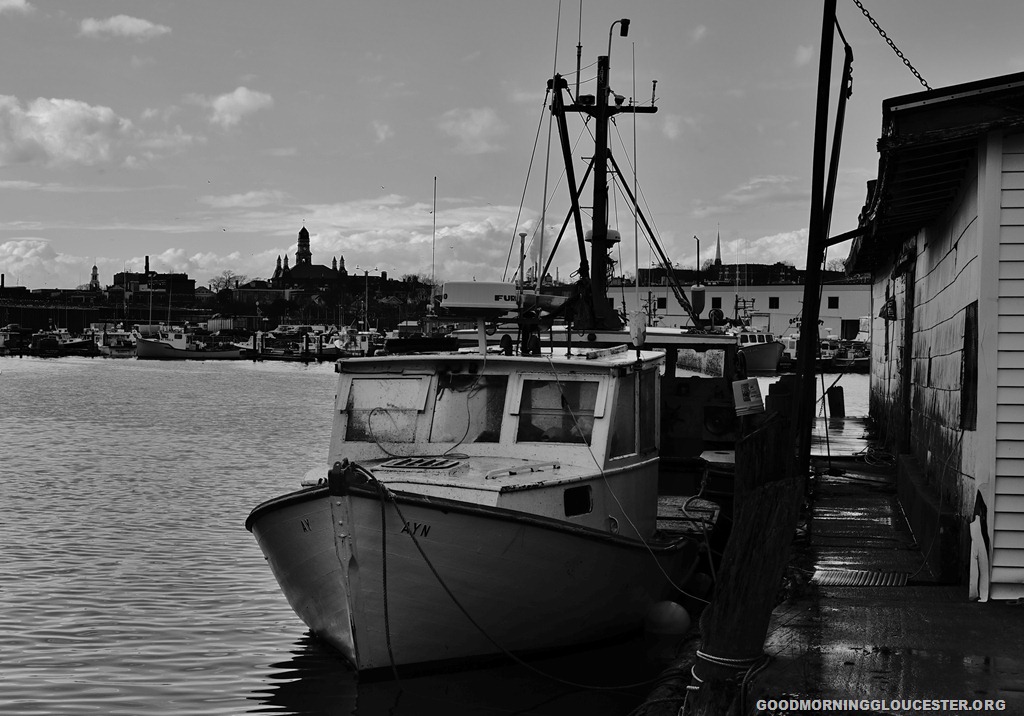
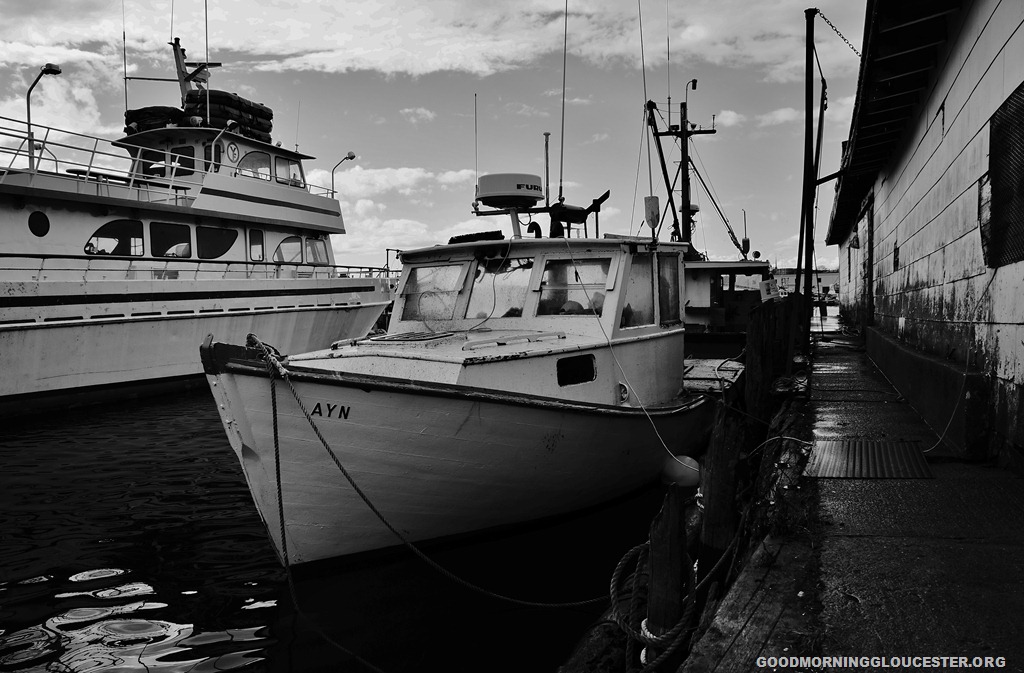
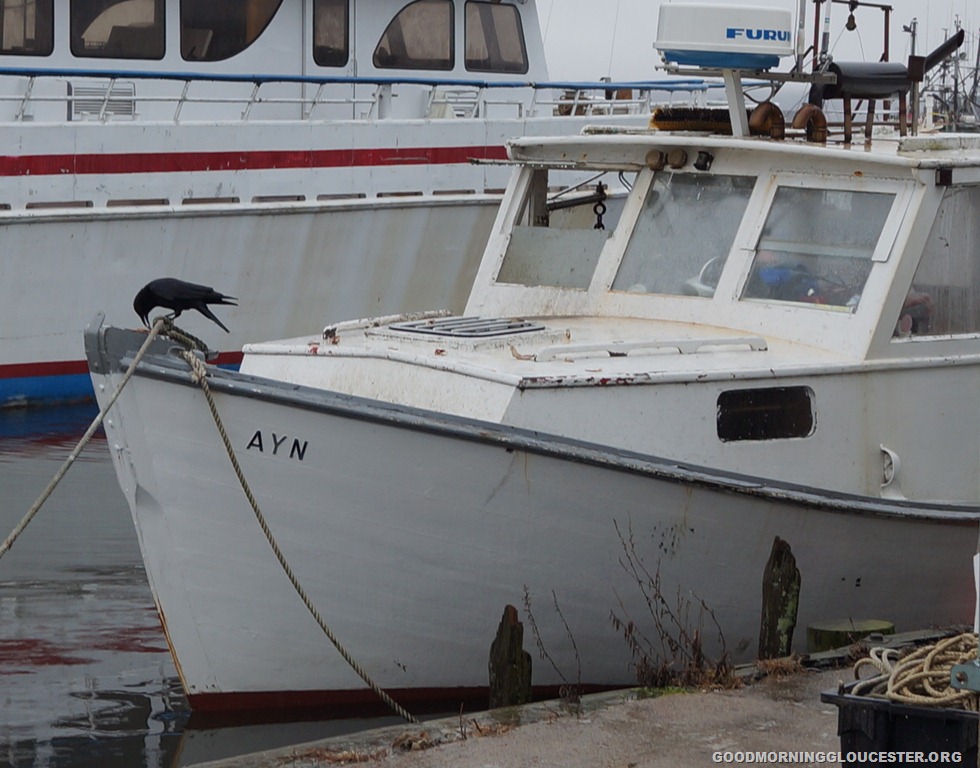
AYN

DSC02487

Ayn Rand

image

From Wikipedia

Ayn Rand (play /ˈn ˈrænd/;[1] born Alisa Zinov’yevna Rosenbaum, February 2 [O.S. January 20] 1905 – March 6, 1982) was a Russian-American novelist, philosopher,[2] playwright, and screenwriter. She is known for her two best-selling novels The Fountainhead and Atlas Shrugged and for developing a philosophical system she called Objectivism.

Born and educated in Russia, Rand moved to the United States in 1926. She worked as a screenwriter in Hollywood and had a play produced on Broadway in 1935–1936. After two initially unsuccessful early novels, she achieved fame with her 1943 novel The Fountainhead. In 1957, she published her best-known work, the philosophical novel Atlas Shrugged. Afterward she turned to nonfiction to promote her philosophy, publishing her own magazines and releasing several collections of essays until her death in 1982.

Rand advocated reason as the only means of acquiring knowledge and rejected all forms of faith and religion. She supported rational egoism and rejected ethical altruism. In politics, she condemned the initiation of force as immoral and opposed all forms of collectivism and statism, instead supporting laissez-faire capitalism, which she believed was the only social system that protected individual rights. She promoted romantic realism in art. She was sharply critical of most other philosophers and philosophical traditions.

The reception for Rand’s fiction from literary critics has historically been mixed and polarizing, with extreme opinions both for and against her work commonly being expressed. Nonetheless, she continues to have a popular following, as well as a growing influence among scholars and academics. Rand’s political ideas have been influential among libertarians and conservatives. The Objectivist movement attempts to spread her ideas, both to the public and in academic settings

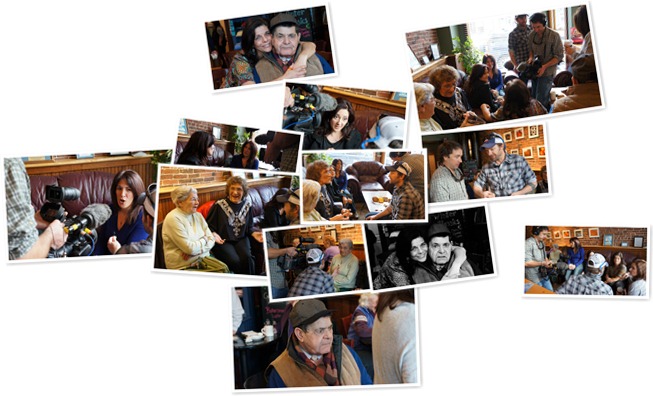
The History Channel Tapes Segment With Wives and Daughters of Gloucester Fishermen At The Lone Gull

On February 1st 2012 the History Channel was at the Lone Gull to tape segments talking about the fishing industry and how the wives and daughters of Gloucester fishermen remember the industry.

Here are some photos I took at the taping-