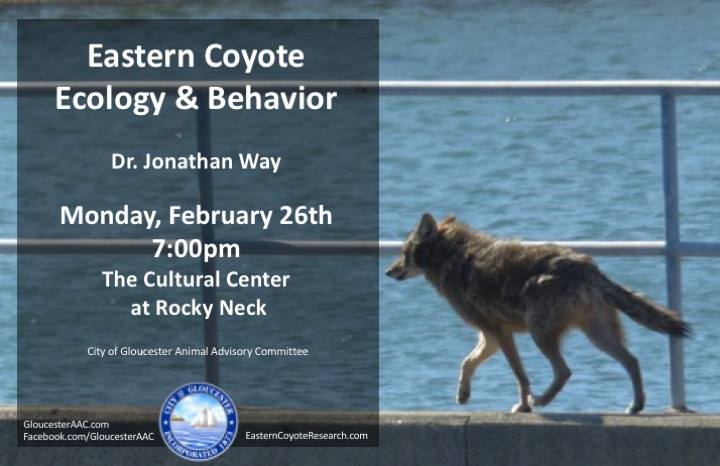
The City of Gloucester Animal Advisory Committee hosted an informative presentation on the Coywolf last night at The Cultural Center at Rocky Neck. Dr. Jonathan Way who is an expert on the habits of the Coywolf spoke for 90 minutes with a lively question and answer period which had to be cut off so we could go to work today.
As a real review, I’ll do that later since there is a lot to unpack. Jon said up front to hold your questions to the end but I knew I was not the only one busting a gut holding back my questions on such a fascinating topic. For now, I will just list a few take-home bullet points of things that were news to me.
• The coywolf is relatively new to the area but it is not an invader, not an invasive species. No one parachuted these coywolves into the east. They migrated naturally from the west to fill the niche vacated by the exterminated wolves. (Blame that on the pilgrims.) If coywolves are an invasive species then virtually every mammal on the planet including man is an invasive species.
• The coywolf wants to have nothing to do with humans. They also want nothing to do with dogs. They fear both. If you think they are stalking you and your dog it is likely because they perceive you as a threat to their puppies and are tracking you to make sure you are heading away from their puppies. Once you have moved far enough away, they will double back to protect the den.
• This bullet point was a shock: Given the size of Cape Ann it is likely that there is one pack on the island. WTF? How can that be? Coywolves cover a lot of territory each night. More on this later.
• Evidence shows that killing an adult in a pack can easily make the pack split and double in size. So shooting one might not be the wisest policy unless you want more coywolves.
•This last bullet point is the biggest. Do not feed the coywolves. There are plenty of mice, rabbits, voles, bugs, to eat. If you think you are helping them you are dead wrong. You are habituating the coywolf to humans and they will likely become a nuisance and have to be shot. Just don’t do it. Do not leave dog food outside. Make sure your bird feeders are not feeding them, don’t leave garbage out.
•• If you know a neighbor who is feeding them. Report them to the police, to the animal control officer, shame them on “Because Gloucester” Facebook page. Make sure they stop.
•• If you see a photographer who wants a photo of a coywolf putting food out to attract them, report them. Bang pots, make them stop. Shaming on “Because Gloucester” as a last resort.
A science observation: Jon described mitochondrial sequencing, Y chromosome sequencing, using SNP panels, all to figure out what is going on with this animal. From these data it is shown that our local coywolf is 30% wolf, 10% domestic dog, and 60% coyote. The cool thing is that whole-genome sequencing of these animals is right around the corner. That is what I do in my day job. Just five years ago I spent $15,000 to sequence one human genome. I can do it today for $1,200. Still a little pricey but that number will continue to drop and we will know a lot more as to how these animals are evolving. Because they are evolving. Each year, traits are selected for. If this new animal can avoid cars, mate successfully, know how to opportunistically hunt new types of food (coywolves are very good at eating what is available, rabbits, voles, cats), they give birth to smarter animals who fill the niche better. A coywolf who is hit by a car, cannot find a mate, or cannot find food, will not be passing on their genes. We are witnessing Darwinian evolution in real time. These animals are no longer coyotes. They have different behavioral patterns and phenotypes. They are not wolves either and they sure are not domestic dogs. They are a new species, canis oriens, which has stabilized. It is not comingling with actual coyotes, wolves or dogs, they treat all three as threats.
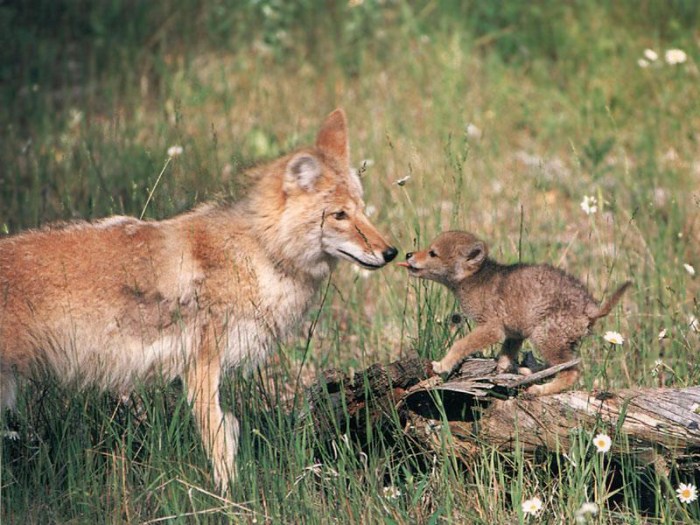
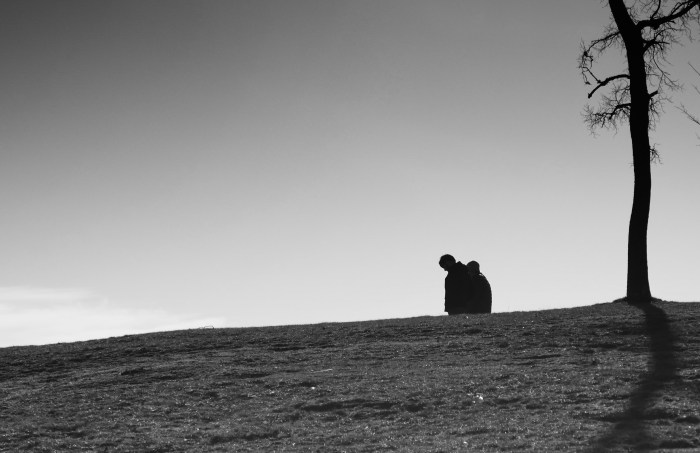
Shoot, I was going to keep this one short. So here is a picture of some coywolves that will be giving birth on Cape Ann around the beginning of April.
[Additional edit 2/28] I have received a bunch of email and messages about the number of packs on Cape Ann. My response and likely Jon’s response: No idea. Anecdotal evidence is dicey. The same three coywolves could walk the perimeter of their terrain every evening and every morning through the same 23 backyards. Would that be reported as 23 packs? An exaggeration for sure but they do lay out tracks that are many miles long. They are looking for something to eat, avoiding people and dogs, but also marking their pack domain to ward off other coywolves. Since Cape Ann is an island with only three leaks (coywolves love to walk the tracks) the pack size might be peculiar. The only way to find out is putting a radio collar on a couple of them. Except Mass Wildlife will not allow that. (long story.)
Is there one pack? Two? Has one coywolf been killed so the pack breaks into two and multiples? No way of knowing without data. From Jon’s experience of pack size on Cape Cod, there may be only one pack. But Cape Ann is known to be the more awesome Cape so Cape Cod data might be irrelevant here. 🙂
Go to this website here to find out why Jon has suggested a new name, canis oriens, for the animal that is living with us on Cape Ann.
Spread The GMG Love By Sharing With These Buttons:


























 Good Morning Gloucester