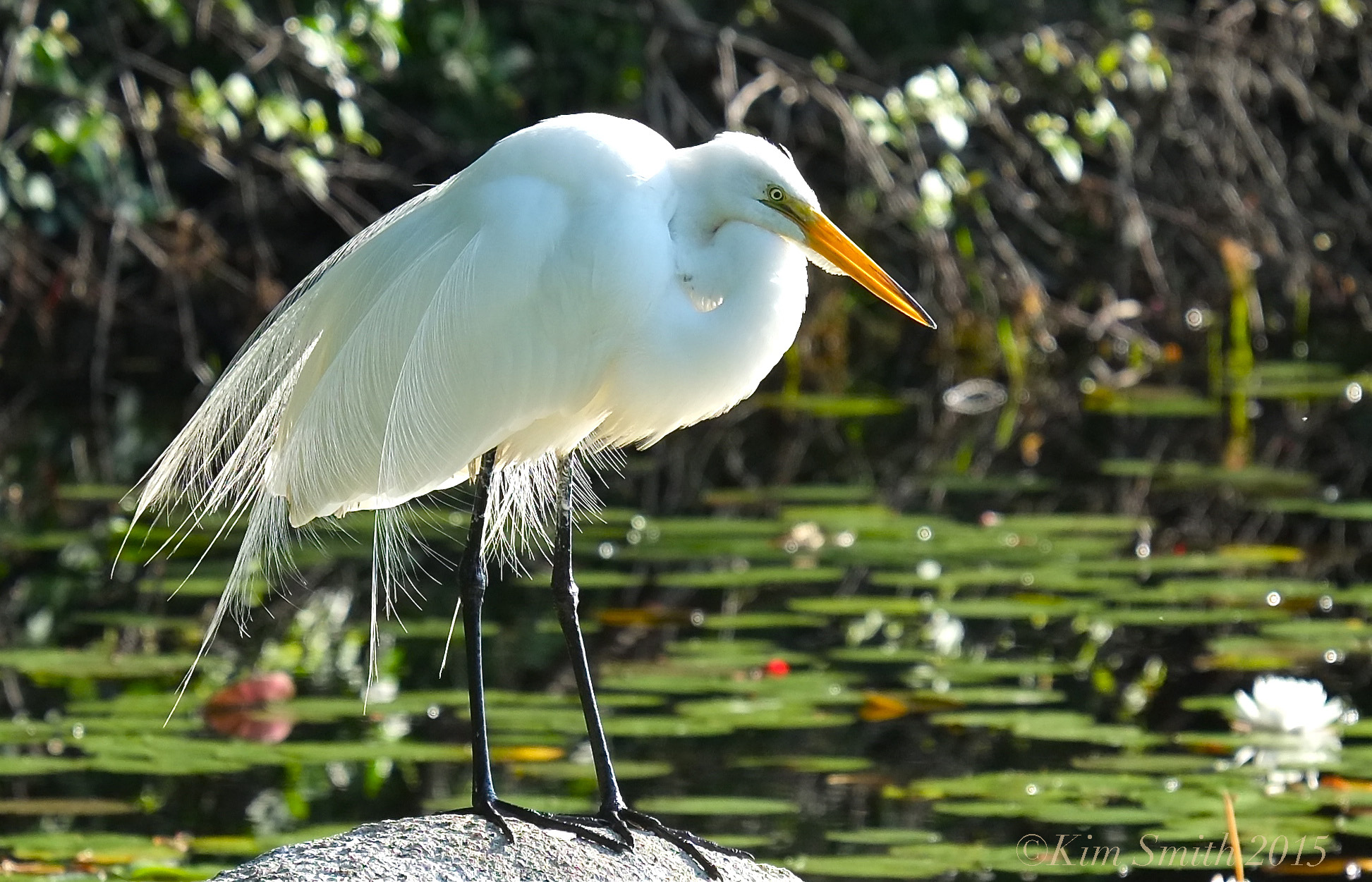
 During the breeding season, Great Egrets grow long feathers from their back called airgrettes.
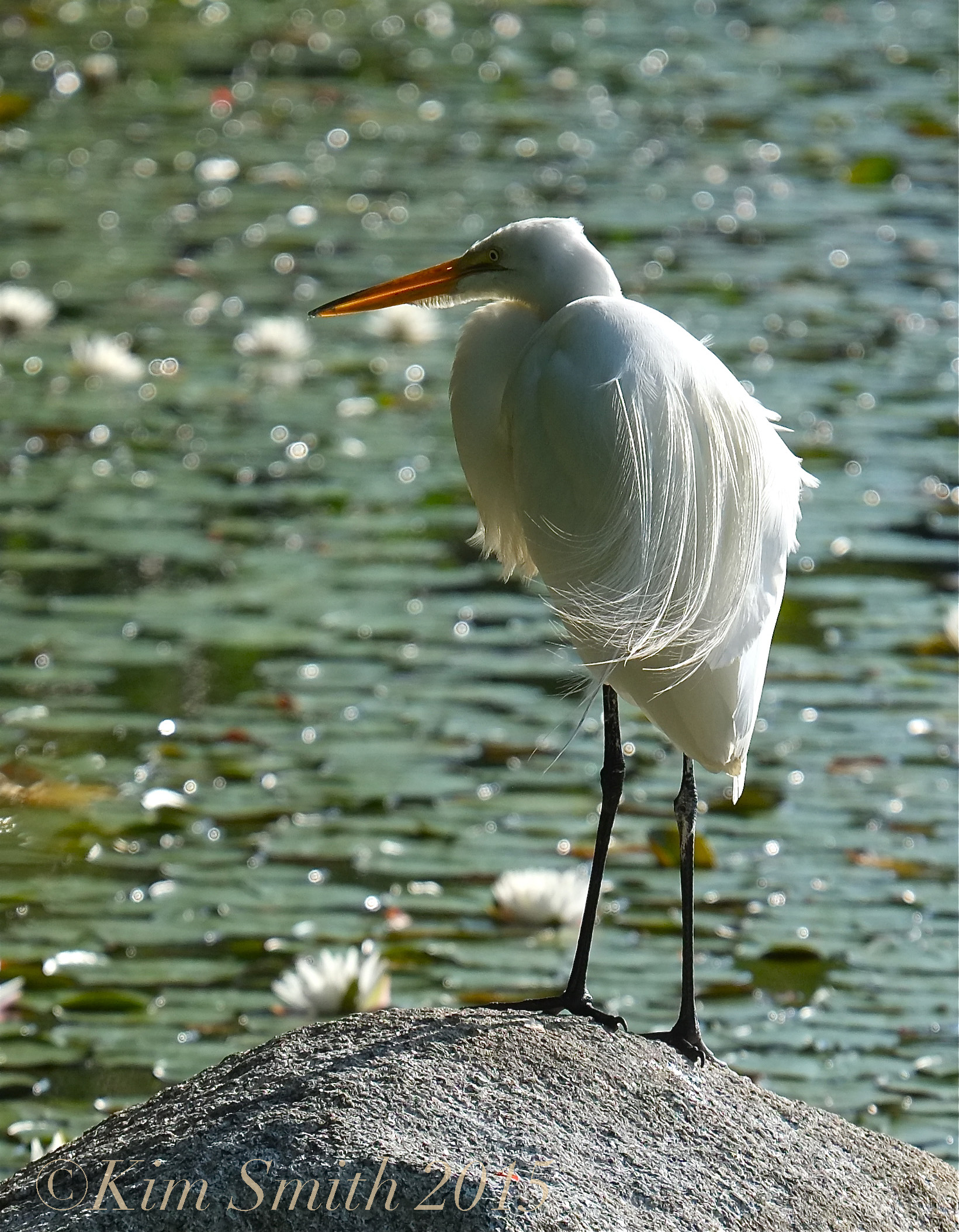 The airgrettes were the feathers sought by the 19th and early 20th century plume-hunters for the millinery trade.
The magnificent Great Egret was very nearly hunted to extinction during the “Plume Bloom” of the early 20th century. Startling, cumbersome, and hideous, hats were fashioned with every manner of beautiful bird feather. Europeans were partial to exotic birds that were hunted the world over and they included hummingbirds, toucans, birds of paradise, the condor, and emu. The American milinery trade favored herons for their natural abundance. The atrocities committed by the murderous millinery led to the formation of the first Audubon and conservation societies however, what truly led to saving the birds from extinction was the boyish bob and other short hairstyles introduced in about 1913. The short cuts could not support the hat extravaganzas, which led to the popularity of the cloche and the demise of the plume-hunters.
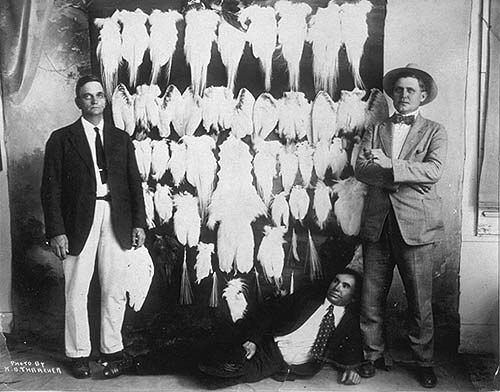 Confiscated dead egrets
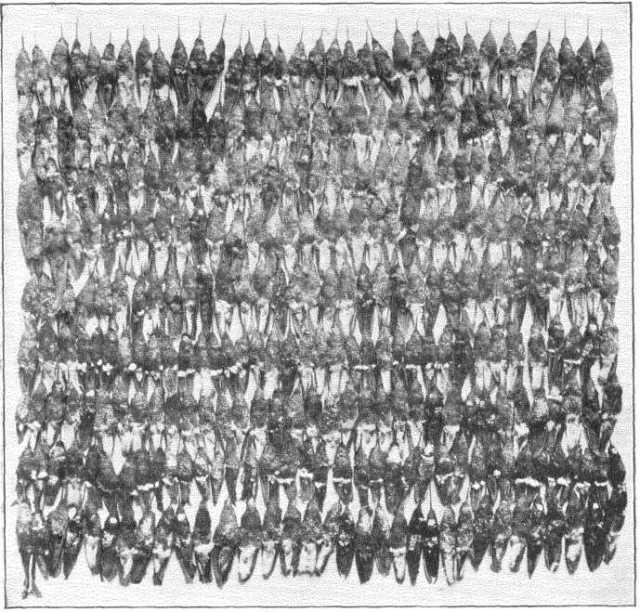 Thousands of hummingbird pelts at 2 cents apiece
 As absurdly ridiculous now as then



 Good Morning Gloucester
Great photos Kim! Thanks for sharing. Hard to belief hummingbirds were used to make hats! I feel so grateful every time they visit my backyard garden flowers and feeders. I used to think egrets were only seen in the south. When I moved to Cape Ann I was amazed to see American egrets, snowy egrets, great blue heron, tri-colored heron, night heron. I love paddling around the salt marsh and hiking near local ponds to see a wide variety of these water birds.
LikeLiked by 1 person
Thank you Karen, happy early morning photographing at Niles Pond.
I think they are so exquisitely beautiful, too. We are so fortunate to be living within the Atlantic Flyway, with plentiful food during summer months to support northbound migrating species and their young, as well as plentiful enough food in the winter for southward migrants.
LikeLike
Agree Karen and Kim ~ the view of the “hummingbird crown” made me shudder ~ however paddling around the salt marshes sounds lovely ~
LikeLiked by 1 person
The migratory bird treaty act of 1918 helped too
LikeLiked by 2 people
Thanks Jodi for including that information.
LikeLike
Lavishly plumed hats add a sad twist to the phrase “bird brain”.
LikeLiked by 1 person
Great correlation paul–that would have made and excellent caption.
LikeLike
Come a long ways here and good thing many are protected – have a lot of herons this way in the rice fields – ponds…I love to wake to the music of the birds around the park next to us – the no human type which occur pro & Con so to speak! 🙂 Dave & Kim 🙂
http://www.fws.gov/migratorybirds/regulationspolicies/mbta/mbtintro.html
LikeLiked by 2 people
Thanks so much Dave for providing the above link.
LikeLike
You are most welcome Kim Keep educating us! 🙂 Dave & Kim 🙂
LikeLike