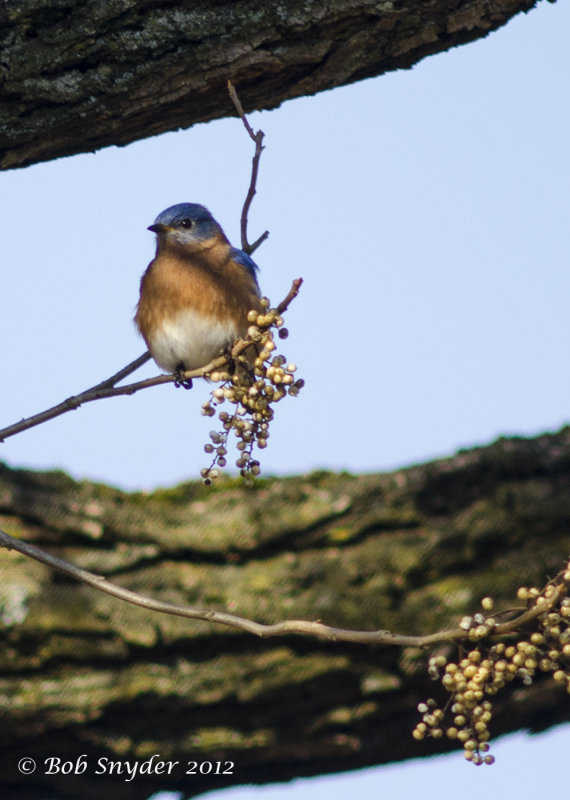
Eastern Bluebird and Poison Ivy Berries
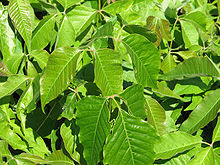
“Leaflets three, let it be!”
Perhaps the most disliked plant of all is poison ivy, despised throughout its range for the blistering rash that oozes and itches when one has the misfortune to come in contact with any part of the plant. What is the substance that causes that most dreaded of unpleasant of rashes? Poison ivy is infused with urushiol, a compound that not only wards off humans, but caterpillars, too (generally speaking, caterpillars are a plant’s number one enemy).
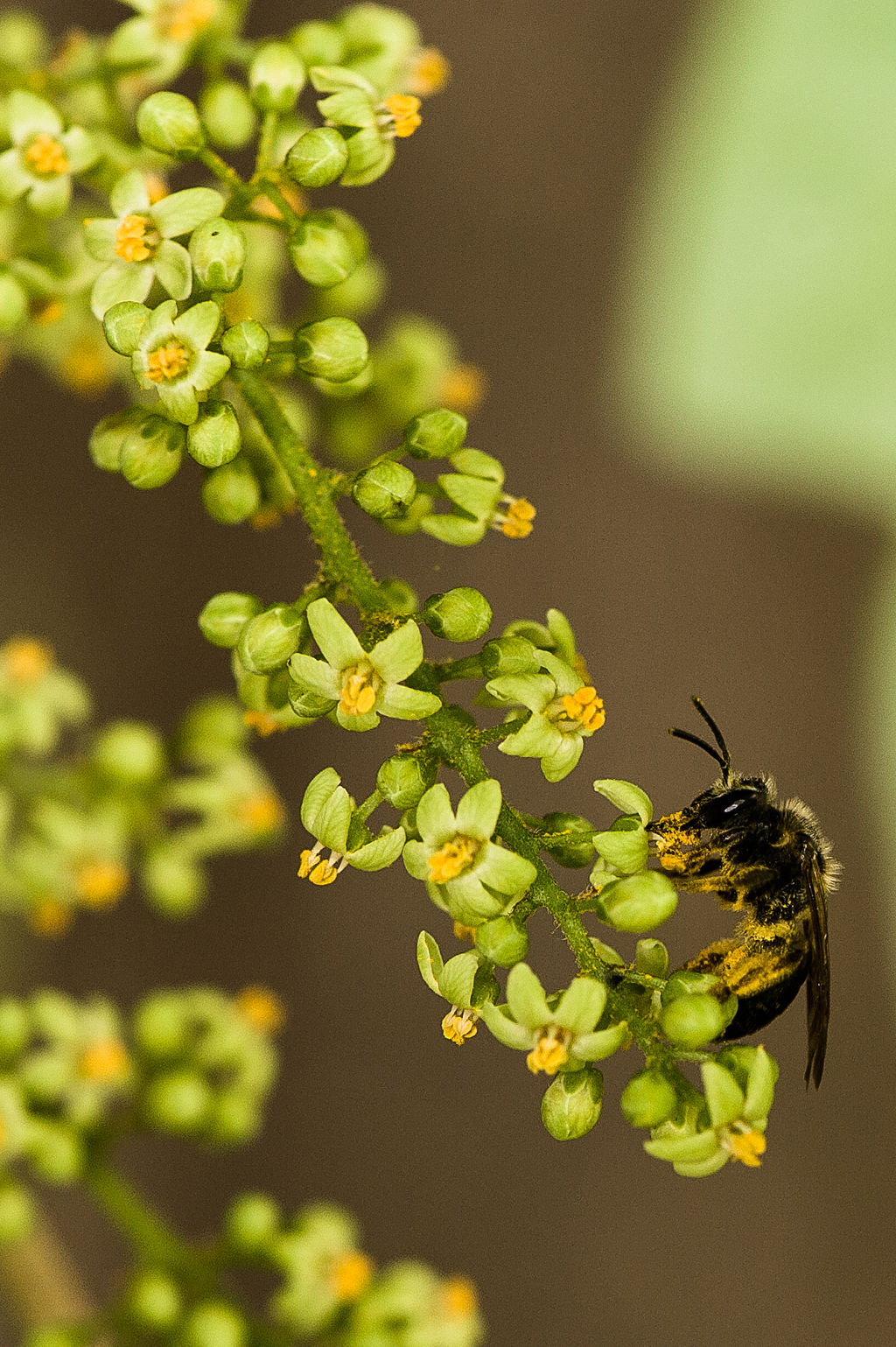 Poison Ivy in Flower
Several of my landscape design projects are located on Plum Island. I laughed initially when it was first brought to my attention that poison ivy was one of the “approved” plants permitted on Plum Island. Of course, whether approved or not, I wouldn’t dream of planting poison ivy on a client’s property, but I did want to learn more about why it was on the approved list. And here’s the reason why we might want to rethink our disdain towards poison ivy: Plum Island is home to and breeding ground for hundreds of bird species and small animals. The blossoms of poison ivy are a rich nectar source for many pollinators and the berries are a prime winter staple for dozens and dozens of song birds, including cardinals, mockingbirds, and robins.
 “Berries white, run in fright.” ~ More than 60 species of birds eat the fruit of poison ivy.
Malign poison ivy if you will for its dreadful rash and clamoring habit. Lets rip it out of our backyard play spaces and public pathways. But knowing it holds an important place in our ecosystem, lets allow it to continue to grow wild in wild and appropriate places. Poison ivy is one of the essential reasons why we are privy to the legions and legions of beautiful birds that dwell, nest, and migrate through our region.
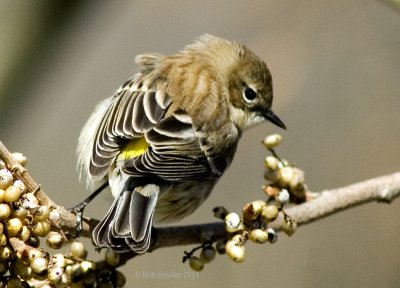 Yellow-rumped Warbler and Poison Ivy Fruits
Yellow-rumped warblers are able to withstand our cold winters by switching from a diet of primarily insects, to one of poison ivy berries, bayberry, and other small fruits.
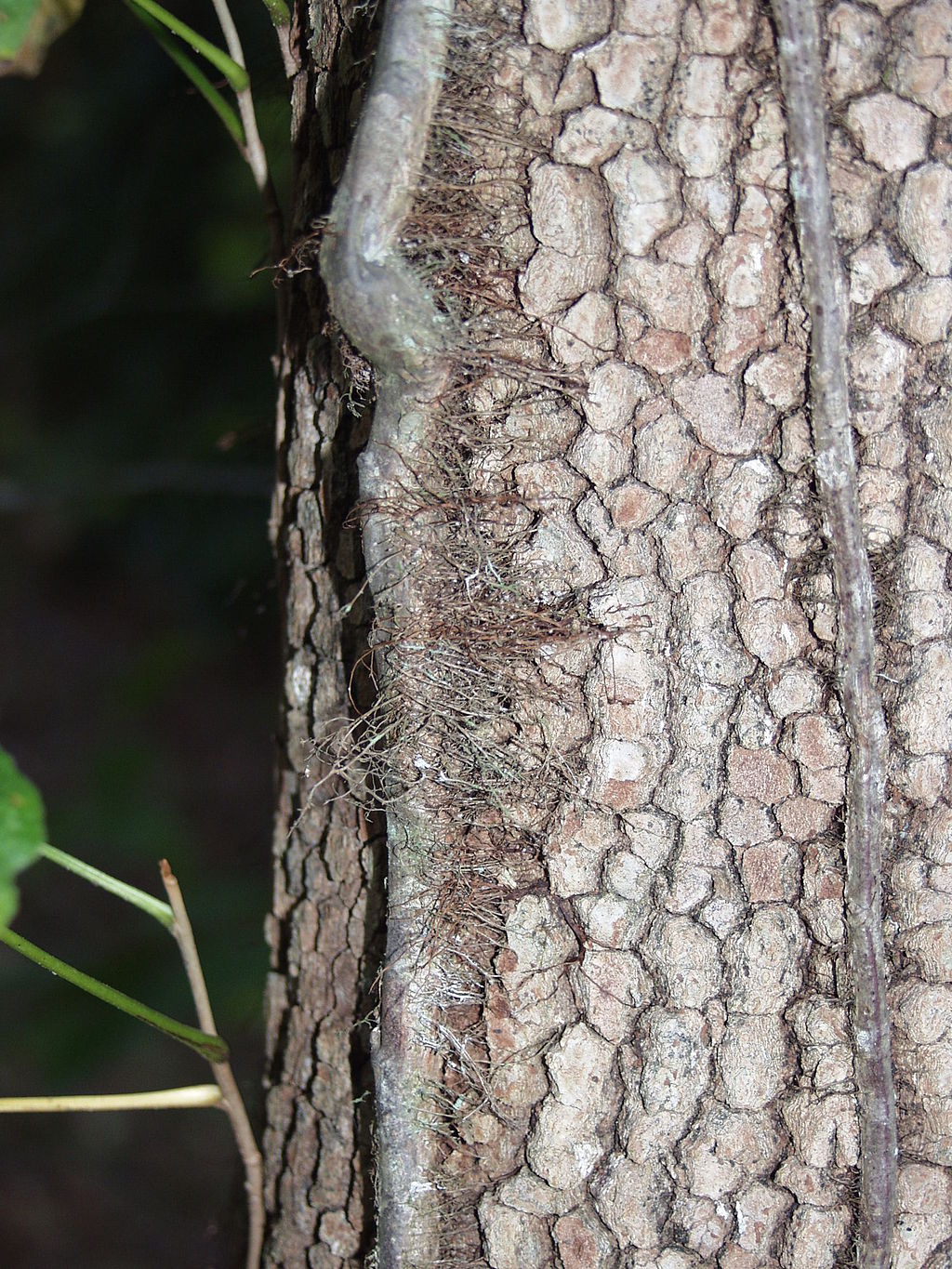
“Red hairy vine, no friend of mine!”
The telltale reddish hairs of the vine are clearly evident in the above image; leaves, vines, stems, and hairs are all toxic to humans. As I am constantly exposed to poison ivy due to landscape design projects, and oftentimes filming and photographing in locations where poison ivy is prevalent, my number one solution to avoiding contact is to identify its presence and to wear protective clothing. Knowing poison ivy’s mnemonic rhymes will help with its identification: “Leaves of three, let it be!”, “Berries white, run in fright!”, and “Red hairy vine, no friend of mine!”
* * *
My sincere thanks to Bob Snyder for the use of his photos. Permission to post the bluebird and poison ivy berry photo was requested and John not only graciously allowed the photo, he also forwarded along the photo of the Yellow-rumped Warbler. You can see more of his beautiful photos here: Bob Snyder Photography.
All other images are courtesy Wiki Commons Media.


 Good Morning Gloucester
Thanks very much for this info on poison ivy. I still have a hard time identifying it. There seem to be a lot of 3 leaved plants and bushes to this untrained eye. I knew we had it in our yard because my husband has gotten it twice.
So I called a very well respected landscape and tree expert company and asked them to assess and get rid of it all. Unexpectedly, they said they came and looked around carefully, and found that there was NO poison ivy in our yard. Now what?
LikeLike
Hi Terry,
Are you positive that your husband got poison ivy after working in your yard. The only reason I ask is because I contracted it from our pets after they had come in contact.
Poison ivy is dioecious, which means both male and female plants are needed for berry production, and only the female plants bear fruit. Identifying by fruit alone won’t be helpful because the male plants don’t bear fruit. Poison ivy has red leaves at this time of year (see wiki commons photo below), which will give you a clue and, I suggest that in another month, after the trees and vines have lost their leaves, to look around your trees and shrubs for the telltale hairy vine. I hope this is helpful and please let us know if you find any PI.
LikeLike
Hi Kim: Thanks very much – the information is VERY helpful. I’m not sure where else my husband would have gotten poison ivy (twice) but I guess that is a possibility.
The people that came to look are very reputable so I was very confused that they didn’t find any.
Now that I know your descriptions I will go look myself.
I never knew Poison Ivy got berries (female) and that it turns red in the Fall.
Does poison oak do the same blistery thing as poison ivy?
Thanks very much Kim.
Terry
LikeLike
Hi Terry,
Yes poison oak and poison sumac both cause a similar rash; the rash is caused by the same oily compound urushiol. Poison ivy grows east of the Rockies, poison oak grows mostly west of the Rockies, and poison sumac, the rarest of the three, is most frequently found growing in swampy areas of Florida and Mississippi. Its roots need to be growing in water.
There is an Atlantic poison oak, but its range is further south, the distribution ends at around the latitude of Pennsylvania.
LikeLike
Cats are especially guilty of sharing it. They slither around in the poison ivy and then slither around US! We have a lot of poison ivy here in Michigan, and I’ve seen the berries. I don’t think I’ve ever seen the flowers. It’s actually quite lovely!
LikeLike
I have contracted it from our cats Anne–slithering is a very apt description! I think it beautiful, too–from a distance.
LikeLike
When my kids were living at the Eastern Point Lighthouse, there was a LOT of poison ivy along the path to Dog Bar. I don’t know if somebody got rid of it.
LikeLike