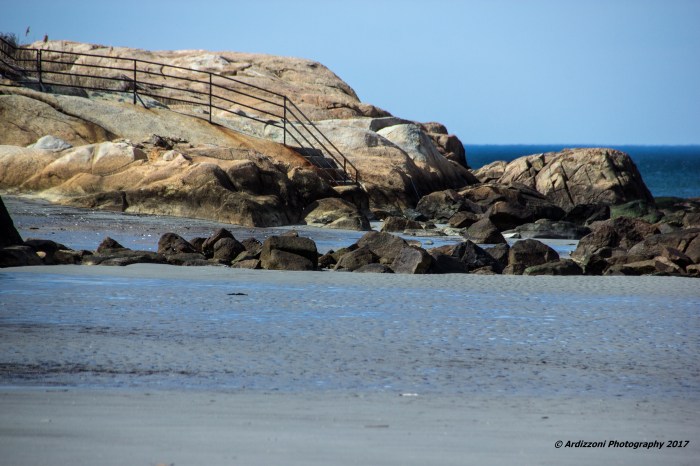
Tag: Wingaersheek Beach

Iggy the Iguana
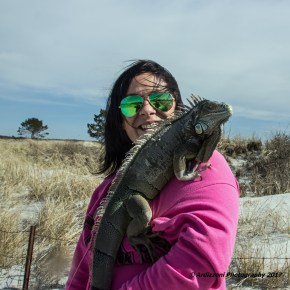
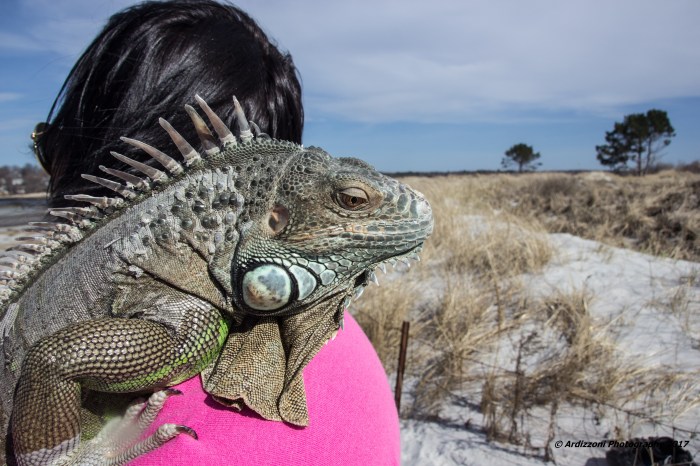
While taking a walk at Wingaersheek Beach came across this cutie. The owner told me that her Iguana was house broken and knew his name. When I petted Iggy he actually looked right at me. His owner told me that Iggy was very smart.
Spread The GMG Love By Sharing With These Buttons:

NEW SHORT FILM: TREE SWALLOWS MASSING
This short film is dedicated a dear friend who recently lost a beloved family member. Along with the tender melody by Jules Massenet, especially the last bits of footage (before the credits) made me think of angels and of hope.
* * *
Over the course of the summer while filming the Piping Plover Family at Wingaersheek Beach, Tree Swallows began flocking in ever increasing numbers. They became part of the Piping Plover story not only because a Tree Swallow will occasionally dive bomb a Piping Plover, for whatever reason I am not entirely sure, but also because they are beautiful to observe, and occasionally, seemingly playful, too.
Songbirds that they are, Tree Swallows make a cheery chirping chatter. They have long narrow forked tails, all the better for gliding and for their signature aerial acrobatics. The male’s upper parts are a brilliant iridescent blue-green, the female’s somewhat duller, and both female and male have white underparts. The migrating juveniles are almost entirely brown with either white or pale grayish underparts.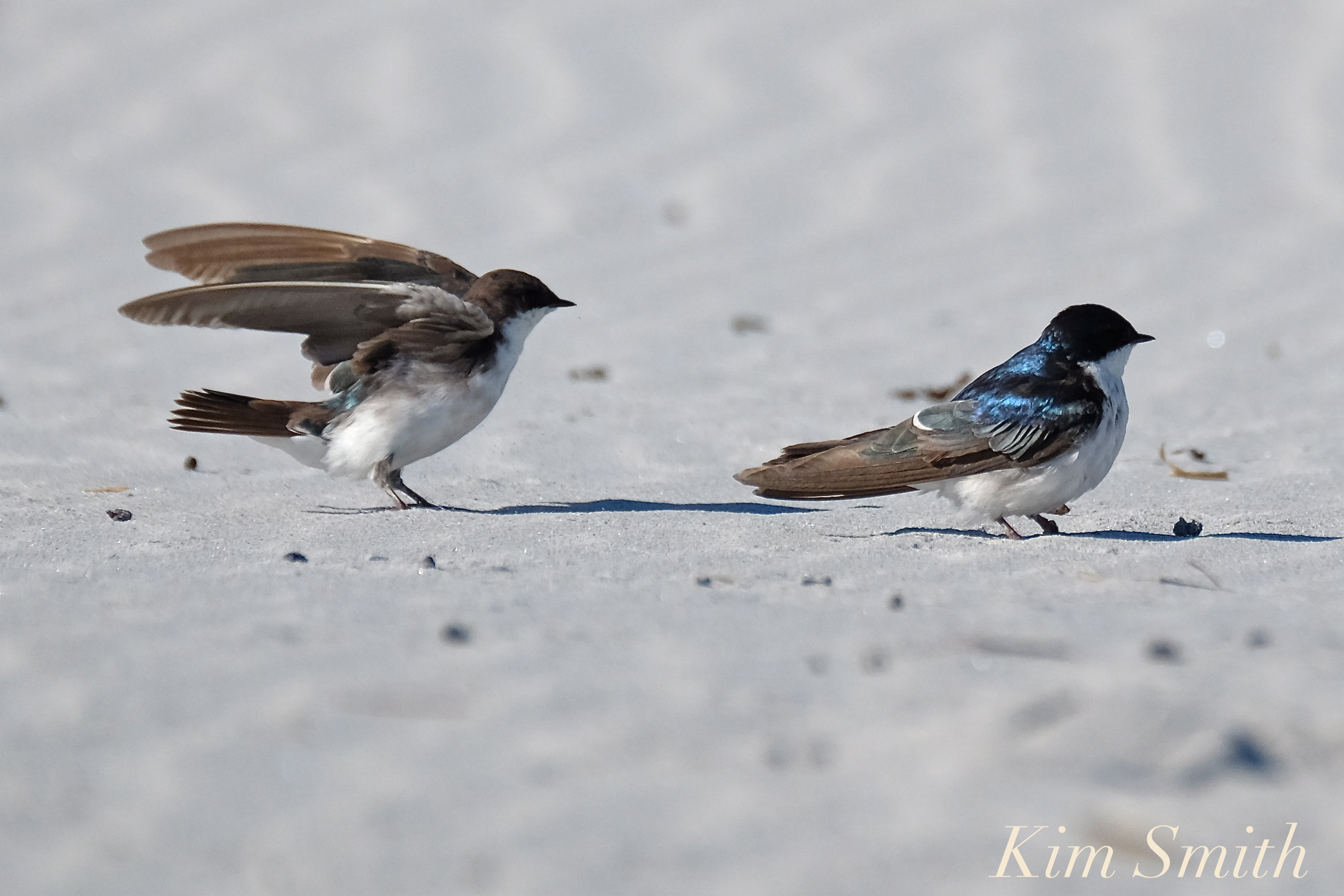
Tree Swallows breed in the wetlands and fields of Cape Ann. Their name comes from the species habit of nesting in tree cavities. Tree Swallows have benefited tremendously from efforts to help save the Eastern Bluebird because they also nest in the nest boxes built specifically for the Bluebirds.
Acrobatic aerialists, they twist and turn mid-flight to capture a wide variety of insects including butterflies, dragonflies, greenheads, bees, beetles, and wasps.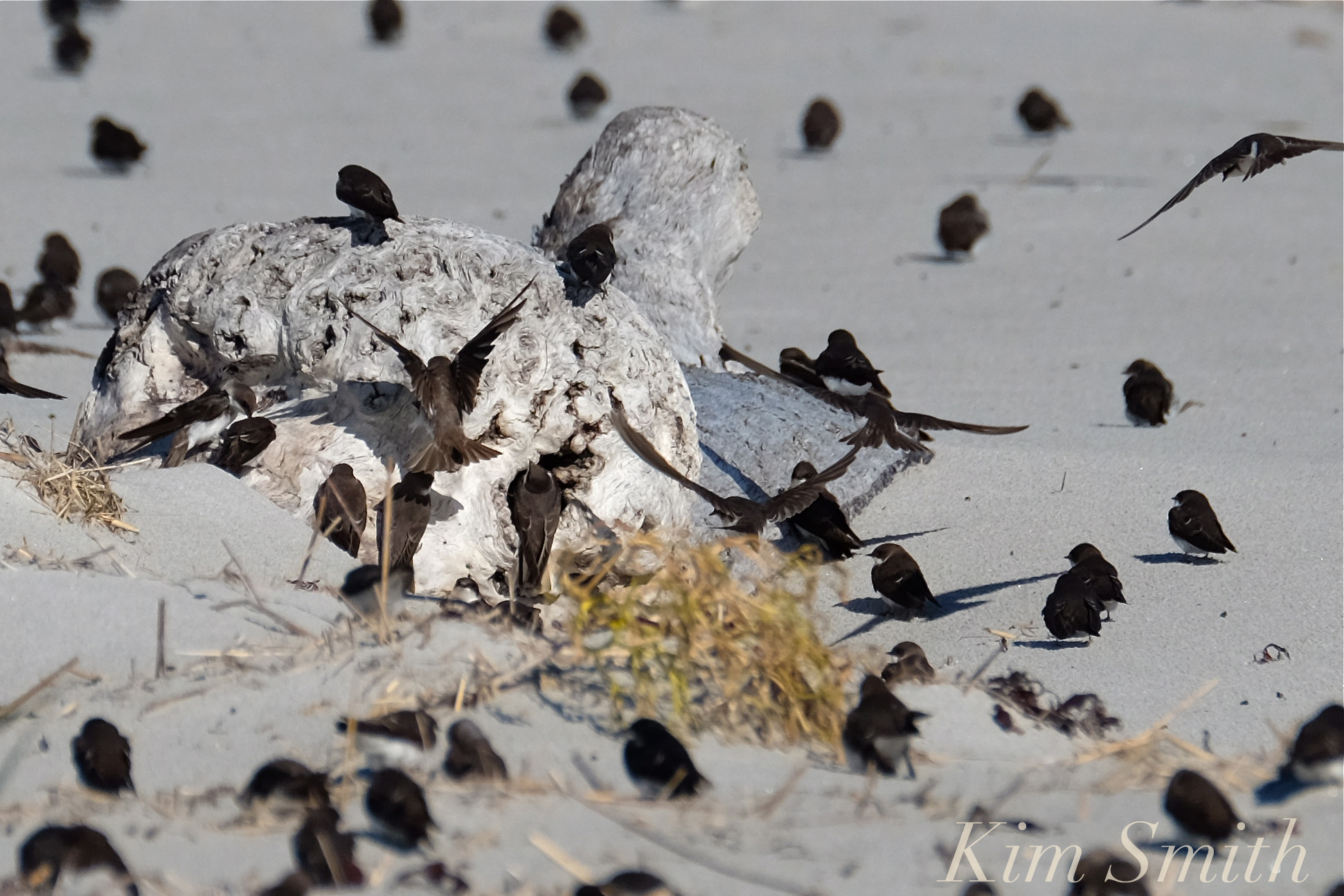
Tree Swallows eating insects on the beach and from the crevasses in the driftwood.
Utilizing both fresh and saltwater to bathe, Tree Swallows have a unique habit of quickly dipping and then shaking off the excess water while flying straight upwards.
Tree Swallows begin migrating southward in July and August. The flocks that we see gathering on Cape Ann migrate along the Atlantic Flyway. They overwinter in the southern states of the U.S., Mexico, the Caribbean, and Central America. Unlike migrating species of butterflies, several generations of Tree Swallows migrate together, the older birds showing the younger birds the way.
Music composed by Jules Massenet: “Méditation” from Thaïs
Spread The GMG Love By Sharing With These Buttons:

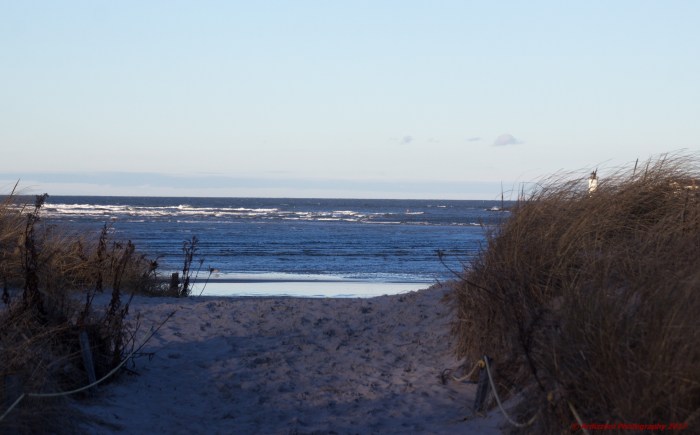
Late day at Wingaersheek Beach
Spread The GMG Love By Sharing With These Buttons:

Cape Ann TV has a big, beautiful and bold goal: to be one of the premiere community media stations in the country

How? Executive Director Erich Archer states it plainly: “The team at Cape Ann TV and this community make that goal possible. There’s something special and local: the characters, stories and the beauty of Cape Ann. People actively participate in this community, which is incredibly important. Plus, there’s high caliber and diverse talent.”
CATV AND COMCAST

Cape Ann TV is located at 38 Blackburn Center in Gloucester, MA, and it’s community television, local, social, and non-commercial. Unlike PBS –which produces shows for a national audience and broadcasts broadly via satellites– community television stations create, produce, and distribute content locally, via a cable provider. There are 350+ active community television stations across the country that operate with a variety of funding sources depending upon how they’re set up. *Since an FCC mandate in 1972, cable providers receive access to rights of way in exchange for funding local cable TV channels by and for the public. The cable television franchise contract fees pay for equipment, training, facilities, studio time and channels (air time). Currently the fiscal model for Cape Ann TV covers operation and capital needs. Comcast is the local Cape Ann TV cable provider. Archer said that Cape Ann TV has spent more than a year working together with local governments, area schools, partners and citizens to outline and identify what the communities wanted to include in renegotiation terms for the next 10 year contract with Comcast. It was a massive document and effort, and is currently under negotiation.
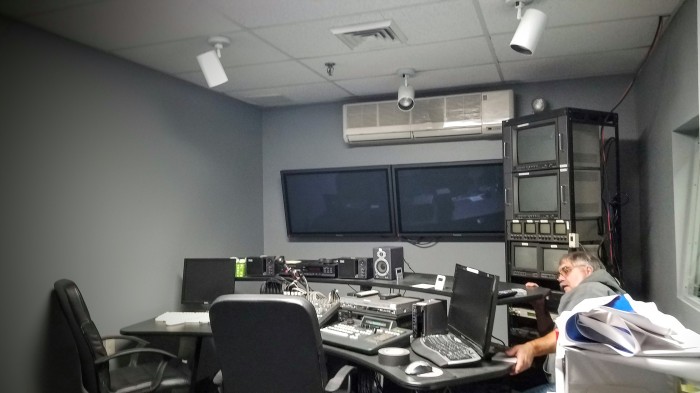
The original purpose of cable access continues to be providing TV studios and support for community members so they can make their own content. Our station, CATV, has much to offer that’s relevant. If you need video, CATV can make it for you whether you are an individual, non-profit, for profit or municipality. Make it a point to visit the station and use this invaluable resource. While you’re at it, why not
START YOUR OWN TV SHOW AT CATV
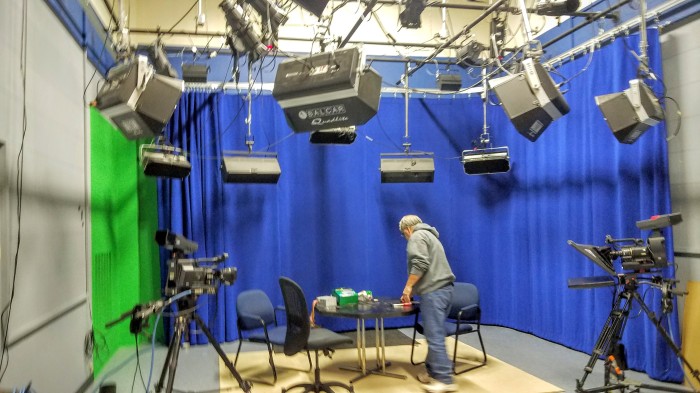
Here’s your chance. Members can use the cameras, production, and the studio to make their own TV show. You can sign up for film maker and editing classes, lunch workshops, state of the art equipment, cameras, the conference room for community meetings, editing banks, and studio time. Do it. Have fun.
CREATE YOUR OWN PODCAST AT CATV

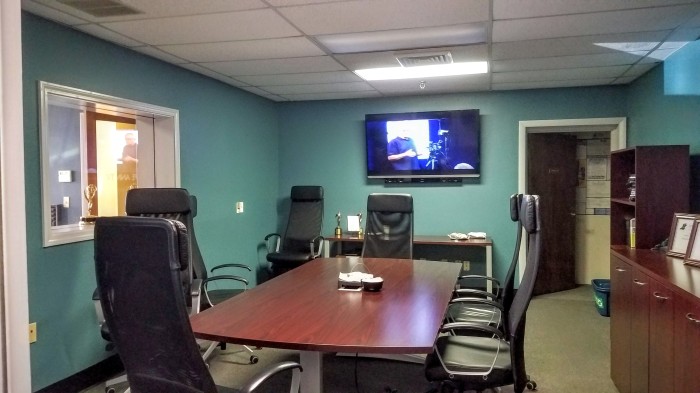
There have been upgrades to CATV headquarters: new wall color, original art, and re-design including transposing an under-utilized lobby into a beautiful podcast studio. Podcasts are on an uptick everywhere thanks to easy on demand listening. Since the podcast studio was put in at Cape Ann TV there have been hundreds of downloads–beyond clicking and listening. Invested audiences are saving the shows to listen at their convenience. Archer notes, “We have podcasts about high school sports, one from NOAA about fishery-related issues, arts and variety, and more.” CATV encourages people to start one if they’re interested. “We’ll help them every step of the way.”
WHAT’S ON CATV?
Cape Ann TV broadcasts original programs and local coverage: area high school sports, city council and municipal meetings, community meetings, Cape Ann Museum programs, library events, local artists and art groups, Cape Ann scenics, and school productions to name just a few. Award winning programs include: The Portrait Series; Awesome Gloucester; GMG podcasts; Writers Block with John Ronan; All Things Victorian; and the Emmy-winning On the Waterfront, a series about how local seafood gets to your plate.
DID YOU KNOW YOU CAN HIRE CATV FOR COMMERCIAL CONTENT?
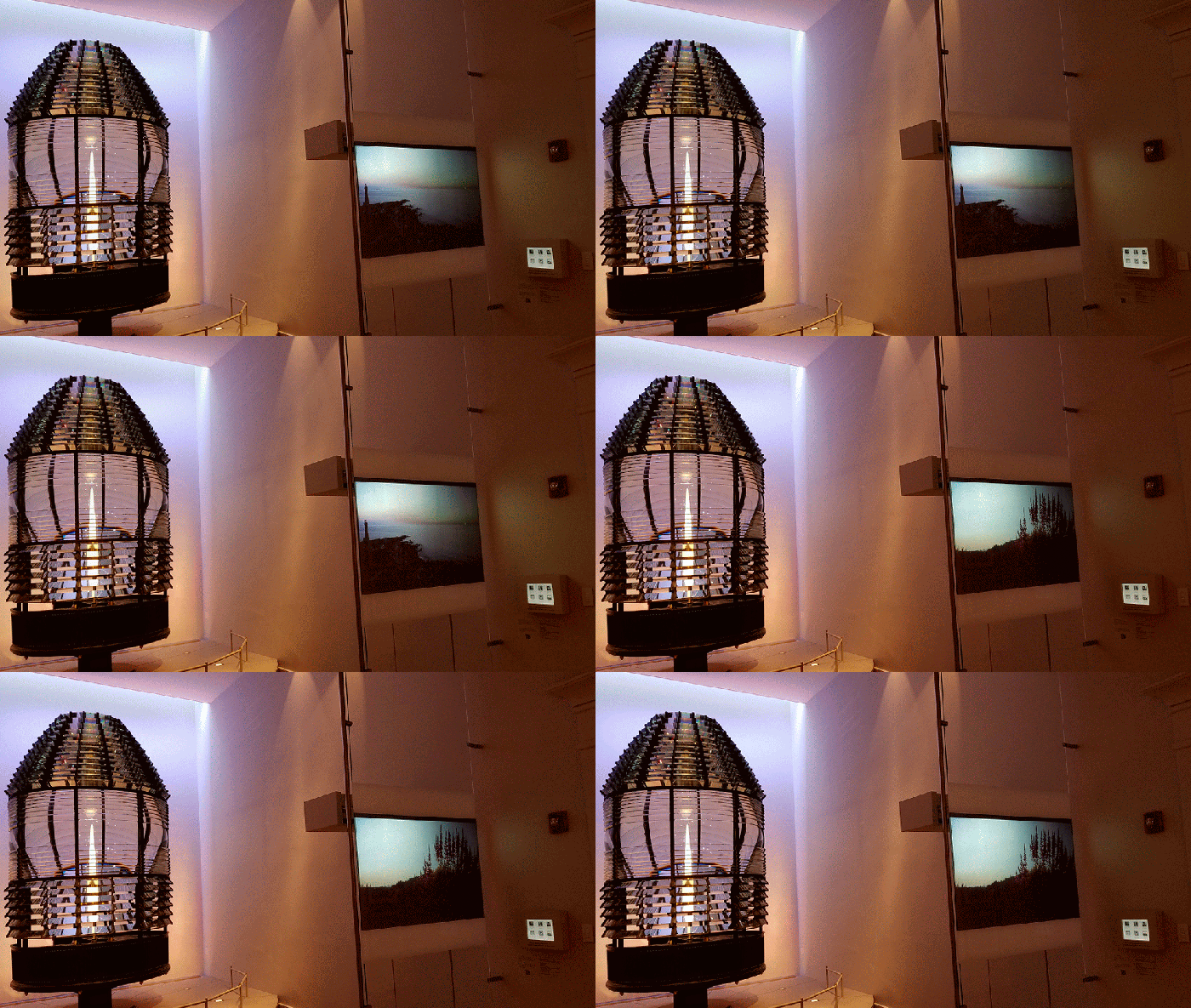
Does your business or organization need any professional video shot? Cape Ann TV funding sources also include for profit productions for commercial content. So, if you want to make a video for commercial purposes that will not air on Cape Ann TV, you can contract Cape Ann TV to make it. CATV can work at a high quality and any budget. Do you have an exciting event you’d like to capture? Do you need to film a board room meeting? One example- CATV produced film for a permanent display at Cape Ann Museum.
DID YOU KNOW GRANT FUNDERS AND COMMUNITY GET DOUBLE VALUE?

CATV has strategically partnered with organizations seeking grant funding. If an organization is writing a grant proposal that includes a video element, they can write CATV into the grant, and CATV will match the grant funds with in kind services. So for example Cape Ann Seafood Exchange wrote a big grant, and they won $5000 as part of this big grant to make a video. CATV matched that award which meant Seafood Exchange could make a $10,000 value video. Next time you’re writing a grant, think about ramping up the application with a video component, and plan ahead so it can happen!
A NOTE FROM MAYOR ROMEO-THEKEN
“Cape Ann Television is an invaluable asset to Gloucester and the Cape Ann community. The city turns to CATV for important local news, information and media education opportunities. The dedicated staff members and volunteers at Cape Ann Television through the leadership of Erich Archer work tirelessly to improve and broaden their coverage of public, education, and government events, keeping our citizens informed and entertained. I have been involved with Cape Ann Television for many years, sharing my views as a city councilor, mayoral candidate and finally, today as Mayor. From this personal experience, I have always recognized the value that CATV provides, allowing local citizens the opportunity to share opinions and information. It is a critical piece of our city’s democracy.” Mayor Romeo Theken, City of Gloucester, MA
DIRECTOR CATV
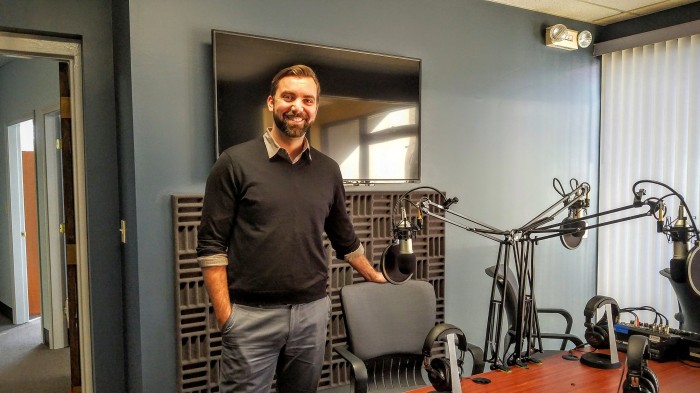
Erich Archer has been at the helm of Cape Ann TV for three years. He is a filmmaker and editor by profession. “I try to produce at least one original project a year that I’m proud of. The two On the Waterfront episodes are definitely in that category, as are the two Portrait Series pieces.”
Prior to running the station he worked in Los Angeles in TV and advertising. He moved back from LA for…love. His wife, Tara, is a wardrobe stylist who grew up on the North Shore. They have two children and reside in Beverly. As a boy, Archer spent summers on Wingaersheek beach with his family. His parents recently moved to Rocky Neck; his mother, Kathleen Gerdon Archer, had a gallery on Rocky Neck. That’s her original art on the walls.

Helpful links:
Mass.gov Massachusetts Community Access Television
National Alliance for Community Media
MassAccess (Massachusetts Community Media, INC) state advocacy membership organization and network. Cape Ann TV is a member and Archer is serving as an officer.
*For more information see Cable Communications Act of 1984
2014 Boston Globe good article by Steven Rosenberg

Spread The GMG Love By Sharing With These Buttons:

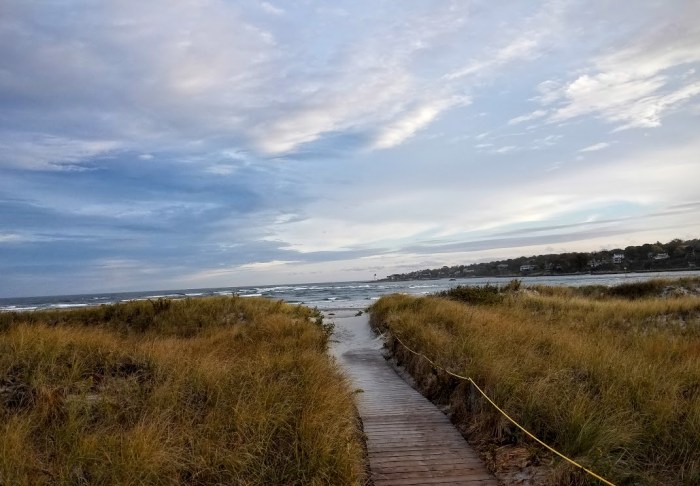
Fall ocean white caps at Wingaersheek Beach
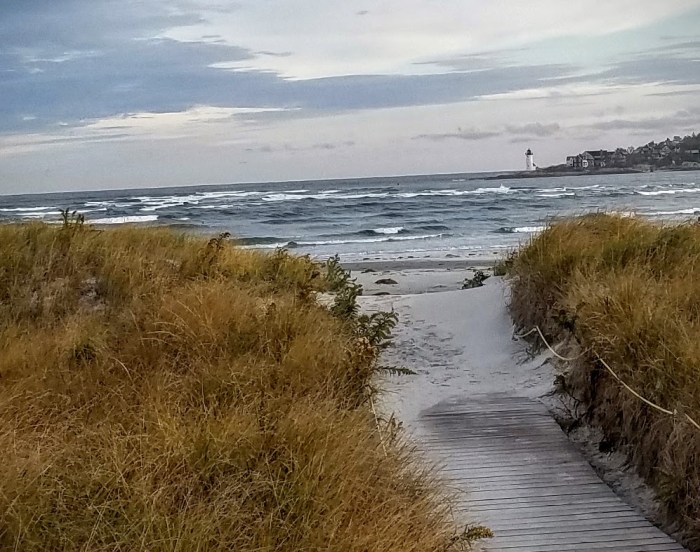
Beautiful fall morning. I like how the sand fills in the boardwalk come October
Spread The GMG Love By Sharing With These Buttons:

BONNIE BONAPARTE’S GULLS IN THE HOOD!
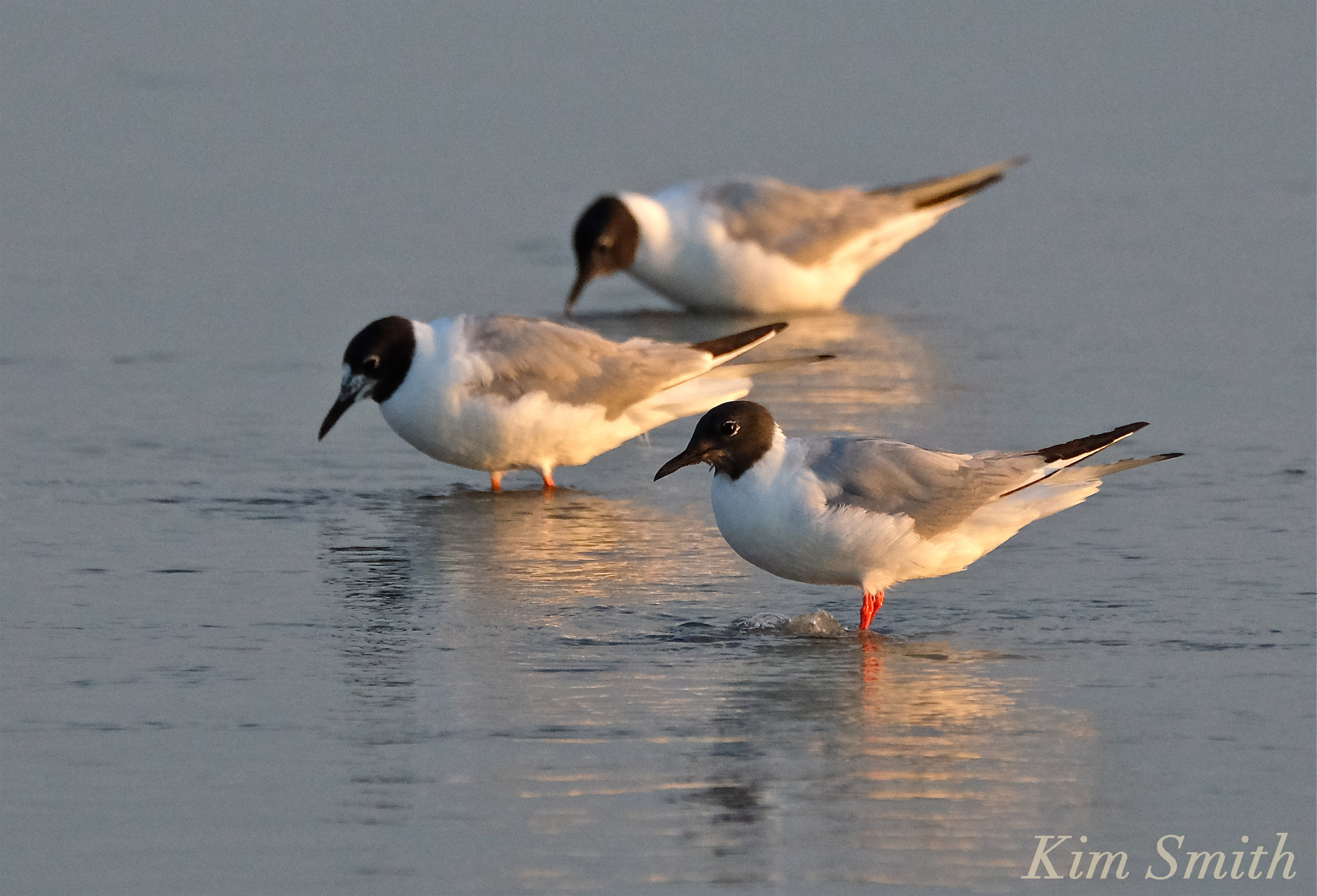 Bonaparte’s Gulls
Recently, several Laughing Gulls were spotted all around Cape Ann. Laughing Gulls are easy to confuse with Bonaparte’s Gulls, which at this time of year, also have black heads. As the breeding season winds to an end, the Bonaparte’s black head feathers give way to white, where only a smudge of an earmuff will remain. Bonaparte’s Gulls breed in the Arctic; we see them on both their northward and southward journeys and some make Massachusetts their winter home. Small flocks of Bonaparte’s Gulls can be seen at area beaches including Good Harbor Beach, Lighthouse Beach, and Wingaersheek Beach.
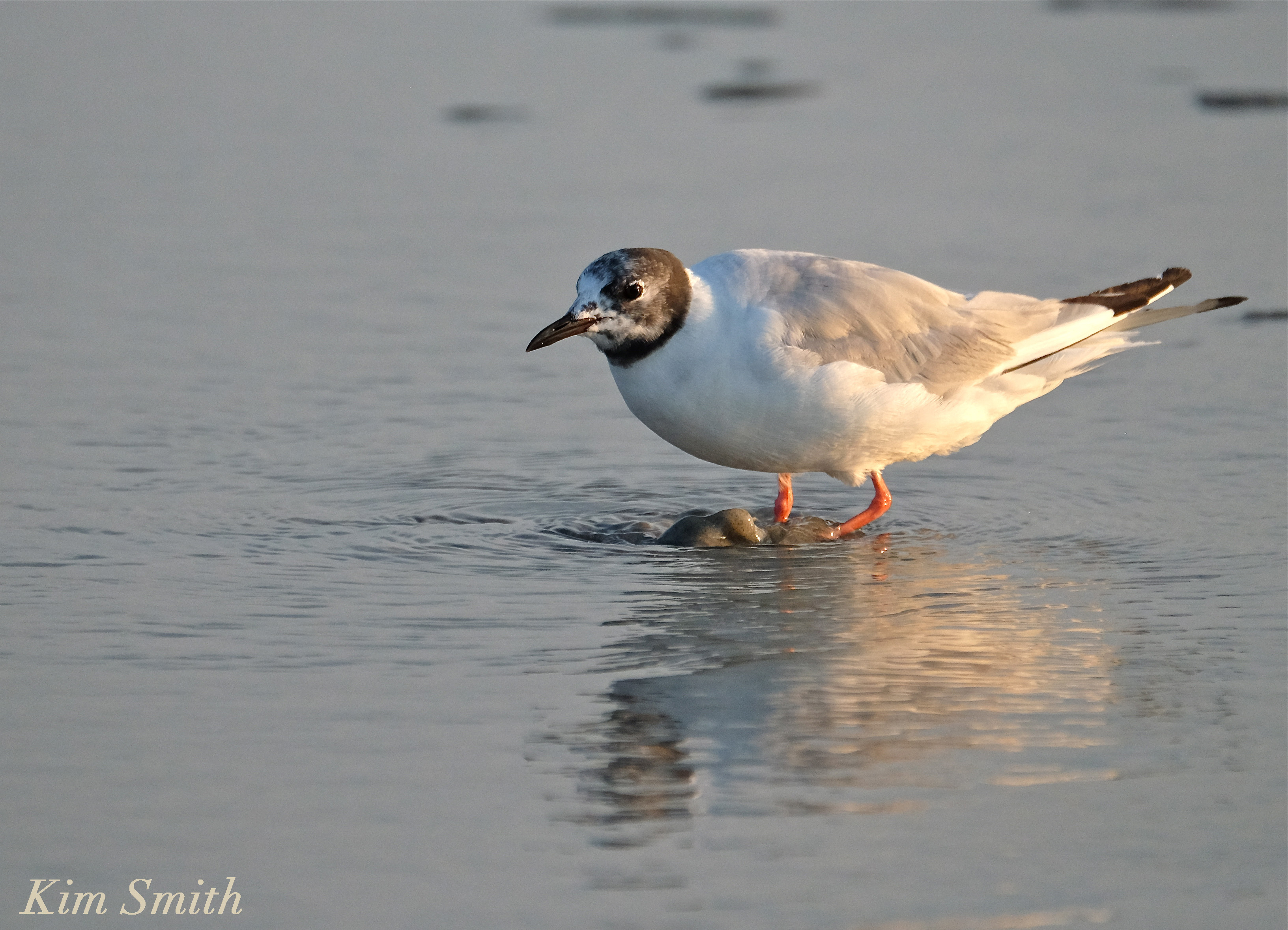
While foraging, Bonaparte’s Gulls vigorously churn the sandy bottom with their feet to stir up tiny marine creatures. Note the transitioning head feathers in the above gull.
They are feeding intently, fortifying for the migration, and often get into disagreements over feeding turf.
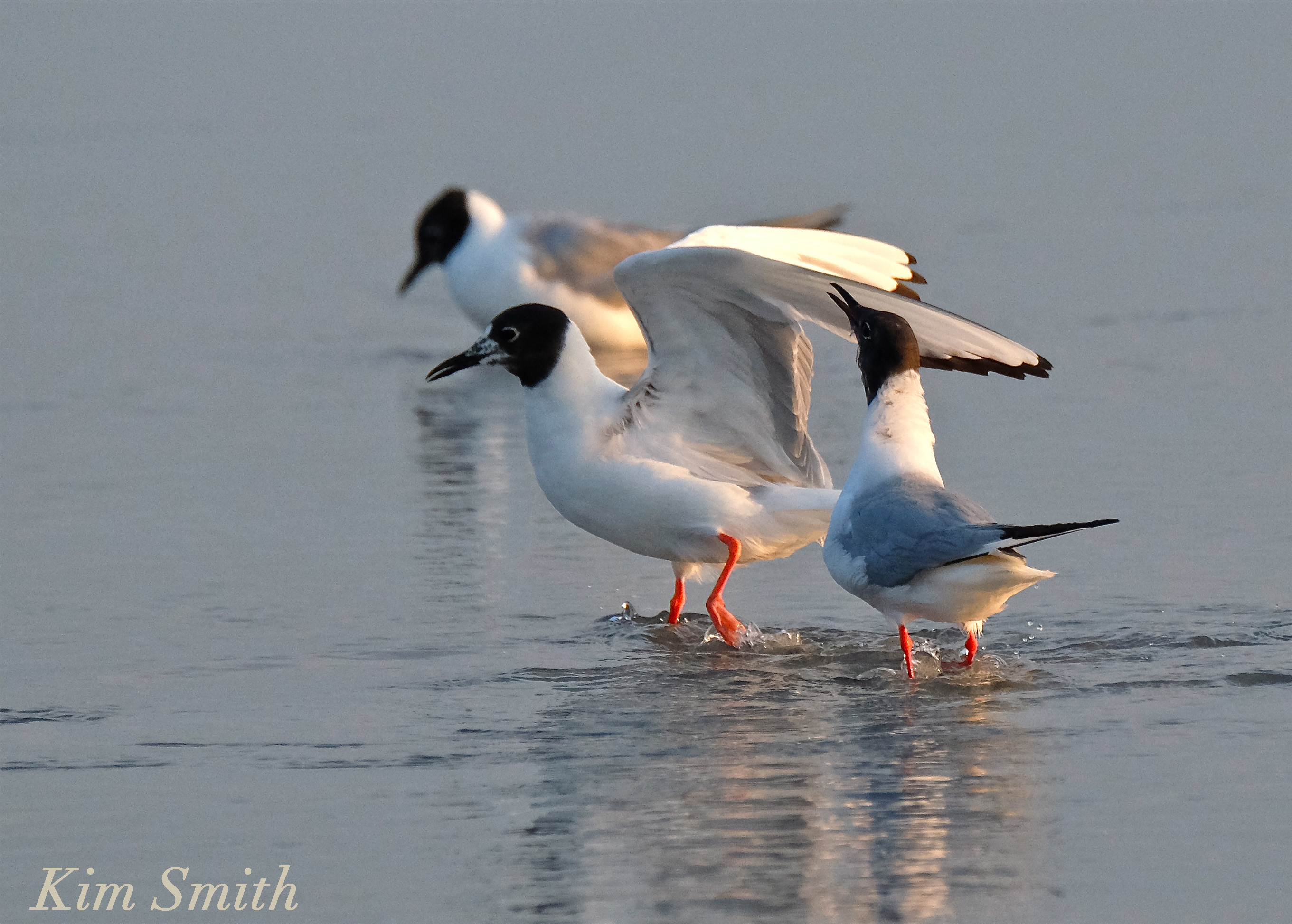 Bonaparte’s in a territory tussle
 Bonaparte’s Gulls are smaller than Laughing, Ring-billed, and Herring Gulls, about 11 to 15 inches in length
The easiest and quickest way to distinguish Laughing Gull from Bonaparte’s Gull is to look at the legs and feet. Bonaparte’s Gulls are a vivid orange, more pink later in the season. The Laughing Gull’s legs and feet are blackish-reddish.
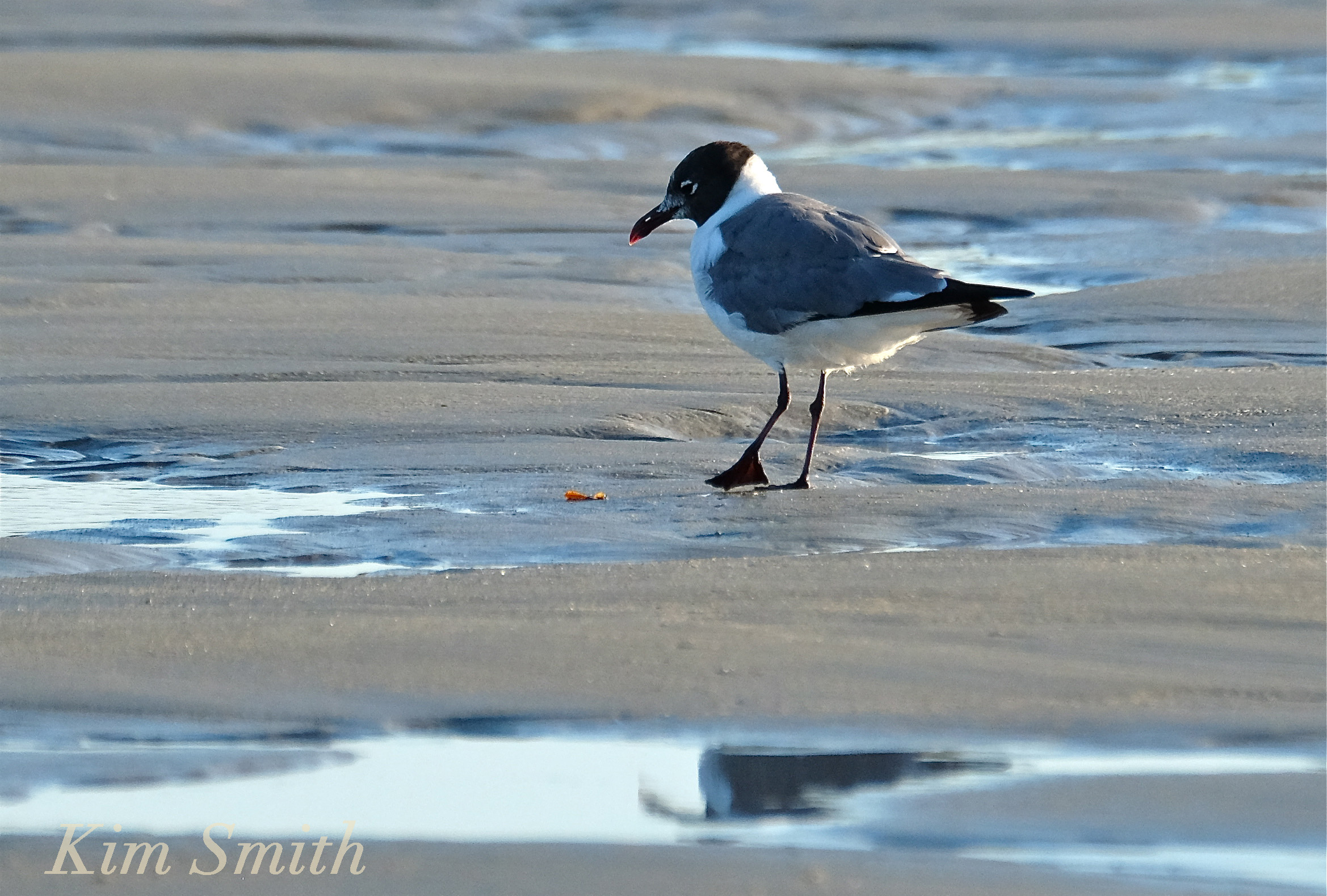 Laughing Gull, with dark feet and legs.
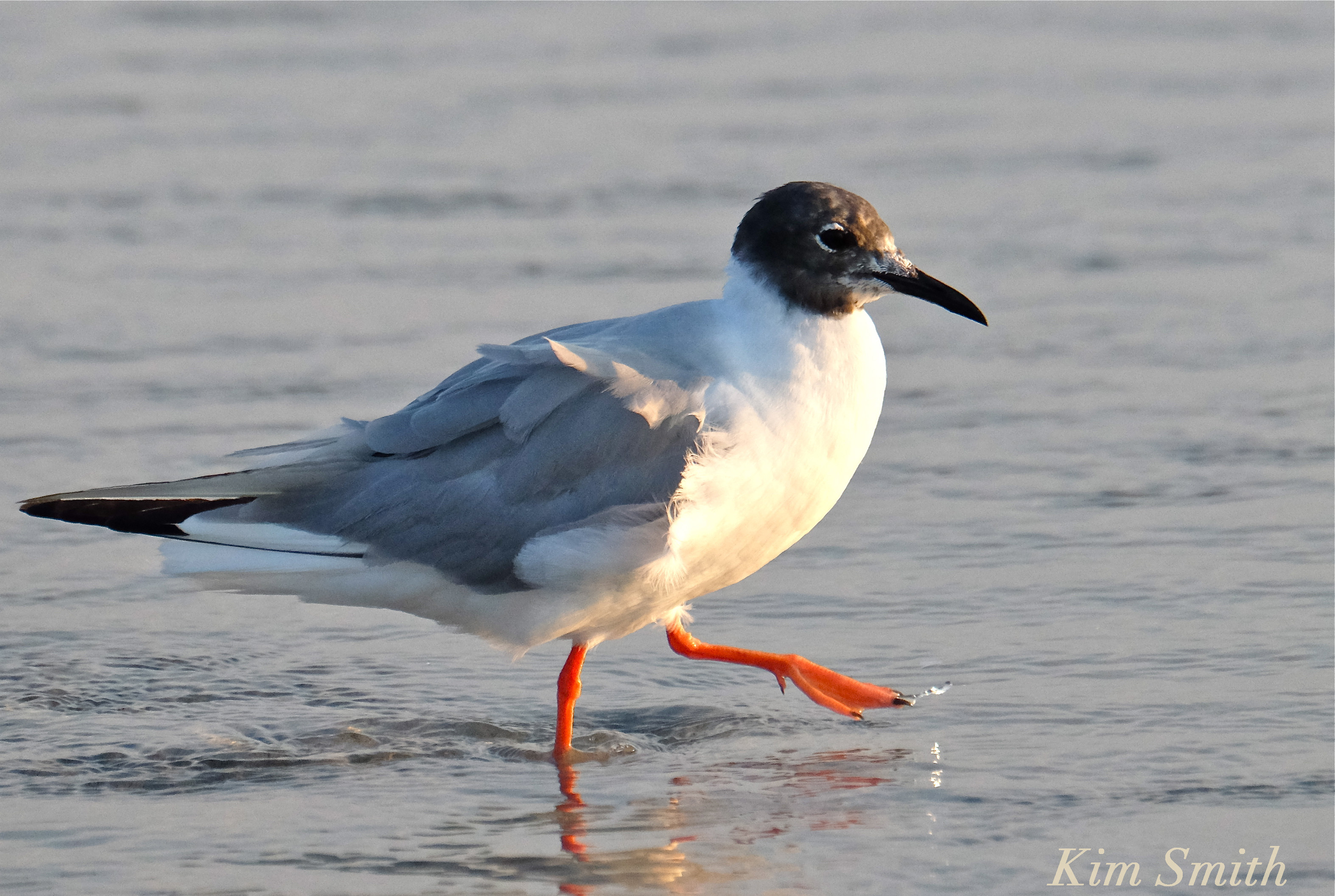
Bonaparte’s Gulls have bright orange legs and feet
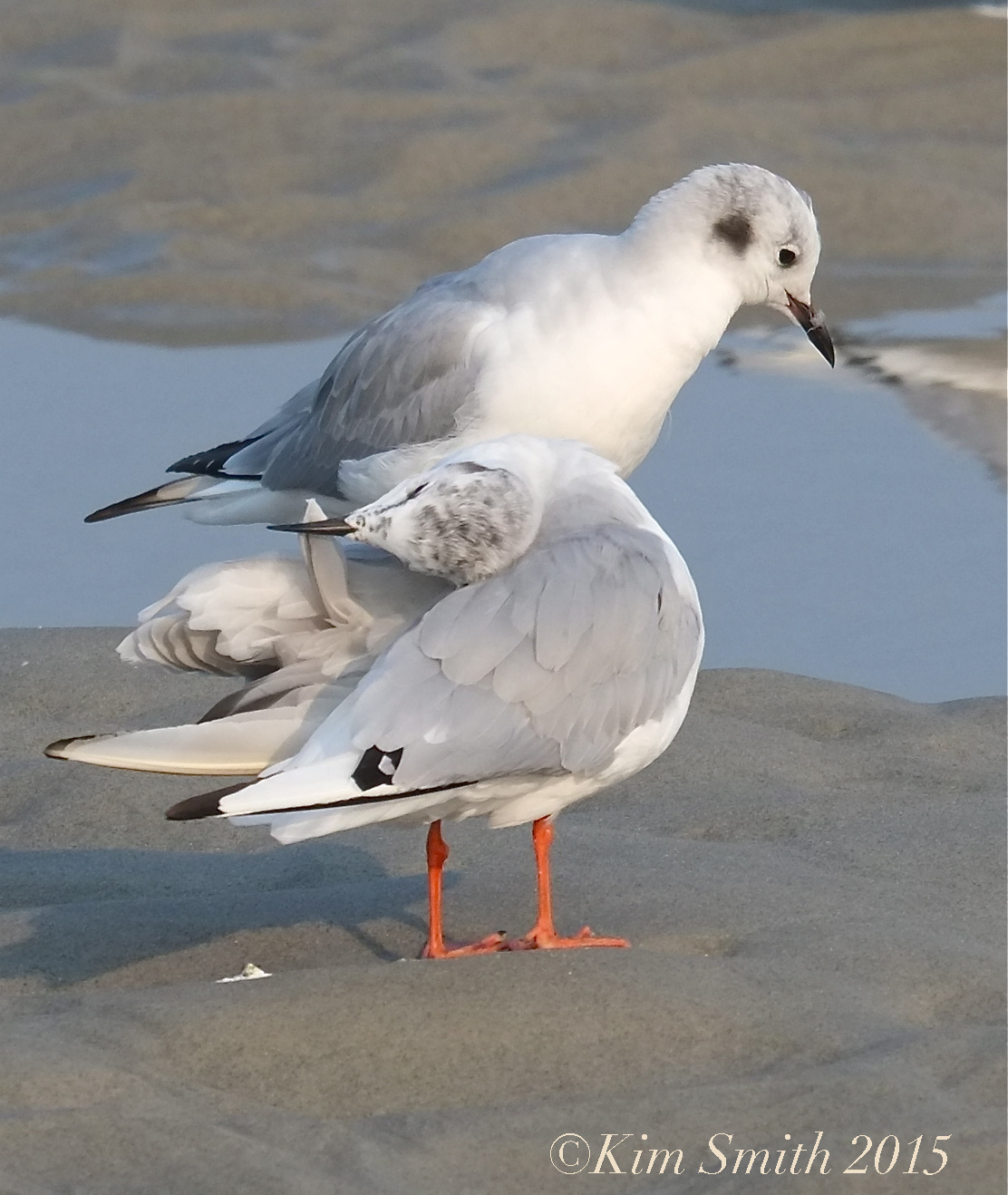 Photograph from last September; Bonaparte’s with only a hint of black head feathers remaining.
Spread The GMG Love By Sharing With These Buttons:

Are you up for the 13-2 Gloucester beaches challenge? 13 beaches. 2 jumps. 1 city. Go!


A mid-week vacation day is the easiest. Oh, and you’ll need your resident beach sticker. We prepped our car with a picnic blanket for the seat, extra towels, and ice waters. Start early and grab a big “lobsterjack” breakfast because you’ll need the fuel. End late.
Let’s establish some base rules here.
First off, you need to spend at least 15 minutes at each beach. (You can tweak this a little if you want.) Next, you need to dive under. We suggest a ritual for each beach, e.g. ‘The Five and Dive’. Finally, you have to stop for ice cream and candy. Remember, you can do these beaches (or others in Gloucester) and jumps in any order. Be flexible for unexpected delays like staying at one beach for hours, or a friend asking you to drop off a sub (*cough* Joey *cough*). Most importantly, you have to do at least 13 beaches and 2 jumps in one day. Mind the tides. Be grateful we have so many choices.
The Beaches- partial list
alphabetical order
Annisquam lighthouse. Coffin’s beach. Good Harbor beach. Long beach. Magnolia beach. Niles beach. Pavilion beach (by Beach Court). Pavilion beach bonus (by the cut). Plum Cove beach. Rocky Neck Oakes Cove beach. Stage Fort Park (1) – Cressy’s beach ( our alt. title ‘sea serpent’ big beach). Stage Fort Park (2) – Half Moon beach. Wheeler’s Point. Wingaersheek beach.
The Jumps- partial list
Annisquam bridge. Magnolia Pier.
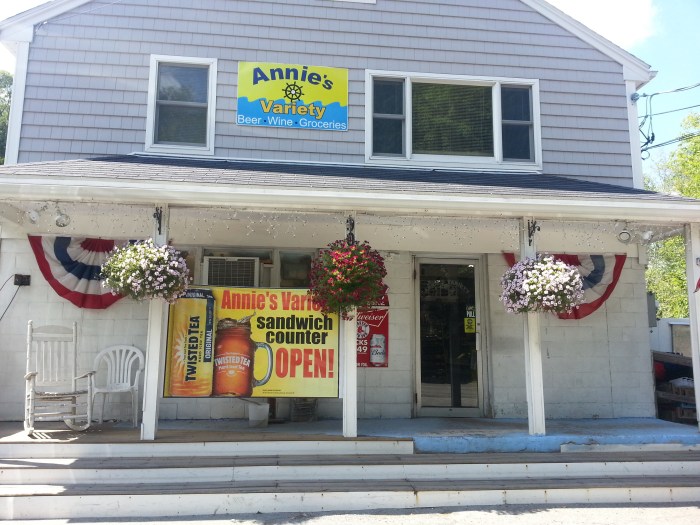
*We do this challenge at least once each summer. Yesterday we started off with breakfast at Willow’s Rest and continued from there. Our timing was random especially as we spent hours at Wingaersheek. The second meal to get us through the day came from the sandwich counter at Annie’s by Wingaersheek. Yes, they have a sandwich counter.
Gloucester Beaches sandwich directory
Spread The GMG Love By Sharing With These Buttons:

Call ahead for the best subs of summer. Gloucester beaches sandwich directory.
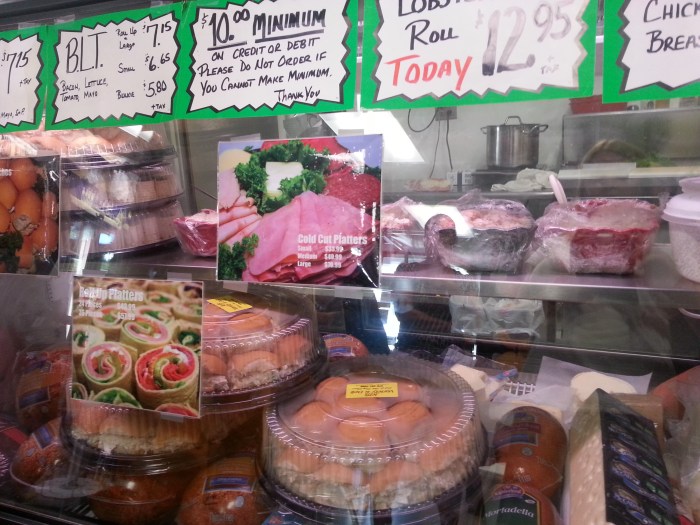
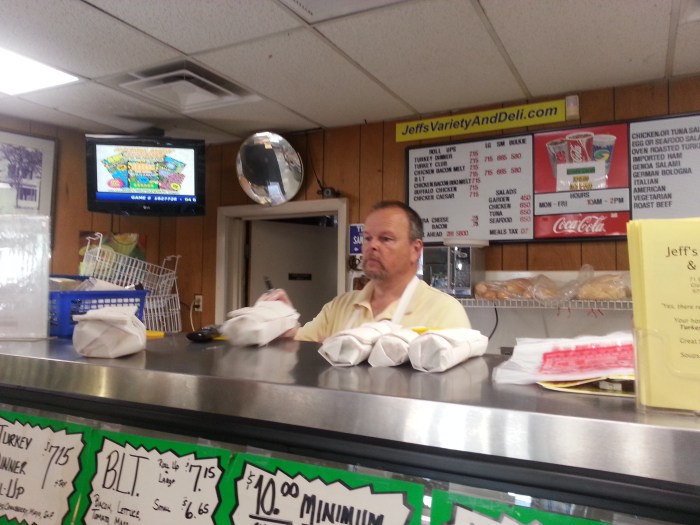
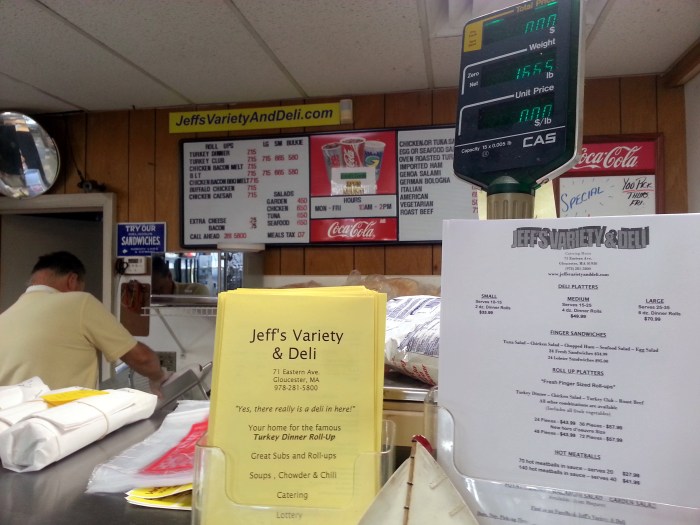
Hungry? Pack light. You’ll pass great sandwich shops, locally owned and operated, en route to Gloucester’s magnificent beaches. Jeff’s Variety can set you up for a good lunch to go wherever you’re headed including Good Harbor Beach, Long Beach, or the back shore. Jeff says that there are many repeat customers that come back each and every season–for years–on their way to Good Harbor Beach. IF you have a big group, you can order trays with finger sandwiches. Sandwich platters featuring Virgilio’s rolls need at least two days notice to prepare. They’re open Sundays. What else? “Yes!” the answer to my question if they have plenty of call ahead requests from cars caught in traffic. Passengers calling only, please!
Scroll down the post for a one-stop, sub-shopping Gloucester directory with phone numbers and links. I could add in our favorite choices from each place.
GLOUCESTER BEACHES SANDWICH DIRECTORY
*the great 2013 Good Morning Gloucester Italian sub winners
on the way to Gloucester’s GOOD HARBOR BEACH
- main concession stand at Gloucester’s Good Harbor Beach (978) 281-9785
- Snack bar window at Good Harbor Beach Inn (978) 283-1489
- *Jeff’s Variety (978)281-5800
- Surfside Subs surfside slices/ Long Beach Dairy Maid (978)281-1700
- Cape Ann Coffees (978)282-1717
- Charlie’s Place subs to go (978) 281-5002
- the elusive Happy Taco truck
on the way to Gloucester/ Rockport LONG BEACH
- *Jeff’s Variety (978) 281-5800
- Surfside Subs (aka also Surfside Slices) and Long Beach Dairy Maid
- Cape Ann Coffees (978)282-1717
- Charlie’s Place subs to go (978) 281-5002
- the elusive Happy Taco truck
on the way downtown headed in any direction to Gloucester beaches: Pavilion, Cressy, Half Moon, Niles, Good Harbor
- Cafe Sicilia (978) 283-7345 sandwiches and pizza slices
- Cave (978) 283-0896 for baguette/cheese French picnic style fare
- Cupboard (978) 281-1908
- *Destino’s Subs
- Cape Ann Farmer’s Market (Thursdays) fresh produce & baguette/cheese French picnic style fare
- *Jeff’s Variety (978) 281-5800
- Leonardo’s (978) 281-7882
- Last Stop (978) 281-2616
- Mike’s (978) 282-0777
- Morning Glory (978) 281-1851
- Poseidons (978) 290-4313
- *Sclafanis (978) 283-6622
- *Virgilios (978) 283-5295
- Yellow Sub Shop (978) 281-2217
on the way to Gloucester’s NILES BEACH
- Last Stop (978) 281-2616
- Sailor Stan’s to go (978) 281-4470
on the way to Gloucester’s PLUM COVE BEACH / ANNISQUAM/ LANESVILLE
- Captain Hooks (978) 282-4665
- Plum Cove Grind (978) 281-3377
- Willow Rest sub and/or the farmer’s market fresh produce, cheese, specialty prepared meals picnic option (978)283-2417
on the way to Gloucester’s WINGAERSHEEK BEACH
- main concession stand at Gloucester’s Wingaersheek beach (978) 281-9785
- Annie’s Variety (978) 283-2887
- Marshall’s Farm Stand (picnic route rather than sandwich counter) (978) 283-2168 (pints of fruit, munchies, loaf artisan bread, mozzarella specialty cheeses)
I haven’t forgotten Magnolia–just missing Magnolia’s House of Pizza. ON Mondays there’s Cape Ann Farmer’s market for Magnolia. “M” for Mondays, “M” for Magnolia.
Spread The GMG Love By Sharing With These Buttons:

DAYBREAK WINGAERSHEEK #gloucesterma
Just another exquisite morning on one of Gloucester’s gorgeous beaches!
https://www.instagram.com/p/BILJFLujl8K/
Spread The GMG Love By Sharing With These Buttons:

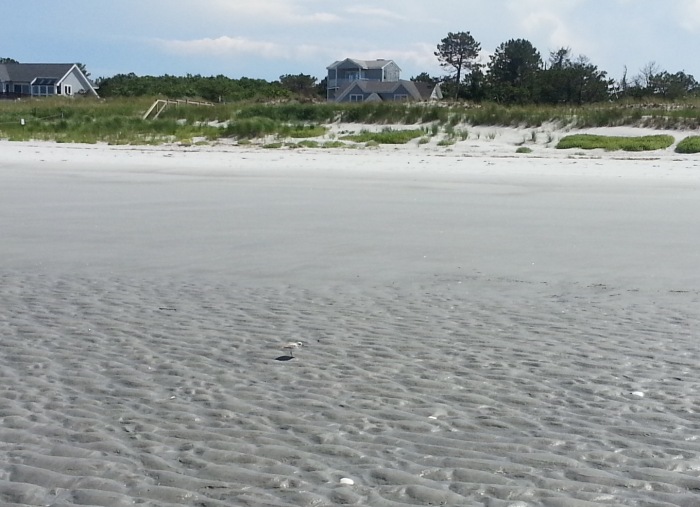
piping plovers on Coffins Beach: intertidal mile and they’re holdin’ on in Massachusetts
July 2016
Piping plovers have quite a story. In Massachusetts, the vast majority are south, Cape Cod and the islands. By the close of the 19th century, these birds were near extinction. They rebounded successfully by the 1950’s.
I spoke with Dave Rimmer of Essex County Greenbelt, Marion Larson with Ma Wildlife, Deborah Cramer and Chris Leahy. All of them have updates for GMG which I’ll add next. First,
Chris Leahy, MA Audubon, explained that a second age of precipitous piping plover decline occurred in the 1960s and 70s. What do you think it was?
Read on to find out.
Mass Audubon grabbed on and worked closely with many to solve the problem early. It turns out the population plummet correlated highly to a steep increase in vehicles driving on beaches. The baby fledglings could not climb out of wheel ruts and perished, or were squished by the next roaring set of wheels.
Not the only vehicles, but I do recall dune buggys everywhere,especially down the Cape. They were cool and celebrated in TV and film: Steve McQueen driving on Crane’s Beach (just past Coffins) in the Thomas Crown Affair, Elvis through waves, Adam 12, Monkees, Bionic Woman, Speed Buggy /Scooby Doo, the list goes on and on.
“That was big!” said Leahy. “Once that connection was figured out, the goal was how to restrict vehicles.” Massachusetts is far and away a leader in piping plover conservation and decades later a nesting pair on Good Harbor Beach is a major insight into just how well Massachusetts has done. Piping plovers have nested on Coffins Beach before; Good Harbor, Lynn and Revere are relatively new.

Photos Gloucester, Mass.:
Coffins Beach is a long, long stretch of wide open sandy seashore framed by dunes, sea and sky. Growing up, we called it the private side of Wingaersheek. I could hear piping plovers and saw two ‘in the zone’– the intertidal bit that is still wet at low tide and well under water at high tide. I didn’t see birds in the safe retreats by the upper part of the beach, but heard the melodious chirps that inspired their nickname.
Listen to the piping plover


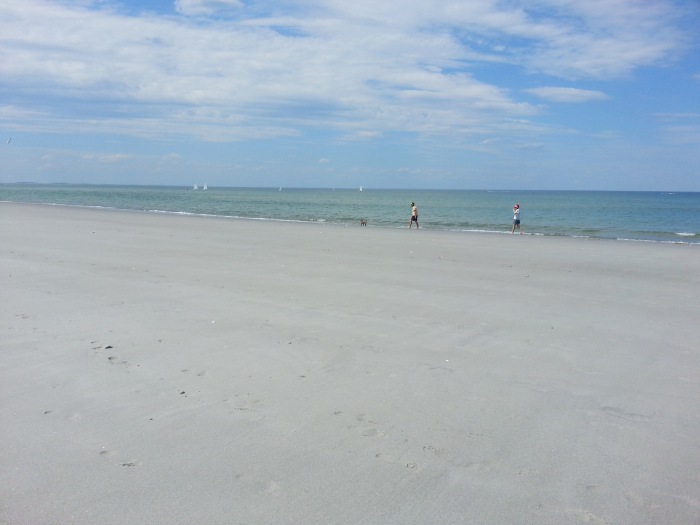
news from Greenbelt: 2016: 9 piping plover chicks on coffins beach
Spread The GMG Love By Sharing With These Buttons:

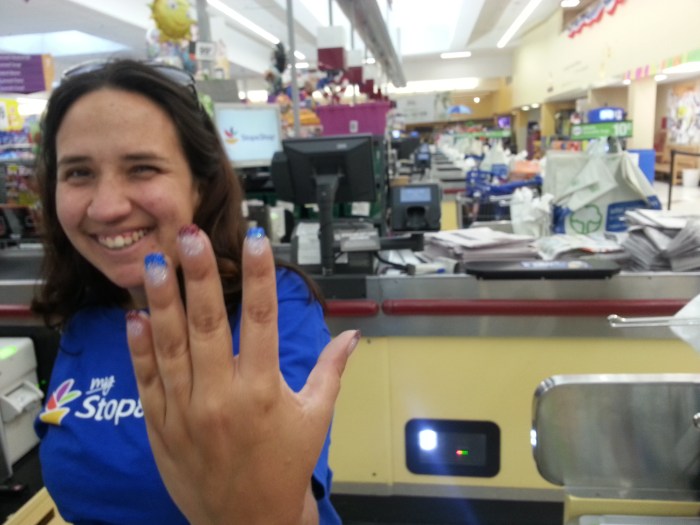
Early morning shift and almost always nice
This morning readying for July 4th.
Amanda
Spread The GMG Love By Sharing With These Buttons:

Author Deborah Cramer asks were there plentiful horseshoe crabs in Gloucester? Leads to Winslow Homer, John Bell, and Cher Ami
Deborah Cramer thanks Good Morning Gloucester for mentioning her book and asks for photographs and stories about horseshoe crabs, otherwise known as the nearly scene stealing co-stars from her inspiring book on red knots (sandpiper shorebirds), The Narrow Edge.
“I’m in the midst of a project right now trying to uncover the almost forgotten history of the whereabouts of horseshoe crabs in Gloucester. I’ve heard some fantastic stories, like one from a man who used to go down to Lobster Cove after school and find horseshoe crabs so plentiful he could fill a dory. Do you think there’s a value to putting up a few pictures on GMG and asking people to send in their recollections of beaches, coves where they used to see them in abundance?”
We do. Please send in photos or stories if you have them about horseshoe crabs in Gloucester or the North Shore for Deborah Cramer’s project. Write in comments below and/or email cryan225@gmail.com
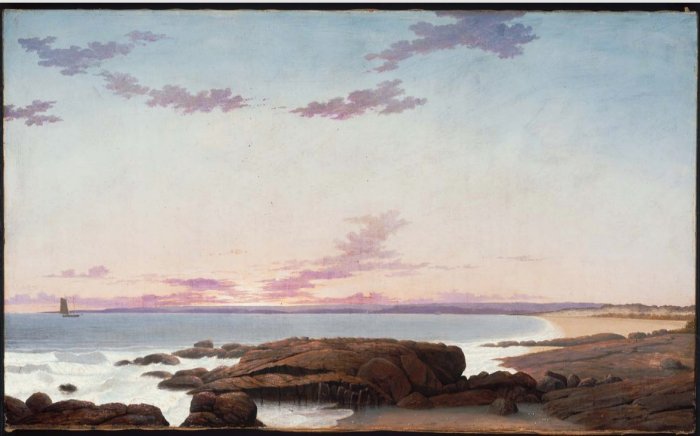
Here’s one data point. Look closely at this 1869 Winslow Homer painting. Can you spot the horseshoe crabs? Can you identify the rocks and beach?


While reading The Narrow Edge, and looking at Kim Smith’s Piping Plover photographs, I thought about Raid on a Sand Swallow Colony (How Many Eggs?) 1873 by Homer and how some things change while much remains the same.When my sons were little, they were thrilled with the first 1/3 or so of Swiss Family Robinson. As taken as they were with the family’s ingenuity, adventure, and tree house–they recoiled as page after page described a gorgeous new bird, promptly shot. They wouldn’t go for disturbing eggs in a wild habitat. The title ascribed to this Homer, perhaps the eager query from the clambering youngest boy, feels timeless. Was the boys’ precarious gathering sport, study, or food? What was common practice with swallows’ eggs in the 1860s and 70s? Homer’s birds are diminutive and active, but imprecise. Homer sometimes combined place, figures, subject and themes. One thing is clear: the composition, line and shadow are primed and effective for an engraving.

Harper’s Weekly published the image on June 13, 1875. Artists often drew directly on the edge grain of boxwood and a master engraver (Lagrade in this case) removed the wood from pencil and wash lines.
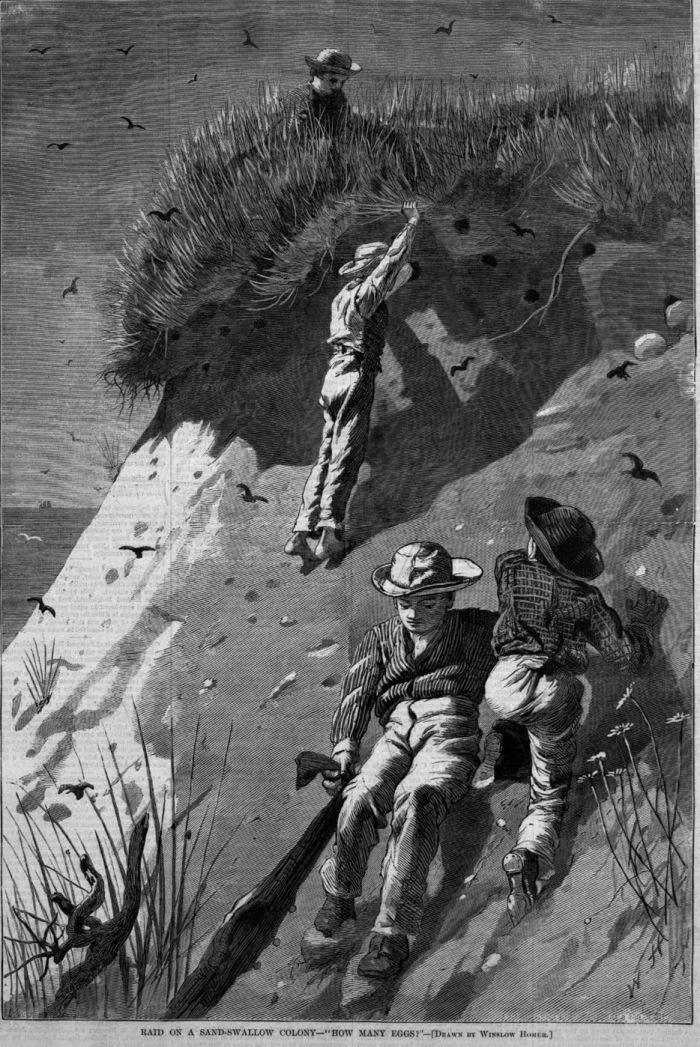
2016. Wingaersheek dunes and nests 140+ years later.


Spread The GMG Love By Sharing With These Buttons:

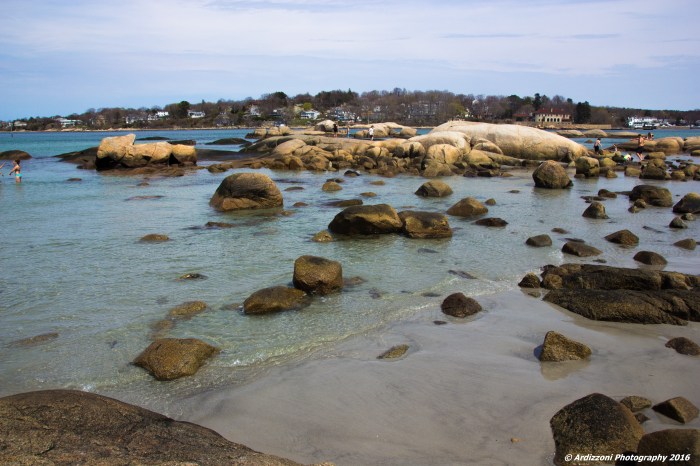
Wingaersheek Beach on a warm day
Spread The GMG Love By Sharing With These Buttons:

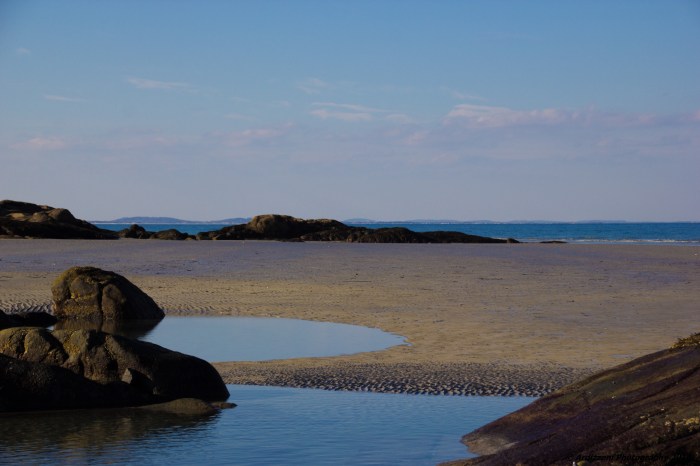
A beautiful day at Wingaersheek Beach
Spread The GMG Love By Sharing With These Buttons:

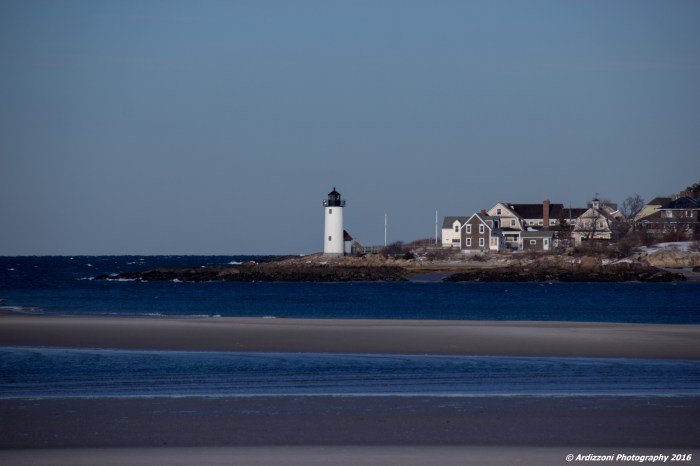
Annisquam Lighthouse from Wingaersheek Beach
Spread The GMG Love By Sharing With These Buttons:

GOLDEN TWILIGHT ON THE ANNISQUAM
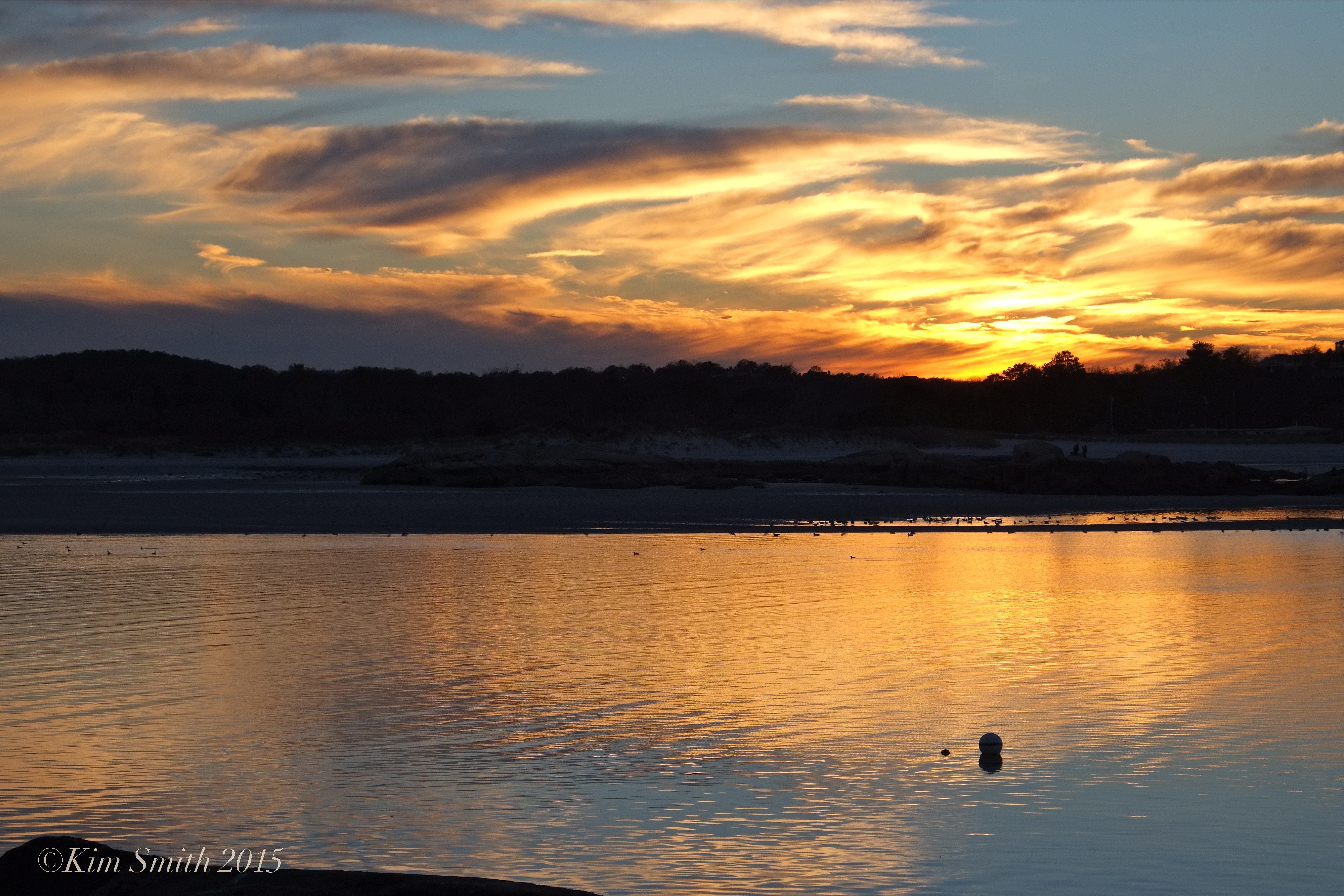
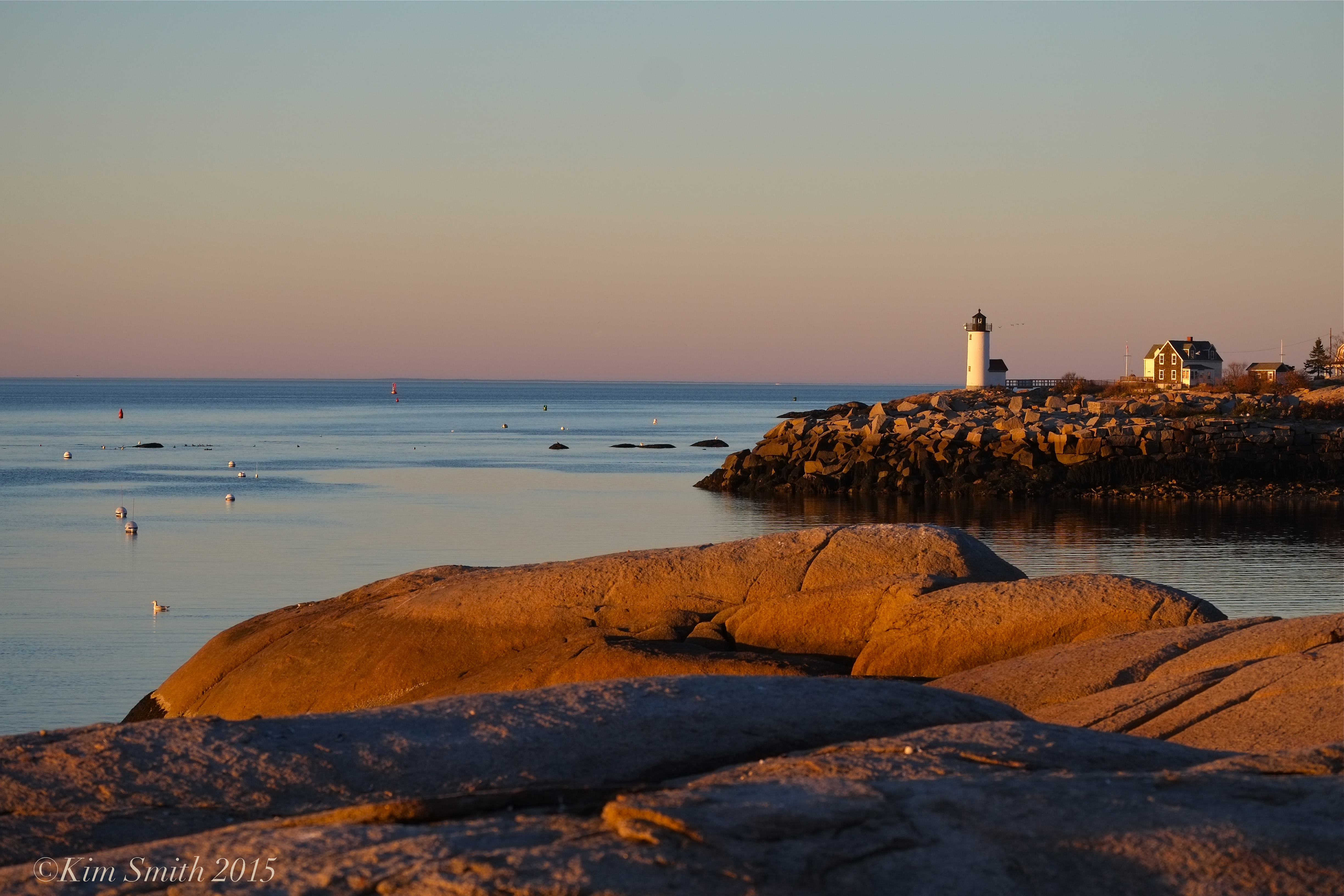 What a treat, these last lingering days of Indian Summer! I am trying to get out of doors as much as possible to enjoy the fleeting amber-gold moments. The photos below were taken standing at the mouth of the Annisquam, looking towards Wingaersheek Beach.


Spread The GMG Love By Sharing With These Buttons:

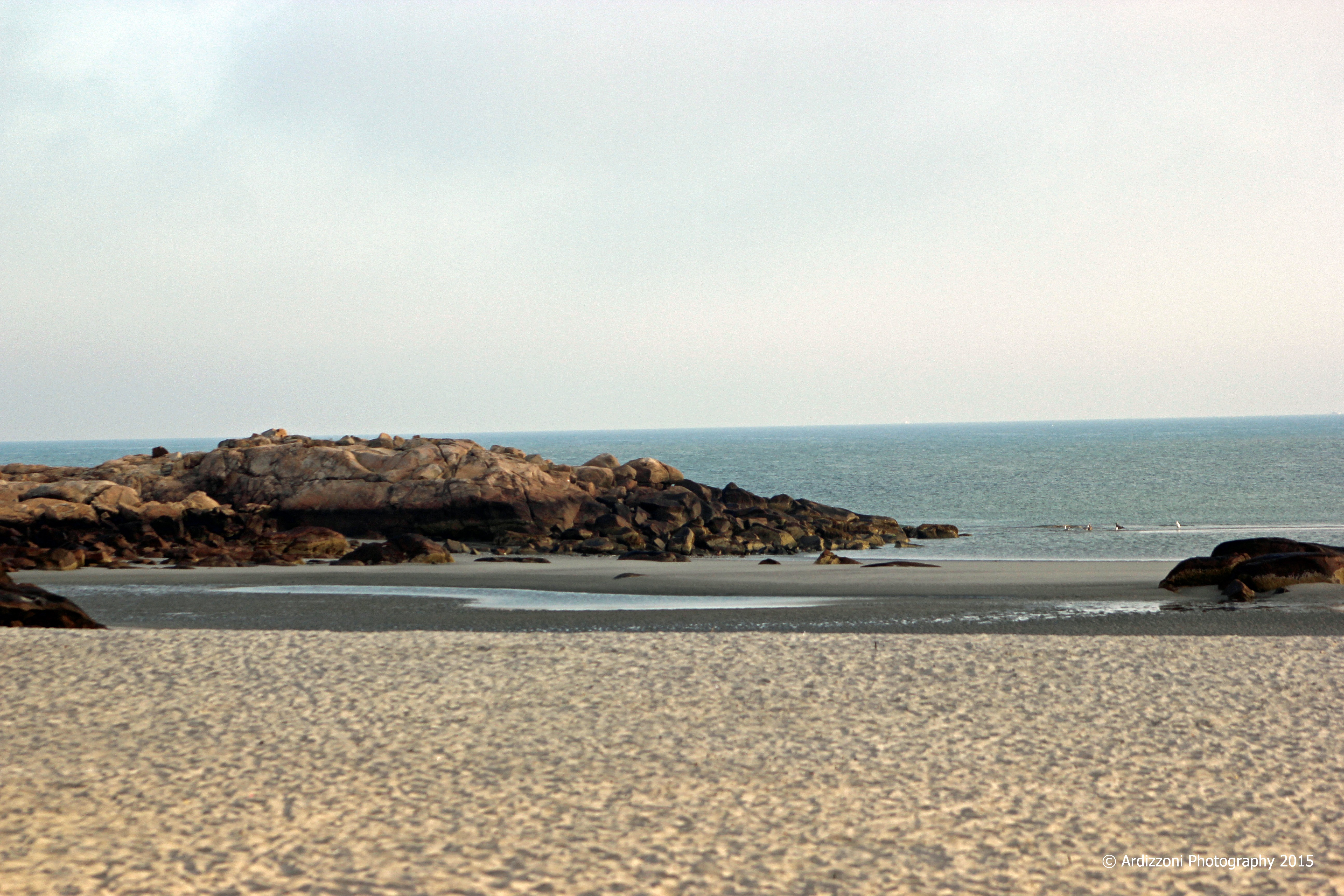
Early morning Wingaersheek Beach
Spread The GMG Love By Sharing With These Buttons:

BON VOYAGE BONNIE BONAPARTE’S
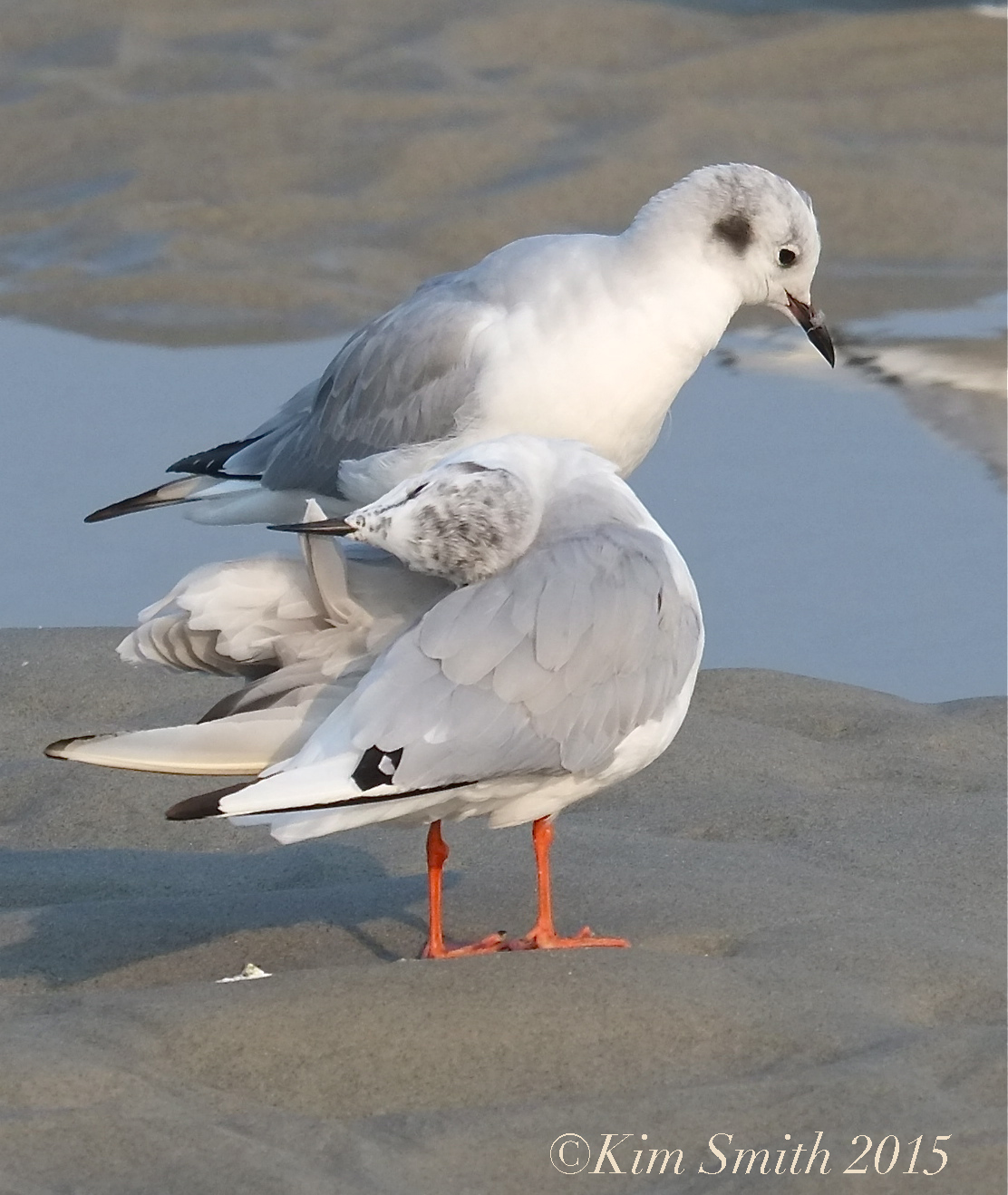
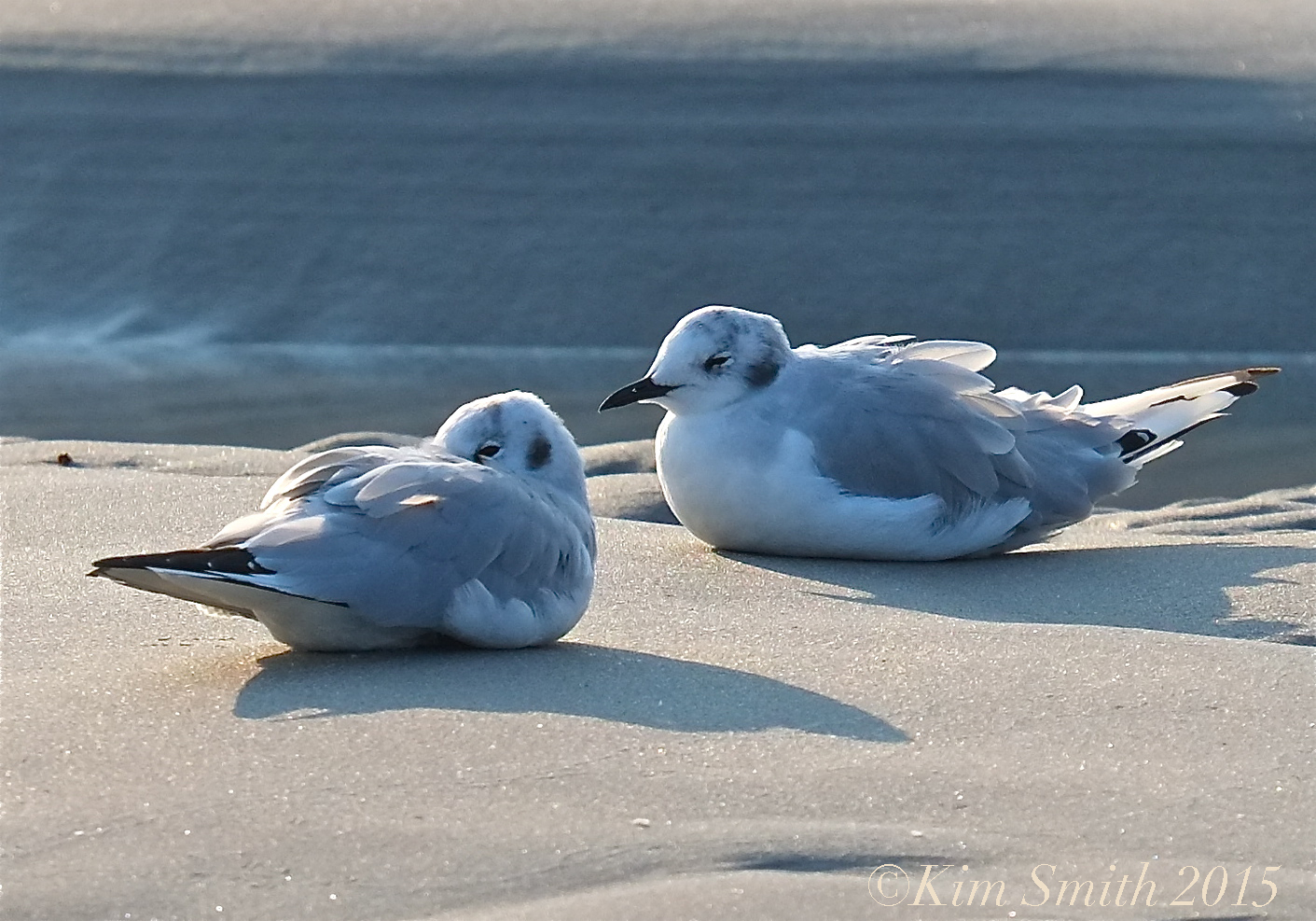 Perhaps the last batch of photo as I haven’t observed any Bonaparte’s Gulls for several days. What a treat to have these beautiful creatures grace our shores!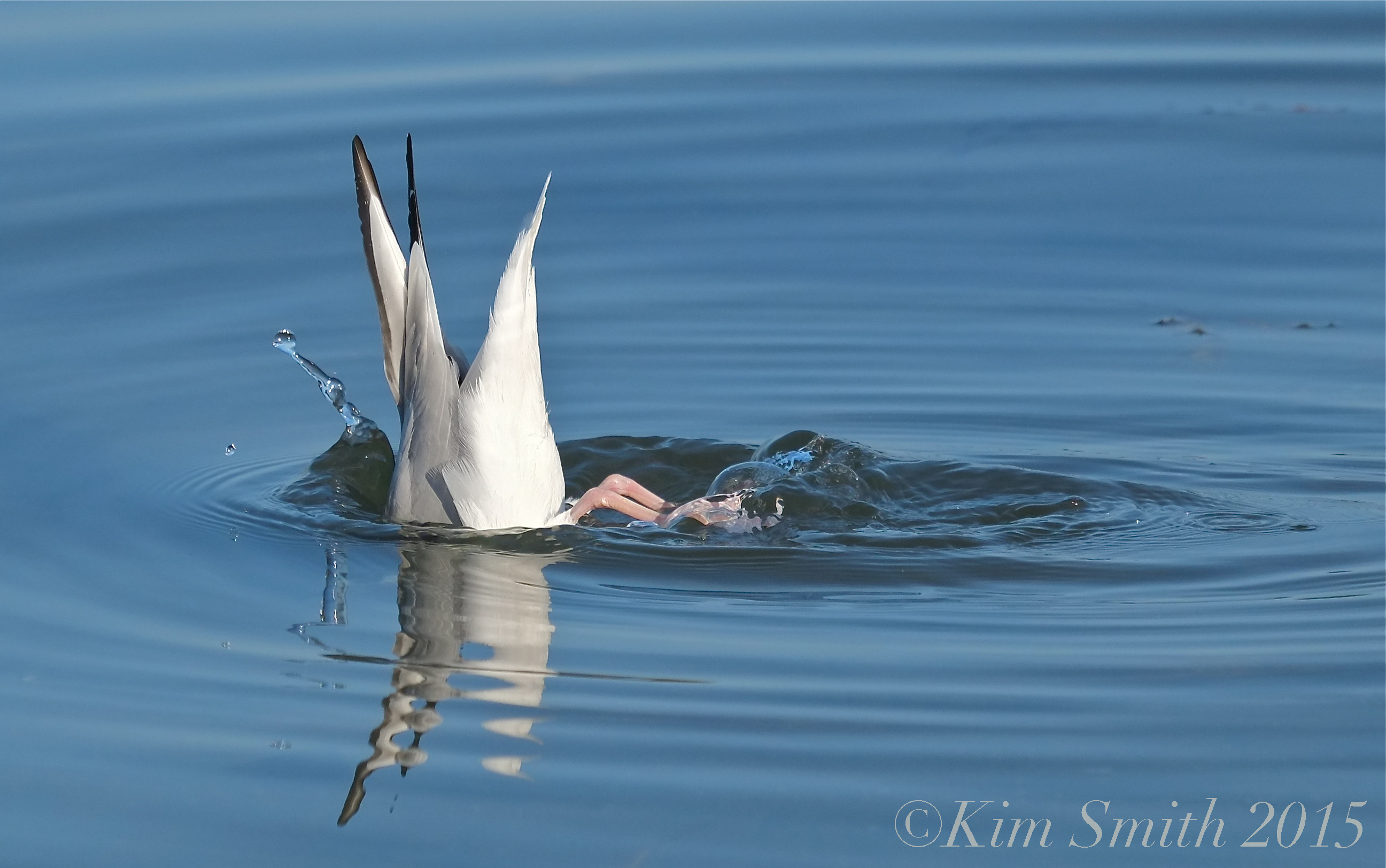
Spread The GMG Love By Sharing With These Buttons:

High and Dry
You can keep on pulling on that anchor line, but I’m quite certain the boat isn’t going to budge.
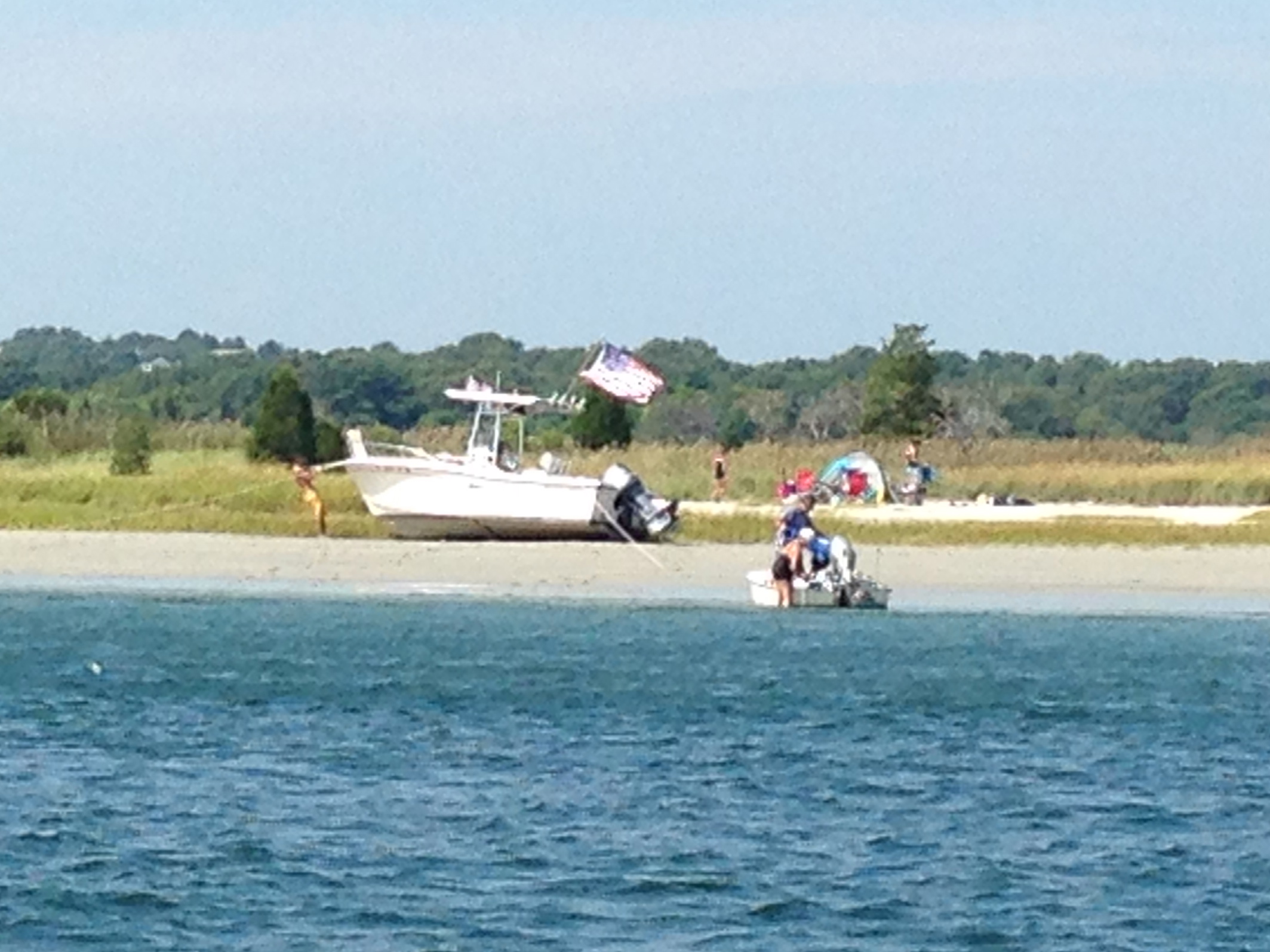
There are worse places in the world to be stuck than the back side of Wingaersheek….and I’m fairly certain this guy knew that too. He got that sucker WAAAY up there. Assuming it was on purpose, he gets a 10 on a scale of 1 to 10 How to Make Summer Weekends Last into September. If it wasn’t on purpose, well, he still gets a 10….but, on a scale of 1 to 10 How Much Do You Agree That Boaters Should Need Licenses to Operate a Vessel.
It ins’t over yet, Peeps!


