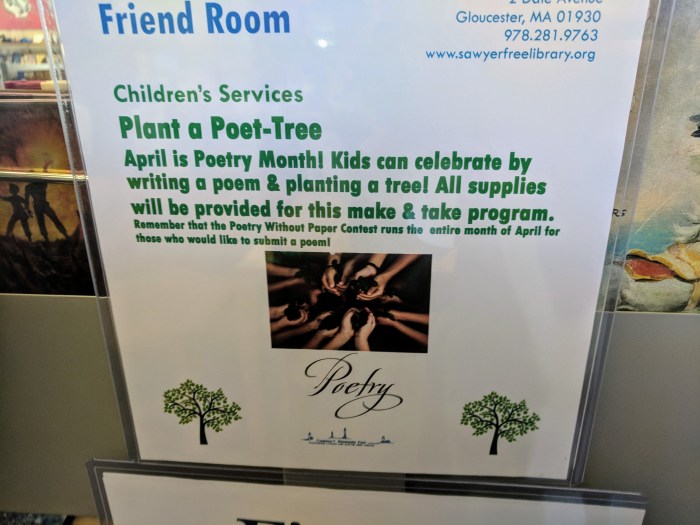
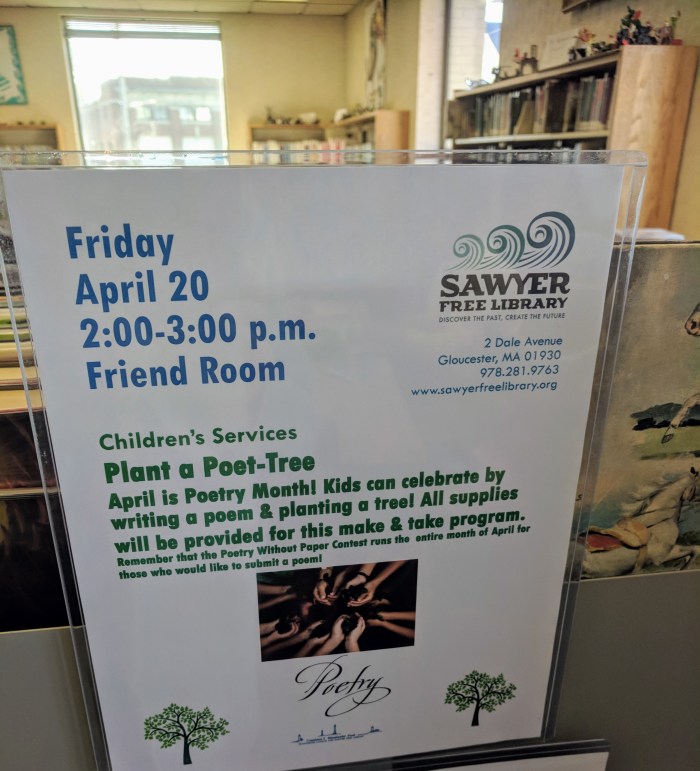
“April is National Poetry Month! Kids can celebrate by writing a poem & planting a tree! All supplies will be provided for this make & take program on April 20, 2018 from 2-3pm”
Always busy, busy fun programming through children’s services at Sawyer Free Library
Spread The GMG Love By Sharing With These Buttons:
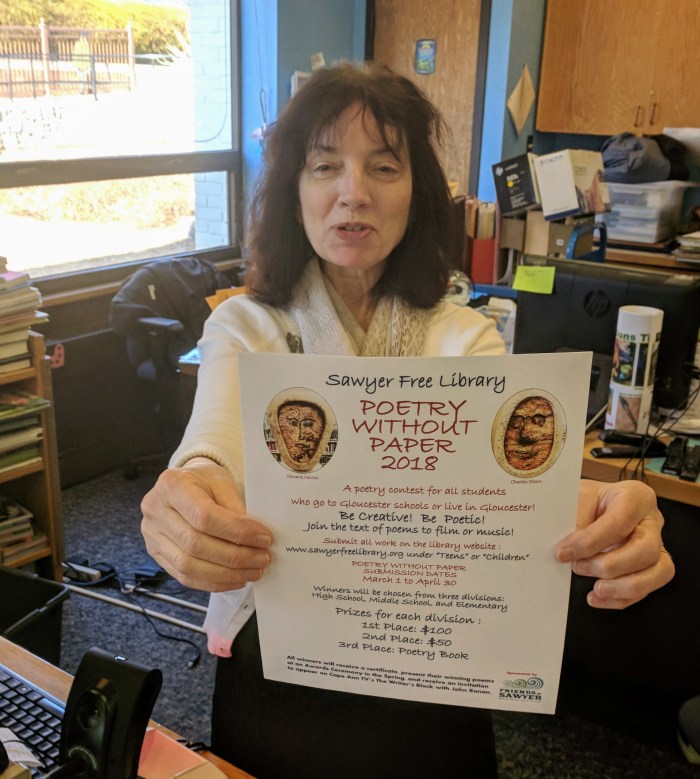
Now in its 16th year (!) Sawyer Free’s annual poetry contest for all students who go to Gloucester schools or live in Gloucester is LIVE. Participants can submit up to 3 poems through April 30, 2018. Some of the previous winning poems are published on the library web site. 201520162017
Former Gloucester Poet Laureate, host of The Writers Block, and co-founder with Christy Russo of the dynamite Poetry without Paper contest, John Ronan, included this reminder plug along with his January column and poem in the Gloucester Daily Times:
“Students! Families! Grandparents, aunts and uncles! The annual Poetry Without Paper contest, sponsored by the Sawyer Free Library, will again open from March 1 to April 30. All students living in or attending school in Gloucester are eligible, from elementary to high school. This is the 16th year of the contest and hundreds of students participate each season, winners claiming prizes, a public reading, and a chance to be on TV. Spread the word! Watch for details at: www.sawyerfreelibrary.org.”
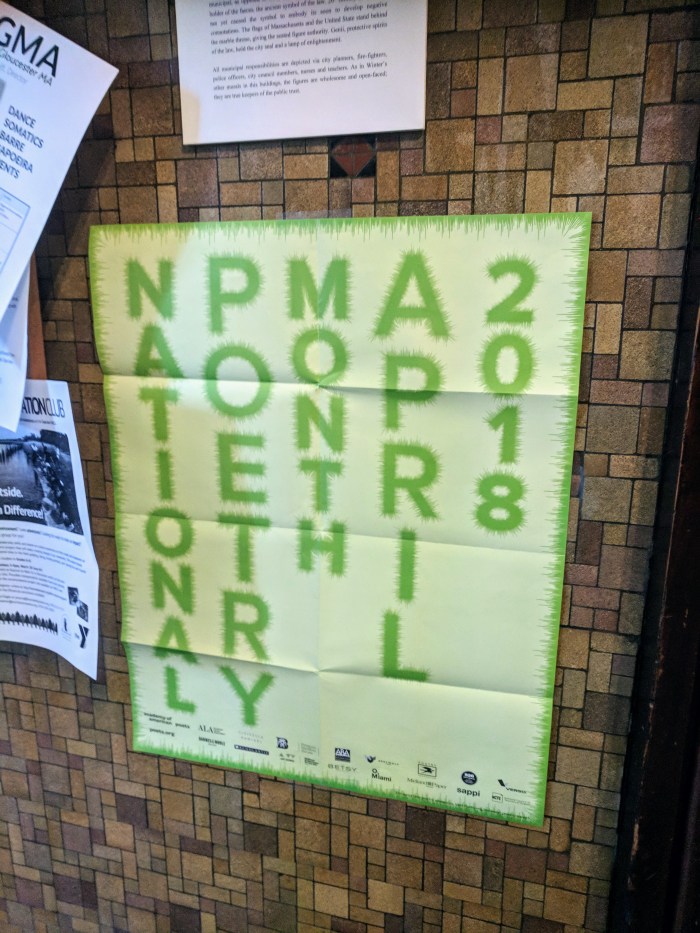
Mayor Romeo Theken broadcasts and celebrates National Poetry Month every April, Poetry without Paper, and Poem in Your Pocket Day which is April 26 in 2018. #pocketpoem
Mayor Romeo Theken National Poetry Month 2018 poster at City Hall, Gloucester, Mass
O’Maley Innovation Middle School has it posted in several spots and it’s been included in newsletters since the contest opened. Good luck to all the writers!
Spread The GMG Love By Sharing With These Buttons:
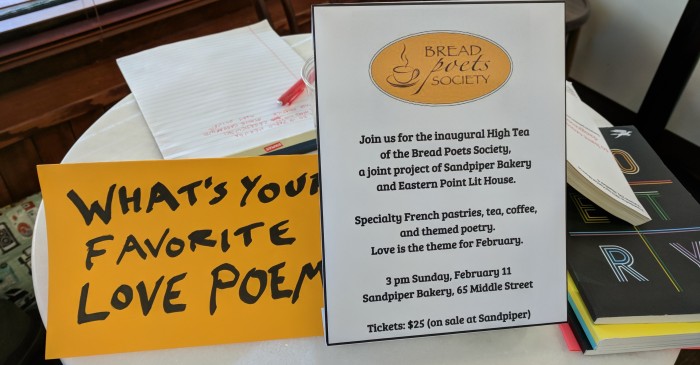
Naturally Love is the theme for February, the first month for Bread Poets Society Monthly Poetry and High Tea gatherings @SandpiperBakery by Eastern Point Lit House. Philip Storey set up shop last week to spread the word.
February 2018 – What’s Your Favorite Love Poem? Lit House Philip Storey will lead. Specialty French pastries, tea, coffee and themed poetry. 3pm Sunday, February 11, 2018. Sandpiper Bakery, 65 Middle Street, Gloucester, MA. $25
Spread The GMG Love By Sharing With These Buttons:
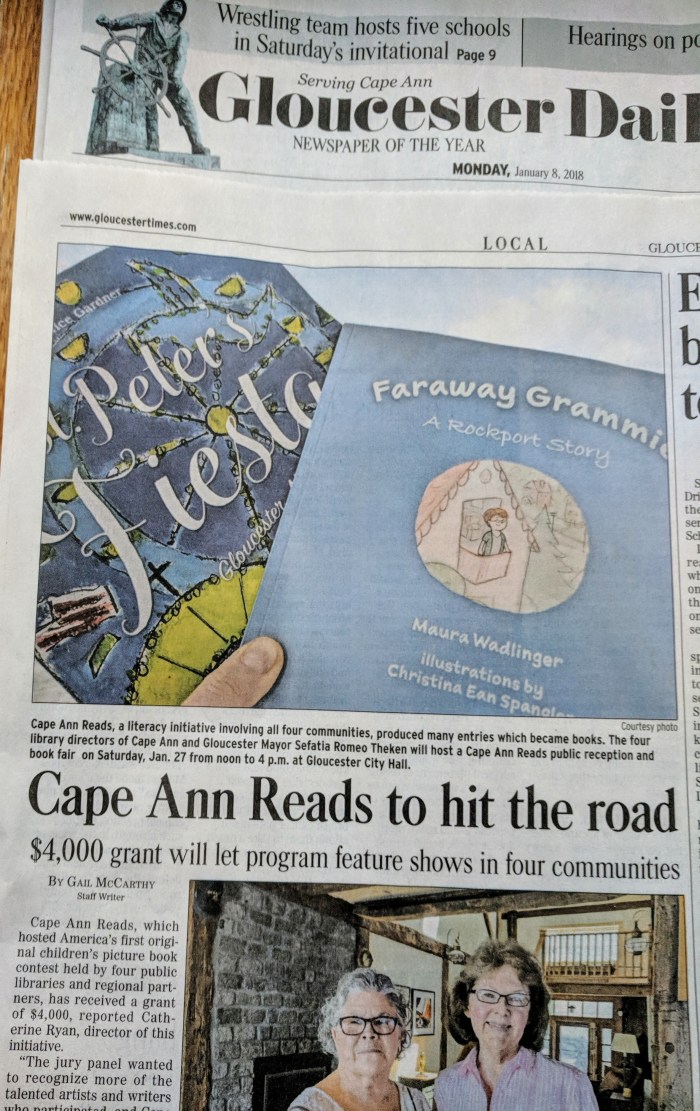
This month: come to Gloucester’s City Hall on January 27 for a Cape Ann Reads celebration. Explore early drafts & drawings as well as published children’s picture art and books–all by Cape Ann artists and writers. The Book Store of Gloucester will have a satellite book shop devoted to published picture books right on site.
Spread The GMG Love By Sharing With These Buttons:
Several European museum shows in 2018 contain examples or are devoted to American 20th century artists and modernism like the ones curated for the Ashmolean Museum at Oxford, the Royal Academy, Tate Modern and British Museum.
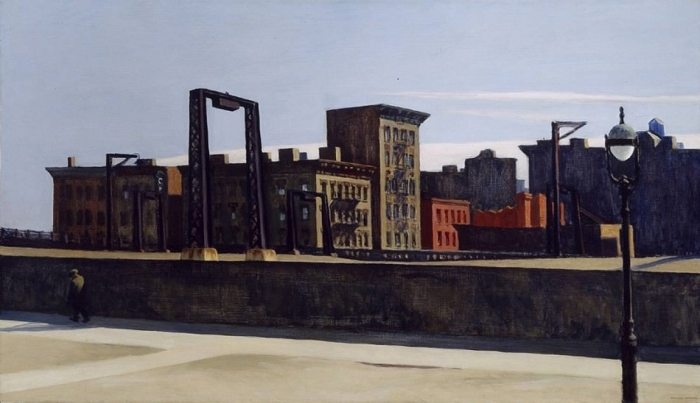
Massachusetts loans boast the Edward Hopper painting Manhattan Bridge Loop from the Addison Gallery of Art collection, Phillips Academy, Andover, selected for America’s Cool Modernismat Oxford. Three Hopper etchings (The Cat Boat, Night Shadows, and The Railroad) are on the checklist. Hopper depicted Gloucester in over 110 works of art. Besides Hopper, notable artists and writer with various Gloucester connections selected are: Stuart Davis, Marsden Hartley, e e cummings, and Louis Lozowick.
Forgot the cry of gulls and the deep sea swell
Upcoming at Turner Contemporary –“Journeys with ‘The Waste Land’ a major exhibition (Sat 3 Feb – Mon 7 May 2018) considering Eliot’s watershed poem through visal arts, and Margate. I hope they turn to Gloucester and Cape Ann, unspoken in the final poem yet approachable (and specified in excised iterations). From the museum’s press release:
“Presenting artworks from the 19th century to the present, including film, photography and artefacts, the exhibition explores how contemporary and historical art can enable us to reflect on the T. S. Eliot poem, The Waste Land, and its shifting flow of diverse voices, references, characters and places.
If Not, Not (1975-6), R.B. Kitaj, National Galleries of Scotland
In 1921, T.S. Eliot spent a few weeks in Margate at a crucial moment in his career. He arrived in a fragile state, physically and mentally, and worked on The Waste Land. The poem was published the following year, and proved to be a pivotal and influential modernist work. Building on Turner Contemporary’s extensive experience in participation and engagement, the exhibition is being co-curated with a research group of 30 volunteers from the community, supported by the programme team at Turner Contemporary and external curator Professor Mike Tooby. Journeys with ‘The Waste Land’ is being funded by the Paul Mellon Centre for Studies in British Art and the John Ellerman Foundation.”
Spread The GMG Love By Sharing With These Buttons:
Here are a few brief (less than 30 seconds each) sound snippets from the 2018 City of Gloucester Inauguration Celebration including Gordon Baird (God Bless America), Alexandra Grace, Josh Cominelli (National Anthem, You’ve Got A Friend), Fly Amero, John Ronan recitation (poem We, Helmsmen), Charlee Bianchini & Jack Tomaiolo (Don’t Stop Thinking About Tomorrow). To see great photos and portraits of the day, see Kim Smith’s post Inspiring City of Gloucester Inauguration Ceremony 2018. To see the printed program and the Mayor’s full remarks, visit the city website: http://gloucester-ma.gov/index.aspx?nid=956. I’ll add Cape Ann TV video link if/when it’s ready. Ray Lamont’s excellent coverage in the Gloucester Daily TimesTaking the Oath of Office
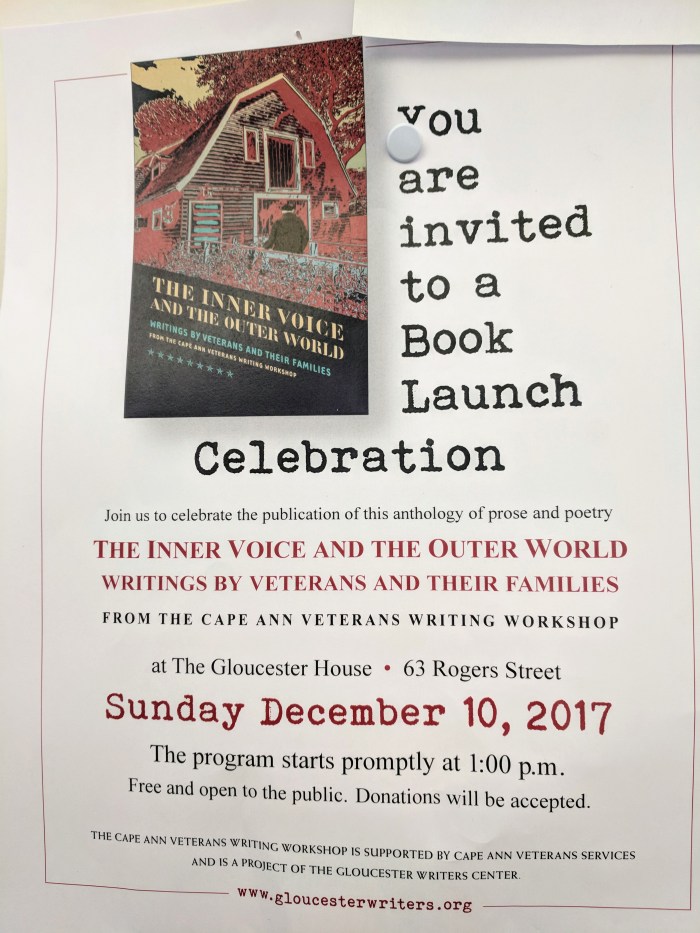
Book launch for THE INNER VOICE AND THE OUTER WORLD: writings by veterans and their families from the Cape Ann Veterans Writers Workshop, a Gloucester Writers Center project, supported by Cape Ann Veterans Services (also stunning outreach and programming)
Spread The GMG Love By Sharing With These Buttons:
Sharing press release from Mary Ellen Lepionka and Bill Remsen followed by a selection of visual arts, maps, and writing spotlighting Dogtown (1633-1961) by Catherine Ryan.
Nov 29th, 7PM, Public Meeting
Come to a special public presentation November 29th in Kyrouz Auditorium in Gloucester City Hall, 9 Dale Avenue, at 7pm.
Week of Nov 13
“During the week of November 13 a team of archaeologists from the Public Archaeology Laboratory (PAL) in Providence will be conducting fieldwork in Dogtown. They will begin mapping and describing an area to be nominated to the National Register of Historic Places, a National Park Service program to honor historically significant buildings and landscapes.
What do you think?
“Presenters at City Hall on Nov 29th will include Betsy Friedberg from the Massachusetts Historical Commission, who will explain how the National Register program works and what it does and does not do, and Kristen Heitert from the PAL, who will present an initial plan for defining the boundaries of Dogtown as a National Register District. People attending the meeting will be asked to respond to that plan and to express their views about what makes Dogtown special. What should be the boundaries of the proposed National Register District, and what cultural features should be included in it? What would be the benefits of National Register status, and are there any drawbacks?
Who all is involved?
“The Dogtown archaeological survey is funded through a matching grant from the Massachusetts Historical Commission and the Dusky Foundation and is financed by the City of Gloucester. The Gloucester Historical Commission applied for the grant and is coordinating the project in collaboration with the Rockport Historical Commission. The PAL team will also have the assistance of members of the Dogtown Advisory Committee, the Rockport Rights of Way Committee, the Cape Ann Trail Stewards, and the Friends of Dogtown.”
– Dogtown is eligible for the National Register. Will Gloucester earn another major district designation? Above excerpts from the press release for the Nov 29th event shared by Bill Remsen, local project coordinator, and Mary Ellen Lepionka, co-chair Gloucester Historical Commission, and some Dogtown maps and memorabilia 1633-1961
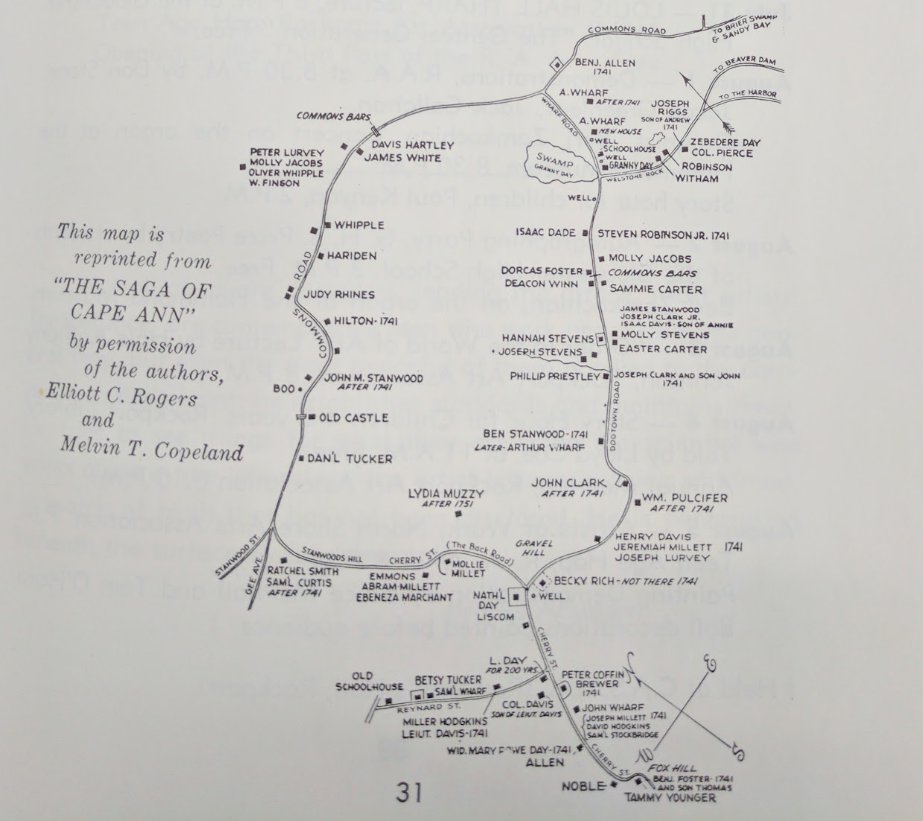
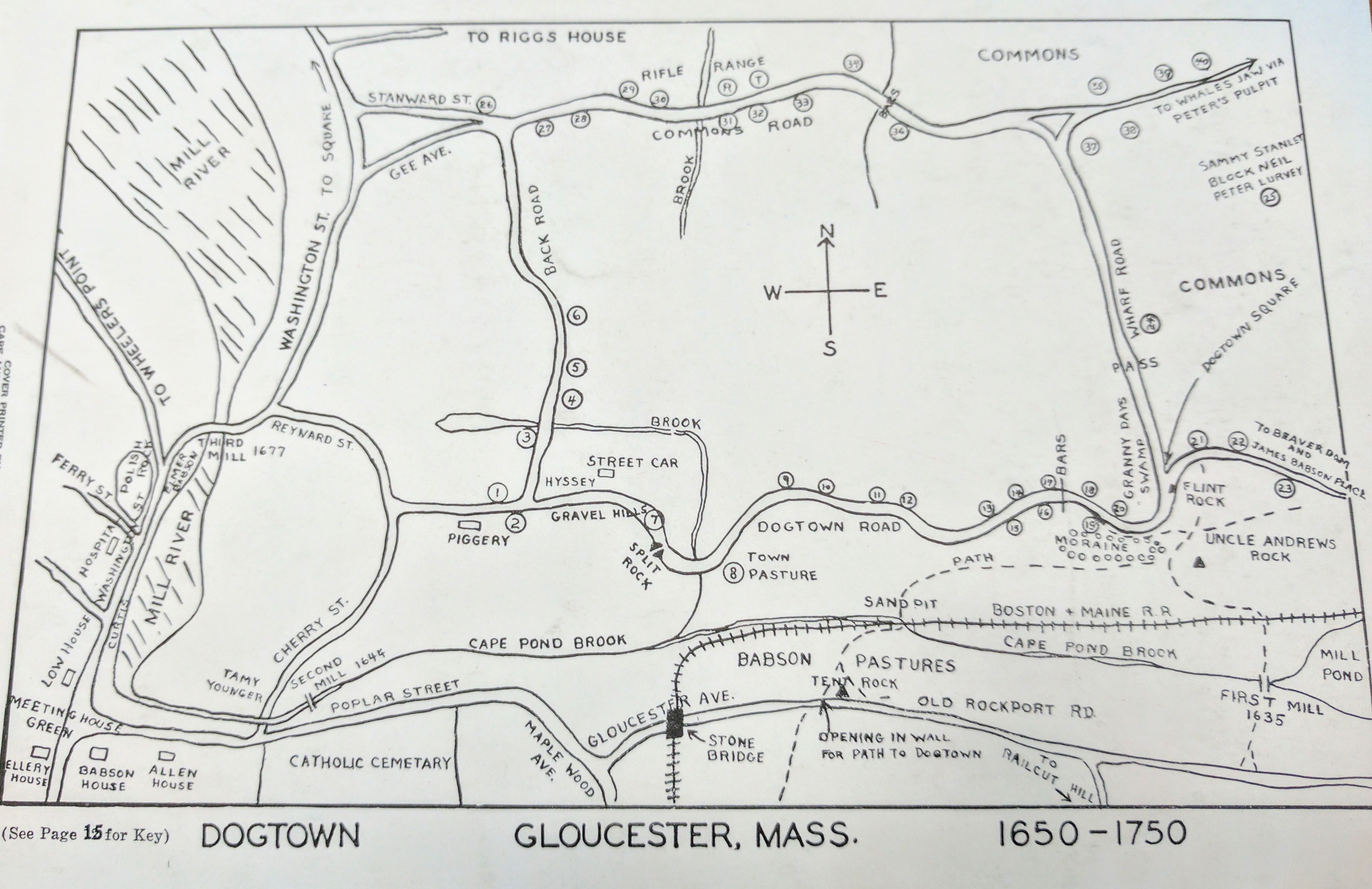
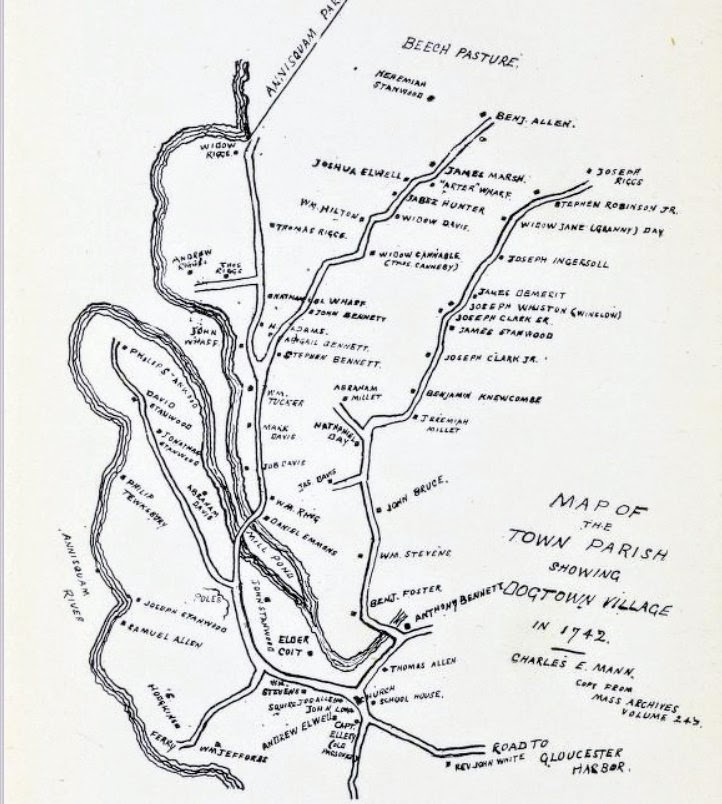
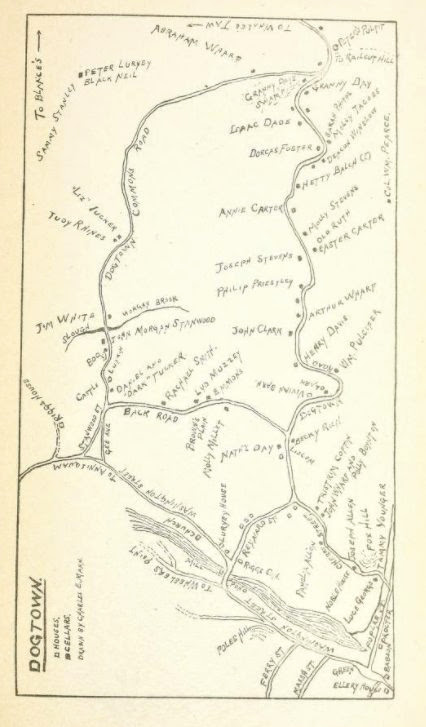
Dogtown Maps and memorabilia 1633-1961 selected by Catherine Ryan
Prior 2017 Dogtown public forums, lectures and meetings mentioned consideration of controlled burns to clear brush and return some land to a former moors state, with various potential benefits.
“Nature takes a lot of courses.” Chris Leahy said. He focused on Dogtown, “a very special place”, and possible merits of land stewardship geared at fostering greater biodiversity. Perhaps some of the core acres could be coaxed to grasslands as when parts of Gloucester were described as moors? Characteristic wildlife, butterflies, and birds no longer present may swing back.” March 4 2017 Dogtown Forum at Cape Ann Museumin collaboration with Essex County Greenbelt, Mass Audubon, and Friends of Dogtown group
February 23, 2017 Chris Leahy also gave a talk at Sawyer Free Library Dogtown- the Biography of a Landscape:750 Million Years Ago to the Present A photographic history through slides presented by the Gloucester Lyceum and the Friends of the Library
“Today the Hudson River Valley in upstate New York is gorgeous. The hills are covered with oak forests, and the valleys are patchworks of hayfields and farms. But Ostfeld says the area didn’t always look like this. When the Europeans came here hundreds of years ago, they clear-cut nearly all of the forests to plant crops and raise livestock. “They also cut down trees for commercial use,” Ostfeld says, “to make masts for ships, and for firewood.” Since then a lot of the forest has come back — but it’s not the same forest as before, he says. Today it’s all broken up into little pieces, with roads, farms and housing developments. For mice, this has been great news. “They tend to thrive in these degraded, fragmented landscapes,” Ostfeld says, because their predators need big forests to survive. Without as many foxes, hawks and owls to eat them, mice crank out babies. And we end up with forests packed with mice — mice that are chronically infected with Lyme and covered with ticks.”
Selection of maps
from books, and memorabilia I’ve pulled on Dogtown (1634-1961):
1961
From Gloucester 1961 Cape Ann Festival of the Arts booklet
1954
From Gloucester 1954 Festival of the Arts booklet, prepared for the second of the Russel Crouse Prize Play, the Witch of Dogtown, by S. Foster Damon. “Each year it is hoped new plays dealing with the Gloucester or Cape Ann theme will be produced.”
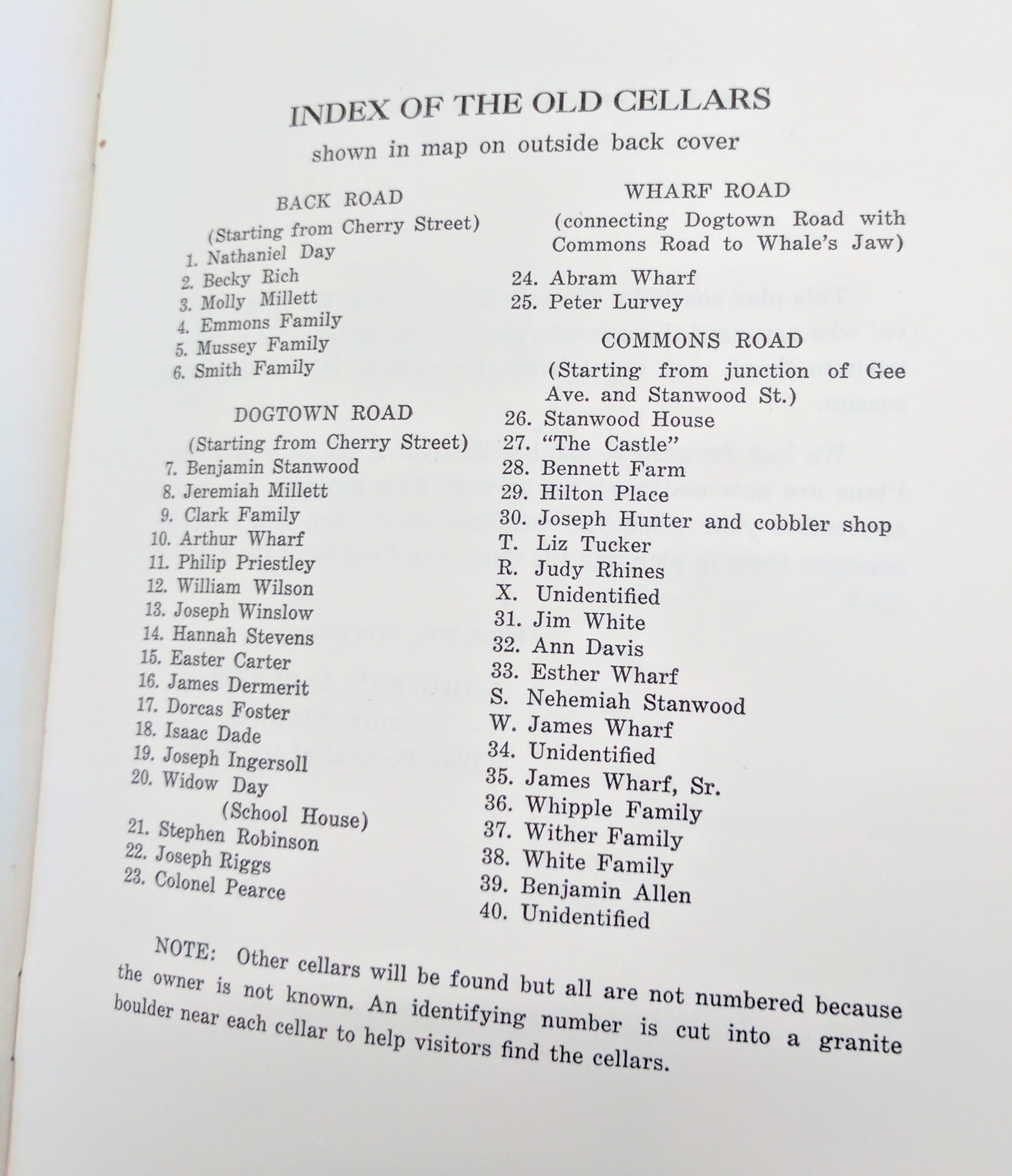
Joshua Batchelder 1741 survey map of “a good part of Dogtown common” printed and annotated for Gloucester’s 3rd Annual Cape Ann Festival of the Arts in 19541954 Index to annotated map
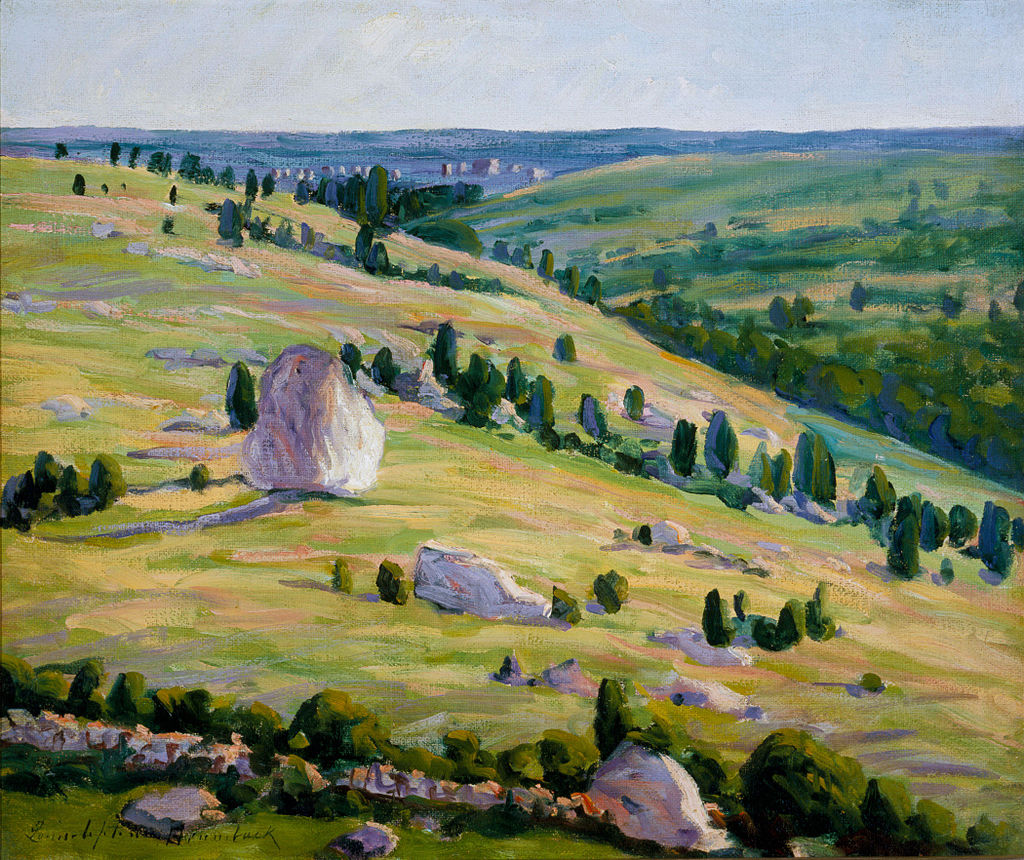
1923 Christian Science Monitor art review for Gloucester Society of Artists
“Dogtown Common, the now deserted hill home of the first settlers who 300 years ago braved the dangers of a hostile and Indian Annisquam, offers both romance and reality. It has remained for Louise Upton Brumback to interpret its clear contrasts, its far spaces, blue skies, white clouds and stiff green pointed cedars. Although the draftsmanship is crude in the extreme, the effect is rare and genuine. The old resident who passes through the gallery will shake his head dubiously at the false color creations of harbor and rock, but accepts this striking and bold visualization of Dogtown Common as the true spirit of Cape Ann…”
Inland among the lonely cedar dells Of Old Cape Ann, near Gloucester by the Sea, Still live the Dead–in homes that used to be. All day in dreamy spells They tattle low with sounds of tinkling cattle bells Or spirit tappings of some hollow tree And there, all night–out of the dark– They bark–and bark…
“Note: From a little volume, by Charles E. Mann, entitled “In the Heart of Cape Ann” Gloucester, Mass., The Proctor Bros. Co), the curious reader may learn more strange, half forgotten facts concerning the old Puritan life of that region. Among its singular New England characters, certain authentic and legendary figures have entered the theme of this poem. P.M-K. Miami University, Oxford, Ohio. March, 1921
Percy MacKaye (1875–1956) was an American dramatist and poet.
Harvard MacKaye papers: “History note: Percy Wallace MacKaye, author and dramatist, graduated from Harvard in 1897, wrote poetic dramas, operatic libretti, modern masques and spectacles, and was active in promoting community theatre. The collection includes his papers and those of his wife, Marion Homer Morse MacKaye, as well as material relating to the career of his father Steele MacKaye (1842-1894), an American theatrical designer, actor, dramatist, and inventor. The bulk of the collection consists of material pertaining to community drama; correspondence with literary and theatrical figures including Edgar Lee Masters, Edwin Arlington Robinson, George Pierce Baker, Theodore Dreiser, Amy Lowell, Upton Sinclair, Edward Gordon Craig, Louis Untermeyer and Thornton Wilder.”
Dartmouth: The MacKaye Family Papers “contain materials documenting the life and career of four generations of the family. They include a large amount of personal and professional correspondence as well as original manuscripts and typescripts of plays, prose, masques, pageants, poetry, essays and articles. Of note are manuscript materials for Benton MacKaye’s works on geotechnics entitled “Geotechnics of North America,” and “From Geography to Geotechnics,” as well as Percy MacKaye’s biography and works on his father Steele MacKaye and the MacKaye family, entitled respectively, “Epoch,” and “Annals of an Era.”
(Gloucester, Dogtown Common, is not on the MacKaye Wikipedia page)
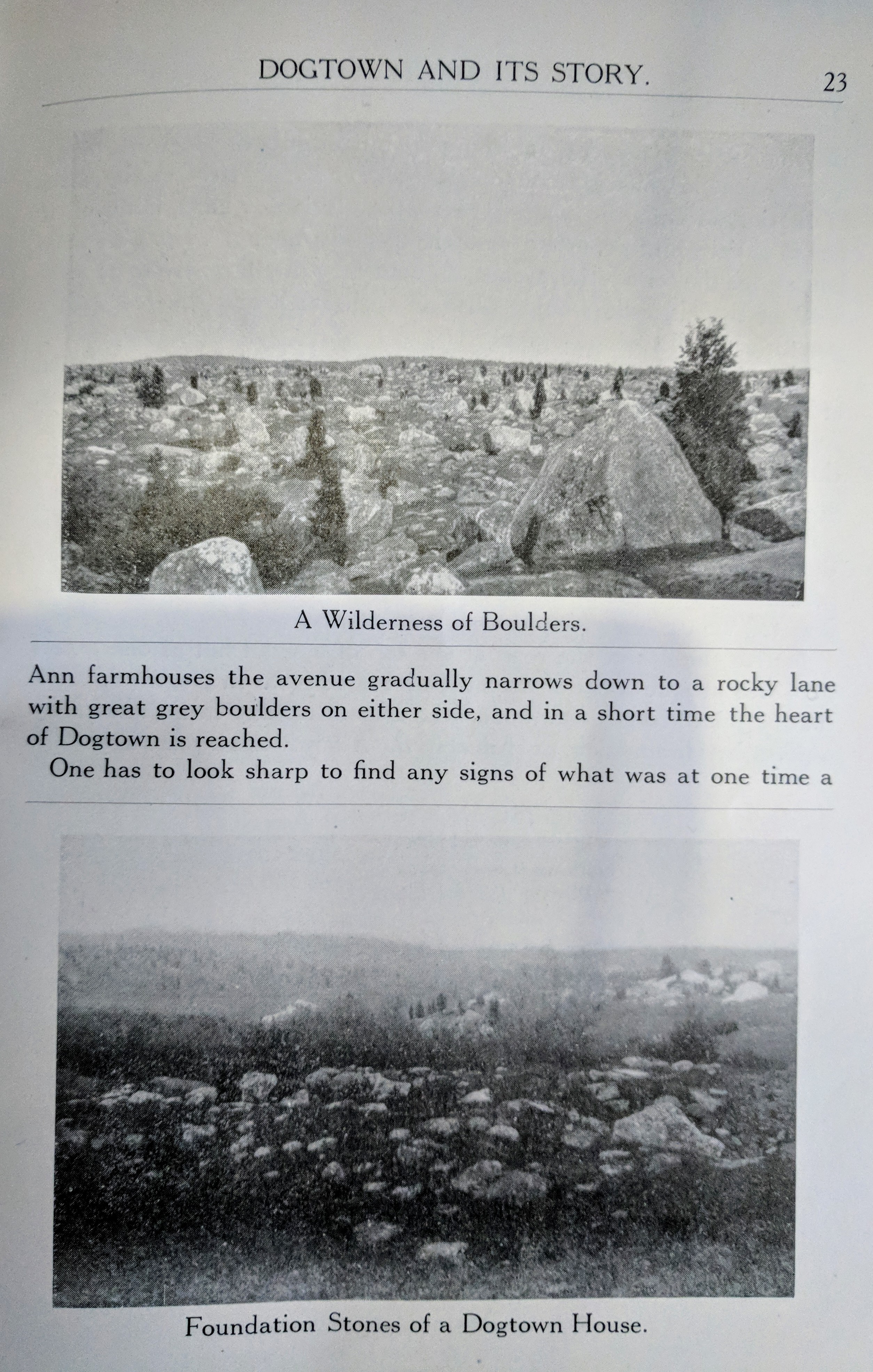
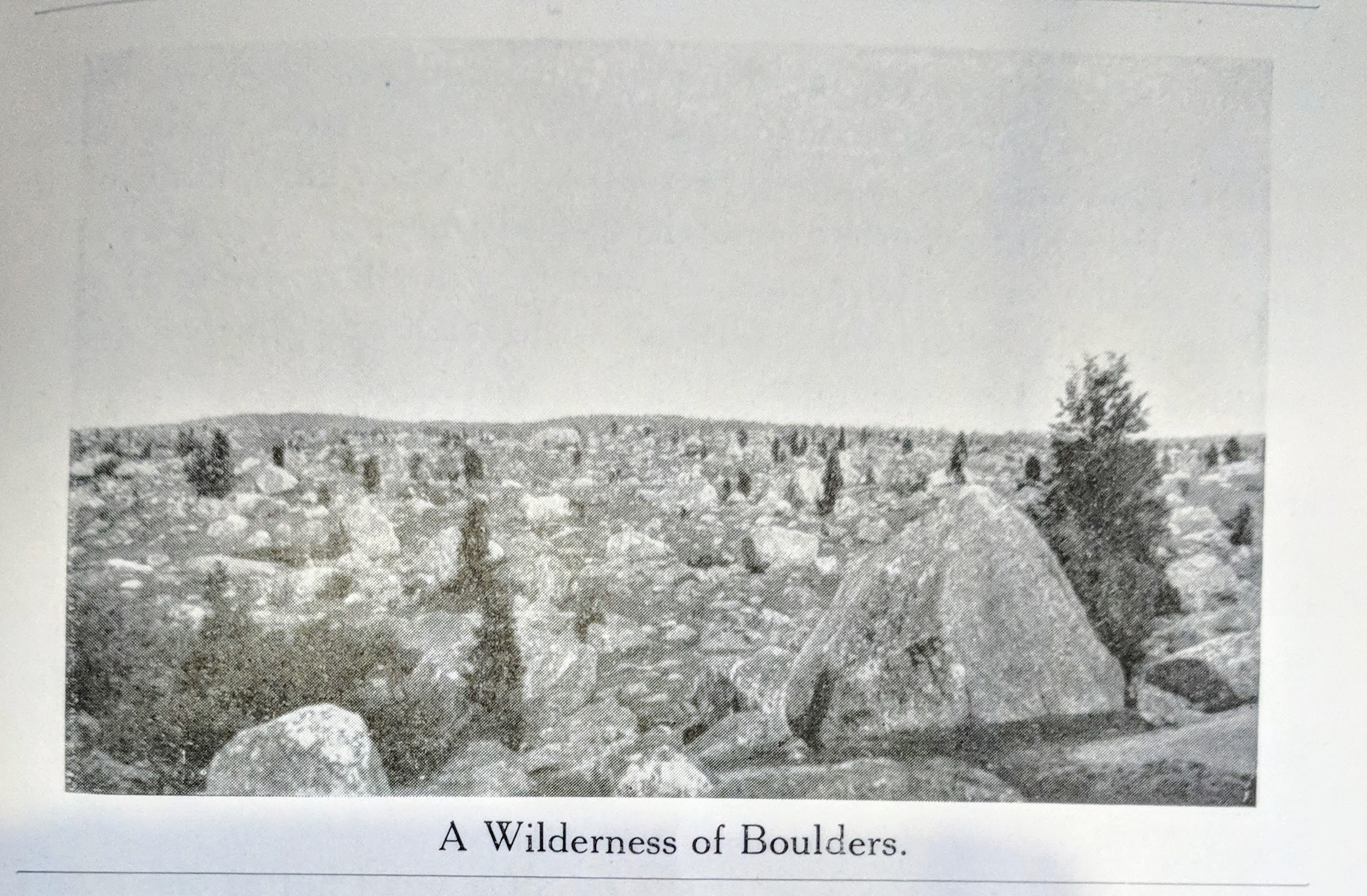
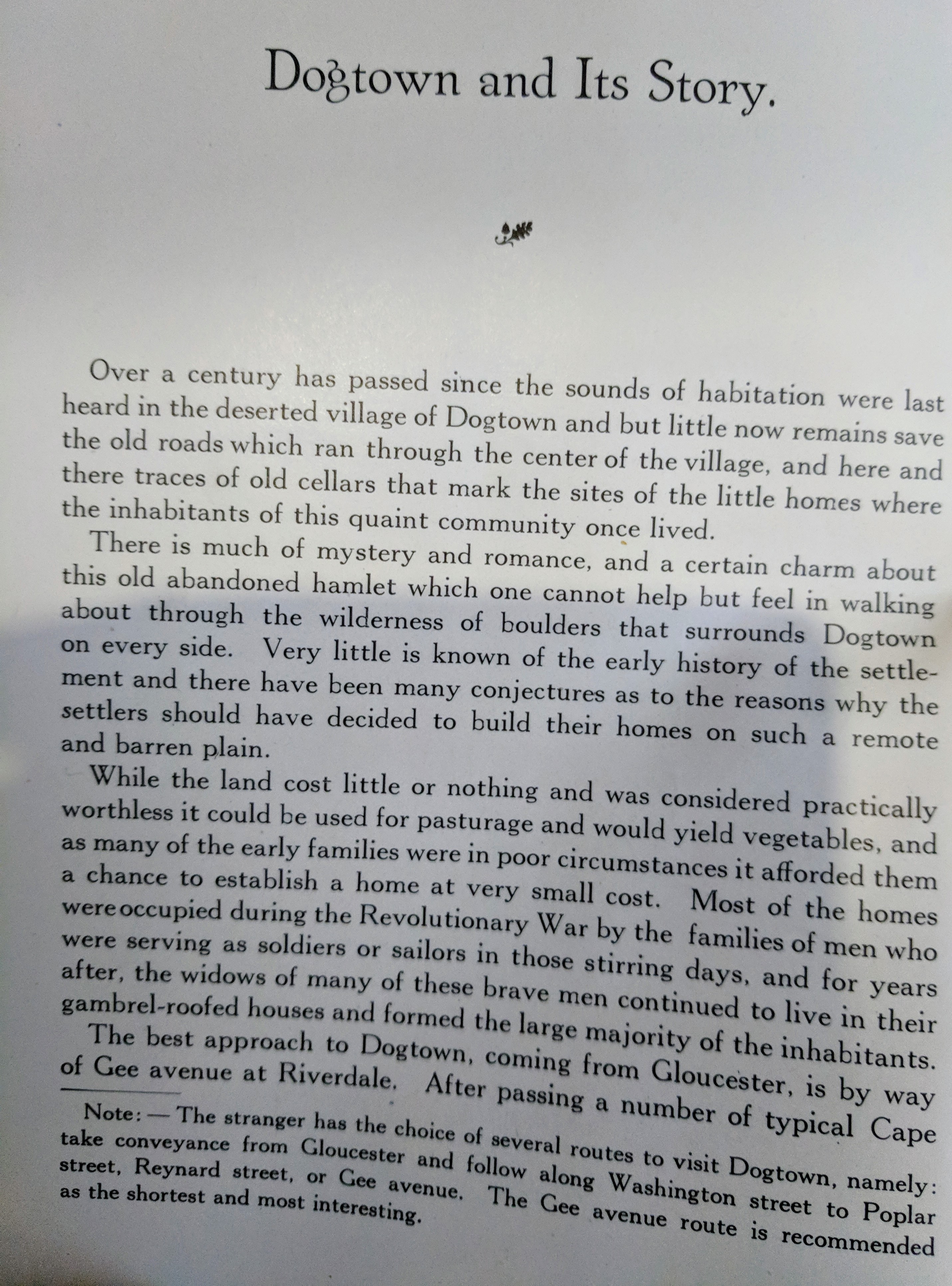
Great read p.22 from the Dogtown and Its Story chapter, in The Gloucester Book, by Frank L. Cox, 1921
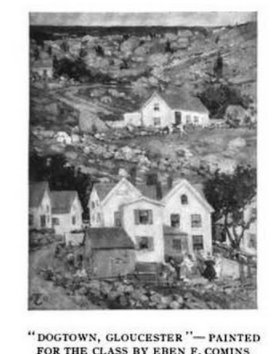
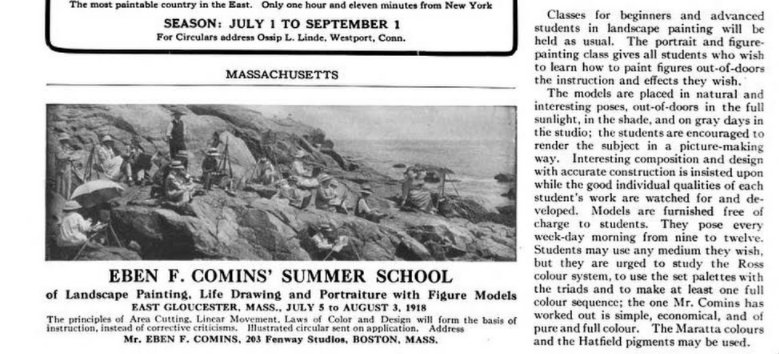
1918 Eben Comins painting
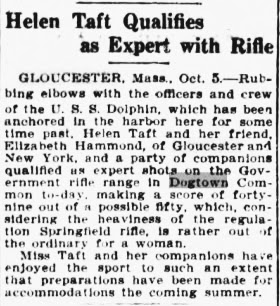
1912 government rifle range Dogtown
1904 (1742)
ca.1904 Charles E. Mann map copied from 1742 map in MA archives collectionMann
1877 Higginson
“Three miles inland, as I remember, we found the hearthstones of a vanished settlement; then we passed a swamp with cardinal flowers; then a cathedral of noble pines, topped with crow’s-nests. If we had not gone astray by this time, we presently emerged on Dogtown Common, an elevated table-land, over spread with great boulders as with houses, and encircled with a girdle of green woods and an outer girdle of blue sea. I know of nothing more wild than that gray waste of boulders..”
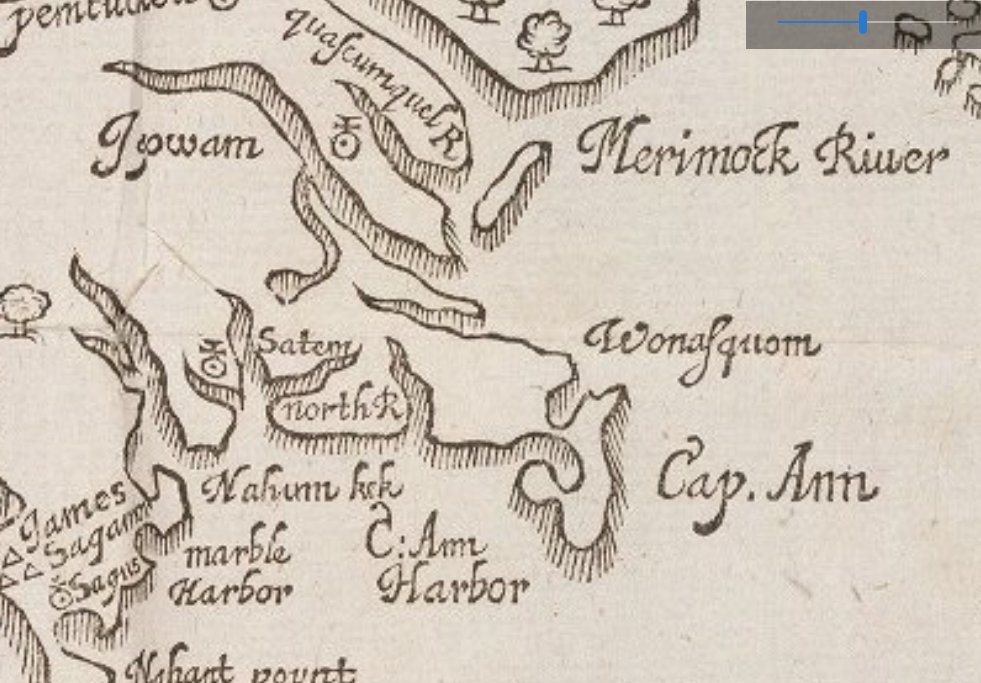
In 1855, Henry David Thoreau wrote in his journal: “I am [reading] William Wood’s “New England’s Prospect”… William Wood New Englands Prospect was originally published in 1634 in London. Here is a Wood excerpt concerning burning brush to clear land, a historical antecedent (and apt surname) to keep in mind when considering stewardship 2017 and beyond.
…The next commodity the land affords is good store of woods, and that not only such as may be needful for fuel but likewise for the building of ships and houses and mills and all manner of water-work about which wood is needful. The timber of the country grows straight and tall, some trees being twenty, some thirty foot high, before they spread forth their branches; generally the trees be not very thick, though there may be many that will serve for mill posts, some being three foot and a half over. And whereas it is generally conceived that the woods grow so thick that there is no more clear ground than is hewed out by labor of man, it is nothing so, in many places diverse acres being clear so that one may ride a hunting in most places of the land if he will venture himself for being lost. There is no underwood saving in swamps and low grounds that are wet, in which the English get Osiers and Hasles and such small wood as is for their use. Of these swamps, some be ten, some twenty, some thirty miles long, being preserved by the wetness of the soil wherein they grow; for it being the custom of the Indians to burn the wood in November when the grass is withered and leaves dried, it consumes all the underwood and rubbish which otherwise would overgrow the country, making it unpassable, and spoil their much affected hunting; so that by this means in those places where the Indians inhabit there is scarce a bush or bramble or any cumbersome underwood to be seen in the more champion ground. Small wood, growing in these places where the fire could not come, is preserved. In some places, where the Indians died of the plague some fourteen years ago, is much underwood, as in the midway betwixt Wessaguscus and Plimouth, because it hath not been burned. Certain rivers stopping the fire from coming to clear that place of the country hath made it unuseful and troublesome to travel thorow, in so much that it is called ragged plaine, because it teares and rents the cloathes of them that pass. Now because it may be necessary for mechanical Artificers to know what timber and wood of use is in the Country, I will recite the most useful as followeth*…” *see photos for Wood’s trees list
Thoreau was thinking along these lines, finding god in berries.
“From William Wood’s New England’s Prospect, printed about 1633, it would appear that strawberries were much more abundant and large here before they were impoverished or cornered up by cultivation. “Some,” as he says, “being two inches about, one may gather half a bushel in a forenoon.” They are the first blush of a country, its morning red, a sort of ambrosial food which grows only on Olympian soil.” -Thoreau’s Wild Fruit
“If you look closely you will find blueberry and huckleberry bushes under your feet, though they may be feeble and barren, throughout all our woods, the most persevering Native Americans, ready to shoot up into place and power at the next election among the plants, ready to reclothe the hills when man has laid them bare and feed all kinds of pensioners.”
photos: William Wood’s New Englands Prospect scanned from book in the University of CA collection. “Wonasquam” on map at Cape Ann
“Of their Custom in burning the Country, and the reason thereof” The Salvages are accustomed to set fire of the Country in all places where they come, and to burne it twice a year: at the Spring, and the fall of the leaf. The reason that moves them to do so, is because it would other wise be so overgrown with underweeds that it would be all a coppice wood, and the people would not be able in any wise to pass through the Country out of a beaten path… And this custom of firing the Country is the meanes to make it passable; and by that meanes the trees growe here and there as in our parks: and makes the Country very beautiful and commodious.”
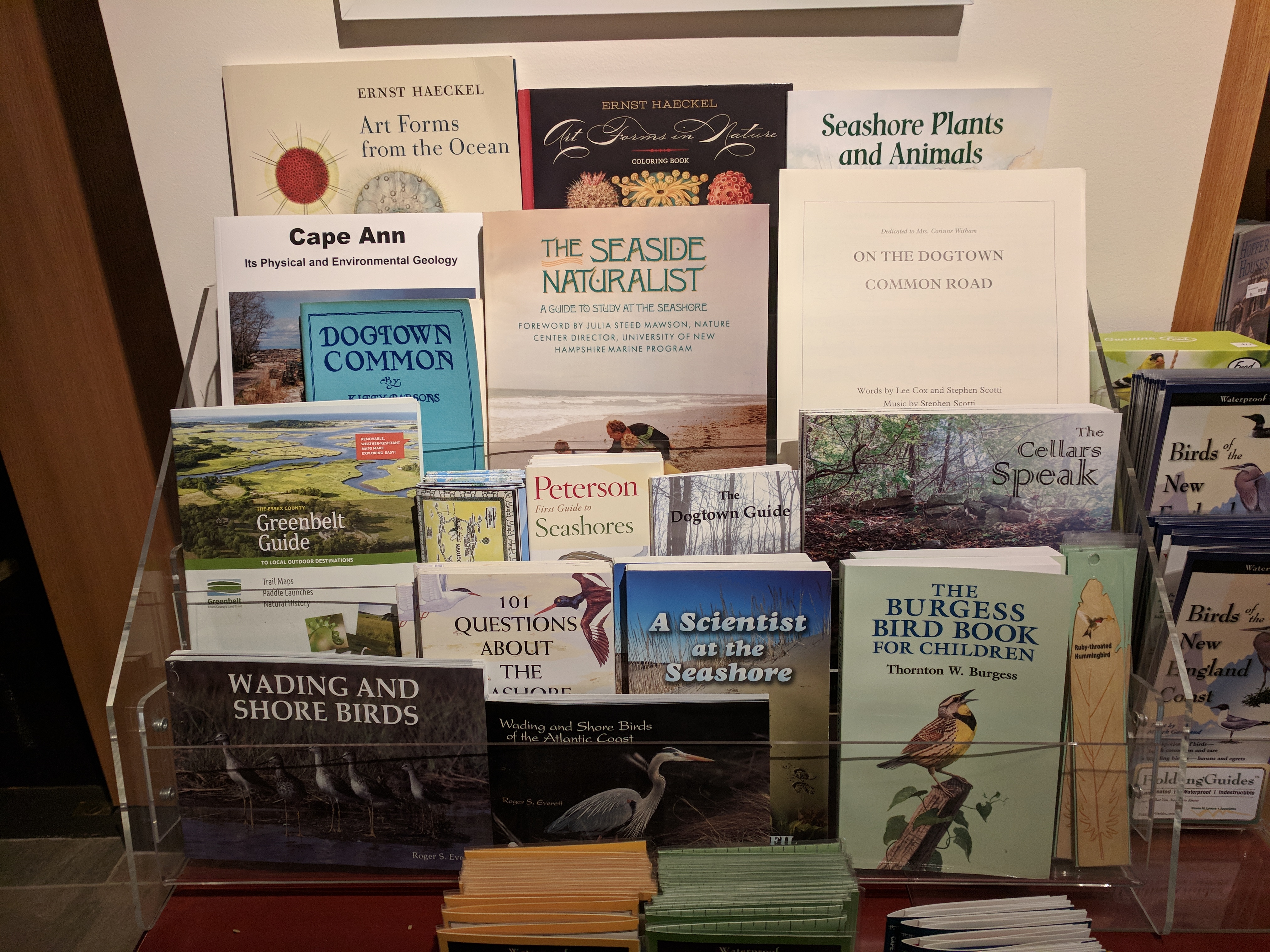
Cape Ann Museum book shop display October 2017
Spread The GMG Love By Sharing With These Buttons:
Mayor Romeo Theken always shares art news immediately! Please share. Dealers, tell your artists! Family and friends, encourage someone you know should try.
Here’s the announcement and deadline from the Massachusetts Cultural Council:
The Massachusetts Cultural Council 2018 Artist Fellowship program opportunities have been announced!
“Mass Cultural Council will accept applications in Choreography, Fiction/Creative Nonfiction, and Painting beginning December 15, 2017. Application deadline: January 29, 2018…Visit the MCC redesigned ArtSake blog, our online resource to support new art and Massachusetts artists. Every week, we round up a list of opportunities for artists – a way to find your next contest, artist residency, call to artists, publication, and more.”
Gloucester artist, Erica Daborn, was awarded an MCC fellowship grant in 2016.
Spread The GMG Love By Sharing With These Buttons:
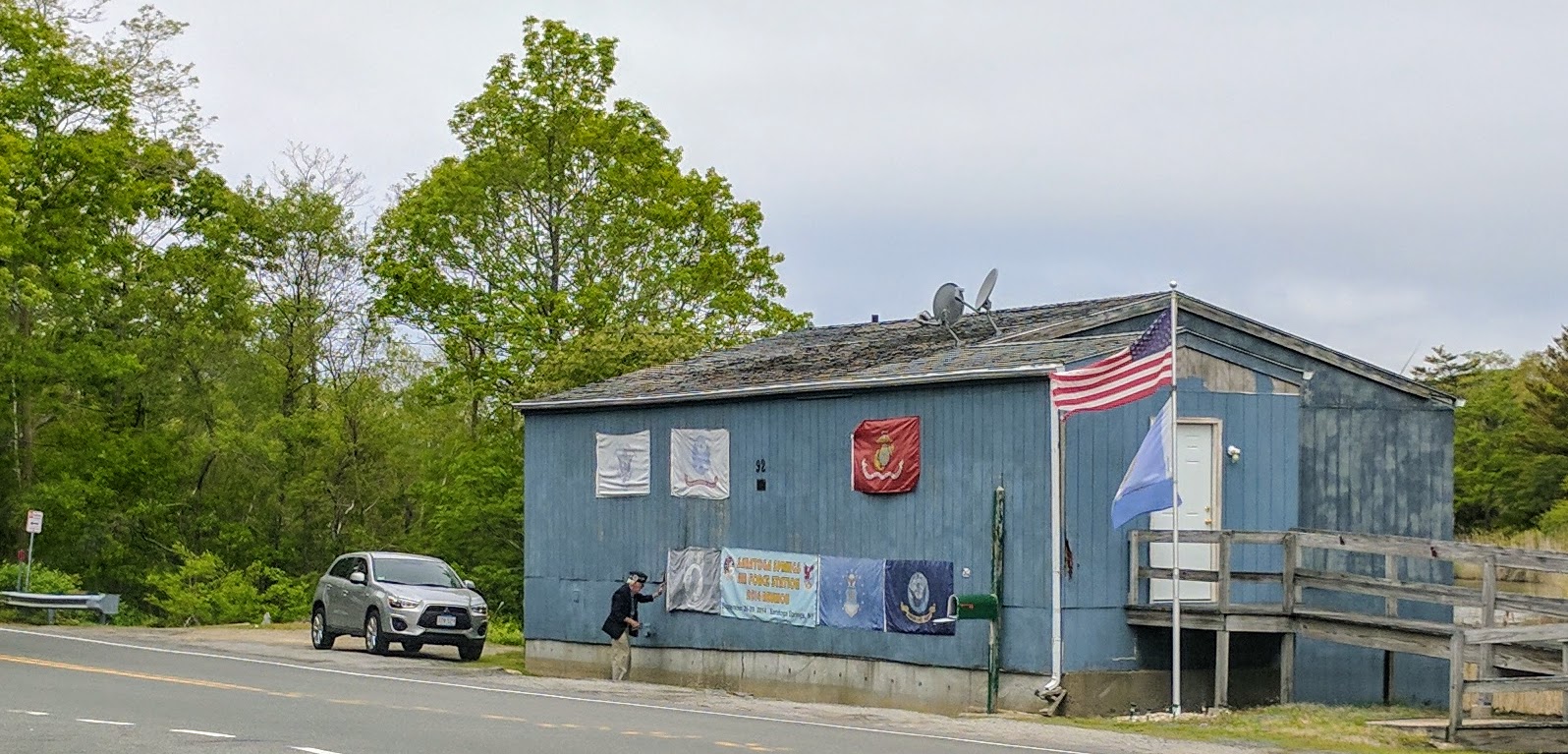
Bradley Smith displays a curious collection of interests, art and ephemera inside the blue shed, the Patron’s Museum & Education Center at 92 Thatcher Road (RT 127A), which he founded in 1987. He’s a poet, Shakespeare enthusiast , Korean veteran, and a Winfrey’s chocolate fan which he’s shared with us more than once. Many moons ago there was a candy store at this location (something like Taft’s Salt Water Taffy.)
SAND
SAND, WHITE SAND, WET SAND, ON AND AROUND MY HAND
IN THIS STRANGE AND FOREIGN LAND.
EYES, SIGHTLESS EYES, ONCE SAYING LAST FAREWELL,
THOSE SAD, SWEET SIGHS, MY FONDEST LORALIE.
STIFLING BERTH, DEADLY MIRTH, WARLIKE GIRTH,
THEN THE CLOSE GREY UNFAMILIAR EARTH.
WATER, PACIFIC HUE, LAPPING FEET,
LIFE’S CRESTING, FADING, LAST RETREAT.
MEN, BRAVE MEN EMBRACE THEIR GRAVES AND DIE
BENEATH THE WARM, BLUE WHITE SKY
ALL CARES TORN AWAY.
THIS DAY…
-Bradley Smith, Korean air force veteran and aesthete (Smith’s poem Sand about WWII)
Spread The GMG Love By Sharing With These Buttons:
The City of Gloucester’s Committee for the Arts announces the release of the 2017 Call for Applications for the four year position of Gloucester Poet Laureate.
The position of Gloucester Poet Laureate is dedicated to building community through poetry and encouraging a love of poetry among people of all ages. The position was most recently held by the late Peter Todd, appointed in 2014. During Peter’s time as Poet Laureate, he generously shared his talents with his beloved City of Gloucester.
Under City Ordinance, the process to select the Poet Laureate is administered by the Committee for the Arts and will involve a Selection Panel including representatives from the local literary community thanks to Eastern Point Lit House and The Gloucester Writers Center. A recommendation from the Selection Panel will be forwarded to the Committee for the Arts for review and then forwarded on to the Mayor for nomination, subject to confirmation by the City Council.
The Call for Applications is available for download at the Committee for the Arts page on the City website: http://gloucester-ma.gov/index.aspx?nid=102. Copies also are available at the Sawyer Free Library, the City of Gloucester Mayor’s Office, Eastern Point Lit House, the Gloucester Writer’s Center, and other locales. Applications must be submitted by 12 pm on Friday, June 9th , 2017. Contact Judith Hoglander, Committee for the Arts with any questions.
Spread The GMG Love By Sharing With These Buttons:
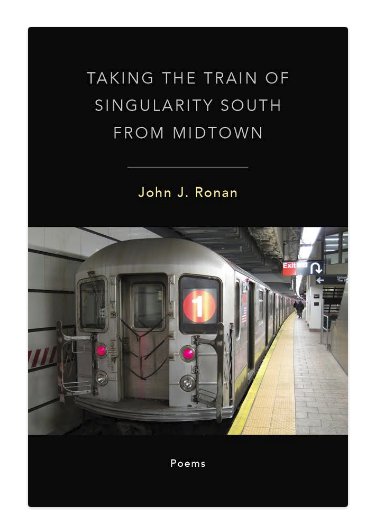
John Ronan presents Taking the Train of Singularity South From Midtown on Saturday, April 8, 2:00-3:00pm in the Friend Room. It’s Sponsored by the Gloucester Lyceum and Friends of the Sawyer Free Library.
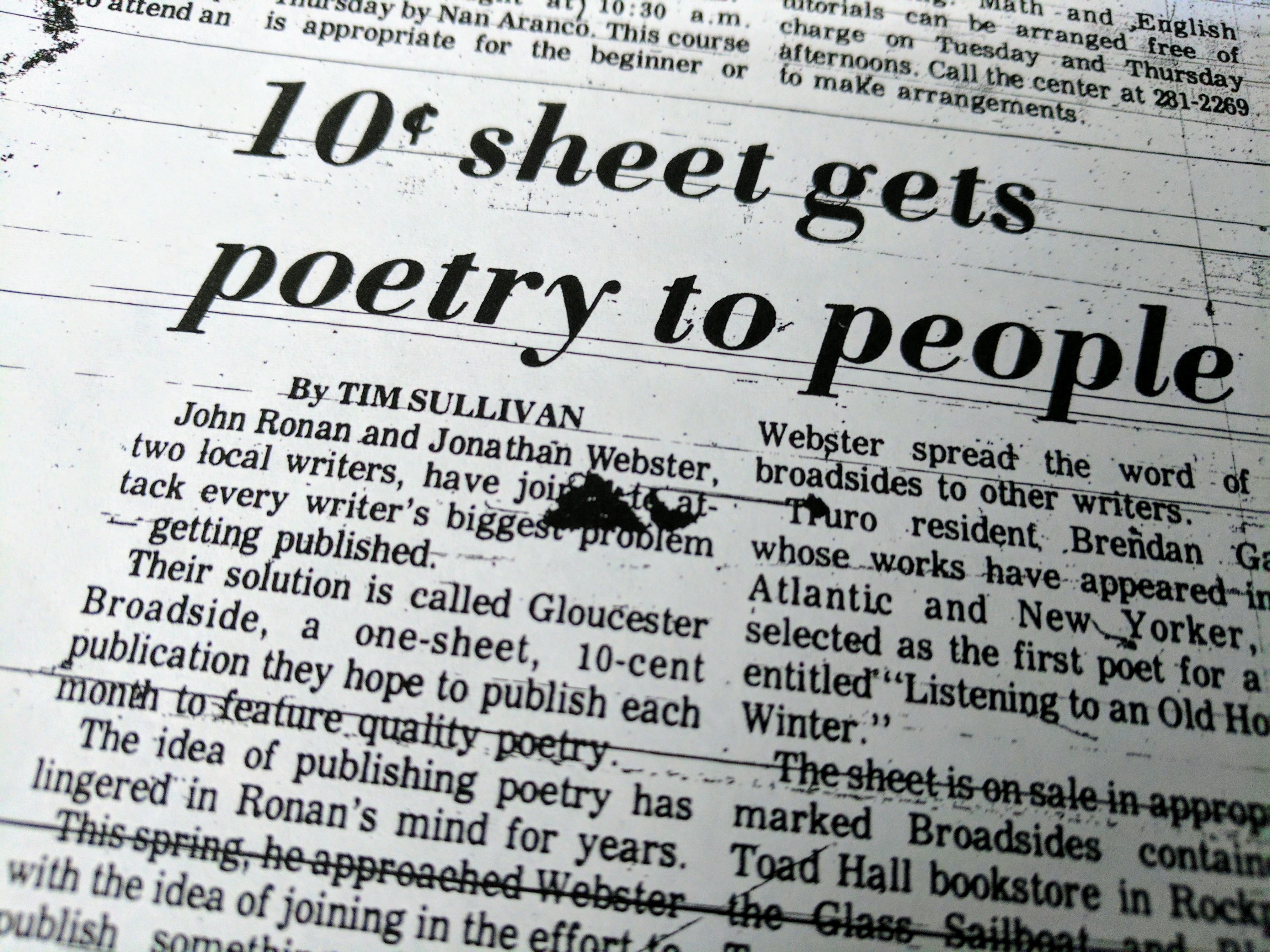
John Ronana poet, playwright, journalist and a National Endowment for the
Arts Fellow in Literature has done so much in Gloucester! Here’s a throwback article from 1978 about the Gloucester Broadside, a monthly 10 cent one sheet of quality poetry.
Ronan developed the website resource dedicated to Gloucester poets, Gloucester Poet Laureate, also for Salt and Light: An Anthology of Gloucester Poetry, published spring 2010. He is the host of the Cape Ann TV program, The Writer’s Block. He was pivotal in establishing the library’s annual Poetry without Paper Contest and poetry columns in the Gloucester Daily Times.
April 27 2017 | POEM IN POCKET DAY: It’s free and simple to participate. Carry a Poem. Share a Poem. For more information, search for Poem in Your Pocket Day (PIYP Day) Academy of American Poets (www.poets.org) or New York City’s excellent web site, http://www.NYC.gov/poem. PIYP Day started in NYC in 2002 inspired by the Favorite Poem Project established in 1997 (first events April 1998) by Robert Pinsky, former 3x Poet Laureate of the United States. East Gloucester Elementary School initiated Poem in Pocket Day in 2011 (PTO enrichment).
Abbott Public Library, Marblehead, MA, June 18, 2017
POET LAUREATE: In Gloucester, MA, the Poet Laureate is dedicated to building community through poetry and encouraging a love of poetry among people of all ages. The honorary post for the City of Gloucester was created in 1998. There have been 4 Poet Laureates: Vincent Ferrini was the City’s first, then John Ronan served from 2008-10, Ruthanne Collinson served 2010-14, and Peter Todd served 2014-15. The Committee for the Arts helps to select a new Poet Laureate.
Spread The GMG Love By Sharing With These Buttons:
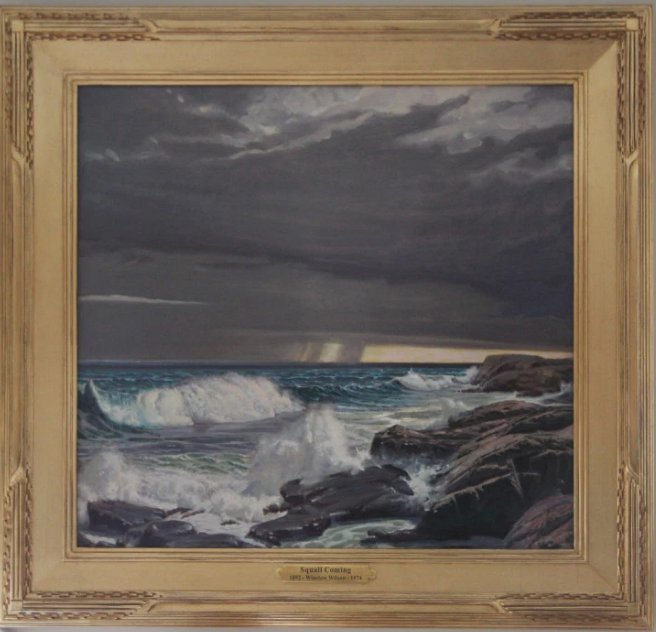
Granddaughter Claudia Wilson-Howard writes Good Morning Gloucester seeking any information, biographical “tidbits”, or recollections about fine artist Winslow Wilson who resided in Gloucester and had studios in Gloucester and Rockport ca. 1946-1972.She is working on an excellent project: a digital resource about her grandfather.
“I am the granddaughter of Winslow Wilson,” she writes, “an artist who spent most of his life on Cape Ann, painting under two names in two studios. One studio, in Gloucester, the second in Rockport, and a member of the Rockport Art Association from 1946-1972, he was an active member of the art community. I have developed a website (www.winslowwilson.com), which is a work in progress. I am attempting to develop as detailed a biography as possible, and was hoping …to reach out to the community to help gather any tidbit of information. Thank you very much!”
Arthur William “Winslow” “Tex” Wilson, also known as Pico Miran was an American artist–primarily a painter– born on July 20, 1892 in Brady, Texas. His family moved to Junction, TX, where he graduated from high school, also the address he used while attending Harvard. Wilson was a veteran of the First World War (National Guard, AEF) deployed to France 1918-1919. He died November 18, 1974 in Miami, FLA.
At Harvard
Wilson transferred from Texas A&M University to Harvard. Roy Follett his professor at Texas A&M described Wilson’s impact on him as “atomic”, possessed with a creative intellect that surpassed the teacher’s. And then the unthinkable…
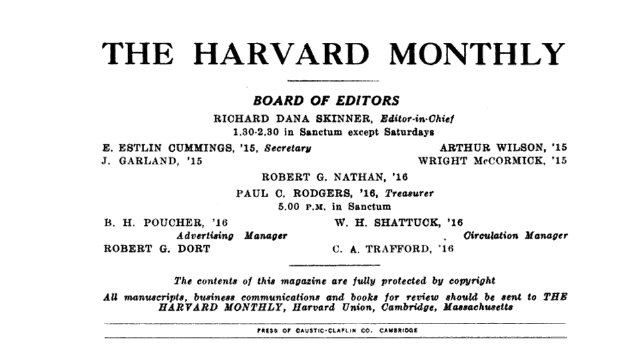
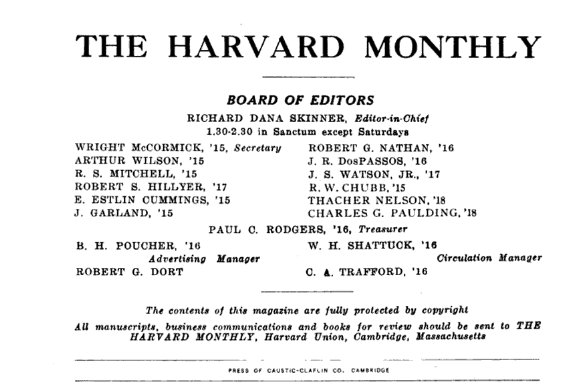
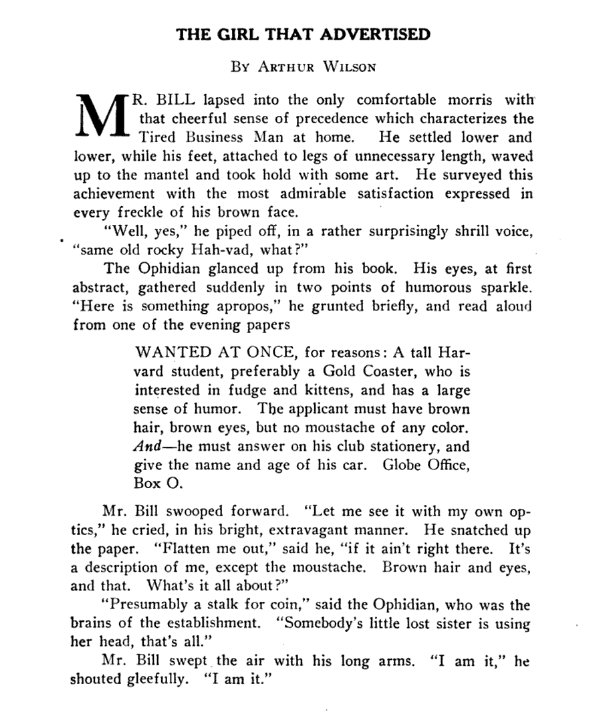
For Wilson, life changed punishingly July 4, 1912 as he accidentally and horrifically killed his fellow undergrad, a friend and co-worker Merle DeWitt Britten on the job, driving the streetcar that crushed him. Wilson left Harvard, then came back. He skipped classes. At times he soared. He was a writer and editor of The Harvard Monthly literary magazine with an impressive group of multi talented peers and friends: ee cummings; John Dos Passos; critic Gilbert Seldes; poet (Pulitzer prize winner) Robert Hillyer; poet (later Director MA Historical Society) R. Stewart Mitchell; Scofield Thayer*; and James Sibley Watson*.
images: Arthur Wilson undergraduate writing published in The Harvard Montly
The Harvard Monthly was founded in 1885 and ceased publication in 1917, its aim “to publish the best (undergraduate) articles, fiction and verse by students in the University.” The words “and verse” were added after E.E. Cummings gave their class commencement speech in 1915 on “The New Art” extolling contemporary expressions in music, the visual arts, and literature. “What really brought down the house was Gertrude Stein’s Tender Buttons,” he’d later say about this bit in the speech:
“unquestionably a proof of great imagination on the part of the authoress, as anyone who tries to imitate her work will discover for himself. Here we see traces of realism, similar to those which made the “Nude Descending a Staircase” so baffling. As far as these “Tender Buttons” are concerned, the sum and substance of criticism is impossible. The unparalleled familiarity of the medium precludes its use for the purpose of aesthetic effect. And here, in their logical conclusion, impressionistic tendencies are reduced to absurdity. The question now arises, how much of all this is really Art? The answer is: we do not know. The great men of the future will most certainly profit by the experimentation of the present period. An insight into the unbroken chain of artistic development during the last half century disproves the theory that modernism is without foundation; rather we are concerned with a natural unfolding of sound tendencies. That the conclusion is, in a particular case, absurdity, does not in any way impair the value of the experiment, so long as we are dealing with sincere effort. The New Art, maligned though it may be by fakirs and fanatics, will appear in its essential spirit to the unprejudiced critic as a courageous and genuine exploration of untrodden ways…how much of all this is really Art? The answer is: we do not know. The great men of the future will most certainly profit by the experimentation of the present period.” – ee cummings 1915
ee cummings portrait of Thayer, printed in the Dial
*The Dial was founded by James Sibley Watson and Scofield Thayer. Emily Sibley Watson, Founder of Memorial Art Gallery in Rochester was friends with Marianne Moore
1917 NYC apartment with Cummings
Wilson and e.e. cummings (1884-1962) were roommates at Harvard, friends who hit the town. (There’s one story with them caught at a prostitute’s apartment.) They remained friends enough to room together more and carouse Greenwich Village. Thanks to $1000 from Thayer, Cummings joined Wilson in New York at 21 East 15th Street in 1917.
There are striking parallels, comparisons, and secrets in the lives they led. Both men were artists and writers that had tragic and shattering life experiences, and estranged and scandalous family stories.
According to Virginia Spencer Carr‘s 1984 biography of John Dos Passos, Dos Passos envied these two: “Wilson was already signing his paintings (when he signed them at all) “Winslow Wilson” and Dos Passos surmised (when?) that he would be recognized eventually for his stunning portraits and seascapes. He was convinced that Cummings was too assured a reputation as a painter and saw Dudley Poore as the best poet of the lot from Harvard who aspired to a career in letters.”
All three enlisted in WW1. Cummings signed up for the volunteer ambulance corp along with Harvard chums Hillyer and Dos Passos. Cummings ended up a POW and wrote a novel about the experience, The Enormous Room. Cummings said he was a self-taught painter, helped along by friends from Harvard. Did he sign up for classes in New York? Where did Wilson study art in New York before WW1?
(Incidentally, Gertrude Stein was also a volunteer camion; it seems like a ‘who wasn’t?’ roster. The majority of the 3500+ drivers came from ivy league schools, especially Harvard. The American Field Service (AFS) ambulance unit grew to be the largest and was founded by Gloucester’s own A. Piatt Andrew in 1915, after helping out the year before.)
1920s
After the War, Wilson was in New York and abroad in Paris, and London (infamously). There was a blink of a marriage and divorce from Elizabeth Brice, and a daughter Caroline, a dancer, that he never saw again. At 34, Wilson and his 19 year old girlfriend Winifred Brown abandoned a baby. It was an international scandal. Wilson’s family stepped up and his brother Ernest raised the boy as his own. It was four decades before the baby learned about his biological parents. I know these wincing details because that boy, H Robert Wilson, is a good writer and did the research.
Arthur Wilson signed his paintings as “Winslow” Wilson, which fits as a wink at Homer. Seascapes as a subject. Private solitary life. It also works as a visual swapping out of “Tex” for East Coast “Winslow”. The initials become double letters (like e.e. cummings), and nearly a double name, minus one letter and there’s an anagram of Wilson. It’s even a way to differentiate his name ‘Arthur Wilson’ from other artists and writers with the same name(s), initials (AW or the comic Aww), and friends. Winslow Wilson is decidedly not Edmund Wilson (though like many writers he credits “nearly everything” about his sources of style as a painter to him), artist Edward Arthur Wilson, artist Arthur Wilson (UK), artist Arthur Wilson (LA), artist Edward Adrian Wilson, to name a few.
Mostly, Wilson using “Winslow” seems a deliberate break from his traumatic past: living with the death of his friend, letting his family down, fighting in WW1, divorce, scandal, family secrets, and that difficult ee cummings portrait poem about him.
ca. 1922 ee cummings poem ‘Arthur Wilson’
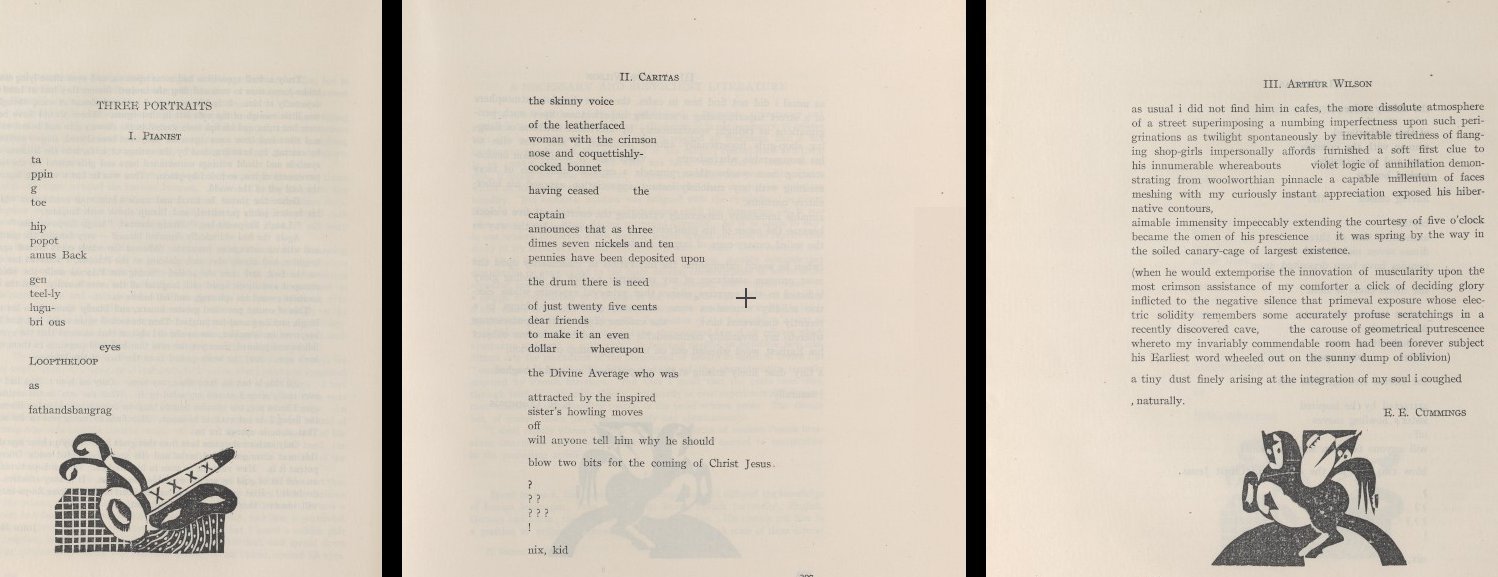
E.E. Cummings poem “Three Portraits” (I. Pianist II. Caritas III. Arthur Wilson) is published in the modernist magazine the Broom: An International Magazine of the Arts, Volume 2, Number 4, July 1922. Founded and backed not nearly enough by Harold Loeb and Alfred Kreymborg, the Broompublication was a short lived (1921-24) modernist monthly featuring “unknown, path-breaking” writers and artists (reproductions, original designs, translations). The cummings poem ‘Arthur Wilson’ was illustrated with woodcuts by Ladislaw Medgyes. The issue’s cover design was by Fernard Leger;
Cover design by Fernard Leger, Broom, Volume 2 No. 4, July 1922
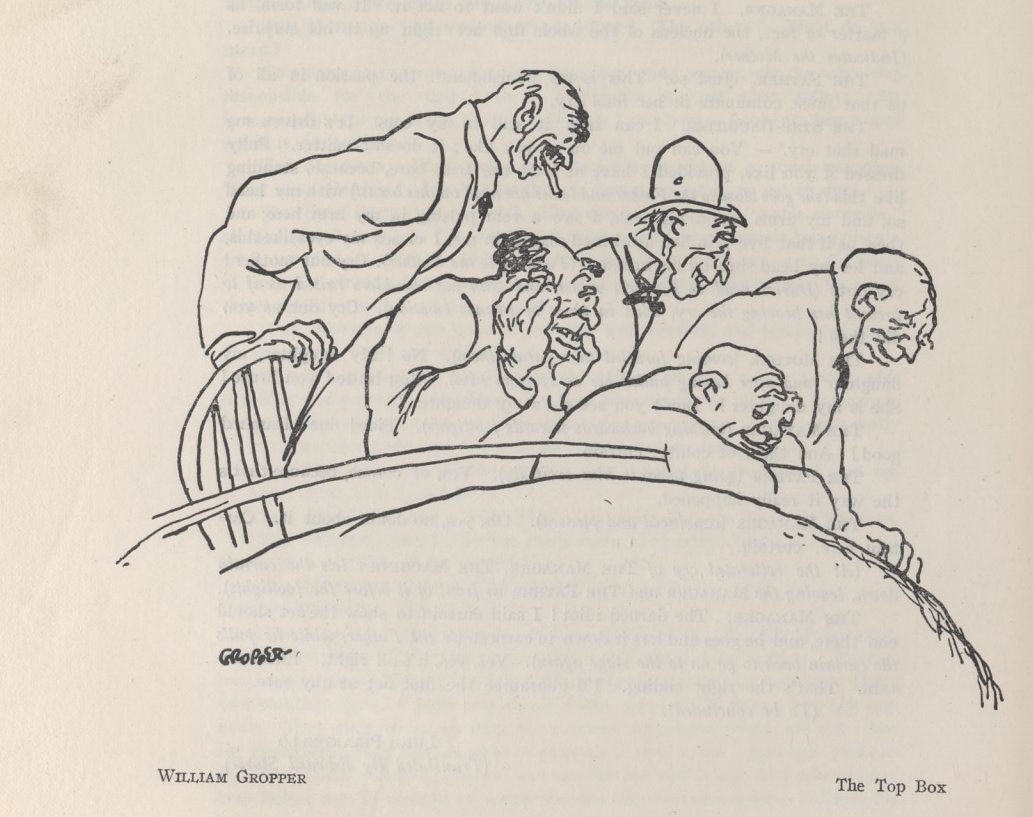
Picasso, Modigliani and William Gropper drawings were reproduced inside.
The text for III. Arthur Wilson follows (refer to the image for the visual spatial break in cummings prose).
III. Arthur Wilson as usual i did not find him in cafes, the more dissolute atmosphere of a street superimposing a numbing imperfectness upon such peri- grinations as twilight spontaneously by inevitable tiredness of flang- ing shop-girls impersonally affords furnished a soft first clue to his innumerable whereabouts violet logic of annihilation demon- strating from woolworthian pinnacle a capable millenium of faces meshing with my curiously instant appreciation exposed his hiber- native contours, aimable immensity impeccably extending the courtesy of five o’clock became the omen of his prescience it was spring by the way in the soiled canary-cage of largest existence.
(when he would extemporise the innovation of muscularity upon the most crimson assistance of my comforter a click of deciding glory inflicted to the negative silence that primeval exposure whose elec- tric solidity remembers some accurately profuse scratchings in a recently discovered cave, the carouse of geometrical putrescence whereto my invariably commendable room had been forever subject his Earliest word wheeled out on the sunny dump of oblivion)
a tiny dust finely arising at the integration of my soul i coughed
, naturally. -E.E. Cummings
Like The Harvard Monthly and The Dial, Broom contributors were or would become recognized luminaries: Sherwood Anderson, Guillaume Apollinaire, Hans Arp, Conrad Aiken, Kenneth Burke, Robert M Coates, Jean Cocteau, Malcolm Cowley, Hart Crane, Adolph Dehn, Andre Derain, Raoul Dufy, Paul Eldridge, T S Eliot, Wanda Gag, Robert Graves, Juan Gris, William Gropper, George Grosz, Rockwell Kent, Paul Klee, Fernand Leger, Lipchitz, El Lissitzky, Amy Lowell, Louis Lozowick, Marianne Moore, Henri Matisse, Amedeo Mondigliani, Laszlo Moholy-Nagy, Pablo Picasso, Man Ray, ‘Charles Sheeler, Gertrude Stein, Joseph Stella, Wallace Stevens, Paul Strand, Max Weber, William Carlos Williams, and Virginia Woolf among other artists and writers.
It was a small world and circle. The Broom contributors likely read that ee cummings poem about Wilson, and several knew both men. Names carried over from the Harvard-Dial network (Amy Lowell, Marianne Moore).
EE Cummings published Part III in later editions by the title “as usual I did not find him in cafes” omitting Arthur Wilson’s name.
1924 e.e. cummings visits Gloucester
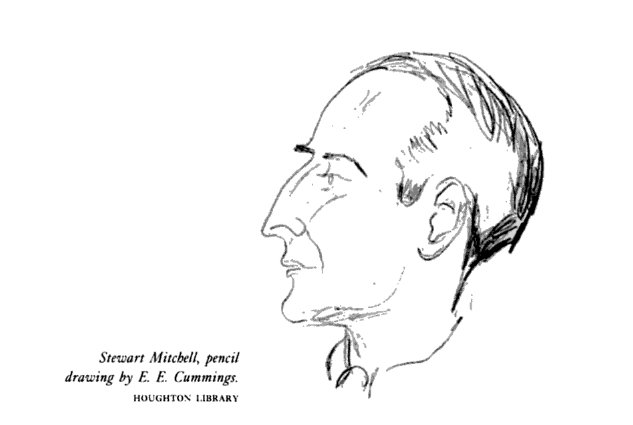
to see writer, friend and editor R. Stewart Mitchell (1892-1957) who had a home here. Stewart Mitchell was another Harvard alumni (1915) and former Harvard Monthly editor. His face inspired the nickname “The Great Auk”. How nice being friends with artist-writers.
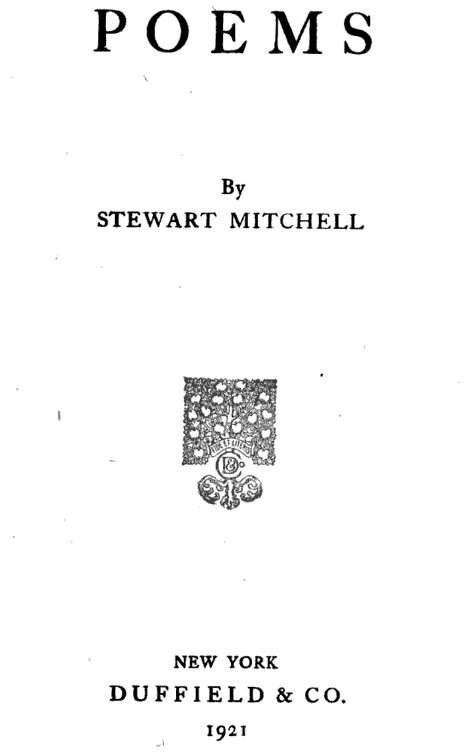
After serving in WW1, Mitchell was a managing editor and regular contributor for The Dial from 1919-21, then published poet. From 1928-1937 he was Managing Editor of the New England Quarterly journal, and from 1929- 57 an editor and Director of the Massachusetts Historical Society. On the Ma Historical Society seal : “It would hardly have done to compare the members of the Society to oxen, sheep, or birds … but bees had always had a good reputation for the sweetness and light of their honey and their wax. “– 1949 Stewart Mitchell
Did Cummings and Arthur W. Wilson come to Gloucester while attending Harvard or at other times in the 1920s to see Stewart? Was Cummings in Gloucester other years, decades? Did Wilson and Mitchell re-connect in Gloucester? John Sloan’s etching Frankie and Johnnie illustrates EE Cummings’ play HIM. Did Wilson interact with Stuart Davis in Gloucester or New York?
(Aside: In 1984 the play ViVa Cummings! opened in Gloucester under the direction of William Finlay and the New Stillington Players. Did they know Cummings had been here…)
1935
Wilson fails to update his Harvard alumni association requests. Here’s the 1935 entry:
1951 ELEANOR ROOSEVELT VISITS EXHIBIT AT AAA, NYC
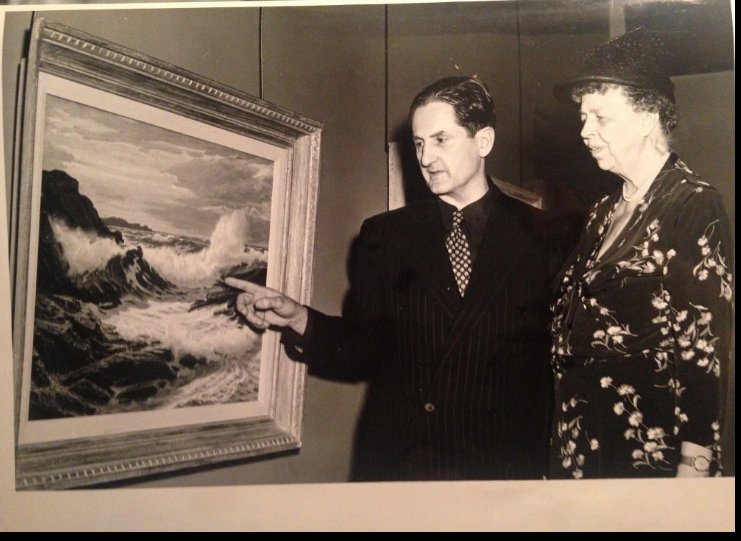
Artist Winslow Wilson guiding Eleanor Roosevelt through his solo exhibition at Associated American Artists, June 4, 1951. Photograph from http://www.winslowwilson.com
Wilson’s painting from the 1951 Contemporary American Artists exhibition at the Associated American Artists won the people’s choice award, and his solo exhibit in June was attended and written about by Eleanor Roosevelt in her nationally syndicated MY DAY column:
HYDE PARK, Sunday—At lunch last Friday I had a visit from Mr. Tatsukichiro Horikawa, who is over here from Japan on a trip studying the World Federation movement in different countries. He has visited Switzerland, Germany, France and England, as well as the United States, and he came to see me before in New York City; but he wishes particularly to come up to Hyde Park and place some flowers on my husband’s grave.
I was especially interested in talking to him because, like so many of the World Federalists, he felt that the United Nations was very inadequate. He felt one must bring about more unity—and particularly, if we were going to have any settlements in the Far East, there must be unity between Great Britain and the United States as well as the other nations in their policy.
I asked him if he did not think it was a good deal to expect to have a unified policy among 60 nations when the organization bringing them together had been in existence only six years. It seems to me it requires longer for people to understand how the other peoples think and feel. World federation might someday be possible, but not until people have had a greater length of time to find out about each other. One of the American World Federalist members had also written me saying that the federation must come first and then be followed by understanding. I think this begs the question of how you obtain the federation and how, having obtained it in name, you do anything practical with it.
In New York City on Thursday afternoon I went to see an exhibition of paintings of the sea done by Winslow Wilson, at the Associated American Artists Galleries on Fifth Avenue. This exhibition was arranged under the auspices of Greenwich House, toward whose support a portion of the proceeds of any sale will go.
Mr. Wilson told me he did not paint actually from a scene he was looking at, but from memory. He said he particularly liked to use the sea because it was to him a symbol of the stress and strife we were all going through at present; and still it had a kind of discipline and control which was what most human beings were striving for today and finding difficult of achievement. I found some of his paintings quite beautiful, and reminiscent of many seacoasts I have known. In certain ones the light made one think of tropical climates; in others the shores of Maine seemed to stand out. More often the sky and the sea were stormy, but the light was nearly always breaking through. Let us hope that out of this turbulent period of history the light will break through for all human beings.
The other day I was sent a little pamphlet written by Eloise R. Griffith on the national anthems and their origin. I think this will be of interest to a great many people who want to know a little more than the mere words of the songs which we hear sung so often.” – Eleanor Roosevelt
I am thunderstruck reading a portion of sales would benefit Greenwich House. Talk about an undercurrent.
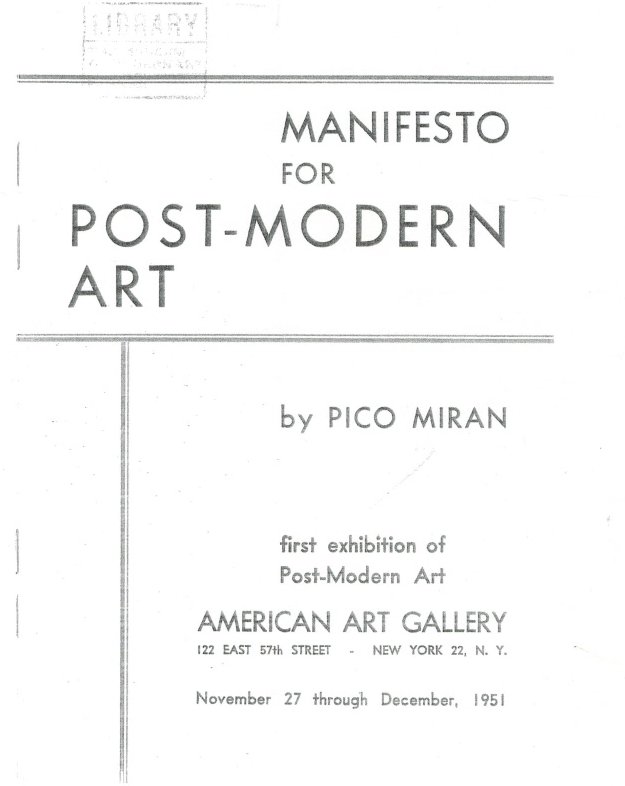
1951 Post-Modern Manifesto in the same year as the AAA seascapes
“A complete study of Cummings should take penetrating account of his painting and drawing. And no estimate of his literary work can begin without noting the important fact that Cummings is a painter.”
That’s the opener for Syrinx., a critique of Cummings by Gorham B. Munson published in Secession July 1923.
“His first stimulus comes from the emotional and perceptive materials of his experience…Cummings has jabbed his pen into life, but he has also twisted it in the wound, and it is this twist of the pen that makes literature.”
Knowing ee cummings facility with visual arts transforms how his poems read. He identifies both pursuits. The press announcement for Cummings appointment at Harvard in 1952 affirmed that he resided in New York City, writing and painting since the year 1920. It wasn’t that he sculpted marks–‘scratchings’- that could be seen as pictures in print,–it’s this charge when visual art and writing advance toward or basically obliterate media boundaries.
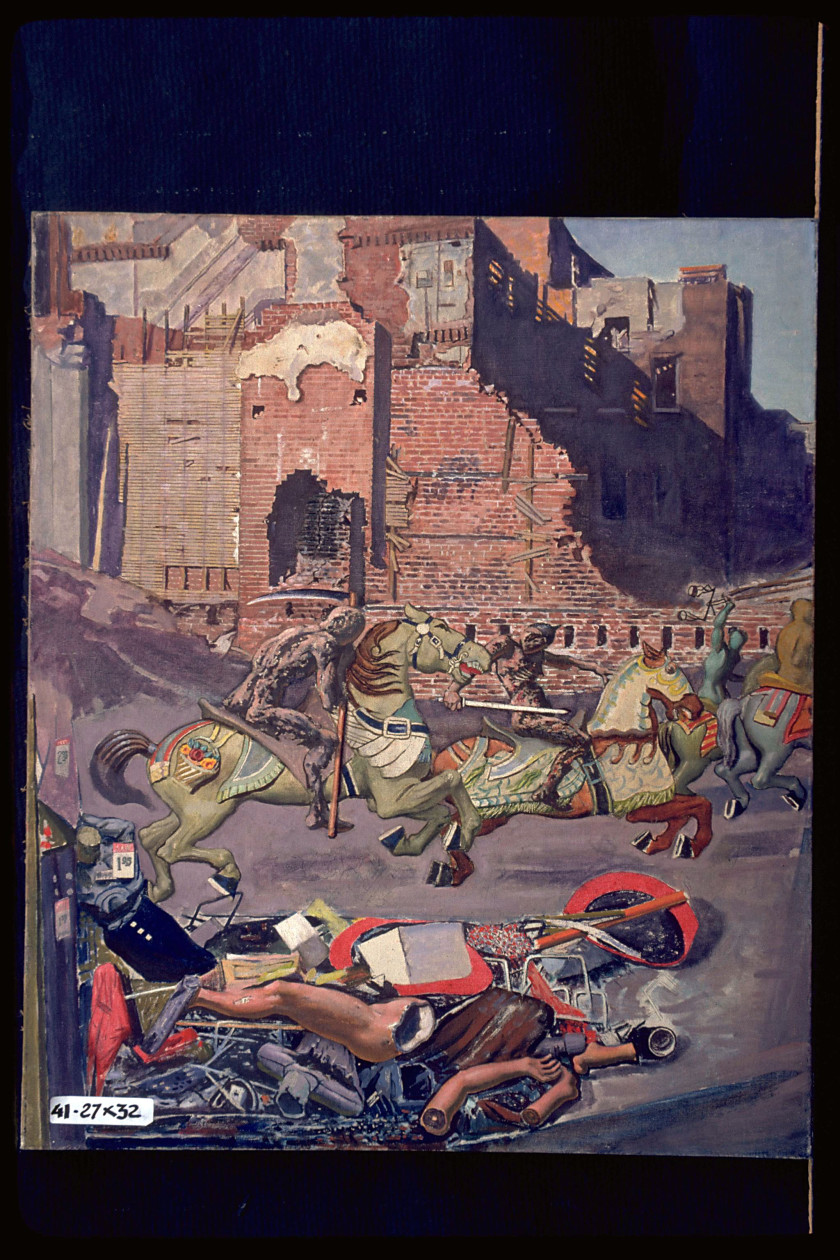
After reading Wilson’s 1951 Manifesto For Post-Modern Art published under his pseudonym Pico Miran, I felt a similar tug. For Wilson, when it comes to ideas and individuality, words and paint –and as many names and identities to match– matter. Some of Wilson’s paintings could be shown alongside pages from ee cummings The Enormous Room.
There are takeaways and points one can make about this manifesto and painting series of Wilson. I can think of art I’d like to show together with this work.
Yikes, the thoughts about women! Here’s Wilson writing as Pico Miran in his Manifesto, emphasis on man apparently:
“But while he proposes to save the personal symbol, he must emphatically reject the conception of its privacy–a conception which he is compelled to regard as an effeminate misery: he cannot help thinking an almost unmanly exaggeration of the one bit of feminine make-up in every artist, here flouncing in absurd esthetic millinery, with coy desire for secretiveness, mysterious subjectivity, and vain feelings of cryptic superiority to the vulgar mass.”
1951 Hidden, not lost
Wilson evidently maintained some contacts; note the supportive reviews by friends (Moore, Burke, Wheelock) later reprinted for his 1957 solo exhibit at Vose Galleries in Boston. Edward Alden Jewel, the New York Times critic, described Wilson as “living a hidden life of pure dedication and drudgery” in his 1951 NYC AAA review.
Sawyer Free Building Committee is meeting at 4pm January 11, 2017 to discuss schematic design, the Massachusetts Board of Library Commissioners (MBLC grant opportunities), and ready another presentation. At 6:30pm they’ll give a second public presentation with the building team. (Today’s Gloucester Daily Times article by Ray Lamont has more information: Commish Questions: Library board presenting proposal at community forum Wednesday night) Below are photographs from the January 4th meeting for coporators and other invited guests. The library’s building committee and the new building team gave a presentation and fielded comments and questions. Attendees expressed both support and dismay. Like the schools, it’s a big topic. There are similarities: seeking a matching state grant, steep building compliance requirements, same project manager as West Parish and architects as West Parish. Questions and concerns can be directed to a communications consultant engaged by the library who will help to connect you with answers. There was a scrumptious catering spread from Willow Rest. I liked the artisan flatbread school of fish display. Melissa and the Willow Rest team are so creative.
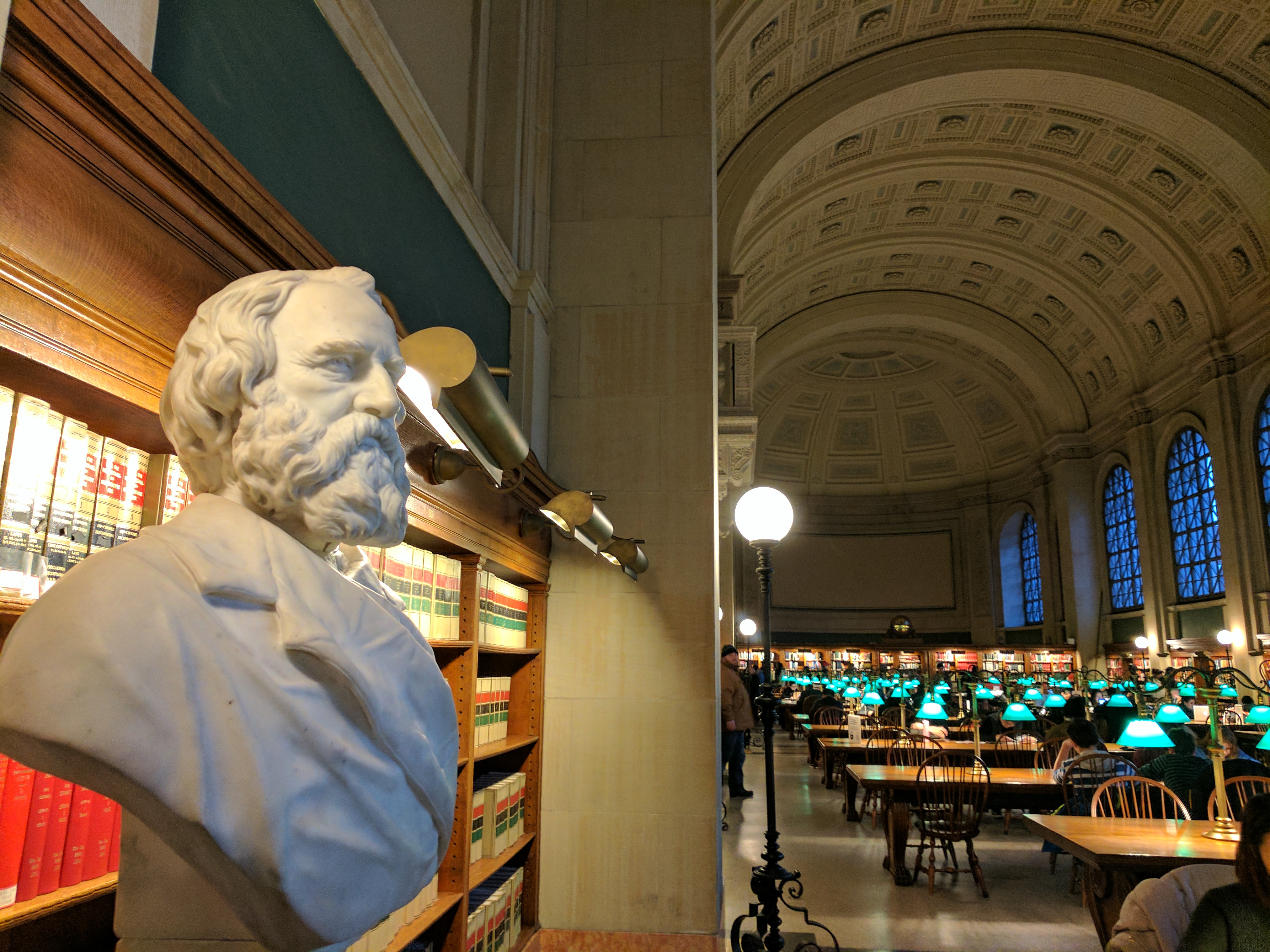
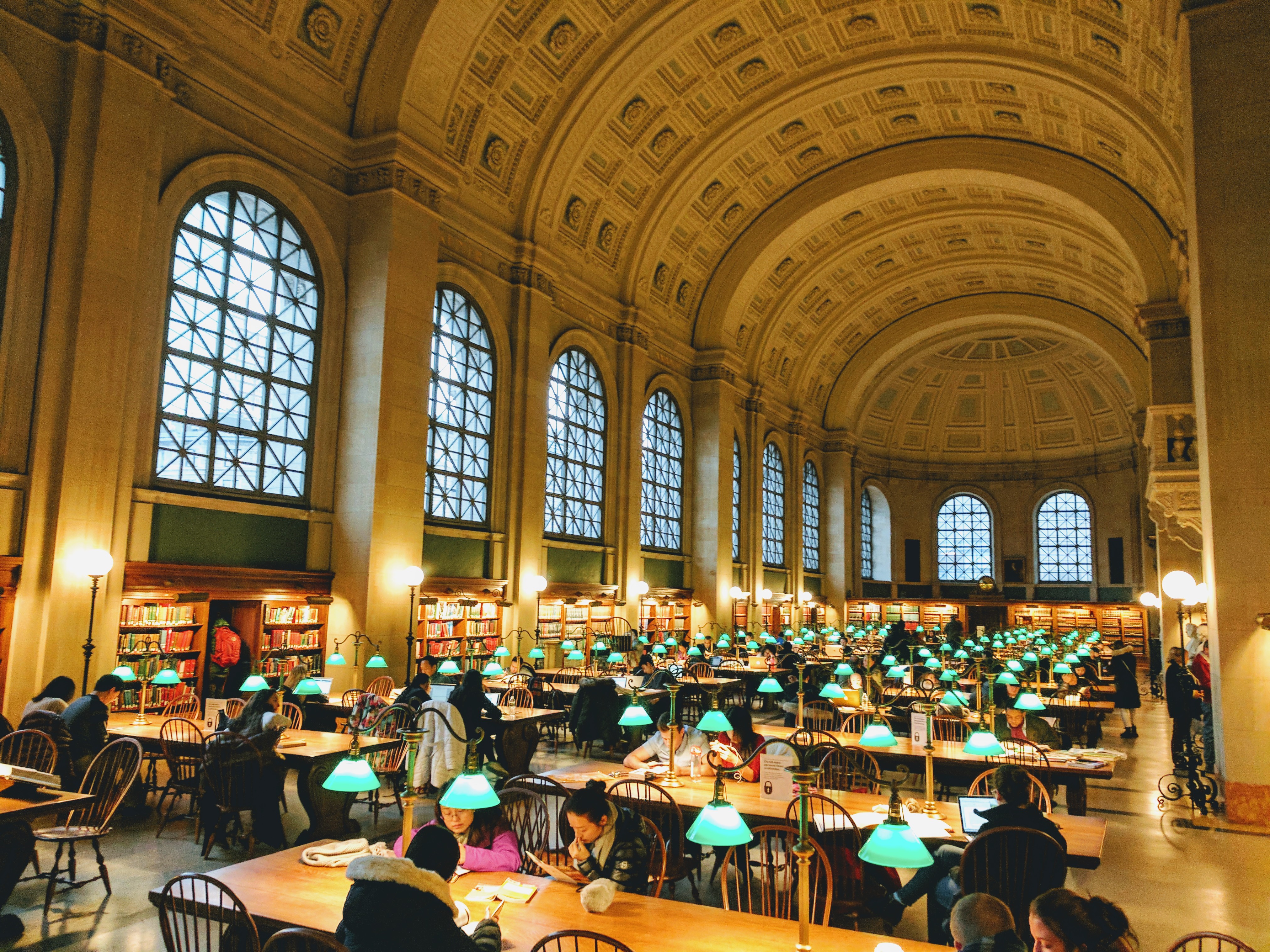
The current North Shore Magazine gives a shout out to Beverly Library for being rather library-ish, “unlike a lot of libraries, it’s quiet.” Plus more interior photographs of the Boston Public Library.
Boston Public Library passing through Daniel Chester French doors
Longfellow among the 30 Boston notable mosaics
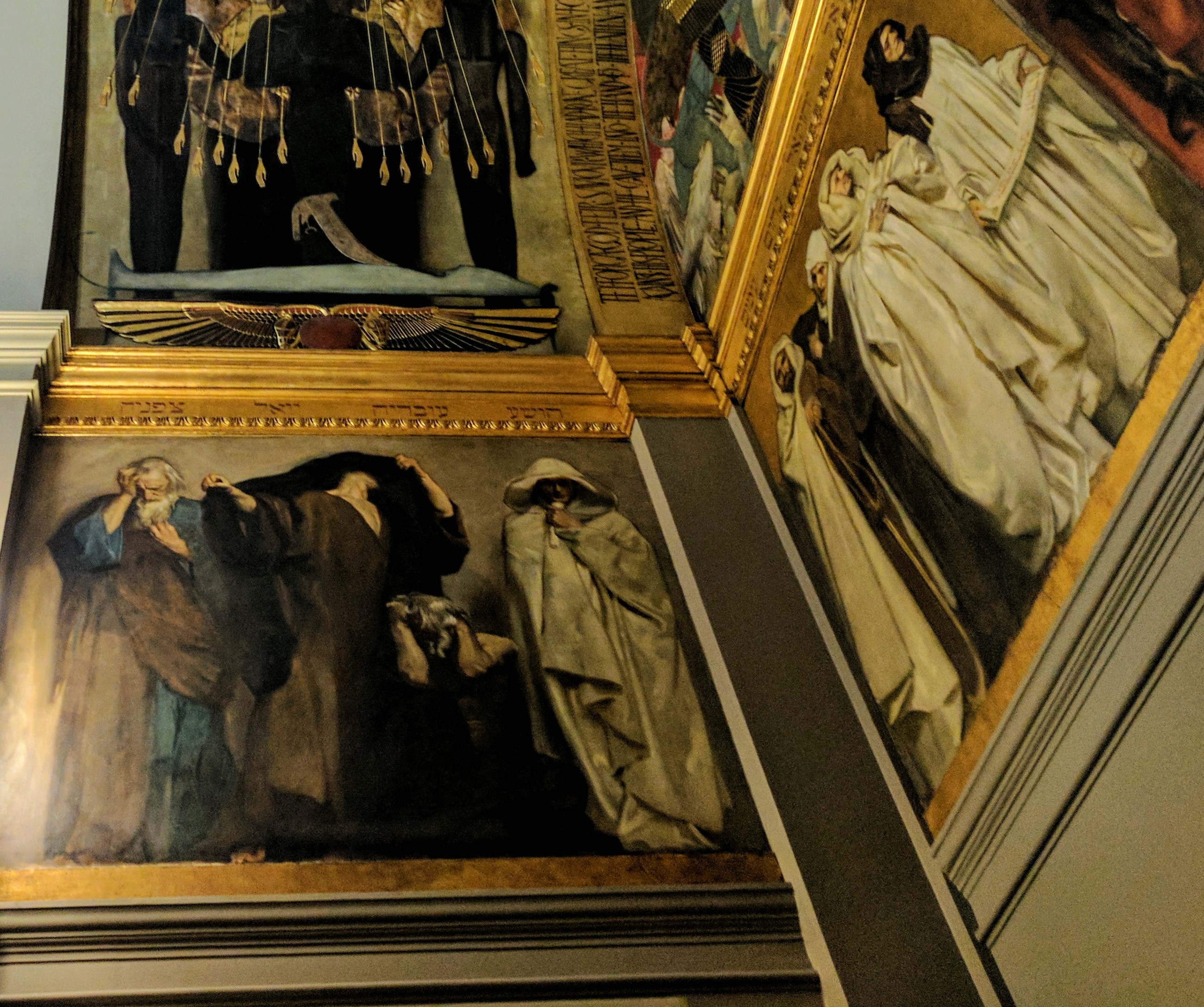
Louis Saint-Gaudens twin lions, honoring Civil War veterans; grand stairs, ceiling, windows, partial peek at Puves de Chavennes murals
Photo without irony. For irony scroll down to see the poem, Mending Wall, by Robert Frost, and for Hancock’s portrait of Frost.
Update: shortly after posting and thanks to Good Morning Gloucester facebook feed and readers, there may be more information coming on the outside-r artist who built such a great fence design. Please send in more information soon. And here is some! Danny Diamondwrites: “I painted this octopus (and the rest of the fence) back in October. It belongs to Jon Just Jon and Lisa Bouchie. The octopus was painted entirely with low-pressure spray-cans.” And Lisa Redbird adds: “…conceived by Lisa Bouchie, built by Mark (Girard) of Spotless Monkey and spray painted by Danny Diamond. A true artist collaborative…”
Mending Wall
1914 poem by Robert Frost, American poet (1874-1963), first published in anthology North of Boston
Something there is that doesn’t love a wall,
That sends the frozen-ground-swell under it,
And spills the upper boulders in the sun;
And makes gaps even two can pass abreast.
The work of hunters is another thing:
I have come after them not one stone on a stone,
But they would have the rabbit out of hiding,
To please the yelping dogs. The gaps I made,
But at spring mending-time we find them there.
I let my neighbor know beyond the hill;
And on a day we meet to walk the line
And set the wall between us once again.
We keep the wall between us as we go.
To each the boulders that have fallen to each.
And some are loaves and some so nearly balls
We have to use a spell to make them balance:
“Stay where you are until our backs are turned!”
We wear our fingers rough with handling them.
Oh, just another kind of out-door-game,
One on a side. It comes to little more:
There where it is we do not need the wall:
He is all pine and I am apple orchard.
My apple trees will never get across
And eat the cones under his pines, I tell him.
He only says, “Good fences make good neighbours.”
Spring is mischief in me, and I wonder
If I could put a notion in his head:
“Why do they make good neighbors? Isn’t it
Where there are cows? But here there are no cows.
Before I built a wall I’d ask to know
What I was walling in or walling out,
And to whom I was like to give offence.
Something there is that doesn’t love a wall,
That wants it down.” I could say “Elves” to him,
But it’s not elves exactly, and I’d rather
He said it for himself. I see him there
Bringing a stone grasped firmly by the top
In each hand, like an old stone savage armed.
He moves in darkness as it seems to me,
Not of woods only and the shade of trees.
He will not go beyond his father’s saying,
And he likes having thought of it so well
He says again, “Good fences make good neighbours.”
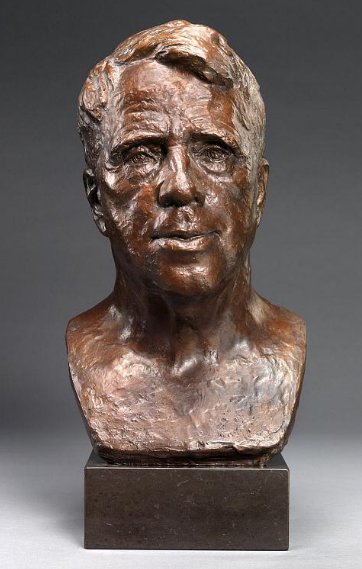
Robert Frost sat for Walker Hancock, Gloucester resident, esteemed sculptor and one of the country’s Monuments Men. Frost walked our local woods.
Artist: Walker Kirtland Hancock, (b.1901-December 30, 1998) Sitter: Robert Lee Frost, 26 Mar 1874 – 29 Jan 1963 Date: 1969 bronze sculpture cast after 1950 original (collection Amherst) Dimensions: Without socle or mount: 16 1/2 x 9 1/2 x 10 inches Collection: National Portrait Gallery
Robert Frost collection at Amherst College (on the faculty for 40 years; also University of Michigan, Middlebury, Columbia, Harvard, and Yale, among other places) Hancock’s sculpture is in this collection. Sculpture of Frost by artist Penelope Jencks was unveiled in 2007
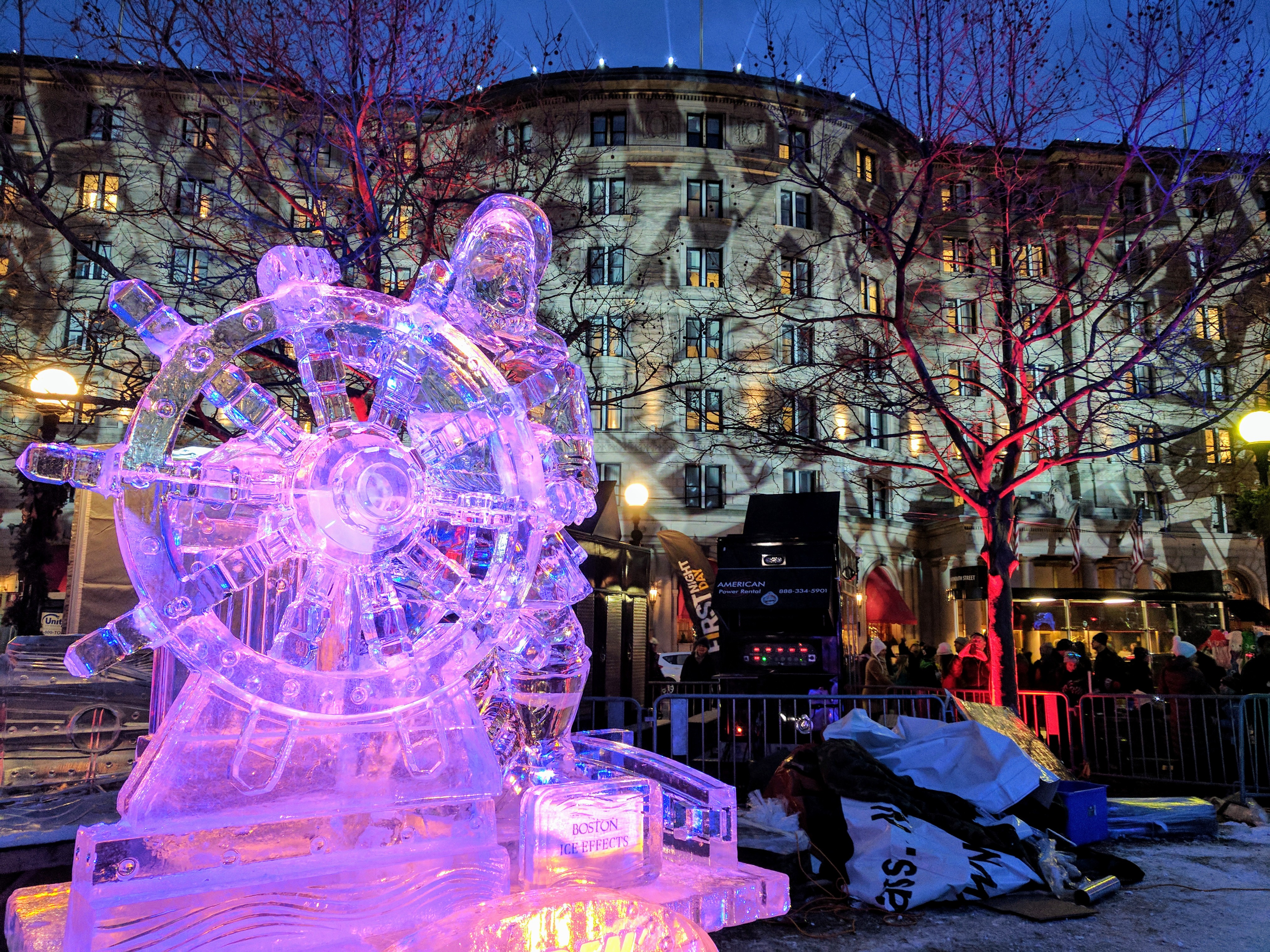
There were also large ice works of a lighthouse, clipper ship and sea serpent (live sculpting work in progress while we were there)
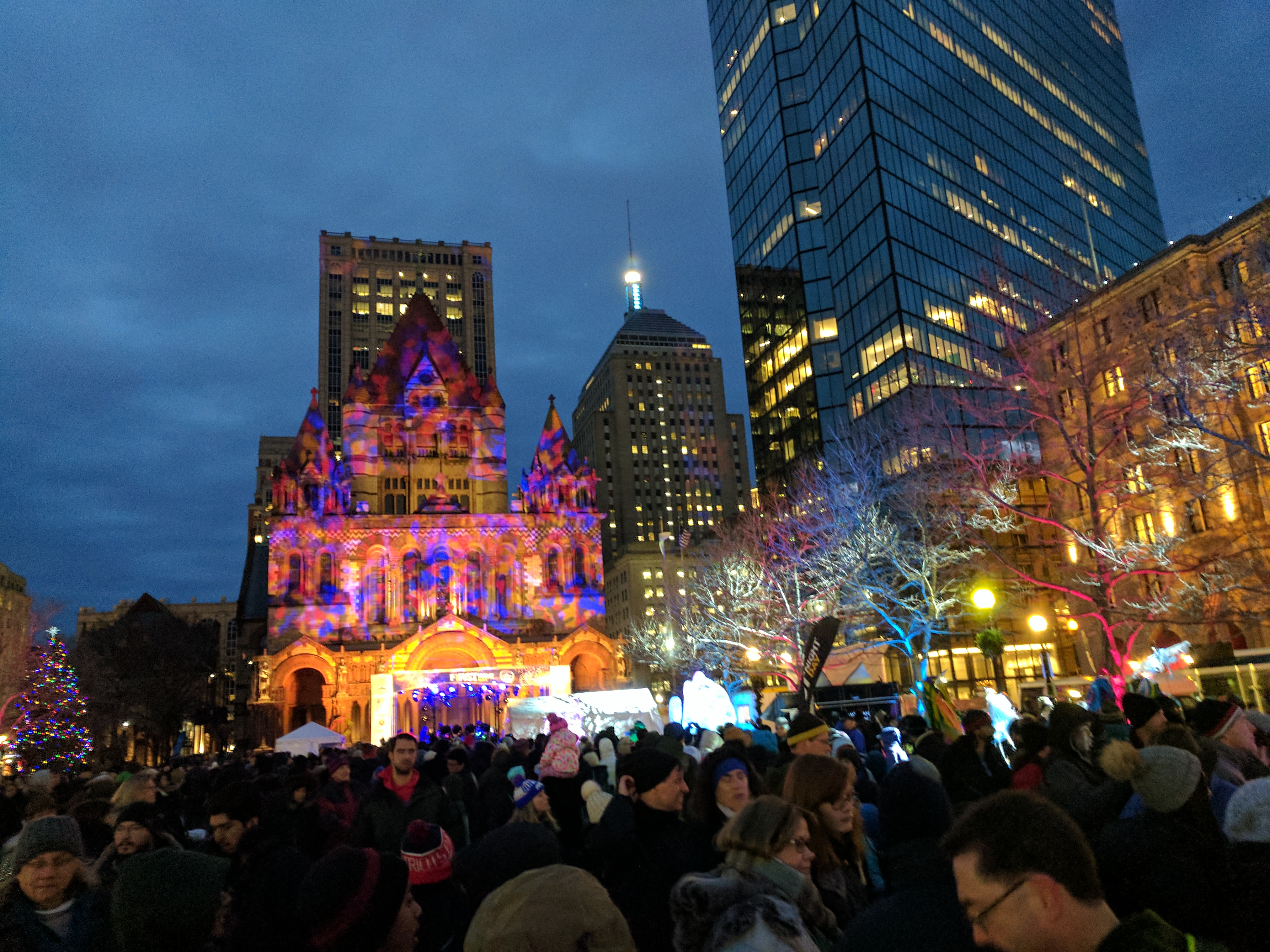
Across the street a favorite spot with more public art and large crowds– the ever stunning Boston Public Library. An art post for another day: for now some interior details. Here are a Kitson marble bust of Longfellow and a tease detail from the Sargent murals. (My sons said they like the Sawyer Free teen room more but this Boston Library was something to be proud of, too.)
Spread The GMG Love By Sharing With These Buttons:
Inspired by Joey’s and Kim Smith’s countdowns and Greg Bover’s posts, I was thinking about a GMG countdown of favorite quotable Christmas and holiday excerpts, with an extra bonus for passages with Gloucester ties. Please add or send quotes, passages, and poems that we can delight in and share.
I’ll start with a description of jubilant awakening — children bursting through doors early Christmas morning — from a 1939 book by Jan Struther, Mrs. Miniver, which for me is also a sweet reminder about my folks as they followed a similar “stocking first-presents after” routine and were beloved.
A little background: Struther’s book stemmed from her popular fiction column begun in 1937 and published every two weeks in The Times. Following the book’s smash reception, the classic William Wyler movie, Mrs. Miniver, starring Greer Garson was released in 1942. The movie is based on the book but its own story. The movie was nominated for 12 Oscars and garnered 6 including best picture. The music is by Herbert Stothart who won an Oscar for his work on the Wizard of Oz.
Mrs. Miniver on embracing positive enthusiasm:
“It began in the same way every year: the handle of her bedroom door being turned just loudly enough to wake her up, but softly enough not to count as waking her up on purpose; (her child) Toby glimmering like a moth in the dark doorway, clutching a nobbly Christmas stocking in one hand and holding up his pyjama trousers with the other. (He insisted upon pyjamas, but he had not yet outgrown his sleeping-suit figure.)
‘Toby! It’s only just after six. I did say not till seven.’ ‘But, Mummy, I can’t tell the time.’ He was barefoot and shivering, and his eyes were like stars.
The GCC Application deadline is October 17, 2016. No paper copies are required this year!
The GCC grants have primed countless programs that would not have been possible without that support. The unheralded community volunteers that put in the time and effort to administer the process are fantastic. I look forward to seeing the annual choices. Good luck everyone!
Rose Sheehan writes to GMG:
On behalf of the Gloucester Cultural Council please help us get the word out about project funding opportunities. Thanks!
The Gloucester Cultural Council is currently accepting applications for grant funding for community-based projects in the arts, humanities and sciences for the FY 2017 round of funding. Each year, organizations, schools and individuals are invited to apply to the Local Cultural Council for funding to support projects that promote rich cultural experiences in the Gloucester community. This year, all applicants must submit their proposals via the new online system and no hard copy applications will be accepted.
The Gloucester Cultural Council is part of a network of 329 Local Cultural Councils serving all 351 cities and towns in the Commonwealth. The LCC Program is the largest grassroots cultural funding network in the nation, supporting thousands of community-based projects in the arts, sciences and humanities every year. The state legislature provides an annual appropriation to the Massachusetts Cultural Council, a state agency, which then allocates funds to each community. The Gloucester Cultural Council guidelines, project priorities and online applications are available at http://www.mass-culture.org/Gloucester.
Gloucester Daily Times April 2012, Poetry Comes Alive, East Gloucester Elementary school celebrates National Poetry Month with support from the Gloucester Cultural Council, an MCC LCC initiative
Spread The GMG Love By Sharing With These Buttons:
A tradition of the Motif No.1 Day arts festival is to feature poets from Cape Ann and their work in a poetry reading, which takes place each year at 4pm.
This year the event is hosted by Christopher Anderson of the Eastern Point Lit House, and will take place in an open mic format. Poets and readers of all ages welcome. Come early for the other literary events at the festival (the Magnetic Poetry Slam, Book Spine Poetry, selections from Shakespeare presented by Cape Ann Shakespeare Troupe, and more) and stay for the Words Before Dinner Poetry Reading.



































 Good Morning Gloucester
