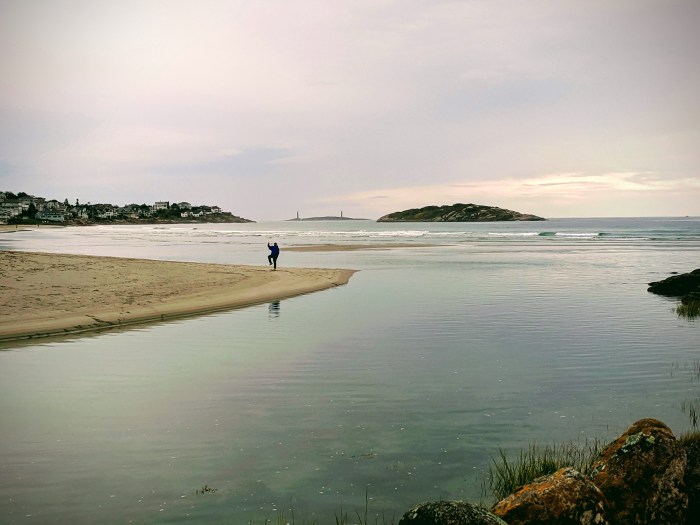
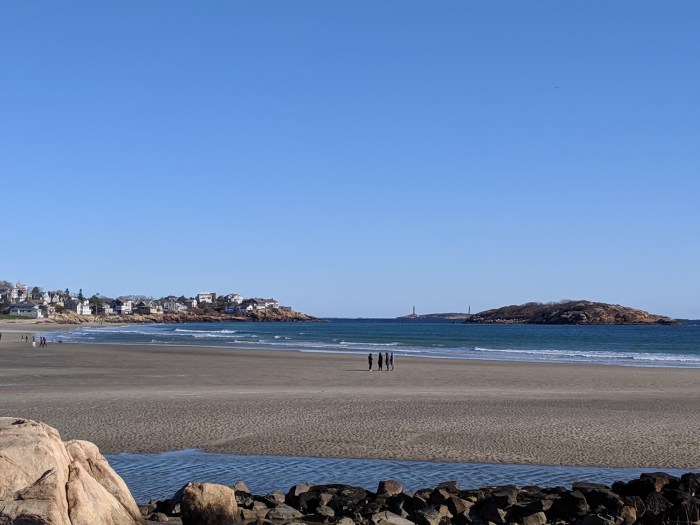
Even though it was 30 degrees, we all need to go to the beach.

My View of Life on the Dock
Even though it was 30 degrees, we all need to go to the beach.

Hello dear Piping Plover Friends and Partners,
As are you, I am looking forward to the return of our Gloucester Plovers. With the relatively mild winter we are experiencing, and the fact they have been arriving earlier and earlier each spring, we could be seeing our tiny shorebird friends in little over a month.
About this time of year I imagine well wishers and monitors are becoming anxious, wondering if our PiPls survived all the challenges winter brings to migrating birds.
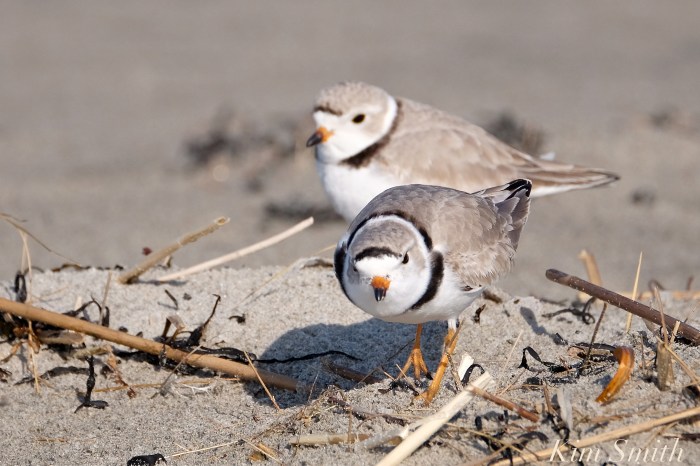
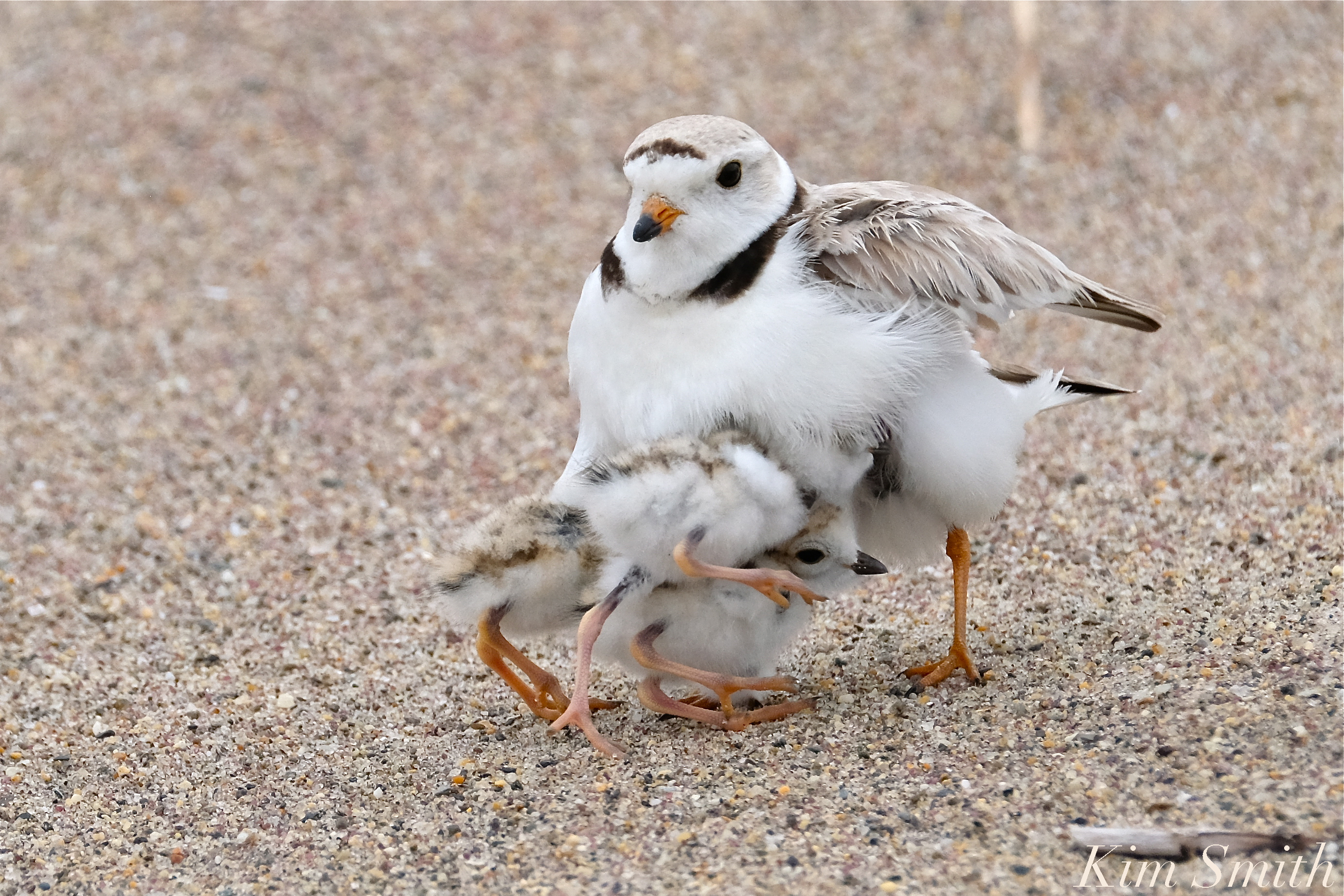
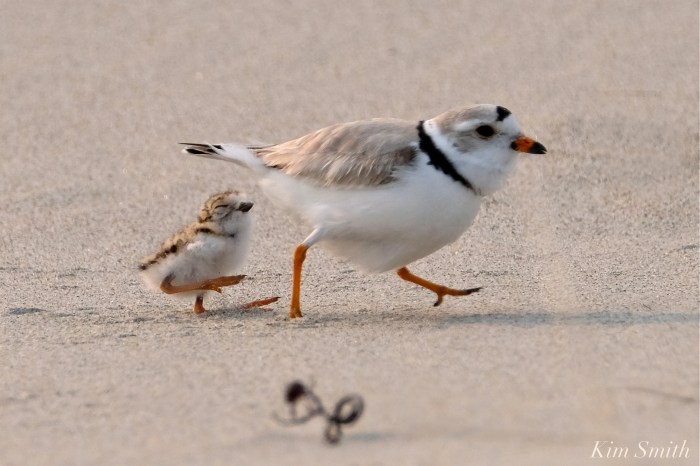
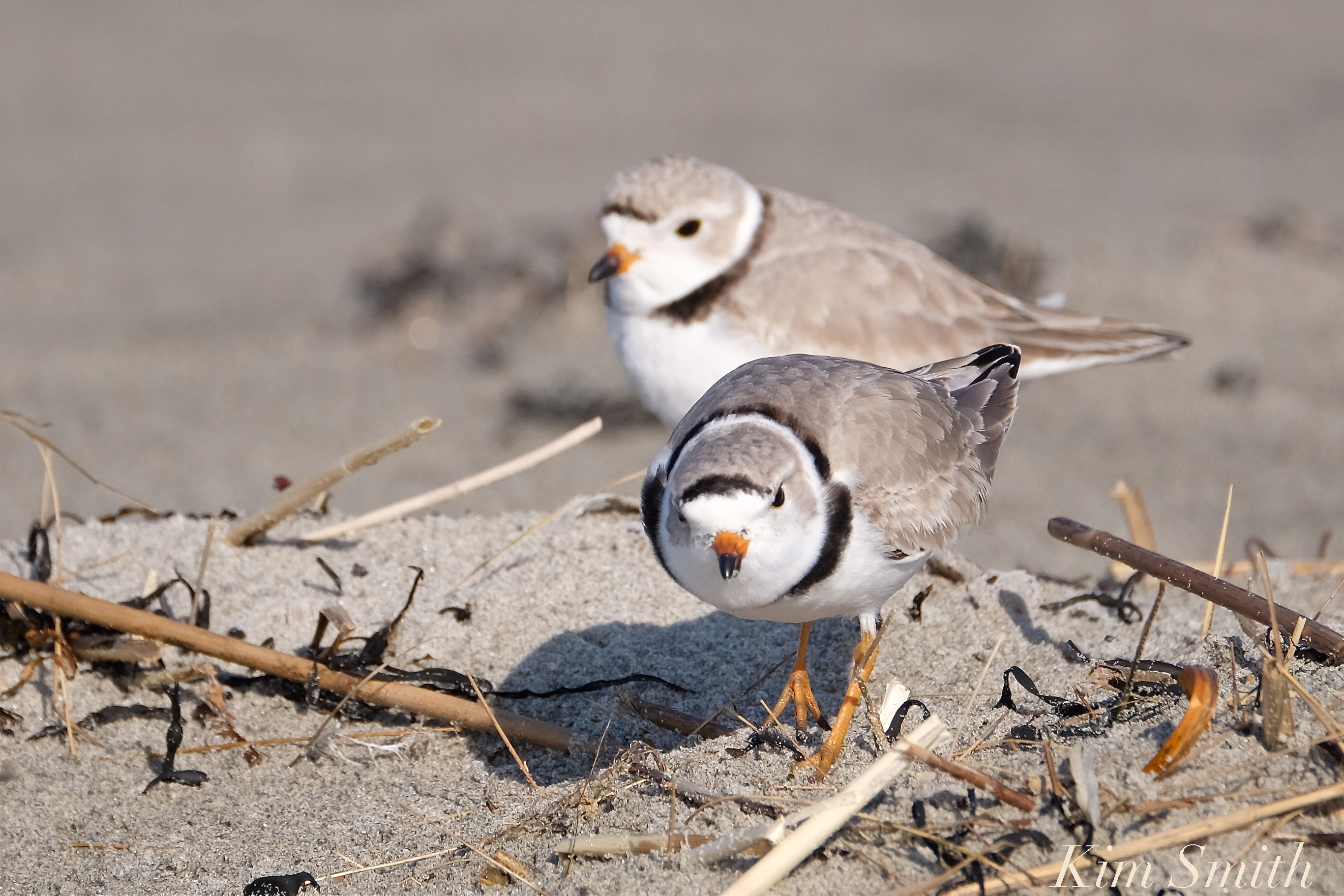 Gloucester’s Mated Piping Plover Pair, Mama in the background, Dad in the fore.
Last August at the Coastal Waterbird Conservation Cooperators meeting, I met Professor Paton. He is involved with a program that bands and nanotags birds at Southern New England beaches, mostly Rhode Island beaches. He provided some terrific maps based on the data collected from the banding program.
After departing Massachusetts and Rhode Island, the majority of the program’s tagged PiPls are soon found foraging on the shores of Cape Hatteras National Seashore, Cape Lookout National Seashore, and Cumberland Island National Seashore, GA. Data suggests that the Outer Banks are a priority stopover site for Piping Plovers well into the late summer. After leaving our shores, southern New England Piping Plovers spend on average 45 days at NC barrier beaches before then heading to the Bahamas and Turks and Caicos.
Although our Good Harbor Beach Piping plovers are not tagged, there is no reason to believe that they too are not traveling this route.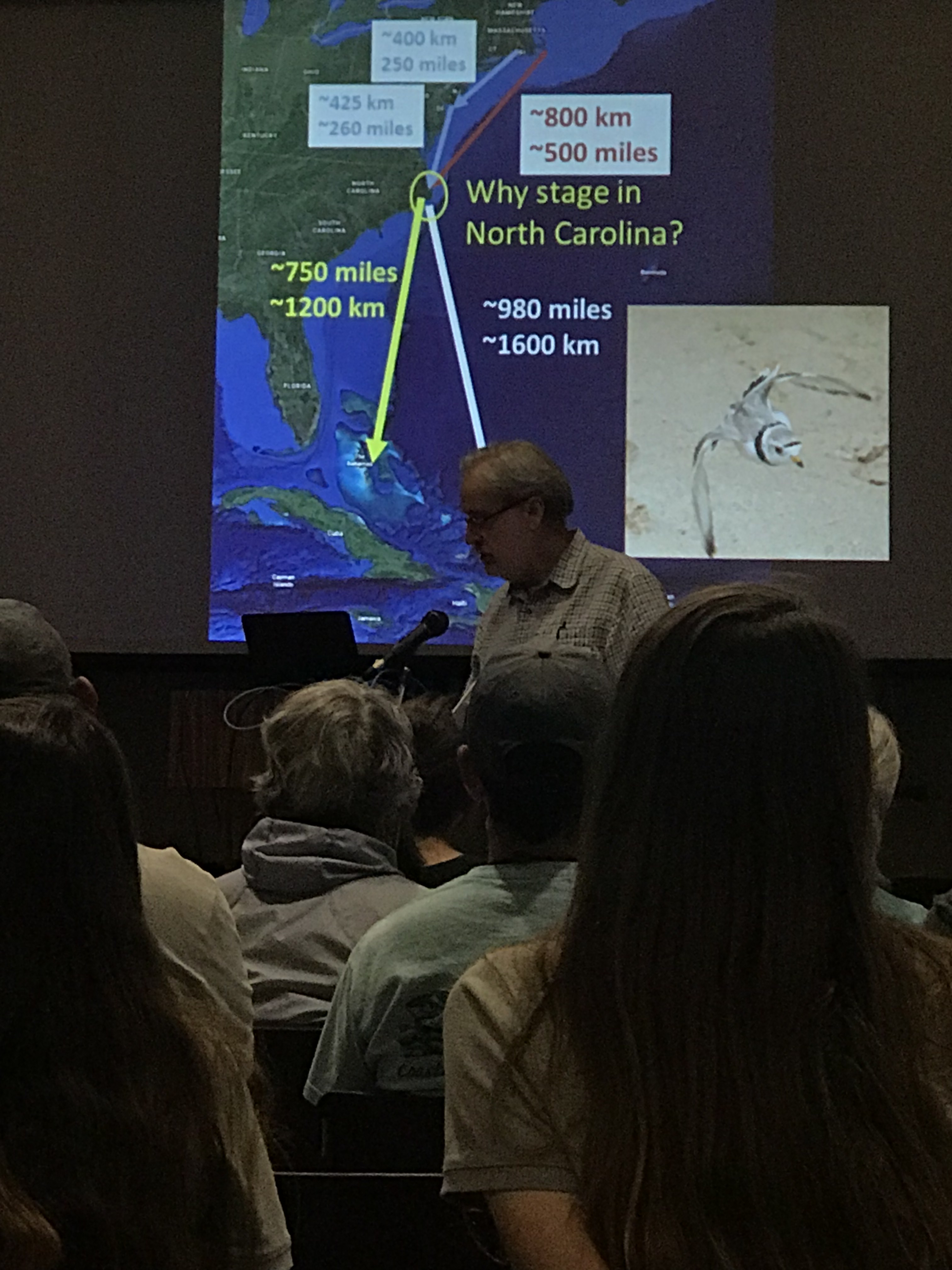
As you can see in the map above, it’s easy to understand why the majority of Southern New England PiPls stage in North Carolina.
Why wouldn’t we want to tag out GHB family? Not often publicized is the down side of tagging. Some species of birds adapt well to tagging and some, like Piping Plovers, develop life threatening problems like leg movement disorder. But most troubling of all is that small sticks and other debris can become lodged between the skin and the tag, which causes the area to become infected, which has lead to loss of leg. Tiny shorebirds like Piping Plovers use their legs to propel them all over the beach, to both forage and escape danger. Left crippled by the loss of a leg, the birds will barely survive another year. At one point several years back there was even a moratorium placed on banding plovers.
Perhaps if we had dozens of pairs of Piping Plovers nesting all over around Cape Ann it would be worth the risk of banding a bird or two. But with only one nesting pair, coupled with the typical survival rate of Piping Plovers at less than five years, why not let our one pair nest in peace? Plovers at popular city beaches need all the help they can get from their human stewards. I for one am happy to simply imagine where our GHB PiPls spend the winter.
If you have ever been to a New Jersey beach, you might be sickened as was I to see birds with no less than eight tags, four on each leg. It doesn’t make sense to me in this day and age why one band wouldn’t suffice. Each time the bird was spotted the one set of data provided by one tag could be recorded in a national database.
According to coastal ecologist with The Trustees of Reservations, Jeff Denoncour, this past year (2019), 49 pairs of plovers raised 96 chicks at Crane Beach. They do not band birds at Crane Beach, nor are birds banded at other beaches where the PiPl has been successfully increasing in population, including Winthrop Shore Reservations and Revere Beach.
The species existence is precarious. In 2000 at Crane Beach just 12 fledglings survived 49 pairs and that was because of a major storm. Considering all that a Piping Plover pair has to face at the city’s most popular beach, we don’t need to decrease their chances of survival.
It’s wonderful and reassuring to see updated reports of banded birds we have observed at Good Harbor Beach however, because of data collected in the past, we can fairly accurately imagine where our little family resides during the winter. Banding a single pair will only serve to satisfy our own curiosity, and will do nothing to increase the bird’s chance of survival.
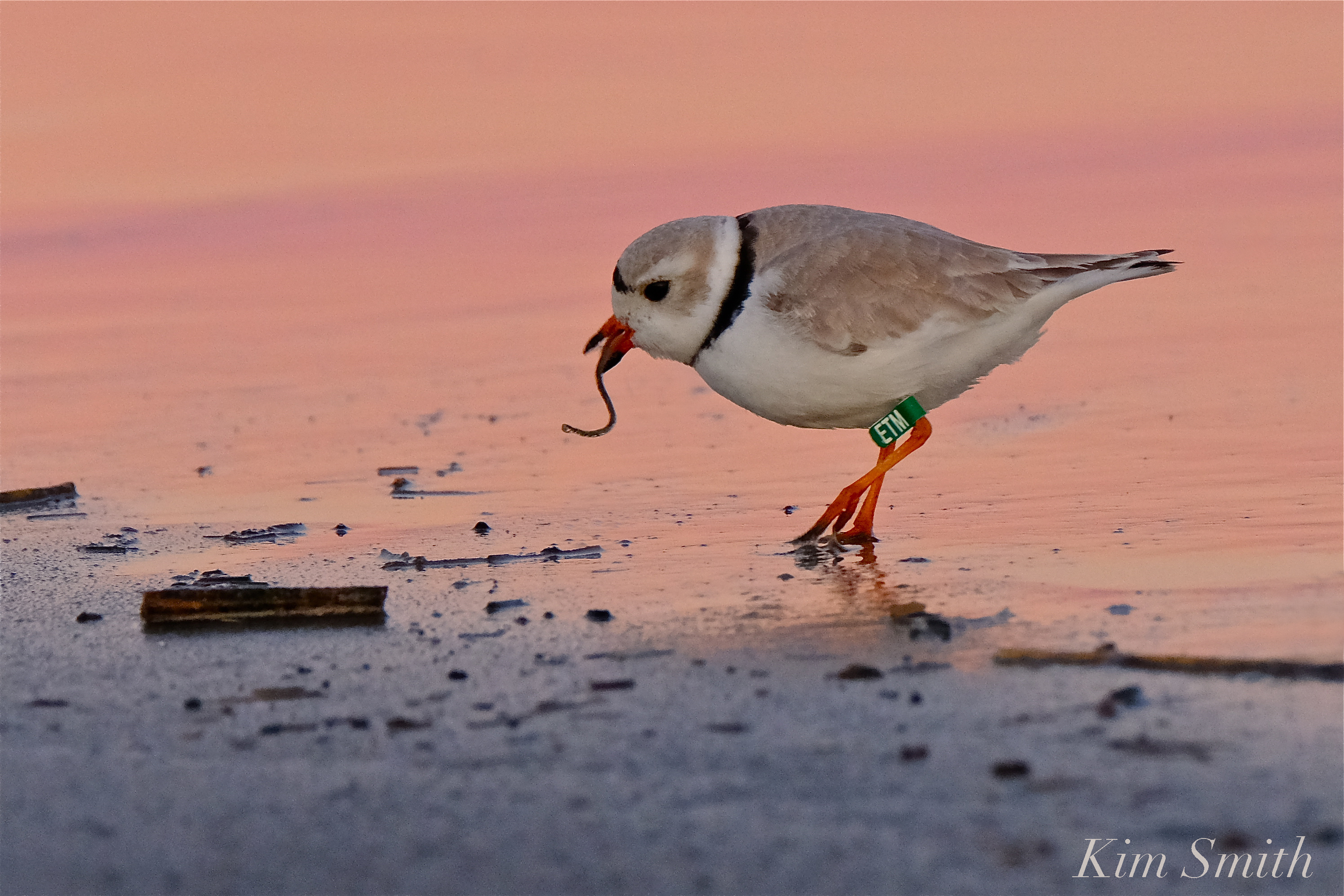
ETM, spotted last year by PiPl monitor Heather Hall at Good Harbor Beach, is currently spending the winter on Cumberland Island, Georgia.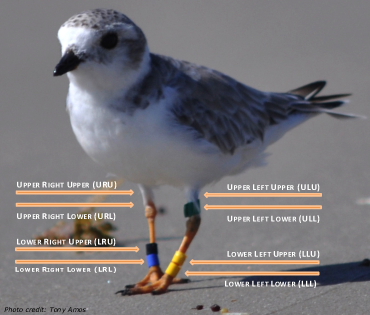
Seven too many bands on this bird!!! Bands are placed both above and below the tibiotarsal joint on plovers (terns are given bands below the tibiotarsal joint only). There are eight possible band locations on a bird’s leg according to banding schemes: The Upper Left Upper, Upper Left Lower (left leg, above the tibiotarsal joint), Lower Left Upper, Lower Left Lower (left leg, below the tibiotarsal joint), Upper Right Upper, Upper Right Lower (right leg, above the tibiotarsal joint), Lower Right Upper, and Lower Right Lower (right leg below the tibiotarsal joint).
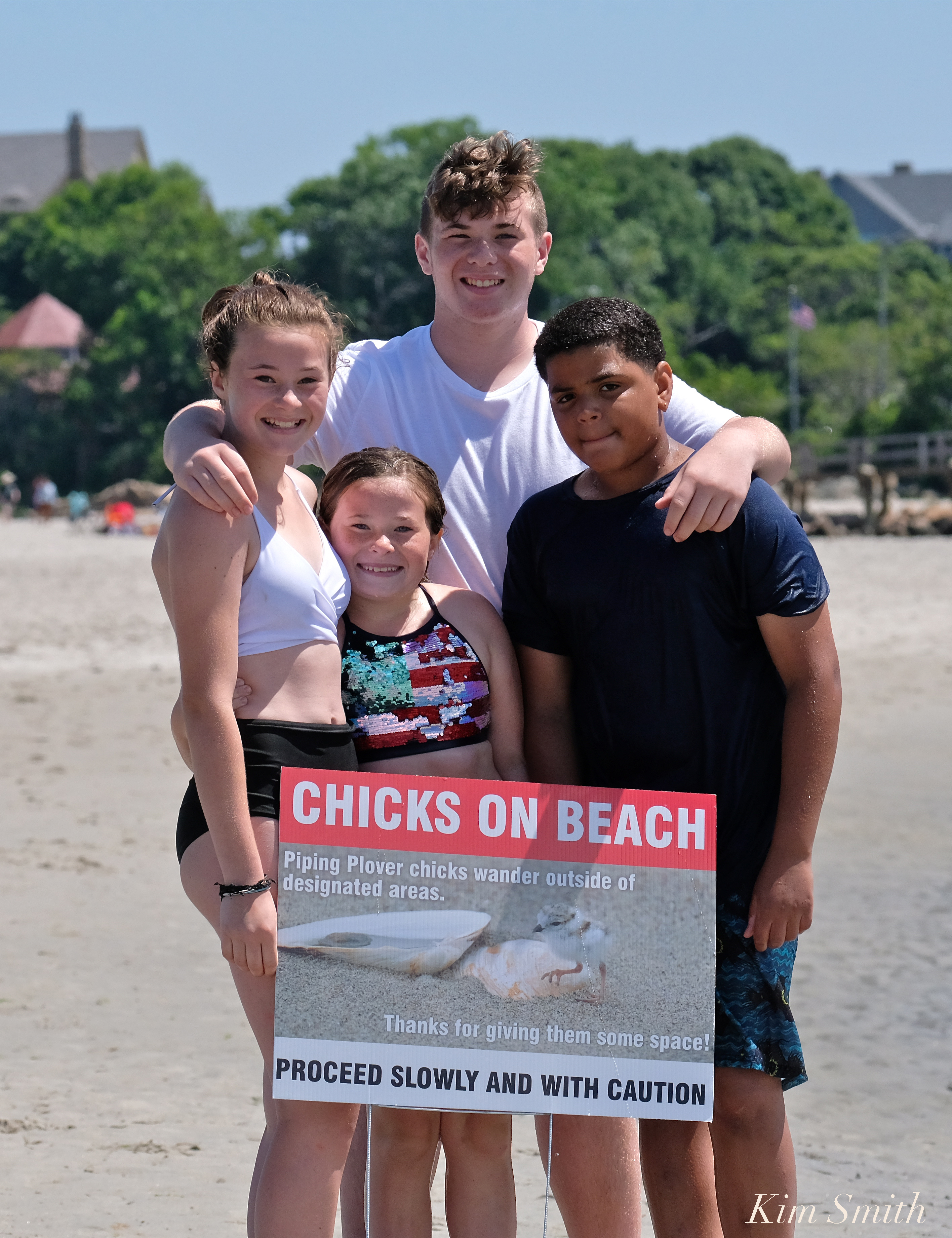
Looking forward to the upcoming Piping Plover season!
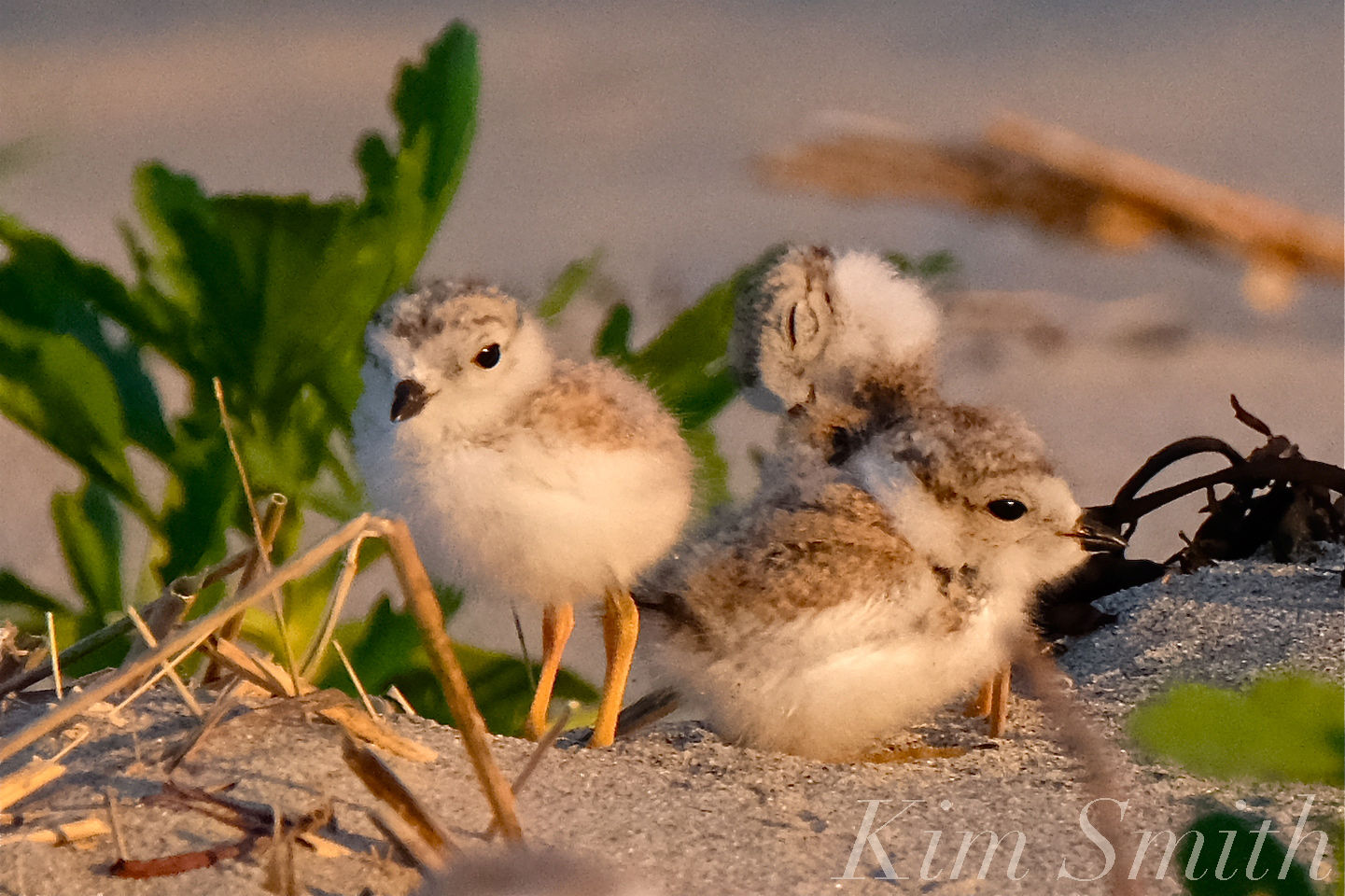
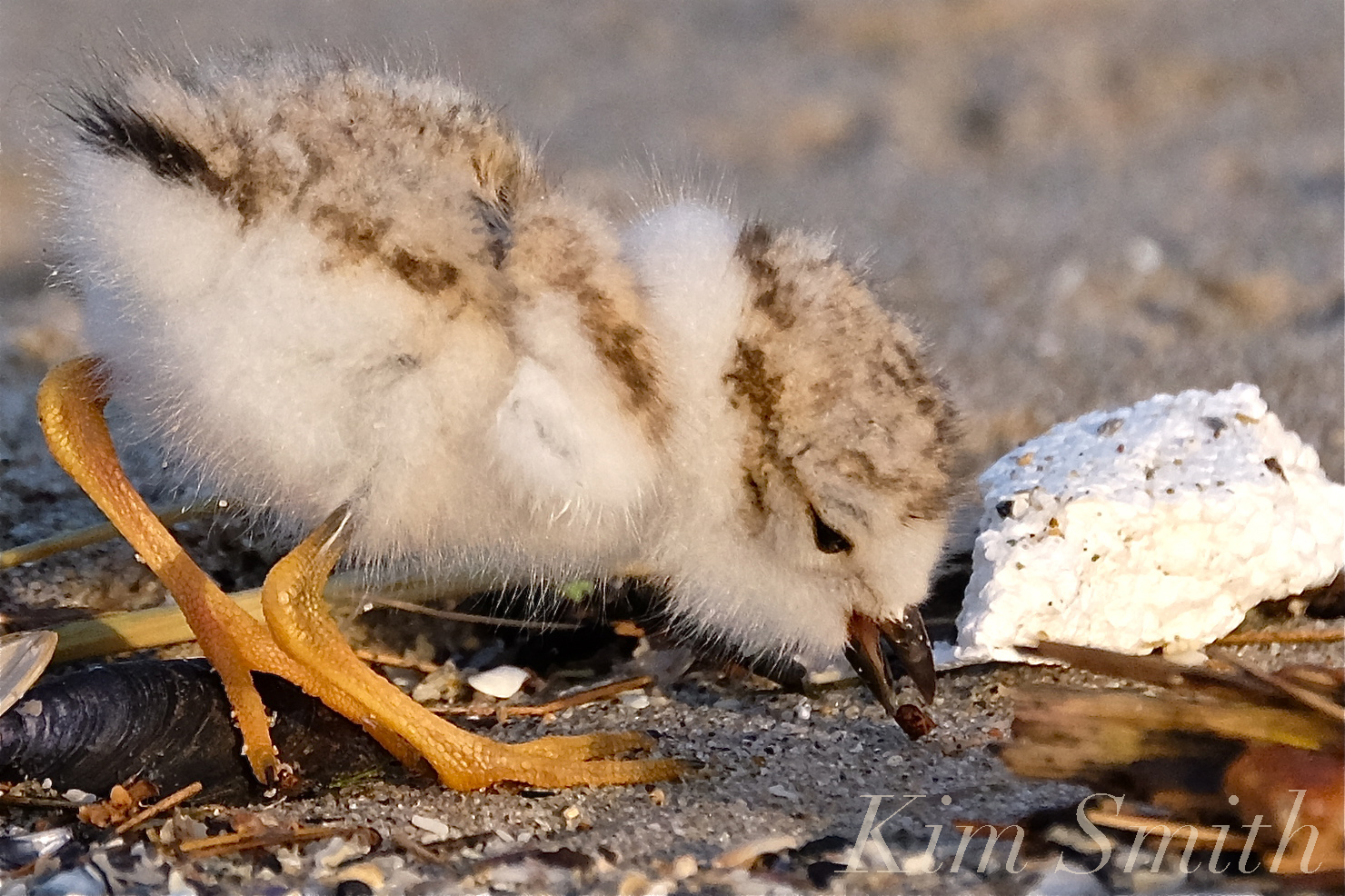
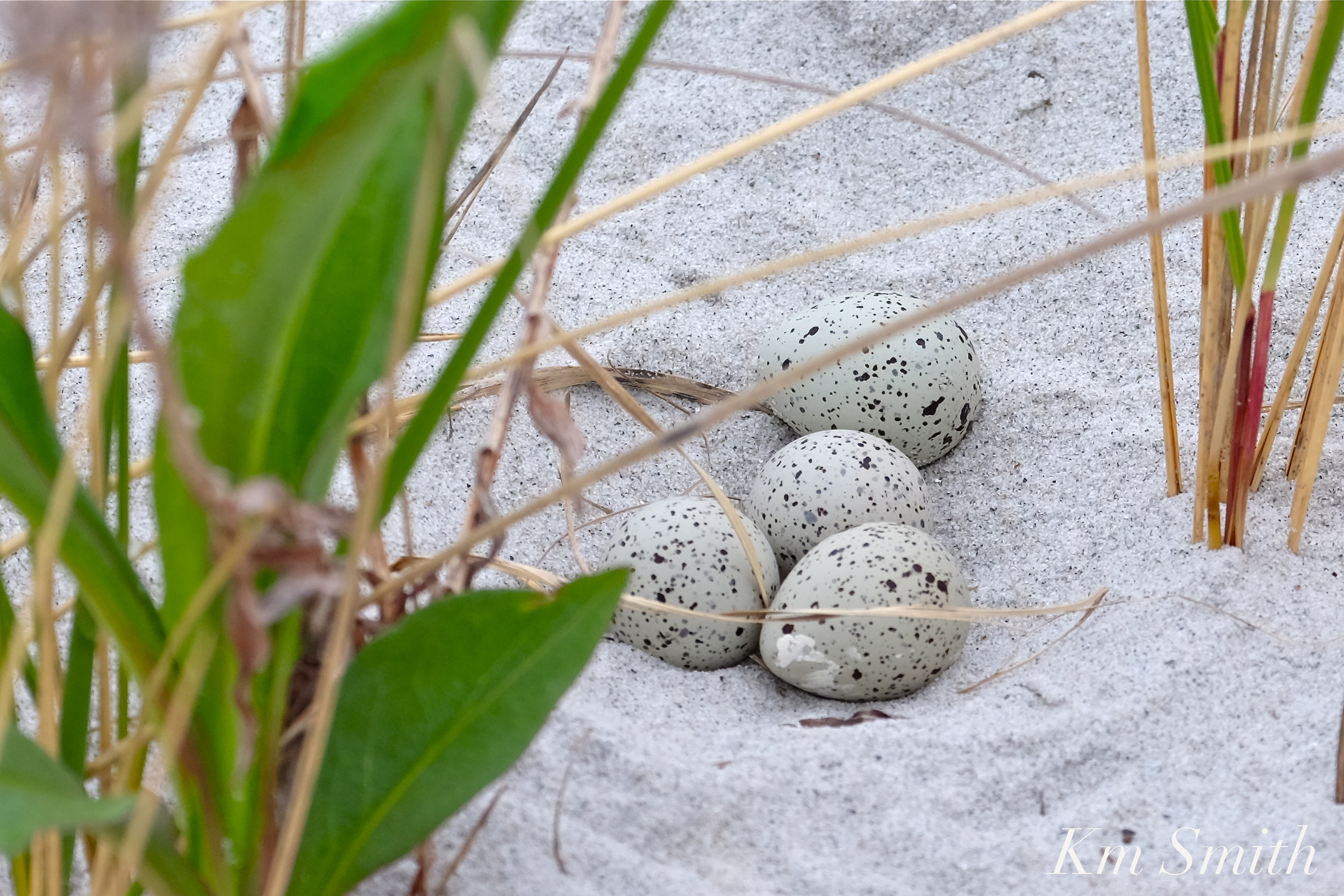
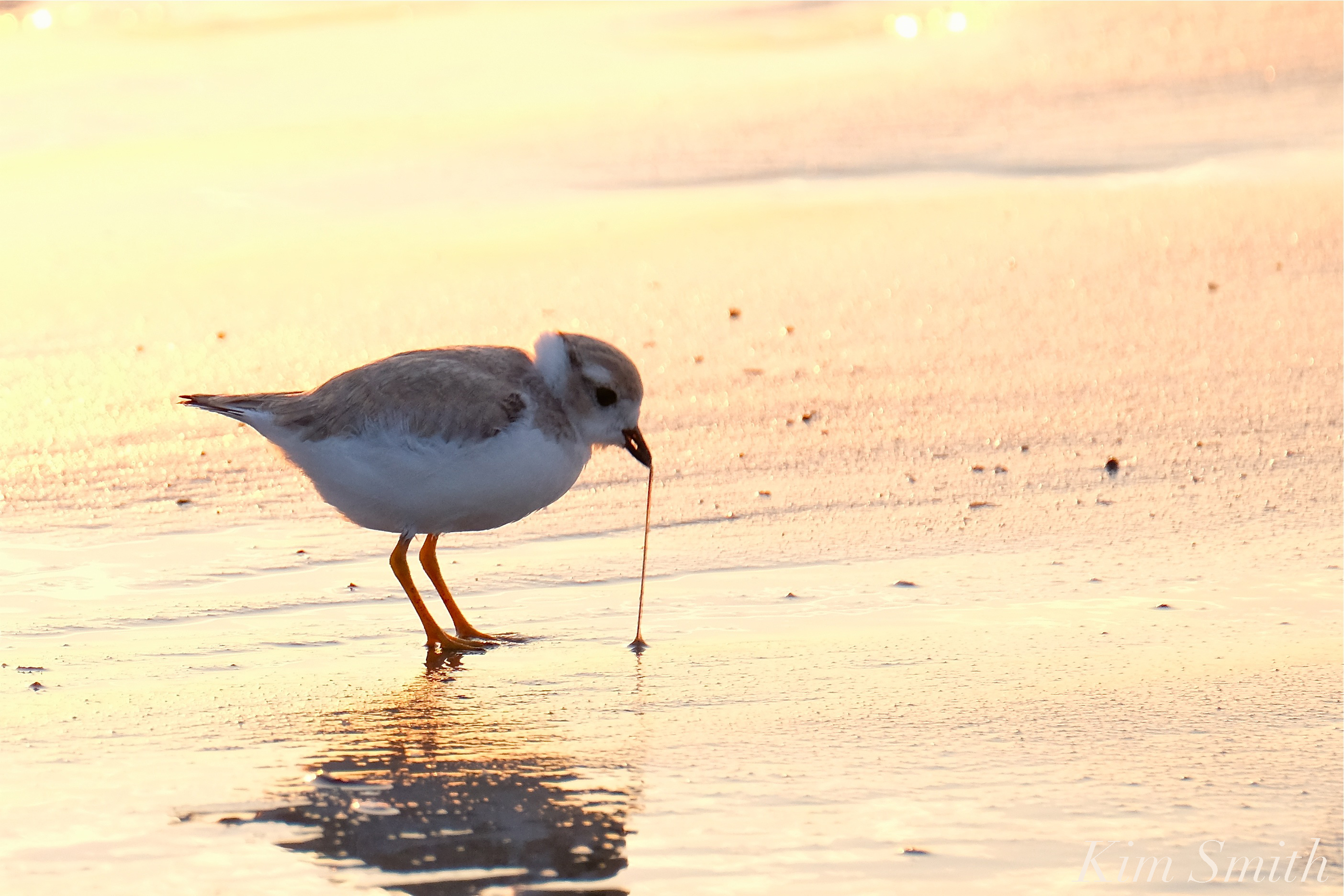

On a beautiful Sunday

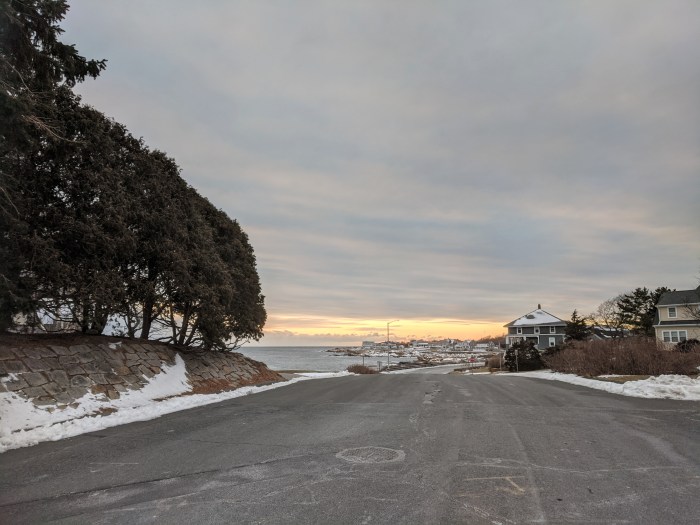
Pausing at the gentle rise and dip before Atlantic back shore on a soft winter morning
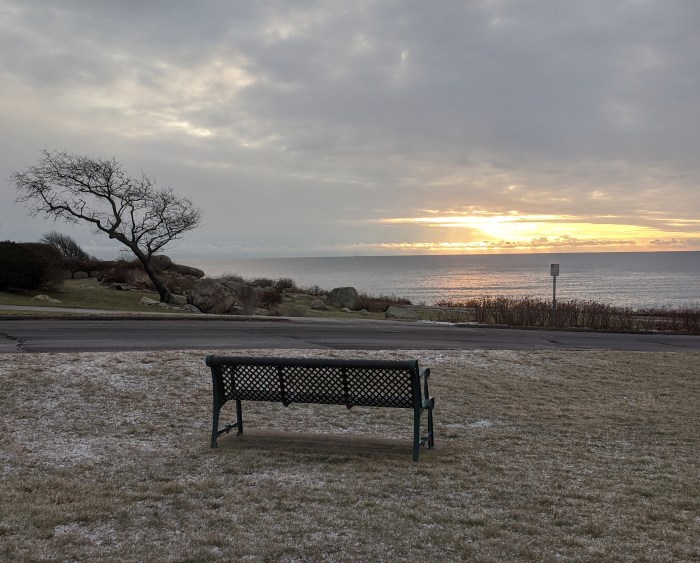
pale sunrise Jan 8 2020

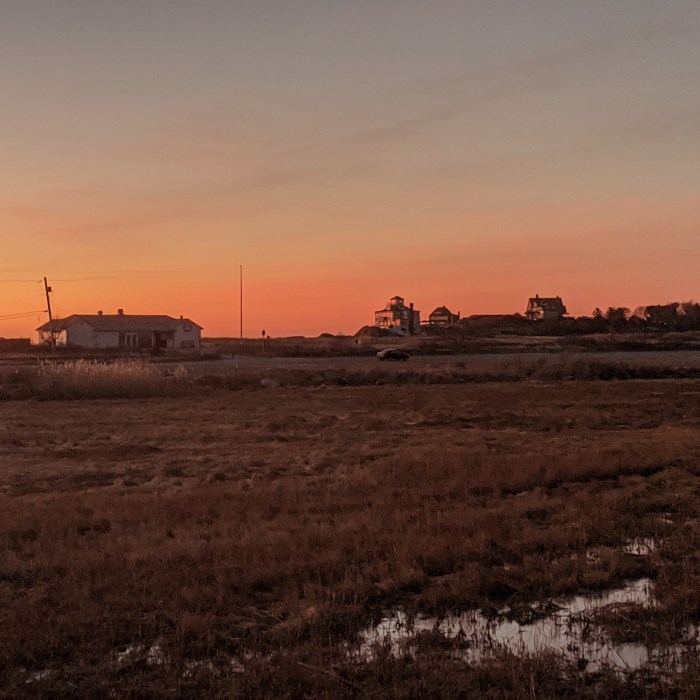


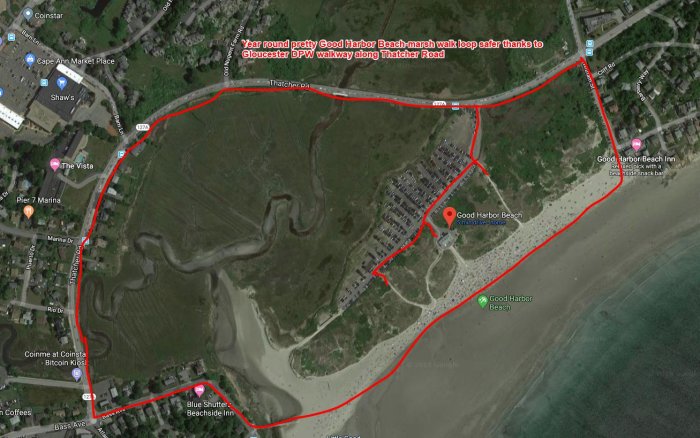
From Salt Island side walked the beach and circled round Thacher Road at the back of Good Harbor Beach, about 6:30-6:45am. Photos possible from the safe and great new walkway (thanks Gloucester DPW)

HERE’S TO A HAPPY NEW YEAR AND A HAPPY NEW DECADE!
In spending the afternoon reflecting on the past year’s wildlife stories and photos, I have been thinking about what an extraordinary place is Cape Ann. How fortunate we all are to see amazing and beautiful wildlife stories unfolding in our own backyards each and every day! I am planning a Cape Ann Wildlife 2019 Year in Pictures and hope to find the time to post that this week.

News this year of an increase in Monarchs at the butterfly’s overwintering sites in Mexico, as well as strong numbers during the summer breeding season and fall migration, gives me great hope for the future of this beautiful species, and for all wildlife that we take underwing.
 Monarchs flying into Gloucester butterfly trees, forming an overnight roost.
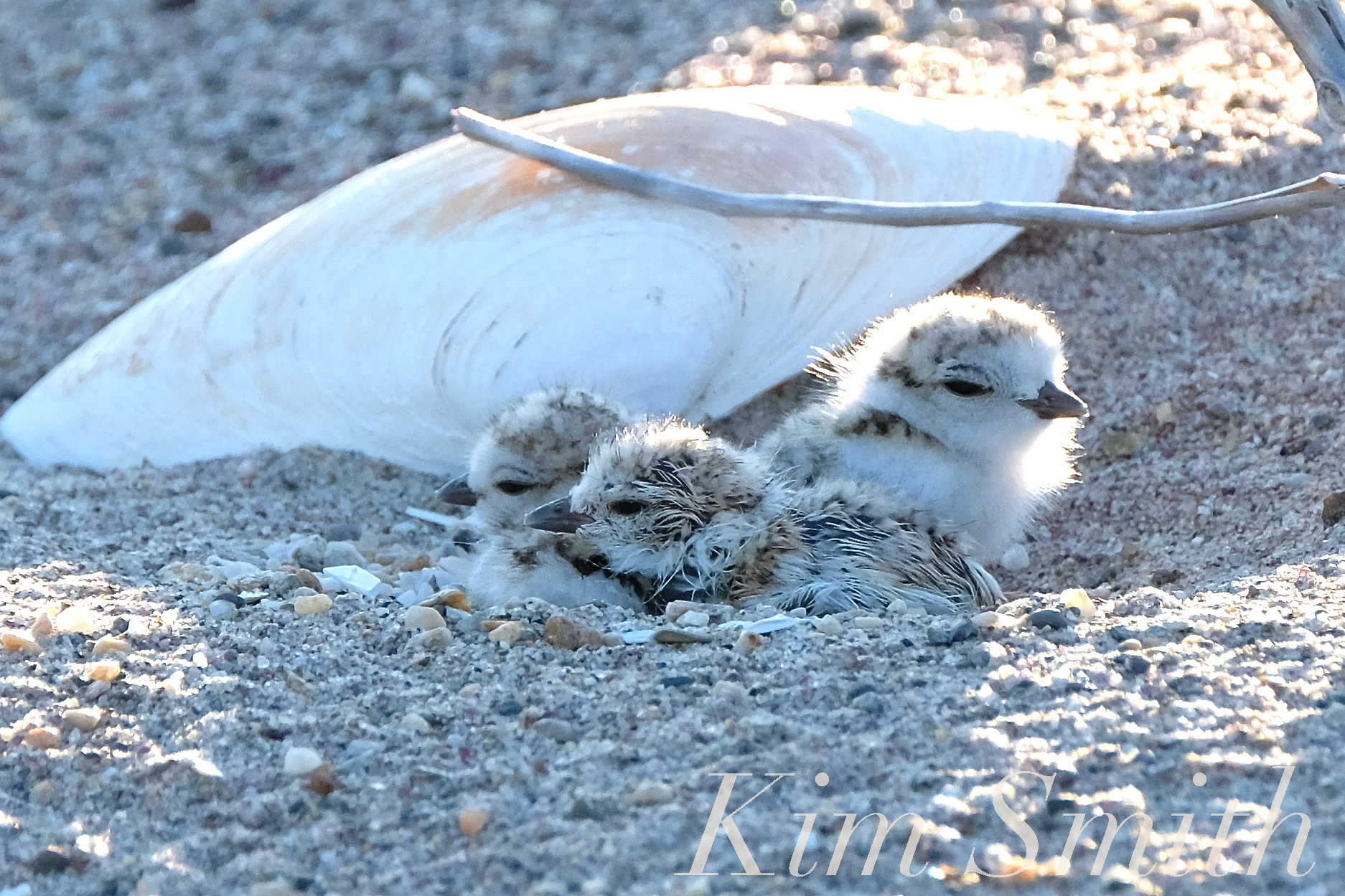
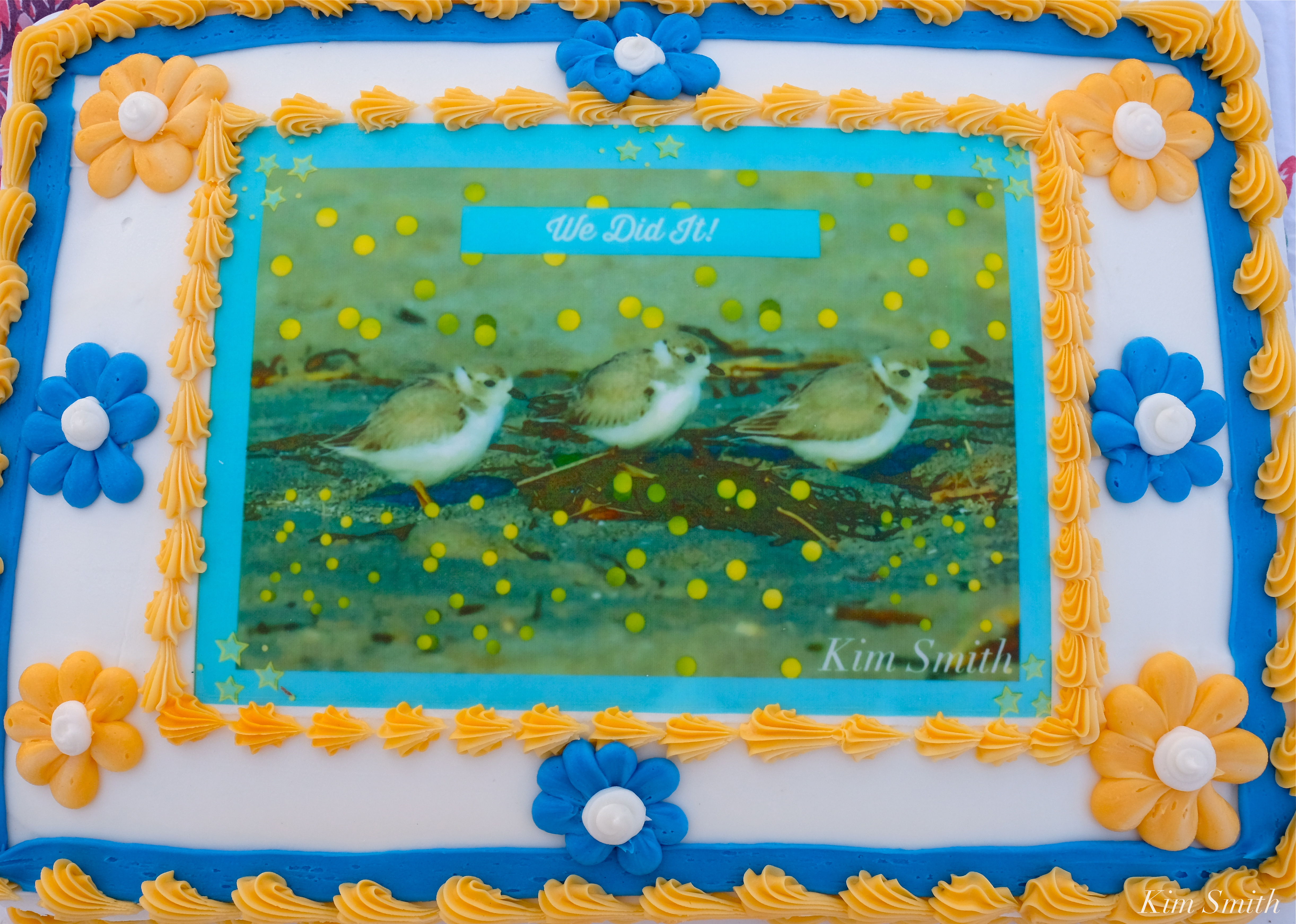
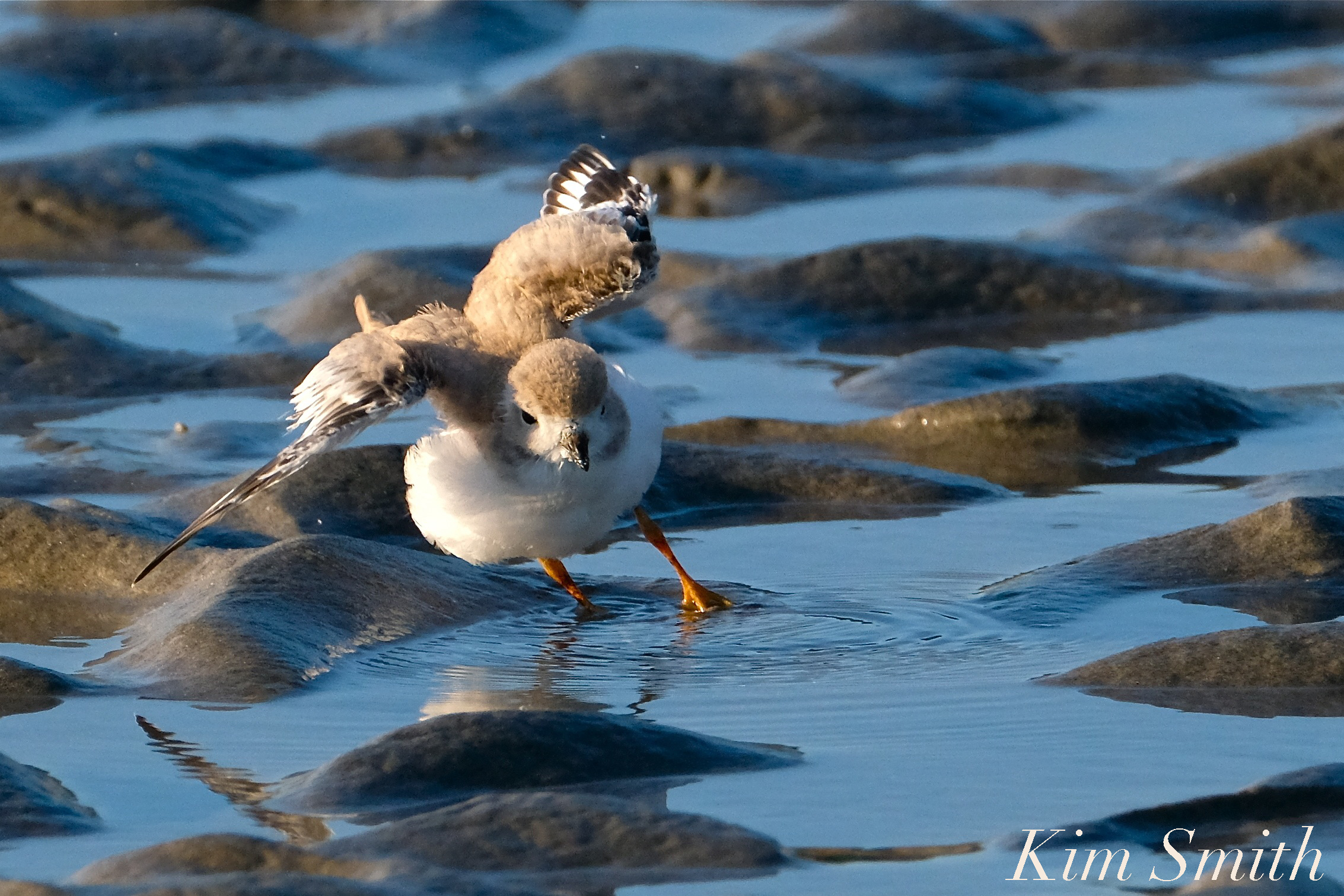
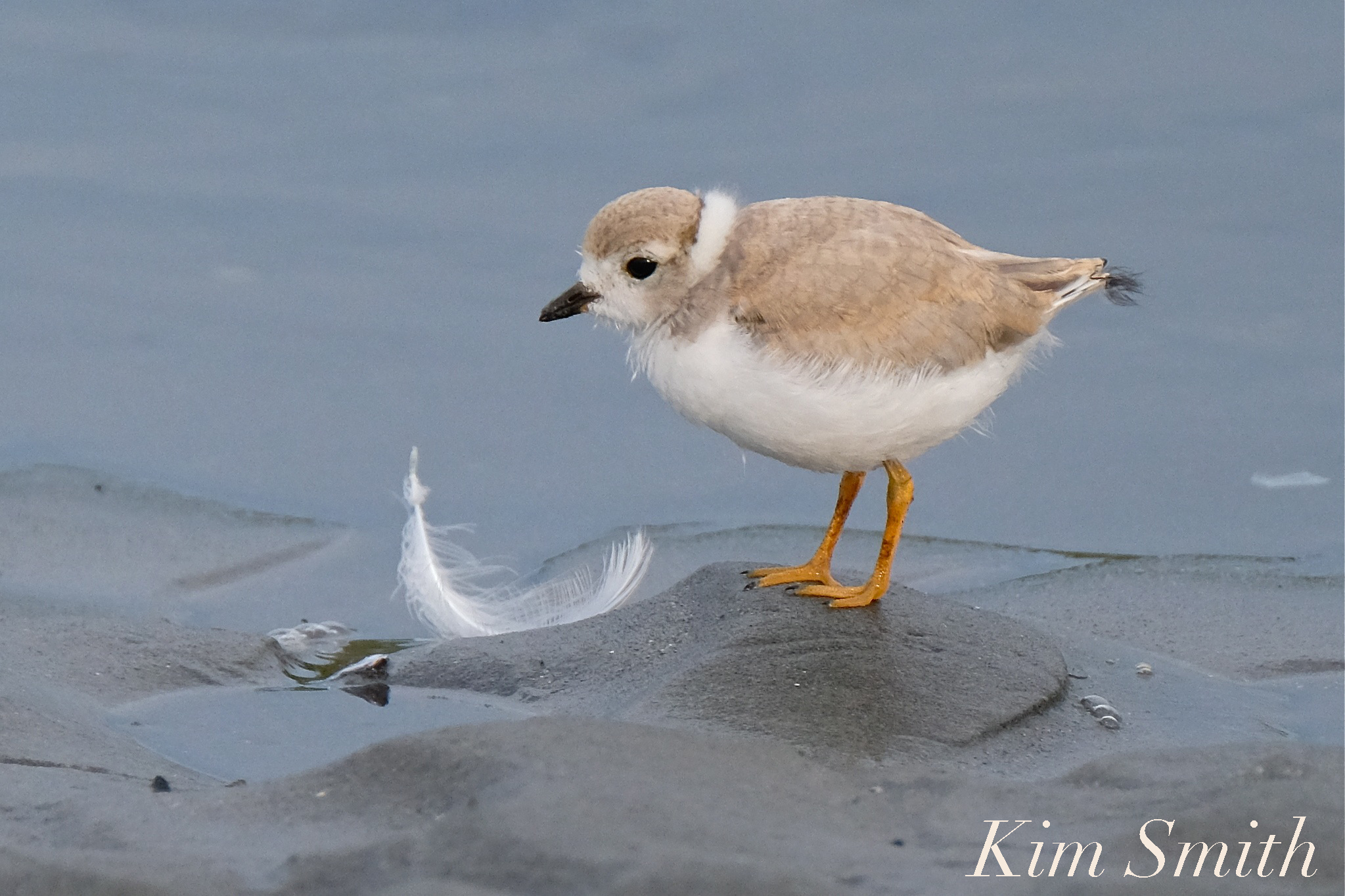
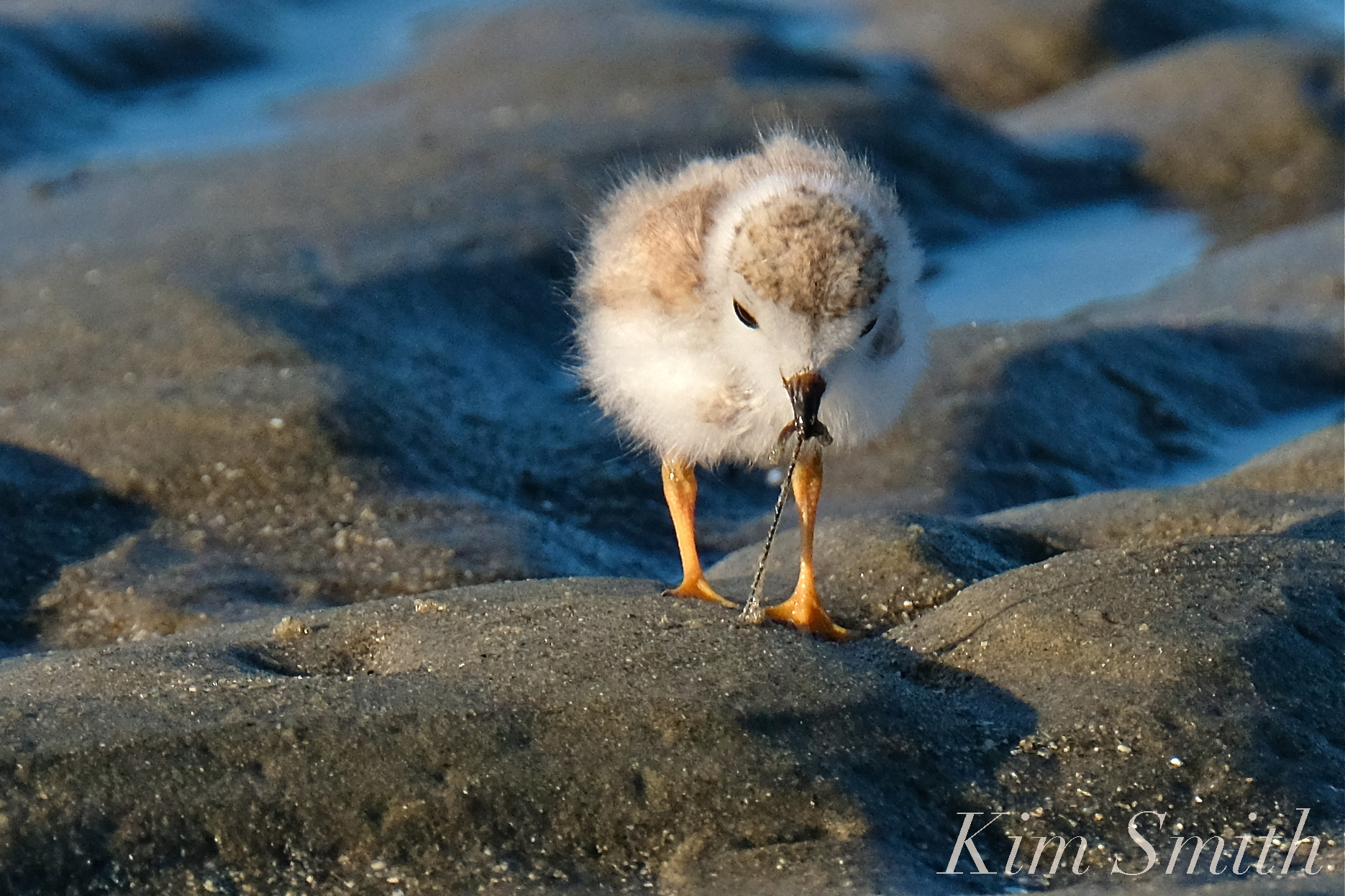
Our community has taken under its wings a pair of Piping Plovers. The two began calling Good Harbor Beach home in 2016. Because the community came together and worked as a team, this year we were able to fledge three tiny, adorable marshmallow-sized fluff balls at Gloucester’s most well-loved and populous beach. Thank you Piping Plover friends and Community for all that you did to help these most vulnerable of shorebirds successfully reach flying age.
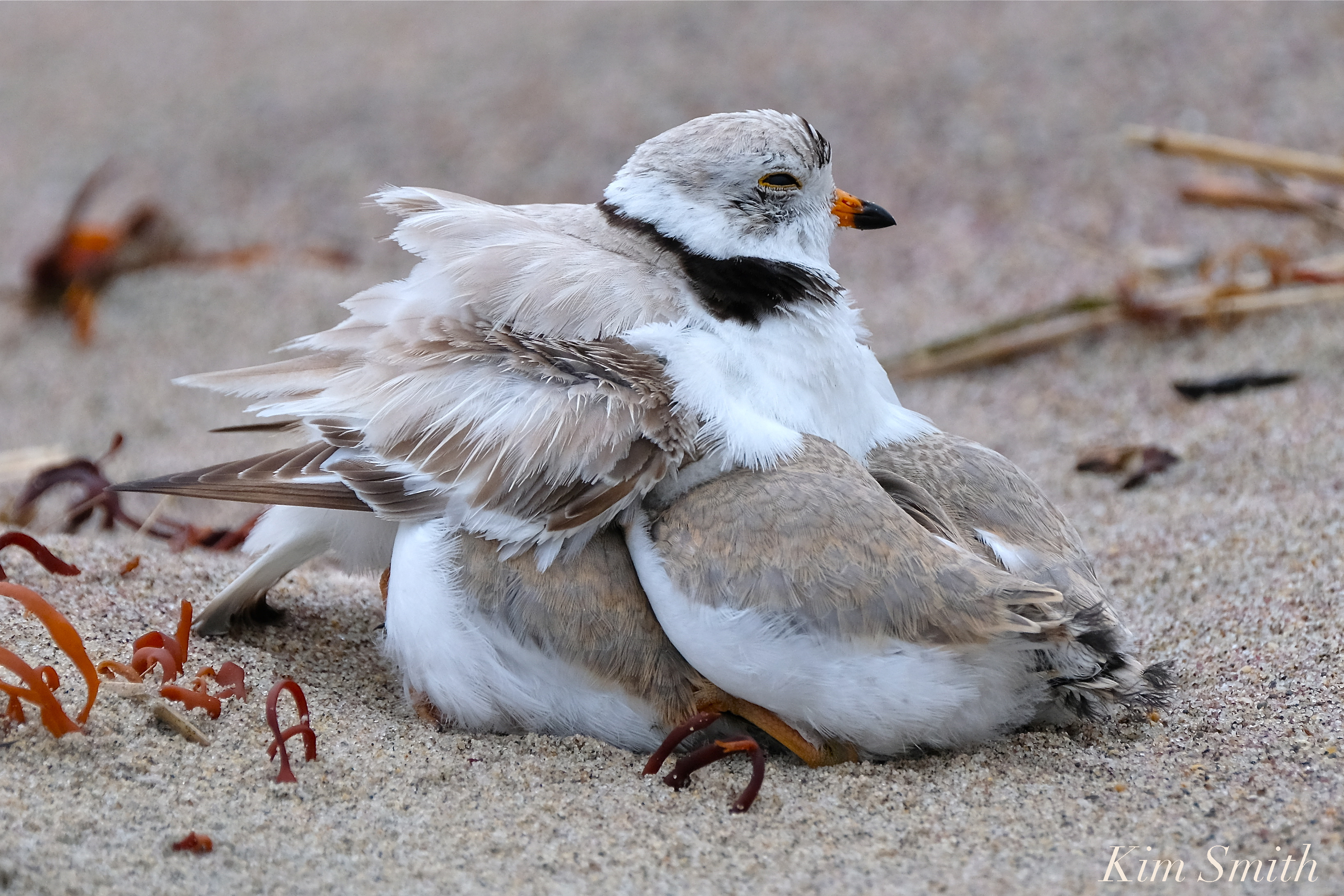
Another definition of “underwing” – three nearly full grown PiPl chicks, all determined to nestle for warmth under Papa

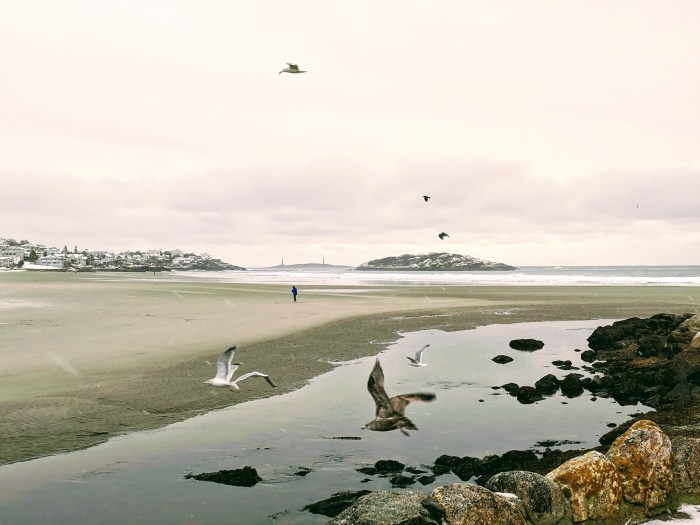


12/18/19 Gloucester, Ma.

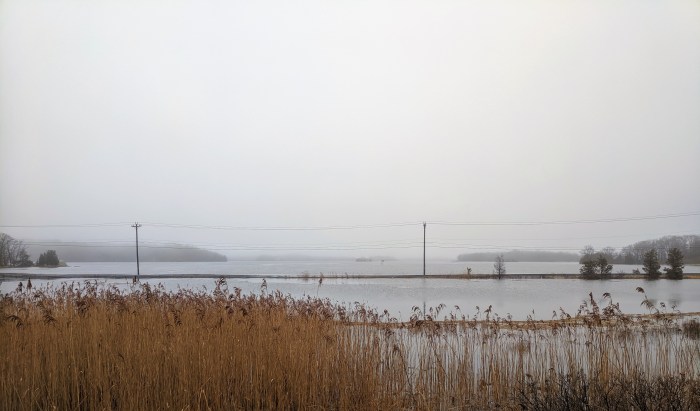
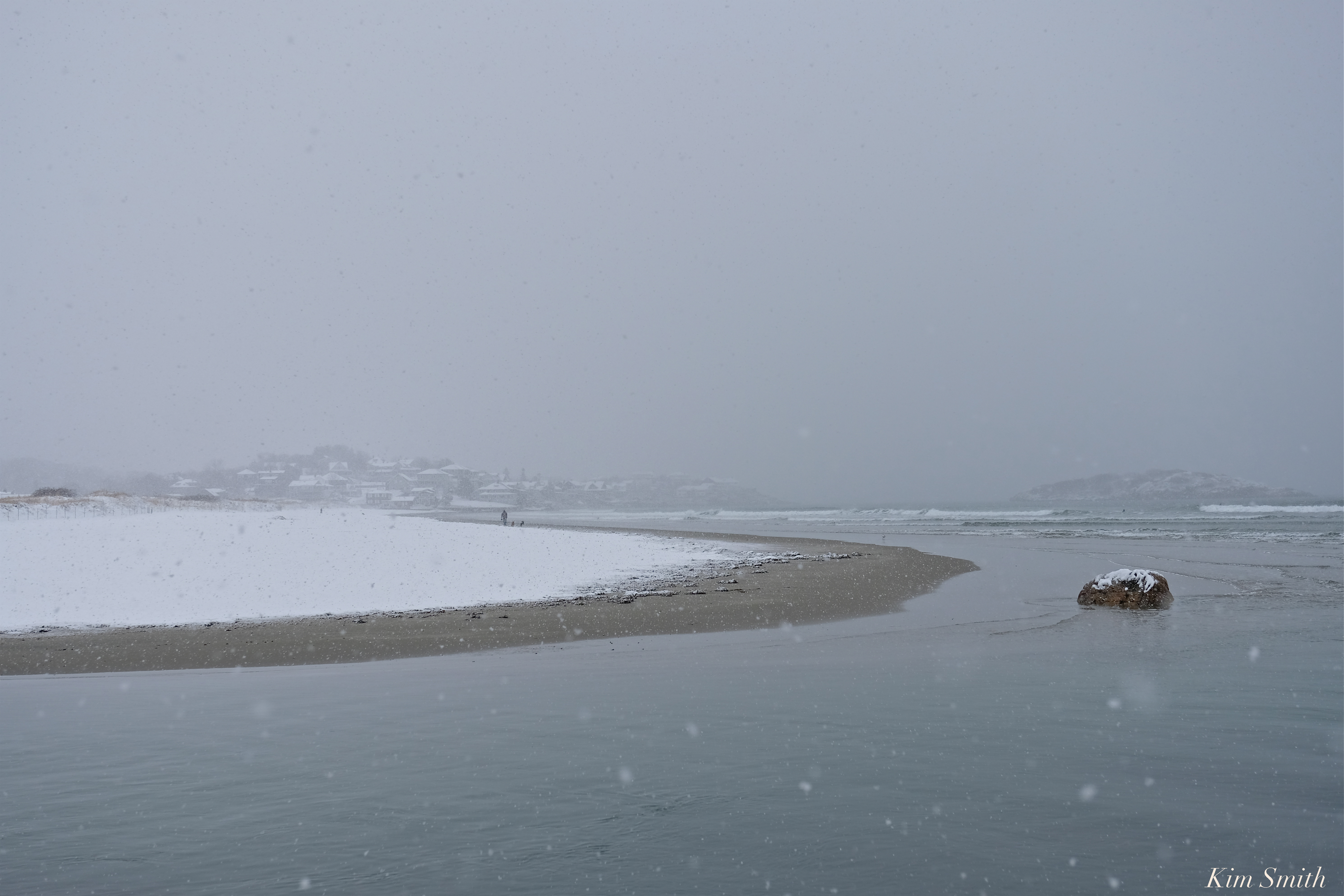
winter high tides, Gloucester, Mass. December 14, 2019


Hearty New Englanders

Hearty New Englanders

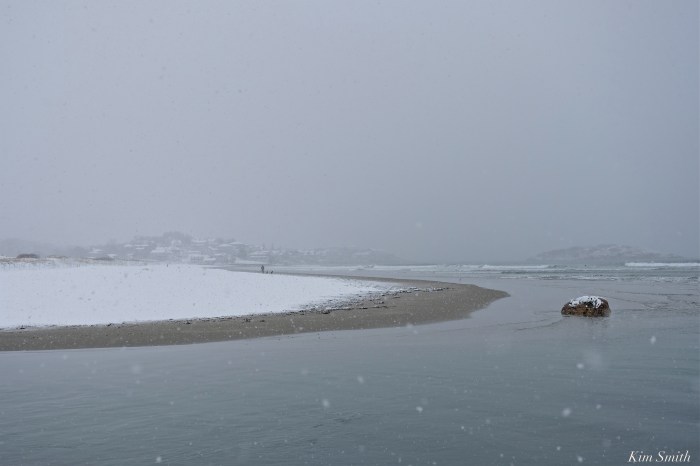
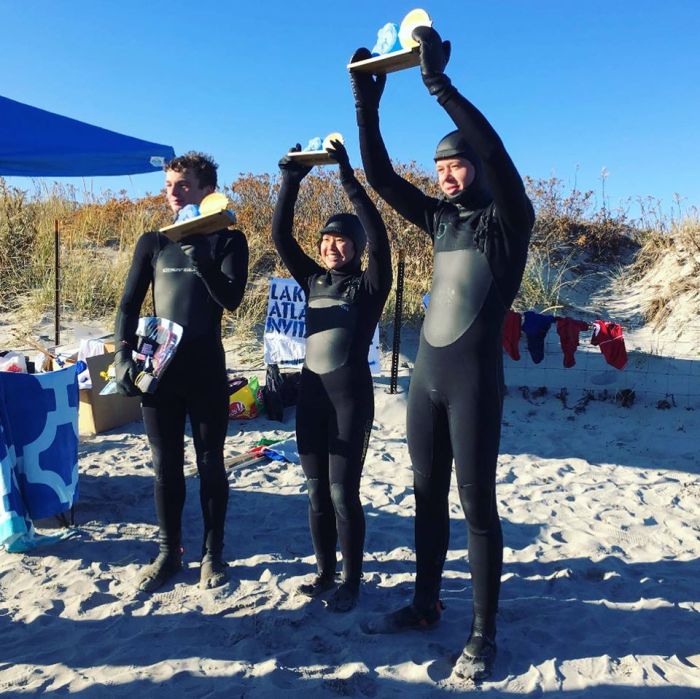
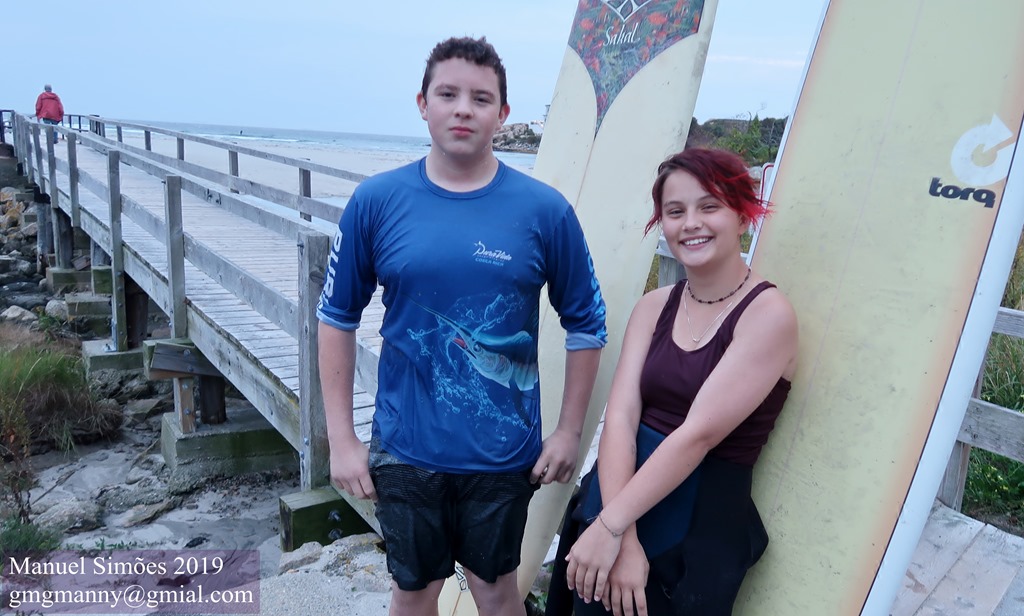
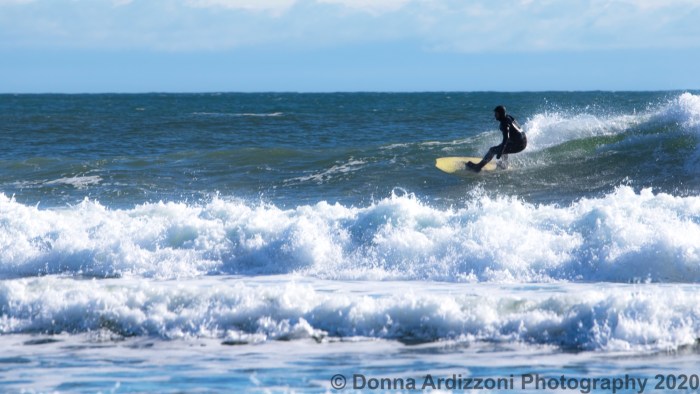
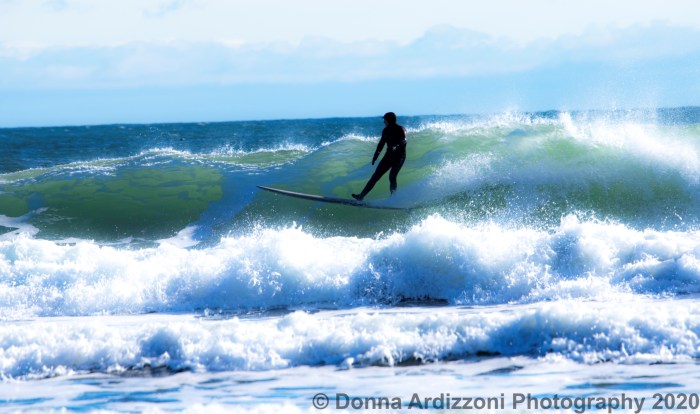
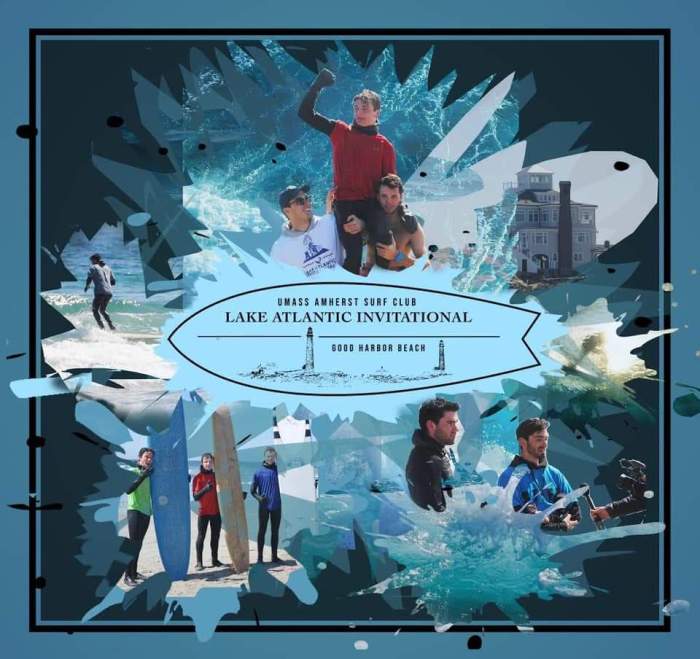
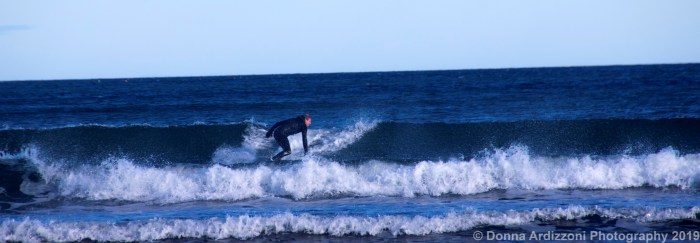
I asked the UMASS surf club how the Lake Atlantic Invitational competition fared on November 16, 2019 at Good Harbor Beach. The ocean was rather “lake” in the morning and the air a brisk 22 degrees.
“The competition was a huge success! The waves got better throughout the day, and we had a lot of creativity with crossstepping, handstands, and laying down backwards almost like a coffin.” The final results:
John Lane (3rd place from last year) in first
Colby Kelly (last year’s winner) in second
Juliet Dodson of UMass Surf Club in third
“We’re not sure yet if we’re going to try to do these competitions annually or biannually, but keep an eye out for another competition in April, most likely still somewhere in Gloucester. And yes it was chilly, but most of us are used to that weather having grown up in the area, and even the competitor from California did a good job overcoming the cold with help from a nice winter wetsuit.”

UMASS Surf Club https://www.facebook.com/umasssurfclub/
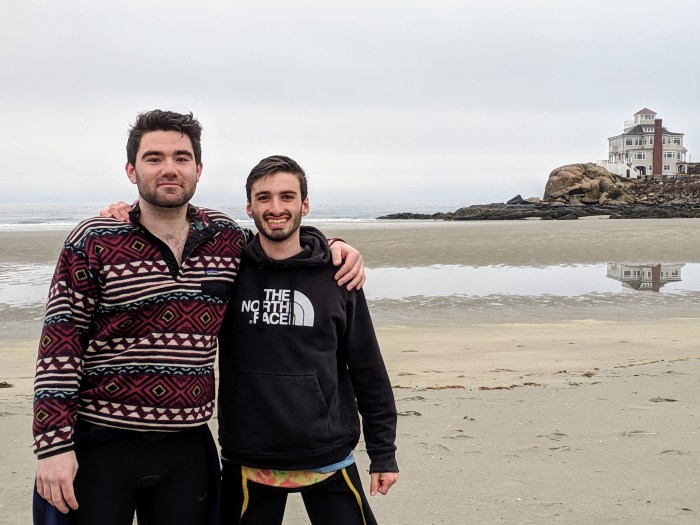
photo caption: “On the left is Myles Wrinn, the Forecaster for the club for the last 2 years and on the right is Peter Roy, current President of Surf Club. The club was founded by alumni in 2014.”

Beautiful day! Conditions now
UMASS Surf Club https://www.facebook.com/umasssurfclub/
11/26/19 – 10-2pm Lake Atlantic Invitational
————–
The first competition was held back in April 2019. “Colby Kelly, 18, of Gloucester, was named the competition’s first champion. Rhodes Cole, of Rockport, came in second and John Lane, of Yarmouth, Maine, came in third.” read more here and scenes below setting up the first time.



Tonight’s full (appropriately named) Frost Moon rising between the Twin Lights. The Frost Moon is also known as the Beaver Moon and Mourning Moon. Oh how I wish I had my tripod with me tonight, but this image is fun anyway. I think it would make a better painting.



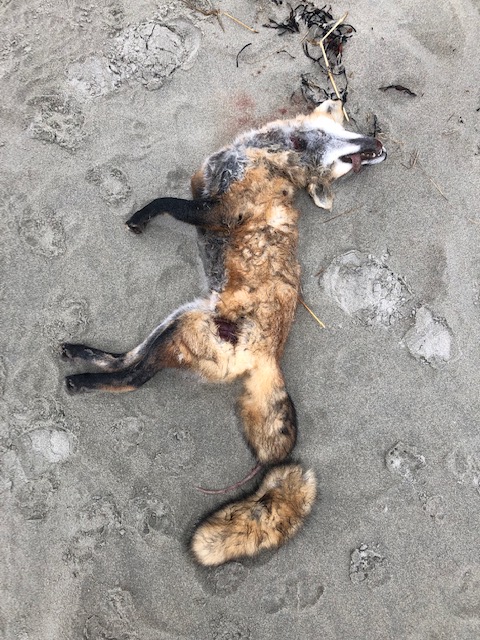
Friend Jennie writes that she was able to take a photo of the dead young fox at Good Harbor Beach this morning before Animal Control arrived. This is the third dead fox found in Gloucester recently. Such beautiful creatures and so heartbreaking to see.
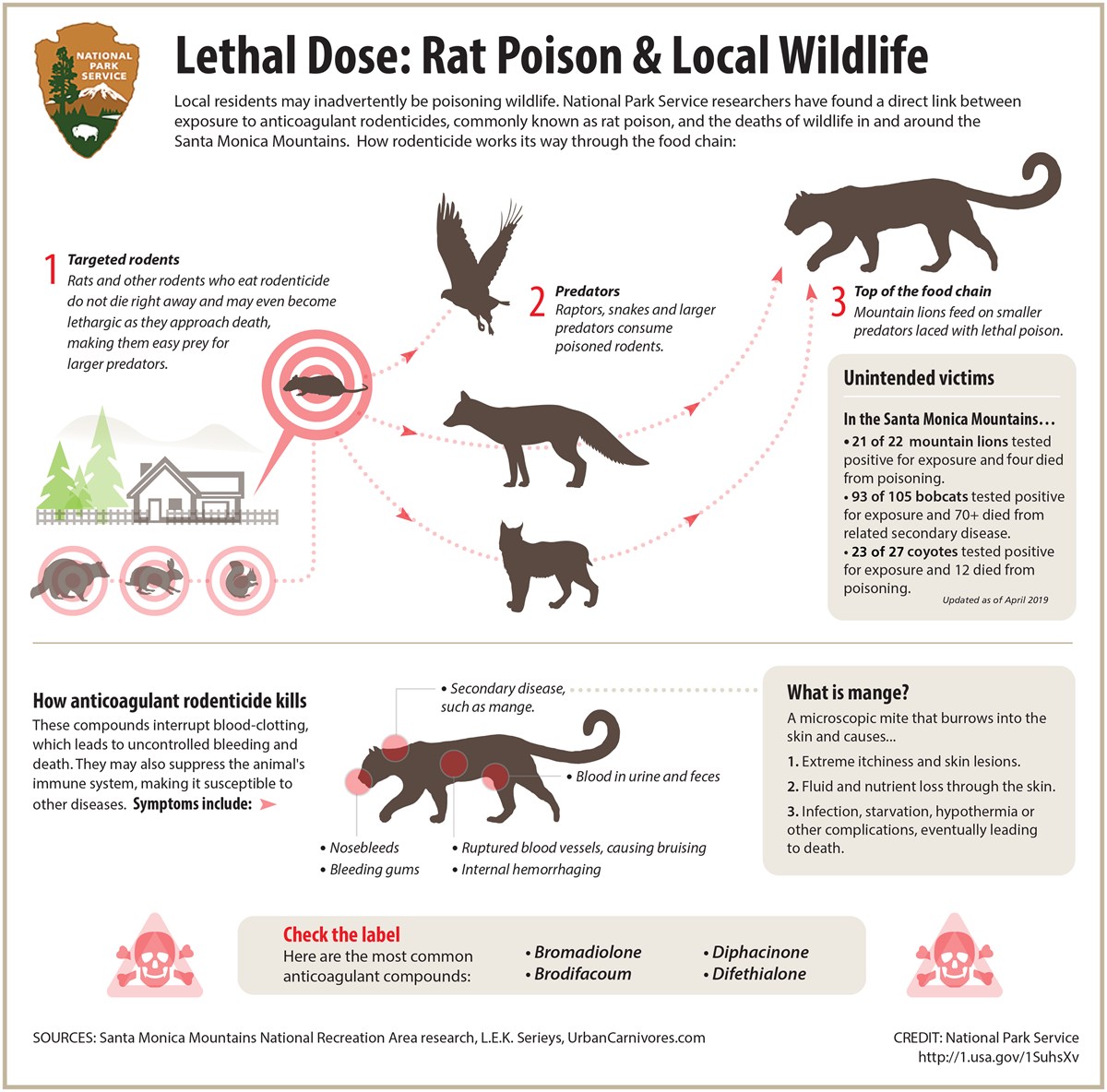
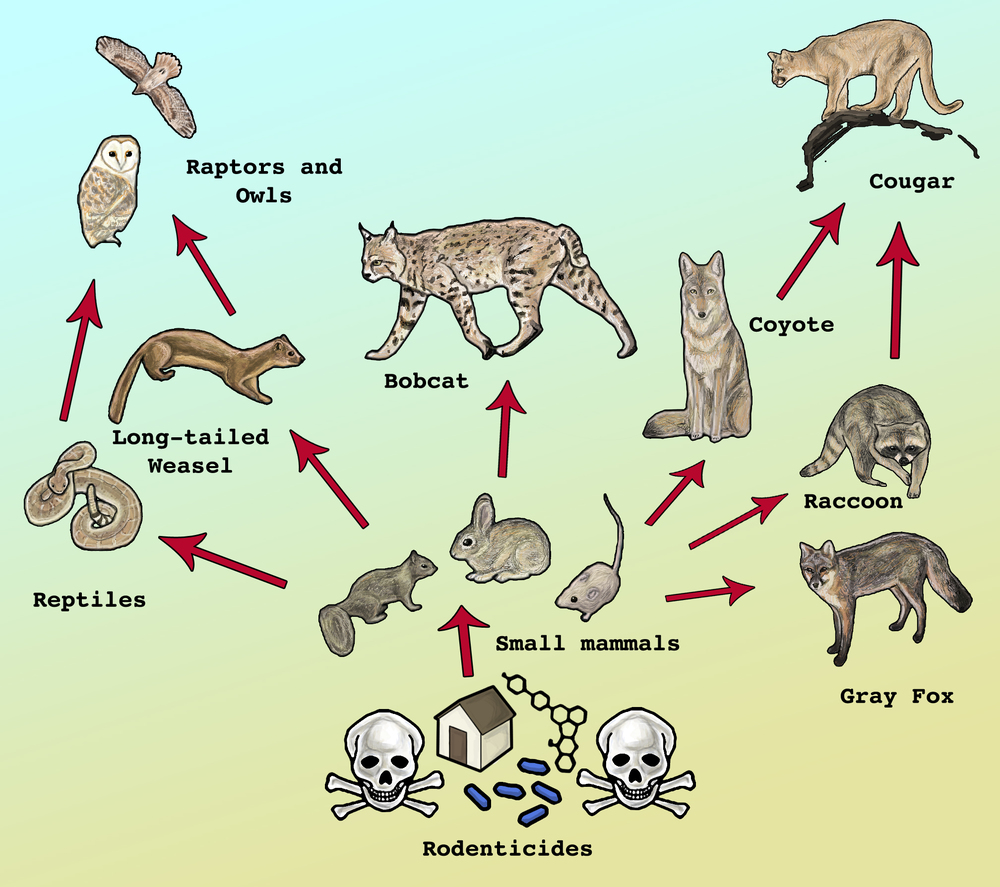
Although Gloucester does not do autopsies unless rabies is suspect, the ACO believes that the foxes were mostly likely killed consuming rat poison.
In the graphics below you can see how rat poison kills not just rats, but all that come in contact. Fox and raptors, such as owls and hawks, hold a similar position in the food chain. Rat poison also sickens and kill dogs and cats. Here is a link we posted a while back about alternatives to deadly rat poison:





GOOD MORNING GLOUCESTER!