SATURDAY MORNING SUNRISE SURFER

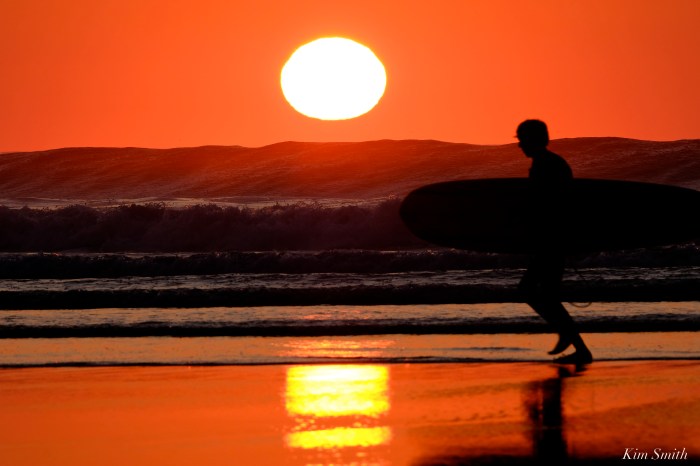
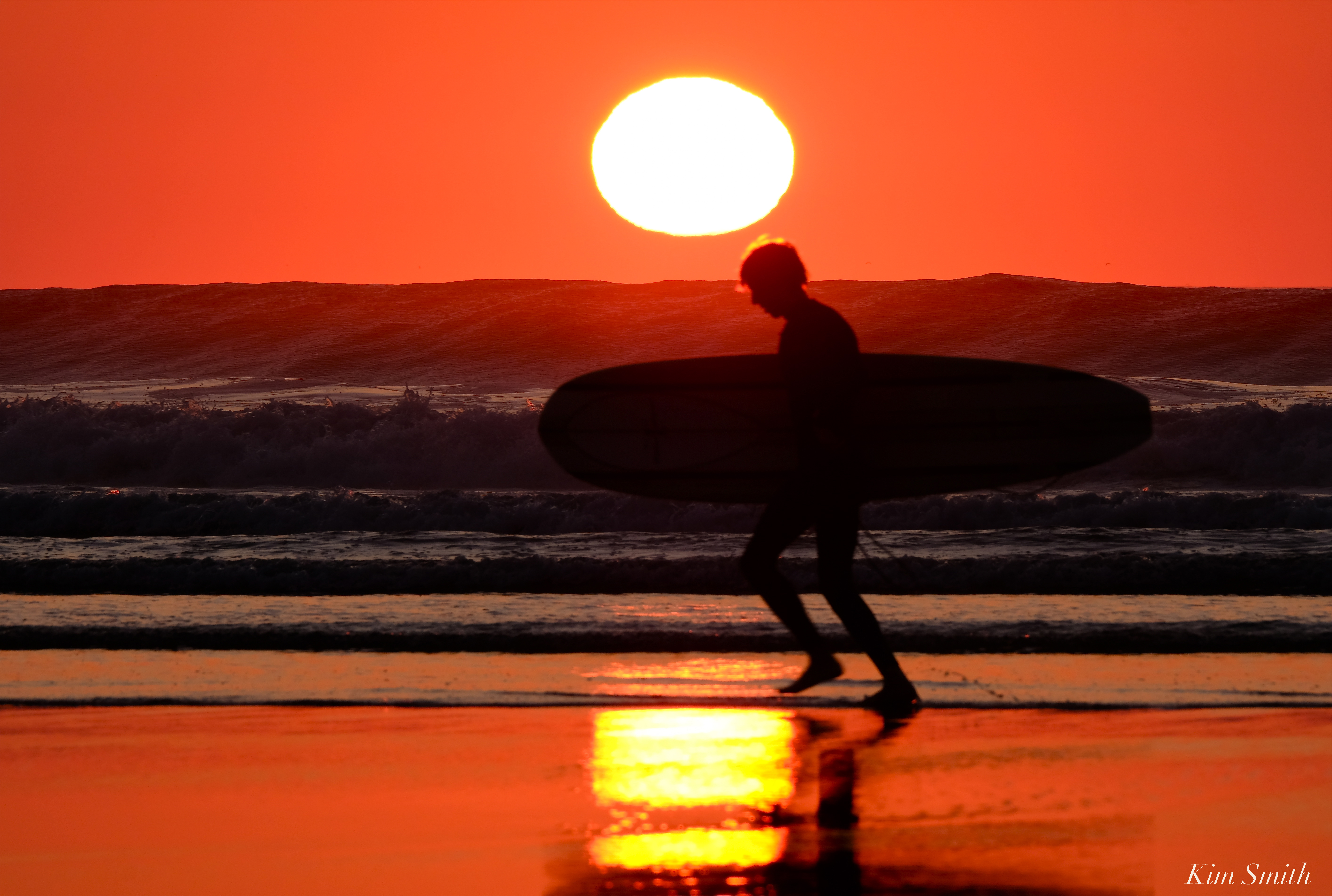
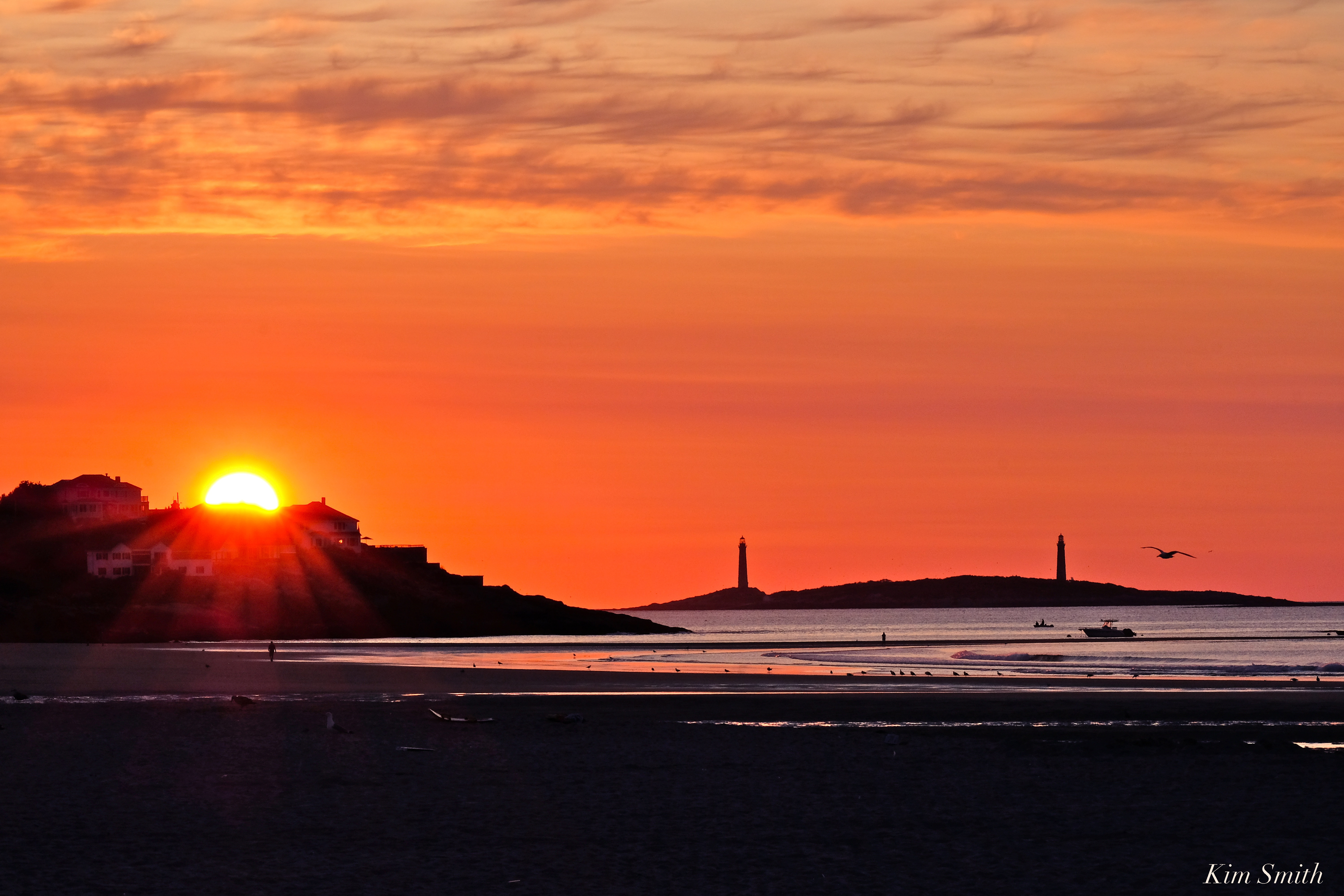
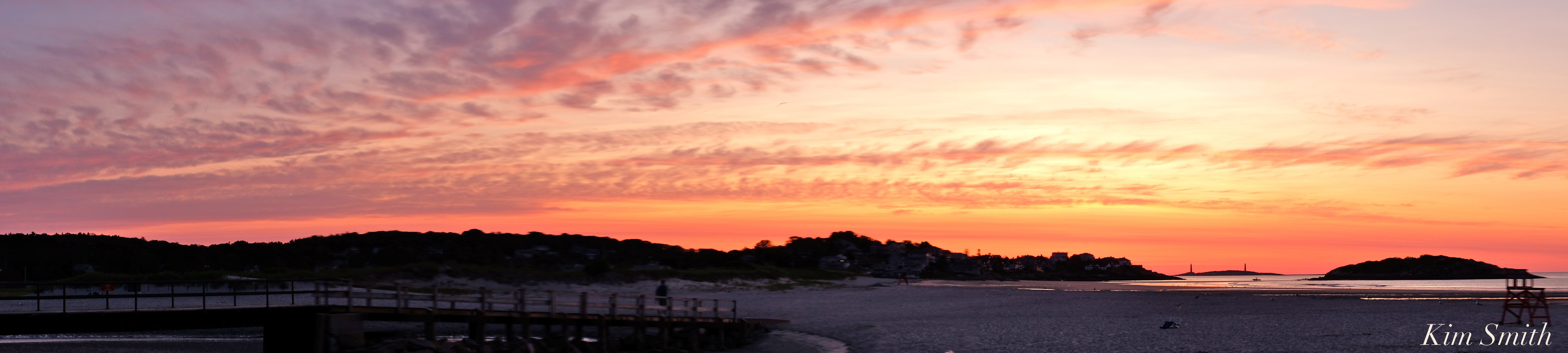
Surfer racing to catch the waves.

The surfer ran up so unexpectedly that I don’t have time to pull back my lens, but I like the images anyway.

HURRICANE #HUMBERTO DELIVERS GORGEOUS SURF AND RARELY SEEN IN #GLOUCESTER MA NEOTROPICAL BLACK SKIMMERS!!! MOTHER ANN, BACK SHORE, GOOD HARBOR BEACH AND MORE

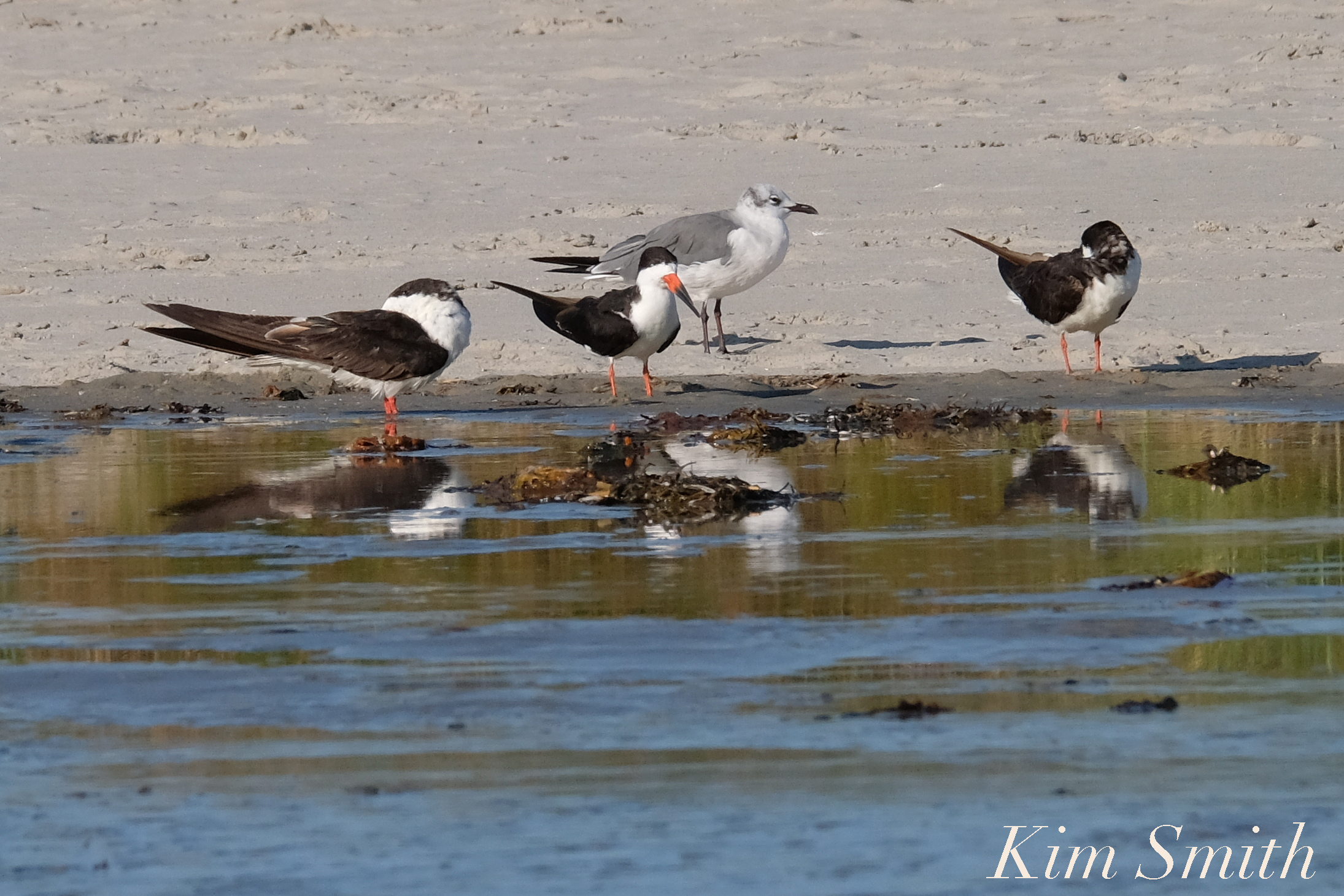
Thanks to my friend Heidi Wakeman who texted to let me know there was what she thought a trio of Black Skimmers down the creek at Good Harbor Beach. I raced over and sure enough there were three Black Skimmers, as well as several Laughing Gulls, resting on the creek edge along with a flock of gulls.

You could tell they were weary and wind tossed so we observed from the far side of the creek so as not to disturb the little travelers. Heidi and I enjoyed watching for a bit. A Great Blue Heron briefly flew on the scene, joining a mixed gathering of herons and egrets. Heidi stayed awhile longer and got to see them fly and skim-feeding.

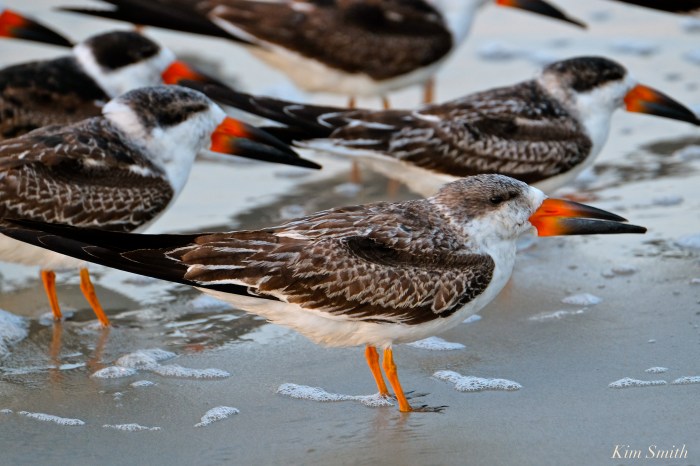
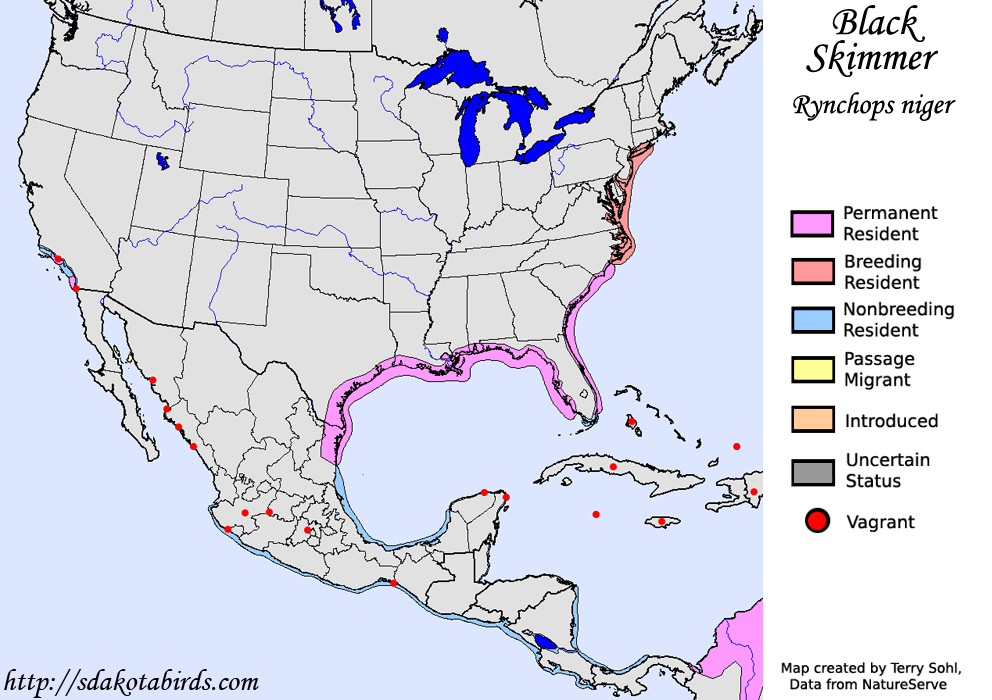
Black Skimmers are called as such because they have a unique-to-their species method of foraging. Their lower mandible is longer than the upper, which allows them to skim the surface for small fish.

Southern Massachusetts is at the very northern range of the Black Skimmers breeding range. I imagine they have been blown off course by Humberto’s wildy winds.

Black Skimmers are not all that Hurricane Humberto delivered to our shores. The surf was tremendous Friday afternoon, with long lovely rolling waves that towered and crashed ashore. The late day softening light and a fine mist from the heavy amounts of moisture in the air lent an atmospheric light to all.

Here are some photos I took of Black Skimmers two years ago at Cape May, New Jersey, while documenting the Monarch migration along the southern New Jersey coast. Just as do Monarchs, Skimmers gather in great numbers at Cape May in late summer and early autumn, waiting for the right conditions to cross the Delaware Bay.

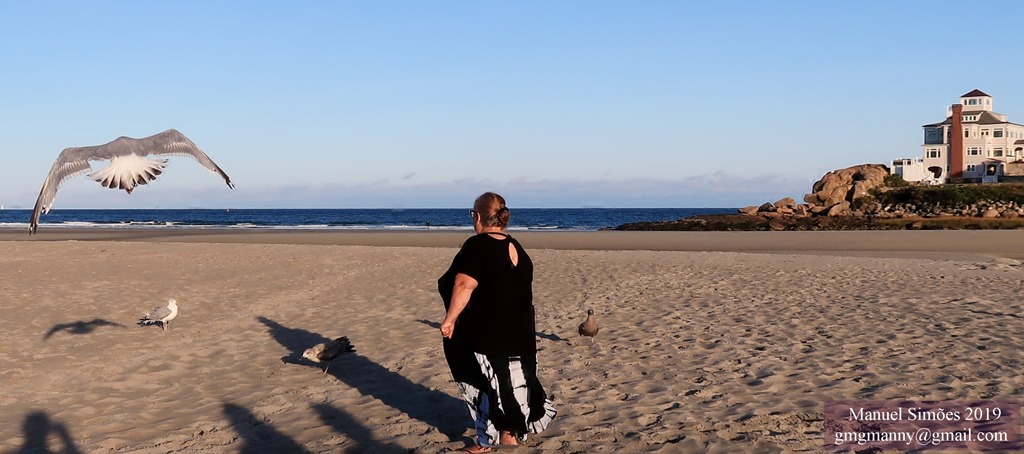
Stephanie Peters with “buddy” the Seagull at Good Harbor Beach

IMG_3631Stephanie Peters a comedian was at Good Harbor Beach meeting her friend “Buddy” the Seagull, Buddy is also the character in a children’s book she is writing about being kind to animals. Stephanie on FacebookIMG_3636

DANCE OF THE SWALLOWS

Without doubt, the spectacular summer/autumn migration that takes place each year along the shores of Cape Ann has begun. Everywhere we turn, there are magnificent creatures foraging along our shoreline. In one day alone on an early morning walk this past week were Ruddy Turnstones, Black-bellied Plovers, Willets, Spotted Sandpipers, and great flocks of Semi-palmated Plovers and Sanderlings. I think I’ll write a little series with a paragraph or two devoted to each species for the upcoming week.

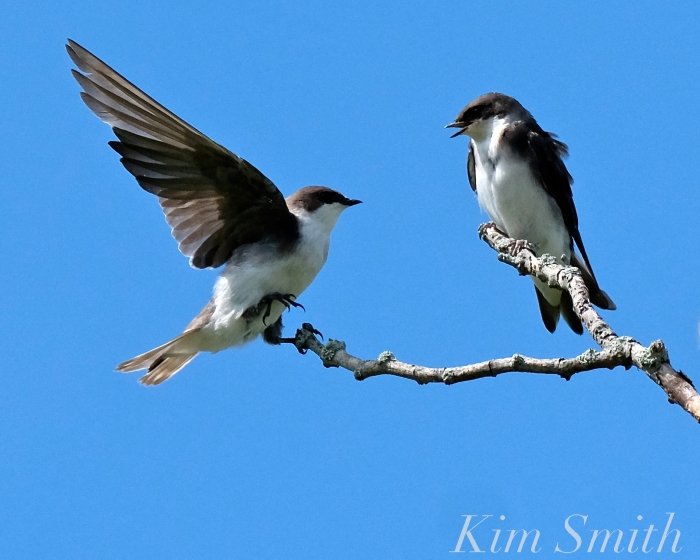
For today though, I wanted to share photos of a flock of Tree Swallows that were gathering at Good Harbor Beach. A friend wrote wanting to know more about the beautiful birds we see massing at both Good Harbor and Wingaersheek Beaches at this time of year.

From 2018 – Over the course of the summer while filming the Piping Plover Family at Wingaersheek Beach, Tree Swallows began flocking in ever increasing numbers. They became part of the Piping Plover story not only because they occasionally dive bomb the Piping Plovers, for whatever reason I am not entirely sure, but also because they are beautiful to observe, and occasionally, seemingly playful, too.

Songbirds that they are, Tree Swallows make a cheery chirping chatter. They have long narrow forked tails, all the better for gliding and for their signature aerial acrobatics. The male’s upper parts are a brilliant iridescent blue-green, the female’s somewhat duller, and both female and male have white underparts. The migrating juveniles are almost entirely brown with either white or pale grayish underparts.

Tree Swallows breed in the wetlands and fields of Cape Ann. Their name comes from the species habit of nesting in tree cavities. Tree Swallows have benefited tremendously from efforts to help save the Eastern Bluebird because they also nest in the nest boxes built specifically for the Bluebirds.

Acrobatic aerialists, they twist and turn mid-flight to capture a wide variety of insects including butterflies, dragonflies, greenheads, bees, beetles, and wasps.

Utilizing both fresh and saltwater to bathe, Tree Swallows have a unique habit of quickly dipping and then shaking off the excess water while flying straight upwards.

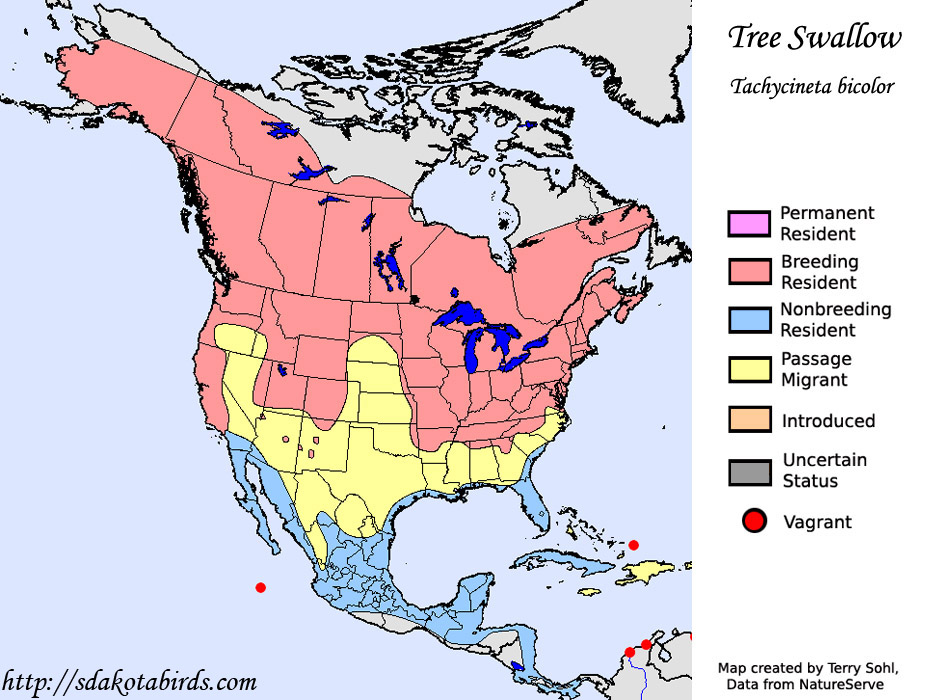
Tree Swallows begin migrating southward in July and August. The flocks that we see gathering on Cape Ann migrate along the Atlantic Flyway. They overwinter in the southern states of the U.S., Mexico, the Caribbean, and Central America. Unlike migrating species of butterflies, several generations of Tree Swallows migrate together, the older birds showing the younger birds the way.

Music composed by Jules Massenet: “Méditation” from Thaïs

TIME LAPSE TWIN LIGHTS THACHER ISLAND SUNRISE VIDEO FROM GOOD HARBOR BEACH

Beautiful August Twin Lights sunrise

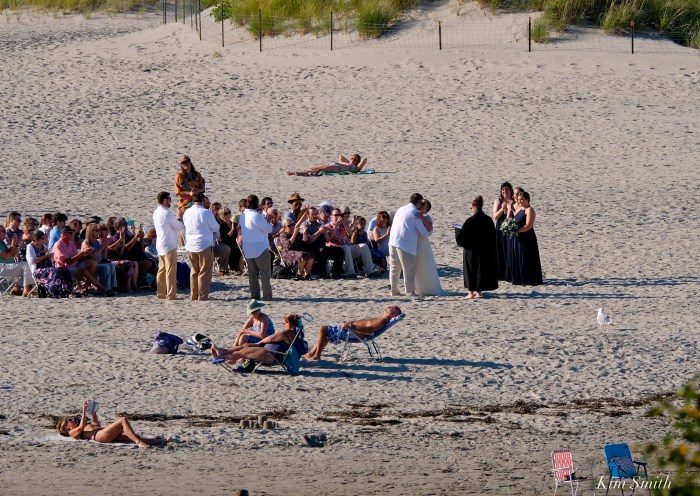
Good Harbor Beach As Wedding Backdrop

Bride to be, searches for wedding backdrop in Gloucester.  She loved Good Harbor Beach’s bridge, envision bridal party’s  reflection on the water from the bridge. Symbolizing one of many bridges we cross in life.

IMG_3116

Visitors to Gloucester-168

From Salem, Lake George New York, and Groton Mass, at Good Harbor Beach, Eastern Point, Stacy Boulevard.

EXPLANATION FOR THE “FUNERAL FOR THE ENVIRONMENT” HELD SUNDAY AT GOOD HARBOR BEACH

Both videos courtesy Keith Sebastian Palazzola

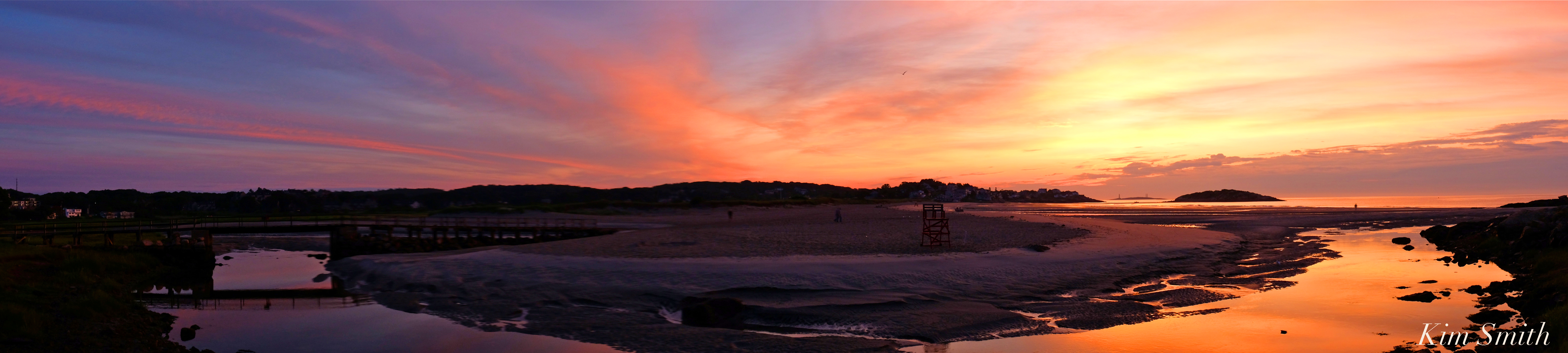
A GOOD HARBOR BEACH GOOD MORNING!

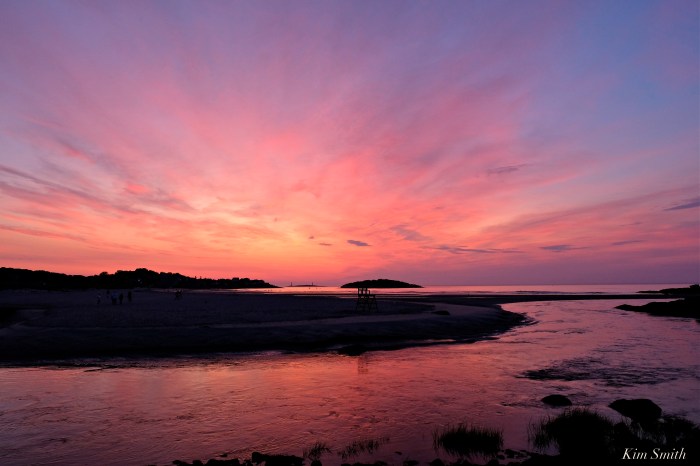
Does Good Harbor Beach at dawn ever get old? I think not 🙂

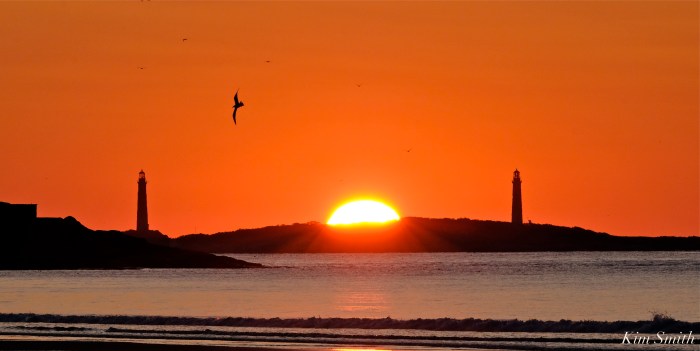
GOOD HARBOR BEACH NORTH LIGHT SUNRISE SEQUENCE

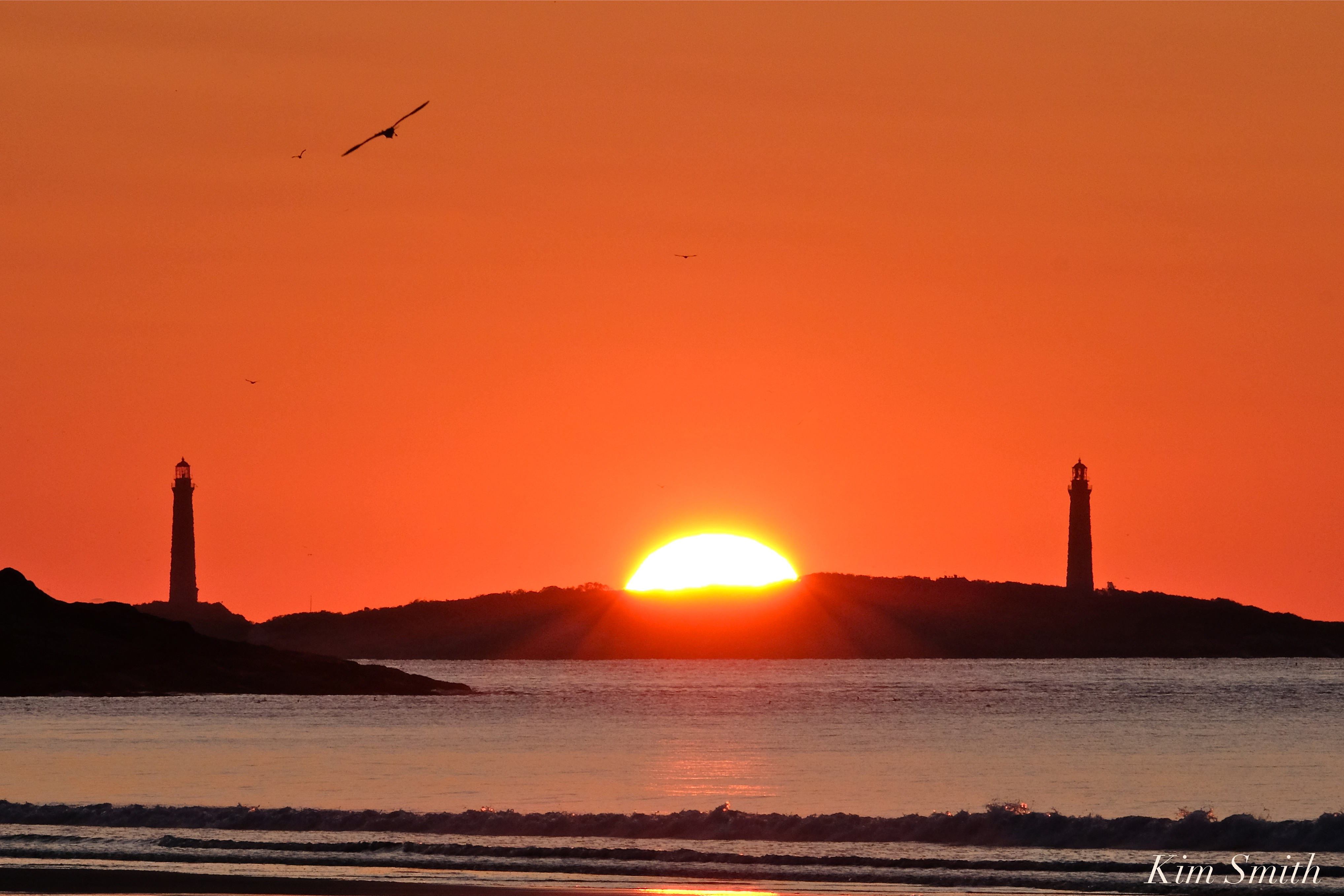
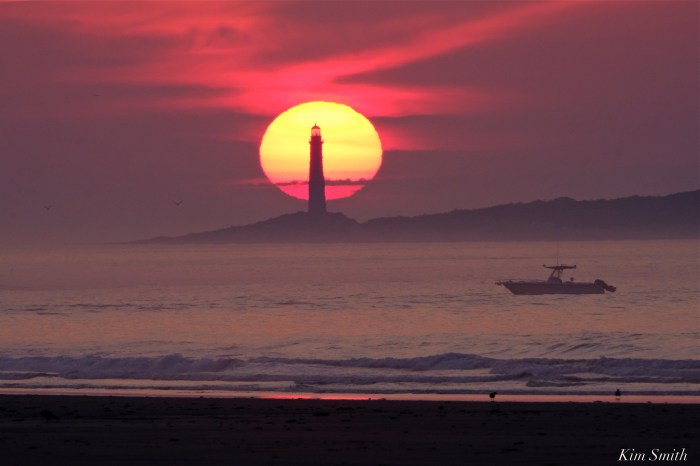
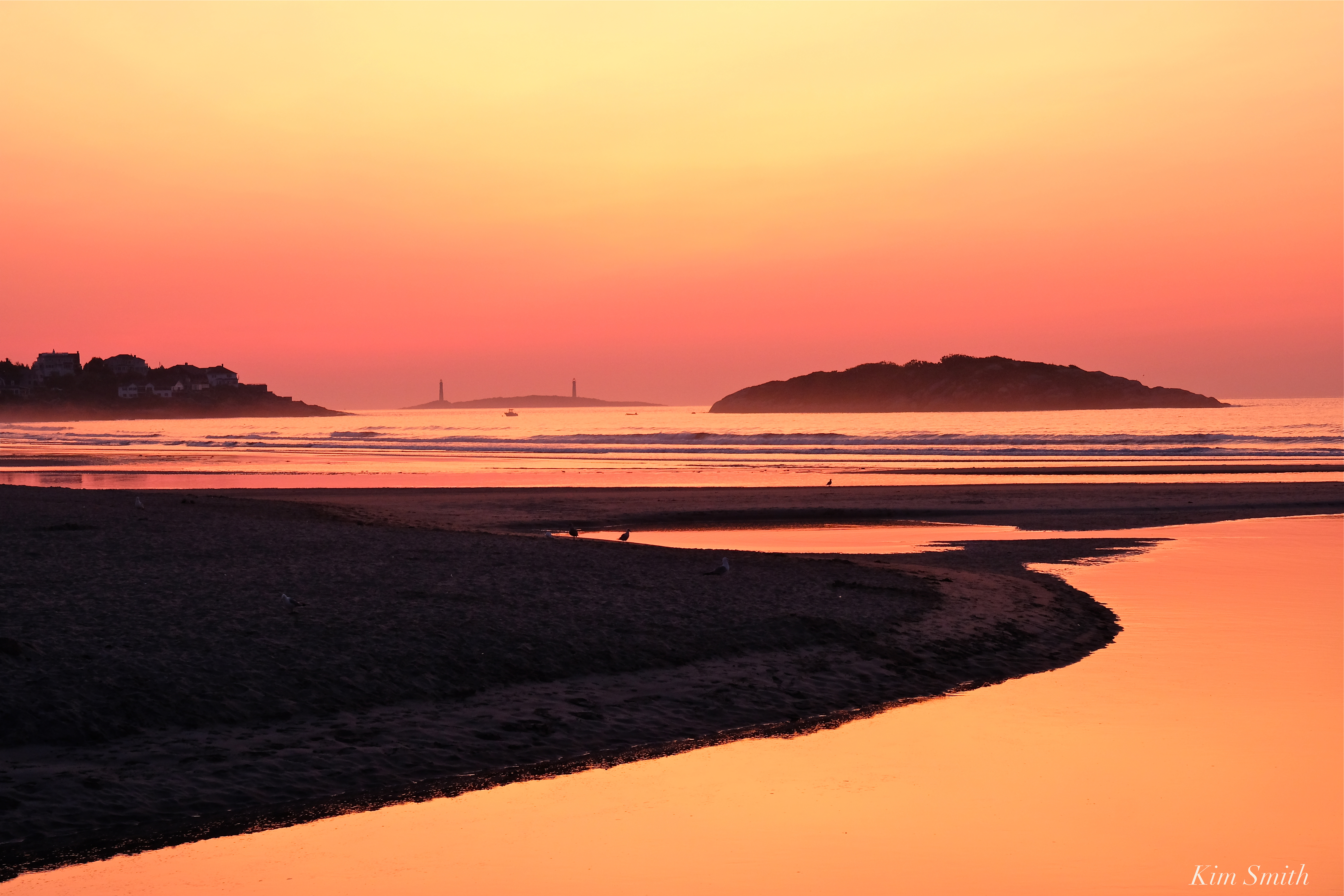
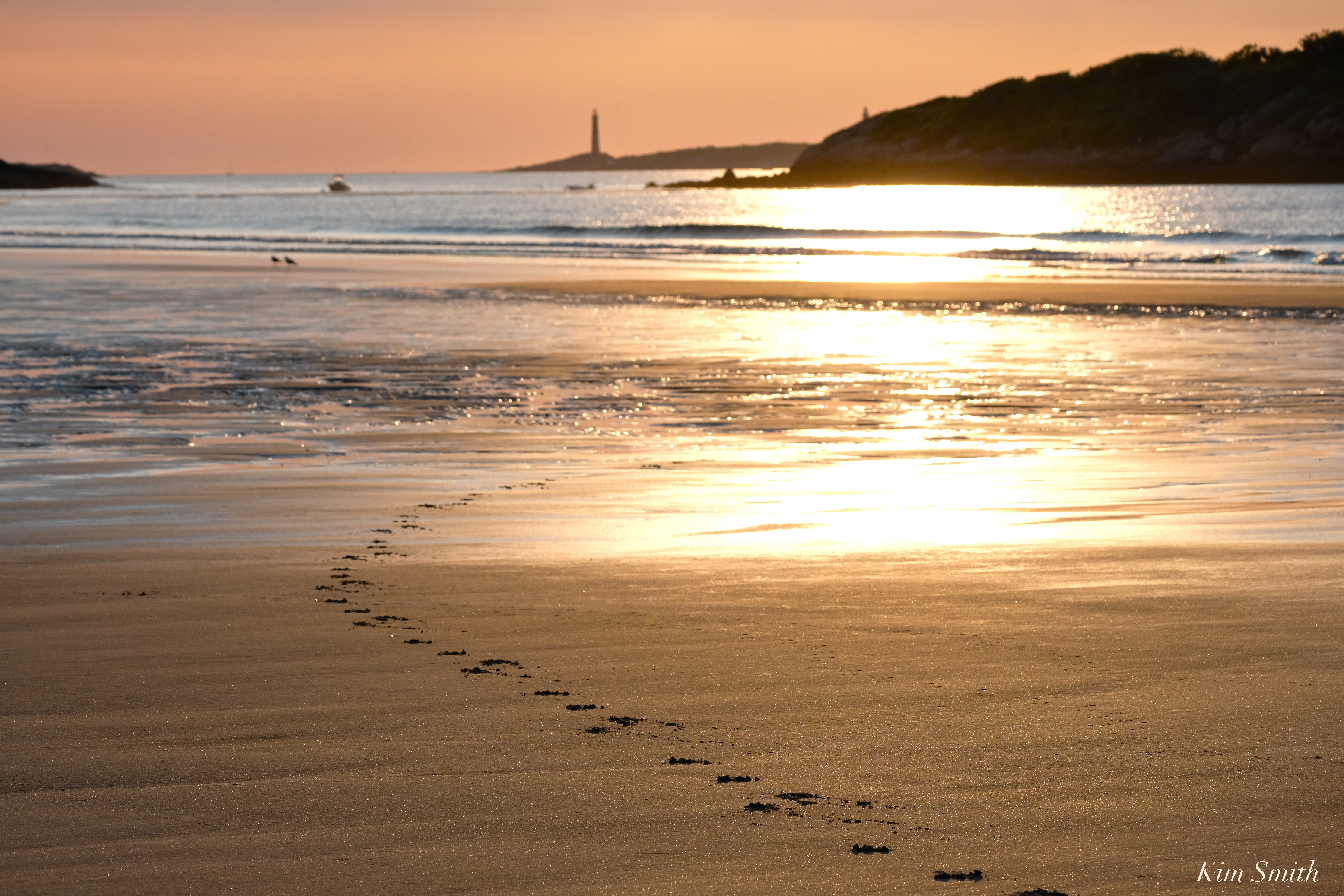
Good Morning! Brought to you by Thacher Island’s North Light sunrise.

NORTH LIGHTHOUSE SUNRISE SEQUENCE

Good Morning! Brought to you by Thacher Island’s North Light sunrise.

VIDEO: GOOD HARBOR BEACH BEAUTIFUL DEER

Footage from a brief encounter with the beautiful Good Harbor Beach doe of the dunes.


See Photos here.


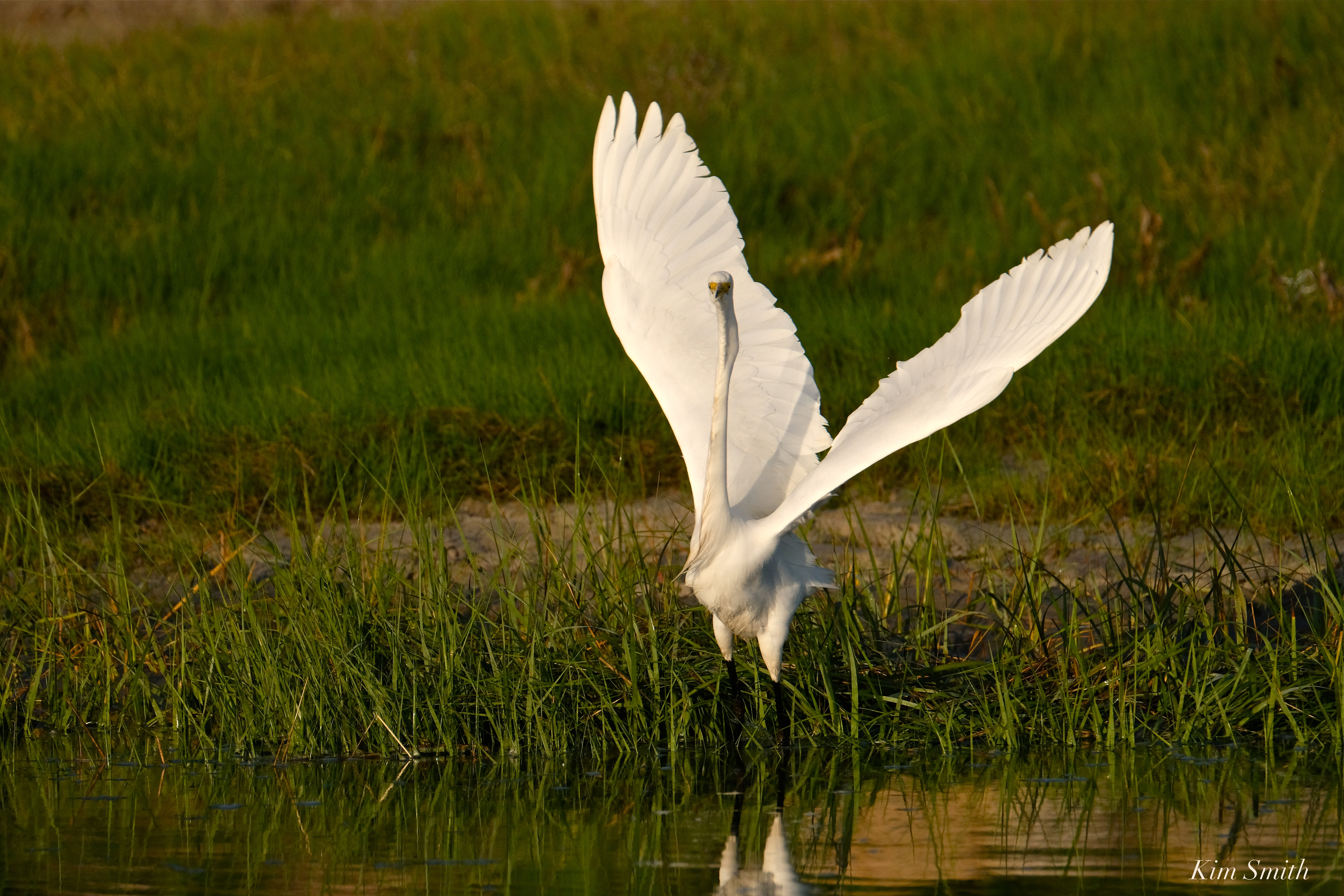
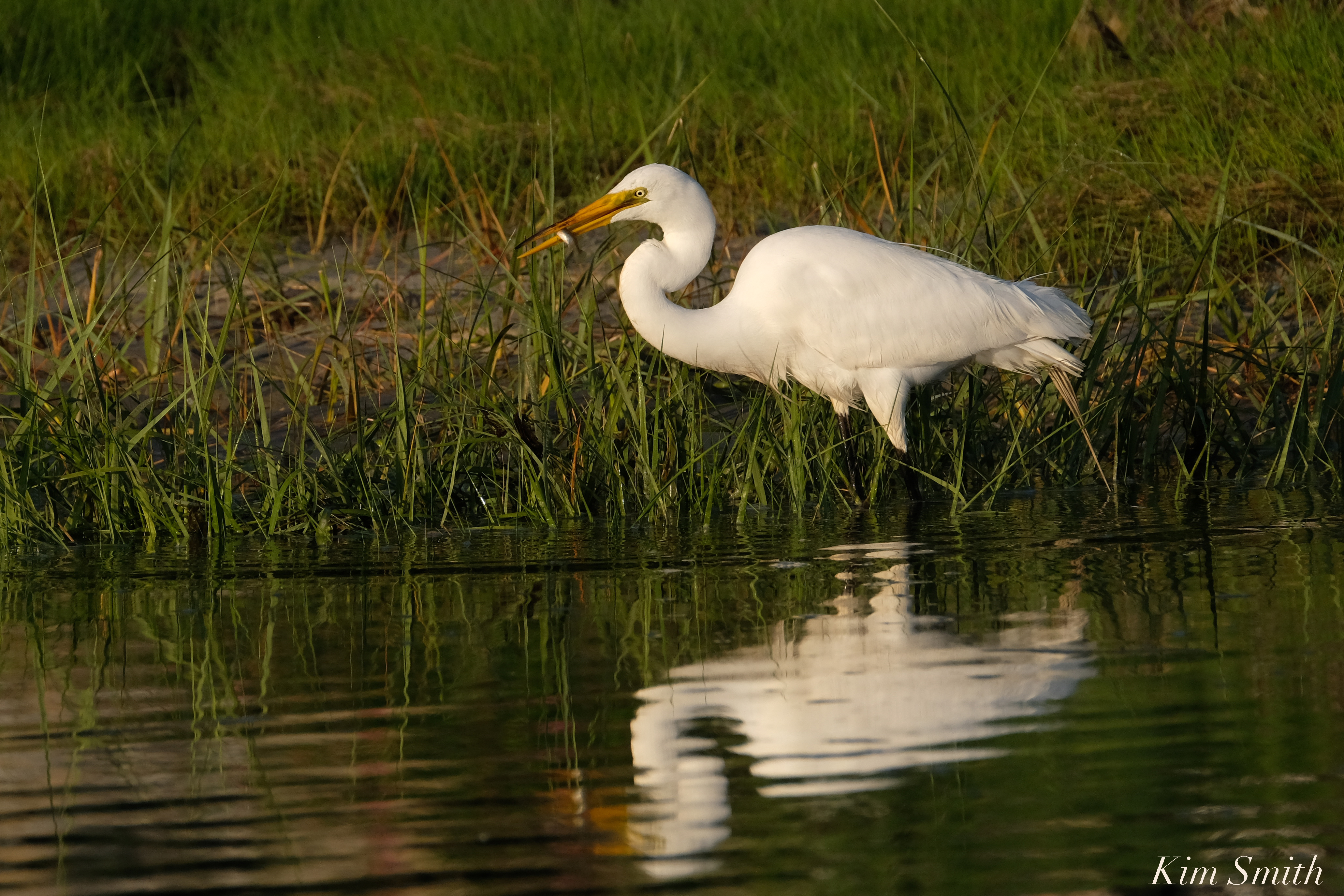
WINGED WONDER OF THE GOOD HARBOR BEACH MARSH

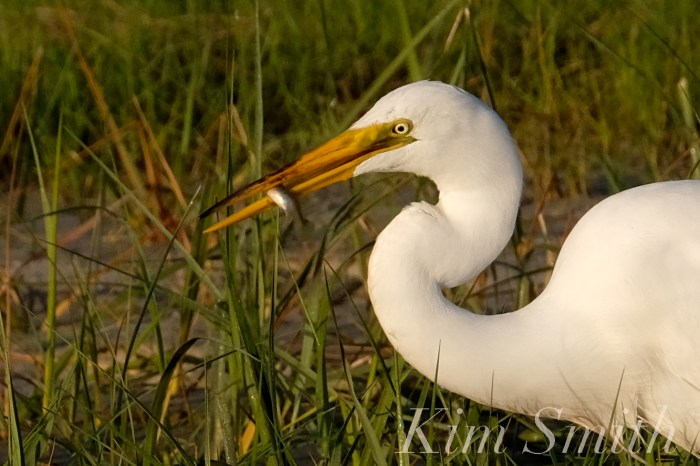
When talking about wild creatures on the Good Morning Gloucester podcasts, we often comment about how there seems to be so many more herons and egrets foraging and nesting on our shores. I think it is a combination of factors, most notably because our waterways have never been cleaner and because of global climate change. Whatever the reason, to see such grand beauty on a daily basis, we on Cape Ann are most certainly the beneficiaries.

Great Egret Good Harbor Beach

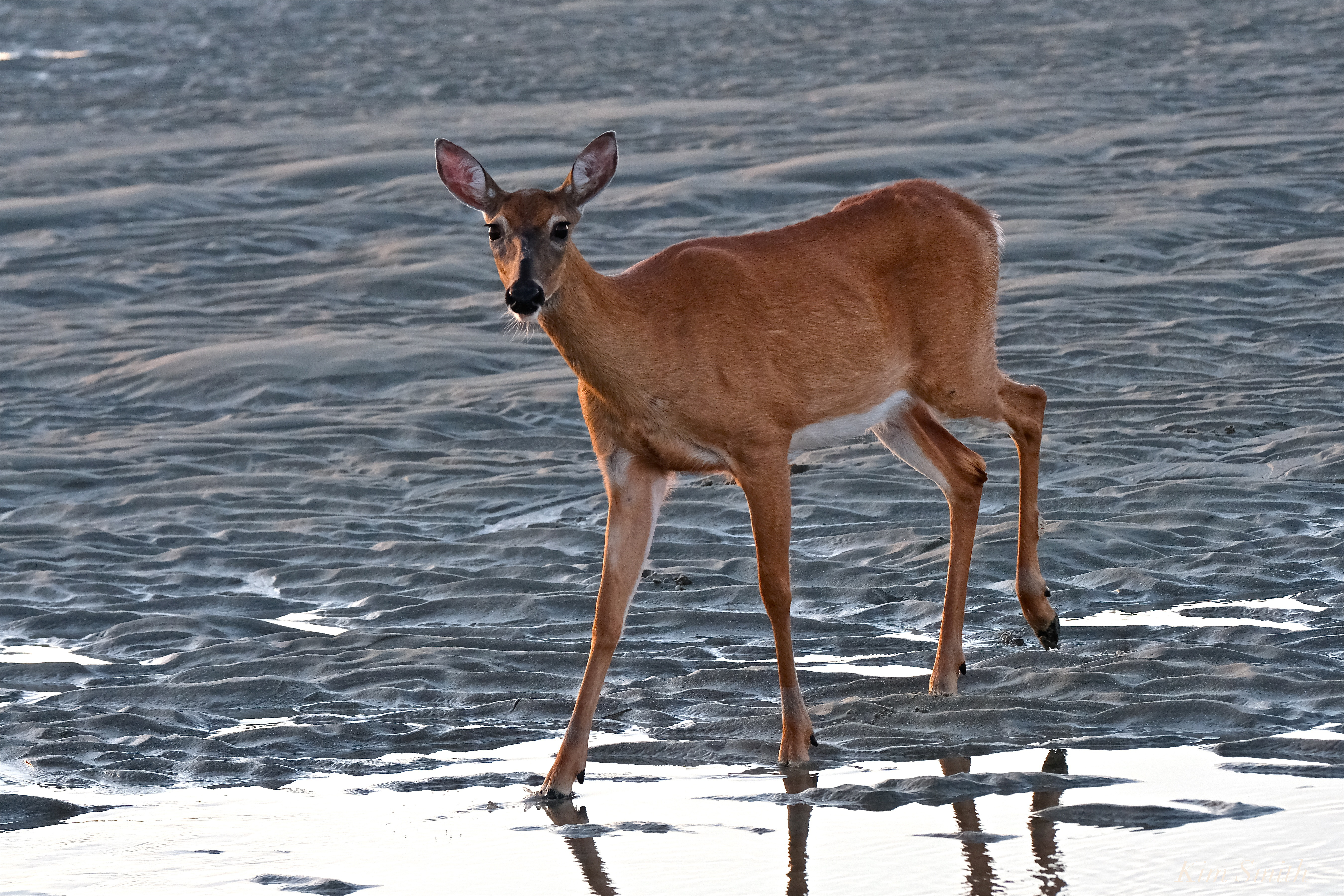
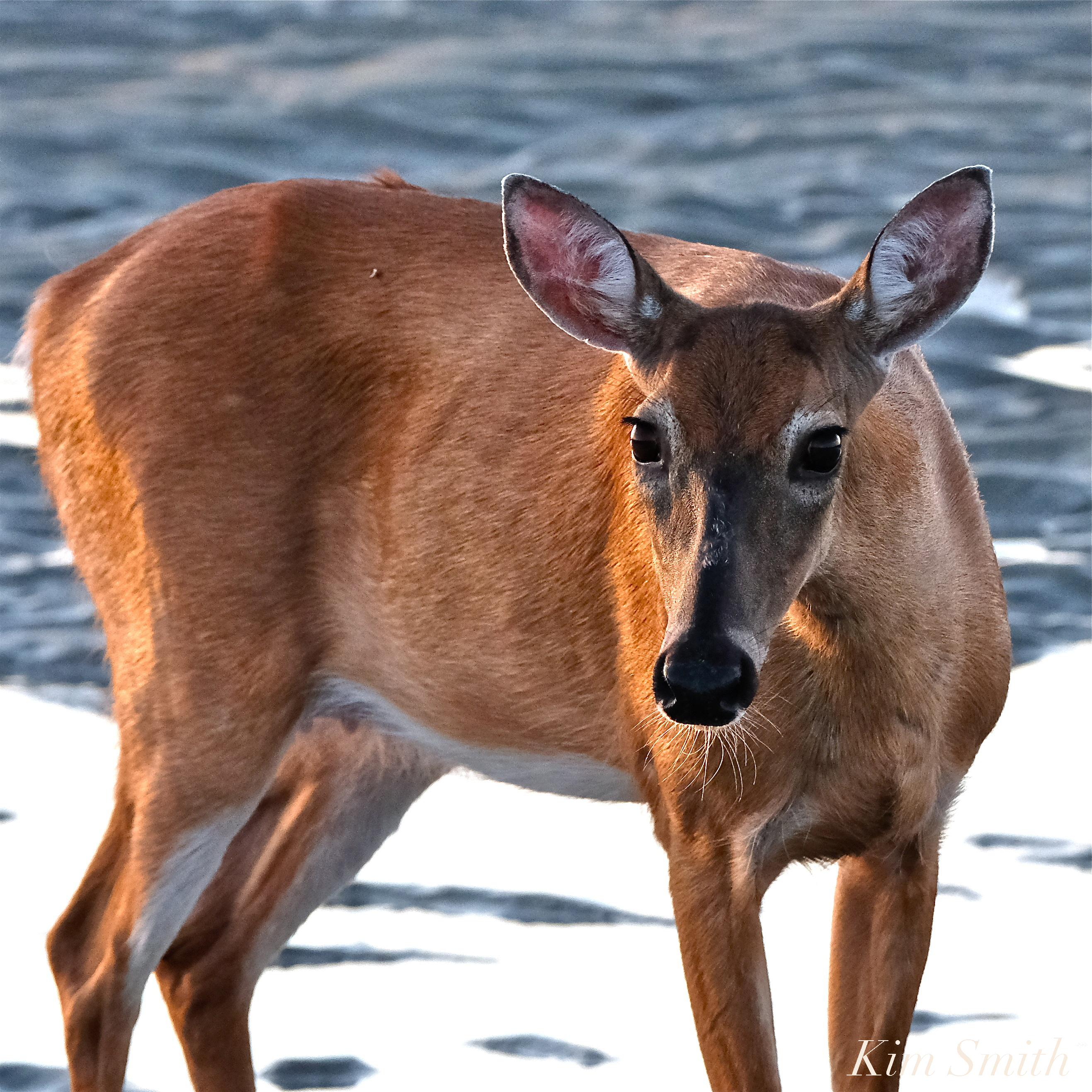
BEAUTIFUL DOE AT GOOD HARBOR BEACH

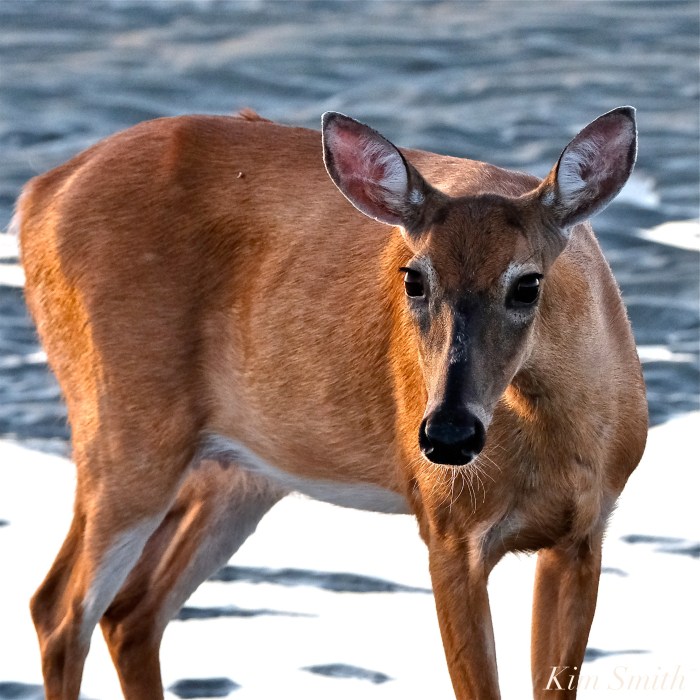
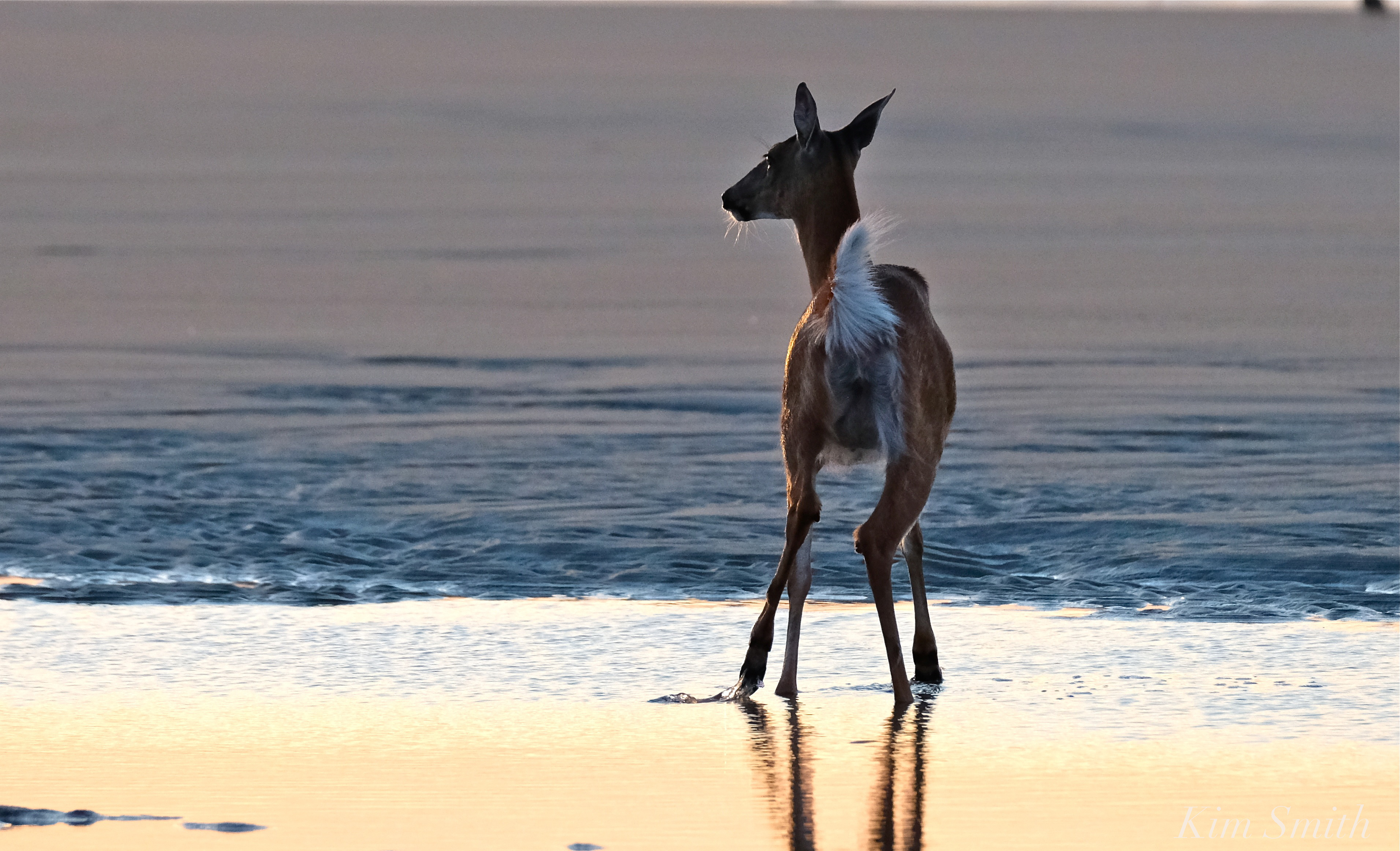
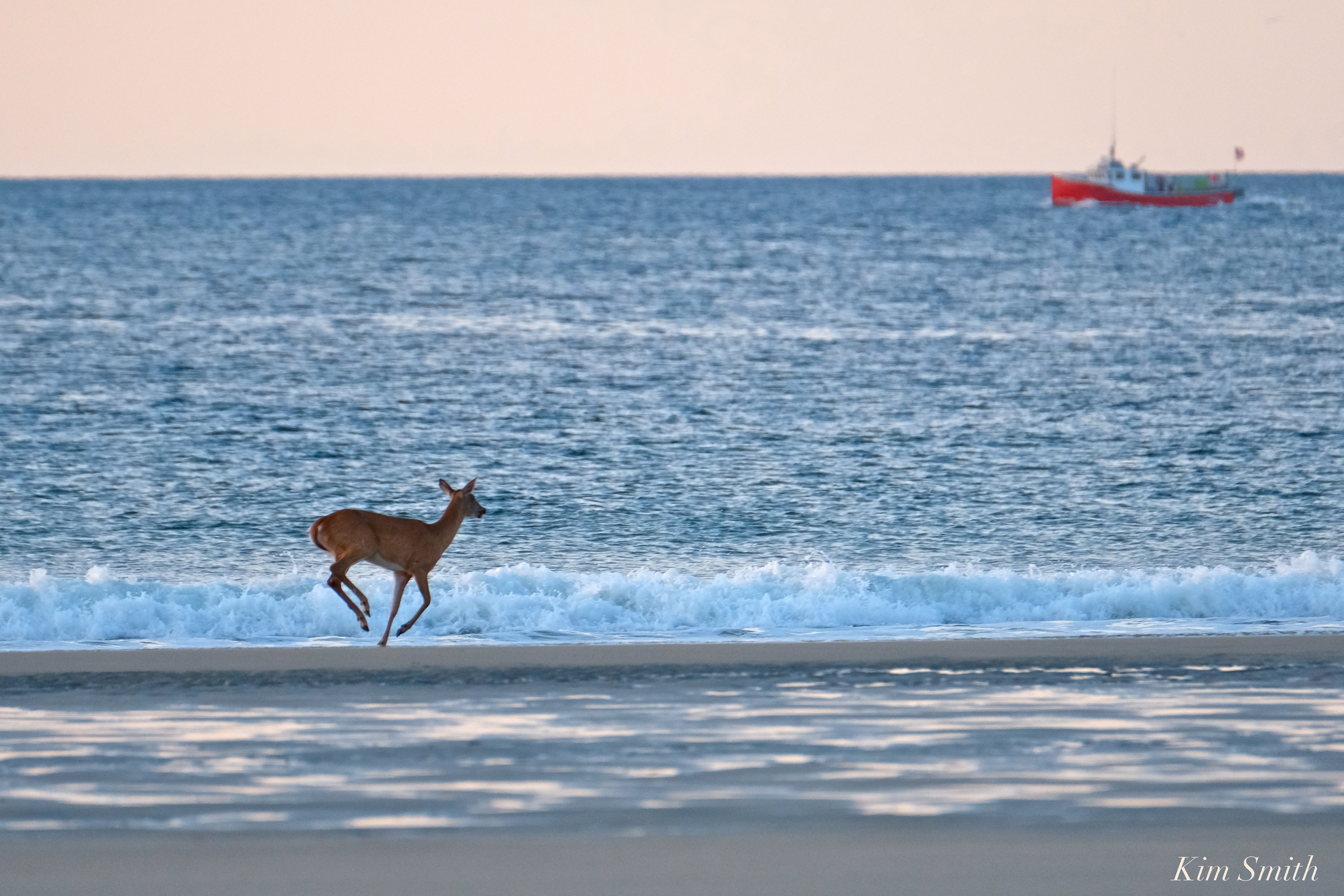
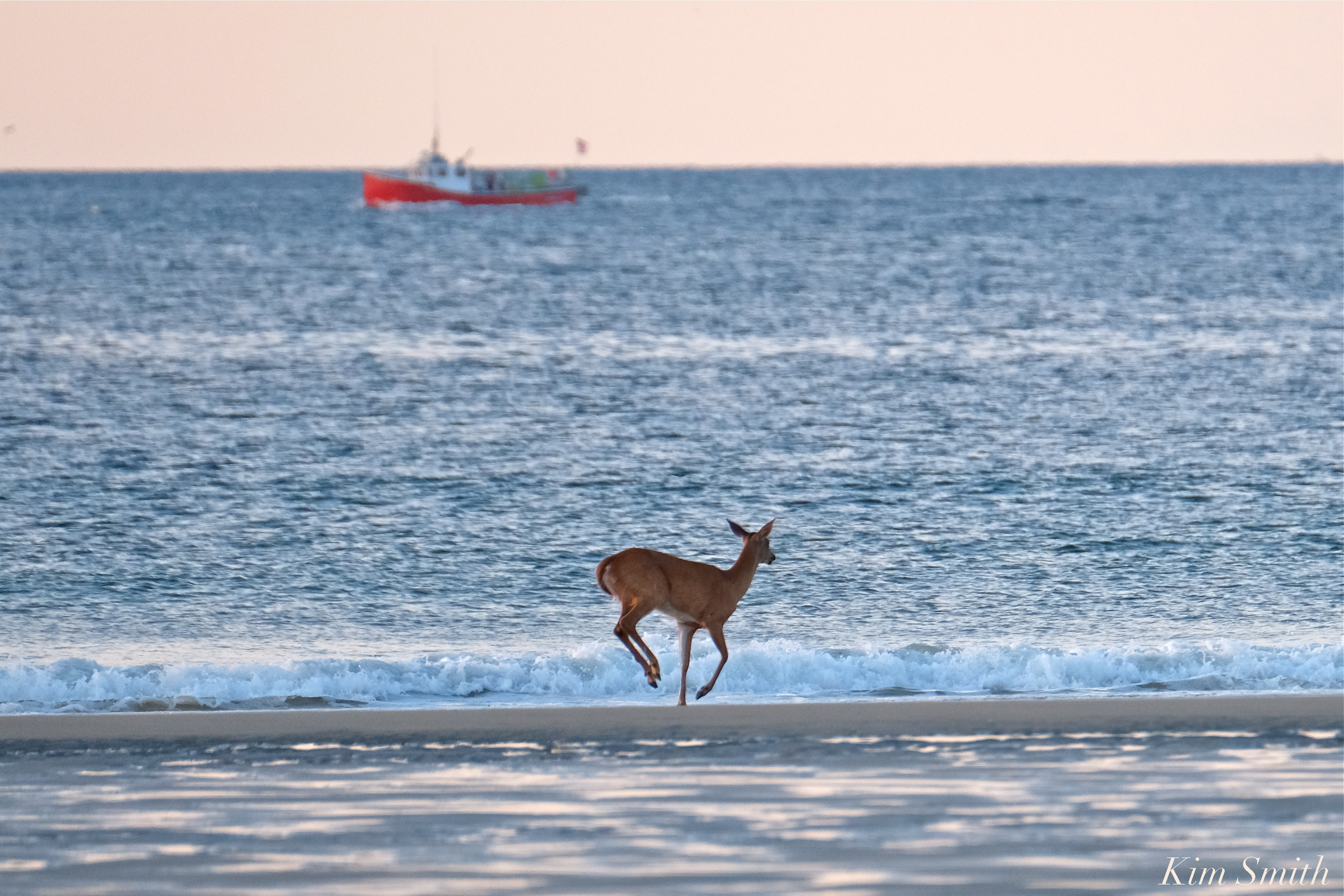
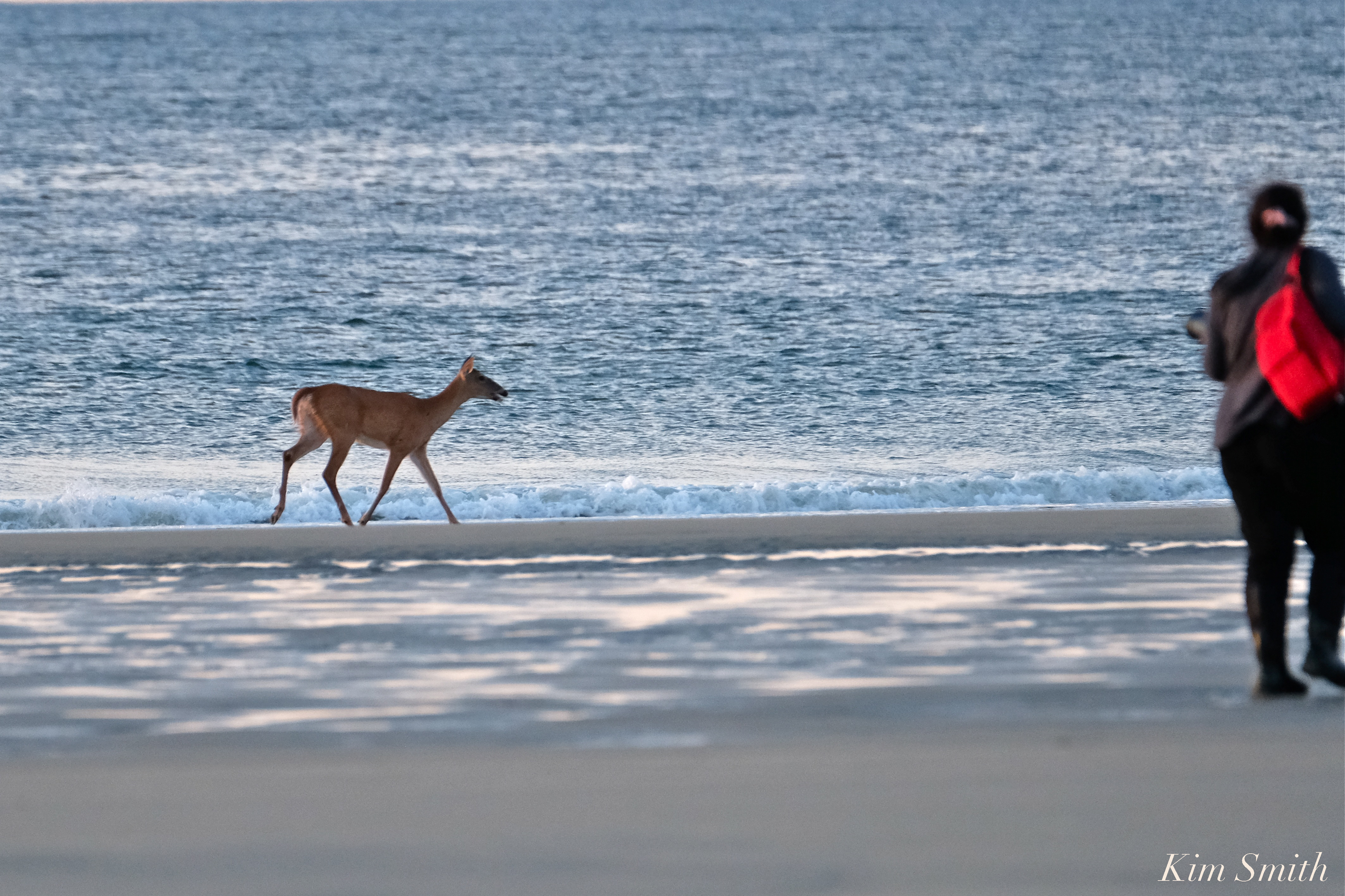
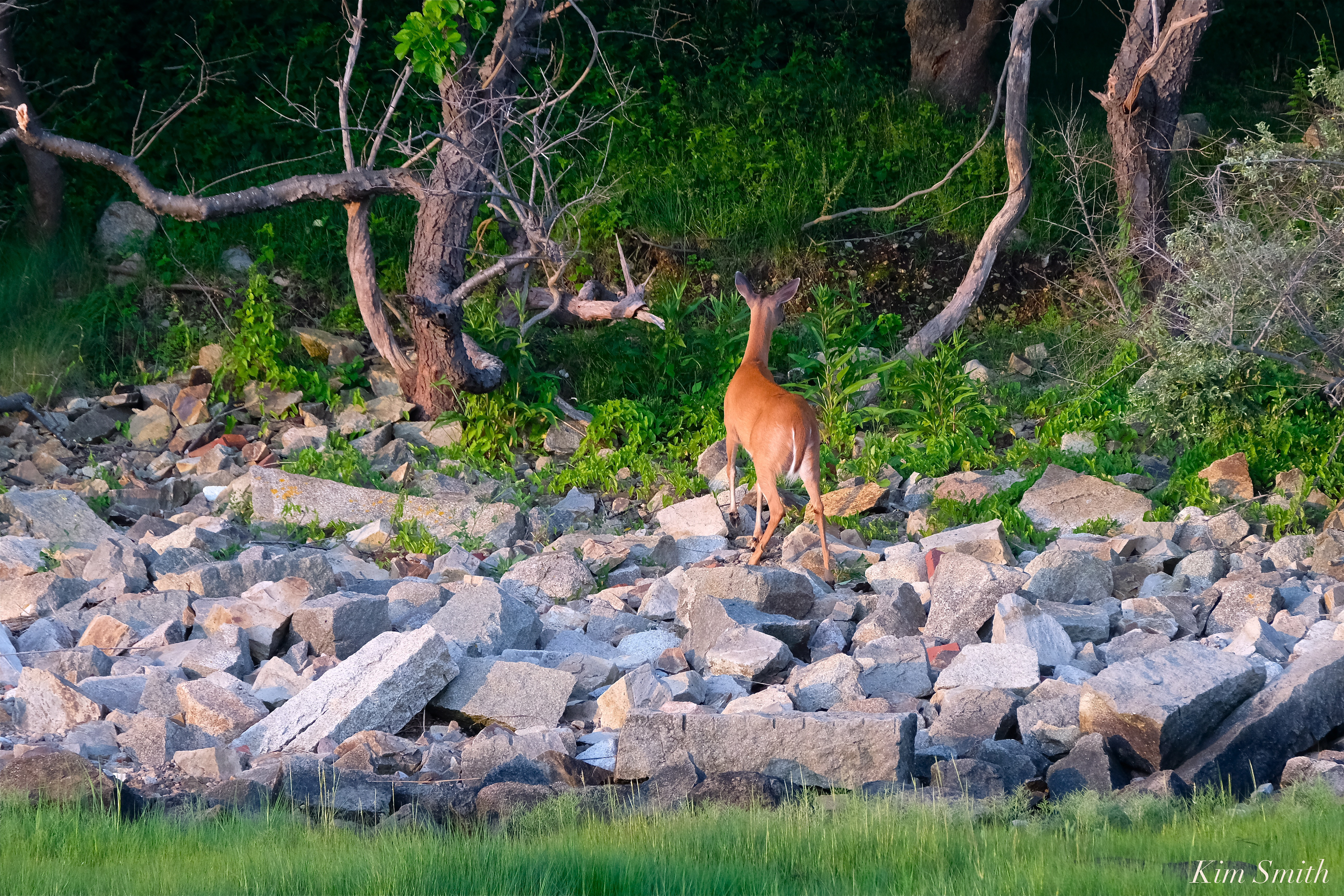
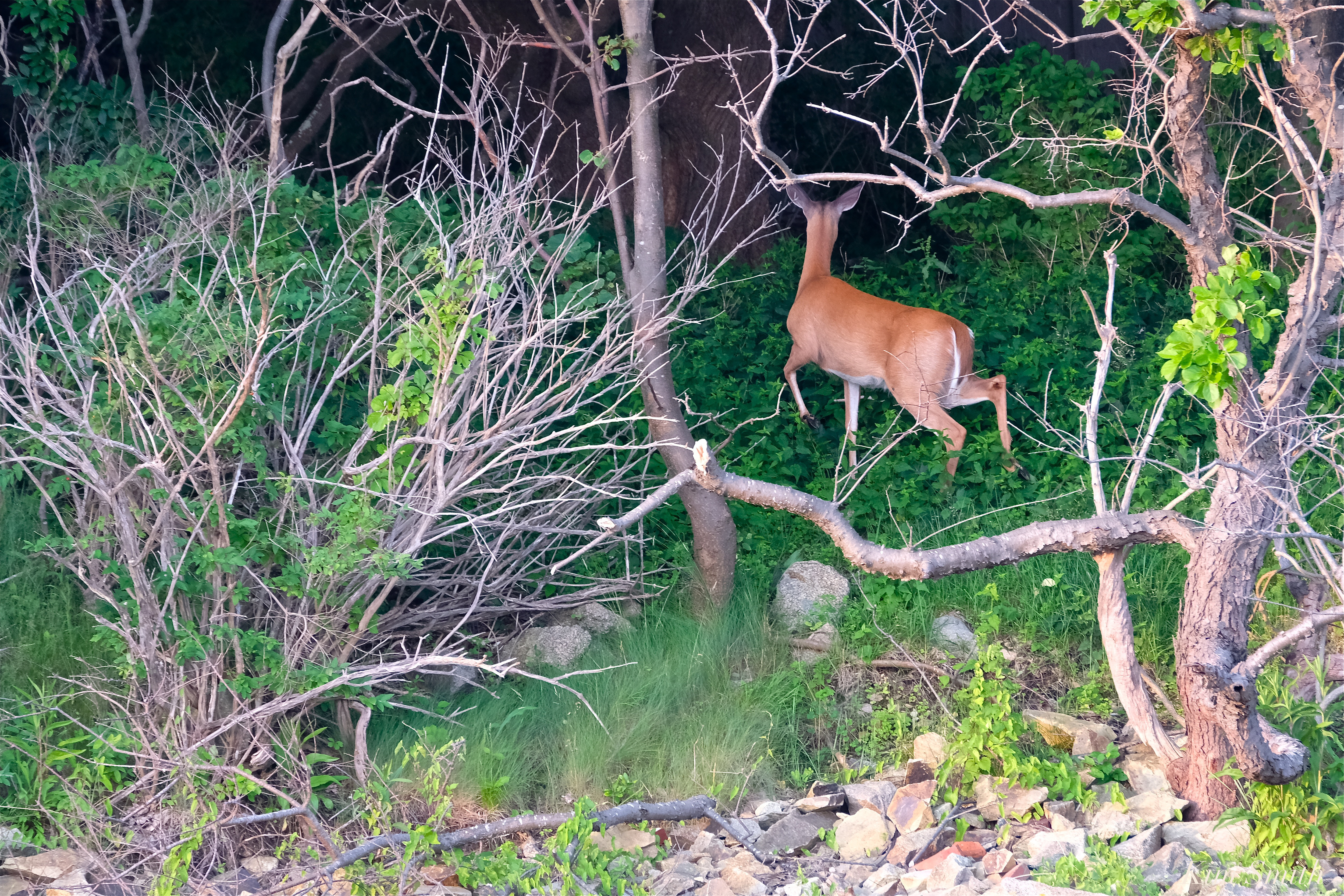
Well hello there beautiful doe of the dunes.

This graceful, slender beauty leisurely strolled, and then pranced, up to me while I was filming PiPls. I stood very still as she came closer and closer, trying not to move a muscle. With great curiosity, she spent a few minutes looking at me. The doe came so close, I could have reached out my hand and touched her.

After the once over from her, and a magical moment for me, she then proceeded to walk a few feet away and take a very long pee in a tide pool. I was filming, not photographing at this point, and so it was captured on film. I don’t know why I think this was funny, I guess because while I was thinking, this is so beautiful, perhaps she was wondering if I was a tree and a suitable place to go pee.

Dancing along with the waves at the shoreline, she was heading back to the dunes when a photographer boxed her into a corner, forcing her to cross the creek and go up the rocky incline to Sherman’s Point, and then cross the road. I prayed she would not get hit by a car (FYI, the photographer had a huge telephoto lens!)

Half an hour later I was further down the beach and happily surprised as the doe came in from the road. She had circled all the way around, her tongue was hanging out and she was out of breath. After a few sips of water at the creek, the elegant White-tailed doe of the dunes crossed the marsh and made her way back home.

Beautiful sunrise yesterday morning, too.

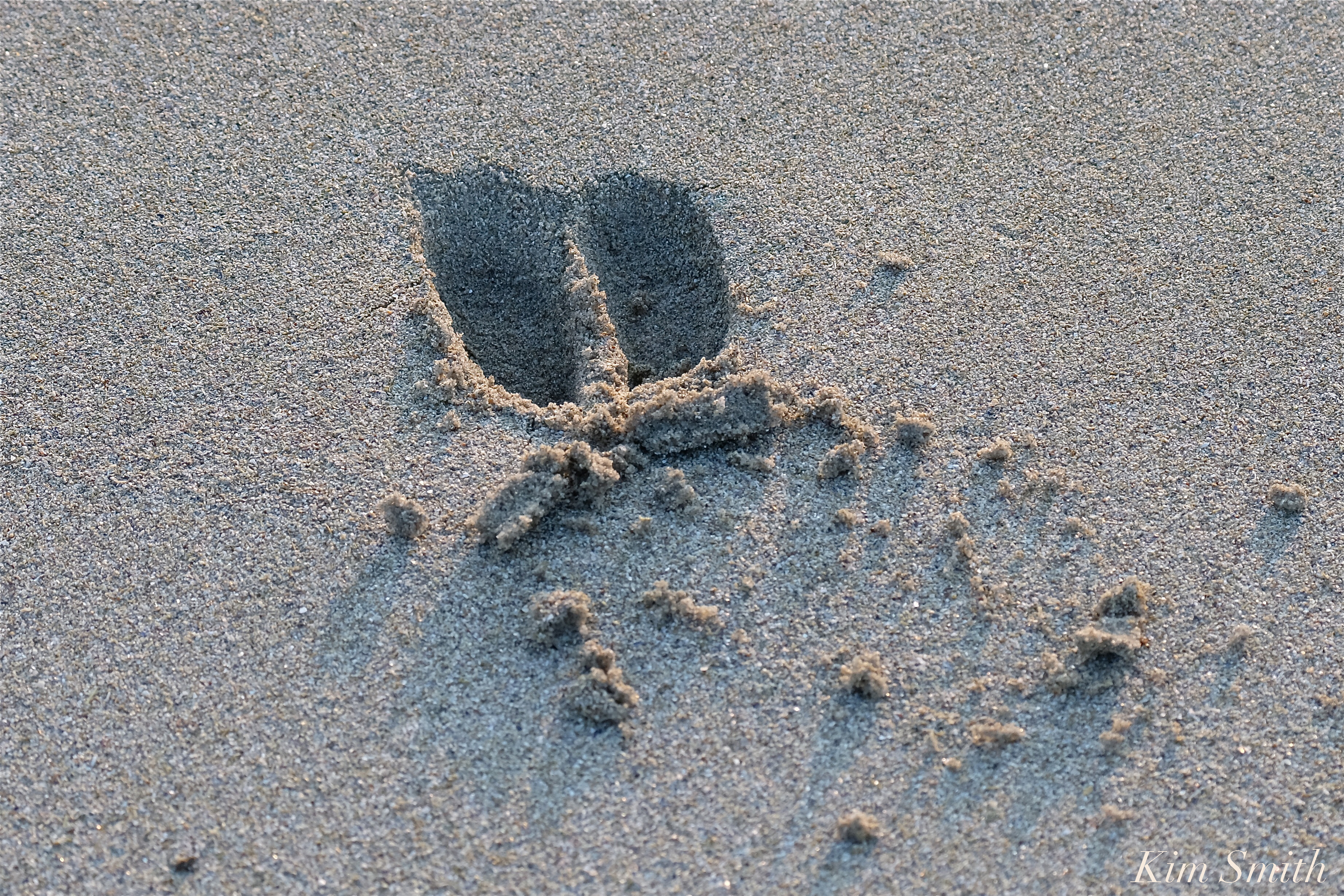
Doe Tracks – I have been making a photographic record of all the different types of animal prints that we see at Good Harbor Beach in the morning. Usually, the deer tracks are in the softer sand and not as clearly defined.

WHEN A DEER COMES PRANCING ALONG THE BEACH!

Well hello there beautiful doe of the dunes.

This graceful, slender beauty leisurely strolled, and then pranced, up to me while I was filming PiPls. I stood very still as she came closer and closer, trying not to move a muscle. With great curiosity, she spent a few minutes looking at me. The doe came so close, I could have reached out my hand and touched her.

After the once over from her, and a magical moment for me, she then proceeded to walk a few feet away and take a very long pee in a tide pool. I was filming, not photographing at this point, and so it was captured on film. I don’t know why I think this was funny, I guess because while I was thinking, this is so beautiful, perhaps she was wondering if I was a tree and a suitable place to go pee.

Dancing along with the waves at the shoreline, she was heading back to the the dunes when a photographer boxed her into a corner, forcing her to cross the creek and go up the rocky incline to Sherman’s Point, and then cross the road. I prayed she would not get hit by a car (FYI, the photographer had a huge telephoto lens!)

Half an hour later I was further down the beach and happily surprised as the doe came in from the road. She had circled all the way around, her tongue was hanging out and she was out of breath. After a few sips of water at the creek, the elegant White-tailed doe of the dunes crossed the marsh and made her way back home.

Beautiful sunrise yesterday morning, too.

Doe Tracks – I have been making a photographic record of all the different types of animal prints that we see at Good Harbor Beach in the morning. Usually, the deer tracks are in the softer sand and not as clearly defined.

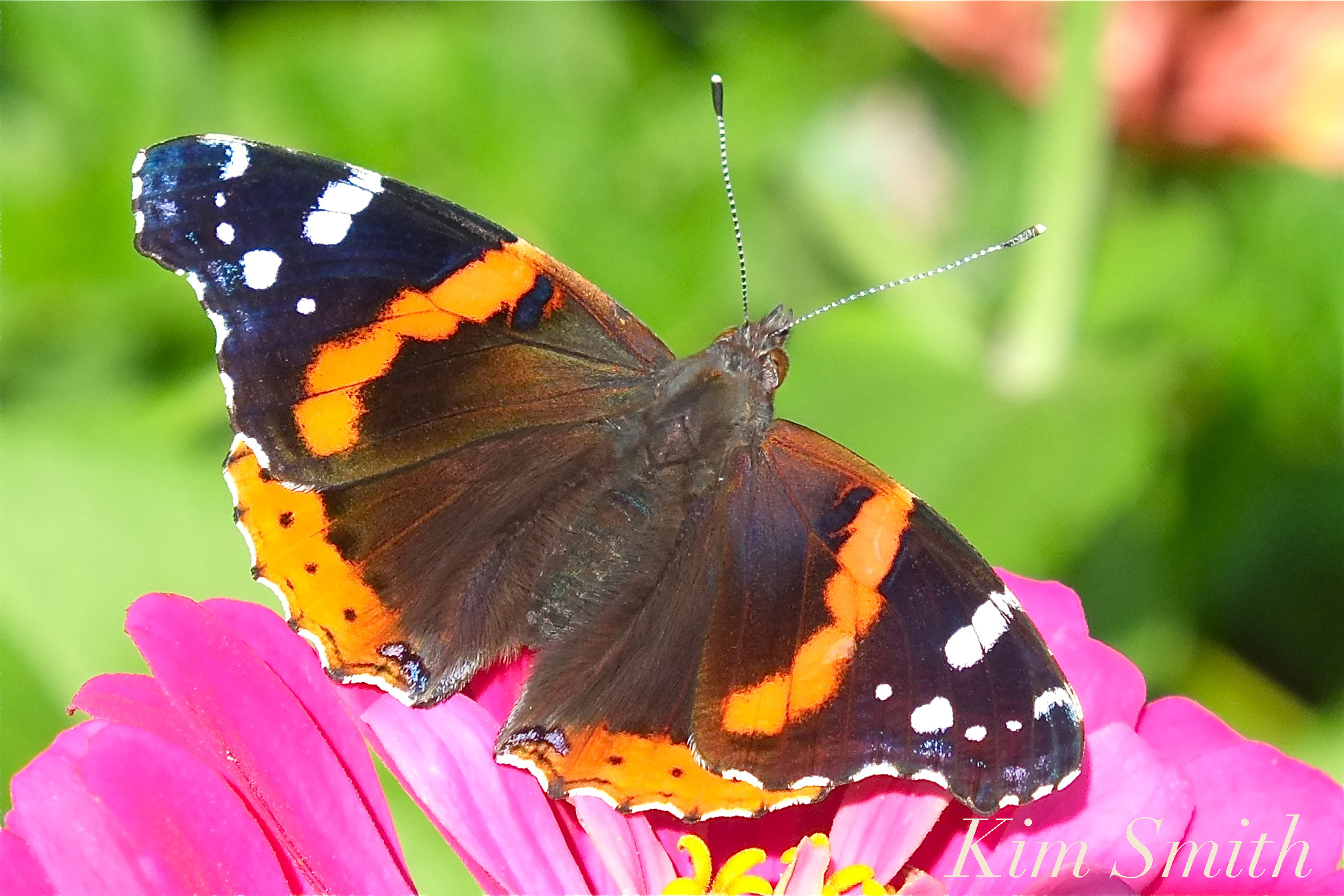
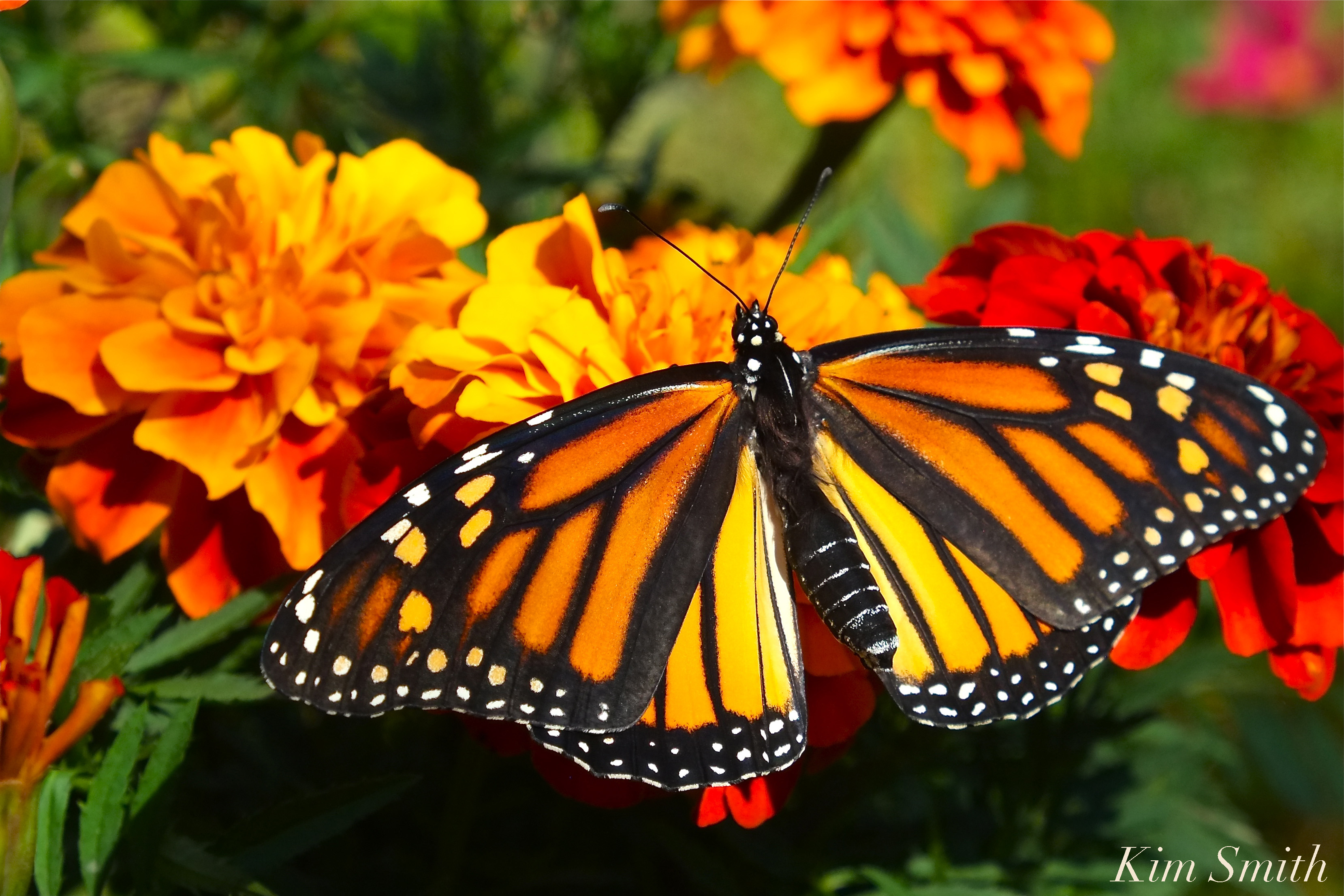
WHAT IS THAT BUTTERFLY ON THE BEACH THAT LOOKS LIKE A SMALL MONARCH?

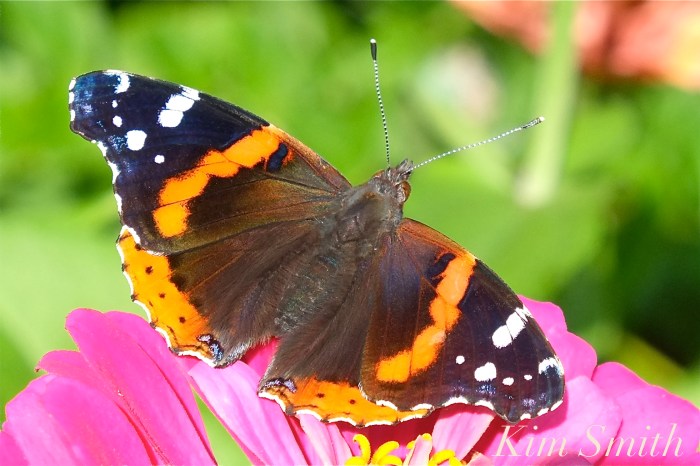
There are several butterflies that people often mistake for Monarchs. Among them are two members of the Vanessa genus and they are Painted Ladies and Red Admirals.

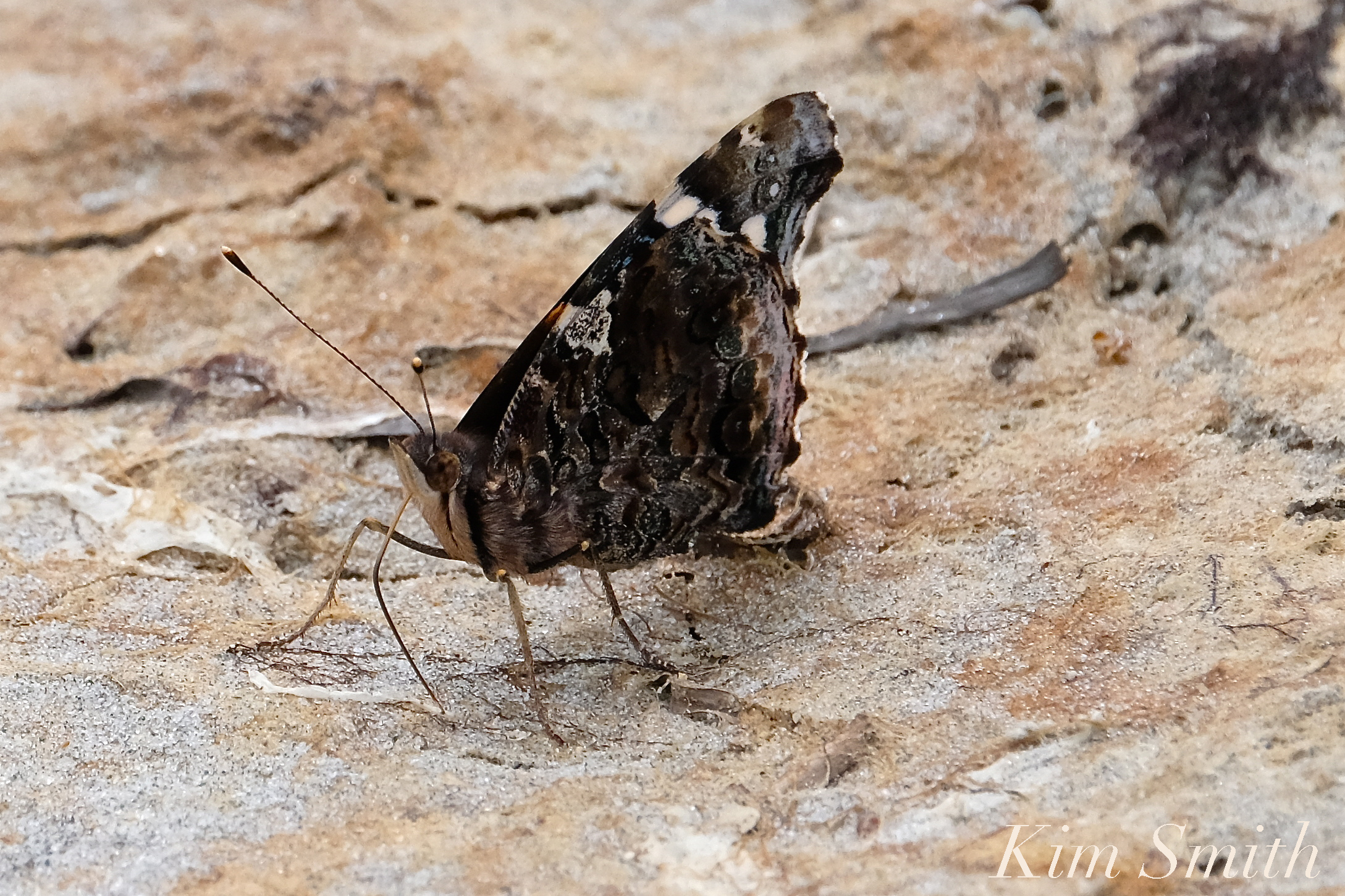
Monarchs are on the wing at the dunes at Good Harbor Beach, attracted to the Common Milkweed growing abundantly throughout. For the past several months, we have had an influx of Red Admirals. They aren’t seen in the dunes as much as are the Monarchs; you’ll find them right on the sand at the beach. They are drinking moisture found in the sand, especially at the wrack line, seeking minerals and salt. Red Admirals are commonly referred to as the ‘Friendly Red Admiral’ because they alight on people’s skin, drinking salty human perspiration.

When wings are folded Red Admirals are beautifully disguised against beach and bark textures; when their wings are open they flash bright red-orange bands across their upper and lower wings, which sometimes leads people to believe they are a ‘small’ Monarch.

Red Admiral

Monarch

THANK YOU PIPL VOLUNTEERS!

We PiPl volunteer monitors had a sweet get together last night to celebrate our three fledged Piping Plovers. Not everyone could attend and I didn’t take the photo until several had already departed. Despite the fact that the City prematurely dismantled the Piping Plover refuge, it didn’t dampen our spirits. It was super to talk to fellow volunteers and learn more about them while sharing a beautiful cake that Heather Hall had made, with some fantastic Sangria, made by Laurie Sawin.

Thank you, thank you, thank you to all our fantastic volunteers for your hours of dedication. It was a great year for PiPls at Good Harbor Beach. We hope our Mama and Papa return next year, and if they do, we will be even more prepared!