My View of Life on the Dock

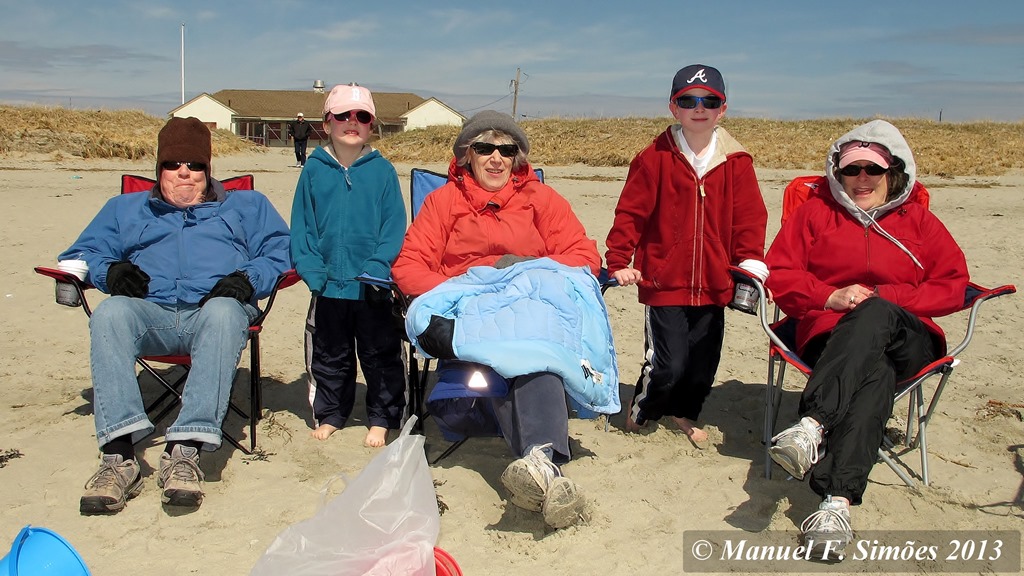
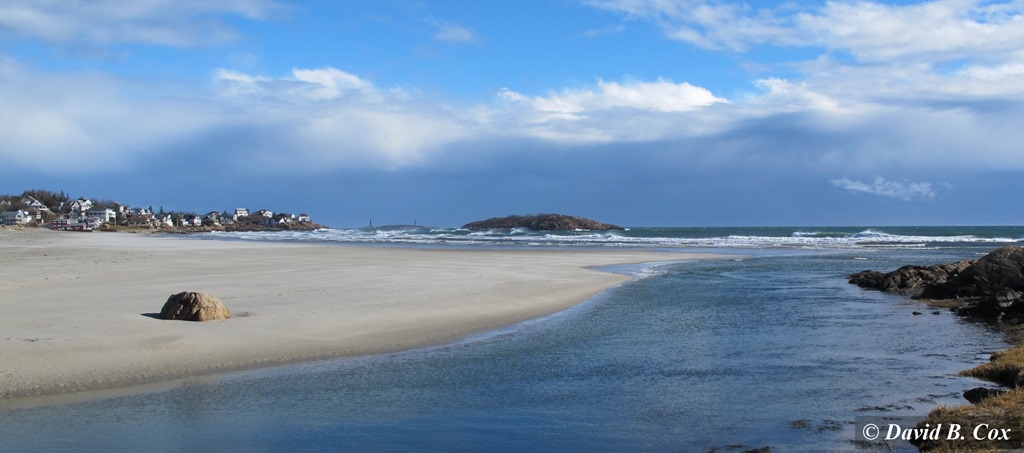
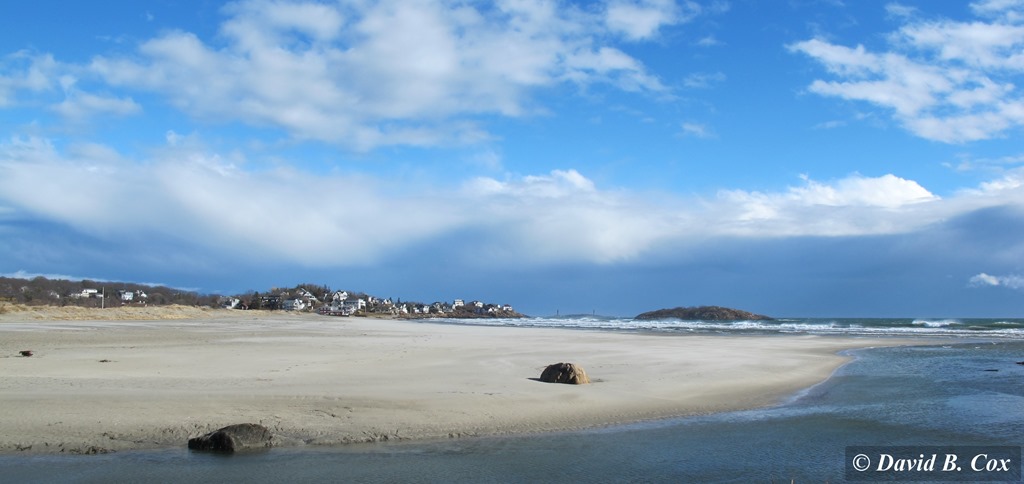
Good Harbor Beach – Enjoying an early sunning at Good Harbor Beach today.
Grandparents, mother and Children from Melrose, while Dad was working.

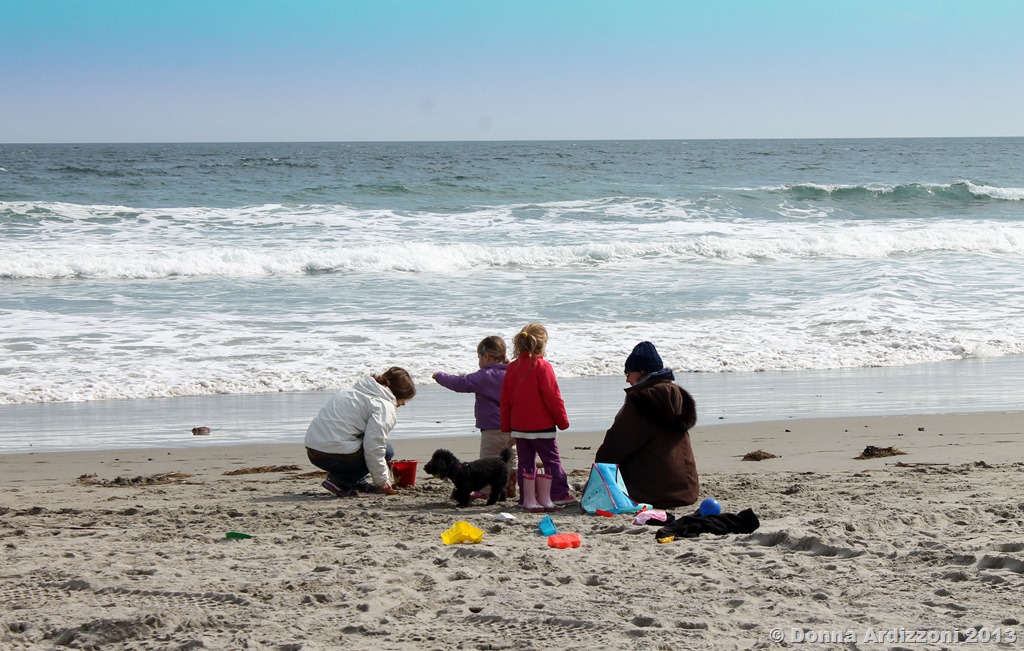

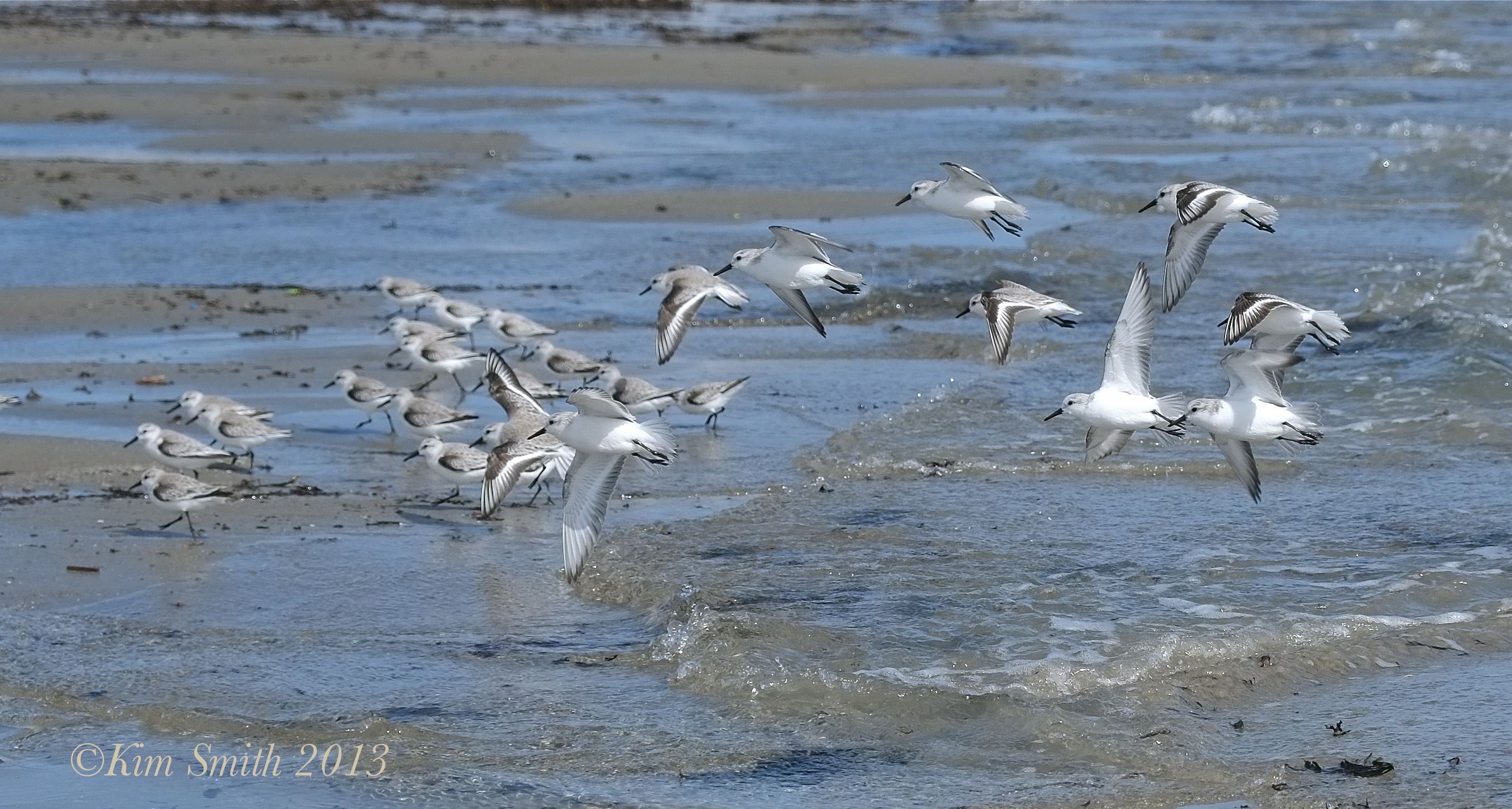
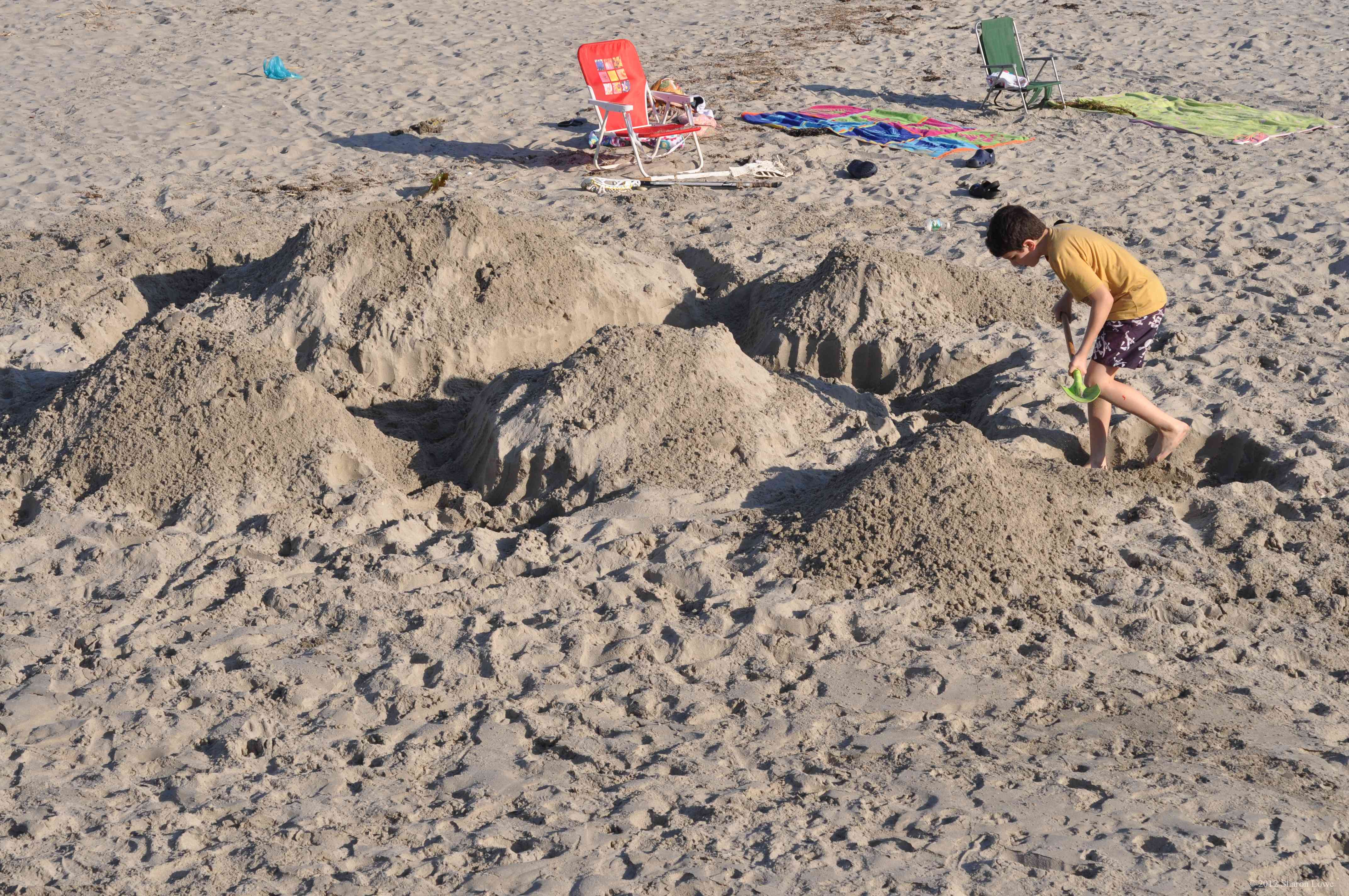
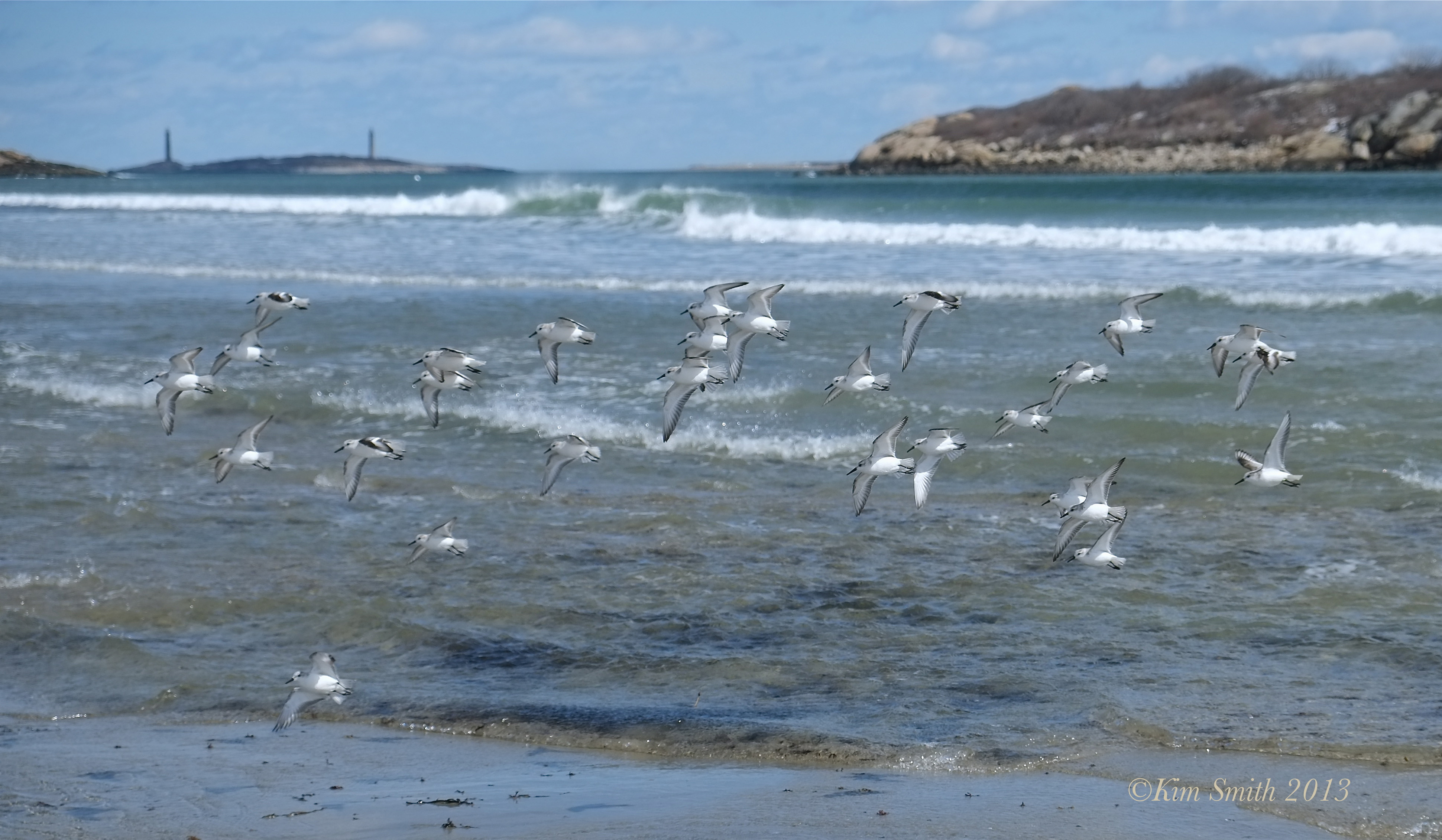 Snapshots from Good Harbor Beach, taken on Saturday. Beautiful birds–click to view larger images.
Tomorrow features the Ferrante Family for the St. Joseph film project.

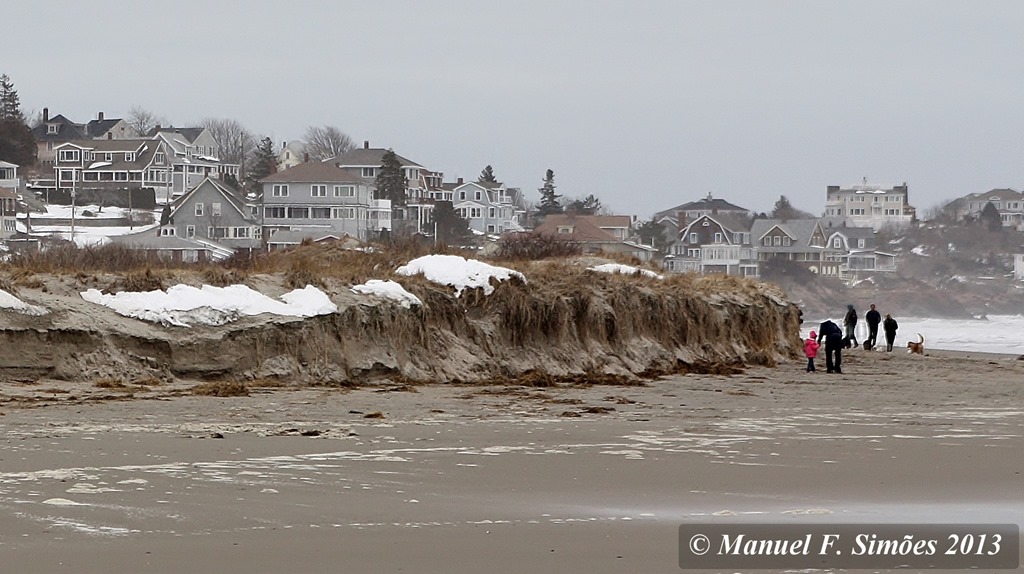
Gloucester’s Bob Quinn, who has been going to Good Harbor for the past 80 years, tours the dunes of Good Harbor Beach and comments on the poundin’ it took this winter.
Here is a clip from the half –hour show that airs all week on Cape Ann TV Channel 12.
Show airs: Monday (tonight) at 6:30 p.m.; Tuesday at 6:00 p.m.; Wednesday at 9:30 p.m.; Thursday at 8:30 p.m.; Friday at 12:30 p.m. and Saturday at 5:00 p.m. See Channel Listings for more Cape Ann TV Shows.
Even though there’s still snow on the ground, it’s not too early to be thinking about swimming at Good Harbor. So, to get you in the mood, here’s a very up-beat song Allen Estes wrote last Summer and performed on Local Music Seen.
Speaking of Allen, he’s appearing at Giuseppe’s this Thursday for the second week of the Singer Songwriter Shuffle along with his son Dylan and other local favorites Inge Berge, Steve Caraway, Marina Evans, Jon Waterman and Joe Wilkins.
But don’t wait until Thursday. Lots of live music on Cape Ann all week long. See here!

What a difference a year makes!




“Olivia’s by the Sea”, formerly “Amelia’s” (near Good Harbor Beach), is under new management! It has been taken over by the same people who run the new Cape Ann Diner in Brown’s Mall. It has been renovated, and work will continue until the summer. The new layout includes an informal, tray-serving-style dining area, designed to be comfortable for beach-goers:

and a smaller, more formal area where there will be waiter service and a more comprehensive menu.

Outside, the plan is to have an ice cream window on one side of the outdoor eating area. In short, something for everyone!
On Wednesday, the restaurant opened for a breakfast test run “on the house” so that a small number of people could try the food and meet the staff. I was invited, so I showed up for a late breakfast. The menu has a wide selection of scrumptious sounding breakfast food, with reasonable prices (although not as inexpensive as the Cape Ann Diner, which is to be expected for the location and style). I opted for a scrambled egg with bacon, home fries, and beans, with a mug of decaf coffee.
 It was delicious! And the owner, Ron, and the greeters and servers were friendly and cheerful.

They will be opening fully for business sometime next month. I look forward to it!



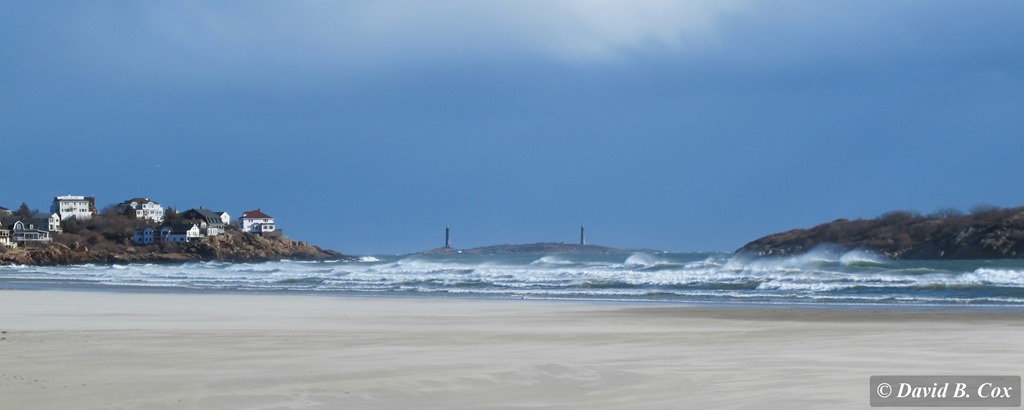
White light flashing five times at 20 second intervals.
Thacher Island is located about a mile offshore of Rockport. The island may be viewed from several locations in Rockport and from the Bass Rocks (Atlantic Road) in Gloucester. The Thacher Island Association provides boat service to the island for members of the Association. Kayaking is another popular way to visit the island.


From The Farmer’s Almanac:
February’s full Moon is traditionally called the Full Snow Moon because usually the heaviest snows fall in February.
Hunting becomes very difficult, and so some Native American tribes called this the Hunger Moon.
Other Native American tribes called this Moon the “Shoulder to Shoulder Around the Fire Moon” (Wishram Native Americans), the “No Snow in the Trails Moon” (Zuni Native Americans), and the “Bone Moon” (Cherokee Native Americans). The Bone Moon meant that there was so little food that people gnawed on bones and ate bone marrow soup.



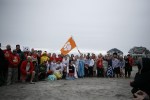
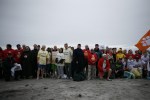
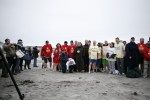
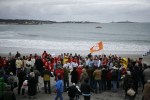
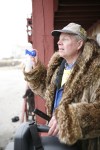
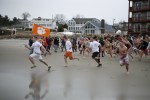
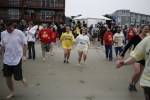
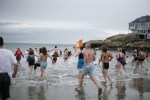
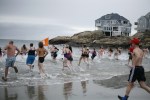
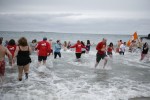
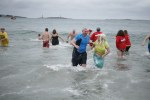
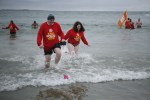

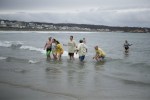







Joey,
It was a pleasure to meet you on Sat. The “lobstah” was delicious. Here is
a mini album from the Plunge. Post any, all or none…
Have a great day,
Lisa Cardinal

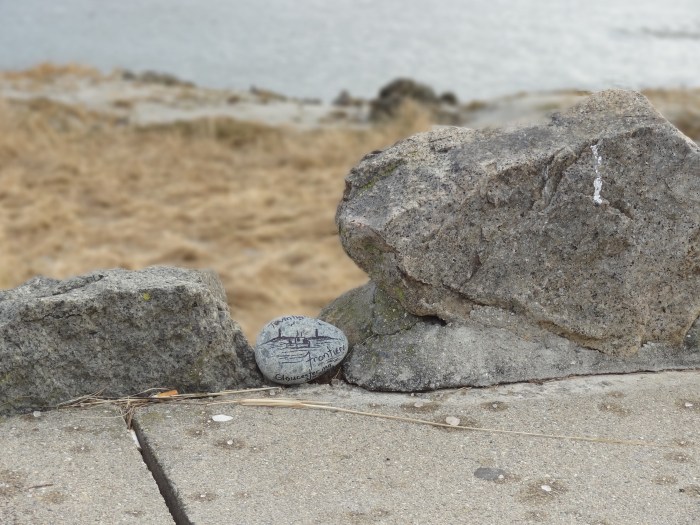
I stopped at GHB Saturday at about 7:30am and decided to create and leave an “Art, Rock” before the storm rolled in. I stopped by Joey’s Dock after and he posted the photos. I also ran into Ed Collard later in the day. Ed is known for scooping up the rocks. He denied taking it but said he knew who did.
Click here for Joey’s Saturday Post
SO ED WHO DID?


The Wolf Moon is a name for the full moon that occurs in January. This name is popularly attributed to the Native Americans. According to popular culture this name was chosen because they heard hungry wolf packs howling outside the villages. This full moon is also known as the Old Moon or the Moon After Yule.

Notes on Good Harbor Beach November Sunrise
One morning in late November I followed the elusive Great Blue Heron up and down the length of the salt marsh creek while a stunning sunrise unfolded in the background. The dance of the lone heron feeding was as hauntingly beautiful as is the ebb and flow of Fauré’s “Pavane” through its series of musical climaxes, and seemed perfectly choreographed to the intensely focused movements of the heron.
Earlier in the month of November I had filmed three herons feeding simultaneously—the most I typically see at Good Harbor are two at a time. That footage is lost, and perhaps it is just as well because it may not have been the most interesting as the focal length was some distance in order to capture all three in the frame. I found it captivating to see this lone heron feeding alongside the seagulls and ducks, not an event I have often observed. Whenever a dog approached or some other imagined disturbance startled the birds, all would take flight; the seagulls and ducks dispersed and the heron invariably headed to the opposite end of the marsh. This went on for several hours, back and forth, up and down the salt marsh. The Great Blue Heron is majestic in flight, with deep powerful wing beats, and a wingspan of five and a half feet to six and a half feet. Oftentimes difficult to find in the cameras’ lens, the heron’s subdued blue-gray and brown plumage is perfect camouflage against the rocky shoreline, particularly in the pre-dawn light and early hours of sunrise.
I looked for the herons again after that late date of November 29th, but I think they had all departed for warmer shores further south.
If you stay until the end, look for a funny clip after the credits have rolled. I couldn’t figure out how to make this most ordinary of body functions fit with the heron’s beautiful dance.
“Pavane in F-sharp minor, Opus 50,” was composed by Gabriel Fauré in 1887. Fauré’s “Pavane” obtains it slow processional rhythm from the Spanish and Italian court dance of the same name. The earliest known pavane was published in Venice in 1508 by Ottaviano Putrucci and is a dignified partner dance. The original music seems to have been fast, but like many dances, became slower over time. For this film I looked for a recording approximately 8 minutes in length, although Fauré’s “Pavane” is more typically six minutes long. The origin of the term is unknown; possibilities include from the Spanish pavón meaning peacock.
 Good Morning Gloucester