Live from GHB, beautiful warm September night for a swim ❤
https://www.instagram.com/p/BKJzDAvjeRg/
My View of Life on the Dock
Live from GHB, beautiful warm September night for a swim ❤
https://www.instagram.com/p/BKJzDAvjeRg/

A foggy day in Gloucester town. A lucky day all around. Had me high. Had me proud. For suddenly, I saw things there. And through foggy Gloucester town, the life was charming everywhere.

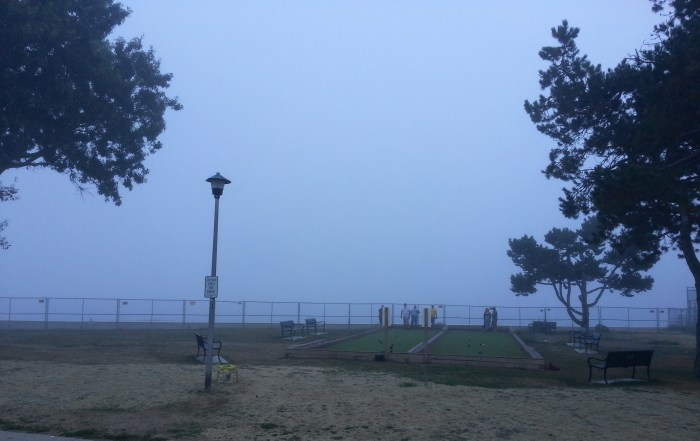
Yesterday’s velvety vistas.

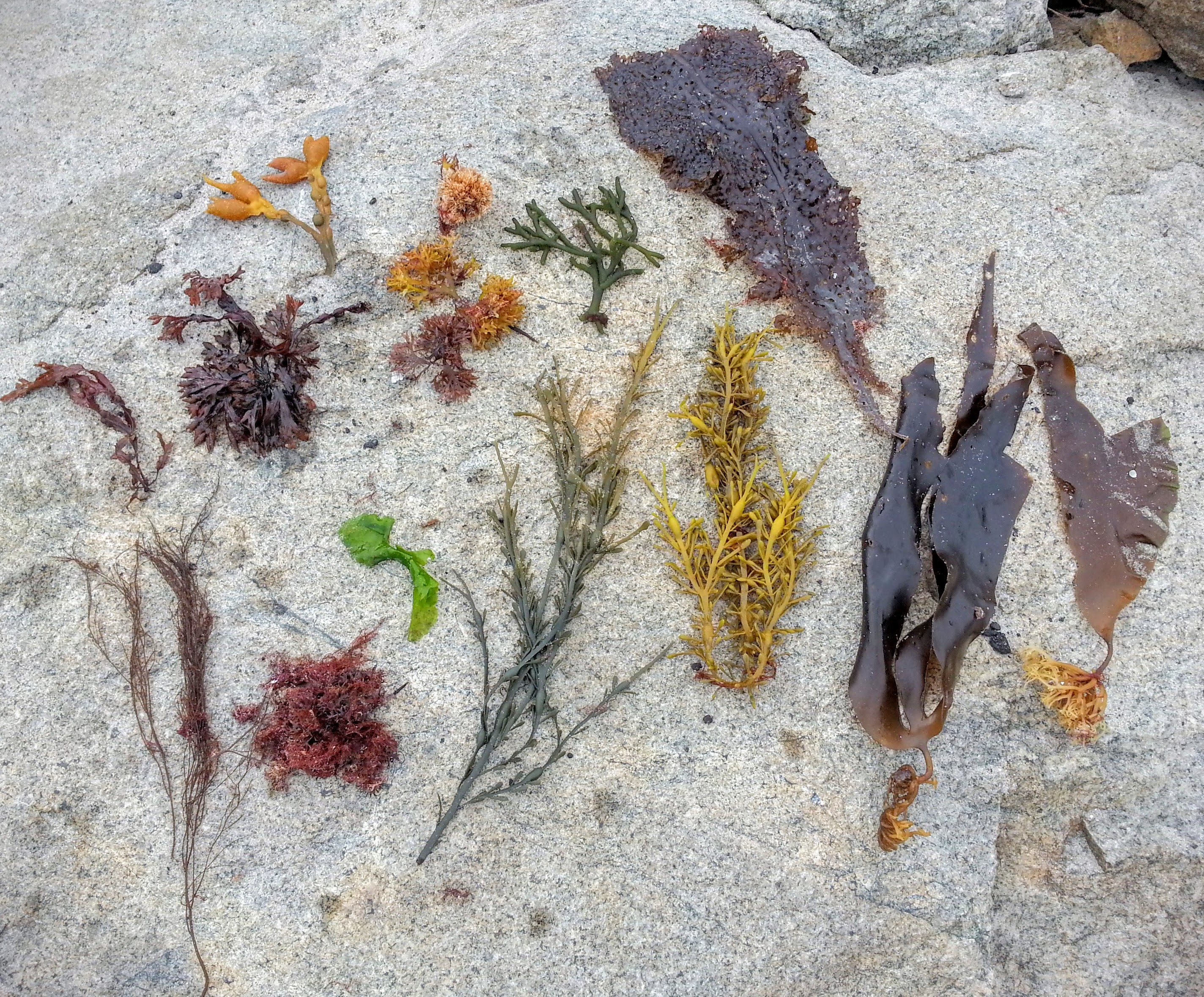
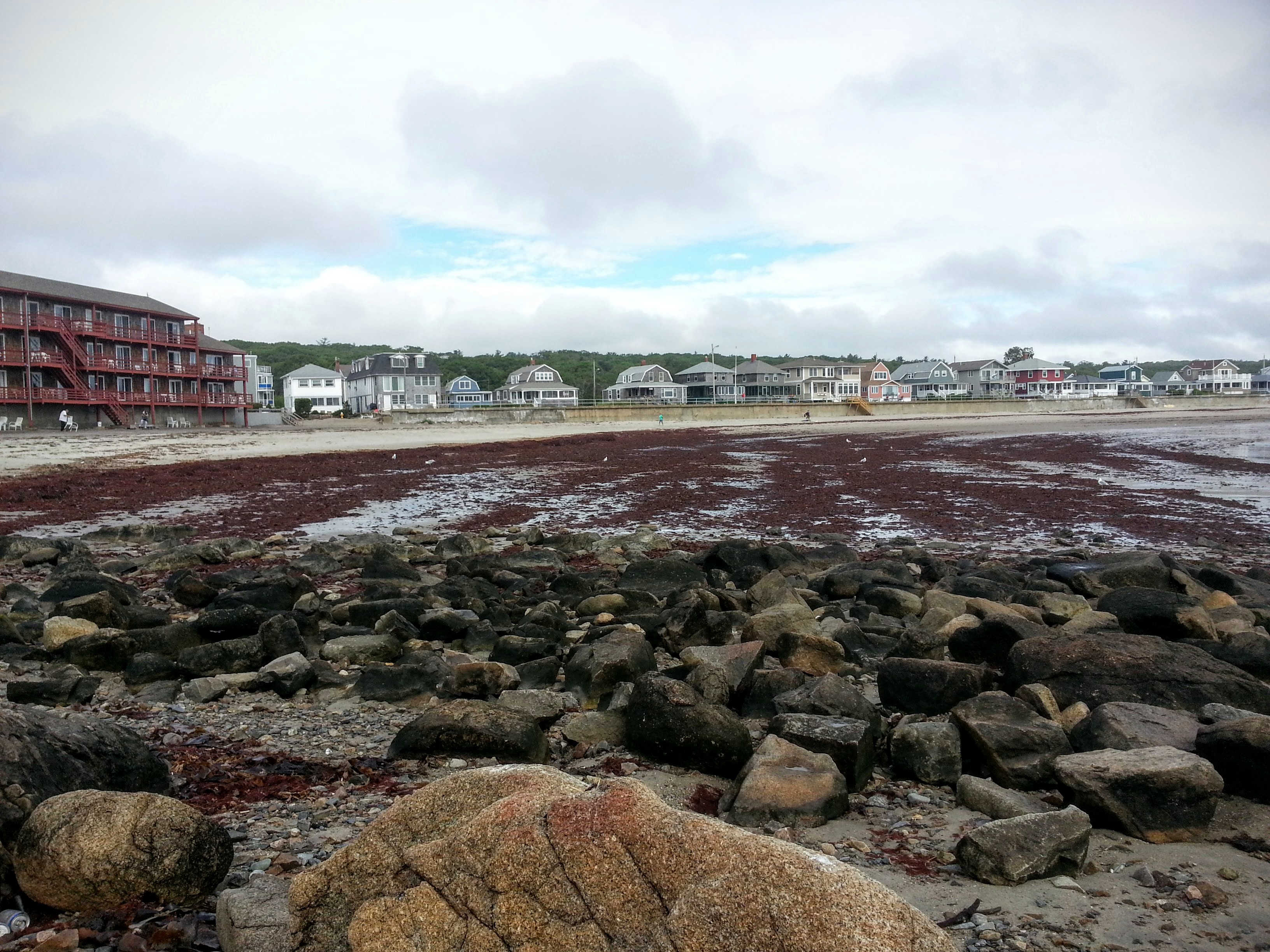
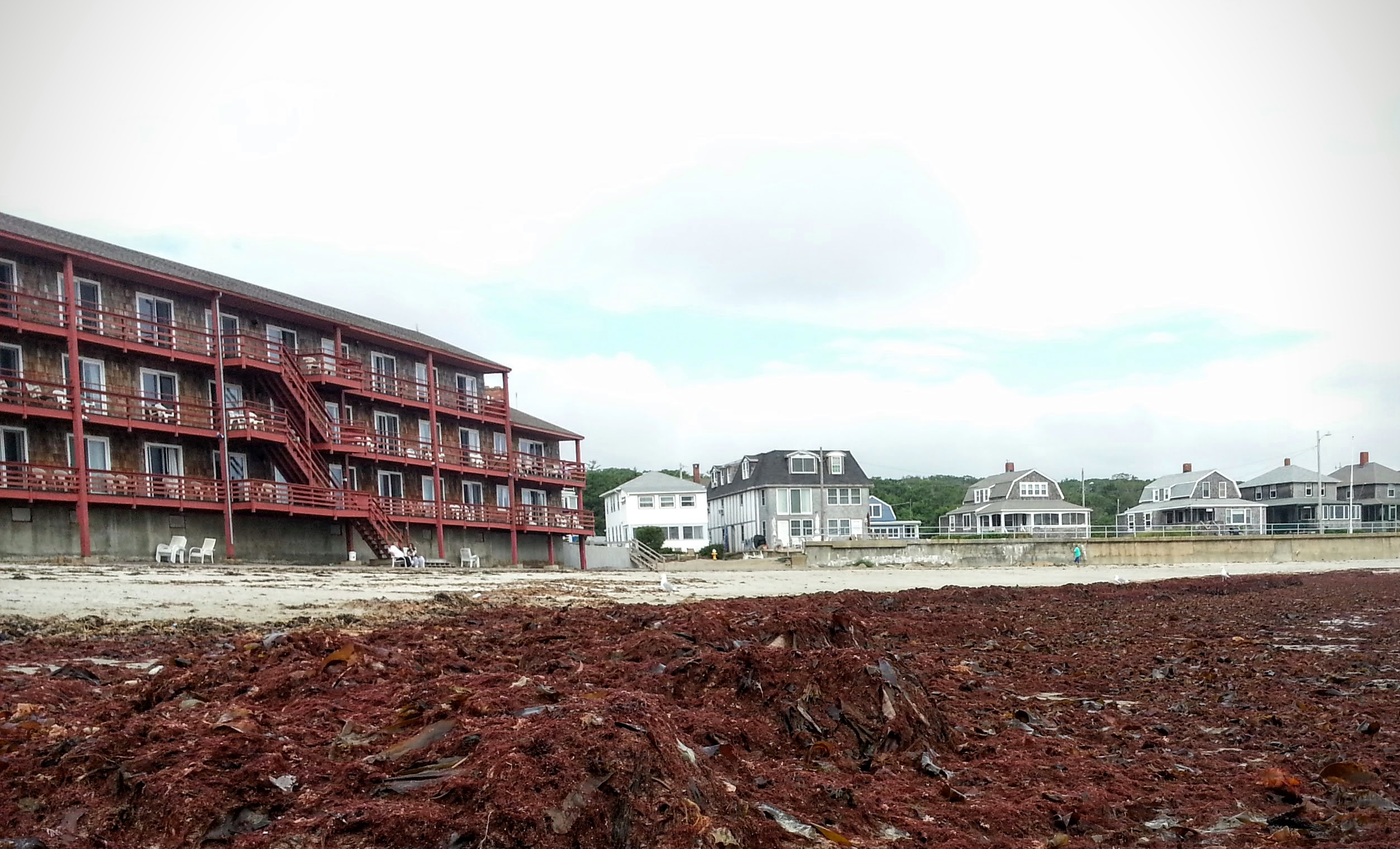
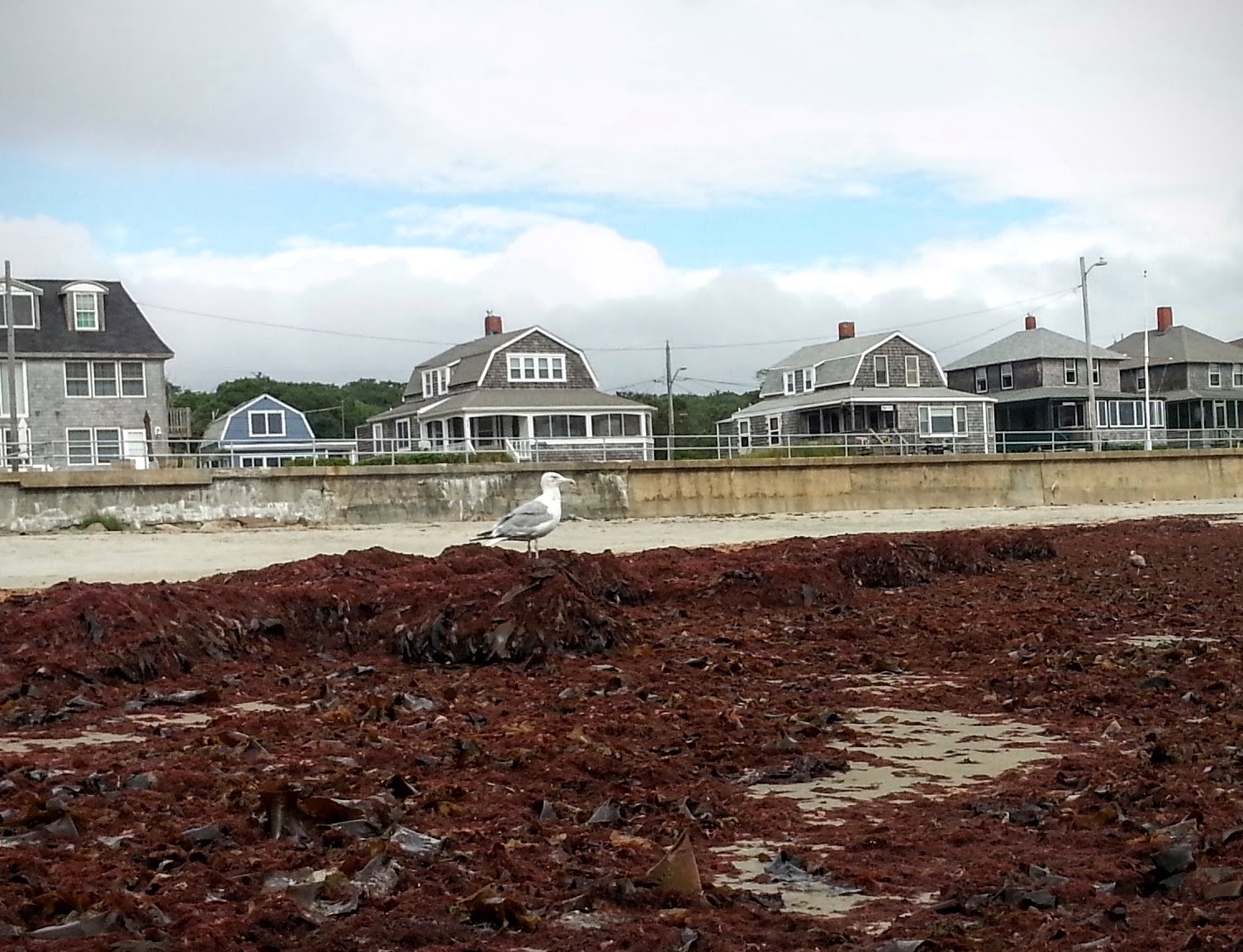
During the last days of summer, the sands at Long Beach shift to form a ledge that we affectionately call the ‘August shelf’. The slant is a challenge walking or running and a ramp or jumping platform if the tide is right. Children engage in all manner of parapet building and collapsing. The ocean remains warm and the waves can seem bigger. These marks –annual gifts from nature– gently nudge us to fall. This year, as a result of tropical storm Hermine, there is a bonus shelf of seaweed brought in by majestic tumultuous waves. Don’t miss a fantastic chance to inspect species common to Gloucester, Cape Ann and the East Coast. Seagulls and clothing pop against a uniform blanket of red. From a distance, the deep color of the seaweed seems the natural inspiration for the architectural details of Cape Ann Motor Inn.
Look closely as there are so many species intertwined and clumped together teeming with texture and color! Be inspired to create: the Cape Ann Museum includes volumes of pressed seaweeds and mosses. Learn more: Isabel Natti did the algae plant drawings for The Sea is All About Us, a pioneer book on local marine life and shores by Sara Fraser Robbins and Clarice Yentsch. Visit Maritime Gloucester to learn about life at the shore. Garden: a friend collects some seaweed for her beds. Eat: I haven’t tried making my own seaweed salad but I have eyed Irish moss pudding recipes. Pudding anyone?
Irish Moss pudding: 1 cup (dead, rinsed, cleaned, possibly soaked) moss with a quart of milk in a double boiler for 15 – 30 minutes, strain out the moss. Add sugar to taste, and optional flavoring (citrus, coffee, vanilla, green tea, whatever you like). Pour into mold and refrigerate or blend a health drink. The consistency is thicker relative to time.

Swimming this afternoon at Good Harbor Beach, after the beach was closed to swimming. You could actually see the rip current when standing above the beach from the roadside.
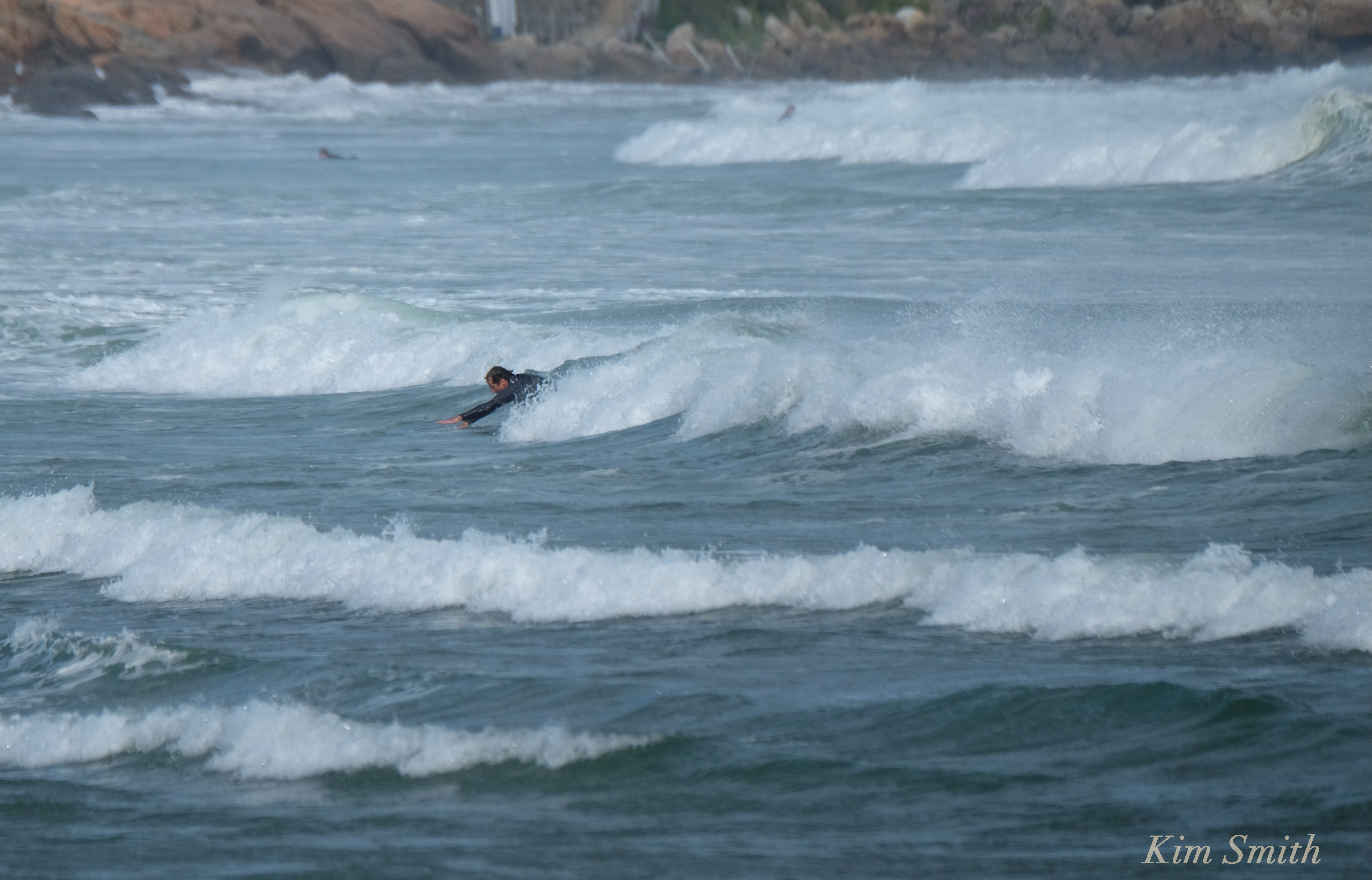
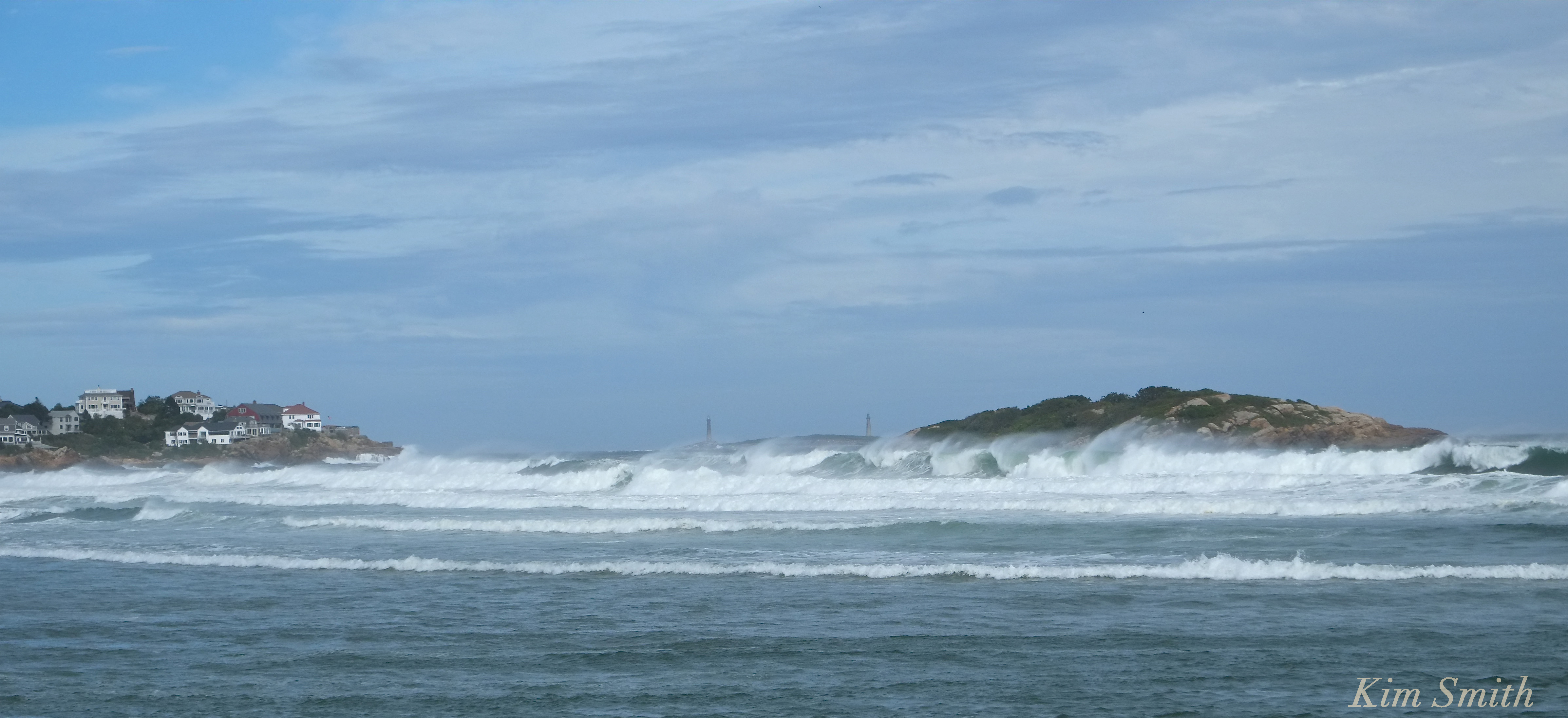 Spindrifts Good Harbor Beach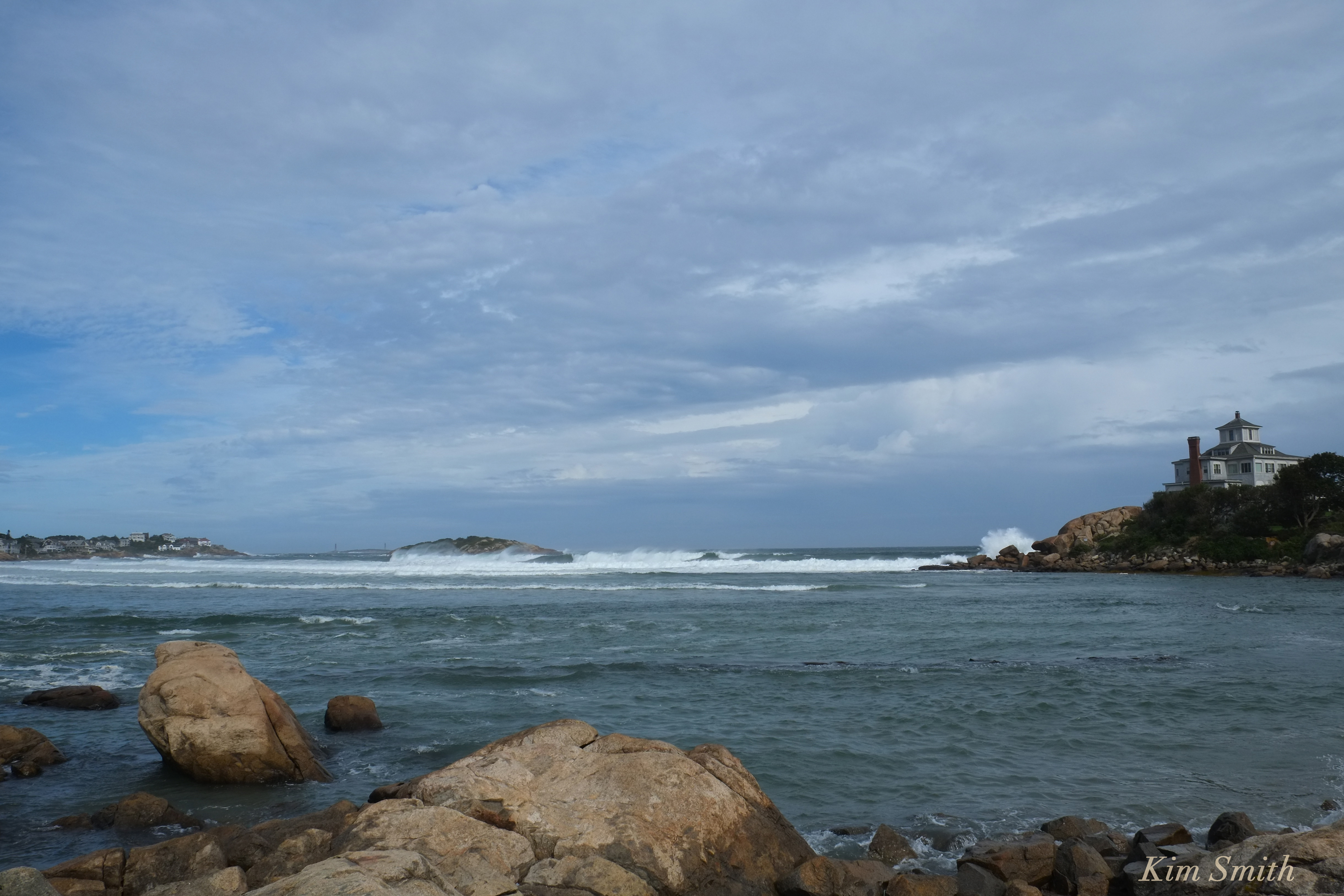

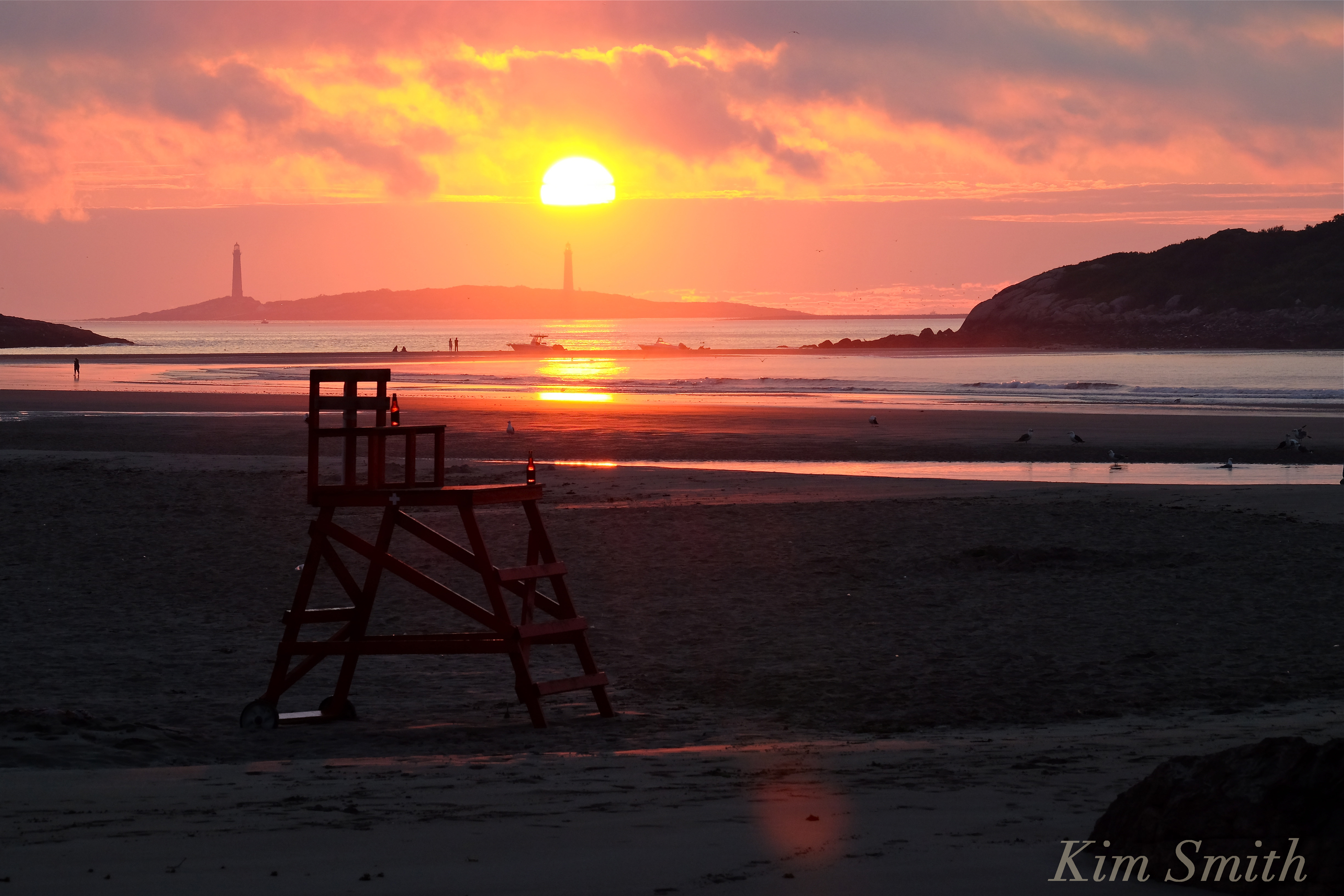
Today’s Good Harbor Beach sunrise
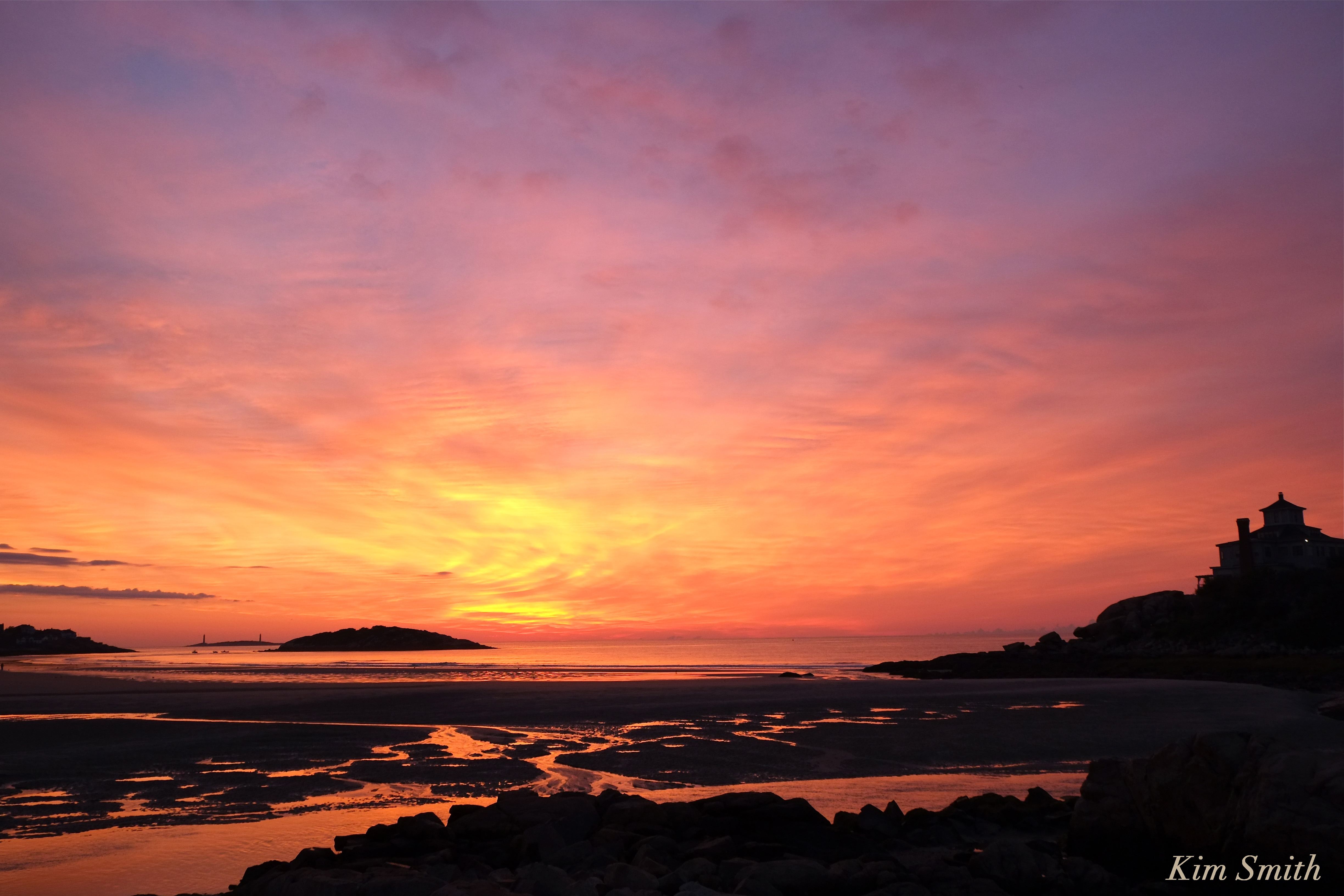

Today’s daybreak scenes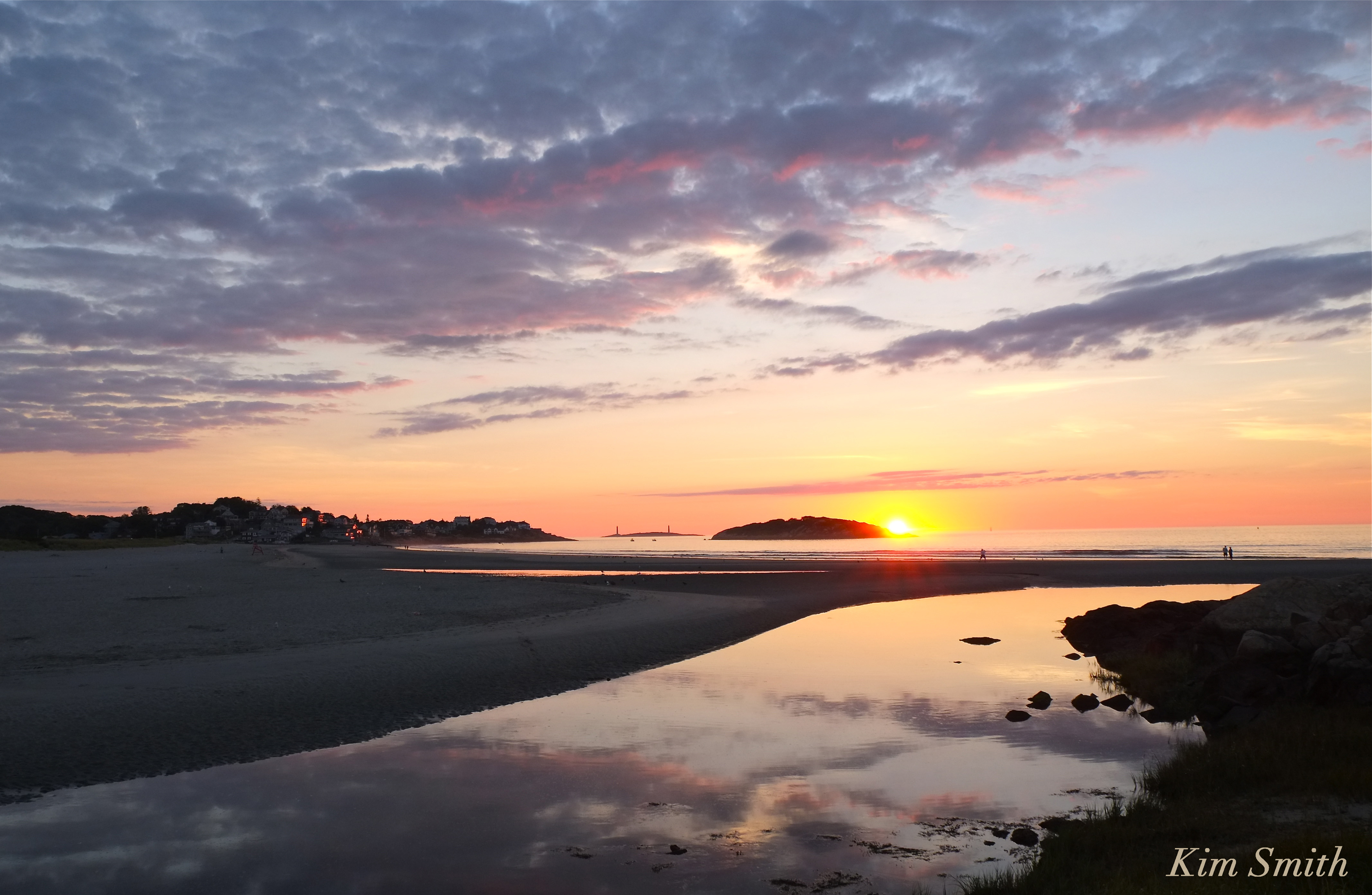
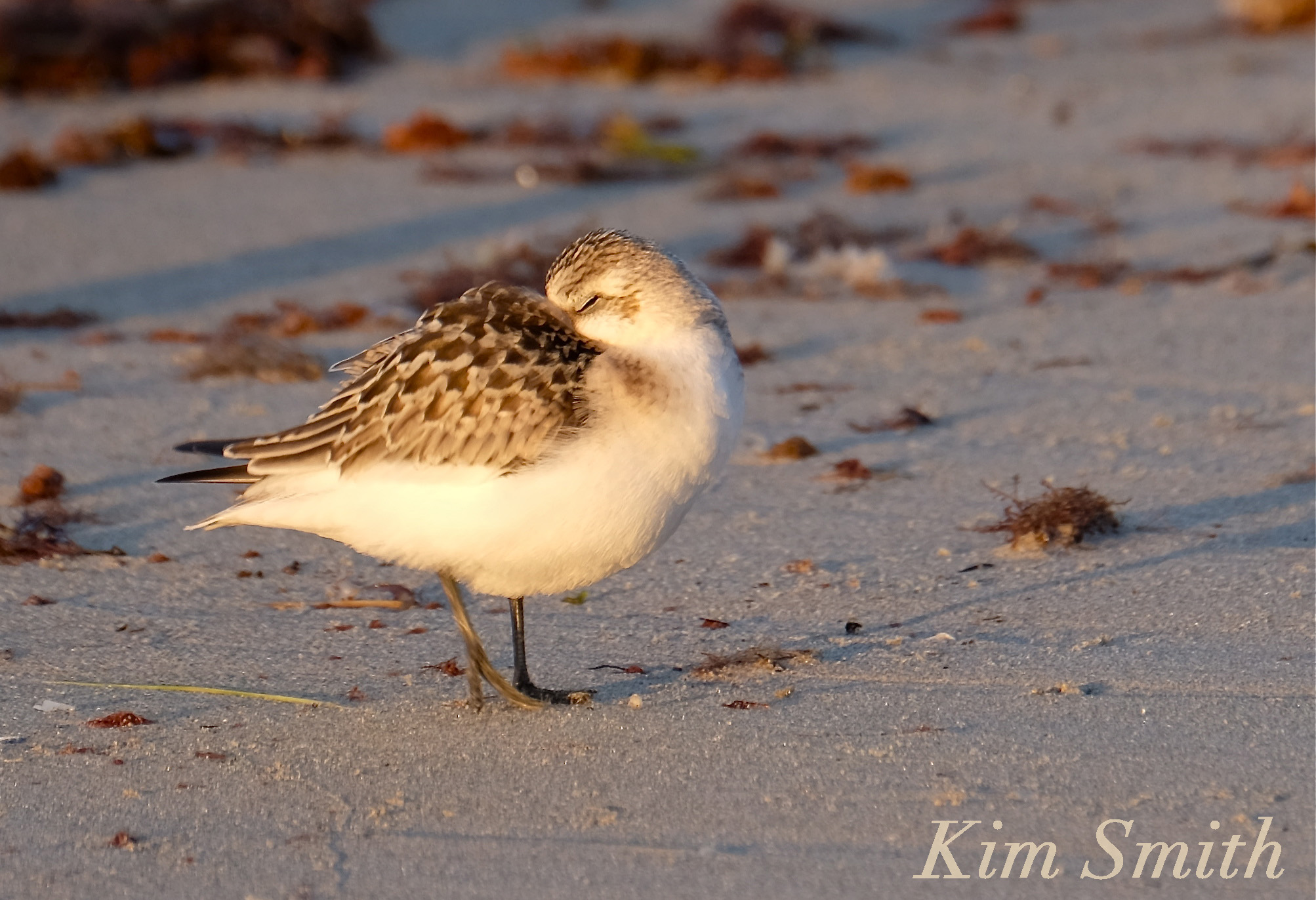 Sleepy Sanderling in the morning light
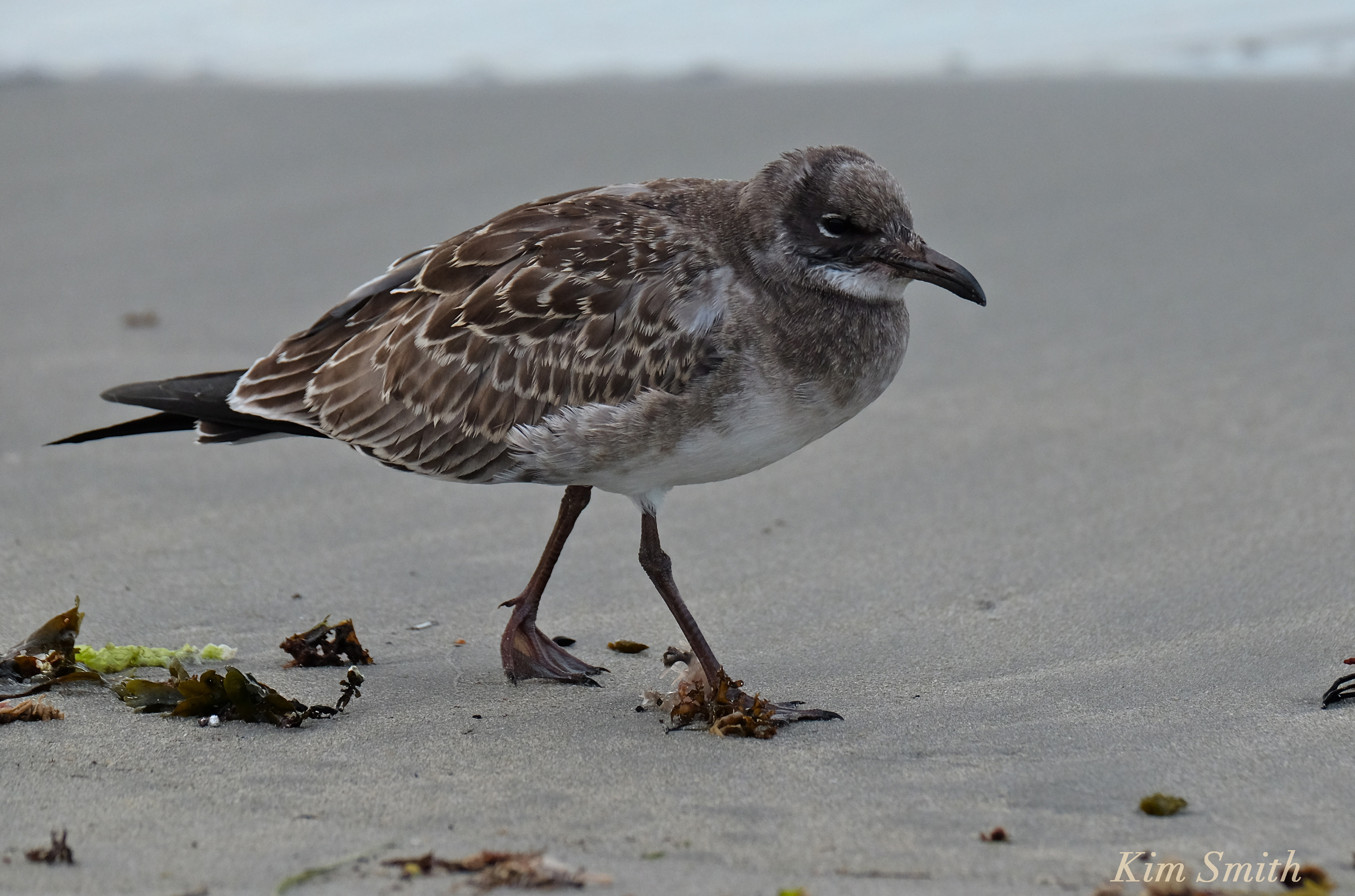 Mystery brown gull. Possibly a juvenile Herring Gull however, its legs legs, feet, and head are unusually dark if that is the case. If you have a clue, please comment. Thank you!
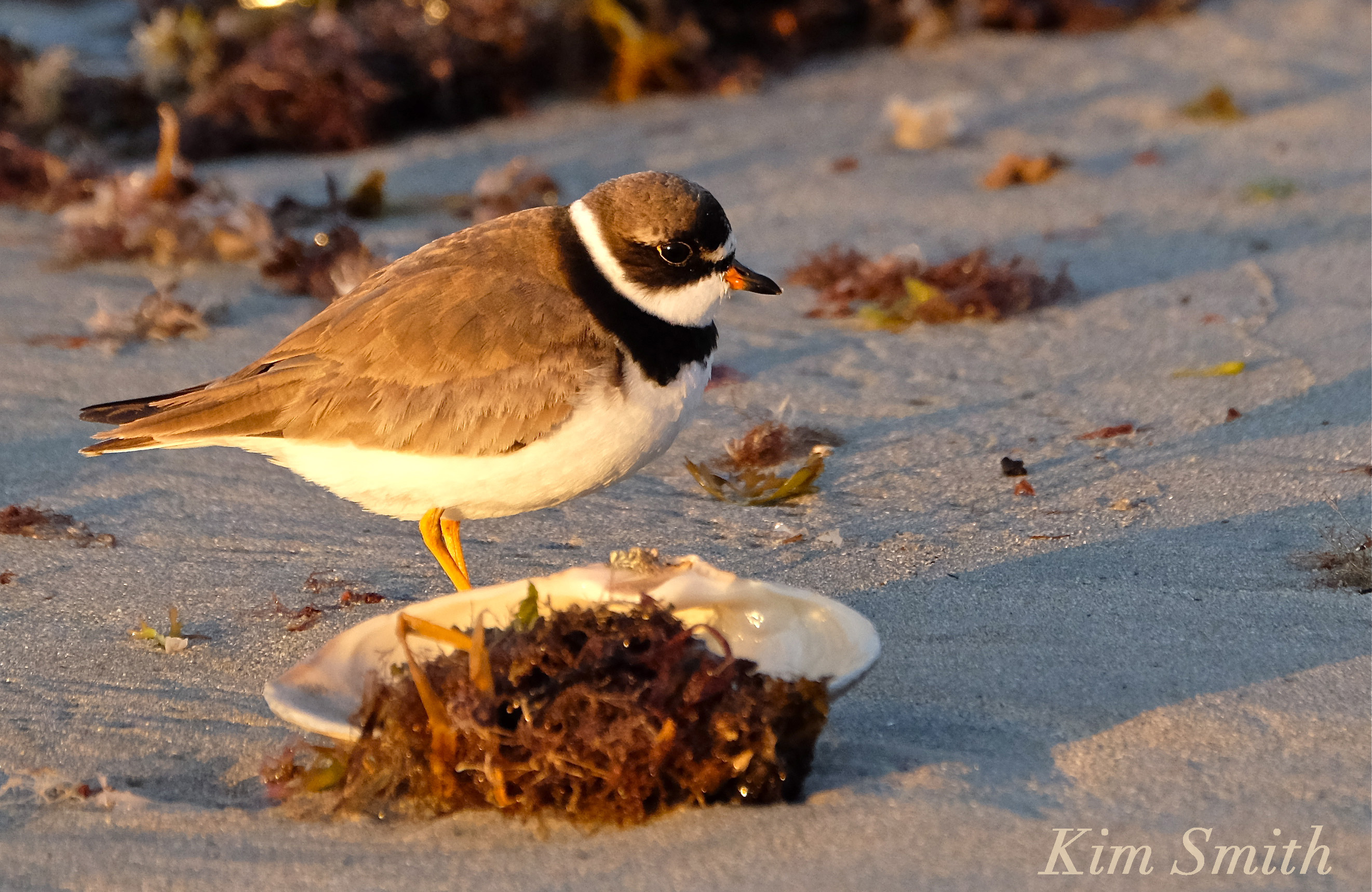 Semipalmated Plover
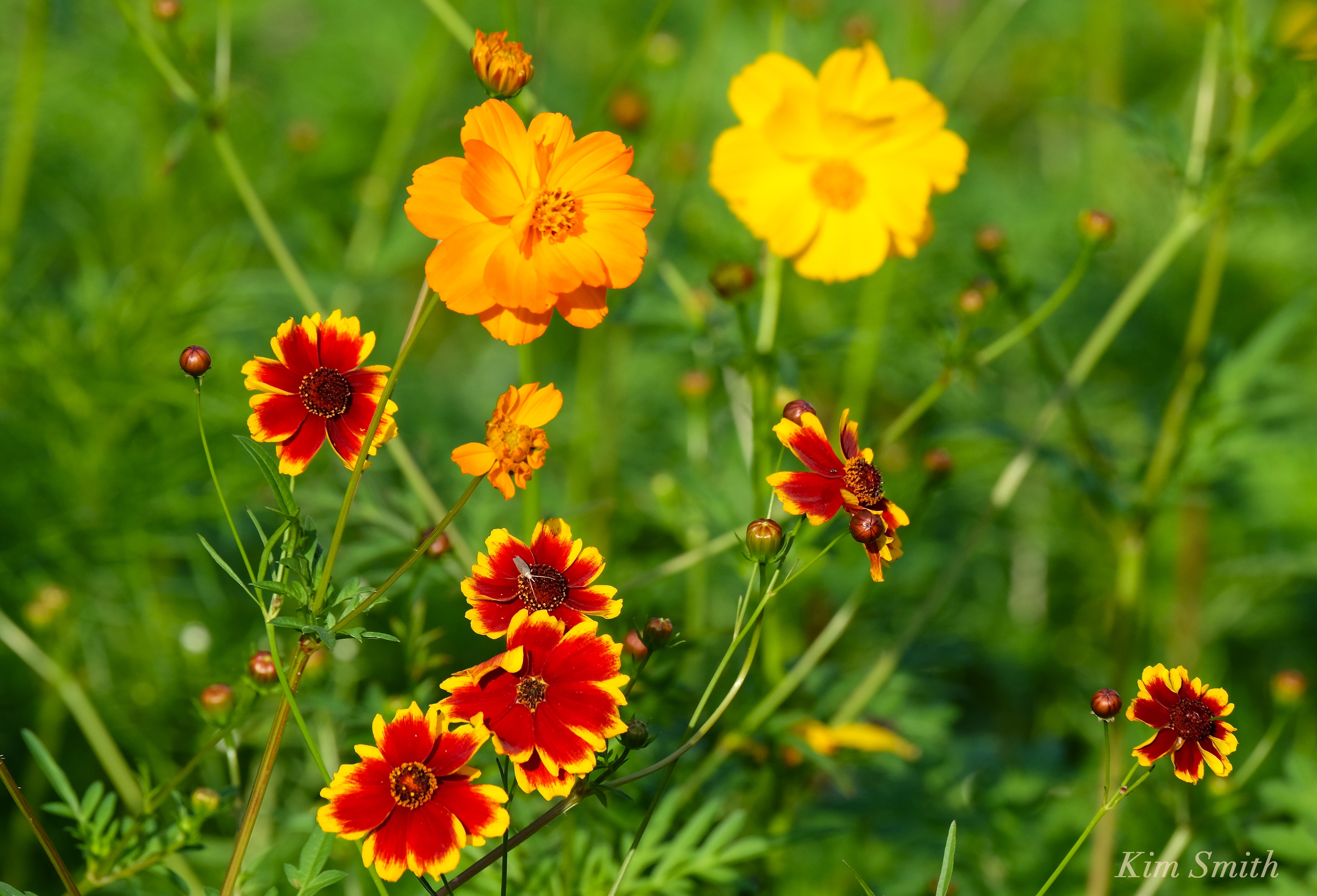 Our neighbor Richie Arnold’s wildflower patch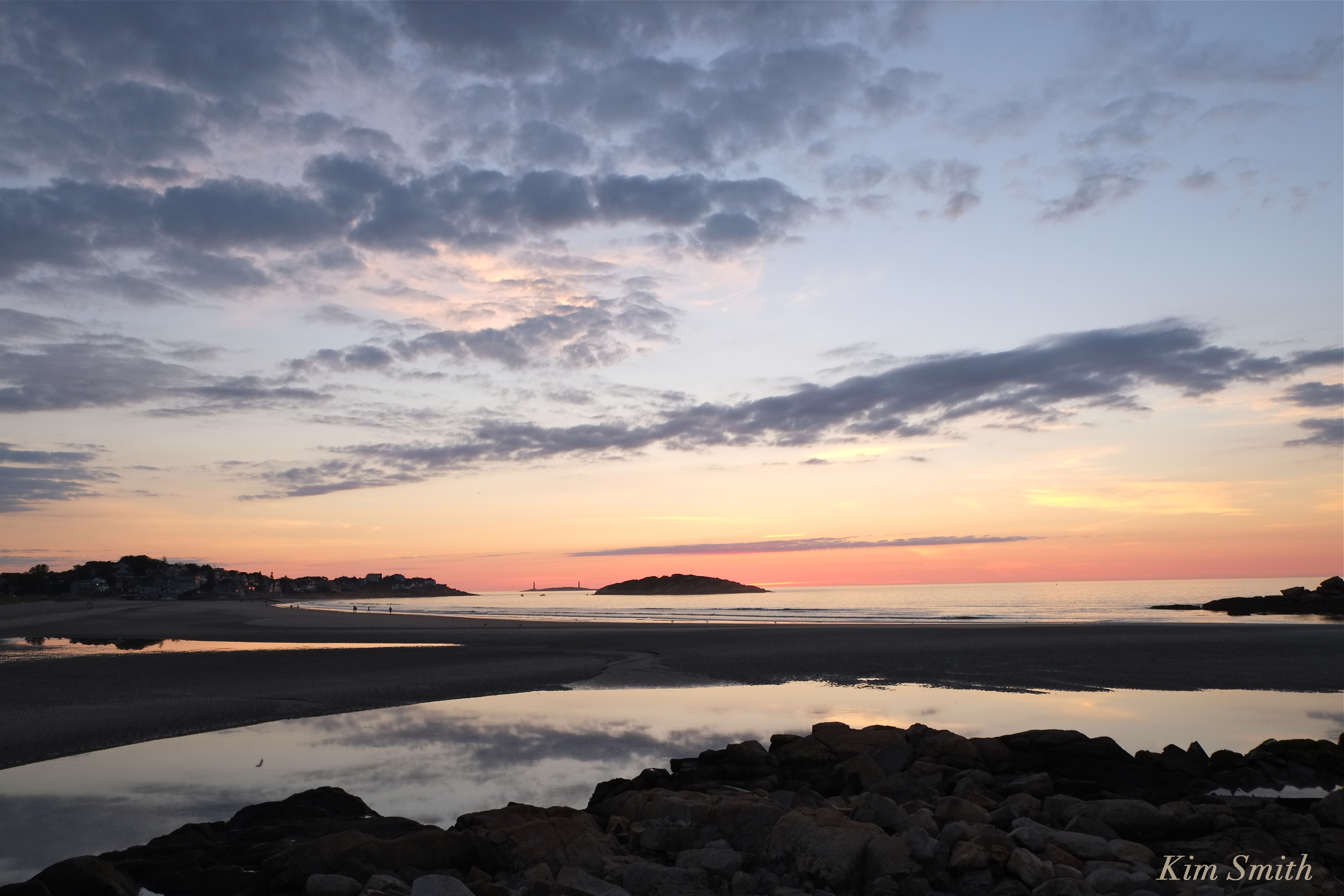

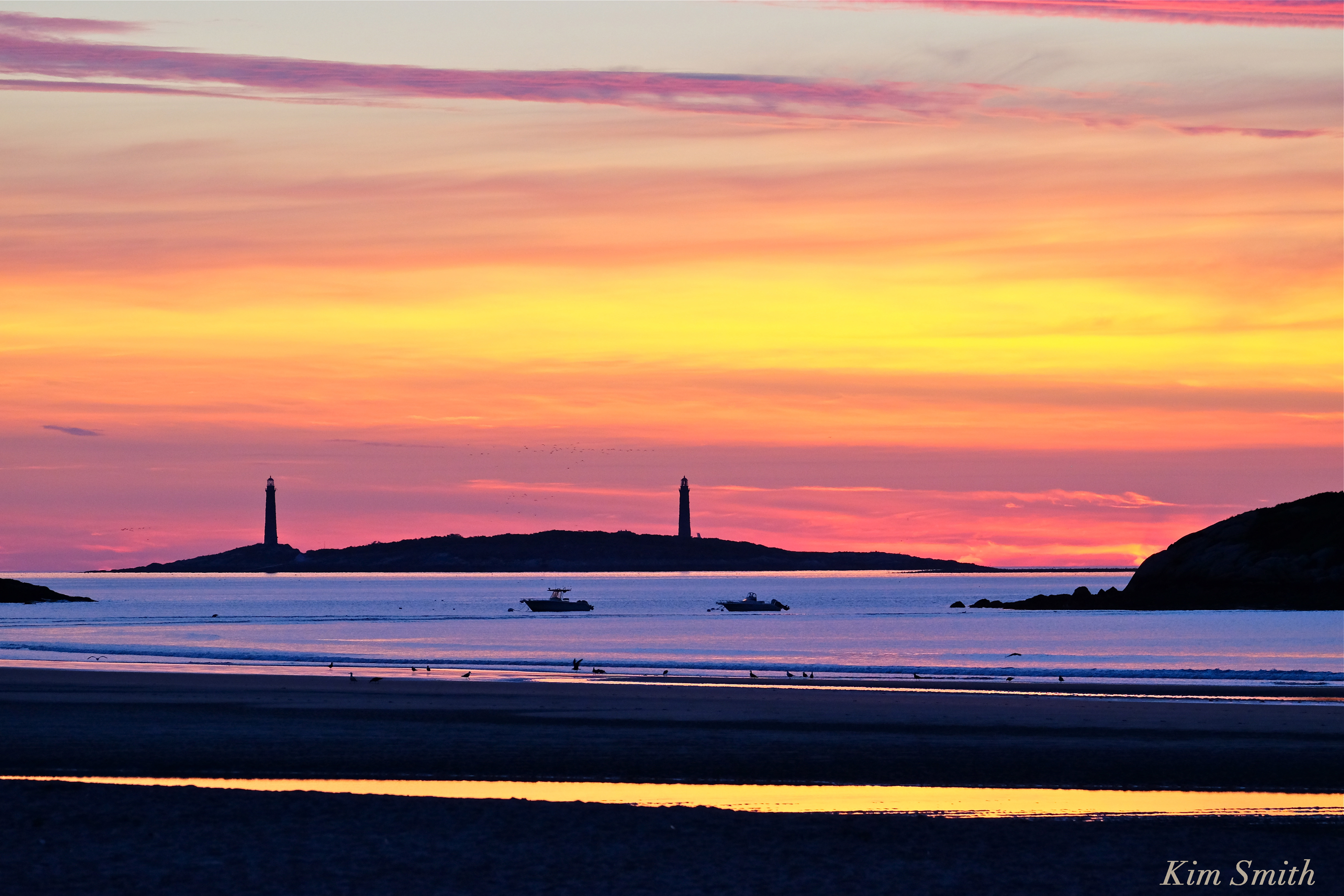 Bedazzled by a single morning’s sunrise–every shade all at once–from hues of rose-violet-blue giving way to fiery bands of red-yellow-orange. I can’t decide which I like best, you choose 🙂
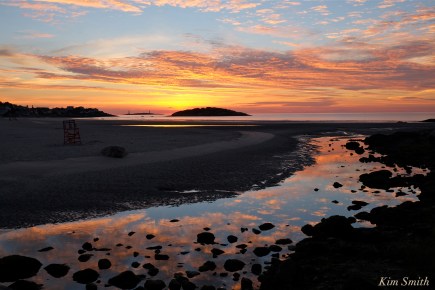

Today’s beautiful sky, beautiful birds – finding rhythms in stripes and dots
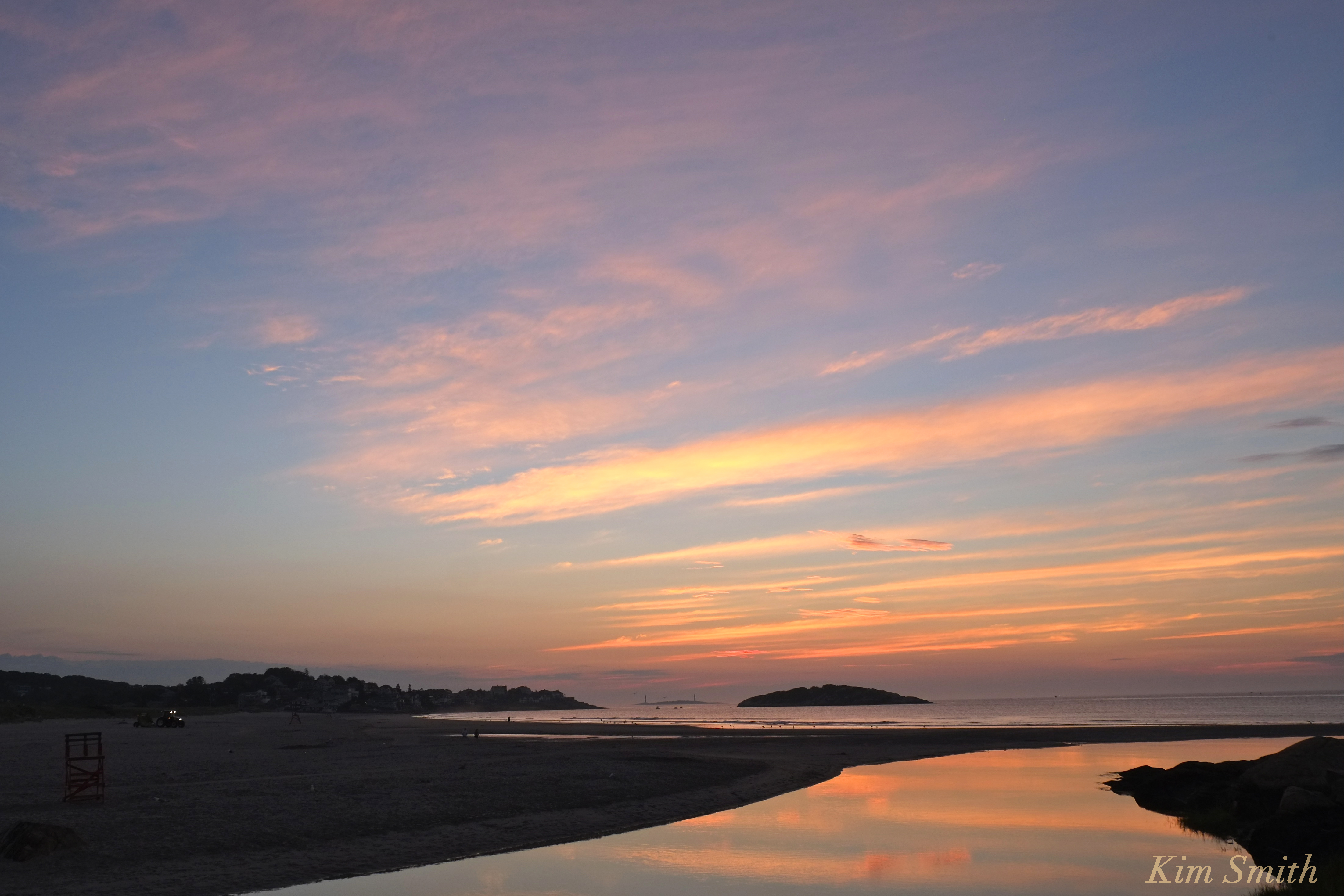 Good Harbor Beach daybreak
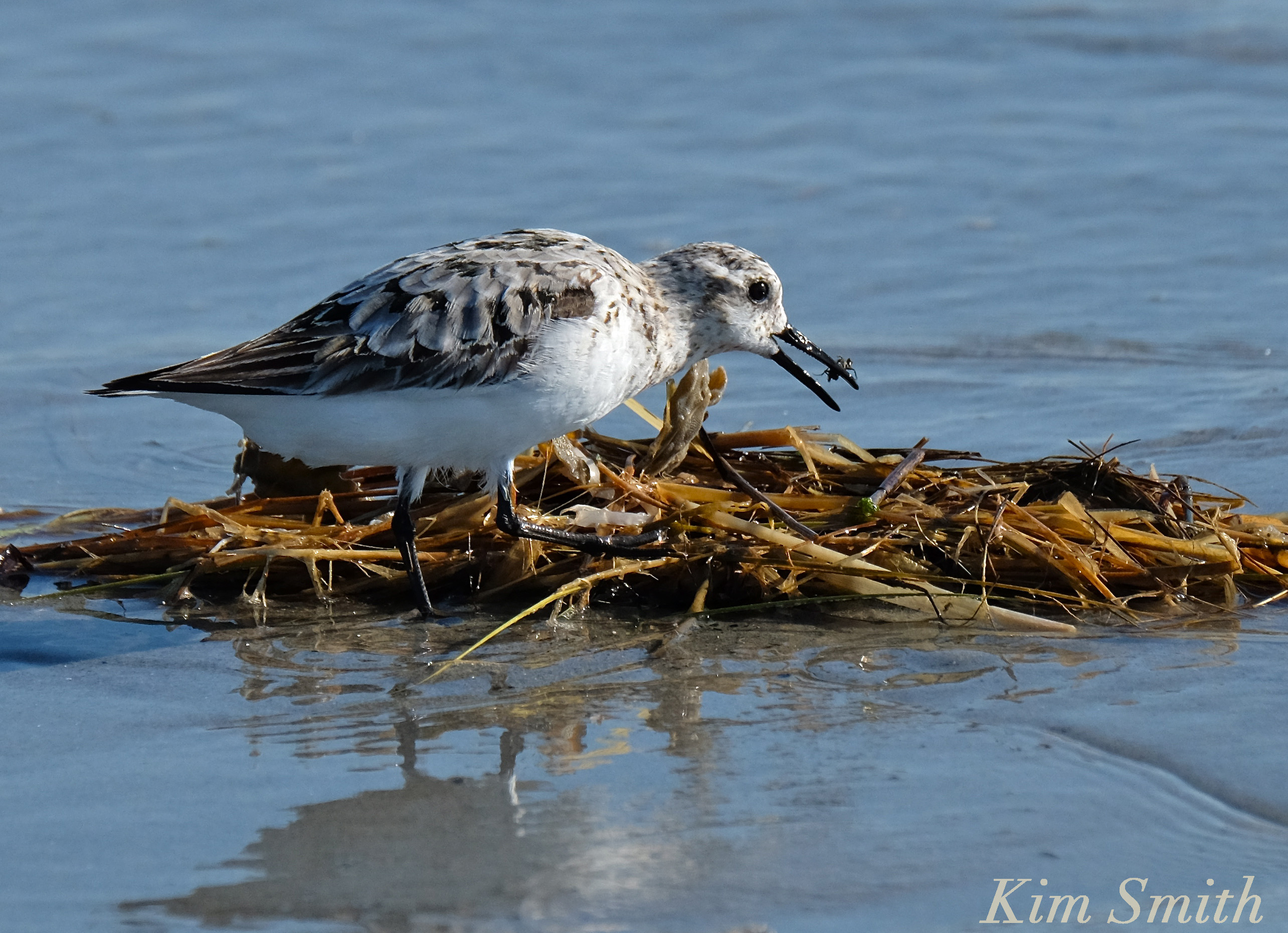
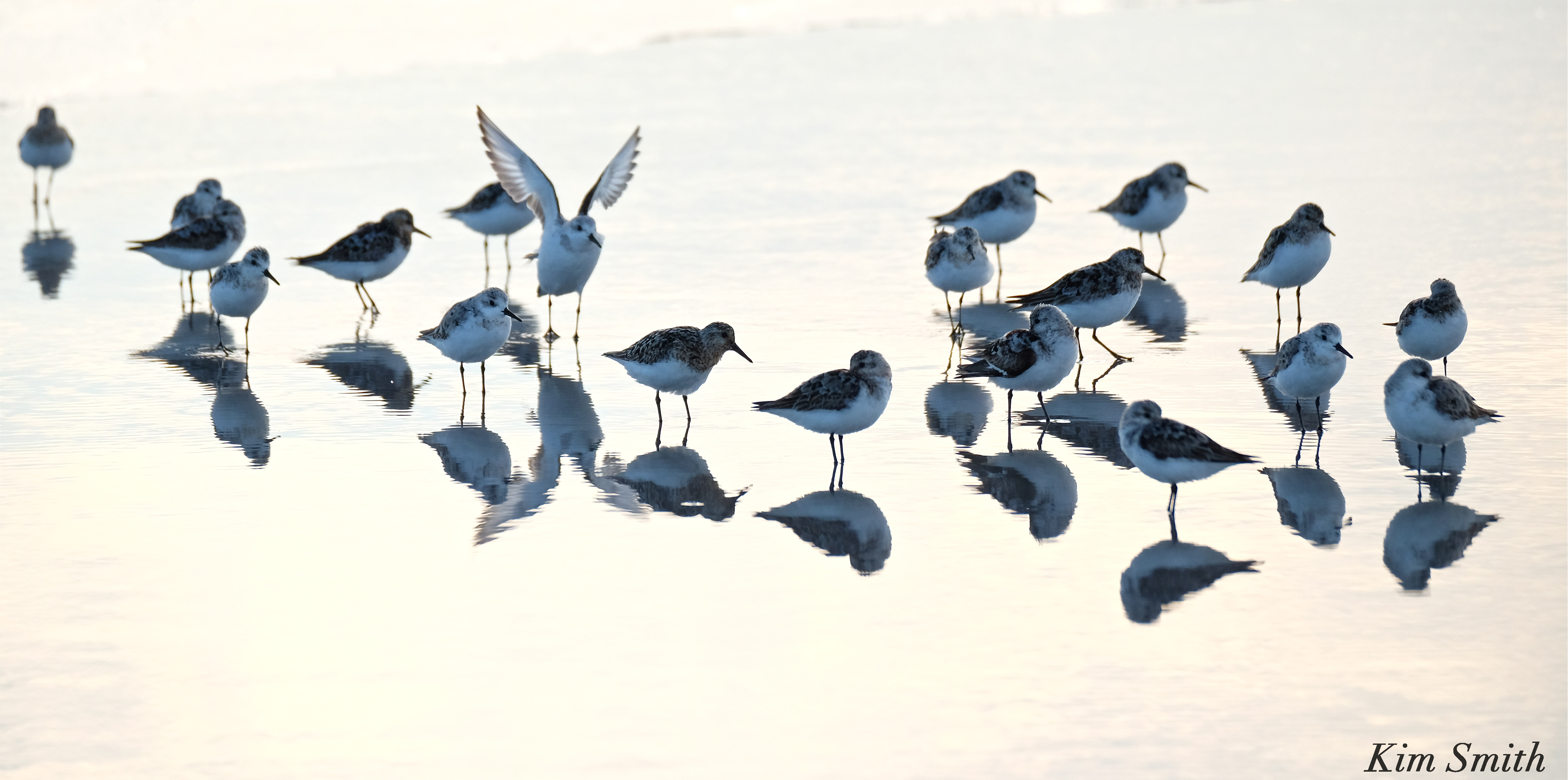 Semipalmated Sandpipers

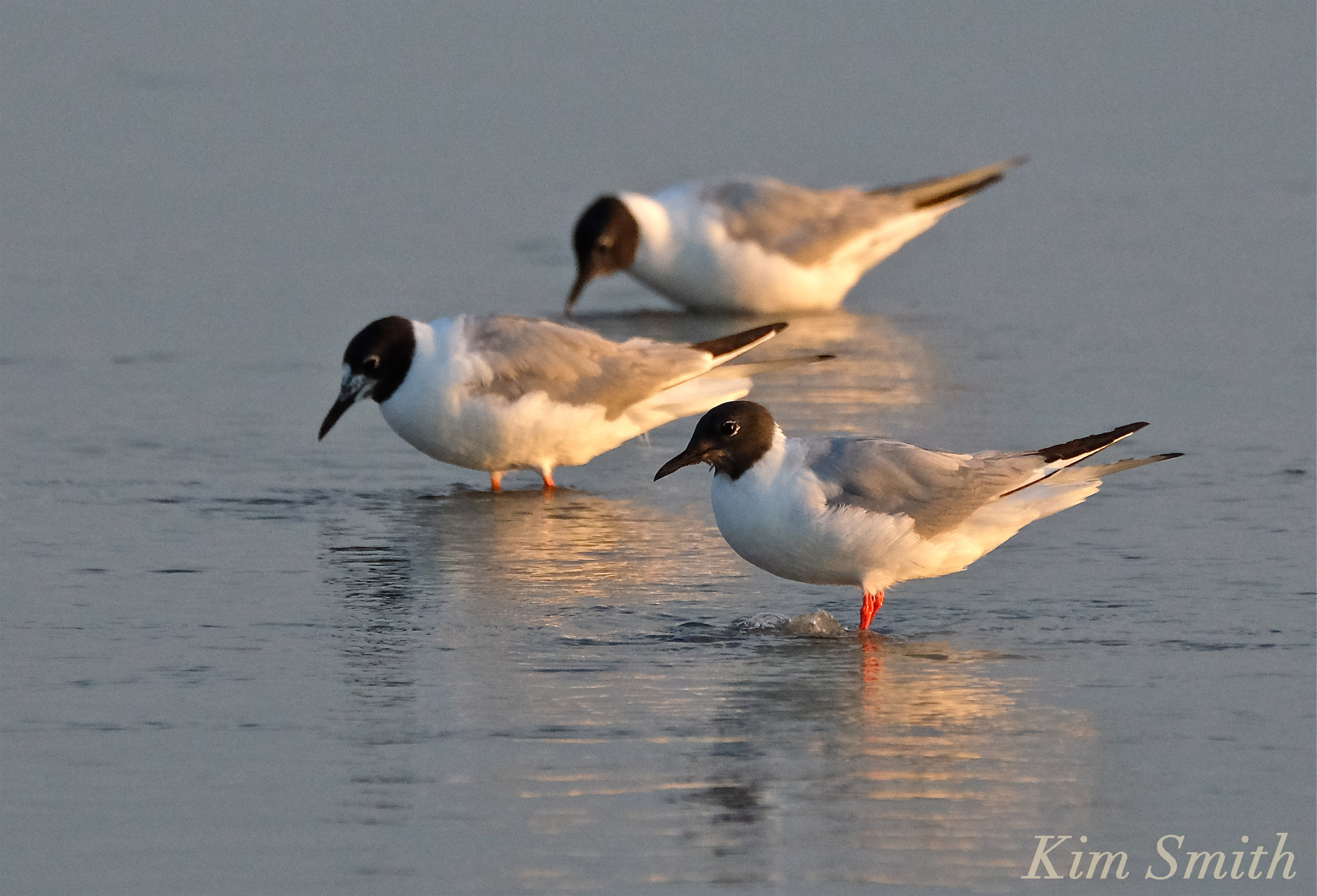 Bonaparte’s Gulls
Recently, several Laughing Gulls were spotted all around Cape Ann. Laughing Gulls are easy to confuse with Bonaparte’s Gulls, which at this time of year, also have black heads. As the breeding season winds to an end, the Bonaparte’s black head feathers give way to white, where only a smudge of an earmuff will remain. Bonaparte’s Gulls breed in the Arctic; we see them on both their northward and southward journeys and some make Massachusetts their winter home. Small flocks of Bonaparte’s Gulls can be seen at area beaches including Good Harbor Beach, Lighthouse Beach, and Wingaersheek Beach.
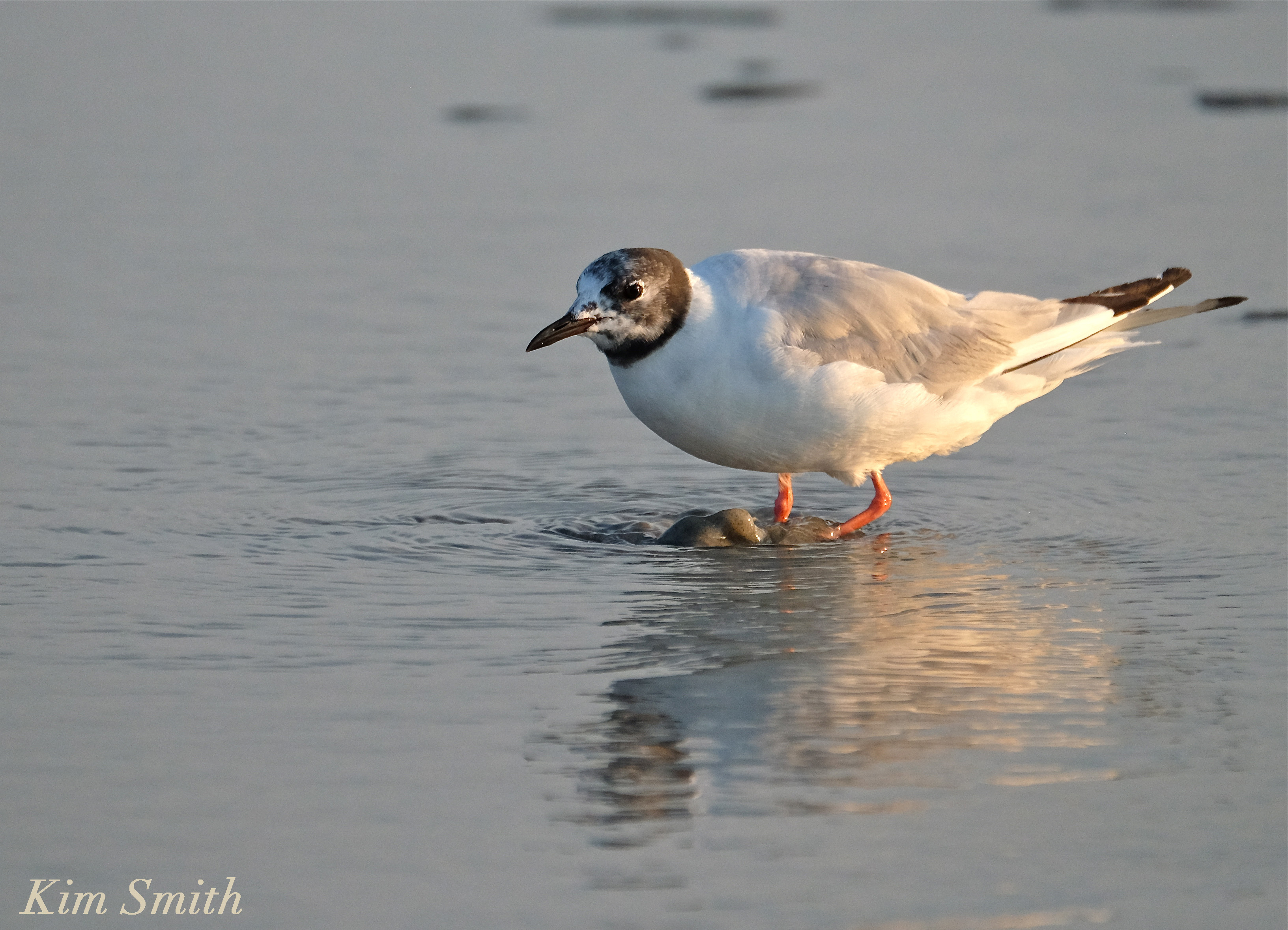
While foraging, Bonaparte’s Gulls vigorously churn the sandy bottom with their feet to stir up tiny marine creatures. Note the transitioning head feathers in the above gull.
They are feeding intently, fortifying for the migration, and often get into disagreements over feeding turf.
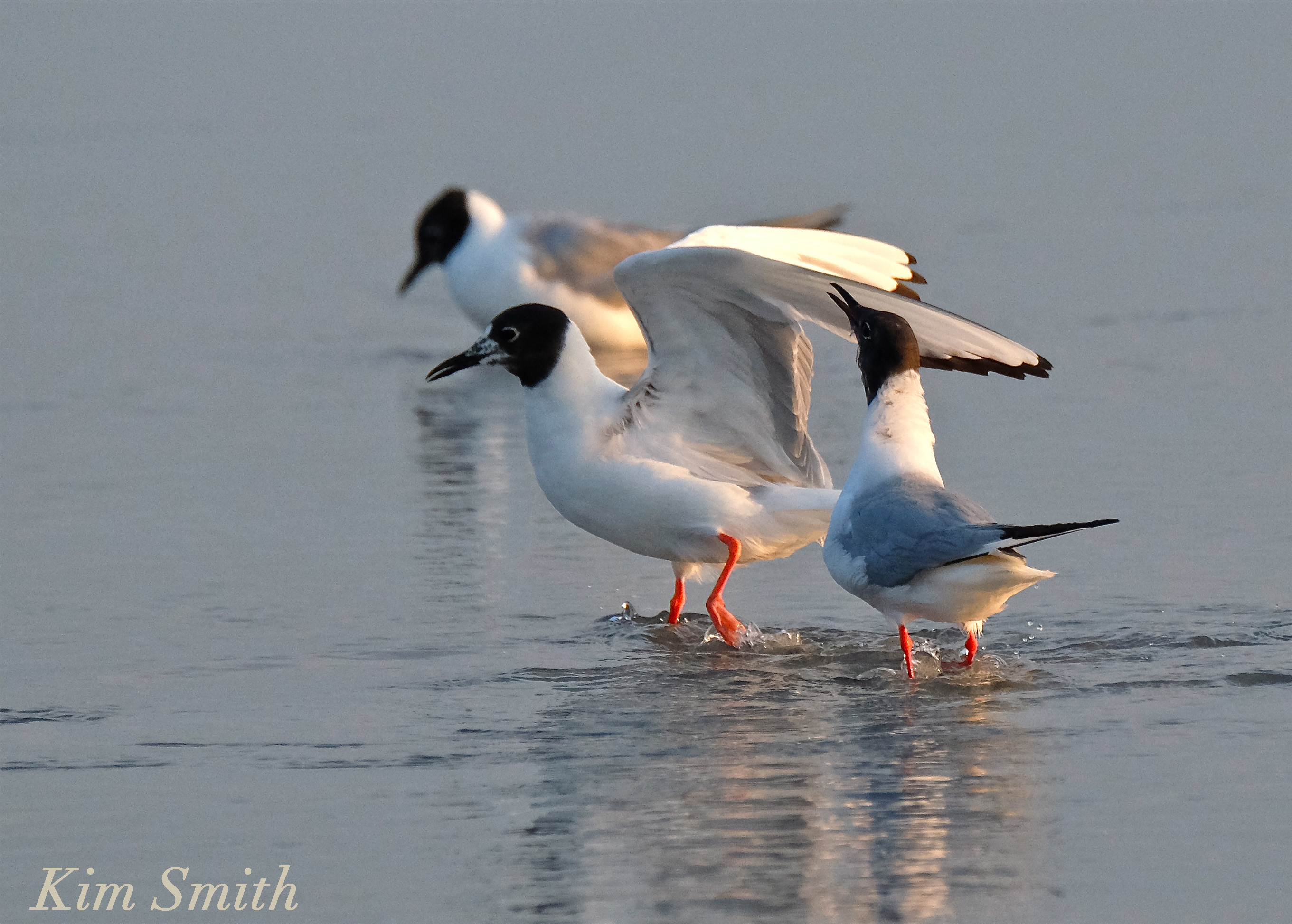 Bonaparte’s in a territory tussle
 Bonaparte’s Gulls are smaller than Laughing, Ring-billed, and Herring Gulls, about 11 to 15 inches in length
The easiest and quickest way to distinguish Laughing Gull from Bonaparte’s Gull is to look at the legs and feet. Bonaparte’s Gulls are a vivid orange, more pink later in the season. The Laughing Gull’s legs and feet are blackish-reddish.
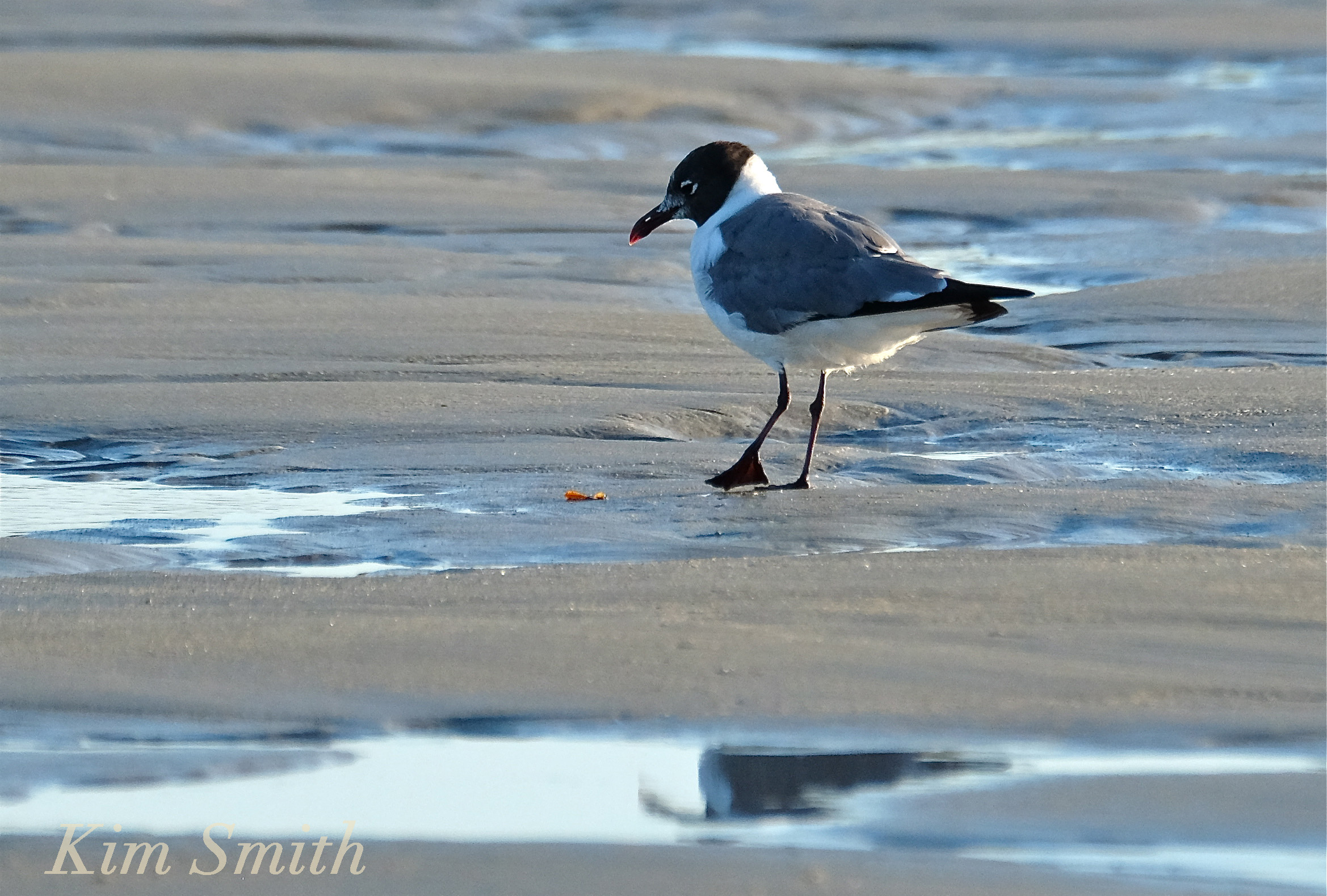 Laughing Gull, with dark feet and legs.
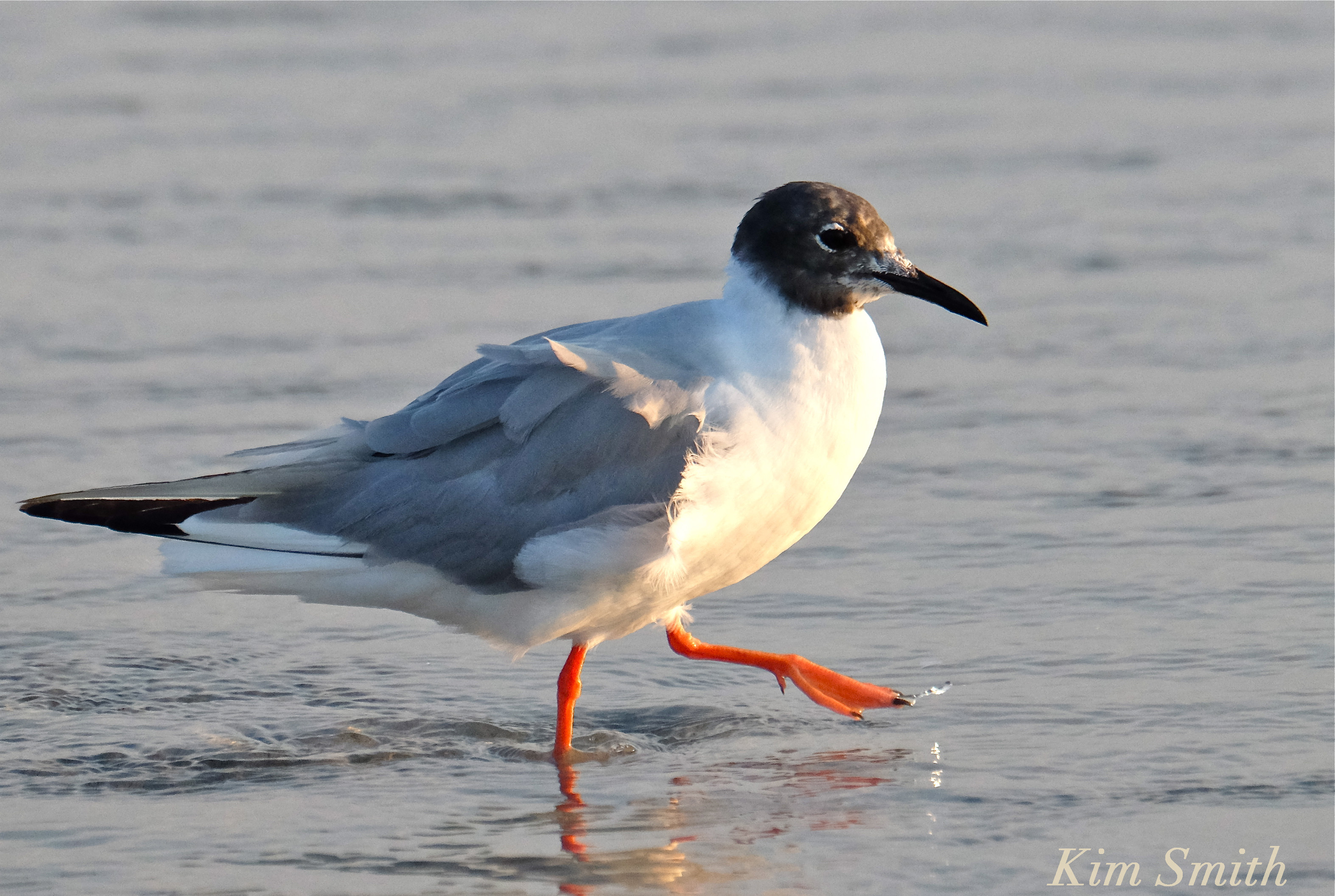
Bonaparte’s Gulls have bright orange legs and feet
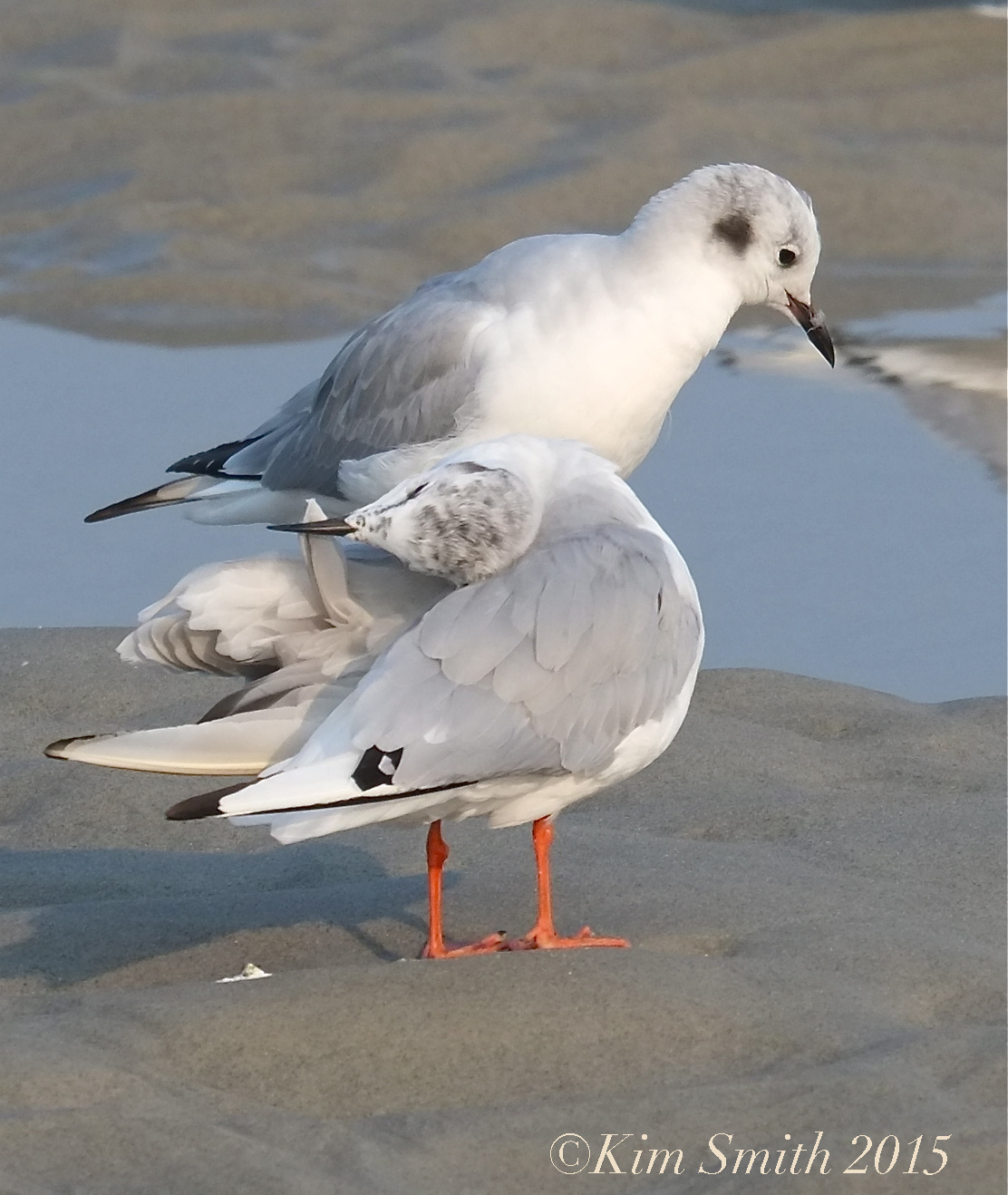 Photograph from last September; Bonaparte’s with only a hint of black head feathers remaining.

My grandmother was fond of saying “the early bird catches the worm.” I assumed she said that because I adored getting up early to eat breakfast with my grandfather before he left for work. In a large family with siblings and cousins, I had him all to myself in those day break hours. Having developed a passion and love for wild creatures and wild places, I understand better what she meant. She and my grandfather built a summer home for their family in a beautiful, natural seashore setting and both she and my parents packed our home with books and magazines about nature. Now I see her design…
Wednesday morning at day break, beautiful scene, beautiful creatures by the sea’s edge
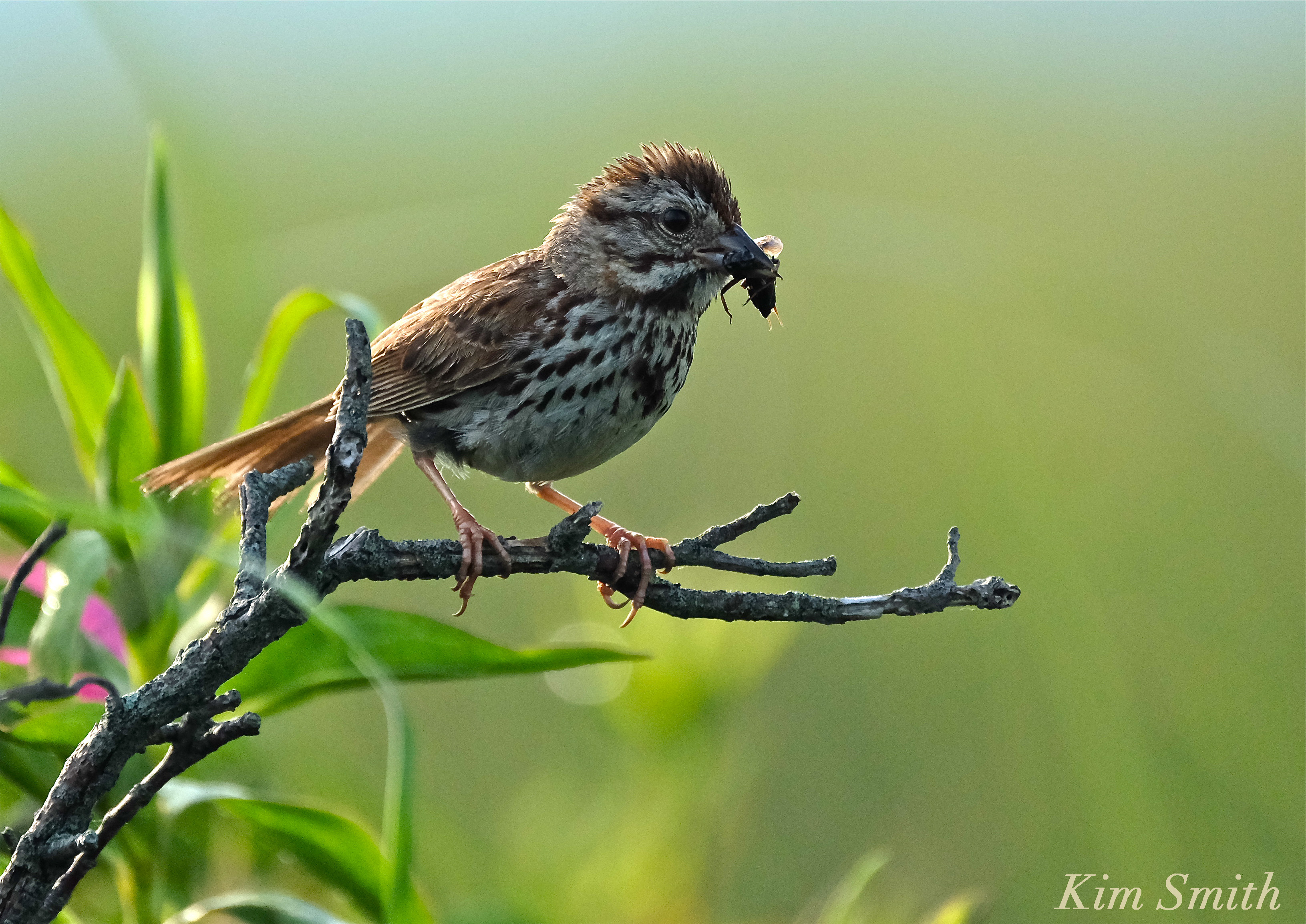 Song Sparrow breakfast
 American Robin fledgling, note its speckled breast feathers
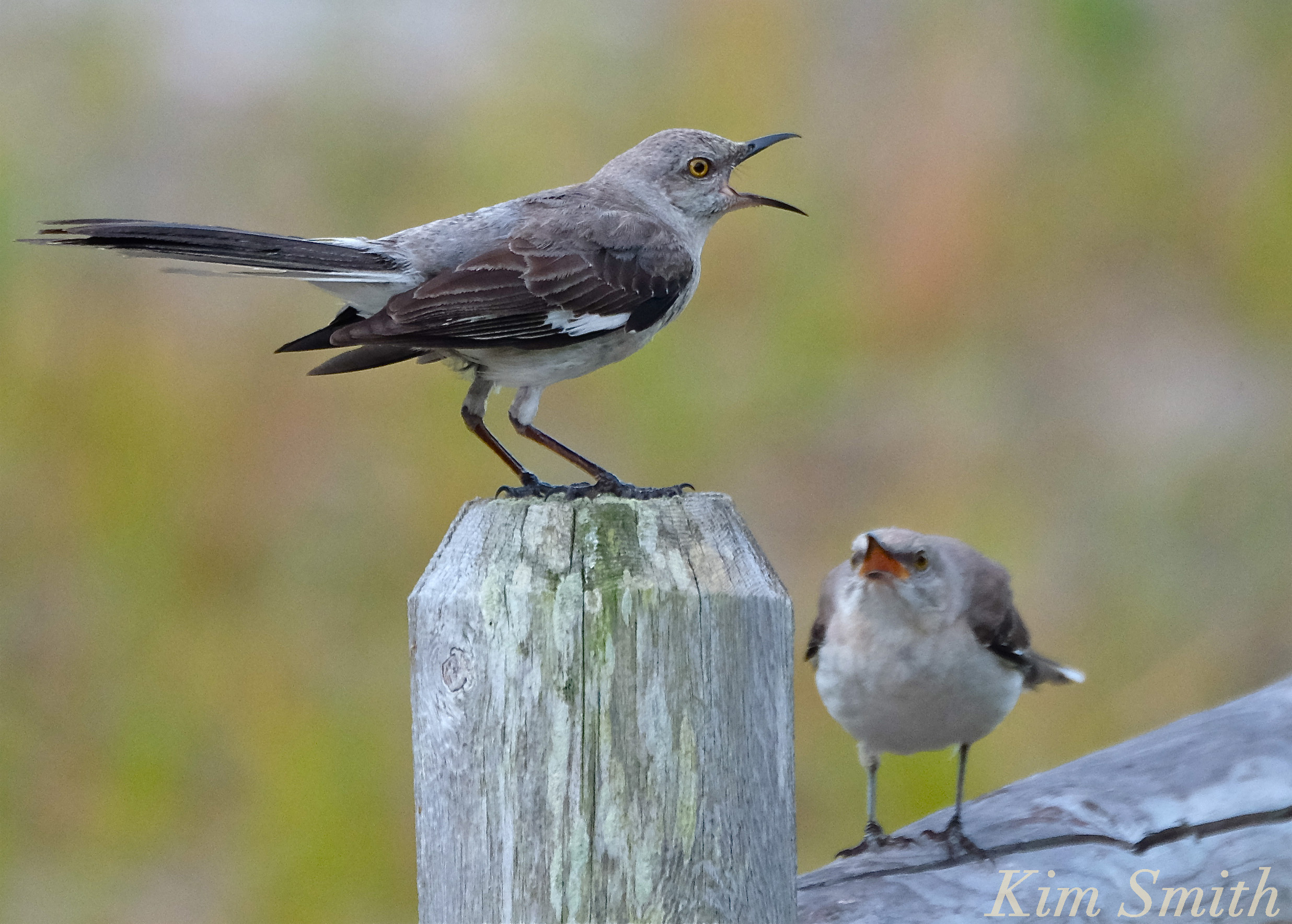 Mockingbird feeding its fledgling
 Song Sparrow and Virginia Creeper (Parthenocissus quinquefolia) flowers and fruit
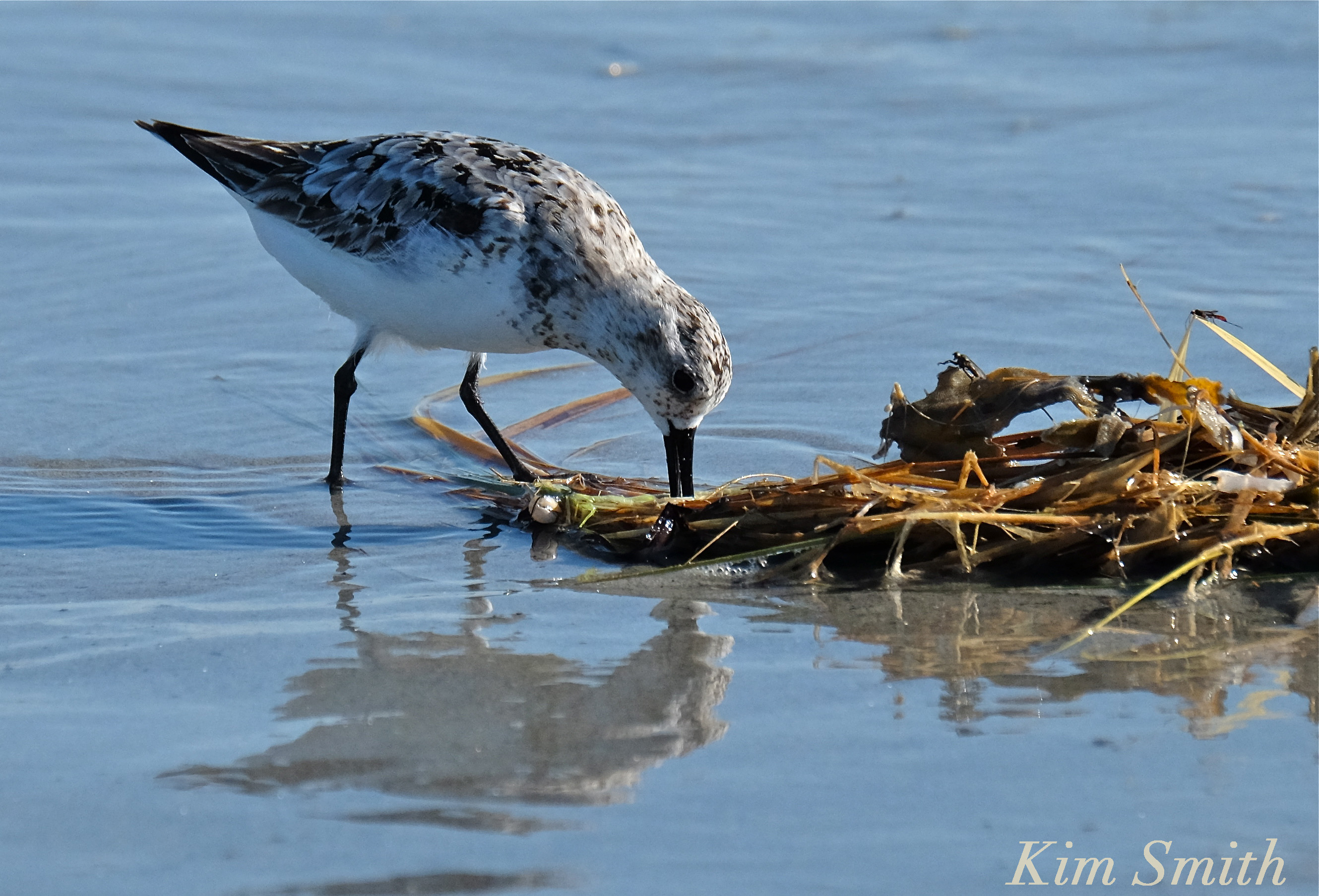 Sanderling
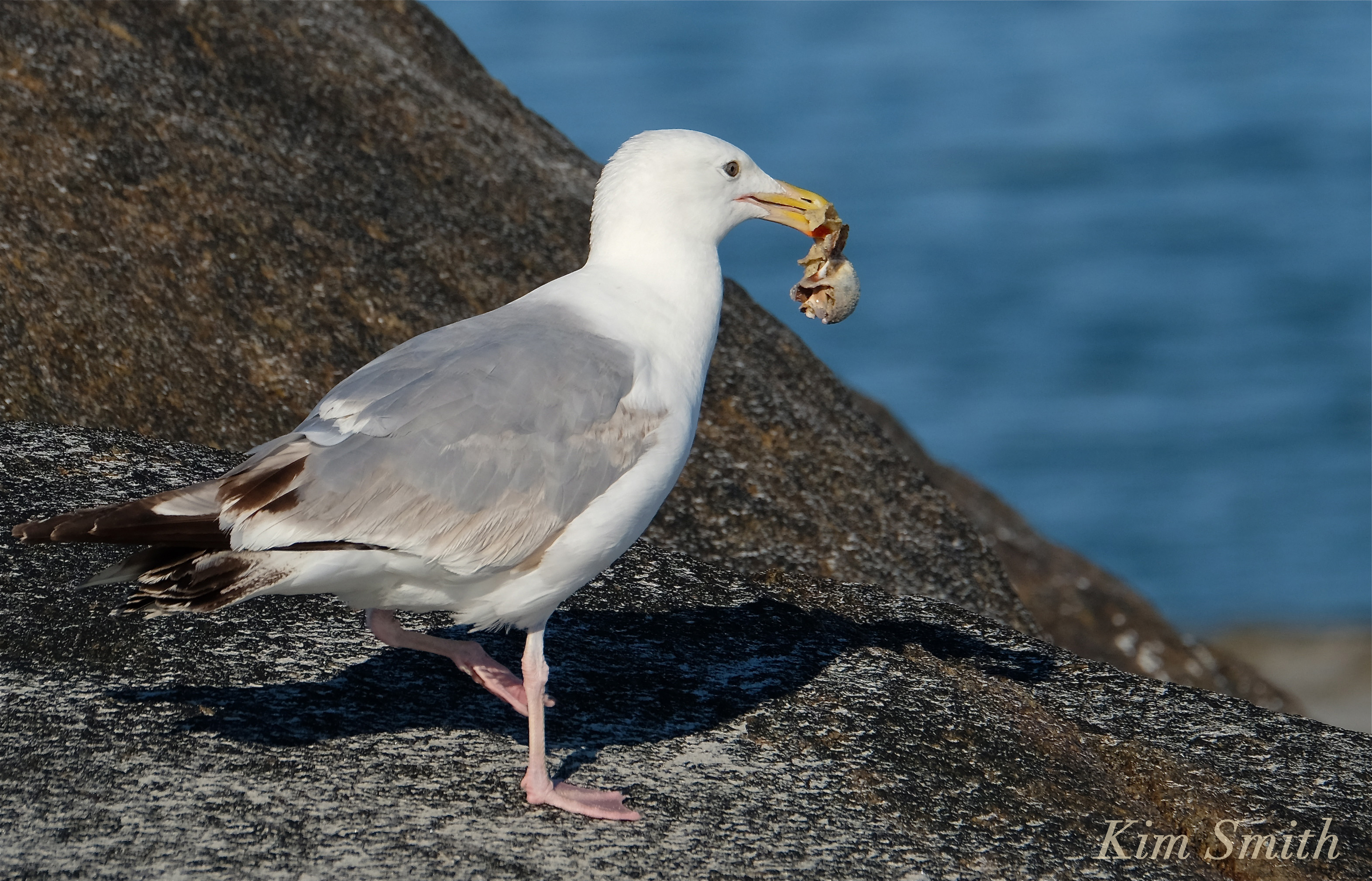
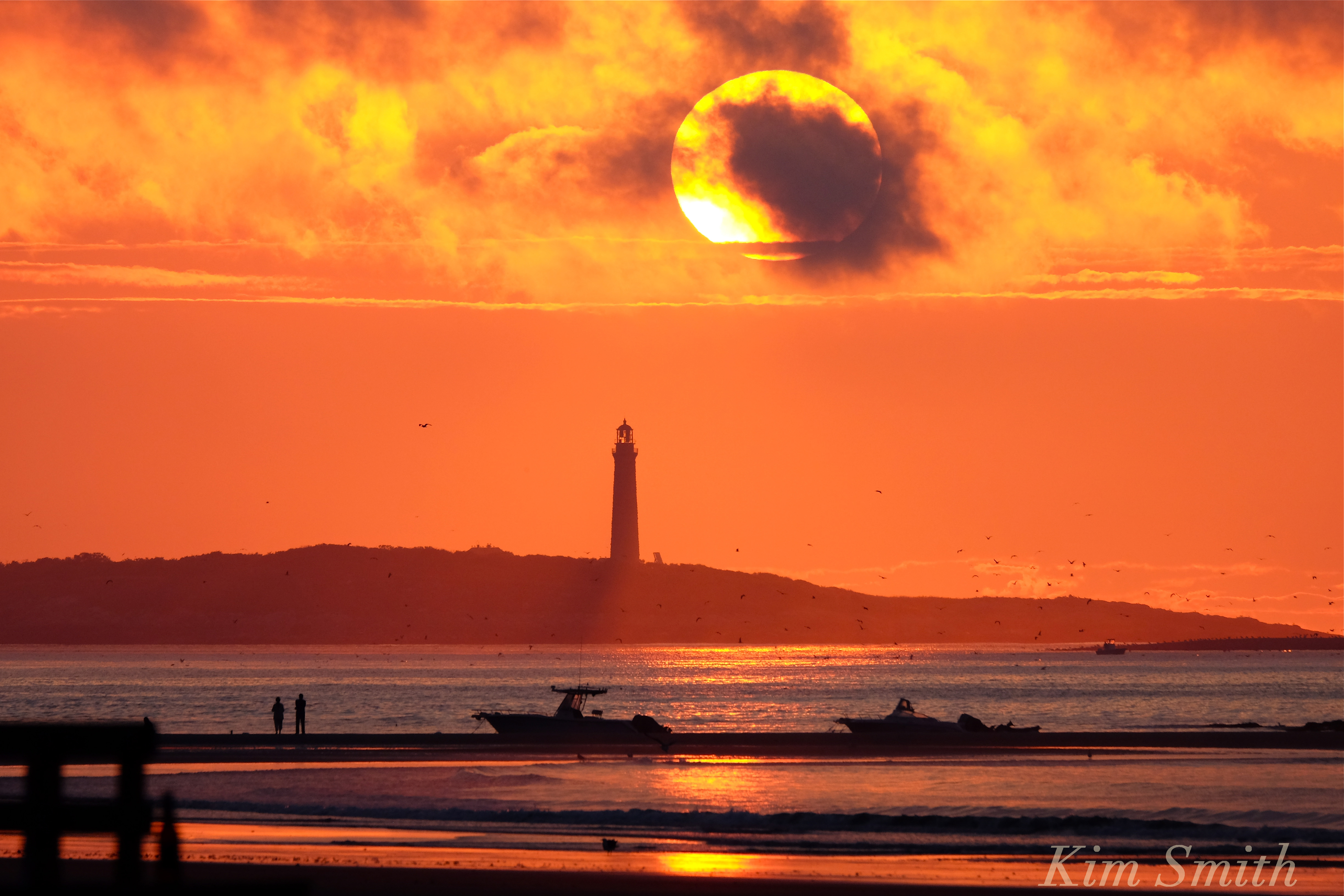

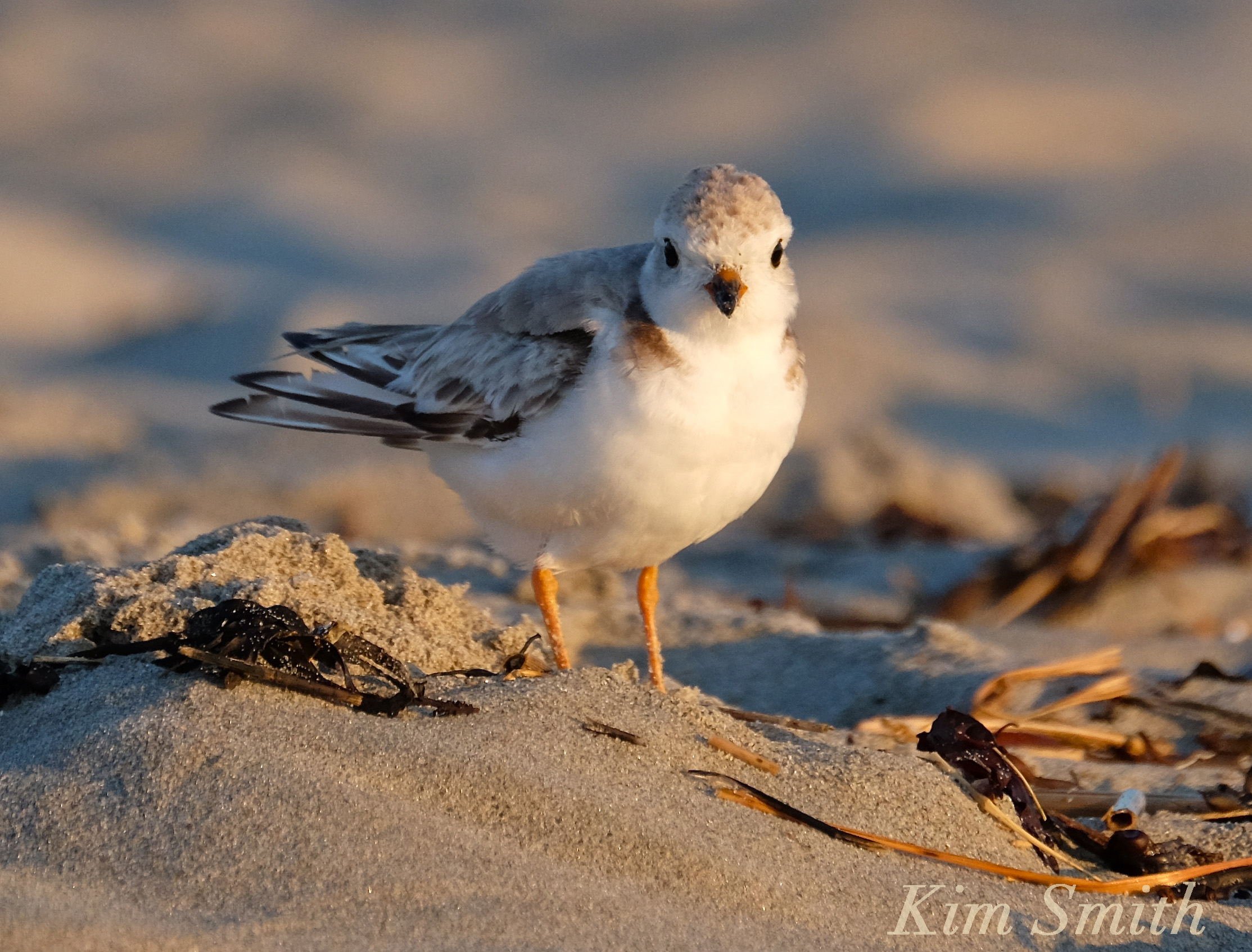 For the past ten weeks, each morning very early before work I have been filming the Good Harbor Beach shorebirds and their habitat, and when not too tired from work, would go back again at the end of the day. For the most part, it has been a tremendously educational and rewarding experience, and I love Good Harbor and its wild creatures even more than when I began the Piping Plover project. We are so fortunate to have this incredibly beautiful and beloved treasure of a beach in our midst, and so easily accessed. As much as I have enjoyed filming the wildlife, it has been equally as fun to observe the myriad wonderful ways in which people enjoy the beach recreationally and that too is part of the Good Harbor Beach Piping Plover story.
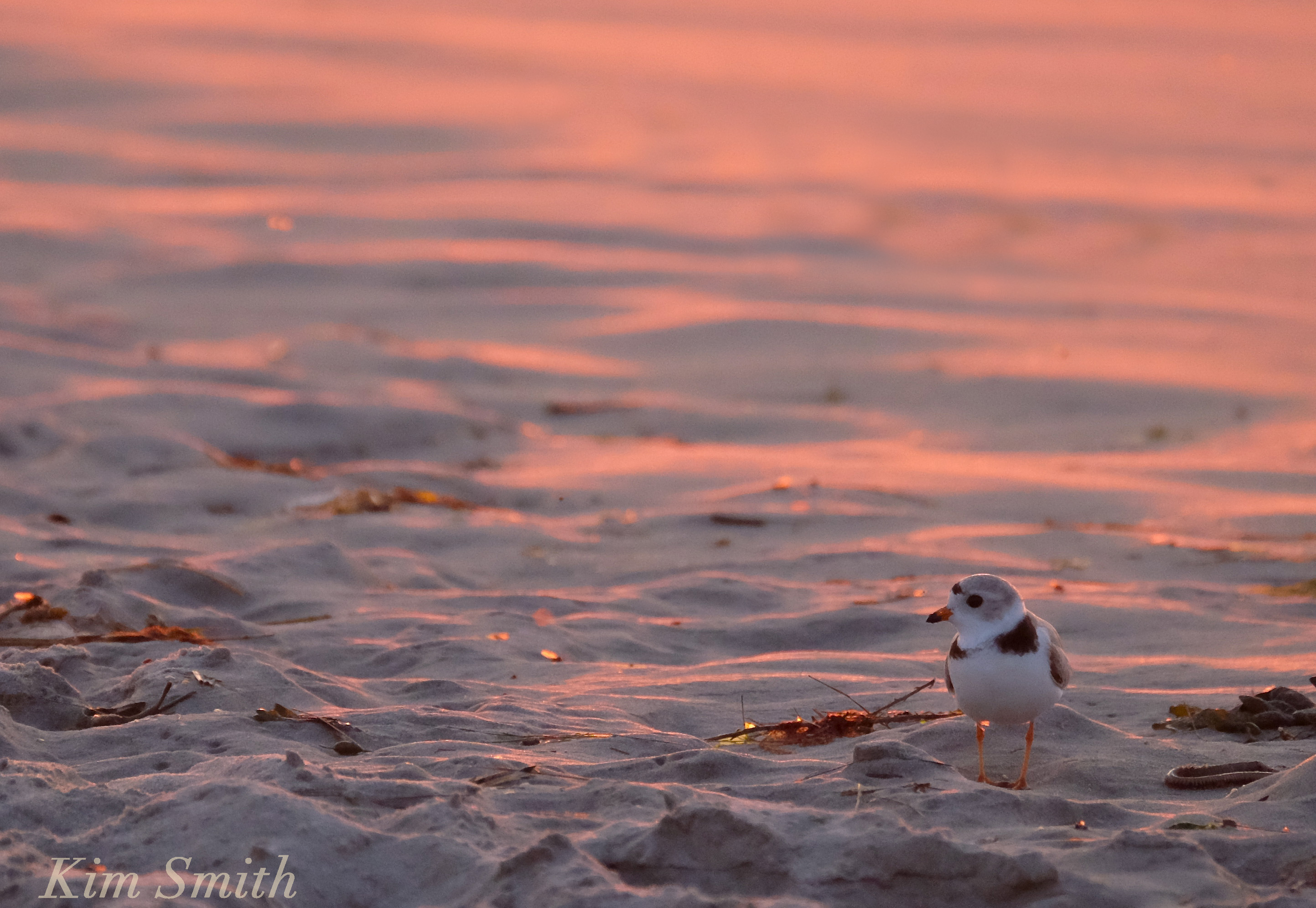
Take a closer look at the shorebirds next time you are at Good Harbor Beach. Small and swift, they can look similar, but once you begin to study their behaviors, each species becomes easier to identify.
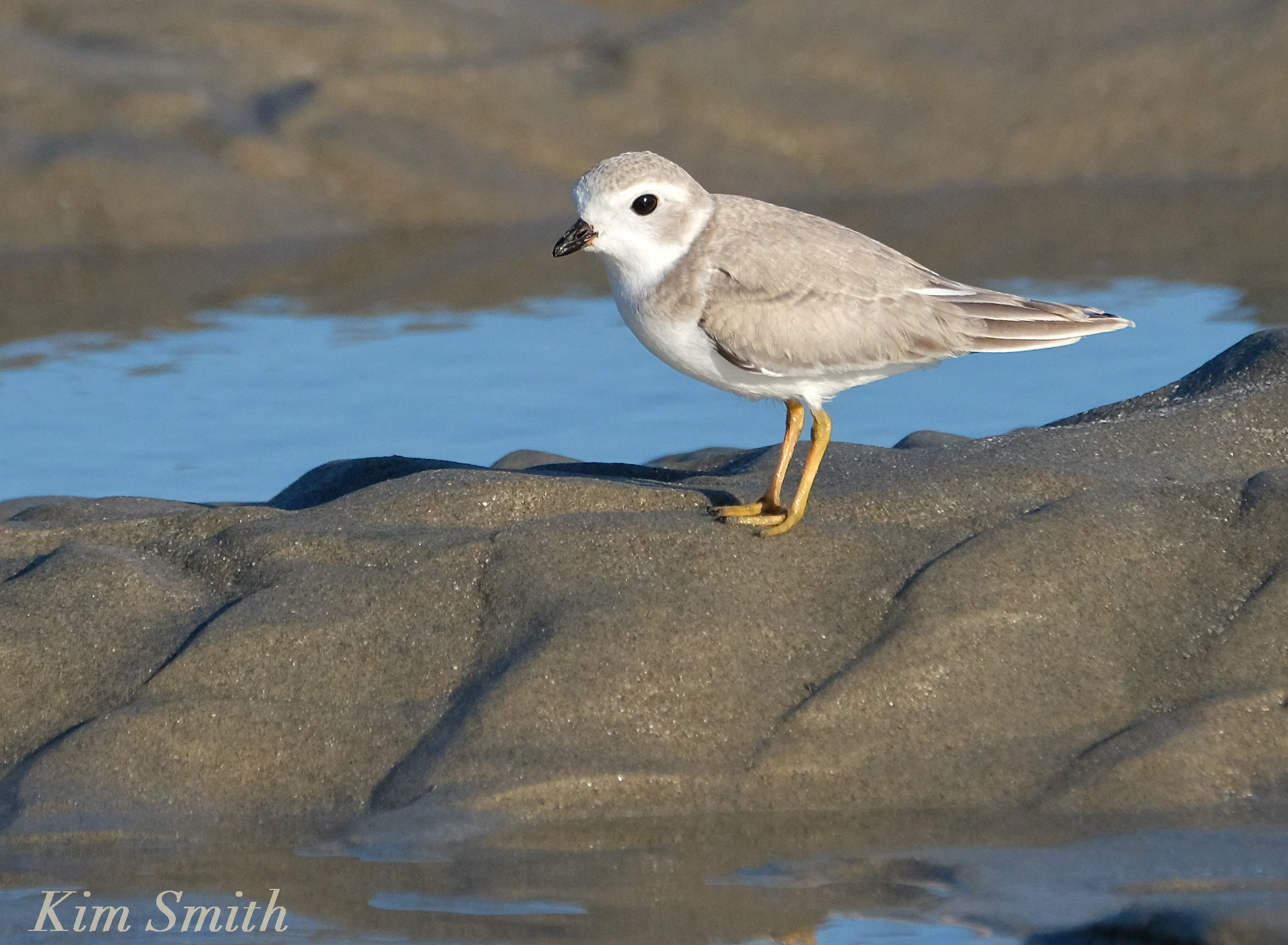 New female Piping Plover on the scene with very pale coloring
Good Harbor Beach is currently home to three different species of plovers. We all know about our beautiful Piping Plover family. The lone surviving chick and Dad were last seen heading deep, deep, deep into the salt marsh. Since that time, several new Piping Plovers have joined the scene, two females and a male. We can tell they are different from our original mated pair by their feather pattern and bill color.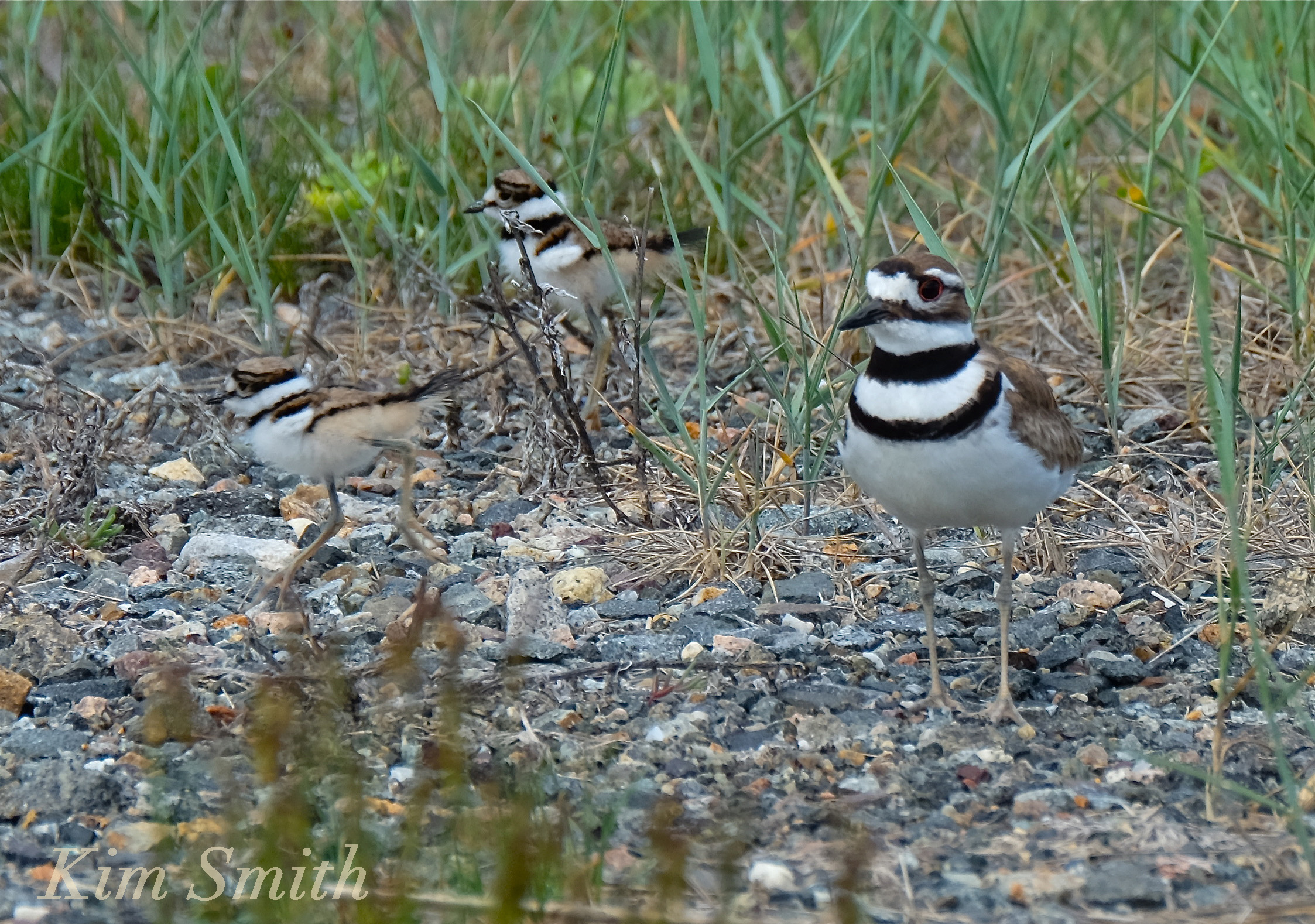
Earlier in the summer, four Killdeer chicks hatched at the edge of the GHB salt marsh. It was pretty scary filming the Killdeer family because all six were running willy nilly every which way throughout the beach parking lot on a very busy weekend morning. In the next photo, taken several days ago, you can see that the family has grown quickly.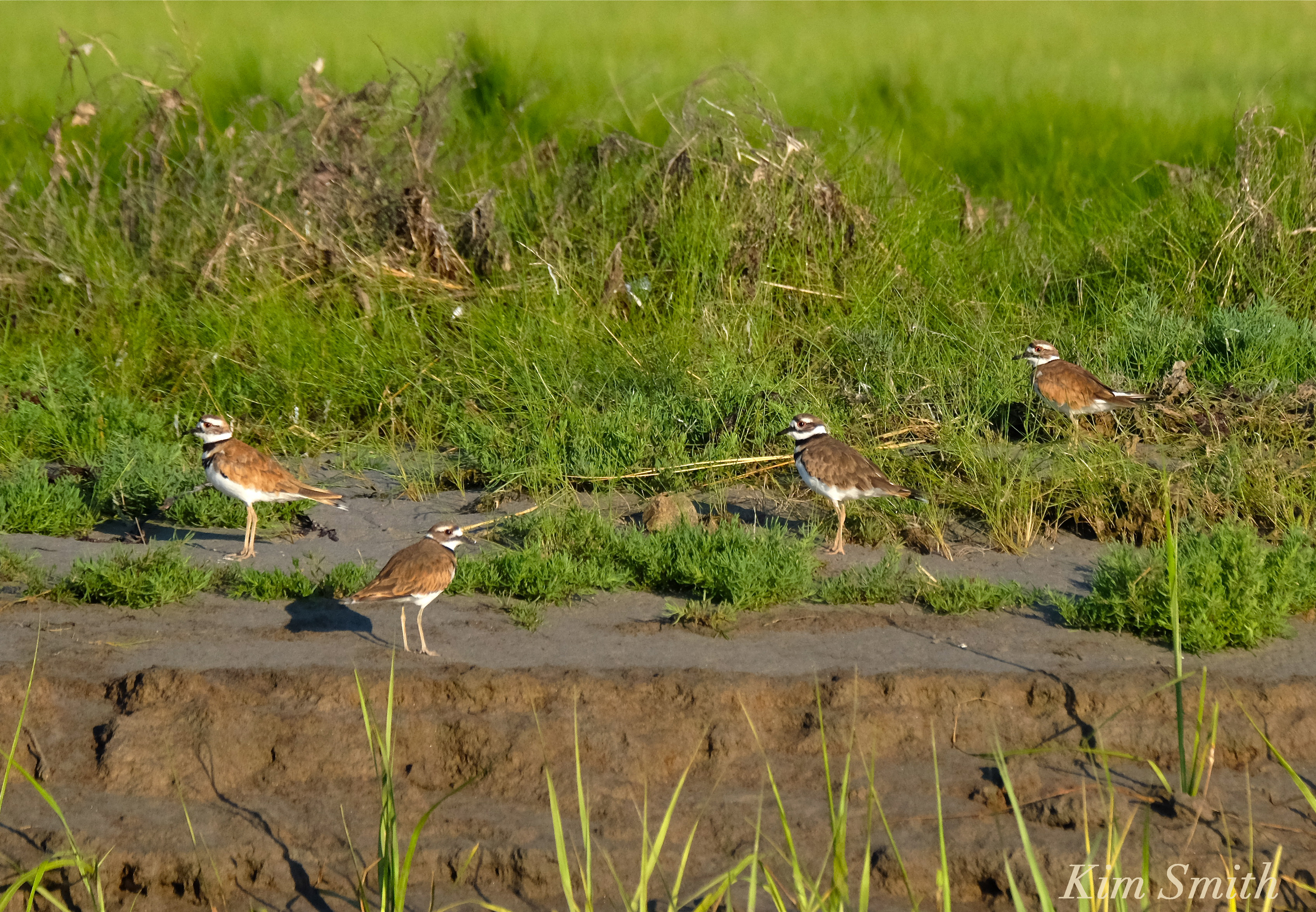
Killdeers are the largest of the the three species of plovers seen in Massachusetts, nearly twice as large as the pocket-sized Piping Plover. That fact didn’t stop the male Piping Plover from defending its nesting territory. Notice the two dark bands around the neck and chest of the Killdeer.
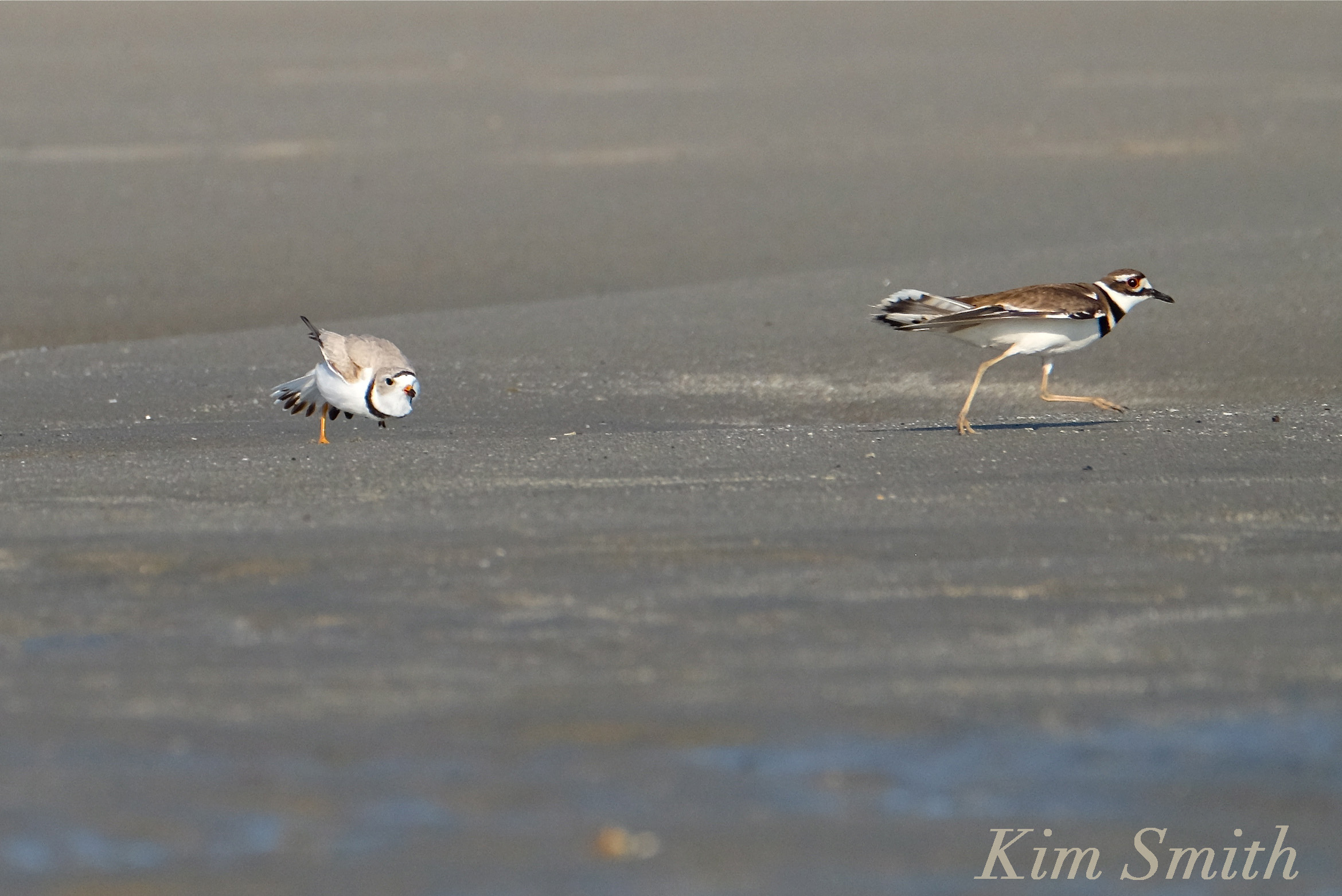
Half the size of his foe, our male Piping Plover is vigorously chasing the intruding Killdeer from his nesting territory
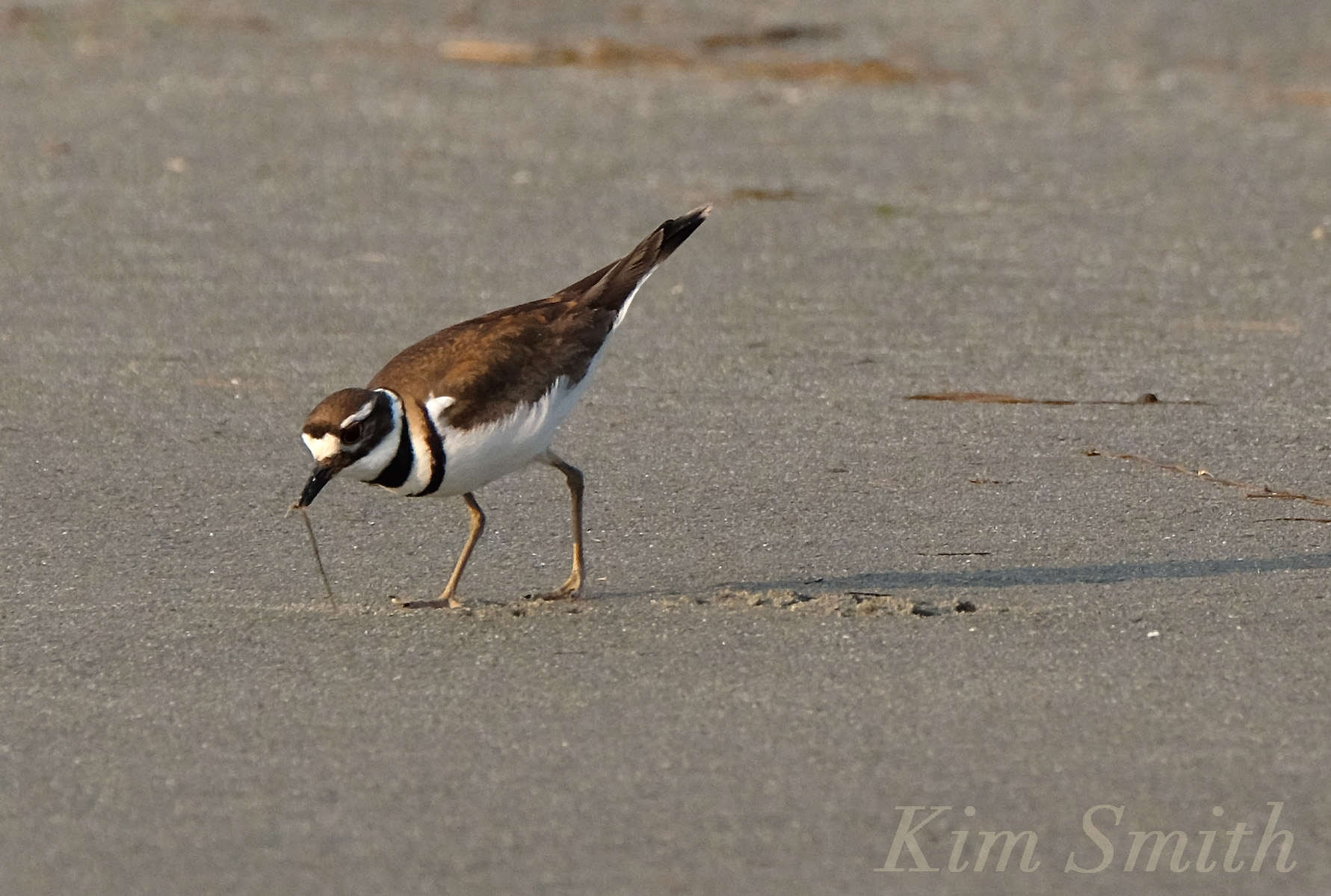
The Killdeer has a dark band encircling its neck and a second band across its chest
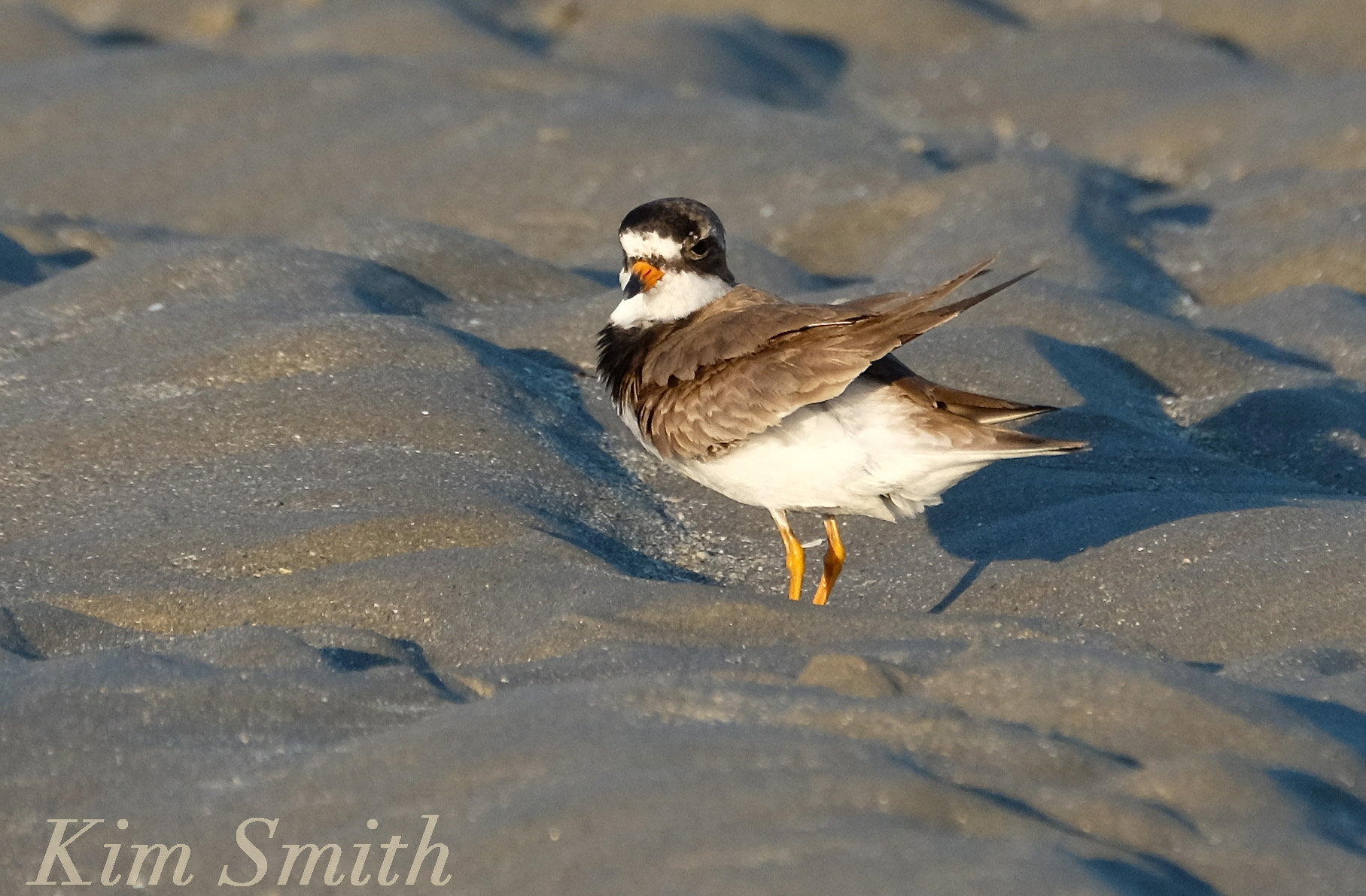
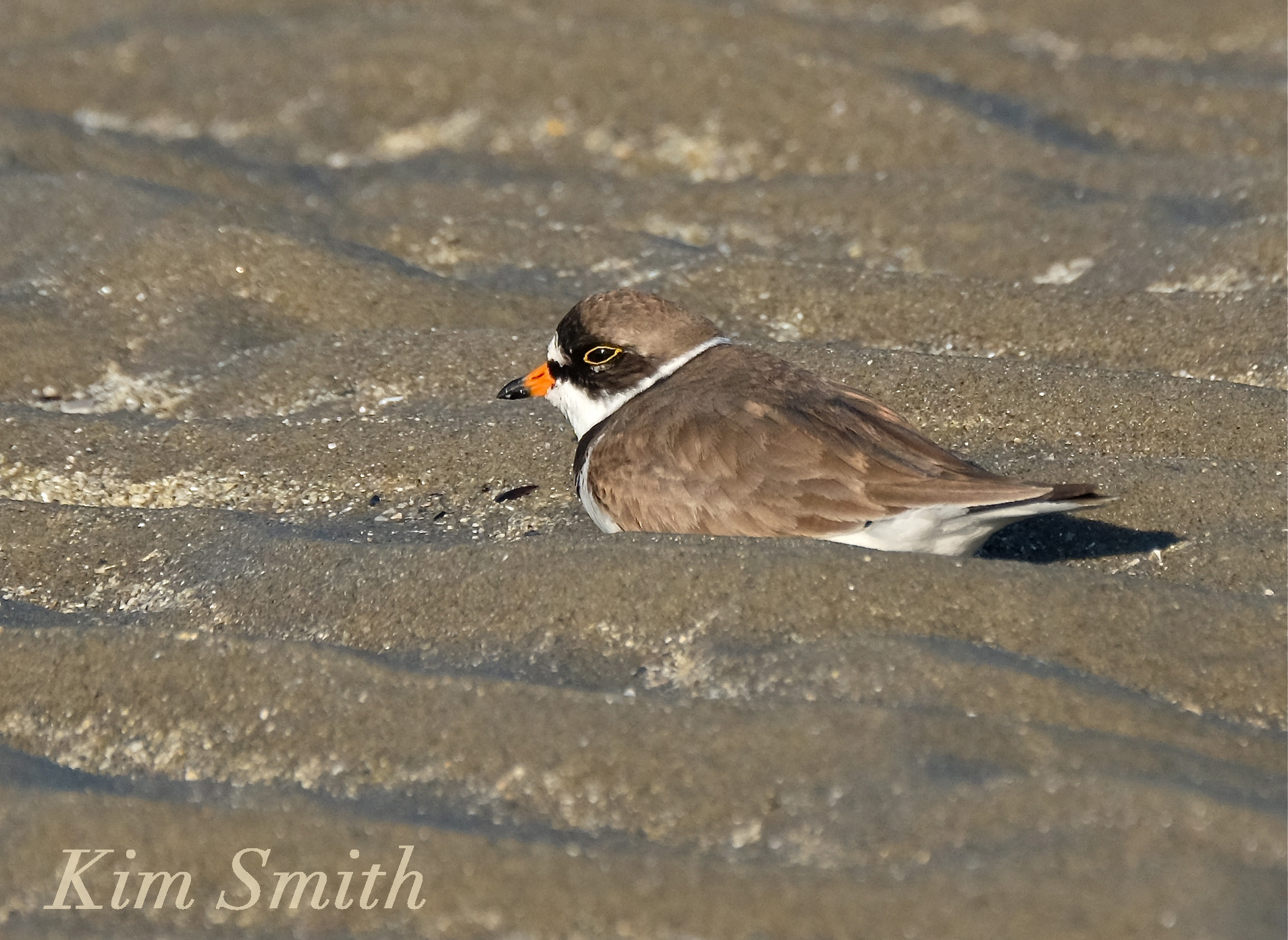
The third species of plovers at GHB is the Semipalmated Plover. Although only slightly larger than the Piping Plover, the difference is easy to spot by the darker brown wings. Compare the single neck ring of the Semipalmated Plover to that of the Killdeer’s double set of rings. Unlike Piping Plovers and Killdeers, Semipalmated Plovers do not breed in Massachusetts but in northern Canada and Alaska. At this time of year we are observing their southward migration to the southern United States, Caribbean, and South America.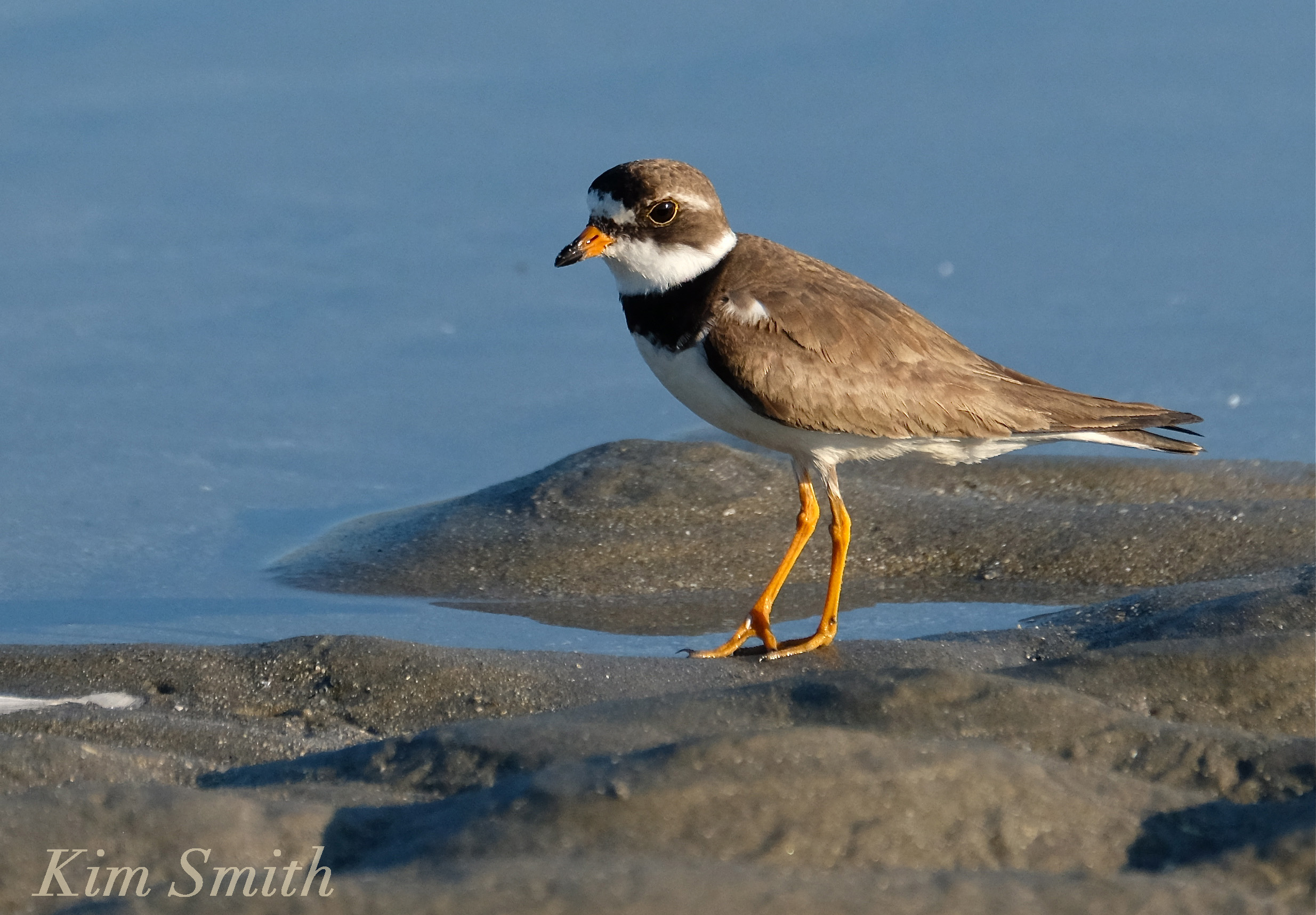
Semipalmated Plover
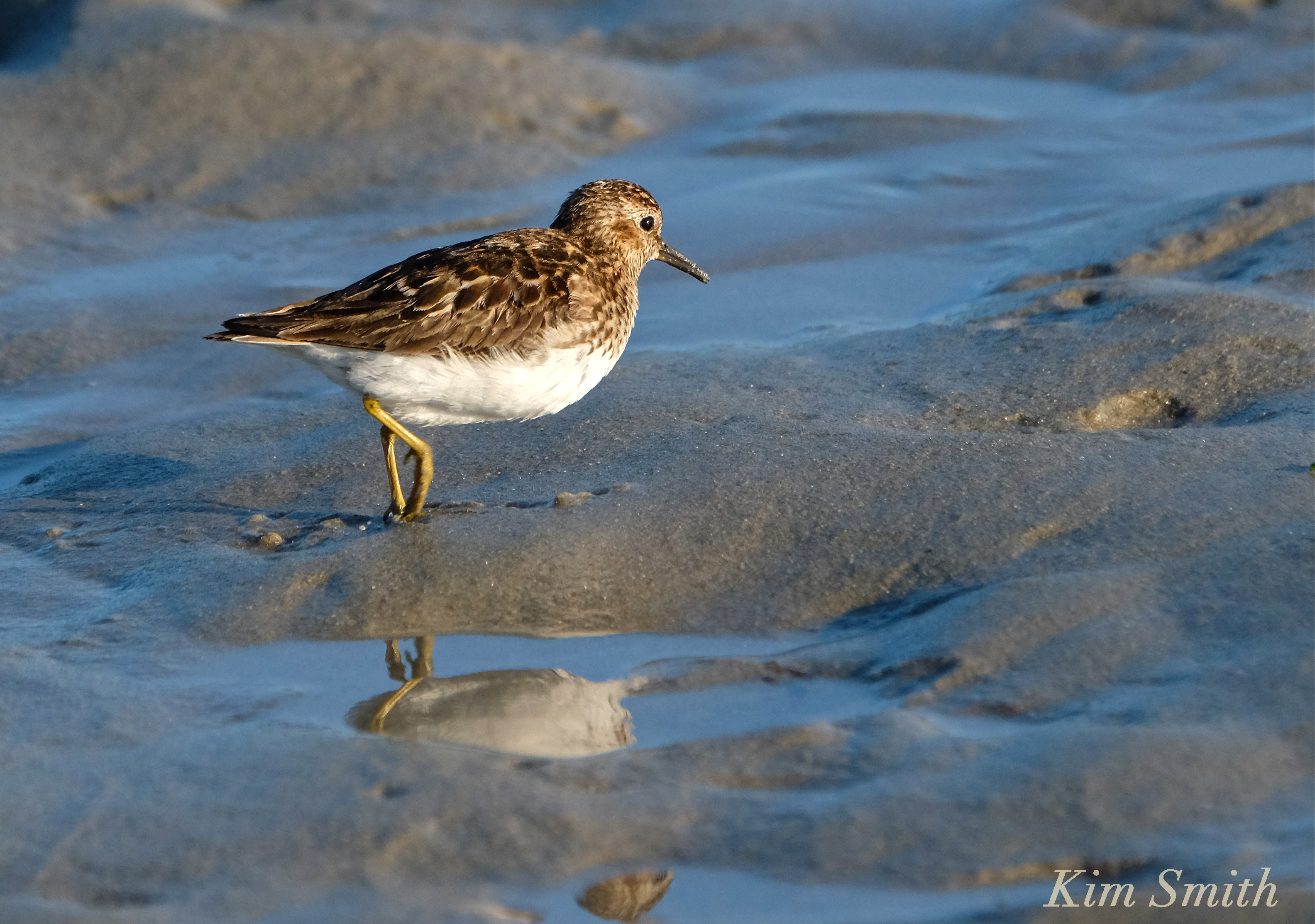
Semipalmated Plovers are often seen in mixed flocks with Semipalmated Sandpipers and Least Sandpipers. Semipalmated Sandpipers have black legs. Least Sandpipers have distinctly colored yellowish legs.
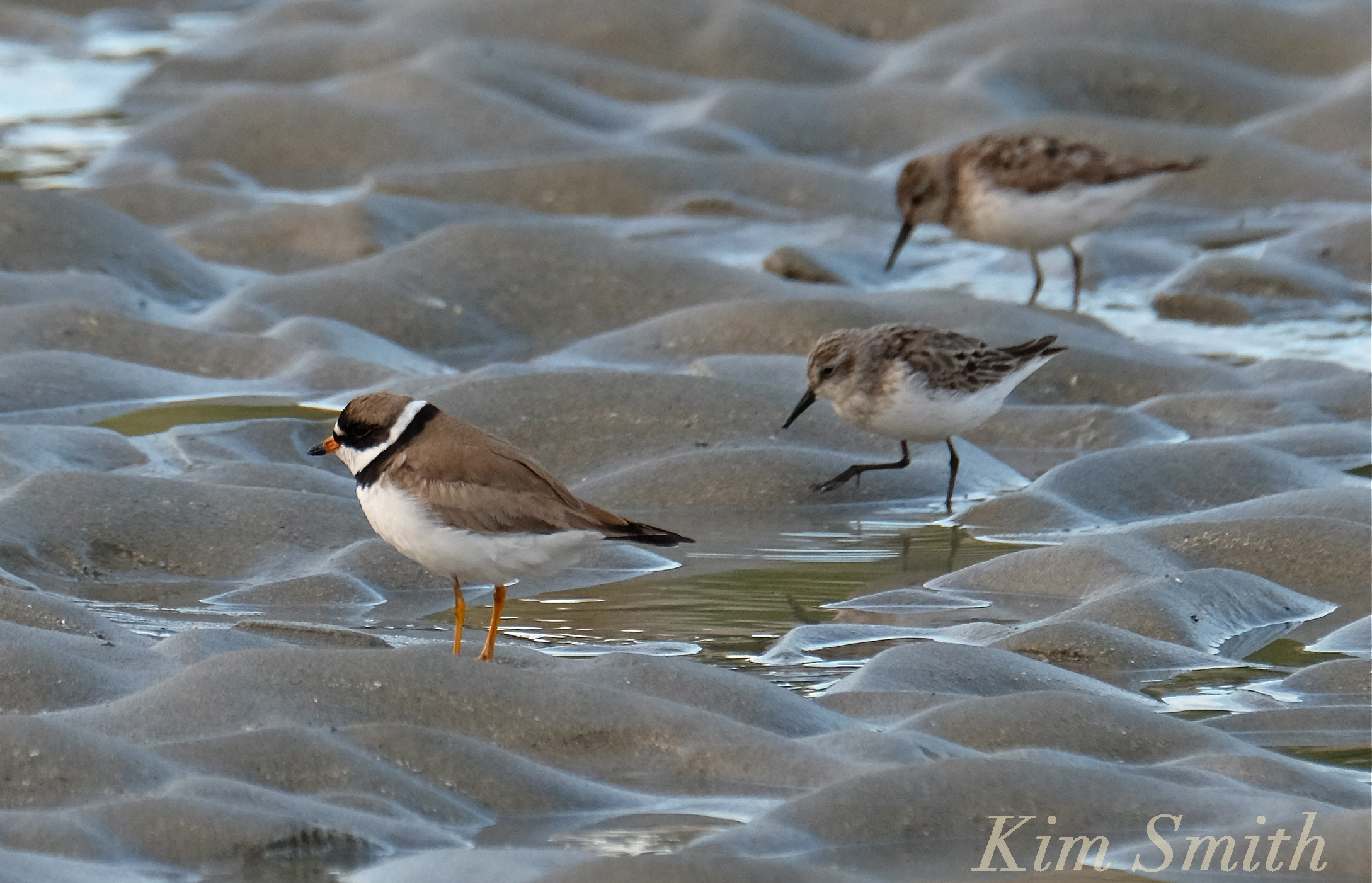
Semipalmated Plover and Semipalmated Sandpipers
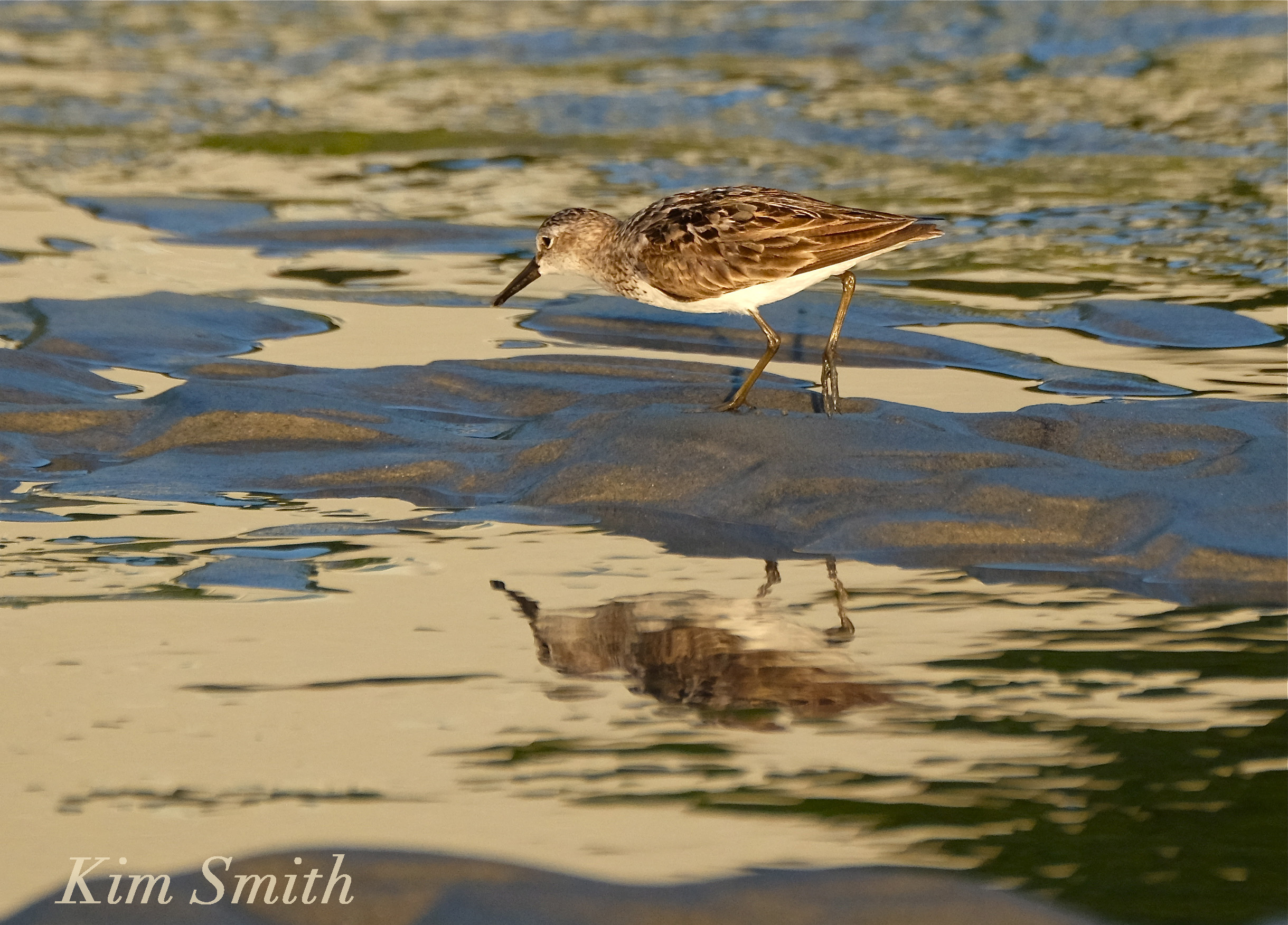
Least Sandpiper
Note that all of the shorebirds mentioned here are also currently at Wingaersheek Beach.

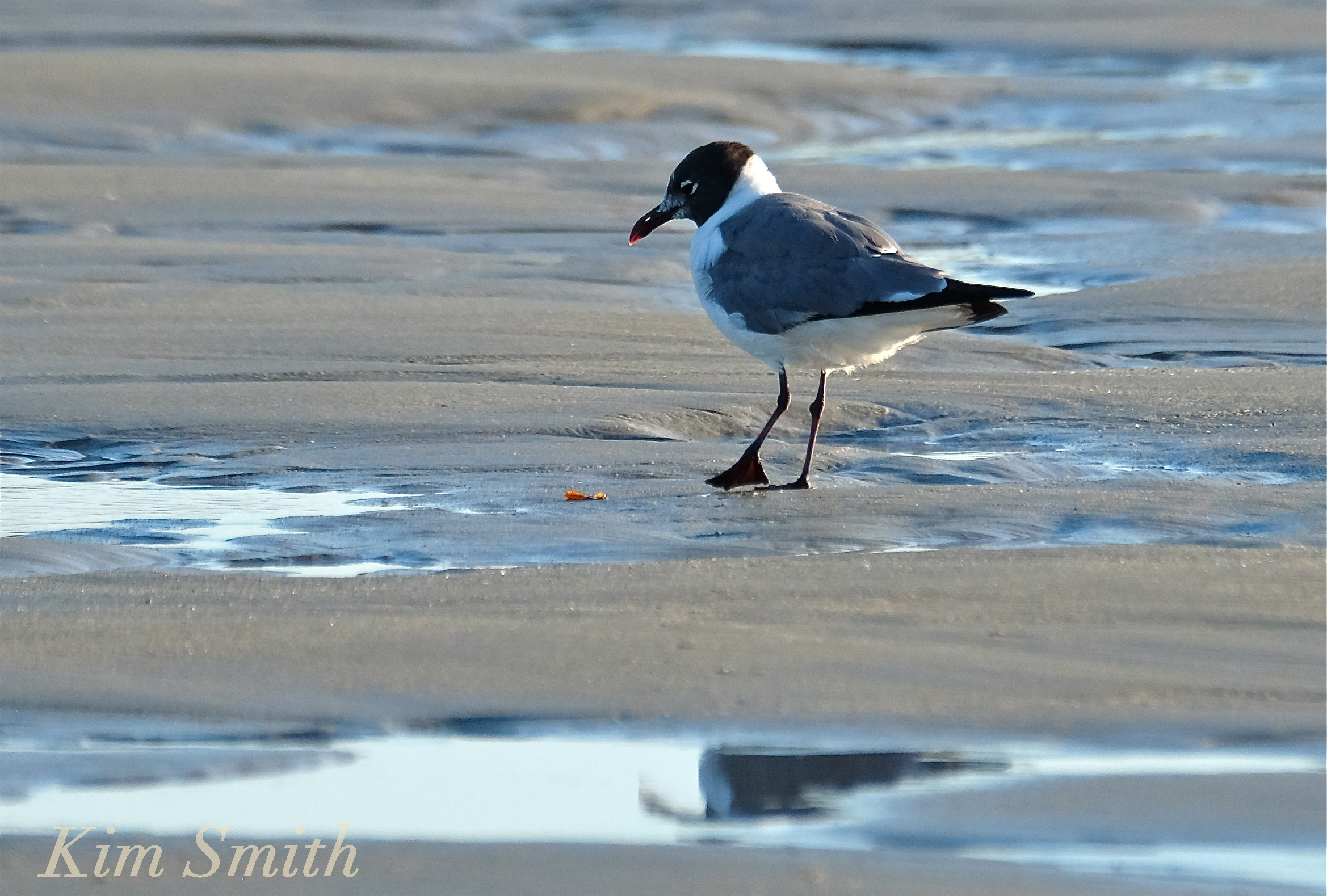 Look for this unmistakeable gull at Good Harbor Beach. It has been here for several days. You can’t miss his distinguished black head and deepest slate gray wings. If lucky, he may even laugh his funny laugh for you. This is a first for me, seeing a Laughing Gull at Good Harbor Beach. When I was a child we would see them often at my Grandparent’s beach on Cape Cod. If you have seen Laughing Gulls on Cape Ann please write and let us know.
Mass Audubon’s historic status on the Laughing Gull reports that this smallest of our breeding gulls has had a difficult time reproducing in Massachusetts. In the mid 1800s, Laughing Gulls reigned over Muskeget Island, off the Nantucket coast, but within a 25-year period, commercial eggers reduced their population to but only a few nesting pairs. “By 1923, however, protective actions taken by the keeper of the island’s lifesaving station helped the Laughing Gull population rebound to the thousands. Further bolstered by the protection afforded by the Migratory Bird Treaty Act of 1918, Laughing Gulls expanded their colony at Muskeget Island to 20,000 pairs by the 1940s. Unfortunately, a preponderance of Herring Gulls also benefited from the protection of the Migratory Bird Treaty Act, as well as from the increase in food available to them at open landfills at that time.” The rise of the Herring Gull has ultimately led to the severe decline of breeding Laughing Gulls in Massachusetts and today there are thought to be only about 500 pairs. Imagine, from 20,000 pairs to only 500!
One interesting fact is that not only do they nest in Dune Grass, but also have a penchant for dense patches of Poison Ivy. The Good Harbor Beach Laughing Gull has been foraging on crustaceans and invertebrates at the tide pools.


A mid-week vacation day is the easiest. Oh, and you’ll need your resident beach sticker. We prepped our car with a picnic blanket for the seat, extra towels, and ice waters. Start early and grab a big “lobsterjack” breakfast because you’ll need the fuel. End late.
Let’s establish some base rules here.
First off, you need to spend at least 15 minutes at each beach. (You can tweak this a little if you want.) Next, you need to dive under. We suggest a ritual for each beach, e.g. ‘The Five and Dive’. Finally, you have to stop for ice cream and candy. Remember, you can do these beaches (or others in Gloucester) and jumps in any order. Be flexible for unexpected delays like staying at one beach for hours, or a friend asking you to drop off a sub (*cough* Joey *cough*). Most importantly, you have to do at least 13 beaches and 2 jumps in one day. Mind the tides. Be grateful we have so many choices.
alphabetical order
Annisquam lighthouse. Coffin’s beach. Good Harbor beach. Long beach. Magnolia beach. Niles beach. Pavilion beach (by Beach Court). Pavilion beach bonus (by the cut). Plum Cove beach. Rocky Neck Oakes Cove beach. Stage Fort Park (1) – Cressy’s beach ( our alt. title ‘sea serpent’ big beach). Stage Fort Park (2) – Half Moon beach. Wheeler’s Point. Wingaersheek beach.
Annisquam bridge. Magnolia Pier.
*We do this challenge at least once each summer. Yesterday we started off with breakfast at Willow’s Rest and continued from there. Our timing was random especially as we spent hours at Wingaersheek. The second meal to get us through the day came from the sandwich counter at Annie’s by Wingaersheek. Yes, they have a sandwich counter.
Gloucester Beaches sandwich directory
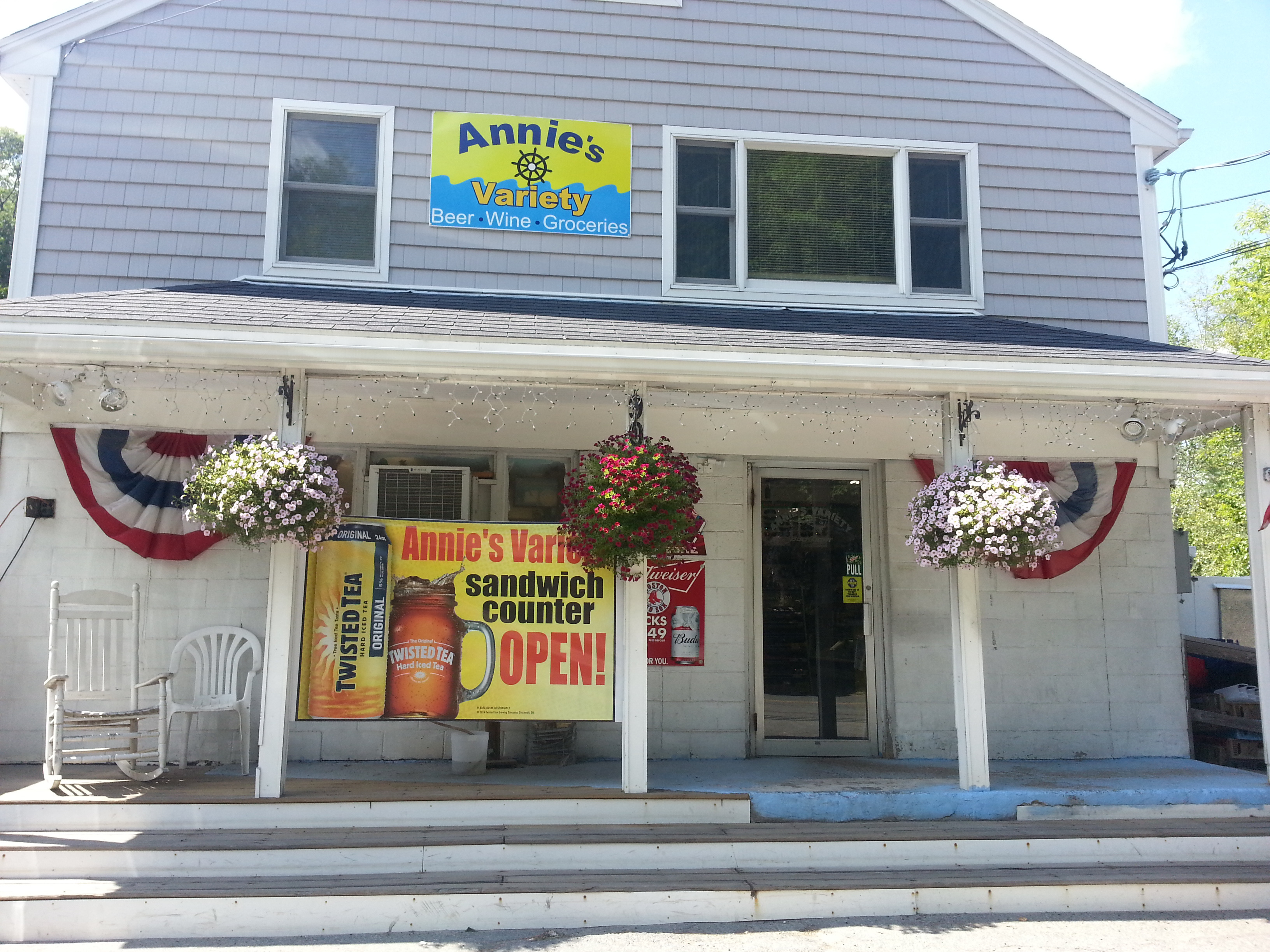





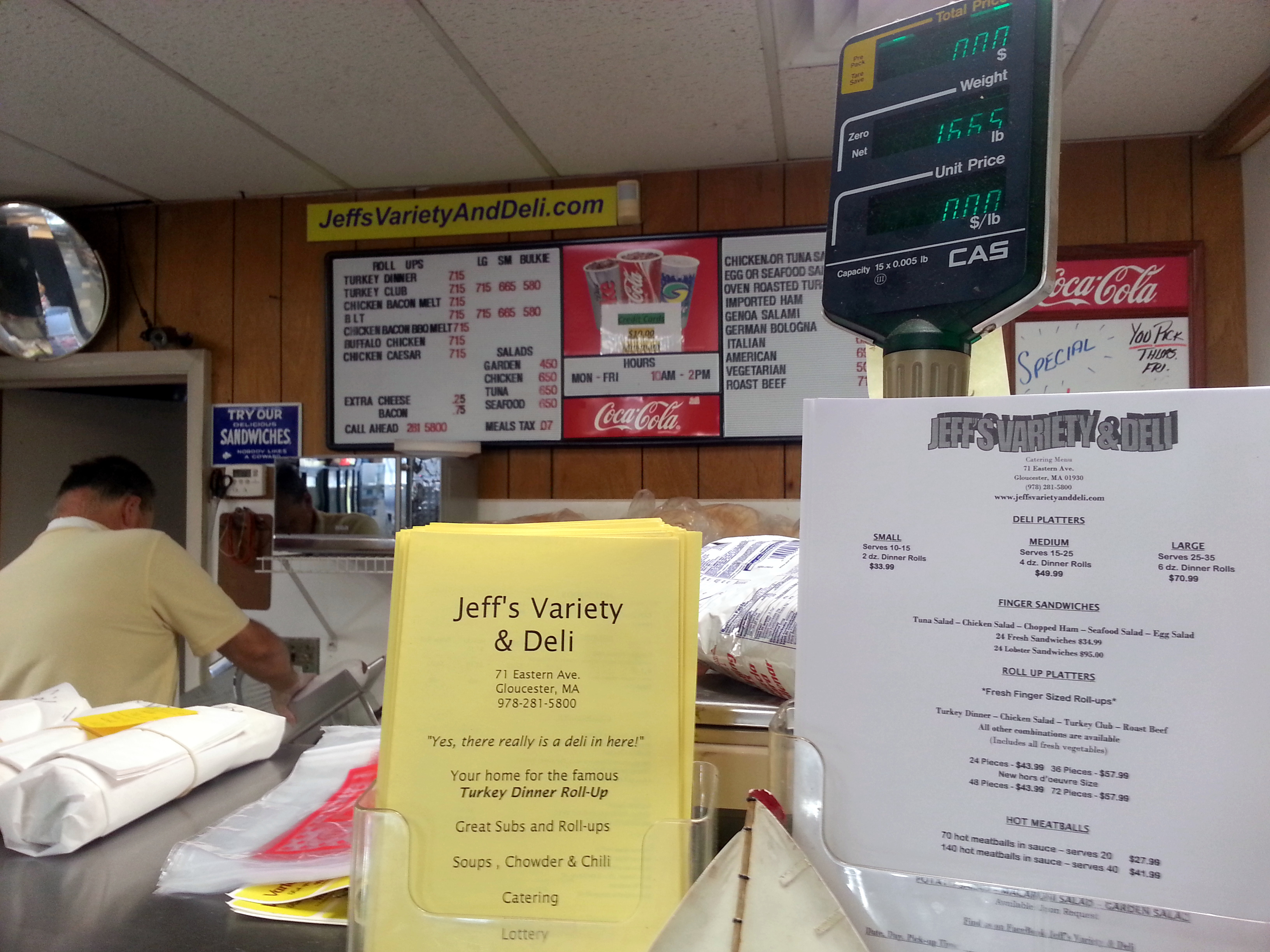
Hungry? Pack light. You’ll pass great sandwich shops, locally owned and operated, en route to Gloucester’s magnificent beaches. Jeff’s Variety can set you up for a good lunch to go wherever you’re headed including Good Harbor Beach, Long Beach, or the back shore. Jeff says that there are many repeat customers that come back each and every season–for years–on their way to Good Harbor Beach. IF you have a big group, you can order trays with finger sandwiches. Sandwich platters featuring Virgilio’s rolls need at least two days notice to prepare. They’re open Sundays. What else? “Yes!” the answer to my question if they have plenty of call ahead requests from cars caught in traffic. Passengers calling only, please!
Scroll down the post for a one-stop, sub-shopping Gloucester directory with phone numbers and links. I could add in our favorite choices from each place.
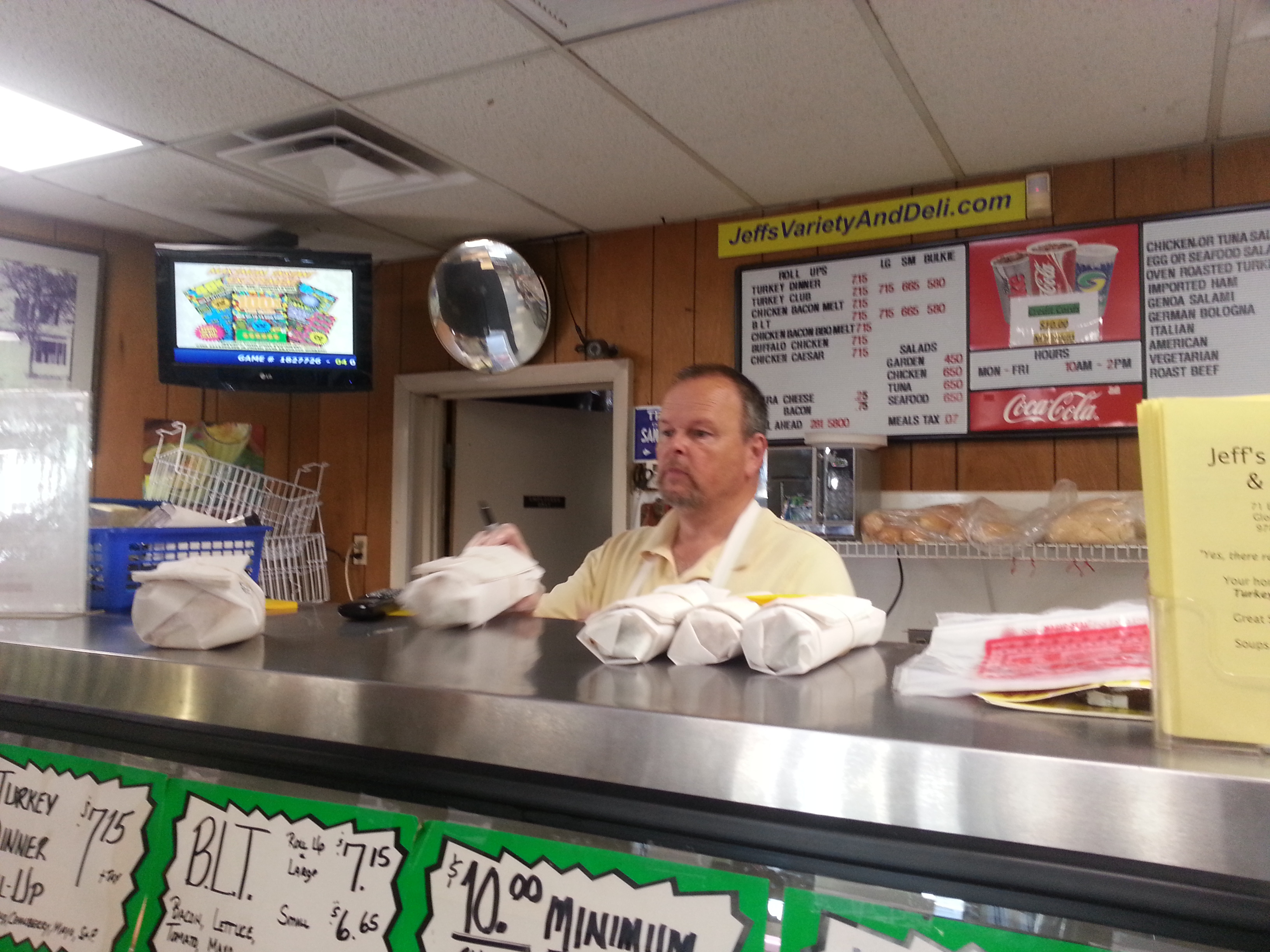
*the great 2013 Good Morning Gloucester Italian sub winners
on the way to Gloucester’s GOOD HARBOR BEACH
on the way to Gloucester/ Rockport LONG BEACH
on the way downtown headed in any direction to Gloucester beaches: Pavilion, Cressy, Half Moon, Niles, Good Harbor
on the way to Gloucester’s NILES BEACH
on the way to Gloucester’s PLUM COVE BEACH / ANNISQUAM/ LANESVILLE
on the way to Gloucester’s WINGAERSHEEK BEACH
I haven’t forgotten Magnolia–just missing Magnolia’s House of Pizza. ON Mondays there’s Cape Ann Farmer’s market for Magnolia. “M” for Mondays, “M” for Magnolia.

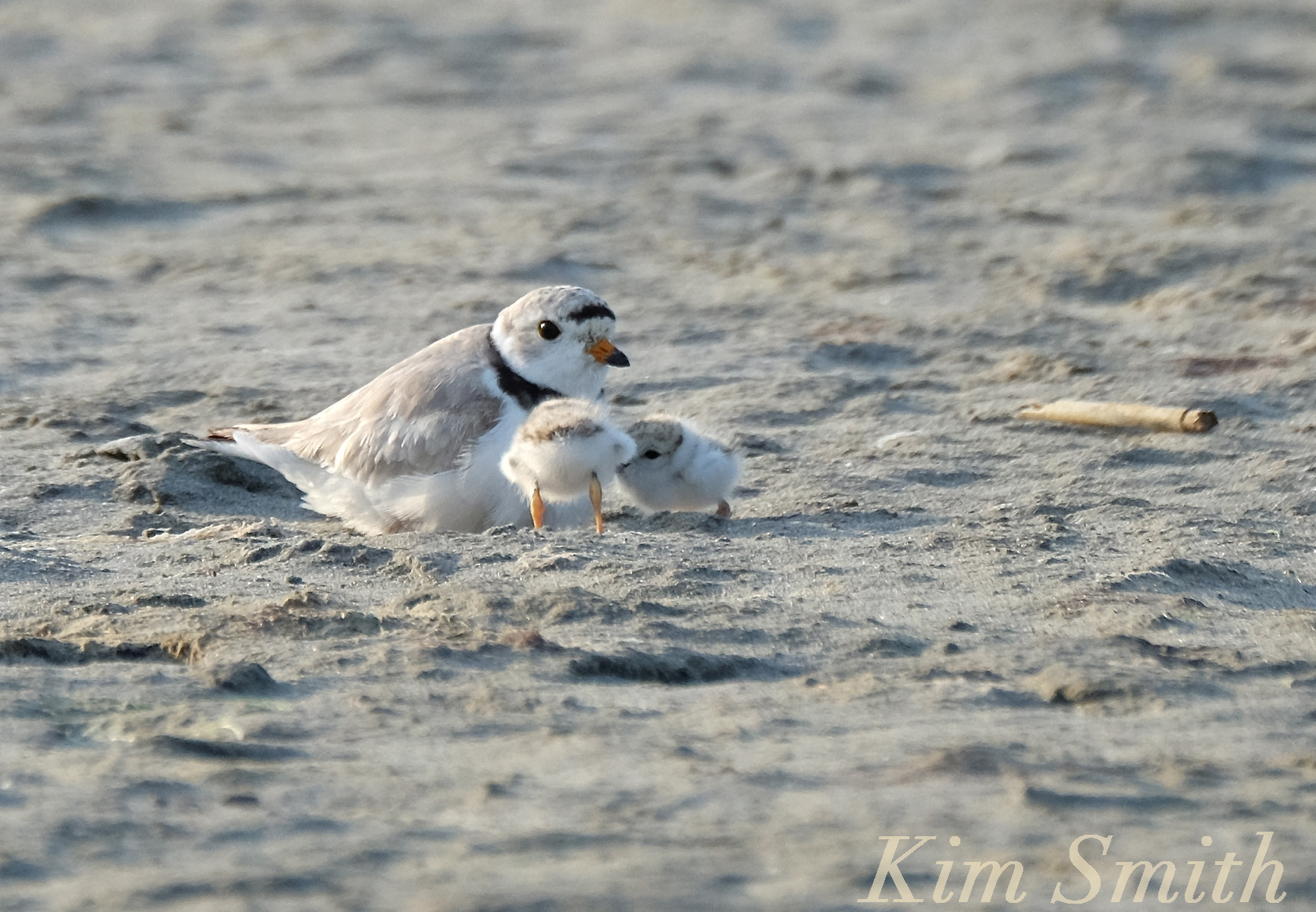 With sadness, but not entirely unexpected, I am sorry to report that only one baby Piping Plover chick remains at Good Harbor. The good news is that the one surviving chick is doing fantastically as of this writing. Don’t worry when I write too that the Mom has left the family. She has begun to migrate southward. This is somewhat normal and I don’t think she would have left had not the chick been doing so well. Dad is minding the baby full time and he is doing a tremendous job.
A week since the Plovers hatched and it sure has been a joy to film, and wonderfully educational. I am very inspired to work on this short film and hope to have it ready for our community this summer.
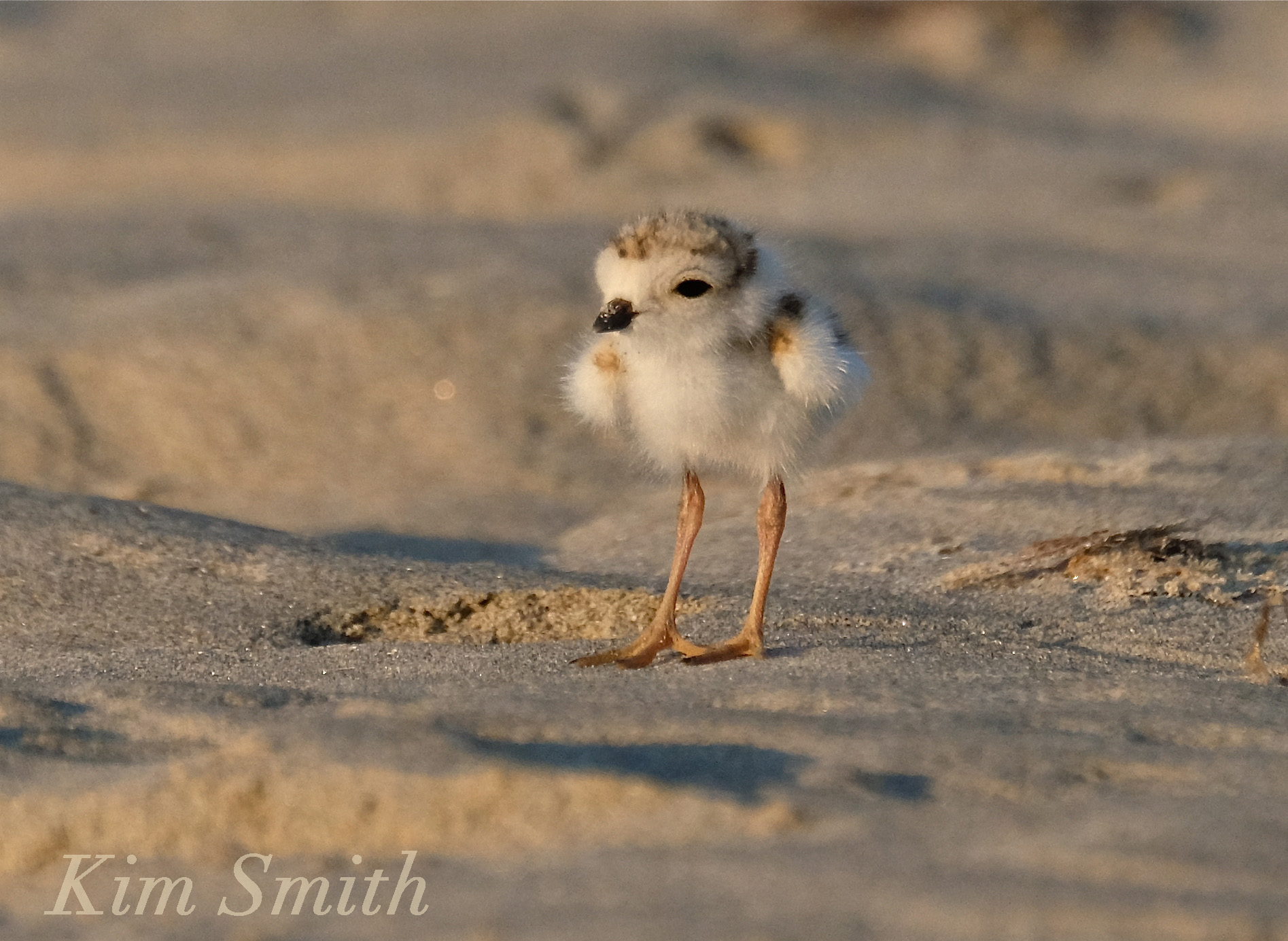 Notice the growing wing buds!
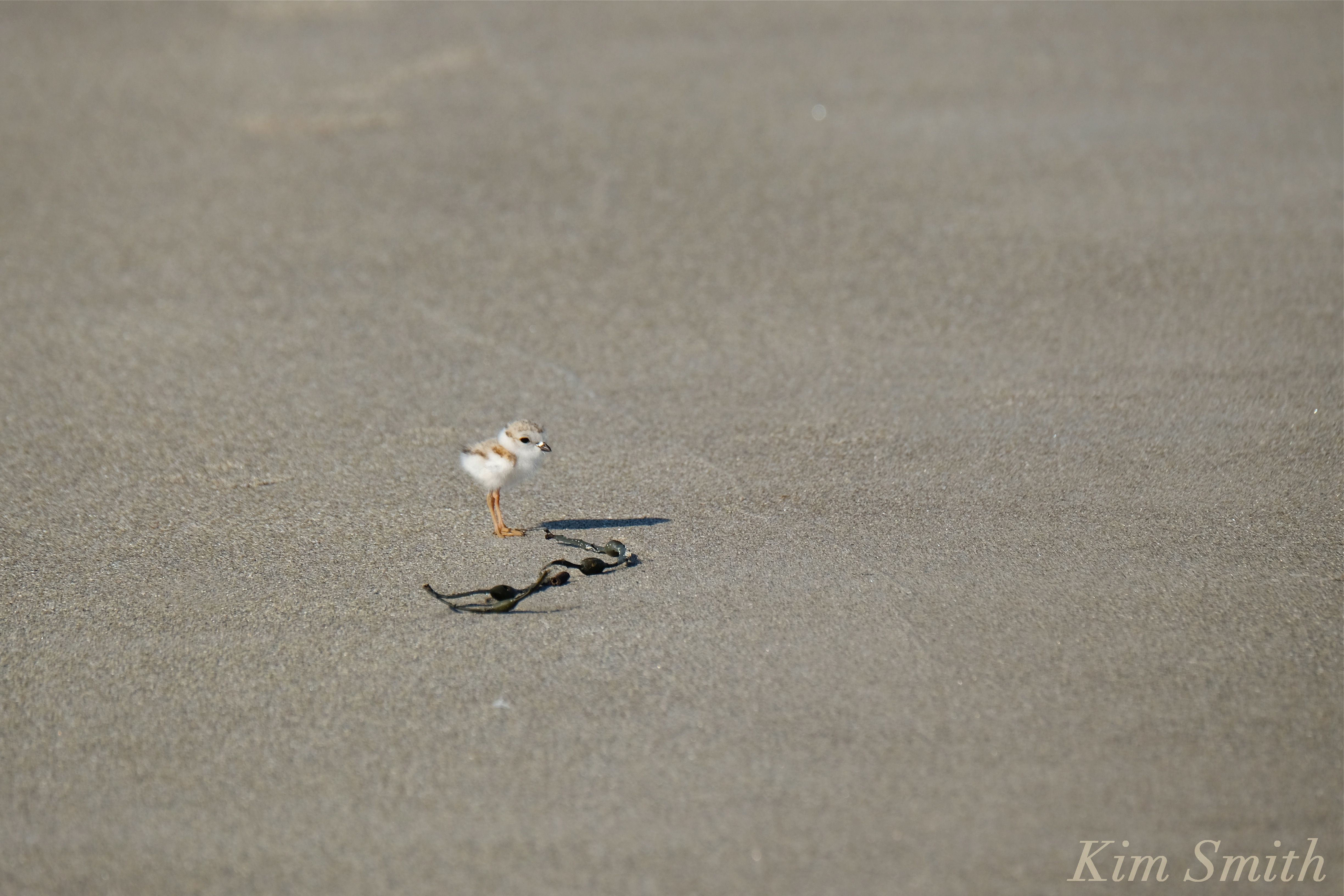 The tiniest
A heartfelt reminder to please, please, please let’s all work together to keep the dogs off the beach. I had a terrible encounter, really frustrating and the owner and his friends very cruel. Ninety nine point nine percent of dog owners are wonderful and respectful and are rooting for the Plovers as much as are non-dog owners. The Plovers are all over the sandy beach, at the water’s edge, and down the creek. Although growing beautifully, the chick is still about the size of a cotton ball, maybe a cotton ball and a half. Up until fourteen days old, they are at their most vulnerable.
As with before, please fee free to share the photos and information on social media. The more people know about the garbage and dog owner trouble (certain dog owners that is), the more likely the chick’s chance of survival. Thank you!
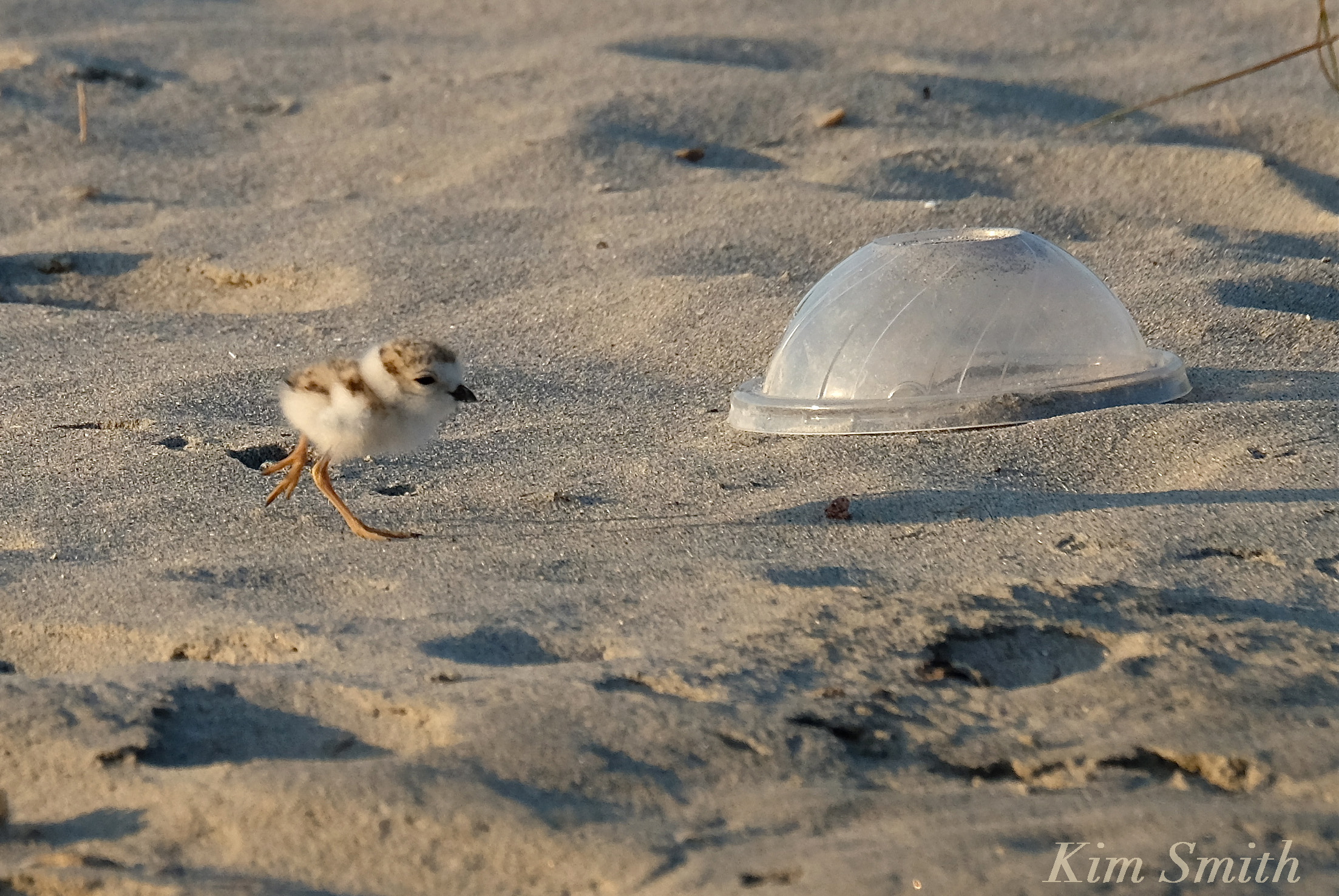 Garbage left on the beach late in the day and overnight continues to be an issue. Bring a bag with you and we can help the DPW by cleaning up after the the folks who don’t know any better. Garbage strewn on the beach attracts gulls, and they, especially Great Black-backed Gulls, eat baby Plovers.
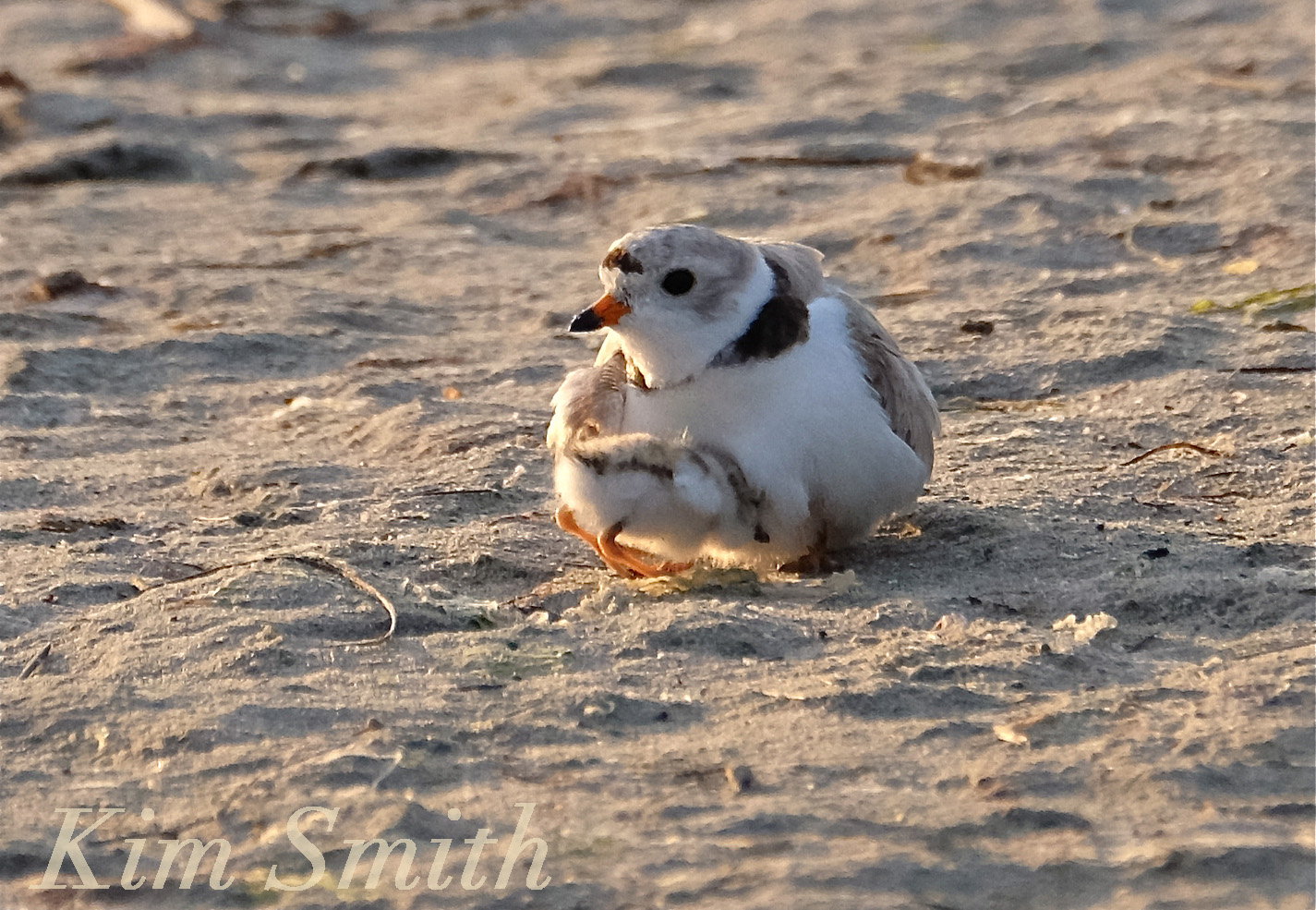
Piping Plovers, like many shore birds, are precocial. That means that within hours after hatching, they are ready to leave the nest and can feed themselves. They cannot however immediately regulate their body temperature and rely on Mom and Dad to warm them under their wings. Although the chick is six days old in the above photo, it still looks to Dad for warmth and protection. Examples of other precocial birds are ducks, geese, and chickens.
If you spot the baby and want to observe, I recommend staying fifteen to twenty feet away at least. Any closer and Dad has to spend a great deal of energy trying to distract you. We don’t want him to get tired out and unable to care for the baby. Also, you’ll appear less threatening if you sit or kneel while observing the chick. No sudden movements and talk quietly and the baby may come right up to you!
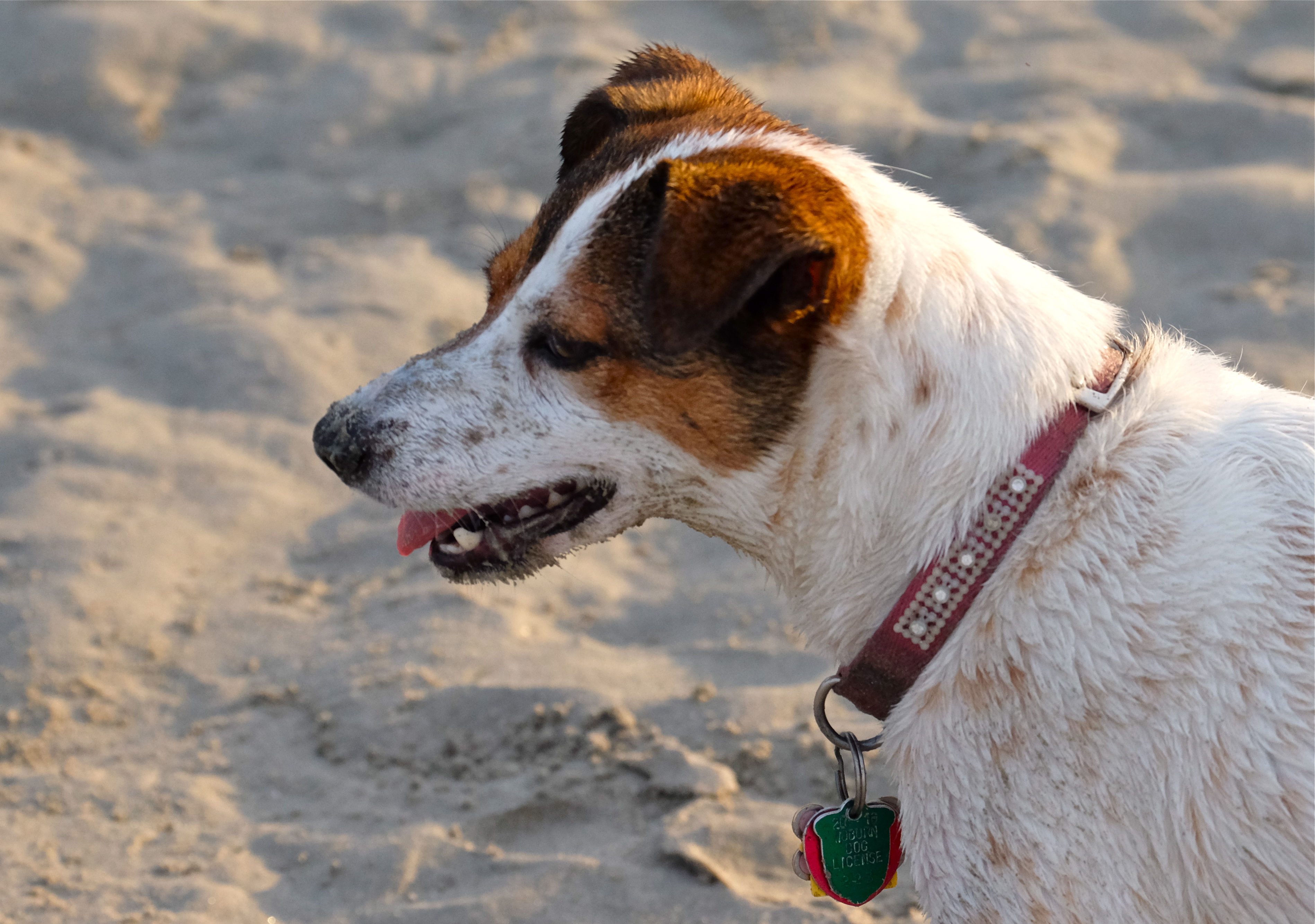
A sweet dog with a very unkind owner.
Around 6pm Saturday evening, this playful dog came bounding down the water’s edge, within inches of the baby. I stood between the owner, dog, and Plovers, with cameras in hand, and cell phone unfortunately back in my bag. After a good twenty minutes of arguing he and his equally unkind friends departed. In the mean time, the Plovers were able to get away from the dog and further down the shore line.
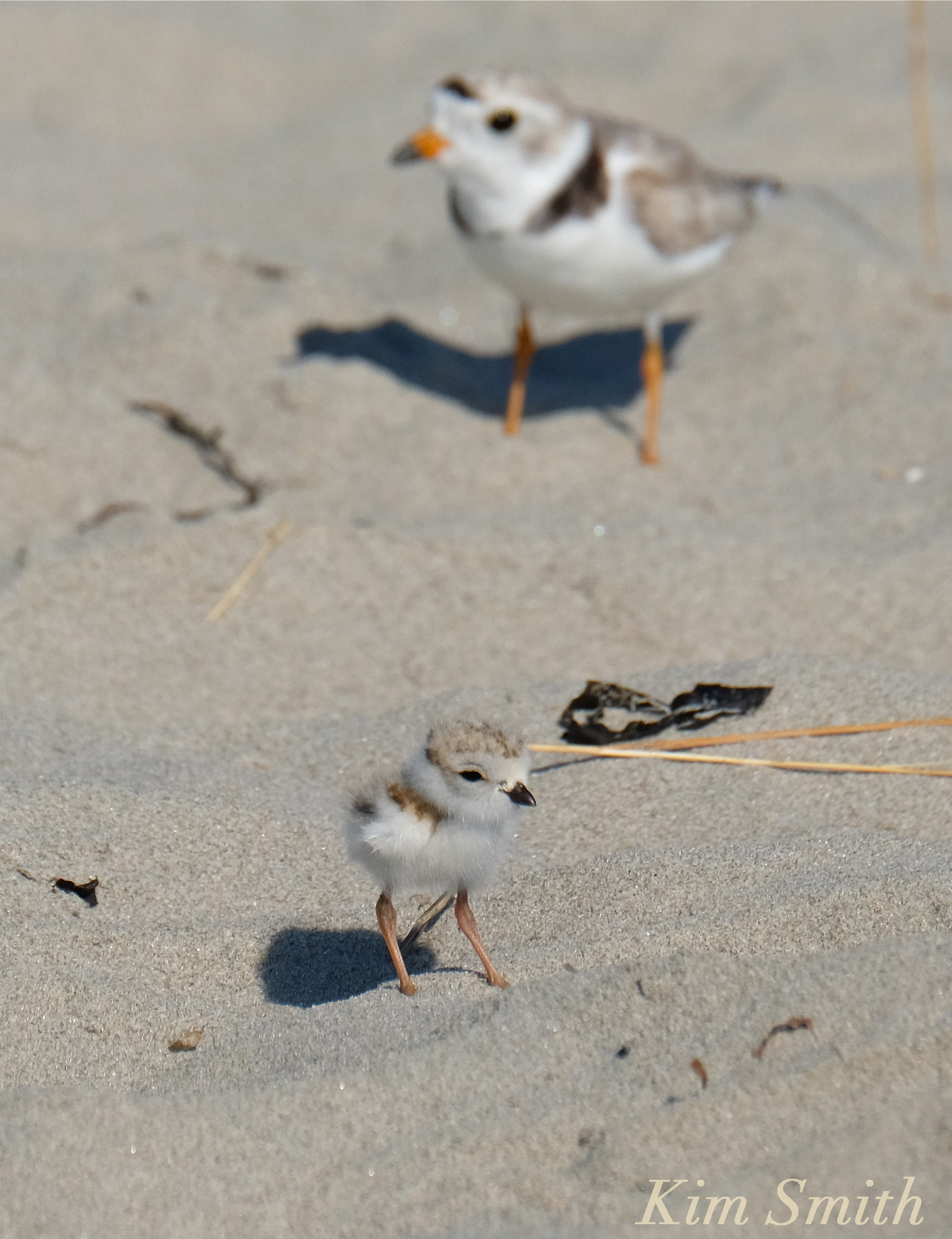 Dad and chick this morning Monday, the 18th, exactly one week old!

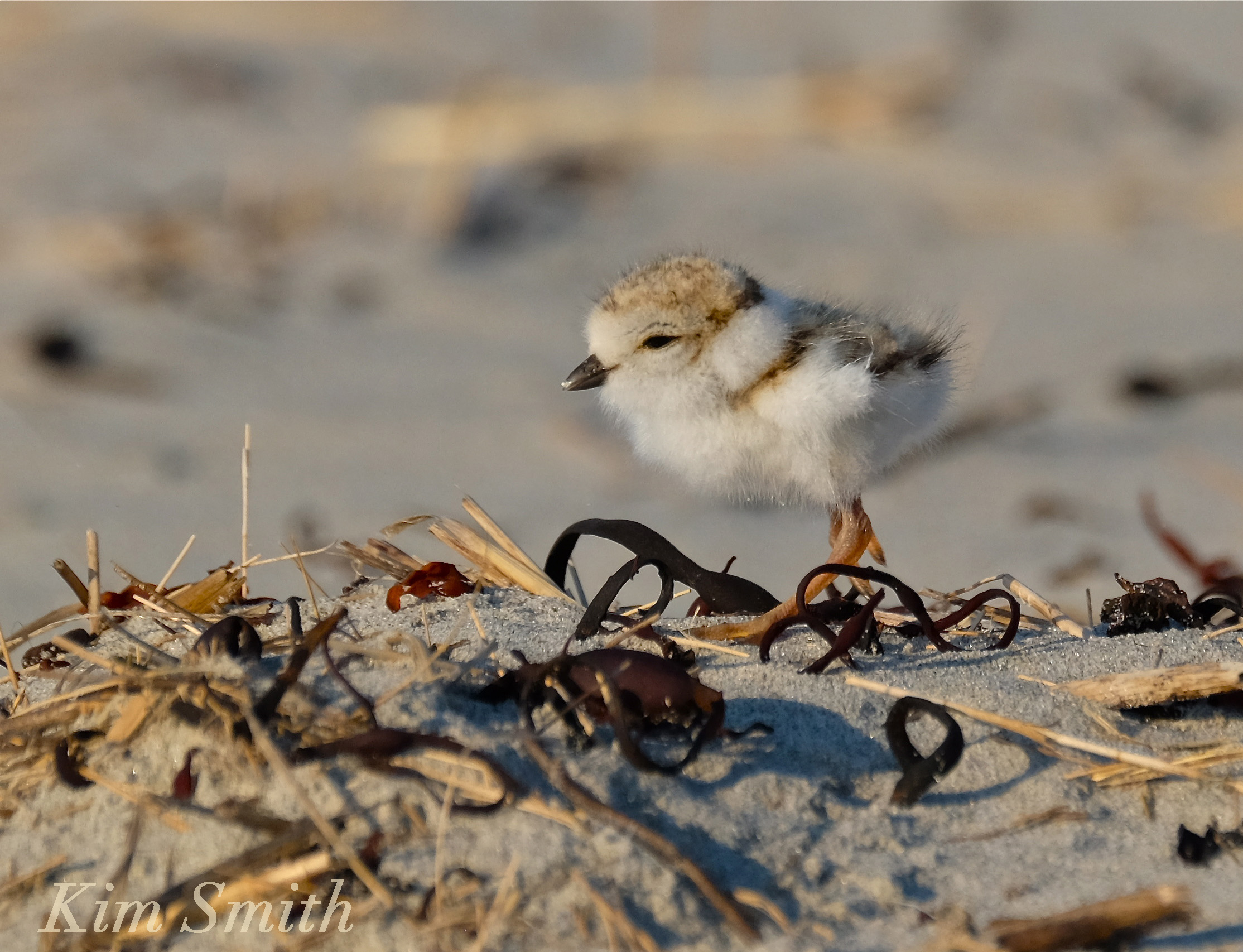 ACTION NO. 1) HELP NEGATE THE LITTER PROBLEM
The number one threat to the Plover’s survival is the trash left on the beach. If you see someone littering, please remind them to clean up after themselves. Explain that we have a threatened species nesting on the beach and that the trash left behind attracts gulls and crows, which will undoubtedly eat the baby Plovers. Additionally, if you are so inclined and can lend a hand, please bring a trash bag and fill it on your way out. I know tons of friends already do this and it is a huge help. If more of us did it, and folks saw us doing it, they might be inspired not to leave theirs behind. If you see me on the beach filming, I now carry trash bags in my gear bag and would be happy to give you one. Getting rid of the trash on the beach doesn’t just help the Plovers, but all marine and wildlife.
ACTION NO. 2) HELP NEGATE THE THOUGHTLESS DOG OWNER PROBLEM
Inform the dog owner about the law. Explain to them that their dog, leashed or unleashed, can easily squish cotton-ball sized chicks. The babies are all over the beach now, not just in the roped off area. If the dog owner still disregards and if you can, take down their license plate number. I did it today for the first time and Diane, who is the animal control officer, just happened to be at the beach shortly after it happened. She asked for the information and studied the photo that I took to determine what type of dog.
ACTION NO. 3) HELP INFORM BEACH GOERS ABOUT THE CHICKS
The baby Plovers are at their most vulnerable in the first 10 to 14 days. As of this writing, all three chicks have survived the first three days, and that is nothing short of a miracle. The Plovers chicks are now running to the water’s edge. Please walk carefully on the beach and along the shoreline as they are not yet quick enough to get out of the way. Upload a photo of a Piping Plover chick to your phone and show it to folks on the beach. Explain that they aren’t much larger than a cotton ball. Additionally, David Rimmer, Director of Land Stewardship at Essex County Greenbelt, who was checking on the Plovers this morning, is concerned that a child may see a Plover chick and try to catch it. This has happened! In case of any kind of emergency situation such as this, David urges that the the Plover be place in the cordoned off area.
 In the above photo you can see how tiny the Plover chick is in relation to the sunbather.
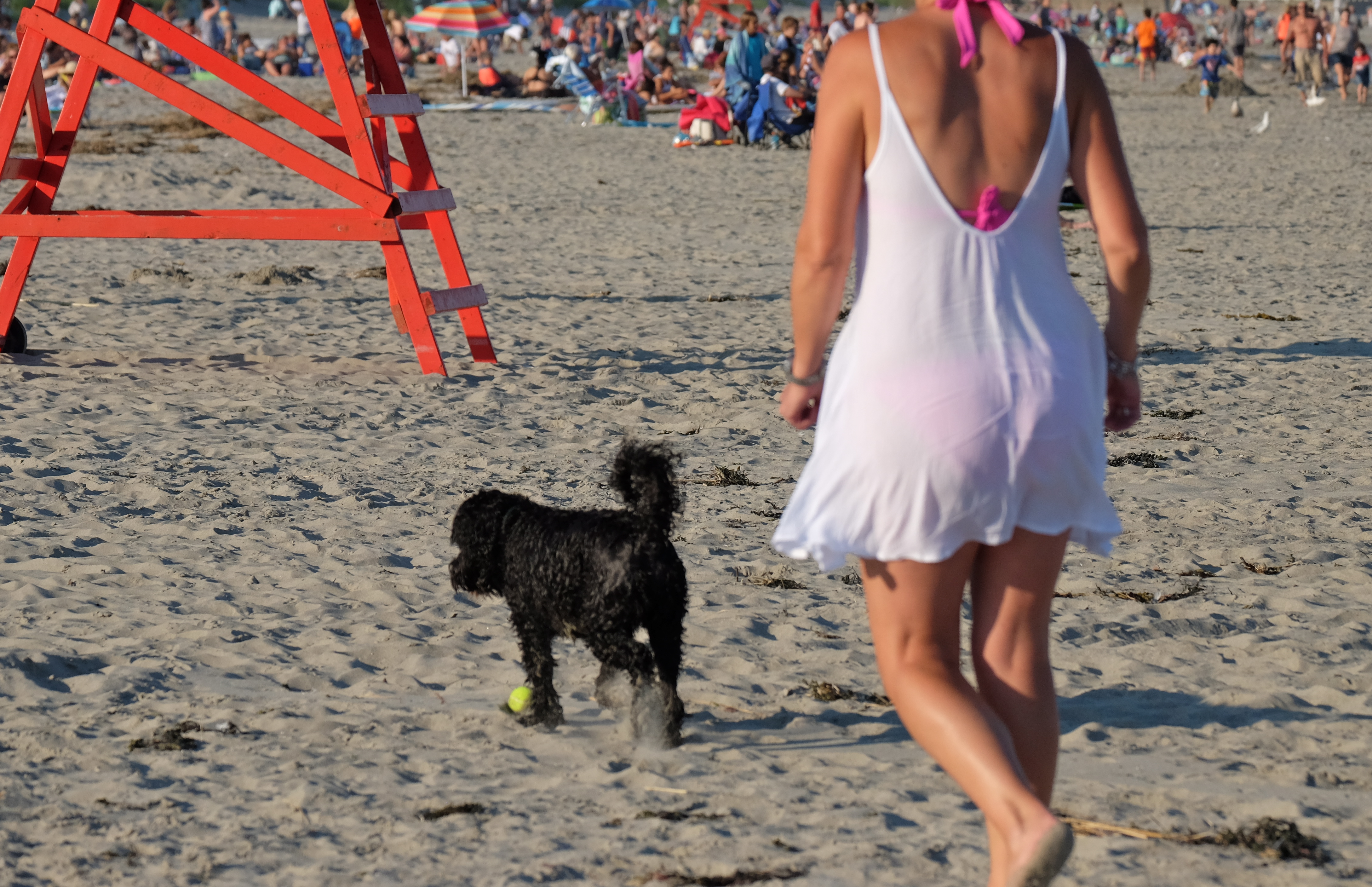 This woman claims she brings her dog every evening after five and states she has for fifteen years.
https://www.instagram.com/p/BH2Fxq5jTdq/
https://www.instagram.com/p/BH2KACSD4T6/

Please help get the word out that the Good Harbor Piping Plover chicks have hatched and that they are extremely vulnerable. Feel free to share these photos on social media.
Monday Day One: Judging from when the nest was first spotted, I had a feeling the Plovers were going to hatch Monday. The morning was drizzly and foggy and it was difficult to see into the nest but there appeared to be more activity than usual. By the time I returned later in the afternoon it was a wonder and joy to see all three Plovers had hatched!
Unlike songbirds, the Piping Plover chicks leave the nest almost immediately. They are not fed by the adults and begin to forage for insects in the sand soon after hatching. Although only hours old, they can run, and run they do, looking mostly like jet propelled cotton balls.

The chicks snuggle under Dad. Both Mom and Dad take turns guarding the nestlings, in thirty minute intervals, just as they did when on the nest waiting for the babies to hatch.
 Dad (left) and Mom (right) changing guard.
Tuesday Day Two:
 Miniature rockets zooming over miniature sand mounds, running so fast, they’ll often land in a face plant. I captured a somersault on film!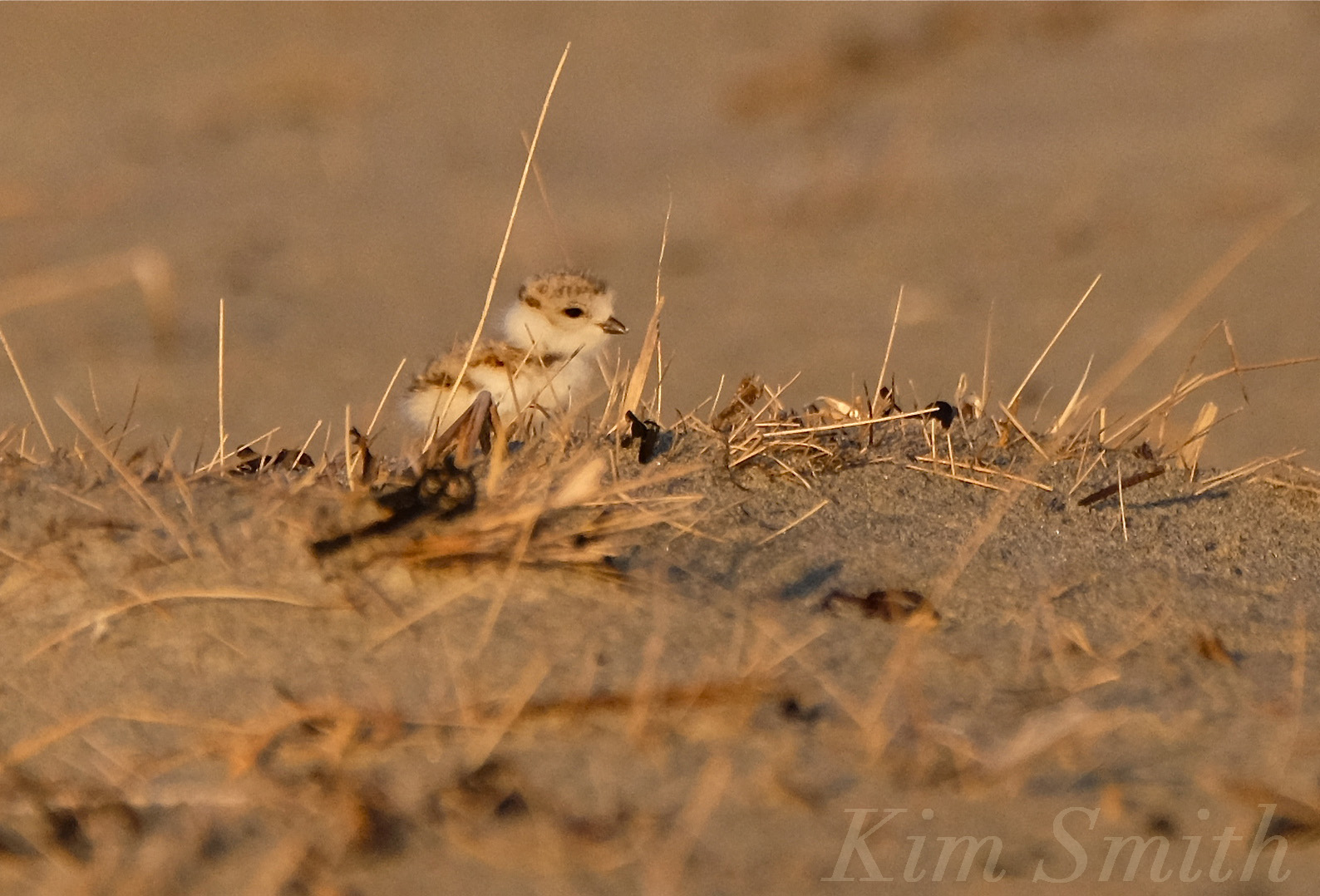
Nature’s camouflage in hues of sand and dune.

Mom and chick, all three survive day number two!
Read More Here Continue reading “MEET THE GOOD HARBOR BEACH PIPING PLOVER BABY CHICKS!”

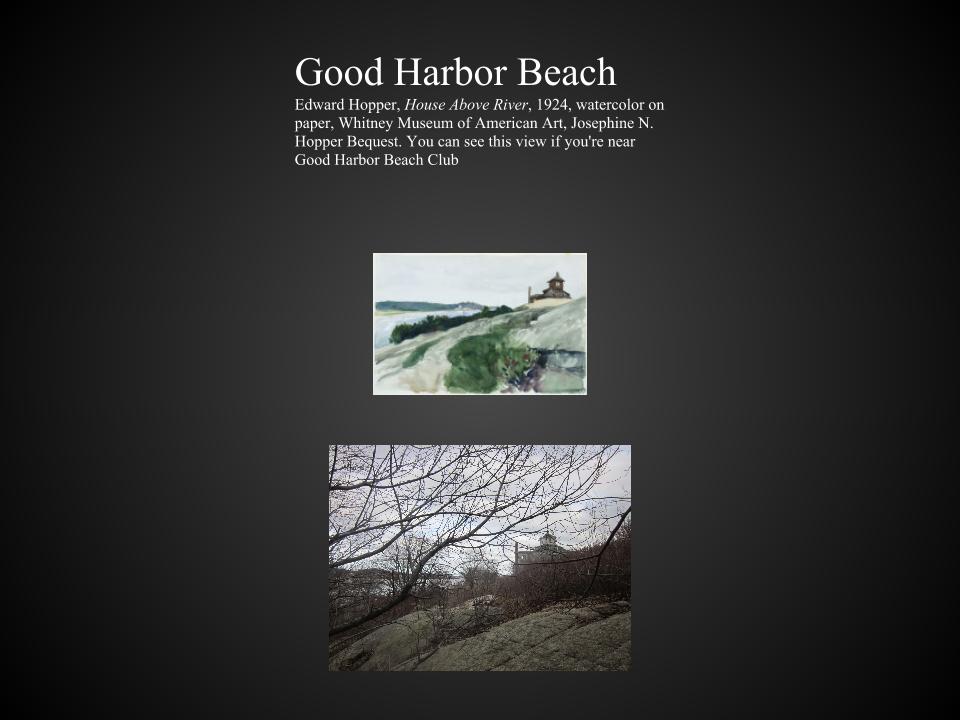
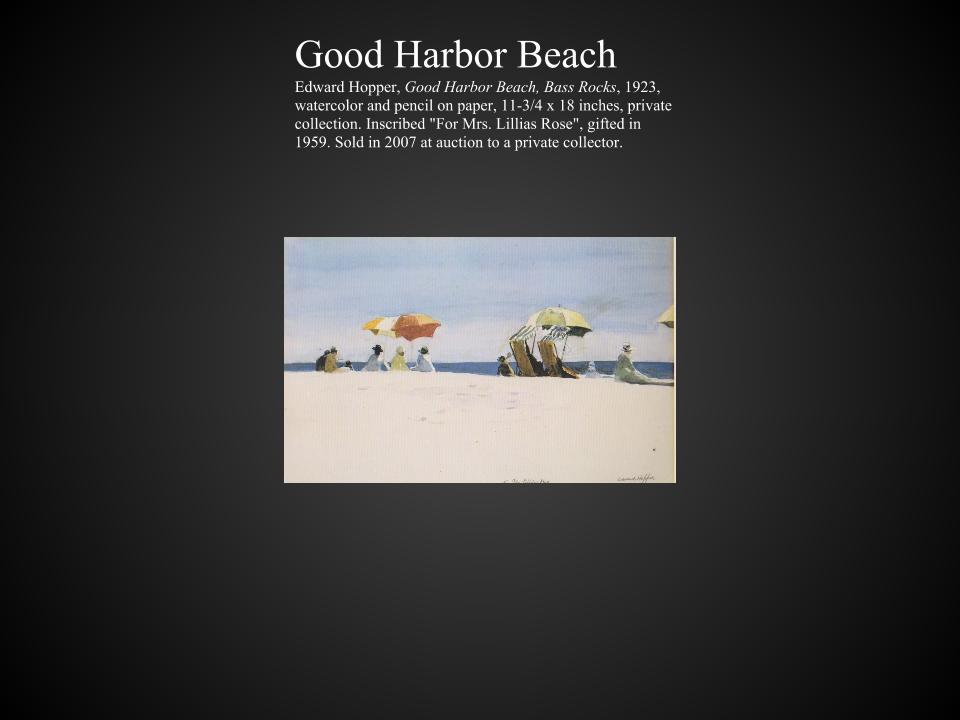
There are more than 110 portraits of the City of Gloucester by the American artist Edward Hopper. There are a few 1923 Good Harbor Beach scenes including one with Jo Nivison seated sketching, and in the distance Bass Rocks and a ‘Hopper’ house. That vista was already a Gloucester motif.

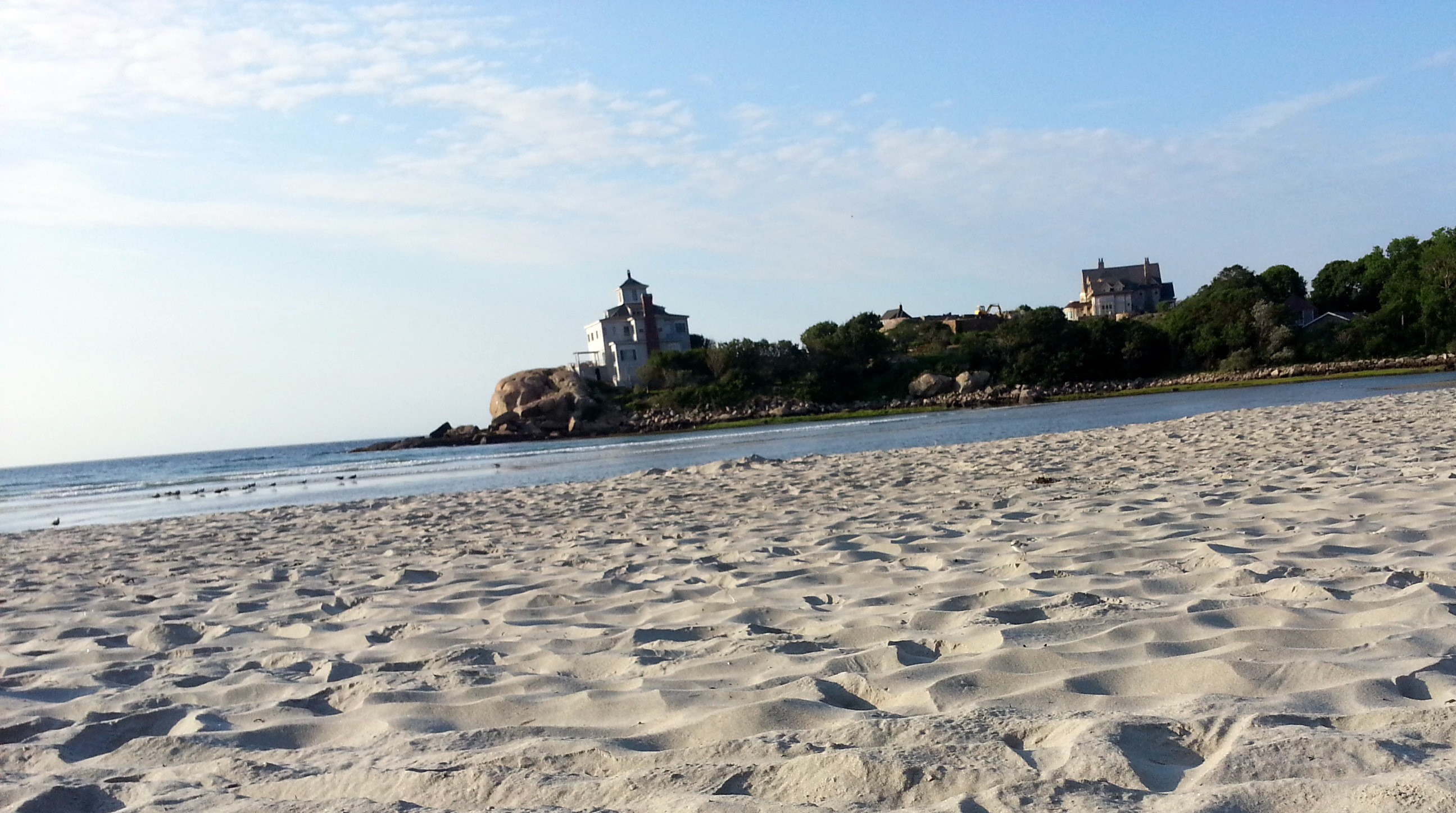

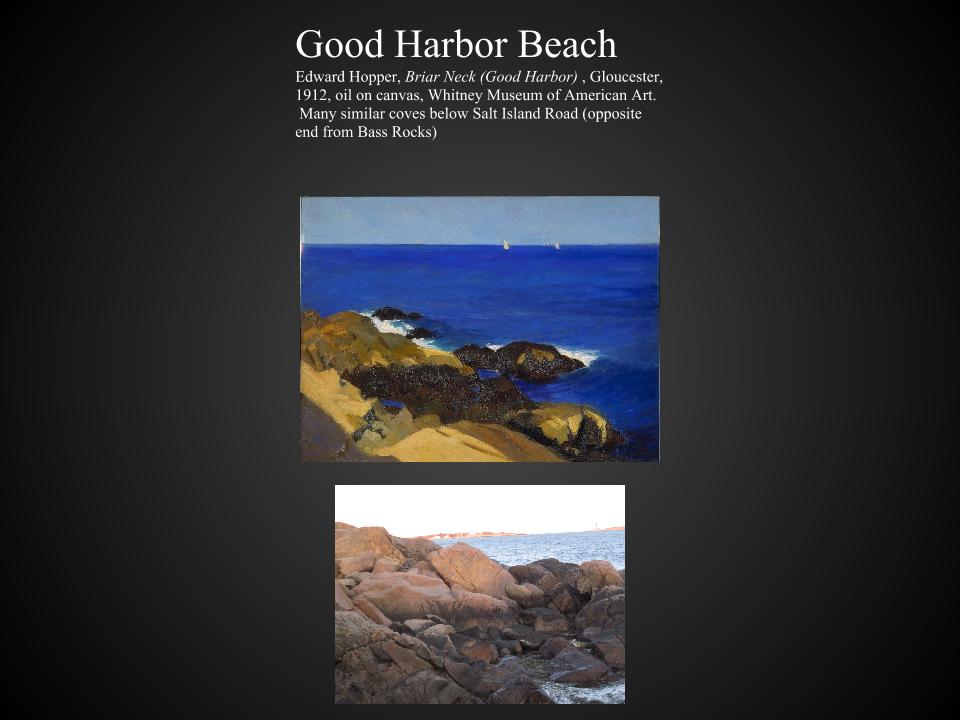
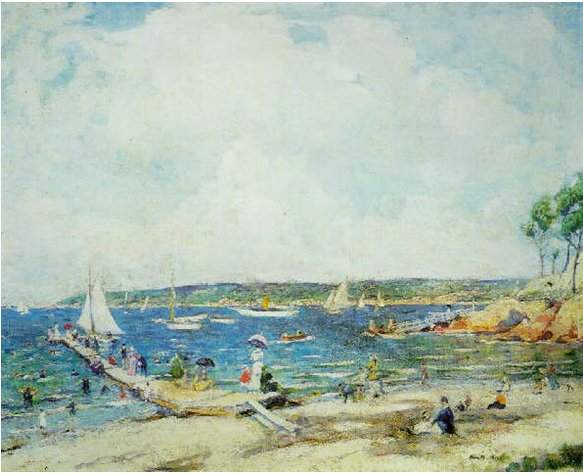
Eleven years before the image of Jo sketching, Hopper painted the other side of Good Harbor (Brier Neck) when he first came to New England. Leon Kroll painted two pedestrian bridges on the Bass Rocks side of the beach that same year.
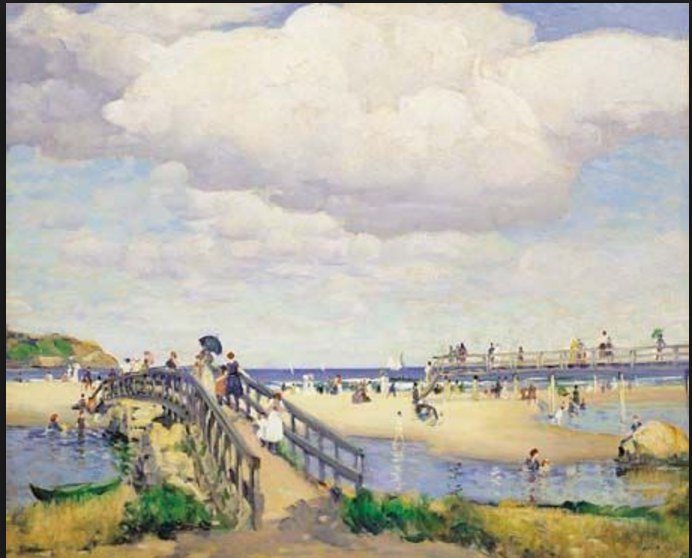
Leon Kroll, 1912, oil on canvas, (Good Harbor Beach, Gloucester) 26 x 32
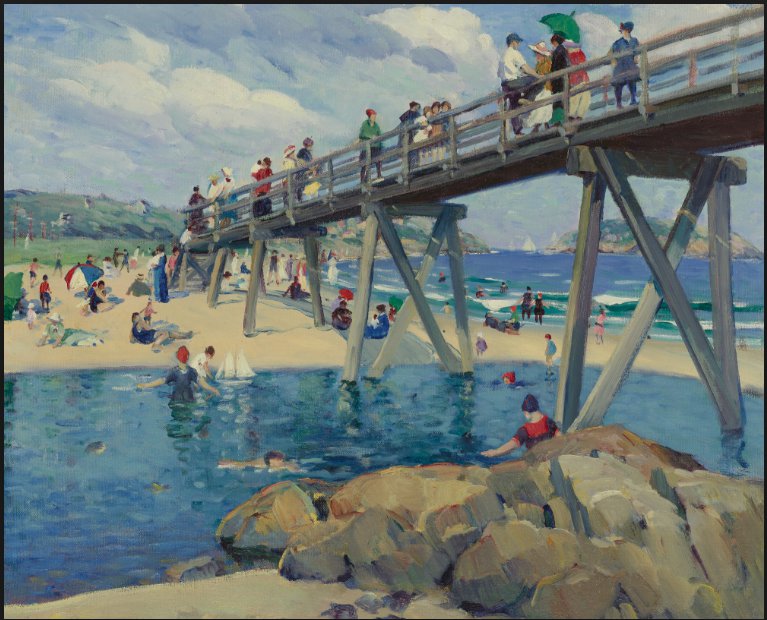
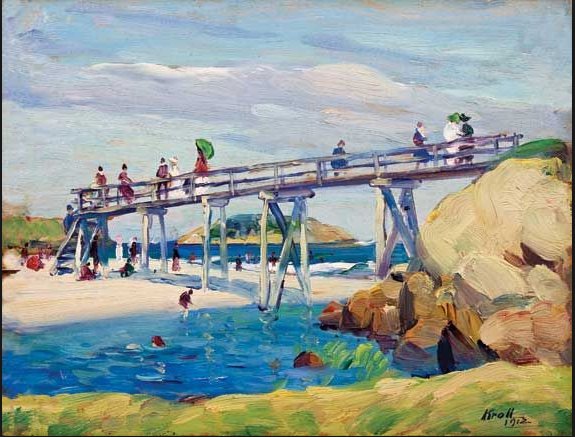
Knoll also painted Niles and Pavilion. He kept returning to Gloucester; eventually his family purchased a home in Folly Cove in 1932. Learn more at Cape Ann Museum and see Kroll works of art on display.

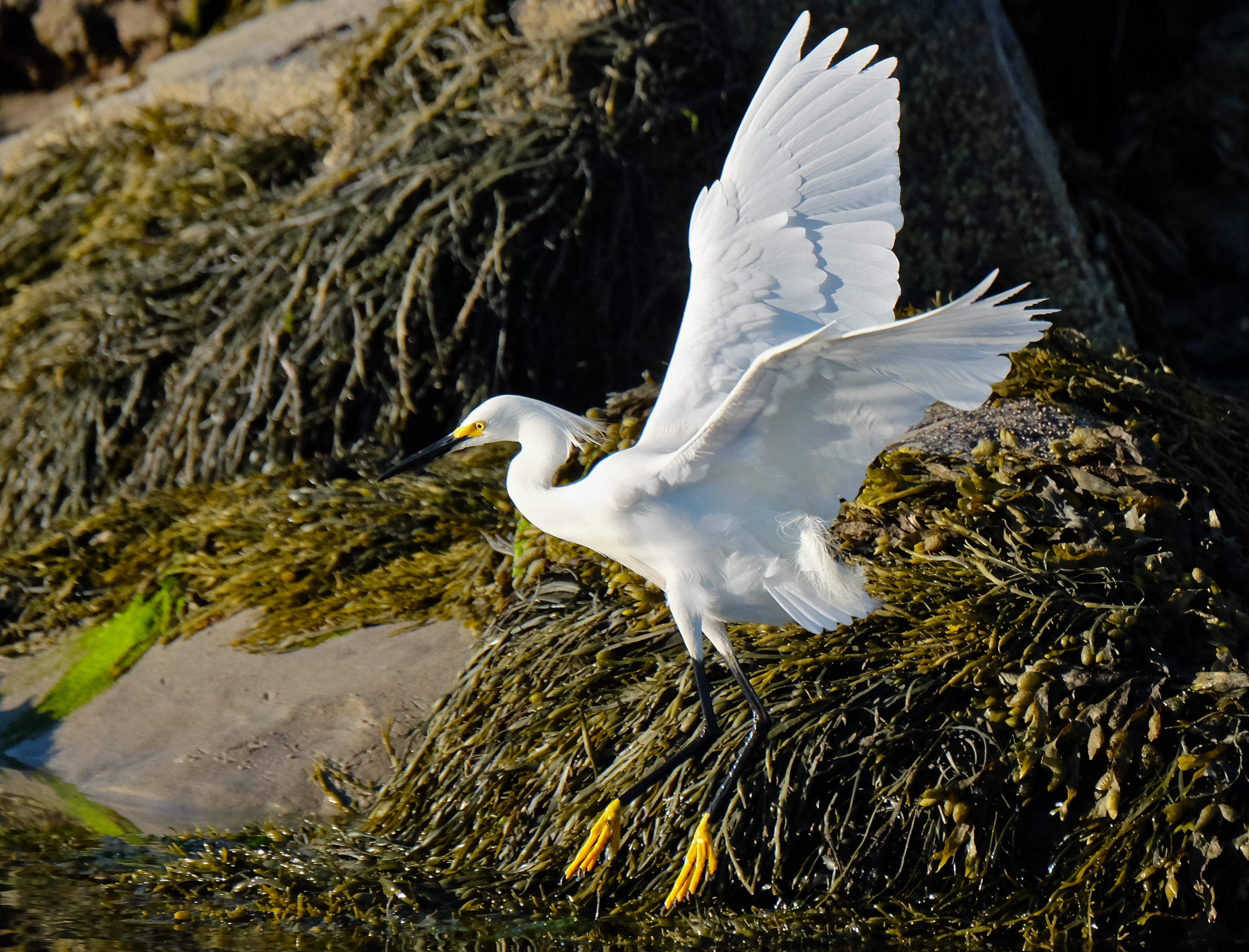 Snowy Egret coming in for a landing
https://www.instagram.com/p/BHvaaAWD2hj/


