Nine pm, the tail end of the July Fourth weekend, and all three Piping Plover chicks are tucked under Dad’s wings. Great work everyone! Good night little Plovers.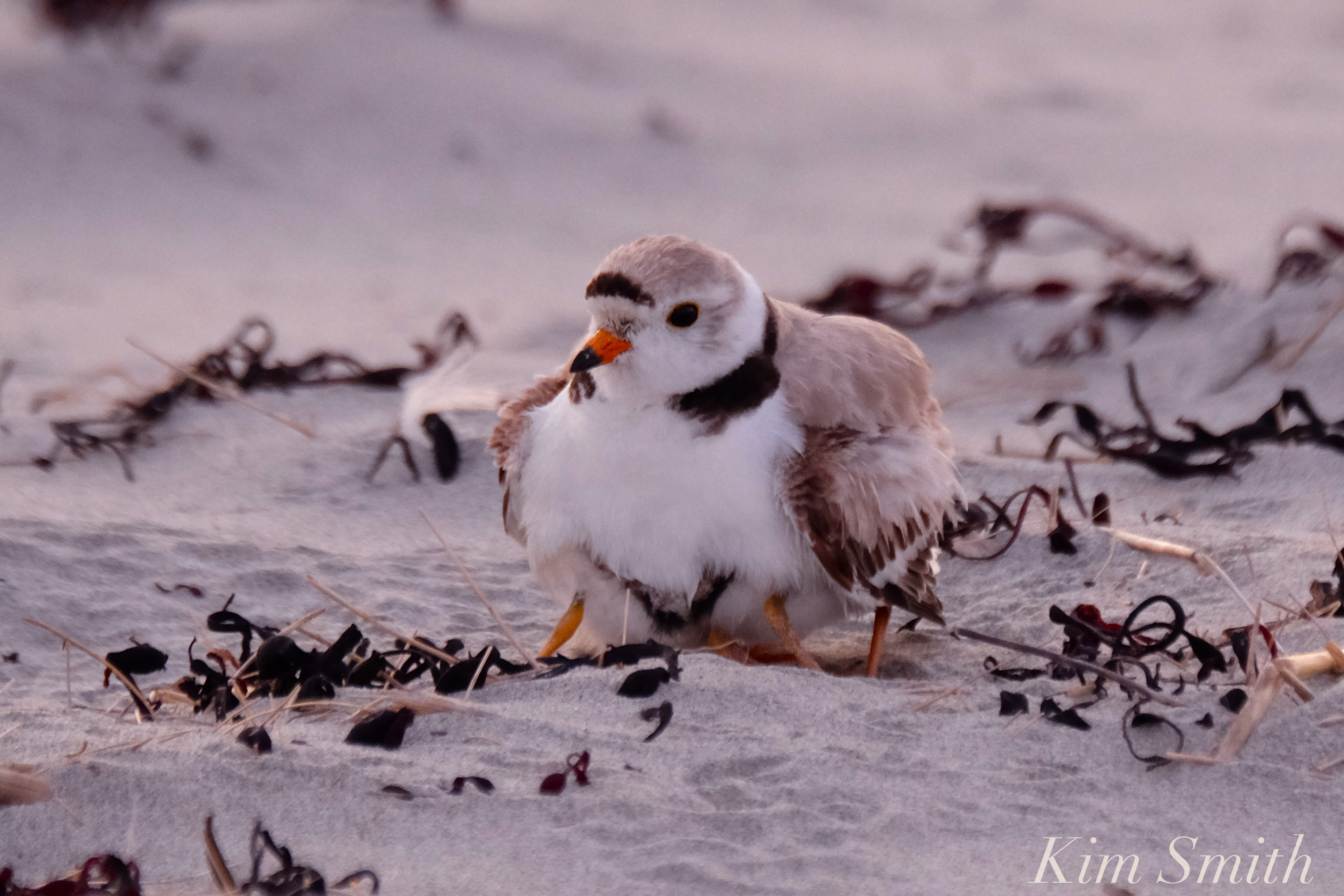
Tag: Good Harbor Beach

GOOD HARBOR BEACH PIPING PLOVERS DAY TWELVE
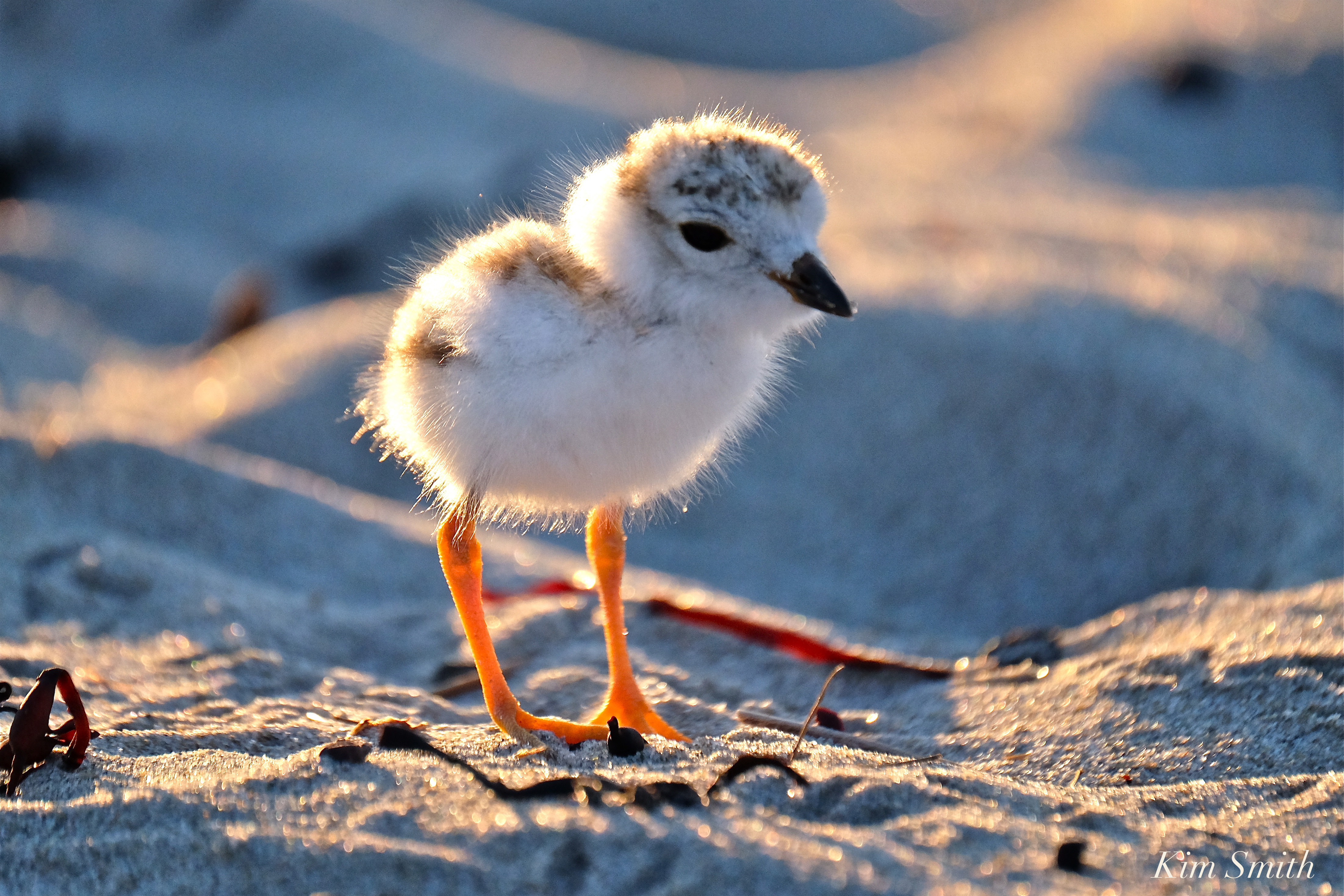 Twelve-day-old Piping Plover Chick
This morning found all three chicks (hooray for three!) hungrily zooming around the symbolic enclosure, as well as outside the roped off area, and occasionally down to the water’s edge, but only for very brief moments. When the PiPl chicks get to the water they drink quickly before mom or dad calls them back up towards the wrack zone. Later in the morning they will journey over to the creek, where they can safely spend more time in the water drinking and feeding.
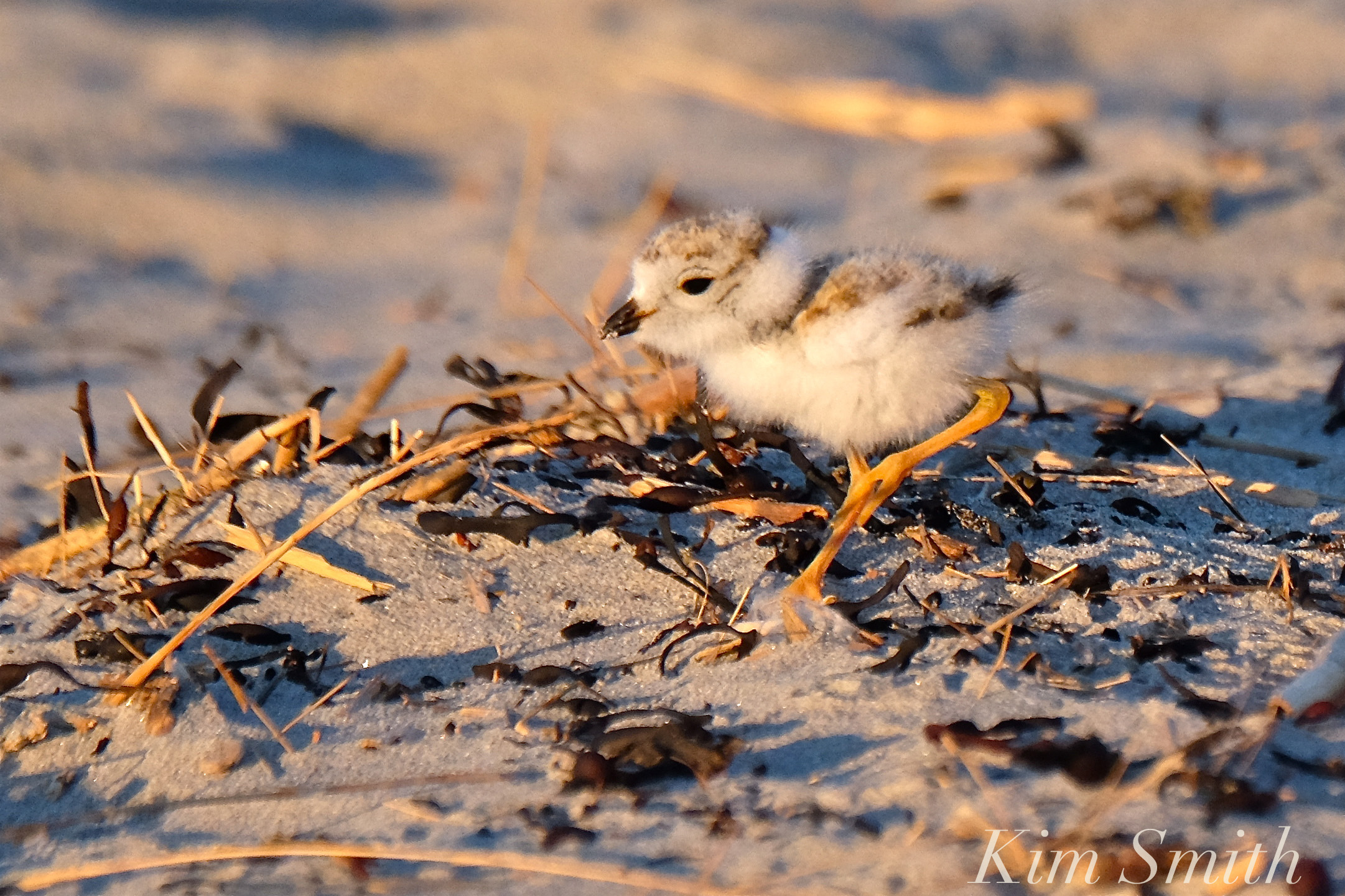
Zooming around the beach at top speed.
So this morning, five of the endangered nesting bird signs were either knocked over or mangled. Young adults lighting fires on a busy public beach is just plain dumb, but destroying the signs is just plain unkind. The Piping Plover monitor volunteers are so terrific and 99.99999999999 percent of the community are rooting for the Plovers; it’s just sad to see how a tiny minority can so negatively impact Plover recovery programs.
More food for thought–why do you think there was a Coyote spotted this morning on Nautilus Road in nearly exactly the same spot where there should be a trash barrel? Because of the disgusting pile of food and plastic garbage that sits there every night and well into the morning (or blows into the marsh and ocean), until the DPW arrives. The Coyote’s favorite meal is the the human garbage they have scavenged. Additionally this morning, I filmed super up close two crows alongside the Plover area and they were very expertly digging in the sand and un-burying food that had been buried there in the sand.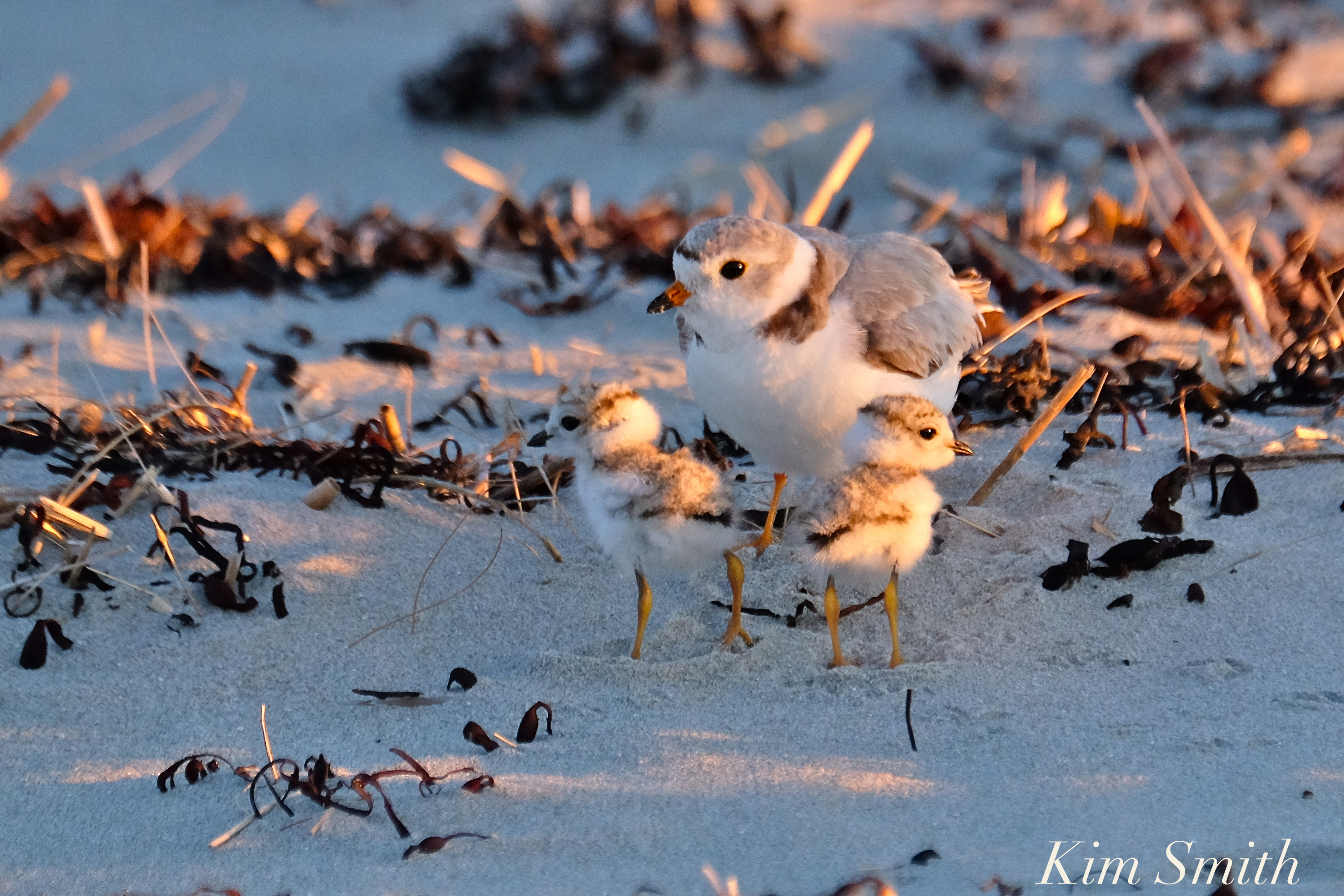
Mama Plover and twelve-day-old chicks.
Thankfully, Patti Amaral and the King family reset the signs and a full schedule of volunteers will be monitoring the PiPlover family again today. Thank you to all the volunteers and to our wonderful community for all you are doing to help the Piping Plovers survive our busiest of beaches.
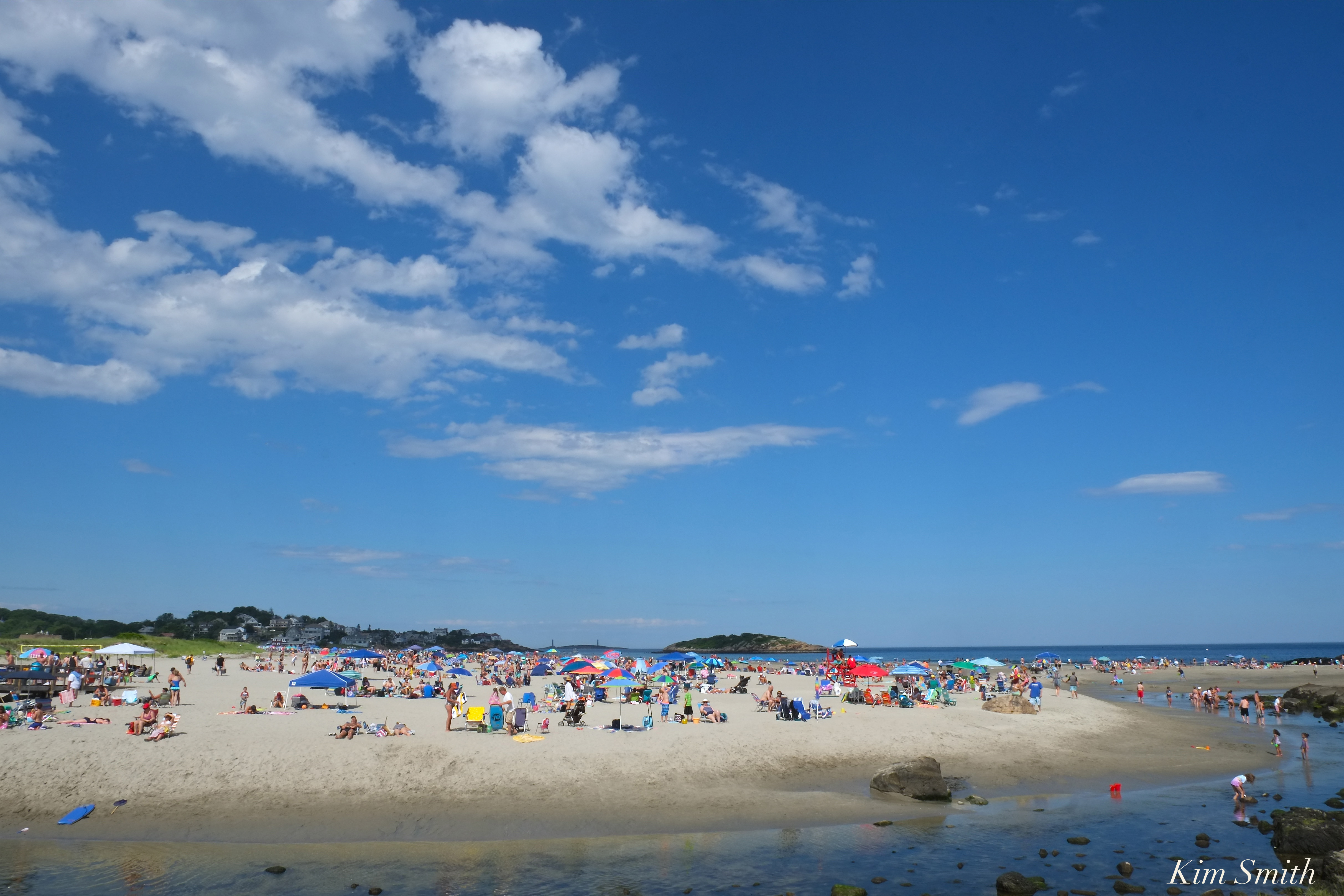 Happy Fourth of July Glorious Beach Day!
https://www.instagram.com/p/BWHp6Z3lYH6/
Spread The GMG Love By Sharing With These Buttons:

TRASH IDEA SHARED BY GMG READER BARBARA FARRER
GMG Reader Barbara Farrer shares an excellent trash idea and photo,
“My daughter and I went for a walk on the beach today and picked up handfuls of trash. This picture is from walking around 1/3 of the length of the beach and we couldn’t carry anymore garbage by that point. We noticed an abundance of plastic straw wrappers that we suspect came from the snack bar; perhaps the city should consider providing unwrapped straws to mitigate the problem, or stop giving straws (although that would be the tip of the iceberg). The real solution is a little effort and consideration by those who visit our beach, but a change to the snack bar’s straw policy may be a good start.”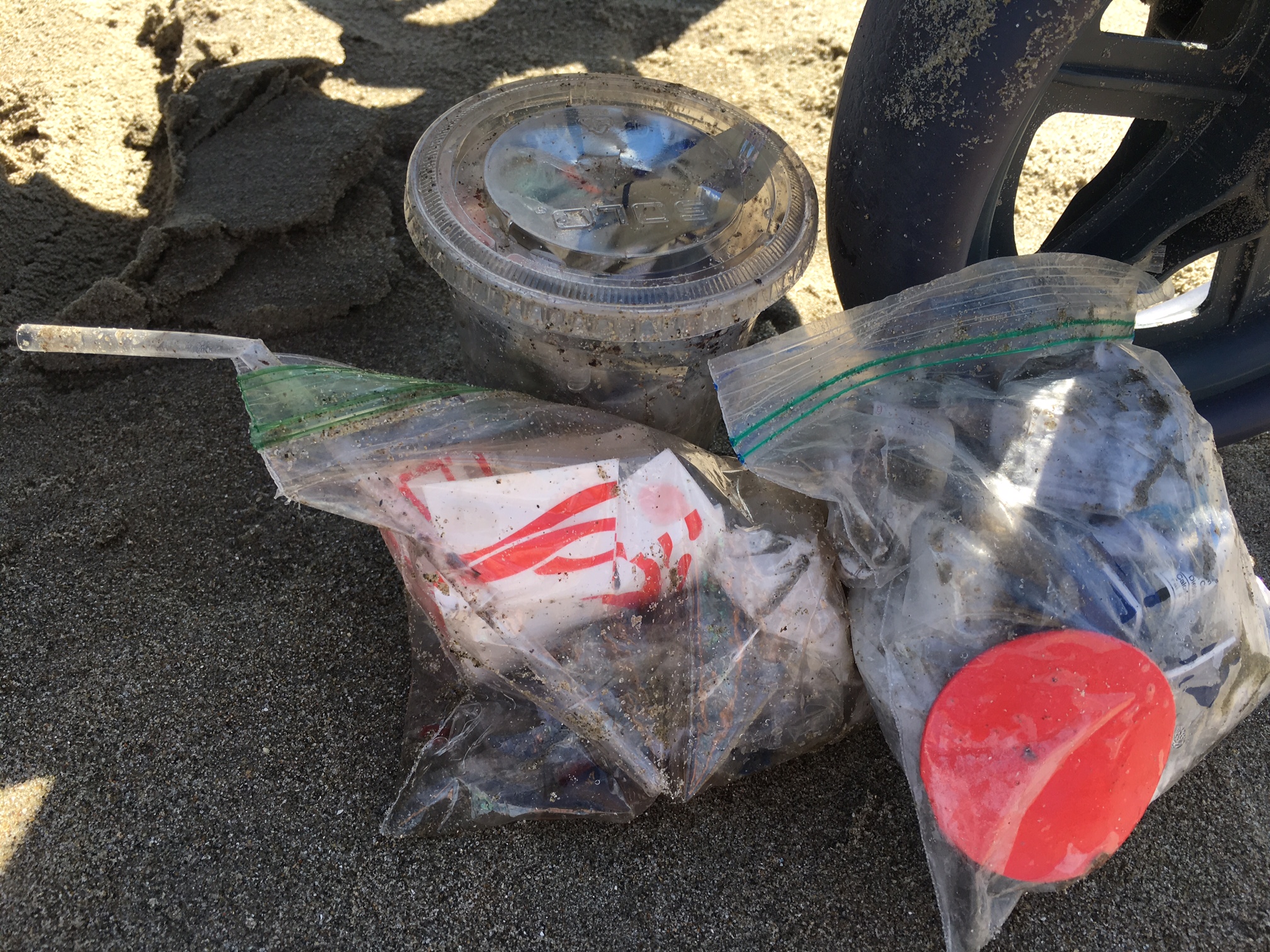
Spread The GMG Love By Sharing With These Buttons:

FIVE ENDANGERED BIRD SIGNS BENT, MANGLED, OR COMPLETELY KNOCKED OVER THIS MORNING
The good news is all three chick survived over night. The bad news is five of the endangered bird species signs were destroyed.
https://www.instagram.com/p/BWHp6Z3lYH6/
https://www.instagram.com/p/BWHuckkFNoc/
Spread The GMG Love By Sharing With These Buttons:

If your deck chairs are missing…and you want to see a coyote
We found them at Good Harbor Beach, July 4 2017. The striped cushions are the right color! The pair were upended and cushions scattered along with various party remnants between the pedestrian bridge and the piping plover enclosure. We righted them and set them up for Piper Plover viewing. Some folks vandalized the endangered species signs and littered, and others were picking up trash and repairing. The coyote and birds were on the move.

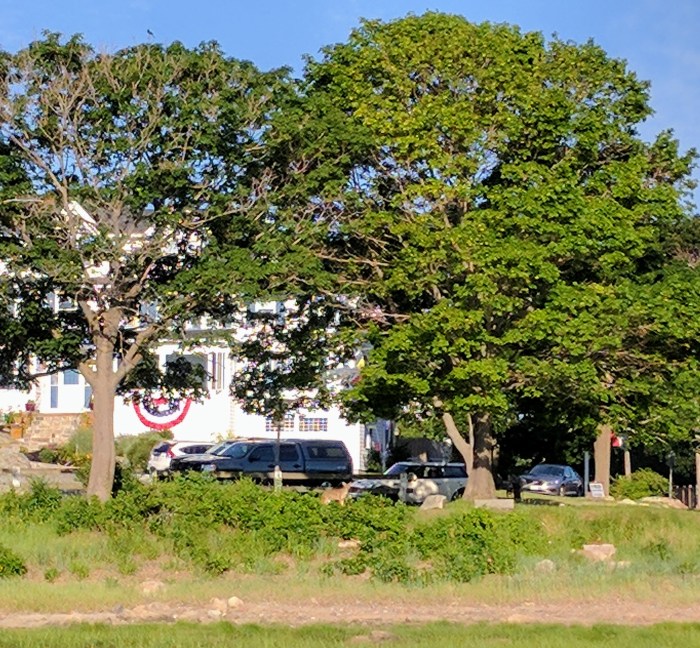
There was a great crow ruckus in the trees across from Blue Shutters Beachside Inn and out popped the coyote. Hung around the creek and then off down the road past http://www.blueshuttersbeachside.com/
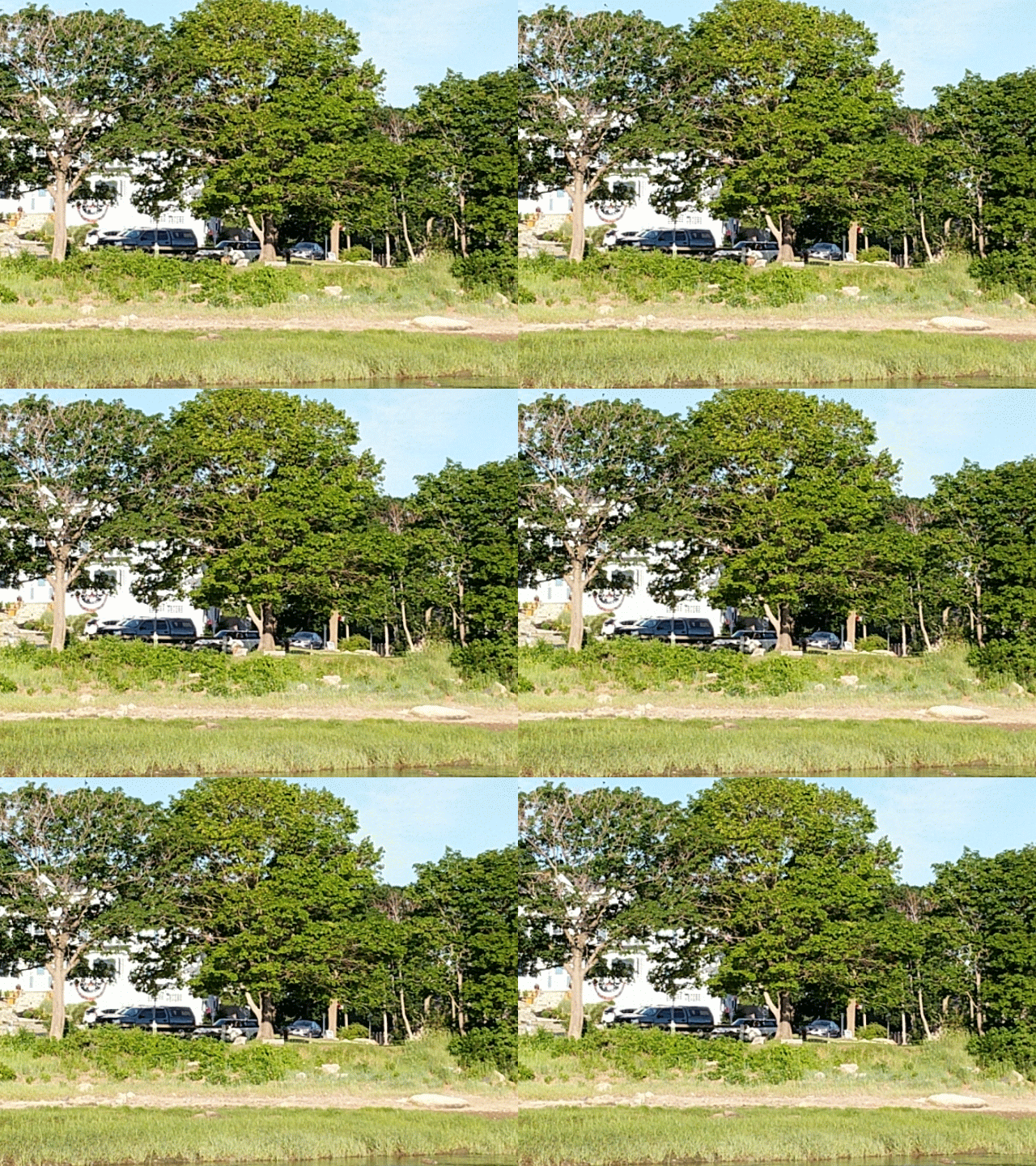
Patti Amaral July 4, 2017

Peggy and Patty July 4, 2017– Peggy spotted the plover family of 5 this morning, Day 12. All are ok after an eventful Day 11 — see Kim Smith’s glorious photojournalism update
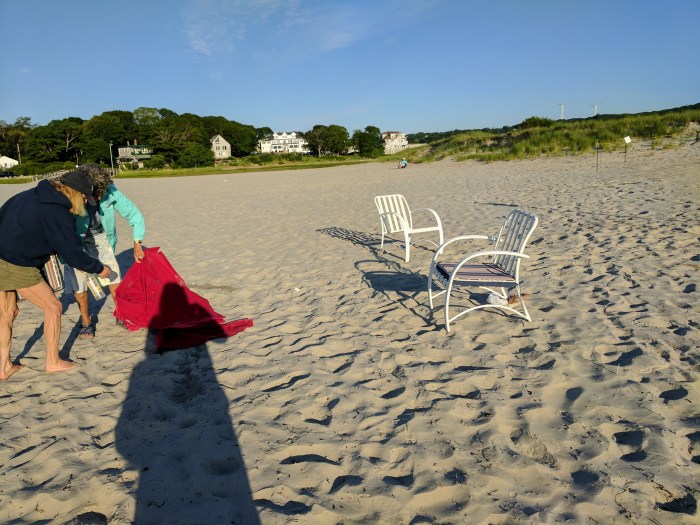
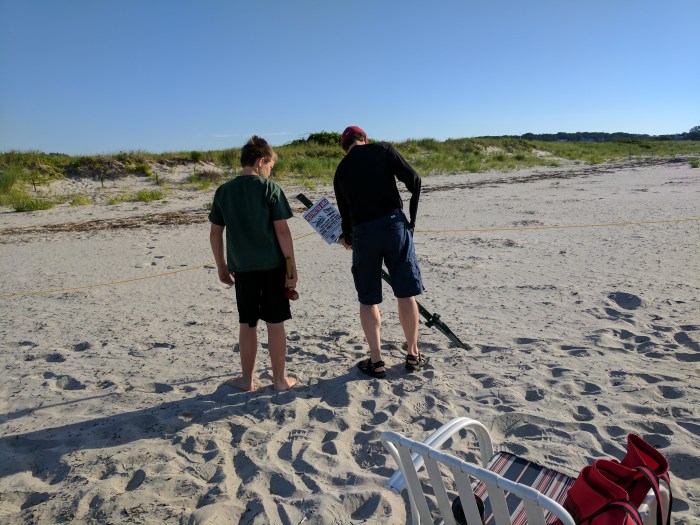
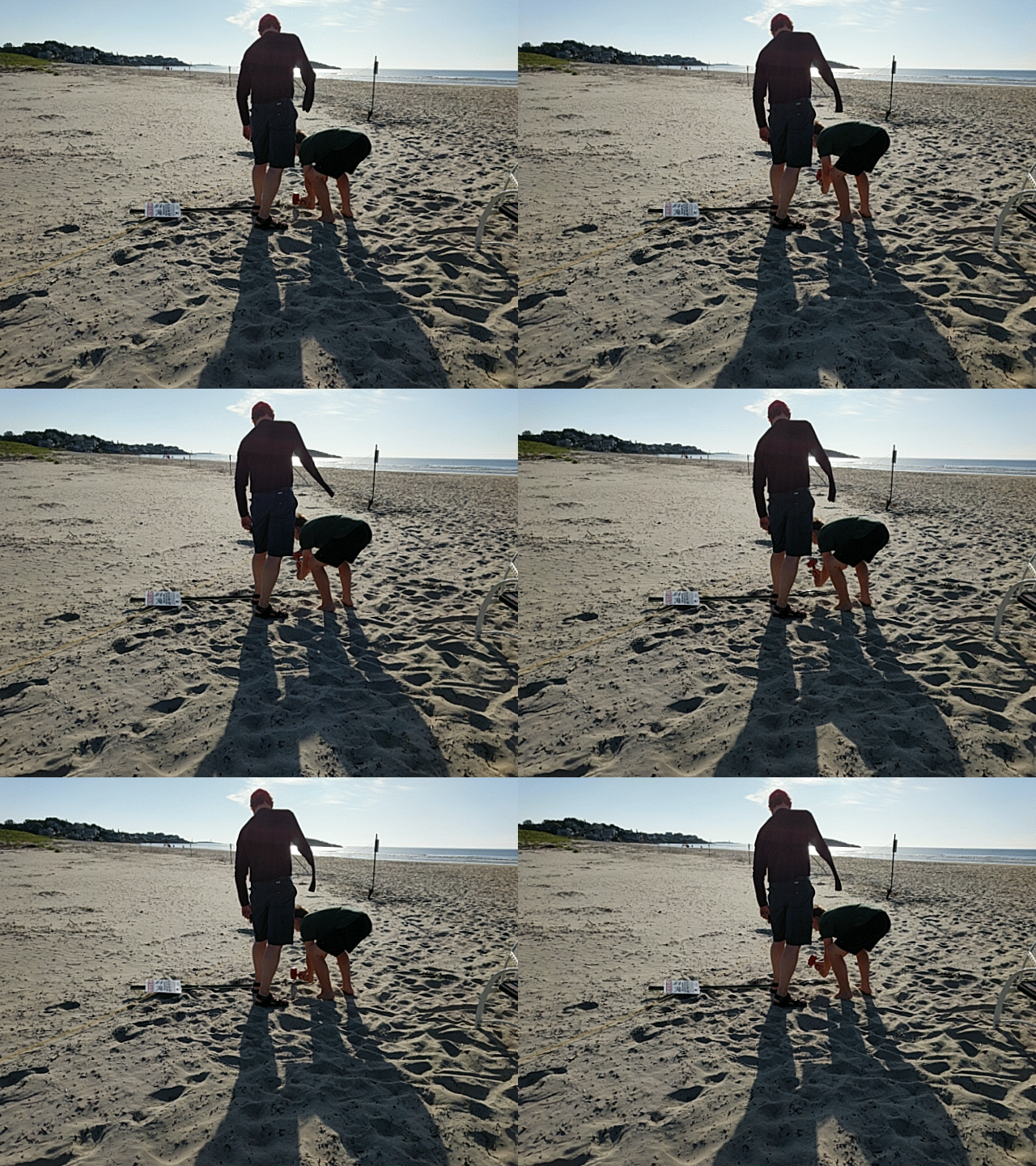
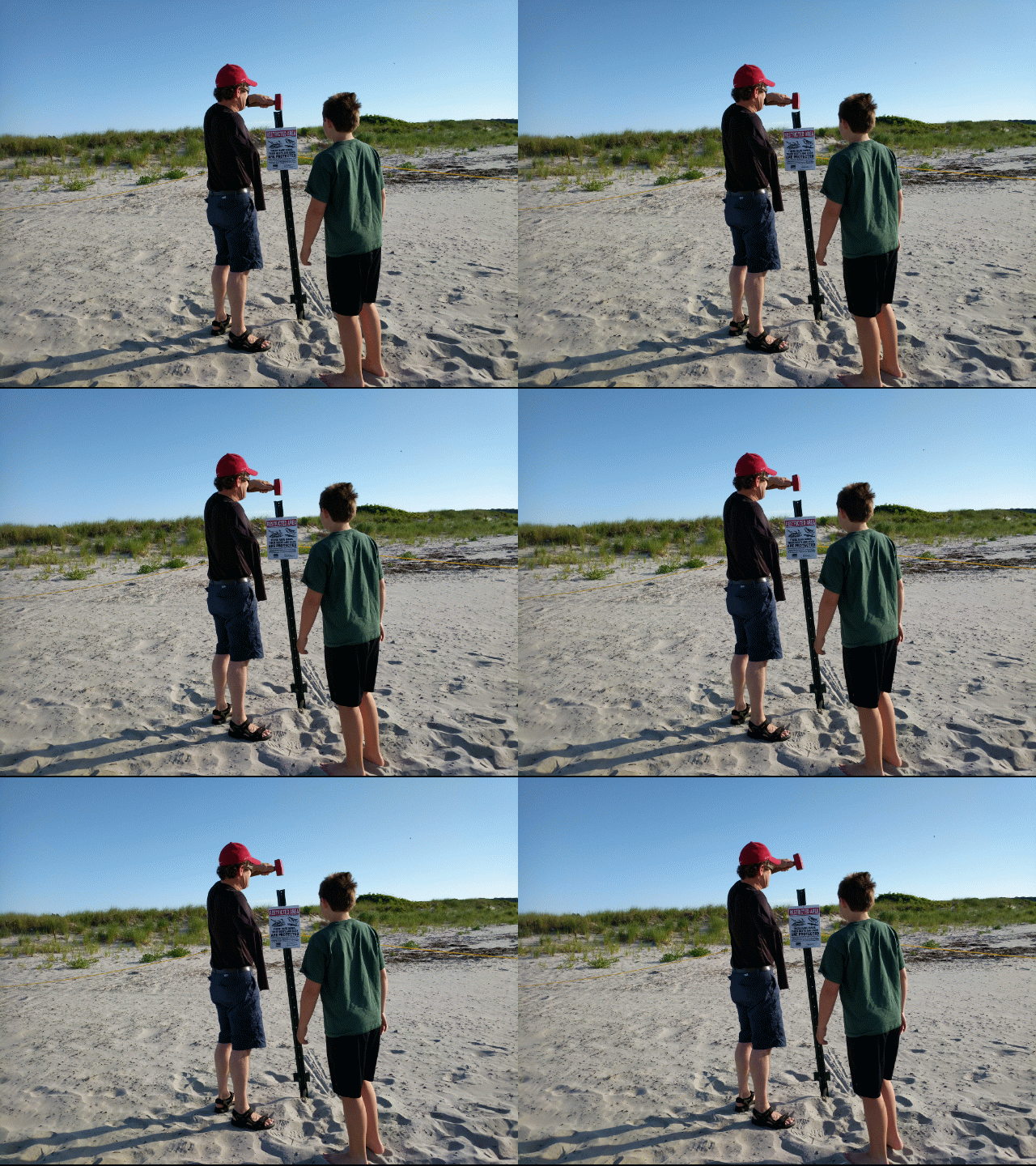
Piping plover 3rd shift brought a hammer
Spread The GMG Love By Sharing With These Buttons:

PIPING PLOVERS DAY ELEVEN!
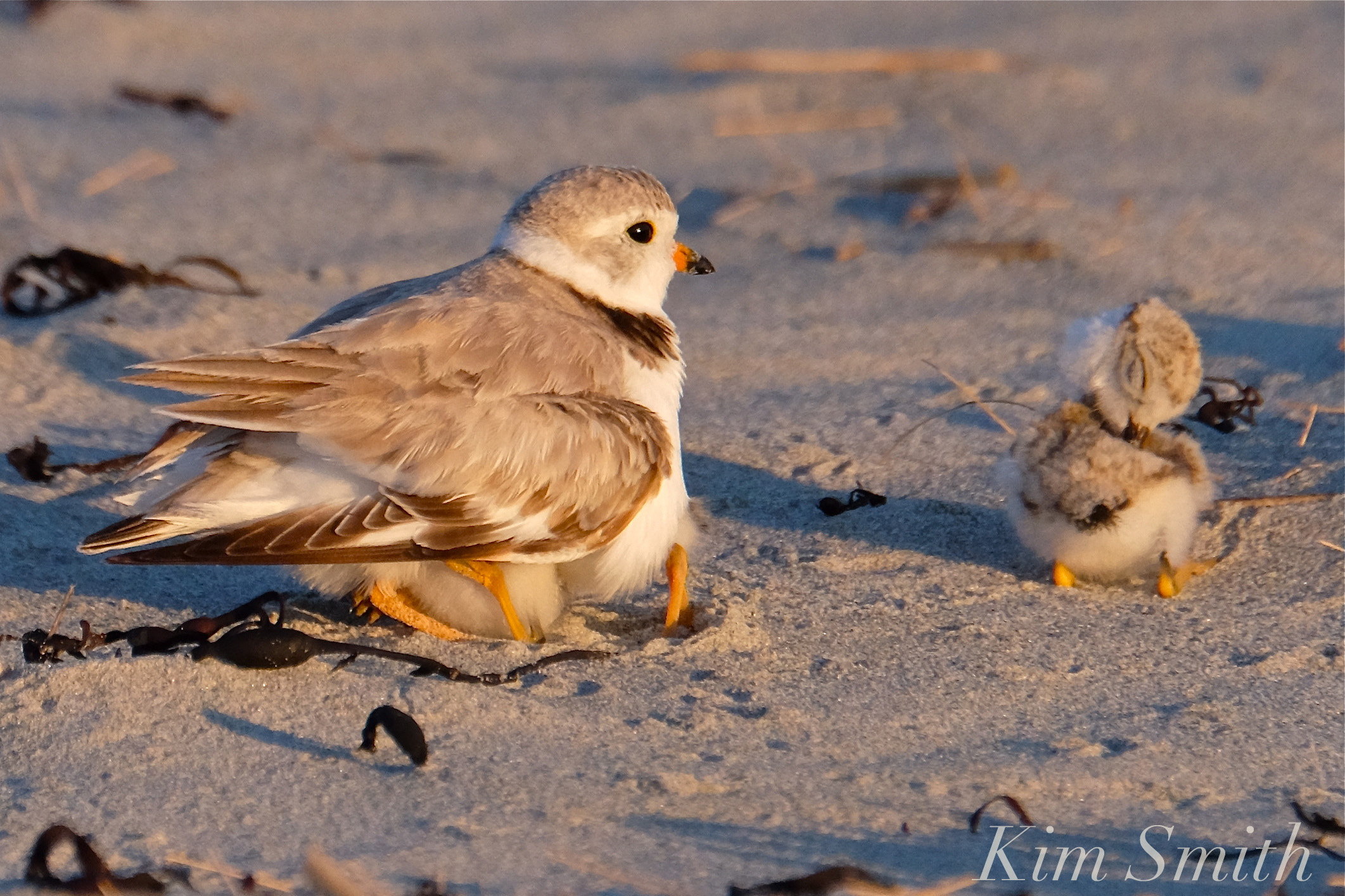 Three eleven-day-old Piping Plover chicks, one preening, and two under Mama’s wing.
With the beach rake, crows, gulls, fires, dogs, garbage, and humans simply enjoying our beautiful Good Harbor Beach, there is mortal danger at every moment for these tiniest of birds. Thank you to all the awesome volunteers for all that you are doing to keep these little balls of fluff safe. Eleven days surviving, especially during a holiday weekend, is no small feat!
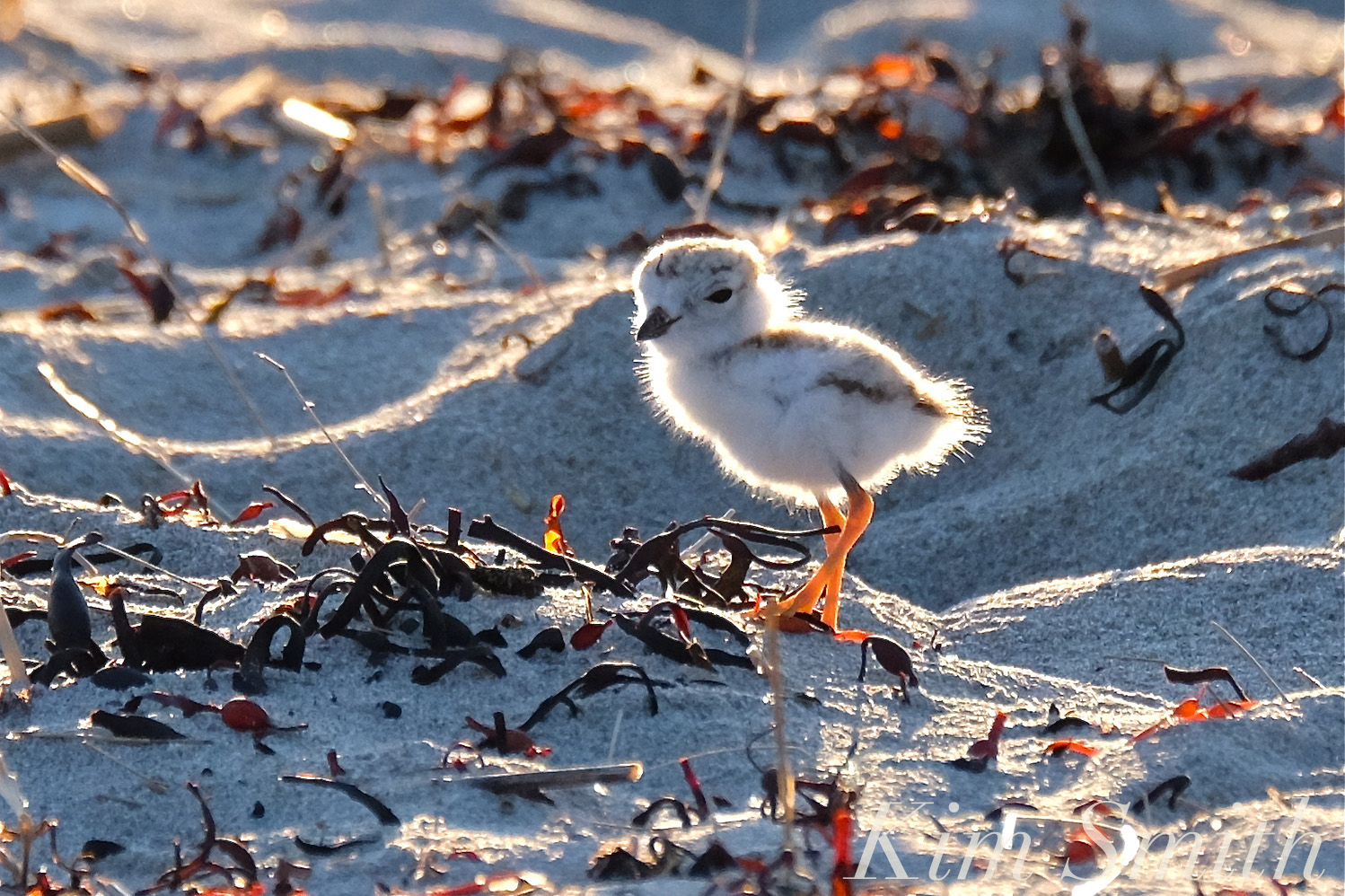
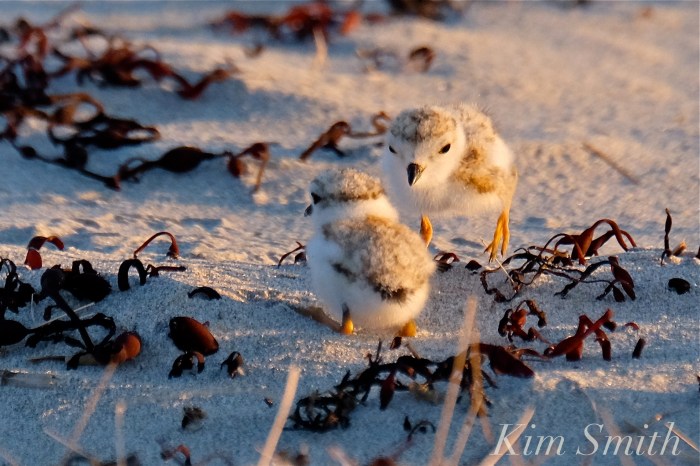
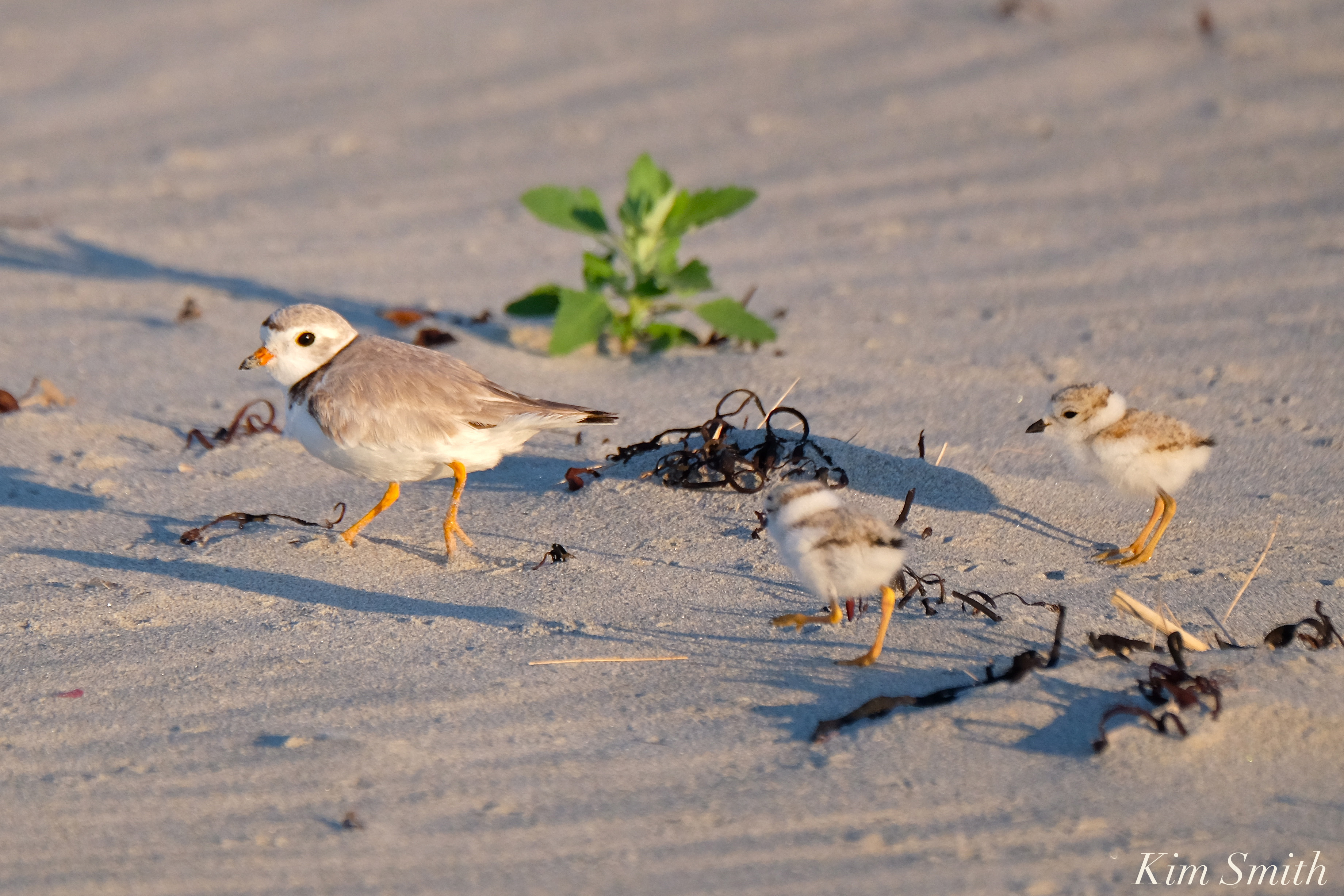 Learning to follow Mom’s voice commands.
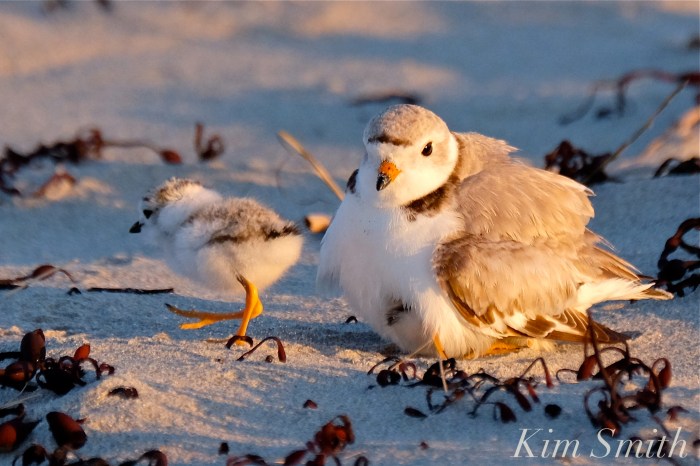
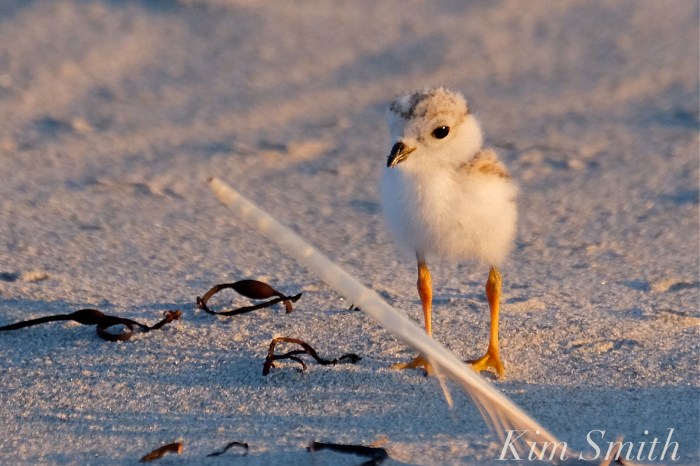
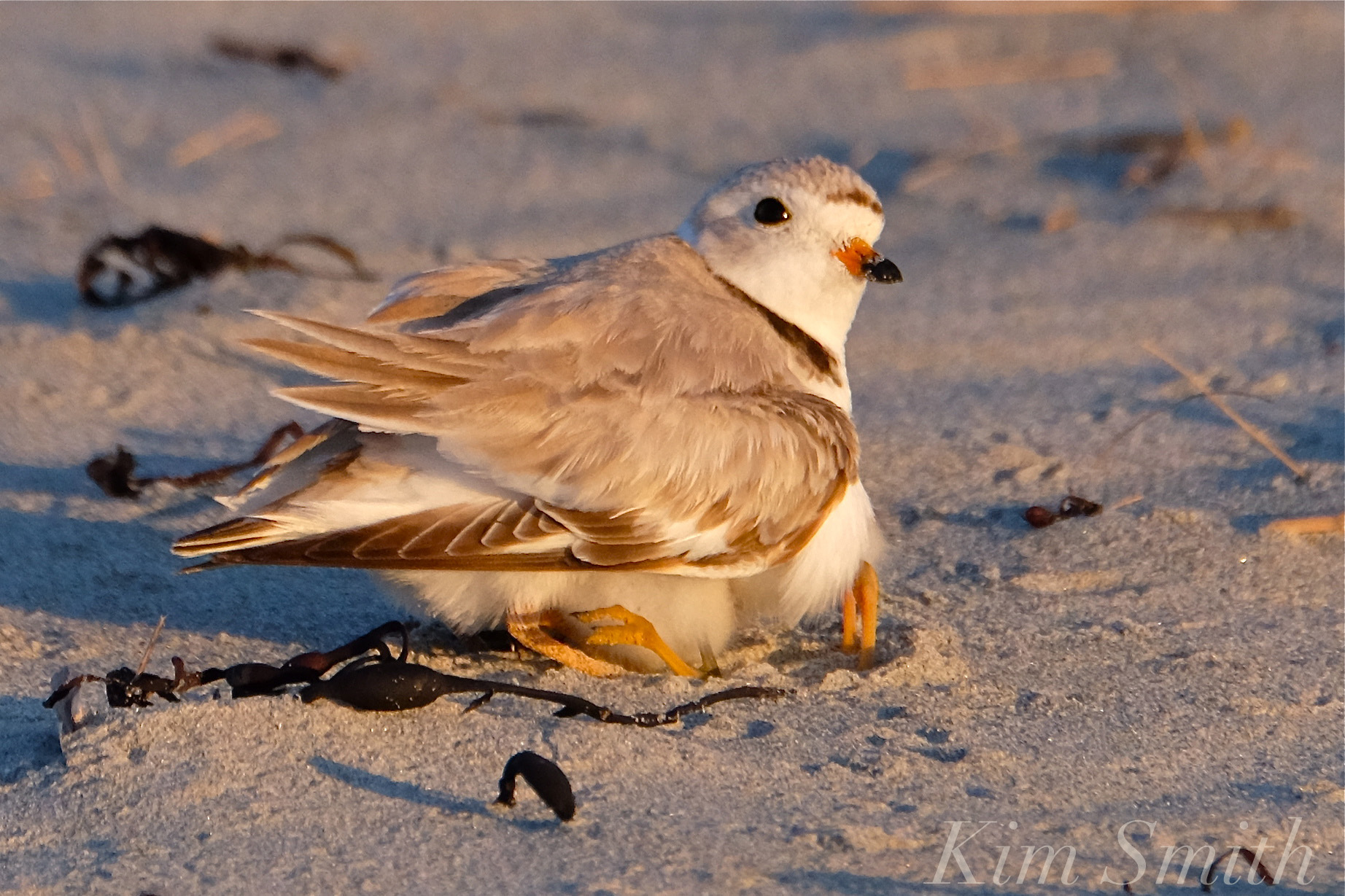 Counting little pairs of legs under Mama’s wing.
Spread The GMG Love By Sharing With These Buttons:

FIRE ON GOOD HARBOR BEACH
 This morning I arrived at 5am to check on the plovers and two young guys were building a fire right next to the Piping Plover sanctuary. I watched from a distance for a moment as they built up the fire, and then they crossed the beach to leave. I called the police to come put out the fire and asked the guys, hey what’s up with the bonfire? Their mysterious response was that they were coming back to add more wood. They left via the footbridge and a few seconds later, the police arrived to extinguish the fire.
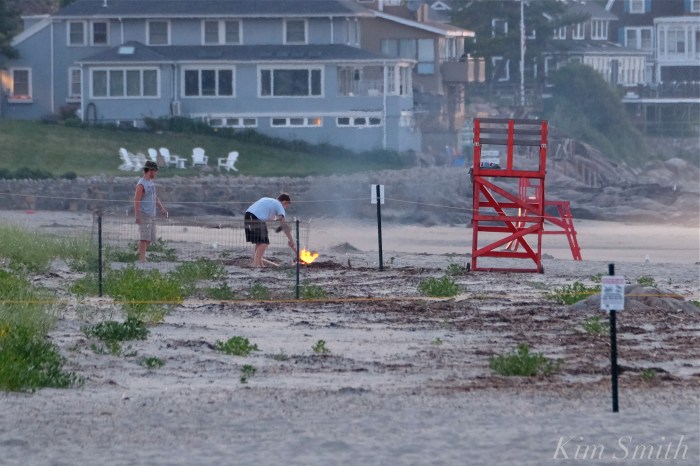

Building a fire where children will shortly be running around in the sand is a really, really dumb idea. Not only that, but the PiPl family were super stressed, which is not usually the case during daybreak hours.
At about 5:30, two crows entered the sanctuary, eating garbage that had blown in. The parents were very distracted by the crows. At an opportune moment, when the chicks were on the opposite side of the crows and garbage, I ran into the roped off area and removed the enticing chicken remains, and chased away the crows. Crows and gulls are only on Good Harbor Beach in great numbers because of the garbage left behind. If there were no garbage, there would be no gulls and no crows. Pre dawn, and pre-arrival of the DPW, with lots of plastic littering the beach, which washes into the ocean each and every night.
Spread The GMG Love By Sharing With These Buttons:

CHANGES COMING TO GOOD HARBOR BEACH
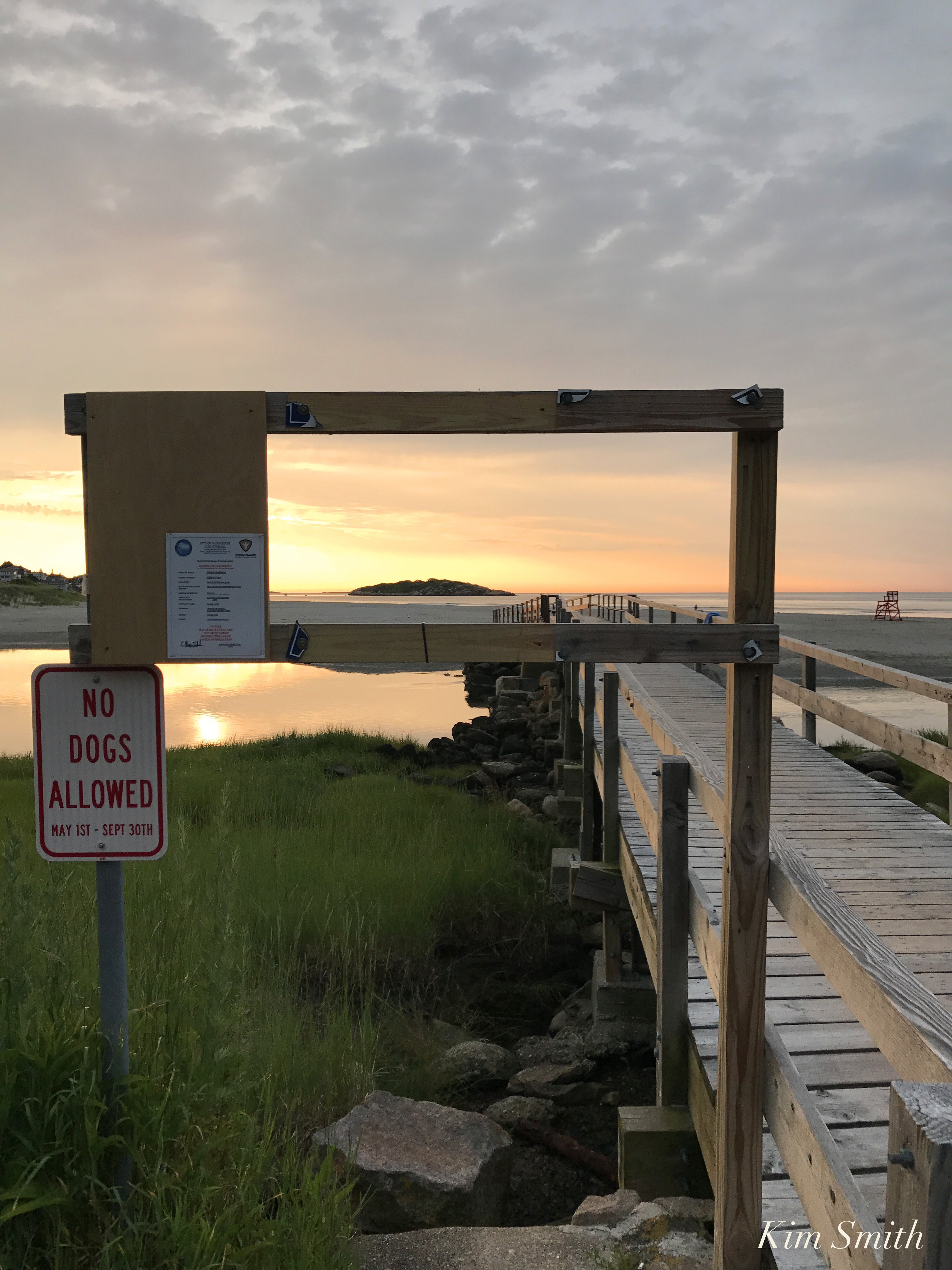 Possibly you’ve noticed the missing sign at Good Harbor Beach. It was removed by the DPW in preparation for construction at GHB, by the footbridge. A foot bath is planned, the retaining wall needs fortifying, and a guest landing pad is being created. The work is scheduled to begin after the Fourth of July holiday.
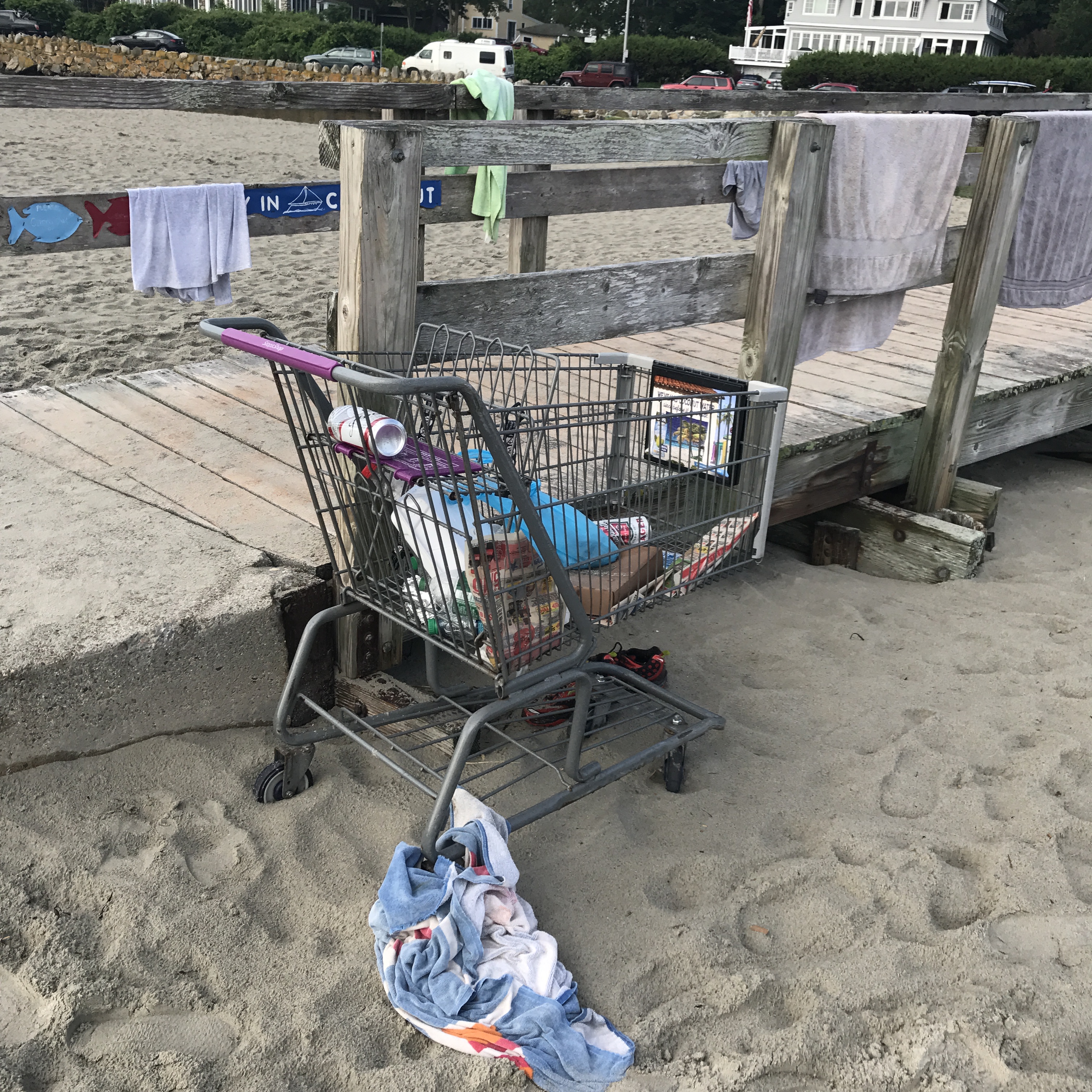 Your Daily Good Harbor Beach Garbage Photo
Spread The GMG Love By Sharing With These Buttons:

Gloucester high school athletes summer beach training
These coaches and kids show up Monday, Wednesday, and Fridays and really dig in. The Volunteer coaches today were Zach Smith and Kyle. Michael Lattoff (sp?) is retiring and started this boot camp 30+ years ago. I marvel at the dedication of volunteer coaches.
My piping plover watch shift overlaps with this session. Good Harbor Beach piping plovers are conditioning alongside these hardworking athletes. The birds have to be well and strong for migration; zipping about the beach is no picnic.
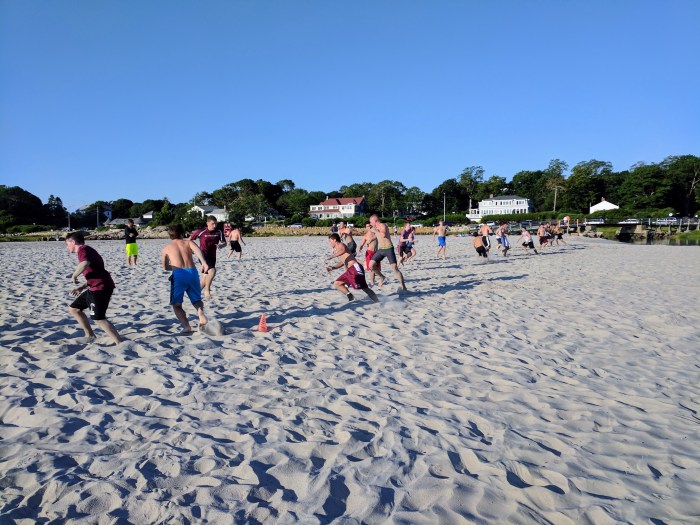
Tough drills start low and use the ocean, too

Spread The GMG Love By Sharing With These Buttons:

When there were 4 baby plovers at Good Harbor Beach
Today is day 11 and there are 3 babies. This volunteer video was taken a few days ago when there were 4 babies, tracking 1 baby plover back to its mom with a surprise at the end. From a volunteer shift by Cliff and Charles. For (nearly) LIVE updates to see what the summer brood is doing, updates are posted here https://twitter.com/Glostaplover
Please join in and share your sightings #Glostaplover
Professional close-ups and best ever viewing follow Kim Smith! Here’s her post from Day 10
Spread The GMG Love By Sharing With These Buttons:

PIPING PLOVER UPDATE: CELEBRATING DAY TEN!
 My, what big feet you have little chick.
Thank you to all who are watching out for the Good Harbor Beach Piping Plover Family! Reports throughout the day from the Piping Plover monitors tell of folks who are curious and interested in the welfare of the chicks. One of our little babies has gone missing, but the three remaining are doing beautifully. They are growing rapidly and getting better at following the parent’s voice commands. In the early morning and evening, for the most part, the chicks go in and out of the symbolic roped off area. During the heat of the day, the chicks stay closer to the grassy dune edge, seeking shade from the sun.
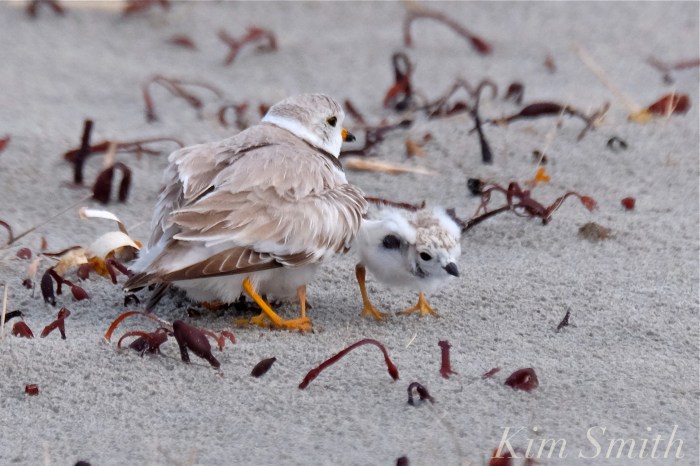

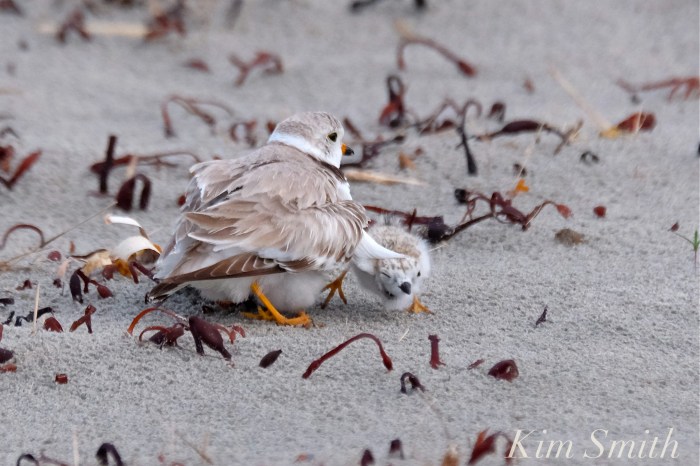
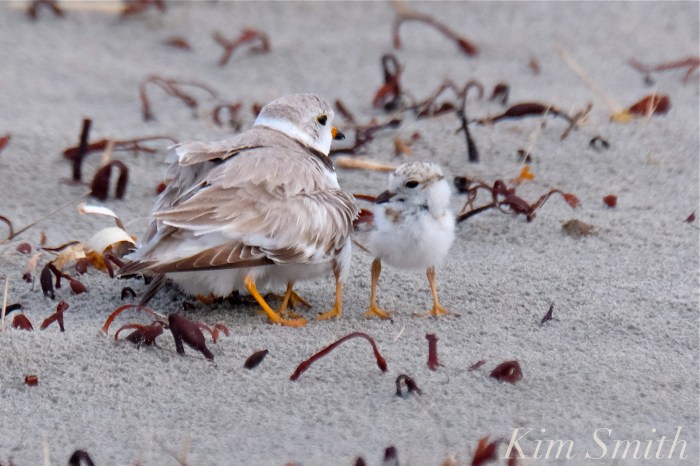
At sunrise this morning it was foggy and chilly. The chicks needed extra cuddling under Mom (ten-day-old chicks).
Interestingly, there is a male interloper. He was first reported by my husband about a month ago, when Tom called and said you have to get down here because the Piping Plovers are fighting! I hurried over, and sure enough an epic battle was taking place between our nesting pair and the strange male. I filmed the fighting, which went on for about half an hour, when Mama Joy and Papa Joe chased the interloper far out to sea. Unfortunately, the “third wheel” keeps reappearing, almost daily. I write unfortunately because as is the case with so many episodes that play out in the life of our little Plover family, when the adults are distracted by a perceived threat and leave the chicks, it makes it easier for a predator, such as a crow or seagull, to swoop in and carry off a baby. Later in the summer, as the Plovers are preparing to migrate south, the fledglings and adults will gather in larger groups, but at this point in the chicks development, the pesky interloper is clearly not welcome.
 Eight-day-old chick. Could you be any better camouflaged little Plover?
Spread The GMG Love By Sharing With These Buttons:

YES!
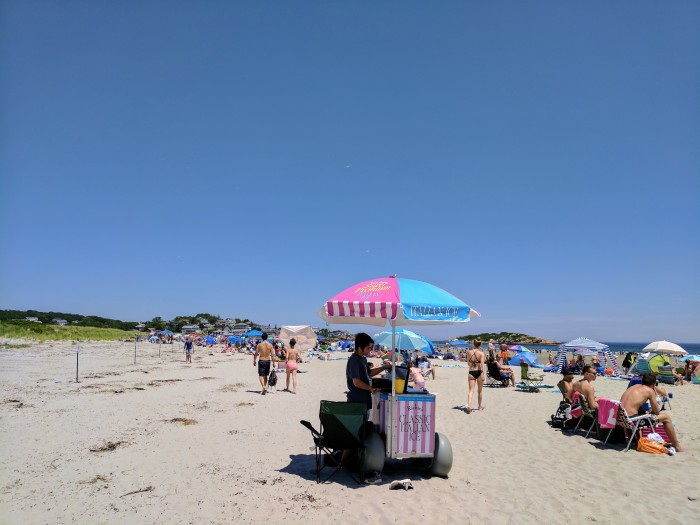
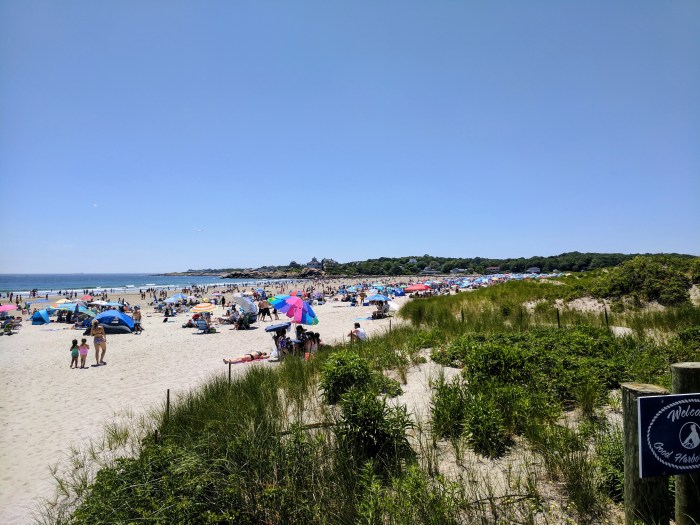
Sean on the Italian Ice outpost by the piping plover enclosure, Good Harbor Beach
Not too many folks swimming, but brisk biz for a cool slush. You can mix all the flavors!

Spread The GMG Love By Sharing With These Buttons:

Gloucester motif heaven: Piping plover, paddleboarder, Bass Rocks, Hopper house

Spread The GMG Love By Sharing With These Buttons:

HAPPY ONE WEEK OLD BIRTHDAY FOR OUR PIPING PLOVER CHICKLETS, ALL FOUR!!! – AND VOLUNTEER HELP IS MUCH NEEDED FOR THE COMING FOURTH OF JULY WEEKEND
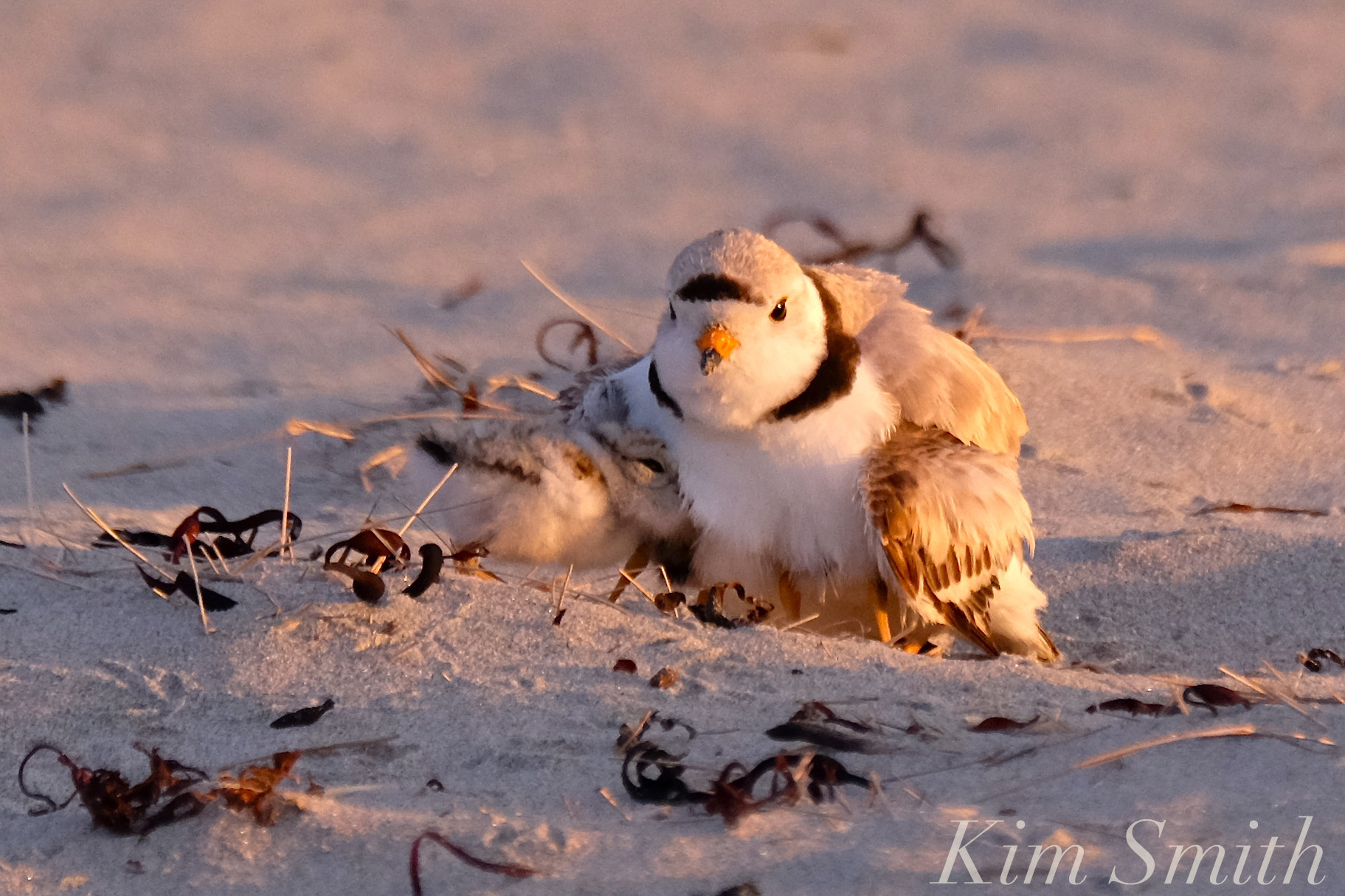 Good Morning Sleepy Head ~ Seven-day-old Piping Plover Chick Snuggling Under Dad
Happy Birthday to our Good Harbor Beach Piping Plover chicks! All four have made it to the one week birthday milestone and that is nothing short of a miracle (born Thursday morning, June 22). The volunteers are making a tremendous difference, the trash situation is being managed by the DPW and volunteers, and fewer dog owners are bringing their dogs to the beach. Thank you to everyone for taking such great care. If the PiPl can survive the first two weeks, their chance of survival increases exponentially.
This weekend is not only the fourth of July, but a heat wave is predicted. Volunteers are much needed on Saturday, Sunday, Monday, and Tuesday, especially between the hours of 11:30 to 3:30. If you can spare some time and would like to spend an hour at Good Harbor Beach being a Piping Plover ambassador, please email Ken Whittaker at kwhittaker@gloucester-ma.gov.
Our East Gloucester neighborhood kids named the Piping Plover parents Papa Joe and Mama Joy. This year’s chicks hatched during Fiesta and an anonymous reader suggested we name the chicks Me chi, Samiou, Tutti, and Mutti. I kind of love that!
After first snuggling under Dad’s wing, the little seven-day old chick popped up and immediately began to scratch an itch. He scratched so hard that he knocked himself over. Then off he ran pell mell for a yummy breakfast of sand fleas.
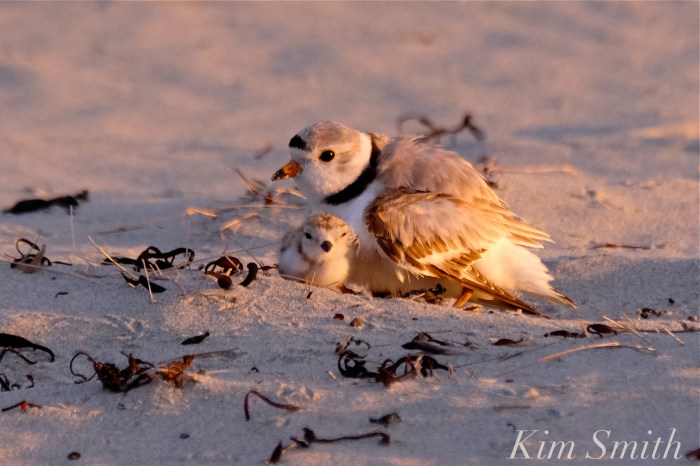
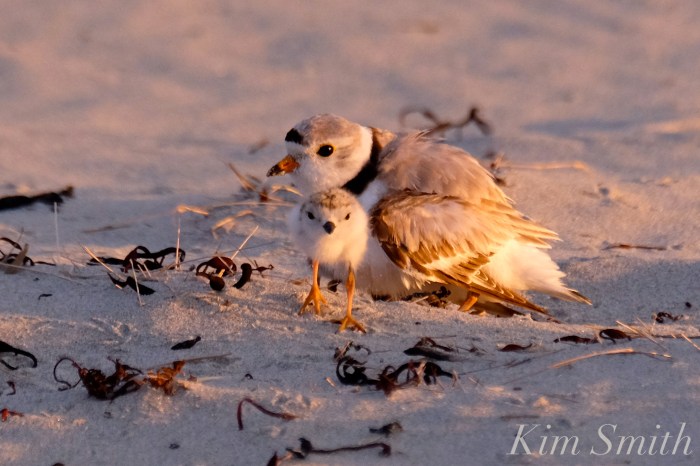
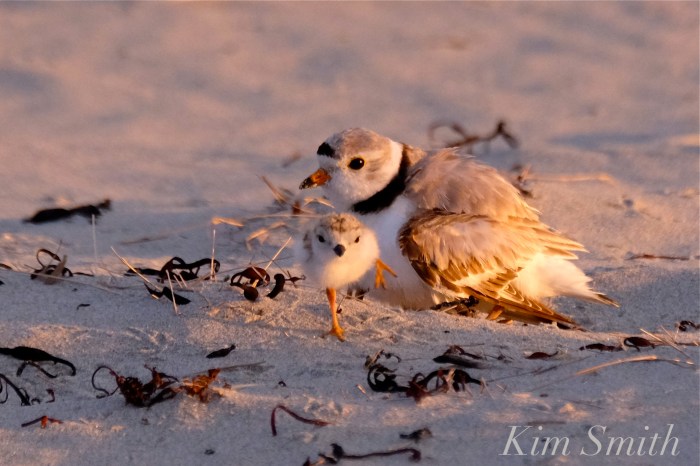
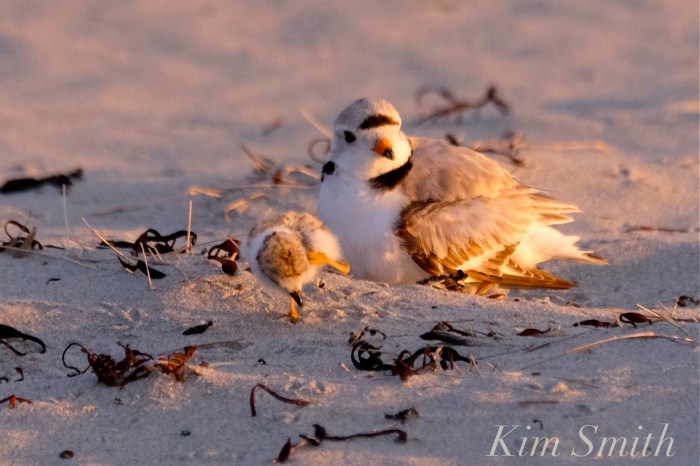
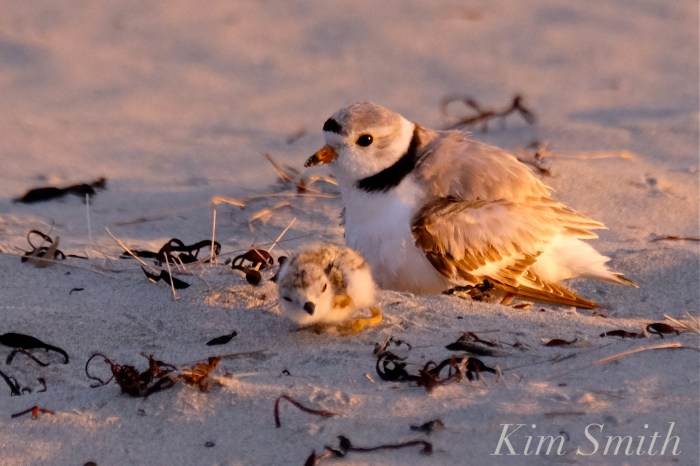
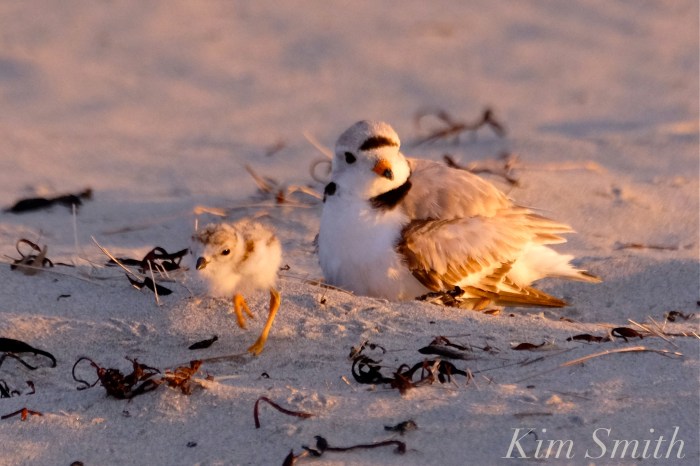
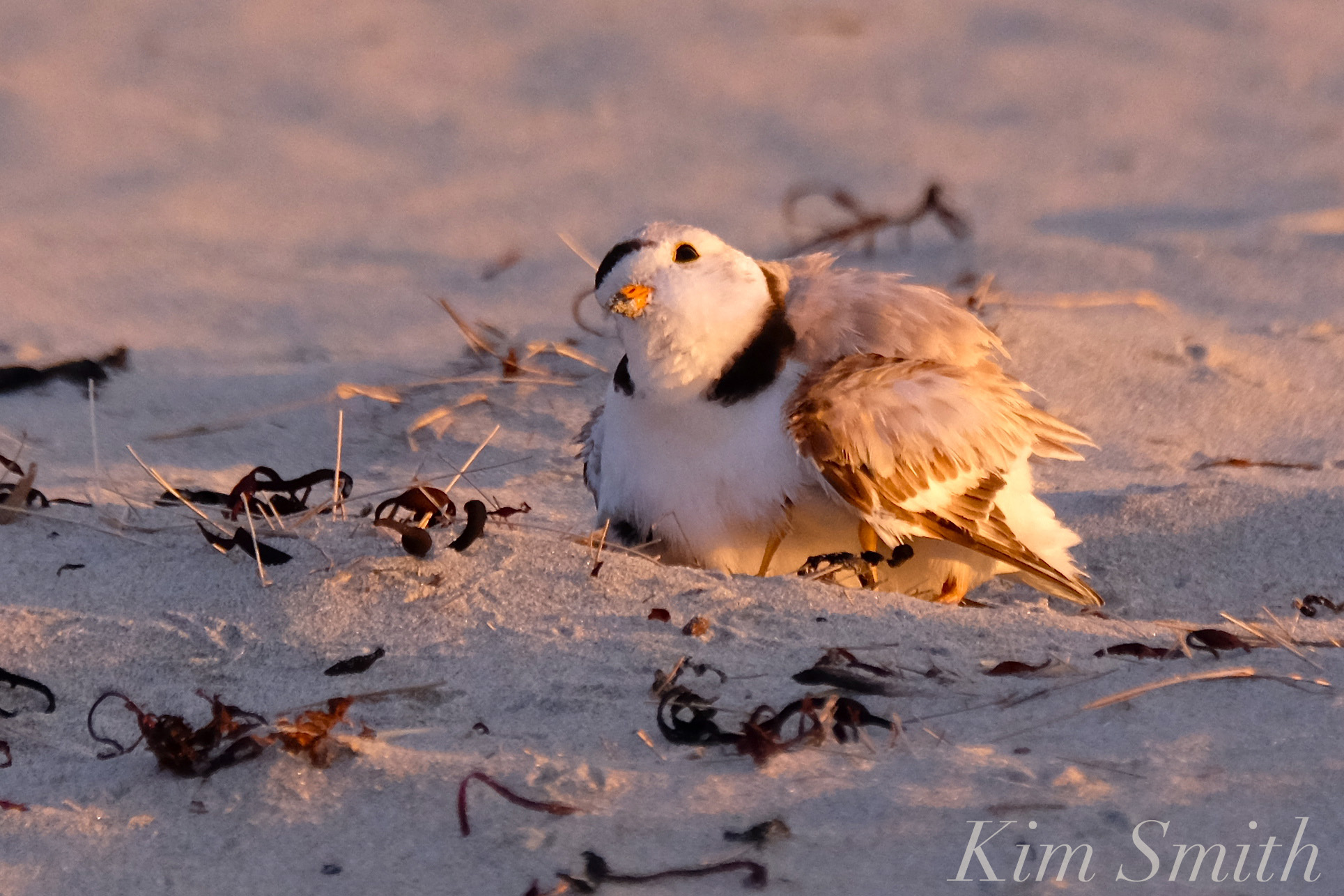 Papa Joe making room for one more under his wing.
Spread The GMG Love By Sharing With These Buttons:

PIPING PLOVER FLYER FOR ANYONE TO PRINT!
Piping Plover super volunteer Hazel Hewitt made this helpful flyer to give visitors to Good Harbor Beach a quick and general idea of what the PiPl look like. Volunteers, or anyone for that matter, are welcome to print and post around the entrances to Good Harbor Beach.
THANK YOU HAZEL!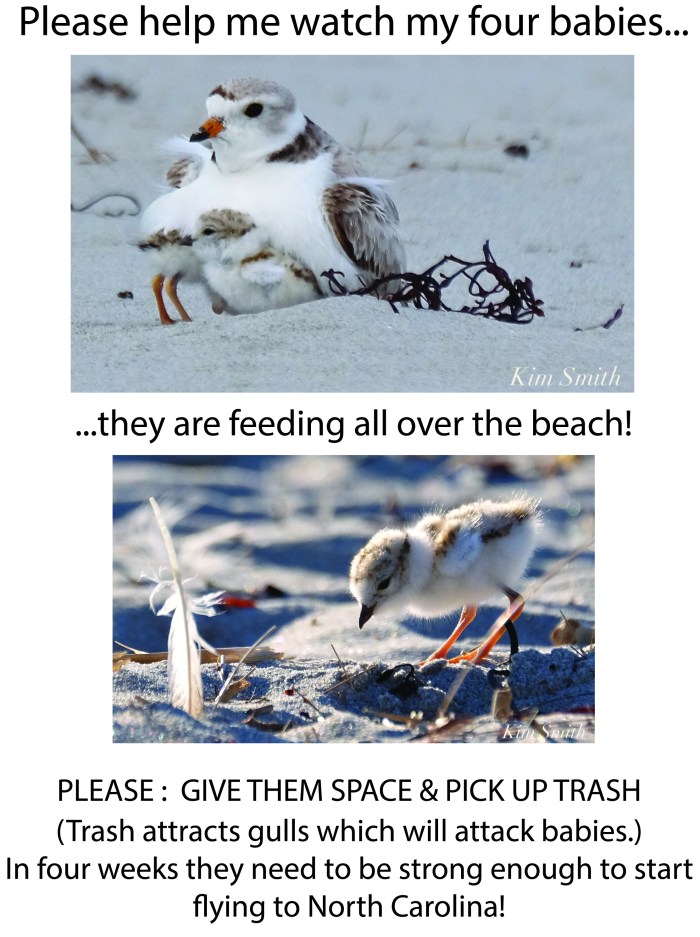
Spread The GMG Love By Sharing With These Buttons:

Naked eye test | Share your piping plover sightings #Glostaplover
Can you spot a piping plover? Train your eyes to scan for movement–it’s the easiest way to spy the piping plover summer 2017 brood. They scuttle along dry seaweed patches back and forth to the wet sand and within the enclosure. Yesterday the baby chicks were still apt to topple over inside sand scallop depressions. Their future wings are visibly growing out. Now 1 week old, their sweet piping chirps are clearly audible. The parents are much easier to find. We’re lucky we can see the birds close up in Kim Smith’s gorgeous art.
Phone in hand? Share your Good Harbor Beach piping plover photos and observations! tag #Glostaplover and follow Gloucester Plover at https://twitter.com/Glostaplover
Volunteers are needed for shifts over the upcoming holiday weekend. Contact Ken kwhittaker@gloucester-ma.gov
Spread The GMG Love By Sharing With These Buttons:

AWESOME VOLUNTEERS MONITORING THE PIPING PLOVER CHICKS AT GOOD HARBOR BEACH!
 Day six, and all four Good Harbor Beach Piping Plovers are thriving! Their survival is in large part due to the efforts of Ken Whittaker, Dave Rimmer, and a growing assemblage of wonderful volunteers. If you would like to volunteer to take a shift babysitting the PiPl, please email Ken Whittaker at kwhittaker@gloucester-ma-gov. Ken is meeting groups on the beach to explain the protocol. The shifts are brief and it’s great fun to be at GHB as an ambassador for the Plovers while monitoring and answering questions.
https://www.instagram.com/p/BV44XOzF3s4/
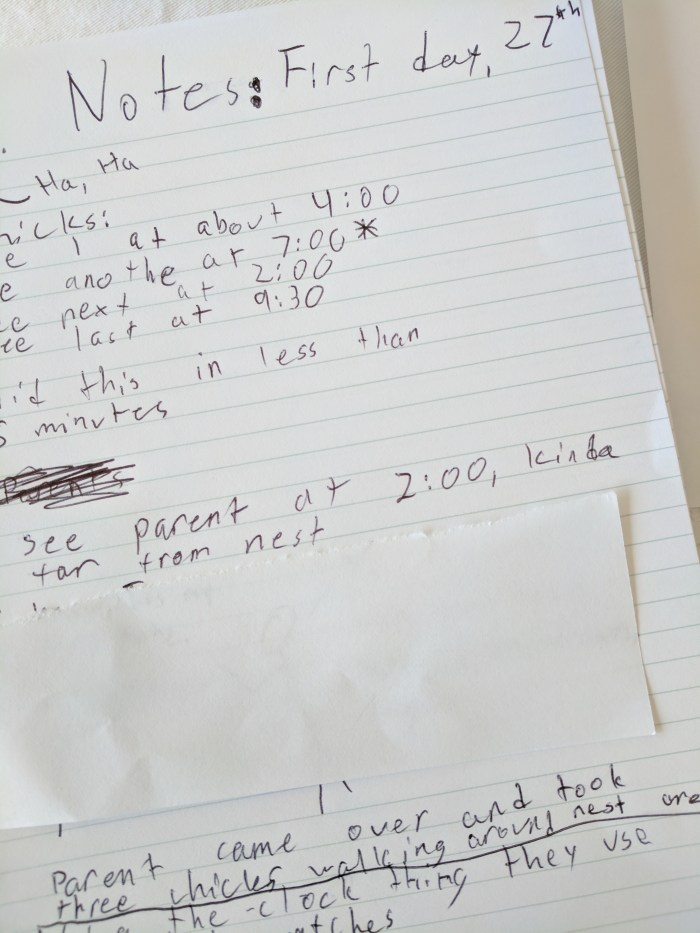
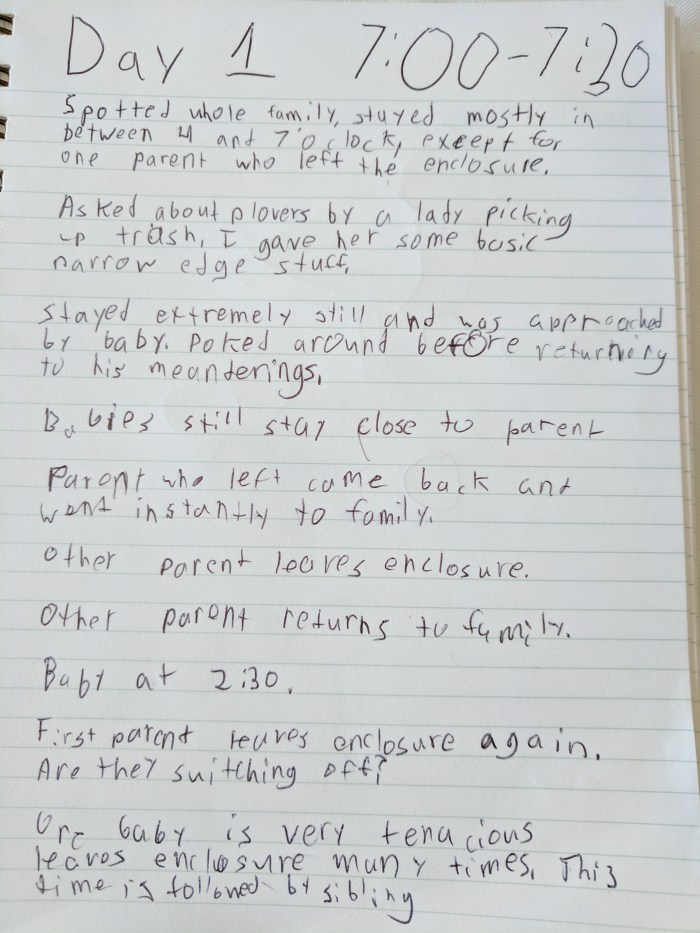
Catherine Ryan and her sons Charles and George King have the early morning shifts, from 6am to 7:30, and they are splitting it three ways, each taking a half hour. Piping Plover watchers are invited to take notes–here are one of the volunteers, Hazel’s, excellent notes:
“I was there from about 11.30 to 1 pm today June 26..
During that time I only saw one adult at a time, probably about once every 20 minutes, not doing much – preening, sitting on the sand, resting under a bush, moving around relatively slowly. I also saw one baby at a time moving about – except for the last 20 minutes when I saw 2, possibly 3, moving around at the same time (I had lent my binoculars to some interested bystanders so not sure of the number).
I spoke to 2 groups of young people playing with a ball and a frisbee – they were unaware of the plover nest and very agreeable to moving further away. One couple were seated very close to the rope, and also unaware of the plovers. They said they would watch out for babies coming outside the enclosure, and later had been watching one of the babies moving around inside.
Two other groups were close to the enclosure and already aware. The second group arrived when two or three babies were moving around and excited to see them through binoculars.
I will be back tomorrow from 11 to 1 pm.
Hazel”
Loved reading the King brother’s notes. Great job Charles and George!!
https://www.instagram.com/p/BV45kMdlCg_/
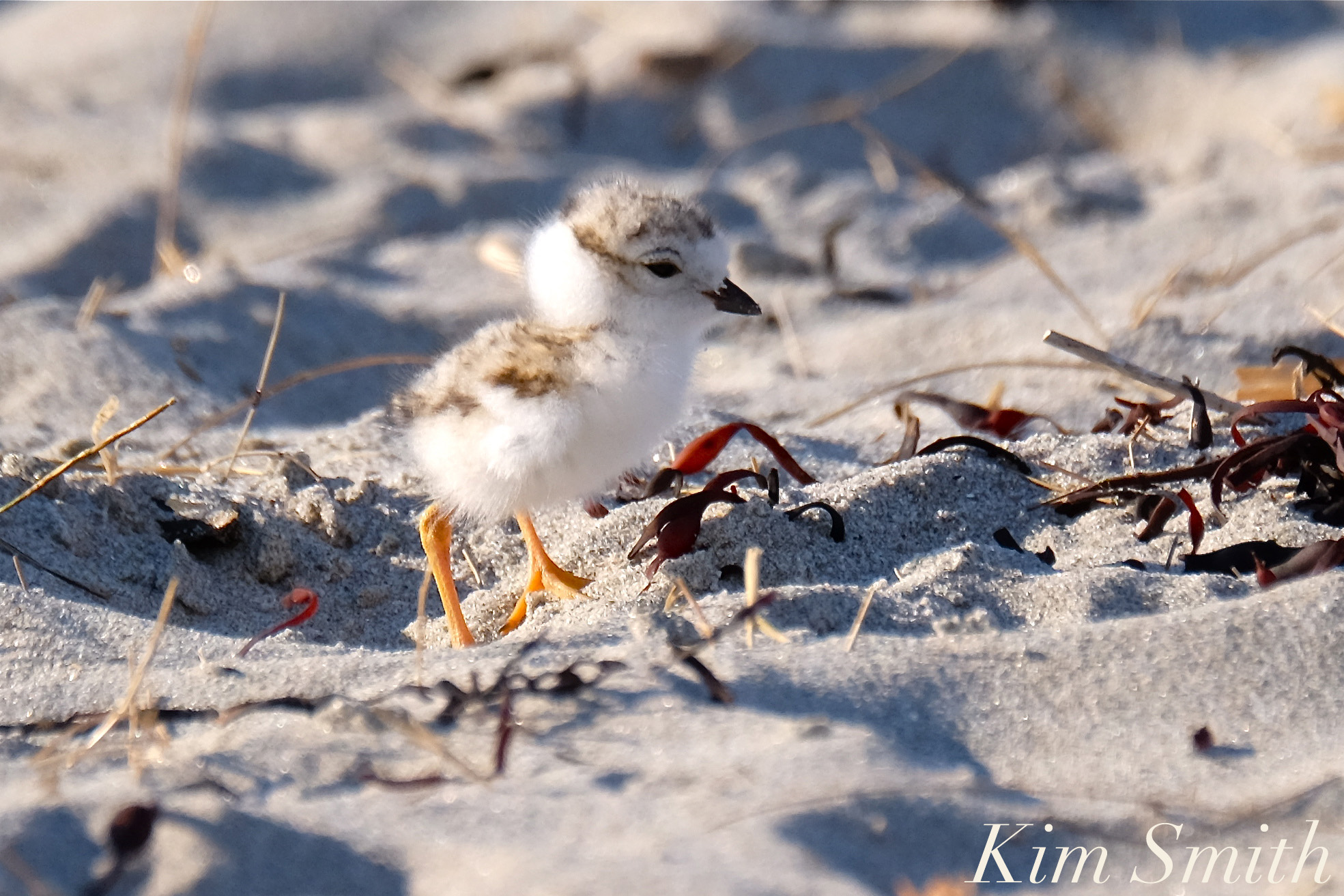
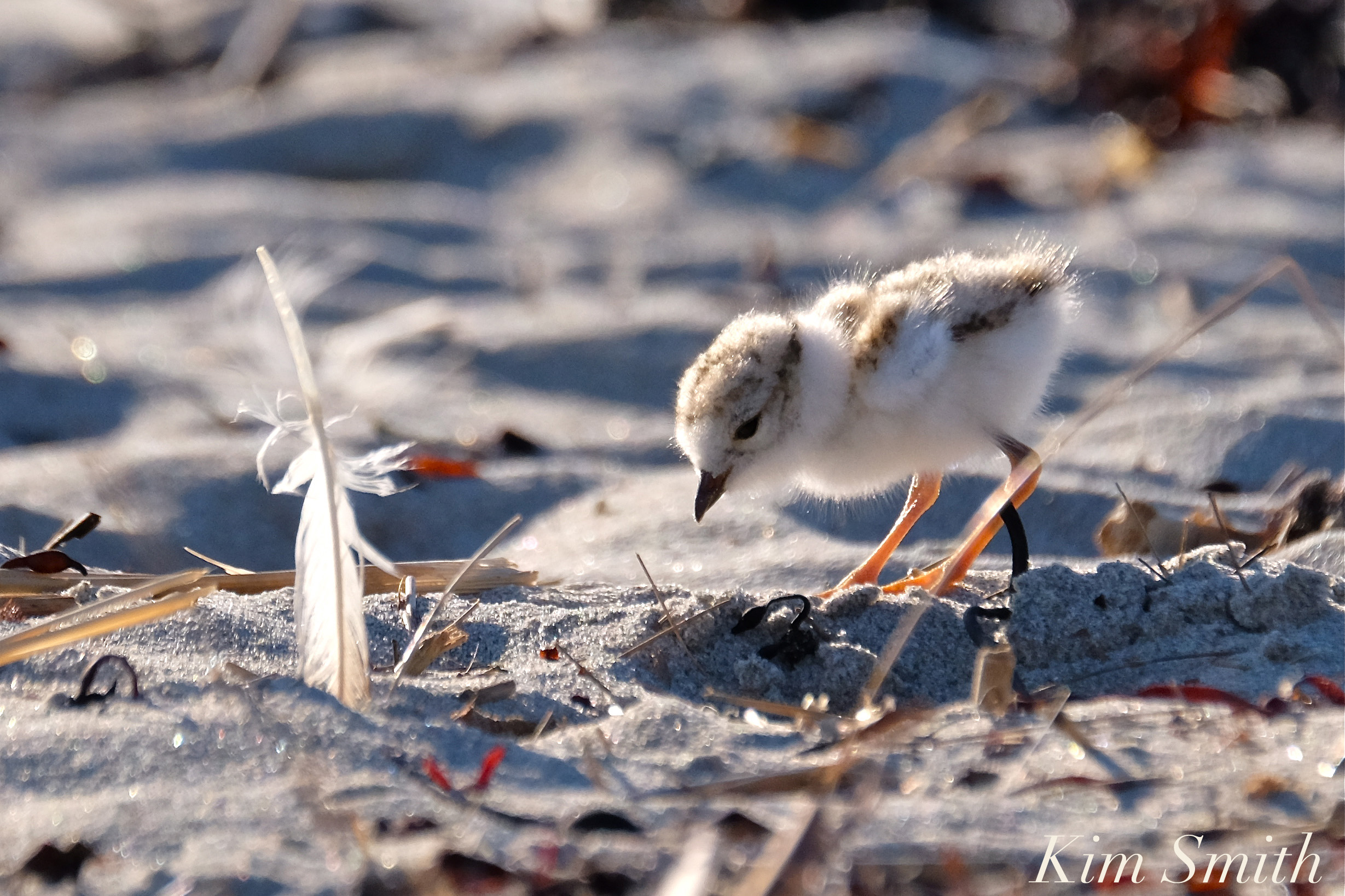 Five Day-Old Piping Plover Chick Foraging for Insects
While walking through the dunes on boardwalk 3 at Good Harbor on the way to volunteer, or simply to visit the PiPl, notice the Common Milkweed that is in full glorious bloom. You may catch a whiff of its wonderful honey-hay scent. And quite possibly, a Monarch sighting, or two!
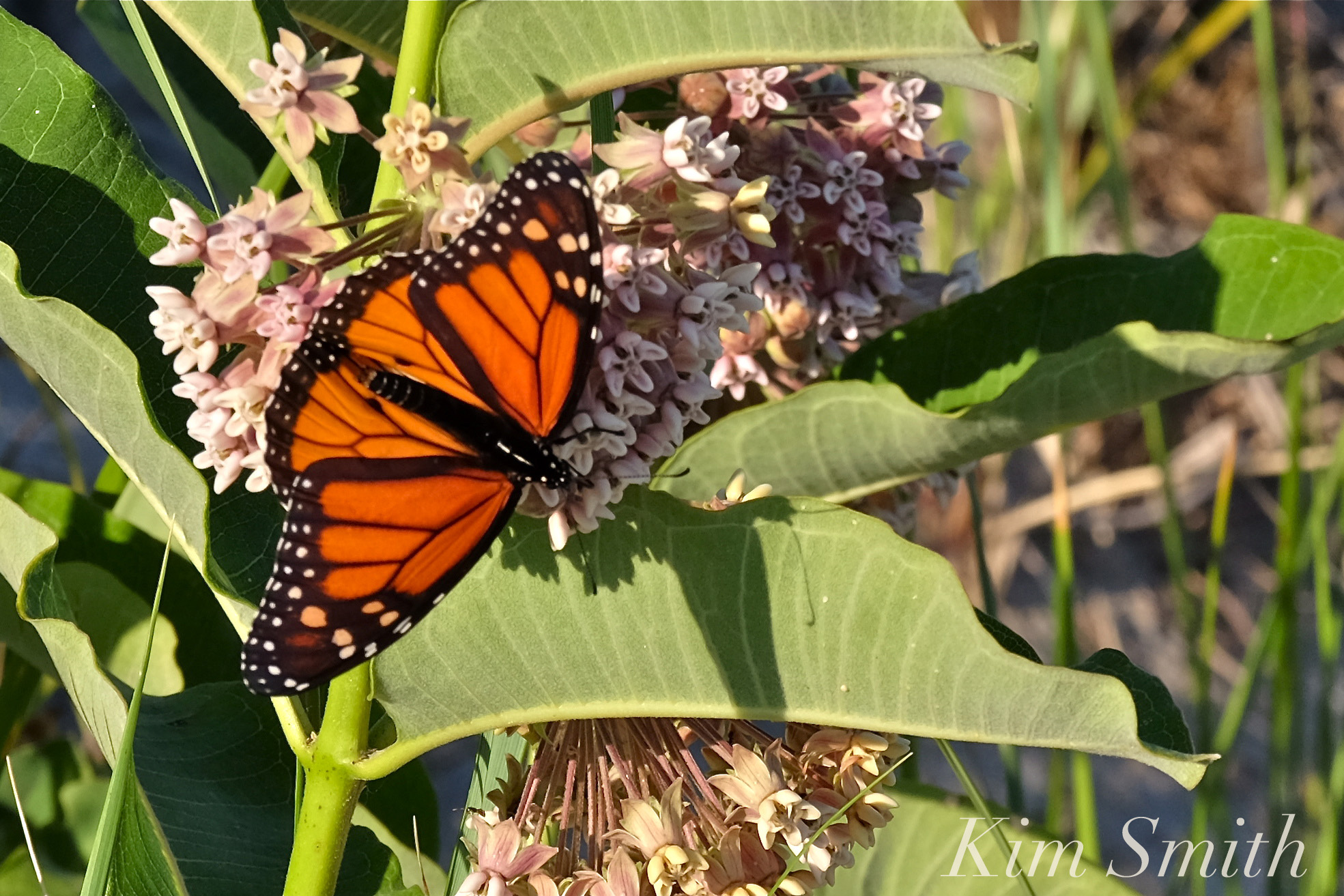 Male Monarch Nectaring from Common Mikweed, Good Harbor Beach Dune
Spread The GMG Love By Sharing With These Buttons:

Gorgeous gym
Summer youth sports conditioning and training at Good Harbor Beach.

Spread The GMG Love By Sharing With These Buttons:

Cool science at Good Harbor Beach | sign up for Piping plover watch

photo caption: Dave Rimmer, Director of Land Stewardship, Essex County Greenbelt (Left) with Ken Whittaker, City of Gloucester Conservation Agent (Right)
Contact: Ken Whittaker kwhittaker@gloucester-ma.gov
Ken Whittaker, City of Gloucester Conservation agent, put the word out seeking volunteers to help monitor the piping plovers (Gloucester Daily Times). Today was the first organizational meeting and informational session with Dave Rimmer, Essex County Greenbelt. Ken is coordinating the schedule, and there are plenty of open slots available. “We will take this a day at a time until I have the opportunity to put together a formal schedule.” More than one volunteer is welcome on any shift, so please email if you’re interested in helping. Ken, Dave and other officials monitor the birds. When Kim Smith is there, she’s working on critical filming.
For those of you who could not make it, Ken Whittaker is holding a second meeting tomorrow evening about 4:30; Ken will be at Good Harbor Beach from about 3:30 to 5.
Piping Plover volunteers can receive free parking!
Planning on a beach day and can devote an hour of your time for observation? Email Ken to sign up for a shift and to learn more.
Volunteers are asked to bring binoculars and feel free to jot down some observations about the parents and the 2017 brood of 4. It’s simple. The birds need to be left alone and given wide berth when they’re on the move. Don’t follow after them. Look but don’t touch. Maybe intercept trash tumbleweeds. What gets tricky is when the birds are going back and forth from the water to the enclosed area.
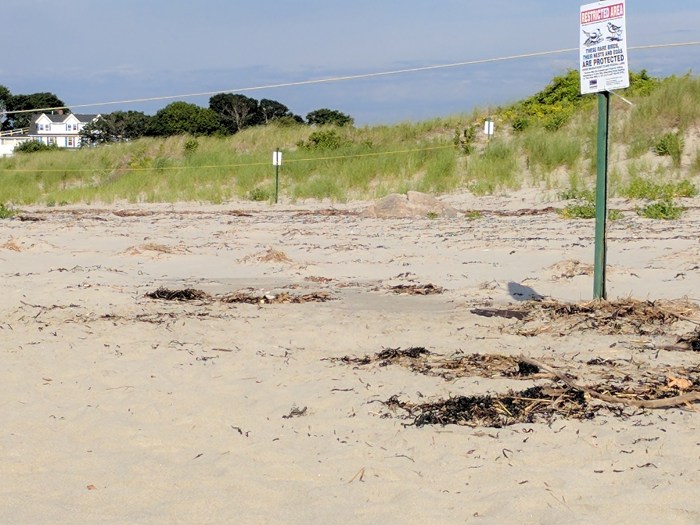
Thanks to the enclosure, it’s obvious to stay away from inside the protected area. What’s less obvious is where to put your towel outside the fence. If you know your beach visit wouldn’t be complete without a vigorous paddle ball, can jam or football game, lining up your towels right outside the fencing is a little dicey. It happened today and the group was happy to move when Ken explained the situation. However, if you’re not one for major games and are happy to sit in your chaise for a long read and full day, you might want to think about doubling up as a piping plover volunteer for one hour. You’re there anyway. They are super cute and you’ll feel good helping out! Midday is low on sign ups.
You could make it a first class retreat: Good Harbor Beach rents umbrellas and cushy recliners. See “Good Harbor Beach Day: How To Pack Light”
Ken writes:
“I have been in contact with the animal control officer who says she has been monitoring the situation but will kick it up a notch. Dogs are not allowed on the beach and you can remind scofflaws of this. If this becomes an issue I suggest people immediately call 978-281-9746 – Diana Corliss is the animal control officer and she can guide you from there. (Note, three essentials for monitoring include cell phone, binoculars …. and sun screen!)”
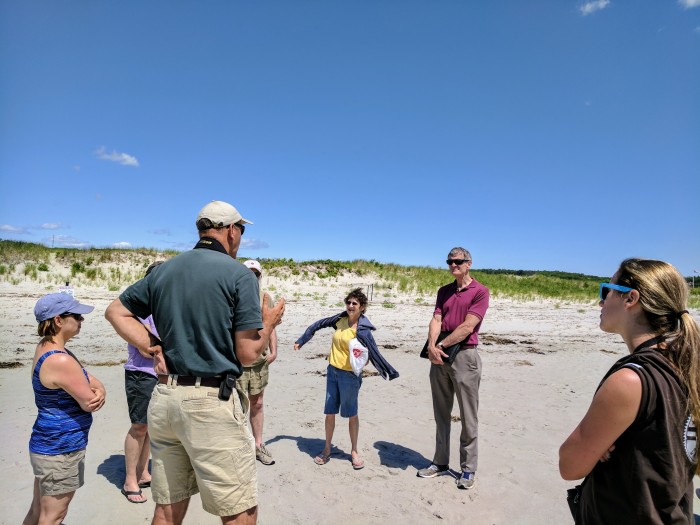
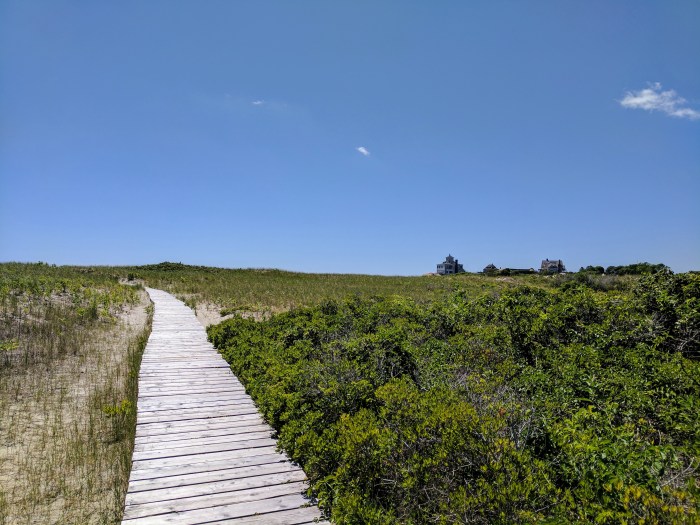
Essex County Greenbelt is responsible for the fencing of the protected area which is to the right of the boardwalk #3. They’ll tweak the fencing as needed. This year’s nest is within a close distance to last year’s nest.
Spread The GMG Love By Sharing With These Buttons:

FIESTA BABY PLOVERS!
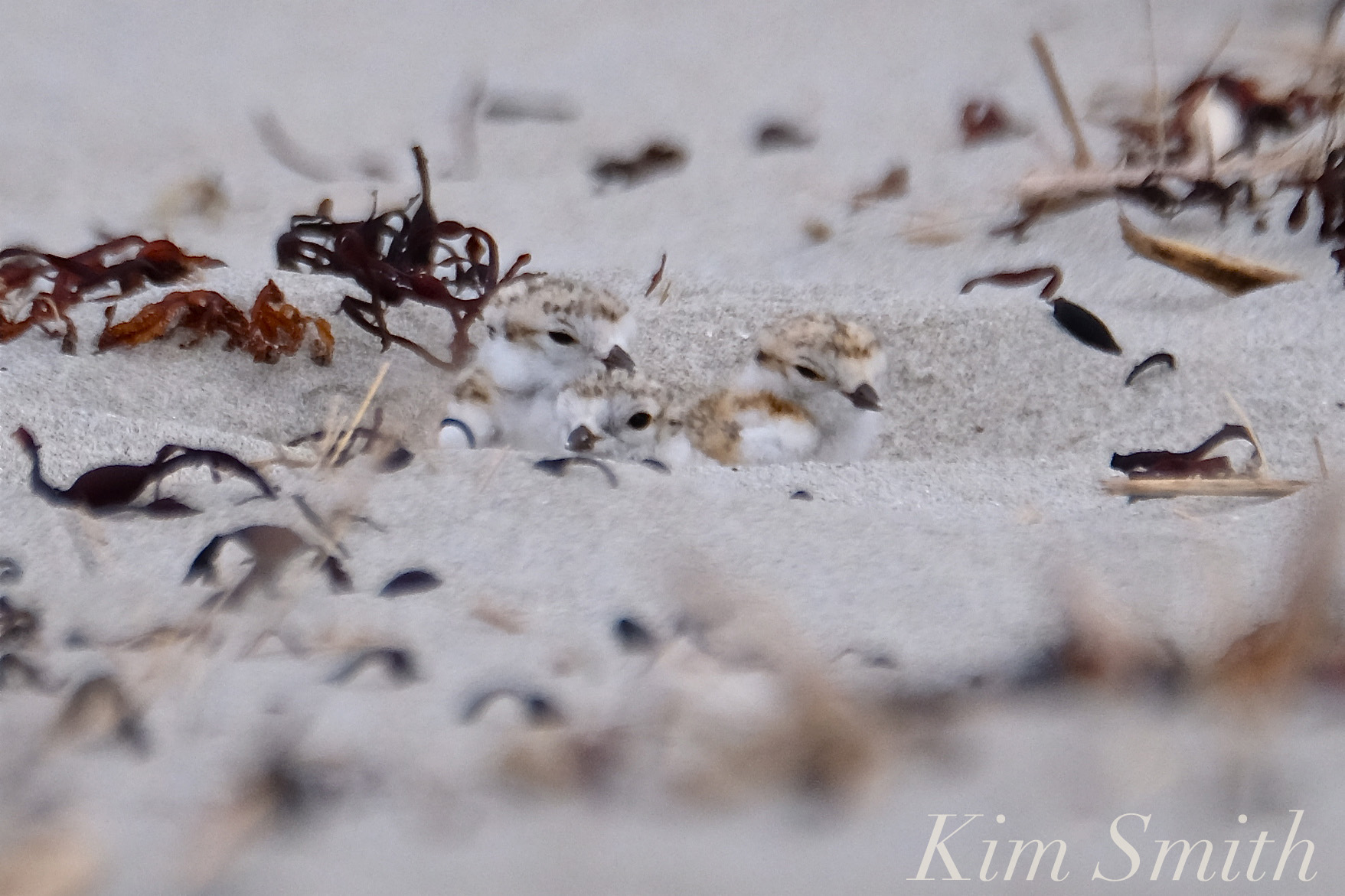 Four of the sweetest little Piping Plover chicks hatched Thursday morning, June 22, at Good Harbor Beach. They are all beautiful and perfectly formed and healthy. Within hours of hatching, the mini-marshmallow-rockets were zooming and tumbling about the shore. Mom Joy and Dad Joe are in full on protective mode, doing their best to chase seagulls and people out of their territory.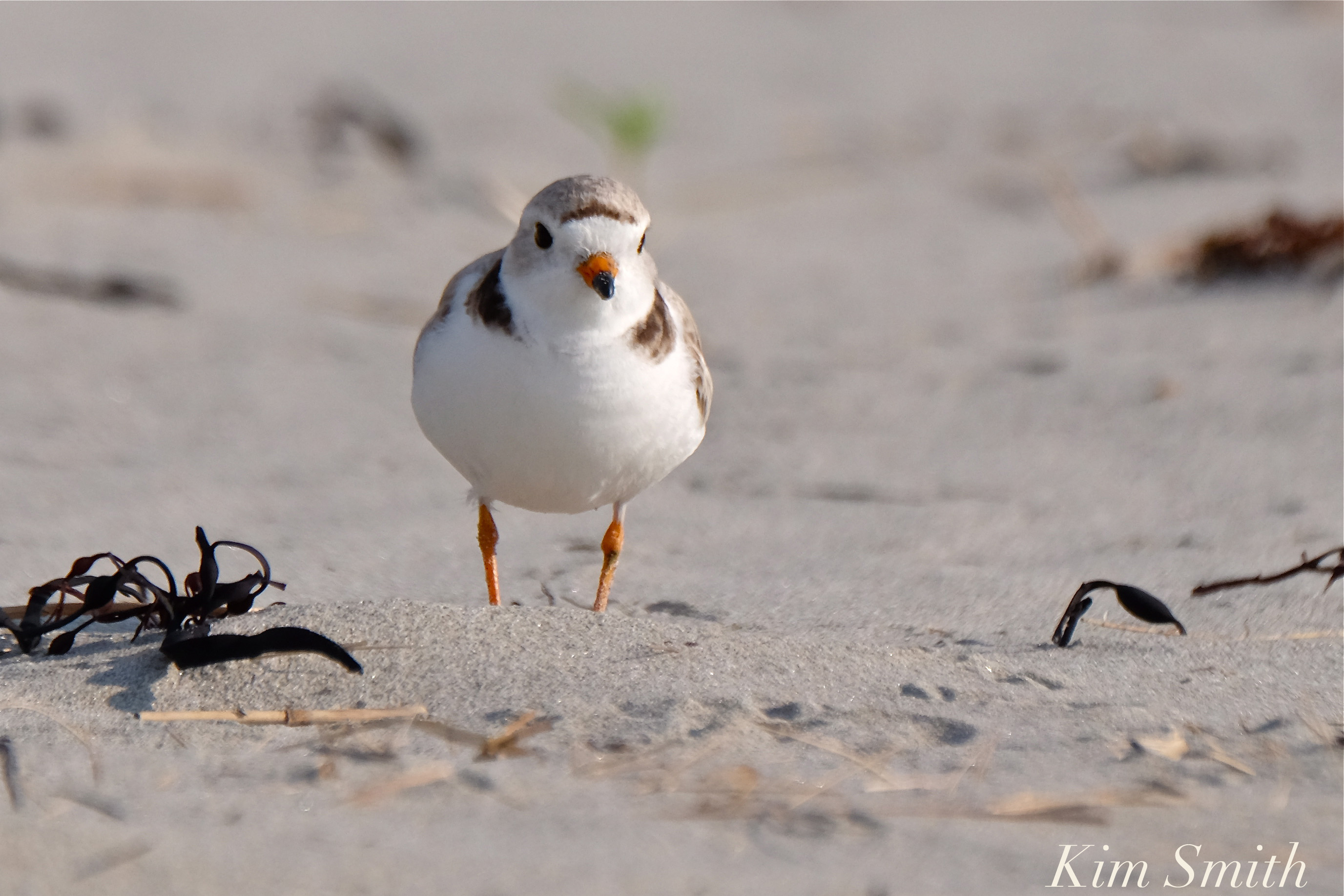
Don’t mess with Mama Joy!
Last year the East Gloucester neighborhood kids named the parents, Joy and Joe; and chicks PuffPuff, FluffFluff, and Tootsie Pop. The parents are most likely the same pair as they have nested in nearly the exact same spot as last year. Comment in the comment section for name suggestions if you would like. Wouldn’t it be great if the four names were somehow Fiesta inspired 🙂
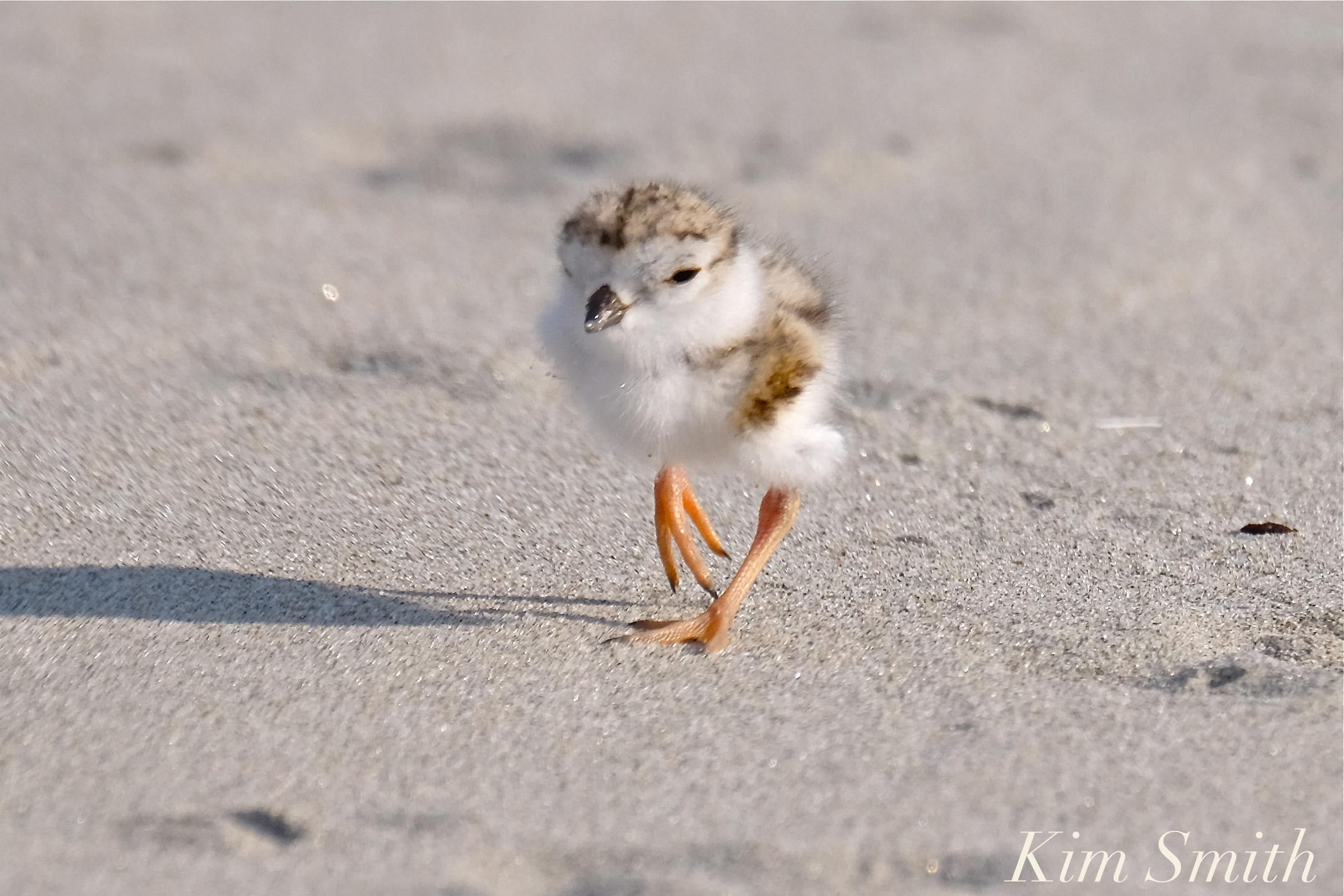
Good Harbor Beach is going to be very crowded this weekend. If the chicks manage to survive the first ten days, their odds of surviving increase dramatically.
How we can all help the Piping Plover chicks survive:
1) Perhaps the most important point to understand is that within hours of hatching, Piping Plover chicks are on the move. They soon begin to explore outside the symbolically roped off area. Keep an eye out for the chicks. Educate friends and family that they may see these tiny vulnerable creatures on the beach. Do not approach the chicks or adults, but observe quietly from a distance. Mom and Dad Plover will let you know if you are too close.
2) Don’t leave behind or bury trash or food on the beach. All garbage attracts predators such as crows, seagulls, foxes, and coyotes, and all four of these creatures EAT plover eggs and chicks.
3) Do not linger near the Piping Plovers or their nests. Activity around the Plovers also attracts gulls and crows.
4) Keep dogs off the beach at all times of the day and evening.
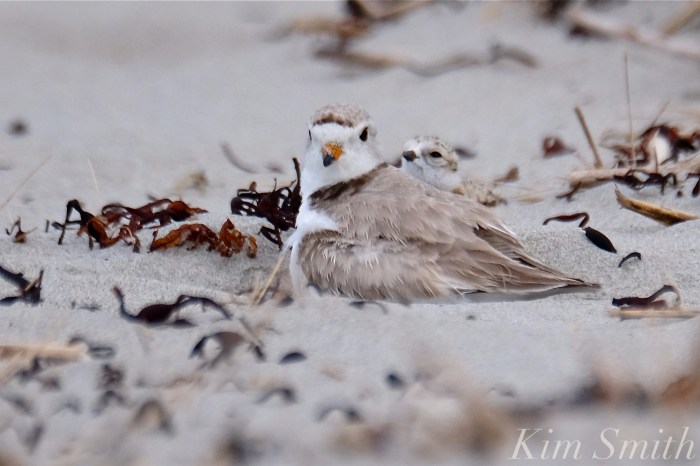
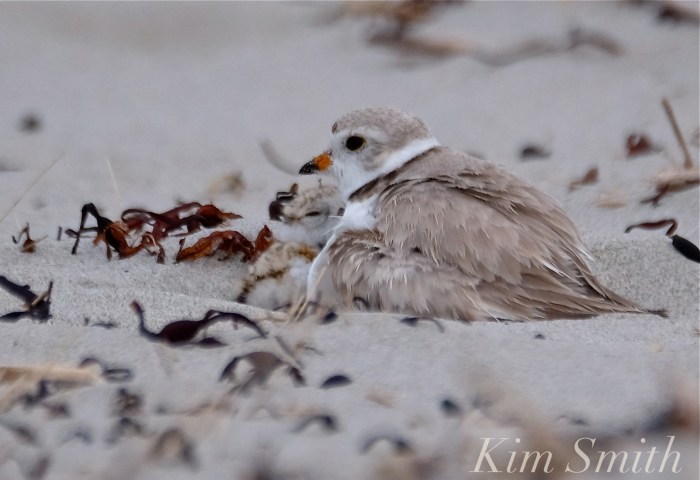
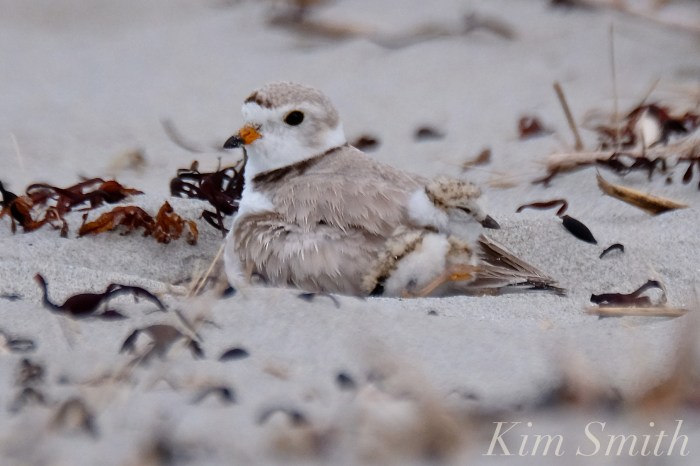
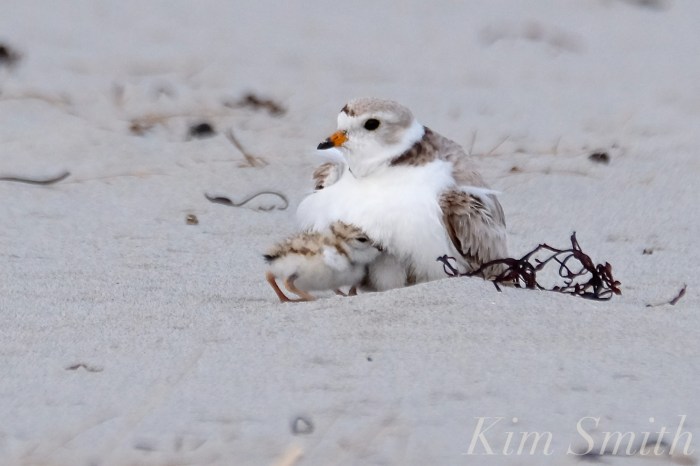
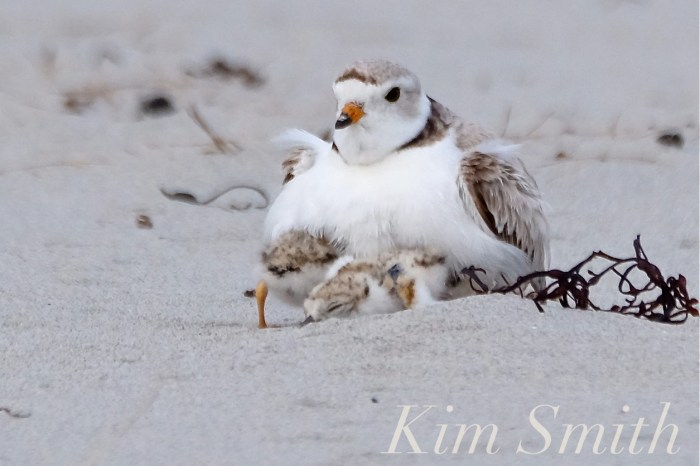
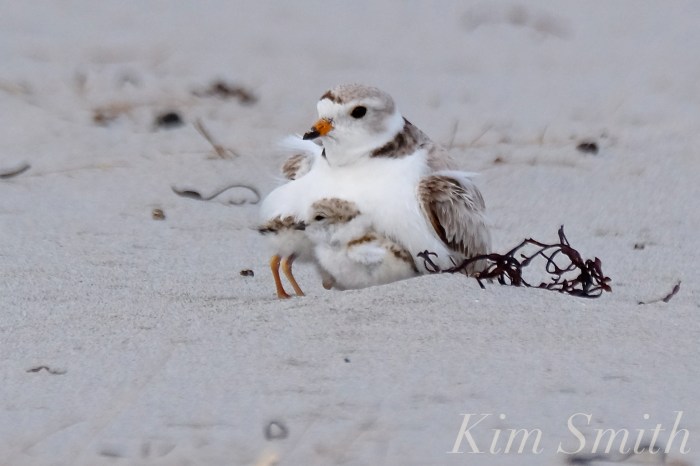
Snuggling next to Mom for warmth.
Clip from last year’s year Piping Plover Family —

 Good Morning Gloucester