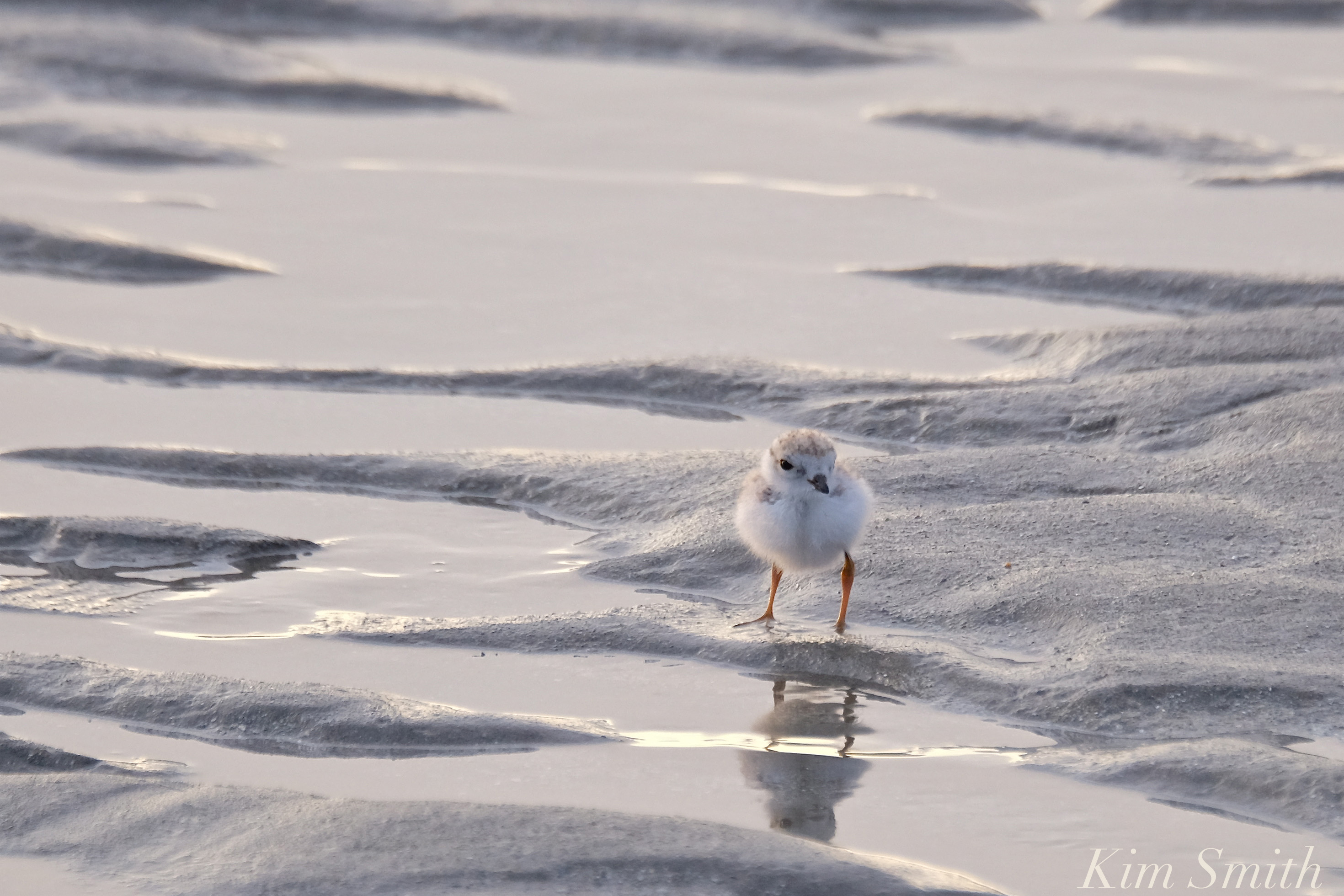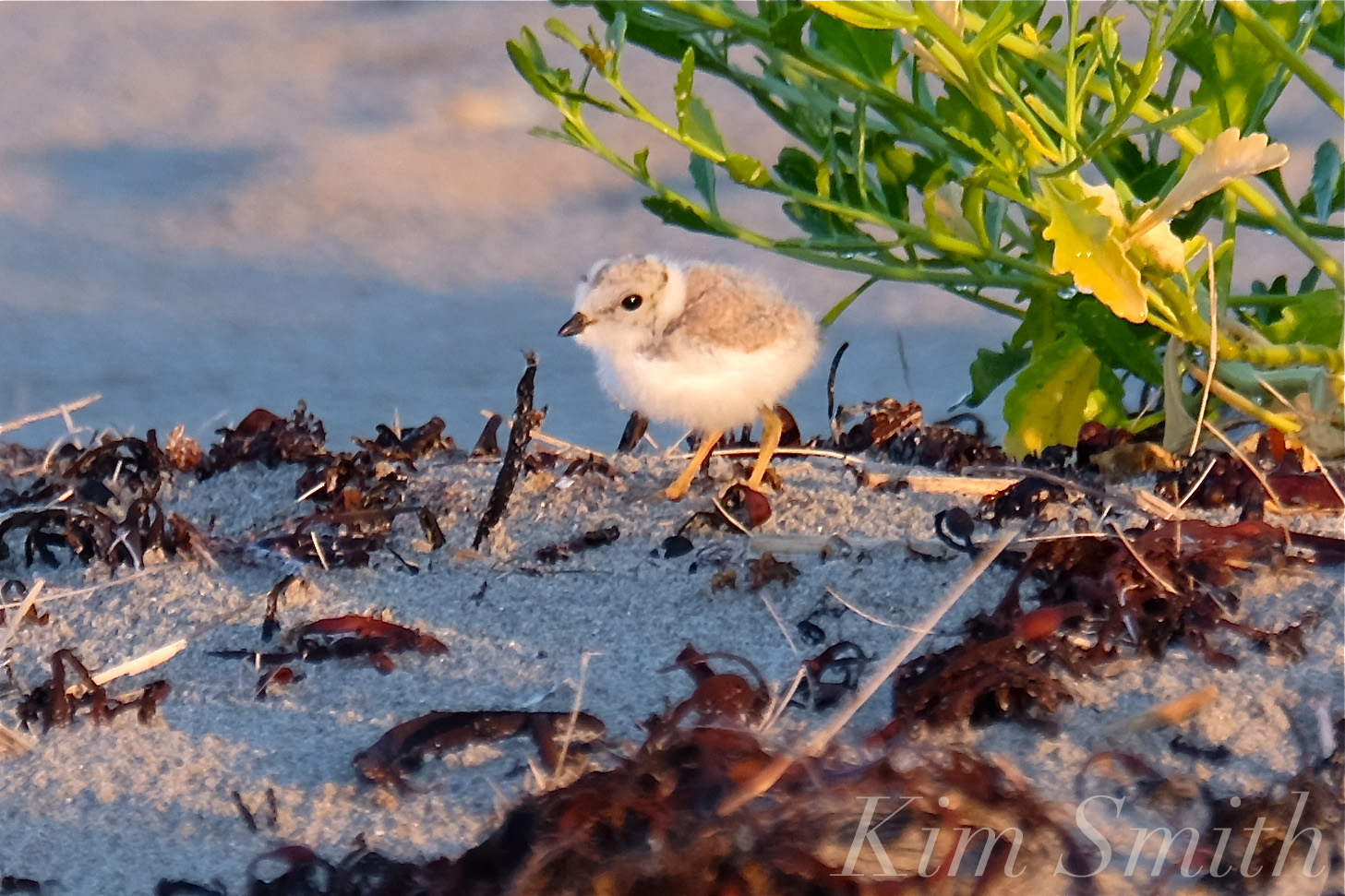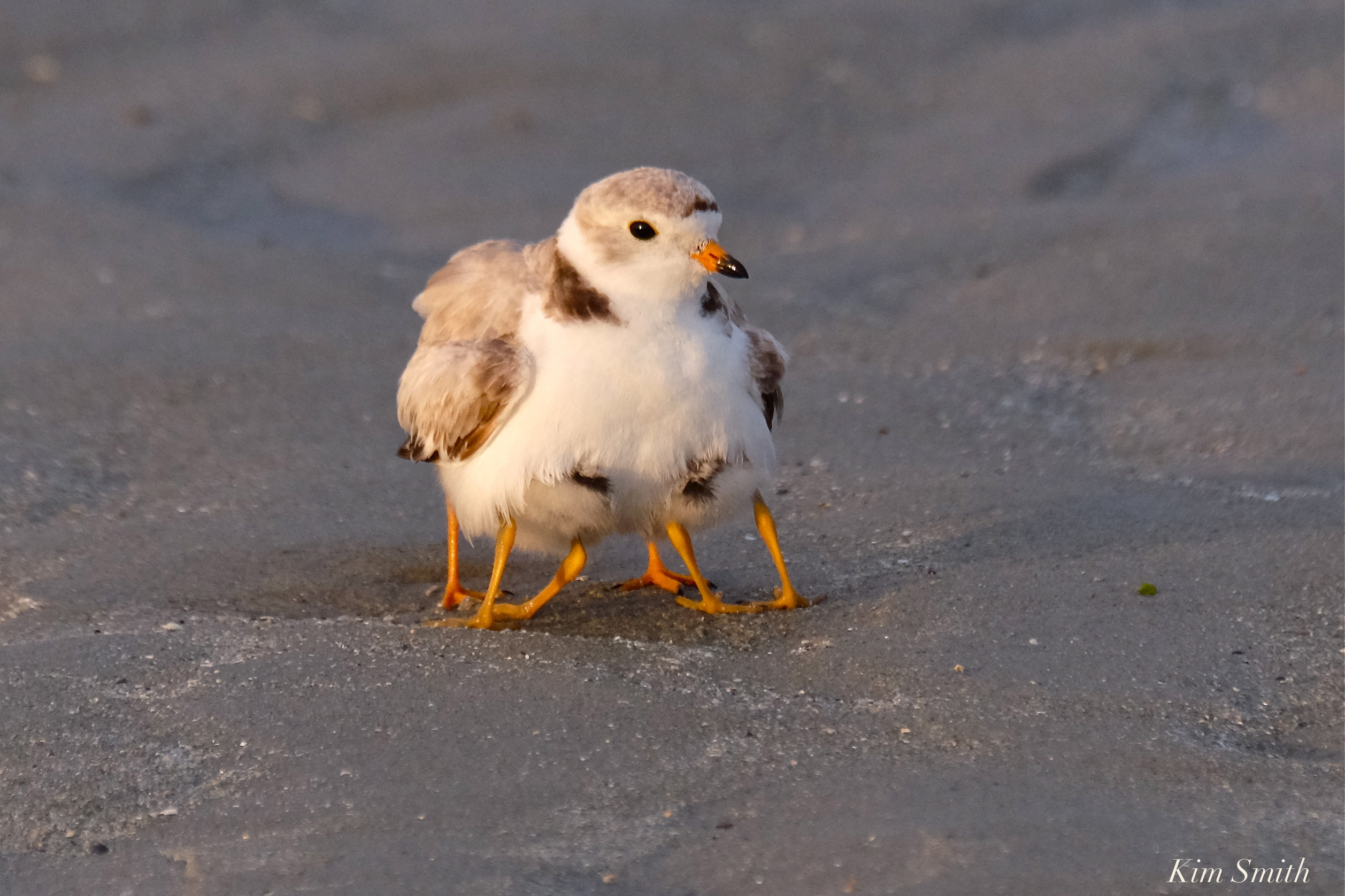
CATS AND DOGS AND BIRDS ON THE BEACH: A DEADLY COMBINATION

Thank you to Good Morning Gloucester reader Dave Moore, who is stationed in Korea and sent this brochure published by the USFWS. Dogs are not allowed at USFWS sanctuaries such as Parker River National Wildlife Refuge all year round, leashed or unleashed and this brochure explains just one of the reasons why. Thanks to Dave for sharing the following PDF.

Cats and Dogs and Birds on the Beach: A Deadly Combination

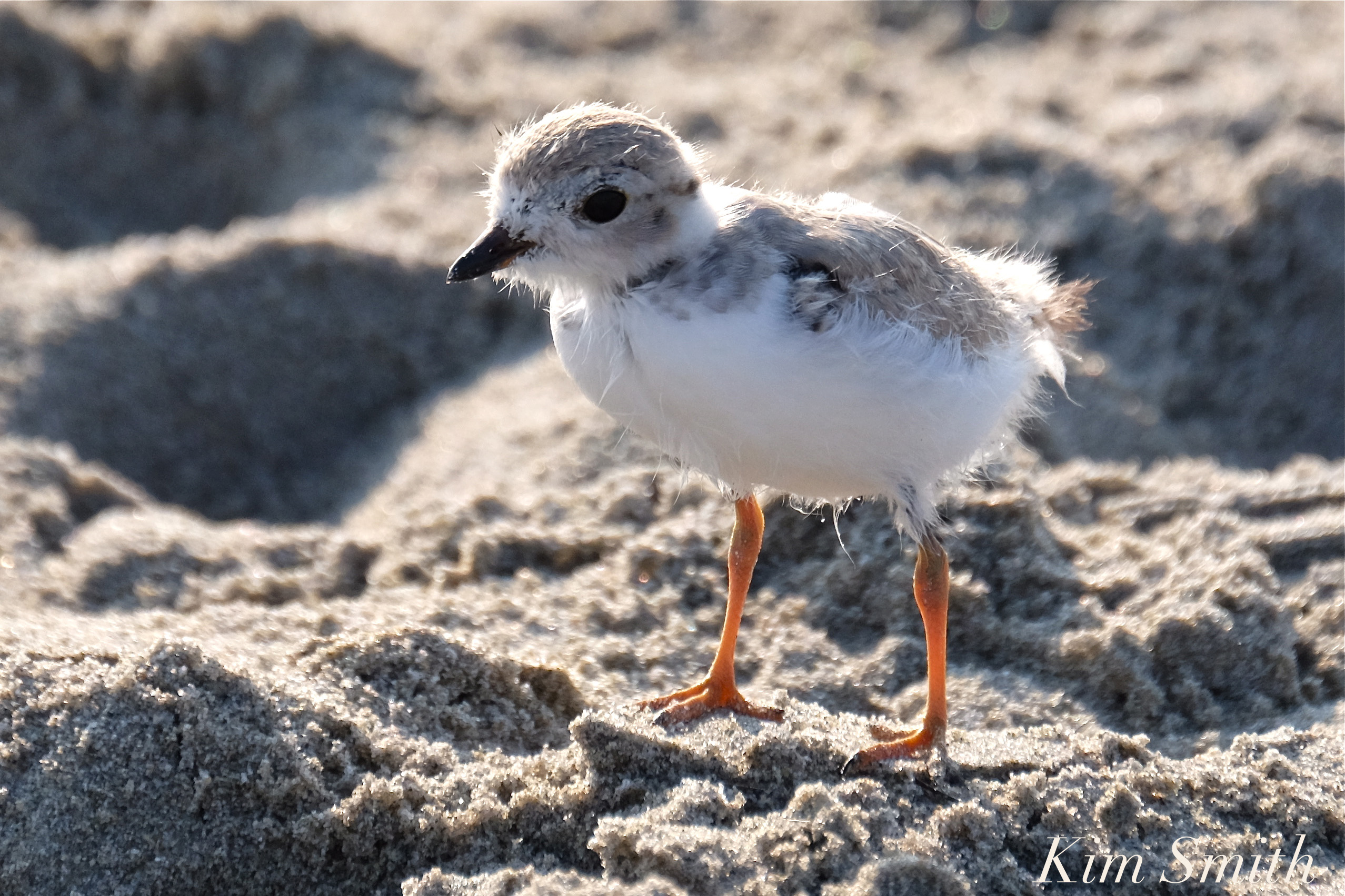
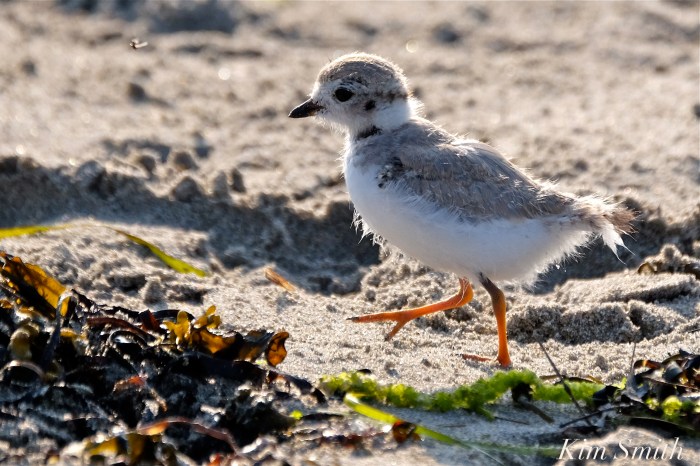
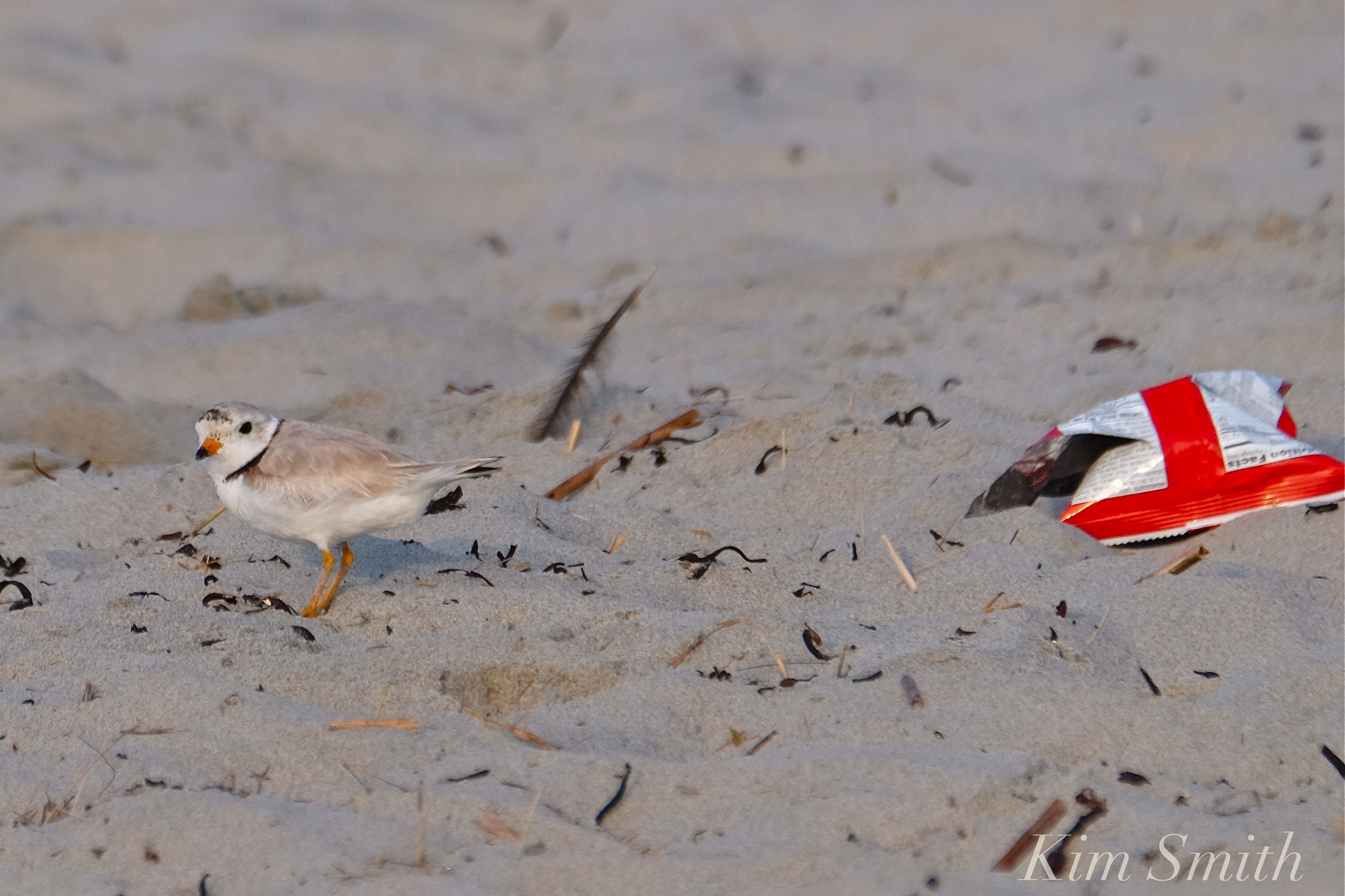
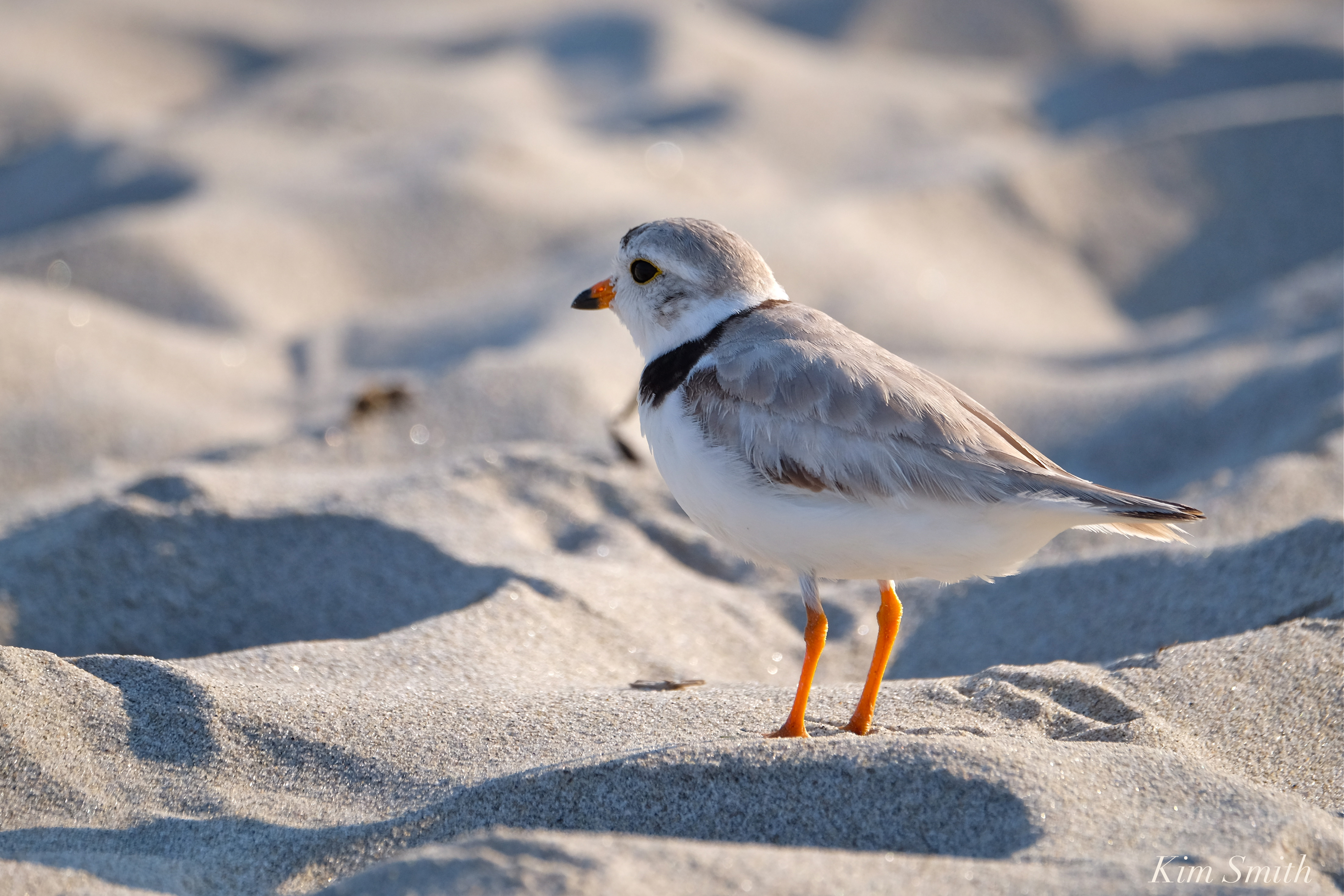
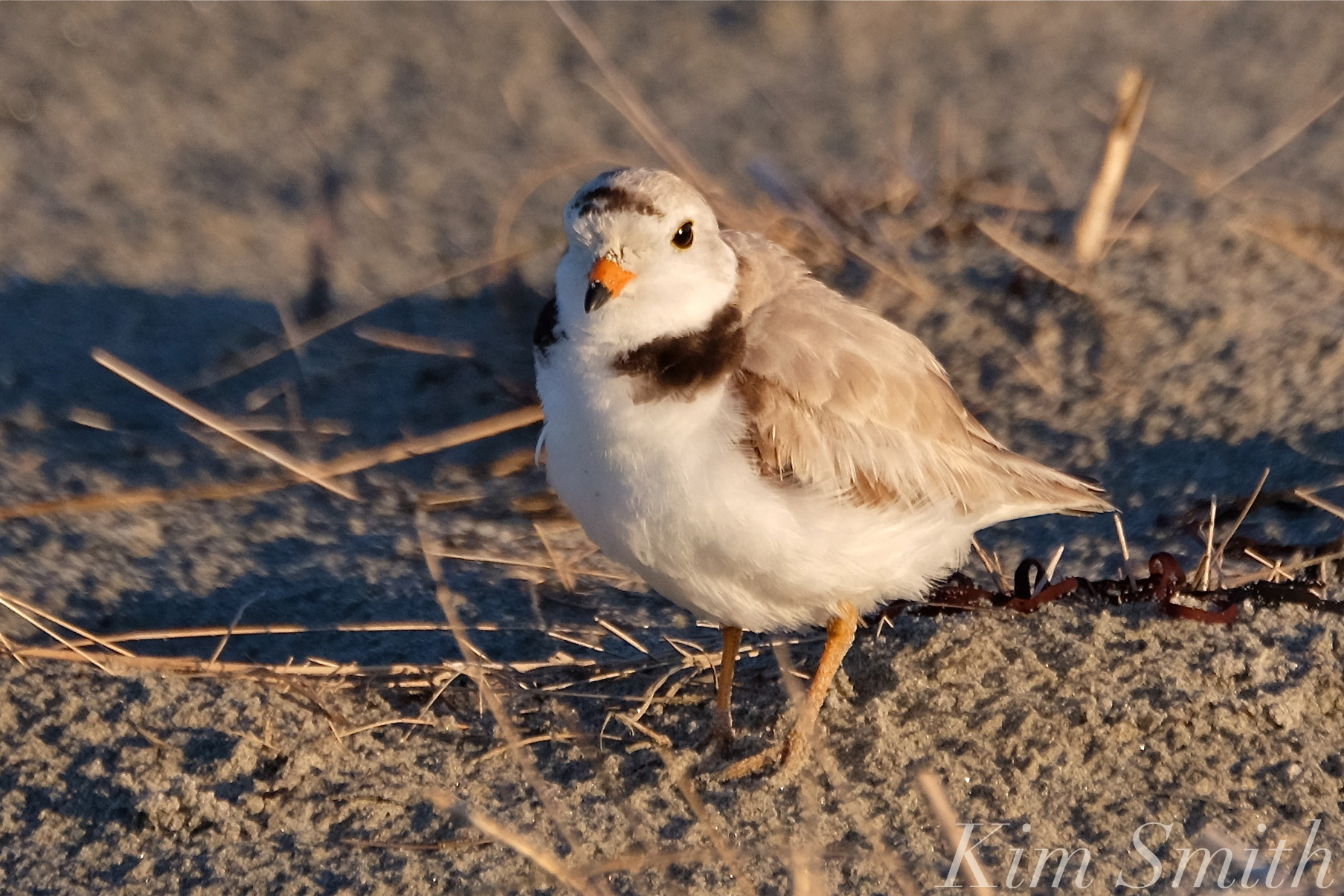
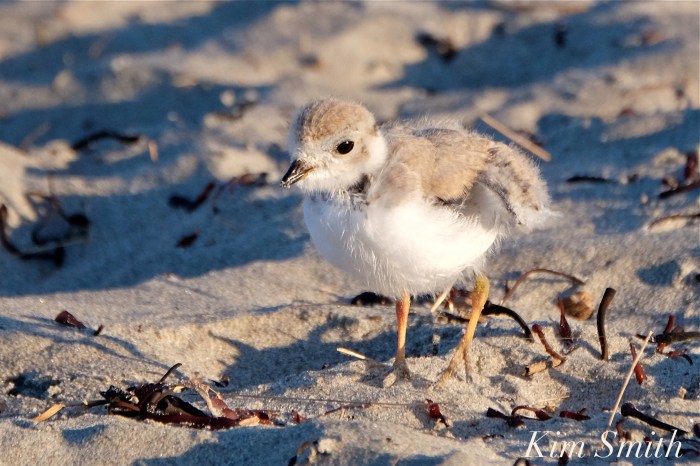
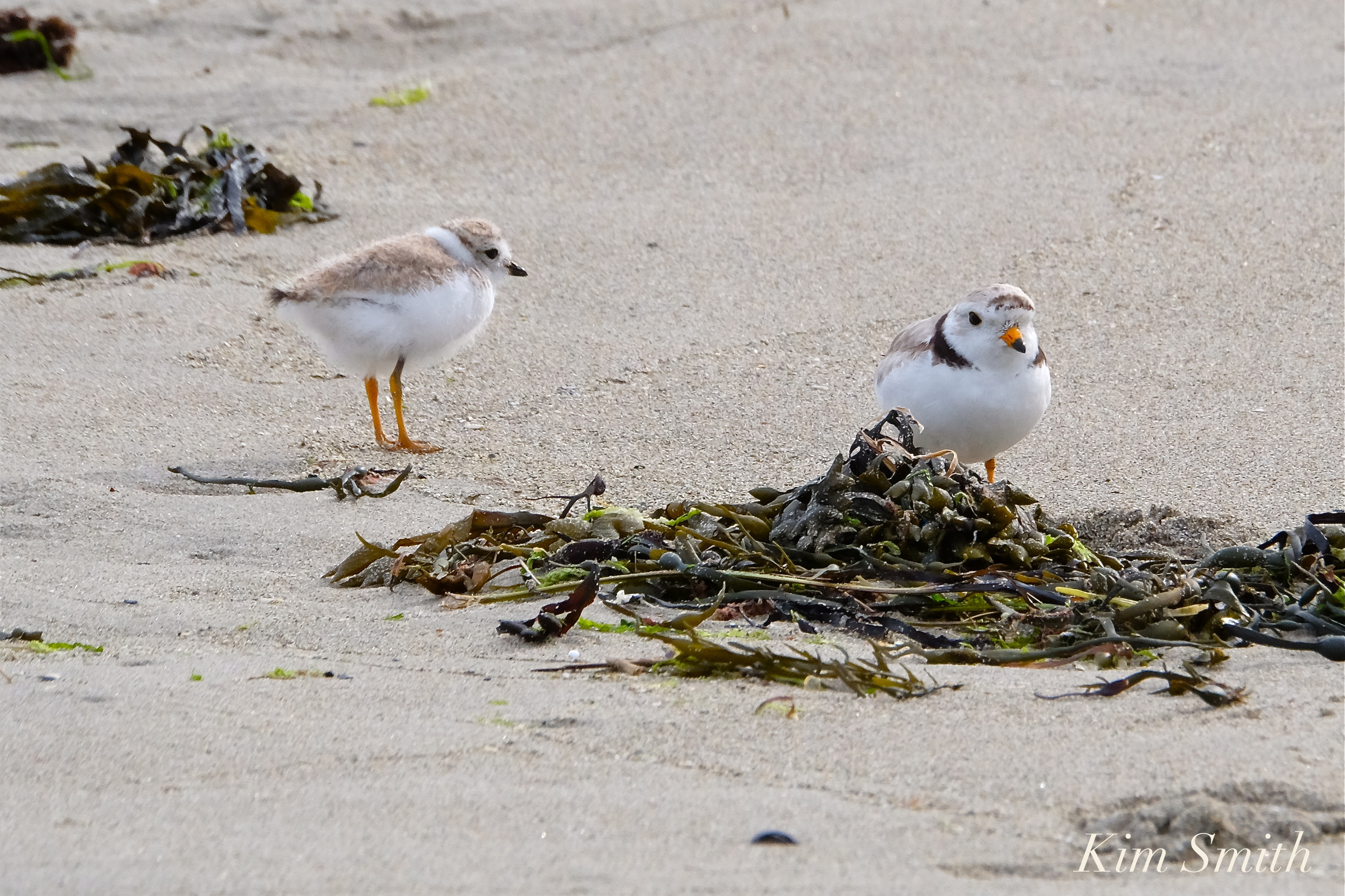
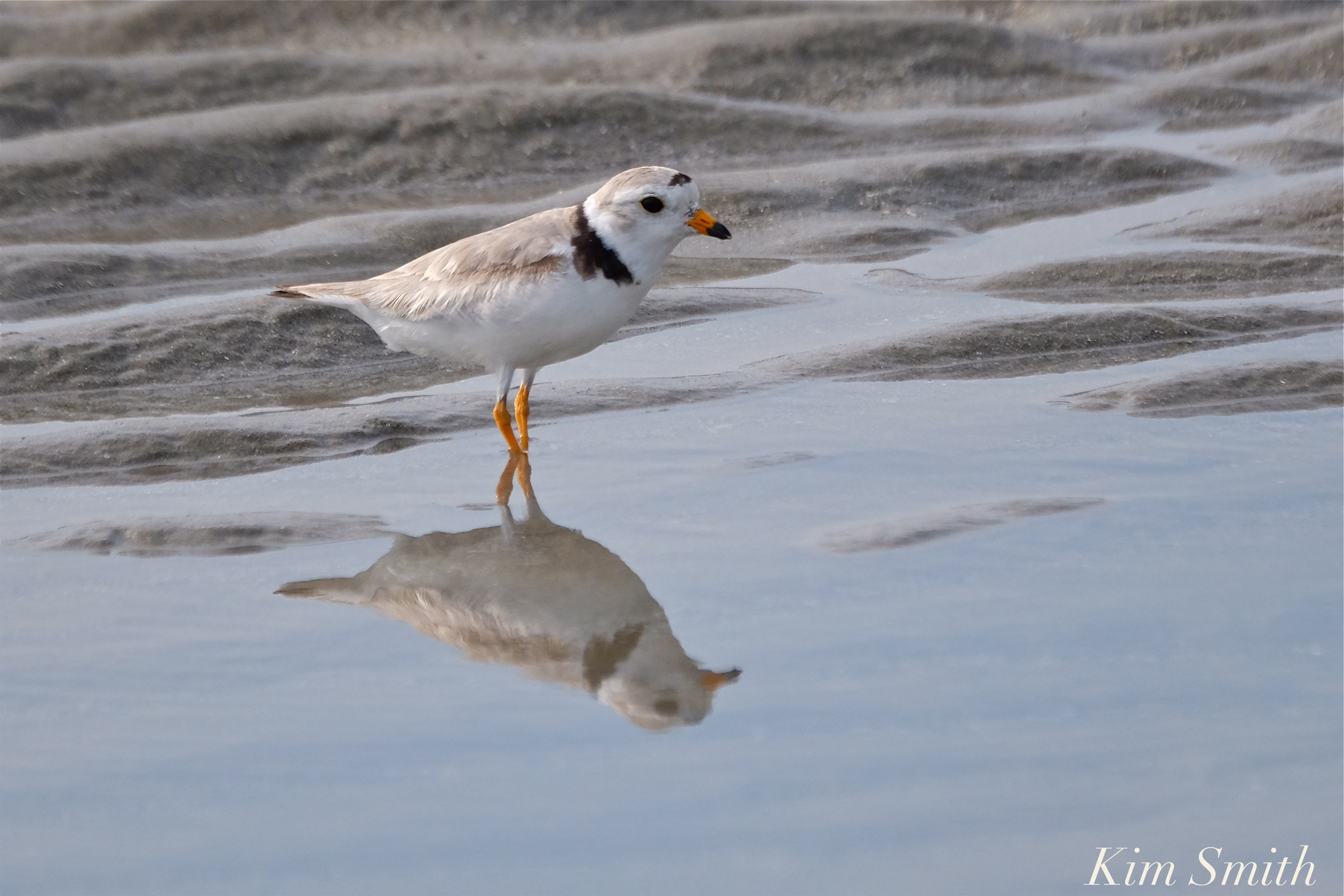
A tale of cat or dog versus bird may make an enjoyable cartoon, but the real-life version is deadly serious. When birds encounter cats and dogs, the birds rarely win. Many people believe that cats and dogs should be allowed to roam free. People introduced domesticated cats and dogs to this country, and however much we may appreciate them as part of our lives, those animals are not native wildlife or part of a naturally functioning ecosystem. Along the Atlantic coast, cats and dogs pose a serious threat to the continued survival of beach-nesting birds such as piping plovers, least terns and American oystercatchers.

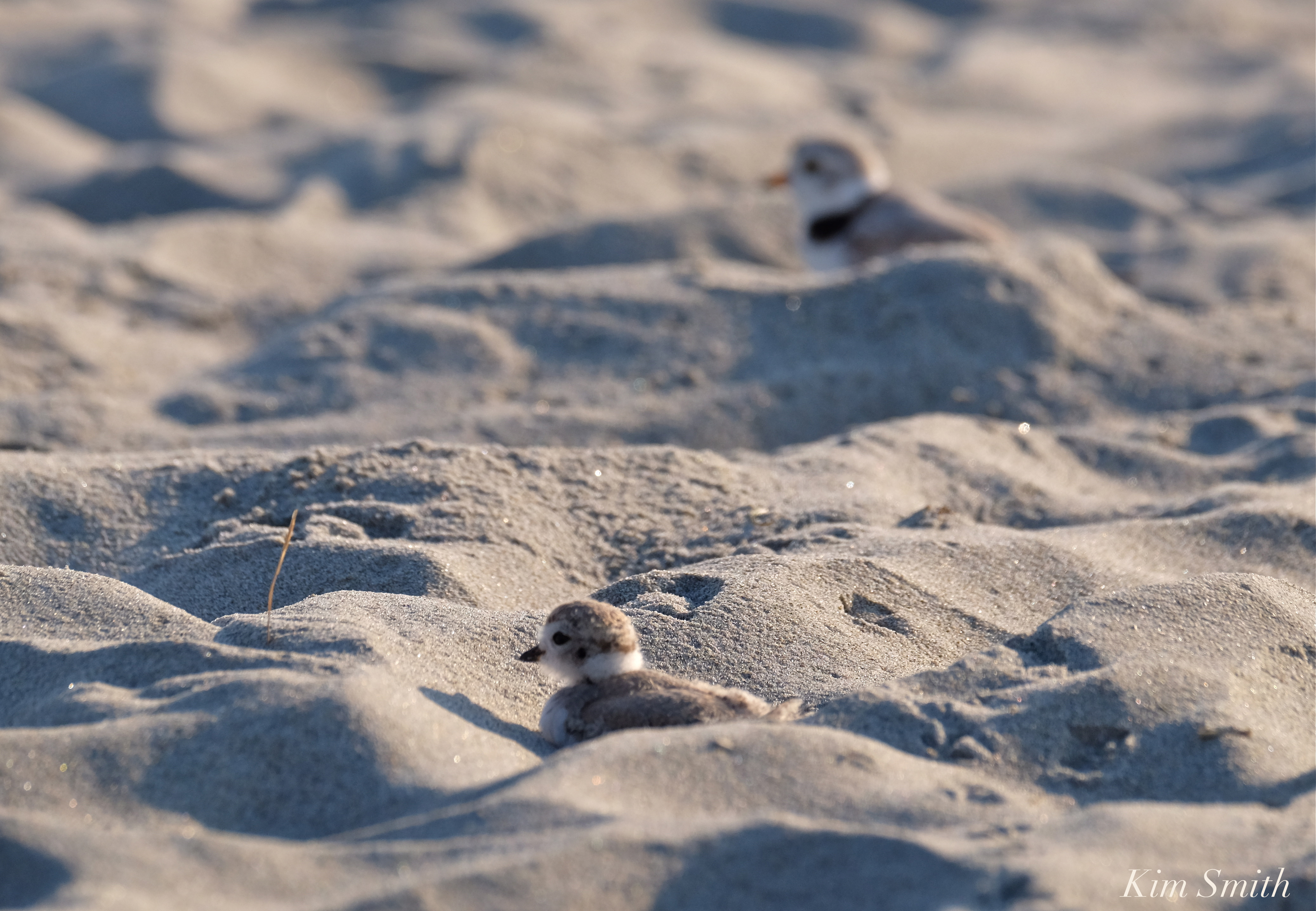
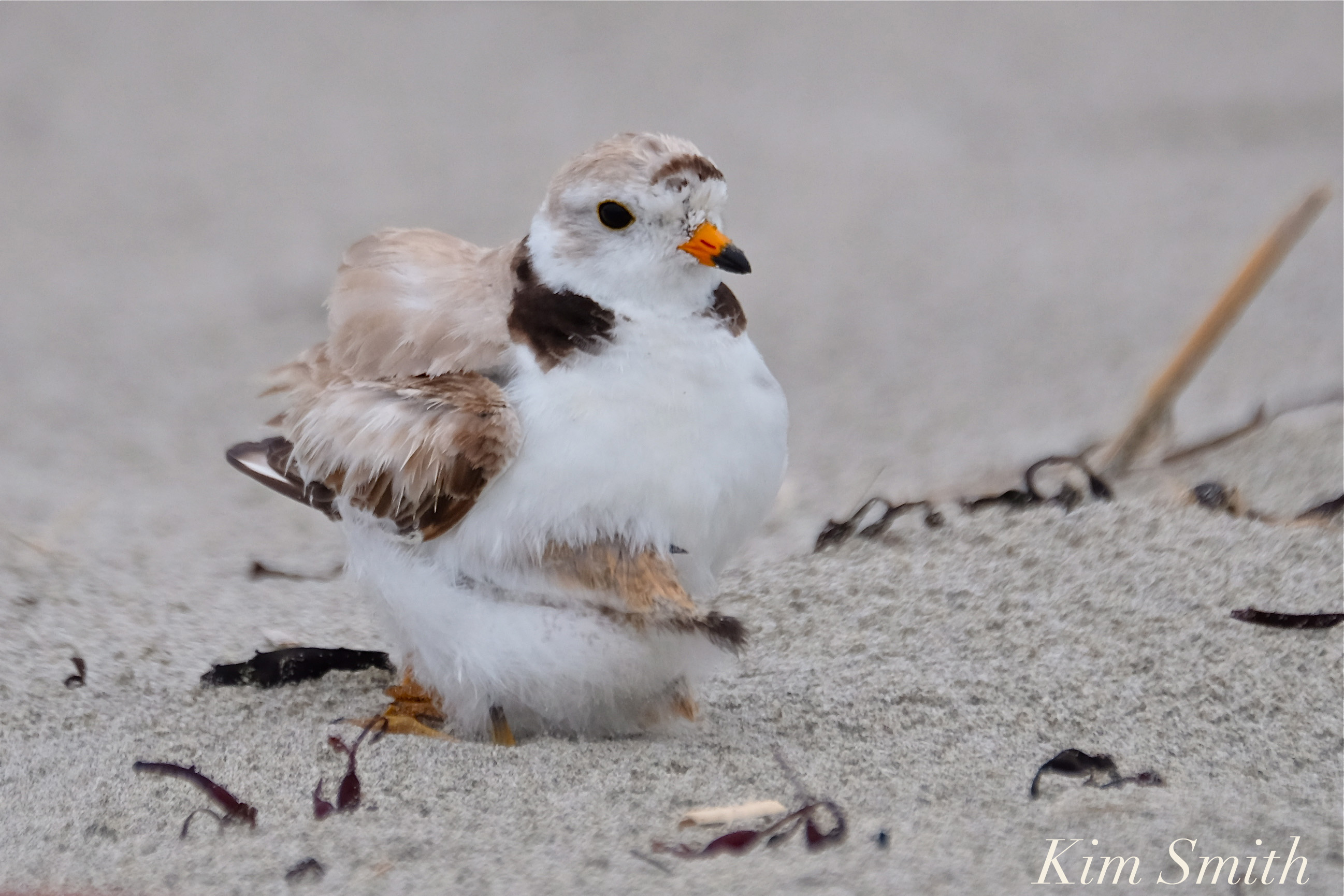
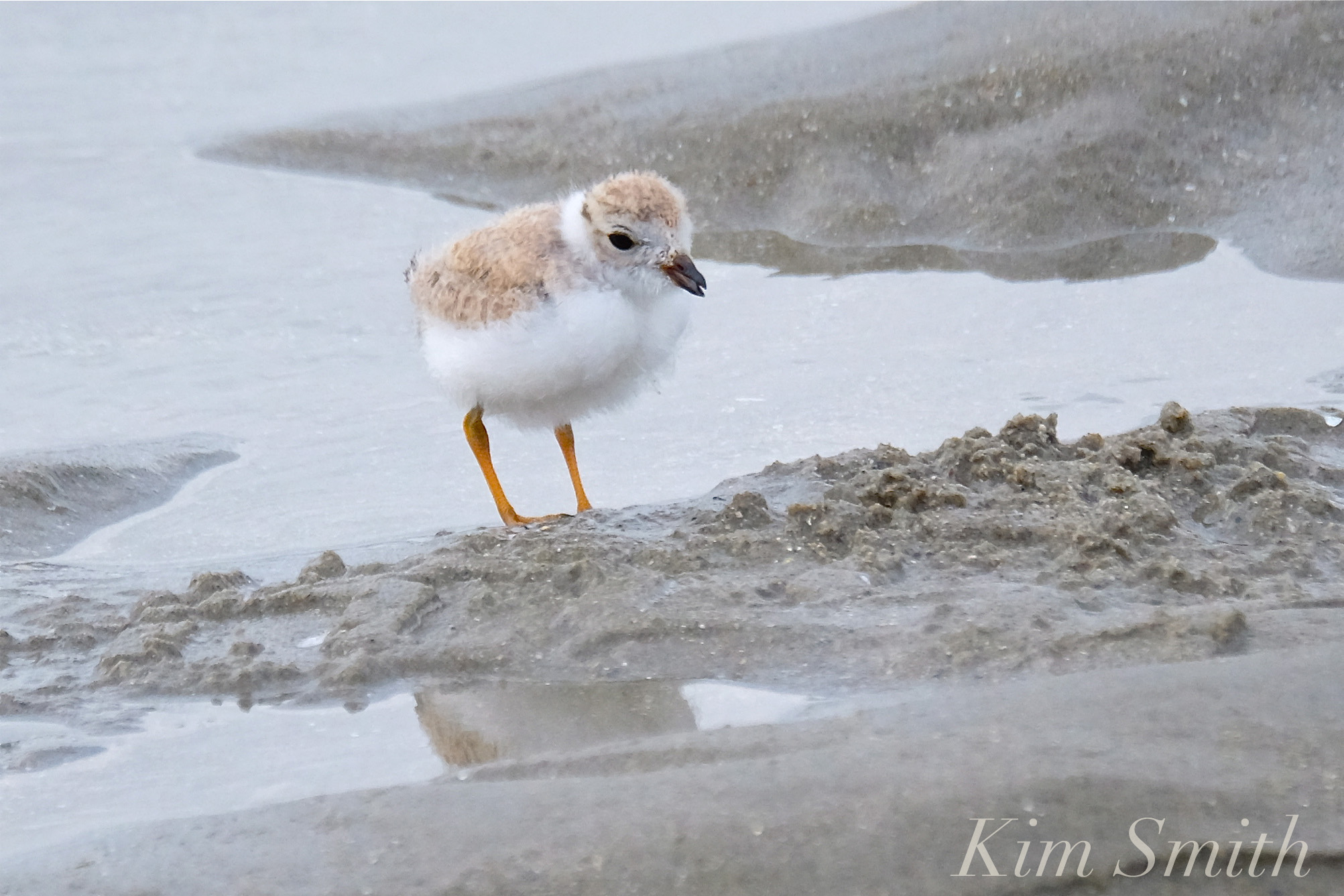
Two months of living on the edge Piping plovers are vulnerable to wild and domestic animals as well as human interference while they guard their nests on sandy beaches for a month before eggs hatch. Plovers blend with their surroundings, so it can be difficult for you to see them. Adult plovers will stagger and feign a broken wing to distract predators from their nests and chicks. Unfortunately, the plover ploy backfires when they face predators more nimble than predators in their native environment. The plover may be caught and killed or injured.

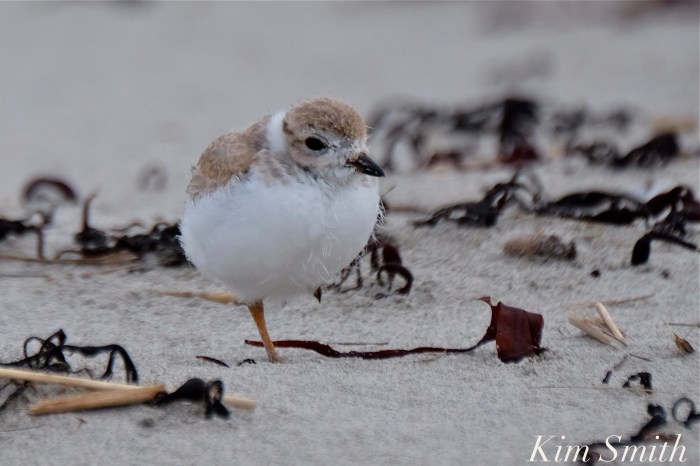
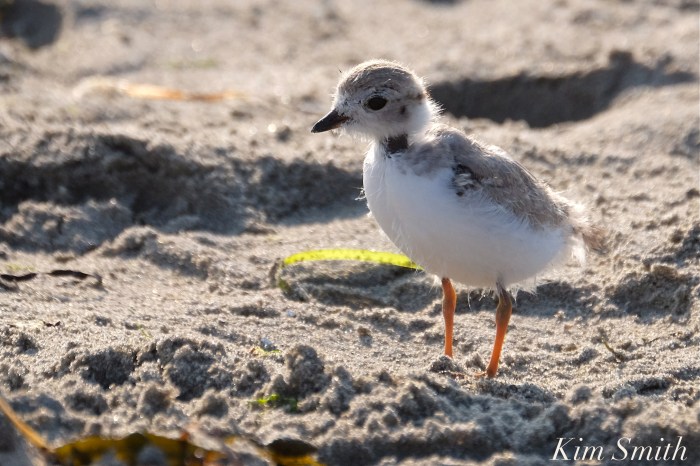
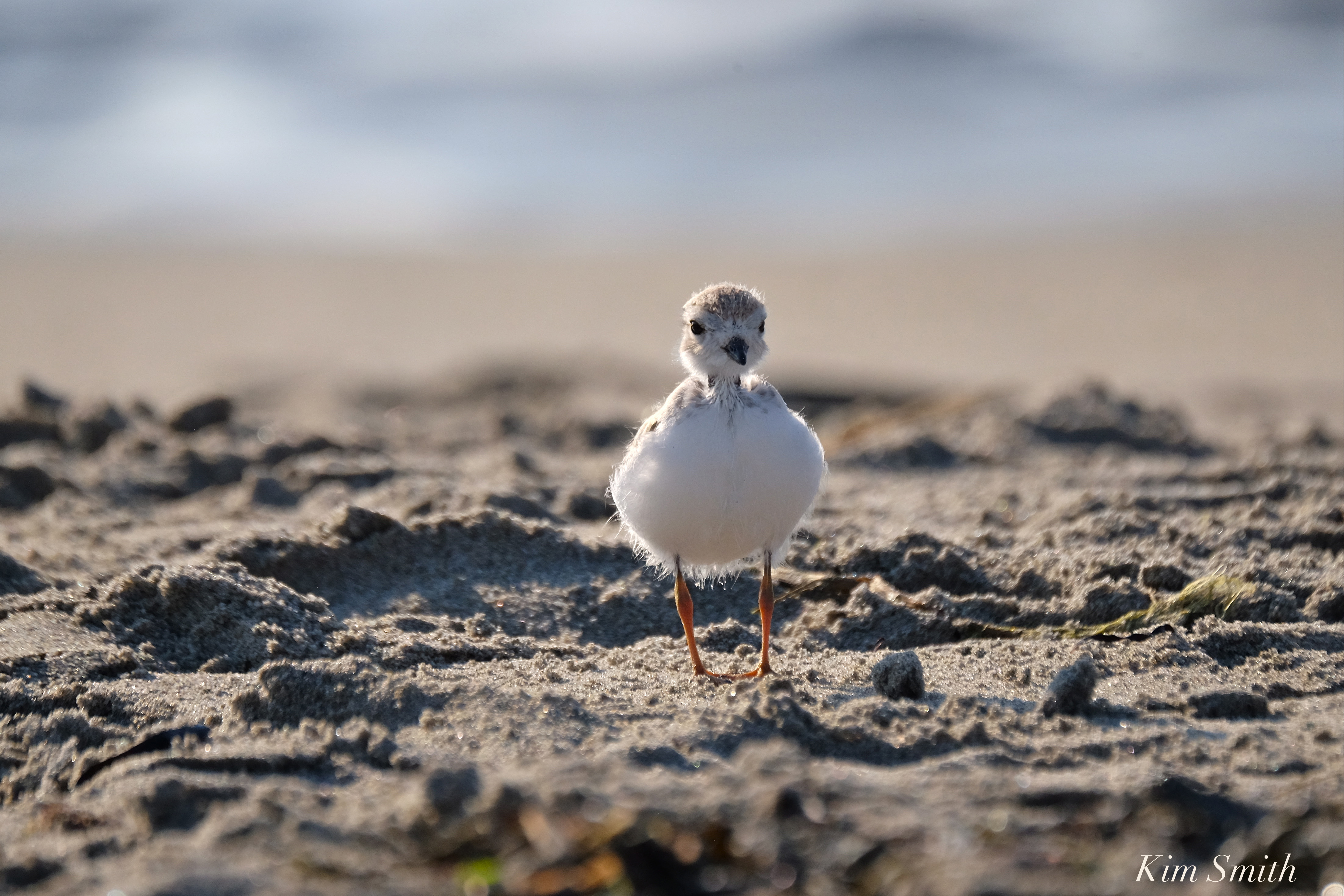
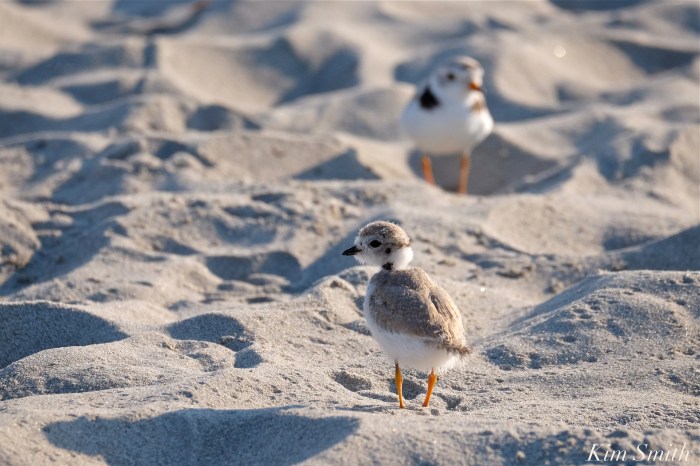
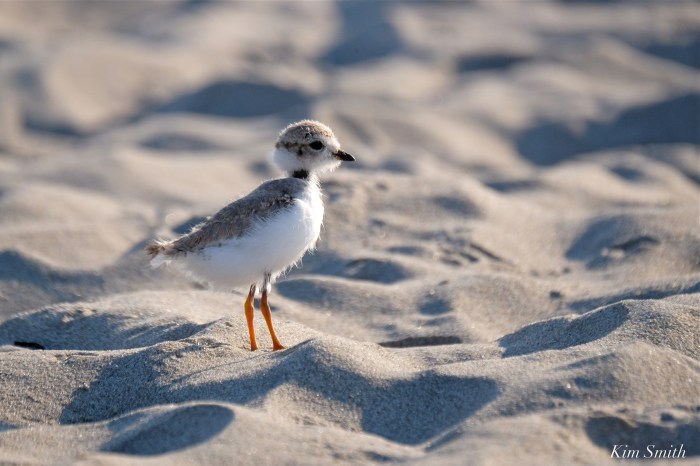
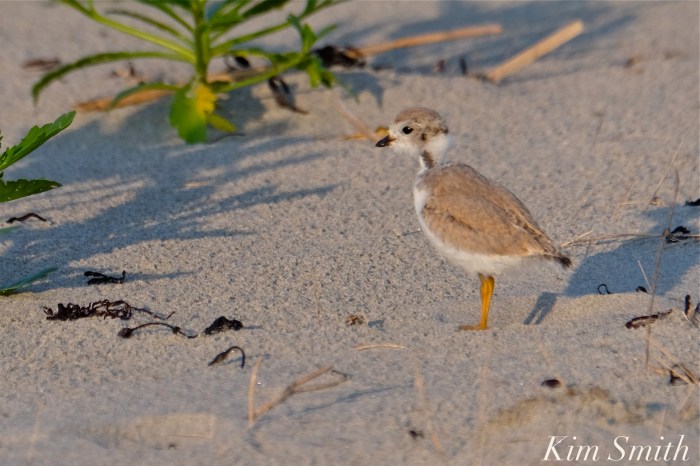
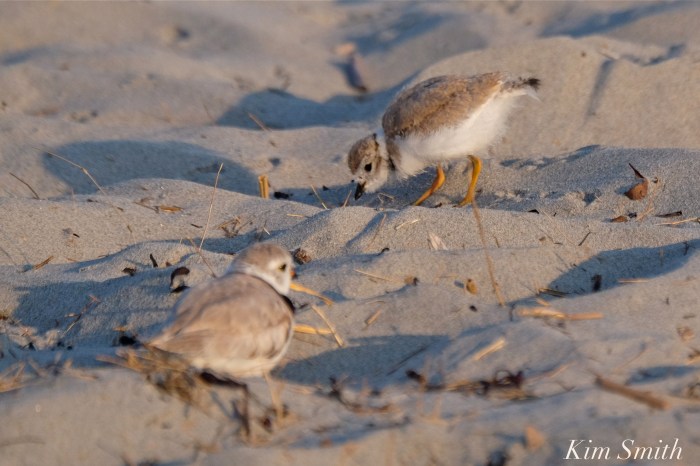
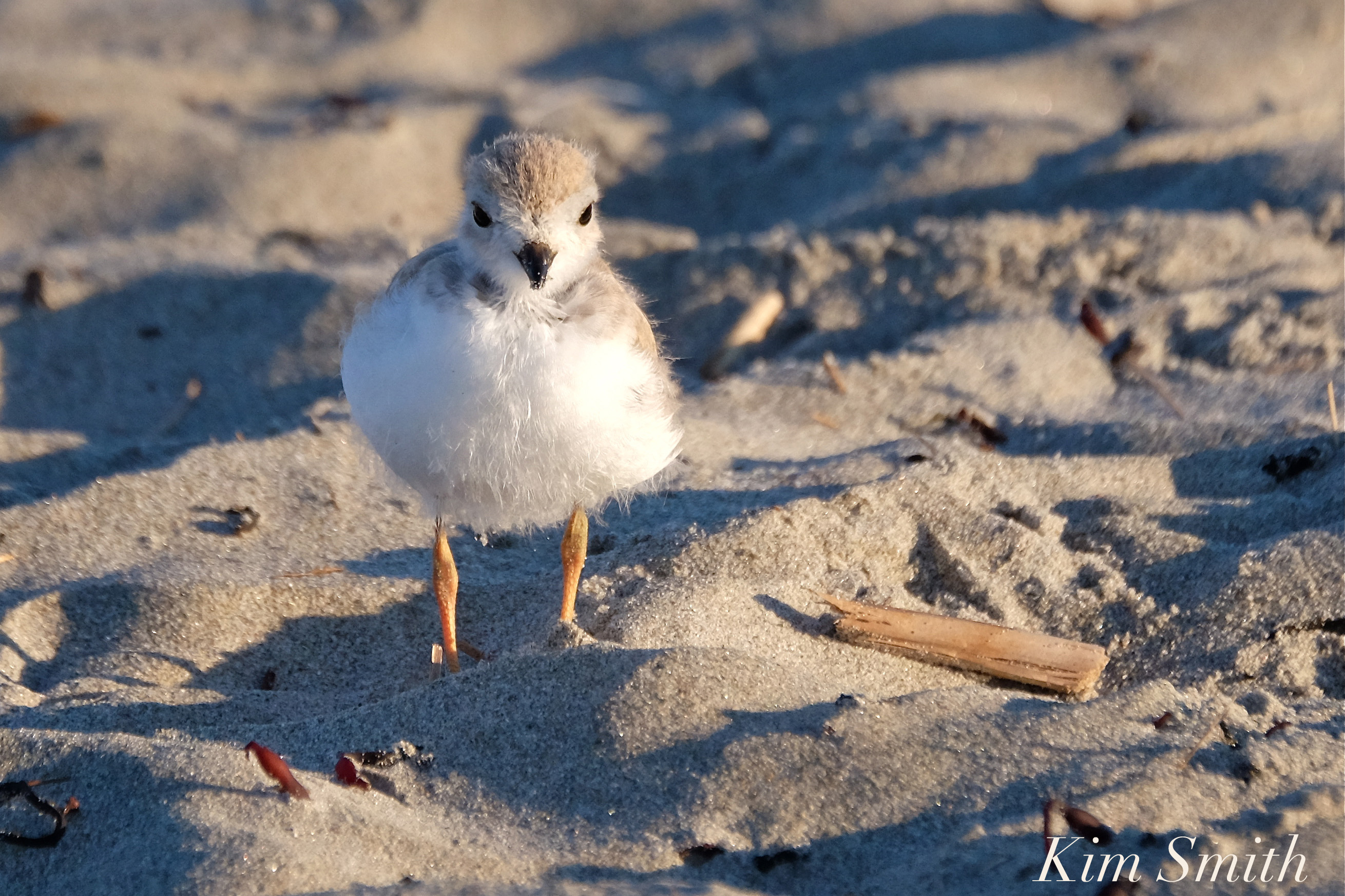
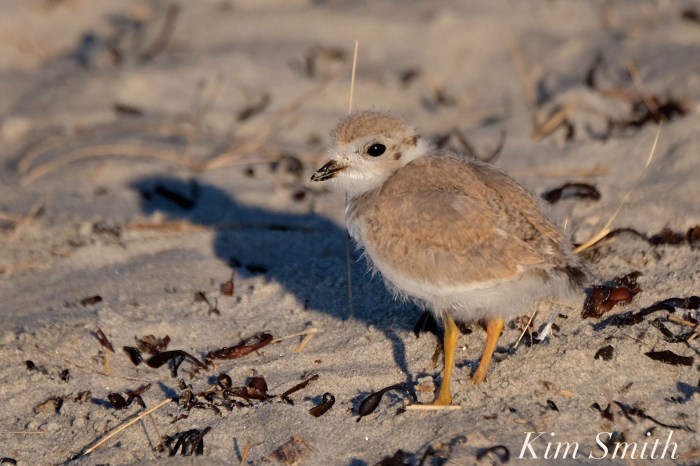
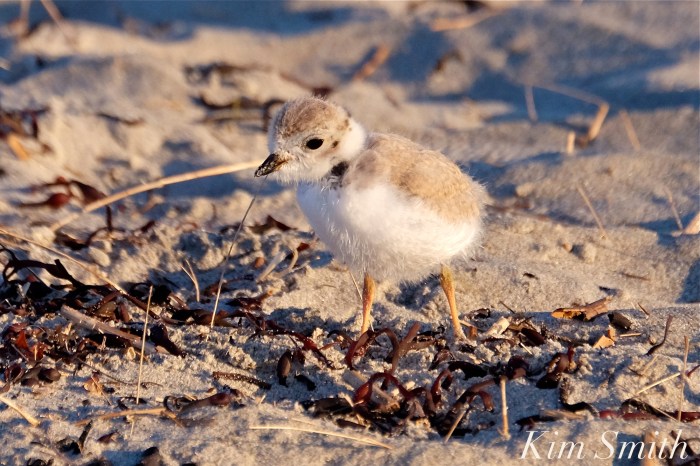
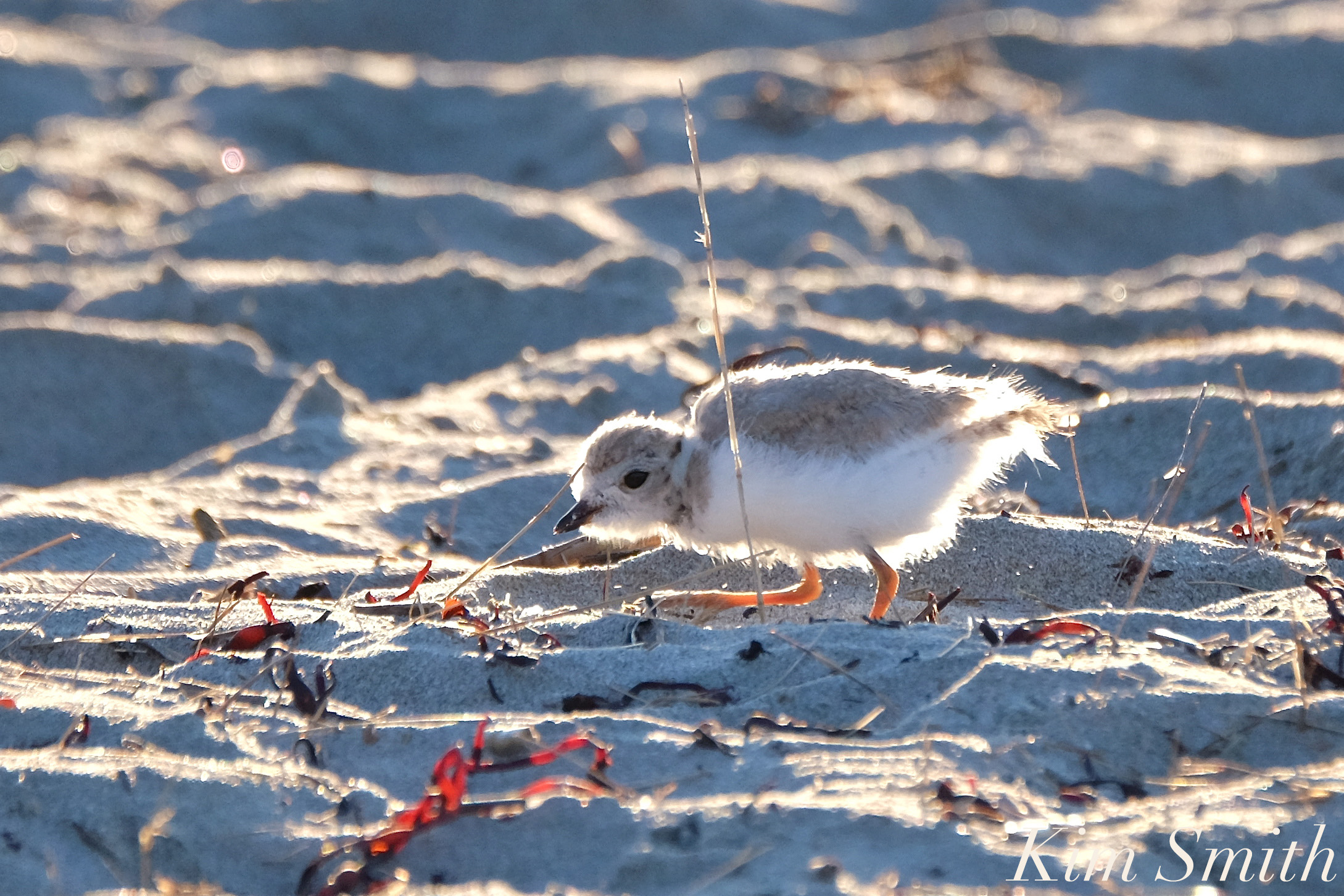
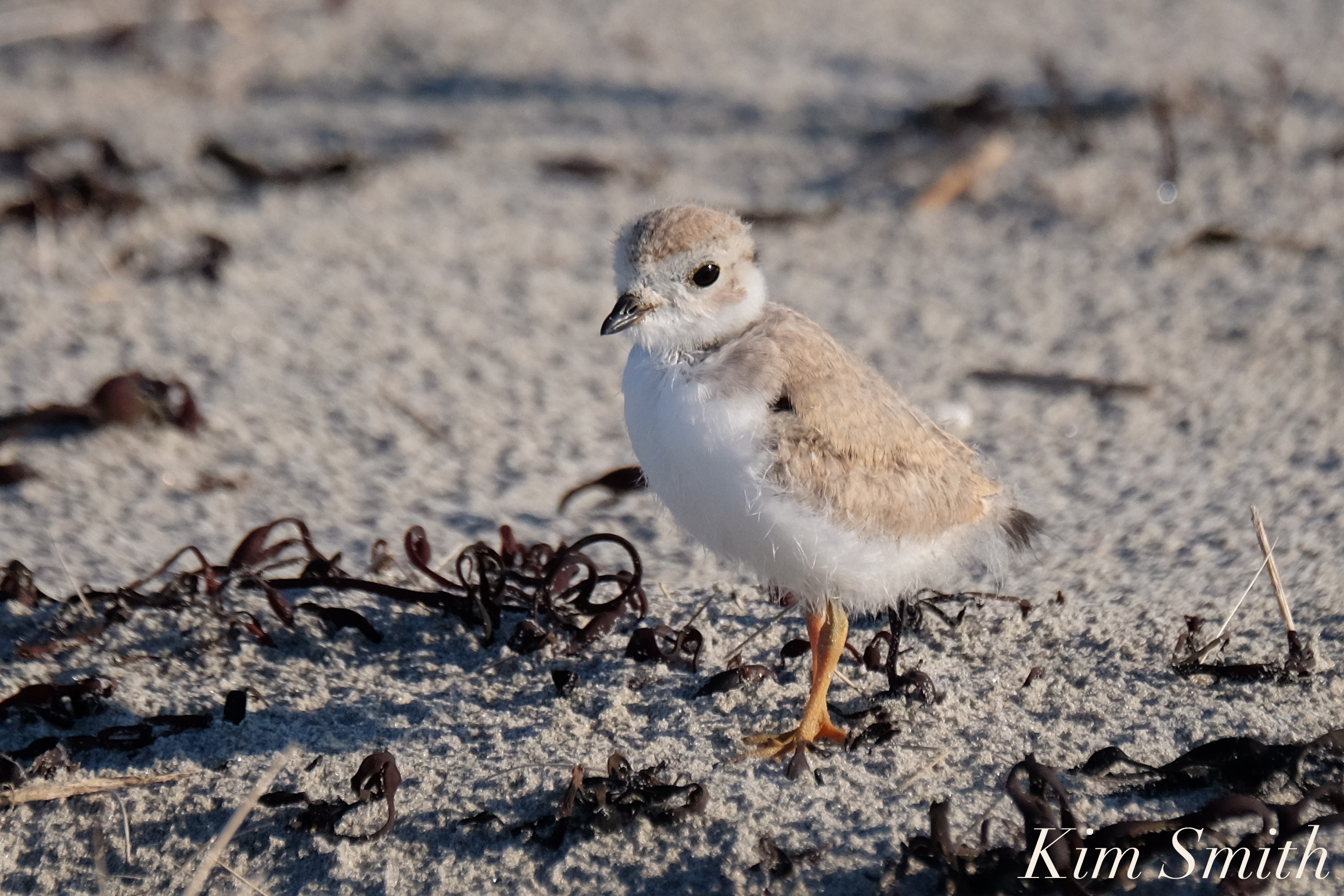
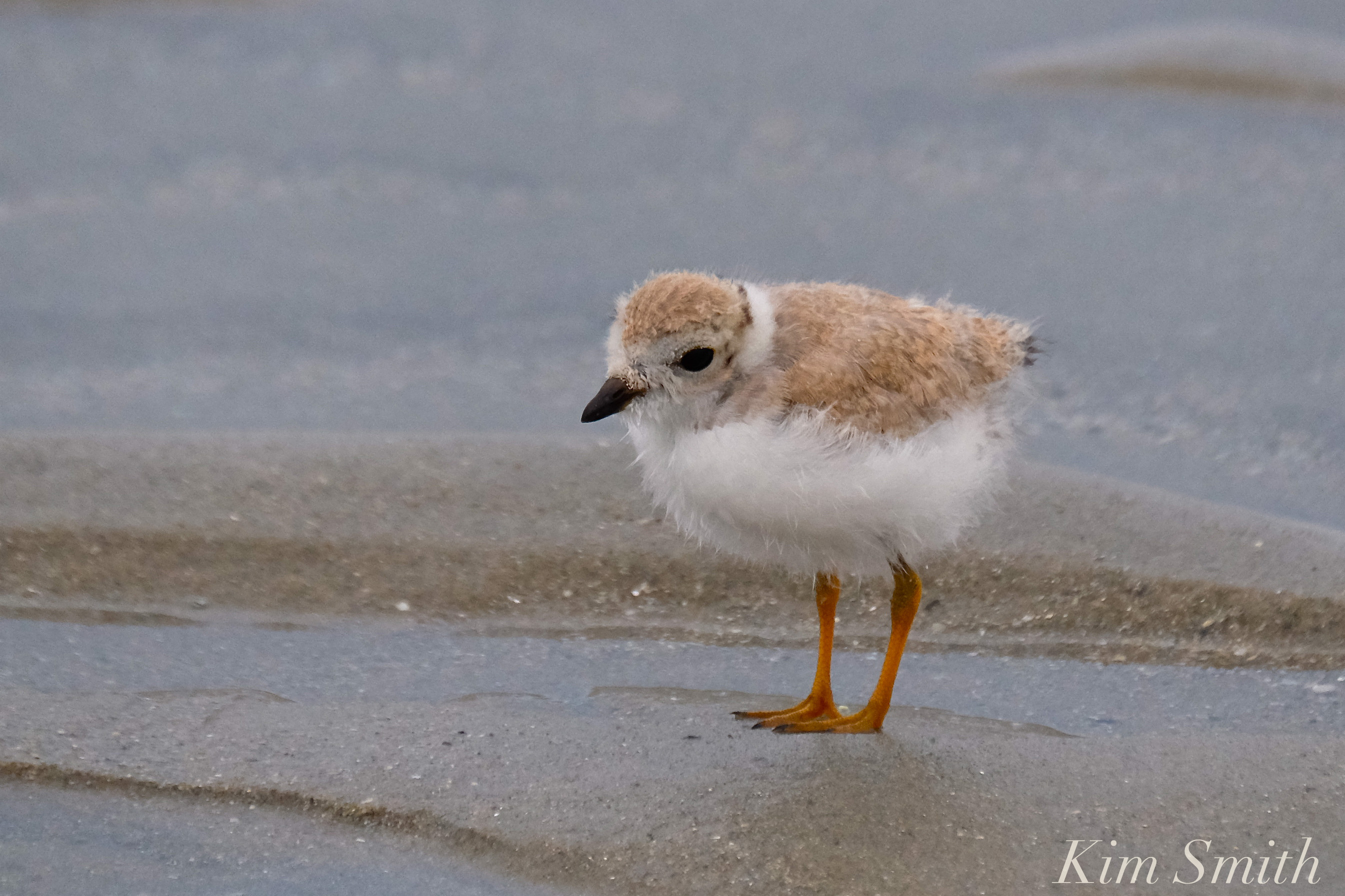
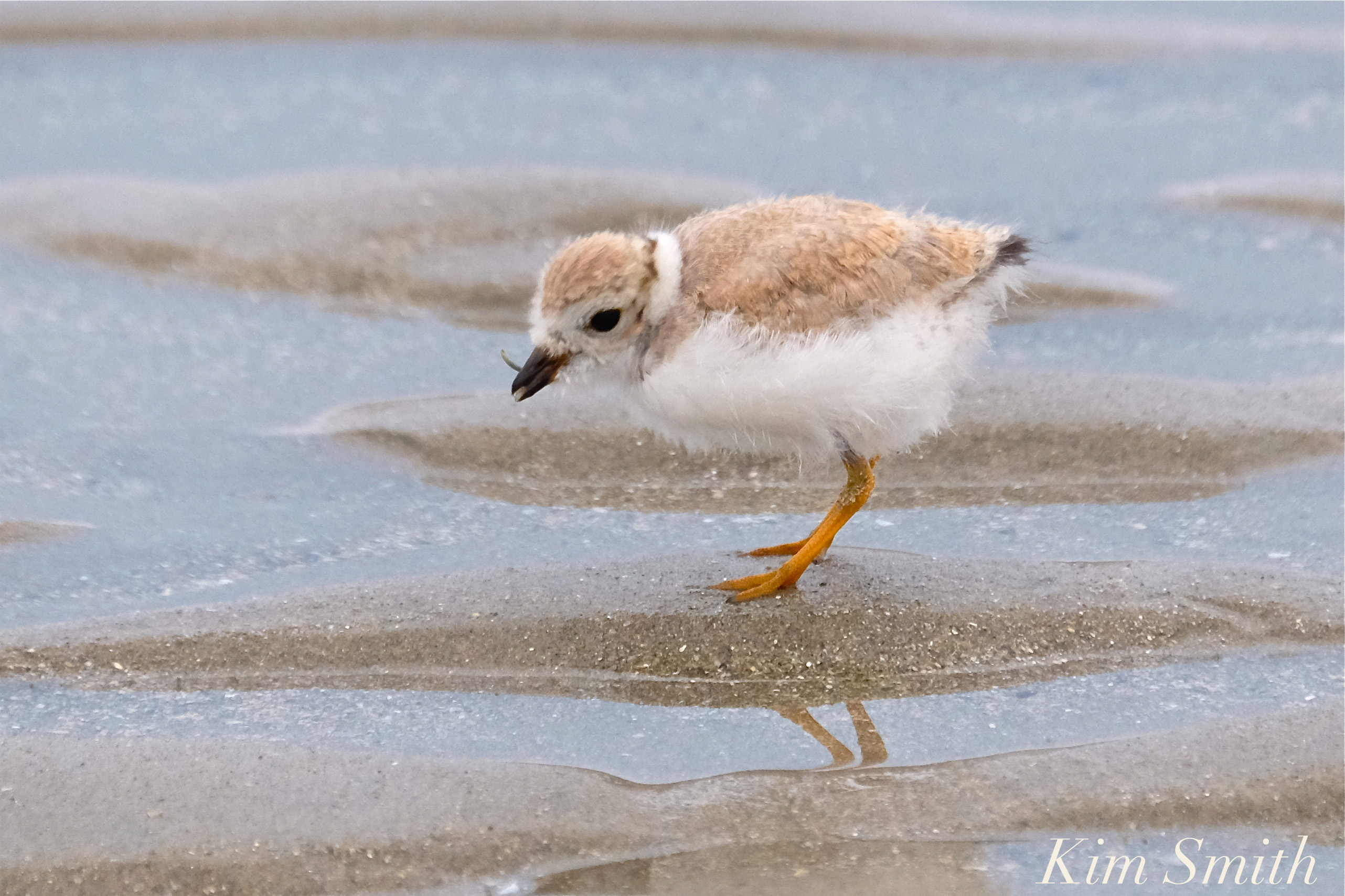
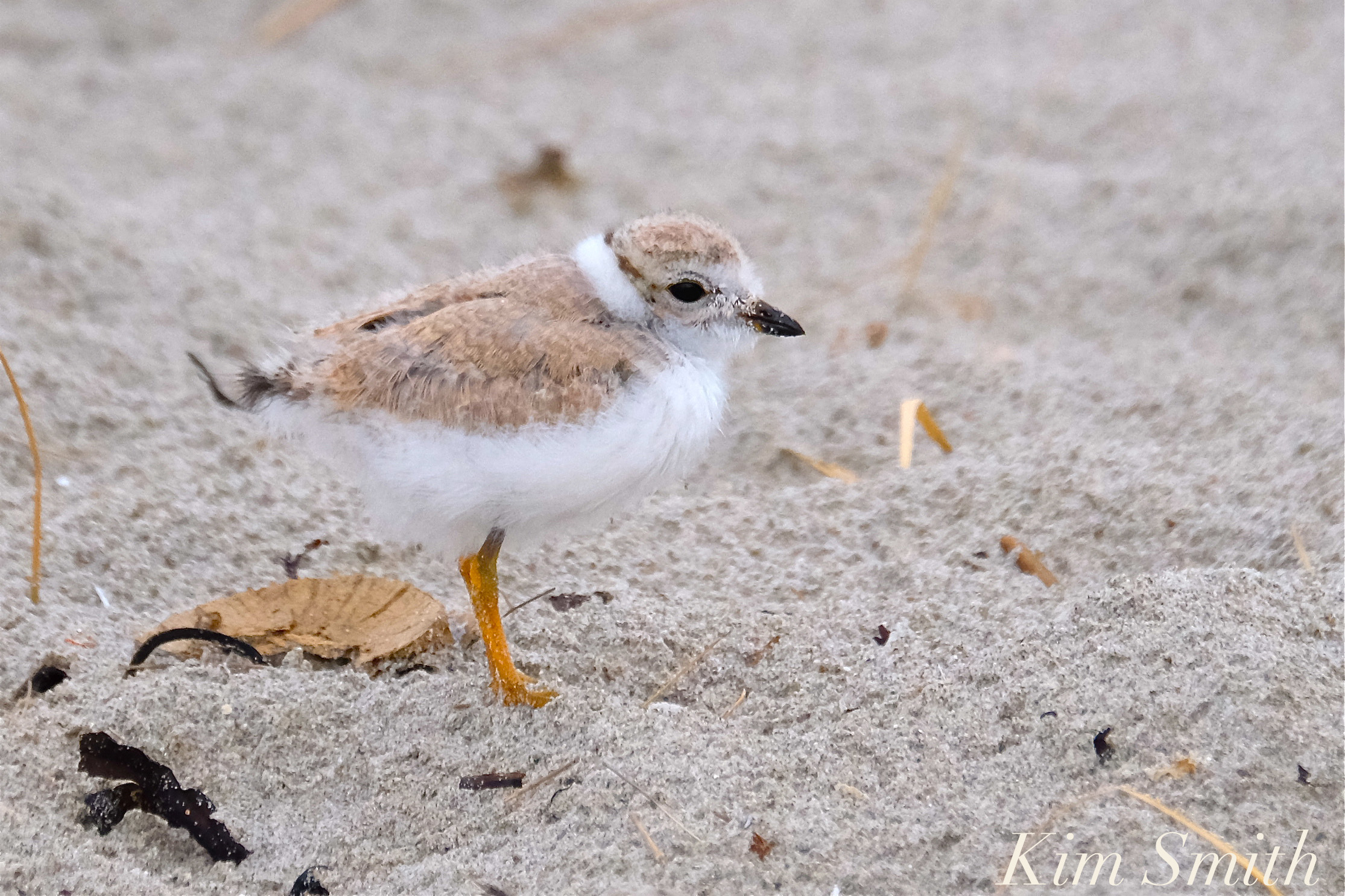
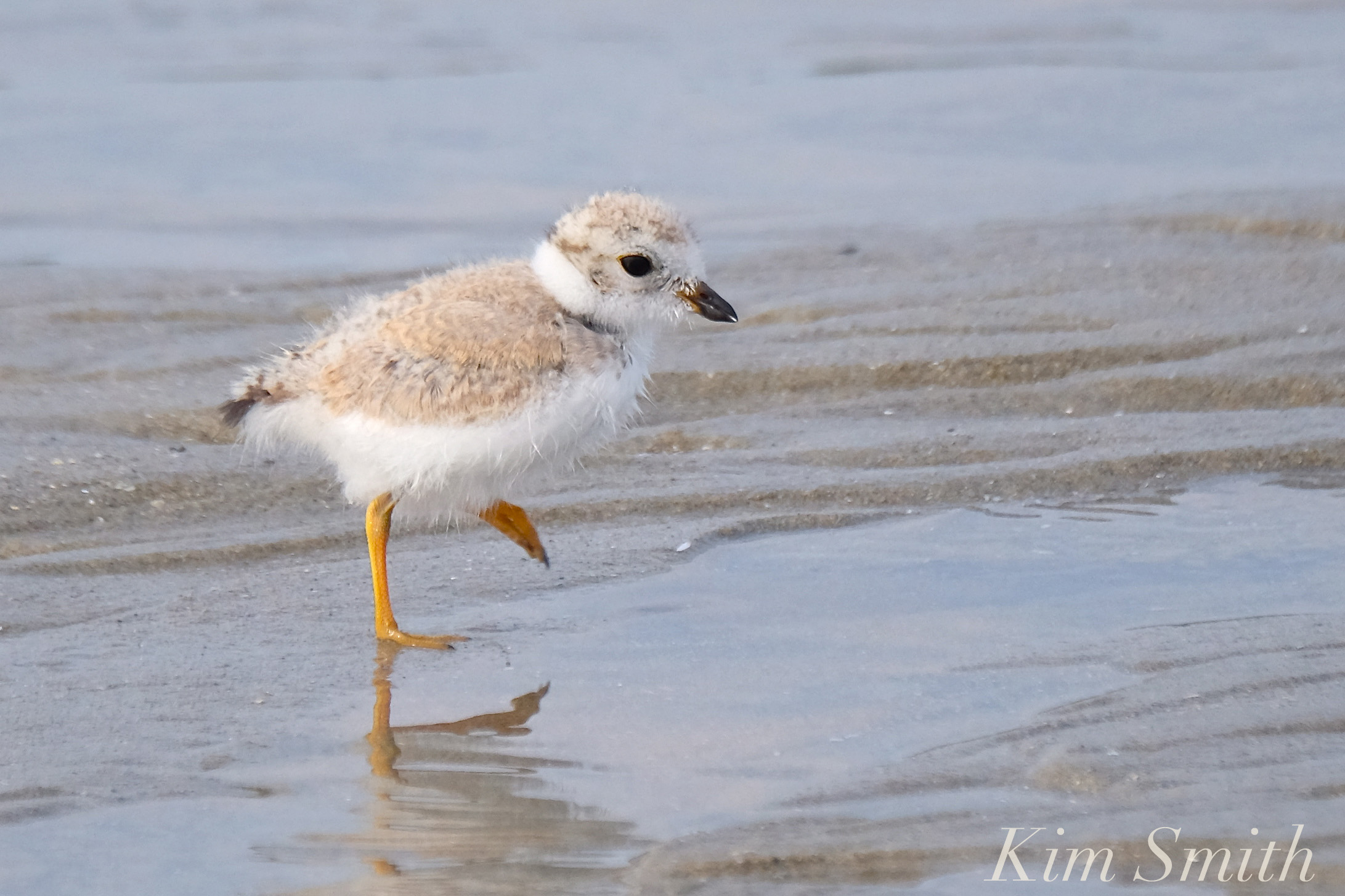
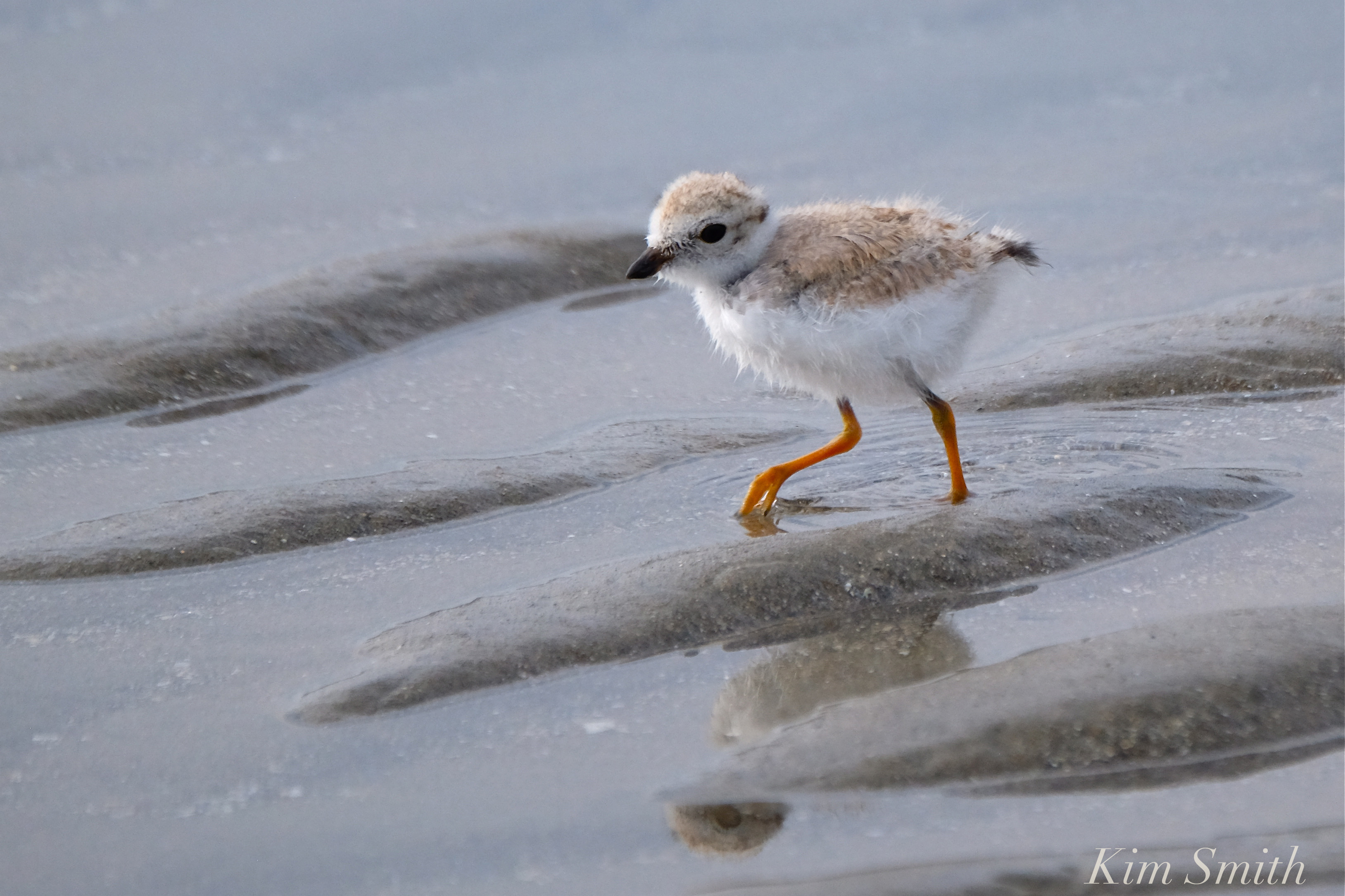
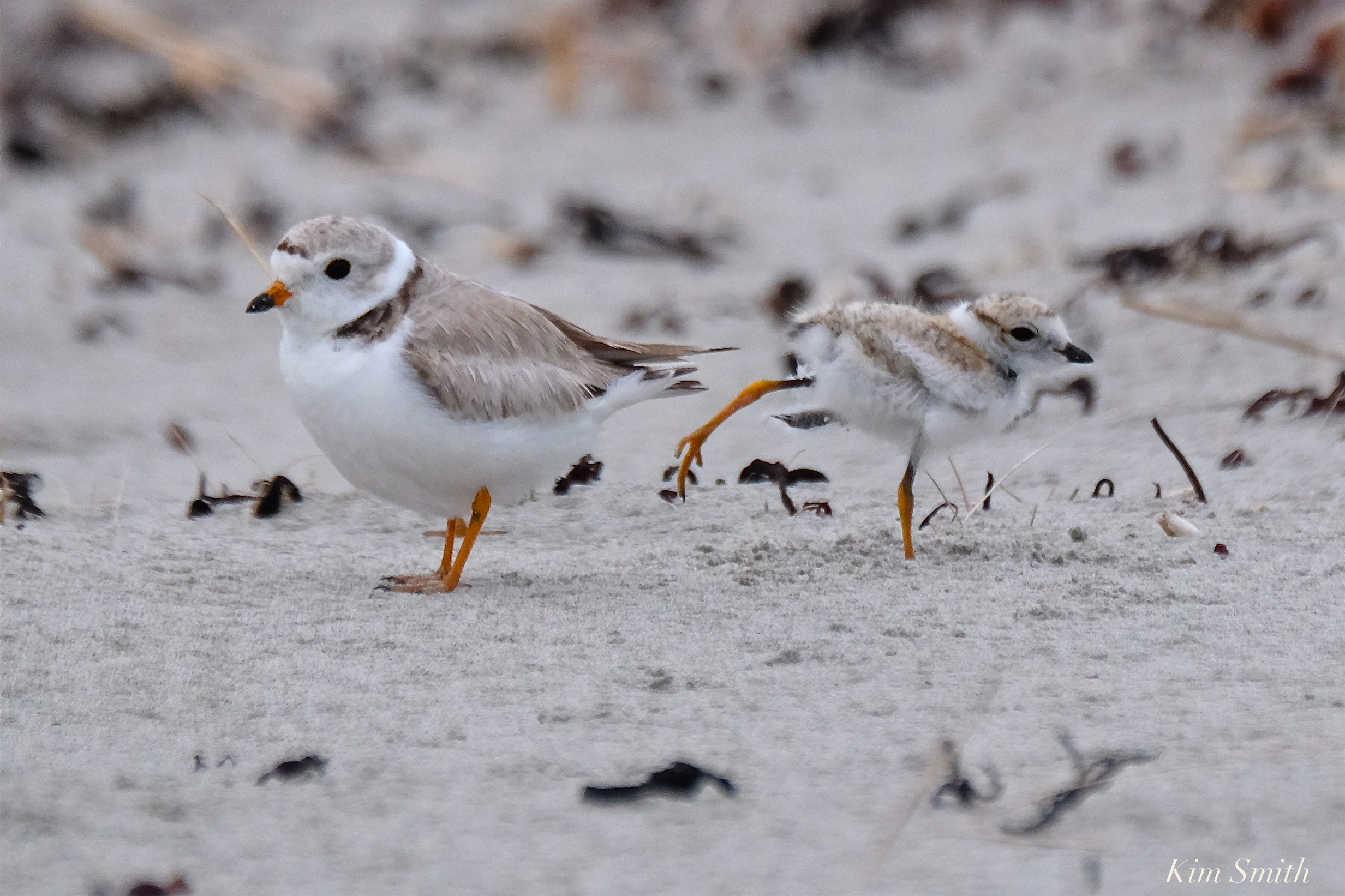
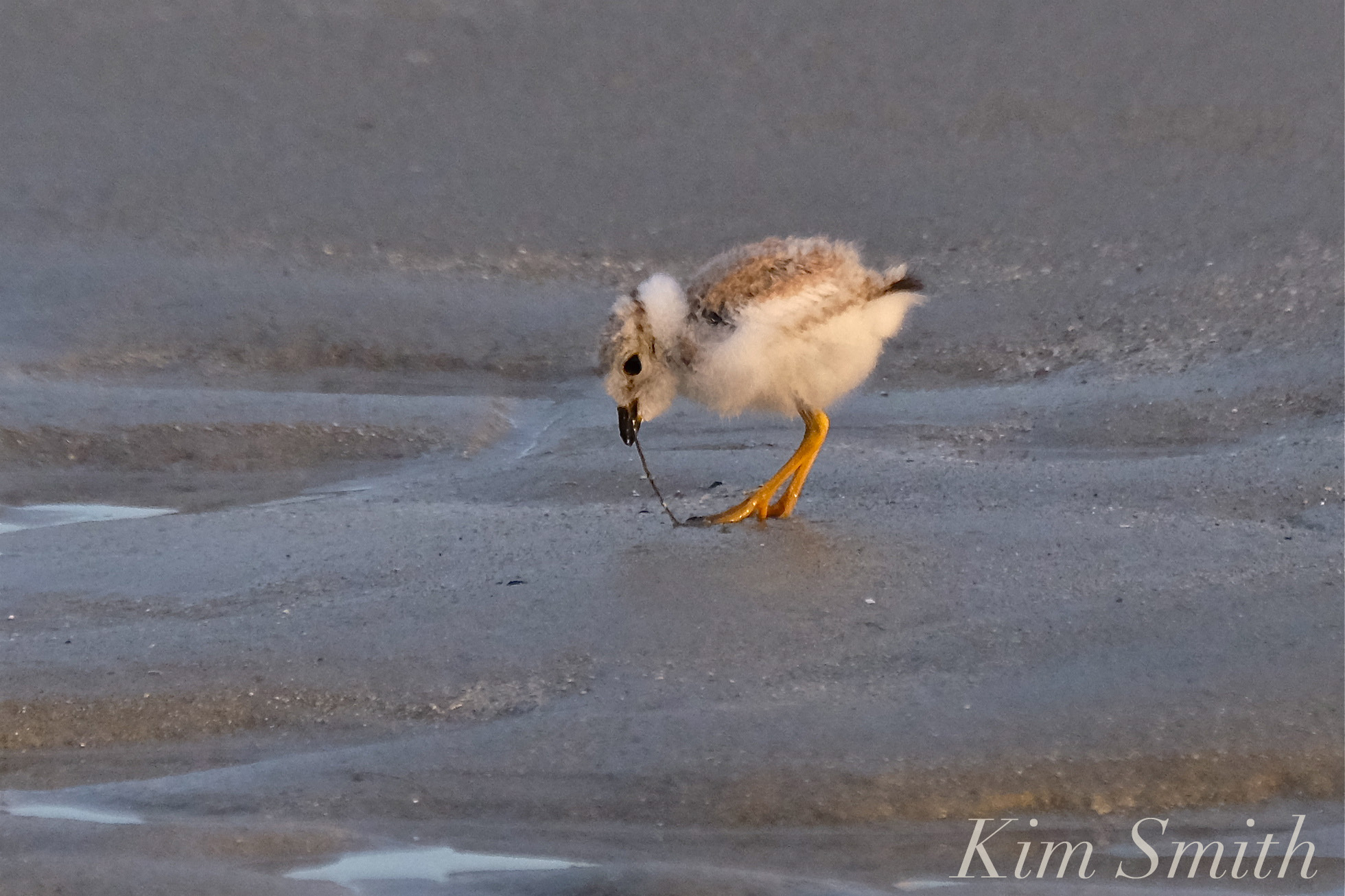
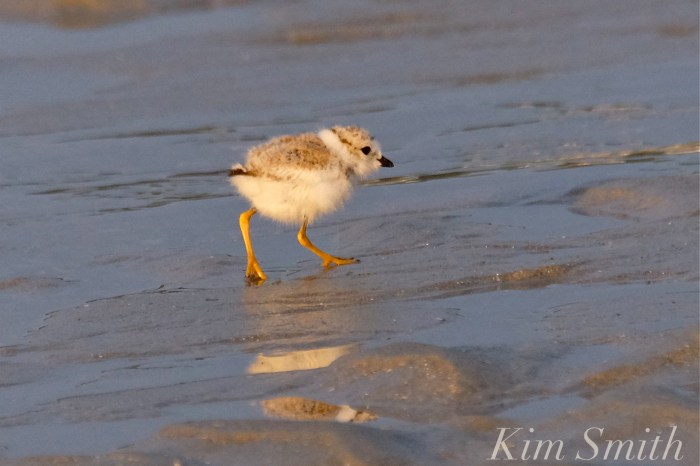
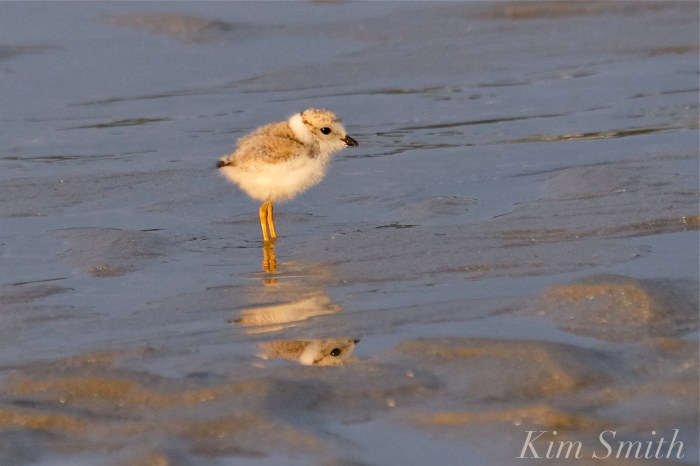
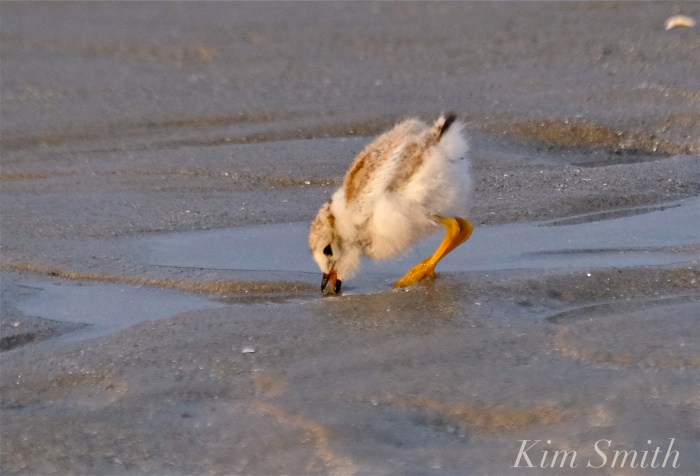
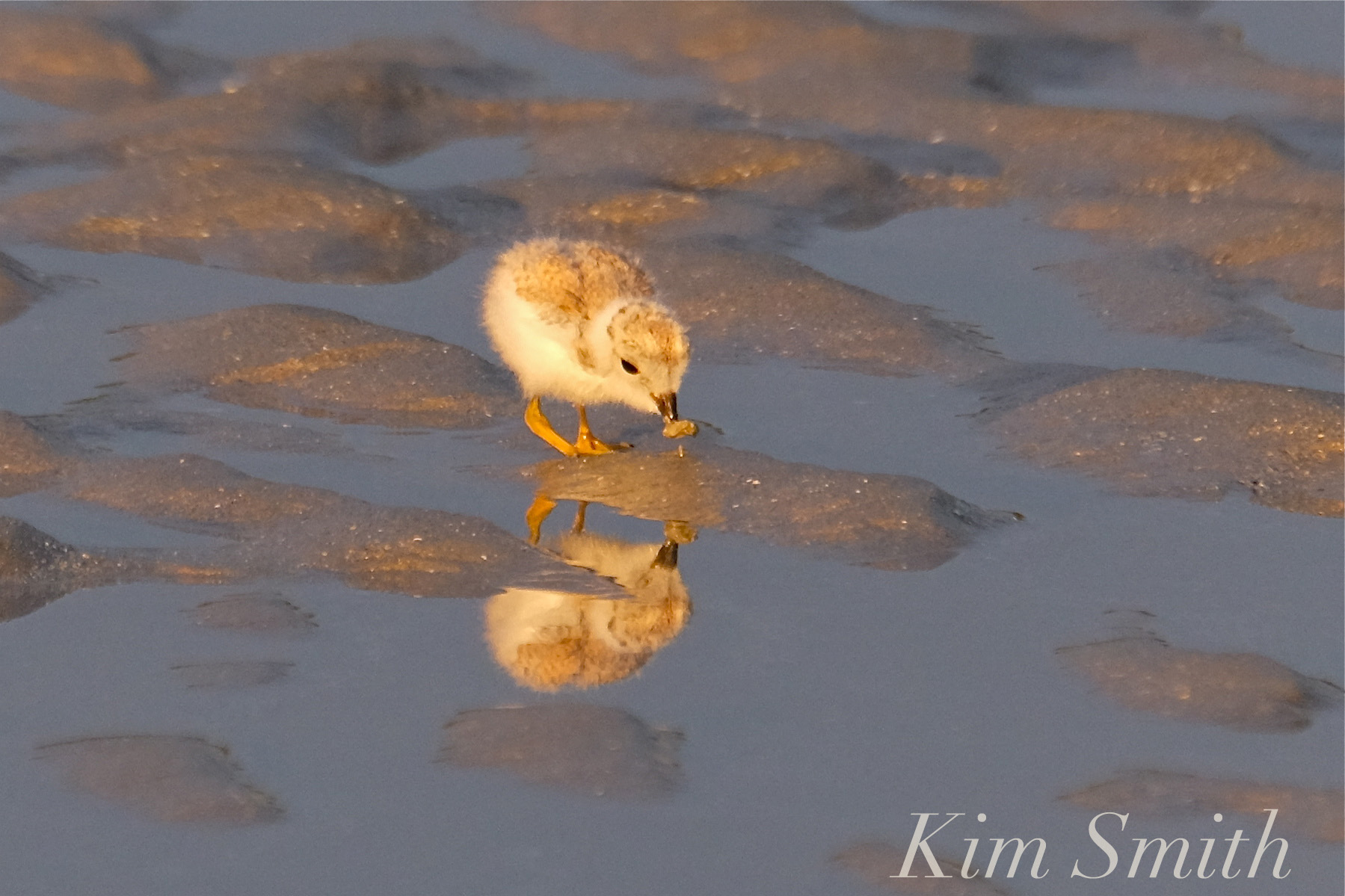
After plover eggs hatch, the tiny chicks spend most of the next month foraging for the food needed to gain weight and develop flight feathers. The flightless chicks face myriad challenges and are simply no match for an agile cat or dog that instinctively sees the chick as something to hunt or chase. With the plovers’ low population numbers, each tiny chick embodies a precious hope for future recovery of the species.

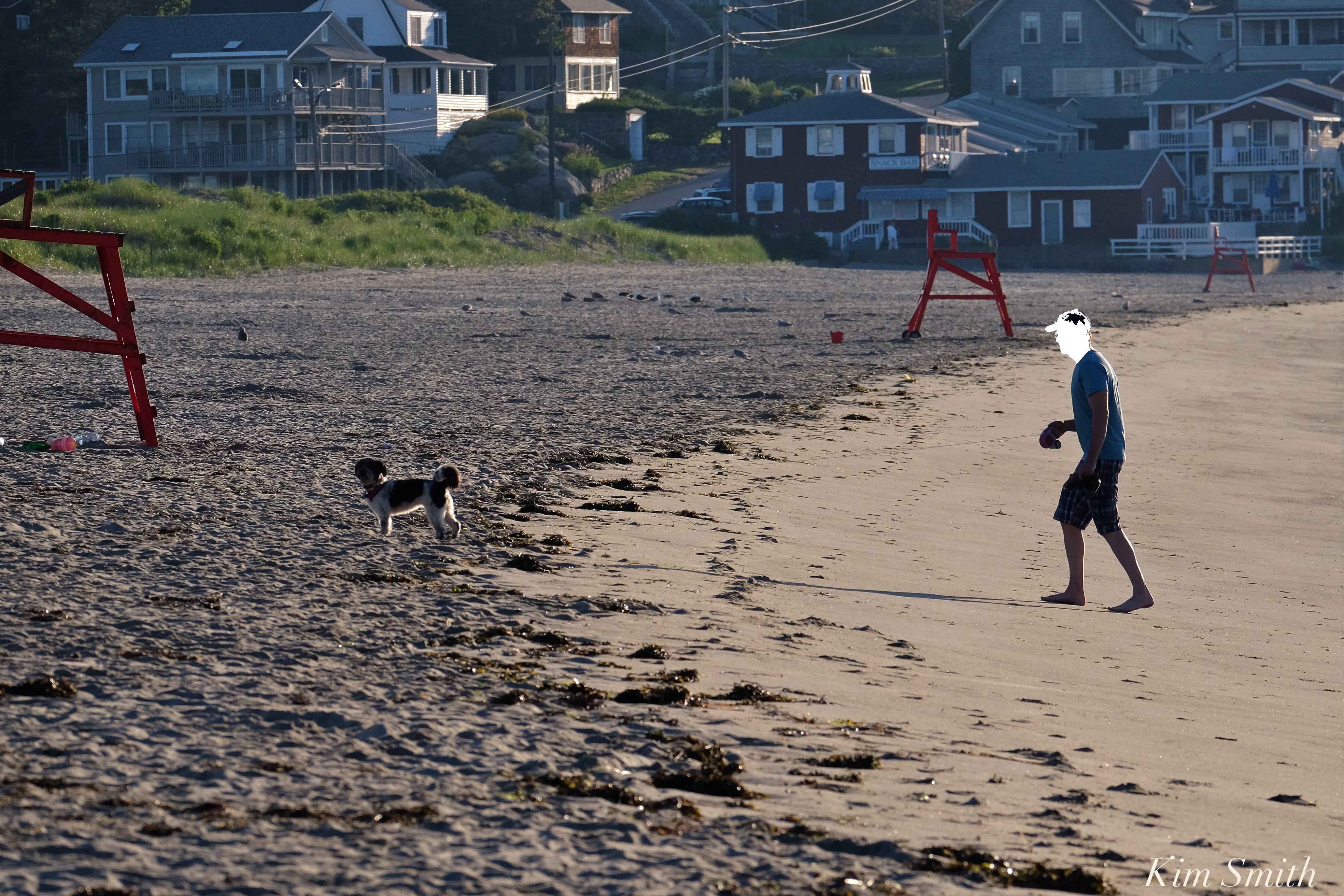
An unfair fight Cats are natural hunters, and even wellfed cats chase and kill birds. Beach-dwelling birds are not adapted to co-exist with cats. Each year in this country, hundreds of millions of birds meet death in the claws of cats. Cats kill roughly 39 million birds annually in Wisconsin alone, according to a 1996 study. Many dogs are naturally inclined to hunt birds after generations of breeding for that purpose. Unleashed dogs chase birds, destroy nests and kill chicks. Plovers are so difficult to see on beaches that it is extremely easy to miss seeing a bird that your dog is chasing. Even when they are on leashes, dogs can frighten and kill birds. In a 1993 study, researchers found that the mere presence of pets disturbs piping plovers far more than human presence. While we cannot tell birds where we want them to nest, we can control cats and dogs.

Protecting our environment We not only have an obligation to protect birds as an important part of our environment, it is the law. The U.S. Fish and Wildlife Service placed Atlantic coast piping plovers on the List of Endangered and Threatened Wildlife in 1986 with a “threatened” designation, meaning that without care the species could face extinction. The plover future is so tenuous that for more than 20 years, people from local, state and federal agencies along with dozens of private organizations have provided intensive protection for the birds. They have spent countless hours managing predators and posting nesting areas to protect birds from pedestrians and off-road vehicles. By 2005, the piping plover population had grown to more than 1,400 pairs. However, protection is neccesary for the species’ survival because threats, including those from cats and dogs, remain.

Monitoring nests and protecting habitat are only part of the piping plover protection story. Plovers need everyone’s help, and vigilant pet owners play an essential role. We need to take advantage of every means to prevent plover deaths if we are to ensure the survival of this bird.

CELEBRATING DAY TWENTY FIVE WITH OUR PIPING PLOVER CHICK, AND WHAT’S WITH THE PENCIL NECK LOOK?

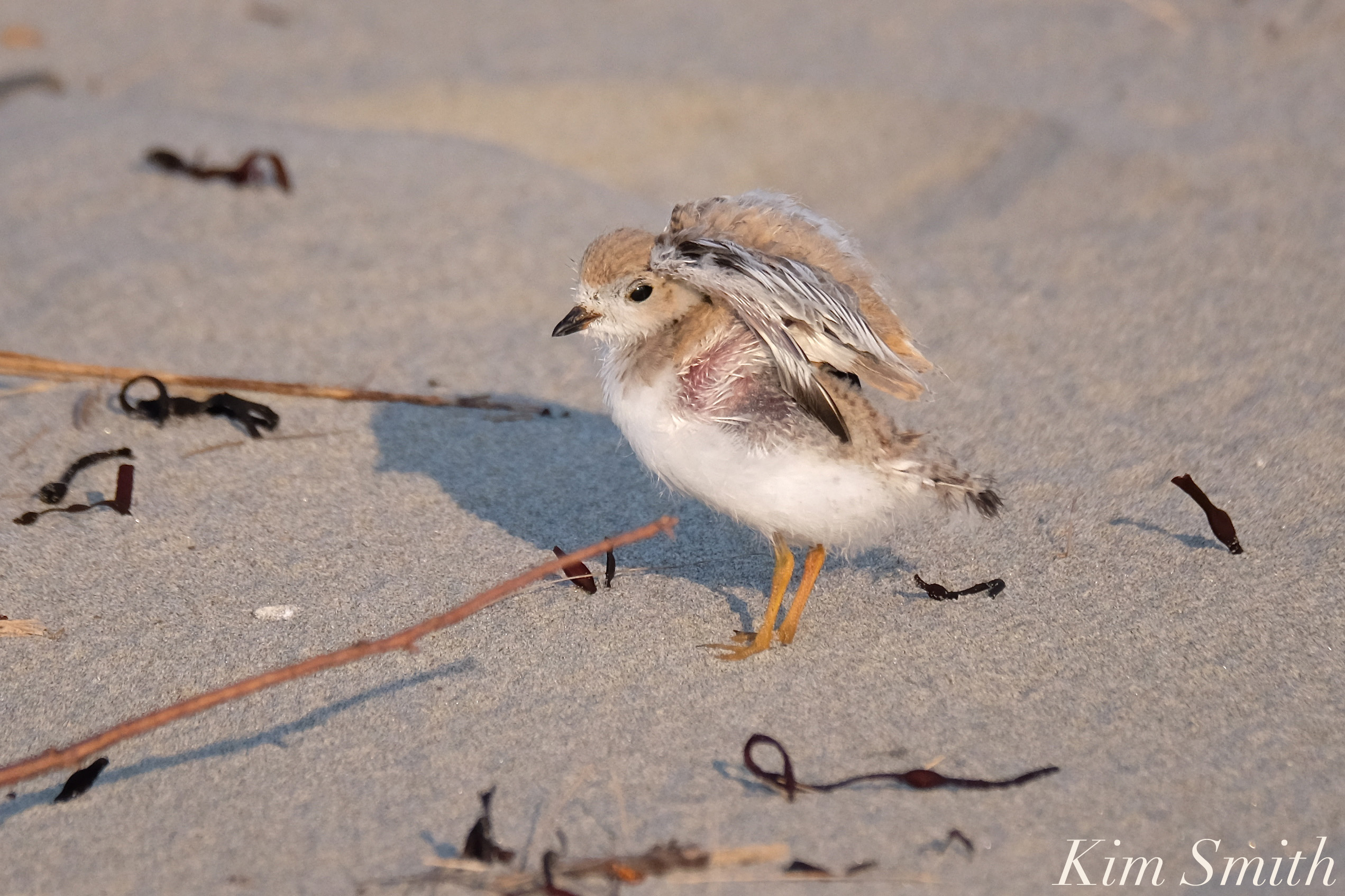
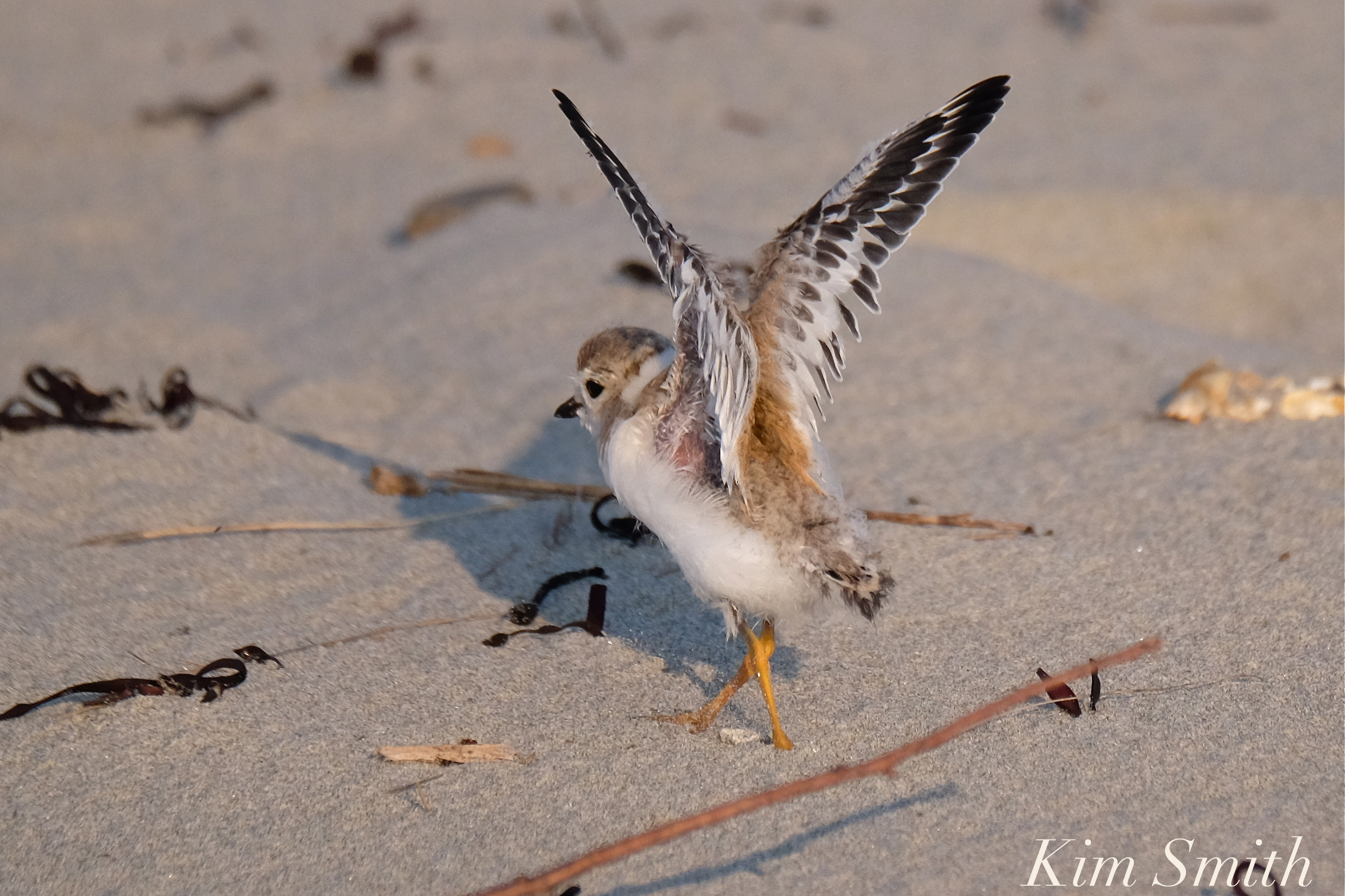
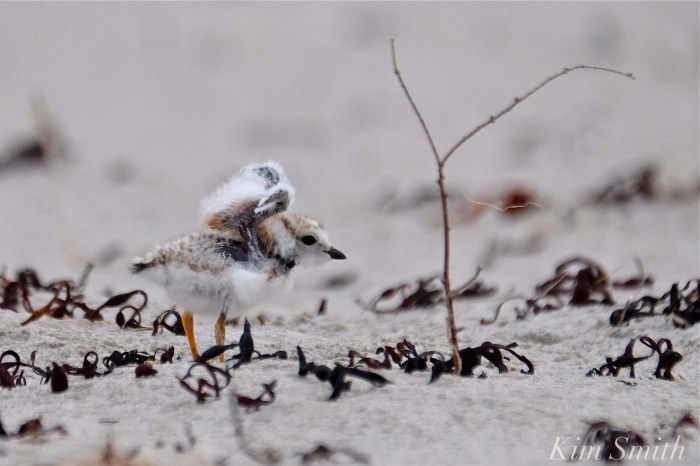
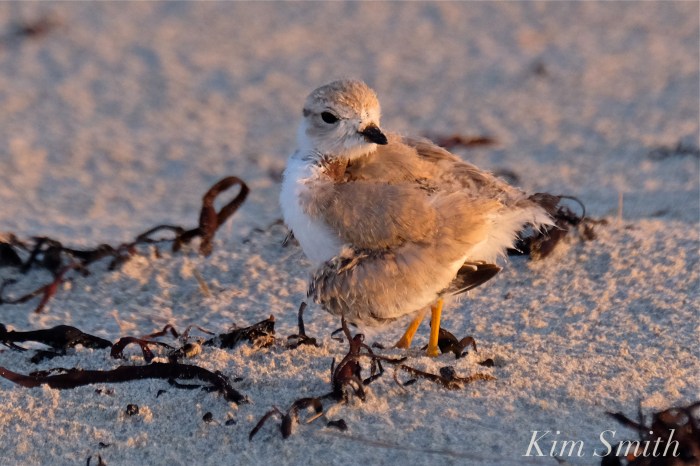
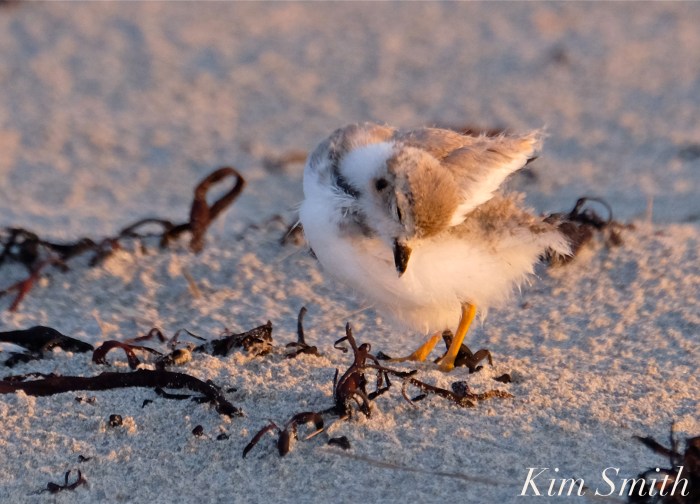
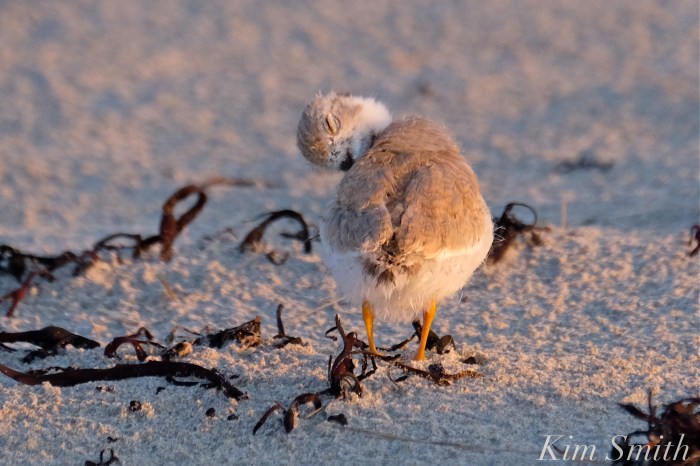
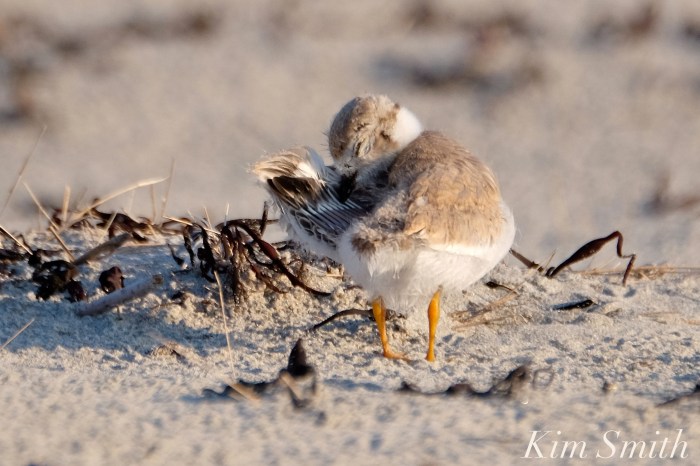
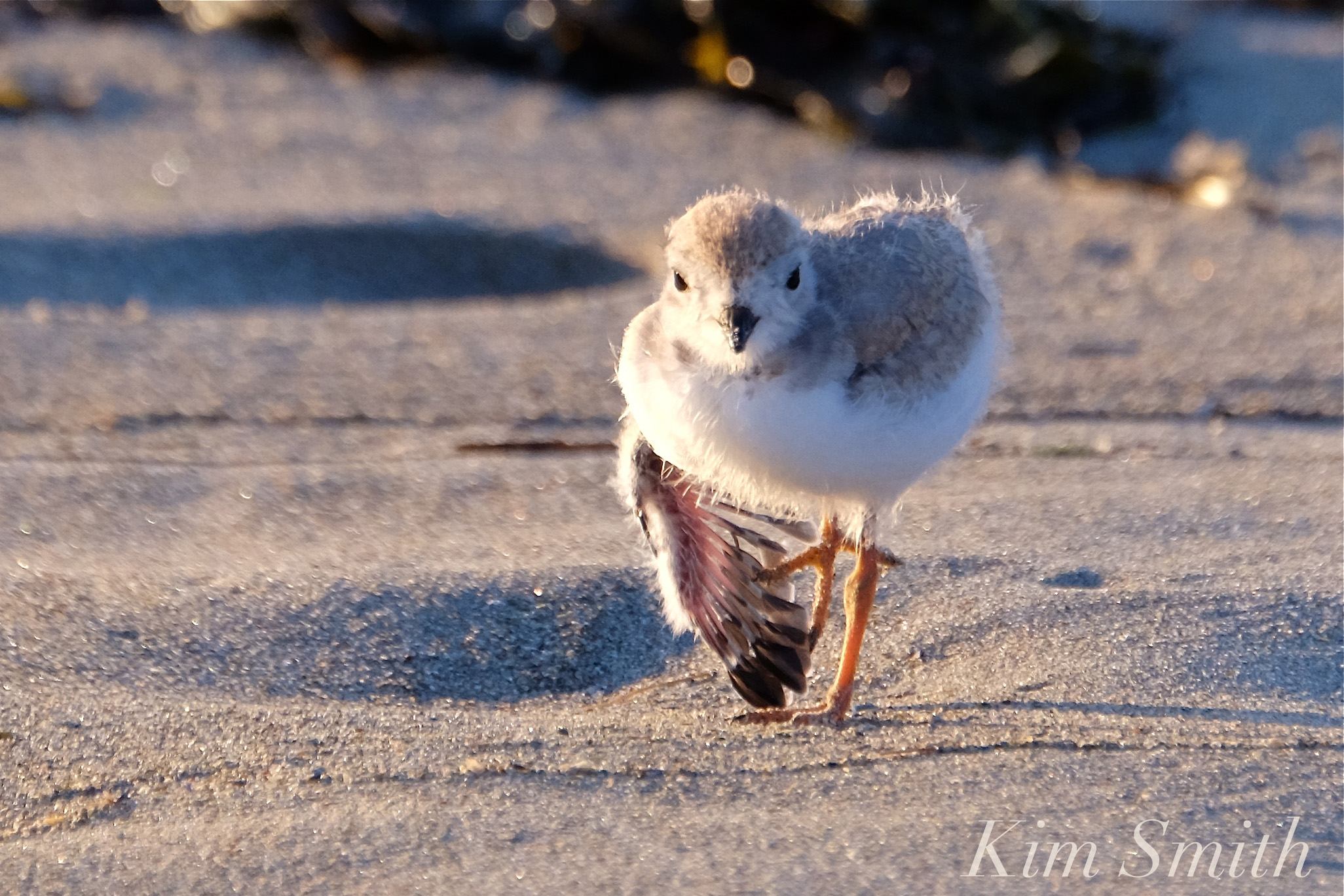
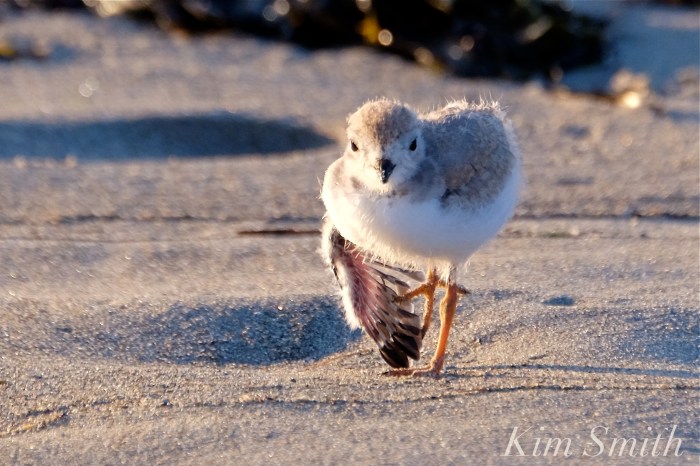
Flapping, hopping, jumping, preening–everything but flying yet with his gorgeous growing wings. Soon little chick, soon!

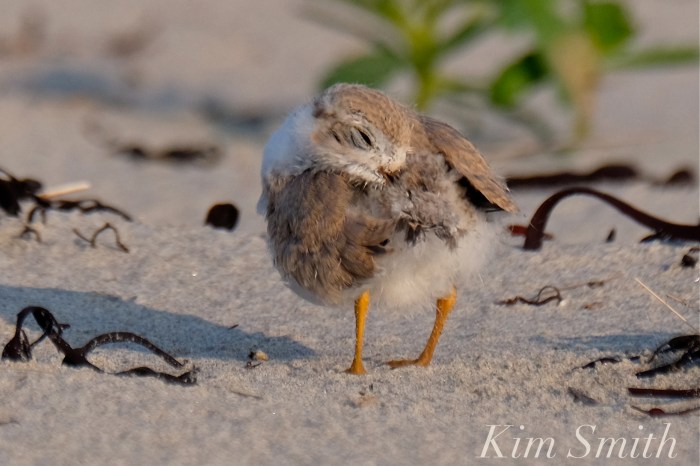
Little Chick Morning Preen

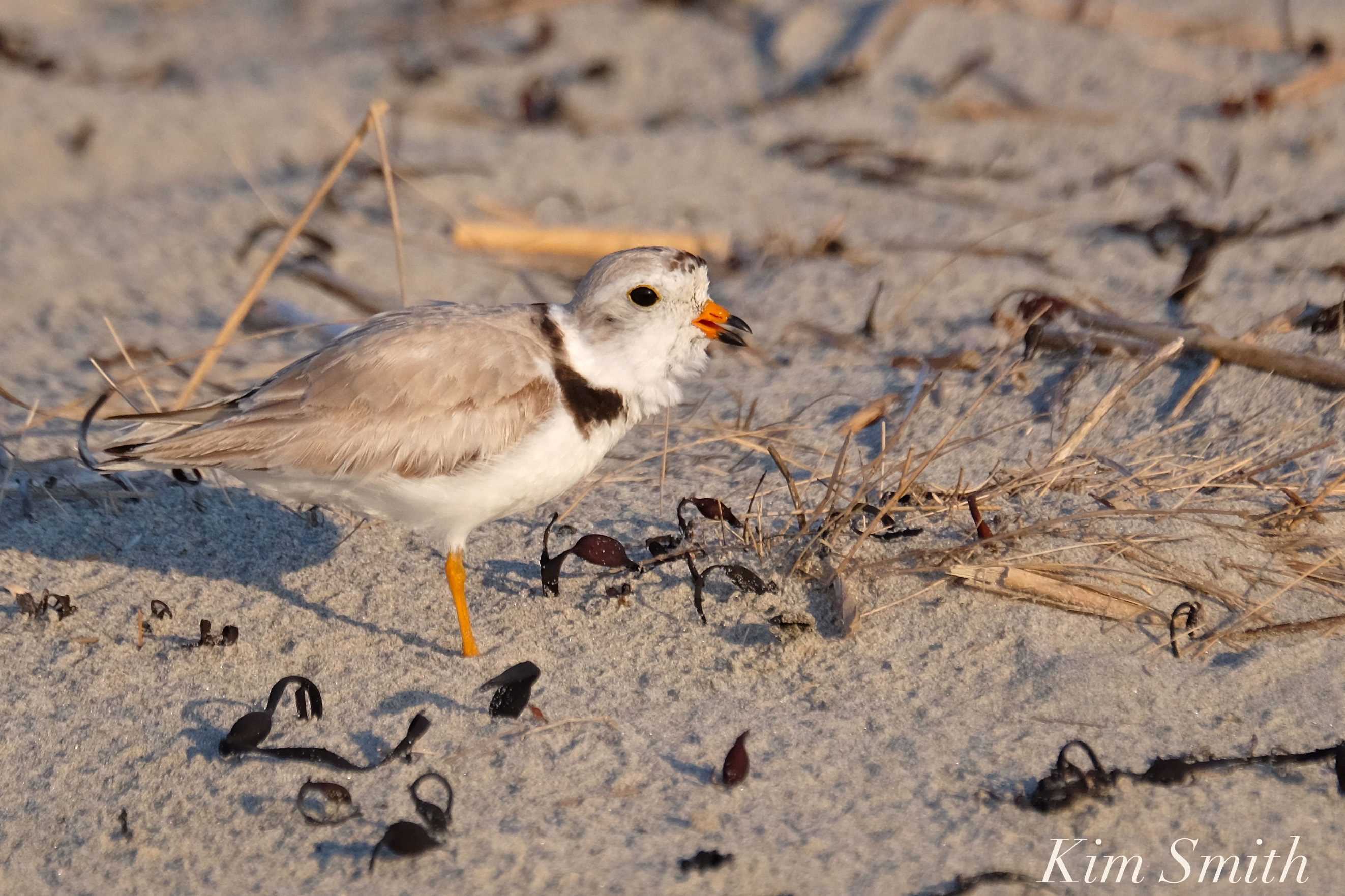
Papa Plover Piping Commands

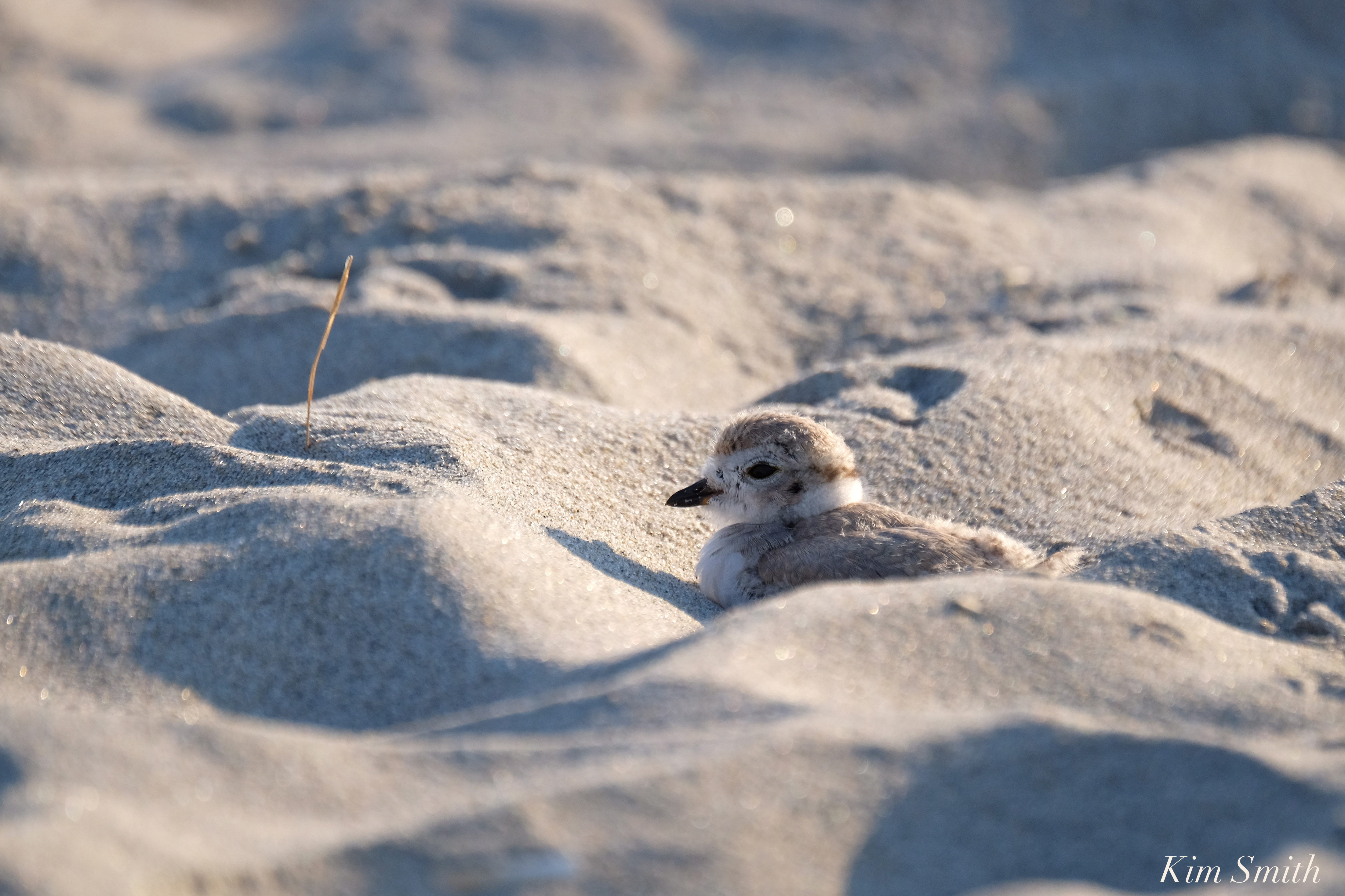
Our chick is developing excellent communication skills. Papa Plover commanded him to stay low and still while several crows eating garbage invaded the enclosure. Perfectly camouflaged, he did just that, and for approximately fifteen minutes.

More Pencil Neck Poses

Kicking It Up!

THANK YOU JOE LUCIDO!

Huge shout out to Joe Lucido, Mike Hale, and the entire crew that make up the departments of public works and services for the City of Gloucester. Please thank these gentlemen next time you see them. Hard working guys that they are, they have added plover helpers to their long list of responsibilities, and all have lent a hand in helping Gloucester’s Piping Plovers succeed.

Joe heard about the dog owner trouble yesterday and stopped by early, early this morning to help monitor the situation, as well as check on the new weekend trash barrels.

Thanks so much to Joe and Mike and their crews for all that they are doing to help keep our city looking its best, mostly for people, but their efforts tremendously help the Plovers, too.

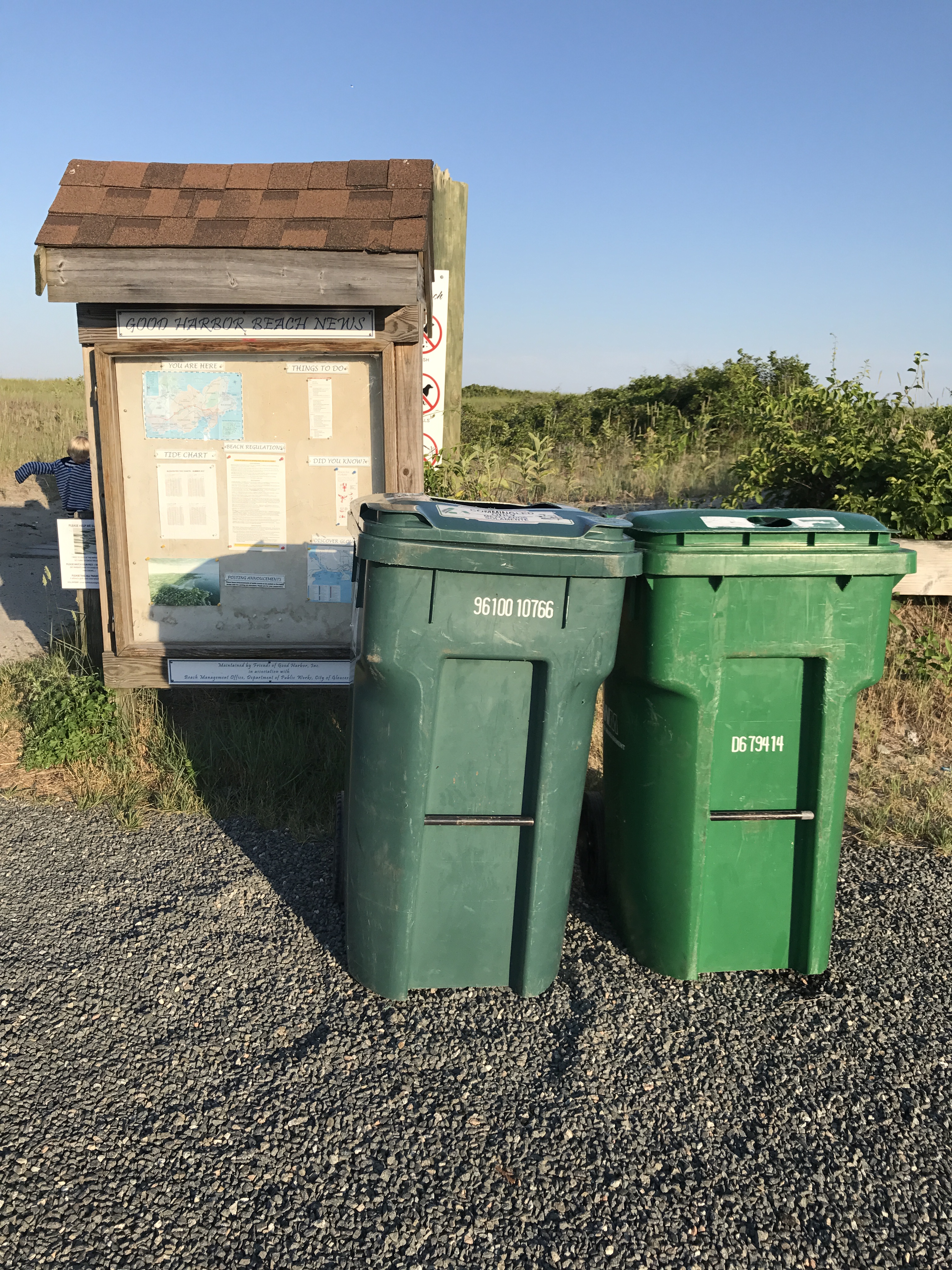
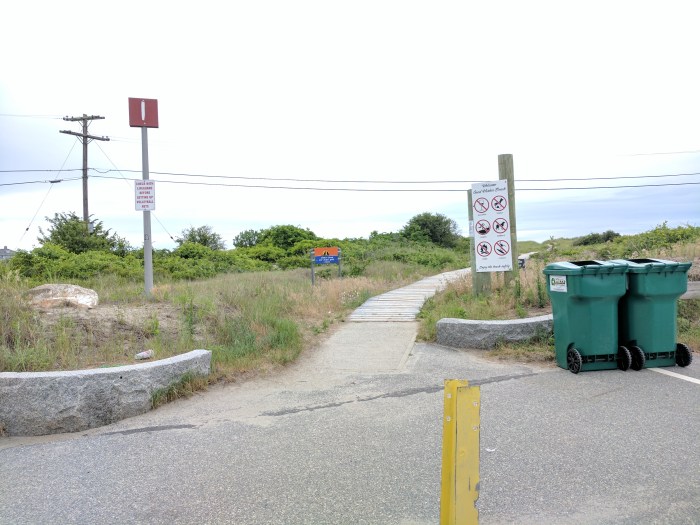
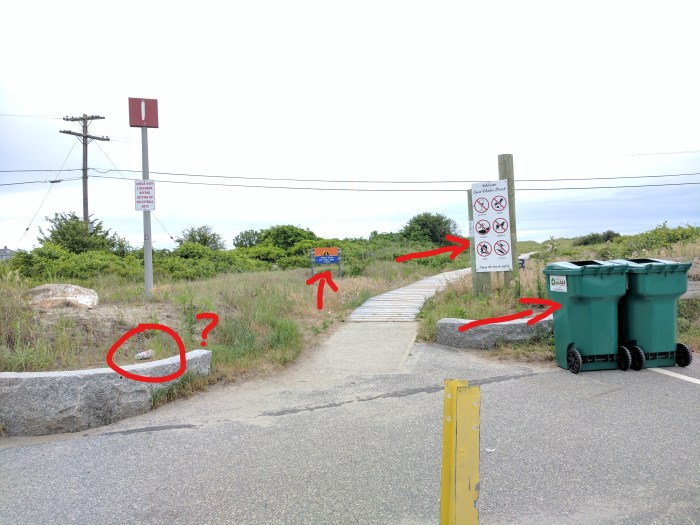
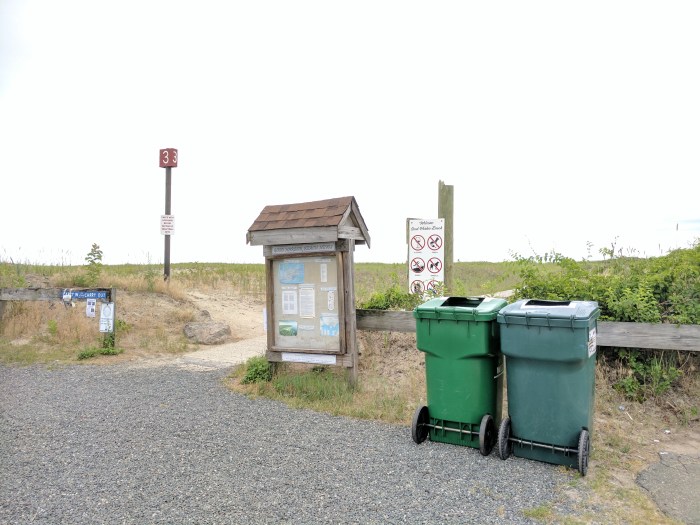
I took this snapshot of the trash barrels late yesterday afternoon, Sunday, after one of the busiest beach days of the summer. No trash spilling out! So far so good with the updated Carry In/Carry Out-Trash Barrel Plan.

https://www.instagram.com/p/BWqYidIFX4Y/

Update: DPW barrels at beach paths, construction by the Good Harbor Beach footbridge, and the creek is OPEN

IMG_20170717_060942 (1)

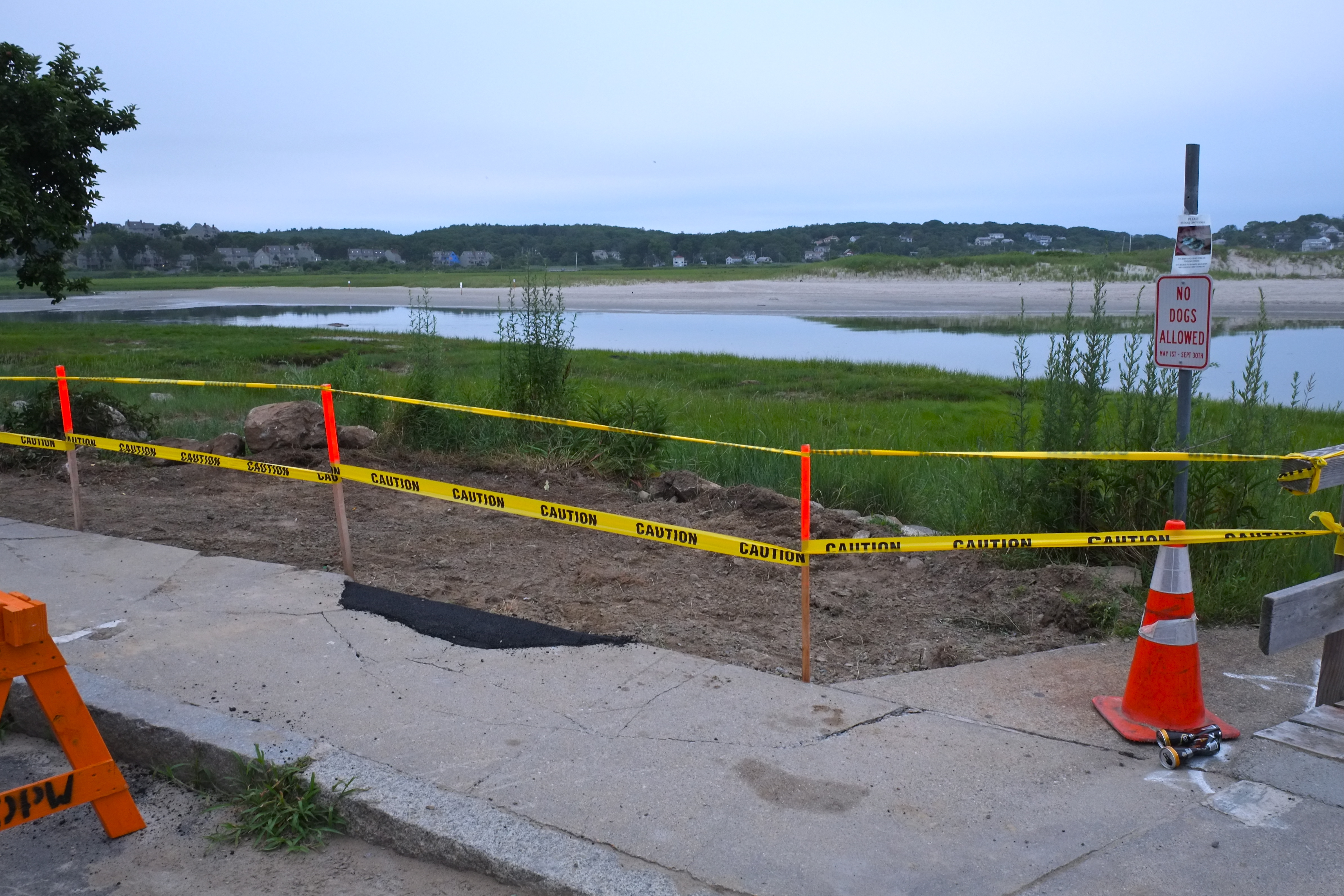
CONSTRUCTION BY THE FOOT BRIDGE

Gloucester Department of Public Works (DPW) is clearing out and revamping a little overgrown corner by the scenic footbridge. Pretty much everything that was there is returning: the bench, bike racks, sign, and 1 trash barrel. Weeds will be cleared out. The rotting sign is being replaced and relocated by the tree and perpendicular to the road so as to be readable and preserve view shed. DPW is installing a foot wash which has been a request for a number of years, a tiny water tap off the water main and regulated with a meter. The recent “paving was just an overlay to address a series of potholes.” They’re repairing some broken sidewalk panels, too.


DPW TRASH BARRELS AT BEACH PATHS are “pretty much a weekend thing only”

TRASH BARRELS ON THE WEEKENDS – Now you’ll see them

TRASH BARRELS DURING THE WEEK – Now you won’t

There will be pairs of barrels at the beach paths on Gloucester’s two biggest beaches– Good Harbor and Wingaersheek– on weekends as a trial experiment. The barrels will be emptied including a late evening sweep to ensure they’re not left overflowing through the night. It’s a combo option of  carry in / carry out with carry in / carry off, because the former works well for most people, not all.

What did DPW find this past weekend?

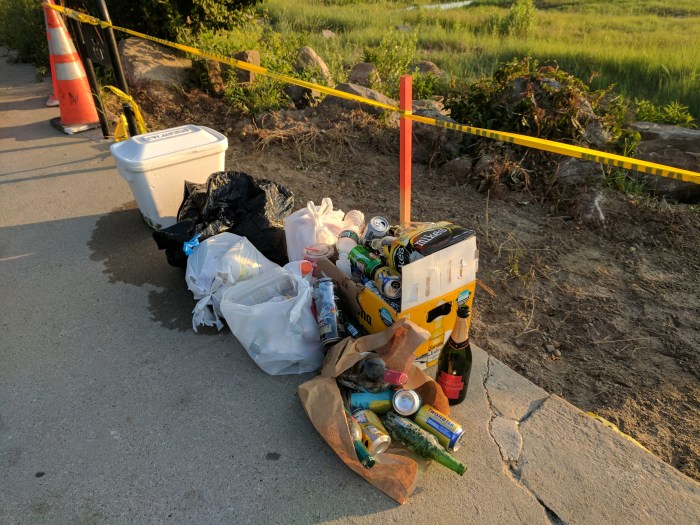
The barrels were full both days. It was less messy than some of the previous busy weekends. There was lots of dog waste.  By morning, they found that there was still trash left in the parking lot which means…

Some beach goers disregard all options: carry in /carry out policy, new blue plastic bags, new barrel pairs at the paths, even a dumpster they walked by behind the concession stand. Oh, and there’s the dog waste despite the No Dog May-October ordinance.

Of course, the litter is not just at beaches. Yes, it detracts from other priorities. DPW is finding trash pretty much everywhere people park (like the boat ramps.) Some people feel that it’s ok to leave behind bags of trash outside where they parked, or next to a full barrel. Gentle reminder from DPW: Pizza to go boxes atop the barrels can block bins that may hold more. Pizza boxes need to be compacted.

prior post Both/And : Carry In Carry Out and new trash barrels at Good Harbor Beach paths

GHB parking lot clean as a whistle after busy weekend

IMG_20170717_093211

pedestrian bridge? clean as a whistle? not so much and yet so  –keeping it positive–the beach was jam packed yesterday!

IMG_20170717_060917.jpg

other: Creek opened Monday (board of health, not DPW)

Water Gloucester beaches 

Water Rockport beaches

new testing methods on the horizon

49…50…51

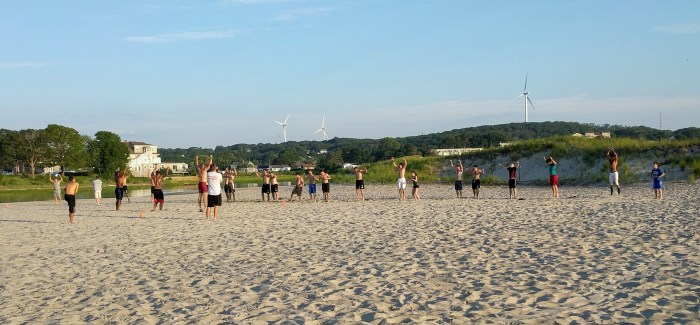
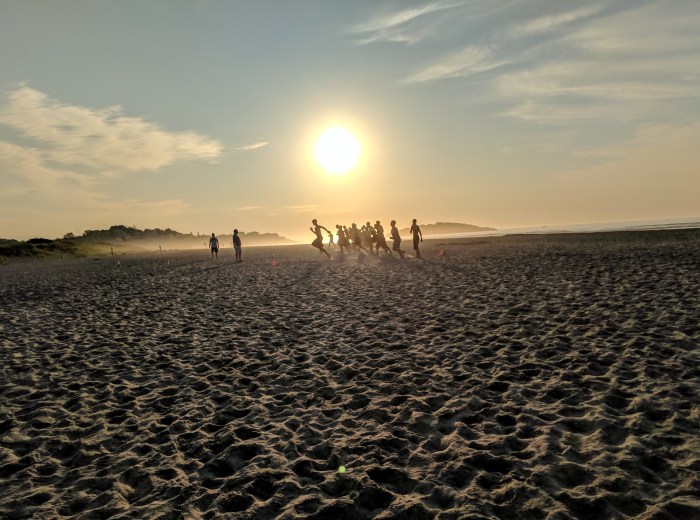
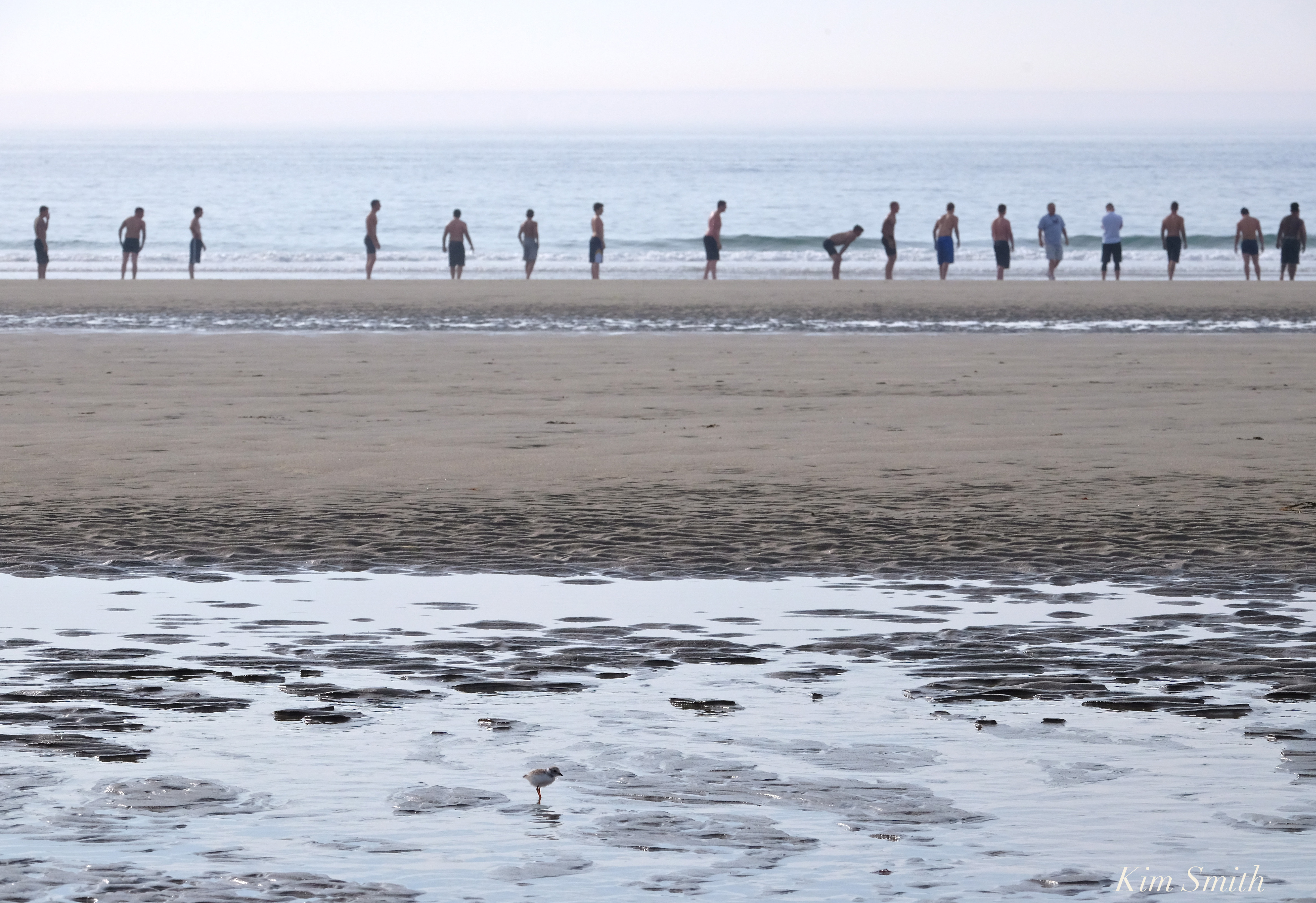
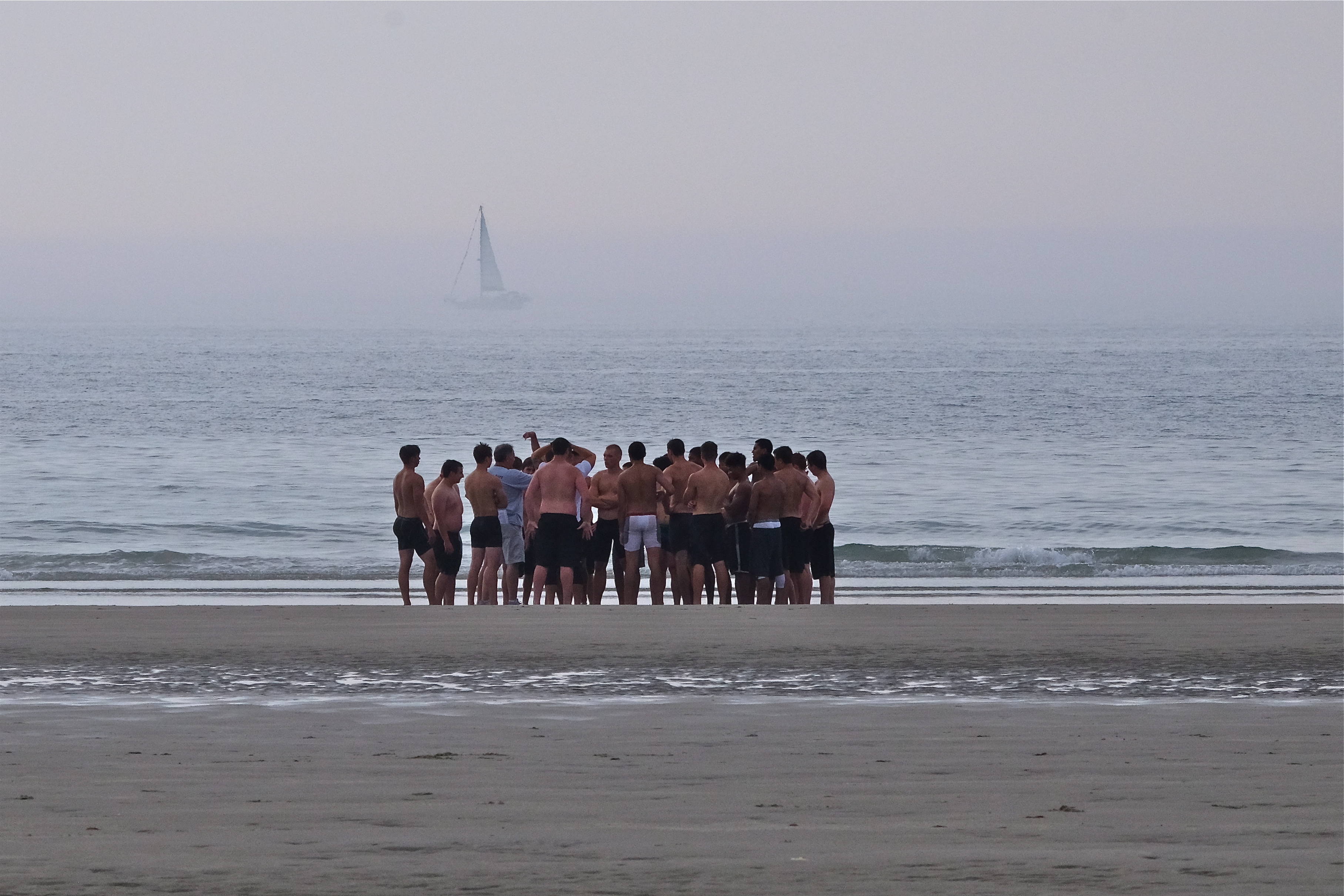
The count I heard passing the Gloucester High School athletes going strong at summer conditioning… How many jumping push ups do they go up to?

ghs athletes summer conditioning

high school teams sports summer conditioning

Beautiful effort and gym

IMG_20170717_061030


DAY TWENTY FOUR WITH OUR PIPING PLOVER CHICK/ALMOST FLEDGLING AND WHY MORE DOGS???

Beginning early this morning and continuing throughout the day, our Little Chick has almost fledged. He does a tiny run, then sort of hops into the air, flapping his wings for short distances, several feet perhaps. We can’t quite yet call it flying, but he is getting very, very close.
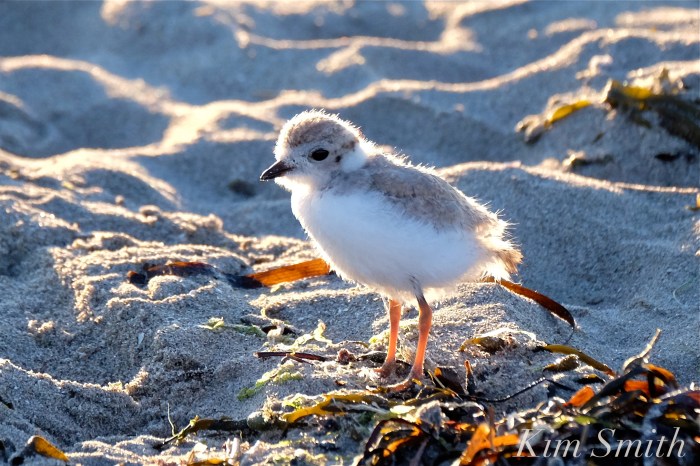
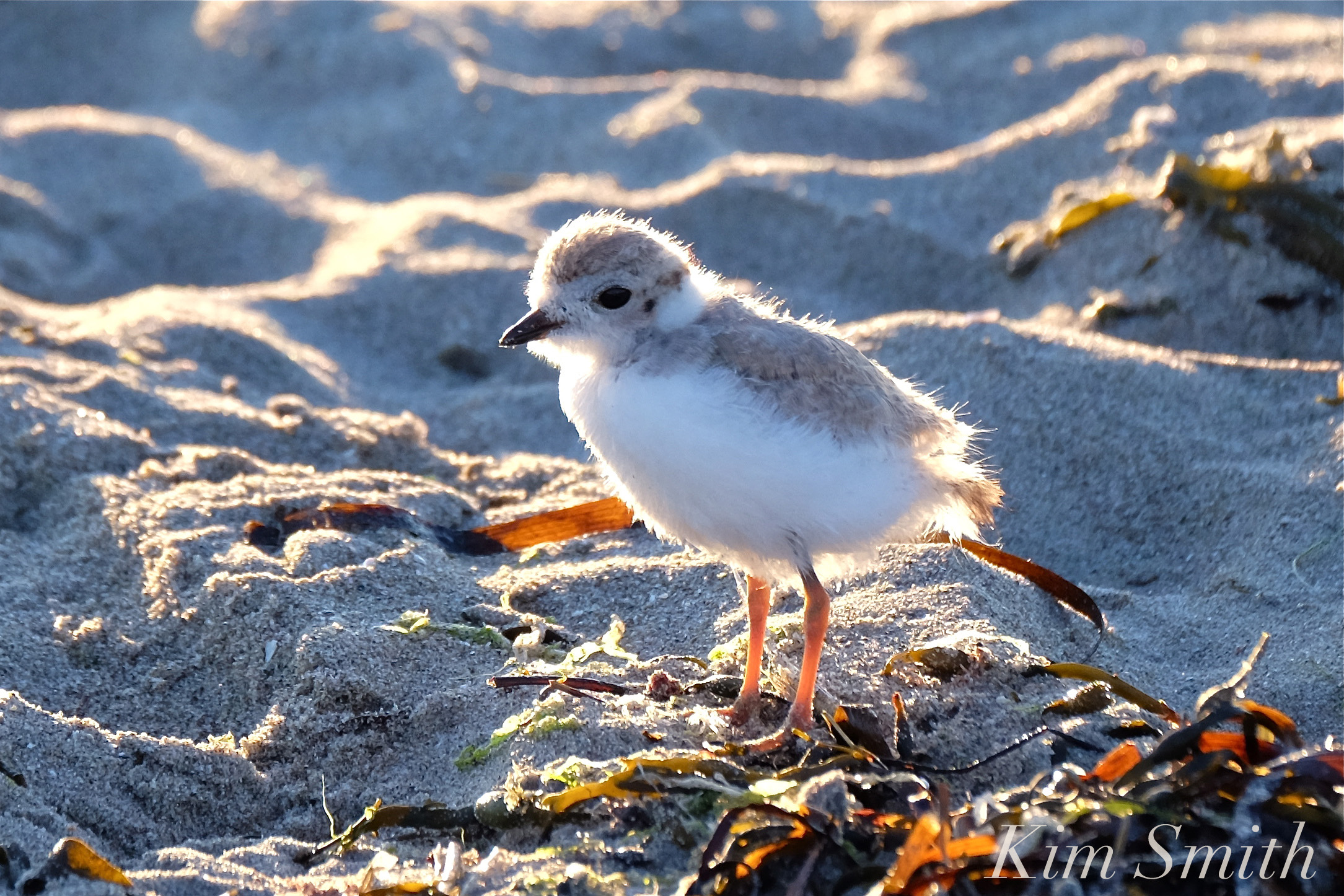
Every little clump of seaweed, dried or fresh, holds the promise of a tasty treat, insect treat that is.

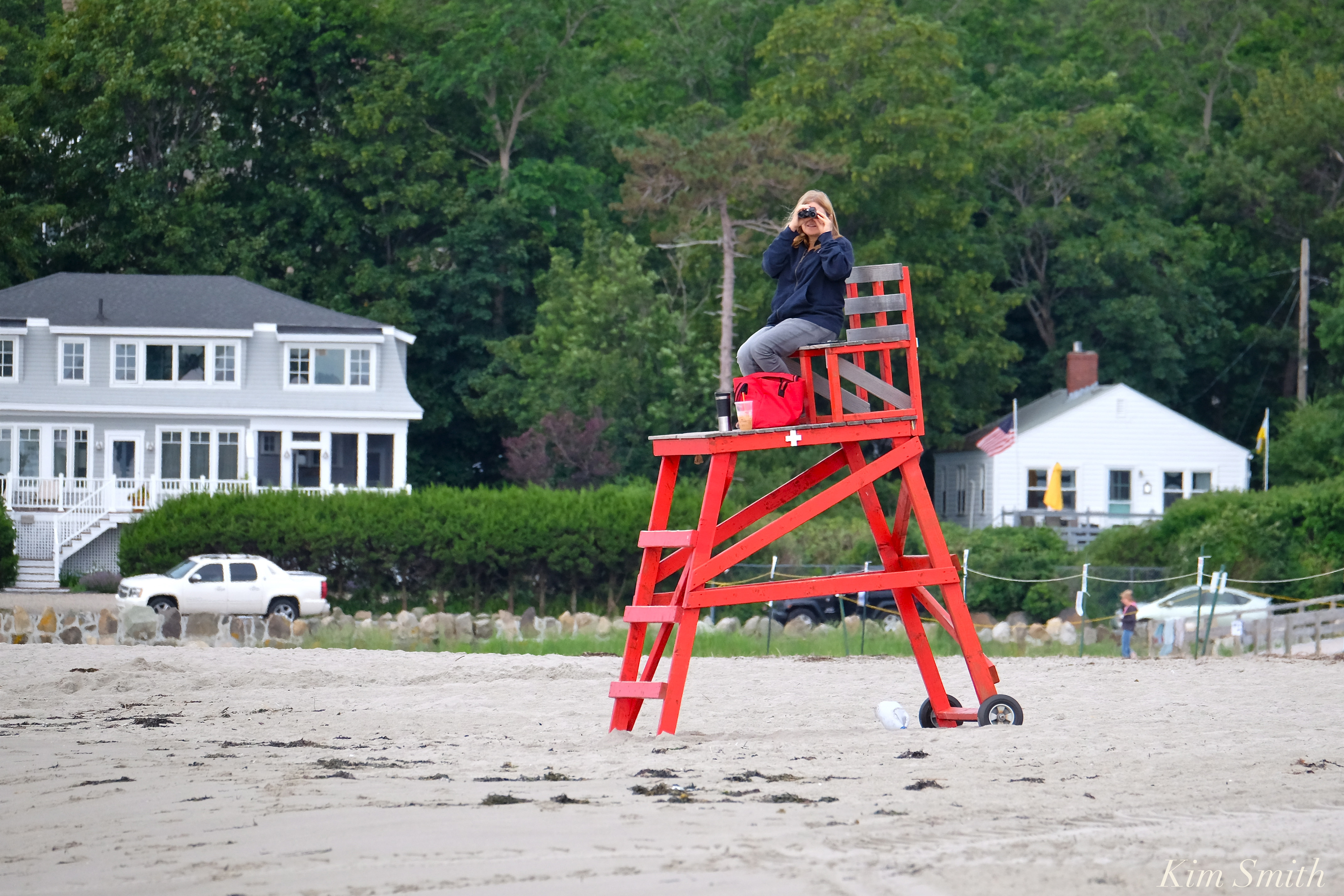
The PiPlover volunteer monitors are amazing. I would like to again thank the following people, the Ryan-King family–Catherine, Cliff, Charles, and George–who divide their morning shift between all four family members, Caroline Haines, Hazel Hewitt, Paul Korn, Chris Martin, Diana Peck, Lucy Merrill-Hills, Cristina Hildebrand, Carol Ferrant, Jeanine Harris, Ruth Peron, Karen Shah, Annie Spike, and conservation agent Ken Whittaker.
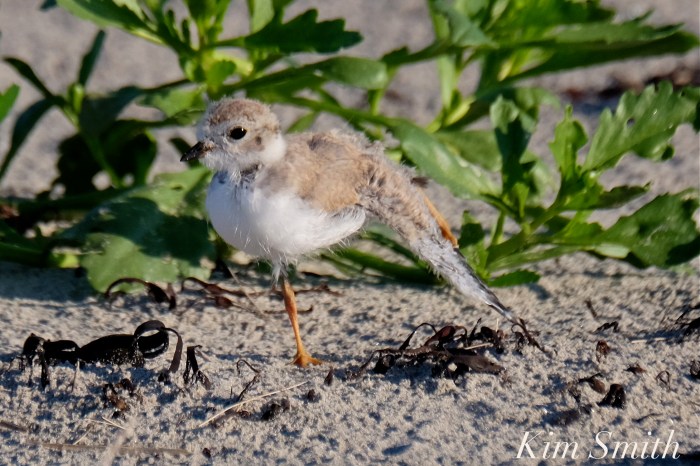
Morning Wing Stretches ~ We hope you can fly soon Little Chick!
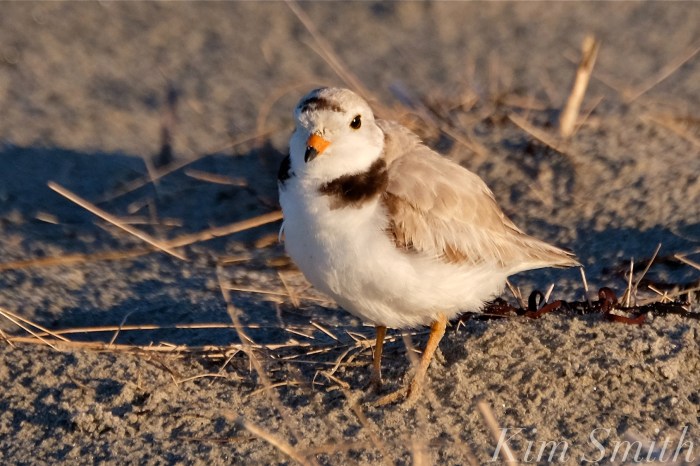
Papa on the job and in full on protective mode this morning.

We are pleading with folks to please, please keep your dogs off Good Harbor Beach. This morning I observed a dog owner purposefully and actively encourage his dog to chase Papa Plover. The owner had one of those retractable leashes and over and over again gave the dog more leash and encouragement to go after Papa. I stood between the dog, owner, and Papa with Little Chick on the other side in hopes of keeping him safe. As the owner and pooch came closer and closer, I tried to wave them away but they kept coming. Meanwhile Papa Plover was having a complete meltdown, employing every plover distraction trick imaginable. When I tried to speak with the man he cut me right off and barked that his was a SERVICE DOG and that service dogs are allowed. I again tried to explain but he was having none of it and said that if his dog caught the Plover, he wouldn’t hurt him.

Even if that were true, which it is not, I think the scofflaw dog owners are missing a huge point. To the PiPl, any four legged creature is a threat. It is very unlikely that the Piping Plover parent can ascertain the difference between a coyote, fox, or dog. I hope the following explanation helps people who don’t quite get it, better understand what all the fuss is about.
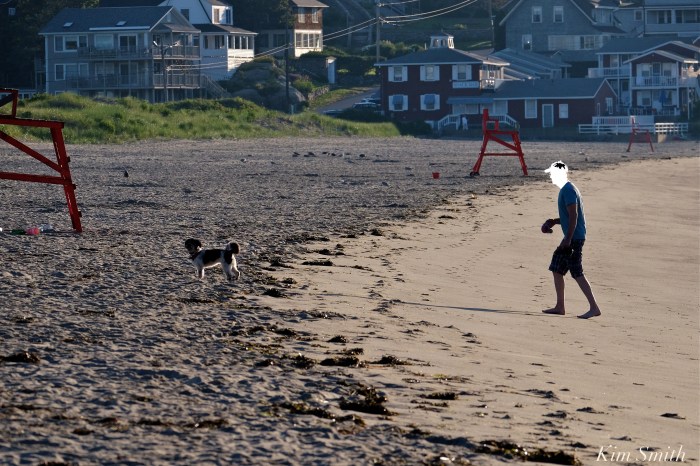
Your cute pooch is trotting down the beach. Even from a distance of several hundred feet away, your activity messages a ten alarm fire bell in the PiPl brain. The PiPl parent has no idea that your dog is the sweetest and most harmless dog that ever lived. Instead of staying nearby to where the chick is foraging or resting, the adult immediately goes on the defense, racing down the beach, flying after the dog/coyote/fox creature, alternating between dive bombing you and your dog and limping along the beach, pretending he has a broken wing.

Meanwhile, back where the chick is foraging, the crafty crows and ravenous gulls sense the golden opportunity they have been awaiting. Crows/Gulls don’t like the nasty defensive bites and pecks the adult Plovers inflict upon them when they get to close to the chicks, especially when tag teamed by both parents. But now there is no Plover parent anywhere within hundreds of feet of the baby because they are too busy defending the chick from the sweetest dog that ever lived. Time to swoop in and carry off the pleasingly plump chick, ripe for a wonderfully satisfying Gull/Crow breakfast.
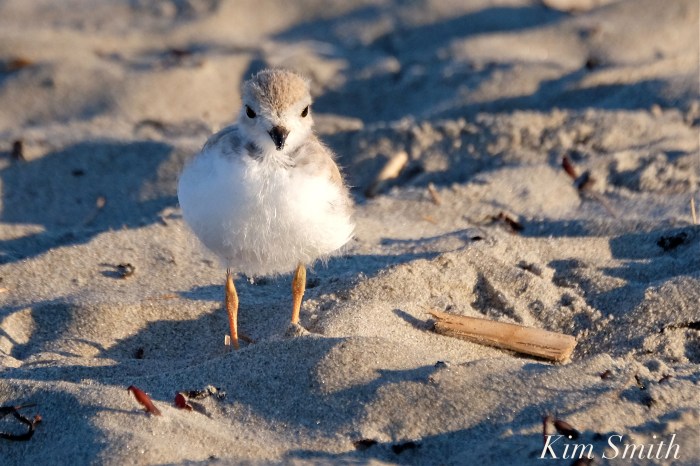
A Tender, Tasty Plumpling

Shortly after the dog owner/service dog departed, and just as Catherine was arriving to take over my shift, coming from the footbridge end was an elderly woman and her adorable husky puppy. They were were walking the beach at the high tide mark, exactly where the chick was feeding. Simultaneously, coming from the private end of the beach were a Mom and her son, and their beautiful golden retriever. After a good deal of explaining to both parties, they all turned and headed toward the direction from where they had come and away from the boardwalk #3 area.

Three dogs in the span of twenty minutes.

Catherine’s photo of me approaching Golden Retriever family.

Please don’t write and tell us to call animal control at 6:00am. We have called and left messages, but their shifts do not begin until later in the morning. I think if we are serious about controlling the dog owner problem on Good Harbor Beach, possibly we could hire a part time person to ticket early in the morning and after the lifeguards leave in the late day. The tickets collected would easily pay the cost, and then some. It wouldn’t be long until the word got out.

I plan to find out if service dogs are allowed on beaches with shorebirds that are listed as a federally threatened or endangered species. If the dog was really a service dog, and service dogs are permitted, perhaps the owner could choose a different beach. And too, hopefully rentors in the area are letting their renters know that dogs are not allowed on the beach, leashed or unleashed, and at all hours of the day and night during the summer months.

Twenty-four-day-old Piping Plover
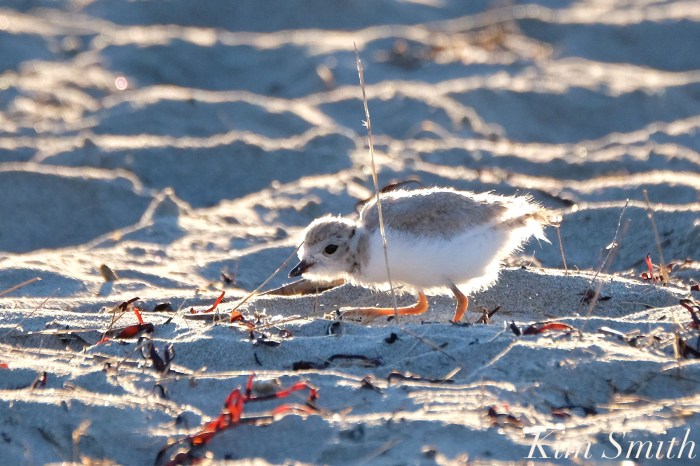
Piping Plover chick assuming the crouch defense posture.
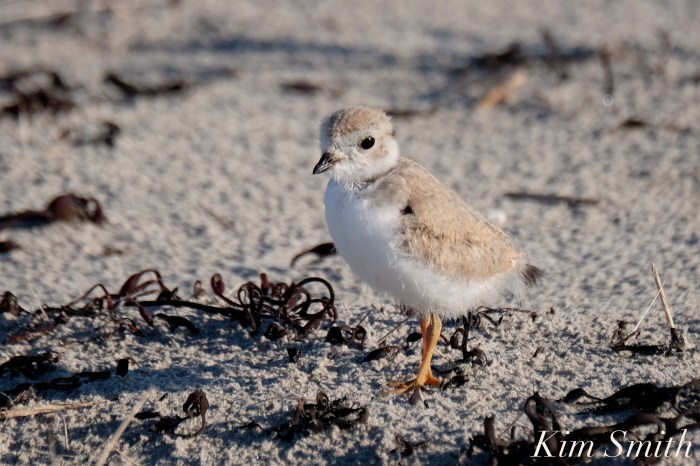
“Alright Mr. DeMille, I’m ready for my closeup.”

HOORAY FOR OUR TWENTY-THREE-DAY-OLD PIPING PLOVER CHICK!

Bravo to our little chick, who this evening, we are celebrating day twenty-three! Thank you to all our volunteers who are working so conscientiously to help the GHB PiPl survive Gloucester’s busiest beach.

Despite the fact that he can’t exactly still fit under Papa and Mama, at twenty-three-days-old, Little Chick still needs snuggles to thermoregulate.

Note how large Little Chick’s beak is growing.

Twenty-three-day-old Piping Plover: Of the four Piping Plover chicks that hatched on the morning of June 22nd (the first hatched at about 6am, and all had hatched by noontime), our little chick is the sole survivor.

At 6:30 this morning another fight with the interloper took place. I was able to capture some of it on film and, surprisingly, a very similar battle took place later this morning between the Coffin’s Beach Piping Plovers.

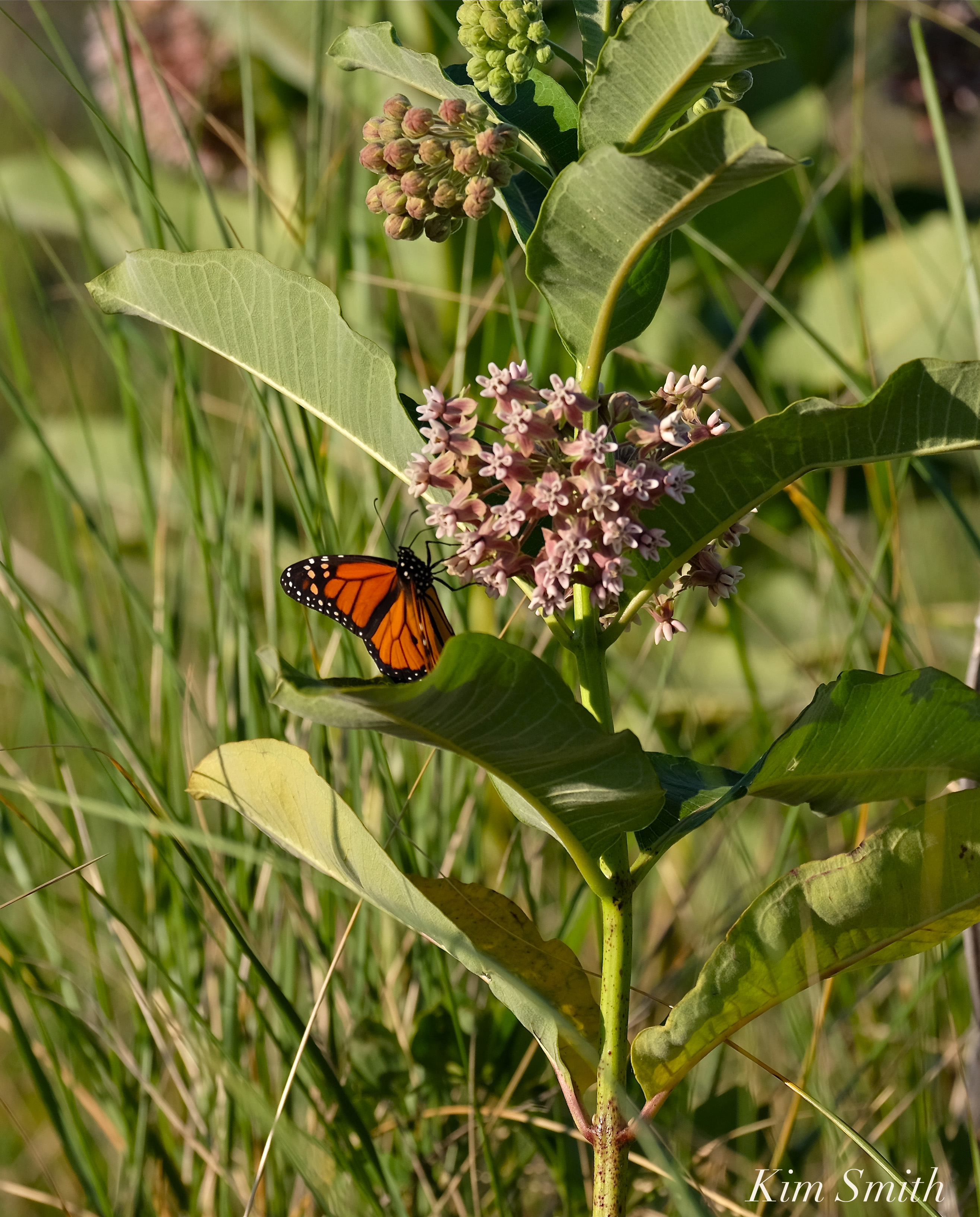
The Good Harbor Beach dunes are teeming with life. I spied five Monarch Butterflies on the Common Milkweed this afternoon, with many reports shared by readers of Monarch sightings all around Cape Ann and Massachusetts. We’ll do a post about Monarchs this coming week, and in the meantime, please share your Monarch sightings.

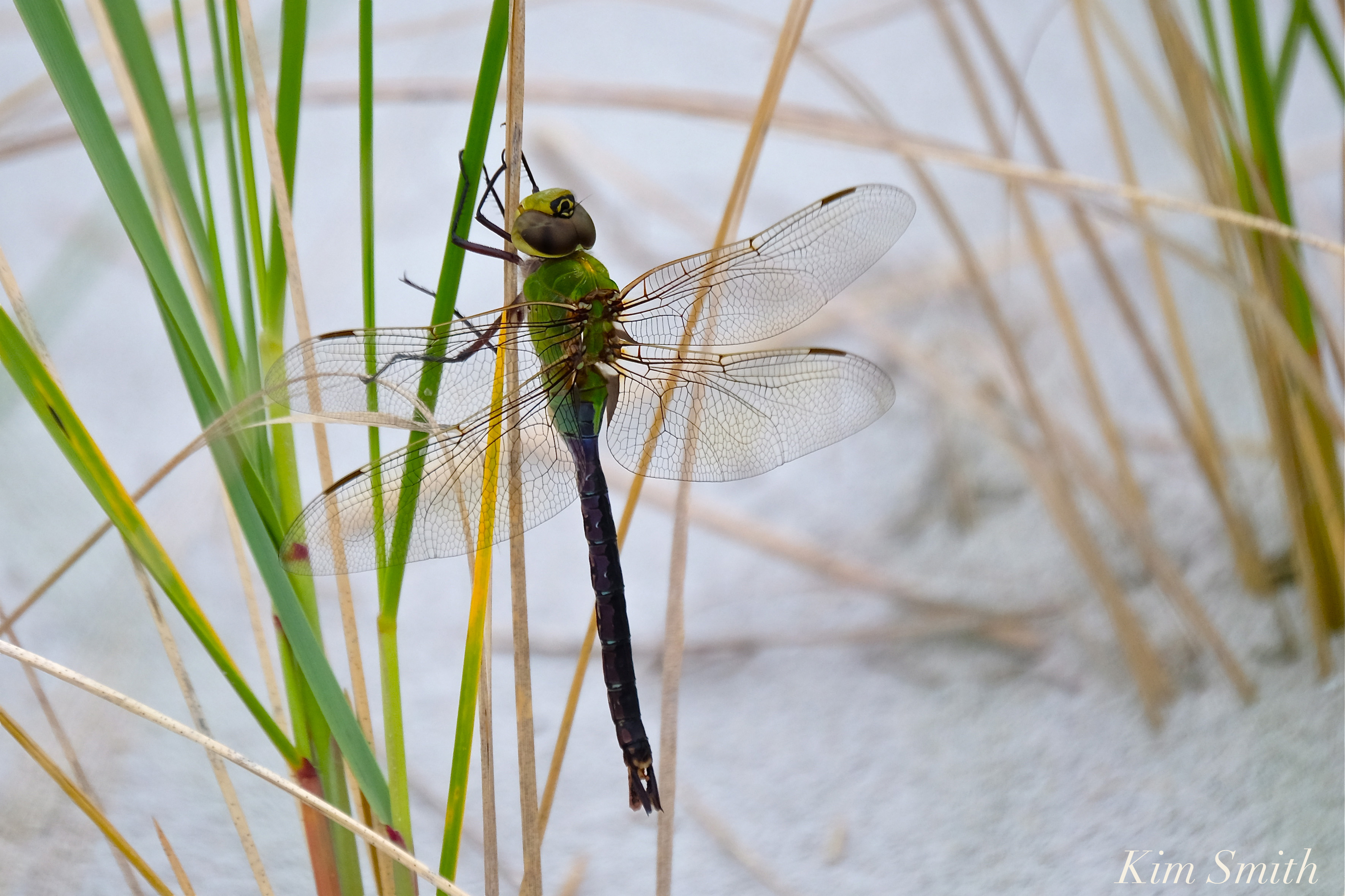
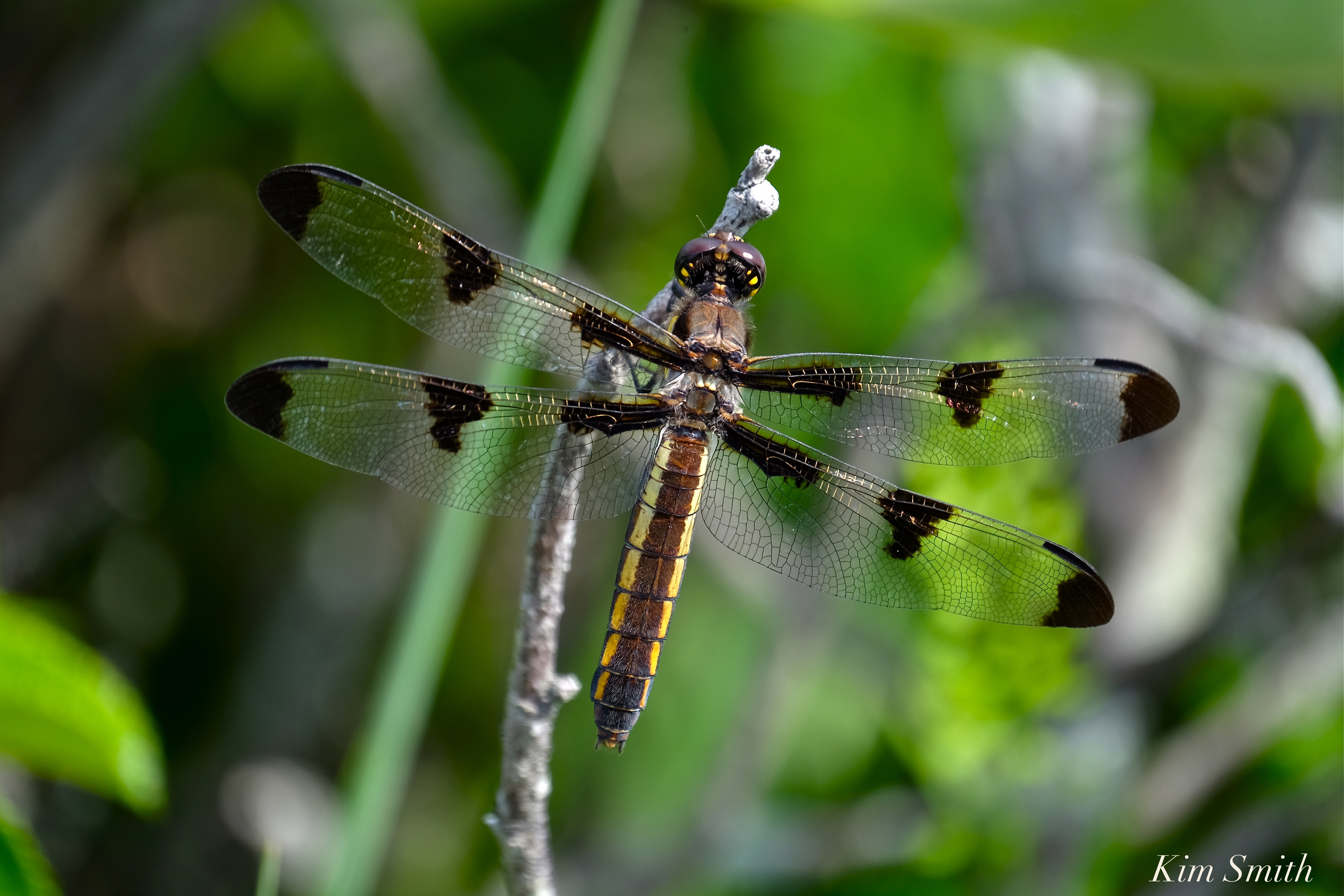
Dragonflies are predacious, and like our Piping Plover chick eat tiny invertebrates.

Green Darner Dragonfly and Twelve-spotted Skimmer lying in wait for insects.

Beach bunny munching wild salad greens for breakfast.

Monarch Butterfly and Common Milkweed, Good Harbor Beach

OUR TWENTY-TWO-DAY-OLD PIPING PLOVER IS AS PLUMP AND PERKY AS A PICKLE

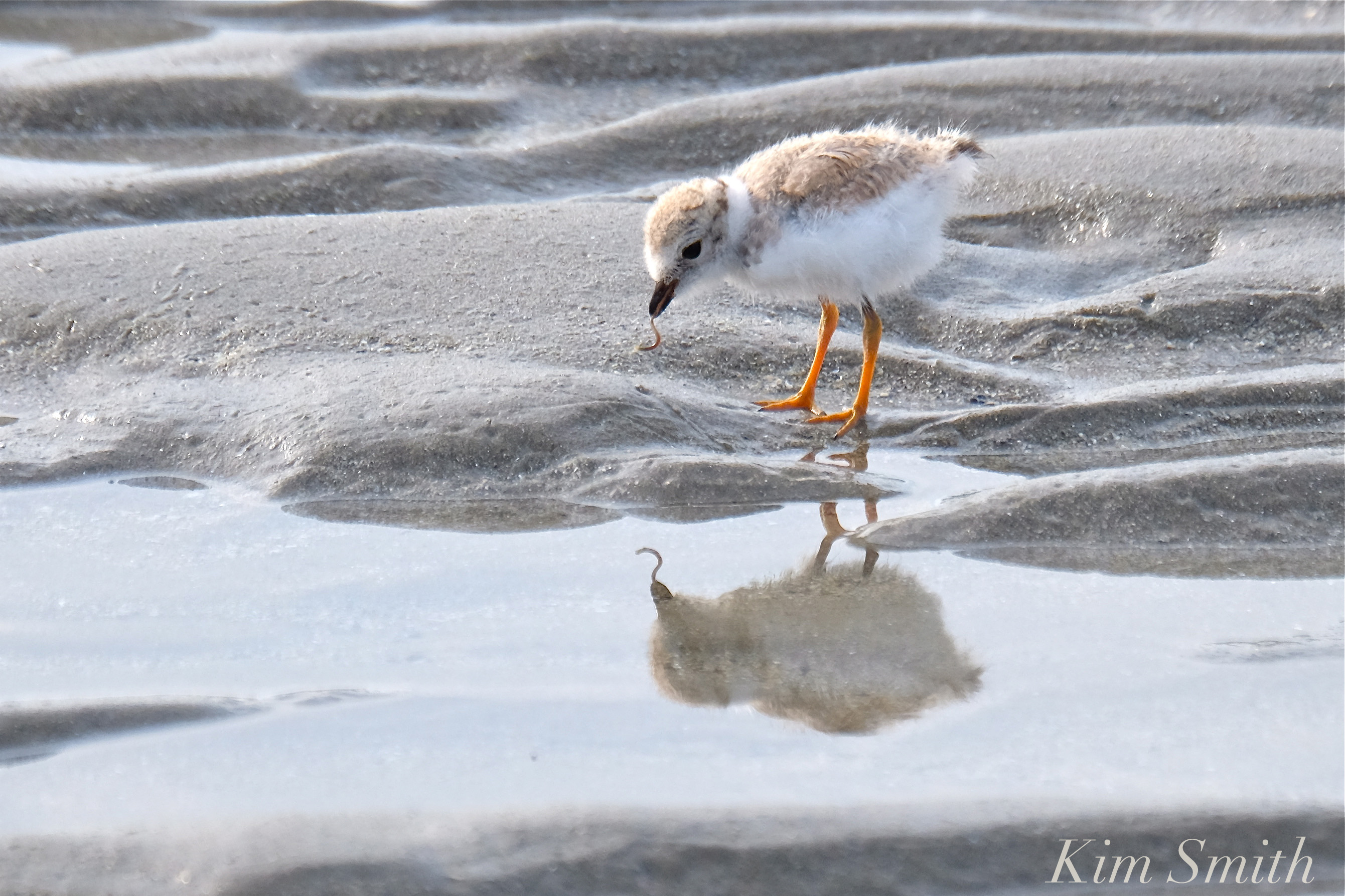
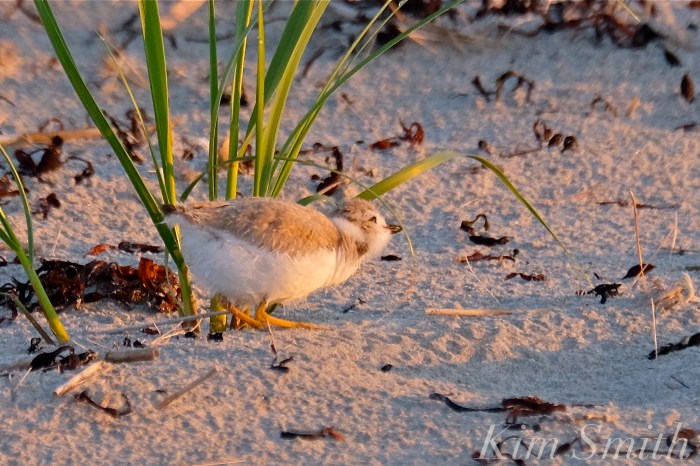
Running pell mell, pecking in the tide pools for tasty morsels, and softly peeping, our perky twenty-two-day-old Piping Plover is becoming quite the little plumpling.

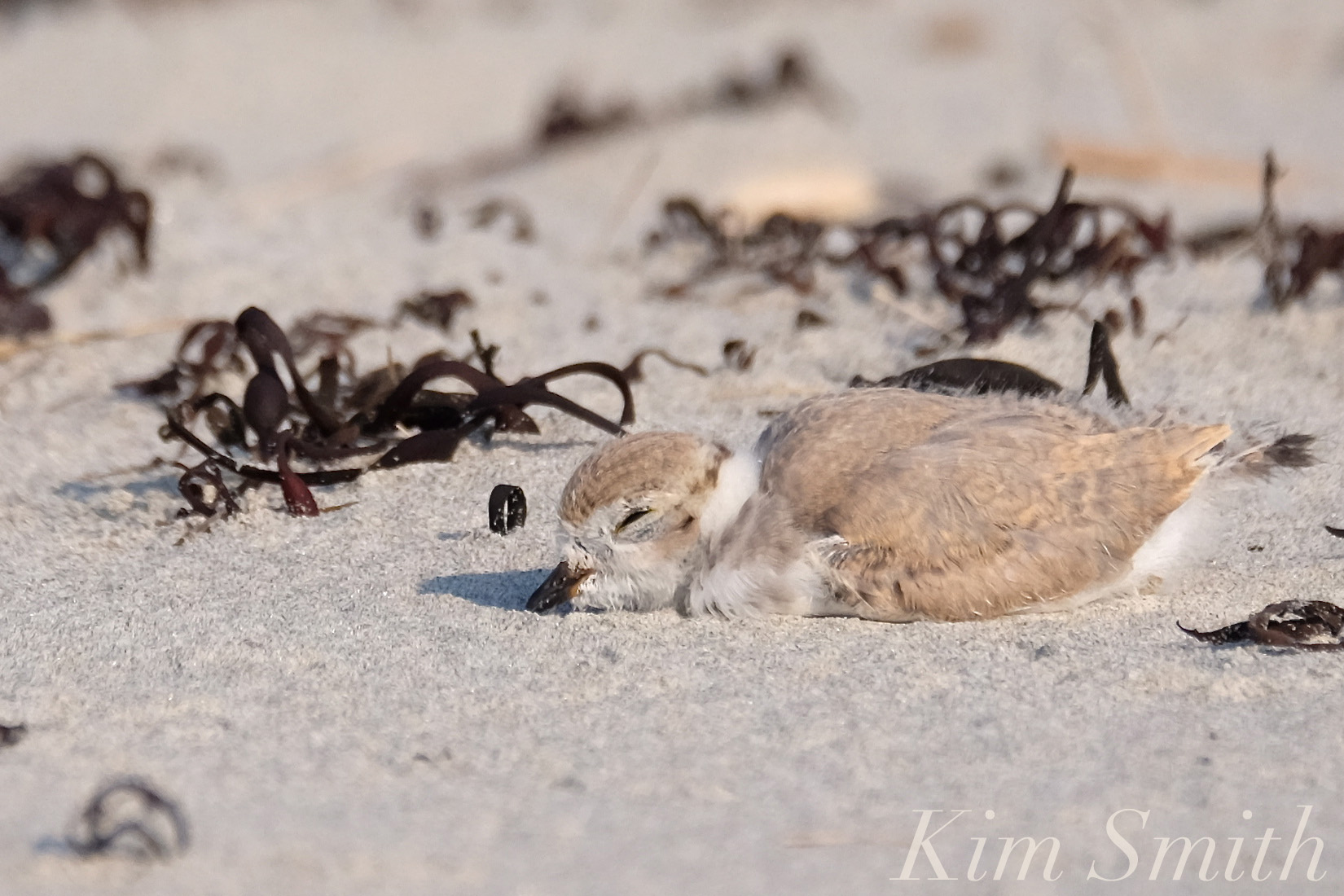
We observed an exciting self-defense development today. While foraging in the sand at the high tide line, Little Chick suddenly crouched down, completely flattening himself level with the sand. Seconds later, a seagull swooshed over him, flying, very, very low. It was tremendous to see this defense mode kick in and wonder whether instinctual, or learned from the parents.Piping Plover chick and Mom foraging at the high water line. Our chick is growing so quickly. Even though he is nearly as large as Mom, he still needs snuggles in the morning to thermoregulate.

Piping Plover super volunteer Catherine Ryan keeping an eye on the PiPl from her favorite perch.

The cold weather may be dampening beach goers fun, but we lovers of the Piping Plovers like it because GHB has been much quieter than usual.

 Twenty-two-day-old Piping Plover

CELEBRATING DAY TWENTY WITH OUR PIPING PLOVER CHICK–ALMOST FLEDGLING

Confident Little Chick

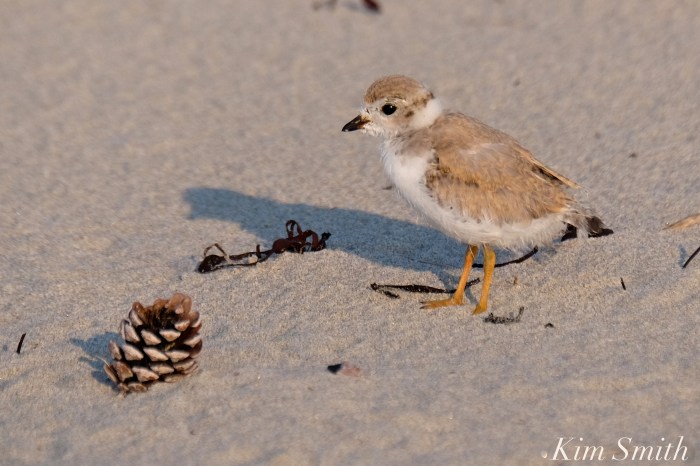
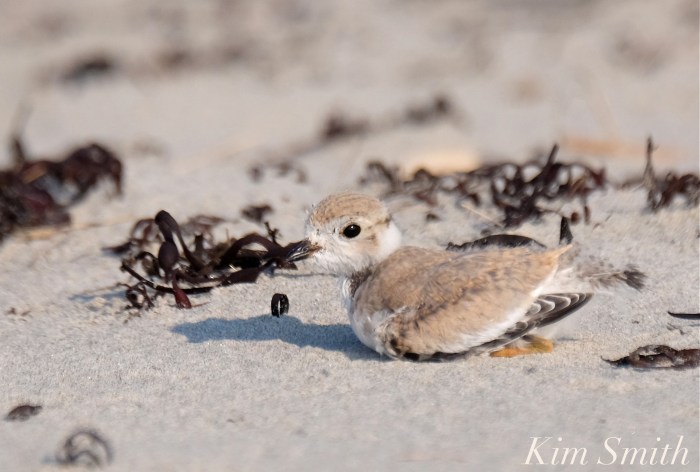
With each passing day, our Little Chick looks less and less like a chick and more and more like a fledgling. As with all Piping Plover new fledglings, the pretty stripe of brown feathers across the back of the head is becoming less pronounced, while flight feathers are rapidly growing and replacing the baby’s downy fluff. It won’t be long before we see sustained flying.

Little Chick spent a good part of the morning at the intertidal zone finding lots of yummy worms and mini crustaceans.

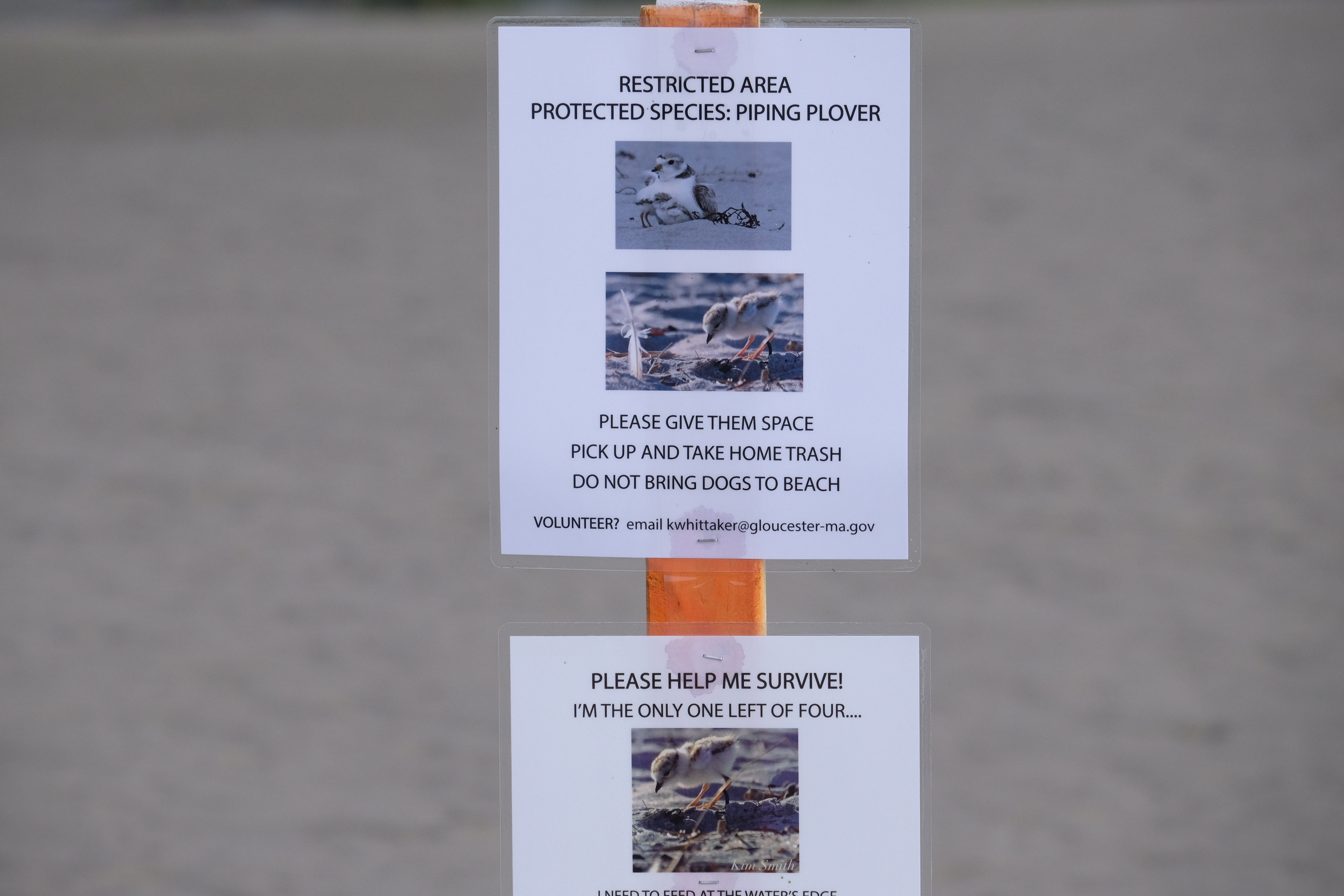
Thanks to all our volunteers for their continued work in monitoring the Good Harbor Beach Piping Plovers. Volunteer Hazel Hewitt has created a series of informative signs, placing them all around the beach and at every entrance. 

Thanks to GLoucester High School Coach Mike Latoff and the players for keeping an eye on the Plovers.

Papa Plover, sometimes feeding in close proximity to Little Chick, but more often, now watching from a distance. Twenty-day-old Piping Plover Chick

CHICK YOGA

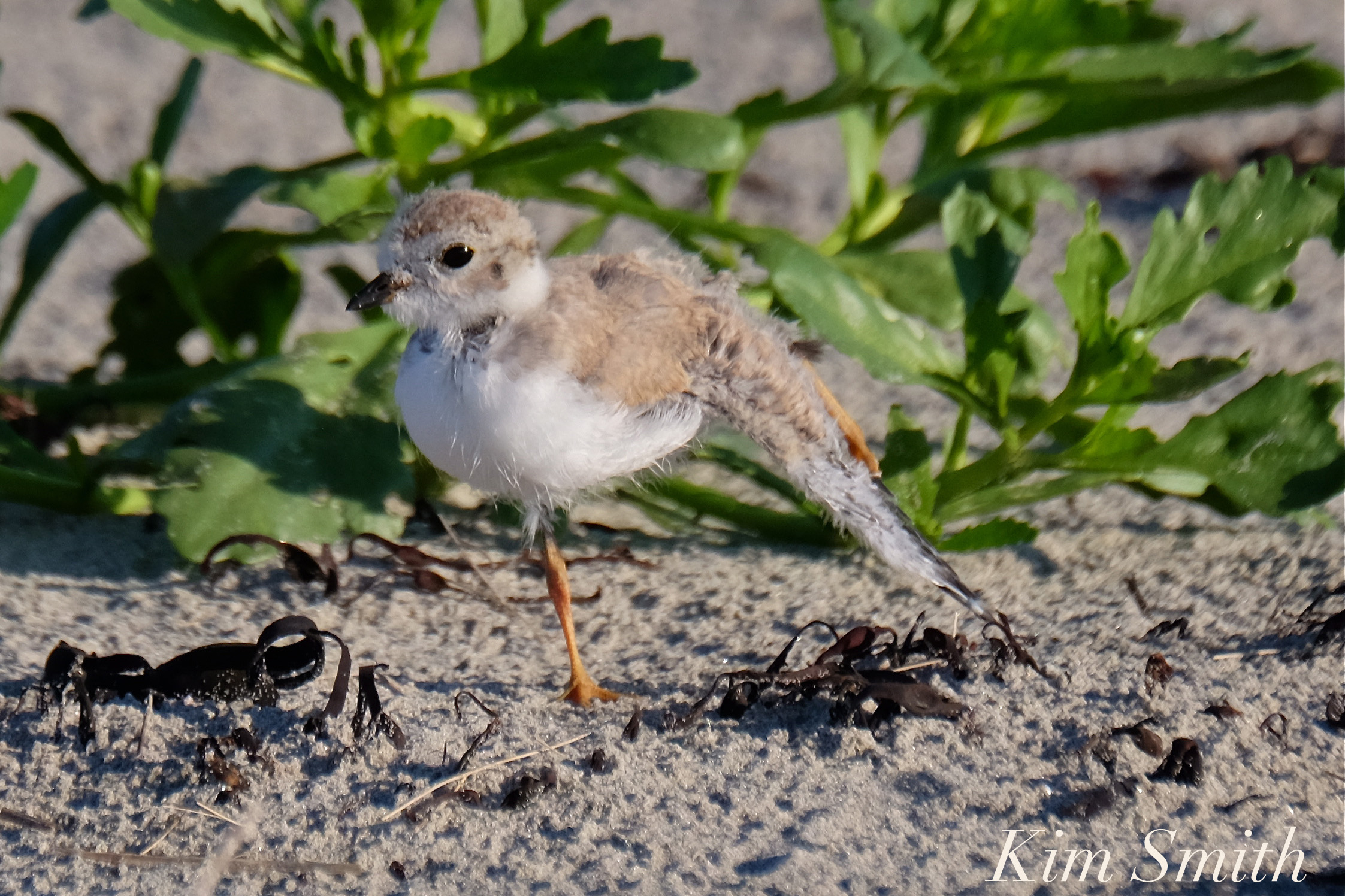
Piping Plover chick yoga that is, mastering Warrior Three.

A funny little morning stretch the PiPl chicks do often.

WHAT DO PIPING PLOVERS EAT?

The question should really be what don’t they eat in the world of insects and diminutive sea creatures. Over the past two summers I have filmed PiPl eating every kind of beach dwelling crawly insect and marine life imaginable.

Piping Plovers eat freshwater, land, and marine invertebrates. Their general fashion of foraging is to run, stop, peck, repeat, all the day long, and during the night as well.

Run, Stop, Peck

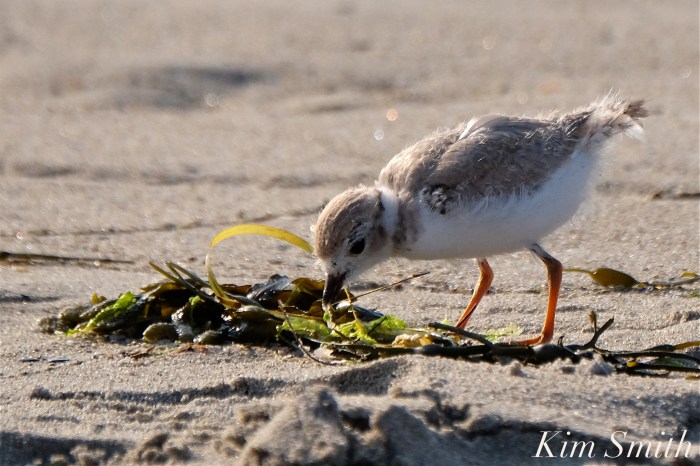
When foraging along the wrack line and up to the dune edge Piping Plovers eat insects, both alive and dead, including ants, spiders, grasshoppers, crickets, and beetles, along with insect larvae such as fly larvae. Foraging at the intertidal zone, Piping Plovers find sea worms, tiny mollusks, and crustaceans, as well as crustacean eggs.

When the chicks get a little older they will learn how to do a sort of foot tamping technique where they rapidly shake their feet in the sand to stir up crustaceans. I have yet to see our chicks do this, but soon enough.

The purpose of discontinuing to rake the beach to help the Piping Plovers is twofold. Not raking in the nesting site creates a habitat rich in dry seaweed and dry grasses, which attracts insects, the PiPl food on dry land. Secondly, raking in the vicinity of the Plovers after they hatch can be deadly dangerous to the chicks. Not only is there danger of being squished, but also, they can easily become stuck in the impression in the sand made by the tires of heavy machinery.

This morning I had a disagreeable conversation with a woman about her unleashed puppy. She feigned lack of knowledge about the dog ordinances, but aside from that, she informed me that her large puppy would be “afraid” of a chick. And there seems to be a frustrating lack of understanding about where the chicks forage. We can only share again that the Piping Plovers, both adults and chicks, feed from the dunes’s edge to the water’s edge, and everywhere in between. Sunrise and sunset are not safe times to walk dogs on the beach because Piping Plovers forage at all times of the day, and into the night. Adult birds can fly away from a person or dog walking and running on the beach, but a shorebird chick cannot.

Big Beach, Tiny Chick ~ Sixteen-day-old Piping Plover Chick Foraging at the Ocean Edge

ONLY ONE CHICK SEEN THIS MORNING (*EDITED RE DOGS ON THE BEACH)

Our one remaining Piping Plover chick spent the early morning in the vegetation at the edge of the dune.

Perhaps we lost the third chick to the tremendous deluge late yesterday that happened not once, but twice. Or perhaps to the crows. When I arrived at the sanctuary this morning there was a tremendous kerfuffle underway between two crows and both adults. As the crows were departing, after being vigorously chased away by the PiPl parents, I couldn’t see clearly whether or not they were carrying off a chick. Or perhaps, none of the above. There was an unleashed puppy on the beach, but after speaking with the woman, she and her dog departed. The PiPl were up by the sanctuary at that time so I am sure it wasn’t because of the puppy. I hope with all my heart we can don’t loose the one remaining chick.

*Comment added from my Facebook friend Susanne: Thank you to all for your kindness re the baby plovers. Yesterday after the downpour, I went to Good Harbor. No life guards and it was relatively quiet. There were three groups of people with dogs and two dogs were unleashed, One unleashed dog was near the piping plovers and too far from me to catch easily. I talked to two of the other dog owners. One said they didn’t know the rules and thanked me. The other said her dog is very old and this may be the last time she ever gets to walk on a beach. I love dogs and hope people have a lovely time on our beautiful beaches. I also wish they cared more about following our beach rules, which are common sense and about caring for others

The adults and chick were acting oddly this morning, not wanting to venture too far from the symbolically roped off area. Papa Plover spent a great deal of time perched on the party rock and surveying the family’s territory (not usual behavior), and got into several times with the Interloper.

Thank you so much to all our volunteers who are trying their best to help keep these beautiful protected birds safe.

Today’s Good Harbor Beach sunrise

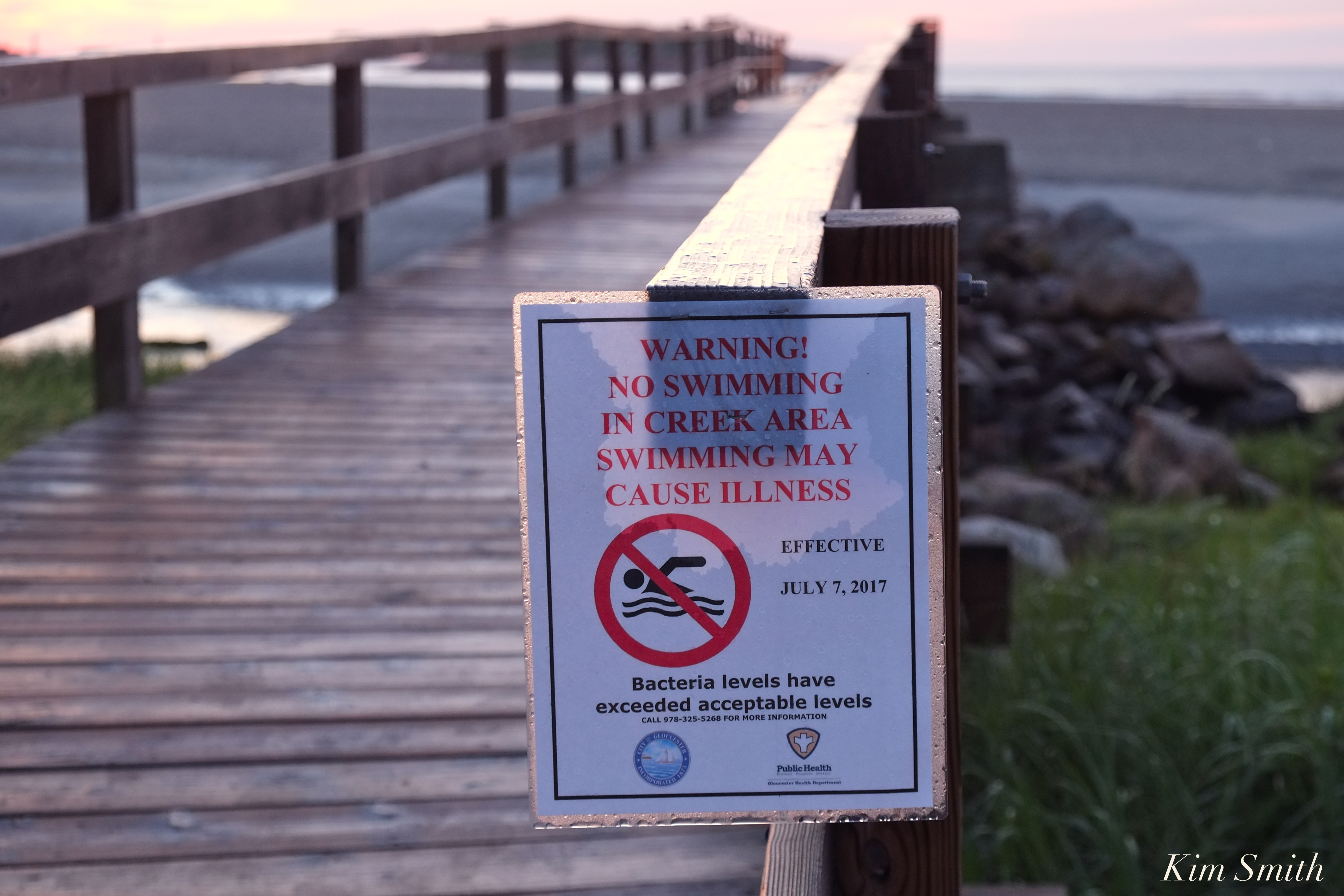
WARNING! NO SWIMMING IN THE CREEK AT GOOD HARBOR BEACH

SWIMMING IN THE GOOD HARBOR BEACH CREEK MAY CAUSE ILLNESS FROM ELEVATED BACTERIA LEVELS

OUR LITTLE PIPING PLOVER CHICK PASSED AWAY LAST NIGHT

Avery from the Tufts Wildlife Clinic at the Cummings Veterinary Medical Center phoned this morning to let us know that our Piping Plover chick passed away in the night. Although he was showing some positive signs yesterday, after a traumatic brain injury such as his, bleeding on the brain and other complications can occur. Know that he was well cared for by the incredible team at Tufts and that they did their very utmost best to save him.

I spoke with Avery about what would have happened had he survived. Little chick would have been re-habituated with other Piping Plovers. As Piping Plovers are a protected species, U.S. Fish and Wildlife dictate where his recovery were to take place.

Although it was very unusual for the clinic to have a Piping Plover, they have helped even smaller animals recover from injury. Most recently, a wounded hummingbird in their care was healed and released back in the wild.

Thank you to everyone for your kind concern.

Thank you to Jodi Swenson from Cape Ann Wildlife for meeting us at the beach at nine in the evening and caring for our little injured chick until the following morning when Catherine, George, and Charles delivered him to Tufts veterinary school. We should all thank our volunteers, Catherine, Caroline Haines, Hazel Hewitt, George King, Charles King, Paul Korn, Cliff King, Chris Martin, Diana Peck, Lucy Merrill-Hills, Cristina Hildebrand, Carol Ferrant, Jeanine Harris, Ruth Peron, Karen Shah, Annie Spike, and conservation agent Ken Whittaker for their diligent and continued monitoring of our two remaining chicks.

Please let’s everyone be mindful of the chicks afoot, help keep the beach clean, and please, please dog owners, please leave your sweet pooches off Good Harbor Beach. Thank you.

If you find orphaned or injured wildlife, the clinic has pages to guide you in appropriate procedures for birds, squirrels, mammals, and more, as well as a list of links to wildlife organizations. Go here for more information: Useful Links from the Tufts Wildlife Clinic

Two sixteen-day-old chicks snuggling under Papa Plover this morning at daybreak.

Two Different days..Thursday & Friday

Thursday the boulevard….Friday the back shore and Good Harbor Beach.

INJURED (AND NON-INJURED) PIPING PLOVER CHICKS UPDATE

Our little injured chick is hanging on. Crystal from the Cummings School of Veterinary Medicine phoned to report that she fed him through the night. He remains on supportive care and is being given antibiotics and pain medication. Little chick has been moved to a heated incubator. The veterinarians are again stating that prognosis is unpredictable.

What are these things called wings?

Meanwhile, these two chick were having an easier morning than usual. There were no fires, dogs, or beach rake, and with the cooler temperatures and overcast skies, many fewer people. PiPl super volunteer monitor Hazel came by with flyers of the injured chick and she posted them around the beach, hoping to help people understand why we need to be on the look out for chicks afoot.

Fifteen-day-old Piping Plover Chick with MamaI wonder what a baby bird think of its funny little appendages that will soon grow into beautiful wings?

Not a great deal of information is known about when exactly PiPl fledge. Some say 25 days and some reports suggest up to 32 days. In my own observations filming a PiPl family last summer on Wingaersheek Beach, the fledglings could not fly very well until mid-August. The PiPl fledglings and parents maintained a family bond through the end of August, even after it was becoming difficult to tell whether they were fledglings or adults. All during that period, the fledglings appeared still dependent upon the adults, who were still parenting, for example, offering distinctive piping instruction especially when perceived danger such as joggers and dogs were in the vicinity.

Two little butts, extra snuggles under Dad’s brood patch on this chilly day fifteen.

INJURED PIPING PLOVER UPDATE #2

4:20pm Update:
Catherine, George, and Charles drove our littlest chick to the Cummings School of Veterinary Medicine at Tufts. Thanks to Jodi, they were prepared and waiting for him. Little chick was assigned a case number and we were told to call after 3pm. As I am writing this report, Avery from the school just returned my phone call. She sounds terrific and was very helpful in explaining little chick’s injury and care. He has a traumatic brain injury, most likely caused by being stepped on. Little chick is being given supportive care, which includes pain medication, an anti-inflammatory, and fluids. He is also in an oxygen cage that allows him to breathe more easily. The vets are guarded in their prognosis as recovery from head trauma is very unpredictable.

Very sadly, I have to report that dogs were running around the beach unleashed at the time of the injury. No one witnessed exactly what happened, but last year I saw a dog running over and instantly killing a chick, despite my very best efforts to get the owner to control his dog. This morning at 6am dogs were on the beach leashed, but the owner was obliviously walking her two dogs through the sanctuary area precisely where the chicks were darting about. Leashed or unleashed, irresponsible dog owners are one of the chick’s greatest threats. Please, please folks tell your friends and neighbors about the Plovers and why it is so important to follow the dog ordinances. It seems as though late in the day, after 5 and before sunset, the chicks are the most vulnerable. Perhaps folks think its okay to bring dogs to the beach after the life guards leave. Early evening is exactly the same time of day that the chick was killed last year.

Our two Good Harbor Beach siblings, this morning at fourteen days old.
Earlier this morning updates:
Catherine writes, “I called Kim who met me right away at the beach. Soon After 9pm Jodi was there getting the bird. Jodi implemented  ER incubator and hydration methods. By 11pm chick pooped which may be sign that he was reacting to rehydration. (She explained that body shuts down digestion quickly to protect brain and heart. Pooping could be things working.) One eye swollen may equal head injury or seizure. All was speculation and she hoped chick would make it through night.”
Volunteer Nancy, who found the chick wrote, “My daughter spotted the chick on the soft sand lying just off the wet sand of the creek bed near where we were this morning. My son in law carried the chick from creek bed to large enclosure. I held chick while giving it water and tried to keep it warm, then put it in the covered part of the enclosure on advice of Audubon woman, hoping its mom would be able to give care. We called every emergency number we could find but no one picked up. Thank you so much for responding as you did.”
Today at 6:15am–dog walking through the Plover’s sanctuary–leashed or unleashed, dogs (as well as people) unintentionally step on Plovers. Please be careful.

INJURED PIPING PLOVER UPDATE

Our littlest Piping Plover is on its way to Tufts with Catherine and her sons George and Charles.

Photo: Jodi Swenson, Cape Ann Wildlife. Jodi is Cape Ann’s resident bird rescue expert.