

CFCA Kids Programs are Here!

Did you miss the January 8th kick off of Crossfit Cape Ann’s Kids Programs? No worries – it’s not too late! We offer open enrollment for all sessions. Just want to check it out? No problem. Drop in and try it anytime for $16/class.
Crossfit Kids uses a combination of skill practice, workouts and games to build strength, conditioning, teamwork and self confidence.

For more information: http://www.crossfitcapeann.com or call us 978.325.1829.
Spread The GMG Love By Sharing With These Buttons:

Help Wanted

For information email Patty:
Shipper/Reciever
Gloucester, Ma
- Please email resume Patty Shofner at Patty.Shofner@yoh.com
Electro/Mechanical Assembler
Contract- up to 18 months
All shifts
- Please email resume Patty Shofner at Patty.Shofner@yoh.com
Perform a wide variety of routine and non-routine electrical / mechanical assembly operations including installation of power distribution cables, harnesses.
· Follow work orders, schematics, wiring diagrams, engineering specifications, sketches, and written and / or verbal instructions to build electro-mechanical and or pneumatic assemblies, subassemblies and components.
· Complete rework on assemblies and / or systems as a result of testing.
What You Need to Bring to the Table:
· One to two (1-2) years electro-mechanical experience. Auto Mechanics is considered electro-mechanical.
· Basic computer skills necessary.
· Vacuum experience preferred.
· Ability to lift and / or carry up to 50 lbs.
· Ability to work in an environment which is subject to cold, heat, and noise.
· Willingness to work off shifts.
· Adherence to safety guidelines and Lean initiatives.
· Ability to work with flexibility in accomplishing tasks and minimal supervision.
· Ability to be a team player with good communications skills
· Responsibility for maintaining timely accurate records and logs.
Spread The GMG Love By Sharing With These Buttons:

Sasquatch Tonight with Fly Amero 7pm @ The Rhumb Line 1.10.2018
 Dinner Specials Each Week!
Wednesday, January 10th – 7pm
My Musical Guest: SASQUATCH!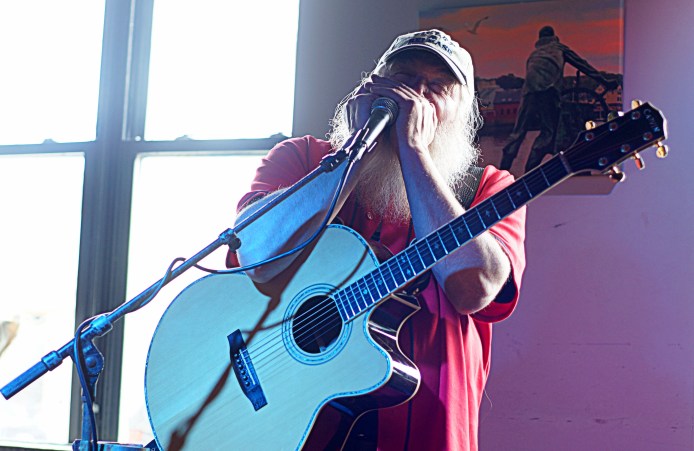
His given name is Paul Cohan, but we all lovingly know him
as the one and only Sasquatch. He is a true citizen and
friend of our fair city and its community. His profound anthem,
“Wrapped in the Arms of Gloucester” is honestly one of the most
moving pieces of all the Rhumb Line performances I’ve witnessed
over these many years. Paul makes us laugh and he makes us
cry – and sometimes, he even makes us cry with laughter. ~ Fly
Dinner with great music!
*Each week features a special, invited musical guest
The Rhumb Line Kitchen……now features Janet Brown with some new and healthy ideas!
Plus a fine, affordable wine menu!
Upcoming…
1/17 – Quentin Callewaert
1/24 – Chick & Ellen
1/31 – Lynne Taylor
2/7 – Inge Berge
Visit: http://www.therhumbline.com/
Looking forward……to seeing you there 🙂
Spread The GMG Love By Sharing With These Buttons:

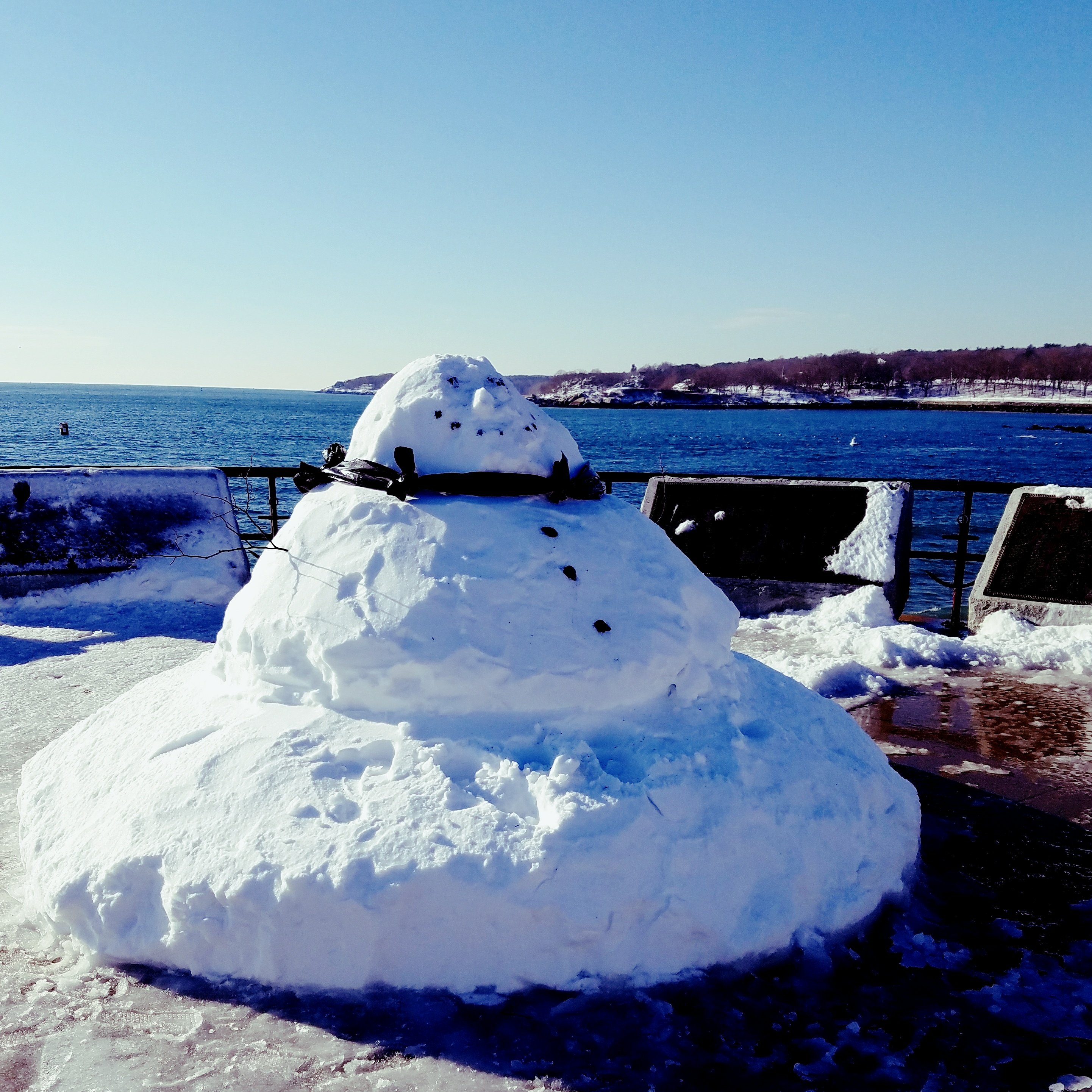
Bombogenesis Man
Bombogenesis Man is hanging out with the Fisherman on Stacey Boulevard, Gloucester. It’s 40 degrees today so it won’t be here long.
Spread The GMG Love By Sharing With These Buttons:

Ombre skies
Some mornings the sun doesn’t shine through but it does give us these beautiful ombre skies!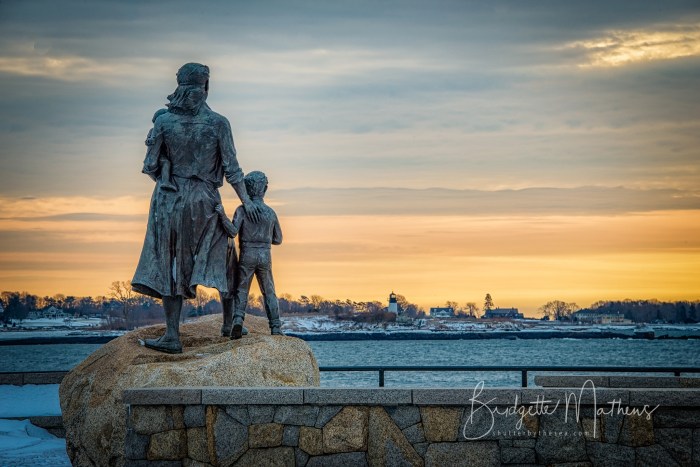

Spread The GMG Love By Sharing With These Buttons:

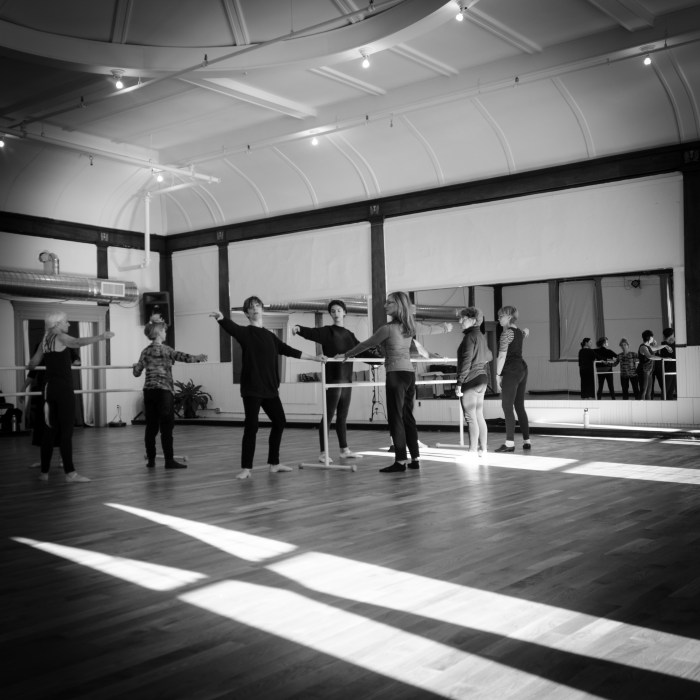
Portrait of Sarah of MAGMA
MAGMA in Gloucester offers improvisation-based dances classes, choreographic, dance socials and somatics workshops.
Visit them at magma.center

Spread The GMG Love By Sharing With These Buttons:

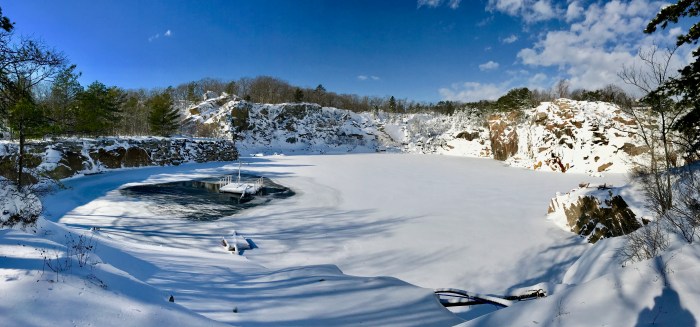
After the Bridge, Comes the Quarry
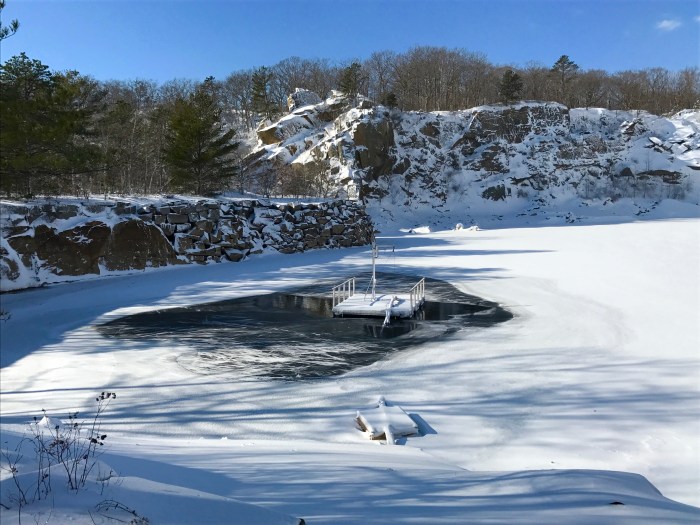
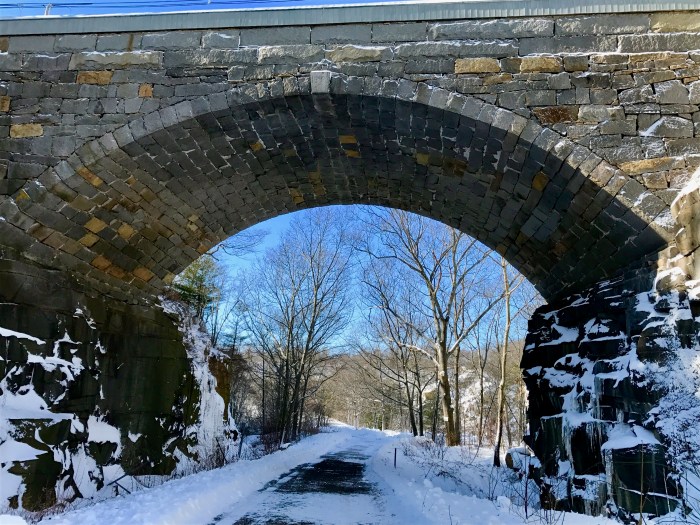
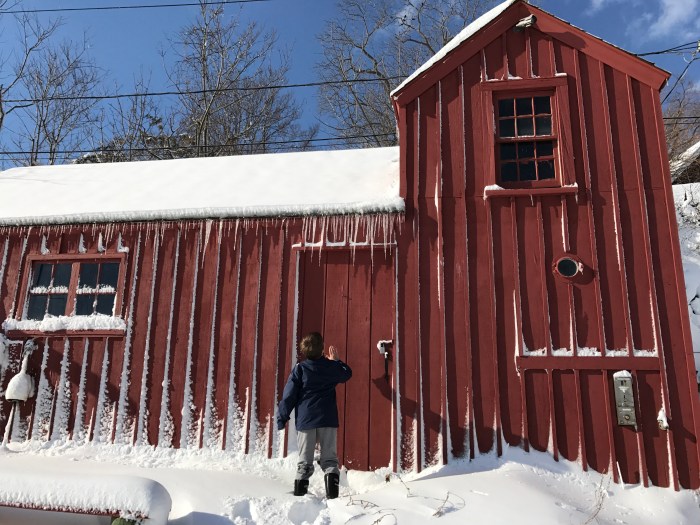
Yesterday I posted a photo of a beautiful bridge in Rockport that I had never seen before…even though I have lived in Rockport for 17 years and Gloucester for a few before that. Several people asked where the bridge is located. In explaining that you drive over the bridge just before reaching Granite Pier and that if you drive down to the small boat yard you will see the mini Motif before driving through the lot…and soon enough under that bridge….I also mentioned that you’d reach a quarry immediately afterwards. So, today I am sharing photos of the quarry as well. And then realized I should also post the mini Motif again as well…
https://goodmorninggloucester.wordpress.com/2018/01/09/the-road-less-traveled/
Spread The GMG Love By Sharing With These Buttons:

January A-door-nment
Snowed in. For now…….


Spread The GMG Love By Sharing With These Buttons:

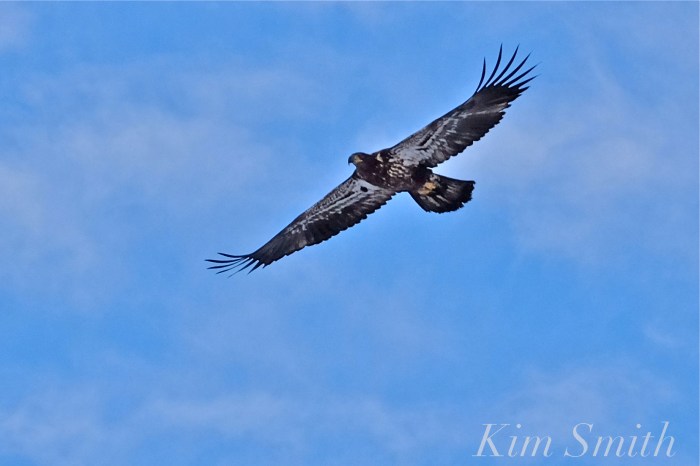
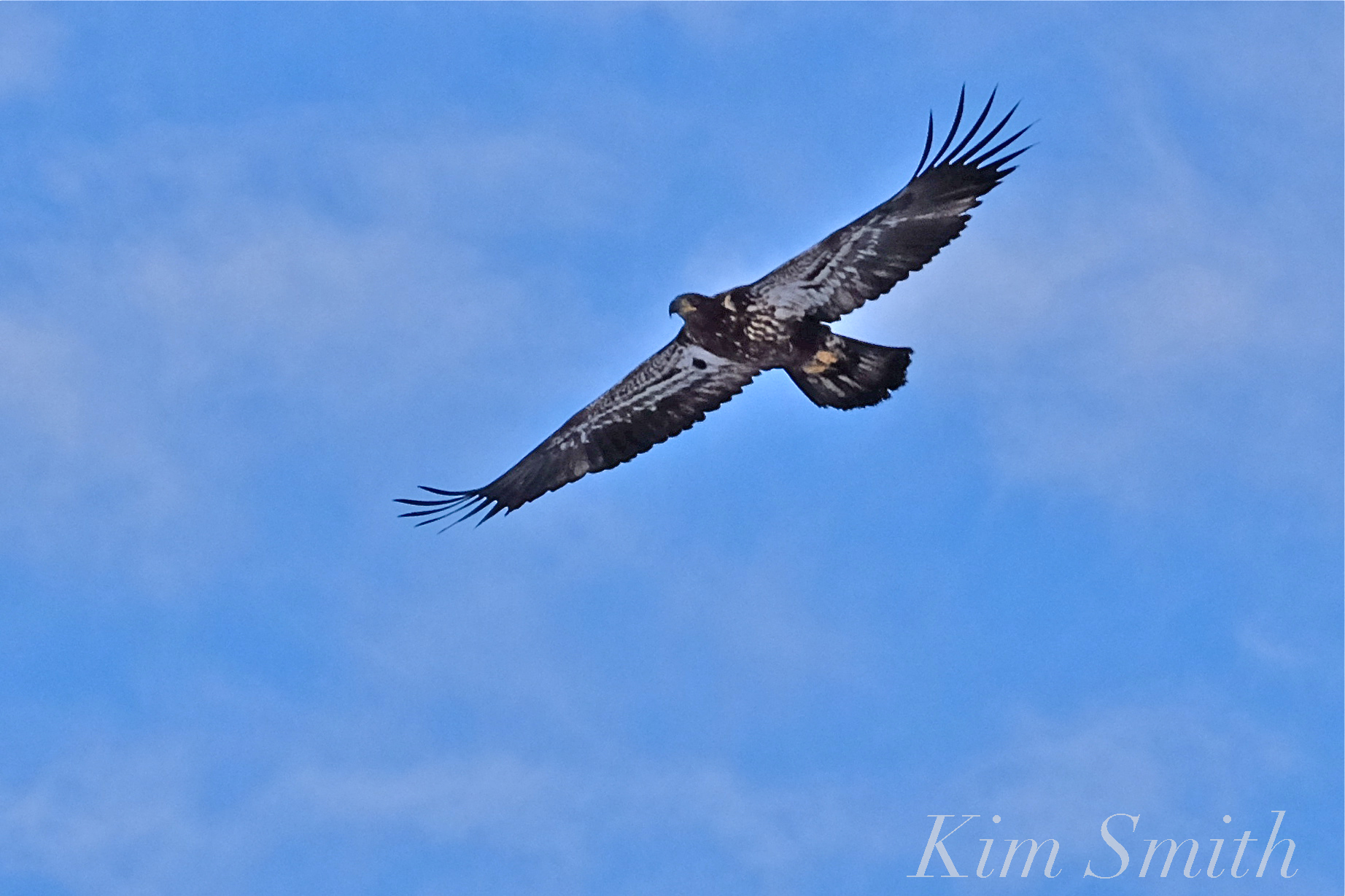
BALD EAGLE SOARING OVERHEAD
 Year of the Bird
The year 2018 marks the 100th anniversary of the signing of the Migratory Bird Treaty Act, passed in 1918. The treaty is a seminal piece of legislation that has saved, and continues to save, the life of billions upon billions of North American birds. Cornell Lab of Ornithology, National Geographic, Audubon, and BirdLife have created a timely alliance, joining forces this year to celebrate birds, while also raising awareness about the current dangers that they face.
I have been thinking a great deal about the Year of the Bird while out photographing and today on an early morning dune walk, a juvenile Bald Eagle flew overhead, soaring high, high up in the clouds. It was a first for me, to see a Bald Eagle, and it was simply thrilling. Bald Eagles have been helped tremendously by the stewardship allowed for under the Migratory Bird Treaty Act, the Bald Eagle Protection Act, and the banning of DDT.
Bald Eagles (Haliaeetus leucocephalus) are one of eight species in the genus Haliaeetus, or “sea” eagles. They are the largest birds of prey in Massachusetts, with a wing span of six to seven feet. Bald Eagles were extirpated (made non-existent) from Massachusetts during the early 1900s. From 1982 to 1988, forty-one young Bald Eagles from Michigan and Canada were relocated to Quabbin Reservoir in Massachusetts. Eagle numbers have increased steadily since that time. In 2015 (most recent record), the highest number ever recorded, at least 51 pairs, of Bald Eagles maintained breeding territories in Massachusetts.
Why are birds so important? I can think of myriad reasons–practical, aesthetic, and personal. Practically speaking, birds are like the earth’s housekeepers. They annually eat trillions of insects and pick clean carcasses of millions of dead animals. Many species of birds are pollinators–think of hummingbirds sipping nectar from zinnias and Baltimore Orioles drinking nectar from flowering fruit trees along their northward migratory route. Birds, too, are the proverbial canary in the coal mine. The presence and abundance of birds (or lack thereof) speaks to the health of our environment.
BIRDS ARE BEAUTIFUL! They connect us to the natural world that surrounds, and everyone can enjoy their beauty. We don’t all have access to daily bear watching, elephant safaris, or whaling adventures, but everyone can look out their window or go for a hike and see a beautiful bird. Evolved from dinosaurs, but bellwethers for the future, protecting birds and their habitats ensures a healthy planet for future generations.
From AUDUBON
The History and Evolution of the Migratory Bird Treaty Act
The law has already saved billions of birds’ lives. Here’s how it’s accomplished so much in its 100-year history.
Passed a century ago, the Migratory Bird Treaty Act prohibits the harming of just about all native birds, along with their nests and eggs. To this day it remains the primary tool for protecting non-endangered species. As threats to birds continue to evolve, so does the law itself.
Here’s a look back at some of the key moments in the law’s evolution to date.
1800s: With essentially zero regulations in place, market hunters decimate U.S. bird populations, in part so that well-to-do women can wear hats adorned with ornamental feathers. By the end of the century, Labrador Ducks and Great Auks are extinct, soon to be joined by Passenger Pigeons, Carolina Parakeets, and Heath Hens. Numerous other species stand on the brink. Outrage over these alarming trends leads to the formation of the first Audubon societies, as well as other conservation groups.
1900: Congress passes the Lacey Act, the first federal law to protect wildlife. It takes aim at market hunters by prohibiting them from selling poached game across state lines.
1913: Congress passes the Weeks-McLean Migratory Bird Act, which, in another broadside against market hunters, bans the spring shooting of migratory game and insectivorous birds and declares them to be under the “custody and protection” of the federal government. However, two district courts soon rule the act unconstitutional.
1916: The United States signs a treaty with Great Britain (acting on behalf of Canada, then part of the British Empire), in which the two countries agree to stop all hunting of insectivorous birds and to establish specific hunting seasons for game birds. The stated goal is to preserve those species considered beneficial or harmless to man.
1918: To implement the new treaty, Congress passes the Migratory Bird Treaty Act, which officially makes it a crime to “pursue, hunt, take, capture, kill,” or “sell” a migratory bird or any of its parts, including nests, eggs, and feathers. The newly passed act eliminates “the necessity of watching the legislation of every state and of combating the numberless attempts to legalize the destruction of birds for private gain,” according to famed ornithologist Frank M. Chapman (also the founder of Audubon magazine).
1920: The U.S. Supreme Court shoots down a challenge to the constitutionality of the Migratory Bird Treaty Act, ruling that it does not violate states’ rights.
1936: Following up on its treaty with Great Britain, the United States signs a similar treaty with Mexico (it would go on to sign additional treaties with Japan and the Soviet Union in the 1970s). As a result, more birds are protected under the Migratory Bird Treaty Act, and habitat conservation and pollution abatement is encouraged.
1940: Congress passes the Bald Eagle Protection Act, the first federal legislation to ban hunting or otherwise disturbing America’s national emblem (it would later be amended to include Golden Eagles). Modeled after the MBTA, it nonetheless fails to stem the Bald Eagle’s decline at the hands of DDT poisoning.
1970s: For the first time, U.S. prosecutors begin charging not just hunters who violate the MBTA, but also oil and gas, timber, mining, chemical, and electricity companies. Though not directly targeting wildlife, these industries incidentally cause millions of bird deaths each year that could have been avoided with simple infrastructure modifications, according to the U.S. Department of Justice. In publicly available documents, the DOJ states that it will first notify companies of a violation and work with them to correct it. But if they “ignore, deny, or refuse to comply” with best management practices, then the “matter may be referred for prosecution.”
1972: An amendment to the MBTA protects an additional 32 families of birds, including eagles, hawks, owls, and corvids (crows, jays, and magpies). Even more species have been added since, bringing the total number to 1,026—almost every native species in the United States. With such additions, the word “‘migratory” in the act’s title becomes largely symbolic—many birds that do not embark on actual migrations are still protected.
2000: A federal appeals court holds that private citizens (such as conservation groups) may sue the government over alleged violations of the Migratory Bird Treaty Act. Nonetheless, they remain unable to sue out-of-compliance private companies, which differs in that regard from the Endangered Species Act and many other environmental laws.
2001: Just before leaving office, President Bill Clinton orders all relevant federal agencies, including the Department of Defense and the U.S. Forest Service, to take migratory bird conservation into account as part of their regular decision making.
2002: A federal district court rules that the U.S. Navy violated the MBTA during live-fire exercises in the northern Marianas Islands. Congress responds by exempting the incidental taking of birds during “military readiness activities.”
2013: In a first, the Department of Justice enforces the MBTA against a wind farm operator, imposing $1 million in penalties for the killing of Golden Eagles and other protected birds at two sites in Wyoming. It follows this up a year later with $2.5 million in penalties against a second Wyoming wind farm operator. Actual enforcement of the MBTA against these problems tends to be sporadic.
2015: The U.S. Fish and Wildlife Service announces that it will rethink the MBTA’s implemention to hold industries more accountable for the harm they do to birds. Specifically, the changes will address bird deaths due to open oil pits, power lines, gas flares, cell phone towers, and wind turbines—which combined kill millions of birds each year.
2017: The Trump Administration does away with the USFWS’s potential rulemaking updates. Also in 2017, Rep. Liz Cheney (R-WY) introduced an amendment to the SECURE American Energy Act that would change liability under the Migratory Bird Treaty Act (MBTA) to no longer cover incidental takes. This would prevent any enforcement of industrial impacts, end accountability from oil spills, and removed incentives to protect birds, all of which Audubon opposes.
“Rep. Cheney is giving oil and gas companies and other industries a free pass to kill birds with impunity,” said David Yarnold, Audubon’s President and CEO, in an official statement.
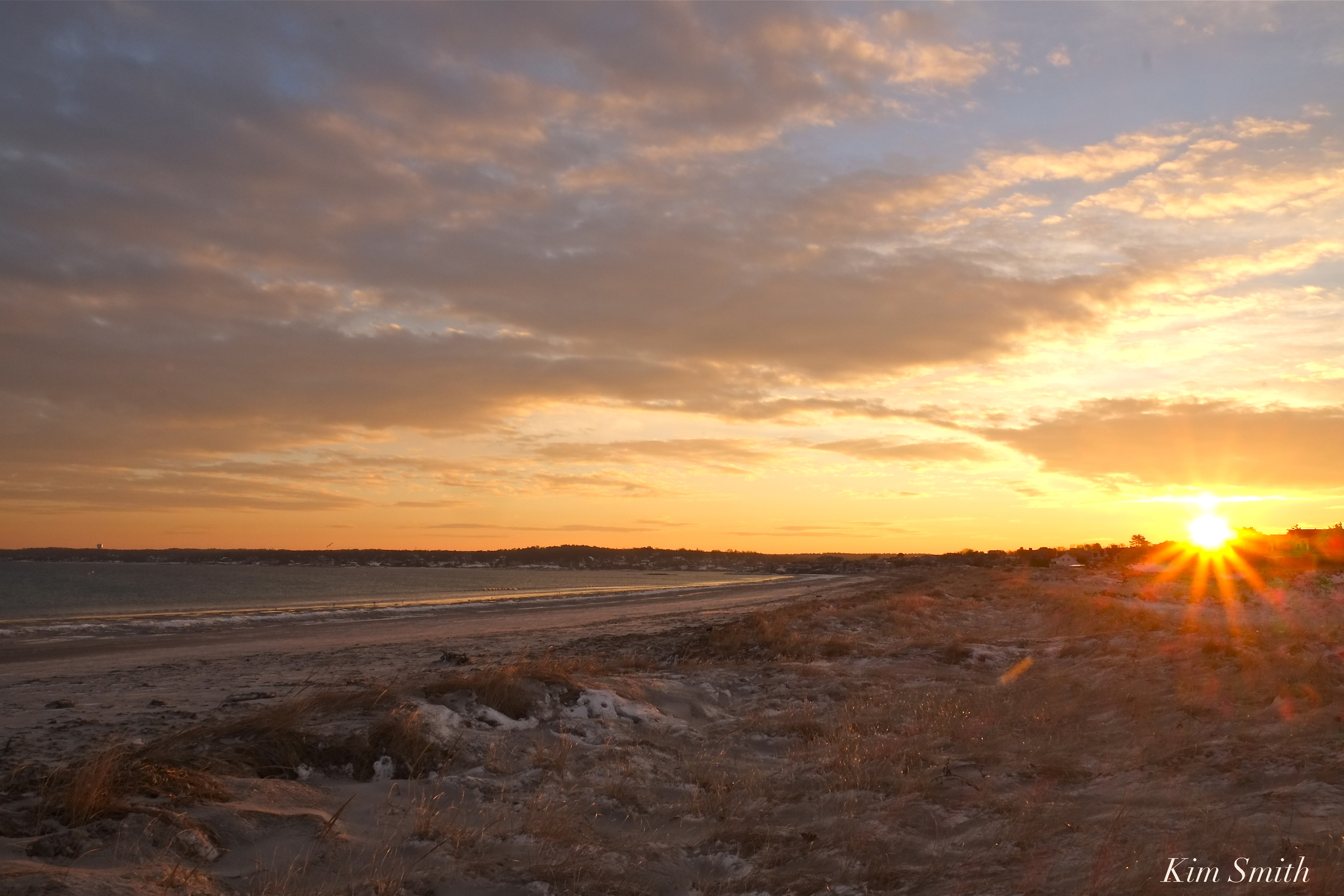 Dune sunrise this morning
Spread The GMG Love By Sharing With These Buttons:

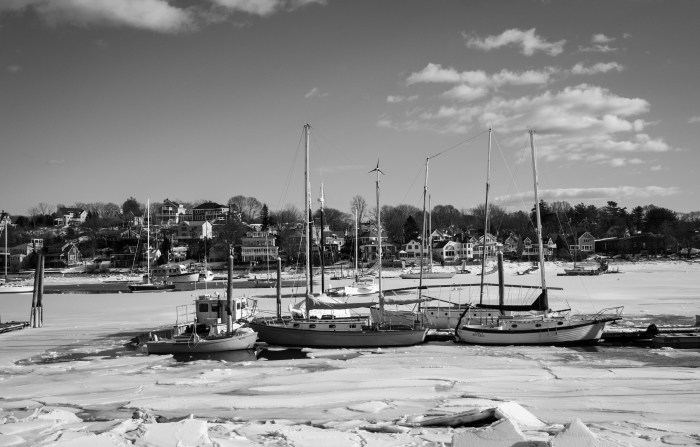
Shades of Shackleton
Spread The GMG Love By Sharing With These Buttons:

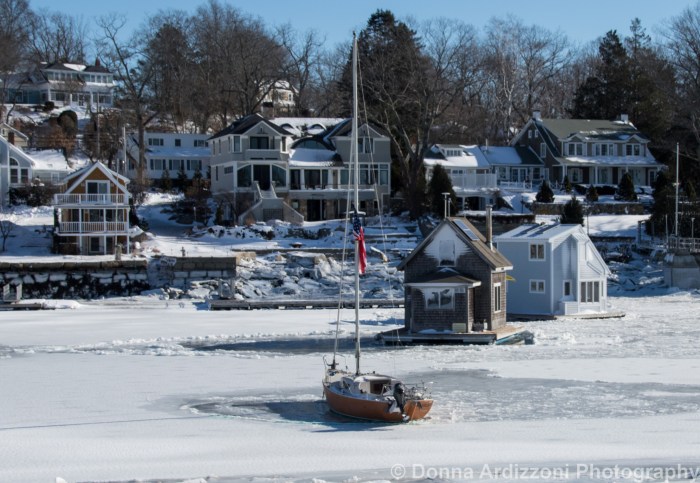
Frozen over
While driving around on Sunday, even the Annisquam River near the Footbridge totally frozen
Spread The GMG Love By Sharing With These Buttons:

WHAT DO WE DO WHEN ONE OF OUR NEIGHBORS LOSES EVERYTHING IN A FIRE? STEP THE F#*K up and help!!
You know what to do!https://www.gofundme.com/cx6wy-mann-house-fire
Please help however you can. Let’s step up for our own!
Spread The GMG Love By Sharing With These Buttons:
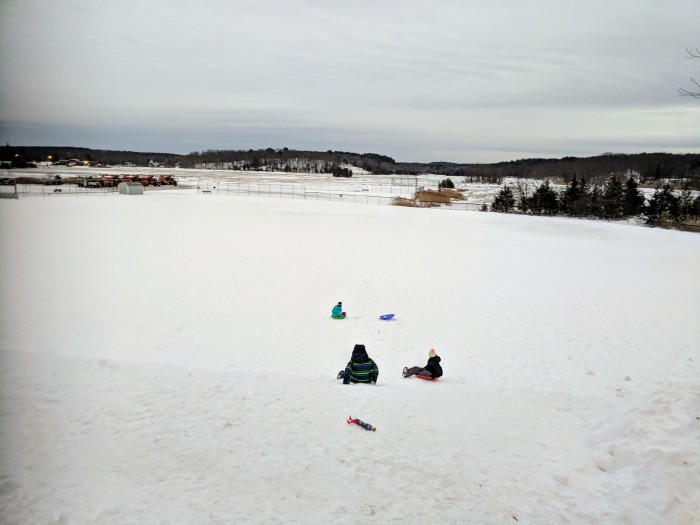
Ready set sled…almost! TOHP Burnham Library Essex MA
TOHP BURNHAM LIBRARY, ESSEX, MA is sited upon another breathtaking Cape Ann landscape with an easy family slope for winter fun.
Great effort! Sweet son gave a proper push to mom, intending to hop aboard, while his older sister raced on.



Spread The GMG Love By Sharing With These Buttons:

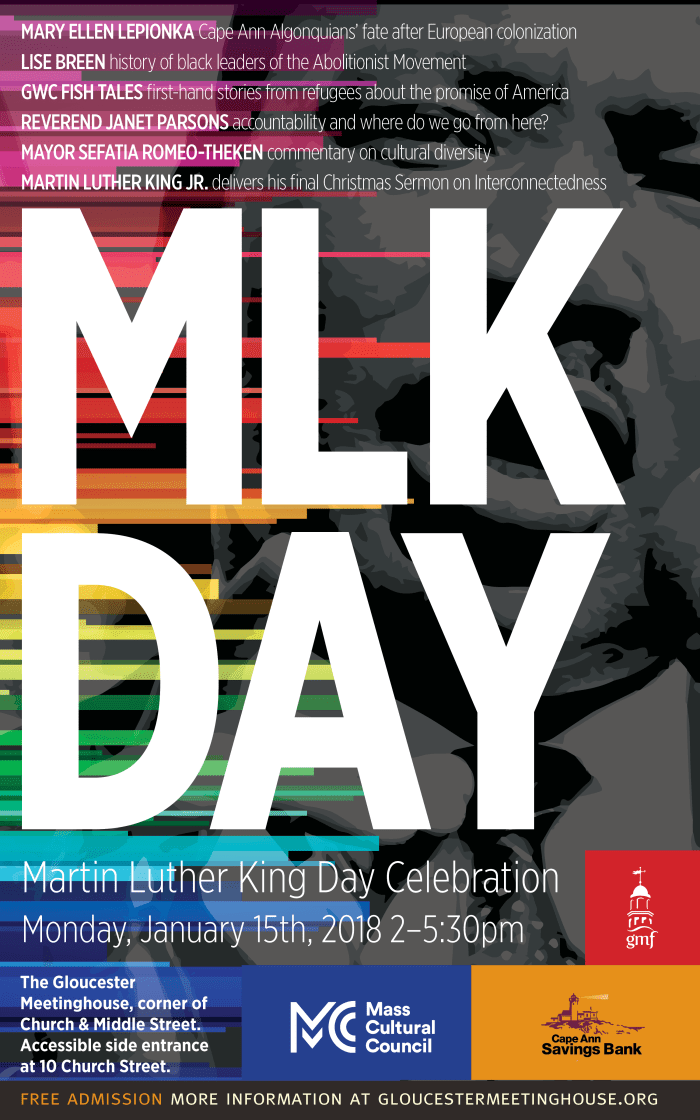
SECOND ANNUAL GLOUCESTER MARTIN LUTHER KING, JR. DAY CELEBRATION

WHAT: AN AFTERNOON OF PRESENTATIONS ON THE MLK HOLIDAY hosted by the Gloucester Meetinghouse Foundation
WHEN: MONDAY, JANUARY 15, 2018, 2:00-5:30pm
WHERE: The historic 1806 Gloucester Meetinghouse (home of the Gloucester Unitarian Universalist Church) on Meetinghouse Green at the corner of Middle and Church Street. Accessible side entrance at 10 Church Street. Parking on the Green or next door at St. John’s Church.
PROGRAM:
Mary Ellen Lepionka, Cape Ann Algonquians’ fate after European colonization
Lise Breen, history of black leaders of the Abolitionist Movement
GWC Fish Tales, first-hand stories from refugees about the promise of America
Reverend Janet Parsons, accountability and where do we go from here?
Mayor Sefatia Romeo-Theken, commentary on cultural diversity
Martin Luther King, Jr. delivering his final Christmas Sermon on interconnectedness
Closing, tolling of the Meetinghouse Paul Revere bell for freedom
WHAT’S SPECIAL? A rare opportunity to gather in…
View original post 222 more words
Spread The GMG Love By Sharing With These Buttons:

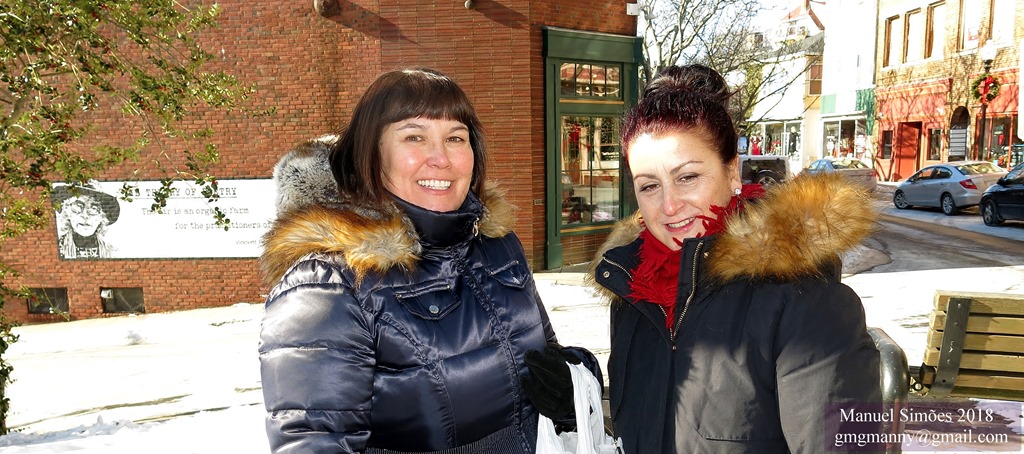
Gloucester Smiles-820
Spread The GMG Love By Sharing With These Buttons:

CLIMBING at CFCA
Come check out our bouldering wall at Crossfit Cape Ann! We have a 400Sq/Ft of climbing on boulder & endurance problems of varying steepness for all different abilities from beginner to advanced!

Every Wednesday night is open bouldering at CFCA from 6:30-8pm. No climbing experience or equipment required. $5 drop in fee for Non Members. First visit is free.
Check out https://crossfitcapeann.com/climbing/ for more information!
Spread The GMG Love By Sharing With These Buttons:
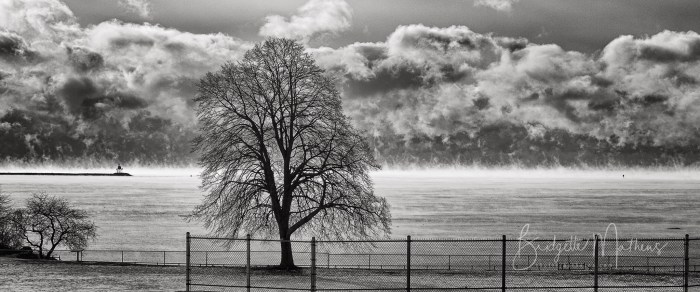
Sea smoke meets the horizon
Sharing one of last week’s morning shots from my “on the way to work” series. The frigid temps have certainly kept things interesting, but I think we’ve earned these milder days. What a difference a week makes!
Spread The GMG Love By Sharing With These Buttons:

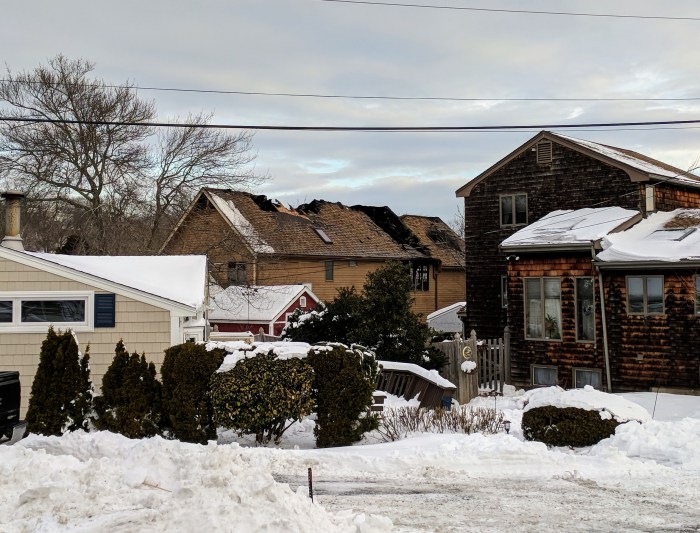
Boy, if this was a Two-Alarm Fire…Long Beach Road the morning after
Reports were that two houses in Gloucester were on fire which is understandable as there was a beautiful attached in-law suite for this local family. Last evening’s sights, crunching sounds and smells were ferocious. The homeowners are safe. Firefighters and emergency personnel faced that challenging inferno and are ok. The house was deemed a total loss. Cape Ann Motor Inn at Long Beach provided shelter.
Here’s the link to Arianna MacNeill’s swift and fine reporting for the Gloucester Daily Times Two-Alarm Fire Ravages Gloucester home.
Photos in the cold light of day. Want to help? https://www.gofundme.com/cx6wy-mann-house-fire



Spread The GMG Love By Sharing With These Buttons:

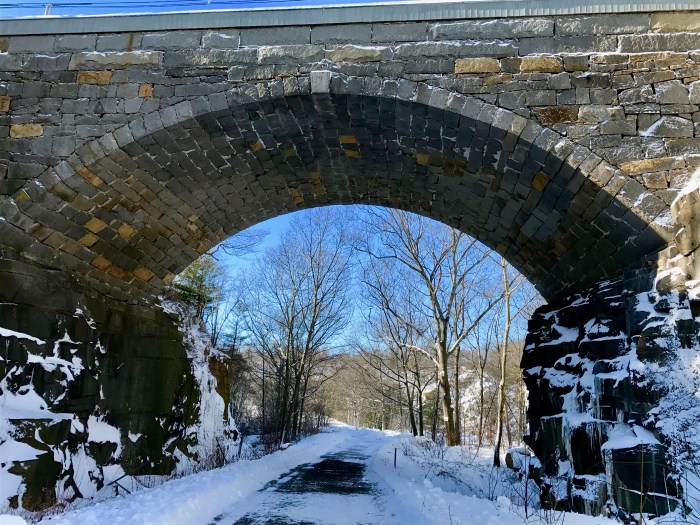
The Road Less Traveled
How is it that I have been over this bridge easily more than 1,000 times….but had never driven under it until this past weekend?

 Good Morning Gloucester