
40 Railroad Avenue
Gloucester, MA 01930
(978) 283-9732
My View of Life on the Dock
40 Railroad Avenue
Gloucester, MA 01930
(978) 283-9732


Dinner Specials Each Week!
Wednesday, April 4th – 7pm
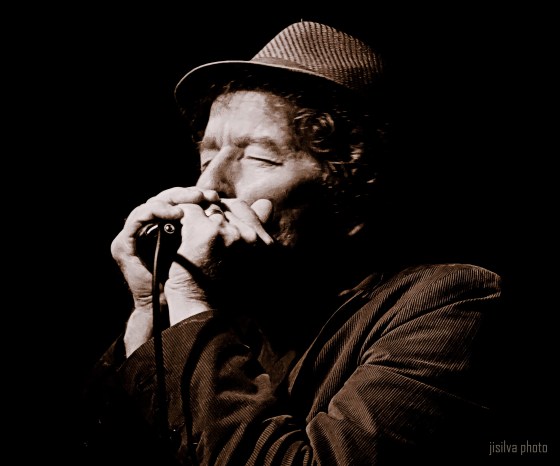
My Musical Guest: ALLEN ESTES!

One of Cape Ann’s true treasures, songwriter genius Allen
Estes shares the Rhumb Line stage with me one again. We
have a special kind of chemistry when we perform together.
Come by for some good food and good times. ~ Fly
Dinner with great music!
*Each week features a special, invited musical guest
The Rhumb Line Kitchen……now features Janet Brown with some new and healthy ideas!
Plus a fine, affordable wine menu!
Upcoming…
4/11 – Liz Frame
4/18 – Strungout Playboys
4/25 – Lynn Taylor
Visit: http://www.therhumbline.com/
Looking forward……to seeing you there 🙂

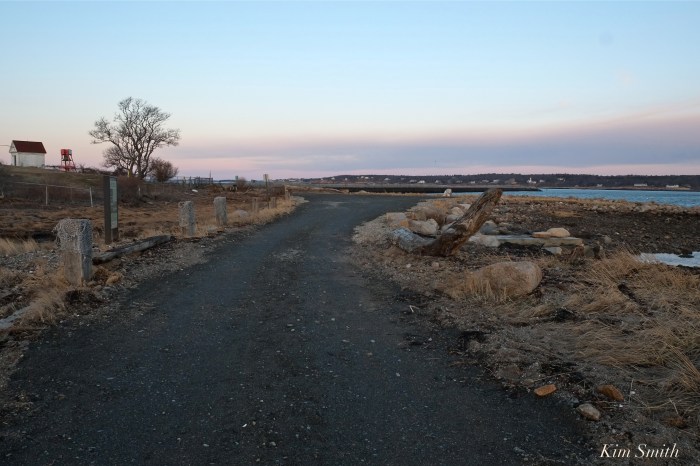
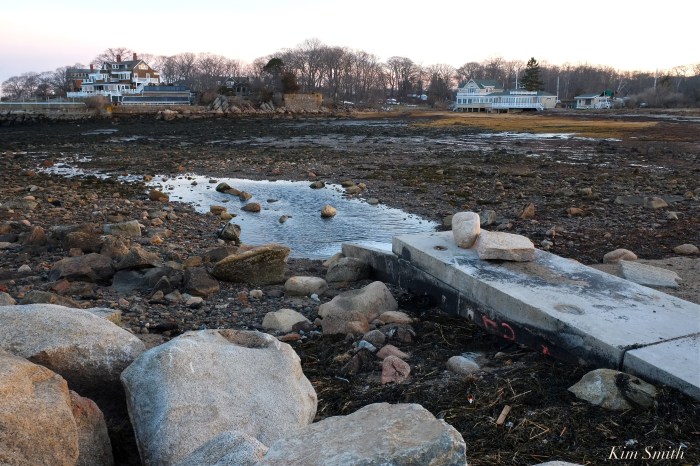
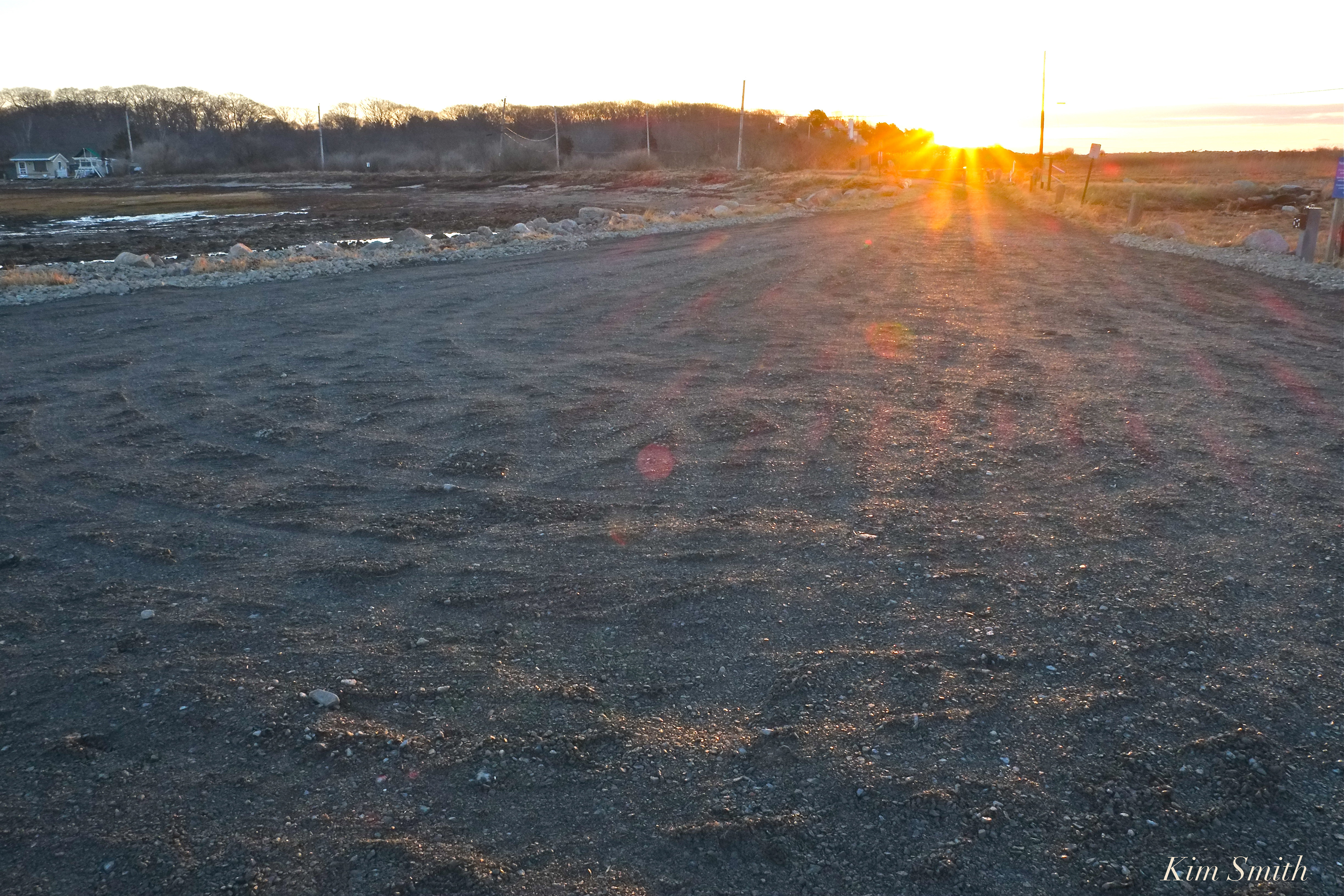 When writing “new parking lot,” I truly mean new. The old road and parking lot were completely destroyed after the second of our four march nor’easters.
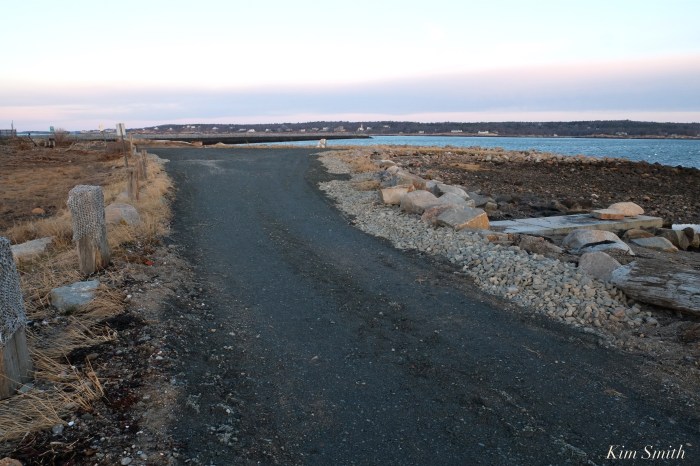
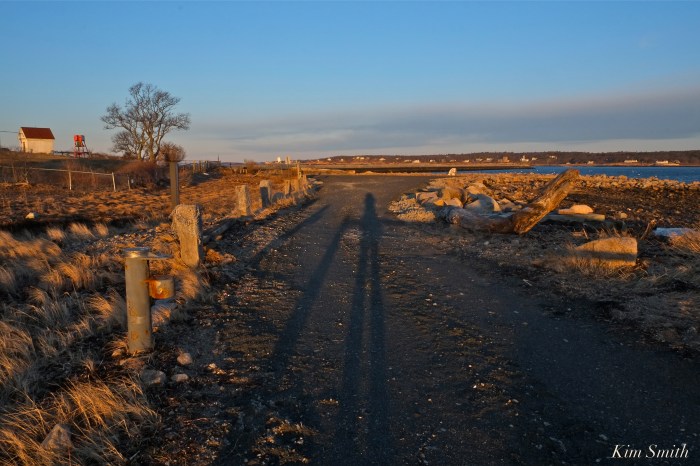
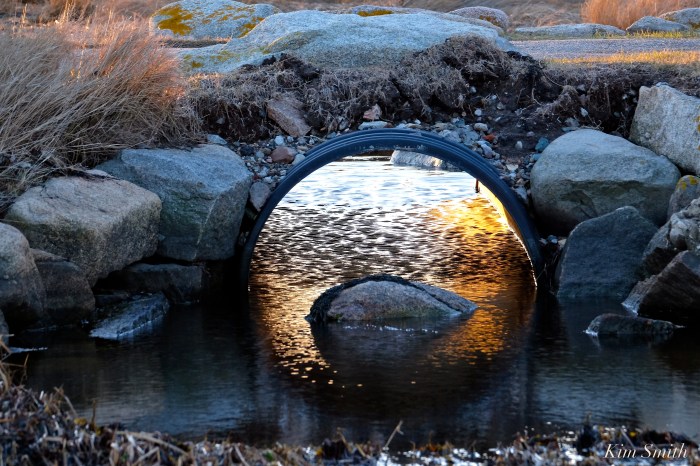
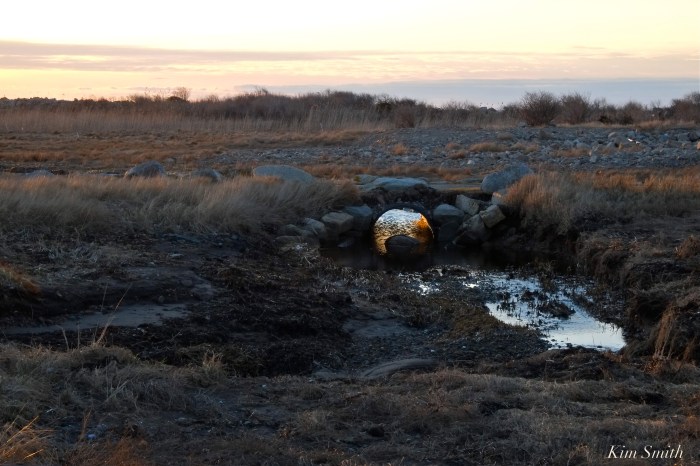
The culvert that allows marsh water to flow into the beach survived all four storms with flying colors, providing continual drainage. The culvert was restored by NOAA and has proven storm after storm to be a great success story.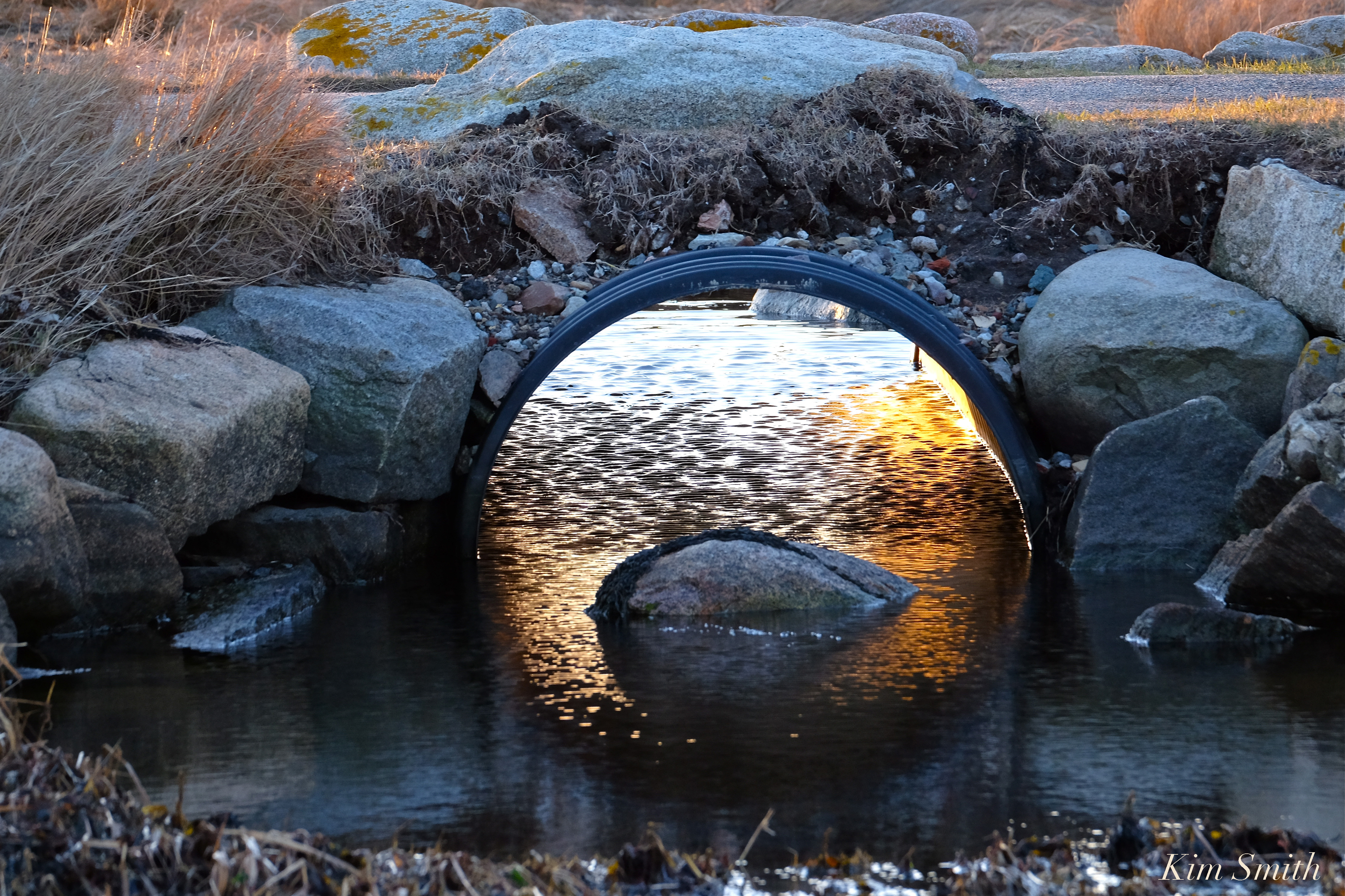


click photo for music info

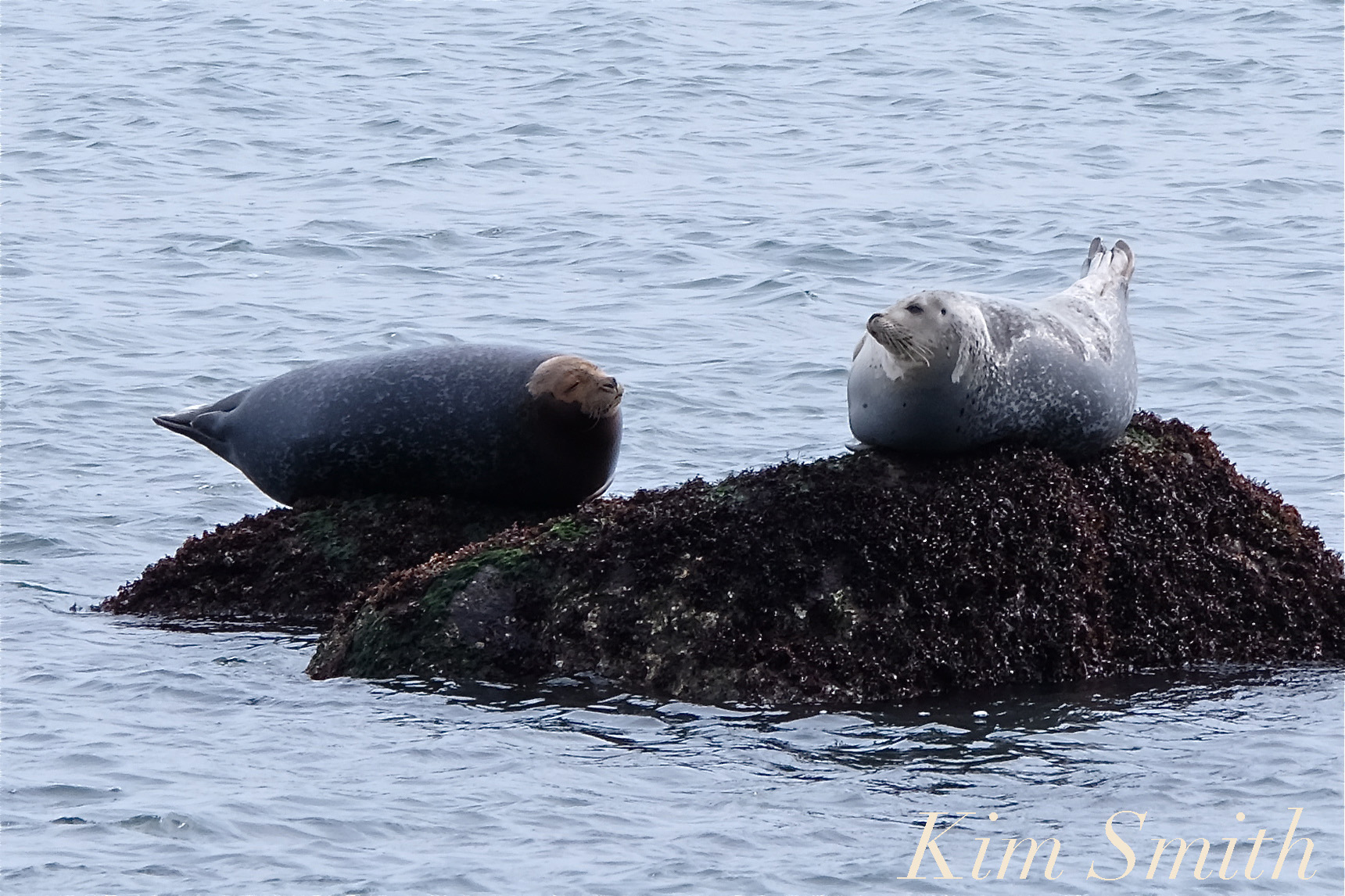
 Are these two seals even the same species?
The answer is yes, both are Atlantic Harbor Seals! By far the most commonly seen seals found along the Cape Ann coastline are Harbor Seals (Phoca vitulina), also called Common Seals, and with multiple sightings, they have certainly been making their presence known this past week. The coloring and spotted patterning of the Harbor Seal’s coat is highly variable, as you can see in the above photo, ranging from chocolate brown-black to palest silvery gray.
In recent years, Gray Seals have made an incredible comeback and are seen with much greater regularity in Cape Ann waters. And with their increasing numbers, the Great White Shark is also increasing in number, as Gray Seals are their preferred food. I don’t have a photo of Gray Seals, but found several on wiki commons media for the sake of comparing.
 Gray Seals
 Notice the Harbor Seals small and concave shaped head.

Notice the Gray Seals elongated snout and W-shaped nostrils
 Harbor Seals V-shaped nostrils
 Harbor Seal banana-shape
Excerpt:
Harbor Seals are relatively small (1.5 meters, or 5 feet long), with a coat that varies somewhat with age, wetness and between individuals. Some pups are born with a light colored, lanugo coat (fetal fur that most mammals shed before birth). The lanugo coat is shed within a few weeks of birth. Most seals, though, are born with an adult coat that darkens with age.
Females in this area usually give birth in late spring and early summer. It is thought that females from Massachusetts migrate to quiet islands in New Hampshire and southern Maine to pup. Historically, harbor seals pupped in Massachusetts, and there are increasing sightings of very small pups here in May and June. Pups are able to swim within minutes after birth and can travel with the female while she hunts. On Stellwagen, small pups are often found treading water while waiting for mom to return from a dive.
Adults of both sexes are similar in appearance, with lighter undersides, brown to gray topsides and differing amounts of irregular spots throughout. Harbor seals’ front flippers have relatively small claws, and the claws of their hind flippers are tiny. At sea, they can be hard to spot. Only their heads are visible as they come up for air, their snouts are small and pointed, and they have a small but definite brow. If you have binoculars, you can spot ear openings just behind the eyes.

Profiles of male and female gray seals.
NMFS Permit No. 775-1600-10
Gray Seals, Halichoerus gypus, are the largest seal found in the area, with males growing to 8 feet and weighing over 900 pounds (2.3 m. and 300-350 kg.). Females are somewhat smaller, measuring 7 feet and weighing less than 600 pounds (2 m. and 150-200 kg.). Besides size, the sexes differ in a number of ways: males tend to be darker with few light spots, while females tend to be light with dark, irregular blotches. Young can be easily confused with harbor seals. With a head-on view, gray seals have wide-set nostrils that form a W, while harbor seals have close-set nostrils that form a small V. Sometimes called horseheads, gray seals of both sexes have broad, long snouts that become more pronounced, especially in males.
Gray seals are endemic to the North Atlantic, ranging from the Baltic,western Europe to Canada and Northeastern United States. In recent years, the number of gray seals in New England seems to have grown. It is not yet clear if the Canadian population is simply growing and moving south, or if there are other, environmental factors at work.
Highly gregarious, gray seals are often found in large groups hauled out on quiet sand or rock beaches for rest and breeding. Females in this area, such as Monomoy Island in Nantucket Sound, give birth to one, white-coated pup from late December to mid February. The pup is nursed intensively for about 15 to 20 days on an increasingly fatty milk. Females come into estrus about 2 weeks after weaning their pups. Males are highly competitive over access to groups of females on shore. After fertilization, the embryo stops development and “rests” for 3 to 4 months before development resumes (delayed implantation).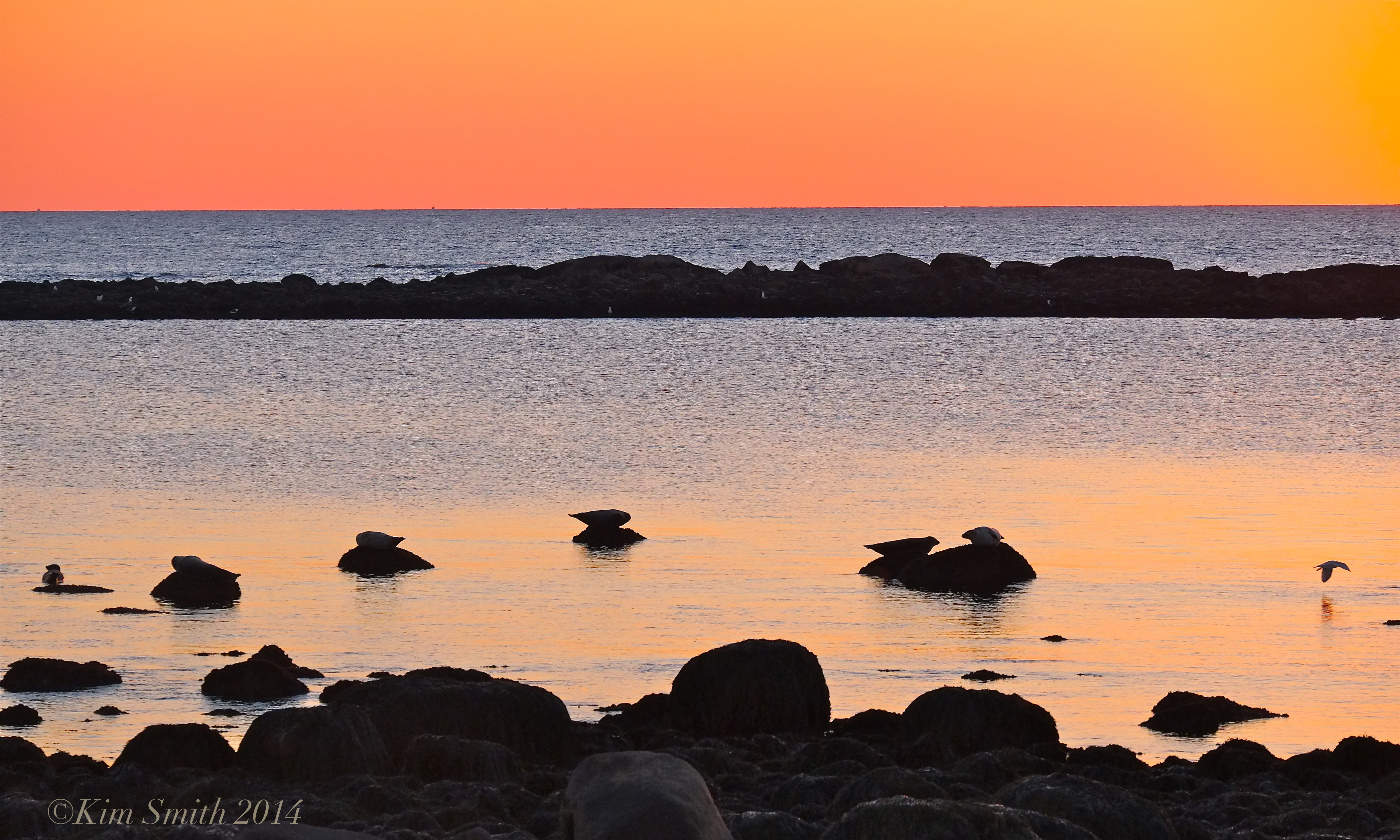
Harbor Seals Brace Cove Gloucester

Just another beautiful morning in the neighborhood.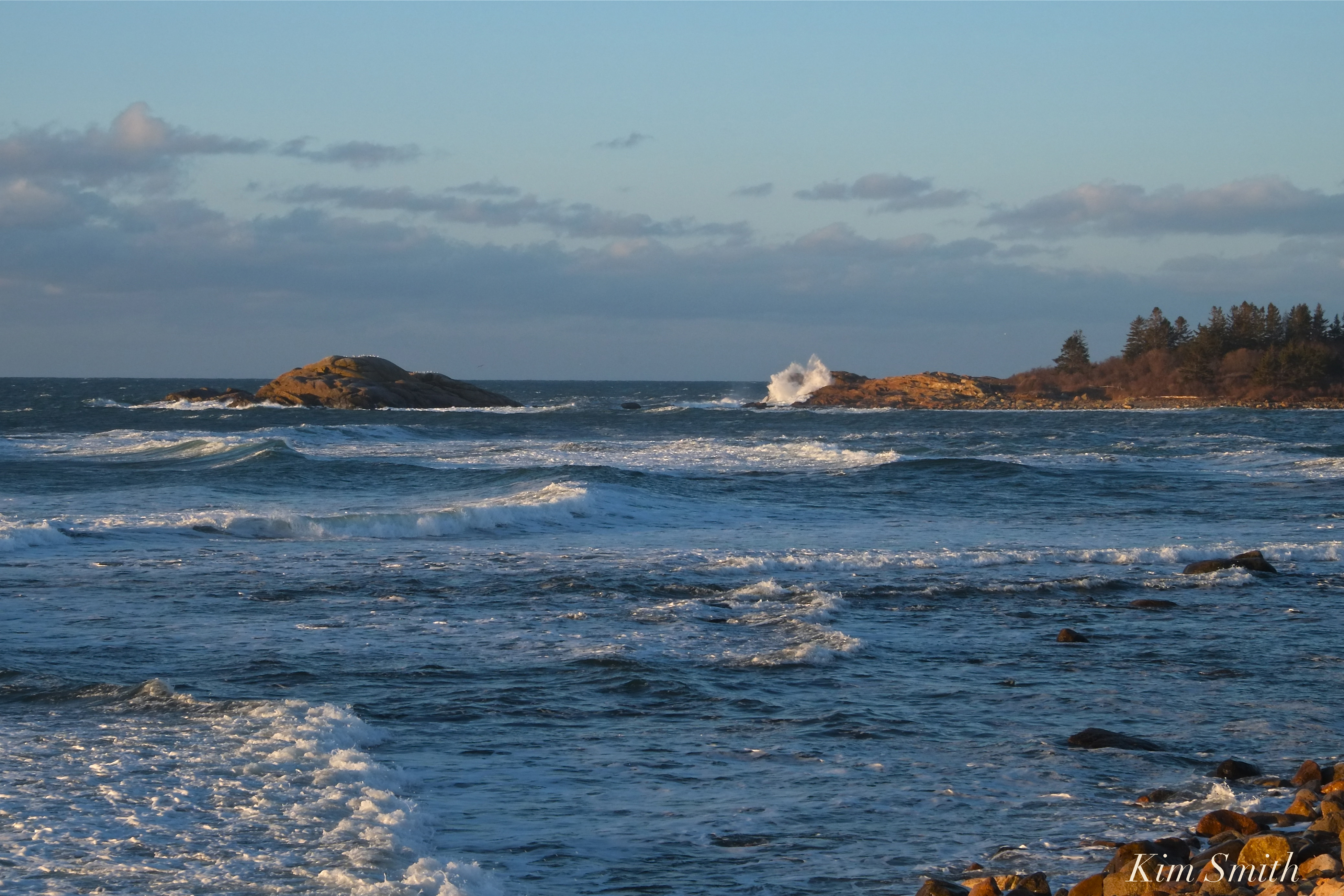

Dinner Specials Each Week!
Wednesday, March 28th – 7pm
My Musical Guest: ED DALEY!

Great songs. Deep soul. Our awesome and gifted friend, Ed
Daley returns to us this week. And, hey… I’ll be there, too! ~ Fly
Dinner with great music!
*Each week features a special, invited musical guest
The Rhumb Line Kitchen……now features Janet Brown with some new and healthy ideas!
Plus a fine, affordable wine menu!
Upcoming…
4/4 – Allen Estes
4/11 – Liz Frame
4/18 – Strungout Playboys
Visit: http://www.therhumbline.com/
Looking forward……to seeing you there 🙂

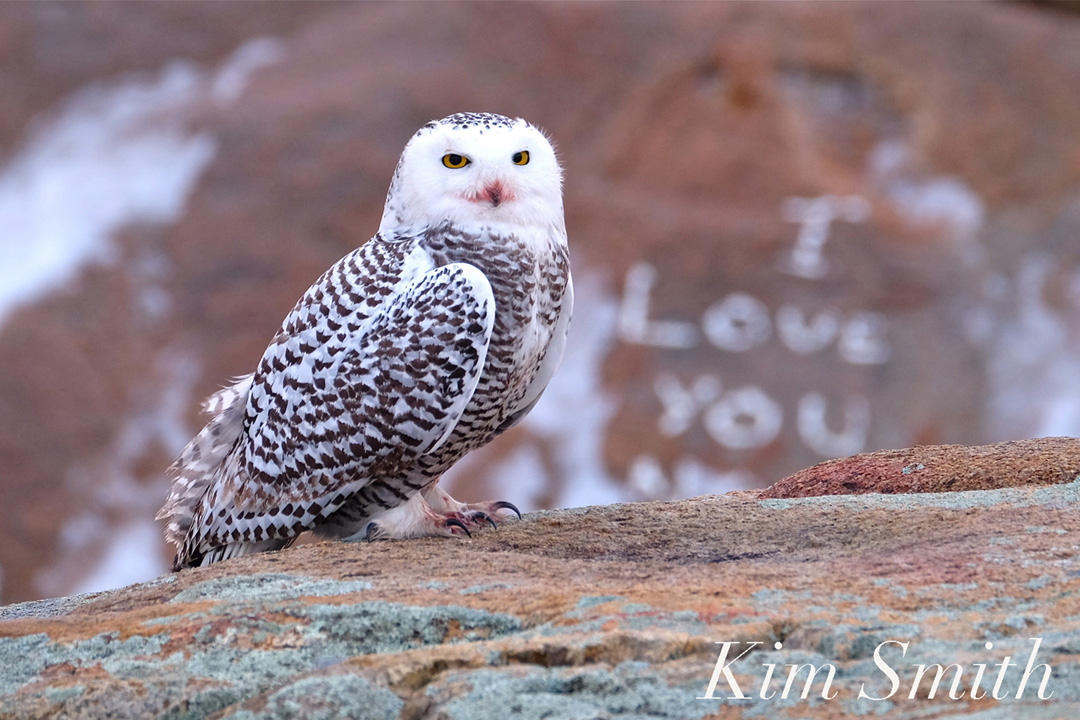 “We Love You Too Snowy Owl” prints for sale.
For the next two weeks, I am offering a limited edition of the photo “We Love You Too Snowy Owl.” The 8 x 12 photo will be printed on fine art hot press paper and signed. At the end of two weeks, after orders are in and checks received, I will place the order with the printer. The $95.00 price includes shipping and tax. If you would like to purchase a photo of Hedwig, please email me at kimsmithdesigns@hotmail.com Thank you!

“How much is known about the Gulf of Maine?”
“Practically nothing.”
So, according to his memoirs, went the conversation that kicked Henry Bryant Bigelow (Harvard) ’01, Ph.D. ’06, S.D. ’46, out of a rut and onto the Gulf of Maine, which he would transform from a scientific unknown to one of the most thoroughly studied large bodies of water in the world–and in doing so, set modern oceanography on an “interdisciplinary,” “ecosystemic” course before either term existed. Bigelow developed a rigorous, integrative approach to oceanography that he eloquently propagated for decades. Along the way, he served what he reckoned to be the longest tenure in Harvard’s history, working as a researcher, instructor, and professor of zoology from 1906 to 1962–for which he solicited and received, he recalled with typical humor in the memoirs, the only bottle of whiskey ever presented to anyone by the President and Fellows of Harvard College. (By David Dobbs, for Harvard Magazine) https://harvardmagazine.com/1999/01/vita.html
Fishes of the Gulf of Maine by Bigelow and Schroeder has long been known simply as Bigelow and Schroeder. Dr. Henry Bryant Bigelow (1879-1967) was founding director of Woods Hole Oceanographic Institution. https://www.whoi.edu/main/profile/henry-bryant-bigelow
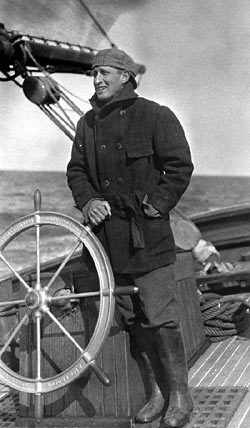
Photograph courtesy of WHOI archives: Dr. Henry Bryant Bigelow at the helm of Grampus in the Gulf of Maine, 1912

 Our beautiful Snowy Owl Hedwig was last seen on Monday night, March 12th. This was also the night before the third nor’easter. She was perched on the railing of the Ocean House Inn facing towards the sea. The wind was blowing fiercely. Well after dark, and after making several attempts, she successfully flew in a southerly direction out over the water.
It has been two weeks since that last sighting and perhaps we will see her again, but I imagine her to be safe and undertaking her return journey to the Arctic tundra, well-fed from her stay on Cape Ann. Whether she was well-rested is another story. The great majority of people who came to see this most approachable of owls were respectful and considerate of her quiet space. The crows however, were nothing short of brutal. After learning about why crows attack owls, and the degree of aggression possible, I am surprised she lasted as long as she did, and without great injury.
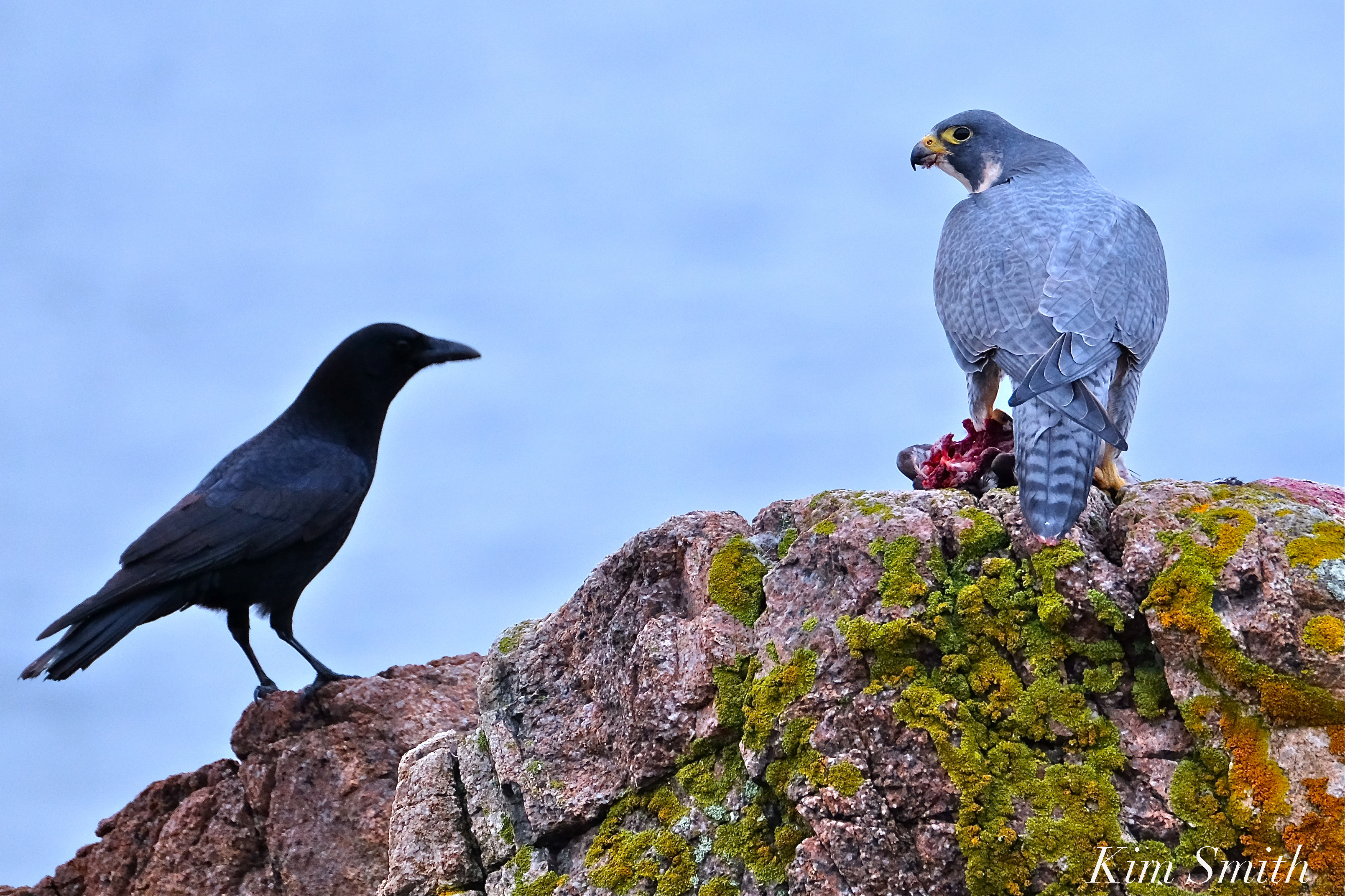 American Crow harassing a Peregrine Falcon, Atlantic Road
Crows and owls are natural enemies because a murder of crows may mob an owl to death (or any raptor by which it feels threatened) and owls occasionally eat crows. Crows are diurnal, which means they feed during the day. The majority of North American owl species that they encounter are nocturnal (night feeding). In the case of Snowy Owls, which feed both day and night, their paths may occasionally cross, as happened when Hedwig moved into the crow’s territory along Gloucester’s Atlantic Road.
American Crows harassing Snowy Owl Hedwig
A flock of American Crows can run circles around most owls, pecking, dive bombing, chasing, and in some instances killing. Snowy Owls are the exception; they are larger, stronger, and faster flyers than other North American owl species. And too, Snowy Owls are closely related to Great Horned Owls, a species known to eat crows when they are roosting overnight. So even though a crow in our area may never before have encountered a Snowy Owl, they instinctively know danger is present.
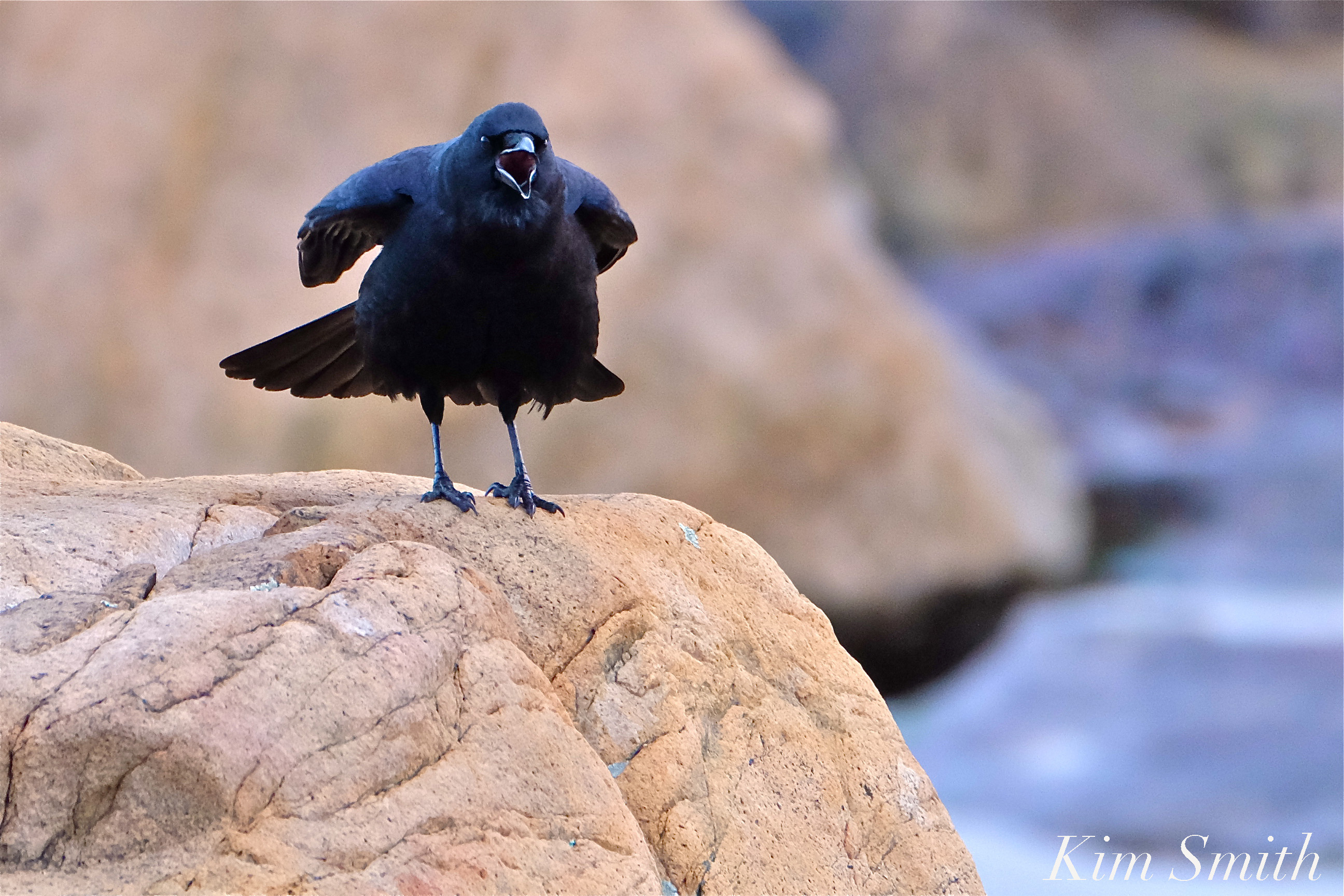 American Crow
With their incredible ability for recollection, crows are considered the brainiacs of the bird world. Daily, Hedwig outsmarted this smartest of bird species. She learned to stay well-hidden during the daylight hours, laying low atop the hotel roofs. Her salt and pepper coloring blended perfectly with the black, white, and gray colors of industrial roof venting equipment. She adapted to hunting strictly at night, after the crows had settled in for the evening, returning to her hideouts before the day began.
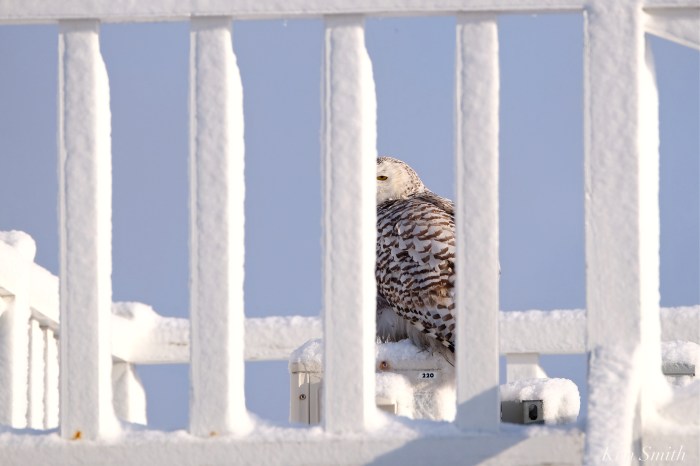
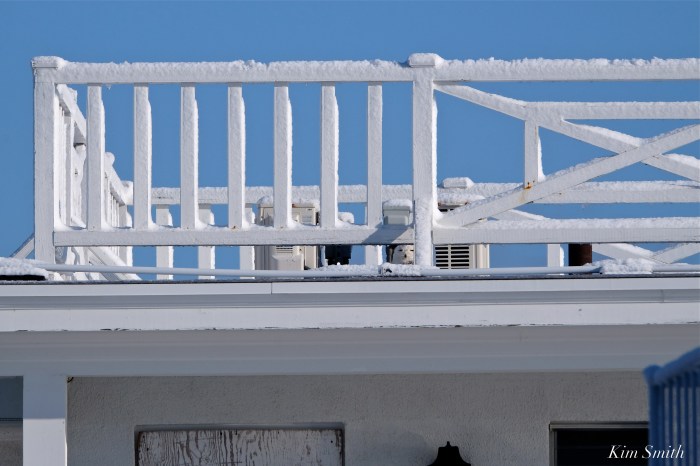
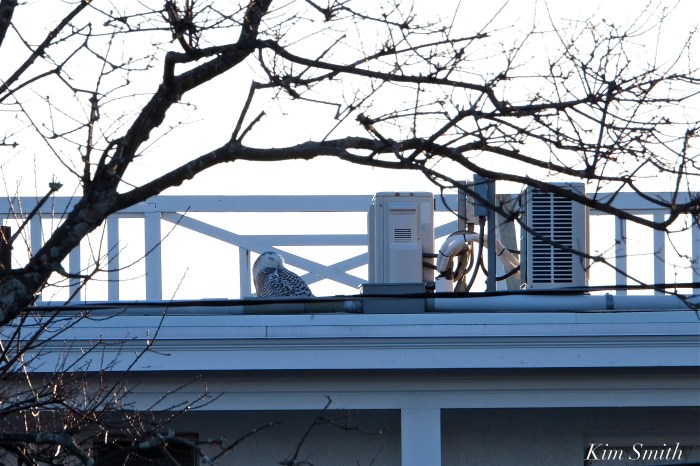
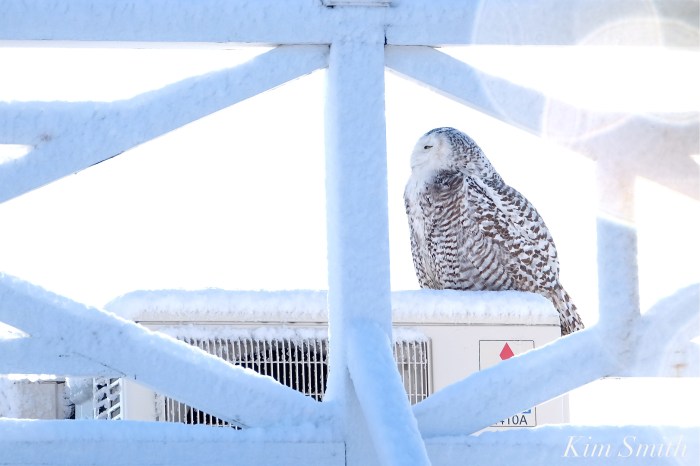
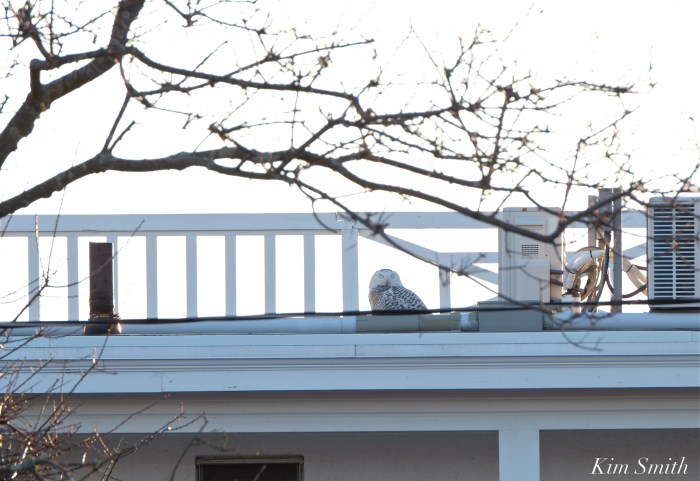
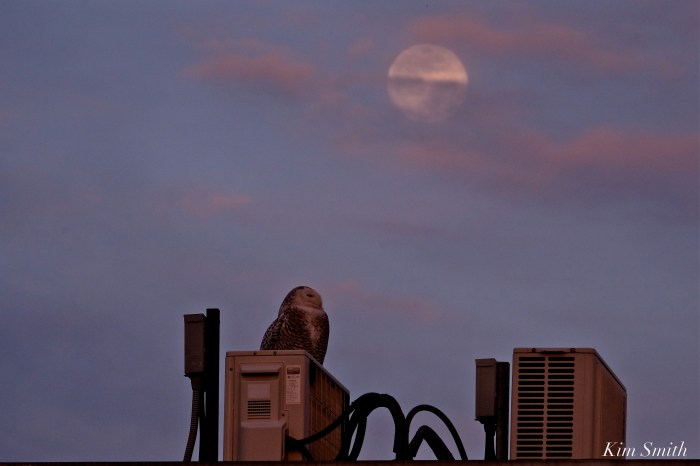
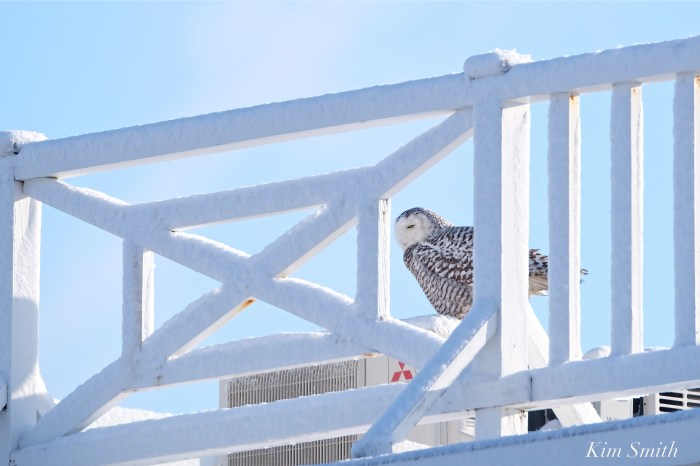
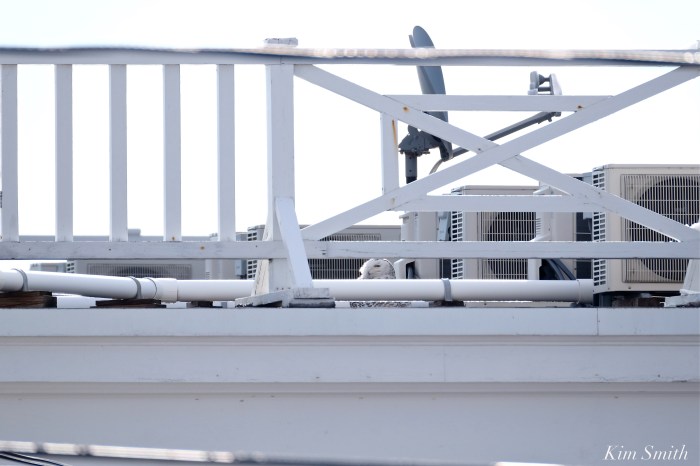
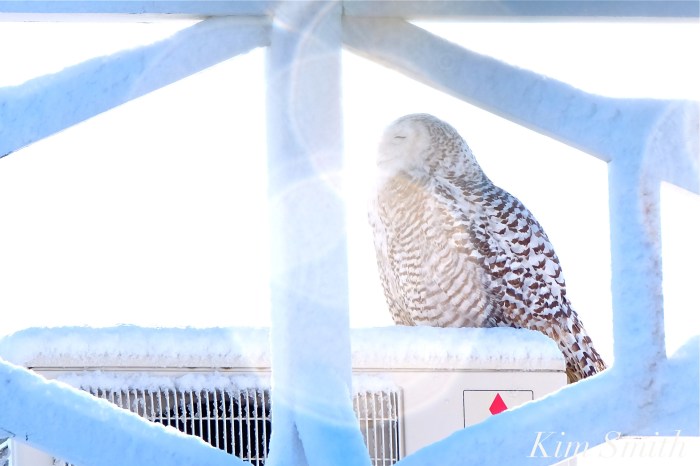

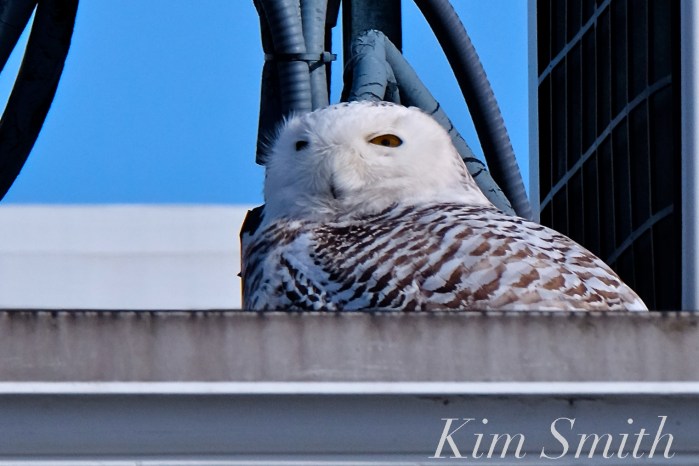
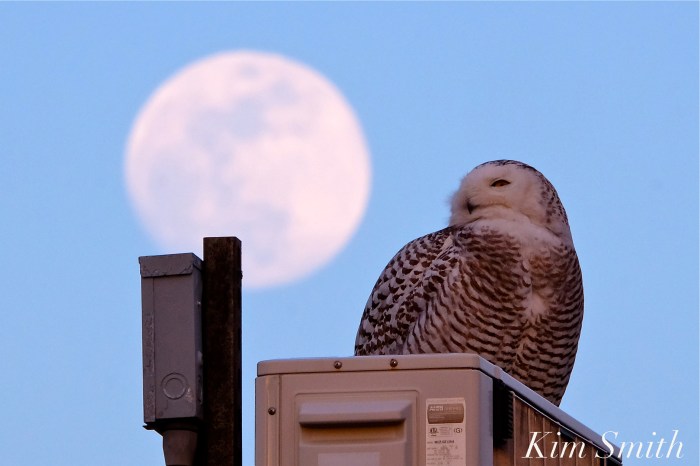
Where’s Hedwig?
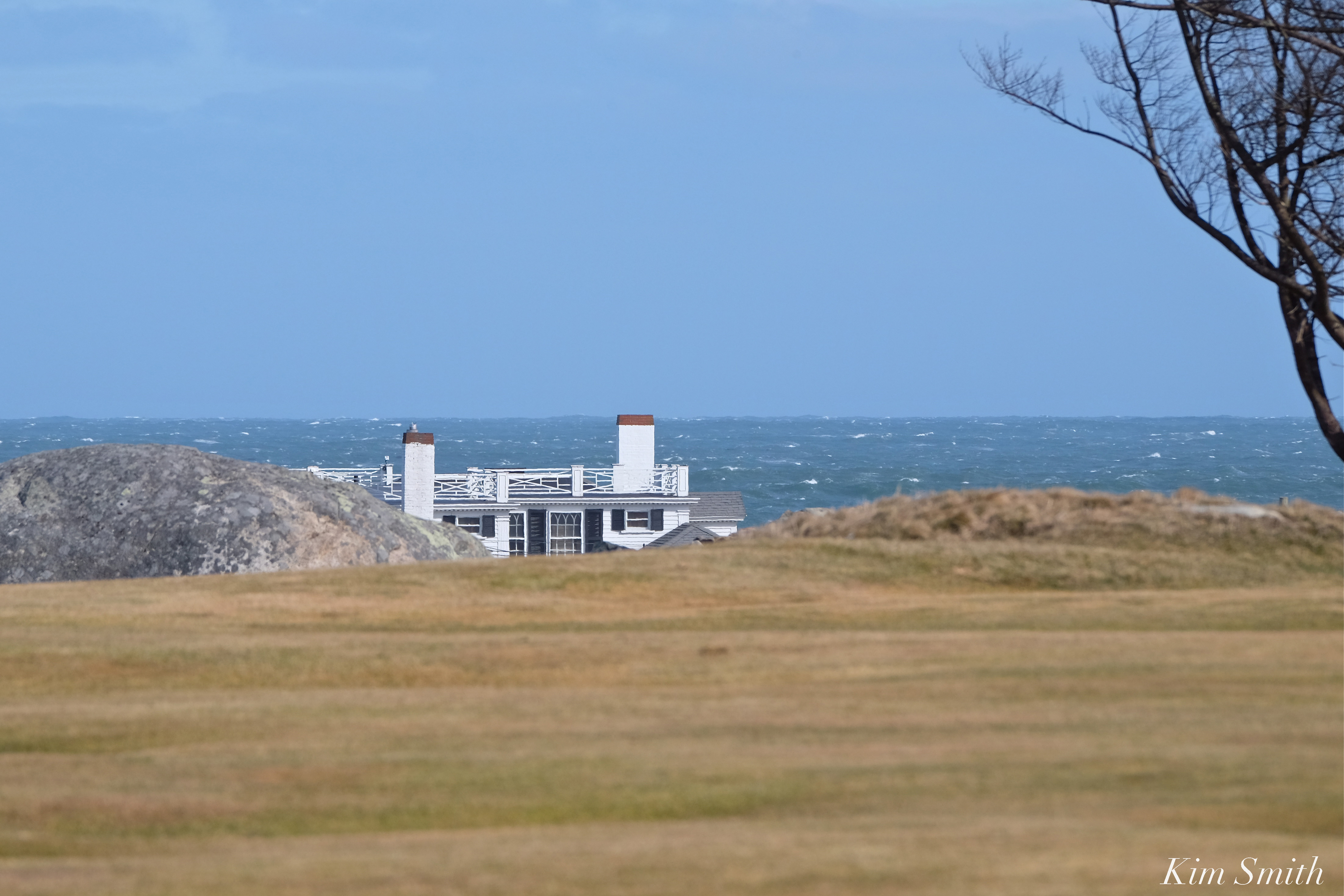 From Hedwig’s perch atop the Atlantic Road hotels, she had a crystal clear view of the golf course and Bass Rocks, places prime for nightly hunting.
On one hand it would be fascinating if Hedwig had been outfitted with a tracking device. On the other, if she had been trapped for tagging, she may not return to this area. There is some evidence that Snowies occasionally return to an overwintering location. Next winter I’ll be taking more than a few peeks in the location of the Atlantis and Ocean House Inn Hotels to see if Hedwig has returned.
* * *
“We Love You Too Snowy Owl” prints for sale
The sale of the “Super Blue Blood Moon Lunar Eclipse Over Gloucester Harbor” photo went very well. Thank you so very much to all who purchased a print! Many readers have asked about photos of Hedwig. For the next two weeks, I am offering a limited edition of the photo “We Love You Too Snowy Owl.” The 8 x 12 photo will be printed on fine art hot press paper and signed. At the end of two weeks, after orders are in and checks received, I will place the order with the printer. The $95.00 price includes shipping and tax. If you would like to purchase a photo of Hedwig, please email me at kimsmithdesigns@hotmail.com Thank you!

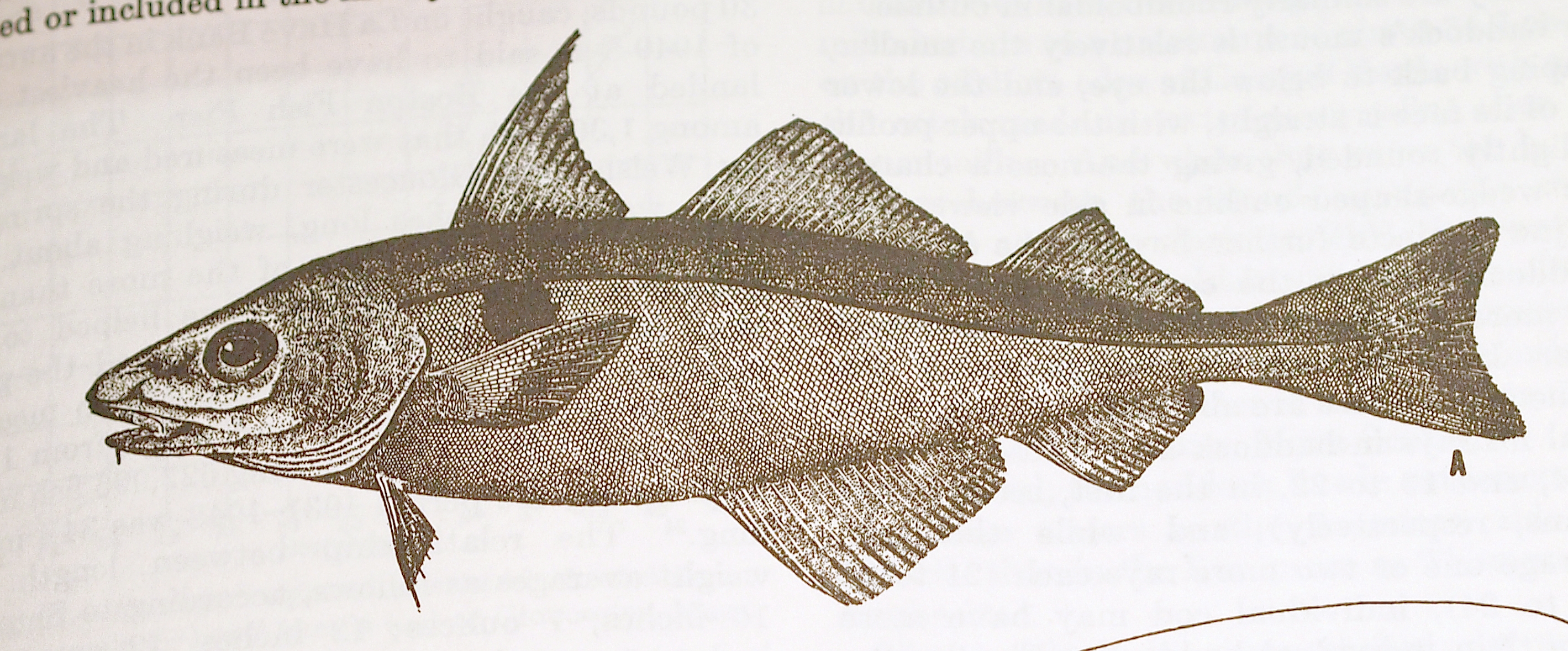
Haddock (Melanogrammus aeglefinus) drawn by H. L. Todd
“Haddock are very plentiful all around the open Gulf (of Maine), as well as on all the offshore banks, especially on Georges where they greatly out-number the cod. This is, in fact, one of the two species that now rank at the top among Gulf of Maine fishes, from the commercial standpoint; the rosefish (Acadian redfish) is the other.”
From Fishes of the Gulf of Maine by Bigelow and Schroeder (1953) online courtesy of MBL/WHOI http://www.gma.org/fogm/Melanogrammus_aeglefinus.htm
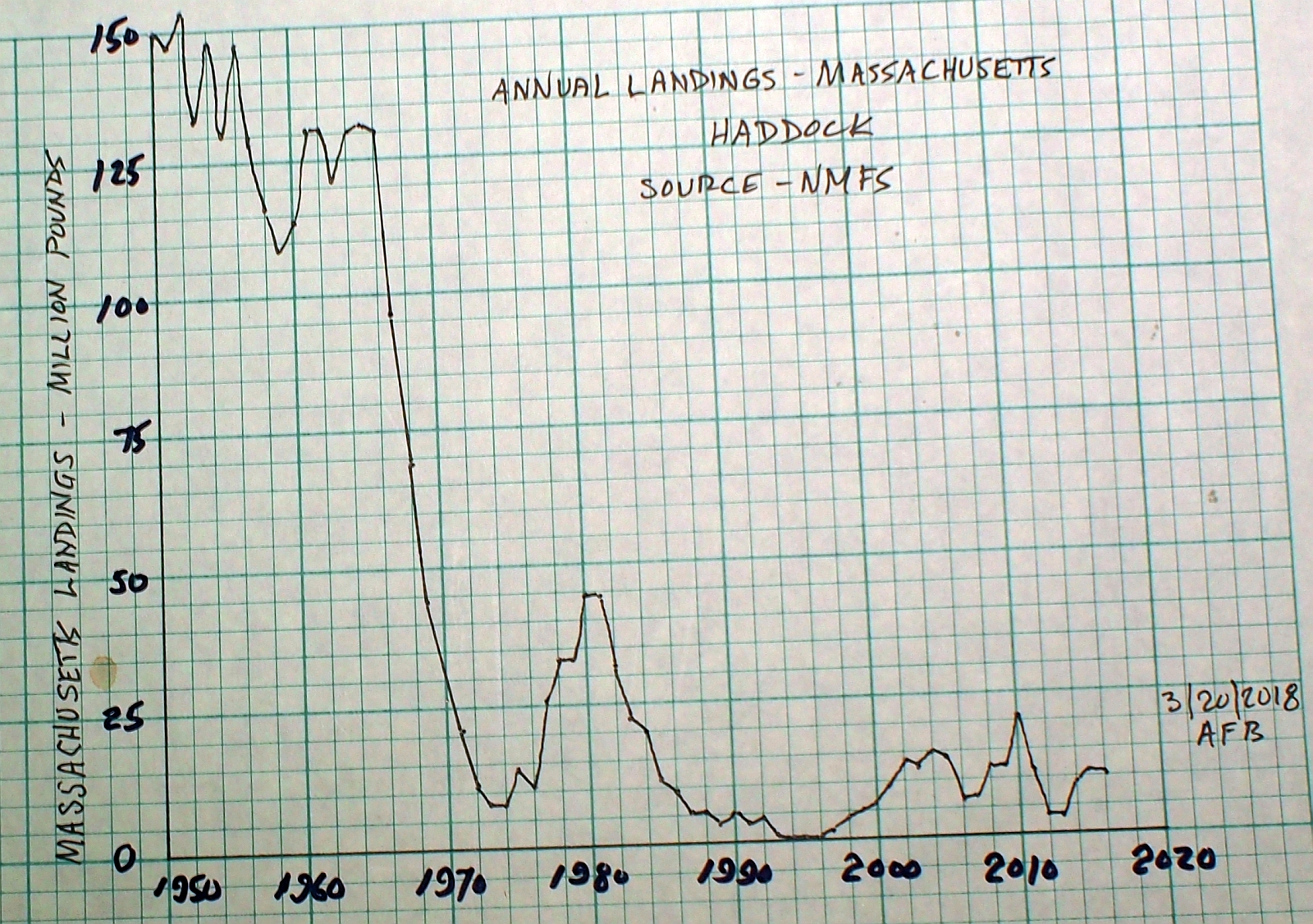
Massachusetts landings declined from 130 million pounds in 1966 to 7.7 million pounds in 1973. Landings in 2016 were 10.7 million pounds.
Cumulative 1950-2016 reported Massachusetts landings were 3,064,610,662 pounds with a value of $639,412,505 (NOAA)
Acadian redfish in the same period, 1,576,336,078 pounds valued at $128,657,587
The 2002 edition of Fishes of the Gulf of Maine reports that the growth rate of haddock increased within 30 to 40 years, since about 1960 when they were more abundant, reaching an average size of 48-50 cm in 3 years compared to 4 years.


If you can not make it to this even and want to help go here > https://www.gofundme.com/frankhawksfund and thank you!

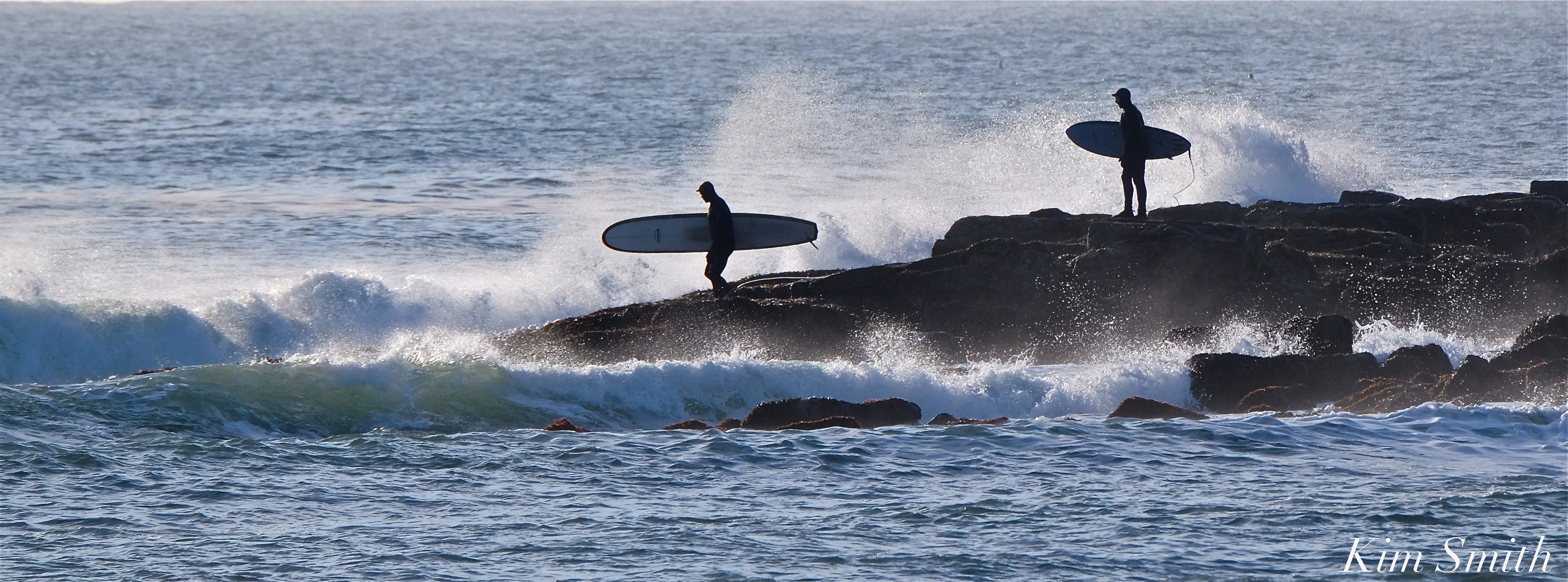
Brrrrrrrrr–today’s early morning Gloucester surfers on the back shore–the water temperature is 40 degrees.

Grateful for the tameness of today’s storm, the fourth nor’easter of March. Our coastline has had its fill of damage done. Sunny skies forecasted for tomorrow!
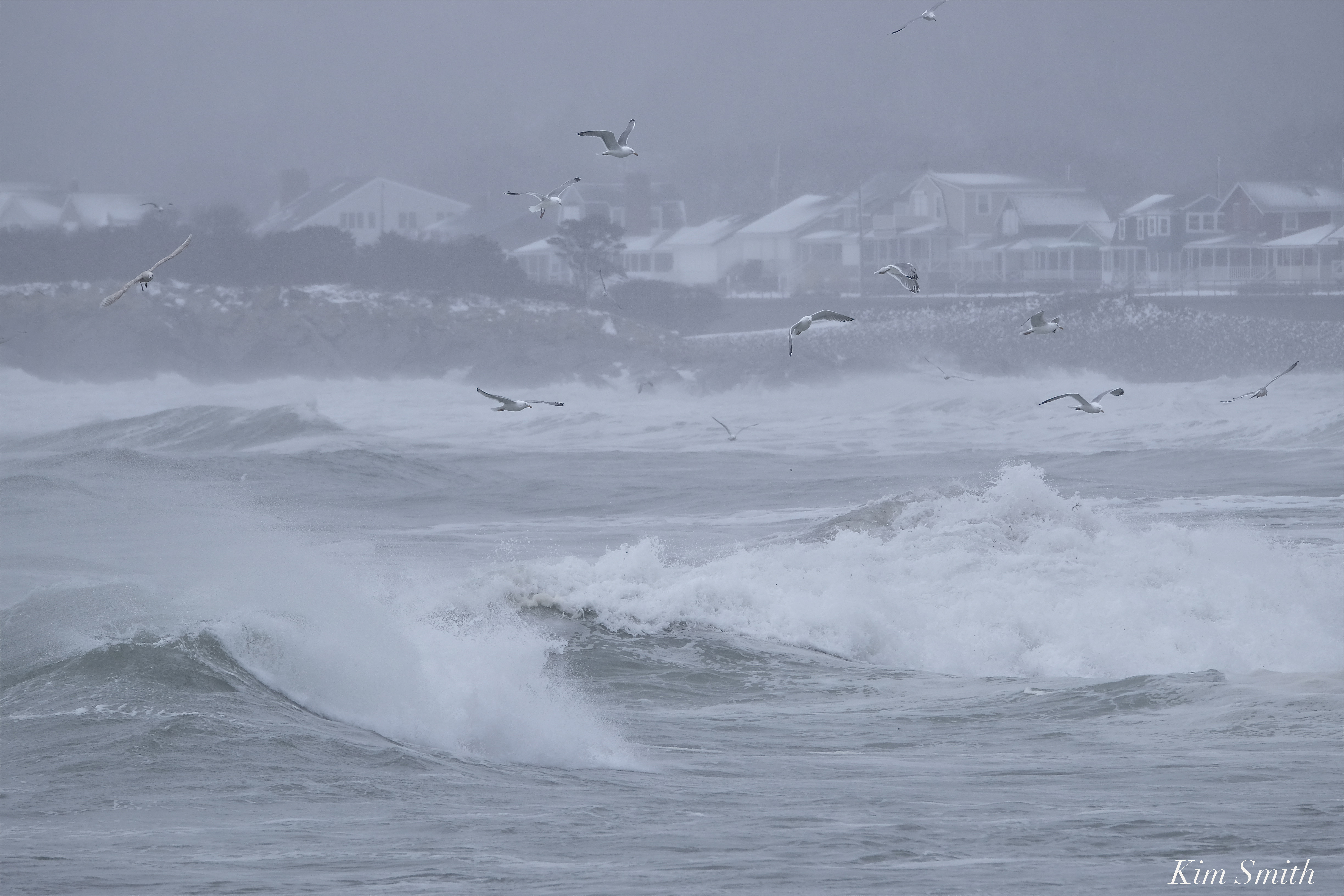 Snowy day seagulls feeding in the surf

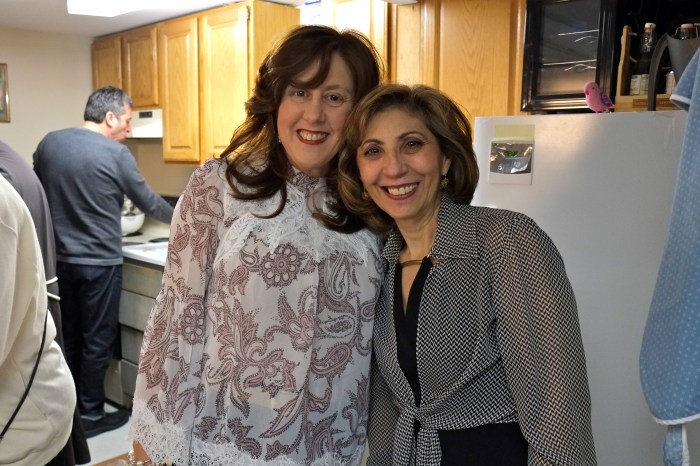
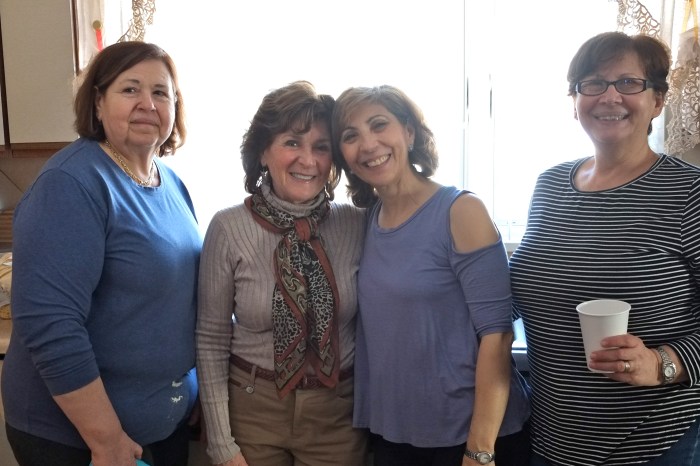
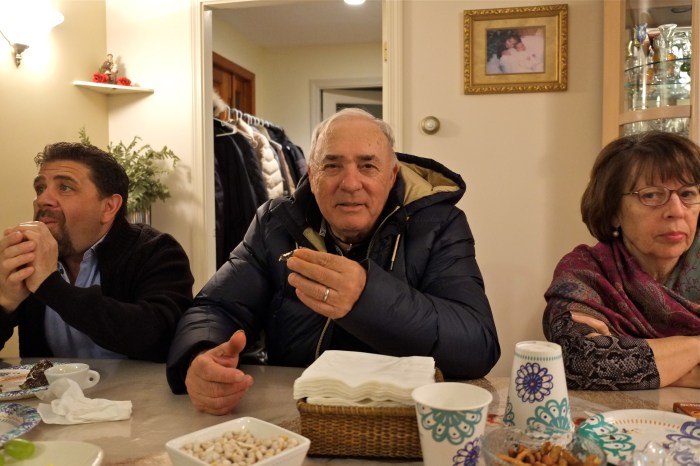
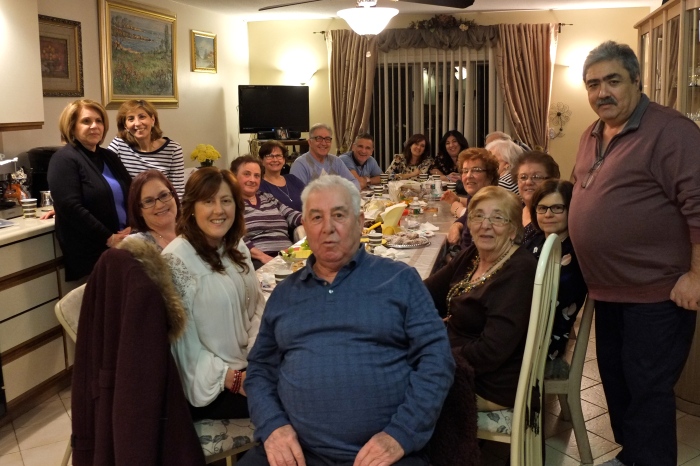
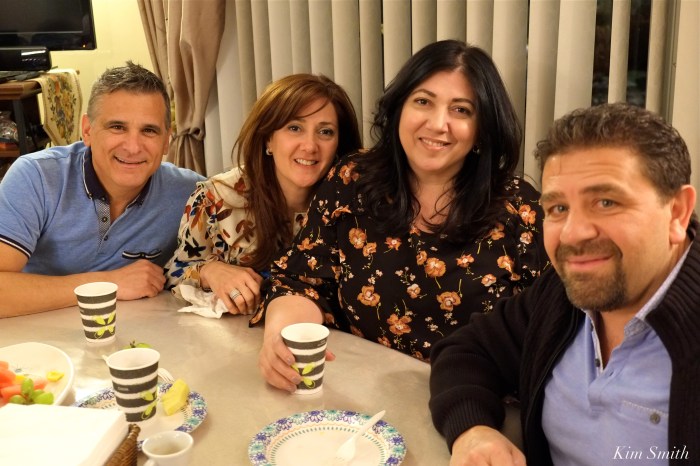
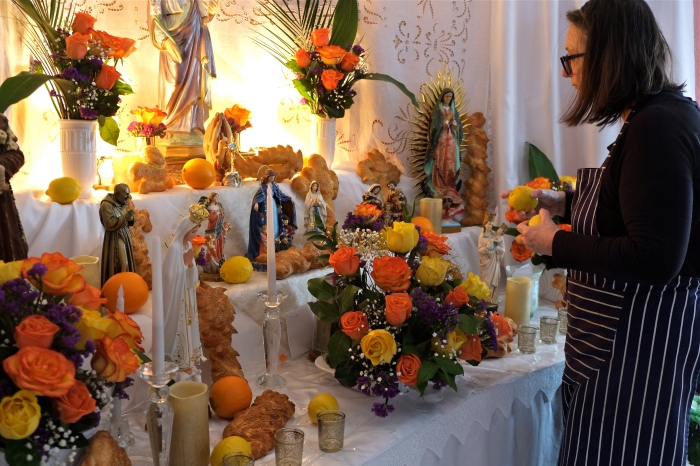
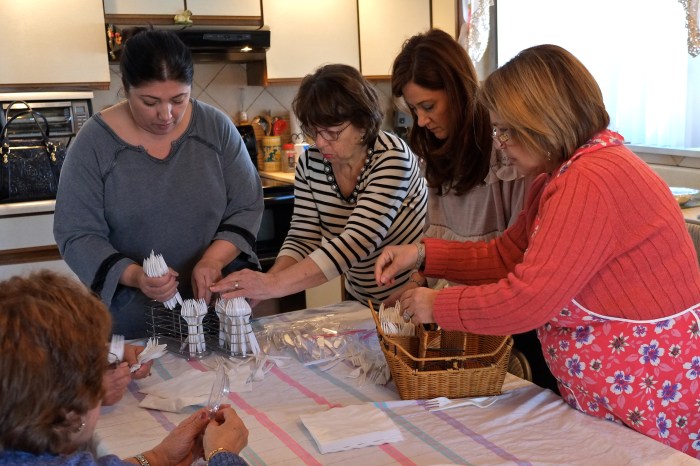
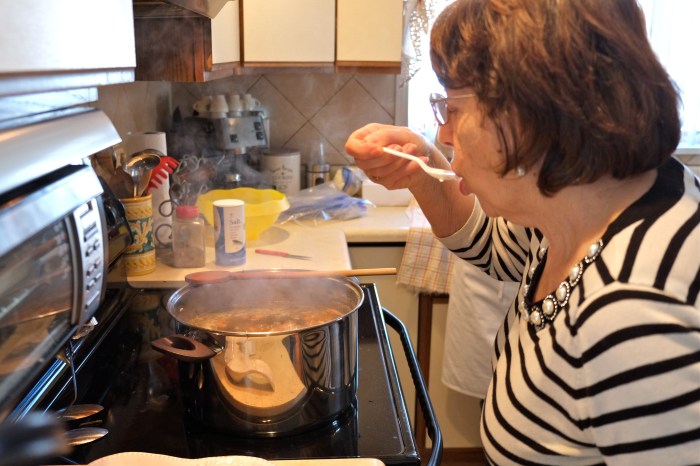
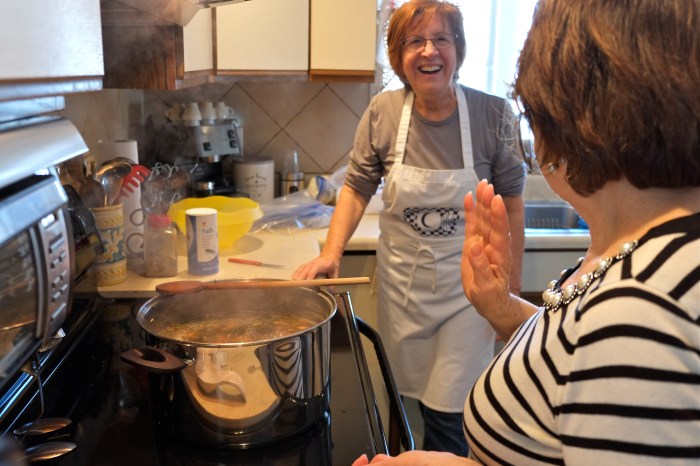
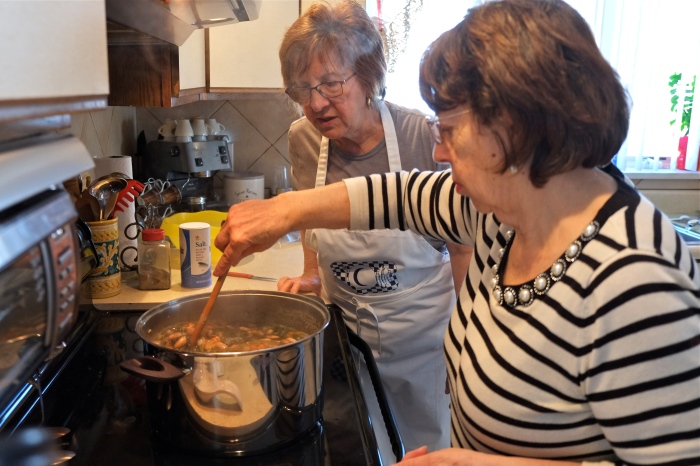
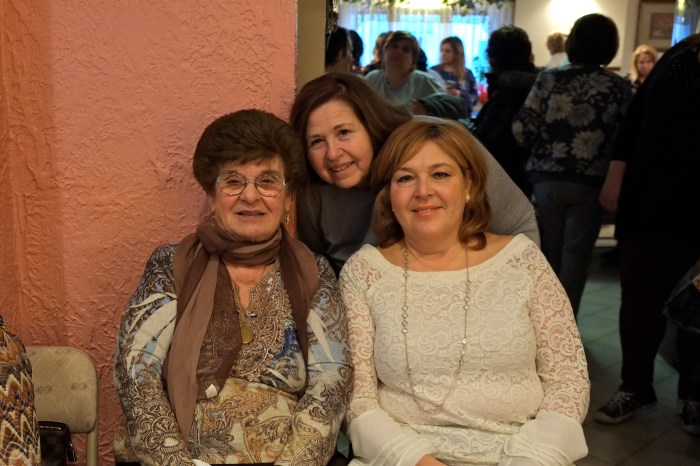
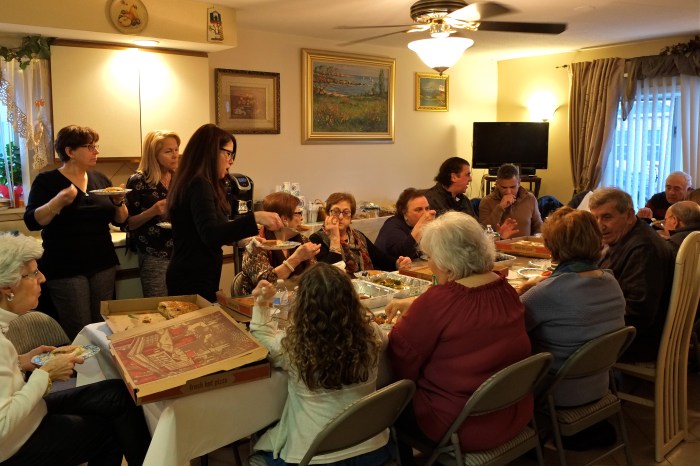
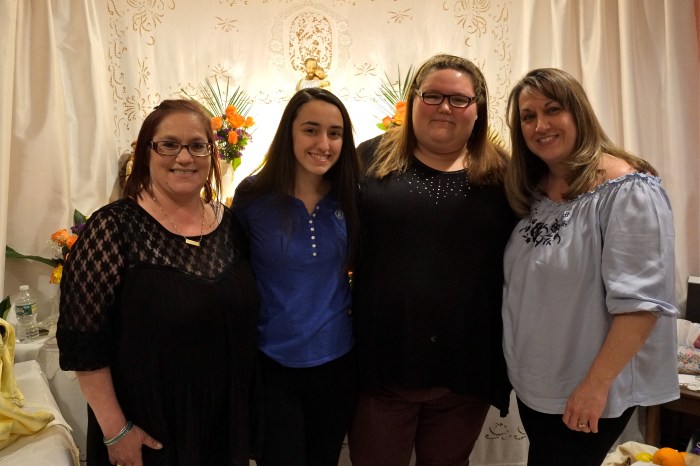
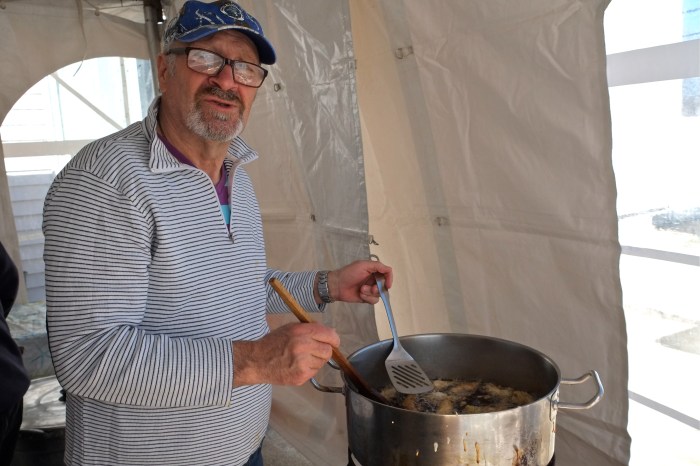
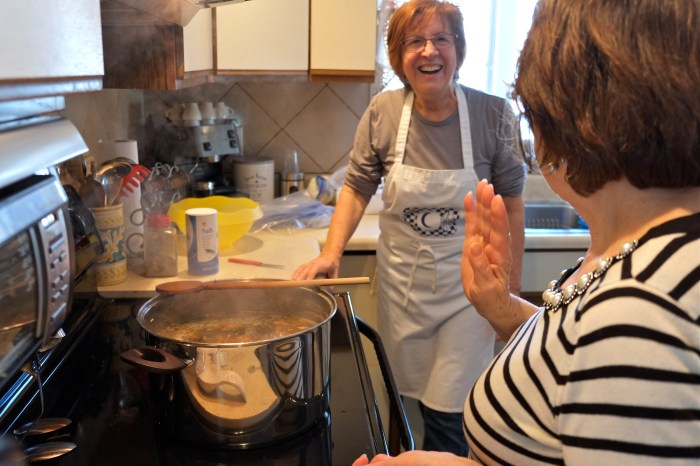
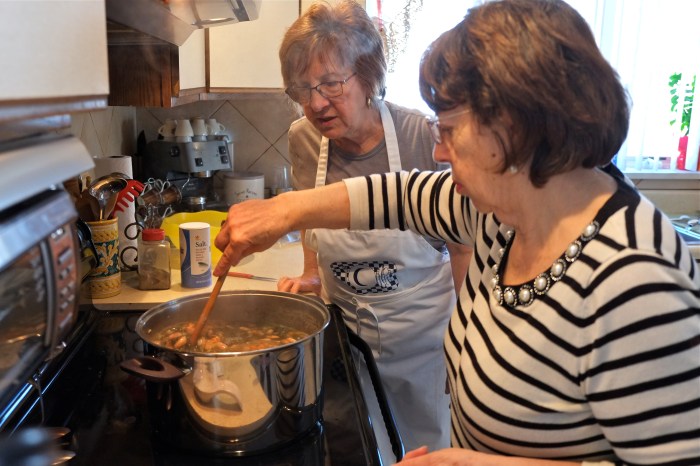
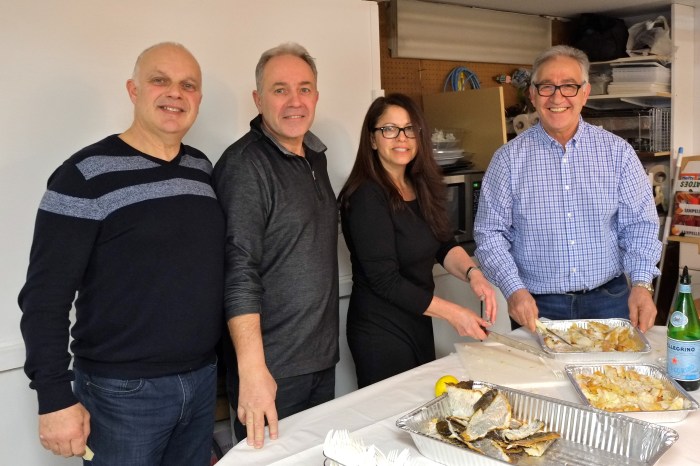
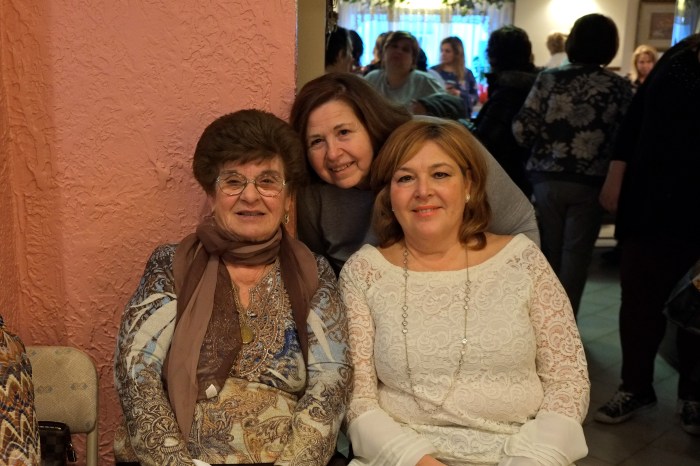
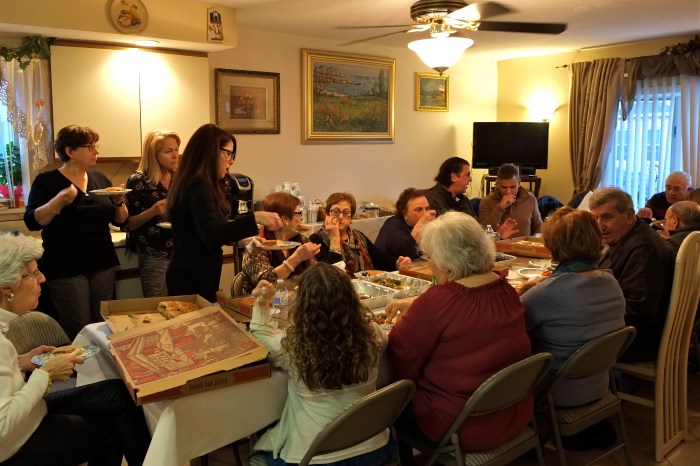
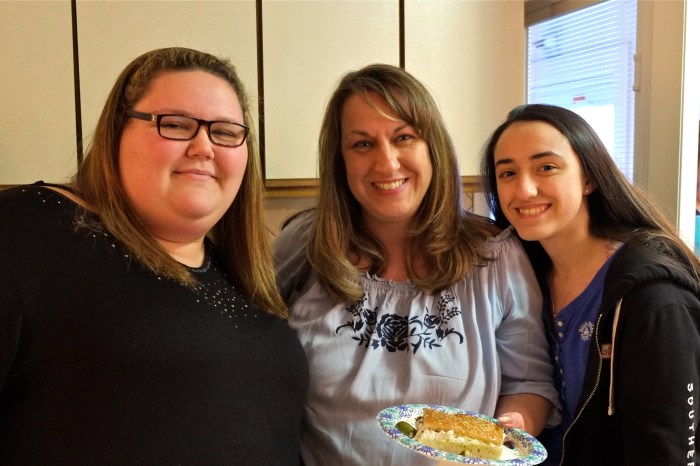
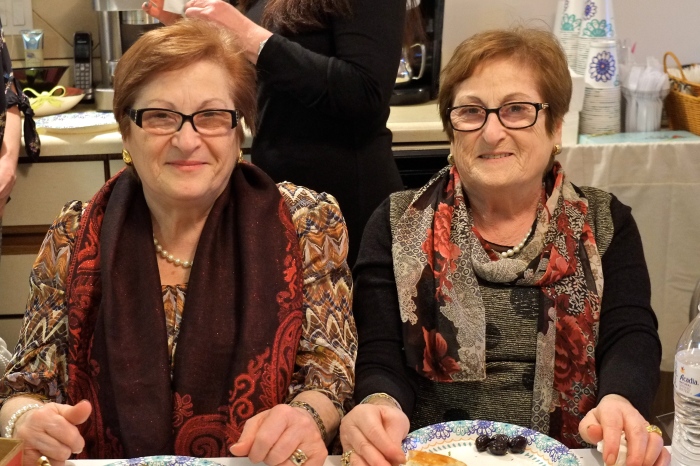
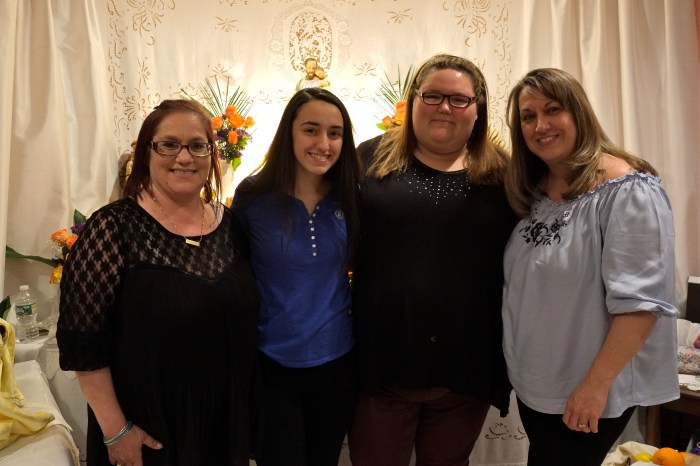
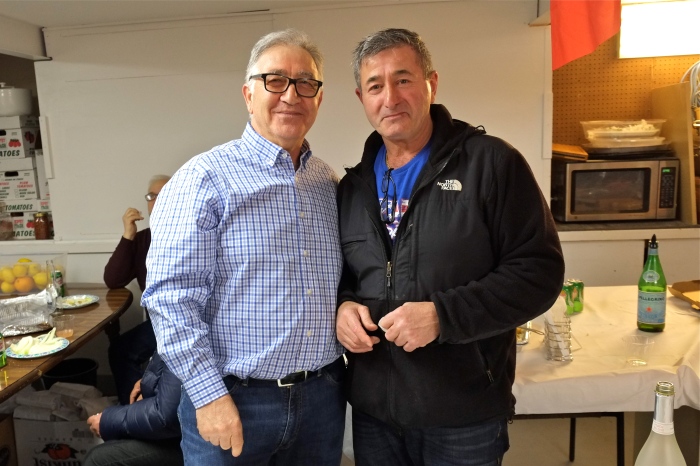
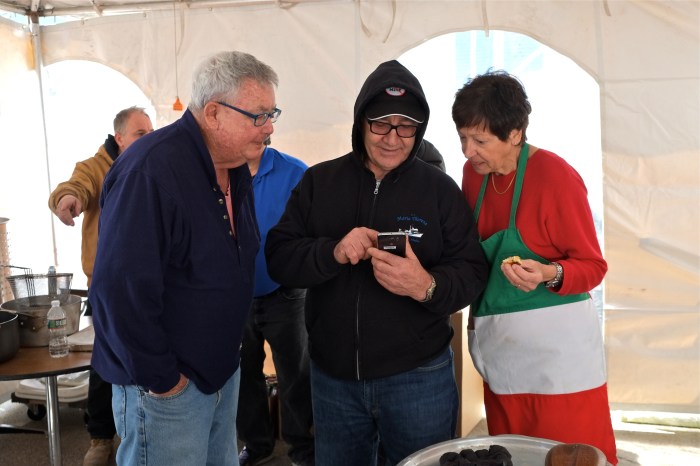
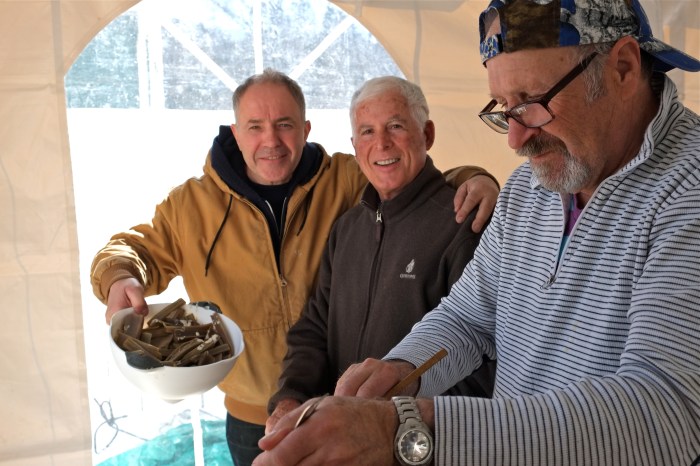
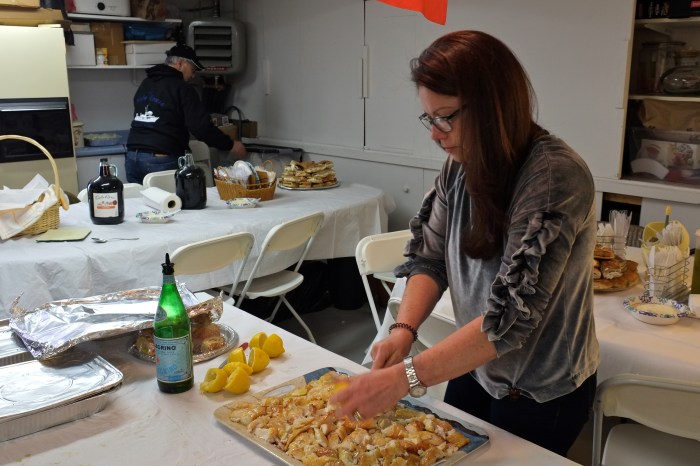
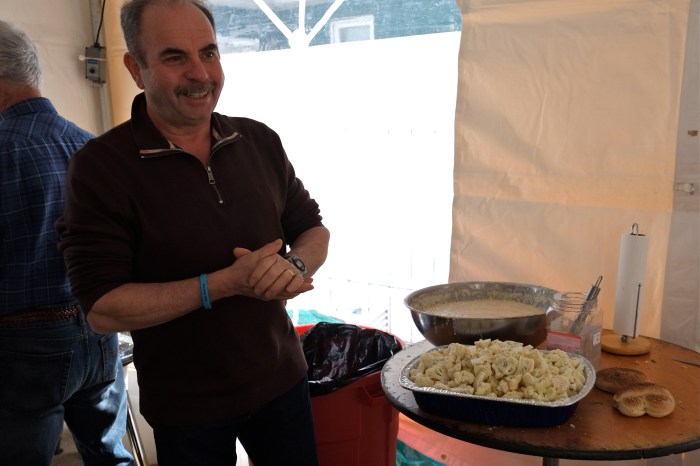
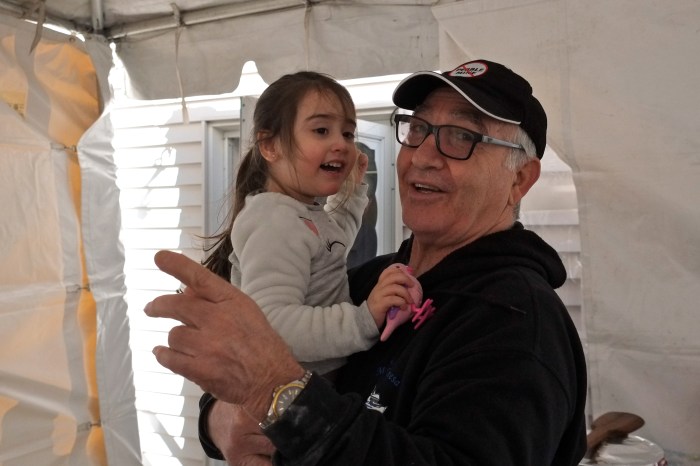
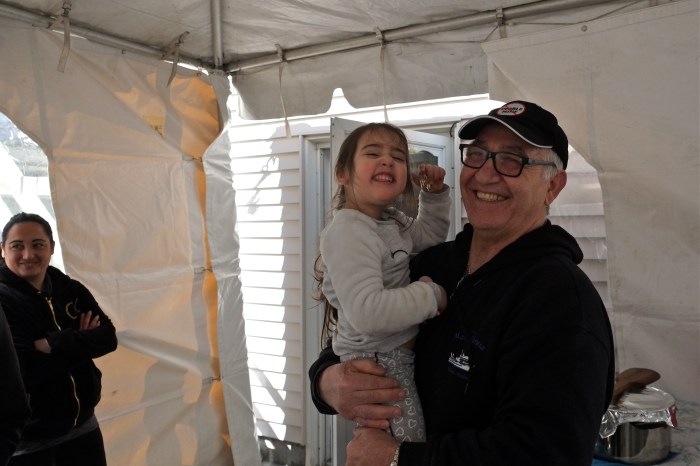
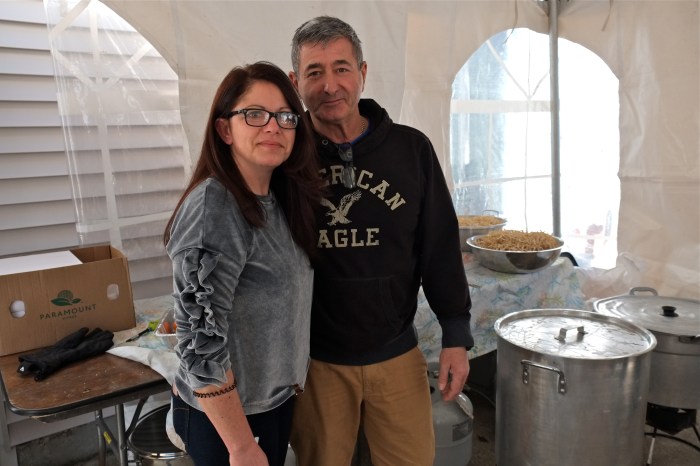
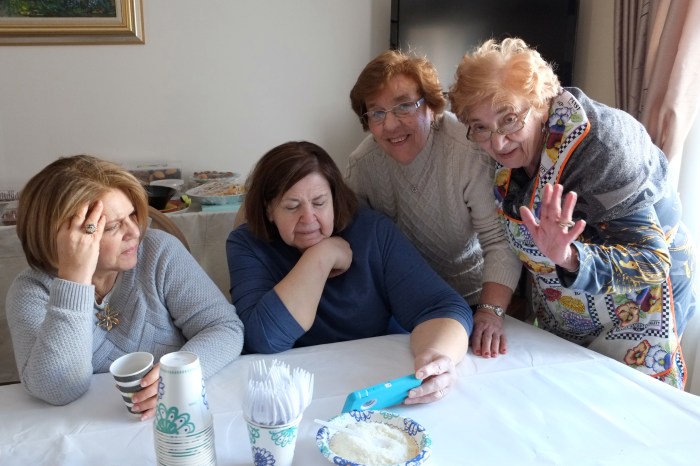
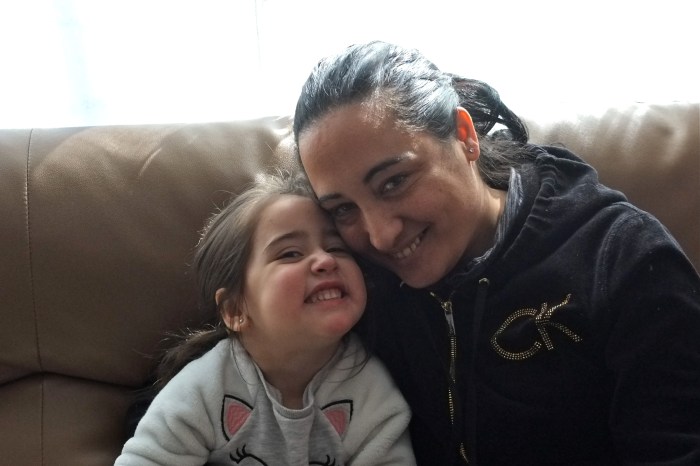
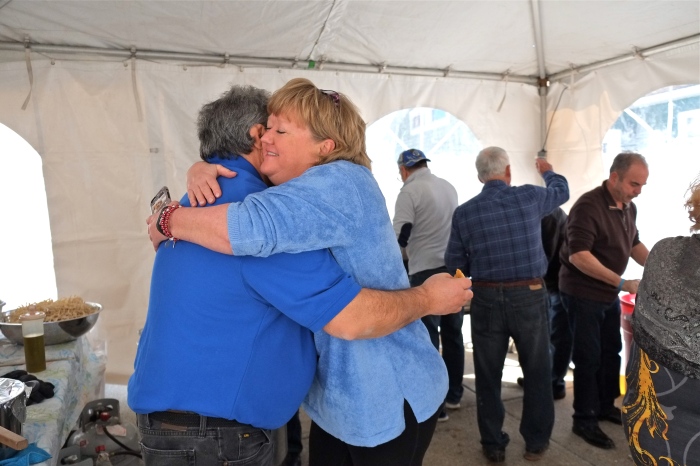
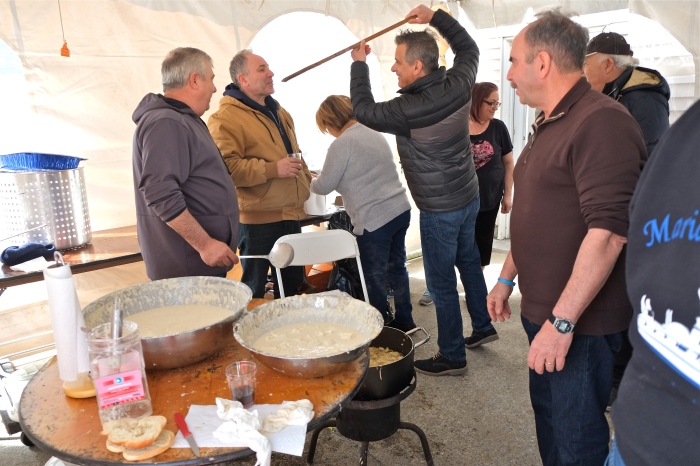
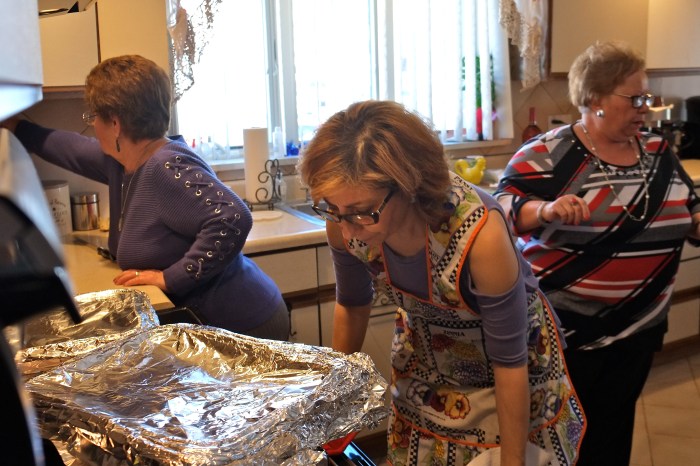
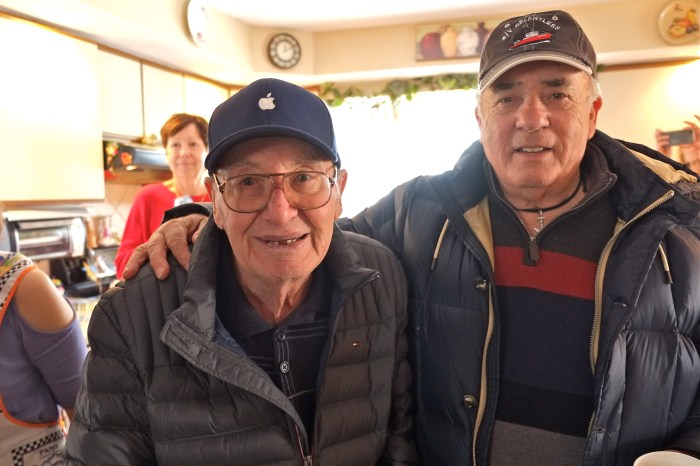
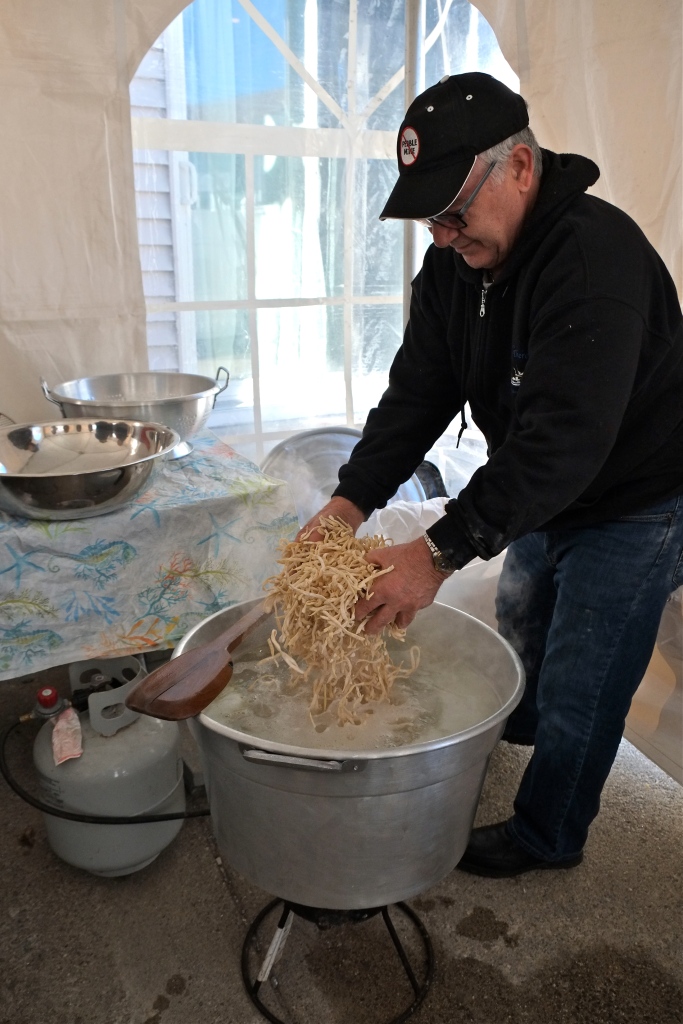
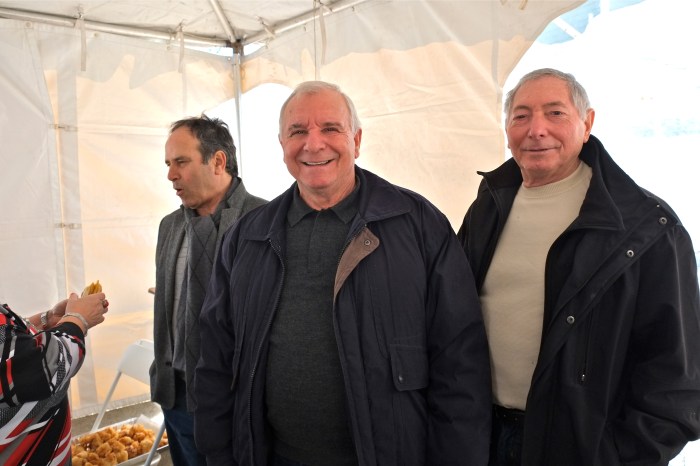
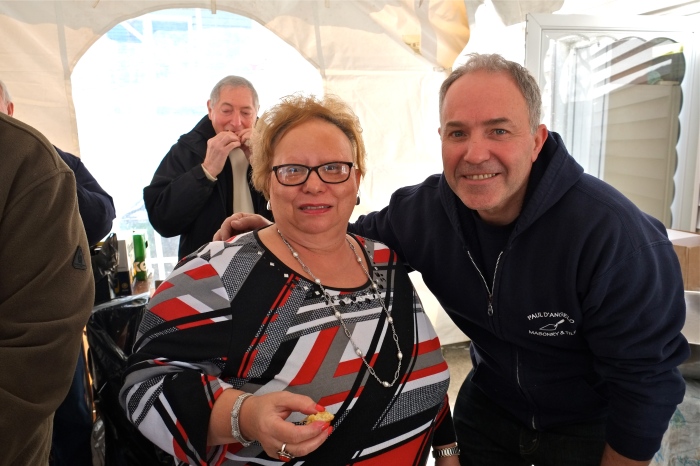
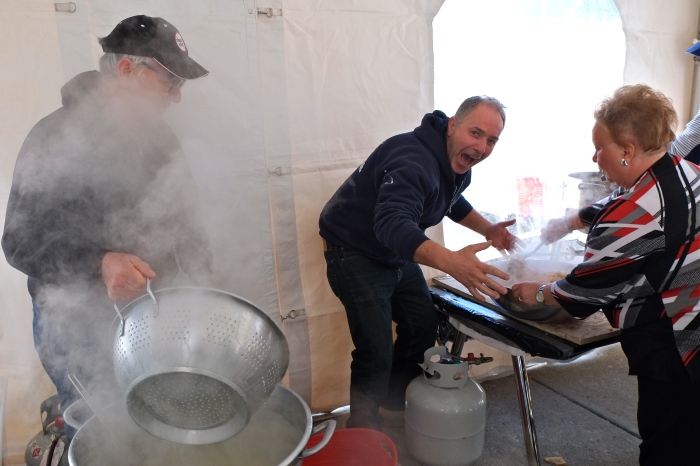
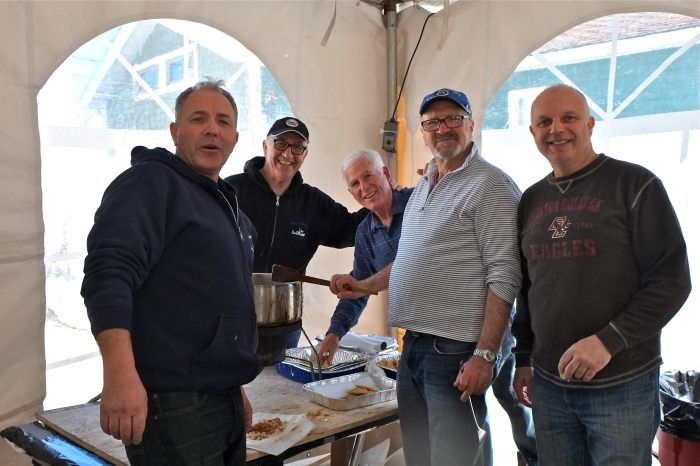
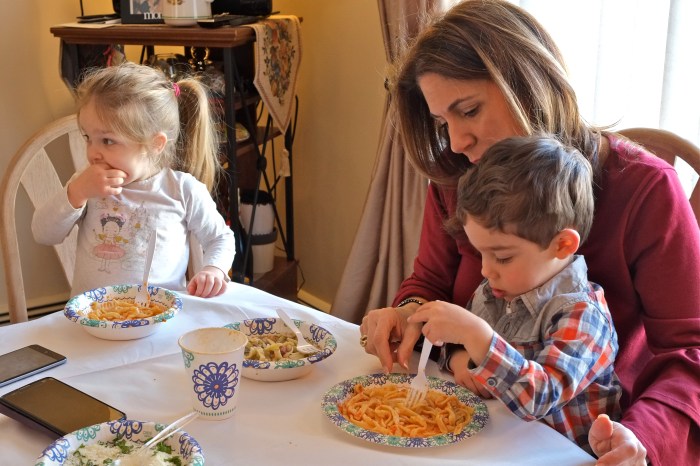
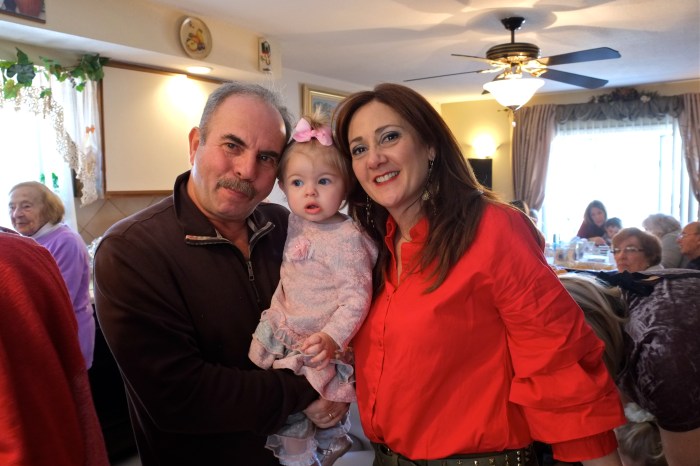
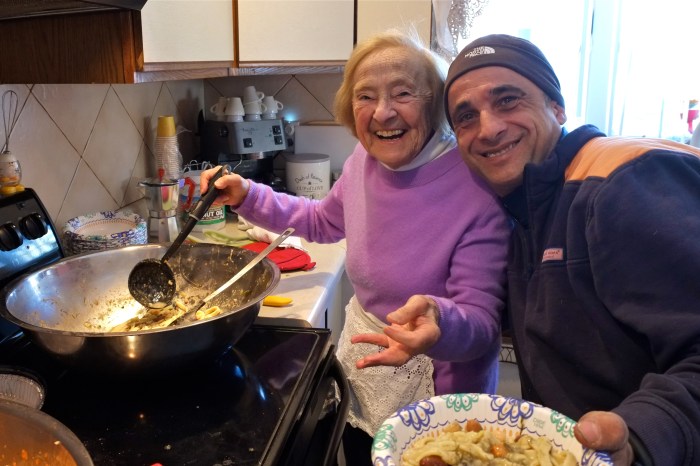
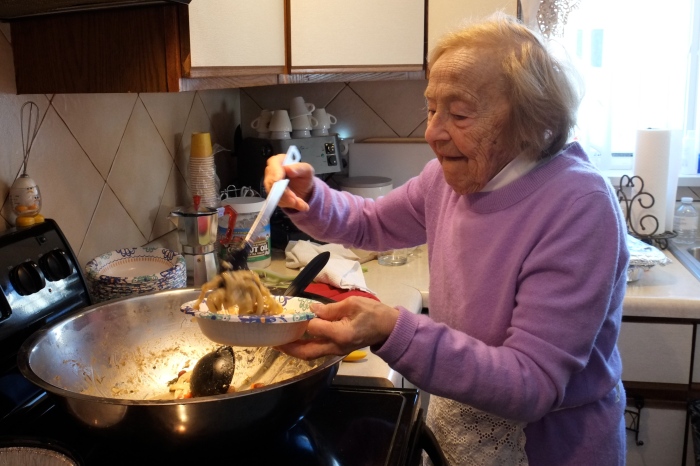
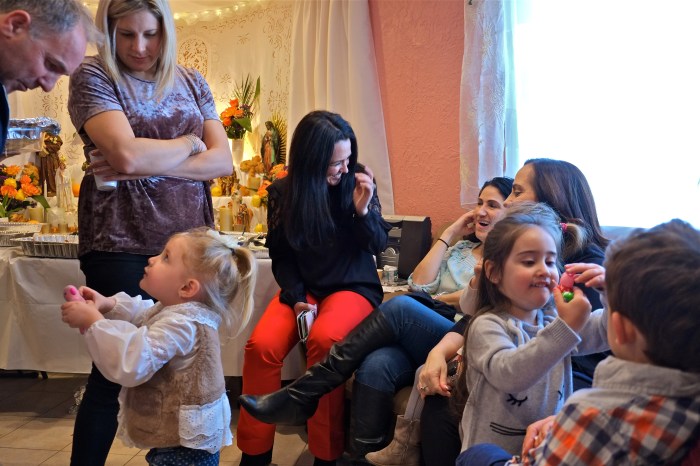
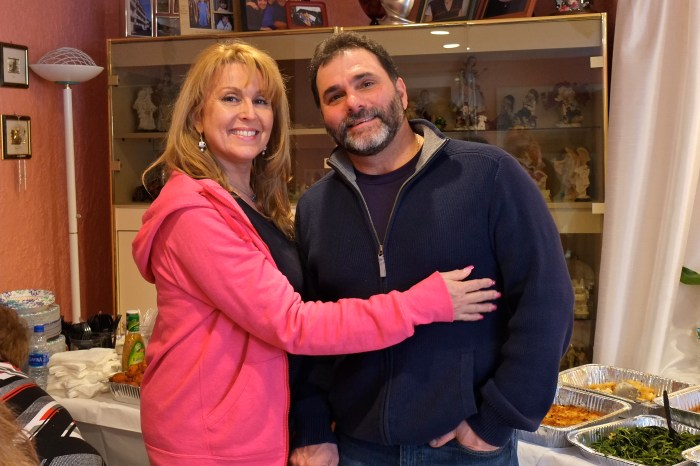
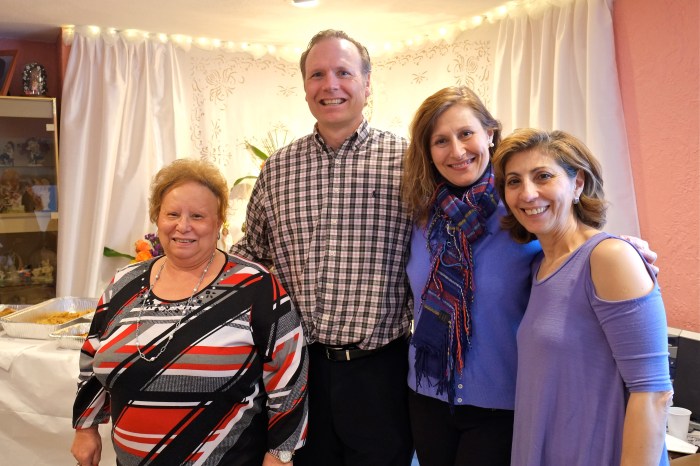
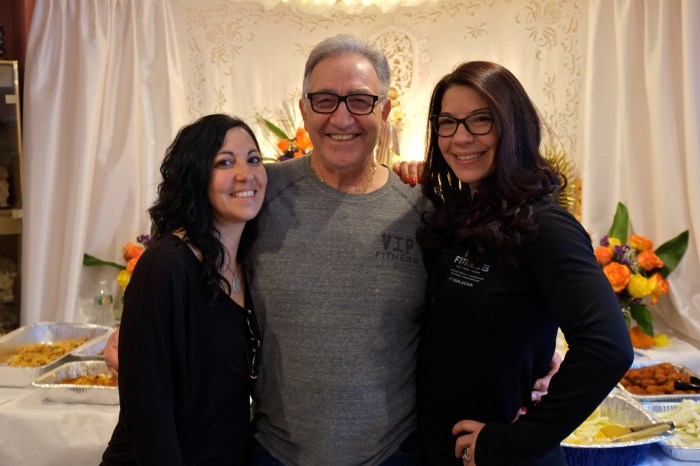
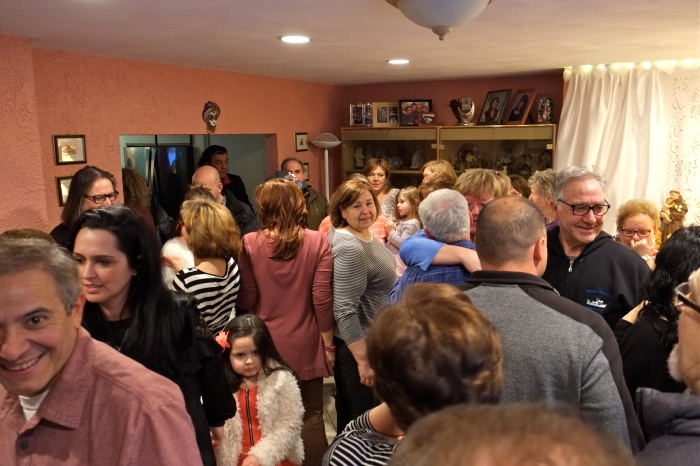
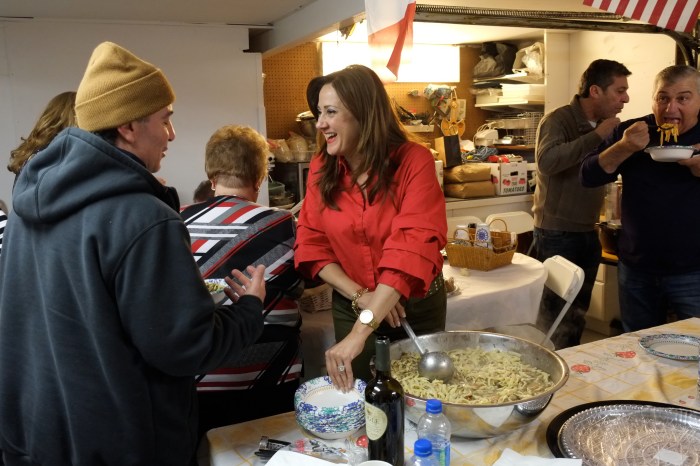
 So many joy-filled faces filling their plates with Saint Joseph Day feast fare, prepared by Nina, Franco, and a tremendous circle of family and friends. The special meatless feast dishes are prepared during the weeks prior to Saint Joseph Day and everyone lends a hand, from the very youngest to the very oldest.
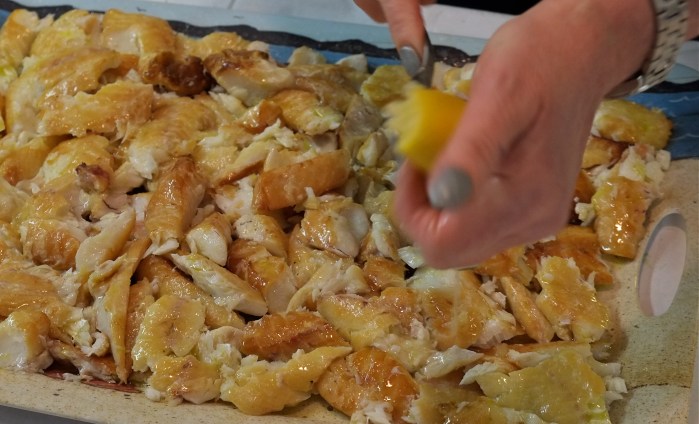
To name just some of the wonderfully delicious and much anticipated traditional foods– bowls of handmade tender pasta, fish and shrimp baked with bread crumbs (the breadcrumbs symbolize sawdust), batter-dipped and fried artichokes and cauliflower, Saint Joseph bread, panellle, platters of smoked and freshly caught cod, octopus salad, minestrone with fava beans, fresh fruit, sfinci, cassata cake, and zeppole.
In honor of the spirit of Saint Joseph and the values of compassion and kindness that He represents, the Groppo Family opens their home to all who wish to celebrate at the table of San Giuseppe. ❤
Click any photo to view slide show and view the images larger.






































































https://www.instagram.com/p/BghKMz0HQzp/
https://www.instagram.com/p/BghLi2qnW2M/
https://www.instagram.com/p/BghL8zkHFE_/
https://www.instagram.com/p/BghK3Z_H3Bm/
https://www.instagram.com/p/BghMR3mnD2p/

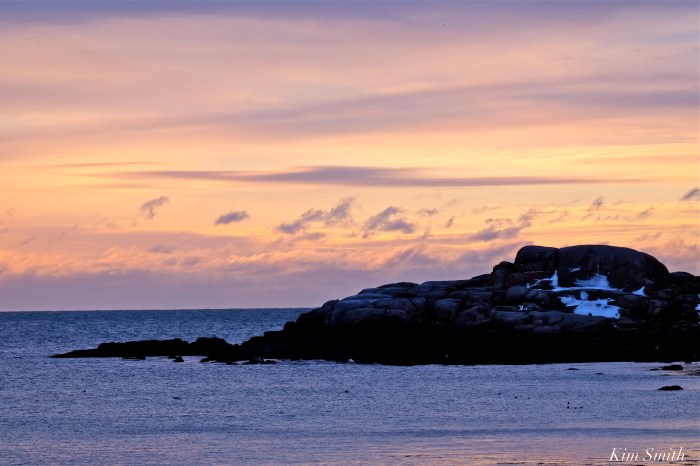
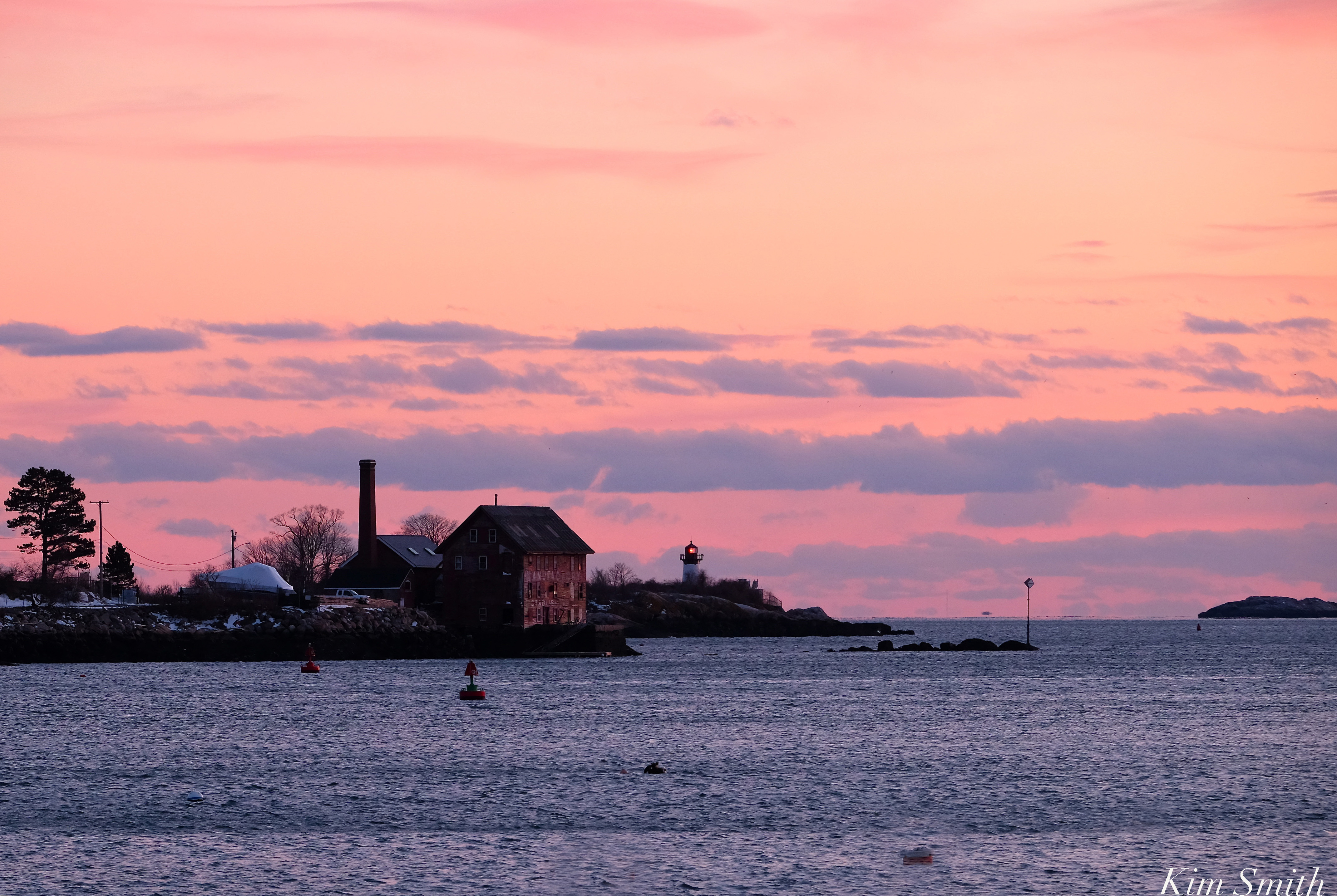 Gloucester Harbor Sunset

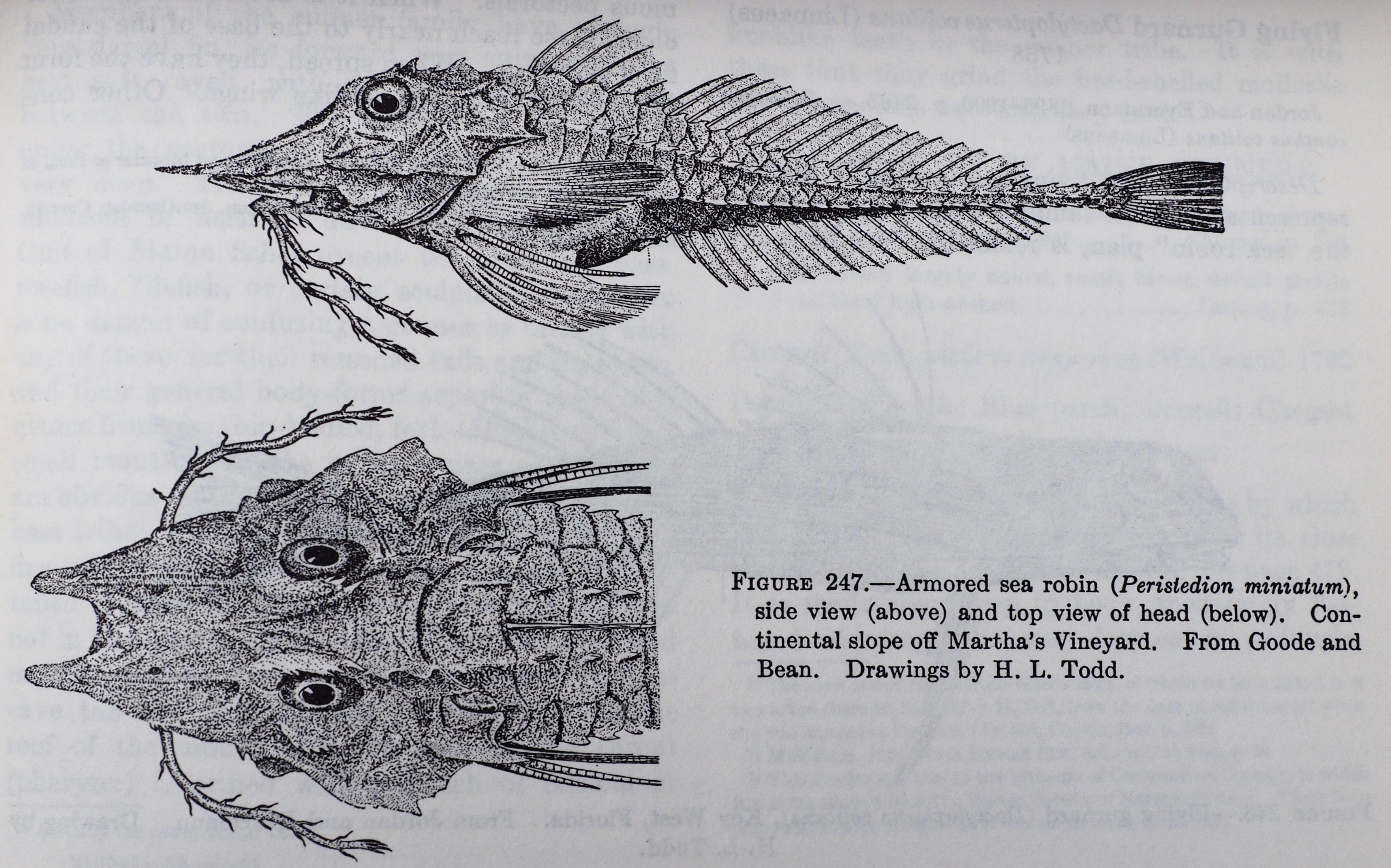
Its body is entirely clothed with bony plates of considerable size.
Occurrence in the Gulf of Maine—
Trawlers tell us they sometimes take these brilliant crimson fishes on the southwestern part of Georges Bank. And they must be rather common outside the 60-fathom contour, for we saw 89 specimens trawled there and south of Nantucket at depths of 66 to more than 185 fathoms, by the Albatross III in May 1950.
From Fishes of the Gulf of Maine by Bigelow and Schroeder (1953) online courtesy of MBL/WHOIhttp://www.gma.org/fogm/Peristedion_miniatum.htm

click photo for music info

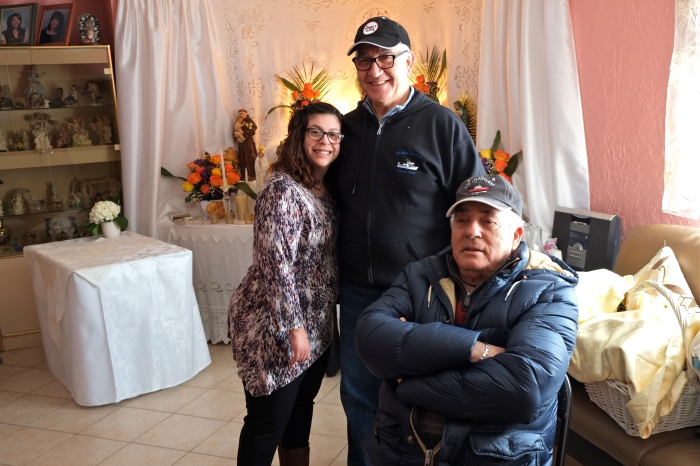
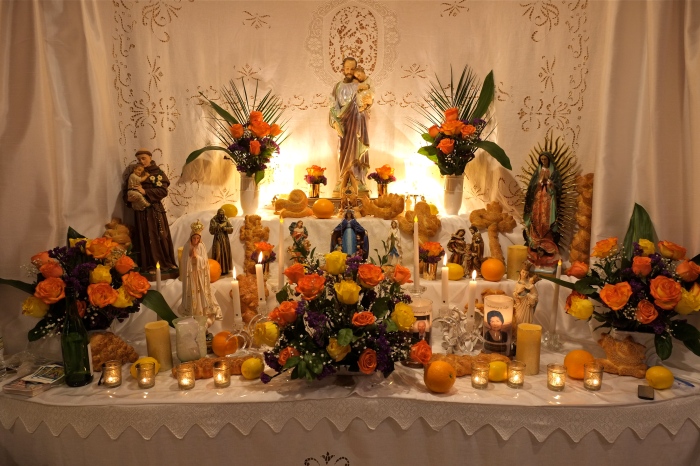
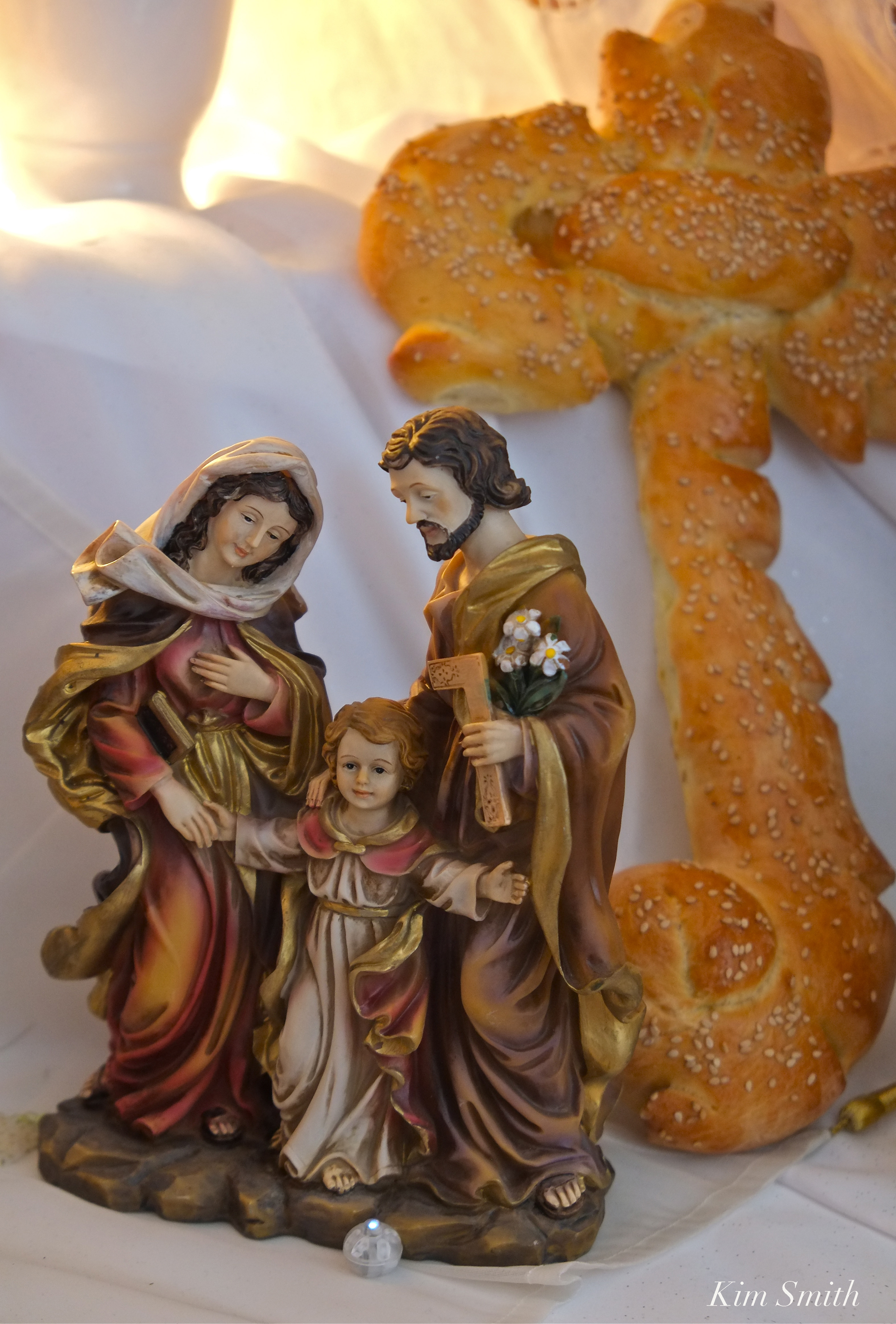
 With a troupe of friends lending a hand, preparations for tomorrow’s Feast of San Giuseppe were full underway today at the Groppo home. All are invited to the table at the welcoming home of Nina and Frank Groppo.
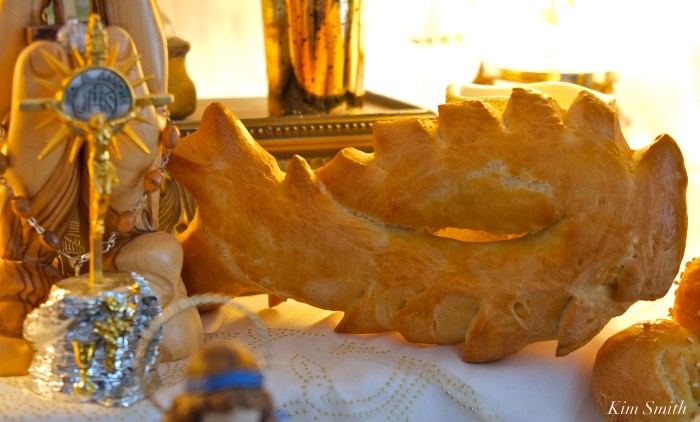
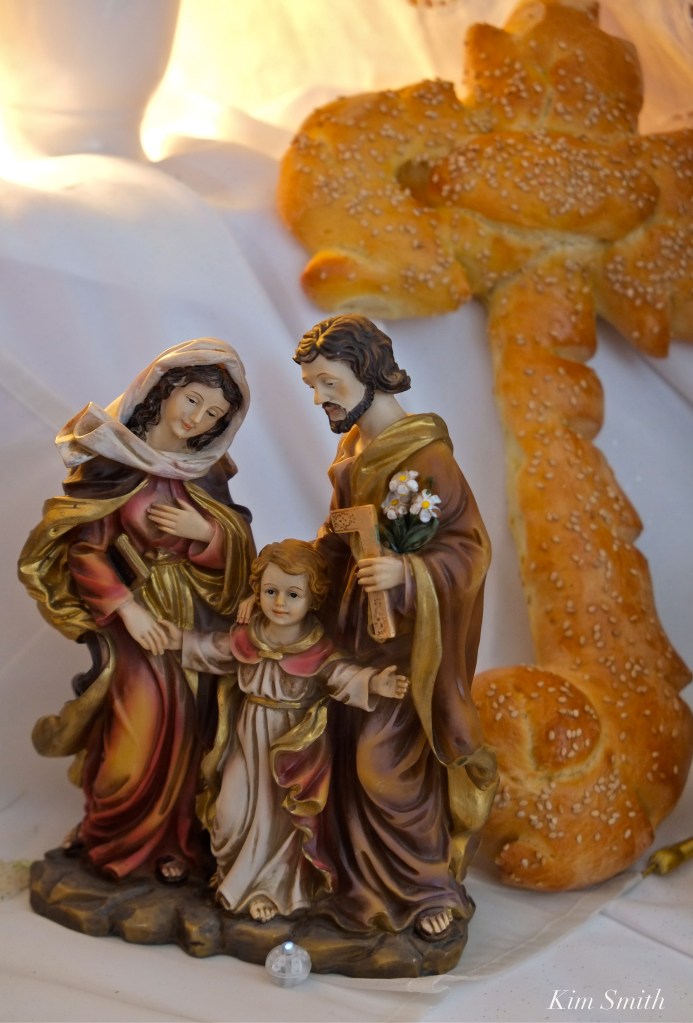
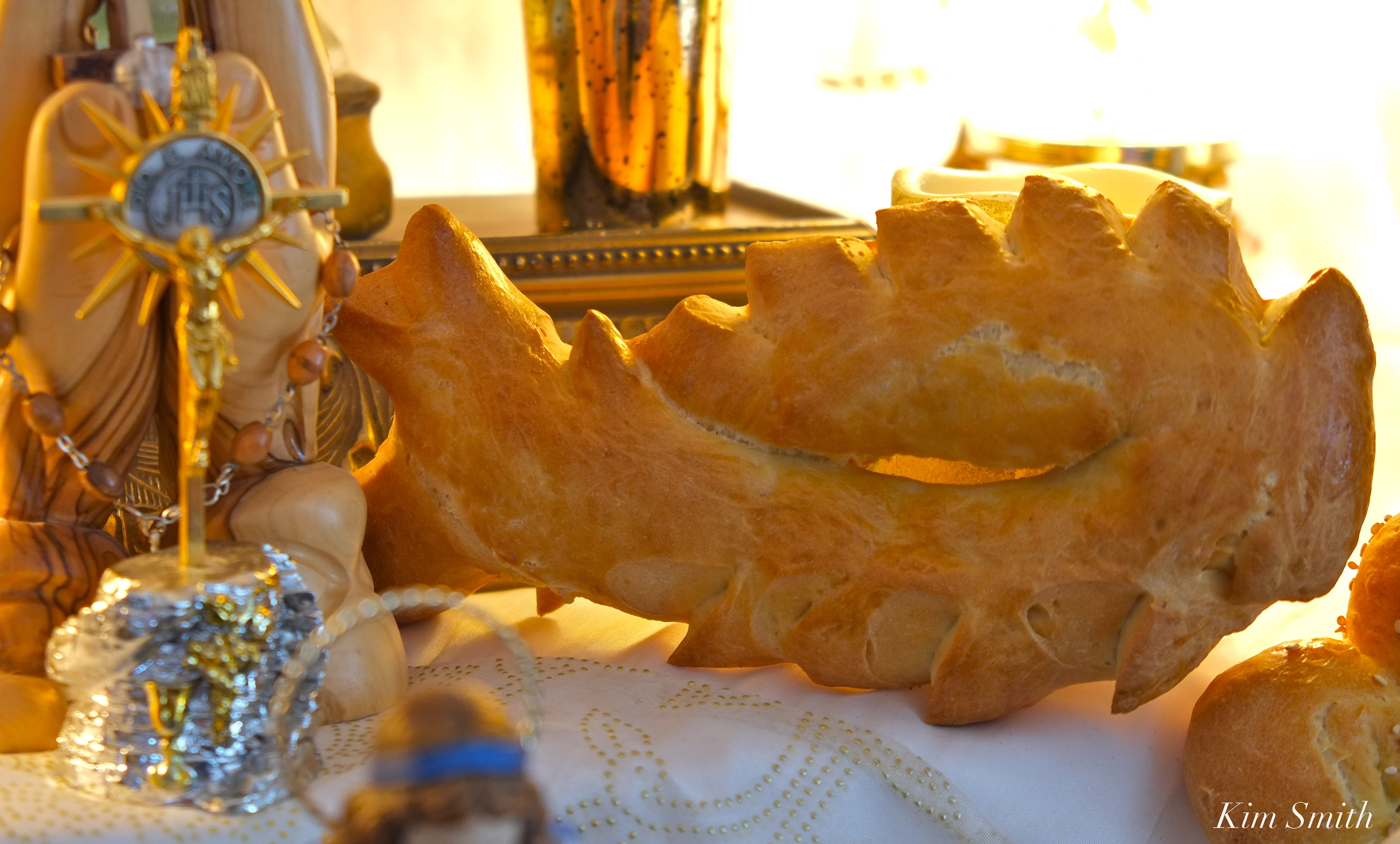 Caffe Siclia’s Maria Cracchiolo creates Saint Joseph altar bread in exquisite nature-inspired shapes and iconic Christian symbols.
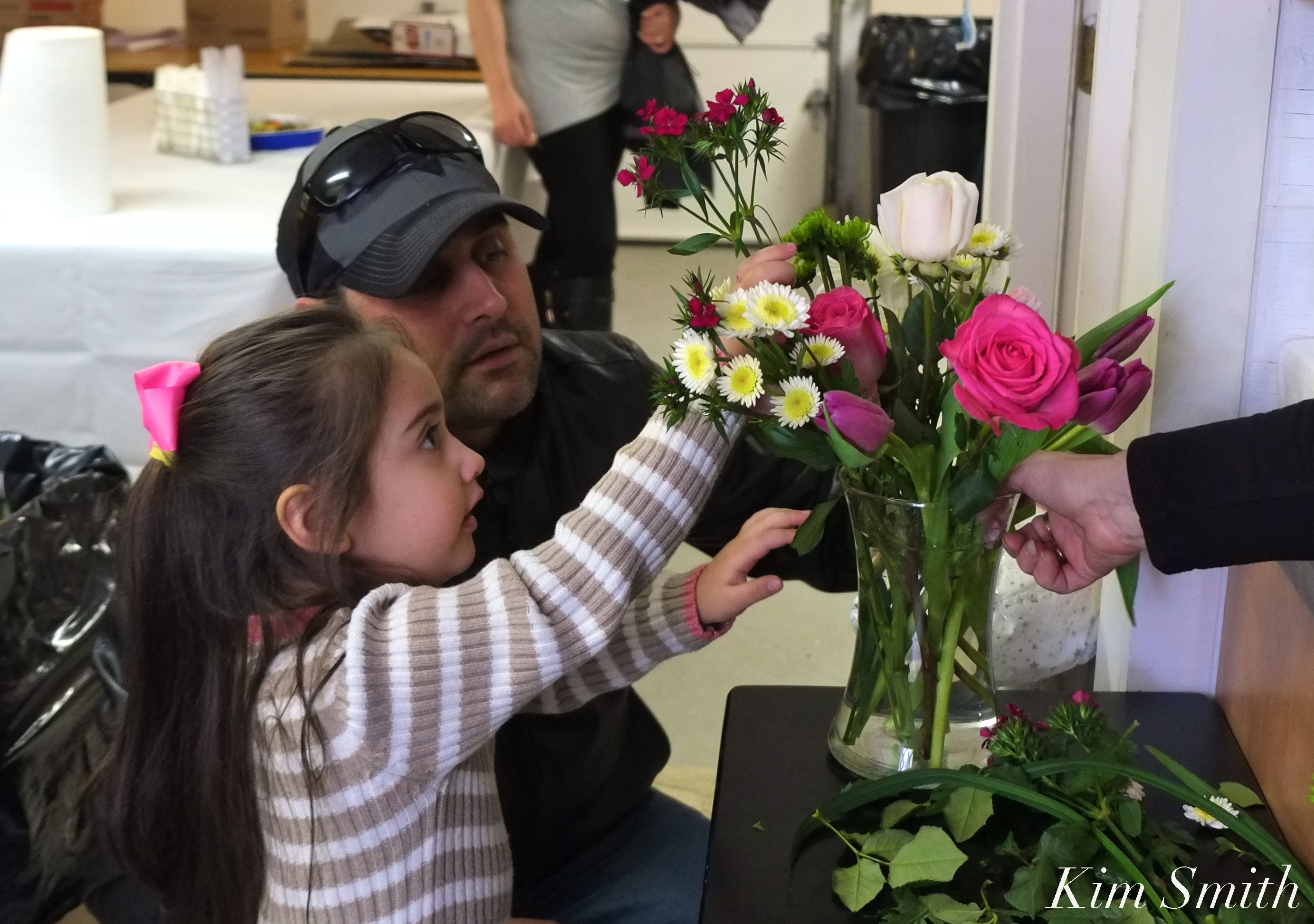 Noami helping Jane with the flowers.
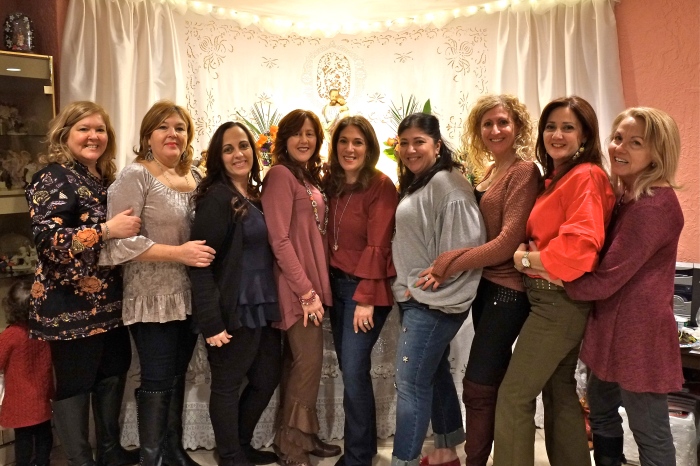
 These three friends call themselves the Good, the Bad, and the Ugly. Your guess is as good as mine re who is who.
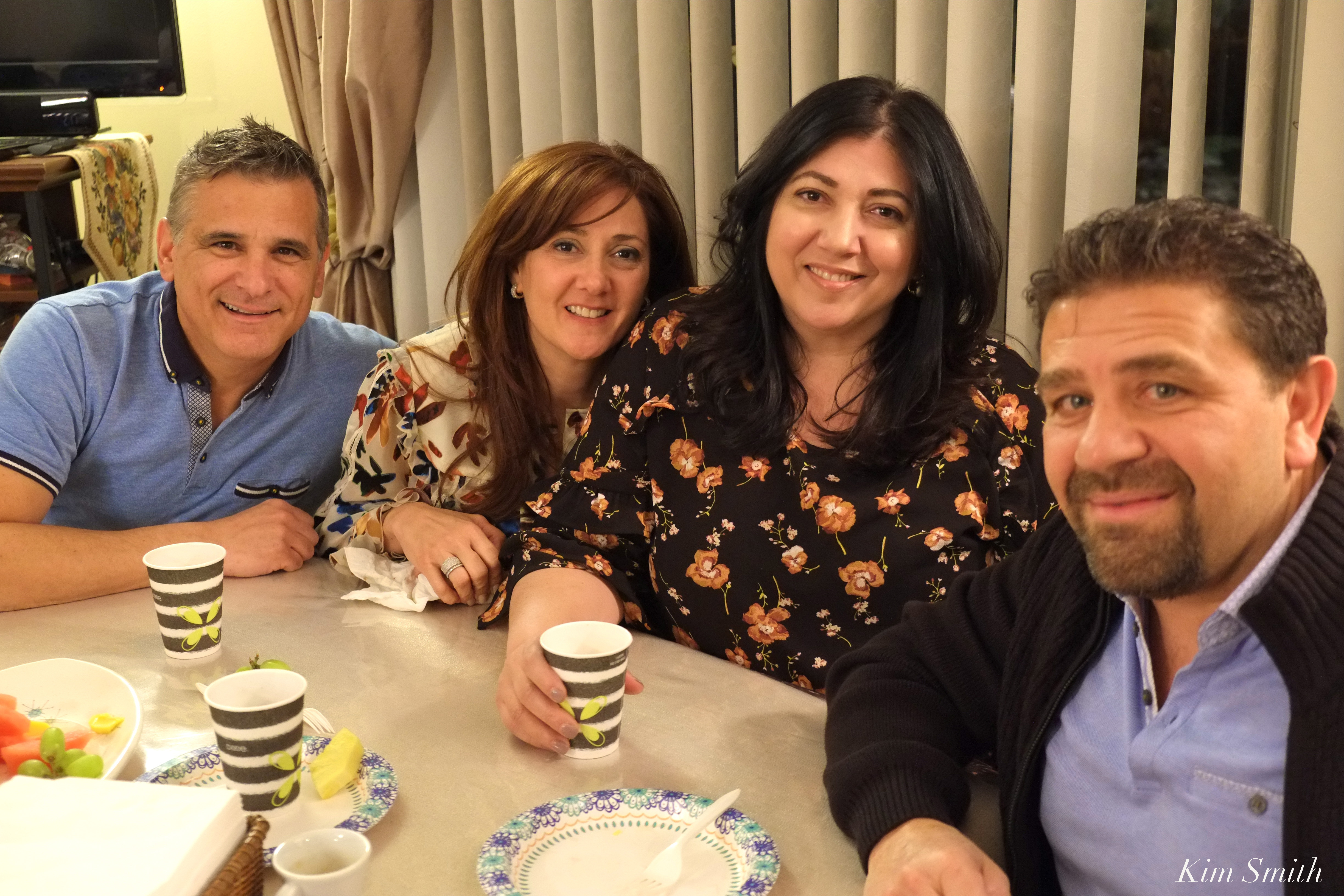 Celebrating tomorrow with sweet friends ❤
Viva San Giuseppe!

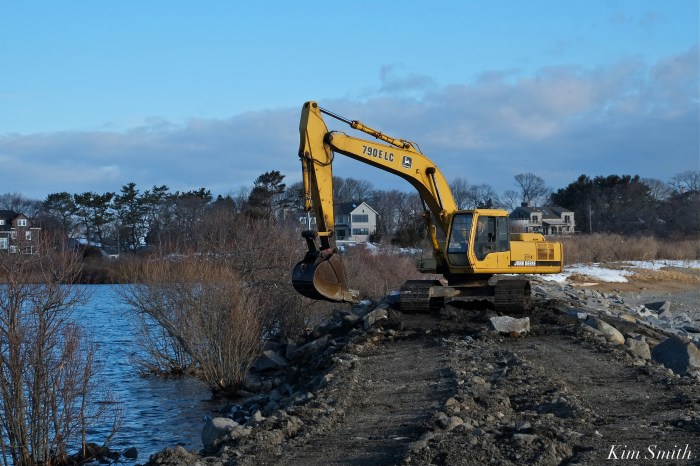
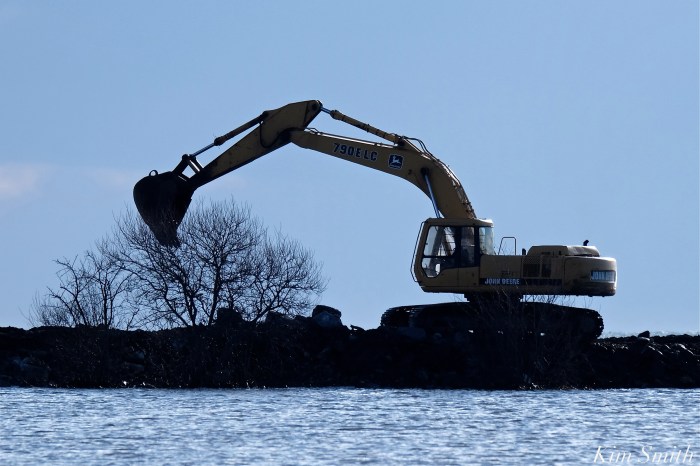
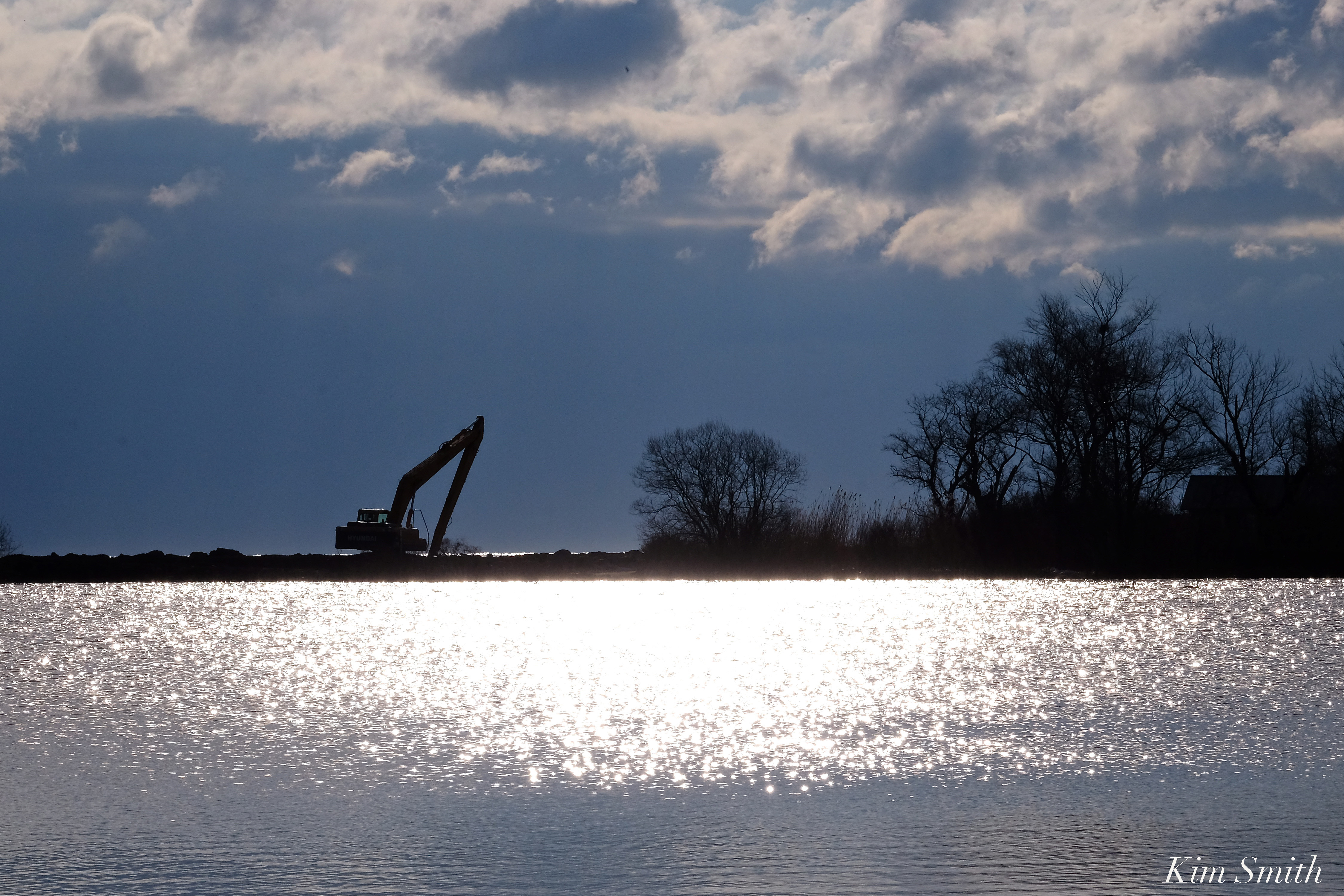 The arduous work of rebuilding the Niles Pond Brace Cove causeway continues, despite the mid-week blizzard. I walked the causeway Tuesday night and then again the past several mornings–the pace of the restoration is fantastic and will soon be completed. Many, many thanks to the generous residents of Eastern Point who are striving to keep Niles Pond from being engulfed by the sea.
R. B. Strong’s Larry expertly operates the John Deere excavator, deftly extracting and moving boulders around as if they were pebbles on the shore. The track-hoe not only scoops and lifts the massive rocks, the bucket is also used to tamp down the boulders once in place, as you can see in the video below.






 Good Morning Gloucester