Month: June 2017

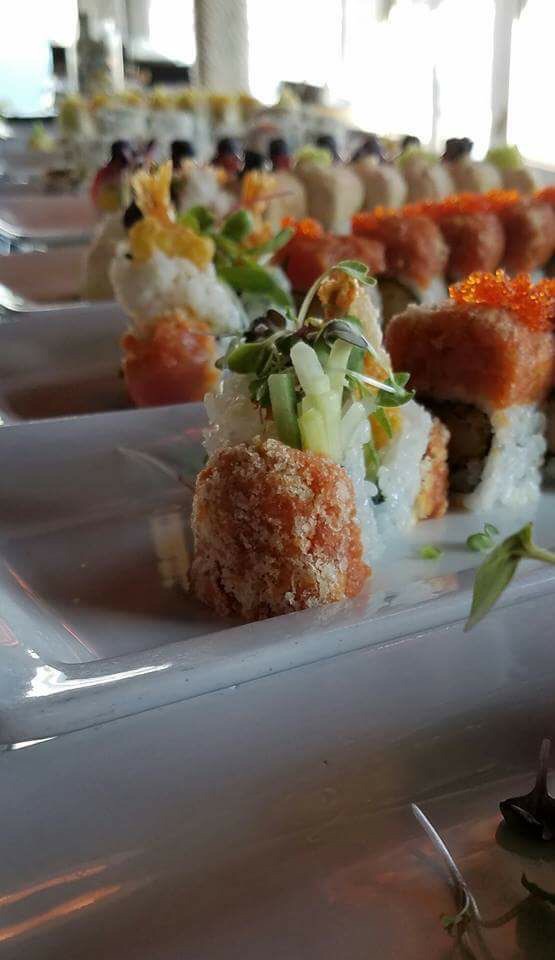
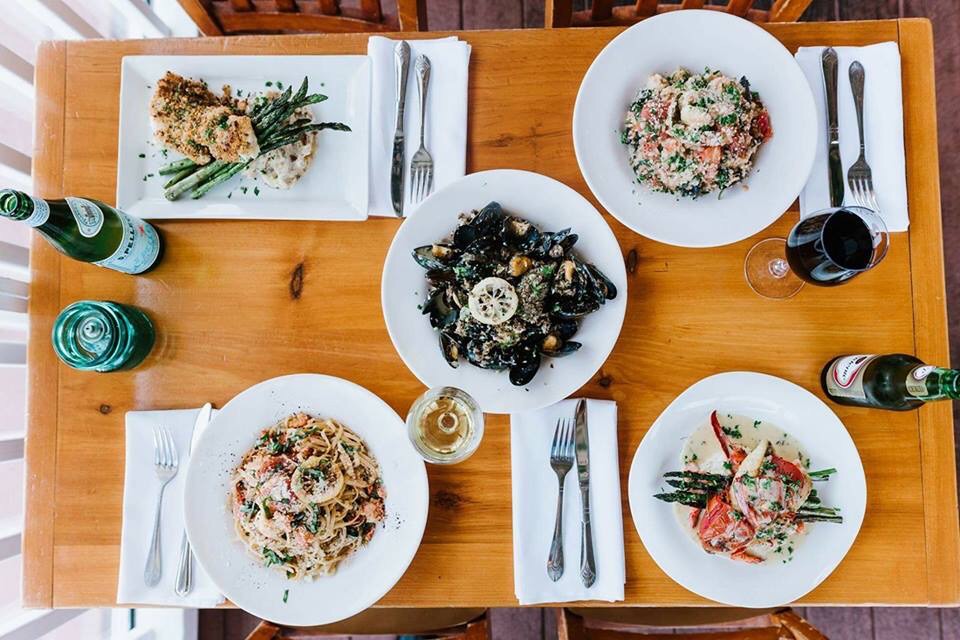
Half Off Entire Menu At The Rudder Tonight Saturday June 3rd


Spread The GMG Love By Sharing With These Buttons:

DAVID ROBINSON PHOTOGRAPHS AT THE HUSON GALLERY OPENING TONIGHT!
 Very much looking forward to attending our friend David Robinson’s photo opening tonight at the Hudson Gallery!
Polarized: Technology and Aesthetics of Polaroid Art
June 3 – June 15, 2017, Reception June 3rd from 7-10pm
120 Main Street, Gloucester, MA 01930
An exhibit showcasing abstractionist David Robinson and work by students of Monica Allon at The Perkins School for the Blind. Polarized: Technology and Aesthetics of Polaroid Art is a combination of original experimental Polaroid instant film prints, 20×24 large format and tactile diagrams. The photographs by David Robinson and students from Perkins reveal both decisive and pure, unfiltered and inherently conceptual, moments in time. June 3 – June 15, with a reception on Saturday, June 3rd from 7pm-10pm.
Monica Allon initiated a Polaroid project for the Lower School Extended Day Program at the Perkins School for the Blind in Watertown, Massachusetts. The artists are students ages 10-15. “I would bring in very tangible and functional objects from the past for our students to examine, including a typewriter, a record player, a rotary phone and a Polaroid camera. The students gravitated toward the camera because of its shape, which fit perfectly into their hands, the buttons to push and the sounds produced as a picture is taken and the film print comes out of the camera,” Monica Allon stated. The students were aware that they were creating instant objects of art which became more apparent when the tactile diagrams were created from their pictures. Using Polaroid film cameras over the course of a year, this group of students, with the aid of Teaching Assistants, learned about and documented their environment. In viewing this collection of photographs, one will appreciate a different perspective of objects and structures, causing each of us to take another look at what we see.
A selection of original Polaroid snapshots will be exhibited along with tactile diagram enlargements. Each Polaroid snapshot has been enlarged and, with the use of technology, tactile diagrams were created. The method used to produce the tactile diagrams of the Polaroids is through Microcapsule or Thermal Imaging. The images were edited with the use of graphic image software. Betsey Sennott at the Perkins oversees this technology. Large print and braille identify each piece of artwork.
In 1972, Polaroid introduced the SX-70, a fully automatic, motorized unit that ejected a square print from the front. The high technology removed the barriers of speed and distribution between the photographer and the photo. Polaroid SX-70 film produced a fully developed print in about one minute. Instant gratification and simplicity were key for David Robinson who purchased the camera. The simplicity of the SX-70 system belied its technical complexity. Within the 2 millimeter thick film unit was a sandwich of thin polymer sheets, a positive image-receiving sheet, reagent, timing and light reflecting layers, and the tri-color negative -17 layers. When mechanically pushed through a roller system, the reagent housed in the iconic white frame spread evenly across the 17 separate layers of emulsion. He experimented with both SX-70 film and SX-70 Time zero film which had a strong following with artists who used it for image manipulation.
READ MORE HERE: HUDSON GALLERY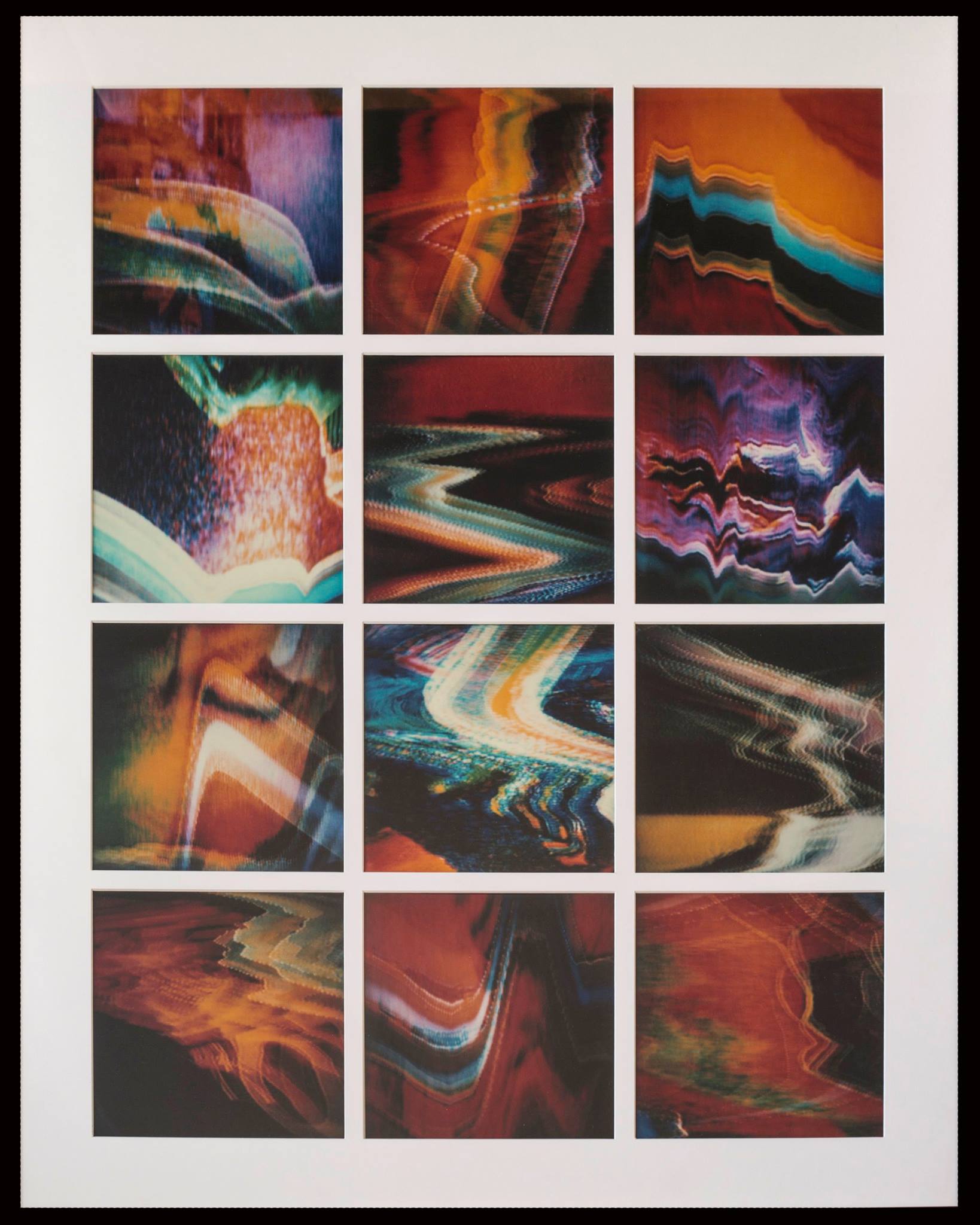


Spread The GMG Love By Sharing With These Buttons:

The Mighty F/V Stanley Thomas Glides Through The Fog In #GloucesterMA Harbor
Spread The GMG Love By Sharing With These Buttons:

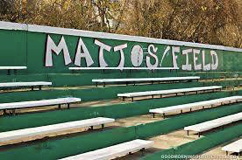
“Light Up Mattos” Committee and Cape Ann Women’s Softball League for the opening of the new lights for the Joseph S. Mattos Jr. Field
You are invited to join the “Light Up Mattos” Committee and Cape Ann Women’s Softball League for the opening of the new lights for the
Joseph S. Mattos Jr. Field
Webster Street, Gloucester, MA
Wednesday June 7, 2017 7:30 P.M.
Refreshments will be available… hot dogs, chips and bottled water.
Please feel free to invite family members and friends for this long anticipated occasion.
Spread The GMG Love By Sharing With These Buttons:

LAUNCH PARTY TODAY FOR THE LEWIS H. STORY AT THE ESSEX SHIPBUILDING MUSEUM!
Join us as we celebrate the re-launch of the Museum’s Flagship, the Lewis H. Story! Music, food, libations and family activities in the Shipyard, it will be a great way to kick off the summer season. Saturday, June 4th, at 4pm at the Essex Shipbulding Museum.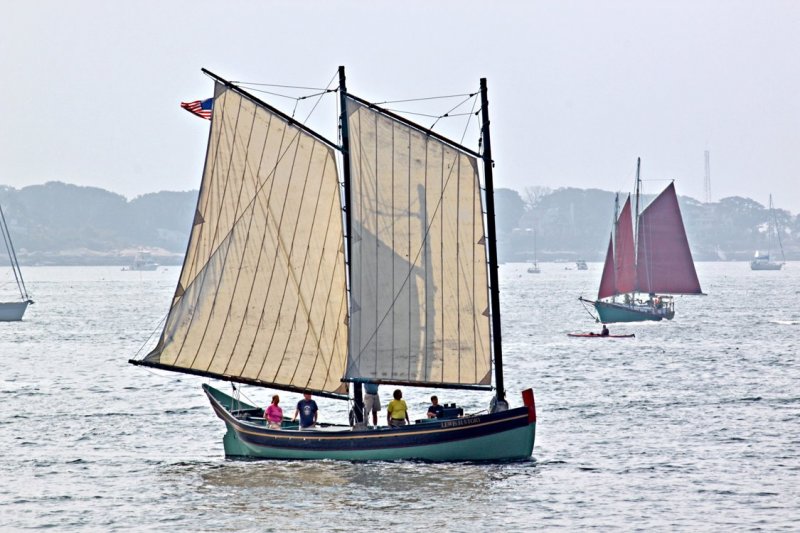
Photo: Wooden Boat Magazine
HISTORY OF THE LEWIS H. STORY from the Essex Shipbuilding Museum website
In 1998, the Essex Historical Society and Shipbuilding Museum commissioned Essex builder Harold Burnham to construct a Chebacco to serve as the museum’s flagship. She measures 30 feet on deck and her hull, deck arrangement and rig are typical of post-Revolutionary War inshore fishermen.
The STORY is named in honor of Essex shipwright, carver, designer, modeler, researcher and the town’s foremost maritime historian, Lewis H. Story, 1873-1948. All contemporary studies of Essex history and the design of the American fishing schooner are based on his life-long study and scholarship.
THE CHEBACCO BOAT
 During the American Revolution, the British nearly destroyed the New England fishing fleet. Since capital was lacking to build replacement schooners, a low-cost, quickly built vessel was needed. A little two-masted boat, then popular for the inshore fishery, seemed to fit the bill. Because it was developed in Essex which was then a parish of Ipswich called “Chebacco”, the vessel was known as a “Chebacco Boat” if pink sterned (pointed) and “Chebacco Dogbody” if square sterned (the origin of the term “Dogbody” is not known).
Chebacco Boats were built by the hundreds not only in Essex, but in other coastal towns as well. Typically, they measured between 22 and 30 tons and averaged from 24 to 48 feet in length, had two masts and no bowsprit. They were usually a flush-deck vessel with several cockpits, or “standing rooms” in which the fishermen stood to fish. A middle hatch gave access to the fish hold.
Local Essex tradition has it that the first Chebacco Boat was built in the attic of a house. This is likely more legend than fact. However, Chebaccos were almost always built near the dwelling of the builder and sometimes no more than a few yards from the front door. When finished, the boats were loaded onto pairs of wooden wheels and hauled to the launch-site by teams of oxen. Boat hauling went out of favor about the year 1835. Thereafter, all Essex vessels were built on the river’s edge.
“There are Chebacco boats building for the Bay Fishery not only at every landing place, but in the yards of farmers some distance from the shore“.
1817, The Reverend William Bentley, of Salem
Spread The GMG Love By Sharing With These Buttons:

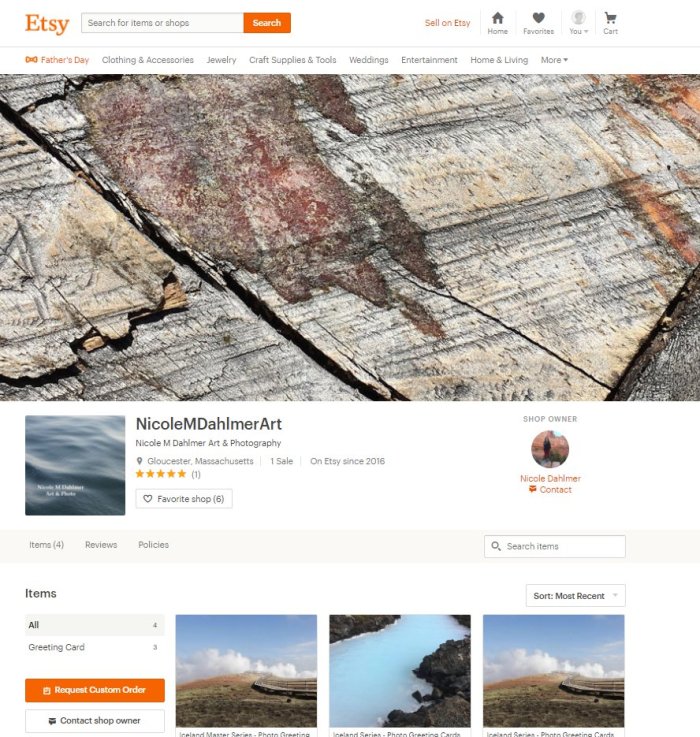
Nicole Dahlmer’s new Etsy shop opens with a bang: photo greeting cards benefit Sierra Club
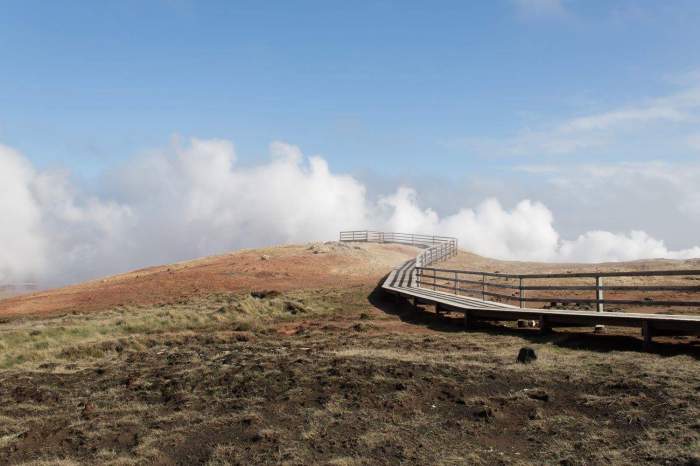
Check out photographer Nicole Dahlmer’s new series inspired by road trips across America and Iceland along with her Gloucester motifs. She’s created 3 different sets of limited edition photo greeting cards based on new work, and is donating 10% of the proceeds to the Sierra Club.
https://www.etsy.com/shop/NicoleMDahlmerArt
Dahlmer’s is excited to announce that she’s opened an Etsy shop where you can buy her work. She participates in local art fairs and exhibits, and you can find her cards at Pauline’s Gifts.
Follow Nicole M Dahlmer on Facebook
Spread The GMG Love By Sharing With These Buttons:

Happy Belly Opening Soon!


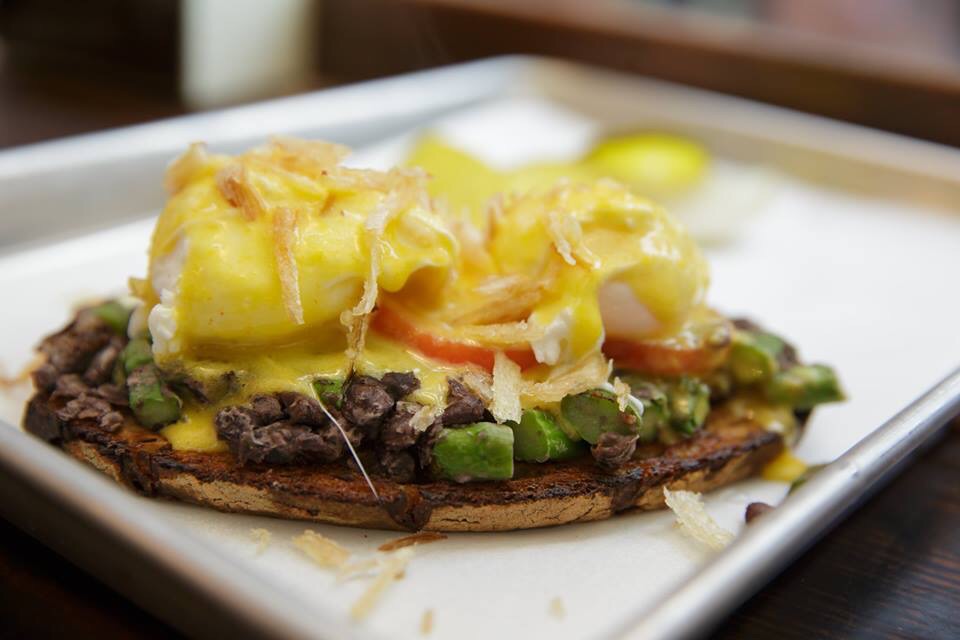
Our Open Faced Benedict with asparagus & black bean hash #PerfectlyPoachedEggs #PutSomeHappyInYourBelly
3 Duncan St
Gloucester MA
In the former Alchemy space
Spread The GMG Love By Sharing With These Buttons:
5 Year Anniversary Party and Open House

 Join us for a week long Open House celebration in honor of the 5th Anniversary of our Christopher Cutler Rich Animal Shelter! Featuring adoption specials, photo opportunities, snacks, prizes, donation drive and more!
BRING 5 DONATION DRIVE!
We invite you to bring donations and 5 is the magic number! …5 cans of pet food | 5 rolls of paper towels | $5 dollars | 5 gift cards | 5 pet toys | 5 packages of treats etc. Thank you!
Open House Hours:
Saturday 6/3- 11am-4pm
Sunday 6/4 – 12pm-4pm
Monday 6/5 – Closed
Tuesday 6/6 – 11am-5pm
Wednesday 6/7 – 11am-4pm
Thursday 6/8 – 11am-7pm
Friday 6/9 – 11am-6pm
SPECIAL HIGHLIGHT — SATURDAY, 6/3, 11am-2pm:
Gloucester’s ‘Love Fest’ Project is coming to Cape Ann Animal Aid! This interactive community art project is traveling throughout the city this summer, spreading messages of LOVE and POSITIVTY. ♥
Spread The GMG Love By Sharing With These Buttons:
Yard Sale to Benefit Cape Ann Animal Aid
Annual multi-family indoor yard sale to benefit Cape Ann Animal Aid on Saturday, June 17th from 9am-4pm. Rain or shine! Meet shelter pups and shop for great items to support a great cause! Generously hosted by Cape Ann Auction, 82 Main St., Gloucester, MA. 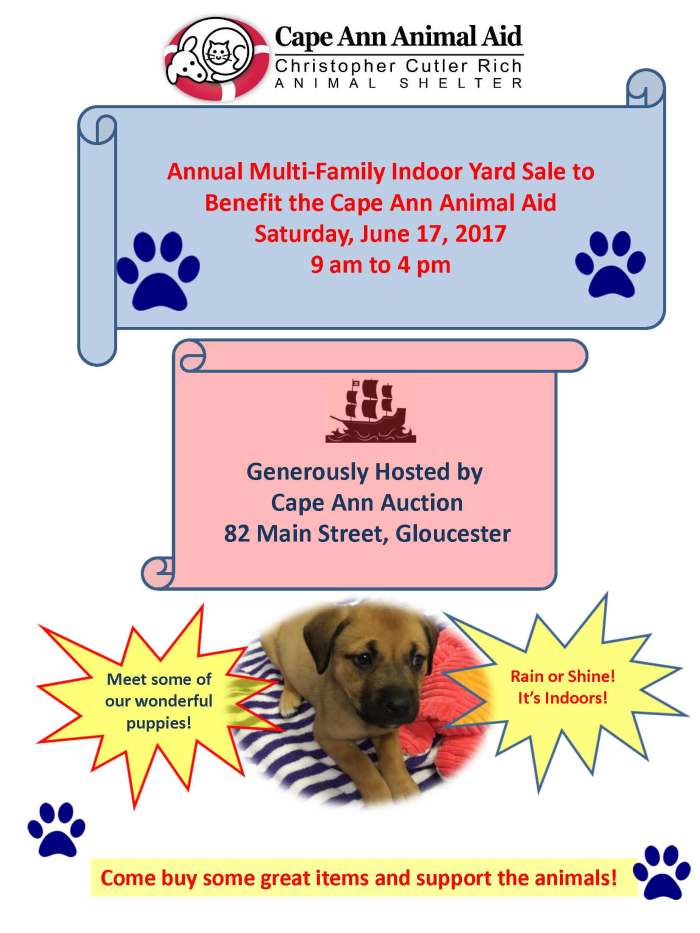
Spread The GMG Love By Sharing With These Buttons:
Free Mentoring Services!


Spread The GMG Love By Sharing With These Buttons:
Landry and Arcari Famous 26th Annual Yard Sale Is june 10th!


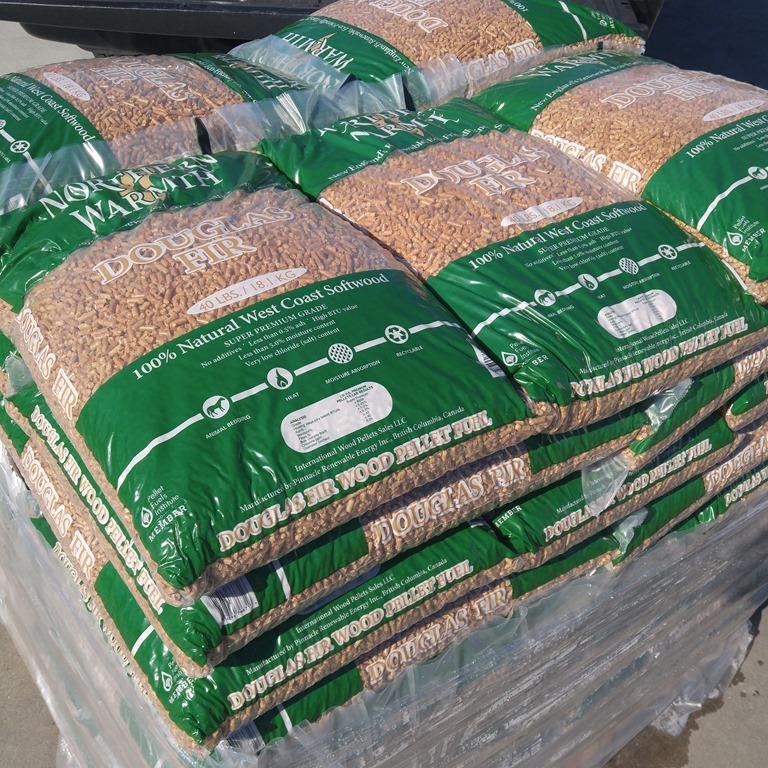
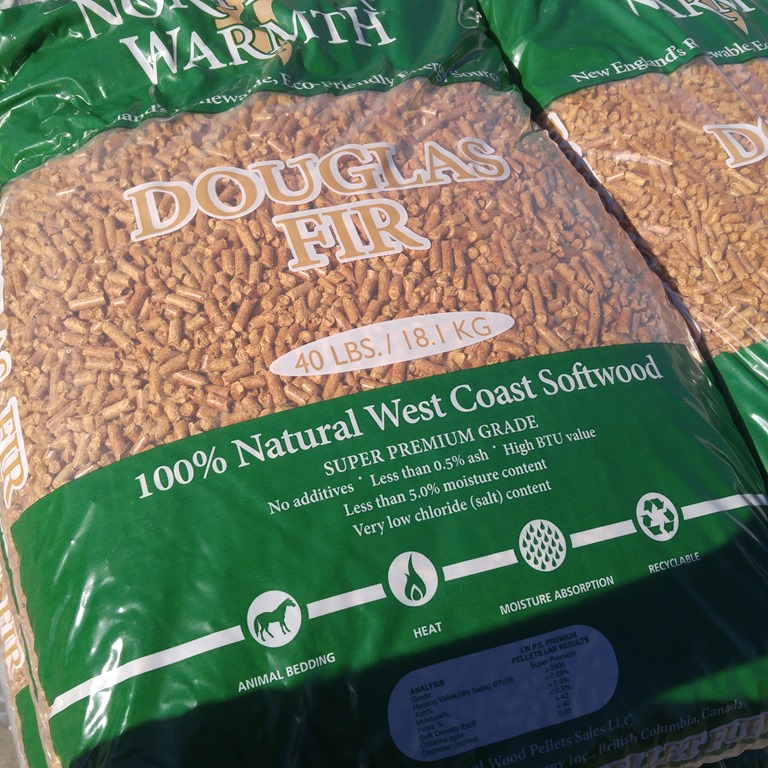
Cape Ann Chimney and Hearth With DouglAS fIR Pellets
Check them out for your pellet stove and hearth needs
Address: 7 Pond Rd # 1, Gloucester, MA 01930
Spread The GMG Love By Sharing With These Buttons:

SCHOONER CHALLENGE VIDEO INTERVIEW WITH CAPTS. HAROLD BURNHAM AND ANNE ST.JOHN FROM BARRY O’BRIEN!
If you want to know what Monday night’s Schooner Challenge is all about watch this video interview with Captain Harold Burnham and Captain Anne-Seymour St. John from Barry O’Brien 🙂
MONDAY NIGHT’S SCHOONER CHALLENGE NOW INCLUDES THE LEWIS H. STORY!
Don’t miss the 5th Annual Schooner Challenge!
Proceeds to benefit the Evelina M. Goulart, the Essex-built, Gloucester fishing schooner.
Tickets may be ordered online at essexshipbuildingmuseum.org or call 978-375-3337.
Spread The GMG Love By Sharing With These Buttons:
JONES RIVER SUNRISE AND YO MAMA, WHAT’S FOR BREAKFAST?
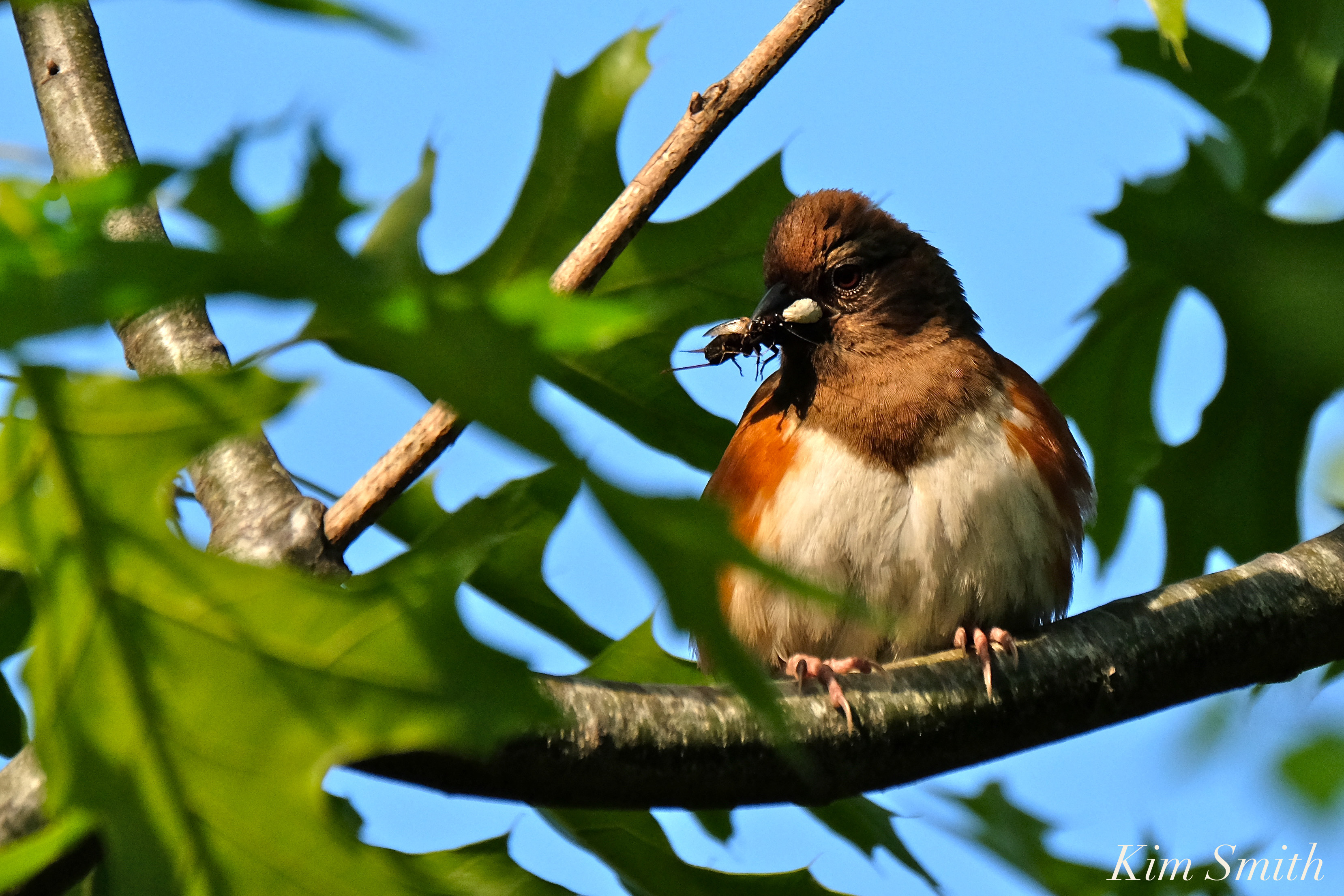 I have been hoping to take a photo of a female Eastern Towhee, and here she is, with a mouthful of breakfast for the nestlings! She hopped from tree limb to tree limb with her treasure, ta-weeting all the while; no small accomplishment while tightly clamping down on that big bug.
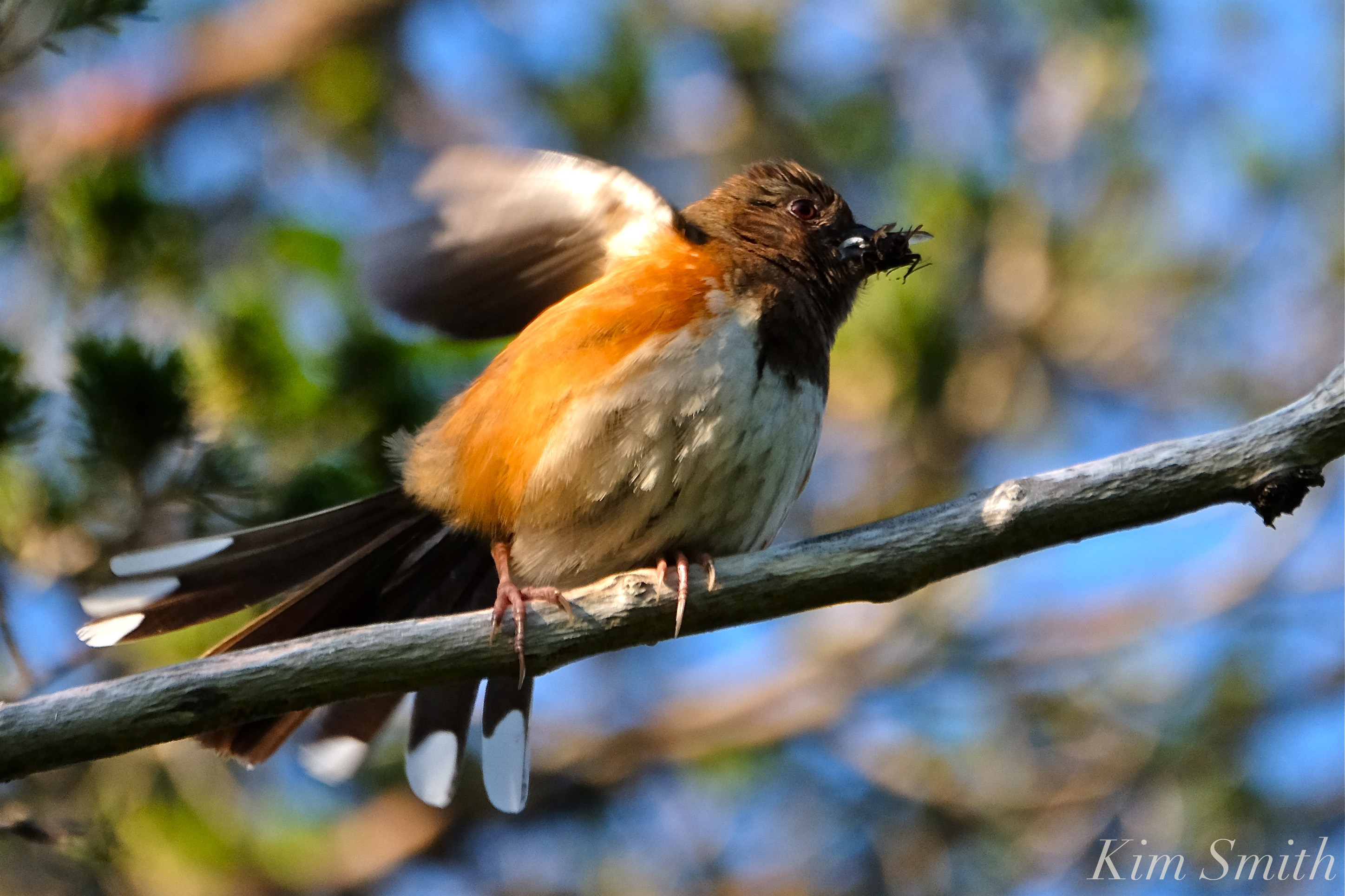 Look at the beautiful white-tipped underside of her tail feathers
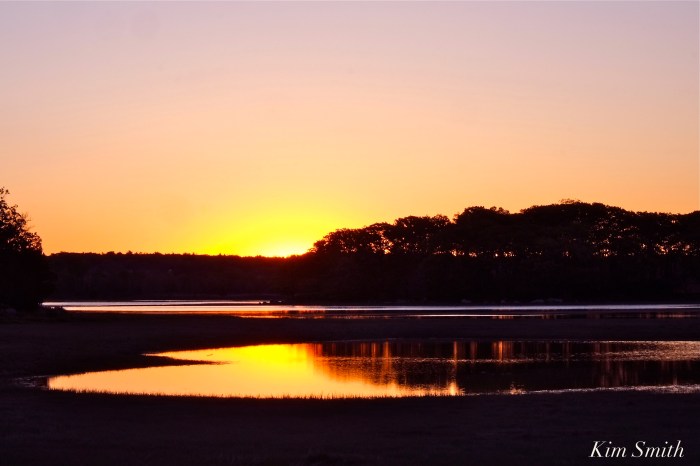
 Pretty sunrise over Jones River Marsh
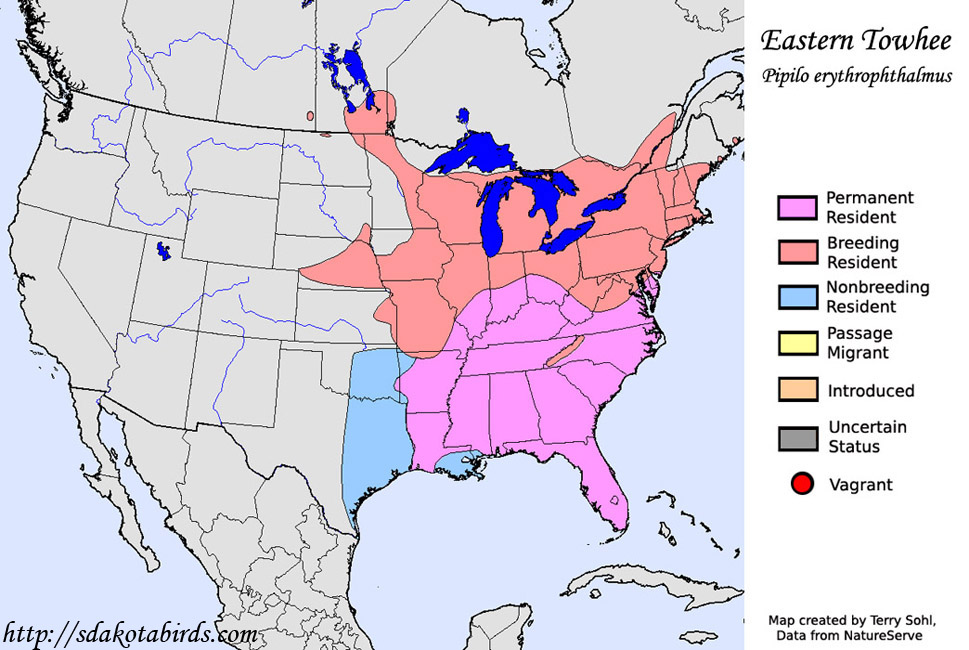
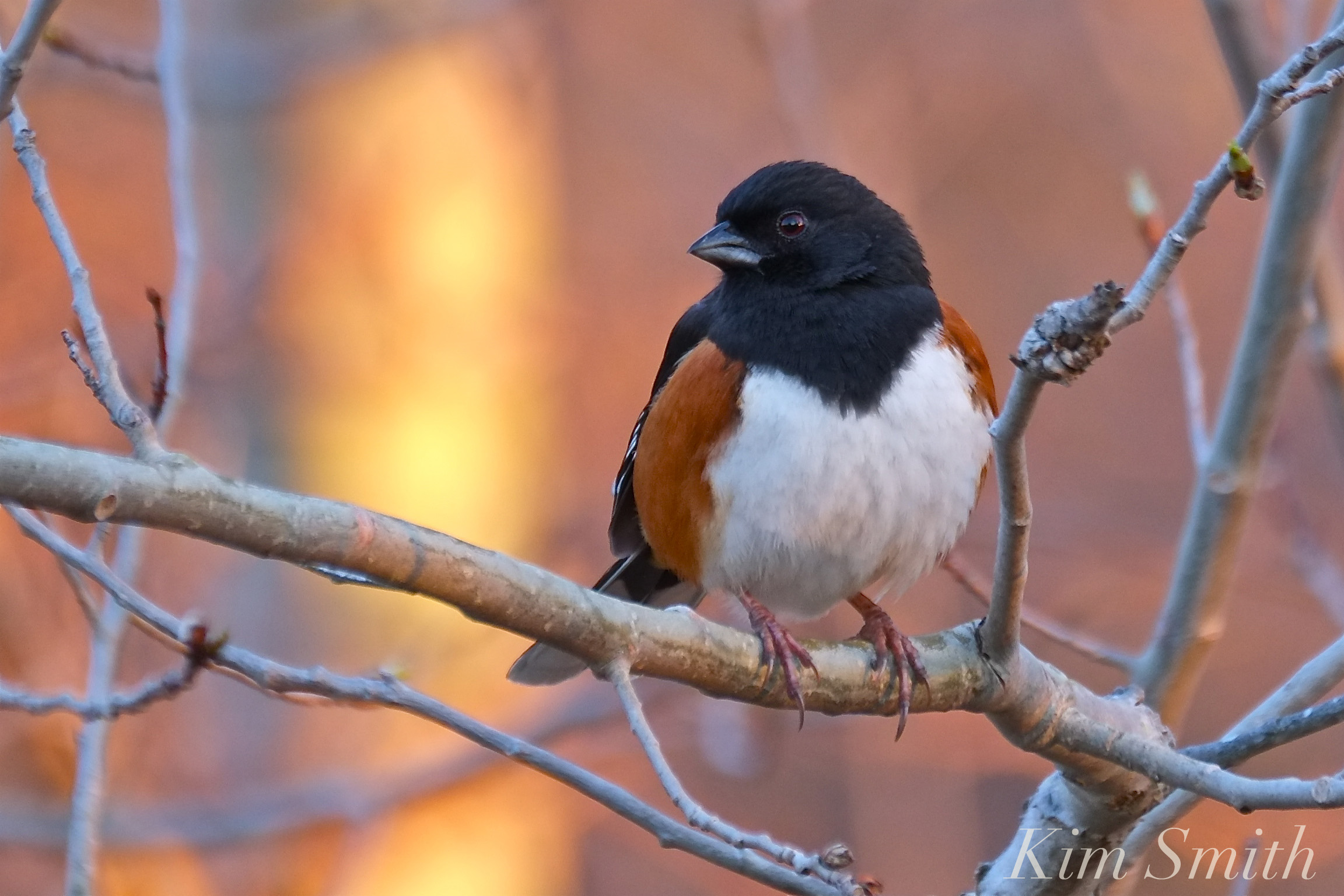 Snapshot of a male Eastern Towhee taken several weeks ago in the same location. I wonder if they are a pair? It’s unlikely we’ll get to see the nest. Female towhees build their nests on the ground and they are well-camouflaged, being made of bark, twigs, and dried leaves. There is a dense tangle of undergrowth where I am filming and it’s probably fraught with ticks, so on the path I stay.
A few more from this morning sunrise over the river

Spread The GMG Love By Sharing With These Buttons:

Under The Thinning Fog
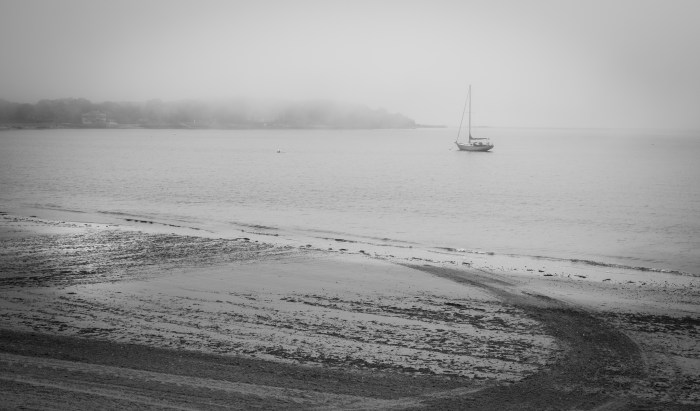
“Under the thinning fog the surf curled and creamed, almost without sound, like a thought trying to form inself on the edge of consciousness.” ― Raymond Chandler, The Big Sleep
Spread The GMG Love By Sharing With These Buttons:

Half Off Entire Menu At The Rudder Tonight 6/2/17
Spread The GMG Love By Sharing With These Buttons:

Half Off Sushi at The Studio Restaurant On Rocky Neck All Day 6/2/17

Spread The GMG Love By Sharing With These Buttons:

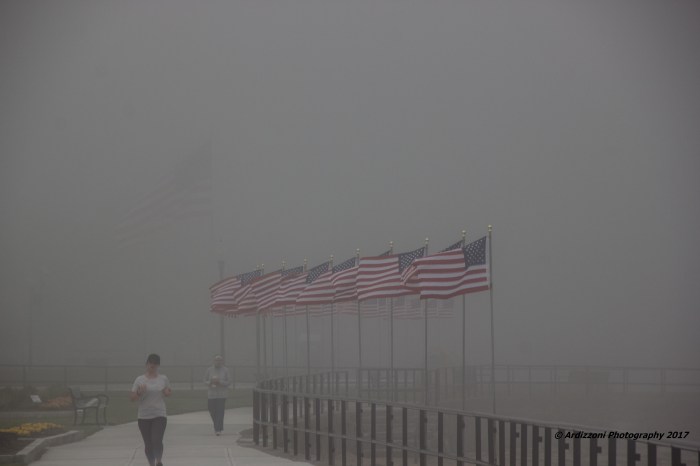
Fog and flags
As the fog was thick on Wednesday and the fog horns were sounding, the flags on the Blvd. were looking great.
Spread The GMG Love By Sharing With These Buttons:

Time to Just Keep Swimming
Rubber Duck and the A01 Buoy both say it’s time to go for a swim!
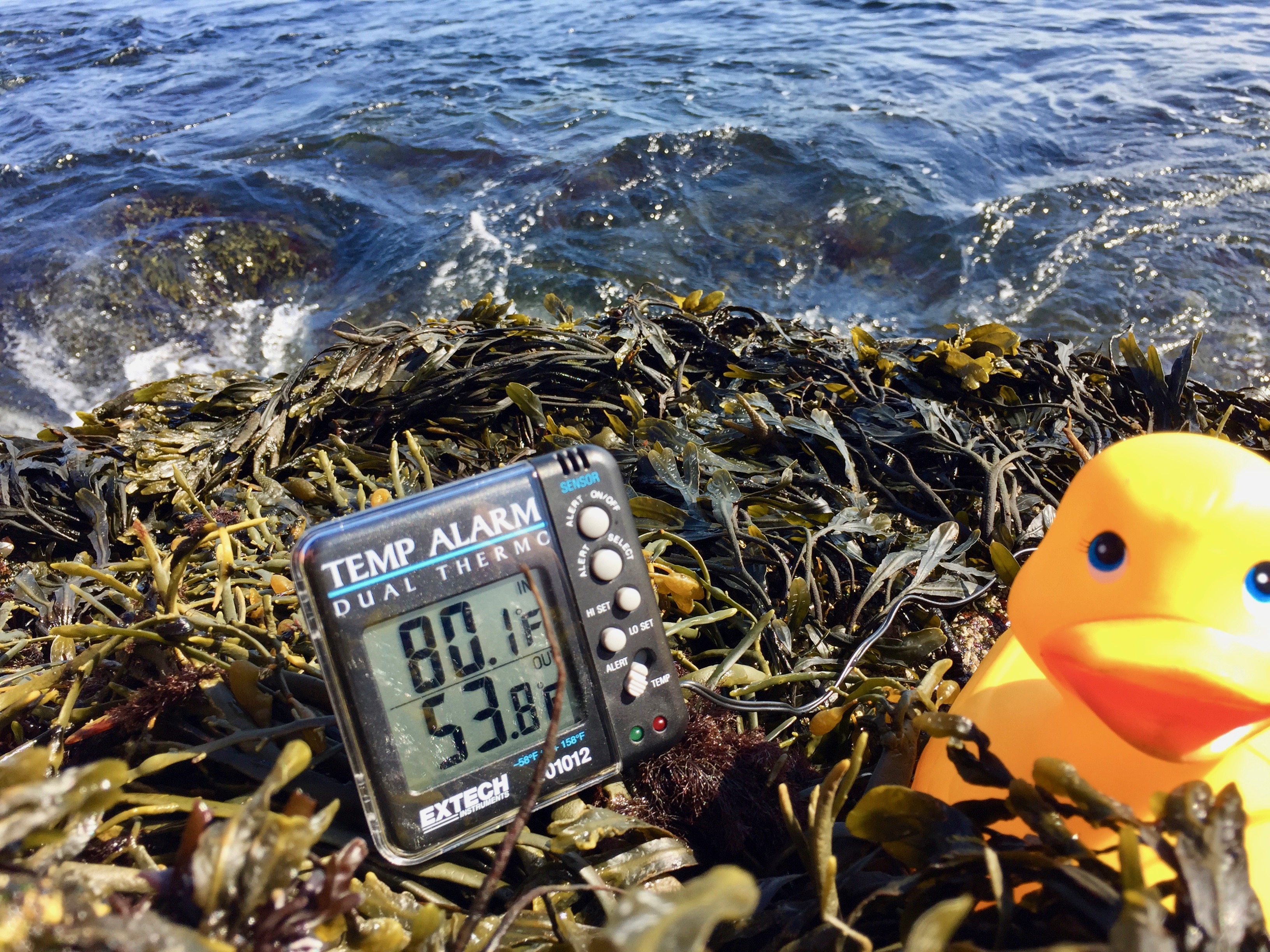
The 80.1 F is just the seaweed warming up at low tide but that 53.8 F is a sensor three feet down and it’s real. Just Google “A01 Buoy” which is a couple miles off Gloucester Harbor and you get the exact same temp.
What’s it all mean? It means it’s time to go for a swim! It’s time to toss a few poppers because Mrs Striped Bass has arrived. She waits until it is 50 F. What are you waiting for?

 Good Morning Gloucester