Published by Marty Luster
I'm Marty Luster, a retired attorney and politician. In 2010 my wife, mother-in-law, dog and I relocated from Central NY to Gloucester. I hope my photographs and poetry(?) reflect my love for this place and her people.
My picture-poem posts can be seen at http://matchedpairs.wordpress.com and selected black and white images can be found at http://slicesoflifeimages.wordpress.com
View all posts by Marty Luster
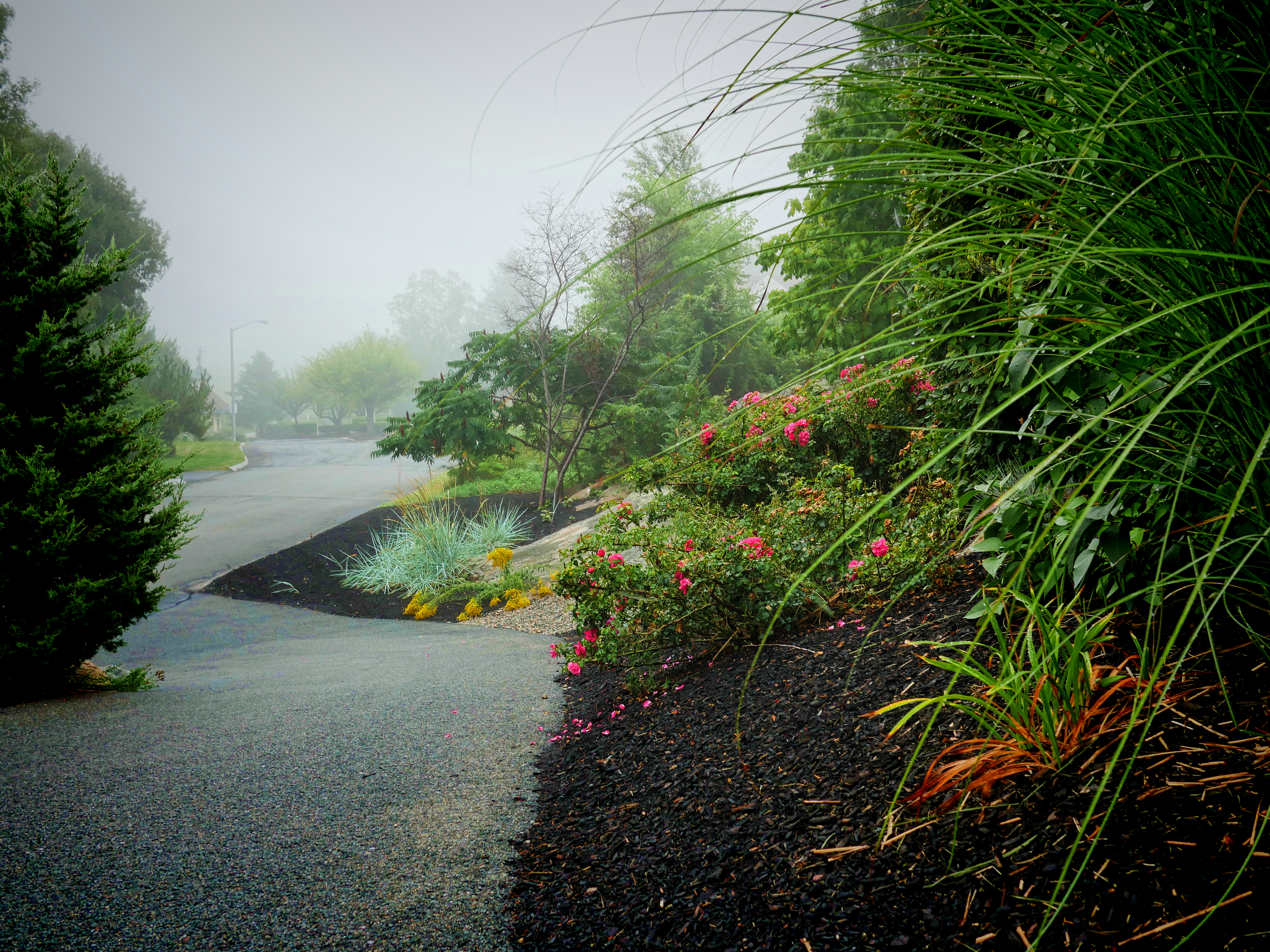


 Good Morning Gloucester
100% correct there Marty and thought you may like this one I read in Korean Times Monday:
Here is the link which should have the pictures in it!
http://www.koreatimes.co.kr/www/news/culture/2015/08/317_185391.html
Updated : 2015-08-23 17:46
Remnants of a talented ‘orchid’
loading
음성듣기
The birthplace of Heo Nanseolheon in Gangneung, Gangwon Province
/ Courtesy of Korea Tourism Organization
Life of Joseon Kingdom’s female poet Heo Nanseolheon
By Yun Suh-young
The life story of the Joseon Kingdom’s legendary female poet Heo Nanseolheon is pitiful and painful yet the poems she left behind are as beautiful as the name she gave to herself (“nan,” which means orchid).
Born in Gangneung to a yangban (gentry) family prominent in literary circles, Heo Nanseolheon (1563-1589) grew up to be a prominent female poet of the mid-Joseon Kingdom (1392-1910).
Her given name was Heo Chohui; she was the daughter of Heo Yeop and younger sister of Heo Bong, a minister and political writer, and the elder sister to Heo Gyun (1569-1618), a famous writer of the time. Heo Gyun is the author of “The Tale of Hong Gildong”which has become a classic among Koreans and part of the literary curriculum in schools.
Statue of Heo Nanseolheon
Unlike society at the time, which excluded women from education and also discouraged them from holding significant positions, Heo Nanseolheon’s family pursued open and equal education providing Heo with the same educational opportunities as her brothers.
Among the family members, the person who exerted the greatest amount of influence in Heo’s development was her elder brother Heo Bong who recognized her literary talent from her earlier years. He introduced her to literature and provided her with a tutor. He requested Lee Dal, who was his friend and one of the most famous poets of the time who specializes in Tang poetry, to educate his sister.
At the age of eight, Heo Nanseolheon showed her poetic genius and surprised the elderly with “Inscriptions on the Ridge Pole of the White Jade Pavilion in the Gwanghan Palace” (Gwanghanjeon Baegongnu Sangryangmun), which was lauded by writers and scholars. The poem was about her in an imaginary heavenly place as the protagonist. The poem was extraordinary in that it spoke beyond age and gender which were the supposed limitations of Heo.
The portrait of Heo Nanseolheon / Courtesy of Korea Tourism Organization
However, despite her extraordinary talent, Heo was married off at age 15 to Kim Seong-lip, an offspring of a noble family which had, for generations, produced civil servants.
Her marriage was an unhappy one, as recorded in her later poems and her younger brother Heo Gyun.
Her husband Kim would wander around outside the house and pursue other women and leave Heo alone at home. His excuse for staying away from the home was to focus on his studies (as he was preparing for the civil service examination). However, only after Heo died, did he pass the exam.
Kim, who is recorded by Heo Gyun as a plain and inflexible man, was known to have been jealous of his intellectual wife.
Heo’s unhappy marriage life was also attributed to her mother-in-law who gave her a hard time. Kim’s mother was displeased at her daughter-in-law’s writing of poetry. She could not understand an educated woman when the social standards of the time did not require women to read or write.
Rhe inside view of the birthplace of Heo Nanseolheon in Gangneung, Gangwon Province.
Kim’s family, which was extremely conservative, was the opposite of the unconventionally open-minded culture that Heo grew up in and was a difficult environment for Heo to live in.
Heo’s misfortune did not end there. She gave birth to two children — a boy and a girl — who both died of illnesses in infancy. When she conceived a third child, she lost it due to miscarriage.
Due to numerous sufferings in life, Heo’s later poems reflect her emotions, lamenting the plight and suffering of married women and using heavier emotive language, in contrast to her earlier works which employ natural imagery and elements from folklore and are written in the Tang tradition.
The “Song of Autumn Night” is a poem characteristic of her earlier, fantastical and imagery-rich works while the “Woman’s Grievance,” carries a heavier emotional tone and reflects the style of poetry written after her marriage.
Her earlier works in marriage include love poems to her husband but work from her later years of marriage include mockery and homily-type poems lecturing hedonistic men on how to behave. There are also works that contain critical views of society, sympathizing with those from poorer backgrounds.
Heo died at the age of 27. She is known to have fallen ill after the death of some of her family members, including her respected brother Heo Bong who died while in exile.
Upon her death, Heo ordered her younger brother Heo Gyun to burn all her works. A significant amount of her works were incinerated, but her brother who felt pity at losing all her poetry, kept several of her poems and later published a volume of them in her name.
In 1606, Heo Gyun showed the collection of his sister’s poems to a group of foreign envoys from the Ming Dynasty visiting Joseon. Astonished by the excellence of them, the delegation published a Chinese version of the book when they returned to their country. The poems quickly gained popularity in China.
The global reputation of Heo Nanseolheon did not stop there. In the 18th century, a collection of her poems went into the hands of Japanese traders who visited Joseon. Heo’s poems also gathered popularity in Japan after they were published there in 1711.
Heo’s birthplace is preserved in Gangneung where there’s also a memorial hall established next to it. It is located at 477-8, Chodang-dong, Gangneung-si, Gangwon Province. It is closed on Mondays. For more information, call (033) 640-4798.
ysy@ktimes.com,
LikeLike