Song Sparrow Good Harbor Beach Dunes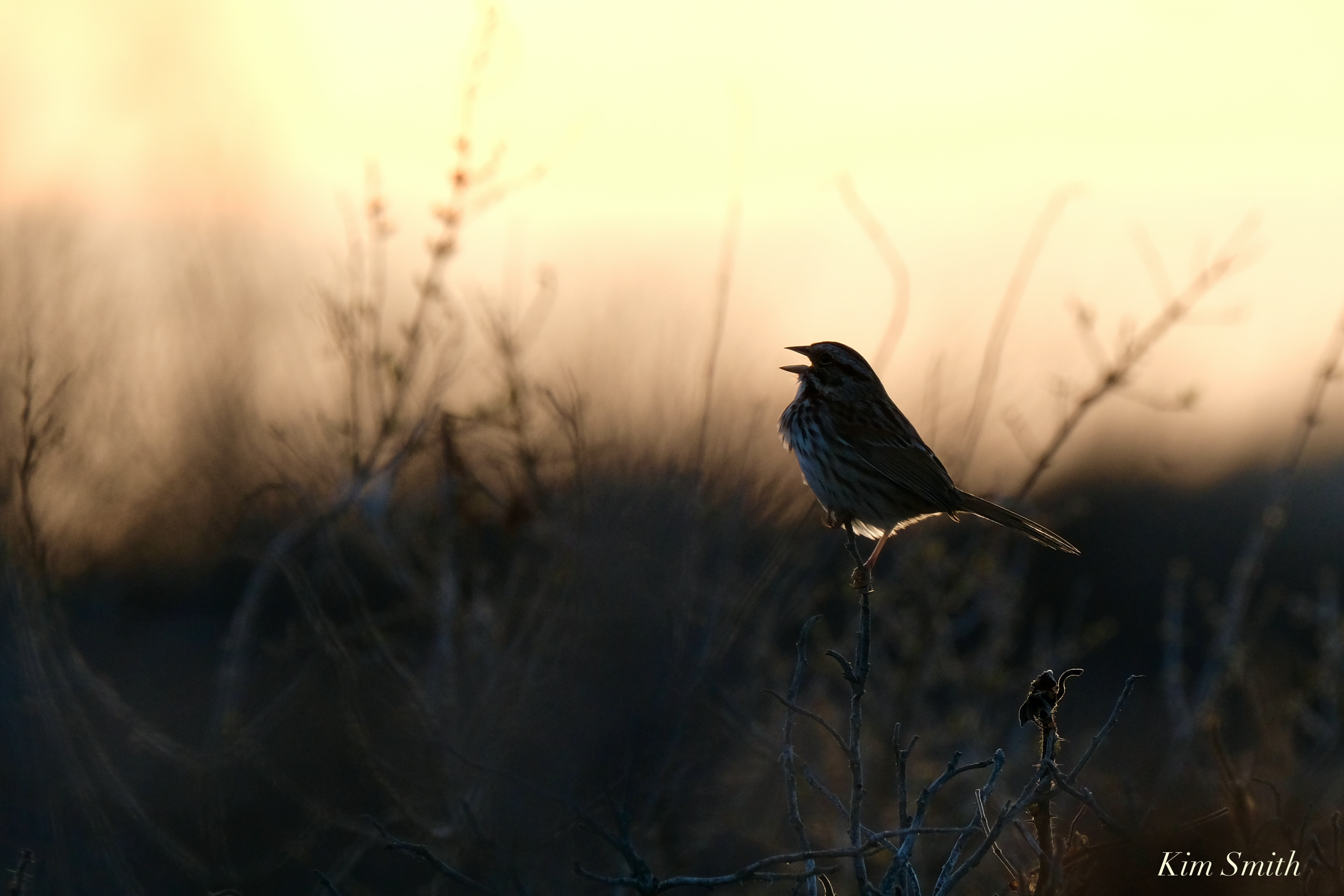
My View of Life on the Dock
Song Sparrow Good Harbor Beach Dunes

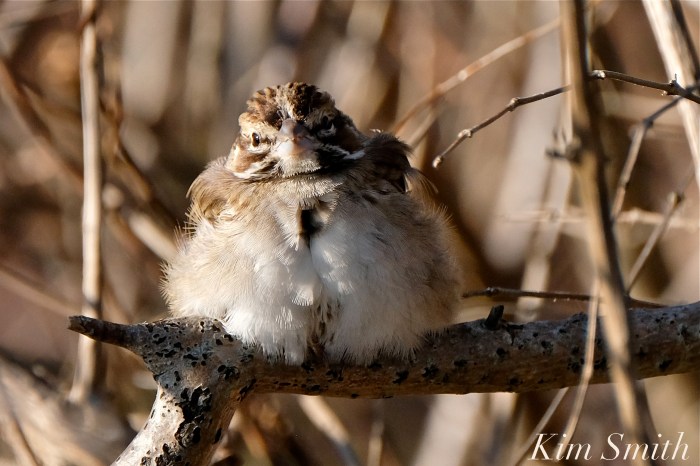
The sweet Lark Sparrow has been spotted daily at Eastern Point now for over two weeks. I’ve been able to take a longer look on a sunny day and think he is an immature Lark Sparrow because he lacks the rich chestnut color of an adult.
On one fine chilly, chilly morning, he even let me spend more than a few moments watching as he dozed in the sun while puffing his feathers for warmth.


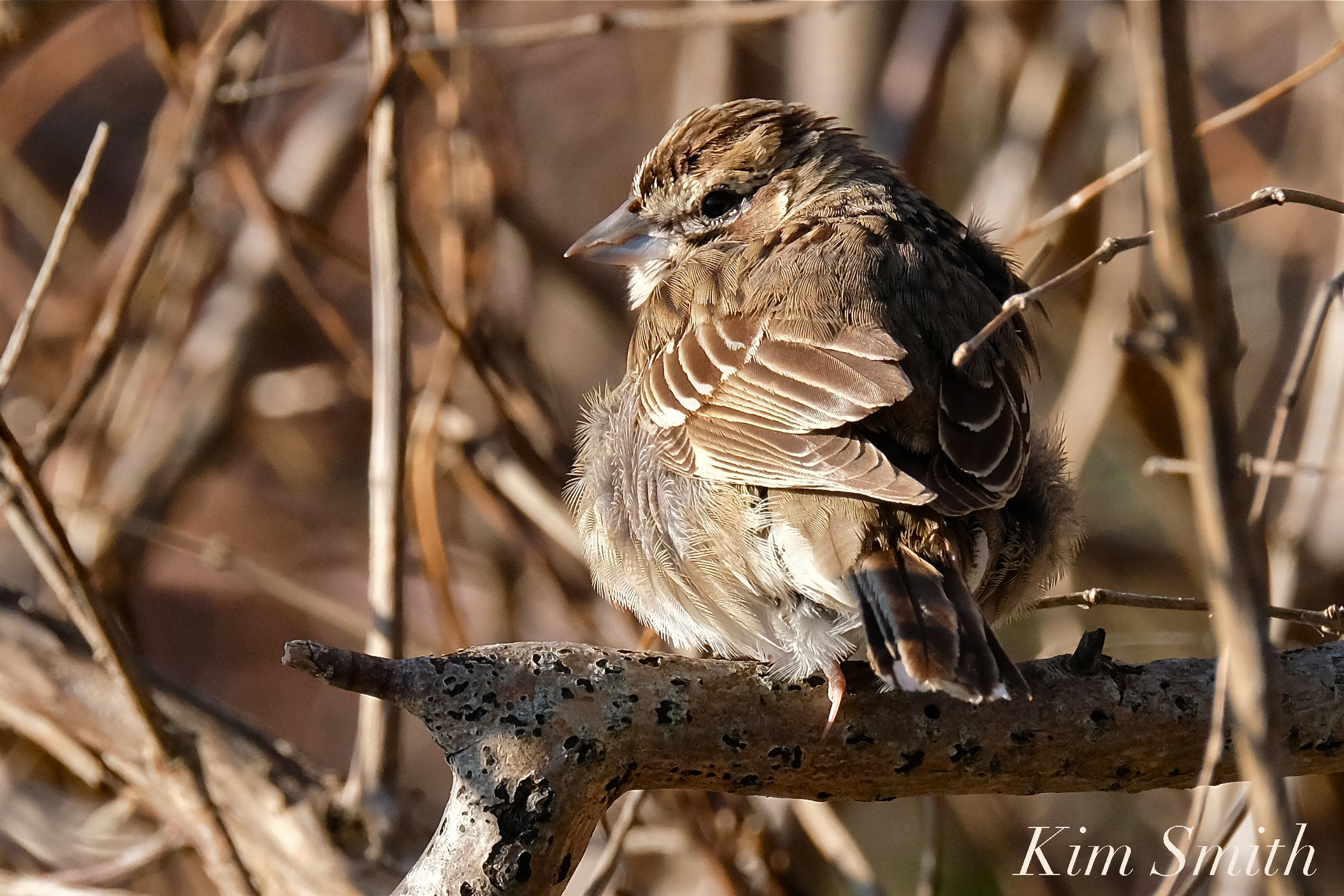
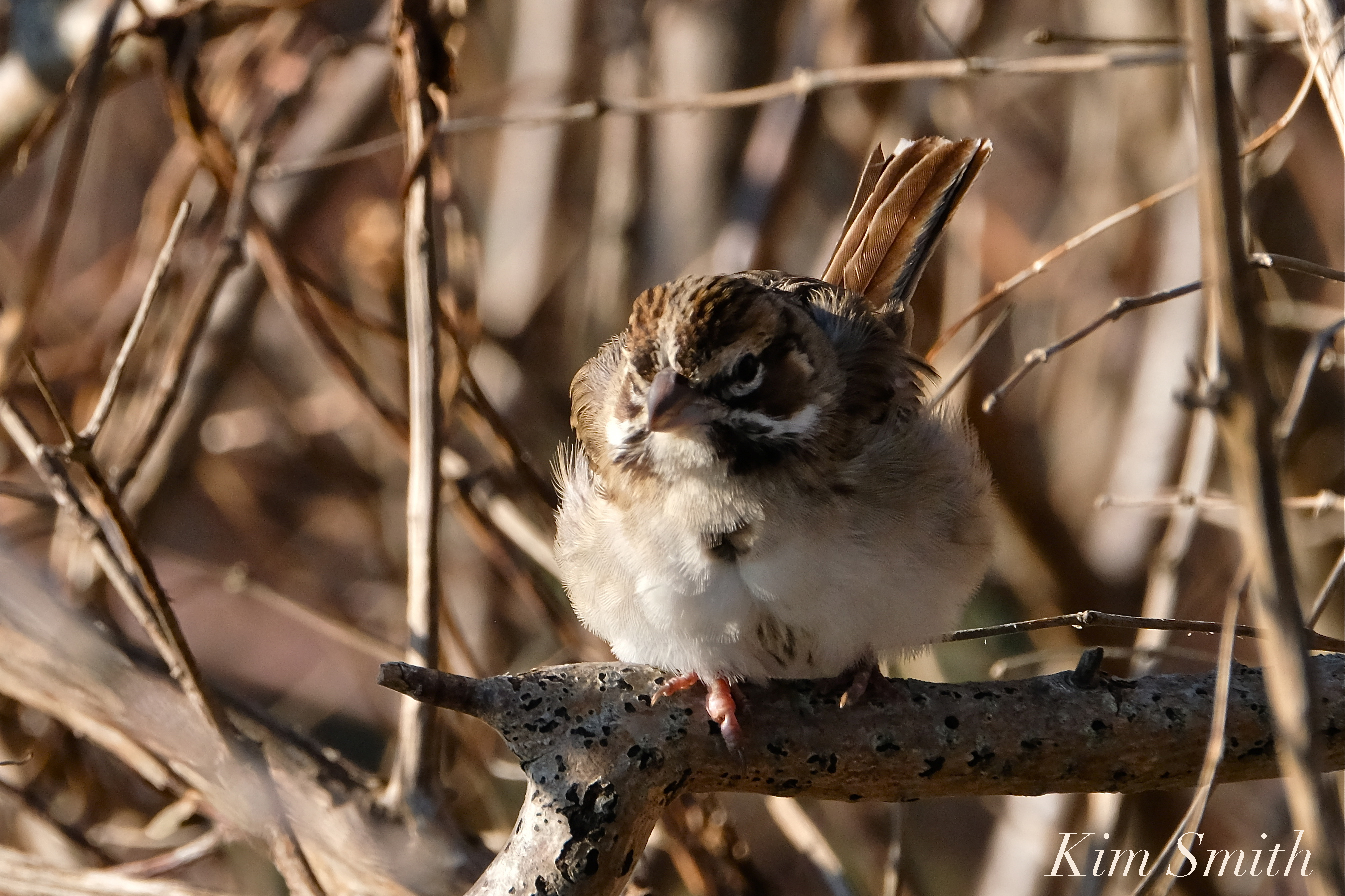
Unlike Song Sparrows that dart and zoom horizontally across the landscape, when heading to the next location, the Lark Sparrow flies upward in more of a whirring helicopter movement. I love this little bird and if he stays all winter I hope he will find plenty of seeds to eat.
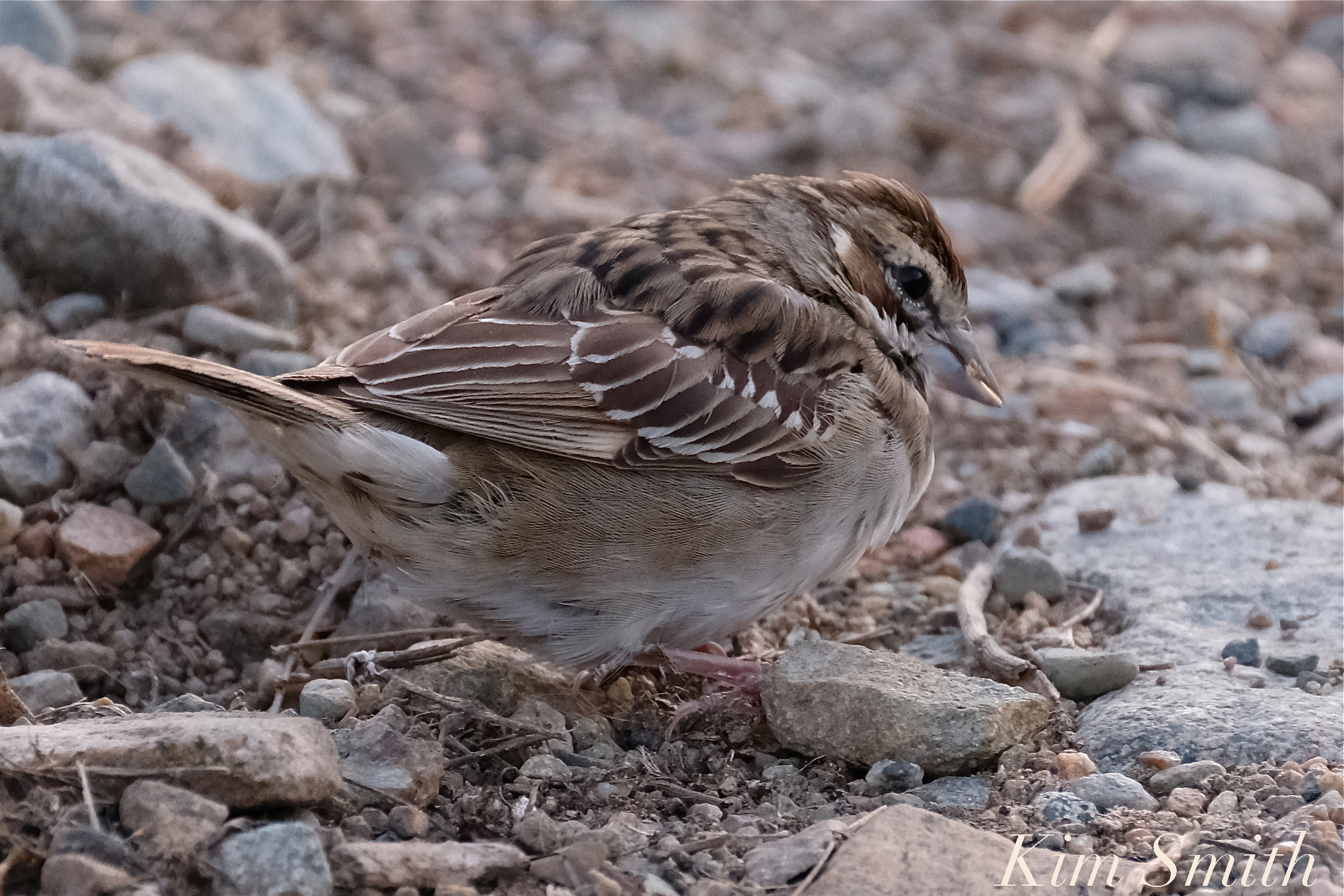 Lark Sparrow foraging for seeds
Compare and contrast the Song Sparrow to the Lark Sparrow. Both species are currently at Eastern Point/Niles Pond area. Both species forage on the ground for tiny seeds. The breast of the Song Sparrow is streaky while the breast of the Lark Sparrow is solid white with a dot of black feathers centered at the upper chest.


Don’t you find it fascinating, these avian visitors that are so far off course that find themselves on our shores? Here’s an account from 1905 —
The Lark Sparrow in Massachusetts.– On August 12, 1905, at Ipswich, Massachusetts, I observed at close range a Lark Sparrow (Chondesres grammacus). This makes the sixth record of this species for the State, and the fourth for Essex County. Nearly a year before this, on August 21, 1904, I took at Ipswich an adult male Lark Sparrow (Birds [Auk 104 General Notes. I. Jan. of Essex County, p. 268). It has occurred to me that stragglers in the migrations along our Eastern Coast may not be so very rare, but that they are overlooked, being mistaken for Vesper Sparrows, owing to the ‘white outer tail feathers. In both of the above instances, however, the slightly fan-shaped tail, and the fact that the white was not confined to the two outer feathers, as in the Vesper Sparrow, attracted my eye. The characteristic marking on the side of the head in the Lark Sparrow, seen with a glass within thirty feet, made the diagnosis in the second ca. From the Supplement to the Birds of Essex County by Charles Wendell Townsend.
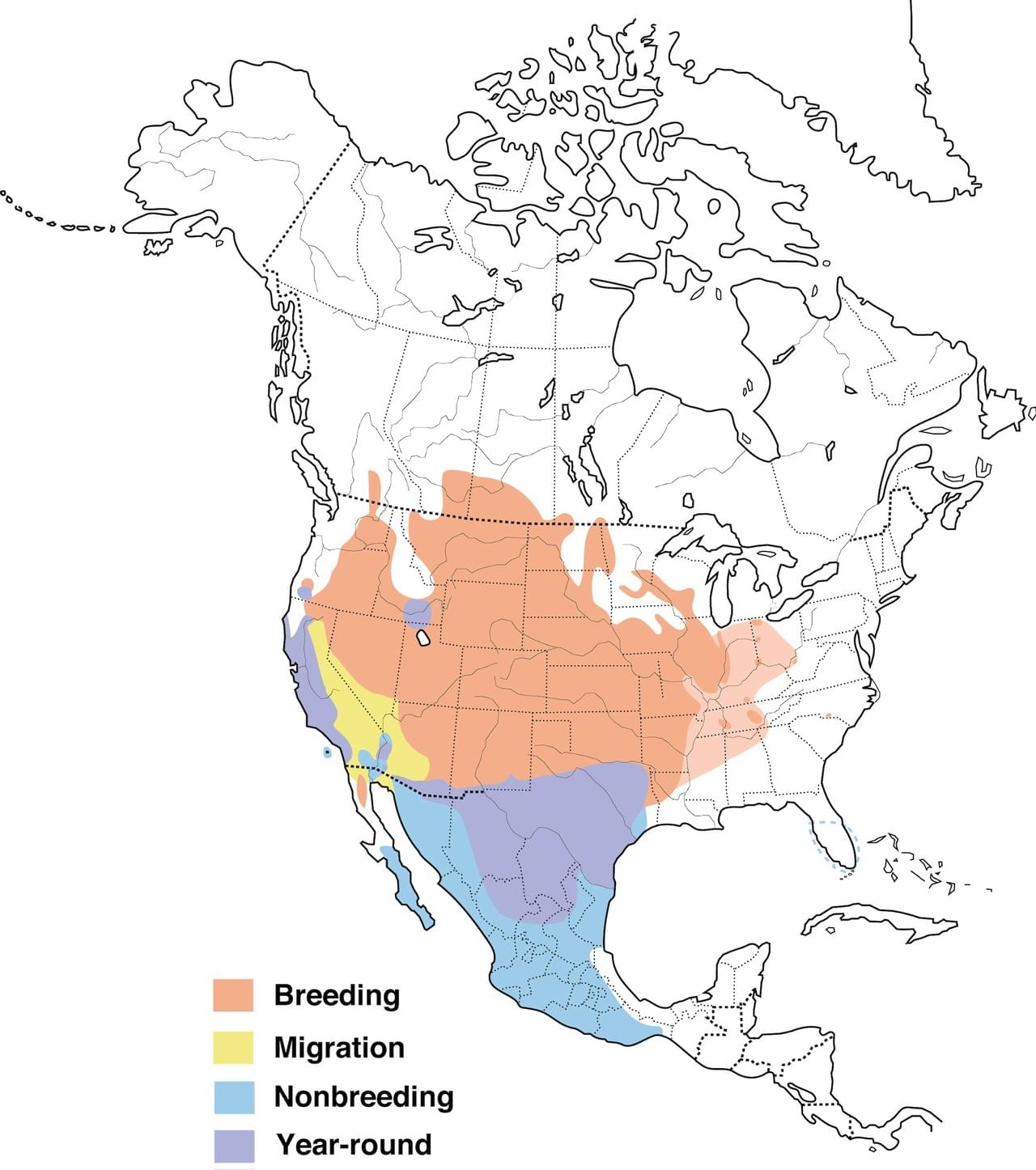 Lark Sparrow Range Map

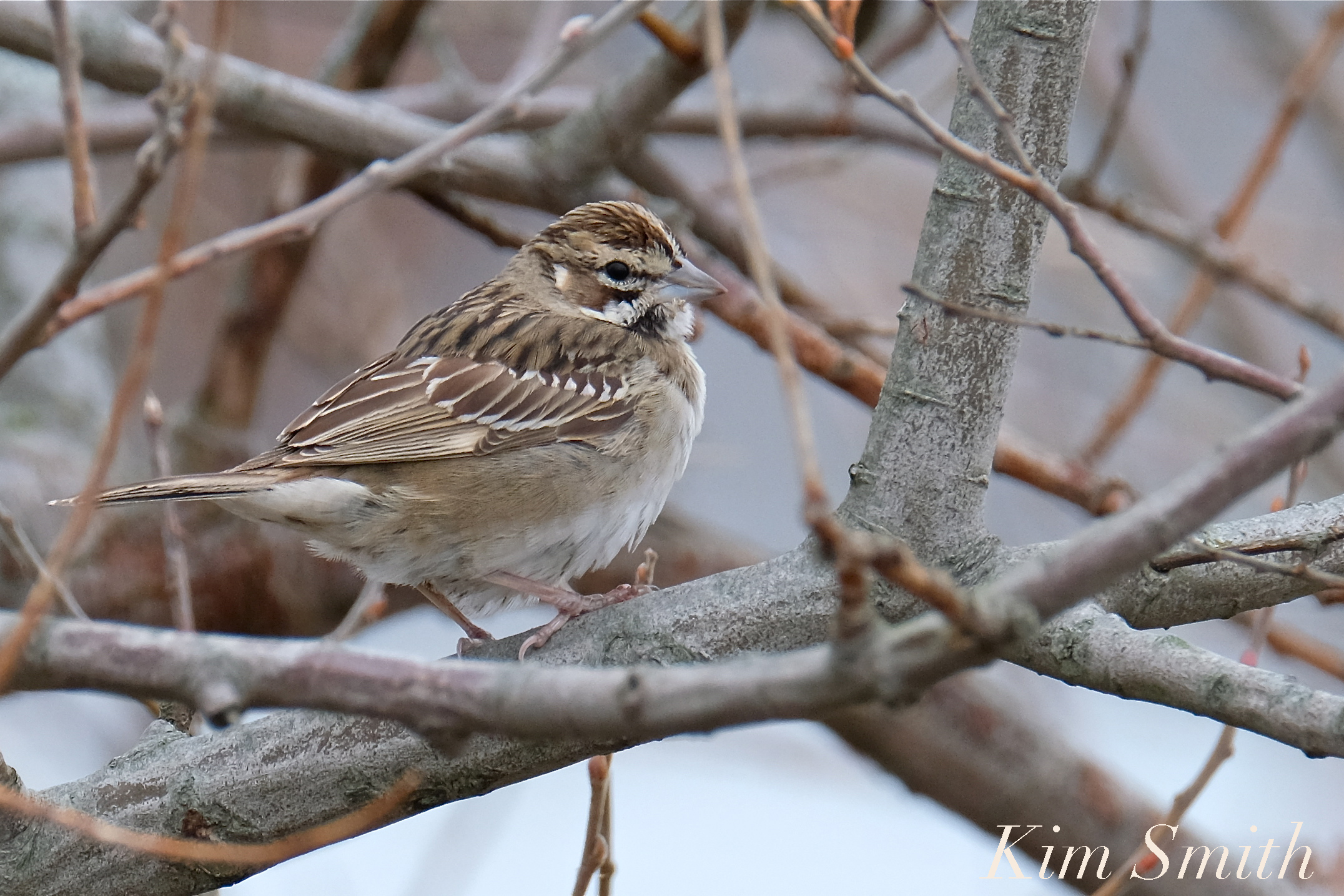
A very rare-for-these parts Lark Sparrow was spotted by numerous birders today and yesterday at Niles Pond. The beautiful little songster kept either close to the ground foraging on tiny seeds or well camouflaged in the crisscrossing branches of trees and shrubs.


Lark Sparrow Niles Pond Gloucester Massachusetts


Song Sparrows Gloucester and Ipswich
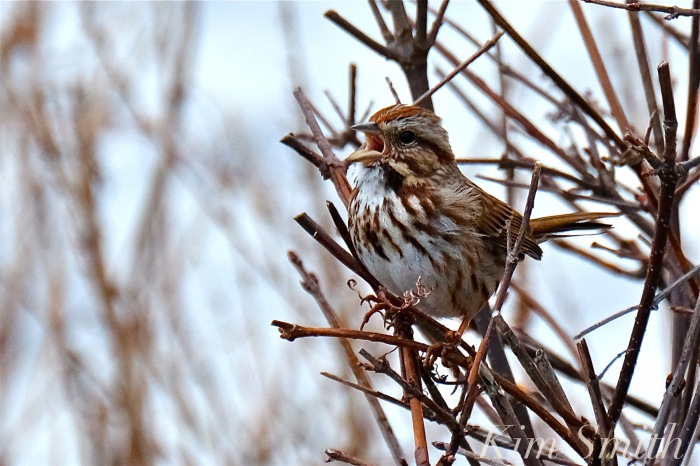
We mostly see Song Sparrows around Niles at this time of year. Compare in the above photos how plain the breast of the Lark Sparrow is to that of the heavily streaked Song Sparrow’s underparts. I write rare-for-these-parts because the Lark Sparrow is entirely out of its range as you can see in the first attached map below.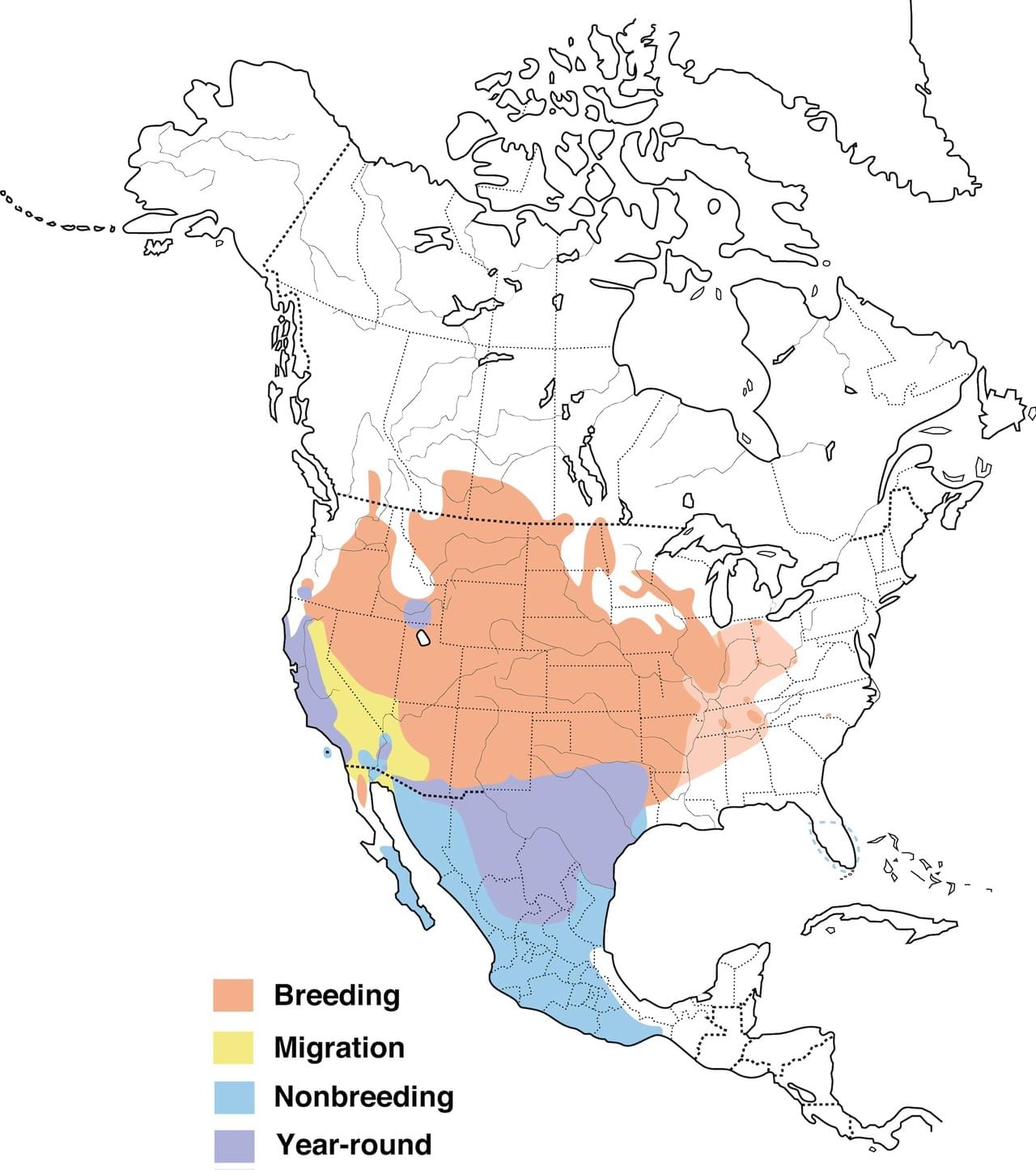
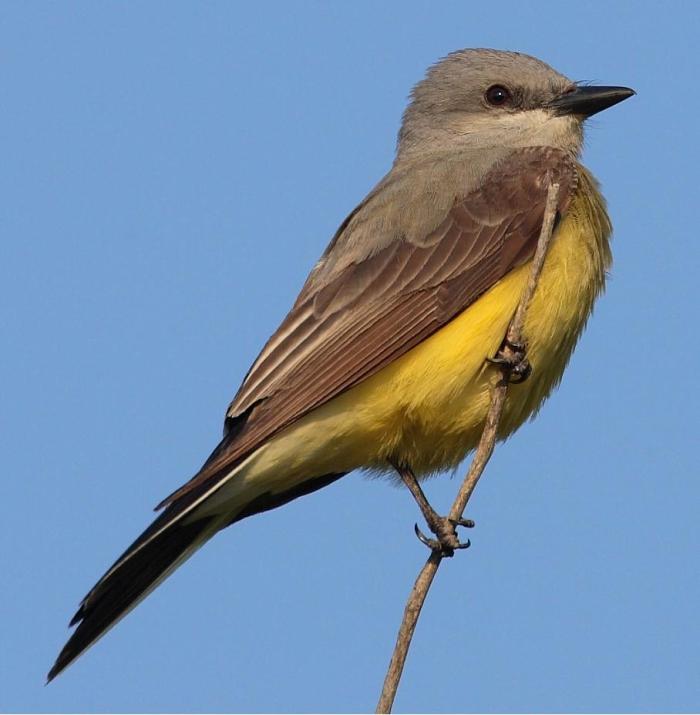
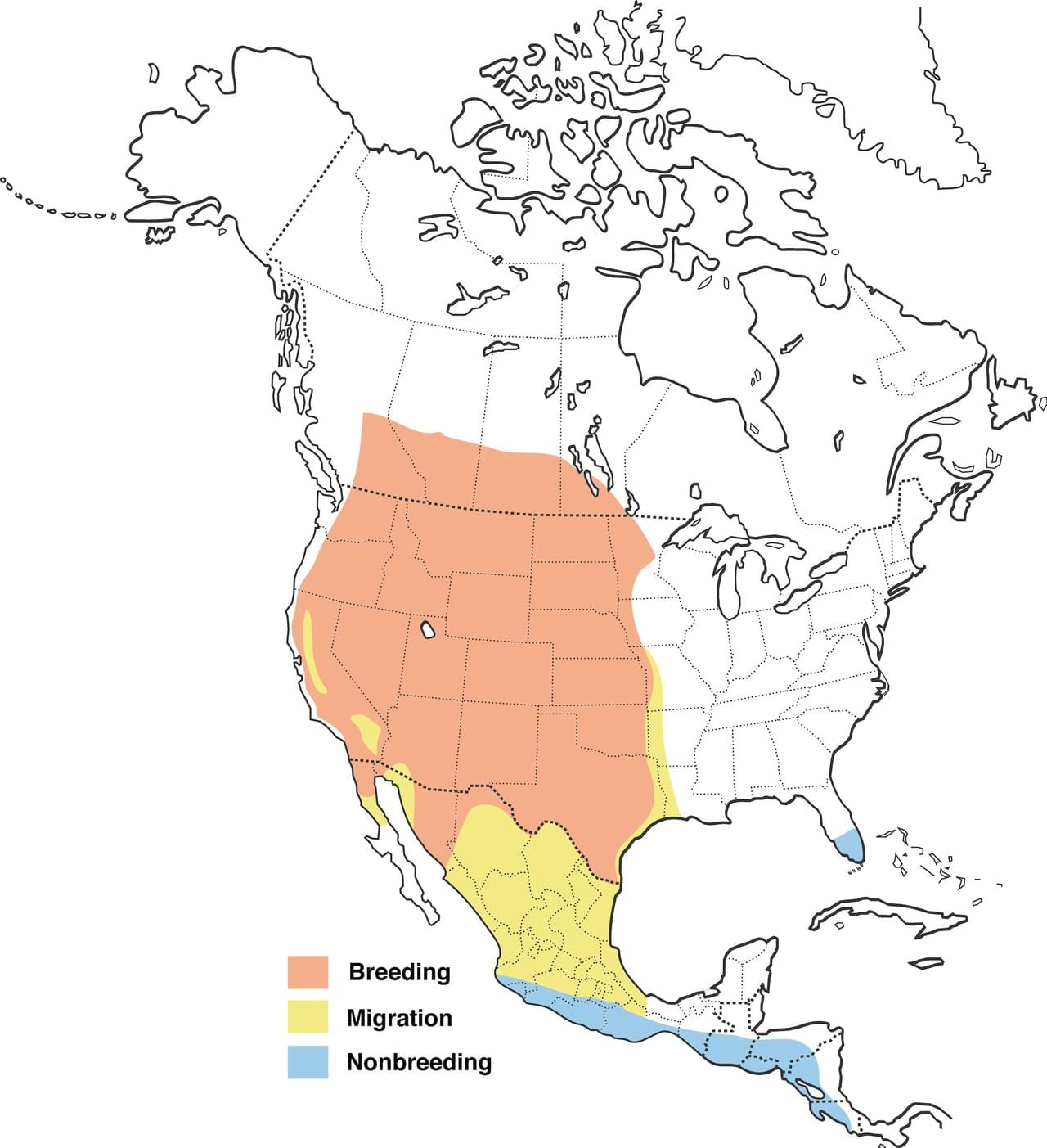
A second rare bird has been spotted on Eastern Point, a Western Kingbird. It was a rough day for photographing, too overcast, so here is a photo from wikicommons media so that if you are around the Point, you will know what to look for. The Western Kingbird is also far outside its range.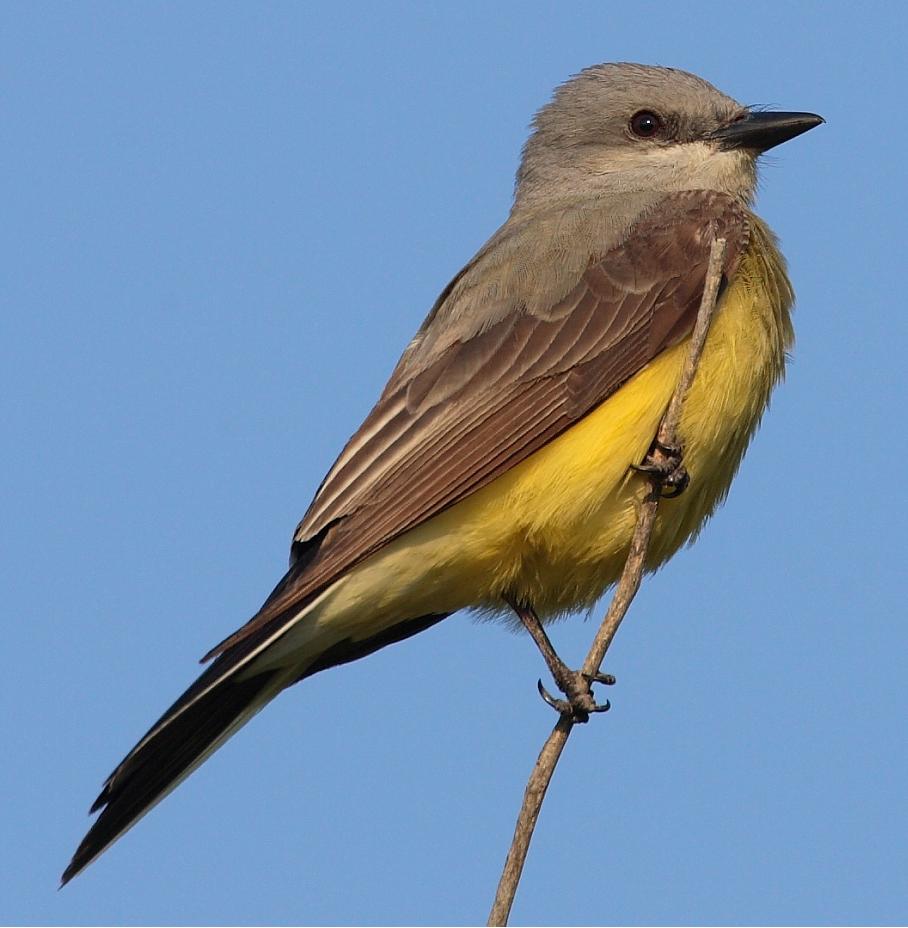

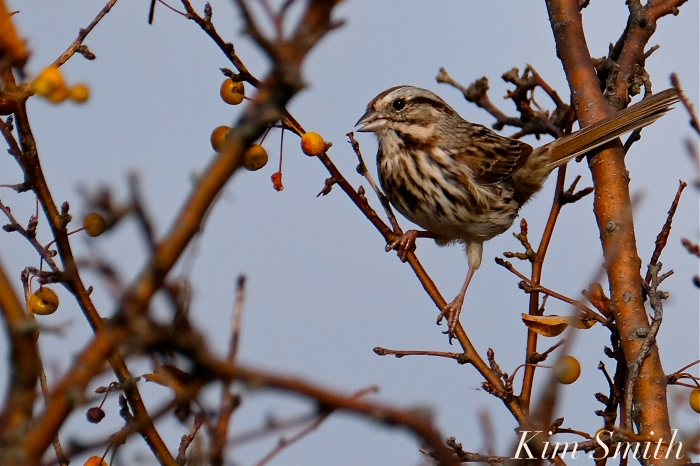
The melodious notes of the Song Sparrow are heard from sunup ’til sundown, spring, summer, and fall. Their beautiful song is most welcome, especially at this time of year when there are fewer songbirds on our shores and many that remain through the winter months don’t sing during the non-breeding season.
Song Sparrows have adapted to a wide variety of habitats. Despite the narrowness of the strip of land that separates freshwater Niles Pond from salty Brace Cove, Song Sparrows find plenty to forage on and excellent cover in the shrubby undergrowth found there.
Follow this link to hear the Song Sparrow’s song


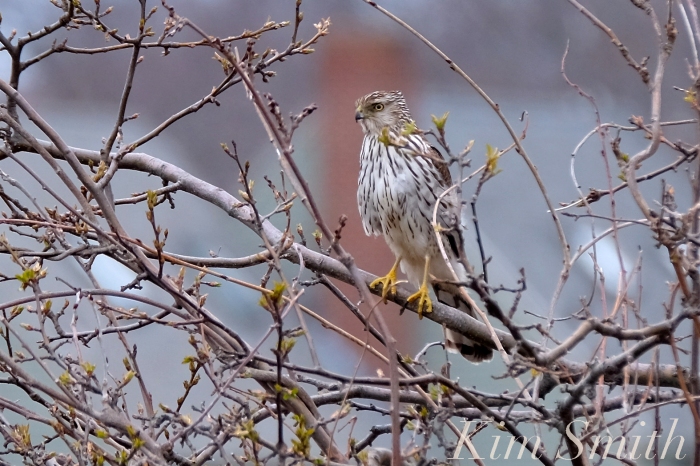
A random grouping of recently spotted birds. The Song Sparrow and Cooper’s Hawk were seen in the lot at Good Harbor beach. Beautiful creatures surround here on Cape Ann, even in parking lots 🙂
 Sanderlings migrating north


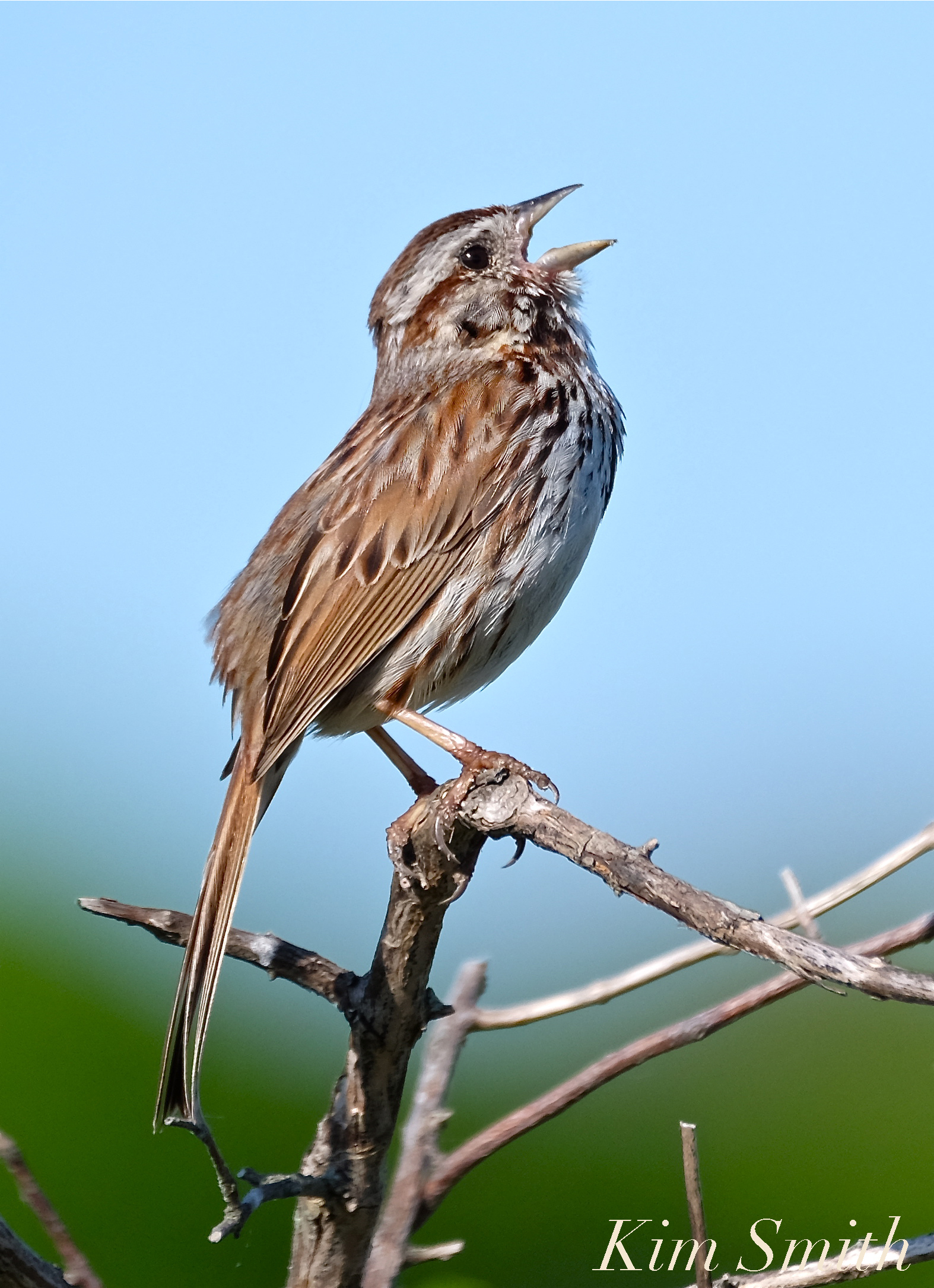 Song Sparrow Good Harbor Beach

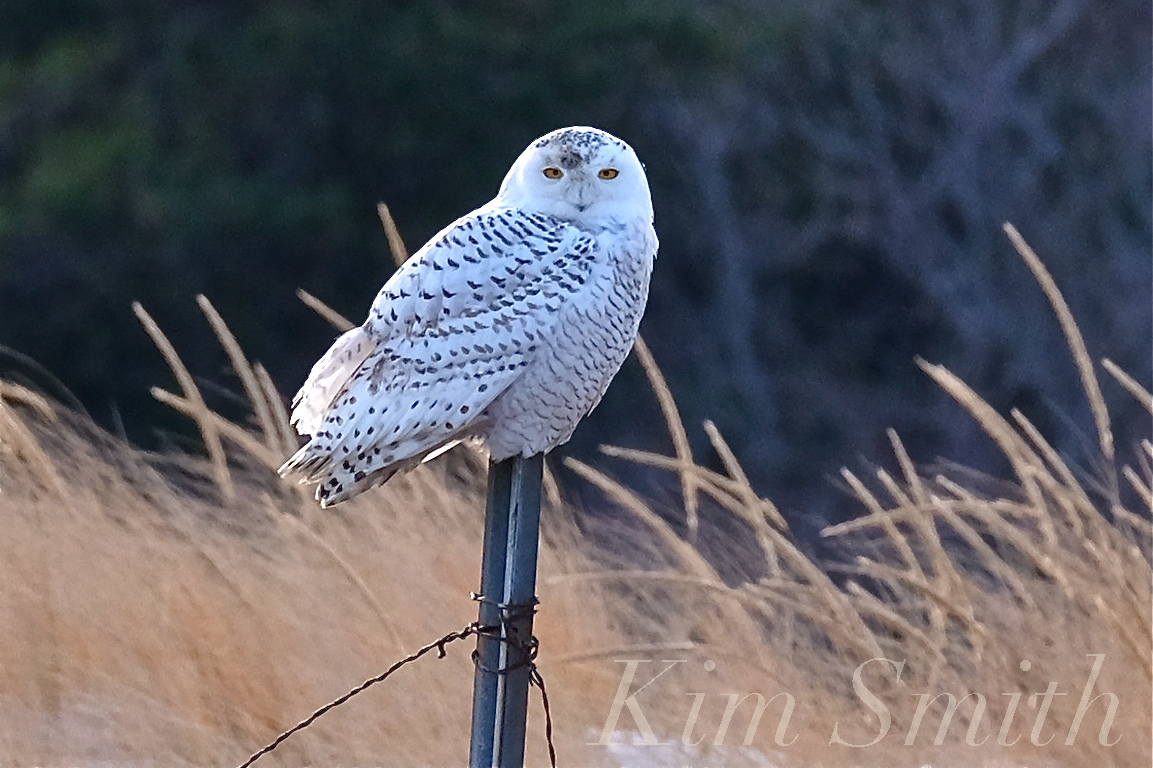 With early predictions of a Snowy Owl irruption heading our way and several sightings in Gloucester, I have been periodically popping over to Cranes Beach in Ipswich. Thanks to Bill Foley, Cranes Chief of Police (and Kate’s awesome Dad!), who showed me around and provided some great tips on locating the Snowies, I was able to find one second time out. The first day was a bust because a dog owner had allowed his dog off leash. I watched the dog chase the Snowy, who then headed far and away over the dunes. This made me so very sad for myriad reasons, but especially so at Cranes Beach because there is a fabulously huge area that dogs are allowed off leash. Anyhow, seeing the Snowy that first day, and knowing he was there, was all I needed to keep trying.
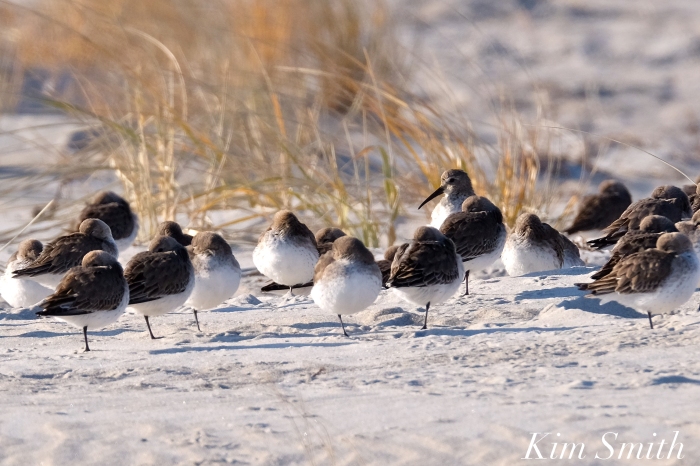
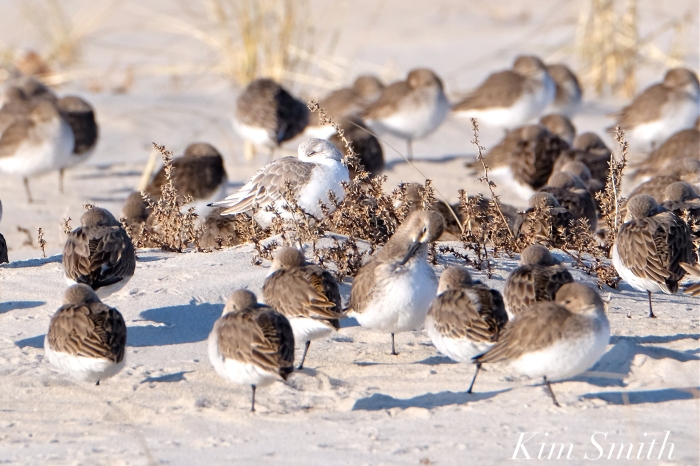
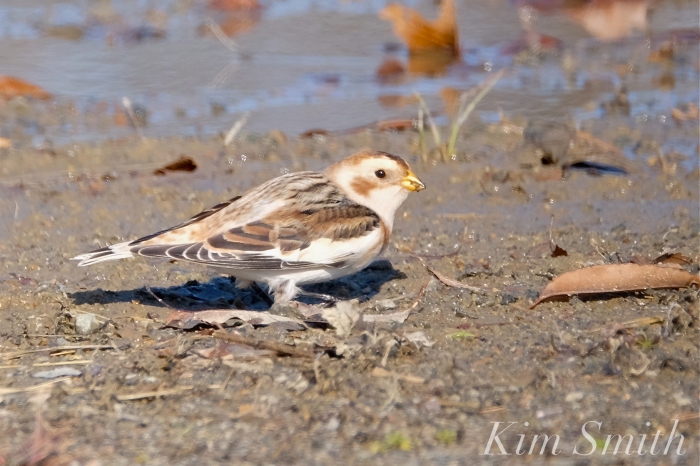
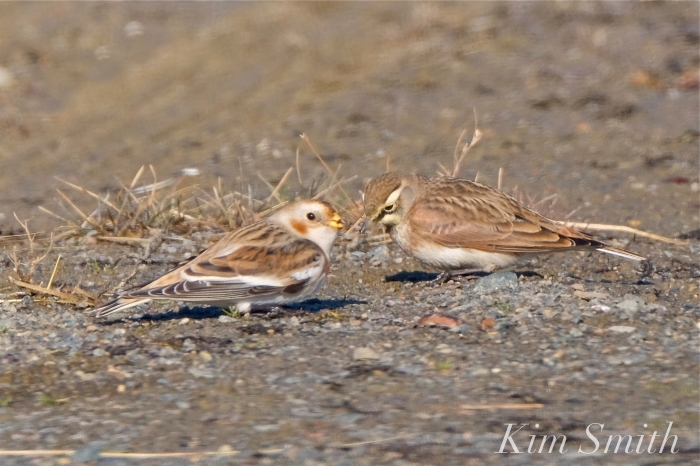
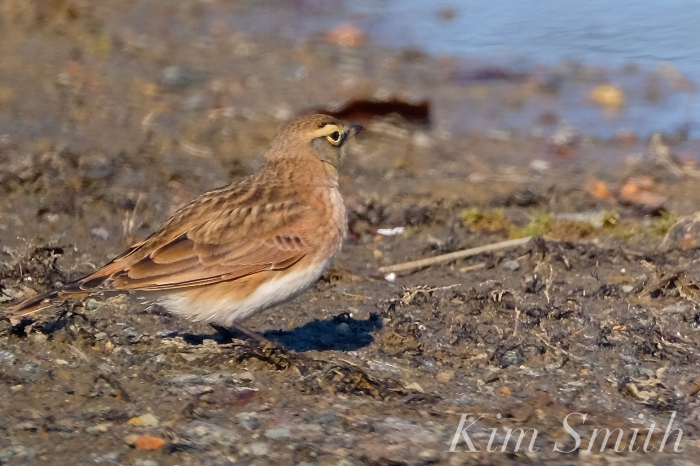
Dunlins, Sanderlings, Snow Buntings, and Horned Lark
That day, a flock of Dunlins was resting in the sand, with one lone Sanderling, and there was a small flock of Snow Buntings in the parking lot. Feeding amongst the flock was, what I believe to be, a female Horned Lark!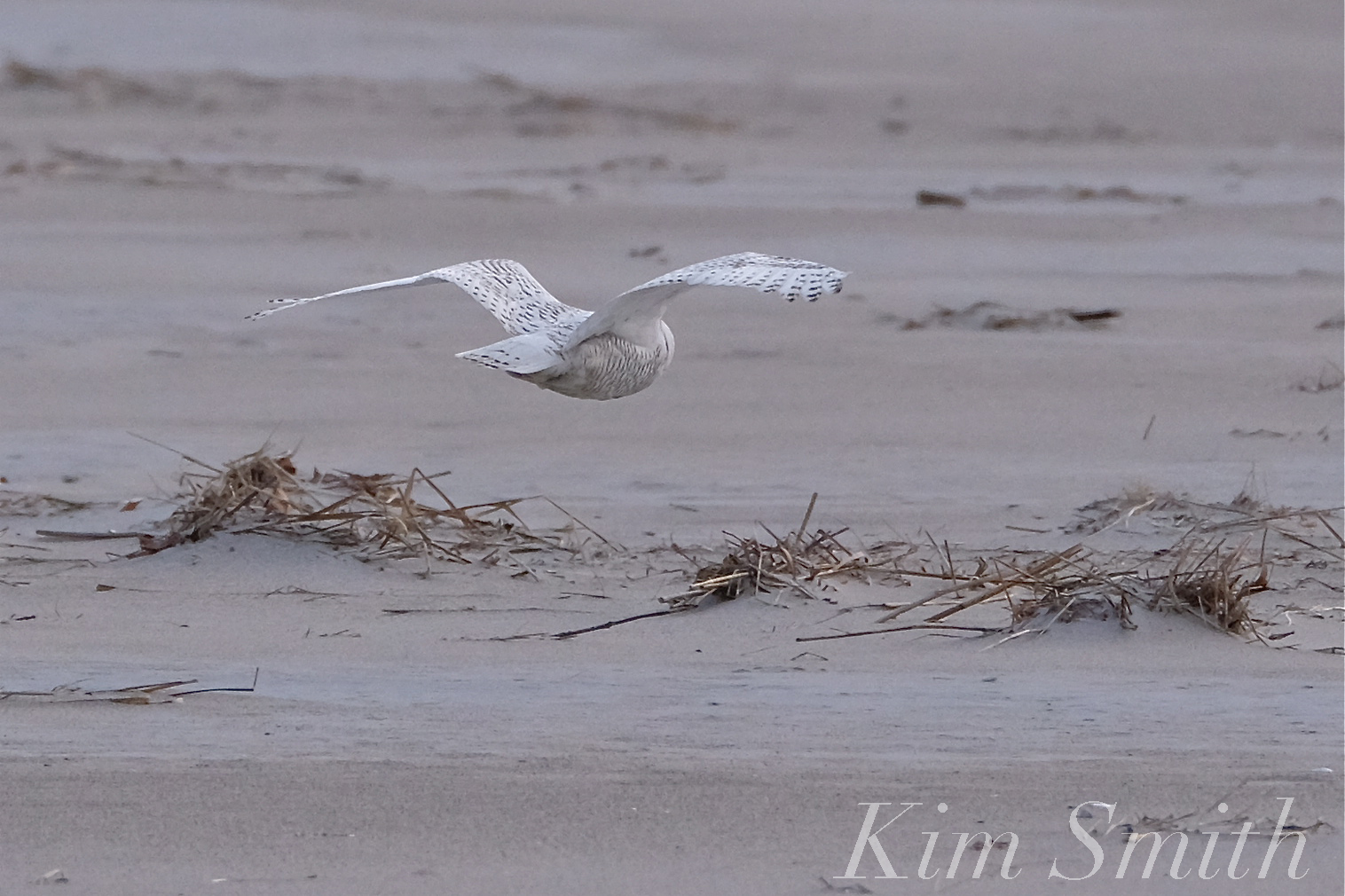 Second day out was wonderfully rewarding. Approaching the stairs to descend to the beach, I inadvertently startled a Snowy and he flew from the area, way, way down the beach, perching on one of the poles that mark the access to the Green Trail. Off I trudged in 15 degree weather, keeping my eyes peeled on where he was resting. He stayed for quite some time while I stood back at a great distance, not wanting to disrupt his hunting. Suddenly, and with what I thought, great bravery, he flew quite close and past me, heading over to the sandy beach. I wasn’t anticipating his flight and didn’t get much of a photo, but it was exquisite to see.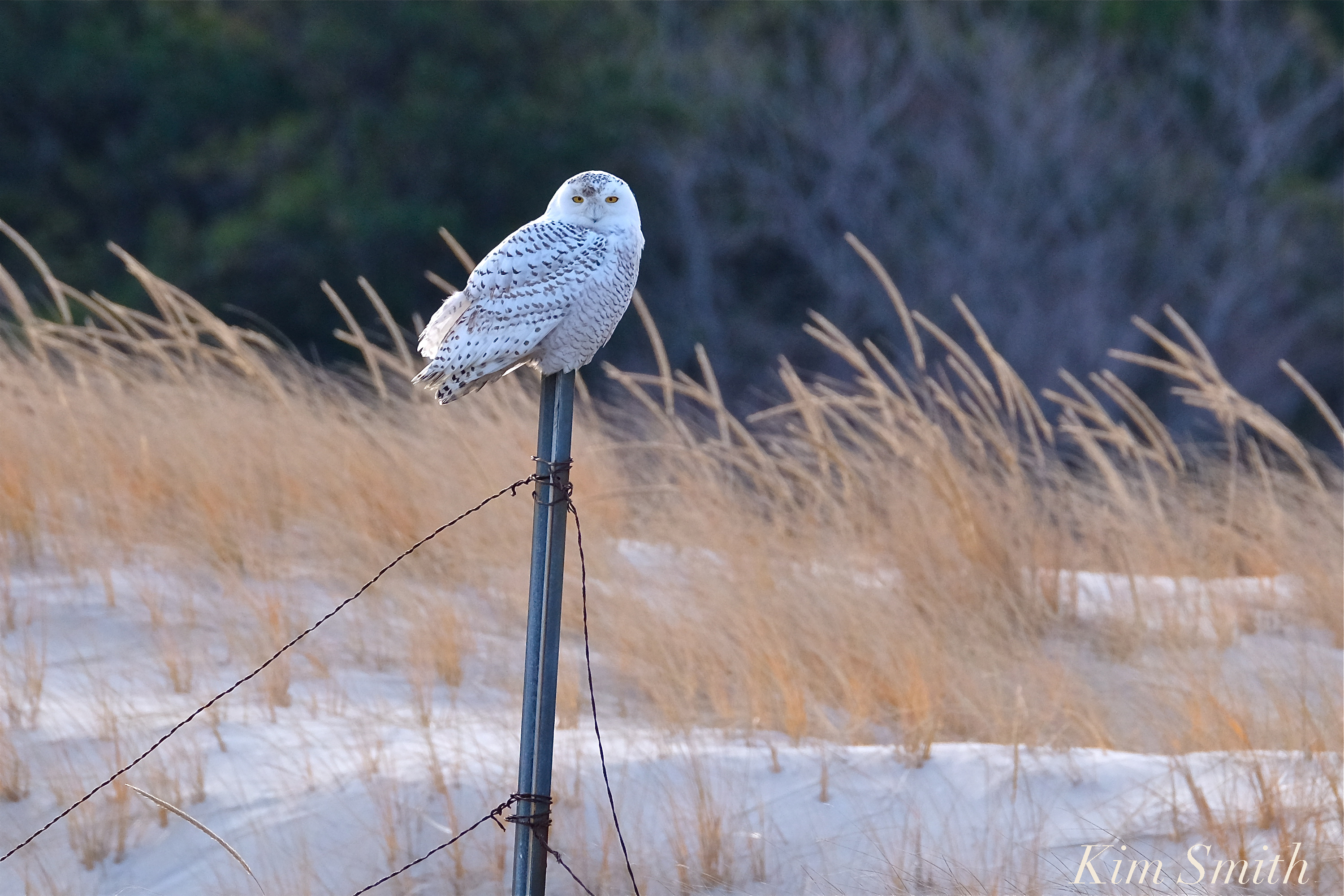
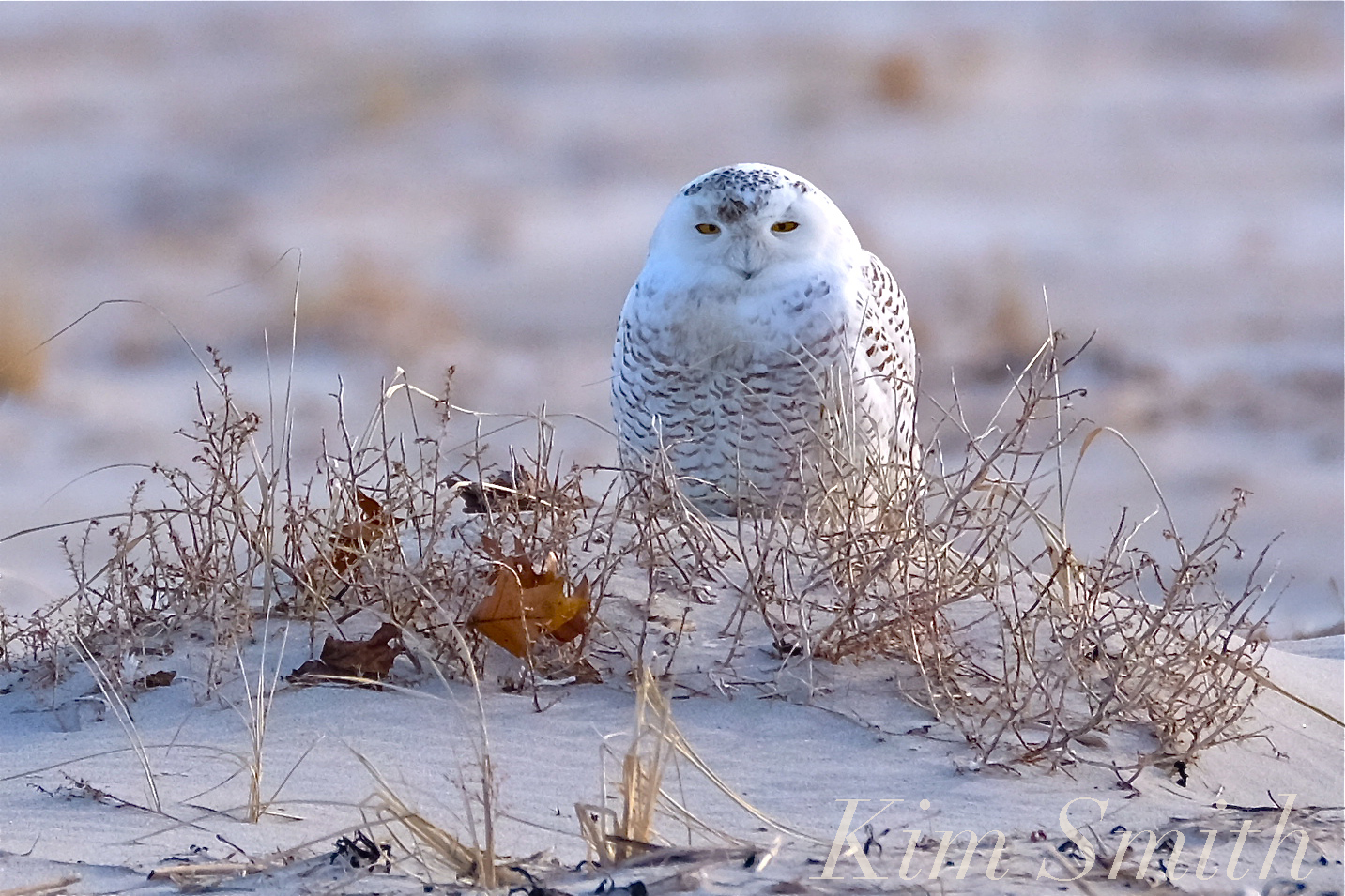
 The temperature had climbed to twenty, but I was getting worried about exposed photo fingers and frostbite. After taking a few more photos and some footage of the Snowy in the sand, I very reluctantly headed home.


Today I didn’t see the Snowy Owl, but did find a scattering of Snowy feathers in the sand, in the same area where one had been hunting the previous week. I showed the ranger at the gate, Emily White, the feathers and she confirmed they were from a Snowy. She said that hawks and falcons will attack Snowies. I didn’t see any bones or body parts, so hopefully it wasn’t a fight to the death. Emily was super helpful and shared lots of useful information. This year’s Audubon Christmas Bird Count at Cranes was relatively uneventful, with fewer numbers counted than usual. Many more beautiful birds will be arriving to our shores in the coming weeks, foraging in the dunes and shrubby habitat, and hopefully, there will be lots more Snowy Owl sightings! Emily White, Cranes Ranger
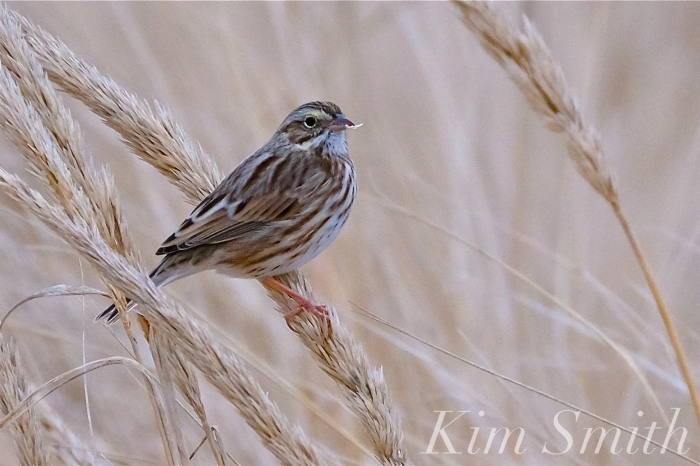
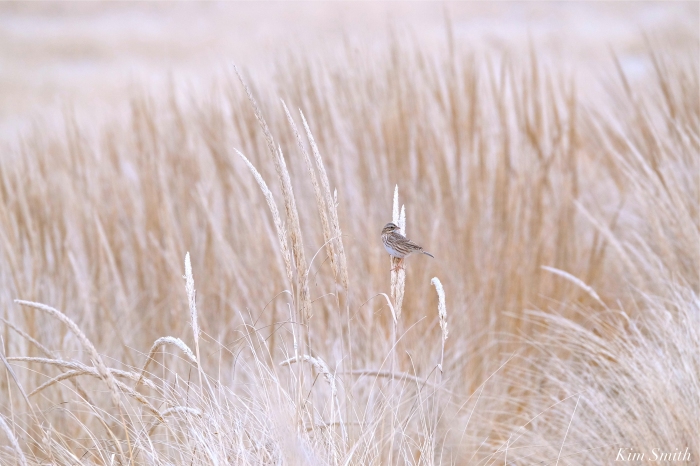
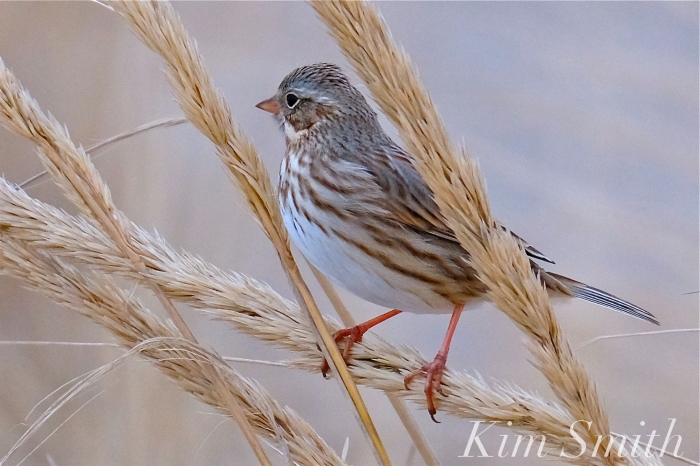
Song Sparrow eating ripe beach grass seed heads.
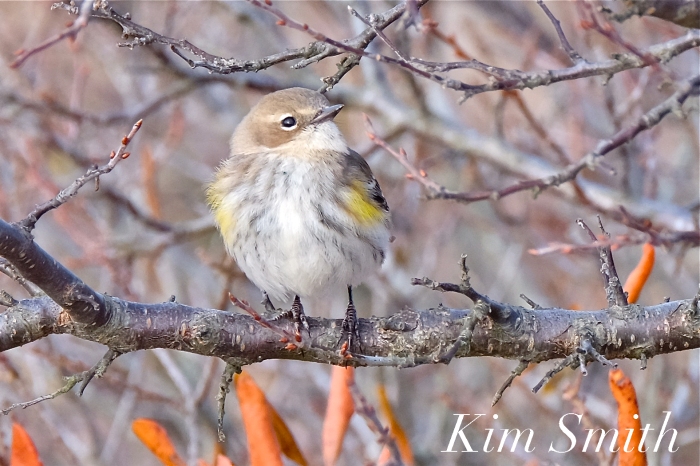
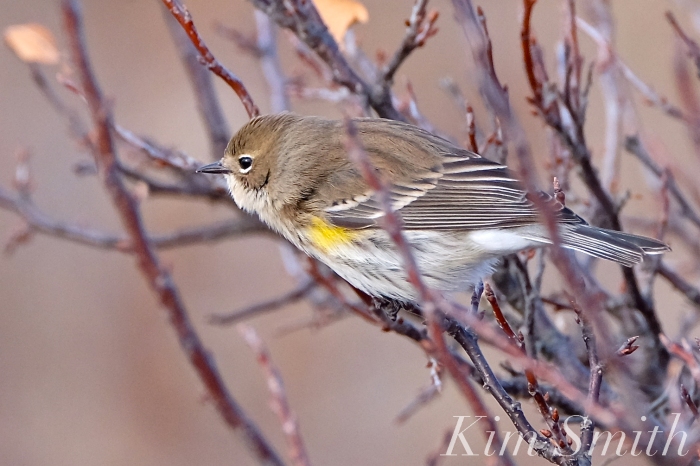
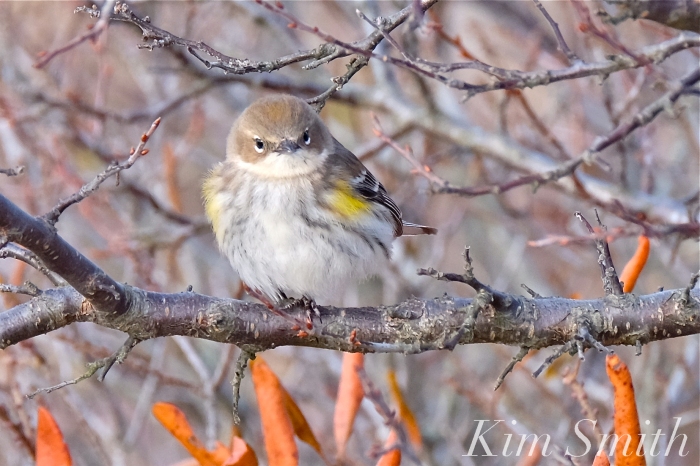

Yellow-rumped Warbler winter plumage.
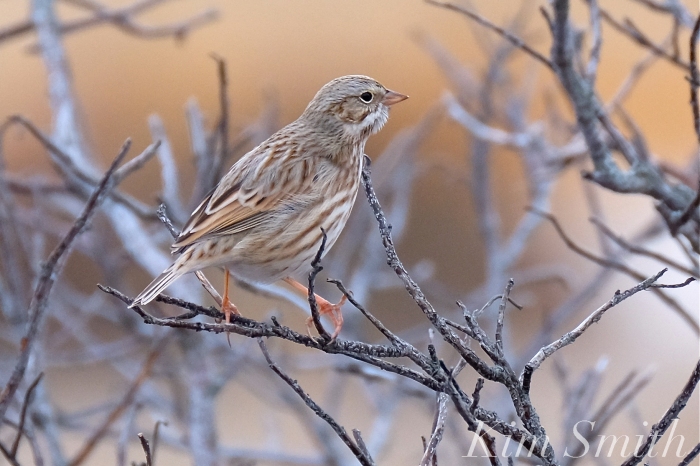
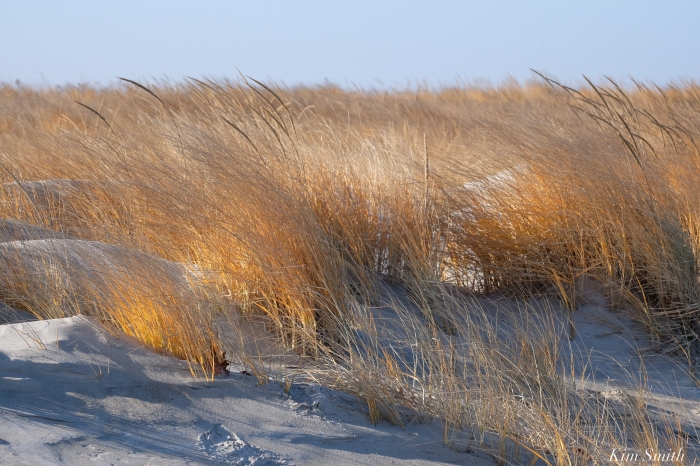
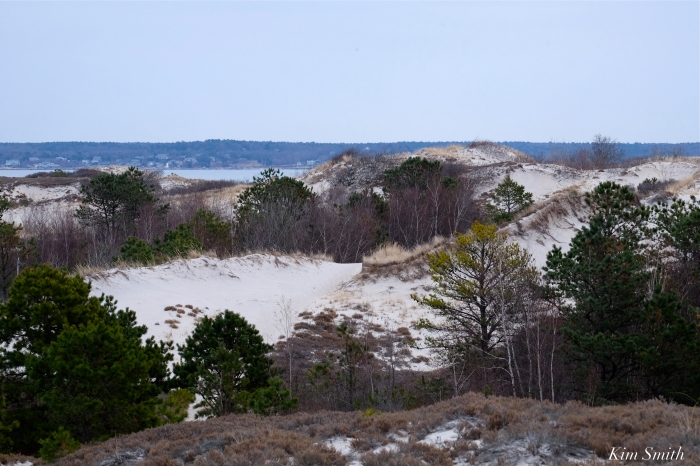
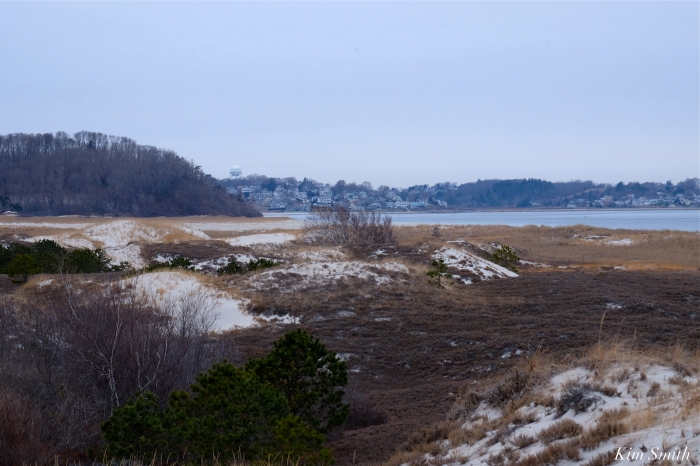


More scenes from the Green Trail
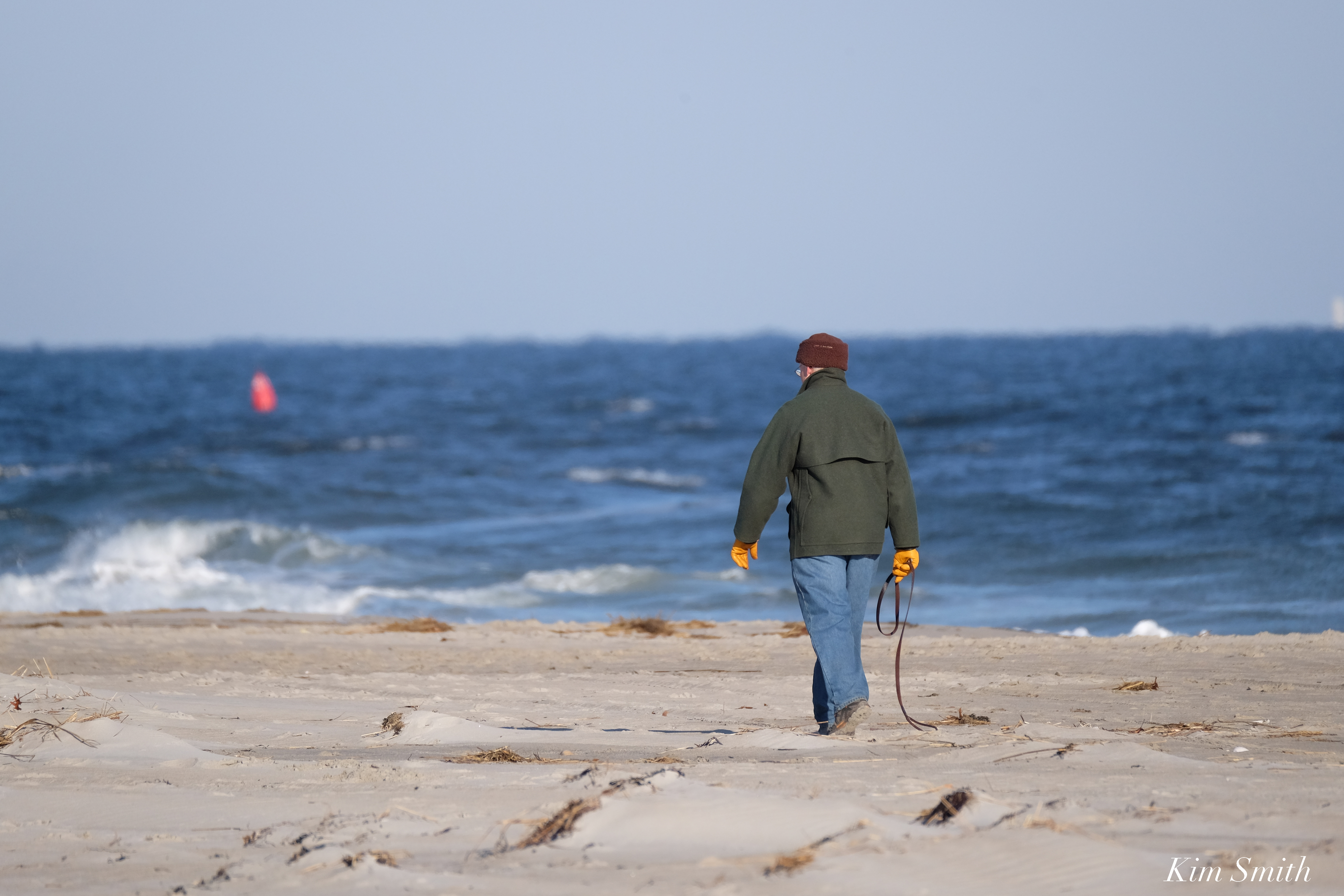 Scofflaw dog owner


Great Egret Flying Over Perched Osprey
There is much to chortle about in this latest Cape Ann Winged Creature Update. Early April marked the arrival of both Snowy and Great Egrets, Black-crowned Night Herons and Great Blue Herons. Osprey pairs and evidence of Osprey nest building can be seen wherever Essex Greenbelt platforms have been installed. Northern Pintail and American Wigeon Ducks are stopping over at our local ponds on their northward migrations while scrub and shrub are alive with the vibrant song of love birds singing their mating calls. Oh Happy Spring!

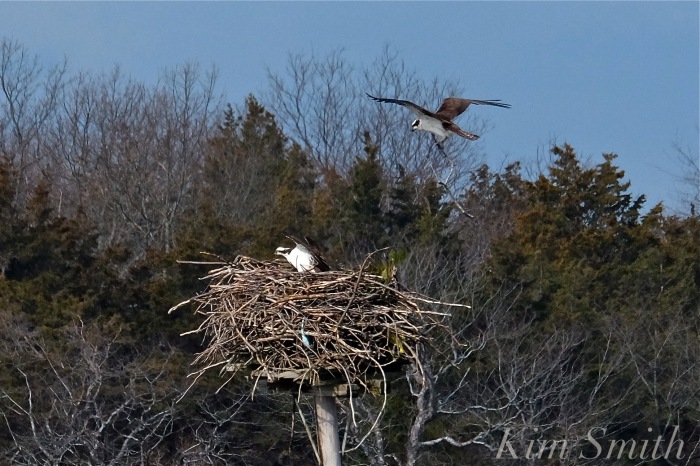
Ospreys Nest Building


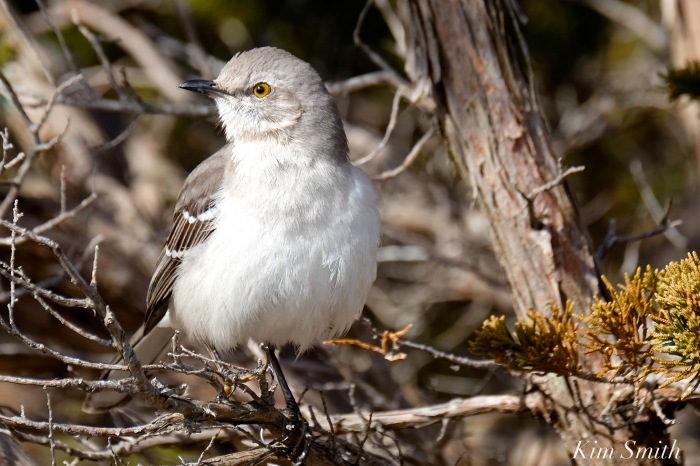
Northern Mockingbirds Singing
 Blackbird Tree

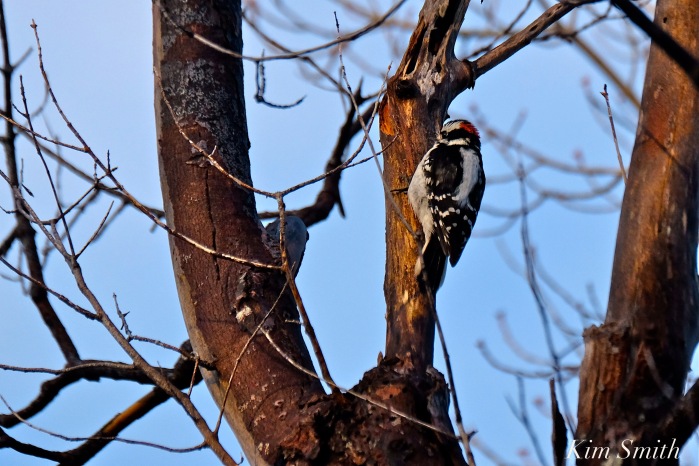


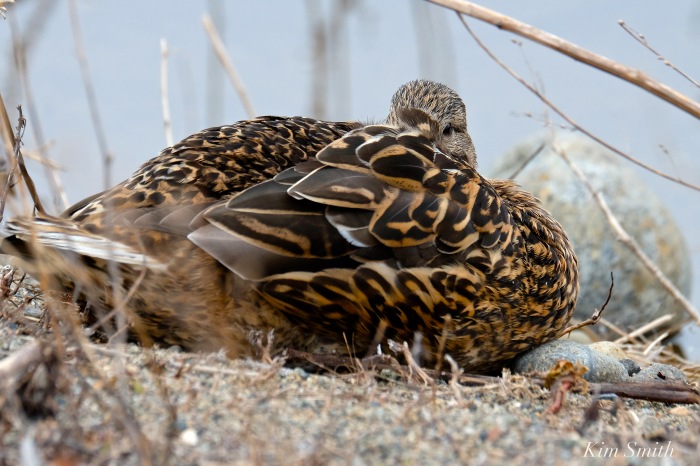


 Female American Wigeon
 Gadwall (center), Male Pintail, Mallards, Male and Female American Wigeons

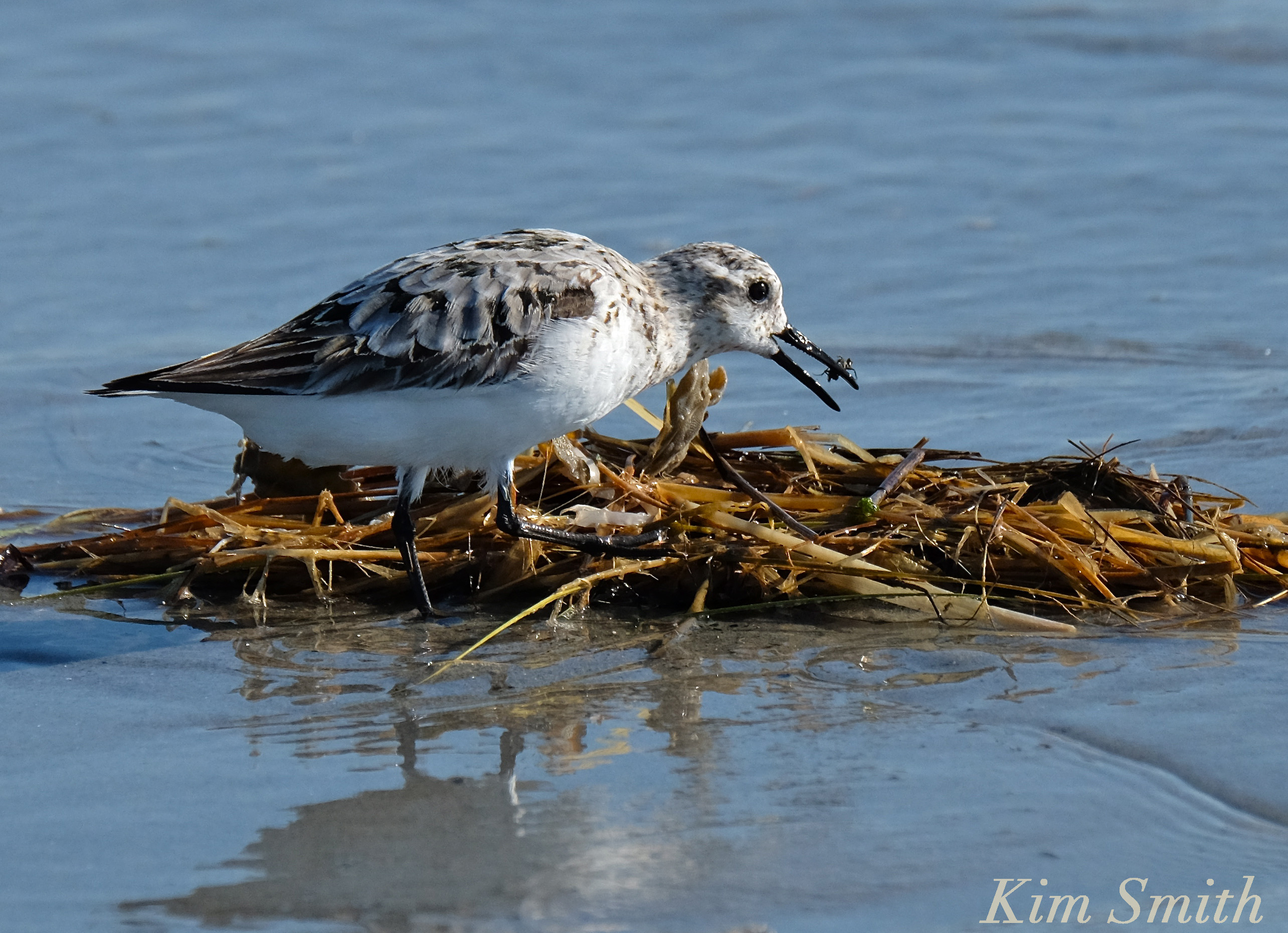
My grandmother was fond of saying “the early bird catches the worm.” I assumed she said that because I adored getting up early to eat breakfast with my grandfather before he left for work. In a large family with siblings and cousins, I had him all to myself in those day break hours. Having developed a passion and love for wild creatures and wild places, I understand better what she meant. She and my grandfather built a summer home for their family in a beautiful, natural seashore setting and both she and my parents packed our home with books and magazines about nature. Now I see her design…
Wednesday morning at day break, beautiful scene, beautiful creatures by the sea’s edge

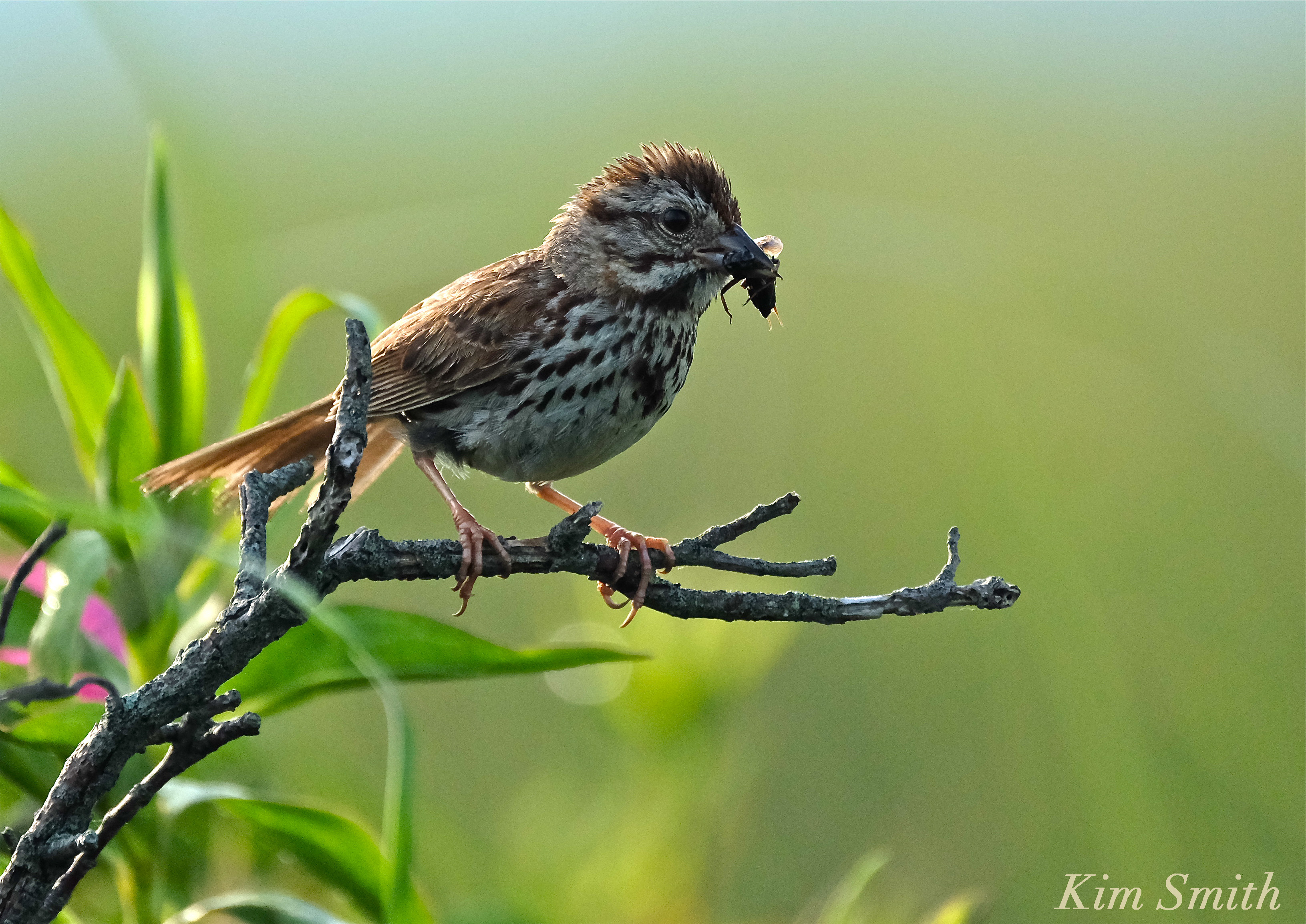 Song Sparrow breakfast
 American Robin fledgling, note its speckled breast feathers
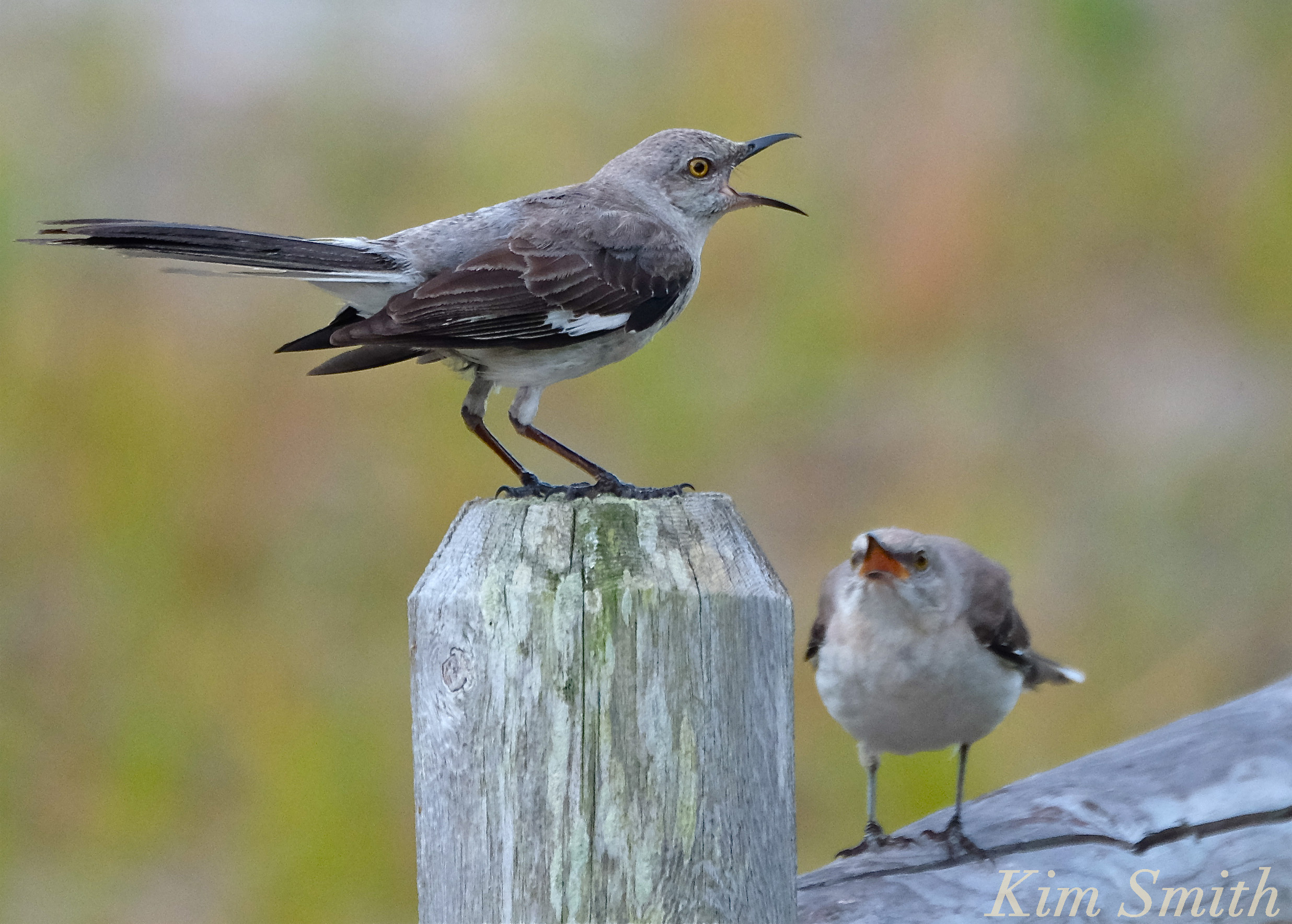 Mockingbird feeding its fledgling
 Song Sparrow and Virginia Creeper (Parthenocissus quinquefolia) flowers and fruit
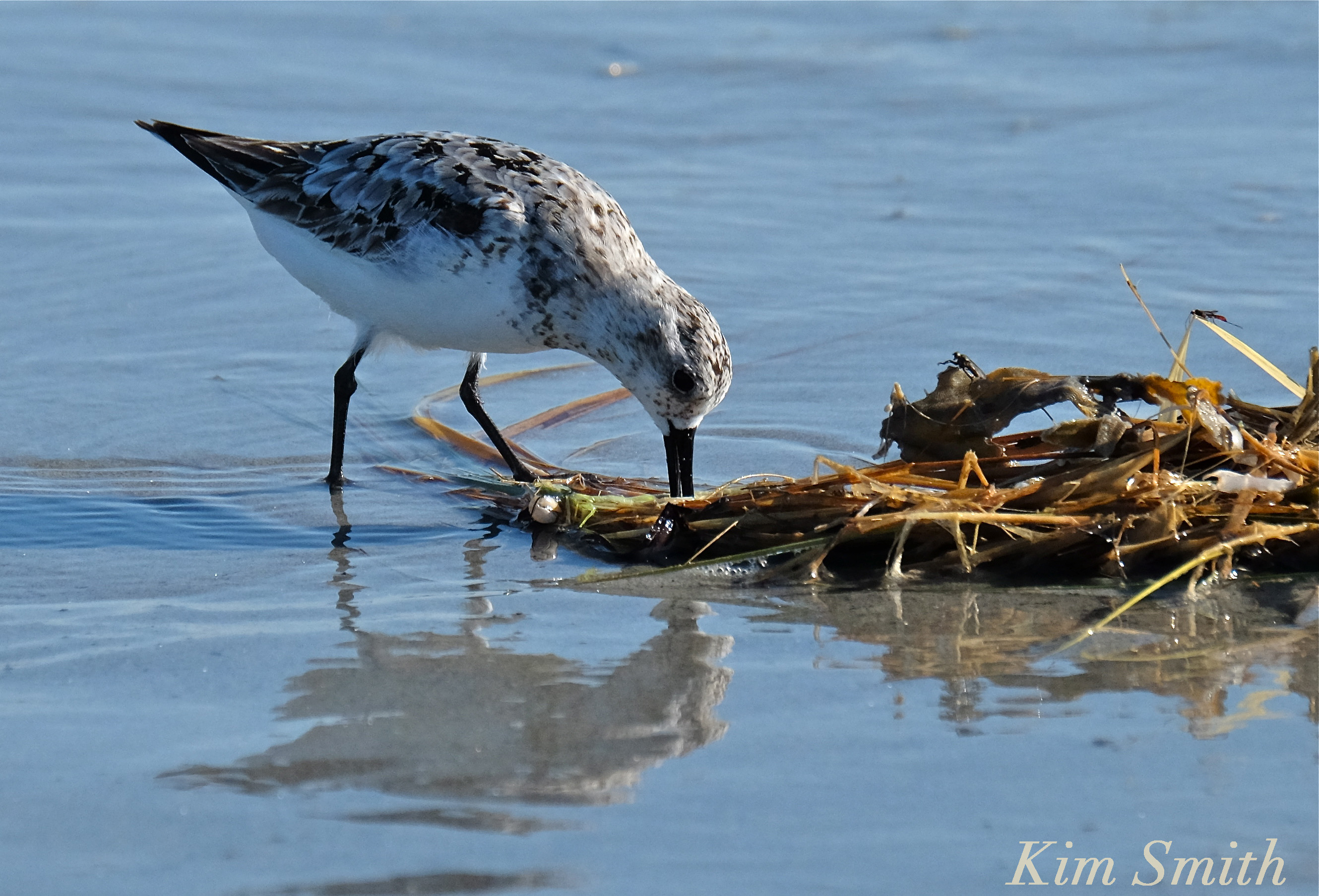 Sanderling
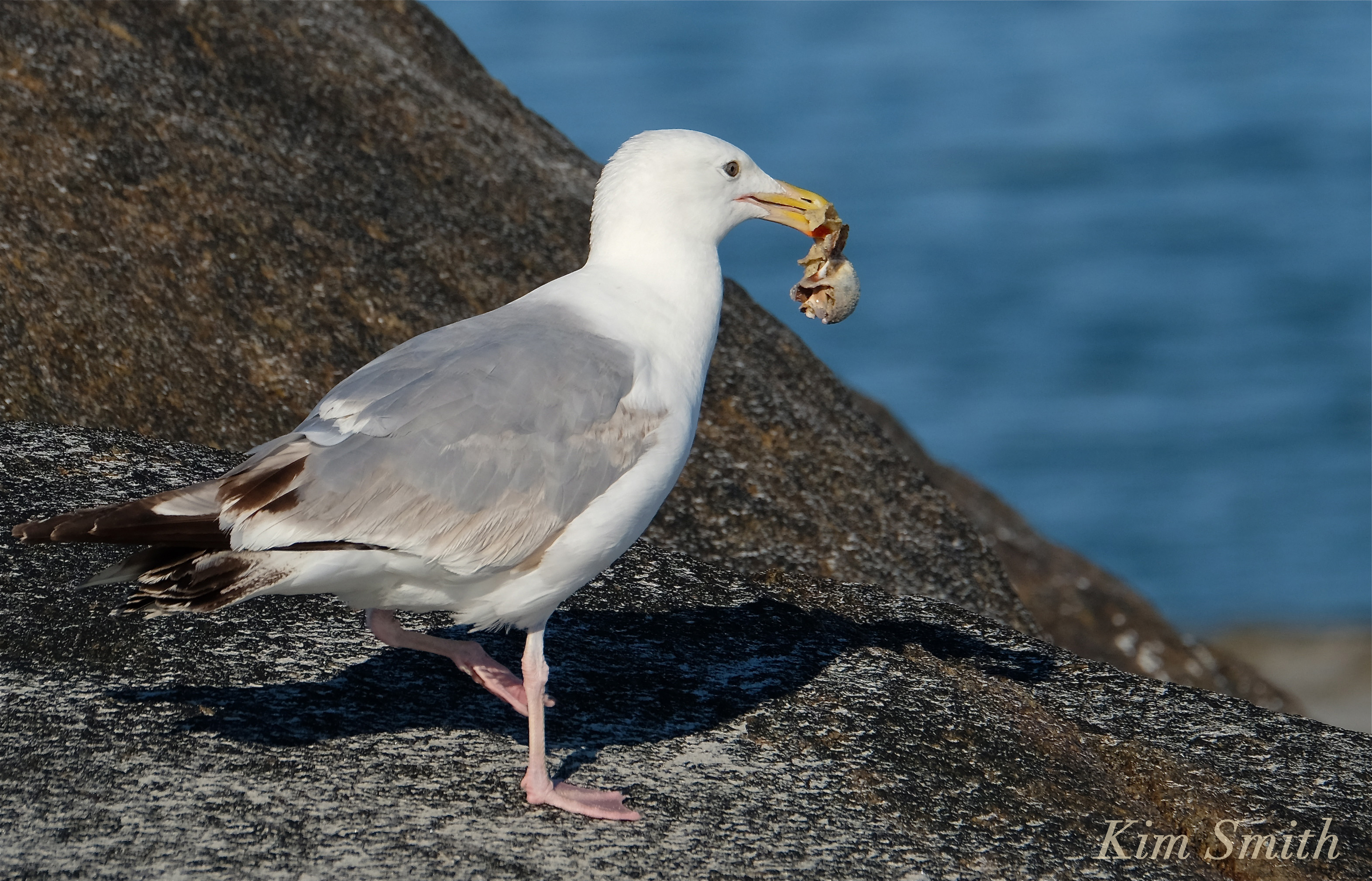


Not really gross, but actually quite beneficial!
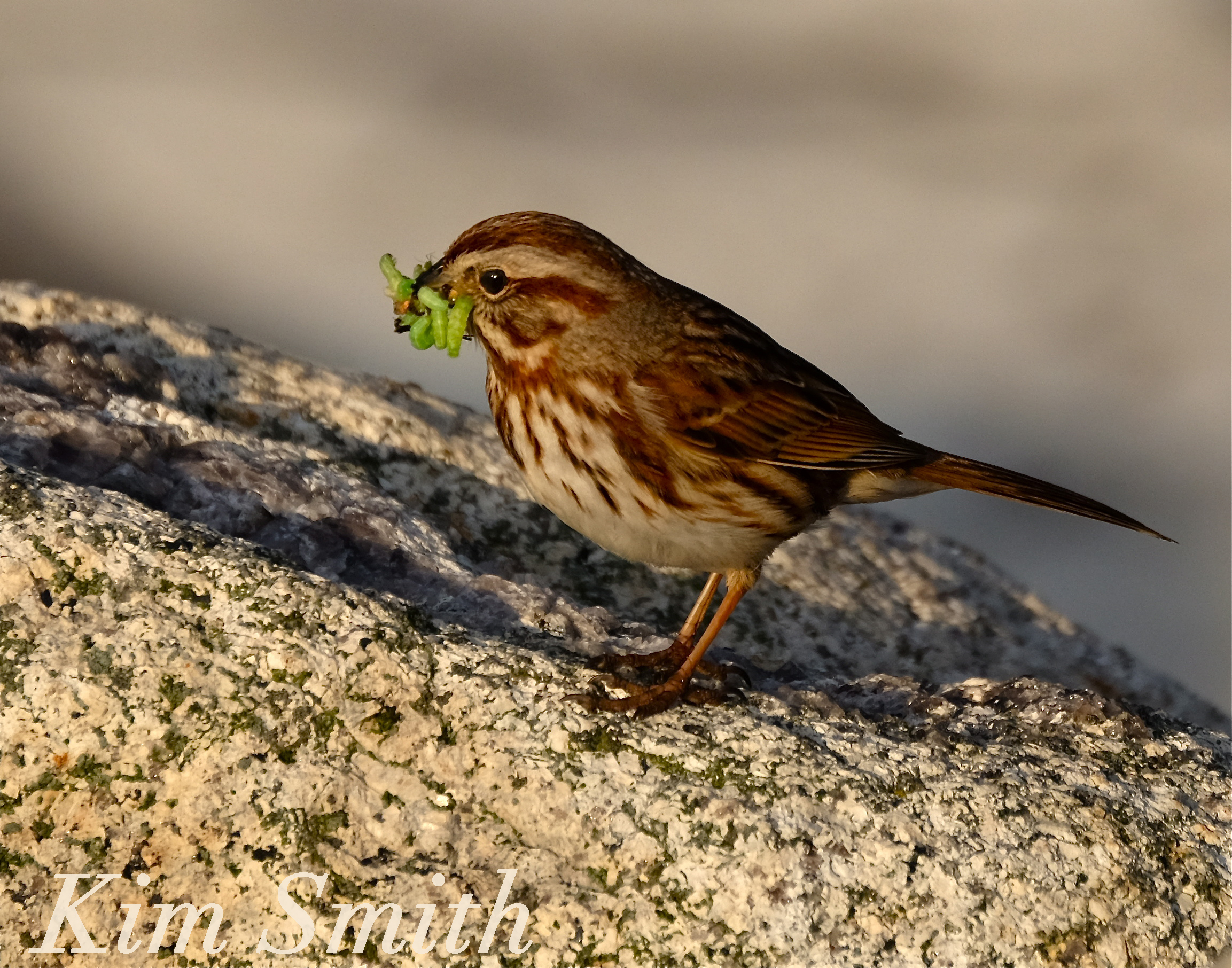
Through my camera’s lens, I thought this sweet little Song Sparrow was hopping around with a breakfast of leaves until downloading the photos. Rather, his mouth is stuffed with what appears to be the larvae of the Winter Moth, those annoying little green caterpillars that dangle from trees, which pupate into the dreaded adult Winter Moths, which are destroying trees and shrubs throughout the region. So, thank you Song Sparrow!
The Song Sparrow was most likely bringing the caterpillars to its nestlings. Although adult Song Sparrows prefer seeds, to a newly hatched bird a plump juicy green caterpillar is easy to digest and rich in nutrients. As a matter of fact, most songbirds rear their young on insects. The Song Sparrow photo illustrates yet another reason why it is so important not to spray trees with pesticides and herbicides. When a landscape is pesticide free, a natural balance returns. Insects are bird food!

Scenes from this morning’s Good Harbor Beach sunrise.

Pink and violet hues when I arrived at 5:15 quickly gave way to reds and yellow, and then the looming gray mass of clouds overtook the sky.

 Beauty abounds–from the grandest skies to the smallest creatures–that’s life at the edge of the sea.
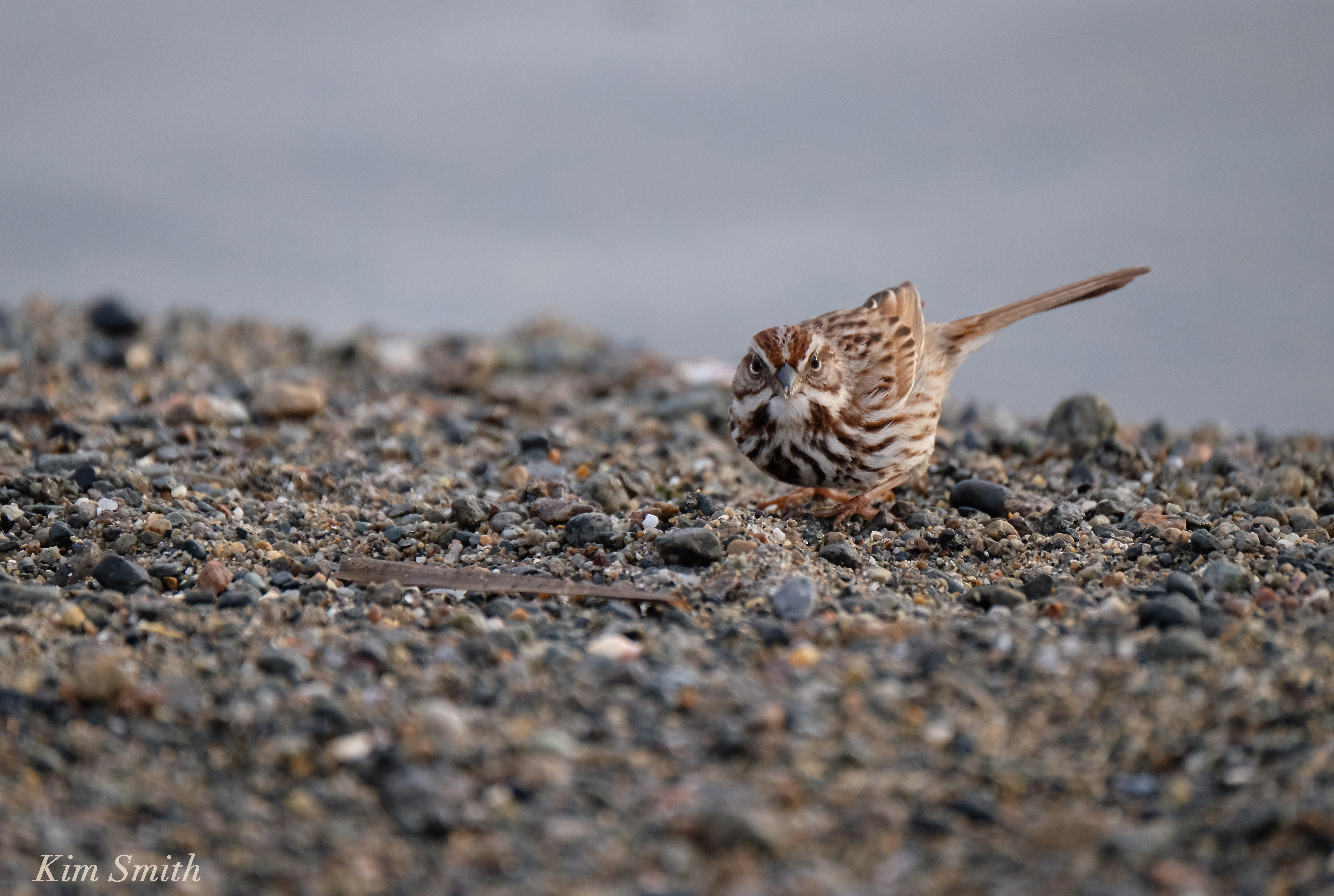 This fearless little Song Sparrow ate breakfast at my feet
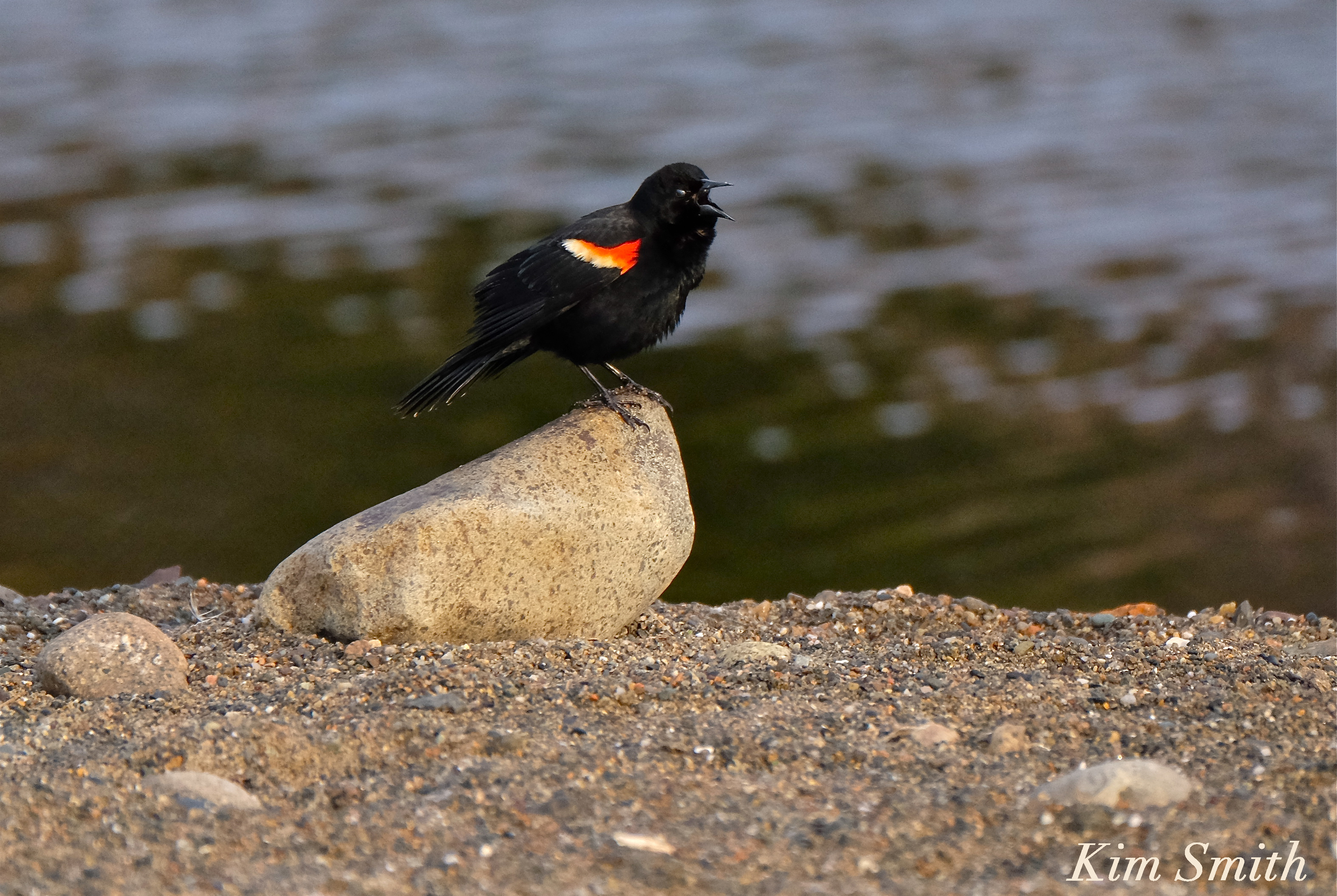 Morning songster
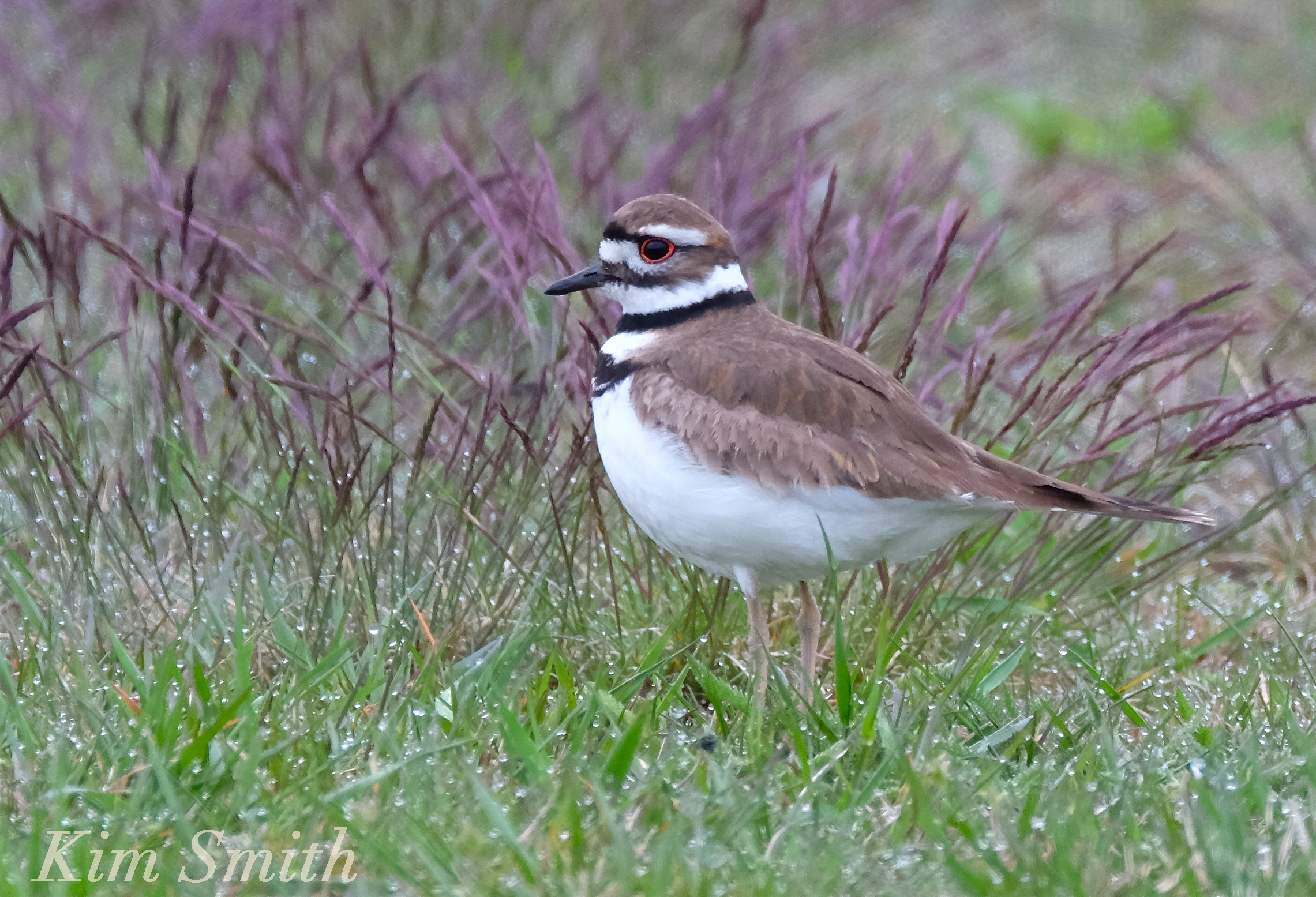 Kildeer trying her hardest to distract me from her nest

Good morning from Brace Cove, and what a gorgeous morning it was!


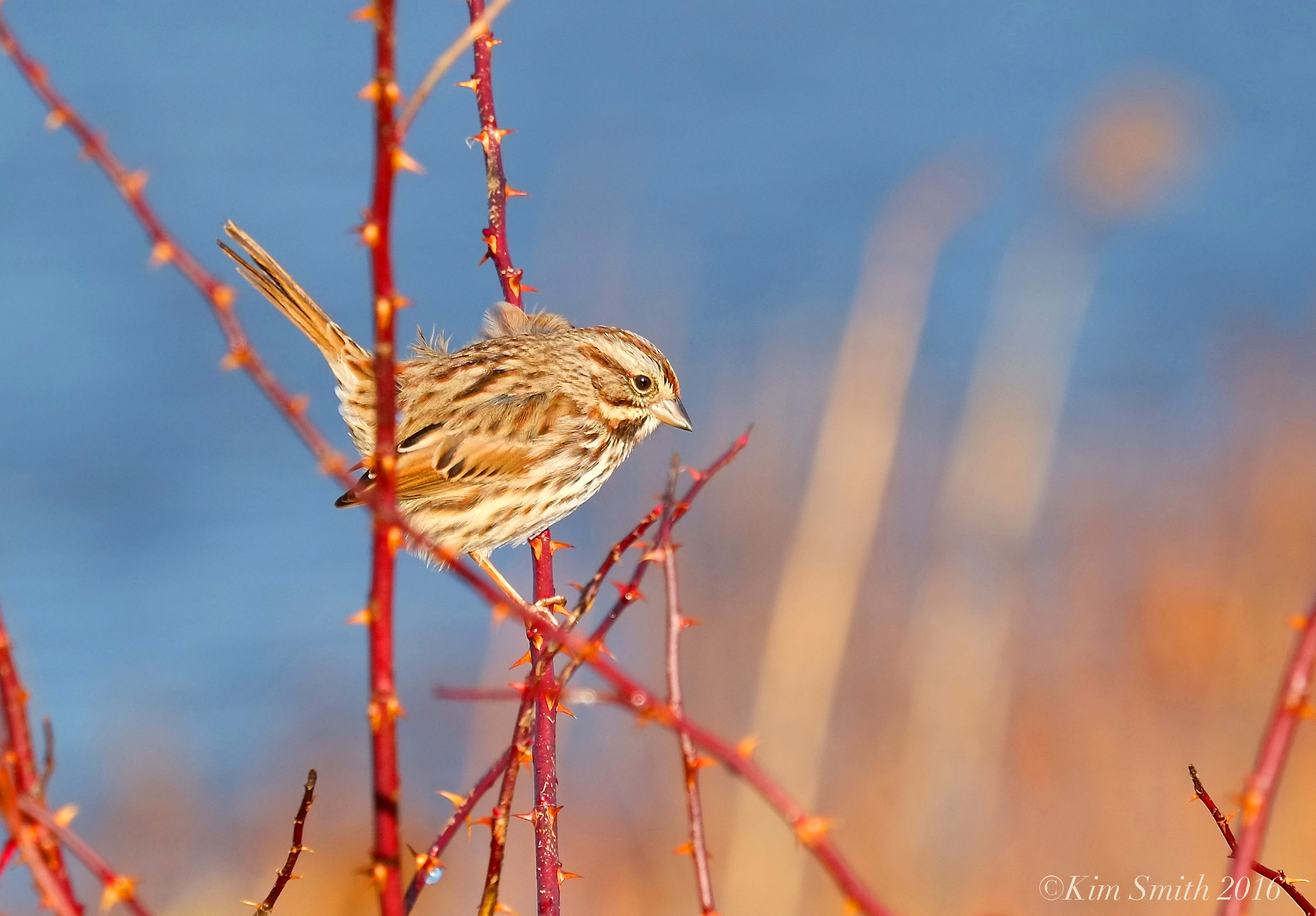 Cheery Song Sparrow First Light

 While filming B-roll for several projects I caught the sunrise at Brace Cove this October morning. The seals were awakening, as were the swan couple, the cormorants and gulls stretching wide their wings, and the songbirds breaking fast on the abundance of wild berries and seed heads found along the berm at Niles Pond. Click image to see full size.
 Brace Cove Seals

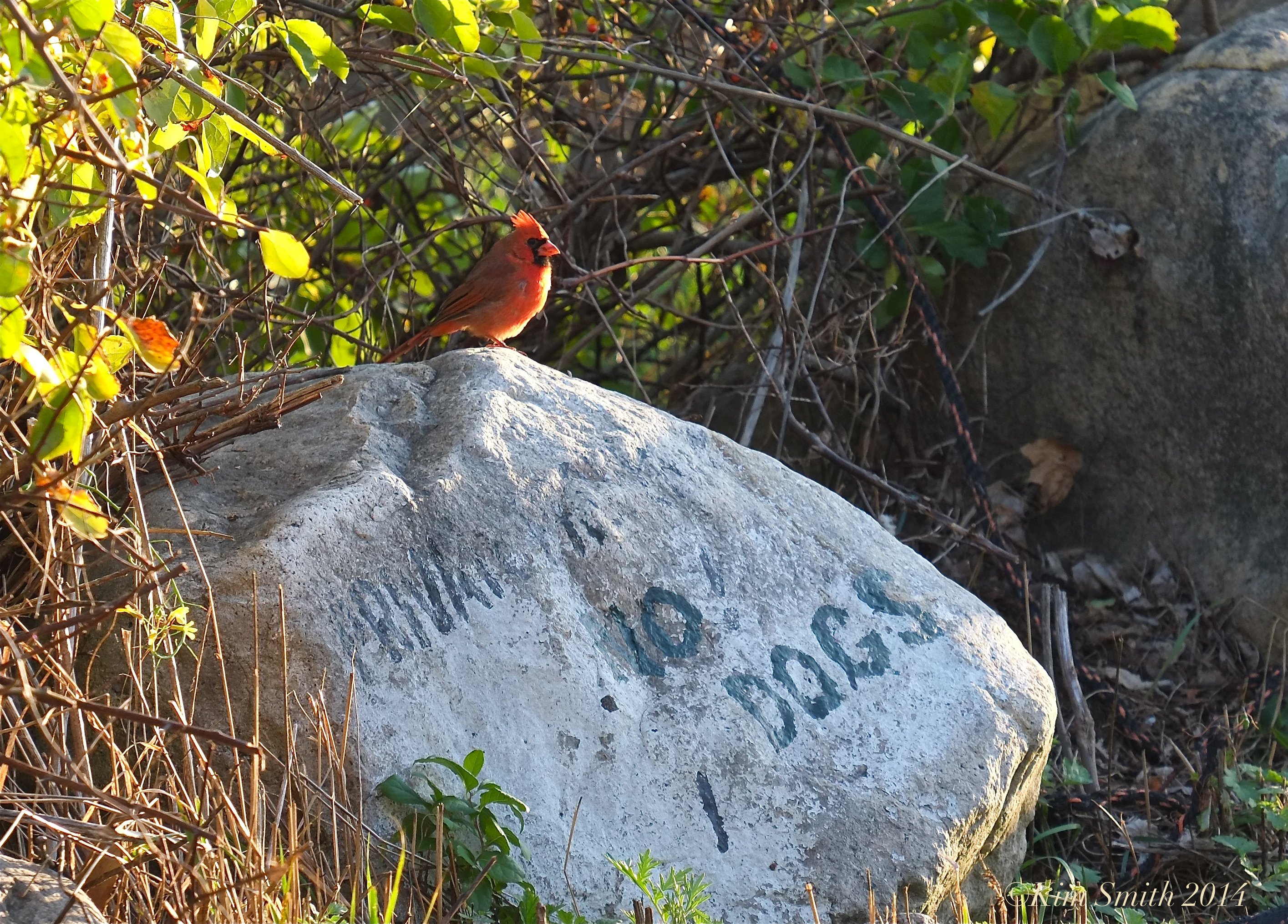 Juvenile Male Cardinal
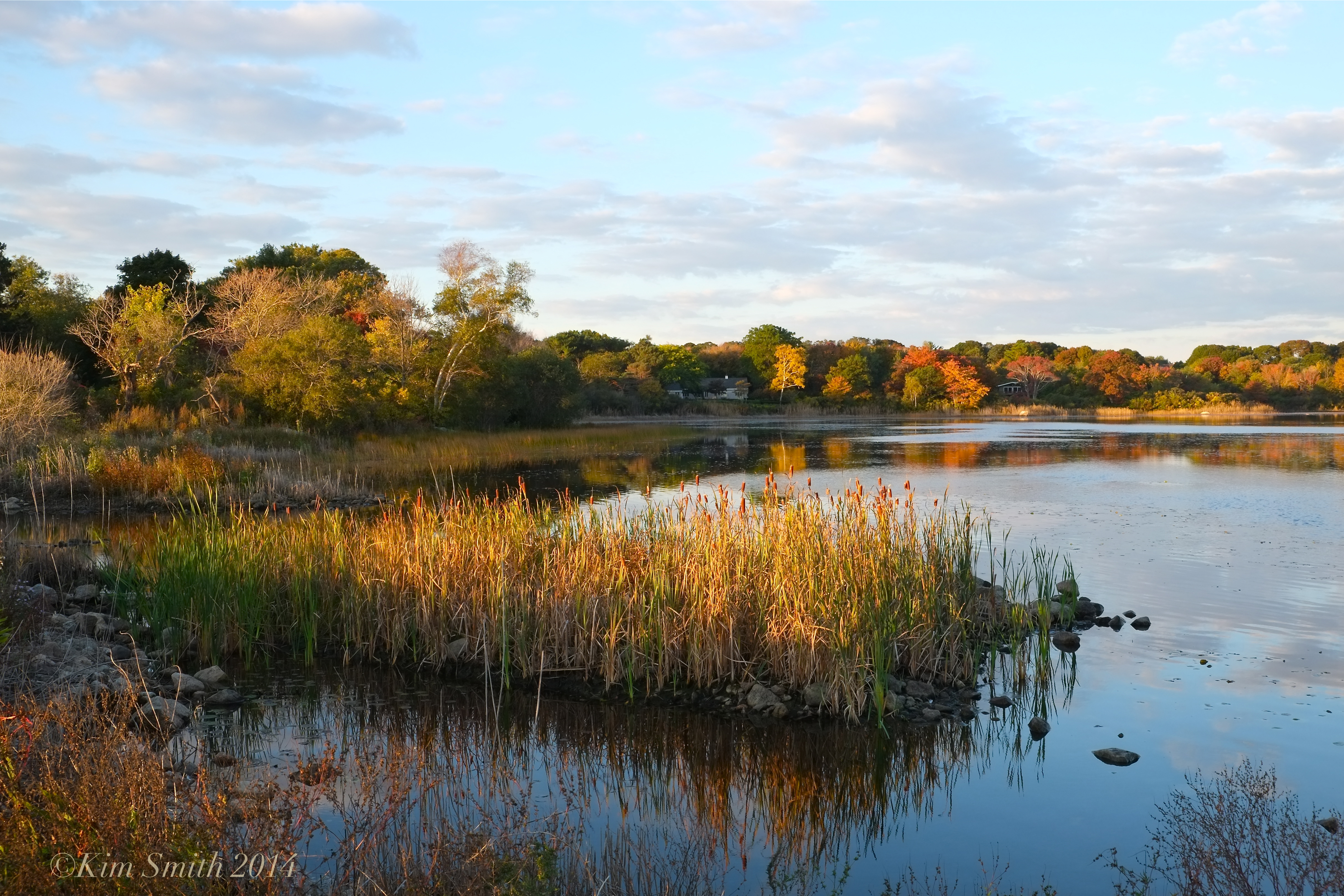 Niles Pond
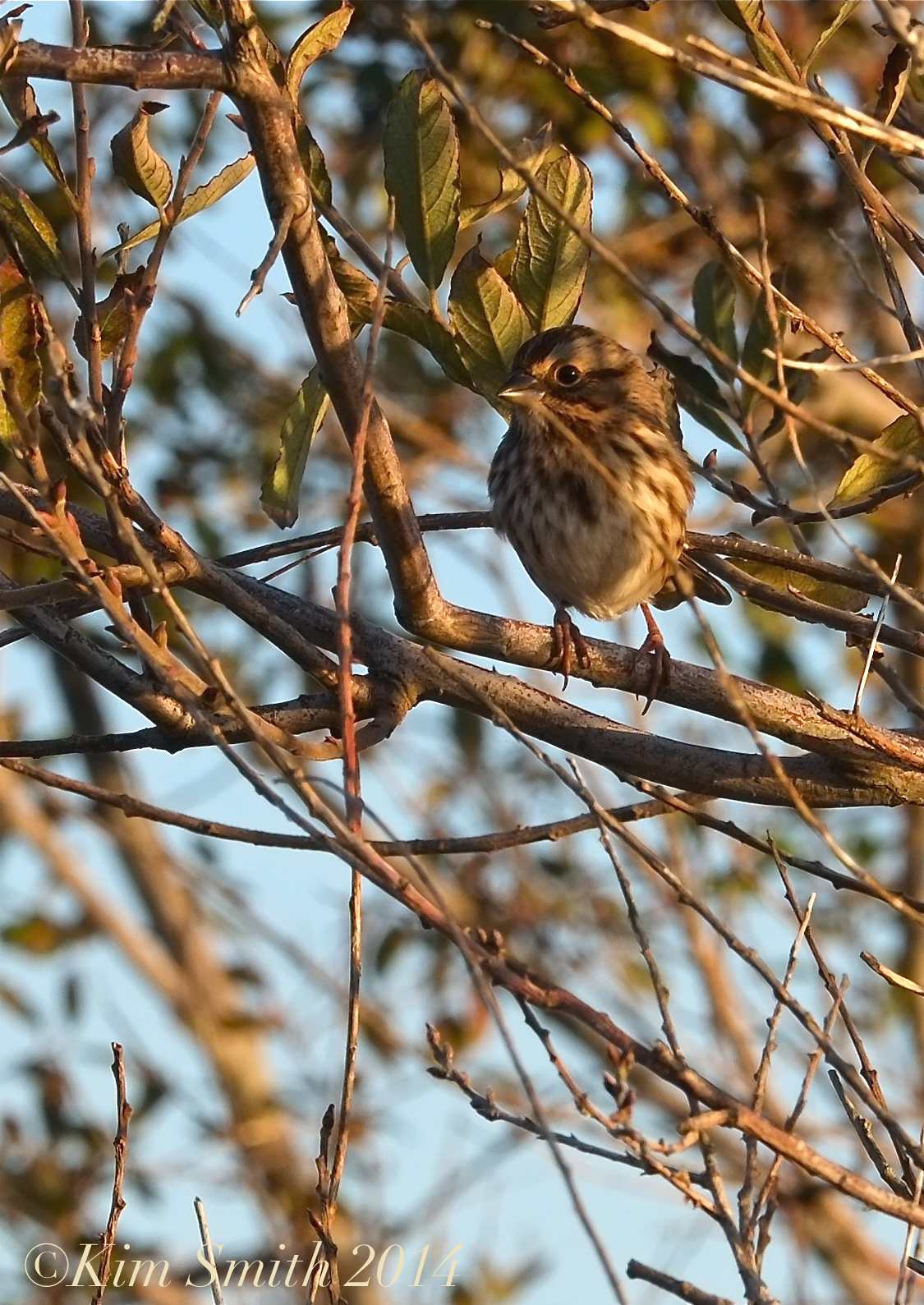 Camouflaged!

Photos from a foggy morning walk along the berm between Niles Pond and Brace Cove this morning.
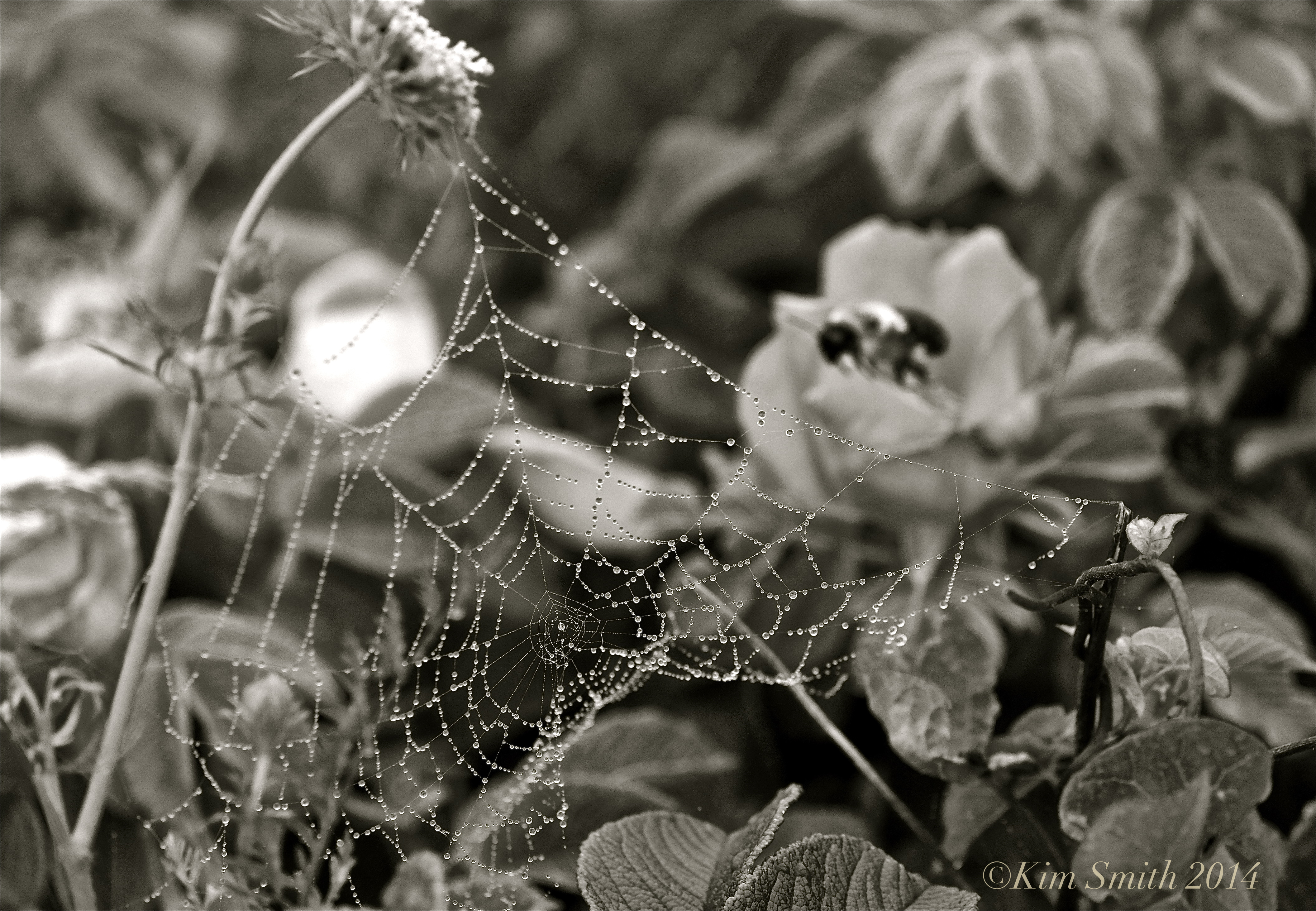
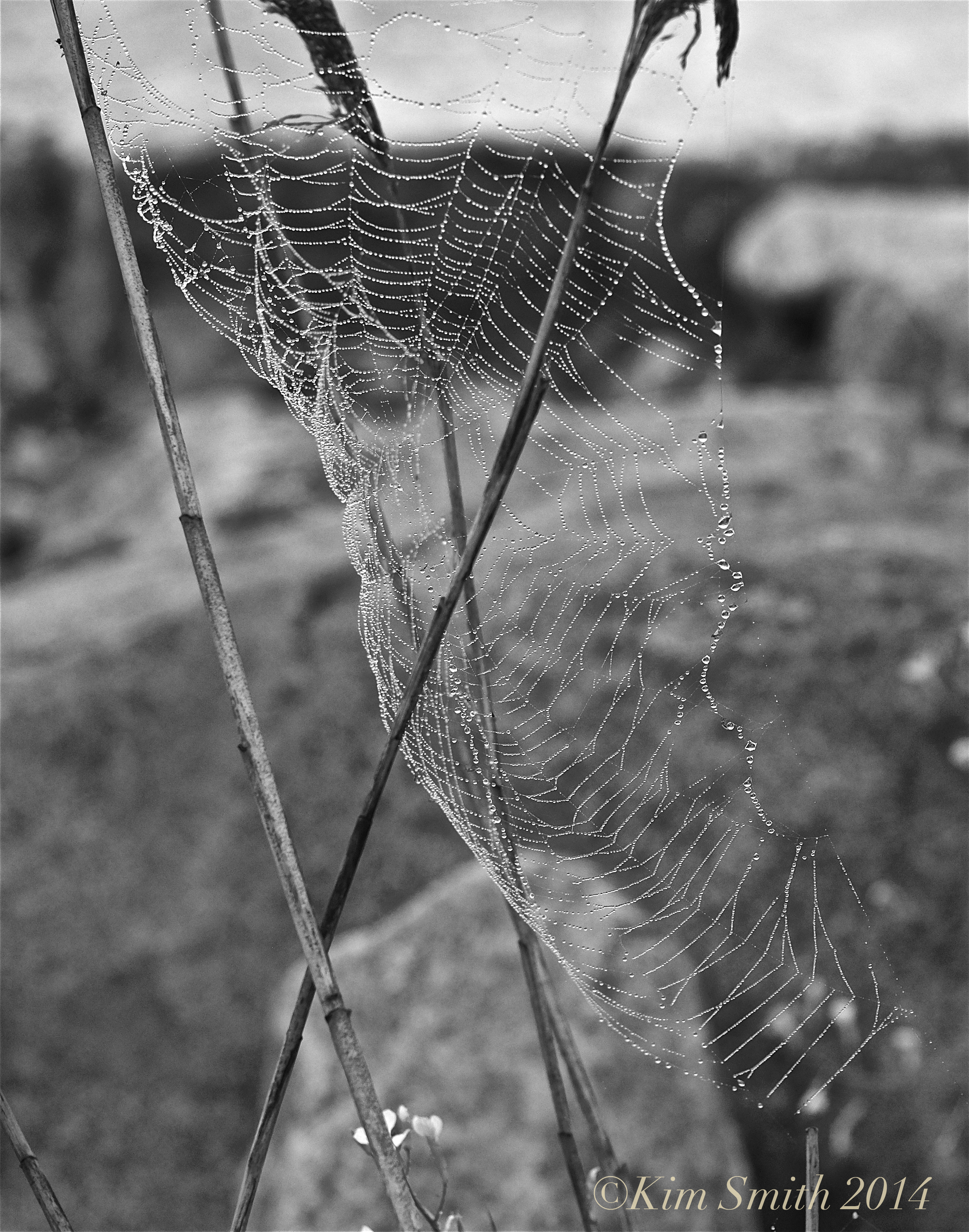
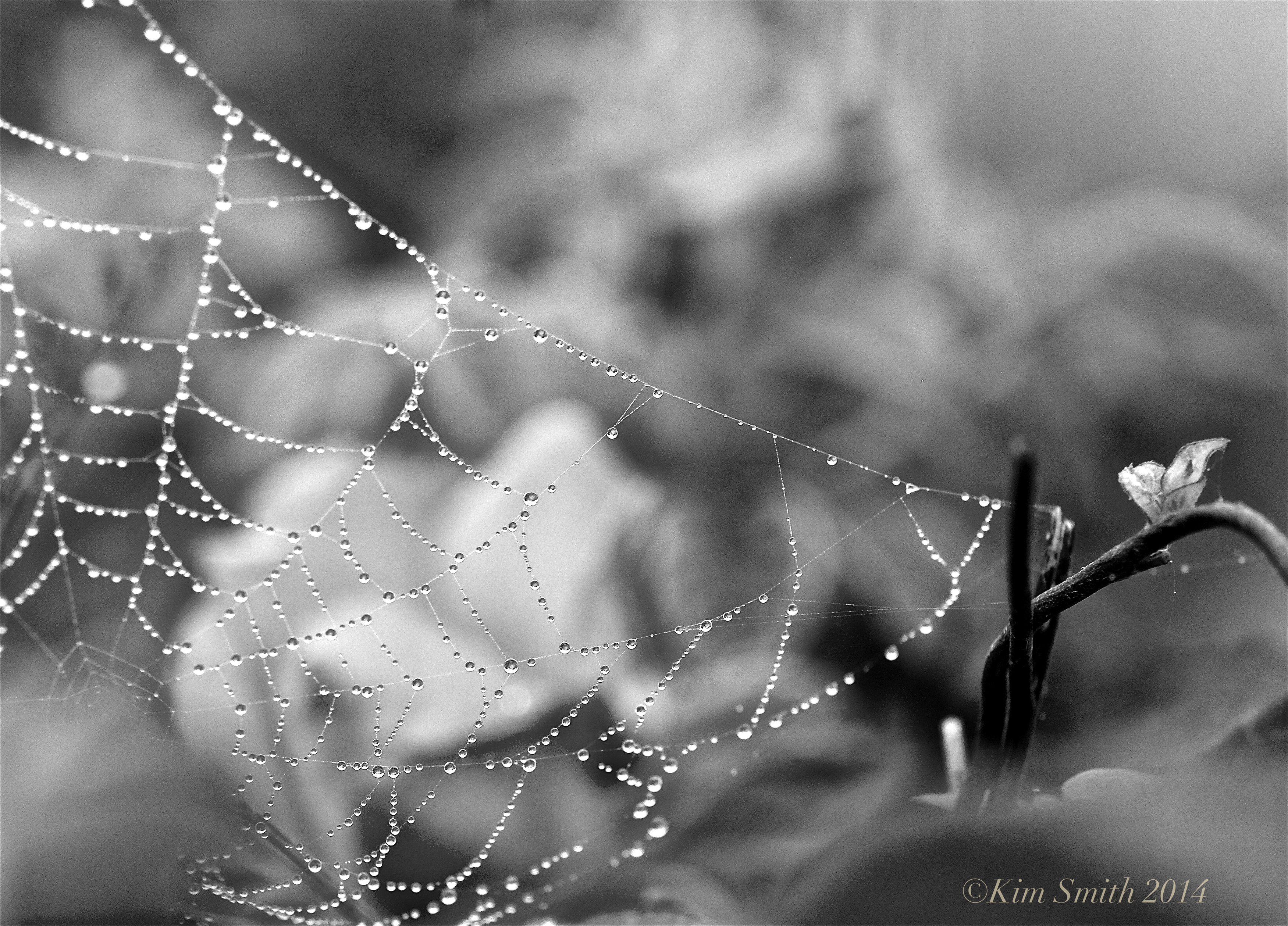
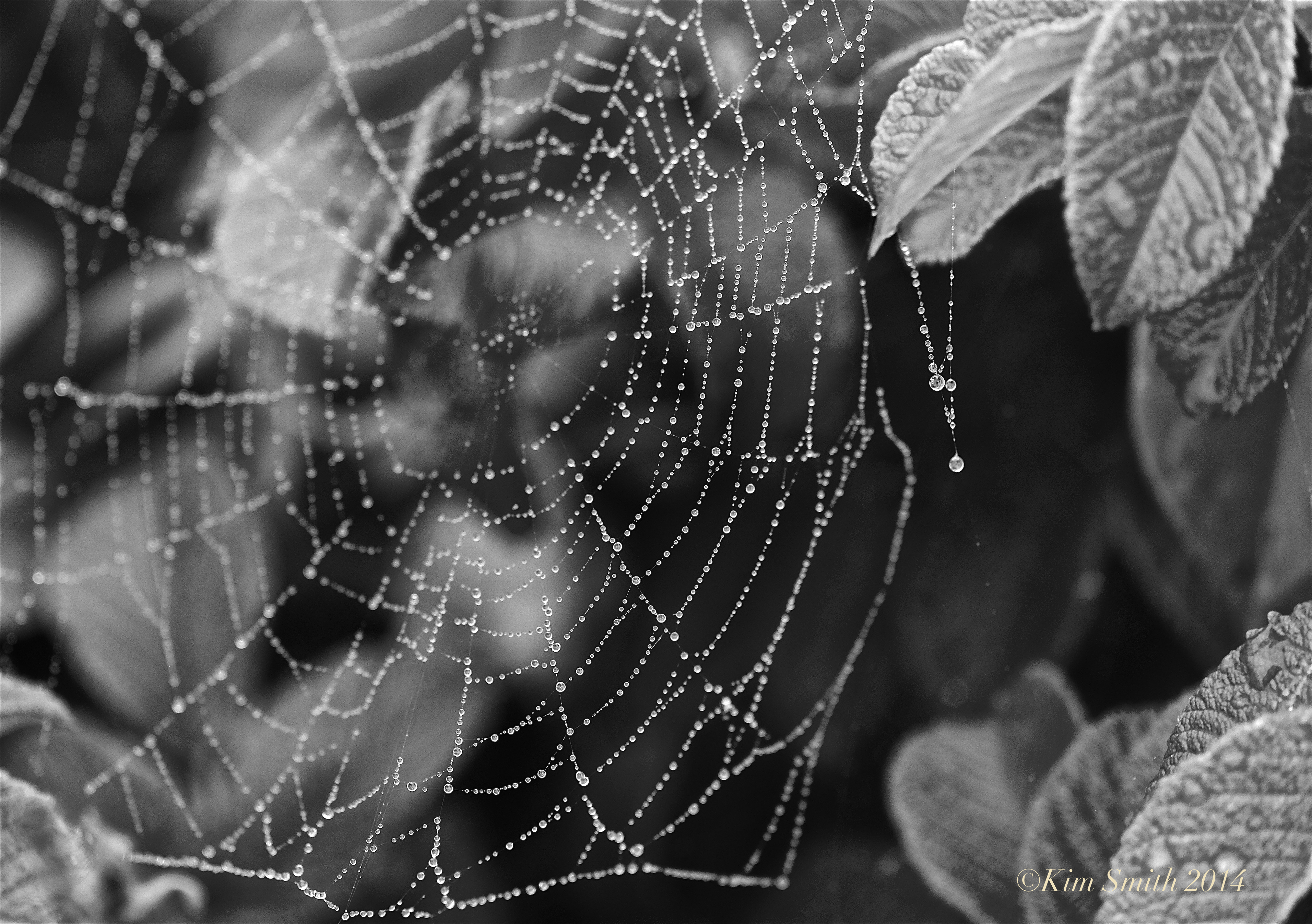
The shoreline draped in gossamer nets–the world according to spiders.
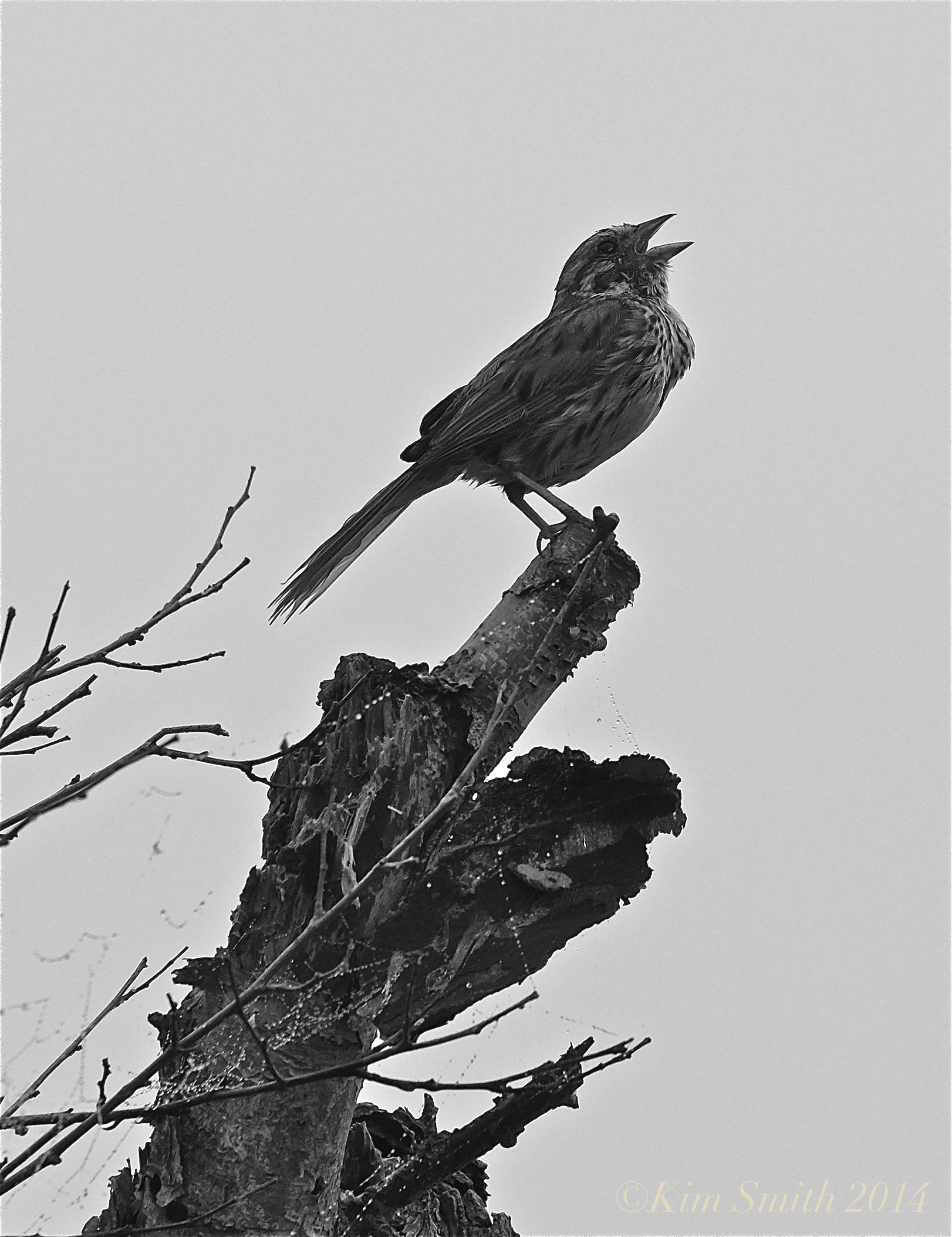 Song Sparrow
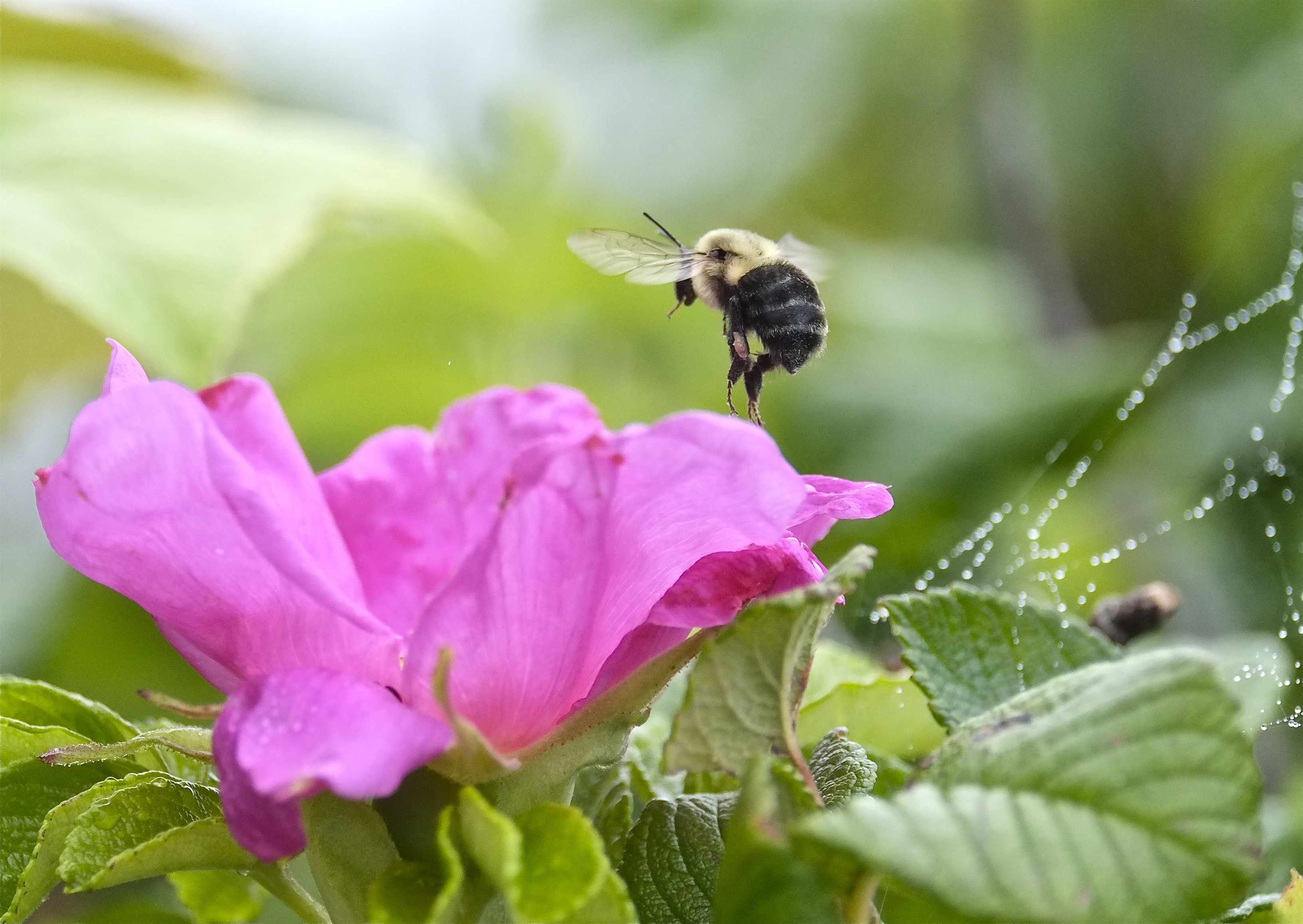
Rosa rugosa
See more photos here.
Continue reading “Oh, What a Tangled Web We Weave”

 Good Morning Gloucester