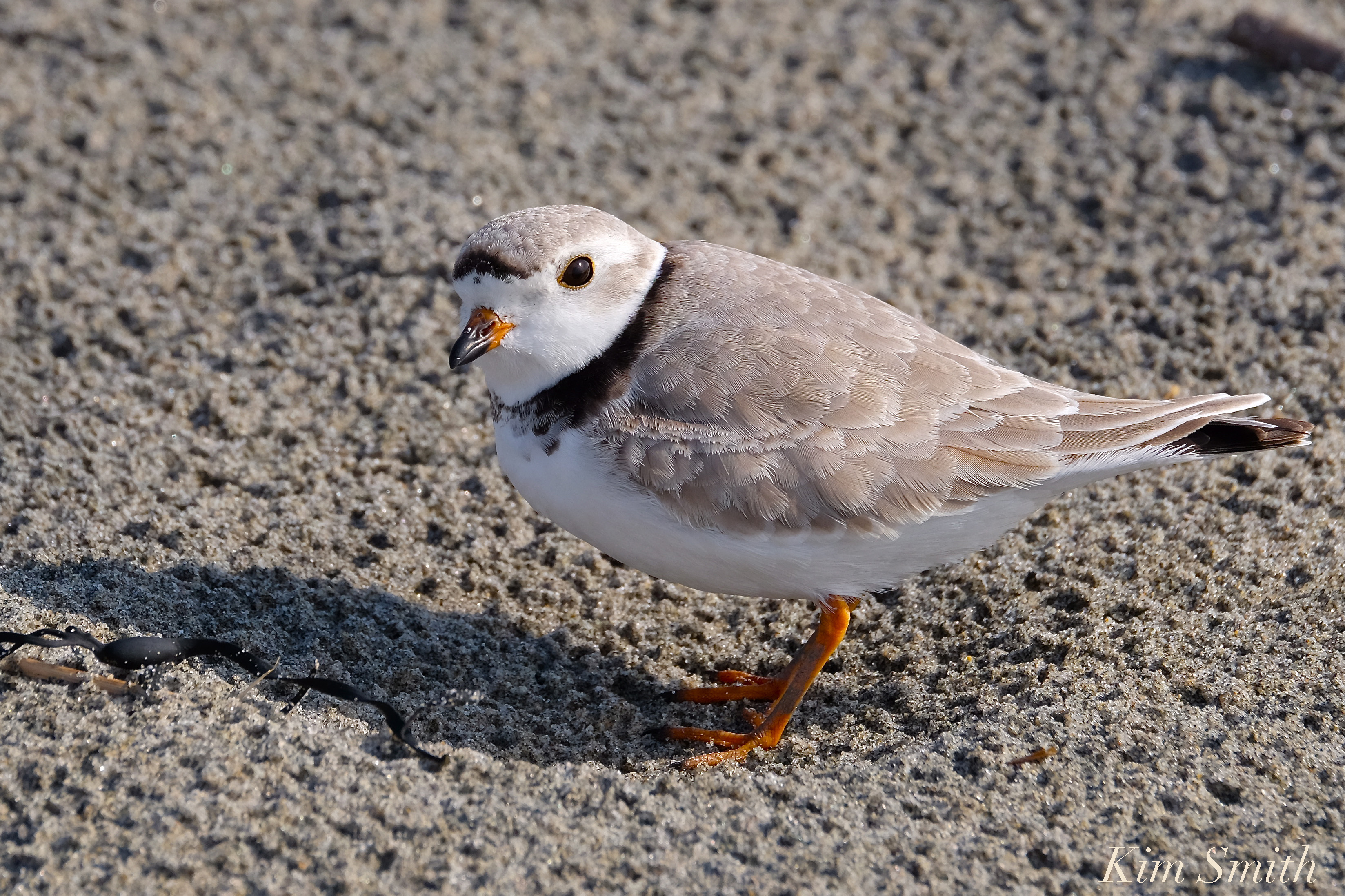
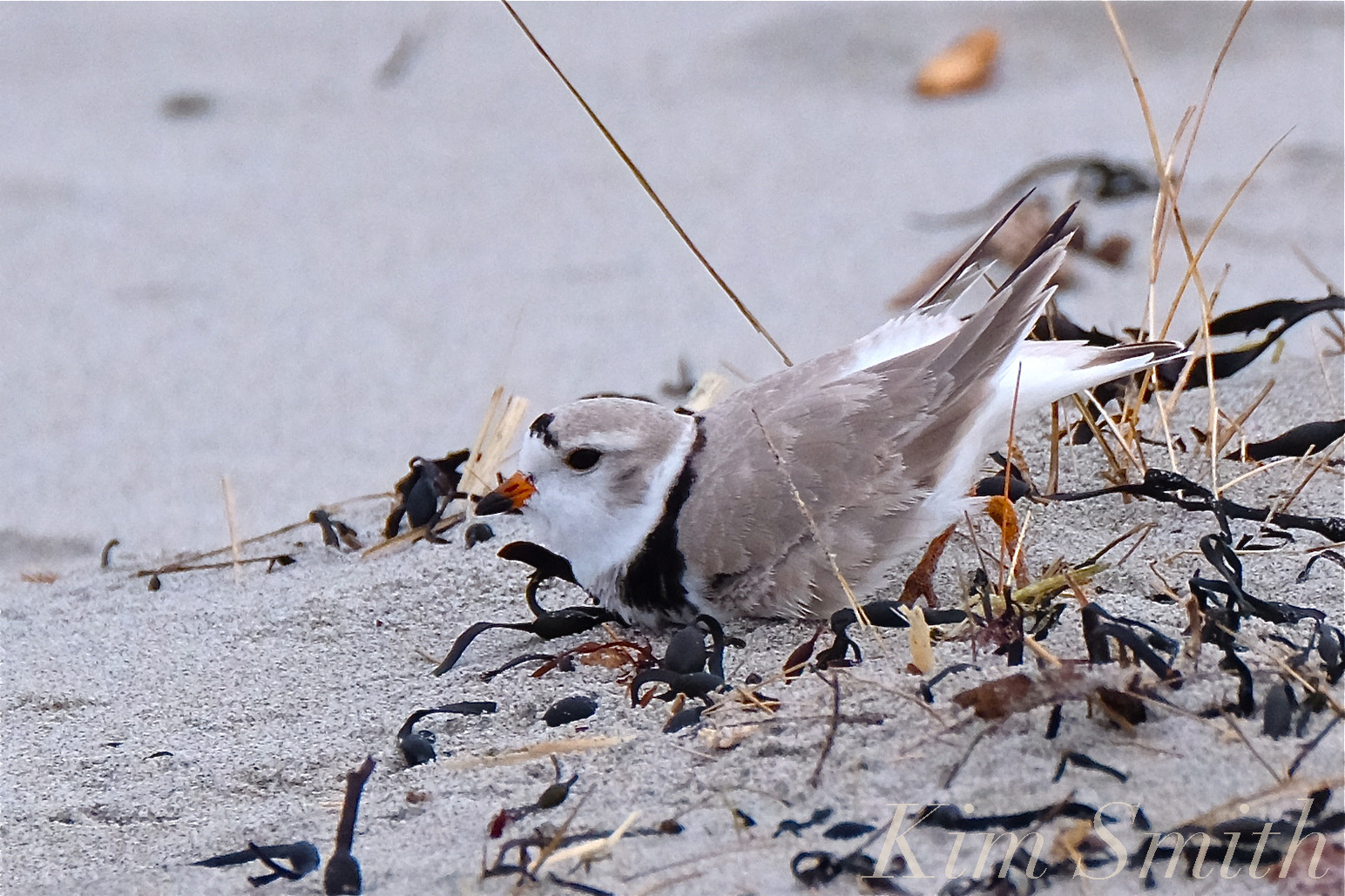
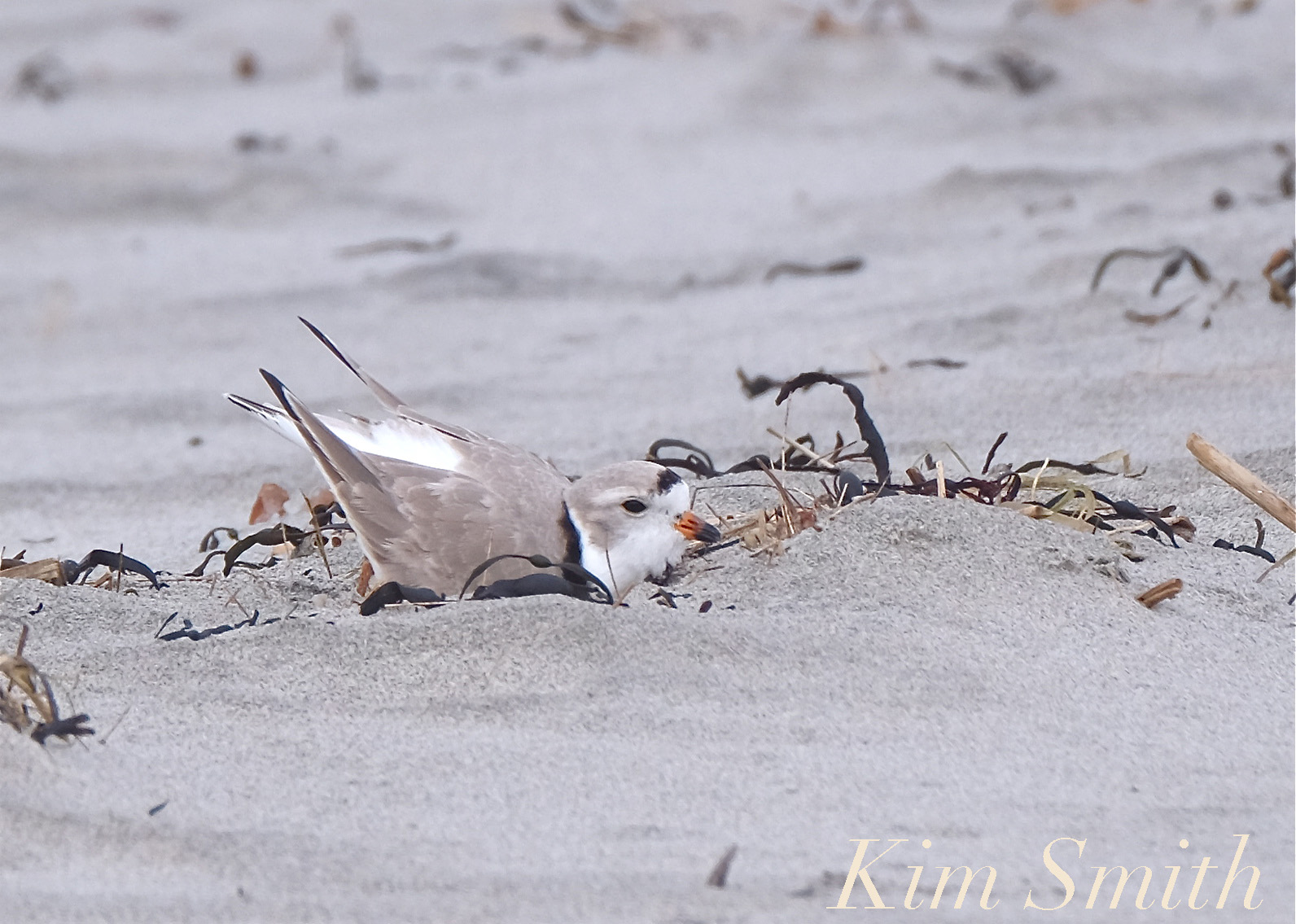
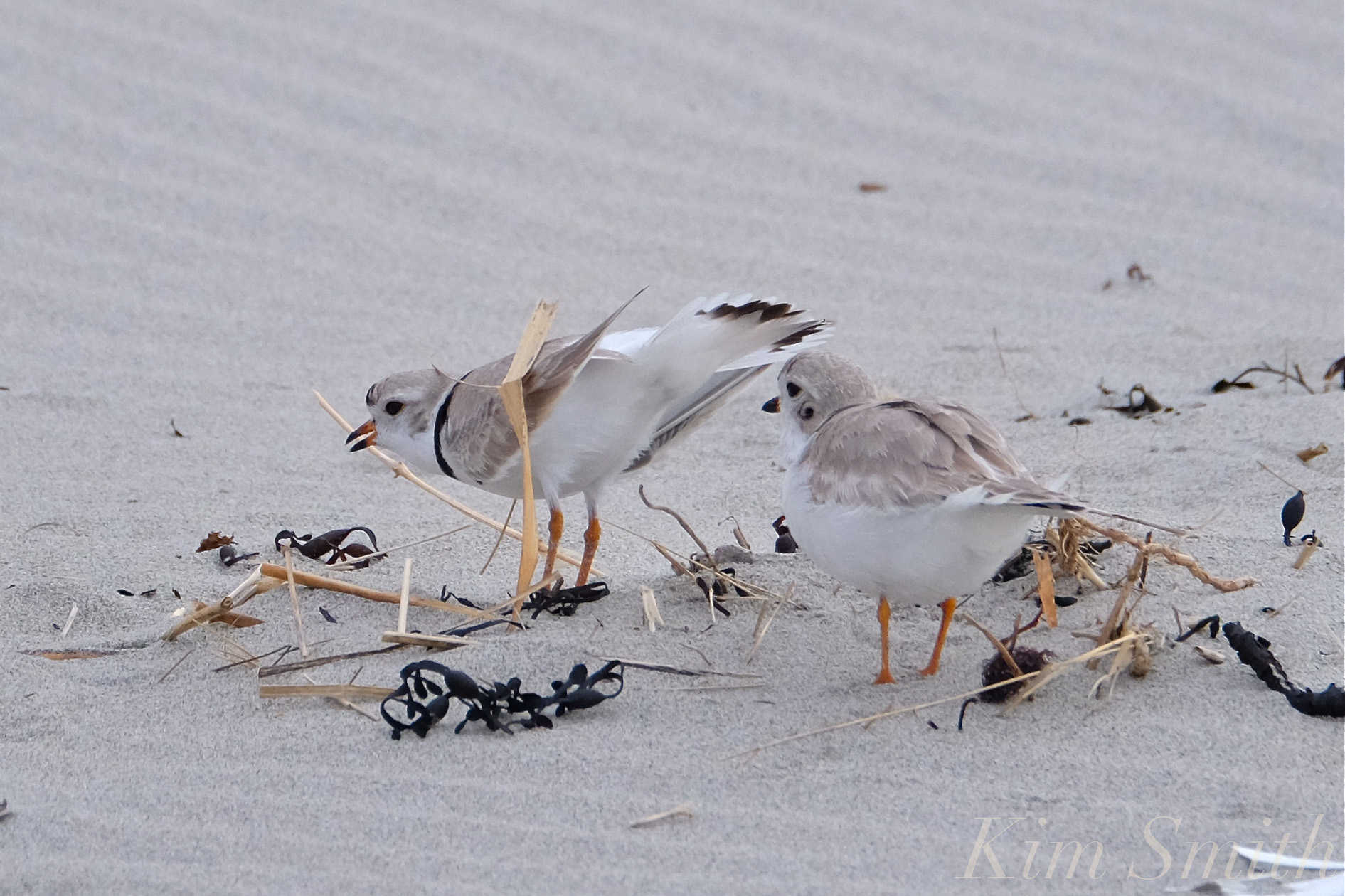
GLOUCESTER CELEBRATES EARTH DAY! WITH GREAT NEWS: LYN AND DAN RELEASE THE YOUNG SWAN BACK TO THE WILD!

Throughout the community people took the time to participate in Earth Day cleanups and events.  I was only able to cover a small fraction of the events and locations. Let us know how you spent Earth Day weekend. We would love to post your stories on Good Morning Gloucester. Thank you so much!

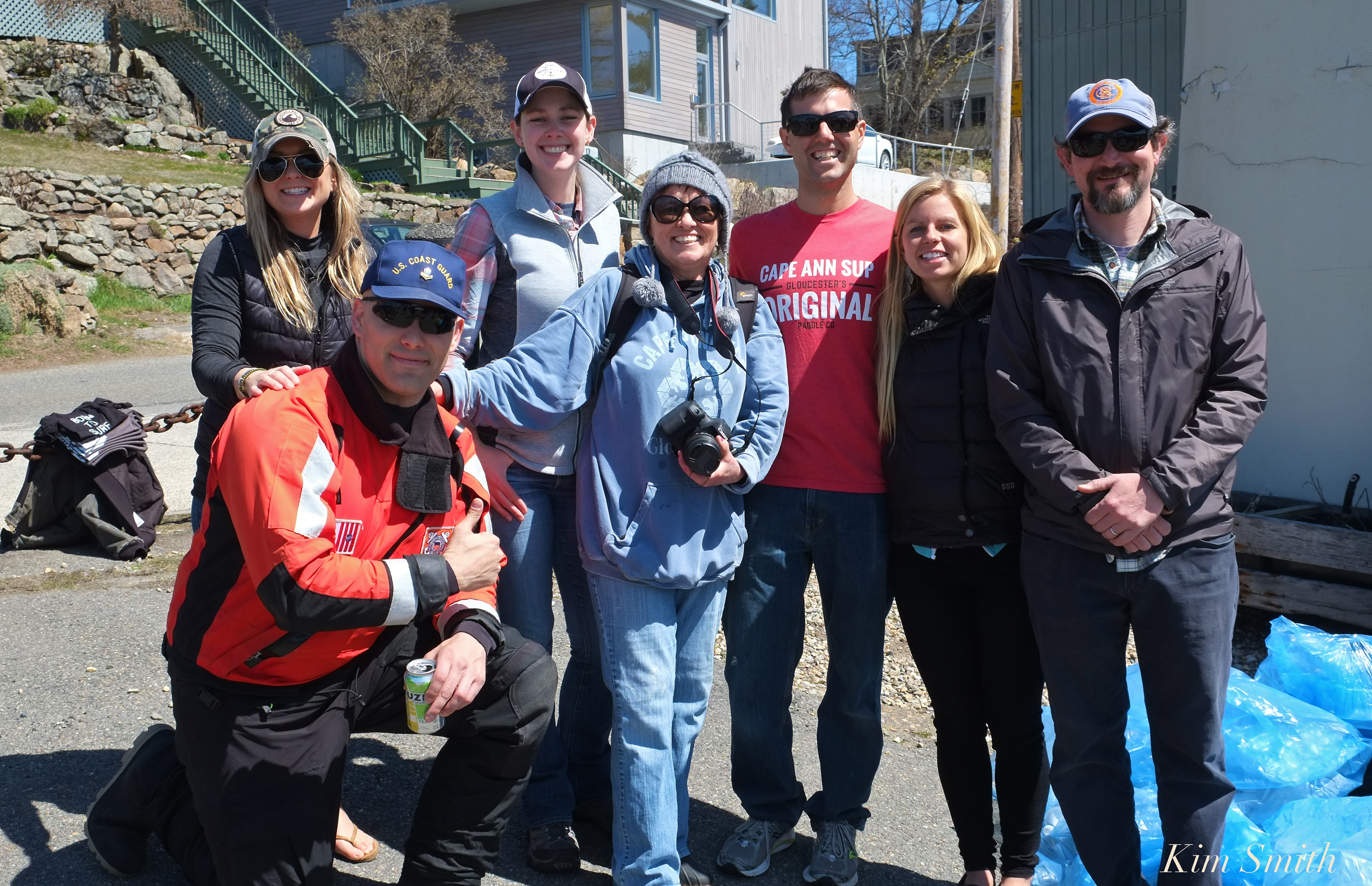
THE GREAT GLOUCESTER CLEANUP TEAM CAPTAINS

Organized by Ainsley Smith and Nick Illiades from Gloucester’s Clean City Commission, The Great Gloucester Cleanup took place at six locations–St. Peter’s Square, Pavilion Beach, Washington Street, Cripple Cove, Good Harbor Beach, and Horton Street.

The volunteers filled over ONE HUNDRED BAGS OF TRASH!!!!!!!!

THANK YOU TO ALL THE VOLUNTEERS FOR HELPING TO KEEP GLOUCESTER BEAUTIFUL!

After the cleanup, a fabulous cookout was hosted by Jamie at her beautiful shop located right on the inner harbor, One Ocean One Love. Jamie provided the burgers and much of the food; Caffe Sicilia donated cookies; Pigeon Cove Ferments, the sauerkraut; and Ma and Pa’s, the pickles. Additionally Beauport Hotel, Clean Pro Gloucester, and Lone Gull provided breakfast. Please say thank you for supporting The Great Gloucester Cleanup to these local businesses by patronizing their establishments. 

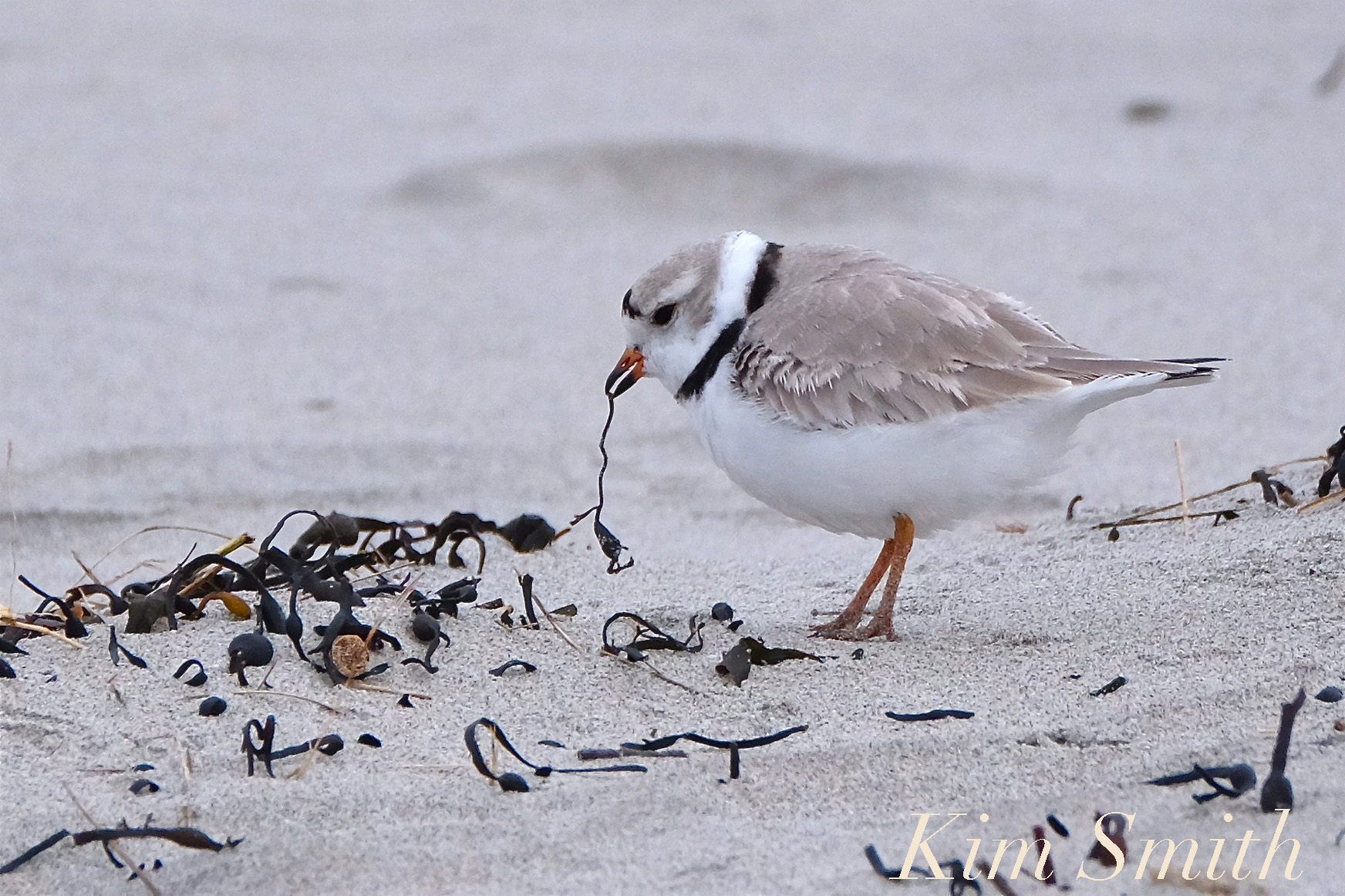
Meanwhile, over at Good Harbor Beach, I was watching the Piping Plovers this morning from 8am to about 10:30. With many volunteers expected for the Good Harbor Beach clean up location I thought there would be lots of folks interested in learning more about the PiPl, and yes, there were!

While there, I also met Gloucester’s new animal control officer Teagan (rhymes with Reagan) Dolan. He’s very interested in helping the PiPl and the dog officer’s stepped-up presence at Good Harbor has had a noticeable impact on the number of dogs off-leash and in the dunes at Good Harbor Beach. Teagan is suggesting to dog walkers alternative locations such as Plum Cove Beach and Cressies Beach. I showed him where the roping that cordoned off the nesting area broke overnight and he got out his trusty pocket knife and fixed it on the spot!

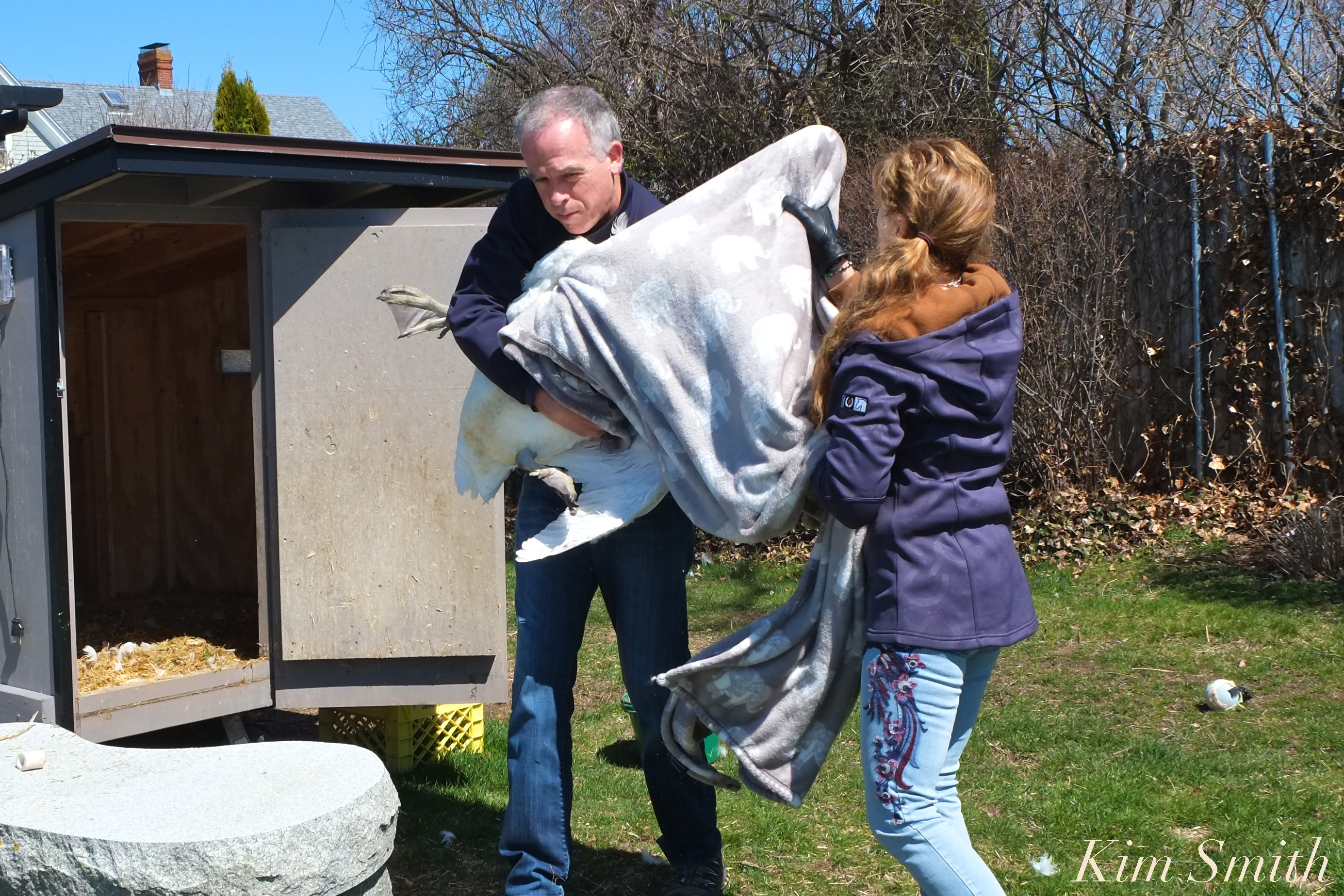
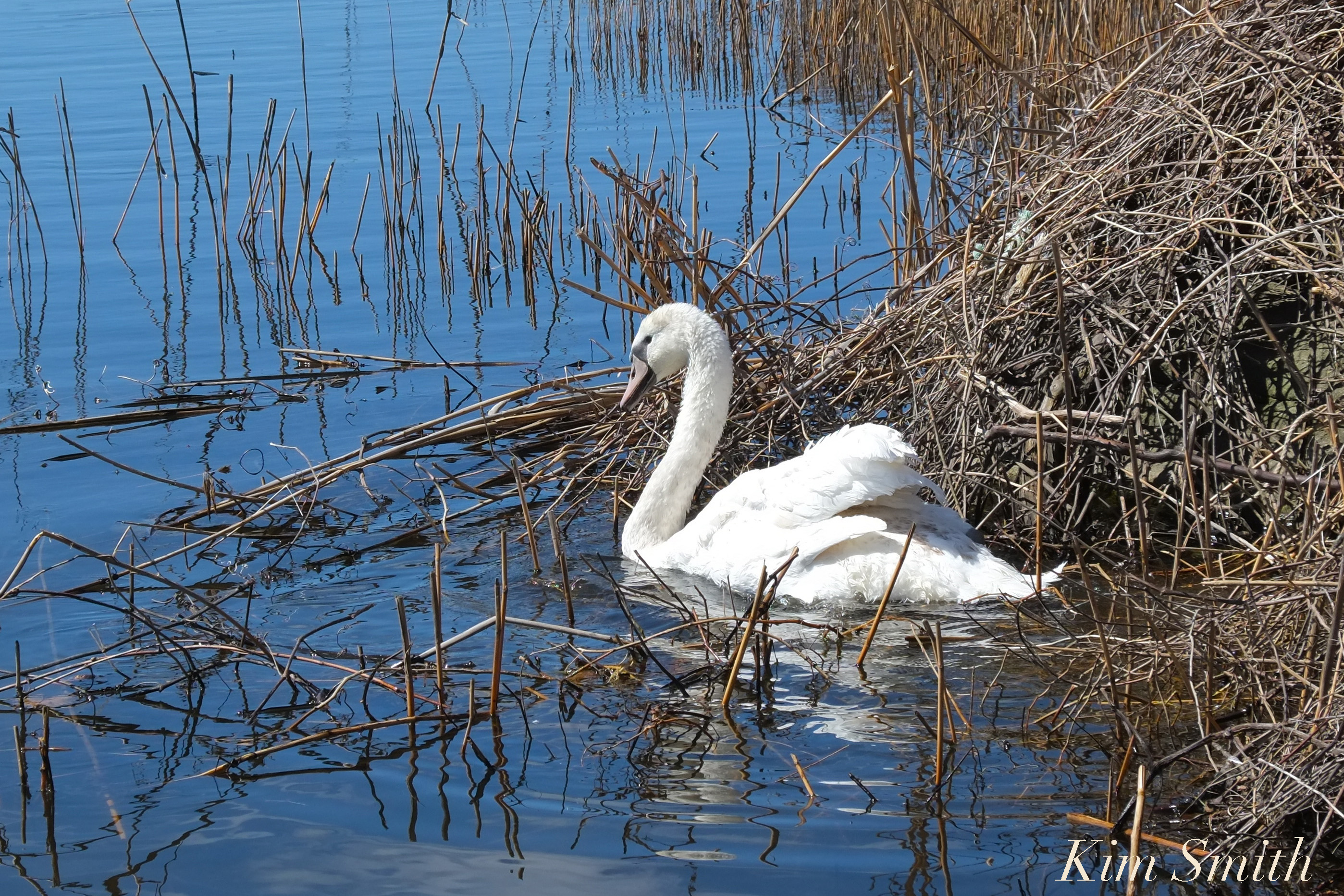
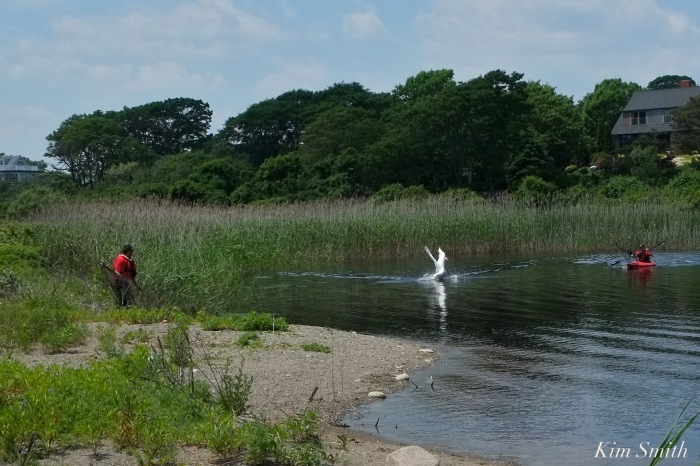
Then onto Eastern Point, with the great wildlife news of the weekend is that my friends Lyn and Dan released the Young Swan back to Niles Pond! You may recall that the Young Swan became frozen in the ice in early winter. Lyn has been kindly taking care of the immature swan all winter, housing him in a chicken coop remodeled (by carpenter Joel Munroe) just for a swan, replete with a heated pool.

Releasing the Young Swan at Niles

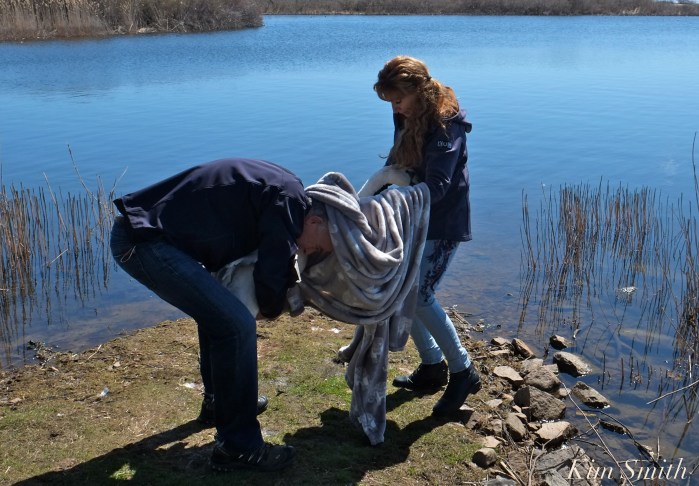
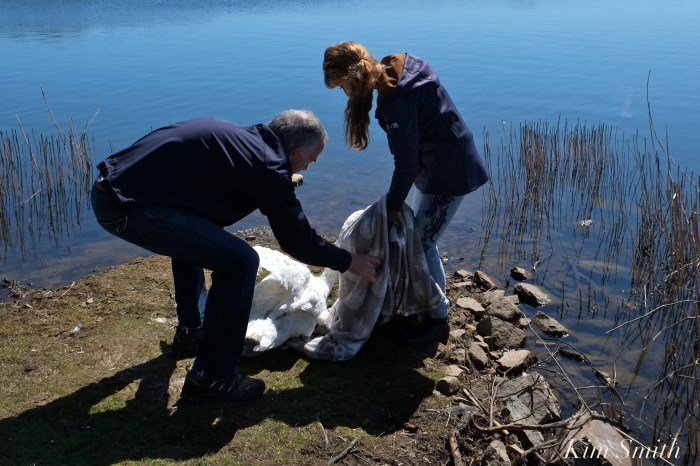
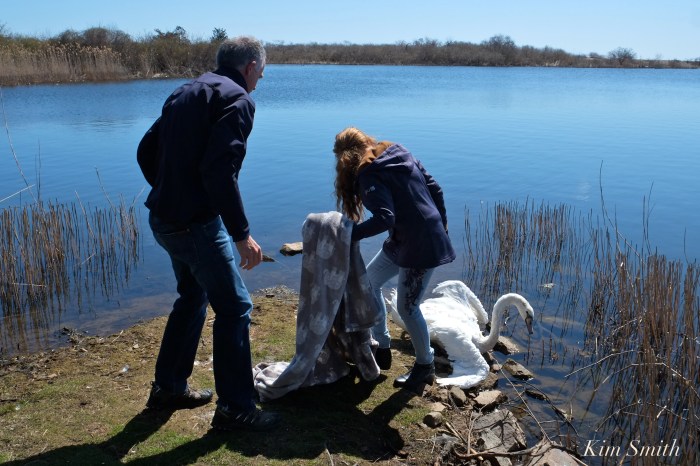
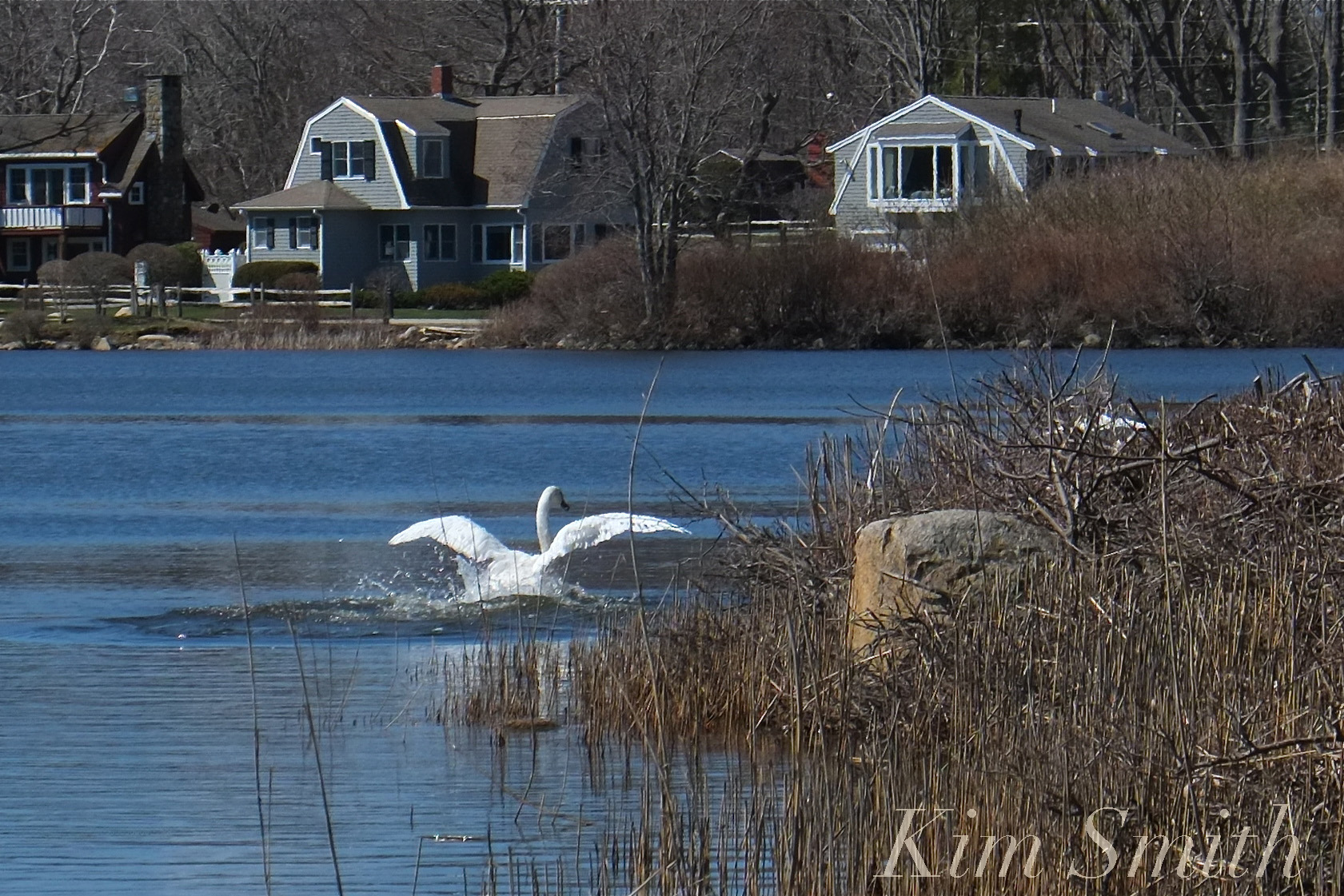
Lyn and Dan gently and humanely covered the swan with a blanket while carrying him to the water’s edge. Upon release, he immediately headed into a reeded area and then down to Skip’s dock where he took the longest swan bath imaginable, dip-diving and splashing for twenty minutes. When last I saw him, he was perusing the pond’s edge, becoming refamiliarized with his home territory.

Stretching his wings!

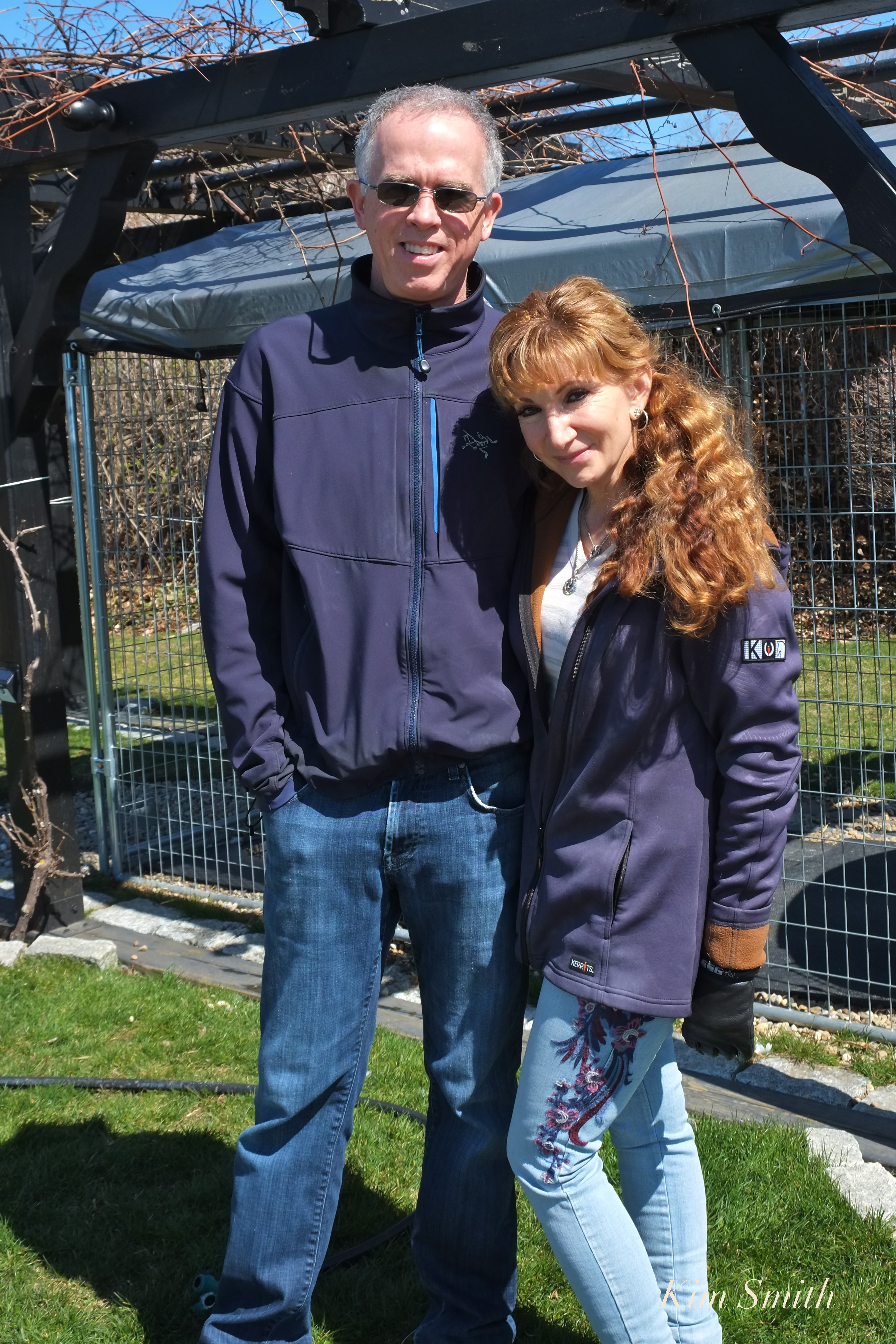
Swan Rescuers Lyn and Dan

Lyn’s little Little Aruba rescue puppy and Dan

HAPPY EARTH DAY FRIENDS!


HOW YOU CAN HELP THE PIPING PLOVERS -By Kim Smith

TIPS FOR OBSERVING AND HELPING PIPING PLOVERS

Thank you to all the friends of our Good Harbor Beach Piping Plovers, to dog owners who are staying away from Good Harbor Beach, and to all who are advocating for the PiPl.

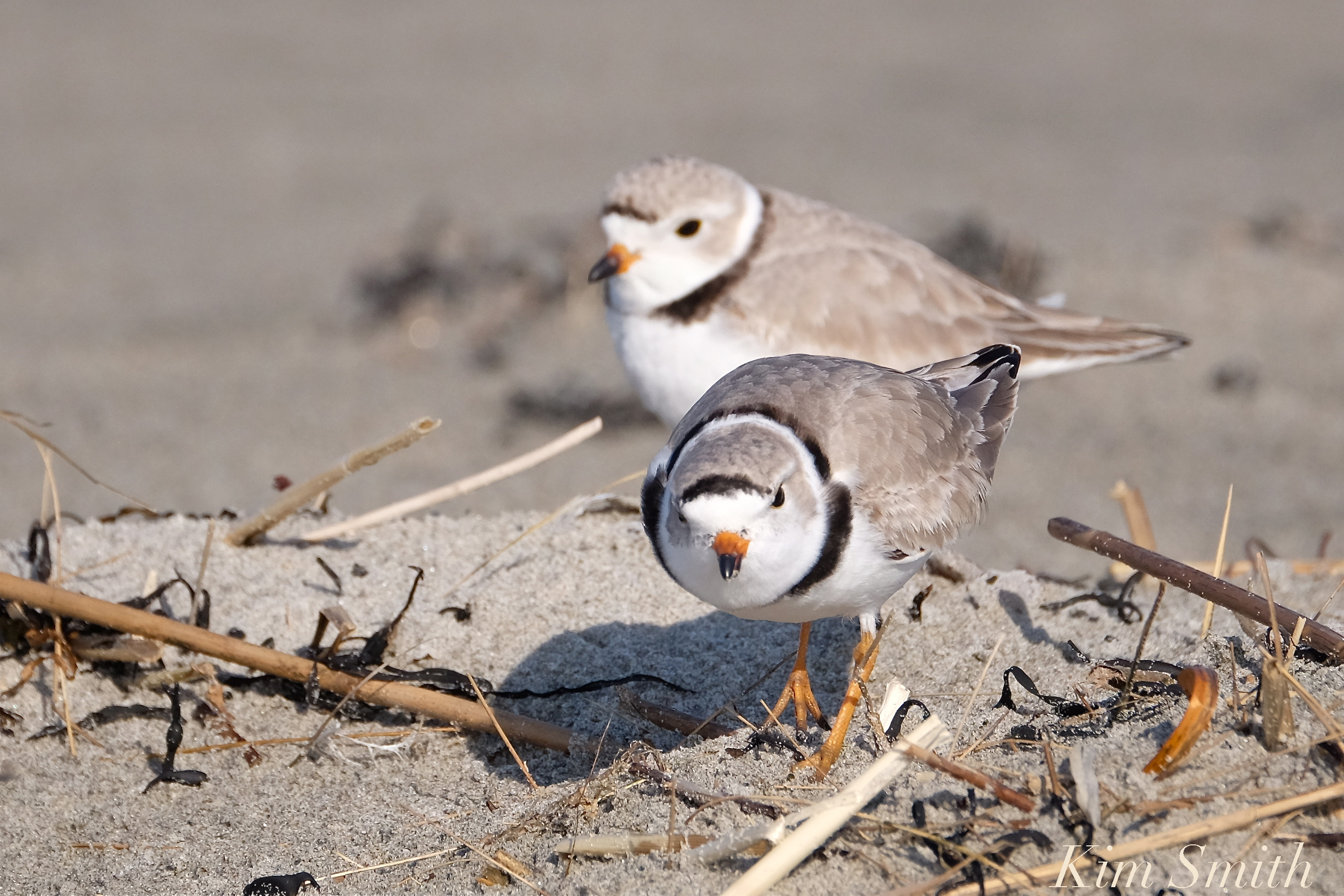
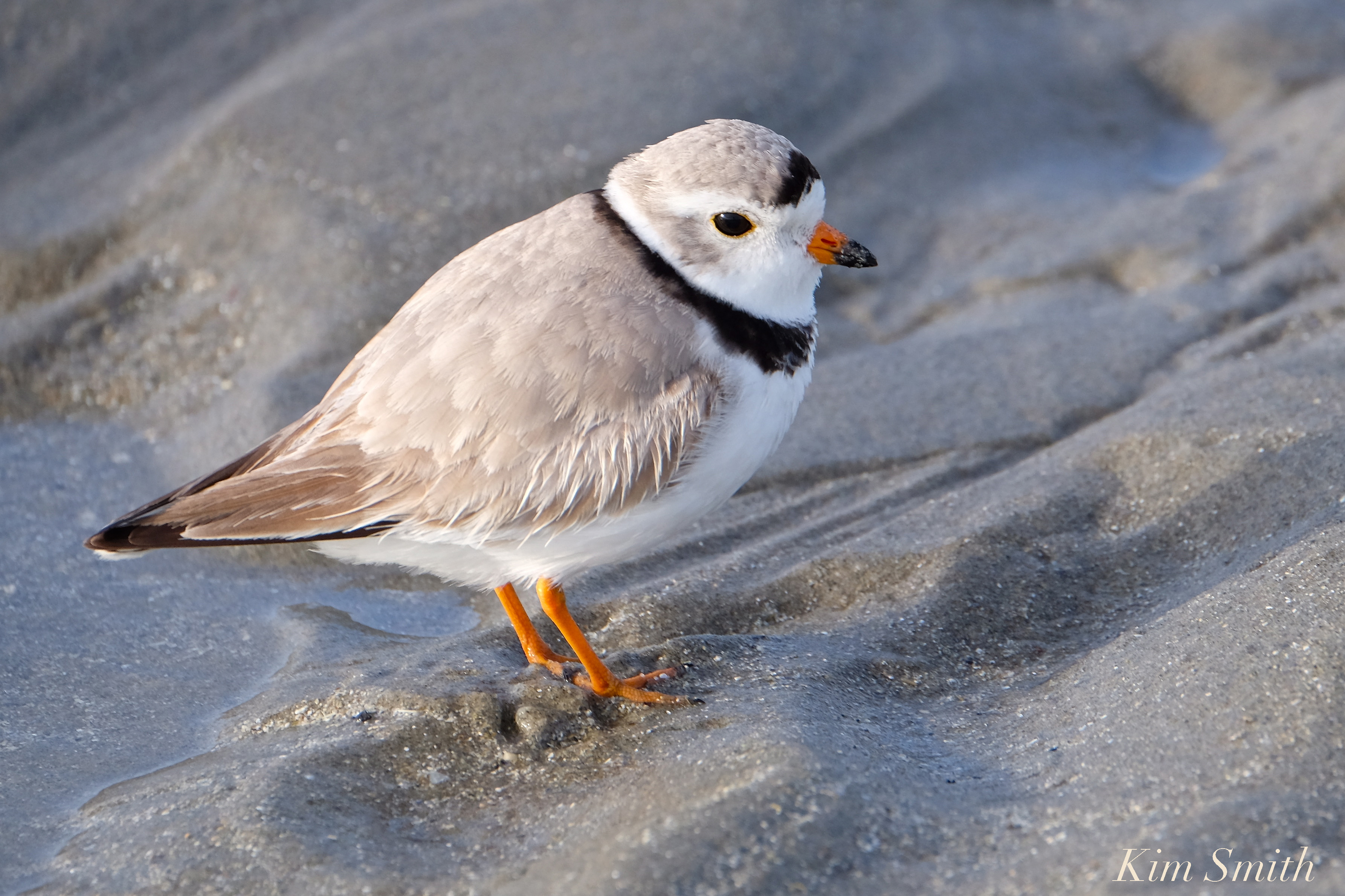
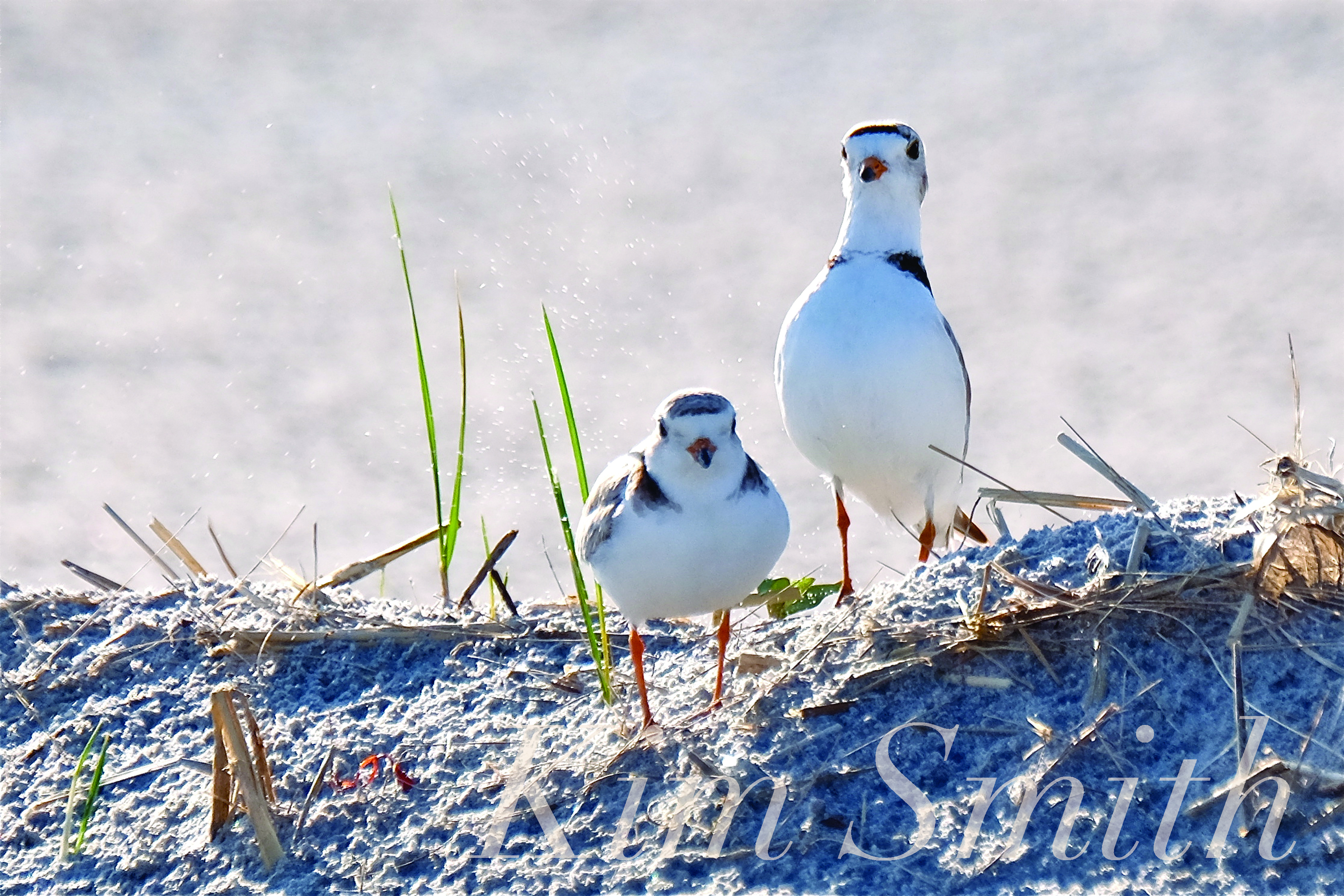
Early this morning I found both Mama and Papa feeding in the intertidal zone, along with our little Bachelor. The second pair has not been seen since they were chased off the beach last weekend. There seemed to be fewer dogs on the beach this morning and I am so grateful to the dog owners who are helping to watch over the Plovers.

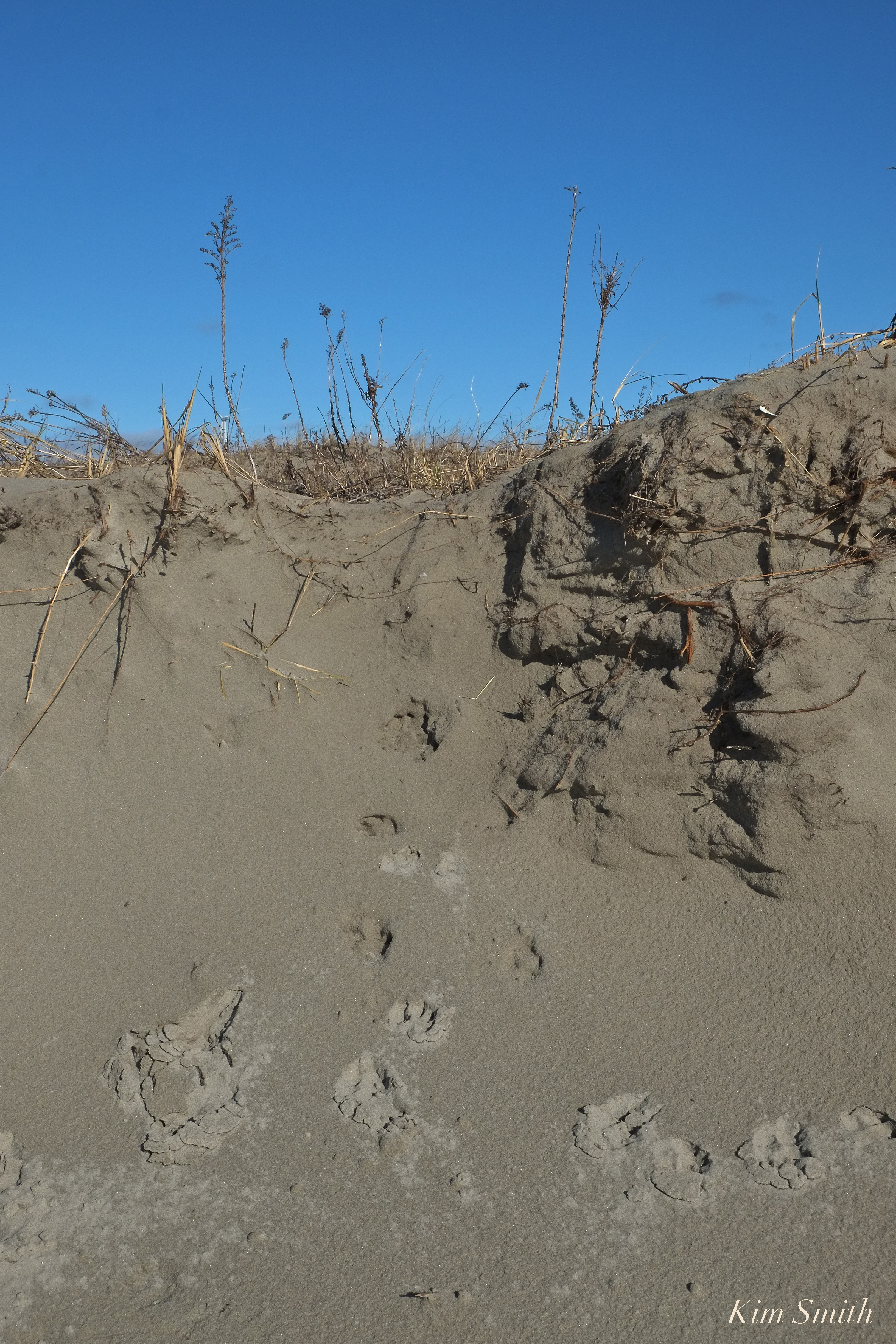
Yesterday was a much needed quiet day for the Plovers; it was cold and rainy, and an on-leash day. There were folks with dogs off-leash, though they weren’t near the PiPl. But there were fresh tracks running through the nesting area.

Here is why, at this very critical time during Piping Plover breeding, it is imperative to keep dogs and people out of the nesting area. The Plovers are actively courting. What does that mean exactly? 

  • The Plovers first stake out a territory. For the third year in a row, they have chosen the area around the big rock, by boardwalk #3.
  • Both male and female actively defend the territory from other Piping Plovers, as well as other species of large and small birds.
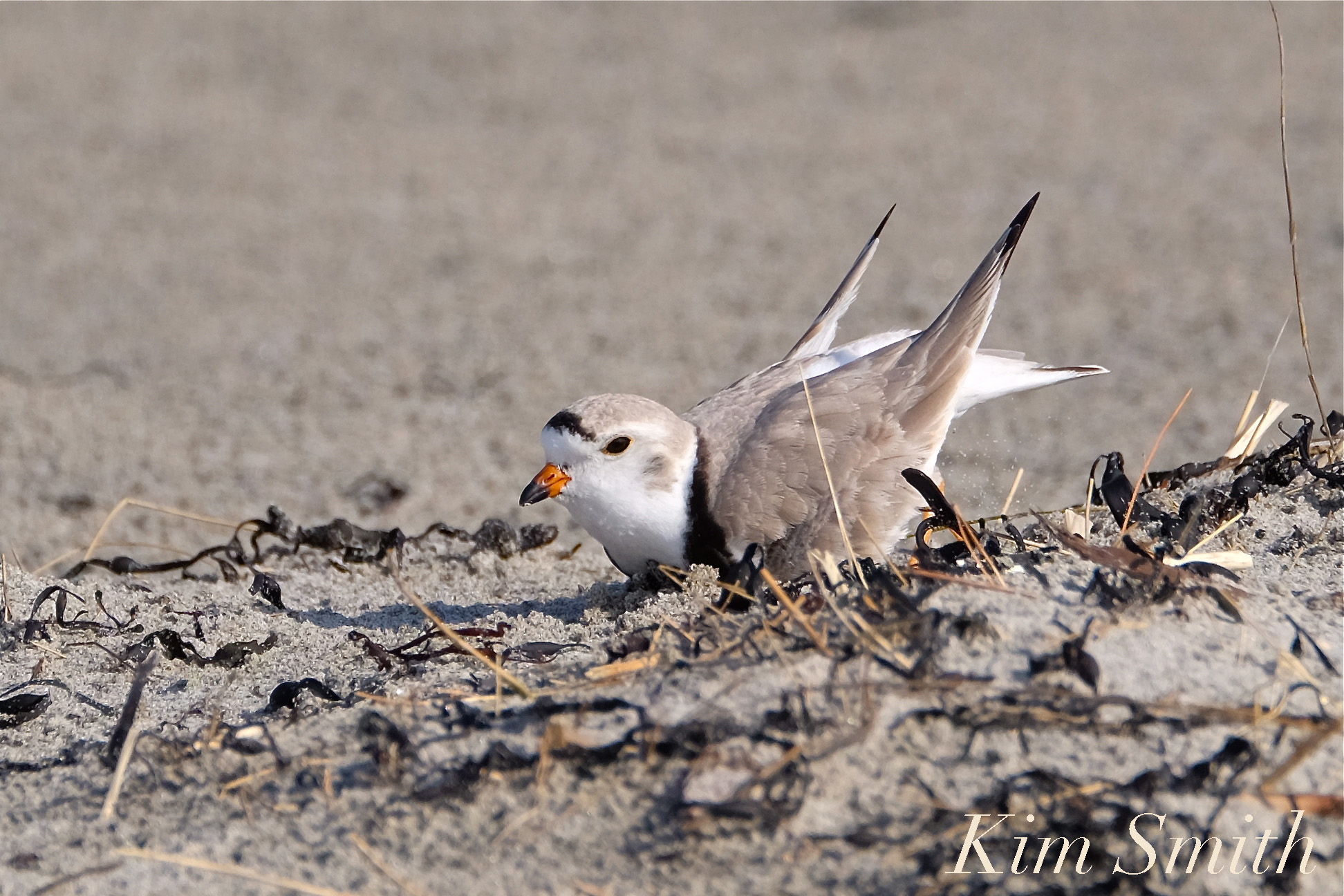
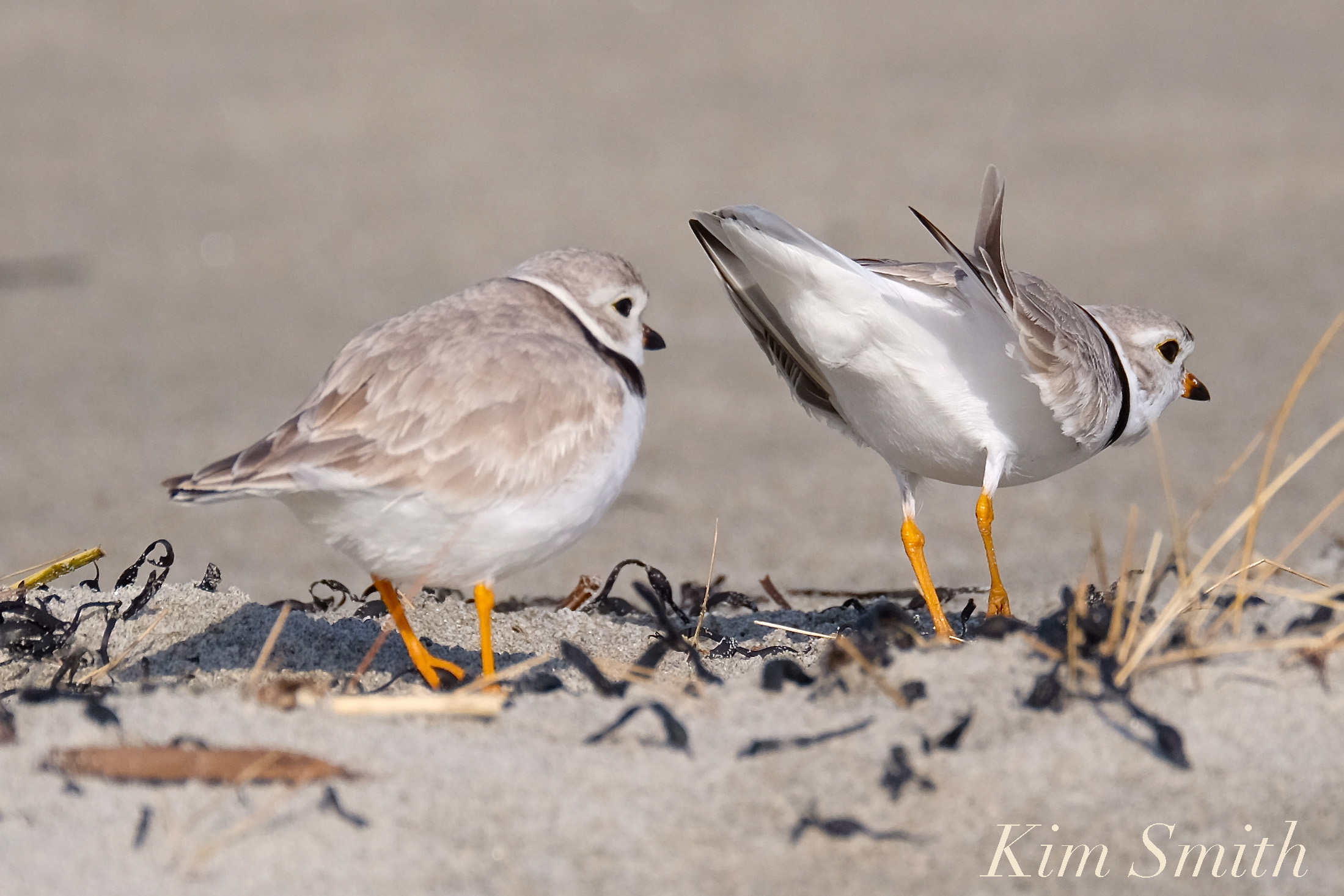
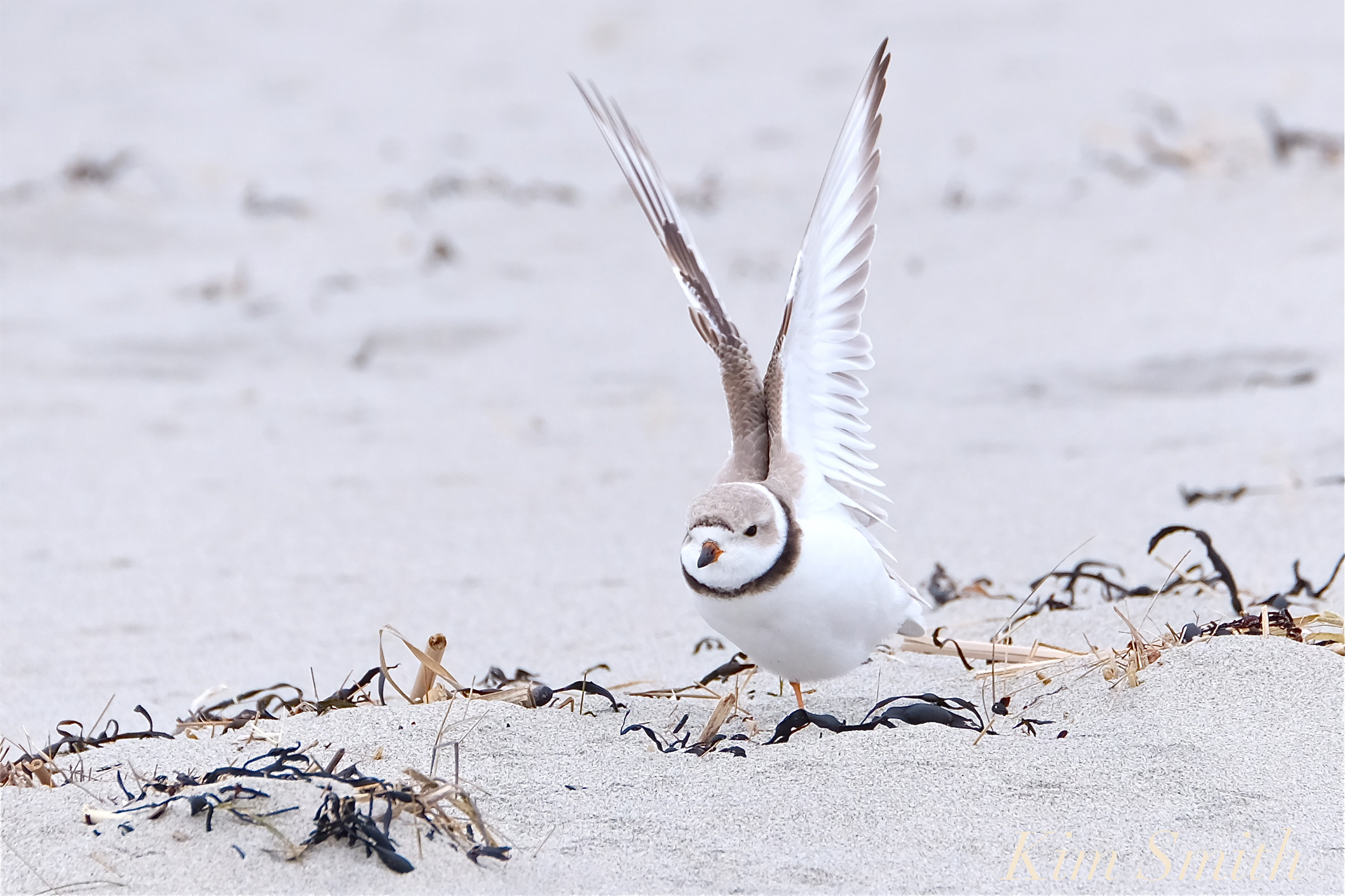
  • Throughout an average quiet day, the male PiPl builds many “nest” scrapes for the female to inspect. If the female is interested, the male displays an involved courtship dance. If she continues to be interested, he will mate with her by jumping on her back where they join together cloaca to cloaca, but for only mere seconds. During that time the male fertilizes the female’s egg.
  • Piping Plover courtship requires a tremendous amount of energy, and each courtship episode takes about twenty minutes, from nest scrapings to mating. If the birds are constantly interrupted by dogs tearing through, and people walking through, the nesting area, courtship and mating are delayed, over and over again.
  • If the Piping Plovers are allowed to mate early in the season, the chicks will be born that much earlier. The earlier the chicks hatch the greater their chance of survival, especially in the case of Good Harbor Beach, Gloucester’s most beloved and heavily trafficked beach.
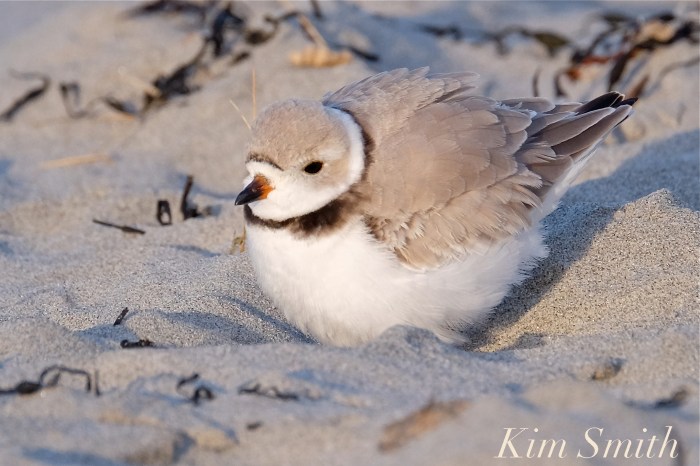
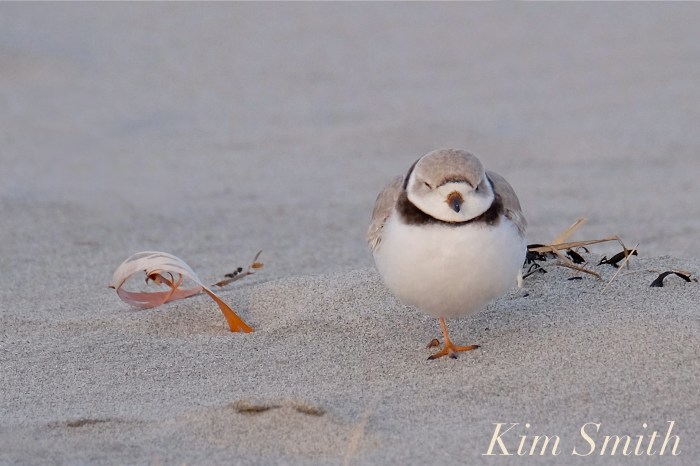
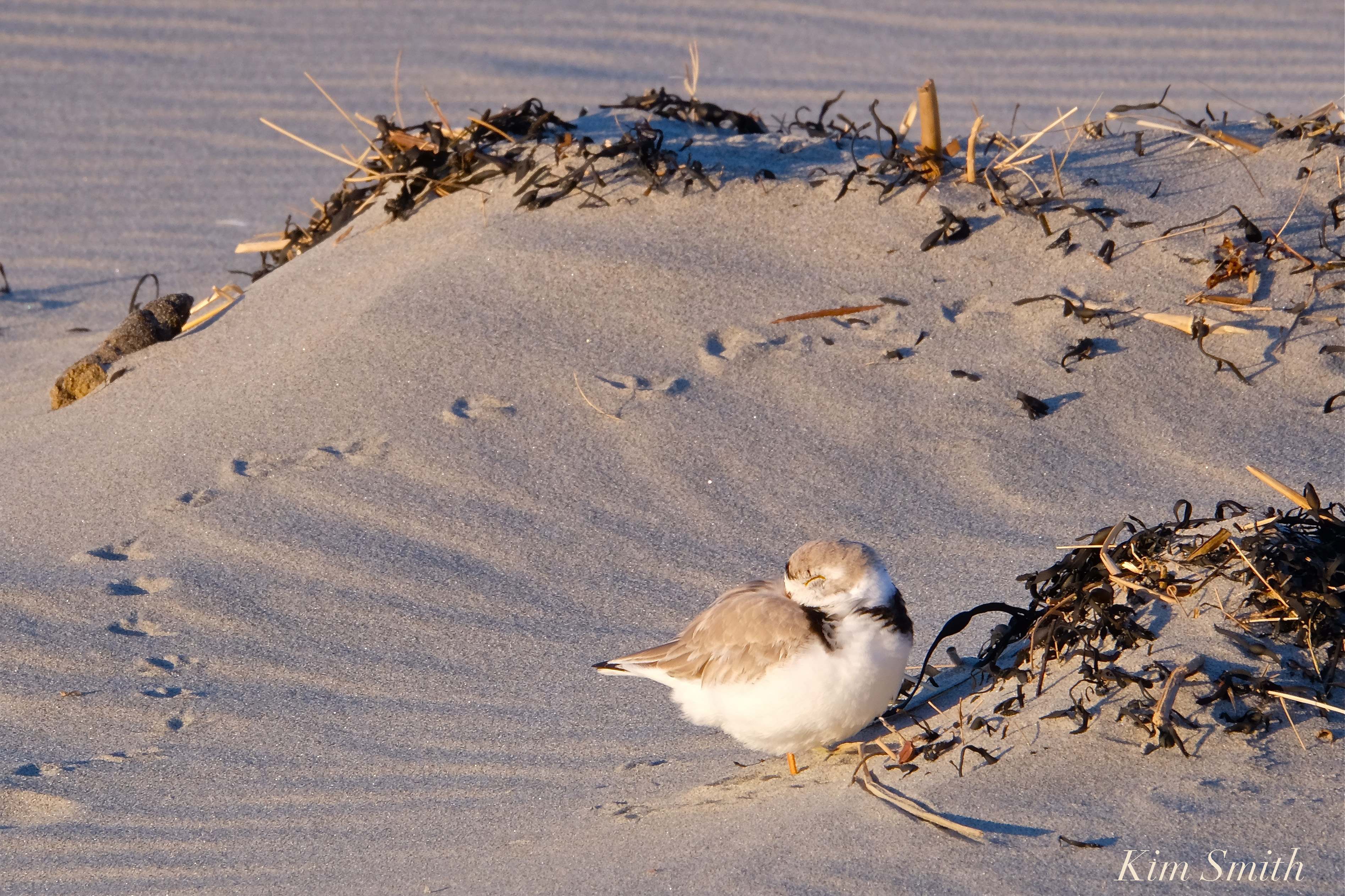
  • In addition to repeated courtship interruptions, we are having an unseasonably cold April. The Piping Plovers are spending a great deal of energy just trying to keep warm. This is evidenced by how often they stand on one leg to thermoregulate.

Papa Plover defending all things Mama Plover.

Papa Plover vigorously building shallow teacup-sized nest scrapes.

Papa Plover inviting Mama Plover to inspect.

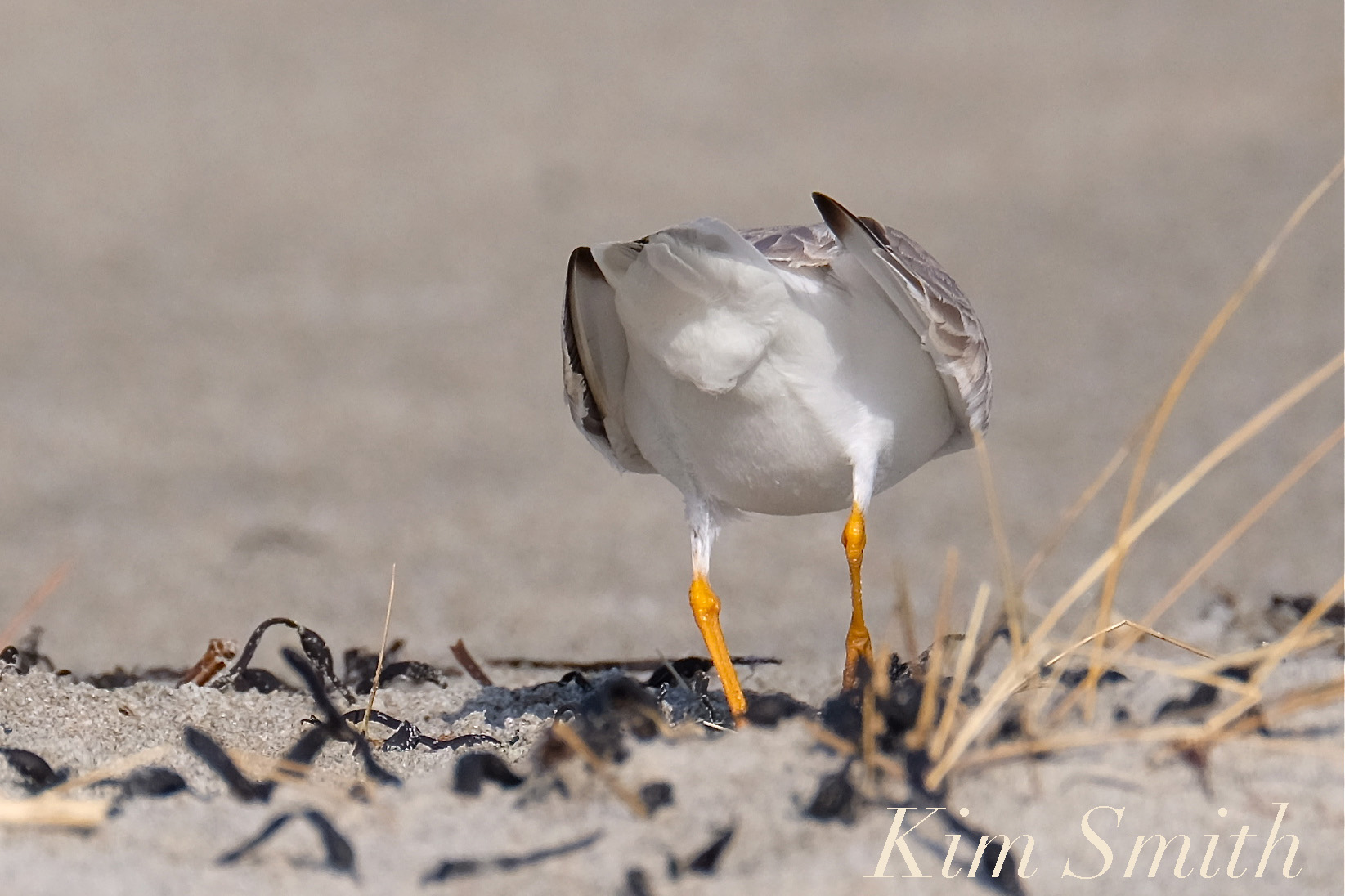
Male Plover cloaca. All birds have a cloaca, the V-shaped vent from where sperm, eggs, and pooh are emitted. During courtship, the male’s cloaca swells considerably.

Meet “the Bachelor,” the bird bane of Papa’s existence.

How You Can Help the Piping Plovers

1) Under no circumstances is it acceptable to enter the Piping Plover nesting area.

2) Keep ALL dogs far away from the nesting areas. A Piping Plover’s brain does not differentiate between a dog on- leash versus a dog off-leash. When a dog, off-leash or on-leash, comes within twenty feet of a PiPl, they immediately stop what they are doing, whether foraging, courting, mating, or resting.

3) During courtship, the Piping Plovers tolerate one or two quiet persons, from a distance, but crowds of three or more put them in panic mode.

4) Help spread the word about the Good Harbor Beach Piping Plovers.

5) Sign up to be a Piping Plover volunteer ambassador by emailing Ken Whittaker at kwhittaker@gloucester-ma.gov

Thank you, but most importantly, the Piping Plovers will thank you too when chicks hatch and chicks fledge!

https://www.instagram.com/p/Bhv_2wDHKpQ/

https://www.instagram.com/p/BhtnQCHnaRJ/

GOOD HARBOR BEACH SLAMMED AGAIN WITH STORM DAMAGE – CAN THE PIPING PLOVERS SURVIVE OFF-LEASH DOGS AND HISTORIC HIGH TIDES?

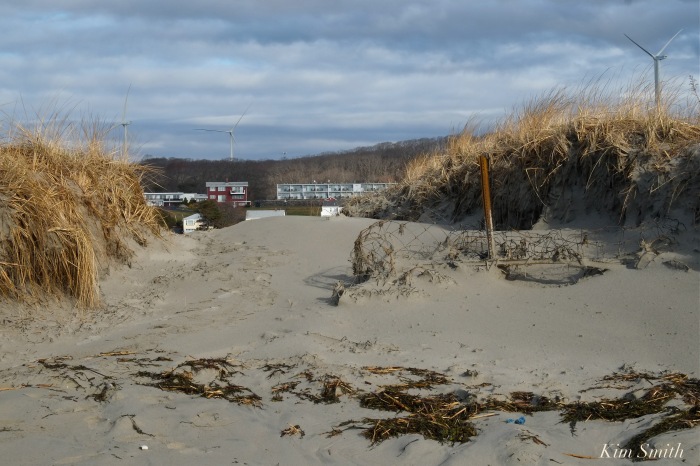
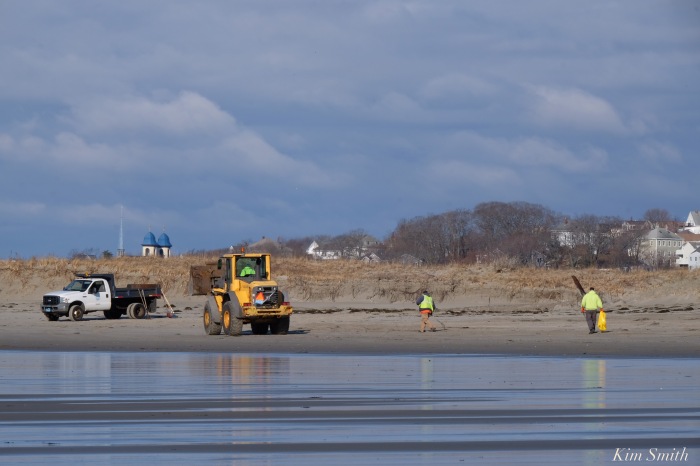
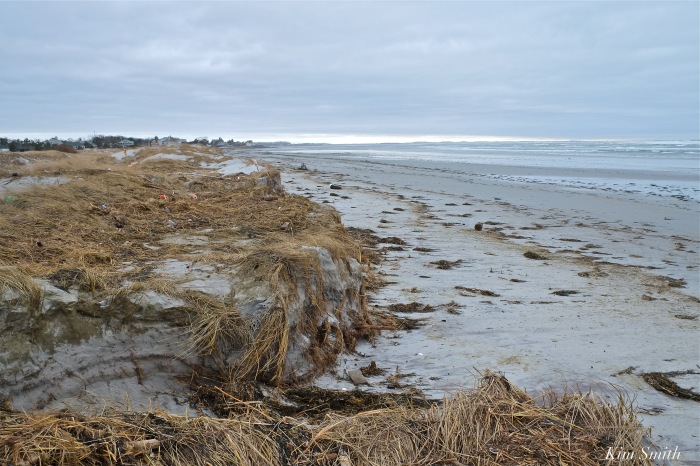
Good Harbor Beach was slammed hard again by yesterday’s April storm. The high tide was hitting the edge of the dune, with more water surging through the openings in the dunes, dumping sand several feet deep ten feet down the boardwalks.

Half the Piping Plover signs were were buried in the sand, as well as the ropes.

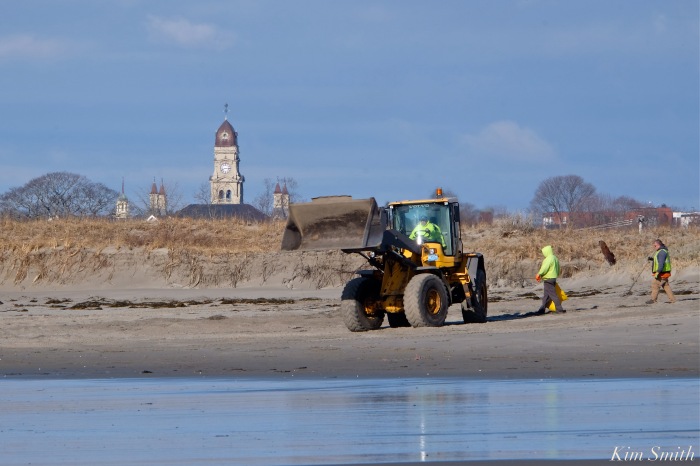
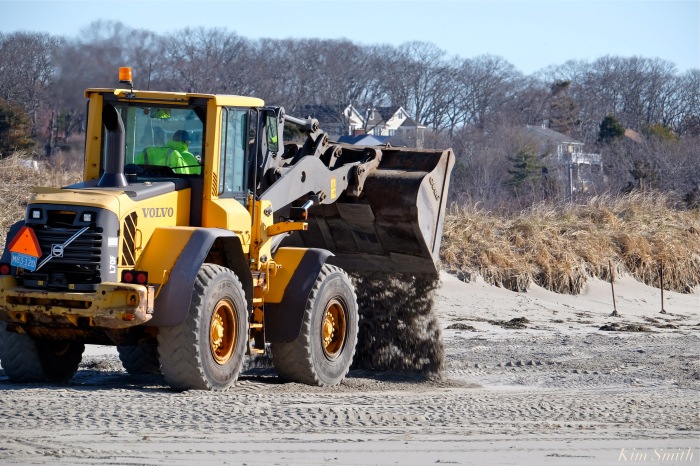
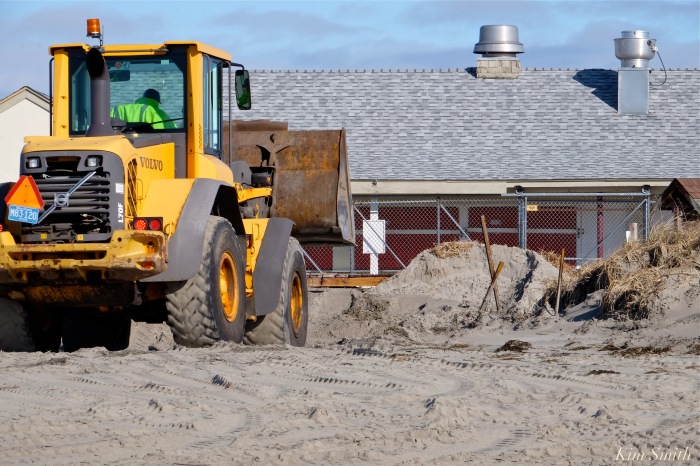
The DPW was on the scene digging out the snack bar boardwalk, beach entrance #2.

Fresh dog and owner tracks on the dune side of the fence. Why?? Our beaches are in trouble folks. Please keep off the dunes.With so many dogs and people trampling the Piping Plovers nesting area over the weekend, followed by the fierce storm and historic high tides, I wonder if the PiPl will even return to the nesting area. A total of five had been here since April 3rd (what appear to be two nesting pairs and one bachelor) but I could only find one lone male this morning.


PIPING PLOVERS DRIVEN OFF THE BEACH

Despite the case that posted signs were in place for Saturday’s off leash day, it was a complete disaster for the Piping Plovers.

When I was there early in the morning there was a large group of dog owners by the Good Harbor Beach Inn area and the dogs were playing by the water’s edge, away from the nesting sites, and it was wonderful to see!

Piping Plover nesting signs on the beach.

At noon I stopped by for a quick check on the PiPl, in between a meeting and babysitting, and it was a complete and utter disaster. There were dozens of dogs and people frolicking WITHIN the nesting areas, as if the signs were completely invisible. The nesting areas were so full of people and dogs, one of the pairs of PiPl had been driven off the beach and into the parking lot. They were trying to make nest scrapes in the gravel. Heartbreaking to see.

My husband and I put up roping as soon as I was finished babysitting. We ran out of rope for both areas and came back today to finish cordoning off the nesting sites. Hopefully the rope will help.

https://www.instagram.com/p/BhkaJUNnmW4/

Perhaps because of climate change, and for reasons not fully understood, for the third year in a row, we now have a beautiful species of shorebird nesting at Good Harbor Beach. This year they arrived on April 3rd. Piping Plovers are a federally threatened species and it is our responsibility to do all that is humanly possible to insure their safety.

We live in coastal Massachusetts, which means we also have a responsibility in the chain of migration along the Atlantic Flyway to do our part to help all wildlife, particularly endangered wildlife.

Wouldn’t it be tremendous if the dog friendly people and all citizens of Gloucester would work together to change the leash laws to restrict dogs from our barrier beaches, Good Harbor Beach (and Wingaersheek, too, if birds begin nesting there as well), beginning April 1st?

Much, much better signage is needed as well as a wholehearted information campaign. And better enforcement of the current laws would be of great help as well however, if the laws are written such that dogs are allowed on the beaches during the month of April, which is the beginning of nesting season, then we are not being good stewards of species at risk.

We need help enforcing rules about keeping people and pets out of the dunes. The dunes are our best protection against rising sea level and are weakened terribly by trampling through the beachgrass and wildflowers.

It may be helpful for people to understand that the earlier the PiPl are allowed to nest, the earlier the chicks will be born, and the greater their chance of survival. Yesterday morning one pair mated and the female helped the male dig a nest, which means we could very well see eggs very soon (if they return to the nesting sites after yesterday’s debacle).

Papa Plover bowing in the courtship dance.

And here he is puffed out and high-stepping in the mating dance.

If the PiPl begin laying eggs now, and it takes about another month for hatching from the time the first egg is laid, the chicks would be a month old by the time July 4th arrives, when GHB becomes packed with visitors.

If the eggs and nest are destroyed, the nesting cycle will begin all over again and we will have chicks born over Fiesta weekend, with days-old chicks running around the beach on July 4th, as happened last year.

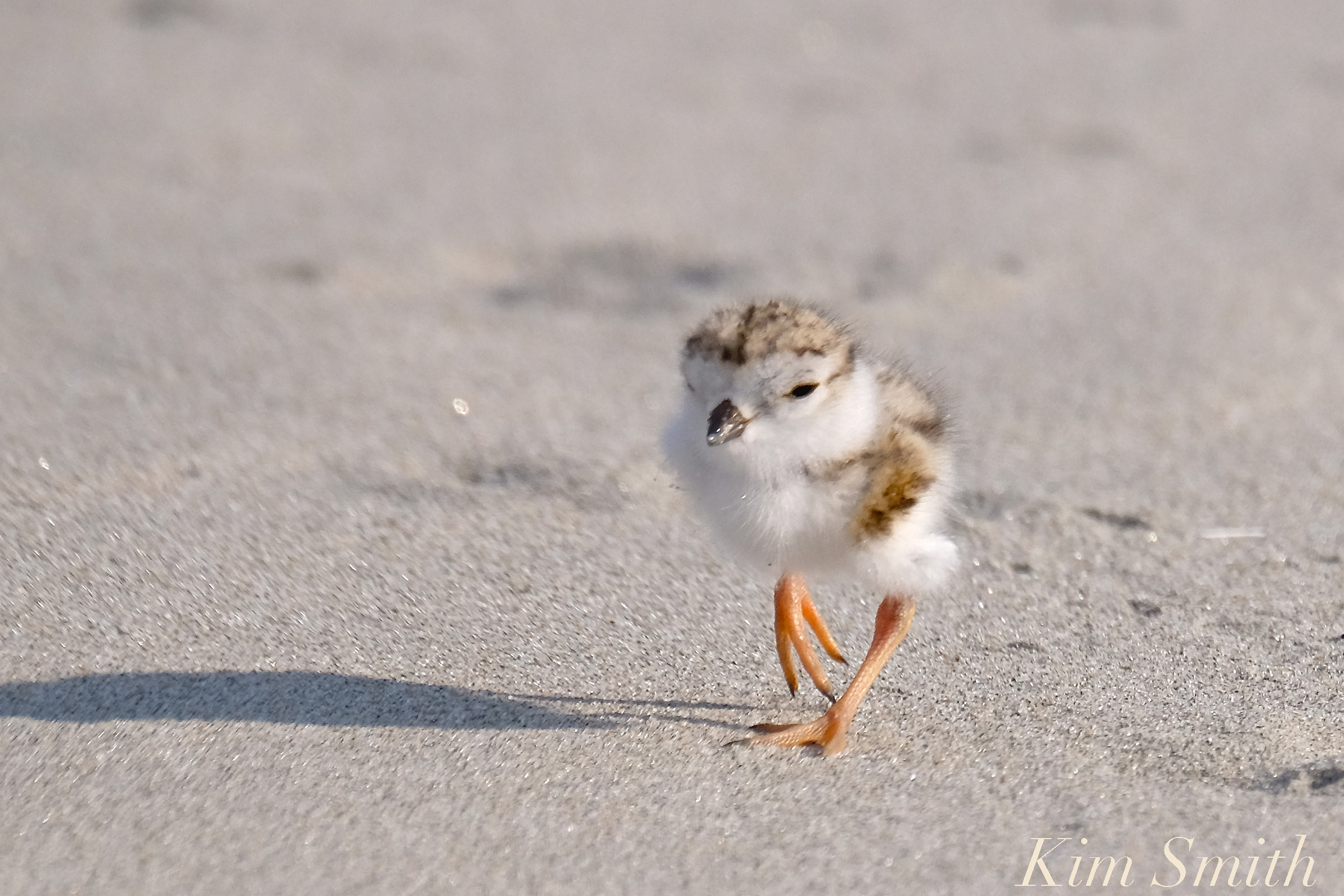
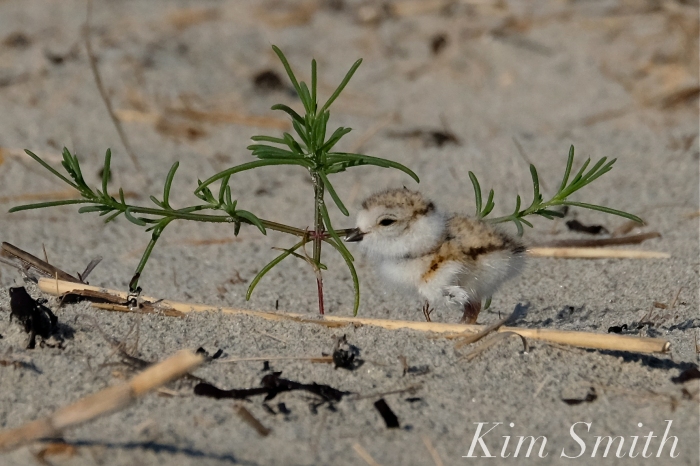
One-day-old Piping Plover chick – a marshmallow-sized chick with toothpicks for legs is super challenging to watch over on a typical Good Harbor Beach summer day!

I believe that as a community we can work together to help the Piping Plovers, as was done last year. It took a tremendous effort by a fabulous group of volunteers. The hardest thing that the volunteers had to deal with were the seemingly endless encounters with scofflaw dog owners. Especially difficult were the sunrise and sunset shifts because folks think they can get away with ignoring the laws at those times of day. I cannot tell you how many times I have had terrible things said to me when I tried to speak to people about keeping their dogs away from the PiPl nesting sites. Some folks do not want to be told that their dog cannot play there.

Rather than expecting volunteers and citizens to call the dog officer, when it is usually too late by the time they arrive, the dog officers should be stationed at the beach at key times, on weekends, and after five pm, for example.

Now that we know the Piping Plovers are here this early in the season, better rules, signage, and more information need to be in place. Gloucester is not the only north shore coastal Massachusetts area this year experiencing Piping Plovers arriving earlier than usual. We can learn much historically from how other communities manage these tiniest and most vulnerable of shorebirds. For example, after April 1st, no dogs are allowed at Crane Beach. Throughout the year, no dogs are allowed at Parker River National Wildlife Refuge, and at Revere Beach (also home to nesting Piping Plovers), which was the first public beach established in the United States, no dogs are allowed from April 1st to mid-September.

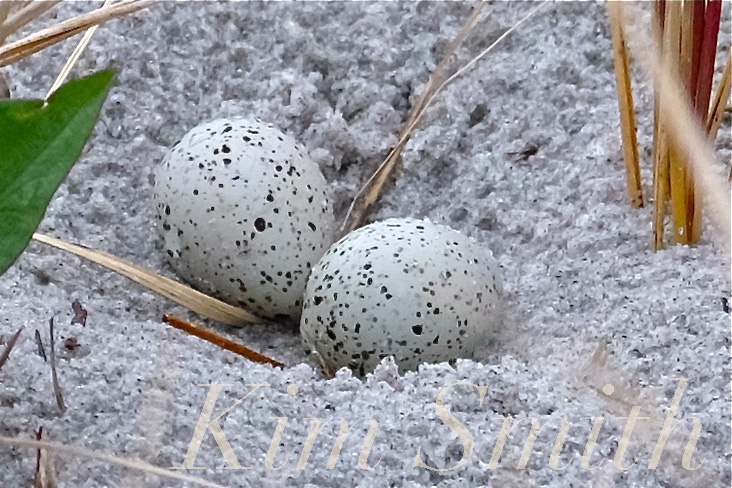
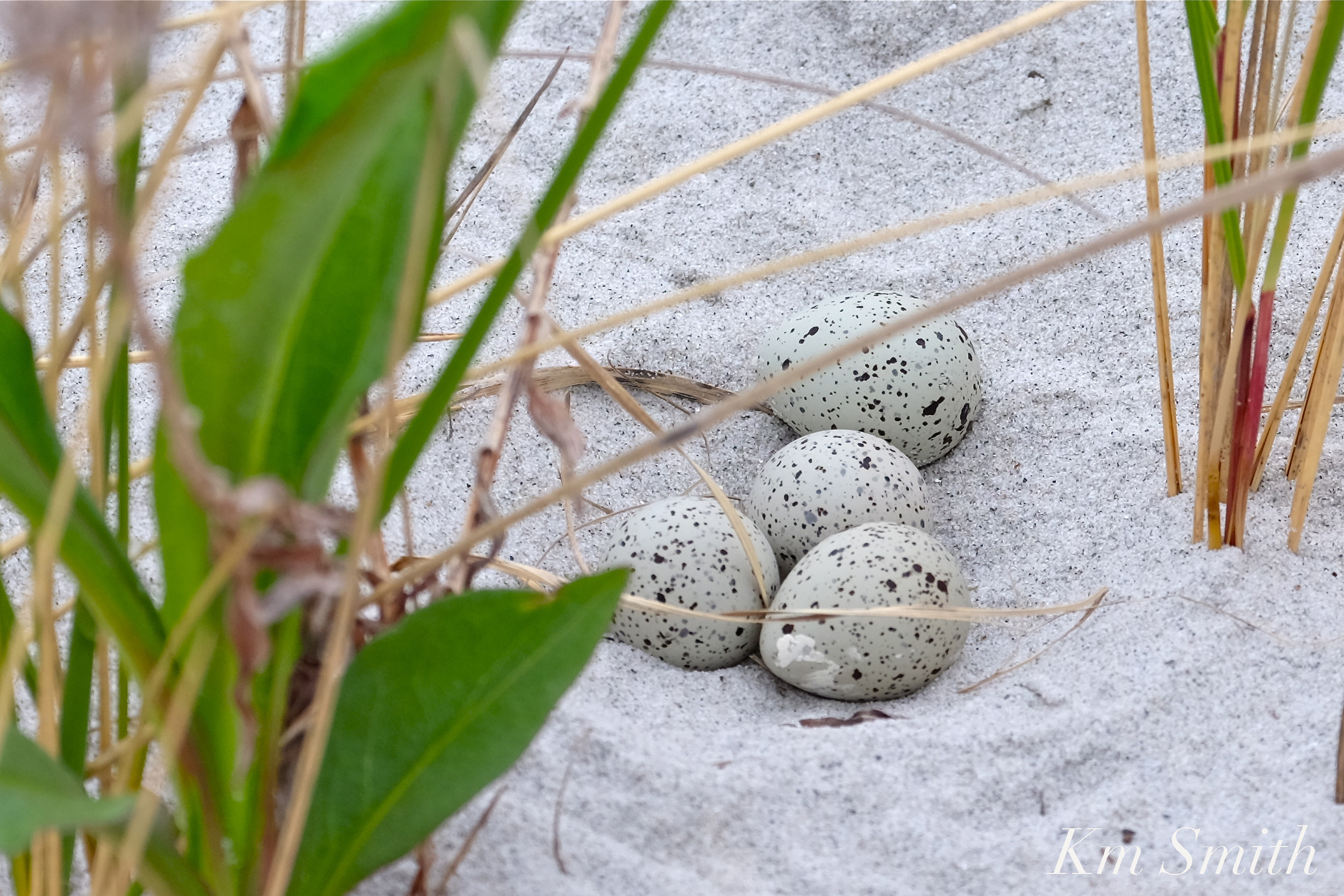
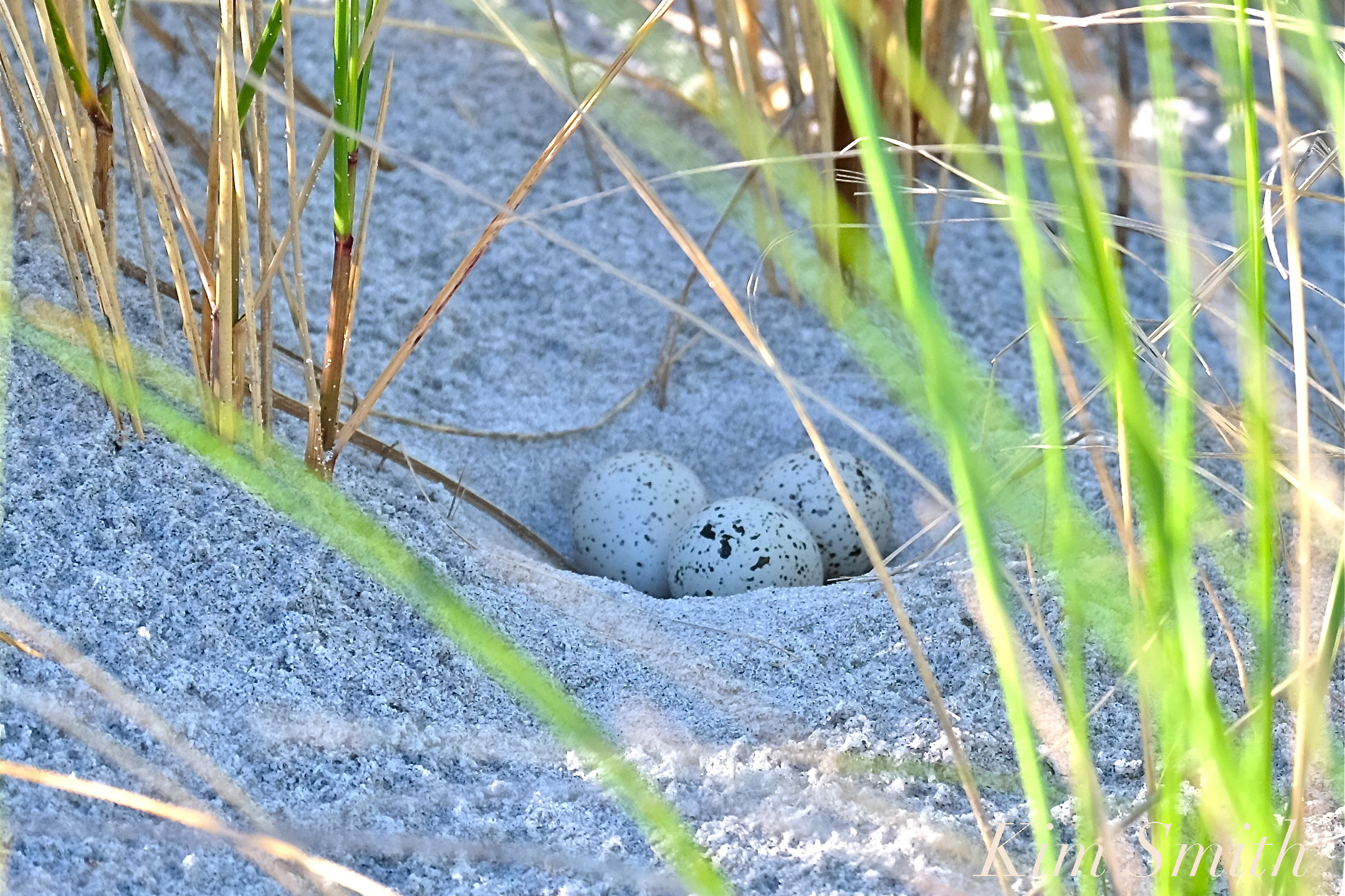
The female Piping Plover lays one egg approximately every day to every few days, usually until a total of three to four eggs are laid. The male and female begin sitting on the eggs when all are laid. Until that time, the eggs are extremely vulnerable to being stepped upon.

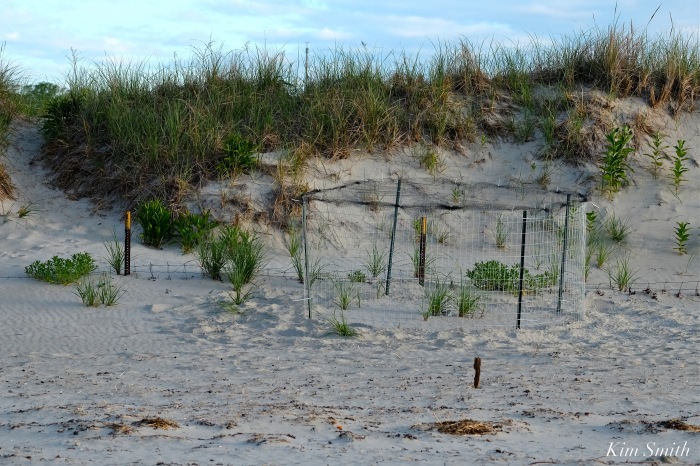
Currently the two nesting areas identified on Good Harbor Beach are taking up more space than will be the case once the PiPl begin to lay eggs. As soon as the first egg is laid, an exclosure will be placed over the nest and the overall cordoned off area will shrink some.

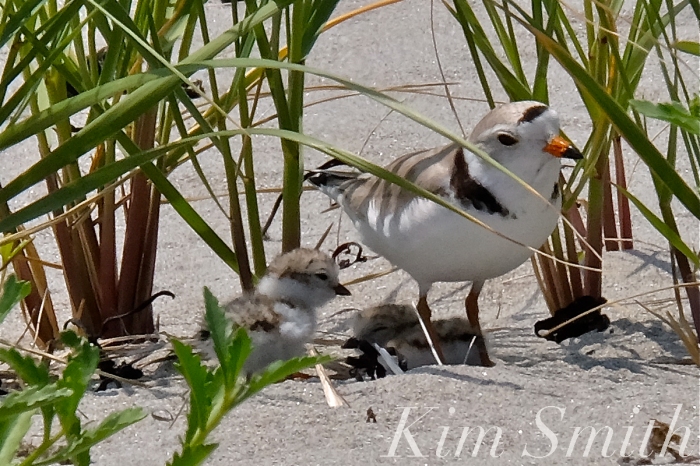
Mama PiPl and one-day-old chick

HELPING PIPING PLOVERS AND A HUGE SHOUT OUT TO GREENBELT’S DAVE RIMMER AND DAVE MCKINNON

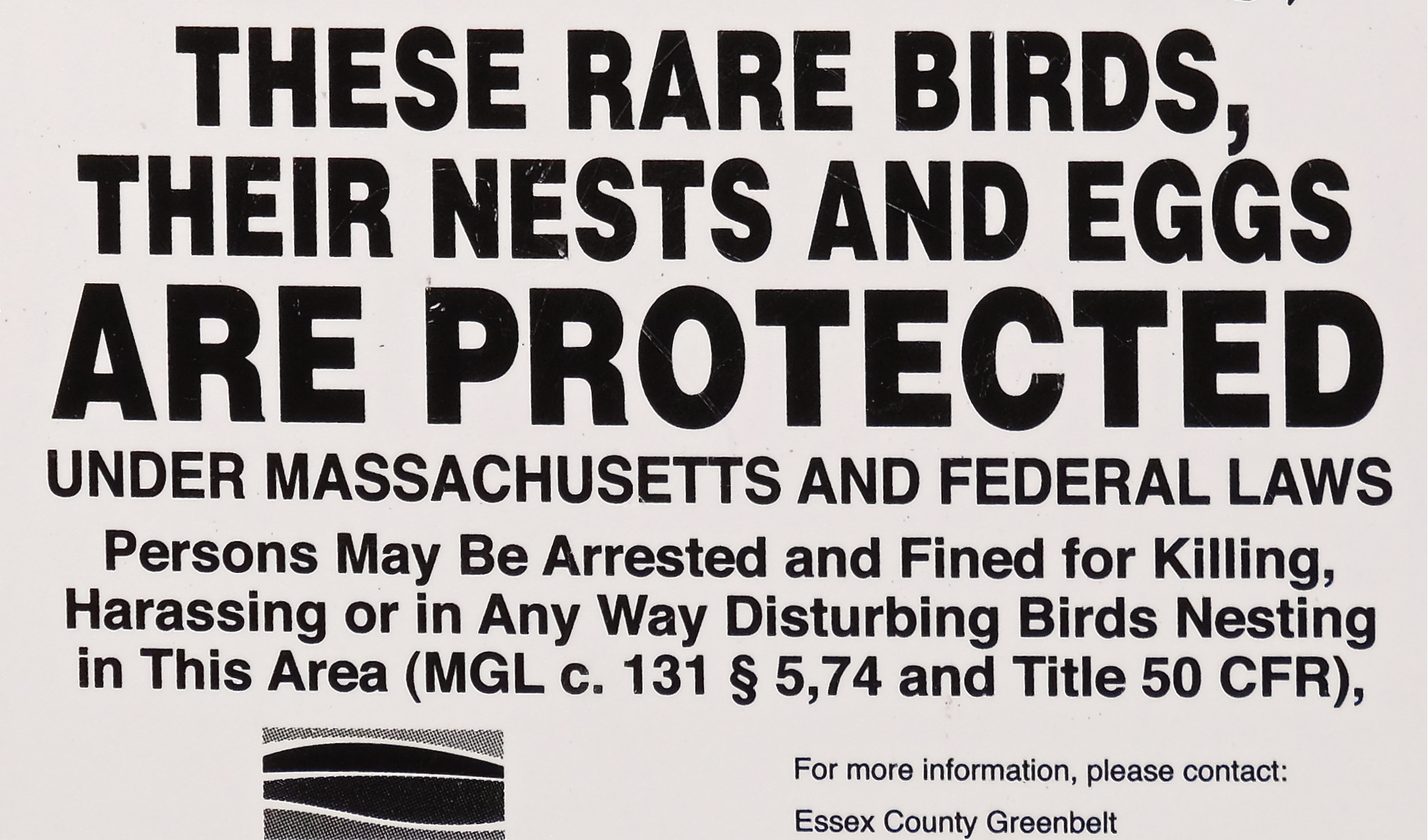
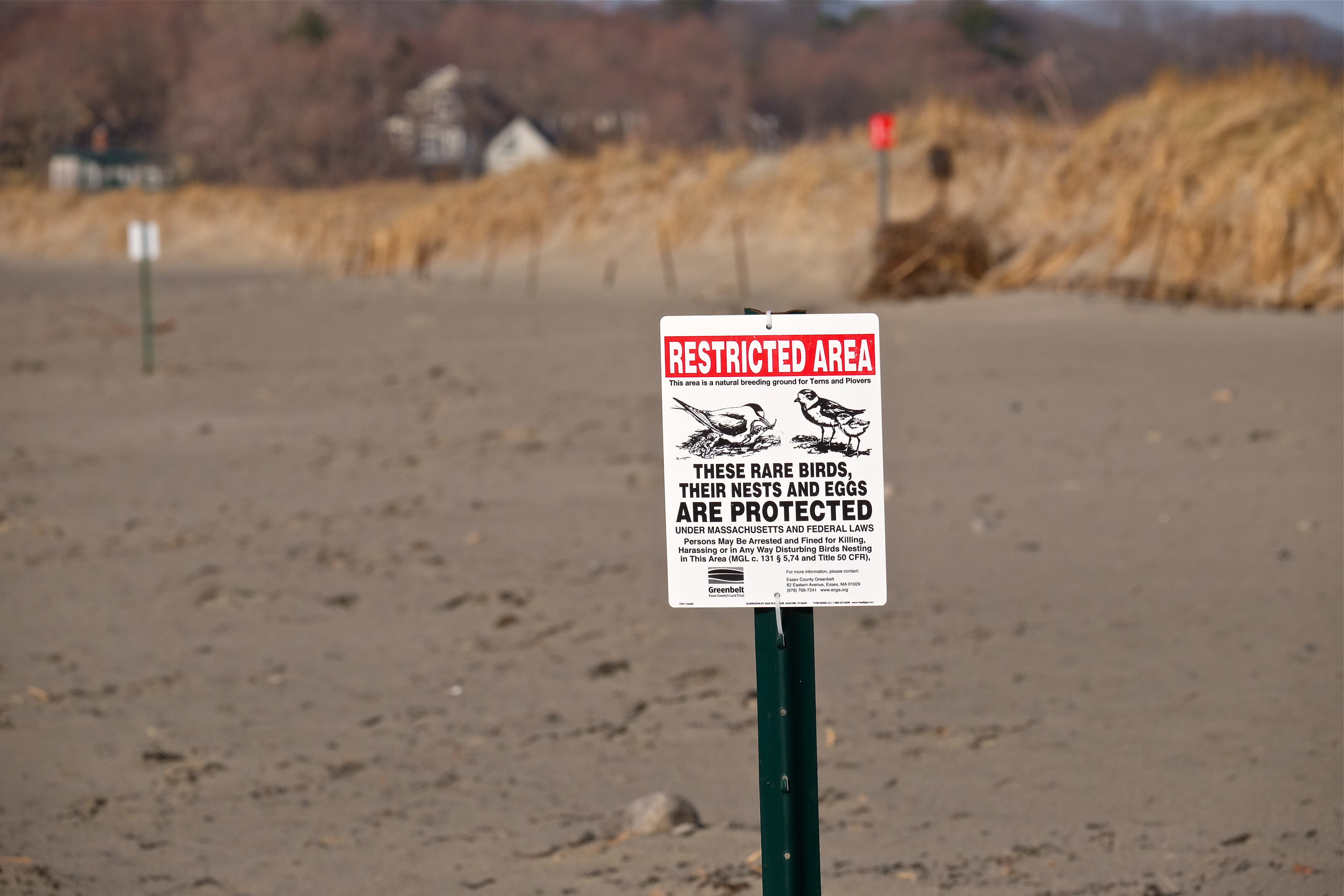
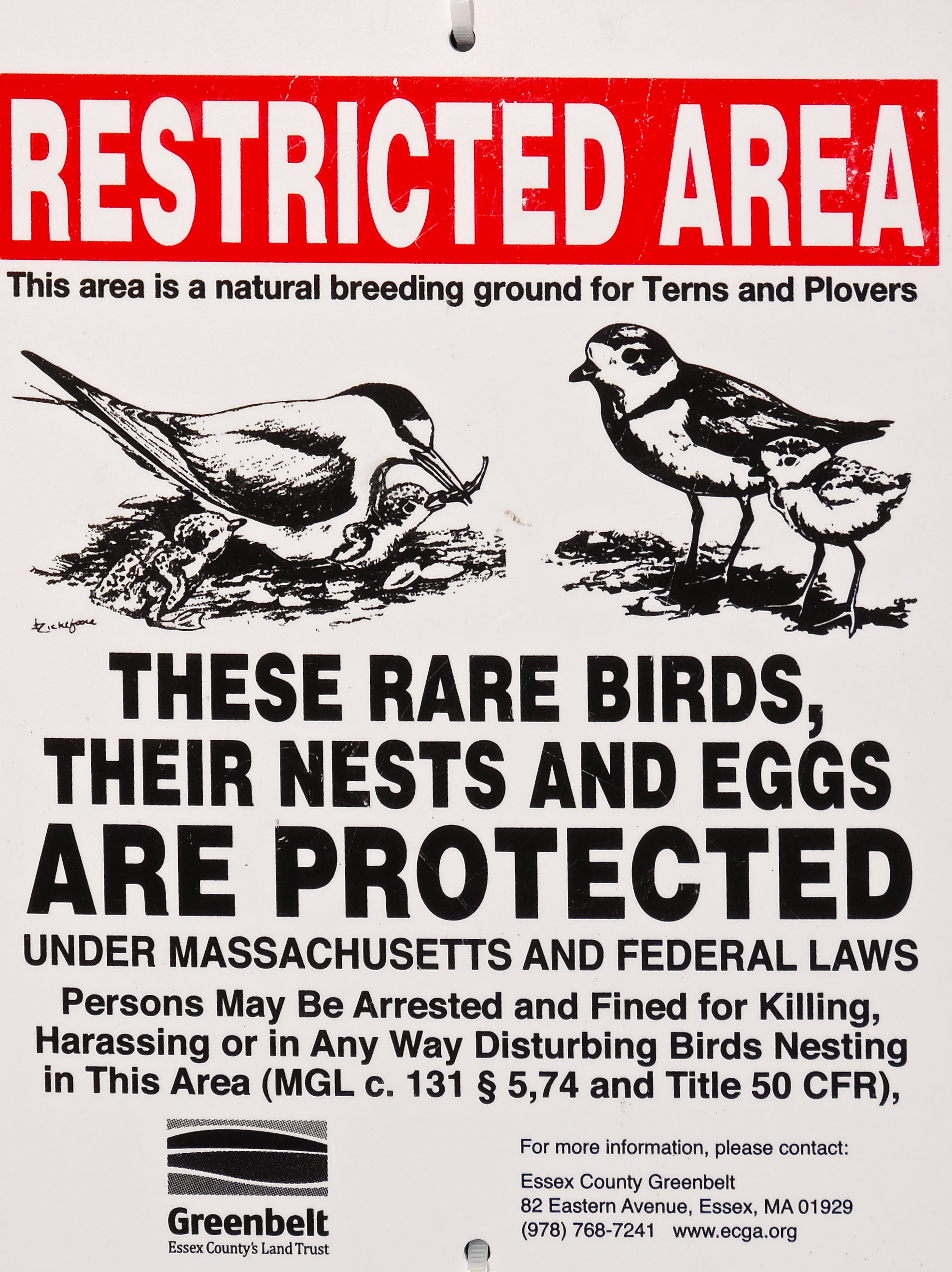
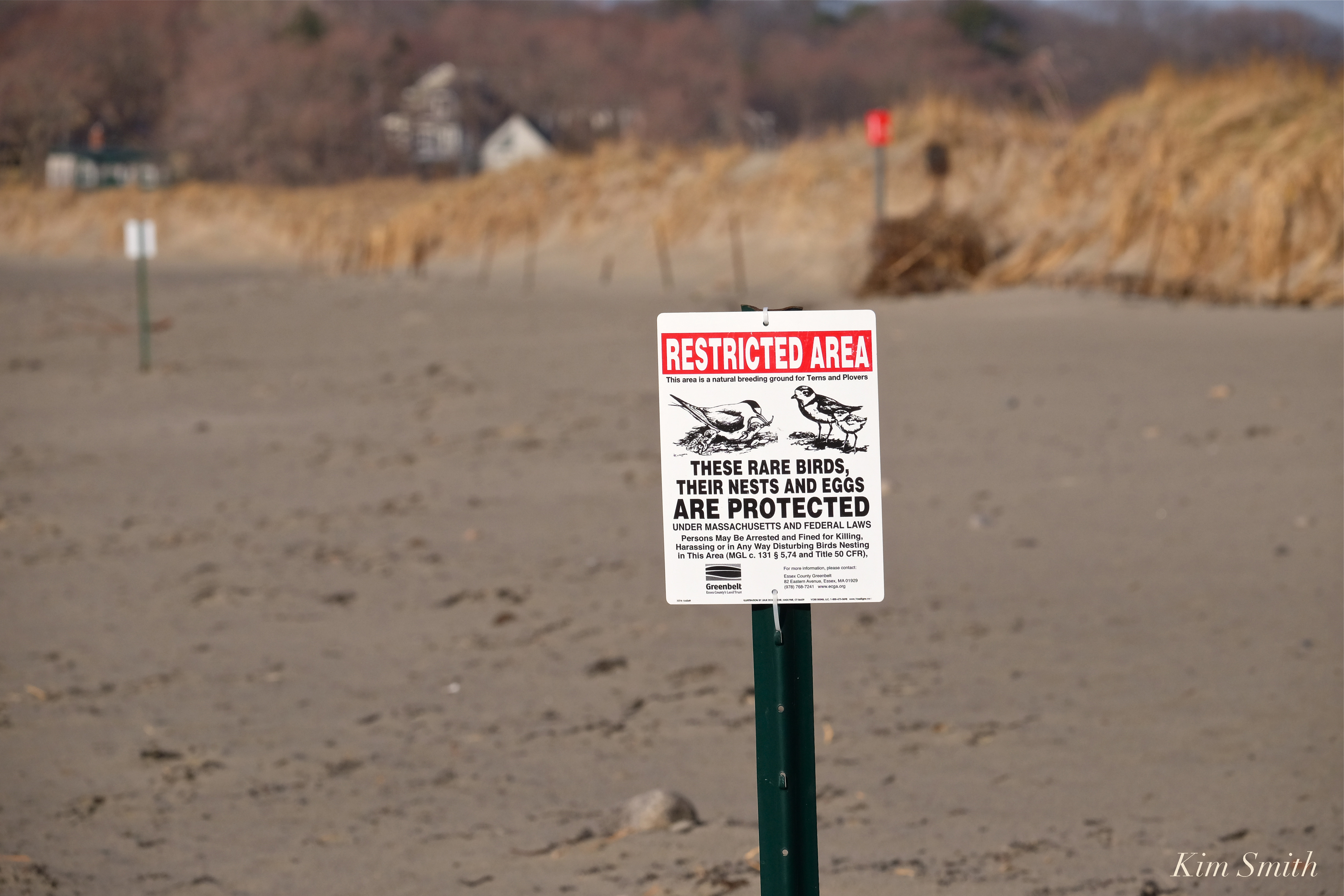
Help arrived for the Piping Plovers yesterday afternoon when Greenbelt’s Dave McKinnon installed the symbolic posts and informative signage. Roping will come next week, but at the very least, cordoning off the nesting area informs the community to tread lightly and where to keep out. Two nesting areas have been identified. The signs are posted between boardwalk 3 and the footbridge, as well as between boardwalks 1 and 2.

So many thanks to Dave Rimmer and Dave McKinnon. I happened to meet up with them yesterday morning and initially Dave R. thought they would not be able to help until next week. What great relief when I read the email from Dave R. that Dave M. would be back later in the day to install the posts and signs!

Thank you, thank you, thank you!!!

REMINDER: TOMORROW IS AN OFF LEASH SATURDAY, WHICH IS GOING TO BE VERY, VERY TOUGH ON THE PIPING PLOVERS. PLEASE DOG OWNERS, IF YOUR DOG IS NOT UNDER VOICE COMMAND, THEN THE RULE IS, THE DOG IS NOT ALLOWED ON THE BEACH. PLEASE TRY TO UNDERSTAND THAT THIS THREATENED SPECIES OF SHOREBIRDS NEEDS EVERYONE’S HELP. THANK YOU!

I wrote the above because yesterday I got a very disturbing call from a friend, a person who is usually mild mannered and not easily angered. He was calling to say that he had just observed a woman with her “birder” dog chasing the Plovers up and down the beach over and over again. When he spoke with her about the Plovers, she said she was aware of the threatened birds, but that she couldn’t control her dog because he “was having a bad day.” All I can write, is please, please, please do not allow your dog to chase the Piping Plovers. It may be fun and games for you and your dog, but allowing the PiPl to nest is a matter of survival for these beautiful and tiniest of shorebirds.

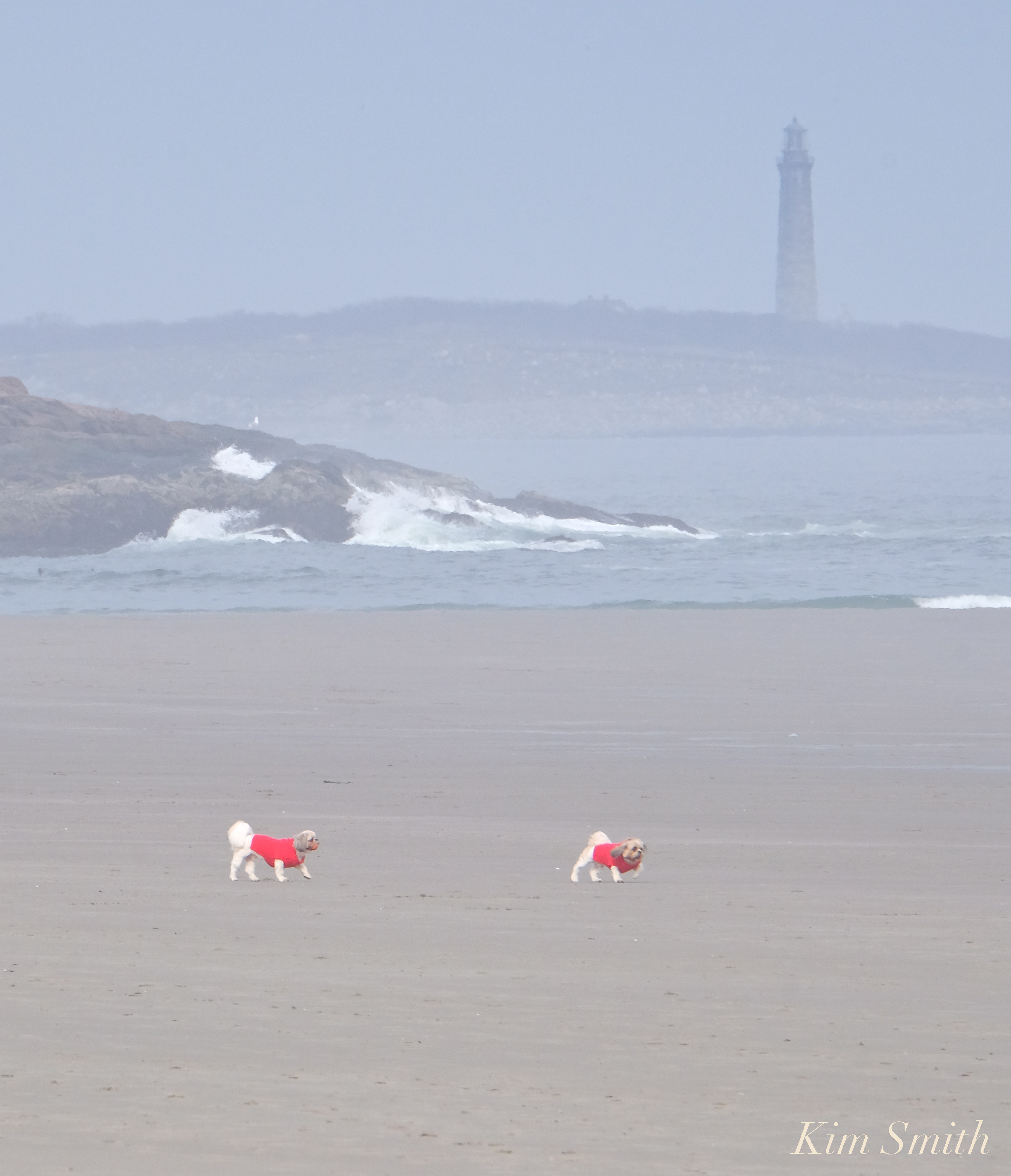
Two adorable sweet dogs, off leash today, on an on leash day.

Currently there are four PiPl at Good Harbor Beach. One very bonded pair (excellent possibility that it is our Mama and Papa Plover from the past two summers) and two unattached males. The above photo is of one of the two bachelors.

FENCING IS URGENTLY NEEDED FOR THE NESTING PIPING PLOVERS!! PLEASE SHARE THIS POST

The Piping Plovers are nesting between Good Harbor Beach entrance #3 and the footbridge area. They have been here for eight days, since last Tuesday, and courtship is fully underway.

Greenbelt has not yet put up the posts and roping that the PiPl so desperately need to keep safe. In the mean time, would it be possible for dog owners to spread the word and let fellow dog owners know that on off-leash days it would be so very helpful to the Plovers if folks allowed their dogs to play from #3 entrance to the Good Harbor Beach Inn? That encompasses most of the beach. This would create a safe nesting zone for the PiPl.

Please share if you would. Thank you so very much for your kind help.

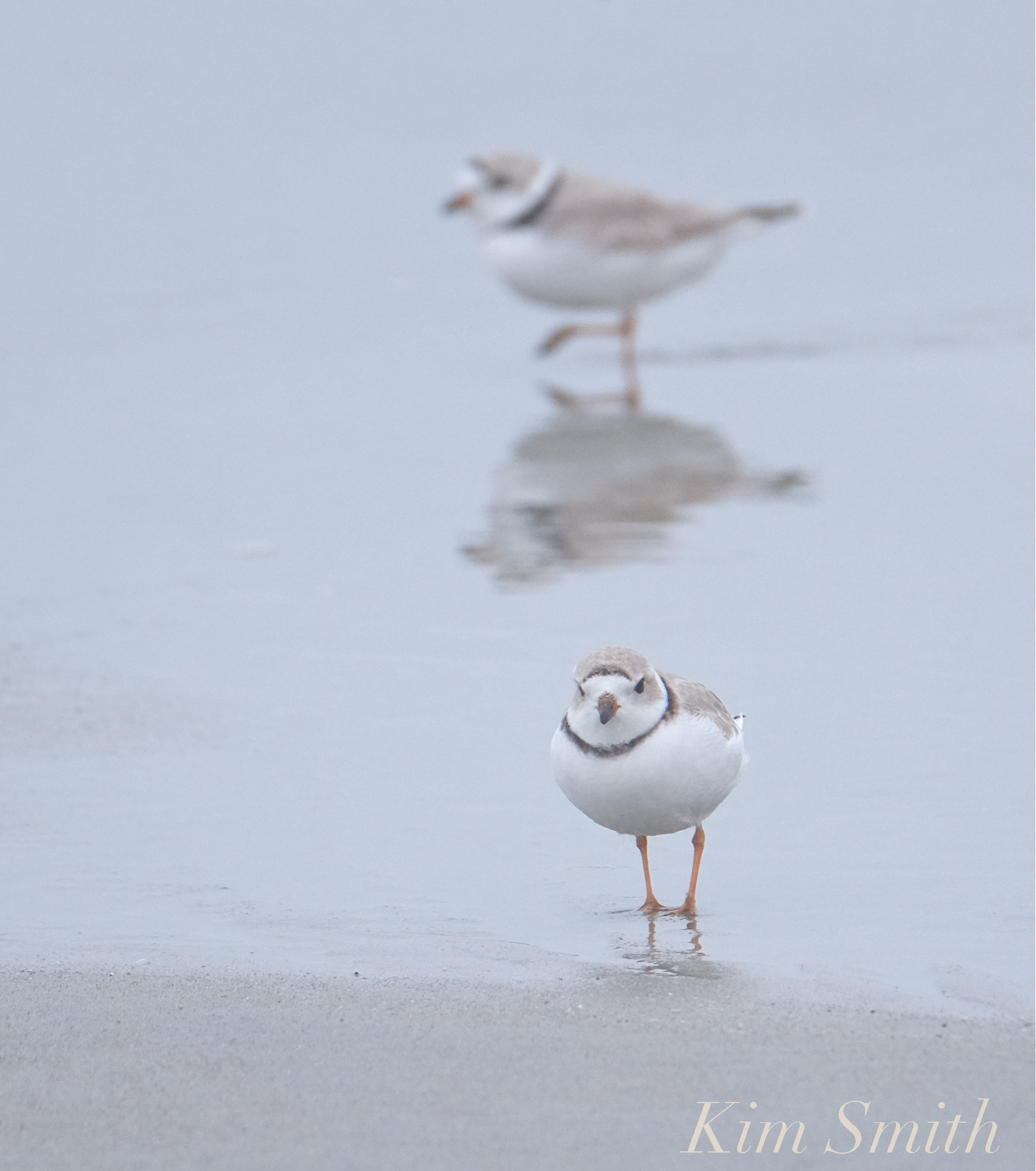
Foggy Morning Plovers Courting

Papa creates a variety of nest scrapes by digging shallow miniature teacup-size craters in the sand.

He pipes his love call to Mama, inviting her to come inspect the potential nest site.  

And adds some dried bits of seaweed to the nest to make it extra appealing to her.

With a flourish of her wings she says NO.

Nest inspecting is very tiring and Mama takes a nap in between inspections (even though Papa is doing all the work!)

NOT THREE BUT FOUR PIPING PLOVERS ON GOOD HARBOR BEACH! (AND ONE DUNLIN)

April 7th

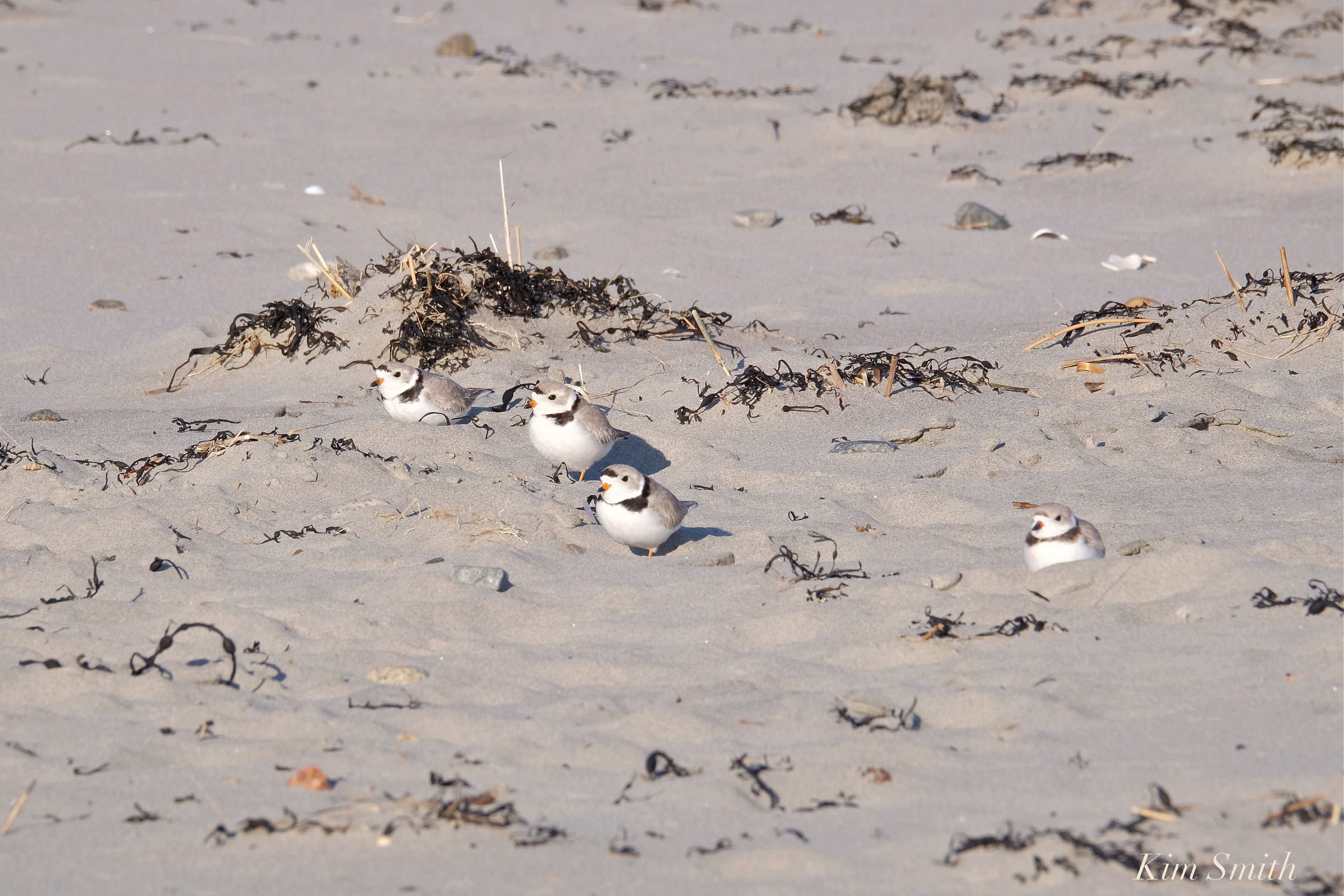
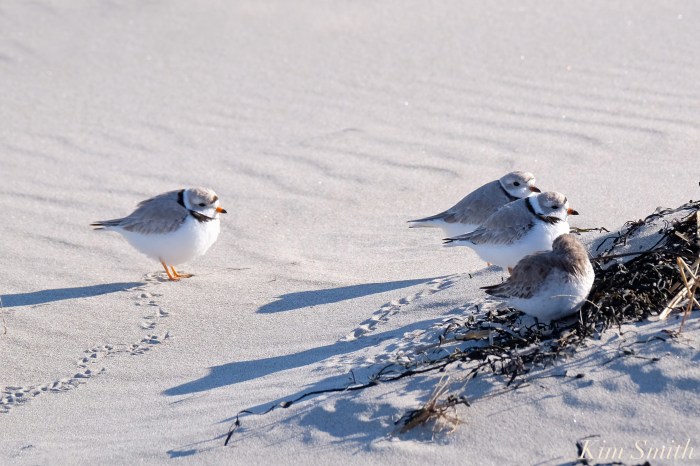
Saturday at 5:30pm and there are not three, but four PiPl!! The Dunlin is still here and doing everything Plover, it is so funny to see. I think we have three males and one female.

They were sleeping at the wrack line but as the sun was setting, more and more dogs. They don’t seem to mind people playing in close proximity, but then a bunch of dogs ran through where they were resting and so down to the water’s edge they flew.

Sixteen off leash between 5:30 – 7pm, and it’s an on leash day. I avoid GHB during the off season because of dog owners that allow their dogs to jump on you, but it is so disheartening to see them running wild through the dunes. So much habitat destruction taking place. How will the dog owners respond when they learn the Piping Plovers have returned and are nesting again at GHB I wonder.

April 8th

Total mayhem on the beach. Dogs are everywhere, on the shoreline, the wrack zone, and running completely wild through the dunes. One knocked me over. I love dogs but this is crazy. The PiPl don’t have a chance and it’s too distressing to watch them try and rest and forage and nest and constantly be chased off.

Precisely where they were sleeping at the wrack line, a couple threw their dog’s tennis ball right smack at the PiPl. So startled, I and the PiPl both jumped up half a foot, before they flew off. Of course the couple didn’t know the PIPl were sleeping but it’s just really, really frustrating.

I wish so much we could do what they do at Crane’s Beach, where during the off season, dogs are allowed on a section of the beach. And at Cranes dog owners do not allow their dogs to run rampant through the dunes.

Tom came back from a walk at noon and couldn’t find the PiPl anywhere, and he is really good at spotting. I’ll check back at sunset to see if the PiPl can be found. Praying and hoping they have found a safe place.

Heartbroken. No plovers at sunset, anywhere, walked from the creek to the hotel twice. Still chaotic with dogs. Will try tomorrow at dawn.

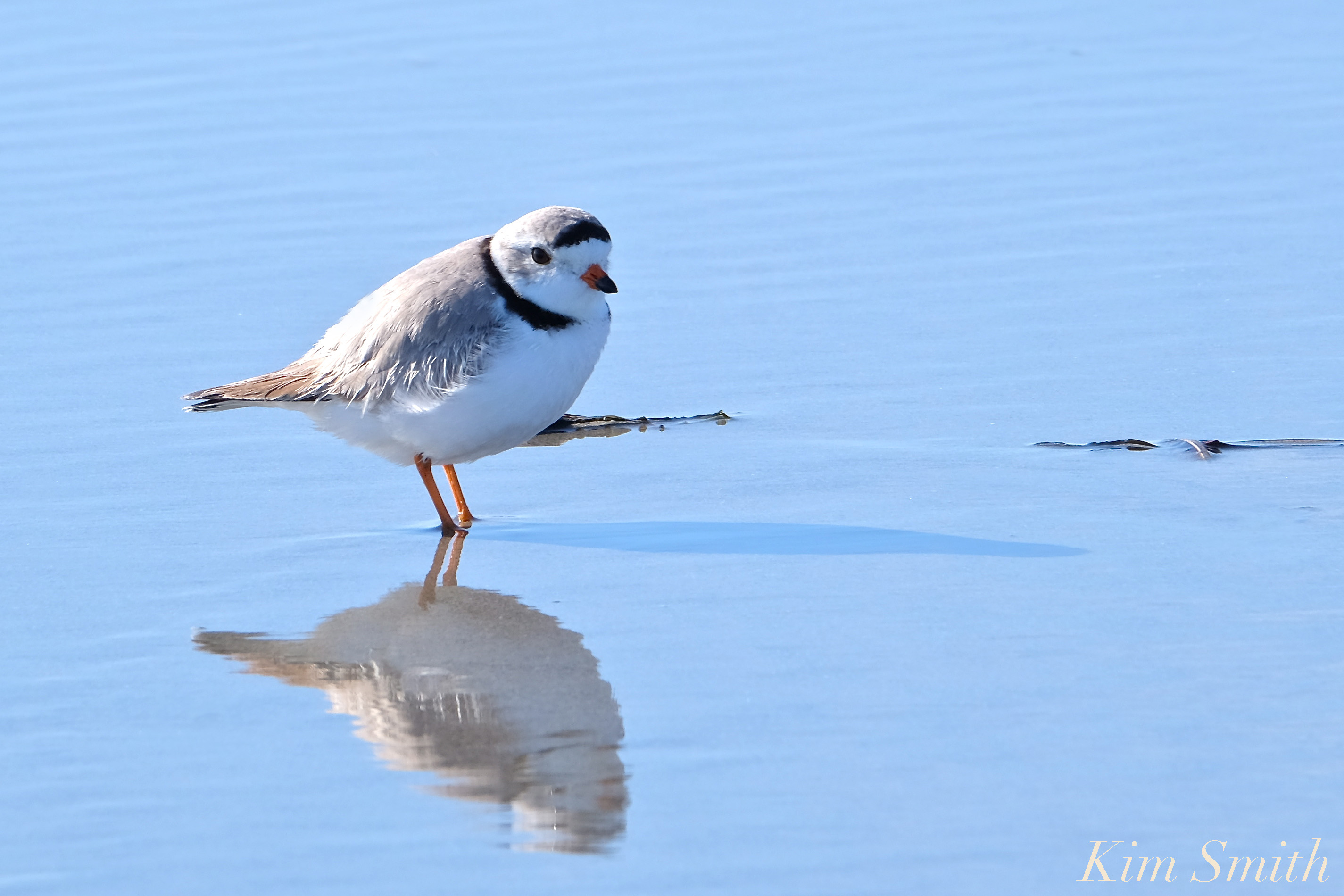
Pretty Mama Plover

The boys of spring.

April 9th

Hooray!! Daybreak and I found them, three Plovers sleeping all in a row! Hopefully will find the other PiPl and Dunlin later today. Emailed Ken Whittaker, Gloucester’s awesome conservation agent, and we are meeting this afternoon. The goal is to get a cordoned off area in place before the next weekend when dogs are off leash. Reminder to let people know to contact Ken if they would like to help this summer by being a Plover ambassador.

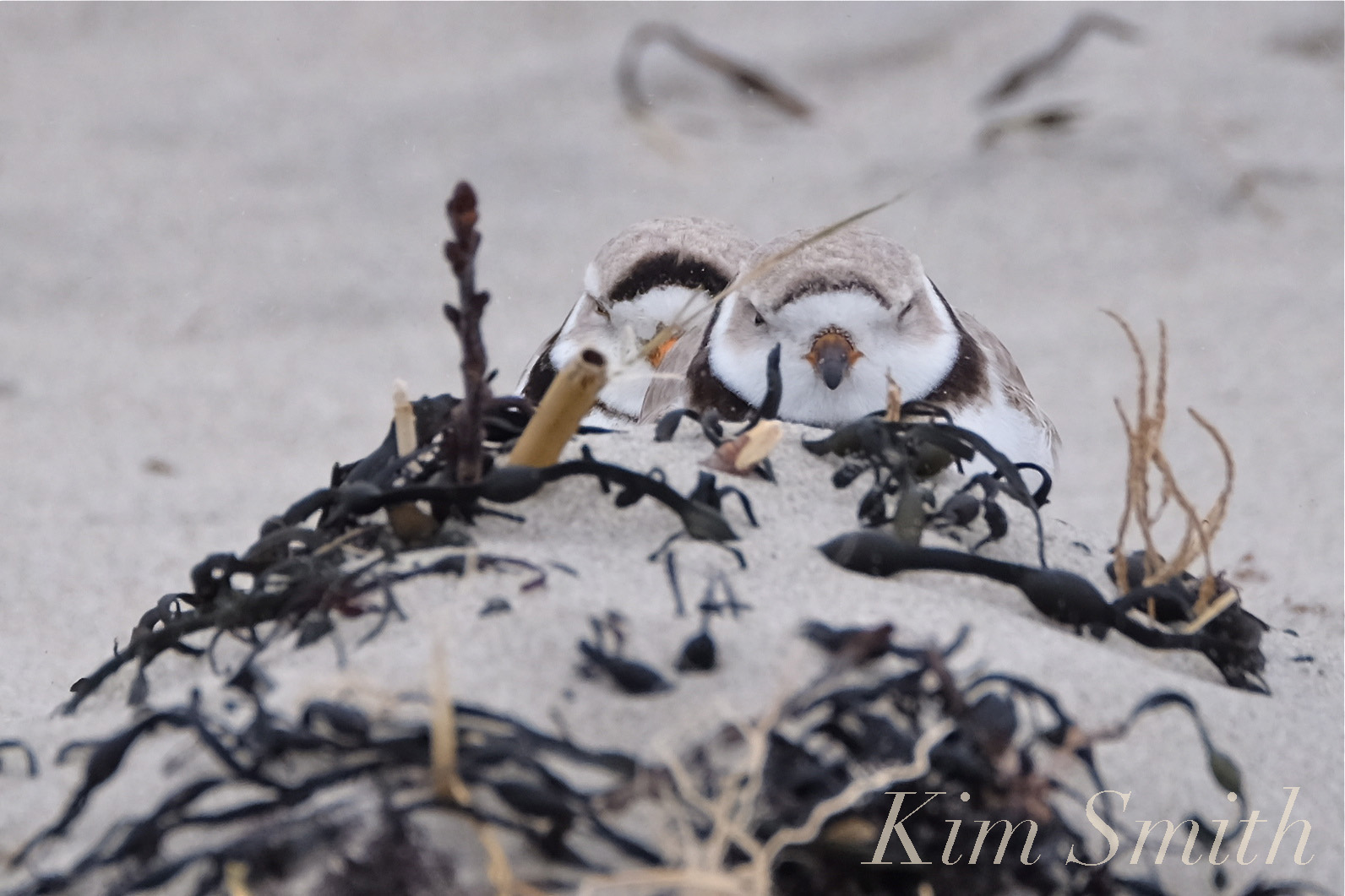
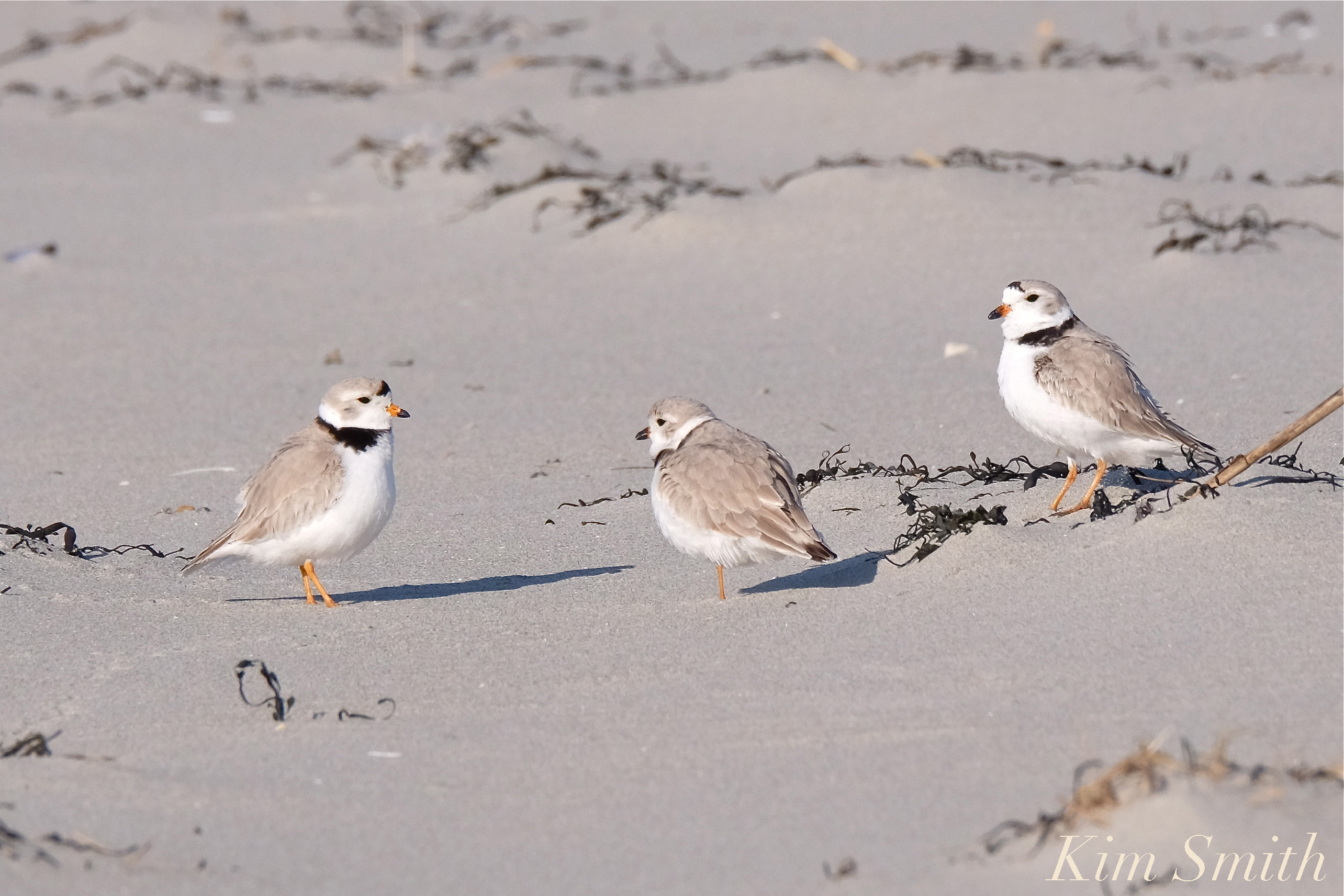
Three in a row sleeping this morning, with Mama in the middle

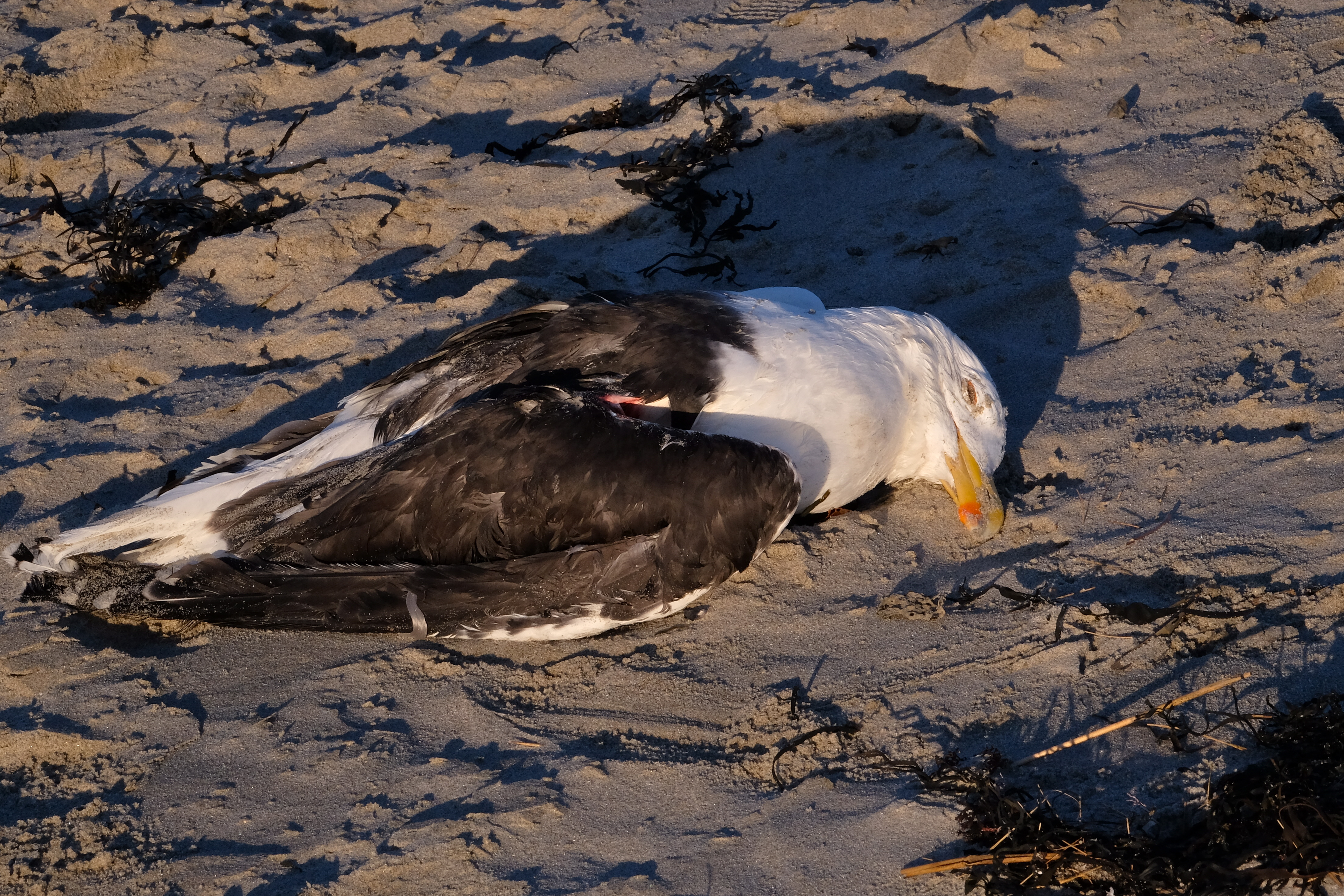
Large dead Black-backed Gull on the beach near the big rock and will move that this afternoon after I speak with Ken. We don’t want to attract varmints to the Plovers’ nesting area!

PIPING PLOVER AMBASSADORS NEEDED!

If you would like to become a Piping Plover ambassador and cover Plover monitoring shifts this season at Good Harbor Beach please contact Gloucester’s conservation agent Ken Whittaker to volunteer.

Thank you so much, and the PiPl thank you, too!!

Ken Whittaker contact information: kwhittaker@gloucester-ma.gov

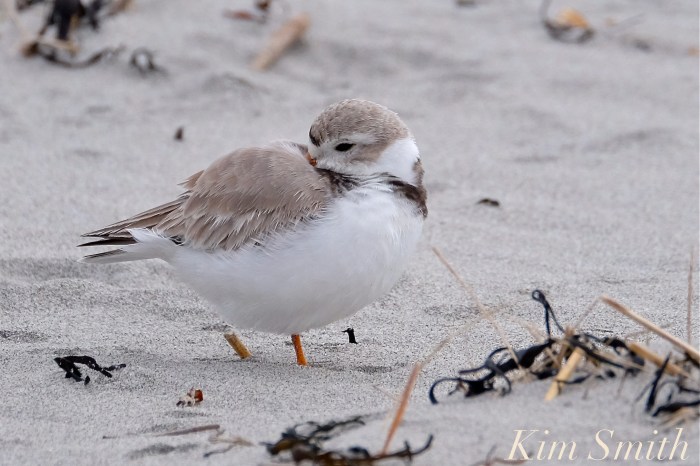
Male Piping Plover sleeping and PiPl tracks in the sand.

BREAKING: PIPING PLOVERS LITTLE CHICK AND FRIENDS RETURN!!! -By Kim Smith

Tuesday April 3, 2018

Oh Happy Day! Overjoyed to see the return of Little Chick and Friends!!!! Daily for the past several weeks I have been checking to catch sight of Piping Plovers. I looked this morning and nothing, but as Tom was leaving for a noon walk on GHB I asked him to keep his eyes peeled. My heart skipped a beat when he called only fifteen minutes later and said he thought there were three. I raced over, and sure enough, YES, three little plovers!!! They are so weary I don’t know what to think. Did they fly straight from the Carolinas or even further, from the Turks and Caicos, or possibly some remote island in the Bahamas? They are so sleepy-eyed and only want to rest.

Will they stay or are they on their way further north? Is this a passing passel of plovers? Could this be Little Chick or Papa and Mama Plover returning? It’s so cold and damp, rain is predicted and later this week, snow. What do Plovers do in the snow?

Wednesday April 4thDunlin in the drizzle

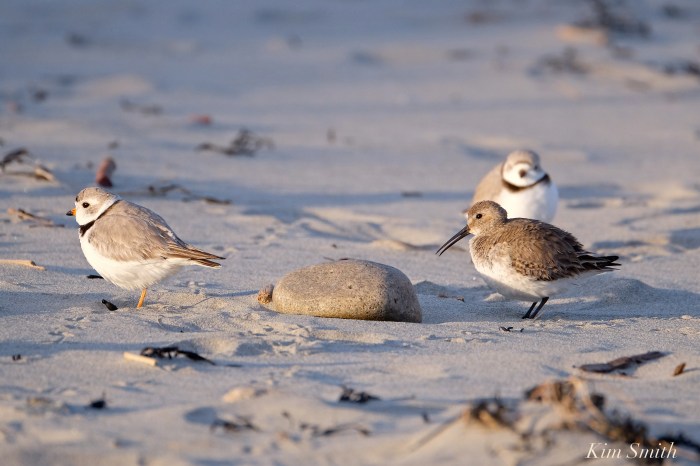
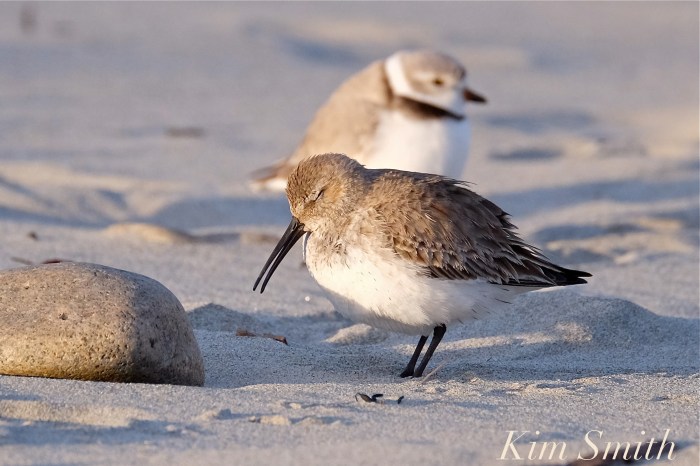
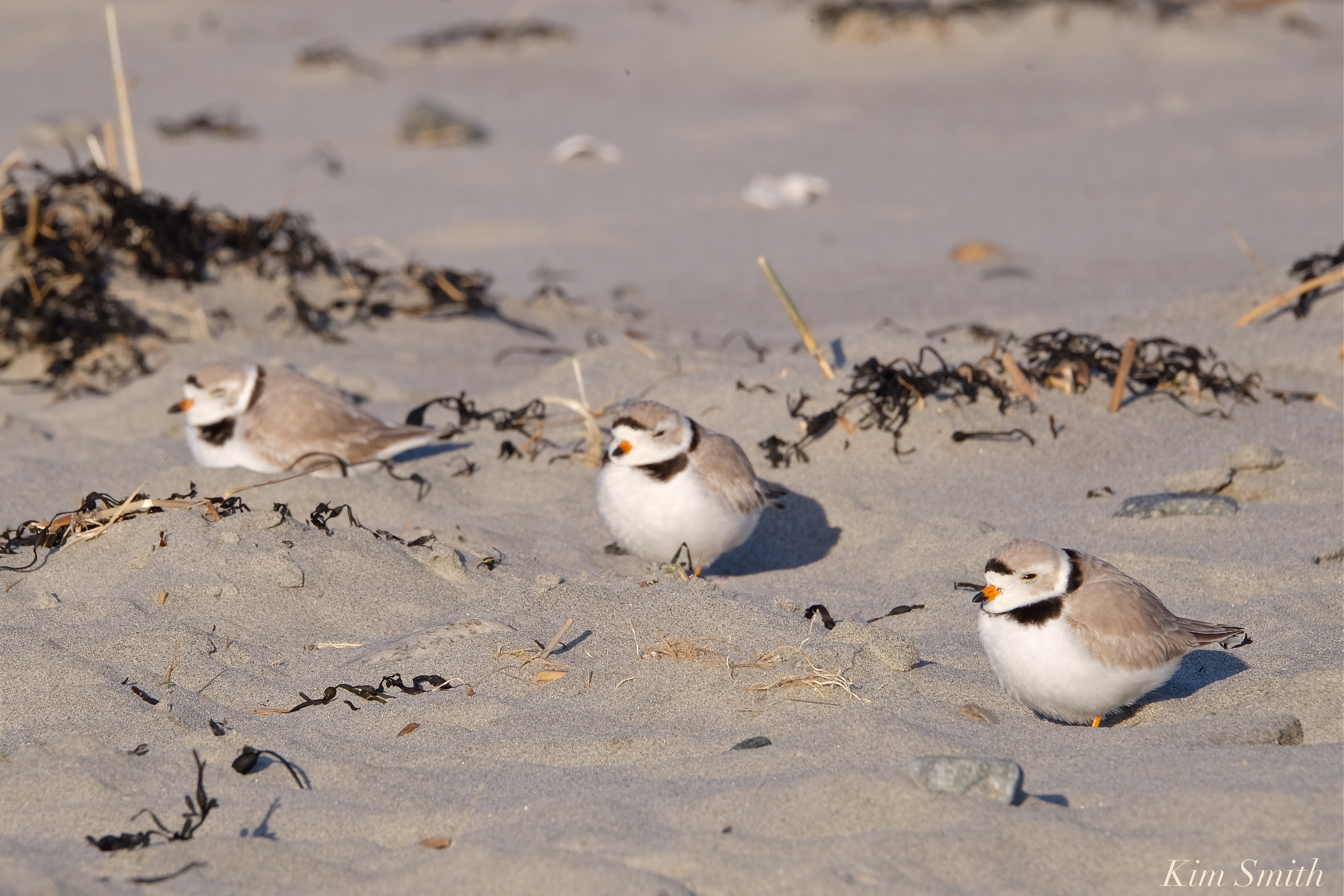
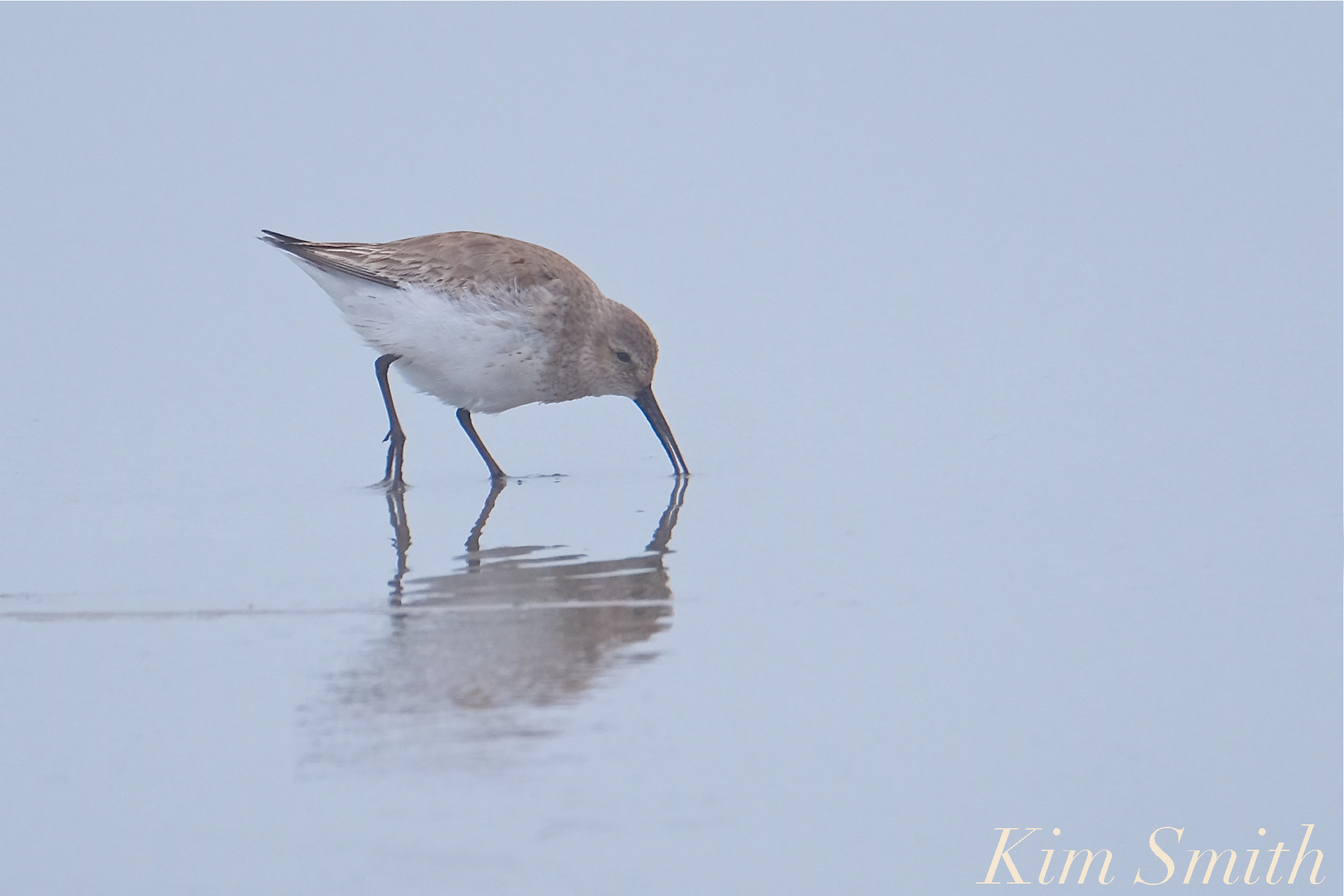
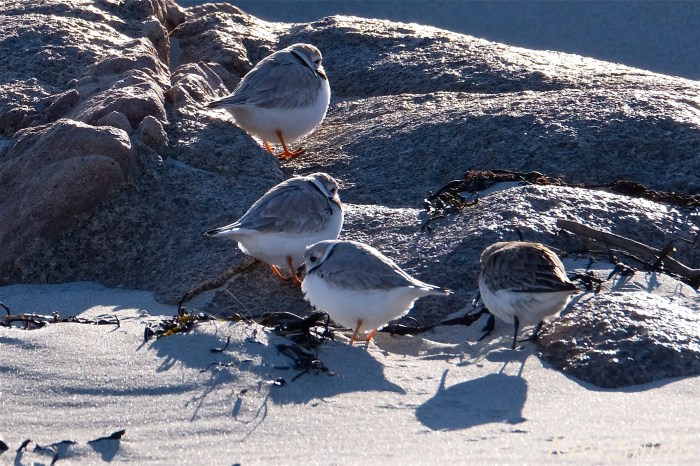
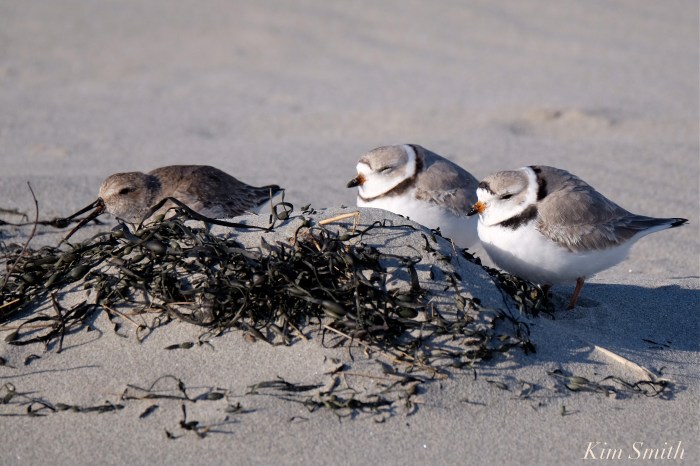
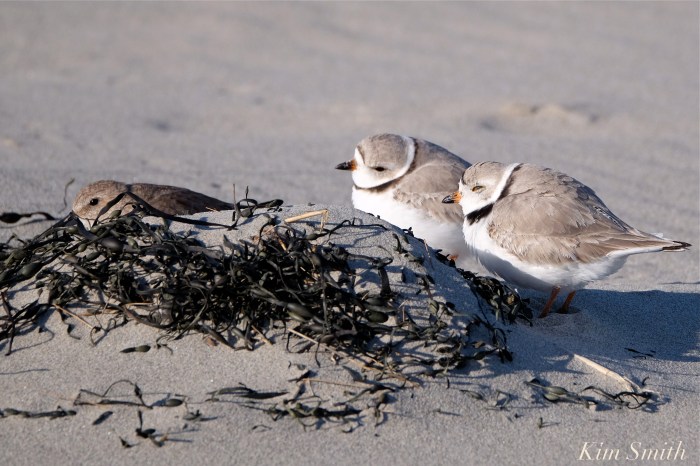
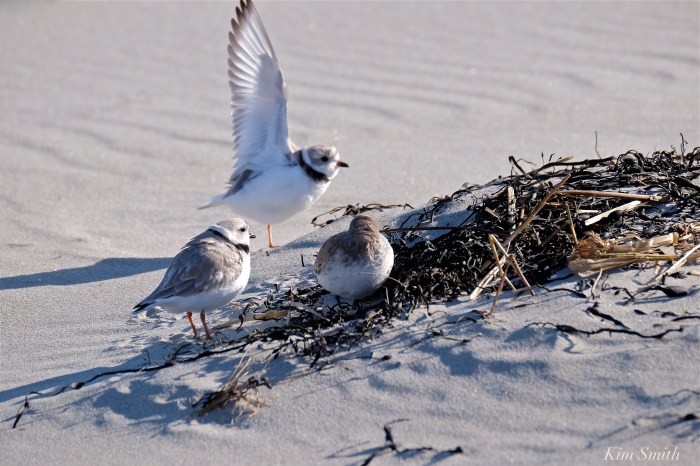
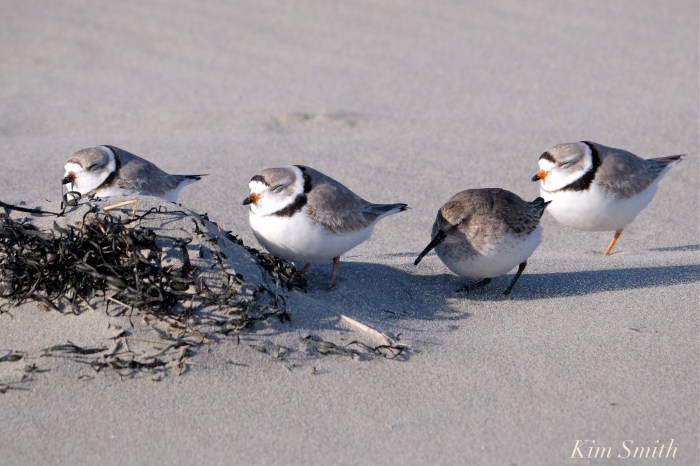
The Piping Plovers stayed the night, all three! They have been joined by a nearly as tiny little shorebird, a Dunlin I think. The PiPl appear to accept the Dunlin as part of the troupe. The Plovers seem a bit more perky today, foraging in the tidal flats.

Why oh why do folks encourage their dogs to chase shorebirds? Will have to post about the Plovers if they decide to stay. Too foggy and drizzly for my cameras on the beach today.

Thursday April 5th


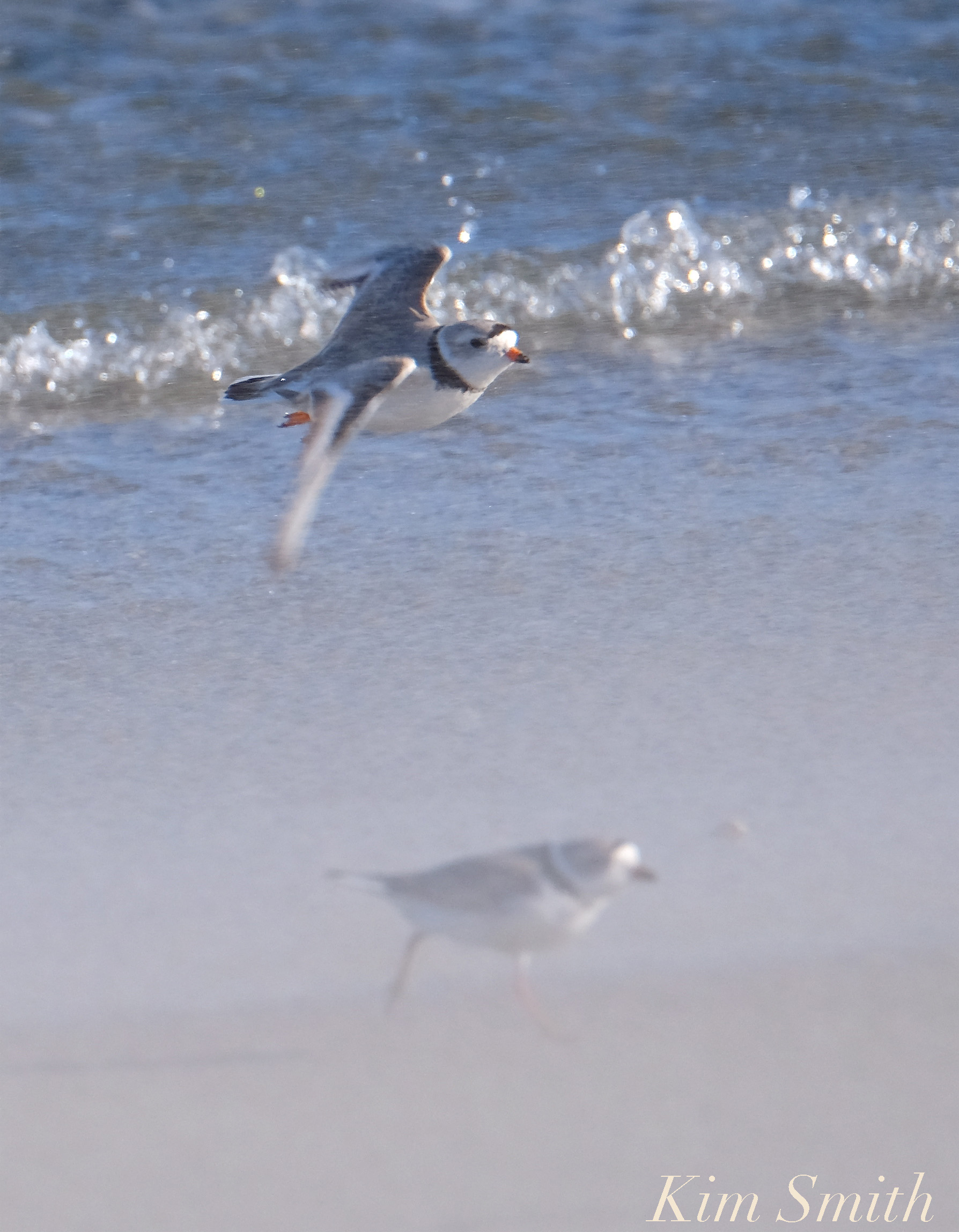
Plover flying through a sand storm.

Joy! They are still here.

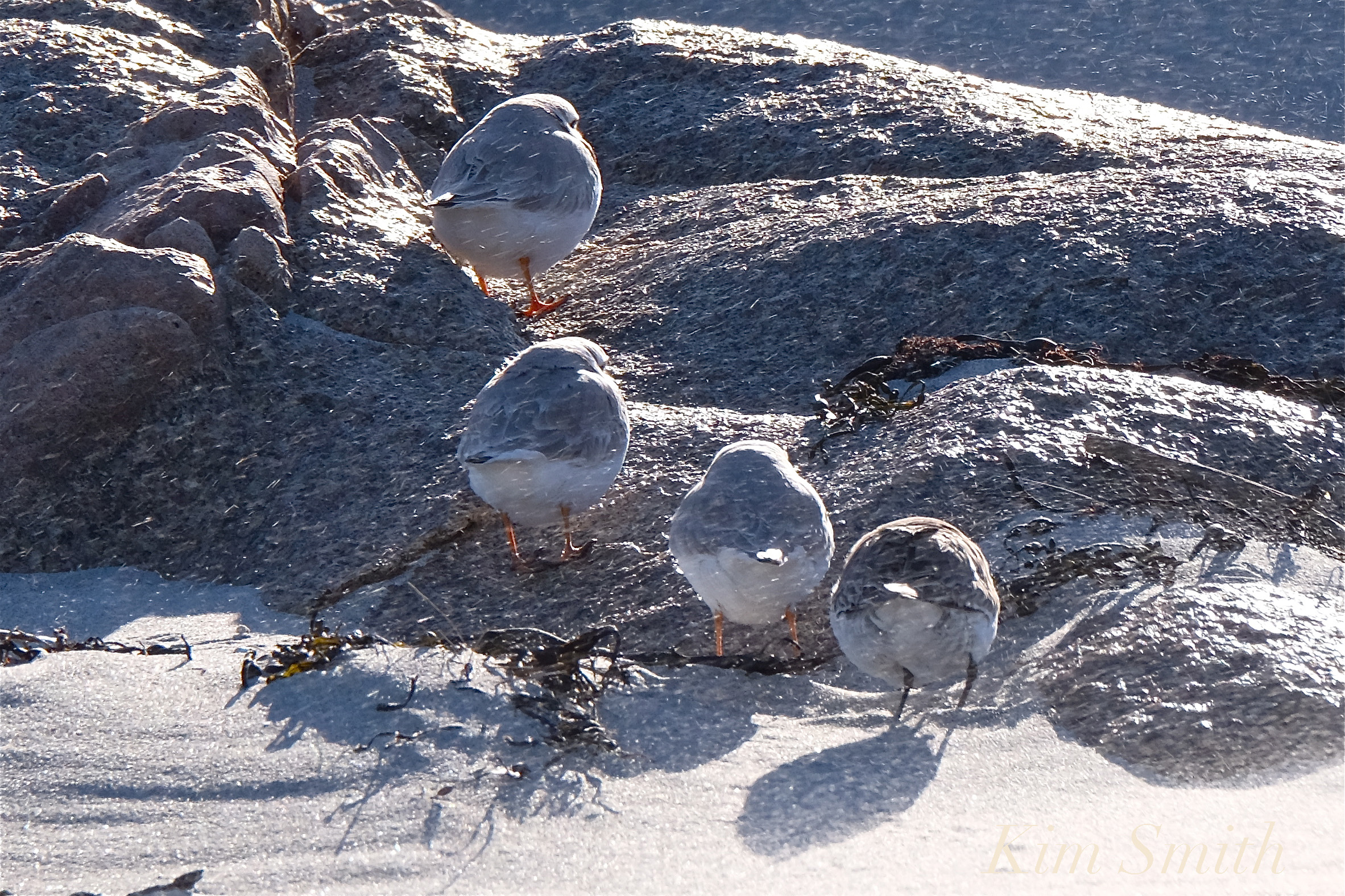
Terribly, terribly windy. The Plovers are trying to forage but are being blown sideways. So smart–they are seeking and finding shelter behind the big rock, and are huddling with the Dunlin. Too much sand blowing on my cameras.

The Dunlin-that-thinks-he-is-a-Plover

Friday April 6th

The PiPl are courting!!! Does this mean they have made GHB home for the summer? If they lay eggs now, won’t that be tremendous because chicks will hatch well before July 4th. I think there are two males, one female, and the Dunlin is still here.

 Object of desire.

The male with the brightest orange bill made several nest scrapes, inviting the female to come sniff his cloaca and to inspect the site. Courtship was interrupted numerous times by curious and exuberant pooches. The dogs are off leash on even numbered days. Perhaps the Dog Friendly people will help and keep dogs on leash when near this potential nesting area. I hope so much we can make this happen. If the PiPl are able to nest early, the chicks will have a much, much better chance of survival. Millions and millions of dogs, but only about three thousand nesting pair of Piping Plovers remaining. Will the numbers again drop this year after multiple hurricanes and late season nor’easters?

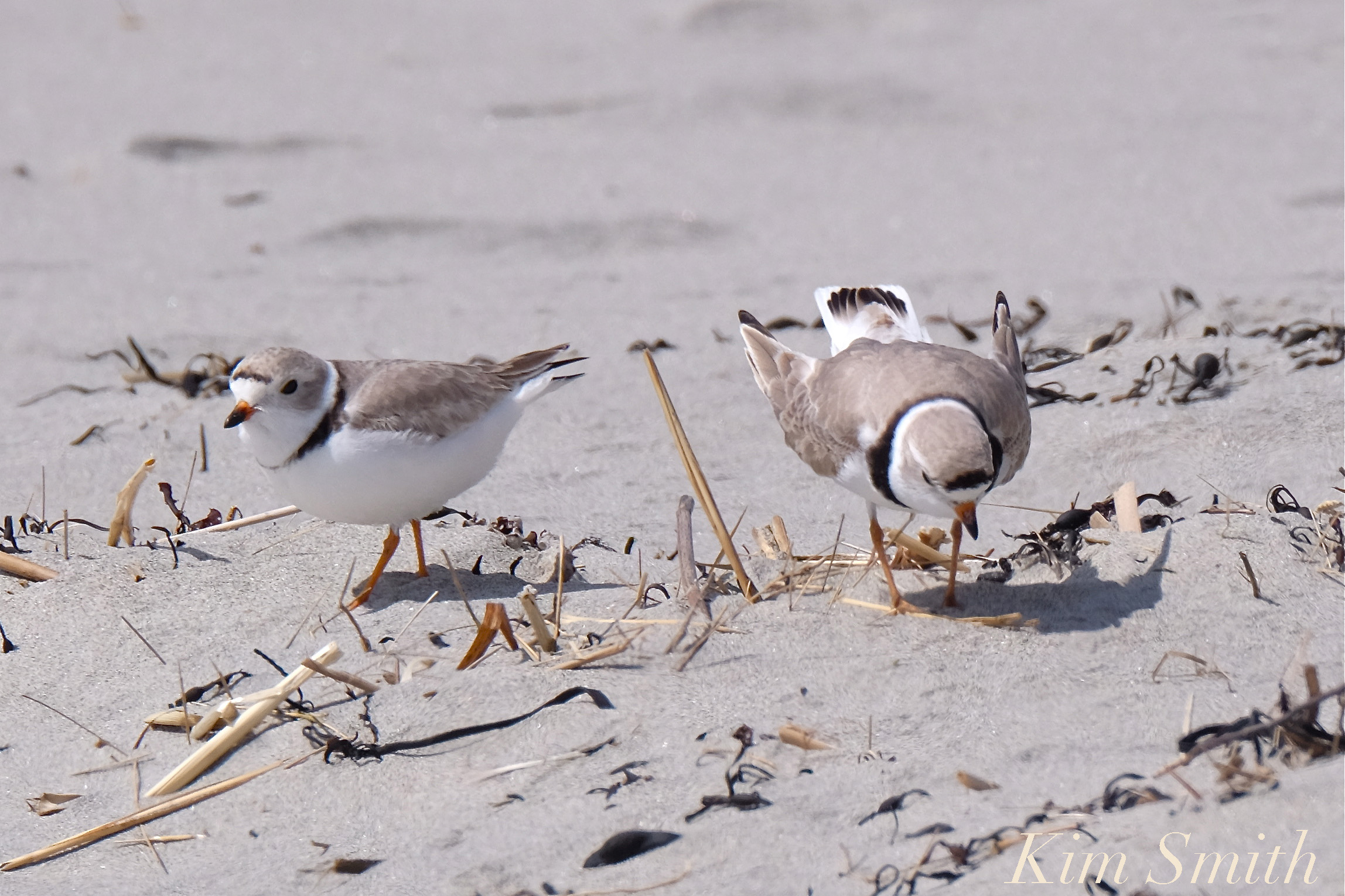
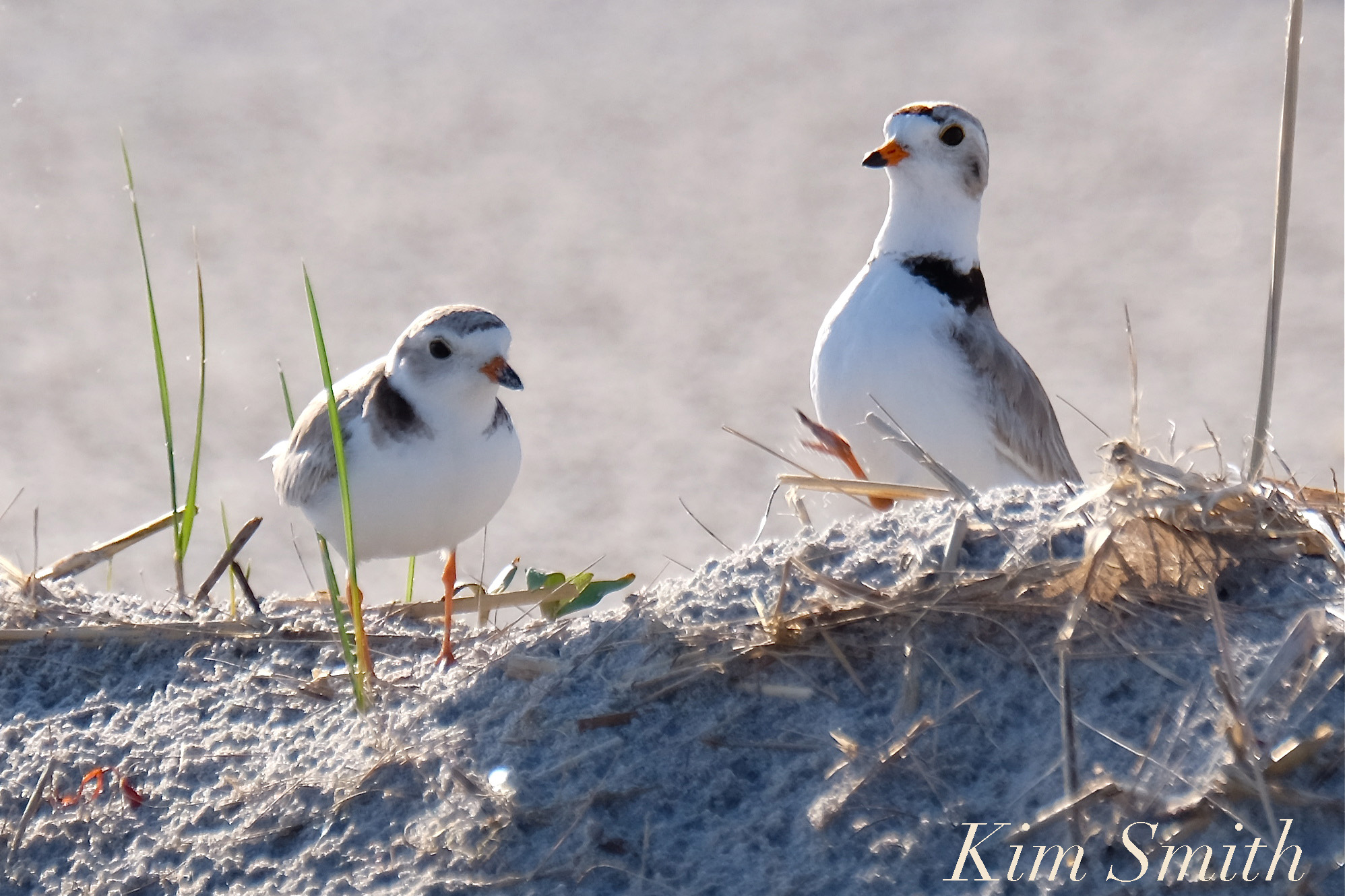
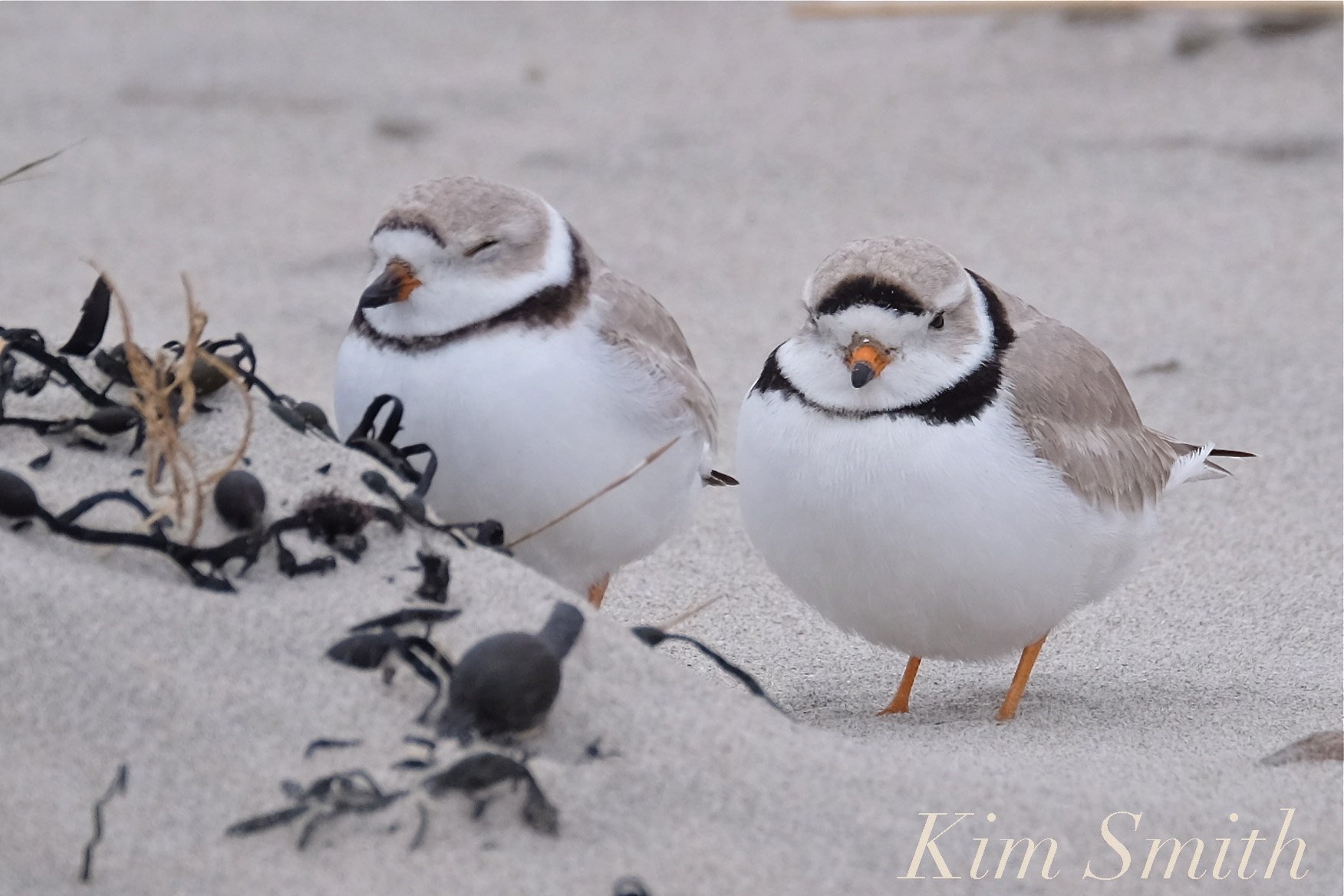
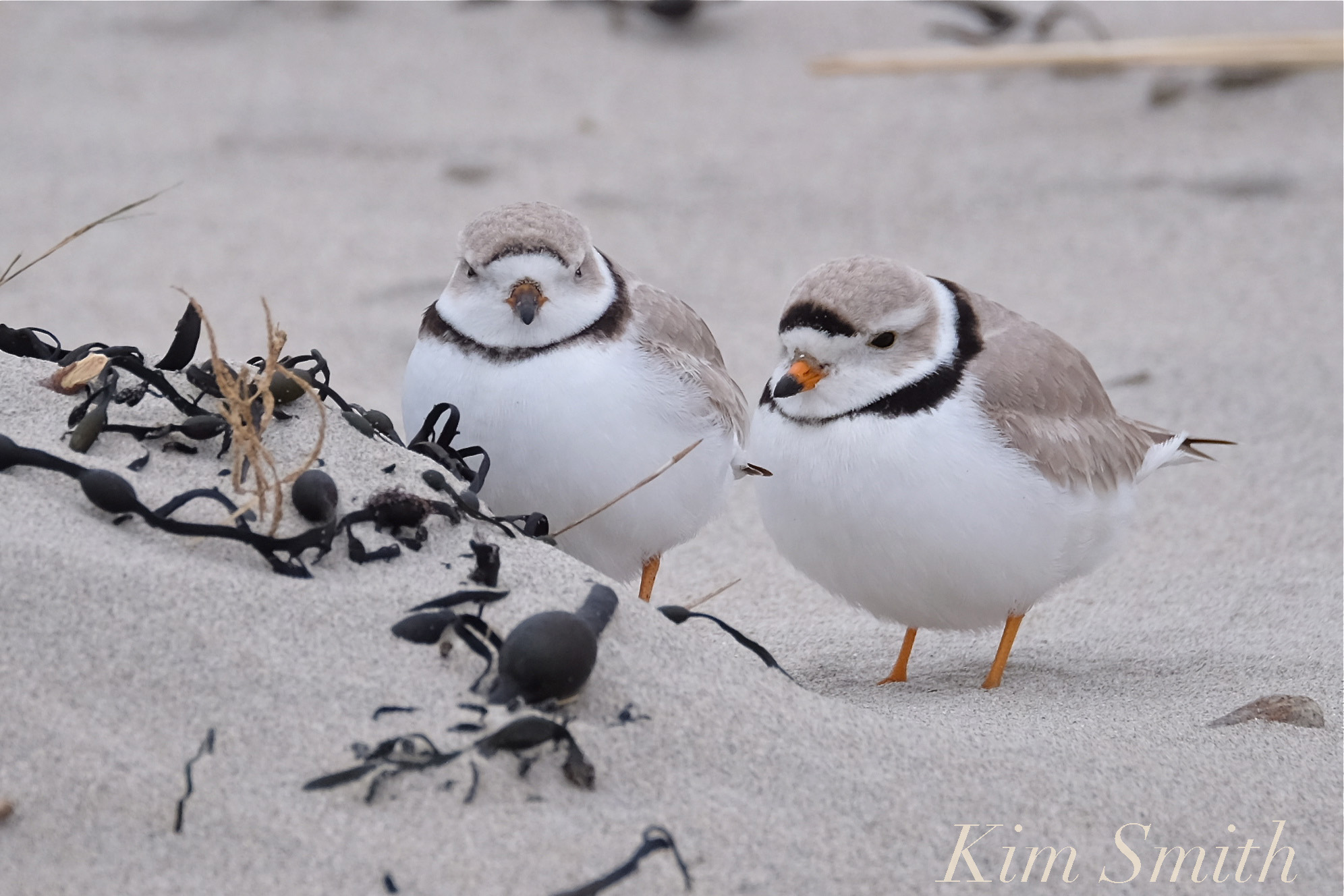
Female left, male right – notice the female Plover’s paler crescent band across her forehead, just a beautiful example of the difference between a male and female PiPl.

It’s time to let folks know about the Plovers, and we need a roped off area as soon as possible.

Sunny and cold and beautiful, with snow later today.

Late afternoon–what do Piping Plovers do in a snow squall? They forage! No photos, but a tiny bit of film footage. What were nice puffy wet flakes at home in my garden became icy, stinging cold driving rain/snow mix on the beach and too much for cameras to stay long.

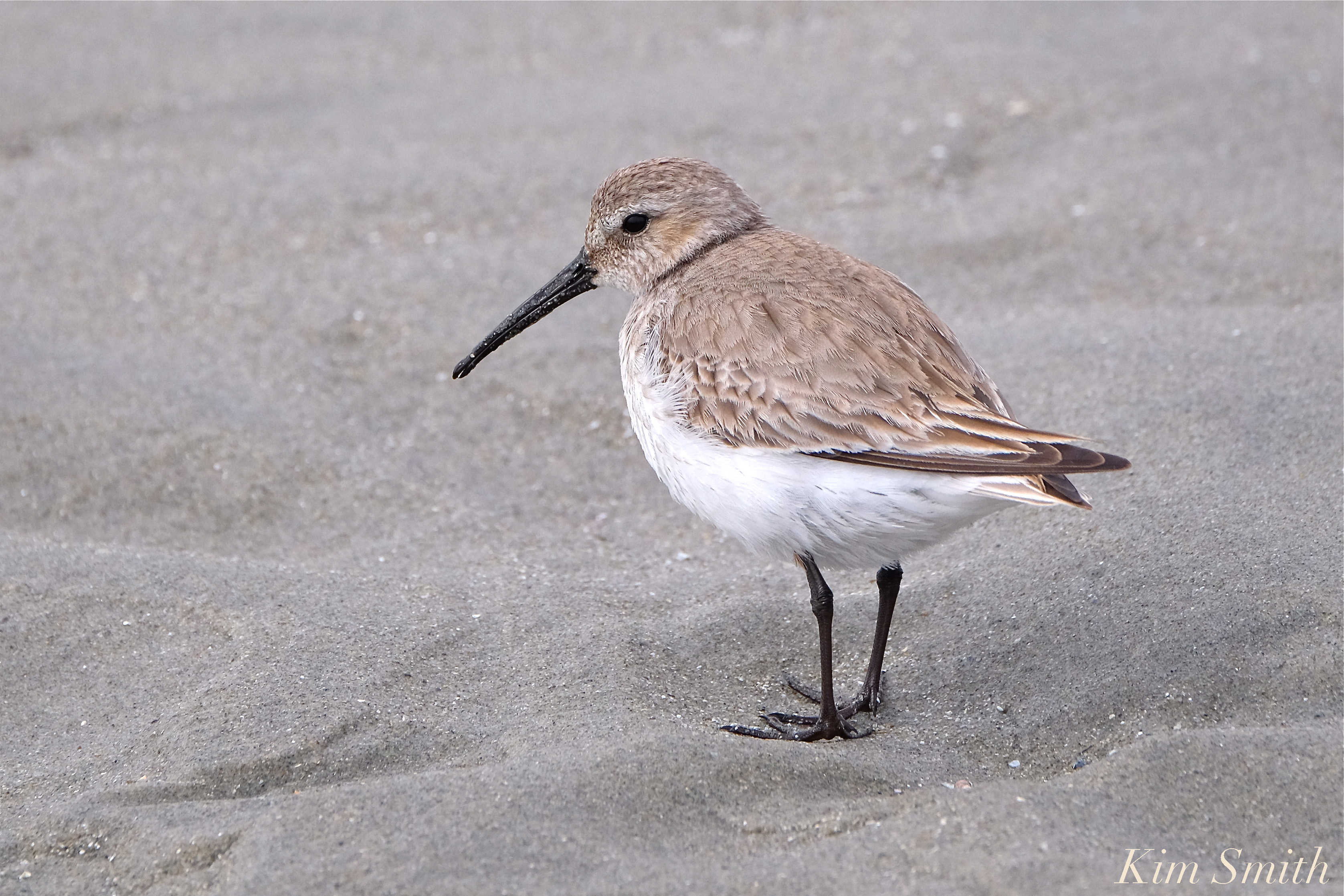
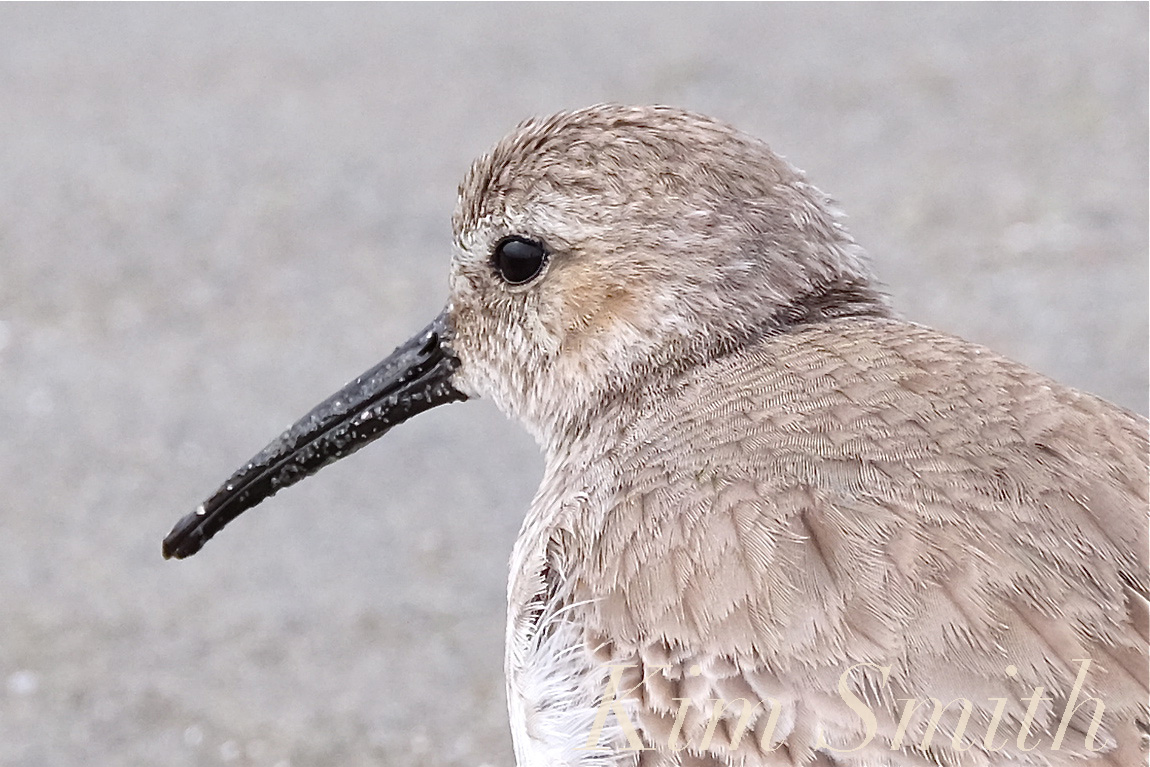
Dunlin  (Calidris alpina) close-up

Posting Saturday and Sunday tomorrow when I have a chance to go through photos.

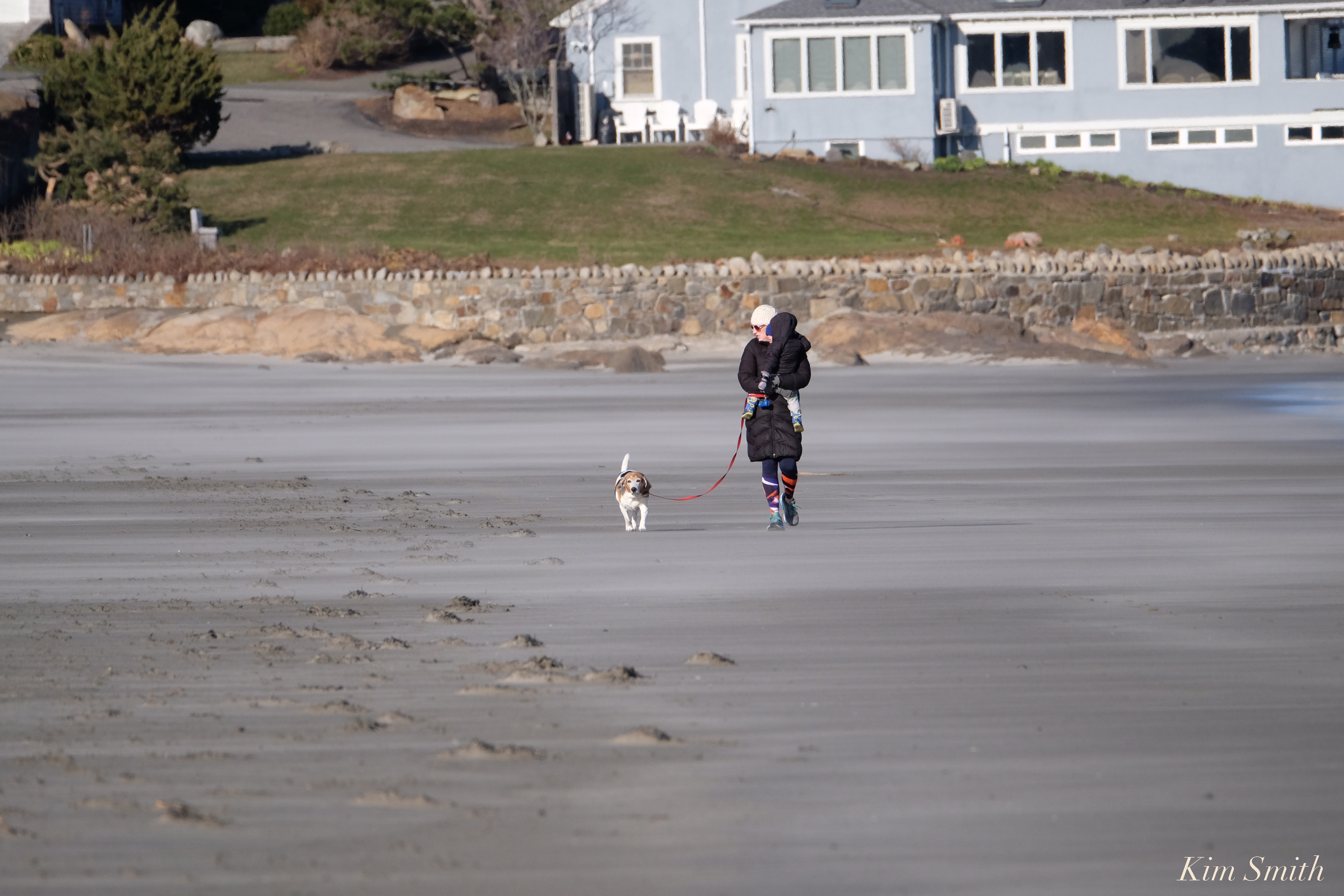
Great Gloucester citizen and friend to wildlife–kudos to this Mom for walking her dog on a leash, while carrying a child!

Clear Evidence of the Destructive Force of Global Warming on the Massachusetts Coastline and How This Negatively Impacts Local Wildlife -By Kim Smith

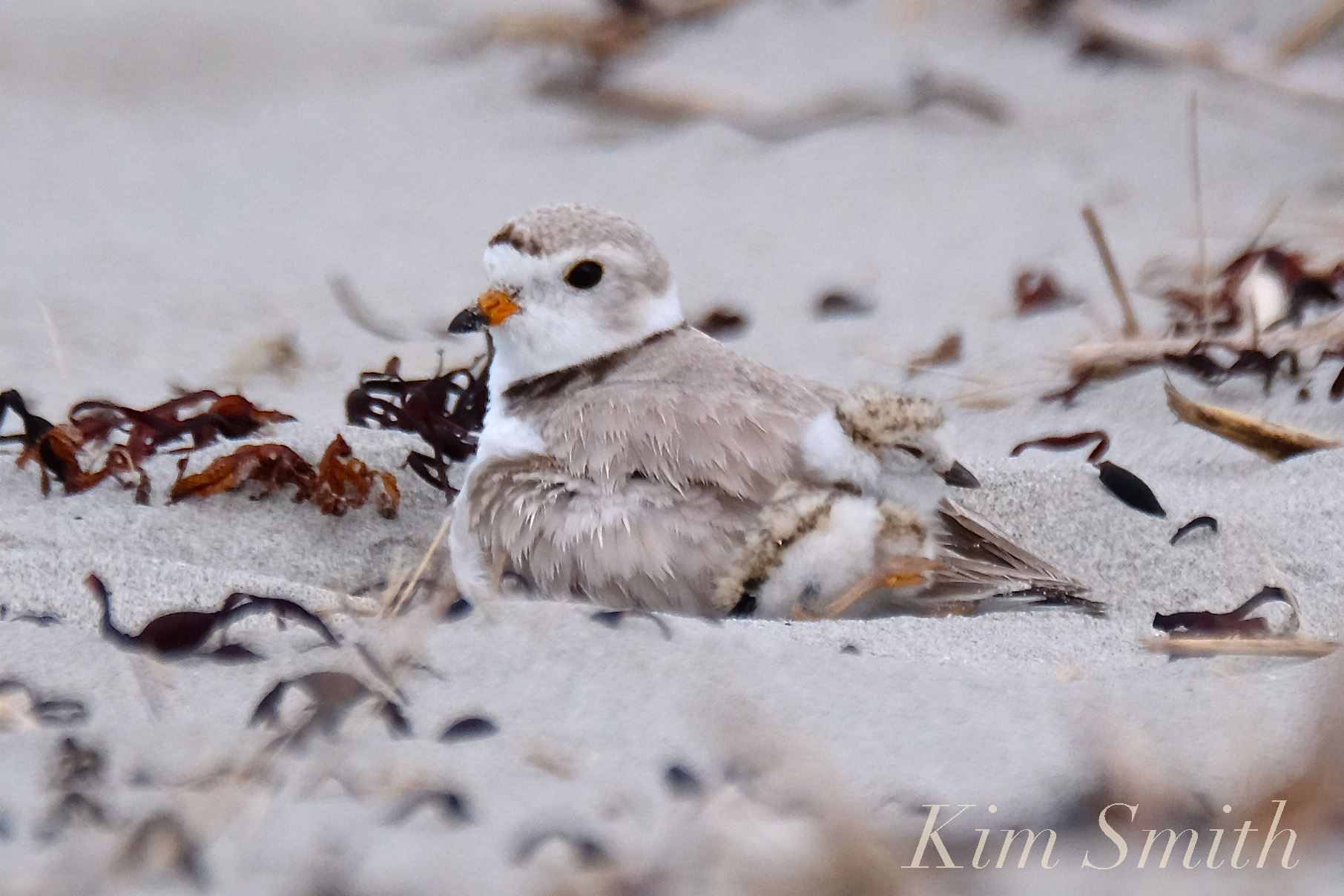
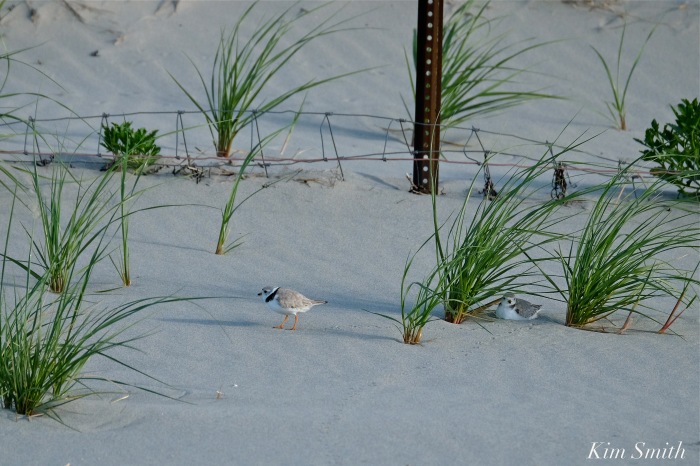
Female Piping Plover Sitting on an Egg

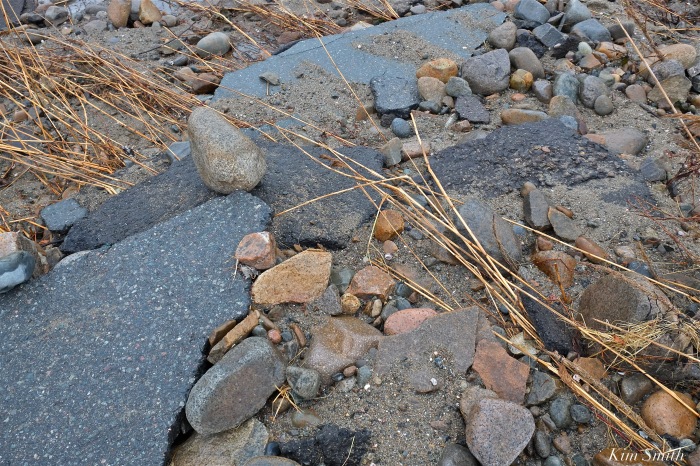
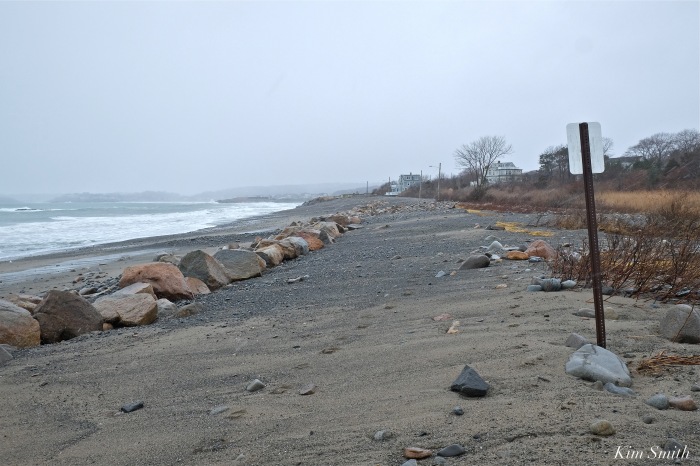
The recent winter storms of 2018 have provided empirical evidence of how global climate change and the consequential rising sea level is impacting the Massachusetts coastline. Whether broken barriers between the ocean and small bodies of fresh water, the tremendous erosion along beaches, or the loss of plant life at the edge of the sea, these disturbances are profoundly impacting wildlife habitats.

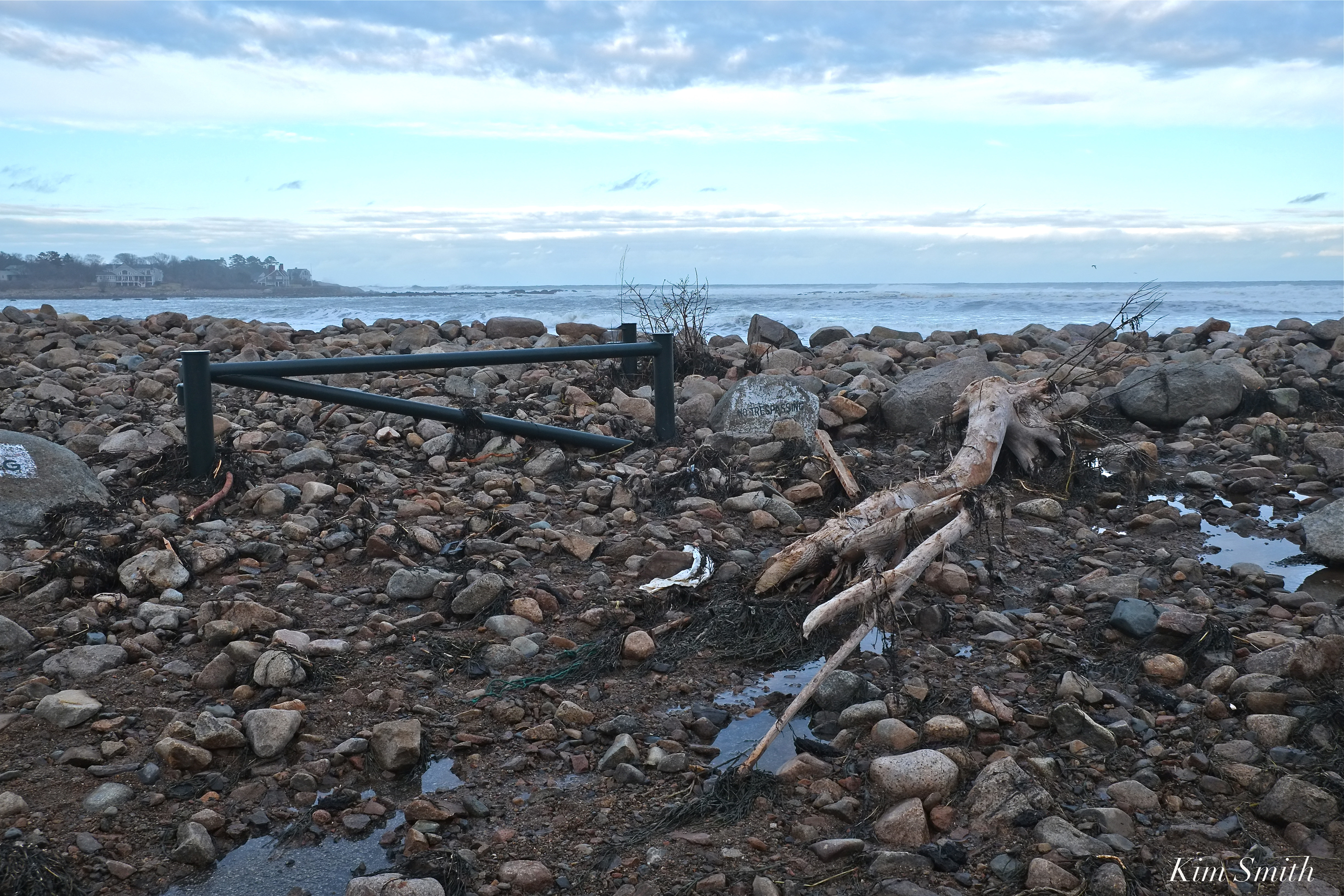
The following photos were taken after the March nor’easter of 2018 along with photos of the same areas, before the storm, and identify several specific species of wildlife that are affected by the tremendous loss of habitat.

Barrier Beach Erosion

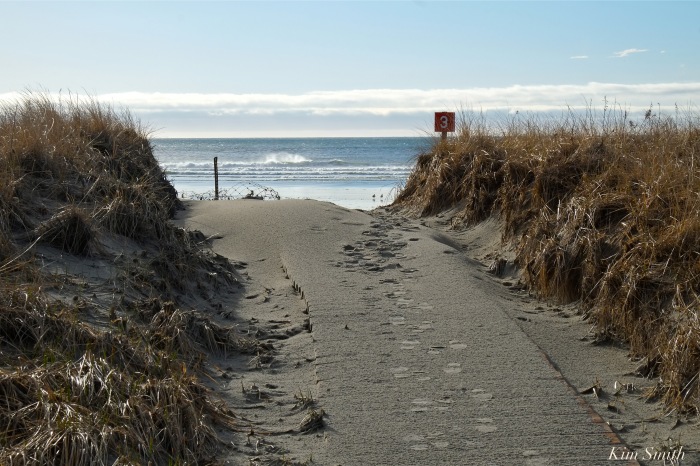
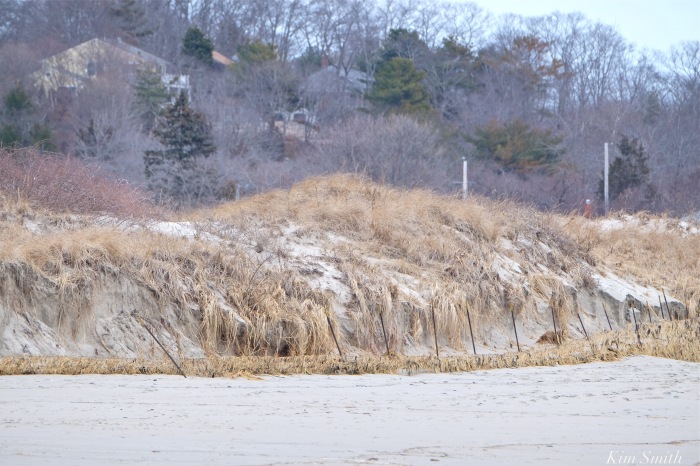
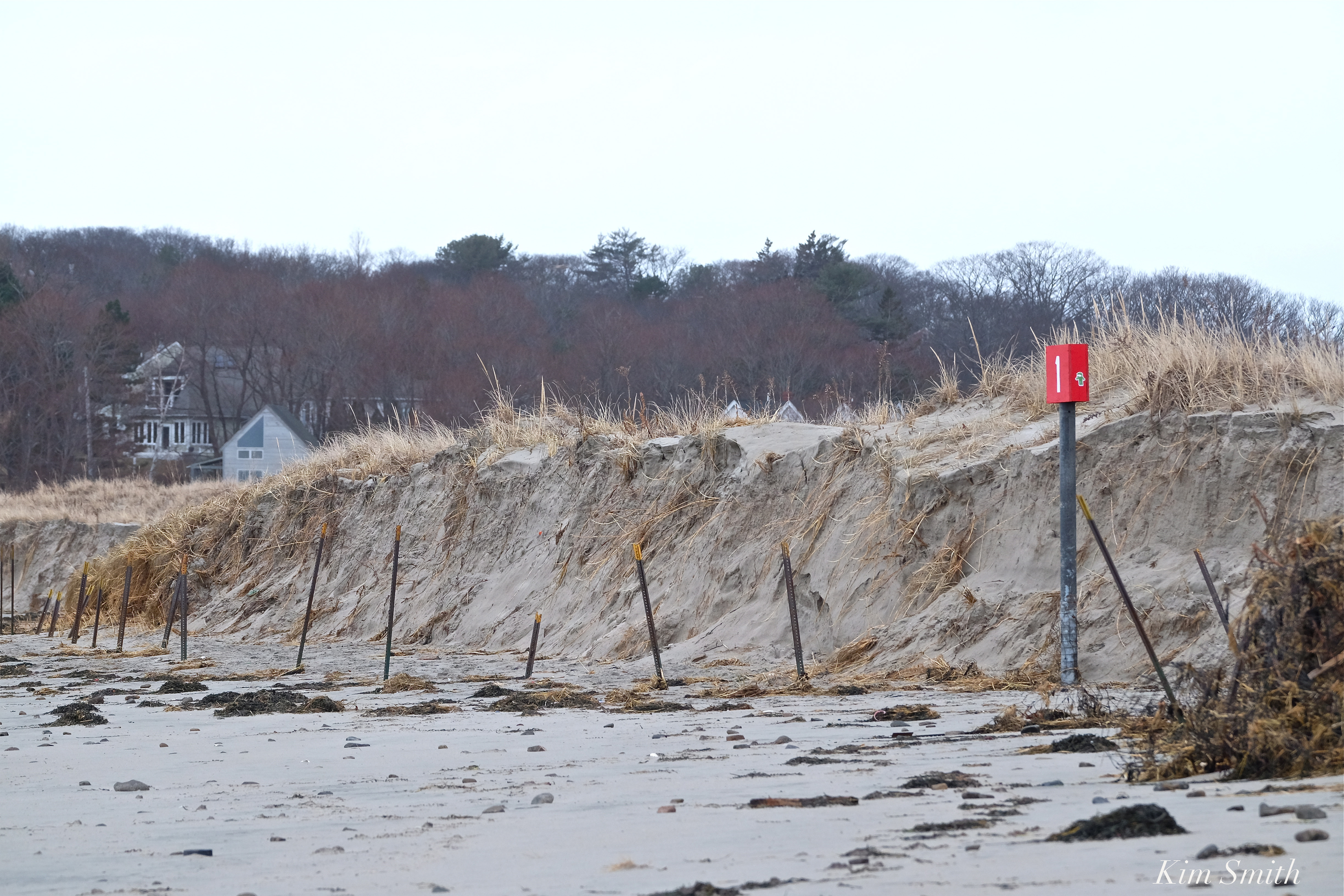
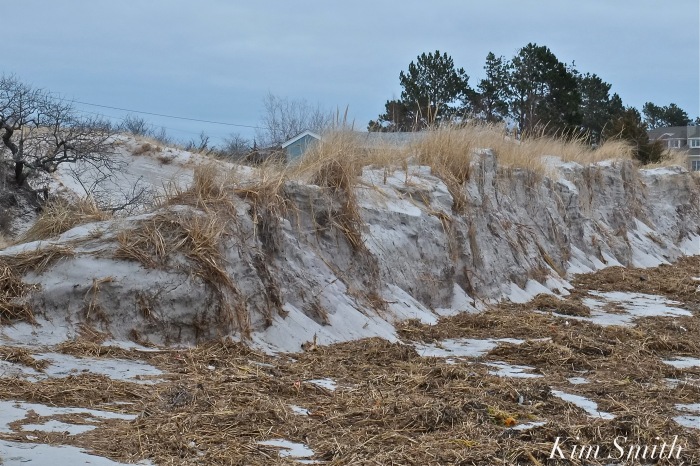
Nesting species of shorebirds such as Piping Plovers require flat or gently sloping areas above the wrack line for chick rearing. Notice how the March nor’easter created bluffs with steep sides, making safe areas for tiny chicks nonexistent.

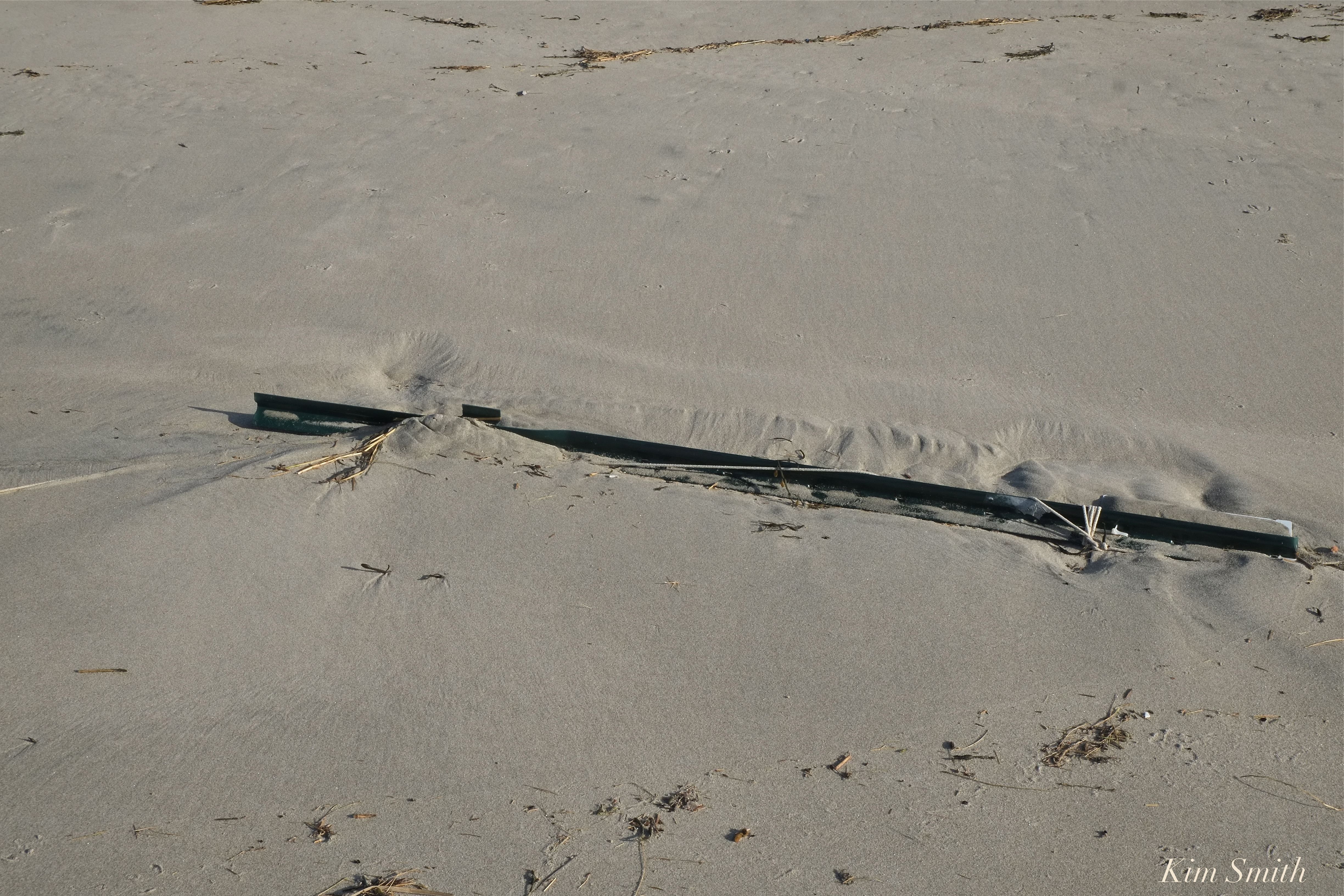
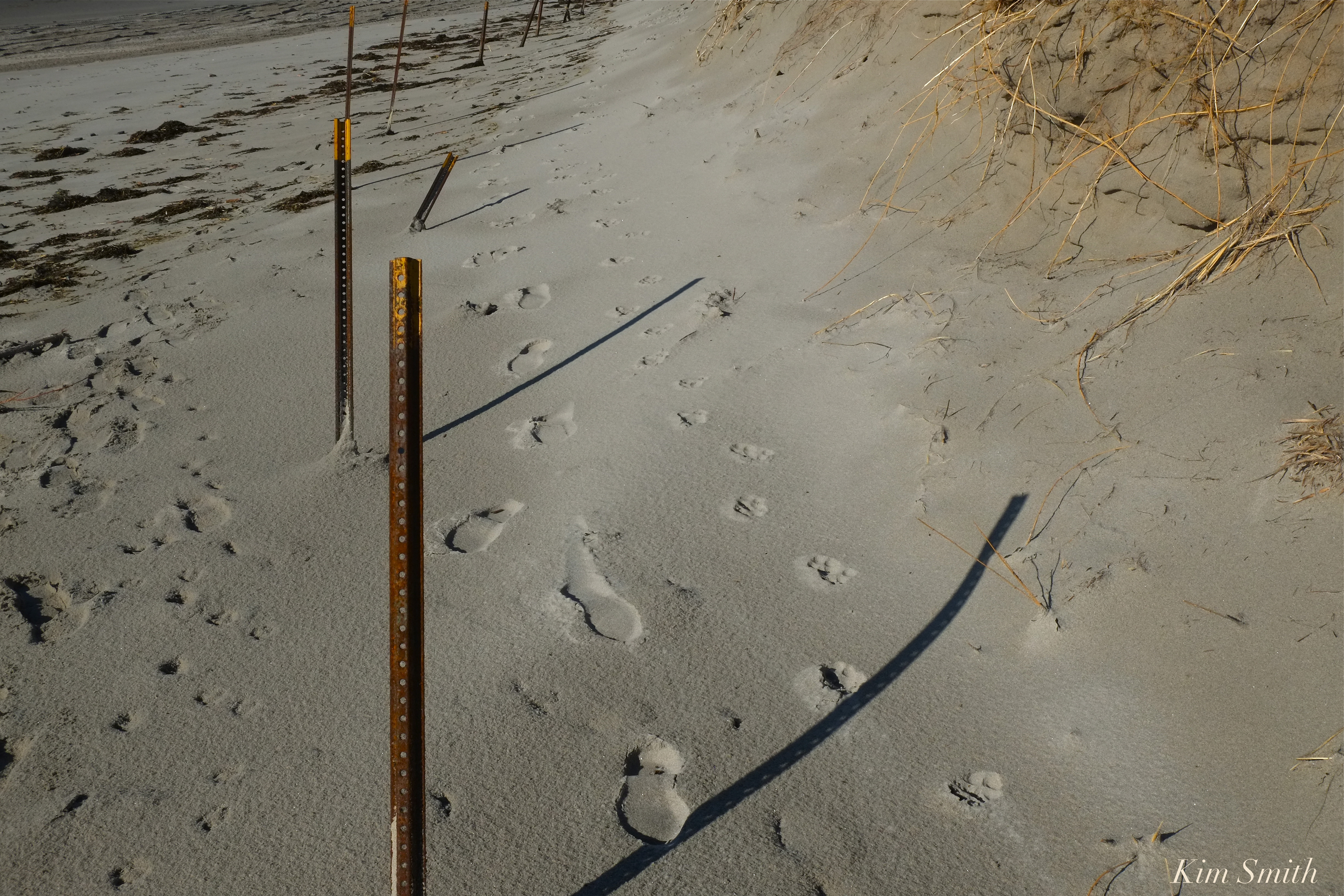
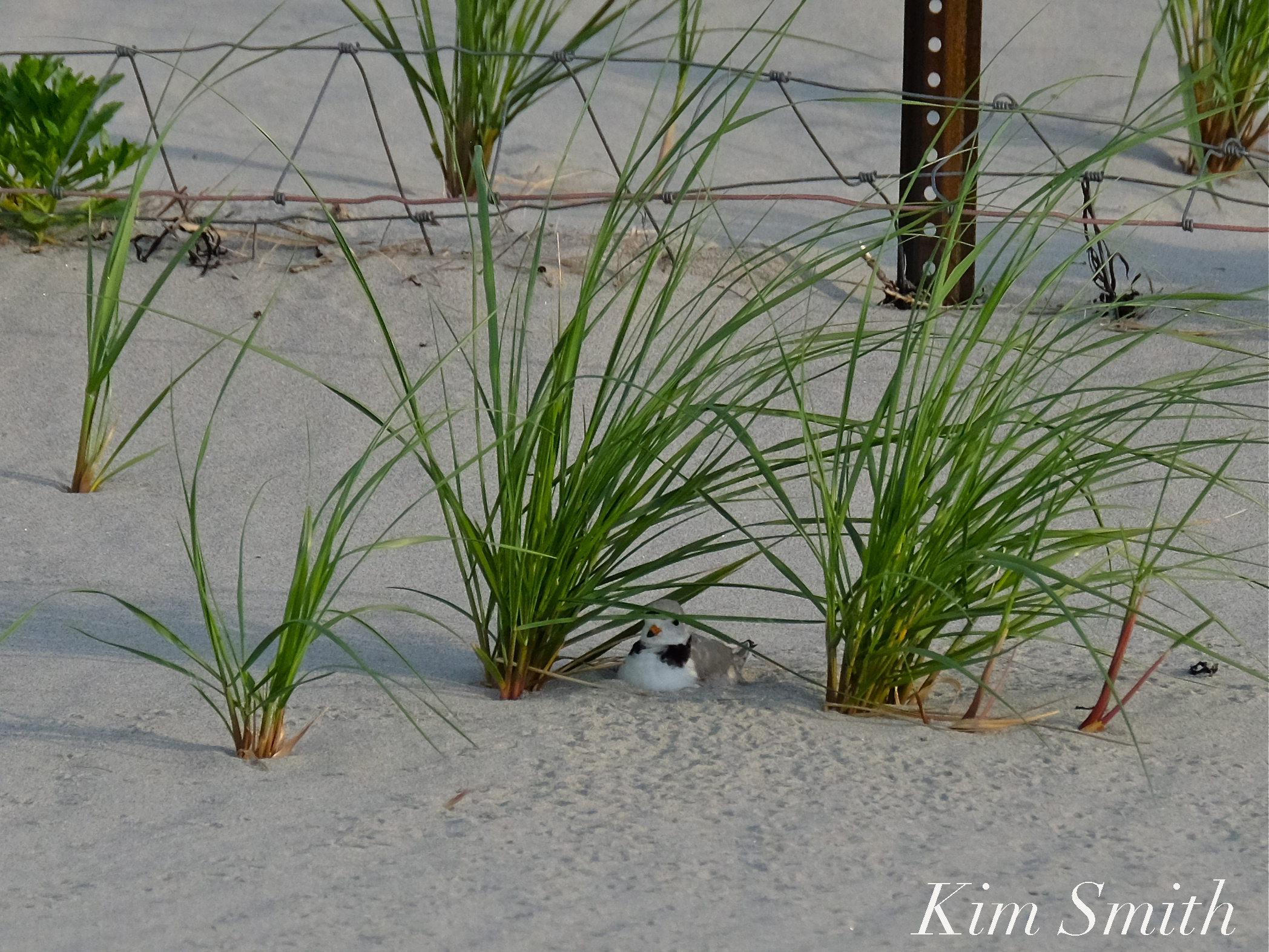
You can see in the photos of Good Harbor Beach (top photo and photos 3 and 4 in the gallery) that the metal fence posts are completely exposed. In 2016, the posts were half buried and in 2017, the posts were nearly completely buried. After the recent storms, the posts are fully exposed and the dune has eroded half a dozen feet behind the posts.

In the photo of the male Piping Plover sitting on his nest from 2016 the metal posts are half buried.

Although scrubby growth shrubs and sea grass help prevent erosion, the plants have been ripped out by the roots and swept away due to the rise in sea level.

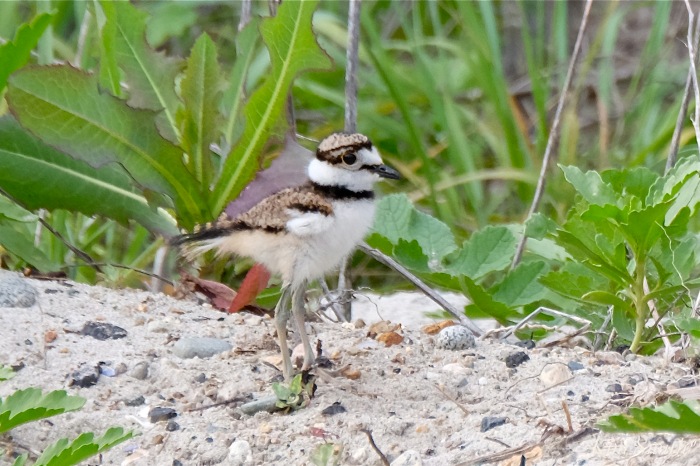
Plants draw tiny insects, which is food for tiny chicks, and also provide cover from predators, as well as shelter from weather conditions. If the Piping Plovers return, will they find suitable nesting areas, and will plant life recover in time for this year’s brood?Other species of shorebirds that nest on Massachusetts’s beaches include the Common Tern, Least Tern, Roseate Tern, American Oyster Catcher, Killdeer, and Black Skimmer.

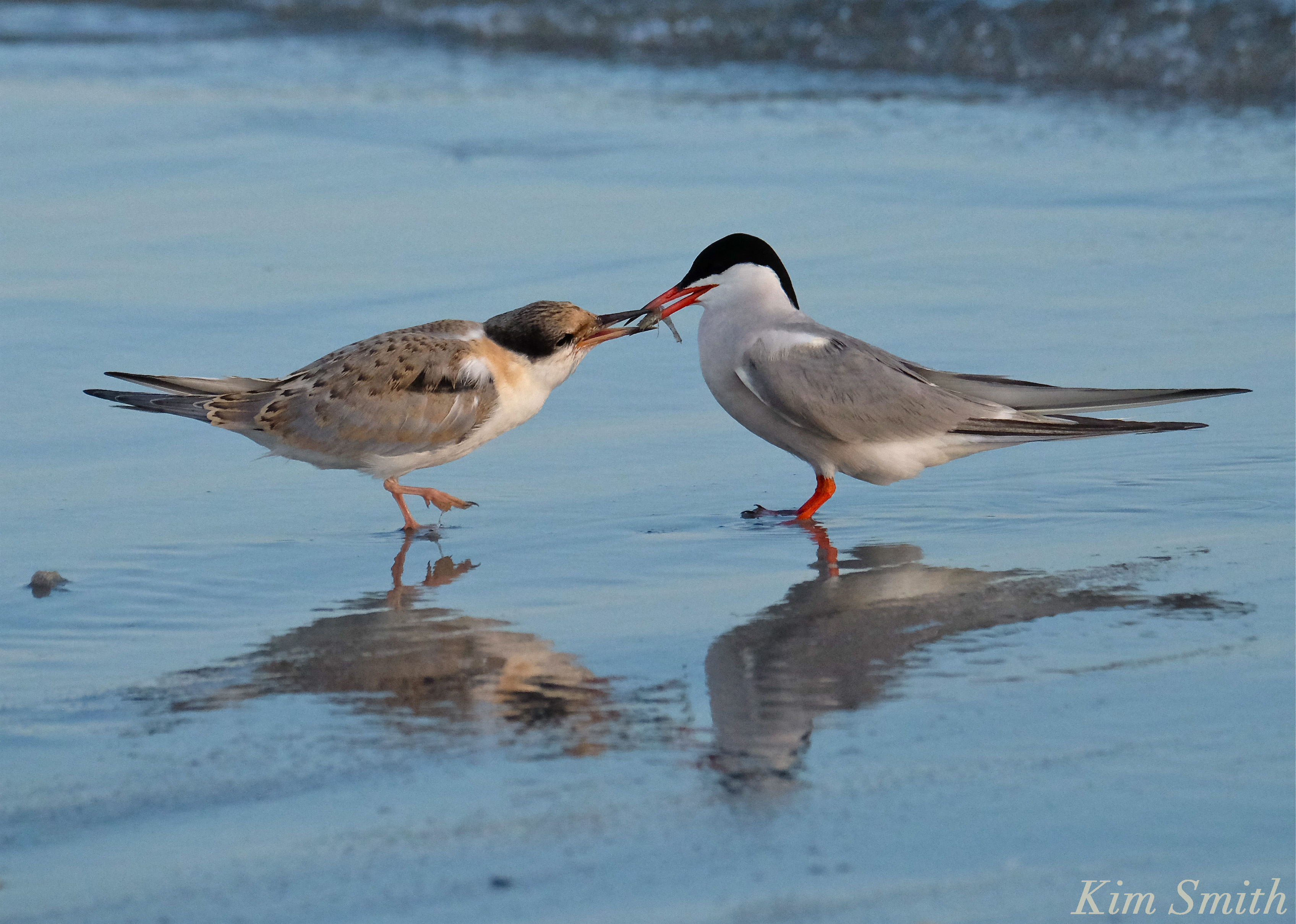
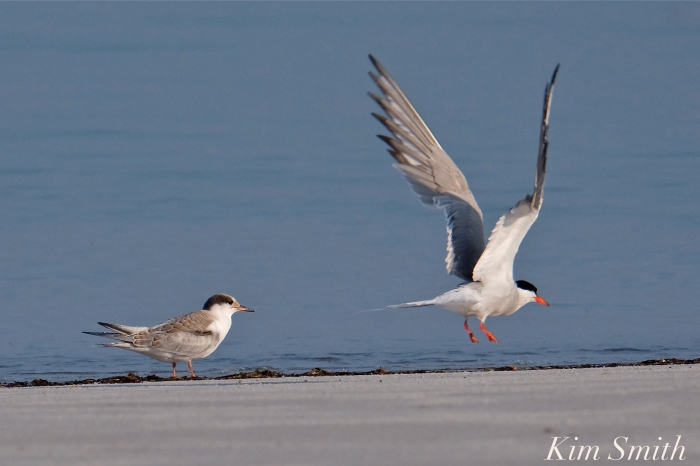
Common Tern parent feeding fledgling


Where Have All the Wildflowers Gone?

Female Monarch Depositing Egg on Common Milkweed Leaf

Wildflowers are the main source of food for myriad species of beneficial insects such as native bees and butterflies.

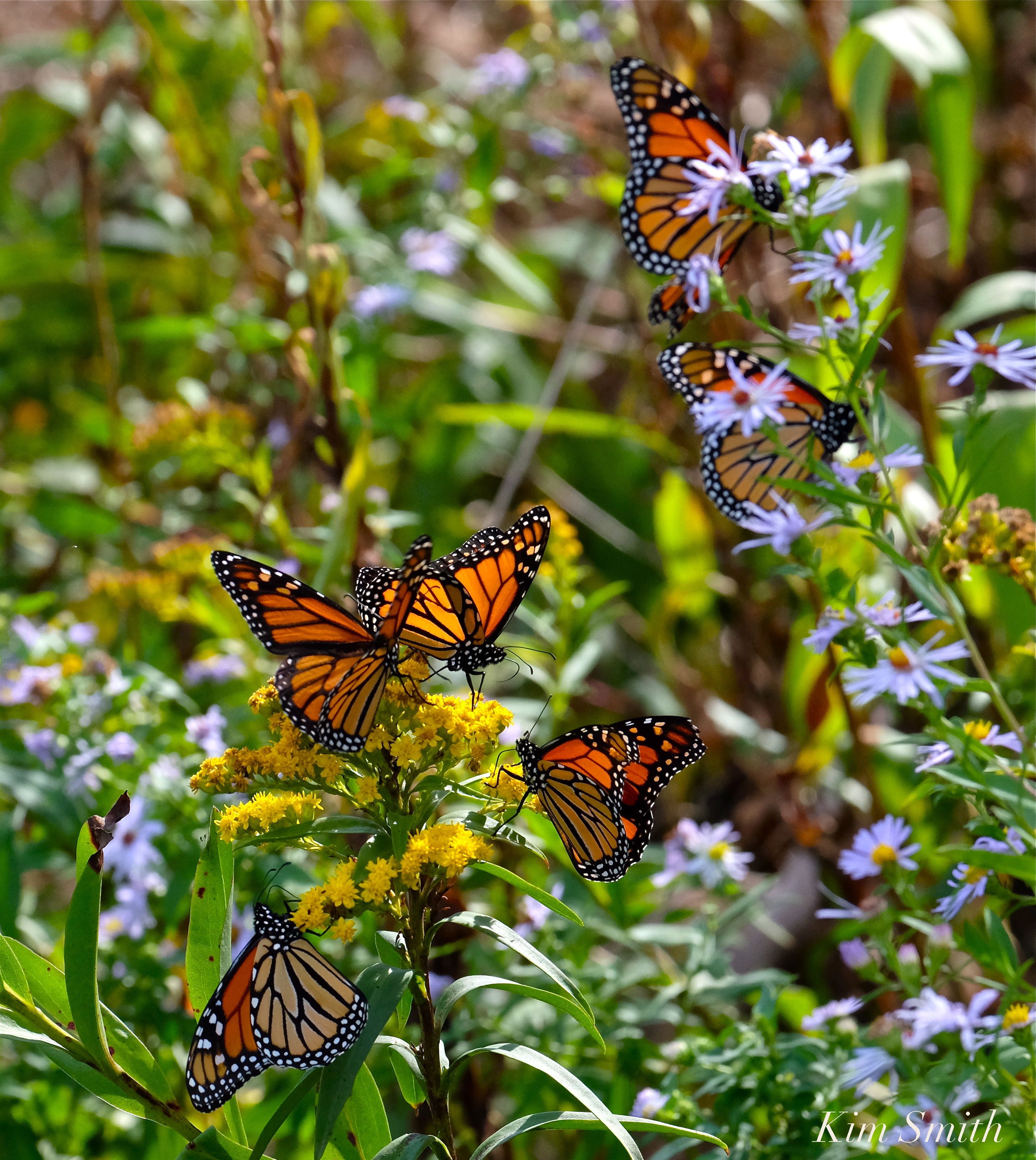
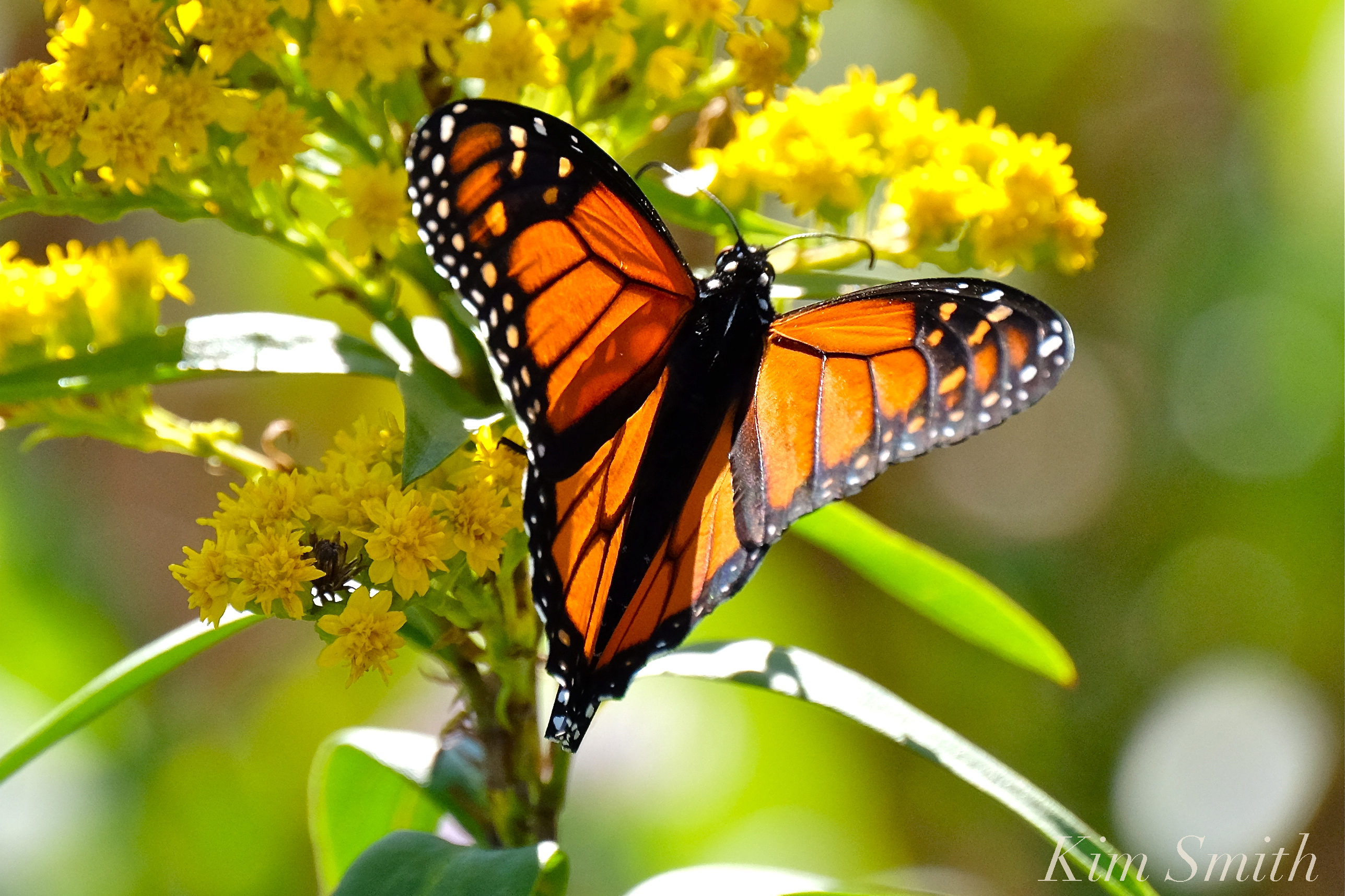
Monarch Butterflies arriving on our shores not only depend upon milkweed for the survival of the species, but the fall migrants rely heavily on wildflowers that bloom in late summer and early fall. Eastern Point is a major point of entry, and stopover, for the southward migrating butterflies. We have already lost much of the wildflower habitat that formerly graced the Lighthouse landscape.

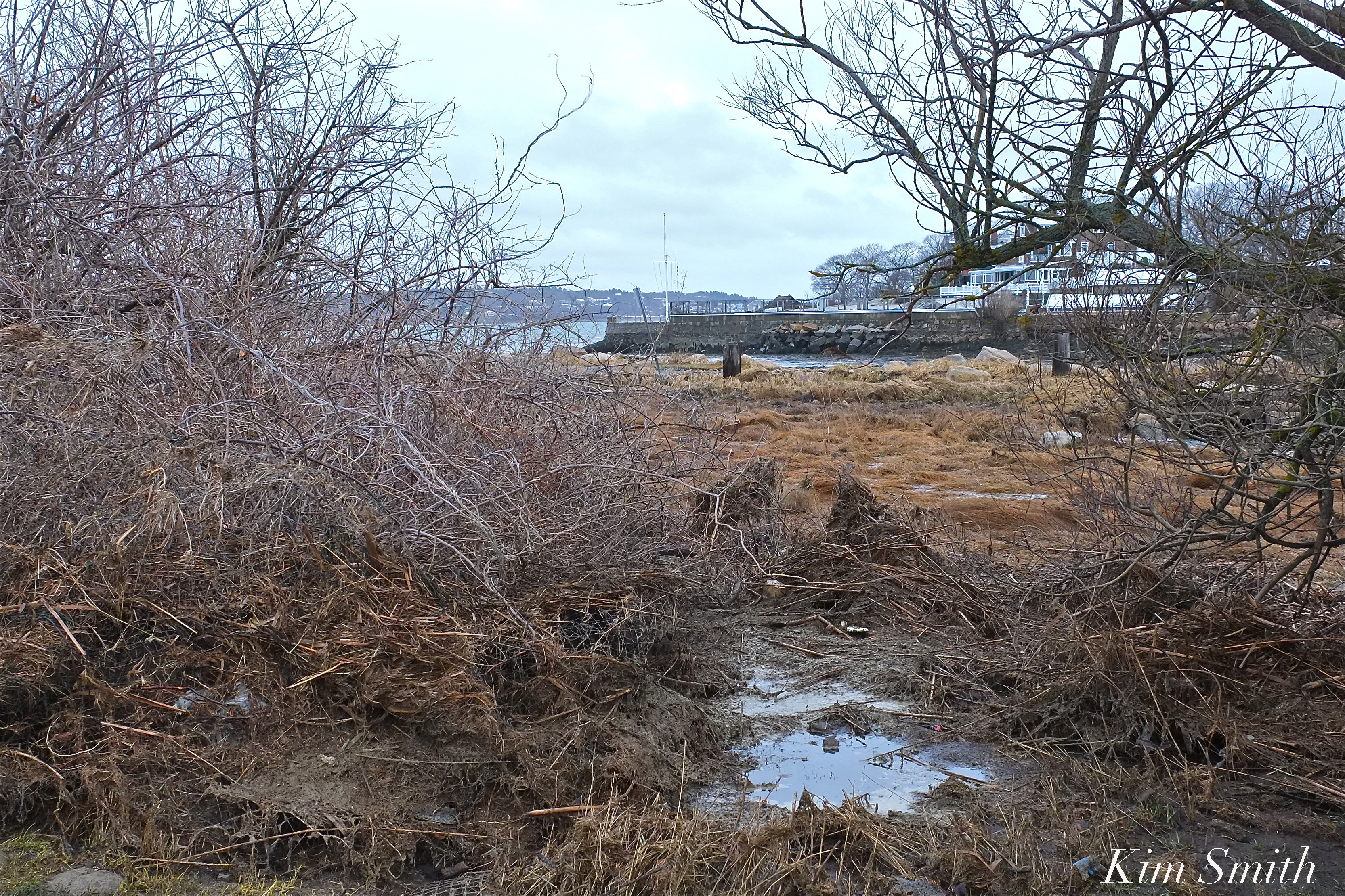
Masses of sea debris from the storm surge washed over the wildflower patches and are covering much of the pollinator habitat at the Lighthouse.

Broken Barriers

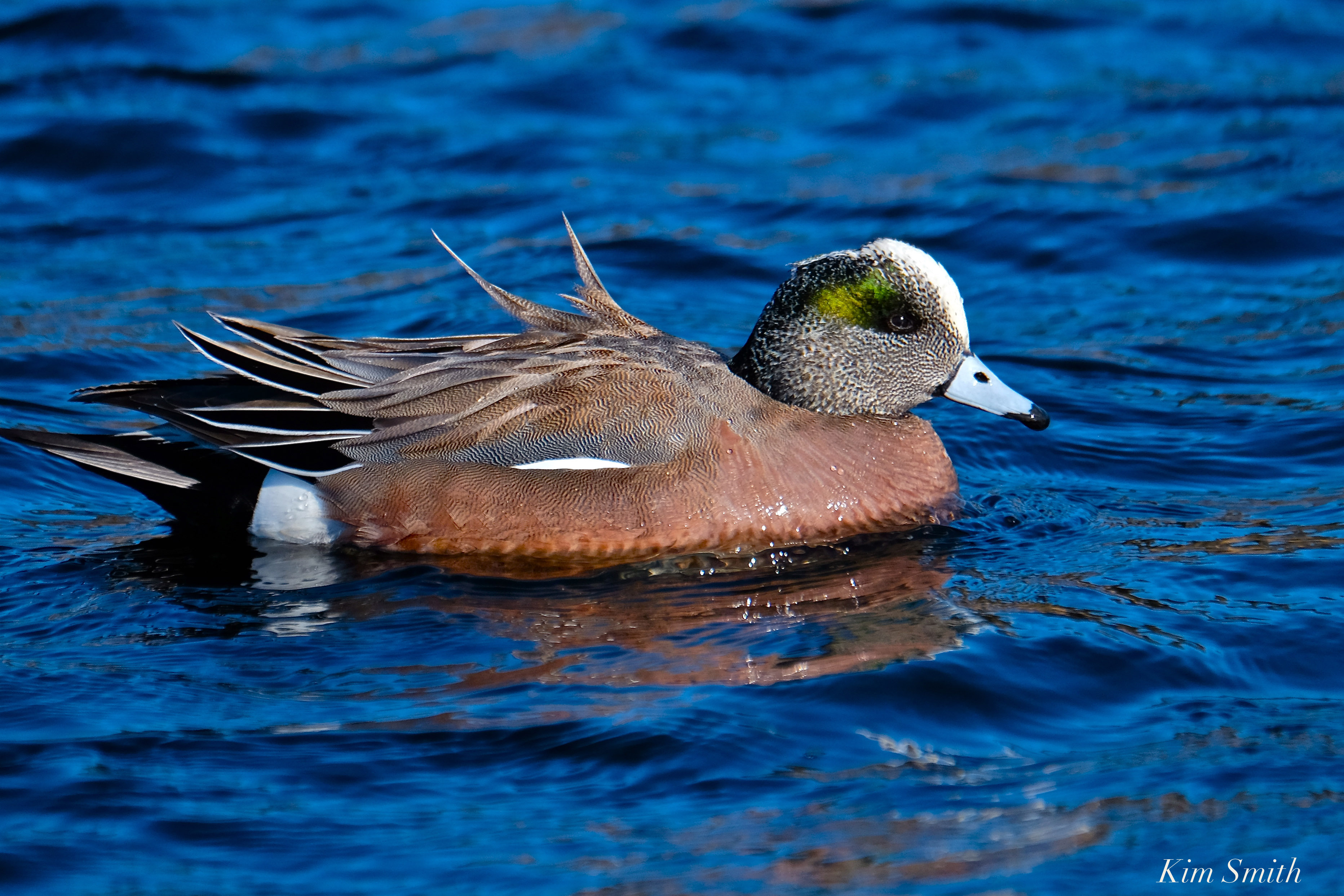
American Wigeon Migrating at Henry’s Pond

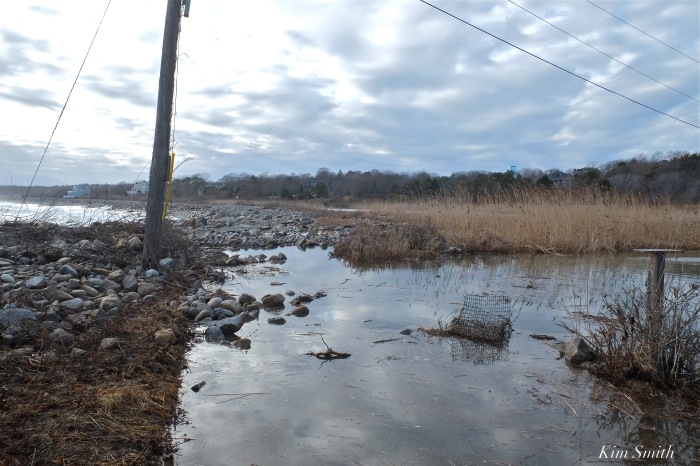
Barriers that divide small bodies of fresh water from the open sea have been especially hard hit. The fresh bodies of water adjacent to the sea provide habitat, food, and drinking water for hundreds of species of wildlife and tens of thousands of migrating song and shorebirds that travel through our region.

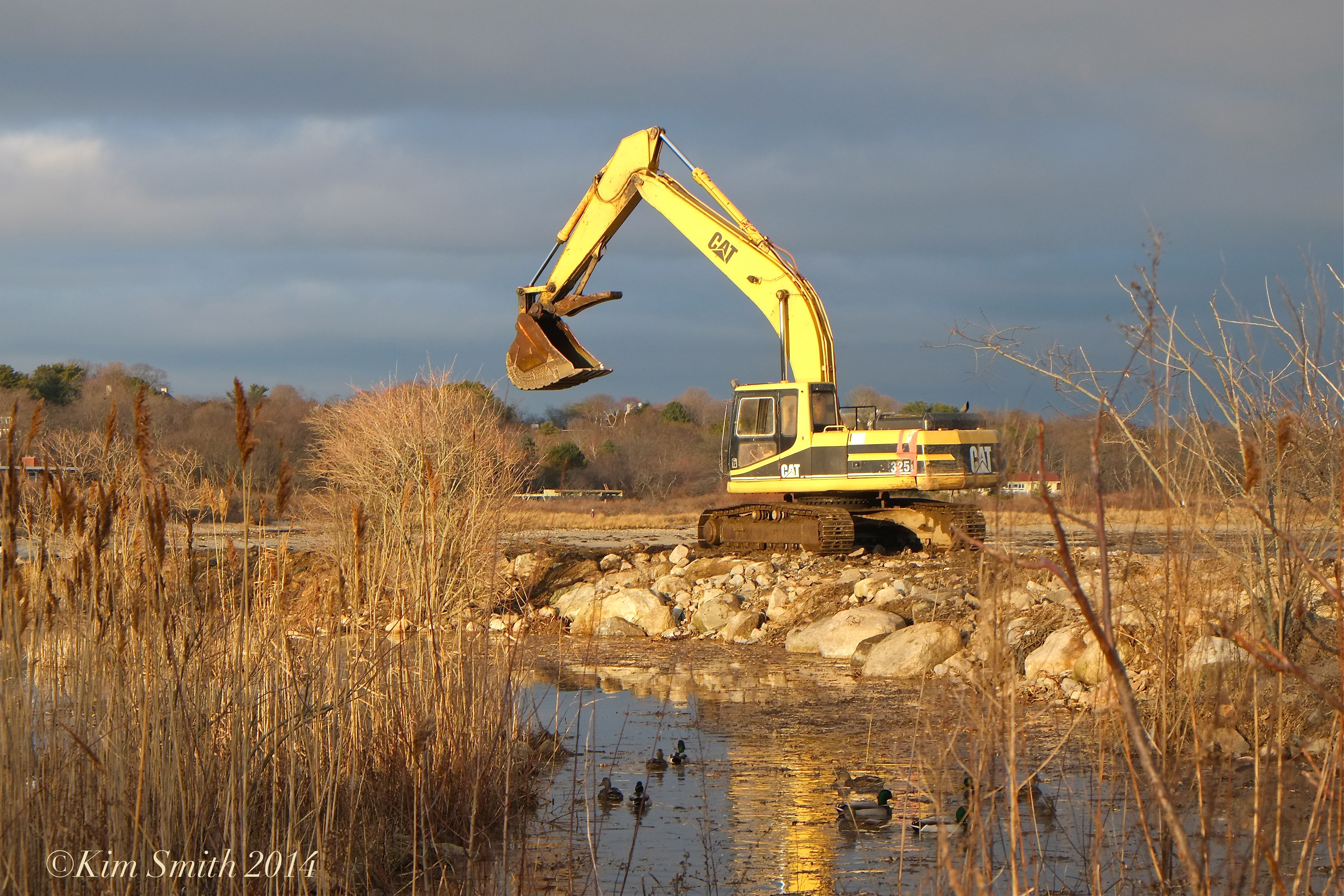
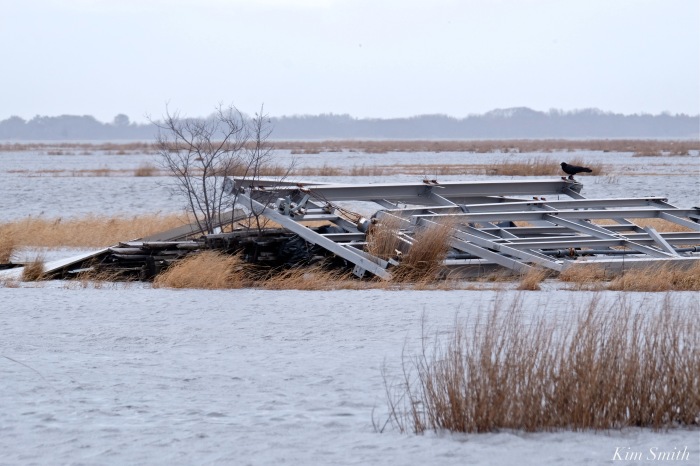
The newly rebuilt causeway between Niles Pond and Brace Cove was breached many times during the nor’easter. The causeway is littered in rocks and debris from the sea.

The causeway being rebuilt in 2014.

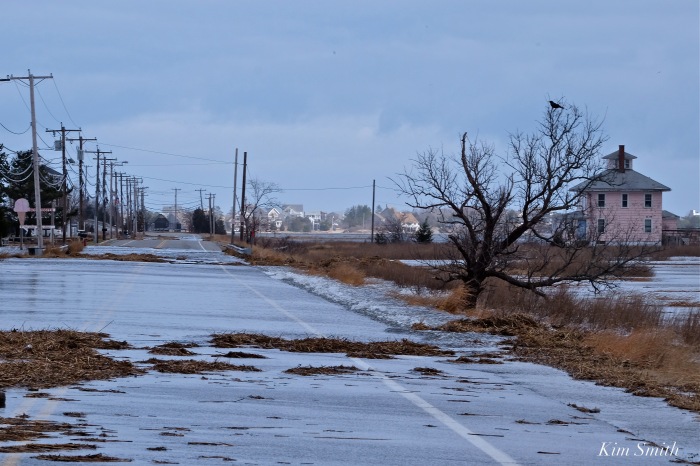
The road that runs along Pebble Beach, separating the sea from Henry’s Pond has been washed out.

The footsteps in the sand are where the road ran prior to the storm.

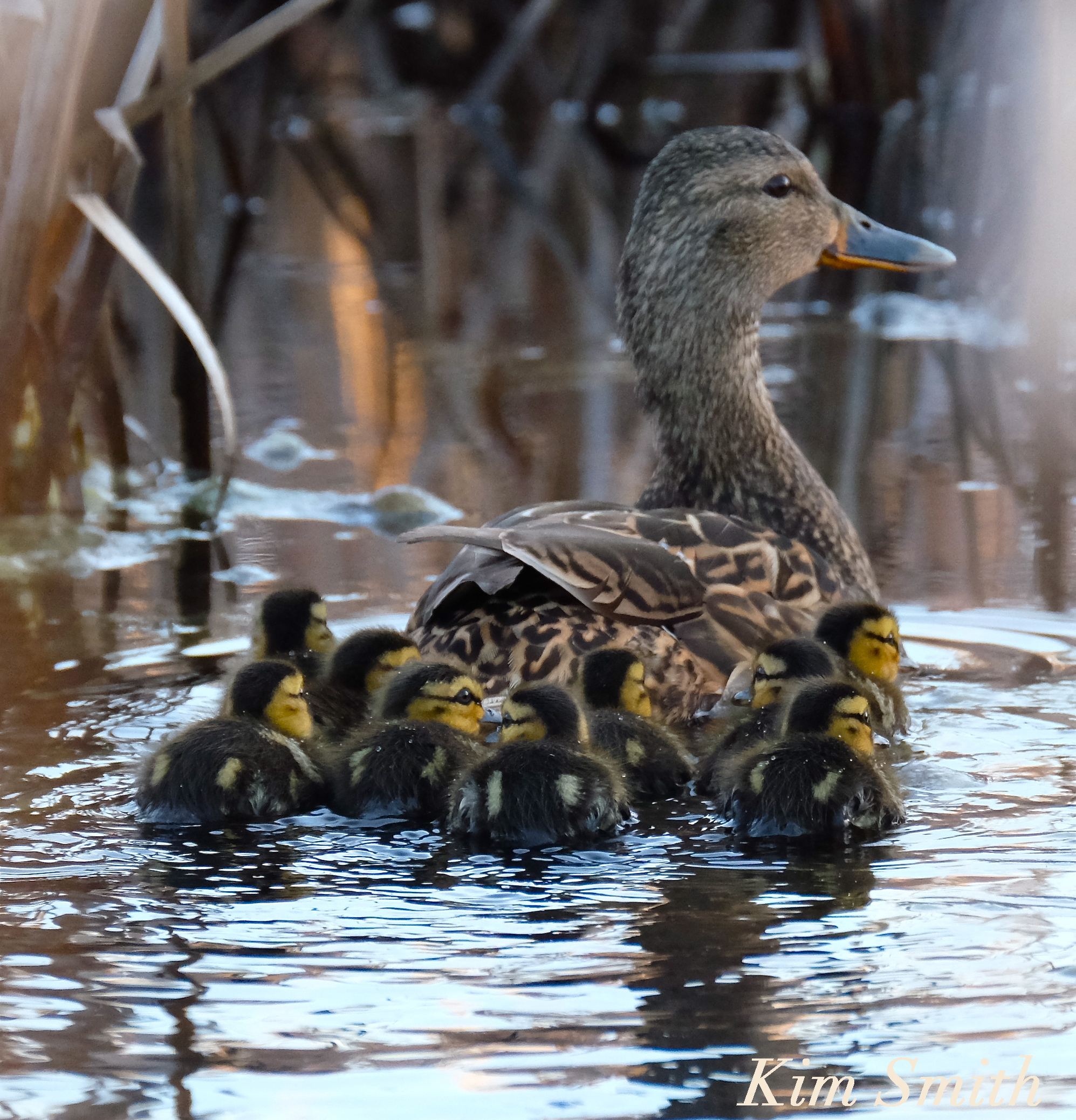
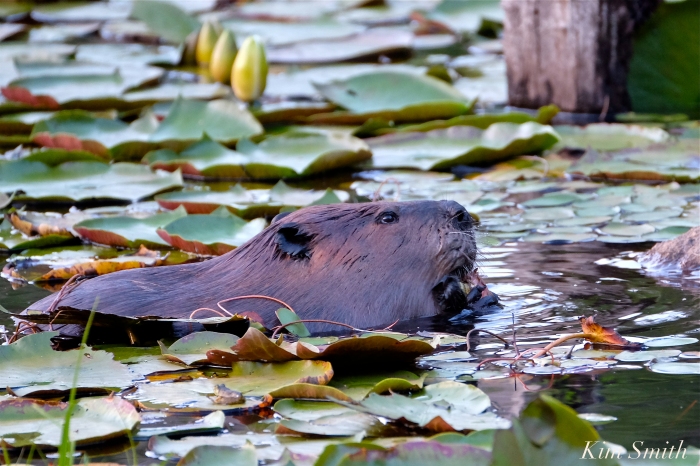
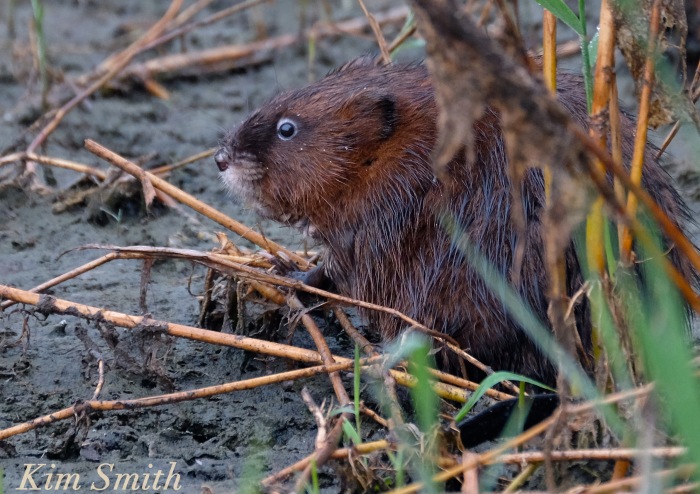
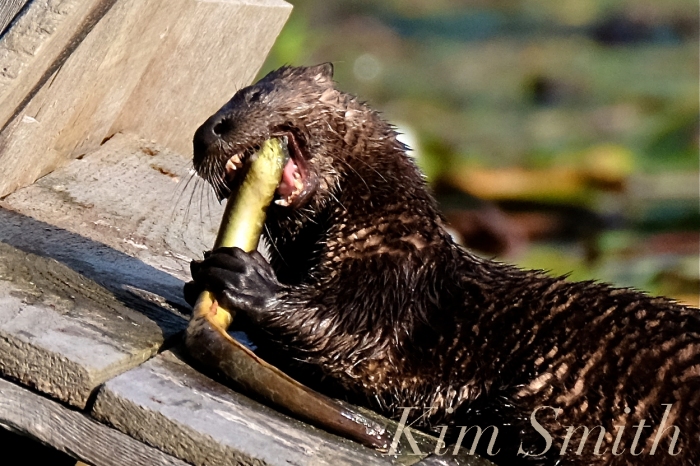
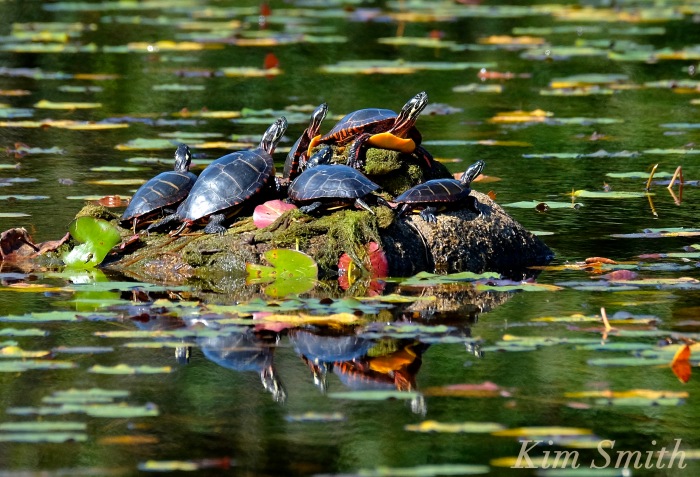
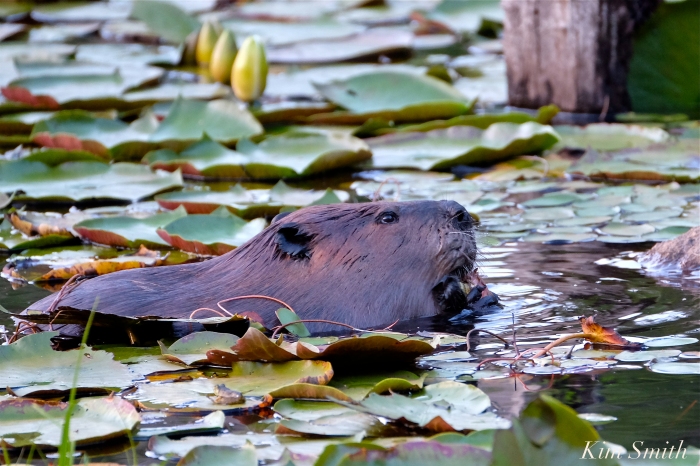
Mallards, North American Beavers, Muskrats, North American River Otters, and Painted Turtles are only a few examples of species that breed in Massachusetts fresh water ponds and wetlands. All the wildlife photos and videos were shot on Cape Ann.

Migrating Black-bellied Plover

Cape Ann is hardly alone in coping with the impact of our warming planet and of rising sea level. These photos are meant to show examples of what is happening locally. Regions like Plymouth County, which include Scituate and Hingham, have been equally as hard hit. Plum Island is famously heading for disaster and similar Massachusetts barrier beaches, like Cranes Beach, have all been dramatically altered by the cumulative effects of sea level rising, and recently accelerated by the devastating winter storms of 2018.

To be continued.

Impassable Road to Plum Island

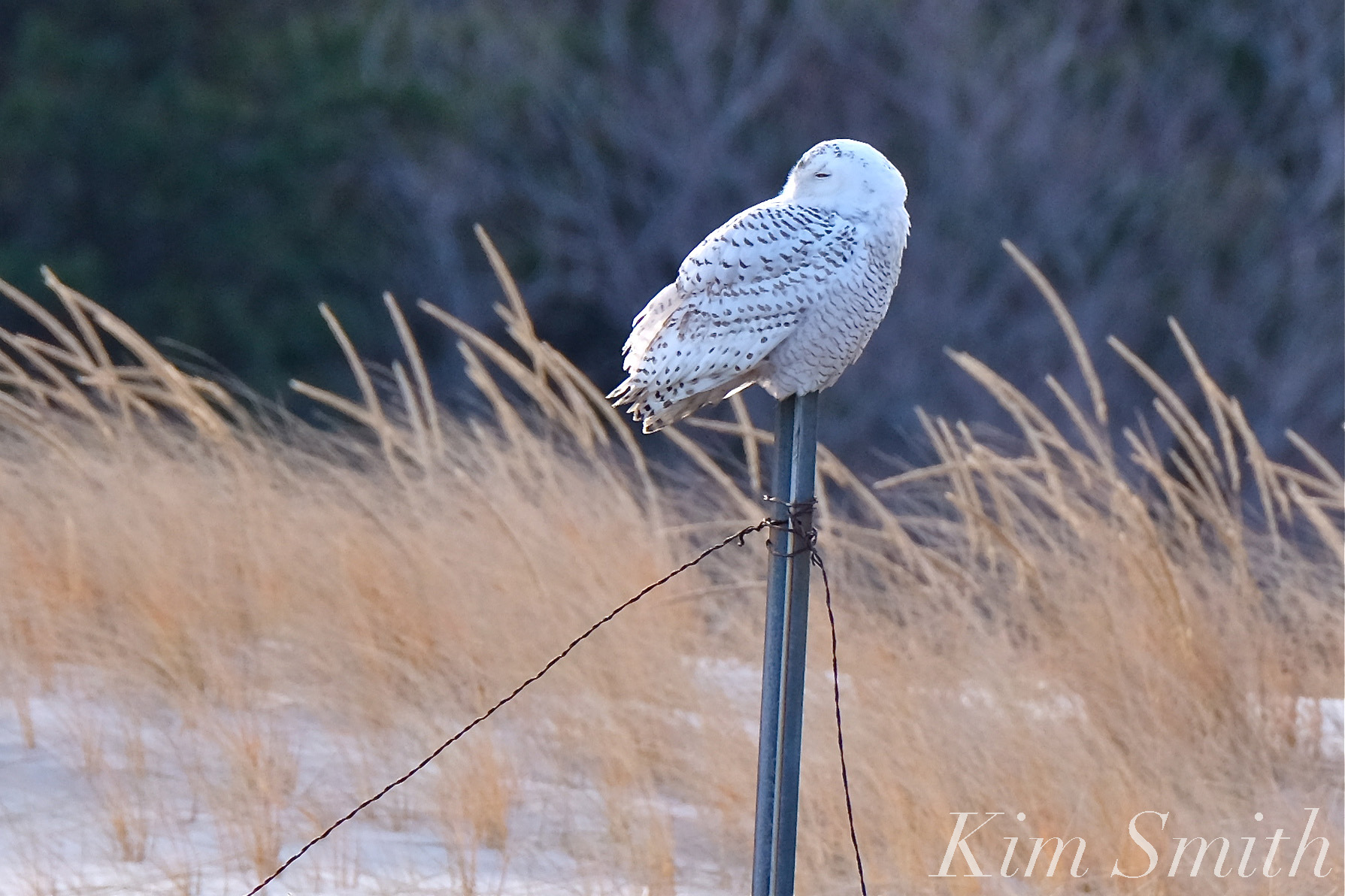
Snowy Owl Cranes Beach

CAPE ANN WILDLIFE: A YEAR IN PICTURES 2017

CAPE ANN WILDLIFE: A YEAR IN PICTURES 2017

By Kim Smith

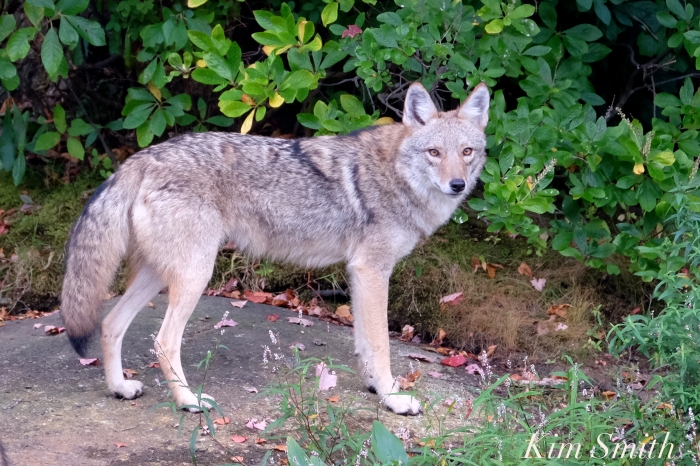
Cape Ann provides welcome habitat for a menagerie of creatures beautiful, from the tiniest winged wonder to our region’s top predator, the Eastern Coyote. Last year I posted a Cape Ann Wildlife Year in Pictures 2016 and I hope you will find the wildlife stories of 2017 equally as beautiful. Click on the image to find the name of each species.

WINTER

The only partially frozen ponds at the start of winter allowed for dabblers and divers such as Mallards, Mergansers, and Buffleheads to forage at the freshwater. Mr. Swan had his usual entourage of quwackers and daily heads to the other side of the pond to get away for his morning stretches. Sightings of Red-tailed Hawks and other raptors abounded. Although photographed in Newburyport, the owl photos are included because these species are found readily on Cape Ann. An Eastern Screech Owl (red-morph) was seen daily perched above a playground and Barred Owl sightings too were reported throughout the winter. Raptors live on Cape Ann all year round but are much easier to see in winter when the trees are bare of foliage.

The beautiful aqua green eyes of the juvenile Double-crested Cormorants were seen wintering at both Niles Pond and Rockport Harbor. And during a warm February day on a snowless marsh a turkey bromance shindig commenced.

SPRING

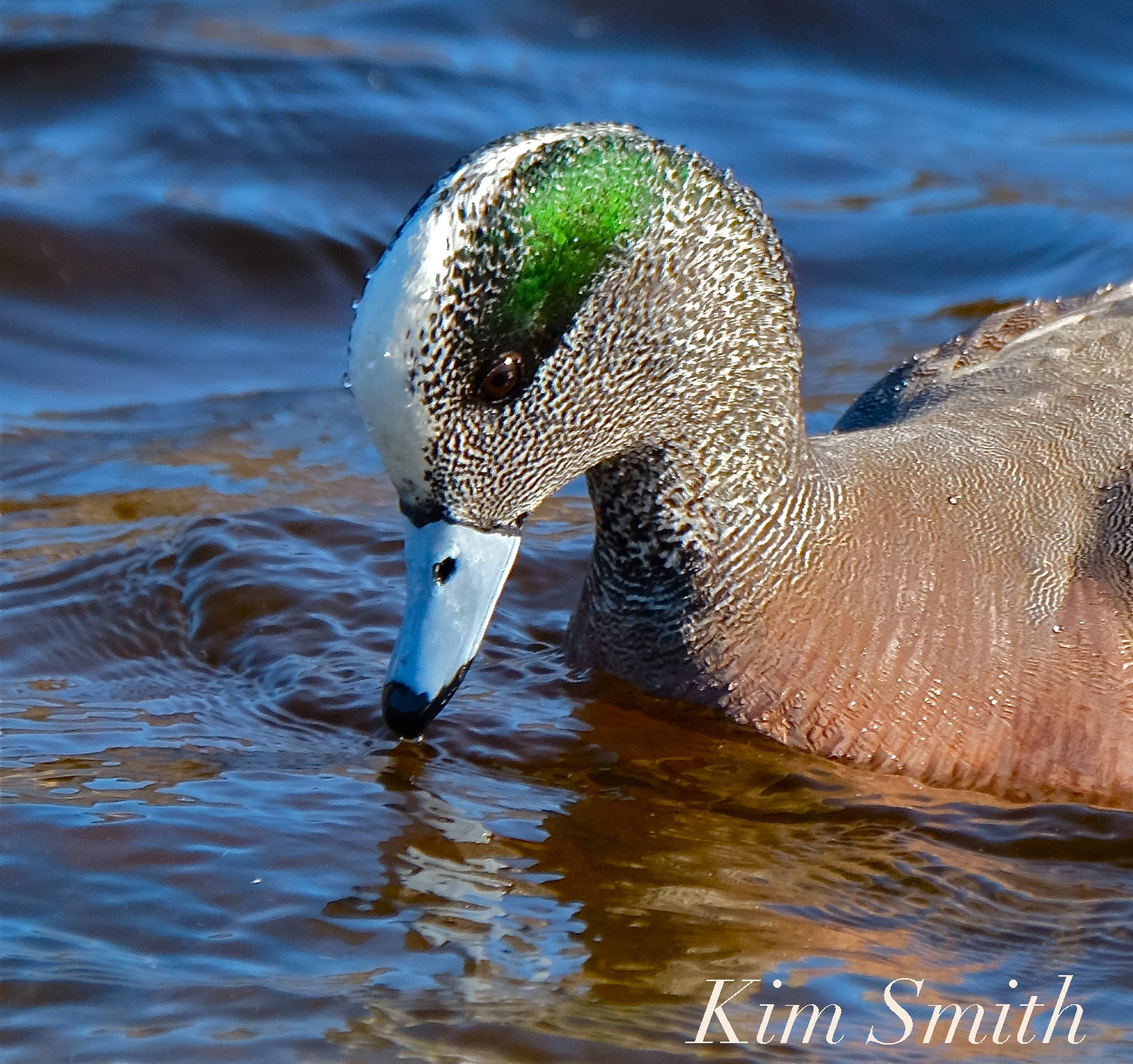
In early spring, a male and female American Wigeon arrived on the scene making local ponds their home for several weeks. In the right light the male’s electric green feathers at the top of his head shine brightly and both the male and female have baby blue bills.

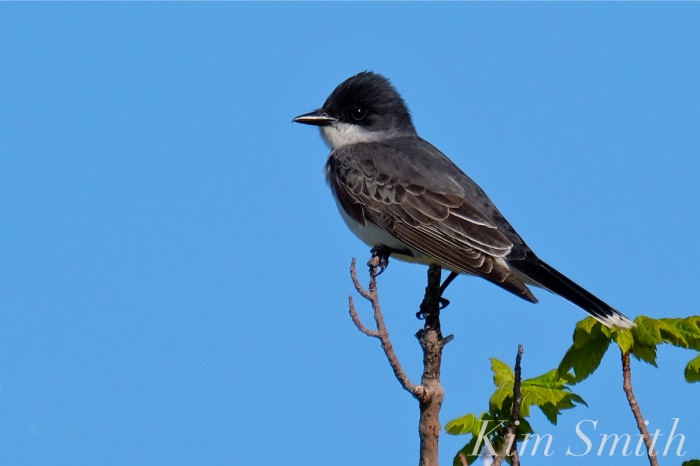
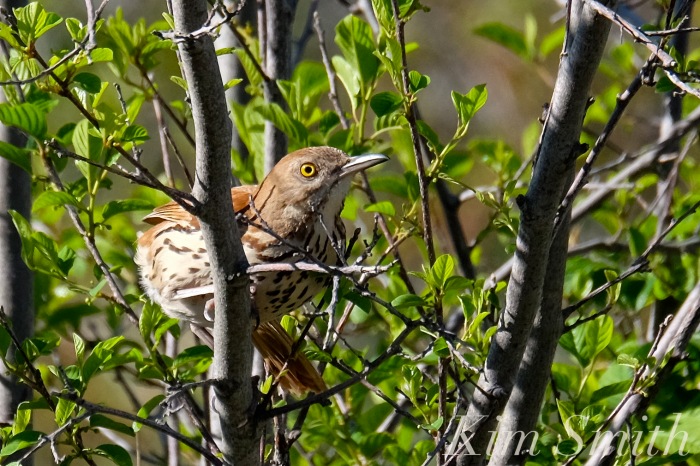
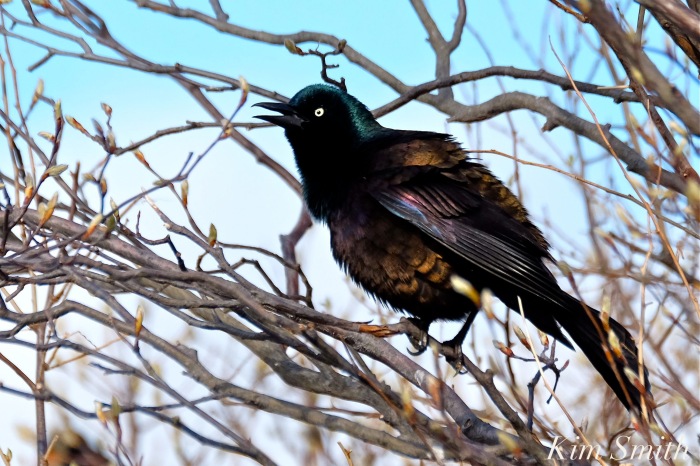
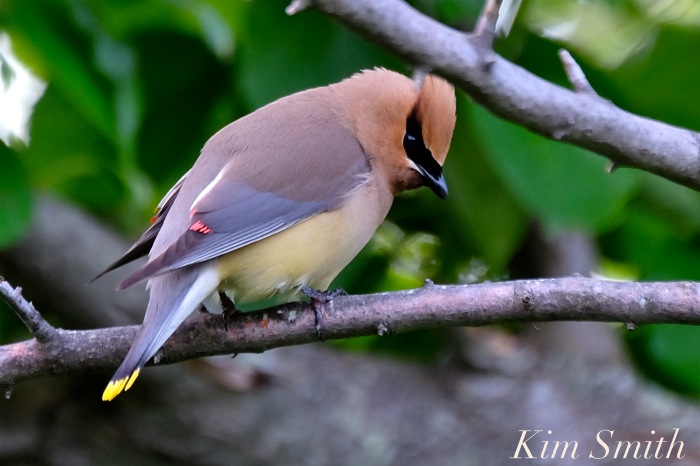
Meadow and marsh, dune and treetop were graced with the heralding harbingers of spring with photos of a Red-winged Blackbird, a pair of Cedar Waxwings, Northern Mockingbird, Brown Thrasher, Eastern Towhee, Eastern Kingbird, Tree Swallow, and Grackle included here.

The Great Swan Escape story made headlines in Boston as Mr. Swan eluded captors for hours. He had re-injured his foot and someone took it upon themselves to call the animal rescuers, which would have surely meant death for our beloved 27-year old swan if he had been wrangled into captivity.

M is clearly for Migration through Massachusetts and the month-long arrivals and departures did not abate. Short-billed Dowitchers, winsome Willets, Yellow Legs, Brandt Geese, and Ruddy Turnstones are just some of the migrating birds spied on Cape Ann beaches and marshes. The best news in May was the return of the Piping Plovers. Of the five or six that camped at Good Harbor Beach to investigate potential nesting sites, one pair bonded and built their nest mere yards from the nesting pair of last year. Could it be the same pair? The nesting Piping Plover story took up much of the spring and by early summer four little Piping Plover chicks hatched over Fiesta weekend. Hundreds of photos and hours of film footage are in the process of being organized with a children’s book and documentary in progress.

Piping Plover Courtship Dance

Piping Plover Nest

SUMMER

OctoPop

The survival of one Piping Plover chick was made possible by a wholesale community effort, with volunteers covering all hours of daylight, along with Mayor Sefatia and her team, Ken Whittaker from the conservation office, Chief McCarthy, and animal control officer Diane Corliss all lending a hand.

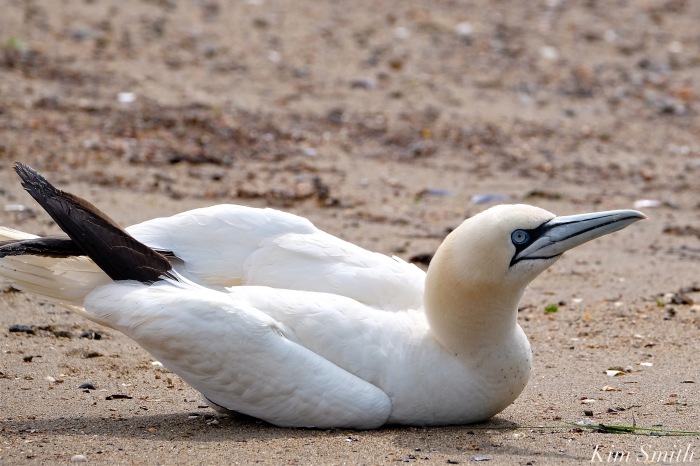
Sadly, several Northern Gannets came ashore to die on our Cape Ann beaches, struck by the same mysterious and deadly disease that is afflicting Northern Gannets in other coastal regions. During the summer season they are typically at their North American breeding grounds, which are six well-established colonies, three in the Gulf of St. Lawrence, Quebec, and three in the North Atlantic, off the coast of Newfoundland.
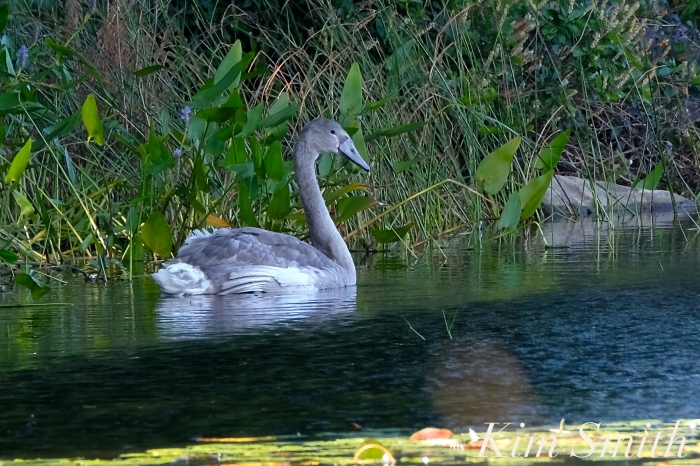
An orphaned swan was introduced to Niles Pond, much to the dismay of Mr. Swan. Eastern Point residents Skip and Lyn kept watch over the two while they reluctantly became acquainted.

By mid-July many of us were seeing Monarchs in much greater numbers than recent years. Nearly every region within the continental United States experienced a fantastic Painted Lady irruption and butterflies of every stripe and polka dot were seen flitting about our meadows, fields, and gardens.
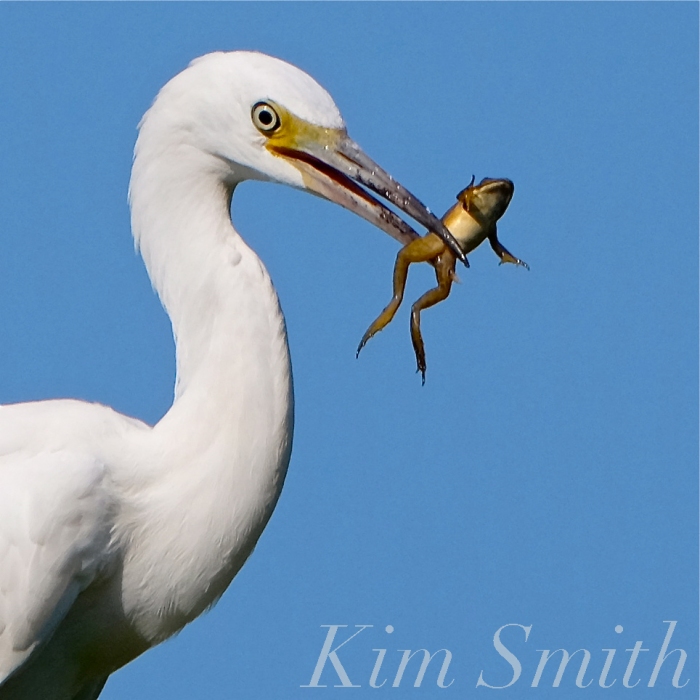
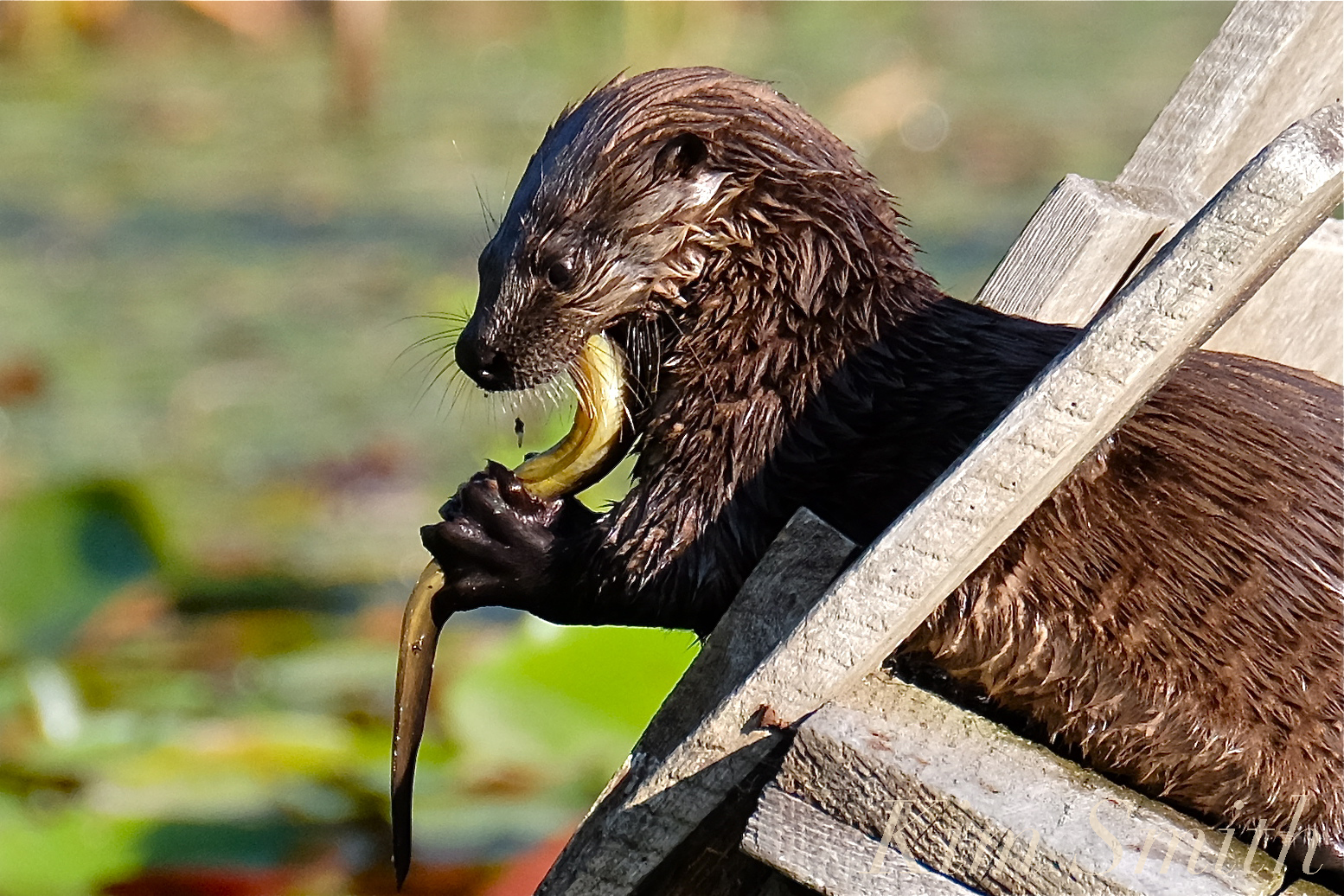
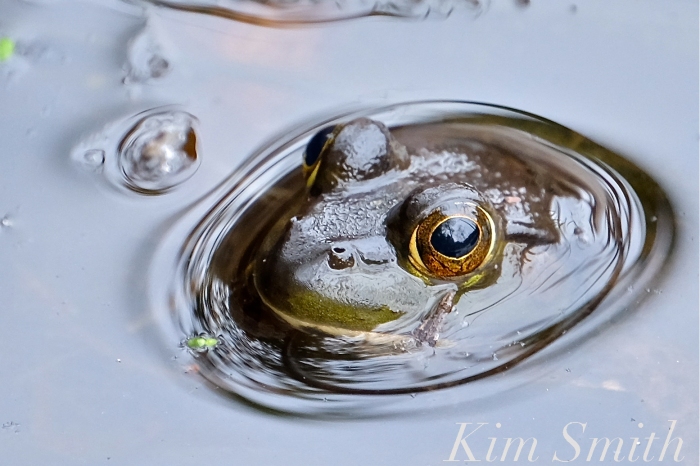
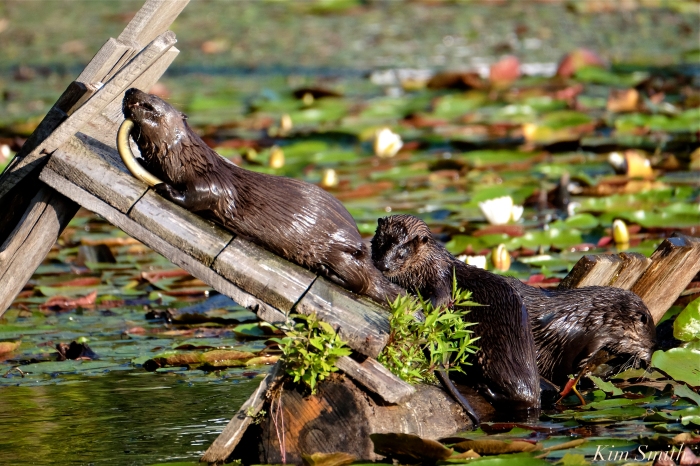
The tadpoles and froglets of American Bullfrogs and Green Frogs made for good eating for several families of resident otters, who are making their homes in abandoned beaver lodges. Little Blue Herons too, find plentiful frogs at our local ponds.

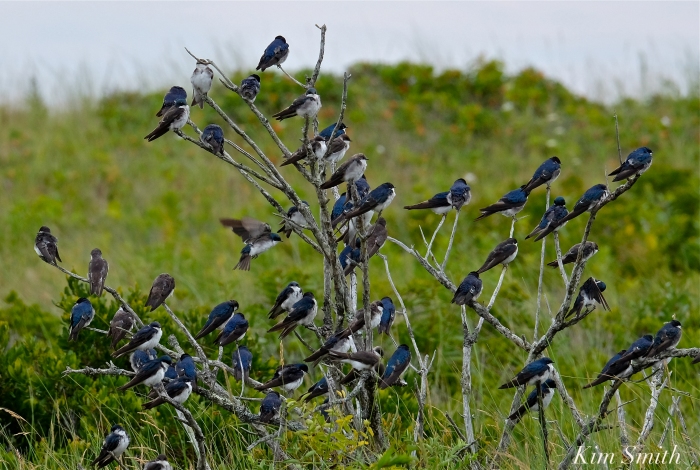
Tree Swallows Massing

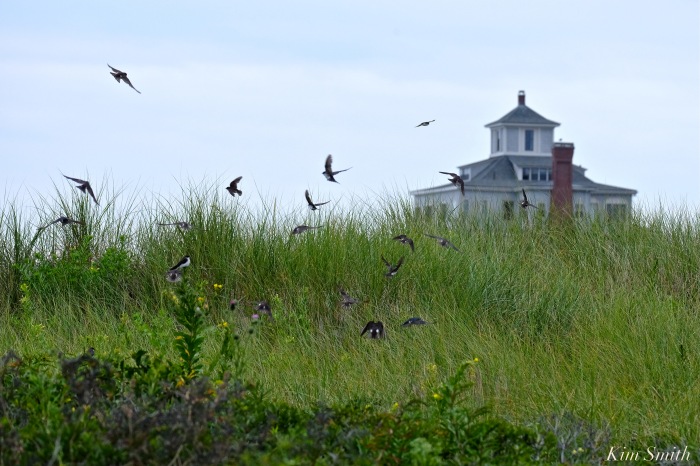
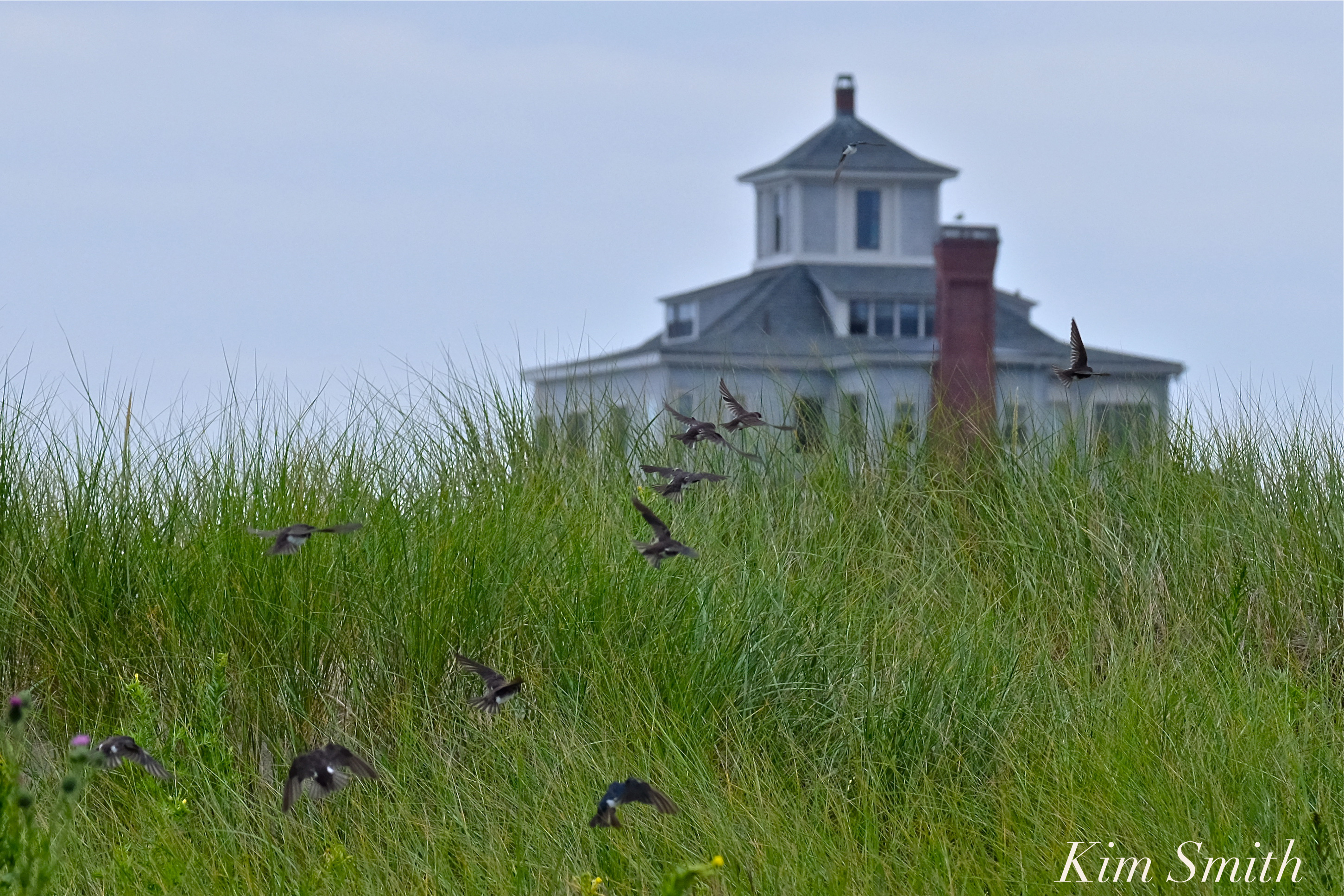
In early August we see the Tree Swallows begin to mass for their return migration. They find an abundance of fruits and insects in the dunes, headlands, and beaches. The Cedar Waxwings and Ruddy Trunstones were observed back again foraging on their southward journey, along with myriad species of songbirds, shorebirds, divers, and dabblers.

FALL

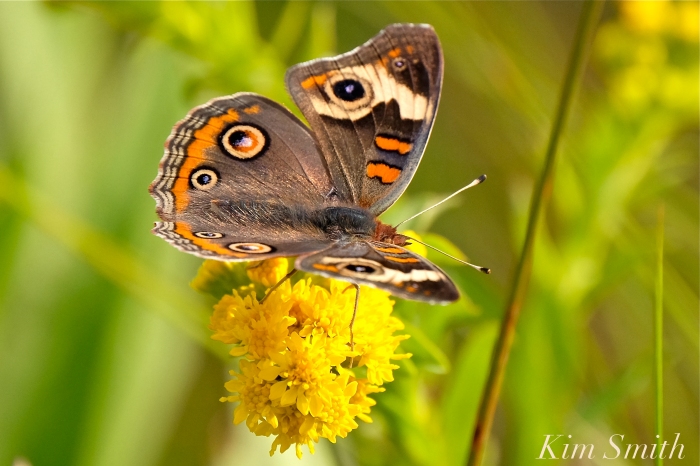
The Late Great Monarch Migration continued into fall as we were treated to a wonderfully warm autumn. Waves and waves of Monarchs came ashore and more butterflies arrived on the scene including new batches of Painted Ladies, Clouded Sulphurs and Common Buckeyes (nothing common about these beauties!).

A pair of Northern Pintails called Cape Ann ponds and coves home for nearly a month while we seem to be seeing more and more raptors such as Red-tailed Hawks, Osprey, Bald Eagles, and Peregrine Falcons. Juvenile herons of every species that breeds on Cape Ann lingered long into the fall—Black-crowned Night Herons, Yellow-crowned Herons, Great Blue Herons, Snowy Egrets, Great Egrets, and Green Herons.

Just as Mr. Swan and the Young Swan appeared to be warming to each other, the Young Swan, who has yet to learn to fly, became trapped in the ice at Niles Pond. He was rescued by caretakers Lyn and Dan and is now spending the winter at a cozy sanctuary built by Lyn and friends.


Heart Wings Monarch Butterfly

Thank you to all our readers for your kind comments of appreciation throughout the year for the beautiful wild creatures with which we share this gorgeous peninsula called Cape Ann. If you’d like to read more about a particular animal, type the name of the animal in the search box and the original post should come up

With its expansive marshes and dunes, bodies of fresh, clear water, saltwater coves and inlets, and geographic location within the Atlantic Flyway, 2017 has been a banner year for Cape Ann’s wild and wonderful creatures. I can’t wait to see what awaits in 2018!
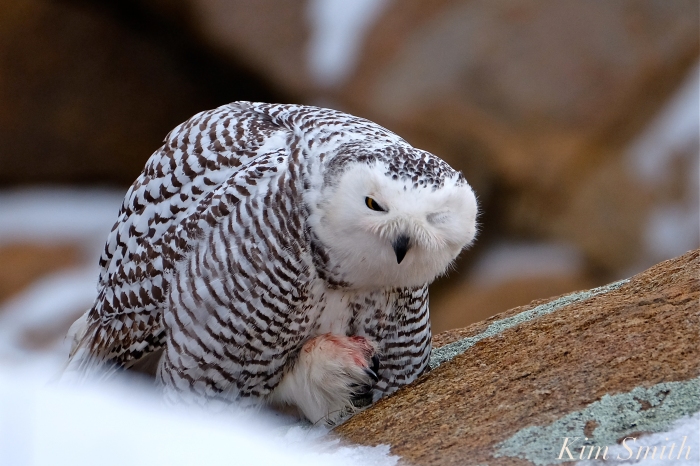
Snowy Owl “Hedwig” January 2018 Backshore Gloucester

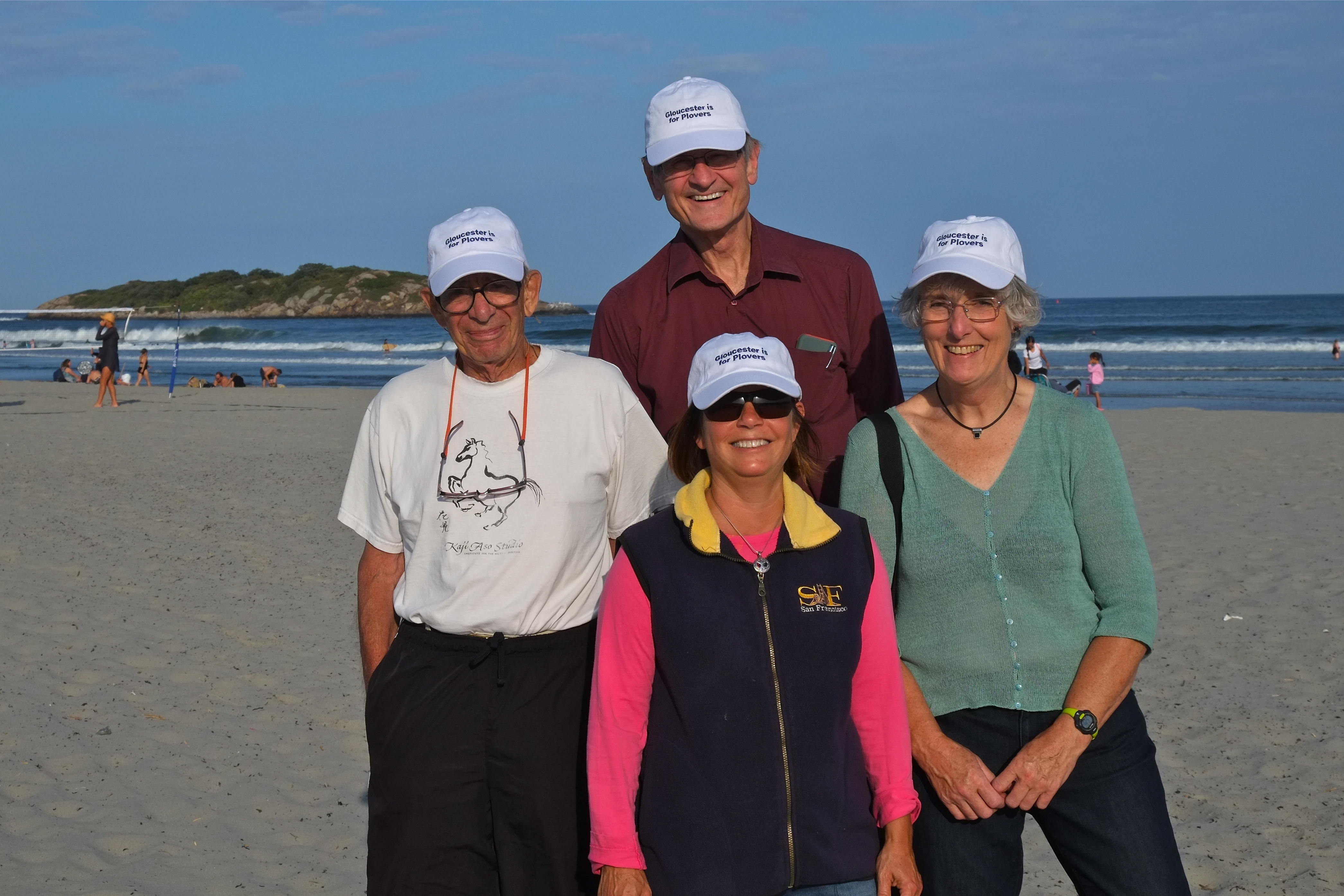
THANKS TO KEN WHITTAKER AND GLOUCESTER’S PIPING PLOVER VOLUNTEER TEAM

A huge thank you once again to our city’s conservation agent Ken Whittaker and the amazing team of Piping Plover volunteers who, with their kind dedication, helped one little chick survive Gloucester’s busiest of beaches.

Ken met recently with some of the volunteers, to review ideas and suggestions for next year, and to give volunteers thanks, as well as the fun caps pictured above. Left to right; Chris,  Ken, Carol, and Hazel.

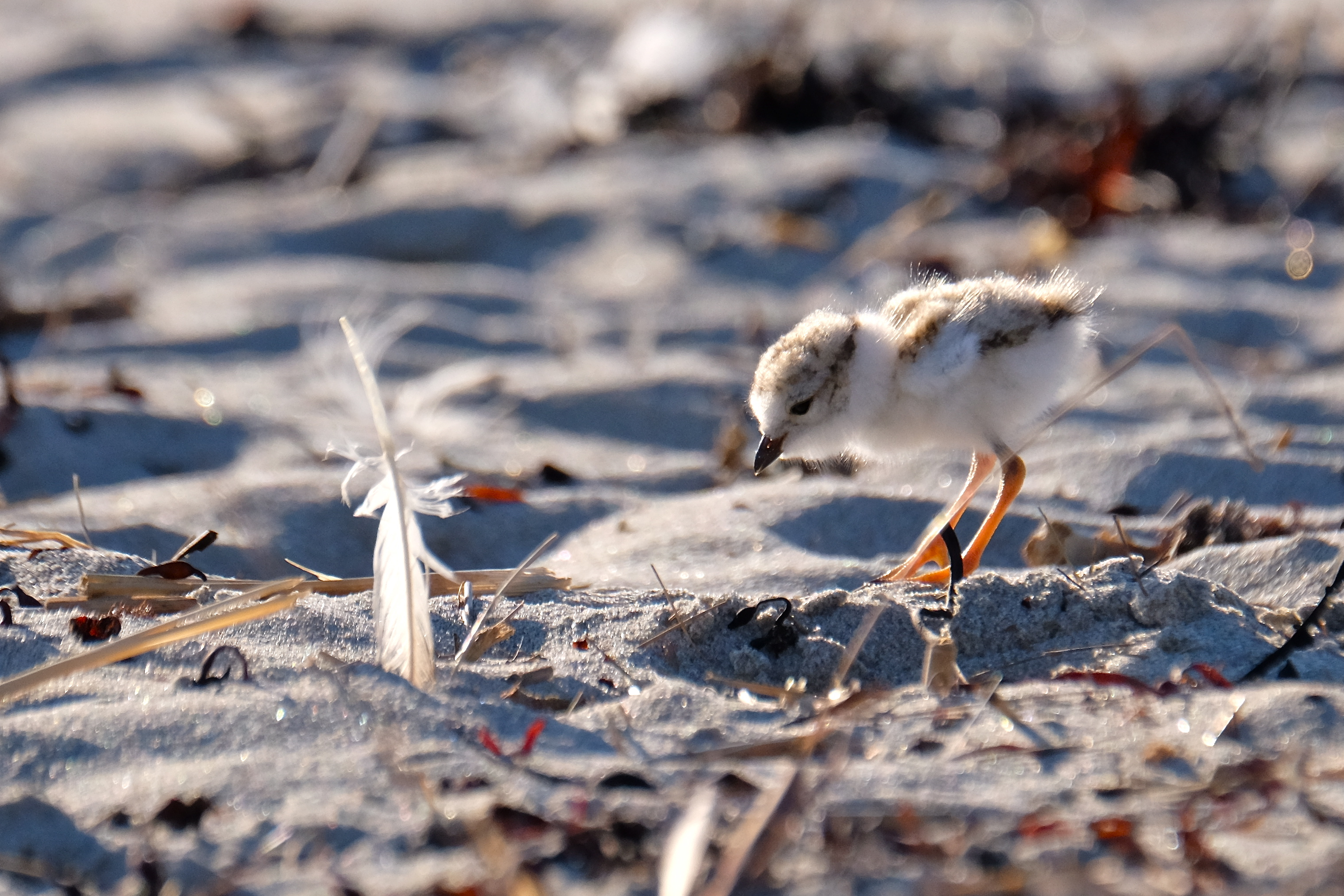
Little Piping Plover Chick Three Days Old

FRIENDS OF LITTLE CHICK UPDATE

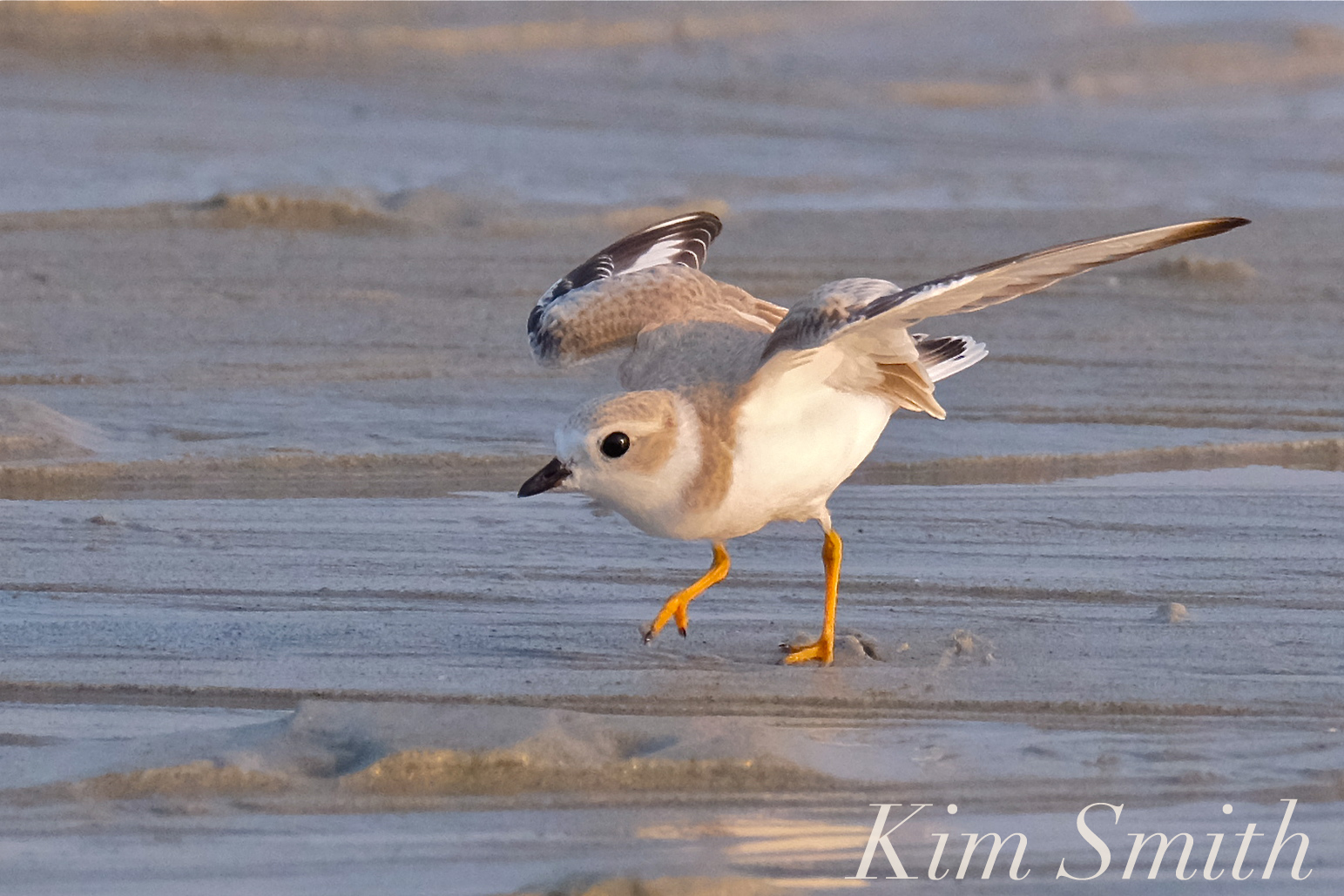
Piping Plover Flight Dance

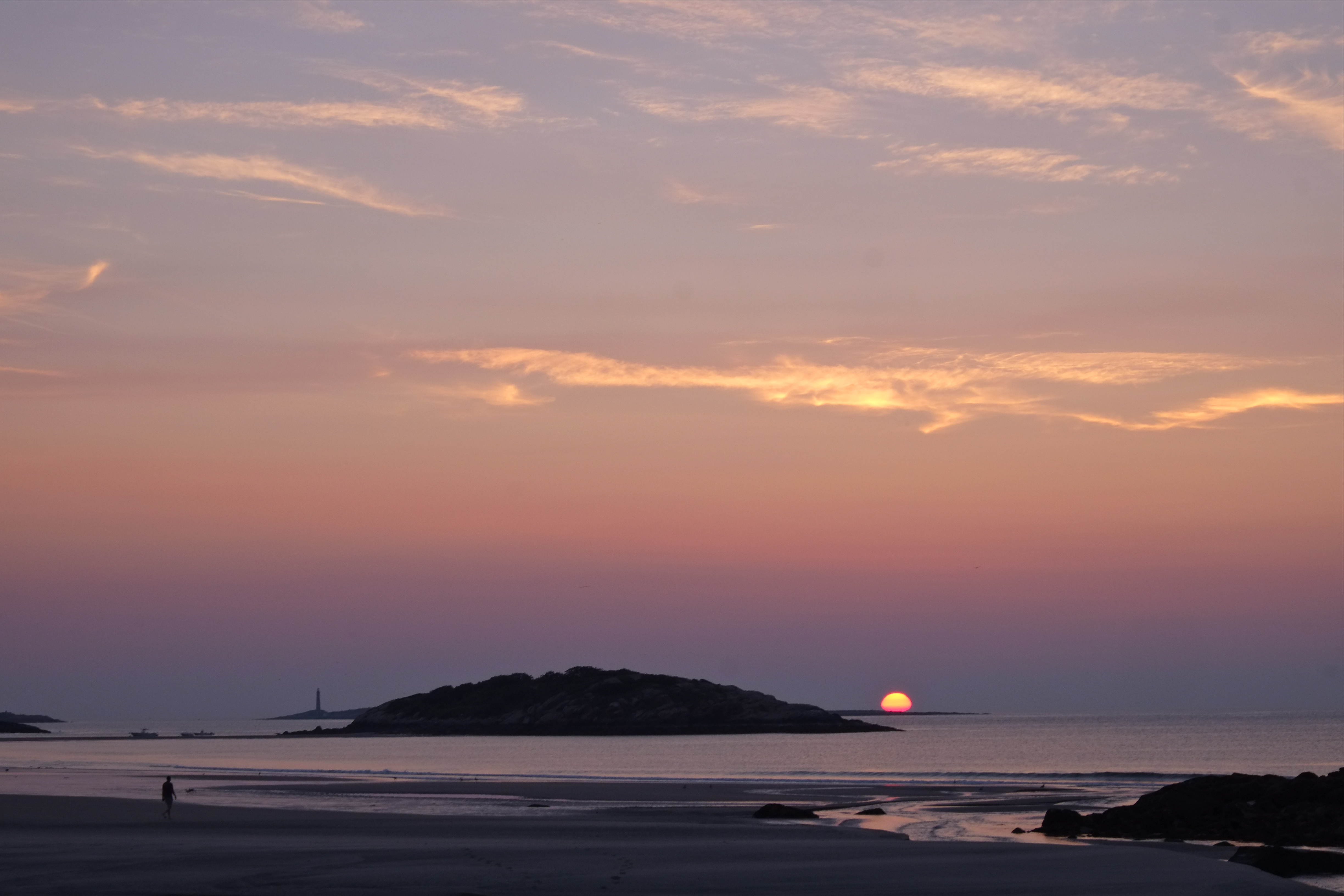
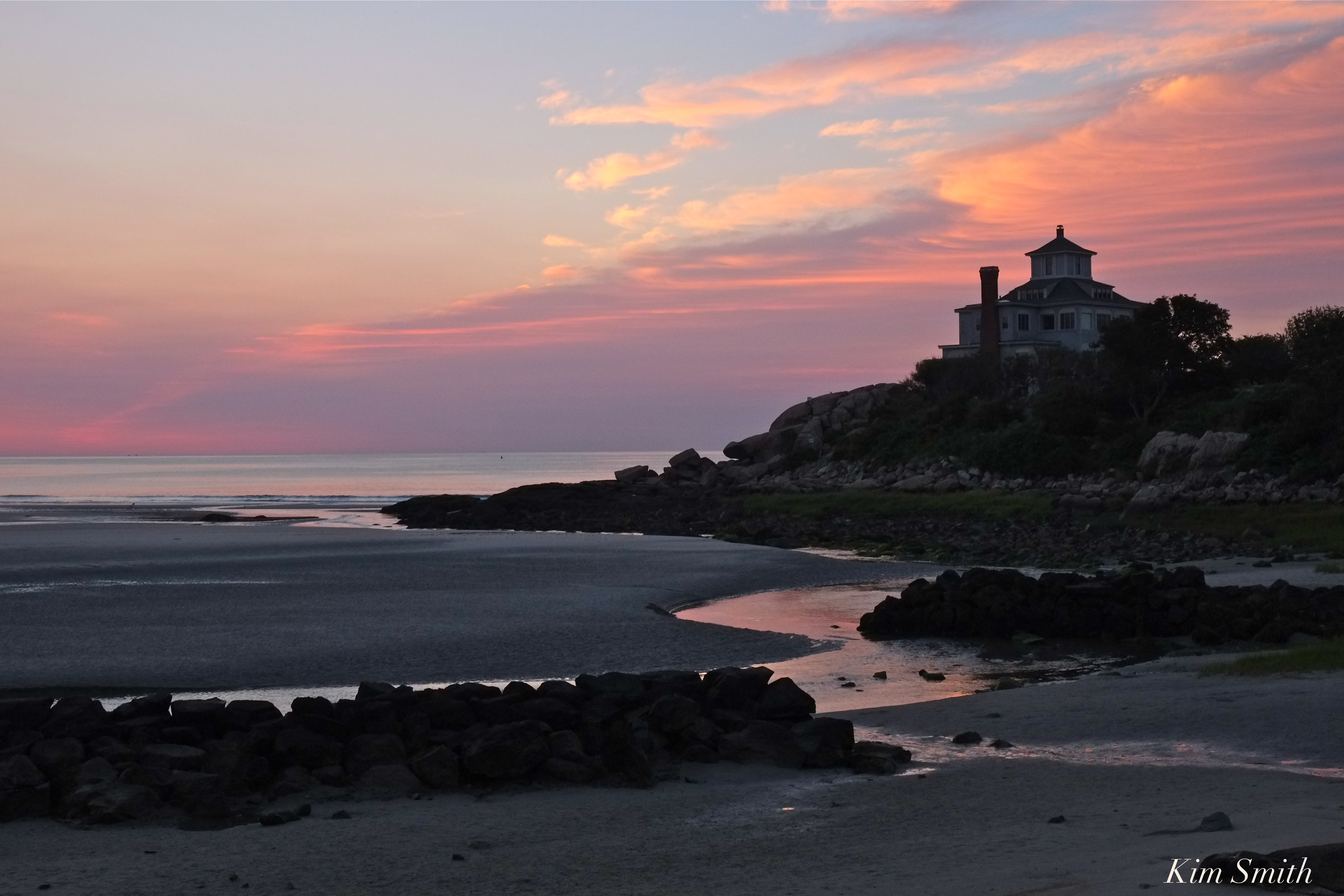
Eclipse Day was a dream day filming wildlife on Cape Ann. I did the usual early morning stops at my “migrations stations,” but because I had taken the afternoon off to see the eclipse, I got to film in the afternoon, too, which I don’t often get a chance to do. First stop was Good Harbor Beach to see a beautiful subdued and rosy-hued sunrise.

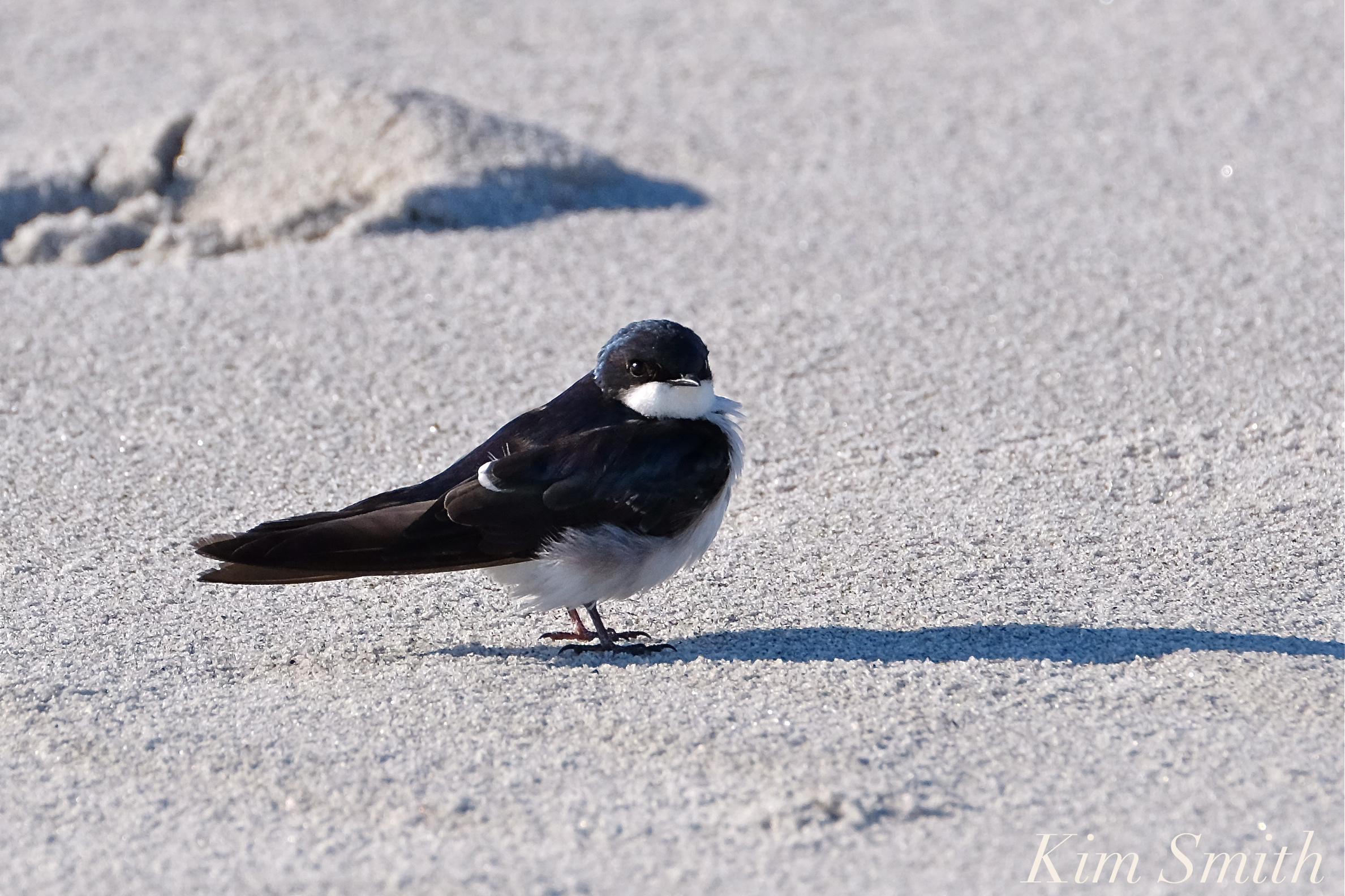
The Tree Swallows were everywhere, in dunes, on the beaches, lined up on telephone lines, in meadows, and marsh. I filmed and photographed that hullabaloo for a bit, along with a dozen other species of migrating shorebirds and songbirds; there are simply too many images for one post. I’ll share these migration photos in the upcoming days.

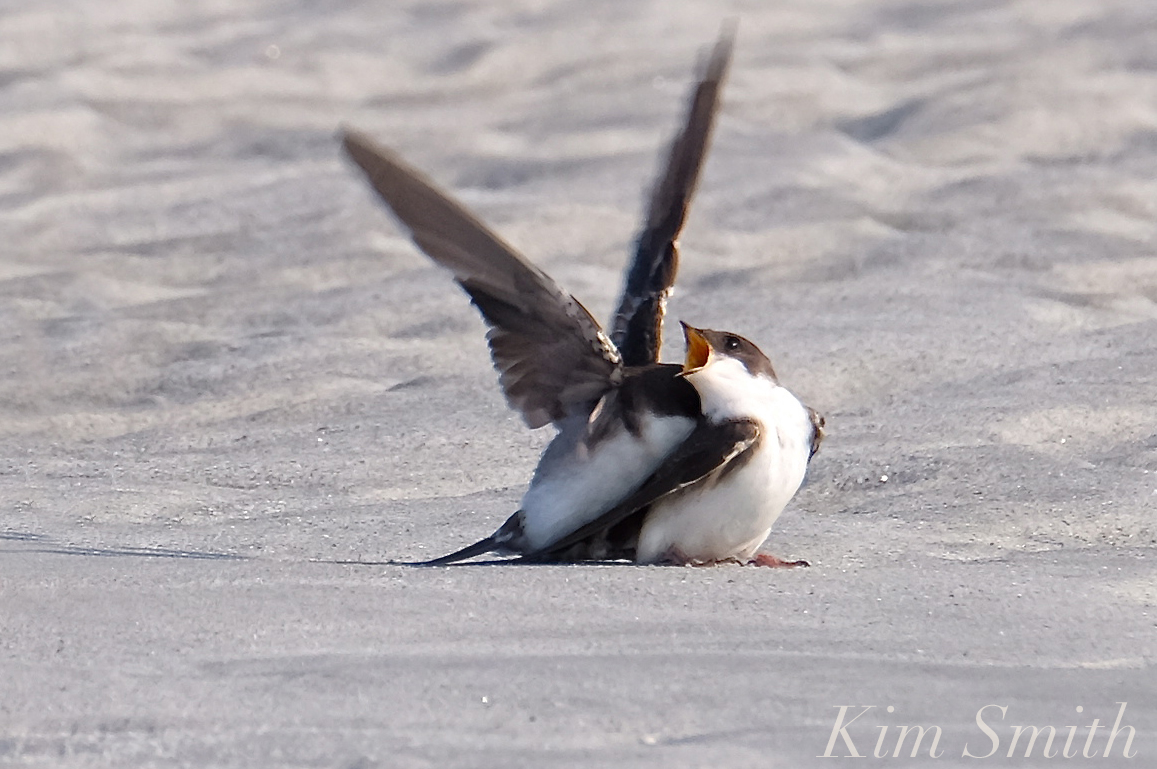
Tree Swallows Biting and Fighting

The most wonderful of all was coming upon a tiny flock of Piping Plovers. Initially I thought only two, then a third joined the scene, and then a fourth!

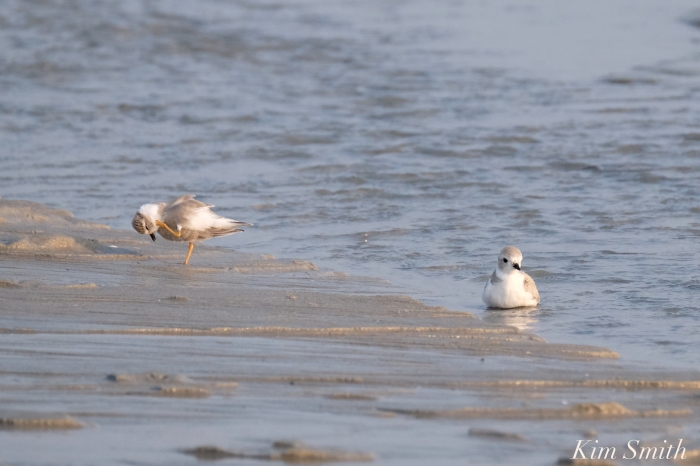
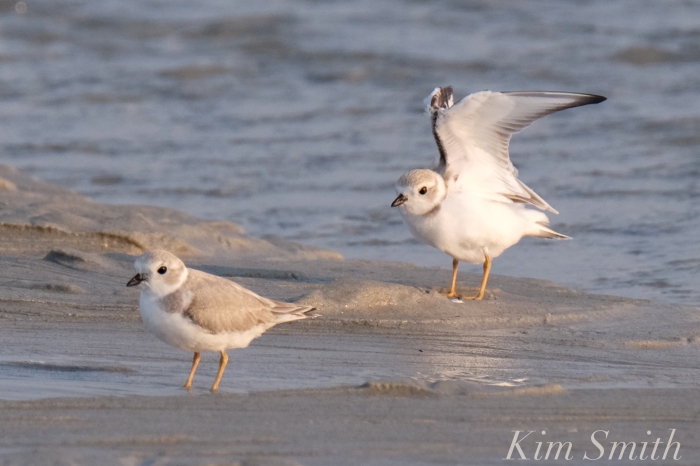
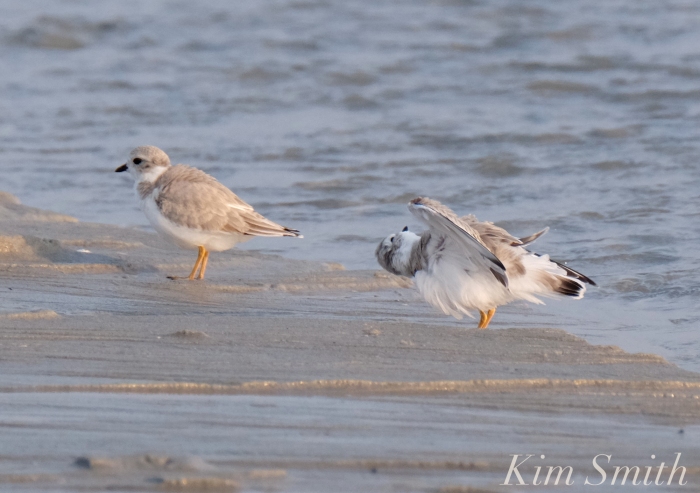
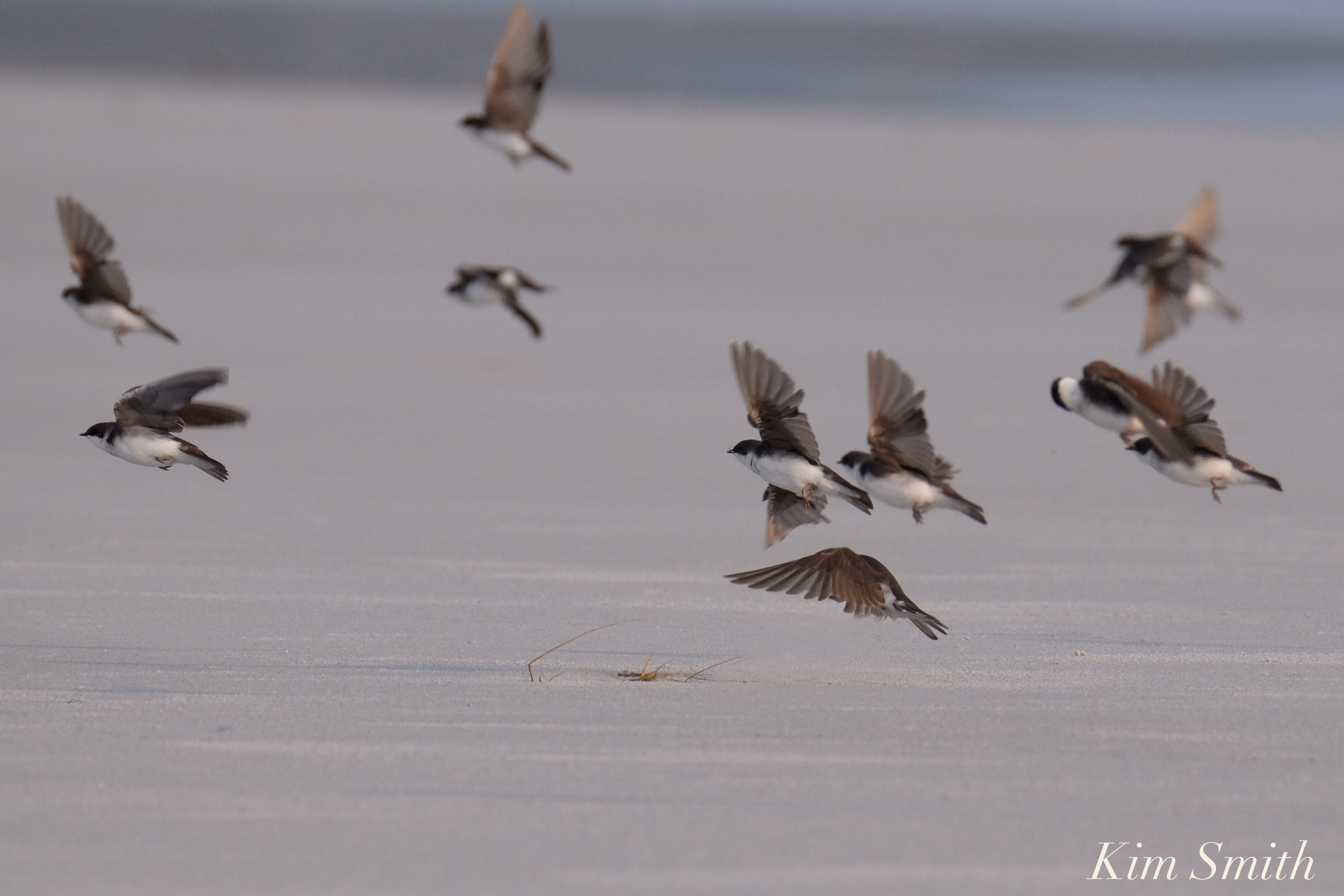
One was definitely a juvenile, about the same age as would be our Little Chick. The PiPl were bathing, grooming, and foraging in the intertidal zone while also being dive-bombed by the Tree Swallows. This is behavior that I filmed last year as well. Tree swallows, although beautiful, are the fightenist little tuffies you’ll ever see. They’ll fly straight at other birds, biting one of their own kind, Barn Swallows, and plovers alike.

PiPl bath time

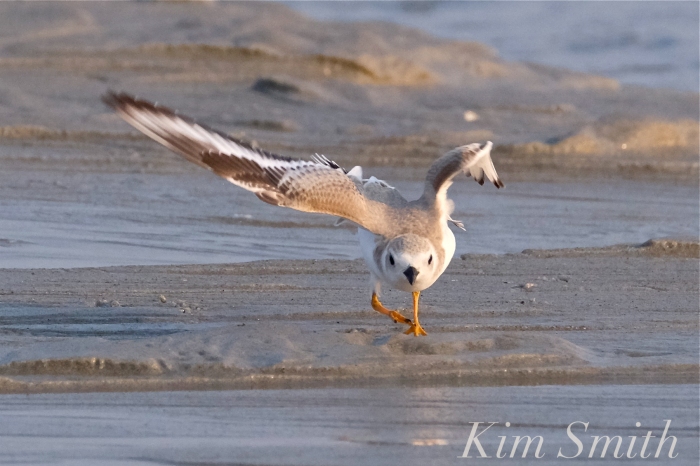
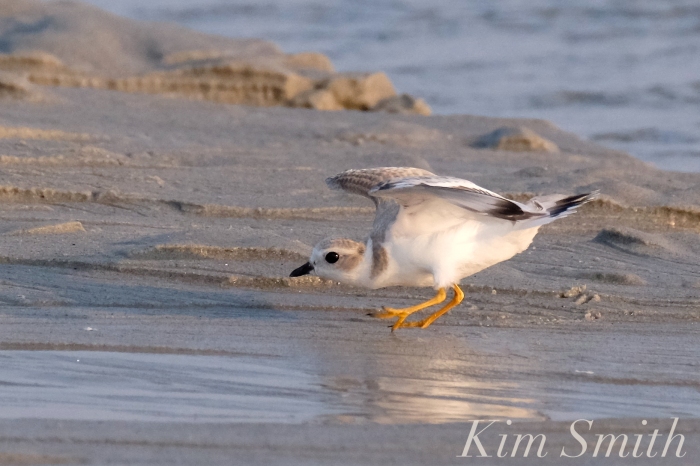
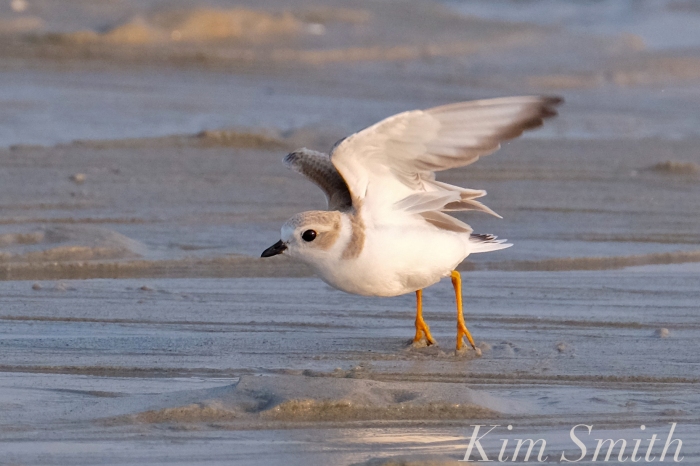
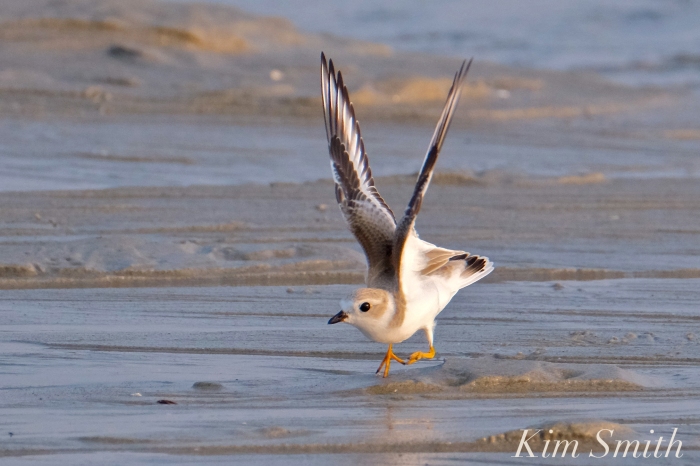
The PiPl that looked just like Little Chick also did the funny flight take-off dance that we all observed of LC. He flew around in a circle, backwards and forwards, spreading and unspreading his wings, and hopping up and down. It’s very comical and I can’t wait to share the film footage and storybook. Anyway, the little traveler I encountered on Eclipse Day was doing the PiPlover flight jig for an extended period of time.

Doing the Jig!

I stayed to watch the Plovers for a bit longer and then finished walking the length of the beach. On my return walk I was surprised from a quiet reverie to hear a flock of Plovers piping. I looked up and before I could turn my movie camera back on, a group of a dozen Piping Plovers flew past. Happy Day!

Tree Swallows Massing
Eclipse Day Sunrise Good Harbor Beach

 Backlogged with wildlife photos, more to come. Some wonderful surprises!

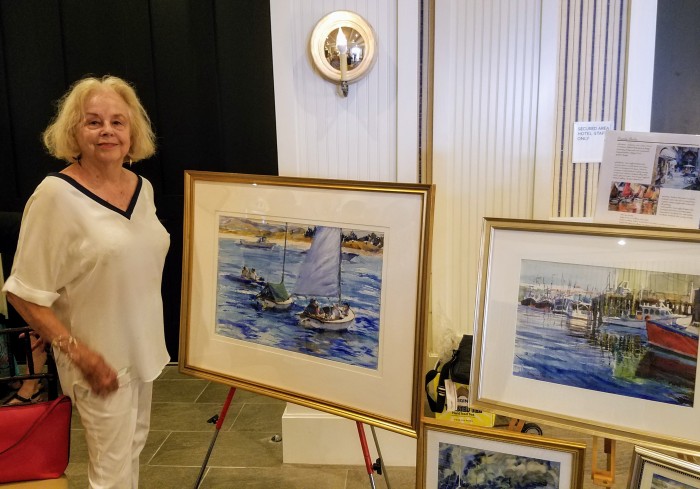
Participating artists Cape Ann Art Show Beauport Hotel Gloucester

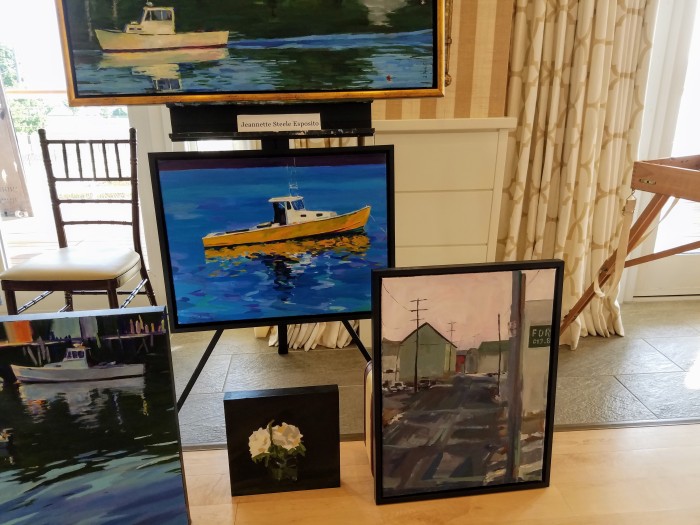
Here is a digital who’s who catalogue with portraits of the participating artists and scenes from the inaugural Cape Ann Art Show at the Beauport Hotel Gloucester, MA. The art fair and the hotel were jumping on this gorgeous evening. Original works of art (not reproductions) were priced under $100 and up from there. The artists and the hotel were so well prepared and joyous, I was compelled to record their effort. Apologies if I missed anyone. I jotted down contact information and linked to artists when possible.


20170822_170611

Suzanne Brailey 

20170822_173724

20170822_173728.jpg

Donna Caselden (978) 381-3576

20170822_183415

20170822_183351

Katherine Coakley (781)789-3696

20170822_173330

20170822_170611 (1)

Dan DeLouise Studio 53 (978) 282-1540
20170822_174431

Terry Delpercio-Piemonte (978)290-1726

20170822_174131

20170822_181219

Kevin Ellis 

20170822_170954

Jeannette Steele Esposito  ljespo@juno.com

20170822_171447

20170822_171451.jpg

Read more continues to participating artists (F-Z)

They’re in alphabetical order. Please let me know if you or your contact information was missed. I tried to capture the complete installation. Congratulations to the artists and Beauport Hotel! It was a great fair.

Continue reading “Participating artists Cape Ann Art Show Beauport Hotel Gloucester”

FRIENDS OF LITTLE CHICK

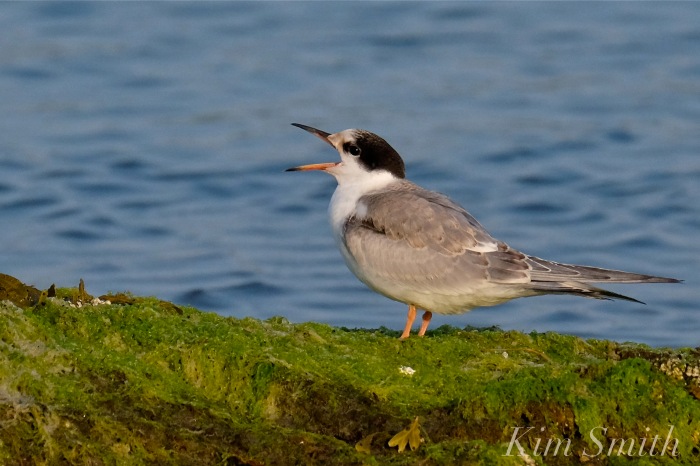
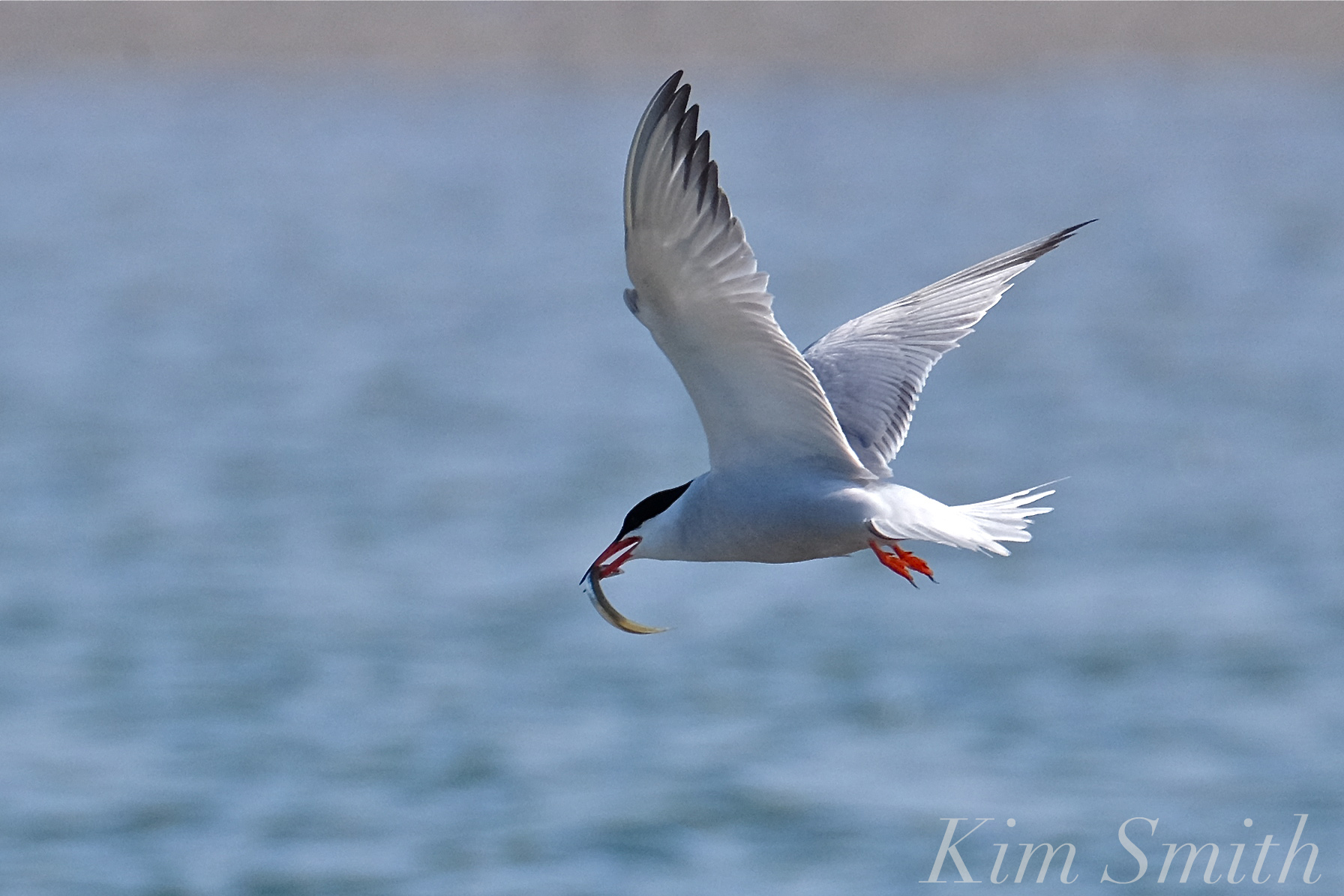
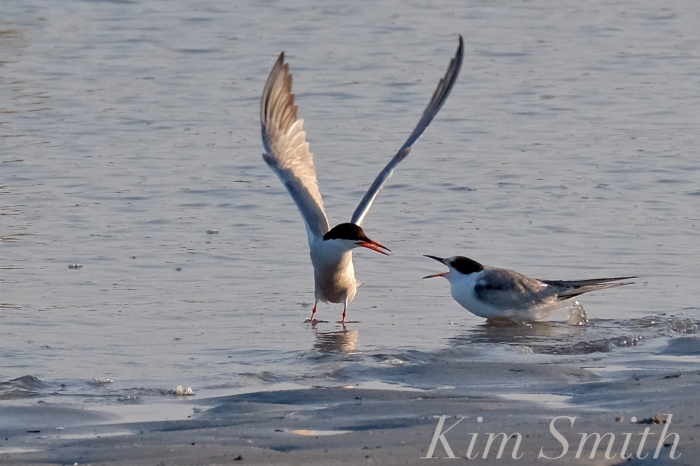
Common Tern delivering breakfast to its fledgling.

Here are a collection of recent photos of different species of shorebirds and songbirds gathering and migrating along Cape Ann beaches that Little Chick may encounter on his journey south.

During the spring breeding season Piping Plover mating adults chase all other birds out of their territory, from the largest Black-backed Gull to the tiniest Song Sparrow. At this time of year, during the summer southward migration, you’ll often see PiPl feeding alongside other PiPl, as well as with Semipalmated Plovers, Black-bellied Plovers, Killdeers, peeps, terns, and gulls.

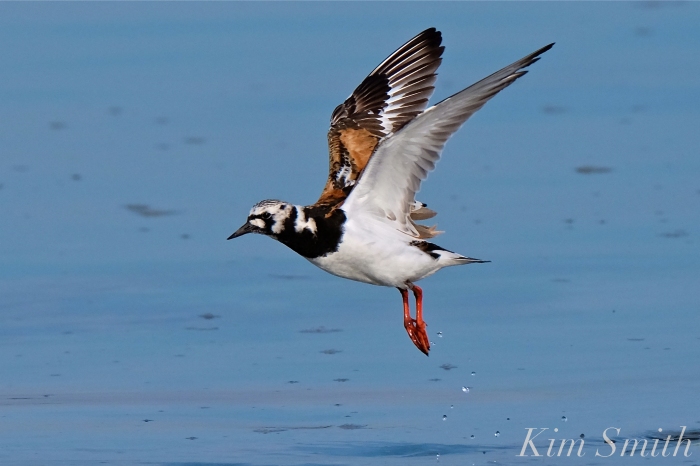
Ruddy Turnstones

Ruddy Turnstones Photobombed

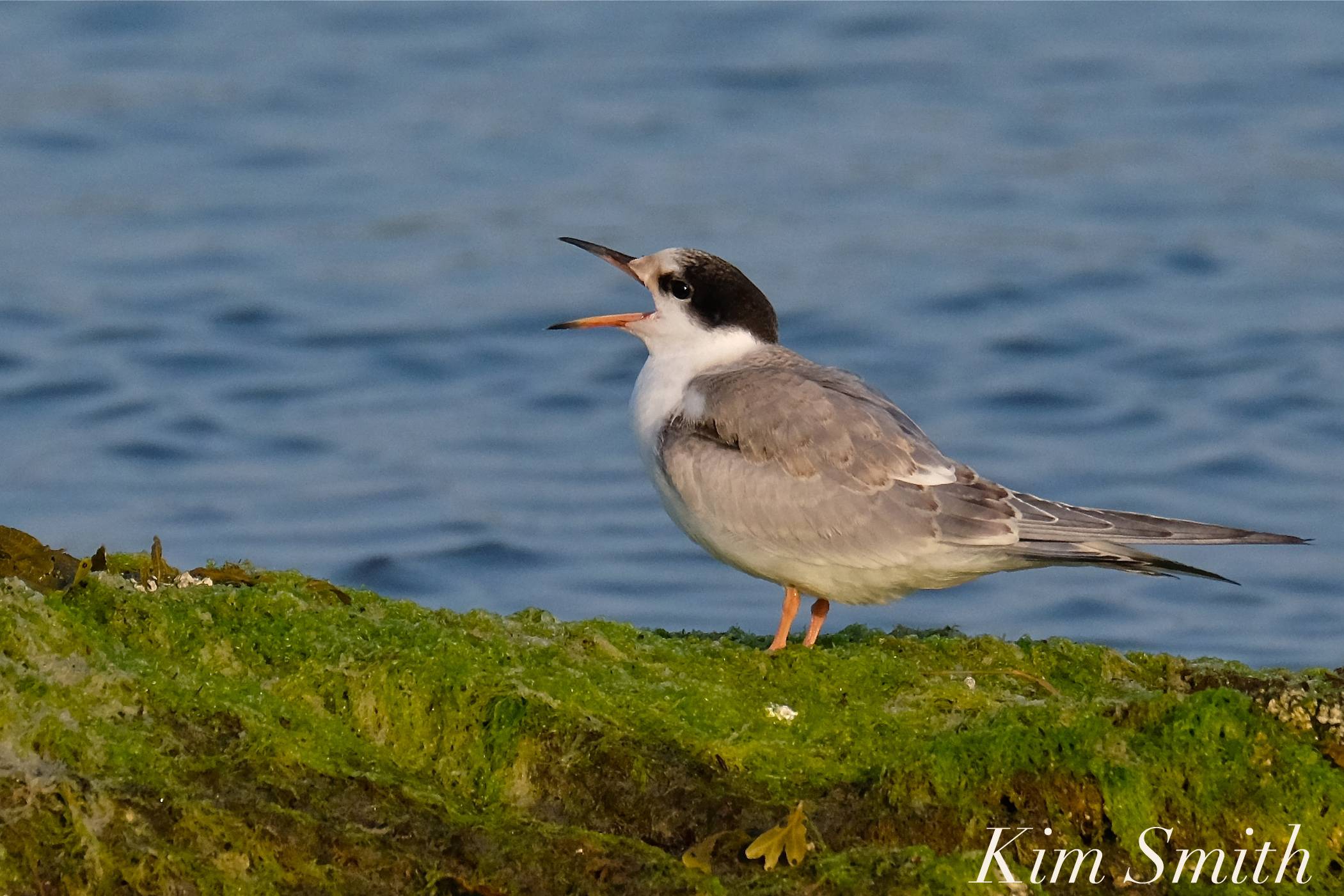
Common Tern fledgling squawking for breakfast.

Won’t someone, anyone, please, please feed me! Unlike Piping Plover chicks, Common Tern chicks cannot feed themselves at birth. Common Tern chicks can walk and swim, but it will be many weeks before they learn to fish.

Tree Swallows massing, foraging in dunes rich with insects and berries.

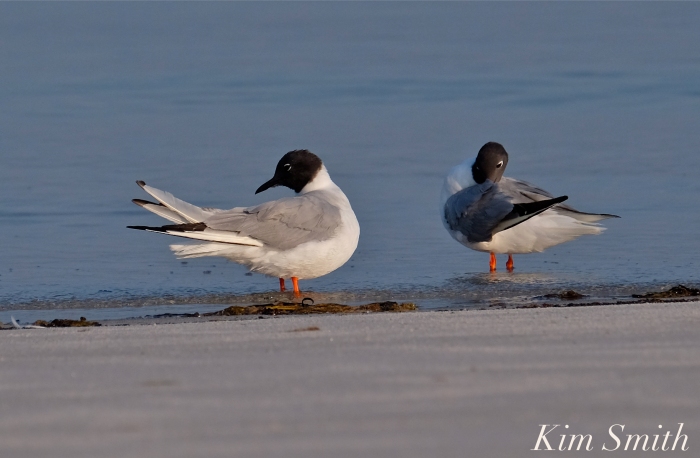
Bonaparte’s Gulls


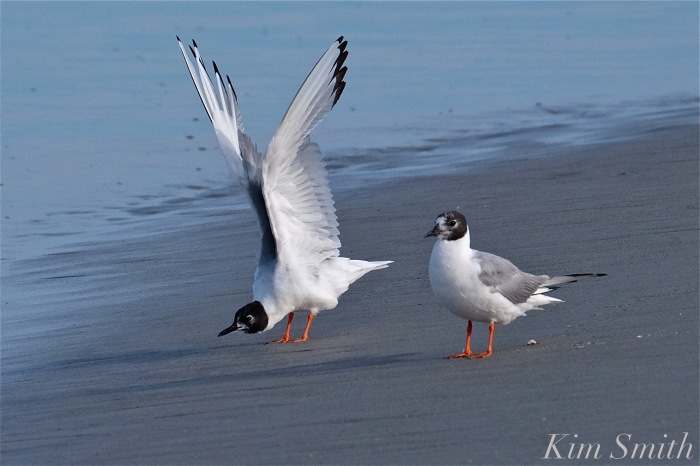
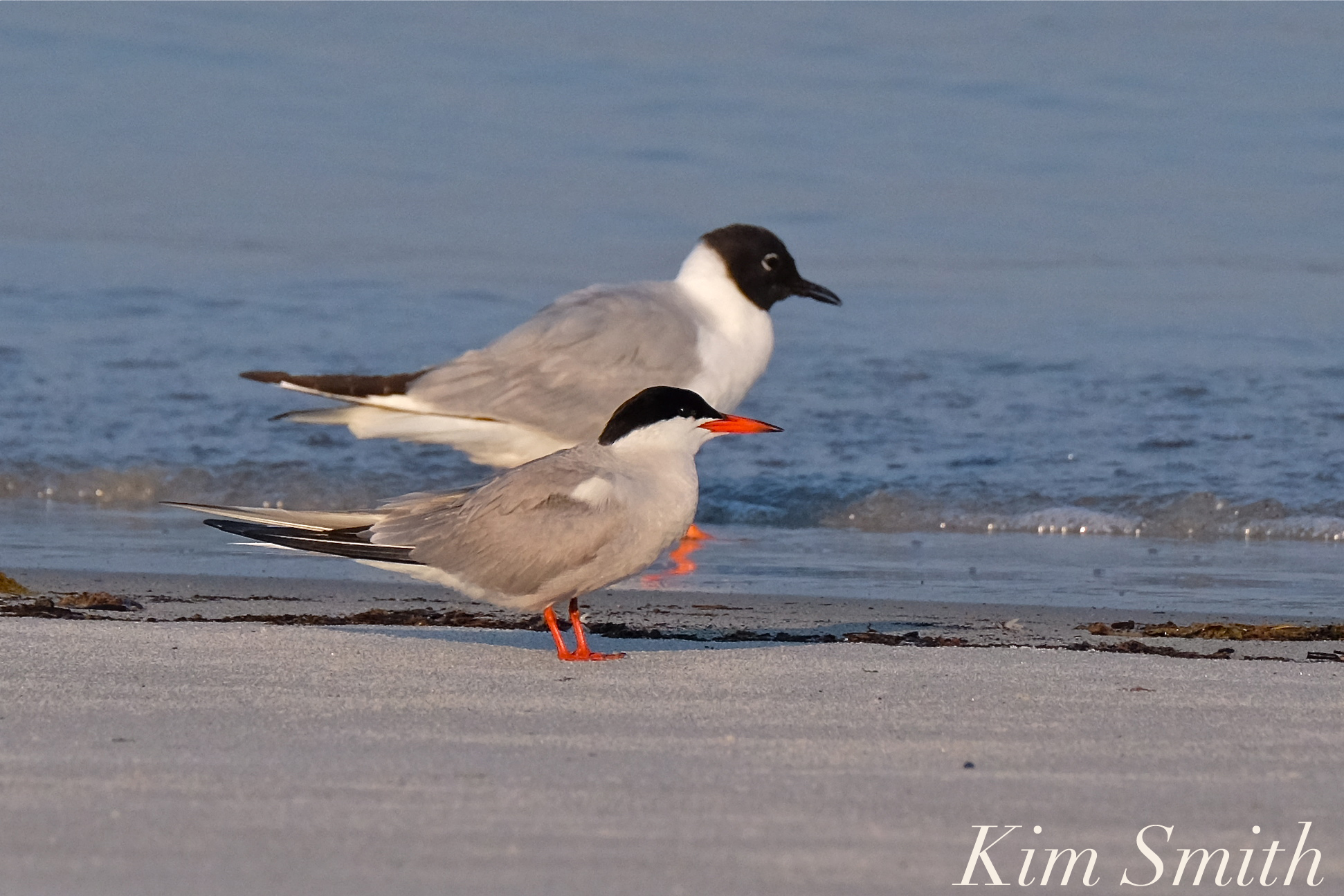
Compare Common Tern in the foreground to Bonaparte’s Gull in the background. Both have red-orange legs and feet and both are black-headed. The easiest way to differentiate when on the beach is the Common Tern’s bill is orange; the Bonaparte’s Gull’s bill is black. 


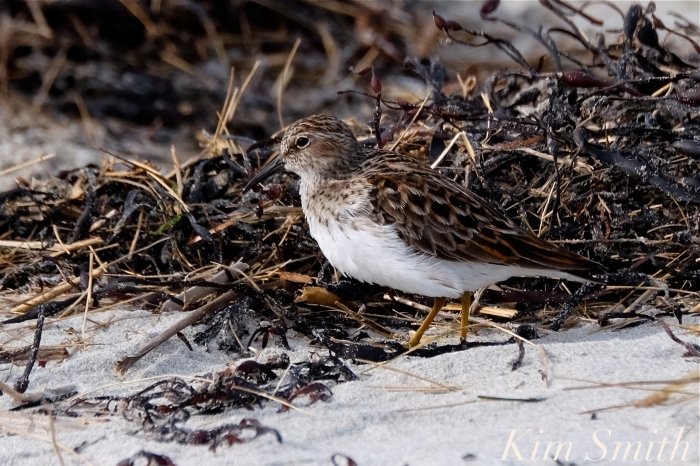
Least Sandpipers are the smallest of peeps. Note how beautifully camouflaged are they in the drying seaweed at the high tide line.

Daybreak and early morning are often the most beautiful time of day to see wildlife.

DANCE OF THE TREE SWALLOWS

Male Tree Swallow

You may have noticed the pretty swallows perching in clusters on telephone lines and flying low over the sand. Both Barn and Tree Swallows can be found at the beach throughout the warmer months, but the birds that are beginning to gather on Cape Ann en masse are the Tree Swallows. The following is a short film from last year’s migration that explains what is happening at this time of year with the Tree Swallows here on our beaches and dunes, and in our neighborhoods.

M is For Migration Through Massachusetts
Responding to Reader’s Questions About Tree Swallows
New Short Film: Tree Swallows Massing

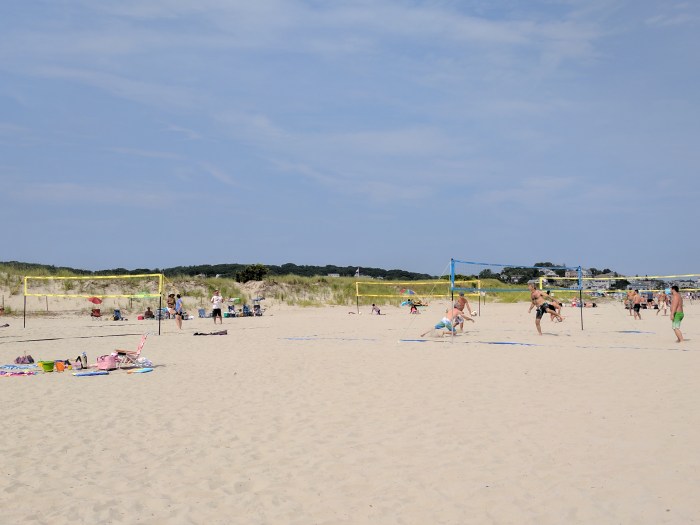
Good Harbor Beach volleyball players assist the piping plovers and

it’s not the first time! Love these stories. #sharetheshore

From Hazel, piping plover volunteer: I was round the bend (!) replacing signs a little later – one of the volleyball players said he had escorted both of them to the creek. I have been turning people back from playa del plover & maybe 1/2 hr ago a small boy spotted an adult as he (the boy) was leaving.
IMG_20170722_153405.jpg

Dave (whisperer) and Bill

IMG_20170722_153114.jpg

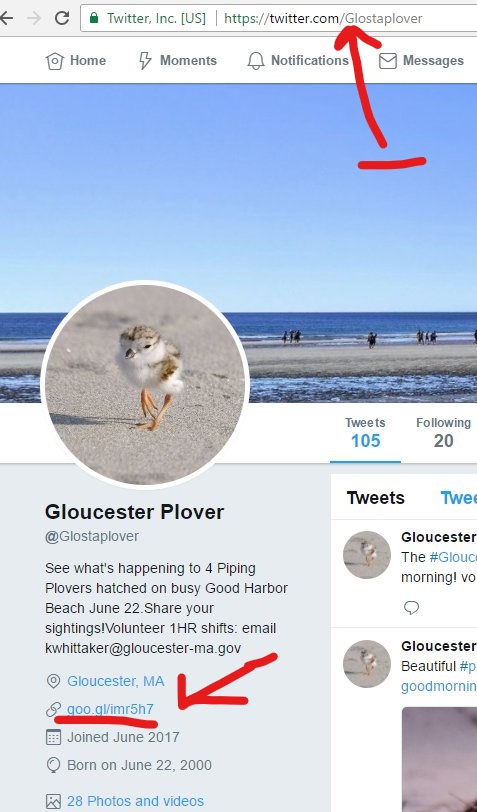
link to Gloucester Plover on twitter:  https://twitter.com/Glostaplover

link to Google docs Volunteer log 

#Glostaplover Twitter home page help.jpg

THE GREAT AUK AT THE PAINT FACTORY! AND PIPING PLOVER DAY 28 UPDATE

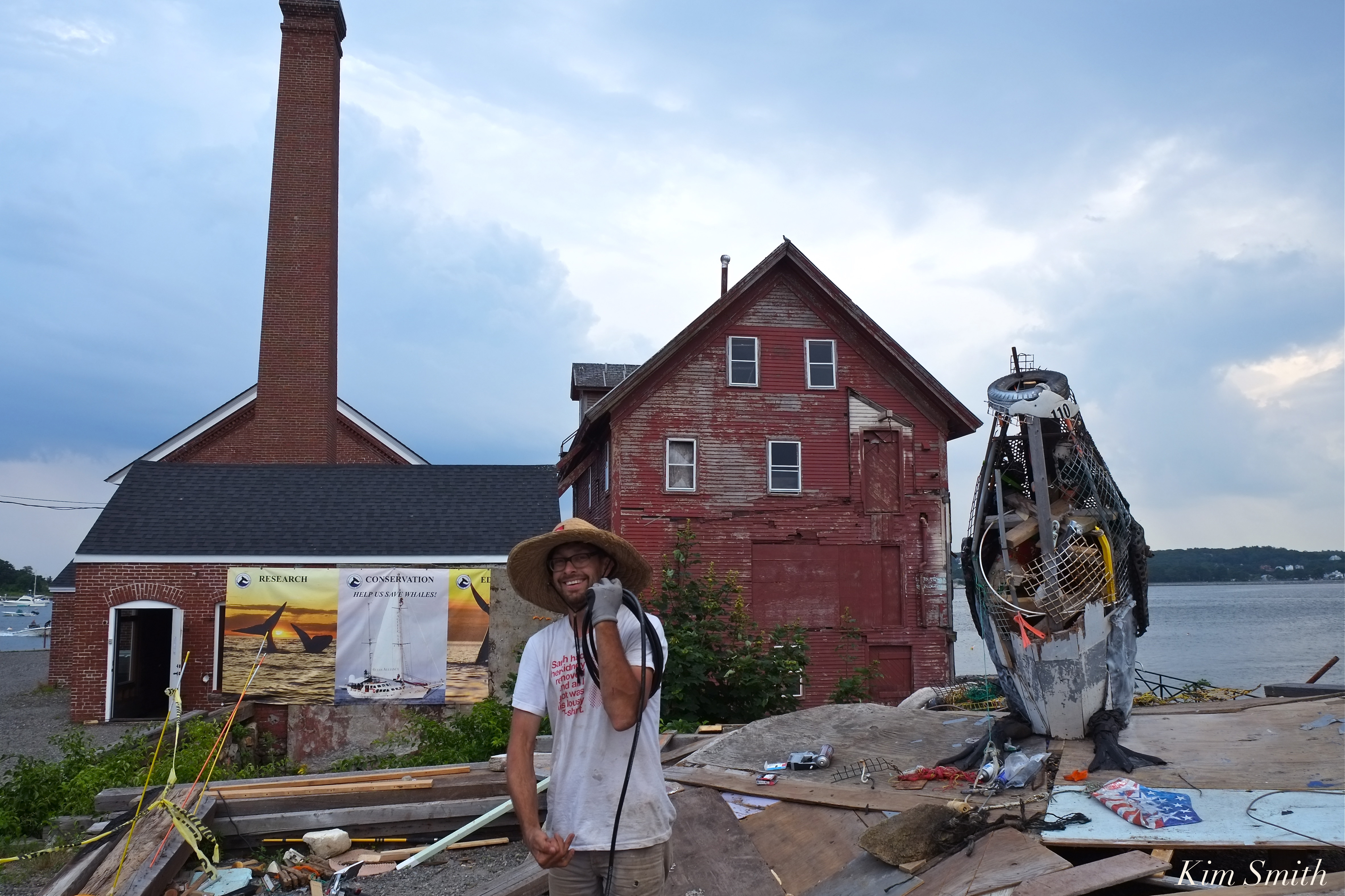
The Great Auk was an extraordinary seabird that was driven to extinction in the mid- 19th century. What made it so extraordinary was its ability to dive great depths and swim as fast as the fish it caught. The Auk’s amazing abilities were also its downfall. The same wings and webbed feet that propelled it through water with tremendous speed and agility evolved so that over time, the wings shrank. The bird became flightless and its feet unable to navigate well on land. Ten months out of the year when the Auk lived entirely on the sea this was not a problem but during the breeding season, the Great Auk would return to the rocky shore of its birth to find its life mate and deposit a single egg. Both male and female took turns incubating the egg with their large feet. During the two month period on land, the birds were slaughtered by the tens of thousands. The oily skin of the Great Auk that allowed it to float on the surface of the water and live on the sea was used for oil lamps, the warm downy feathers for quilts and pillows, and its meat eaten by hungry settlers and fishermen.

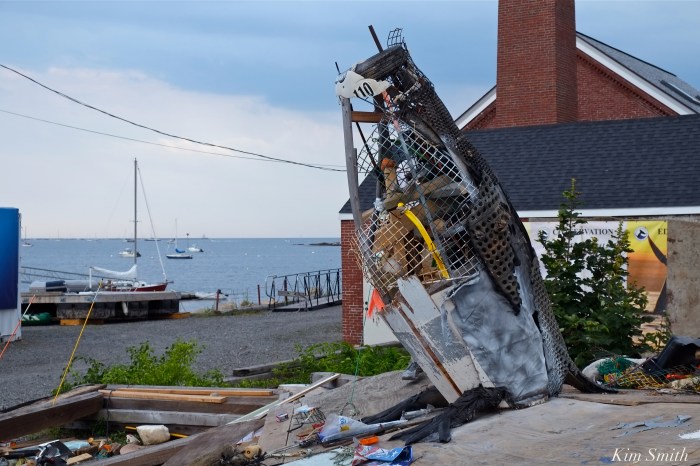
The Great Auk and very tragic story of its long, painful extinction has captured the imagination of Nathan Thomas Wilson, the first Goetemann Artist Residency Fellowship award recipient. Working on the grounds of the Paint Factory and in partnership with Ocean Alliance, Nathan is creating a twice-life size interpretation of the Great Auk (the Great Auk ranged in height from approximately 27 to 35 inches). Nathan’s Auk is made from plastic pollution and debris scavenged along the shore, created with the goal of highlighting the devastating effect pollution is having on all living creatures.

Great Auk in progress. Head to arrive soon–Nathan is casting the head off site as it will have a lighting component.

Nathan is giving a talk on the 25th of July. Go to his facebook page for details about the talk and for more about Nathan.

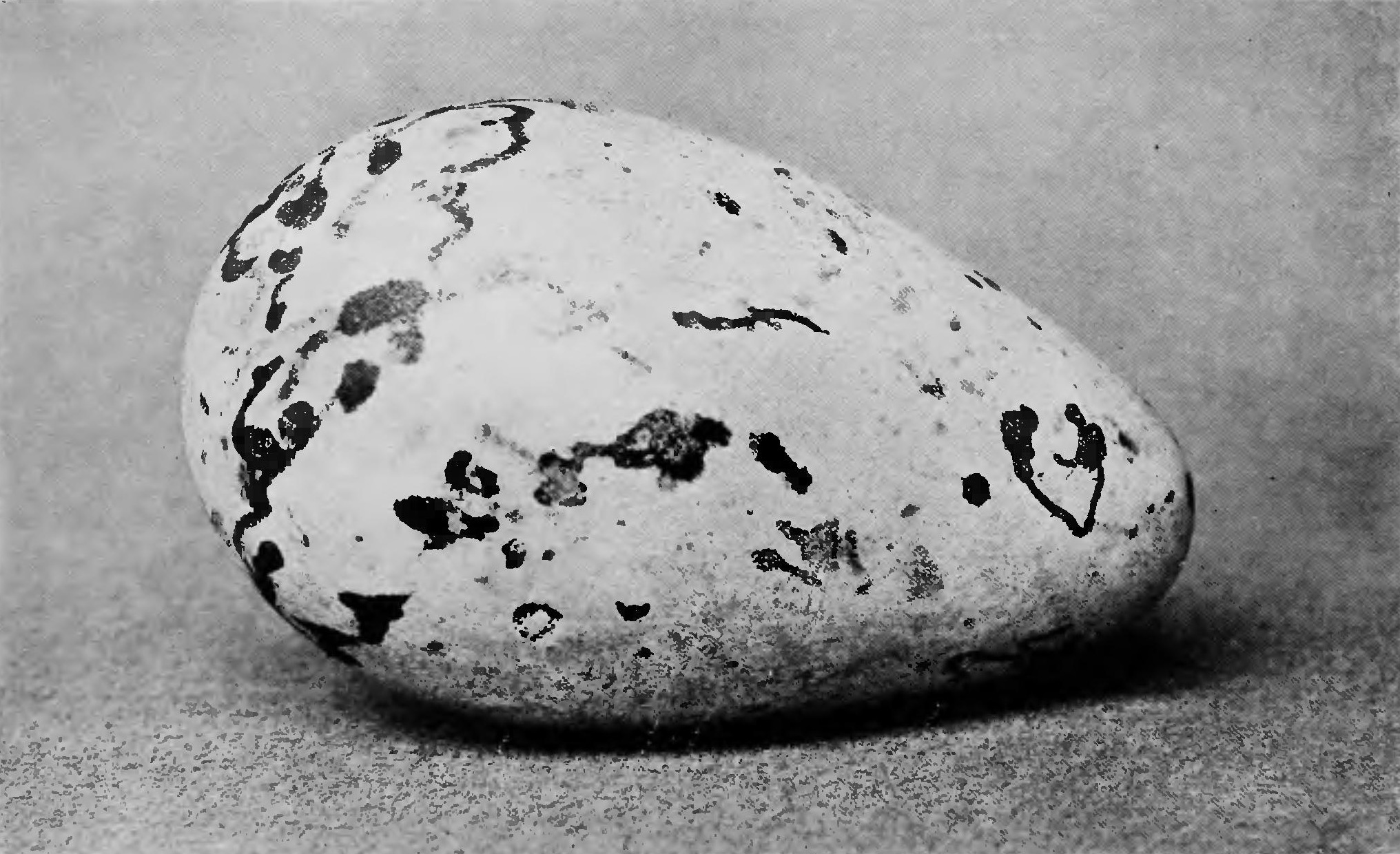
No two eggs alike – Great Auk eggs were unusual in that each egg was uniquely patterned to allow easy identification by the brooding parents.

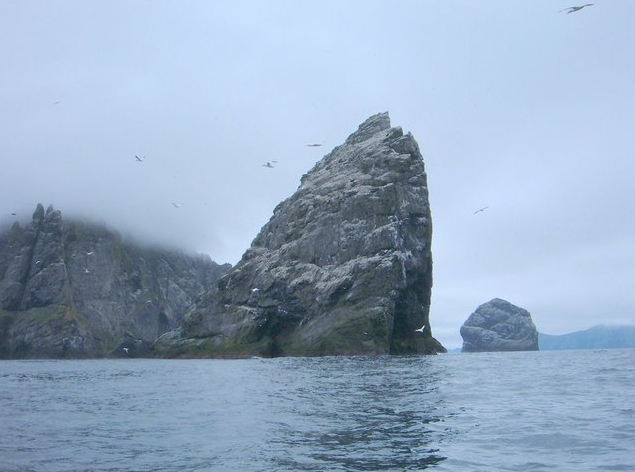
Great Auk nesting habitat.

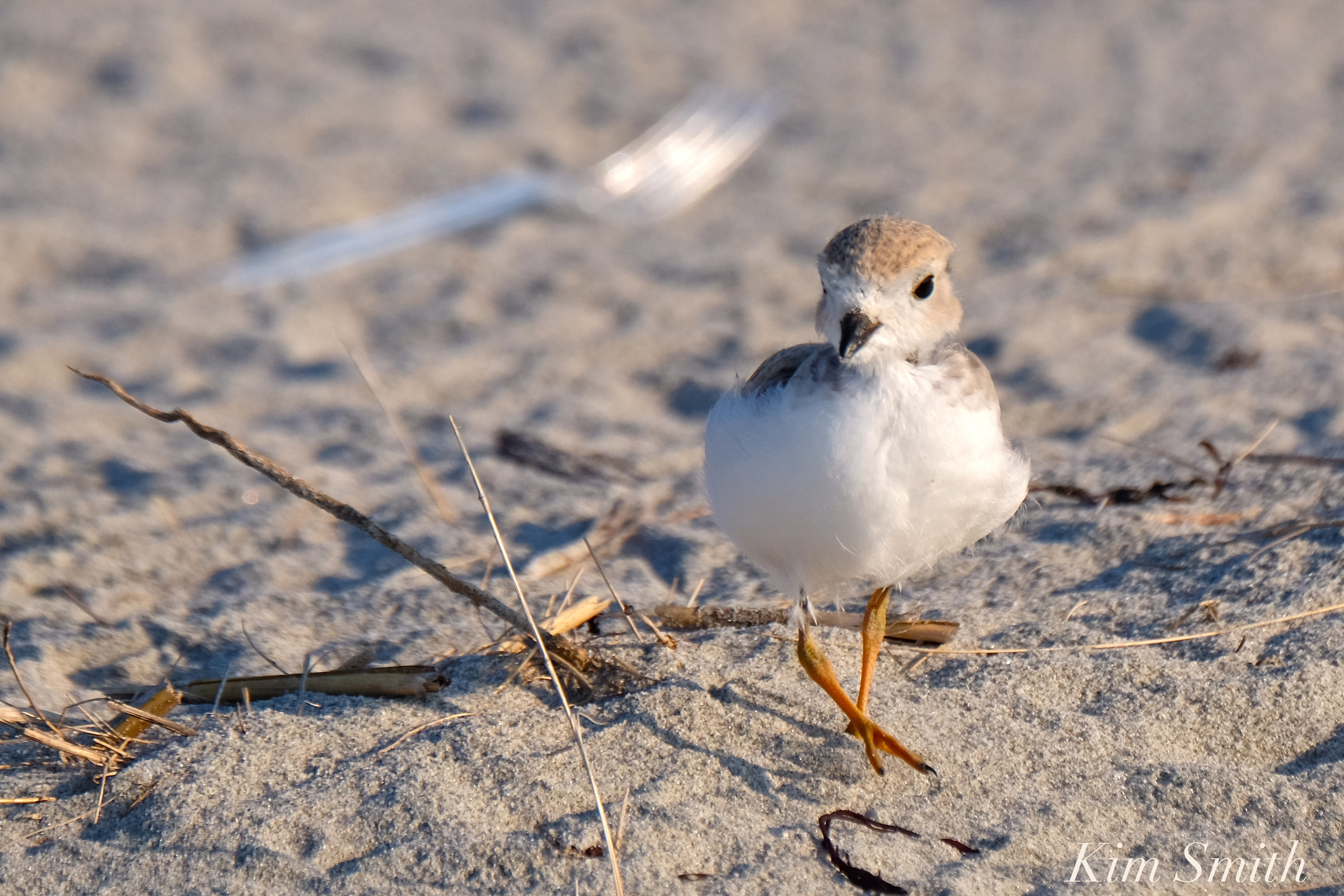
Day 28: Little Chick is growing beautifully, developing and honing a range of defensive skills. With each passing day, he can feed longer, run faster, and stay in a position of perfect stillness for greater and greater periods of time. Still though, only very short little five- to six-foot run-hop-airbore flutters have been observed by the PiPl monitors.

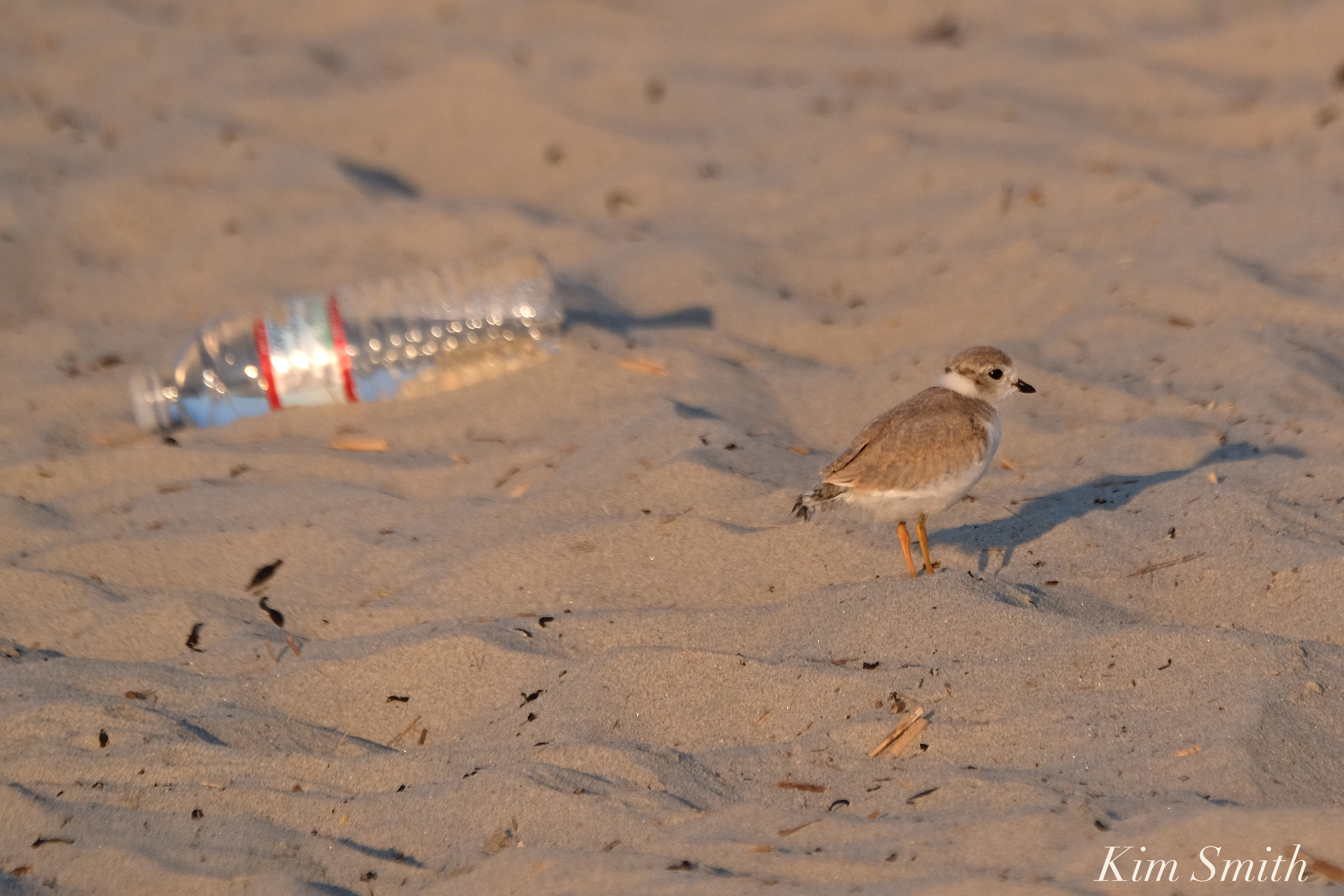
Twenty-eight-day old Piping Plover shown with a small sample of the plastic pollution found daily on Good harbor Beach. The plastic debris litters GHB every morning before Gloucester’s hard working DPW and trash-piker-uppers arrive to clean up the mess left by beach goers the day before.


“Parking lot line for Good Harbor Beach is twenty deep” Please share your piping plover sightings! #Glostaplover

IMG_20170719_062110

“Going to be a busy day,” says Ruth who just left a piping plover watch. Are you going to Good Harbor Beach? Let us know if you see the piping plovers.  Feel free to clap off some gulls or crows getting too close, and share what you saw and the time. Add #Glostaplover and we can find it.

When Ruth left, they were by the creek. They could be anywhere–they move around throughout the day and night. For the most part they range a big area roughly by entrance 3 and wrapping way back around the creek end of Good Harbor Beach (rather than the Salt Island side)

Don’t miss Kim Smith’s photographs from yesterday PLOVER PATROL UPDATE FROM DAY TWENTY SIX!

https://twitter.com/glostaplover


THANK YOU JOE LUCIDO!

Huge shout out to Joe Lucido, Mike Hale, and the entire crew that make up the departments of public works and services for the City of Gloucester. Please thank these gentlemen next time you see them. Hard working guys that they are, they have added plover helpers to their long list of responsibilities, and all have lent a hand in helping Gloucester’s Piping Plovers succeed.

Joe heard about the dog owner trouble yesterday and stopped by early, early this morning to help monitor the situation, as well as check on the new weekend trash barrels.

Thanks so much to Joe and Mike and their crews for all that they are doing to help keep our city looking its best, mostly for people, but their efforts tremendously help the Plovers, too.

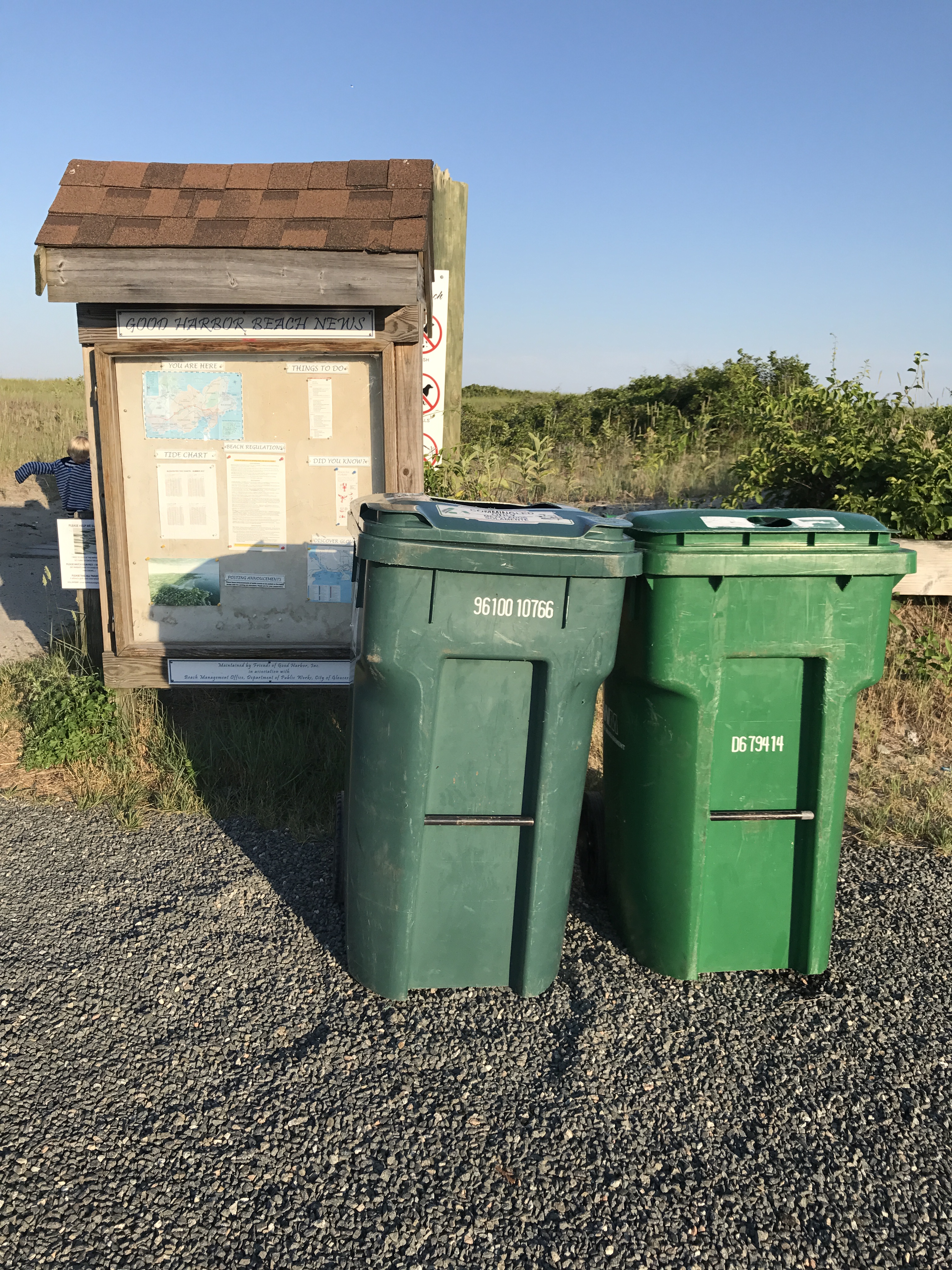
I took this snapshot of the trash barrels late yesterday afternoon, Sunday, after one of the busiest beach days of the summer. No trash spilling out! So far so good with the updated Carry In/Carry Out-Trash Barrel Plan.

https://www.instagram.com/p/BWqYidIFX4Y/