Before Dogtown was Dogtown: Archaeological Survey project to be presented at City Hall. Maybe hello blueberries bye bye Lyme Disease

Sharing press release from Mary Ellen Lepionka and Bill Remsen followed by a selection of visual arts, maps, and writing spotlighting Dogtown (1633-1961) by Catherine Ryan.

Nov 29th, 7PM, Public Meeting

Come to a special public presentation November 29th in Kyrouz Auditorium in Gloucester City Hall, 9 Dale Avenue, at 7pm.

Week of Nov 13

“During the week of November 13 a team of archaeologists from the Public Archaeology Laboratory (PAL) in Providence will be conducting fieldwork in Dogtown. They will begin mapping and describing an area to be nominated to the National Register of Historic Places, a National Park Service program to honor historically significant buildings and landscapes.   

What do you think?

“Presenters at City Hall on Nov 29th will include Betsy Friedberg from the Massachusetts Historical Commission, who will explain how the National Register program works and what it does and does not do, and Kristen Heitert from the PAL, who will present an initial plan for defining the boundaries of Dogtown as a National Register District. People attending the meeting will be asked to respond to that plan and to express their views about what makes Dogtown special. What should be the boundaries of the proposed National Register District, and what cultural features should be included in it? What would be the benefits of National Register status, and are there any drawbacks?

Who all is involved?

“The Dogtown archaeological survey is funded through a matching grant from the Massachusetts Historical Commission and the Dusky Foundation and is financed by the City of Gloucester. The Gloucester Historical Commission applied for the grant and is coordinating the project in collaboration with the Rockport Historical Commission. The PAL team will also have the assistance of members of the Dogtown Advisory Committee, the Rockport Rights of Way Committee, the Cape Ann Trail Stewards, and the Friends of Dogtown.”

– Dogtown is eligible for the National Register. Will Gloucester earn another major district designation? Above excerpts from the press release for the Nov 29th event shared by Bill Remsen, local project coordinator, and Mary Ellen Lepionka, co-chair Gloucester Historical Commission, and some Dogtown maps and memorabilia 1633-1961

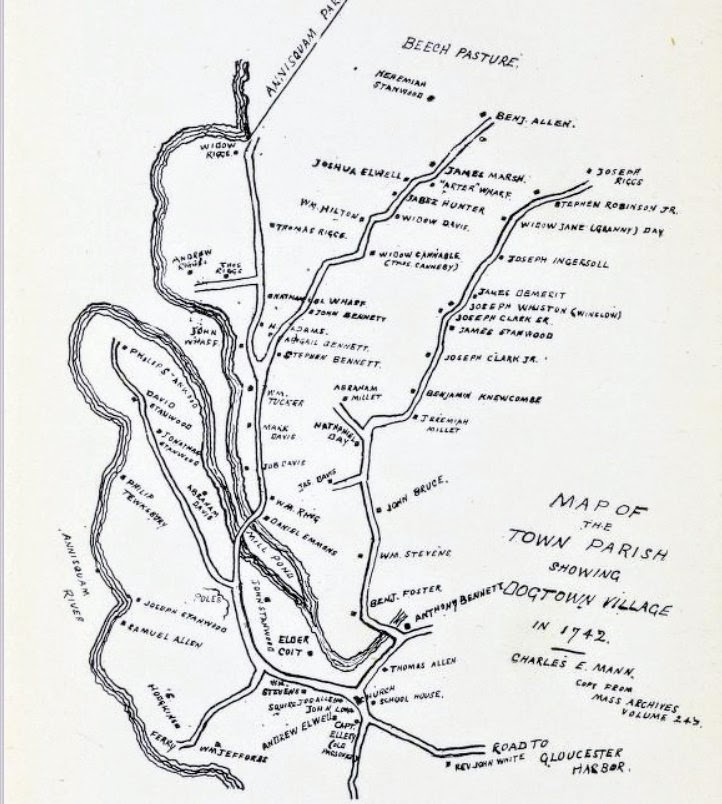
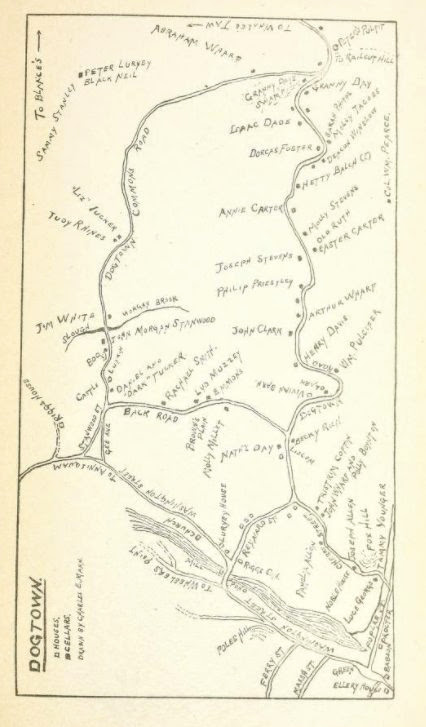
Dogtown Maps and memorabilia 1633-1961 selected by Catherine Ryan

Prior 2017 Dogtown public forums, lectures and meetings mentioned consideration of controlled burns to clear brush and return some land to a former moors state, with various potential benefits.

  • “Nature takes a lot of courses.” Chris Leahy said. He focused on Dogtown, “a very special place”, and possible merits of land stewardship geared at fostering greater biodiversity. Perhaps some of the core acres could be coaxed to grasslands as when parts of Gloucester were described as moors? Characteristic wildlife, butterflies, and birds no longer present may swing back.” March 4 2017 Dogtown Forum at Cape Ann Museum in collaboration with Essex County Greenbelt, Mass Audubon, and Friends of Dogtown group
  • February 23, 2017 Chris Leahy also gave a talk at Sawyer Free Library Dogtown- the Biography of a Landscape:750 Million Years Ago to the Present
    A photographic history through slides presented by the Gloucester Lyceum and the Friends of the Library
  • March 6, 2017: NPR report “Forbidding Forecast for Lyme Disease in the Northeast” excerpt and article  https://www.npr.org/player/embed/518219485/518743106
  • “Today the Hudson River Valley in upstate New York is gorgeous. The hills are covered with oak forests, and the valleys are patchworks of hayfields and farms. But Ostfeld says the area didn’t always look like this. When the Europeans came here hundreds of years ago, they clear-cut nearly all of the forests to plant crops and raise livestock. “They also cut down trees for commercial use,” Ostfeld says, “to make masts for ships, and for firewood.” Since then a lot of the forest has come back — but it’s not the same forest as before, he says. Today it’s all broken up into little pieces, with roads, farms and housing developments. For mice, this has been great news. “They tend to thrive in these degraded, fragmented landscapes,” Ostfeld says, because their predators need big forests to survive. Without as many foxes, hawks and owls to eat them, mice crank out babies. And we end up with forests packed with mice — mice that are chronically infected with Lyme and covered with ticks.”

Selection of maps

from books, and memorabilia I’ve pulled on Dogtown (1634-1961):

1961

From Gloucester 1961 Cape Ann Festival of the Arts booklet
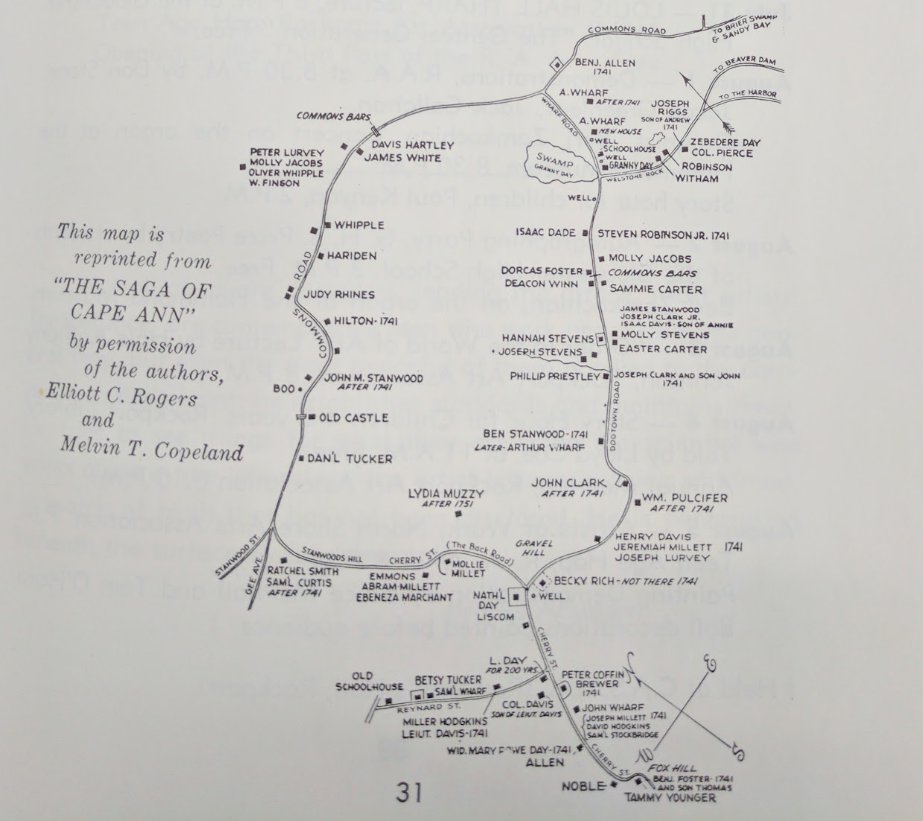
reprinted within Gloucester 1961 Cape Ann Festival of the Arts booklet.jpg

1954

From Gloucester 1954 Festival of the Arts booklet, prepared for the second of the Russel Crouse Prize Play, the Witch of Dogtown, by S. Foster Damon. “Each year it is hoped new plays dealing with the Gloucester or Cape Ann theme will be produced.”
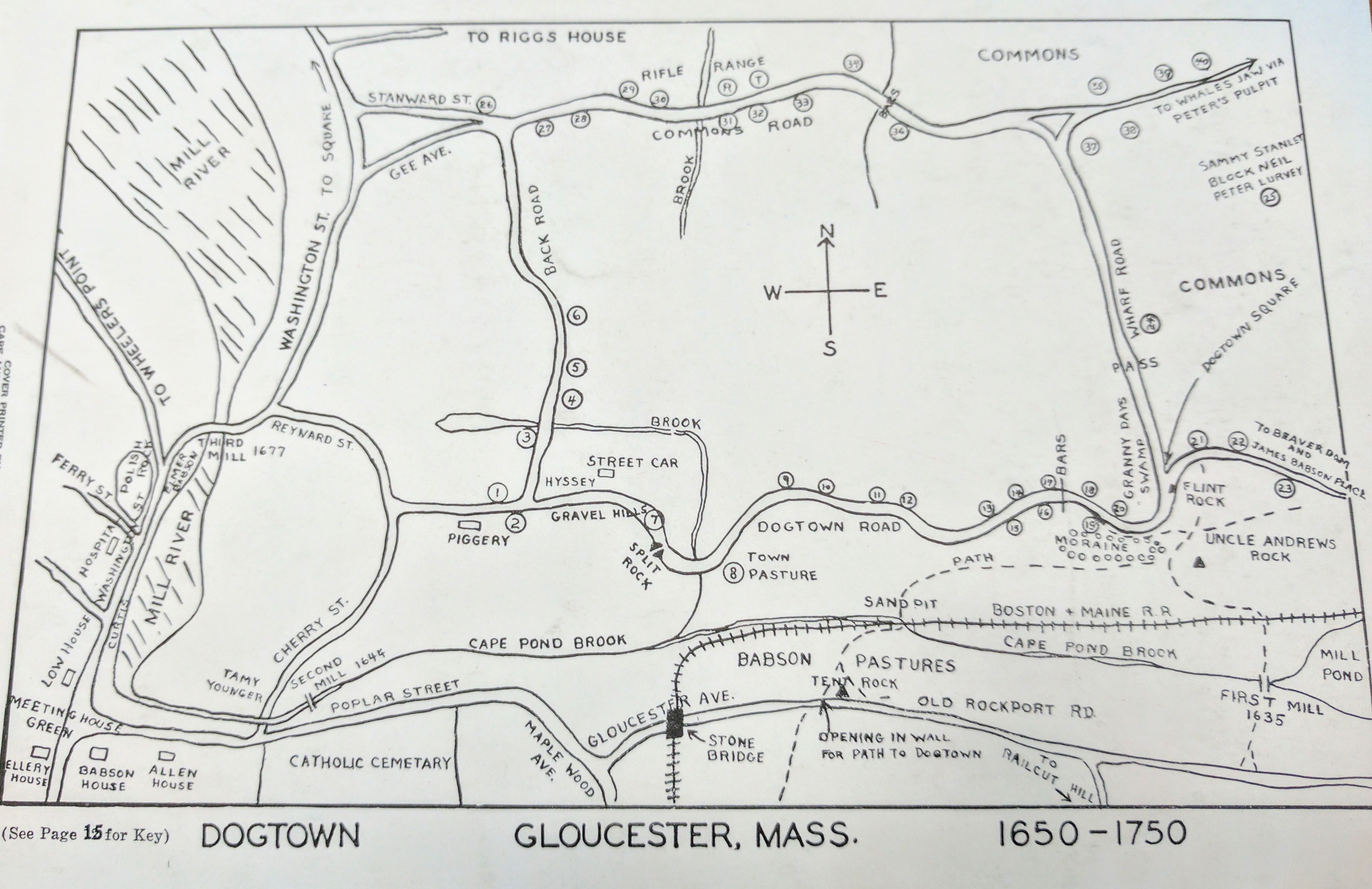
Gloucester 3rd annual 1954 Cape Ann Festival of the Arts - Dogtown map for back cover
Joshua Batchelder 1741 survey map of “a good part of Dogtown common” printed and annotated for Gloucester’s 3rd Annual Cape Ann Festival of the Arts in 1954
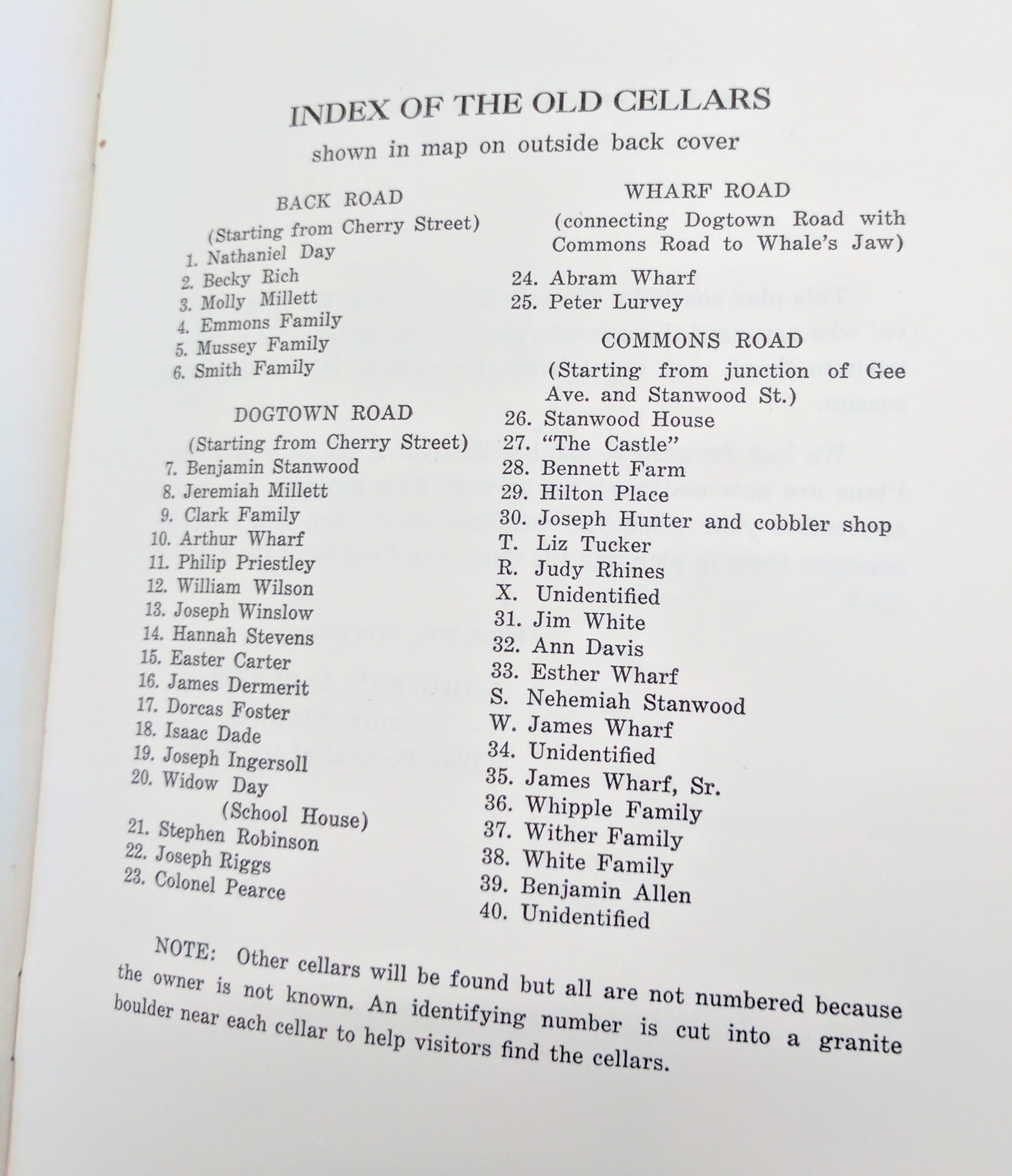
index of Dogtown old cellars for map in Gloucester 3rd annual 1954 Cape Ann Festival of the Arts - Dogtown
1954 Index to annotated map

1923 Christian Science Monitor art review for Gloucester Society of Artists

Dogtown Common, the now deserted hill home of the first settlers who 300 years ago braved the dangers of a hostile and Indian Annisquam, offers both romance and reality. It has remained for Louise Upton Brumback to interpret its clear contrasts, its far spaces, blue skies, white clouds and stiff green pointed cedars. Although the draftsmanship is crude in the extreme, the effect is rare and genuine. The old resident who passes through the gallery will shake his head dubiously at the false color creations of harbor and rock, but accepts this striking and bold visualization of Dogtown Common as the true spirit of Cape Ann…”
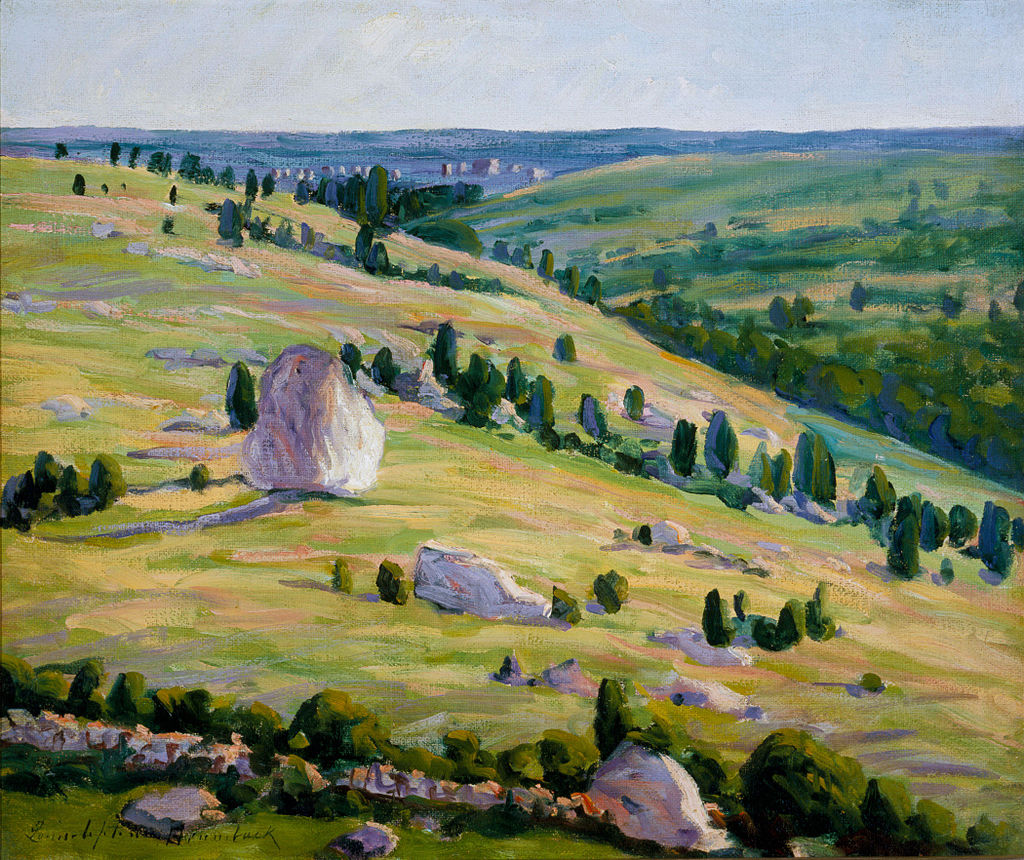
1920_Brumback_Dogtown.jpg

1921 Percy MacKaye Dogtown poem, 110+ pp

Inland among the lonely cedar dells
Of Old Cape Ann, near Gloucester by the Sea,
Still live the Dead–in homes that used to be.
     All day in dreamy spells
They tattle low with sounds of tinkling cattle
          bells
Or spirit tappings of some hollow tree
And there, all night–out of the
          dark–
They bark–and bark…

“Note: From a little volume, by Charles E. Mann, entitled “In the Heart of Cape Ann” Gloucester, Mass., The Proctor Bros. Co), the curious reader may learn more strange, half forgotten facts concerning the old Puritan life of that region. Among its singular New England characters, certain authentic and legendary figures have entered the theme of this poem.
P.M-K. Miami University, Oxford, Ohio. March, 1921

Percy MacKaye (1875–1956) was an American dramatist and poet.

Harvard MacKaye papers:History note: Percy Wallace MacKaye, author and dramatist, graduated from Harvard in 1897, wrote poetic dramas, operatic libretti, modern masques and spectacles, and was active in promoting community theatre. The collection includes his papers and those of his wife, Marion Homer Morse MacKaye, as well as material relating to the career of his father Steele MacKaye (1842-1894), an American theatrical designer, actor, dramatist, and inventor. The bulk of the collection consists of material pertaining to community drama; correspondence with literary and theatrical figures including Edgar Lee Masters, Edwin Arlington Robinson, George Pierce Baker, Theodore Dreiser, Amy Lowell, Upton Sinclair, Edward Gordon Craig, Louis Untermeyer and Thornton Wilder.”

Dartmouth: The MacKaye Family Papers “contain materials documenting the life and career of four generations of the family. They include a large amount of personal and professional correspondence as well as original manuscripts and typescripts of plays, prose, masques, pageants, poetry, essays and articles. Of note are manuscript materials for Benton MacKaye’s works on geotechnics entitled “Geotechnics of North America,” and “From Geography to Geotechnics,” as well as Percy MacKaye’s biography and works on his father Steele MacKaye and the MacKaye family, entitled respectively, “Epoch,” and “Annals of an Era.”

(Gloucester, Dogtown Common, is not on the MacKaye Wikipedia page)

1921 Frank L Cox  The Gloucester Book

Business owner, photographer, author Frank L Cox devoted 7 pages and 4 photographs to illustrate the Dogtown and Its Story chapter
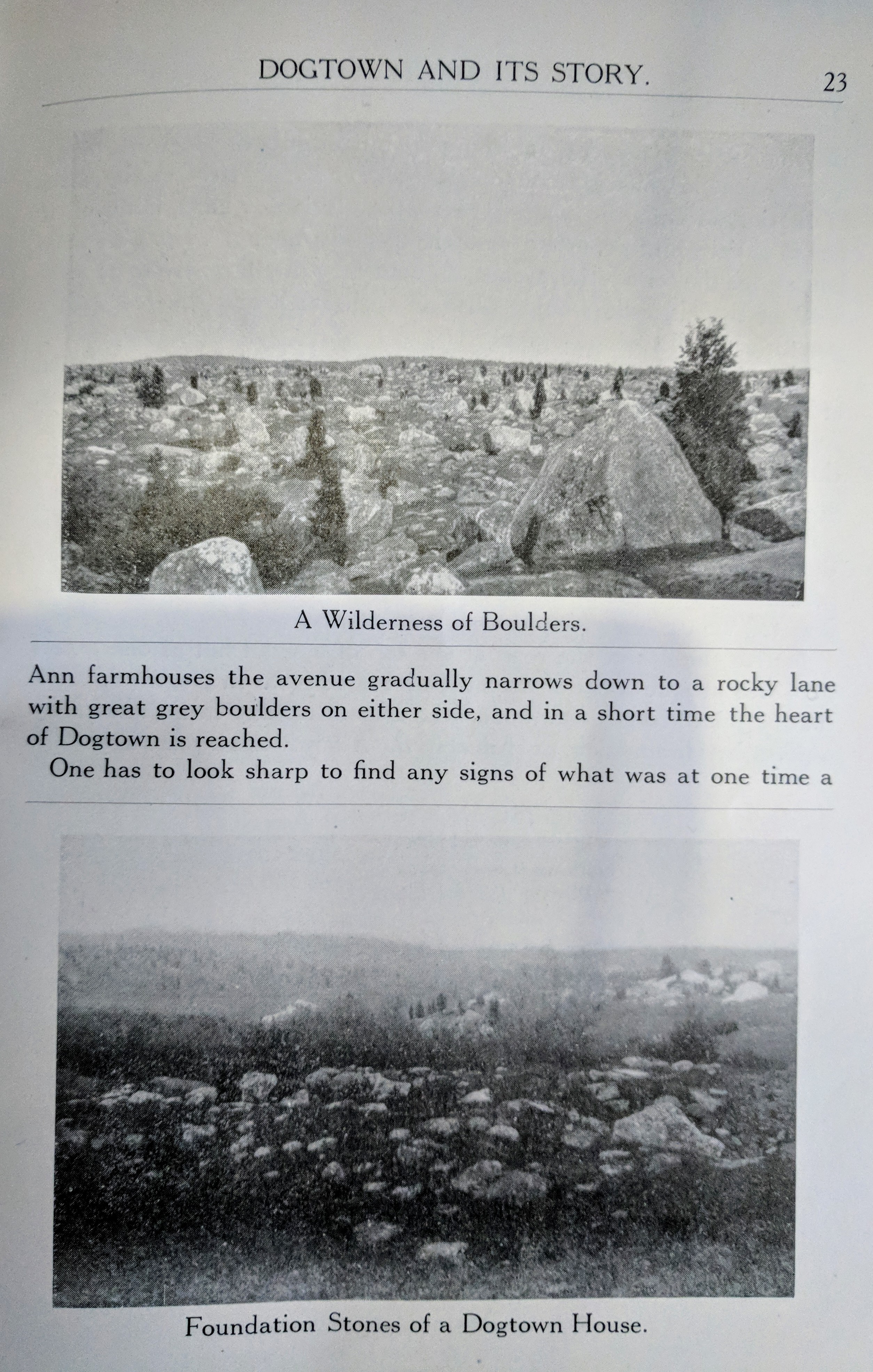
Dogtown chapter 1921 from The Gloucester Book written, illustrated and and photography by Frank L Cox
Great read p.23  from the Dogtown and Its Story chapter, in The Gloucester Book, written and illustrated by Frank L. Cox, 1921
Dogtown chapter 1921 from The Gloucester Book written, illustrated and photography by Frank L Cox.jpg

Just to the left of the road at the top of Gee Avenue is one of the most celebrated ceallar in Dogtown. It is that of John Morgan Stanwood, who was mistakenly made famous by a poem by Hiram Rich, published in the Atlantic…” 
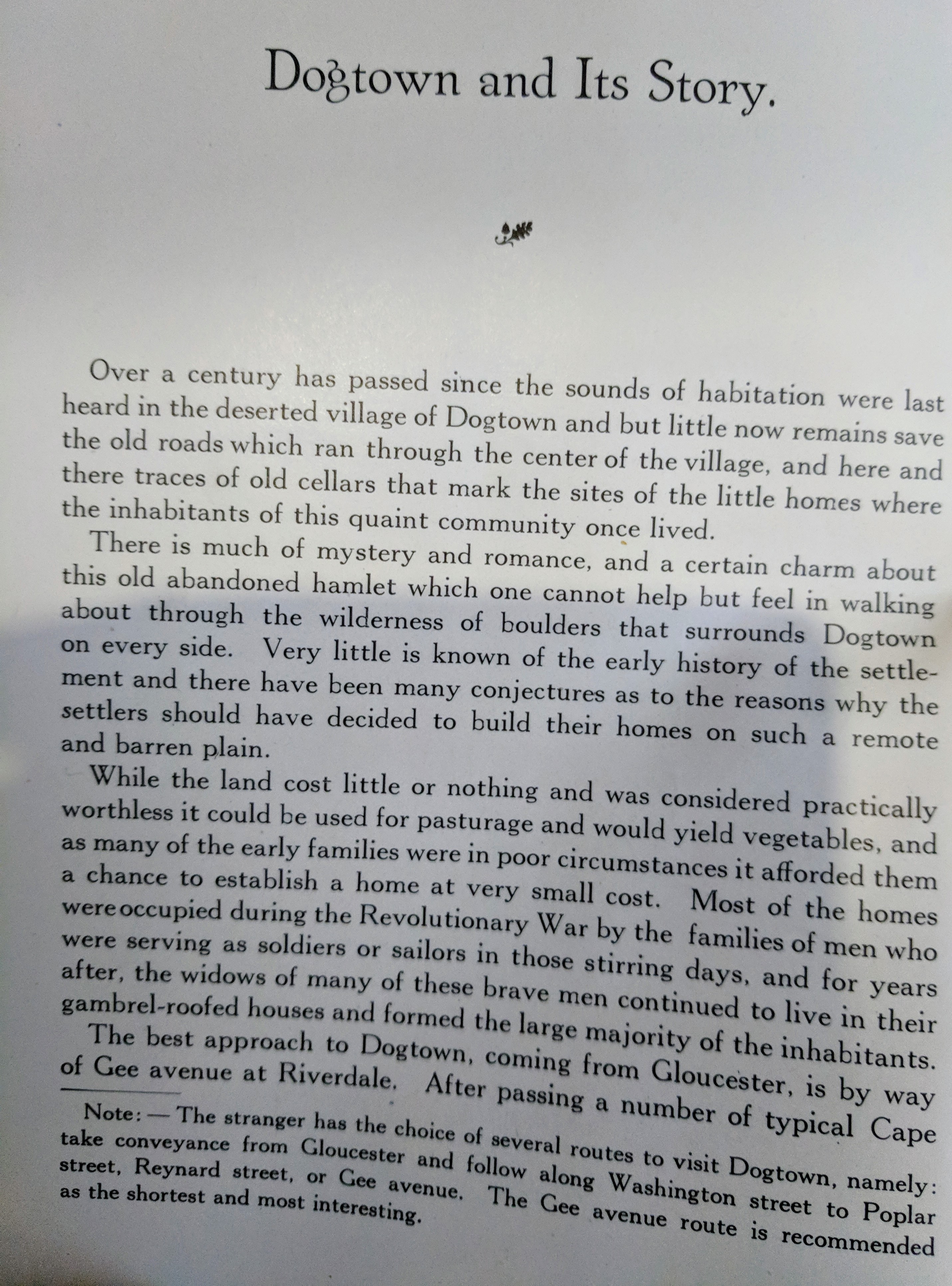
Dogtown chapter 1921 from The Gloucester Book written, illustrated and and photography by Frank L Cox page 22.jpg
Great read p.22 from the Dogtown and Its Story chapter, in The Gloucester Book, by Frank L. Cox, 1921

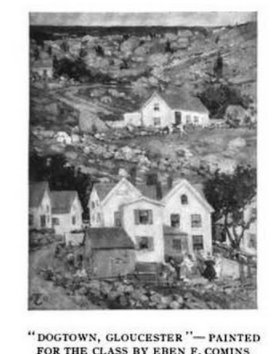
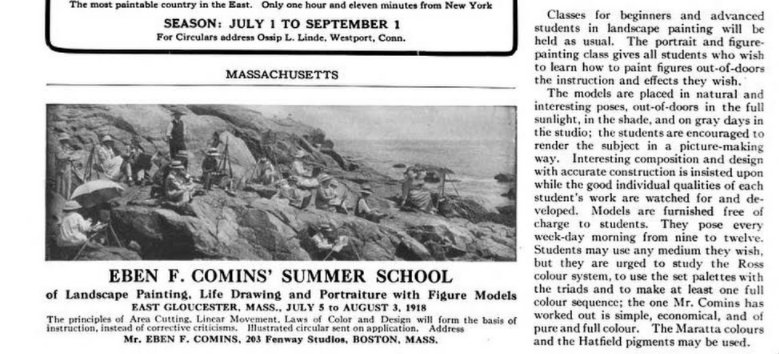
1918 Eben Comins painting

Eben Comins Dogtown, Gloucester
Eben Comins 1918

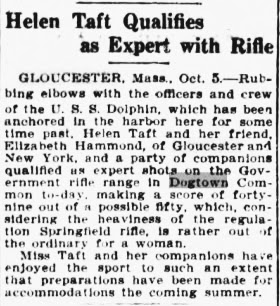
1912 government rifle range Dogtown

1912 Government rifle range in Dogtown Common

1904 (1742)

Mann copy from MA archives ca.1906 after 1742
ca.1904 Charles E. Mann map copied from 1742 map in MA archives collection
Story of Dogtown Charles Mann 1906.jpg
Mann

1877 Higginson

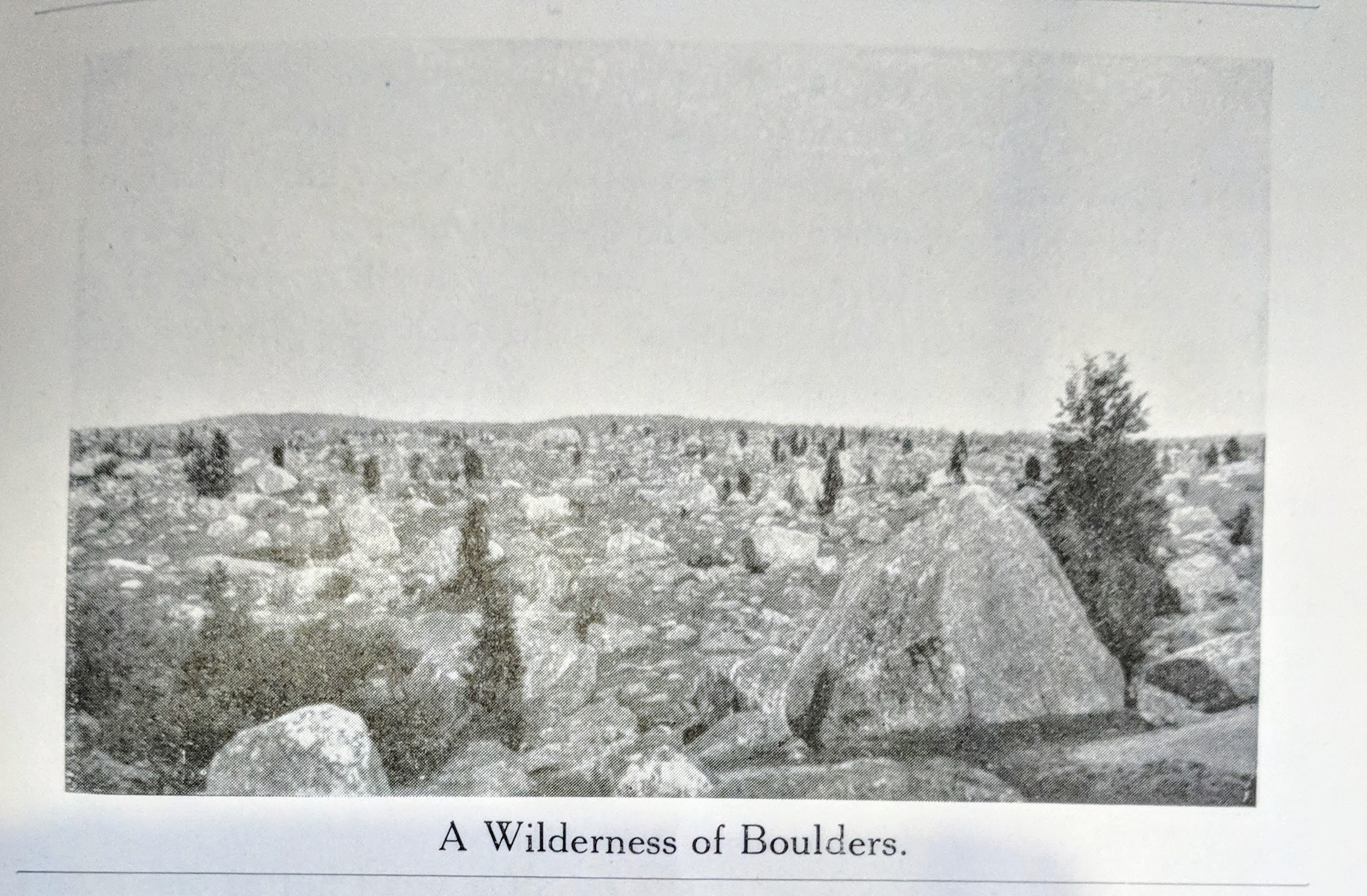
“Three miles inland, as I remember, we found the hearthstones of a vanished settlement; then we passed a swamp with cardinal flowers; then a cathedral of noble pines, topped with crow’s-nests. If we had not gone astray by this time, we presently emerged on Dogtown Common, an elevated table-land, over spread with great boulders as with houses, and encircled with a girdle of green woods and an outer girdle of blue sea. I know of nothing more wild than that gray waste of boulders..”

Dogtown, Cape Ann, described in Footpaths chapter Oldport Days 

1855 Thoreau / 1634 William Wood

on clearing land…

In 1855, Henry David Thoreau wrote in his journal: “I am [reading] William Wood’s “New England’s Prospect”… William Wood New Englands Prospect was originally published in 1634 in London. Here is a Wood excerpt concerning burning brush to clear land, a historical antecedent (and apt surname) to keep in mind when considering stewardship 2017 and beyond.

…The next commodity the land affords is good store of woods, and that not only such as may be needful for fuel but likewise for the building of ships and houses and mills and all manner of water-work about which wood is needful. The timber of the country grows straight and tall, some trees being twenty, some thirty foot high, before they spread forth their branches; generally the trees be not very thick, though there may be many that will serve for mill posts, some being three foot and a half over. And whereas it is generally conceived that the woods grow so thick that there is no more clear ground than is hewed out by labor of man, it is nothing so, in many places diverse acres being clear so that one may ride a hunting in most places of the land if he will venture himself for being lost. There is no underwood saving in swamps and low grounds that are wet, in which the English get Osiers and Hasles and such small wood as is for their use. Of these swamps, some be ten, some twenty, some thirty miles long, being preserved by the wetness of the soil wherein they grow; for it being the custom of the Indians to burn the wood in November when the grass is withered and leaves dried, it consumes all the underwood and rubbish which otherwise would overgrow the country, making it unpassable, and spoil their much affected hunting; so that by this means in those places where the Indians inhabit there is scarce a bush or bramble or any cumbersome underwood to be seen in the more champion ground. Small wood, growing in these places where the fire could not come, is preserved. In some places, where the Indians died of the plague some fourteen years ago, is much underwood, as in the midway betwixt Wessaguscus and Plimouth, because it hath not been burned. Certain rivers stopping the fire from coming to clear that place of the country hath made it unuseful and troublesome to travel thorow, in so much that it is called ragged plaine, because it teares and rents the cloathes of them that pass. Now because it may be necessary for mechanical Artificers to know what timber and wood of use is in the Country, I will recite the most useful as followeth*…”  *see photos for Wood’s trees list

Thoreau was thinking along these lines, finding god in berries.

“From William Wood’s New England’s Prospect, printed about 1633, it would appear that strawberries were much more abundant and large here before they were impoverished or cornered up by cultivation. “Some,” as he says, “being two inches about, one may gather half a bushel in a forenoon.” They are the first blush of a country, its morning red, a sort of ambrosial food which grows only on Olympian soil.” -Thoreau’s Wild Fruit

“If you look closely you will find blueberry and huckleberry bushes under your feet, though they may be feeble and barren, throughout all our woods, the most persevering Native Americans, ready to shoot up into place and power at the next election among the plants, ready to reclothe the hills when man has laid them bare and feed all kinds of pensioners.”

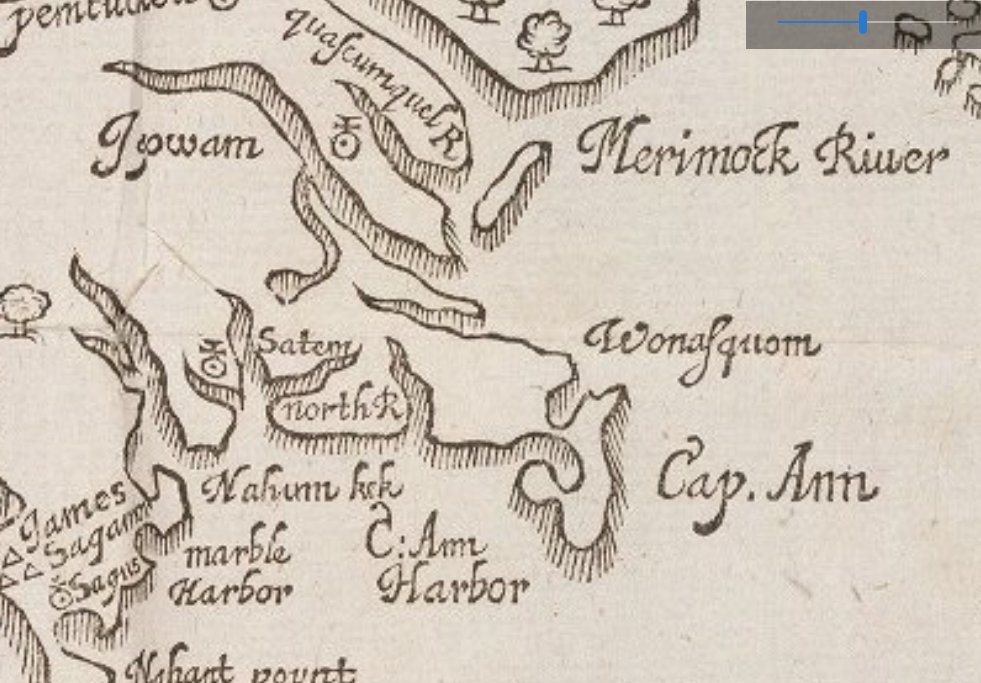
photos: William Wood’s New Englands Prospect scanned from book in the University of CA collection. “Wonasquam” on map at Cape Ann

Thomas Morton 1637 

“Of their Custom in burning the Country, and the reason thereof”
The Salvages are accustomed to set fire of the Country in all places where they come, and to burne it twice a year: at the Spring, and the fall of the leaf. The reason that moves them to do so, is because it would other wise be so overgrown with underweeds that it would be all a coppice wood, and the people would not be able in any wise to pass through the Country out of a beaten path…
And this custom of firing the Country is the meanes to make it passable; and by that meanes the trees growe here and there as in our parks: and makes the Country very beautiful and commodious.”

Cape Ann Museum book shop display October 2017
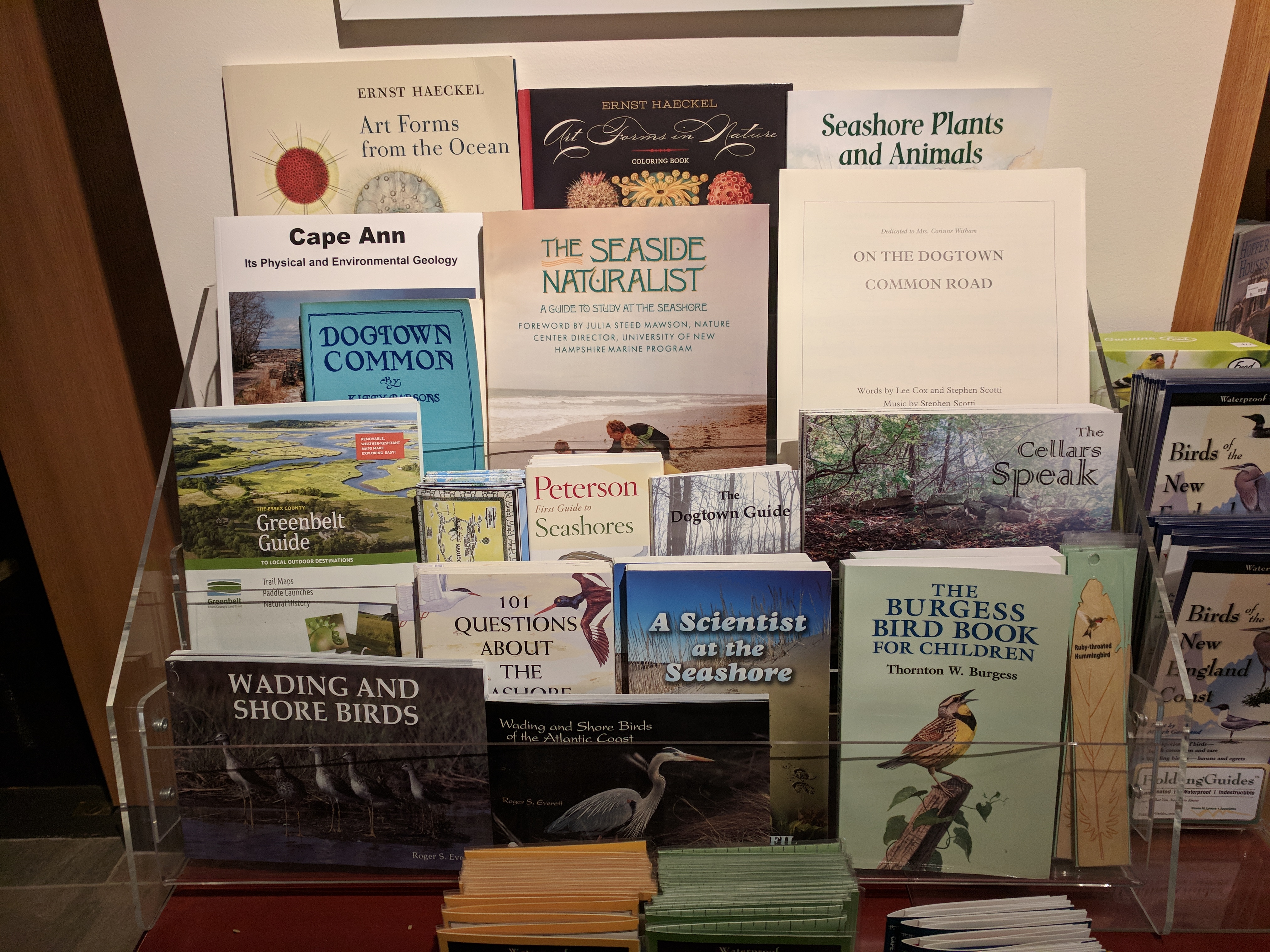
IMG_20171028_093844.jpg

HELLO FROM CAPE MAY AND STONE HARBOR!

Whirlwind trip to Cape May to check on the late, great Monarch migration of 2017. Leaving at 5am, from Gloucester, it is an eight to nine hour drive. I spent the afternoon and evening there and then left the following day at noon. Although brief, I found all that I was looking for and much, much more. There are vast areas of wildlife habitat along the southern New Jersey coastline and so many beautiful connections between Cape Ann and Cape May; I would love to return again soon!

The Monarchs are in trouble. I am hoping with all my heart that the tens of thousands that are currently held back by winds blowing from the wrong direction, along with intermittent inclement weather, will be able to cross the Delaware Bay as soon as possible. Will write much more this weekend after catching up with work and after I am able to sort through photos. 

https://www.instagram.com/p/BauEf2TFL5WBYG7-fazJODwkpfv1WKkZHQYV0k0/

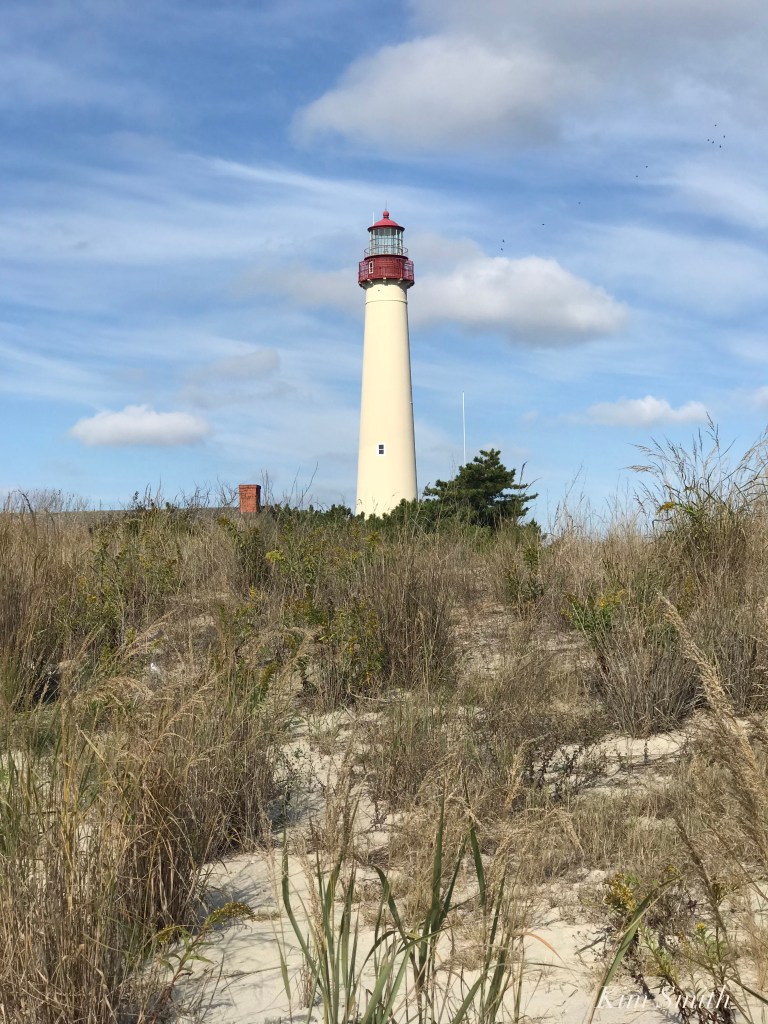
Cape May Lighthouse
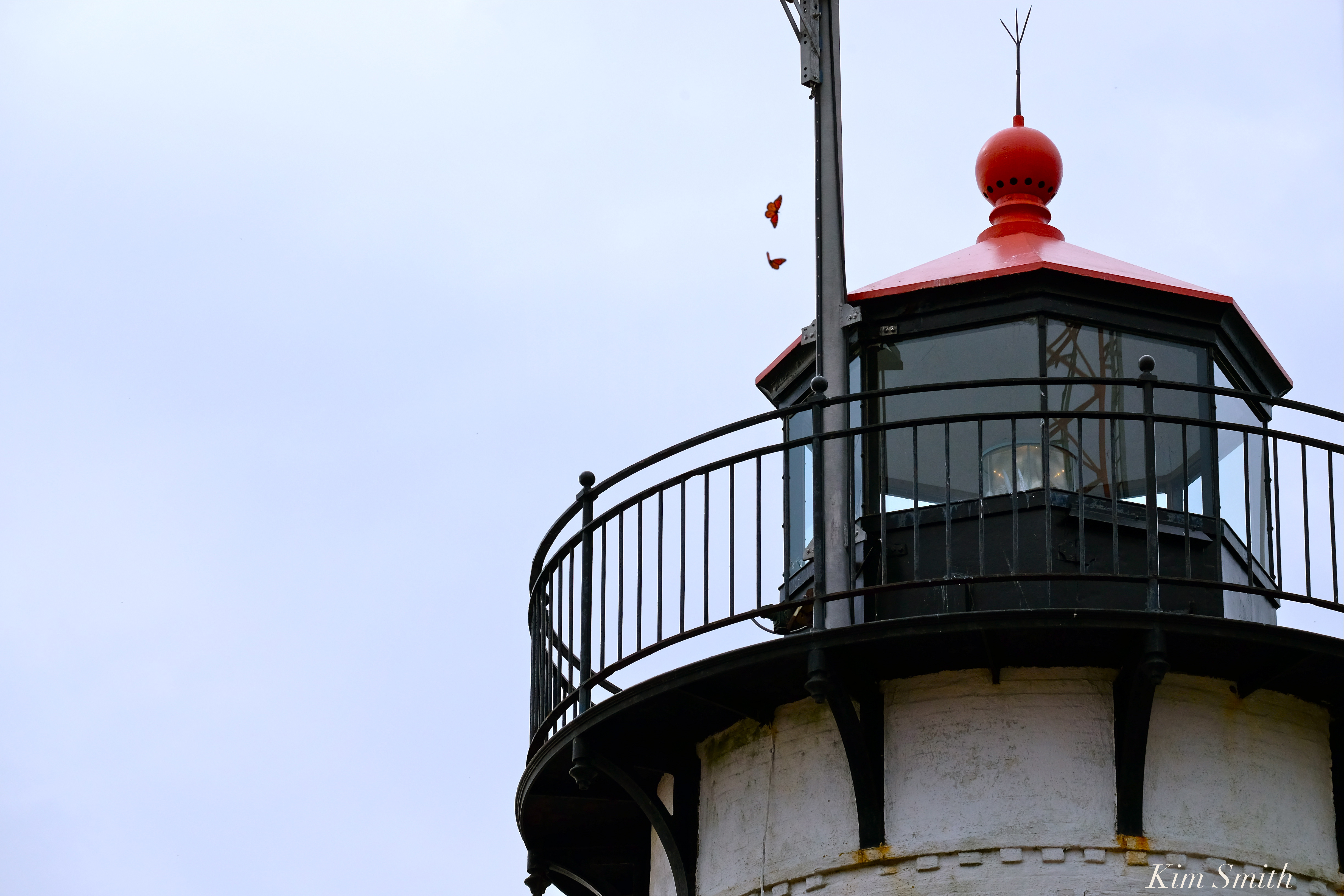
WHERE DO ALL THE MONARCHS GO?

After departing the shores of Cape Ann in autumn, where is the Monarch’s next destination on their several thousand mile journey to Mexico? Cape Ann Monarchs join the stream of Monarchs that are migrating southward along the Atlantic Coast. They hug the coastline, crossing bays and ponds, and pausing at beaches to nectar and rest when caught in a headwind or during a storm. When weather and habitat variables combine to create a favorable year for the Monarchs, there may be tens of thousands, if not hundreds of thousands, of butterflies traveling along the Atlantic Coast beaches.

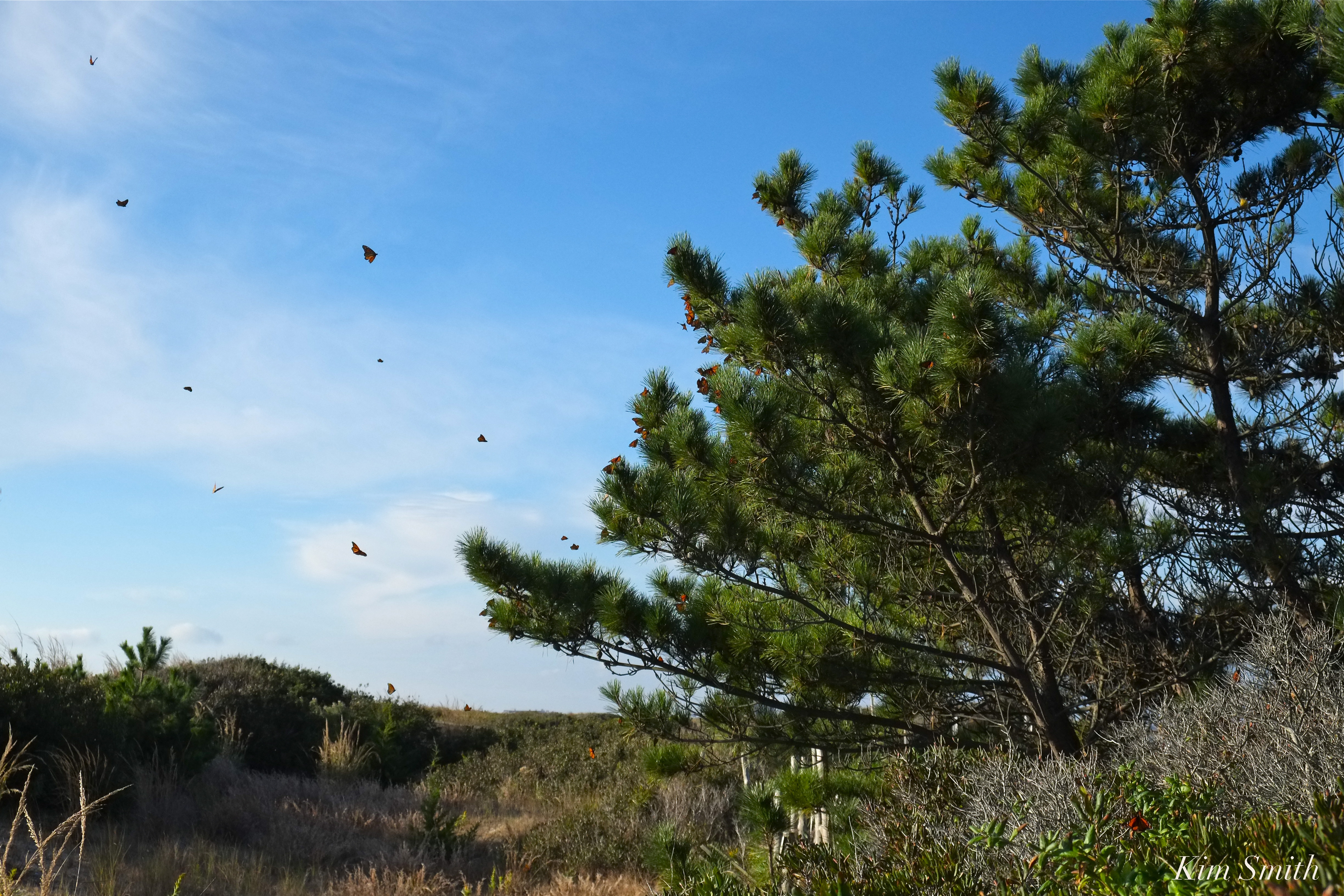
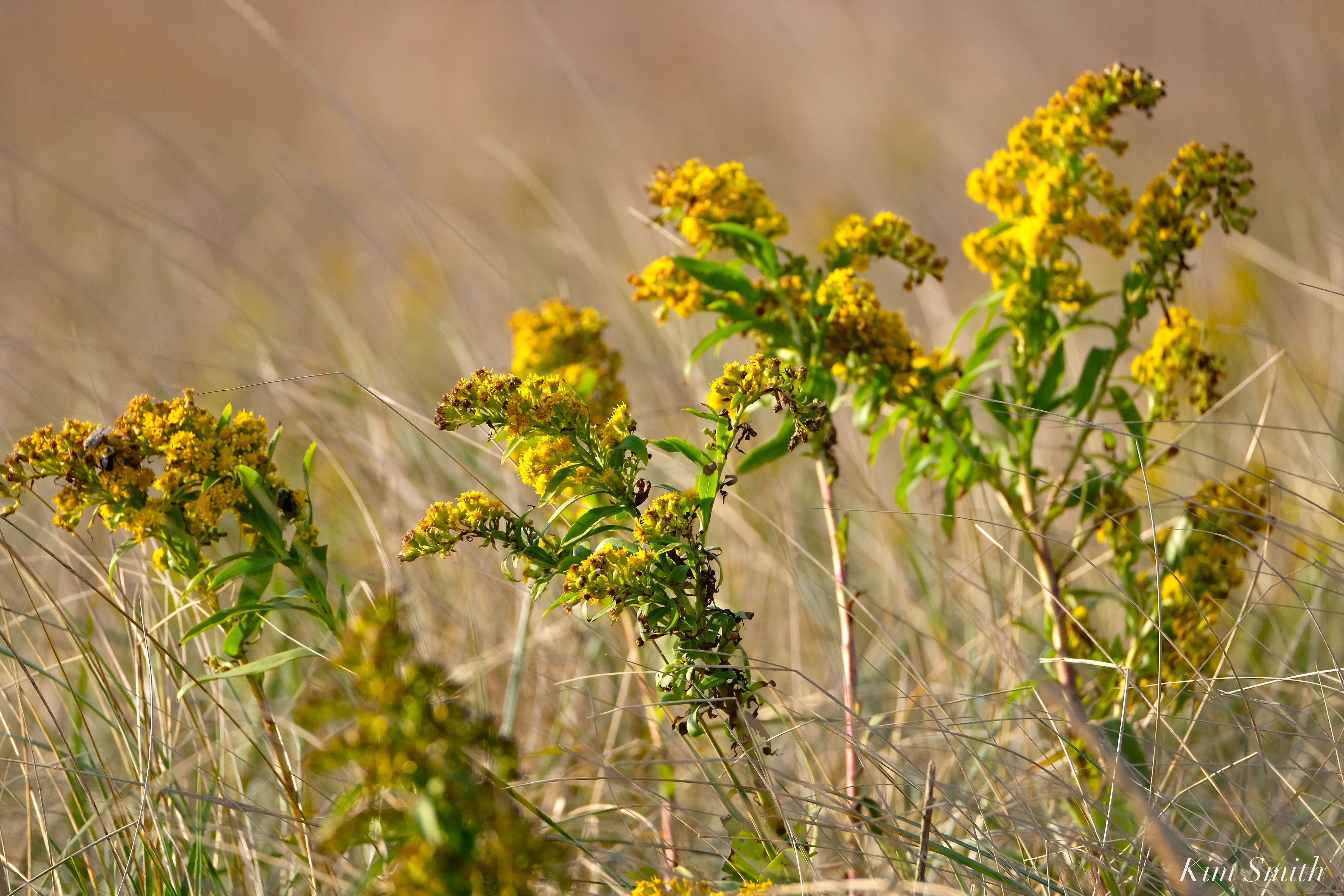
The Gooseberry Island old lookout tower is surrounded by dunes and fields of Seaside Goldenrod.The next major stopover is Westport in Massachusetts, at Gooseberry Island and Allen’s Pond Wildlife Sancturary. Here they find dunes and fields of nectar-rich wildflowers such as Frost Asters, Purple-stemmed Asters, Seaside Goldenrod, Knapweed, Red Clover, and more.

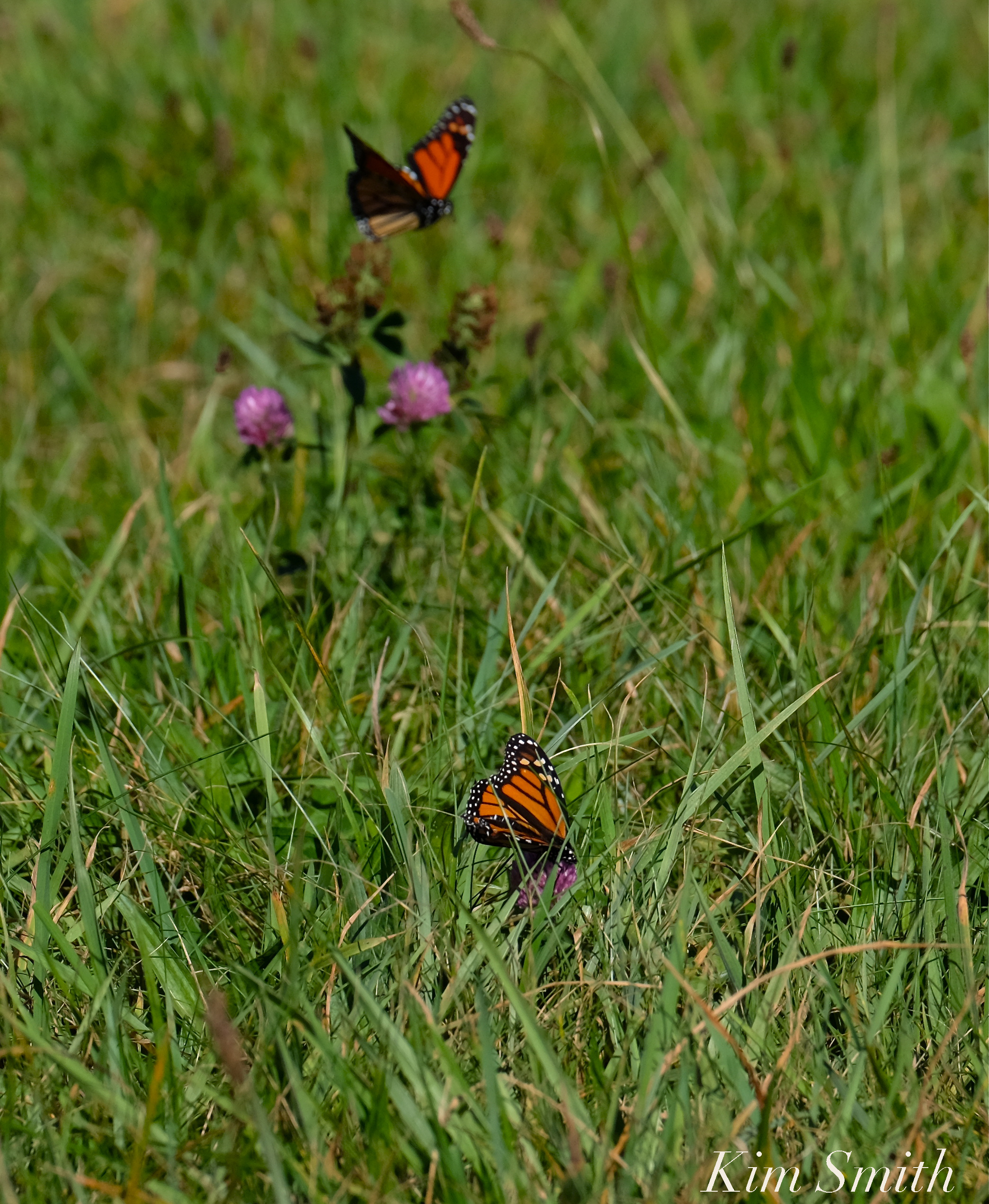
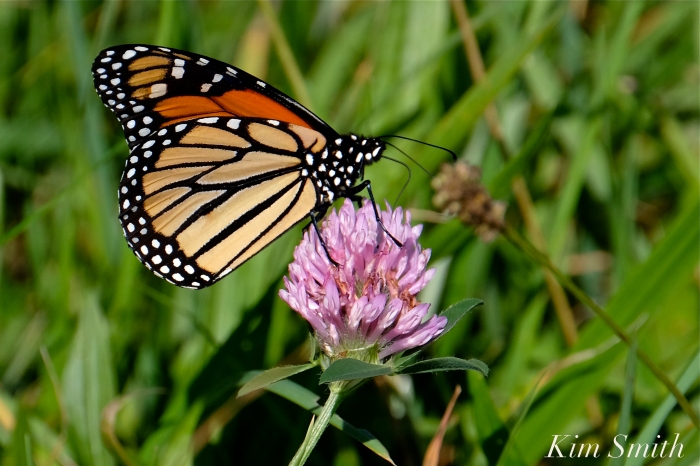
Monarchs drinking nectar from Red Clover at Allen’s Pond Middle Meadow

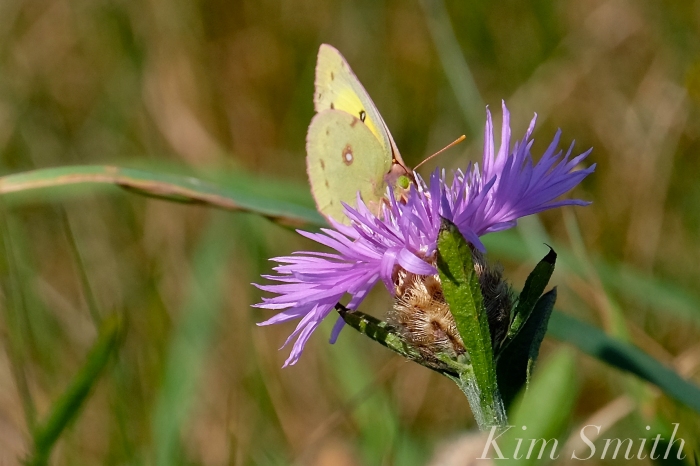
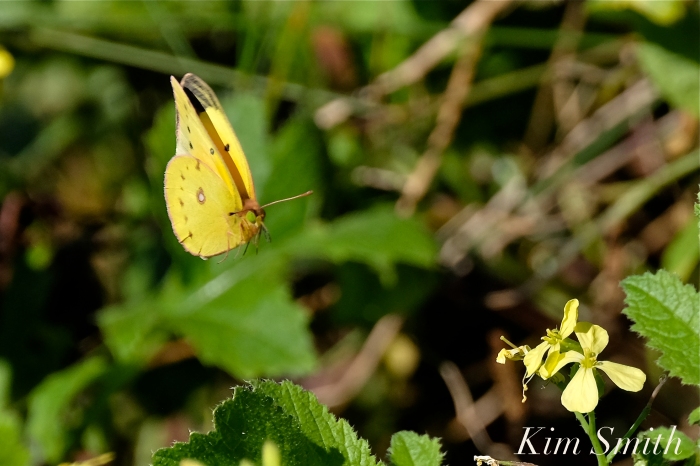
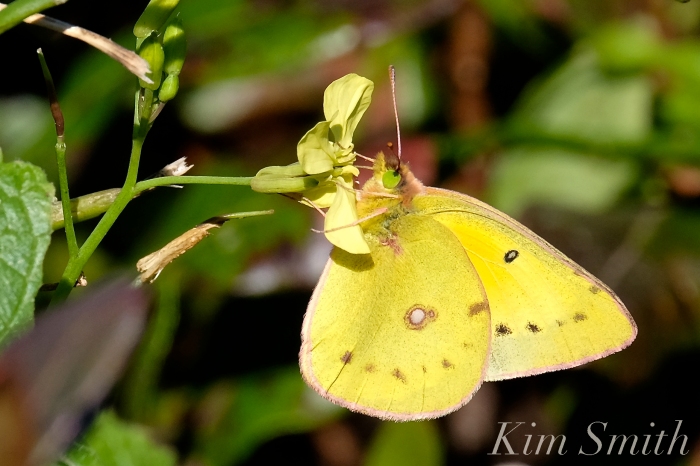
The sanctuary at Allen’s Pond is host to many species of butterflies during the Monarch’s fall migration, including Clouded Sulphurs, Orange Sulphurs, and Painted Ladies.  They, too, drink nectar from the Knapweed, Red Clover, asters, goldenrod, and Black Mustard in the sanctuary fields.

The Atlantic Monarchs next head to New York, traveling along the coast of Long Island, from the eastern tip of Montauk, southwest to Fire Island, and continuing to Coney Island. On the day of October 9th, because of a storm passing through, a batch of migrating Monarchs was “stuck” on Plumb Island in Brooklyn.  After the storm passed the following morning, tens of thousand of Monarchs were observed flying over the dunes and along the beach, resuming their journey south.

Monarchs in the gardens at Battery Park with ferry to the Statue of Liberty in the background. Liv photo and video (below).

Our daughter Liv reports that over the weekend of October 21-22, New York City was teeming with Monarchs. She observed hundreds at Coney Island on Saturday, and even more at the gardens at Battery Park on Sunday. Liv has even seen them in the NYC underground subway stations!

After departing the shores of Long Island and NYC, the next great stopover and roosting area is Cape May, New Jersey. The Monarchs pause along the way, stopping to drink nectar and rest on the barrier beaches of the Jersey Shore. Latest field reports suggest that the dunes and fields of Cape May are rife with Seaside Goldenrod that is still in bloom. I am on my way there today and will report all that I see.

From Cape May Point the Monarchs travel ten miles across the Delaware Bay, then journey along the eastern shores of Delaware, Maryland, and Virginia. Some years the Monarchs converge by the millions at the Virginia National Wildlife Refuge waiting for the right winds to carry them across the Chesapeake Bay.

Some Monarch Butterflies travel to Florida, but most are funneled in through the Appalachian and Rocky Mountains, on into Texas and central Mexico.

https://www.instagram.com/p/BaIN9gcFtxOrWP27M6OactjFI6UB_VYRPCaaU00/

If you would like to help towards the completion of my documentary film Beauty on the Wing: Life Story of the Monarch Butterfly, filmed in the wilds of Cape Ann and Angangueo, Mexico, please consider making a tax deductible donation here:

DONATE HERE

Donors contributing over $5,000. will be listed in the credits as a film producer.

For more information, visit the film’s website here: Monarch Butterfly Film

For an overview of the film’s budget, please go here: Budget

Thank you so very much for your help.

With gratitude,

Kim Smith

$20,450.00!!! RAISED FOR “BEAUTY ON THE WING” DOCUMENTARY! THANK YOU KIND DONORS!!!!!!!!!!!!!!!!!!!!

WITH THE GREATEST JOY AND APPRECIATION FOR OUR COMMUNITY OF FRIENDS AND SPONSORS, I AM OVERJOYED TO SHARE THAT TO DATE WE HAVE RAISED $20,450.00 FOR THE DOCUMENTARY FILM “BEAUTY ON THE WING” ONLINE FUNDRAISER!!!

MY DEEPEST THANKS AND GRATITUDE TO LAUREN MERCADANTE (PRODUCER), SUSAN FREY (PRODUCER), NEW ENGLAND BIOLABS FOUNDATION, LAUREN M., MARION F., ELAINE M., DONNA STOMAN, PEGGY O’MALLEY, JOEY C., CATHERINE RYAN, JOEANN HART, JANE PAZNIK BONDARIN AND ROBERT REDIS (BOTH FROM NEW YORK), NUBAR ALEXANIAN, PETER VAN DEMARK, PATRICIA VAN DERPOOL, FRED FREDERICKS (CHELMSFORD), LESLIE HEFFRON, JIM MASCIARELLI, DAVE MOORE (KOREA), LILIAN AND CRAIG OLMSTEAD, JOHN STEIGER, PAT DALPIAZ, AMY KERR, BARBARA T. (JEWETT, NY), ROBERTA C. ((NY), MARIANNE G. (WINDHAM, NY), PAULA O’BRIEN (WALTON, NY), TOM HAUCK, AND ANONYMOUS PERSONS FOR THEIR GENEROUS HELP.


I would like to also give an extra shout out and thanks to Joey for graciously and generously supporting “Beauty on the Wing” documentary film project from the very beginning, and in many ways, including milkweed and aster plant and seed sales held at Captain Joe and Sons along with the tremendous opportunity to share information, photos, and films about the splendid Monarchs on the inimitable community platform, which he created, and that is Good Morning Gloucester. 

We are approximately one third towards the online fundraising goal of $62,000.00. If you would like to help towards the completion of my documentary film Beauty on the Wing: Life Story of the Monarch Butterfly, filmed in the wilds of Cape Ann and Angangueo, Mexico, please consider making a tax deductible donation here:

DONATE HERE

Donors contributing over $5,000. will be listed in the credits as a film producer.

For more information, visit the film’s website here: Monarch Butterfly Film

For an overview of the film’s budget, please go here: Budget

Thank you so very much for your help.

With gratitude,

Kim

Monarch Silhouettes at Twilight 

THE LATE GREAT MONARCH MIGRATION CONTINUES AND THANK YOU KIND DONORS FOR CONTRIBUTING TO “BEAUTY ON THE WING” $5,300.00 RAISED TO DATE!!!

WITH THANKS AND GRATITUDE FOR THE KIND GENEROSITY OF OUR COMMUNITY, TO DATE WE HAVE RAISED OVER $5,300.00 FOR MY DOCUMENTARY FILM “BEAUTY ON THE WING: LIFE STORY OF THE MONARCH BUTTERFLY” ONLINE FUNDRAISER!!! MY DEEPEST APPRECIATION TO NEW ENGLAND BIOLABS FOUNDATION, LAUREN M., MARION F., ELAINE M., DONNA STOMAN, PEGGY O’MALLEY, JOEY C., CATHERINE RYAN, JOEANN HART, JANE PAZNIK BONDARIN AND ROBERT REDIS (BOTH FROM NEW YORK), NUBAR ALEXANIAN, PETER VAN DEMARK, PATRICIA VAN DERPOOL, FRED FREDERICKS (CHELMSFORD), LESLIE HEFFRON, JIM MASCIARELLI, DAVE MOORE (KOREA), LILIAN AND CRAIG OLMSTEAD, JOHN STEIGER, PAT DALPIAZ, AMY KERR, BARBARA T. (JEWETT, NY), ROBERTA C. ((NY), MARIANNE G. (WINDHAM, NY), TOM HAUCK, AND ANONYMOUS PERSONS FOR THEIR GENEROUS HELP.

If you would like to help towards the completion of my documentary film Beauty on the Wing: Life Story of the Monarch Butterfly, filmed in the wilds of Cape Ann and Angangueo, Mexico, please consider making a tax deductible donation here:

DONATE HERE

Donors contributing over $5,000. will be listed in the credits as a film producer.

For more information, visit the film’s website here: Monarch Butterfly Film

For an overview of the film’s budget, please go here: Budget

Thank you so very much for your help.

With gratitude,

Kim Smith

 *   *   *

The Monarchs migrating through our region, although higher in number than in recent years, are also later than usual. The greater numbers are attributed to the tremendous amount of eggs and caterpillars reported this summer and, too, the beautiful warm weather we are enjoying has allowed eggs, caterpillars, and chrysalides to mature. In a typical year, the onset of colder autumn temperatures would have halted the larvae’s development. Hopefully, the Monarchs will arrive to the sanctuaries in Mexico before the cold puts the kibosh on this late migration.

Another problem facing the Monarchs is that most flowers have cycled through their bloom power. The butterflies will be challenged to find nectar producing flora to fortify them on the journey south. This type of ecological mismatch is increasing and very negatively affects wildlife species worldwide.

Today, October 19, there were about two dozen Monarchs at Eastern Point. The only wild plants in bloom at the Point are Purple-stemmed Asters and dandelions. As the effects of global climate change pose increasing threat to wildlife, we can help the migrating butterflies, and all pollinators, by planting nectar-rich flora that blooms in succession from April through November. These actions will help mitigate some of the mismatching happening right now.

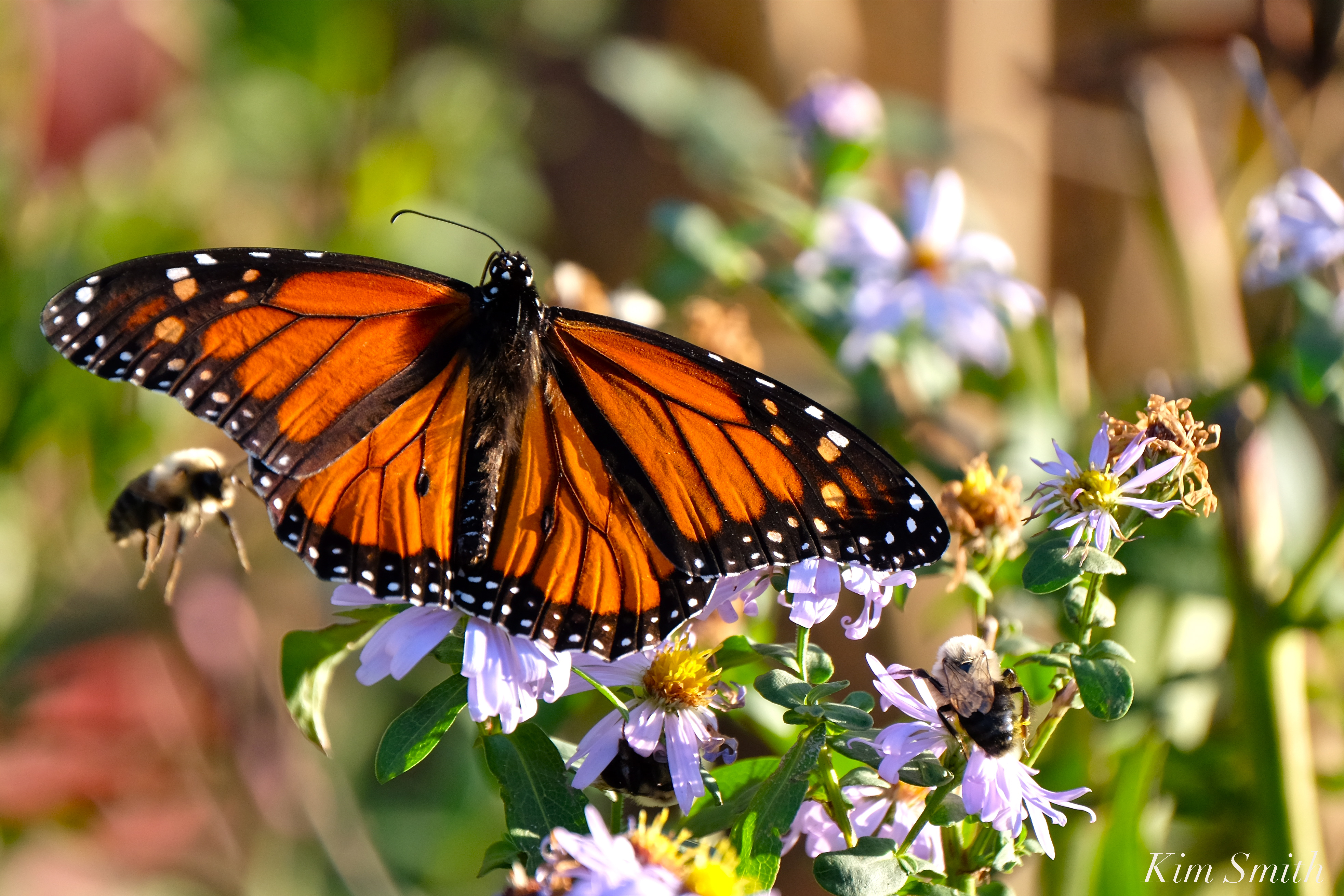
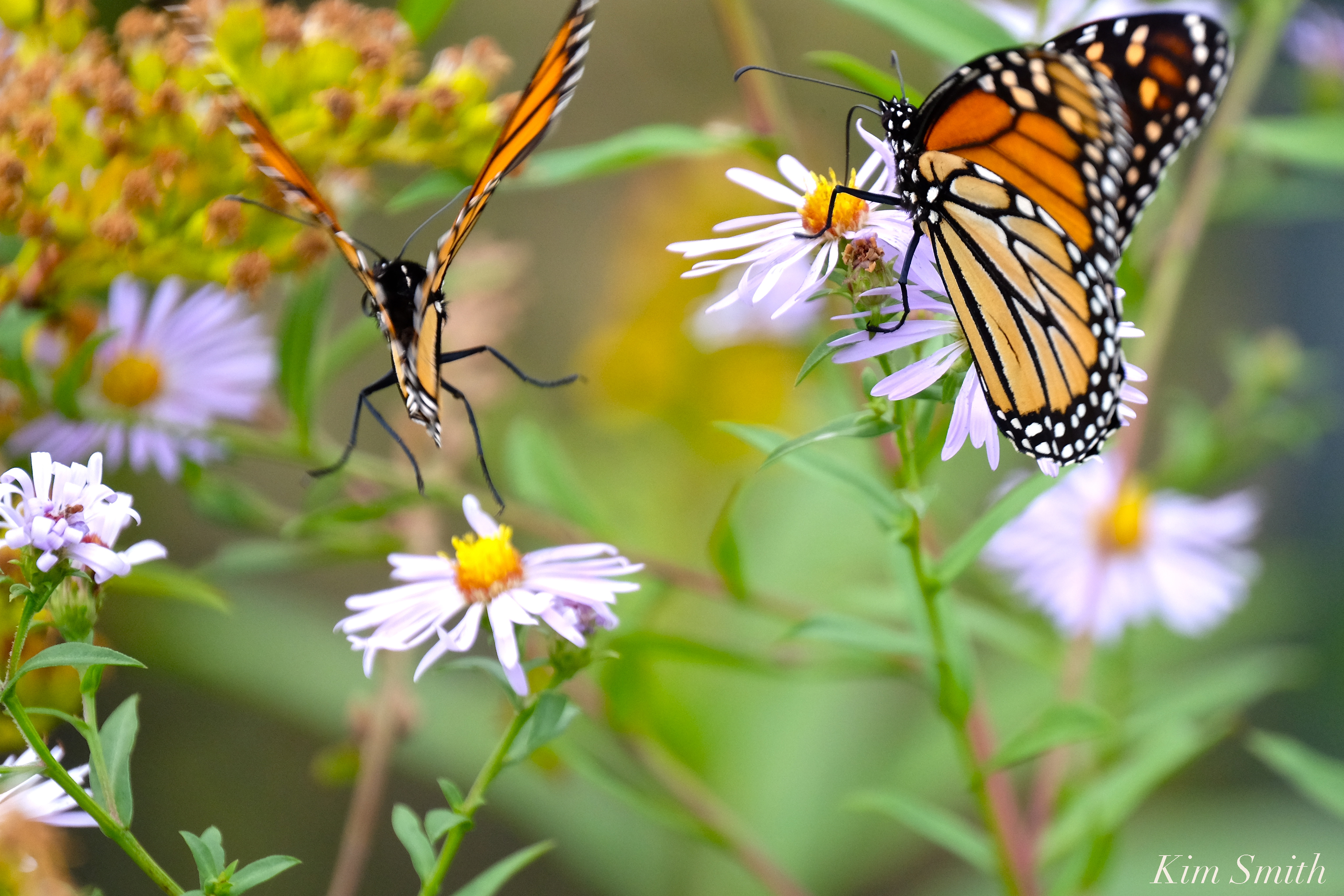
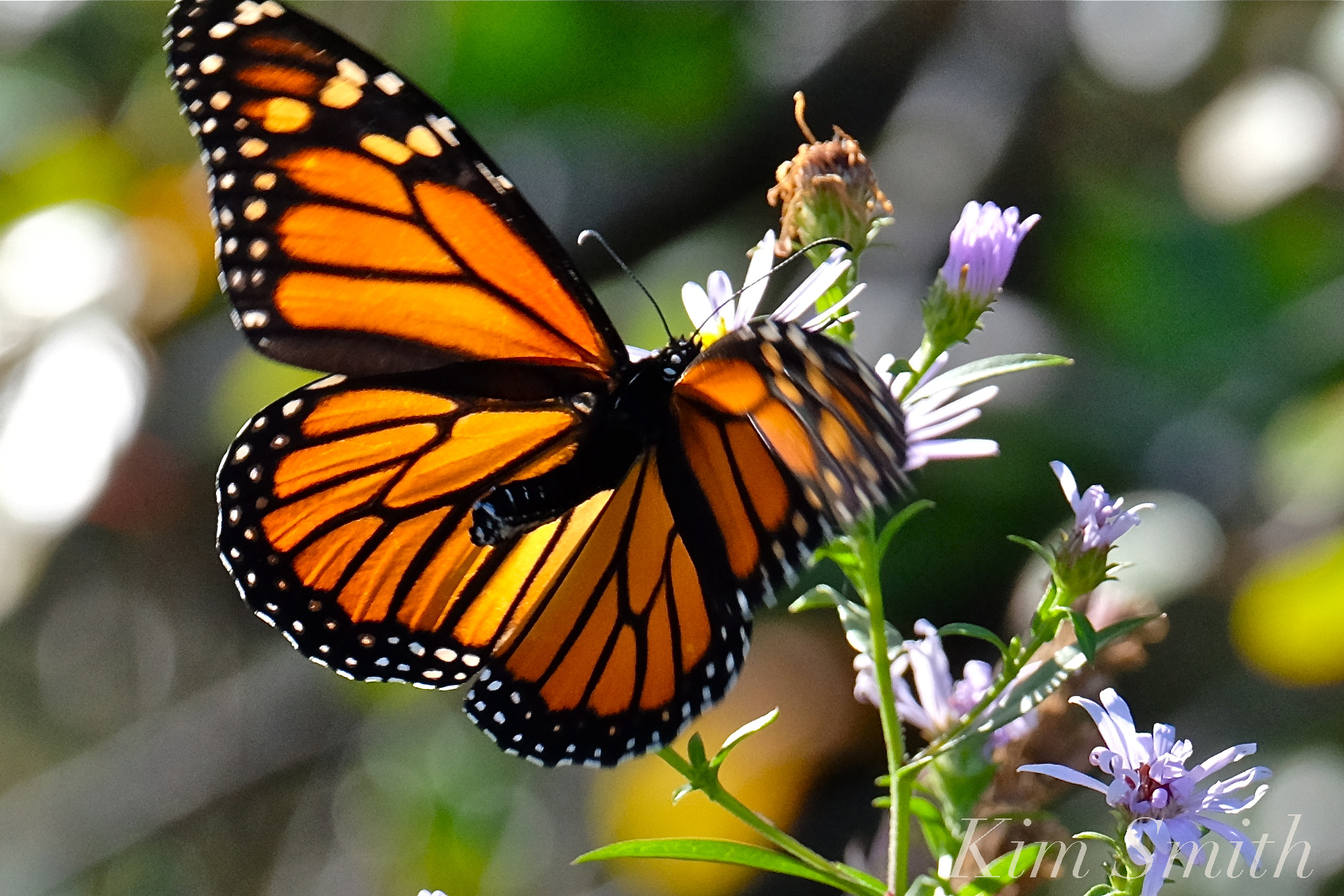
Monarchs and Purple-stemmed AstersOne sleepy little Monarch in the trees this morning at daybreak.

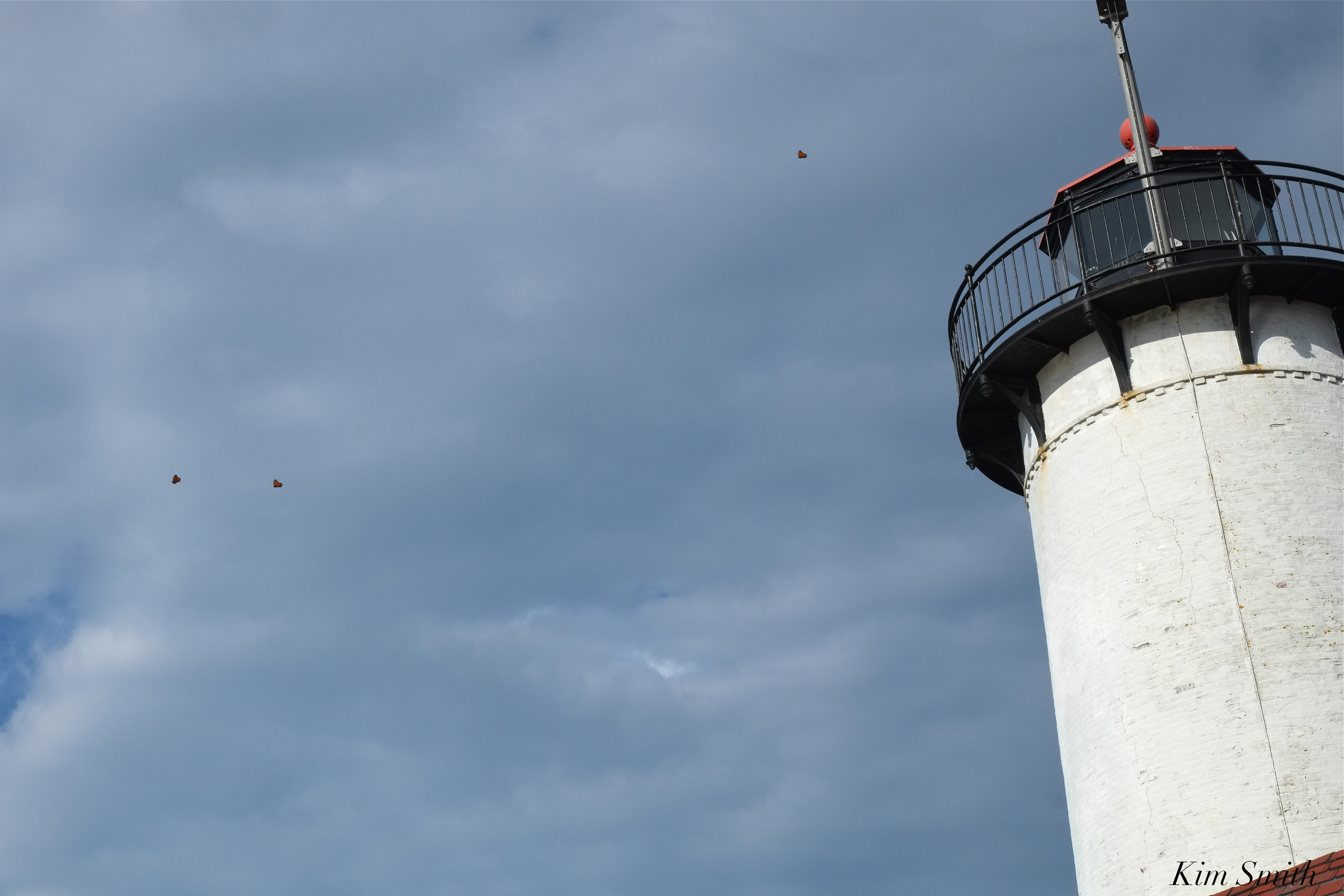
 Monarch Flakes -2  Eastern Point Lighthouse  
MONARCH MIGRATION UPDATE AND THANK YOU KIND DONORS FOR CONTRIBUTING TO MY DOCUMENTARY “BEAUTY ON THE WING!”

I AM OVERJOYED TO SHARE THAT WE HAVE RAISED OVER $2,500.00 IN THE FIRST WEEK OF “BEAUTY ON THE WING” ONLINE FUNDRAISER!!! MY DEEPEST THANKS AND GRATITUDE  TO NEW ENGLAND BIOLABS, LAUREN M., MARION F., ELAINE M., DONNA STOMAN, PEGGY O’MALLEY, JOEY C., CATHERINE RYAN, JOEANN HART, JANE PAZNIK BONDARIN AND ROBERT REDIS (BOTH FROM NEW YORK), NUBAR ALEXANIAN, PETER VAN DEMARK, PATRICIA VAN DERPOOL, FRED FREDERICKS, LESLIE HEFFRON, JIM MASCIARELLI, DAVE MOORE (KOREA), LILIAN AND CRAIG OLMSTEAD, TOM HAUCK, AND ANONYMOUS PERSONS FOR THEIR GENEROUS HELP.  
If you would like to help towards the completion of my documentary film Beauty on the Wing: Life Story of the Monarch Butterfly, filmed in the wilds of Cape Ann and Angangueo, Mexico, please consider making a tax deductible donation here:

DONATE HERE

Donors contributing over $5,000. will be listed in the credits as a film producer.

For more information, visit the film’s website here: Monarch Butterfly Film

For an overview of the film’s budget, please go here: Budget

Thank you so very much for your help.

With gratitude,

Kim Smith


Cape Ann Monarch Migration Update October 16, 2017

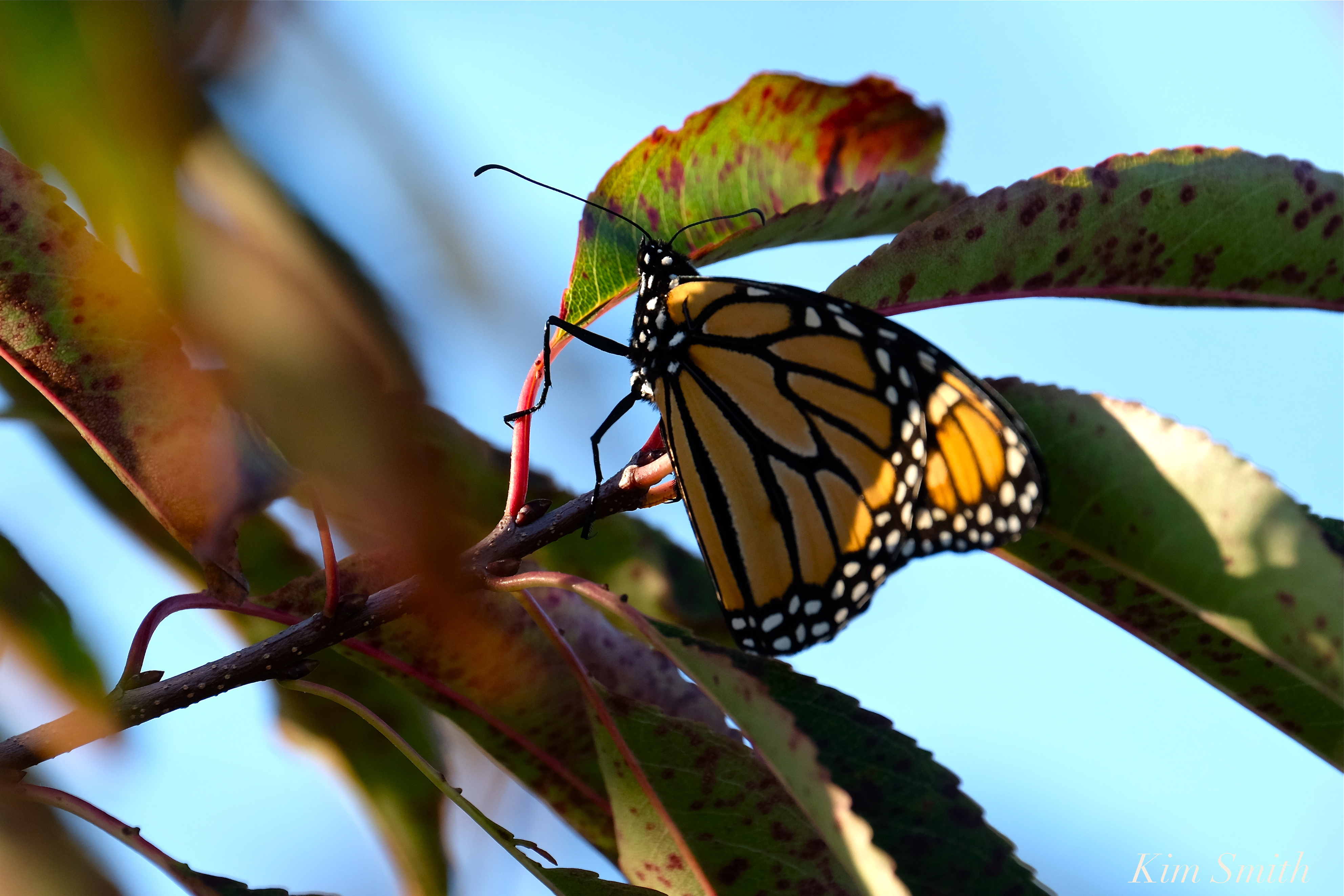
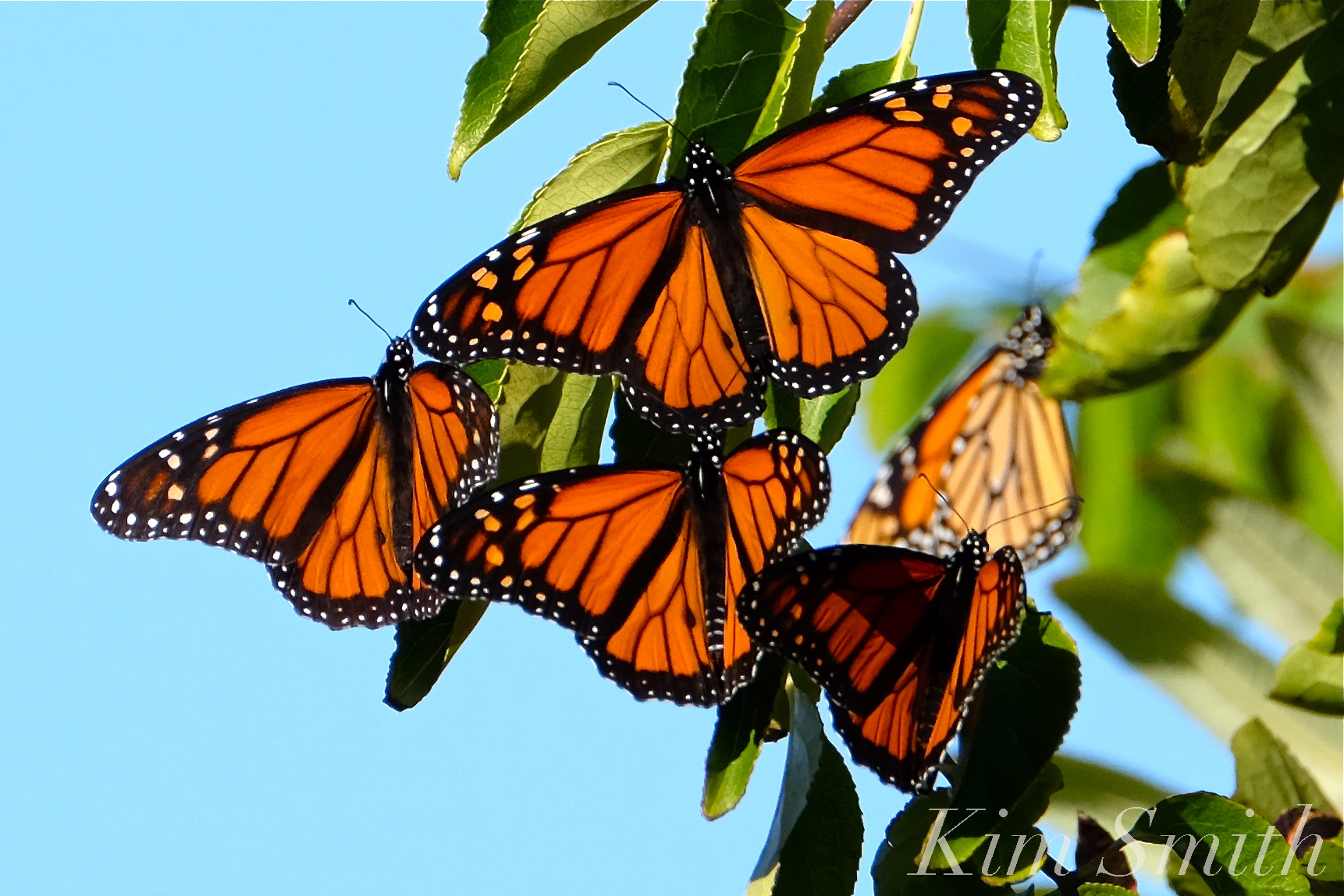
Monarchs roosting overnight in the old chokecherry tree.

We have had four beautiful waves of Monarchs pouring into Cape Ann. The first arrived on September 23rd and the fourth departed last Wednesday morning, on the eleventh of October. As there are reports of Monarchs still further north, we should be expecting at least one more wave, quite possibly this week. And, too, my friend Patti found several Monarch caterpillars in her garden only several days ago. These caterpillars won’t be ready to fly to Mexico for another week to ten days at least. If this warm weather continues, we may still yet have more batches coming through in the coming weeks.

What can you do to help the Monarchs, Painted Ladies, bees, Ruby-throated Hummingbirds, and all pollinators at this time of year? Don’t tidy up the garden just yet!  When you cut back remaining flowering stalks and sprigs, you are depriving winged creatures of much needed, and less readily available, nourishment. Bees, and migrating butterflies on the wing, especially Monarchs, need nectar throughout their journey to Mexico. Songbirds eat the seeds of expiring flowering stalks.

I keep my client’s gardens neat and tidy at this time of year by pulling out the occasional dead plant and trimming away dried out foliage. In deference to the pollinators, the very best time of year to plant bulbs and organize the garden for the following year, is after November 1st, at the very earliest. And even then, if for example my Korean Daisies are still blooming, I work around the plant. Usually in November and up until the first frost, it is covered in bees. I’ve had many a Monarch pass through my garden in November and the Korean Daisies were there at the ready to provide nectar for weary travelers.

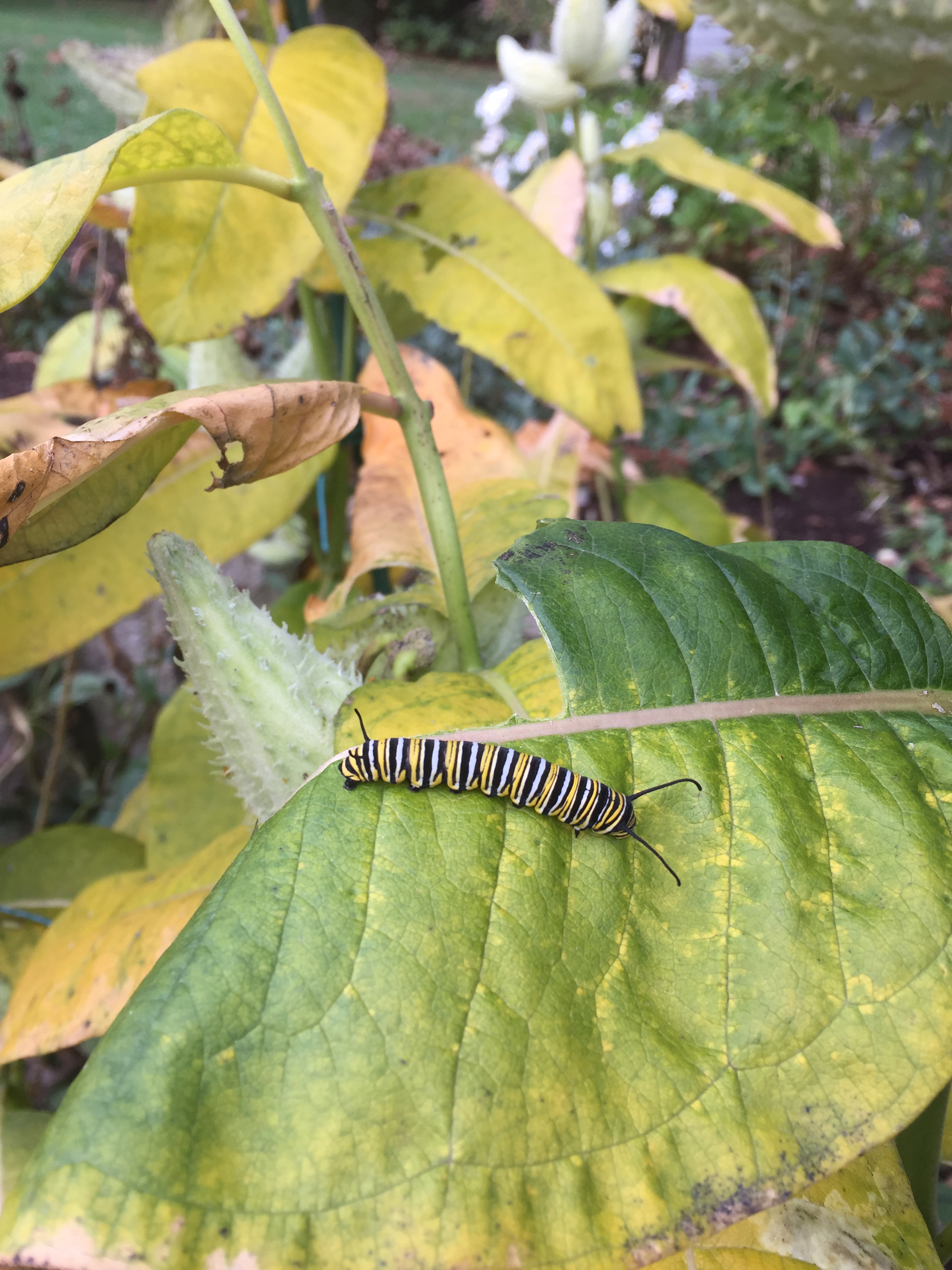
Patti’s Caterpillar, found in her garden on October 14th. He’s now at our home in a terrarium, happily munching away on Common Milkweed leaves. I leave him outdoors in a sunny location during the day but bring him indoors late in the afternoon because the air temperature is dropping considerably at night. Patti Papow Photo

THANK YOU! AND MONARCH FLAKES AT EASTERN POINT LIGHTHOUSE

 Monarchs were streaming all along the coast of Cape Ann yesterday and it was a beautiful sight!

I AM OVERJOYED TO SHARE THAT WE HAVE RAISED 800.00 IN 24 HOURS!!! MY DEEPEST THANKS TO LAUREN M. FROM MANCHESTER, DONNA STOMAN AND PEGGY O’MALLEY FROM GLOUCESTER, JOEY C, AND ANONYMOUS FOR THEIR GENEROUS HELP. 

Please help towards the completion of my documentary film Beauty on the Wing: Life Story of the Monarch Butterfly, filmed in the wilds of Cape Ann and Angangueo. Thank you! DONATE HERE.

HOW YOU CAN HELP FUND MY MONARCH BUTTERFLY FILM!

I AM OVERJOYED TO SHARE THAT WE HAVE RAISED 1800.00 IN THE FIRST TWO DAYS OF “BEAUTY ON THE WING” ONLINE FUNDRAISER!!! MY DEEPEST THANKS  TO LAUREN M., DONNA STOMAN, PEGGY O’MALLEY, JOEY C, ELAINE M., CATHERINE RYAN, JOEANN HART, JANE PAZNIK BONDARIN AND ROBERT REDIS (BOTH FROM NEW YORK), AND ANONYMOUS PERSONS FOR THEIR GENEROUS HELP.  

Dear Friends,

Today I am excited to launch the online fundraising campaign for my documentary film Beauty on the Wing: Life Story of the Monarch Butterfly.

This film—more than five years in the making—chronicles the extraordinary story of the Monarch butterfly. Tiny creatures, each weighing less than a paperclip, journey thousands of miles from their northern breeding grounds, of which Cape Ann is an integral part, to the trans-volcanic mountaintops of central Mexico. The most magical thing is that their story unfolds in our own backyards, marshes, meadows, and fields. Beauty on the Wing reveals the interconnection between the butterfly’s habitat and wildflowers and the importance of conserving their ecosystems. The film is unique in that every stage of the butterfly’s life cycle is recorded in vibrant close-up in the wild, both on Cape Ann and in Mexico.

The current goal is to raise funds to create a 55-minute feature-length final cut to distribute to elementary schools nationwide. My fundraising partner is the nonprofit Filmmakers Collaborative and donations are tax deductible. Please consider donating what you can. No donation is too small ($5, $25, $100) and every dollar helps get us one step closer to completing the film.

DONATE HERE

Donors contributing over $5,000 will be listed in the credits as a film producer.

For more information, visit the film’s website here: Monarch Butterfly Film

For an overview of the film’s budget, please go here: Budget

Thank you so very much for your help.

With gratitude,

Kim Smith

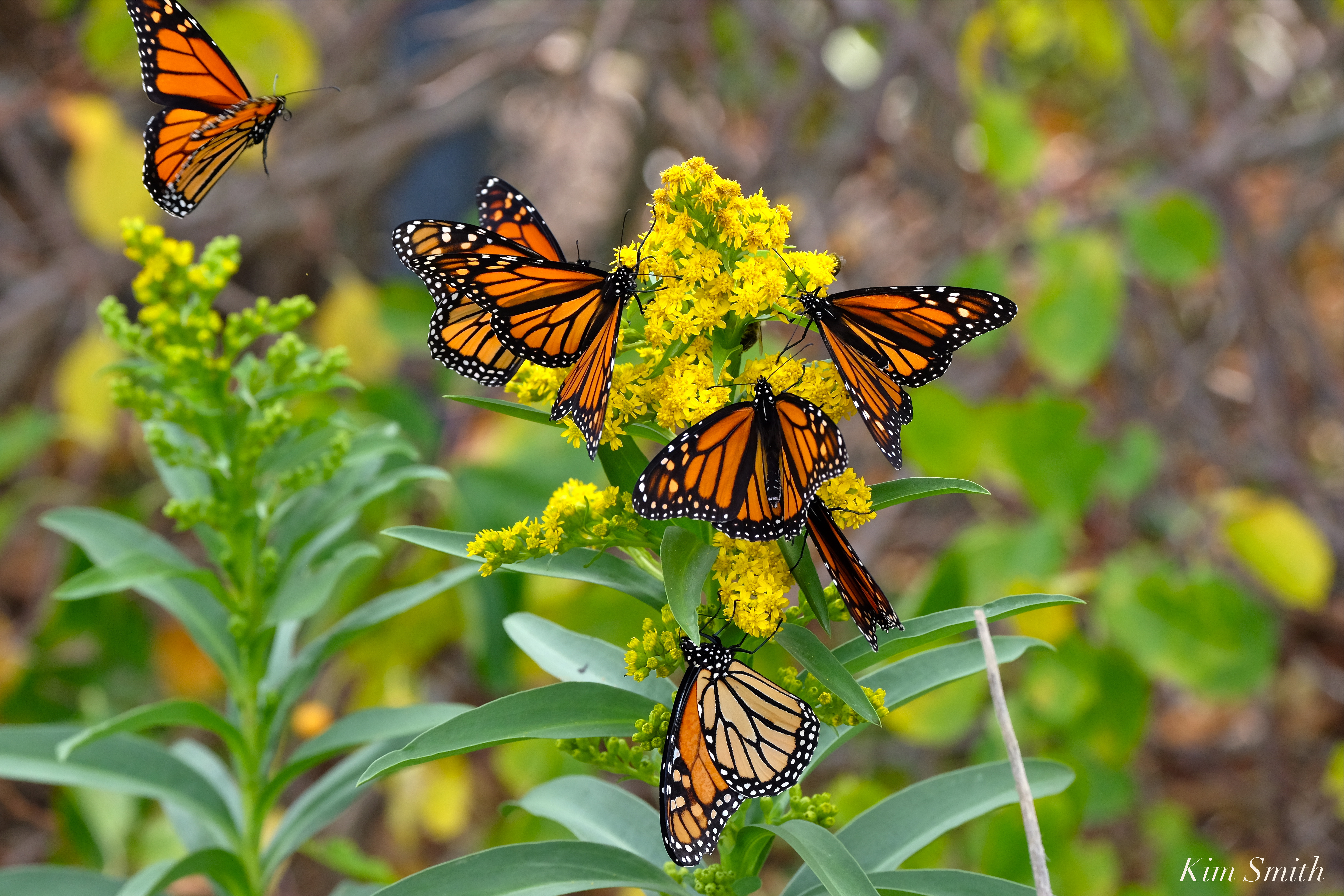
Pure magic in the marsh this morning! For one moment, there were eight Monarchs on this single spray of Seaside Goldenrod.

https://www.instagram.com/p/BZ7AgYml1koxVpEtiuxZHIowzTQrC1NUYL8Mbo0/

A SPECTACULAR PAINTED LADY BUTTERFLY IRRUPTION HAPPENING RIGHT NOW!

The sheer number of Painted Ladies migrating are stealing some of the Monarchs thunder!

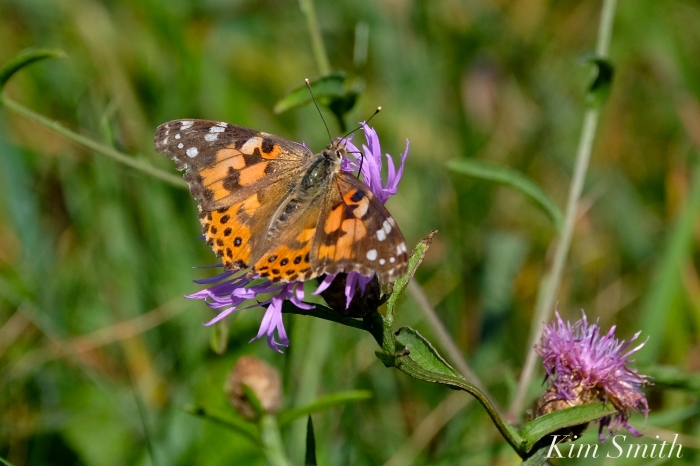
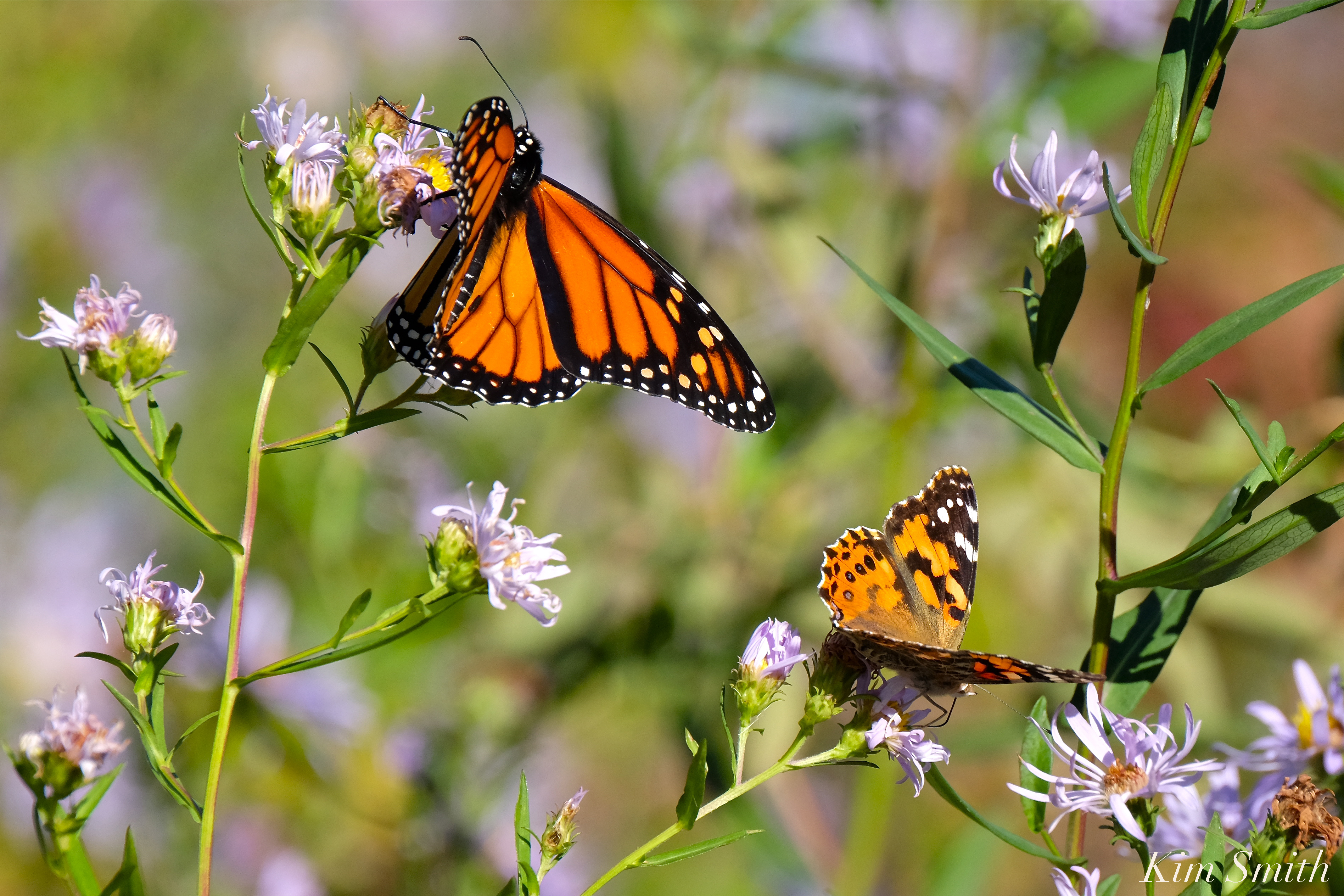
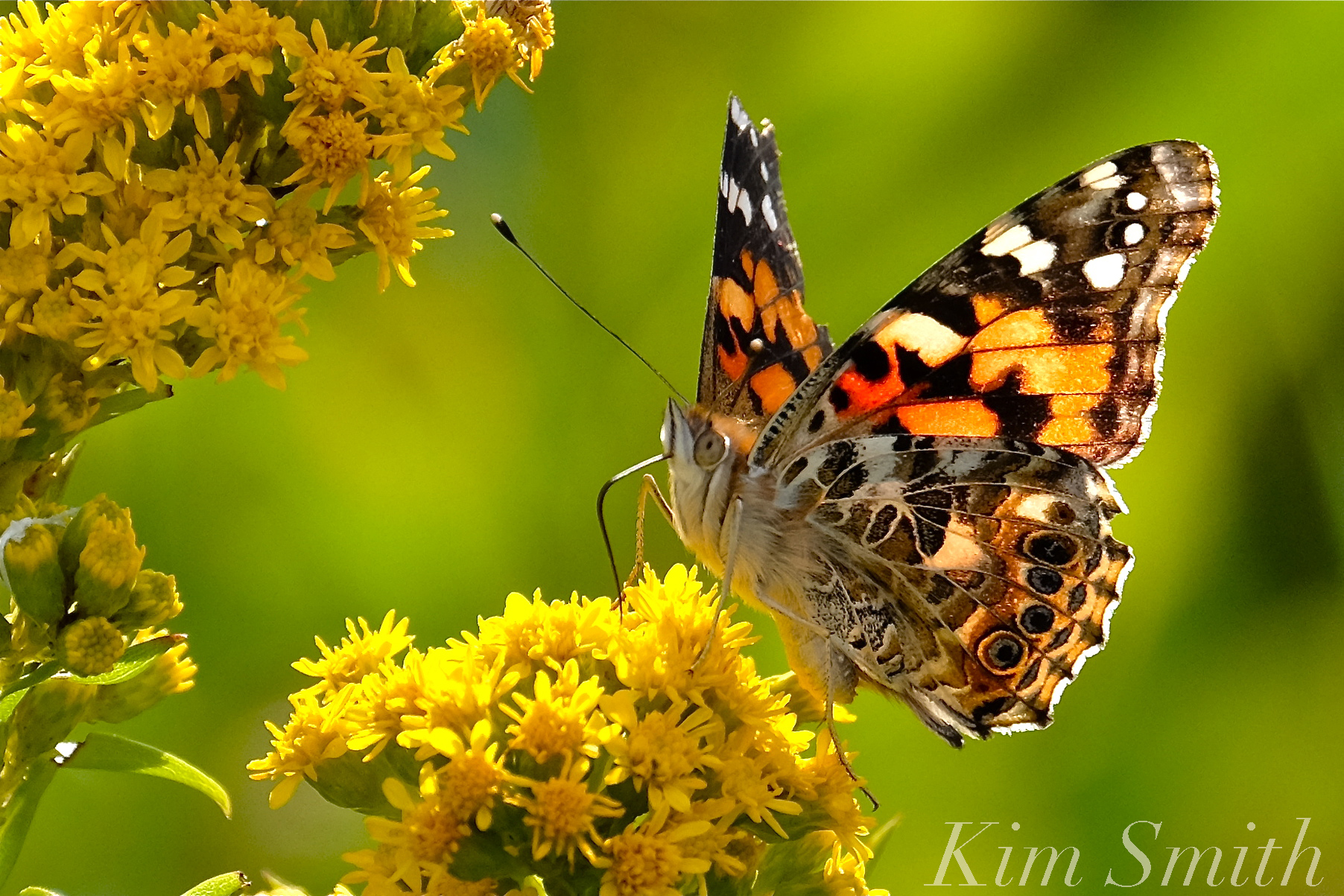
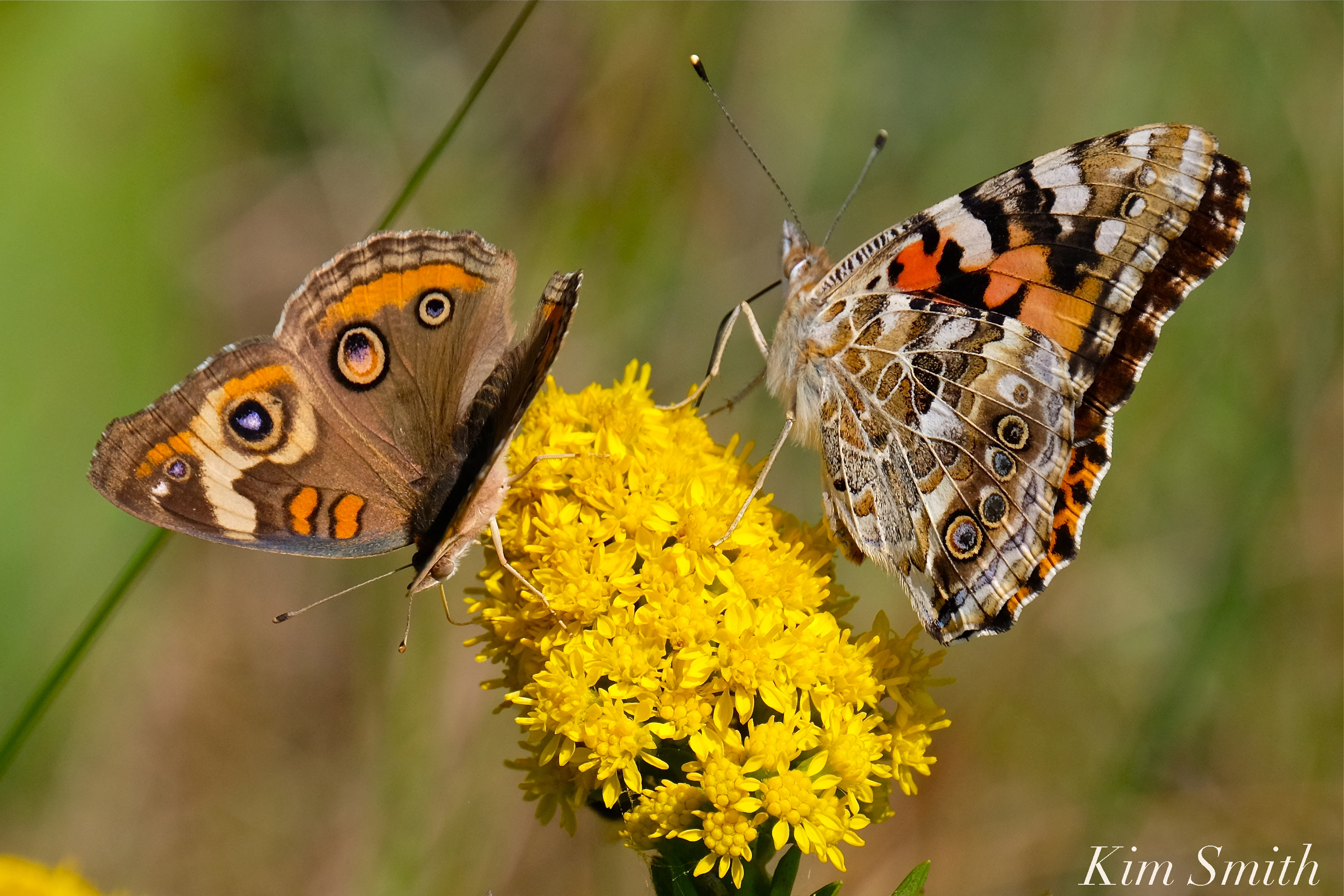
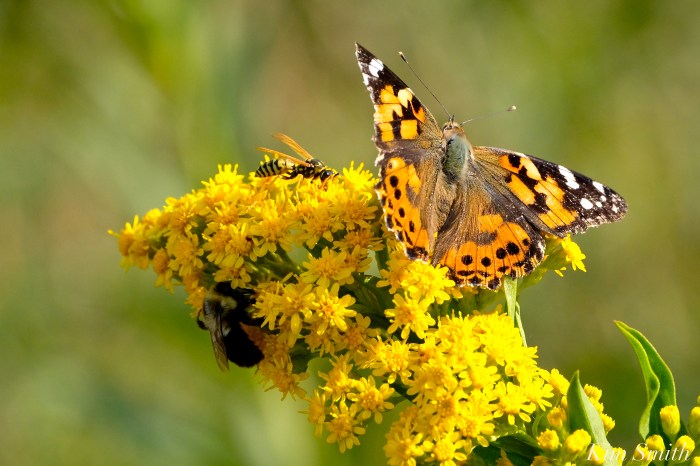
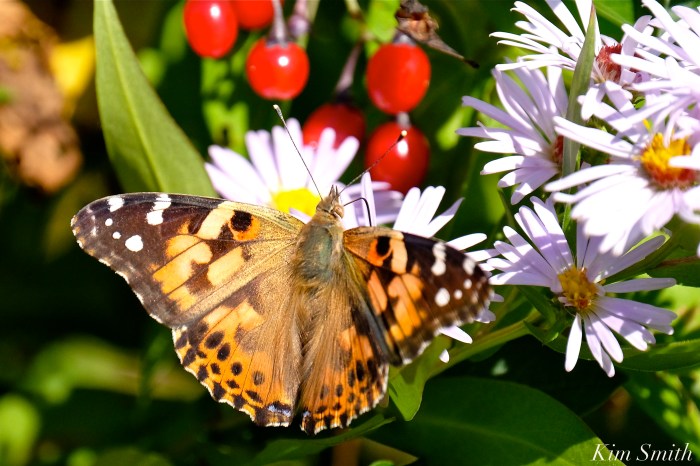
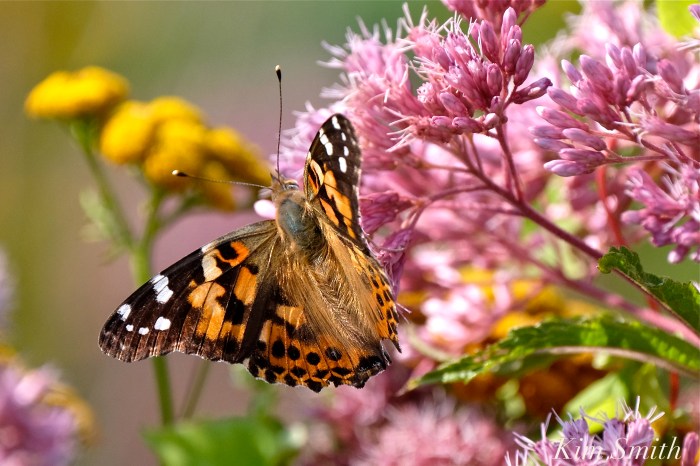
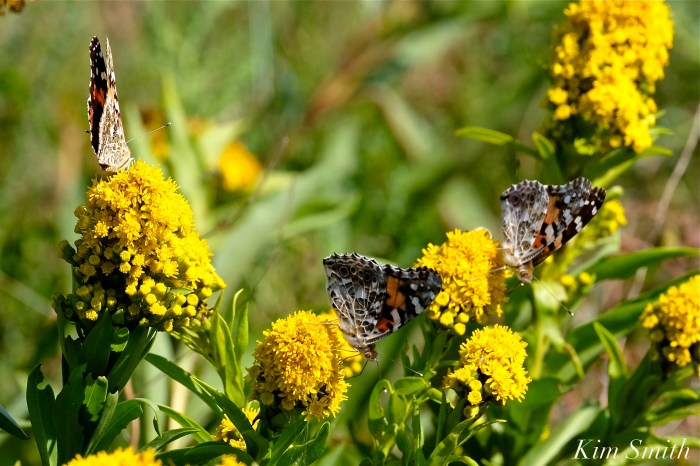
Many readers have written inquiring about the beautiful butterflies with wings in a tapestry of brilliant orange, brown, black, cream, and blue. Painted Ladies (Vanessa cardui) are often confused with Monarch butterflies, especially during the late summer. Both are currently migrating and you will often see the two species drinking nectar side-by-side.

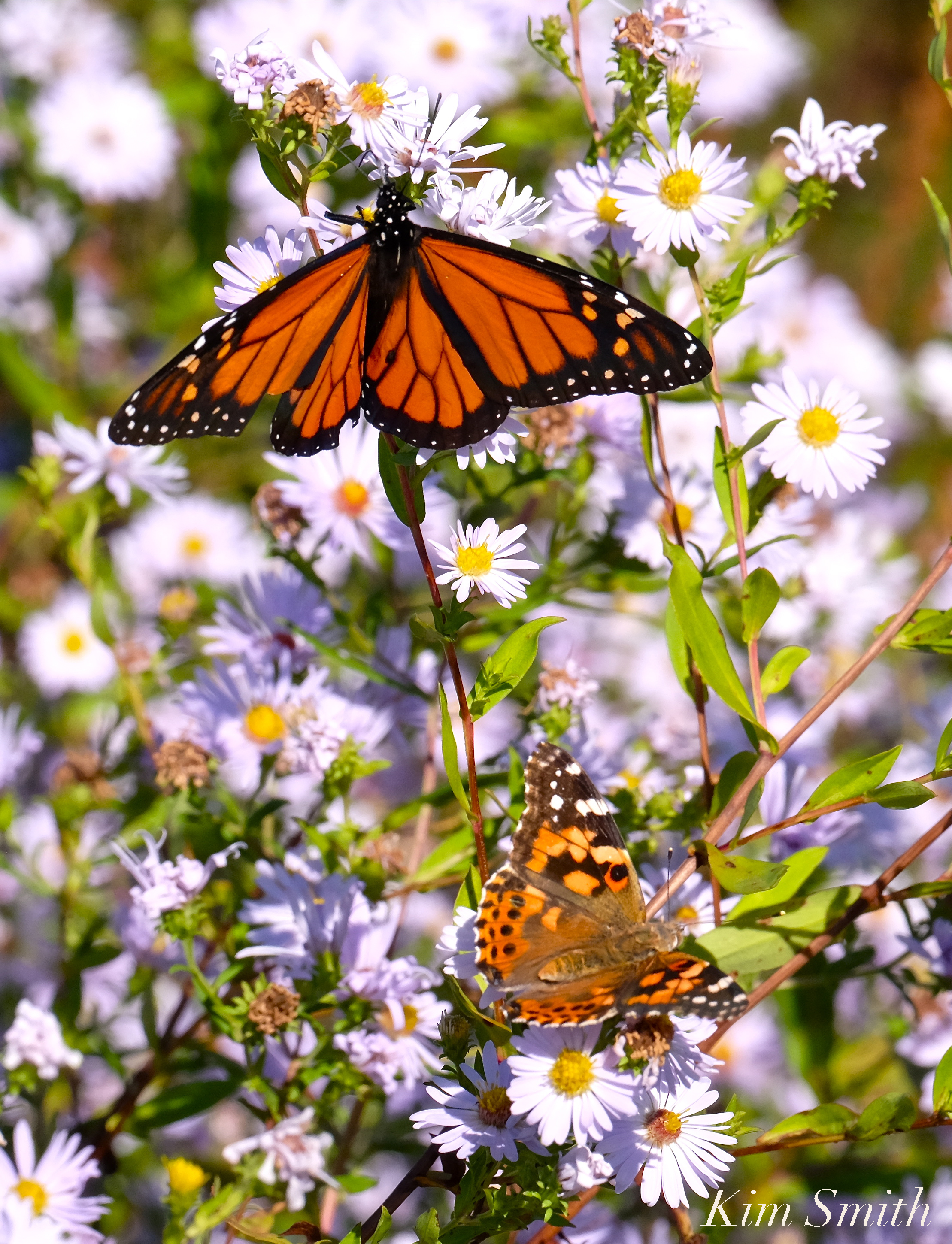
As do Monarchs, Painted Ladies depart from Mexico to begin their northward migration in springtime. Both Monarchs and Painted Ladies belong to the brush-foot family (Nymphalidae) and can only survive in warm climates.Monarch Butterfly, top, and Painted Lady bottom. Note that the Painted Lady is about half the size of the Monarch

Sightings from the midwest recorded large numbers early in the season, and 2017 has proven to be an outstanding year for this most successful of butterflies. The Painted Lady is also nicknamed the “Cosmopolitan” butterfly because it is the most widespread butterfly in the world.

Painted Lady drinking nectar from the Seaside Goldenrod at the Gloucester HarborWalk

One reason we may possibly be experiencing a Painted Lady irruption in North America is because a rainy spring in the south was followed by a fabulous bloom of dessert annuals that provided abundant food plants for the caterpillars. Unlike Monarch butterflies, which will only deposit their eggs on members of the milkweed family (Asclepias), Painted Lady caterpillars eat a wide range of plants. More than 300 host plants have been noted; favorites include thistles, yarrow, Pearly Everlasting, Common Sunflower (Asteraceae), Hollyhock and many mallows (Malvaceae), various legumes (Fabaceae) along with members of Boraginaceae, Plantaginaceae, and Urticaceae.

Common Buckeye and Painted Lady Nectaring at the Seaside Goldenrod at the Gloucester HarborWalk  

Much, much more remains to be discovered about the beautiful Painted Lady, its habits and how their behavior and seasonal distribution varies by geographic location.

Read More about Painted Ladies here:

DANCE OF COLOR AND LIGHT

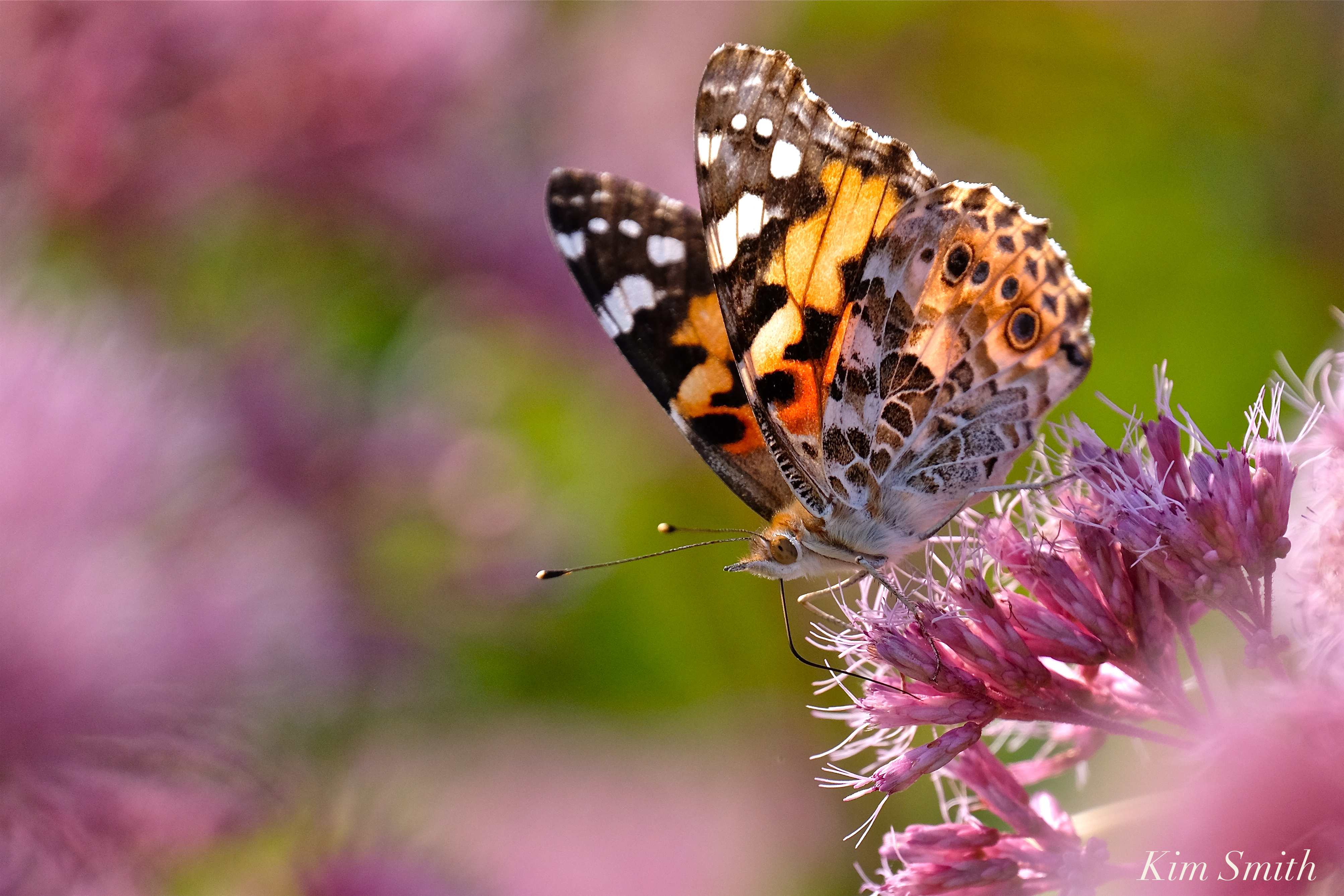
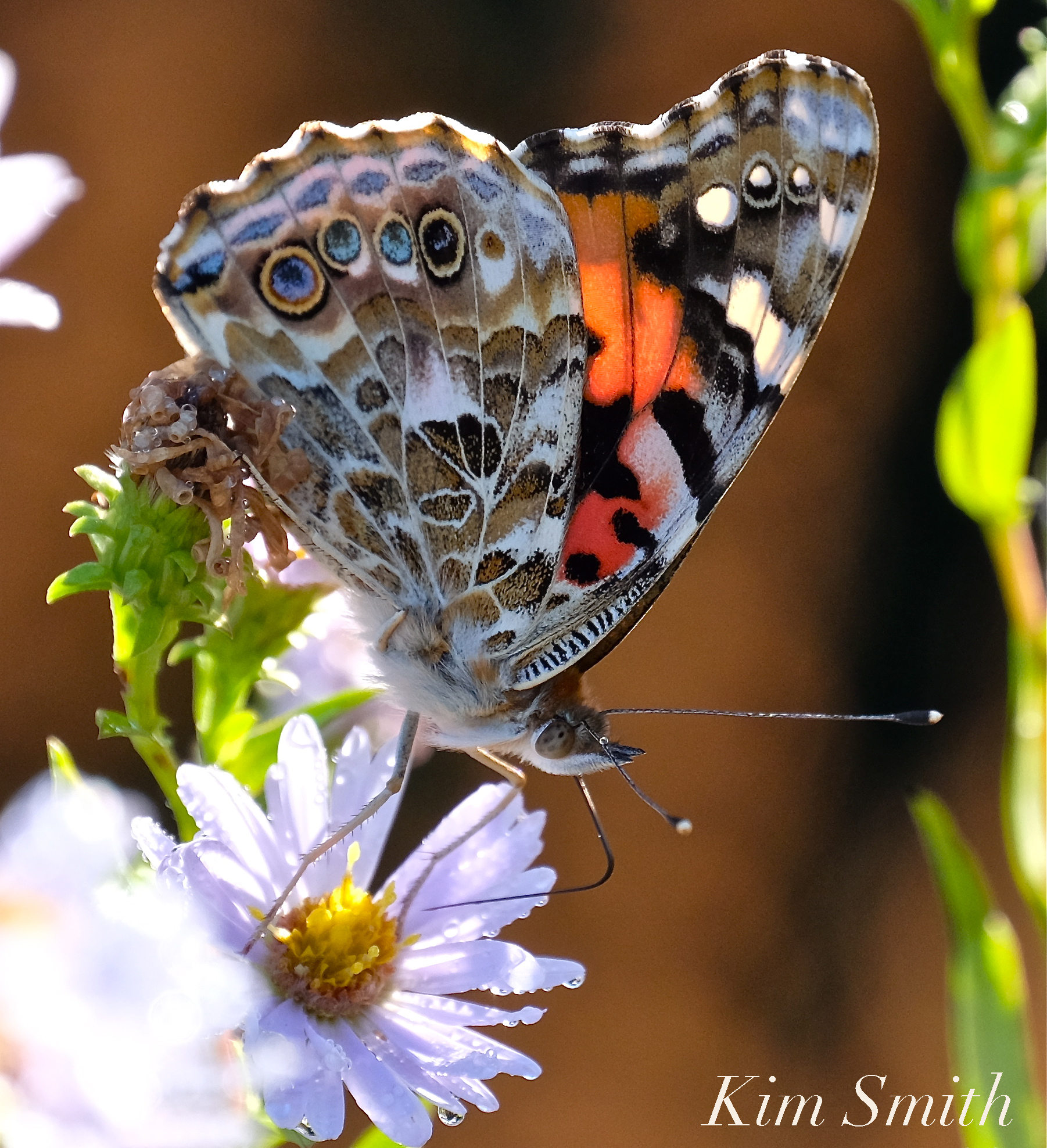
Painted Lady Drinking Nectar from the Purple-stemmed Aster

COYOTE CLAN

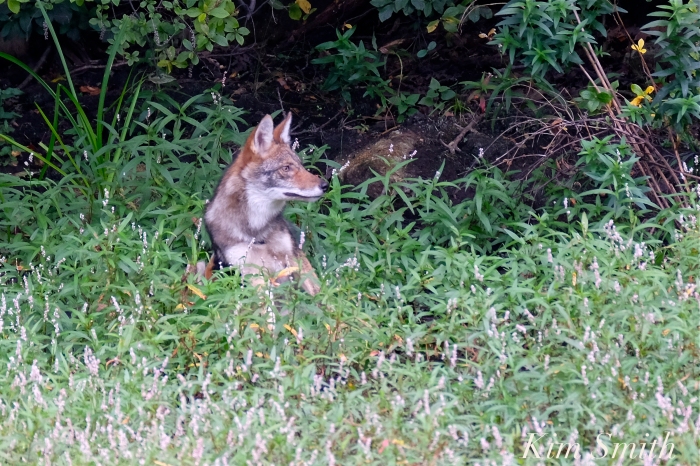
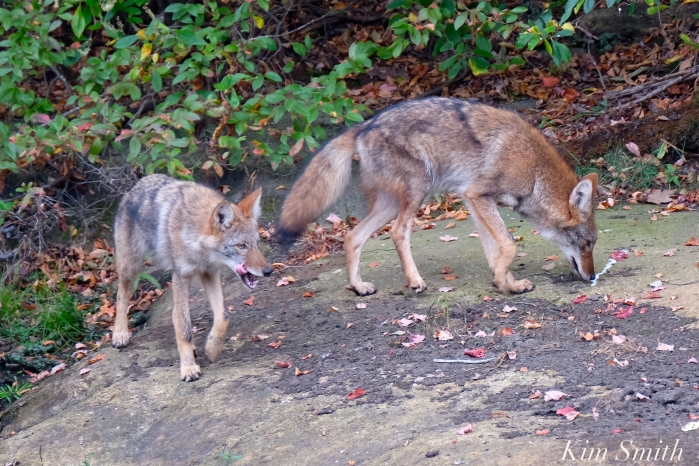
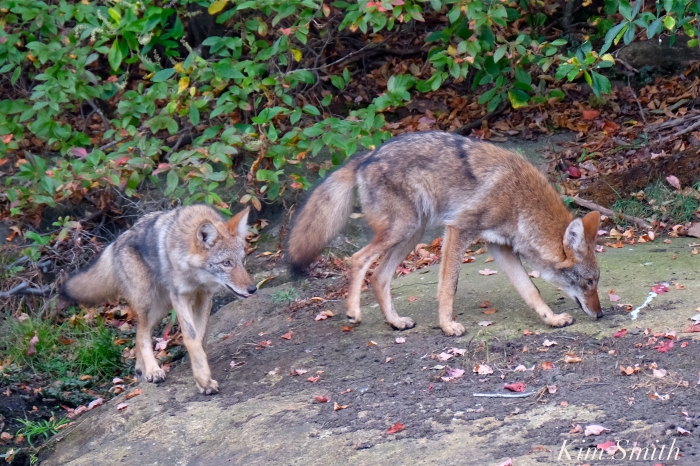
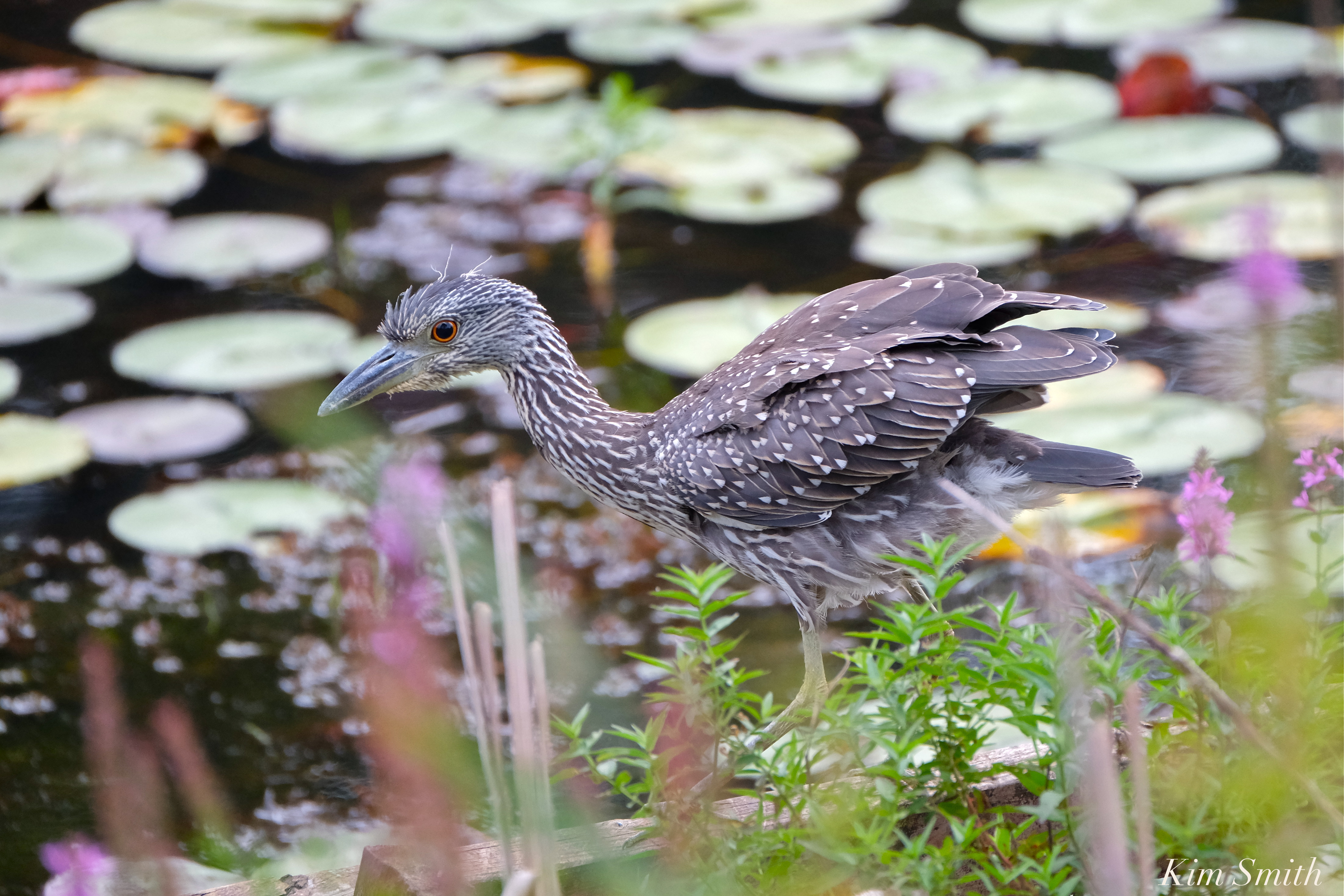
Stopping on my way home from a job site in Boston late this afternoon, I met up with a beautiful immature Yellow-crowned Night Heron. While photographing and filming, out from the woods appeared a pack of coyotes, two youngsters and two adults, I think. Then the heron that I was filming flew low and toward the coyotes; please don’t do that I said to nobody but myself. Up he then flew into the trees above and you can see one of the adult coyotes looking up toward the heron.

The canids took a few sips of water from the pond’s edge before stealing back into the brush. A few seconds later there was a series of loud growling and yelping. I was tired and shaky from a long day with no lunch, a little spooked that the coyotes were so close and didn’t wait to see what would happen next.  With both cameras in hand, I did manage to film the scene (and record audio of the ferocious growling!) and here are a few snapshots.

Yellow-crowned Night Heron, Immature

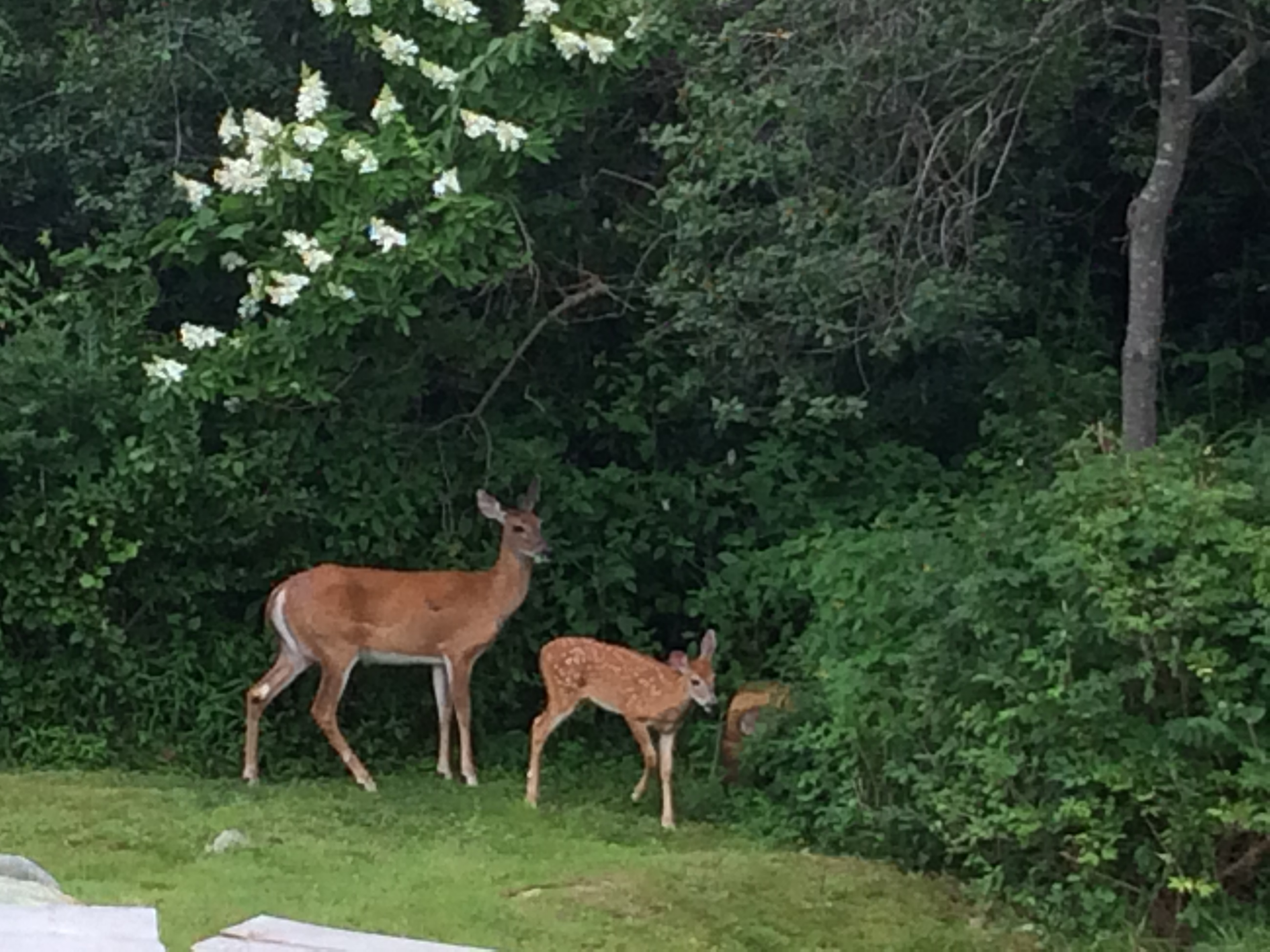
FAWN AND MAMA DEER AT EASTERN POINT

Longtime Eastern Point resident Elli shares this lovely scene of a doe and fawn foraging in her backyard. I have seen lots of bucks in the marsh at the EP Lighthouse and we’ve had a few single deer in our yard on Plum Street, but never a fawn and doe. I sure would love to photograph/film a fawn and mom on Cape Ann. Thanks so much to Elli for sharing!White-tailed doe and fawn, Eastern Point, Gloucester

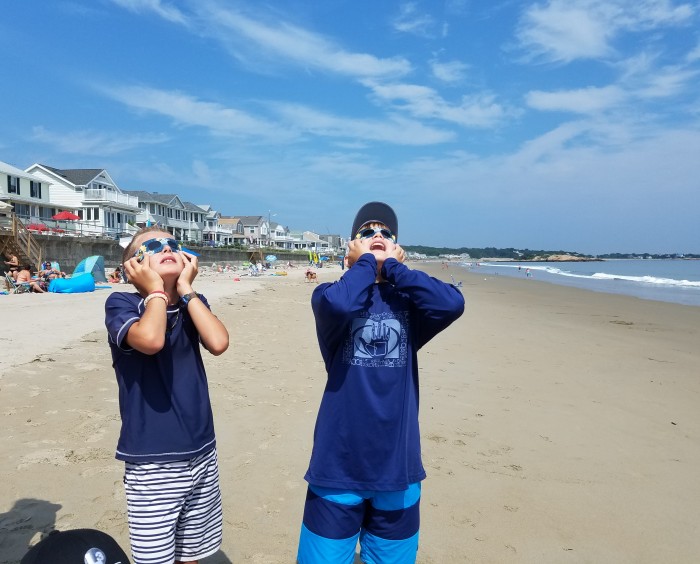
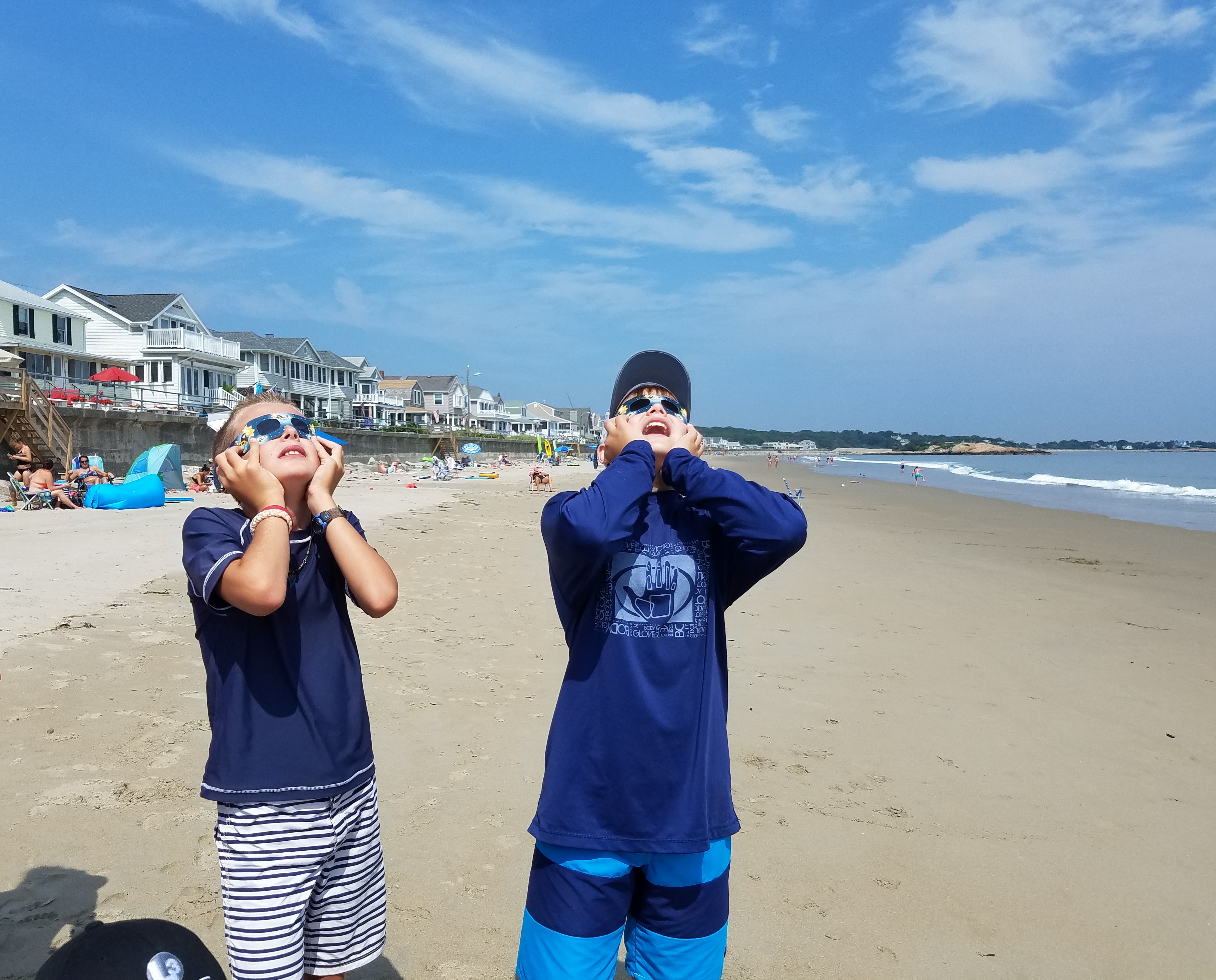
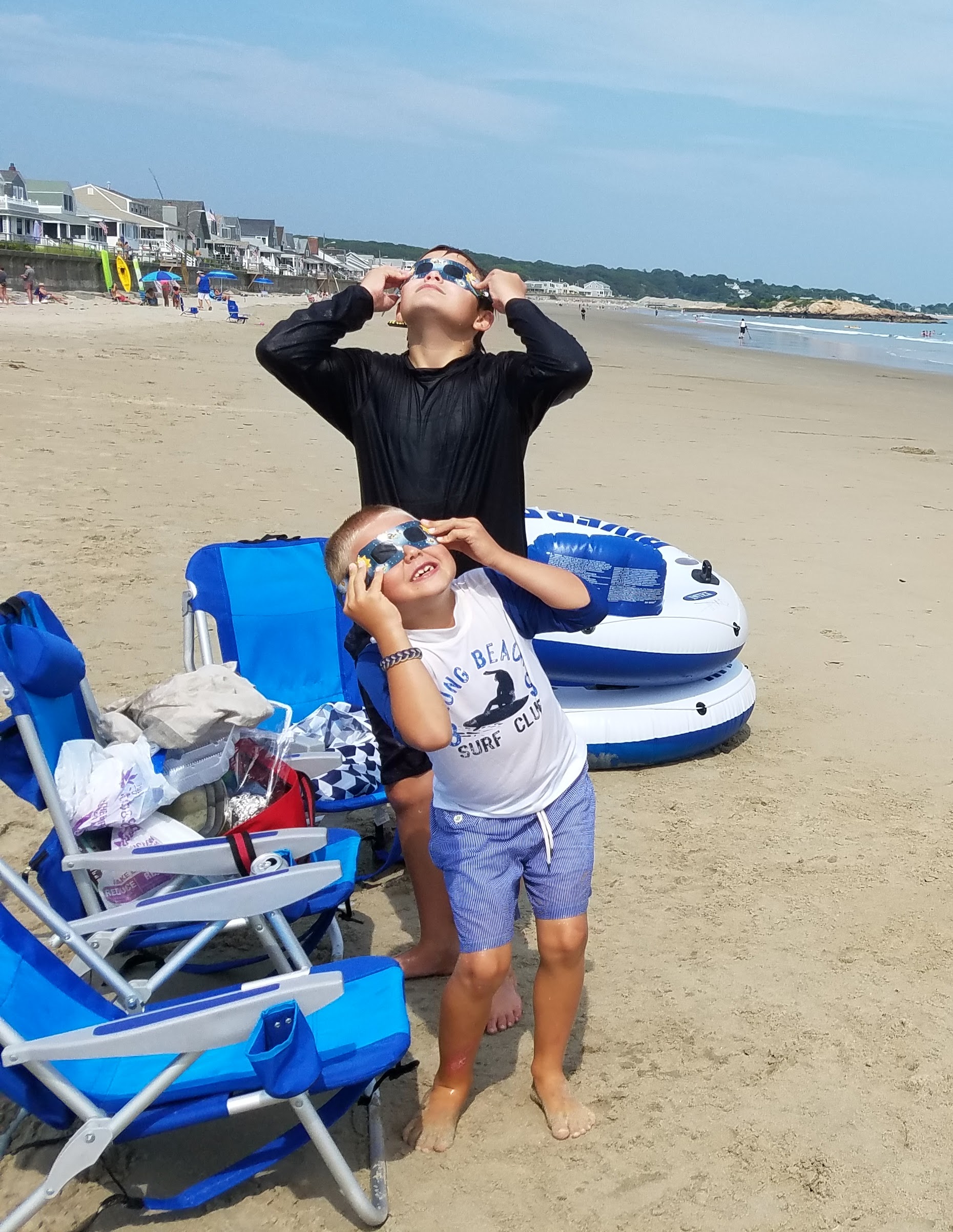
first look Solar Eclipse 2017 #CapeAnn

20170821_135020 (1)
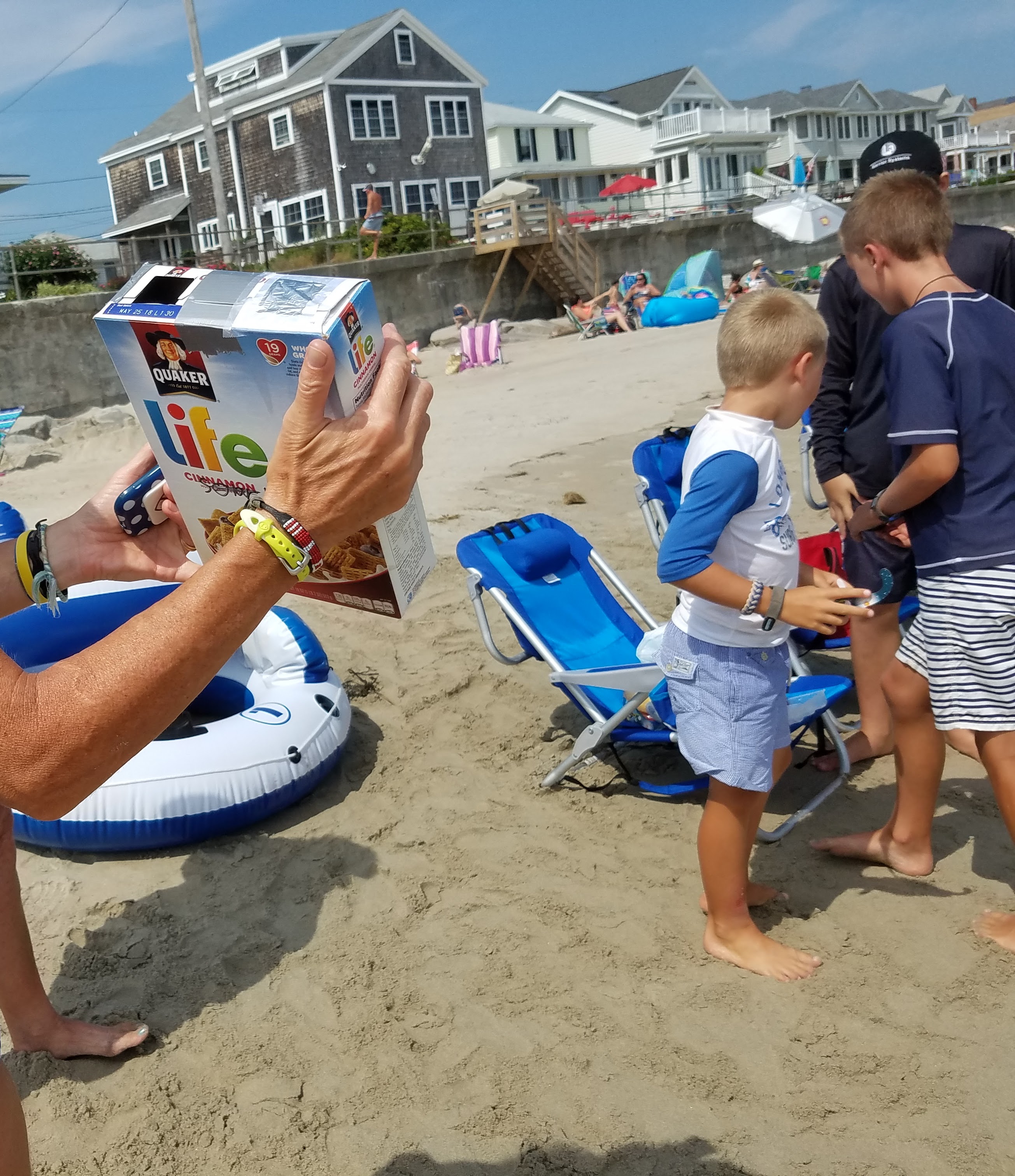
viewers react first look August 21 #SolarEclipse2017 #CapeAnn, MA, 1:50PM. Exciting despite location outside of total solar eclipse path

20170821_144136 (1)

20170821_140056
DIY eclipse viewers and glasses

Cape Ann SUP – SUPahBowl 2017

Yesterday’s Cape Ann SUP event at the Beauport Hotel Pavilion Beach

MONARCHS HERE, THERE, AND EVERYWHERE PART TWO AND PLEASE CONTINUE TO REPORT YOUR MONARCH SIGHTINGS

The title of the post could just as easily have read Monarchs, Eggs, and Caterpillars Here, There, and Everywhere. I haven’t seen this much Monarch activity on Cape Ann in over ten years and hope so much the number of Monarchs seen in gardens, meadows, and dunes indicates a strong migration.

Thank you to everyone who has written in with your Monarch sightings! The reports are tremendously informative and fun to read, so please, do continue to let us know. The rainy cool weather has temporarily put the kibosh on mating and egg laying, but they are here on our shores and just waiting for a few warm hours and the sun to come out to renew breeding activity.

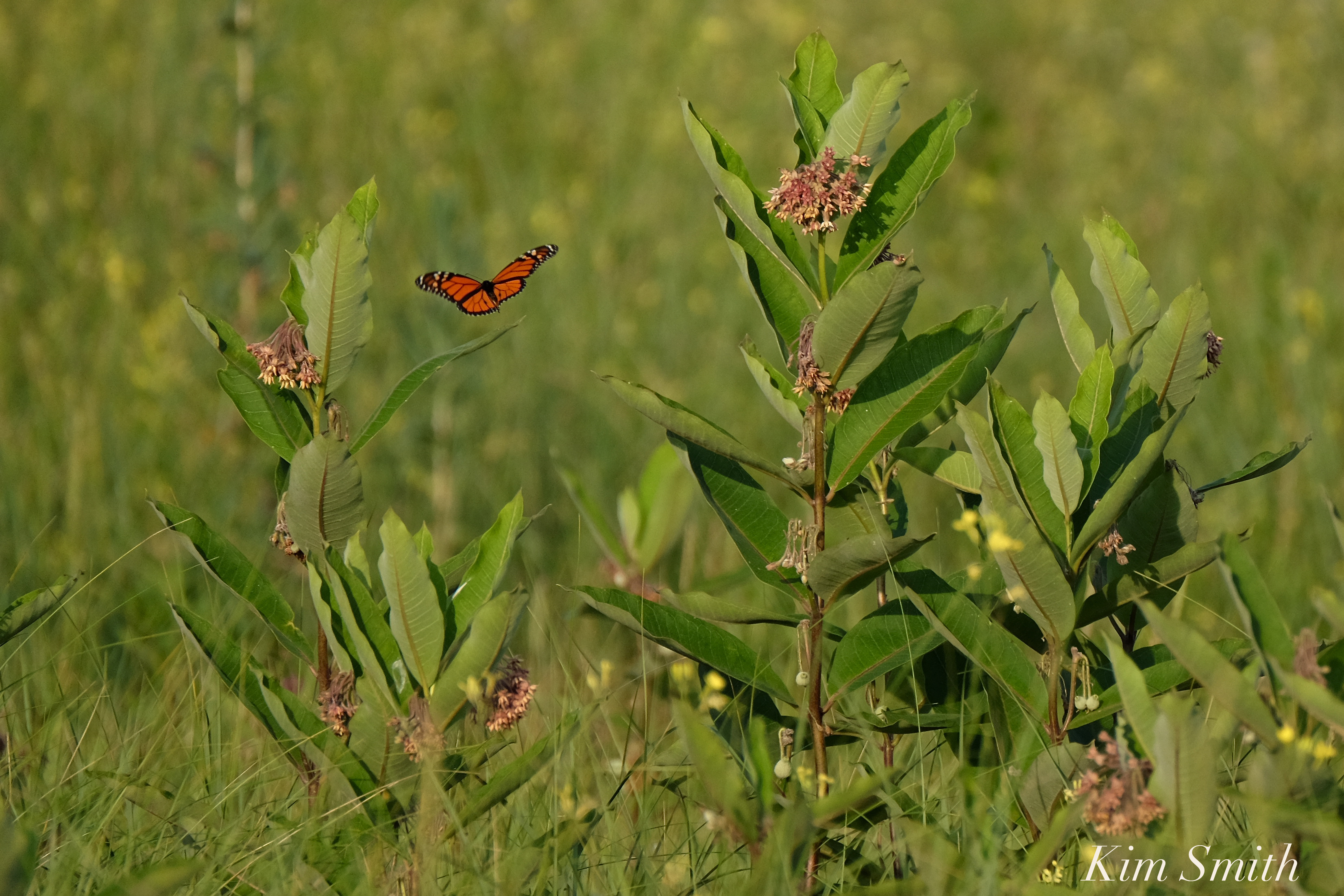
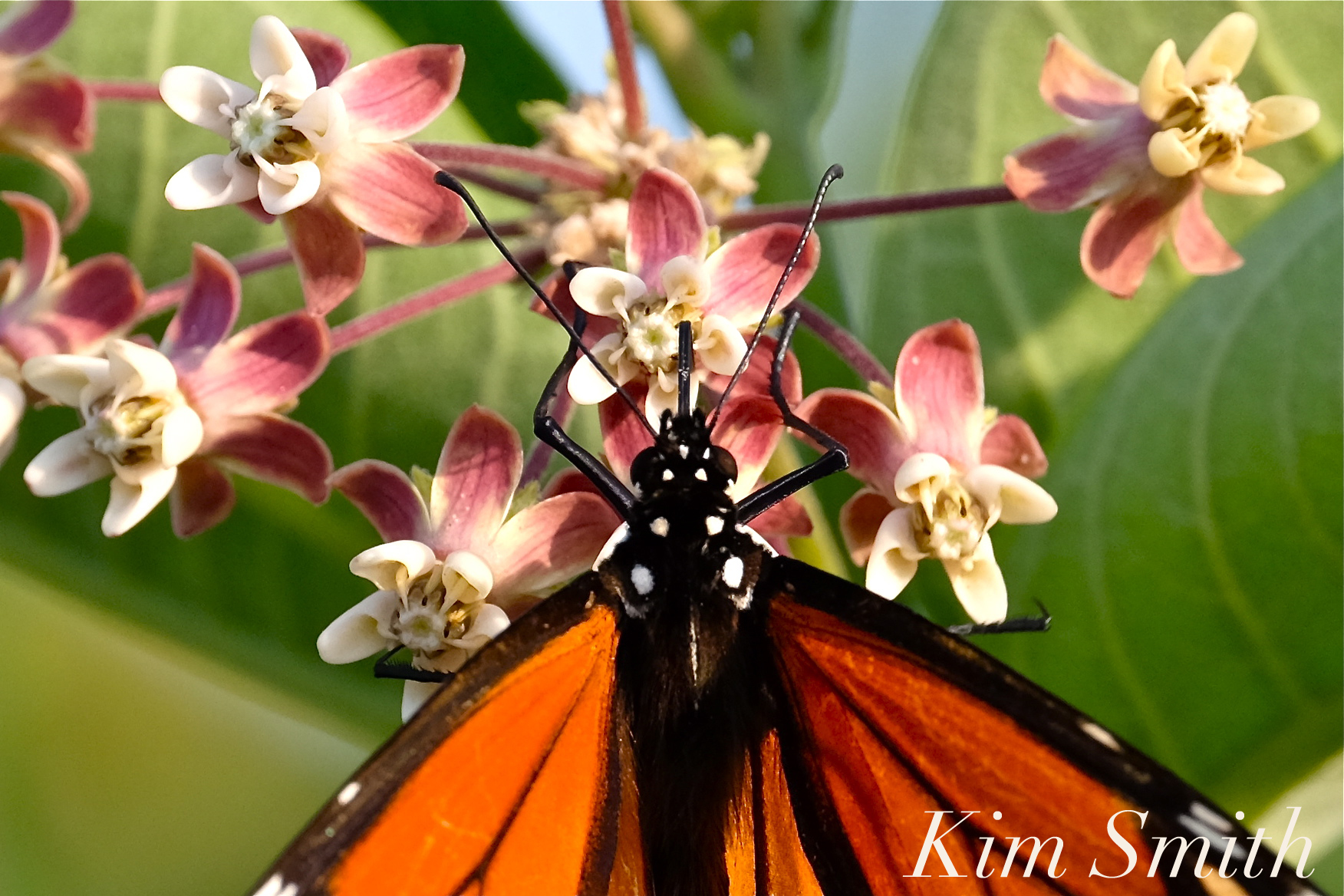
Monarchs not only drink nectar from the florets of milkweed, it is the only species of plant on which they deposit their eggs. In the above photo you can clearly see the Monarch probing for nectar with her proboscis, or drinking straw. 

Look for the butterflies, eggs, and caterpillars wherever milkweed grows. In our region, they are most often found on pink flowering Common Milkweed (Asclepias syriaca) and Marsh Milkweed (Asclepias incarnata), as opposed to the orange milkweeds, A. curassavica and A. tuberosa.

Female Monarch depositing an egg on an upper leaf of Common Milkweed.

The eggs are typically laid on the underside of the leaf, near the top of the plant. Tiny golden domes, no larger than a pinhead, Monarch eggs are easily confused with the eggs of other insects.

Once the tiny caterpillar emerges, it will stay towards the top of the plant, venturing further to larger leaves as it grows.

Four Monarchs in One Photo!

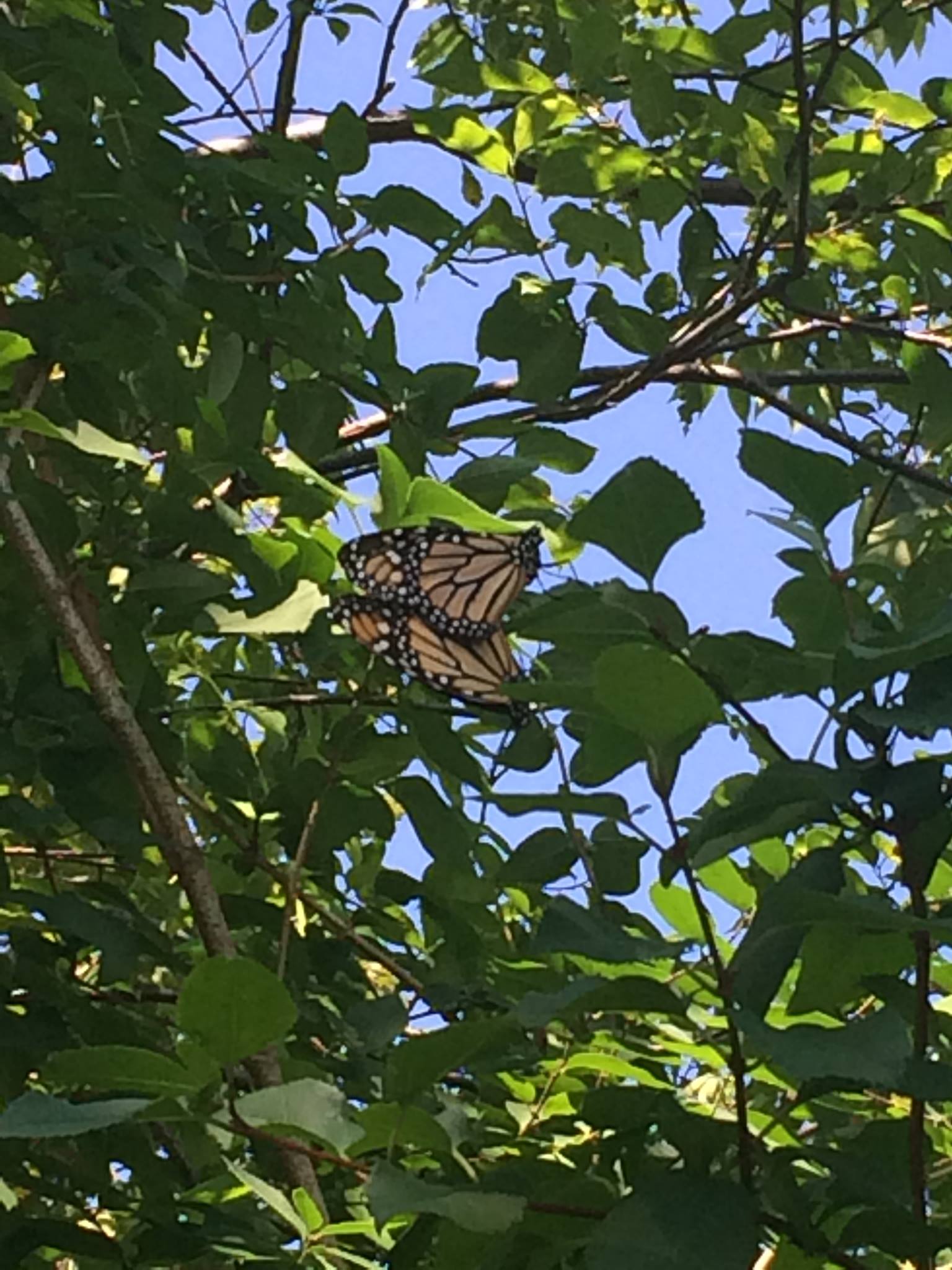
I was trying to take a snapshot of two Monarchs flying but not until I returned home did I realize that resting on a leaf were a pair of Monarchs mating. Lara Lepionka had just sent a photo the day before of a pair mating in a tree above her garden. Typically Monarchs will begin mating on the ground, or the foliage of a lower plant plant such as squash or milkweed. They will join together abdomen to abdomen and, once securely attached, the male then carries the female to a safer location. A male and female Monarch will stay coupled together for four to five hours before releasing (see photo below of a pair of Monarchs mating, towards center left. 

Lara Lepionka cell phone photo of Monarchs mating in a tree.Monarch and Common Milkweed Good Harbor Beach

Not everyone has a gorgeous milkweed patch like Patti Papows. Don’t despair. You don’t have to go far! I am finding tons of eggs and caterpillars on the Common Milkweed that grows around the edge of the parking lot at Good Harbor Beach.

Patti Papows Common Milkweed with Monarch and Bee


https://www.instagram.com/p/BXBPKguFU2C/

https://www.instagram.com/p/BW7wfw-F5o9/

https://www.instagram.com/p/BXDTPFllQh9/

https://www.instagram.com/p/BW1R9IEFAoI/

https://www.instagram.com/p/BXAv8MHF0bO/

Motif Monday: summer reading

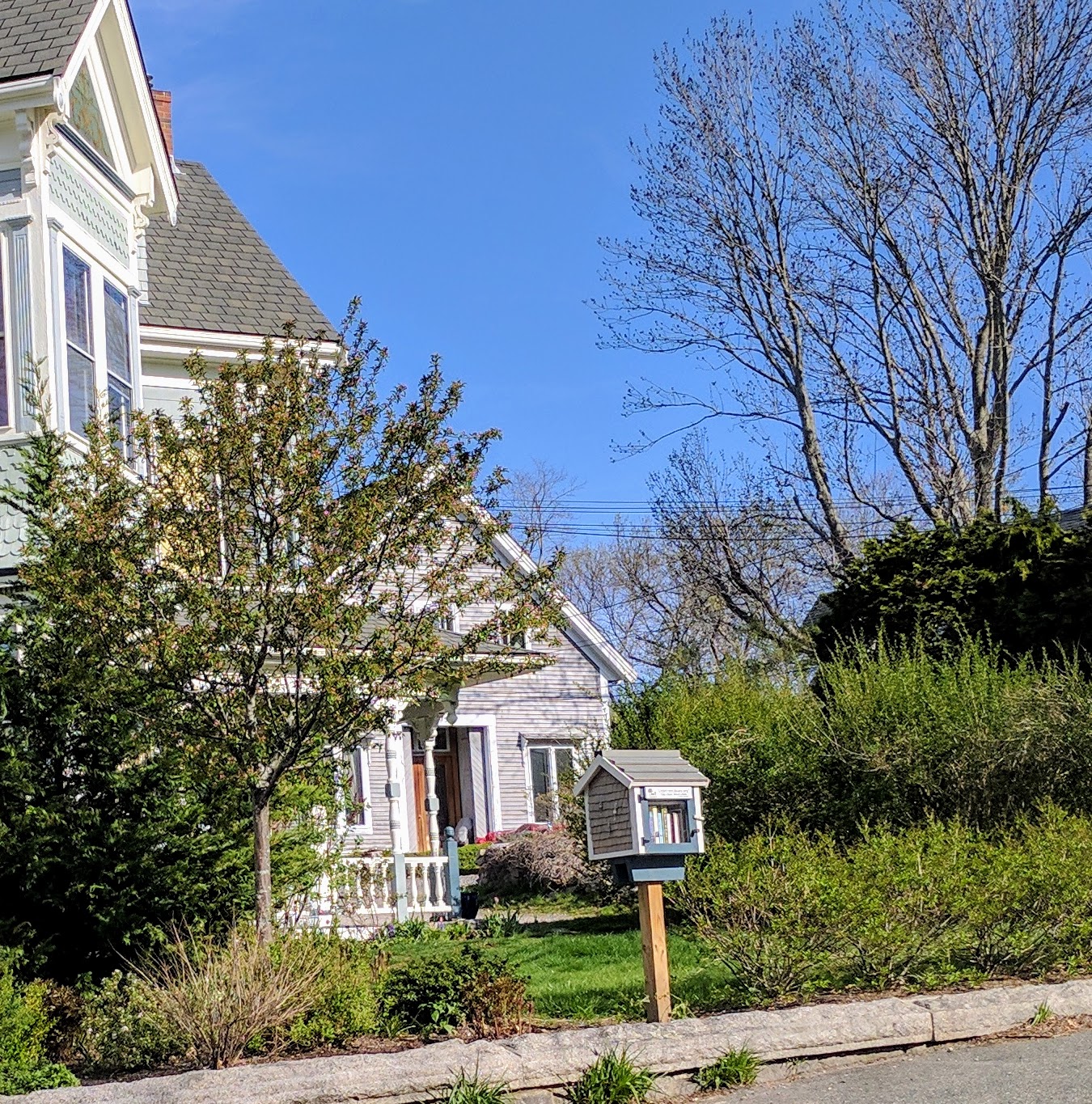
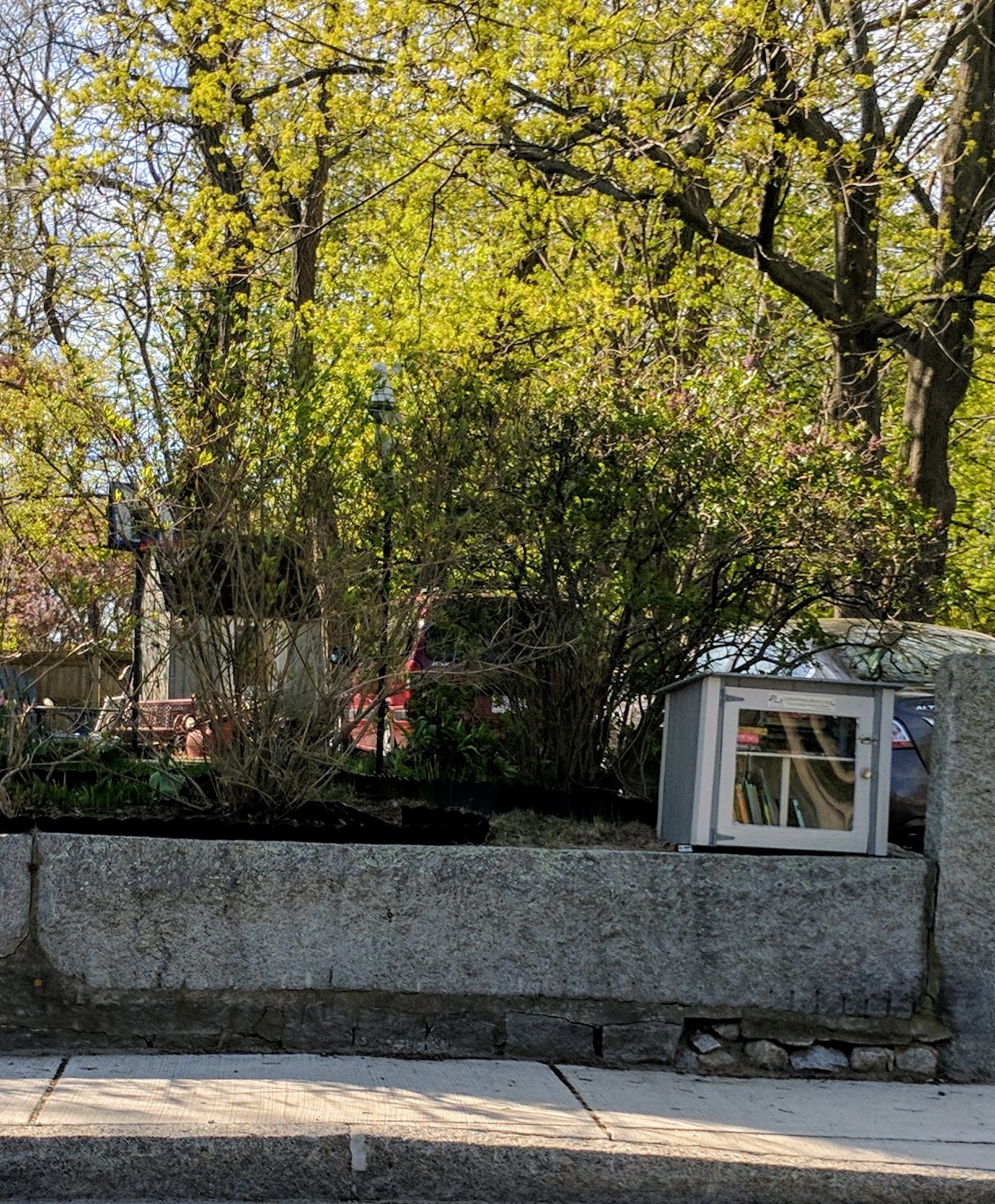
More seaside little libraries on Cape Ann http://www.littlefreelibrary.org

IMG_20170430_083552

IMG_20170430_084049

NORTHERN GANNET MYSTERIOUS DIESEASE STRIKES AGAIN

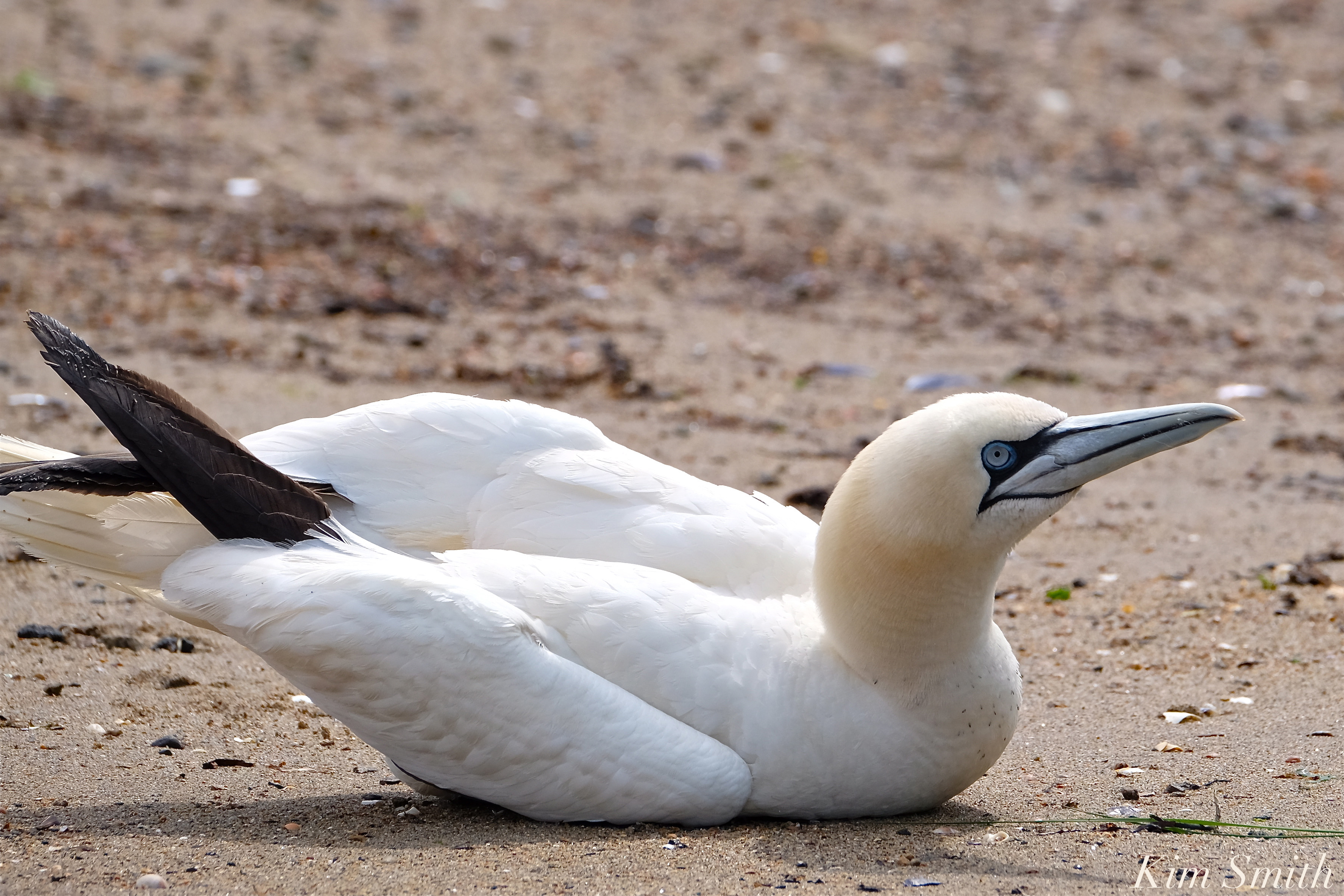
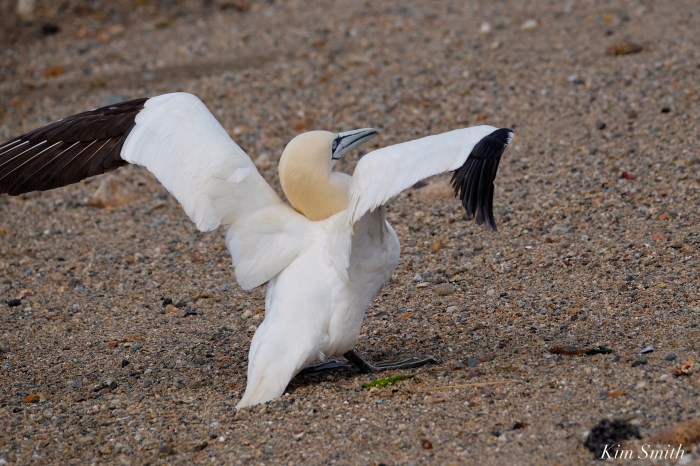
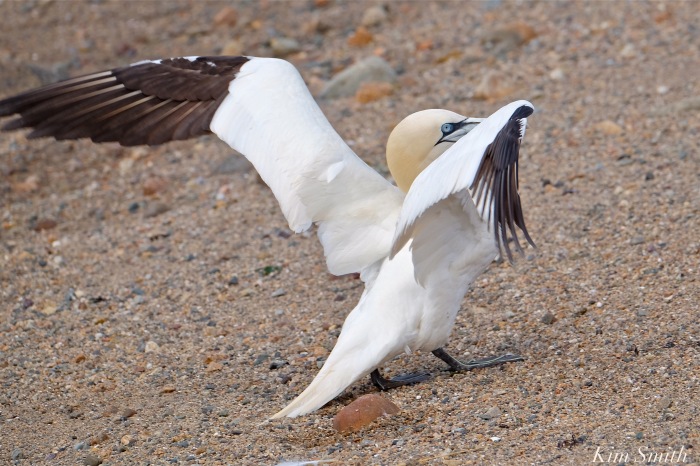
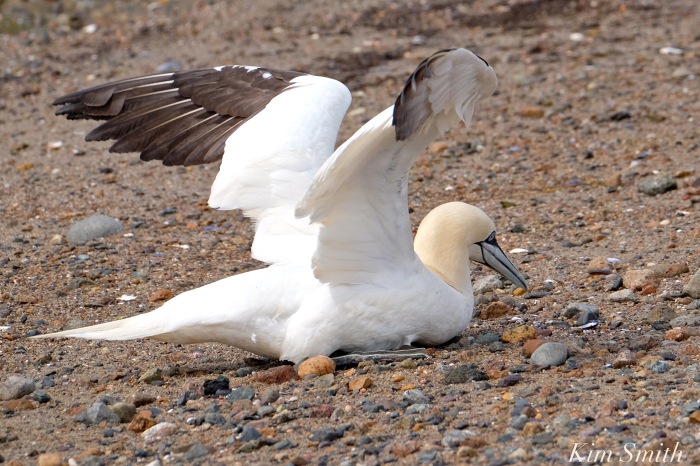
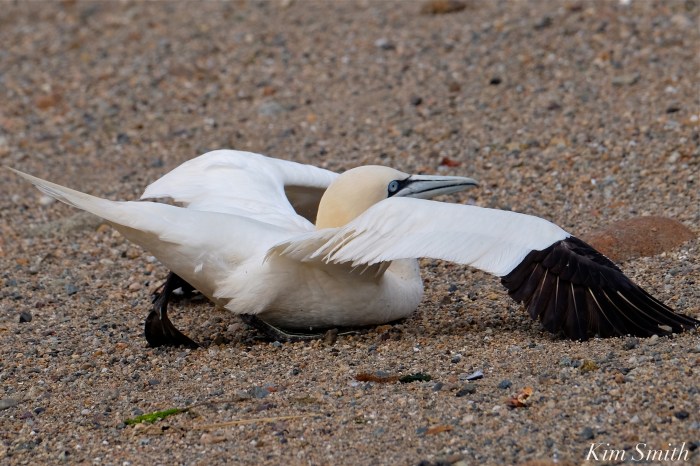
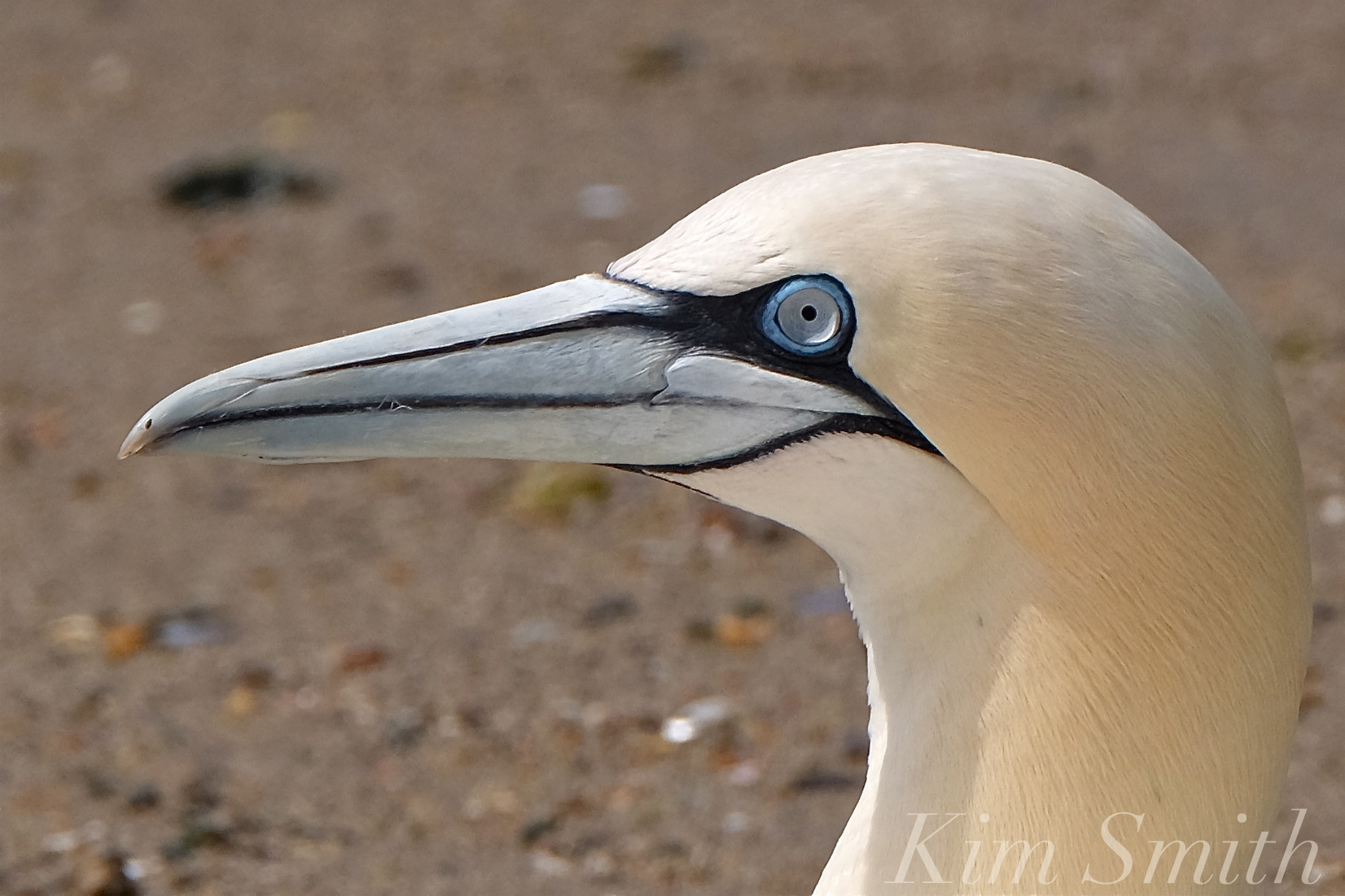
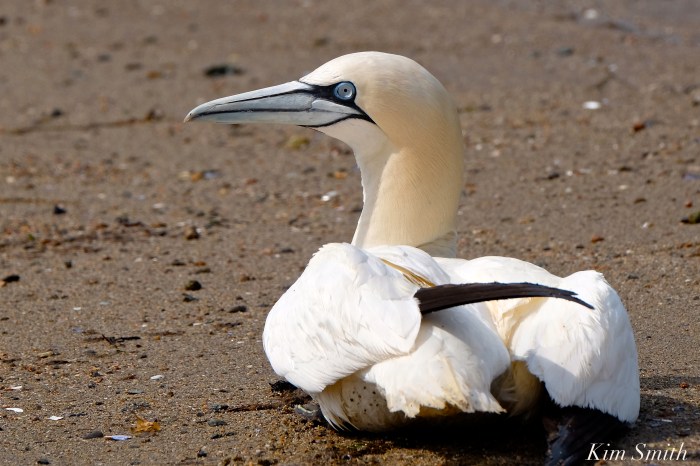
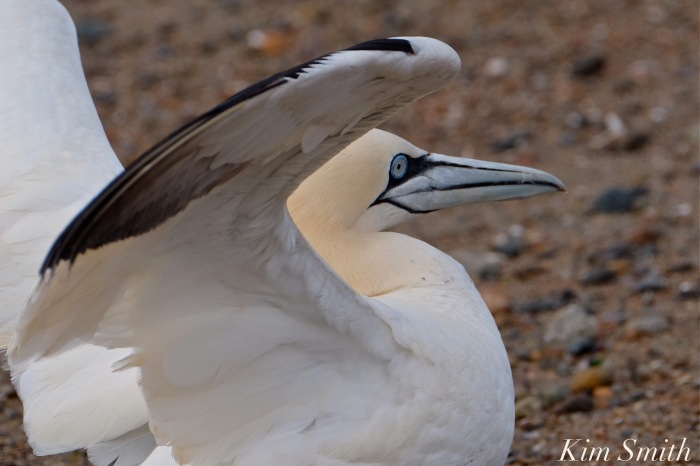
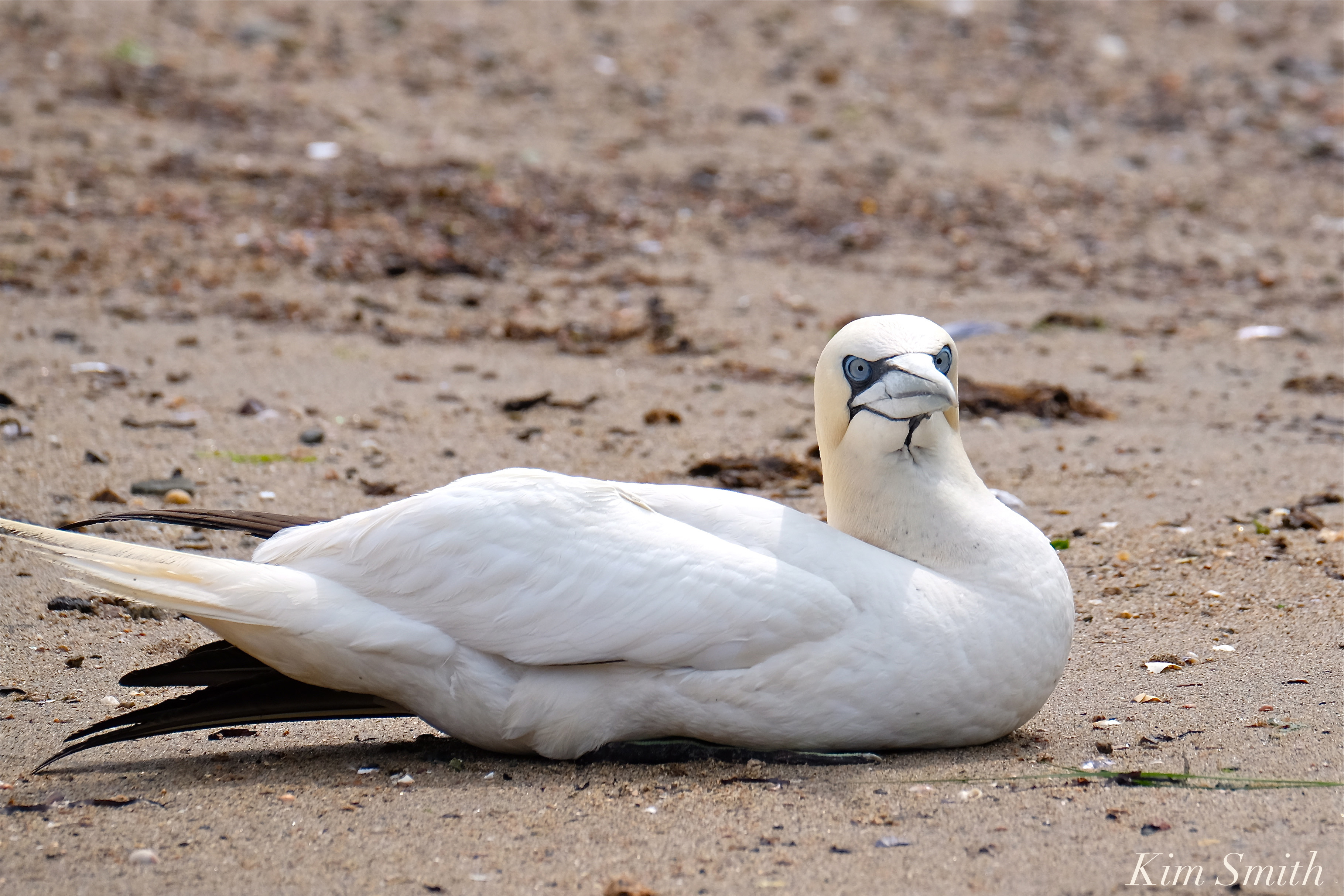
A second Northern Gannet, in little over a week, has come ashore to die on a Cape Ann Beach. Jim Dowd messaged from the Backshore that the Gannet was resting on the rocks and was not walking well.

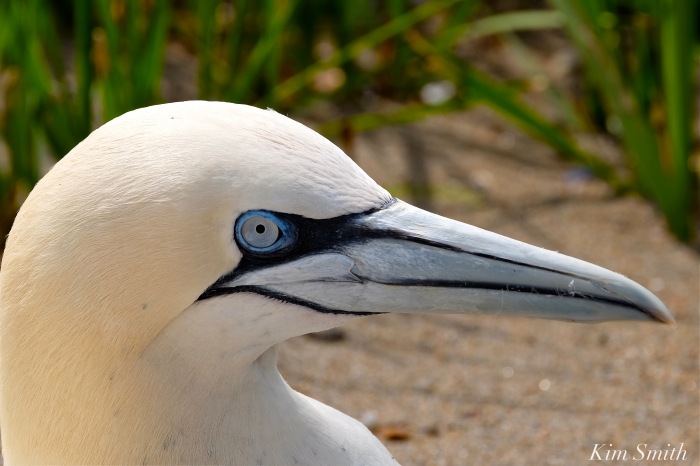
Heartbreaking to see, the usually majestic Northern Gannet is struggling to survive.

This beautiful Northern Gannet appears to have the same neurological symptoms of the mysterious disease that has caused over one hundred Gannets to wash ashore on Cape Cod beaches. Veterinarians are sending samples of the dead and dying birds to the USDA to see if federal experts can find the cause. A harmful algae bloom (often referred to as Red Tide) is suspect.

The Gannet tried and tried to take flight, but to no avail, wobbling instead and repeatedly tipping over.

The first dying Northern Gannet seen on a Cape Ann beach was shared by Ann Rittenburg. On July 12th, she discovered the bird struggling at Good Harbor Beach. Dianne Corliss, Gloucester’s Animal Control Officer, rescued the seabird. Dianne tried to help, but the Gannet was eventually put to sleep. She warns that the bills of Northern Gannets are extremely powerful. If you come across a Gannet on the beach, do not go near it as they are known to go for the eyes and necks of people. 

What makes the deaths even more troubling is that Northern Gannets are winter migrants through our area, and most months are spent at sea. During the summer season they are typically at their North American breeding grounds, which are six well-established colonies, three in the Gulf of St. Lawrence, Quebec, and three in the North Atlantic, off the coast of Newfoundland.

My husband Tom and I saw  these magnificent seabirds from the shores of Provincetown last spring. They were feeding along with the Right Whales. The Northern Gannets soared high above the whales and then plunged straight down with a powerful ferocity. It was dramatic and gorgeous to see. I hope the same illness or Red Tide that is killing the Gannets will not affect whales.

https://www.instagram.com/p/BW3c29Bl9sl/

MONARCHS HERE, THERE, AND EVERYWHERE! PLEASE REPORT YOUR MONARCH BUTTERFLY SIGHTINGS (EDITED)

Reports of Monarch Butterfly sightings are coming in from all around Cape Ann, and beyond. I have seen more this this year than in recent summers. I wonder if higher numbers in July indicates a stronger migration in September. We can hope!

At this time of year, the females are depositing the eggs of the next generation.  You can find Monarchs at wildflower meadows, dunes, and gardens, where ever milkweed and nectar-rich flora grow. Typically, the eggs and caterpillars are found on the undersides of the uppermost leaves.

If you would, please report any Monarch activity that you have seen–eggs, flight, caterpillars, nectaring, mating, whatever you discover. Please share the approximate date and place. Even if you have shared previously in a comment, I hope to keep all the sightings in one place, so please re-comment. Thank you! 

*EDIT:

Thank you everyone for writing! How exciting that so many are being spotted, many more than the past several years. One was in my garden this morning, again, and two at Good Harbor Beach dunes earlier this morning.

Adding JoeAnn Hart, Susan Burke and Michele Del, as they commented on Facebook.

Patti, do you have caterpillars?? I’d love to stop by and see.

Please keep your comments coming. Thank you!!!!

When watching, note that the first two minutes of the film were shot in Gloucester. I think you will be dazzled by the numbers of Monarchs that travel through Cape Ann’s backyards and meadows during the peak of migration.

Another Shark Sighting off of Rockport….because you can never have enough.
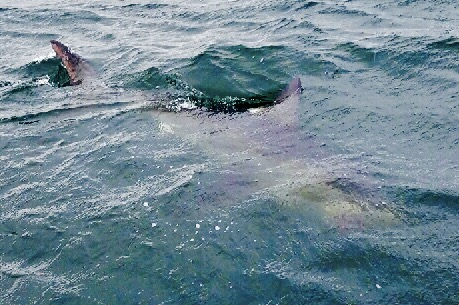
We stopped down the docks at Cape Ann’s Marina Resort last night to visit quickly with “Uncle Ricky” on the Wicked Pissah and were happy to get the chance to also say “hello” to Captain Paul Hebert…as well as Beaker on the Miss Fern.  After chatting with Beaker about the upcoming Bluefin Blowout Tournament (he’s always a huge contender…if not the winner), Ricky showed us some photos (the one he texted me is included) of a shark that they caught/released off of Rockport around 2:00 in the afternoon.

The jury is out as to whether it is a Great White or a Porbeagle?  I’m no expert, but I do know all about Cisco and his recent sightings.  I also read, as you may have as well, this awesome blog post about lobsterman, Gil Mitchell, hooking Cisco recently.

https://goodmorninggloucester.wordpress.com/2017/07/05/our-lobsterman-gil-mitchell-hooks-great-white-shark_cisco-off-of-thacher-island/

In addition, there have also been some porbeagle sharks seen in the area.

I do know that porbeagle sharks have a distinctive white triangle at the rear base of their dorsal fins….which this shark seems to have.  The face, however, and the clear line between the bluish grey coloring and the white belly seems more indicative of a white shark.  Also, the tail fin seems to be curved or rounded in the same direction as a great white  as opposed to curved in like a porbeagle’s (see tail fin chart)  Hmmm.
Thoughts?

Porbeagle sharks, for the record, are members of the same family as great whites, but I’ve read that there have only been three recorded attacks on humans…and none were fatal.

READ MORE ABOUT PORBEAGLES HERE

FullSizeRender


Gloucester Smiles-661

IMG_6484

Born in Denmark, but made Gloucester her home for the past five decades.

Perhaps she was drawn here because of her roots,
after all Cape Ann is named after Queen Ann of Denmark.

Come to Seaview Farm and Support the Rockport Farmers Market!

The Gloucester Times ran a story last week about the Rockport Farmers Market and the Essex Farmers Market, and the difficulty of keeping volunteer-run markets going. Essex is taking a hiatus this year while they regroup. We hope you will support their efforts, as the more local food each community can bring to the people who live there, the better. The Rockport Farmers Market brings food to a village without a grocery store, while providing a chance for locals and visitors to hang out and catch up every Saturday morning. The market has become a crucial part of the local landscape; it’s success is this reason the volunteers, vendors, and patrons drag themselves out of bed on the weekends.

On Friday, June 23rd, the Rockport Farmers Market will celebrate the kickoff to the summer season, with Rockport Exchange (the organizers of the market) hosting a party and fundraiser at Seaview Farm. Music from Old Cold Tater, and beef sliders from Seaview, prepared by Relish Catering, along with delicious food & drink generously provided by Common Crow, StudioCrepe, Cake Ann, Westport Rivers Winery and more!

For this Friday’s event: a suggested donation of $35 supports the Rockport Farmers Market and helps keep it going in its mission in bringing local food to Rockport! Go to www.rockportexchange.org to reserve your spot, or click on the photo, below. See you there, and thanks!