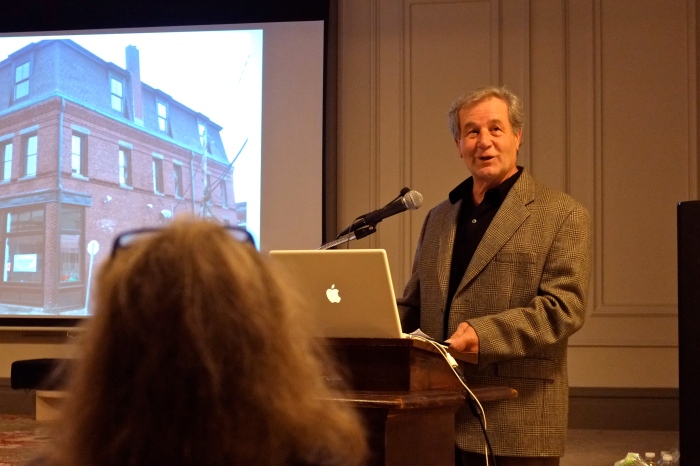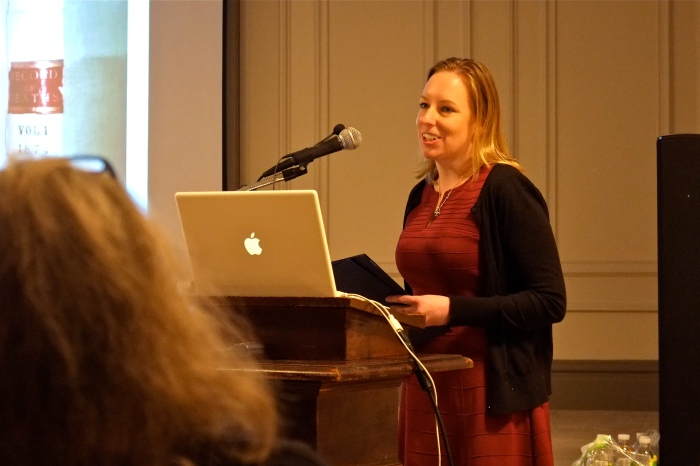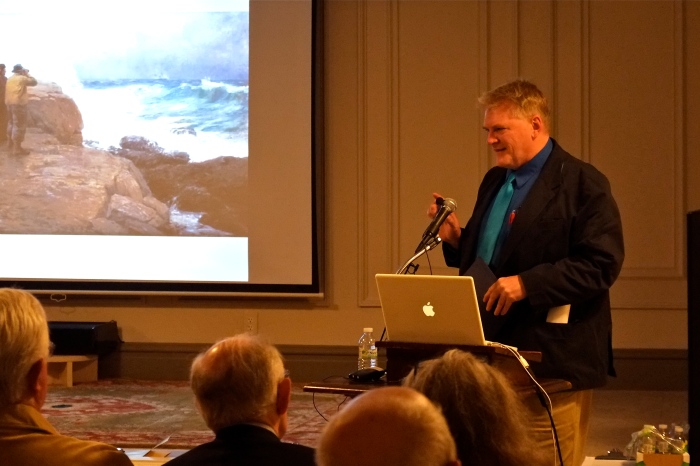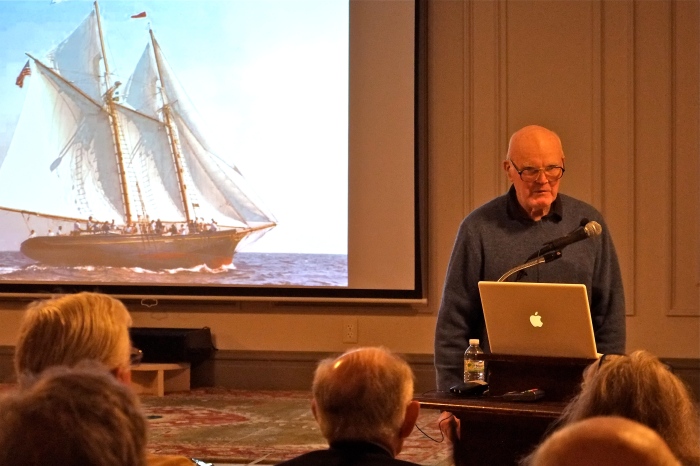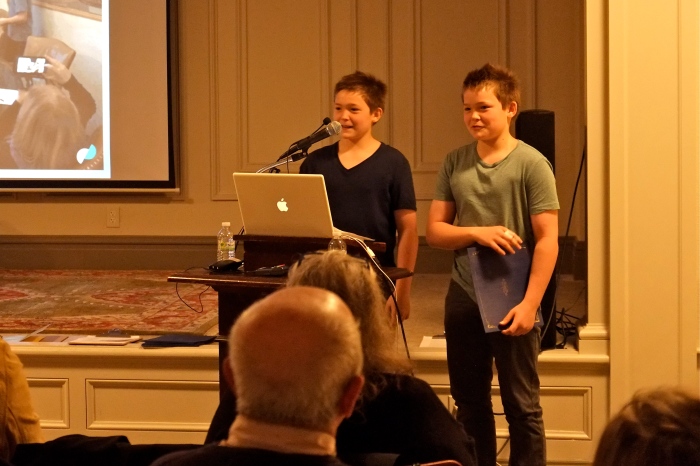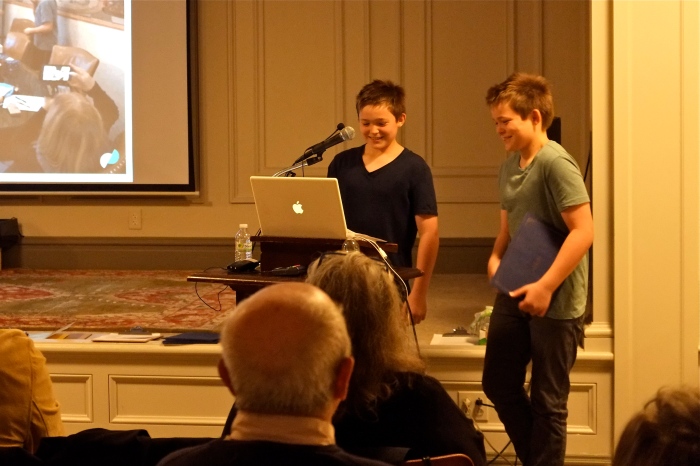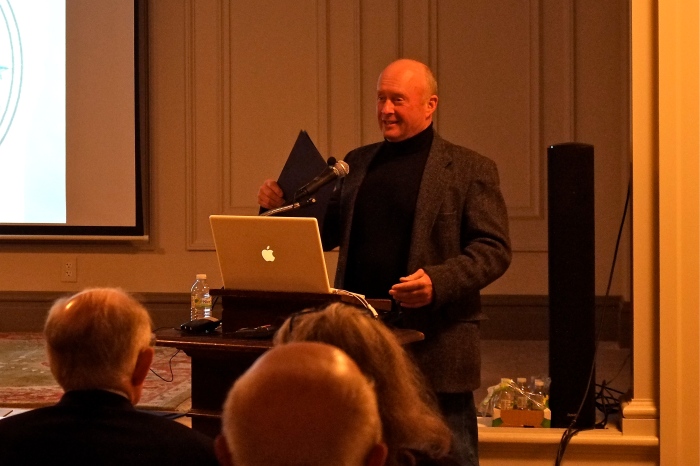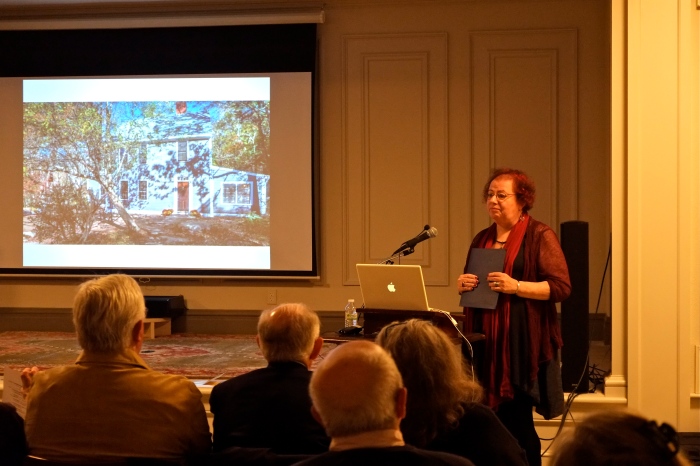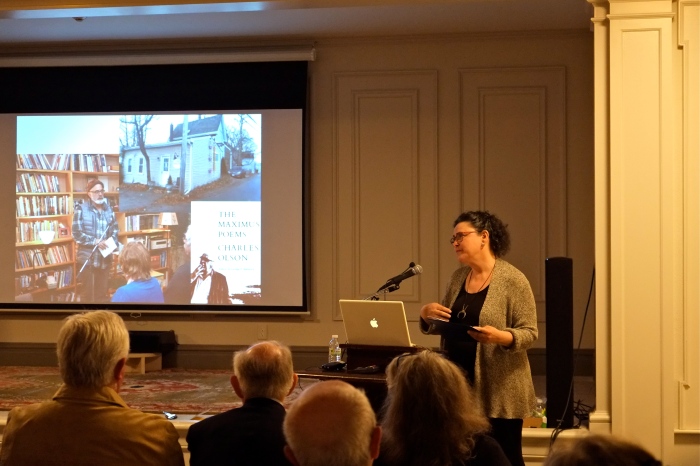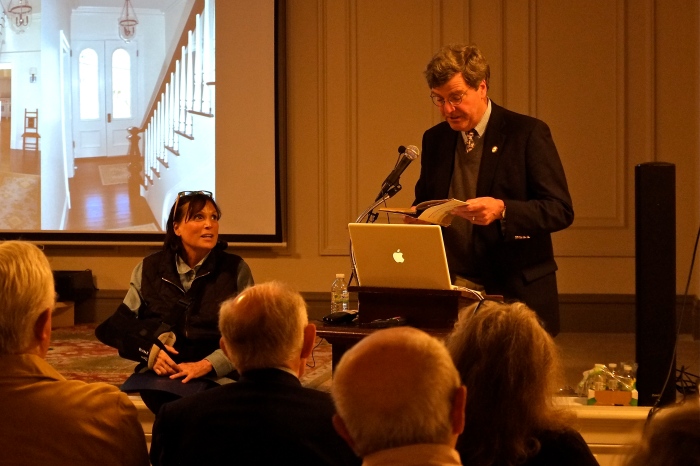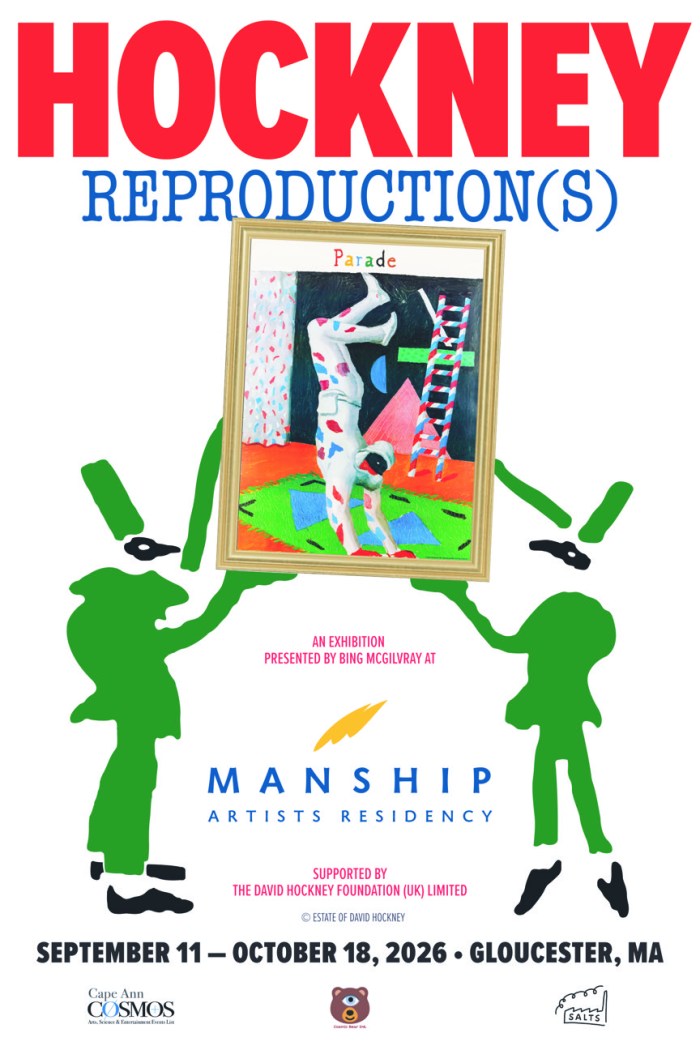
This is a big deal. David Hockney art show presented by Bing McGilvray #GloucesterMA at Manship

Expecting this to be a life changing look at the art of David Hockney, and Bing McGilvray, with revelations big and small, rare and personal, shedding light on artist friendships, critical art history and core themes of both artists, especially Hockney’s ways to create, share and distribute art.
And two more shows not to miss right here right now:

On view now–not overlapping with the above show) Jeff Weaver at North Shore Art Association (thru Aug 30)

and

Cape Ann Museum’s –overlapping a few days!–Avery, Gottlieb & Rothko (thru Sept. 27th)

RIP David Hockney 1937-June 2026. June! 😦

and big sympathy to Bing 🍒 who has also written a three part series ahead of the exhibition, “Hockney Reproduction(s): A Celebration of the Life and Art of David Hockney (1937–2026)”, and published on Cape Ann Cosmos, Part 1, 2, and 3.Read Part 1. The 1980s: A life in pictures by Bing here


THROWBACK. A selection from a piece I wrote about David Hockney and shared on GMG back in 2013:

“…DC, NYC, and more: Armory Centennial shows from New York Historical Society’s Armory Show at 100  and Washington DC’s Phillips and  on line too for the Archives of American Art;  do yourself a favor as they are worth engagement. Many of the artists had Gloucester ties.  I always paused whatever I was doing for any of Sarah Fishko’s analysis on WNYC, usually Morning Edition or All Things Considered, and syndicated through other outlets now, too (Studio 360 and On the Media). Her extended radio documentary for the Armory anniversary, Culture Shock 1913, continues to be re-broadcast through outlets. Like a painter using color to move our eyes across a surface, Fishko’s pieces are brushed with pauses and impeccable ambient sound and audio moments–mini Lubitsch sound banquets. Art to savor.

San Francisco, de Young Museum, 2013: A major retrospective of David Hockney’s work completed over the last decade, A Bigger Exhibition (closing this month), has generated voluminous press and praise, mostly for his legacy of embracing new technology. Oh, and how old he is now, somehow compelling him to create before time runs out. The latter opinion grates and not just because of repetition. (See a good overview of the de Young exhibit on Newshour but listen at 4:24 dispensing this cliché while introducing another. When hasn’t Hockney investigated any series, media or pursuit without daunting and constant focus? He’s always testing and the mastery and means to do so, and often exuberant.) It’s also in the news because of Vermeer, but more on that below. Reactions to this Hockney exhibit are reminiscent of a 1980s traveling retrospective for his earlier work, not regarded universally with favor, but ample discussion. I recall moving along that crowded exhibit, a chronological layout with each room different series, artistic intentions, styles & techniques– and a log jam most at the space featuring his monumental collaged Polaroids (1988 at the MET).  Hockney print shows were also traveling (for MA both the MFA and the DeCordova). I didn’t think about Hockney then as a trailblazer for artistic pluralism. Lightbulb memory next: I do remember the Hockney New Yorker article everyone was talking about in January 2000, The Looking Glass, by Lawrence Wechsler. I remember where I was when I first read it, the first contemporary artists who spoke with me and who I turned to for opinions, curators and friends. “Vermeer and the Delft School” at the MET was coming up; it had been since the 1995 National Gallery/Hague exhibit when we last had a fresh chance to see Vermeer paintings en masse. Not to be overly dramatic but it continued as a white hot ‘what is art topic’; enjoy a dishy 2001 New York Times article covering one charged  symposium filled with memorable quotes by curators, Susan Sontag, and Chuck Close (”some scientists are just as annoying as some art historians”) maybe on the same day you listen to that Fishko audio doc, 
Culture Shock 1913 (the near riot at the premier for 1913 Ballet Russes Stravinsky’s Rights of Spring). An optical debate symposium 15 years later might be worth an anniversary, current thoughts from Close, Hockney, and others involved and so much that has happened since.  Photographer Joseph Pennell is thought to be the first to write (1890s) about optical lenses and Vermeer.  There are many others but I’ll just list one because of the Gloucester connection. A. Mayor Hyatt, the eminent print curator for the Metropolitan Museum of Art, wrote The Photographic Eye in 1946. (Gloucester’s Joan of Arc WW1 memorial was created by his “favorite person in the world”, his aunt, Anna Hyatt Huntington. This brilliant family spent summers in Annisquam for nearly 100 years.) People will always be fascinated by virtuoso technique, the ultra exceptional DIY. Artists I’ve worked with consider tools of the trade in myriad ways: inspiring, a challenge, filtering, but decidedly unfixed as they’re about process and exploration of ideas throughout all iterations of their art. Art and magic–themes of mastery, obsession, even “it’s all done with smoke and mirrors”—seems fittingly matched in the Penn & Teller documentary, Tim’s Vermeer …and a visit with Hockney is included
…”

JOANIE ON THE PONY AND BING McGILVREY

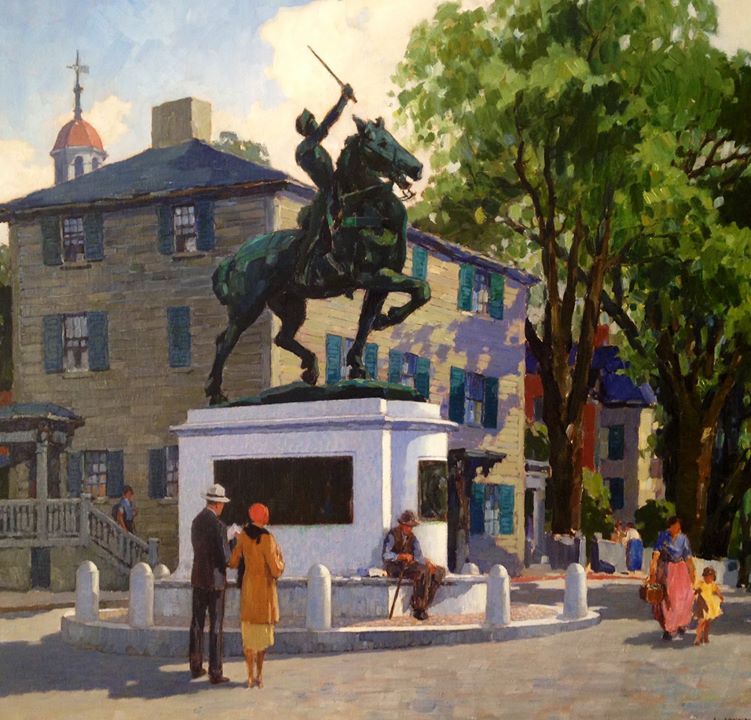
If you’re not friends with Bing McGilvray on Facebook and you love Cape Ann artists, then you should be. He is always posting gorgeous paintings of our community such as “Joan of Arc” (1932), painted by J. Jeffrey Grant (1888 -1960). Bing is an archivist at the Cape Ann Museum.

Don’t you love the trees? Did you know Gloucester was formerly a “tree city?”  

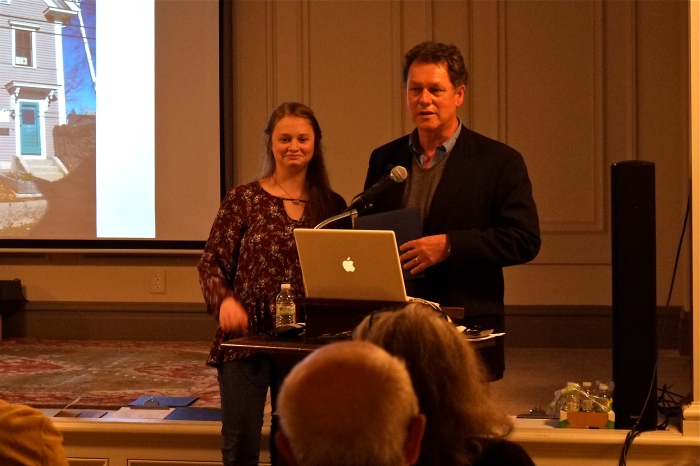
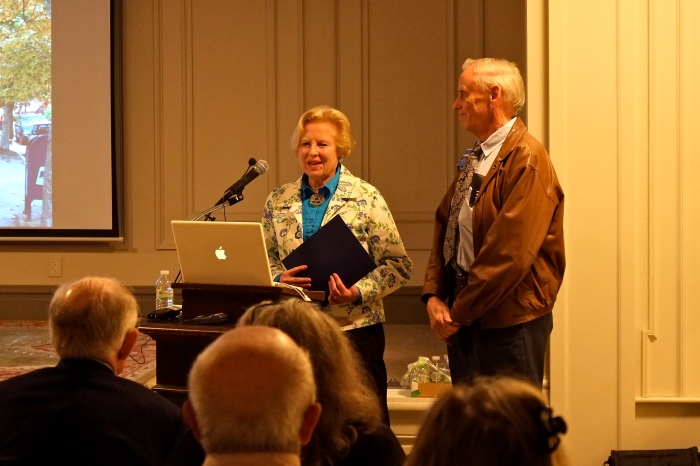
PHOTOS FROM THE GLOUCESTER HISTORICAL COMMISSION AWARDS

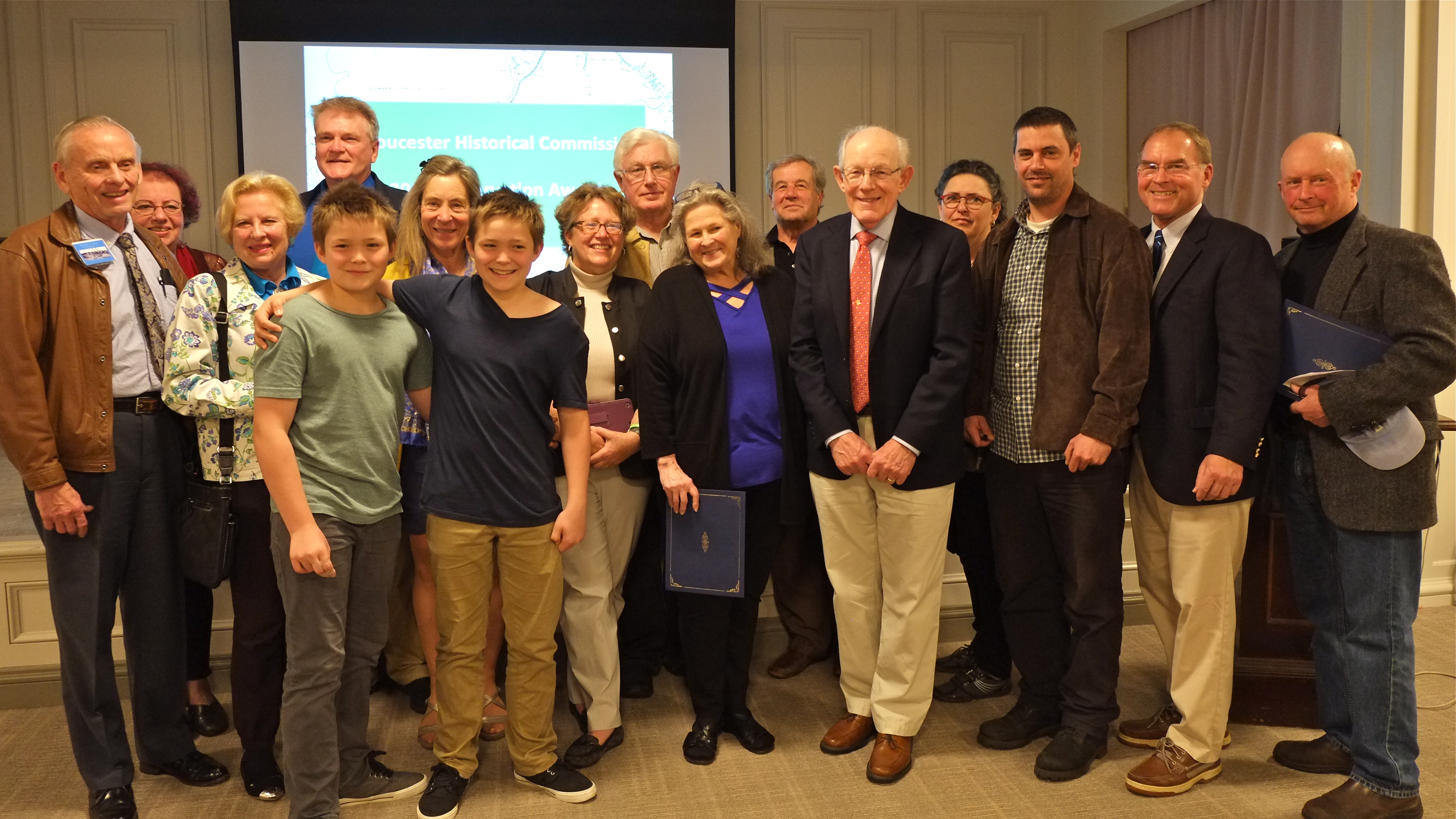
An outstanding group of citizens were recognized today by the Gloucester Historical Commission for their achievements in restoration, preservation, shipbuilding, education, outreach, stewardship, and documentation. Opening remarks were made by Mayor Romeo Theken. Co-chair Mary Ellen Lepoinka introduced the awardees. Congratulations to all the recipients for their great work, with an extra huge shout out to King brothers George and Charles.

The Gloucester Historical Commission are mayoral appointees. Commission members include co-chairs Bob Whitmarsh and Mary Ellen Lepoinka, Jeff Crawford, David Rhinelander (who is recovering from heart surgery and was unable to attend), Sandy Barry, Holly Clay, and Jude Seminara.

The recipients awarded for their stellar contributions to the beautiful community of Gloucester and Cape Ann are as follows:

Joseph Napolitano: Lifetime Achievement as a preservation contractor.

Sarah Dunlap: Lifetime Achievement as volunteer City archivist.

Harold Burnham: Local Preservationist, for his achievements in historic shipbuilding. Harold was unable to attend. His father Charles accepted the award for Harold.

Marietta Delahunt: Stewardship of the historic Sargent-Robinson House.

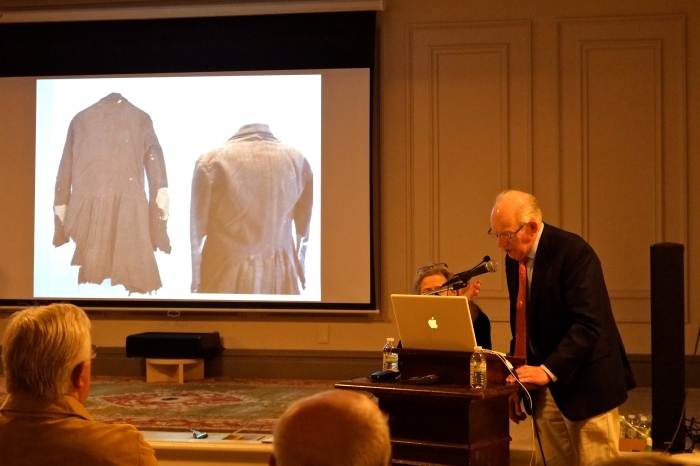
: Local preservationists, for their work on the Civil War coat.

Mariana Vaida: Rehabilitation and Restoration of 567 Essex Ave. by a preservation architect.

Gloucester Writers Center: Stewardship of the Maud/Olson Library in E. Gloucester.

Bing McGilvray: Education and Outreach, for his work on Cape Ann art history.

Captain Ray Bates: Education and Outreach, for his book on Cape Ann shipwrecks.

Christine & Paul Lundberg: Rehabilitation and Restoration of their Annisquam historic home.

Melanie & Mark Murray-Brown: Rehabilitation and Restoration of the Amos-Rackliffe House. Melanie was unable to attend and daughter Iona took her place.

John & Betty Erkkila: Documentation of Gloucester History, for their book on Lanesville.

George and Charles with friend Robert

https://www.instagram.com/p/BTw8h1MFhmO/

FISH TALES ABOARD THE SCHOONER ADVENTURE!

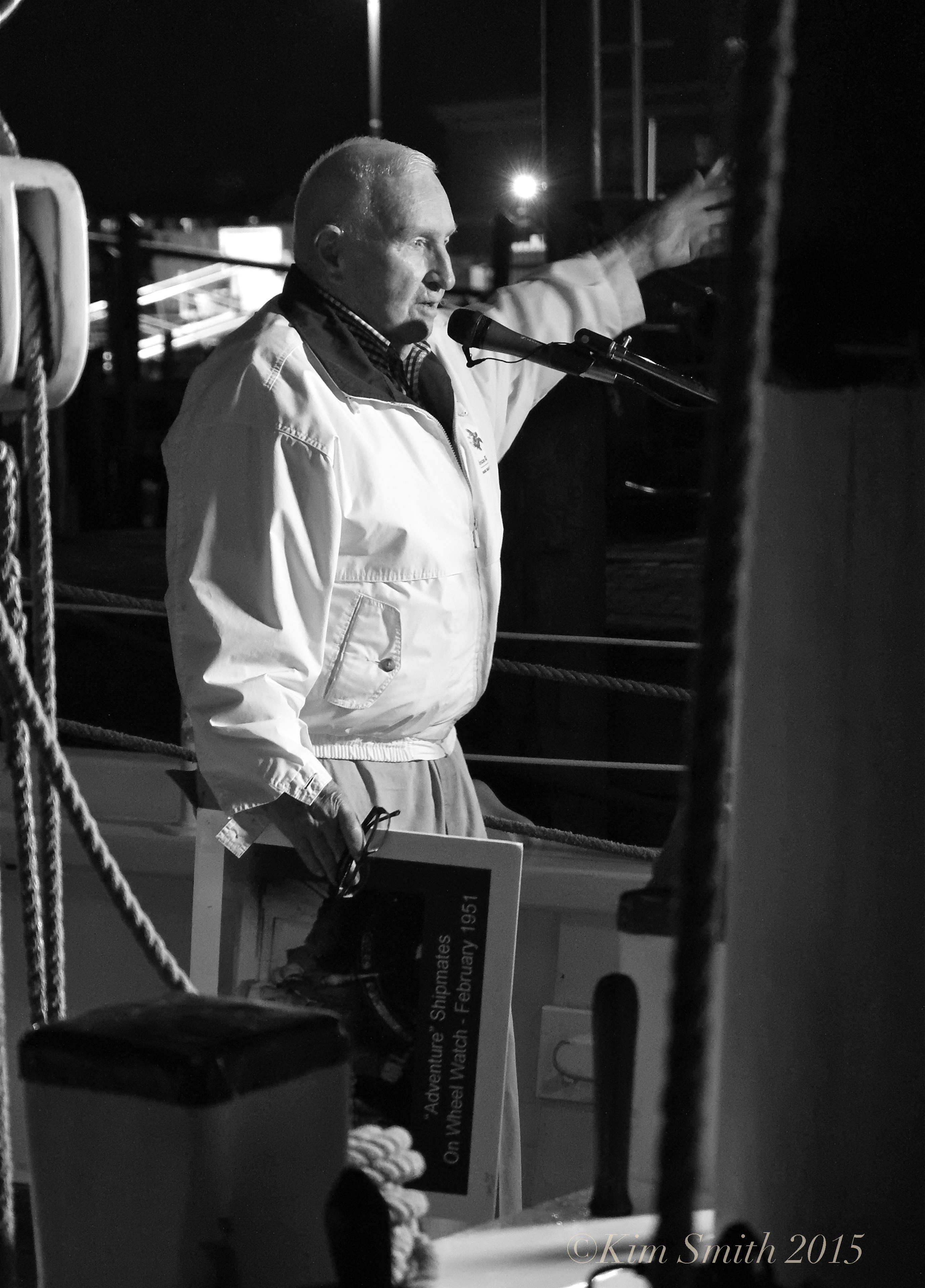
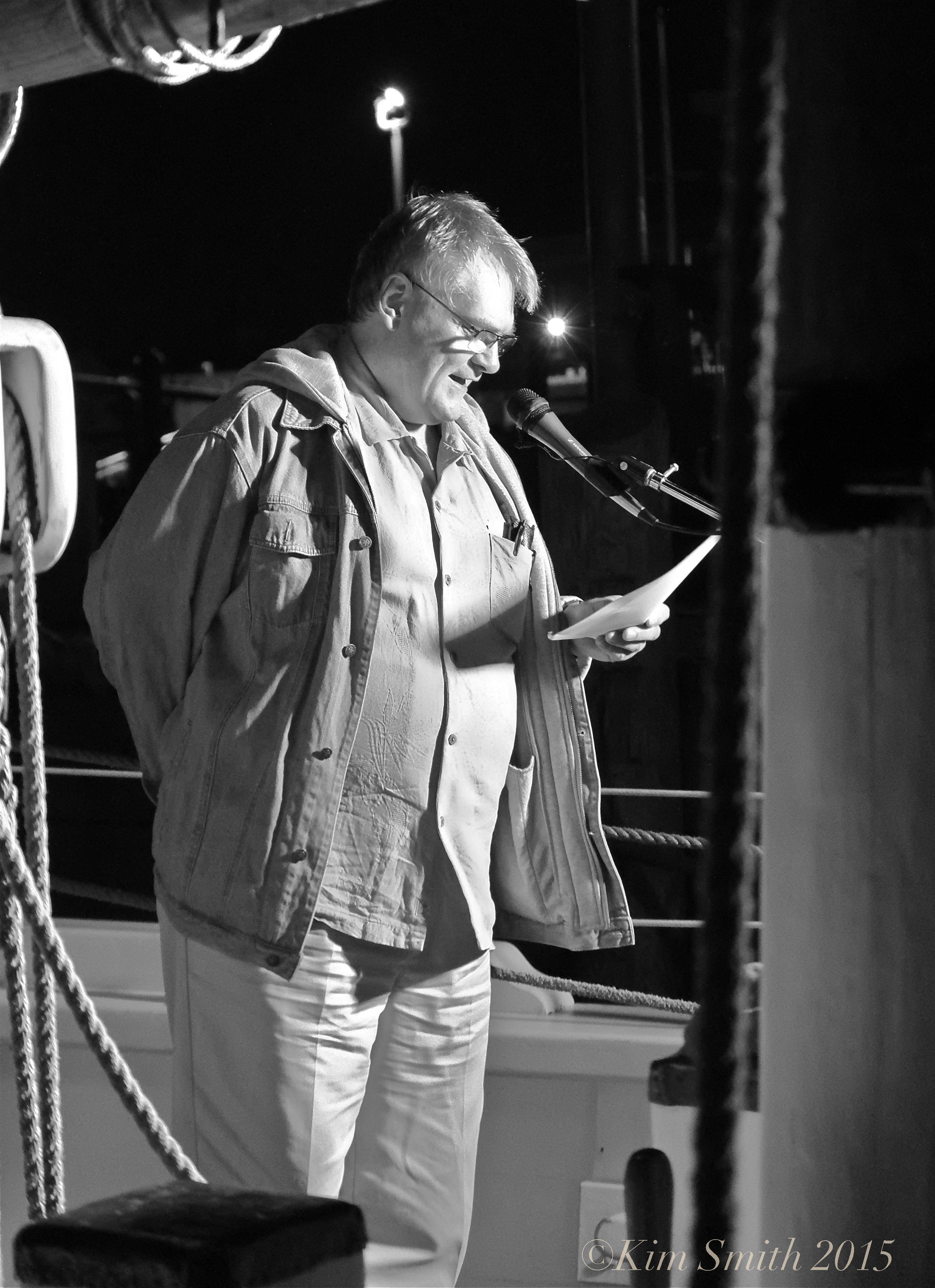
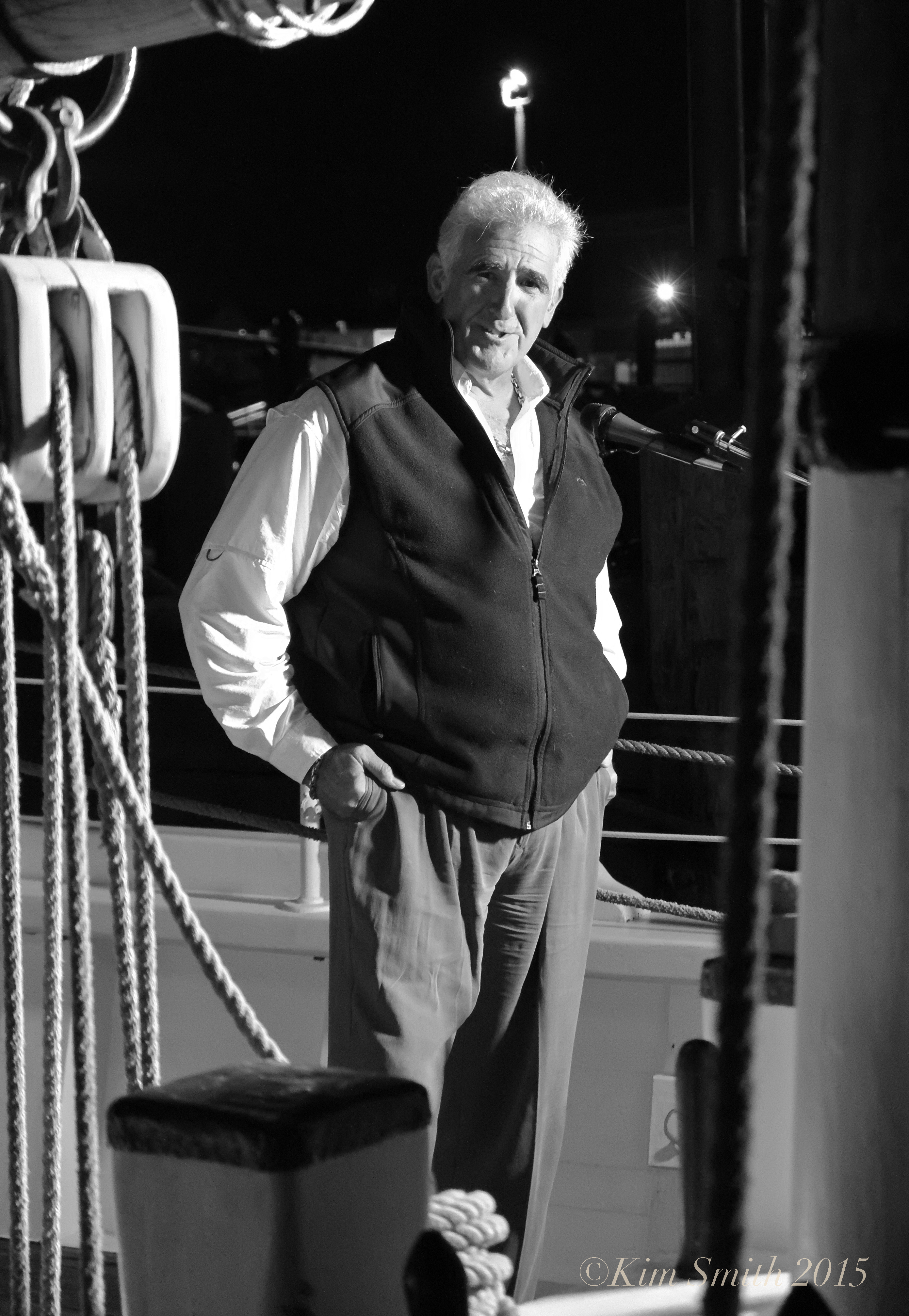
And what a great bunch of fish tale story tellers! You may recall Greg Bover’s invitation from last week where the Gloucester Writer’s Center, Schooner Adventure, and Maritime Gloucester joined forces to bring us Gloucester’s Fish Tales held not at the writing center but from Webster Pier, on board the beautiful and welcoming Schooner Adventure. Maureen Aylward organized a fantastic line up of story tellers. I unfortunately was only able to stay for the first several story tellers but had the pleasure of listening to GMG FOB Ron Gilson, Bing McGilvray, Jim Masciarelli, and Jimmy Tarantino. I believe Henry Ferrini was filming the event so hopefully it will be available to see soon.

Ron Gilson Schooner Adventure Gloucester MA ©Kim Smith 2015Ron Gilson holding a photo taken in 1951 when he was a young man aboard the Adventure during the time when it was still a working dory fishing schooner. 

Bing McGilvray Schooner Adventure ©Kim Smith 2015jpgBing McGilvray

Fish Tales Schhoner Adventure ©Kim Smith 2015Jim Masciarelli

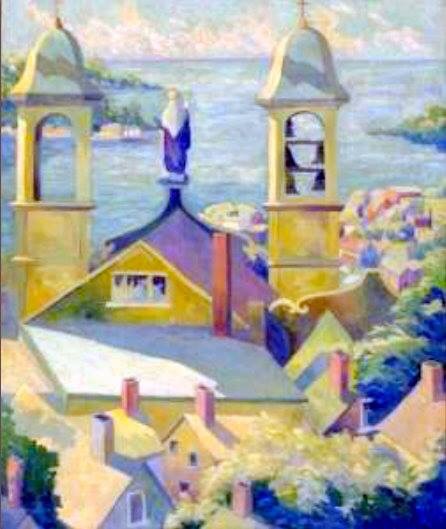
Glorious Luminous Painting of Our Lady of Good Voyage by Black Artist Allan Randall Freelon

2015/01/img_1332-2.jpg

Bing McGilvray shares from the Michael Rosenfeld Gallery website:

“The son of middle-class Philadelphia parents who valued education and the arts, Allan Randall Freelon, Sr. (1895-1960) became the first African American artist to receive a four-year scholarship in 1912 to attend the Pennsylvania Museum and School of Industrial Art. He earned a bachelor’s degree from the University of Pennsylvania and a master of fine arts degree from the Tyler School of Art at Temple University. Freelon served as a Second Lieutenant in the U.S. Army during World War I before joining the faculty of the Philadelphia Board of Education in 1919 as an instructor. He was appointed Art Supervisor for elementary and then secondary education, a position he held until his retirement. While working in the Philadelphia education system, Freelon continued to pursue a career as an artist in his own right. In 1921, he had his first solo exhibition, at the 135th Street Branch of the New York Public Library and that same year, he became the first African American member of the Philadelphia Print Club.

During a two-year course of study at the Barnes Foundation (1927-1929), he became well versed in the paintings of Paul Cézanne, Henri Matisse, and French Impressionism. He studied with Emile Gruppe and Hughe Breckenridge and worked with two of the best Philadelphia printmakers Dox Thrash and Earl Horter. His work caught the attention of the Harmon Foundation and was included in the famous 1929 traveling exhibition of works by black artists.

In the late 1920s, he began to summer in Gloucester, Massachusetts, a seaside New England artistic community where he completed luminous landscapes that echoed his impressionistic tendencies.

In 1935, Freelon participated in the NAACP organized exhibition, Art Commentary on Lynching. His piece, Barbecue – American Style, depicted a crowd watching a black man being burned to death. Such a graphic depiction of violence was a departure for Freelon who was labeled a “traditionalist” by Alain Locke.

Throughout his life, Freelon enjoyed a stable career as a regional painter but in recent years, with the support of a traveling exhibition organized by North Carolina Central University Art Museum, his work has attracted a more national audience.”

Ten Days Before Christmas Carol Countdown ~ It Must Be Santa by Bob Dylan

Thanks Bing McGilvray for submitting–reminds me of a Dropkick Murphy’s kind of Christmas!

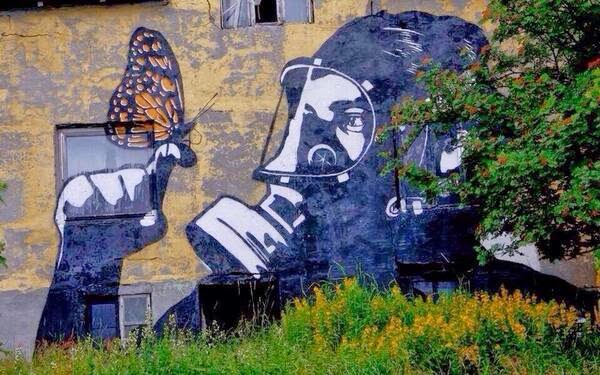
Poignant Banksy Monarch Image Shared By GMG FOB Bing McGilvray

Banksy quote ~ “We don’t need any more heroes; we just need someone to take out the recycling.”

banksy-1

GMG FOB Bing McGilvray posted this Banksy Monarch painting on our GMG Community Group. THANK YOU BING!

Another Banksy quote ~ “Writing graffiti is about the most honest way you can be an artist. It takes no money to do it, you don’t need an education to understand it and there’s no admission fee.”