Adored

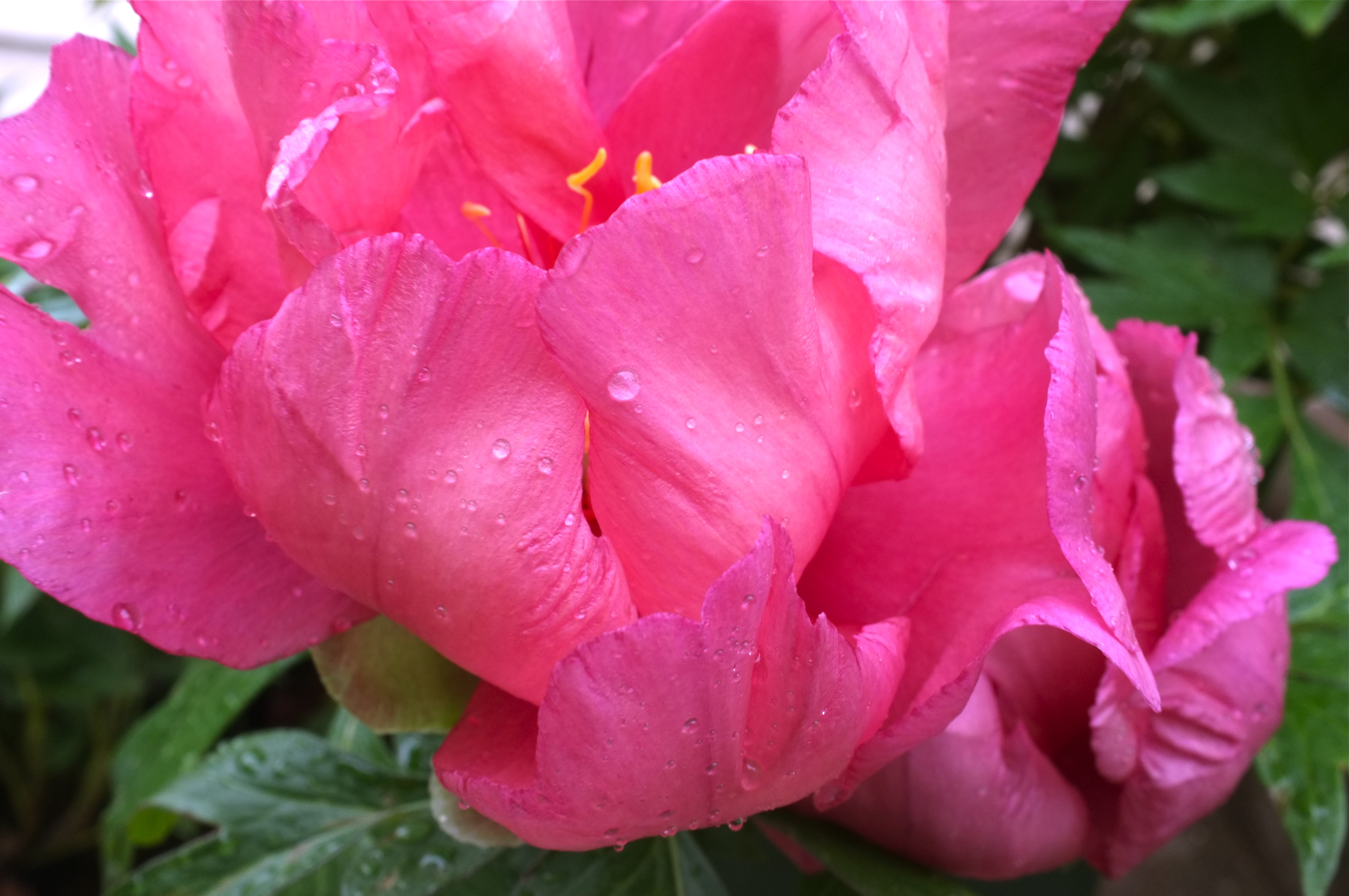
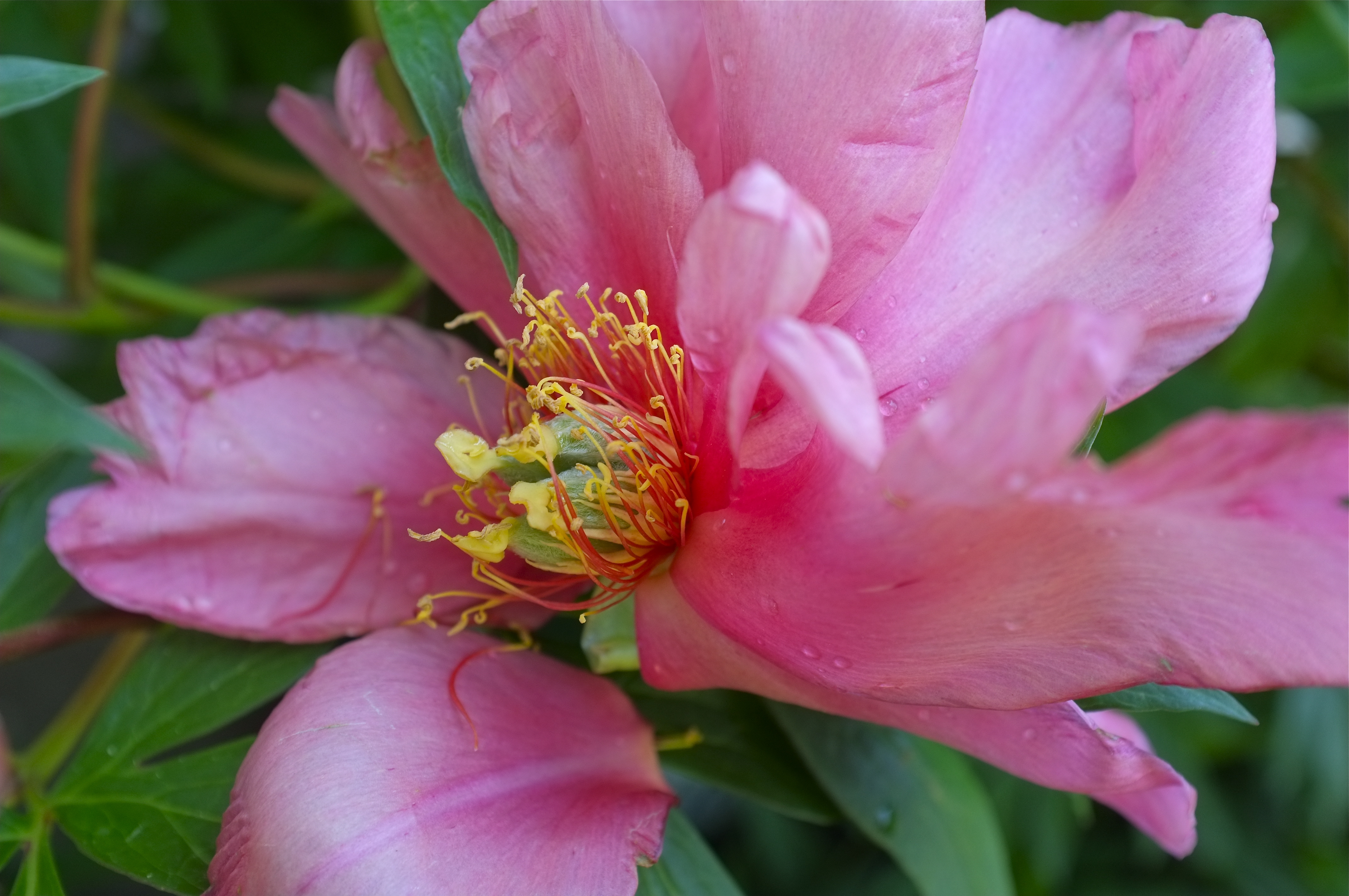
Today at Willowdale we are planting the stunning tree peony ‘Keiko’, which means “adored.” Briar’s favorite color is pink so I am always on high alert for rose-hued blossoms. I took one look at this drop dead gorgeous plant and just had to have it for Willowdale. Don’t you find in nature there are seemingly infinite shades of pink? The beautiful blowsy blossoms of  ‘Keiko’  possess myriad.

Did I mention ‘Adored’ is delightfully fragrant? The fragrance is sweet, but not cloying–very light and fresh.

Happy Memorial Day

To the Red, White, and Blue! I hope today brings you peace and fond memories of loved ones lost.

The Friendly Red Admiral

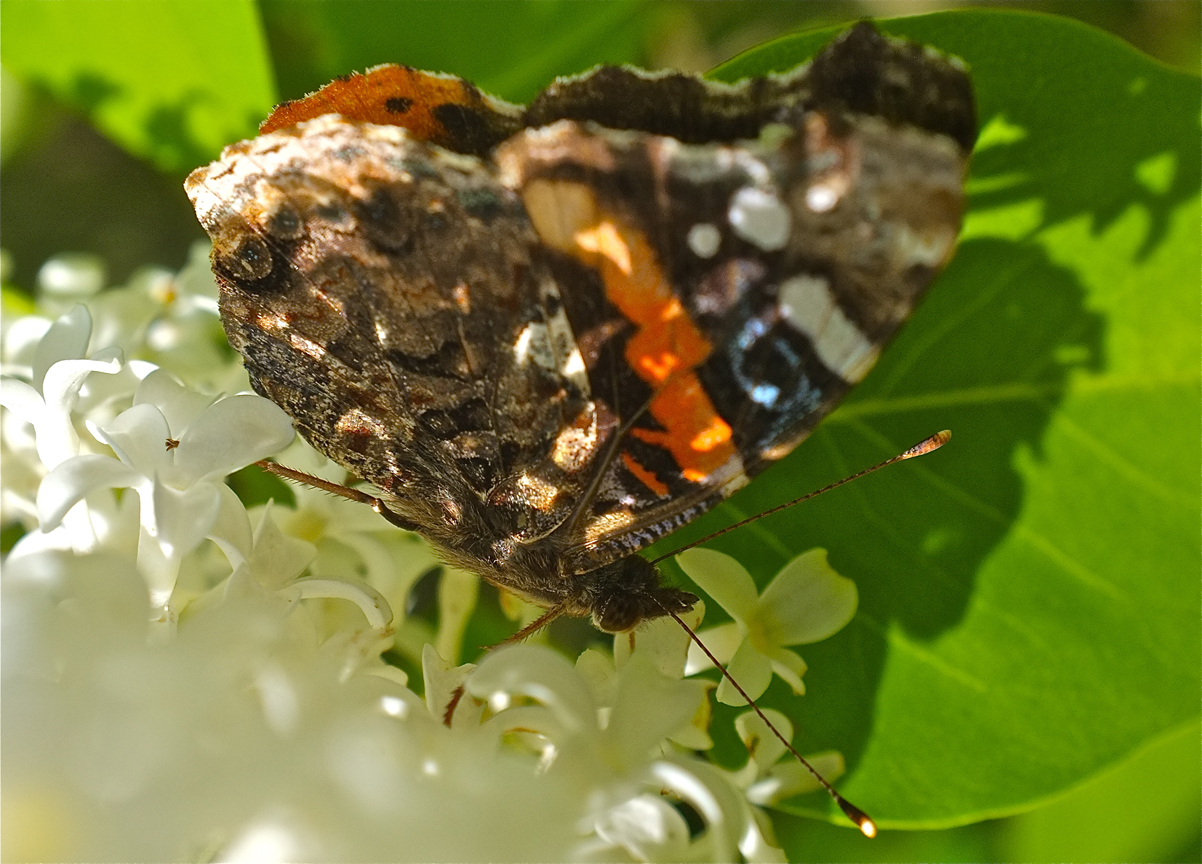
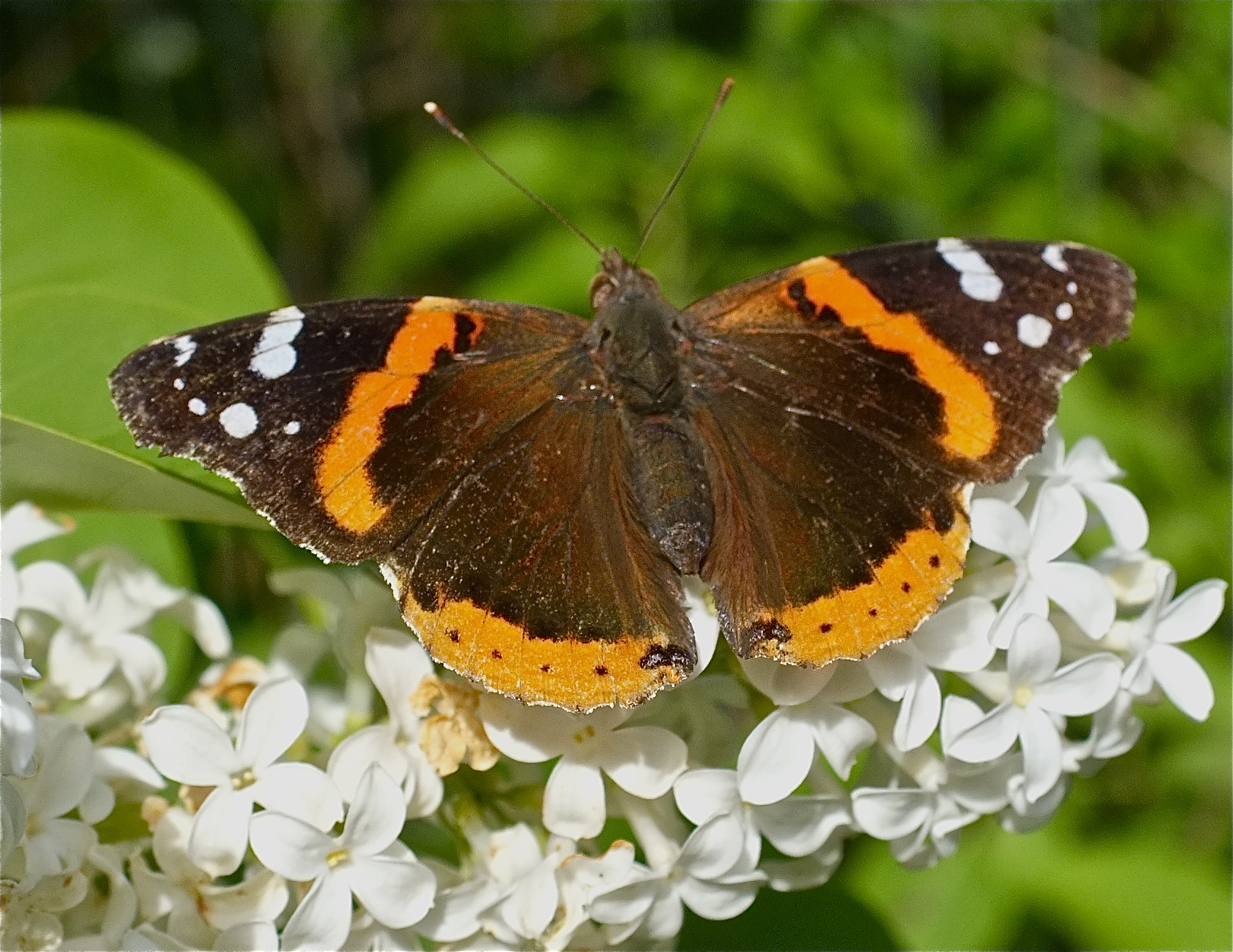
I am receiving a mountain of emails about the beautiful butterfly with underwings of mottled brown and upper surface banded brilliant fiery orange-red.

The Red Admiral butterfly is having an “irruptive” year and millions are streaming northward through gardens from Texas to Canada. An irruption for a species of butterfly can best be described as a sudden sharp increase in the relative numbers of a population.

This has been an amazing spring for butterflies, not only because they emerged earlier, but because they are present in much greater numbers than is usual. I have also been filming many more Question Mark and Painted Lady butterflies than is typical for this time of year.

The following is excerpted from an article about the Red Admiral that I wrote several years ago. Click here to read the complete text.

Red Admirals are Holarctic, a term used by zoologists to define the ecozone covering much of North America and Eurasia, which share many faunal characteristics. In our region Red Admirals are a migratory species that cannot withstand cold winter temperatures. Their numbers in any given year vary, from uncommon to abundant, and their abundance depends on the nature of that year’s migration and the success of the resulting breeding season. In the first week of May, Red Admirals begin to appear from overwintering populations in North Carolina and southward. Males perch from advantageous lookouts and will dart out to investigate passersby— prospective mates, other insects, and humans. Famously friendly, the Red Admiral readily alights on people, attracted by the salts in perspiration. They are on the wing almost continuously from May to October. The second, and quite possibly third generation,  from the initial spring flight, begins the southward migration in late August to October.

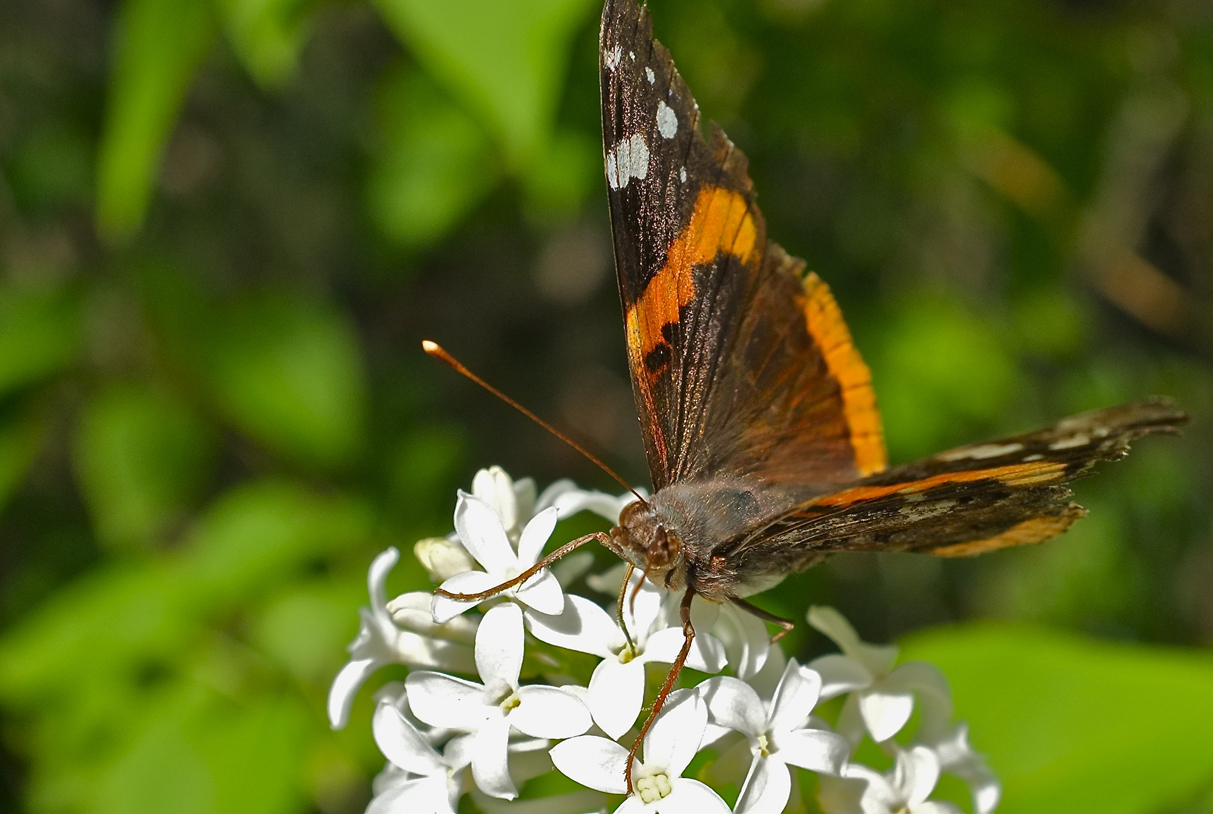
Red Admiral Nectaring at Common White Lilac (Syringa vulgaris)

The caterpillar’s primary food source is nettles—in New England these include Stinging, Tall, False, and Wood Nettles, all of which are unsuitable for the garden, particularly a small garden. The caterpillars “sew” the edges of the nettle leaves together with their silk and feed from within the shelter. The adults nectar at a wide variety of plants and are attracted to sap flows, rotting fruit, bird droppings, and wet soil.

Nabokov referred to V. atalanta as the Red Admirable and they appear several times in his novels to foreshadow death. “Its coloring is quite splendid and I liked it very much in my youth. Great numbers of them migrated from Africa to Northern Russia, where it was called ‘The Butterfly of Doom’ because it was especially abundant in 1881, the year Tsar Alexander II was assassinated, and the markings on the underside of its two hind wings seem to read 1881.”

Read More: The Red Admirable ~ Vanessa atalanta rubria

North Shore Wedding Magazine

Click any photo to view slideshow

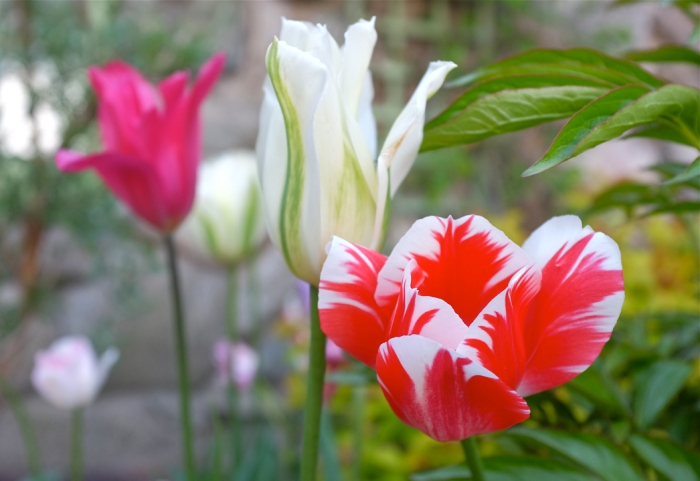
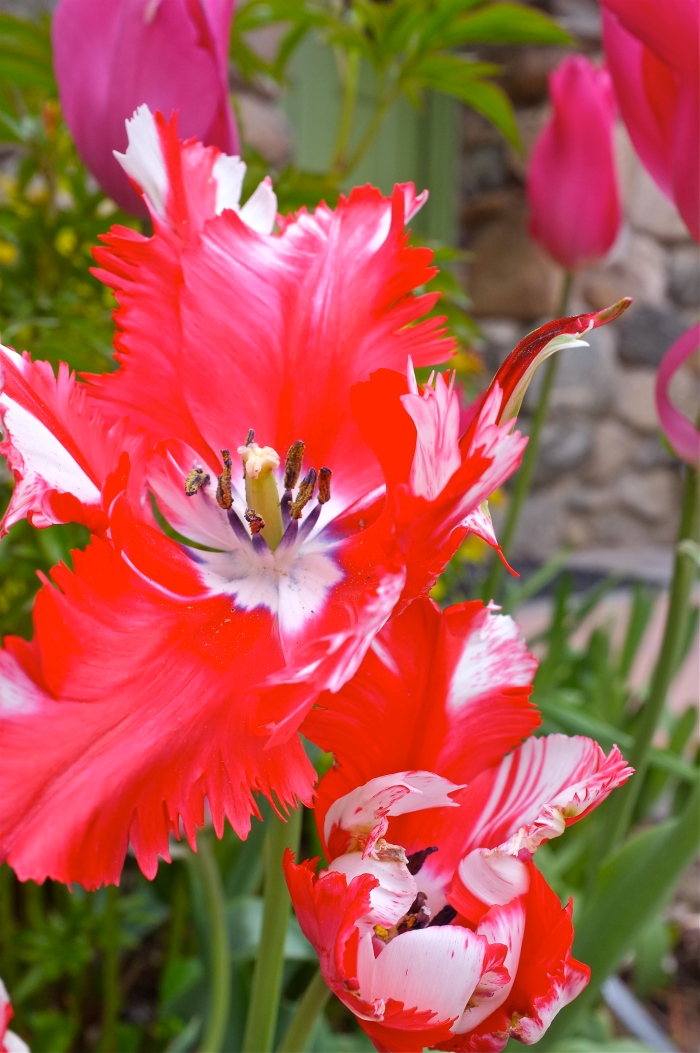
For weeks I had planned to photograph the tulips in bloom at Willowdale, but only in the late afternoon sun. Each afternoon I headed out, the sky grew overcast. Last Monday the sun shown gloriously the entire day.

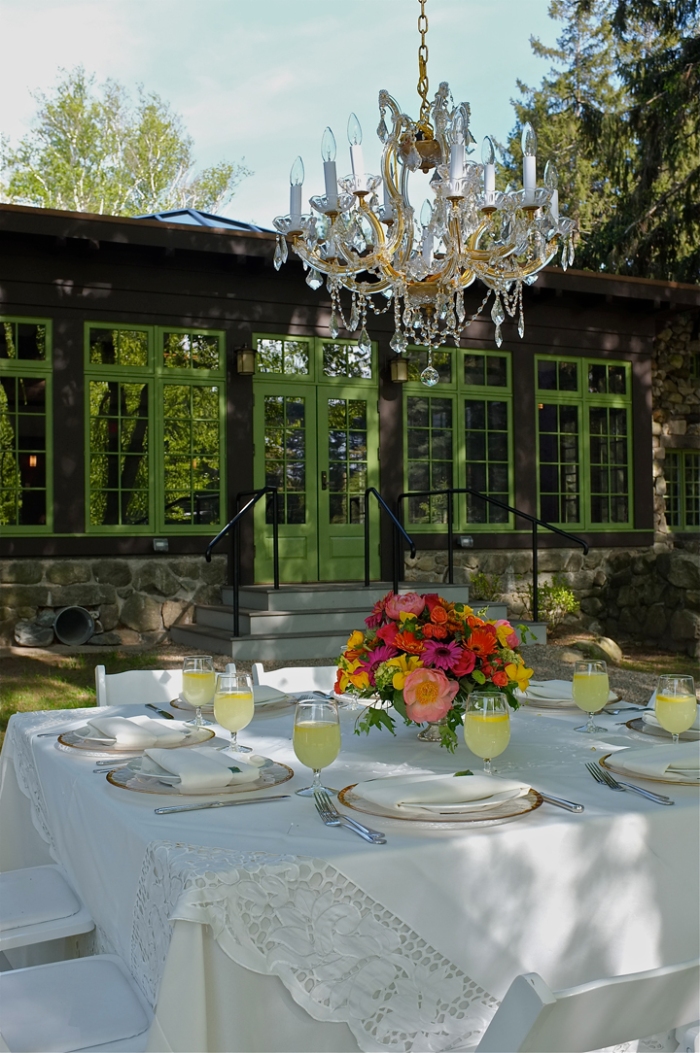
Fortunately I caught the tail end of North Shore Wedding Magazine photographing their Premier Issue in the gardens at Willowdale. North Shore Wedding Magazine is a brand new biannual publication featuring quality North Shore wedding professionals and venues, and is the sister publication to New Hampshire Wedding Magazine.

Sarah Boucher’s (Willowdale’s Planning Manager) lovely table styling for the North Shore Wedding Magazine photo shoot.

Kristina Hathaway with model

I hope this does not sound boastful however am mentioning because I just love it when people understand the design intention of a project. Kristina Hathaway remarked that she loved the feminine quality of the garden’s design juxtaposed against the masculine architecture of the stone mansion—music to my ears! The design challenges at Willowdale are multifold, yet rewarding, and from April 1st to until the first week of November you will find the gardens in bloom!

Tuesday evening, June 12, at 7:00 pm come join me in the gardens at Willowdale Estate. Enjoy refreshments and a tour of the garden, followed by a showing of my film “The Butterfly Garden at Willowdale Estate.”  RSVP to Info@Willowdale Estate.

Click any photo to view slide show

Winter King Planted in the Harbor Walk Gardens

Jay Ramsey with his crew Mauriocio Tuquerres and Mike Rogers planting hawthorn Crategus viridis ‘Winter King’ at Gus Foote Park.

Yesterday Jay Ramsey and his crew planted the garden at I4-C2 and two trees at Gus Foote Park. Jay (Farm Creek Landscaping) suggested the hawthorn ‘Winter King’ and project architect Chris Muskopf and I agreed it was a great suggestion. Jay has had good success with ‘Winter King;’ notably with the several he planted along a windswept bank of the Annisquam River. ‘Winter King’ is relatively disease and pest free (atypical for members of the Rose Family) and is noted for its profusion of white flowers in May and tight clusters of bright red fruits that persist through the winter. The fruits are usually not eaten by birds until late winter. Crategus viridis is tolerant of poor soils and urban conditions. Crataegus means strength and viridis refers to the greenish bark of the species, however ‘Winter King’s’ bark is more silvery.

Save the Date ~ Tuesday June 12

I hope you can come join me in the courtyard garden I designed for Willowdale on Tuesday June 12th at 7pm. The event is free and should be lots of fun. I am looking forward to showing my film and the garden and Briar will prepare her wonderful array of refreshments, within the setting of the beautifully restored Arts and Crafts mansion and gardens that is Willowdale! RSVP to Info@WillowdaleEastate.com

Planting Underway at the Gloucester Harbor Walk Gardens

Tulip Trees (Liriodendron tulipifera)

Monday the Tulip Trees were planted at St. Peter’s Square and Tuesday was devoted to Whale Watch and General Store planting areas. Today we are tackling Gus Foote Park. You may notice a few bare spots; not all plants have been delivered. We’ll be adding more to the gardens as they arrive.

Jay Ramsey and his crew from Farm Creek Landscpaping are doing a top-notch job—professional and so enthusiastic. We are all so excited to see the installation of the city’s Harbor Walk gardens underway. I’ll be bringing you information on some of the native beauties we have planted and their value to the landscape and to wildlife. People often ask me why they have so few bees in their garden and I respond, “What have you planted for the bees and for all the pollinators?”  When you plant for the pollinators, they will come!

Sweet Scents of Spring

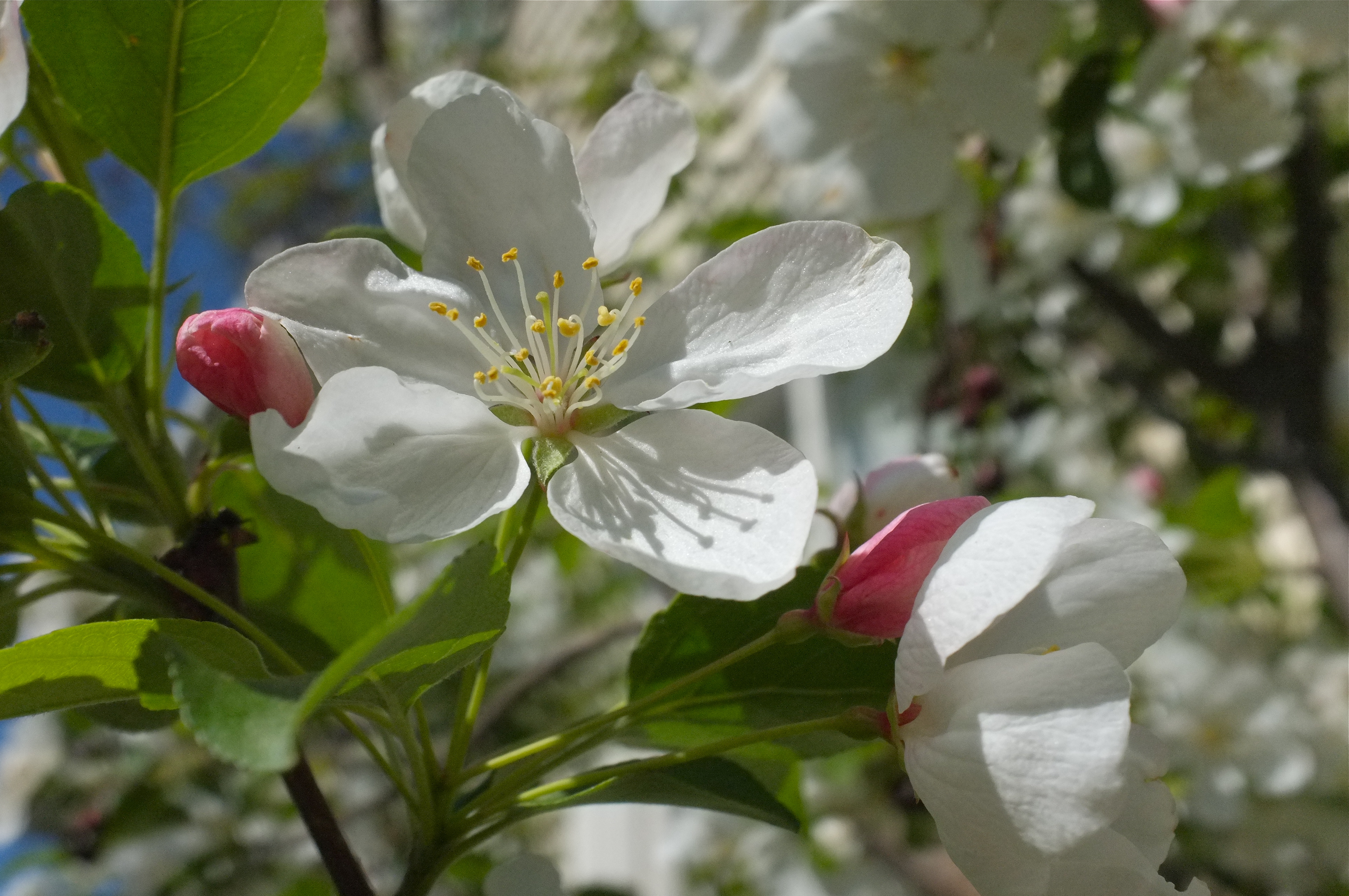
Flowering Crabapple

Fragrant Snowball Viburnum (Viburnum x carlcephalum)

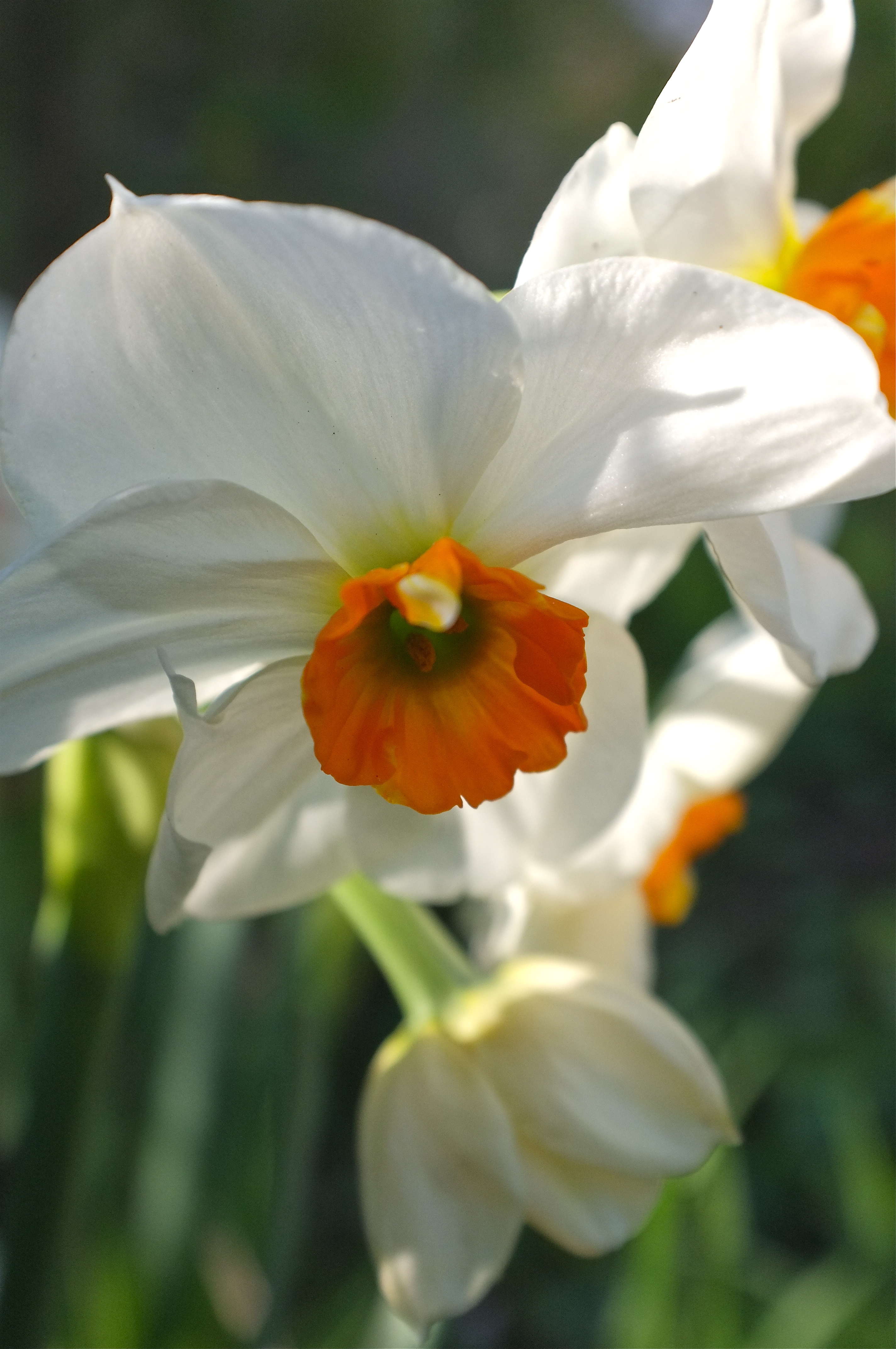
Narcissus ‘Geranium’

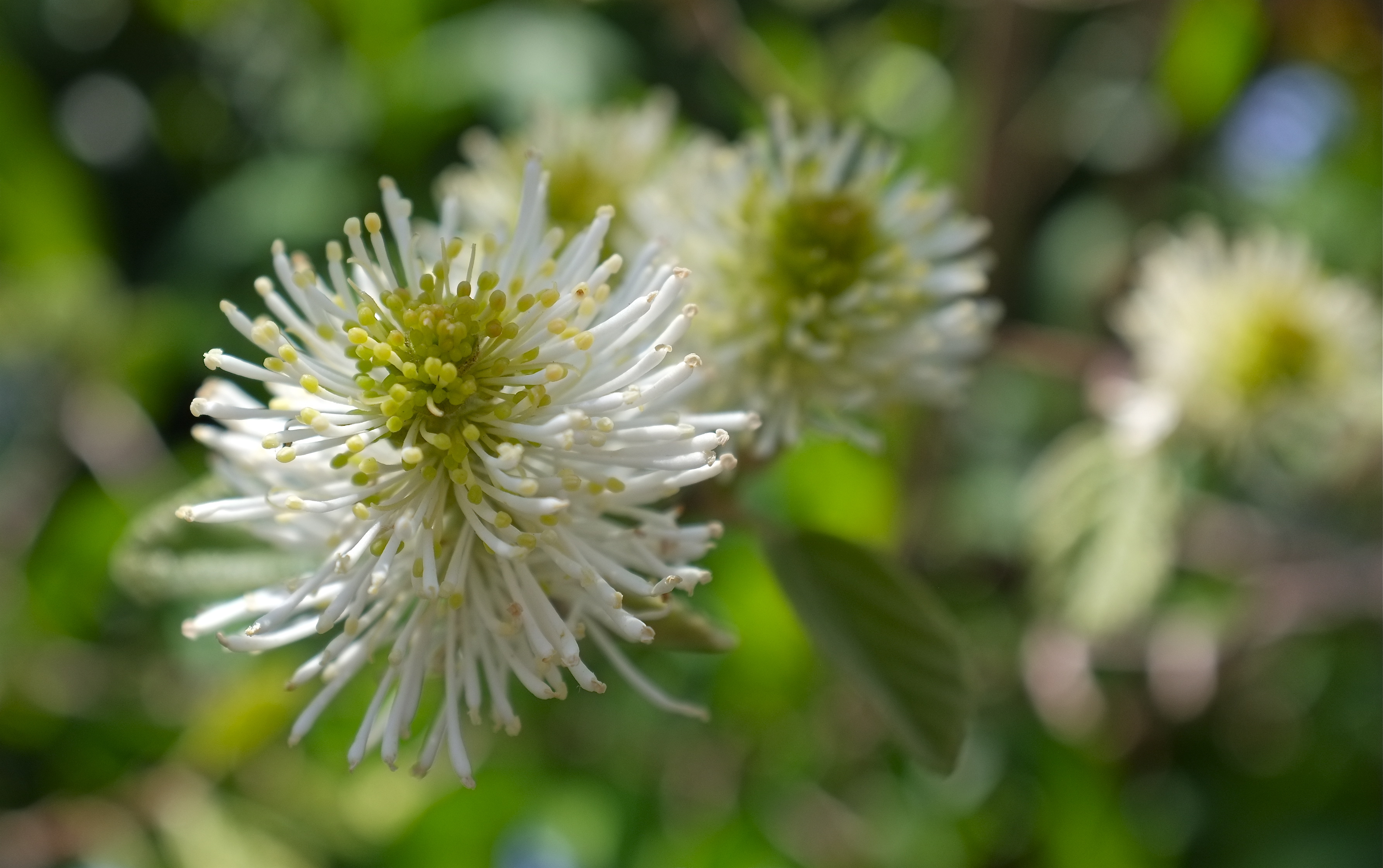
Dwarf FothergillaFothergilla ‘Mount Airy’

Native Flowering Dogwood

You could say I have an obsession with spring flowering trees, especially our native dogwoods. Is it a mystery why? 

cornus florida rubra

I adore flowers and branches shrouded with tree-flowers are even more romantic, perhaps because we are seeing repeating flower shapes, en masse.

Cornus floridaNative Flowering Dogwood ~ Cornus florida

Even with only the tiniest bit of space, I encourage everyone to plant a tree-garden. Contact me if you need help in finding the perfect tree for your garden.

Tulip Orama

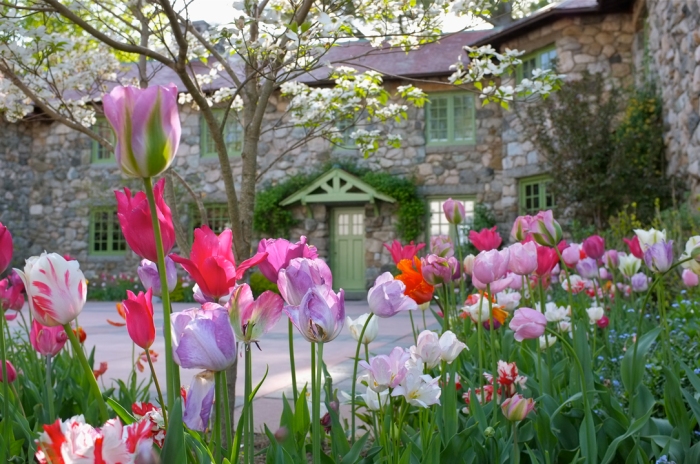
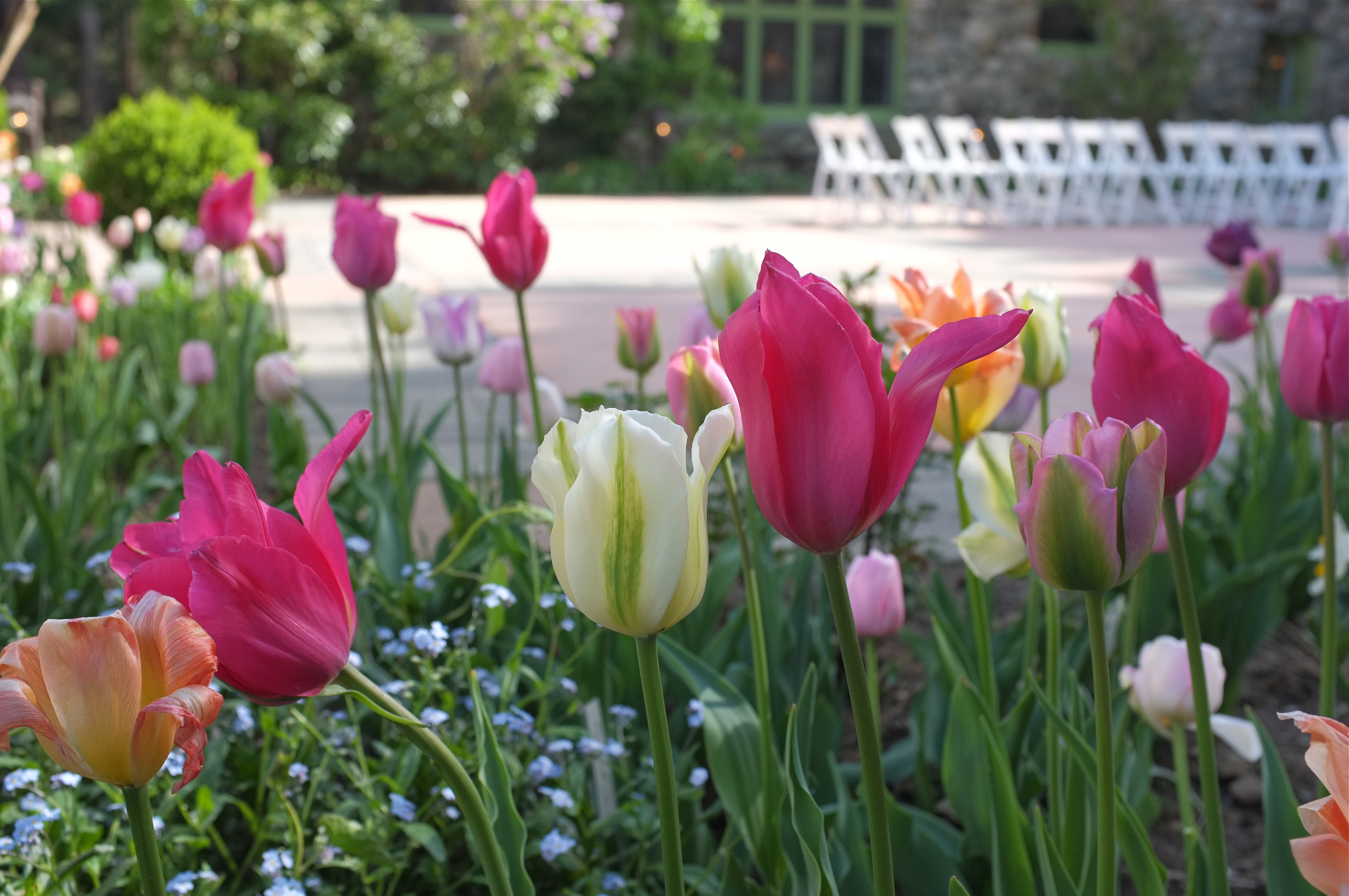
This is a view into the courtyard garden I designed for Willowdale Estate. The tulips are at their peak. I call this mix of colors my ‘Bridal Mix,’ because it provides a symphony of watercolor hues for the April and May weddings. Don’t you think too that the satiny sheen of the tulip petals looks like the silk satin gowns of wedding parties?

Willowdale Estate Topsfield

Click photo to view larger image. More from Willowdale spring coming.

Update on Giant Silk Moth Cocoon

No exciting news yet to report on our Giant Silk Moth Cocoon. The leaves of the American Birch Tree are unfurling, but no movement within the cocoon.

Top Five Magnolias for Cape Ann

Number Three is Magnolia ‘Forrest’s Pink’

Forrest’s Pink Magnolia

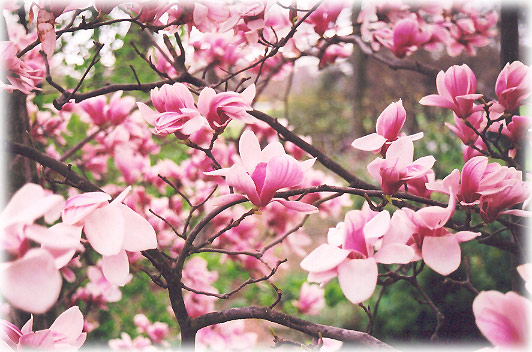
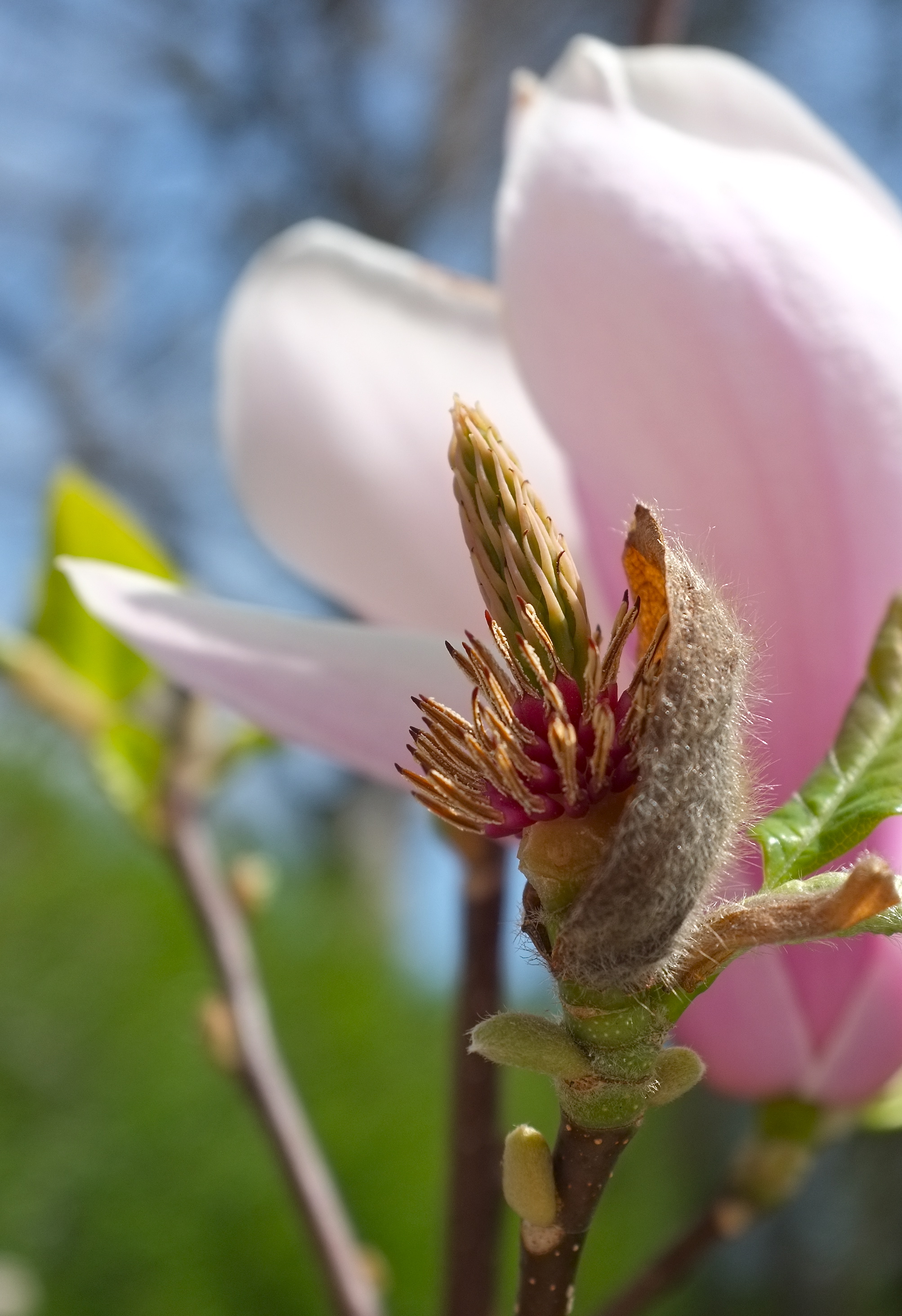
Forrest’s Pink is new to our garden. I purchased it several years ago through the mail and it arrived as nothing more than a stick with several side branches. FP is coming along beautifully and I was thrilled when last fall its very first bud had formed. Forrest’s Pink purportedly flowers slightly later, which is ideal for our predictably unpredictable New England spring. I also found very appealing its descriptions of delicious shell pink blooms, without a hint of purple. Although, what is most appealing is knowing that it’s parentage is that of the Lily Tree, or Yulan Magnolia (Magnolia denudata, synonomous with M. heptapetala)–the most dreamily scented of all the magnolias.

I was excited to show you a photo of its first flower but some devilish creature chewed the bud to the base of the tree. The bud had formed very low to the ground—perhaps it made a great bunny feast. The list of critters who eat magnolia flowers is long and includes snakes, deer, squirrels, moles, mice, and opossums. In China, the sweet citrus-scented flowers of the Lily Tree are pickled and used as a flavoring for rice. The lovely ornamental seed heads of many species of magnolias provide food for a wide range of birds. Hopefully by next year at this time we will have more than one bud to gaze upon and to photograph.

Newly developing seed head of Magnolia ‘Alexandrina’

Nearly the moment the fruits of our magnolia trees ripen, they are devoured by the Catbirds and Mockingbirds.

Image of Forrest’s Pink Magnolia courtesy Google image search

Flowering Dogwood

Is there a tree more lovely in flower than the North American native dogwood?

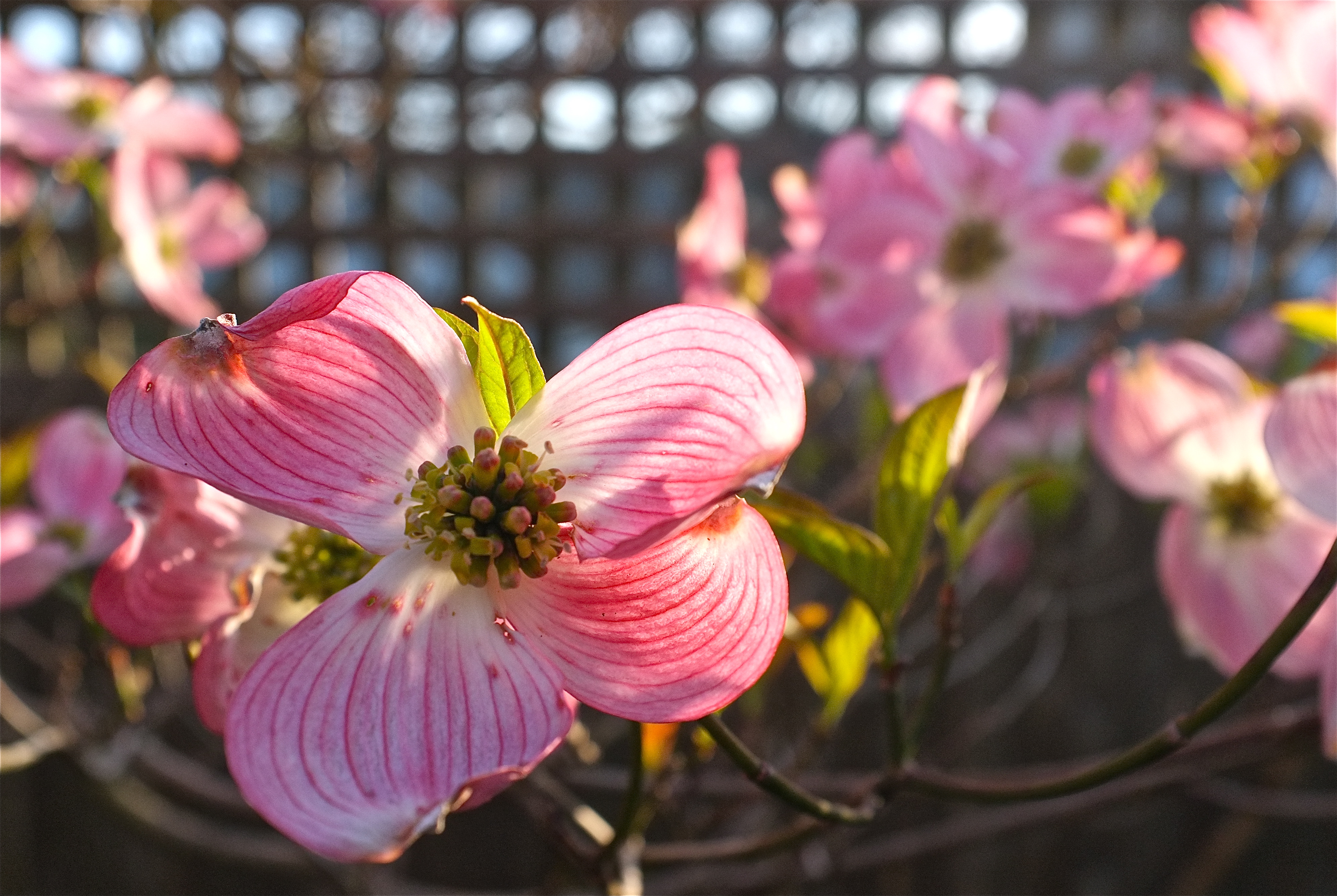
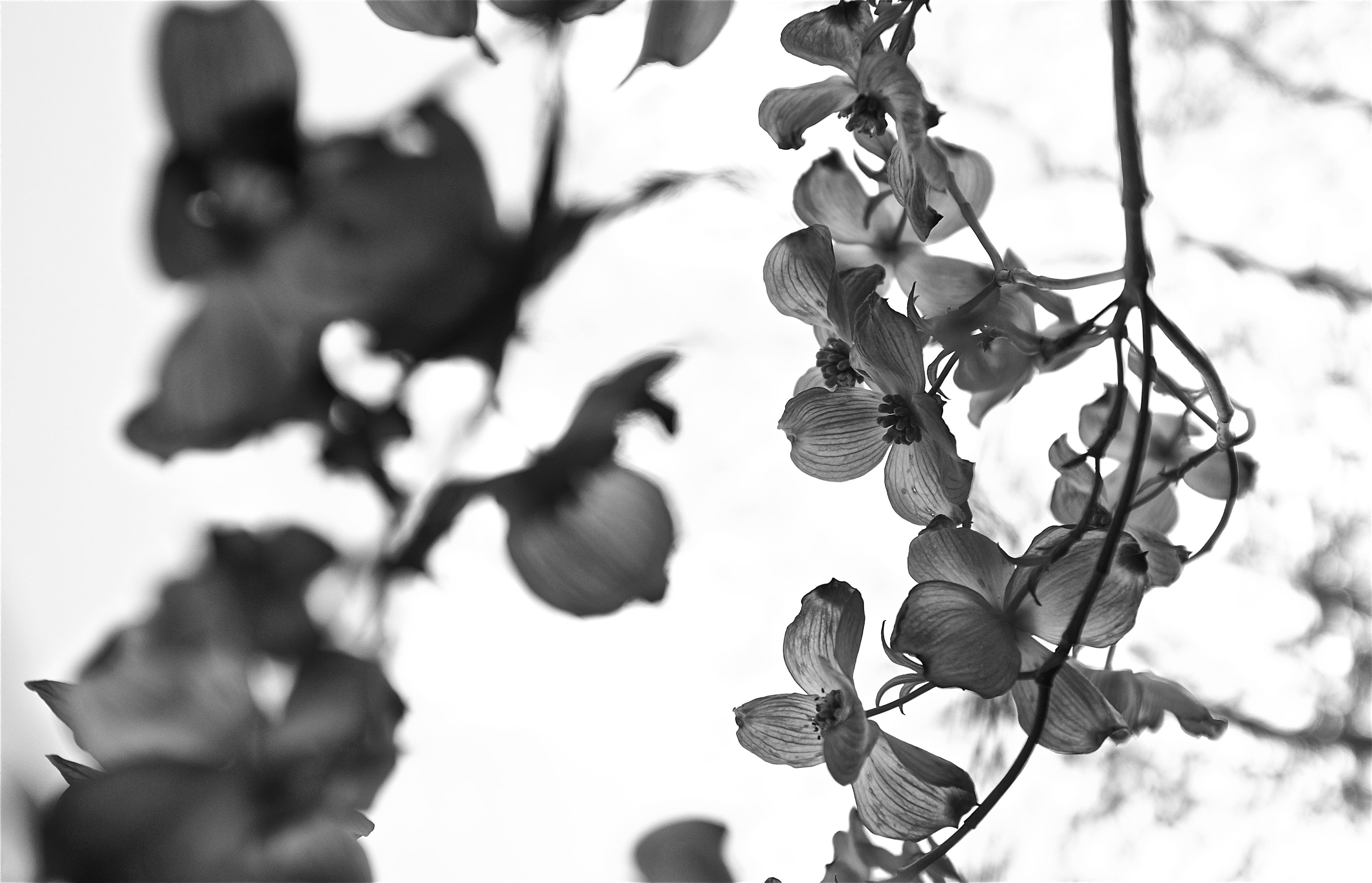
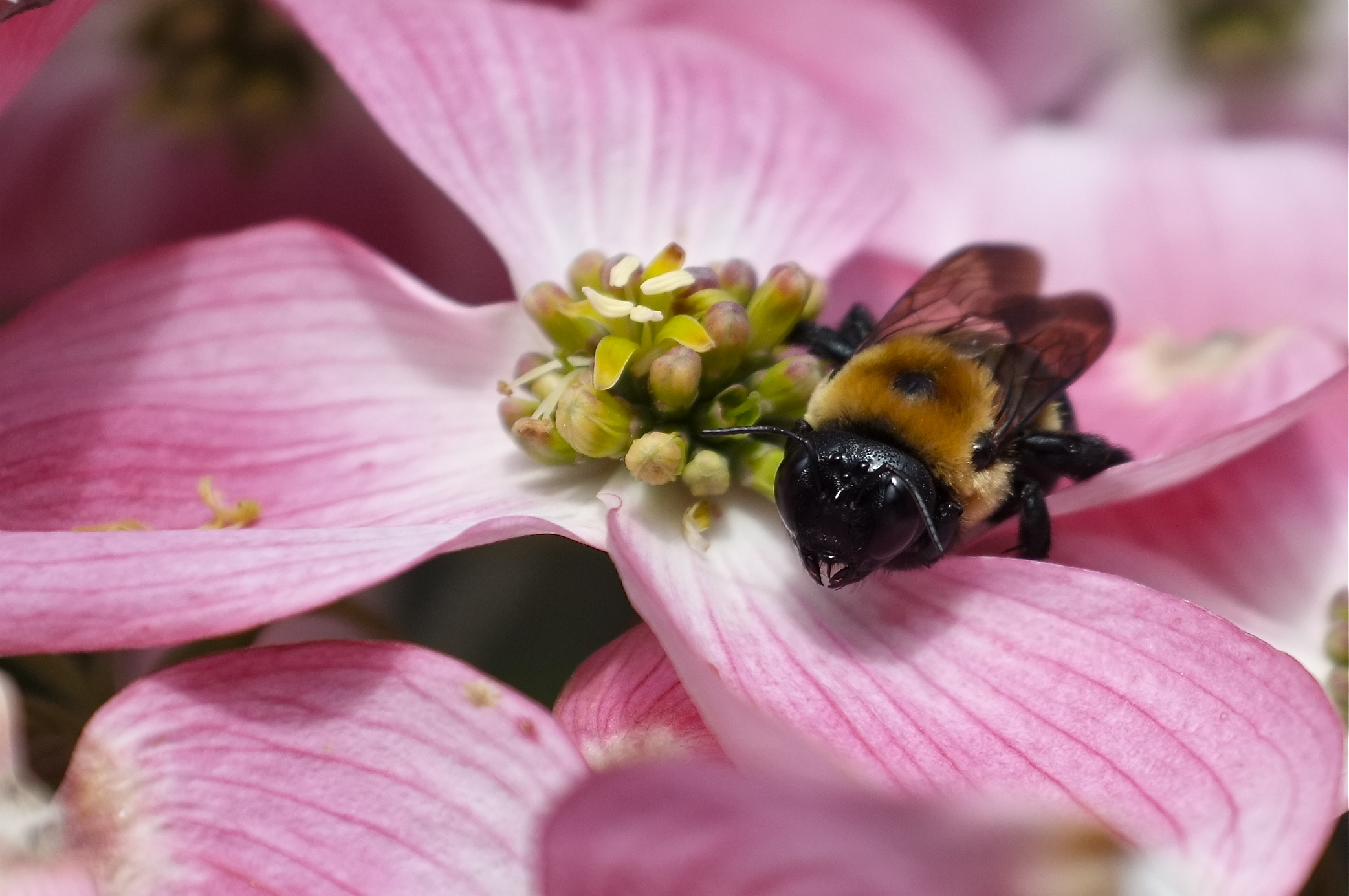
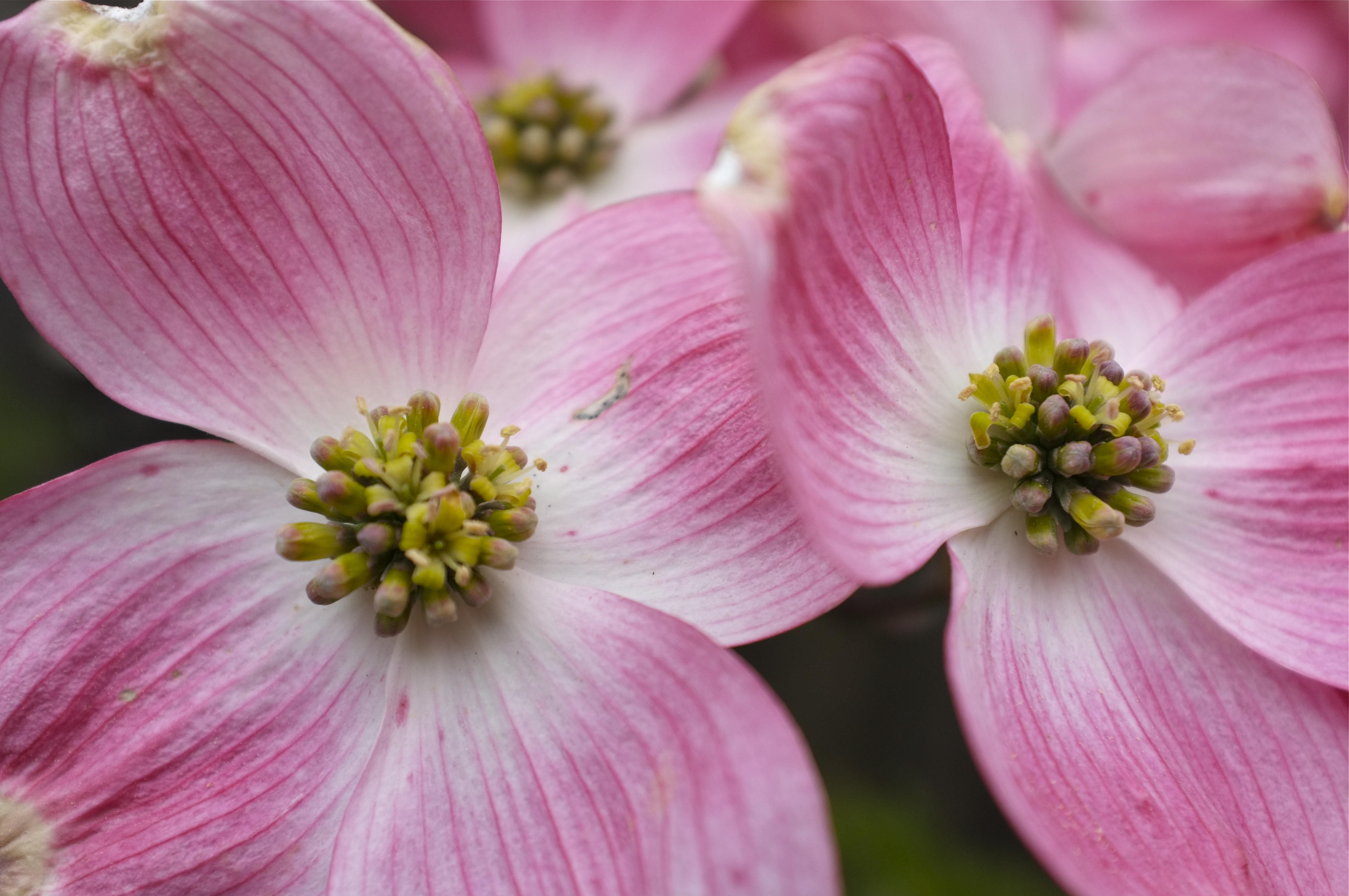
Whether flowering with the classic white bracts, the stunning rubra bracts, or the less often seen pale, creamy rose-tinted bracts, our native dogwood (Cornus florida) never ceases to give pause for beauty given.

NATIVE TREES SUPPORT NATIVE POLLINATORS!

At this time of year when traveling along southern New England roadways we are graced by the beauty of the dogwood dotting sunny roadside borders where meets the woodland edge. The bracts and flowers emerge before the leaves, serving only to heighten their loveliness. The fresh beauty of the bract-clad boughs is offset by the impressionistic symphony of tree foliage unfurling, shimmering in hues of apple green, chartruese, moss, and lime peel.

*Bract – A bract is a leaf-like structure surrounding a flower or inflorescence. The colorful bracts of poinsettias, the hot pink bracts of bougainvillea, and the bracts of dogwoods are often mistaken for flower petals.

The open florets (pea-green colored) and unopened buds are surrounded by the rose red-shaded bracts.

Read about how to help prevent an attack by the lethal dogwood anthracnose. Continue reading “Flowering Dogwood”

Life Story of the Black Swallowtail Trailer

Dear Friends,

You’ve heard me talking about my butterfly film (for Months!). I began filming the black swallowtails last July and am only now close to finishing.  I am so excited to share this project with you and hope you enjoy the trailer.

My daughter Liv and friend Kathleen Adams collaborated on a beautiful rendition of “Simple Gifts.” The music in the background is an improv interlude from their recording session.

Coming soon: Documentary about the Life Story of the Black Swallowtail Butterfly, from egg, to caterpillar, to chryrsalis, to adult. Filmed in a garden and along the seashore, Gloucester, Massachusetts. Featuring the black swallowtail butterfly, wildflowers, pollinators, the sun, the garden, and more.

Some Favorite Jonquils and Narcissus

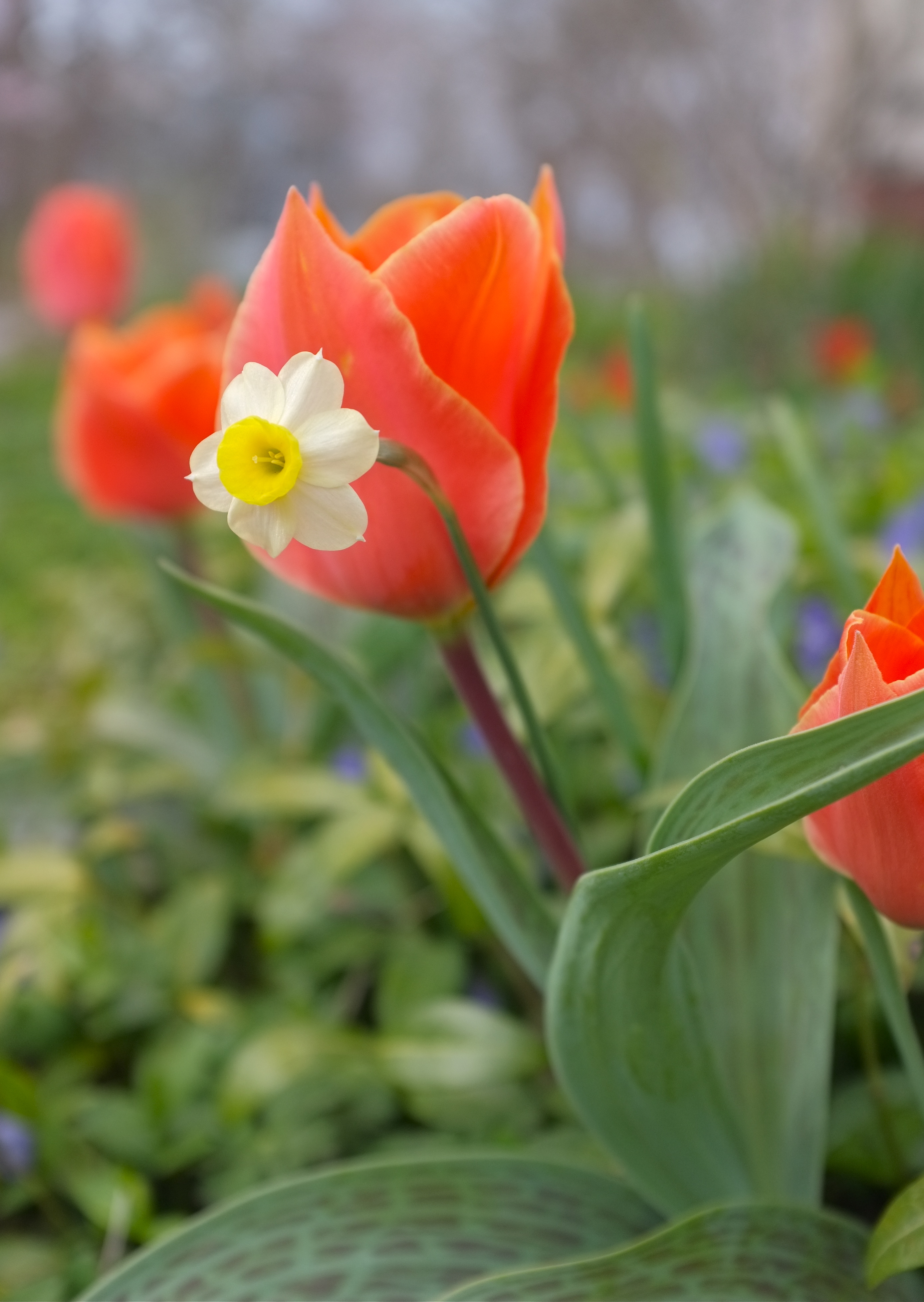
‘Minnow’ and Greigii Tulips 

The first photo is of the petite and scented jonquil ‘Minnow,’ offset by the coral red Greigii species tulip. Both are low-growing, which makes them ideal for rock gardens, and both varieties reliably return annually. The second photo is an ever-increasing little patch of narcissus and I know not the cultivar’s name. It was a spring gift that had been purchased as a potted plant from the grocery market, then planted in the garden in early summer.

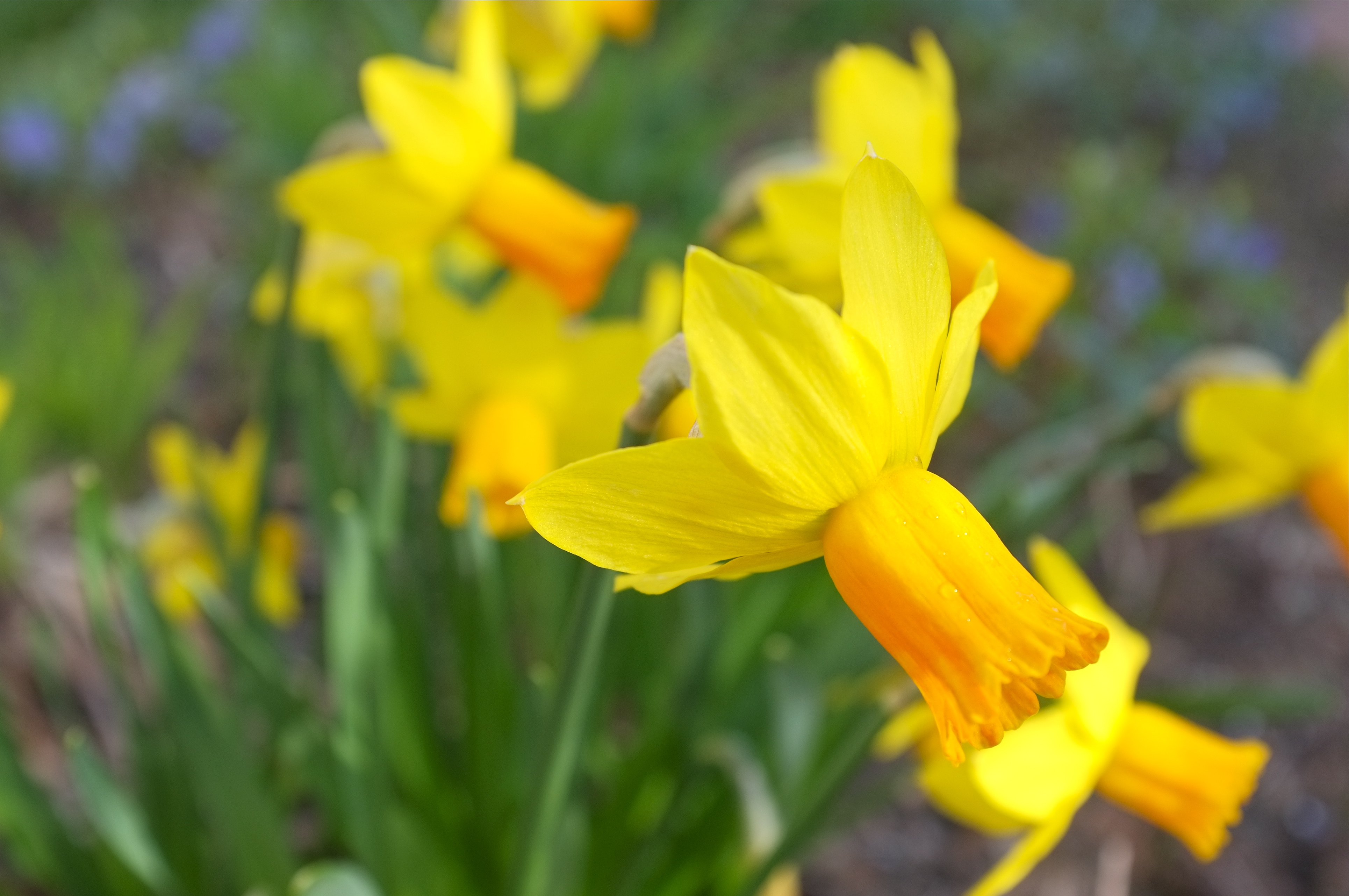
The third photo is perhaps my all time favorite and consider it the very best for several reasons. ‘Geranium’ is divinely scented—sweet with a hint of fresh lemon blossom; its color and shape meld beautifully with a wide range of spring flowering bulbs; and ‘Geranium’ not only reliably returns each spring, it also increases in number.

What more could one ask for from a bulb?

Narcissus tazetta ‘Geranium’

For more information about narcissus and jonquils, including a list of the most sweetly scented varieties, see my book Oh Garden of Fresh Possibilities! ~ Notes from a Gloucester Garden, page 178.

Cherry Blossom Time

Happy Easter, Happy Passover, and Happy Cherry Blossom Time! I hope you are having a joyous spring!

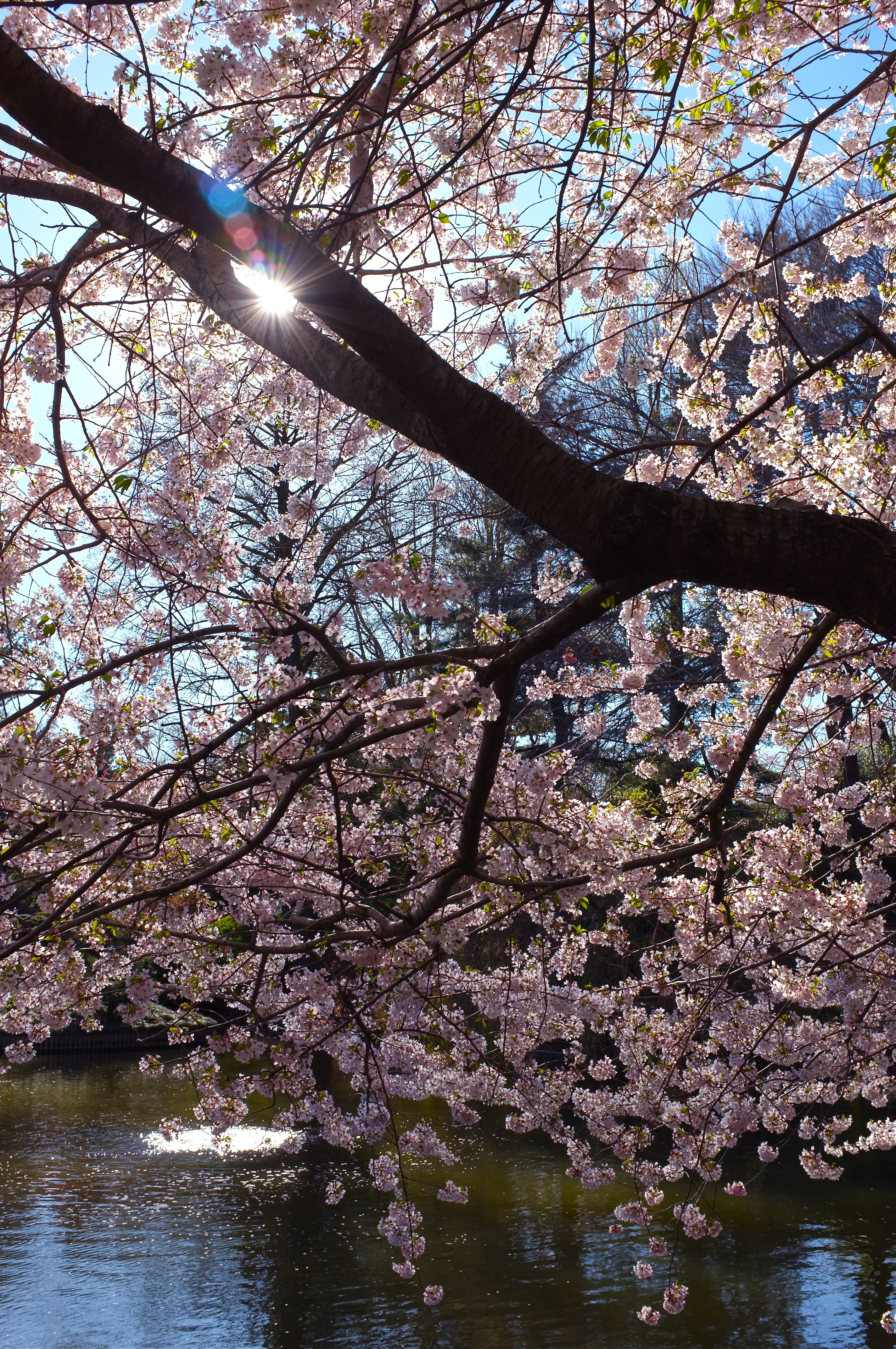
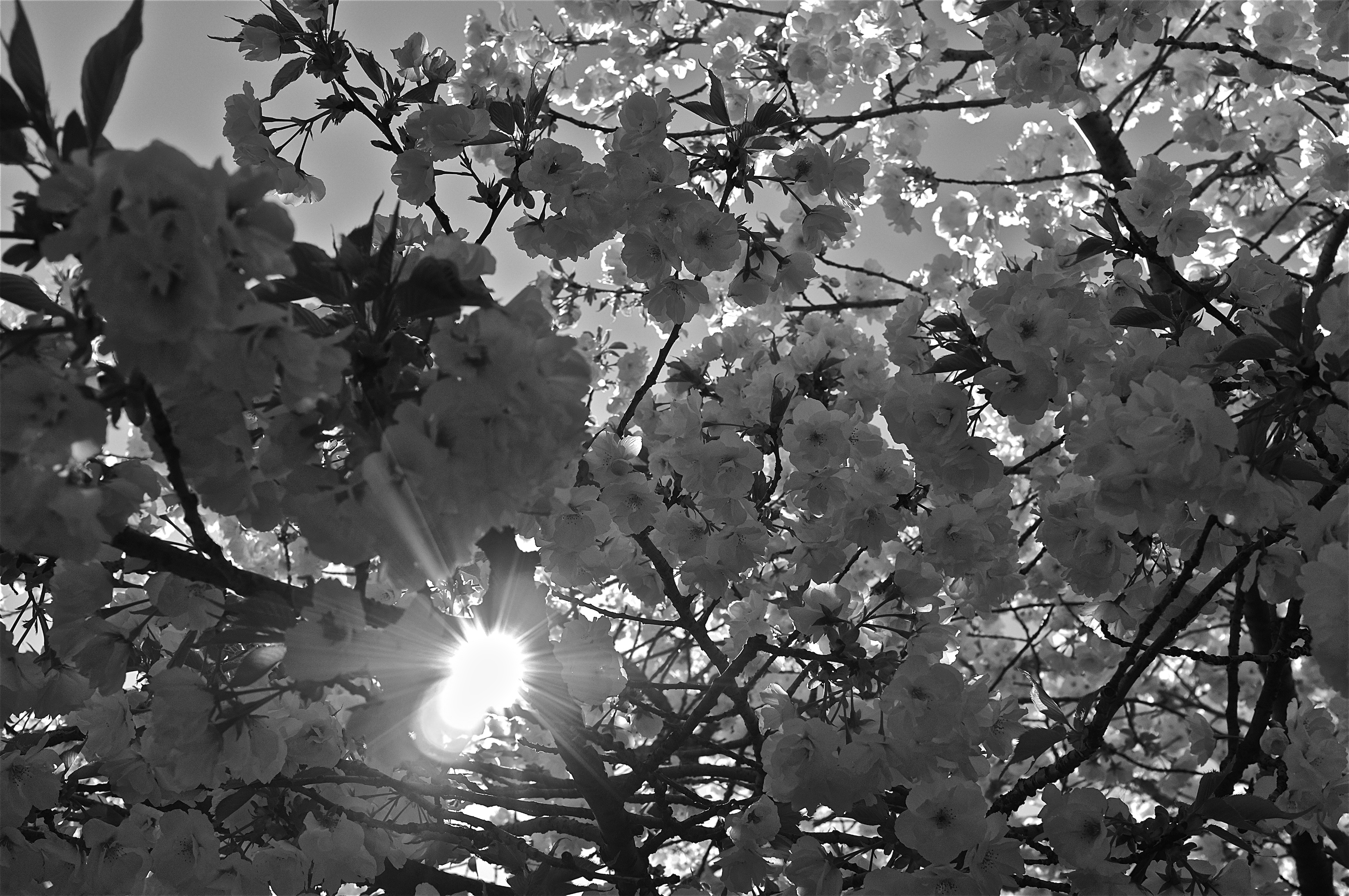
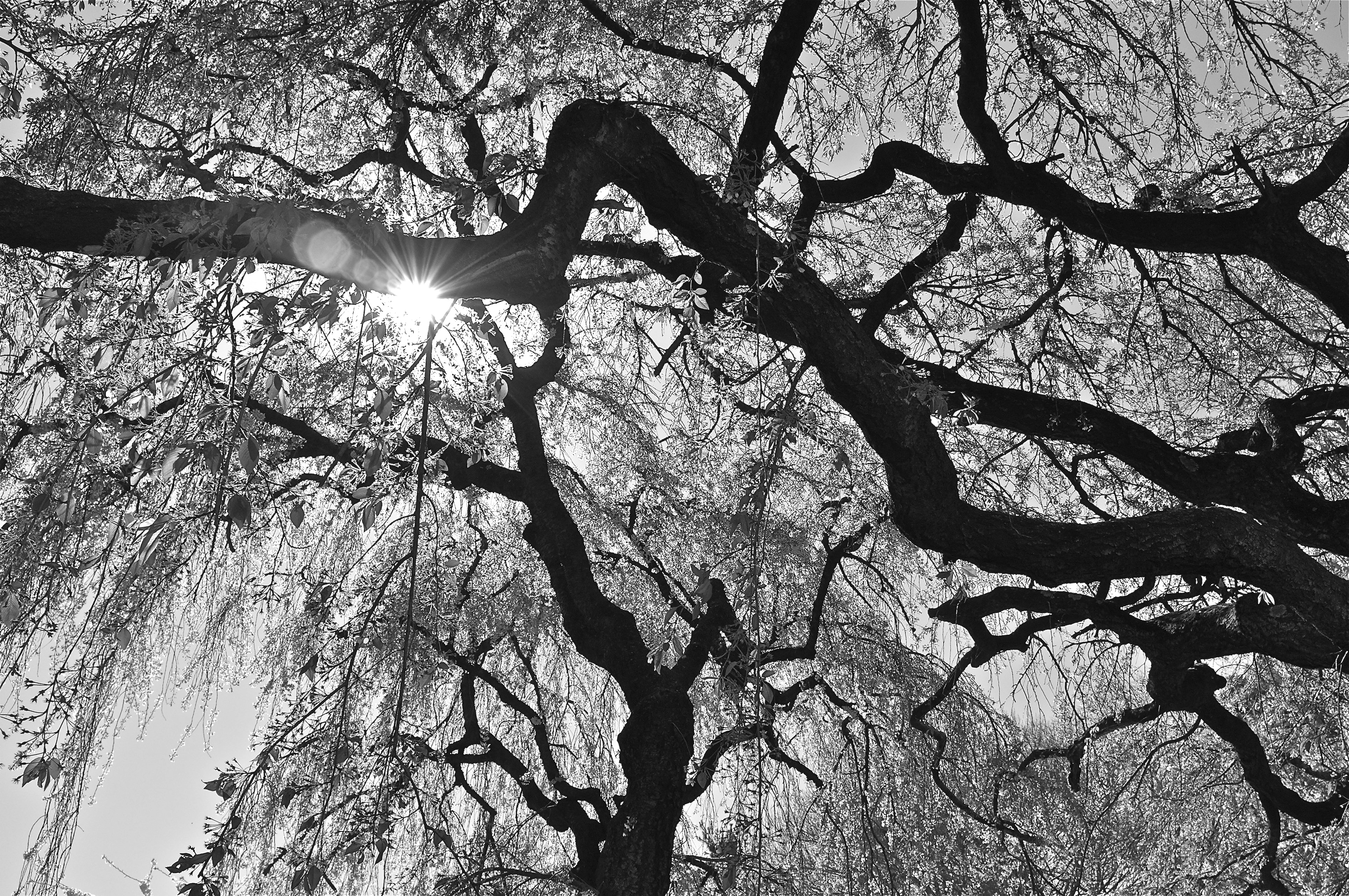
Native to Japan, the Yoshino cherry (Prunus x yedoensis) is cultivated extensively and is also found growing wild on plains and mountains countrywide. For more than ten centuries, and continuing with no less enthusiasm today, cherry blossom time has been cause for joyful celebration that is deeply integrated in the Japanese culture.
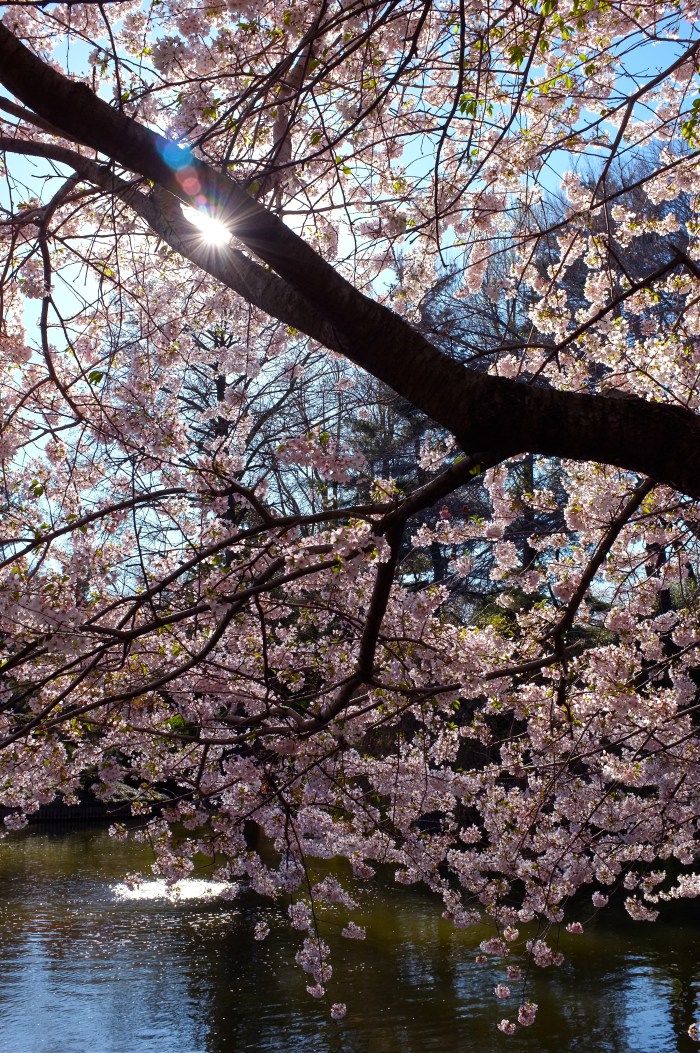
When cherry blossoms begin to fall heavily, the flurry of blossoms is called “cherry snowstorm.” The following is a traditional Japanese song that has been passed down for generations.

Sakura

Cherry blossoms, cherry blossoms

As far as you can see.

Across yayoi skies

Is it mist? Is it clouds?

Ah, the fragrance!

Let us go, Let us go and see!

To see a cherry blossom snowstorm:

In the Japanese language the cherry is called “sakura,” which is generally believed to be a corruption of the word “sukuya” (blooming). Poets and artists strive to express the loveliness of its flowers in words and artistry. Called the flower of flowers, when the Japanese use the word “hane” (flower) it has come to mean sakura, and no other flower. Since the Heian period “hanami” has referred to cherry blossom viewing; the term was used to describe cherry blossom parties in the Tale of Gengi. Aristocrats wrote poetry and sang songs under the flowering trees for celebratory flower viewing parties. The custom soon spread to the samurai society and by the Edo period, hanami was celebrated by all people.
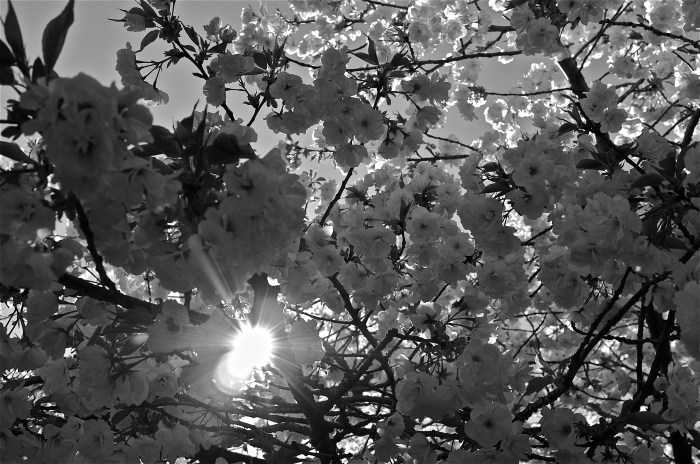
From ancient times, during early spring planting rituals, falling blossoms symbolized a bounteous crop of rice. Beginning with the Heian period (794–1185), when the imperial courtiers of Kyoto held power, the preference for graceful beauty and the appreciation of cherry blossoms for beauty’s sake began to evolve. The way in which cherry petals fall at the height of their beauty, before they have withered and become unsightly, and the transience of their brief period of blooming, assumed symbolism in Buddhism and the samurai warrior code.

The delicacy and transience of the cherry blossom have poignant and poetic appeal, providing themes for songs and poems since the earliest times. The motif of the five petal cherry blossoms is used extensively for decorative arts designs, including kimonos, works in enamel, pottery, and lacquer ware. Cherry tree wood is valued for its tight grain and is a lustrous reddish brown when polished. The wood is used to make furniture, trays, seals, checkerboards, and woodblocks for producing color wood block prints.
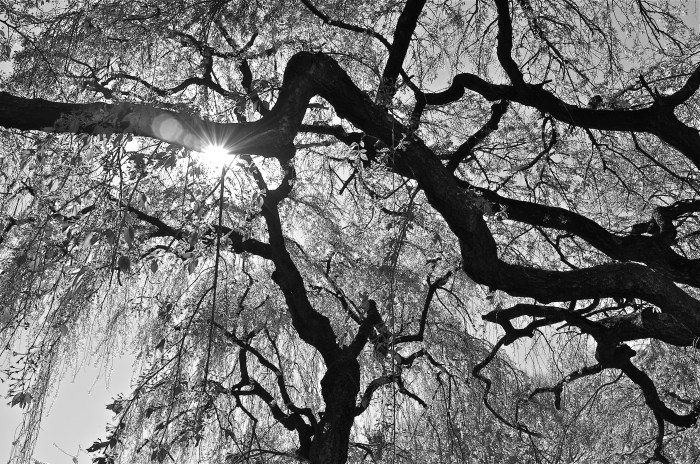
Read More:

Continue reading “Cherry Blossom Time”

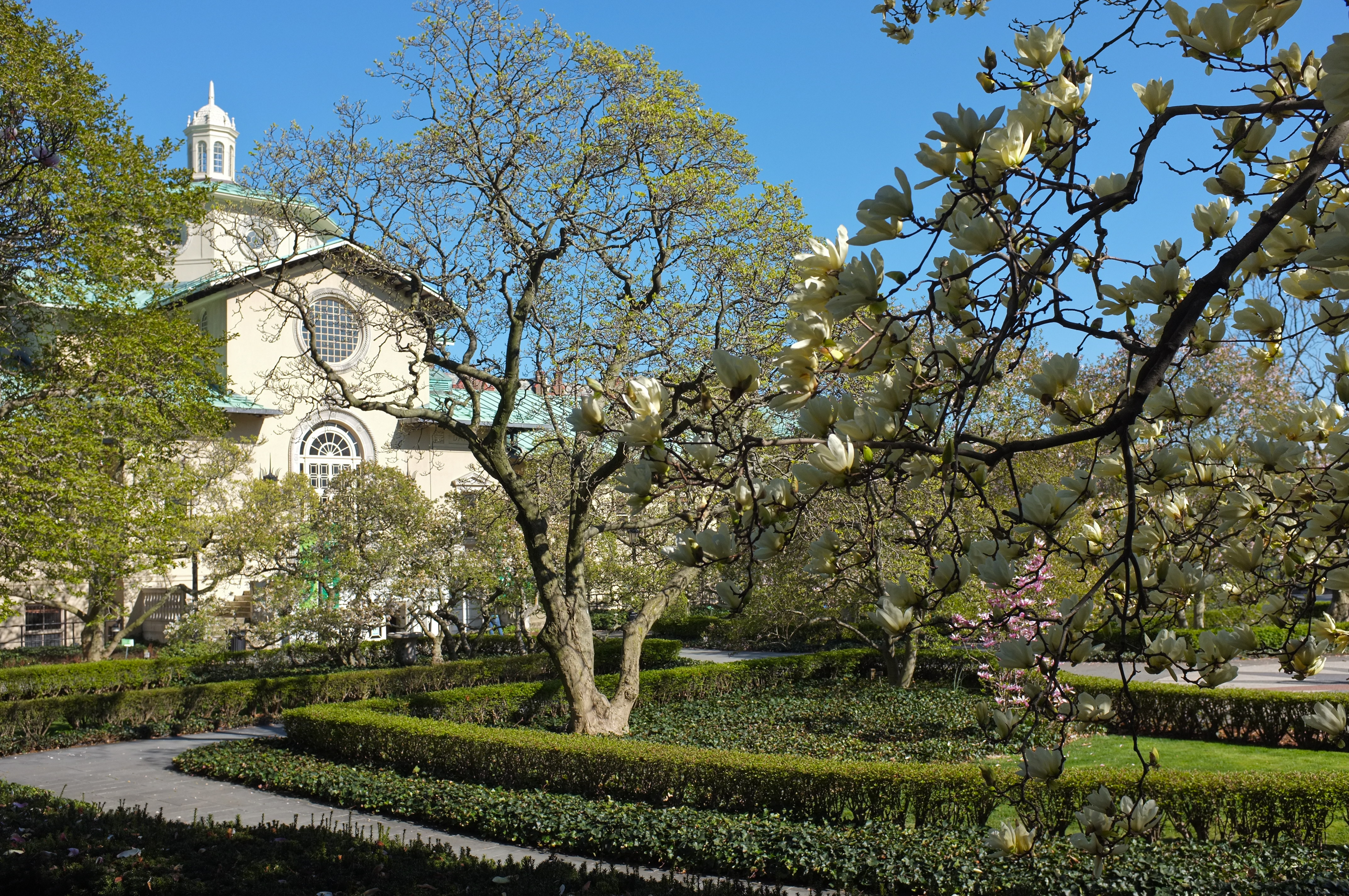
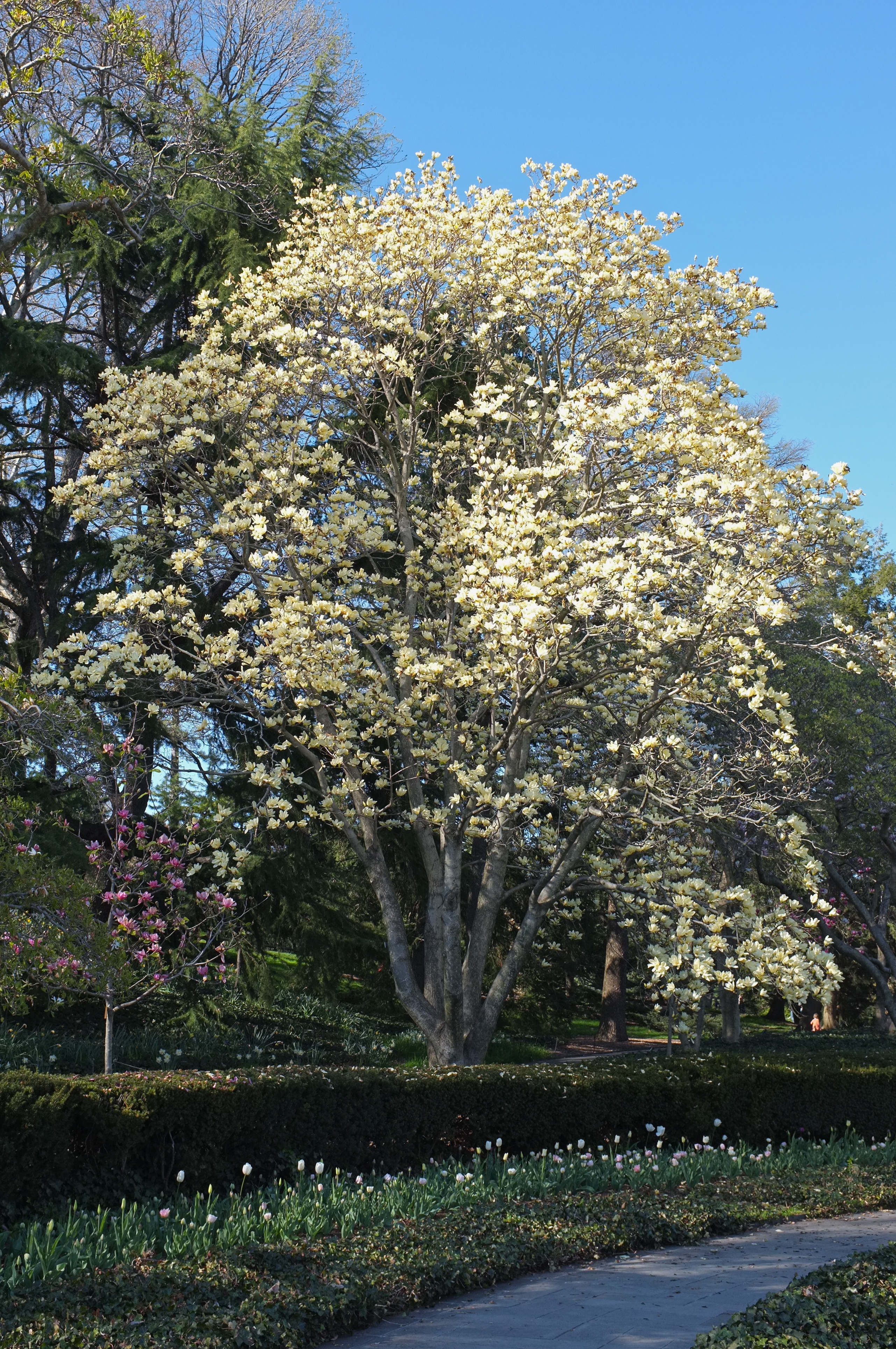
THE Magnolia ‘Elizabeth’ at the Brooklyn Botanic Garden

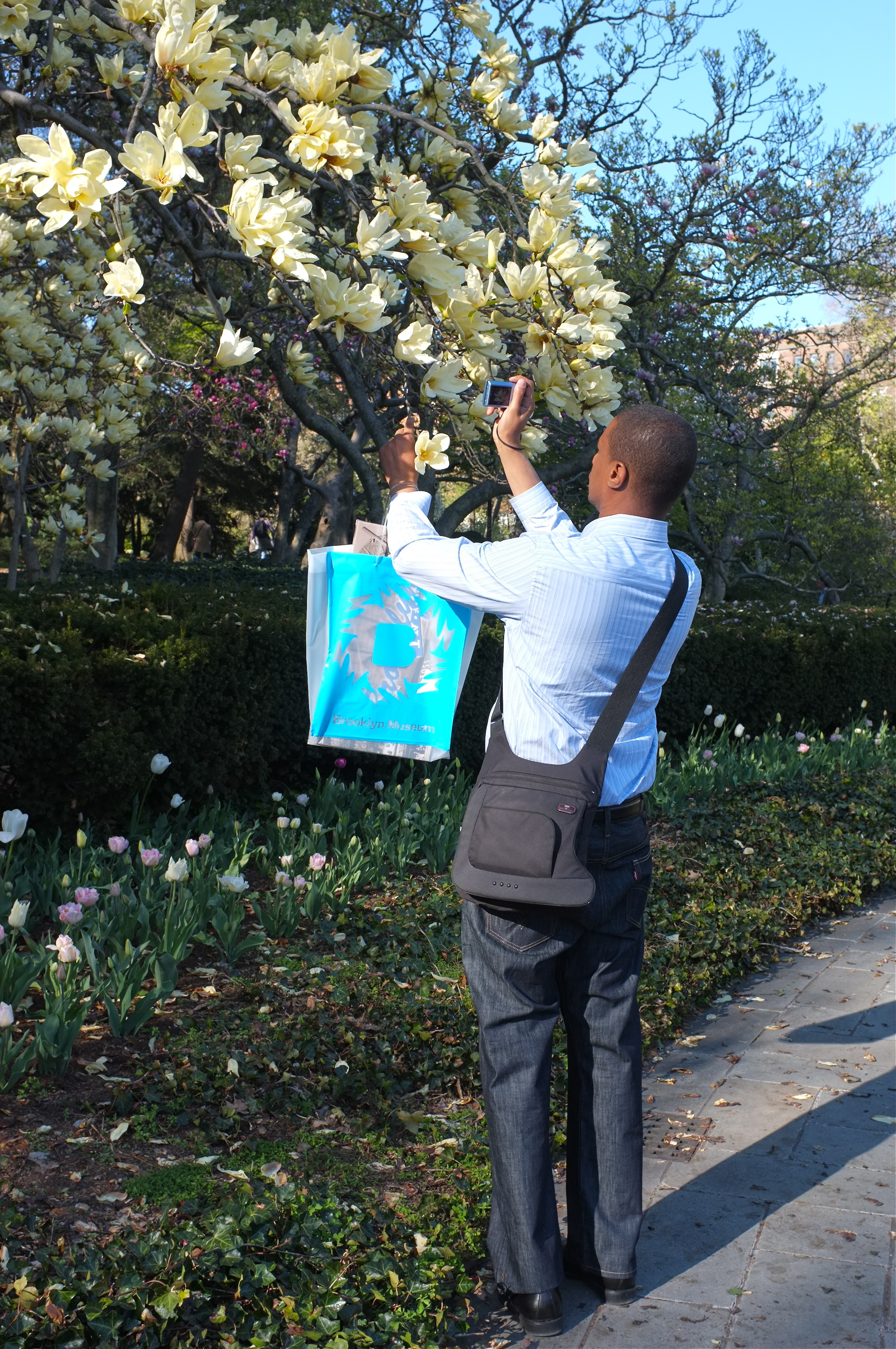
Yesterday while visiting our daughter Liv we stopped briefly at the Brooklyn Botanic Garden. We could not have come on a more perfect day to see both the magnolias and the cherry trees in the Japanese garden in full, spectacular bloom.

You may recall that in a previous “Top Five Magnolias” post I mentioned that Magnolia ‘Elizabeth’ was patented by the Brooklyn Botanic Garden in 1977. She was first hybridized in 1956 and is named after Elizabeth Van Brunt, a patron of the garden.

Everyone was taking snapshots of Elizabeth!

Giant Cocoon

I am so excited to tell you about this wonderful find. I was walking my pooch Rosie on our usual route down to the harbor and, dangling at eye level from a tree that I have passed a hundred times this winter, there was this structure. Thinking it was what it is, I ran home and checked my Lepidoptera books, and it is the cocoon of a member of the Giant Silk Moth Family, Saturniidaee (not to be confused with the oriental silk moth, Bombyx mori, from which silk fabric is spun).

Hanging from the tip of the American White Birch branch you could easily mistake it for a dry withered leaf, and that is exactly what the caterpillar has done, weaving the leaf around itself to pupate within. The cocoon is quite a good size, approximately two inches in length by one inch in width. The caterpillar pupates during the summer, overwinters in the cocoon stage, then emerges sometime in May or June. Giant Silk Moths live only for about a week. They mate soon after eclosing and then perish. Giant Silk Moths do not have mouth parts; all eating is done during the caterpillar stage.

Giant Silk Moth Cocoon

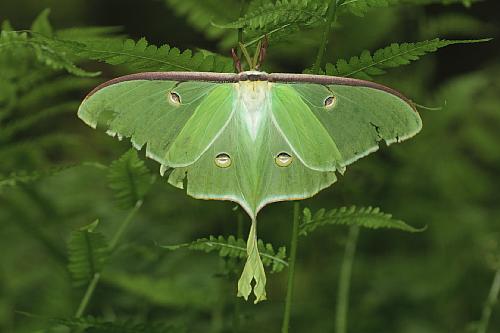
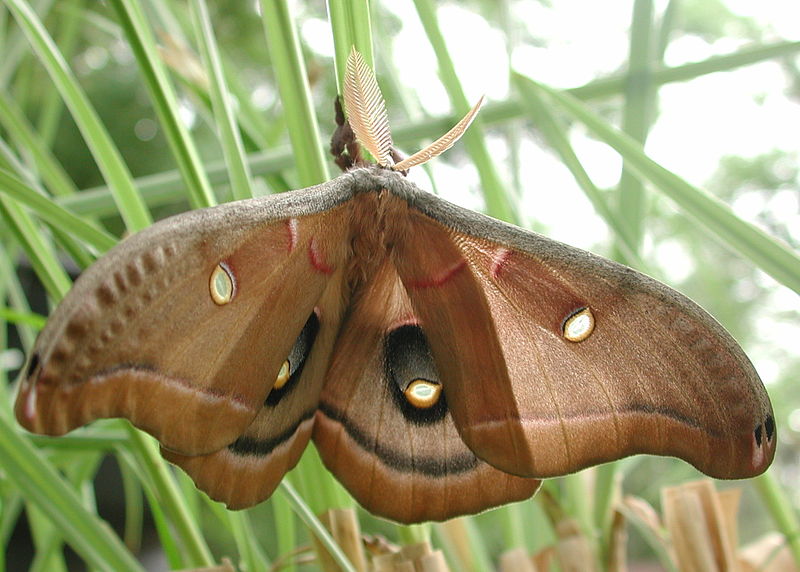
Several members of the Giant Silk Moth family of caterpillars eat birch leaves.  I am hoping (and it looks a great deal like) it is the cocoon of the simply stunning Luna Moth, however it could also be the beautiful Polyphemus Moth.

Luna Moth ~ Images courtesy Google

Polyphemus Moth ~ Image courtesy wiki

Magnolia ‘Elizabeth’

Top Five Recommended Magnolias for Cape Ann Gardens

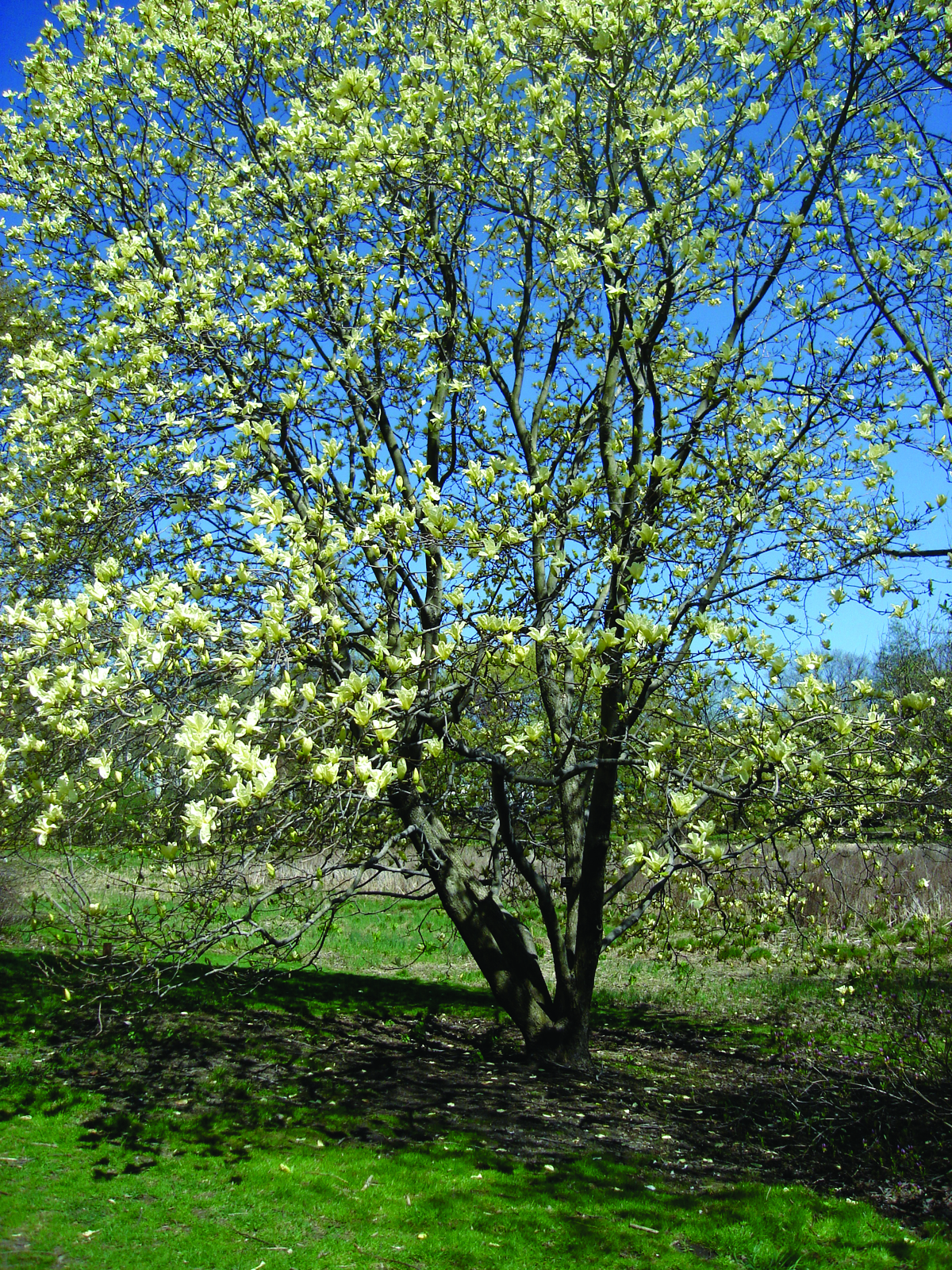
Magnolia ‘Elizabeth’

Photo Courtesy Liv

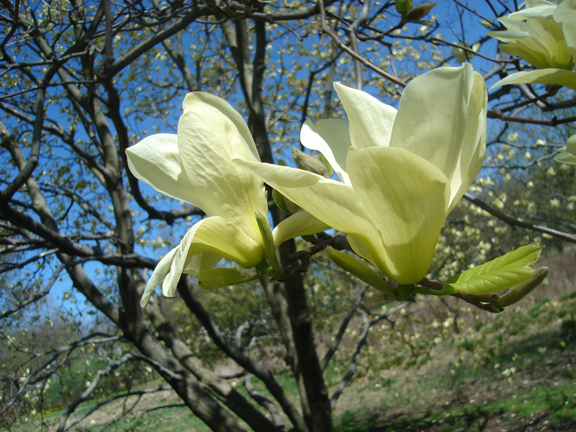
When Liv was attending Boston University I would often pick her up for lunch, and if the weather was fine, we’d end up at the Arnold Arboretum. After a winter of wearying shades of gray and brown, imagine our shared delight in coming upon the lovely Magnolia ‘Elizabeth.’ Not only is her beauty great, but sweet lemony scent, divine. Magnolia ‘Elizabeth’ is a cross between Magnolia acuminata, the Cucumber Tree, a native to the eastern regions of the United States and Canada and the Yulan Magnolia (Magnolia denudata), native to China; both species are much appreciated for their heady fragrance.
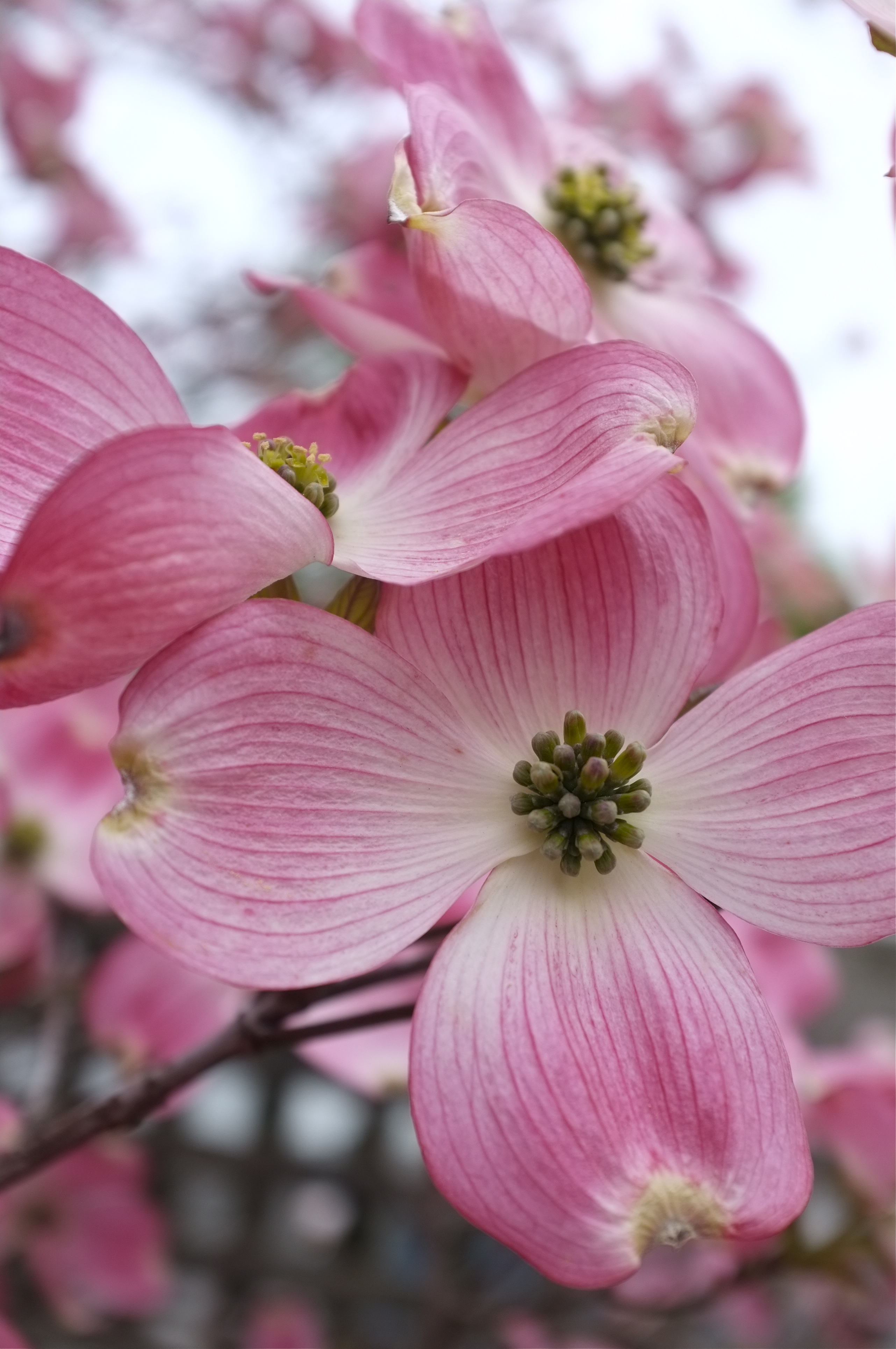
The Brooklyn Botanic Garden patented Magnolia ‘Elizabeth’ in 1977. I find the luminous primrose yellow blossoms much, much more preferable to the more common and relatively newer cultivar, Magnolia ‘Butterflies.’ Besides, M. ‘Butterflies’ has comparatively ZERO scent.

Magnolia ‘Elizabeth’ is pyramidal in habit with elegantly tapered buds, characteristic of its parent the Yulan Magnolia. I would grow the Yulan Magnolia in a heartbeat if only we lived in a slightly warmer climate because it is the most dreamily scented of all the magnolias; its parentage is what gives both Magnolia ‘Elizabeth’ and the Saucer Magnolias their gorgeous fragrance.

Liv photo

Magnolia ‘Elizabeth’ grows 20 to 35 feet and does best when sited in full sun in Cape Ann gardens. Magnolias like moist soil, but hate wet feet, in other words, they require excellent drainage.