Top Five Recommended Magnolias for Cape Ann Gardens

Does your magnolia look like this:
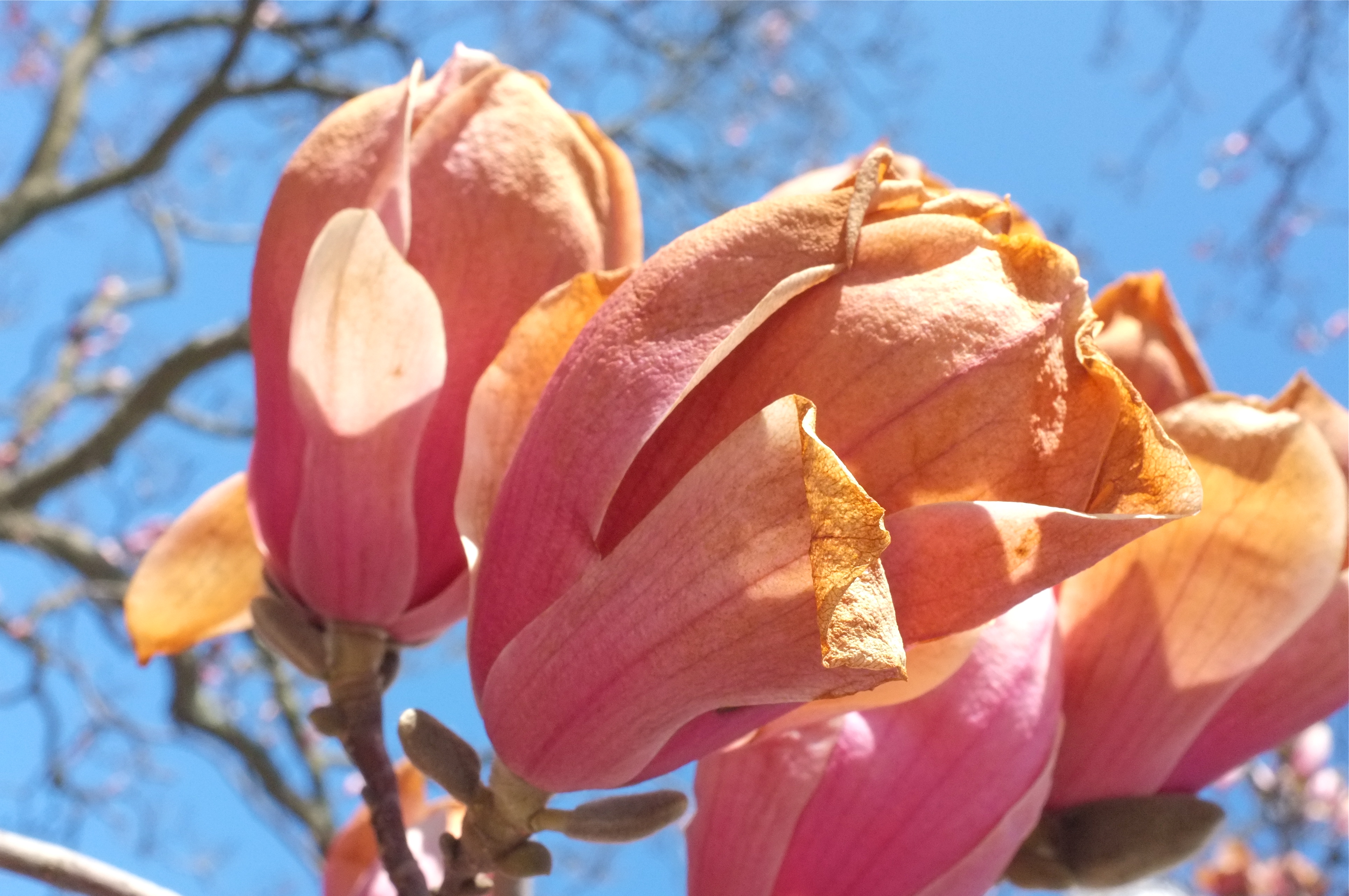
Magnolia blossoms ruined by hard frost

Rather than this:
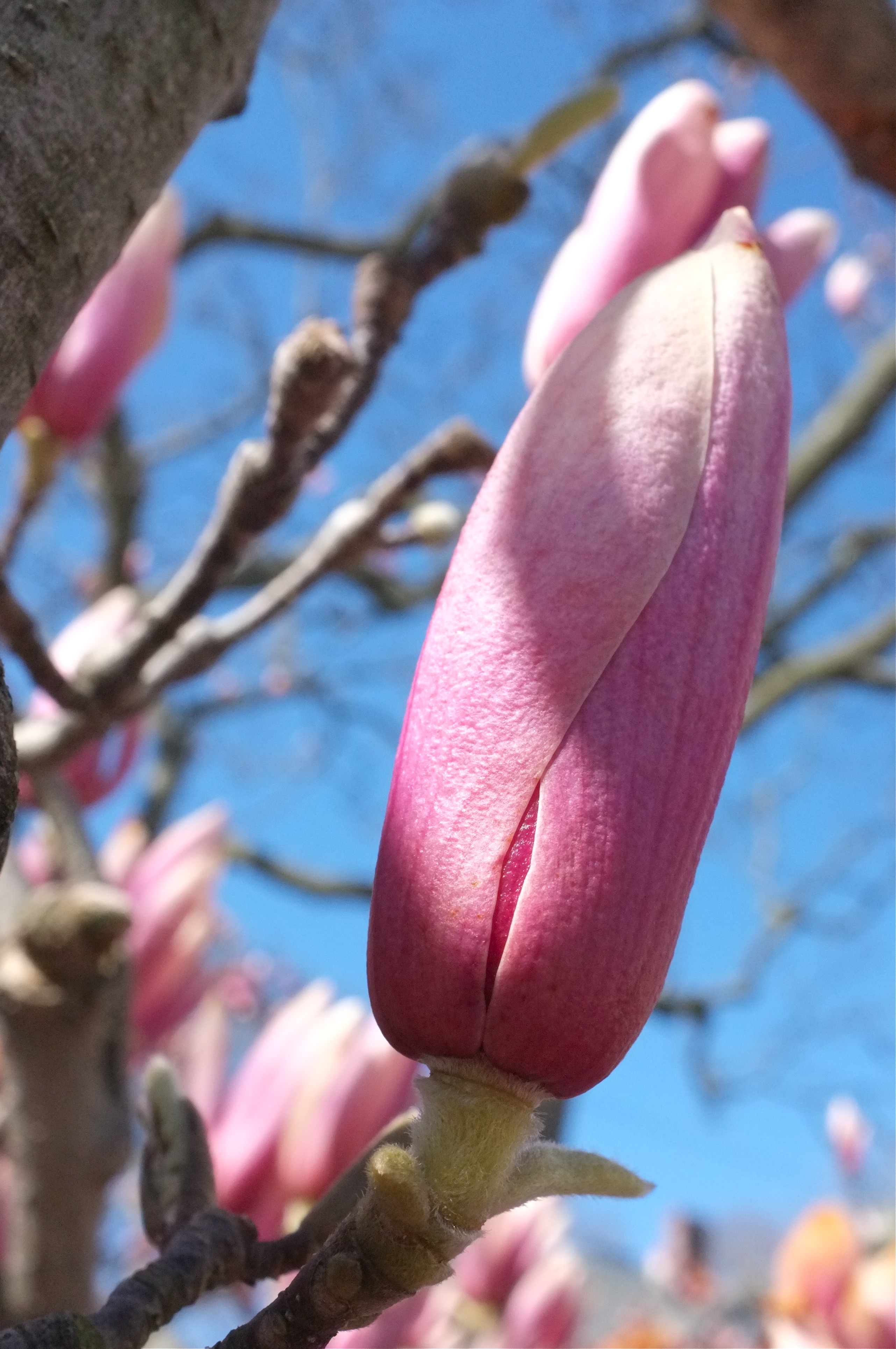
Magnolia soulangeana ‘Alexandrina’

Today begins a series on the top five magnolias for Cape Ann gardens, based on many years of observing and writing about this most highly appreciated species. Magnolias are one of the loveliest of springtime flowers, with silky buds developing into waxy fragrant goblets, and with their stunning display juxtaposed against bare branches, few trees are more breathtakingly beautiful than a mature magnolia in full glorious bloom. If you have a favorite magnolia, please write and let us know why!

Foremost in recommending magnolias for Cape Ann gardens are that the flowers have a beautiful shape that hold up well in inclement weather, that they are intensely fragrant, and no less importantly, that they come into flower a bit later in the spring, or early summer. I had formerly recommended the Star Magnolia (see Joey’s photos Blooming Baby) however, Star Magnolias (Magnolia stellata) bloom the earliest of all the magnolias and they are the most susceptible to damage from a hard frost. Their bloom time is fleeting, at best, and the flowers are often quickly ruined.

Today’s recommendation is for the Saucer Magnolia (Magnolia soulangeana x ‘Alexandrina’). The saucer magnolia is the magnolia of Boston’s Commonwealth Avenue fame.  A simply stunning and  mature pair can be seen in Gloucester flanking the front entryway to the Classic Revival brick house on the way to Eastern Point (opposite Niles Beach). The outer petals of ‘Alexandrina’s’ flowers are a richly colored deep pink, shaded white and pale pink inside, with a lovely fragrance. This variety has an upright habit, which makes it ideal for standard tree forms. Plant in full sun, to very, very, light shade.

Tip –if you hold fragrance in as high regard as do I, go to the nursery when the species of tree that you are shopping for is in full bloom. Oftentimes a tree may identified as a particularly fragrant variety, but then again it may not be accurately identified. Through no fault of the nursery– perhaps tags were switched, or perhaps their distributor has not accurately labeled the plant; whatever the case, take your nose from tree to tree.

No group of trees and shrubs is more favorably known or more highly appreciated in gardens than magnolias, and no group produces larger or more abundant blossoms.”

~  Ernest “Chinese” Wilson, botanist and plant explorer

Global climate change is creating extremes in weather worldwide. The horticultural problems created by a spring cycle of freezing-thawing-freezing temperatures are only going to increase. The gardener’s best defense is to plant species that can withstand these new horticultural parameters.

Carolina Wren

 That Chipmunk Bird

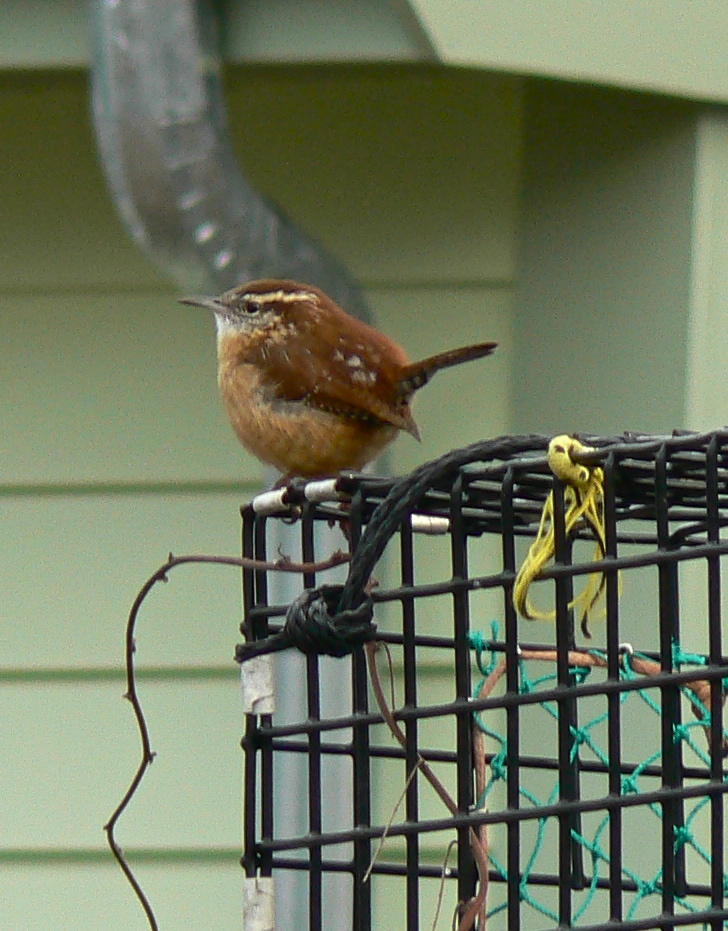
Come-to-me, come-to-me, come-to-me, repeated from sun up to sundown. Mellow and sweet—though loud enough to attract my attention—what was this new-to-my-ears birdsong coming from the thicket of shrubs? Occasionally we would catch a quicksilver glimpse of a petite sparrow-sized songbird singing energetically atop the fence wall or rapidly pecking at the chinks of bark on our aged pear tree. But this was definitely not a sparrow. His is a rounded little body with tail held upward. He has pale orangey-buff underparts and rich russet plumage, with white and black barred accents on the wings, and long white eye-stripes. Because his coloring is so similar to, my husband took to calling it “that chipmunk bird.”

Carolina Wren

After much running to the window and out the back door at his first few notes I was able to identify our resident Carolina Wren. All summer long and through the fall we were treated to his beautiful and sundry melodies. Here it is late winter and he is again calling me to the window. We can have a longer look through bare trees and shrubs. Much to our joy there is not one wren, but a pair!

The Carolina Wren (Thryothorus ludovicianus) is common throughout the southeast; so populous it is the state bird of South Carolina. When found on Cape Ann it is at its most northern edge of its territory. Gradually, as the climate has warmed over the past century, its range has expanded. They are sensitive to cold and will perish during severe weather. The Carolina Wren is a highly adaptable creature, dwelling in swamps, forests, farms, and tree-filled urban and suburban communities. They hop around leaf litter and dense brush, using their elongated bills to forage for food close to the ground. A pair may bond any time of the year and will stay together for life. It is the ardent male who sings the loud song and he is apt to anytime and anywhere. Carolina Wrens work together to construct their nests and feed their young. Their nesting sites are varied, built in both man-made and natural nooks and crannies; tree holes and stumps, and just as frequently, windowsills, mailboxes, tin cans, garage shelves, and holes found in porches, fence posts, and barns.

During the breeding season they have a voracious appetite for insects, supplemented with fruit, nuts and seeds. Hoping to keep our pair healthy and in residence, and worried that they would not have enough fat in their diet, I made a peanut butter feeder. It took under an hour and cost less than five dollars. I am experimenting with different recipes and will let you know which songbirds are attracted to what mixture and whether or not the squirrels become intolerable.

How to make a Peanut Butter Bird Feeder

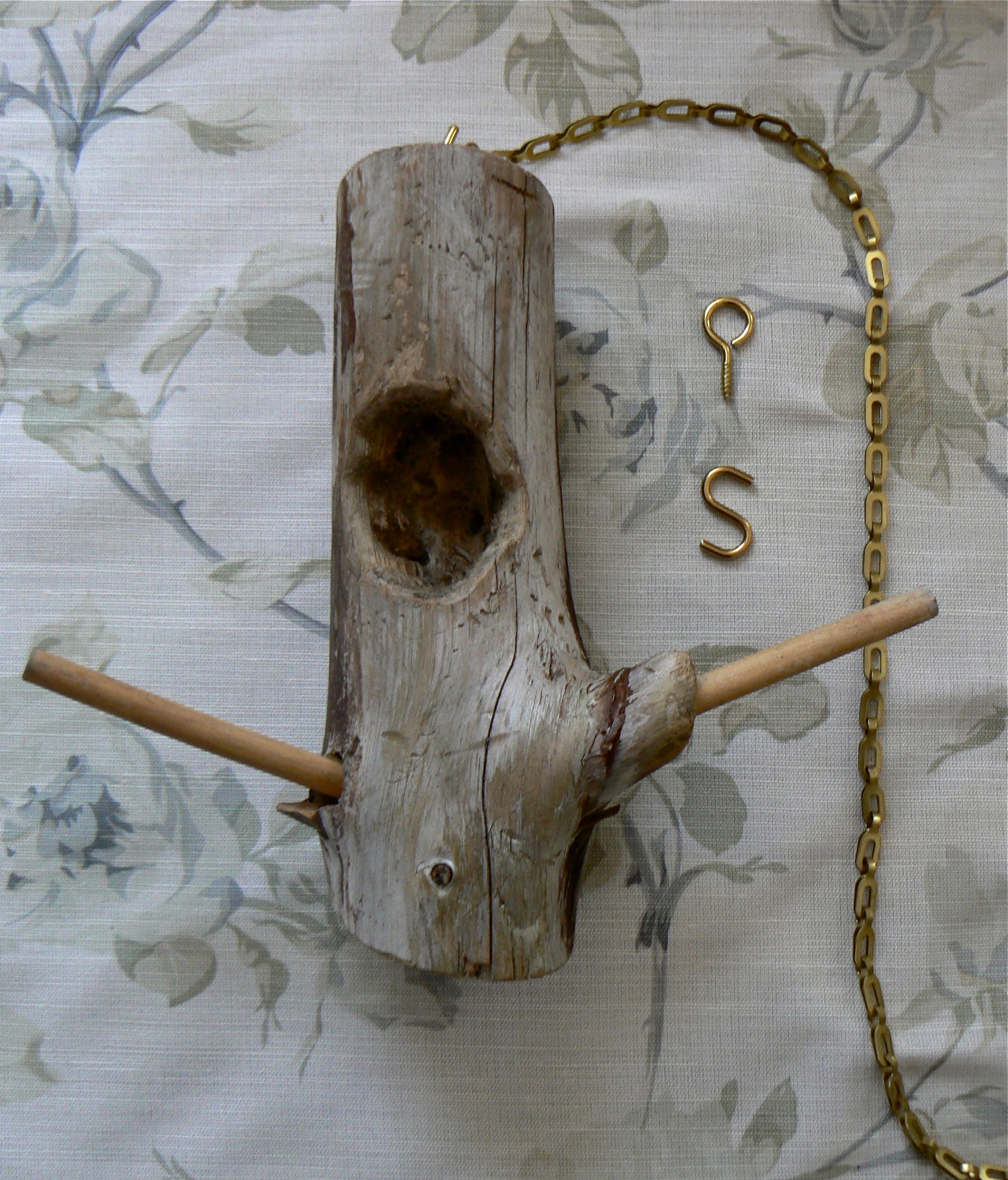
Materials and tools needed: Portion of driftwood or fallen branch, approximately 4 to 6 inches in diameter; one dowel, approximately 1⁄4 inch diameter; one 1-inch open S hook; one size 12 screw eye; approximately six feet of chain; saw; drill, with one large bit, and one small bit that is slightly larger than the dowel; sandpaper; wood glue.

It took several tries to find driftwood that was not soft, wet, and mushy inside. Look for wood from hardwood. The driftwood in the photograph was cut to eight inches in length, after determining where the center hole and holes for the perches should be drilled. Mark, with a pencil, a two- to three-inch diameter hole, depending on the diameter of the wood. Mark the two spots for the perches, about 1 and 1⁄2 inches below the hole. Drill the side holes for the perches one inch deep. Drill the center hole, approximately two to three inches deep, again depending on the diameter of the log. Smooth the center hole with sandpaper. Cut two perches from the dowel, 4 inches in length, and glue into the drilled perch holes. Allow to dry overnight. Center and screw the screw eye into the top of the feeder and add the S-hook. Loop the chain around a tree limb so that it hangs five to six feet off the ground. Attach the S hook through the screw eye and chain. With pliers, close the upper end of the S-hook firmly around the chain and the opposite end just enough to hold the screw eye firmly in place, but not too tight that the feeder cannot be removed for easy filling and cleaning. Fill with peanut butter mixture.

Peanut Butter and Fruit Recipe ~

Basic recipe: Mix one or two tablespoons of peanut butter with an apple slice that has been finely diced. Add a teaspoon of raisins, coarsely chopped. This makes a perfectly appetizing and healthy mix. For variety, add dried cranberries, currants, chopped almonds, sunflower seeds, millet, and/or crumbled whole grain crackers.


St. Joseph Day Preparations

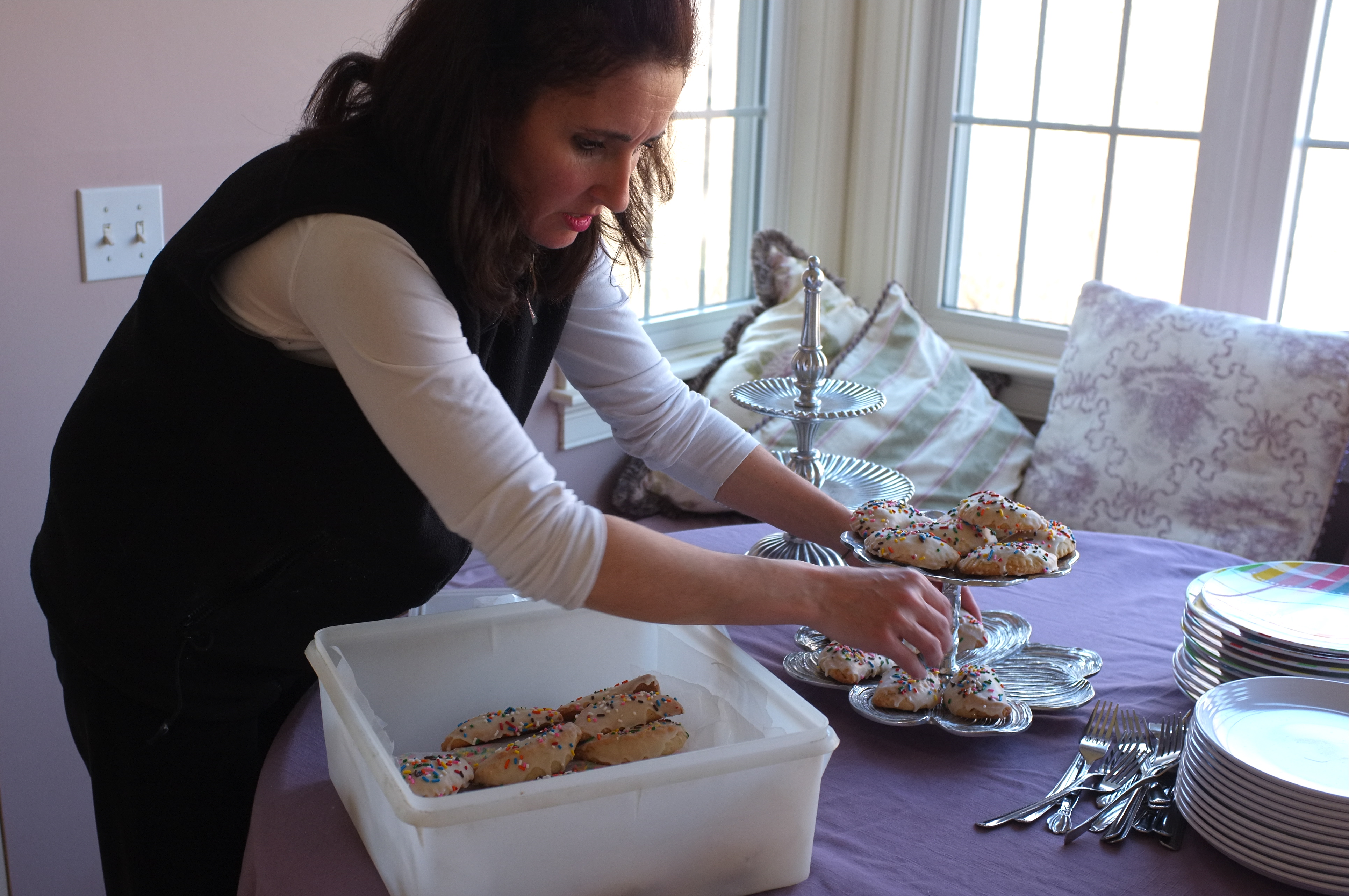
Preparations are full underway at the Ciaramitaro-Mohan’s–just a preview of the wonderful San Giuseppe feast dishes we will be highlighting in our upcoming videos!

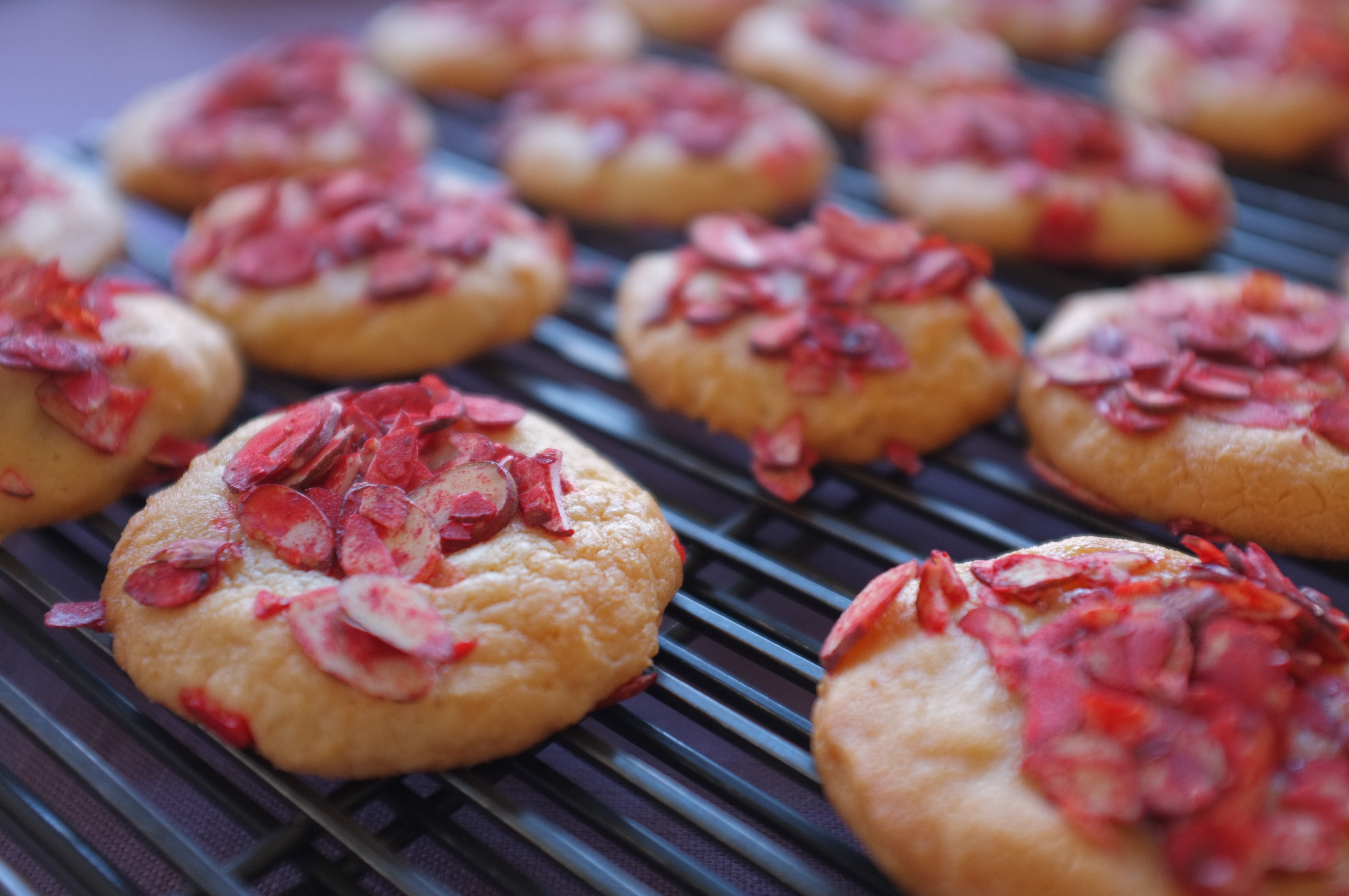
Felicia’s Macaroons

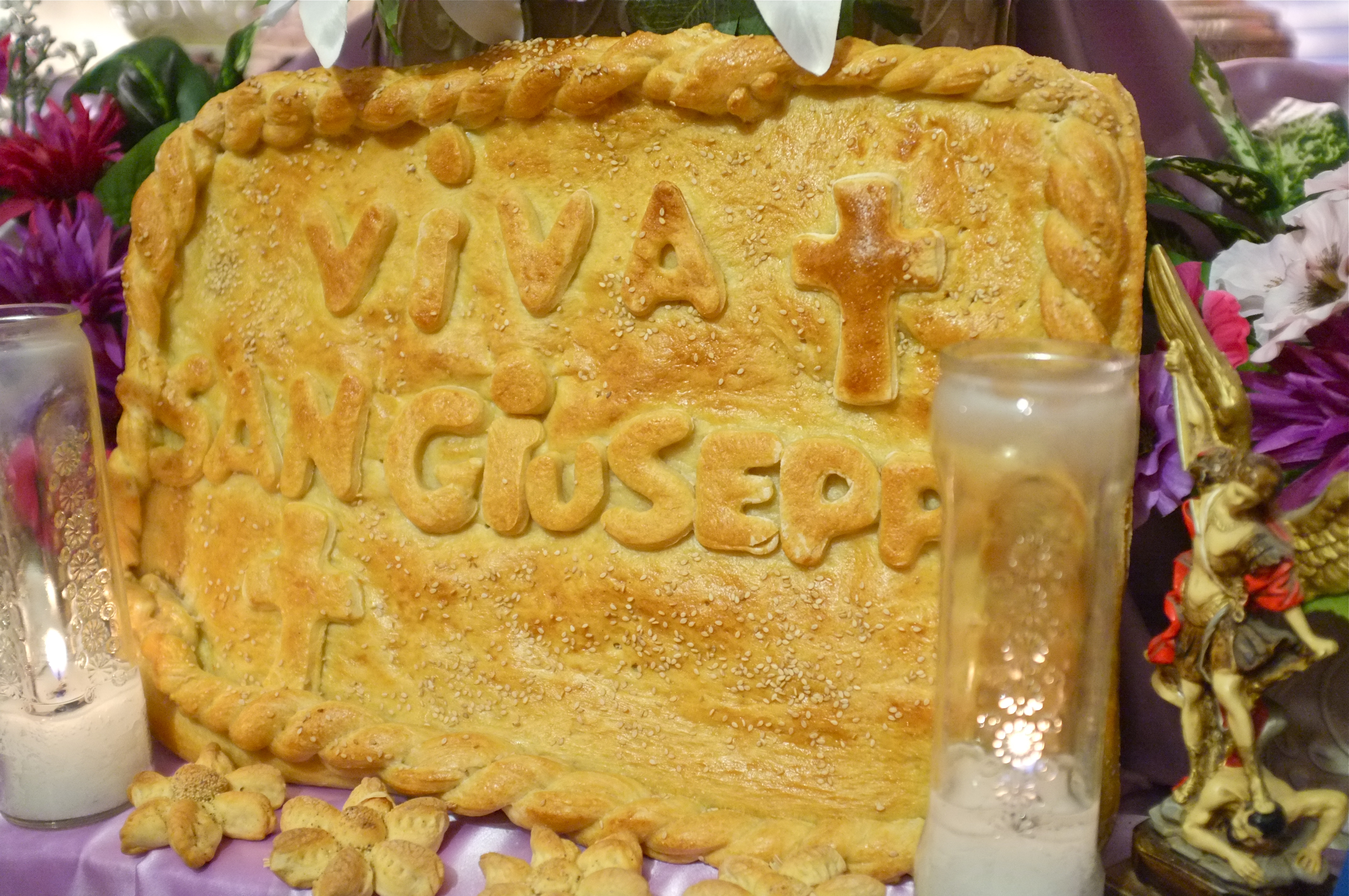
Oranges for the sweetness in life, lemons for the bitterness, and bread is the staff of life

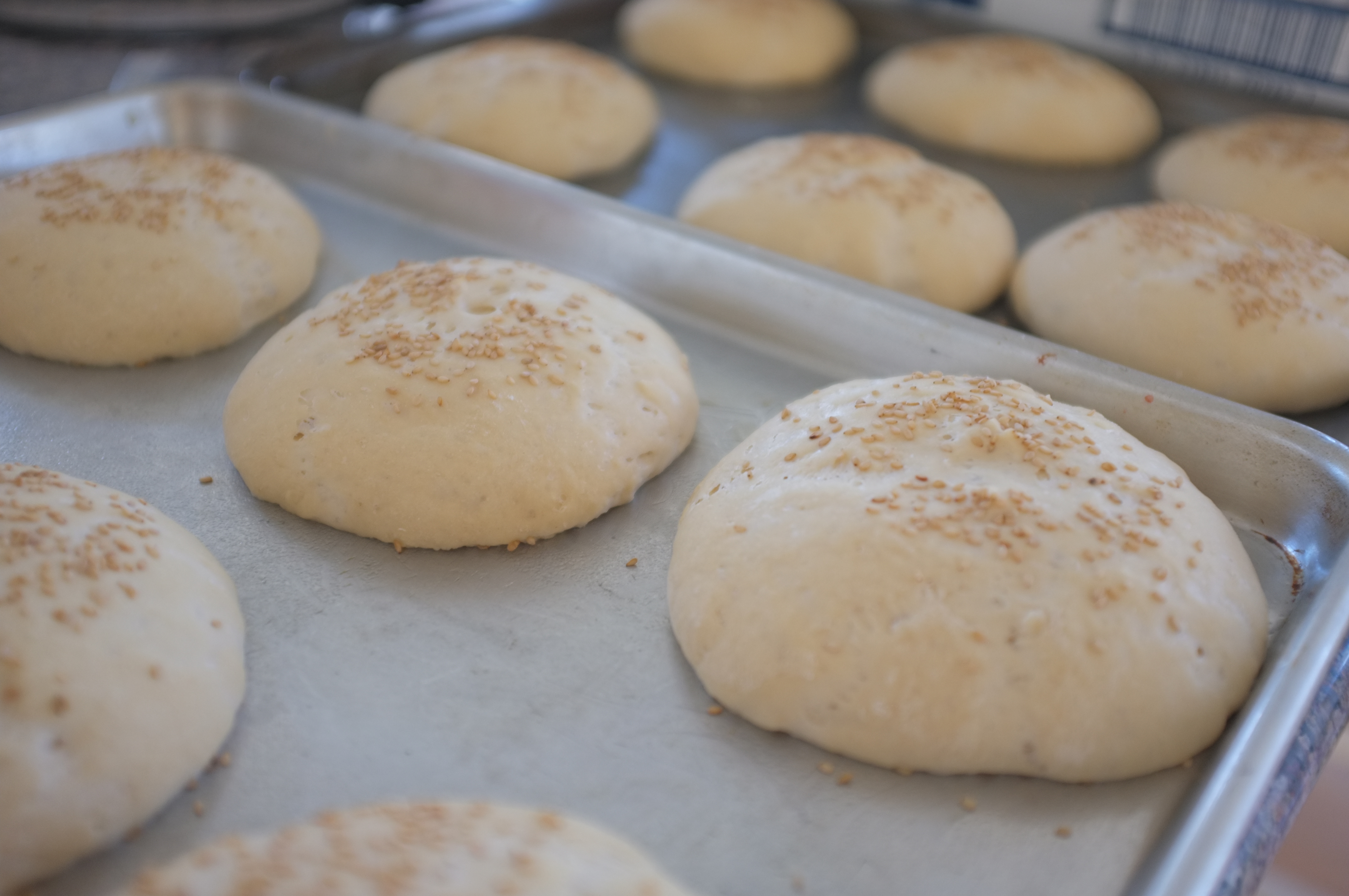
San Giuseppe bread

St. Joseph Novena with the Orlando Family

So many thanks to the Orlando Family for again opening their home and hearts.

Joe, Maryann, and Grandma Orlando

The singing and prayers are beautiful. We recorded an entirely different selection of songs (compared to the previous evening), followed by a delicious and lovely spread of homemade pastries and cakes, with much laughing and joke telling in the family’s kitchen.

Rosalie and Maryann

Maryann’s Sister Vickie

Felicia’s Viva San Giuseppe Bread

Vintage angel figurine

To read the extensive GMG coverage and see Joey’s videos from last year’s Novenas, go to the GMG search box and type in Novena.

St. Joseph Novena with the Orlando Family

I was touched beyond measure when Felicia invited my husband and I to celebrate the Feast of St. Joseph with she and her family, and to record the traditional songs and family Novenas throughout the city.

Orlando Family Alter

Rosalie and Maryann Orlando created a stunning alter; even the curtains are color co-ordinated to match their color scheme of plum, rose, lavender, and white.

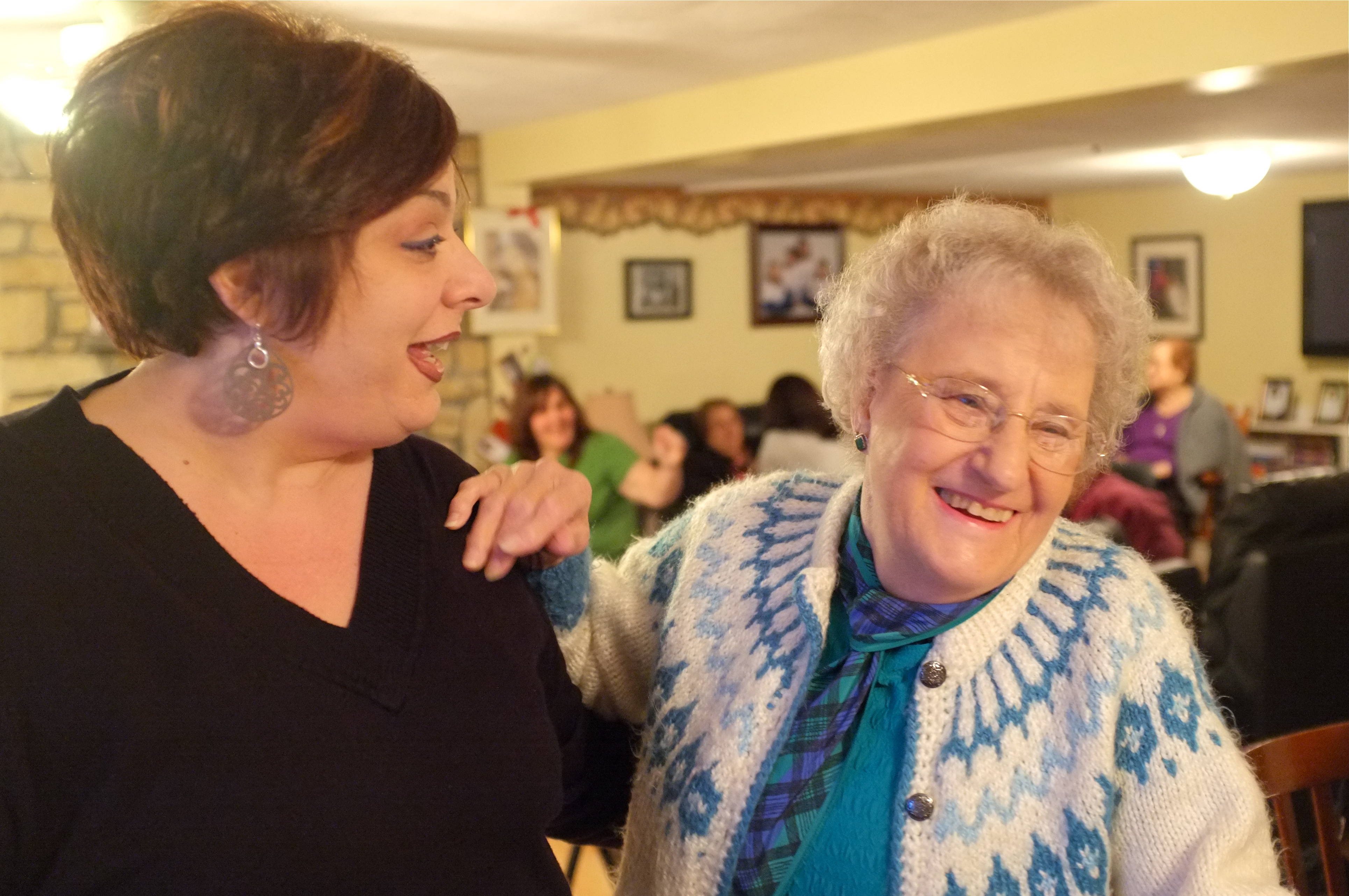
Rosalie Orlando and Felicia

Last night we recorded every song and tonight we will record the music again because the same songs are not sung every night. Then tomorrow night we will visit all the Novenas throughout the city in what Joey referred to as the “crawl’ and what Felicia calls “Italian Trick or Treat.” And then for the magnificent feast at Felicia’s home on Monday night… Stay tuned for much more to follow.

Pat, Lillian, and Phyllis sharing a joke…

After prayers and singing  a delicious supper was served, with pizza made by Joe Orlando, salad, and homemade pastries. My deepest thanks to the Orlando family for allowing me to film thier beautiful family tradition. And for the very warm welcome to their lovely home, wonderful dinner, and much laughter!

To read the extensive GMG coverage and see Joey’s videos from last year’s Novenas, go to the GMG search box and type in Novena.

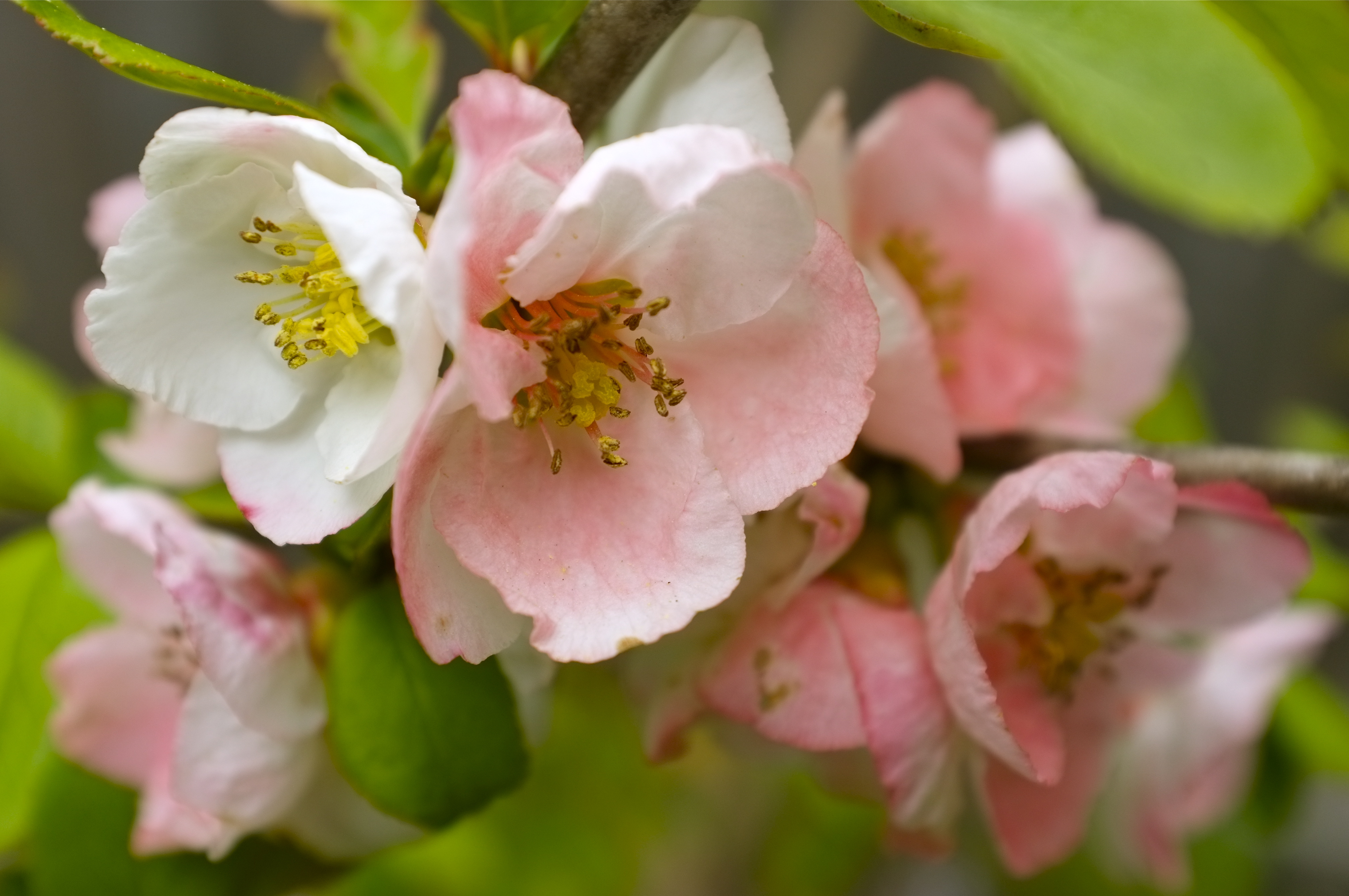
Japanese Flowering Quince â€˜Toyo-Nishiki’

Please join me Wednesday, March 14,  at 10:30 for my lecture The Pollinator Garden presented by the Arlington Garden Club.

I am in the process of organizing photos for my upcoming season of garden design lectures and am enjoying looking over the past year in photos. This was my first year with the Fujifilm x100 and the photo of the flowering quince below was one of the first photos I took with the x100. I do love this camera!

Chaenomeles speciosa ‘Toyo-Nishiki’

Coaxing Winter Blooms

From mid-February on is the recommended time to prune members of the copious Roseaceae (Rose family) and their cut branches create stunning arrangements. The bare limbs dotted with five-petalled blossoms are particularly evocative juxtaposed against the cool, low light of winter. I am picturing the plum rose of Prunus cerasifera ‘Thundercloud,’ the vivid pink of peach blossoms, the elegant sparkling white blossoms of apricot trees (Prunus armeniaca), and the brilliant fiery red-orange ‘Texas Scarlet’ Japanese flowering quince illuminating the rooms in which they are placed. I have to say my favorite of favorites is Chaenomeles speciosa ‘Toyo-Nishiki,’ with buds swollen and ready to burst by mid-winter and flowering in multiple hues of white, rose, and apricot pink, the beauty of their blossoms emphasized by the sharply zigzagging branches.

Note: Flowering quince provides nectar for northward migrating hummingbirds. It is not too early to put out your hummingbird feeders.
More information about Chaenomoles ‘Toyo-Nishiki’ may be found in Chapter Three, “Planting in Harmony with Nature,” Oh Garden of Fresh Possibilities!

Look at all the Buds!

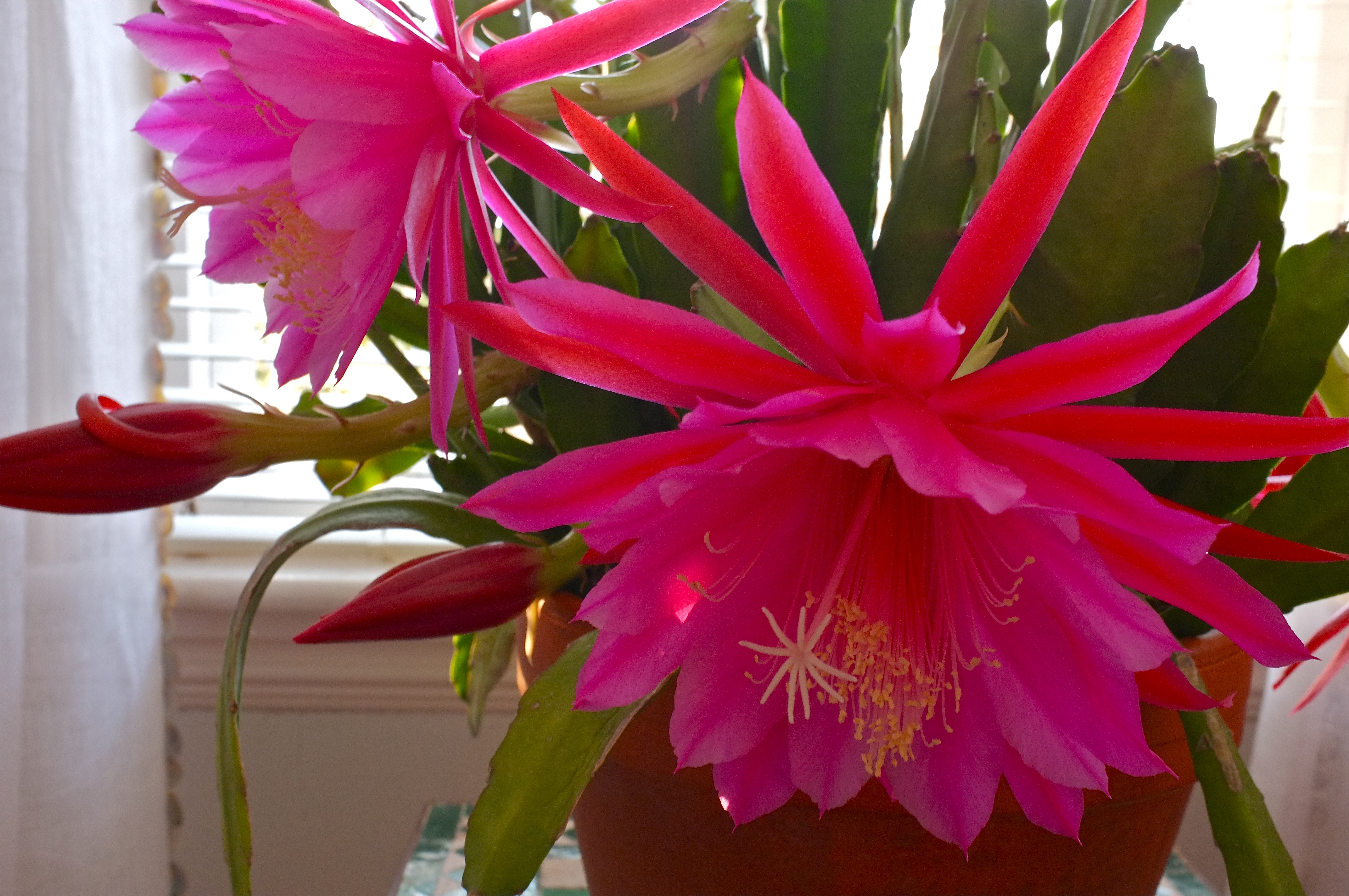
I am glued to my office hour upon hour editing footage for butterfly film as well as photographs for upcoming lectures, though longing to get out and photograph on this gorgeous day. My goal is to have all accomplished before the garden design season is full underway. Fortunately I have our sweet dog and cat to keep me company and they are curled up in their individual and jealously-guarded-chairs. Making work even more enjoyable is the epiphyllum, which is in full, intoxicatingly fragrant, bloom.
Happy Gorgeous Day!

Epiphyllum ~ I am unable to share the name of this species because it was obtained without an identifying tag from a plant sale.

Round Robin Redbreast Snowy Day Video

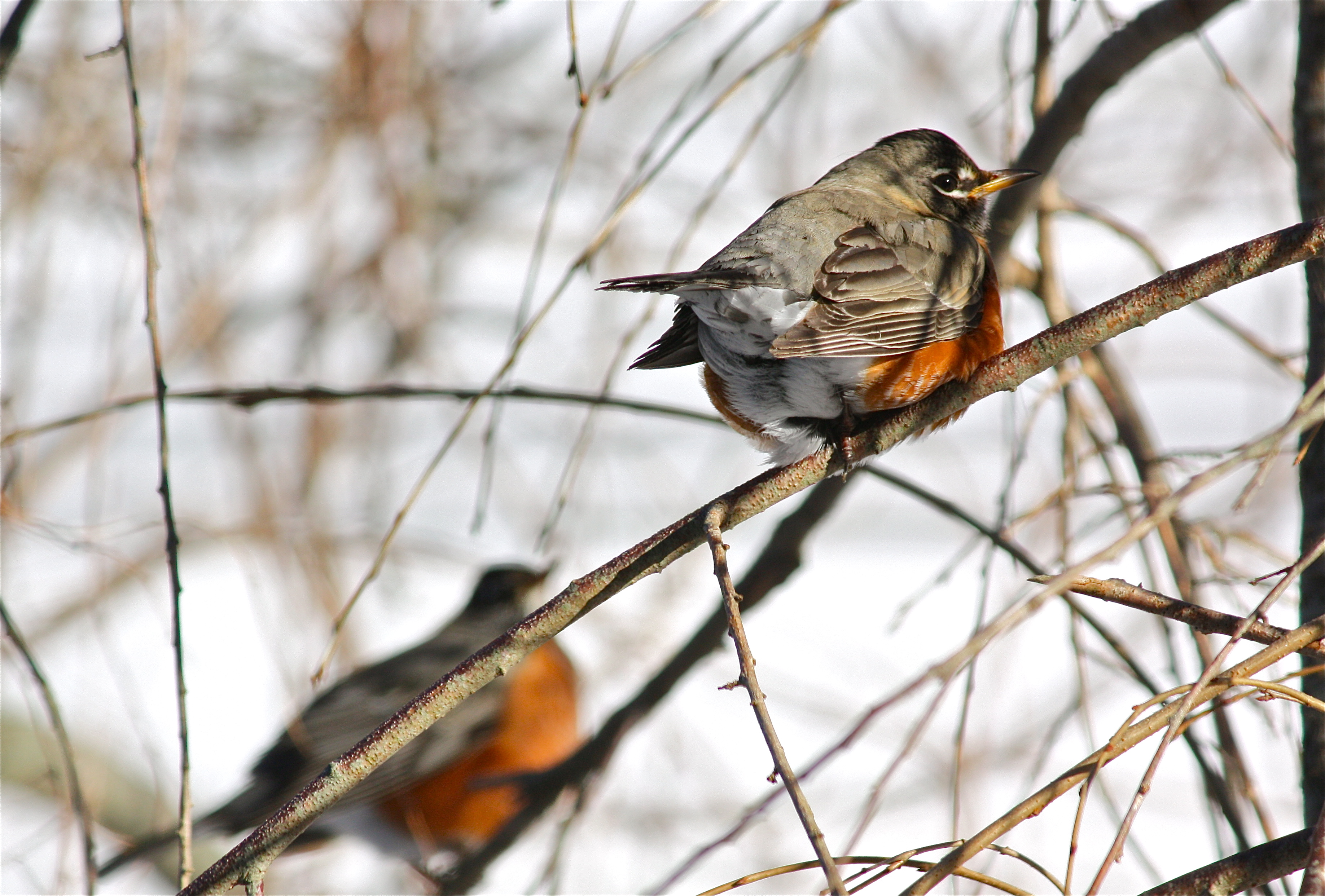
Each year we are visited by a breathtakingly beautiful migrant flock of American Robins. This year they arrived on leap day, many weeks later than is typical. There wasn’t much to eat as the Mocking Birds and Catbirds have eaten nearly all the berries on the Dragon Lady hollies. Fortunately, the winterberry had held its fruit. Unfortunately, the aggressive and pesky European Starlings were competing for what little fruit remained.

The following was originally posted December 2010 ~

The widely distributed and beloved American Robin (Turdus migratorius) hardly needs an introduction. The American Robin is the largest member of the thrush family—thrushes are known for their liquid birdsongs and the robin is no exception. Their unmistakable presence is made known when, by early spring, the flocks have dispersed and we see individual robins strutting about the landscape with fat worms dangling. Unmistakable, too, is the male’s beautiful birdsongs, signaling to competing males to establish their territory, as well as to entice prospective females. Read more about the American Robin including suggestions of native plants that provide nourishment for resident and nomad.

Solutions for Protecting Birds from Hitting Windows

Every year, in the United States alone, over 1,000,000,000—yes, that is one billon—birds are killed from flying into windows. Chris Leahy quoted this statistic at the talk he gave last week at the Sawyer Free Library. Coincidentally, earlier that day I had been speaking with my friend Kate who has this very problem of birds hitting her windows as her home is sited on a beautiful seaside meadow in Tiverton, Rhode Island. She wanted to share with my readers about spider web decals for glass windows.

I found a website that offers a range of innovative solutions to protect birds, for both the residential home and the commercial property, TONI Bird Control Solutions. Although based in Germany, the solutions are universal.

Spider webs reflect light in the UV spectrum and are a visible barrier to birds. When you think about it, we don’t often see birds entangled in a spider’s web. Taking cues from nature, the spider’s web is the basis for TONI’s ultraviolet bird pen, bird glass, and UV decals. TONI’s solution #2, the ultraviolet Bird Pen, is well suited for residential properties. Also, check with the Essex Bird Shop. I believe they carry ultraviolet decals, not visible to the human eye.

American Robin 

If so many birds are killed, why don’t we see the dead bodies? The answer is simply, scavengers. Migrant songbirds fly at night, hitting the glass in the dark and the very early morning hours. Scavengers like gulls, vultures, crows, magpies, rats, and cats know where to look for injured and dead birds. At city skyscrapers, building maintenance daily sweep up bags of, and sometimes during peak migration, barrels full of, dead birds every morning at dawn. The high death rate around skyscrapers is also due in part to the bright lights left burning all night.

Another solution is perhaps not wash your windows quite as frequently, or wait to wash until after the spring and fall migrations. Fortunately, we do not have the problem of birds hitting our windows because of our many weathered and wavy window panes dating back to 1851. We have a different problem. During warmer months, I like to take advantage of the harbor breezes and usually have the windows wide open, and without screens (until mosquito season begins). We’ve had finches and sparrows and hummingbirds flying around my home office, but then again, none fatally injured.

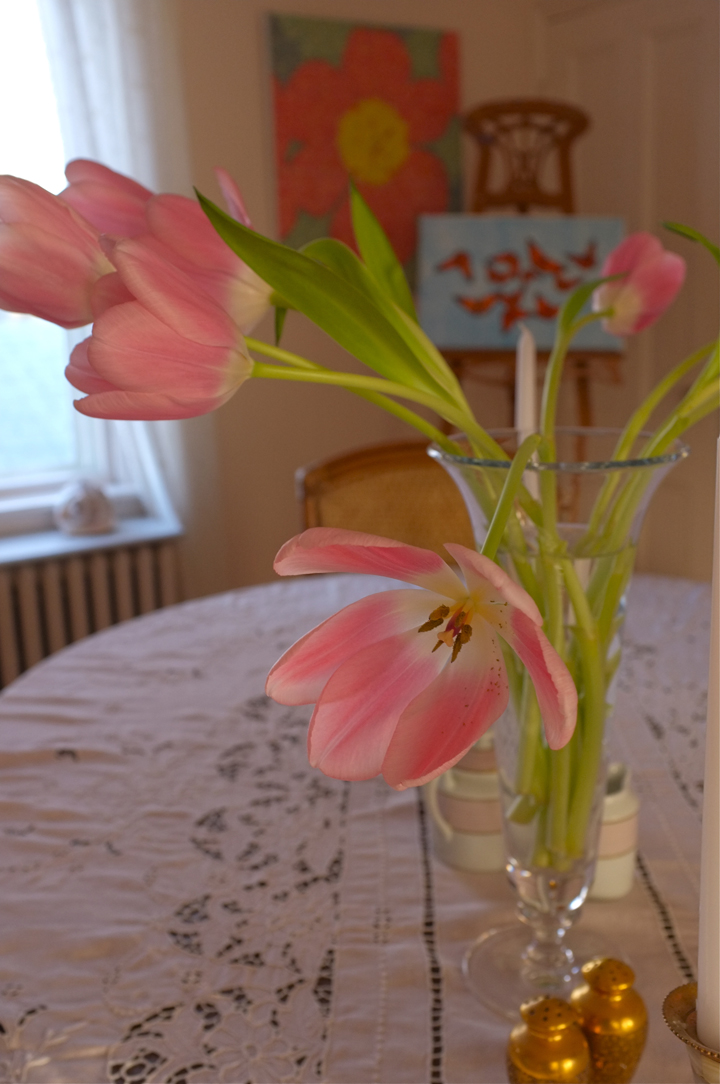
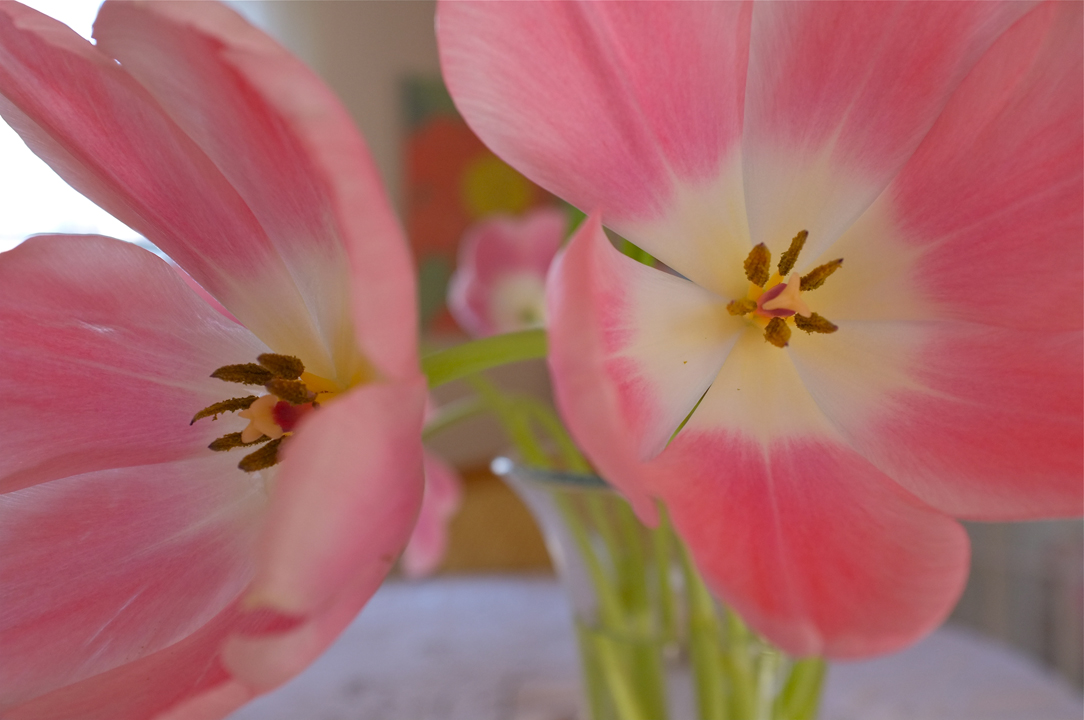
Think Pink!

Chasing Away the Winter Doldrums

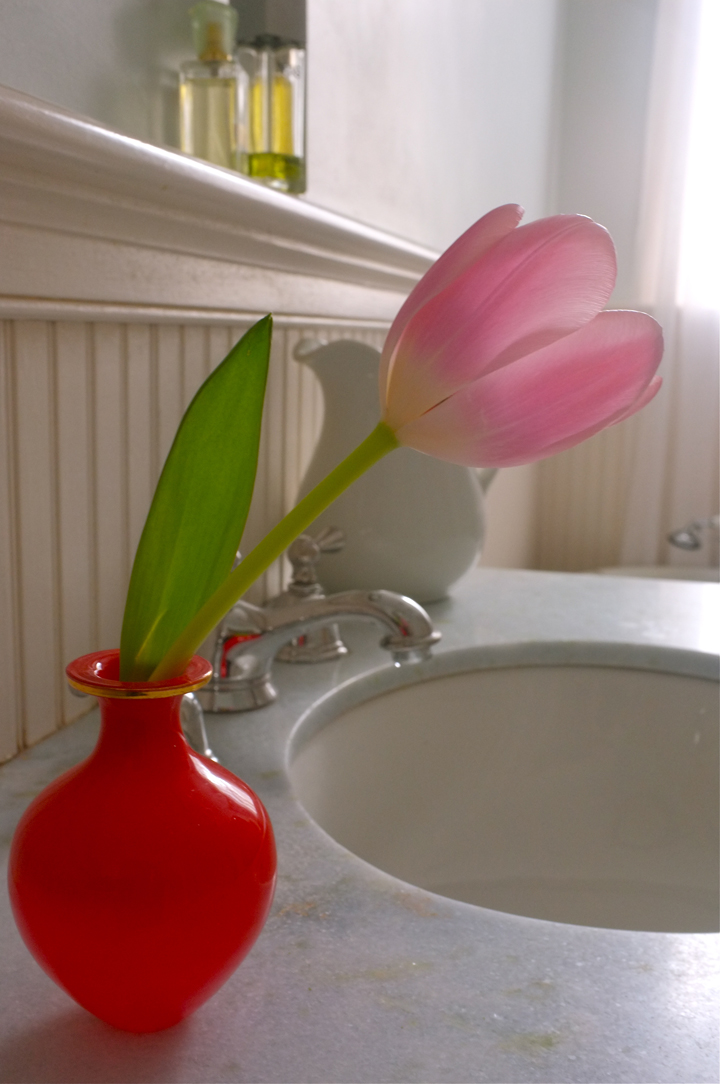
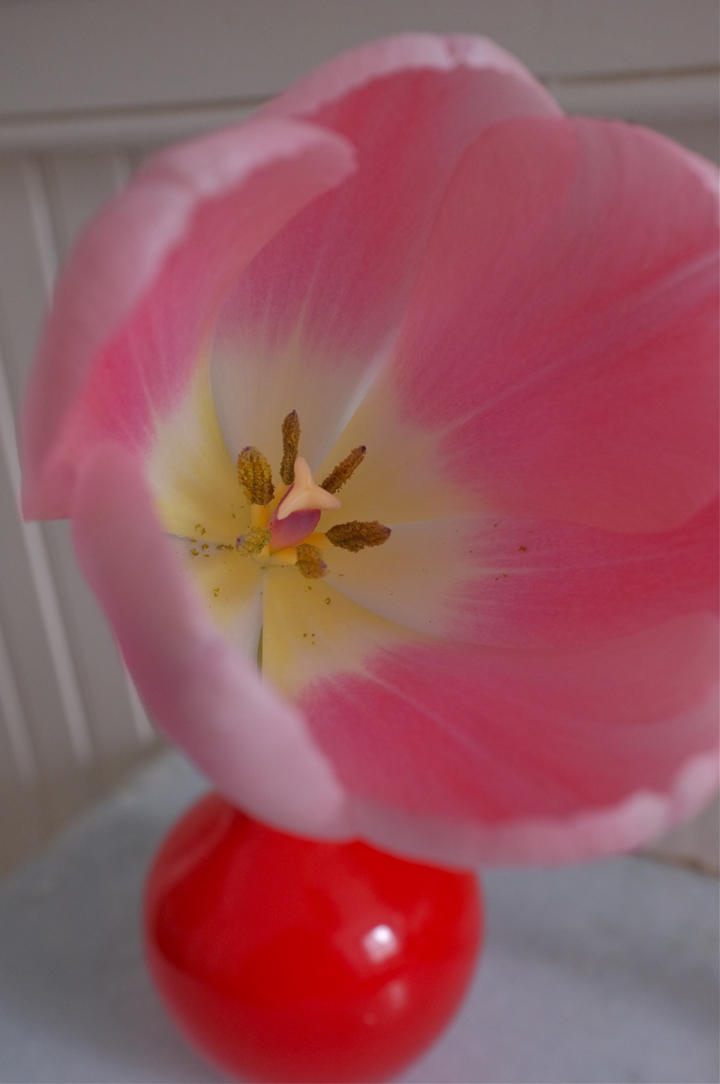
The stem I always manage to snap when unpacking the tulips-

Kay Tompson sings Think Pink! in Funny Face (1957, starring Audrey Hepburn and Fred Astaire)

Think pink! when you shop for summer clothes.

Think pink! if you want that quel-que chose.

Red is dead, blue is through,

Green’s obscene, brown’s taboo.

And there is not the slightest excuse for plum or puce

—or chartreuse.

Think pink! forget that Dior says black and rust.

Think pink! who cares if the new look has no bust.

Now, I wouldn’t presume to tell a woman

what a woman oughtta think,

But tell her if she’s gotta think: think pink—!

-Music by George Gershwin with Lyrics by Roger Edens

Looking for a Chrysalis

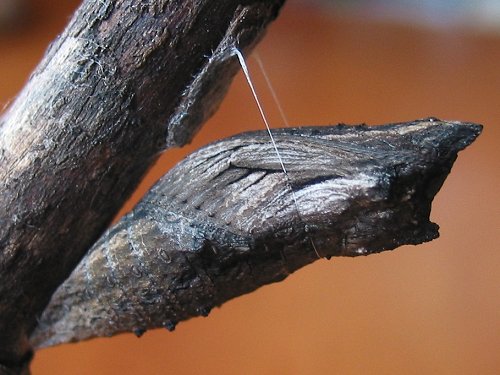
I am looking for a Black Swallowtail chrysalis to film. The last generation of the previous summer’s Black Swallowtail caterpillars spends the winter in their chrysalis form. Often times the winter chrysalis is woody brown, not green. The late season caterpillar may pupate under the eaves of a house, along a porch or deck rail, or on a fence. I am hoping that amongst all the many GMG readers, someone has a brown Black Swallowtail chrysalis in their garden.

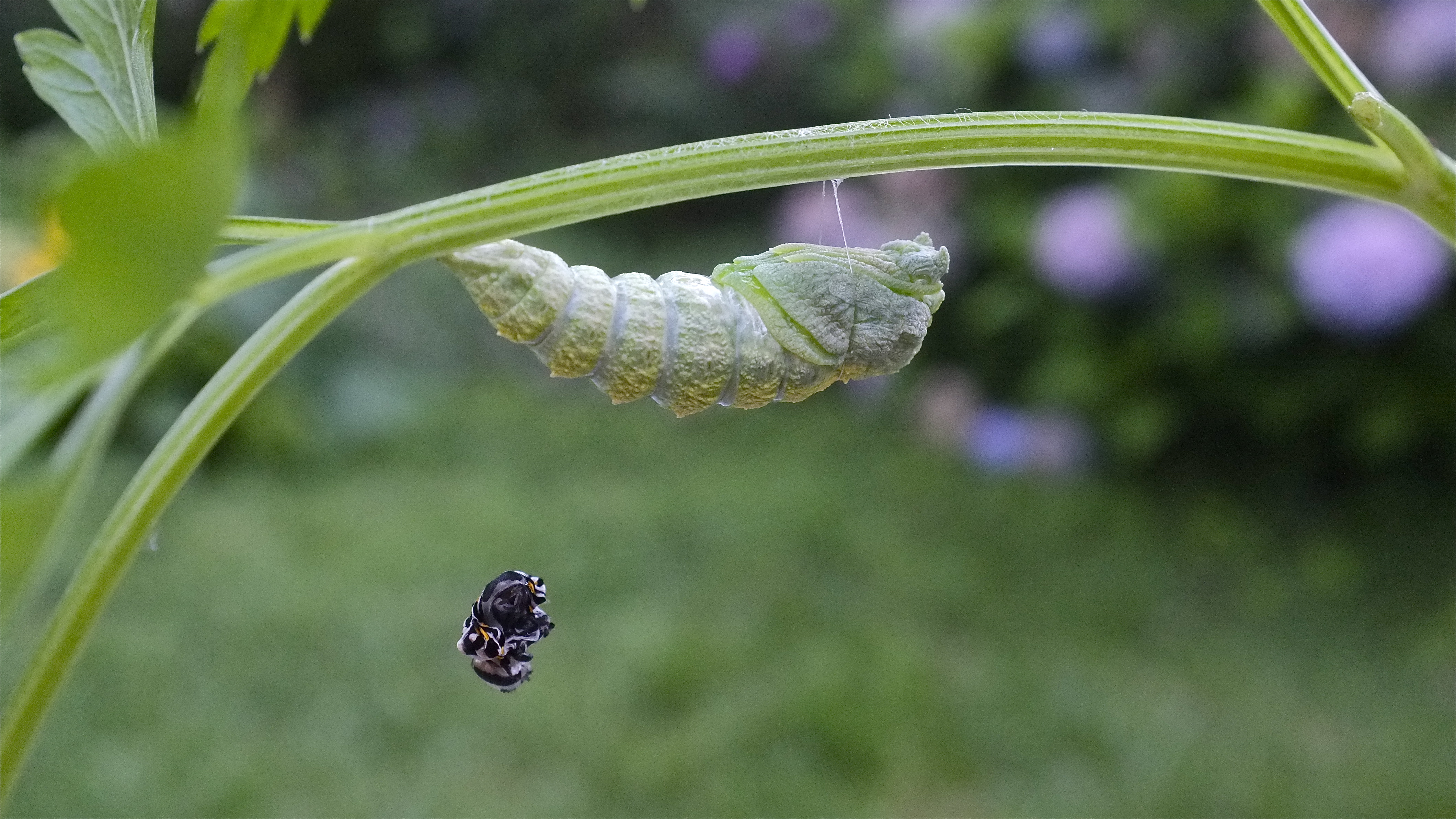
Black Swallowtail chrysalis, green form

There are several distributors from where butterfly and moth chrysalis may be purchased, but I would prefer to film a Cape Ann specimen in its natural habitat (or at least a Black Swallowtail chyrsalis from the New England area). Please let me know if you think you have the brown form of the Black Swallowtail chrysalis. THANK YOU!!!

Black Swallowtail chrysalis, brown form–image courtesy Google image search

More about Depression Era Quilts

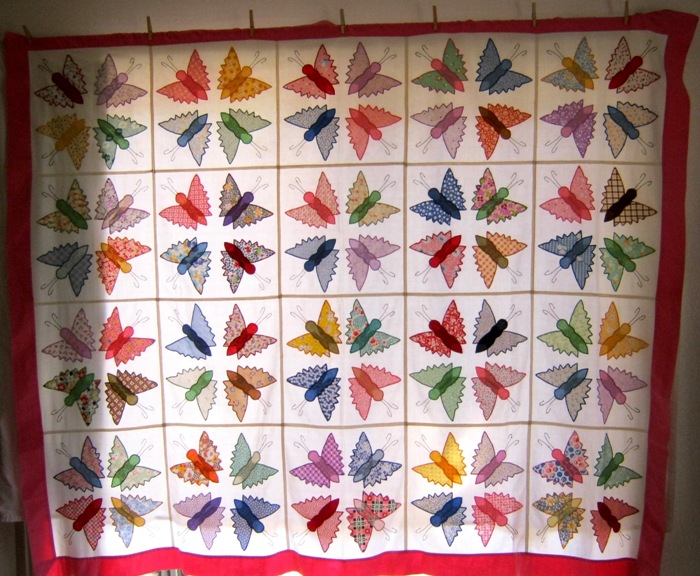
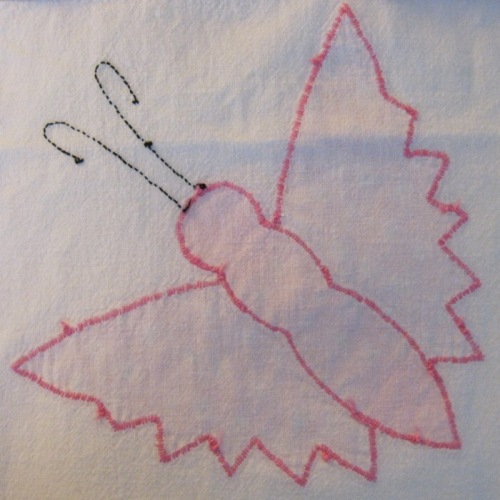
Depression Era Butterfly Quilt Top 

Reader Sandra G recently wrote: Thank you for Sharing the Antennae For Design Article and Photo. I recently acquired a Vintage Butterfly Quilt Top*, that has me puzzled as to what the fabrics are and dating it ? The Butterflies appear to be very similar to your Photo. I am clueless about this Quilt Top and any help would be greatly appreciated. You have a great Website and Blog!

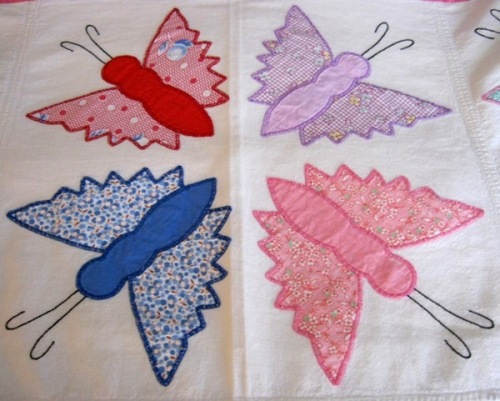
 Butterfly Quilt Top Detail 

I asked her to send photos and she did send several. I do think this is a Depression era quilt for several reasons. The red butterfly especially, with the cheery cherry printed over the red and white polka dot fabric, looks very 1930s-1940s. All the butterflies are hand-embroidered, which also leads me believe the top is from the Depression era. It’s really a charming quilt top, and beautifully made. I love the design placement of the butterflies. The colors are so vibrant–the finished quilt will make any room sing. What a great find Sandra G.!

* Note ~ a quilt top is just that; the top only. Quilt tops are a wonderful way to acquire a vintage quilt. For some reason or other, the quilt was never completed. Ideally the quilt top would have been tucked away and stored out of direct sunlight–just waiting for some industrious- type to complete the job! If stored properly, you’ll find the vintage fabrics in their original vibrant colors as sunlight and repeated washings are most damaging to textiles.

Butterfly quilt top hand embroidered detail

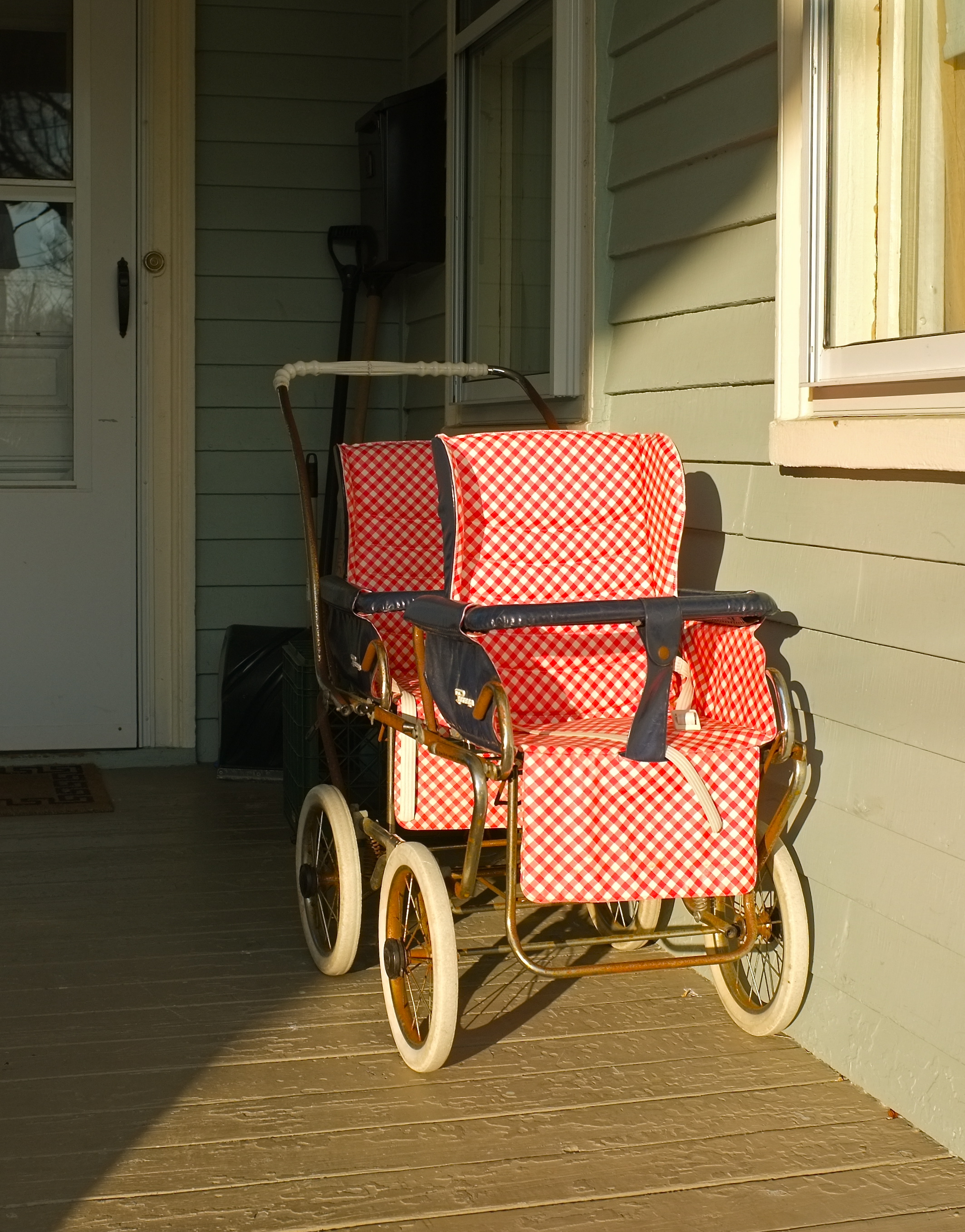
Vintage stroller

My neighbor’s stroller–so sweet–even more charming when she is strolling the neighborhood with her children. I love the vintage-look, but actually think it is a relatively new carriage.

Think Spring!


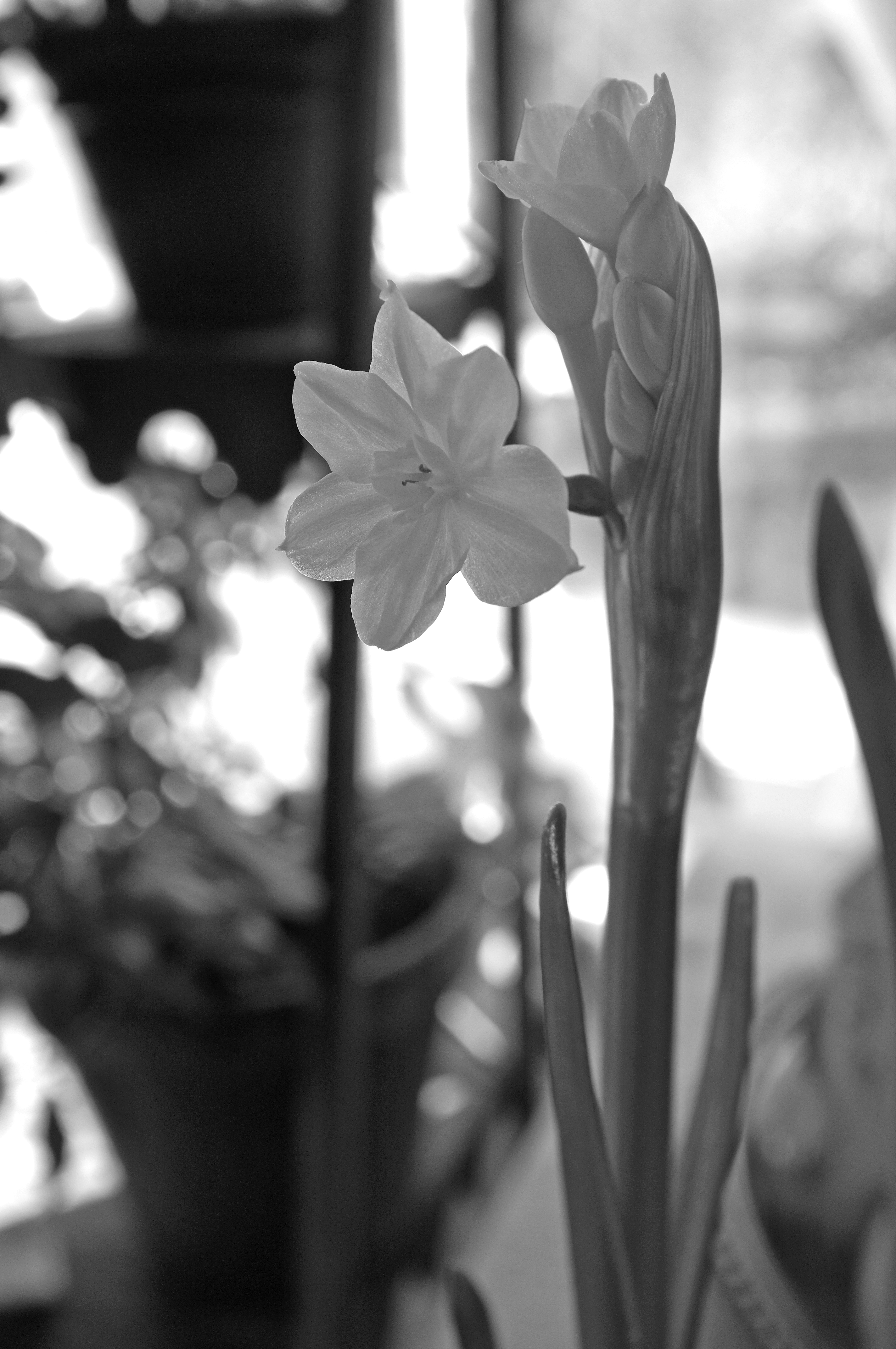
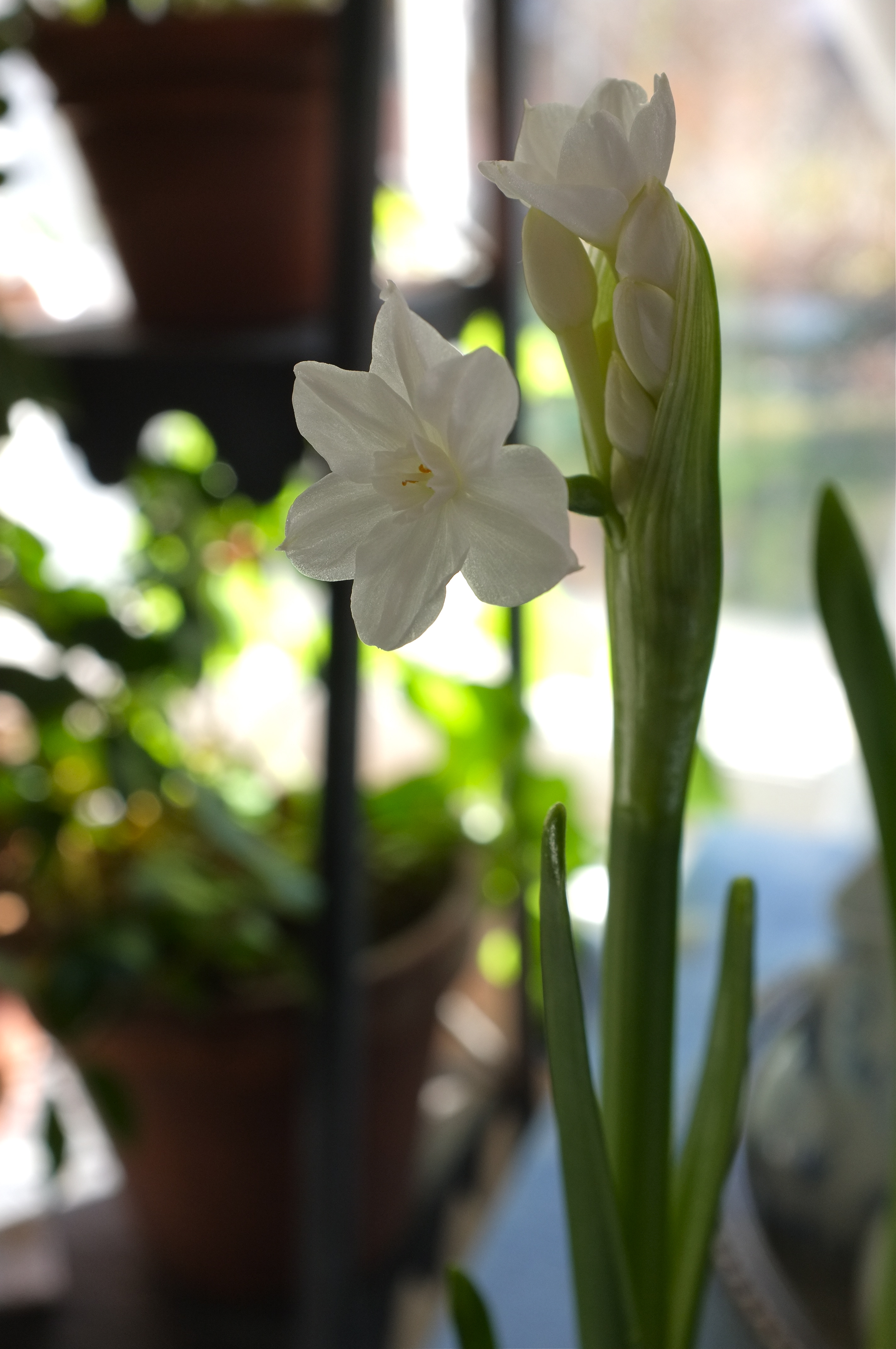
Narcissus ‘Ziva’

Which version do you prefer, black and white or color?

Beginning in November, we maintain a continuous flow of blooming narcissus by planting a new batch every two weeks or so. Paperwhites ‘Ziva’ blooms before the first of the year and ‘Galilee’ just after the holiday season. The ‘Chinese Sacred Lily’ (Narcissus tazetta var. orientalis) is almost as easy to force and has a sweeter, though no less potent fragrance. The scent is a dreamy blend of orange and honeysuckle. They are also a member of the tazetta group bearing multiple blossoms atop slender stalks, with white petals and cheery yellow cups. The ‘Chinese Sacred Lily,’ brought to this country by Chinese immigrants in the late 1800s, is traditionally forced to bloom for New Year’s celebrations.

With both paperwhites and ‘Chinese Sacred Lilies,’ place the bulbs in bowl or pot and cover with stones. The emerging green tips should be poking though the stones. Water up to the halfway point of the bulb and place in a cool dark room; an unheated basement is ideal. Water periodically and within a week or so, new growth will be visible. Then place the bulbs in the room away from strong light, continue to water as needed, and once in bloom, they will flower and scent your home for a week or more. Excerpted from Oh Garden of Fresh Possibilities! Notes from a Gloucester Garden.

Antennae for Design Circa 1930-1940 Dressing Table

Winter is the time of year when I especially enjoy working on interior home improvement projects. This fabulous vintage dressing table and mirror set were found at a local antique shop. I wasn’t planning on a dressing table for my new sewing room/guest bedroom, but after seeing the dressing table —it was going for a song—I made a split second decision and purchased the pair.

Aren’t all the compartments in the drawers wonderfully practical? You can’t find anything made like this in today’s marketplace. I love that it is a very substantial width and height. The original and smaller circa 1930’s dressing table has had a larger custom-made top cut in a whimsical curved design. The curved glass tabletop lends a Hollywood Regency feel to the piece. The chest of drawers needs a fresh coat of paint (or several), but I will have to wait for spring when the windows can be left open to tackle that part of the project. A new length of fabric is needed for under the glass as well. Perhaps a silk moirĂŠ in pale watery green or blue as the thick glass has a greenish cast.

For the new skirt, I had a bolt of Ralph Lauren floral chintz on hand, which gives it a rather Nick and Nora meets summer cottage look, but I think too, in the spring, I’ll make another skirt, perhaps this one in sheer white cotton voile or dotted Swiss.

If I can help you with your interior design project send an email or give me a call. I look forward to hearing for you!

Thanks to Joey for showing me how he creates videos in one take. I couldn’t shoot this video in one take as I had to take the skirts on and off, but this is definitely a super fun and streamlined way of creating videos.

I almost forget to mention that inside one of the drawers was a heavy, solid lead engraved plaque-award given to Mrs. William D. Vogel by the Milwaukee Newspaper Guild for outstanding service to the arts. Doing a very quick Google search, I didn’t find too much about Mrs. Vogel, however her father was Ralph Harman Booth, publisher of a large newspaper chain, Booth Newspapers, and Detroit Institute of Art philanthropist.

Quite possibly this lovely dressing table was Mrs. Vogel’s, or her mother’s, Mrs. Harman, or possibly her daughter’s summerhouse dressing table. I would love to know the provenance of the piece.

Life Story of the Black Swallowtail Butterfly

Coming Soon: Life Story of the Black Swallowtail Butterfly tells the story of the ubiquitous and stunning Black Swallowtail butterfly.

My new documentary film captures the beauty and mystery of the Black Swallowtail, through all its life stages, and in it’s surrounding habitats. I think you will be amazed and captivated by this garden-variety and seemingly ordinary, extraordinary butterfly!

From Egg to Caterpillar to Chrysalis to Adult

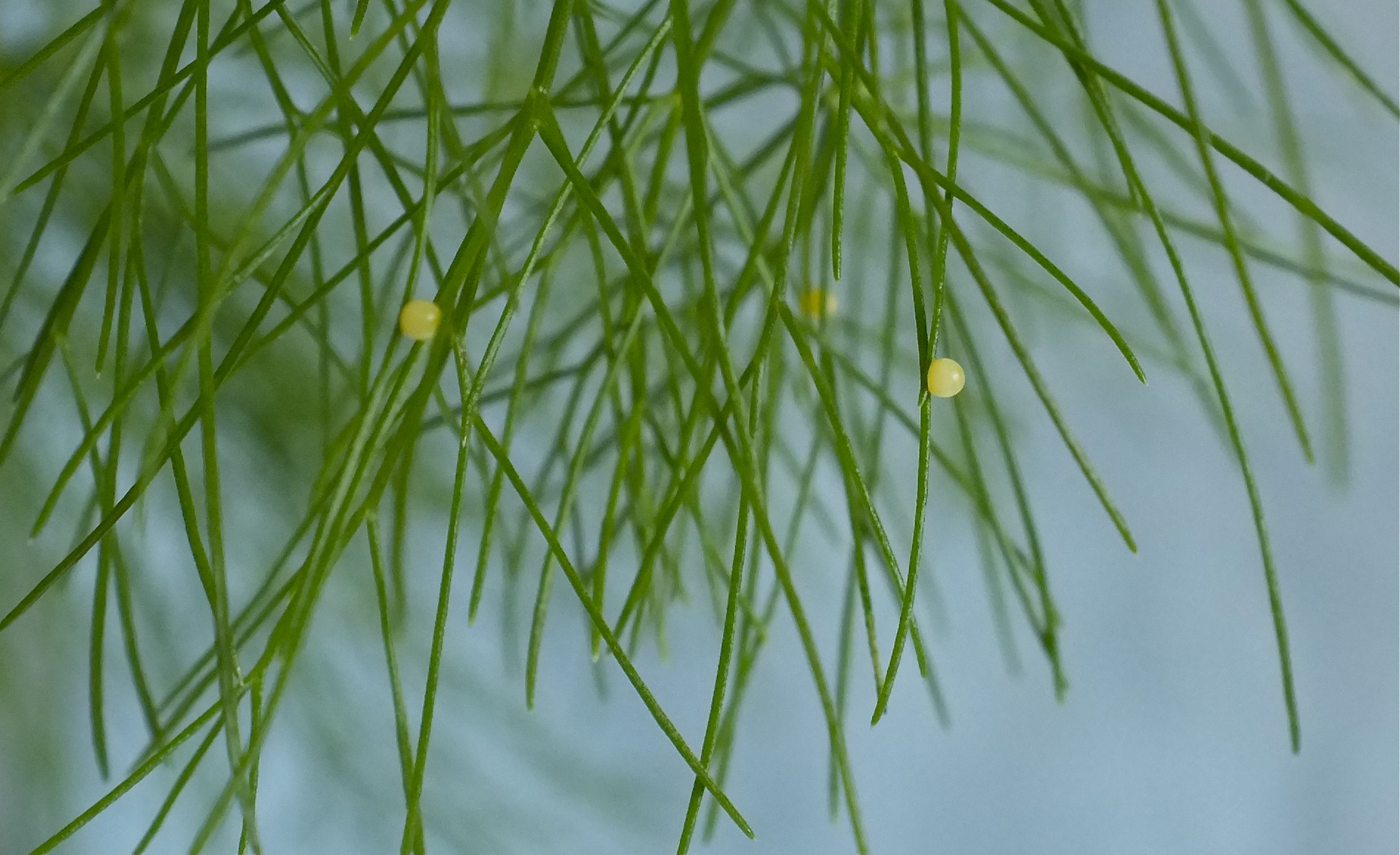
Black Swallowtail Eggs 

Black Swallowtail Caterpillar Everting Osmeterium

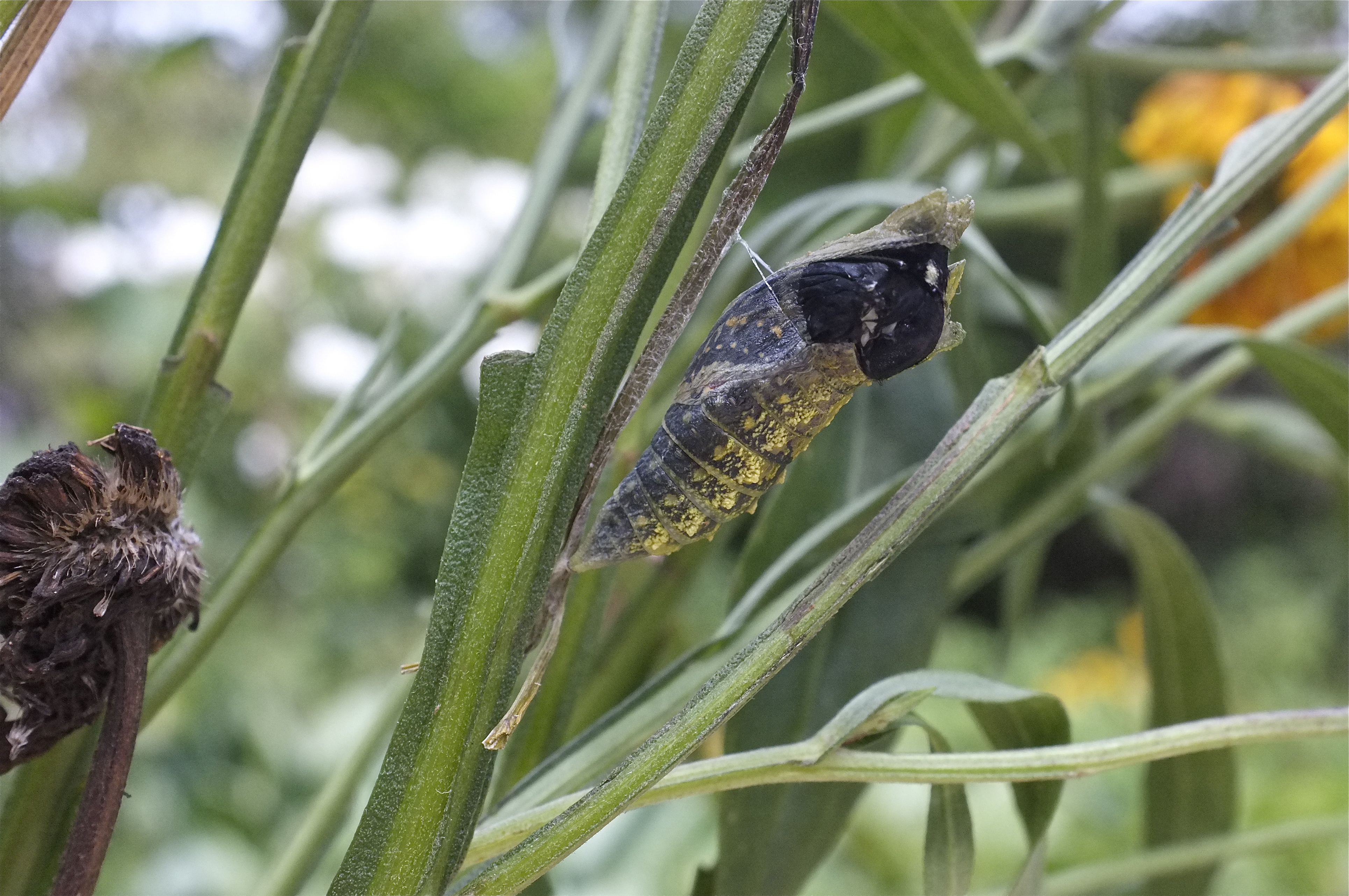
Black Swallowtail Emerging from Chrysalis

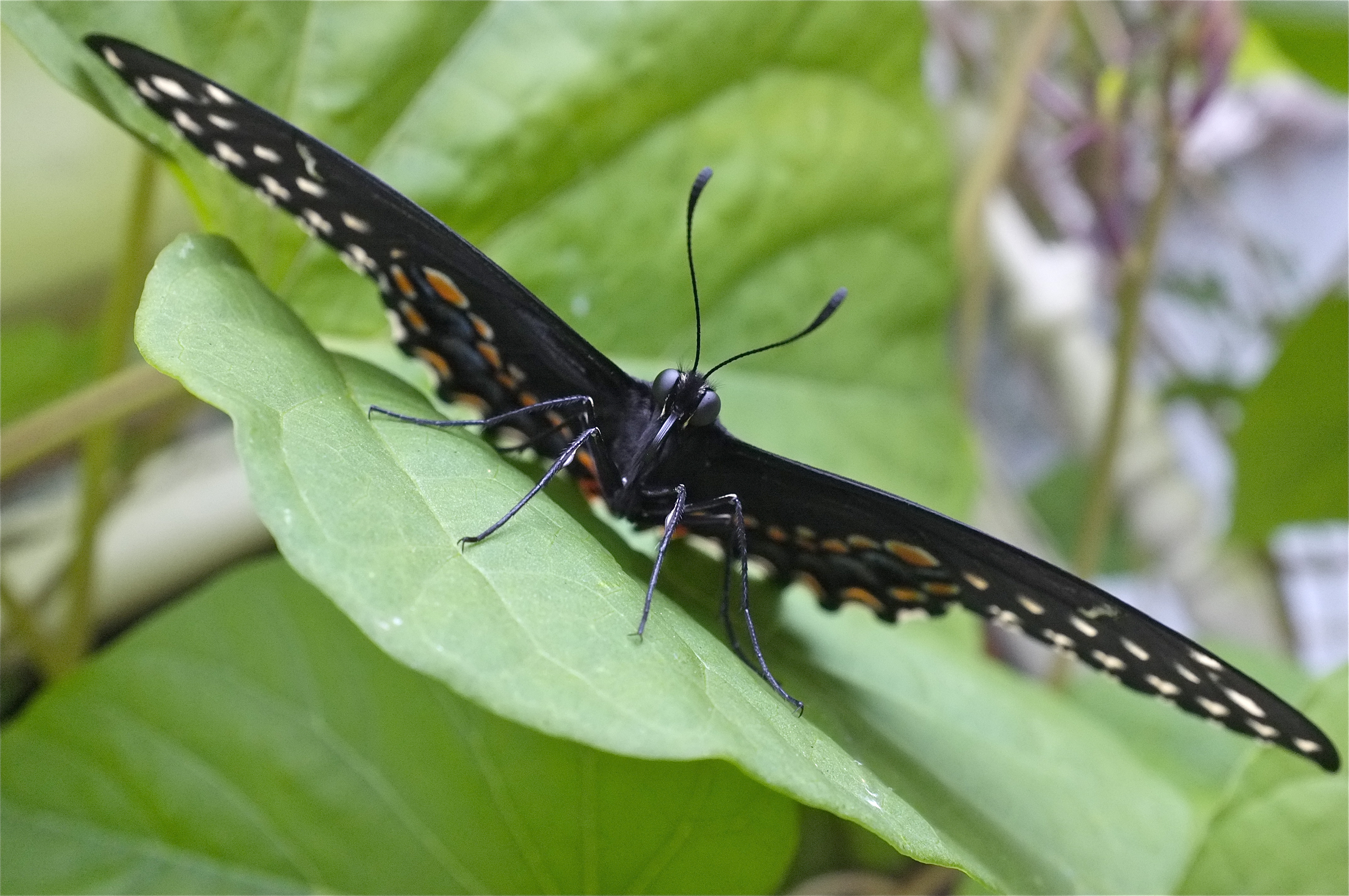
Female Black Swallowtail

Filmed on Cape Ann. Click photos to see full-size images.

One of several preferred Black Swallowtail habitats—Gloucester’s sandy wildflower meadow at Good Harbor Beach. The milkweed provides nectar for swallowtails on the wing and Queen Anne’s lace is a food plant of the Black Swallowtail caterpillars.

Blooming today

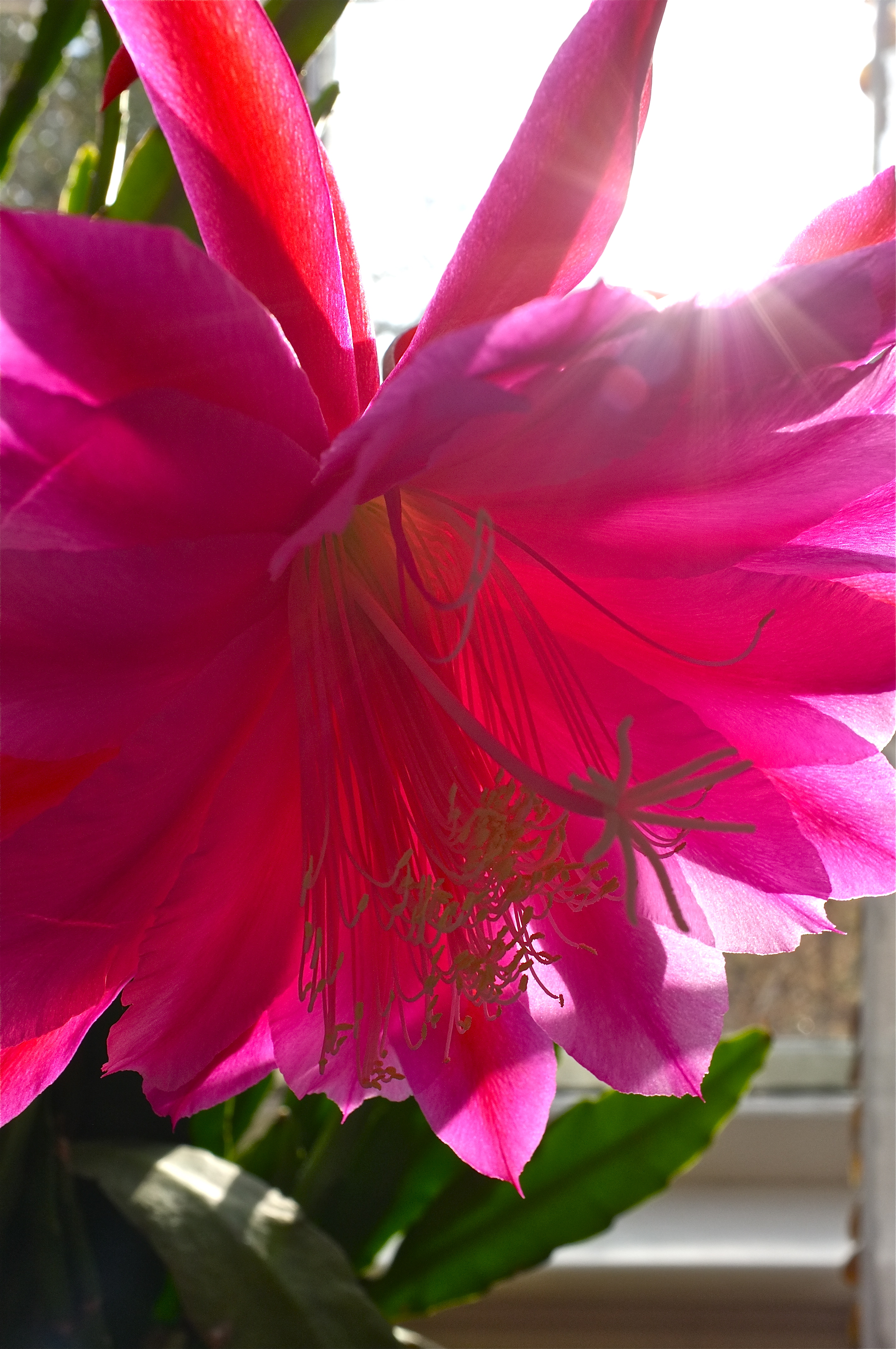
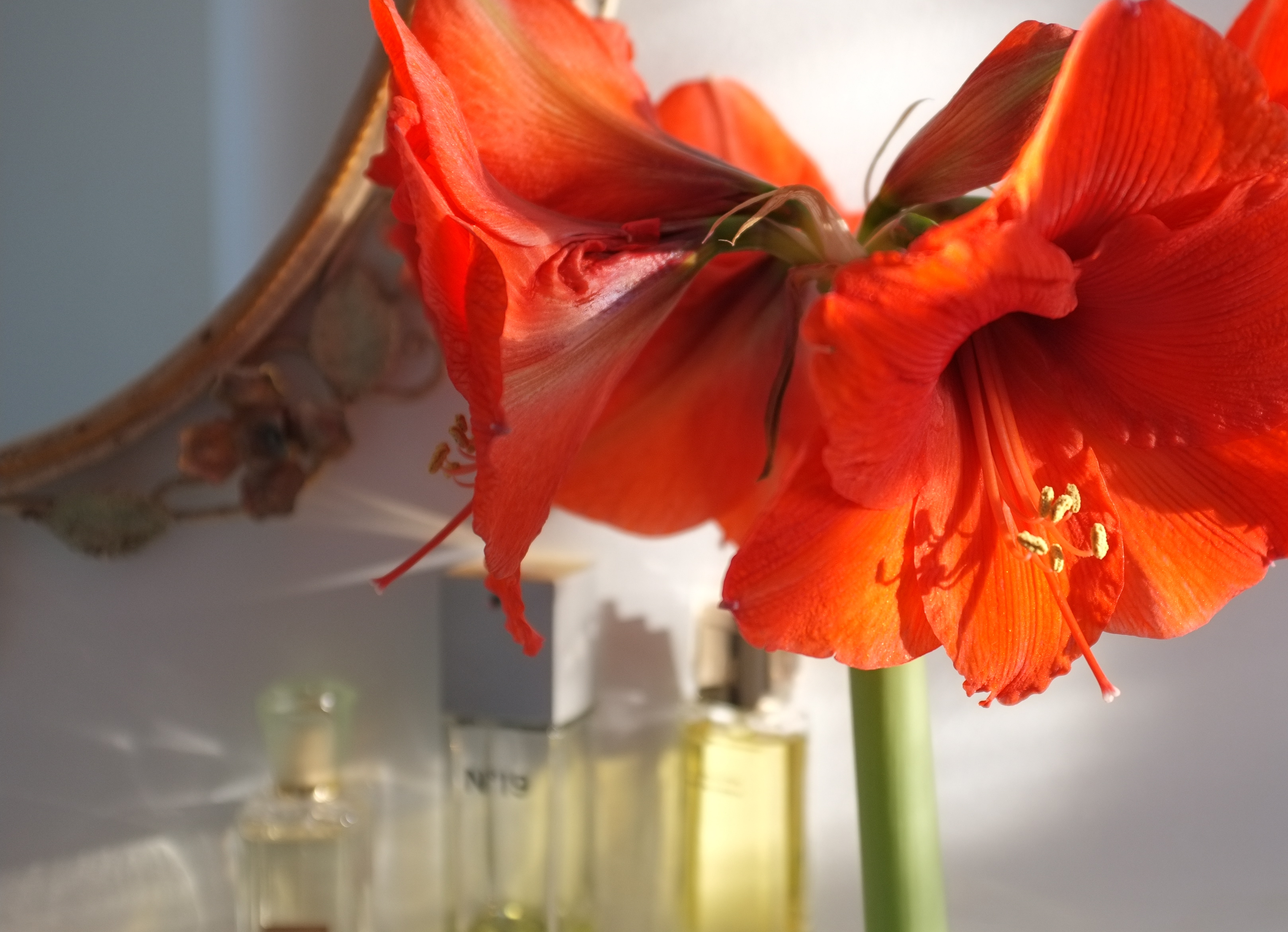
Blooming today in my office, and with it’s “shocking pink” color and fabulous fragrance, making work all that much more pleasant.

Epiphyllum

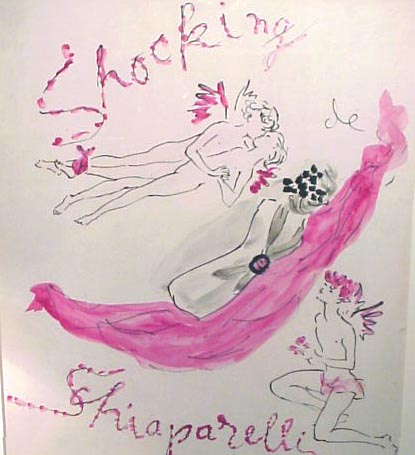
Shocking pink was fashion designer Elsa Schiaparelli’s (1890- 19730) signature color and she described it as “life-giving, like all the light and the birds and the fish in the world put together, a color of China and Peru but not of the West.”

Marcel Vertes 1940 watercolor ad for Schiaparelli’s Shocking perfume, which shows a bottle of Shocking  reclining in a pink hammock with a floating couple above and Cupid below.

Marcel Vertes and Elsa Schiaparelli jointly won the British Academy Film award in 1952 for Best Costume Design for the original Moulin Rouge film, about the life and times of artist Toulouse-Lautrec.

Six Weeks of Fresh Flowers, for Nine Dollars!

The last stalk of ‘Orange Sovereign’ was cut, the plant discarded, and the pot tucked away for next year’s Hippeastrums. If we had a spare sunny window, I would feed and water the plant during the winter then place outside on the patio during the warm summer months, allowing the plant to replenish and rejuvenate.

Looking back at my photo files, the first snapshot of ‘Orange Sovereign’ was from December 15, 2011; the photo below was taken January 30, 2012. Growing flowering bulbs during the winter is a terrific and economical way to keep the home lively with cheery color, in spite of the gloomy grays of winter.

Hippeastrum ‘Orange Sovereign’ ~ January 30, 2012

Rare Albino Ruby-throated Hummingbird

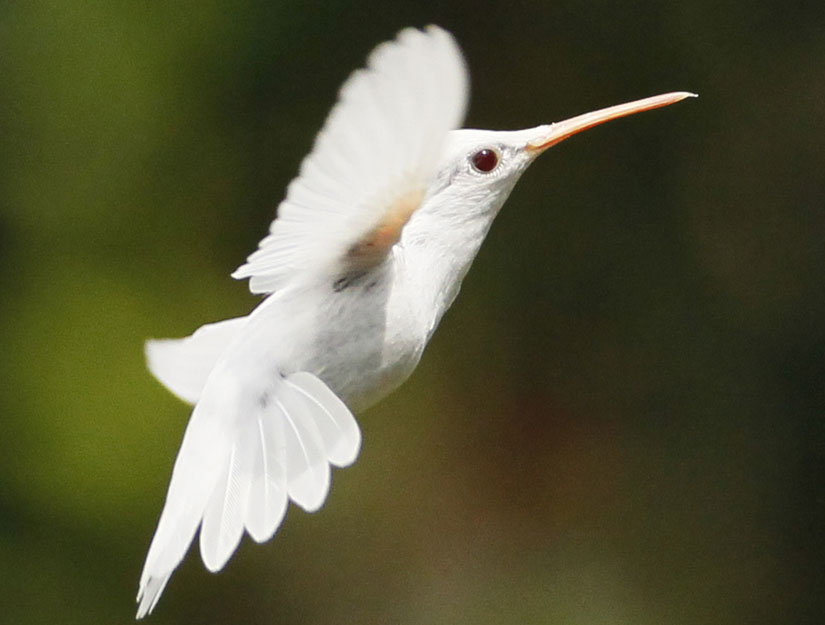
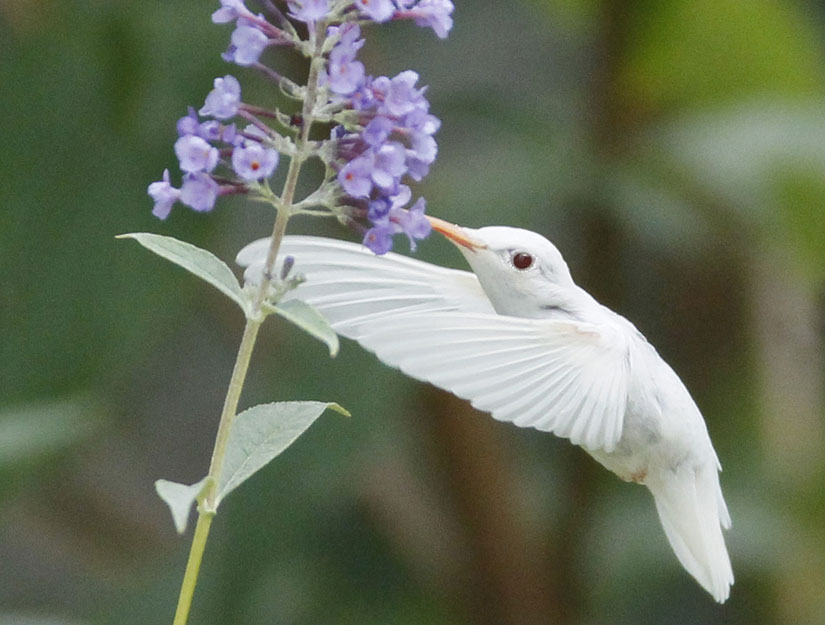
Many thanks to Caroline Haines, the director of Pathways for Children, for forwarding the photos of the rare albino Ruby-throated Hummingbird (Archilochus colubris). The photos were shot by Kevin Shank and four of his sons over a several day period in late August. Caroline has a love for butterflies and birds, and nature in general, and brings her passion to the programing provided for the children at Pathways.

The above photos were taken in Virginia at the beginning of the hummingbird’s annual southward migration; it wouldn’t be unreasonable to think that we may see an albino hummingbird visiting our Cape Ann feeders and flowers as we are in the same migratory corridor.

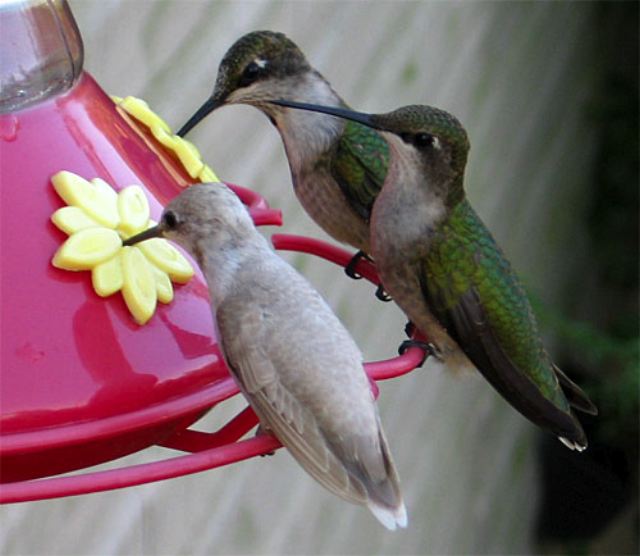
A true albino hummingbird, as is the above bird, has snowy white plumage and it’s eyes, legs, and bill are pink. True albinos are extraordinarily rare. Leucistic hummingbirds are still rare but are seen more often than true albions. Like the common Ruby-throated Hummingbird, leucistic forms have black, feet, bills, and eyes, but their feathers are some version of white, gray, buffy, and tan; not the typical shades of green.

Leucistic form and common Ruby-throated Hummingbirds

Image courtesy Hilton Pond Center.