Exciting New Film Assignment for the Berkshire Museum and Milkweed Seed Mailing Update

Dear Friends,

Happy Memorial Day Weekend! I hope today finds you with friends and family and enjoying beautiful weather!

I have wonderful news to share about an upcoming exhibit at the Berkshire Museum in which I have been hired to create a film about butterflies in flight. The title of the exhibit is, what else—Butterflies! They have also purchased 26 of my butterfly photographs. Additionally, during the exhibit, my interview film with Tom Emmel will be running on a continuous loop, as will the new short film about butterflies in flight. And best of all, screenings of my full-length Black Swallowtail film and Monarch film will be shown during meet the filmmaker events. This is a fantastic educational project, with a 5,000 square foot exhibit space, which will also house live butterflies. It’s a truly hands-on exhibit, designed with children and adults in mind!

“Butterflies” is scheduled to run through August and will most probably be extended though September. I am attending the opening this coming Friday, May 30th and will take photos and bring you more information about the Berkshire Museum and the exhibit.

Our Cape Ann Milkweed Project went without a hitch and was lots of fun. Most picked up their seeds and if you sent a self-addressed stamped envelope, your package is ready to mail Tuesday morning. So many thanks to Joey for sponsoring the Cape Ann Milkweed Project at Captain Joe and Sons. Thank you so much to everyone that participated, and most importantly, the Monarchs (and myriad other species of pollinators) thank you!!!

Happy Spring Planting!

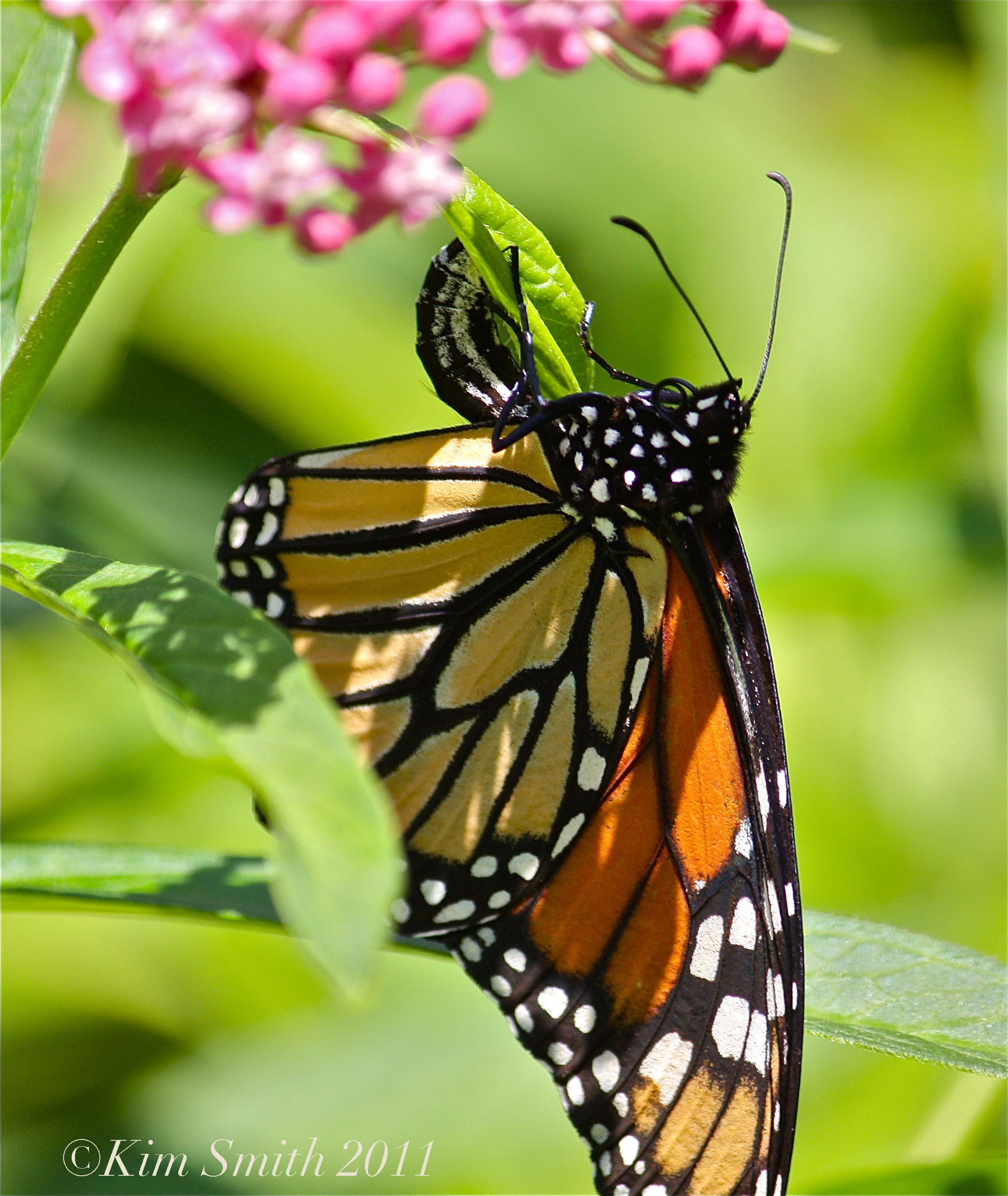
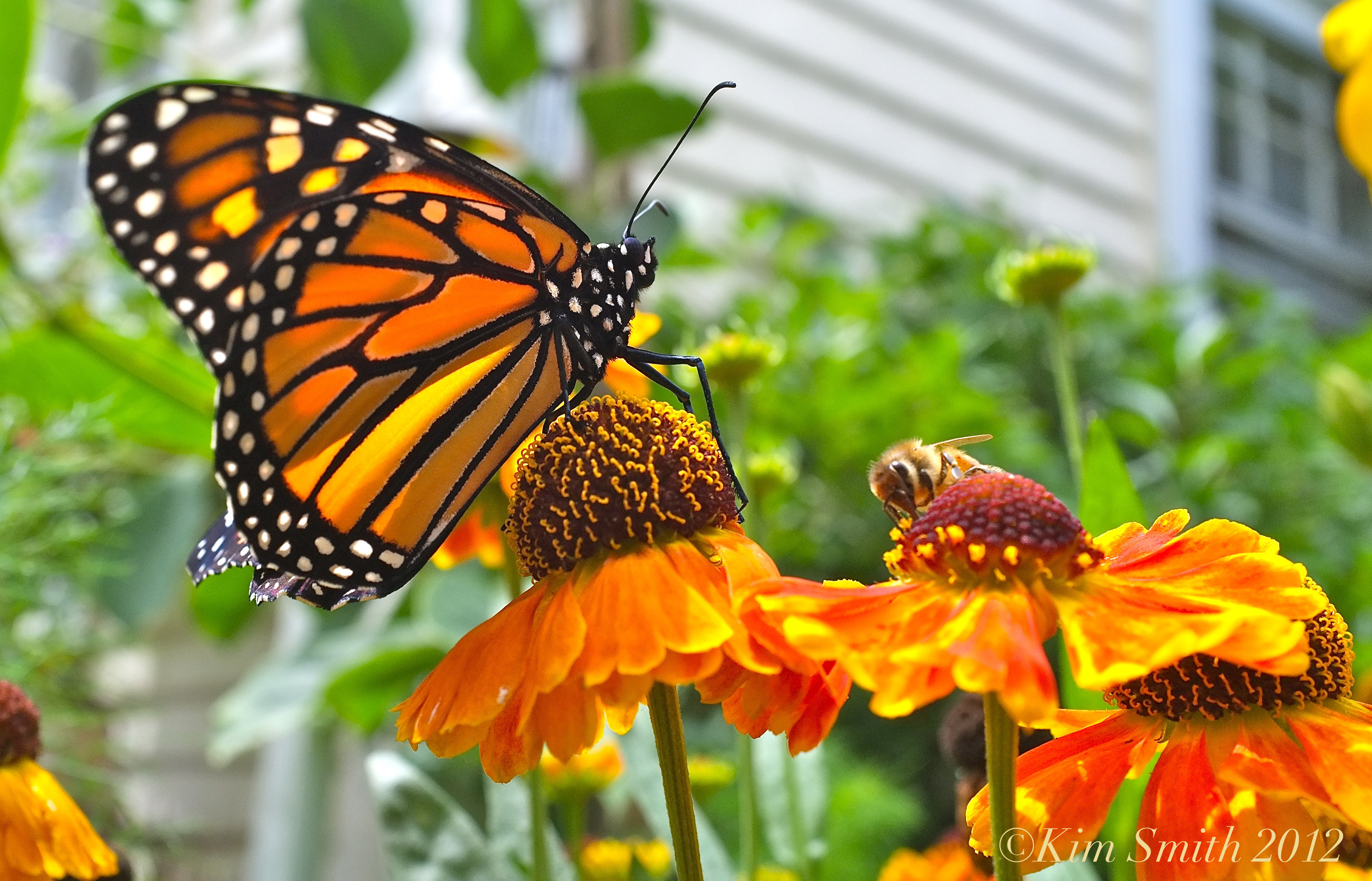
DSCF3768Monarch Butterfly and Hellenium

Splish Splash

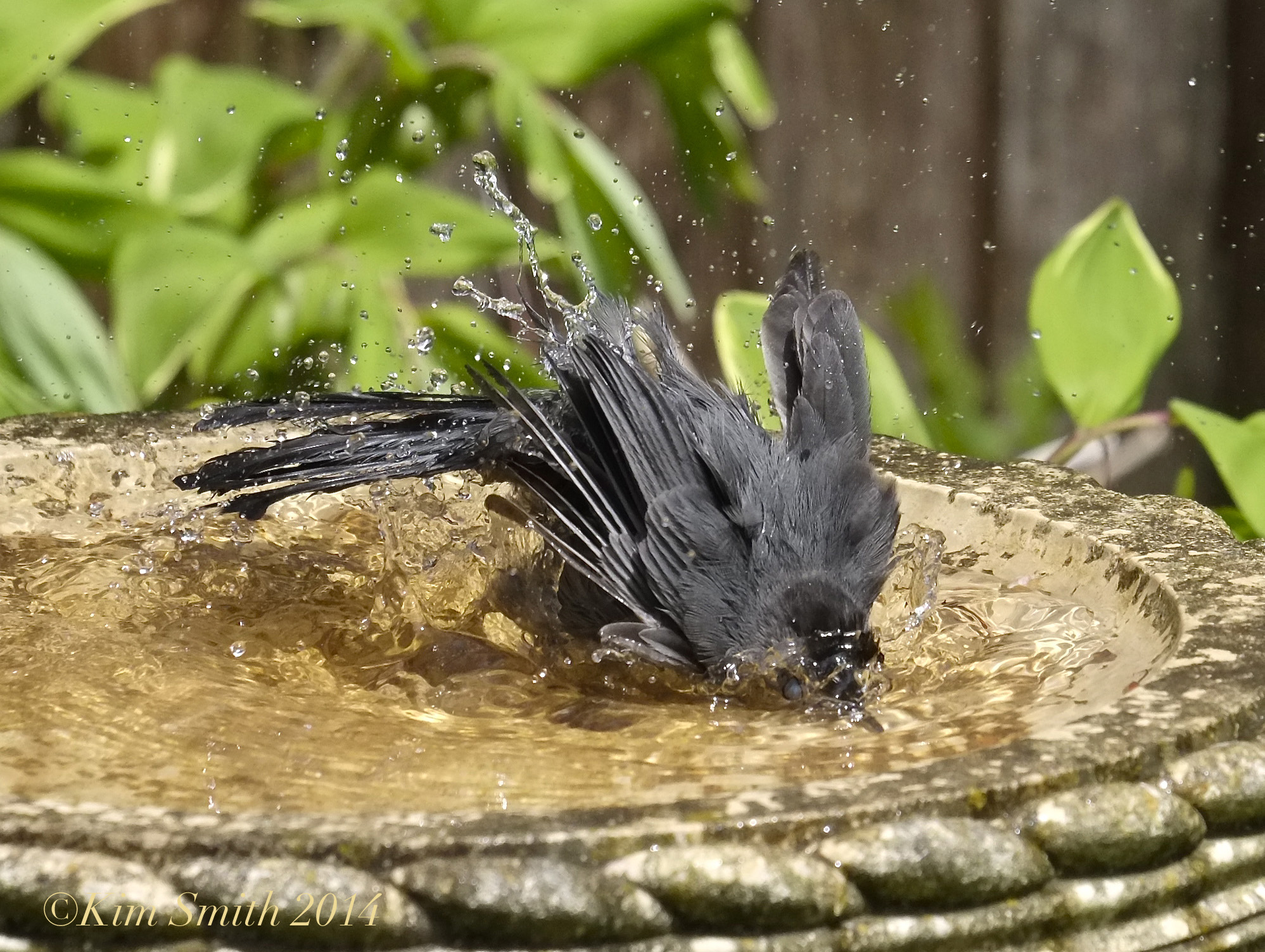
Bird Bath Gray Catbird ©Kim Smith 2014Click image to view larger

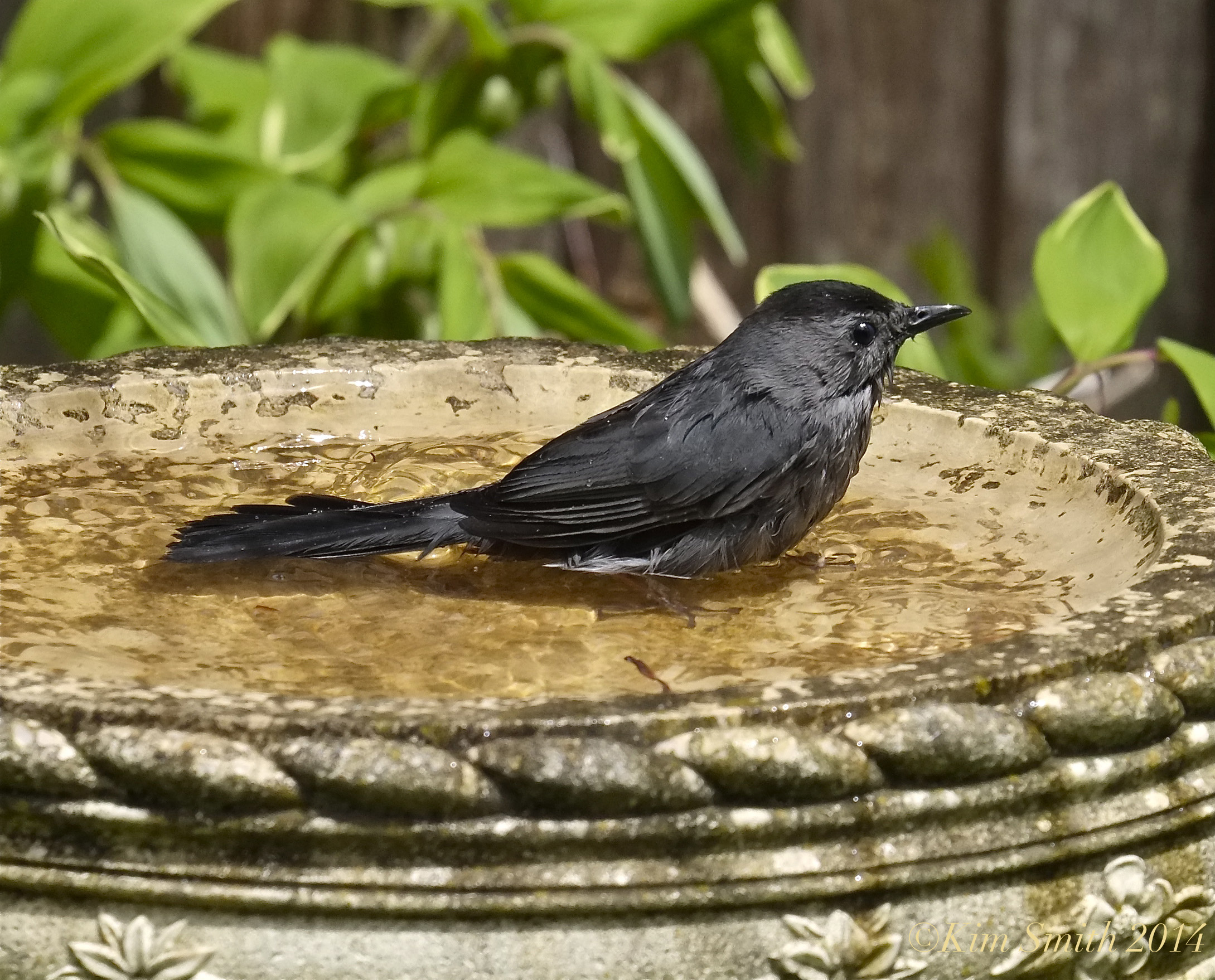
The day we planted blueberry bushes is the very same day the catbirds began to call our garden home. We now see Gray Catbirds (Dumetella carolinensis) throughout the seasons, devouring the seeds and fruit of holly, crabapple, winterberry, magnolia, blueberry, and shad. Their cat-like cries, which lends the species their common name, are welcome and often heard. Gray Catbirds are in the Mimidae Family and, like their relatives the Mockingbirds, also mimic the songs of other birds.

Although I have read that catbirds are shy, they seem relatively sociable in our garden and aren’t threatened by the presence of people within close proximity. We keep the bird baths filled with fresh clean water and I especially love to watch the catbirds from our kitchen window as they are so exuberant in their bathing habits–diving and splashing and then drying their wings at the edge of the basin. Oh Joyous Spring!

Gray Catbird Dumetella carolinensis ©Kim Smith 2014

Cape Ann Milkweed Project Seed Pickup and Information Day is Sunday, May 18th, from 9:30 to Noon

Female Monarch Egg Marsh Milkweed ©Kim Smith 2011Female Monarch curling her abdomen around to the underside of a Marsh Milkweed leaf (Asclepias incarnata) to deposit an egg. Photographed in Gloucester

Our milkweed and New England Aster seed pickup day is this coming Sunday from 9:30 to noon at Captain Joe and Sons. Captain Joe’s is located at 95 East Main Street and you can find directions posted on their website here. Thanks so much to Joey for hosting the event at the dock. Looking forward to seeing everyone!

banksy-1Banksy Image Courtesy Bing McGilvray

Reminder: Cape Ann Milkweed Project Seed Pickup and Information Day is Sunday, May 18th, from 9:30 to Noon

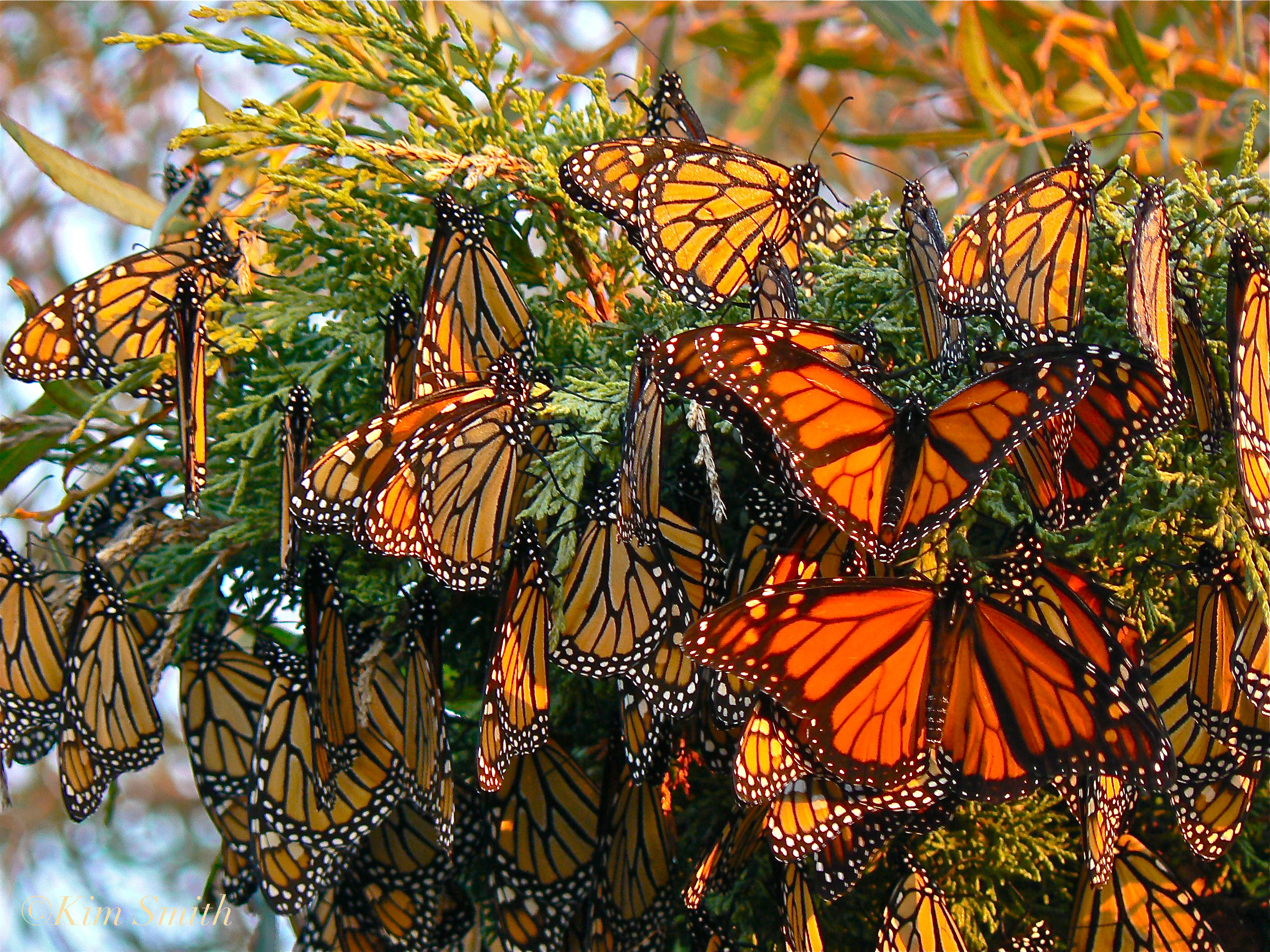
Monarch Butterflies Gloucester Massachusetts ©Kim Smith 2006Eastern Point during the Monarch’s southward migration in late summer.

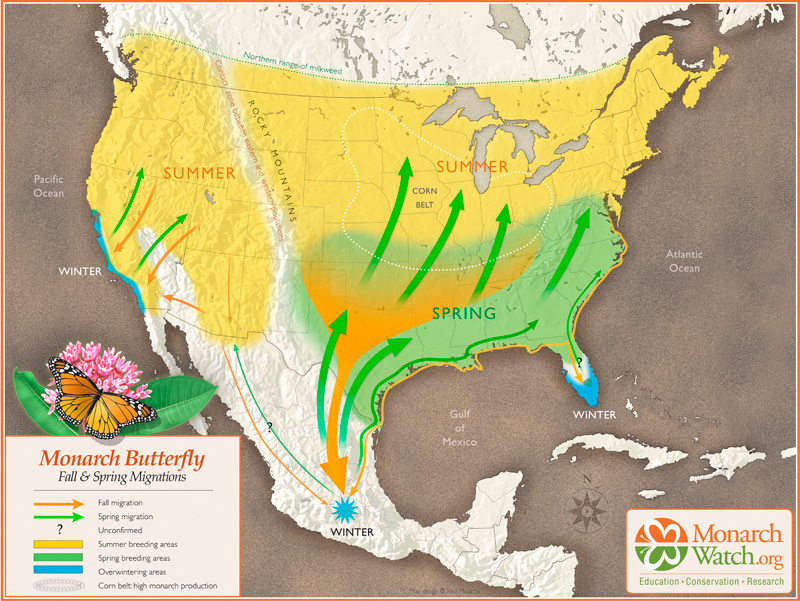
The first Monarchs of Spring 2014 have been sighted in Massachusetts (Kingston), as has emerging milkweed. For the past week, a weather pattern has been in place that is perfect for the Monarchs northward migration. Powerful south winds pumped warm air northward and in conditions such as these, Monarchs are carried from southern regions more quickly northward.

Below is a map from the Journey North website illustrating favorable wind patterns for Monarchs.

Our milkweed and New England Aster seed pickup day is this coming Sunday from 9:30 to noon at Captain Joe and Sons. Captain Joe’s is located at 95 East Main Street and you can find directions posted on their website here. Thanks so much to Joey for hosting the event at the dock. Looking forward to seeing everyone!

Bluets in Bloom, or Quaking Quaker Ladies

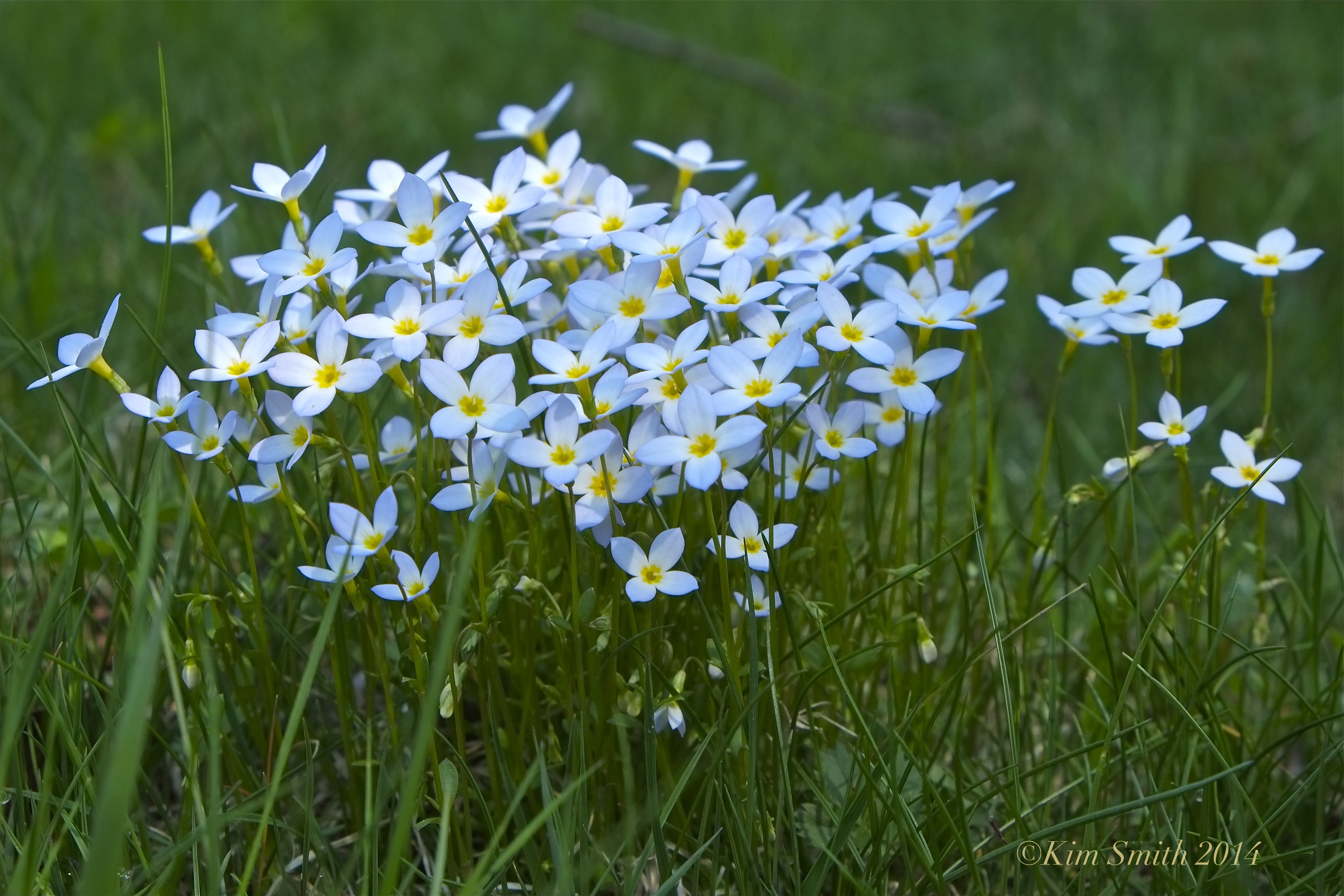
Blue bird nesting box Azure Bluets, Quaker Ladies, Houstonia caerulea Field ©Kim Smith 2014Bluebird Nesting Box and Bluets

At this time of year, when you pass by a field with patches of white, stop and have a closer look. The Bluet’s tiny florets are actually a dreamy azure blue; the little bunches also “quake” in the seasonal breeze! Also called Quaker Ladies, the sweet petite blossoms attract Little Carpenter bees, Green Metallic bees, small butterflies, and the Meadow Fritillary Butterfly (Boloria bellona). Both nectar and pollen are the pollinator’s floral reward!

Azure Bluets, Quaker Ladies, Houstonia caerulea -2 ©Kim Smith 2014Azure Bluets (Houstonia caerulea)

Azure Bluets, Quaker Ladies, Houstonia caerulea ©Kim Smith 2014Ipswich River Canoers and Bluets at Willowdale Estate


Spring Has Sprung at Willowdale! FREE Event in the Garden Tuesday Night!

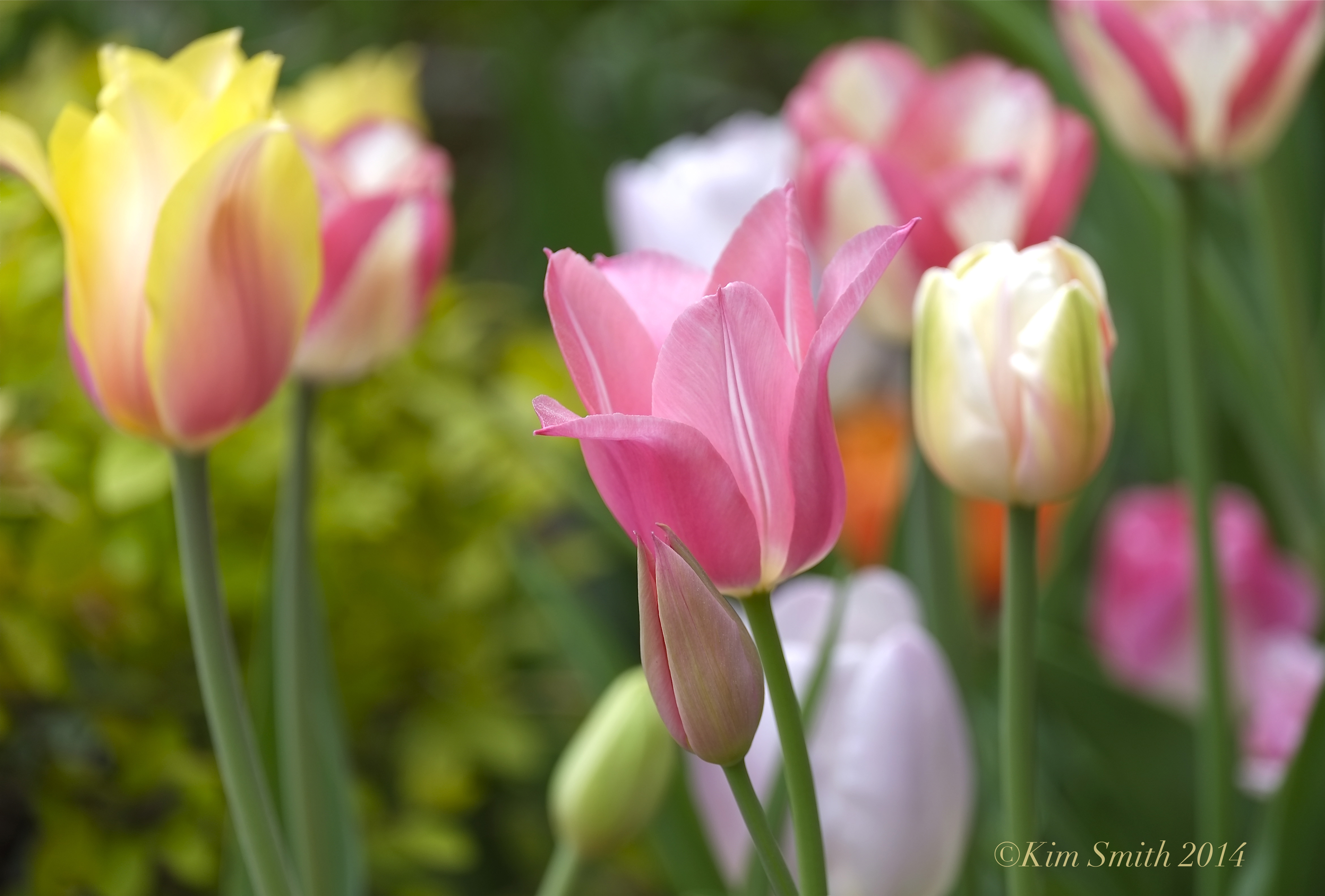
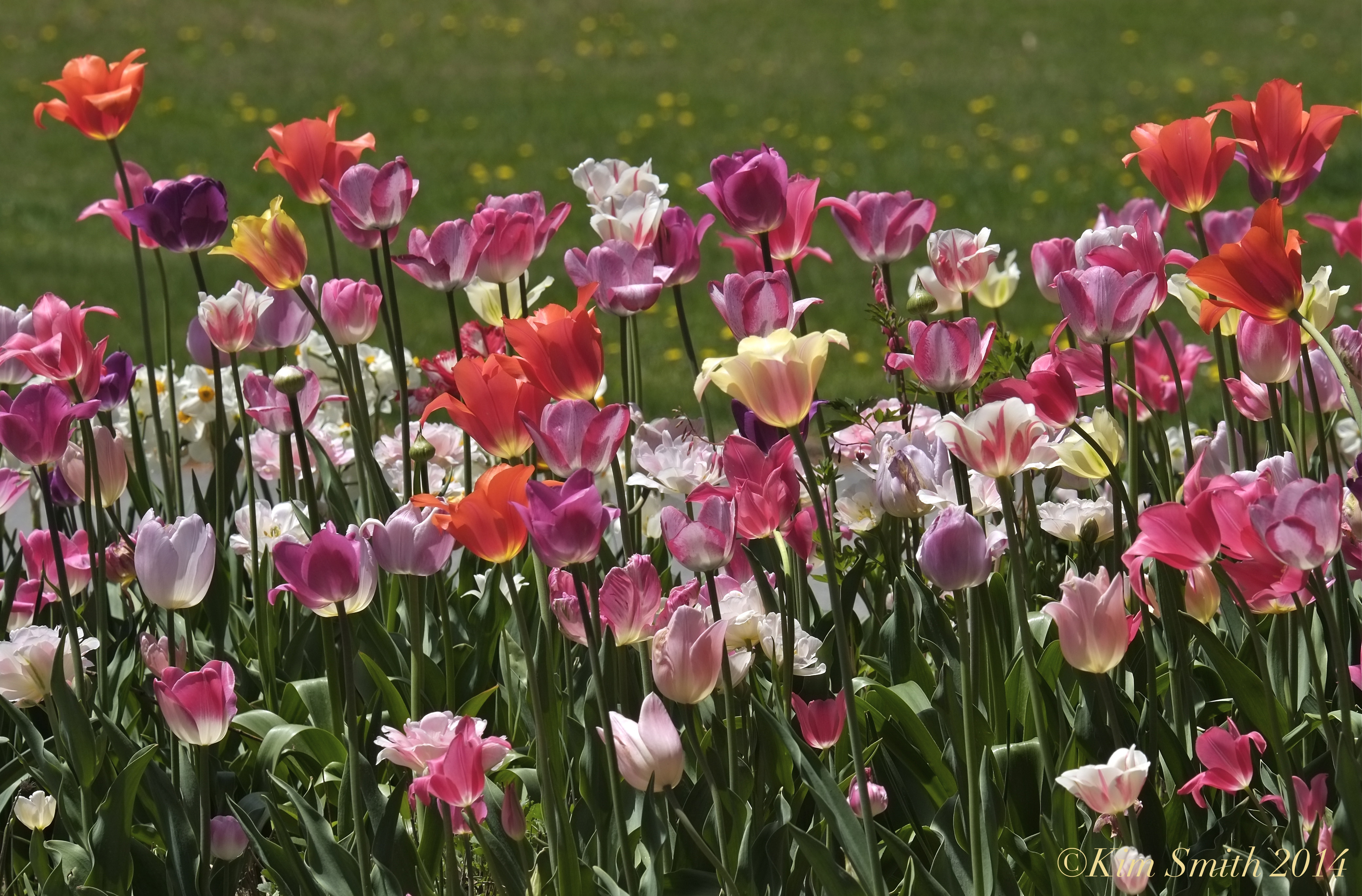
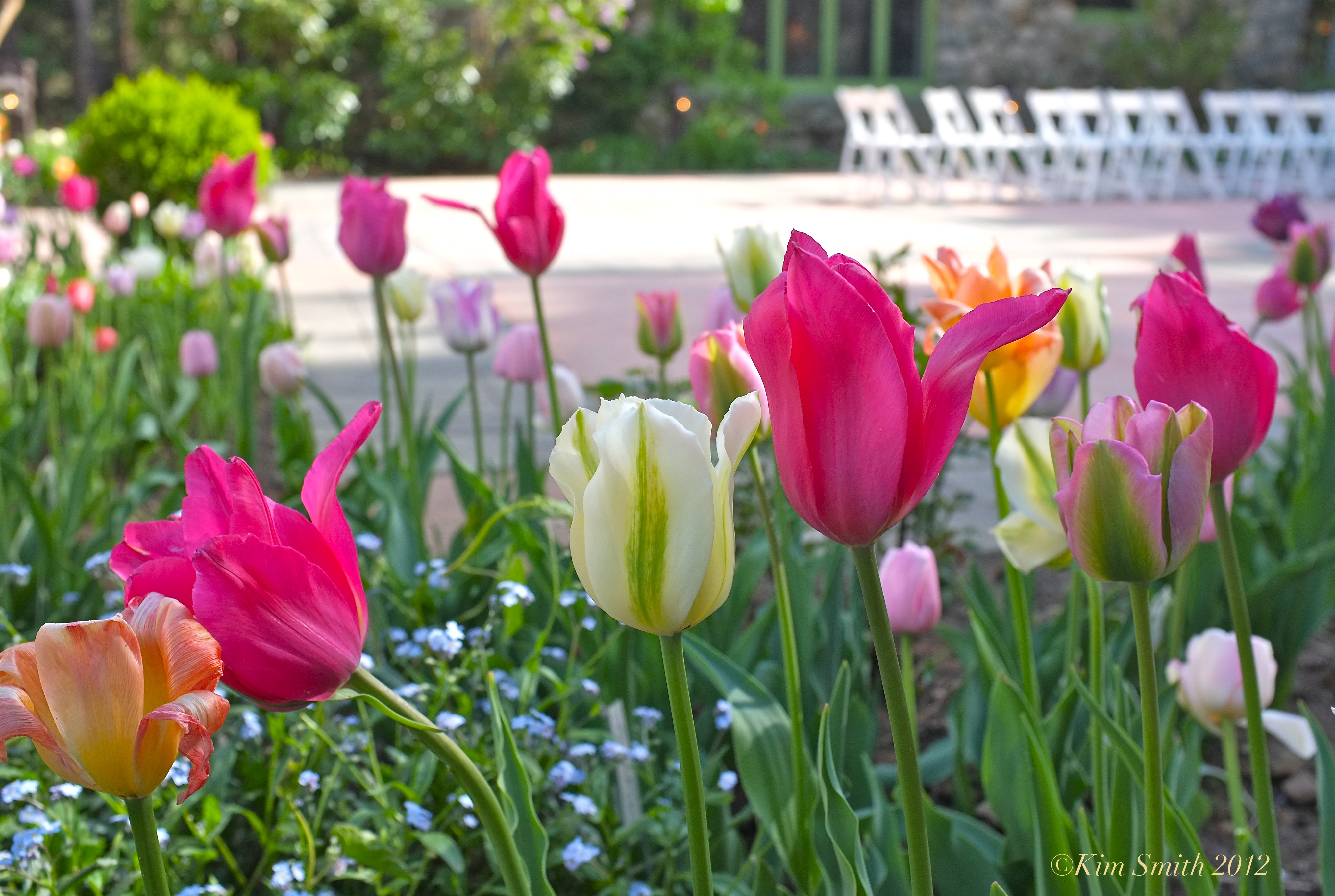
Pink Tulips Willowdale Estate ©Kim Smith 2014The tulips are at peak perfection, and just in time for my Artist Spotlight Event! The warm weather this weekend coaxed many to bloom, and the cooler temperatures predicted will keep them very pretty.

Tulips Willowdale Estate ©Kim Smith 2014.

I hope you can come and enjoy  an evening of Willowdale’s hospitality and signature refreshments, the garden tour, and screening of my film, Life Story of the Black Swallowtail Butterfly.

For ticket information and to RSVP click here.

Spring Tulips Willowdale Estate ©Kim Smith 2014.

Happy Spring!

New Butterfly Garden at Pathways for Children!

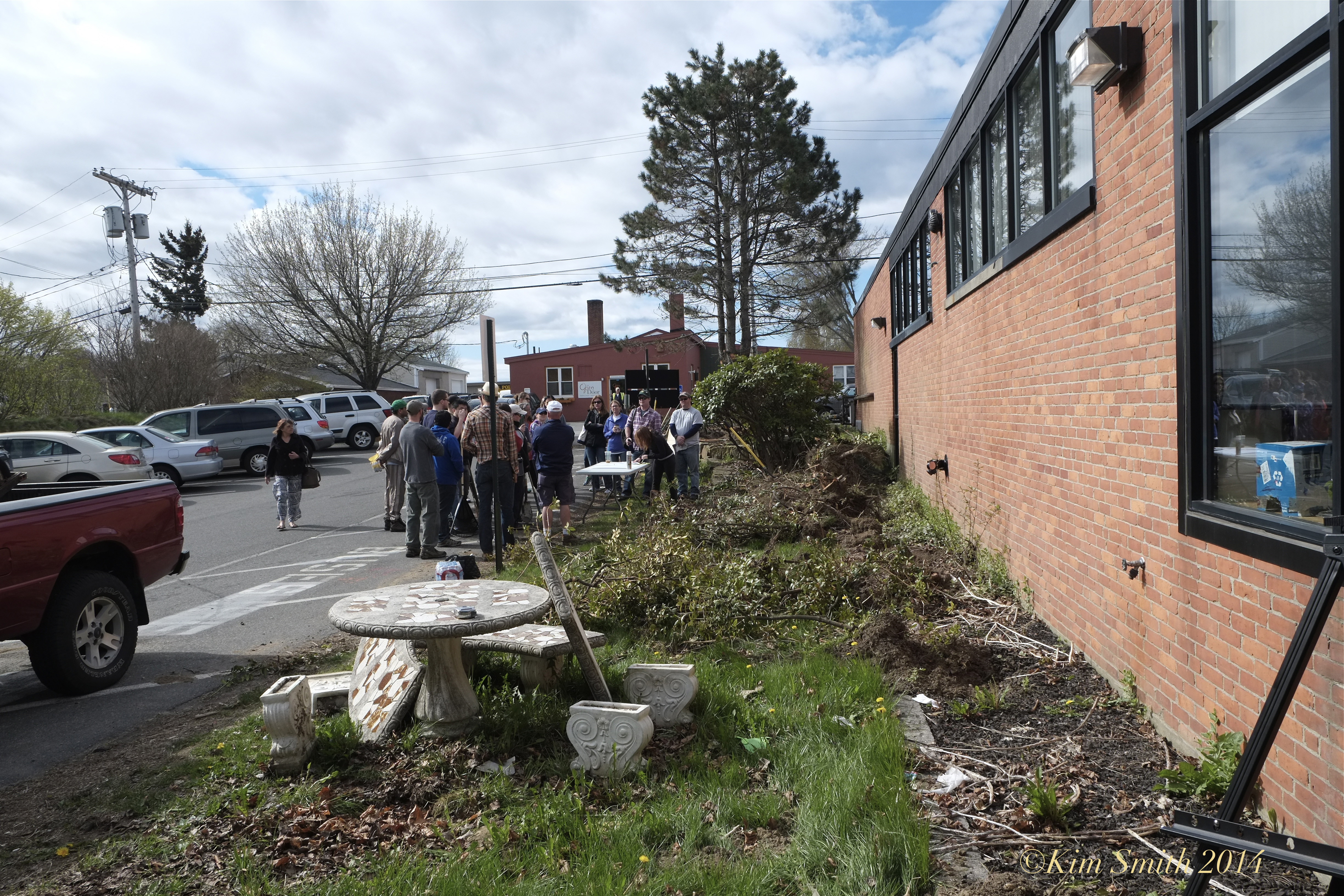
Pathways before -2©Kim Smith 2014Breaking Ground!

Pathways Before ©Kim Smith 2014Pathways for Children “Before” Photo

This week we broke ground for a butterfly garden at Pathways for Children. I think it has been several years since Caroline Haines, the COO of Pathways, and I, first began discussing the possibility of a pollinator garden for Pathways. Then in the summer of 2012 we had an amazing Monarch Butterfly program for the children, and believe me when I write that it was truly a fabulous event because it just so happened that very day, several of the caterpillars pupated right before the children’s eyes! Caroline, the teachers, and the students had the “bug.”

After meeting with Caroline, Pathway’s Bernie Romanowski, and teacher Sandra, we determined the best use of the space would be to create an outdoor classroom within the flowering pollinator garden—no easy task as the front elevation is one long narrow sliver of space. Fortunately, though, the front of the building also faces primarily south, which is ideal for planting the most fun and colorful of butterfly, bee, and songbird attracting plants.

Pathways Liberty Mutual Volunteers ©Kim Smith 2014Liberty Mutual Volunteers

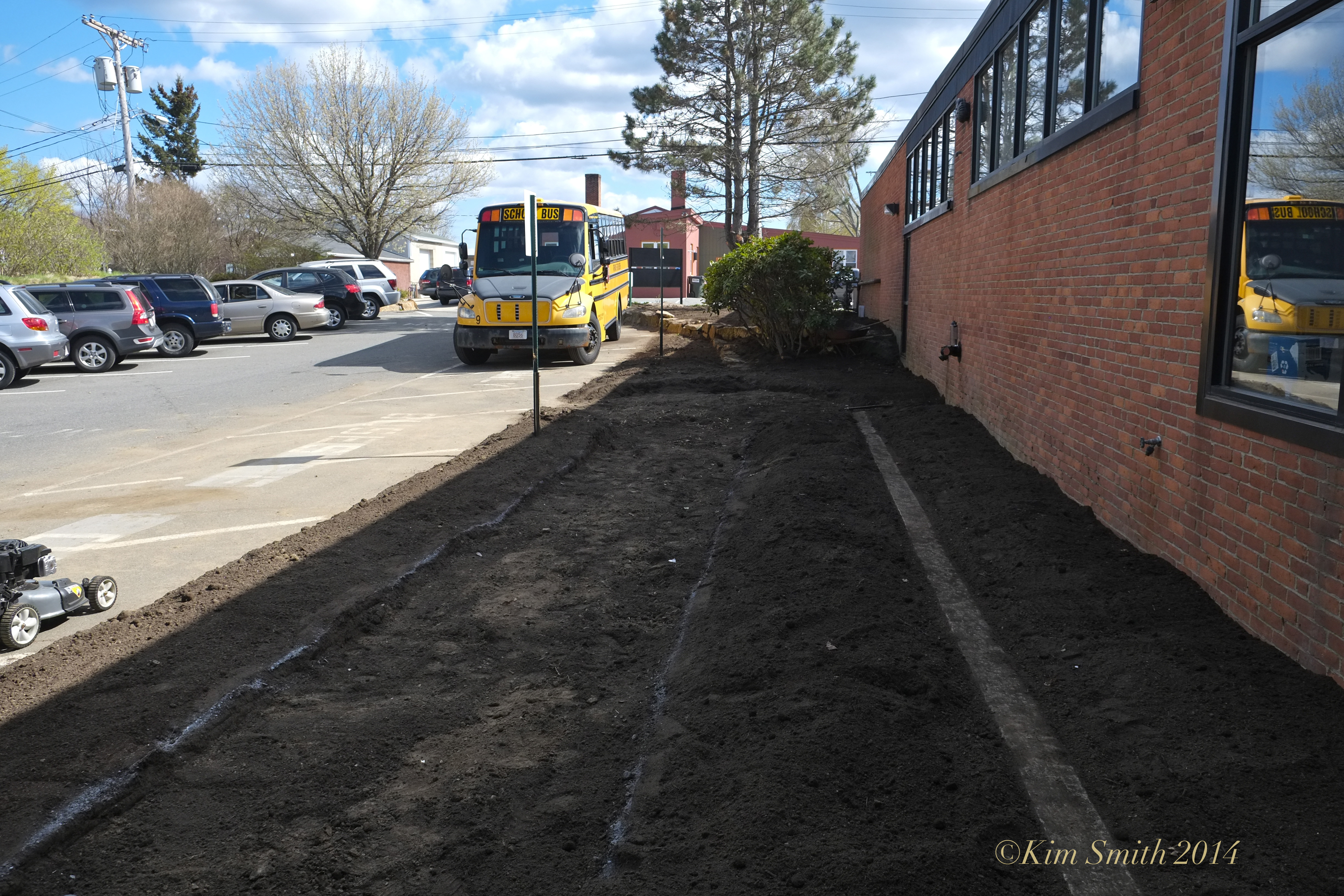
Bernie secured a bobcat for exactly two hours and proceeded to rip out the overgrown and diseased trees and shrubs. Under Bernie’s direction, we were then joined by a dream team of volunteers from Liberty Mutual who, in less than five hours, completely transformed the front to the beautiful canvas you see below. A fence, two- foot wide trellised pergola, and table are yet to be installed. And, the Manchester Garden Club has graciously offered to lend a hand with the planting!

Bernie Romanowski ©Kim Smith 2014 copyThe Amazing Can-Do Bernie Romanowski

Pathways new butterfly garden ©Kim Smith 2014Our Canvas

Stay tuned for more updates to come!

Reminder ~ My Garden Tour and Film Screening at Willowdale Estate Tuesday Evening

Willowdale Estate Tulips ©Kim Smith 2012On Tuesday, May 13th, at 6pm, I will be giving a free guided tour of the butterfly gardens at Willowdale Estate, located in Topsfield. After the garden tour, we will have a screening of my film, Life Story of the Black Swallowtail Butterfly, and serve a selection of Willowdale’s exquisite refreshments. I hope you can join us!

For ticket information and to RSVP click here.

BST Banner FINAL To learn more about Willowdale, visit their beautiful new website here.

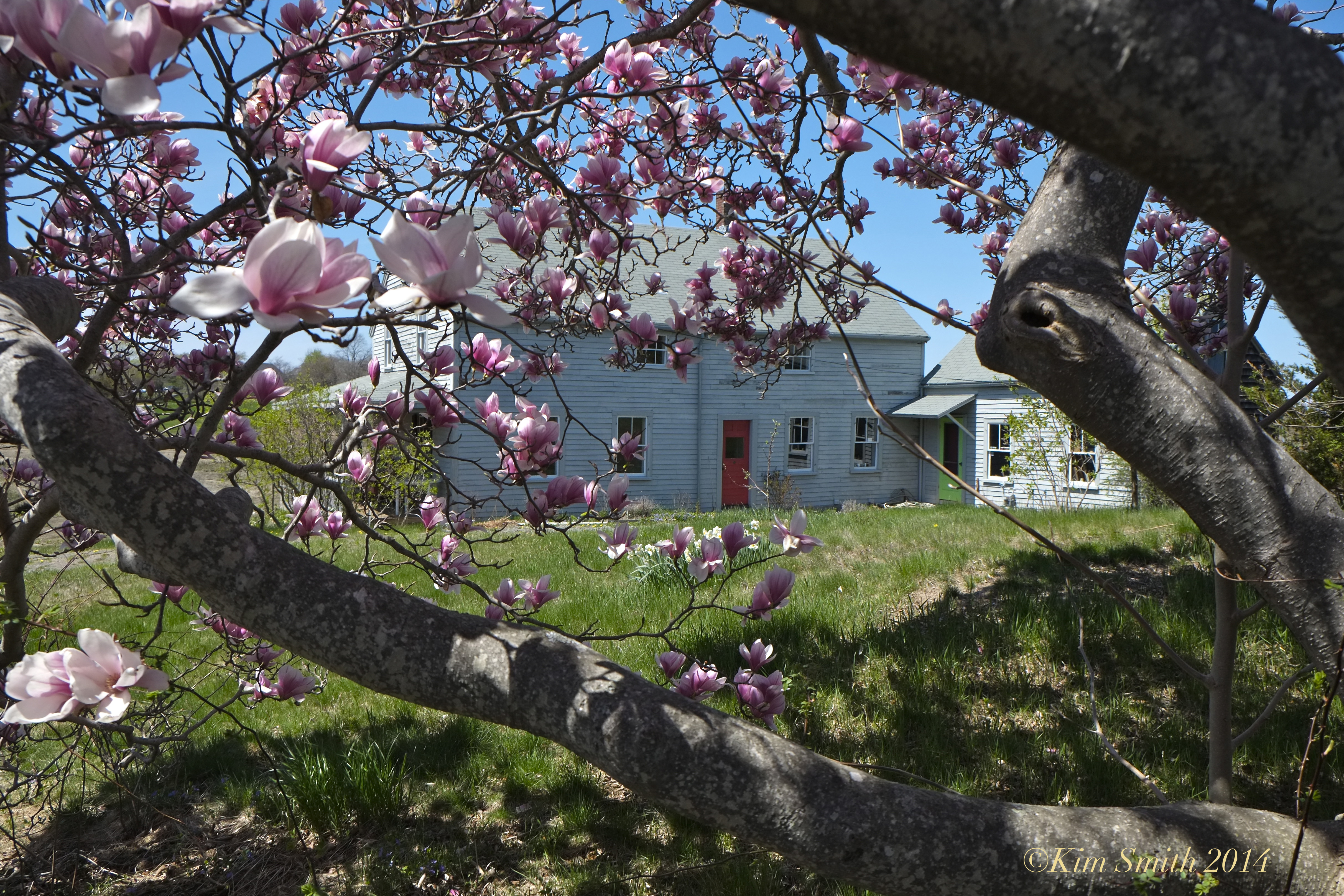
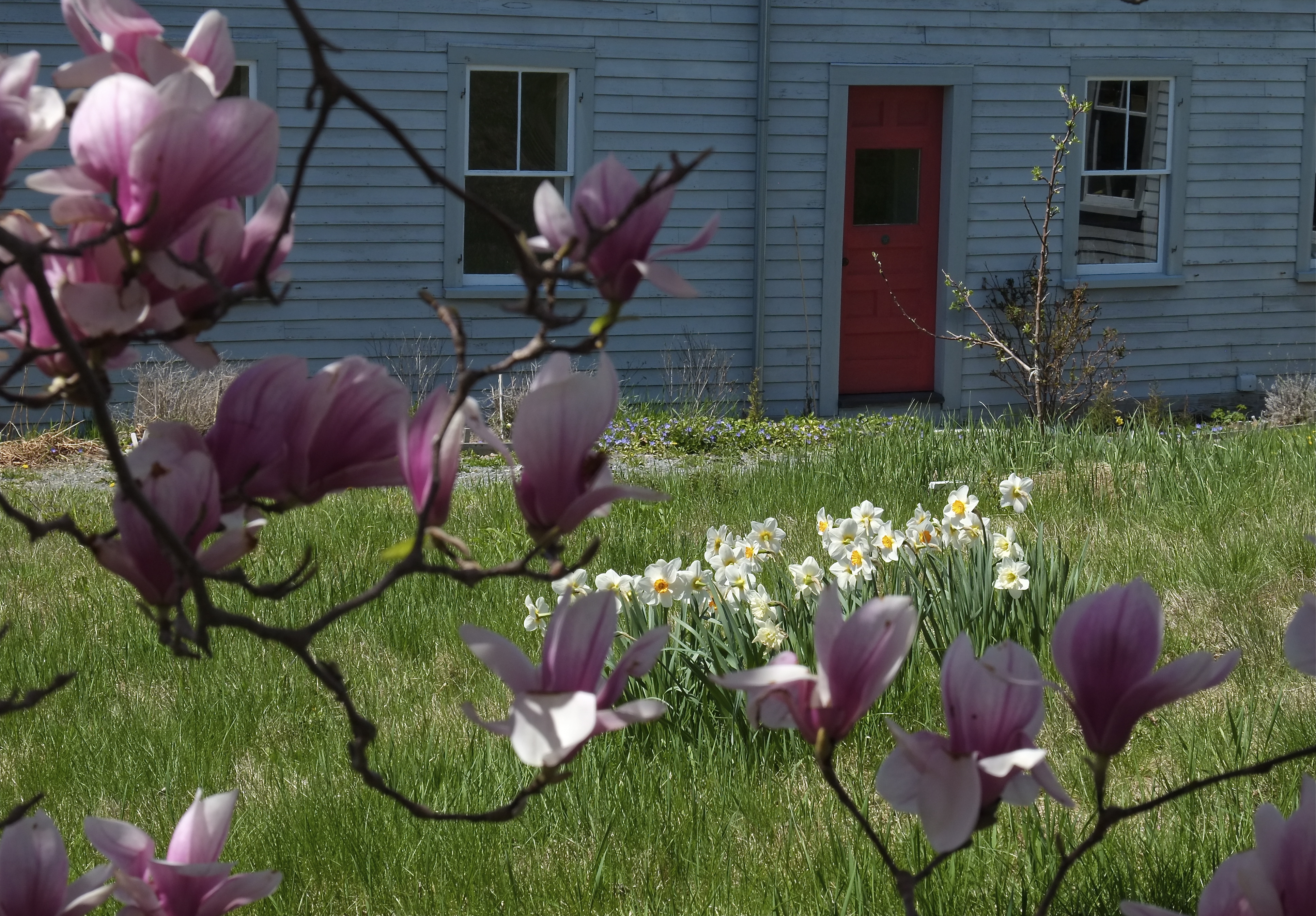
Saucer Magnolia and Another View of the Mabel Burnham House, Essex

Burnham House Essex MA Magnolia ©Kim Smith 2014Mabel Burnham House, Essex 

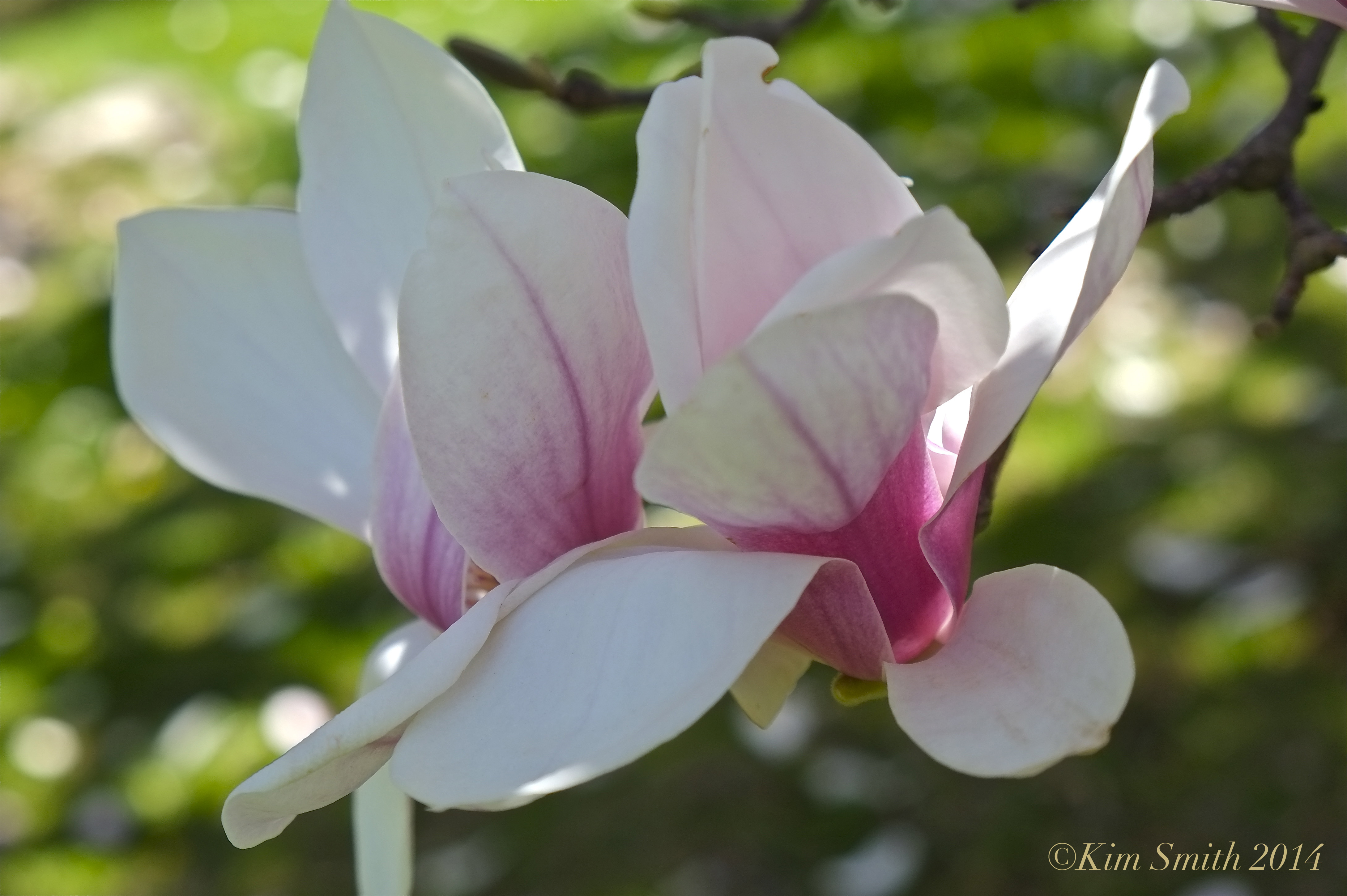
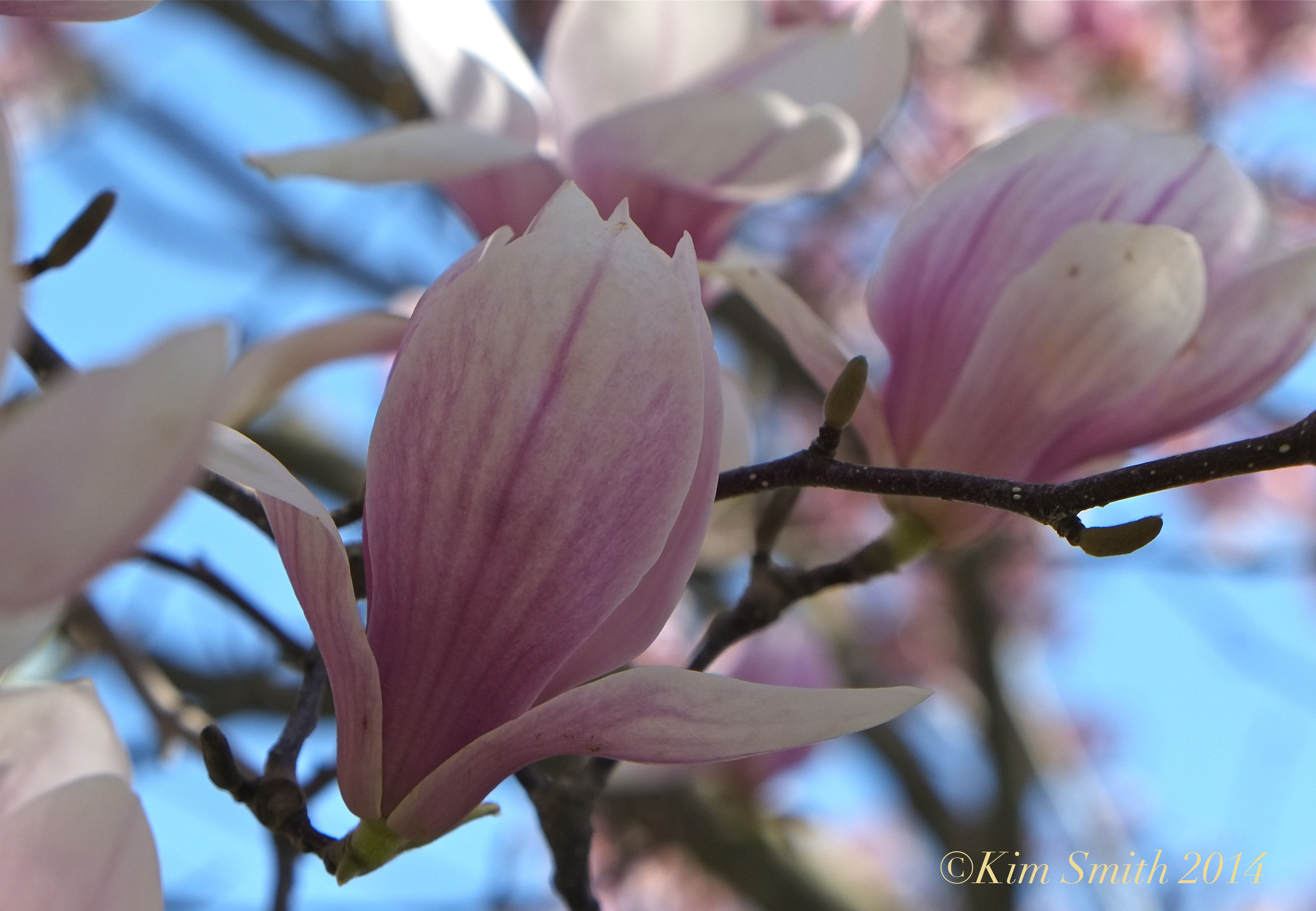
Saucer Magnolia ©Kim Smith 2014No group of trees and shrubs is more favorably known or more highly appreciated in gardens than magnolias, and no group produces larger or more abundant blossoms.” ~ Ernest “Chinese” Wilson, botanist and plant explorer

Do you have a favorite flowering tree? If I  had to chose just one, which would be very, very difficult because I LOVE all flowering tress, it might just be the Saucer Magnolia (Magnolia soulangeana). But ask me again when the dogwoods are in bloom! I would love to know what is your favorite spring blooming tree. Write in the comment section and let us know. And send a photo, too, if you’d like. Thanks!

Saucer  magnolia ©Kim Smith 2014Global climate change is causing extremes in weather worldwide. The horticultural problems created by a spring cycle of freezing-thawing-freezing temperatures are only going to increase. The gardener’s best defense is to plant species that can withstand these new horticultural parameters. I find the Saucer Magnolia, which blooms later than the Star Magnolia, a much better choice for New England gardens, where spring is fleeting at best and tree blossoms are often quickly ruined by frost.

Magnolia Burnham Houes Essex MA ©Kim Smith 2014

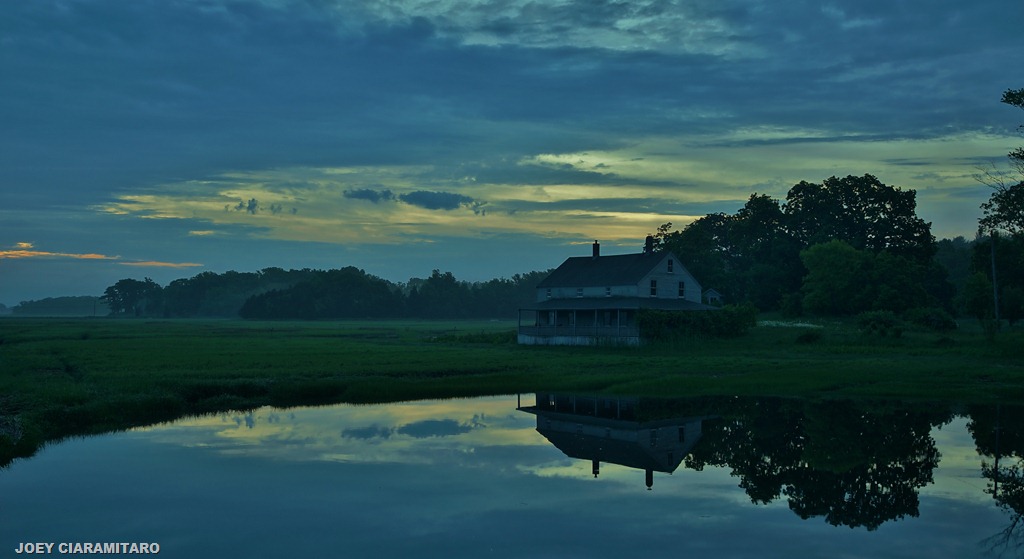
dsc06526Joey’s Marsh View of the Burnham House, Essex, at Dawn

Reminder: Monarch Milkweed and Aster Seed Pickup and Information Day is Next Sunday, May 18th, from 9:30 to Noon

male-female-monarch-butterfly-marsh-milkweed-2-c2a9kim-smith-2012-copy Male and Female Monarch Butterfly on Marsh Milkweed (Asclepias incarnata)

Where are the Monarchs today in their northward migration? They have spread throughout the Great Plains and Southern States. Some have already been sighted as far north as Michigan and Wisconsin! Monarch Migration Map

Our Milkweed and New England Aster seed pickup day is next Sunday from 9:30 to noon at Captain Joe and Sons. Captain Joe’s is located at 95 East Main Street and you can find directions posted on their website here. Thank you so much to Joey for offering to host the event at the dock. See You There!

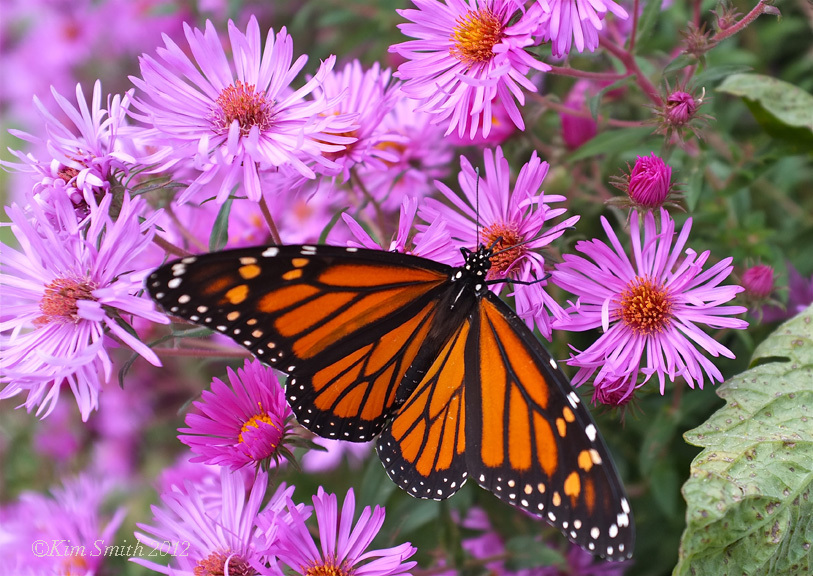
monarch-new-england-aster-c2a9kim-smith-2013Monarch Butterfly and New England Aster

Home-Scale Ecological Design Workshop

Alex Sands, who is the husband of GMG super FOB Lidi Sands, is holding a two day workshop on permaculture and ecological design. For all the details, read more from Alex:

I would like to invite you to an upcoming event in which I think that you may be interested. I am co-hosting a two day workshop titled “Learn How to Transform Your Landscape into a Garden of Eden: Home-Scale Ecological Design” on May 24 and June 21.

Permaculture and ecological design are design systems which use principles which facilitate health and abundance in natural ecosystems to enhance human systems. This workshop will look at the principles of permaculture and walk through the steps of the ecological design process. Participants will learn to identify and articulate their goals, assess their site and create conceptual and master plans.

I am co-hosting this event with Kay Cafasso, an extraordinary permaculture educator from Western Massachusetts. The presentation will take place at the Lanesville Community Center on Saturdays, May 24 and June 21 from 9 a.m. to 5 p.m. The cost for this two day workshop is $150.00. Please see our flyer below.

I hope to see you there!

Thank you,

Alex


Annisquam Landcare, Inc.
183 Main Street
Gloucester, MA 01930
(978) 282-3323
AnnisquamLandcare.com

Pc Spring 2014 Workshop

Don’t Miss the Seaside Garden Club’s Plant Auction on Tuesday May 13th

Kate Wilwerth from the Seaside garden Club writes:

Hi Kim – our big auction is coming up on the 13th. Thanks so much for your ongoing support!

The Seaside Garden Club’s Plant Auction will take place on Tuesday, May 13th at the Manchester Community Center. Doors open for a preview at 6:00 pm and the Auction begins promptly at 7:00 pm. Light refreshments will be served. Don’t miss the chance to purchase the garden club’s prized perennials and beautiful one of a kind garden art. Donations from many local businesses will be auctioned off as well plants. Ryan & Wood Distilleries, Neptune’s Harvest, Utopia Farms, Wolf Hill, Marshall’s Farm Stand, Chapman’s Florist, and Sea Meadow Gifts are among the generous businesses that have donated their goods to the auction. Our members have been hard at work dividing their tried and true perennial plants and creating garden art. Support the Seaside Garden Club and come home with great plants and beautiful planters full of flowers that will grace your home with beauty!

Plant donations are welcome. Donations can be dropped off at the Community Center (please leave them outside at side entrance closest to the parking lot) any time on Monday the 12th or Tuesday the 13th. Please dig up generous clumps (the more exotic plant types the better!) you mark with plant name and care instructions. This is the Seaside Garden Club’s only fund raiser and 100% of the proceeds go to fund our terrific programs and community service projects throughout the year.

SGC 2014 Auction Flyer

The Seaside Garden Club meets the second Tuesday of every month, September through June at the Manchester Community Center. Membership is open to all. We already have a great line up of programs for next year. The club will kick off our program next year with a 45 year anniversary celebration, followed by workshops, demonstrations and interesting speakers. Visit our blog at: Seaside Garden Club

Pure Whimsy!

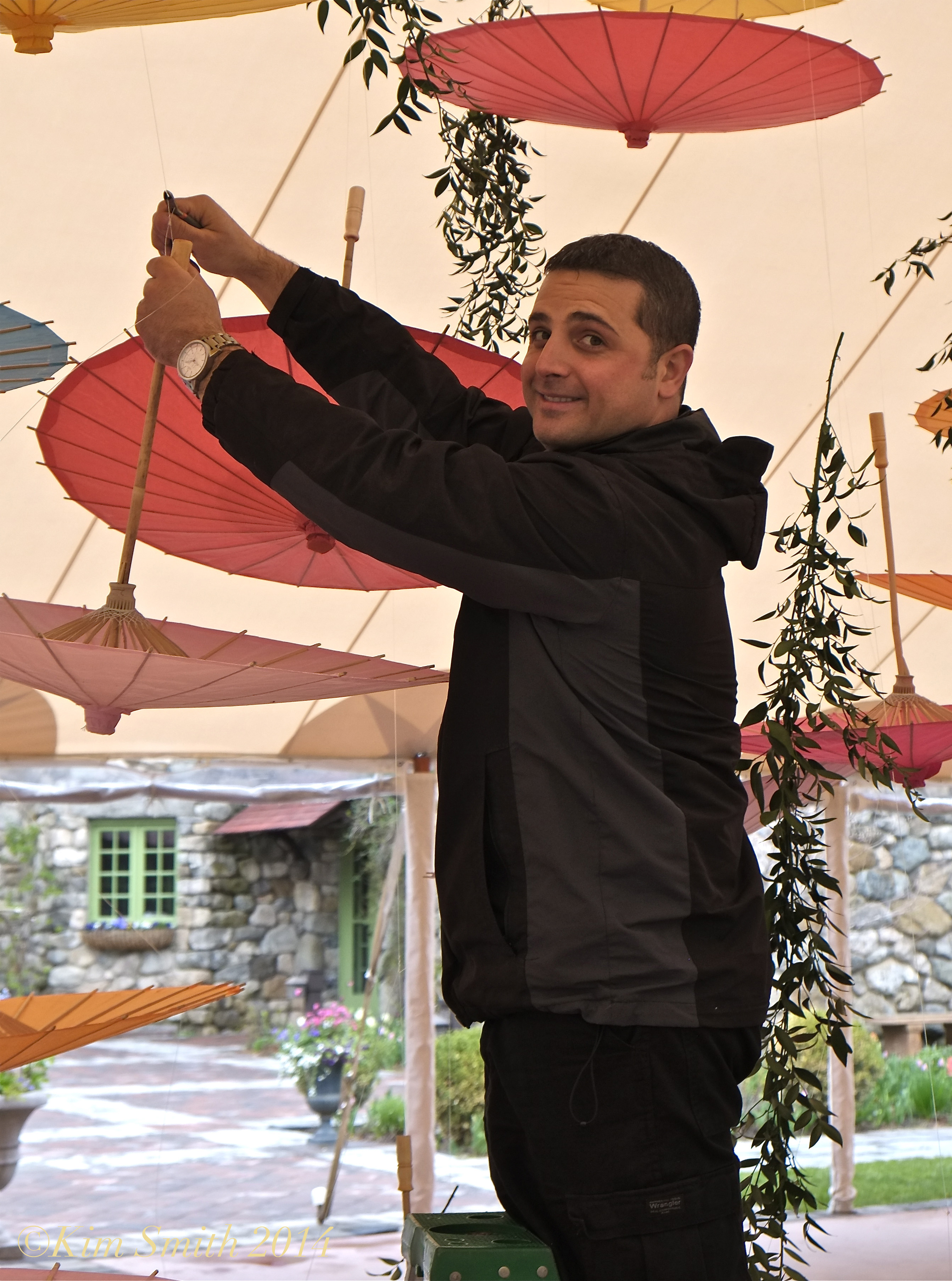
Revelation. Productions Willowdale Estate ©Kim Smith 2014What a treat to see Willowdale’s event tent decorated in Anthony D’Elia’s wonderfully fun and whimsical design for Thursday’s “Power of the Purse.”  Upon arriving, I felt as though I had stepped into a Georges Lepape French fashion illustration from the early 1900s, when Orientalism was all the rage and summer garden fêtes were decorated in kind, and to the nines. Revelation Productions Design Willowdale Estate Anthony D'Elia Revelations Productions ©Kim Smith 2014 copyThe morning after the event, while the Willowdale crew and I were installing a new embroidered velvet curtain for the tent, I had the opportunity to meet Anthony as he and his staff were dismantling the decor. Anthony and his company, Revelation Productions, are responsible for many of the most stunning and beautifully produced special events held at Willowdale and venues throughout the North Shore and New England. Their creative and technical event services included imaginative décor, custom audio design, full spectrum video services, and gorgeous lighting. Visit their website for more information about Revelation Productions here.

gazette_du_bon_ton_1913_n6_avril_georges_lepape_des_ombrelles_

The first two photos show how the parasols and lighting looked in daylight; below you can see how they appeared after sunset. I wasn’t the only one utterly captivated by the décor and Anthony received high praise from Briar, the Willowdale staff, and all attendees for his magical parasol and branch design.

parasols -2 ©Kim Smith 2014 Revelations Productions Parasols Willowdale Estate ©Kim Smith 2014. copyBriar Forsythe, proprietor of Willowdale, donated the tent, her signature refreshments, and stellar staff to the “Power of the Purse,” as did Anthony donate his time and décor to the event. See previous posts about the Power of the Purse here.

*    *    *

Georges Lepape (1887-1971) was a French fashion designer and illustrator, engraver, poster artist, book illustrator, costume, and textile designer. He collaborated and designed many covers for leading magazines of the day including Vogue, Vanity Fair, Harper’s Bazaar, Femina, and The Art Sheets. See several more Georges Lepape illustrations here: Continue reading “Pure Whimsy!”

Top Native Bee Friendly Plants

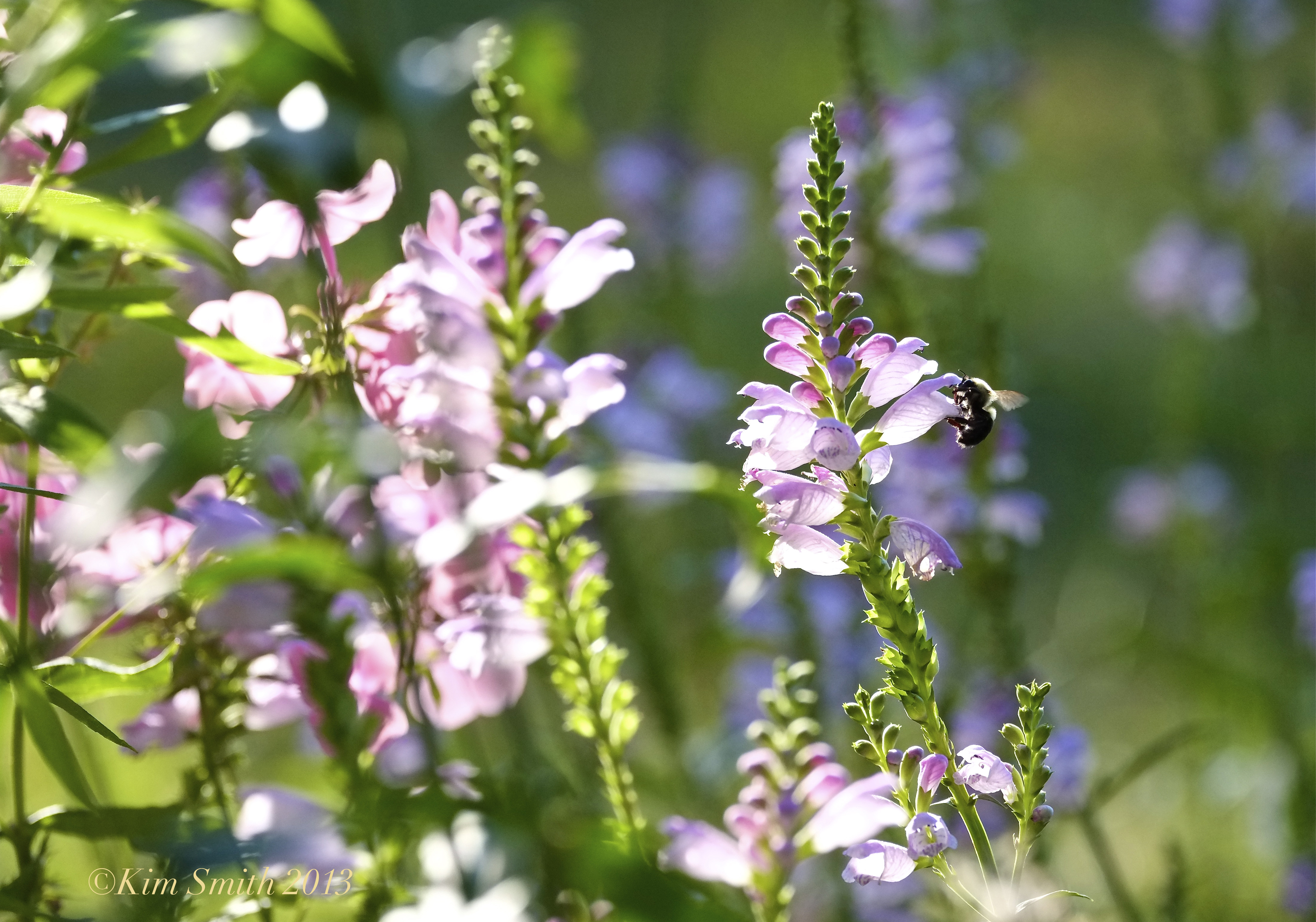
Obedient Plant and Bee Physostegia virginiana ©Kim Smith 2013Obedient Plant (Physostegia virginiana)

Below is a list of some favorite nectar- and pollen-rich bee-friendly North American wildflowers for attracting native bees and honey bees to your gardens. They are listed in order of bloom time, from spring through late summer, to provide your foragers with nourishment all growing season long.

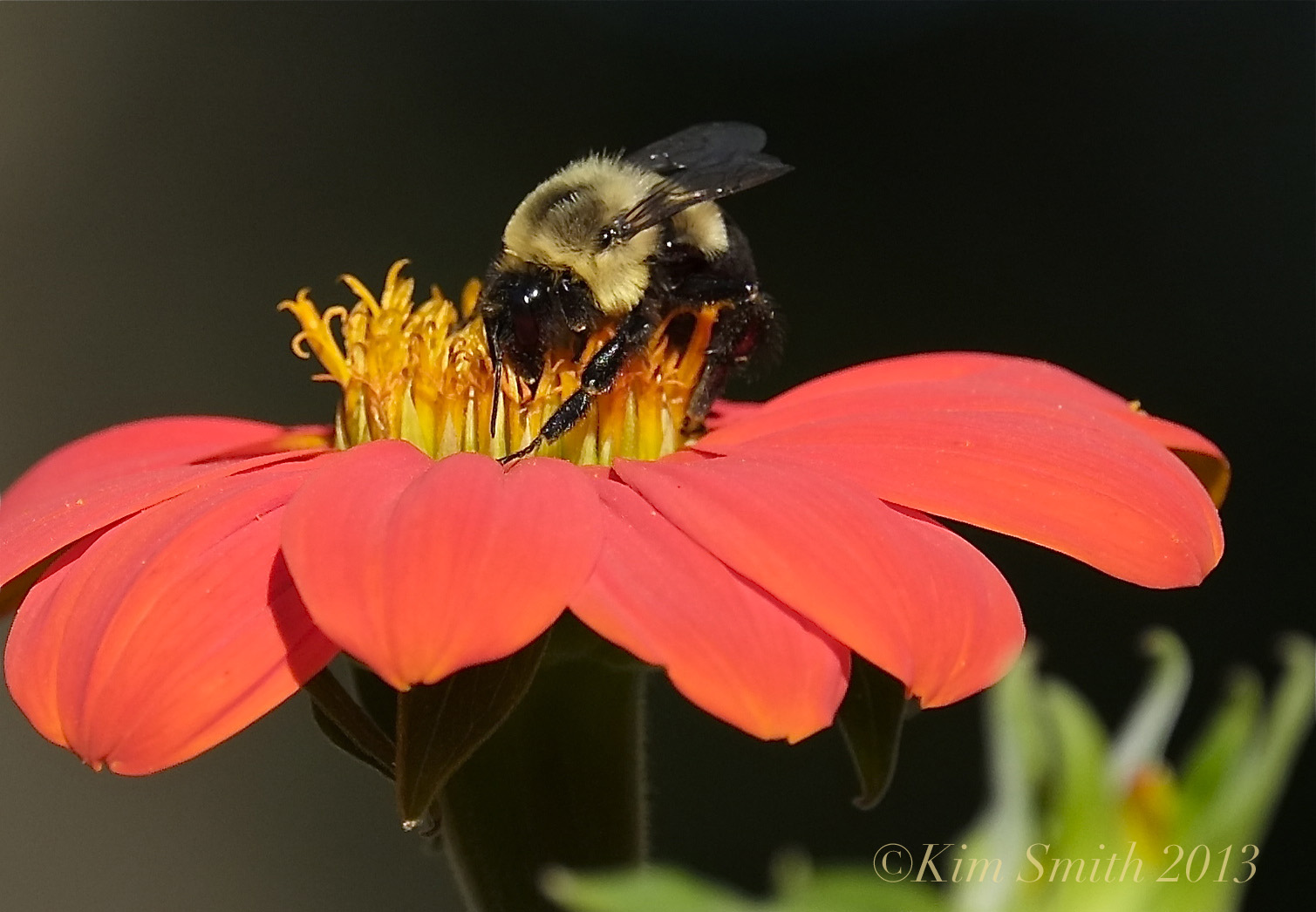
Mexican Sunflower © Kim Smith 2013Mexican Sunflower (Tithonia rotundifolia)

Wild strawberry (Fragaria viginiana)

Wild Blue Lupine (Lupinus perennis)

Common Milkweed (Asclepias syriaca)

Marsh Milkweed (Asclepias incarnata)

Black-eyed Susan (Rudbeckia hirta)

Sunflower (Helianthus annus)

Obedient Plant (Physostegia virginiana)

Seaside Goldenrod (Solidago sempervirens)

Great Blue Lobelia (Lobelia siphilitica)

Joe-pye Weed (Eupatorium purpureum)

New York Ironweed (Veronia noveboracensis)

New England Aster (Aster novae-angliae)

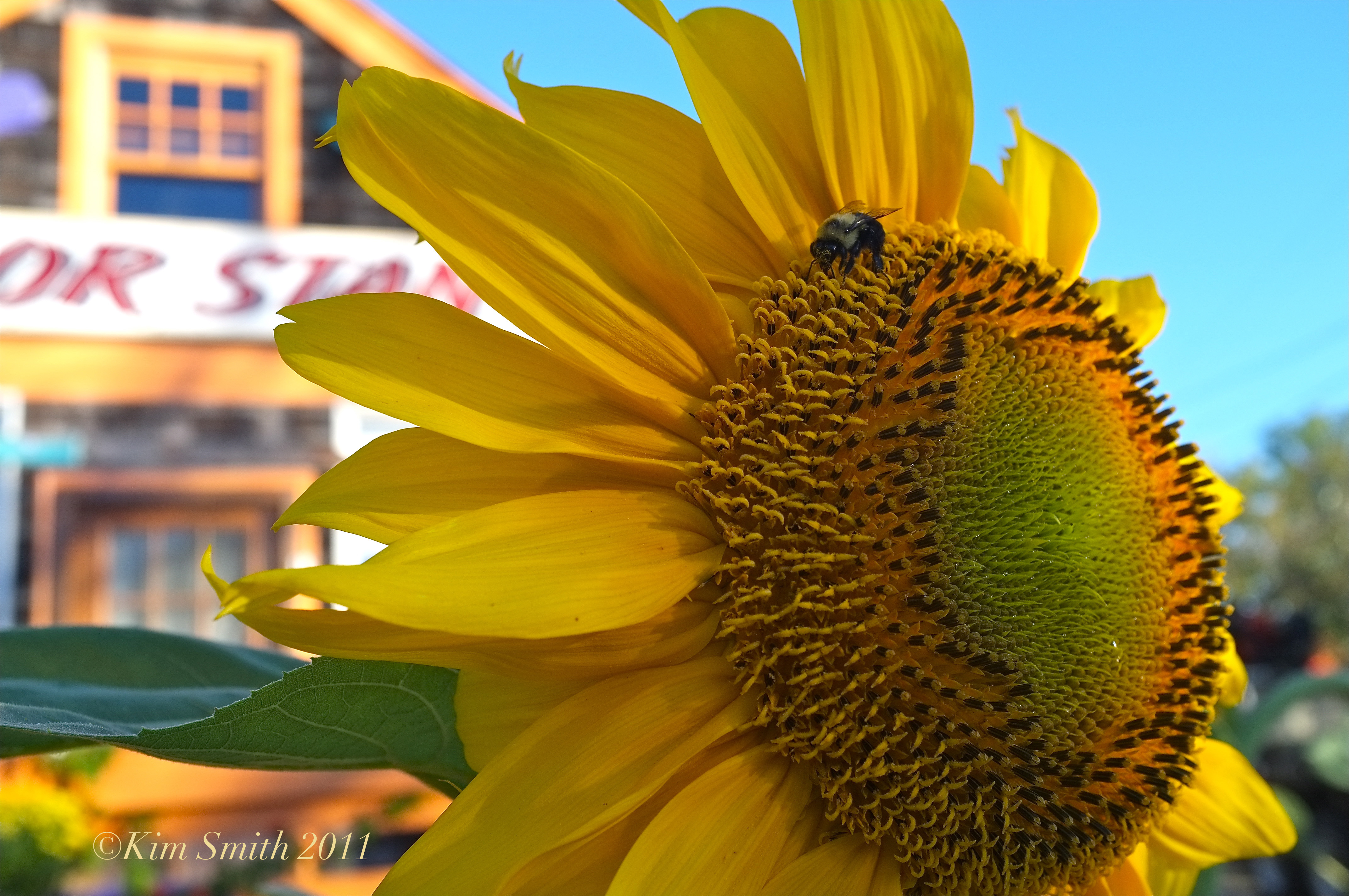
Sailor Stan sunflower and bee ©Kim Smith 2011Sailor Stan Sunflower (Helianthius annus)

Eupatorium and Bee ©Kim Smith 2012Joe-pye Weed (Eupatorium purpureum)
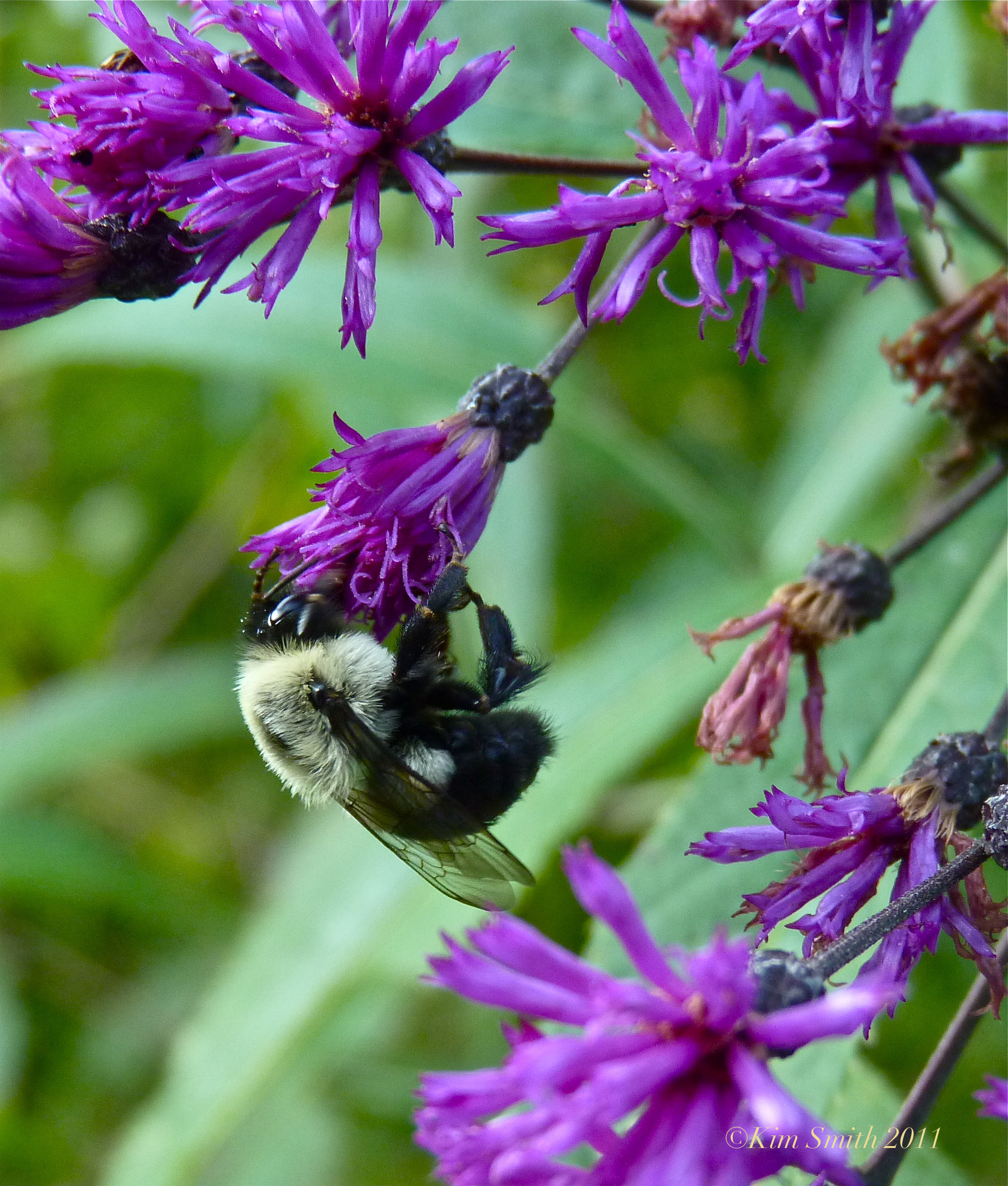
Ironweed Bee ©KIm Smith 2011New York Ironweed (Veronia noveboracensis)

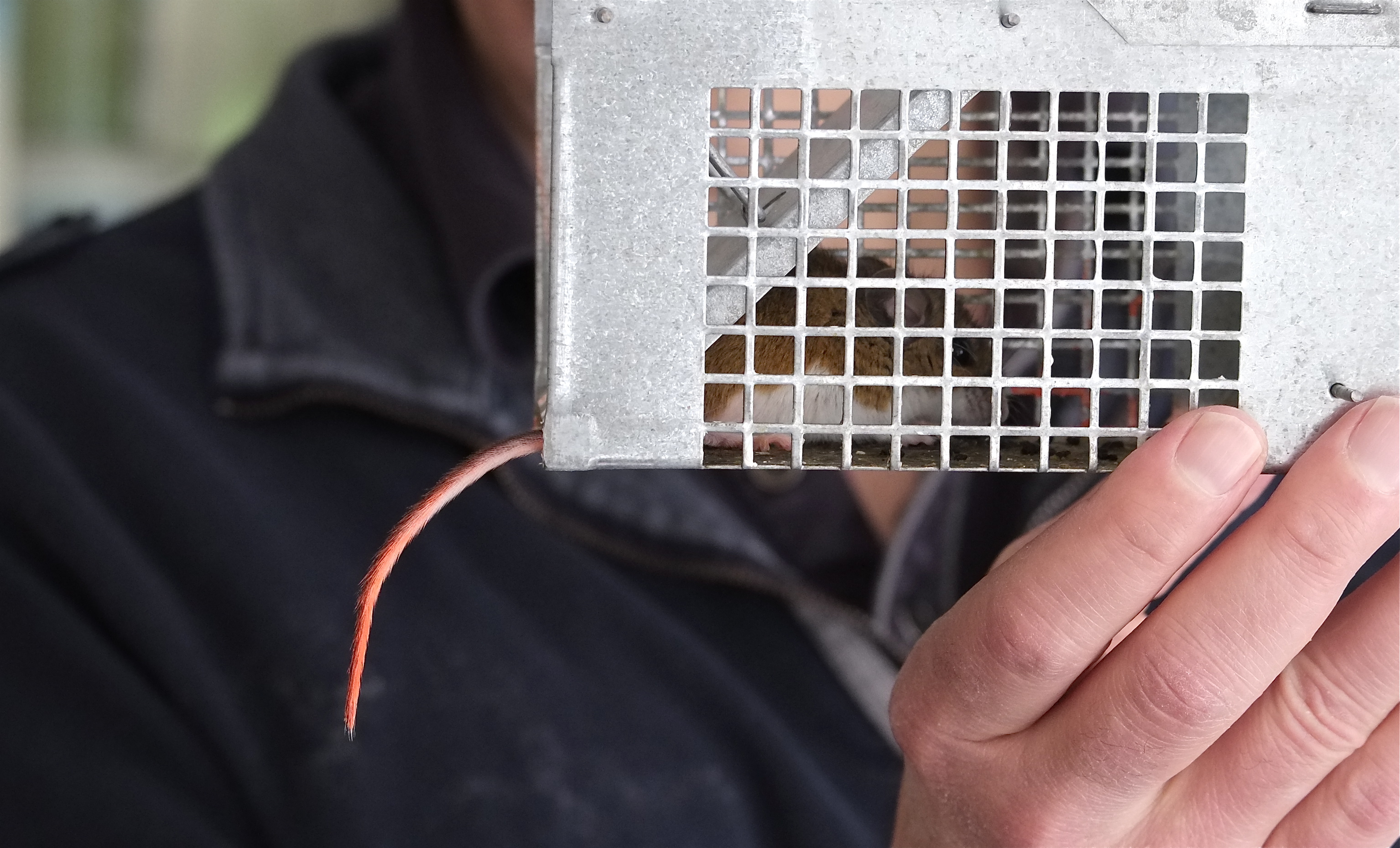
Why is This Mouse’s Tail Bright Orange?

Mouse orange tail ©KIm Smith 2014JPGBecause my dear husband loves to trap mice, but does not have the heart to kill them. After capturing, he lets the mouse go. I asked, how can he be sure he is not catching the same mouse. He decided to conduct an experiment, painting the tail of any captured mouse with brilliant orange non-washable paint. None have showed up back at our home, but if you happen upon a cute orange-tailed mouse, please let us know!

Top Ten Tips for Attracting and Supporting Native Bees

Bees, butterflies, and songbirds bring a garden to life, with their grace in movement and ephemeral beauty.   Bee and Monarch Butterfly ©Kim Smith 2012Many of the plants that are the most highly attractive to butterflies are also the most appealing to bees, too!

Bees are also a “keystone organism,” which means they are critical to maintaining the sustainability and productivity of many types of ecosystems. Without bees, most flowering plants would become extinct, and fruit and seed eating birds and mammals (such as ourselves) would have a much less healthy and varied diet.

Native bees come in an array of beautiful colors, size, and shapes. Some are as small as one eighth of an inch and others as large as one inch. They may wear striped suits of orange, red, yellow, or white, or shimmer in coats of metallic iridescene. Their names often reflect the way in which they build their nests, for example, carpenter bees, leafcutter bees, mason bees, plasterer bees, digger bees, and wool carder bees.

Approximately 4,000 species of native bees have been identified north of Mexico. They are extremely efficient pollinators of tomatoes, apples, berries, pumpkins, watermelons, and many other crops.

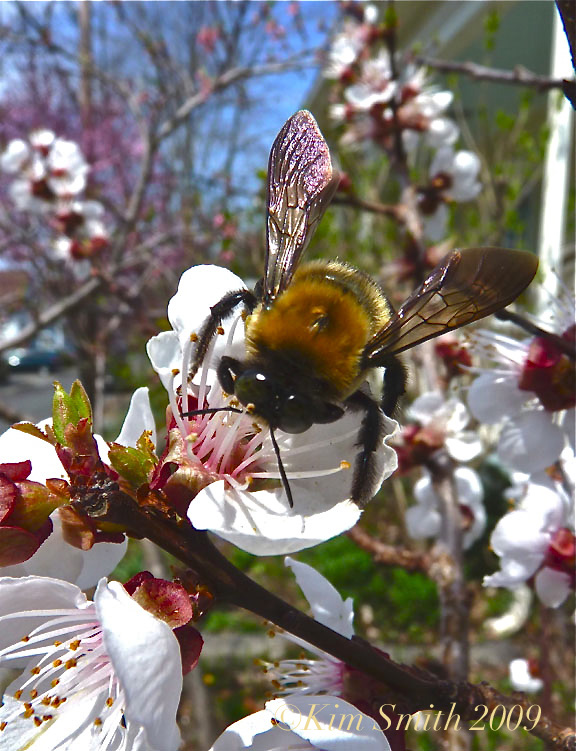
Native Bee Pollinating Apricot Tree ©Kim Smith 2009Native Carpenter Bee and Apricot Tree

Listed below are what I have found to be the most successful tips for supporting and attracting native bees to your garden.

1). Choose plants native to North America. Over millennia, native bees have adapted to native plants. If planting a non-native plant, do not plant invasive aliens, only well-behaved ornamentals.

2). Choose non-chemical solutions to insect problems, in other words, do not use herbicides or pesticides.

3).  Choose plants that have a variety of different flowers shapes to attract a variety of bees, both long-tongued and short-tongued bees.

4). Avoid “fancy” plants, the hybrids that have been deveolped with multiple double frilly layers. This only confuses bees when they are looking for nectar and gathering pollen.

5). Provide a succession of nectar-rich and pollen bearing blooms throughout the growing season. Select plants that flower during the earliest spring, during the summer months, and until the first hard frost.

6.) Plant a clover lawn, or throw some clover seed onto your existing grass lawn to create a mixed effect.

7.) Bee Friendly–bees only sting when provoked. When encountering an angry bee, stay calm and walk away slowly.

8.) Plant lots of blue, purple, and yellow flowers, a bees favorite colors.

9). Provide a source of pesticide-free water and mud in your bee paradise.

The first nine tips are for any garden, large or small. The last is for people with larger land areas.

10).  Establish hedgerows, or clumps of native woody shrubs and trees, and wildflower fields. Contact the USDA NRCS (Natural Resources Conservation Services) for available funding opportunities.

Tomorrow I’ll post our top ten native plants for attracting and supporting native bees.

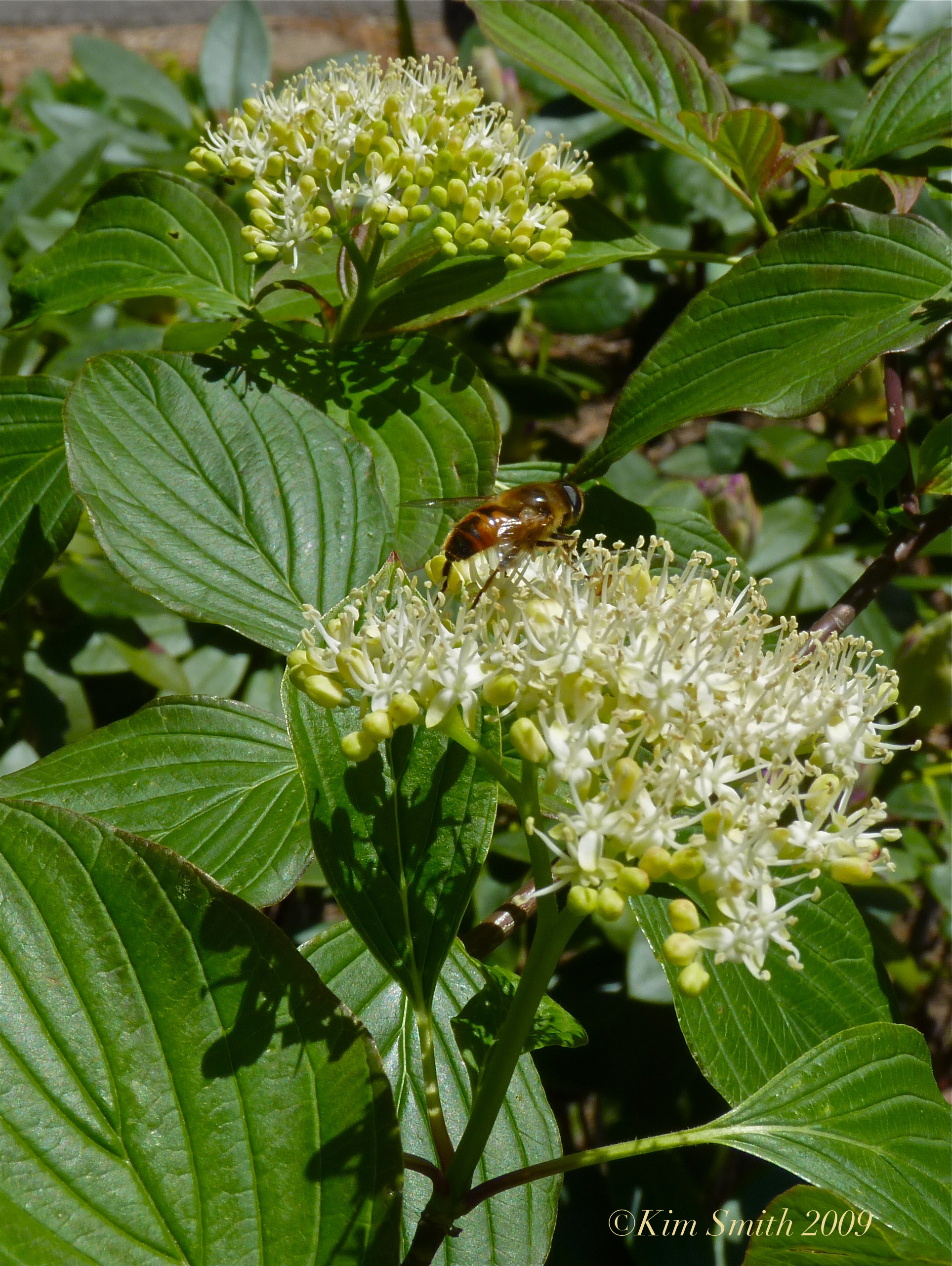
Cornus alternifolia ©Kim Smith 2009One of the most elegant of all native trees is the not-widely planted Cornus alternifolia, or Pagoda Dogwood. Where ever I plant this tree of uncommon grace and beauty it becomes a magnet for all manner of bees and butterflies.

My Black Swallowtail Film at the Lowell Film Festival Tomorrow (Tuesday) Night

BST Banner FINALI hope you can come join me for an evening of screenings and Q and A at the 2014 Lowell Film Series. My film Life Story of the Black Swallowtail Butterfly is playing, along with Whales of Gold, a film by Lucia Duncan, about the gray whale migration and how to conserve habitat and species in a way that also sustains the livelihoods of local people.

About the film: Life Story of the Black Swallowtail Butterfly is a 45-minute narrated documentary that takes place in a garden and at the sea’s edge. Every stage of the butterfly’s life cycle is experienced in vibrant close-up, from conception to pupation to metamorphosis. The film is for adults and for children so that all can gain a deeper understanding of the symbiotic relationship between wildflowers and pollinators and the vital role they play in our ecosystem. Filmed in Gloucester, Massachusetts.

The location of the screening is at the Lowell National Historical Park Visitor Center, 246 Market Street, Lowell. Click this link to read more about the series.

The 2014 Film Series: Land, Air, and Water is offered in partnership by the Lowell Film Collaborative and the Lowell Parks and Conservation Trust.

Click here to visit the film’s website: Life Story of the Black Swallowtail Butterfly

THANKS SO MUCH to Our Awesome and Super Wonderful Hard Working Friends of the HarborWalk Cleanup Volunteers

Lise Breen ©Joey Ciaramitaro 2014Lise Breen today at the HarborWalk, photo courtesy Joey Ciaramitaro

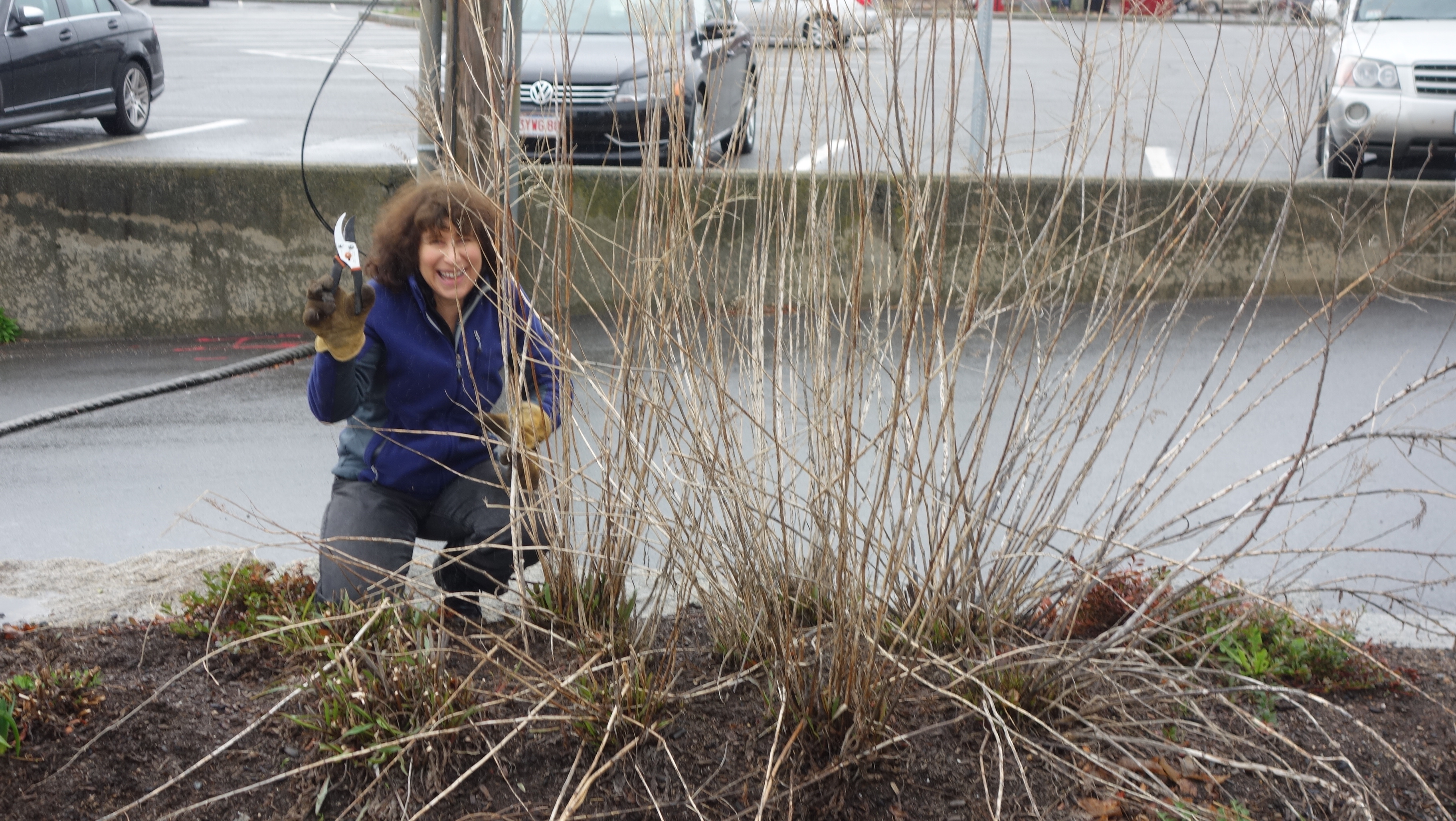
Thank you Beth Chiancola and Lise Breen for all your tremendous help today with the HarborWalk Cleanup. We are so appreciative, and so appreciative of the help given by Catherine Ryan, Susan Kelly, Jessie, George Ryan, Charles Ryan, Lise, and Beth on previous cleanup days. The gardens are finally beginning to show some life, with lots of new green growth emerging and now, with all the dried stalks removed, you can really see them springing back!

Happy Spring!

Vine from a HarborWalk cleanup day earlier in April

The Pictures Kim Didn’t Post-