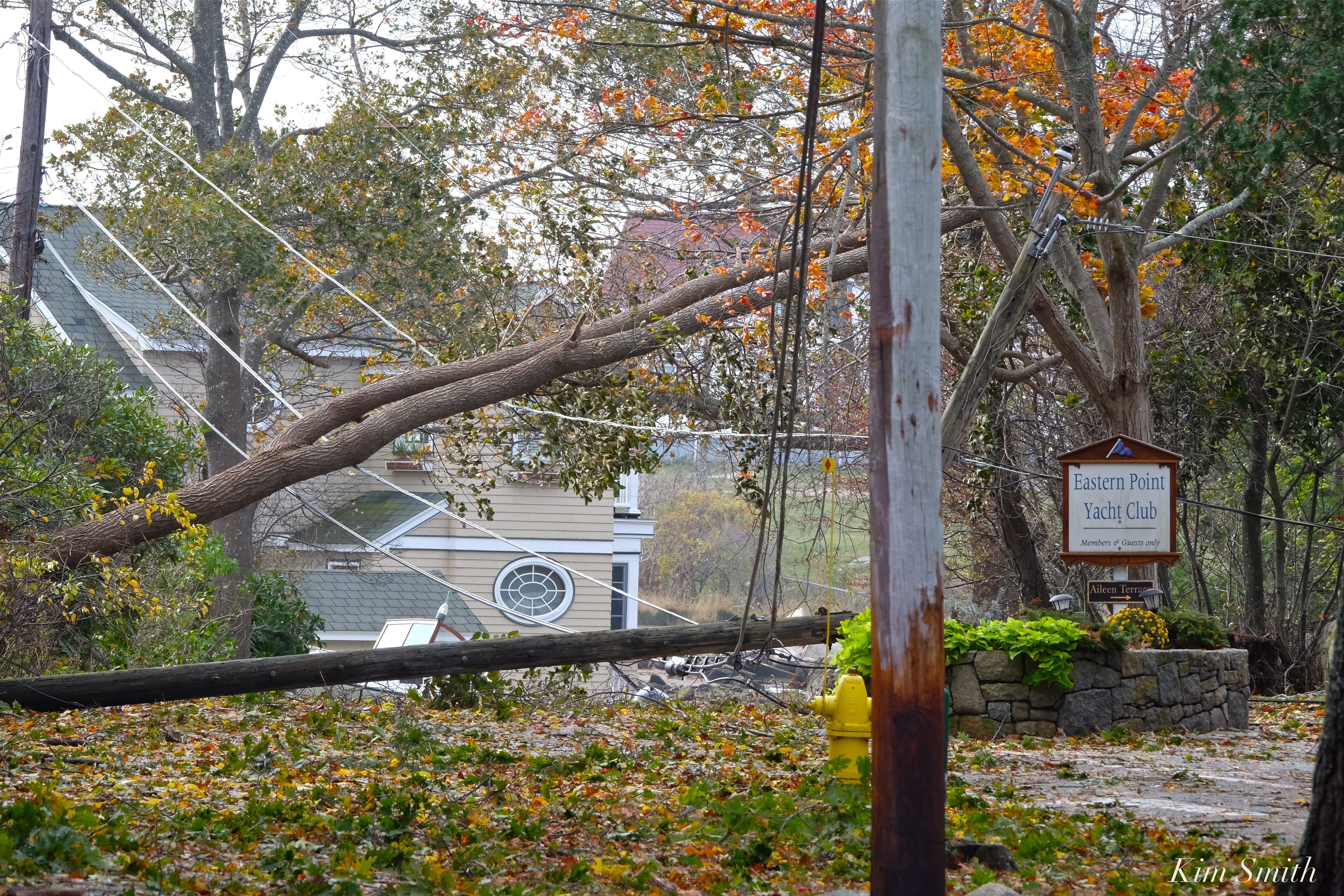
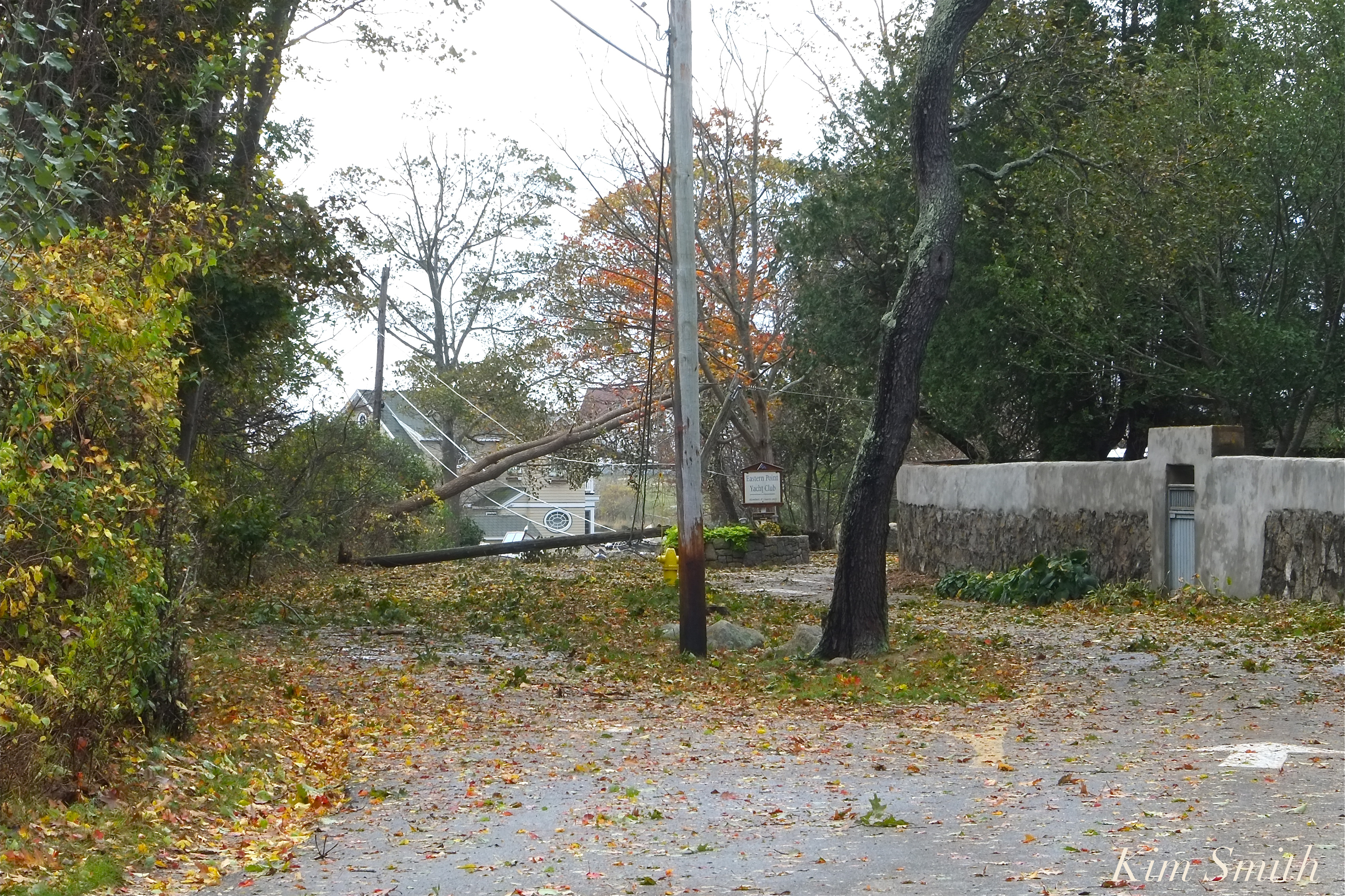
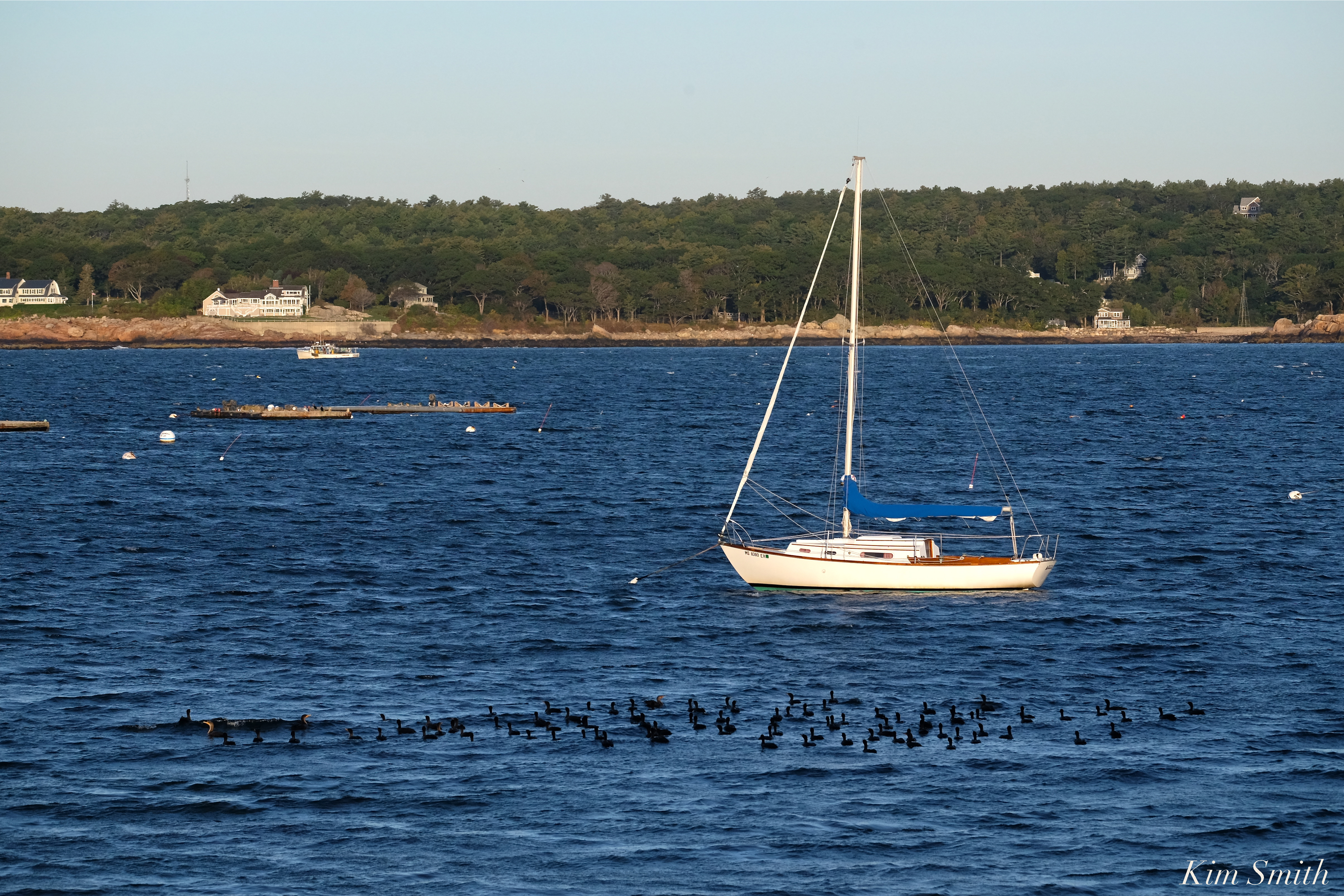
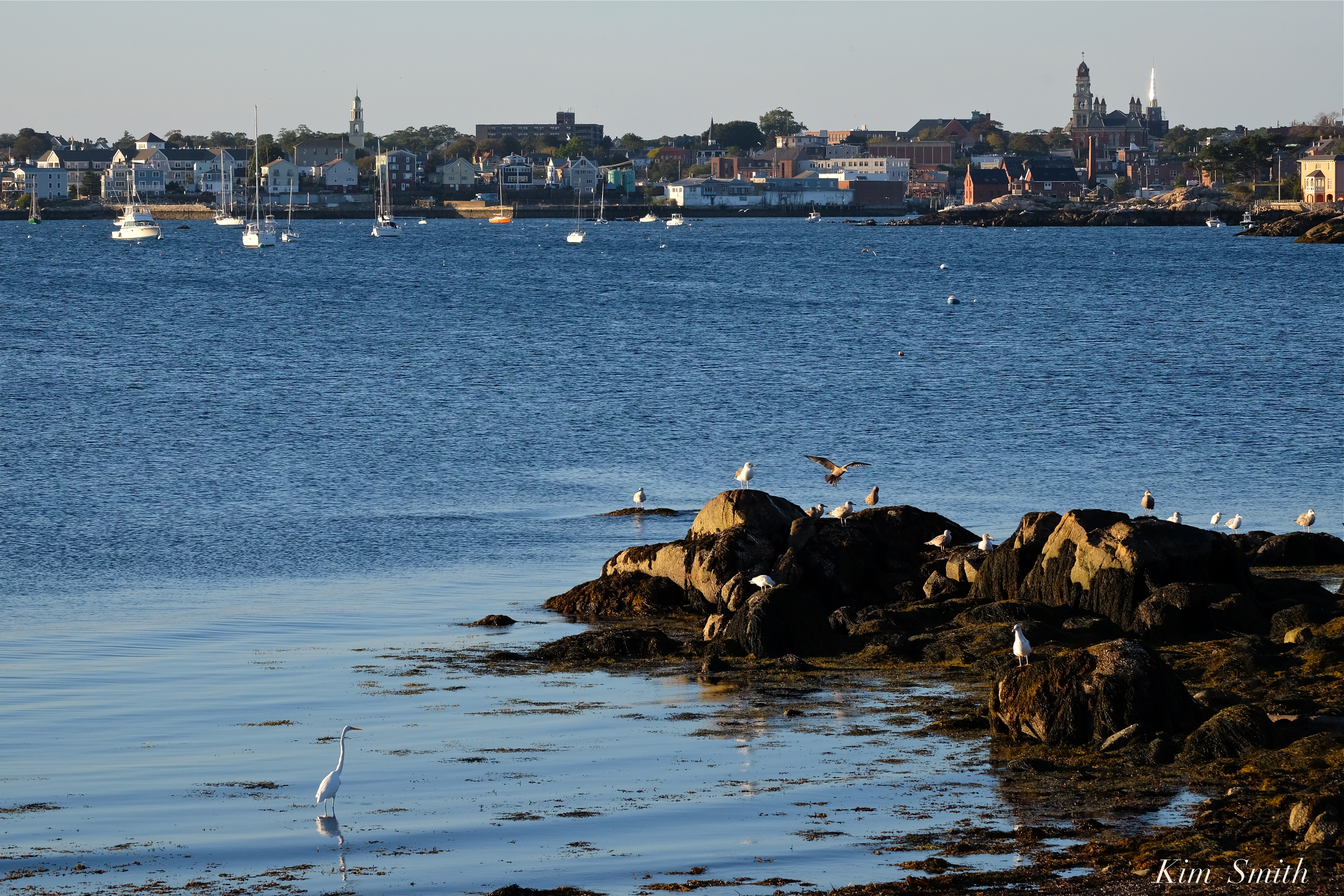
EASTERN POINT LIGHTHOUSE POWER OUTAGE UPDATE

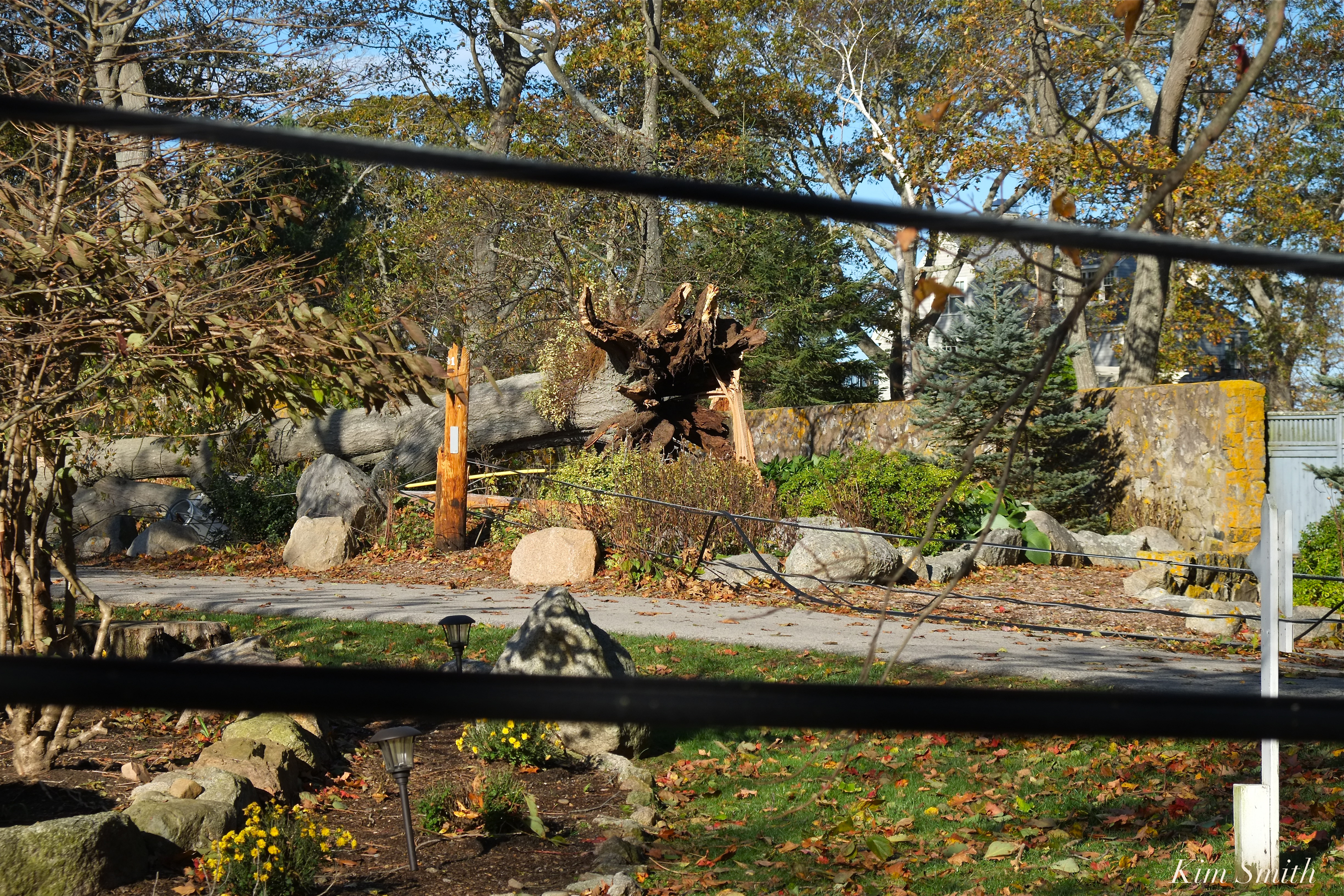
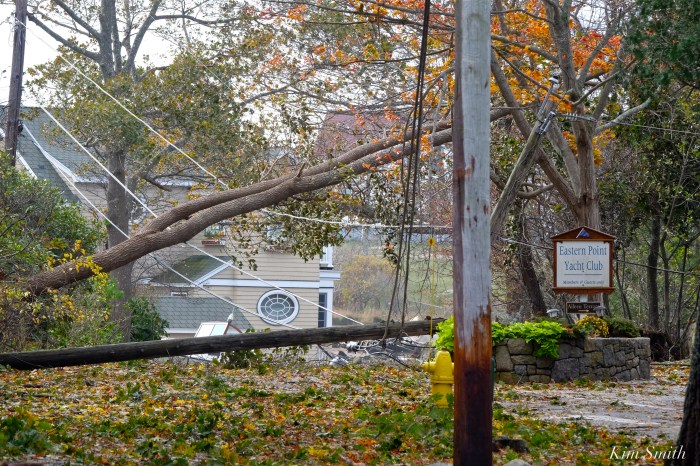
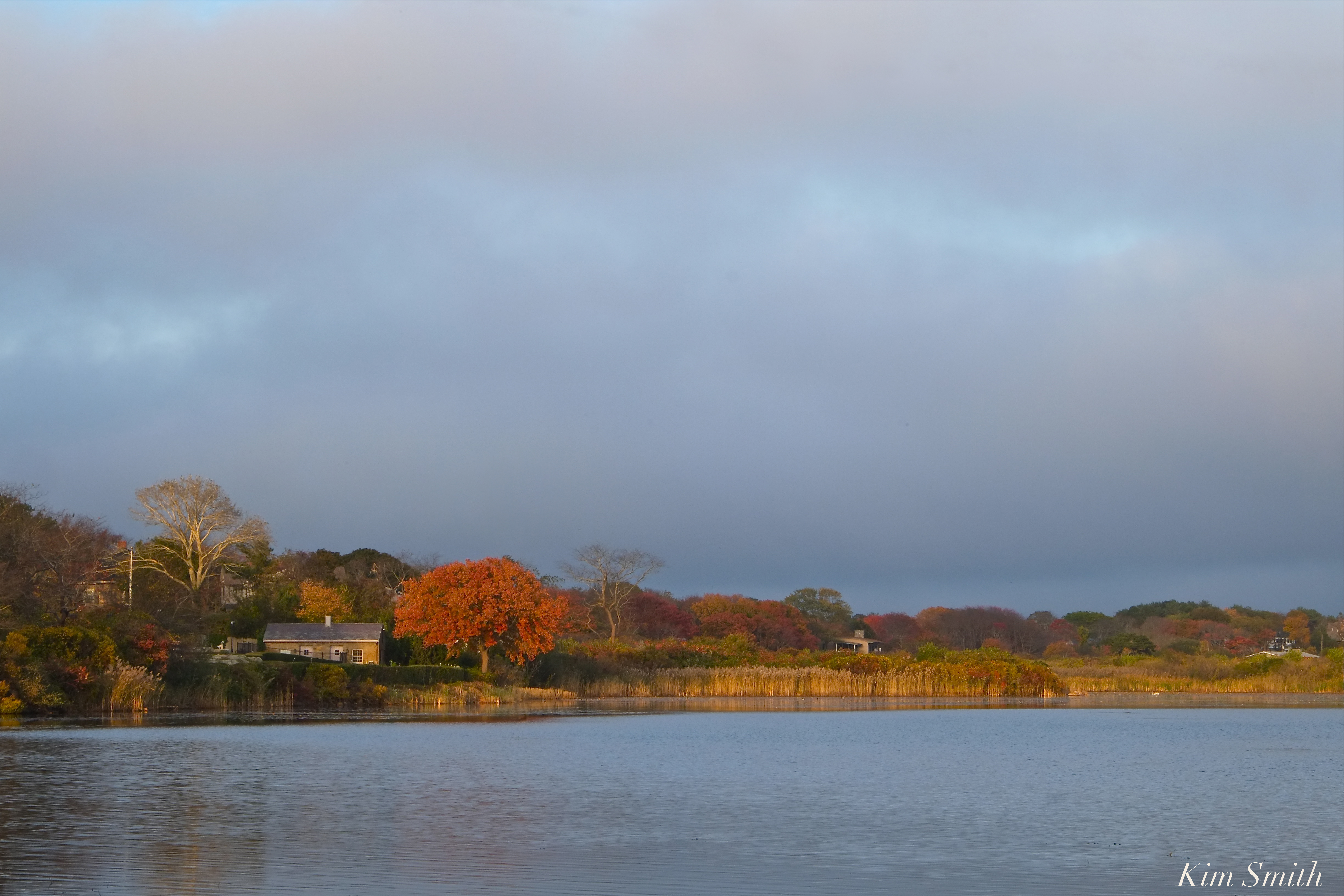
The downed trees were cleared from the road and driveways although it looks as though it may be a few more days before power is restored and cars are allowed to park at the Lighthouse lot.

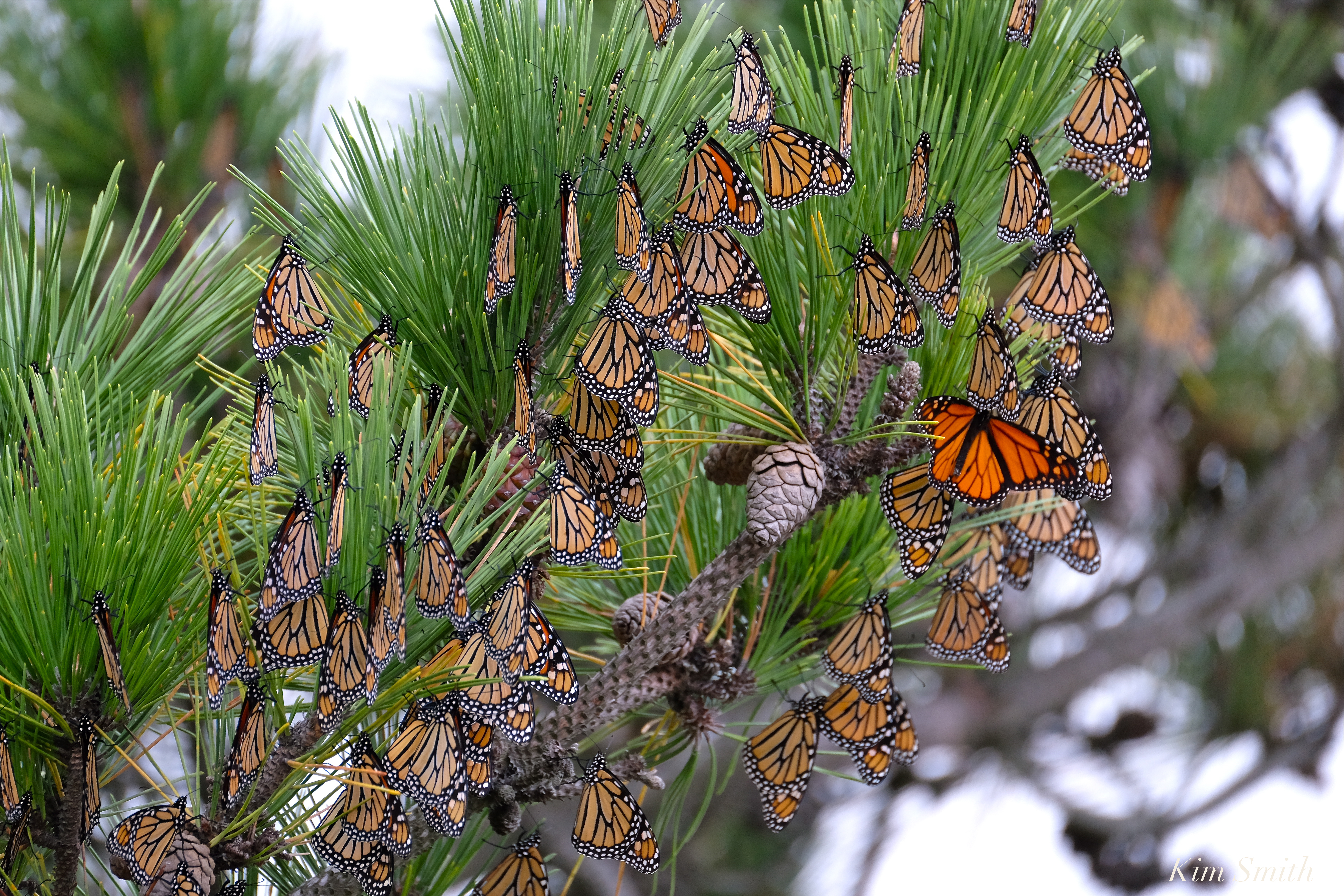
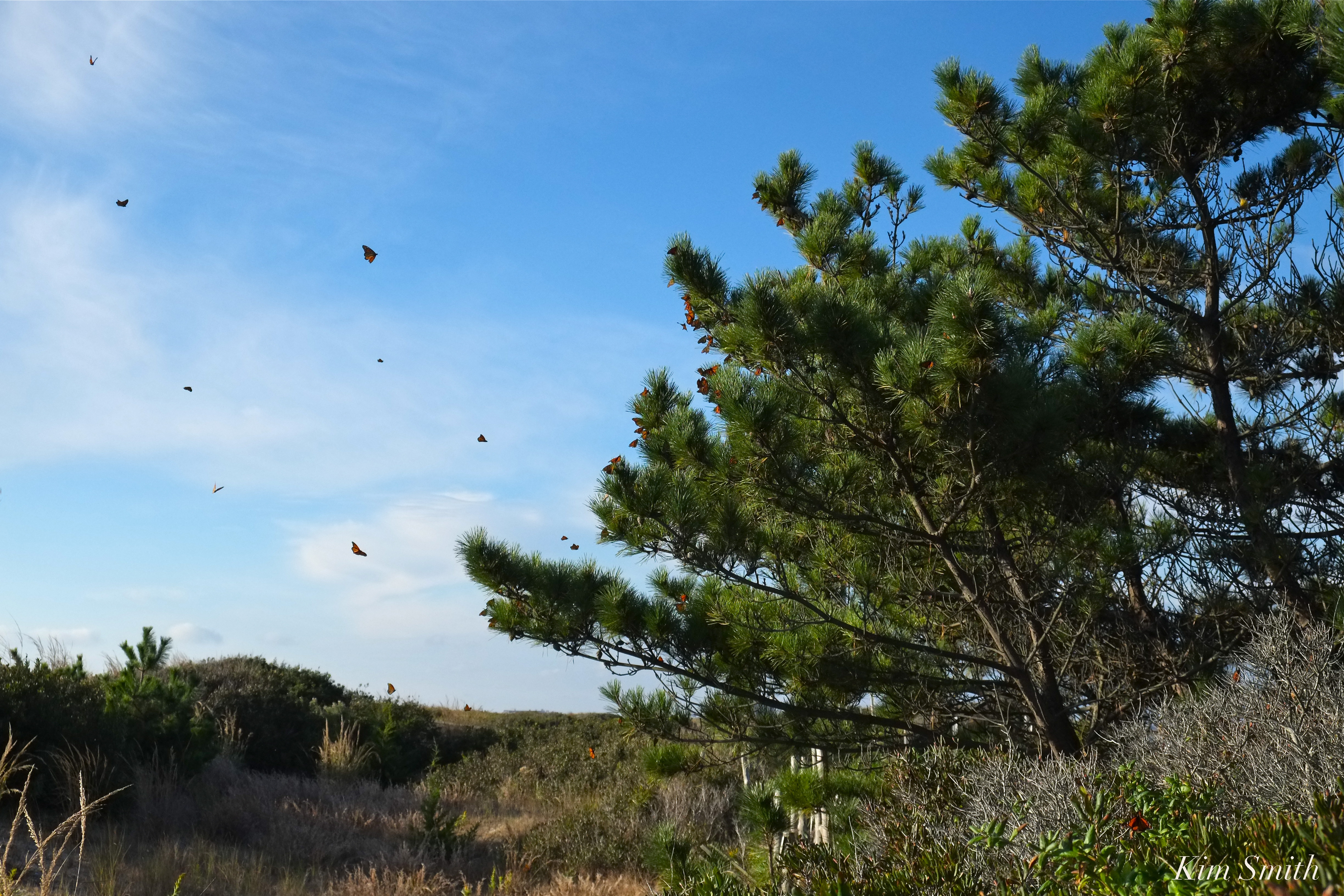
The GREAT news is that the four trees that the Monarchs consistently roost in overnight, year after year after year, were spared, and came through with flying colors!

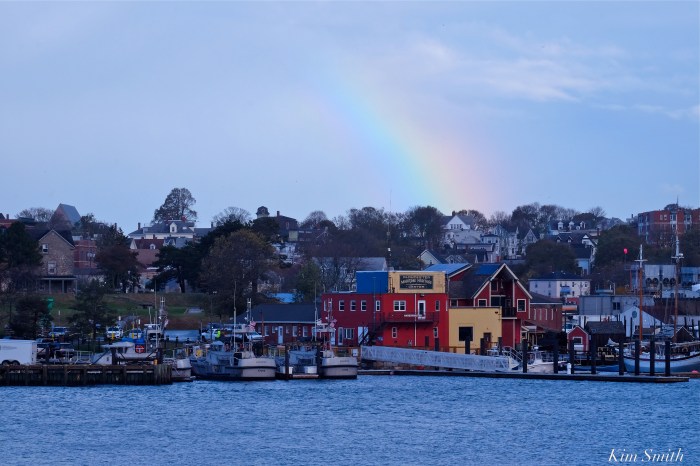
GLOUCESTER AFTER STORM RAINBOW TO POWER OUTAGES

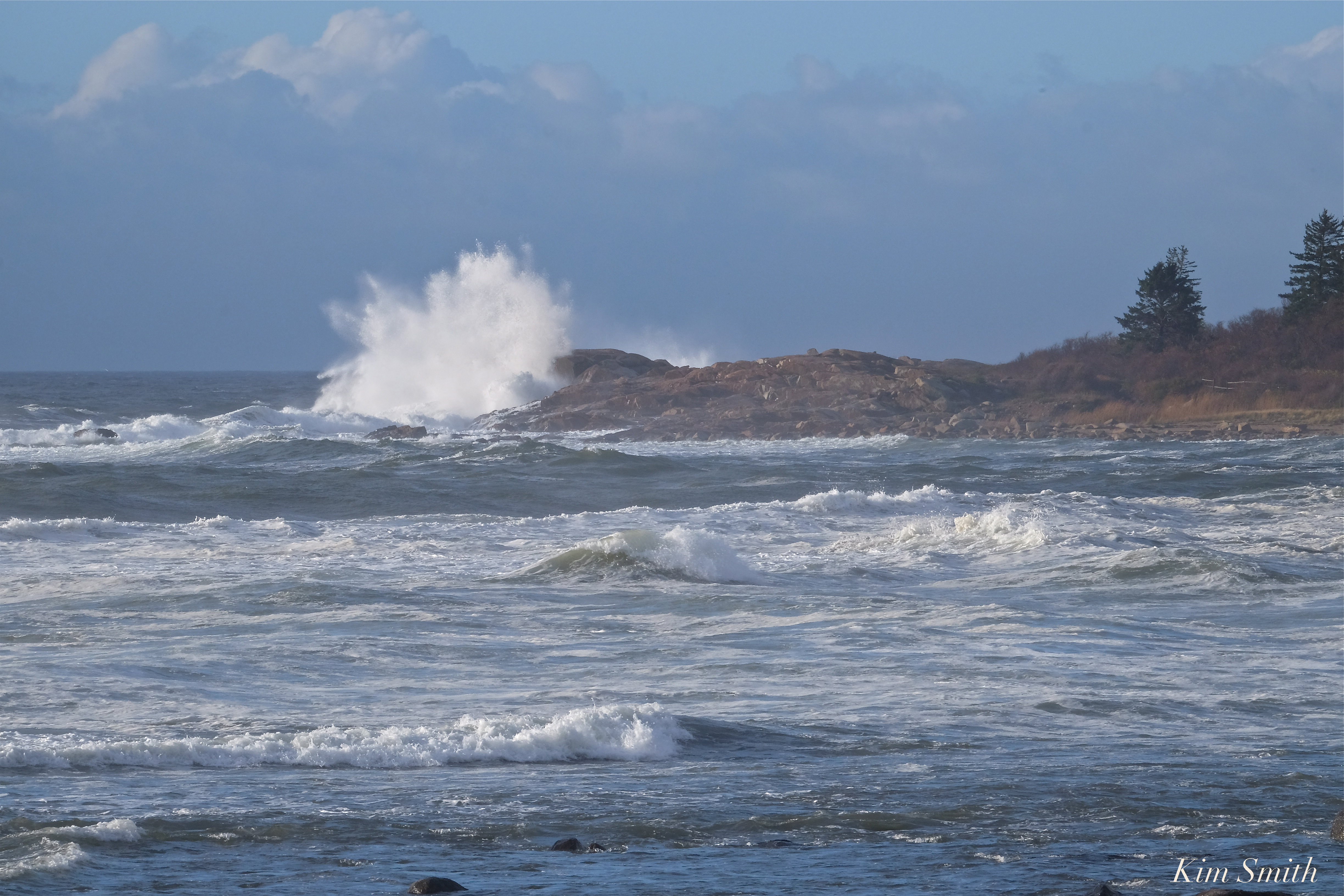
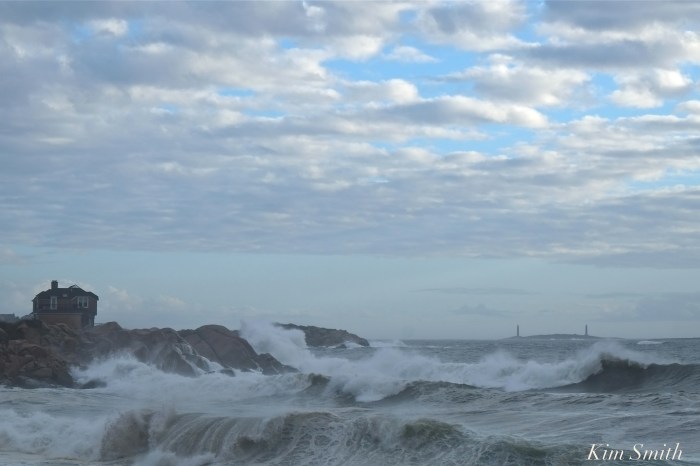
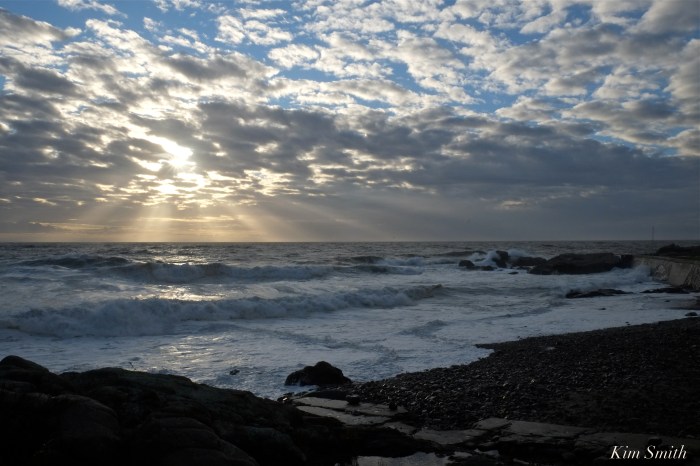
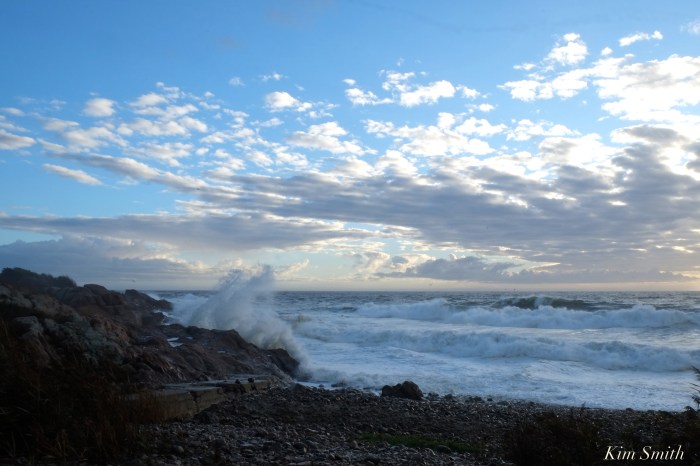
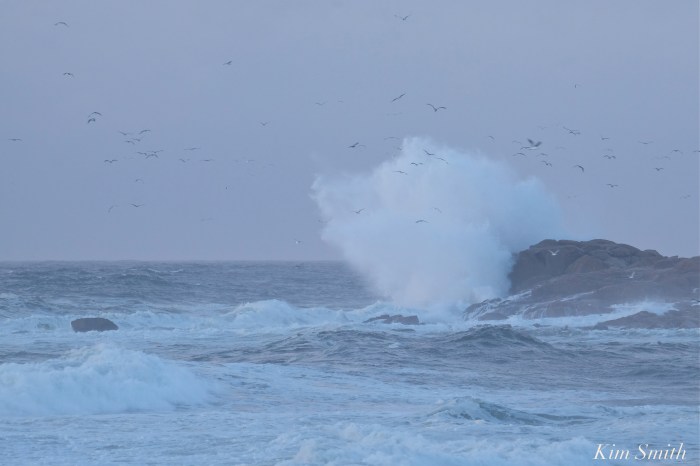
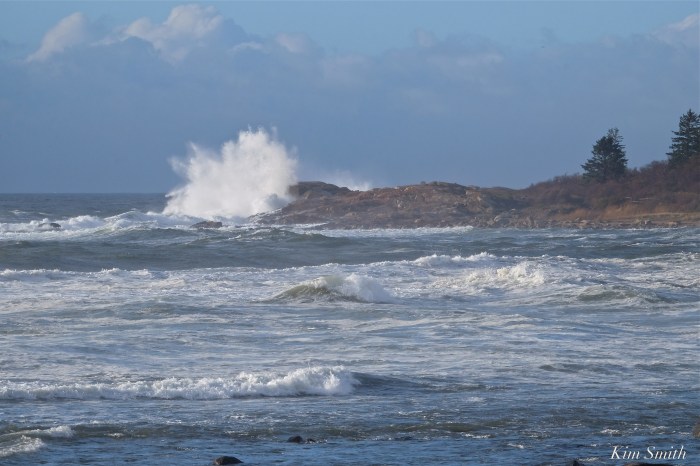
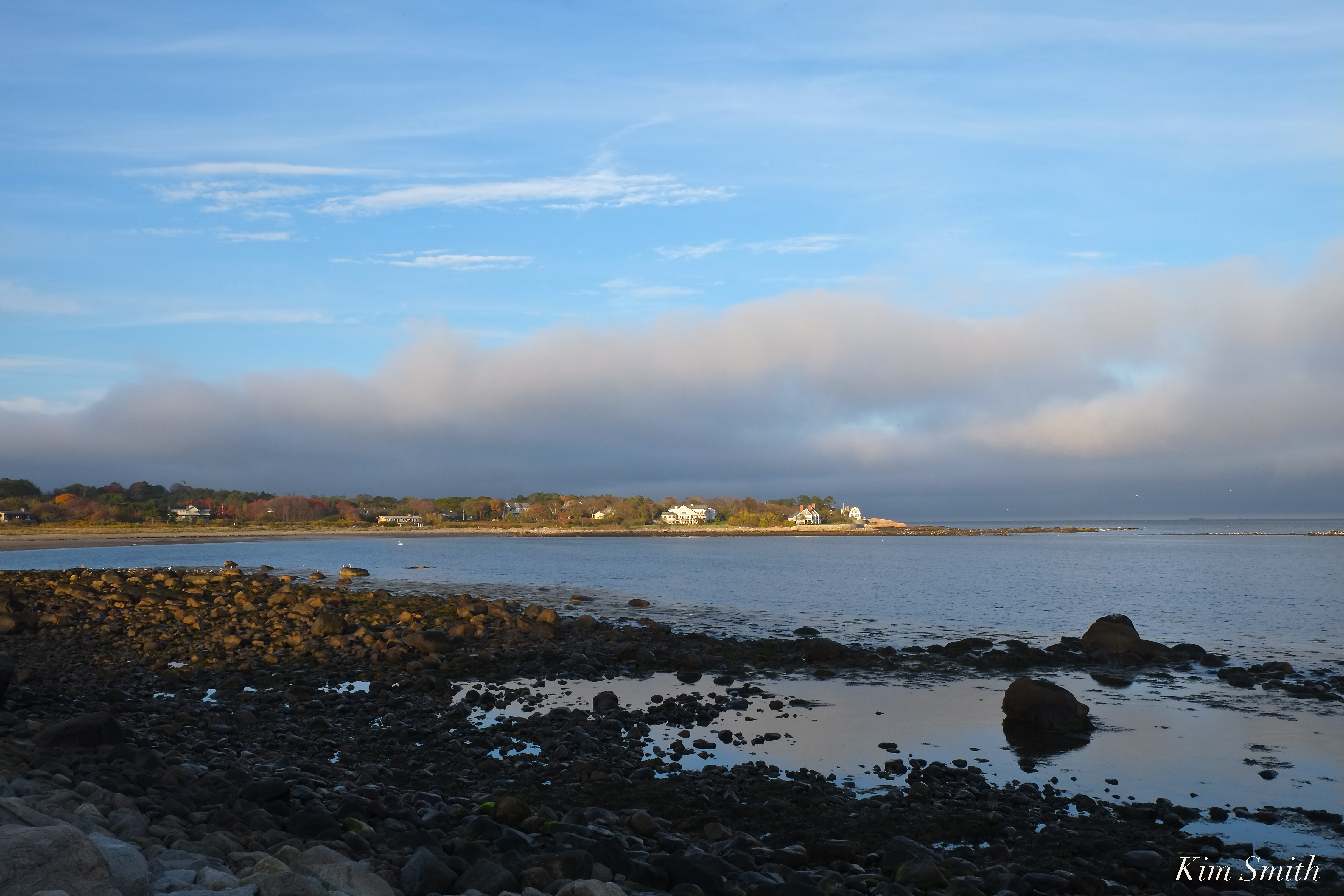
From rainbow to power outages, the wind and rain storm of October 30, 2017 had it all.

https://www.instagram.com/p/Ba4BCDslbpV/

https://www.instagram.com/p/Ba4DnLdlglm/

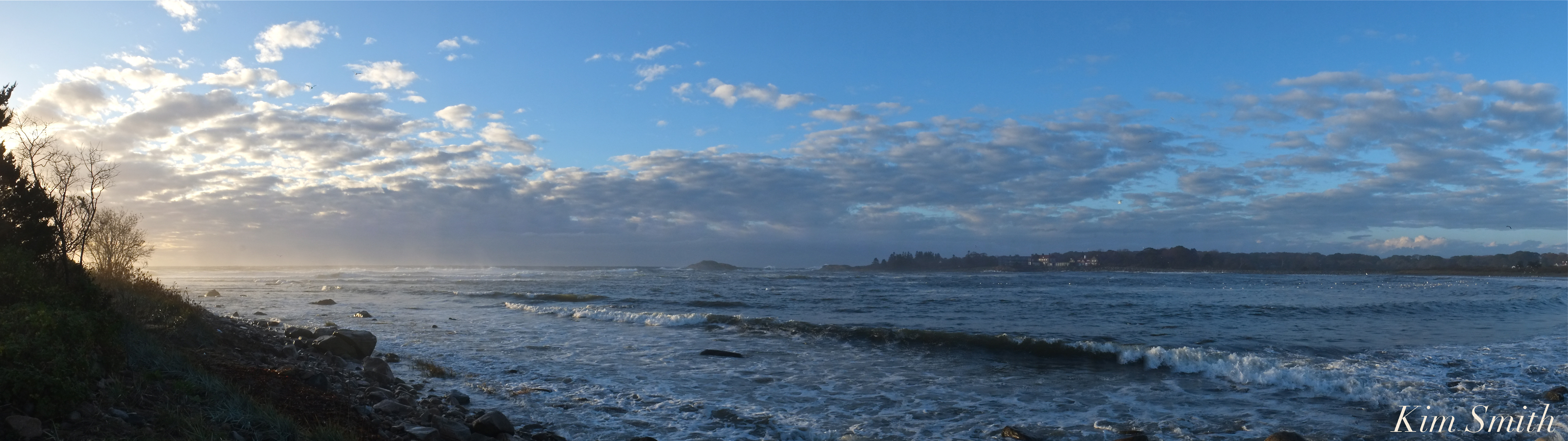
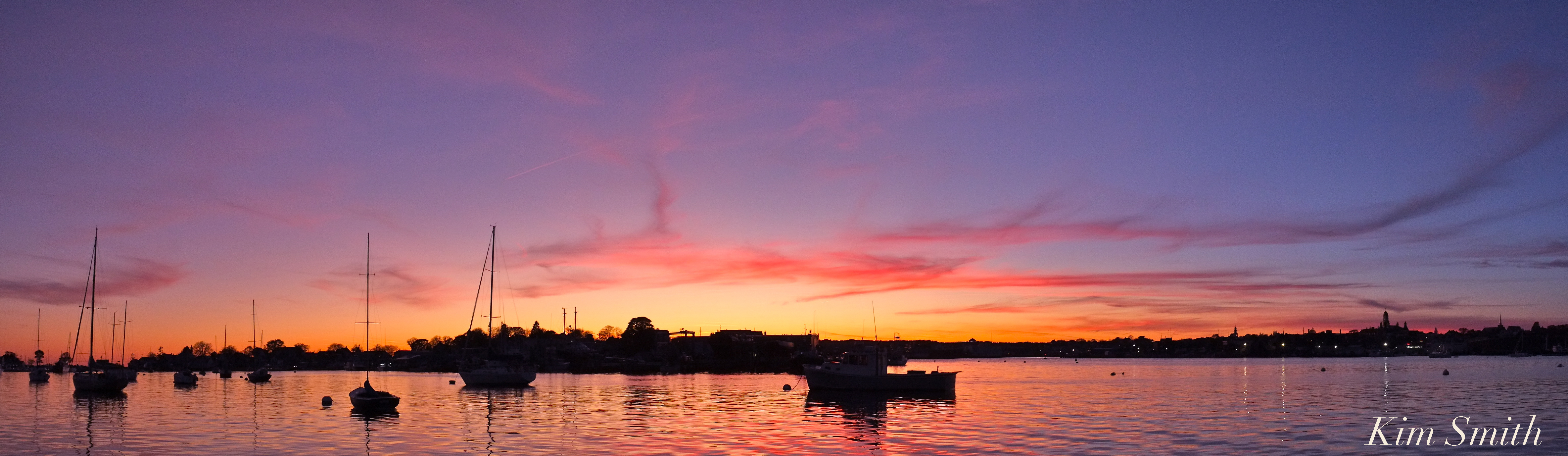
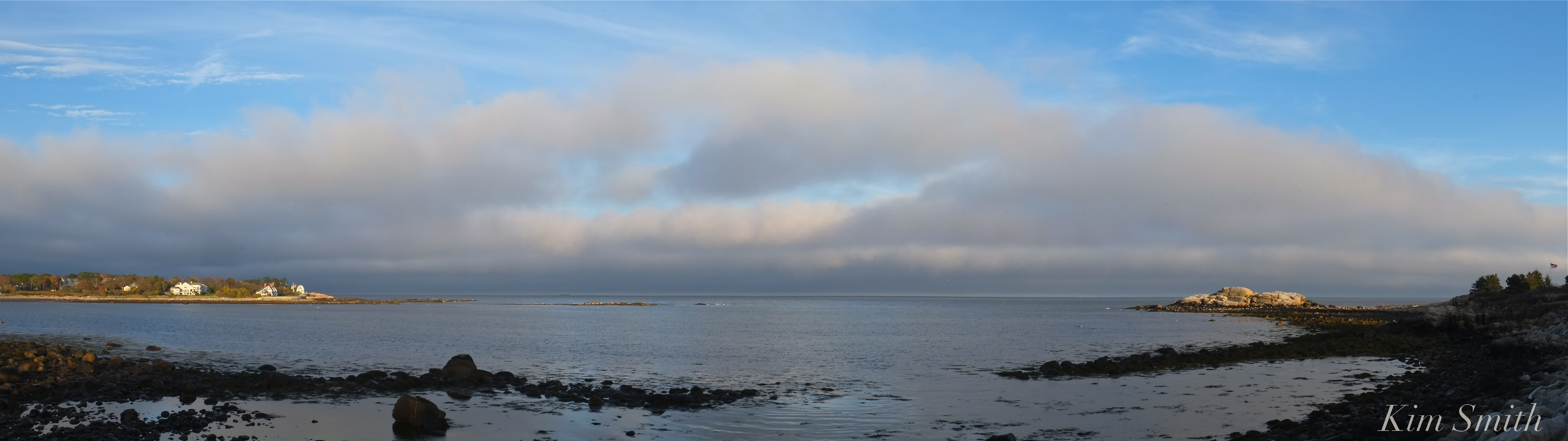
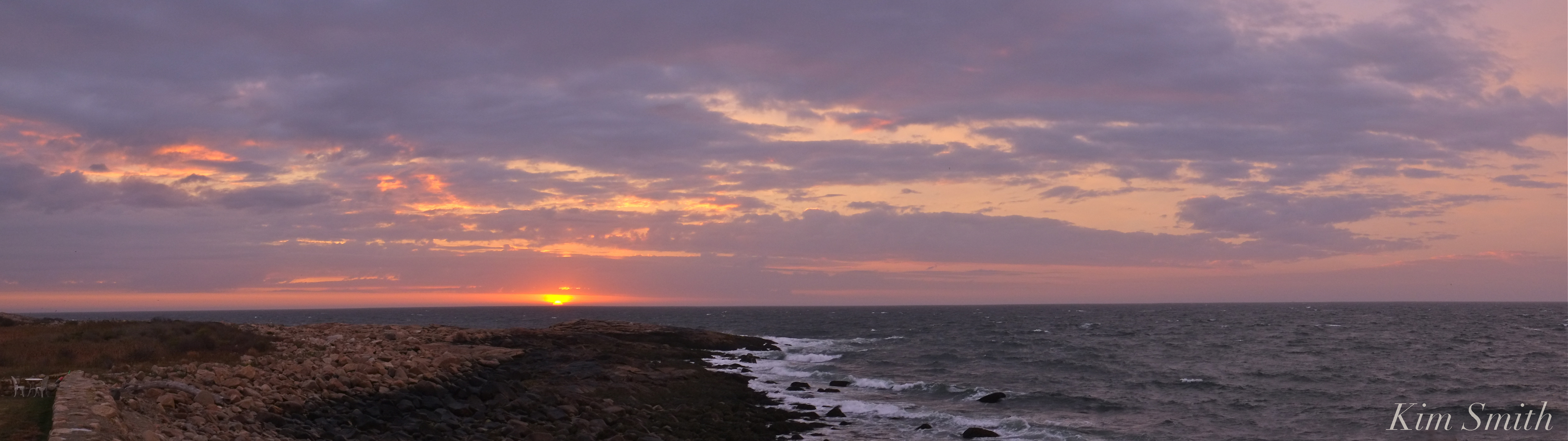
Brace Cove Panorama

EASTERN POINT LIGHTHOUSE AND YACHT CLUB CLOSED!

Downed power poles, live wires, and more than one tree blocking the road have created an unsafe situation at the Eastern Point Lighthouse, Mass Audubon sanctuary, and Yacht Club. All are closed until further notice. A police detail has been assigned. Eastern Point Boulevard

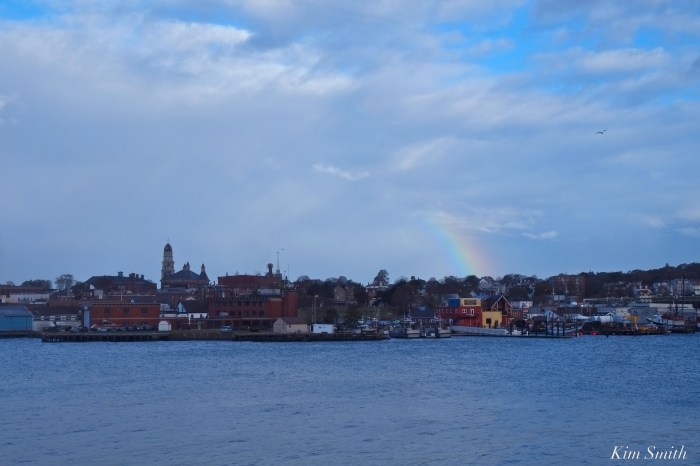
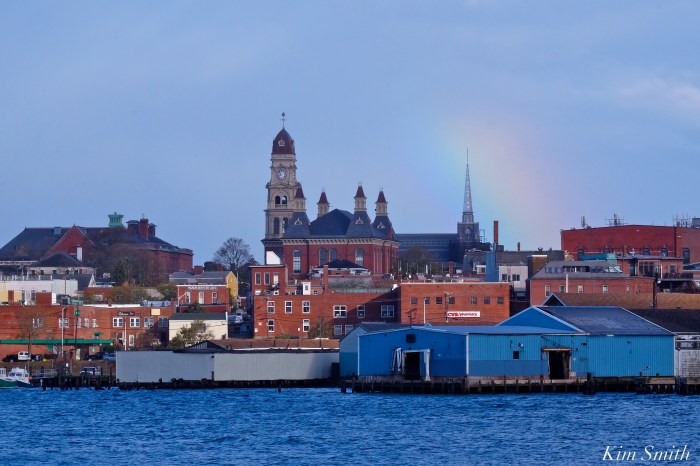
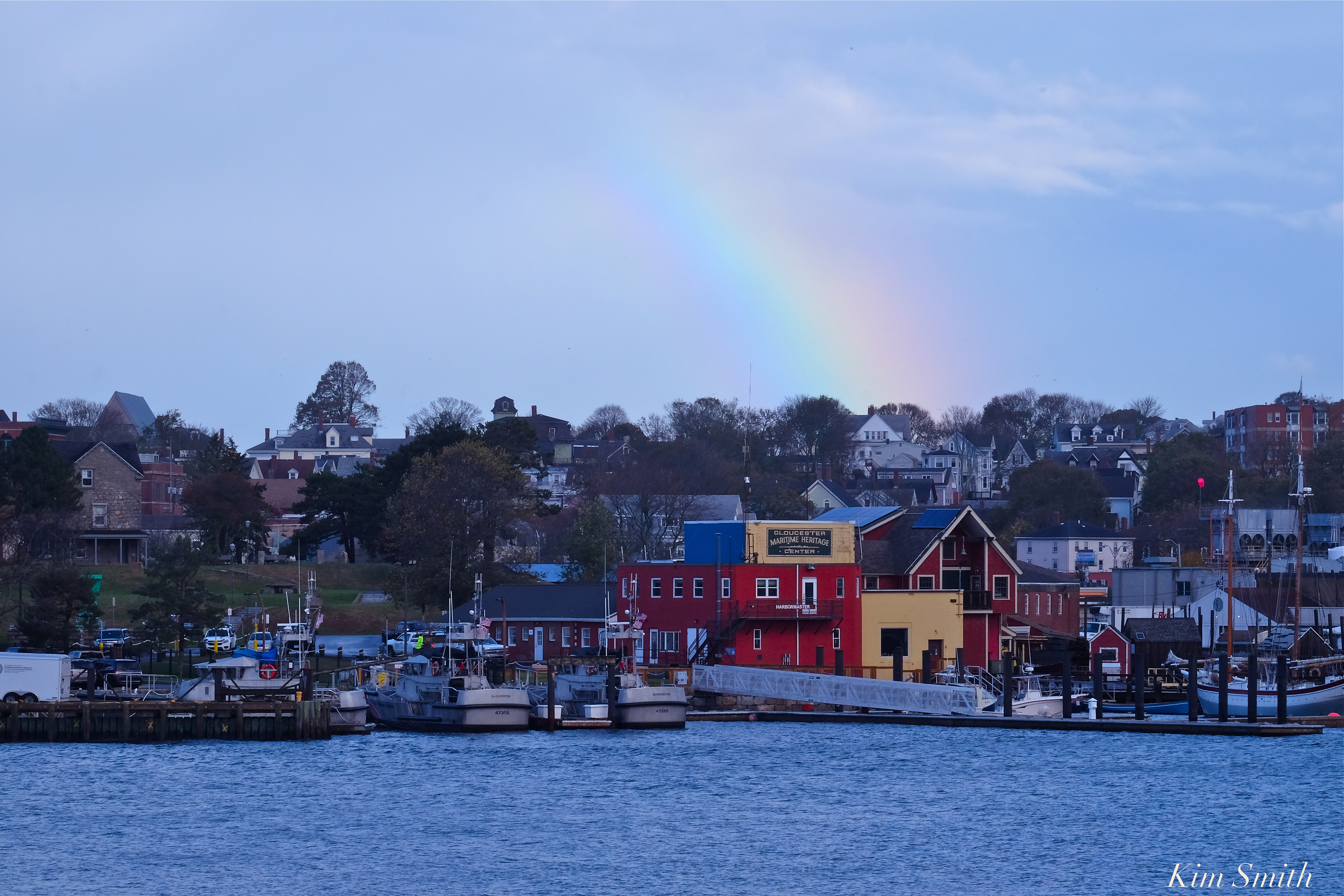
END OF THE RAINBOW OVER SAINT ANN CHURCH AND MARITIME GLOUCEST

Morning after the storm rainbow over Saint Ann Chucrh, City Hall, and Maritime Gloucester. The opposite end of Pat’s rainbow photo.

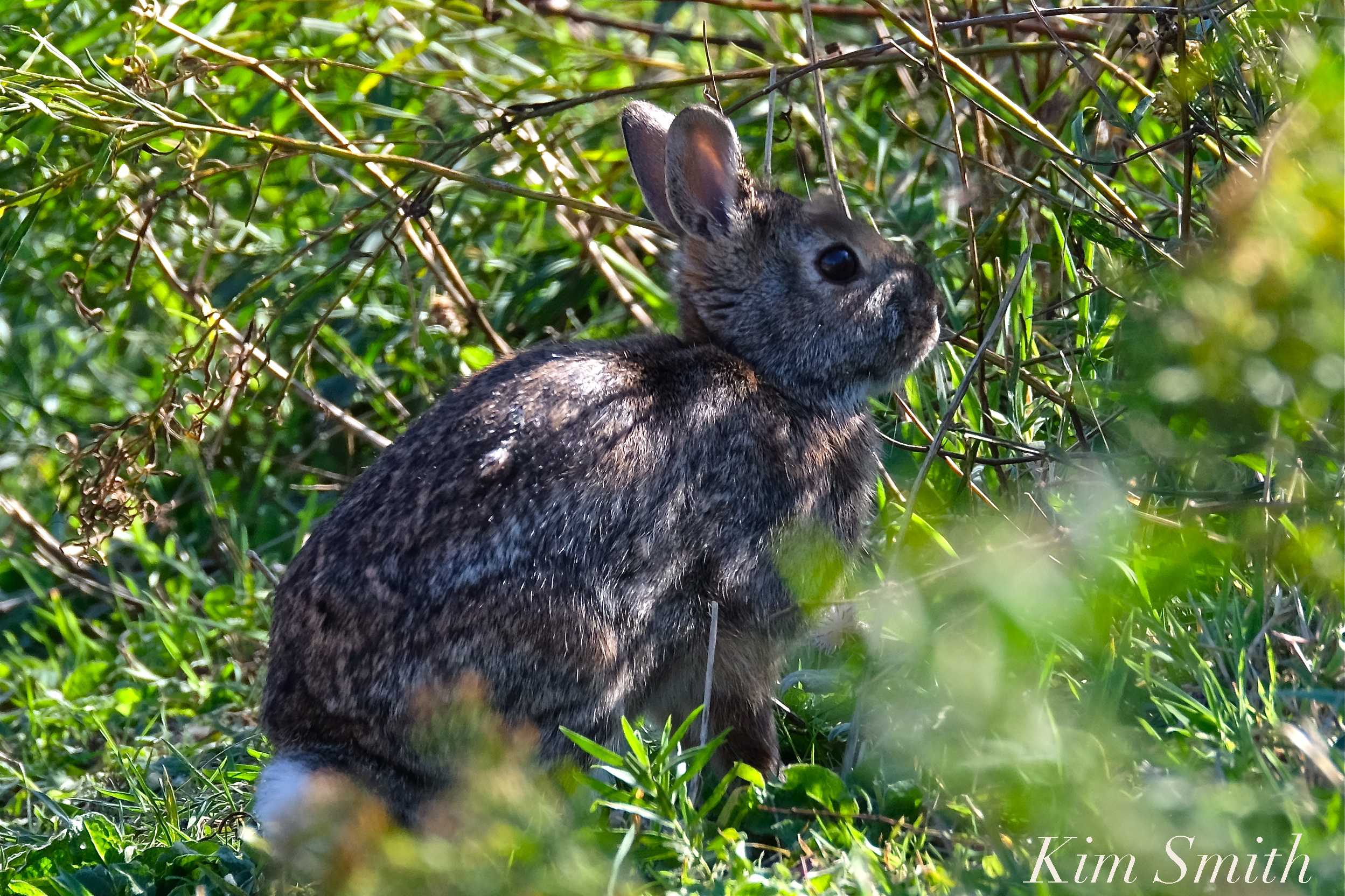
LITTLE NEW ENGLAND COTTONTAIL!

Why does this little rabbit look so different from the rabbits we see so often in our gardens, alongside roadsides, and in meadows and dunes? Because it is a New England Cottontail!

Massachusetts has two species of cottontails, the New England Cottontail (Sylvilagus transitionalis) and the Eastern Cottontail (Sylvilagus floridanus). The introduced vegetable-and-flower-eating Eastern Cottontail has flourished, while this beautiful and illusive little creature’s numbers have dwindled to an alarmingly low number.

Prior to 1930, New England Cottontails were present in all 14 counties of Massachusetts and it was the only cottontail species appearing among 59 reports, except for 7 from Nantucket where Eastern Cottontails were introduced as early as the 1880s. Between 1924 and 1941, at least 16,200 Eastern Cottontails were imported from the mid-west and released. Another 4,600 were raised and released at a state propagation facility.

The most critical threat to New England Cottontails is loss of habitat. They can only survive in the ephemeral landscape of newly emerging forests, which provide low ground cover for shelter. Once a forest matures, the low growing plants become too sparse to offer food and shelter. Today the New England Cottontail resides in only about one fifth of its historic range.

The photo above of the New England Cottontail was taken at Gooseberry Island in Westport. He shot across the path on the way to the beach and wish I had a better photo to share, but now that I know to look for them there, I’ll try again.

You can compare the difference in the rabbit species in the two photos. The New England Cottontail’s (above photo) ears are shorter and his fur a bit grayer than the Eastern Cottontail (below). When I caught a glimpse of him I immediately recognized the rabbits we saw daily at my grandparent’s home, built in the dunes on a bluff on Cape Cod, where at that time, there were few homes and lots of cool scrubby habitat for wild creatures.The ubiquitous Eastern Cottontail, Good Harbor Beach

Dwindling New England Cottontail Range Map.

As you can see, New England Cottontails have been completely extirpated from Cape Ann and Essex County.

Learn more about New England Cottontails here.

BEWARE: NEWLY DISCOVERED HAUNTED DUNGEON IN EAST GLOUCESTER!!!

Spooky Haunted Happenings at the Barton-Anderson home! 

https://www.instagram.com/p/Ba2KcLglZ1v/

https://www.instagram.com/p/Ba2LcORlv8k/

https://www.instagram.com/p/Ba2MB_WFN8P/

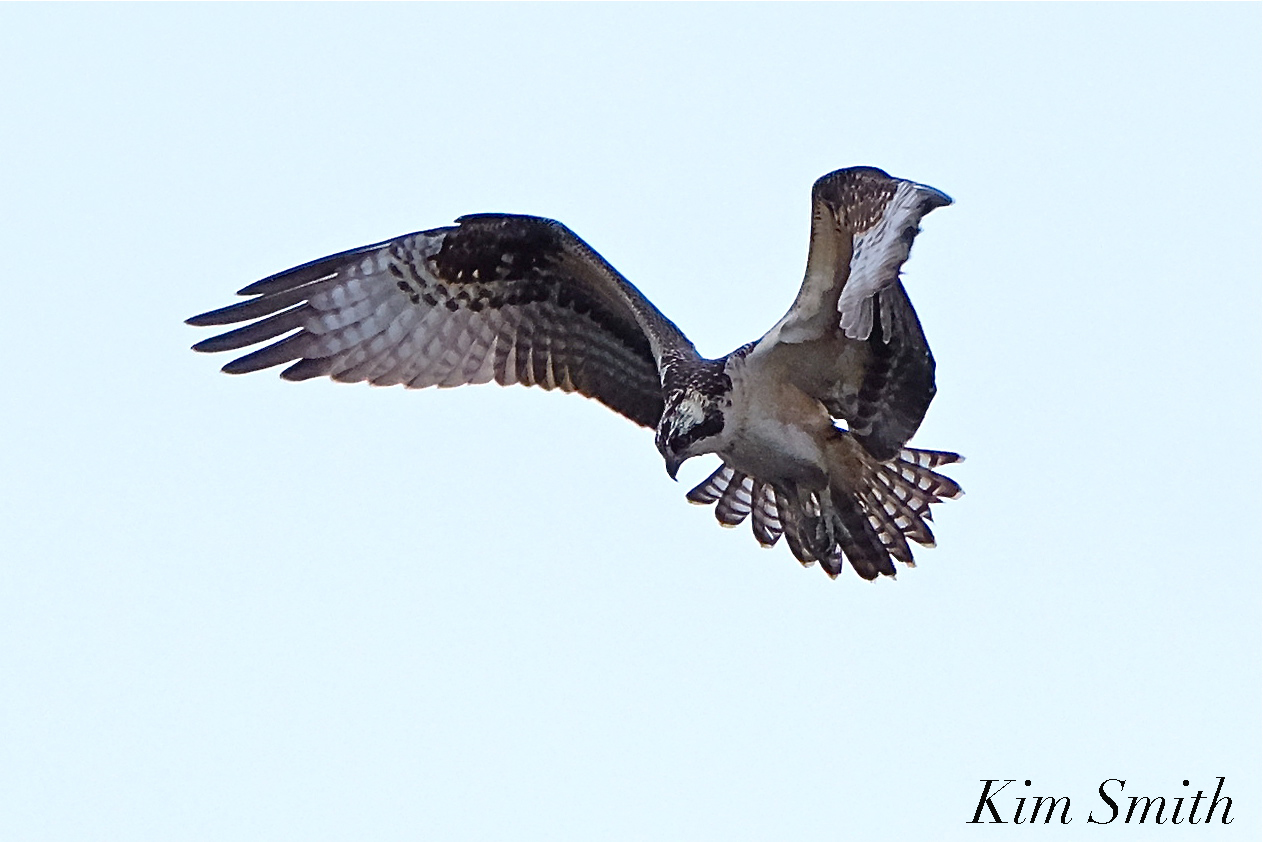
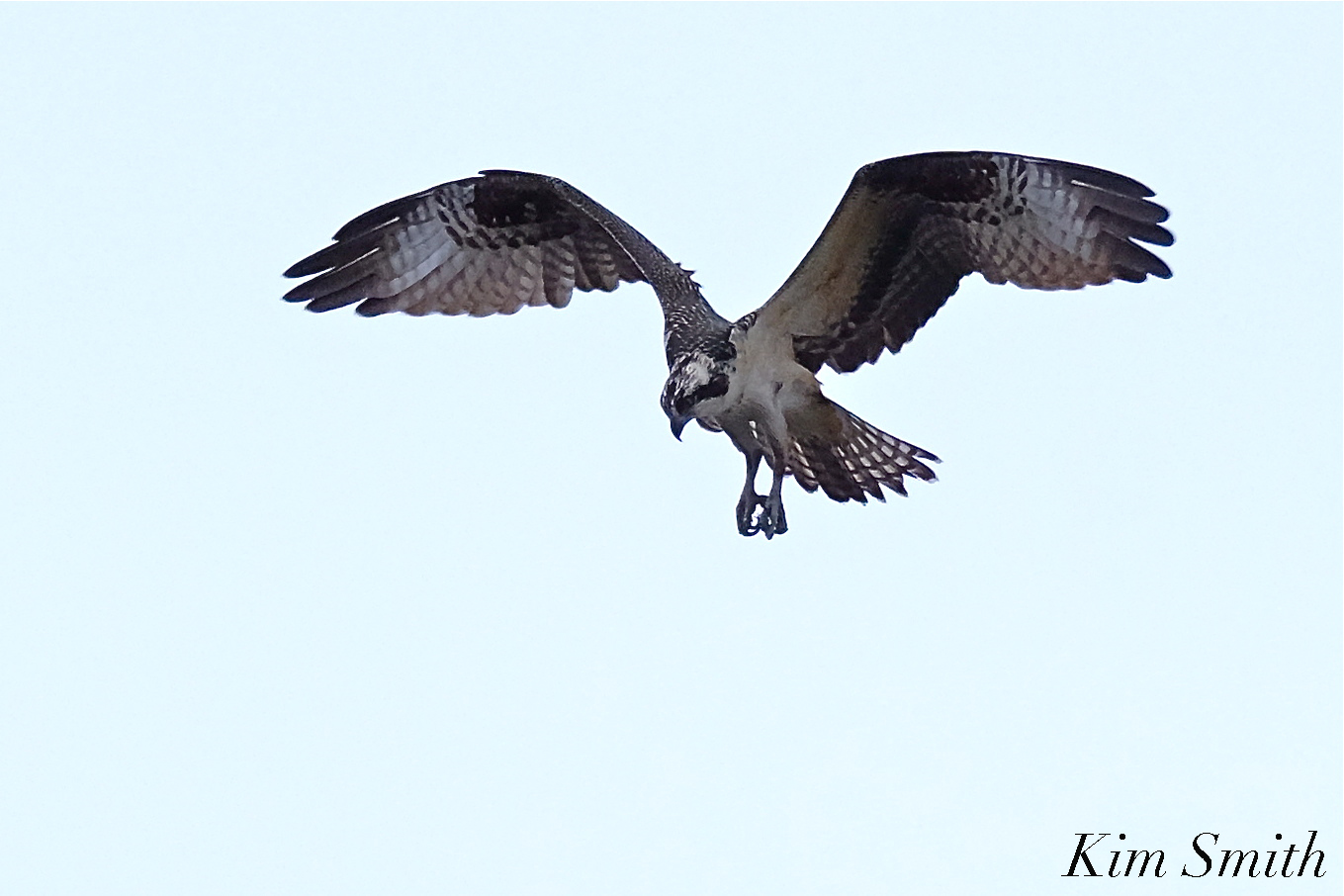
COMING IN FOR THE KILL – SEA HAWK FISHING

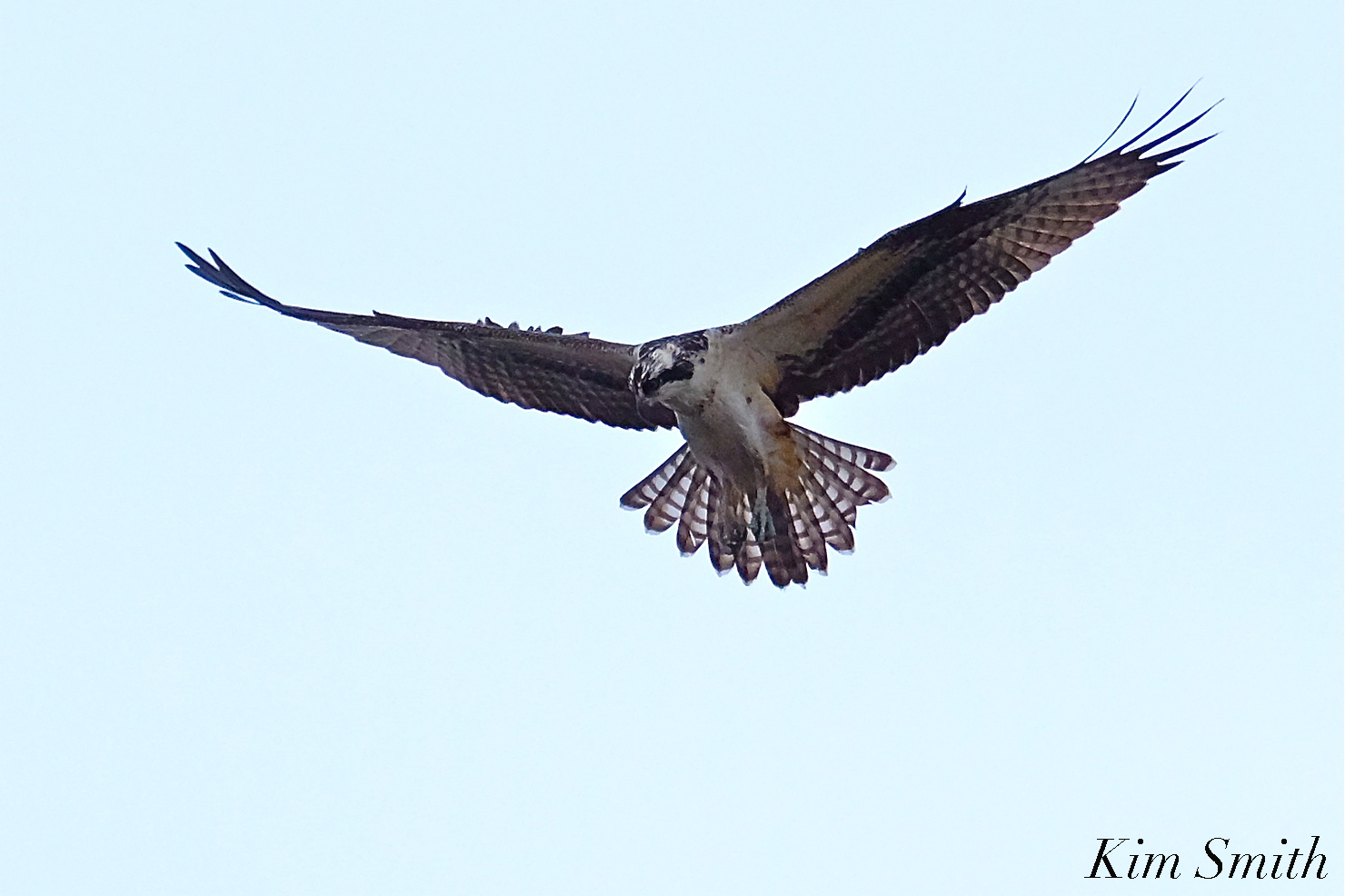
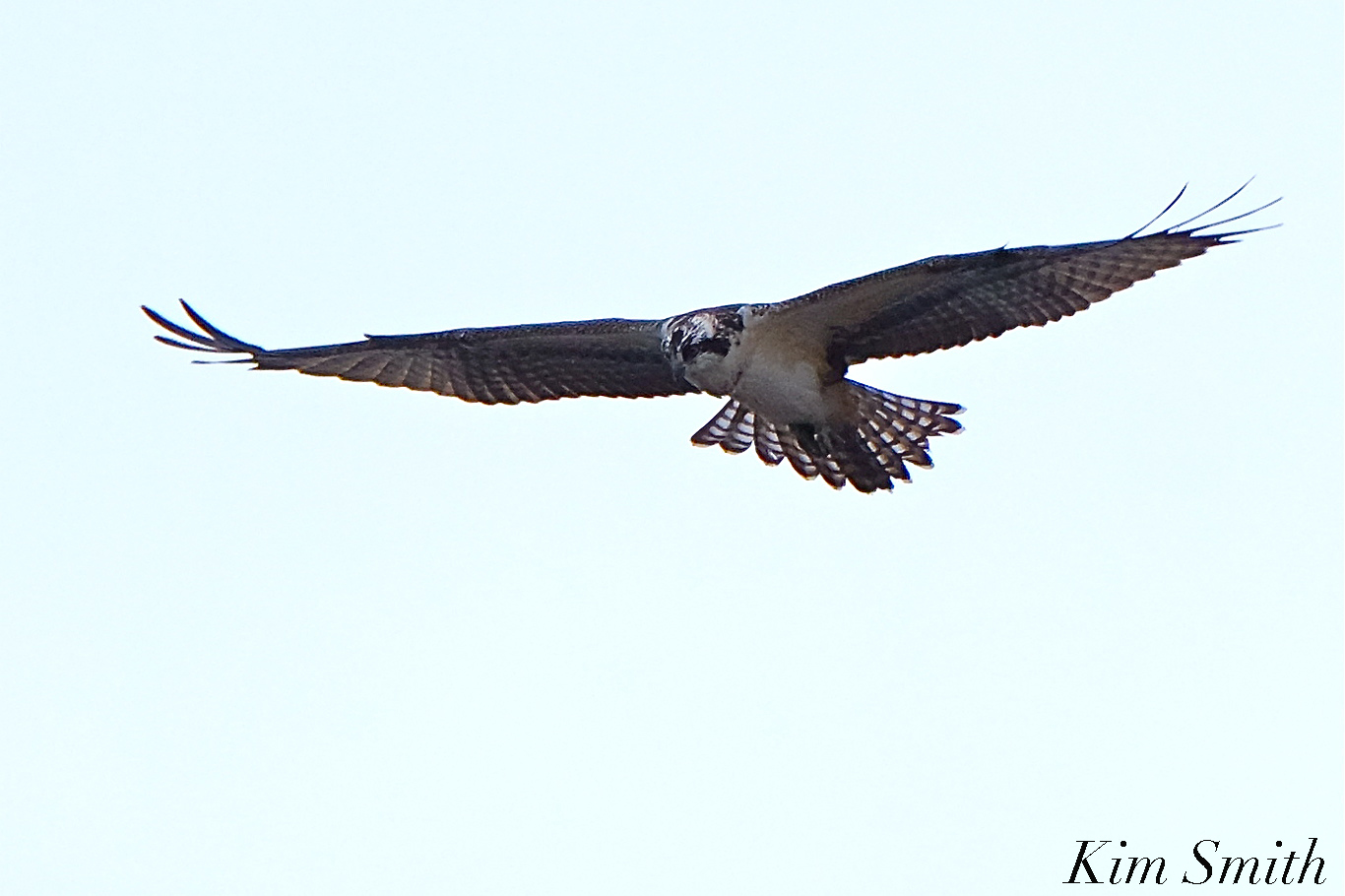
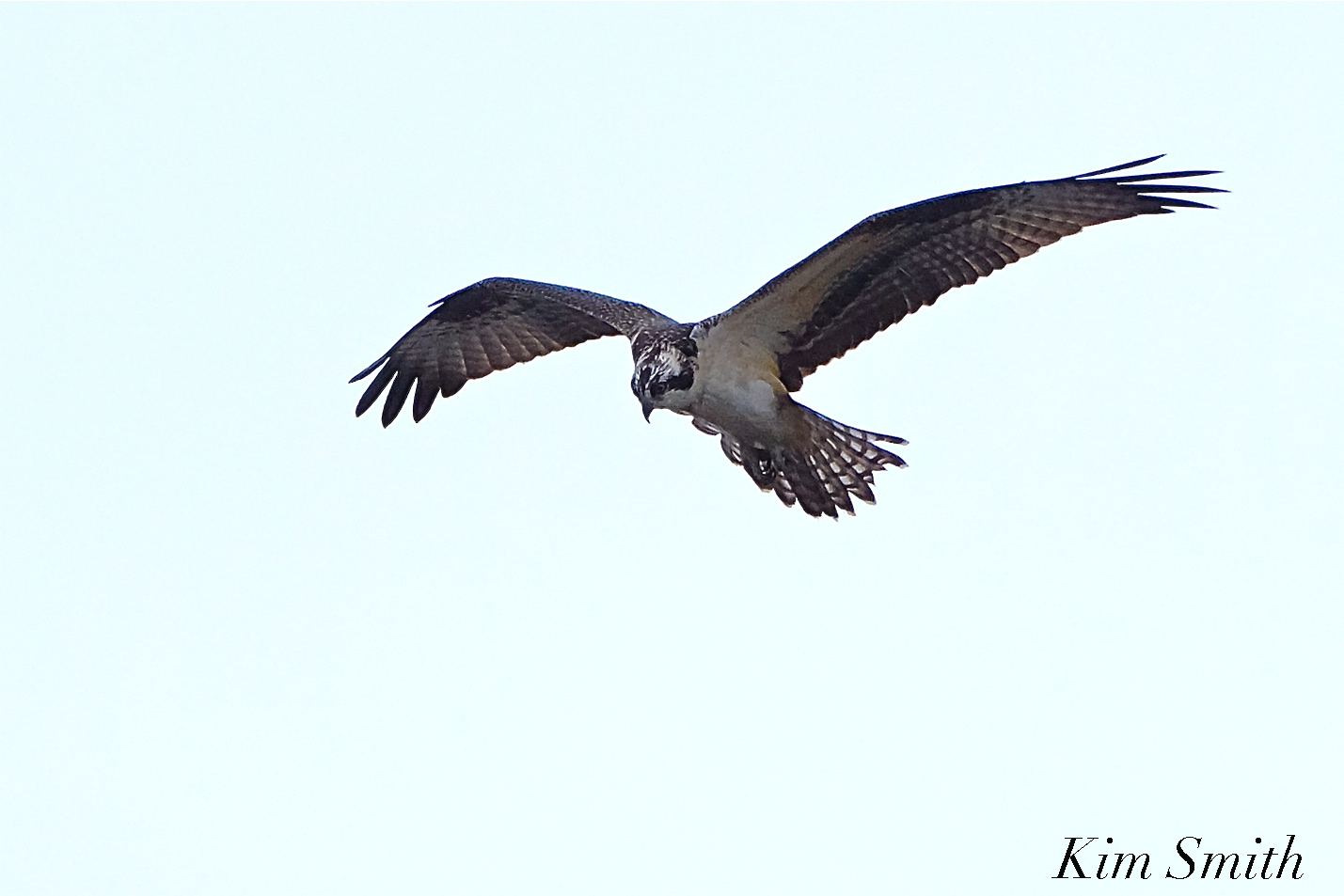
Osprey hovering mid-air before soaring and diving to the water below.

Talons at the ready!

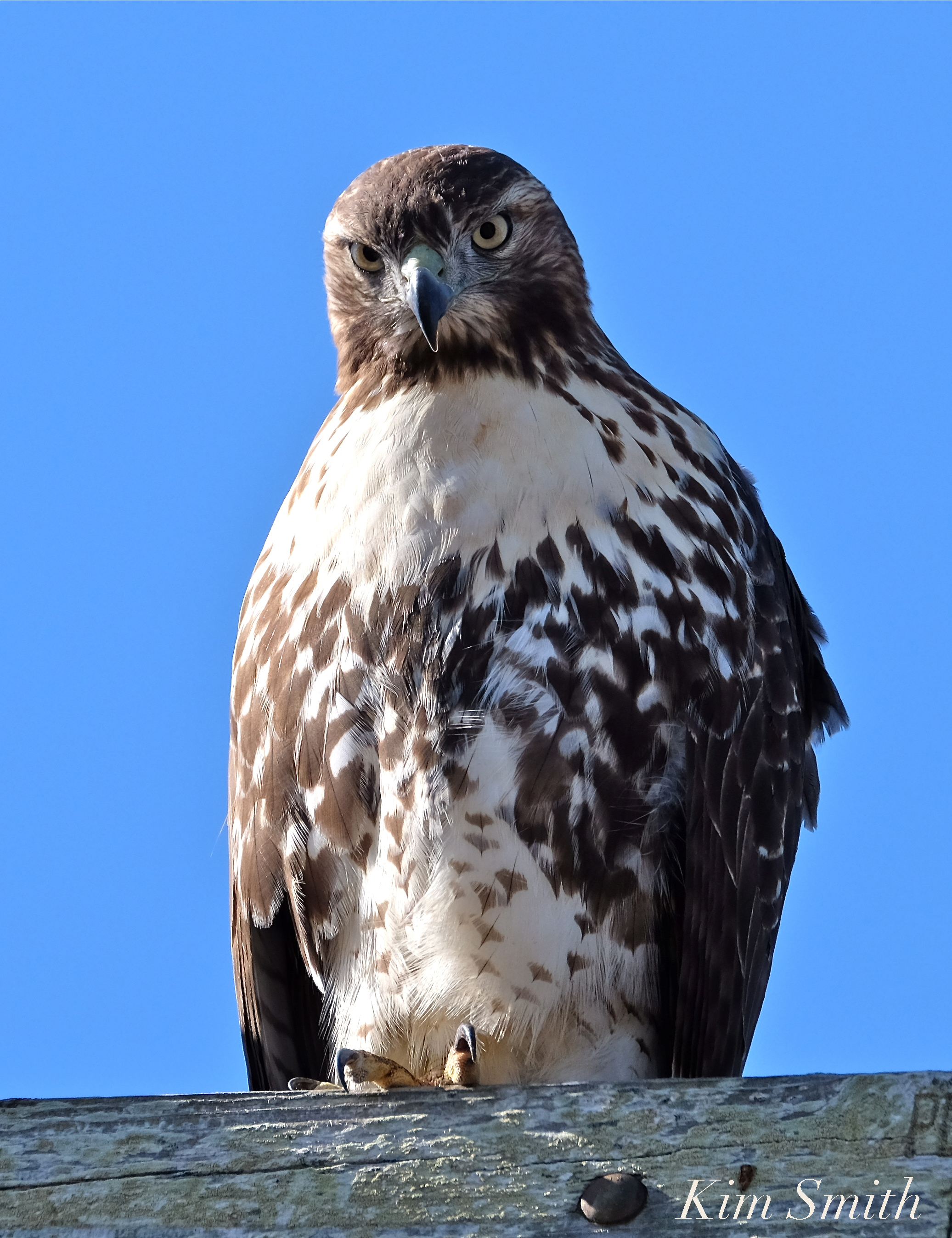
The Osprey’s many common names–River Hawk, Fish Hawk, And Sea Hawk–tell plainly of its diet.

HELLO FROM CAPE MAY AND STONE HARBOR!

Whirlwind trip to Cape May to check on the late, great Monarch migration of 2017. Leaving at 5am, from Gloucester, it is an eight to nine hour drive. I spent the afternoon and evening there and then left the following day at noon. Although brief, I found all that I was looking for and much, much more. There are vast areas of wildlife habitat along the southern New Jersey coastline and so many beautiful connections between Cape Ann and Cape May; I would love to return again soon!

The Monarchs are in trouble. I am hoping with all my heart that the tens of thousands that are currently held back by winds blowing from the wrong direction, along with intermittent inclement weather, will be able to cross the Delaware Bay as soon as possible. Will write much more this weekend after catching up with work and after I am able to sort through photos. 

https://www.instagram.com/p/BauEf2TFL5WBYG7-fazJODwkpfv1WKkZHQYV0k0/

Cape May Lighthouse

WHERE DO ALL THE MONARCHS GO?

After departing the shores of Cape Ann in autumn, where is the Monarch’s next destination on their several thousand mile journey to Mexico? Cape Ann Monarchs join the stream of Monarchs that are migrating southward along the Atlantic Coast. They hug the coastline, crossing bays and ponds, and pausing at beaches to nectar and rest when caught in a headwind or during a storm. When weather and habitat variables combine to create a favorable year for the Monarchs, there may be tens of thousands, if not hundreds of thousands, of butterflies traveling along the Atlantic Coast beaches.

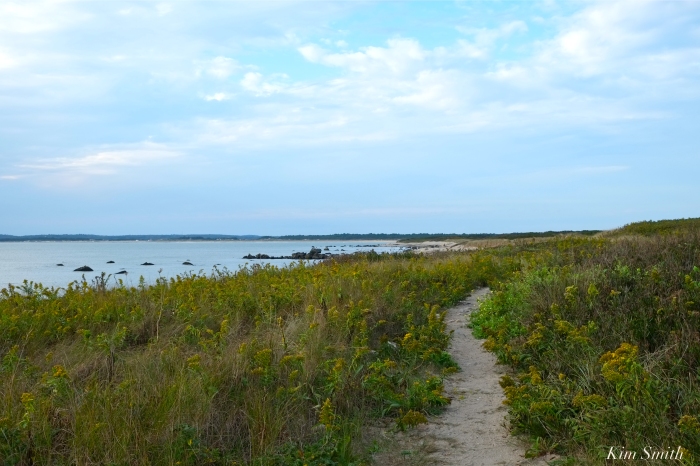
The Gooseberry Island old lookout tower is surrounded by dunes and fields of Seaside Goldenrod.The next major stopover is Westport in Massachusetts, at Gooseberry Island and Allen’s Pond Wildlife Sancturary. Here they find dunes and fields of nectar-rich wildflowers such as Frost Asters, Purple-stemmed Asters, Seaside Goldenrod, Knapweed, Red Clover, and more.
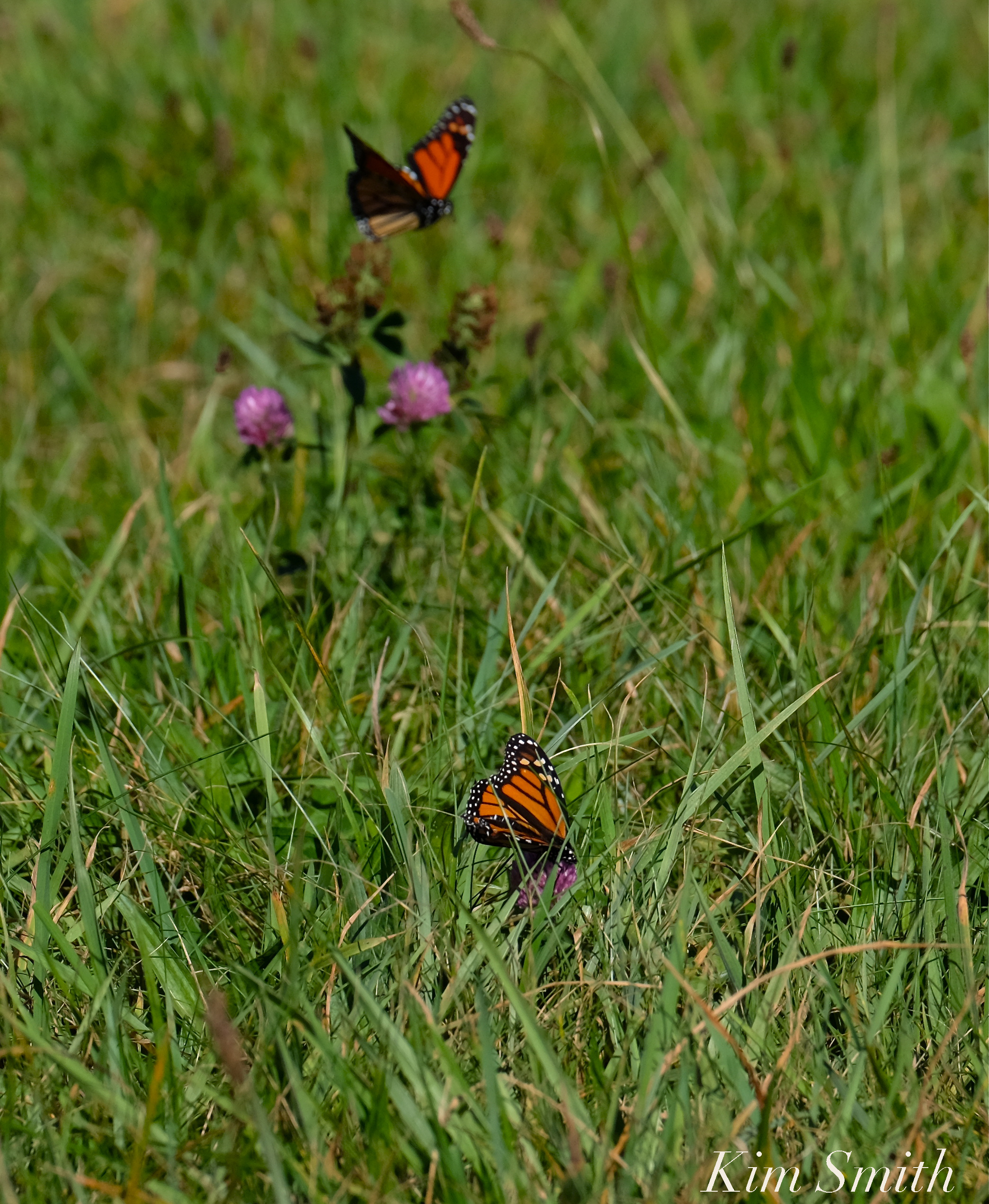
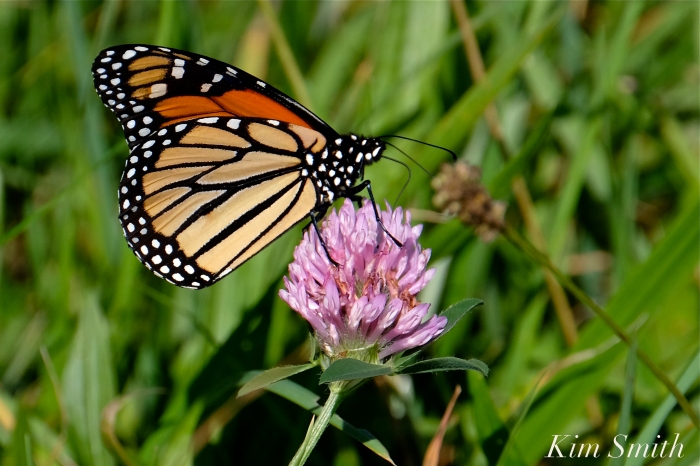
Monarchs drinking nectar from Red Clover at Allen’s Pond Middle Meadow

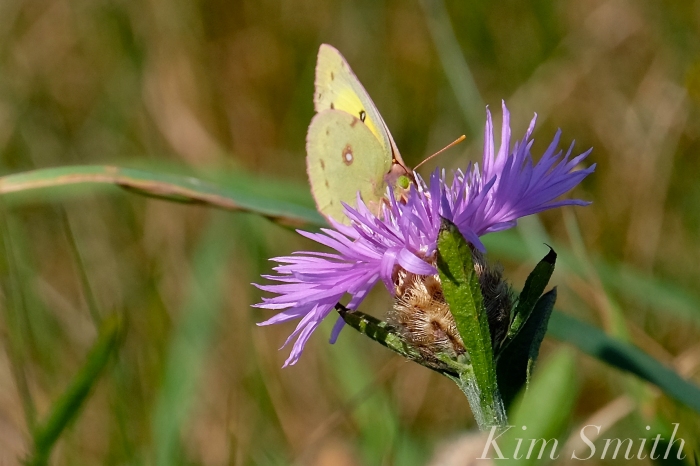
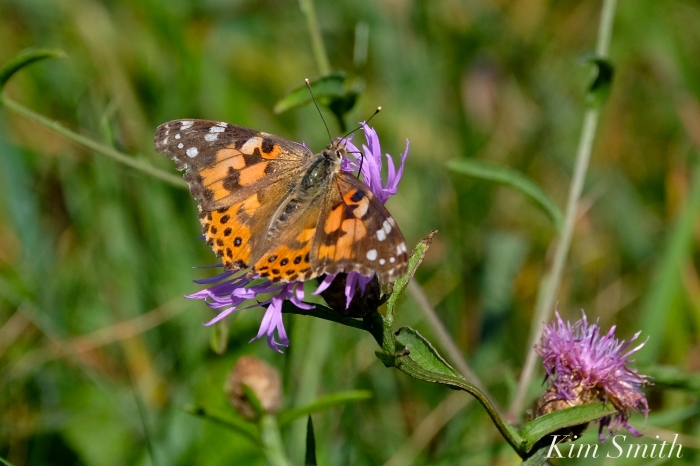
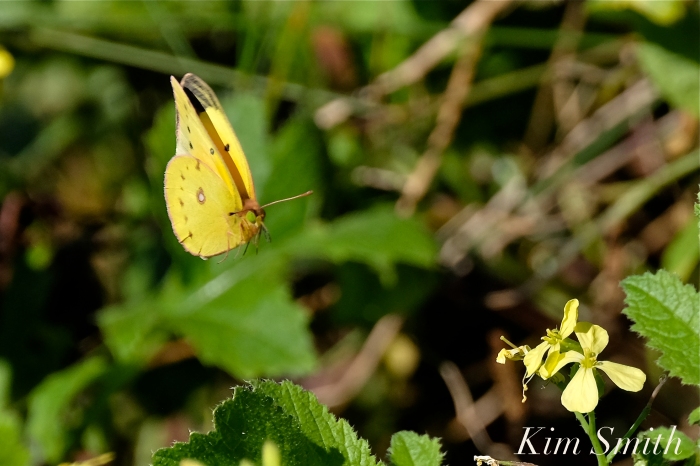
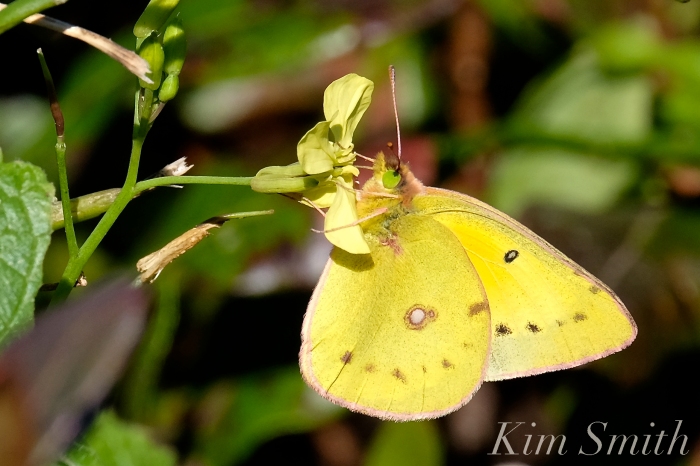
The sanctuary at Allen’s Pond is host to many species of butterflies during the Monarch’s fall migration, including Clouded Sulphurs, Orange Sulphurs, and Painted Ladies.  They, too, drink nectar from the Knapweed, Red Clover, asters, goldenrod, and Black Mustard in the sanctuary fields.

The Atlantic Monarchs next head to New York, traveling along the coast of Long Island, from the eastern tip of Montauk, southwest to Fire Island, and continuing to Coney Island. On the day of October 9th, because of a storm passing through, a batch of migrating Monarchs was “stuck” on Plumb Island in Brooklyn.  After the storm passed the following morning, tens of thousand of Monarchs were observed flying over the dunes and along the beach, resuming their journey south.

Monarchs in the gardens at Battery Park with ferry to the Statue of Liberty in the background. Liv photo and video (below).

Our daughter Liv reports that over the weekend of October 21-22, New York City was teeming with Monarchs. She observed hundreds at Coney Island on Saturday, and even more at the gardens at Battery Park on Sunday. Liv has even seen them in the NYC underground subway stations!

After departing the shores of Long Island and NYC, the next great stopover and roosting area is Cape May, New Jersey. The Monarchs pause along the way, stopping to drink nectar and rest on the barrier beaches of the Jersey Shore. Latest field reports suggest that the dunes and fields of Cape May are rife with Seaside Goldenrod that is still in bloom. I am on my way there today and will report all that I see.

From Cape May Point the Monarchs travel ten miles across the Delaware Bay, then journey along the eastern shores of Delaware, Maryland, and Virginia. Some years the Monarchs converge by the millions at the Virginia National Wildlife Refuge waiting for the right winds to carry them across the Chesapeake Bay.

Some Monarch Butterflies travel to Florida, but most are funneled in through the Appalachian and Rocky Mountains, on into Texas and central Mexico.

https://www.instagram.com/p/BaIN9gcFtxOrWP27M6OactjFI6UB_VYRPCaaU00/

If you would like to help towards the completion of my documentary film Beauty on the Wing: Life Story of the Monarch Butterfly, filmed in the wilds of Cape Ann and Angangueo, Mexico, please consider making a tax deductible donation here:

DONATE HERE

Donors contributing over $5,000. will be listed in the credits as a film producer.

For more information, visit the film’s website here: Monarch Butterfly Film

For an overview of the film’s budget, please go here: Budget

Thank you so very much for your help.

With gratitude,

Kim Smith

CAPE ANN SYMPHONY THE HOLIDAY POPS CONCERT

CAPE ANN SYMPHONY

THE 66th SEASON

Yoichi Udagawa, Music Director

THE HOLIDAY POPS CONCERT

Cape Ann Symphony Holiday Tradition Returns on

November 25 and November 26

The Cape Ann Symphony’s annual Holiday Pops Concert, the exciting annual celebration of holiday music favorites, kicks off the holiday season on Saturday, November 25 at 8 pm & Sunday, November 26 at 2 pm. This joyful Cape Ann Symphony holiday tradition features a program of holiday favorites by Leroy Anderson, Vaughn Williams, Delius, Leontovich, Pierpont and Mozart as well as the annual audience sing along. The Cape Ann Symphony Chorus, under the direction of Rockport’s Wendy Betts, joins the orchestra, under the musical direction of conductor Yoichi Udagawa, toperform a selection of songs of the season. According to Conductor Udagawa, “This program is a celebration of the holiday season for the whole family. It’s a fabulous, joyful way to start the holiday festivities. We typically sell out these concerts, so we urge people to buy their tickets now!” The Cape Ann Symphony concerts are held at the Manchester-Essex High School auditorium on 36 Lincoln Street in Manchester-by-the-Sea, MA. Manchester-Essex High School Auditorium is handicapped accessible. Single ticket prices are $43 for adults, $38 for senior citizens, $15 for Students of any age; $5 for youth 12 years old and under. For tickets and information, call 978-281-0543 or visitwww.capeannsymphony.org.

GLOUCESTER’S AWESOME DPW CREW PHIL CUCURU AND MIKE TARANTINO ON THE JOB!

Gloucester DPW crew members Mike Tarantino and Phil Cucuru are installing a new sign at the very beginning of the footbridge. The new sign is meant to be more visible and to help eliminate the confusion regarding when and when not dogs are permitted on the beach. The older sign near the new showers will continue to be used by the Friends of Good Harbor Beach community organization to post current and important notices.

Phil and Mike always do a top-notch job!

GOOD MORNING GLOUCESTER BROUGHT TO YOU BY THE BACKSHORE!

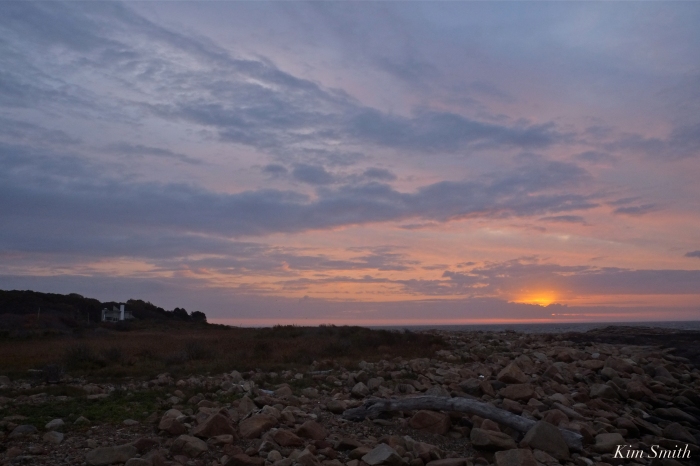
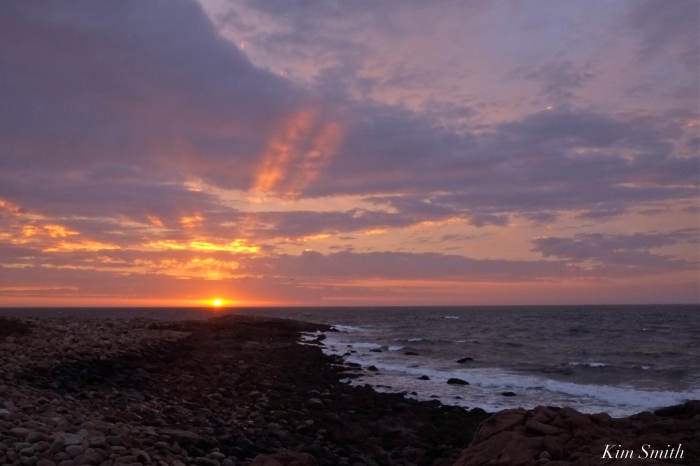
With blustering wind and pending rain clouds, this morning’s sunrise from the Backshore was full of surprises.

FESTIVE EVENSONG SERVICE CELEBRATING THE BEAUTIFUL NEW ALTARPIECE BY GLOUCESTER SCULPTOR MORGAN FAULDS PIKE!

$20,450.00!!! RAISED FOR “BEAUTY ON THE WING” DOCUMENTARY! THANK YOU KIND DONORS!!!!!!!!!!!!!!!!!!!!

WITH THE GREATEST JOY AND APPRECIATION FOR OUR COMMUNITY OF FRIENDS AND SPONSORS, I AM OVERJOYED TO SHARE THAT TO DATE WE HAVE RAISED $20,450.00 FOR THE DOCUMENTARY FILM “BEAUTY ON THE WING” ONLINE FUNDRAISER!!!

MY DEEPEST THANKS AND GRATITUDE TO LAUREN MERCADANTE (PRODUCER), SUSAN FREY (PRODUCER), NEW ENGLAND BIOLABS FOUNDATION, LAUREN M., MARION F., ELAINE M., DONNA STOMAN, PEGGY O’MALLEY, JOEY C., CATHERINE RYAN, JOEANN HART, JANE PAZNIK BONDARIN AND ROBERT REDIS (BOTH FROM NEW YORK), NUBAR ALEXANIAN, PETER VAN DEMARK, PATRICIA VAN DERPOOL, FRED FREDERICKS (CHELMSFORD), LESLIE HEFFRON, JIM MASCIARELLI, DAVE MOORE (KOREA), LILIAN AND CRAIG OLMSTEAD, JOHN STEIGER, PAT DALPIAZ, AMY KERR, BARBARA T. (JEWETT, NY), ROBERTA C. ((NY), MARIANNE G. (WINDHAM, NY), PAULA O’BRIEN (WALTON, NY), TOM HAUCK, AND ANONYMOUS PERSONS FOR THEIR GENEROUS HELP.


I would like to also give an extra shout out and thanks to Joey for graciously and generously supporting “Beauty on the Wing” documentary film project from the very beginning, and in many ways, including milkweed and aster plant and seed sales held at Captain Joe and Sons along with the tremendous opportunity to share information, photos, and films about the splendid Monarchs on the inimitable community platform, which he created, and that is Good Morning Gloucester. 

We are approximately one third towards the online fundraising goal of $62,000.00. If you would like to help towards the completion of my documentary film Beauty on the Wing: Life Story of the Monarch Butterfly, filmed in the wilds of Cape Ann and Angangueo, Mexico, please consider making a tax deductible donation here:

DONATE HERE

Donors contributing over $5,000. will be listed in the credits as a film producer.

For more information, visit the film’s website here: Monarch Butterfly Film

For an overview of the film’s budget, please go here: Budget

Thank you so very much for your help.

With gratitude,

Kim

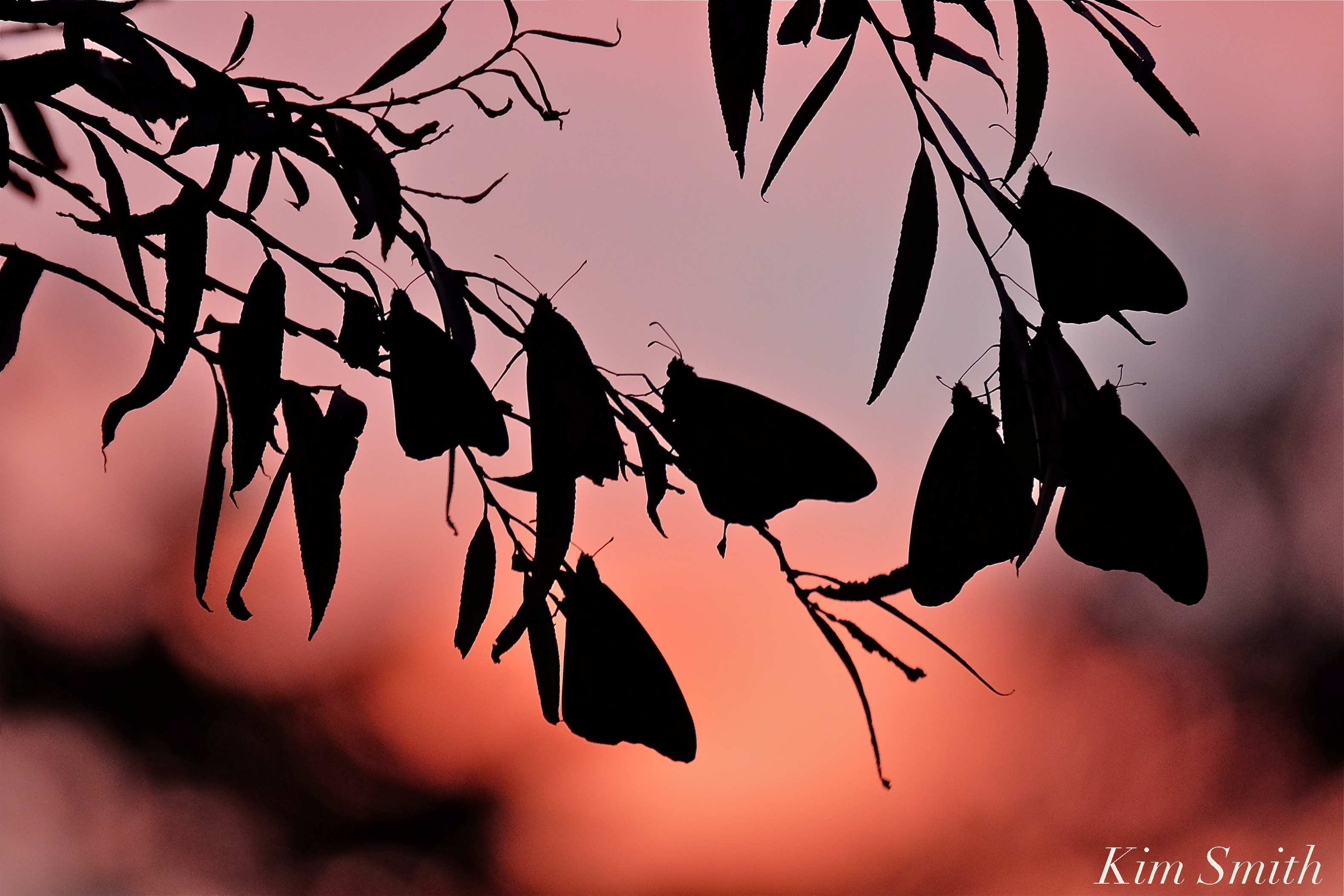
Monarch Silhouettes at Twilight 

WHITE-TAILED DEER: A COAT OF MANY FUNCTIONS

You never know what beautiful creatures you may be fortunate enough to encounter when chasing winged friends.

White-tailed Deer grow a second thicker coat of fur for protection against the cold during fall, and shed that second coat during spring.The reddish color will give way to grayish brown hairs at the onset of colder weather, providing better camouflage as well. Deer can increase the insulative value of their fur by puffing out their hair. These are probably nursing does because they keep their reddish color longer than bucks and does that have weaned their fawns.

MINNOW HULLABALOO

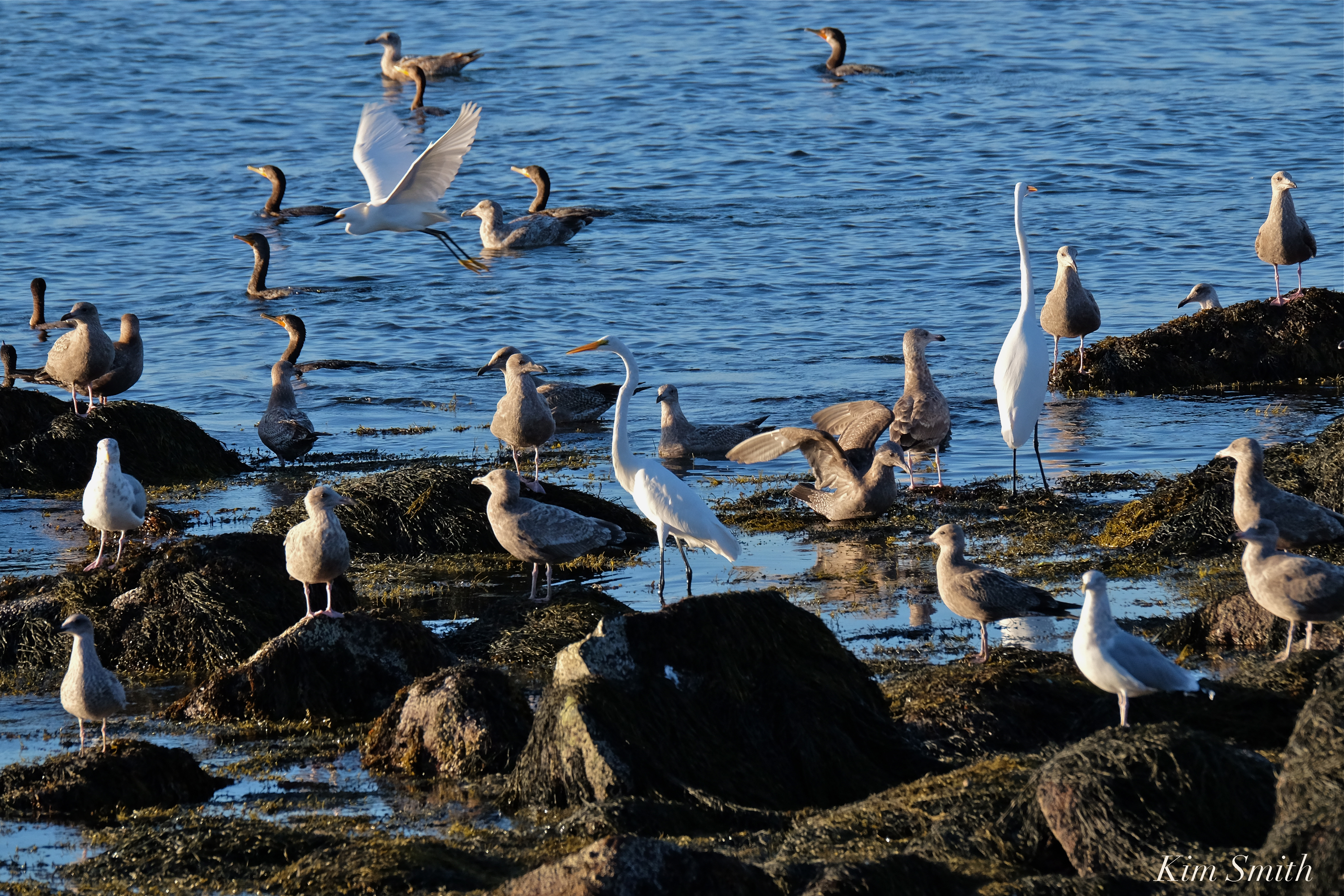
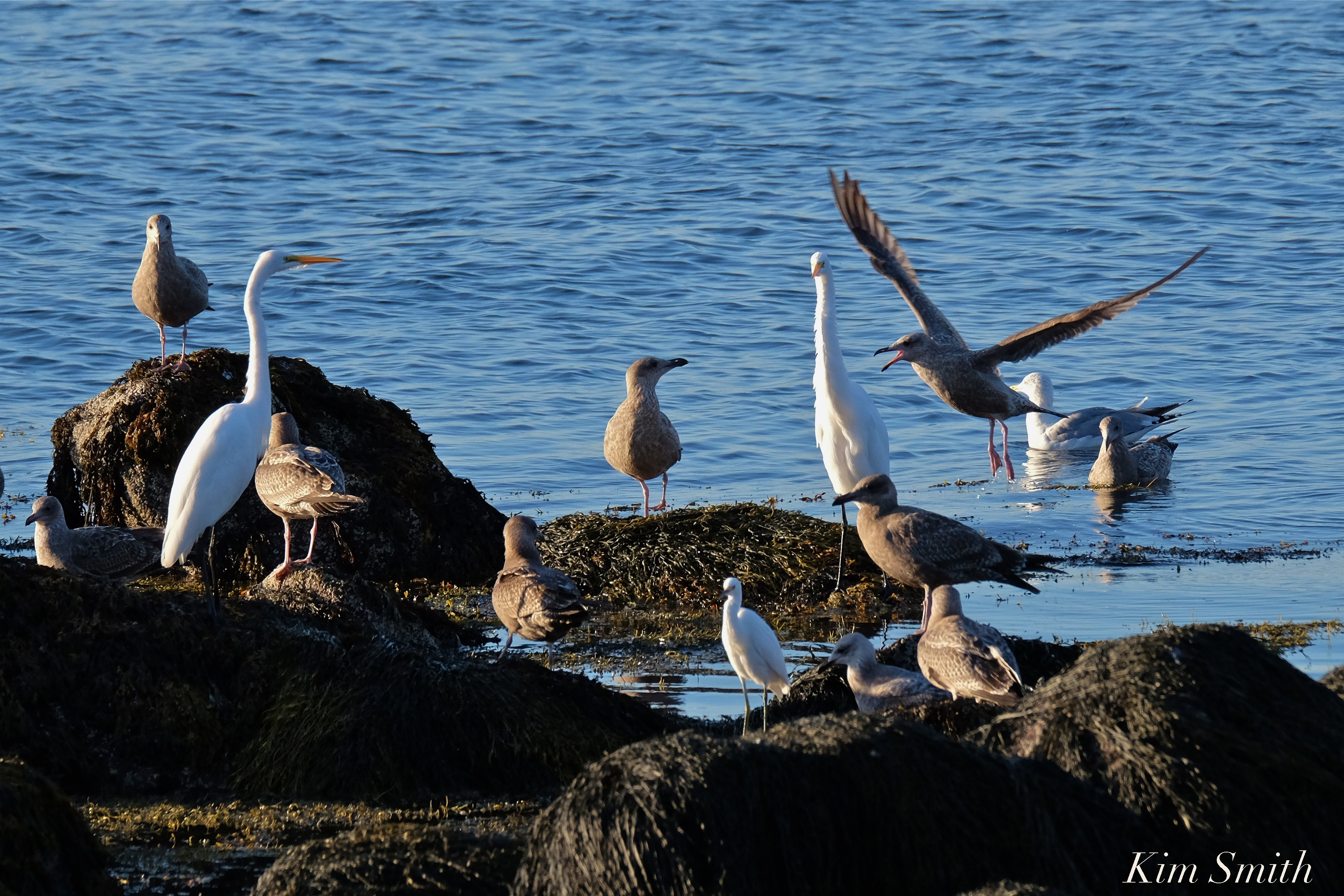
What is happening here? A hungry swim of cormorants have pushed a stream of bait fish towards the shallow shore waters. The minnows are met by equally as hungry Snowy Egrets and Great Egrets waiting on the rocks. I’ve watched many egrets eat prey and they often toss it about in the air for half a minute before swallowing whole, I think to line it up so the fish or frog goes straight down its gullet. At that very moment when the egrets are adjusting their catch, the gulls swoop in and try to snatch the minnows from the egrets. This scene was filmed at Niles Beach. My friend Nancy shares that she has observed the egret  and cormorant symbiotic feeding partnership many mornings over by where she lives on the Annisquam River.