


Ten Pound Island and Lighthouse
My View of Life on the Dock

Ten Pound Island and Lighthouse

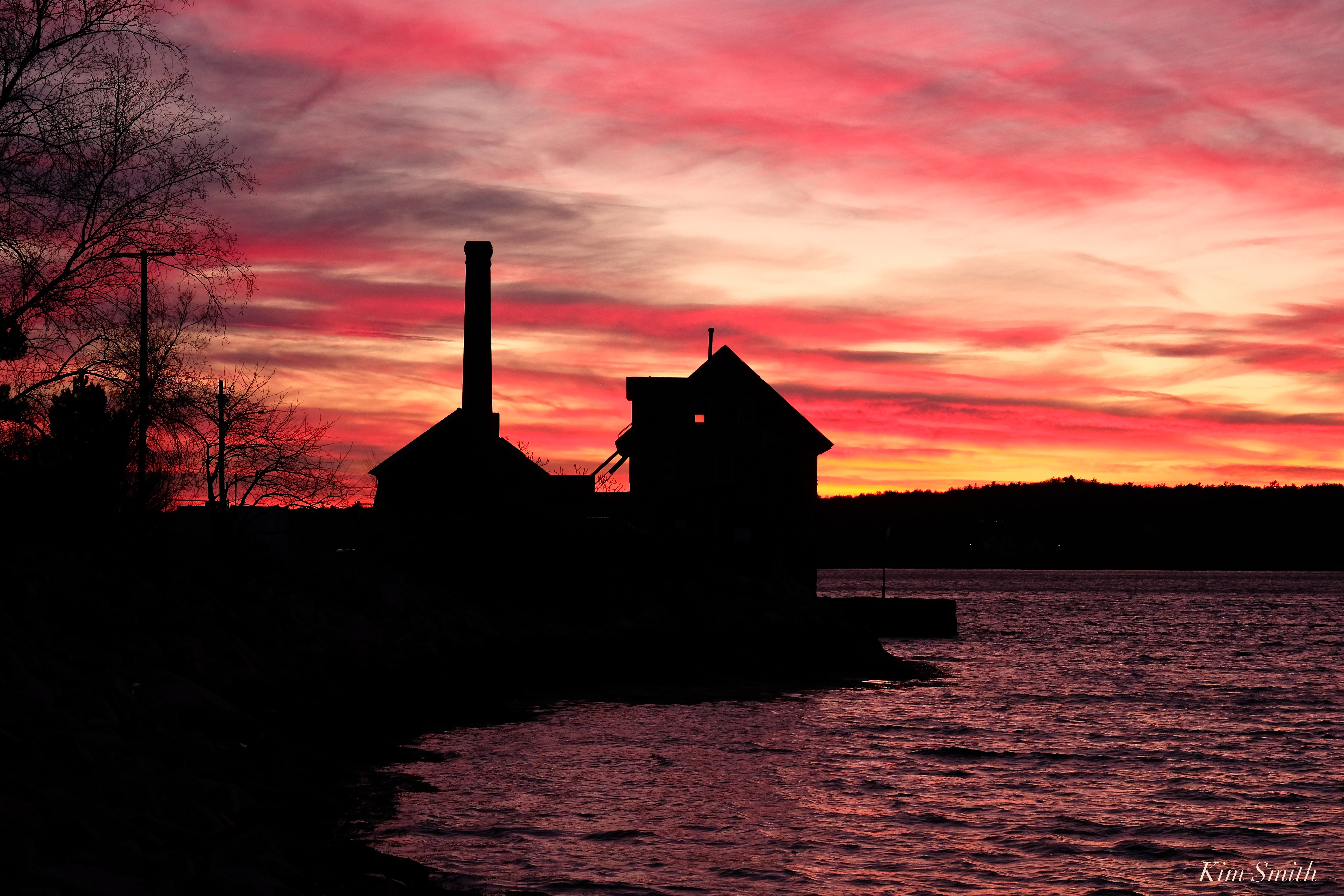 Sunset from the Paint Factory

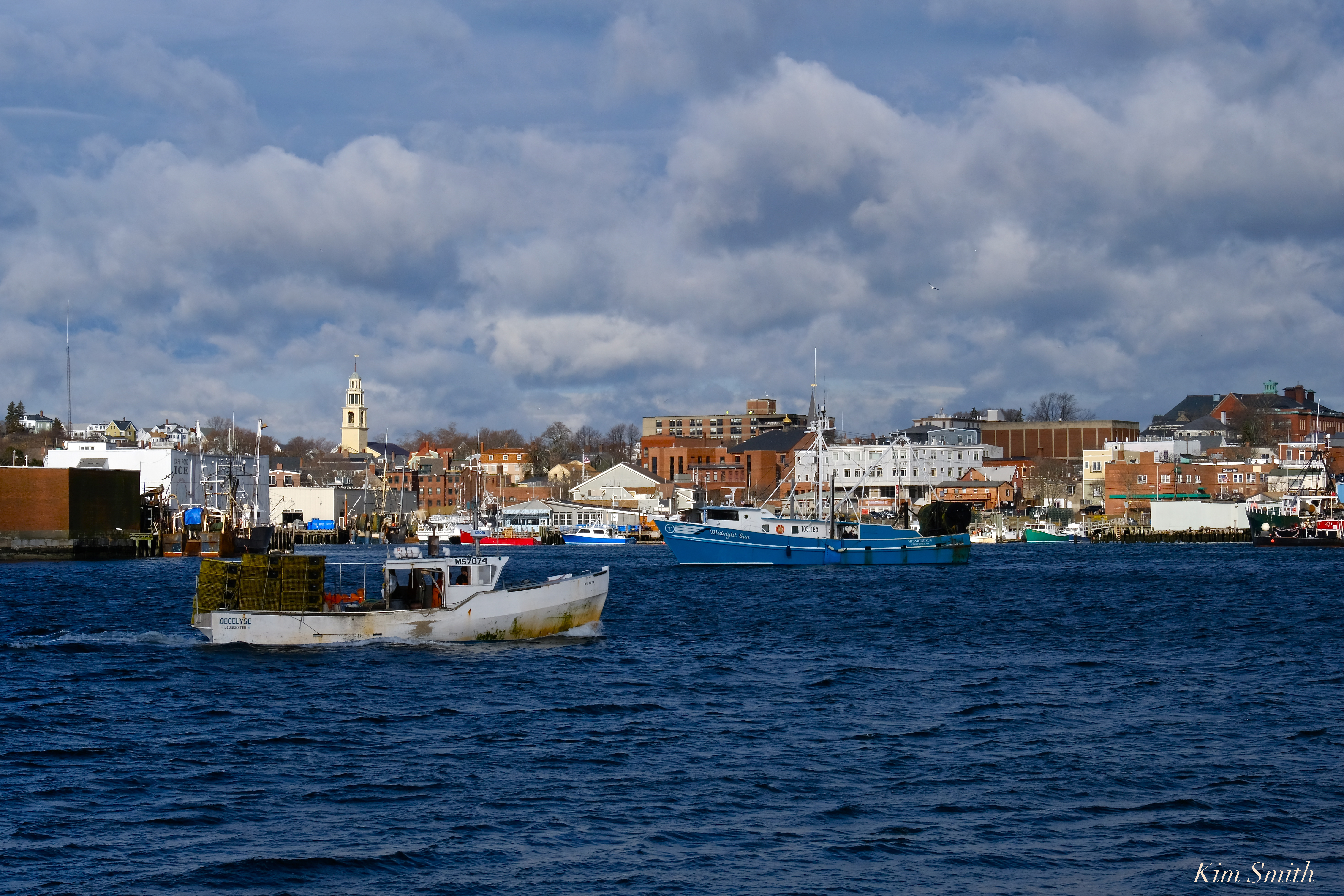 Degelyse Lobster Boat

The Butterfly Amaryllis

Hippeastrum papilio – don’t you love the lemony lime green and ruby red combination?
This exotic beauty, commonly referred to as the “Butterfly Amaryllis” (Hippeastrum papilio), has to be one of the most stunning of all bulbs to force indoors. Not only that, but unlike other species of Hippeastrum, which need to go dormant, you can grow papilio all year round. The plants will grow larger and produce more blossoms with each passing year!
Hippeastrum papilio is a member of Amaryllidaceae and is native to the tropical forest of the Atlantic Coast of southern Brazil. It is endangered in its natural range but is increasingly propogated among gardeners.
The following is excerpted from a book that I wrote and illustrated titled Oh Garden of Fresh Possibilities! Notes from a Gloucester Garden, which was published by David Godine.
How to Grow Amaryllis ~ Excerpt from Oh Garden of Fresh Possibilities!
Living in New England the year round, with our tiresomely long winter stretching miles before us, followed by a typically late and fugitive spring, we can become easily wrapped in those winter-blues. Fortunately for garden-makers, our thoughts give way to winter scapes of bare limbs and berries, Gold Finches and Cardinals, and plant catalogues to peruse. If you love to paint, and photograph, and write about flowers as do I, winter is a splendid time of year for both as there is hardly any time devoted to the garden during colder months.
Coaxing winter blooms is yet another way to circumvent those late winter doldrums. Most of us are familiar with the ease in which amaryllis (Hippeastrum) bulbs will bloom indoors. Placed in a pot with enough soil to come to the halfway point of the bulb, and set on a warm radiator, in several week’s time one will be cheered by the sight of a spring-green, pointed-tipped flower stalk poking through the inner layers of the plump brown bulbs. The emerging stalks provide a welcome promise with their warm-hued blossoms, a striking contrast against the cool light of winter.
Perhaps the popularity of the amaryllis is due both to their ease in cultivation and also for their ability to dazzle with colors of sizzling orange, clear reds and apple blossom pink. My aunt has a friend whose family has successfully cultivated the same bulb for decades. For continued success with an amaryllis, place the pot in the garden as soon as the weather is steadily warm. Allow the plant to grow through the summer, watering and fertilizing regularly. In the late summer or early fall and before the first frost, separate the bulb from the soil and store the bulb, on its side, in a cool dry spot—an unheated basement for example. The bulb should feel firm and fat again, not at all mushy. After a six-week rest, the amaryllis bulb is ready to re-pot and begin its blooming cycle again. Excerpt from Oh Garden of Fresh Possibilities! ~ Coaxing Winter Blooms
Click here to read more about Oh Garden of Fresh Possibilities.

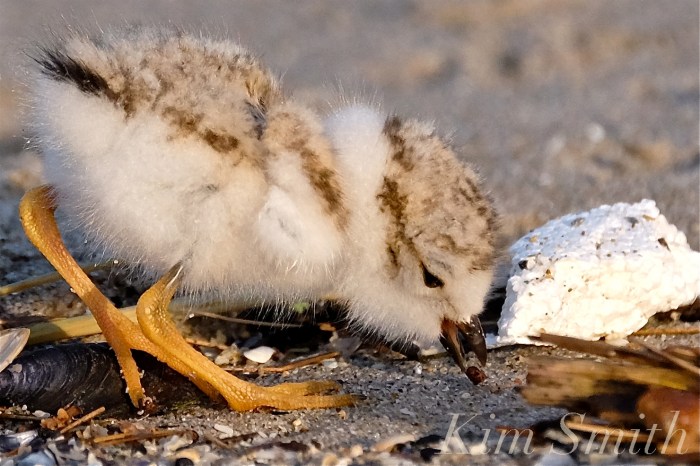
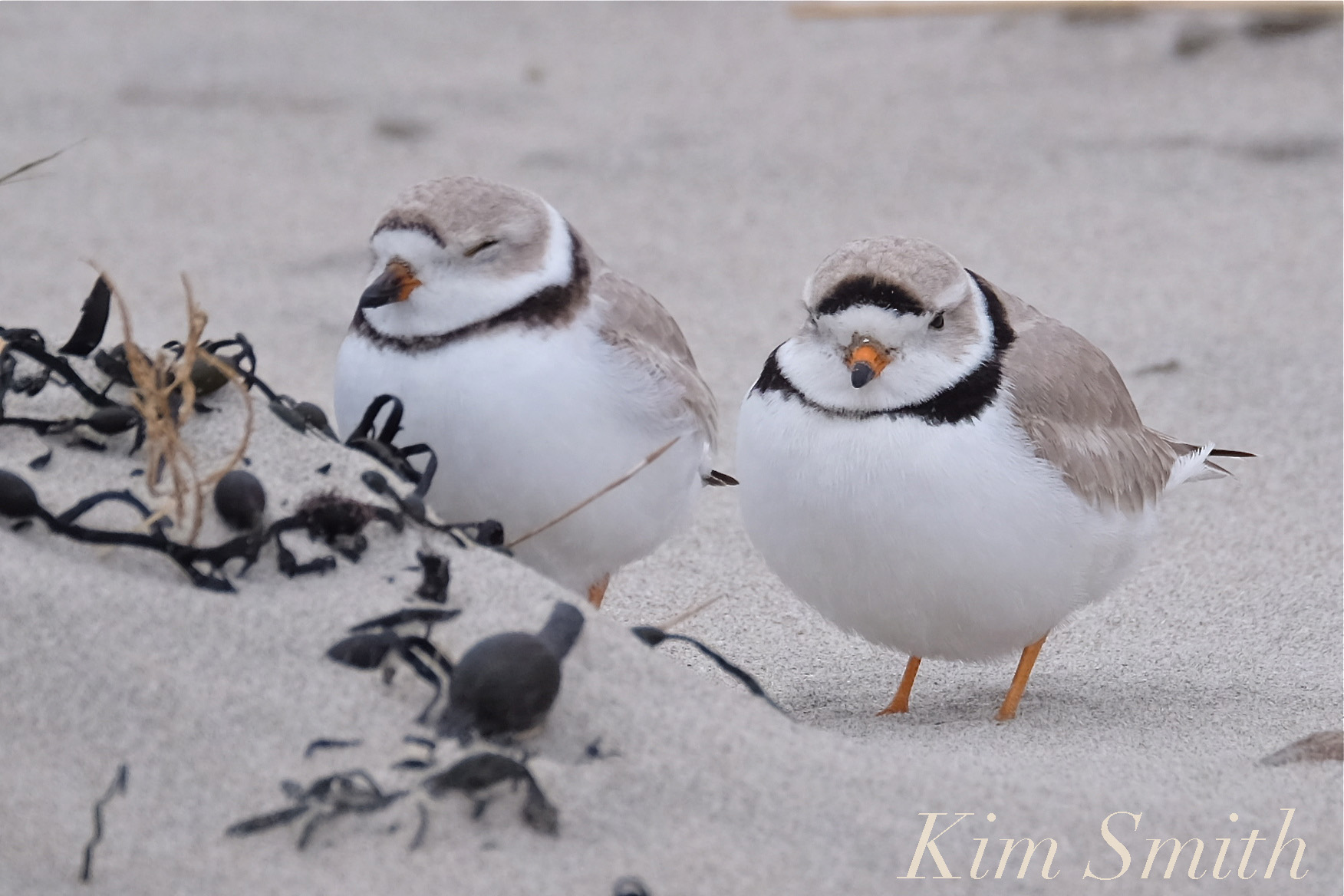 Mama (left) and Papa (right) return to Good Harbor Beach on a bitterly cold day, April 3, 2018.
By Kim Smith
The return of Mama and Papa Piping Plover to Good Harbor Beach filled our hearts with hope and heartache. Although not tagged with a definitive id, we can be fairly certain they are the same because the pair attempt to build their nest each year within feet of the previous year’s nest. Not only did our returning pair try to nest on Good Harbor Beach, there were two additional pairs of Piping Plovers, and several free-wheeling bachelors.
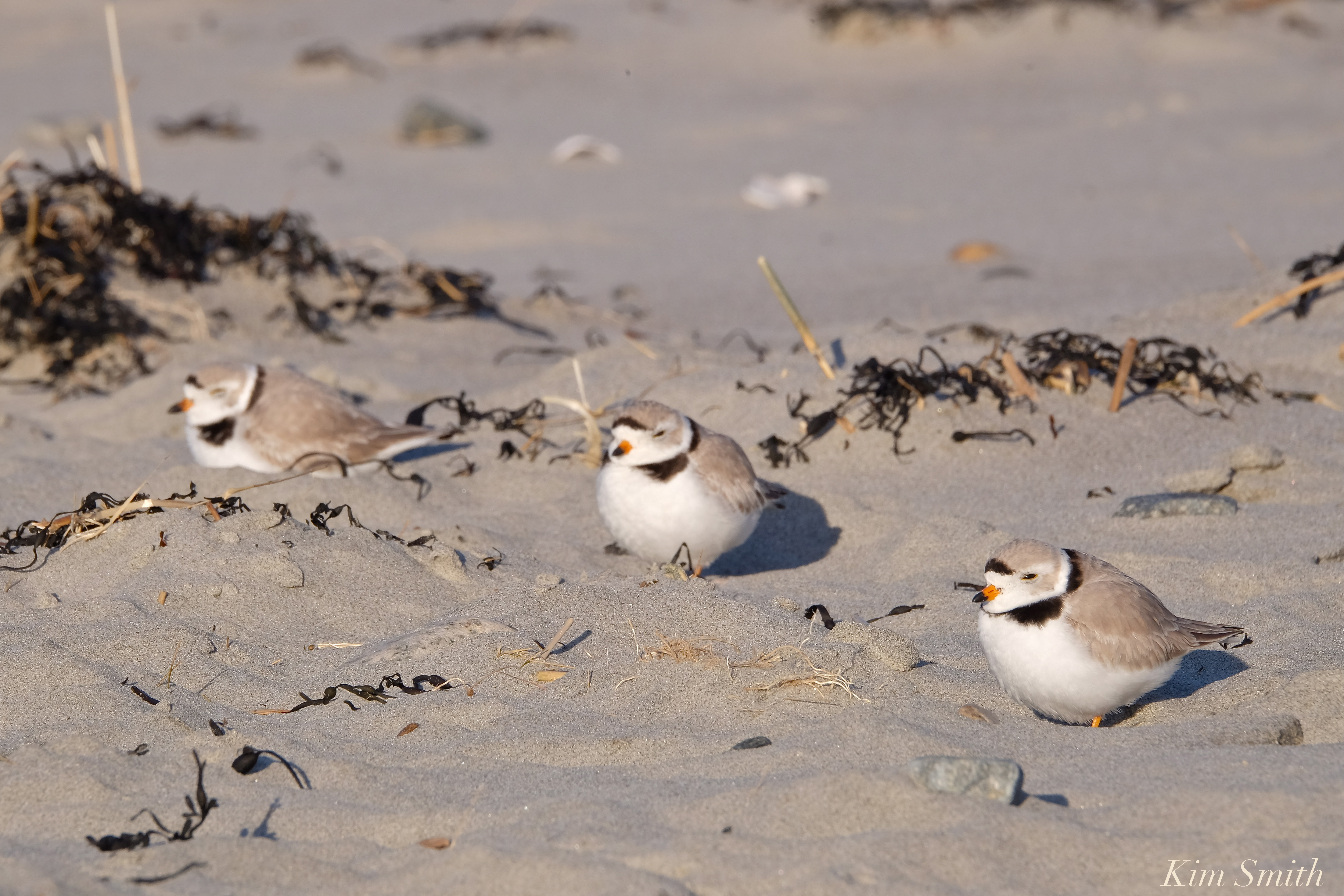 The GHB Bachelors
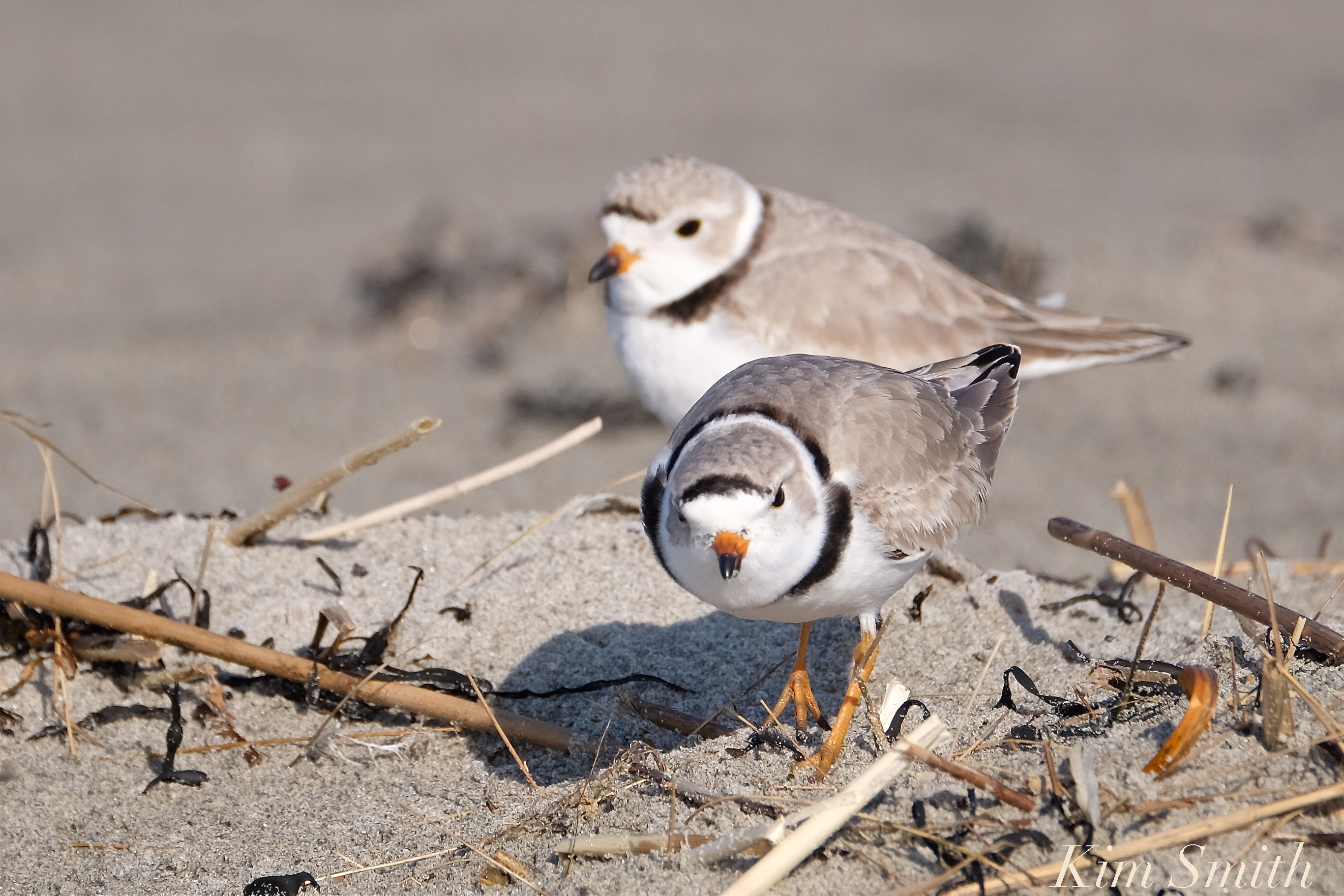 Papa guarding all-things-Mama
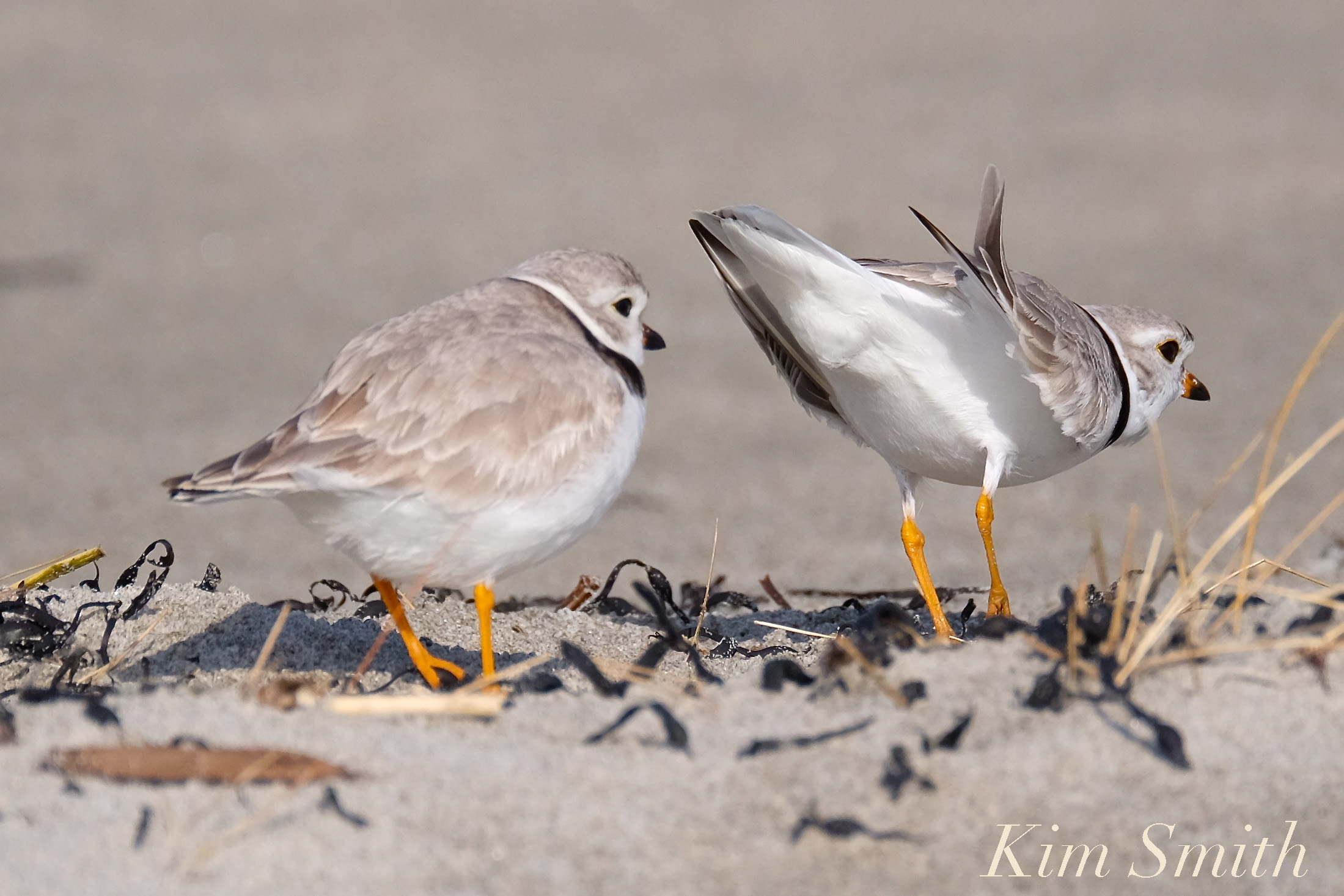 Papa and Mama courting, building a nest scrape, and establishing their territory on the beach.
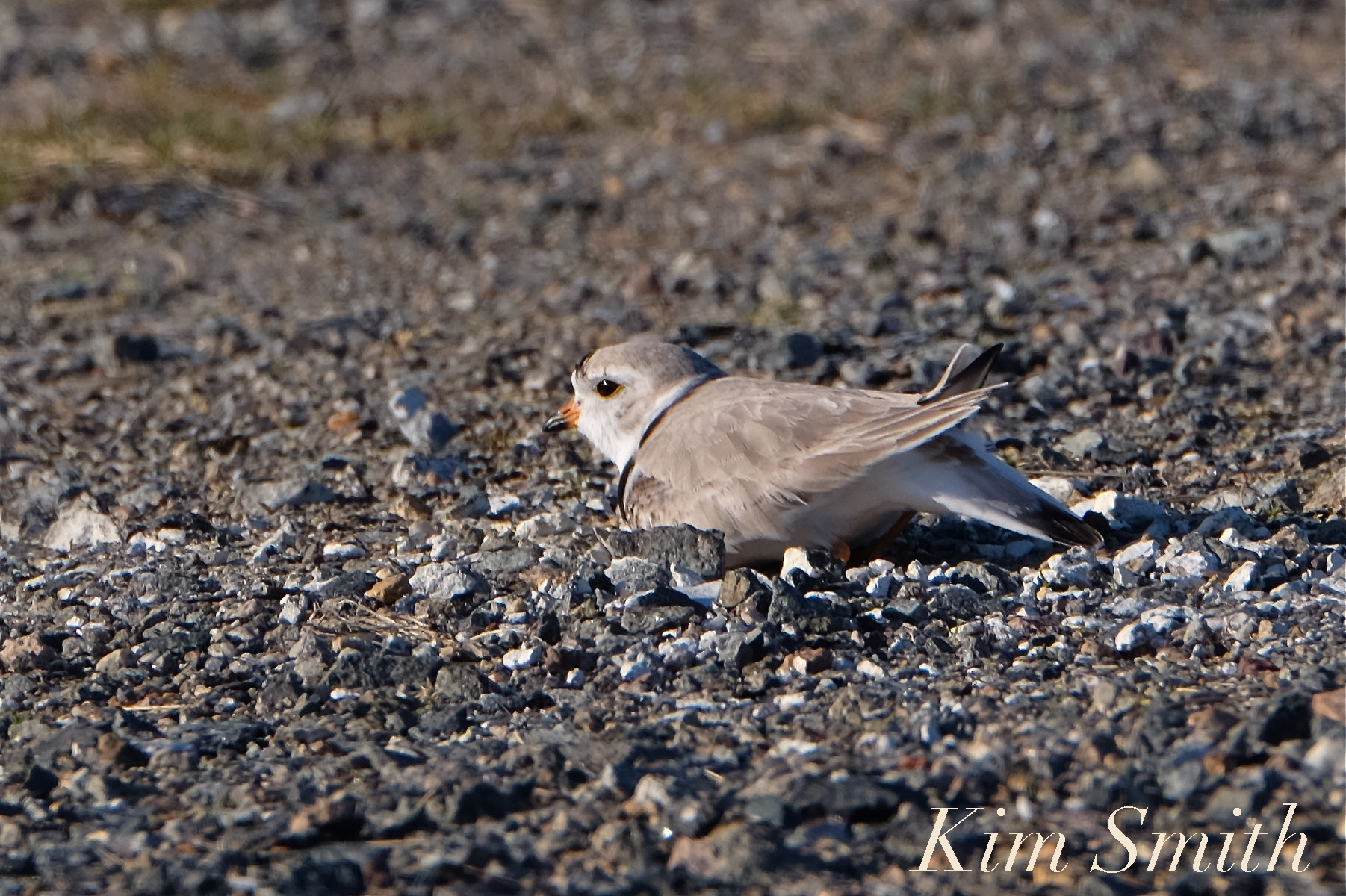
The PiPls are forced off the beach by dogs running through the nesting area. They begin building a second nest in the Good Harbor Beach parking lot.
Each spring the Good Harbor PiPl have returned earlier than the previous, which show us that the pair is gaining in maturity, and in familiarity with the area. Tragically, at the time of their arrival in April, dogs are permitted on the beach. Dog traffic running through the Piping Plover nesting area was unrelenting, despite signs and roping. The Plover family never caught a break, and were soon making overtures at nesting in the parking lot.
Even with desperate calls for help and repeated warnings from the Piping Plover volunteer monitors, owners continued to allow off leash and on leash dogs to run freely through the PiPl’s nesting area, daily forcing the PiPl off the beach. They were at first torn between maintaining the territory they had established on the beach or establishing a new territory on the white lines in the parking lot. After one particularly warm sunny Sunday in April, they gave up completely on their beach nest scrape.
We learned that during the month of April, dogs at Massachusetts barrier beaches, such as Good Harbor Beach, not only endangers the lives of threatened Piping Plovers, but many species of migrating and nesting shorebirds.


 On May 5th, the first egg was laid in the parking lot. Thanks to Gloucester’s amazing DPW crew, a barricade around the nest was installed within hours of the first egg laid. Greenbelt’s Dave Rimmer soon followed to install a wire exclosure around the parking lot nest.
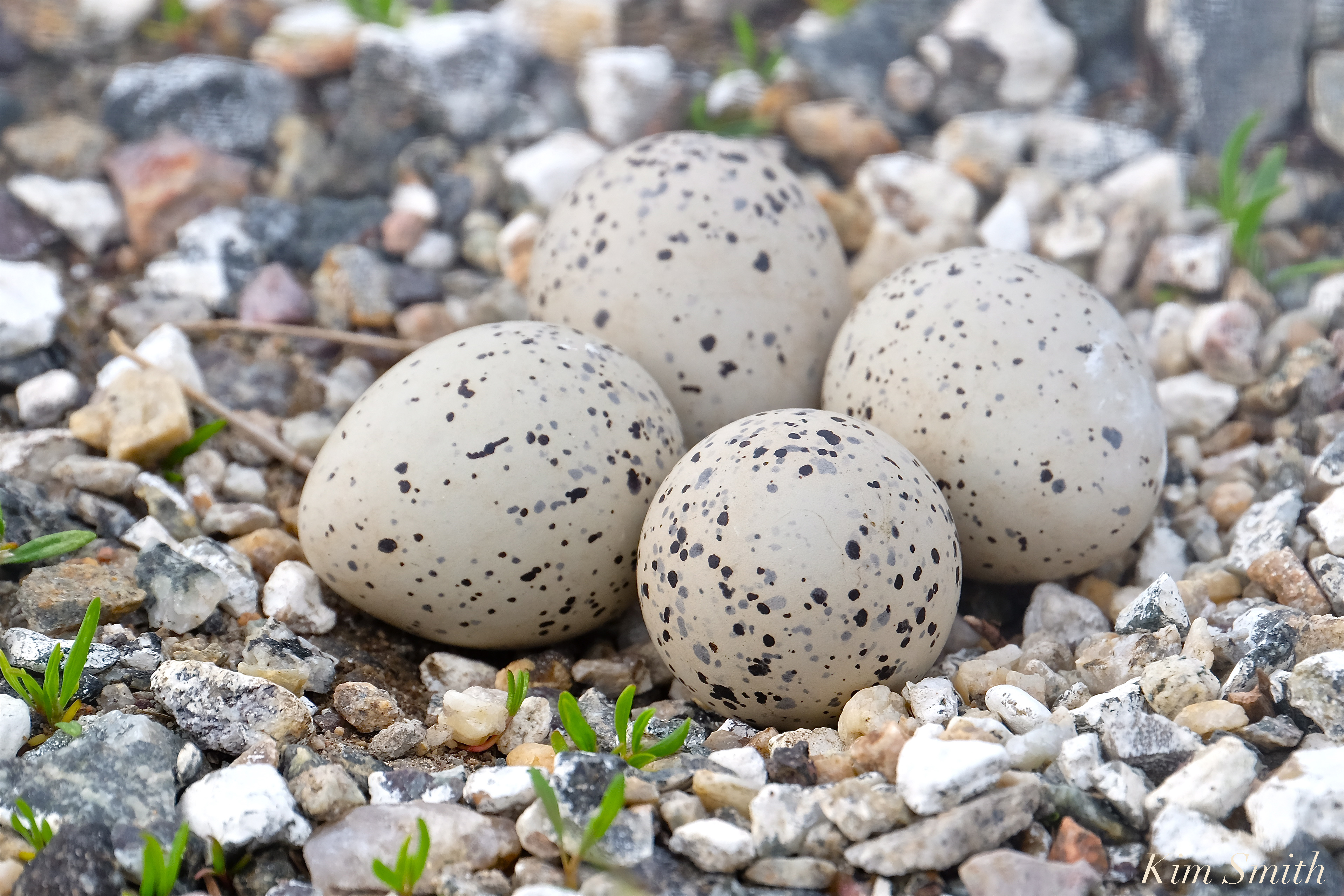 Four!
Four!
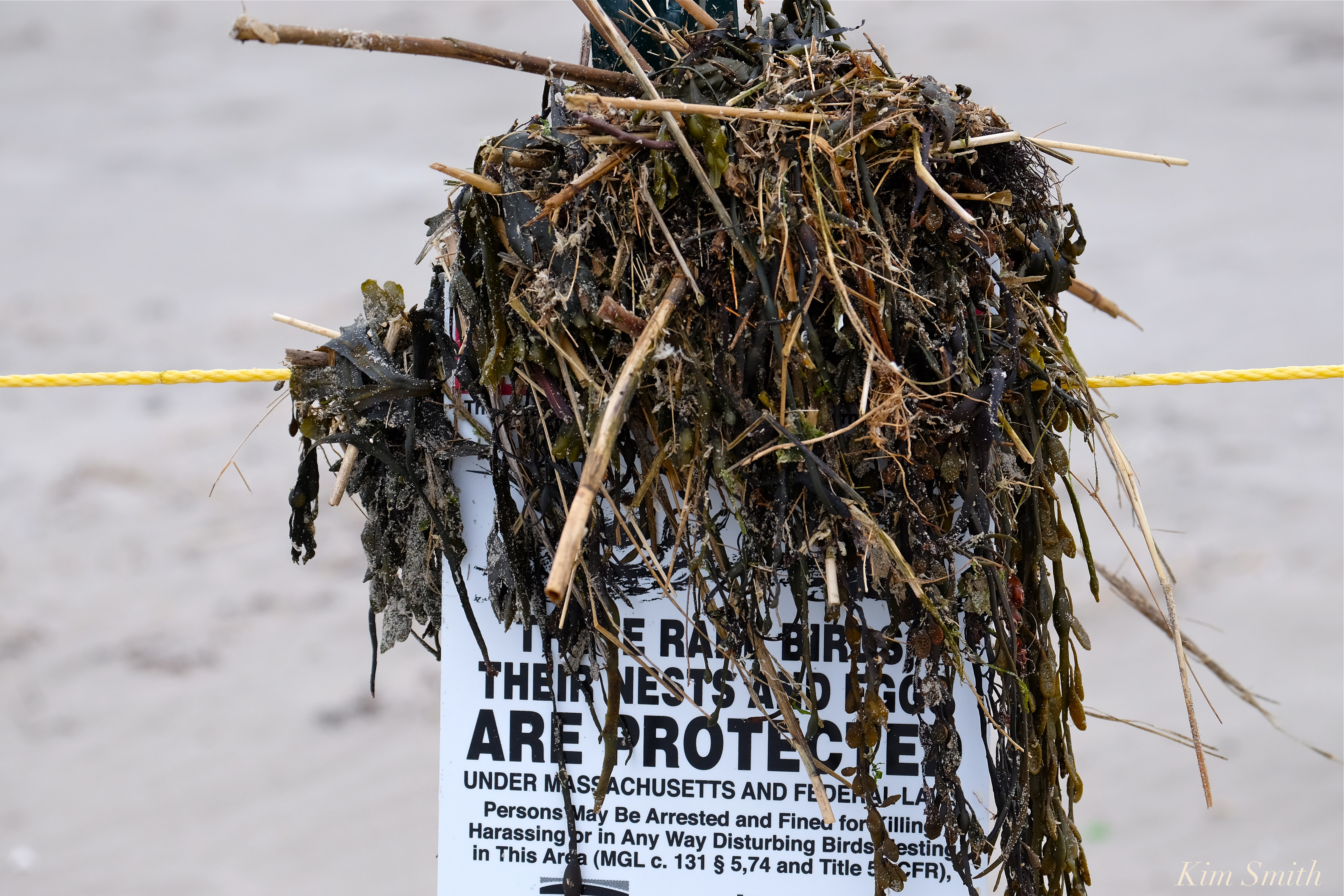 No shortage of vandals.
Garbage left on the beach brings predatory gulls and crows and they, too, became a serious threat to our Piping Plover family after the chicks hatched. The lack of a common sense ordinance to keep dogs off Good Harbor Beach during the month of April, the unaware dog owners, the garbage scavenging gulls and crows, and the vicious vandals are absolutely our responsibility to better manage and to control. For these reasons, and despite the kindness and care of dozens of PiPl volunteer monitors, as well as good people from around the community (and beyond), the Piping Plovers face terrible odds nesting at Good Harbor.
Scroll down to the end of the post to find links to some of the dozens of stories that I have written about the Good Harbor Beach Piping Plovers. Many communities throughout Massachusetts and coastal New England have in place common sense management rules and are successfully fledging chicks. I wrote about that extensively during the summer months and you will find a list of the posts regarding that topic in Part Three: Summer.
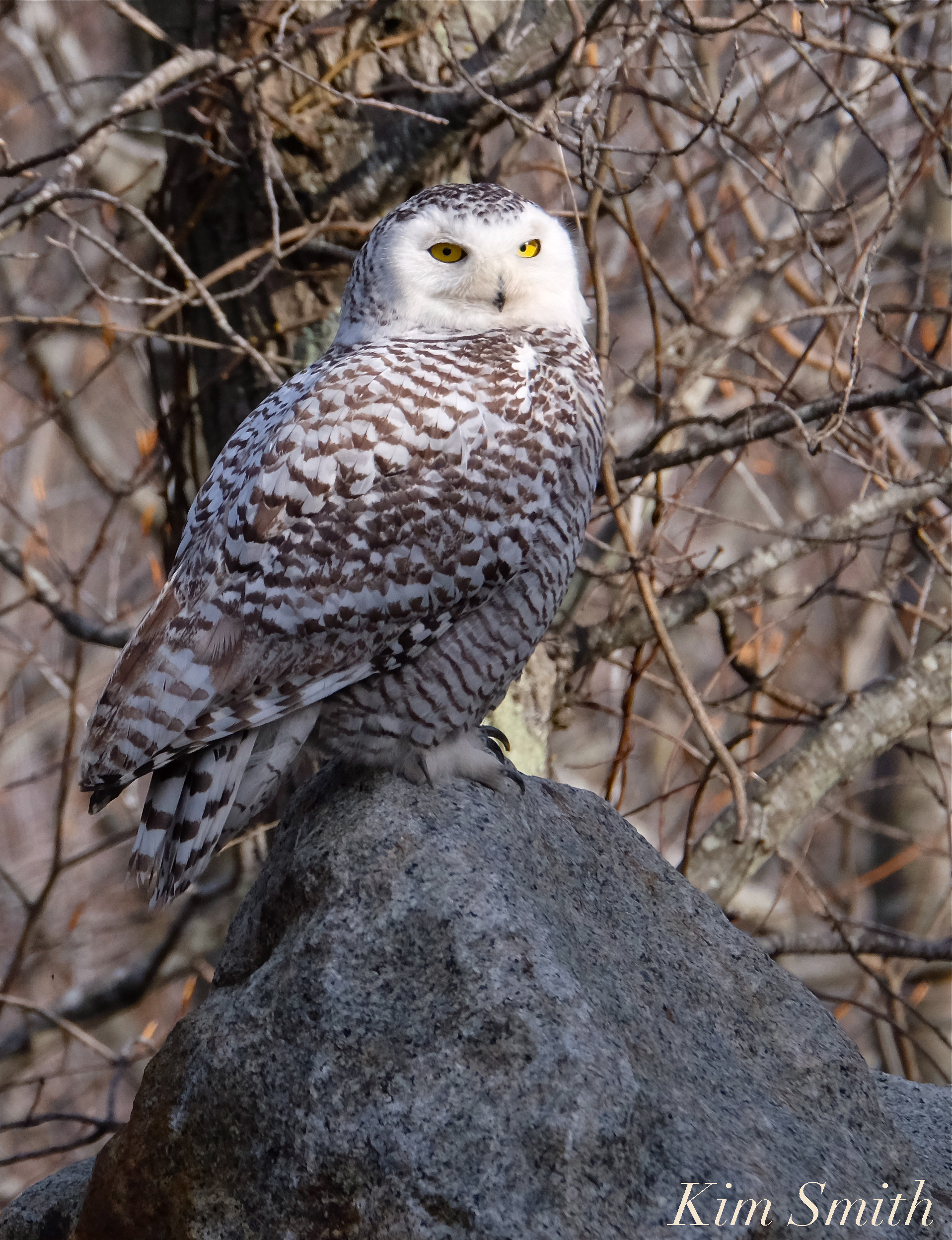 Most of the Snowies from the great Snowy Owl irruption of 2017-2018 had departed for their Arctic breeding grounds by the time the Piping Plovers arrived to Cape Ann beaches. This was a relief as I imagined that the Piping Plovers might make a tasty meal in the mind of a Snowy Owl. Thinking we’d seen the last of Hedwig and all Snowies, Bob Ryan called to let us know there was a Snowy Owl hanging around the distillery. I jumped in my car and raced right over. She appeared in good health and stayed for a day.
We did learn weeks later that during July and August there were still a few Snowies remaining on Massachusetts beaches and, from examining their pellets, it was clear they had been eating Piping Plover adults.
 I was deeply honored to receive Salem State University’s Friend of the Earth Award.
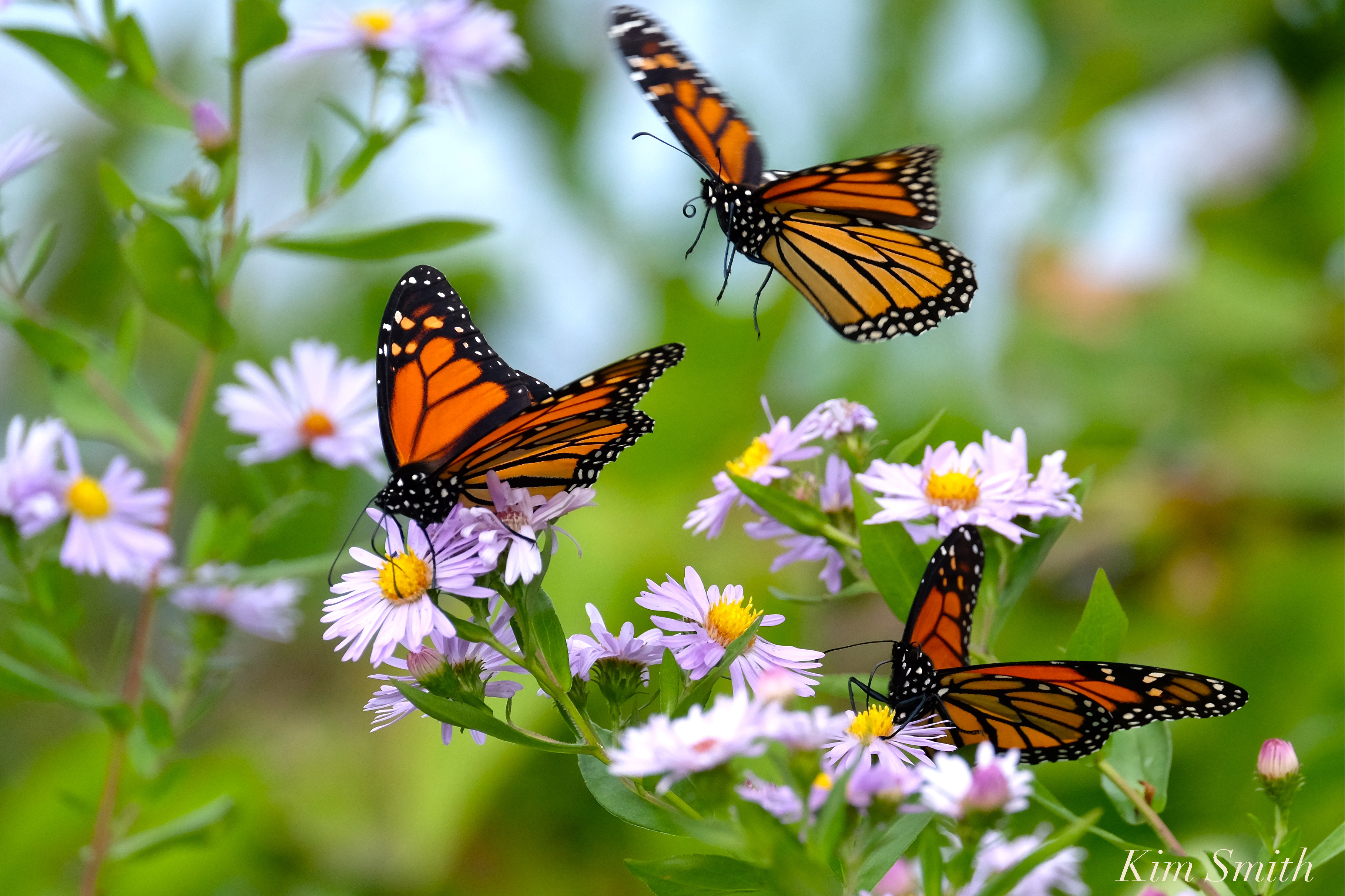 and to give my conservation program about the Monarch Butterflies as their keynote speaker.
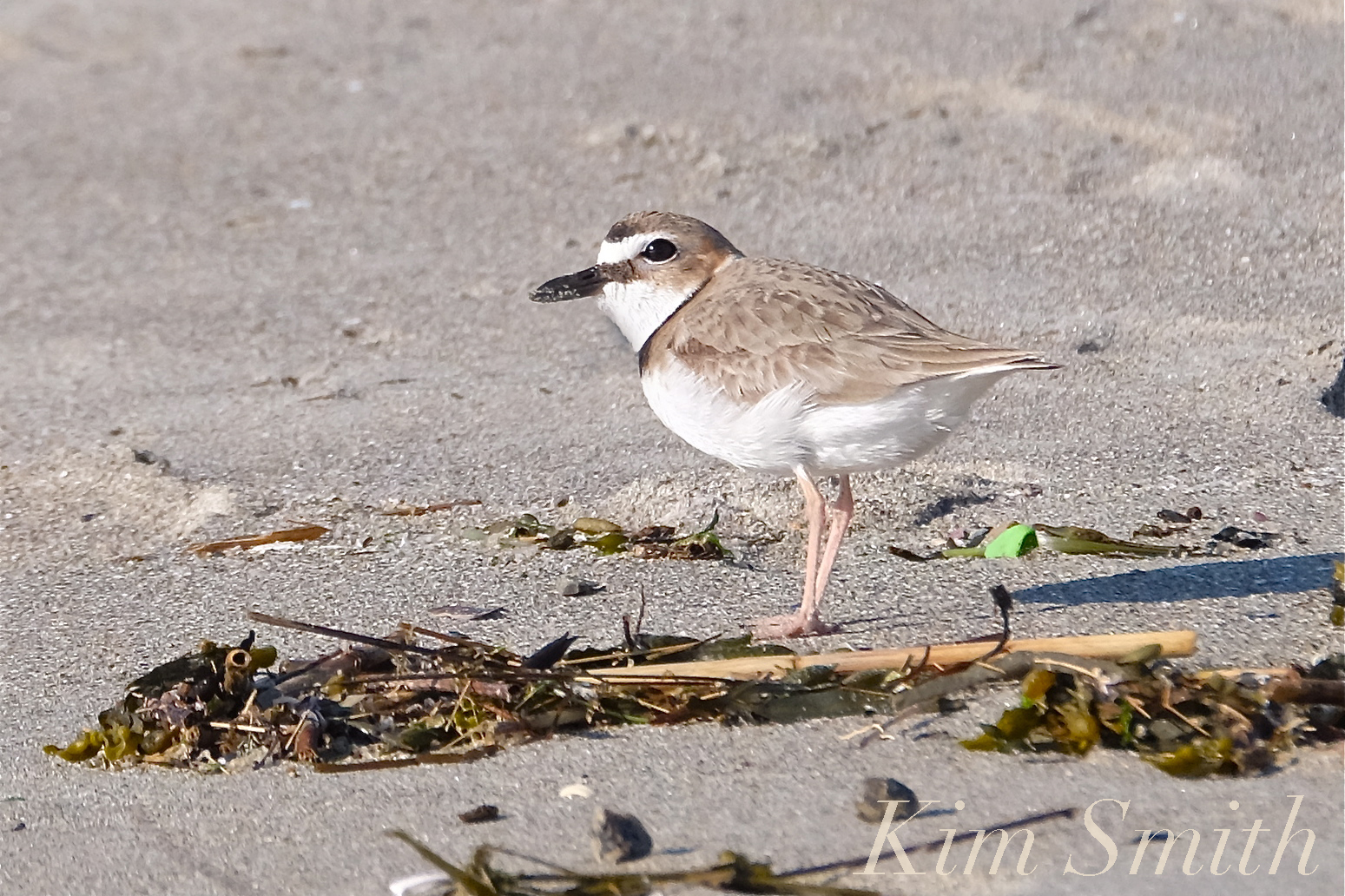 In May, three Wilson’s Plovers were spotted briefly on Good Harbor Beach. This was a very, very rare northern sighting, especially so as there were three.


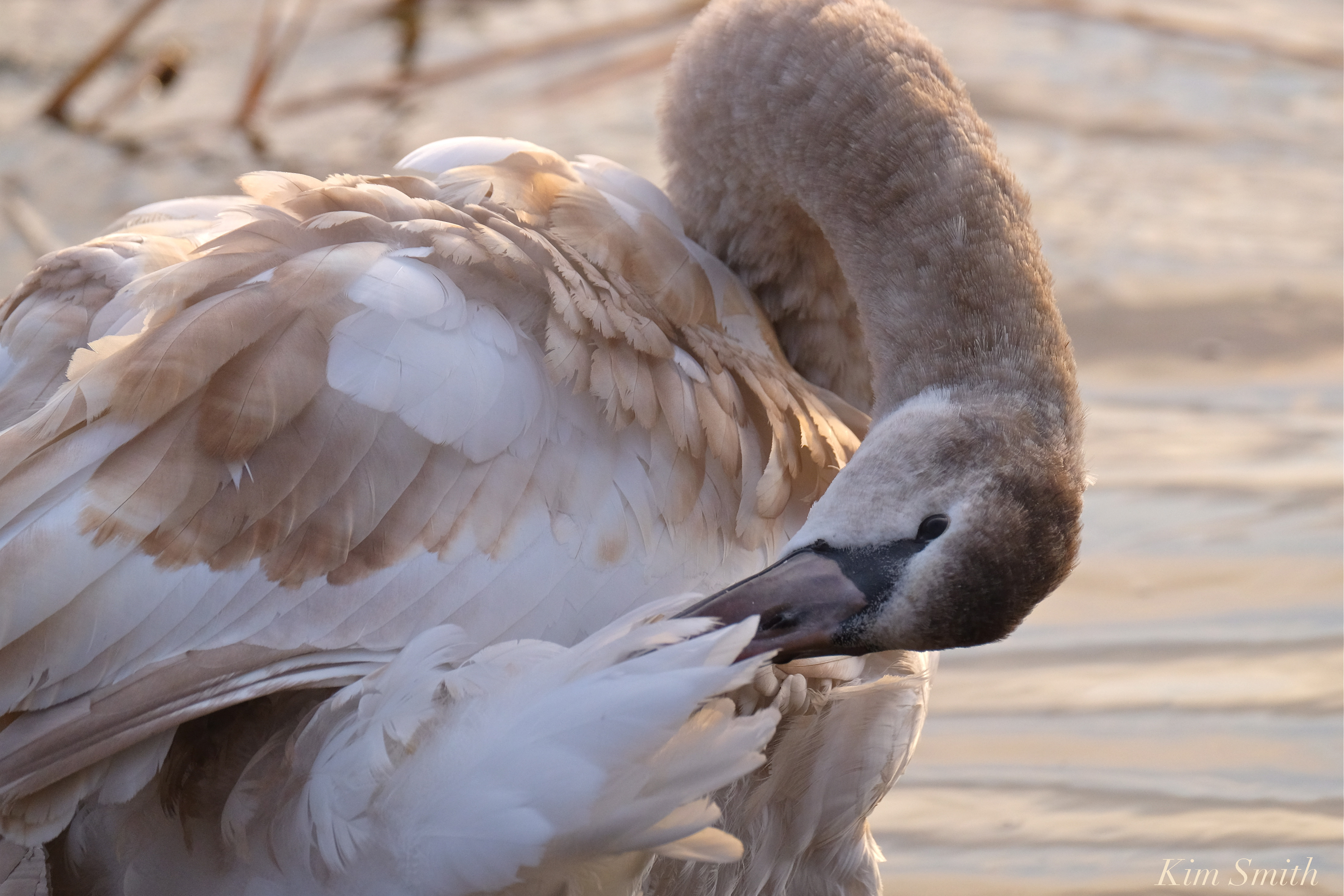 The Young Swan of Niles Pond was released by Lyn and Dan, only to lose his life later in the spring.
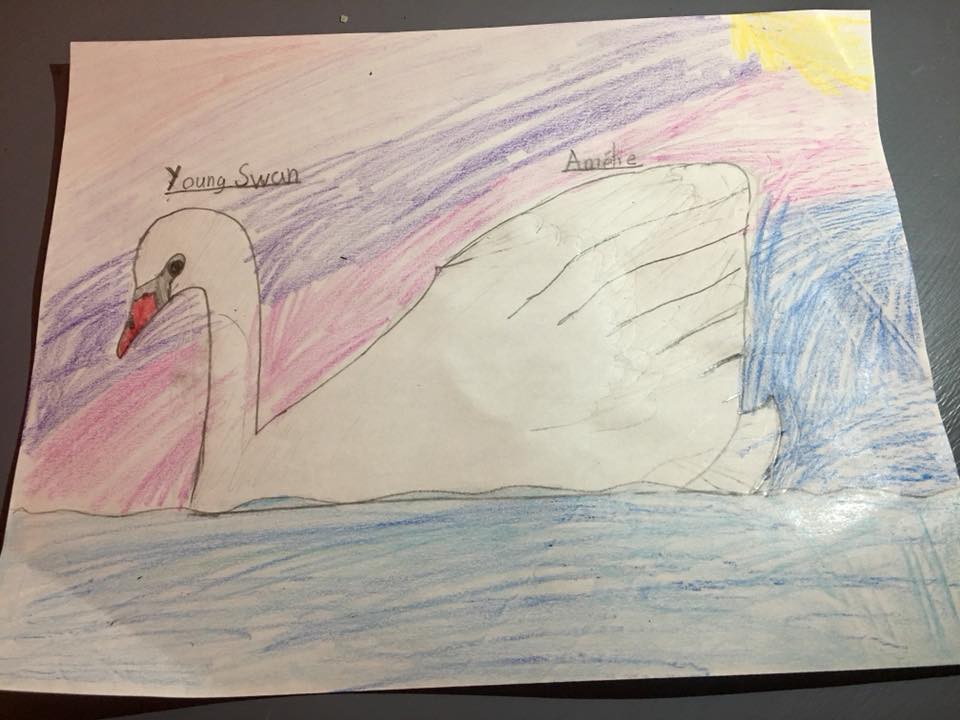 Amelie Severance sent us a lovely and detailed drawing of the Young Swan.


A fabulous Green Heron was photographed and filmed on an area pond–signs of a great summer season for all species of herons, yet to come.


For the past several years, at least, Killdeers, which is another species of plover (although not endangered) have been nesting in the dunes at Good Harbor Beach. This year we had, at a minimum, two successful nests!


All four chicks hatched and, at only one-day-old, made the epic journey to the beach. Miraculously, four teeny tiny mini marshmallow-sized baby birds, led by Papa and Mama, zig zagged across the parking lot, trekked through the dunes, and landed within feet of the parent’s original nest scrape.
Only one chic, the one PiPl volunteer monitor Heather names Little Pip, survives into summer.


Piping Plovers Return to Good Harbor Beach!
Kim Smith to Receive “Friend of the Earth Award” and Keynote Speaker Salem State earth Days Week
Piping Plovers Driven Off the Beach
Monarch Butterflies at Salem State University
Fencing is Urgently Needed for the Piping Plovers
Check Out Gloucester’s DPW Phil Cucuru Showing Extensive Storm Erosion
How You Can Help the Piping Plovers
Gloucester Celebrates Earth Day With Great News: Lyn and Dan Release the Young Swan Back to the Wild
Piping Plovers Forced off the Beach By Dogs for the Second Weekend in a Row
Piping Plovers and Thoughts About Signs, Dogs, and Why We are in This Predicament
We Need Volunteer Piping Plover Monitors Saturday at the PiPl Nesting Area #3
Heartbreaking to See the Piping Plovers Nesting in the Parking Lot
Snowy Owl at Ryan and Woods Distillery
Breaking: Plover Egg in the Parking Lot at Good Harbor Beach
Breaking: Two Eggs in the Nest: Shout Out to Greenbelt for Installing the PiPl Wire Enclosure
Rarest of Rare Visits from Wilson’s Plovers
Vandals Harming the Piping Plovers
Tonight on Fox See Our GHB Piping Plovers
Debunking Piping Plover Myth #1
Amelie Severance’s Lovely Drawing of the Young Swan
Debunking Piping Plover Myths #2 and #3
More Shorebirds Nesting at Good Harbor Beach!
So Sorry to Write Our Young Swan Passed Away this Morning
Beautiful Shorebirds Passing Through
Debunking Piping Plover Myth #4, Winthrop Beach is Amazing, and Lots of Sex on the Beach
Our Good Harbor Beach Killdeer Chicks
Breaking News: Our Piping Plover Good Harbor Beach Chicks Have Hatched
Piping Plover Makes the Epic Journey to the Beach
Good Harbor Beach Two-Day Old PiPl Chicks
Good Morning! Brought to You By the Fiercely Patient Green Heron
Shout Out to Gloucester’s Animal Control Officers Teagan and Jamie!
Our Third Piping Plover Chick was Killed This Morning
Happy Father’s Day, Brought to You By Papa Plover

January 2, 2019
By Andrew Schiller
The safest cities in America are not remote, rural places. They are closer than you think. They may not be big, but often they are just minutes from the largest cities in the U.S.
One of America’s safest cities is just 3 miles from Manhattan, and 7 miles from Central Park, in the heart of New York City. That city is Fort Lee, New Jersey. Fully eleven of them are within the New York Metro area.
In many ways, these cities serve as neighborhoods within the large metro area.
Similarly, NeighborhoodScout’s research revealed nineteen of the safest cities are in the Boston metro area, and eight are in California, including Danville, which is a scant 22 minutes from Oakland, one of the nation’s most dangerous cities. This is a common pattern our researchers have noted: the safest and most dangerous parts of America’s great urban areas are often just a few miles apart.
Lake in the Hills, IL, the safest city in America for 2019, is a well-to-do community in the Chicago area, while Chicago itself is one of the most dangerous cities in the U.S. In his book The Big Sort, author Bill Bishop describes how America is sorting itself by income, education, and lifestyle into isolated communities. The pattern of crime and safety reflects this social sorting, not just by region but by city and neighborhood within the same commuting zone.
The nineteen Massachusetts towns and cities and their ranking are as follows:
2. Franklin
3. Shrewsbury
6. Marshfield
19. Reading
22. Needham
23. Billerica
24. Arlington
28. Newton
32. Beverly
33. Wellesley
39. North Andover
47. Milton
50. Belmont
52. Melrose
59. Wakefield
68. Gloucester
76. Andover
87. Bridgewater
91. Watertown

By Kim Smith
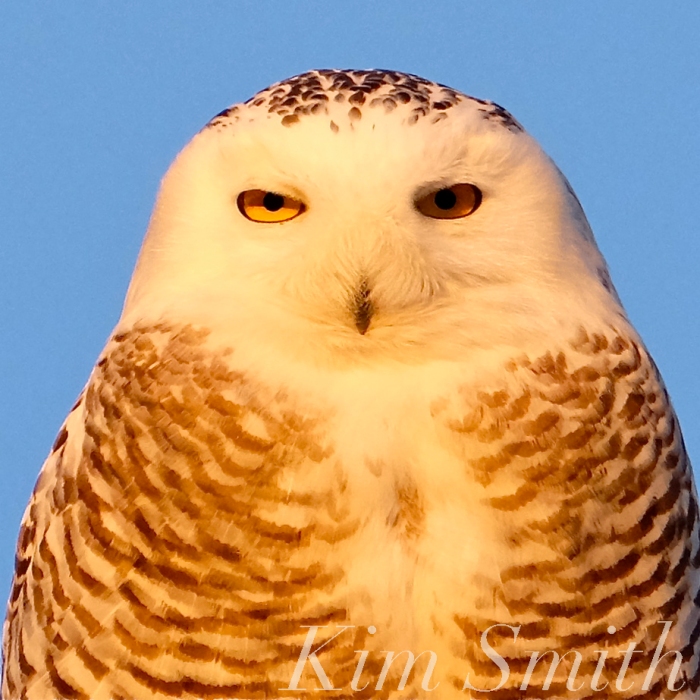
Cape Ann provides welcome habitat for a menagerie of creatures beautiful, from the tiniest winged wonder to our region’s top predator, the Eastern Coyote. Last year and the previous year I posted Cape Ann Wildlife: A Year in Pictures 2016 and Cape Ann Wildlife: A Year in Pictures 2017. This year I changed the title to A Year in Pictures and Stories and have provided a partial list of some of the stories. You can find links to the posts at the end of each season. I hope you have found the wildlife stories of 2018 equally as interesting and beautiful. Click on the image to find the name of each species.
* * *
The first days of January began with the dramatic rescue of our blue-eyed swan by Mr. Swan’s Niles Pond caretakers, Skip, Lyn, and Dan. He flew onto the ice and could not maneuver off. The most amazing thing is that two black-eyed “angel swans” magically appeared at just the right time they were needed and, in a swan sort of way, helped release Mr. Swan from the ice.
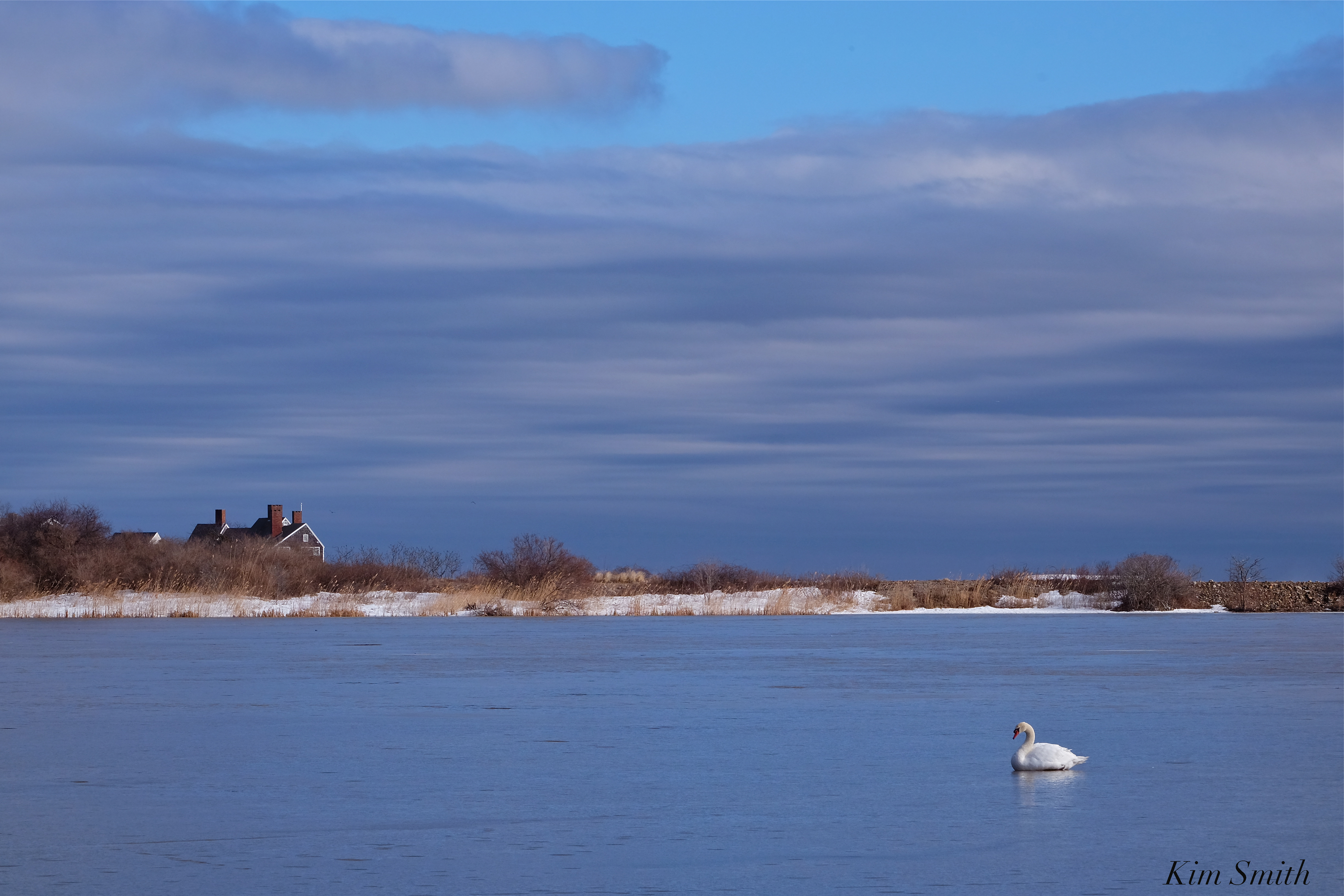 Mr. Swan stuck on the ice.
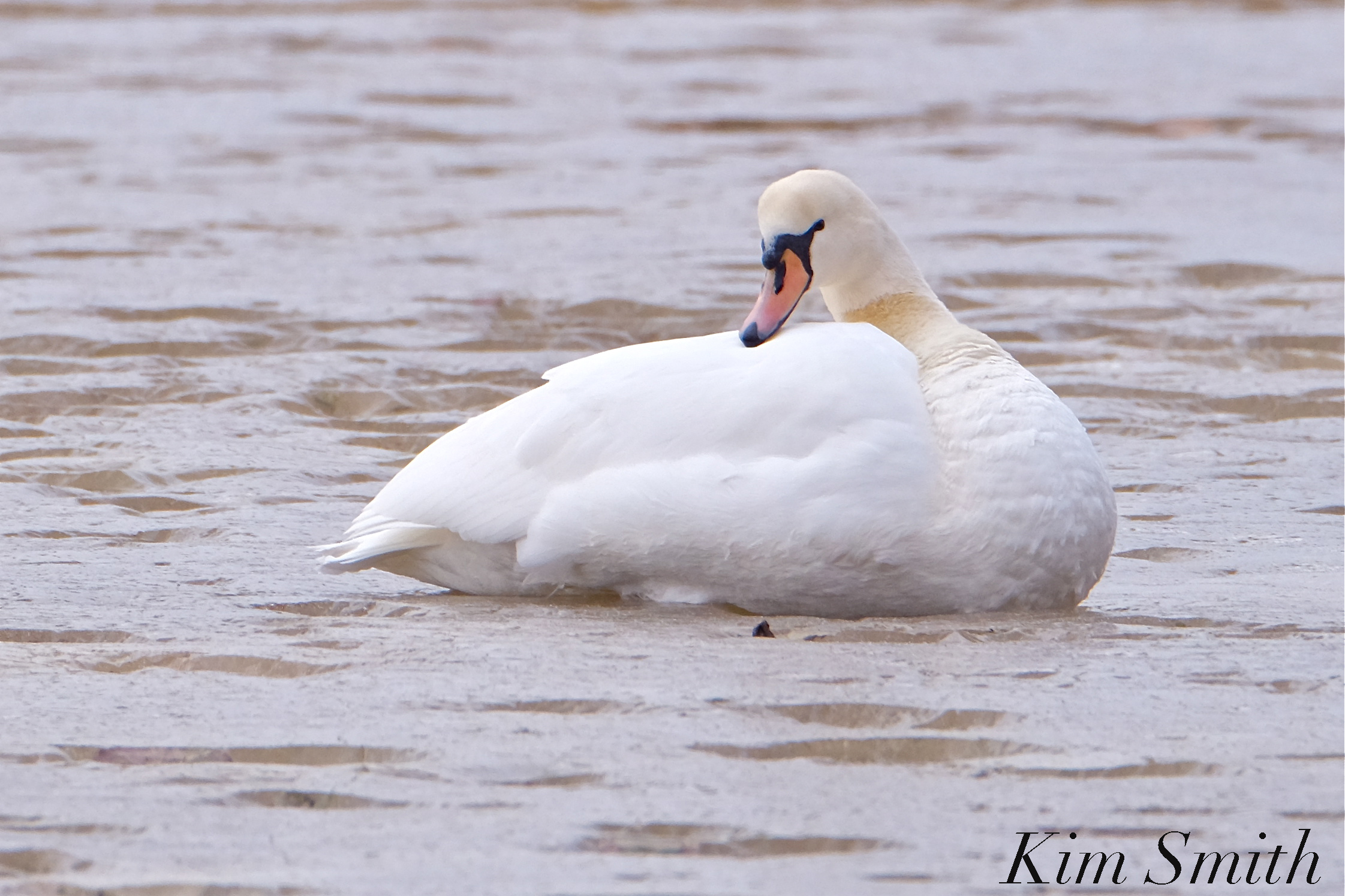 One of a pair of mystery black-eyed “angel” swans.
“The” story of the winter of 2018 though is the story of Hedwig, the female Snowy Owl that made Gloucester’s Back Shore her home for several months.
 She arrived sometime in December and stayed until mid-March. Hedwig staked out a territory that covered a great part of East Gloucester, from Captain Joes Lobster Company on the inner harbor, up over the Bass Rocks Golf Club hill, and all along Atlantic Road, even battling a young male we called Bubo to maintain her dominance over this rich feeding ground. Late in the afternoon we would see her departing for her nightly hunt and she was seen eating a wide variety of small animals, including rabbits, mice, and Buffleheads.


Hedwig was photographed battling, bathing, grooming, and eating.
Mostly though, Hedwig was observed while sleeping and resting on her various perches; not only the beautiful rocks along the shoreline, but Atlantic Road homeowner’s chimneys, as well as the rooftop railings of the Ocean House Hotel and Atlantis Oceanfront Inn.


 Hedwig’s onlookers creating traffic jams on Atlantic Road.
This remarkably people-tolerant owl drew crowds from all over (including a Canadian visitor), providing a wonderful window into the secret world of these most magnificent of Arctic wanderers.
Resident Eastern Coyotes and beautiful migrating ducks were photographed and filmed. And then came the terribly destructive power of the four’easters of March, reeking havoc on wildlife habitats all along the coastline.


Hedwig was last seen during the early evening on March 12th, departing the rooftop of the Ocean House Hotel. This was also the night before the third nor’easter. She was perched on the railing of the Ocean House Inn facing towards the sea. The wind was blowing fiercely. After making several attempts, she successfully flew in a southerly direction out over the water.
Mr. Swan Rescue Update and a Pair of Mysterious Swans Arrive at Niles Pond!
Mr. Swan Update Rescue #2
Not One, But Two Snowy Owls on the Back Shore
Snowy Owl Aerial Fight
Close Encounter of the Coyote Kind
Snowy Owl Hedwig Takes a Bath
My What Big Feet You Have Hedwig
Hello Hedwig! What Are You Eating
How Can the Wings of a Snowy Owl Be Quieter Than a Butterfly’s Wings?
Good Morning Sleepyhead
Snowy Owl Feathers in the Moonlight
Beautiful Brants, Scaups, and Ring-necked Ducks Migrating Right Now On Our Shores
Gloucester March Nor’easters Storm Coverage 2018
Clear Evidence of the Destructive Forces of Global Warming on the Coastline and How this Negatively Impacts Local Wildlife

 Atlantic Road Back Shore

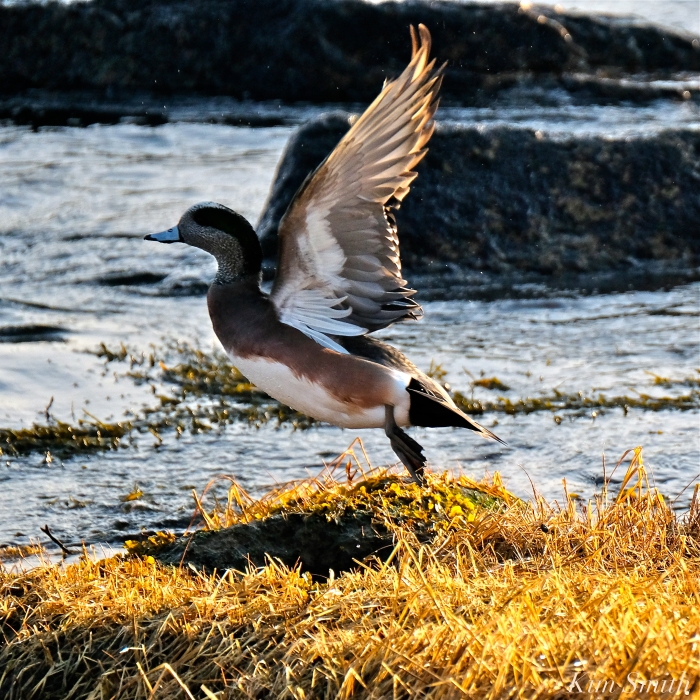

For the past week or so, a duo of male American Wigeons has been spotted foraging along the coastline. They dip and dabble, close to the shore, and are eating sea lettuce and seaweed.
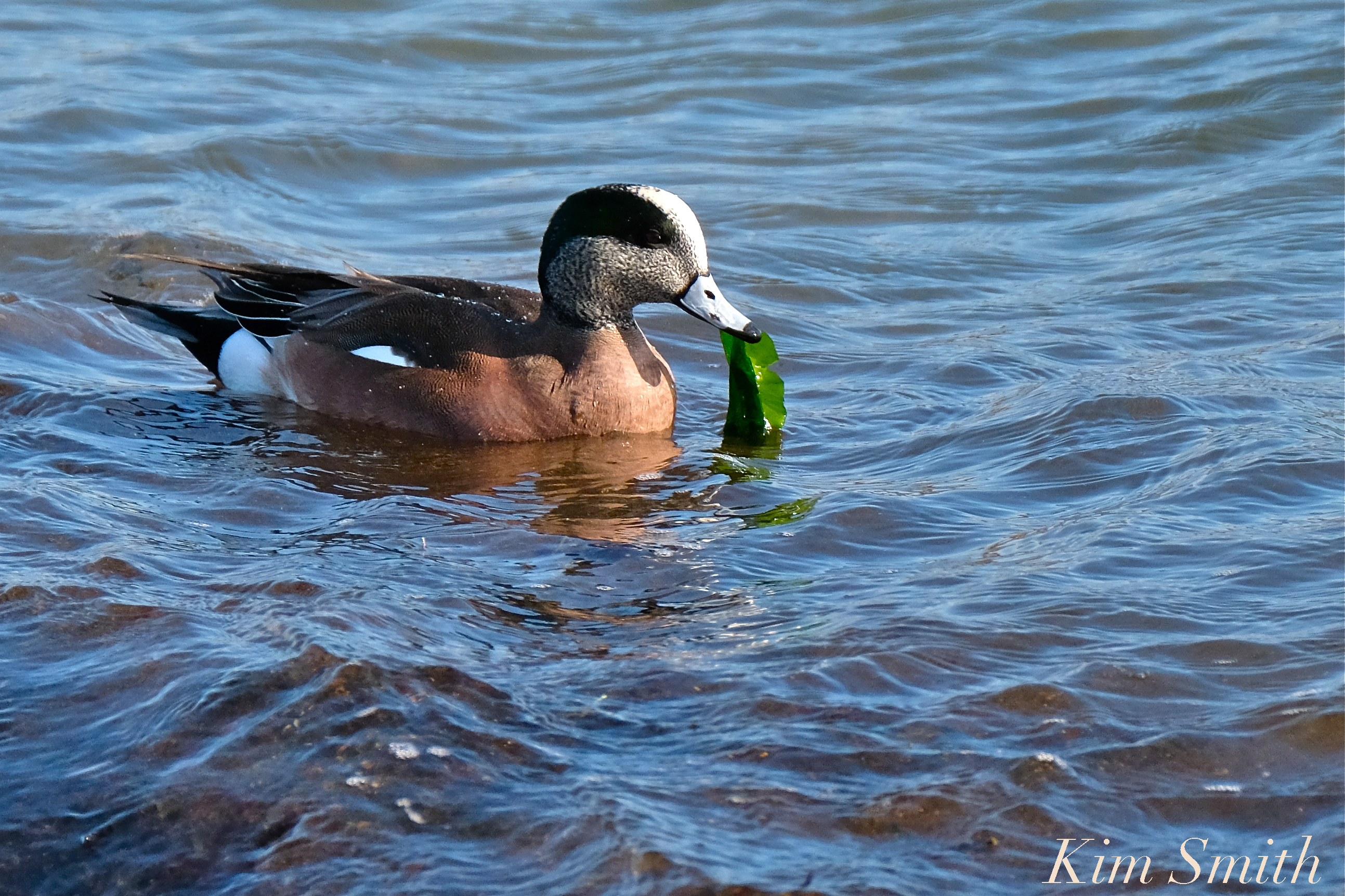
American Wigeon male eating sea lettuce
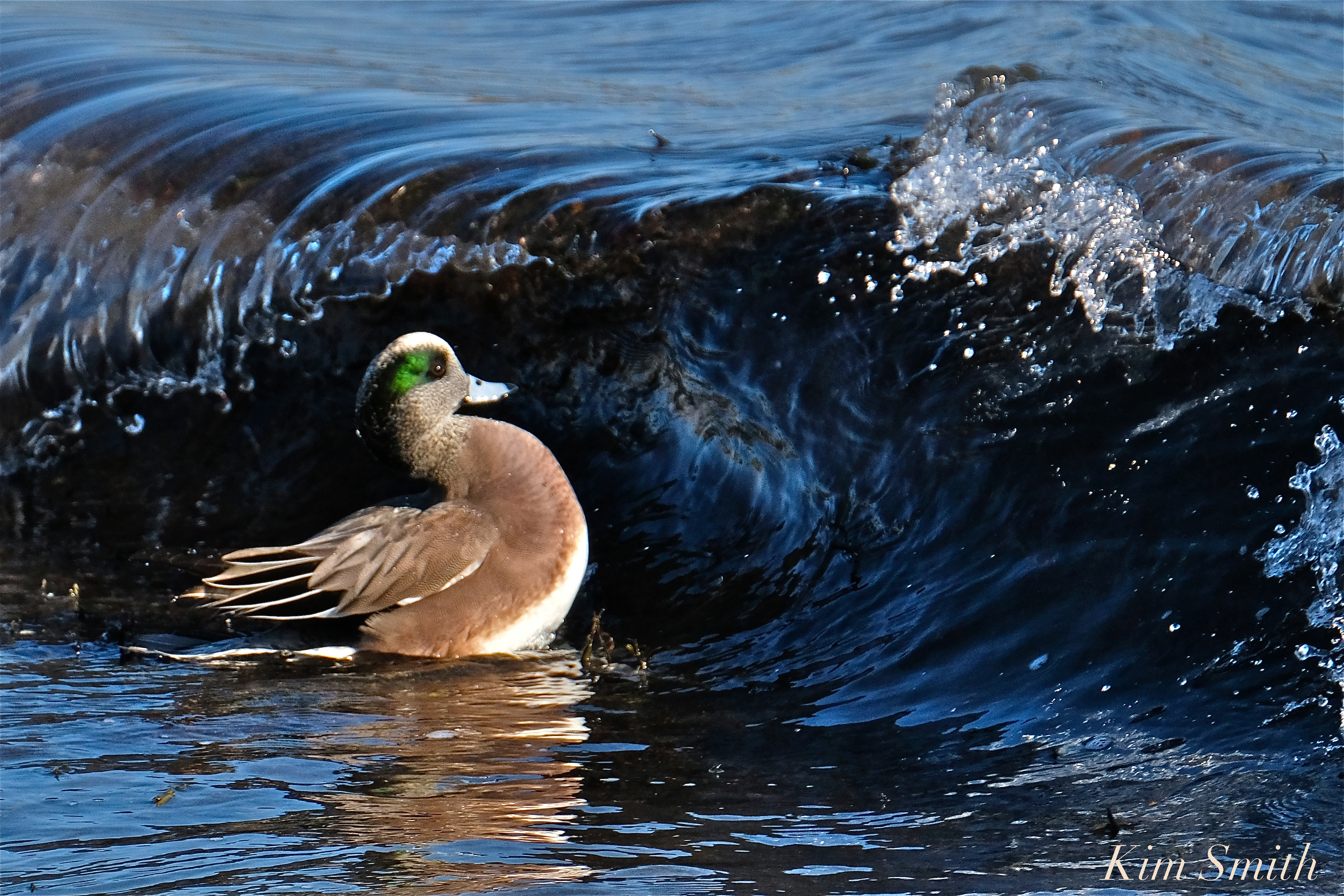
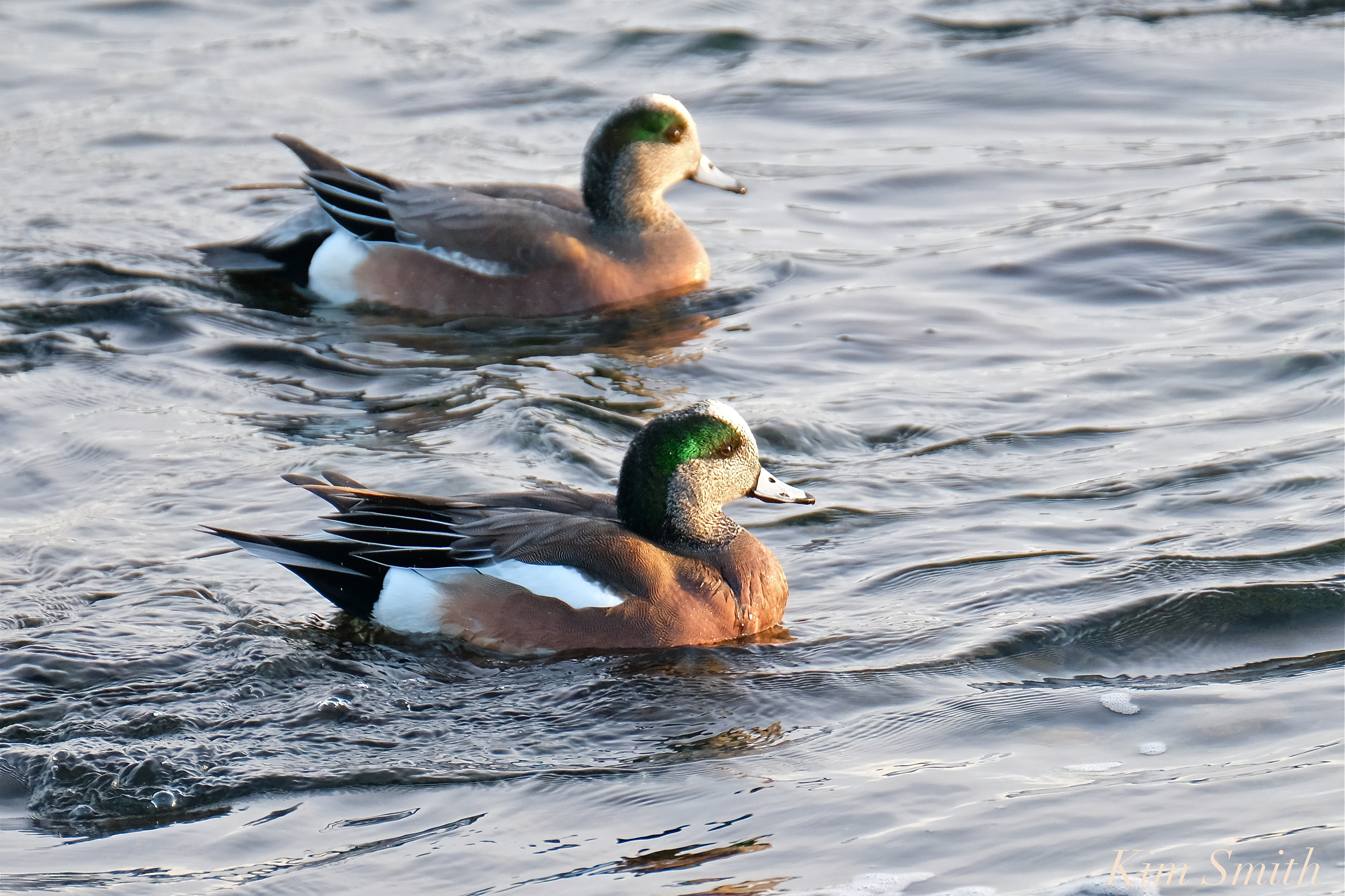
Smaller than a Mallard but larger than a Bufflehead, the punky male flashes a brilliant green swath across the eye and has a beautiful baby blue bill. The males were are also colloquially called “Baldplate” because the white patch atop his head resembles a bald man’s head.
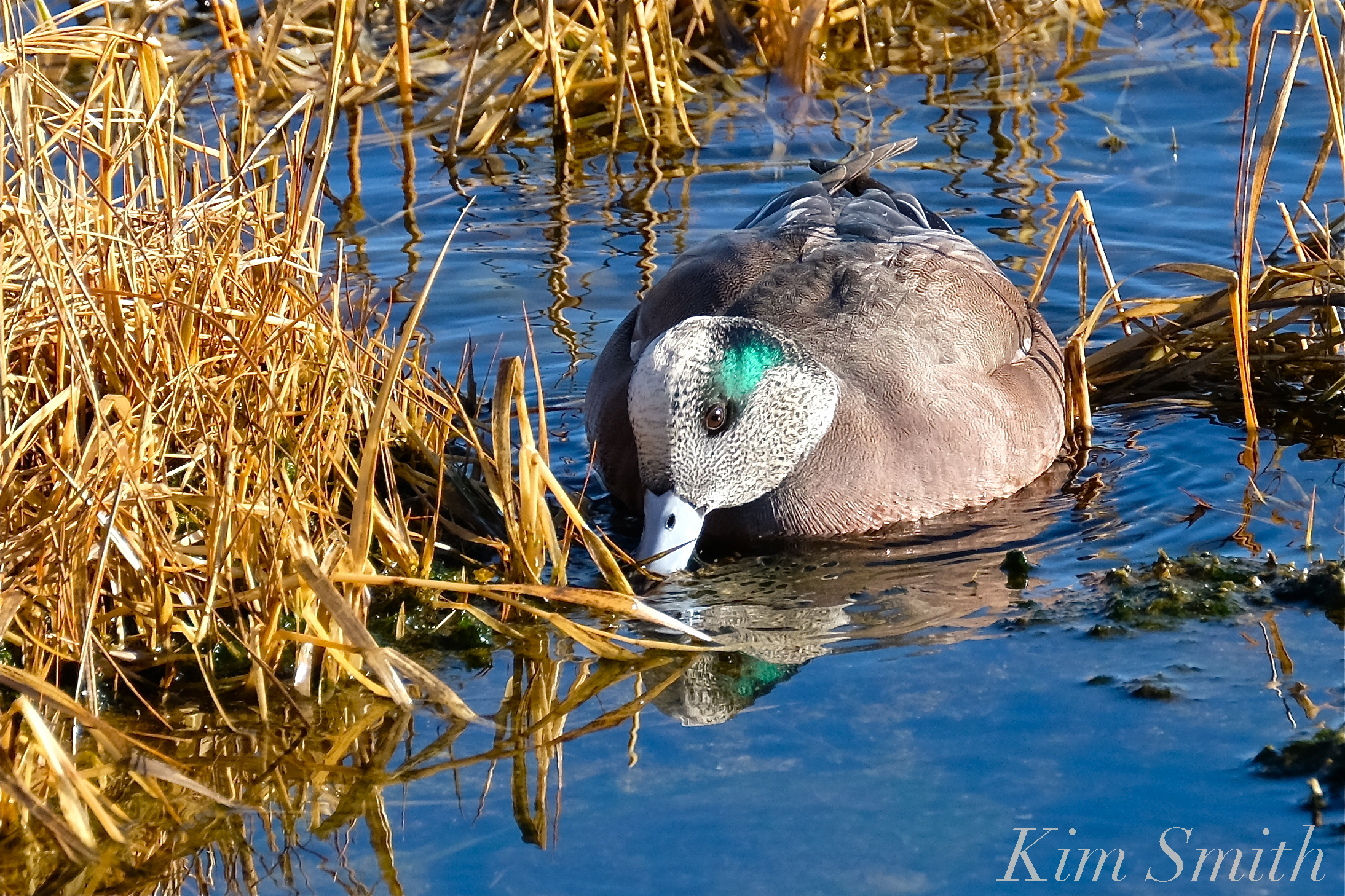
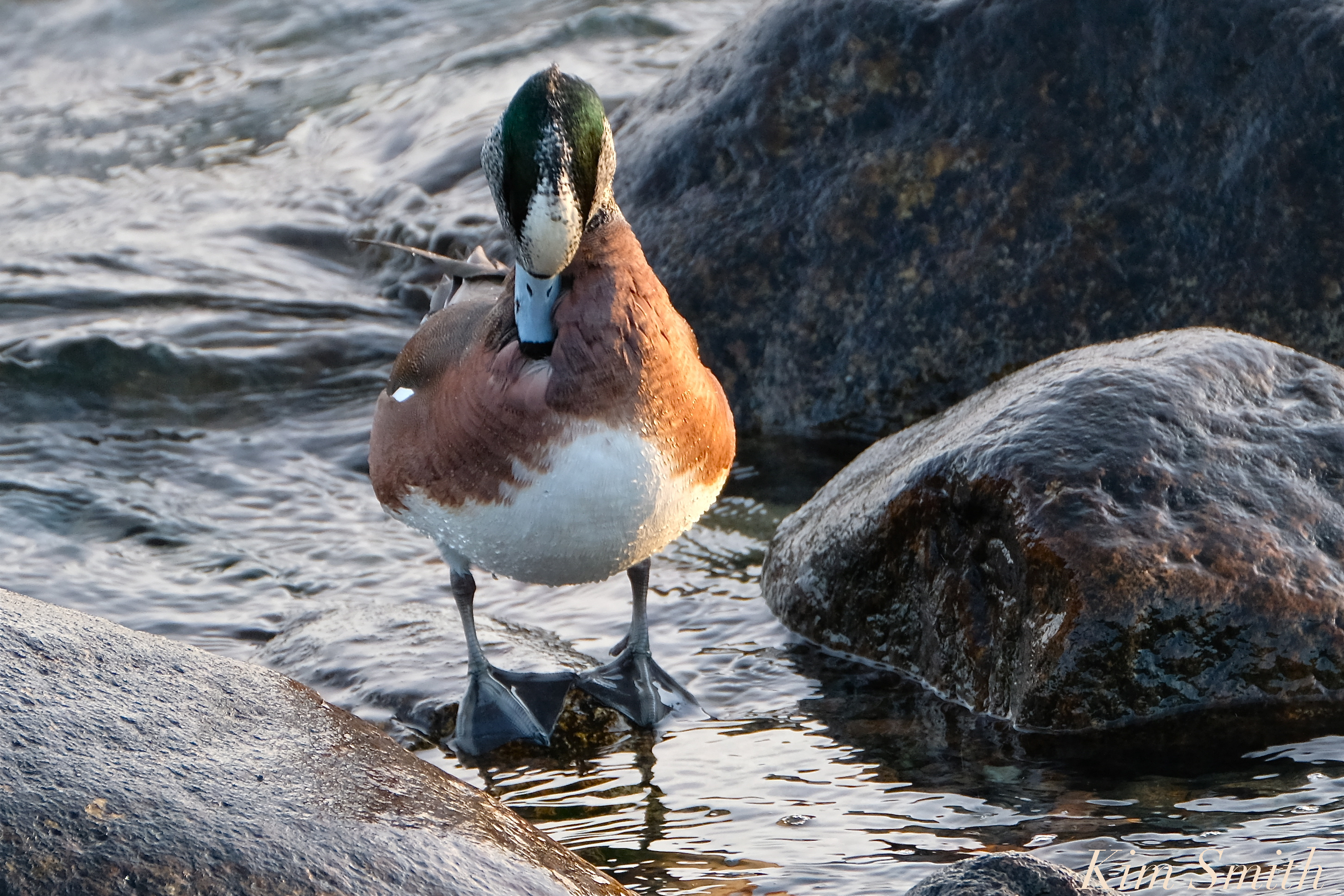


Oiling their feathers (called preening) and constantly aligning the feathers keeps the ducks both afloat and aloft.


Notice how the water forms beads on the duck’s breast, a sure sign the feathers are well-oiled. Ducks have a gland at the base of their tail called the uropygial gland (you can also say preen gland or oil gland). The preen oil creates a protective barrier that prevents the feathers from becoming waterlogged.
I like to think of the American Wigeon as both spunky and punky. Spunky because of the way they bounce back after diving in rough surf. Punky because of their occasionally holligan-like behavior.
Last year when first encountering American Wigeons I didn’t understand why the Mallards were so aggressive towards the Wigeons, snapping and nipping at the pair whenever they got too close to the Mallard’s meal. Now I see why. American Wigeons often feed alongside other ducks, especially diving ducks such as Coots. The Wigeons opportunistically snatch away the aquatic vegetation the divers pull up although, our two travelers were quite amicable and while feeding together, not in the least hoodlumish toward each other.


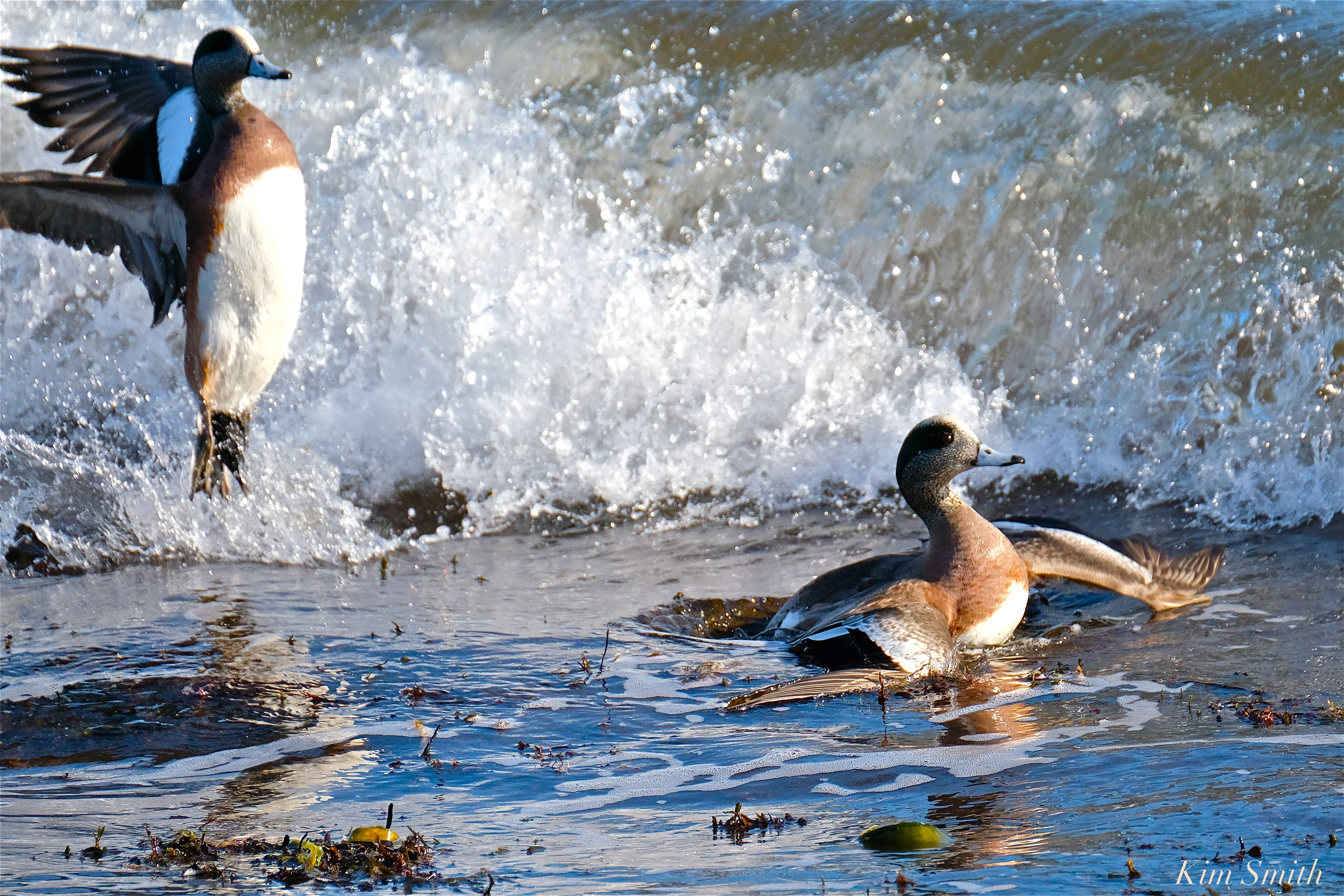
Watching the ducks tumbling around in the rough surf while casting about for food is a site I won’t soon forget. It was beautiful to see the Wigeon’s surf dance but also a window into their daily struggle for survival. I marveled at the ducks’ resilience. Roughly a third of migrating birds that winter each year in the mainland of the United States do not survive the journey.
The pair has not been since that morning foraging in the choppy waves. Perhaps they took a cue, of winter weather yet to come.

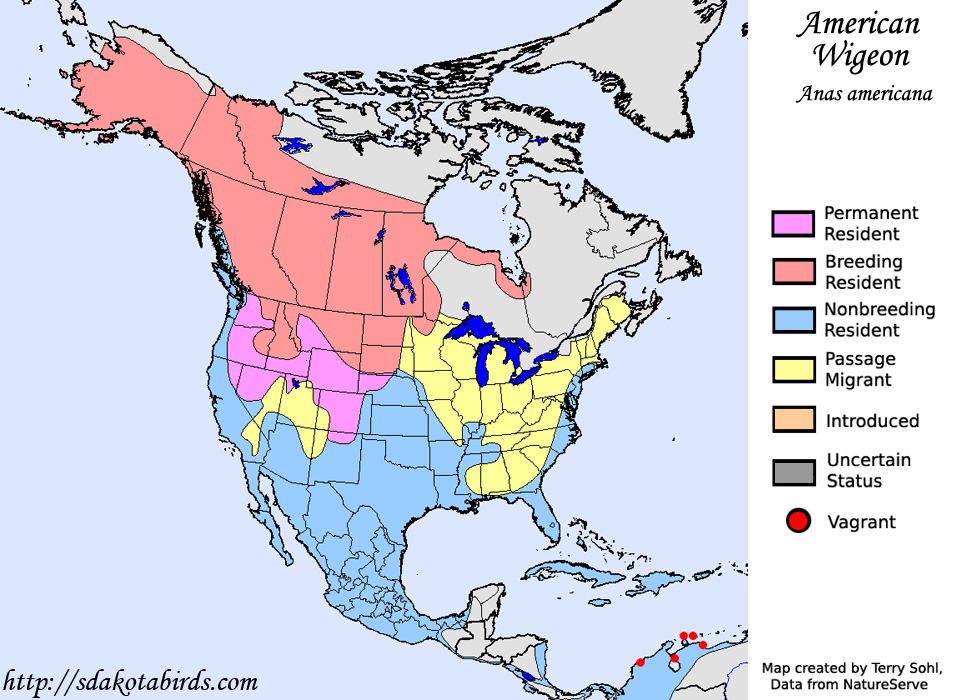
For many weeks during the late winter and early spring of 2017, a male and female American Wigeon made Rockport their home, and now we have had these two feisty boys. I wonder if the Wigeon’s winter range is expanding northward or if we are merely a stopover on their southward migration. Most of the migration occurs further west and south so I think we are pretty fortunate to have this dynamic duo visiting our shores.



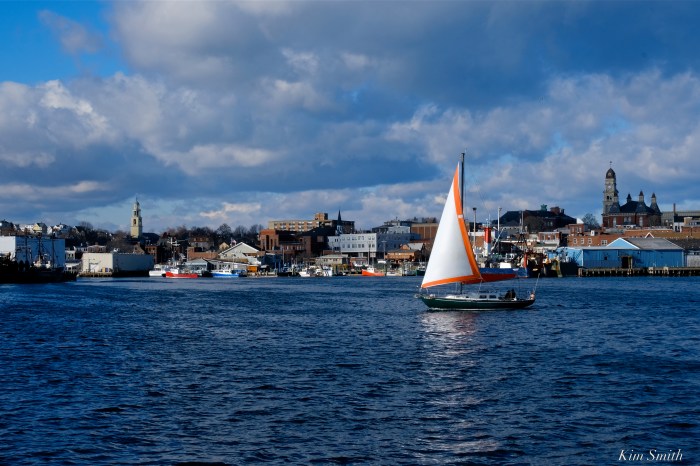
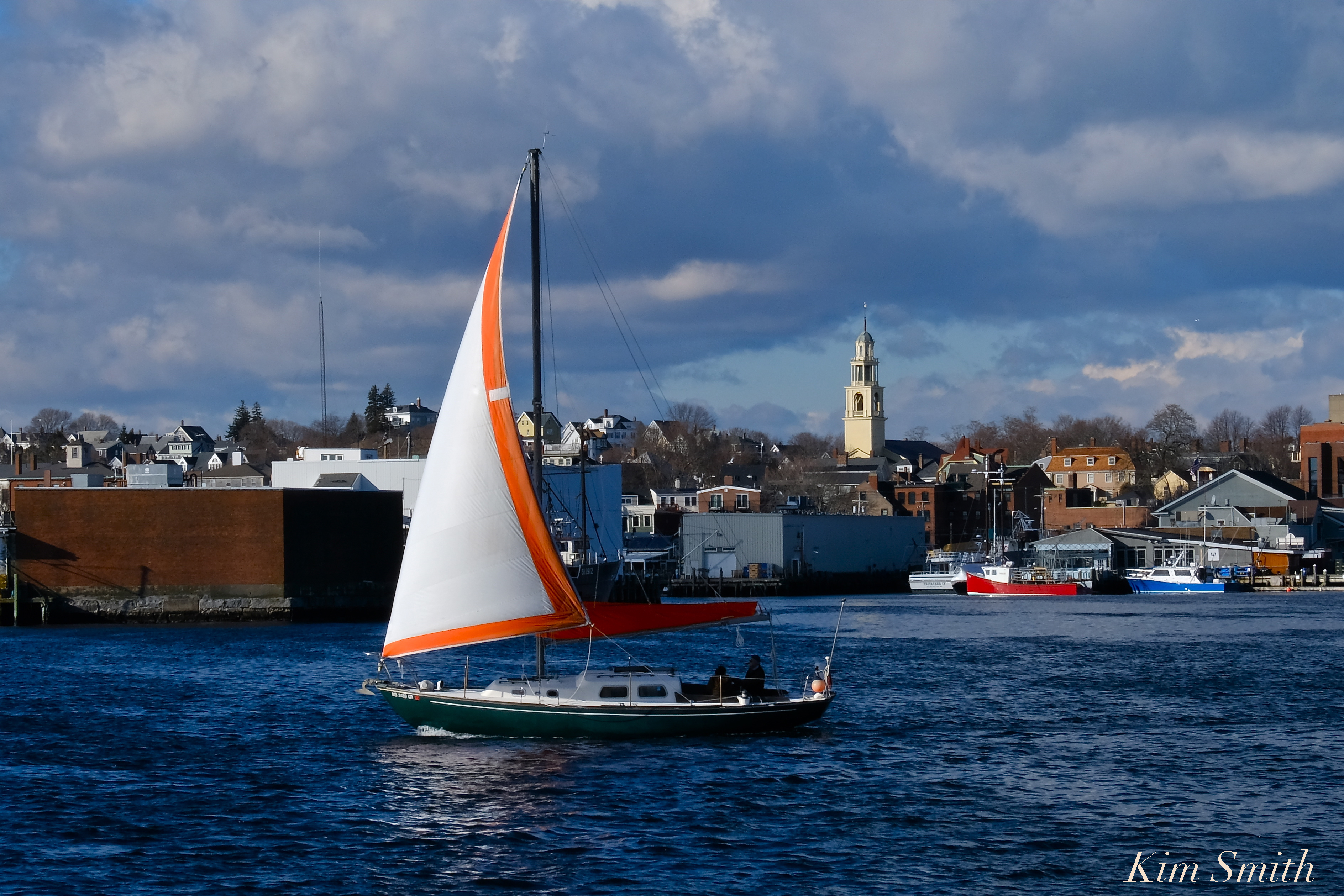
The winter’s afternoon blue, blue sky, blustery clouds, and orange-trimmed sail made for a picture perfect scene as the boat made its way through the Harbor.


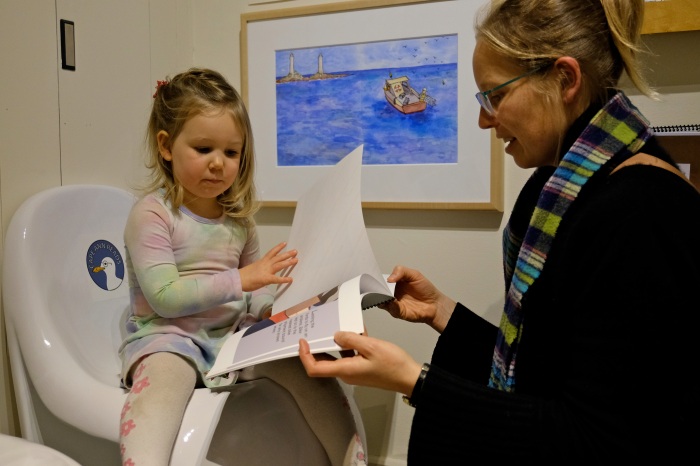
The opening celebration for the beautiful new exhibit at the Cape Ann Museum, “Once Upon a Contest: Selections from Cape Ann Reads,” was fabulously well-received and well-attended. Artists, writers, Mayor Sefatia, Cape Ann Museum director Rhonda Falloon and staff, Cape Ann librarians, friends, families, and well-wishers were all there to join the celebration.


 The exhibit highlights local writers and artists of children’s picture books from the Cape Ann Reads initiative. Cape Ann Reads, hosted by the area’s four public libraries (Sawyer Free, Rockport, Manchester, and Essex), was created to encourage literacy in young people through community and creative collaborations.
“ONCE UPON A CONTEST” RUNS FROM DECEMBER 20TH THROUGH FEBRUARY 24TH
Author/illustrators included in the exhibition:
Leslie Galacar, Martha Shaw Geraghty, Marion Hall, Steven Kennedy, Charles King, George King, Michael LaPenna, James McKenna, Barbara McLaughlin, Alexia Parker, Victoria Petway, Jim Plunkett, Diane Polley, Mary Rhinelander, James Seavey, Gail Seavey, Kim Smith, Christina Ean Spangler, Bonnie L. Sylvester, Juni VanDyke, Maura Wadlinger, Betty Allenbrook Wiberg, Kirsten Allenbrook Wiberg, Jean Woodbury and Claire Wyzenbeek
Exhibit Curated and directed by Catherine Ryan, with support from the Bruce J. Anderson Foundation.
Deborah Kelsey, director of Gloucester’s Sawyer Free Library
Cindy Grove, director of the Rockport Public Library
Sara Collins, director of Manchester’s Public Library
Deborah French, director of Essex’s TOHP Burnham Public Library
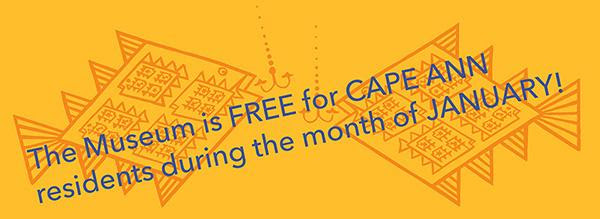
THE CAPE ANN MUSEUM IS FREE TO CAPE ANN RESIDENTS DURING THE ENTIRE MONTH OF JANUARY!

Mark your calendars for Cape Ann Art Haven’s Big Buoy Party!


Our Catherine Ryan has curated and designed a wonderfully fun and beautiful exhibit, “Once Upon a Contest: Selections from Cape Ann Reads,” currently on view at the Cape Ann Museum. The exhibit highlights local writers and artists of children’s picture books from the Cape Ann Reads initiative. Cape Ann Reads, hosted by the area’s four public libraries (Sawyer Free, Rockport, Manchester, and Essex), was created to encourage literacy in young people through community and creative collaborations.
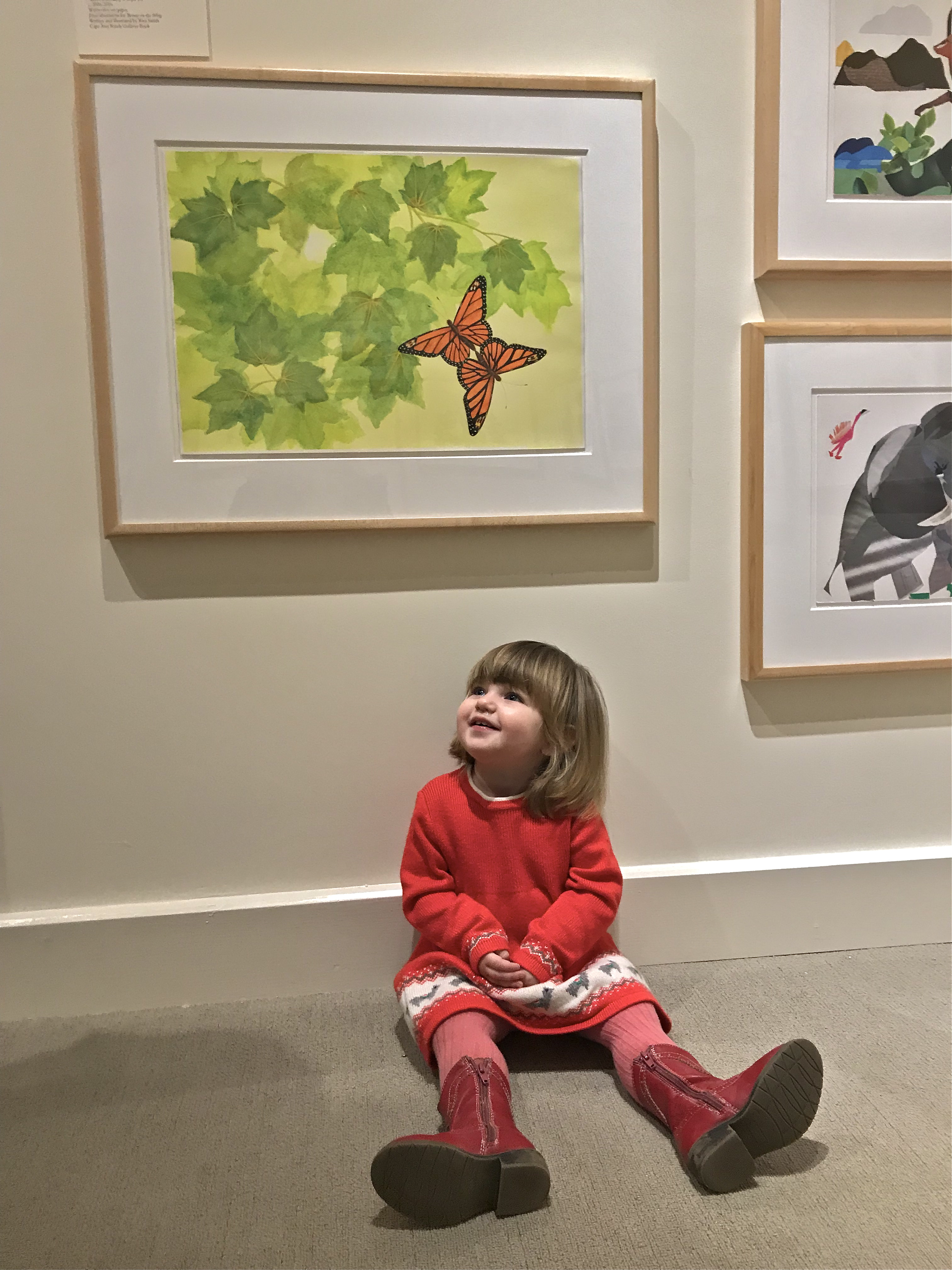
The exhibit is thoughtfully designed for little folks. The paintings are hung at just the right height for pint-sized readers and soon-to-be readers. Mock-ups of the books are placed on shelves within easy reach and petite chairs for little ones make for a cozy storytime feeling.
I took Charlotte to the Museum on Friday and she had a fantastic experience. We’re planning to return again this Friday!


Thank you to Charlotte and her Mom and Dad for the photos! The watercolor illustration Charlotte is sitting in front of is from my book, “Beauty on the Wing: Life Story of the Monarch Butterfly,” which was the original inspiration for the documentary film of the same name. The illustration shows a pair of Monarchs ascending into a maple tree, as they are mating.
Author/illustrators included in the exhibition:
Leslie Galacar, Martha Shaw Geraghty, Marion Hall, Steven Kennedy, Charles King, George King, Michael LaPenna, James McKenna, Barbara McLaughlin, Alexia Parker, Victoria Petway, Jim Plunkett, Diane Polley, Mary Rhinelander, James Seavey, Gail Seavey, Kim Smith, Christina Ean Spangler, Bonnie L. Sylvester, Juni VanDyke, Maura Wadlinger, Betty Allenbrook Wiberg, Kirsten Allenbrook Wiberg, Jean Woodbury and Claire Wyzenbeek
Exhibit Curated and Directed by Catherine Ryan, with support from the Bruce J. Anderson Foundation.
Deborah Kelsey, director of Gloucester’s Sawyer Free Library
Cindy Grove, director of the Rockport Public Library
Sara Collins, director of Manchester’s Public Library
Deborah French, director of Essex’s TOHP Burnham Public Library

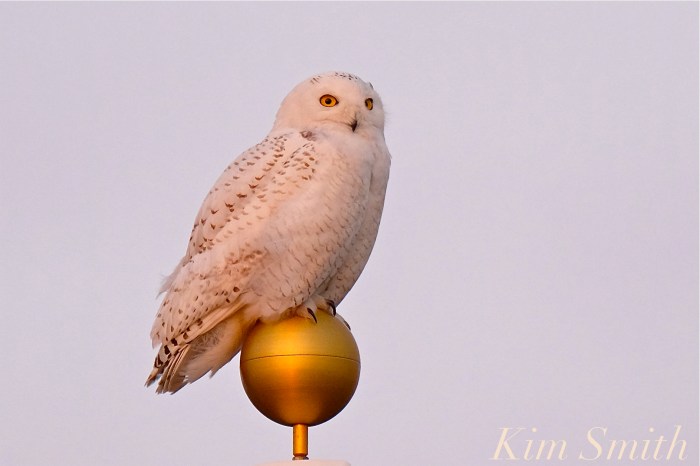
Chance encounter, of the majestic Snowy Owl kind-


Snowy Owl perching in a pine tree after sunset.
I wasn’t expecting to see a Snowy Owl overhead in a pine tree, although its not entirely uncommon. Because Snowy Owlets hatch in the summertime in the treeless Arctic tundra, they may never even see a tree until they migrate southward.
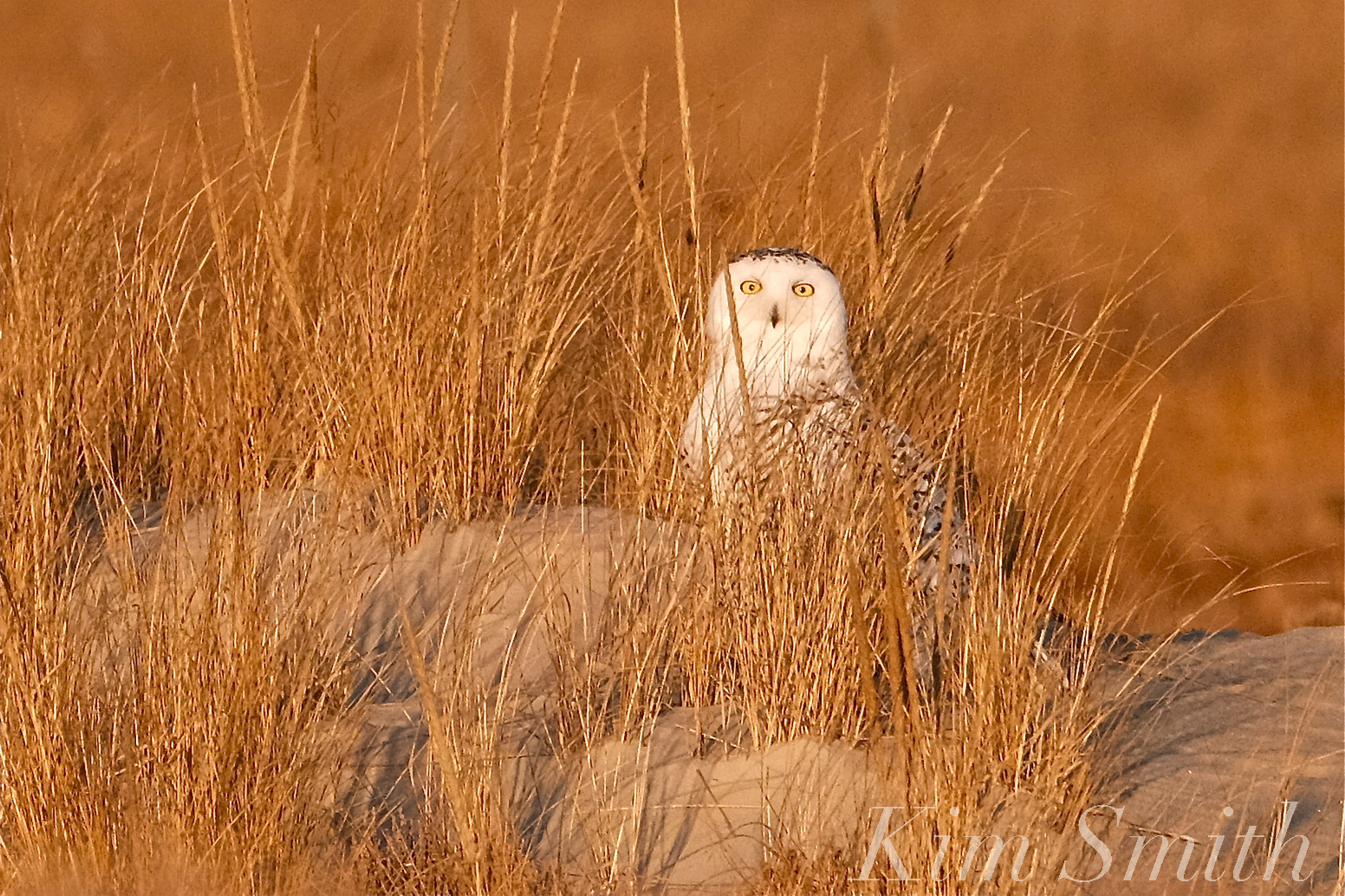
Generally, Snowies prefer wide open spaces such as dunes, sandy beaches, fields, and airports, because this habitat looks most similar to the tundra.
For the same reason (their home territory is above the Arctic Circle), Snowy Owls hunt during the day in their summer range. Their eyes have evolved to hunt in the continuous daylight of the far north. When migrating to the lower 48 states, Snowies adapt to the shifting light. Unlike other species of owls, the Snowy Owl hunts during the day (this behavior is called diurnal), and the night (nocturnal), and at twilight (crepuscular).
From observing Snowy Owls in our region, they mostly feed very early in the morning, before daybreak, rest during the day in dunes and fields, then at day’s end, fly up and perch on an open rooftop or phone pole (less occasionally to treetops), to begin hunting again. The elevated perches provide better visibility for triangulating prey.
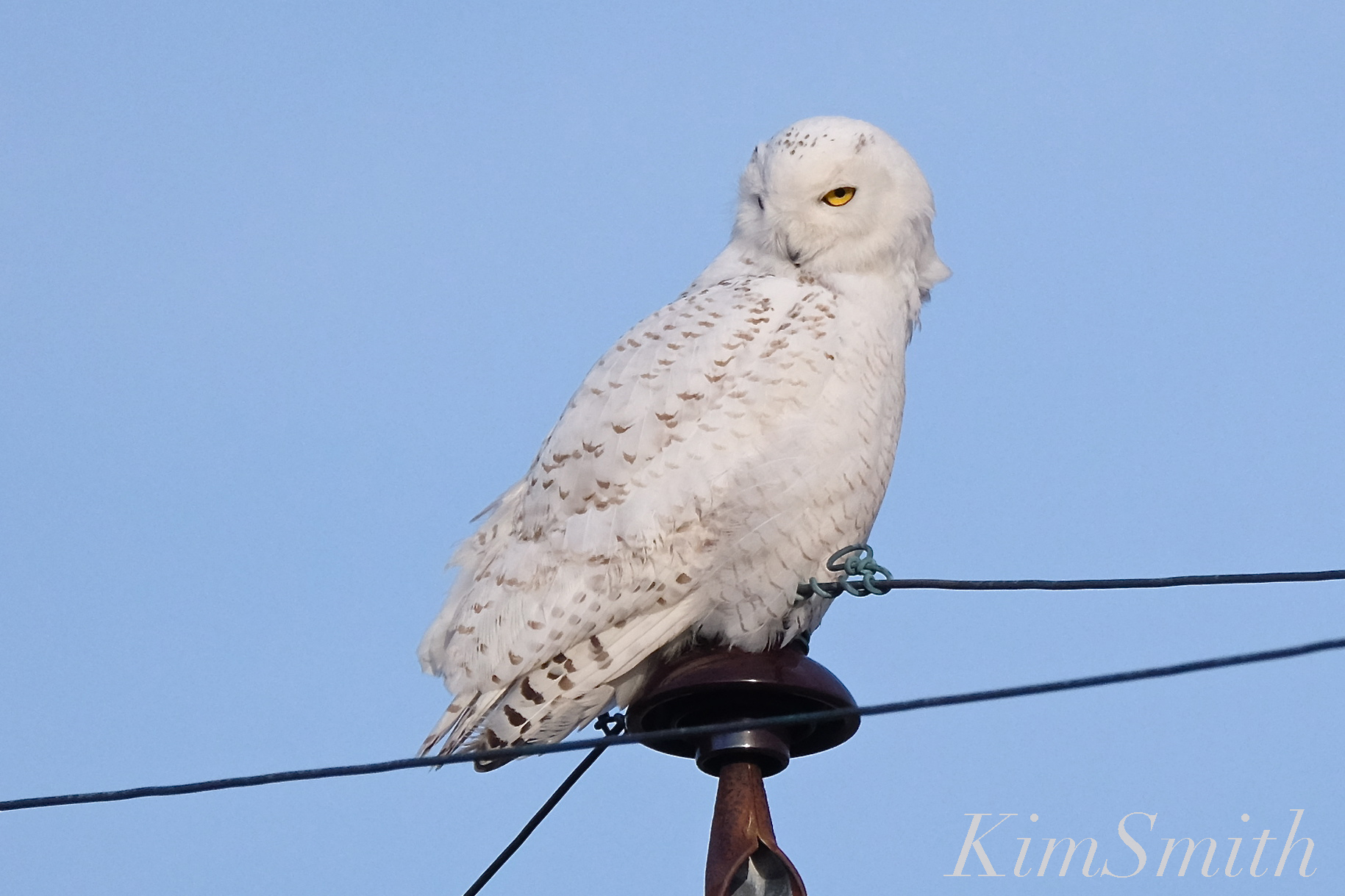 At day’s end, perching on a phone pole and scanning the neighborhood.
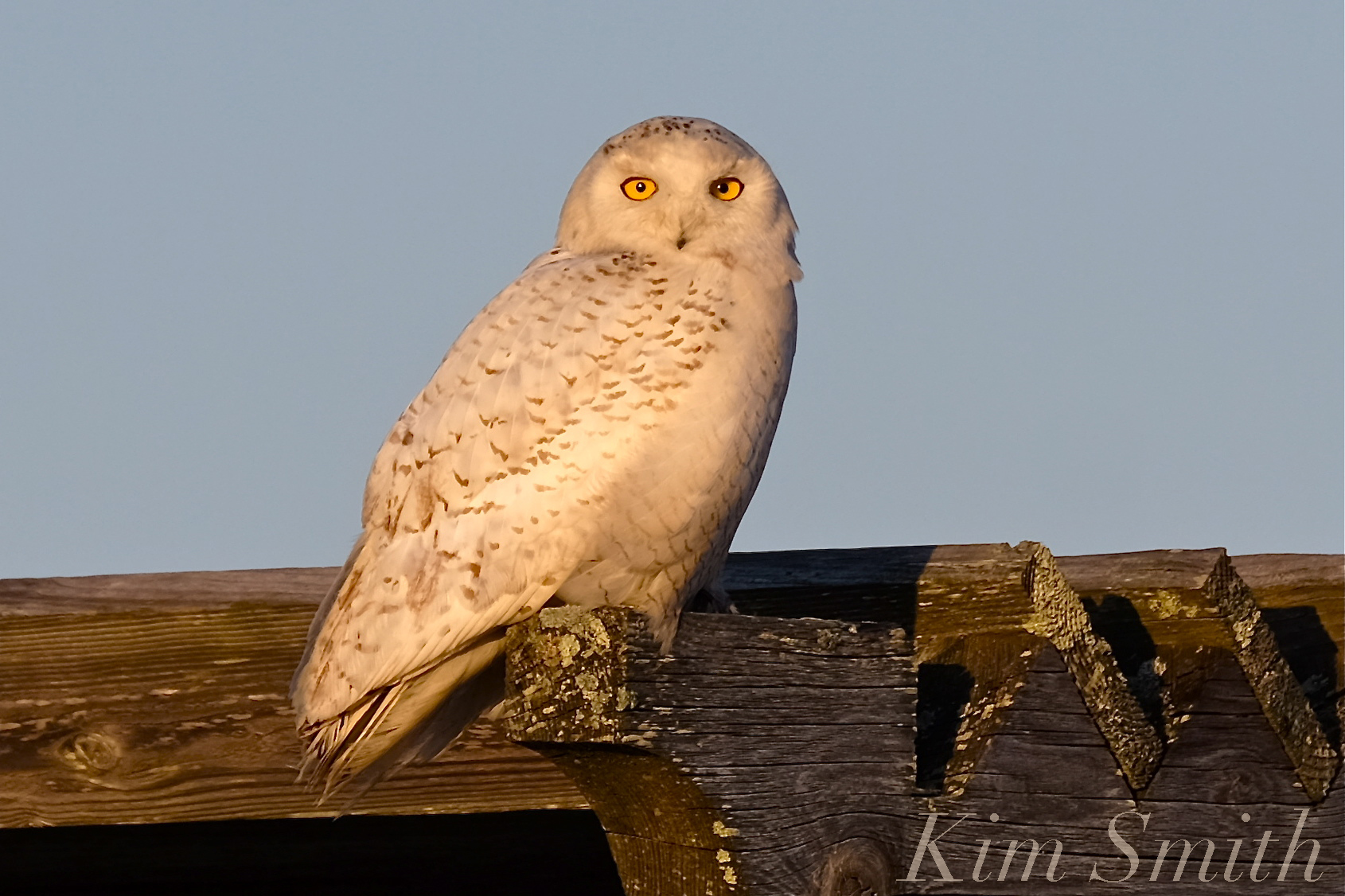 Beach structures make great perches.
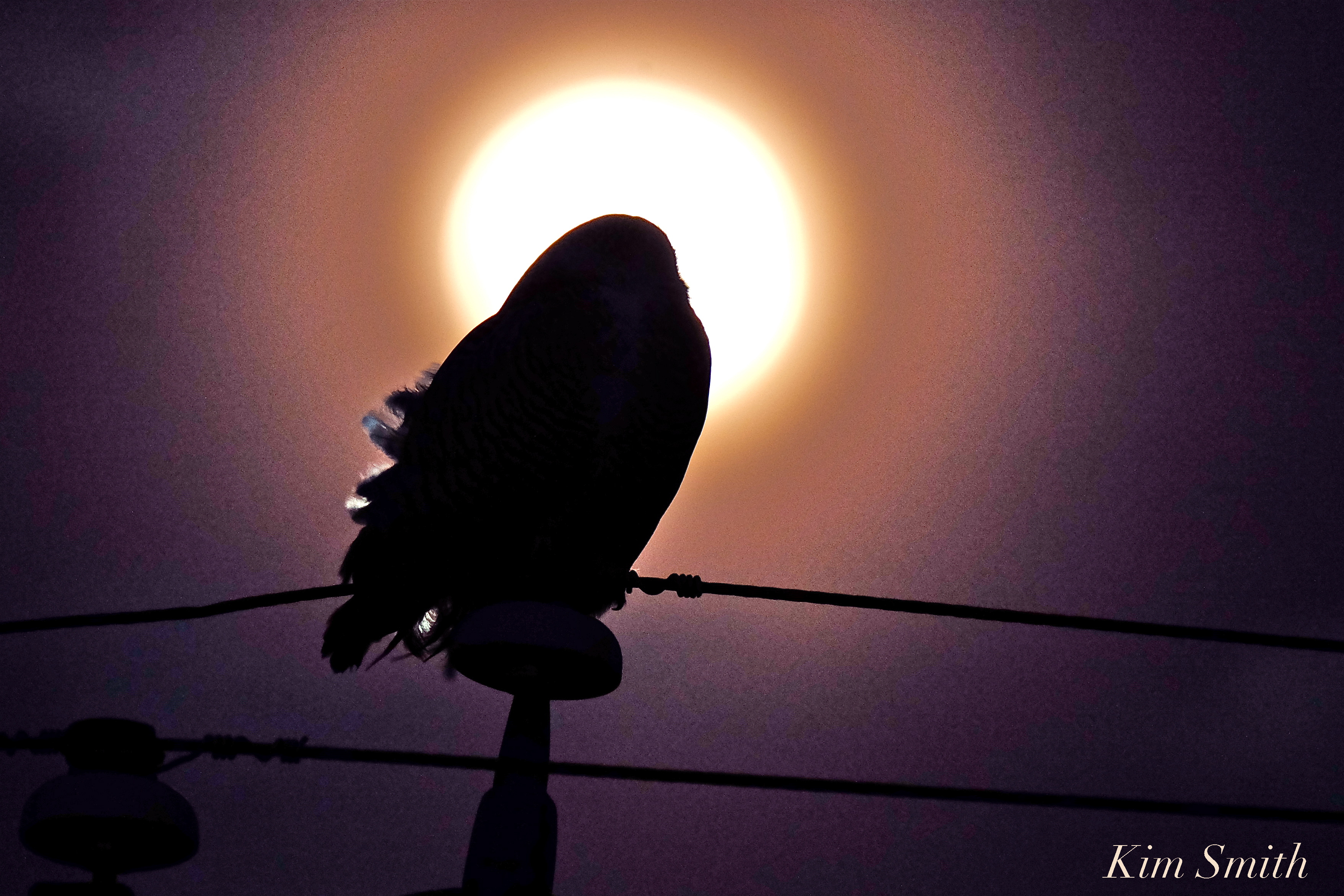 Hedwig in the moonlight, perched on a phone pole.
 Even a flag pole makes for a terrific hunting perch for a Snowy!

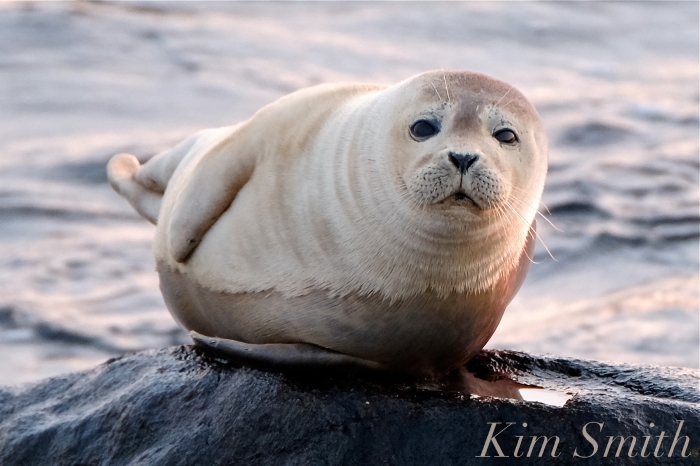
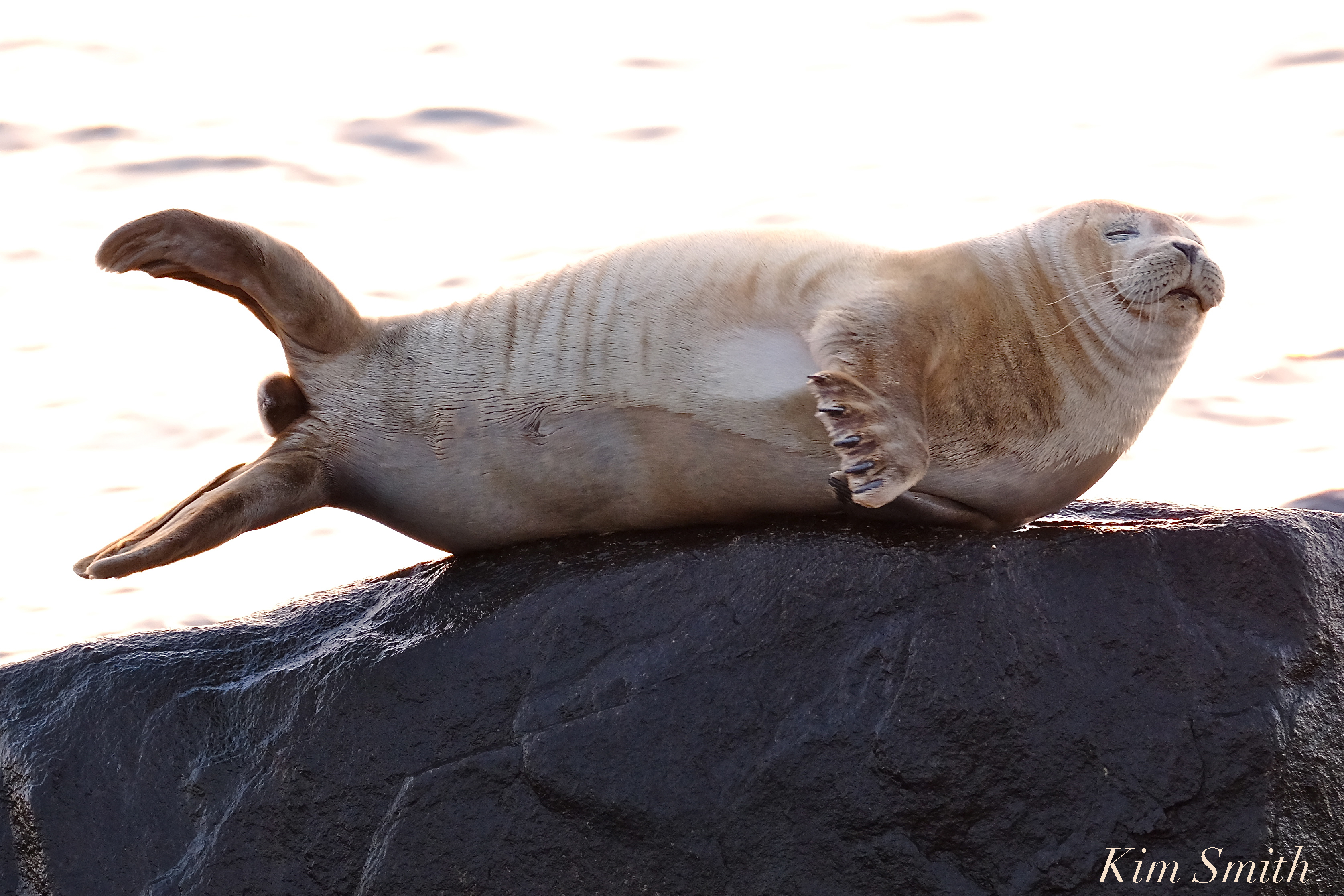
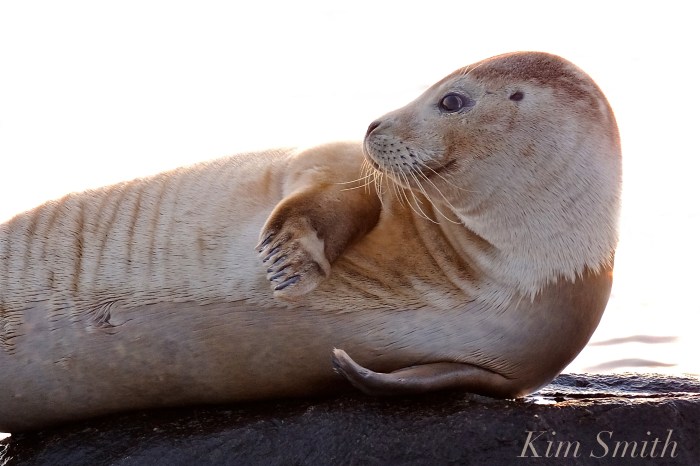
While photographing the beautiful young Harbor Seal at Brace Cove this week I noticed a large protuberance centered between the seal’s hind flippers. It’s soft fur looked buffy gold in the morning light and it was much easier to see the seal’s anatomical parts than when photographing a darker, more mature seal. I at first thought the prominent knob was its penis, but after googling, discovered, no, it was a tail! However, I can’t find any answers as to what use the tail is employed.
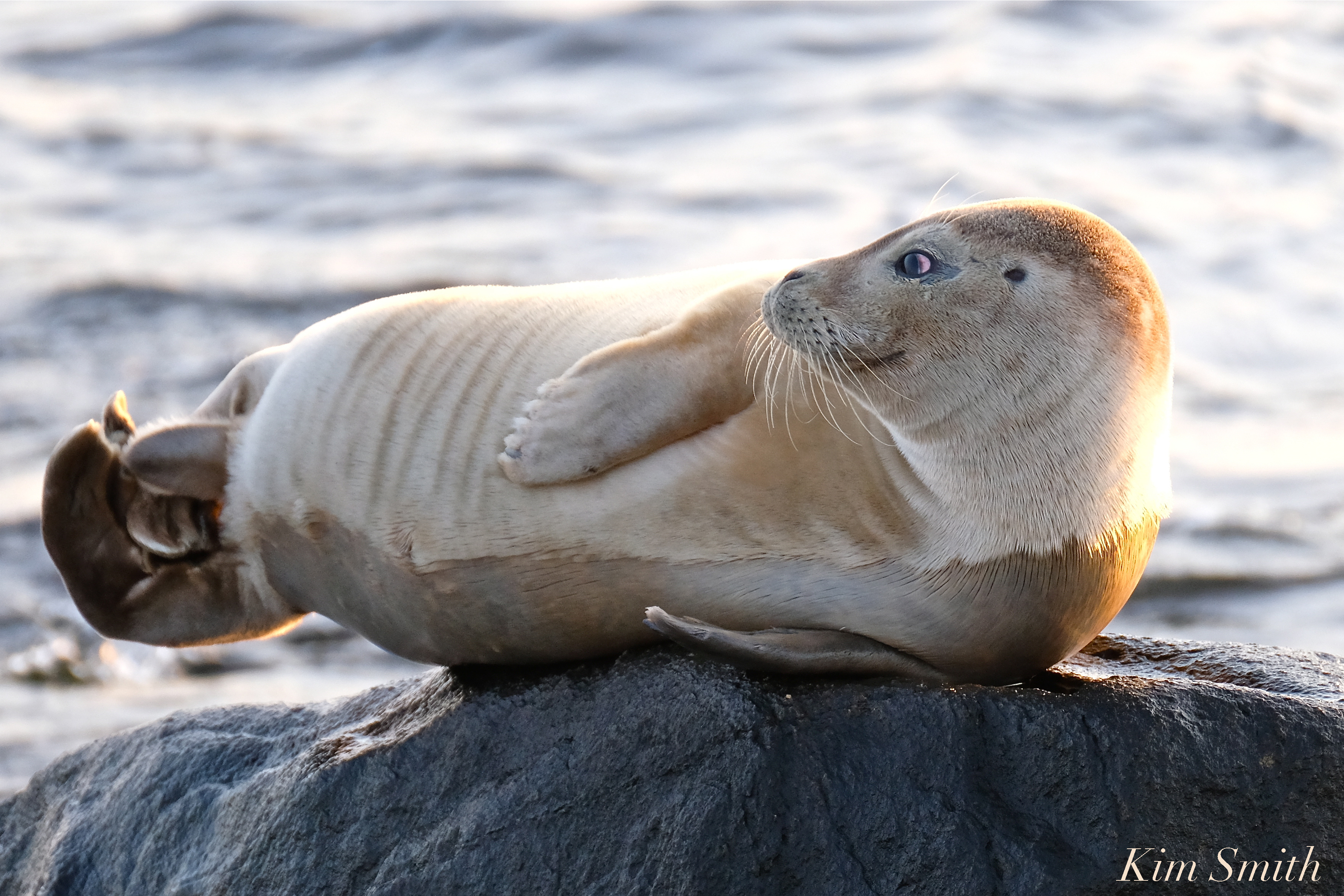
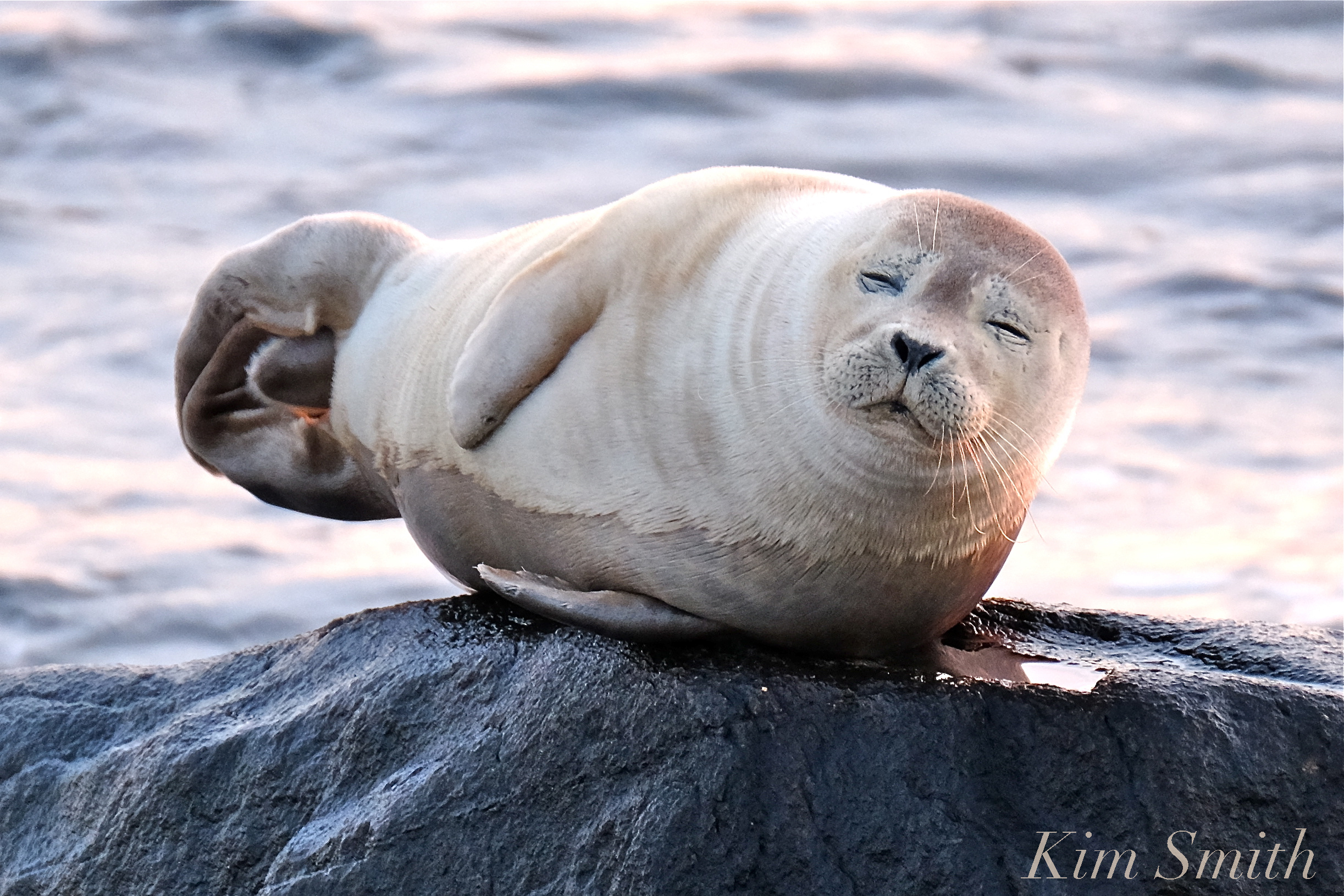
The bulging, rounded cone-shape between the seal’s hind flippers is a tail.
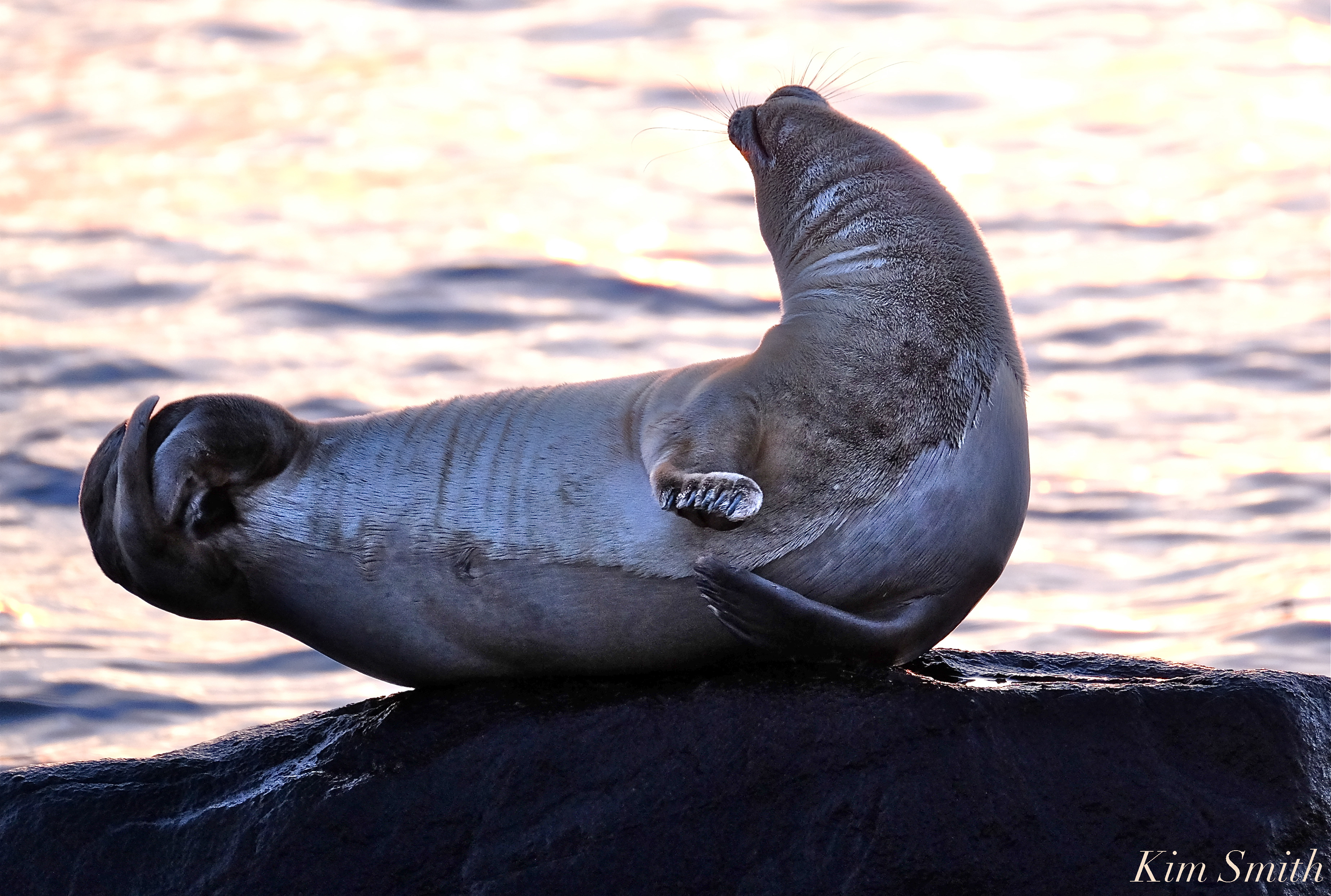
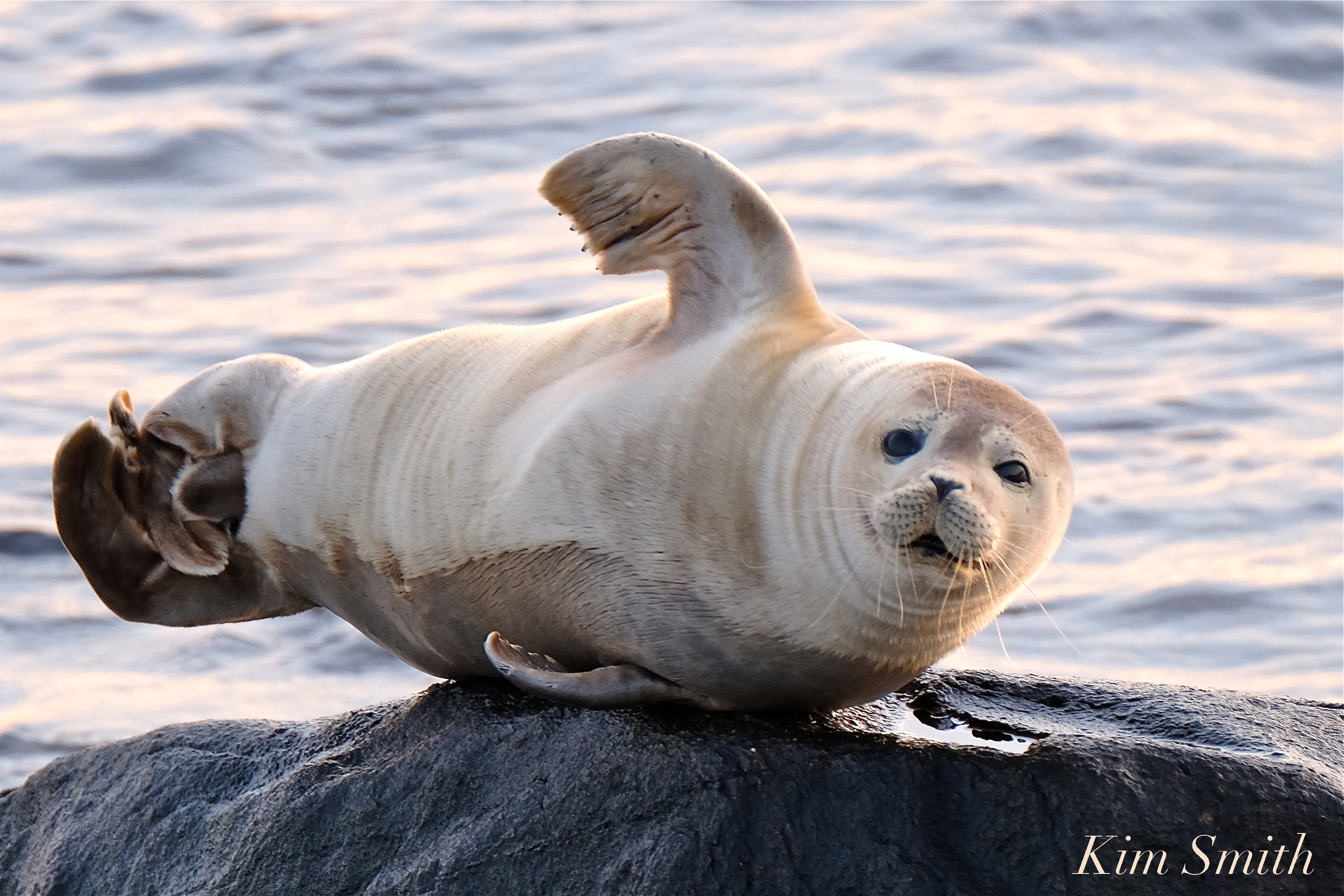
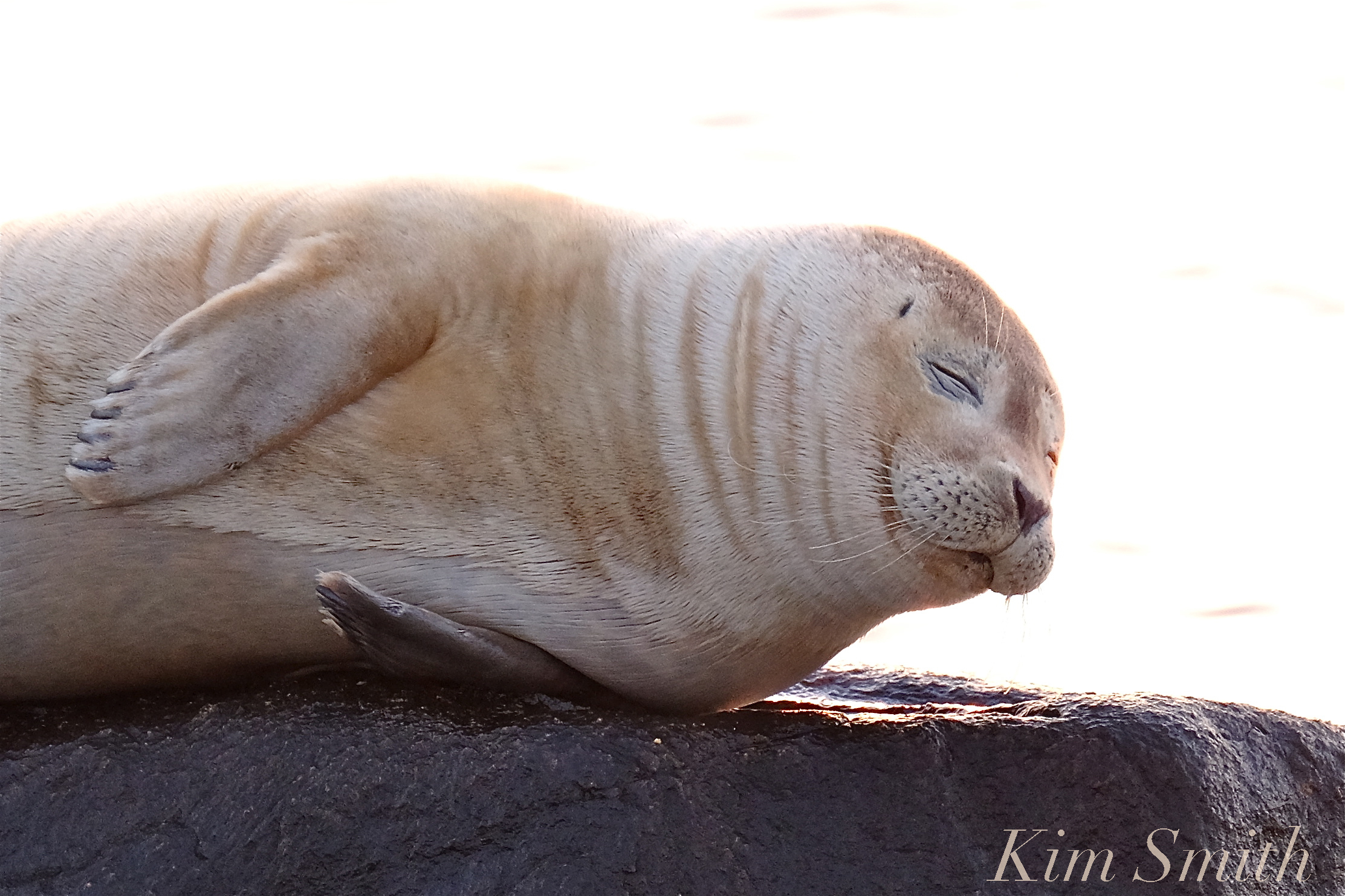
When Harbor Seals are on land their hind flippers are often closed together but this little guy was in a lolling mood. I watched him from my perch, where I was curled up on the rocks for some time, as he stretched, scratched, slept, and yawned.
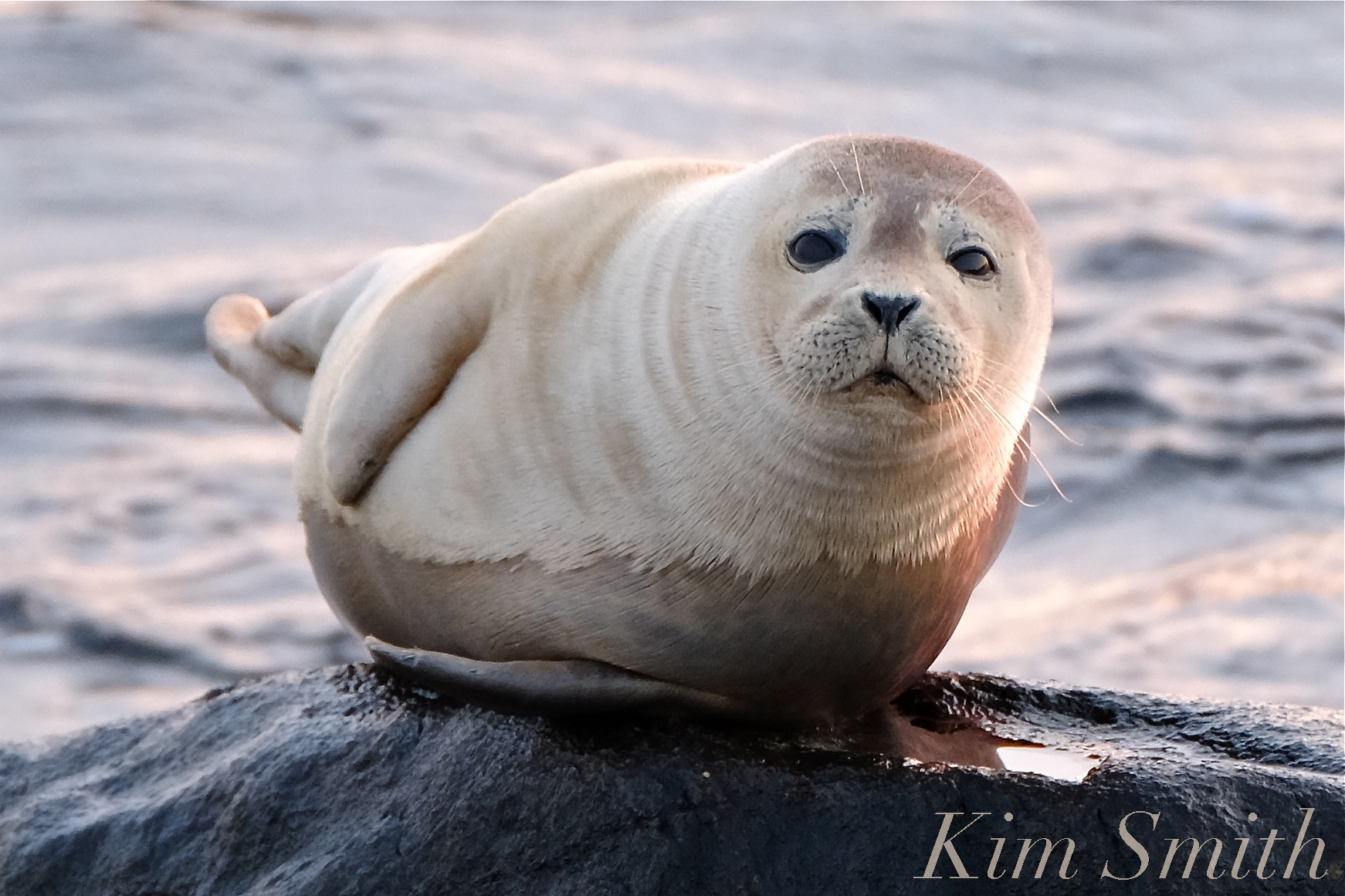
The Harbor Seal’s V-shaped, or as I like to think of it as heart-shaped, nose nostrils close when underwater.
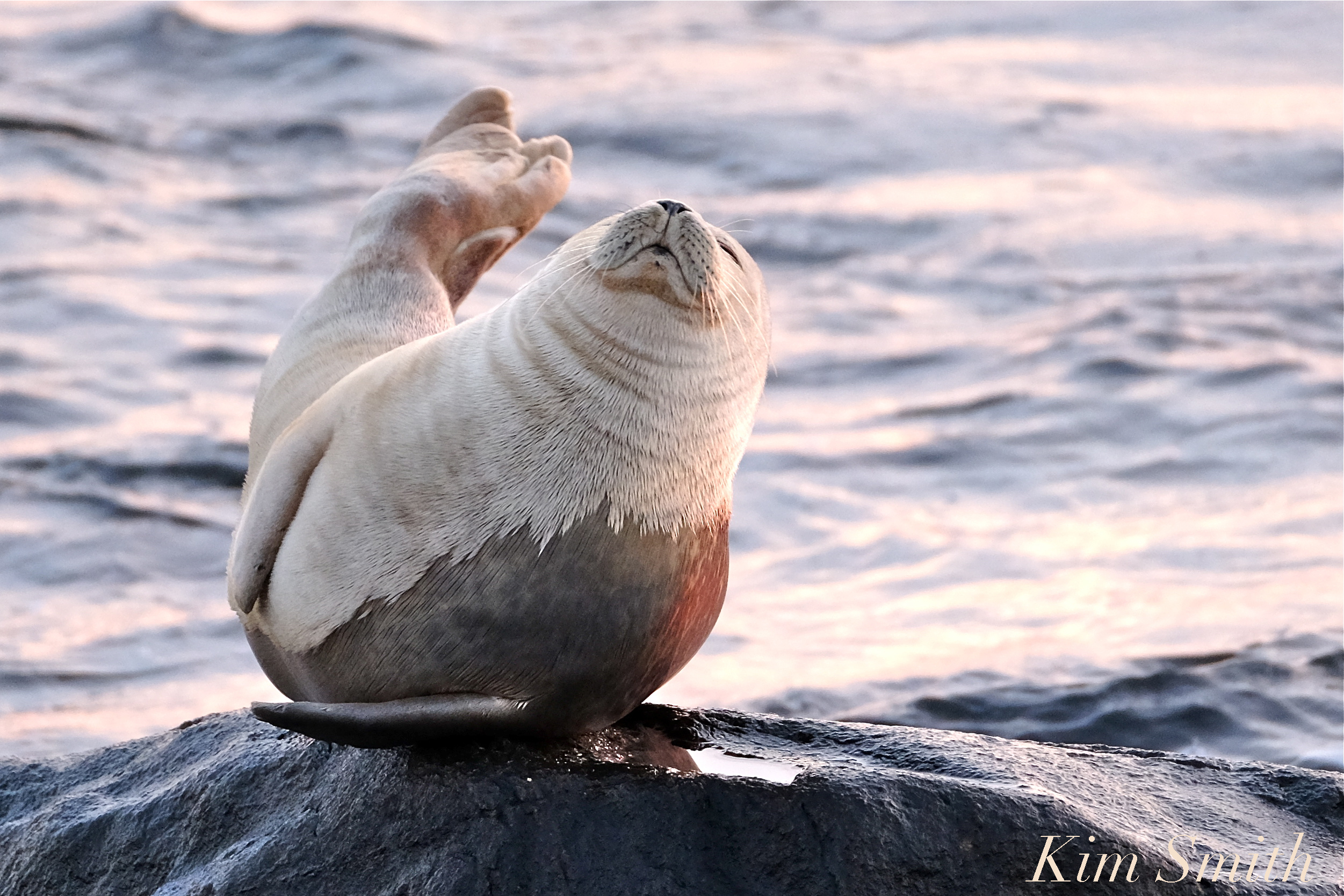
I think the seal is molting. Harbor Seals molt once a year and the fur of younger seals (up until about three years of age) is more uniform in color.
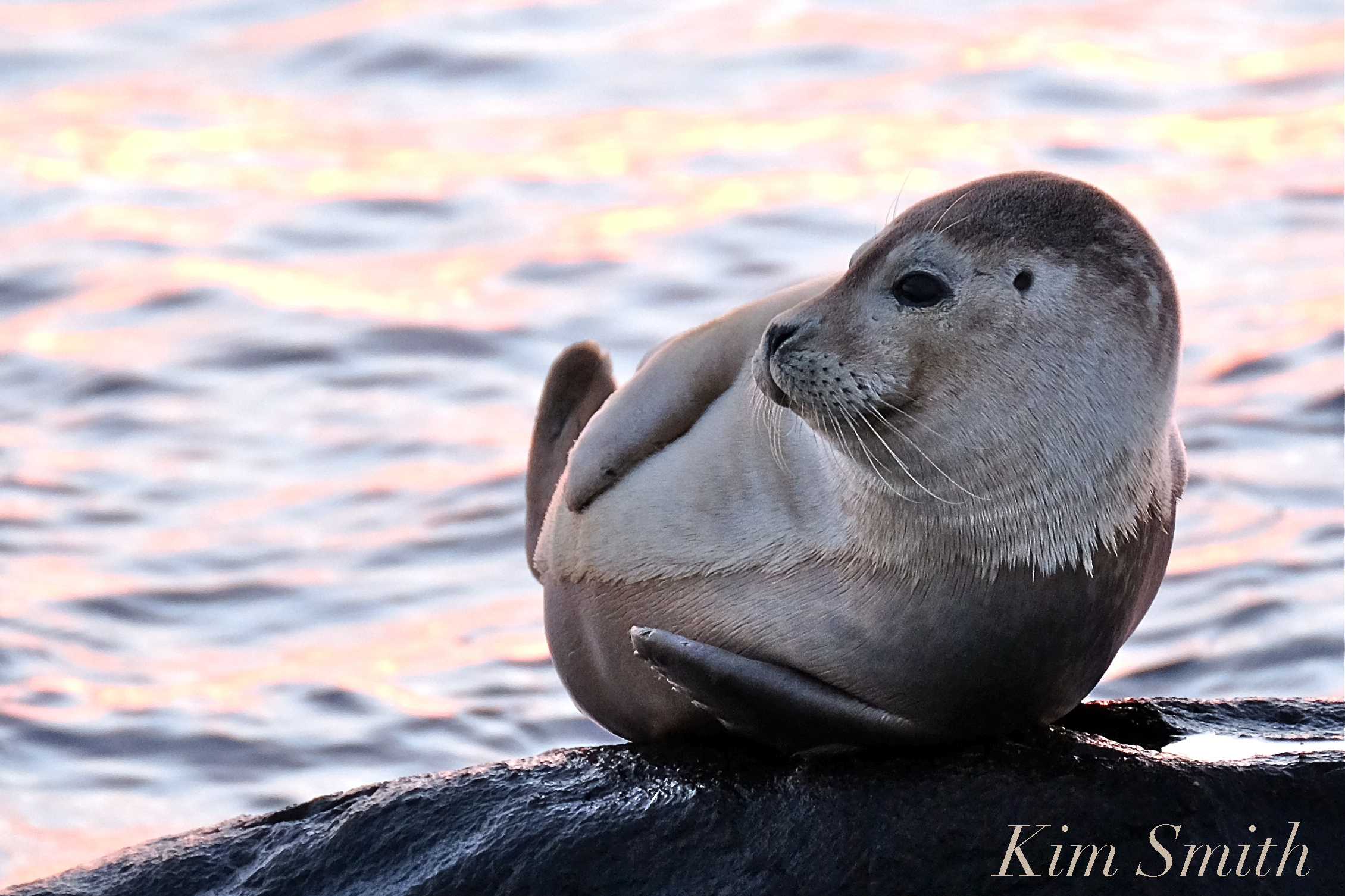
Harbor Seals, like all phocids, have ear holes, but no external ear flaps.
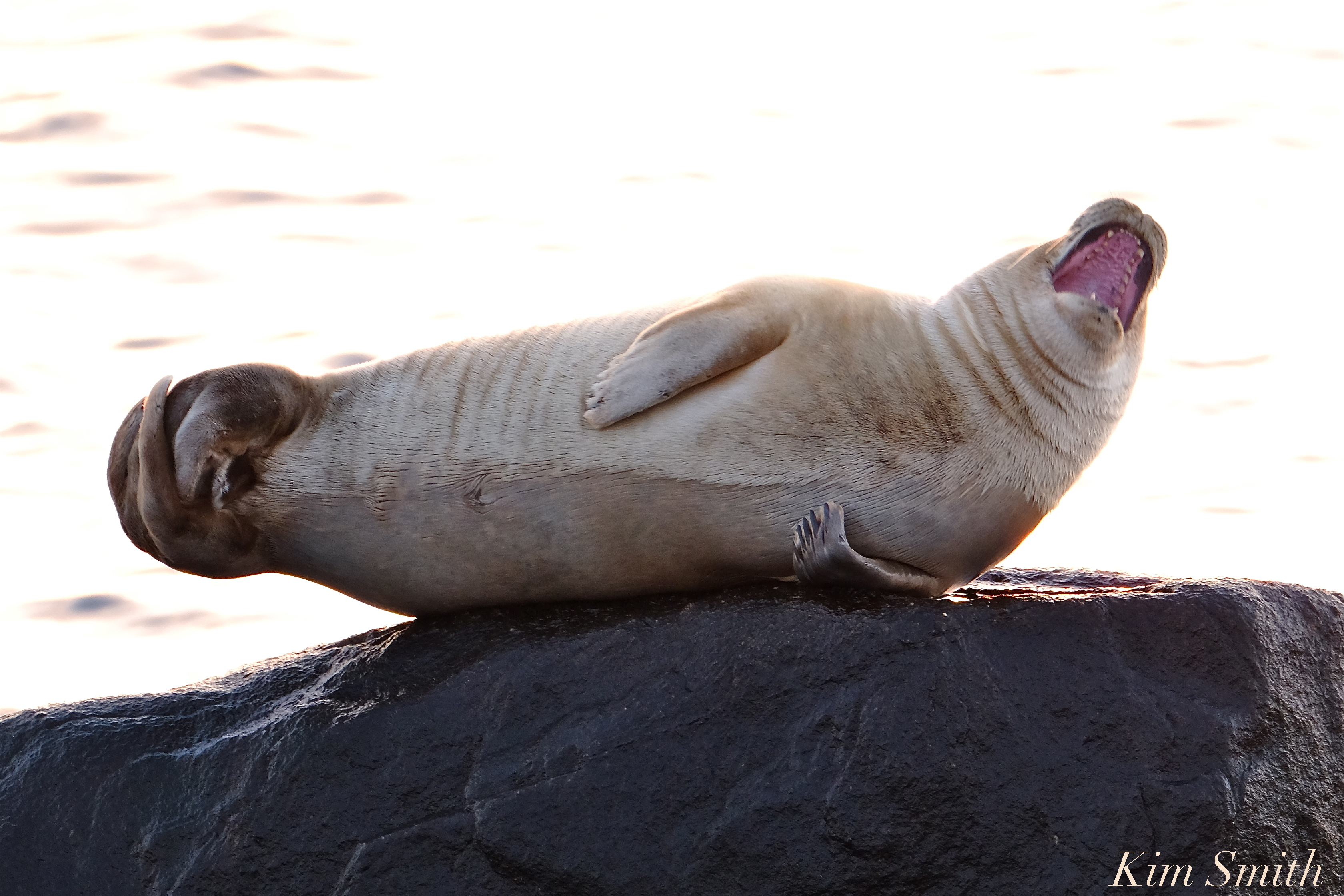
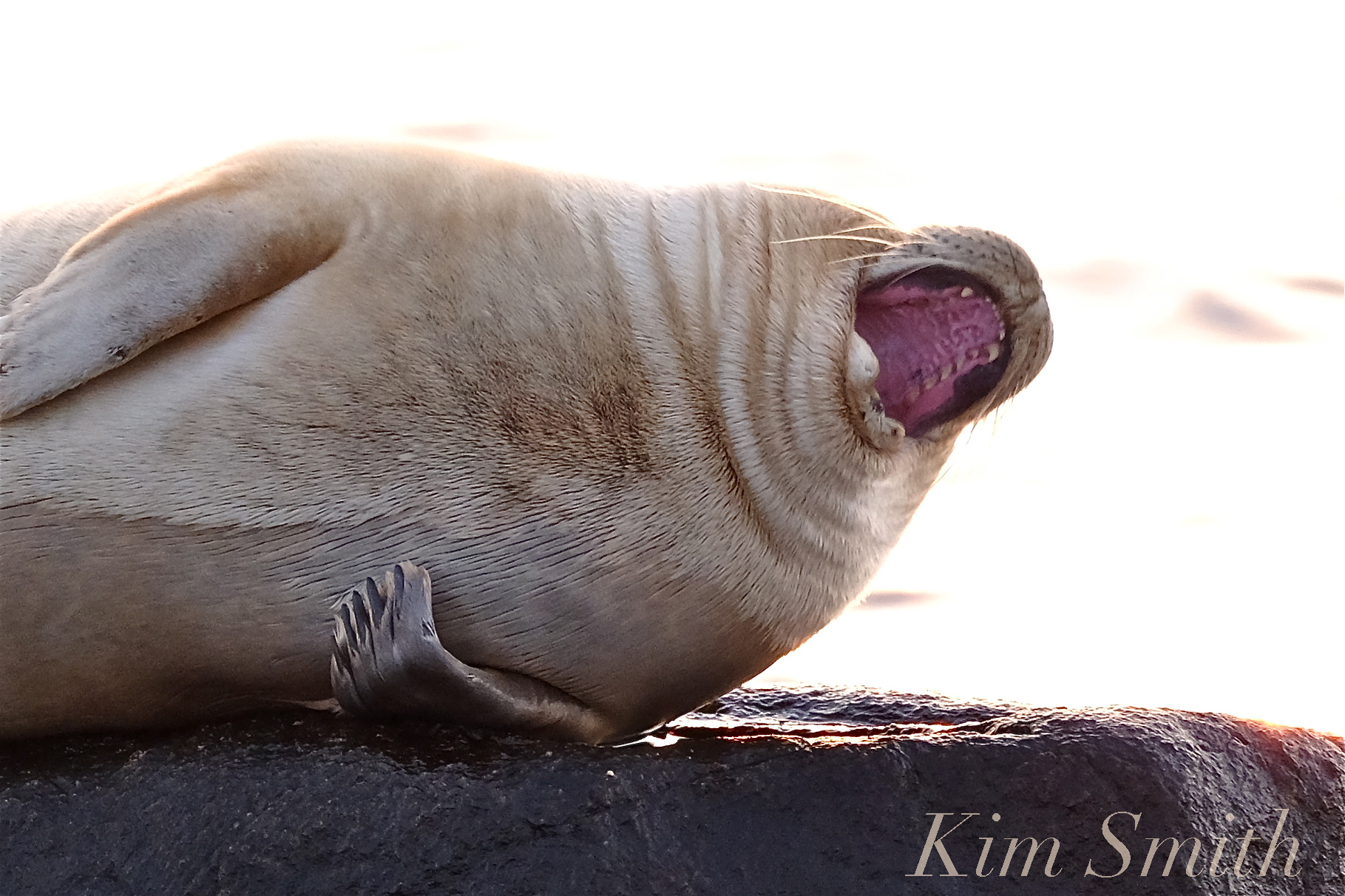
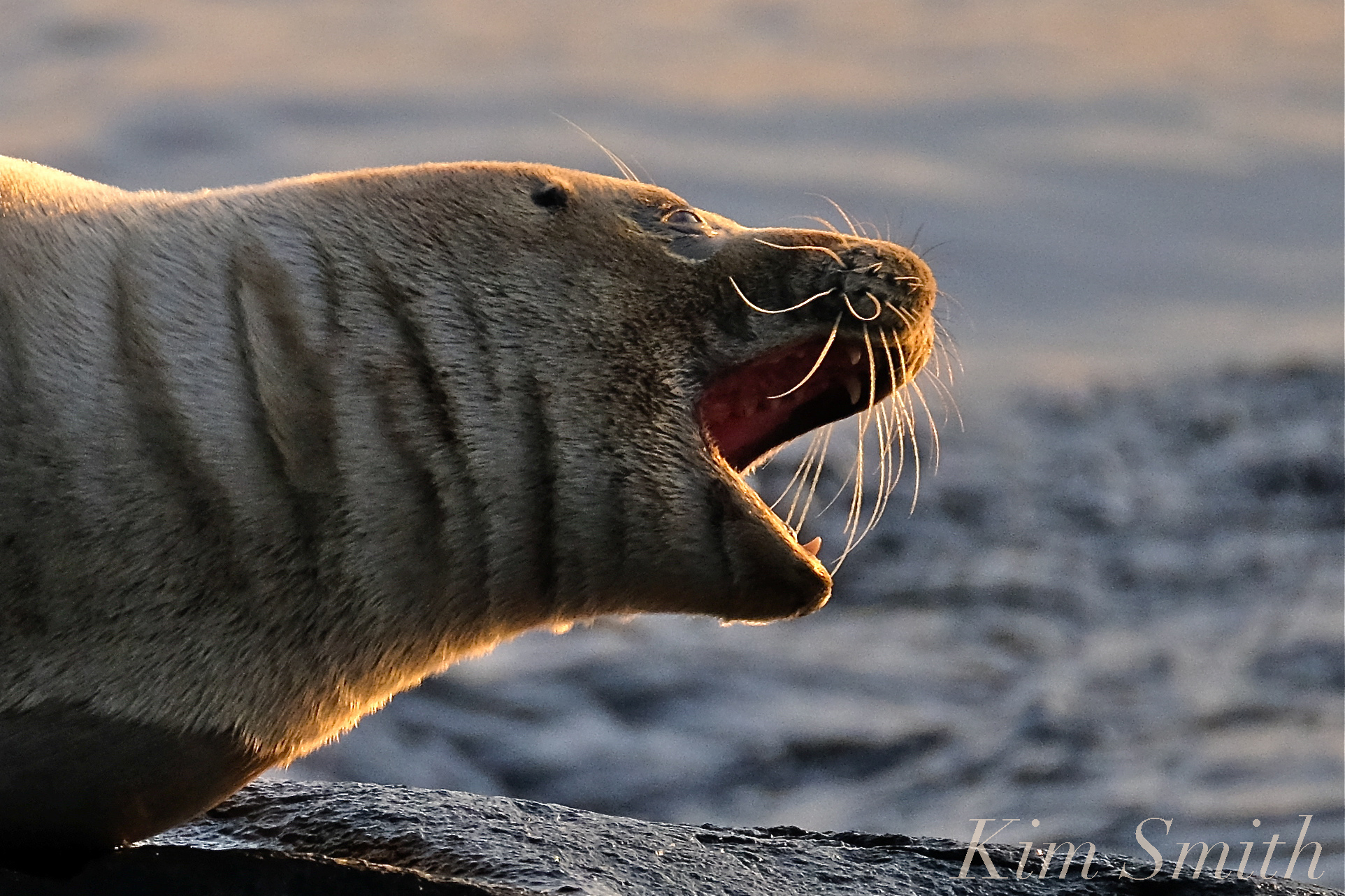
The Harbor Seal feeds predominantly on fish such as herring, mackerel, hake, salmon, flounder, and cod. They also eat shrimp, squid, clams, crab, octopus, and crayfish. They swallow prey whole or tear into pieces, and use their back molars to crush shellfish. Typically the seals feed at high tide and rest during low tide. Everyday, the adult Harbor Seal eats approximately five percent of its body weight.
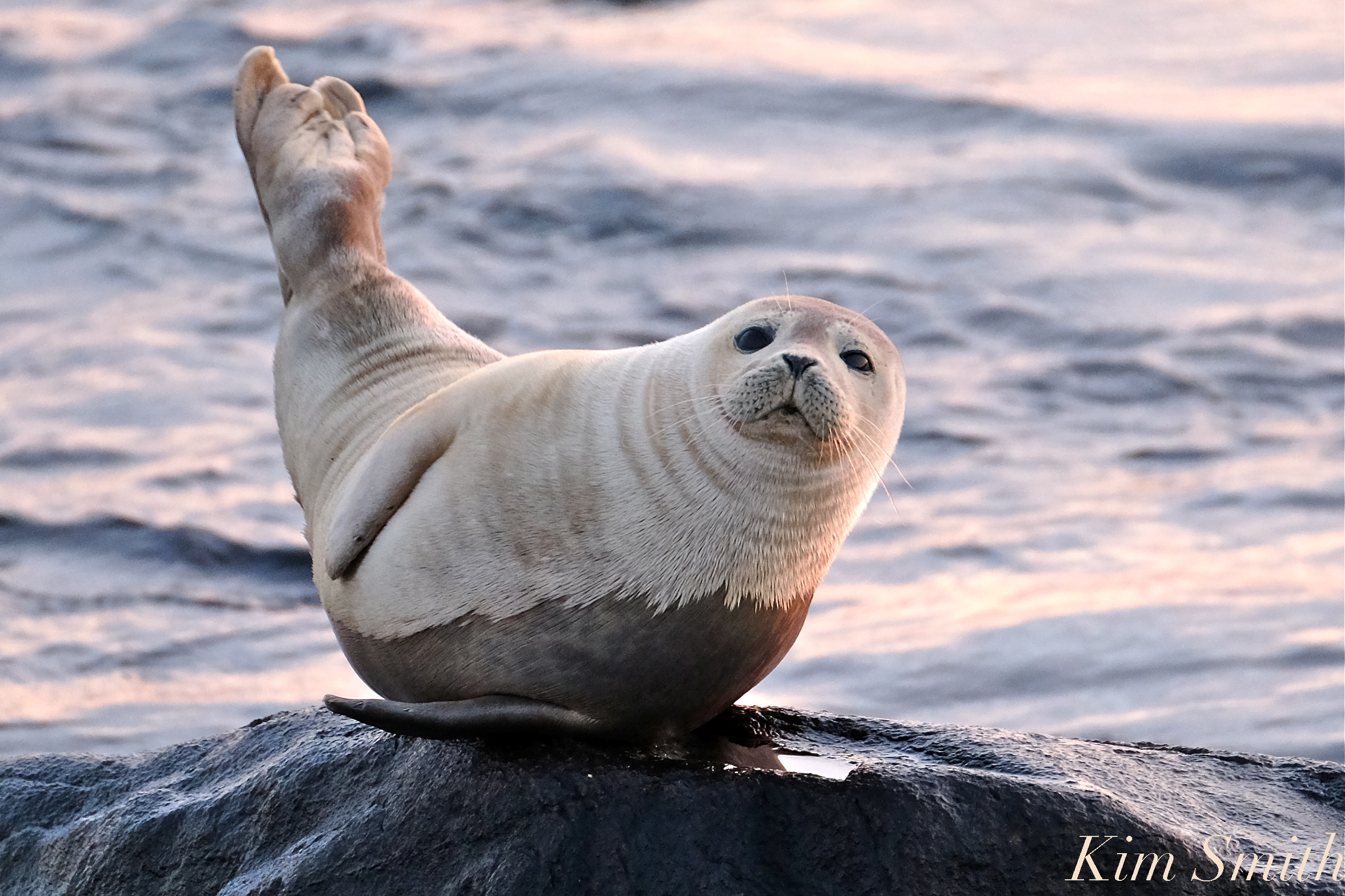 Its hind flippers propel the seal through water, in a sort of sculling rhythm. True seals, like Harbor Seals, cannot rotate their hind flippers and that is why they scooch along on their bellies when on dry land.
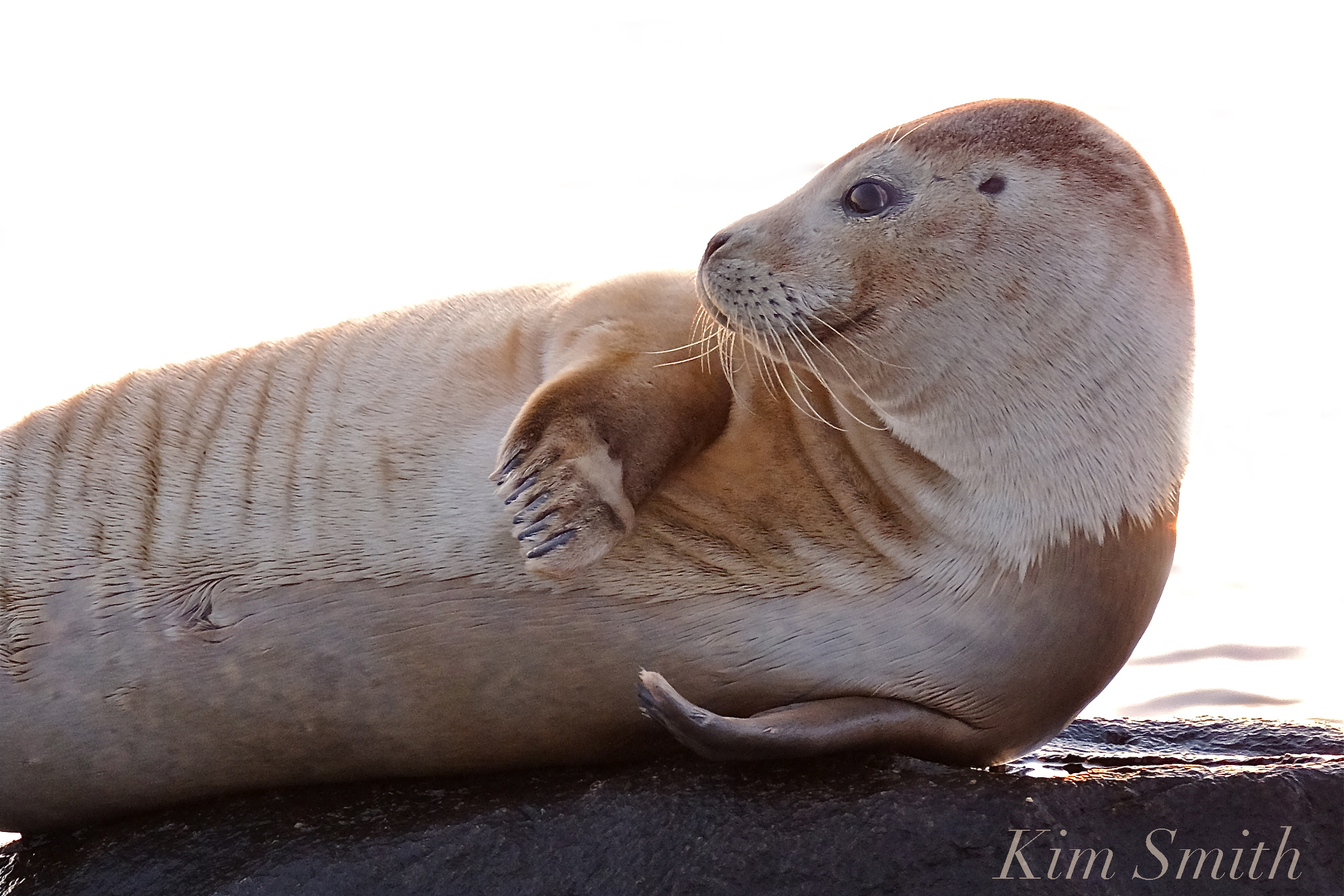
The blunt one- to two-inch claws of the fore flippers are used for grooming and for defense.
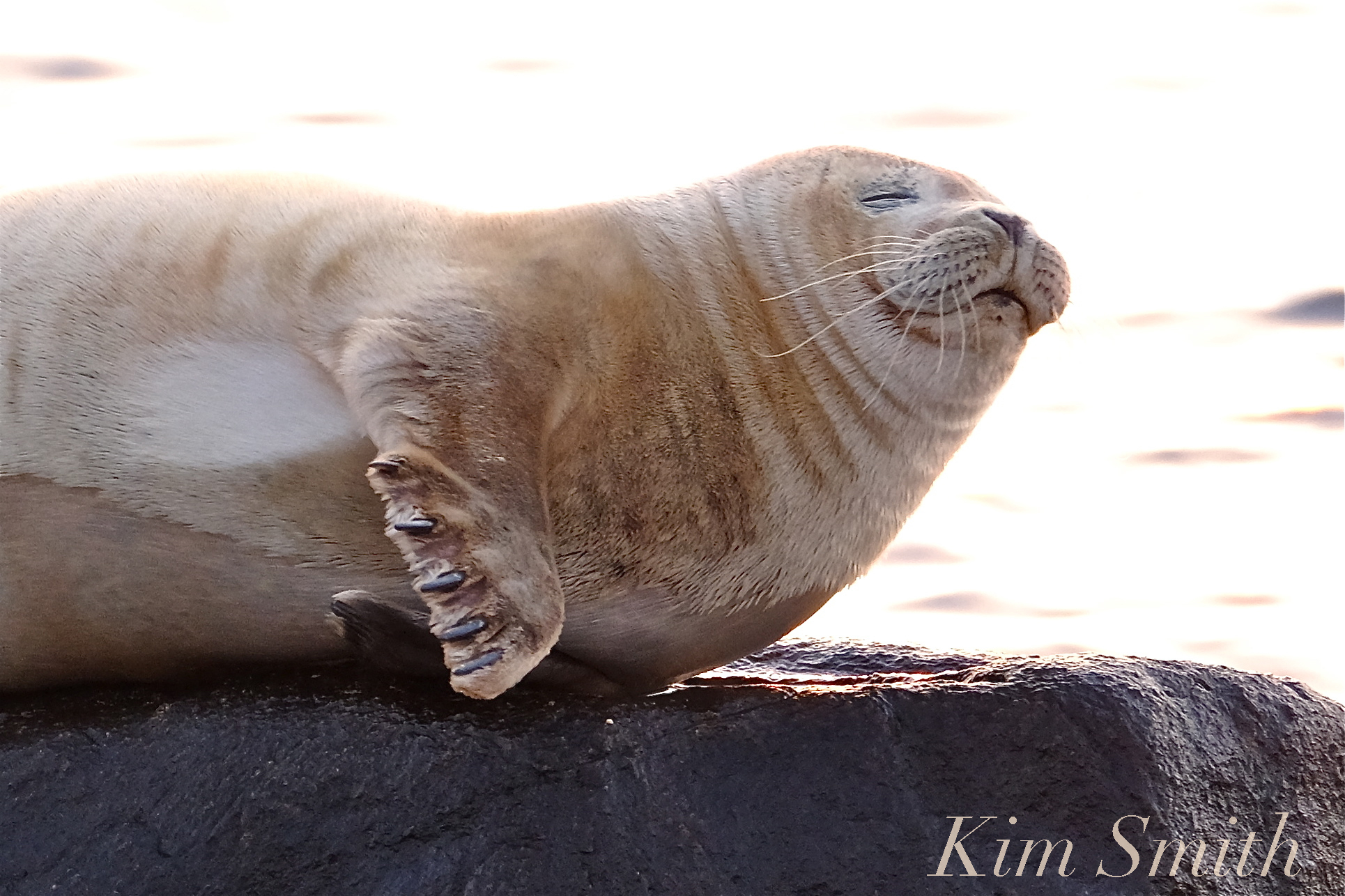
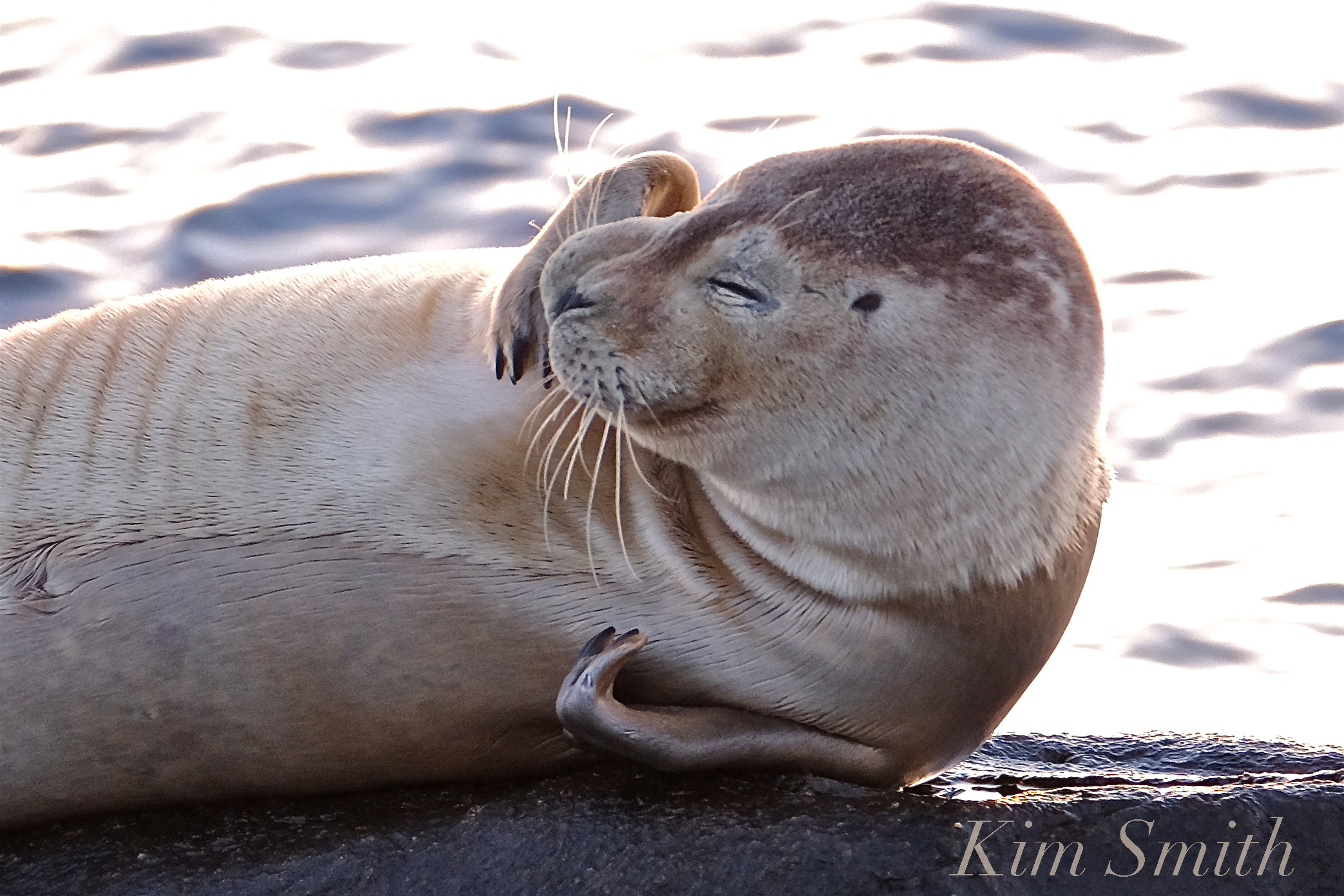
Harbor Seal grooming with its claws.

I went hoping for a beautiful sky and and found both sky and beautiful Harbor Seal.
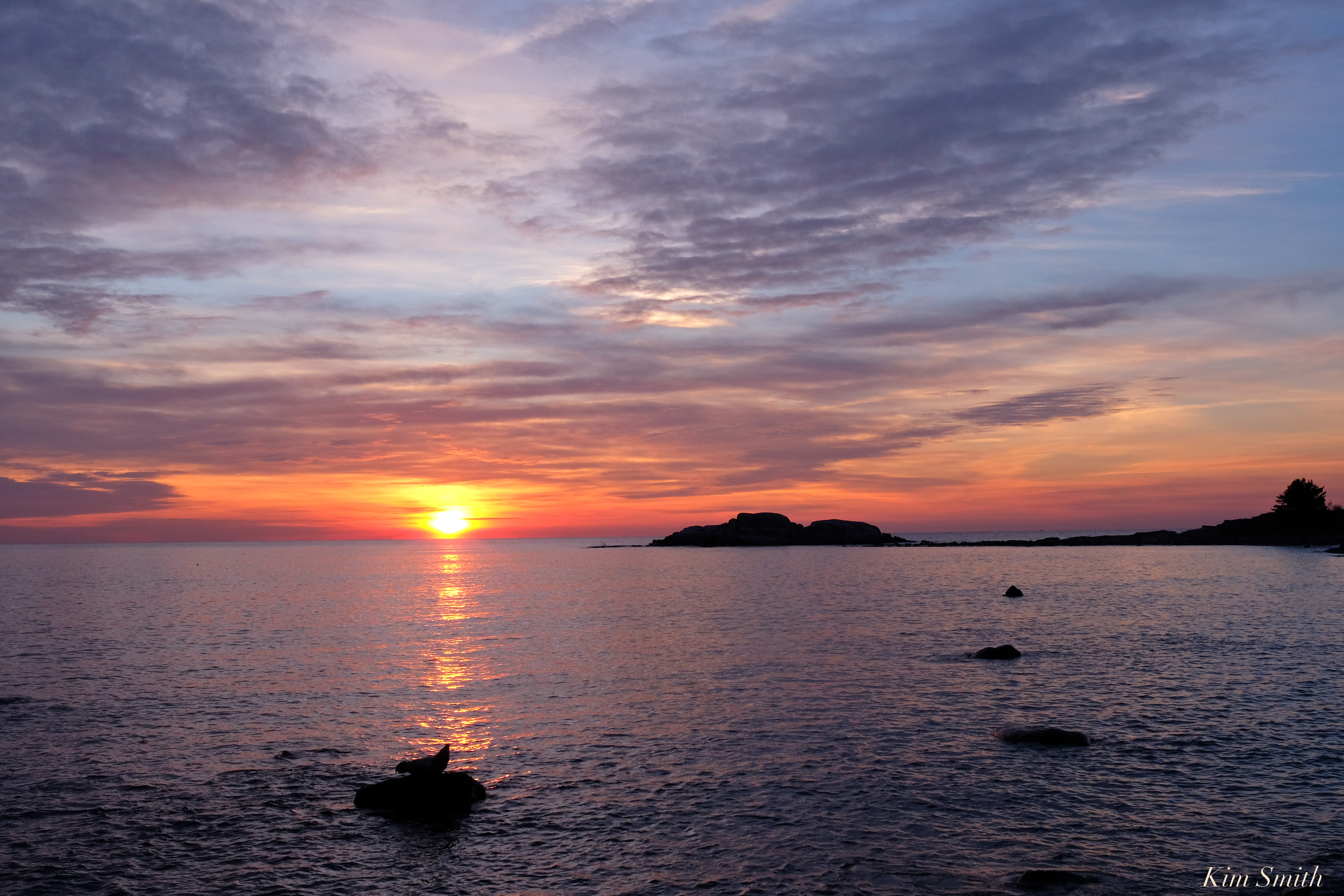 Harbor Seal at sunrise, Brace Cove

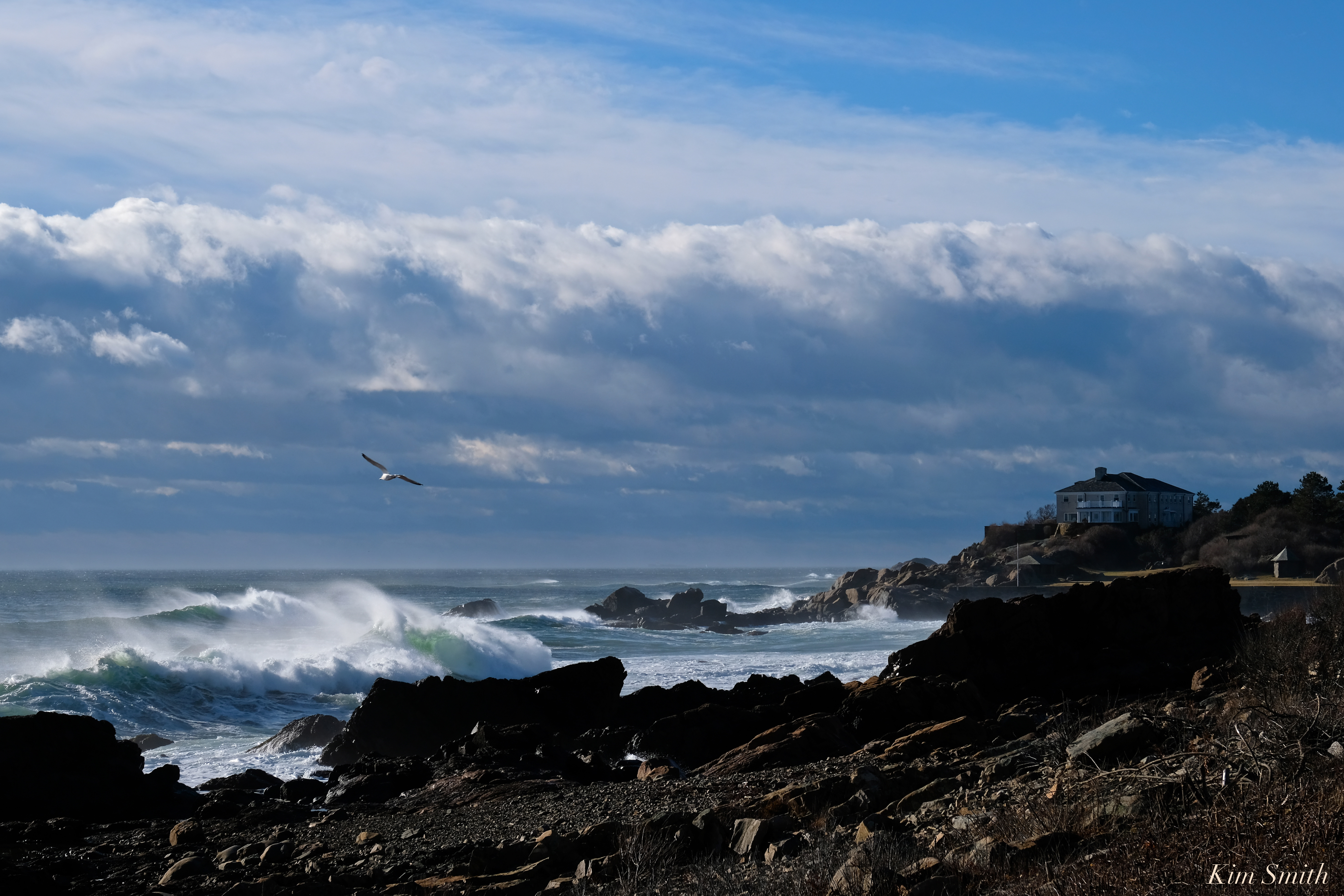
New Year’s Day 2019 storm clouds clearing Atlantic Road
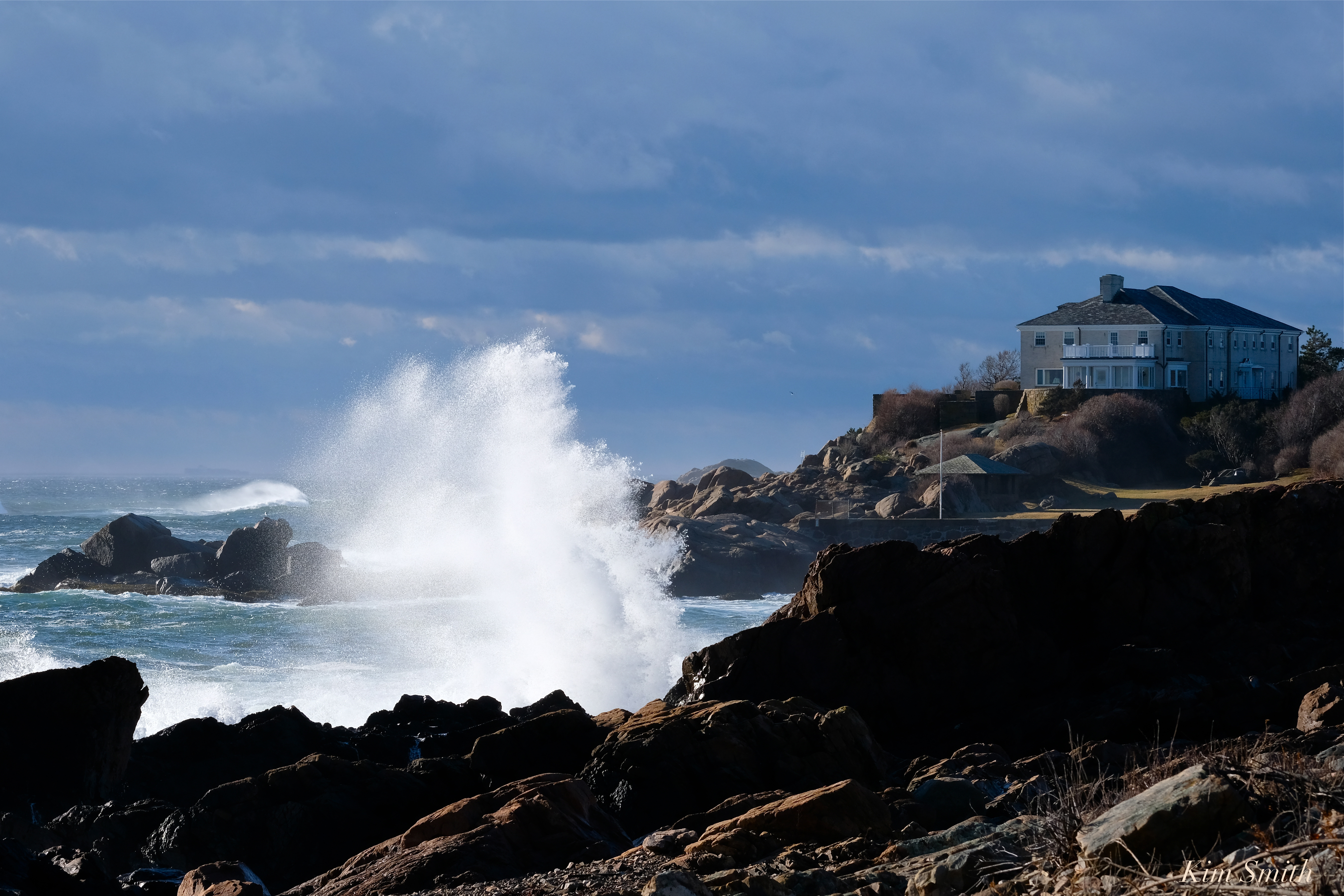

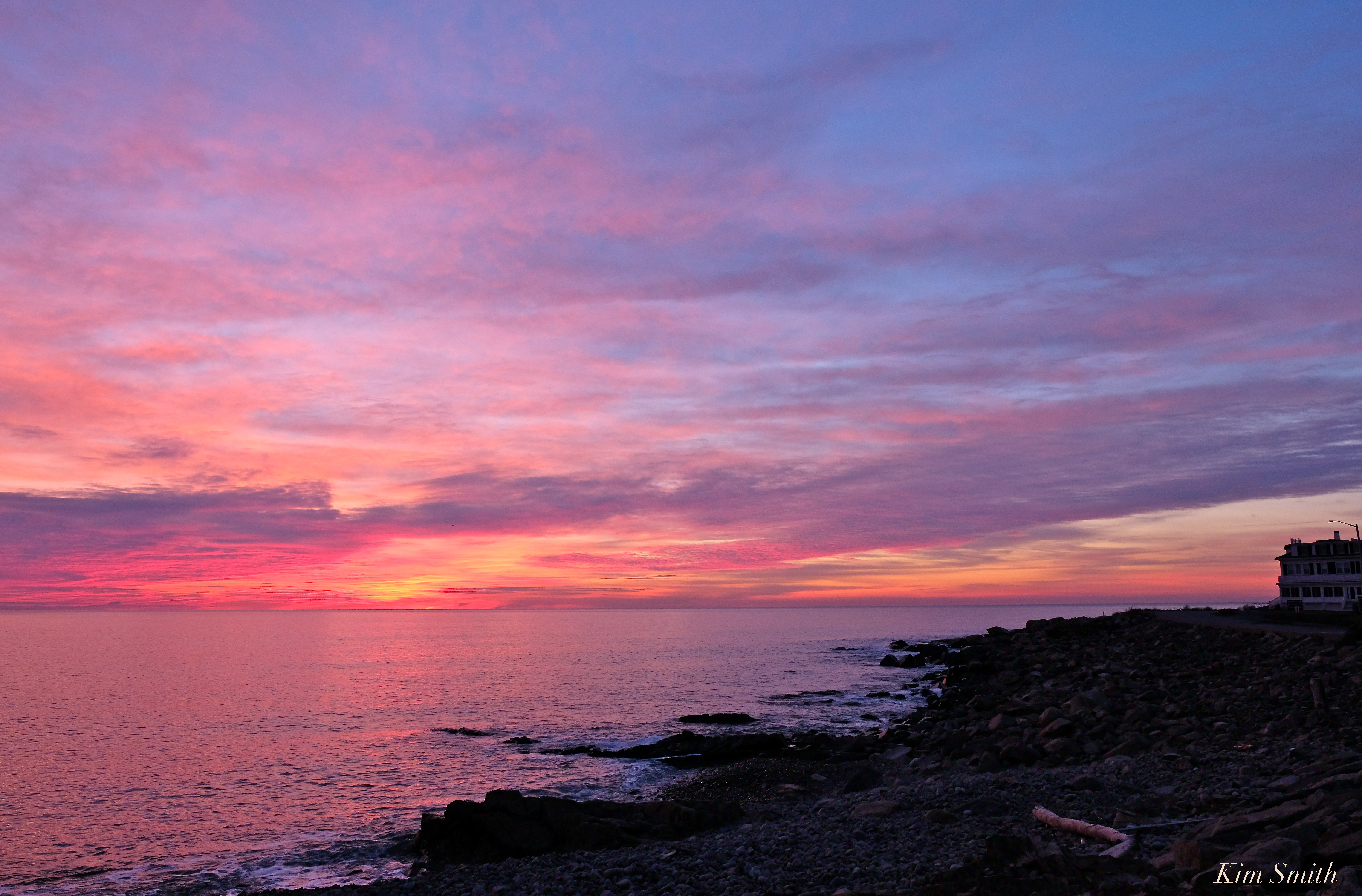
The last morning of 2018 began with a gorgeously hued sunrise, and then, as so often happens on the wild and wonderful shores of Cape Ann, there were several chance and up close encounters with our local creatures. Nearly everyday I am reminded of the astonishing beauty that surrounds, from my East Gloucester neighborhood, to the natural habitats all around Cape Ann and Massachusetts. What a magnificent Planet we share!
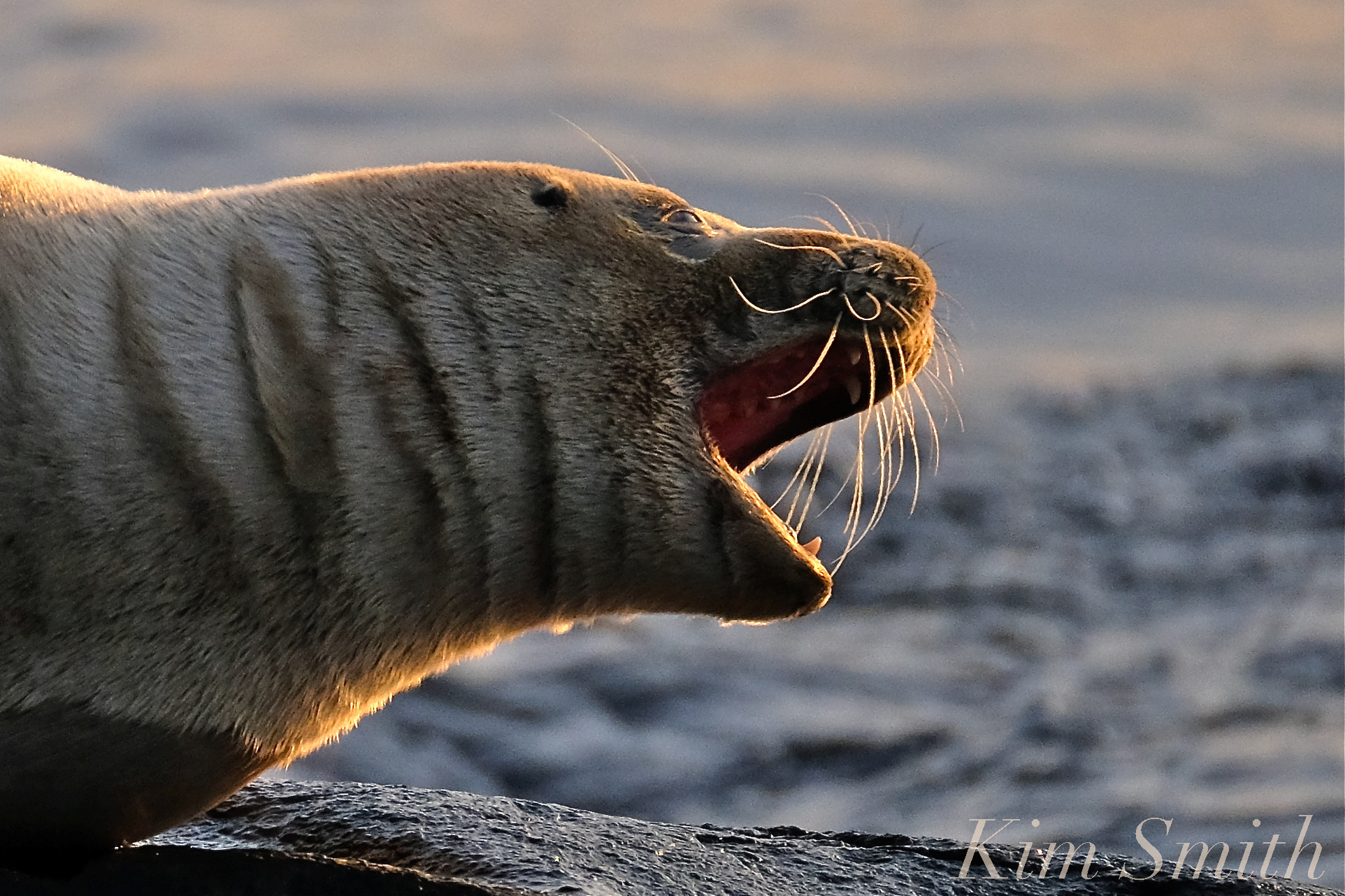
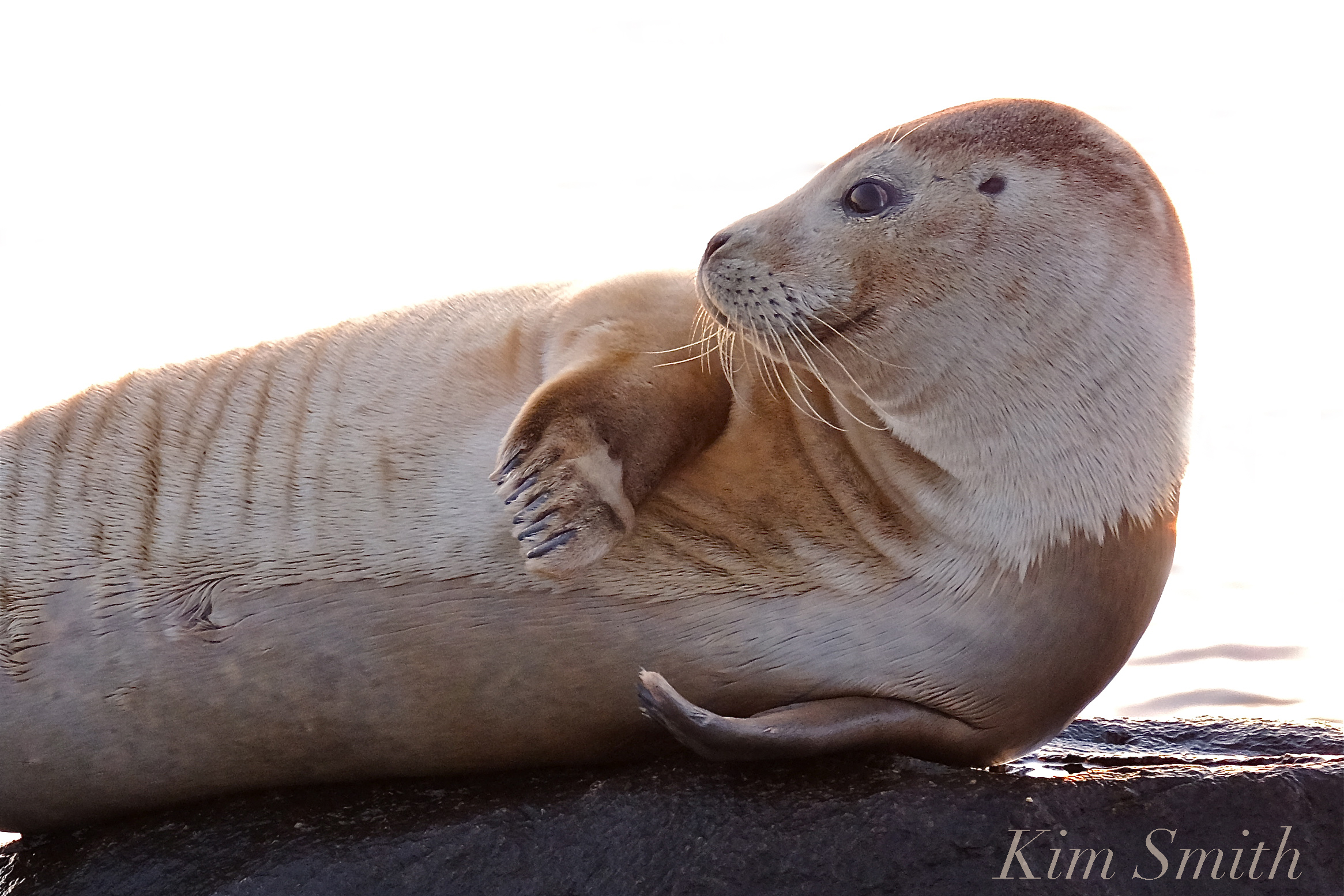
Buffy gold juvenile Harbor Seal in the golden light of sunrise -an amazingly relaxed, young Harbor Seal was close to shore this morning, sleeping, stretching, yawning, and scratching. More photos tomorrow when I have time to sort through all.
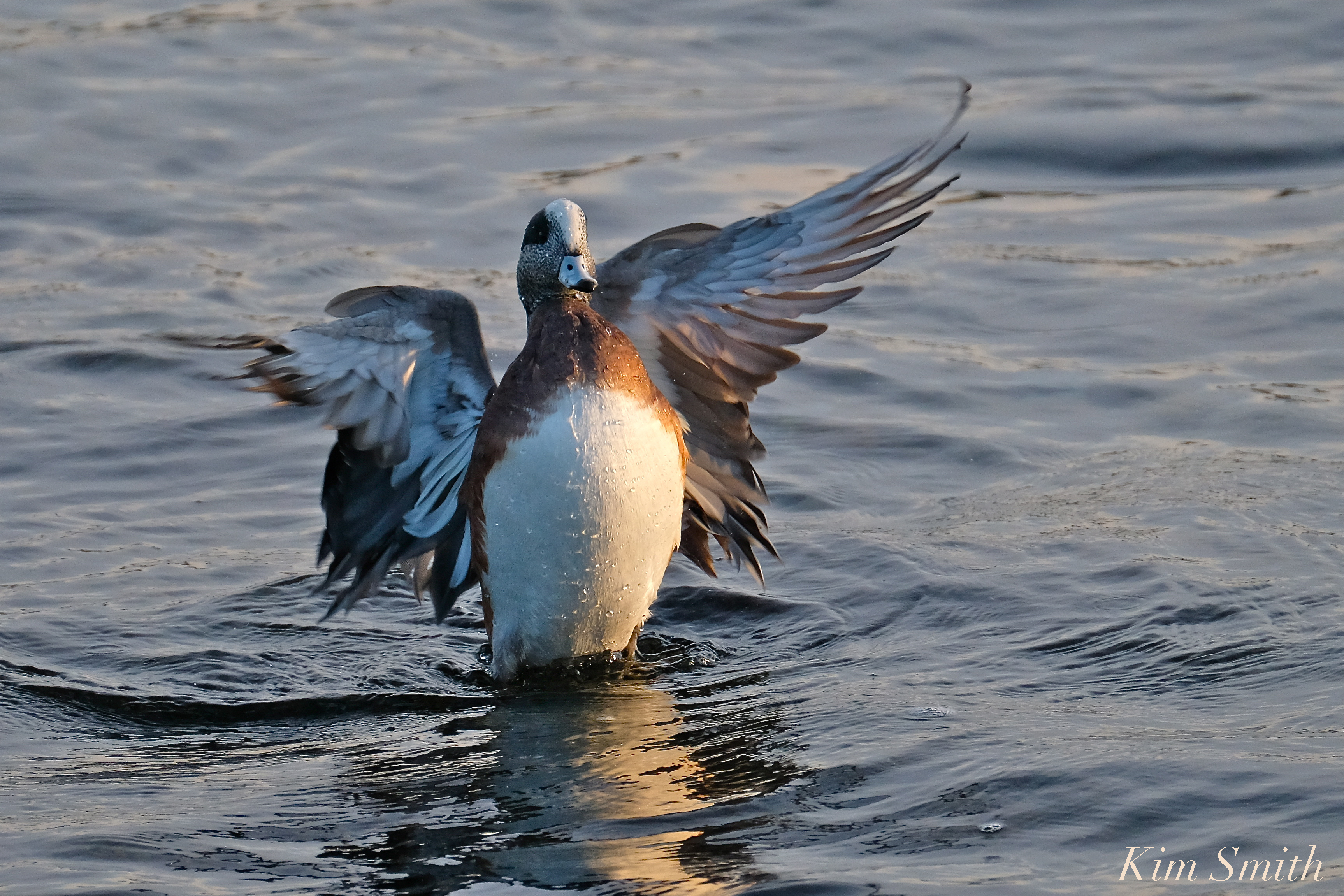
And a duo of American Wigeons (both male) were foraging on the sea lettuce floating around the rocky coast. More about them, too. 🙂 Notice their electric green eye patches and baby blue bills.

While chatting with Cape Ann artist Deb Schradieck and her husband Peter last night at the Good Morning Gloucester holiday bash and amazing bbq, held at Cape Ann Giclee, Deb mentioned she had done a painting of our Snowy Owl Hedwig. The painting is of Hedwig dozing off, nestled under a rocky alcove on Atlantic Road. We would often see her resting, especially during the middle of the day, in between meals. Beautiful capture Deb!
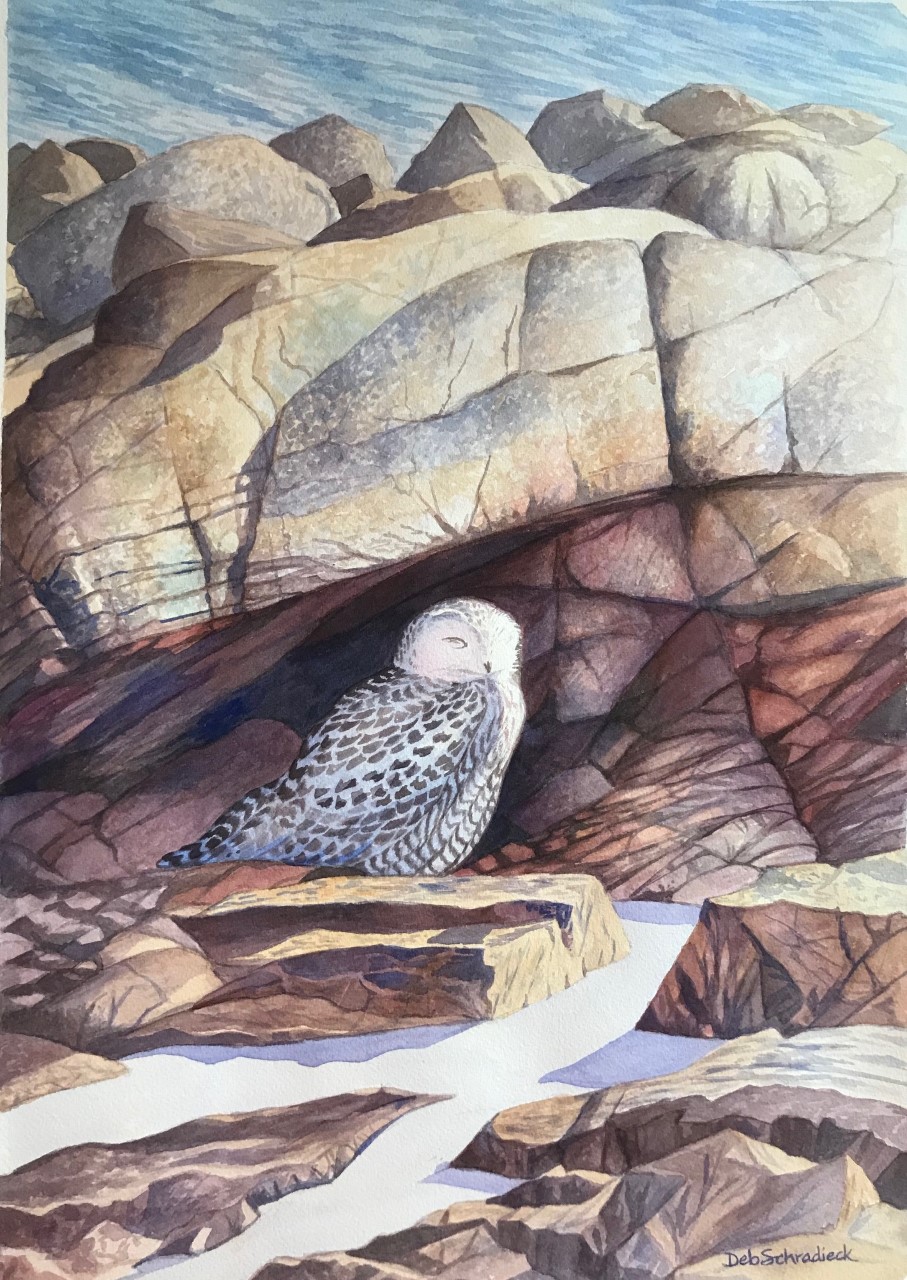
Hedwig has not yet come back to the hotels on Atlantic Road. Folks ask me about this often, whether or not she will return to the same location. Snowy Owls wander widely in their generally north-south migrations. Even if she did return, I think it safe to say, she would look different after another year molting. We would possibly be able to recognize her by habit, but then again she would be a year older, and may have developed different habits. Hedwig is mighty strong, and appears healthy, and as female Snowies are dominant over the males in staking out territory, perhaps as a more mature owl she is spending the winter closer to her breeding grounds. That is my hope for her at least, and that she has many years ahead of making many little Snowy Owlets!
Thanks again to Deb Schradieck for sharing her lovely painting of Hedwig. To see more of Deb’s work, visit her gallery on Rocky Neck and check out her website here: Deb’s Art Gallery.

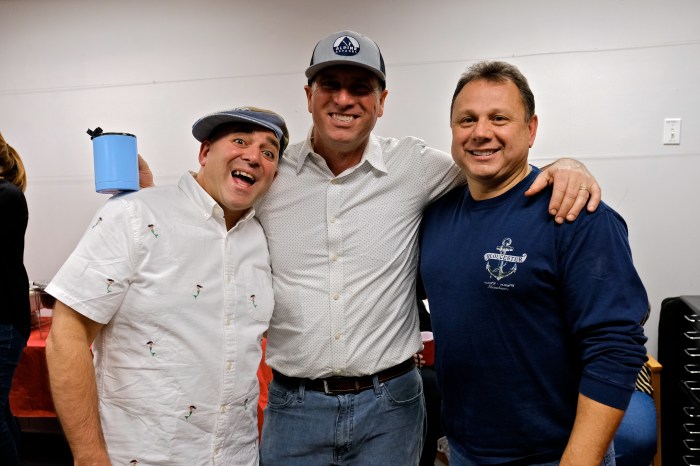


A great time was had by all ❤ Thanks again to Anna and James Eves for once again hosting the GMG holiday party at Cape Ann Giclee.


Get your buttons for Rockport New Year’s Eve by clicking the “Get Tickets” button below or by visiting one of the ten locations listed below. The button price for adults will increase from $15 to $20 after December 25, so get your buttons now! (The price for youth ages 13 – 18 will remain $10, and kids age 12 and under are free). Might there be someone on your gift list who would like to attend Rockport New Year’s Eve?
IN ROCKPORT:
Bean and Leaf Cafe, 12 Bearskin Neck
John Tarr Store, 49 Main St.
Katie’s Gift Shop, 3 Mt. Pleasant St.
Rite Aid Rite Aid
Smith Ace Hardware & Lumber, 3 Station Square (at the lumber desk)
IN GLOUCESTER:
Building Center Stores, 1 Harbor Loop
Cape Ann Chamber of Commerce, 33 Commercial St.
Common Crow, 200 Eastern Ave.
Hometown Ace Hardware, 231 Gloucester Crossing Rd.
House Of The Raven, 141 Main St.


 Good Morning Gloucester