Day: February 7, 2019

Magnolia Library is Boston American Red Cross Blood Drive on Friday February 15 from 2-7 pm
Hi Joey,
Hope all is well. Magnolia Library is Boston American Red Cross Blood Drive on Friday February 15 from 2-7 pm. Donors can call 1-800 Red Cross to make an appointment. There presently is a blood shortage partly due to flu season so folks are needed to roll up their sleeve. I would be happy to be interviewed if you would like. Appreciate any help you can provide to getting the word out. Thank you Joey!
Jamie
Spread The GMG Love By Sharing With These Buttons:

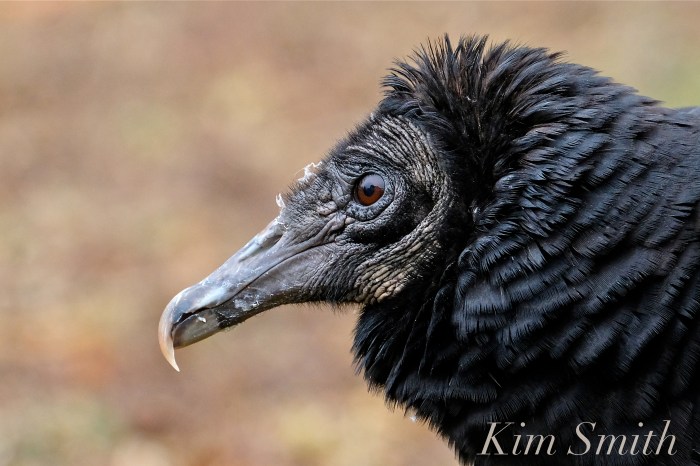
RARELY SEEN ON CAPE ANN – A BLACK VULTURE!
Over the winter, a Black Vulture has been calling Cape Ann home. My friend Lois first alerted me to this back in December where he has been seen quite often in Rockport. I have been trying to capture some footage of him/her but only ever saw him soaring high above. The Black Vulture in flight is stunning and you can recognize the bird by its distinctive white wing tips.
As luck would have it, East Gloucester resident Larry shared a photo recently and his friend Frank generously allowed me to stop by and take some photos and footage!
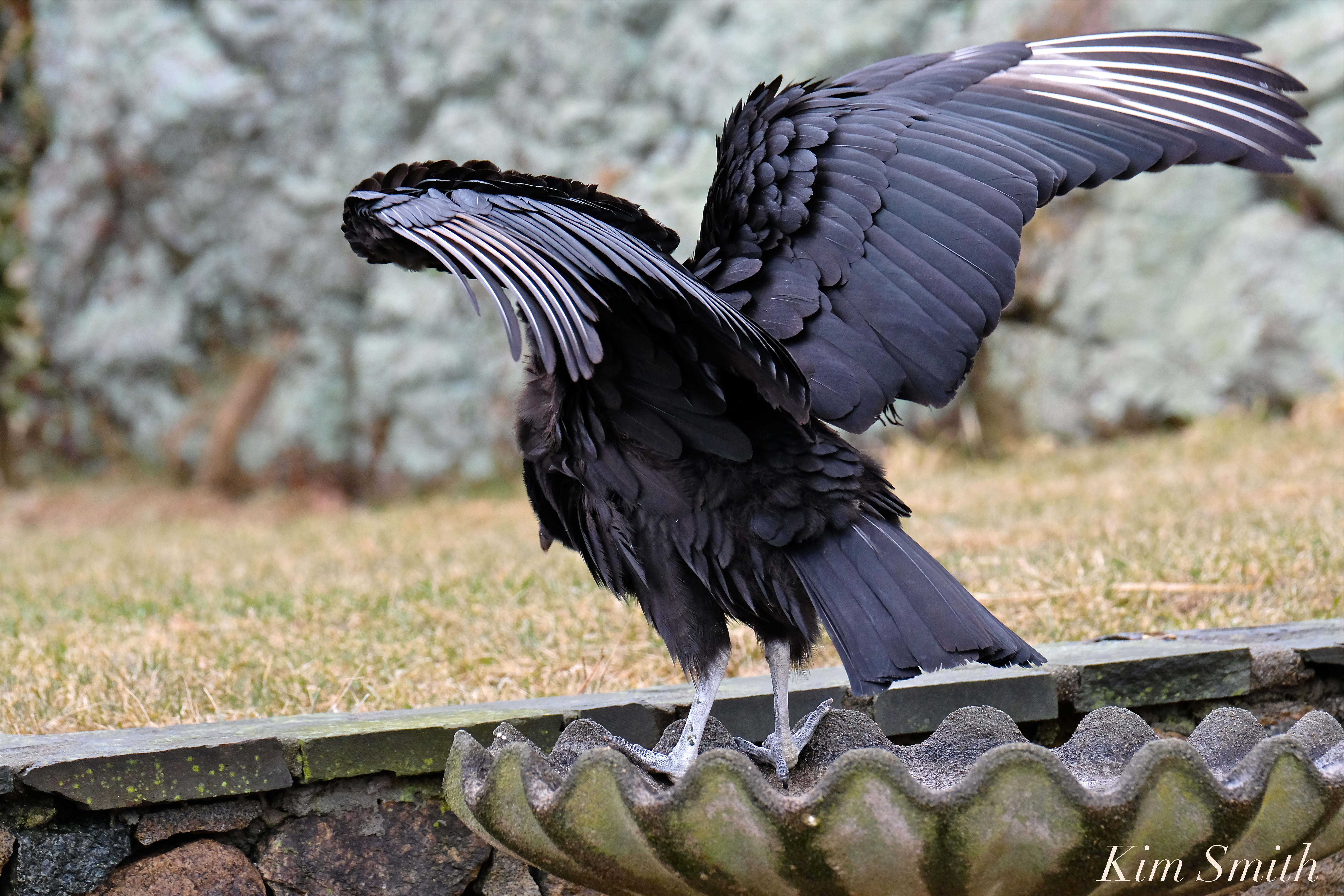 White wing tips of the Black Vulture
Being found mostly in South America, Central America, and the southern US, the Black Vulture’s range does not historically include Cape Ann (nor anywhere in Massachusetts). The bird’s range has been expanding northward since the early decades of the previous century and it is safe to say there may even be a few pairs breeding in the furthest most western regions of Massachusetts!
Black Vultures feed primarily on carrion. They fly high above on thermal winds looking for dead creatures, and also follow Turkey Vultures, which reportedly have a better sense of smell and can more easily locate carcasses. Black Vultures also kill skunks, possums, Night Herons, turtle hatchlings, chickens, young livestock, and sickly small pets. And, too, they pick through dumps and dumpsters, and even wade into water for small fish and floating carrion. It’s no wonder their range is expanding!
The Black Vulture visiting Frank’s yard appeared to be communicating with Frank. Black Vultures lack a voice box; instead of singing, one of the sounds they make is a low ruff sort of bark. Frank can imitate the bark perfectly, and the bird barks back!


Black Vulture Historic Status in Massachusetts, from Mass Audubon:
The first Black Vulture identified in Massachusetts was shot in Swampscott in November of 1850. The second appeared in Gloucester on September 28, 1863, where it, too, was killed (Howe & Allen 1901). Throughout the next century, the bird was considered an accidental straggler in Massachusetts; and, by the middle of the nineteenth century, the species was on the move from its deep Southern roots, breeding in southern Maryland for the first time in 1922 (Court 1924) and in Pennsylvania by 1952 (Brauning 1992).
If you see Cape Ann’s Black Vulture hanging around your property, please let me know at kimsmithdesigns@hotmail.com. Thank you so much!
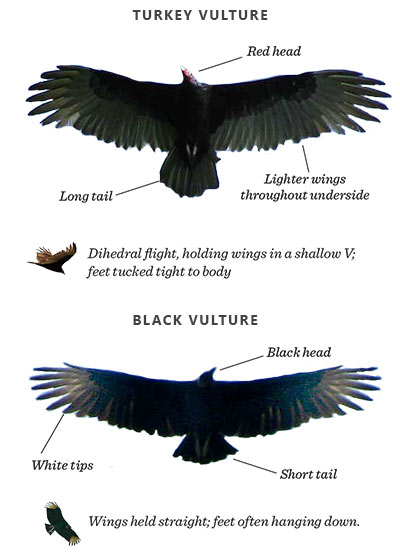 Comparing Black Vulture to Turkey Vulture
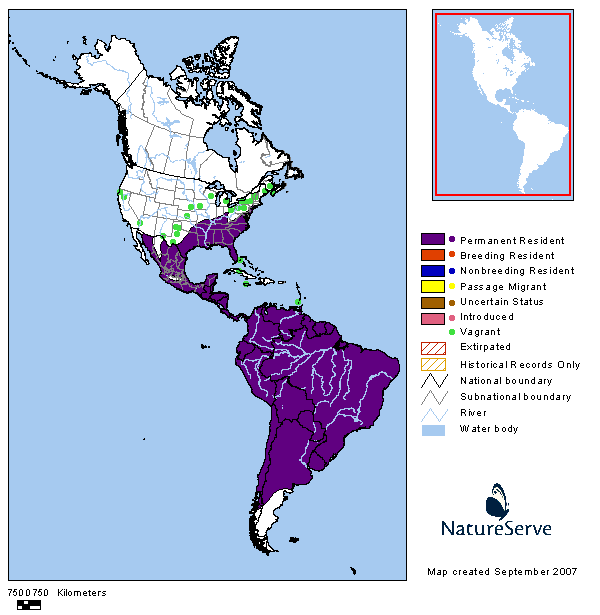 Black Vulture Range Map
Spread The GMG Love By Sharing With These Buttons:

Patricia Wellenkamp trunk show at goodlinens studio #GloucesterMA
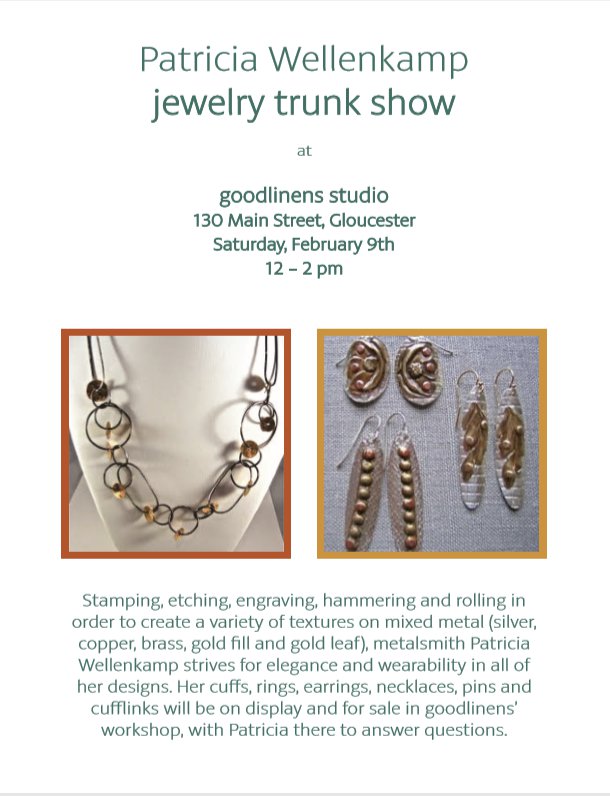
Patricia Wellenkamp jewelry trunk show at goodlinens studio 130 Main Street, Gloucester Saturday, February 9th 12 – 2 pm
Stamping, etching, engraving, hammering and rolling in order to create a variety of textures on mixed metal (silver, copper, brass, gold fill and gold leaf), metal-smith Patricia Wellenkamp strives for elegance and wearability in all of her designs. Her cuffs, rings, earrings, necklaces, pins and cuff links will be on display and for sale in goodlinens’ workshop, with Patricia there to answer questions.
Spread The GMG Love By Sharing With These Buttons:

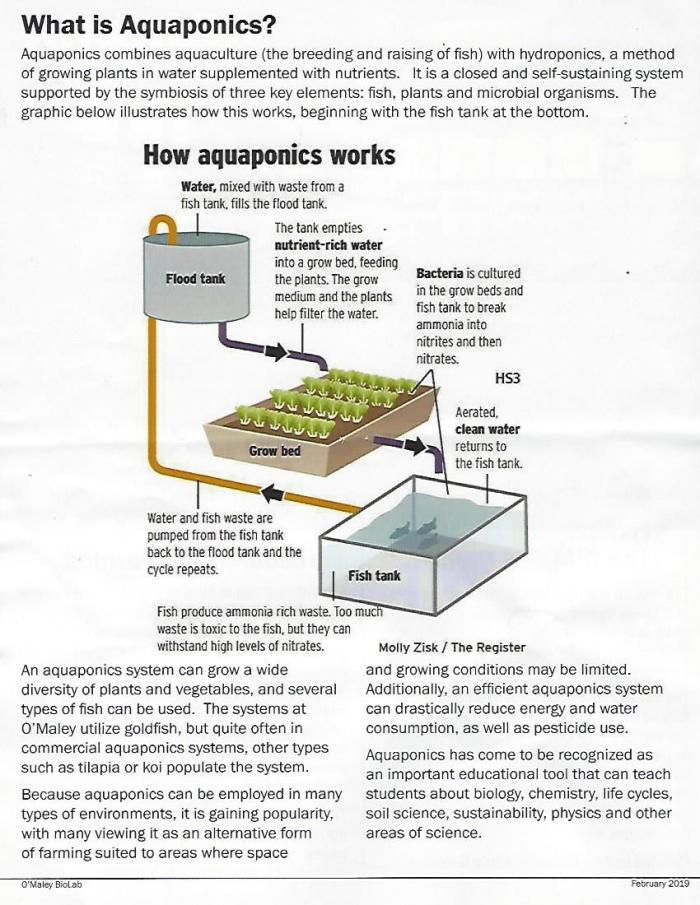
The O’Maley BioLab: A new resource for learning
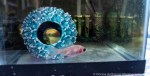
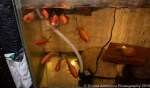
Amy Donnelly, 8th grade teacher and science coordinator at O’Maley, invited me to come and see this science project. Also with engineering specialist Dave, Brown office opened this lab for students. It is called Aquaponics. What an amazing idea. Please see the information below. This is the third time I have been invited to see the great work that O’Maley is doing with their science projects. Thank you for the invite.





Spread The GMG Love By Sharing With These Buttons:

Adventureman Update: 30 Marathons To Go!
Spread The GMG Love By Sharing With These Buttons:
Elizabeth H. Winthrop at the Sawyer Free Library

Spread The GMG Love By Sharing With These Buttons:

Cape Ann Museum names new Museum Director!
 News from Cape Ann Museum:
For the past 17 years, Ronda Faloon has been a constant champion for the Cape Ann Museum. During her tenure as Executive Director she has guided us through a period of tremendous growth. She has expanded our facilities, grown our visitation and membership and elevated the role that the Cape Ann Museum plays within our community. She has advanced our mission and made the Cape Ann Museum a truly special place.
When Ronda first announced that she would retire in the spring of 2019, the Board of Directors formed a Search Committee, co-chaired by Board members Henrietta Gates and Suzi Natti. The Board also engaged the services of a nationally recognized firm that specializes in museum related executive searches. The Search Committee was focused on identifying an individual who would understand and appreciate who we are as an organization and would have the ability to guide us through the implementation of our Strategic Plan 2018-2023.
Inquiries and applications were received from all over the country. The Search Committee met and reviewed many candidates who were evaluated based on their ability to serve the needs of the Museum, our membership and our community.
I am pleased to announce that the search has been successful.
Effective April 1, 2019 Oliver Barker will become Director of the Cape Ann Museum.
Oliver joins us from the Museum of Fine Arts, Boston where he supervises a portfolio of fundraising and international engagements and is responsible for developing partnerships with foundations, corporations and governments. Prior to joining the MFA, Oliver worked as Curator & Project Director for the Josef and Anni Albers Foundation. He began his career as the Director of Education & Visitor Services for the Peggy Guggenheim Collection in Venice, Italy where he lived for nearly a decade. Oliver holds a master’s degree in Arts and Cultural Management from the University of Melbourne and an Honors Degree in Fine Arts, Painting and Printmaking from the Royal Melbourne Institute of Technology (RMIT), in Melbourne, Australia.
Oliver has deep family ties in Gloucester* and has been a frequent visitor to the Cape Ann Museum for 20 years. He lives in Wenham with his wife and children.
I am confident that you will enjoy meeting Oliver and getting to know him. He is a thoughtful, respectful and charismatic leader who has the ability and perspective required to guide us through the next chapter of our own story.
Thank you for your continued support of the Museum. I look forward to seeing you at one of the Museum’s many great events this year, including Homer at the Beach: A Marine Painter’s Journey, 1869-1880, opening in August.
Sincere regards,
Charles D. Esdaile
President, Board of Directors
*Lundbergs
Spread The GMG Love By Sharing With These Buttons:

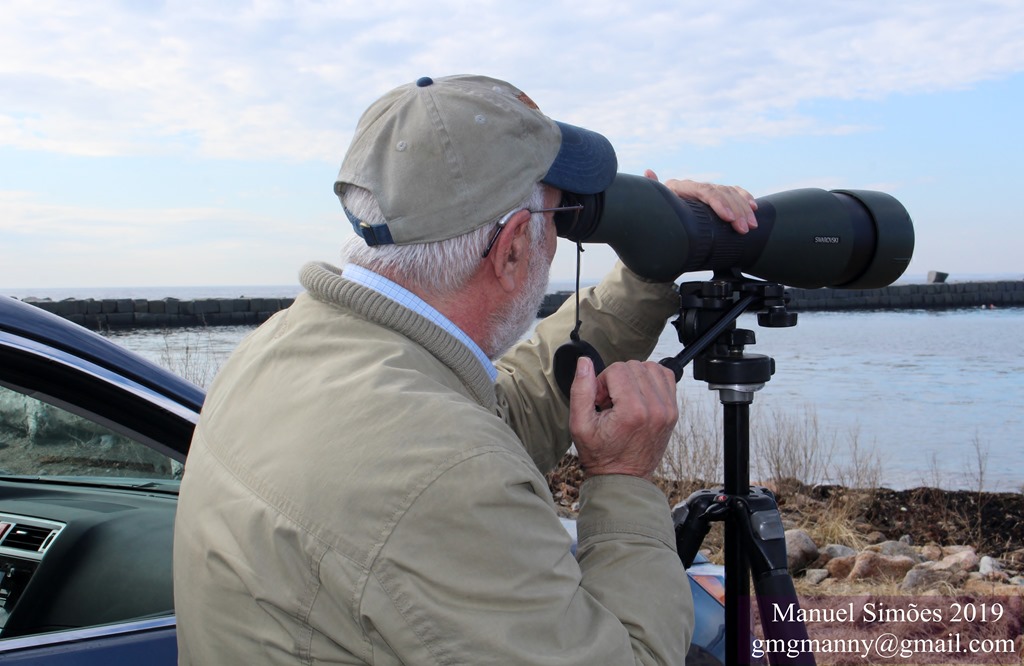
Bird watching at Eastern Point

Students from Gordon College
Spread The GMG Love By Sharing With These Buttons:

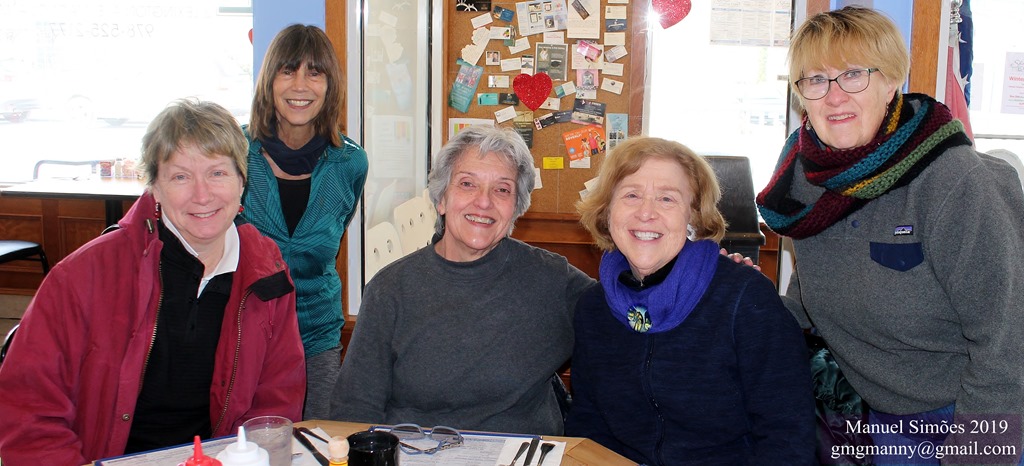
Gloucester Smiles-1143
Spread The GMG Love By Sharing With These Buttons:

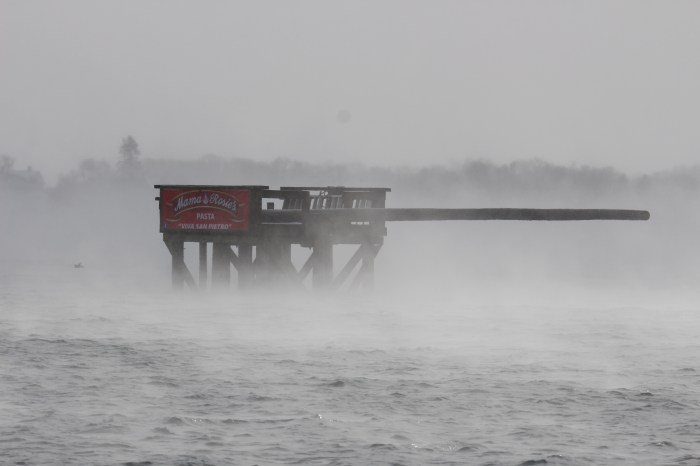
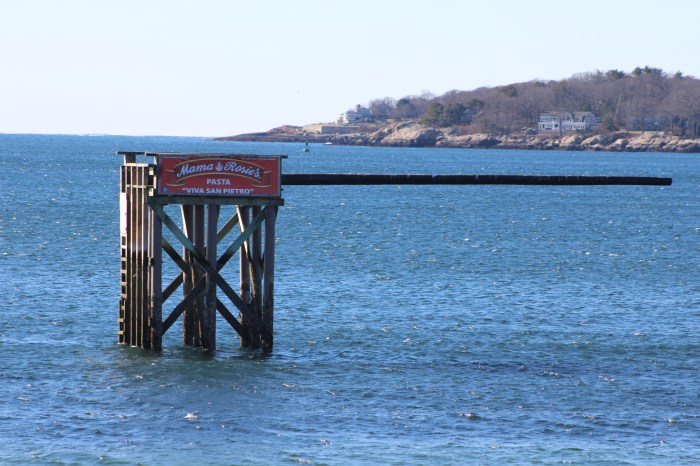
Greasy Pole
There’s something majestic about the Greasy Pole sitting out there. But, I wonder……when the Greasy Pole isn’t greasy for the Fiesta, is it still called the Greasy Pole? I suppose so since that’s what makes it infamous.
January 2019
January 2018
Spread The GMG Love By Sharing With These Buttons:

American Heart Month: Learn ‘Self-Reiki for Self-Care’ and Relaxation


Cardiovascular Disease Effects Nearly 50% of Americans, according to the American Heart association. Heart disease is the leading cause of death for both men and women in the United States.
To help prevent heart disease and increase awareness of its effects, Dreamtime Wellness LLC is proudly participating in American Heart Month.
- FREE Blood Pressure check with any wellness session during the month of February
- FREE Blood Pressure and Blood Sugar Check Thursday, February 14. (Advanced Register)
- Tobacco Treatment Counseling Sessions Discounted50% during the month of February
- 1st Degree/Shoden Reiki Training, Saturday and Sunday. February 23 and 24th. No pre-requisite. Register in Advance.
View original post 680 more words
Spread The GMG Love By Sharing With These Buttons:

Last week to dance to the music of The Beatles! Nia class at MAGMA, Thursday Feb. 7th 10:15 am

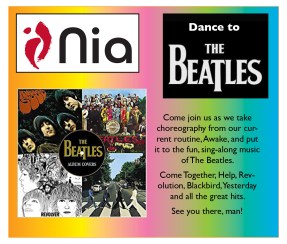 Last week to enjoy dancing to The Beatles!
If you are like me, you love to sing along to the Beatles’ music and of course, dance! Here is your chance to have a little dance party with all the music you love, like Hey Jude, Revolution, Lady Madonna and more.
We will take the movements from our latest routine and put them to the fun sounds of the Fab Four (Ringo, John, Paul and George not Harry, Meghan, Kate and William).
Nia cardio-dance workouts combine 52 simple moves with dance arts, martial arts, and healing arts to get you fit in 60 minutes – body, mind, emotion, and spirit.
Nia is non-impact, practiced barefoot, and adaptable to individual needs and abilities. Nia classes are taught by licensed Nia teachers.
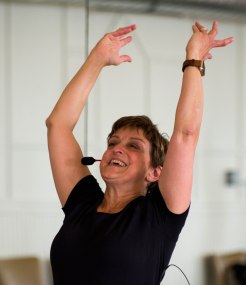 Want to try Nia?
View original post 85 more words
 Good Morning Gloucester