Ocean Beauty: Gloucester Sea-Life Viewed from Under Water Video From Eric Swanson

30 minute underwater video of Gloucester sea-life: Dolphin, Stripers, Menhaden, Mackerel, Mako Shark, Basking Shark, Halibut, Summer Flounder, Winter Flounder, Sea Robin, Red Fish, Dog Fish, Skates, Silver Hake, Red Hake, Herring, Pollock, Haddock, Cod, Cunner, Squid, American Eel, Sand Eels, Ocean Sunfish, Silversides, Starfish, Giant Poisonous Jellyfish, Seals, Lobster, Spider Crab, Horseshoe Crab, Sand Dollars, Sea Urchins, Sea Scallops, Quahogs, Mussels, Surf Clams, Whelks, Moon Snails, Sea Anemone, Coral, Sponges, and more.

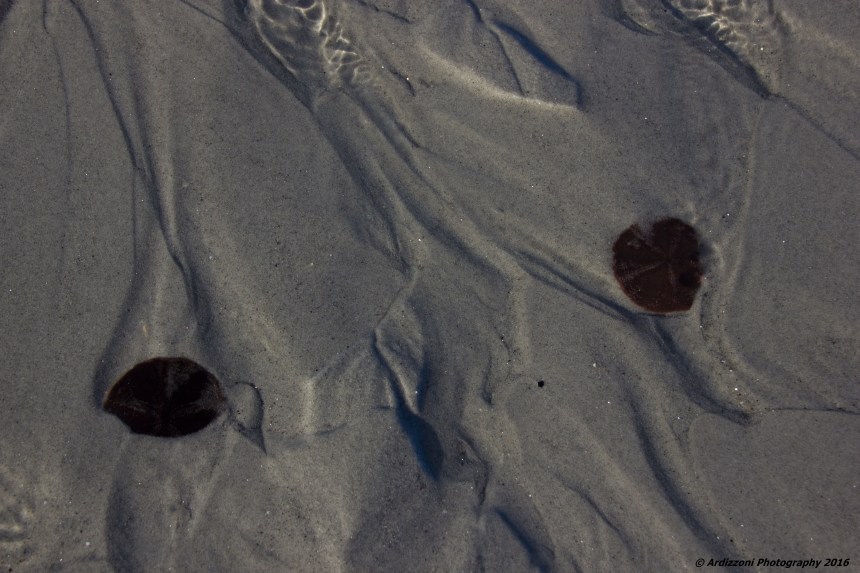
What are Sand Dollars?

February 7, 2016 Sand Dollars at Wingaersheek Beach
What is a Sand Dollar?

A sand dollar shell looks sort of like a round white coin, which is where it gets its name. When you see a sand dollar that’s washed up on the beach, it usually appears to be a round, white circular disk, typically one inch to four inches in diameter. When they’re alive they’re actually a dark color, covered with short dark spines that look almost like fur. These spines are moveable, and the sand dollar uses them both to move around on sea bottom and to push small pieces of food to its mouth. Just as the common sea star or starfish has five arms, most sand dollars have a pattern of five sets of pores on them. Those are used to move sea water into the sand dollar’s body, which is then pumped to where it’s needed to aid in movement or other internal functions. Sand dollars like smooth sandy or muddy ocean bottoms. They mainly live in shallow water, near land.  Sand dollars reproduce by releasing eggs and sperm into the water, where they join and develop into free-swimming larvae. These develop through several steps until the hard skeleton starts to form. Then they drop to the bottom and live the rest of their lives there. If the water is fairly calm where they live they will often stand on edge, partly in the mud and partly exposed to the clear water. If they live in an area with strong currents, sand dollars can hold their position by burrowing into the soft bottom. They will also swallow sand grains to build up their weight so they don’t get washed away!  If you find a sand dollar skeleton on the beach (looking at low tide is best), and it’s white (so you know it’s not still alive), and the rules for that beach say it’s O.K. to take it, then you may.

Seashellsandsuch.com


Seashellsand such.com

Sand Dollars at Folly Cove by David Wood

Taken while scuba diving at Folly Cove off Easy Diver charter boat. Sent to the Good Morning Gloucester Flickr Group by Easy Diver Chris