
Hearty New Englanders
My View of Life on the Dock
Hearty New Englanders

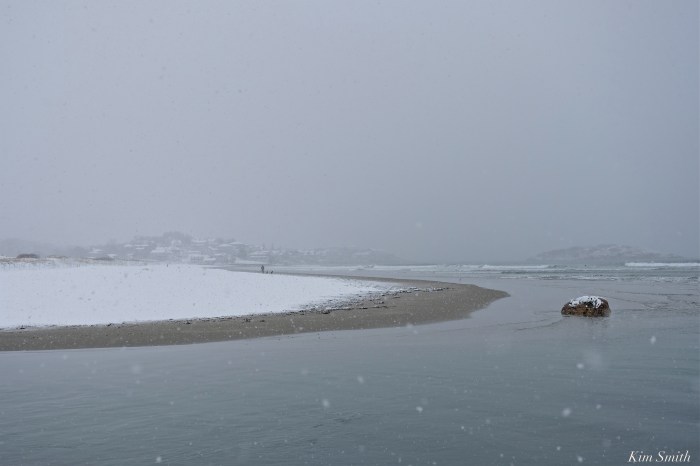
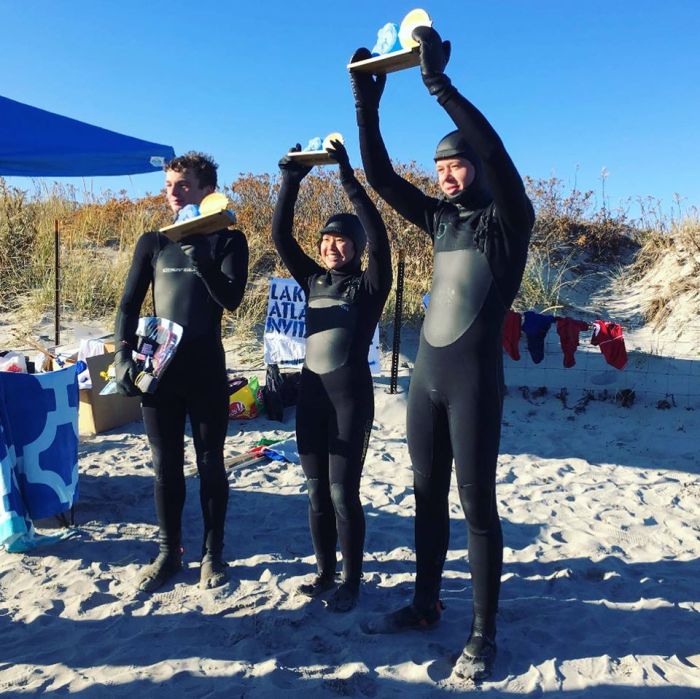
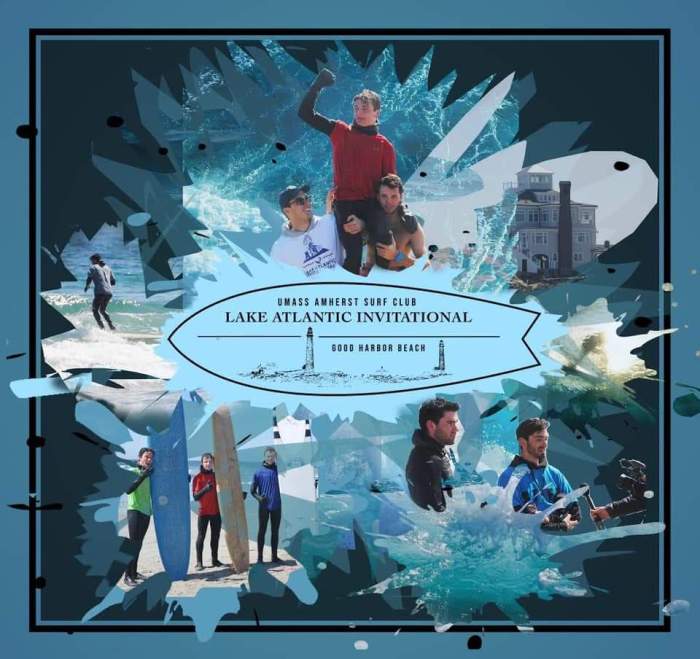
I asked the UMASS surf club how the Lake Atlantic Invitational competition fared on November 16, 2019 at Good Harbor Beach. The ocean was rather “lake” in the morning and the air a brisk 22 degrees.
“The competition was a huge success! The waves got better throughout the day, and we had a lot of creativity with crossstepping, handstands, and laying down backwards almost like a coffin.” The final results:
John Lane (3rd place from last year) in first
Colby Kelly (last year’s winner) in second
Juliet Dodson of UMass Surf Club in third
“We’re not sure yet if we’re going to try to do these competitions annually or biannually, but keep an eye out for another competition in April, most likely still somewhere in Gloucester. And yes it was chilly, but most of us are used to that weather having grown up in the area, and even the competitor from California did a good job overcoming the cold with help from a nice winter wetsuit.”
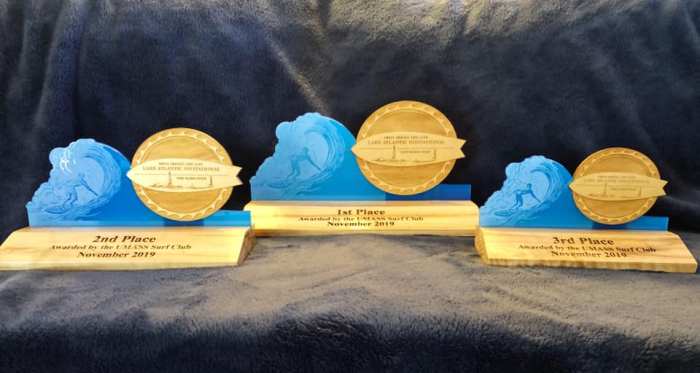
UMASS Surf Club https://www.facebook.com/umasssurfclub/

photo caption: “On the left is Myles Wrinn, the Forecaster for the club for the last 2 years and on the right is Peter Roy, current President of Surf Club. The club was founded by alumni in 2014.”

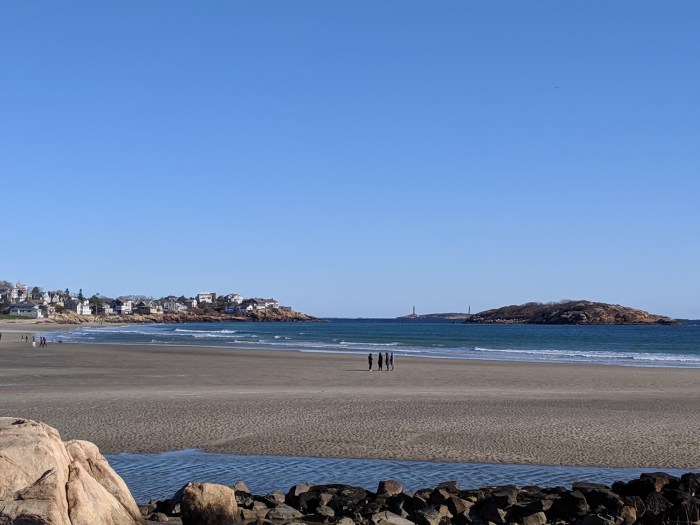
Beautiful day! Conditions now
UMASS Surf Club https://www.facebook.com/umasssurfclub/
11/26/19 – 10-2pm Lake Atlantic Invitational
————–
The first competition was held back in April 2019. “Colby Kelly, 18, of Gloucester, was named the competition’s first champion. Rhodes Cole, of Rockport, came in second and John Lane, of Yarmouth, Maine, came in third.” read more here and scenes below setting up the first time.



Tonight’s full (appropriately named) Frost Moon rising between the Twin Lights. The Frost Moon is also known as the Beaver Moon and Mourning Moon. Oh how I wish I had my tripod with me tonight, but this image is fun anyway. I think it would make a better painting.



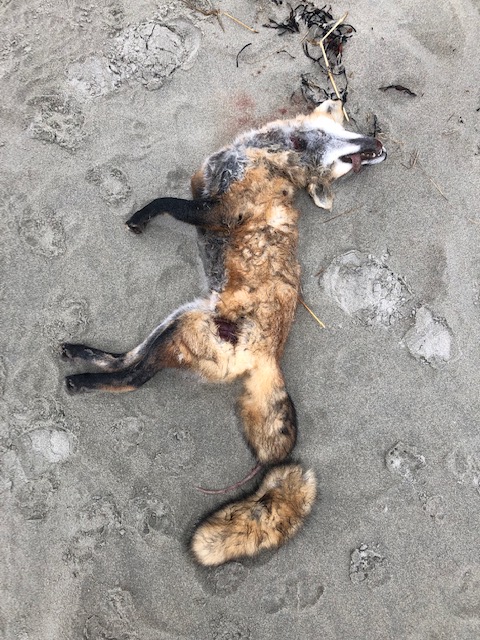
Friend Jennie writes that she was able to take a photo of the dead young fox at Good Harbor Beach this morning before Animal Control arrived. This is the third dead fox found in Gloucester recently. Such beautiful creatures and so heartbreaking to see.
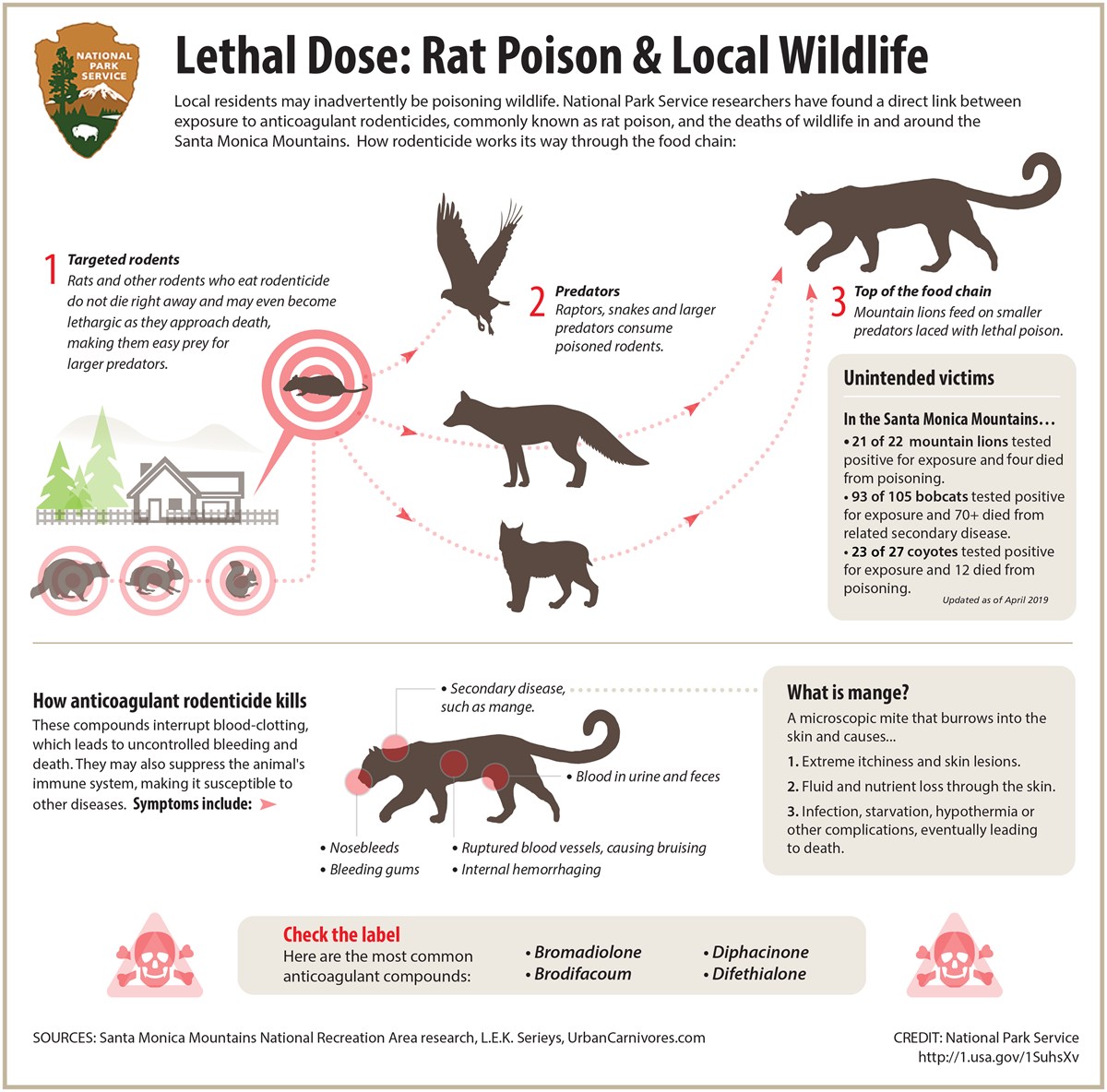
Although Gloucester does not do autopsies unless rabies is suspect, the ACO believes that the foxes were mostly likely killed consuming rat poison.
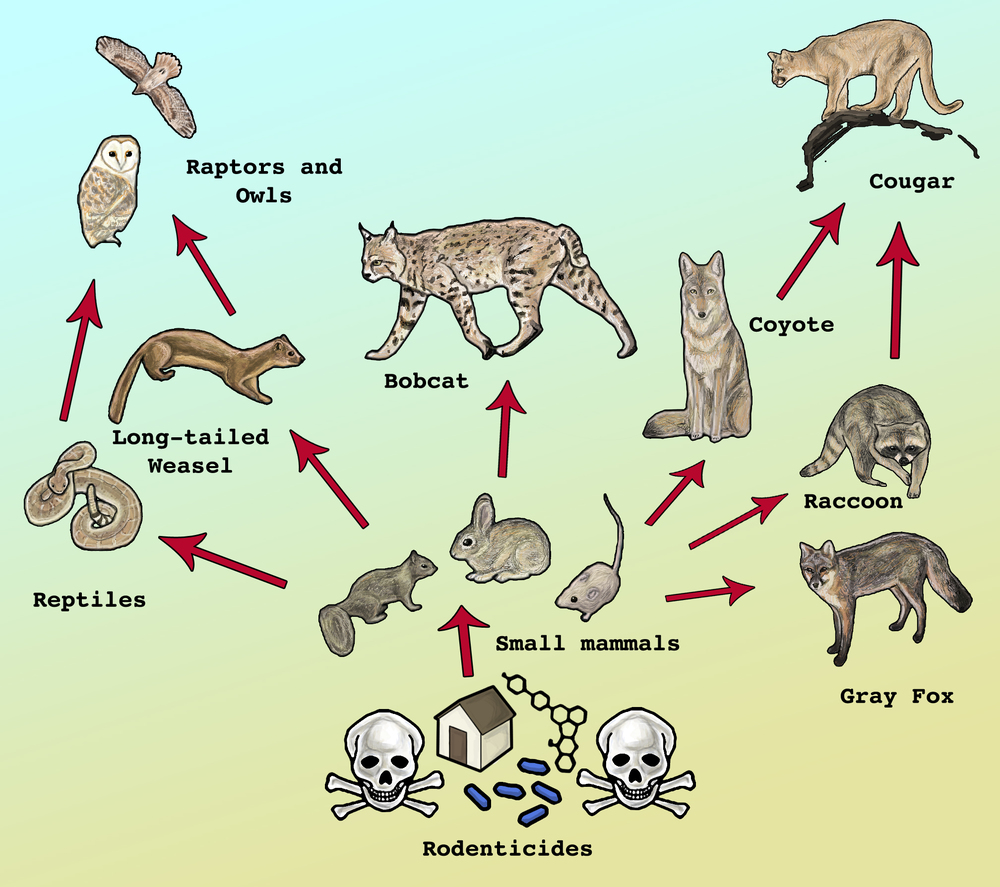
In the graphics below you can see how rat poison kills not just rats, but all that come in contact. Fox and raptors, such as owls and hawks, hold a similar position in the food chain. Rat poison also sickens and kill dogs and cats. Here is a link we posted a while back about alternatives to deadly rat poison:






GOOD MORNING GLOUCESTER!



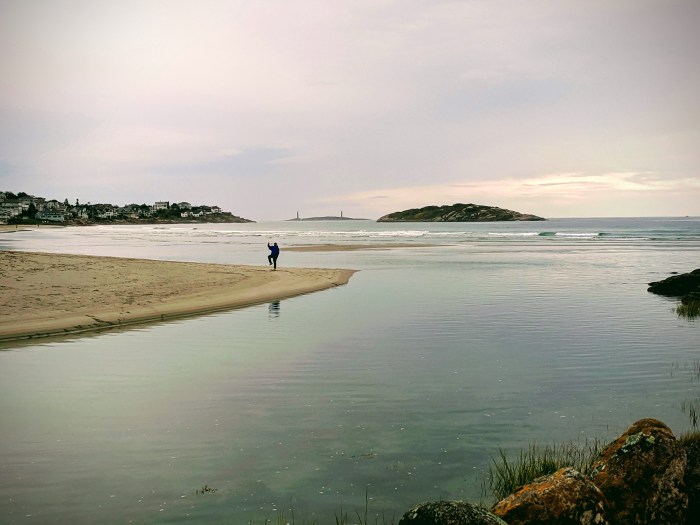

Last night, the Gloucester City Council voted unanimously to make permanent the ordinance change disallowing dogs on the beach after March 31st. A sunset clause had been added to the ordinance when the ordinance was passed last April. The sunset clause was expected to expire at the end of this year. The vote keeps in place the new regulation, which is that dogs are allowed on Good Harbor Beach from October 1st through March 31st.
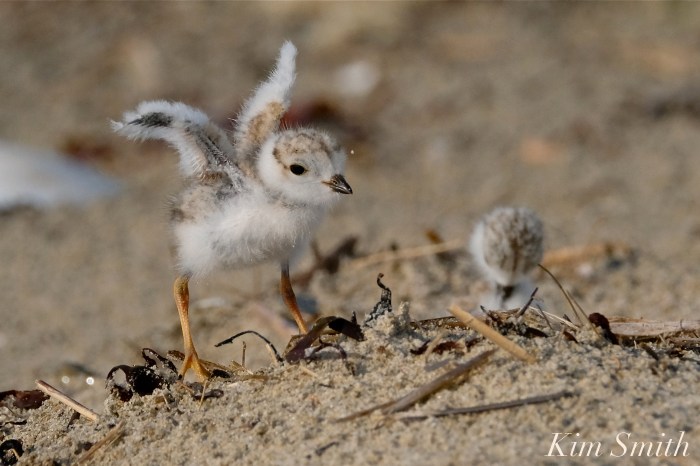
The permanent rule will help all wildlife at Good Harbor Beach, but most especially nesting Piping Plovers (and Killdeers). We had a wonderfully successful year fledging three Piping Plover chicks, due we think to the cooler spring weather, the ban on dogs after April 1st, increased enforcement, and to the over 1,000 man hours donated by a group of 45 super dedicated Piping Plover volunteer monitors.
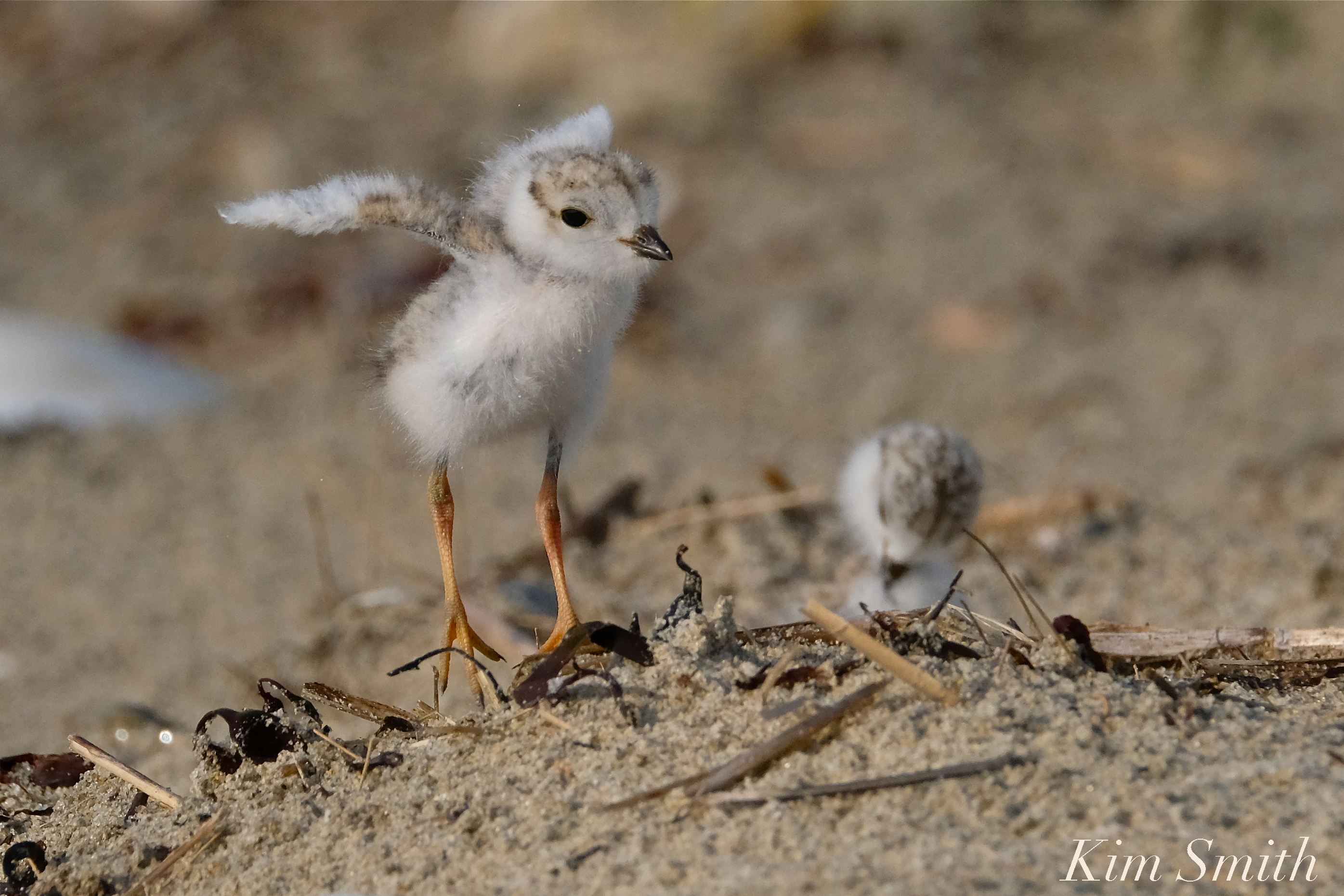 Thank you Gloucester City Council!
An extra huge shout out to two very special people– Ward One City Councilor Scott Memhard, who is also our new councilor liaison to the Animal Advisory Committee. He has been providing excellent, clear, non-combative, and non-prejudiced advice and is truly committed to assisting the committee positively, with an open and fair mind. Our deepest thanks to Heather Hall, who has spent the past month exhaustively combing through documentation to create a spreadsheet compiling the monitors report’s throughout the summer–that’s how we know there were 45 monitors total and 1,00 plus hours spent volunteering with the PiPls.
Thank you Scott and Heather ❤


Surfer racing to catch the waves.
The surfer ran up so unexpectedly that I don’t have time to pull back my lens, but I like the images anyway.

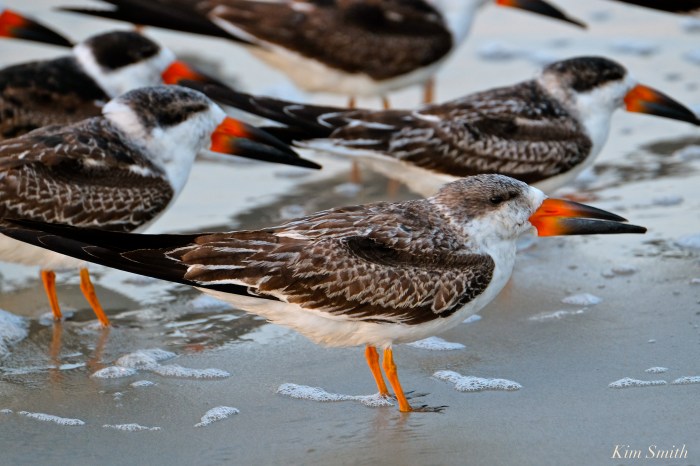
Thanks to my friend Heidi Wakeman who texted to let me know there was what she thought a trio of Black Skimmers down the creek at Good Harbor Beach. I raced over and sure enough there were three Black Skimmers, as well as several Laughing Gulls, resting on the creek edge along with a flock of gulls.
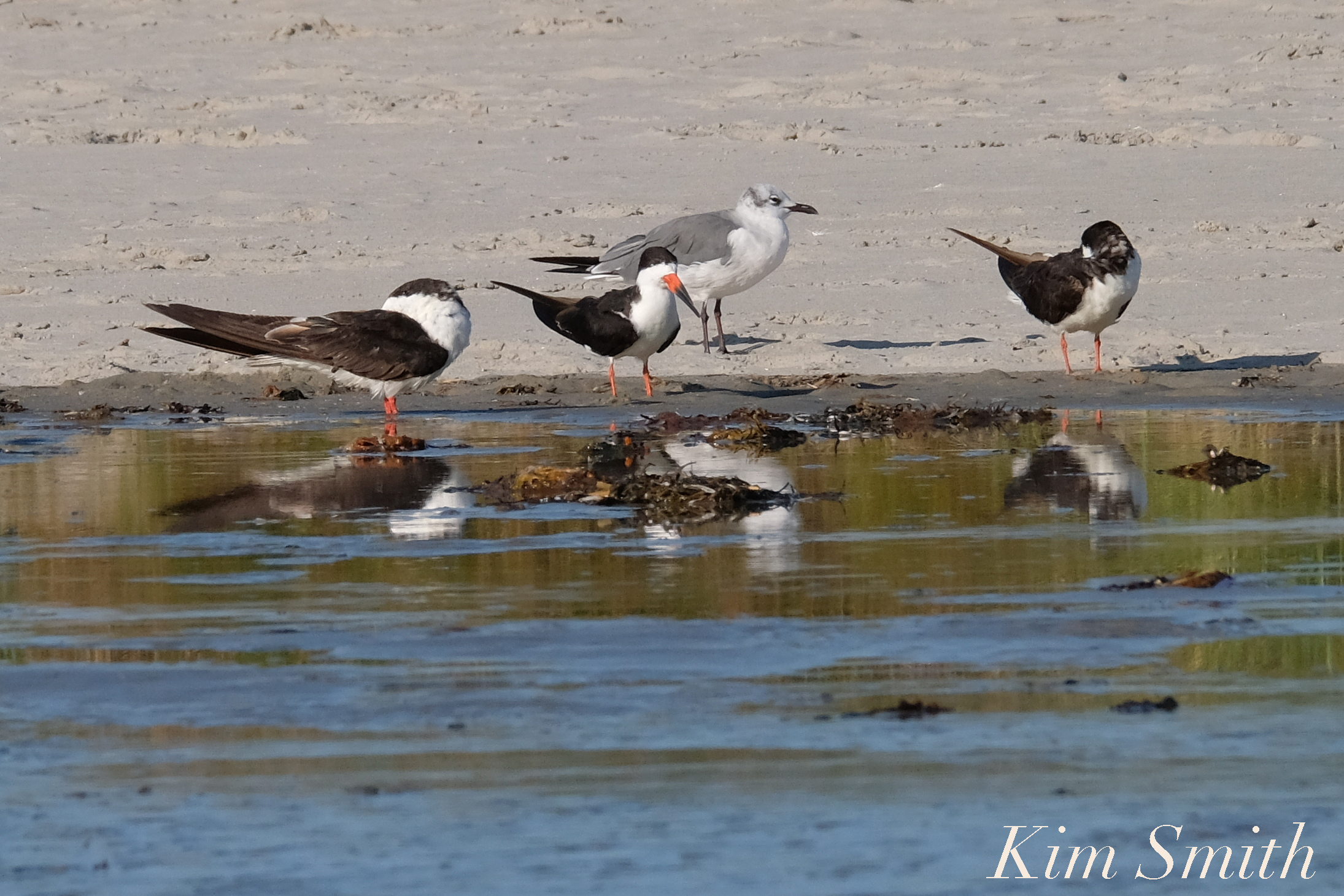
You could tell they were weary and wind tossed so we observed from the far side of the creek so as not to disturb the little travelers. Heidi and I enjoyed watching for a bit. A Great Blue Heron briefly flew on the scene, joining a mixed gathering of herons and egrets. Heidi stayed awhile longer and got to see them fly and skim-feeding.
 Black Skimmers are called as such because they have a unique-to-their species method of foraging. Their lower mandible is longer than the upper, which allows them to skim the surface for small fish.
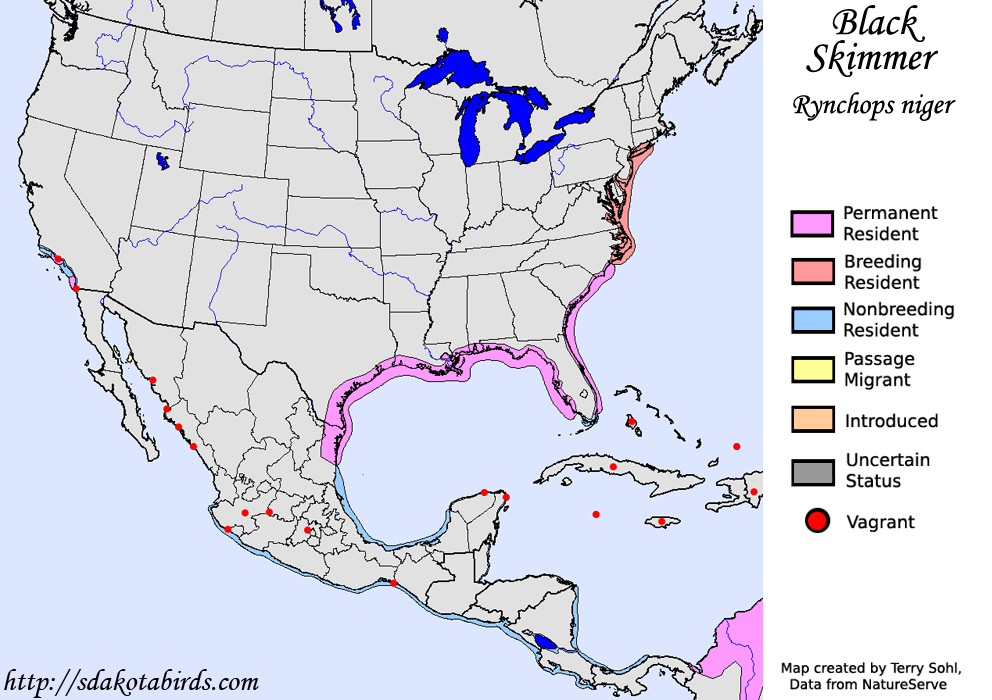
Southern Massachusetts is at the very northern range of the Black Skimmers breeding range. I imagine they have been blown off course by Humberto’s wildy winds.
Black Skimmers are not all that Hurricane Humberto delivered to our shores. The surf was tremendous Friday afternoon, with long lovely rolling waves that towered and crashed ashore. The late day softening light and a fine mist from the heavy amounts of moisture in the air lent an atmospheric light to all.


Here are some photos I took of Black Skimmers two years ago at Cape May, New Jersey, while documenting the Monarch migration along the southern New Jersey coast. Just as do Monarchs, Skimmers gather in great numbers at Cape May in late summer and early autumn, waiting for the right conditions to cross the Delaware Bay.



Sealed with a kiss ❤


 Stephanie Peters a comedian was at Good Harbor Beach meeting her friend “Buddy” the Seagull, Buddy is also the character in a children’s book she is writing about being kind to animals. Stephanie on Facebook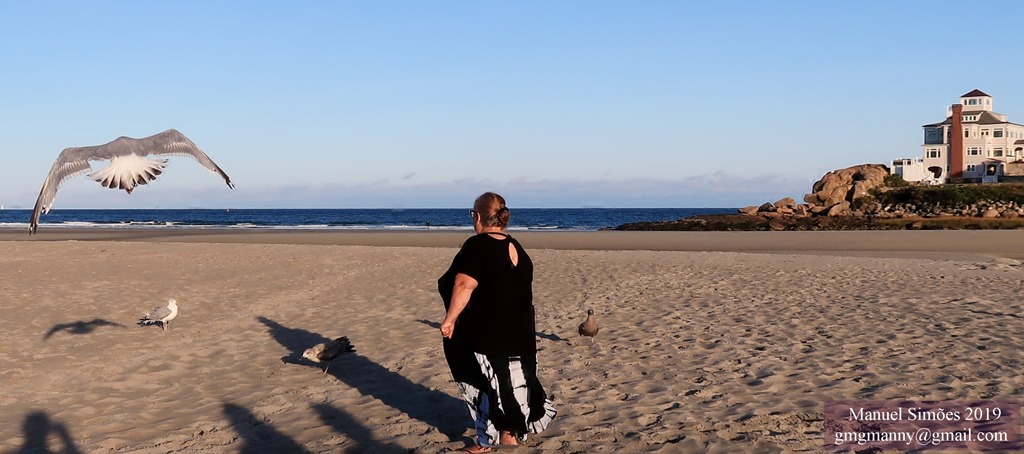


 Double click to see full size

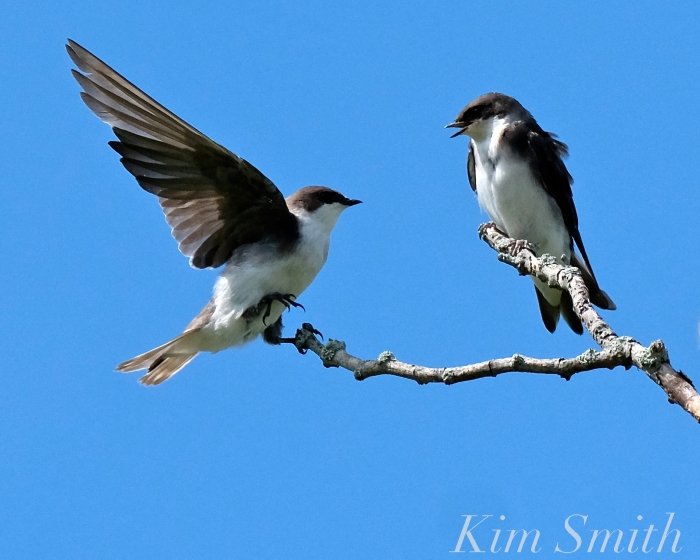
Without doubt, the spectacular summer/autumn migration that takes place each year along the shores of Cape Ann has begun. Everywhere we turn, there are magnificent creatures foraging along our shoreline. In one day alone on an early morning walk this past week were Ruddy Turnstones, Black-bellied Plovers, Willets, Spotted Sandpipers, and great flocks of Semi-palmated Plovers and Sanderlings. I think I’ll write a little series with a paragraph or two devoted to each species for the upcoming week.
For today though, I wanted to share photos of a flock of Tree Swallows that were gathering at Good Harbor Beach. A friend wrote wanting to know more about the beautiful birds we see massing at both Good Harbor and Wingaersheek Beaches at this time of year.


From 2018 – Over the course of the summer while filming the Piping Plover Family at Wingaersheek Beach, Tree Swallows began flocking in ever increasing numbers. They became part of the Piping Plover story not only because they occasionally dive bomb the Piping Plovers, for whatever reason I am not entirely sure, but also because they are beautiful to observe, and occasionally, seemingly playful, too.
Songbirds that they are, Tree Swallows make a cheery chirping chatter. They have long narrow forked tails, all the better for gliding and for their signature aerial acrobatics. The male’s upper parts are a brilliant iridescent blue-green, the female’s somewhat duller, and both female and male have white underparts. The migrating juveniles are almost entirely brown with either white or pale grayish underparts.
Tree Swallows breed in the wetlands and fields of Cape Ann. Their name comes from the species habit of nesting in tree cavities. Tree Swallows have benefited tremendously from efforts to help save the Eastern Bluebird because they also nest in the nest boxes built specifically for the Bluebirds.
Acrobatic aerialists, they twist and turn mid-flight to capture a wide variety of insects including butterflies, dragonflies, greenheads, bees, beetles, and wasps.
Utilizing both fresh and saltwater to bathe, Tree Swallows have a unique habit of quickly dipping and then shaking off the excess water while flying straight upwards.
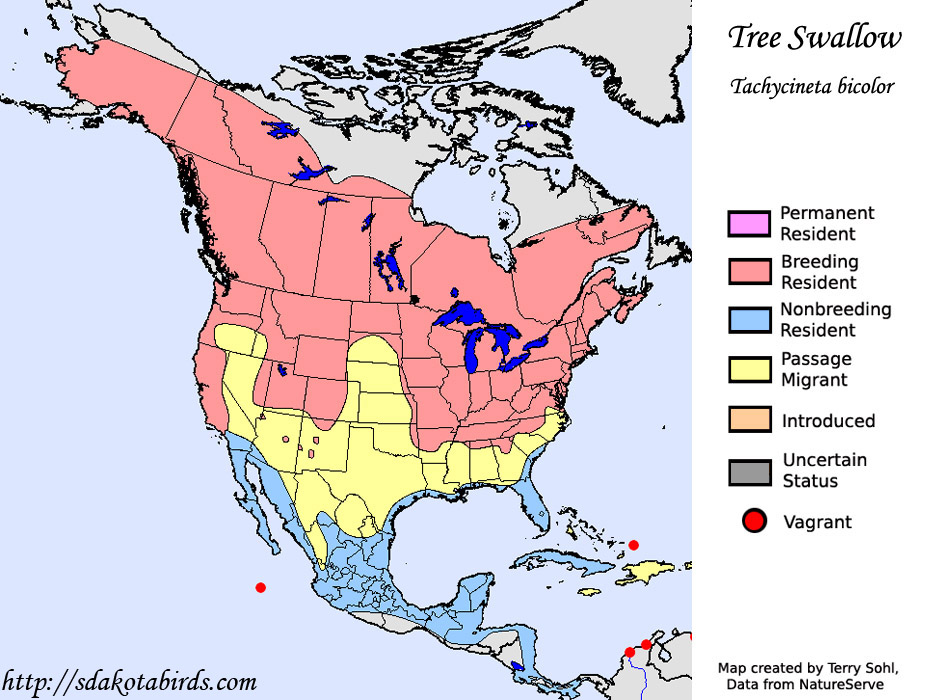
Tree Swallows begin migrating southward in July and August. The flocks that we see gathering on Cape Ann migrate along the Atlantic Flyway. They overwinter in the southern states of the U.S., Mexico, the Caribbean, and Central America. Unlike migrating species of butterflies, several generations of Tree Swallows migrate together, the older birds showing the younger birds the way.
Music composed by Jules Massenet: “Méditation” from Thaïs

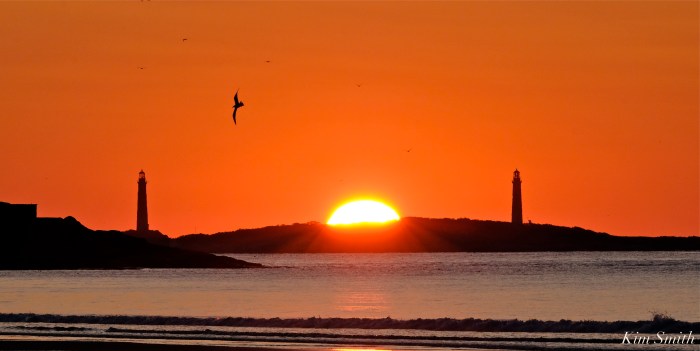
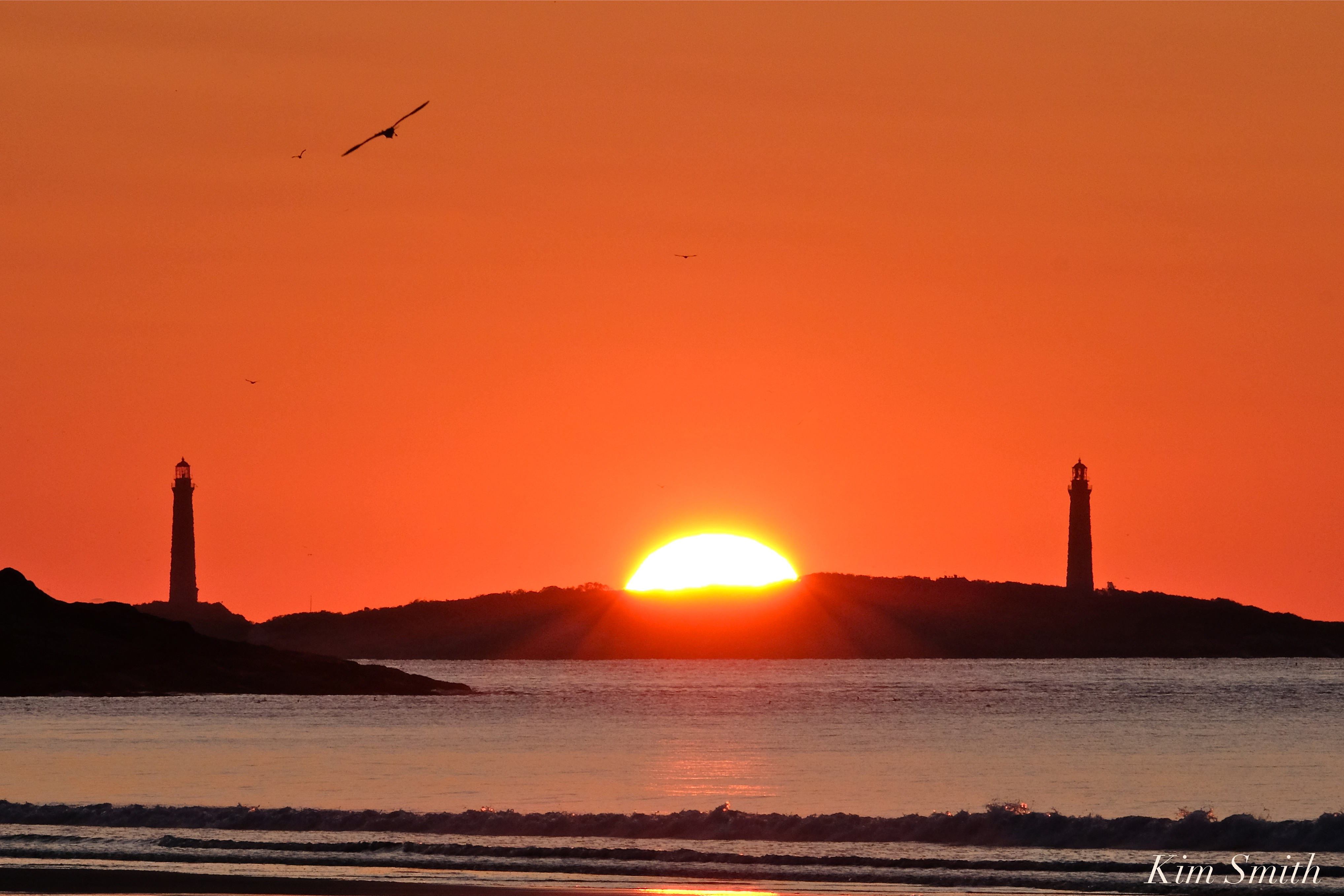
Beautiful August Twin Lights sunrise

Bride to be, searches for wedding backdrop in Gloucester. She loved Good Harbor Beach’s bridge, envision bridal party’s reflection on the water from the bridge. Symbolizing one of many bridges we cross in life.



 Good Morning Gloucester