
Group from Malden MA
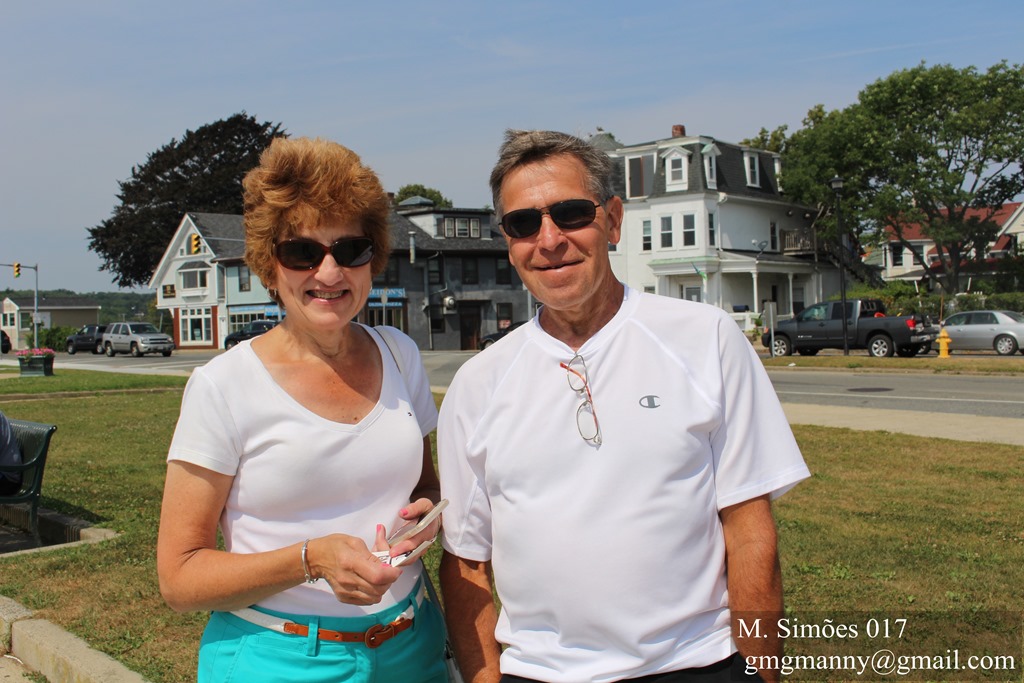
Couple from Lynnfield MA

A young lady from Beverly sporting a great smile
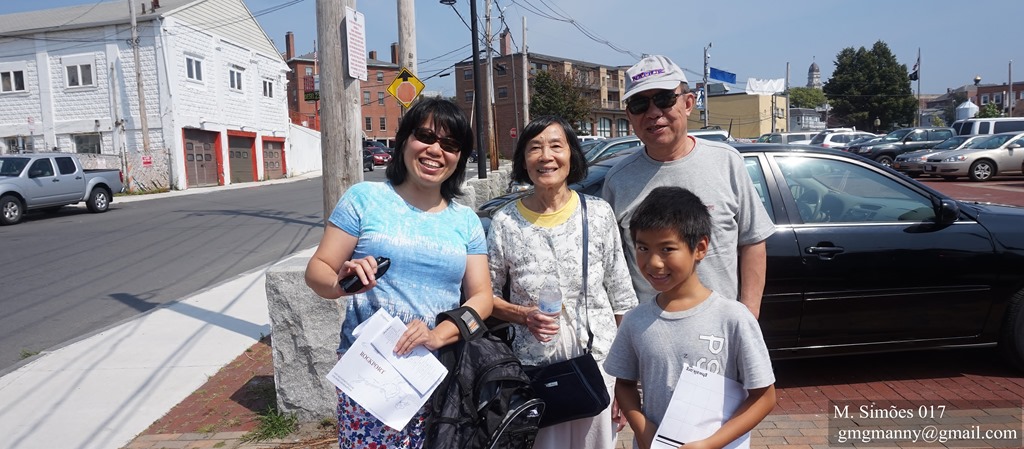
Family from Boston heading to a Whale Watch

This group is made up of people from Gloucester, Rockport and Woburn MA
My View of Life on the Dock
Group from Malden MA
Couple from Lynnfield MA
A young lady from Beverly sporting a great smile
Family from Boston heading to a Whale Watch
This group is made up of people from Gloucester, Rockport and Woburn MA

 7:00 pm
Boat Parade of Lights
The annual Boat Parade of Lights begins at dusk at Jones Creek on the Annisquam River, travels down the river, through the drawbridge and into Gloucester Harbor, ending in the Smith’s Cove area of the harbor.Click here for information on joining the Lighted Boat Parade.
9:15 pm
Fireworks Display over Gloucester Harbor. (following Parade of Lights, time approximate)
(The Gloucester Fireworks Committee is in need of more donations for the Labor Day weekend fireworks. Donations may be made to The Gloucester Fund, 45 Middle St., Gloucester, MA 01930. Please notate “fireworks” on your donation.)

Photo’s from Gloucester’s fantabulous-in-every way Maritime Heritage Day. With wonderful activities for mariners at heart, both young and old, beautiful wares for sale, folk music, and delicious seafood, this event just gets more and more awesome every year. I can’t wait to take our granddaughter to next year’s Maritime Heritage Day!


 Maritime Heritage Day Sunrise Panorama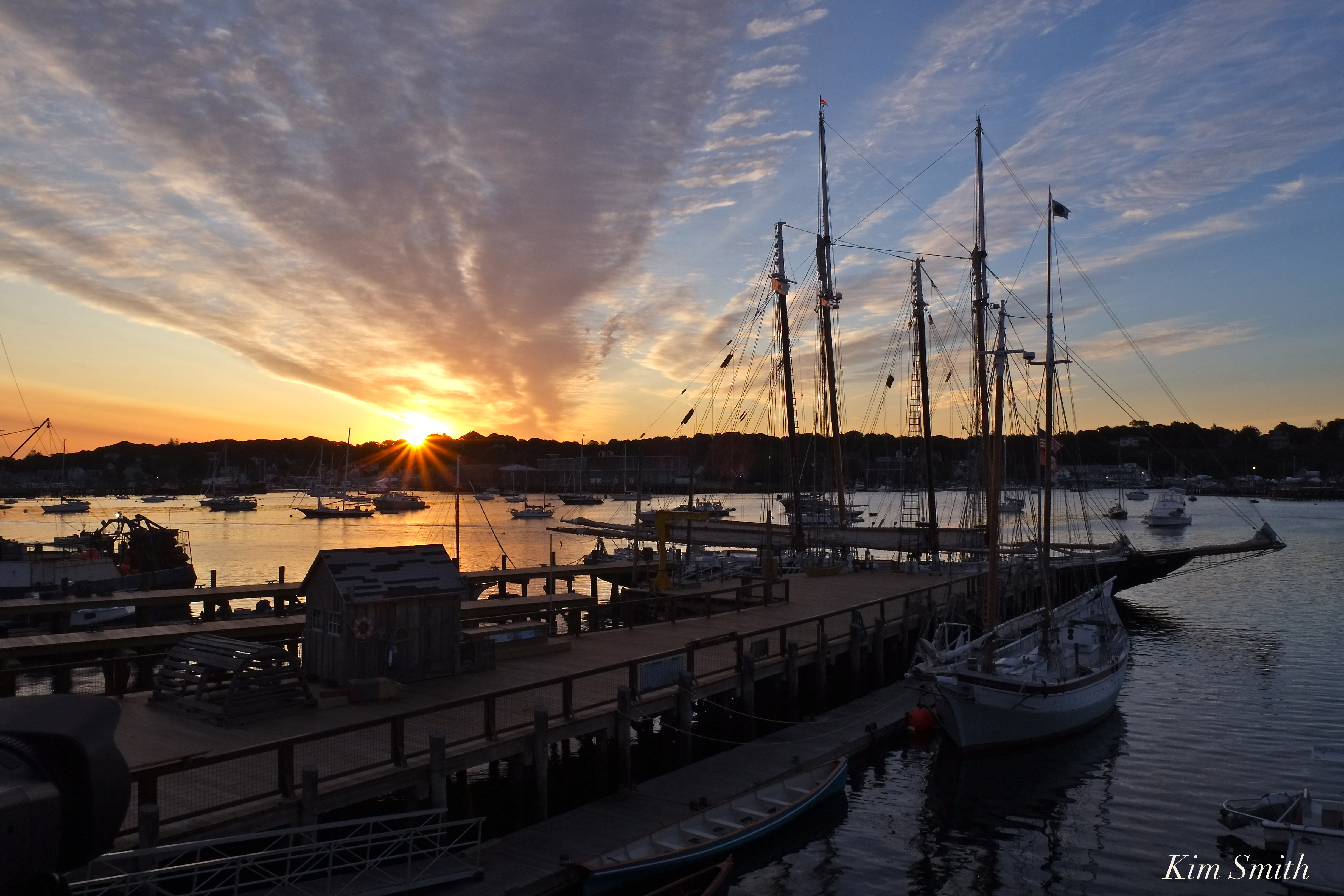

Toby Burnham, also known as The Seagull Whisperer, and his lobster boat the Jupiter II, spotted along the Back Shore.





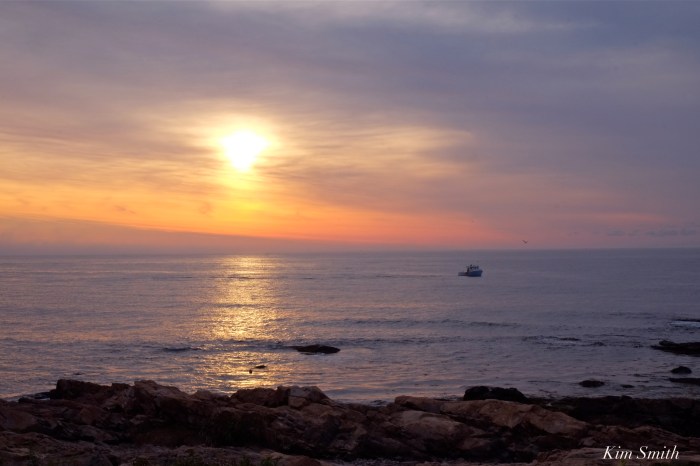

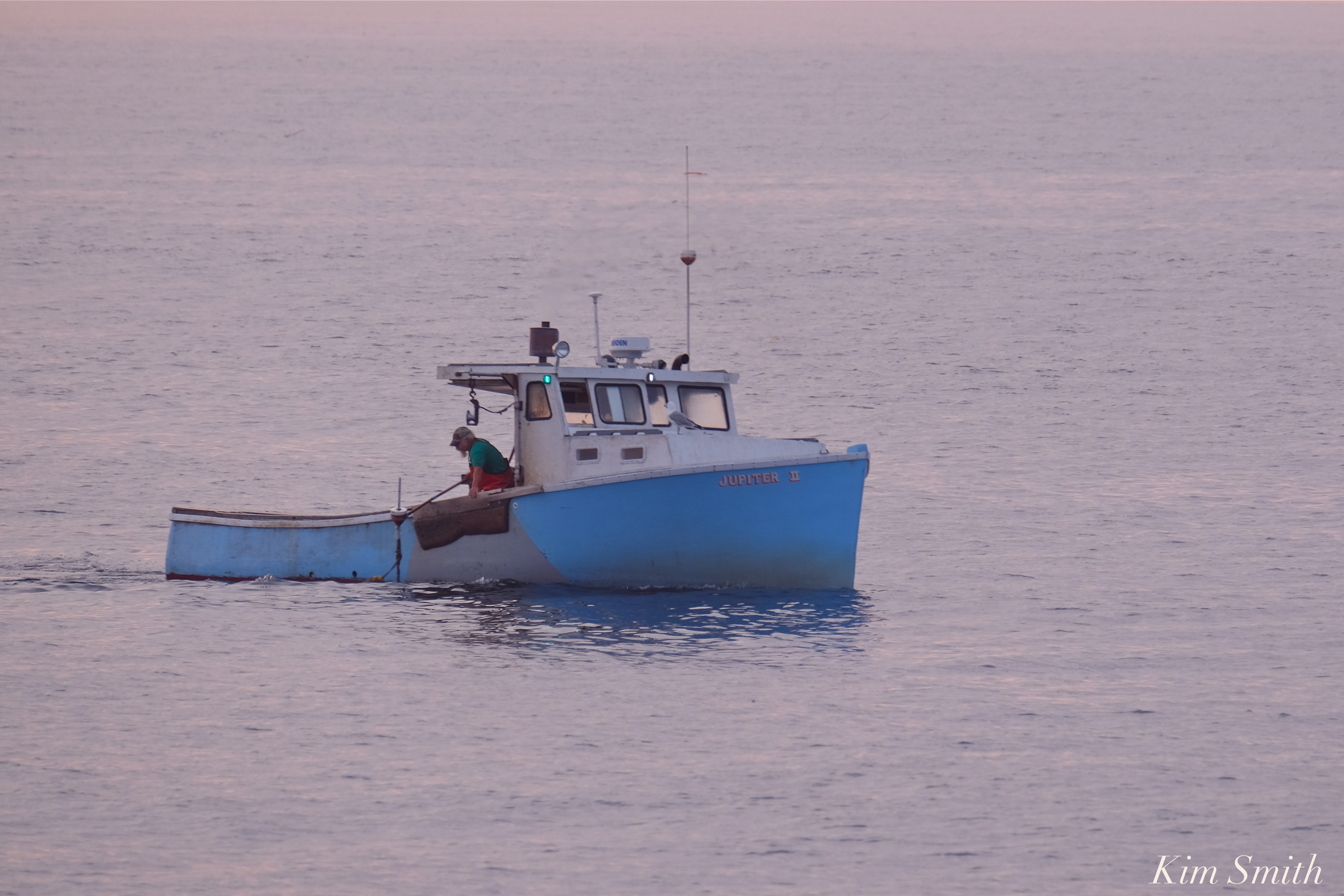 Toby Burnham The Seagull Whisperer


Some of the people that make Friends of Seacoast able to help the people of Seacoast.

Longtime Eastern Point resident Elli shares this lovely scene of a doe and fawn foraging in her backyard. I have seen lots of bucks in the marsh at the EP Lighthouse and we’ve had a few single deer in our yard on Plum Street, but never a fawn and doe. I sure would love to photograph/film a fawn and mom on Cape Ann. Thanks so much to Elli for sharing!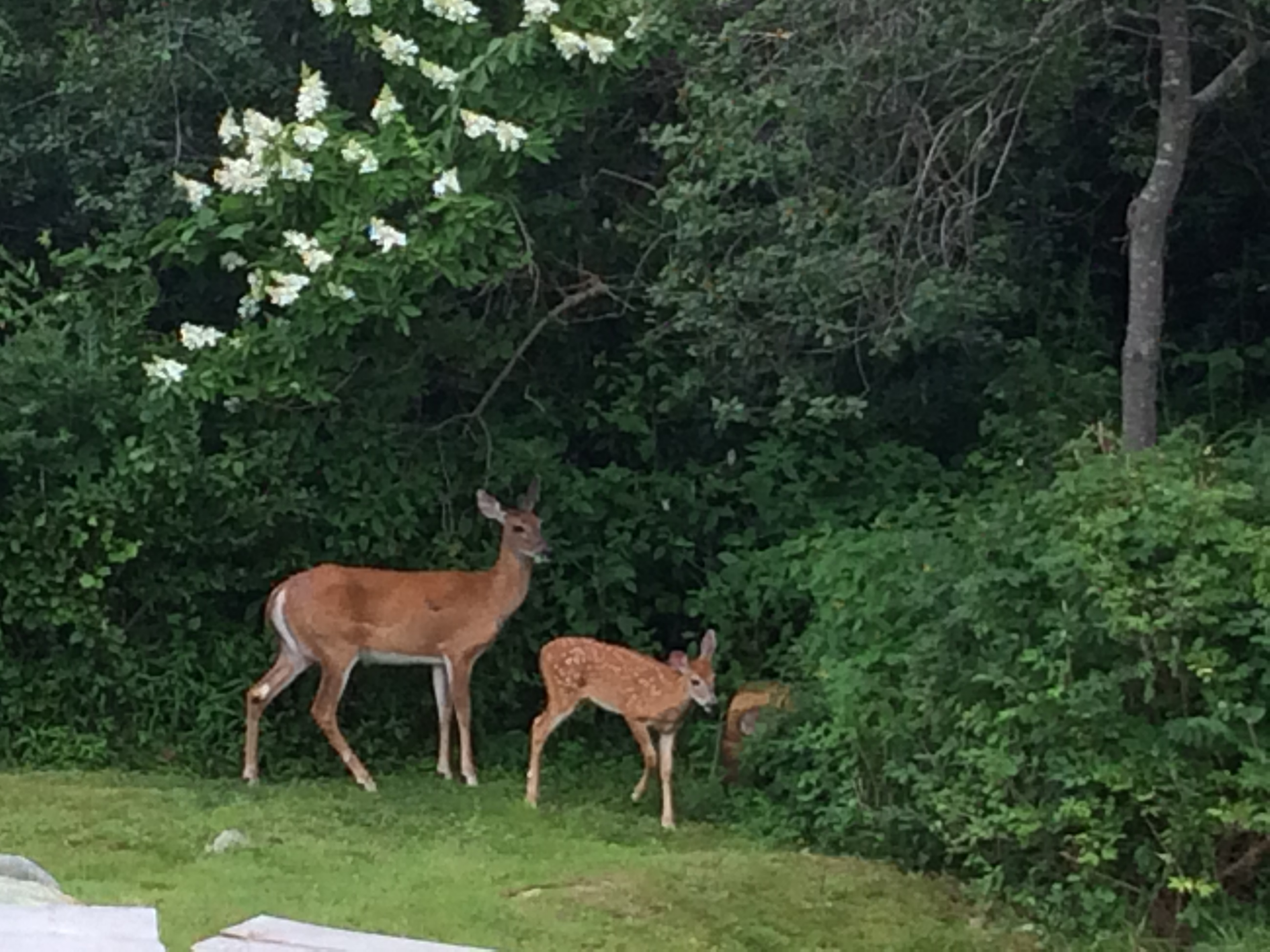 White-tailed doe and fawn, Eastern Point, Gloucester

One for All and All for One !
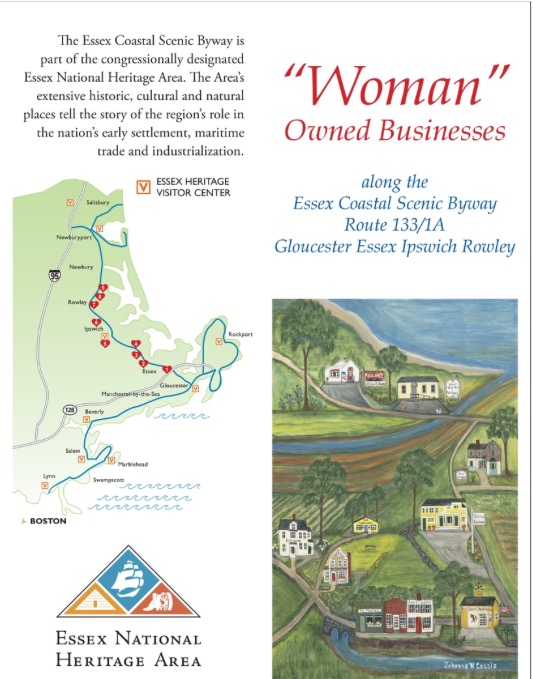
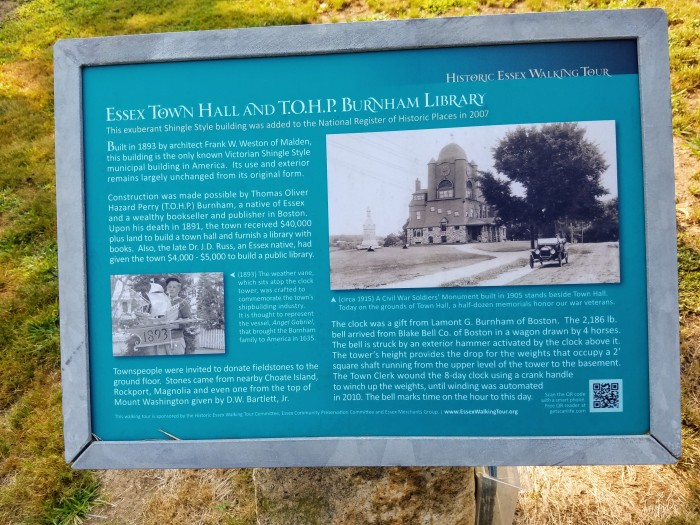
Local women retailers and colleagues from Gloucester, Essex, Ipswich and Rowley met early last spring about working together to market their businesses. These street level shops represent 4 cities and towns, and share a regional ‘Main Street’ – Route 133/1A, part of the gorgeous 90 mile Essex Coastal Scenic Byway. The new Woman Owned Businesses Along The Essex Coastal Scenic Byway brochure will be in stores before Labor Day. I’ll re-post with higher resolution images and final copy when it’s unveiled. While you’re exploring this contemporary woman owned businesses trail, don’t miss the fantastic historic exhibition The Women of Essex – Stories to Share show sponsored by the Essex Historical Society and Shipbuilding Museum, on display on the 3rd Floor of the Essex Town Hall and Library, 30 Martin Street (Route 22), Essex.
Fun route is easy to follow
#1 Pauline’s Gifts, Gloucester
#2 Essex Bird Shop & Pet Supply, Essex
#3 Sea Meadow Gifts and Gardens, Essex
#4 The Essex Exchange, Essex
#5 Olde Ipswich Shop & Gallery, Ipswich*
#6 AnnTiques, Ipswich
#7 Be Modern, Ipsiwch
#8 Lost Treasures, Rowley
#9 Serendipity at Todd’s Farm, Rowley
*Johanne Cassia, who owns Olde Ipswich Shop & Gallery –#5 on the new map–painted the illustration of their businesses featured on the brochure.

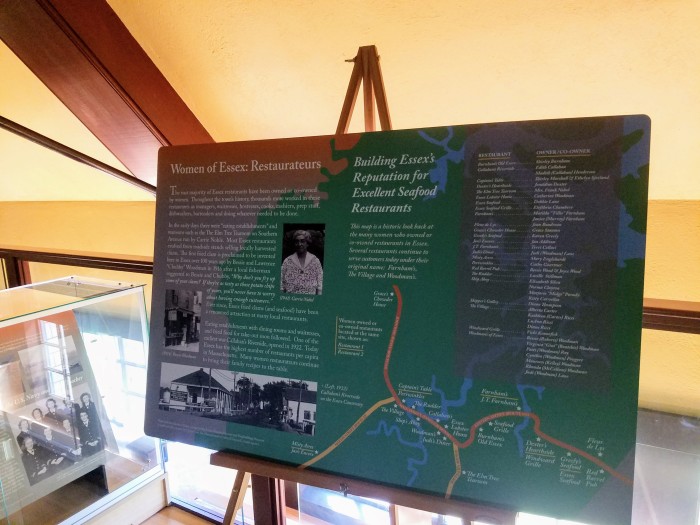
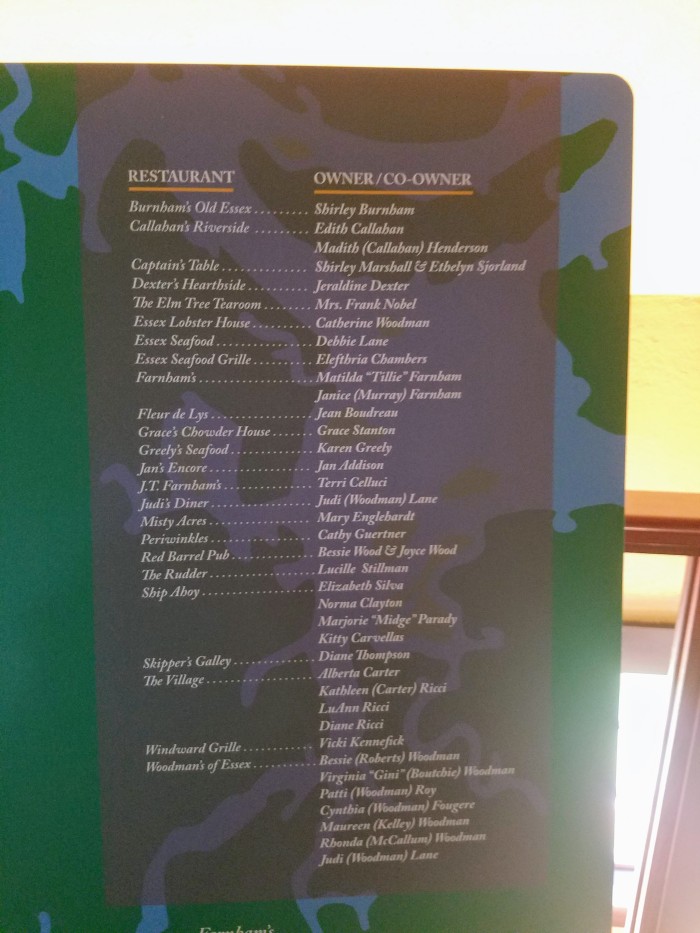
I’ve included a few scenes from The Women of Essex – Stories to Share exhibition at Essex Town Hall and the renovated bright space on the top floor, accessible for all.
photo- Women of Essex: Restauranteurs (detail from installation Essex Town Hall)
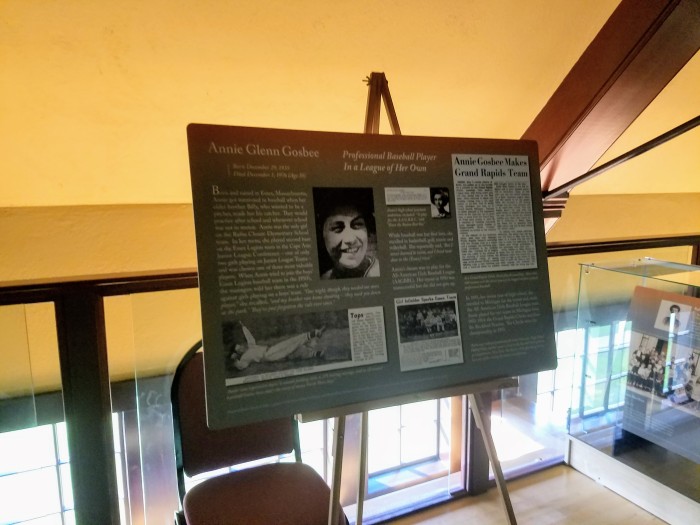
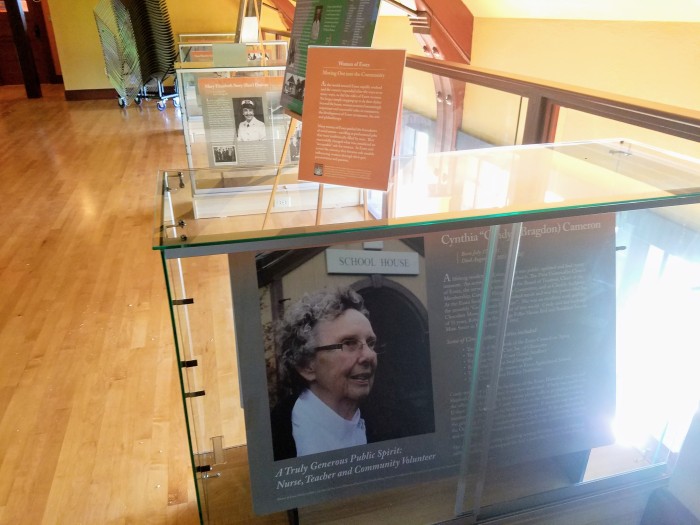
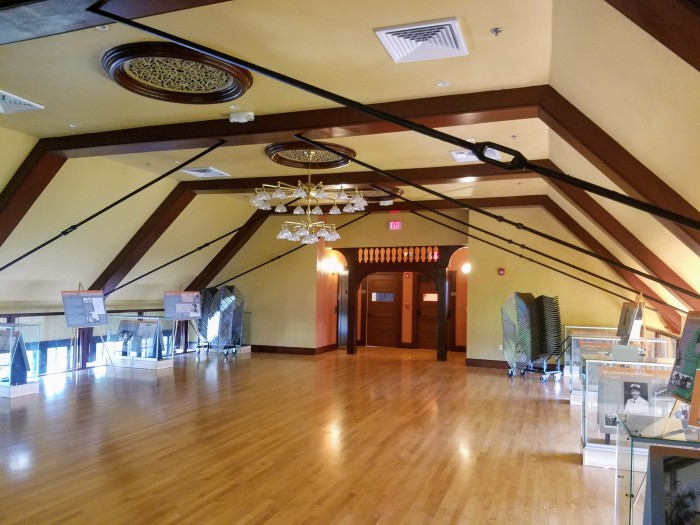
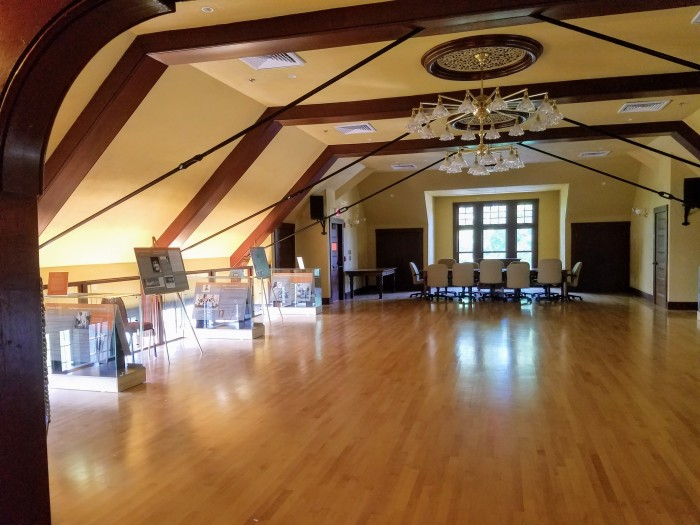


Photos from last week

For Joey, because I know how much he would love to encounter one of these beasts while swimming.
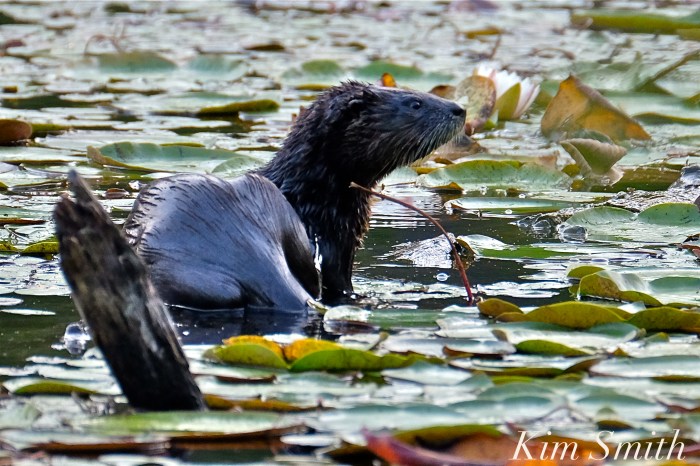
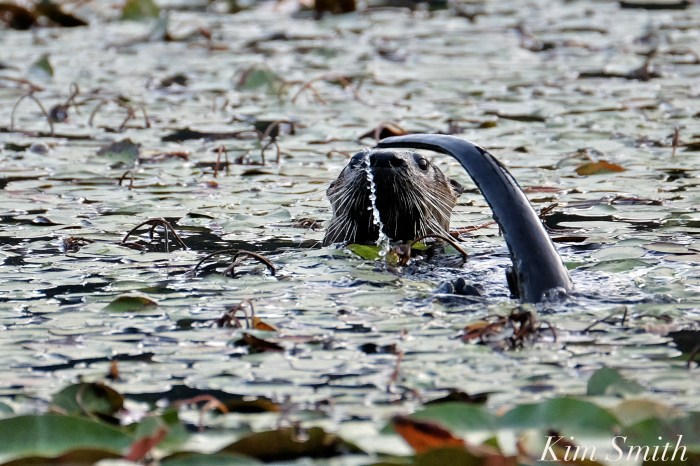
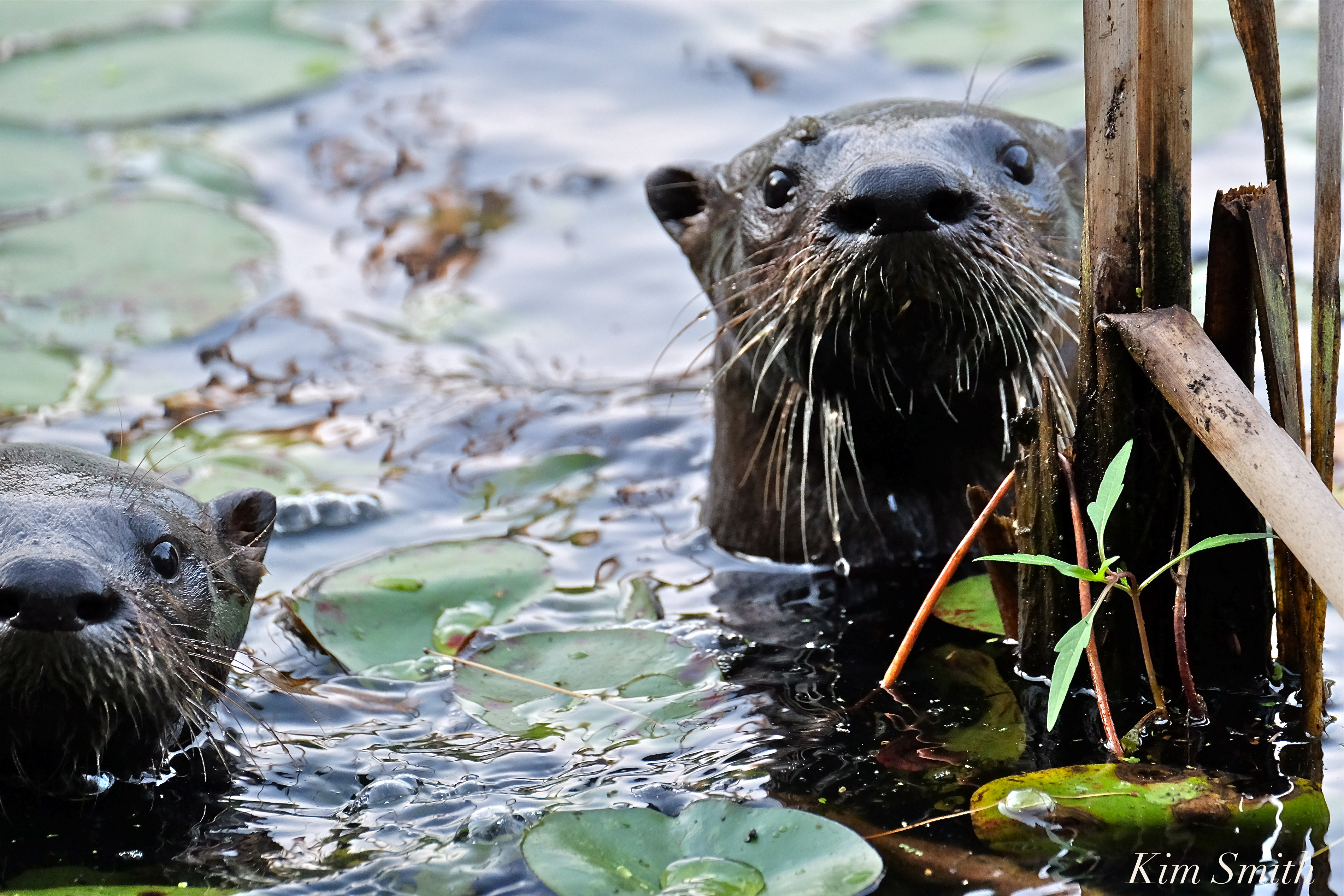 Soulful eyes of River Otters.
What a treat to come upon this North American River Otter family foraging along the pond’s edge. They are quite shy and mine was a brief encounter, but I hope to meet up with them again soon.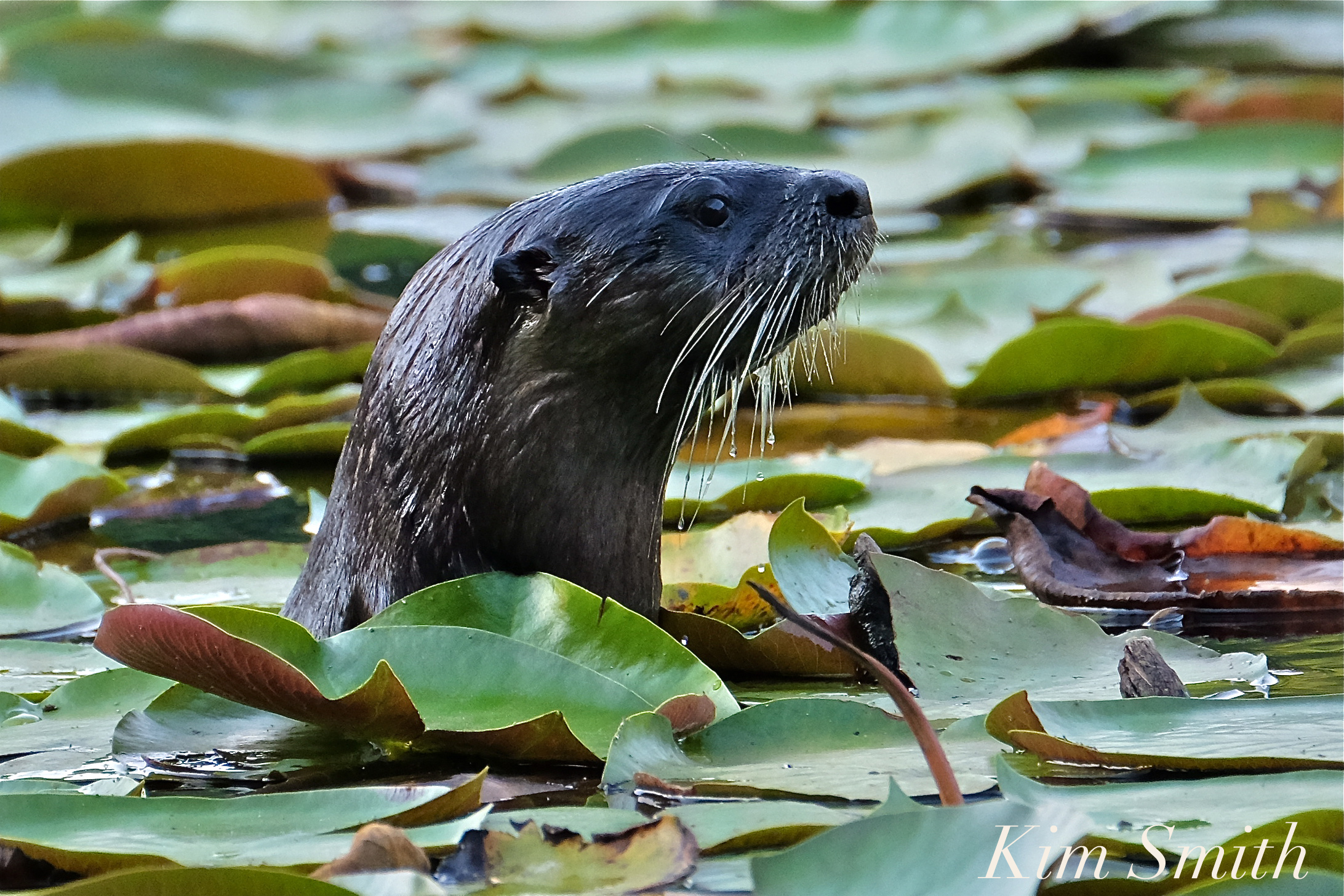
River Otters are returning to Massachusetts for several reasons, including better wetland conservation, pollution control, and the fact that the remarkable comeback of North American Beavers has also helped NA River Otters. For the few short moments that I saw the otters, the youngsters were playing with each other, while also intently feeding on frogs and tadpoles.
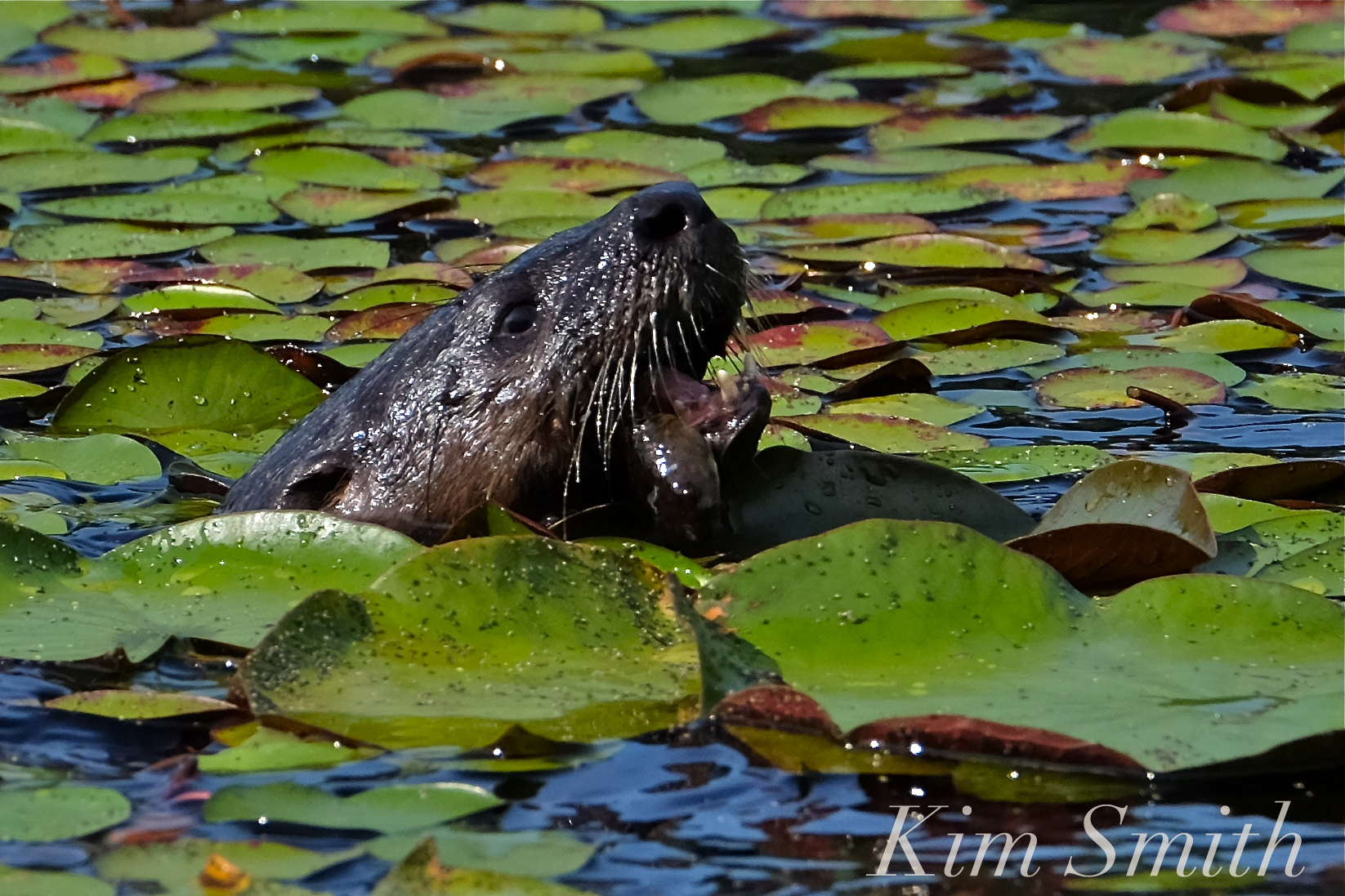 River Otter Eating a Tadpole




Follow this link for excellent information on River Otters in Massachusetts.

The simple answer is that it is a moon-shaped lens flare! The flares in your image are crescent, or ellipse, shaped because the source of light was shaped like that. Had it been an ordinary day when the sun was not obstructed by the moon, the lens flares would have been circular. A lens flare is the phenomenon where light is scattered, or flared, in a camera’s lens system, often in response to a bright light. 
The crescents in my Fujifilm camera photos are pale violet; the crescents in my iPhone photos are aqua blue-green.
https://instagram.com/p/BYEfrG6Fh1qCO6KiqNhp-7lAS3bb0i-22x4WBw0/
https://www.instagram.com/p/BYJMwejlnp0/

Good Morning Gloucester, brought to you by Good Harbor Beach.


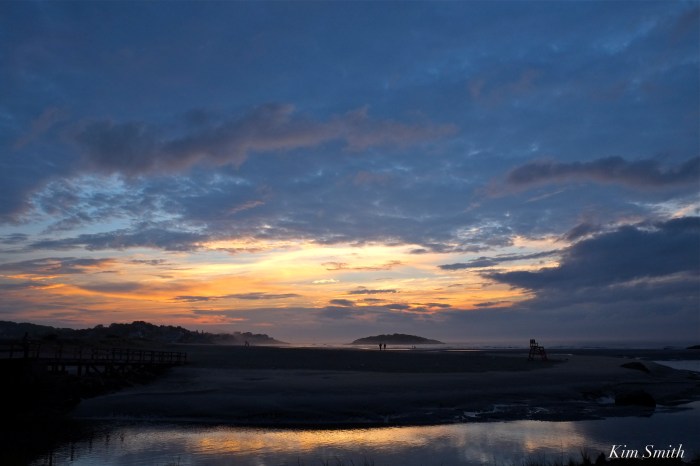
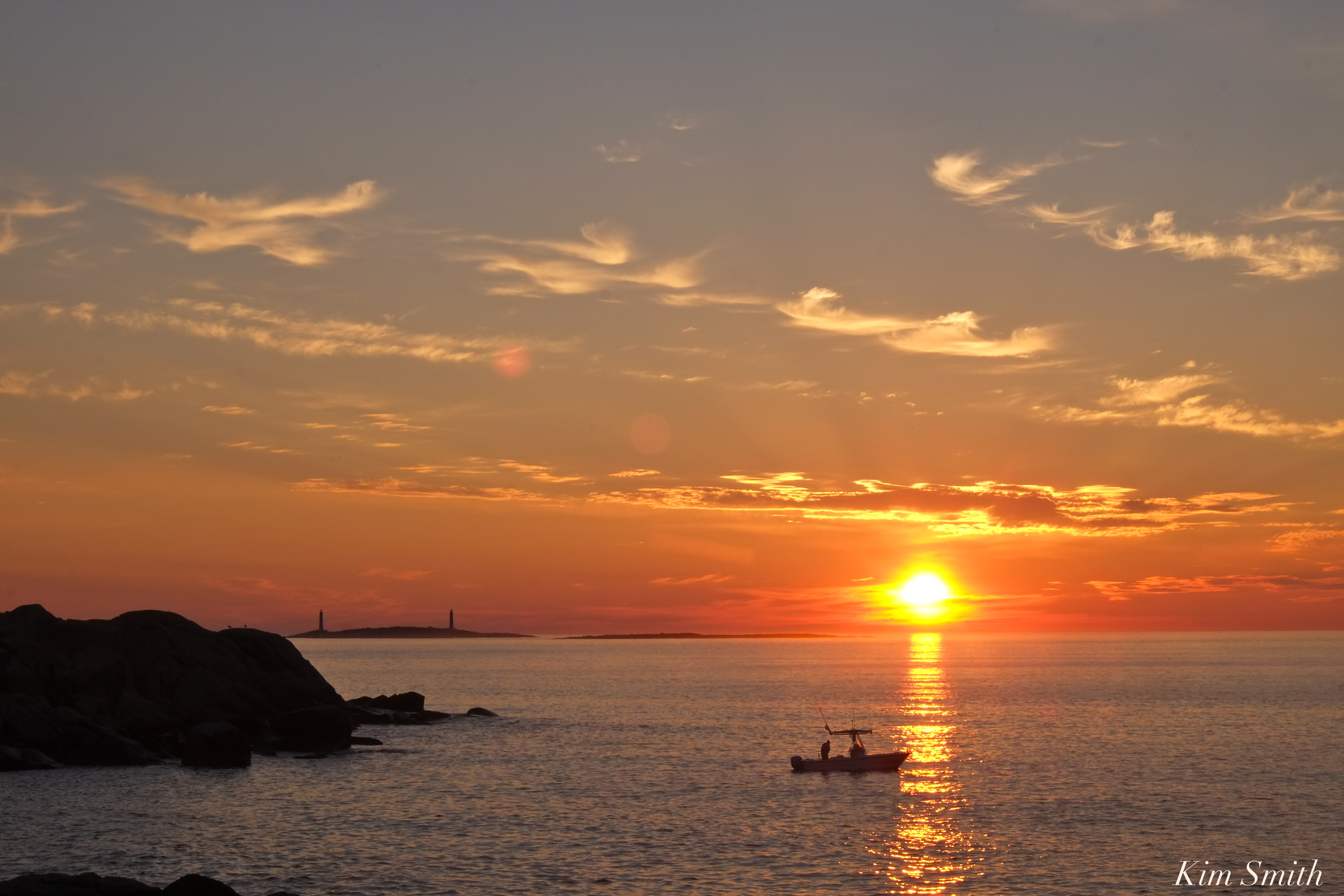
The sky became increasingly dramatic as the sun rose under the thickening early morning clouds.

Save the date for the Gloucester City Council meeting to ban the use of plastic checkout bags. The new date is Tuesday, September 12th, at 7pm. Please come and support this important initiative! For our Kids!
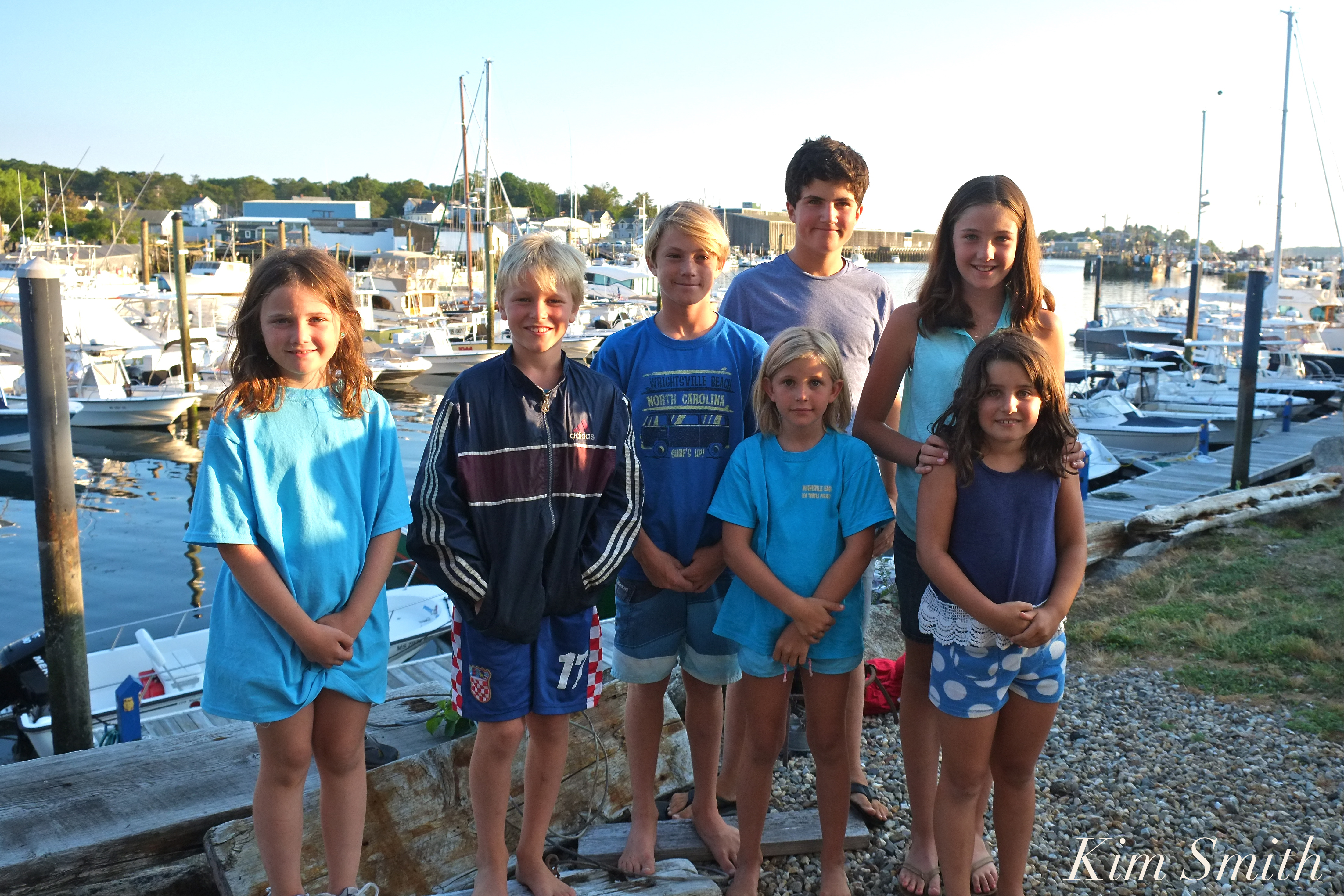 The Plastic: Pick it Up Kids Club

Brought to you by Atlantic Road sunrise!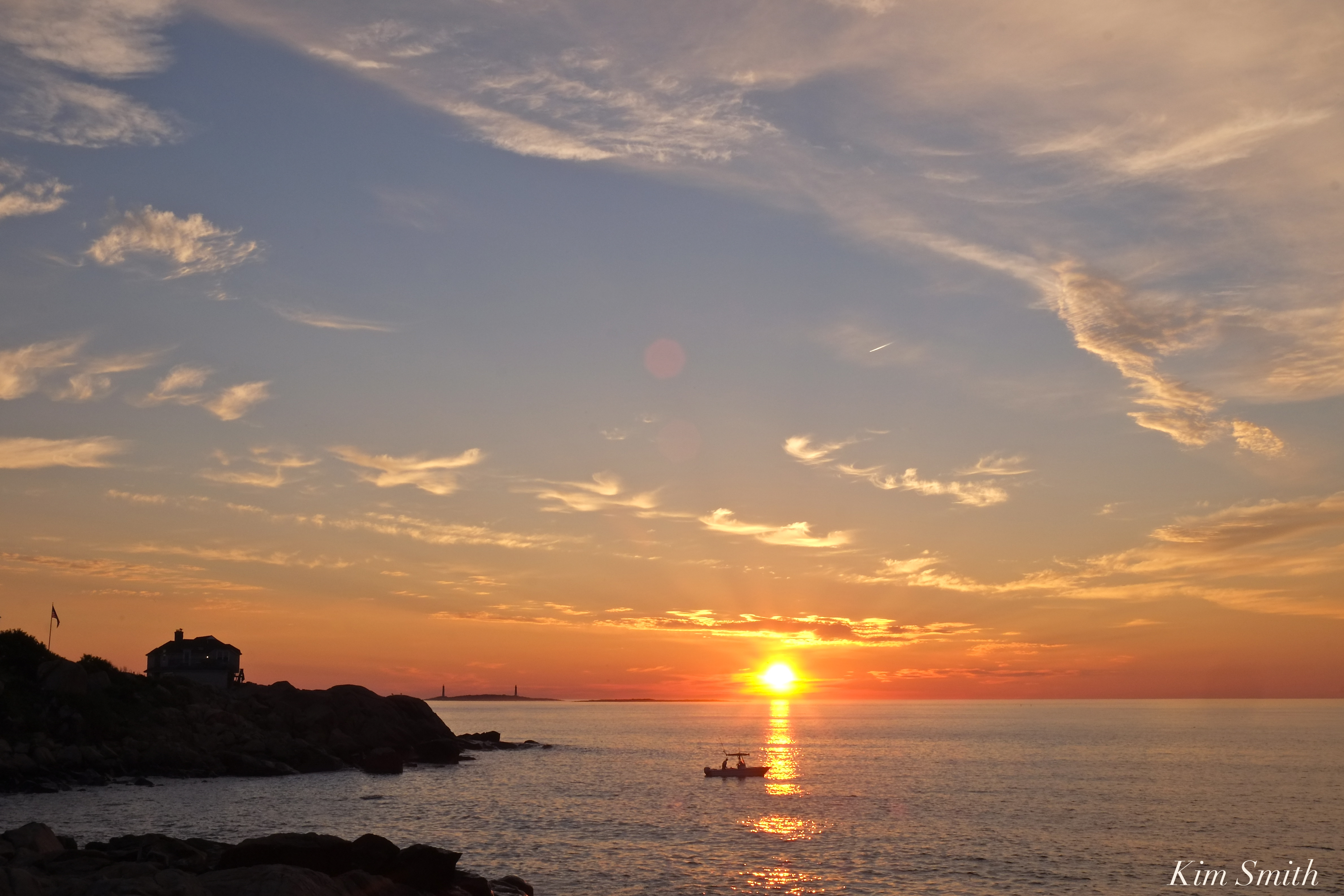

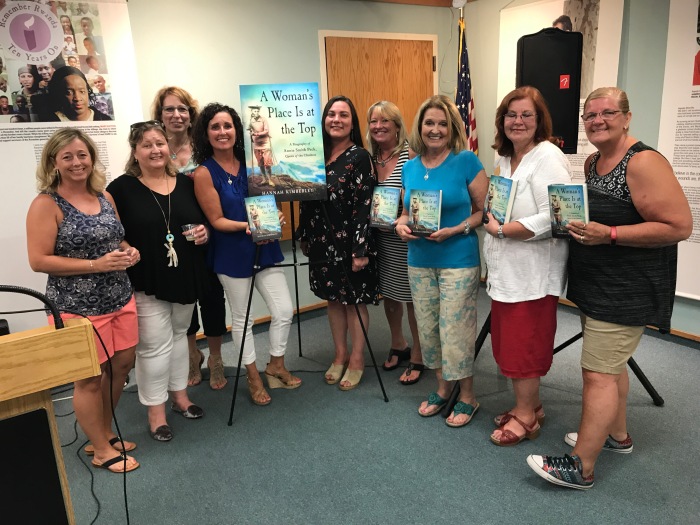
Listen Sunday August 13th at 5pm on NPR for Hannah’s interview about her new book A WOMAN’s PLACE IS AT THE TOP! (Some states may air at different times.)
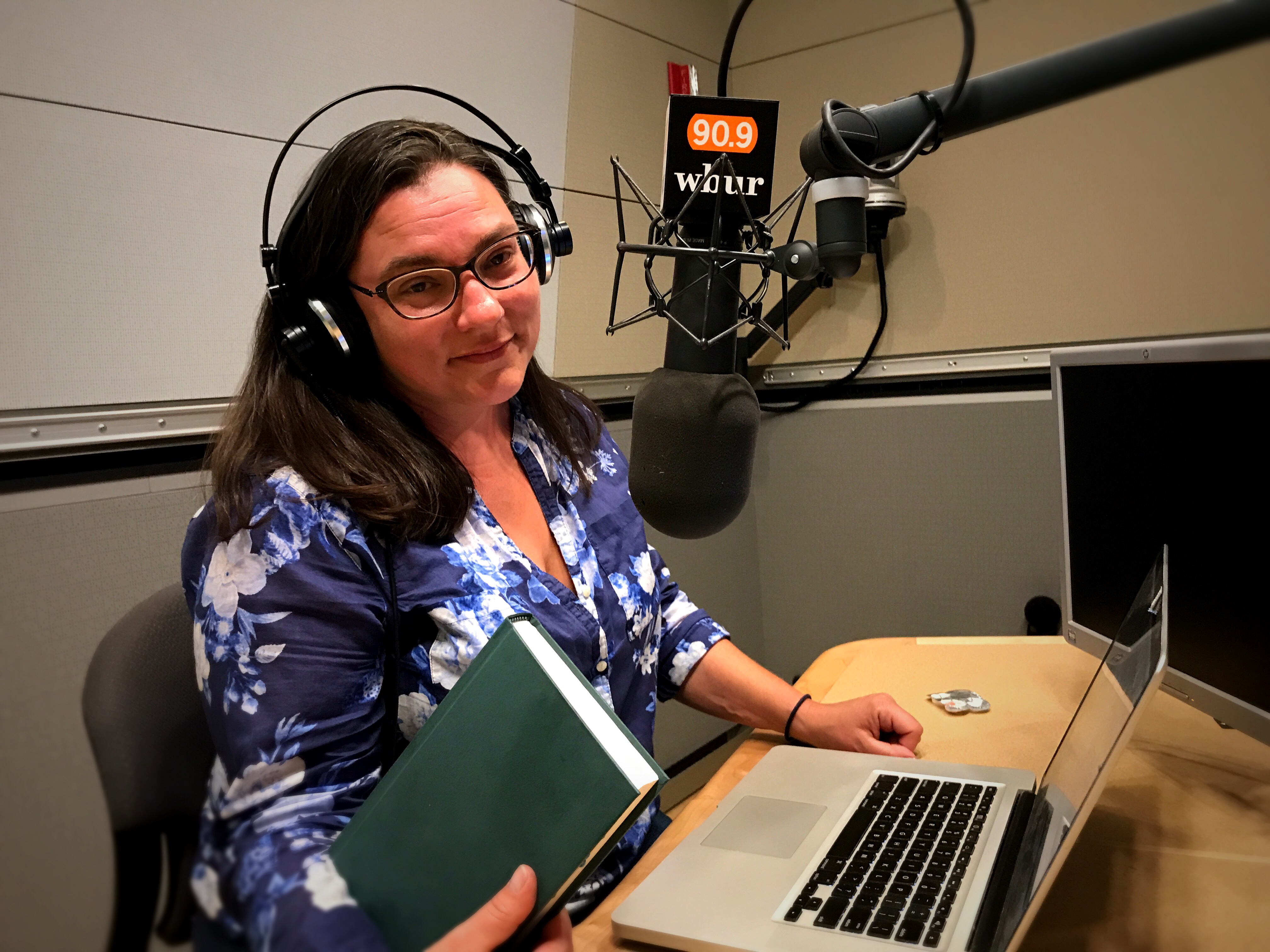
Share the love folks!! Congrats Hannah!!!


First come, first served. NASA approved eclipse glasses are the only glasses you should wear when viewing the eclipse.

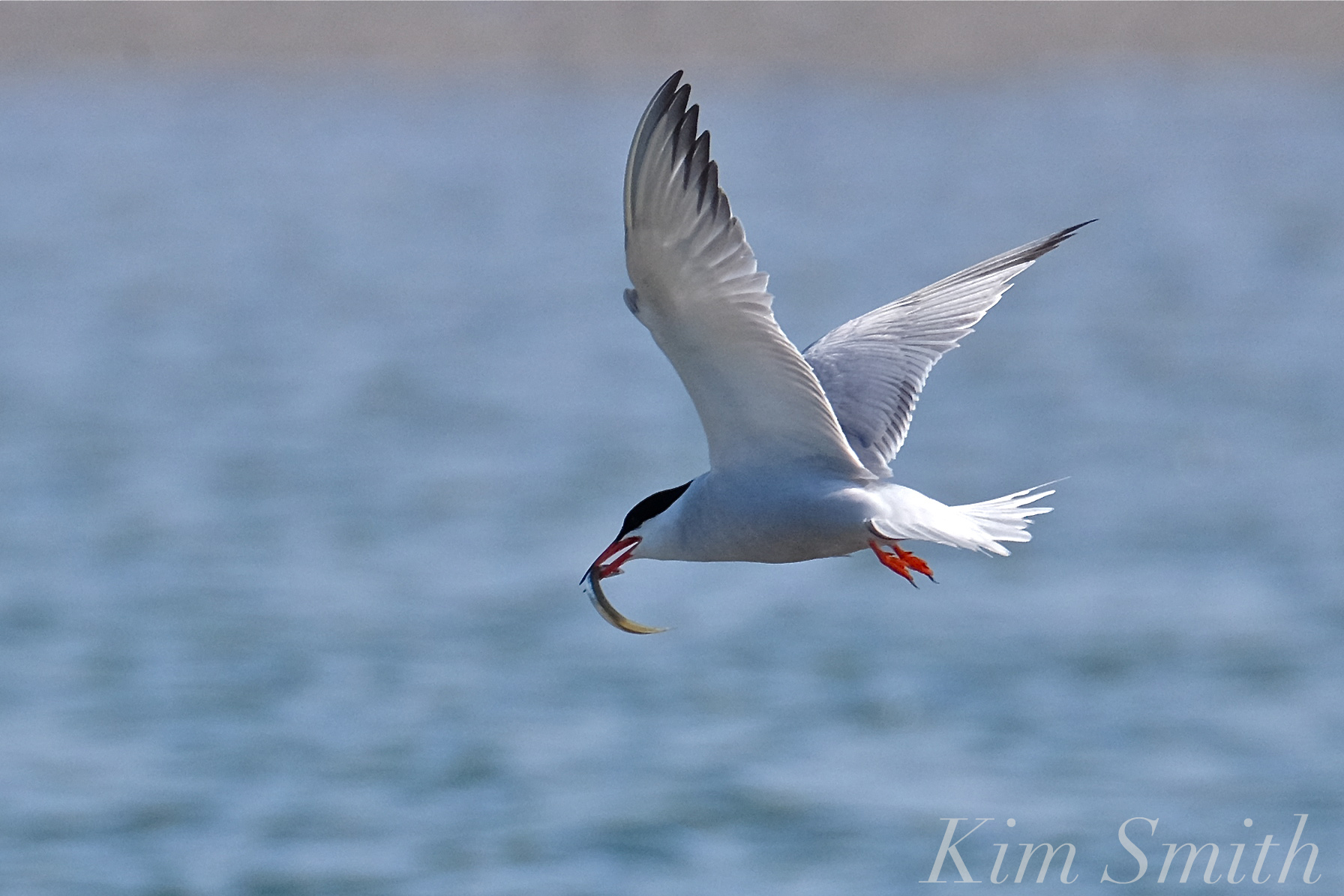 Common Tern delivering breakfast to its fledgling.
Here are a collection of recent photos of different species of shorebirds and songbirds gathering and migrating along Cape Ann beaches that Little Chick may encounter on his journey south.
During the spring breeding season Piping Plover mating adults chase all other birds out of their territory, from the largest Black-backed Gull to the tiniest Song Sparrow. At this time of year, during the summer southward migration, you’ll often see PiPl feeding alongside other PiPl, as well as with Semipalmated Plovers, Black-bellied Plovers, Killdeers, peeps, terns, and gulls.


Ruddy Turnstones
 Ruddy Turnstones Photobombed
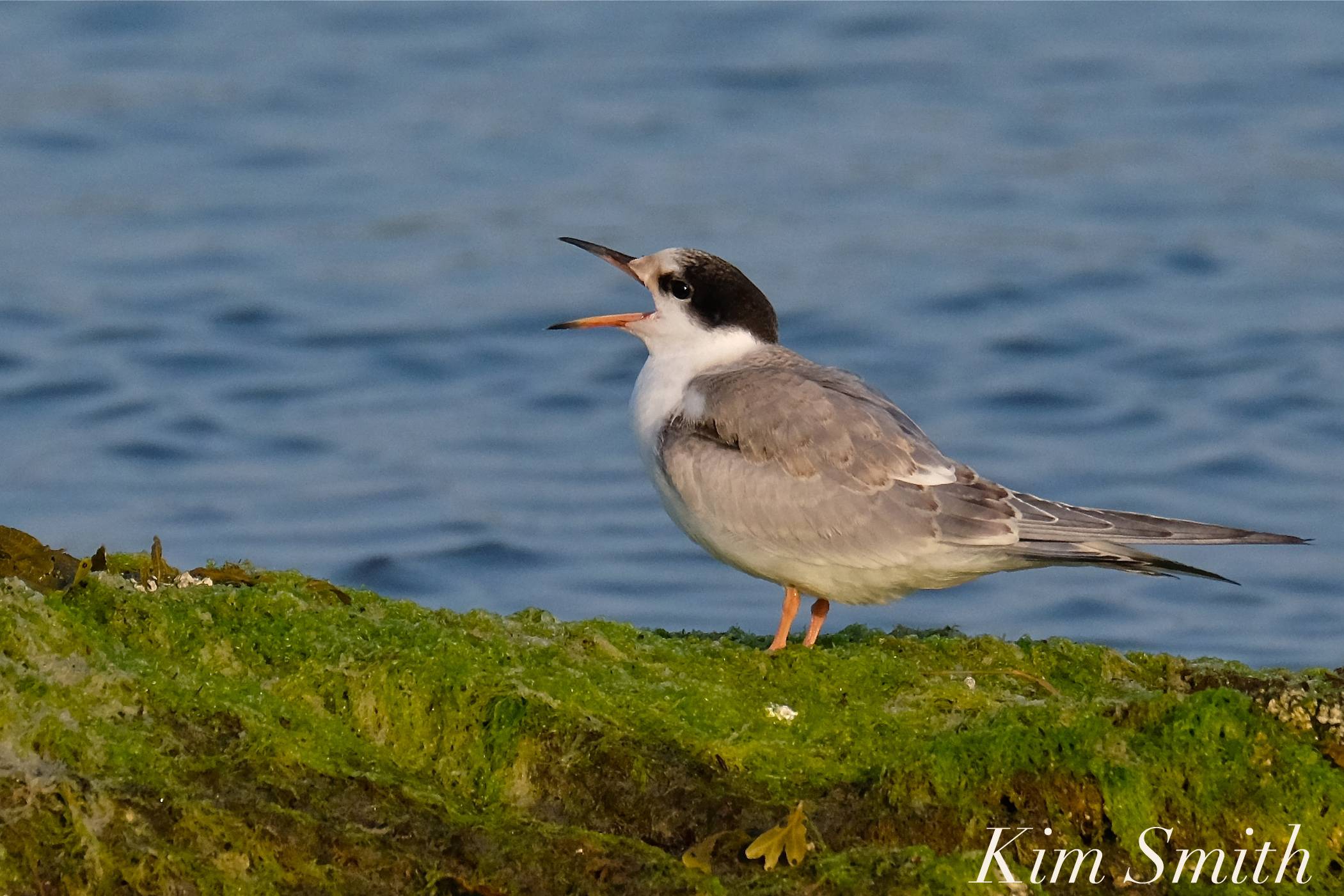 Common Tern fledgling squawking for breakfast.

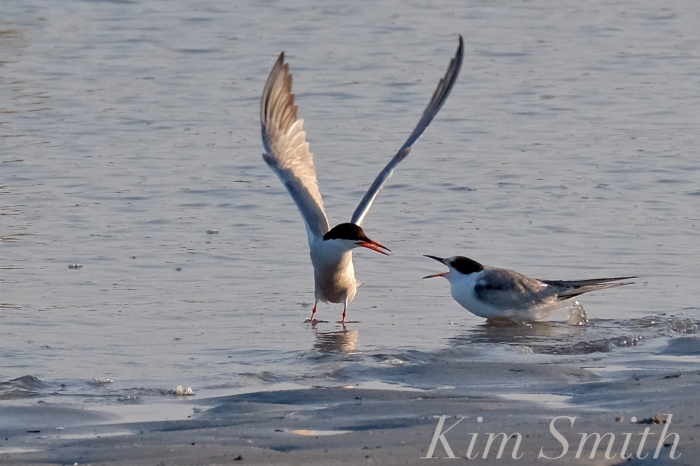
Won’t someone, anyone, please, please feed me! Unlike Piping Plover chicks, Common Tern chicks cannot feed themselves at birth. Common Tern chicks can walk and swim, but it will be many weeks before they learn to fish.


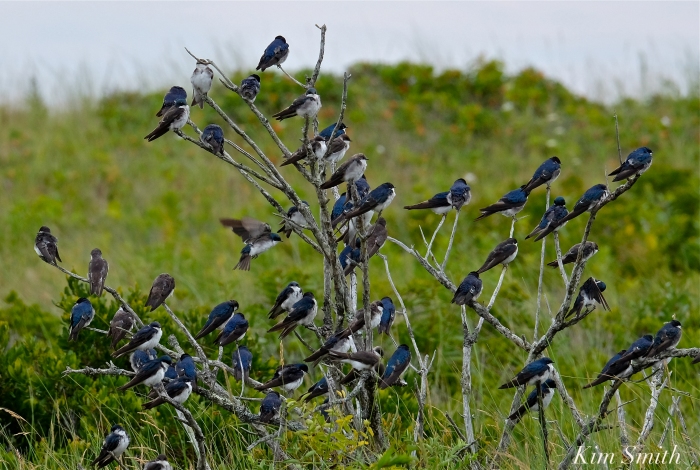

Tree Swallows massing, foraging in dunes rich with insects and berries.

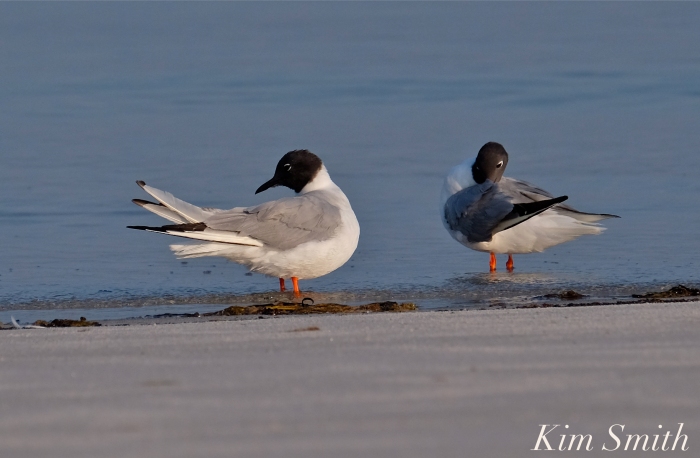
Bonaparte’s Gulls
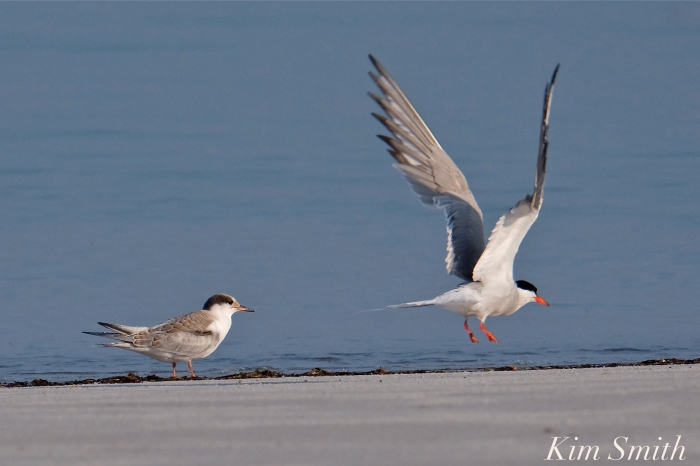
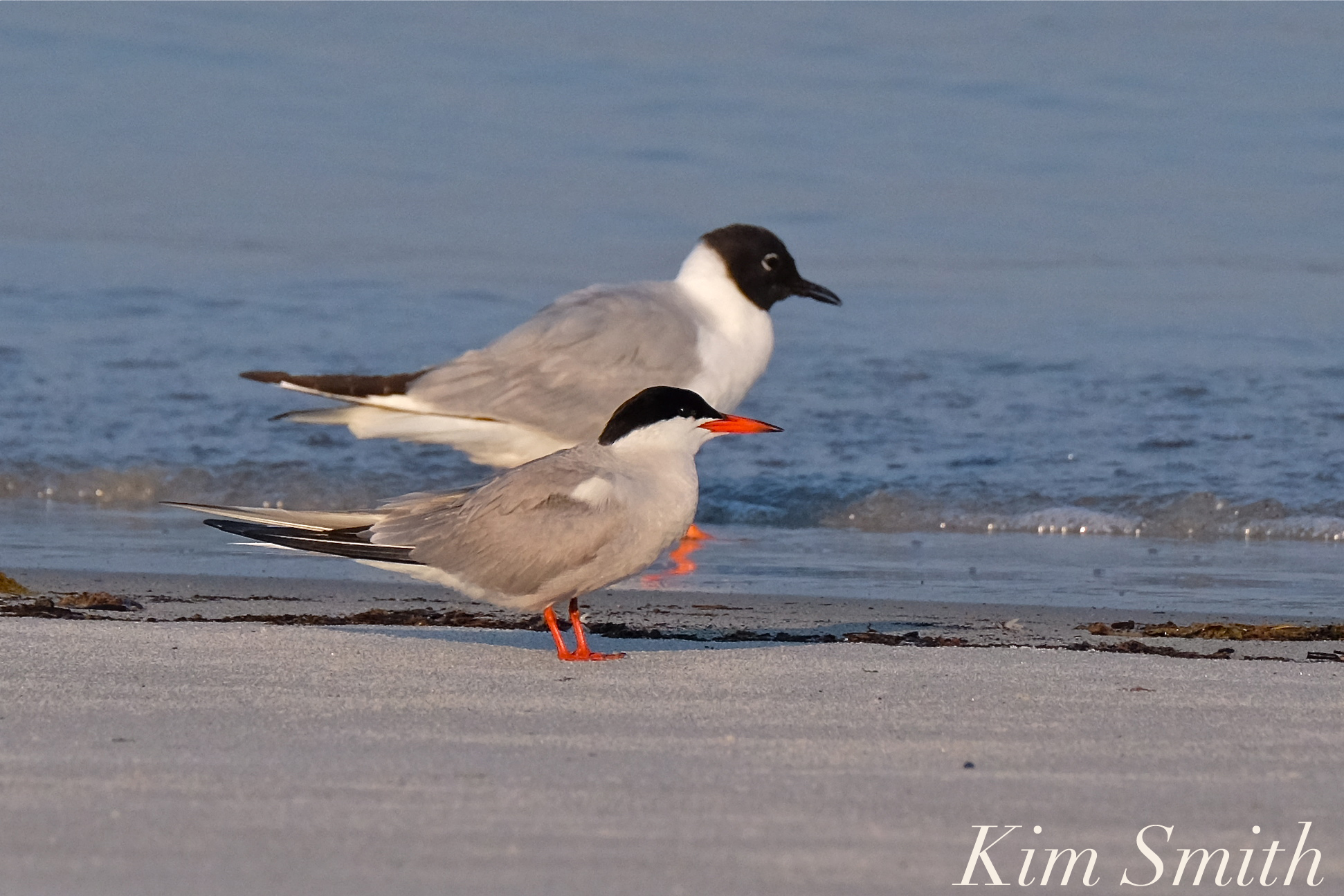 Compare Common Tern in the foreground to Bonaparte’s Gull in the background. Both have red-orange legs and feet and both are black-headed. The easiest way to differentiate when on the beach is the Common Tern’s bill is orange; the Bonaparte’s Gull’s bill is black.

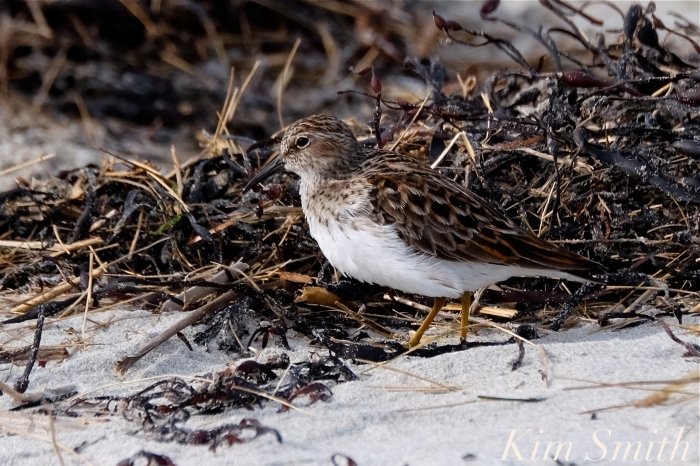
Least Sandpipers are the smallest of peeps. Note how beautifully camouflaged are they in the drying seaweed at the high tide line.
Daybreak and early morning are often the most beautiful time of day to see wildlife.

Glorious Good Harbor Beach sunrises, no two are ever alike 🙂

This morning we awoke to find a sleepy Little Brown Bat, as opposed to a Big Brown Bat, fast asleep in the dining room curtains. It’s a mystery how he got in and why it took so long to wake him up. Once outdoors, he spread his wings and flew over the fence and into our neighbor’s trees.
https://www.instagram.com/p/BXQT5kkFrnR/
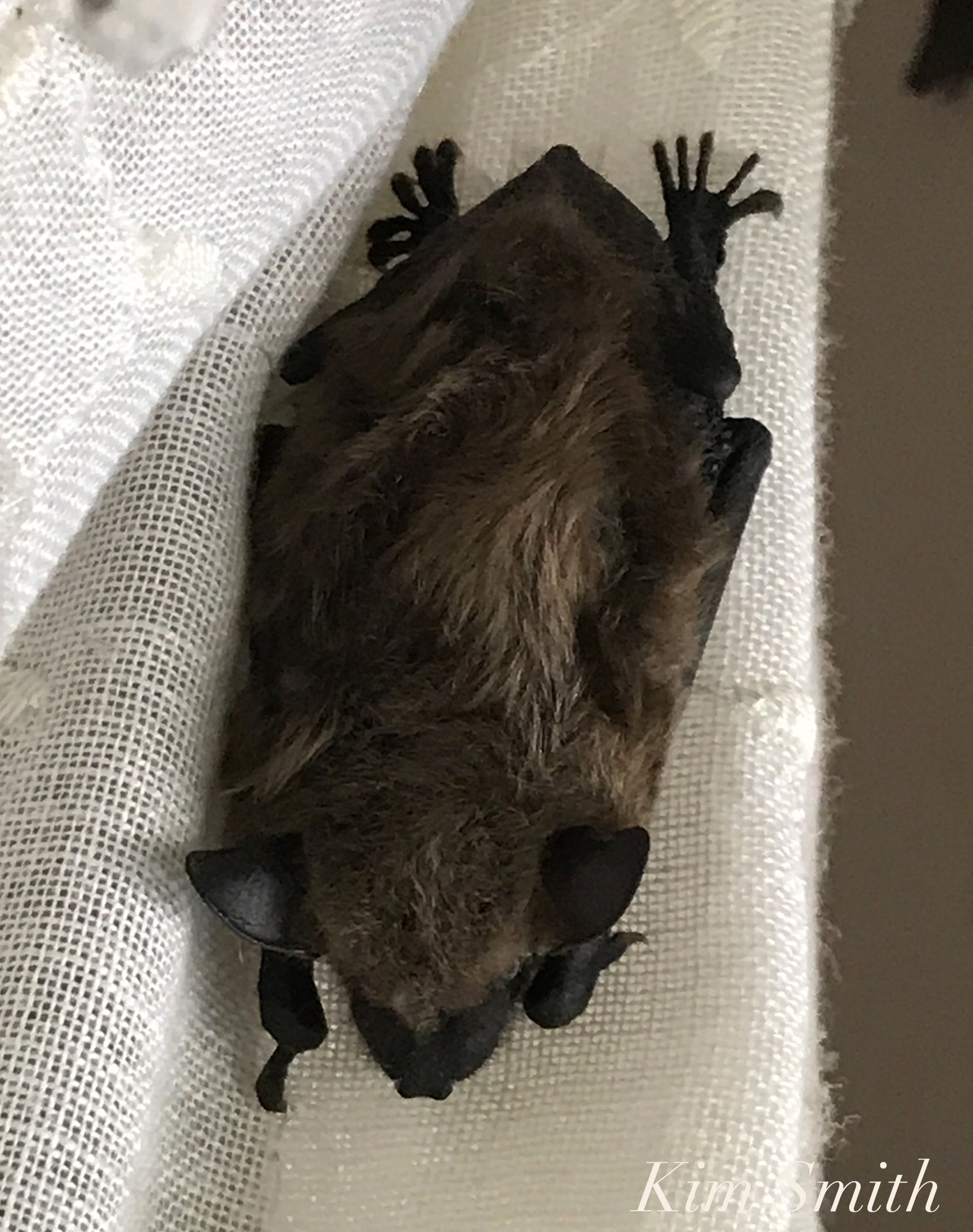
The Mass Audubon website has a page on the most commonly seen bats in Massachusetts:
Bats, our only flying mammals, are truly remarkable animals. It’s too bad their unwarranted reputation has prevented many people from appreciating how beneficial and unique they are.
Bats belong to the order Chiroptera, which means “hand-wing.” Their wings are composed of two thin layers of skin or membrane, attached to elongated finger bones. Each membrane has four fingers and a thumb, which control the wing’s movement. The thumb, located at the top of the wing, acts as a hook with which the bat is able to crawl on flat surf
The two most common bats found in Massachusetts are the little brown bat (Myotis lucifugus) and the big brown bat (Eptesicus fuscus). Both have short, soft fur covering their head and body and rich brown bodies with slightly darker brown wings.
The body of a little brown bat measures 4½ to 5½ inches long, including the tail, and has an 8½ to 10½ inch wingspan. The big brown bat’s body ranges from 5½ to 8 inches in length with a 12 to 13 inch wingspan.
In the spring and summer, females of little brown bats form colonies consisting of hundreds of individuals. Big brown bats, which prefer the more urban areas inside Route 495, are usually found in colonies of less than two hundred bats.
Learn more about Bat species in Massachusetts.

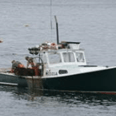
Yesterday’s Sea Fair in Squam was fun for all.





































































































 Good Morning Gloucester