Registration begins Monday, May 15. Register online at www.finnfunn.org . Or call Andrea Ranta Morgan at 978-491-0319 beginning May 15.
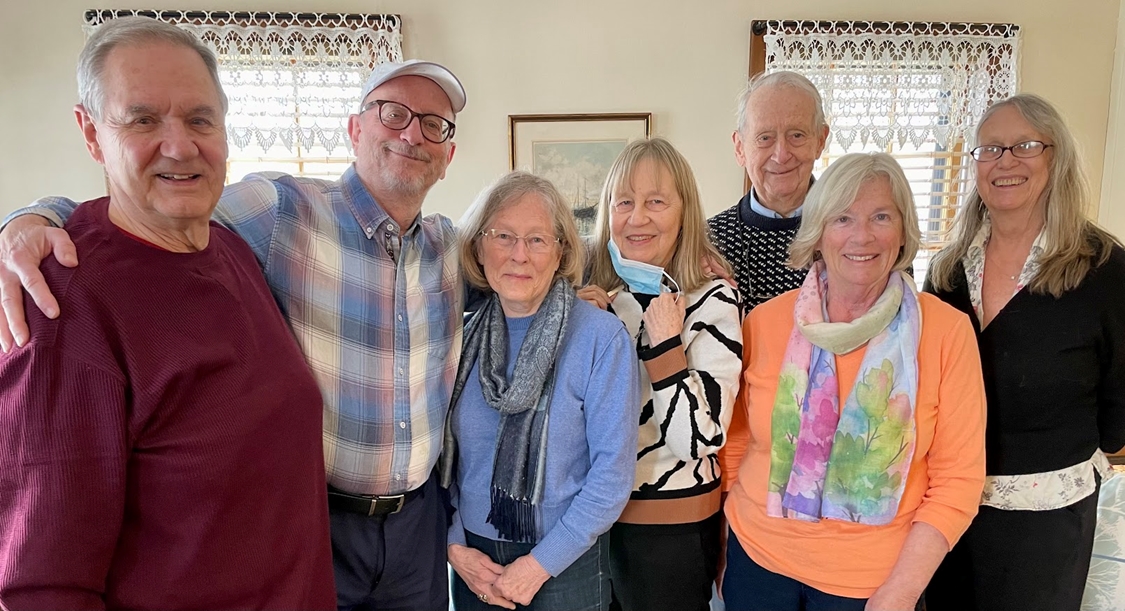
2023 FinnFunn Planning Committee, left to right: Rob Ranta, Ray Hildonen, Elana Pistenmaa Brink, Nikki Korkatti, Fred Peterson, Barbara Greel Sachs, and Valerie I. Nelson. Not pictured: Anne Thompson Freiss, Dona Kaihlanen Shea, and Wayne Soini
Spread The GMG Love By Sharing With These Buttons:
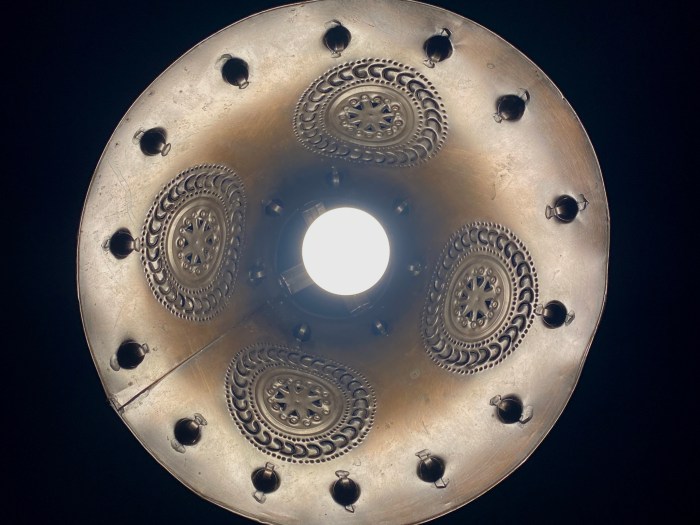
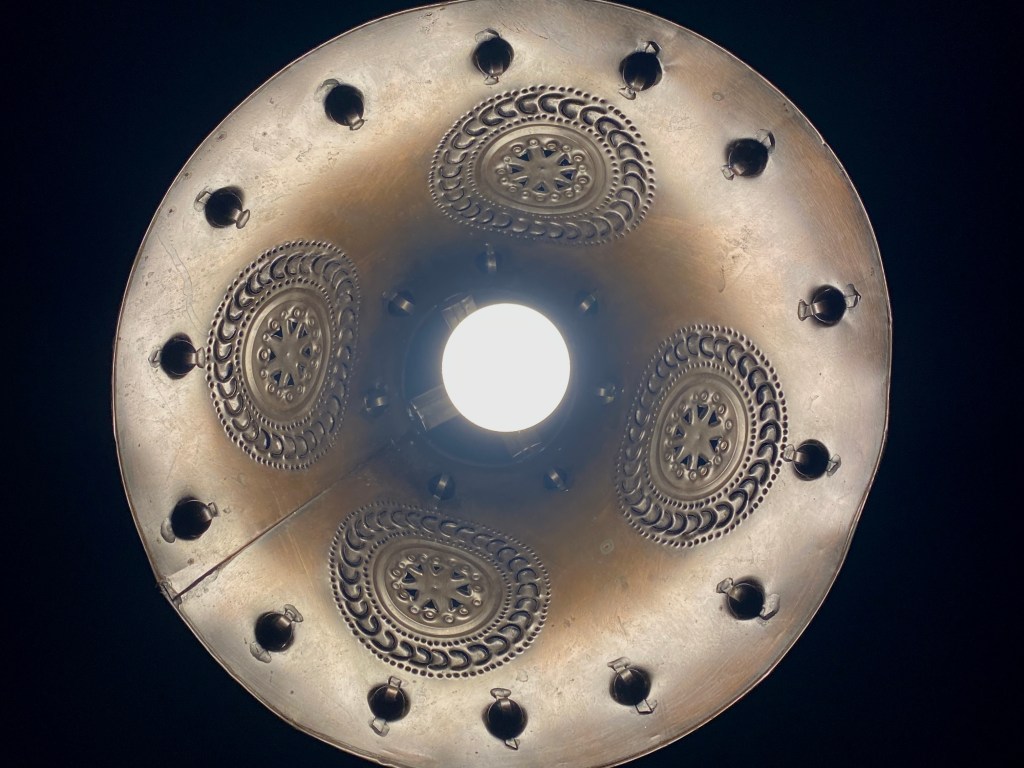
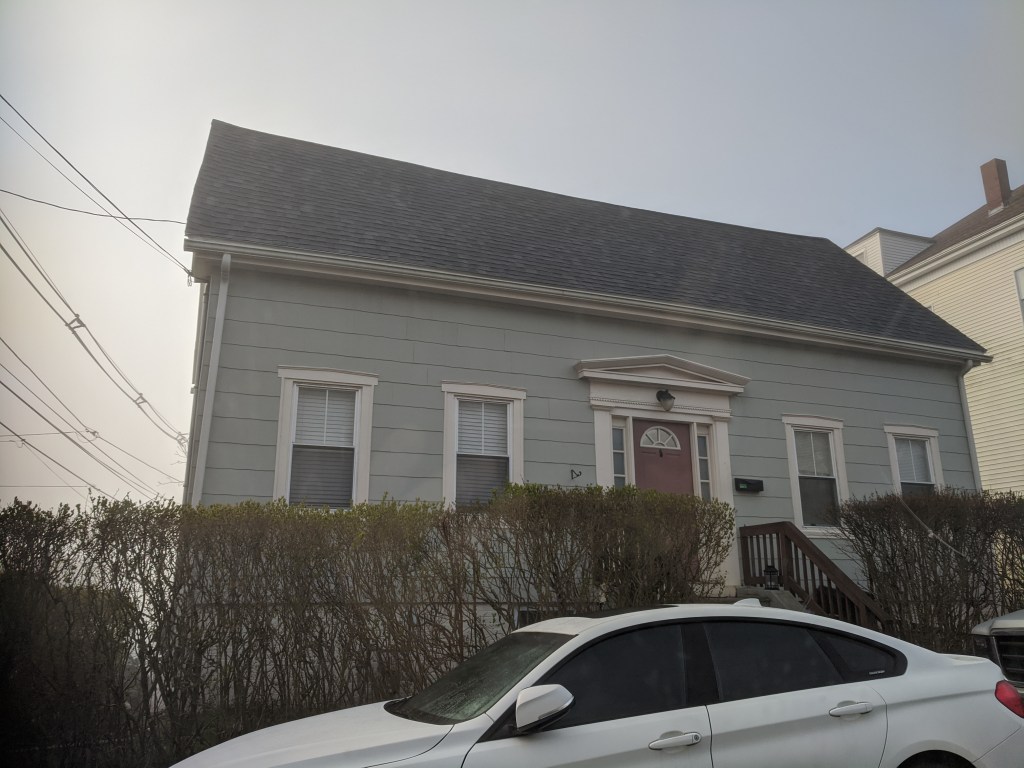
Last month I did a different post of a cool light fixture entitled “Head to the Light.” It was of one of the very nautical lights at Mile Marker. So, here’s a different light fixture. Does anyone know where this hangs? Do you ever look up?
Spread The GMG Love By Sharing With These Buttons:
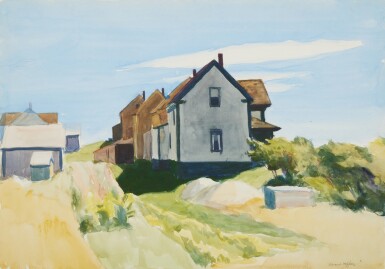
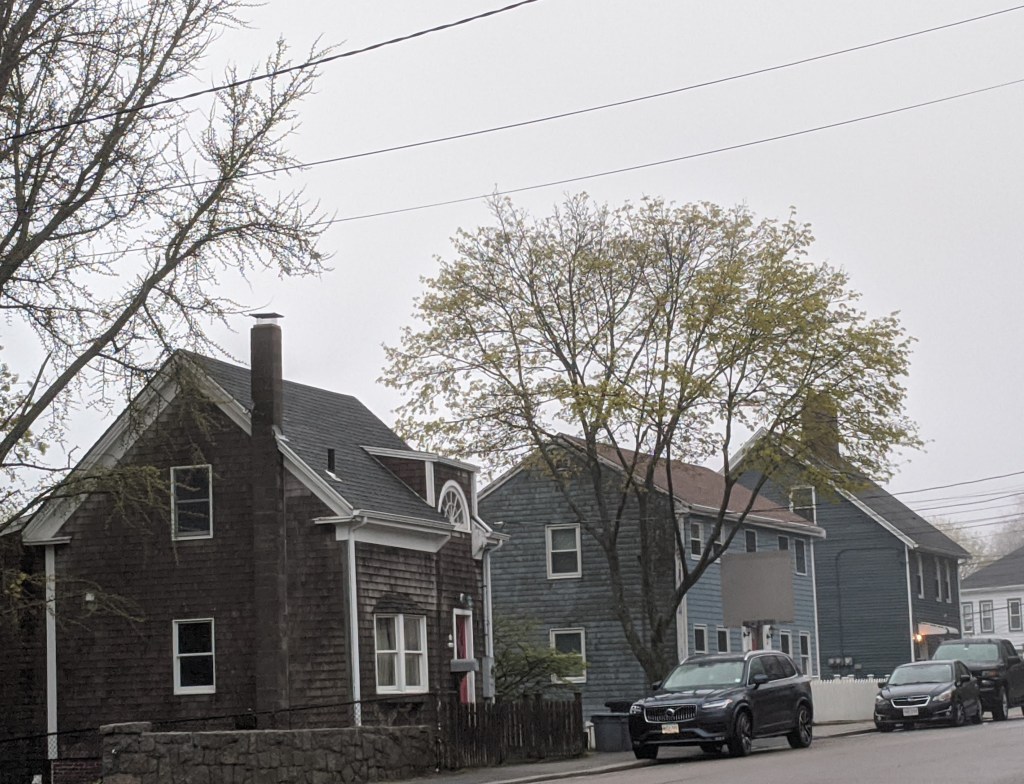
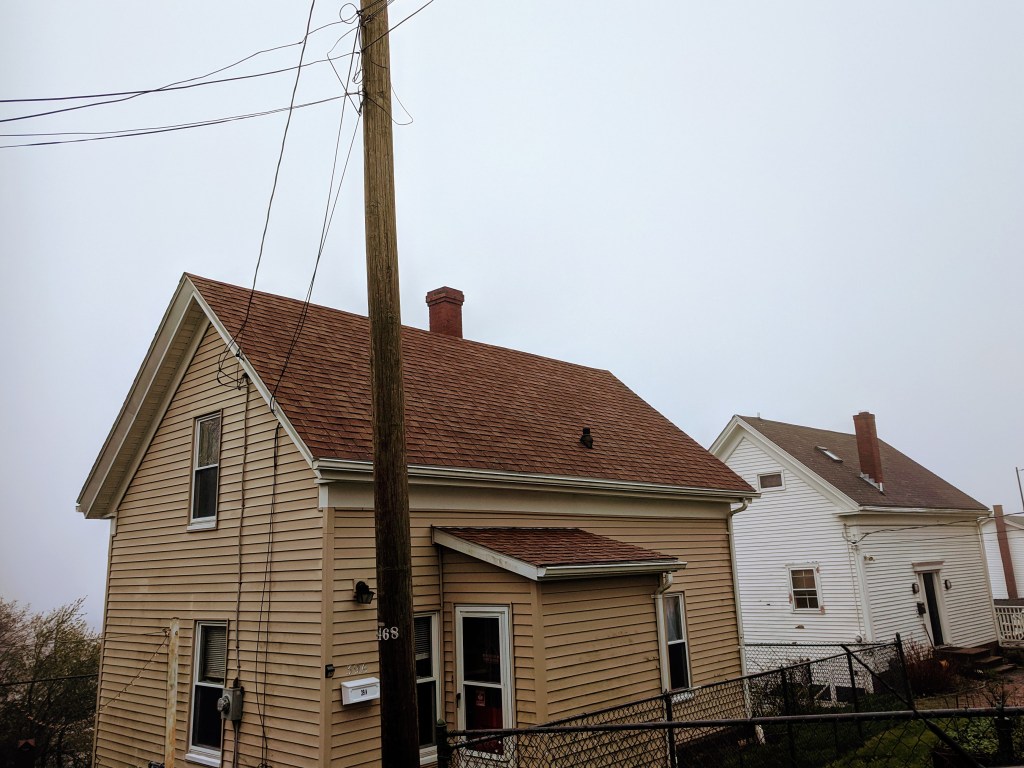
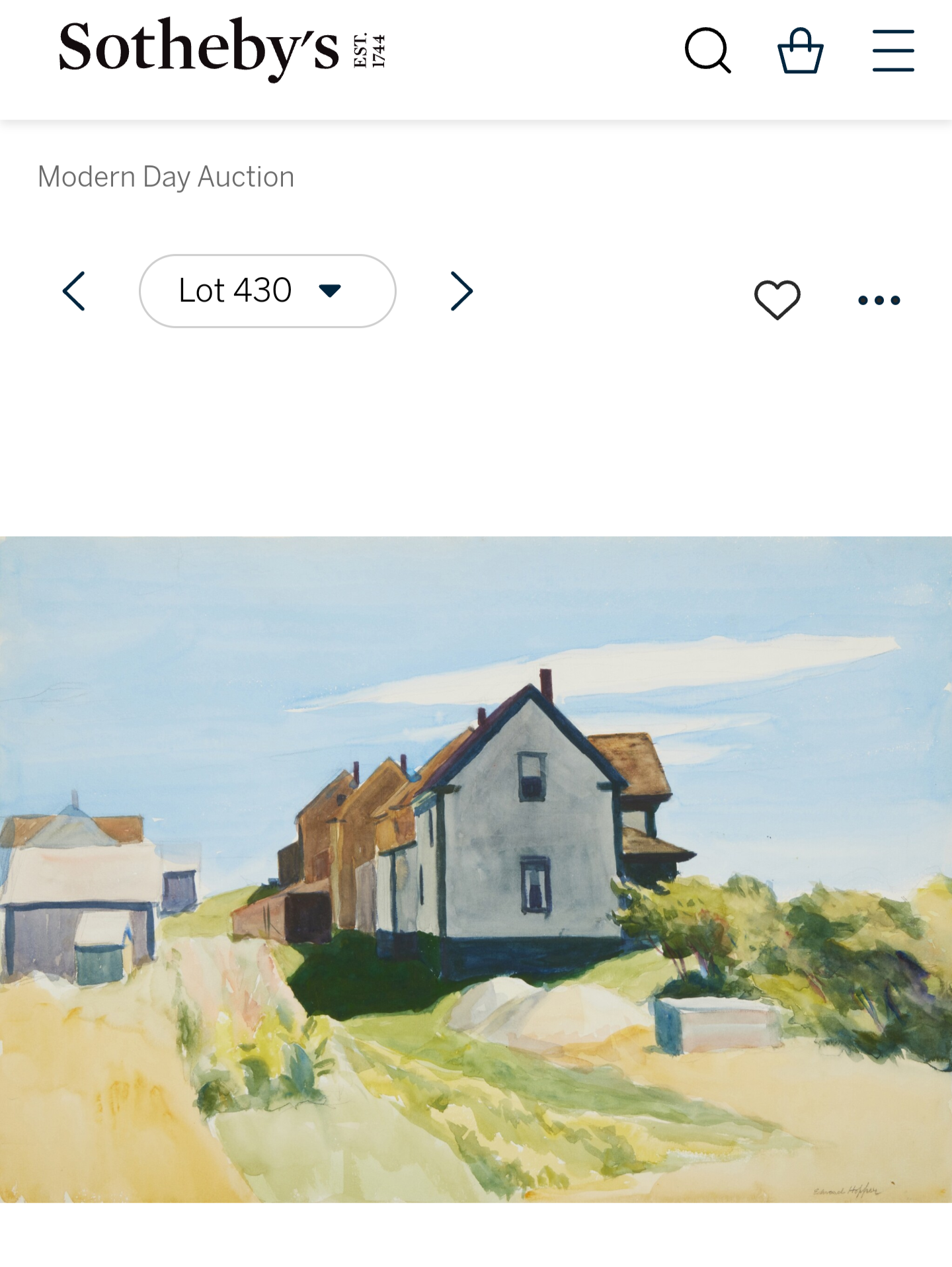
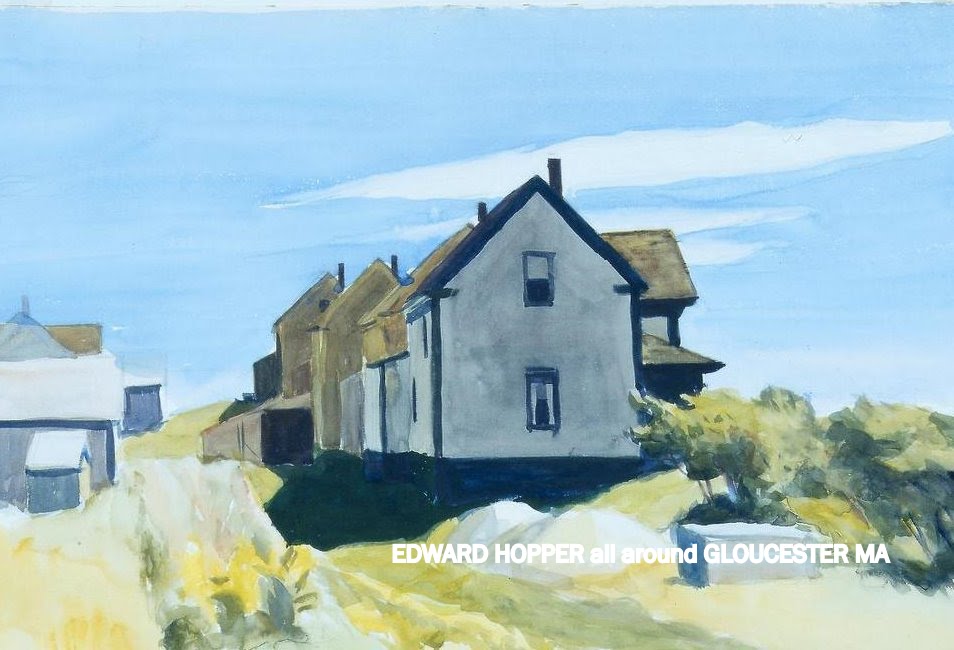
Do you know a cluster of homes perched like the subjects in this classic Edward Hopper watercolor painted here in Gloucester 100 years ago? Hallmark motifs and themes pair up throughout this bright and sunny scene: outhouse on the left and brush edged to the right (“nature calls”), passage between buildings and boulders, light and sharp shadow, double windows and curtains, roofline and sky, line up of chimneys, and the mystery of cropped views over the hill and off to the sides.
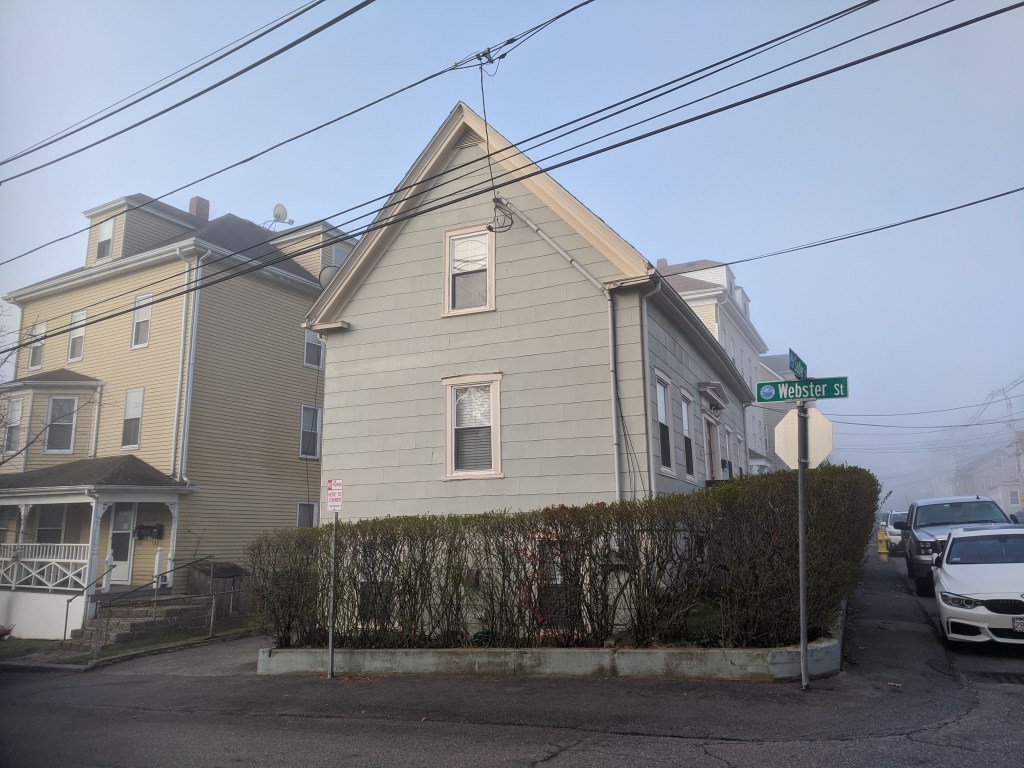
A house like the home on the right with dark trim and the pair of double stacked windows may appear to be a double story home from one side and as a single story from another. (A home at the corner of Webster and Sadler Sts. shows the vernacular charm and multi vantage points.)
At Sotheby’s May 2023
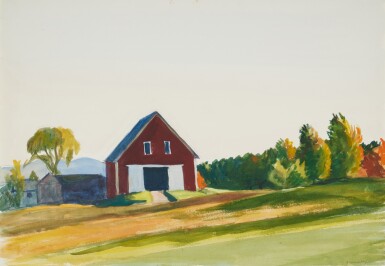
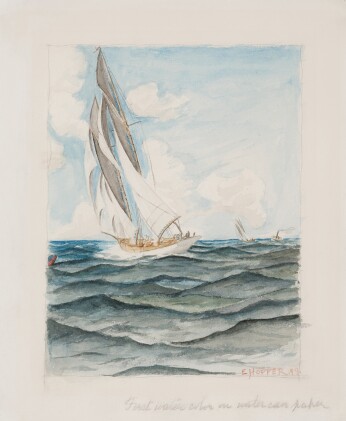
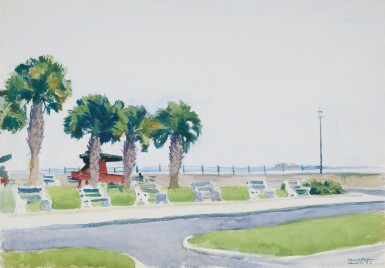
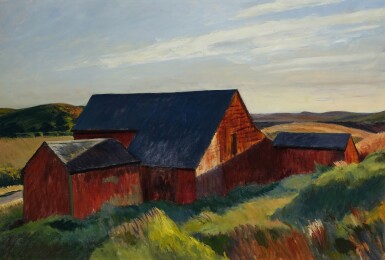
The drawing is available for purchase. The Whitney Museum of American Art is deaccessioning four Edward Hopper watercolors inspired by the artist’s travel to four locations: Gloucester, Truro, Vermont/NH, and South Carolina. Sotheby’s Auction House has listed them in their major upcoming New York spring sales: one painting for the Modern Evening auction May 16 and 3 paintings on paper for the Modern Day auction on May 17. A fifth Edward Hopper work on paper is included in the day sale.
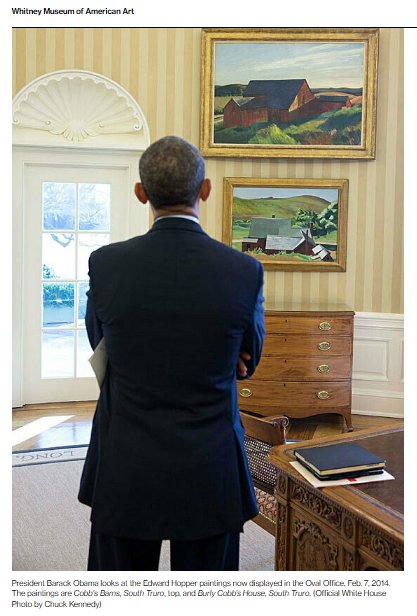
Images: Edward Hopper works from the Whitney collection at Sotheby’s auction May 2023, images left to right: Lot 434 Red Barn in Autumn Landscape, 1927; Lot 430 Gloucester Group of Houses 1923 est 500,000 – 700,000; Lot 432 The Battery, Charleston, SC 1929 est 500-700,000; Lot 145 Cobb’s Barn, South Truro, circa 1930-33, presale estimate 8-12 million. This painting was selected for display in the Oval Office* by President Obama. A later Edward Hopper Cape Cod watercolor from 1943, Four Dead Trees, with a presale estimate of 700,000-1,000,000, sold at Christie’s on April 23, 2023 for 1.5 million (price realized includes added fees). Lot 531 an Edward Hopper Sailboat study from 1899 from the Sanborn batch, presale est. $100,000 (w/ art and papers in the Nyack home following Hoppers’ deaths.)
image: Portrait of President Obama viewing Edward Hopper paintings in the Oval Office by Chuck Kennedy. Loan from/by the Whitney Art Museum 2014 (and other selections and guidance see Michael Rosenfeld Gallery)
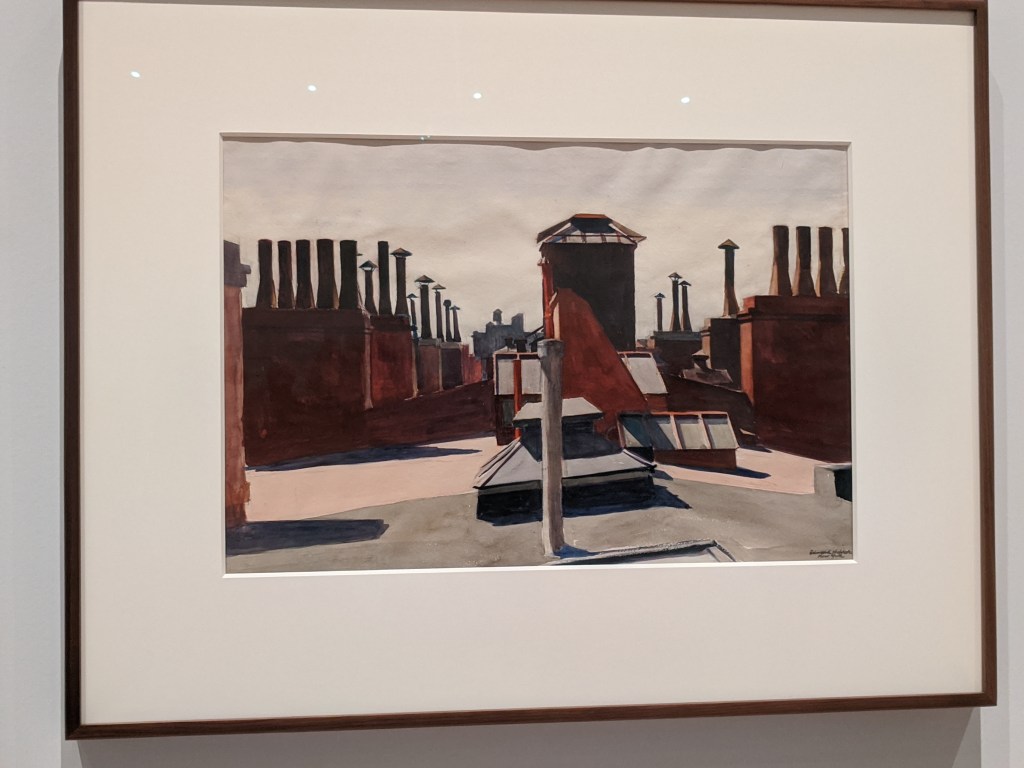
On right, Hopper’s NY Rooftops 1927 reminds me of the Gloucester forms ( installation view Whitney NY, Jan 2023), like vessels on the Hudson. Photo c ryan
—
*I wrote about art at the White House in 2014 which was published here on GMG in 2015:
“What’s the best art inside the White House? No matter what is your artistic preference, Gloucester and the Commonwealth of Massachusetts could top the charts as the City and state with the best and most art ties featured at the White House. Let’s break down a selection of that Massachusetts list currently on display at the White House room-by-room, shall we?
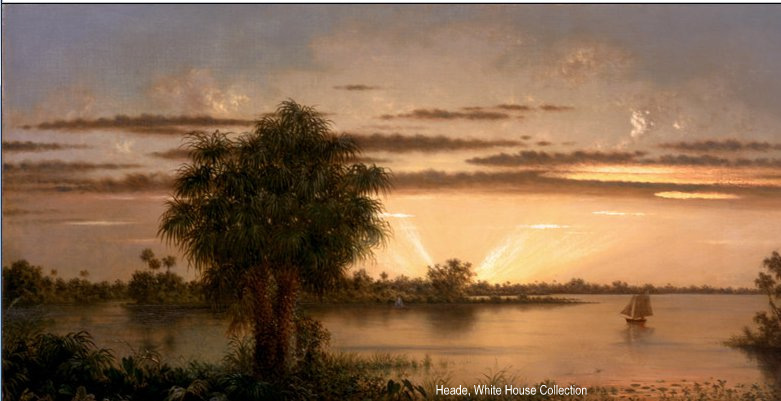
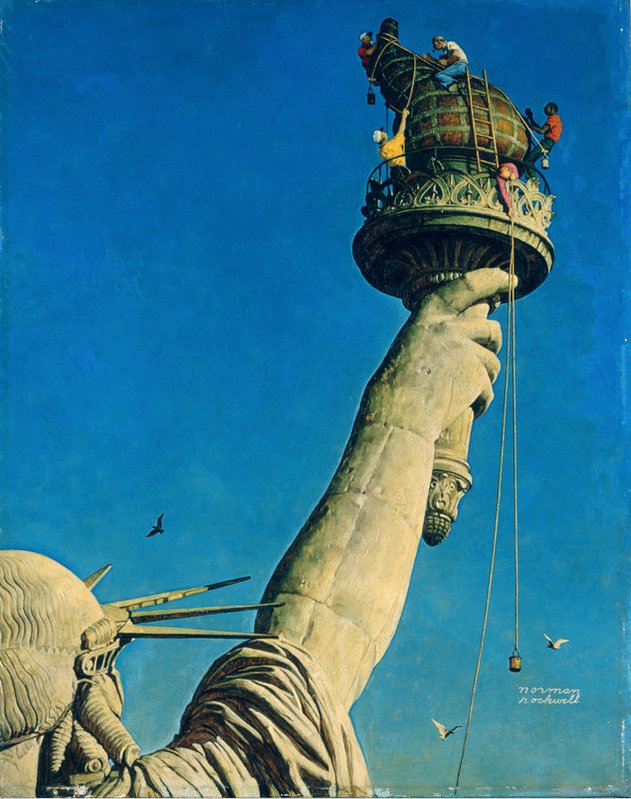
“Not one, but two Edward Hopper paintings, lent by the Whitney Museum of American Art, were installed one over the other, Cobb’s Barns, South Truro and Burly Cobb’s House, South Truro. The Childe Hassam’s painting, Avenue in the Rain, and Norman Rockwell’s painting, Statue of Liberty, were displayed nearby.
…How does the White House collection work? It is unusual for the White House to accept art by living artists. There are more than 450 works of art in the permanent collection. New art enters the collection after its vetted and is restricted to works created at least 25 years prior to the date of acquisition. For the public rooms, the Office of the Curator works with the White House advisory committee, the First Lady serves as the Honorary Chair, and the White House Historical Association. The private rooms are the domain of the First Family. Works of art from collectors, museums, and galleries can be requested for temporary loans and are returned at the end of the President’s final term. The Obamas have selected contemporary art, including abstract art, from the permanent collection, and borrowed work for their private quarters. Besides the Hopper paintings and John Alston’s Martin Luther King sculpture, they’ve selected art by *Anni Albers, *Josef Albers, Edgar Degas, Jasper Johns, Louise Nevelson, *Robert Rauschenberg, Edward Ruscha, and *Alma Thomas.” * indicates works that have been donated to the permanent collection.
Catherine Ryan, 2014
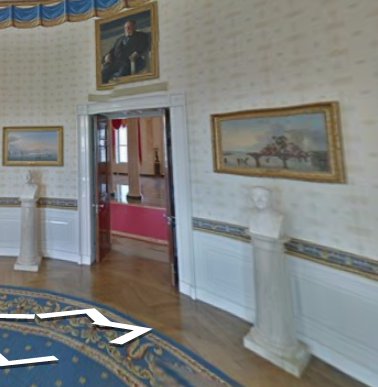
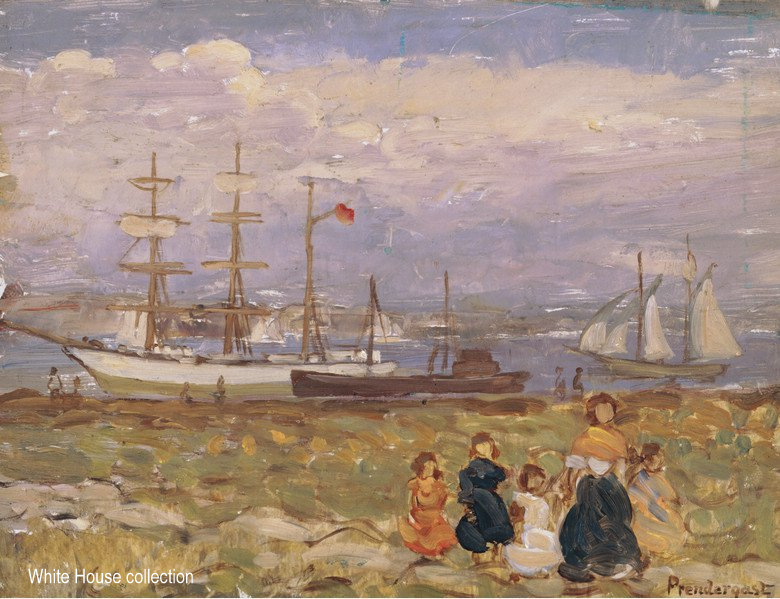
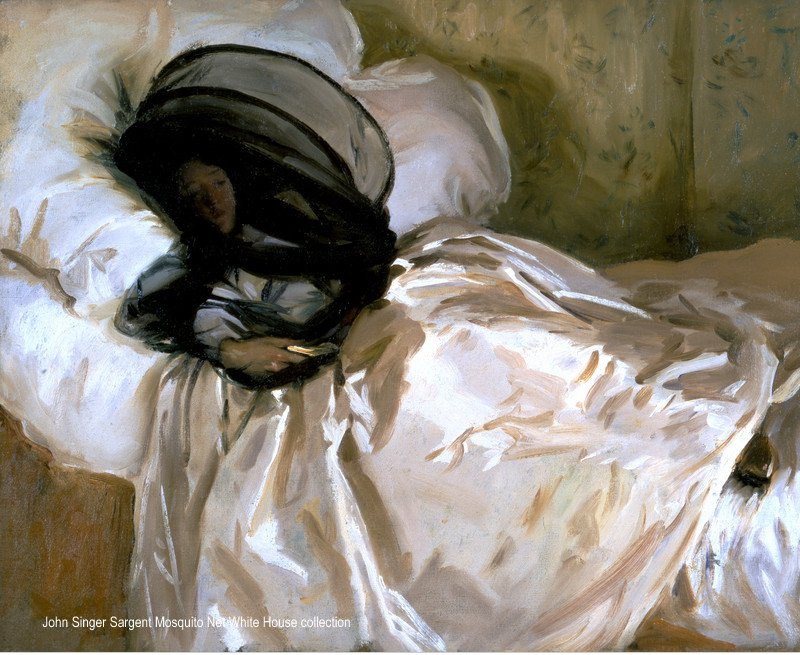
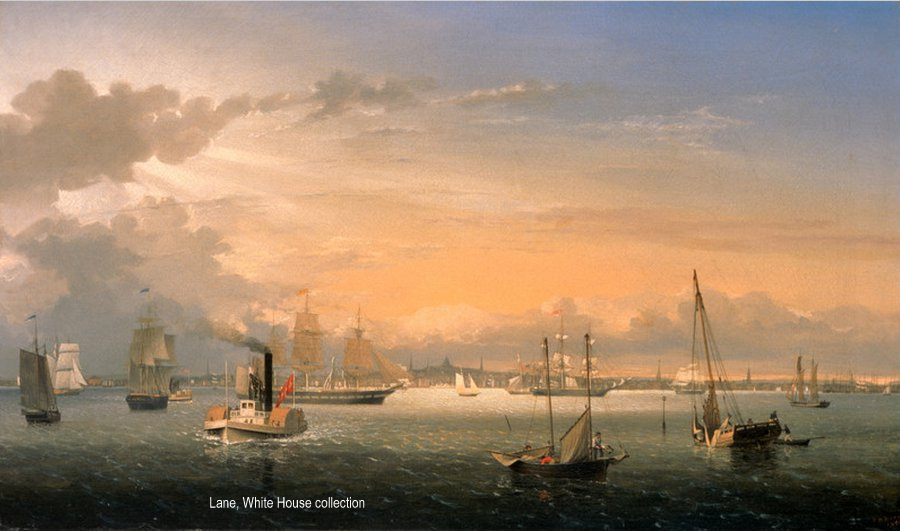
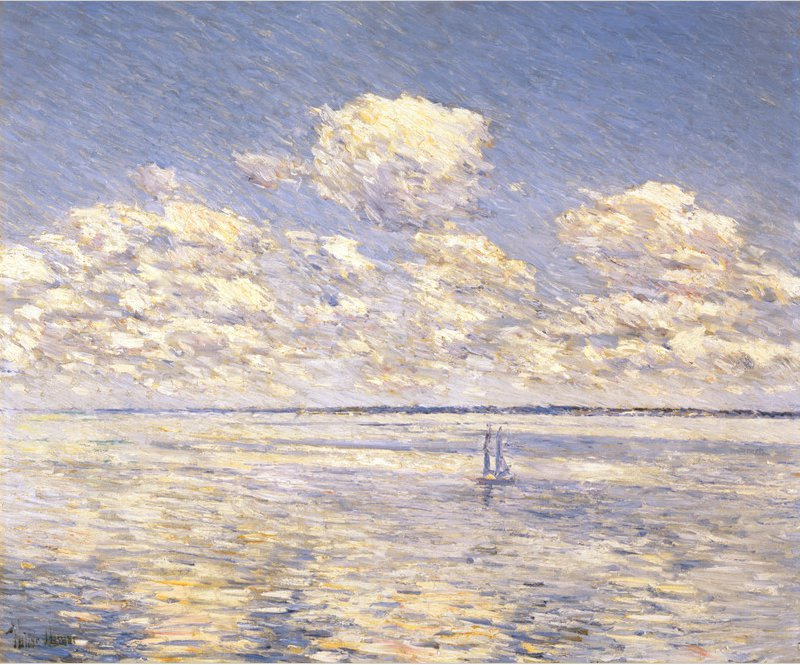
Works from the White House permanent collection
There are more than 120 Edward Hopper works inspired by Gloucester, MA. See Edward Hopper all around Gloucester. The Whitney Museum has sold Hoppers before. I’ll write more about that for another post.
Spread The GMG Love By Sharing With These Buttons:
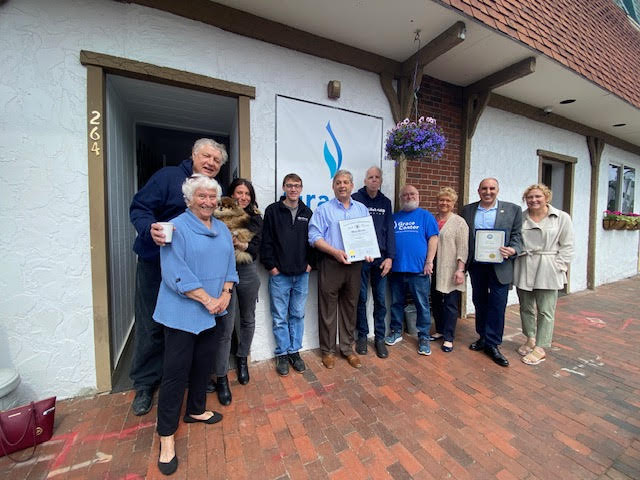
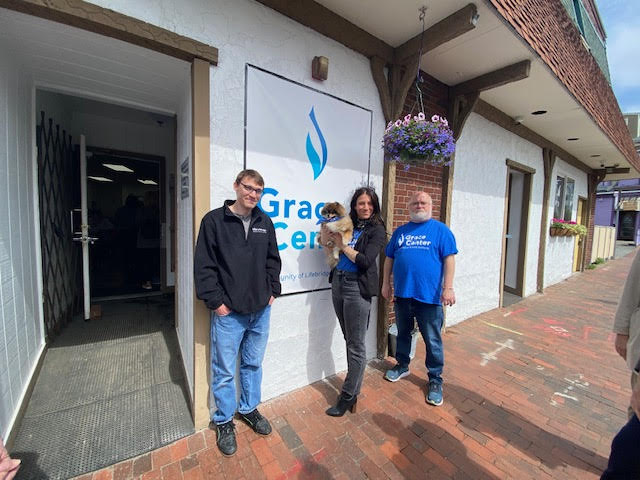
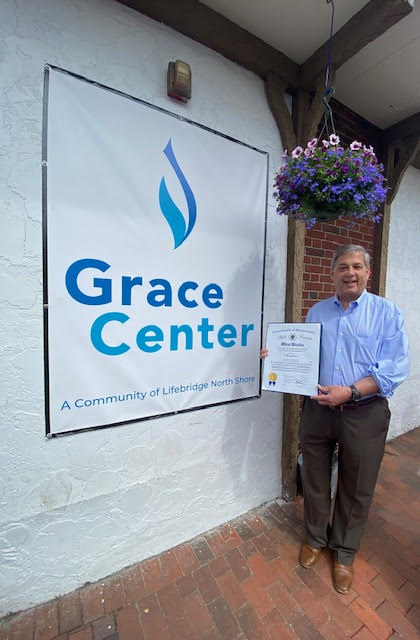
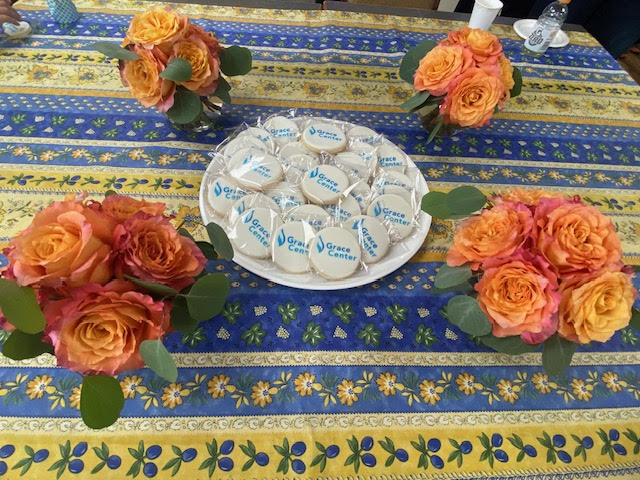
Cat Cavallini shared the following photos and information regarding the recent Open House at the Grace Center‘s new location at 264 Main Street. From Cat: “With their usual caring and compassion the Grace Center celebrated their new home at 264 Main St. with a community open house on Saturday.”
Senator Bruce Tarr, Mayor Greg Verga and friends outside Grace Center’s new home.
Dedicated, hard working staff members Frank, Dre (with GC mascot Roswell) and Dave.
Senator Tarr with State Citation to GC
Lots of local love went into this beautiful celebration!
Spread The GMG Love By Sharing With These Buttons:
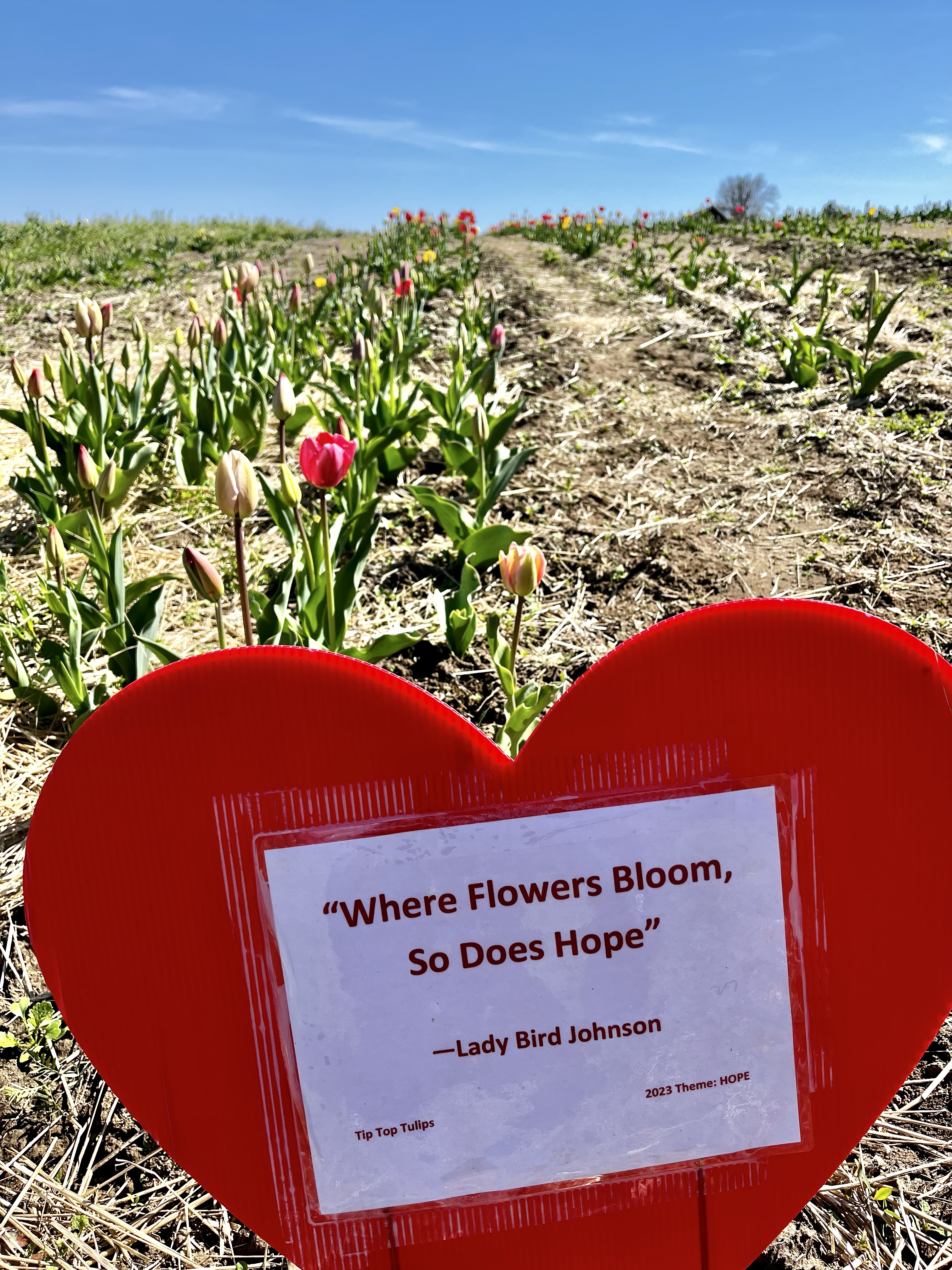
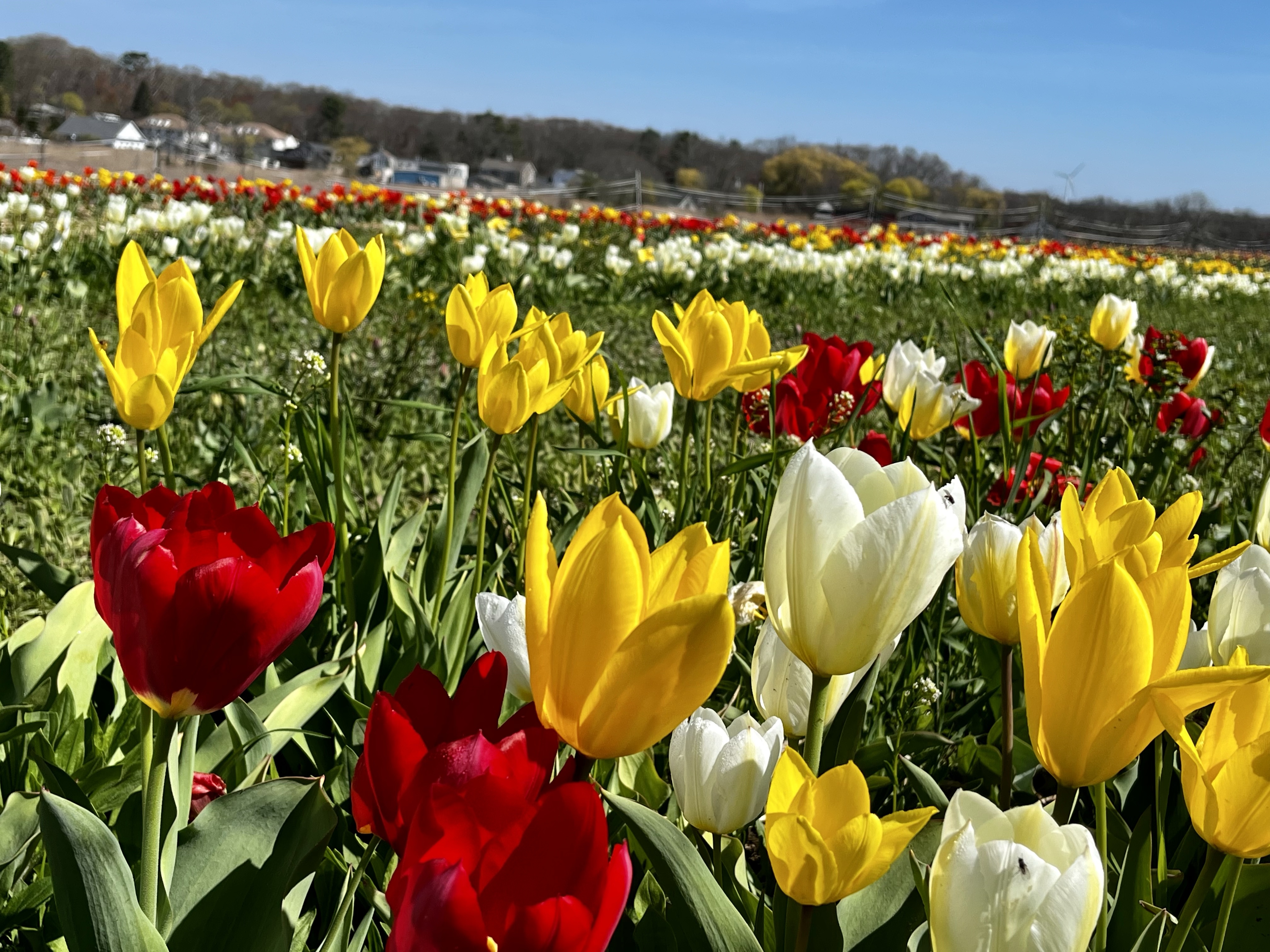
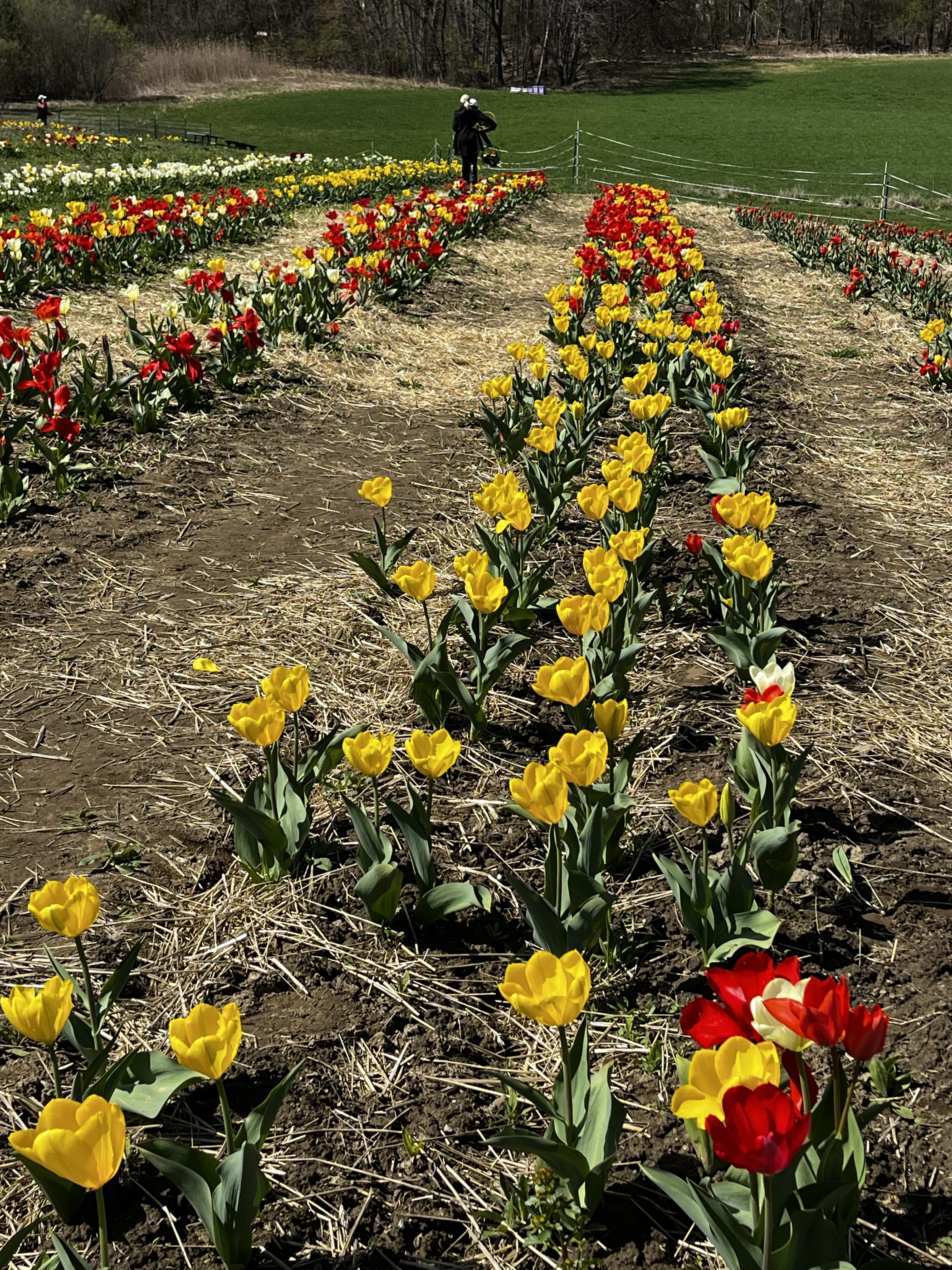
Happy May Day! This post is appropriate for today. I made my annual visit to Tip Top Tulips in Ipswich (Lowes Lane right off 133 behind Dairy Queen) recently. Though I LOVE the Generous Gardeners Tulips along the boulevard, I also love to go to Tip Top Tulips. Part of the reason is that you can pick and purchase tulips there; the other part is the extra fun the baby goats, alpacas and young children offer. I was greeted by Farmer Paul, (who remembered me!) who introduced this year’s theme of Hope. The annual themes are another reason I love stopping by. You do need tickets (reasonably priced) which can be purchased online or at the gate. Tulips bloom only for a short period, so if you have time in your schedule maybe you want to stop over there and feast your eyes. Maybe you want to try the goat yoga! If you do, you can let me know what you think since you won’t see me doing that…..
Spread The GMG Love By Sharing With These Buttons:
The Sawyer Free Library is proud to present this important community event about stroke health, made possible by Encompass Health and Beth Israel Lahey Health.
Join us on Tuesday, May 2 from 1:00 to 2:00 p.m. at Sawyer Free Library at 21 Main Street and learn the warning signs of a stroke and how to help prevent one from occurring by knowing the risk factors. The presenter is Chris S. Burke, MD who is a Neurologist and the Stroke Medical Director at Beverly and Addison Gilbert Hospitals. Register at SawyerFreeLibrary.org.
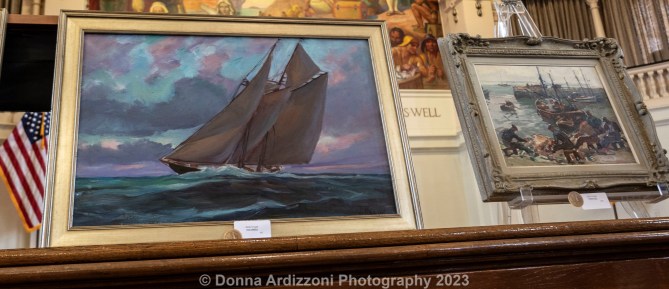
This was an amazing and wonderful exhibit. I was honored to help set up on Thursday. Took Rick on Saturday and these paintings tell a story. We are lucky to be able to see them so close up. Thank you to Karen Tibbets and all the volunteers who put this exhibit on for the public to see. Thank you again.
Spread The GMG Love By Sharing With These Buttons:
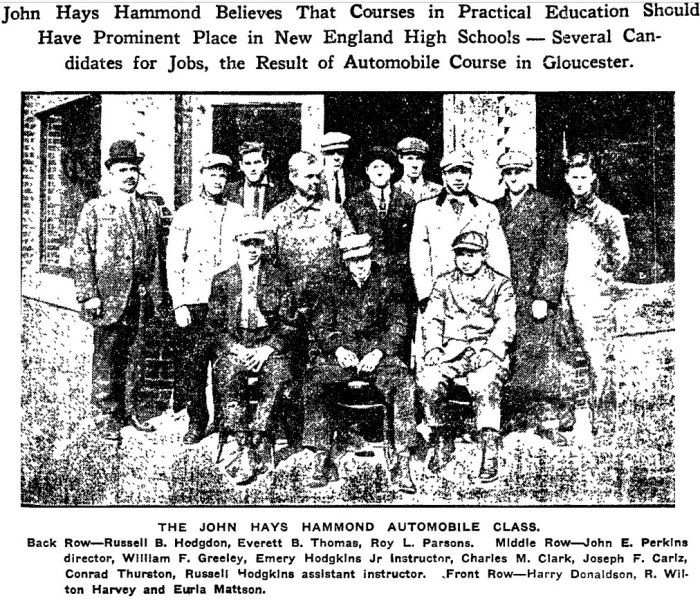
On this day in 1911, the Boston Globe reported on a novel auto mechanic course at Gloucester high that would expand the vocational offerings already established in the district. John Hays Hammond who served on the school committee had the idea and seeded the concept. Forty years later, Arthur Smith reflected on how the new program fared when he wrote about the history of Gloucester High School (published by the Gloucester Daily Times in 1951). Hammond’s tenure on the school committee overlapped with renowned teacher and administrator, Albert W. Bacheler, the Gloucester High School Principal. In 1911, the high school was located on Dale Ave. now Central Grammar. Excerpts follow.
Excerpts from the Boston Globe article
“John Hays Hammond, who is a member of the Gloucester school committee, offered to maintain, for a year at least, a class of high school boys in automobile instruction…
“Under the terms of the contract the boys were to be given 40 lessons a the rate of two lessons a week in the machine shop. But Mr. Perkins and Mr. Hodgkins, becoming enthusiastic over the idea, have lengthened this out to 50 lessons at shop work, and for further good measure Mr. Hodgkins has given, gratis, 40 evening lessons at the high school on the theory of construction and management of gas engines. Thus it is believed that the course has been thorough from the theoretical and practical standpoint. The first lesson at the garage consisted in leading the class to an automobile, directing them to dismantle it and reassemble it, care being taken to tell them to acquaint themselves with the function of every piece of metal which was handled. The test in this was to ascertain at the very first if the boys had the mechanical knack and observation so necessary in matters of this kind…
“The Gloucester high school met this in a measure by introducing some 15 years ago the commercial and high school course, which has equipped many for a livelihood as stenographers and bookkeepers, but this class instituted by Mr. Hammond, if it shall become permanent, will go a step further, and turn out young men who, in their special branch of business, are skilled mechanics and not above overalls and hands and arms soiled with oil…
“…the popularity of the new departure is attested by the fact that one-tenth of the whole number in the pubic schools is enrolled in the high school, which must be enlarged to accommodate those who desire to enter…”
Boston Globe April 30, 1911
“At the same time the reputation of the school as one of the best college preparatory institutions in New England has increased, as the large number of its graduates in the colleges and universities attest.”
When the HS moved to its current location, the gym was dedicated and also known as the Albert W. Bacheler drill hall. Read more about the history of the school buildings here: Gloucester Public Schools Then and Now
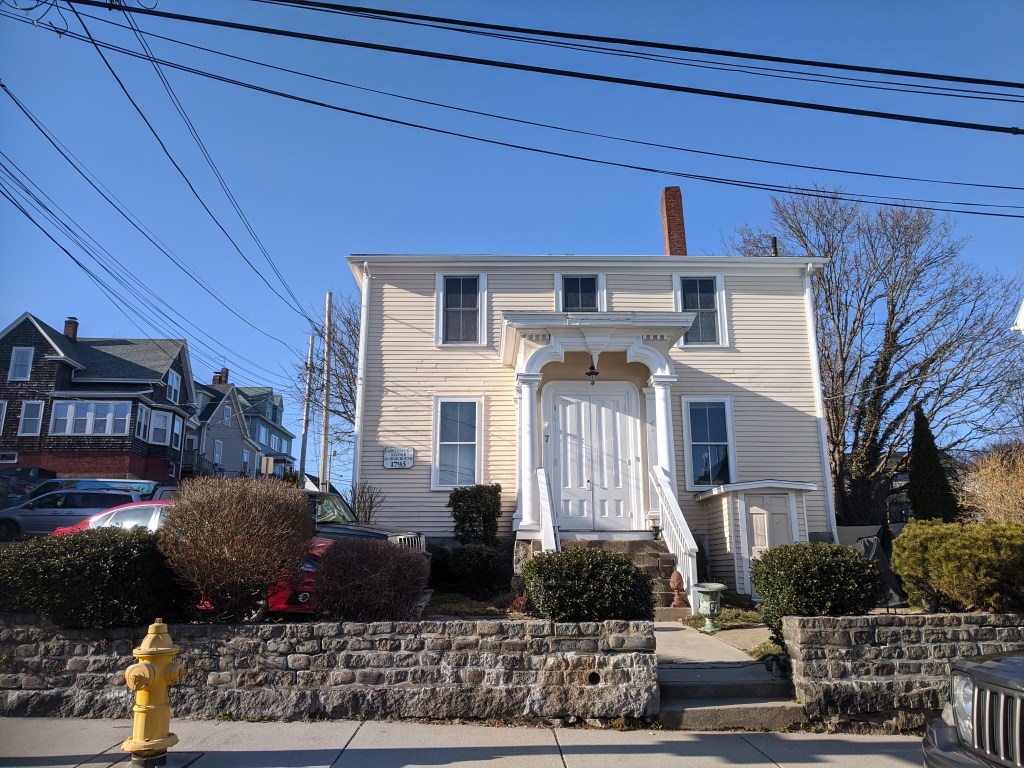
Photo: C. Ryan. At the corner of Wells & Beacon, Gloucester’s “second” school house, 1793 on a sunny day in 2021. Building timeline: Funds appropriated in 1793 for a grammar schoolhouse which was constructed on Granite St. & dedicated in 1795; moved 60 years after to this site; later serving the district for administration purposes; gifted for use by veterans of the Spanish-American War; present day now a private home.
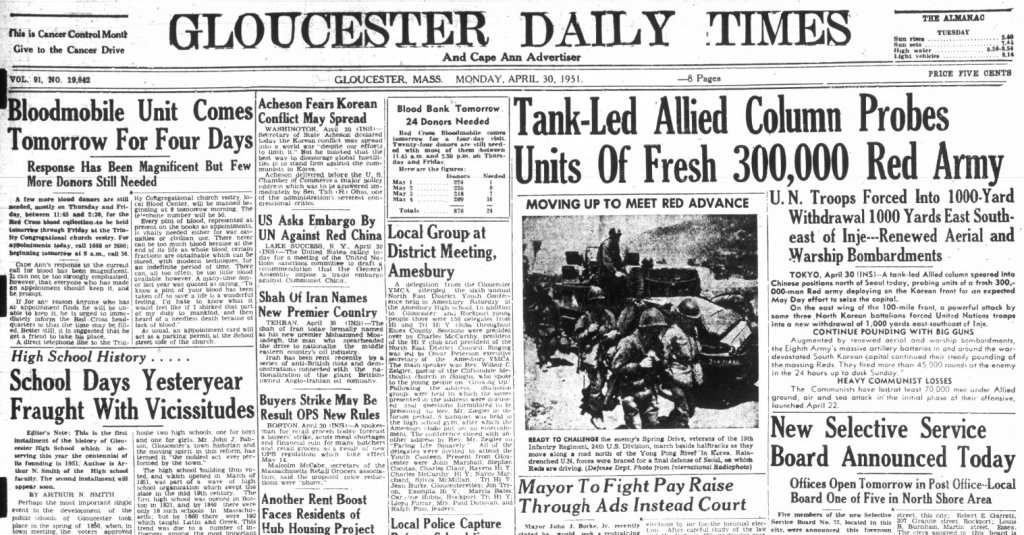
Flash forward to april 30, 1951
The district registered 4196 students in 1892 with just 300+ in the high school. Attendance was an issue. The enrollment number increased under Bacheler’s stewardship.
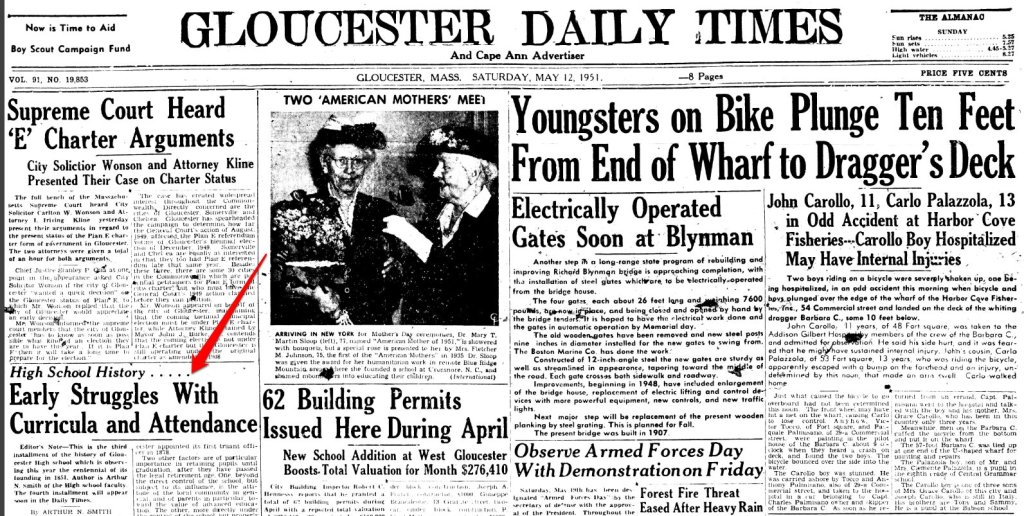
In 1951, Arthur Smith wrote about the history of the high school at the 100 year mark. The multi part series was published weekly on the front page of the Gloucester Daily Times. Bacheler is featured in several. Smith covered the enrollment and described what had happened with Hammond’s vocational goals for the district:
**from the SFL digitization microfilm reels**
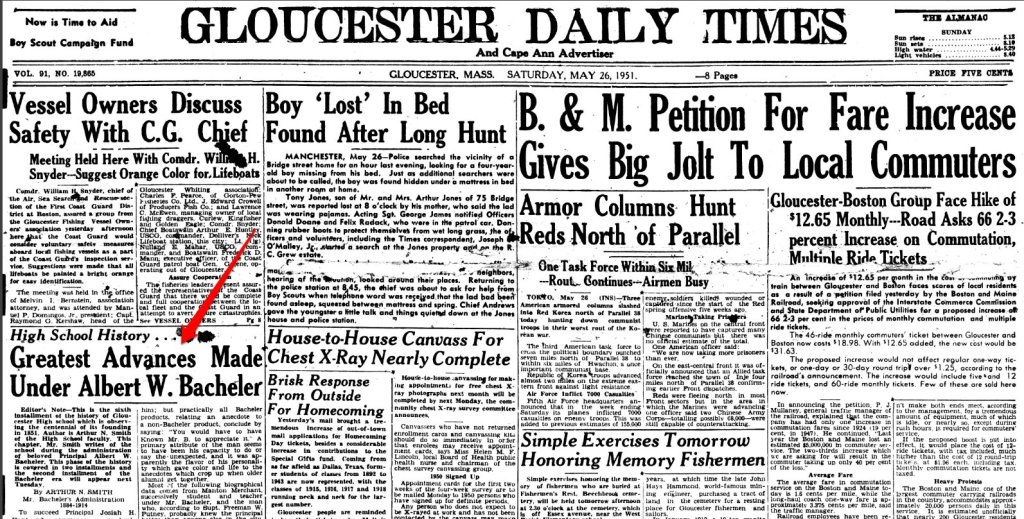
Bacheler’s
“…30 years in the school saw many changes. He came to a school of 226 students, most of them girls, and five teachers including himself; when he left in 1914, there were 603 students and 19 teachers. When he came, few students from Gloucester had gone on to college; he seems to have waged a campaign for higher education, and probably sent half a dozen to higher institutions for every one who had gone before….
“…Industrial vocational training did not fare so well in the same period. There was agitation for it, and the committee agreed in 1907 that industrial training was becoming part of the high school course in other cities, where there was a direct demand for employees with certain training, but it did not feel that Gloucester was so well situated in regard to trades. The following year, it was suggested that there might be some sewing and cooking for girls, and carpentry and printing for boys, but no action was taken. By 1913, the committee definitely felt there was a need for a high school of practical arts in the city, either a part of the existing school, or better yet, as a separate school, but nothing was done.
“A private benefactor, John Hays Hammond, primed the pump for the city, but to no permanent avail. In 1911 and 1912, through his generosity, cooking classes were made available to senior girls in the afternoon, but it was not seen fit to make the course available to all girls as part of their regular school course. Although 46 of 49 senior girls gave up their free time to enroll, the class was dropped. Similarly, in 1910 and 1911, the same man made possible instruction on the automobile for senior boys. A six months course was provided, part of it held at Perkins and Corliss garage, and part in the high school classrooms and a dozen seniors gave up their afternoons for instruction in this new field. But the course was ahead of its time in Gloucester, and it was not continued at public expense. This was very possibly the earliest course in automobile instruction in this state.”
Arthur N. Smith, Part 7, Gloucester Daily Times, May 29, 1951 Smith, a GHS teacher, wrote this special chronicle about the history of the High School to commemorate its 100th anniversary. Bacheler is featured in 4 installments which you can read on line through the SFL digitized GDT newspaper microfilm rolls. Part 1 was published on 4/30/1951. All of them were published on the front page above the fold.
The 7th installment also mentions that the first Sawyer medals were awarded in 1912:
“In June of 1912, the first Sawyer medals were awarded to the boy and girl in each class who was outstanding in scholarship and effort. These medals were paid for from the interest of a fund established by the will of Samuel E. Sawyer, to whose generosity Gloucester is indebted for many things, including the public library building.”
Spread The GMG Love By Sharing With These Buttons:
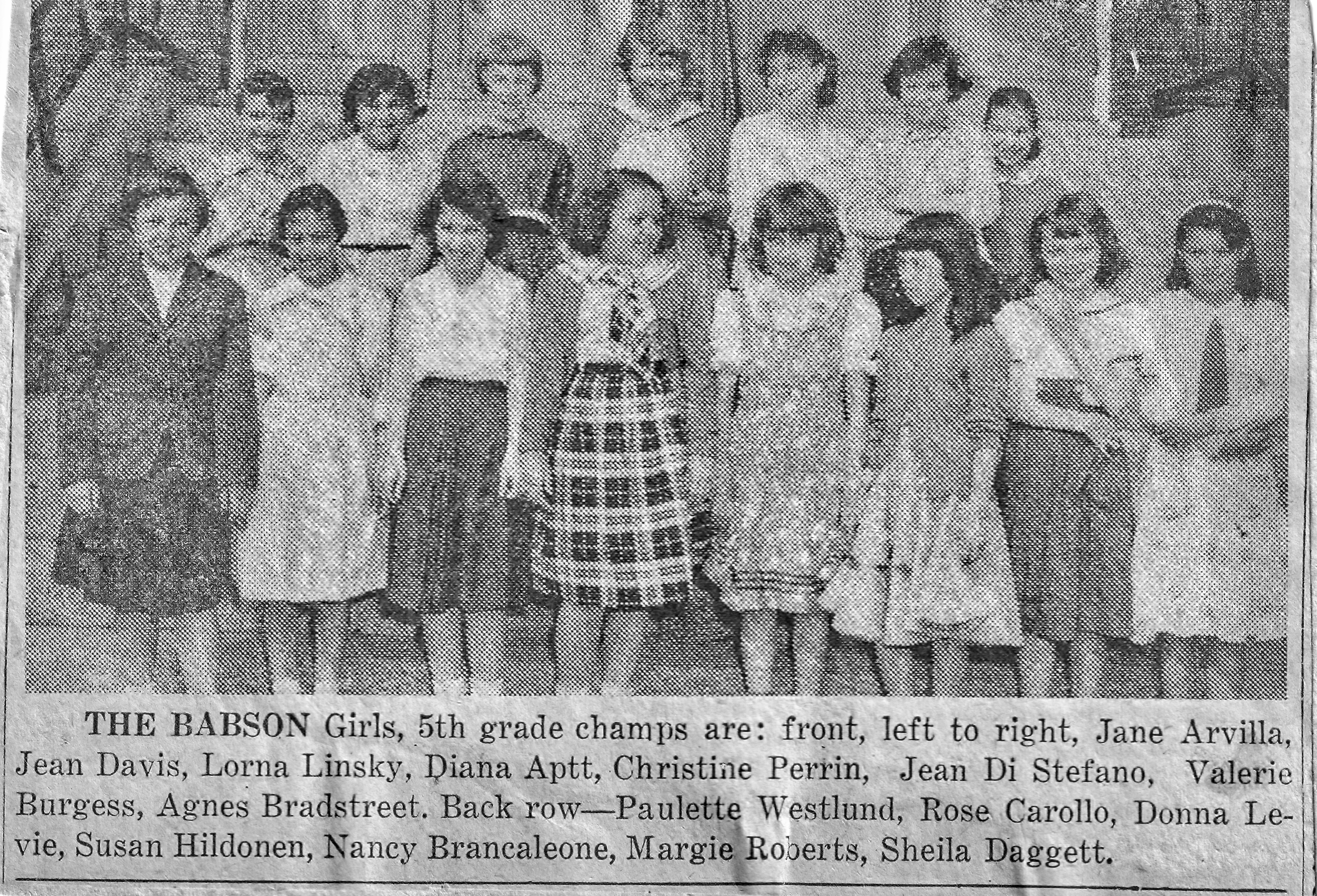
The Babson Girls, 5th Grade champs are: front to left Jane Arvilla, Jean Davis, Lorna Linsky, Diana Aptt, Christine Perrin, Jean Di Stefano, Valerie Burgess, Agnes Bradstreet. Back Row – Paulette Westlund, Rose Carrollo, Donna Levie, Susan Hildonen, Nancy Brancaleone, Margie Roberts, Sheilla Daggett.
Photo Provided by Christine (Perrin) Simoes
Spread The GMG Love By Sharing With These Buttons:


































 Good Morning Gloucester