
Merry Christmas From Len Burgess
My View of Life on the Dock


This story was the first time I was acquainted with anything written by one, “Tom Herbert”, a reporter the Boston Globe featured regularly pre 1900.
This heartwarming read published on Christmas day in 1890 has enough convincing details to engage readers of all ages with a Christmas wish come true story. Is it fairytale or truth enchanted? The mention of a charming cottage in East Gloucester piqued my interest enough to research surnames, just in case, and the off chance I might locate a house story to boot while re-discovering work by this writer. One article was another in this vein I categorized ‘fairytale reporting’ which I shared yesterday ; and a third from a tuna fishing trip he covered for the Boston Globe (embellished with a fantastic headline).
Local details mentioned: Norman’s Woe, Proctor’s Store, ferryboat Little Giant, James (Jim) Lawson, Jeannette Olsen (children Andrew and Alfred), Eastern point, fisherman, Swedish immigrants, East Gloucester, Swedish consul, Court Square Boston, Grand banks, Nova Scotia, Newfoundland, shipwreck, Cunningham & Thompson’s wharf, Boston’s salt fish dealers
Her Christmas Present, A True Story of Gloucester Fisher Folk
By Tom Herbert
“Shaw! Jeannette, don’t talk of Christmas presents: you should have dropped those childish notions when we were married. Here am I, a poor fisherman, with a few hundred dollars, and you know I want to build or buy a house in East Gloucester, so that we can have a home of our own next year, and now, the middle of October, I am almost forced to make a fresh halibut trip, or stay home and eat up my hard earned money; and we must be saving, for the owners have promised me a vessel next spring.”
The next day he was to sail, and with tears in her eyes, Jeannette hurriedly got together socks, mittens and the rest of his sea clothes, all of which were neatly patched and darned ready to be placed in the calico pillowslip and taken on board the vessel.
“You’ll buy me a present this year, won’t you, Jim?” said she the next morning.
“Well, I don’t know. It’s according to whether we make a good trip or not, and even so, you must not expect anything that will cost much.
So they parted with a kiss, at the door of the little house on a side street in Gloucester, and were it not for the cry, “Pa-pa-pa” of little Andrew in the crib up stairs, she might have lingered at the door and watched the passage of the vessel as her prow was turned towards Norman’s Woe.
“Jim will be home before Christmas,” mused she, “and if ‘twas only a cheap pocket-book he’d buy for me, I would cherish it so much.”
That night, after “baby” was sound asleep, she visited a friend, and as she passed Proctor’s Store and the post office on her way home she heard a fisherman say: “The ‘glass’ is down 2-10 below 29.”
This was news for her, as almost every Gloucester woman understands the working of a barometer, and surely a heavy westerly was coming that night.
It was 12 o’clock that night when the expected nor’wester burst, and she was awakened by the noise of a swinging blind.
‘Tis a fair wind for Jim, thought she, as she secured the shutter, and if it lasts a day or two he will make a quick run to the Grand banks. Little she knew at that time what misery the same gale brought to her husband.
The next day everything went wrong about the house, the fire went out, although there was a splendid draft to the chimney, things seemed to be strewn around the kitchen in all directions, the baby yelled like mad, and tried to get out of his crib alone for the first time, and in the afternoon she scalded her foot with hot water while making a pot of tea.
Jeannette was not superstitious, yet she could not help paying some attention to what seemed to be presentments of trouble, and were it not for a letter from a lawyer that she received asking her to come to Boston to transact important business she might have and had a good cry.
“I wonder what it can be,” said she, as she put on her best wraps,” surely it cannot be any news from home so soon, and now, come to think of it, I’m sorry I didn’t tell Jim that the property in Sweden was being settled up.”
The train seemed to move slower than usual that day, yet it arrived in Boston on scheduled time and soon she was seated in a law office in Court Square.
“I called,” said she, addressing a smooth faced man, “in response to your letter.”
“Oh, yes! You are Mrs. Lawson, are you not?” said he, showing the way to his private office, “And your maiden name was?”
“Jeannette Olsen, sir. I was born in Stockholm 23 years ago.”
“Yes, the very same,” said the lawyer; “and now, Mrs. Lawson, I have some good news for you. The Swedish consul has a check for you at his office, payable in gold, to the amount of $3800; small, but not so bad. I believe your husband is –“
“A fisherman, sir,” said she, helping him answer his query.
“Now all that remains,” continued the man of law, “is for you to be identified and the check is yours; are you acquainted in Boston?”
Yes; she had relatives there, and half an hour later the office boy brought in two persons that knew her when at home and also her family.
Without much delay the check was received by her from the consul and cashed at a neighboring bank, and with that—never had so much money before feeling—she wended her way towards the depot.
Once on the cars her thoughts went out to sea and she wondered how Jim’s vessel had weathered the gale, and what he would think if he only knew their good fortune, and how sorry she felt for having kept secret her letters from home, but the next moment her thoughts were in another channel. She had resolved to buy Jim a Christmas present that would cost “something.”
The day following was one of excitement to her. She visited the bank, crossed the ferry a number of times in company with real estate men, all of which set the neighbors a wondering, and for two weeks she was busy every day.
When she had time to read, she studied the Boston papers, and from the reports of incoming vessels she knew that it had been rough weather at sea.
Soon the name of the vessel that her husband sailed on was becoming talked of in the town, no news had been heard of her, and she became sad-eye, and the bloom of youth left her cheeks.
The neighbors called and sympathized, and one old lady, who had a son on the same vessel, said, “that if the schooner was not in by tomorrow the owners were going to give her up as lost with all on board.”
Tomorrow!
Why, tomorrow was Christmas day!
Vessel and all hands lost at sea!
What a cup of bitterness there was in store for her when she had planned for a day of happiness!
“But it must not be,” she cried; “surely God will not send us such terrible news on the birthday of His son!”
That night she knelt by the baby’s crib and prayed that the father of the little one might be returned to him and her.
Morning dawned and she arose after having passed a sleepless night; baby’s breakfast must be gotten ready, and as she rolled the crackers, the crumbs were moistened with her tears.
Noon came and the dreaded news had not arrived, and seating the chubby little chap in the high chair near the window, they ate their Christmas dinner.
An hour later she was ready to swoon, so weak was she from loss of rest and nourishment, and with arms on the table and head bowed down she cried herself to sleep.
How long she remained in that doze she could never tell, but she awoke with a start; little Alfred was tapping on the window pane with his spoon, and calling “pap-pa! pap-pa,” at the top of his voice.
“Be quiet, child,” said she, hysterically; “you have no pa—“ She never finished that sentence, for there, outside the window, was Jim, with a full beard, and looking very pale.
Was she dreaming?
No! for he has moved towards the door, and is now rapping; she notices as he passes his arm into a sling; he has been hurt.
The bolt shot back, the door swung on its hinges and she would have fallen to the floor, but he caught her with his uninjured arm and in a cheery voice said:
“Jeannette, cheer up; is this the way to welcome your Jim? Why, I’ve brought you a Christmas present: ‘tis myself.”
The joy of the wife at the deliverance of her husband no pen can describe, and when she could speak she told him of the long and weary hours she had waited, and listened intently to his tale of suffering while she put new bandages over the splints of his shattered arm.
He told her that after they sailed out by the light on Eastern point everything went wrong on board the vessel, as though a warning to them, and that night, as they scudded before the gale, one of the crew was knocked overboard by the main boom while returning the mainsail, and was rescued with much difficulty.
The next day the gale increased and the weather was intensely cold.
That afternoon they carried away the foremast head while jibing the foresail, and before it could be prevented the mainmast went by the board and injured five men.
They were then 200 miles at sea and almost a total wreck.
Under short sail they headed for Nova Scotia, and then within 20 miles of the shore a heavy snowstorm set in and they were driven off the coast.
The ice that formed on the vessel in large quantities made her unmanageable, and for four weeks they drifted about the ocean without seeing any craft.
Another heavily westerly gale sprung up, which drove them farther out to sea, the schooner had sprung a leak, the pumps were frozen solid, and the decks were washed continually by the heavy seas.
That night the wind shifted, and the captain, judging himself in the vicinity of Newfoundland, heaved the vessel towards the shore, and under a close-reefed foresail they made fair progress, and got ready the only two dories that had not been smashed.
Towards morning they made the land dead ahead, and all the men that were able stood ready, and the injured and frozen men were placed in the dories which were ready to launch.
The suspense was fearful, but for a moment only, for she struck a reef of rocks with a crash, and when the next sea carried her over the ledge she sank in 15 fathoms of water.
That was all he remembered for one week and when he came to his senses his head was bandaged and his arm was in a splint.
Kindly the wife of a fisherman cared for him, and eased his mind when he asked for “Jeannette,” saying, “She’ll soon be here.”
When able to be about he was sent to Fortune bay and took passage on a herring vessel bound for Gloucester.
The rest of the crew had been badly frostbitten, and when all well would follow by steamer.
He was set ashore at Cunningham & Thompson’s wharf, and arriving at the house saw his baby Alfred at the window, and was answered by the little one.
After Jim Lawson had told his story, Jeannette threw her arms around his neck and said, “James, you know you promised me a Christmas present, but I don’t expect one now, and Jim, dear, don’t feel sad. I know you doted on a little home, so I bought a nice little cottage over on Eastern point.”
Should his dory have capsized in a calm, Jim could not have been more surprised than when his wife spoke of buying a house, and an hour later the ferryboat Little Giant brought the happy couple to their new home.
Jim Lawson quit going fishing, by request of his wife, and today is a salesman for one of Boston’s salt fish dealers.
This year it is said that a new piano will be moved in to the snug little cottage, just for a Christmas present.
“Her Christmas Present A True Story of Gloucester Fisher Folk”, Boston Globe, Dec. 25, 1890 by “Tom Herbert”
Who cares that the baby is alternately named Alfred and Andrew (perhaps there is more than one child?)! Husband and wife are both heroes! And there are helpful lawyer and realtors, unrelated to the shipwreck! (Wait. Was $4000 a small amount in 1890?)
Art, poetry, novels and news- fishing tales were popular no matter the media. Timeline comps: Longfellow’s Wreck of Hesperus was published in 1842; Winslow Homer first documented extended stay in Gloucester, 1873; Elizabeth Phelps residing here by 1890; Joshua Slocum’s Voyage of the Liberdade 1890; and Kipling’s Captain Courageous in 1897. For Christmas eve decades prior, The Night Before Christmas, attributed to Clement Moore, was penned in 1822.
“Lawson” in the 1882 Gloucester directory

Perhaps some families have heard versions of this same yarn. For fun, some cursory digging: there is no James “Jim” Lawson-Jeannette Olsen (olson)-Alfred trio; though the surnames are common. Some Lawsons resided downtown and East Gloucester: Charles Lawson, fisherman, house 10 Traverse St; Charles J. captain 21 Addison; William J Lawson 23 School Street, then 13 Summit St. In 1870 John Lawson arrived from Canada fisherman, bds Middle, corner Wash. (same as Edward Hopper). Child named Alfred or Andrew with a mother born in Stockholm, Sweden? Sure. What Eastern point cottage would fit the bill in your mind’s eye?
Globe reporter on a Fishing Expedition to Cape Porpoise, by Tom Herbert, Boston Globe, August 25, 1890
“…and “Turned In.” In 15 minutes not a word could be heard, and the only noise–which was not music to my ears–was the creaking of blocks and booms and the rush of water along the sides of the schooner as she ploughed her way. I had a faint remembrance of the “watch” being changed and the hearing of the order to “haul down the staysail!” After that I fell asleep and dreamt that the managing editor had elongated my vacation from two to four weeks.”


Snow sculpture….


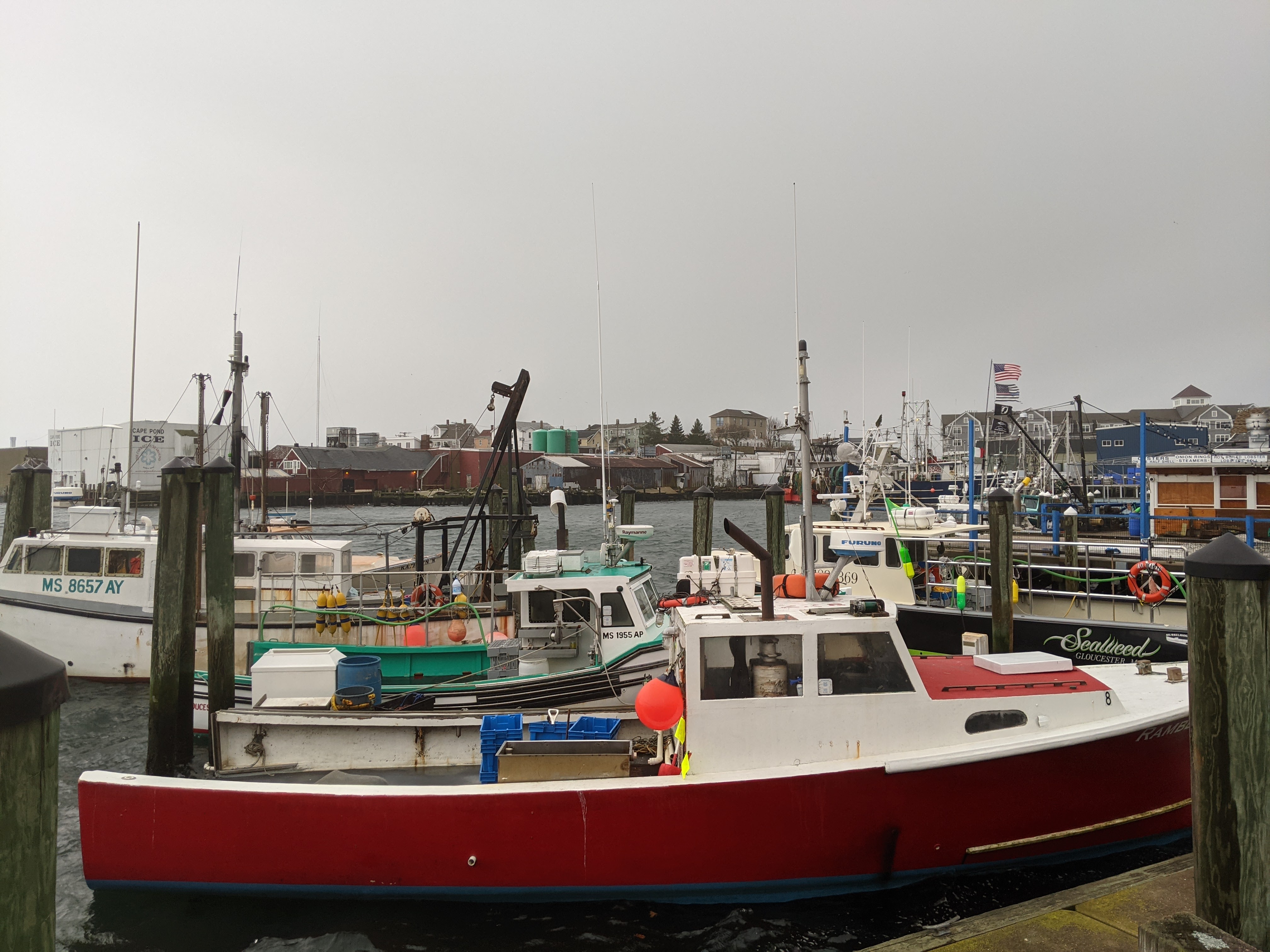
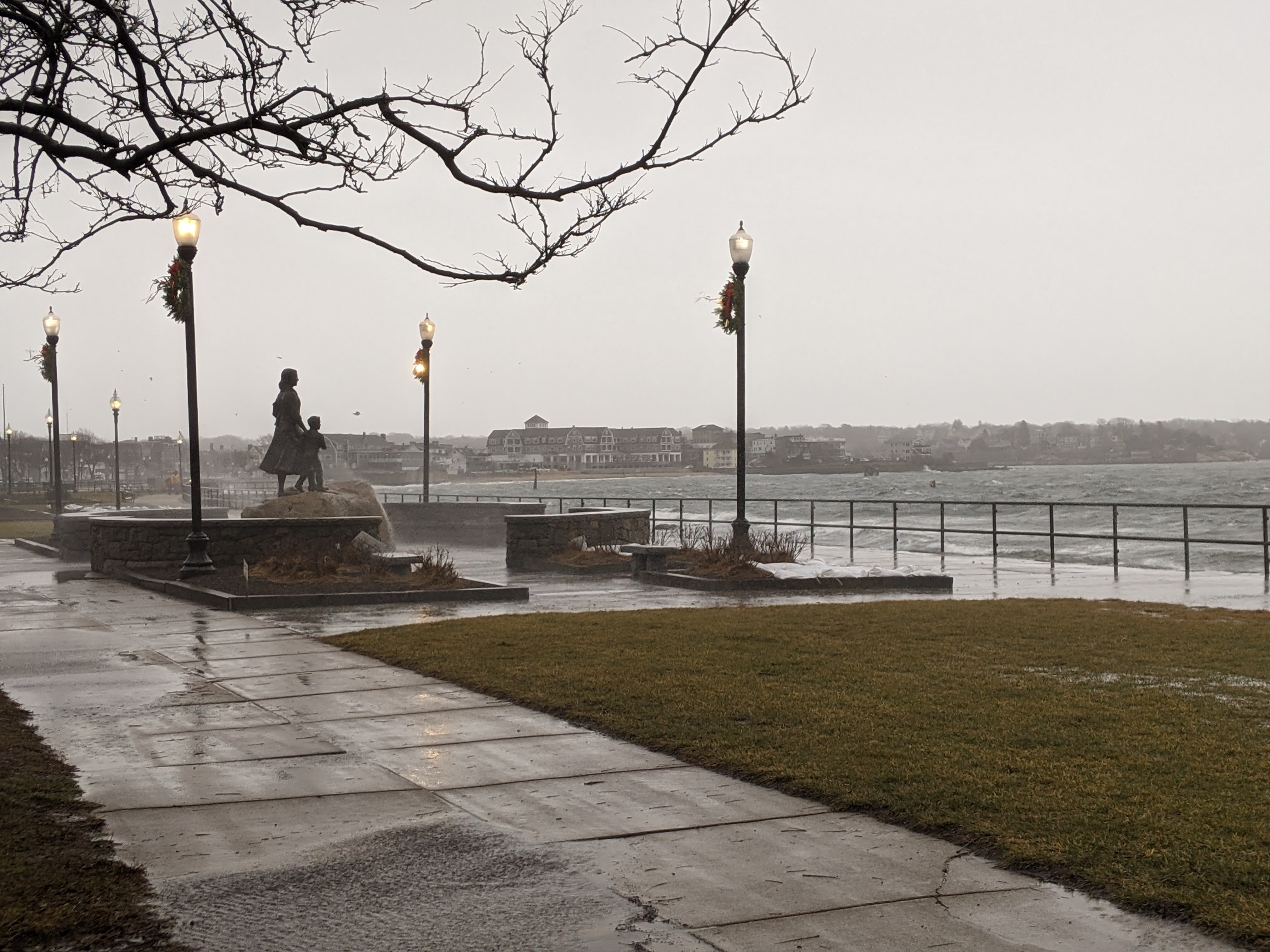

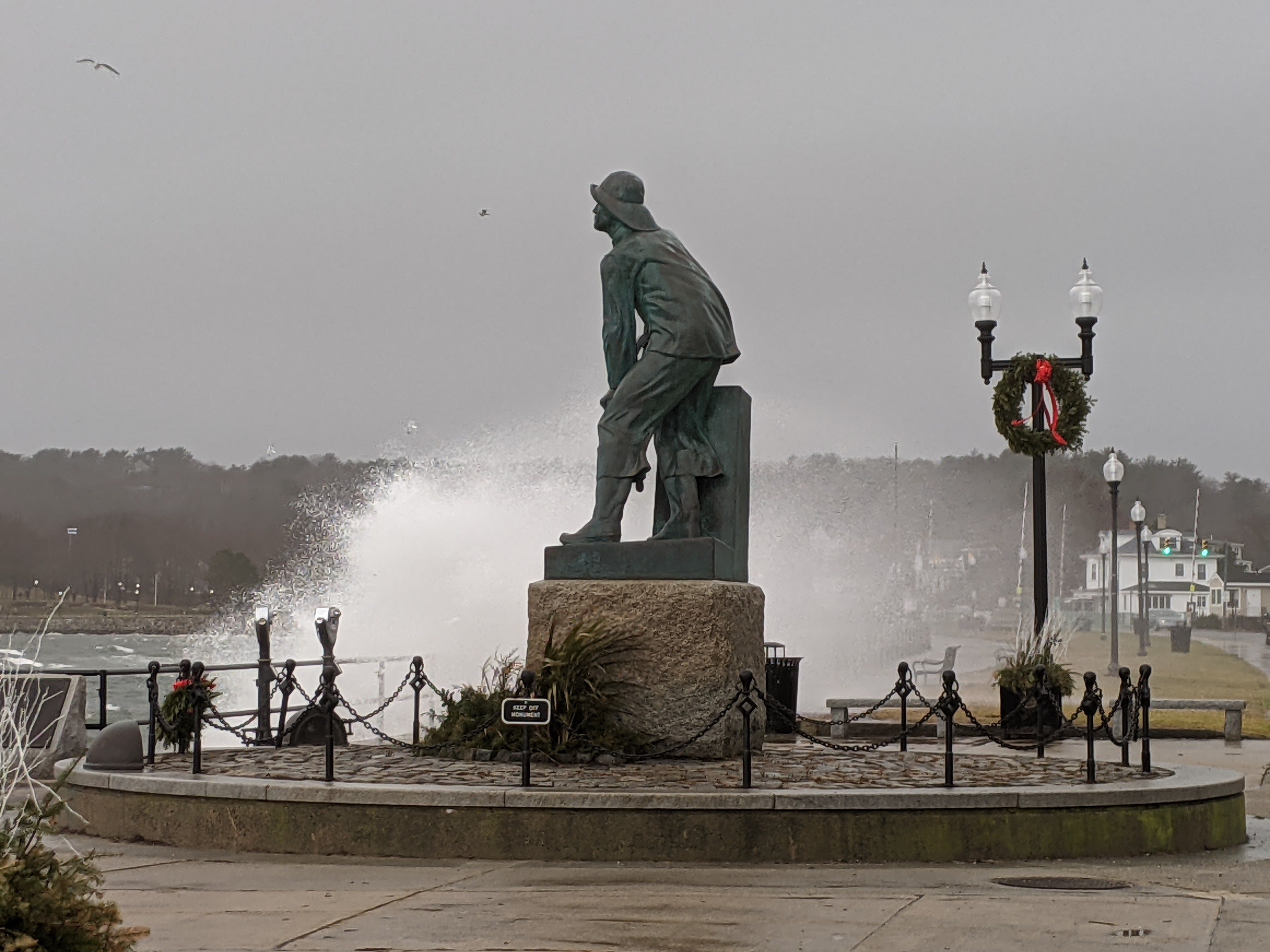


Merry Chistmas to one and all!!!


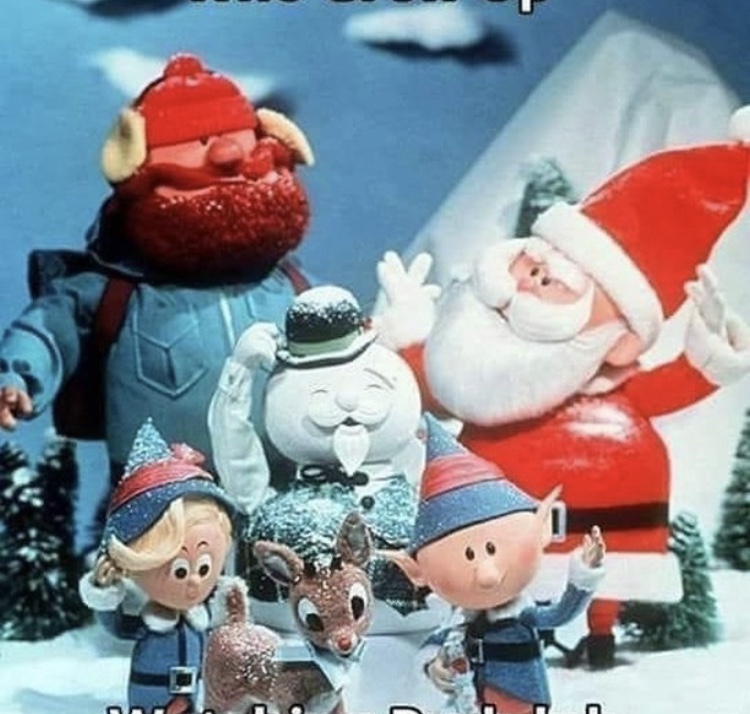
What was your favorite Xmas show?


Did your family share stories about visiting this elaborate (all?) indoors Christmas display? I’d love to see a photograph(s).
Gloucester, December 23, 1931- The religious fervor combined with the artistry of the Italian race is exemplified in the tableau of the nativity set up in the home of Capt. Joseph Curcurru, 15 Middle St, a leading figure in the Italian group of this city.
It is exciting much admiration not only among the Italian residents but among others of the city hundreds of whom have already viewed it.
Two walls of the reception room have been converted into the tableau background which represents a cyclorama of the country about Bethlehem. In a corner are the central figures, statues representing Mary, Joseph, the manger and the Infant Jesus.
Coming from the East are the three wise men and each day they are moved a day’s journey forward toward their objective until eventually on Jan. 6, which the Italians term the “Little Christmas,” they will arrive in the stable of the inn.
All around the panorama may be seen shepherds tending their sheep, peasants tilling the fields, trees and a running brook produced by an electric engine from a tank of water, in addition to other accessories which go to complete the composition.
The Italian quarter at the Fort is already taking on the signs of festivity incident to the season. They stress the religious note. The majority of their fishing craft are named after saints, whereas the native American fisherman named his clipper schooner for wife or daughter in the majority of instances.
Whittier somewhere in his verses noted this nomenclature custom of Saxon and Latin fisherman.
“TABLEAU OF THE NATIVITY IS SET UP IN HOME OF AN ITALIAN AT GLOUCESTER: Religious Fervor, Combined With Fine Artistry, Is Exemplified in This Unusual Cyclorama of Country Around Bethlehem” Boston Globe, p.2, Dec. 24, 1931


Wonder which Whittier poem?

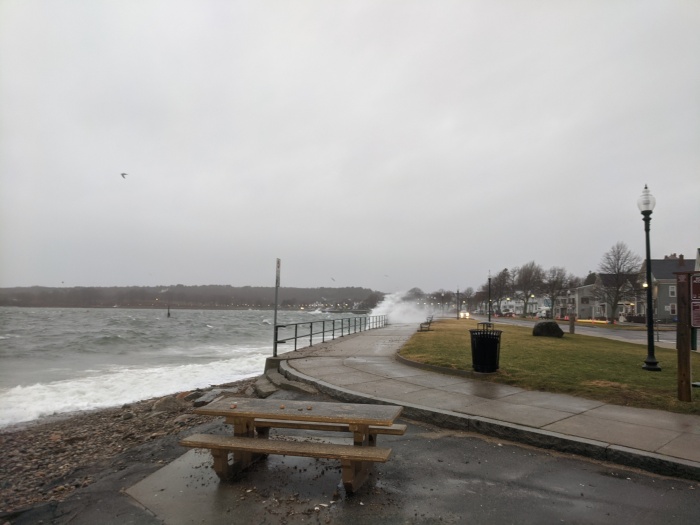
Stacy Boulevard after the winter storm with views this morning.

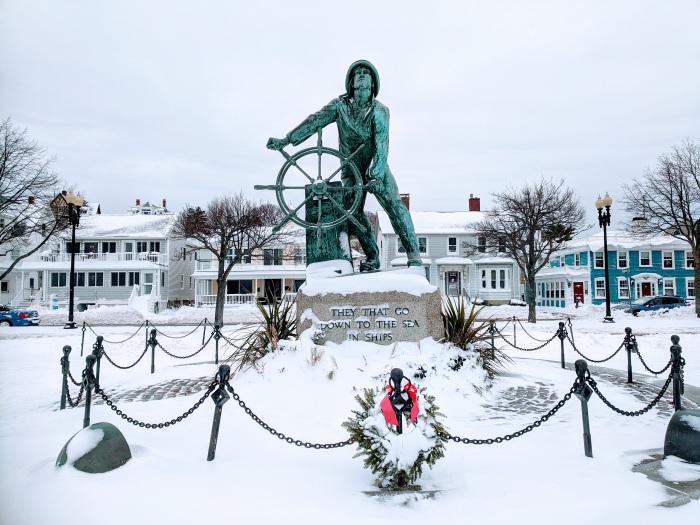
photo caption (above) Fisherman at the Wheel memorial statue by Leonard Craske, Gloucester, Ma. after the snowstorm earlier this month

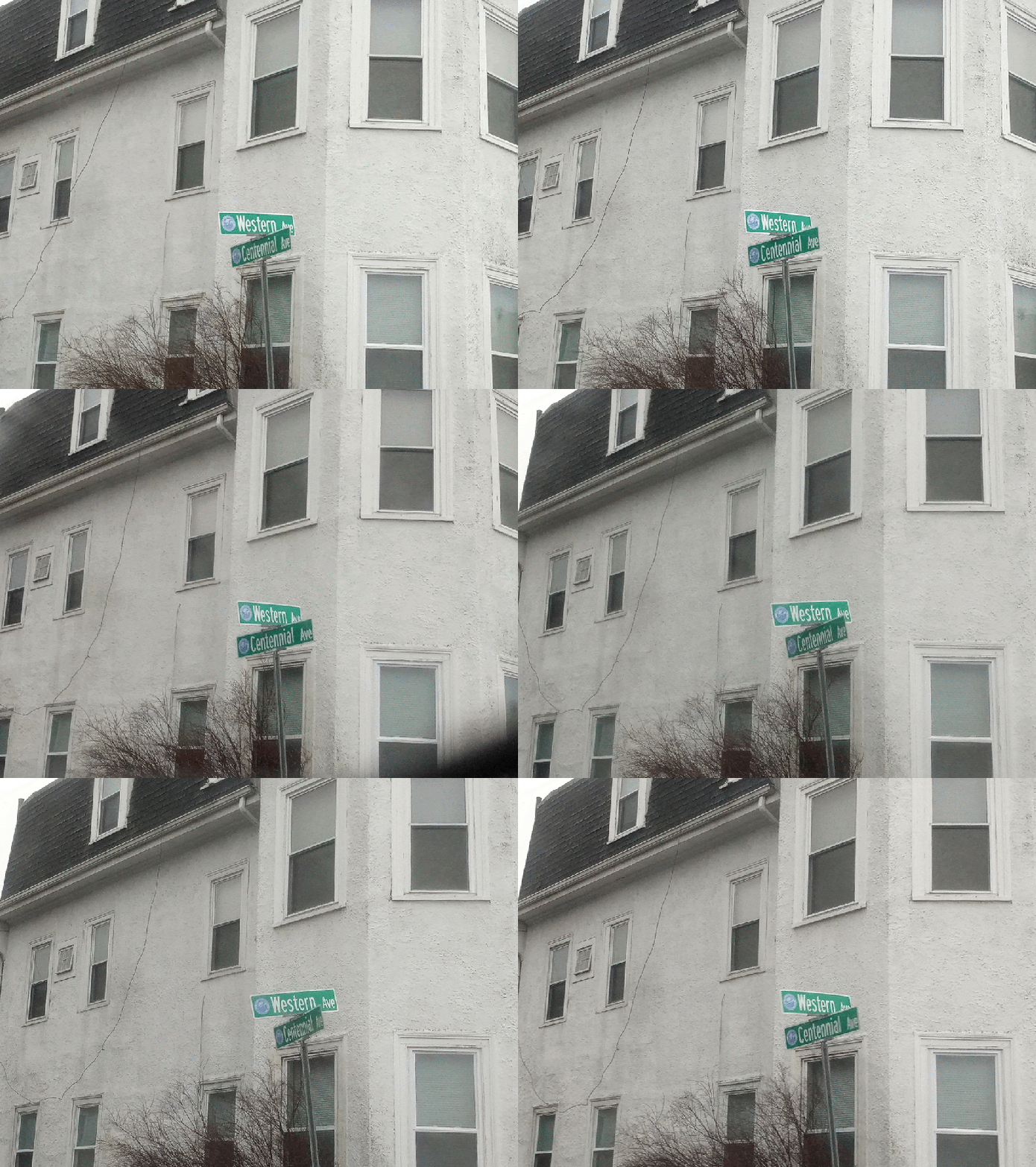
photo caption (below): Snow’s pretty much gone, December 25, 2020 (Man at wheel; Fishermen’s Wives tribute by Morgan Faulds Pike; splash overs on Stacy; street signs flapping)




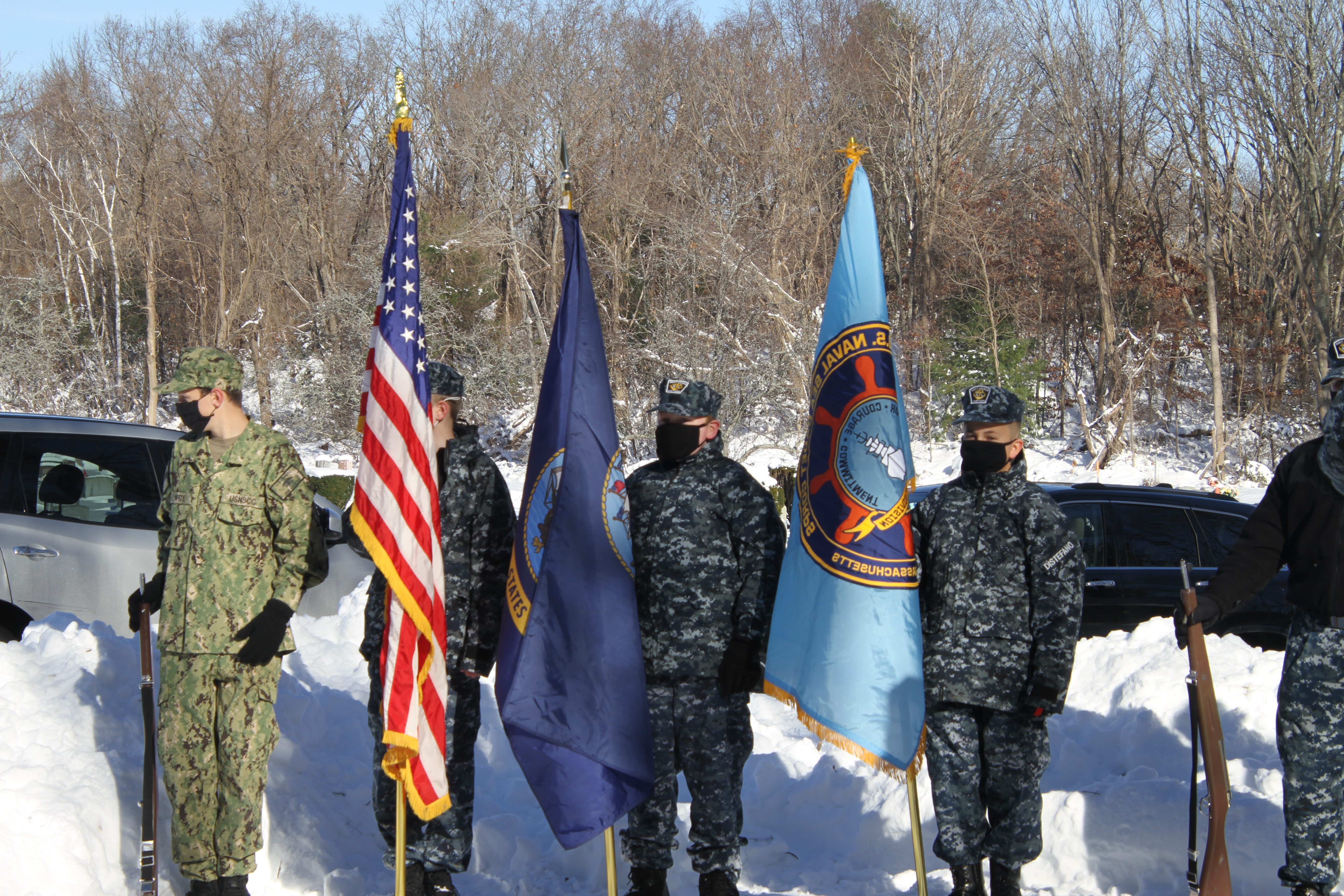
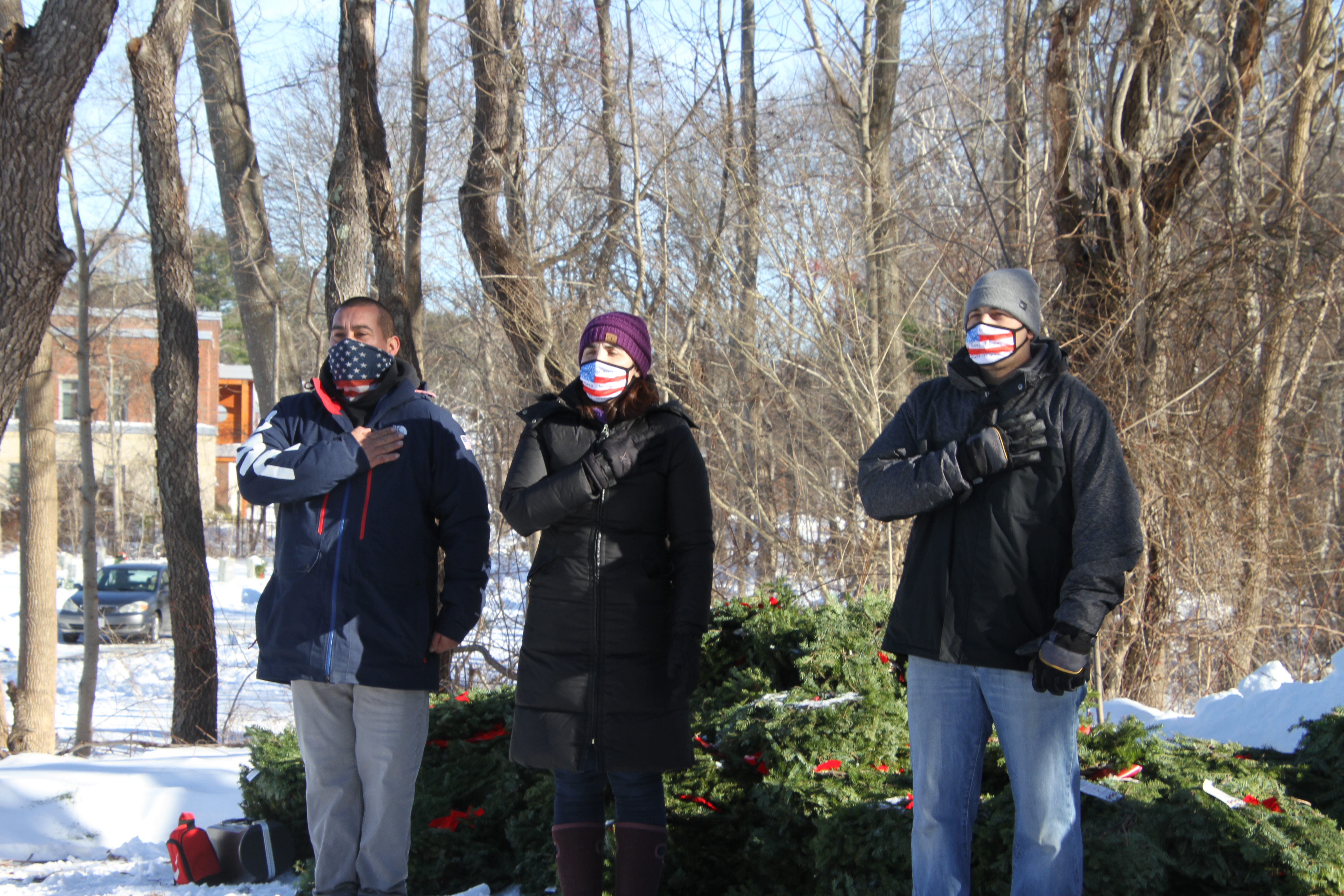
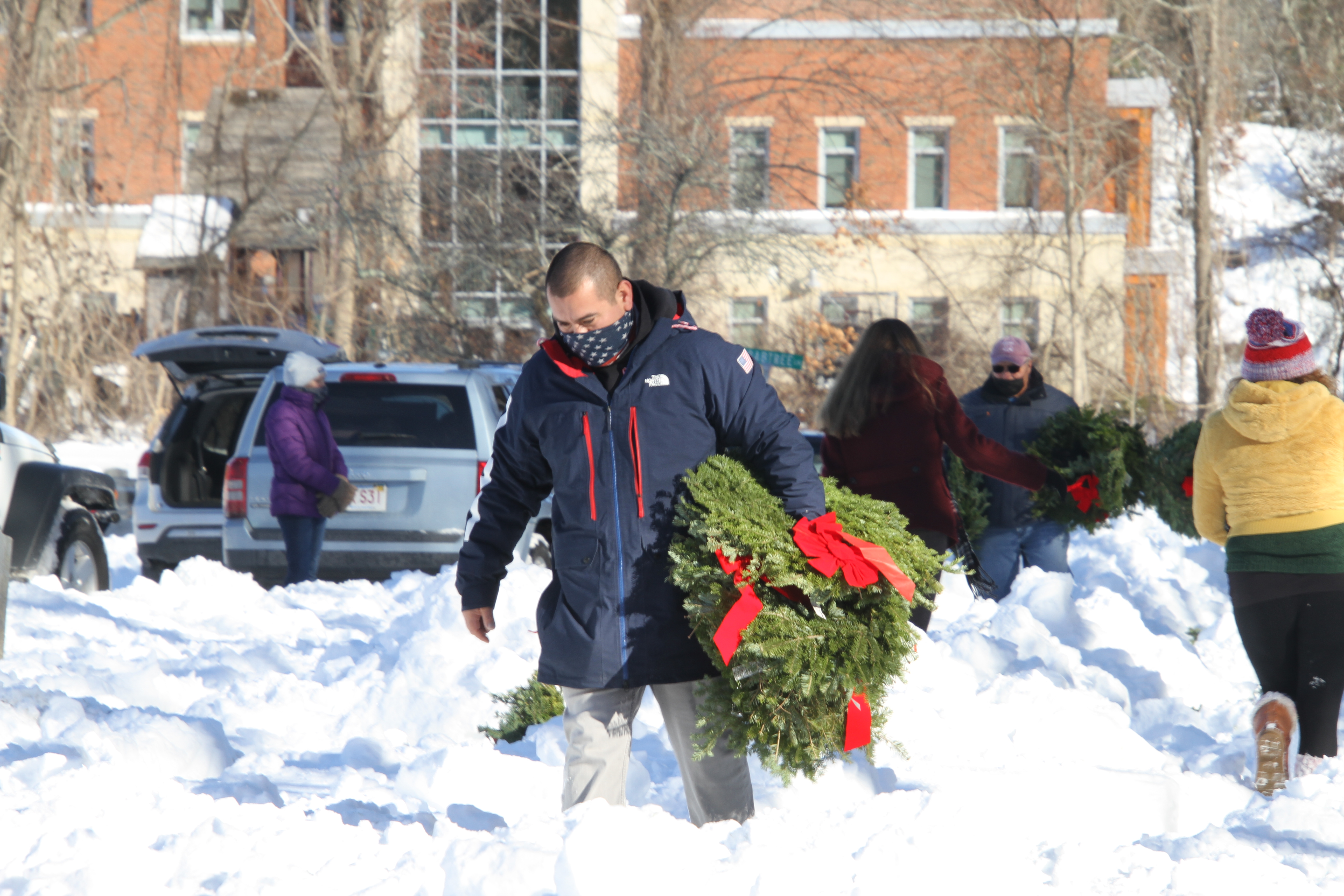
To those who celebrate, Merry Christmas. I thought it would be a fitting tribute to the season of giving to highlight the recent Wreaths Across America event held at Beechbrook Cemetery last Saturday, National Wreaths Across America Day. Several people volunteered their time and energies to clearing veteran gravesites in preparation for the annual wreath laying. Many people donated funds to allow the purchase of 400 wreaths for this sacred event. Adam Curcuru, Vee Chipperini, Amanda Orlando and Joe Orlando were among those who spearheaded the effort. Mayor Romeo Theken, Senator Bruce Tarr, and Representative Ann- Margaret Ferrante took time out of their schedules to help. There are many others to thank but I did not get their names. The Sea Cadets provided able assistance as well on a cold but sunny Saturday morning just before Christmas.
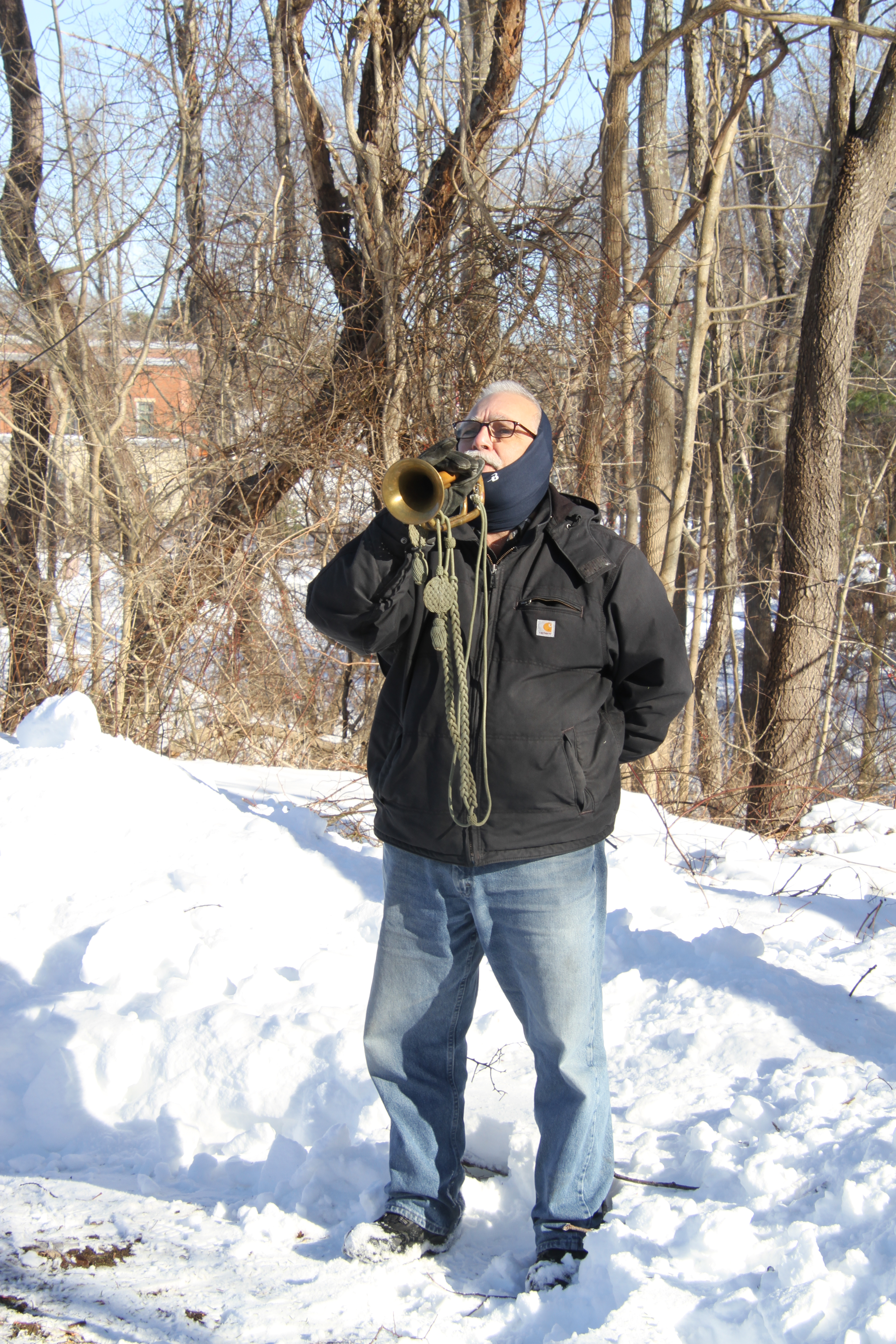
The beautiful wreaths were laid in tribute to our veterans and the gifts they gave us in terms of sacrifice accompanied by bagpipes. Taps was presented by our own Jim Dalpiaz. The Wreaths Across America program urges us to remember, honor and teach, and that’s what happened in Beechbrook Cemetery last Saturday. This event was truly a gift for all in attendance.
More than my usual number of pictures follow below. Sincere thank you to all in attendance or those who assisted in any way.












With a headline sounding like a poem or song, this memorable Gloucester Christmas eve tale by Tom Herbert was published in the Boston Globe in 1893. Local mentions: Main Street, Duncan Street, Western Banks, sch. Star of the East, Eastern Point lighthouse, Thacher’s Island, Ten Pound Island, and codfish.
A fun read aloud for Christmas eve.
“Such a dread as I have of your going away so late in the fall,” said pretty Mollie MacDonald to her lover. “And remember we are to be married Christmas eve.”
“Why it’s only a three weeks’ trip, Mollie, to the Western banks,” said mcAchen, “and you would not like to have me loafing around Gloucester and have my ‘chummies’ laughing at me. Then you know, too, I am shipped in the famous Star of the East and we will sail at daybreak.”
“But what about the engagement ring, Angus? All our friends know we are to marry and when you are 300 miles from Gloucester a little token, which I would war on my finger, would often remind me of you and remind me to pray for your safe return, for you know December is a treacherous month for fishermen.”
“I forgot that, Mollie, and now every store on Main Street is closed, but here is a silver band my mother wore,” said he, as he placed the ring on her finger.
“And here’s my mother’s engagement ring,” said Mollie: “a hoop of gold with two hearts. Don’t lose it, for I hold it as sacred as I do your love.”
“I’ll bring it back to you if I live to make the trip. But I must hurry, as most of the crew are on board and a dory will be sent ashore at 1 o’clock for the lads that stop to kiss the girls they love goodby, and I will do the same.”
So they parted, he going down Duncan Street, and on arriving
At the Steamboat Wharf
met a half dozen of his shipmates. Then all went on board and turned in.
That night it breezed up from the northwest. It grew colder, and as the barometer gave evidences of a coming storm, Capt. “Bill.” who skipped the craft, roused the “boys” out before daybreak to sight the anchor. Half an hour later the schooner passed Eastern point lighthouse.
Away scudded the schooner before the fast freshening gale under a single reefed foresail, the swash of the seas as they spurted in through the lee scuppers fast forming ice on the deck.
Once clear of Thacher’s island, all hands turned to fit new fishing gear, and the conversation started, turned to the prospects of the trip.
“Some of the ‘killers’ found fish plenty on the eastern edge,” said one, but Capt. Billy had planned his trip to fish in 90 fathoms of water, near the spot where he had “rafted” in a big trip the year before.
Angus was one of the “afterguards,” as the fishermen term those who bunk in the cabin, and while “fitting” his trawls he was very quiet and especially thoughtful when he revolved the gold band on his finger.
His usual buoyant manner had departed. He was ill at ease and very slow at tying on the hooks.
Once he dropped the lines to the floor and lifting his mattress took out a book as if to read, but he was gazing
On the Photograph
of pretty Mollie Macdonald.
The run to the banks was a quick one, and when the proper surroundings were found the anchor was let go and plenty of “scope” payed out.
That night all hands baited up their trawls which were set at daybreak, and the first haul resulted in a catch of 8000 pounds of cod, every dory coming alongside the schooner loaded to the gunwale.
Angus brightened up at the prospect of a quick trip and a big check.
During the second night on the fishing grounds something happened which later came near costing Angus his life.
All hands were in the gurry kids dressing the fish, and as it was a breezy time all hands worked with a will to get the fish below and batten down the hatches.
After supper extra strads were wound around the cable, the anchor light set on the forepeak halyards, the decks cleared and extra lashings placed on the dories.
When everything was made snug the watch took the deck to keep a bright lookout for vessels that might strike adrift and foul the schooner.
In the cabin sat Angus, who remarked that “it was going to be a nasty night,” and stepping to the after part of the cabin raised his hand to adjust the guide hand of the barometer when he noticed that the ring was gone.
Lantern in hand he rushed to the deck and searched, but no sign of the ring, and when he came down below great tears of sorrow coursed down his bronzed cheeks.
His shipmates looked but did not ask the cause of his sorrow, for Angus was a strong man and might take offense.
Kneeling beside the transom near his berth he
Reached for the Book,
and after gazing on the picture of Mollie for a moment turned and said:
“Boys, I’ve lost her ring, it was gold with two hearts; it was our engagement ring; she gave it to me the night we sailed from Gloucester and I promised her that if I lived I would bring back the ring, but now it is gone.”
That night the wind blew a gale; Angus turned in, but not to sleep.
Towards midnight he was seen going about the deck with the lantern looking for the ring, but he did not find it and had to be coaxed to go below by his shipmates. When he was called to his watch on deck he only raved about the lost ring.
At daybreak all hands were on deck awaiting the word of the skipper to go and haul their trawls, which were set a short distance from the vessel.
Two dories had been launched, and then the captain said, “Hoist those dories in, it is not a fit day to put a dog in a dory, let alone a man.”
While the starboard gang were busy getting their dory aboard, Angus asked his dorymate if he would go and haul trawls, and receiving a positive no, cast off the painter, jumped into his dory, and rowed for his flag buoy half a mile distant.
The seas ran high, and like a cockleshell the dory drifted to leeward on the crest of every wave.
The crew saw that he did not reach the windward end of the trawls, but later could discern him hauling from the lee ends.
Was he mad was the question with the crew, and would he live to haul the trawls and return to the schooner?
Being anchored, there was no possibility of the vessel rendering assistance unless to
Cut the Cable
and try and pick the frantic man up, but that would not do, especially when he took his life in his own hands without the consent of the skipper.
For an hour they watched him from the deck. Then came a snow squall which shut out their view and when it cleared the dory was not in sight.
Ten days later the Star of the East sailed into Gloucester with her flag at half-mast, and on the end of the Fort wharf stood Mollie. She looked paler and thinner than when Angus and she parted not quite three weeks before, and with lips parted she gazed at the incoming craft.
The ever anxious crowd had congregated, and as the schooner tacked in towards Ten Pound Island, an old wharf hand said: “Why, that’s the Star of the East! I wonder who she’s lost.”
That was sufficient for the poor girl to hear. She knew by the slow beating of her heart that Angus was not on board, so she sorrowfully wended her way homeward to find consolation in prayer.
When the sad news reached her she quietly said: “Angus must have lost my ring or he would be here and well.”
‘Twas the old story that the skipper told, “lost while attending the trawls.”
When the snow shut out the vessel from Angus’ view he began to realize his danger and hauled away like mad; then came a fastening on the bottom which would not give way to his strong arms and the trawl parted.
Oars were of no use except to keep the head of the dory up to the sea, and when the snow cleared off he was miles from the vessel.
He was hungry and thirsty, but he thought not of death; his one thought was of Mollie and the lost ring.
All that day he drifted before the gale that moderated at sundown, but no vessel could he see, look where he would.
That night he rowed to keep his blood in circulation, and at sunrise saw a sail five miles away.
Towards evening he was almost insane from thirst, but thinking a moment, he remembered having heard of men who found fresh water in the belly of a cod.
To rip open a codfish was but the work of a minute, then holding it so that not a drop of the precious fluid would escape, he drank.
It tasted brackish, but was better than none. Then he cut out the “poke” that he thought would be more palatable than the flesh.
What possessed him to cut it he never could tell, but when it was laid open with the knife there was
The Hoop of Gold
with two hearts, the ring he lost while dressing fish in the gurry kid on the vessel.
Clutching the ring he forgot his hunger and thirst, his only thoughts were of her who was his promised bride.
After kissing the cherished treasure again and again, he unbuttoned his oil jacket and in the top vest pocket over his heart he placed the ring.
“Now I will live, and, with the help of God, keep my promise,” he said.
The sea had gone down, and as no vessel was in sight, he lashed the flag of his buoy to an oar, and having lashed it in an upright position, he coiled himself up in the bow and was soon fast asleep.
How long he slept he knows not, but it must have been six hours, for he was suddenly awakened by the dory tossing about in a peculiar way.
Raising himself he saw a large steamer close by. The crew seemed to be making ready to lower boats, then he waved his sou’wester and got an answer in return.
Directly he was alongside of the ship and soon on board, where he was well cared for by the captain of the English freighter that had experienced heavy gales, was short of coal and was bound to Halifax to get a new supply.
In two days from that time, Angus was bound to Boston by rail, and after arriving took the evening train for Gloucester and sent a messenger to Mollie to say that he would fulfill his promise, marry her that same night, Christmas eve.
(The end.)
“Loss of a Ring Nearly Cost McAchen His Life. Adrift Off the Banks, He Found It In the Belly of a Codfish. Arrived in Gloucester in Season to Marry His Mollie Christmas Eve” by Tom Herbert, Boston Globe; Dec 25, 1893. On page 6, with obits and other news. Herbert published a similar read in 1890 which I’ll post Christmas day.
Sacred cod indeed!
The schooner Star of the East that fished out of Gloucester for years was built in 1867 in Boothbay Maine by Joseph Bearse. In 1882 the average number of vessels and tonnage enrolled: 483 vessels (423 to Gloucester- 353 schooners, 4 sloops, 1 yacht, 6 teamers and 59 boats) 17, 809.75 tonnage.
A few years later, a true Christmas eve event in Gloucester was reported in the Boston Globe 1898 Dec. 24
Fishermen’s Christmas: Good Cheer Provided in Gloucester for men Away From Home
Christmas was celebrated this evening at the Fishermen’s Institute on Duncan Street in a unique manner. Chaplain E. C. Charlton of the Institute invited the fishermen of the city away from home to become his guests, and to the number of several hundred they responded.
Men of all the northern nationalities were comprised in the audience, some wearing boiled shirts, others with their sea clothes on, but all were welcomed alike. There were two Christmas trees. A Short entertainment was given while Mrs. Charlton, wife of the chaplain, was busy at a table cutting cake which had been donated. This with hot coffee was passed around.
Comfort bags were donated by the King’s Daughters from all over the union were given every fishermen present and went into hands where they will be appreciated. They contain articles which will prove very useful to a sailor. Bags of confectionery, apples, etc were passed around, and altogether the fishermen’s Christmas was highly appreciated.


Delish!


Don’t miss the Bruce J Anderson Foundation funding opportunity in the New Year! The foundation has helped many local organizations and initiatives annually. Good luck.
Bruce J Anderson Foundation 2020 grants were a who’s who of our community organizations and efforts in targeted areas of specialization: Arts (Cape Ann YMCA; Cape Ann Art Haven; GEF; Gloucester Stage Company); Environmental protection (Backyard Growers; Friends of Halibut State Park; Ocean Alliance); and Mental Health (Gloucester Writers Center; Pathways; Open Door). The family honors their brother and summer visits in Gloucester. The family foundation awarded grants to other communities and efforts, too.
Here’s the announcement from the TPI/Boston Foundation outreach for the Bruce J. Anderson Foundation:
Dear Friends and Colleagues:
We are pleased to announce the 2021 Request for Proposals for the Bruce J. Anderson Foundation, a supporting organization of the Boston Foundation. The Bruce J. Anderson Foundation has been making grants on Cape Ann and in the Nashoba Valley for over 30 years. Please review the guidelines carefully and note that the application deadline is Monday, February 15, 2021. Grant announcements will be made in mid-June.
We hope you will consider taking advantage of this Bruce J. Anderson Foundation funding opportunity. Questions regarding program eligibility can be directed to the attention of Paola Villatoro at pvillatoro@tpi.org or 617-338-5898. The Philanthropic Initiative (TPI) | tpi.org

TPI merged with Boston Foundation in 2012

Heidi Dallin director youth acting

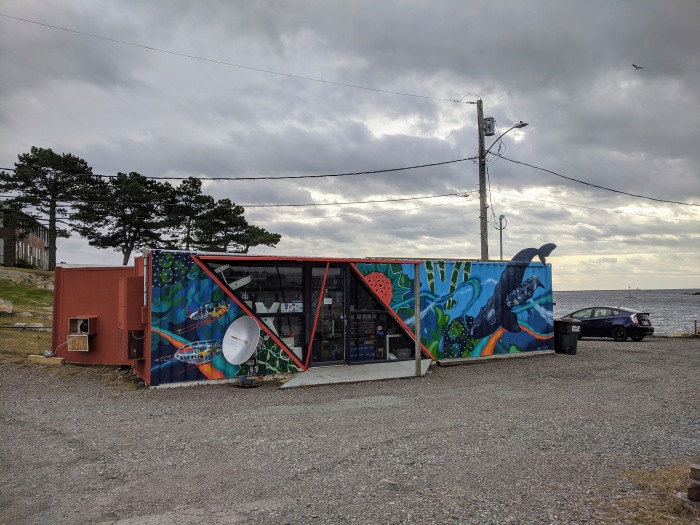
photo: on grounds at Ocean Alliance HQ, one repurposed shipping container now office/teaching module/lab – (and new on its exterior- Rocky Neck Art Colony Goetemann Artist Residency- Sophy Tuttle mural) Ocean Alliance received support from Bruce J Anderson in 2020


Merry Christmas to all our Good Morning Family and friends. Stay well and and enjoy.

 Good Morning Gloucester