Kent Christman, Master Carpenter

Several weeks ago I visited my friend Kent at his wood working shop in Cambridge. You may recall that we featured his wife Lyda Kuth and her beautiful new film, Love and Other Anxieties, this past summer.

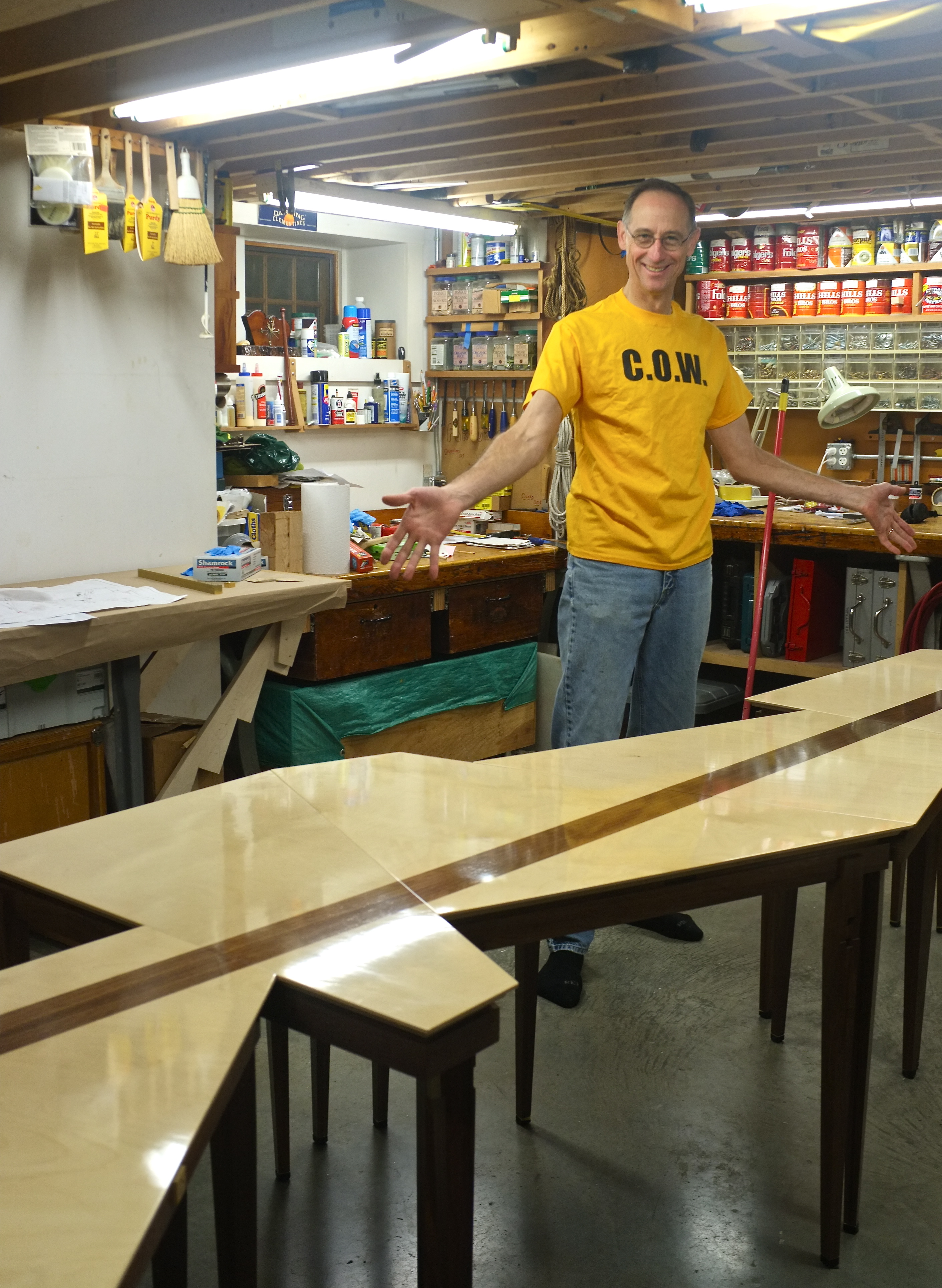
It was my lucky day because Kent had just completed a commission for this exquisite table and was setting it up to show his friend Norm Abram (This Old House). The table is both a dining table, when fully assembled, and a collection of stand alone side tables. I thought GMG readers would like to see not only snapshots of the table, but the way in which Kent documented the fabrication of the custom table–an exceptional example of both an instructional how-to and marketing tool for designers and builders. From the initial concept mock-up to the laser engraved labels, Kent beautifully photographed every step of the construction process in Link to Custom Table Fabrication Process.

Kent Christman

5th Annual Designer’s Lunch

The lobby and the entryway of the Boston Design Center were decorated with stunning and intoxicatingly fragrant floral arrangements created with gardenias, white roses, and Stephanotis floribunda.

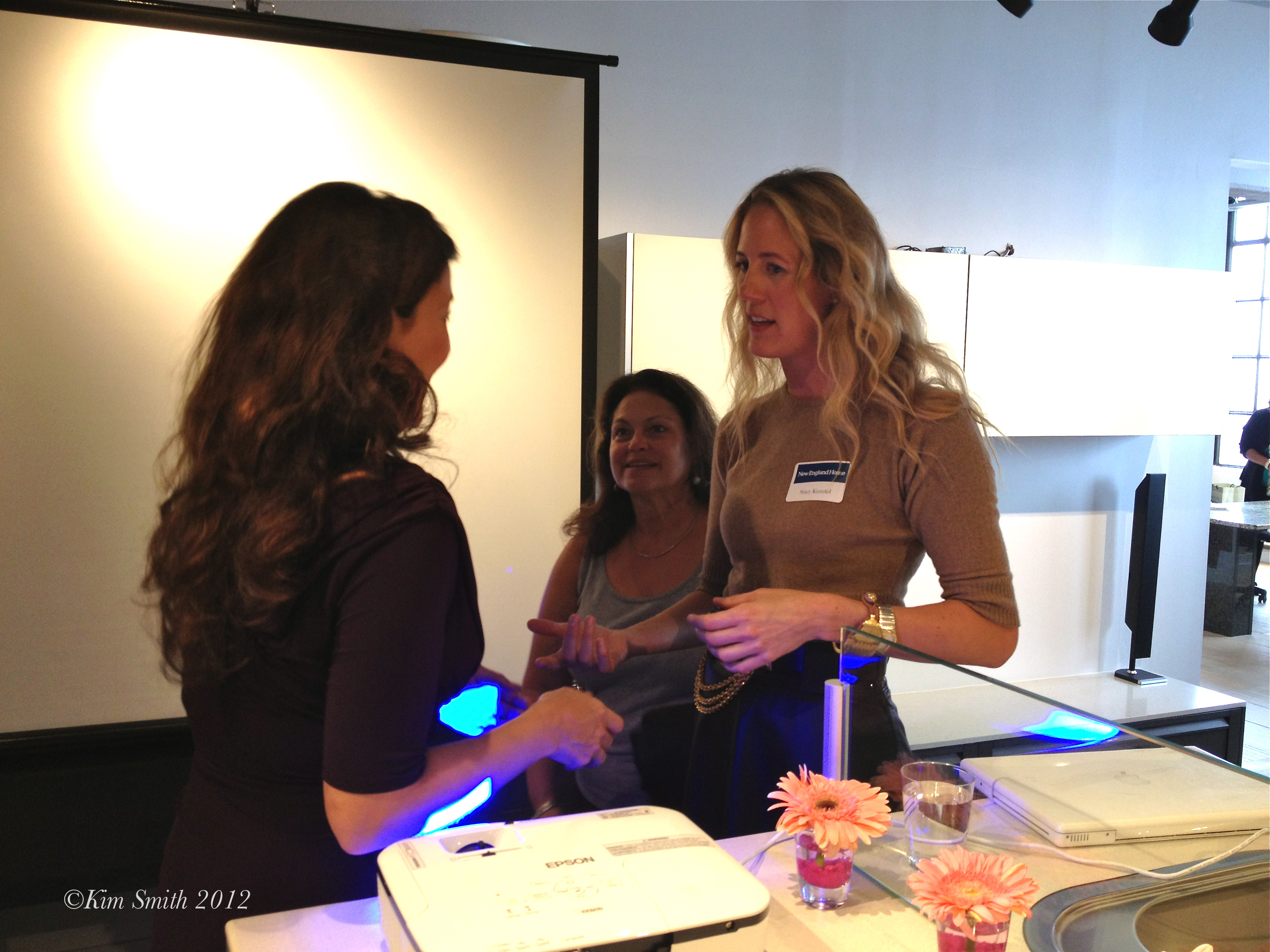
Yesterday the Boston Design Center held its Fifth Annual Lunch Designer’s Lunch. The center was packed and abuzz with attendees eager to hear the guest speakers from New England Home Magazine’s editorial department. I had client work to accomplish while there and had to limit myself to one speaker. I was most interested in hearing Stacy Kunstel, the Home Editor for New England Home Magazine, speak on styling and photographing tips for interior scenes and she did not disappoint, sharing many great ideas and lots of before and after photos.

Stacy Kunstel, Home Editor New England Home Magazine 

View of Boston Harbor from the top of the Boston Design Center Parking Garage

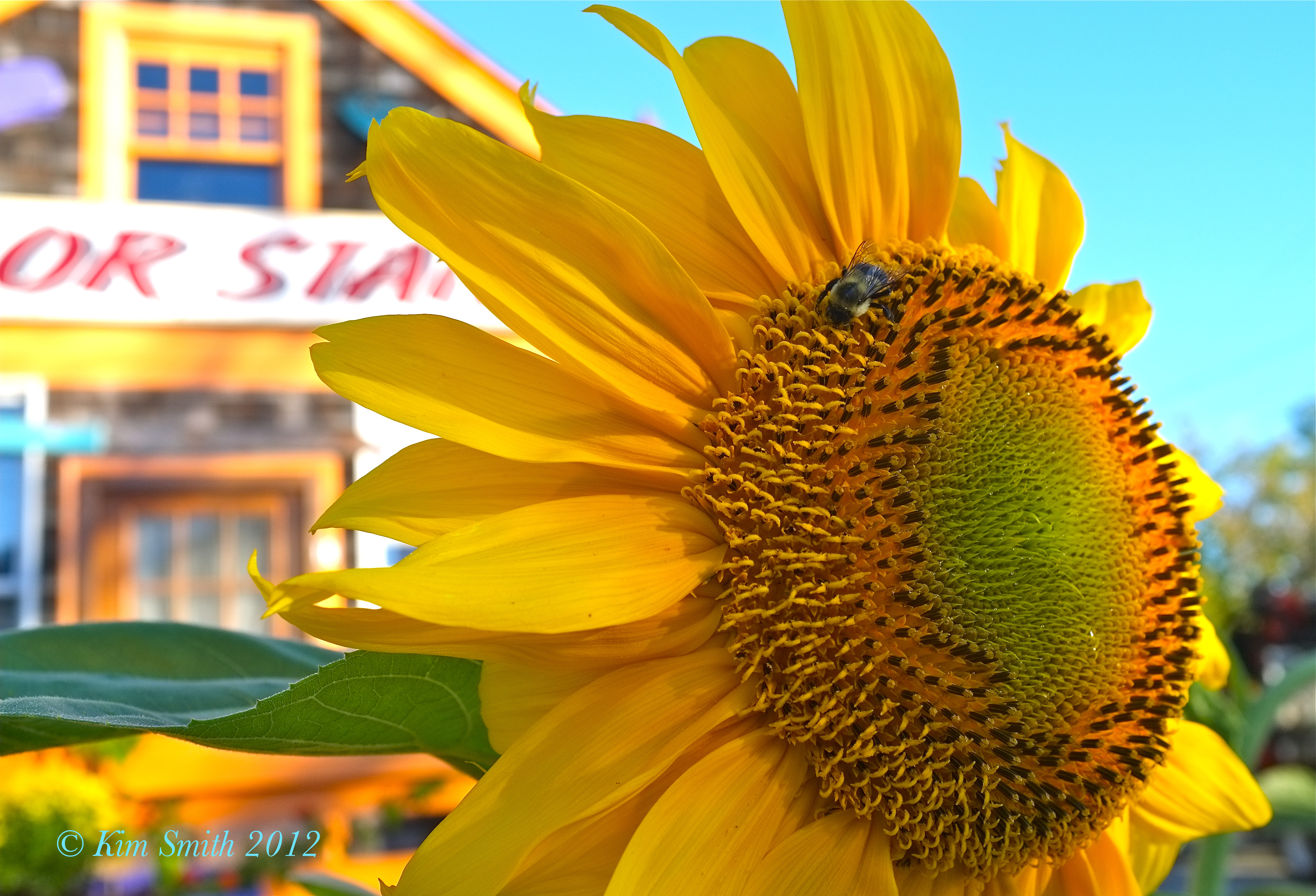
Oh Joy! ~ Sailor Stan’s Sunflower

Happy to see cerulean skies and Mr. Sunny this morning–even if only briefly!

Shutter 1/280 Aperture 6/4 ISO 320Sailor Stan’s Sunflower Rocky Neck Gloucester

~

To view larger, click on the image. At my Close-up Photography Workshop yesterday, one of the students, who also follows my blog and GMG requested that I, or any of the GMG contributors, include the extended photo information. It is time consuming to retrieve this information and I am not sure I will always be able to accommodate although I do believe it is a great learning tool. In the above image, to see the extended information, run the cursor over the image and it will be displayed with the title. Let me know if you find this information helpful.

From Germany to Logan to Gloucester, for Butterflies!

I sent the following to the Boss this morning: Thought you would like to know–Last night at sunset I was filming B roll at the EP Lighthouse. A German couple was there, with binoculars, and they had just arrived from Germany. I asked what they were looking for and they said, “Monarchs,” because they had seen all the butterfly postings on GMG, not only mine, Donna’s, too, and all the comments. Sometimes I think I am posting TMI about butterflies, but I thought you would think this pretty funny, and amazing; straight away from Germany to Logan to Gloucester, for butterflies!

To the lovely couple from Germany that was at the Lighthouse yesterday: Come on down to the dock to get your GMG sticker and meet Joey C, the creator of Good Morning Gloucester. He’d love to meet you!  Captain Joe and Sons is located at 95 East Main Street.

Dogbar Breakwater Eastern Point, Gloucester

Thank you Kate for the Black Swallowtail Chrysalis!

Last week while filming on Eastern Point I had the pleasure to meet Kate, who works at Wolf Hill. She was with a friend and they were looking for butterflies through binoculars. I had seen Kate often at the garden center, but never stopped to chat. We were talking about all things butterfly when she mentioned that she had a Black Swallowtail caterpillar on a parsley plant back at the nursery office. She offered the caterpillar to me and I gladly accepted. My Black Swallowtail film is nearing completion but there was one missing piece to the story.
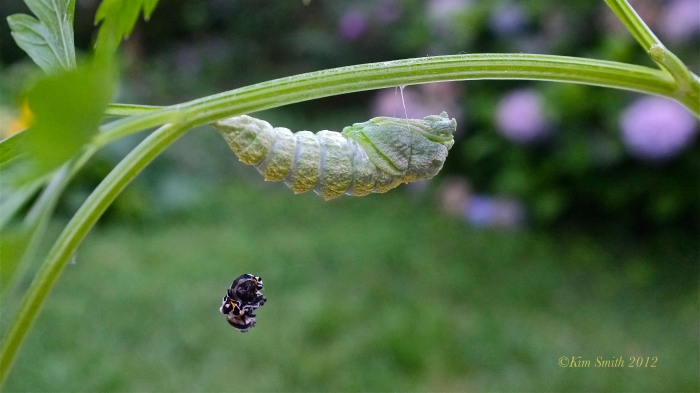
Black Swallowtail Chrysalis ~ Green Form

The swallowtail chrysalides that I had on film were all greenish gold. Oftentimes the Black Swallowtail chyrsalis will turn a woody brown, but no matter how hard I looked, I could not find a woody brown chrysalis. Not showing the brown form, I knew, would confuse viewers, especially families who are interested in raising swallowtails.

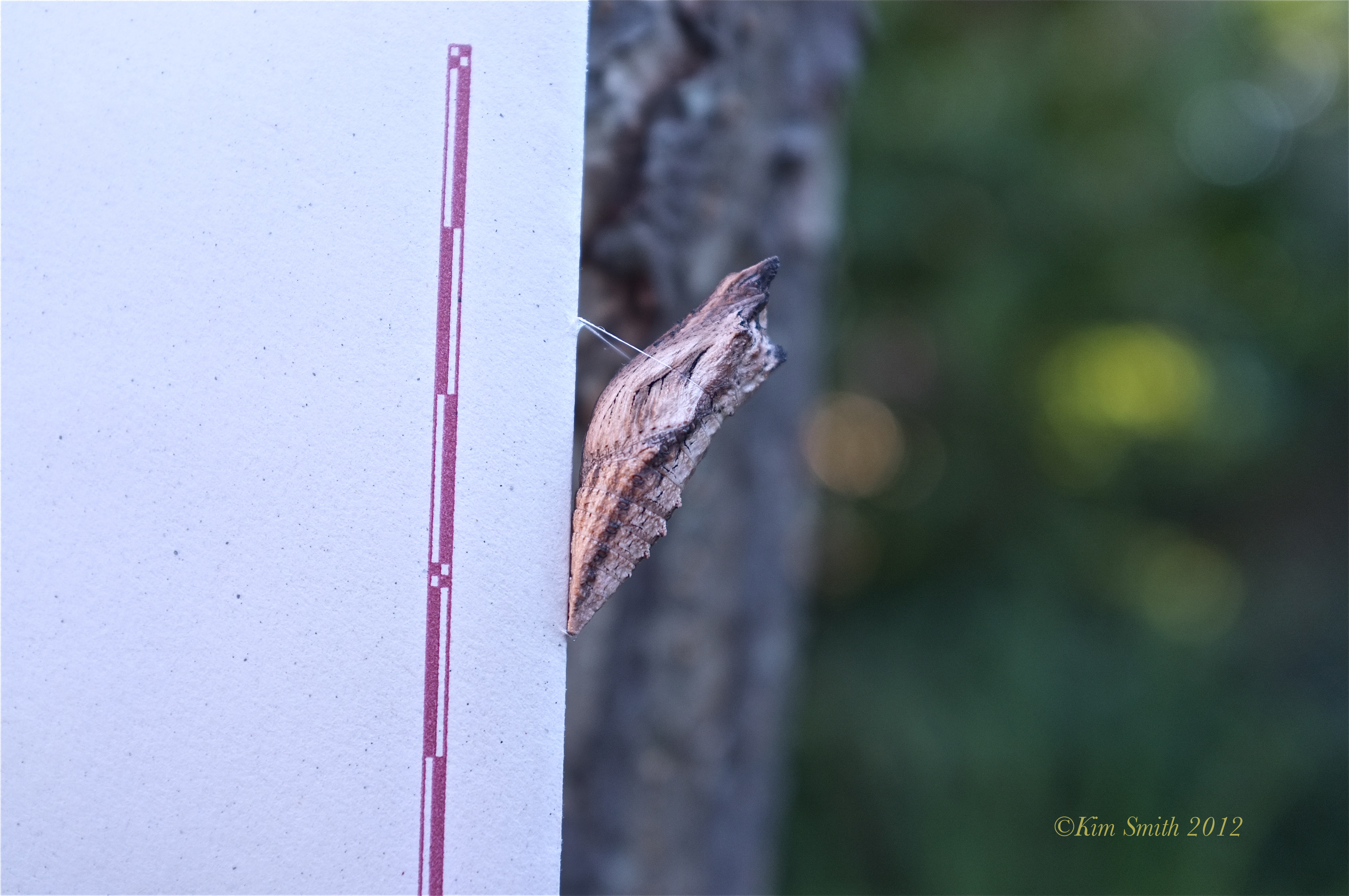
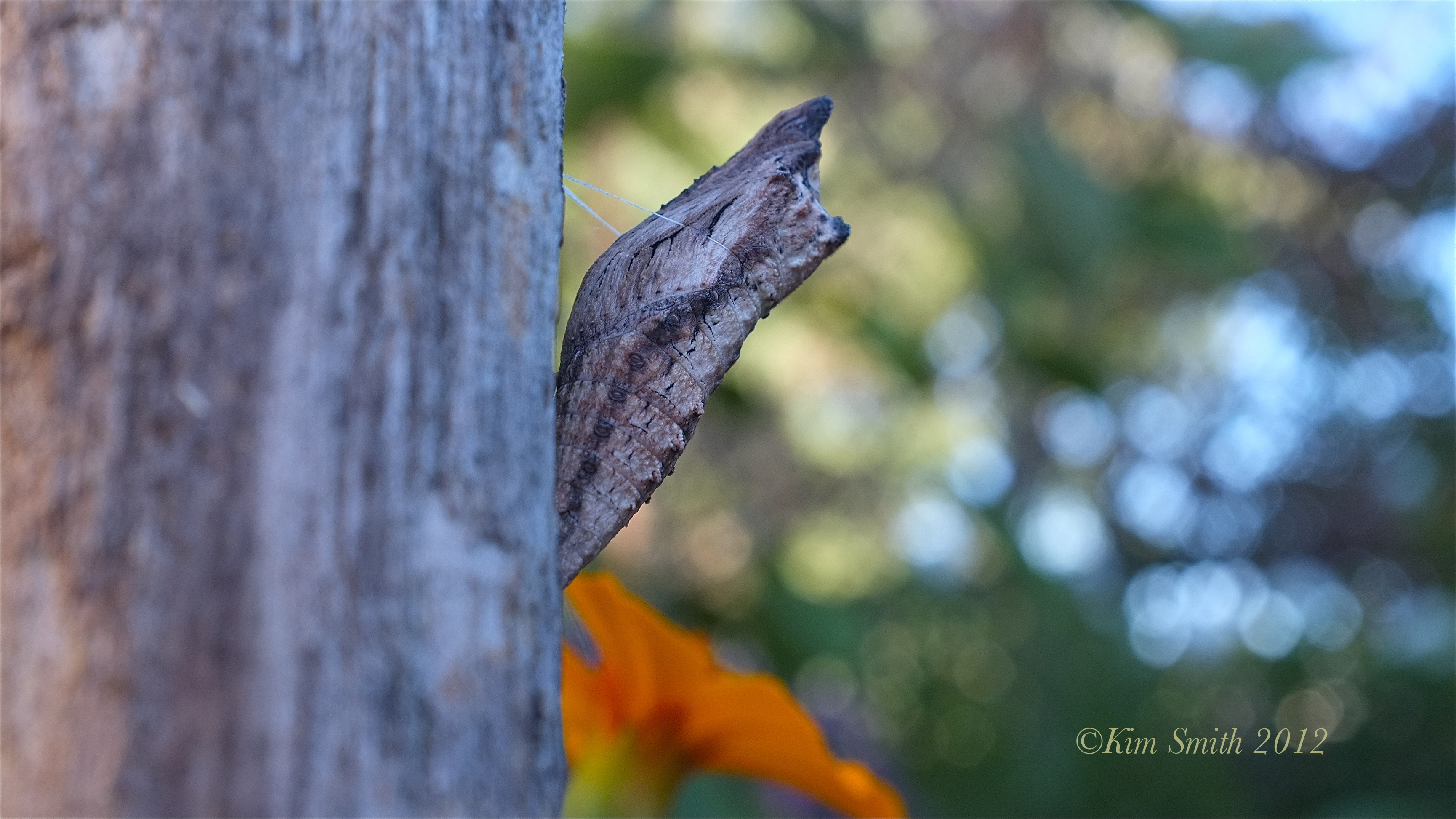
Kate’s caterpillar pupated while she was away from work for a few days. When she returned she found the chrysalis had wandered from the parsley plant and it had pupated on the razor thin edge of an envelope-as office caterpillars are want to do. Well, you guessed it–the Wolf Hill pupa was the brown form!
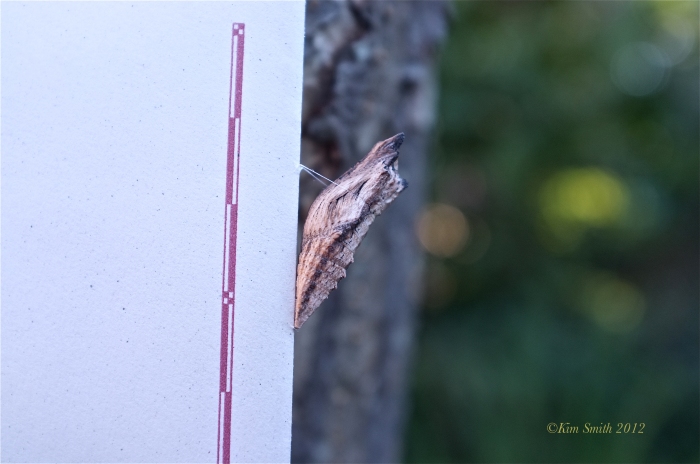
Black Swallowtail Chrysalis ~ Brown Form

I know it is said often on the pages of this blog, but Kate’s thoughfullness goes to show once again what a beautiful community is Gloucester–stunning visually, and most special of all, are the beautiful, kind-hearted people who call Gloucester home.  Thank you Kate!
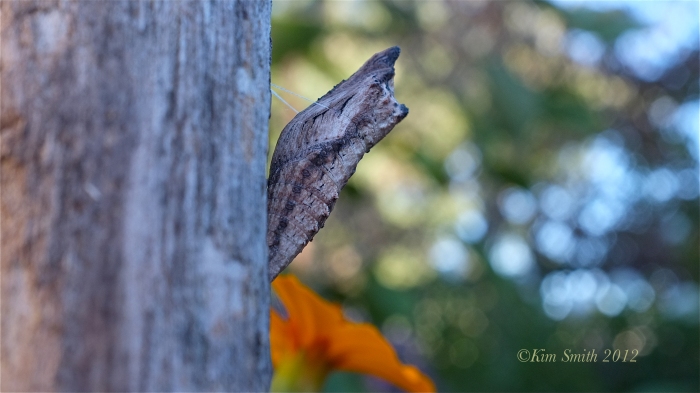
Not finding a brown chrysalis is a relatively escoteric problem, to say the least, but I think you will agree that the two forms of the pupal case are remarkably different in appearance. In this photo you can see where I have taped the envelope behind a tree trunk in order to film. This is how you would find the chrysalis in a more natural setting.

~

There are several openings  remaining in my Close-up Photography Workshop at the Arnold Arboretum of Harvard University, which will be held this coming Sunday morning at 9:00 am. I would love to see you there! Follow this link to register.
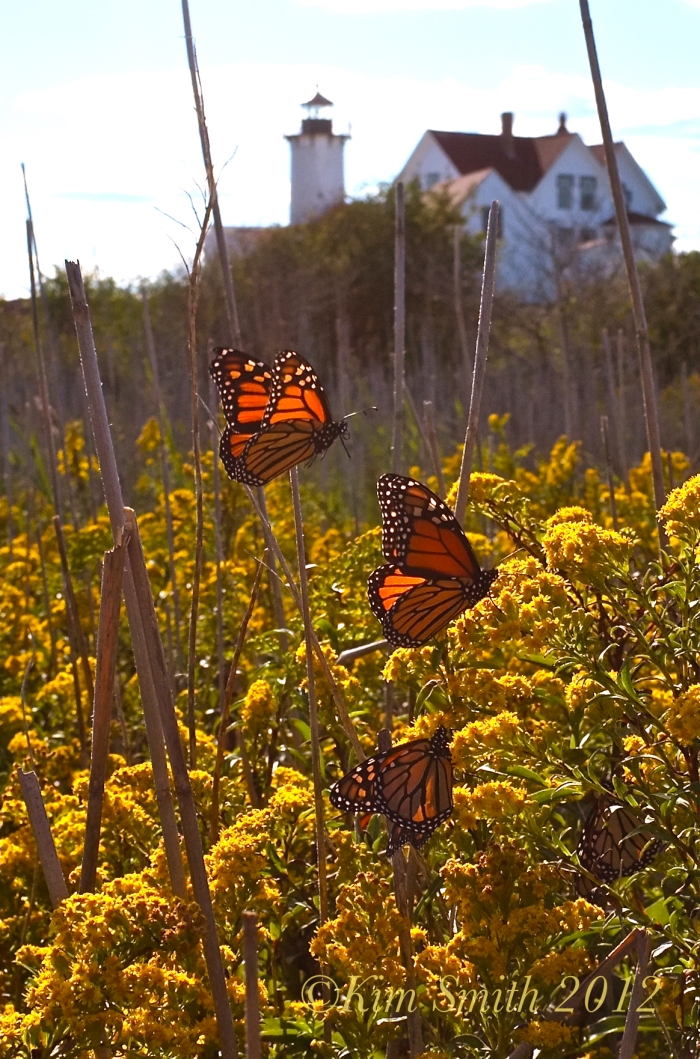
Capturing a sharply in focus close-up of a butterfly, especially one in mid-flight, is one of the greatest challenges of photography and I will be revealing techniques such as these, and more; techniques that have taken many, many hours over many years to perfect. All the photos I have shot in the past year and a half were taken not with a zoom lens, but were shot with a 23mm prime lens. I am typically photographing within a foot’s distance of the butterflies!

Fujifilm X series cameras pose their own set of challenges, especially when shooting close-up. Fujifilm X series owner’s especially may find this class helpful.

Farewell Monarchs

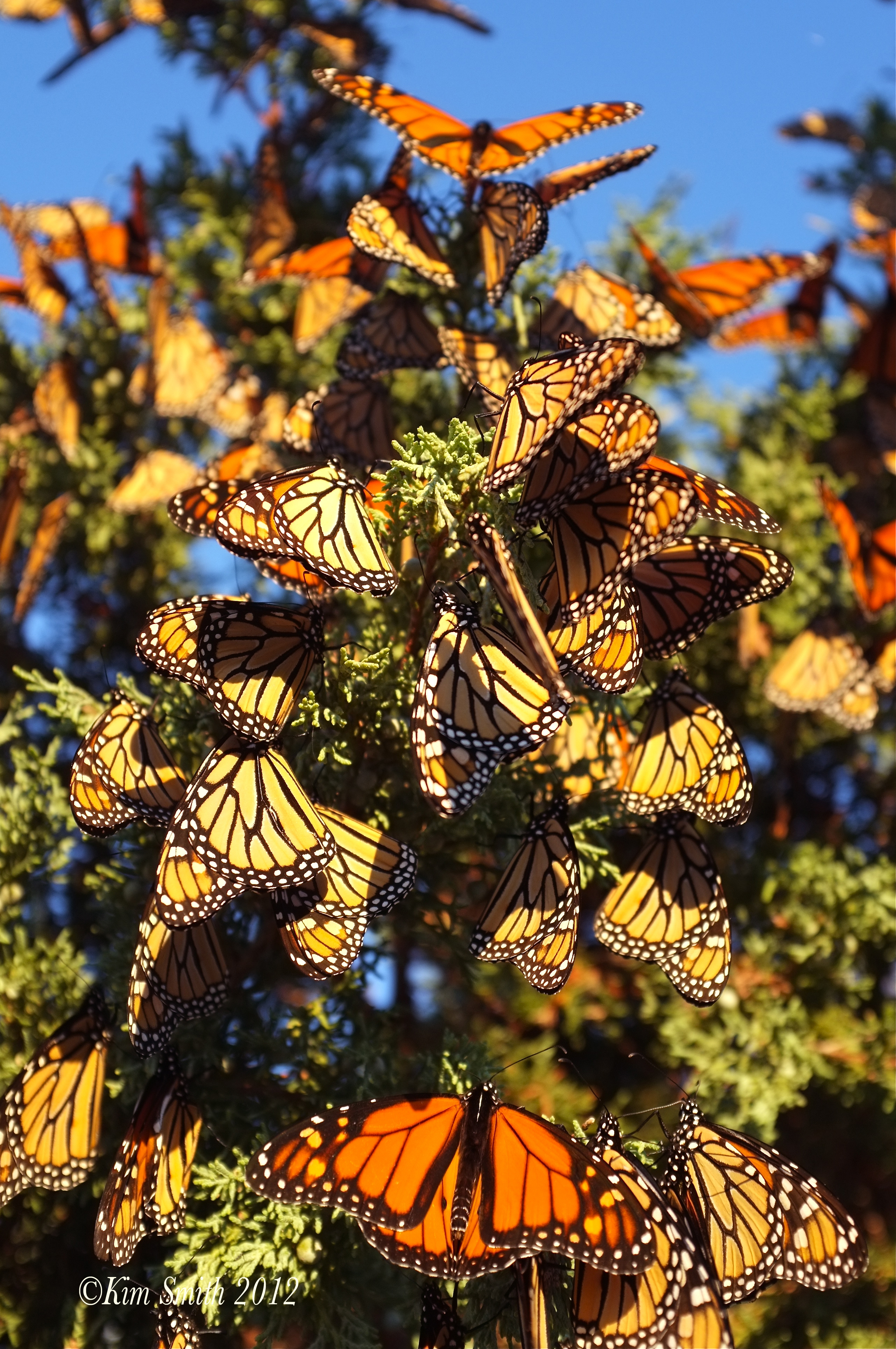
Inquiring minds want to know, “Where do the Monarchs go?” I am often asked this question, not by children, but by adults. Most children have studied, or are studying, the butterfly life cycle and the have some degree of knowledge about the Monarch migration. The reason the majority of adults never learned about the Monarch butterfly migration is because the great mystery of their winter destination was only discovered as recently as 1975! The Monarchs that are journeying through Gloucester at this time of year travel approximately 2,000 miles to the transvolcanic mountaintops of  south central Mexico, near the town of Angangueo. I have the National Geographic issue from 1975 that tells the tale of one man’s determination, including all the scientific intrigue that goes with great discoveries, and I will try to post more about this fascinating story in the coming weeks.

As everyone who reads GMG probably knows by now, I am in the midst of shooting my Monarch film. What you may not know is that I have written and illustrated a book that tells the story of this most exquisite of creatures and its extraordinary journey. I am hoping to find a publisher. If anyone knows a friend of a friend of a friend, or has a suggestion for a very high quality publisher or top-notch agent, please let me know. Thank you.

Monarch Flakes

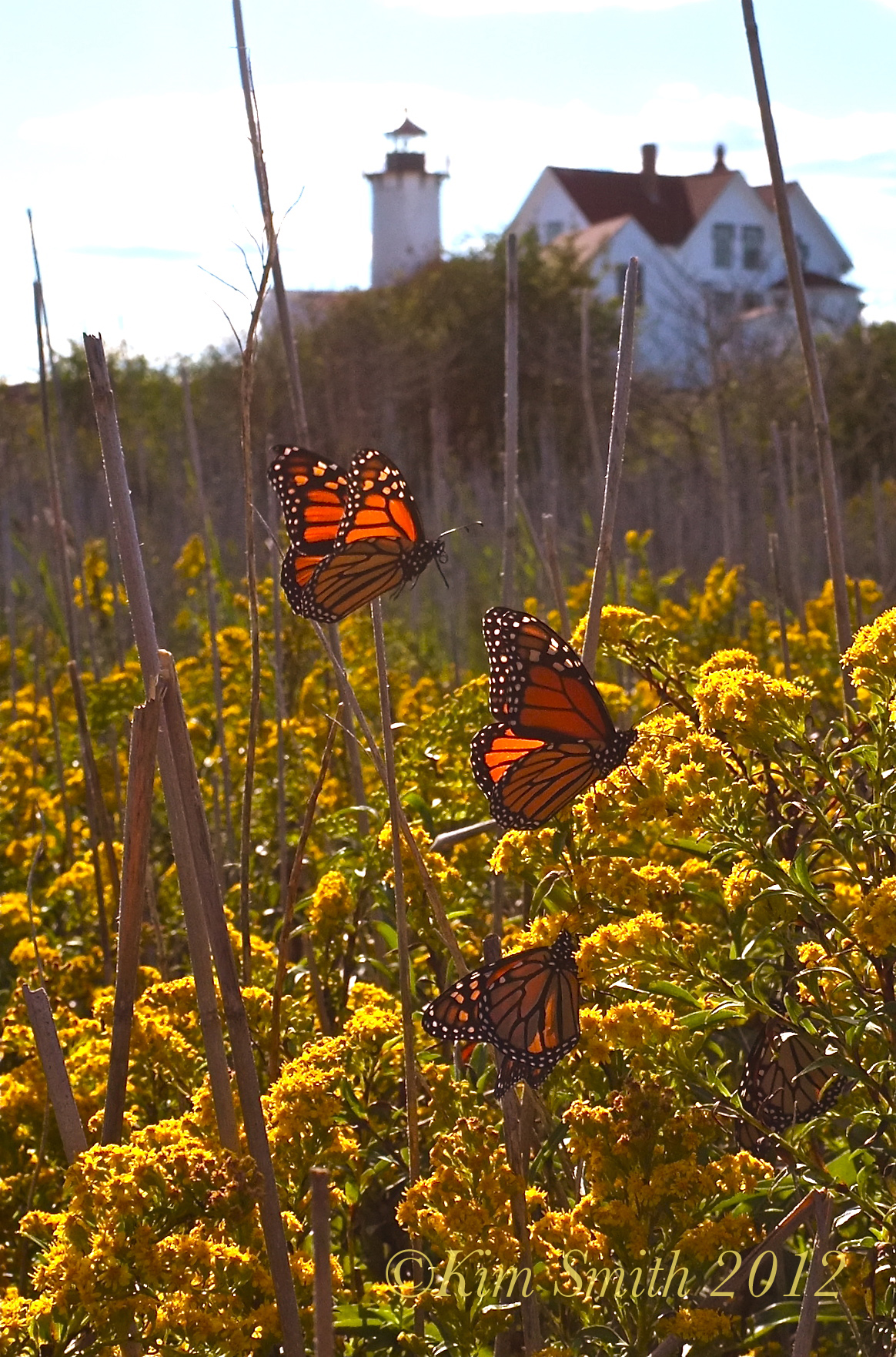
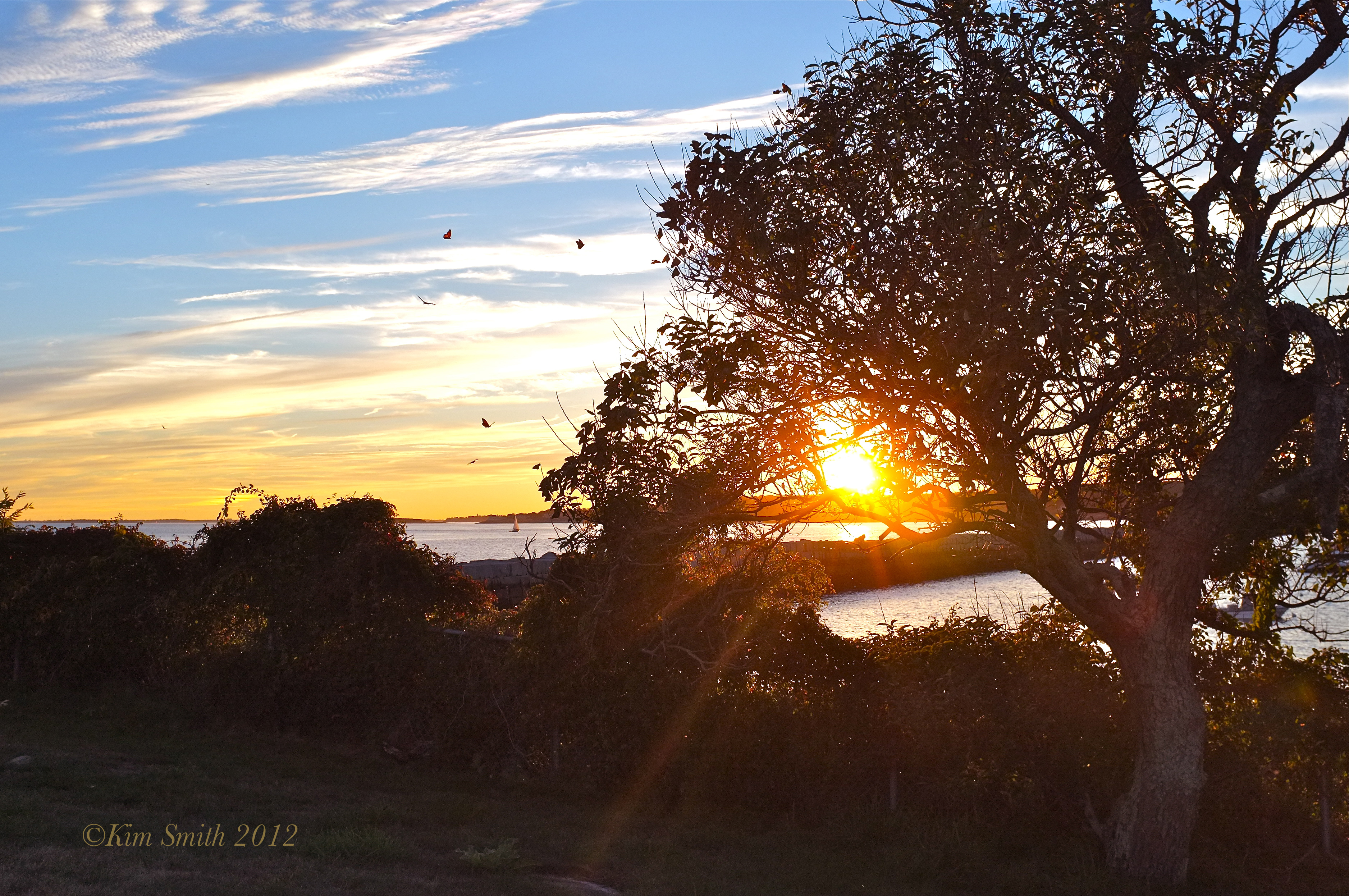
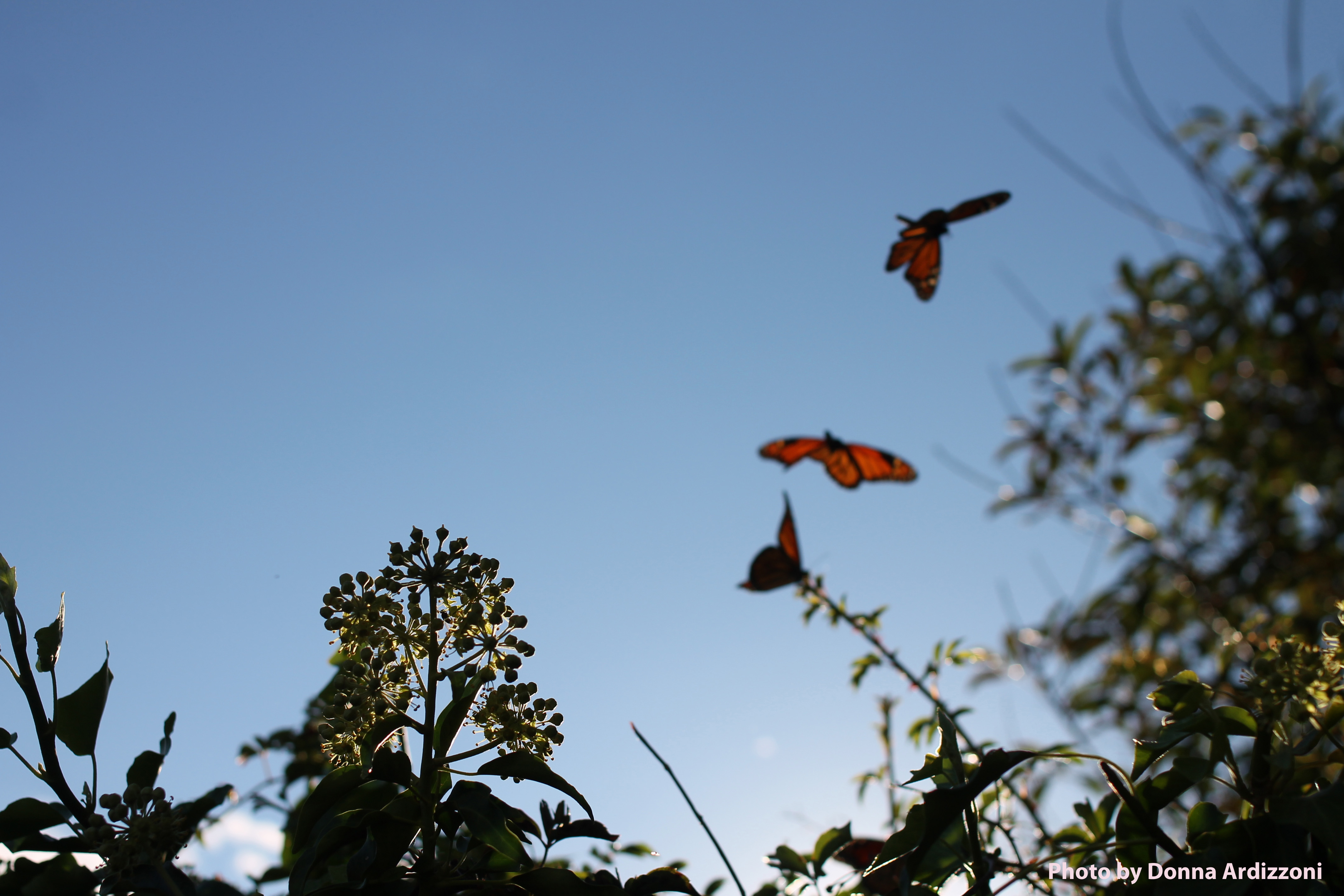
Click the photo to view larger and you will see the little Monarch flakes heading into the cherry tree. The clustering Monarchs were well-camoflouged by the autumn foliage nonetheless, their silhouettes are clearly visible in the setting sun.

Another passel of Monarchs poured onto the Point last Thursday at dusk, carried in by the warm southerly breeze. Overnight the wind shifted, coming in from the northeast, and by day break Friday morning, the Monarchs had flown from the trees, carried to shores further south by the blustery tailwind.

Giving Credit Where Credit is Due

Dear Friends,

Recently I attended a lecture given by an expert in a field to which I am passionately involved. I was really looking forward to this lecture and I have on many occasions actively promoted this lecturer. To get to the point, I was stunned to recognize that the third photo into the slideshow was one of my own photos, and it was presented without acknowledgement. I sat stupefied listening to the rest of the lecture. I hoped that no other photos of mine were part of the presentation. Unfortunately that was not the case. One of the last photos presented was one of my best selling photographs and the audience was audibly moved by the photo. It would have been so simple at that point to say something like, “Thanks to Kim Smith, the photographer, who is here with us this evening.”

The following morning I wrote the lecturer a very polite email stating that I don’t mind sharing my work. I simply requested that he use any one of several photos that I attached for him, with my name discreetly added in the lower right corner. In reply I received a curt and condescending note from the lecturer stating he would delete my photos from his presentation and from his files.

I spent three freezing hours before a long workday in a windy wet field hoping to get that shot that the lecturer was using as part of his presentation. Taking credit, either by claiming it as your own, or by lack of acknowledgement is unethical, at the very least. I really empathize with people who experience more extreme cases of appropriation. Some may find this case to be relatively minor; I found it totally unnerving.

I love to share information and photos about wildflowers and butterflies—as my new friend Hannah says, “You are working for the butterflies.” I blame myself for not watermarking the photos, although I believe very sincerely that most people are honest, have integrity, and give credit when credit is due. For example, when Maggie Harper, the producer from the television show Chronicle, borrowed my Greasy Pole footage, they not only ran my name across the top of the footage, they also provided a link to my blog on the Chronicle website. Maggie had seen the footage on Good Morning Gloucester and contacted Joey, who graciously provided her with my contact information. From the Chronicle link, I received many thousands of hits on my own blog. As another example, when a non-profit national wildflower organization wanted to use several photos for their publication, I gladly said yes, and only requested that I receive a photo credit, which they did provide. I am honored and touched beyond measure that people enjoy my photos and films. My policy is the same as many artists in that I request that if someone wishes to use my work for presentation, that they would please let me know, prior to use.

Enough with all that. Many have written requesting information about this year’s Monarch Butterfly migration. I have been shooting daily hours and hours of video and still photos and will be sharing all. I have figured out how to add a watermark in photo shop, but am hoping to find a more efficient and faster method of adding a signature.

Monarch Butterfly Migration Gloucester Massachusetts 2012

Happy Last Days of Summer!

Many more photos from this year’s migration to come.

What Kind of Spider is this??????

Spiderman?

After the many weeks of research I have finally purchased a new SMALL camera, This is one of the 1st taken with the Sony NEX7 and a Sony E mount 50mm 1.8 lense.  The lense is not a macro so all close up is a result of cropping.   There are no exposure or color adjustments, only a crop!

The Butterflies are migrating

Walking on Shore Road on Saturday, it was amazing seeing this beautiful soaring butterflies all over the bushes.

Painted Lady or American Lady?

In response to Marty’s question ~

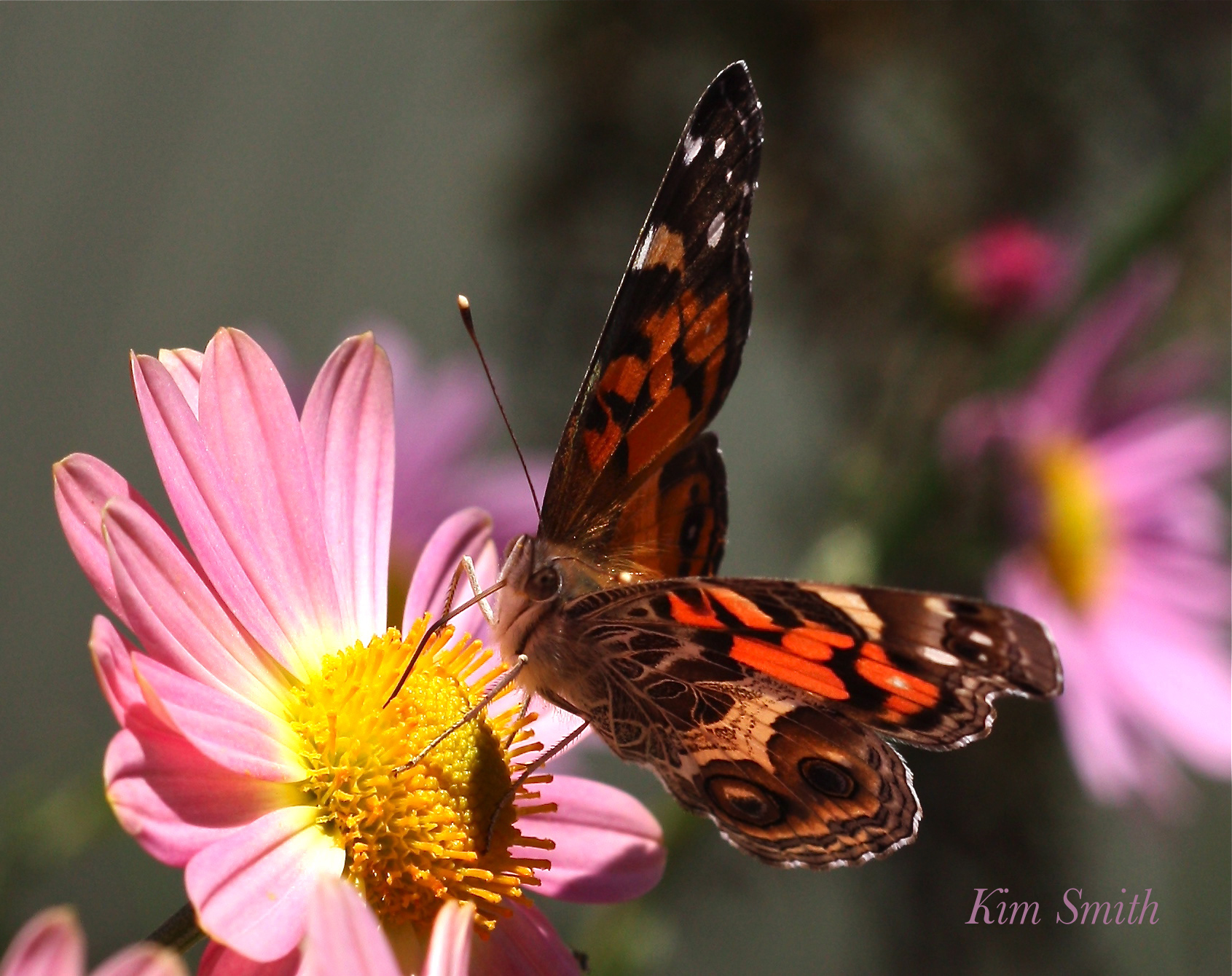
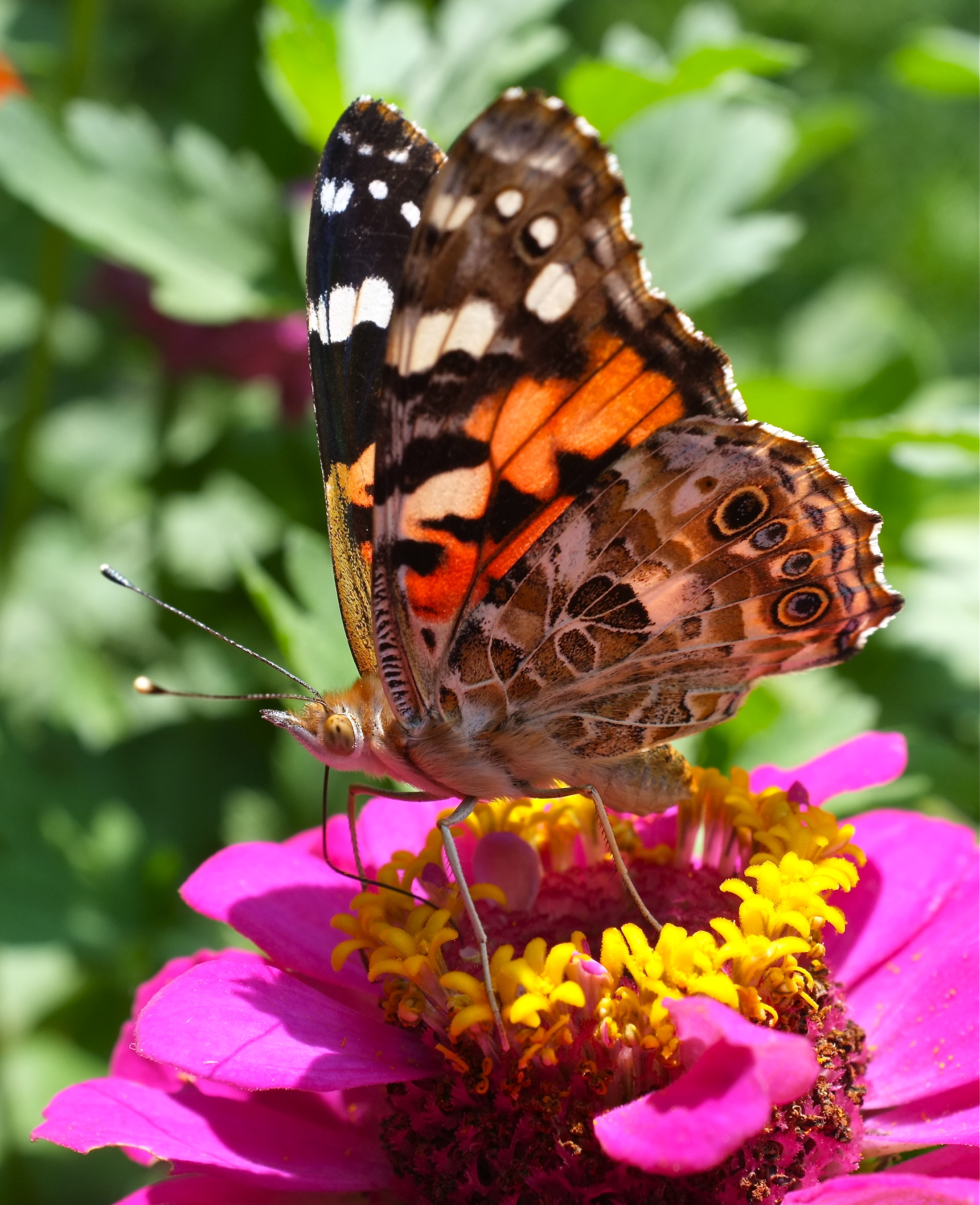
American Lady (Vanessa virginiensis) ~ Note the two large eyespots on the underside of the hindwing, close to the outer margin.

Marty your photo is that of the Painted Lady. Typically in our region we would most often see the American Lady however, this is an irruptive year for the Painted Lady. There has been a population explosion of Painted Ladies reported throughout New England and beyond, which is especially unusual and interesting because this past spring (2012) was also an irruptive year for the closely related Red Admiral (Vanessa atalanta).

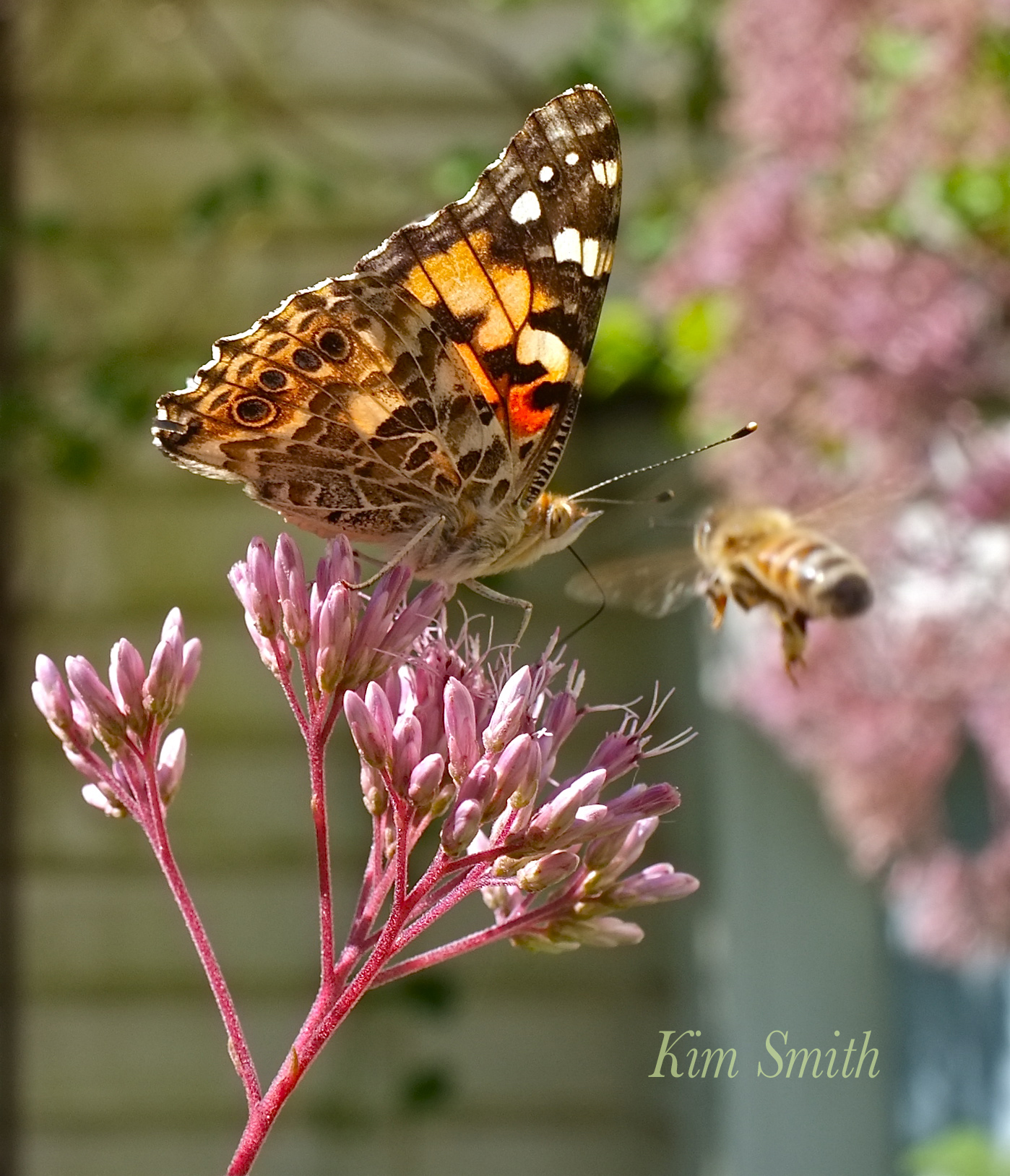
The easiest way to tell the difference: Painted Ladies have four large spots on the underside of their hindwings, close to the outer margins, which you can easily see in your lovely photo. American Ladies have two “eyespots” on each hindwing, and the spots are considerably larger.

Painted Lady  (Vanessa cardui) ~ Note the four large spots on the hindwing.

I am calling the summer of 2012 the “summer of ten thousand butterflies.” Just incredible! I would have answered this is in the comment section, but I don’t know if it is possible to add a photo and will post more in a future post about the two species but am in the middle of making dinner. Did you take this shot with your new camera?

The Newest Member of Our Family

Just kidding although, try telling that to the squirrel. We are convinced that this little baby squirrel is convinced that I am its mom. When out in the garden it comes running to greet me, which was startling, initially. I wasn’t entirely sure it wasn’t going to bite me. The squirrel and its sibling cry loudly and plaintively, to no avail, from our neighboring tree. I think their squirrel mom has perished.

Eastern Gray Squirrel (Sciurus carolinensis)

The photo is not cropped. I was holding the camera less than a foot from the squirrel.

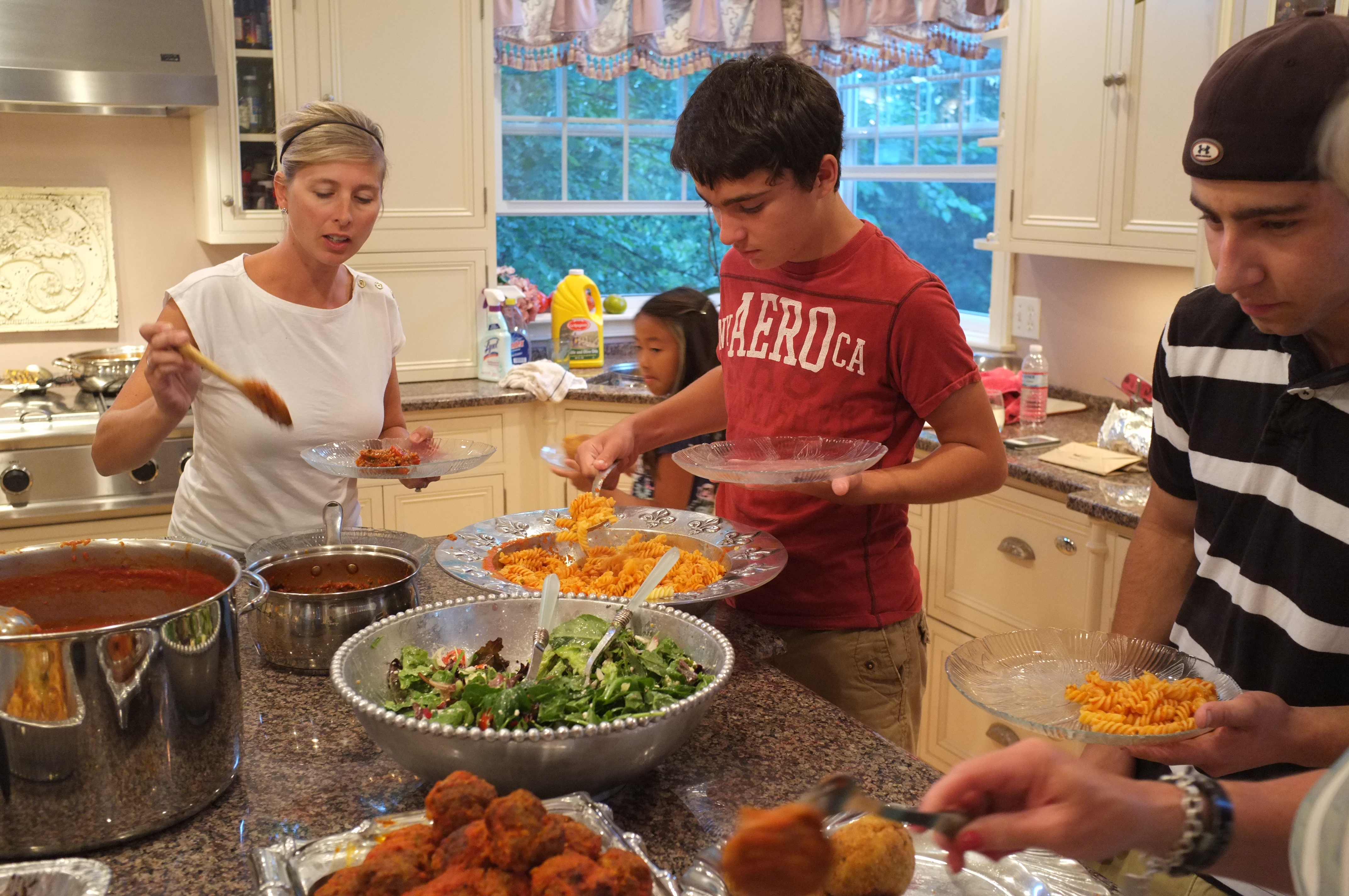
Home Cooking Classes with Sista Felicia Begin This Wednesday!!!

Peter Van Ness and Sista Felicia

Due to a cancellation there are a few choice openings available in Sista Felicia’s genuine Sicilian American home cooking class, September 12th at 6:30. 

I can hardly wait to learn how to recreate Felicia’s mouth-watering Traditional Sunday Dinner dishes and am simply thrilled to be taking her class this coming Wednesday. I hope to see you there!

Felicia will guide us step-by-step through the process of creating an elegant Traditional Sunday Dinner ~ the dinner that evokes a time and place where family and friends gathered every Sunday to celebrate one another and partake in the bounty of sea and garden.

Come join Felicia and her family in what promises to be a beautiful evening of splendid flavors, taught with unbridled passion from the generous heart of an authentic Italian American home cook, and held in the hearth of her elegant home.

For more information on Wednesday’s availability, as well as the schedule and remaining availability of all of September’s classes, contact Felicia at sistafeliciaskitchen@gmail.com.

To see more photos and a previous post about Sista Felicia’s Kitchen.

Come cook with Felicia–an experience not to be missed! 

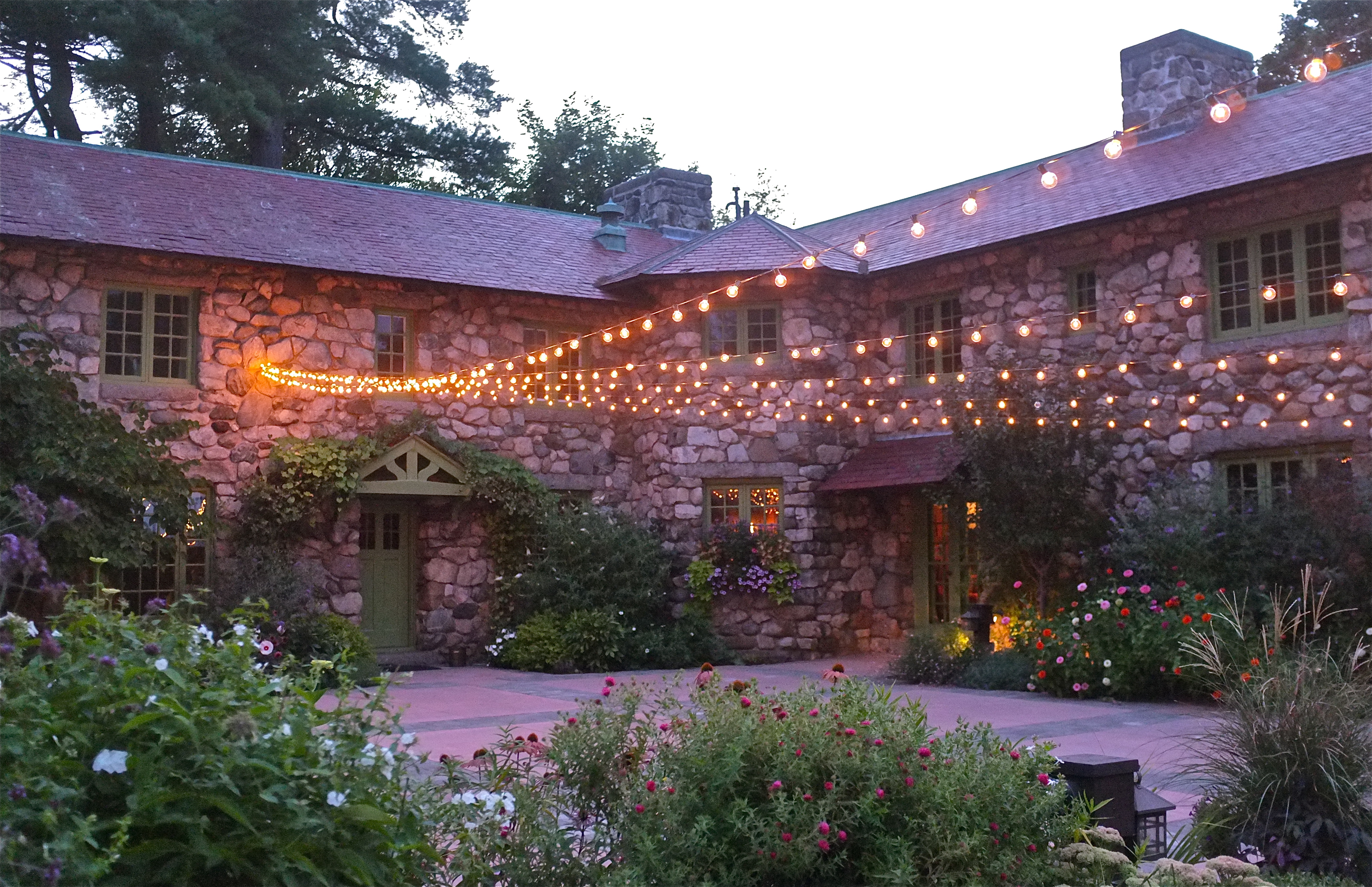
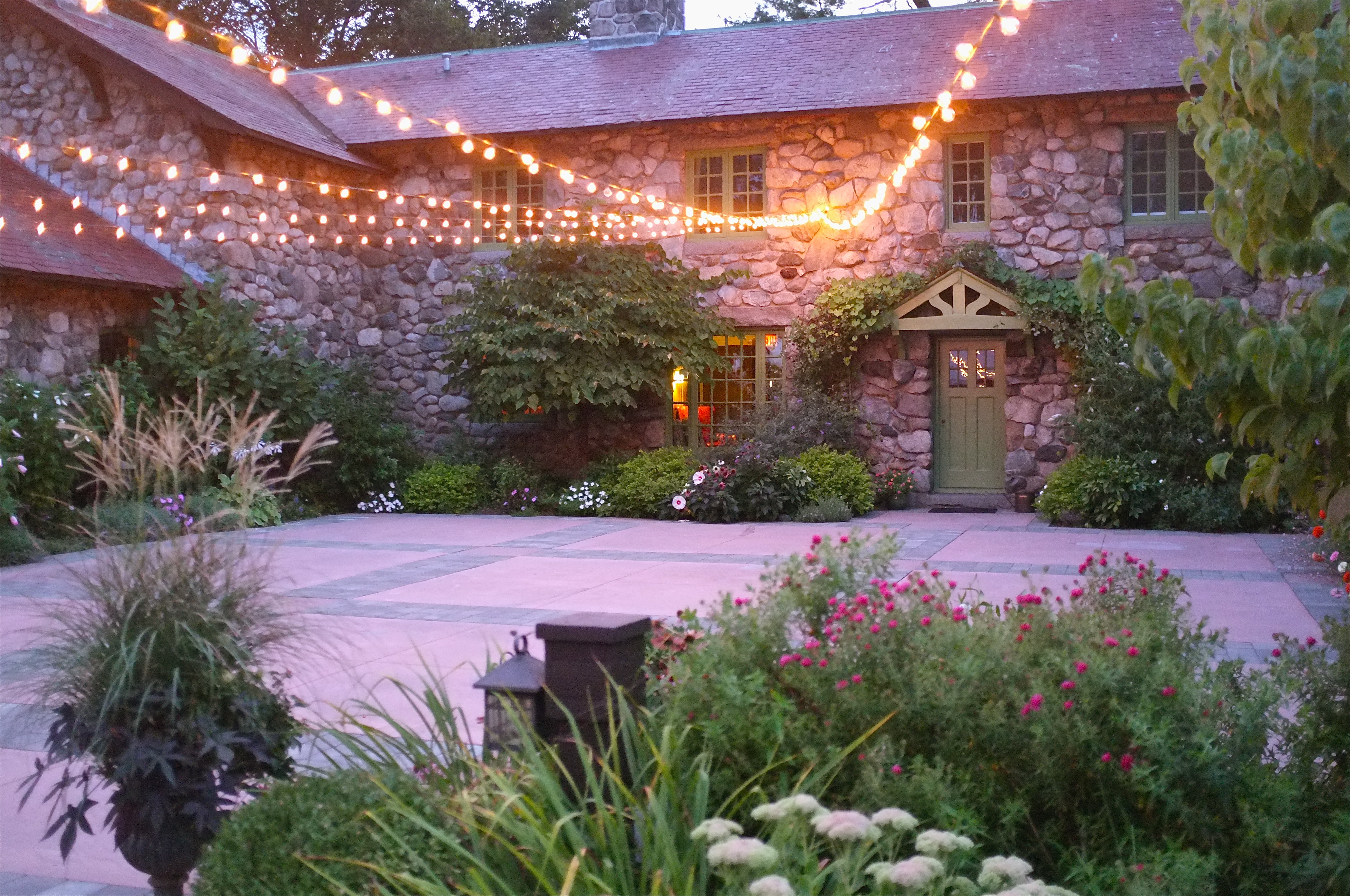
New Bistro Lights at Willowdale Estate

Willowdale Estate Courtyard

Monday night I was filming at Willowdale as we are in the early stages of creating a web page about the butterfly gardens for the Willowdale Estate website. I was hoping to film the Ruby-throated Hummingbirds at dusk and did succeed! They were nectaring from the Rose Mallow, hosta, Snowberry Bush, and butterfly bushes.

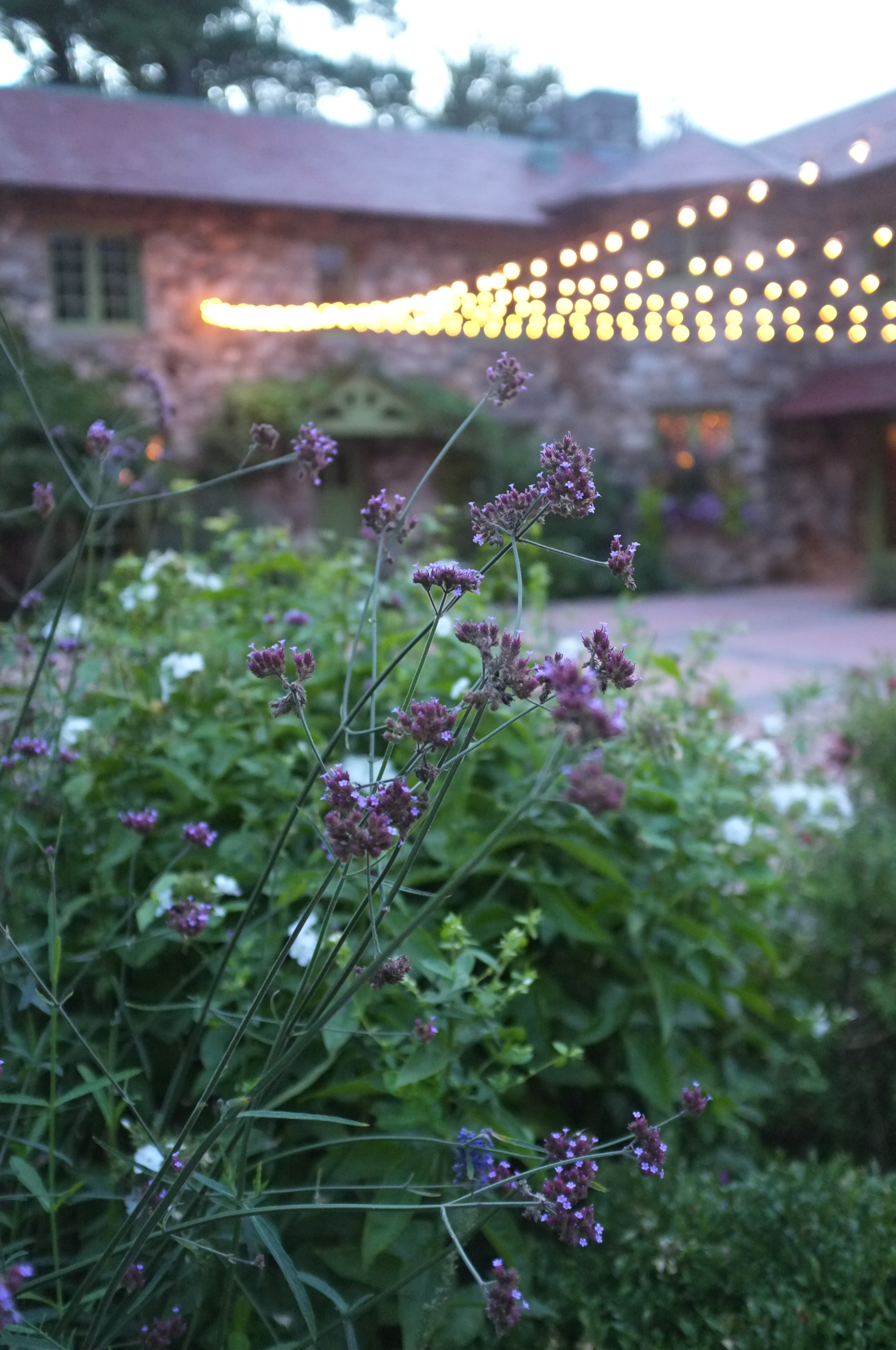
Verbena bonariensis

I love the new bistro lights in the courtyard garden–so romantic!

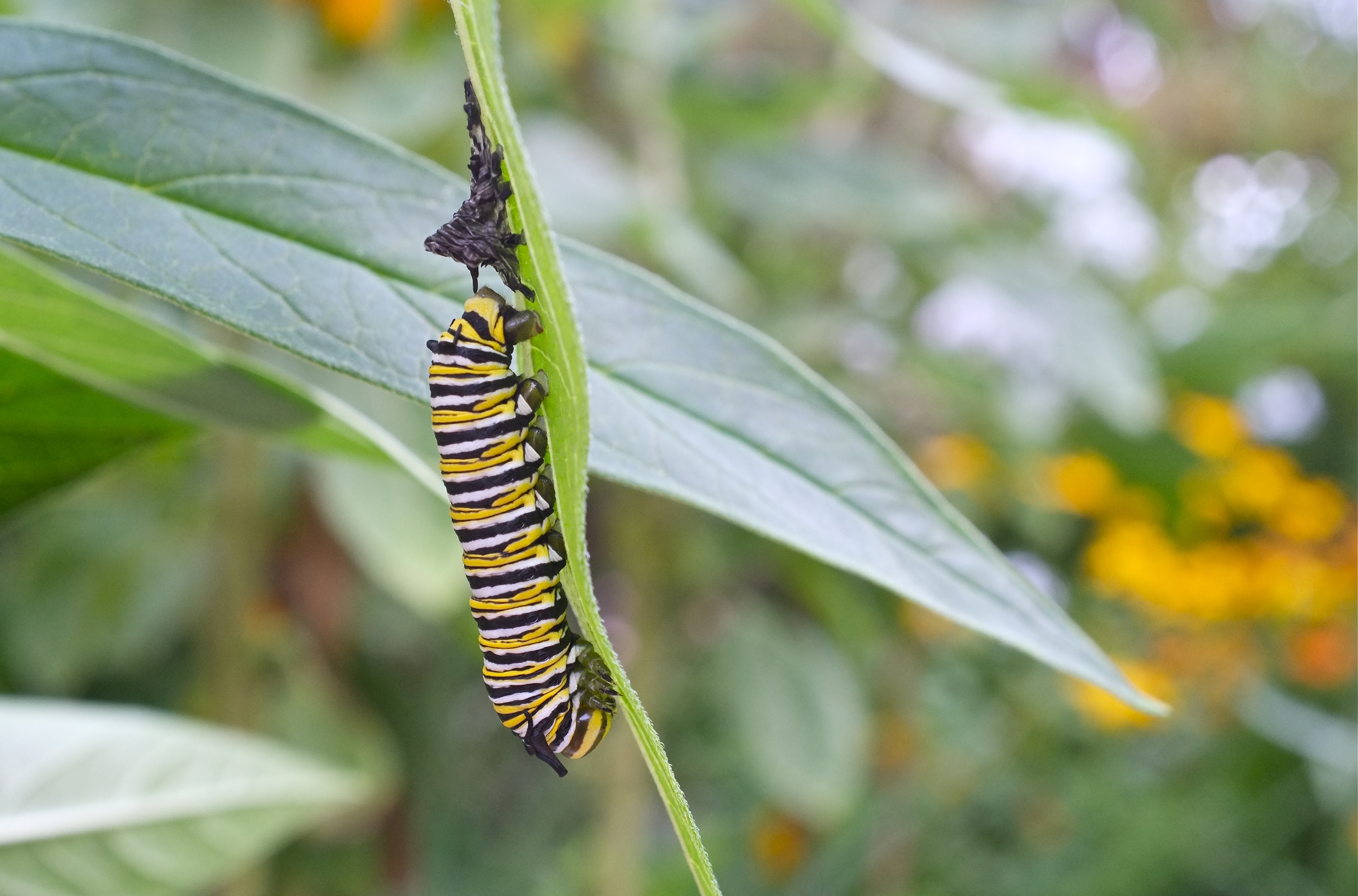
Newly Molted Caterpillar

Butterfly caterpillars molt four or five times as they grow. Each different caterpillar stage is called an instar.

In the photo below you can see the caterpillar’s crumpled discarded exoskeleton.

Molting Monarch Caterpillar

The caterpillar first grows a new skin under its old skin. Then the caterpillar draws its head out of its head capsule. Occasionally it will need to use its front legs to help remove the head capsule. Next the caterpillar crawls out of its old skin. This is called molting. After the molt and while the new skin is soft and pliable the caterpillar swallows a lot of air, which expands the body. As the new exoskeleton hardens it lets out the air to allow room to grow.

Molting takes a great deal of energy and after each molt, the caterpillar rests quietly for a brief period before then eating its discarded exoskeleton.

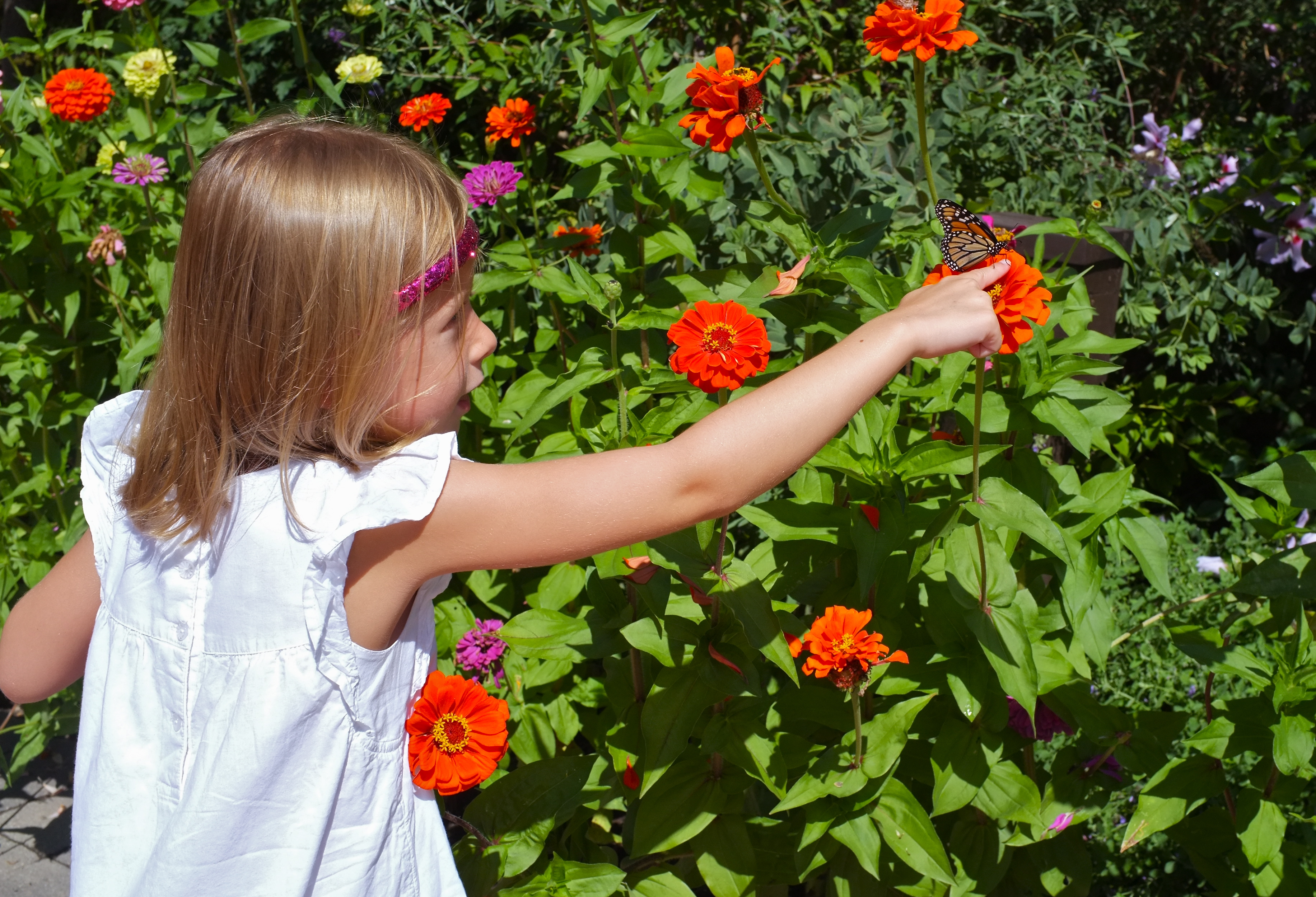
Madeline and the Monarch

The Ciaramitaro Family stopped by Willowdale today for a tour of the butterfly gardens. We were lucky to see several Monarchs and dozens of Painted Ladies.

Click the photo to view larger and you will see the Monarch climbed onto Madeline’s finger–it takes great patience to hold still long enough to allow a butterfly to climb aboard!

Madeline was determined that a butterfly would climb onto her finger–first trying the Painted Ladies and then very, very patiently, and holding very, very still, encouraging the Monarchs. She was thrilled when one did–and did so several times–very sweet to see her joy. Madeline and Eloise were expertly identifying the male and female Monarchs and explaining to all in how to tell the difference.

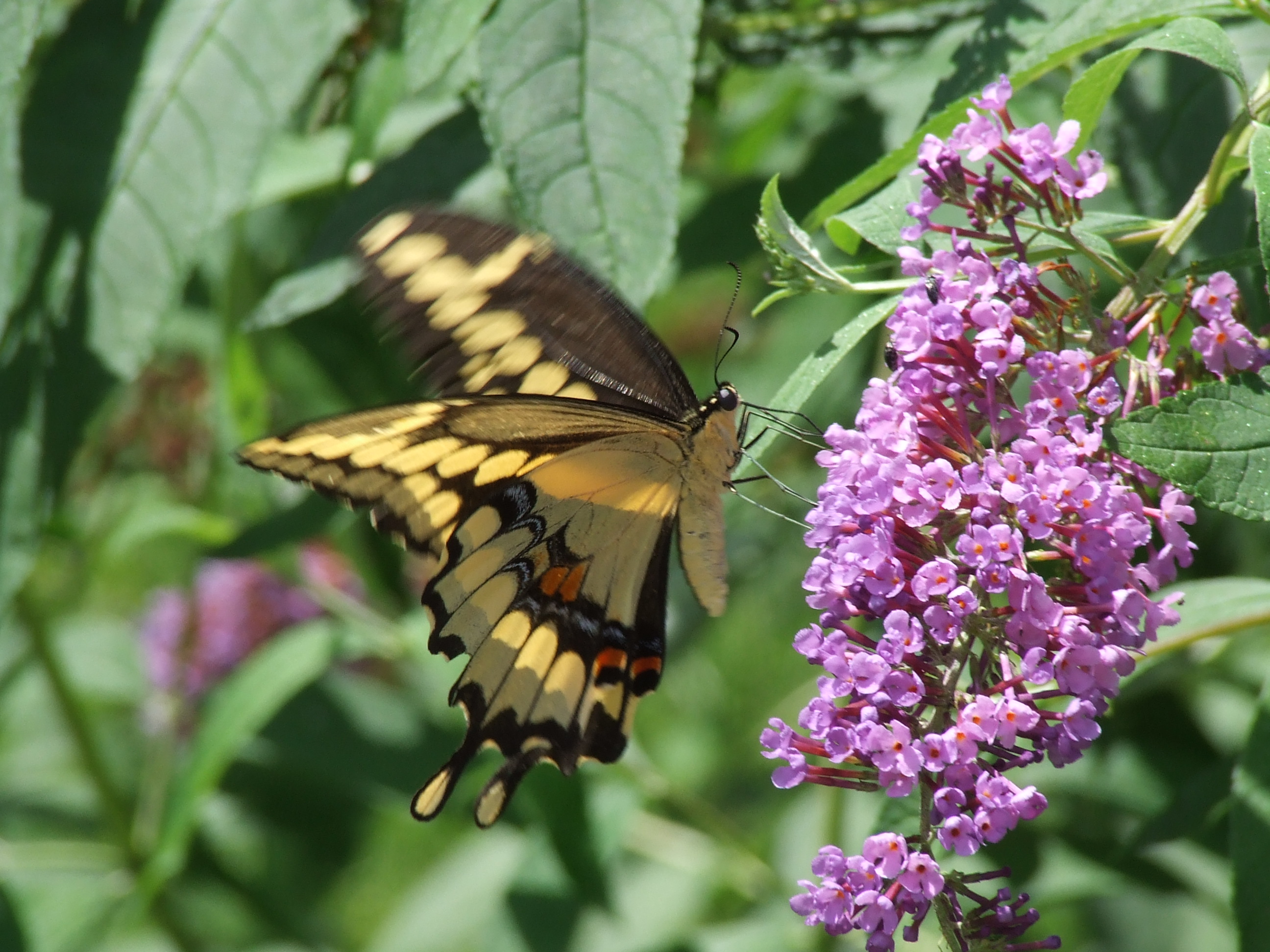
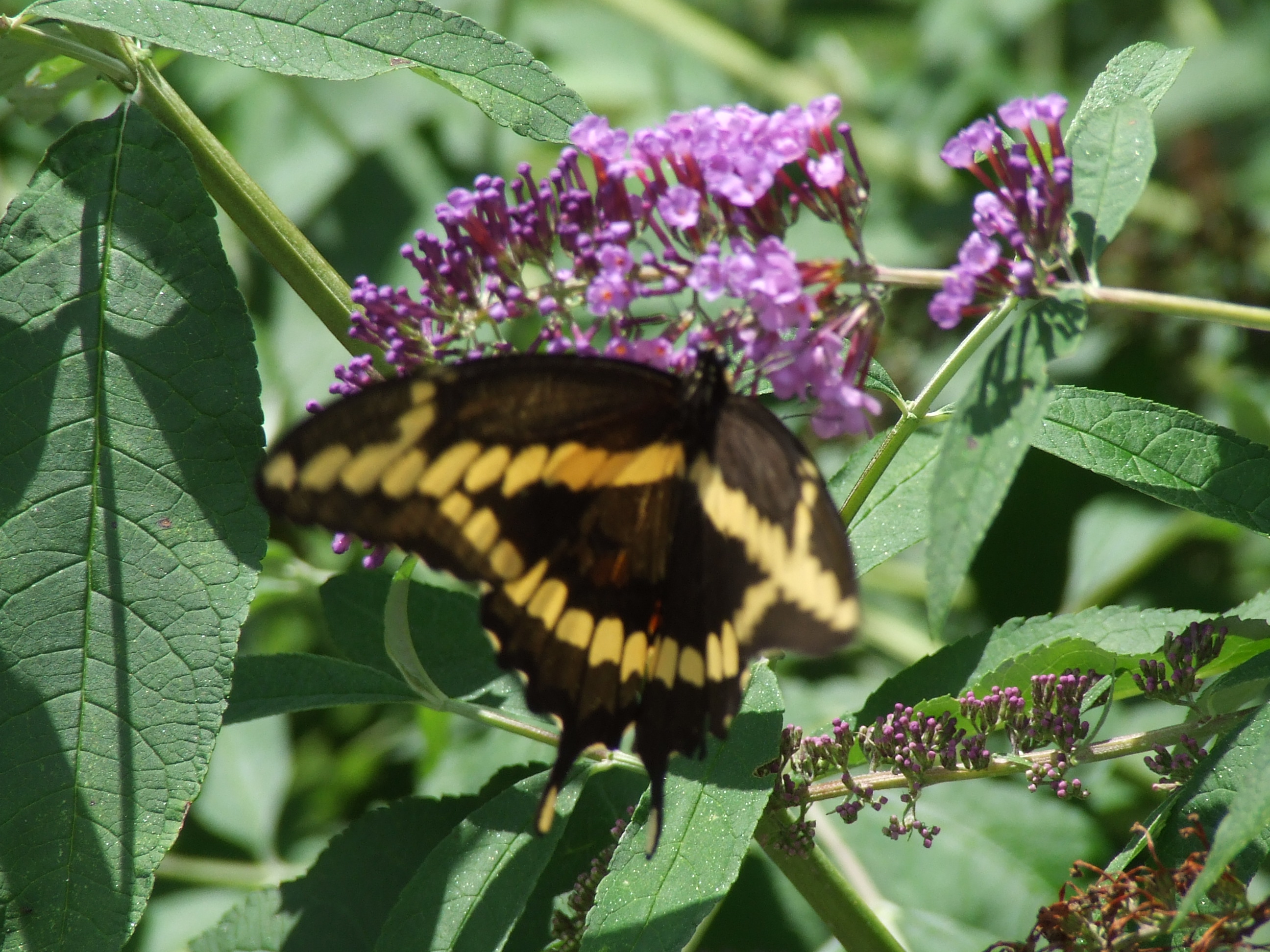
Giant Swallowtail Photos from FOB Sarah Gershaw

Several days ago we posted about the local Giant Swallowtail Butterfly sightings. GMG reader and Wenham resident Sarah Gershaw reported she spotted a Giant Swallowtail in her garden that very day. She’s sent in her terrific photos. Thank you Sarah for sharing!

Giant Swallowtail Butterfly (Papilio cresphontes)

All Photos Courtesy Sarah Gershaw

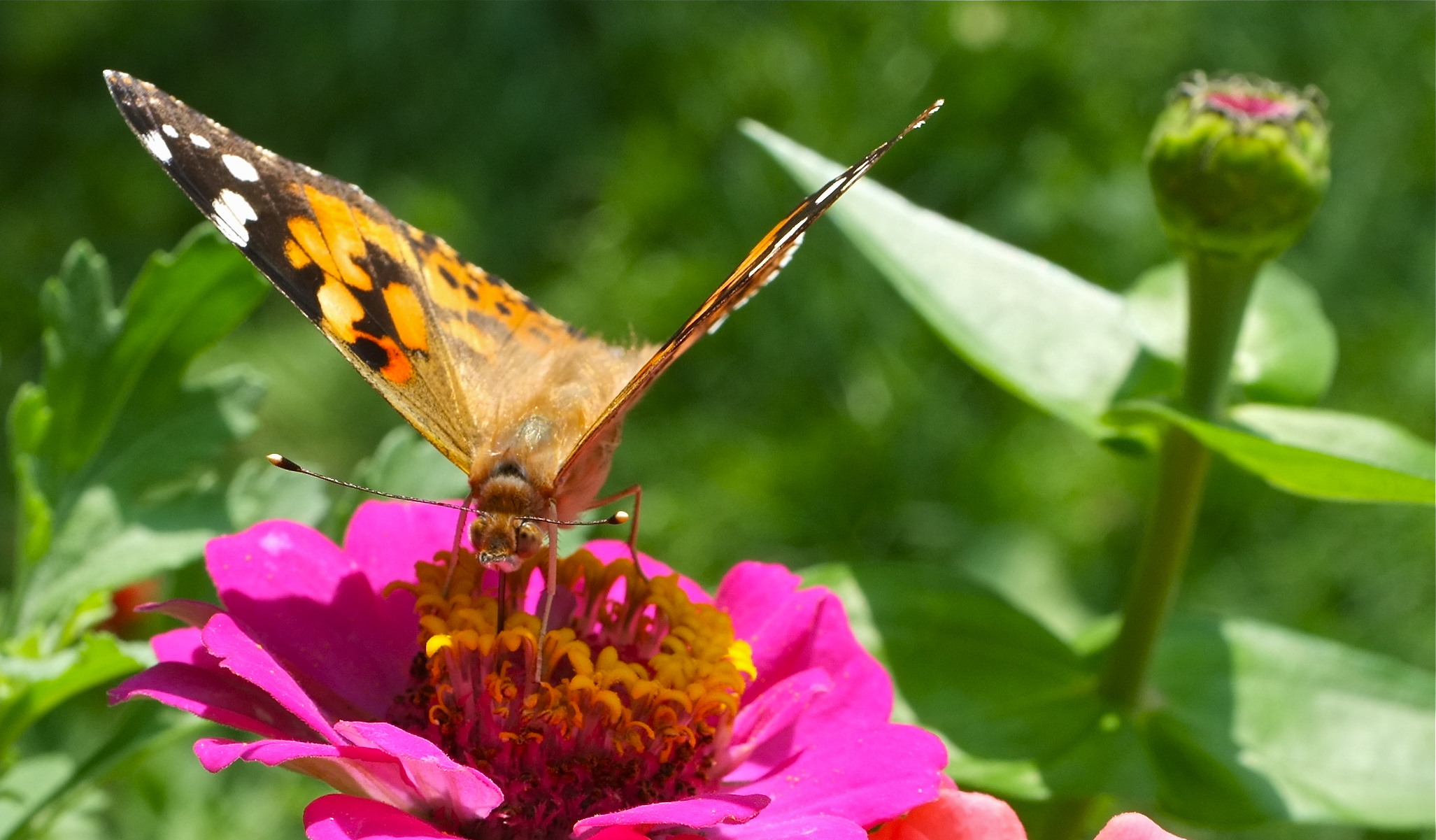
Painted Lady

Painted Lady–never a more aptly named butterfly! Although ubiquitous, the sheer number of Painted Ladies found in gardens this summer is simply astonishing.

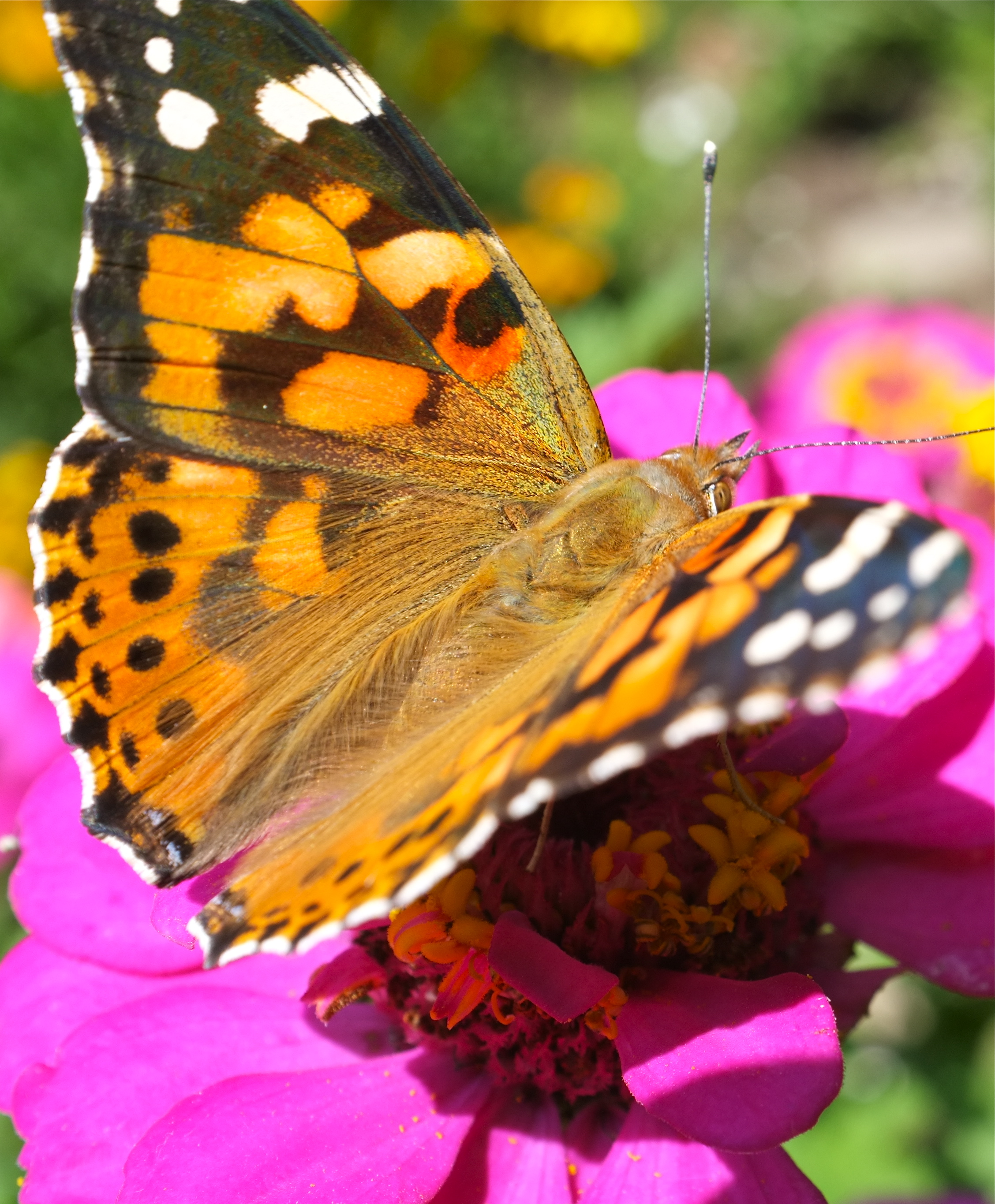
Painted Lady (Dorsal)

This morning in our postage-stamp-of-a-lot, there were quite possibly over one hundred newly emerged Painted Ladies nectaring from the Joe-pye, Baby Joe, zinnias, butterfly bushes, phlox, and Rudbeckia.


Quilled Sweet Coneflower

Introducing Henry Eiler’s Sweet Coneflower ~

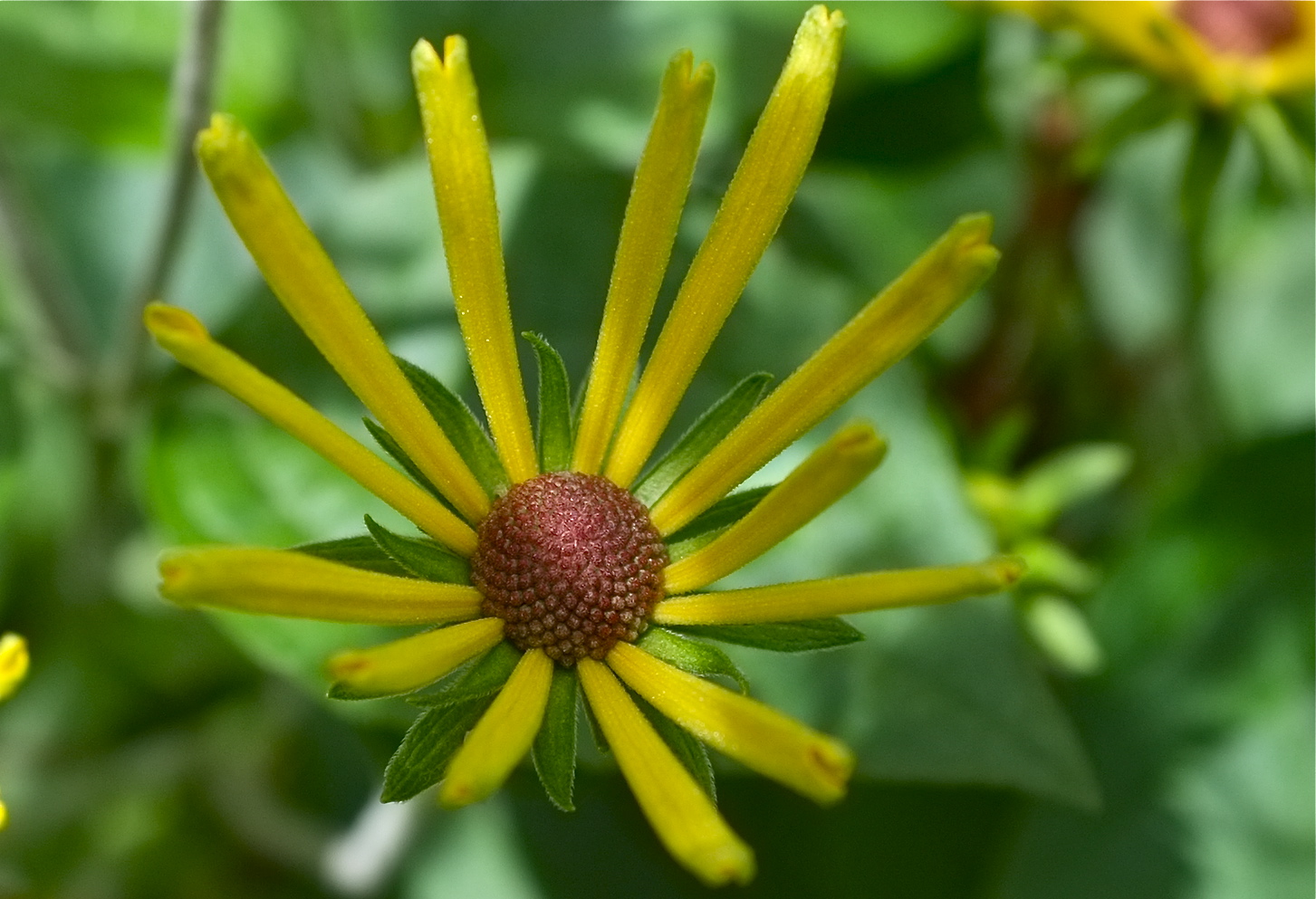
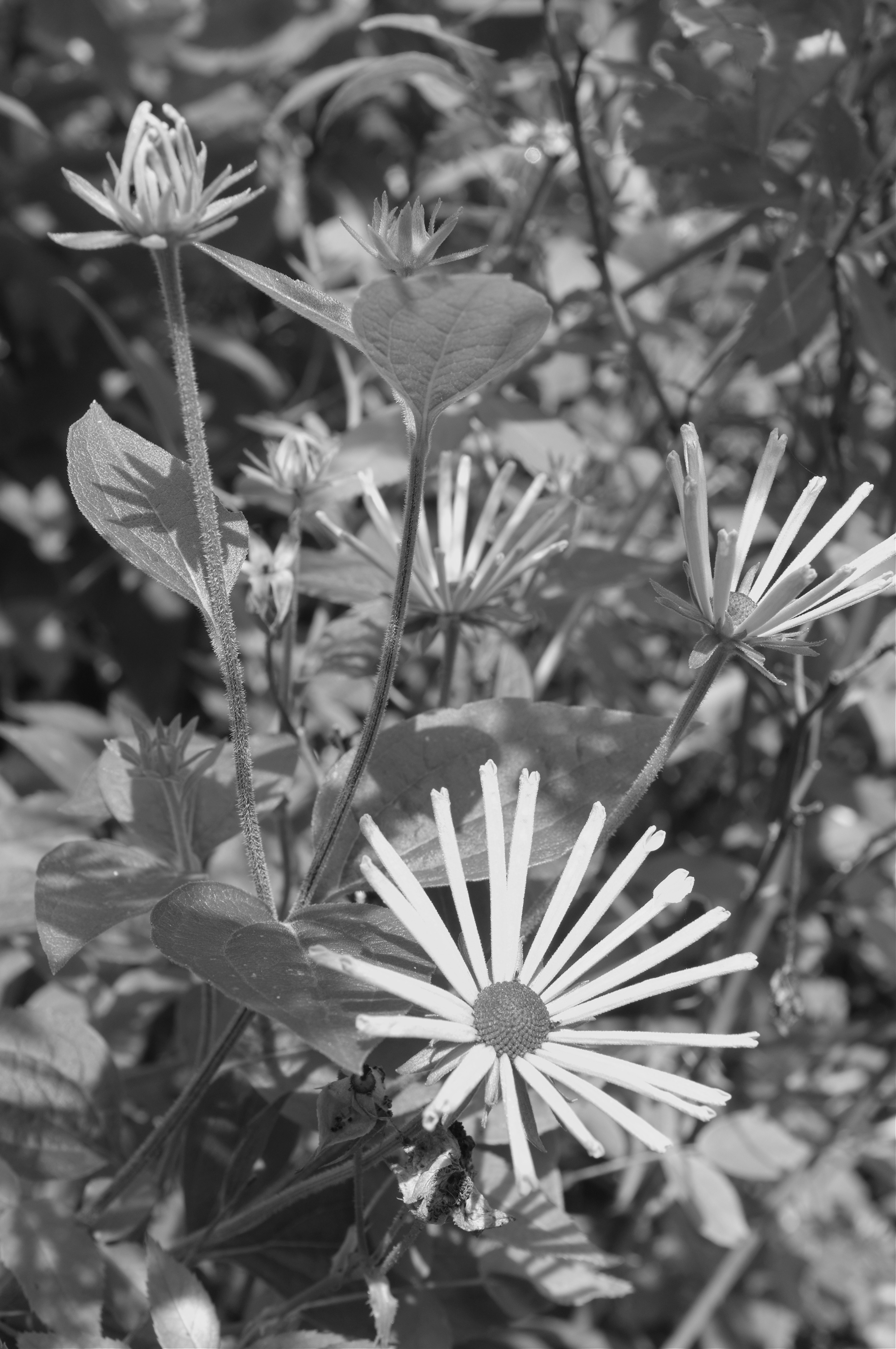
New to our garden this year is the Quilled Sweet Coneflower. The finely quilled sunny  yellow petals are simply lovely, as is the overall shape of the plant. The wildflower is a North American native and bears the name of the southern Illinois horticulturist who found it growing in a railroad prairie remnant.

When lightly rubbed, the leaves of Rudbeckia subtomentosa reveal their sweet vanilla scent. I’ll let you know if it attracts bees, butterflies, and songbirds when the center florets open.

Railroad Prairie Remnants
“…the only remnant of any virgin, unplowed prairie that remains is along railroad tracks. When the railroads were originally built in the 1800’s, if they were going over a natural prairie, all they had to do was lay down the wooden crossties, pack in bed fill, and lay the rails….the remaining right-of-way remained essentially undisturbed. In many locales, a road also was constructed parallel to new tracks, so that the few hundred feet of railroad right-of-way trapped between the tracks and the road remained unplowed to this day, and in many areas has reserved a remarkable diversity of prairie species. In most areas, accidental fires happen fairly regularly, which enhances the vigor of the prairie vegetation.” Larry Lowman
‘Henry Eiler’s’ Sweet Coneflower (Rudbeckia subtomentosa)