GMG FOB Nat Johnson Writes In With Question About Where to Purchase Bee Friendly Flowers

Thanks for that splendid talk on bees (Why Bees are Disappearing). I’m ready to go and eager to plant. Can you post on Good Morning Gloucester a list of places where one can find (affordable) bee-friendly flowers and plants. (Maybe even some free wild flowers). Recently, we lost our only nursery in Rockport. Blue Gate Gardens, alas, is gone.

Many thanks,

Nat Johnson Rockport

Hi Nat,

Thank you for writing. We have two absolutely fantastic resources for purchasing bee friendly plants right here on Cape Ann and they are Goose Cove Gardens and Wolf Hill.

The staff at both nurseries are super helpful, friendly, and extremely knowledgeable, and you will find a rich assortment of nectar-rich bee friendly plants. Tonight I’ll put together a post with my reccomendations for bee friendly plants specifically for our region.

Best wishes and happy planting!

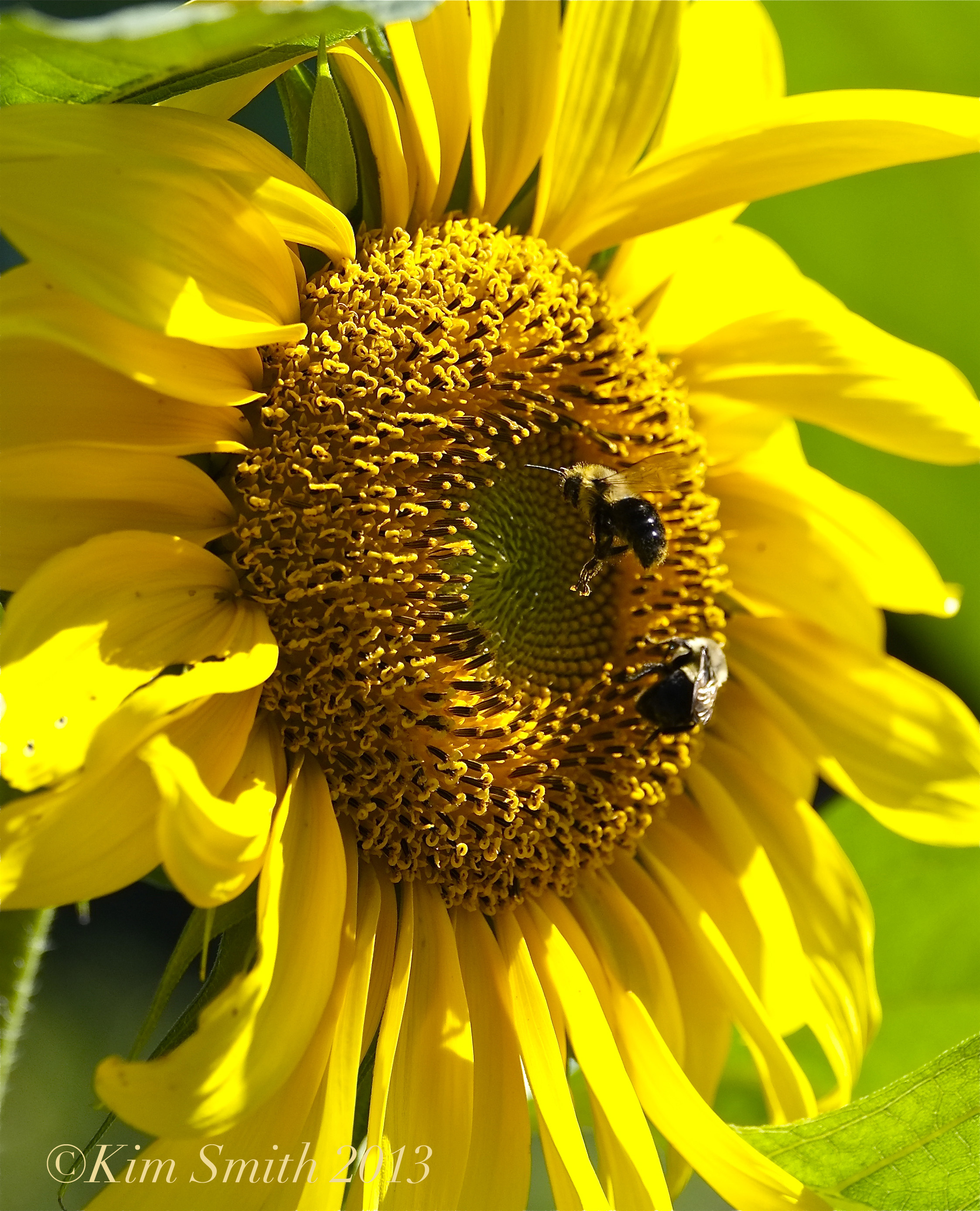
Autumn Beauty Sunflower ©Kim Smith 2013Autumn Beauty Sunflower ~ click the photo once to view larger, click again to see the bee dusted in pollen!

Why Bees Are Disappearing and More Importantly, HOW YOU CAN HELP~ Marla Spivak TED Talk

MUST SEE! ~a timely, informative talk accompanied by stunning photos!

Bee and Sunflower ©Kim Smith 2013


Due to Inclement Weather Predicted: Friends of the HarborWalk Garden Cleanup is Postponed Until Sunday Morning at 9am

What a challenge to try to schedule HarborWalk cleanups during the month of April! There’s just one more border along I4-C2, thanks to all our super awesome volunteers, and most gratefully to Lise Breen, who very kindly and all by herself last weekend cleaned up the other half of I4-C2. I will be there Sunday morning at 9am, unless it is raining buckets! Everyone is invited, you don’t have to be a gardener to lend a hand, and we will have extra hand tools and lawn and leaf bags. We hope to see you there!

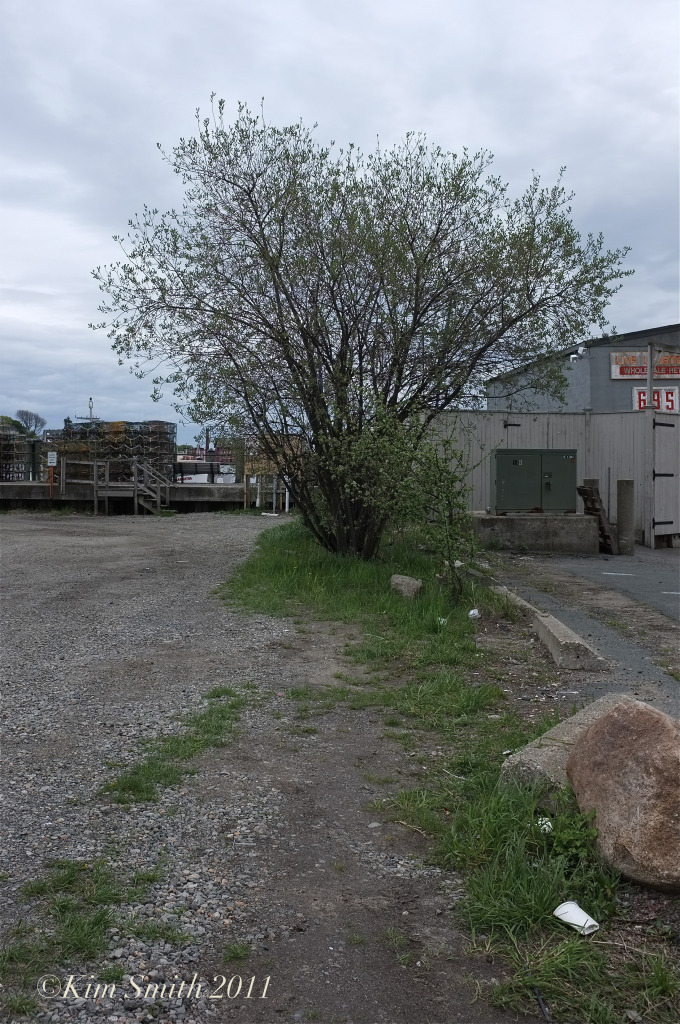
i4-c2-gloucester-harborwalk-garden-c2a9-kim-smith-c2a9-kim-smith-photo-2012-copy Gloucester HarborWalk ~ Before Photo of I4-C2

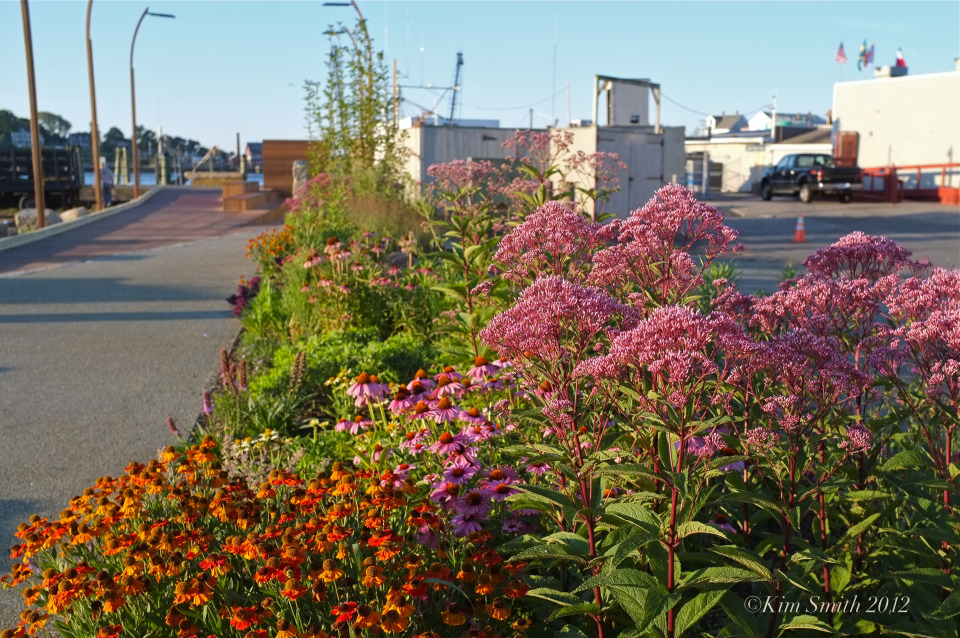
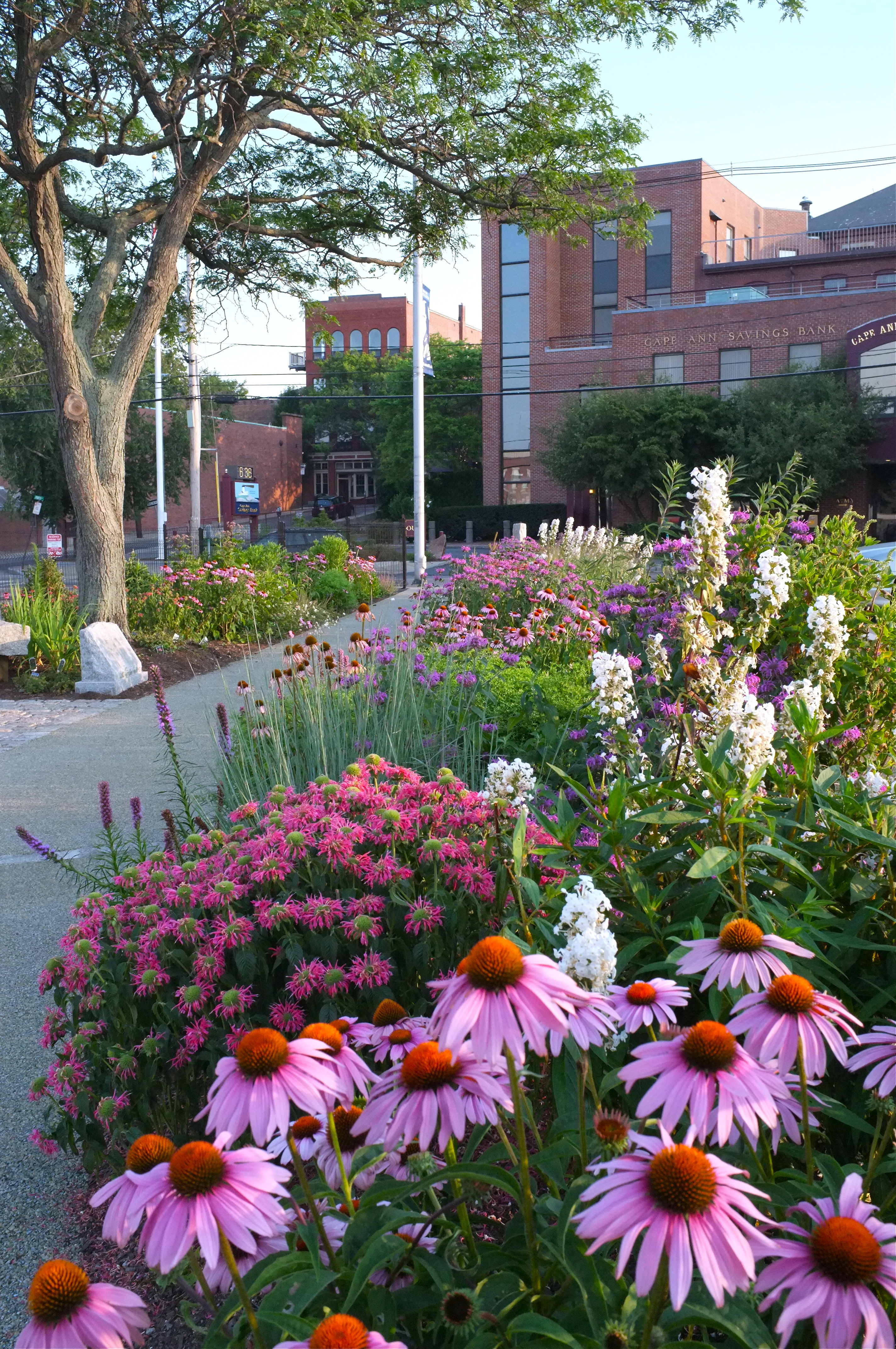
joe-pye-hellenium-gloucester-harborwalk-kim-smith-2012Gloucester HarborWalk ~ After Photo of I4-C2 Summer 2012

My Film at the Lowell Film Festival! April 29th, at 6:30pm

BST Banner FINALI hope you can come join me for an evening of screenings and Q and A at the 2014 Lowell Film Series. My film Life Story of the Black Swallowtail Butterfly is playing, along with Whales of Gold, a film by Lucia Duncan, about the gray whale migration and how to conserve habitat and species in a way that also sustains the livelihoods of local people.

About the film: Life Story of the Black Swallowtail Butterfly is a 45-minute narrated documentary that takes place in a garden and at the sea’s edge. Every stage of the butterfly’s life cycle is experienced in vibrant close-up, from conception to pupation to metamorphosis. The film is for adults and for children so that all can gain a deeper understanding of the symbiotic relationship between wildflowers and pollinators and the vital role they play in our ecosystem. Filmed in Gloucester, Massachusetts.

The location of the screening is at the Lowell National Historical Park Visitor Center, 246 Market Street, Lowell. Click this link to read  more about the series.

The 2014 Film Series: Land, Air, and Water is offered in partnership by the Lowell Film Collaborative and the Lowell Parks and Conservation Trust.

Click here to visit the film’s website: Life Story of the Black Swallowtail Butterfly

black-swallowtail-habitat-good-harbor-beach-gloucester-ma-© kim-smith-2011-copyBlack Swallowtail Habitat ~ The Wildflower Meadow at Good Harbor Beach

BomBom Butterflies, Voted People’s Choice Award Rockport Short Film Festival 2013


In Honor of Earth Day ~ Xerces Society Letter to President Obama

April 14, 2014

President Barack Obama The Honorable Tom Vilsack, Secretary of Agriculture The Honorable Sally Jewell, Secretary of the Interior

Dear Mr. President, Mr. Secretary of Agriculture, and Madam Secretary of the Interior,

In light of the severe decline of both the eastern and western monarch butterfly populations that has occurred since the late‐1990s, we are writing to ask you to establish a multi‐agency monarch butterfly recovery initiative to restore the habitats that support the extraordinary migrations of this iconic species. We encourage you to direct the Natural Resources Conservation Service (NRCS), Farm Service Agency (FSA), and Forest Service (USFS) of the U.S. Department of Agriculture and the Fish and Wildlife Service (USFWS) and Bureau of Land Management (BLM) of the U.S. Department of the Interior to develop a cooperative, landscape‐ level initiative with the many stakeholders willing to help foster significant monarch recovery.

These migrations can be saved for future generations by restoring to the landscape milkweeds, the host plants for monarch caterpillars, and nectar plants that sustain the adult butterflies. These habitats would support pollinators and a large number of other species as well. The federal agencies that incentivize conservation of wildlife habitat on private lands and that directly manage wildlife habitat on public lands can play key roles in this effort by targeting funding and technical support for such an initiative.

As you know, the eastern monarch population has been declining for more than a decade, and this year scientists observed the lowest numbers ever documented, representing a 90% drop from population numbers recorded in the mid‐1990s. Since then, there has been a significant loss of milkweeds in agricultural areas of the Midwest, which is directly correlated with the declining monarch population. Monarch habitat has also declined sharply in the West.

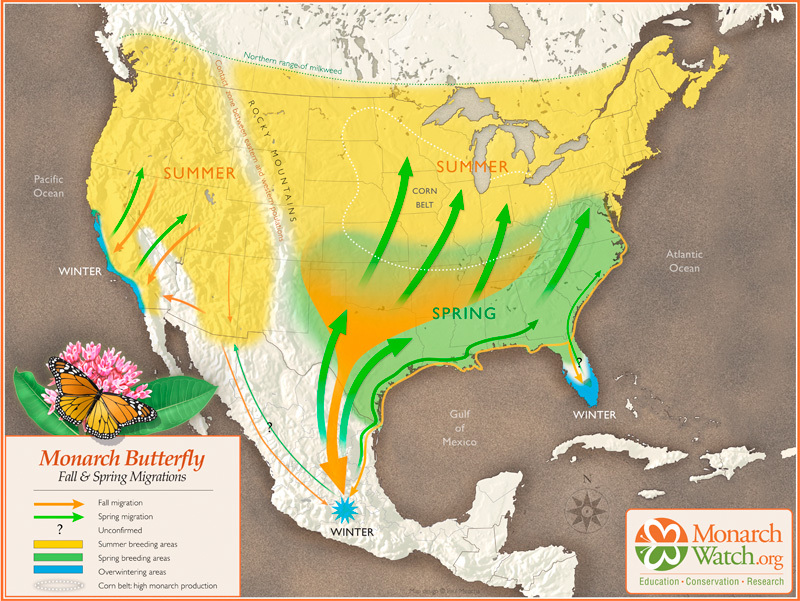
Monarch Migration Map

Paul Mirocha Illustration for Monarch Watch

Continue reading “In Honor of Earth Day ~ Xerces Society Letter to President Obama”

Antennae for Design: Native Flowering Dogwood

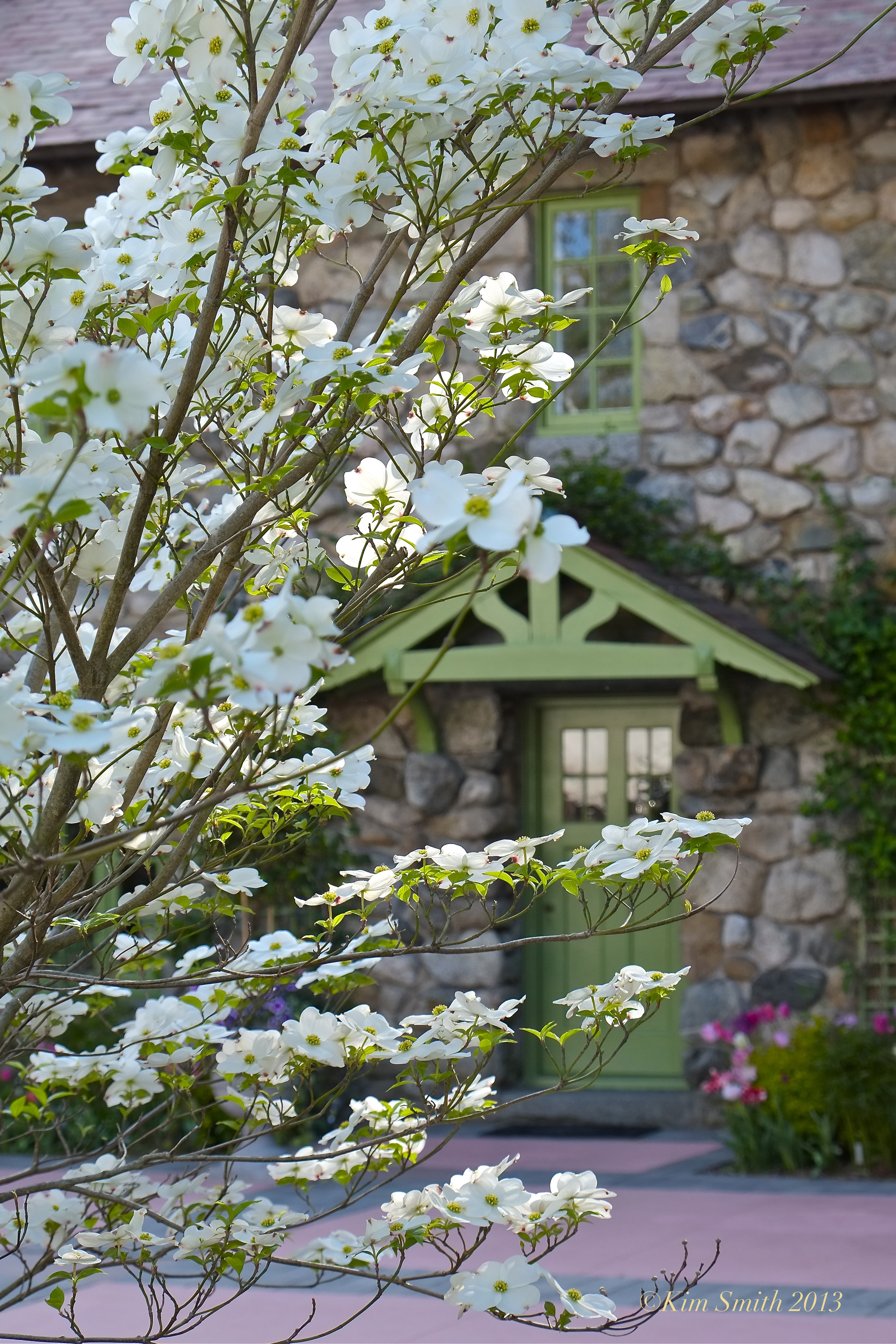
white dogwood cornus florida © Kim Smith 2013Currently I am working like mad on design projects, both creating new gardens and organizing existing gardens. Along with butterfly and pollinator gardens, I design many different types of gardens, including fragrant gardens, night gardens, children’s gardens, and seaside gardens. One of my favorite aspects of the design process is creating the horticultural master plan, which is typically done simultaneously after discussing with the client their needs, hopes, and aspirations for their garden, and when working on the plan drawings.

While working on planting plans, I thought our GMG readers would benefit from suggested plantings and illustrated design tips. I started this series awhile back and called it Antennae for Design, and still like that name.

Cornus florida rubra @ Kim Smith 2012 copy

In designing gardens the first step is always creating the framework and trees comprise a major component in establishing the framework, or bones, of a garden. Trees provide a welcome sense of shelter with the shifting light and shadows filtering through the ever-changing ceiling. Fragrance, flowers, the shelter they provide, form, and texture of the leaves are not the only attributes of a tree garden. During the winter months there is the elegant beauty of pure line, the beauty of the branch.

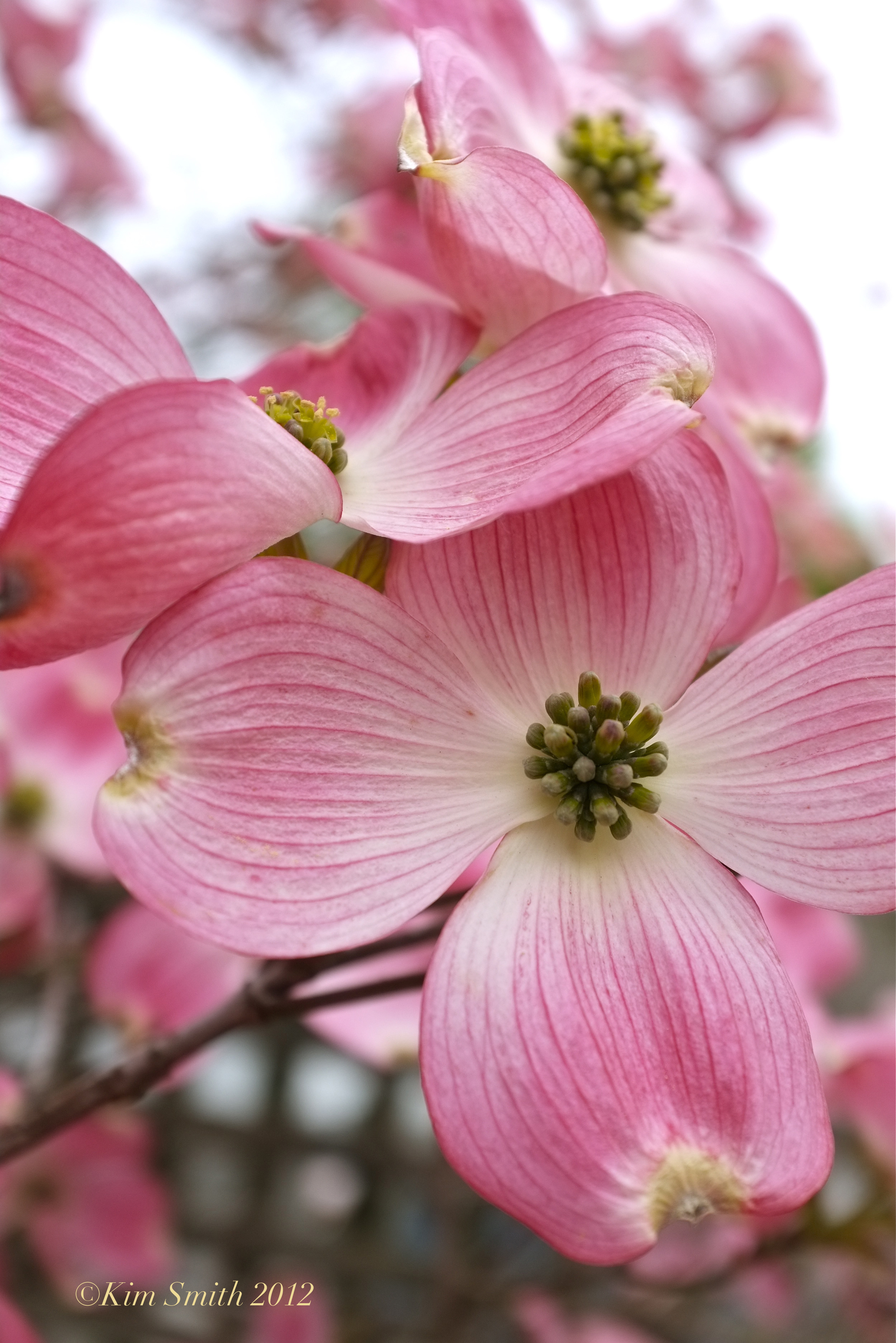
Cornus florida rubra pink dowood © Kim Smith 2012 copyFor a multitude of reasons, one of my top choices when planting a tree-garden is our stunning native American dogwood (Cornus florida), both white and pink flowering forms. The fresh beauty of its spring blossoms, horizontal level branches, myriad pollinators attracted to the tiny florets, and the elegance of its bare limbs in winter are just some of the reasons why I love this tree! For a night garden especially, the white flower bracts are especially luminous in the moonlight. And, the American dogwood is also a larval food plant for the diminutive Spring Azure butterfly’s caterpillar!

white dogwood cornus florida ©kim Smith 2013 copy

 Oh Garden of Fresh Possibilities! ~ Notes from a Gloucester Garden is available at my publisher’s website, click here.

Happy Easter! Happy Passover! and Happy Spring!

The Power of Flowers!

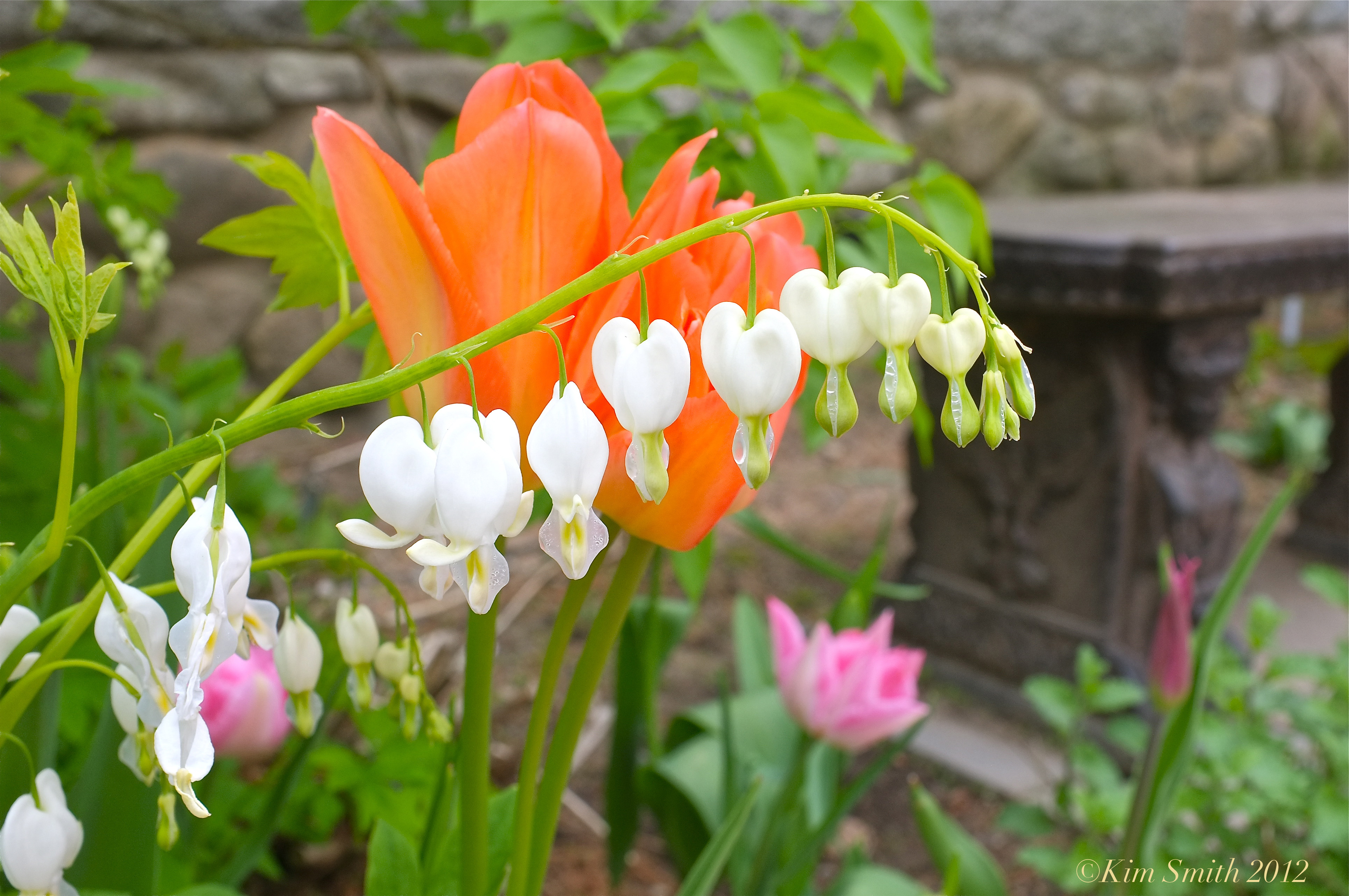
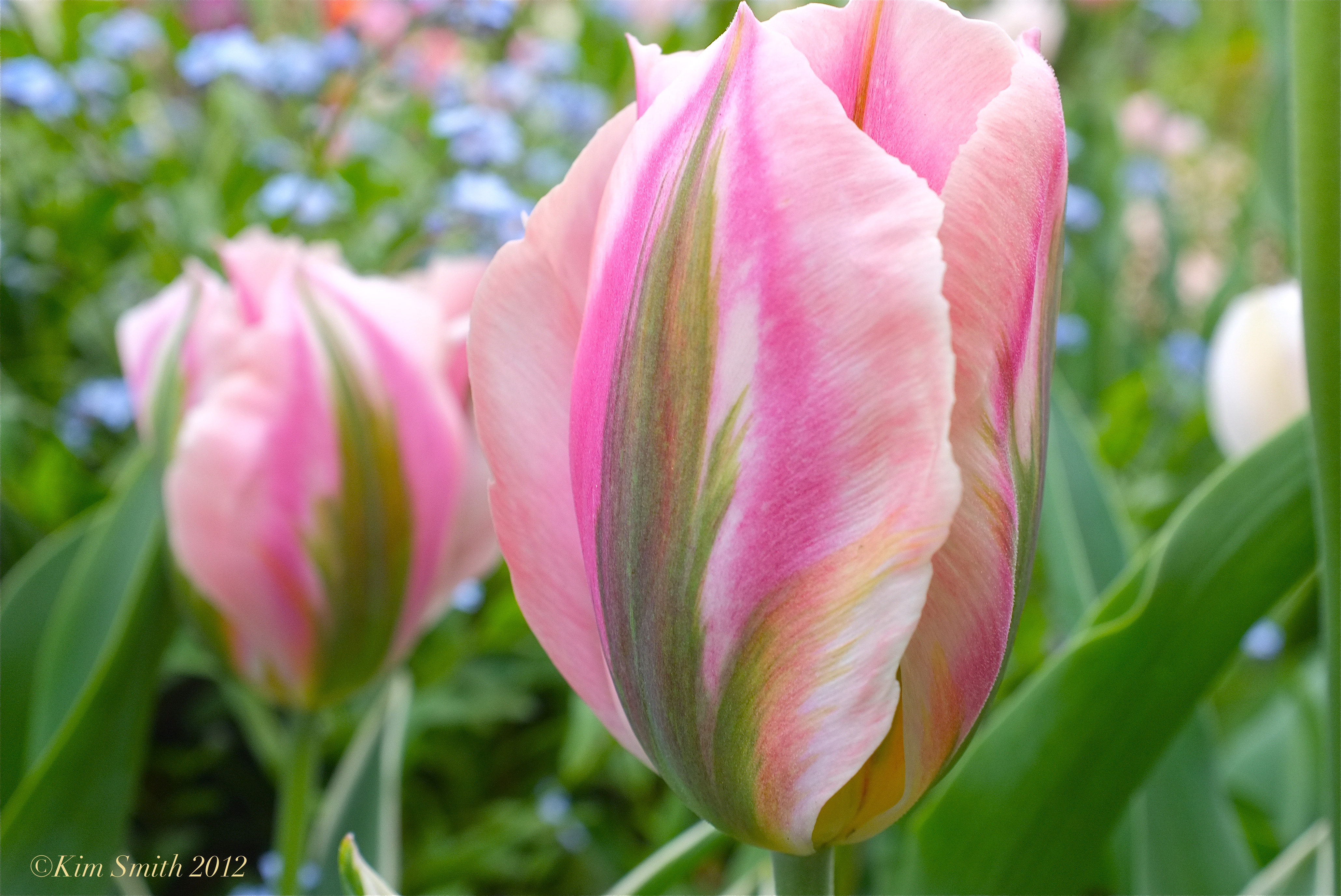
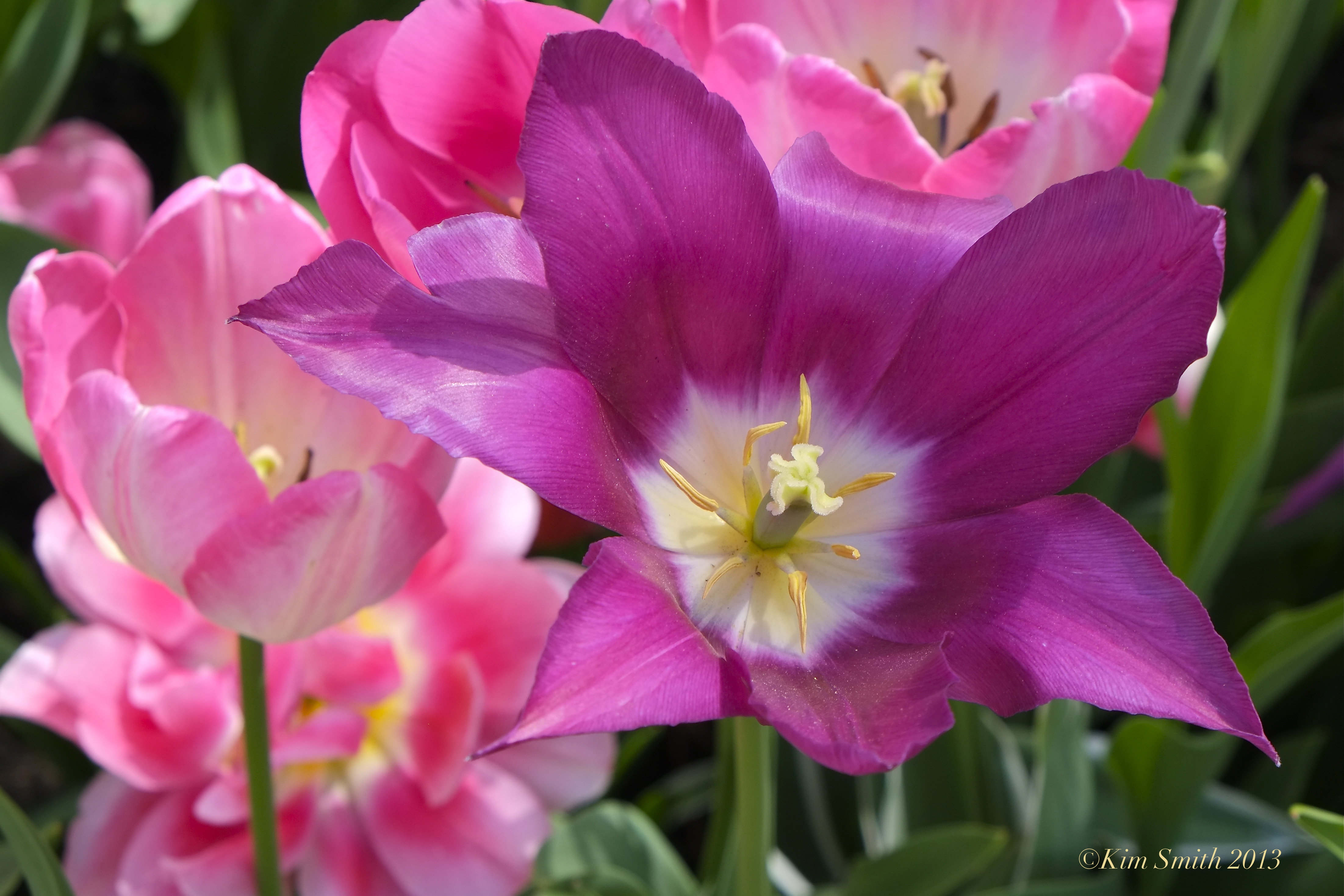
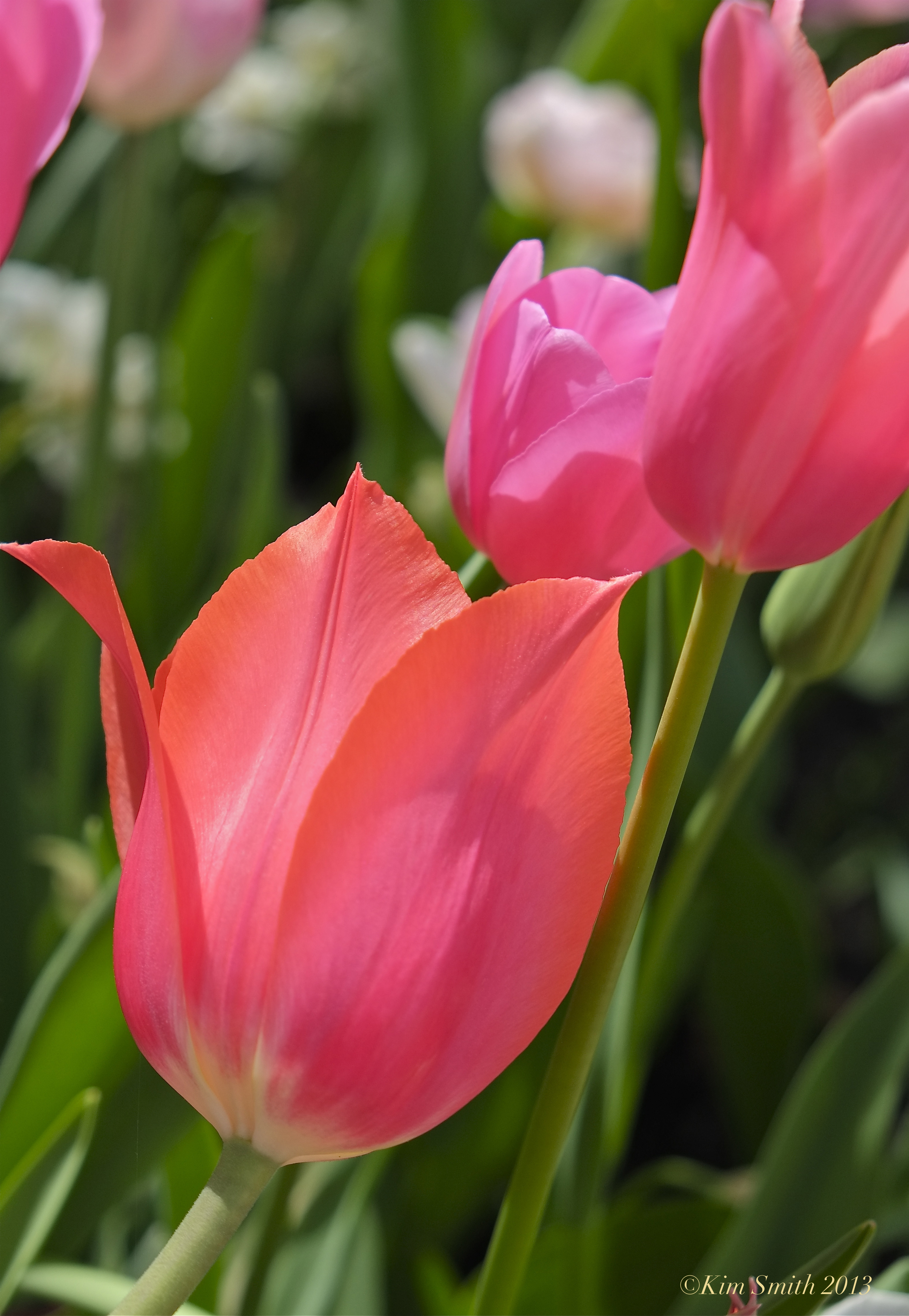
Pink Tulip ©Kim Smith 2013White Bleeding Heart ©Kim Smith 2012Feathered Tulips © Kim Smith 2012Purple Pink Tulips © Kim Smith 2013Carolina Silverbell Pink ©Kim Smith 2013Pink Carolina Silverbell is a native flowering tree (Halesia tetraptera var. rosea)

Carmine tulip ©Kim Smith 2013 copyTemple of Beauty

Click to see more spring beauties here ~ Continue reading “Happy Easter! Happy Passover! and Happy Spring!”

Planting in Harmony with Nature

The following excerpt I wrote over fifteen years ago. The article was later adapted for my book Oh Garden of Fresh Possibilities! (available at my publisher’s website-click here). Yesterday’s post about how planting for wild bees and butterflies can save farmers money reminded me of the chapter “Planting in Harmony with Nature”.

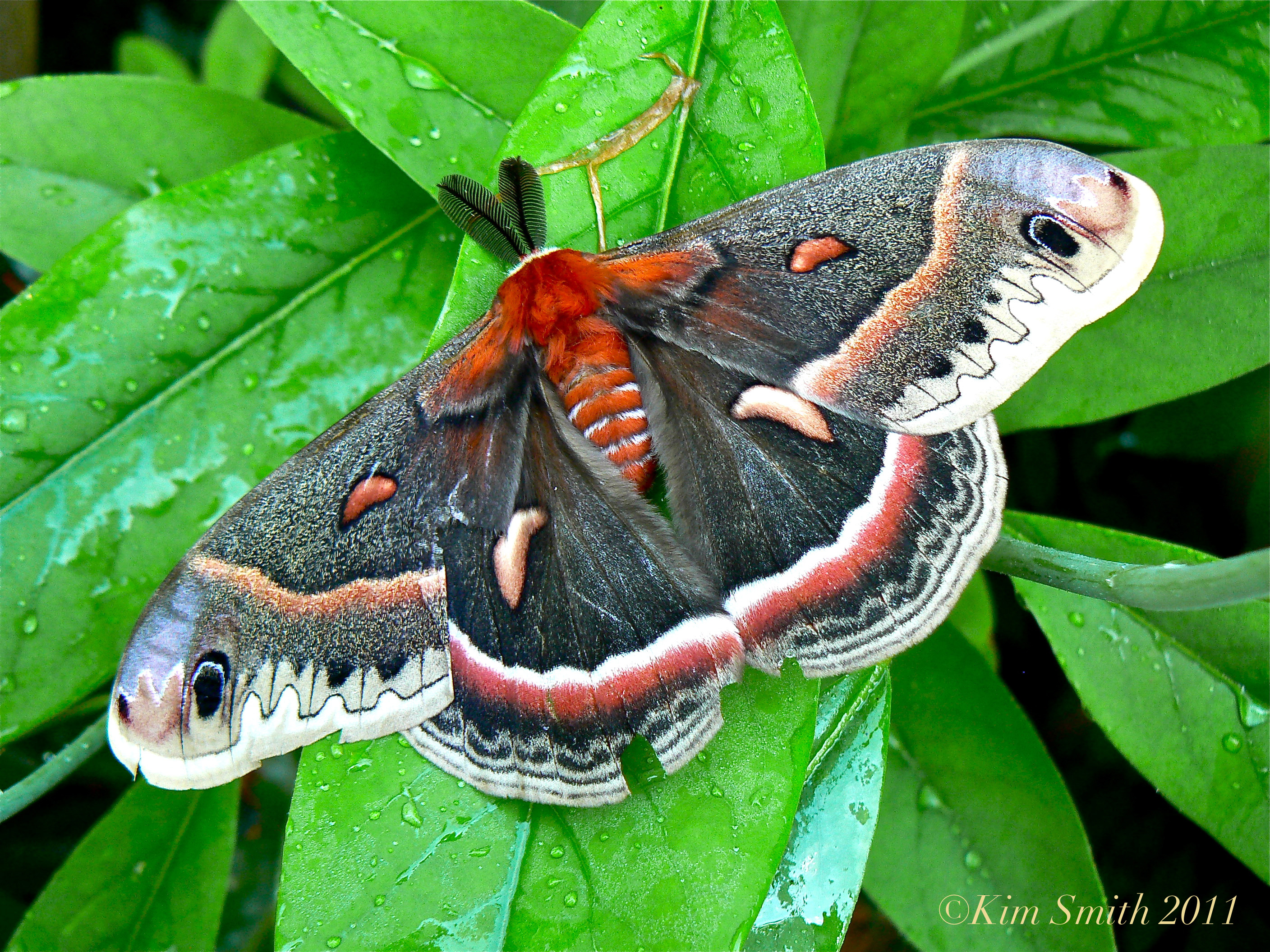
Cecropia Moth ©Kim Smith 2011Male Cecropia Moth on Magnolia virginiana foliage

“The idea of a garden planted in harmony with nature is to create a loosely mixed arrangement of beauty combining native and well-behaved ornamental flowering trees and shrubs. This informal style of a woodland border or bucolic country hedge is not new and is what the French call a haie champêtre. Perhaps the country hedge evolved because it was comprised of easily propagated, or dispersed by wildlife, native species of plants and perhaps as a revolt against the neatly manicured boxed hedges of formal European gardens.

The country hedge is used, as is any hedge, to create a physical and visual boundary, but rather than forming the backdrop for ornamental plants, it is the show. By planting with a combination of native trees and shrubs, whether developing the framework of a new garden, designing a garden room, or extending an existing garden, one can create an interplay of plants drawing from a more widely varied collection of forms, textures, and colors. The framework is the living tapestry of foliage, flowers, fruit and fauna. Working and living in our garden rooms, we are enchanted by the wild creatures drawn to the sheltering boughs, blossoms, and berries. Additionally, by choosing to grow a combination of companionable fragrant North American trees and shrubs, designing a garden planted for a well-orchestrated symphony of sequential and interwoven scents is decidedly easier. We tend to be more familiar with ornamental trees and shrubs because they are readily obtained through the nursery trade. With the accessibility to resources available through the internet we can design with an increasing selection of native species.”

For the homeowner, Oh Garden of Fresh Possibilities!, a Boston Globe best-of, is chockablock full of design ideas for attracting pollinators to your garden, including extensive information about specific plants, plant combinations, and their cultivation. Oh Garden also makes a terrific gift book, at any time of year, but especially in the spring as we begin to see the earth reawakening and are seeking fresh design ideas and inspiration.

Read more about Oh Garden on my website, Kim Smith Designs ~ Click here.

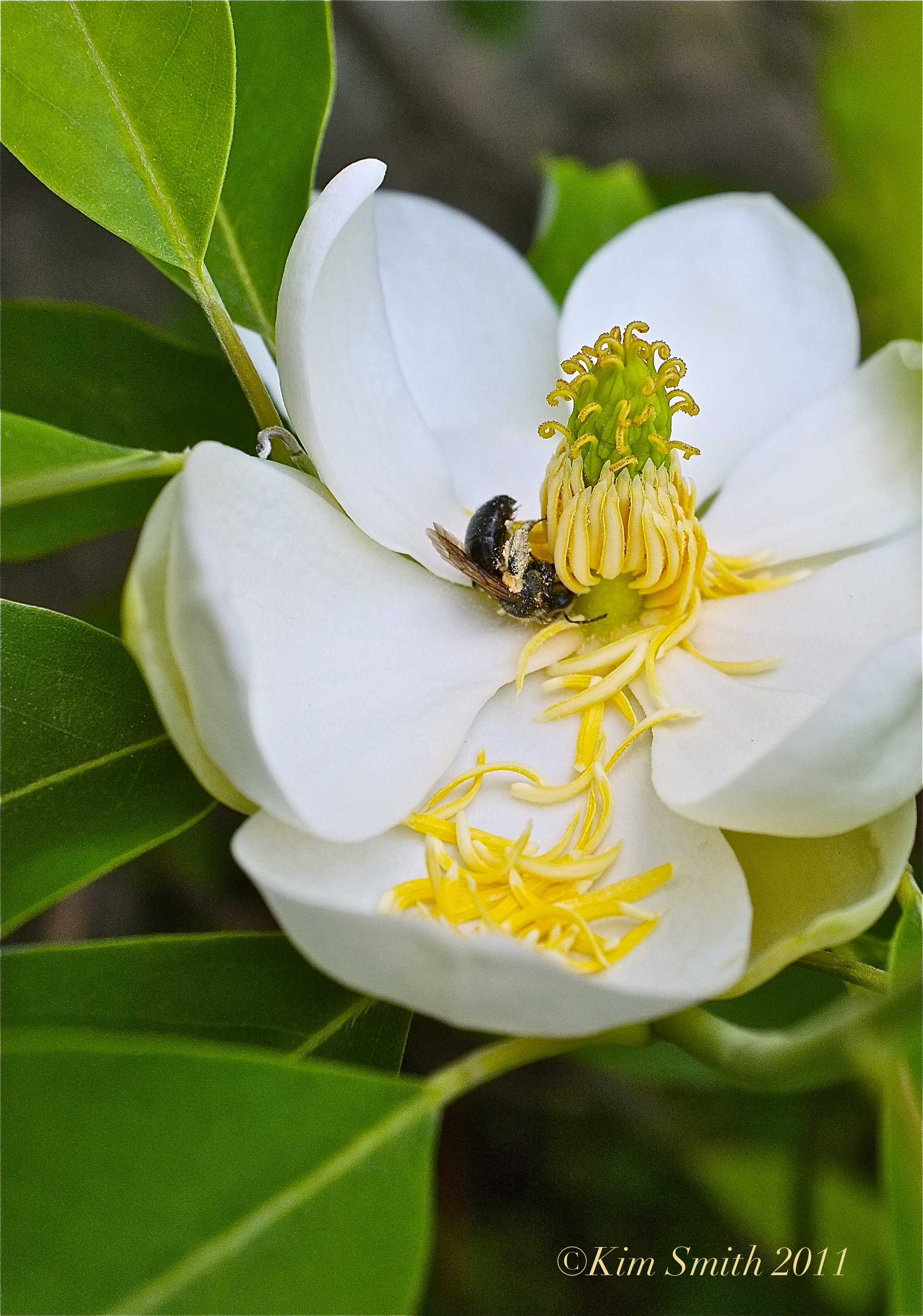
Magnolia virginiana ©Kim Smith 2011 copyMagnolia virginiana is one of the most deliciously scented flowering trees you could grow. And the foliage is a caterpillar food plant for the fabulous Cecropia Moth, North America’s largest species of Lepidoptera. The above male Cecropia Moth found in our garden had a wingspan of six inches!


How Attracting Wild Bees and Butterflies to Farms Can Save Farmers Money

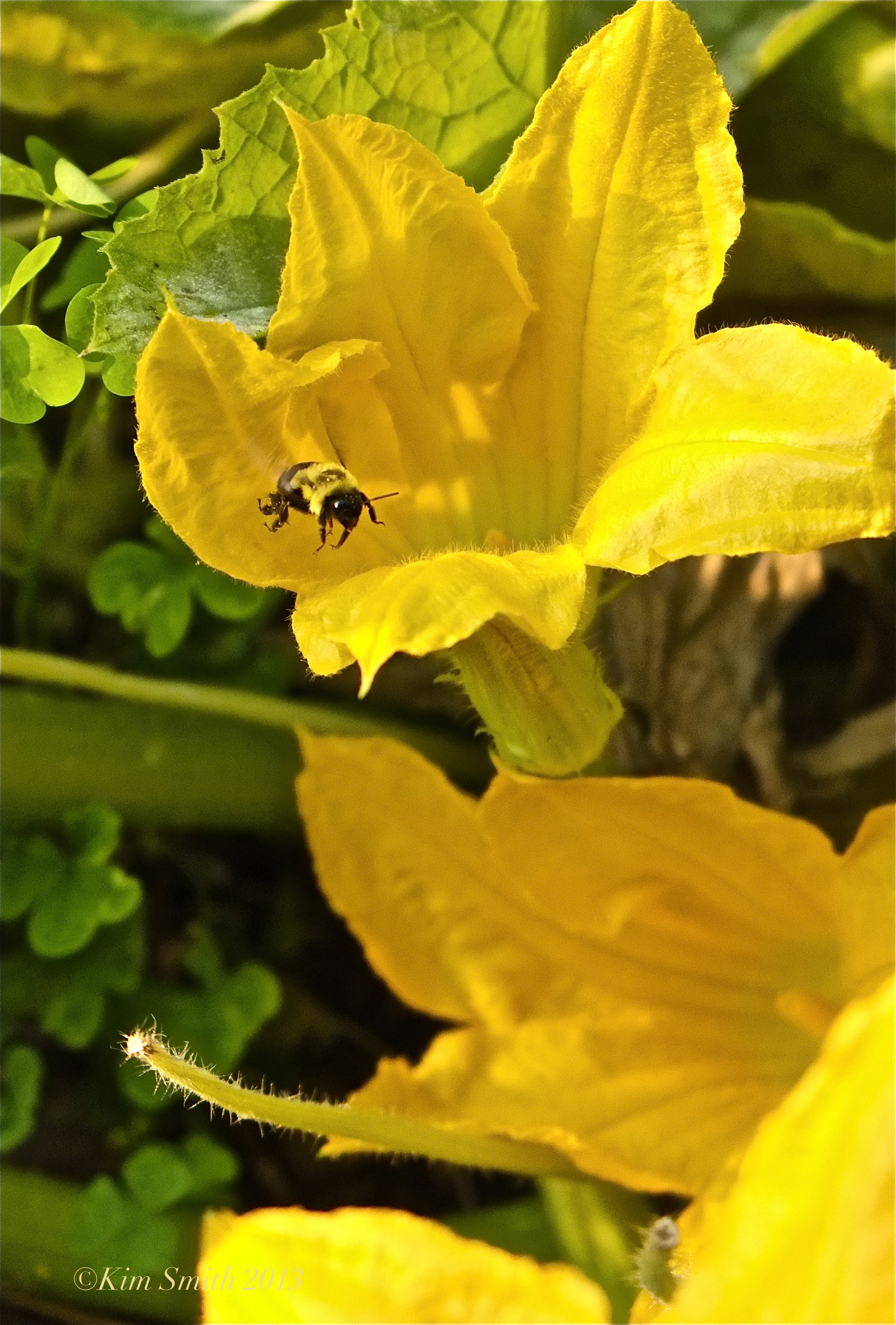
Bee Pollinating Squash Blossom ©Kim smith 2013Well written and interesting article from author Richard Conniff ~

“Luring local pollinators to farms can pay for itself in four short years, according to a new study.

Right now in Washington and Oregon, 380,000 honeybee hives are at work pollinating cherry, pear, and apple orchards. Last month, a million hives—three-quarters of the nation’s entire stock of commercial honeybees—were pollinating almonds in the Central Valley of California. Pollination by insects is an essential service, necessary for 71 percent of the top 100 crops worldwide. But it has also become alarmingly expensive and uncertain, as colony collapse disorder and other problems have doubled or tripled the cost of renting honeybee hives.

Why not let native pollinators do the same work for free?

That might be a good idea, except that populations of wild pollinators have also collapsed, largely because intensive agriculture has eaten up huge swaths of former habitat, with no end in sight. When researchers in Utah and Illinois recently looked at four North American bumblebee species, they found that their geographic range had shrunk by as much as 87 percent, and their population by as much as 96 percent, with a significant share of the loss having occurred within the past 20 years.

The developing concern over a different kind of national security—pollinator security—recently led the White House for the first time to include a pollinator garden in its plantings, with the aim of supporting bees and monarch butterflies and drawing attention to their crucial role in food production. A group called Make Way for Monarchs is lobbying for large-scale federal action ahead of National Pollinator Week in June. (It has also called on Americans to “join us in a day of action and contemplation for imperiled pollinators” today.)

Of potentially more lasting impact is that some farmers have begun to ask whether introducing flower strips, hedgerows, and other forms of habitat in the margins of their farms might bring back wild pollinators—and ensure that their crops will get the pollen they need to bear fruit. A new study in the Journal of Applied Ecology adds to the growing evidence that it can work.”

Read the complete article here.

Save the Date: Artist Spotlight Garden Tour and Film Screening at Willowdale Estate May 13th

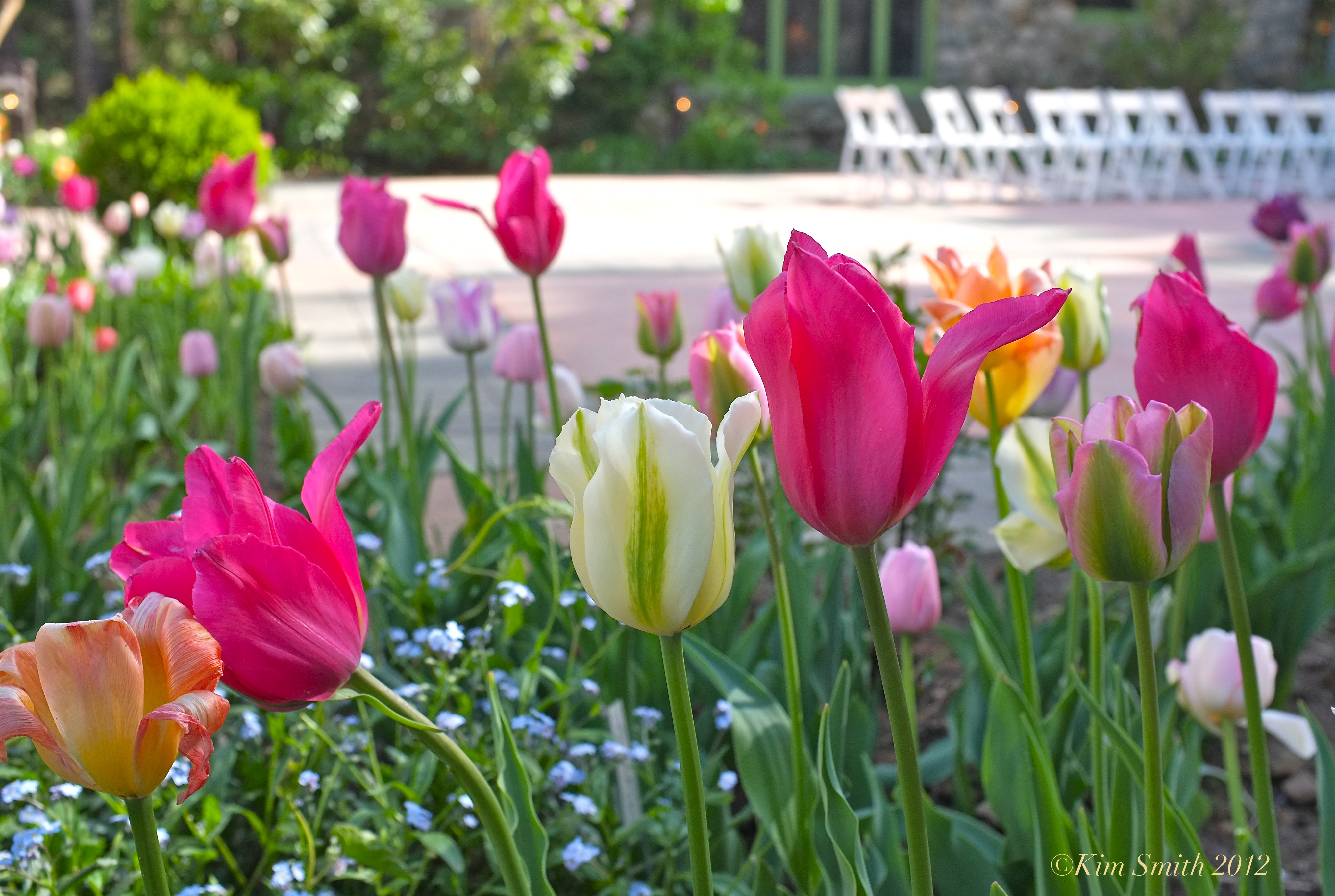
Willowdale Estate Tulips ©Kim Smith 2012On Tuesday, May 13th,  at 6pm, I will be giving a free guided tour of the butterfly gardens at Willowdale Estate, located in Topsfield. After the garden tour, we will have a screening of my film, Life Story of the Black Swallowtail Butterfly, and serve a selection of Willowdale’s exquisite refreshments. I hope you can join us! For ticket information and to RSVP click here.

To learn more about Willowdale, visit their beautiful new website here.

bst-banner

For the month of April I, along with  Noah Quist, Willowdale’s new Director of Businesss Development, are featured in the Willowdale newsletter’s Meet the Team. Sarah Boucher, Willowdale’s Senior Sales and Marketing Director asked several questions of me for the feature. The following answer is in response to a question about creating welcoming habitat gardens, “My passion for creating butterfly and habitat gardens developed initially because I think butterflies and songbirds are exquisitely beautiful creatures and I wanted to draw these wild things to the gardens that I was designing. Butterflies and songbirds bring a garden to life with their grace in movement and fascinating life stories. The more that I learn, the greater the need becomes apparent for sharing information about the connection between native wildflowers and the web of life that they support.”

Read more here: Meet the Team

My Photos in the Boston Sunday Globe Magazine!

boston-globe-logo   Happy Airborn! copyCheck out JoeAnn’s article and my photos for this week’s Boston Globe Magazine! Contractually, I don’t think I can post any of the photos from the article on GMG (for a brief period of time), so here are some of the outtakes. Click on any image and it will take to the article. Rooster ©Kim Smith 2013

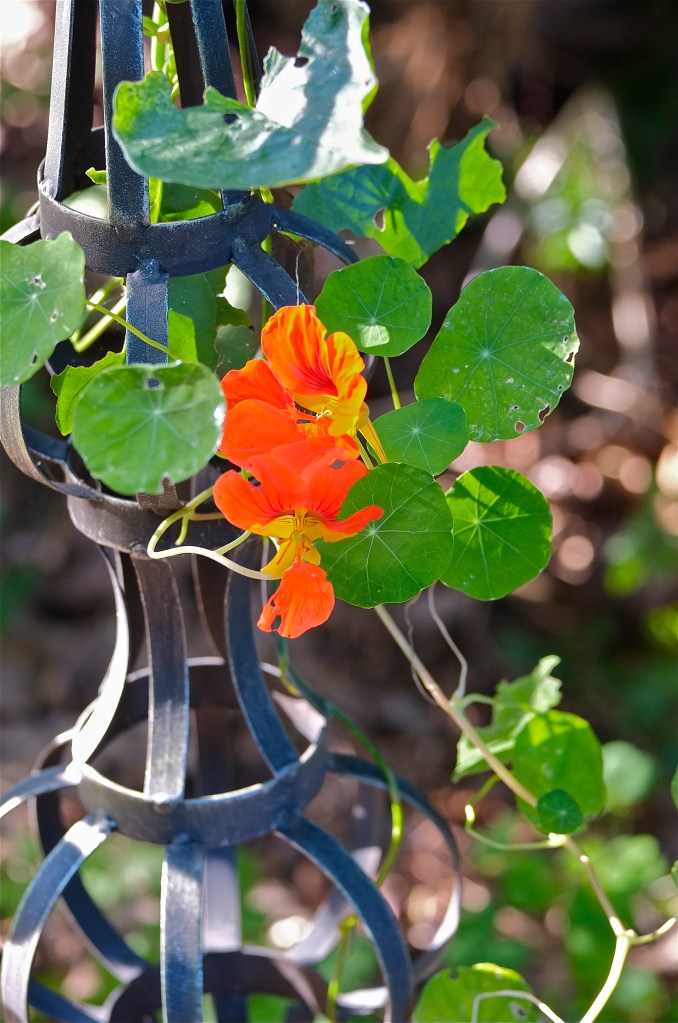
Nasturtium ©Kim Smith 2013Nasturtium


Simply Gorgeous Spring Flower Photos from Len Burgess

Len Burgess welcomes spring–thank you Len for sharing–just beautiful!

PussyWillowPussy Willow

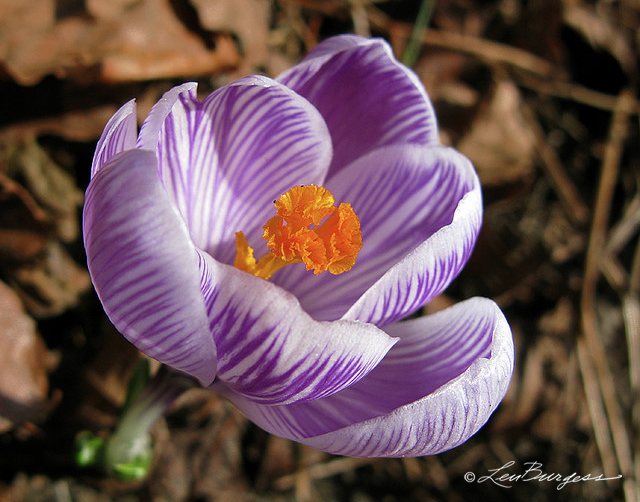
CrocusWSigCrocus

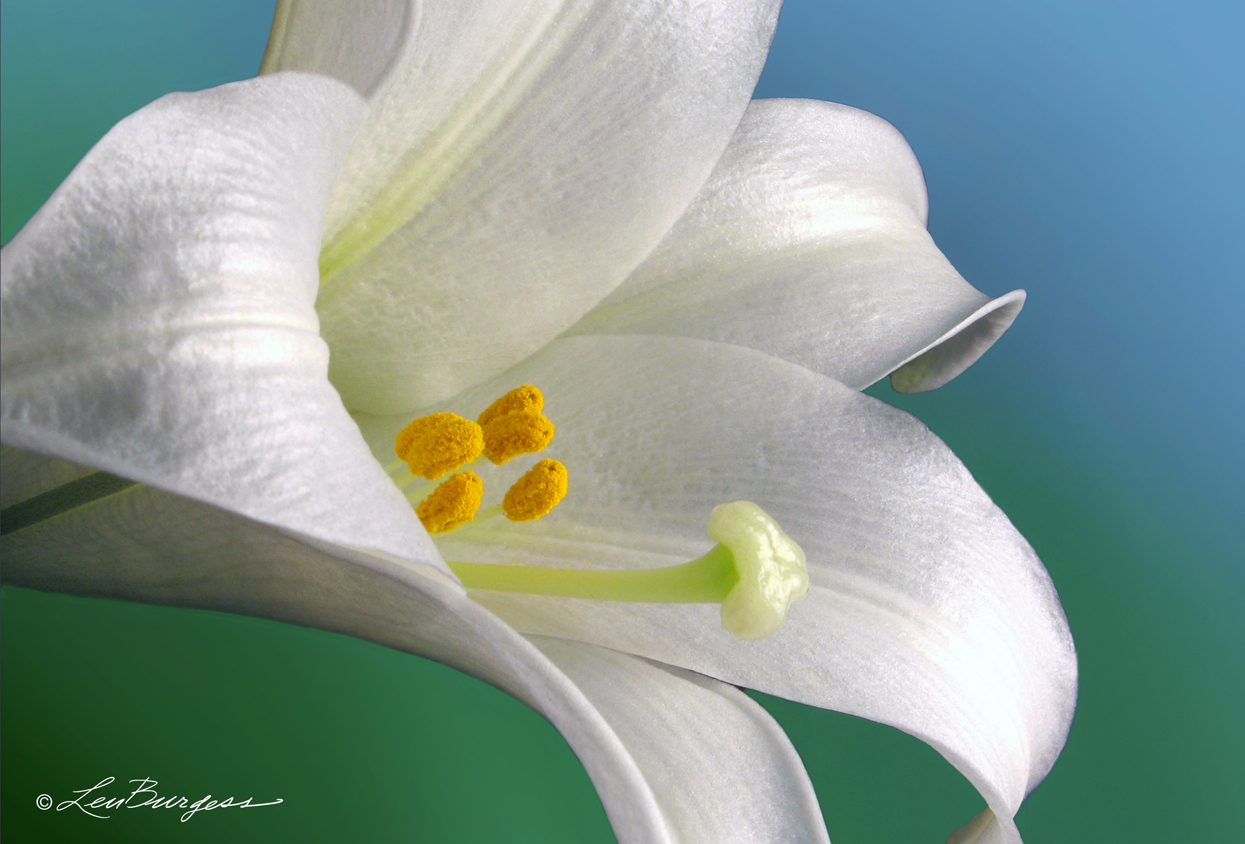
Lily4WSigLily

DaffodilW-SigDaffodil

crocus2WSigCrocus

Send us a photo of your favorite signs welcoming spring. Send photos to me at kimsmithdesigns@hotmail.com. The photo need not be a nature-related image, but of anything!

A Huge Thank You to Everyone for Your Milkweed and Aster Orders!!!

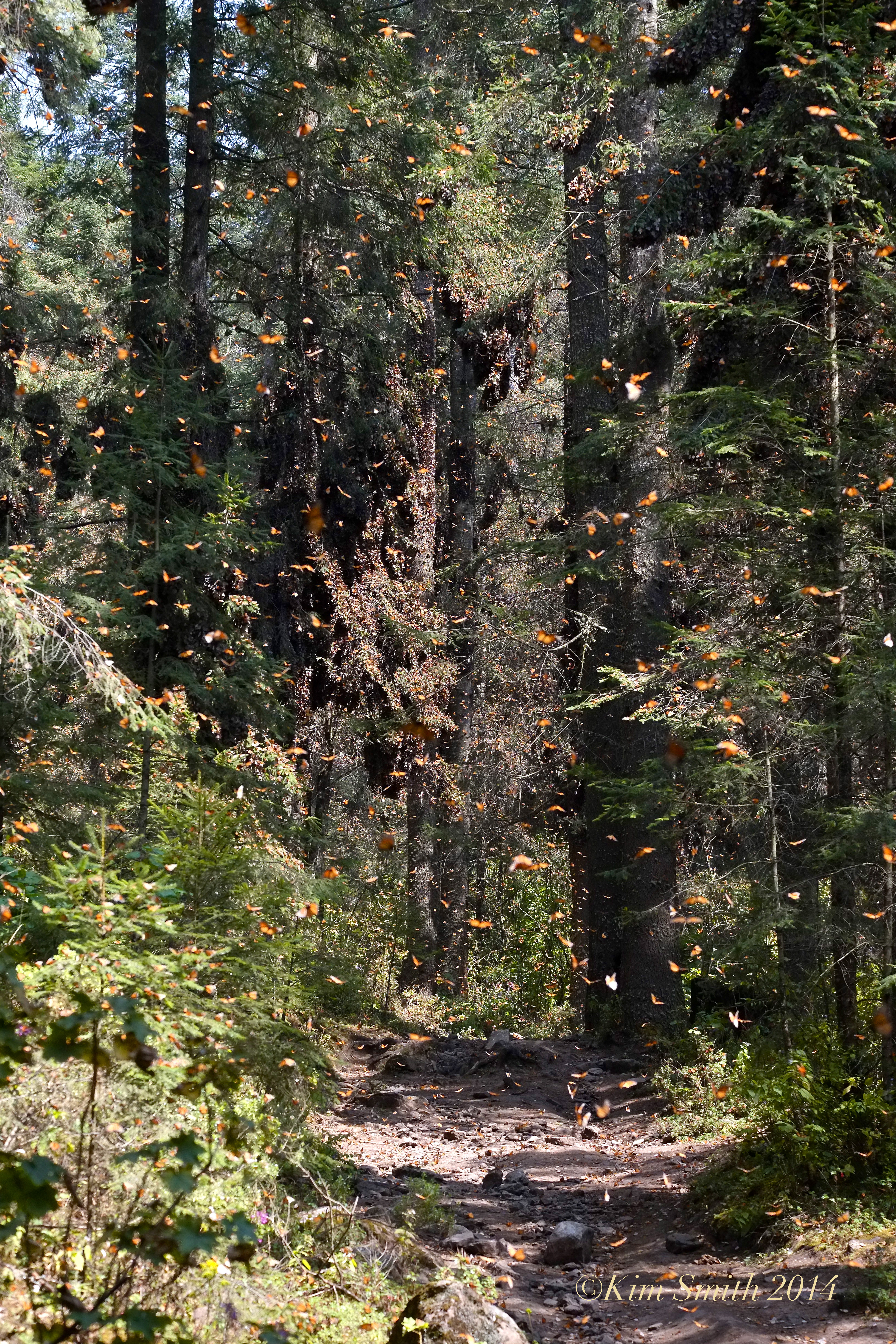
Monarch Butterfly Explosion El Rosario Mexico ©Kim Smith 2014 finalMy Deepest Thanks to Everyone 

The above is a favorite photo from my trip in February to film the Monarchs. This week we will be bringing you the short interview film with Tom Emmel at the summit of the Sierra Chincua Monarch Butterfly Biosphere Reserve!

*    *    *

WOW and DOUBLE WOW!!! Today we totaled the excel spread sheet and placed the order for our wildflower seeds. I hope everything is fully in stock, and if all is, the seeds should be arriving by early next week! I thought everyone would be interested to know our amazing grand totals:

Marsh Milkweed Packets: 36 Marsh Milkweed 1 Ounce Quantity: 21 Common Milkweed Packets: 74 Common Milkweed 1 Ounce Quantity: 11 Pink New England Asters: 58 Purple New England Asters: 44

A HUGE THANK YOU to EVERYONE participating in the Cape Ann Milkweed Project!

Below are several GMG posts with lots more information about the Cape Ann Milkweed Project. For more posts, type in the search word milkweed or Monarch Butterfly.

ORDER YOUR MILKWEED SEEDS TODAY!

Cape Ann Milkweed Project Continues ~ Plant Milkweed Seeds to Save the Monarchs

Setting the Table for a Regal Butterfly Comeback, With Milkweed

Thank you Friends of the HarborWalk Cleanup Dream Team!

Thank you Beth, Susan, Jessie, Catherine, George, and Charles–an awesome team and an awesome job well done!!!

We had our first Friends of the HarborWalk cleanup this morning and made great progress. We didn’t get to I4-C2 and hope to next weekend.

If you stop by to have a look, you’ll see the diminutive Dwarf-crested Iris (Iris cristata) just beginning to show their sweet little faces. Dwarf-crested Iris are native to Massachusetts and bloom in shades of sky blue, lavender, and darker blues and purples–the HarborWalk’s iris are are deep purple with gold on their crests.

Reminders: Friends of the HarborWalk Cleanup Sunday (Tomorrow) Morning at 10:00am and Last Day to ORDER MILKWEED SEEDS

Gloucester harbor walk Gardens ©Kim Smith 2013 copyBlue skies and warm weather are predicted for tomorrow’s HarborWalk Cleanup.  I hope to see you there! You don’t need to be a gardener to pitch in; everyone is welcome!

The order for milkweed seeds and asters in being placed on Monday so please get your orders in before then. Thank you! Read more about the Cape Ann Milkweed project here.

I am presenting 2 lectures this coming week, Monday on Butterfly Gardening in Shrewsbury and Wednesday evening on The Pollinator Garden in North Reading. Please visit the events page of my website for more information.

monarch-butterfly-milkweed-good-harbor-beach-c2a9kim-smith-2011


ORDER YOUR MILKWEED SEEDS TODAY!

The order for milkweed seeds and asters in being placed on Monday so please get your orders in before then. Thank you!

Thank you so very much to everyone participating in the Cape Ann Milkweed Project! Lots more good information to come!

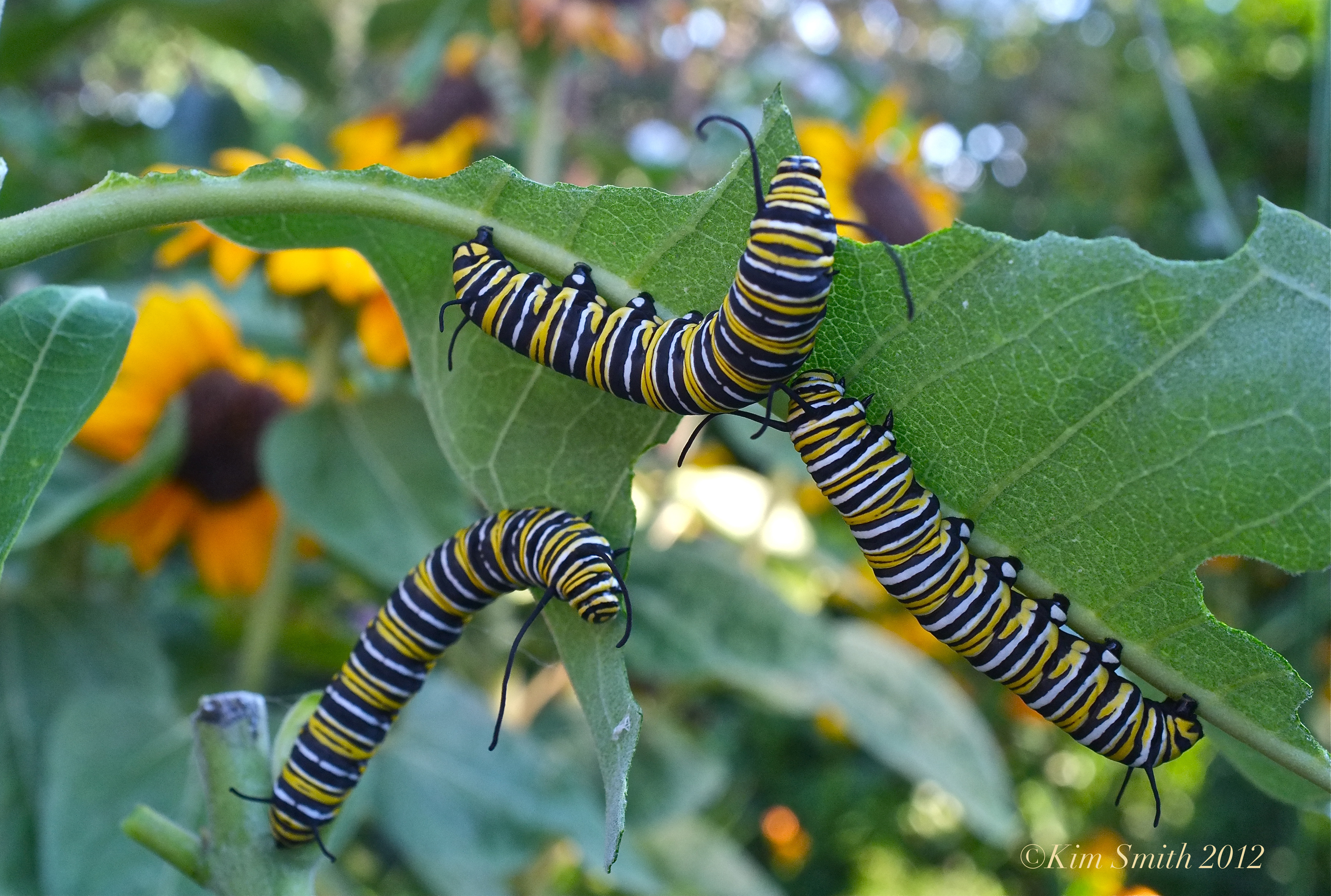
Monarch Caterpillars Eating Common Milkweed ©Kim Smith 2012JPGMonarch Caterpillars Munching on Milkweed

Ordering information:

Please note that the milkweed seeds are available in two different species and two different quantities. Please place your order amounts in the comment section of this post as follows:

Your Name, Your Email Address (optional), and Seed Type and Quantity.

For Example:

Pippi Longstocking, villavillkula@gmail.com

1 Packet Common Milkweed  3.50

1 oz.  Marsh Milkweed 15.00

2 Packets Pink New England Aster @ 3.50 ea. =  7.00

My order total: $25.50

We are not collecting money ahead of time for the seeds. The orders are placed entirely by the honor system. Last year we did not have a single stiff and I will accept cash or check at the time of pick up. Seed pick up and information day will be Sunday, May 18th, from 9:30 to noon, at Captain Joe and Sons.

The packets of milkweed seeds (200-300 seeds) are perfect for a relatively smallish patch.

The larger ounce quantity is ideal for planting larger areas. On average, plan on 50 seeds per square foot. If your patch is 10 feet x 10 feet, that equals 100 square feet, and would require approximately 5,000 seeds.

Additionally, we are also offering pink and purple New England Aster seeds. I’ve never grown New England asters from seed, but have read that they are relatively easy to start (although slow to germinate). New England Asters make a beautiful border and will not only offer sustenance to southward migrating Monarchs, but in late summer also provide nectar for myriad species of bees and butterflies.

SEEDS

Common Milkweed (Asclepias syriaca

Seed Packet (300 seeds) 3.50

1 ounce (4900 seeds)  12.00


 Marsh Milkweed (Asclepias incarnata)

Seed packet (200 seeds)  3.50

1 oz. (5,200 seeds) 15.00


Pink New England Aster (Aster novae-angliae variation)

Seed Packet  (1000 seeds) 3.50


Purple New England Aster (Aster novae angliae)

Seed Packet (1750seeds) 3.50

*    *    *

Why is it so important to plant milkweed for the Monarchs? Milkweed is the only food plant of the Monarch Butterfly caterpillar. The Monarch Butterfly migration is in serious peril due to loss of habitat in the United States by the use of Monsanto’s genetically modified Roundup Ready corn, soybean, and sorghum crops. Global climate change is also a factor in the diminishing migration. We can all help mitigate some of the destruction by planting milkweed and nectar-rich wildflowers.

Common Milkweed (Asclepias syriaca) is the milkweed we see most typically growing in our dunes, meadows, roadsides, and fields. It grows quickly and spreads vigorously by underground runners. This is a great plant if you have an area of your garden that you want to devote entirely to milkweed. It prefers full sun, will tolerate some shade, and will grow in nearly any type of soil. The flowers are dusty mauve pink and have a wonderful honey-hay sweet scent.

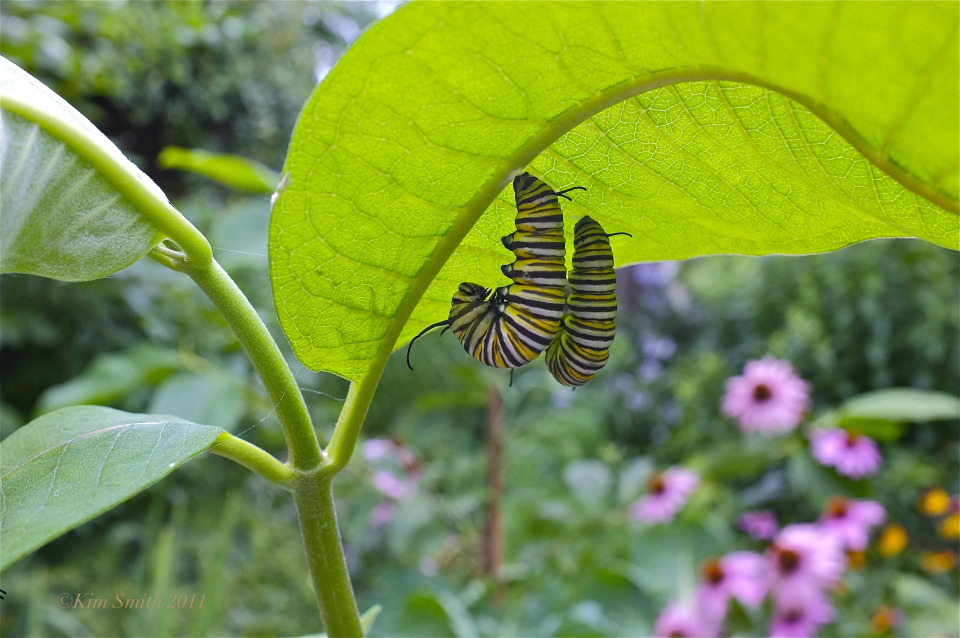
monarch-caterpillars-common-milkweed-c2a9kim-smith-2011Common Milkweed and Monarch Caterpillars J-shape

Marsh Milkweed (Aclepias incarnata) is more commonly found in marshy areas, but grows beautifully in gardens. It does not care for dry conditions. These plants are very well-behaved and are more clump forming, rather than spreading by underground roots. The flowers are typically a brighter pink than Common Milkweed.

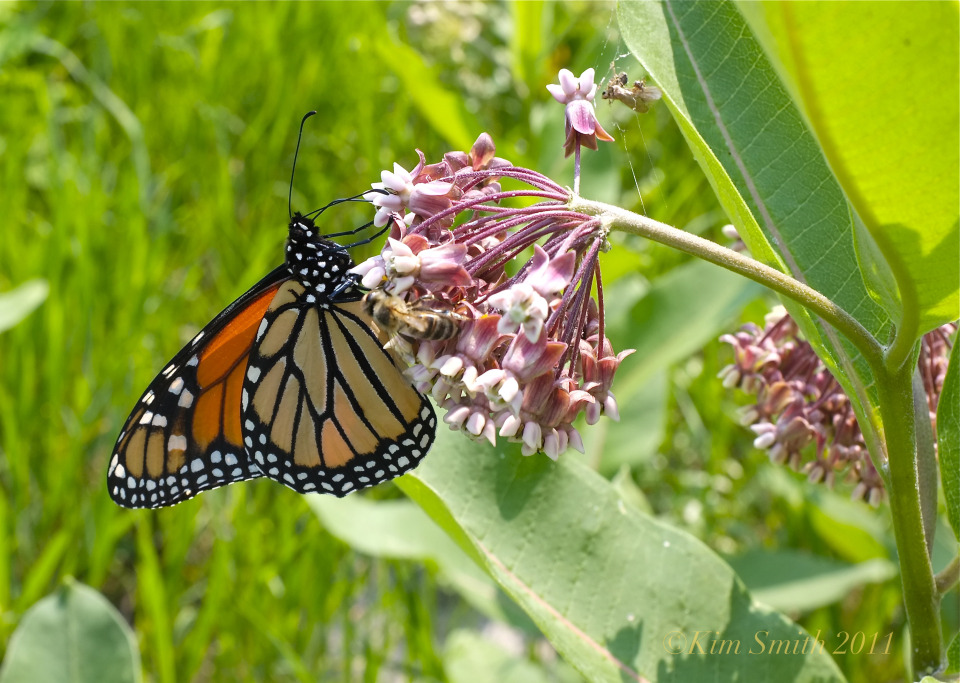
Monarch Butterfly marsh Milkweed ©Kim Smith 2012Marsh Milkweed and Monarch Butterfly

New England Aster (Aster novae-angliae) is a hardy late summer blooming perennial that grows approximately 36 inches to 60 inches. New England asters prefer wet to medium soil, grow well in full sun, and will tolerate part shade. 

New England Aster and Monarch Butterfly ©Kim Smith 2014New England Aster

FRIENDS OF THE HARBOR WALK ~ CLEAN UP POSTPONED UNTIL SUNDAY, APRIL 6, 2014

Due to rain predicted, clean up is postponed until Sunday, April 6th at 10:00am.  Thank you everyone who was and is planning to come. You don’t need to be a gardener to lend a hand and I will have extra pruners and rakes available.

Join us Sunday, April 6th at 10:00am (weather permitting). We are going to be cleaning up the HarborWalk butterfly gardens. Sharpen your pruners and come on down and learn about some of the native beauties planted at the gardens!

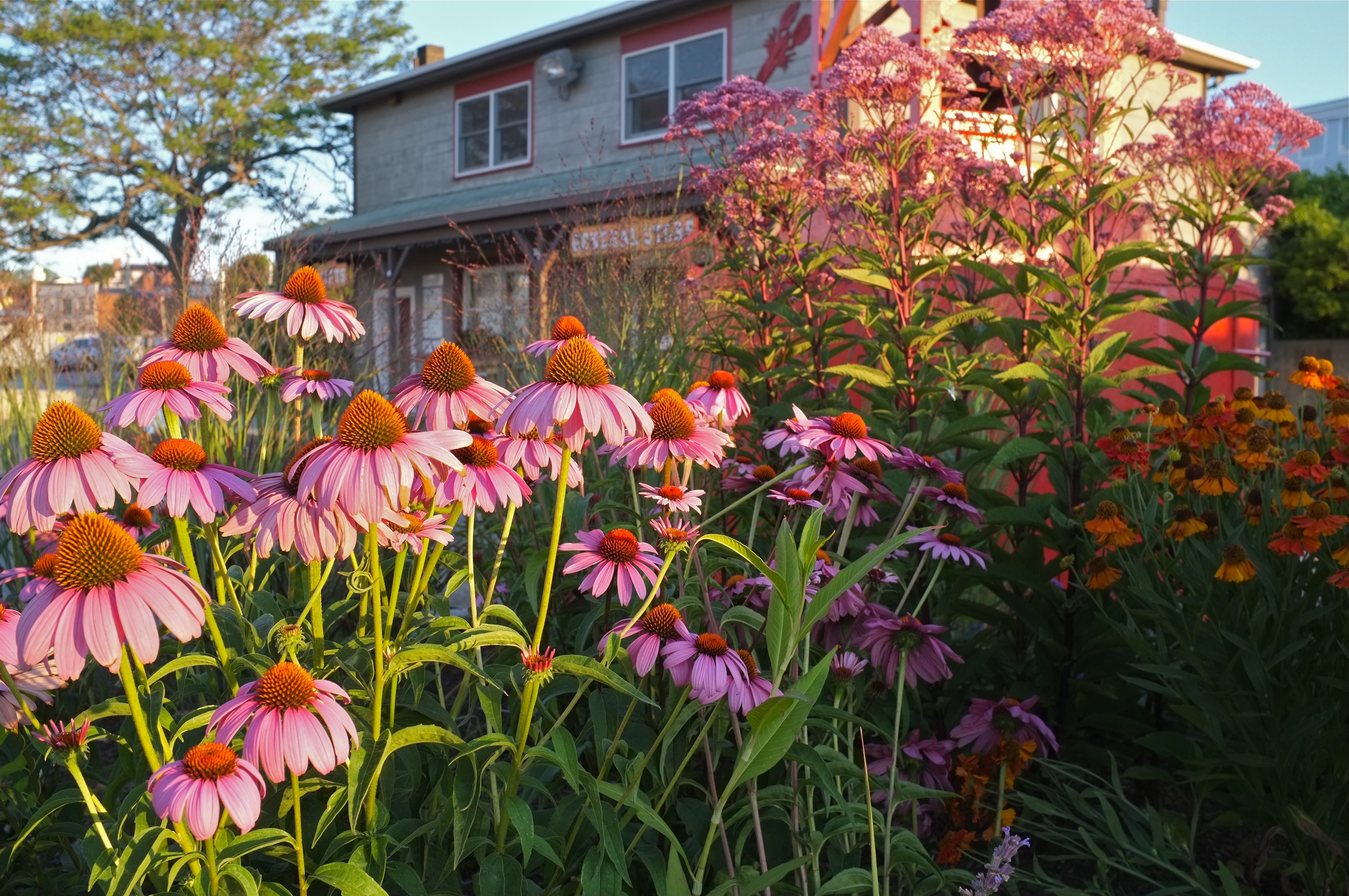
GHW I4-C2 view of general store

Cape Ann Milkweed Project Continues ~ Plant Milkweed Seeds to Save the Monarchs

monarch-butterfly-milkweed-good-harbor-beach-c2a9kim-smith-2011Good Harbor Beach Common Milkweed

Last year was the beginning of our first and wonderfully successful Cape Ann Milkweed Project. Joe generously offered to hold the plant sale at Captain Joe and Sons, which is very conveniently located on East Main Street, and we had a fantastic turnout. This year I am thinking about doing things a little differently. Rather than shipping and handling live small plants, I am planning on purchasing milkweed seeds in bulk. My question is, and this is not the official order form, but just to get a sense of participation, does anyone have an interest in planting milkweed from seed in their gardens, meadows, and/or abandoned areas around our community?

I think I can get good quantities of seed of Marsh Milkweed, Common Milkweed, and Prairie Milkweed. All three are very easy to grow from seed and take about 14 days to germinate. I will provide complete information and tips on growing milkweed from seed.

Please answer in the comment section if you are interested in growing milkweed from seed.

Monarch Butterfly Overwintering Graph Journey North

Why is it so important to plant milkweed for the Monarchs? We’ve written much about that here on GMG. At the end of the post, please find a list of posts previously published on GMG about the importance of milkweed. In a nutshell, milkweed is the only caterpillar food plant of the Monarch butterfly. The Monarch Butterfly migration is in serious peril  One way we can all take action to is to plant milkweed to help mitigate the loss of habitat, partly due to global climate change and primarily due to the use of Monsanto’s GMO Roundup Ready corn, soybean, and sorghum seed along with the massive use of their herbicide Roundup.

Cape Ann Milkweed Project

News Release: MONARCH WATCH ANNOUNCES ‘BRING BACK THE MONARCHS’ CAMPAIGN

How Exactly is Monsanto’s Roundup Ravaging the Monarch Butterfly Population?

Where Are All the Monarchs?

Monarch Butterfly Marsh Milkweed ©Kim Smith 2011

Friends of the HarborWalk Call for Volunteers Sunday Morning March 29th Clean Up

Please join us Sunday morning at 10:00am (weather permitting). We are going to be cleaning up the HarborWalk butterfly gardens. Sharpen your pruners and come on down and learn about some of the native beauties planted at the gardens!

Gloucester Harbor Walk Gus Foote-2