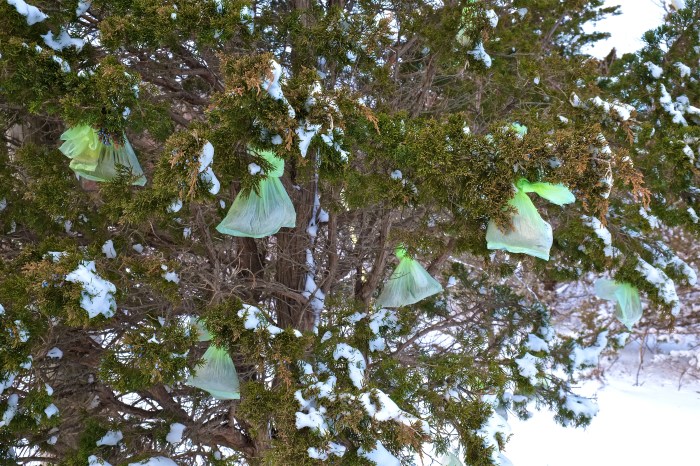
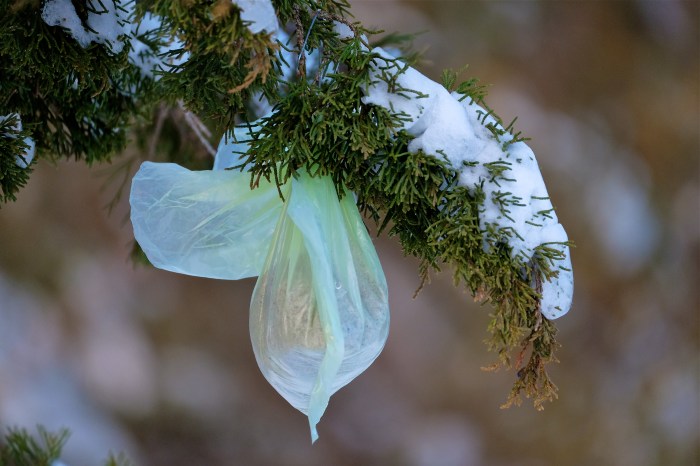
Does anyone have a clue as to why a tree over in West Gloucester at Greenbelt’s Wingaersheek Headlands has multiple bags of (what looks like) dog pooh and sand dangling from its branches? Just curious.
My View of Life on the Dock
Does anyone have a clue as to why a tree over in West Gloucester at Greenbelt’s Wingaersheek Headlands has multiple bags of (what looks like) dog pooh and sand dangling from its branches? Just curious.

 Year of the Bird
The year 2018 marks the 100th anniversary of the signing of the Migratory Bird Treaty Act, passed in 1918. The treaty is a seminal piece of legislation that has saved, and continues to save, the life of billions upon billions of North American birds. Cornell Lab of Ornithology, National Geographic, Audubon, and BirdLife have created a timely alliance, joining forces this year to celebrate birds, while also raising awareness about the current dangers that they face.
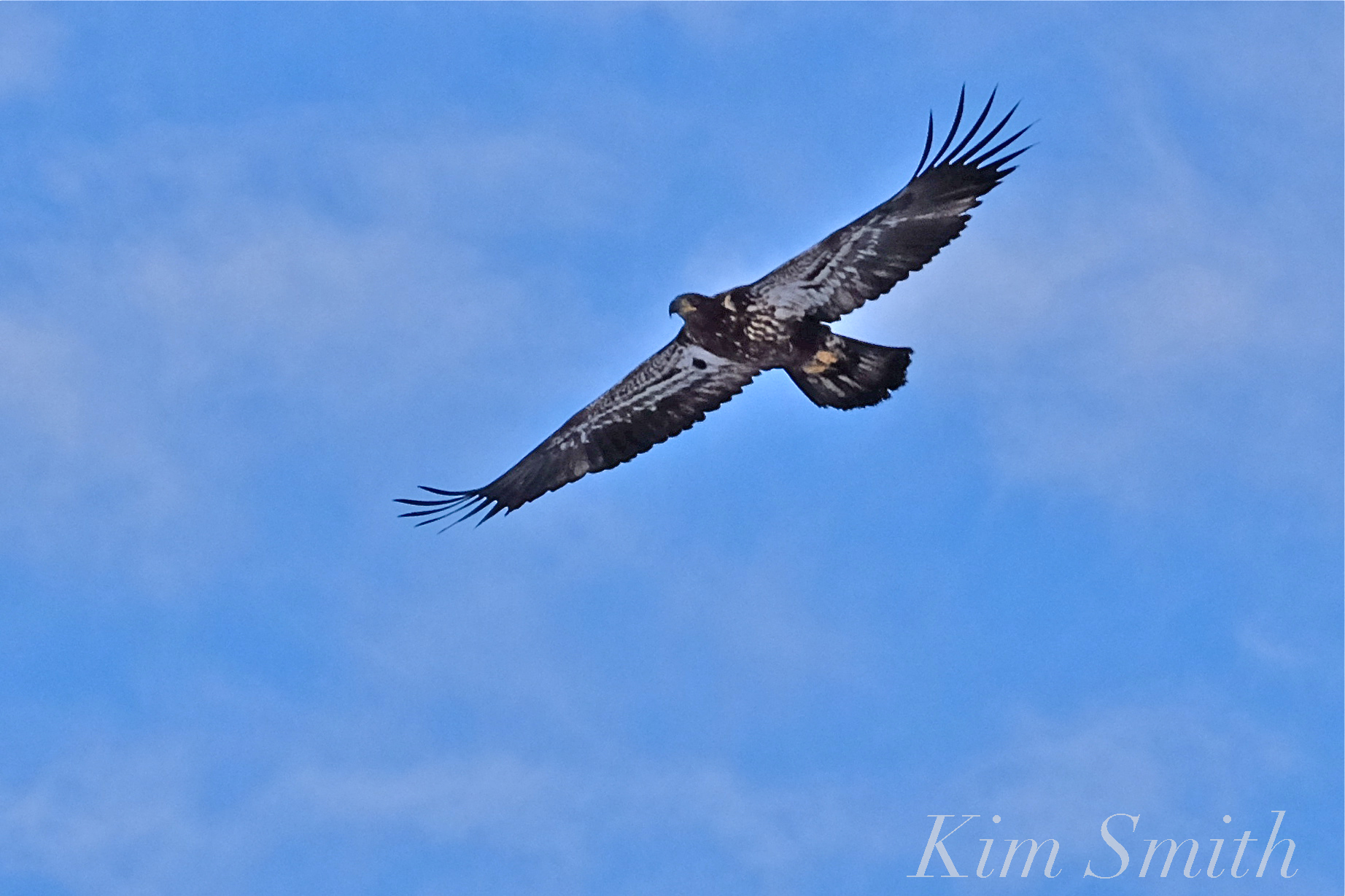
I have been thinking a great deal about the Year of the Bird while out photographing and today on an early morning dune walk, a juvenile Bald Eagle flew overhead, soaring high, high up in the clouds. It was a first for me, to see a Bald Eagle, and it was simply thrilling. Bald Eagles have been helped tremendously by the stewardship allowed for under the Migratory Bird Treaty Act, the Bald Eagle Protection Act, and the banning of DDT.
Bald Eagles (Haliaeetus leucocephalus) are one of eight species in the genus Haliaeetus, or “sea” eagles. They are the largest birds of prey in Massachusetts, with a wing span of six to seven feet. Bald Eagles were extirpated (made non-existent) from Massachusetts during the early 1900s. From 1982 to 1988, forty-one young Bald Eagles from Michigan and Canada were relocated to Quabbin Reservoir in Massachusetts. Eagle numbers have increased steadily since that time. In 2015 (most recent record), the highest number ever recorded, at least 51 pairs, of Bald Eagles maintained breeding territories in Massachusetts.
Why are birds so important? I can think of myriad reasons–practical, aesthetic, and personal. Practically speaking, birds are like the earth’s housekeepers. They annually eat trillions of insects and pick clean carcasses of millions of dead animals. Many species of birds are pollinators–think of hummingbirds sipping nectar from zinnias and Baltimore Orioles drinking nectar from flowering fruit trees along their northward migratory route. Birds, too, are the proverbial canary in the coal mine. The presence and abundance of birds (or lack thereof) speaks to the health of our environment.
BIRDS ARE BEAUTIFUL! They connect us to the natural world that surrounds, and everyone can enjoy their beauty. We don’t all have access to daily bear watching, elephant safaris, or whaling adventures, but everyone can look out their window or go for a hike and see a beautiful bird. Evolved from dinosaurs, but bellwethers for the future, protecting birds and their habitats ensures a healthy planet for future generations.
The law has already saved billions of birds’ lives. Here’s how it’s accomplished so much in its 100-year history.
Passed a century ago, the Migratory Bird Treaty Act prohibits the harming of just about all native birds, along with their nests and eggs. To this day it remains the primary tool for protecting non-endangered species. As threats to birds continue to evolve, so does the law itself.
Here’s a look back at some of the key moments in the law’s evolution to date.
1800s: With essentially zero regulations in place, market hunters decimate U.S. bird populations, in part so that well-to-do women can wear hats adorned with ornamental feathers. By the end of the century, Labrador Ducks and Great Auks are extinct, soon to be joined by Passenger Pigeons, Carolina Parakeets, and Heath Hens. Numerous other species stand on the brink. Outrage over these alarming trends leads to the formation of the first Audubon societies, as well as other conservation groups.
1900: Congress passes the Lacey Act, the first federal law to protect wildlife. It takes aim at market hunters by prohibiting them from selling poached game across state lines.
1913: Congress passes the Weeks-McLean Migratory Bird Act, which, in another broadside against market hunters, bans the spring shooting of migratory game and insectivorous birds and declares them to be under the “custody and protection” of the federal government. However, two district courts soon rule the act unconstitutional.
1916: The United States signs a treaty with Great Britain (acting on behalf of Canada, then part of the British Empire), in which the two countries agree to stop all hunting of insectivorous birds and to establish specific hunting seasons for game birds. The stated goal is to preserve those species considered beneficial or harmless to man.
1918: To implement the new treaty, Congress passes the Migratory Bird Treaty Act, which officially makes it a crime to “pursue, hunt, take, capture, kill,” or “sell” a migratory bird or any of its parts, including nests, eggs, and feathers. The newly passed act eliminates “the necessity of watching the legislation of every state and of combating the numberless attempts to legalize the destruction of birds for private gain,” according to famed ornithologist Frank M. Chapman (also the founder of Audubon magazine).
1920: The U.S. Supreme Court shoots down a challenge to the constitutionality of the Migratory Bird Treaty Act, ruling that it does not violate states’ rights.
1936: Following up on its treaty with Great Britain, the United States signs a similar treaty with Mexico (it would go on to sign additional treaties with Japan and the Soviet Union in the 1970s). As a result, more birds are protected under the Migratory Bird Treaty Act, and habitat conservation and pollution abatement is encouraged.
1940: Congress passes the Bald Eagle Protection Act, the first federal legislation to ban hunting or otherwise disturbing America’s national emblem (it would later be amended to include Golden Eagles). Modeled after the MBTA, it nonetheless fails to stem the Bald Eagle’s decline at the hands of DDT poisoning.
1970s: For the first time, U.S. prosecutors begin charging not just hunters who violate the MBTA, but also oil and gas, timber, mining, chemical, and electricity companies. Though not directly targeting wildlife, these industries incidentally cause millions of bird deaths each year that could have been avoided with simple infrastructure modifications, according to the U.S. Department of Justice. In publicly available documents, the DOJ states that it will first notify companies of a violation and work with them to correct it. But if they “ignore, deny, or refuse to comply” with best management practices, then the “matter may be referred for prosecution.”
1972: An amendment to the MBTA protects an additional 32 families of birds, including eagles, hawks, owls, and corvids (crows, jays, and magpies). Even more species have been added since, bringing the total number to 1,026—almost every native species in the United States. With such additions, the word “‘migratory” in the act’s title becomes largely symbolic—many birds that do not embark on actual migrations are still protected.
2000: A federal appeals court holds that private citizens (such as conservation groups) may sue the government over alleged violations of the Migratory Bird Treaty Act. Nonetheless, they remain unable to sue out-of-compliance private companies, which differs in that regard from the Endangered Species Act and many other environmental laws.
2001: Just before leaving office, President Bill Clinton orders all relevant federal agencies, including the Department of Defense and the U.S. Forest Service, to take migratory bird conservation into account as part of their regular decision making.
2002: A federal district court rules that the U.S. Navy violated the MBTA during live-fire exercises in the northern Marianas Islands. Congress responds by exempting the incidental taking of birds during “military readiness activities.”
2013: In a first, the Department of Justice enforces the MBTA against a wind farm operator, imposing $1 million in penalties for the killing of Golden Eagles and other protected birds at two sites in Wyoming. It follows this up a year later with $2.5 million in penalties against a second Wyoming wind farm operator. Actual enforcement of the MBTA against these problems tends to be sporadic.
2015: The U.S. Fish and Wildlife Service announces that it will rethink the MBTA’s implemention to hold industries more accountable for the harm they do to birds. Specifically, the changes will address bird deaths due to open oil pits, power lines, gas flares, cell phone towers, and wind turbines—which combined kill millions of birds each year.
2017: The Trump Administration does away with the USFWS’s potential rulemaking updates. Also in 2017, Rep. Liz Cheney (R-WY) introduced an amendment to the SECURE American Energy Act that would change liability under the Migratory Bird Treaty Act (MBTA) to no longer cover incidental takes. This would prevent any enforcement of industrial impacts, end accountability from oil spills, and removed incentives to protect birds, all of which Audubon opposes.
“Rep. Cheney is giving oil and gas companies and other industries a free pass to kill birds with impunity,” said David Yarnold, Audubon’s President and CEO, in an official statement.
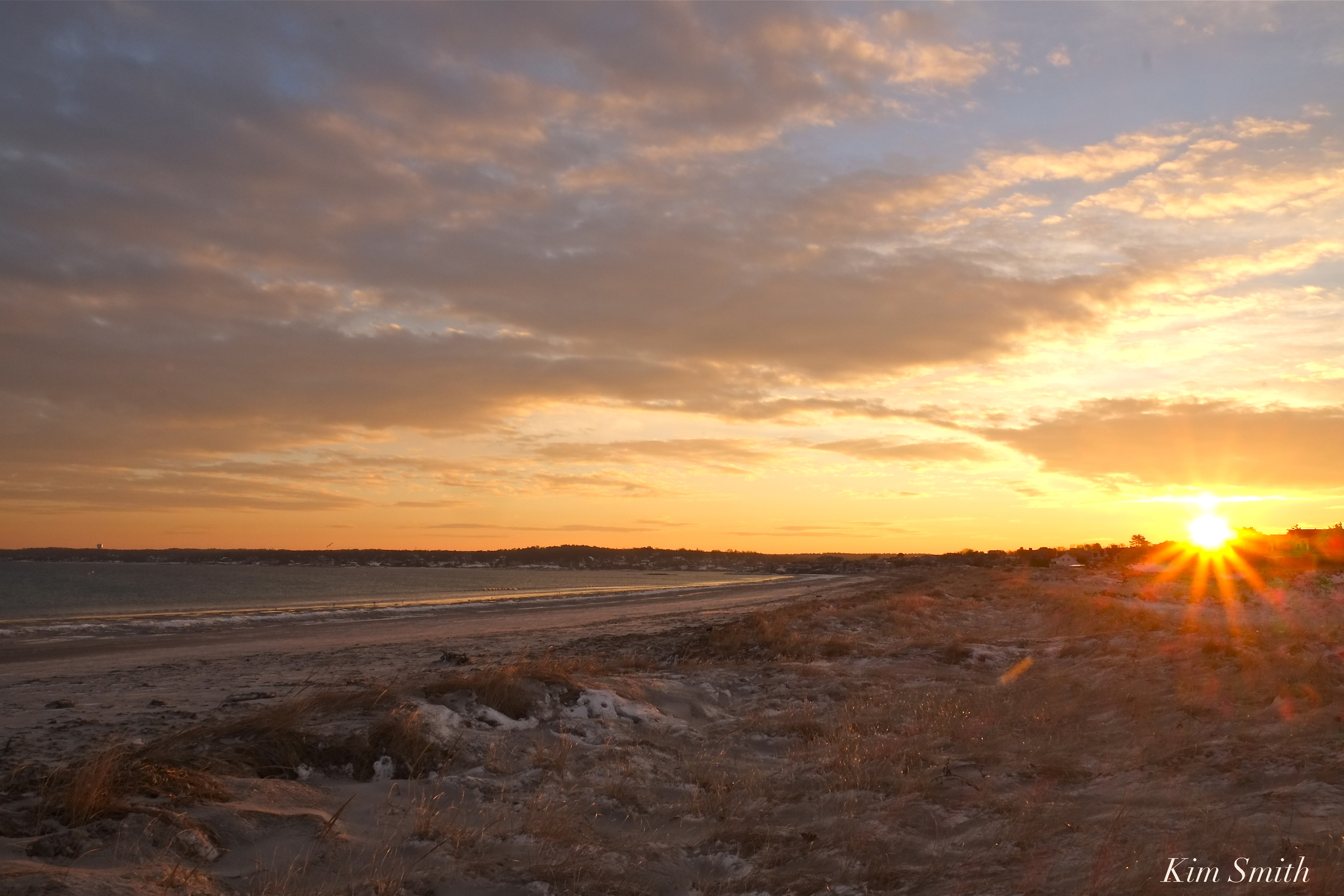 Dune sunrise this morning

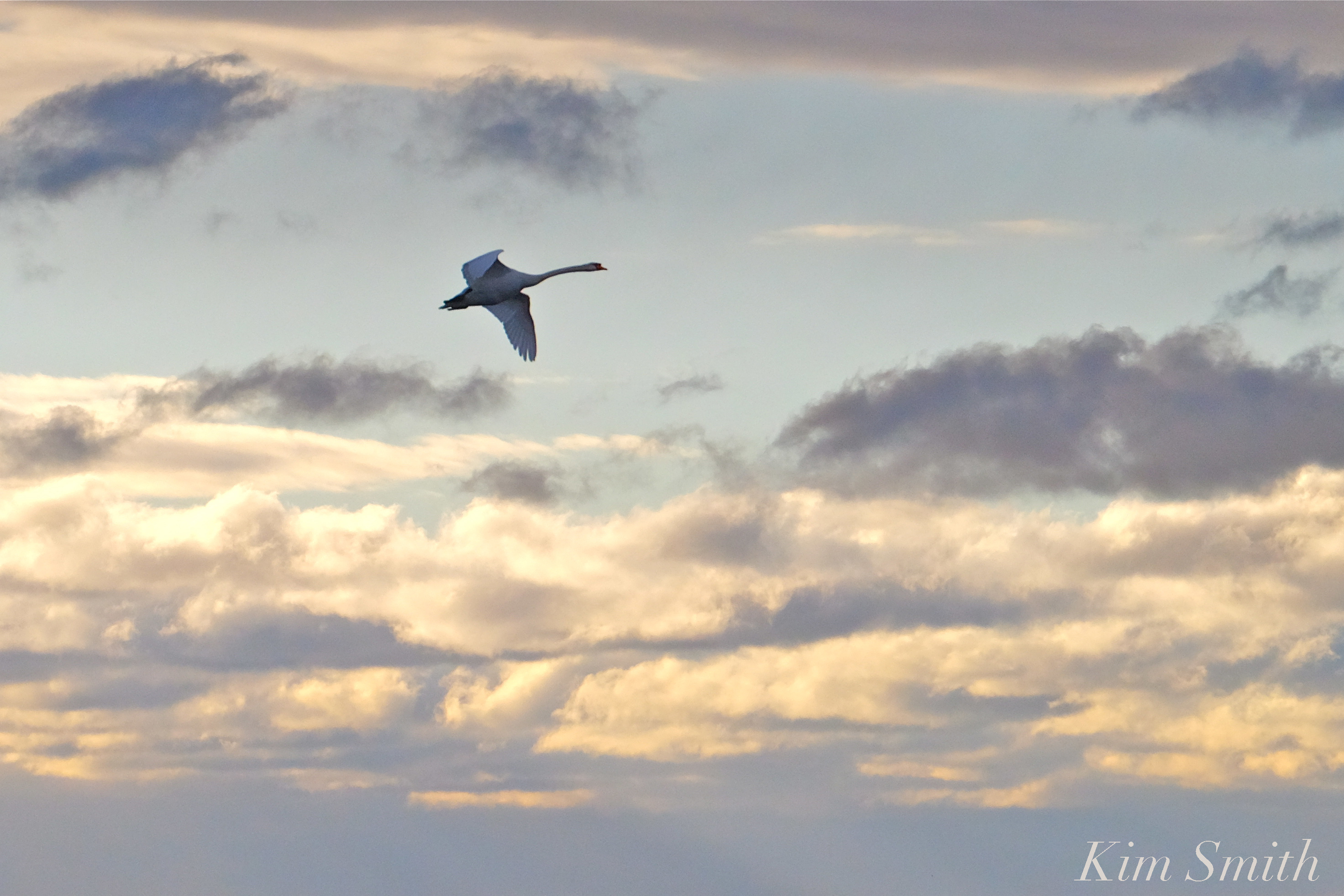 Mr. Swan heading to Rockport Harbor for the winter.
Cape Ann Swan Update: Our little rescue swan, which Lyn has been valiantly and lovingly taking care of in her new winter quarters fit for a princess swan, is doing beautifully. Mr. Swan’s winter headquarters when the freshwater ponds are in a deep freeze is mostly Rockport Harbor to Front Beach and Lois reports he is doing fabulously as well, too!
Mute Swans in our region need our help to survive the winter. There simply isn’t enough wild food available, especially in a brutally cold winter such as the one we are currently experiencing, with freshwater ponds frozen solid. The very best thing to feed swans is whole corn and cracked corn. You can try greens such as washed and undressed romaine lettuce, spinach, and kale, but they will mostly go for the carbohydrate rich corn. What is the worse and most deadly food to feed swans, causing long term health problems? You guessed it–junk food and white bread. Please don’t give our local birds and wildlife human junk food, it’s a killer! This includes but not limited to chips, cheetos, crackers, and stale bread.
Be safe when feeding swans and don’t get too close.
We purchase our corn in bulk from the Essex Bird and Pet Shop, located at 121 Essex Avenue. In a pinch, Stop and Shop also carries small bags of cracked corn.
Two tips from Mr. Swan’s caretakers: 1) When feeding swans, feed at the water’s edge. Swans like to swallow water while they are eating. 2) Mr. Swan usually has a bevy of quwackers in tow and they so vigorously try to eat the corn, and there are so many of them, there oftentimes isn’t enough food for Mr. Swan. Mr. Swan’s caretakers will throw a scoop of food in one direction to distract the ducks and at the same time toss some down directly in front of Mr. Swan. This distraction technique works for a bit of time before needing to be repeated.
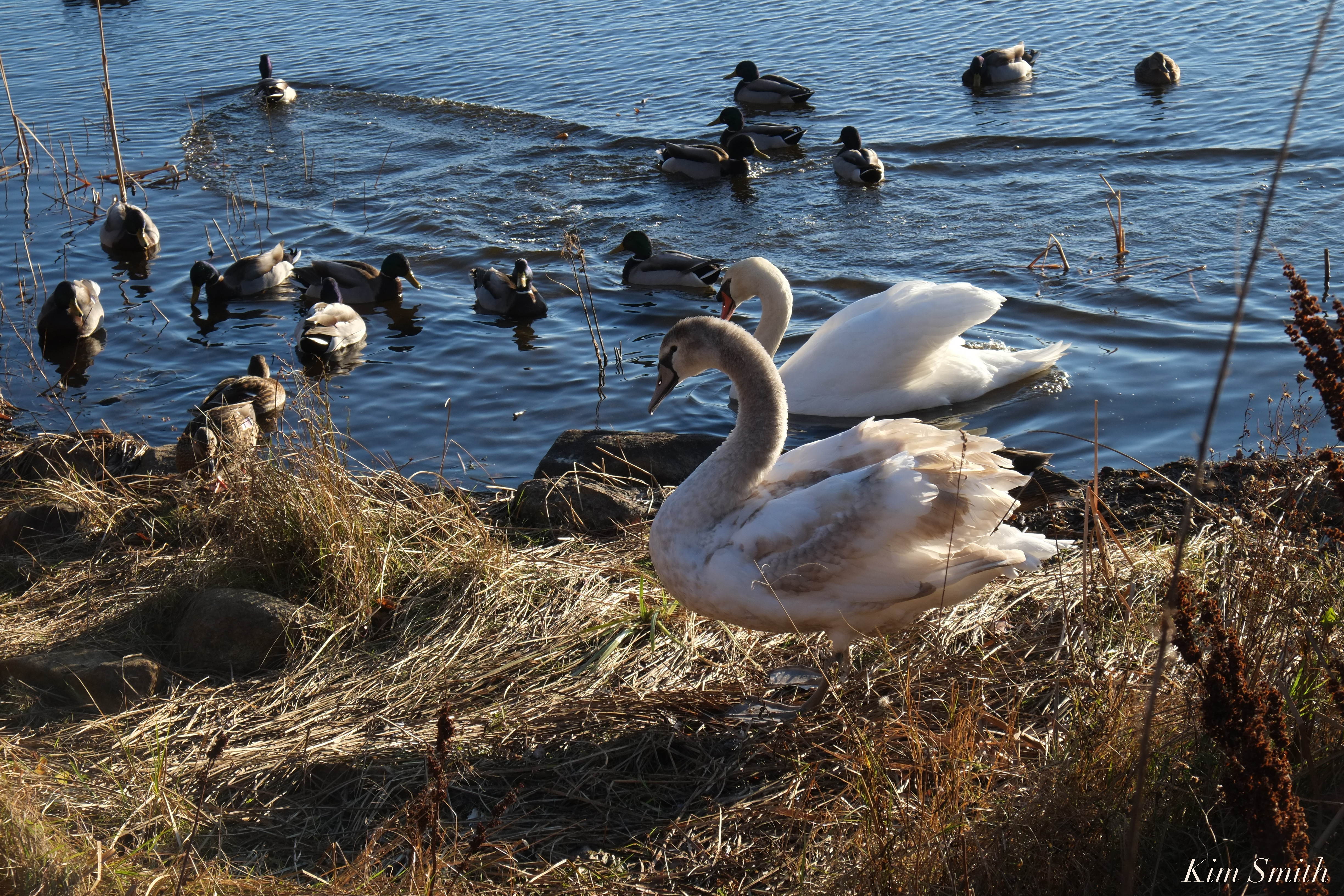 Mr. Swan and the Young Swan were just beginning to warm to each other when the pond froze up.

 Dear Friends,


 Volunteers urgently needed for this weekend’s
Our Martin Luther King Jr. Day of Service is fast approaching and we are calling on you to help us catch a ton of tuna for The Open Door Food Pantry.
On Saturday, Jan. 13, we will be at Market Basket at Gloucester Crossing from 9 a.m. to 3 p.m. handing out flyers to patrons and collecting food. Then, we will deliver our “catch” to The Open Door.
We need six people on each shift at Market Basket. The shifts that still need to be filled out are from 9 to 11 a.m. and 11 a.m. to 1 p.m. If you are able to help at those times, please email Bernadette Merenda at vitablue@comcast.net or call 978-852-7165 to sign up for a shift.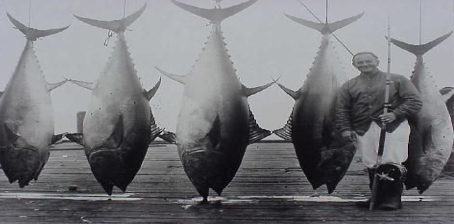

Another batch of beautiful ice crystal photos from Len Burgess. I love them all, but think the top one is extra magical.


Last night we had dinner at the fabulous Franklin and were delighted at how beautiful (and lively) was Main Street. The restaurants were bustling, the roads relatively easy to travel, and parking was without problem. Don’t be reluctant to venture out and dine at any one of your favorite Main Street Gloucester restaurants on these bitterly cold nights, you won’t be disappointed!
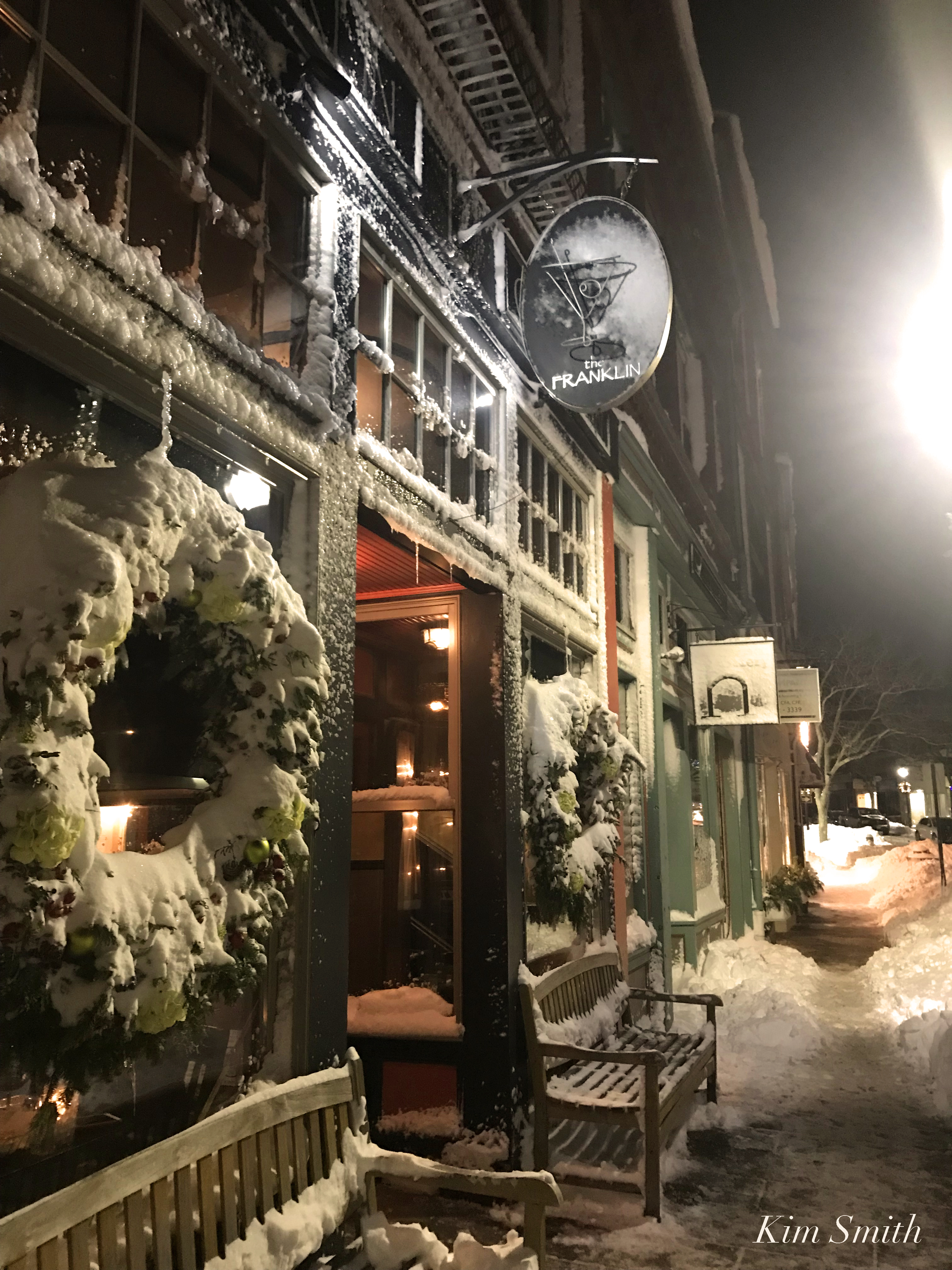
Main Street looks beautiful at night in the snow, straight out of a scene from a Charles Dickens novel.
Tom and I love having diner at the bar at the Franklin. Grace, all the crew, and the waitstaff are always so welcoming, and Stefano D’Amico is one of our very favorite bartenders around town.
Stefano not only works at the Franklin Cape Ann, he also does commercial and residential duct and vent cleaning. You can reach him at 978-281-3398 or 978-479-4231.
Usually I have the Franklin’s wonderfully flavorful marinated and grilled calamari for dinner–but panko crusted sea scallops were one of the specials last night–I tried it and you must, too. I don’t think I’ve ever had scallops cooked as perfectly!
 When you go to the Franklin you MUST try their desserts–I can’t go there without having the orange crème caramel. You will love it, I promise. ❤
The Franklin Cape Ann is located at 118 Main Street and opens daily at 5:00pm. Sunday through Thursday dinner is served until 10:30; on Friday and Saturday evenings until 11:30.

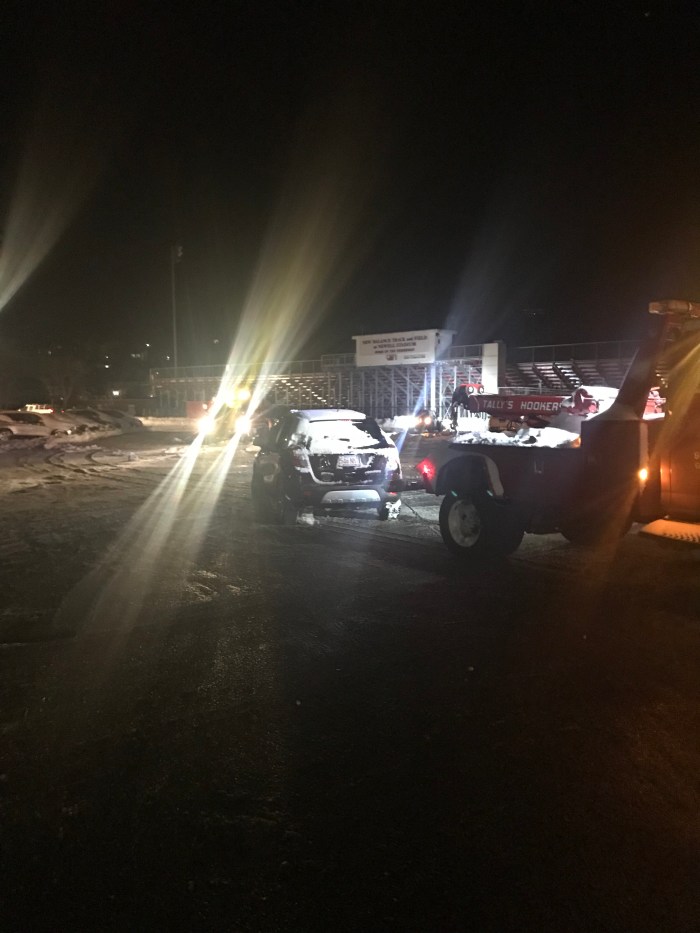
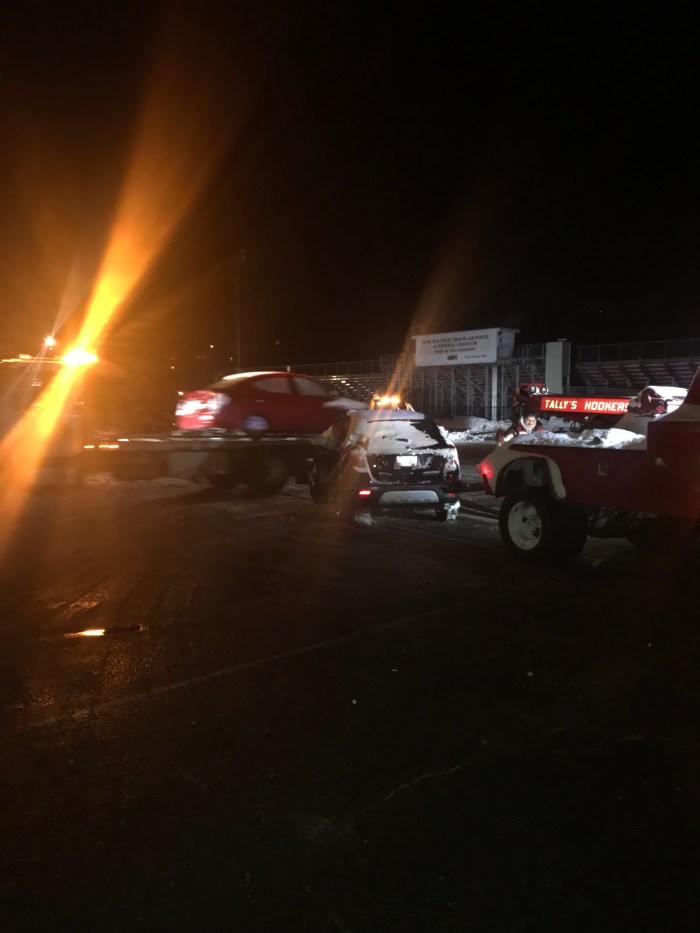
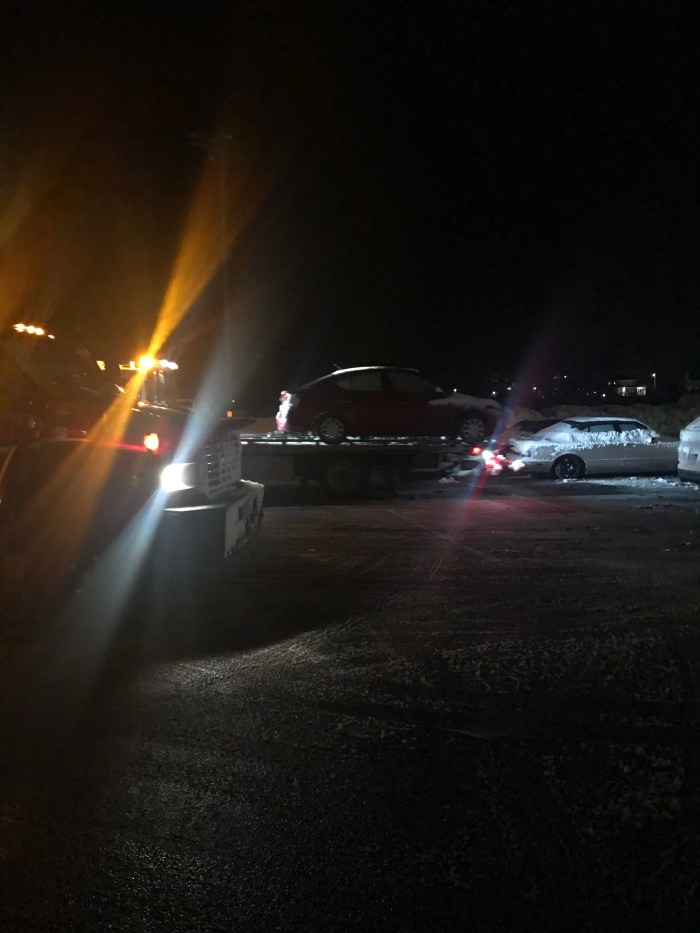
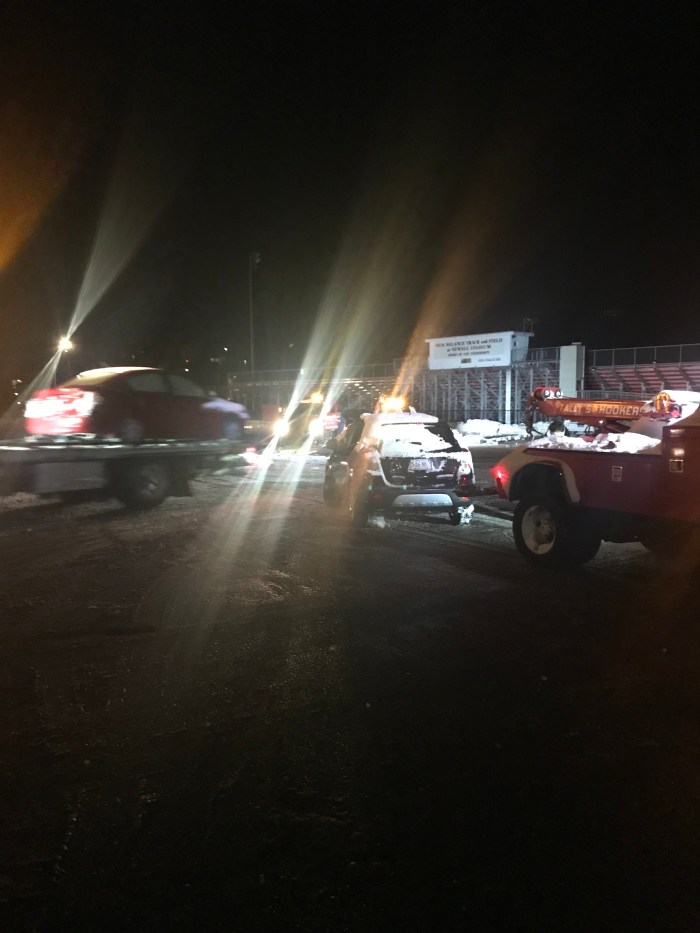
Underway last night was a massive towing operation with at least half dozen Tally’s hookers moving the frozen cars off site. Curious as to where the cars were being towed, we followed one truck to the Blackburn Industrial Park, to a lot a few doors down from, and on the same side of the street as, the old Cape Ann Medical Center.
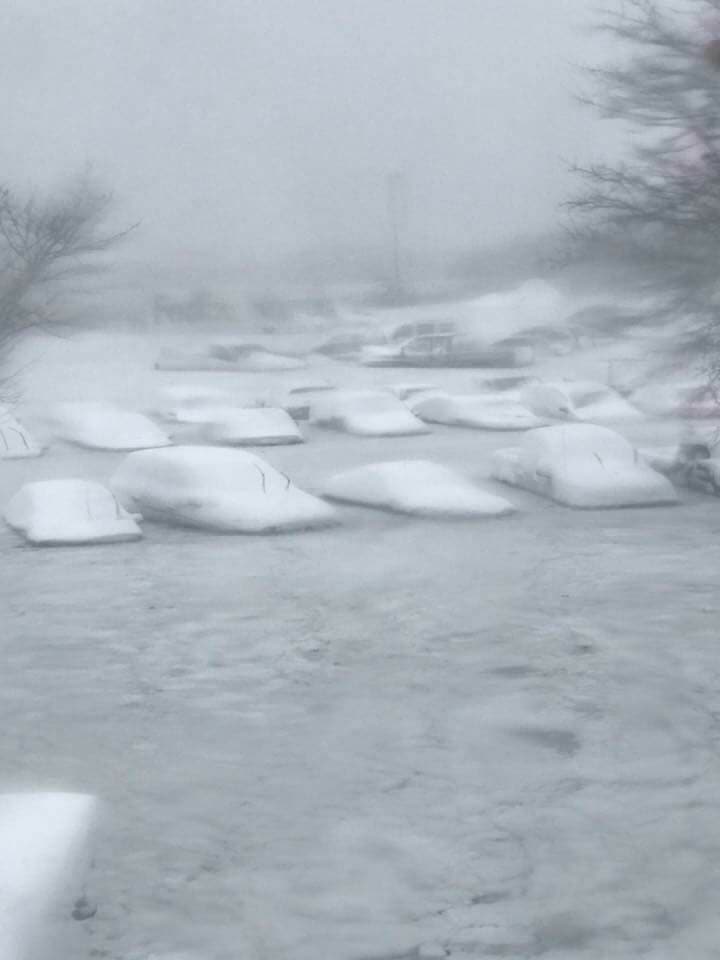 Cars were immersed in seawater during the flooding that took place during the Bombcyclone weather event. I hope so much the cars were not destroyed and can be restored. David Rasa photo of the flooded cars at the Gloucester High School parking lot.

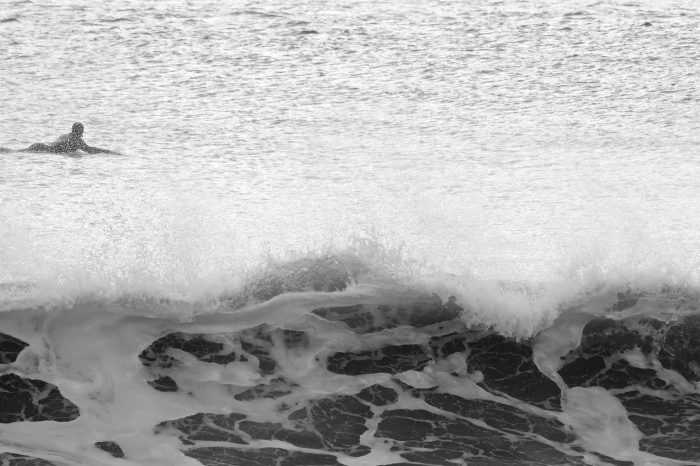
After posting a photo of Schooner Sugar Babe, First Mate Amy of the Schooner Green Dragon asked if we could see how the Green Dragon fared, and yes, she appears to have weathered the storm. Three crazy surfers were at Good Harbor Beach (no margin for error here). The wave action along the backshore was dramatic although they didn’t seem quite as huge as after some recent nor’easters. Temperatures are predicted to drop below zero this weekend. I hope everyone has their power restored and are keeping cozy.


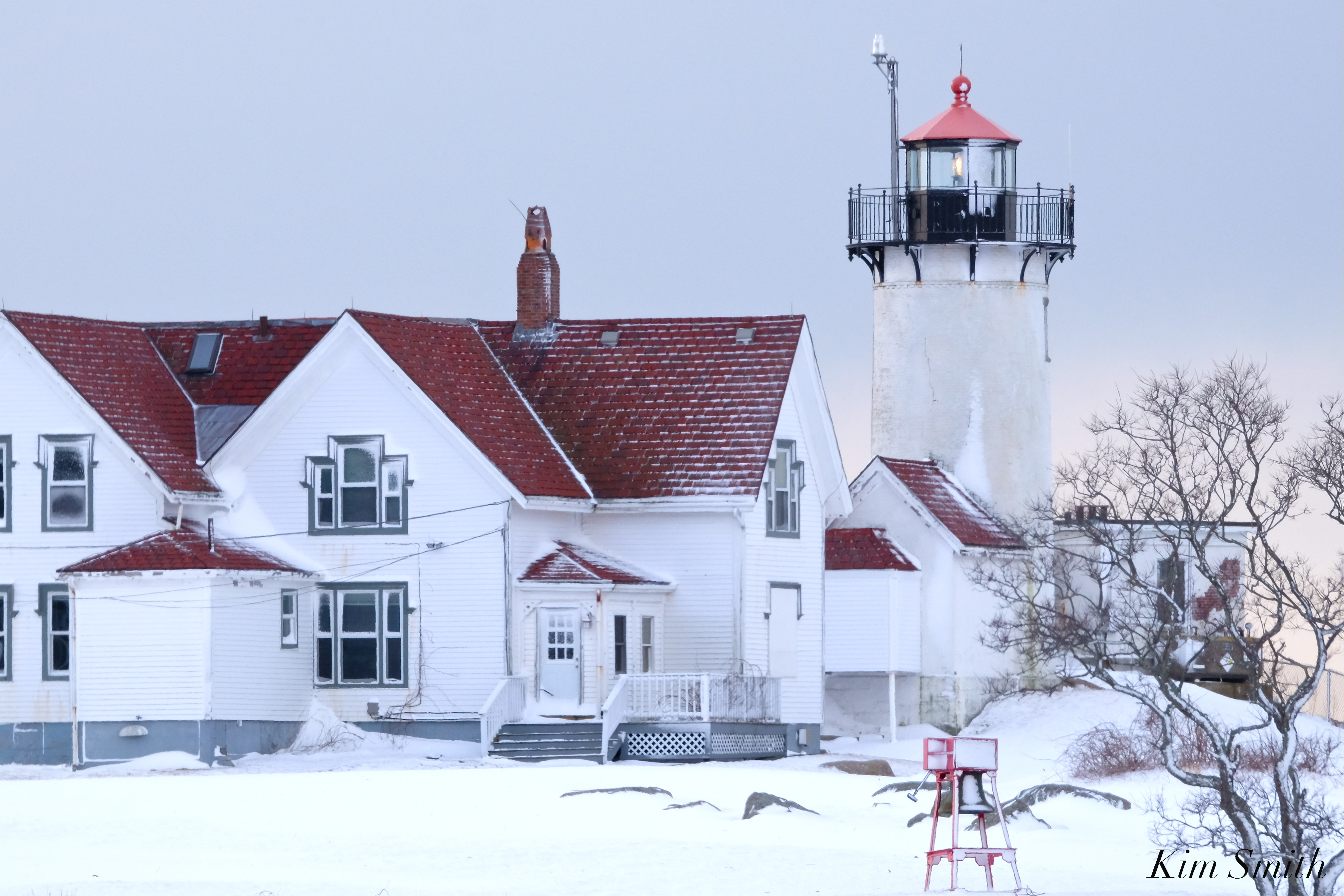 Eastern Point Lighthouse
The water has receded and left in its wake tremendous damage to a number of homes and property. In many cases, from the exterior, it appears as though the record breaking high tide never occurred, but interiors are an entirely different story. Power is being restored around the Cape and if you were one of the lucky ones, as were we, you never lost it.
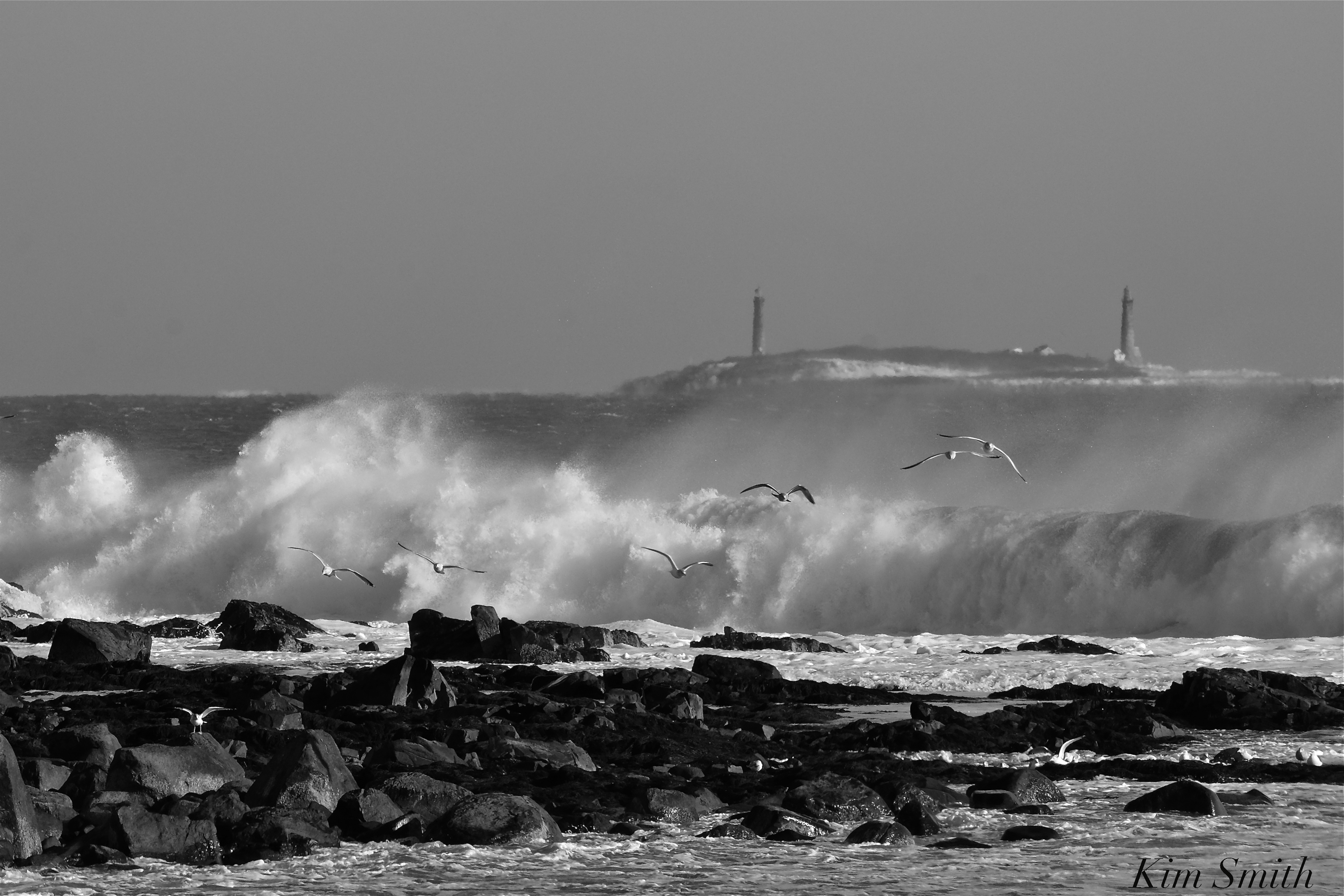 Twin Lights
Things are looking up, with the sun poking out around 10:30, and folks doing their best to dig out, urgently so, with temperatures predicted to drop into the single digits overnight.
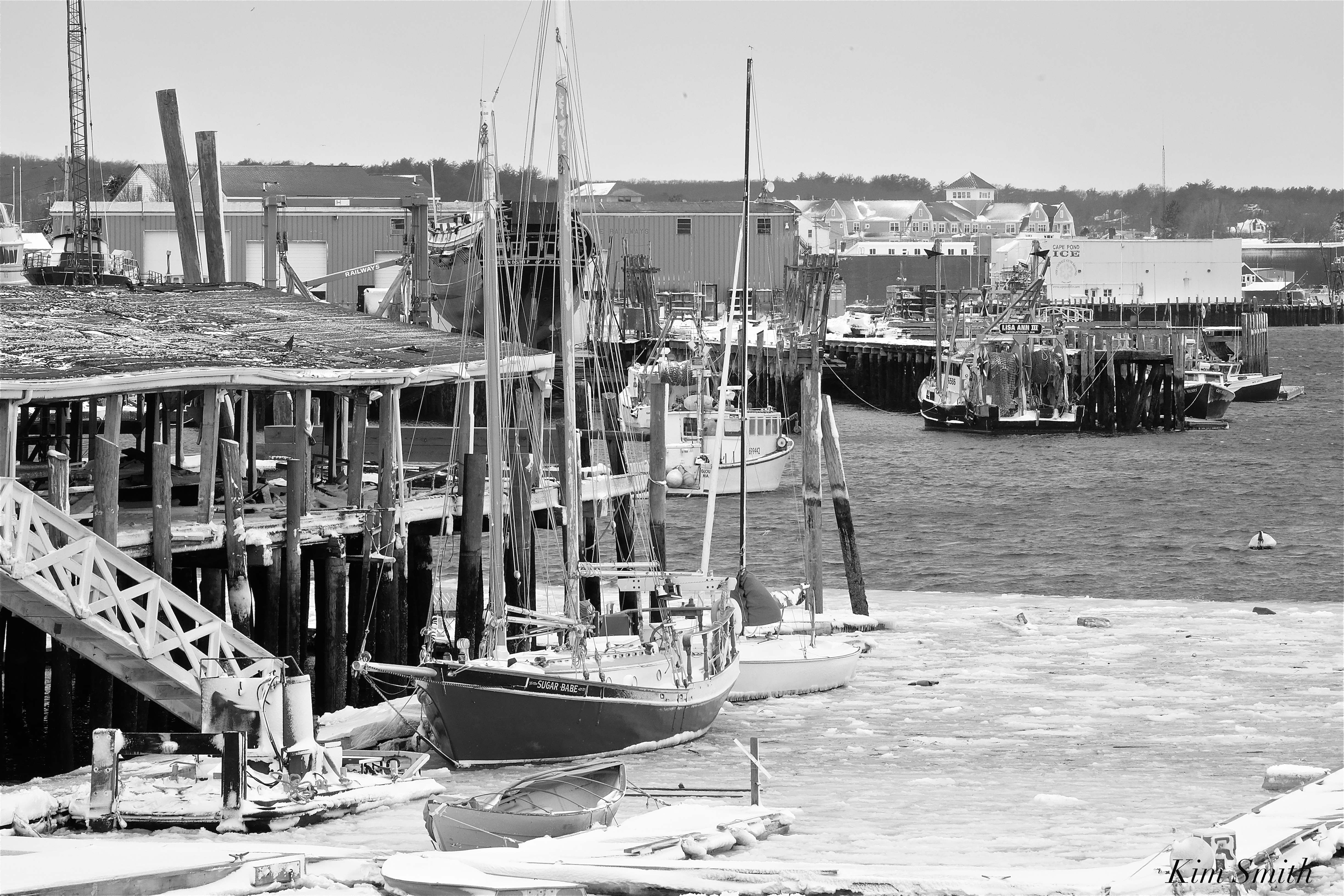 Schooner Sugar Babe appears to be AOKAY
The roads are very driveable! Thanks to incredible efforts by Mayor Sefatia, Representative Ann Margaret Ferrante, State Senator Bruce Tarr, Gloucester’s awesome DPW, policemen, firemen, emergency medical crews, and the Coast Guard for all that they did yesterday to help our community keep safe and all that they continue to do today to recover from the Bomb Cyclone of 2018.
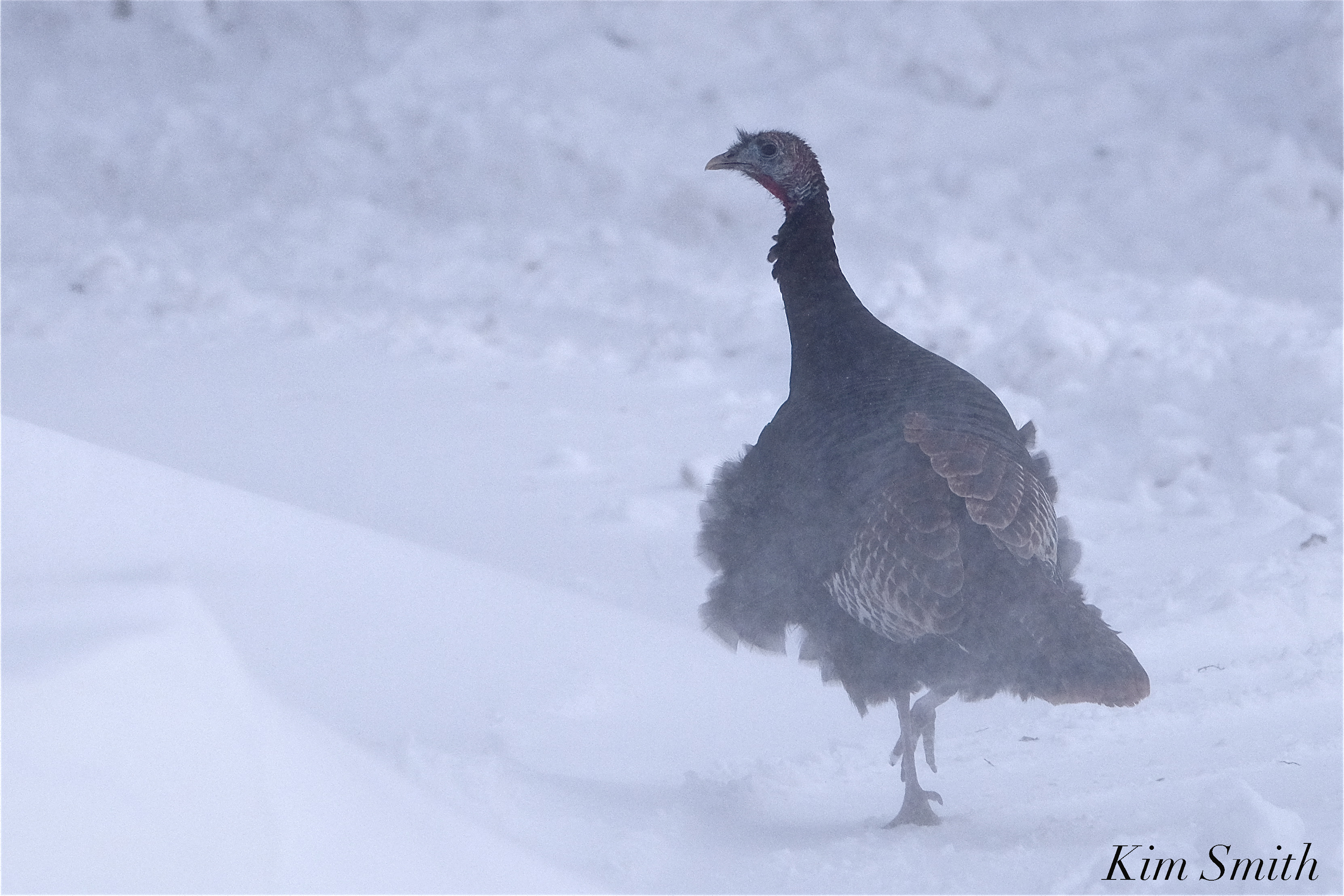 Turkey running down the road and trying to find a place to cross in the drifting snow.
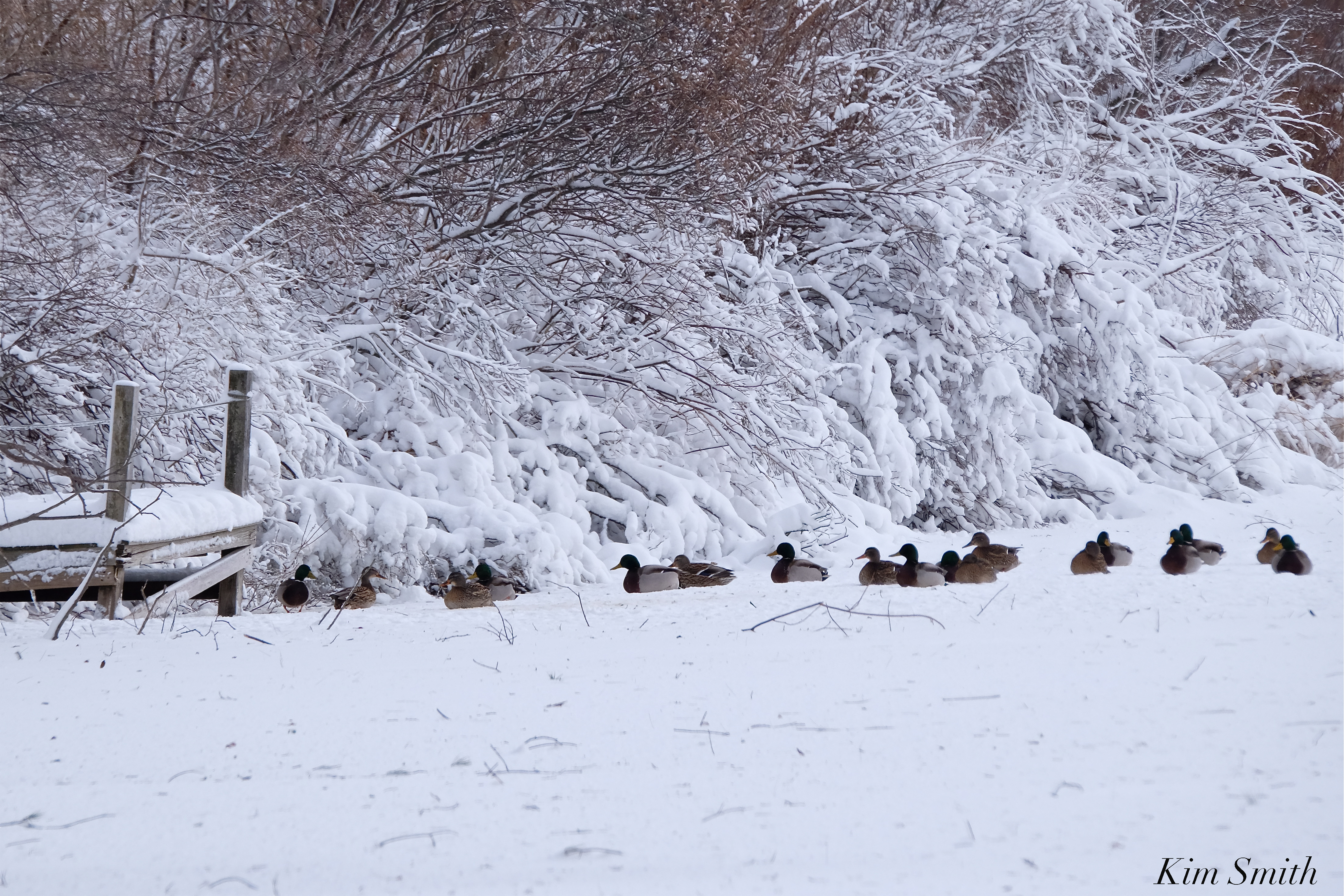 Lined up for breakfast at Niles Pond.
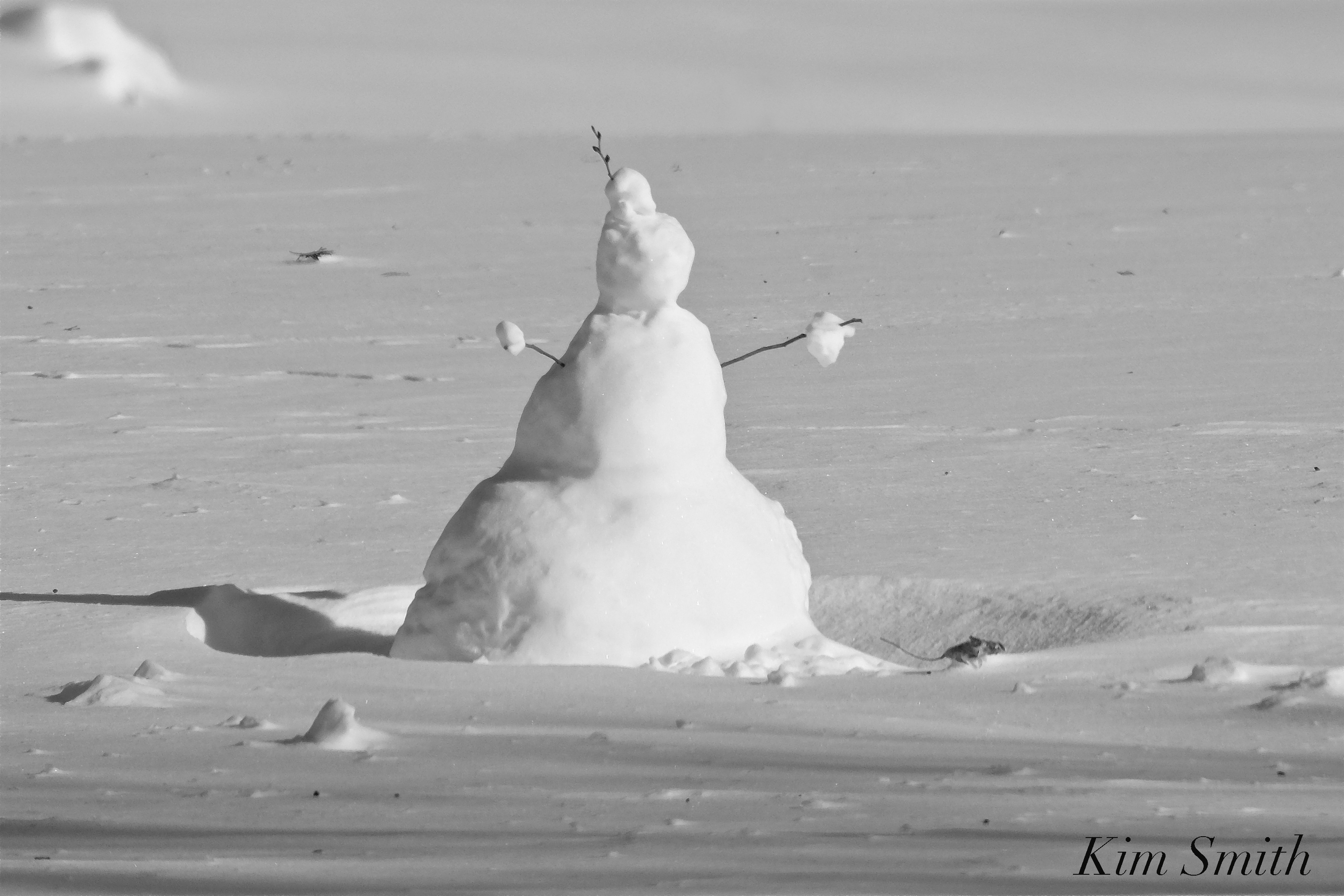 Tiniest Snowman at Bass Rocks.
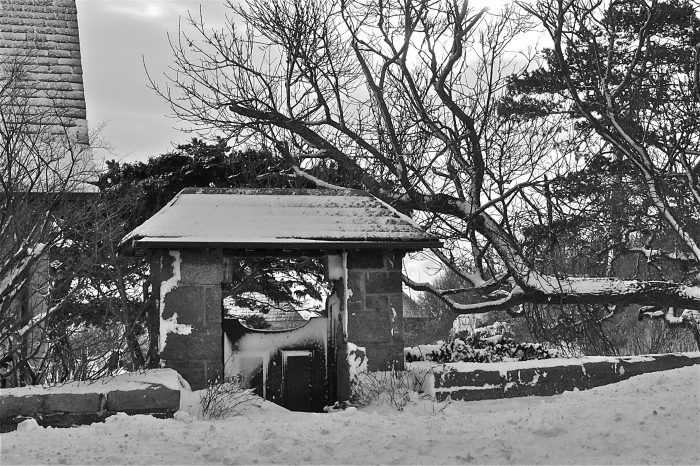
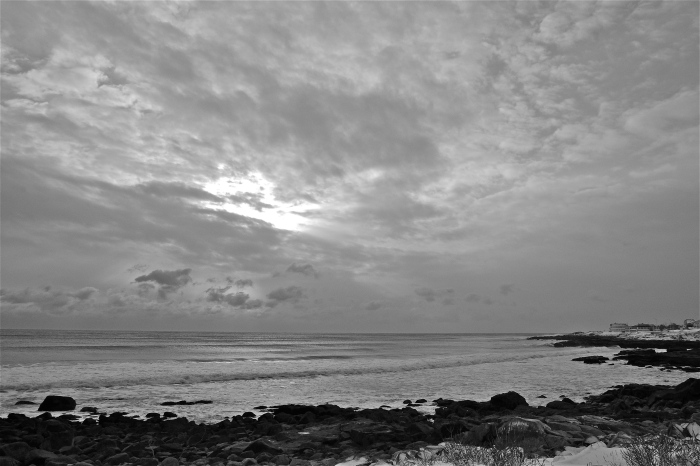
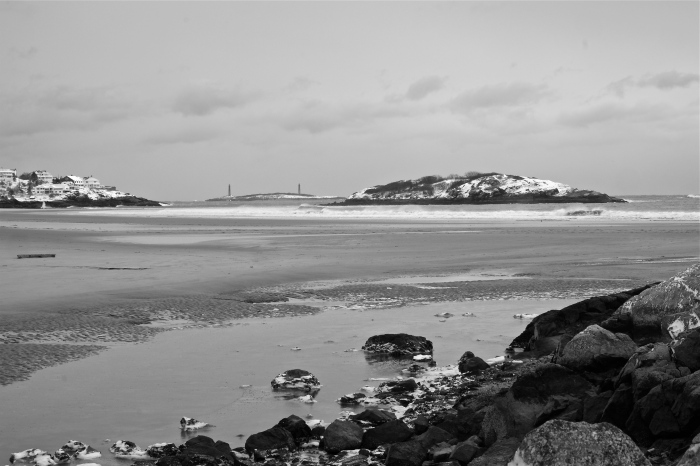

Or possibly the Glouc Ness Monster.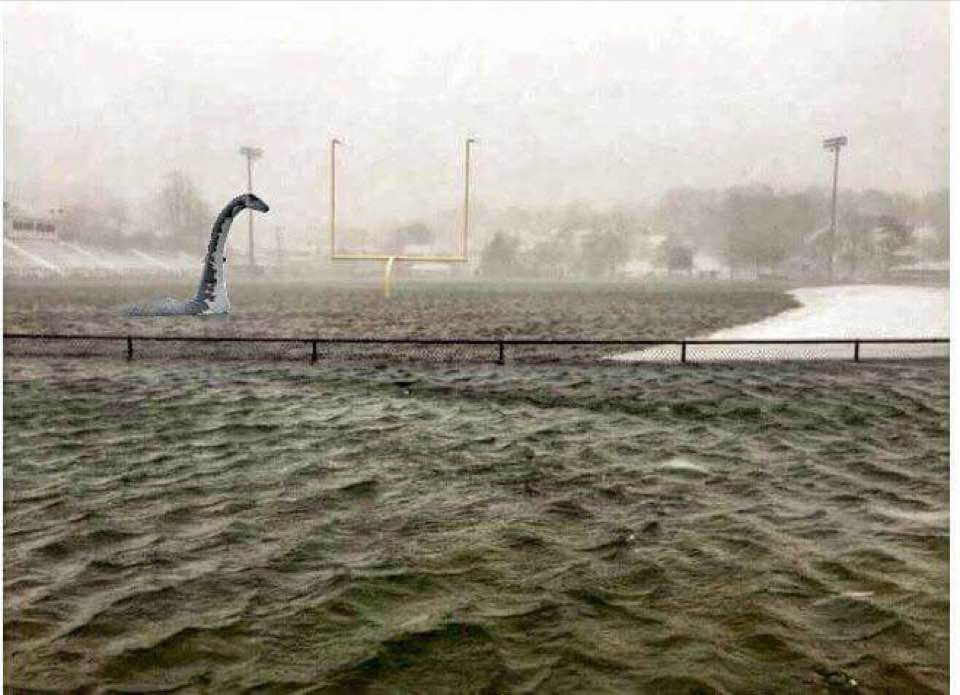 Jake Reardon Photo


PHOTOS AGGREGATED FROM FACEBOOK: DAVID RASA, JOEANN CRAWFORD, SEAN MURDOCK, AND SAMANTHA KETCHOPOLUS

EMERGENCY SHELTERS / ADDITIONAL ASSISTANCE
Emergency shelters and flooding assistance provisions are being prepared for parties in critical need. If your home is being flooded or if you are in danger, CALL 911 FOR IMMEDIATE ASSISTANCE or callGloucester Police Department (Official) at (978) 283-1212. Do not wait for conditions to improve as this storm is expected to continue throughout the night. Please note the following social services in the City will be open this weekend during the storm and frigid cold.
• Thursday: Action Inc. will be open all day and night (978) 282-1000)
• Friday: Grace Center of Gloucester (and Action/Hotels at night)
• Saturday: Action Inc will be open all day and night
• Sunday: Grace Center @ The Open Door* (and Action/Hotels at night)
In the event that you lose power or heat over the weekend, the City encourages residents to shelter in place, stay with a family/neighbor who has heat and contact the Gloucester Police Department immediately for any concerns about staying safe or warm. The police can assist you in finding a place to go with power and will be working with American Red Cross of Massachusetts to assist residents in need.
POWER OUTAGES
National Grid has been reporting power outages in different areas across the North Shore, including Gloucester. If any outages do occur in your area, it is imperative that they be reported via the National Grid Customer Service or Outage Reporting phone lines as listed below. Every outage phone call that we receive is logged into our outage tracking system and better enables us to pinpoint the location of the issue. The sooner National Grid can identify the location of the issue, the quicker a response can be sent.
• The Customer Service Line is: 1-800-322-3223
• The Outage Reporting Line is: 1-800-465-1212
REMINDERS/ SAFETY INFORMATION
• All residents and businesses are reminded that they are responsible for clearing snow from sidewalks adjacent to their property.
• Please make every effort to shovel out hydrants at or near your homes, and please check on your elderly and disabled.
• Your cooperation during this snow emergency/parking ban is necessary for efficient and safe snow removal efforts, but please use the following links from state agencies for more insights:
o Safety and preparedness tips for extreme cold: http://www.mass.gov/…/service-deta…/extreme-cold-safety-tips
o Winter storm preparedness and safety information: http://www.mass.gov/…/service-deta…/winter-storm-safety-tips
o Power outage preparedness and safety information: http://www.mass.gov/…/service-deta…/power-outage-safety-tips
o Flood safety tips: http://www.mass.gov/index…/service-details/flood-safety-tips
o Winter safety tips for pets: https://www.mass.gov/service-details/winter-pet-safety-tips
Updates will be forthcoming as the storm progresses. Please check the City of Gloucester website and social media for further updates at www.gloucester-ma.gov. Thank you for your assistance and stay safe during this snow emergency.


 But cozy indoors, at least for the time being.
https://www.instagram.com/p/BdiJUUPlTfB/
https://www.instagram.com/p/Bdh-JRoFXAp/
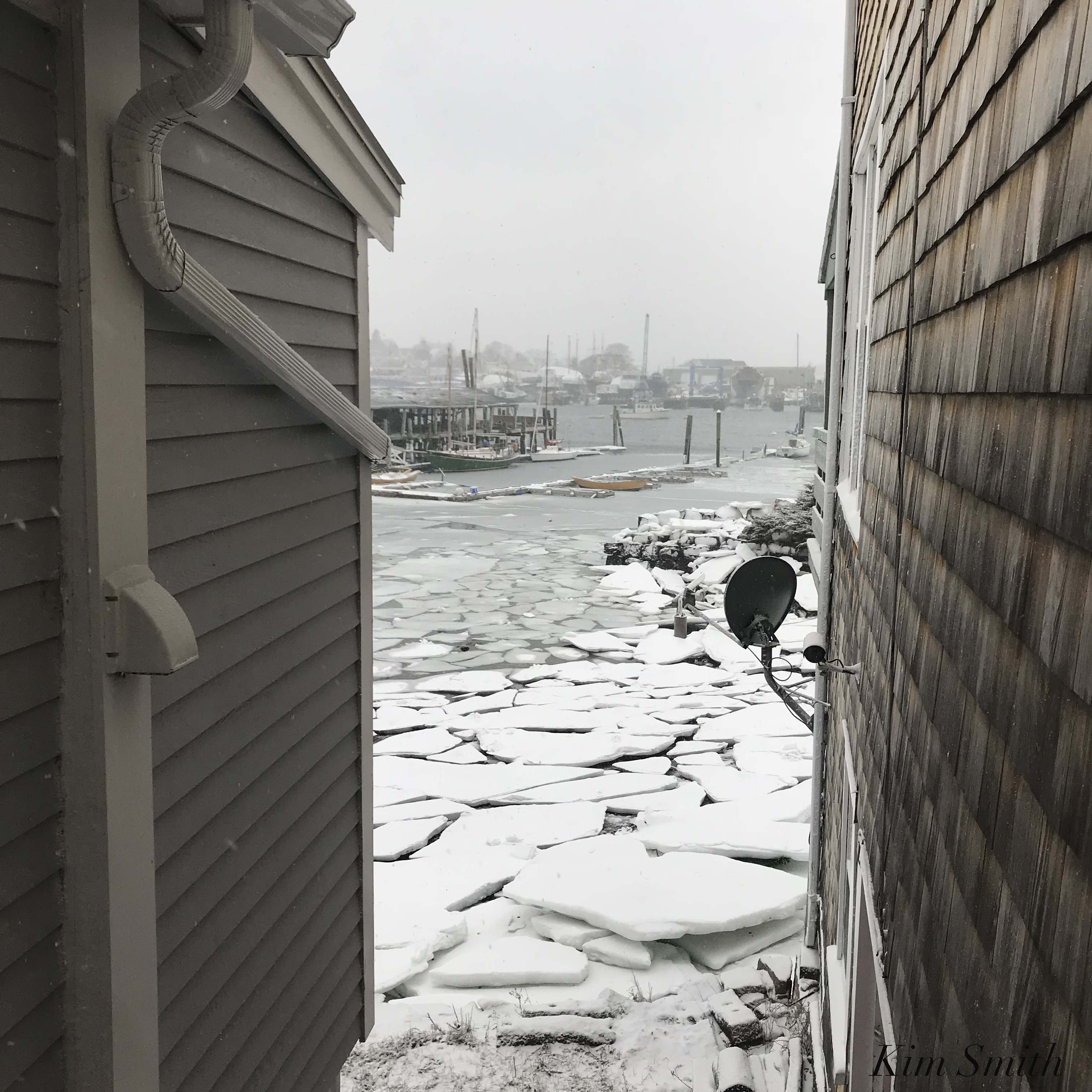

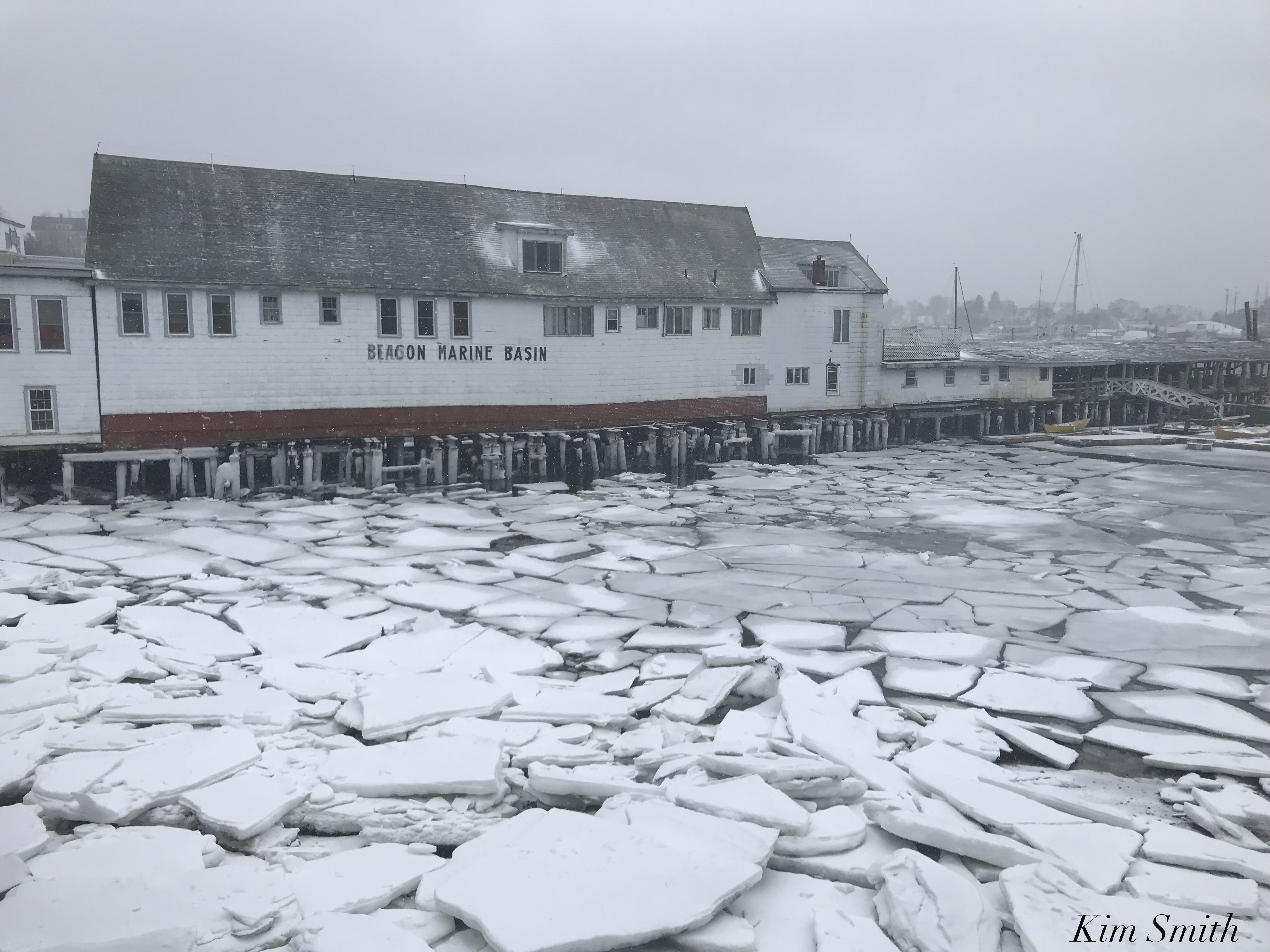
 Living in a coastal community as do we here on Cape Ann, the weather plays a formidable role in our everyday lives. I consider each day to be uniquely beautiful, although with a storm approaching that has been given the name “Bomb Cyclone,” the word beauty may not be the first word that comes to mind tomorrow morning.
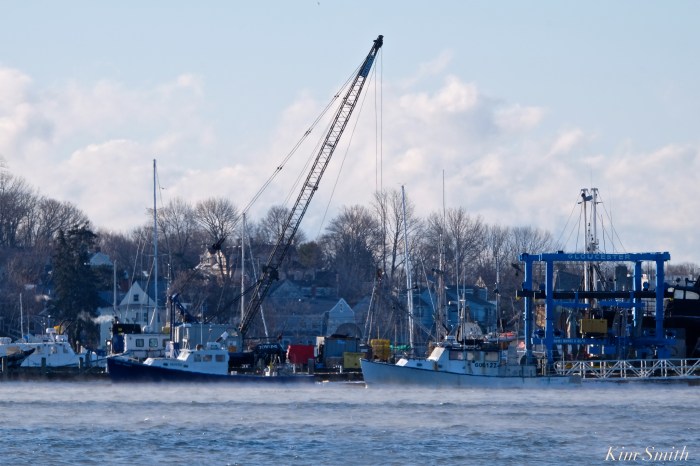
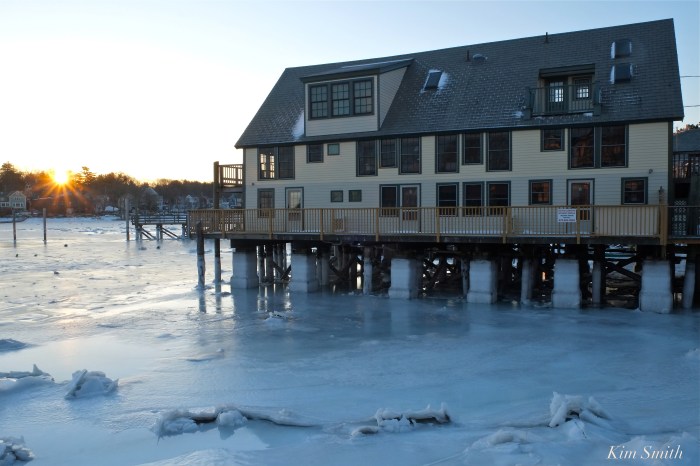
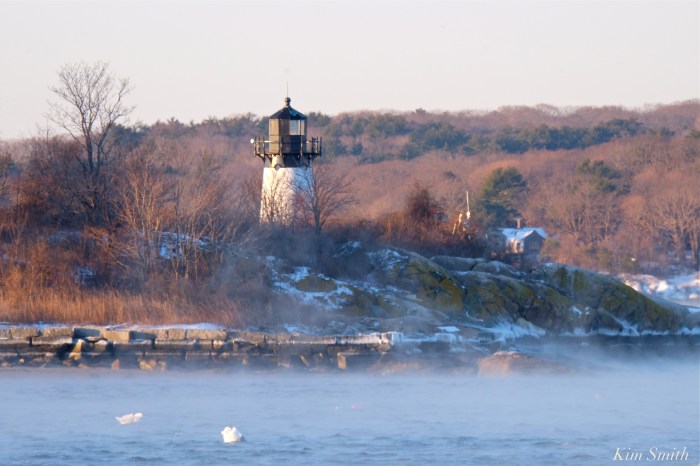
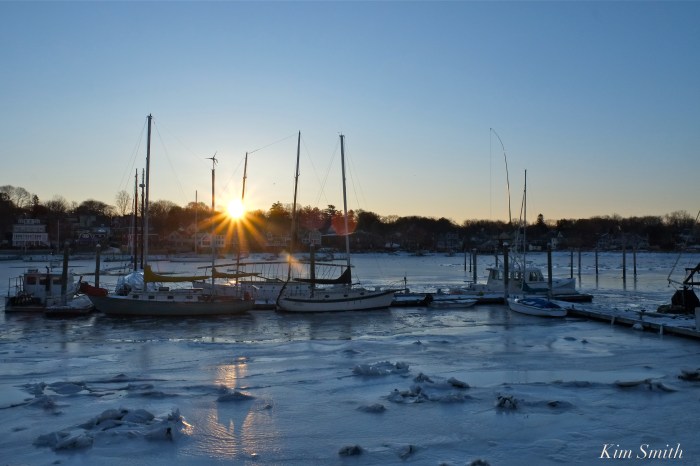
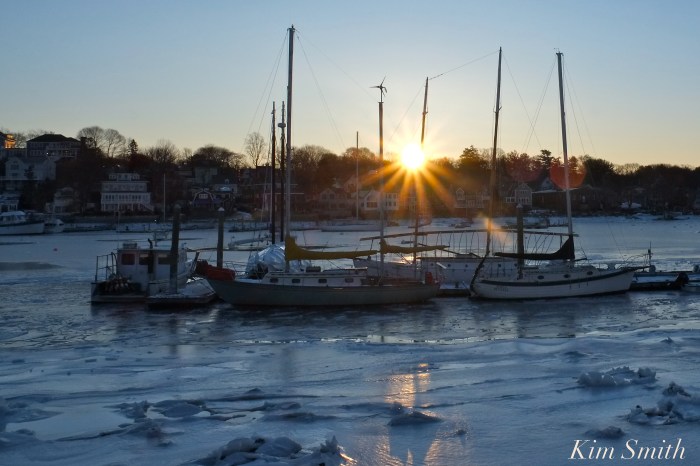
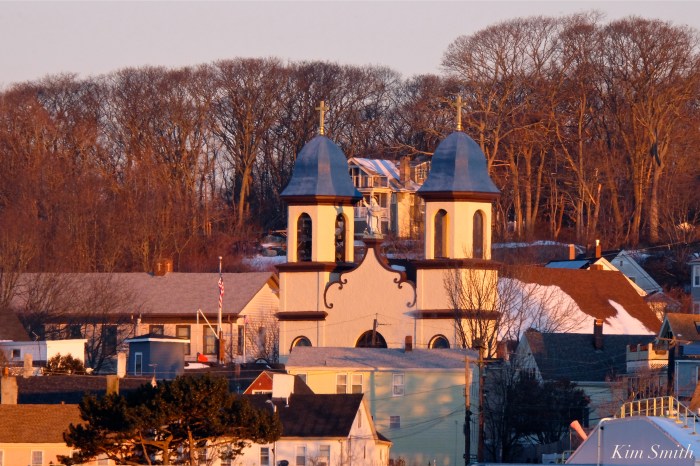
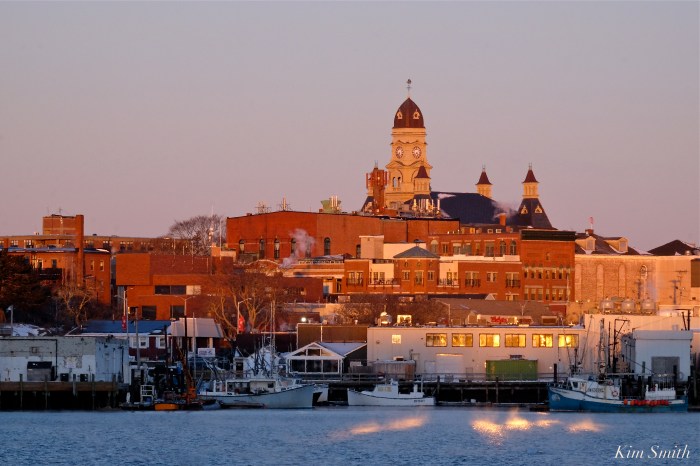
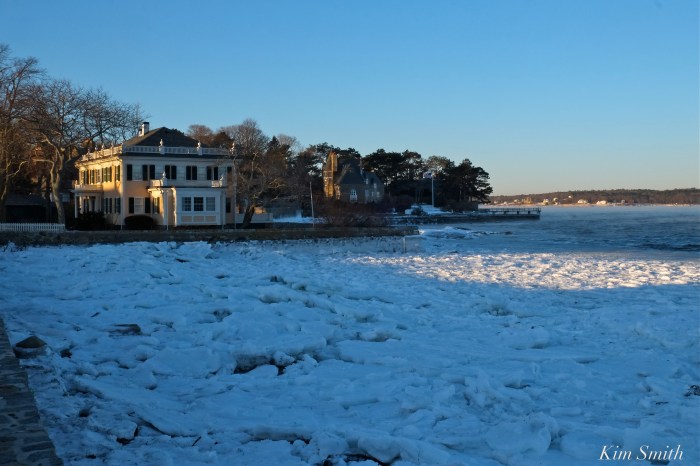
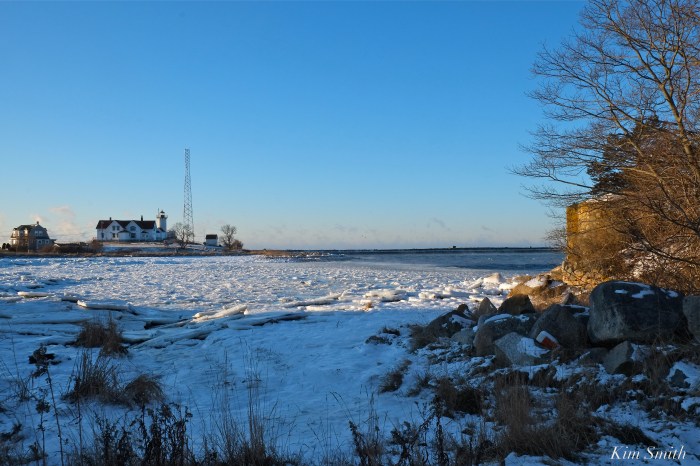
Yesterday morning as the full Wolf Moon was setting, the sun rose clear and brilliantly on the icy rafts forming at Smiths Cove, sea smoke swirled around Ten Pound Island Lighthouse, and the Harbor was rough with whitecaps.
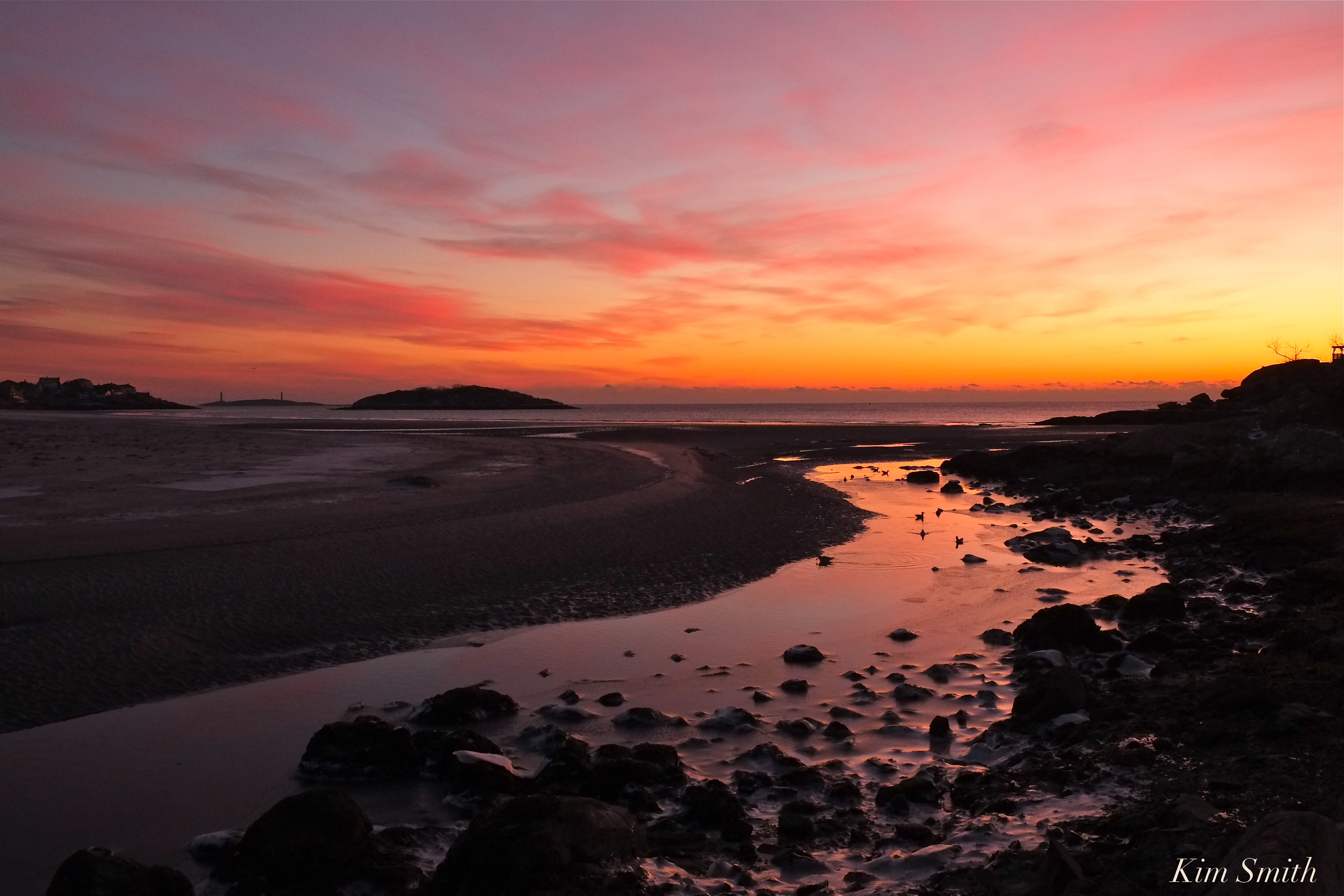
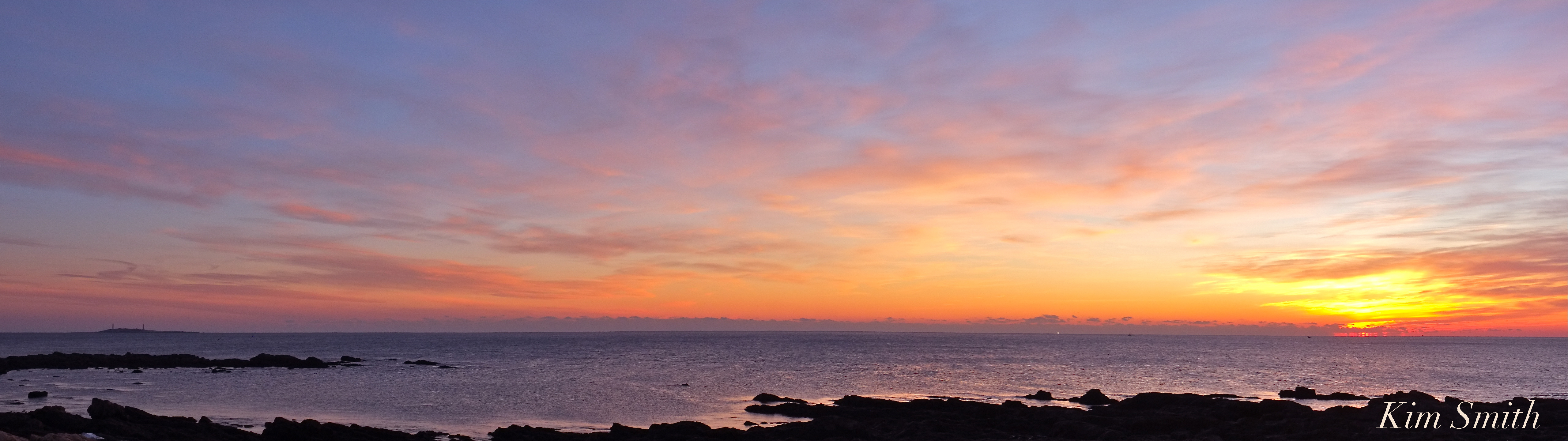 Today the sun rose over the backshore through a bank of low lying clouds shading the light in hues of violet, red, orange, and yellow and this thought was on my mind, ‘red in the morning, sailor heed warning.’ Fishermen were shoring up their boats, house builders furiously hammering, and the grocery stores were as mobbed as the day before Thanksgiving.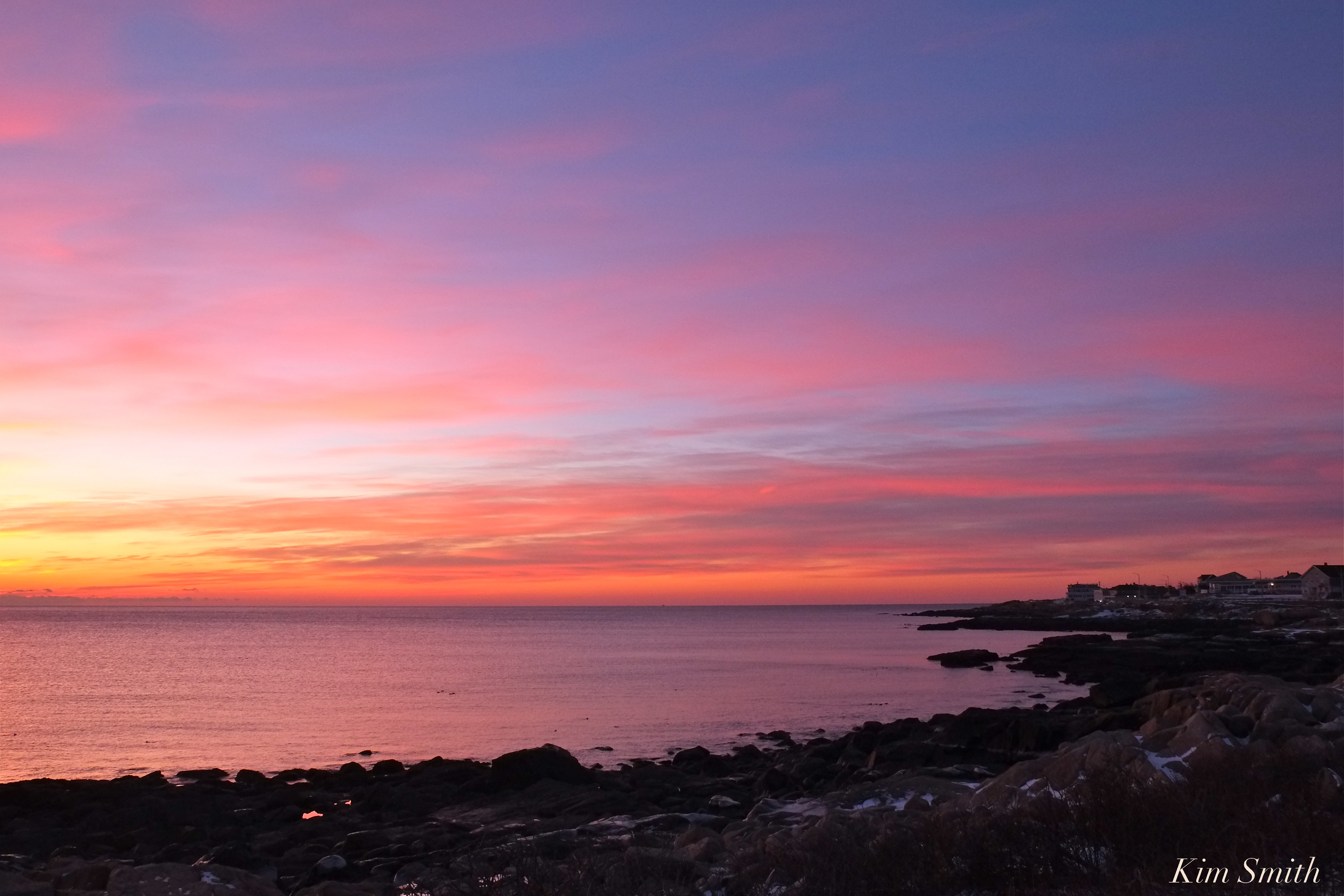
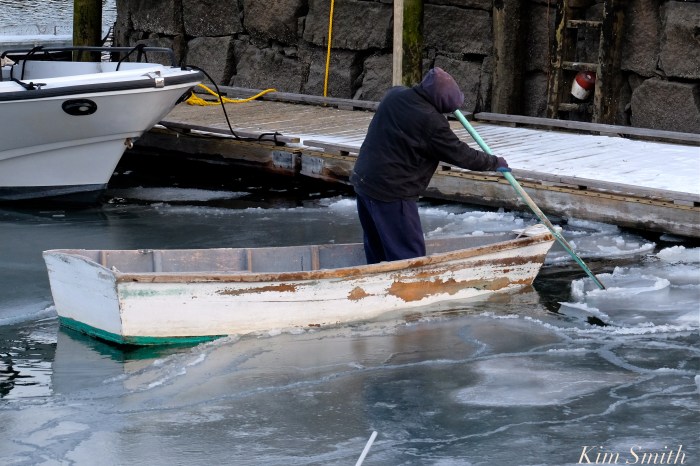
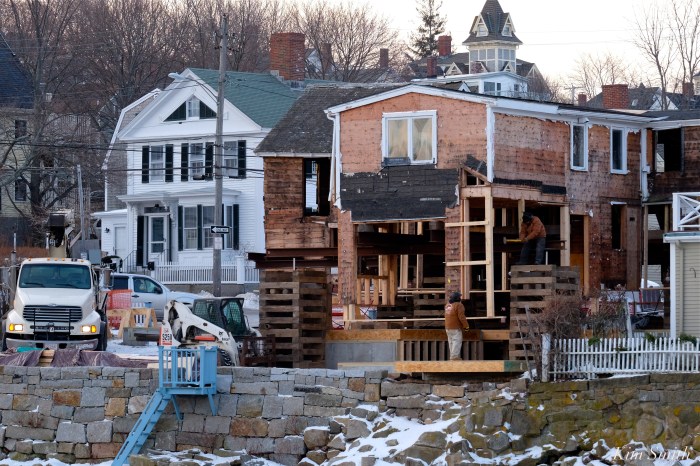
See you on the other side of the storm. Please stay safe and warm ❤
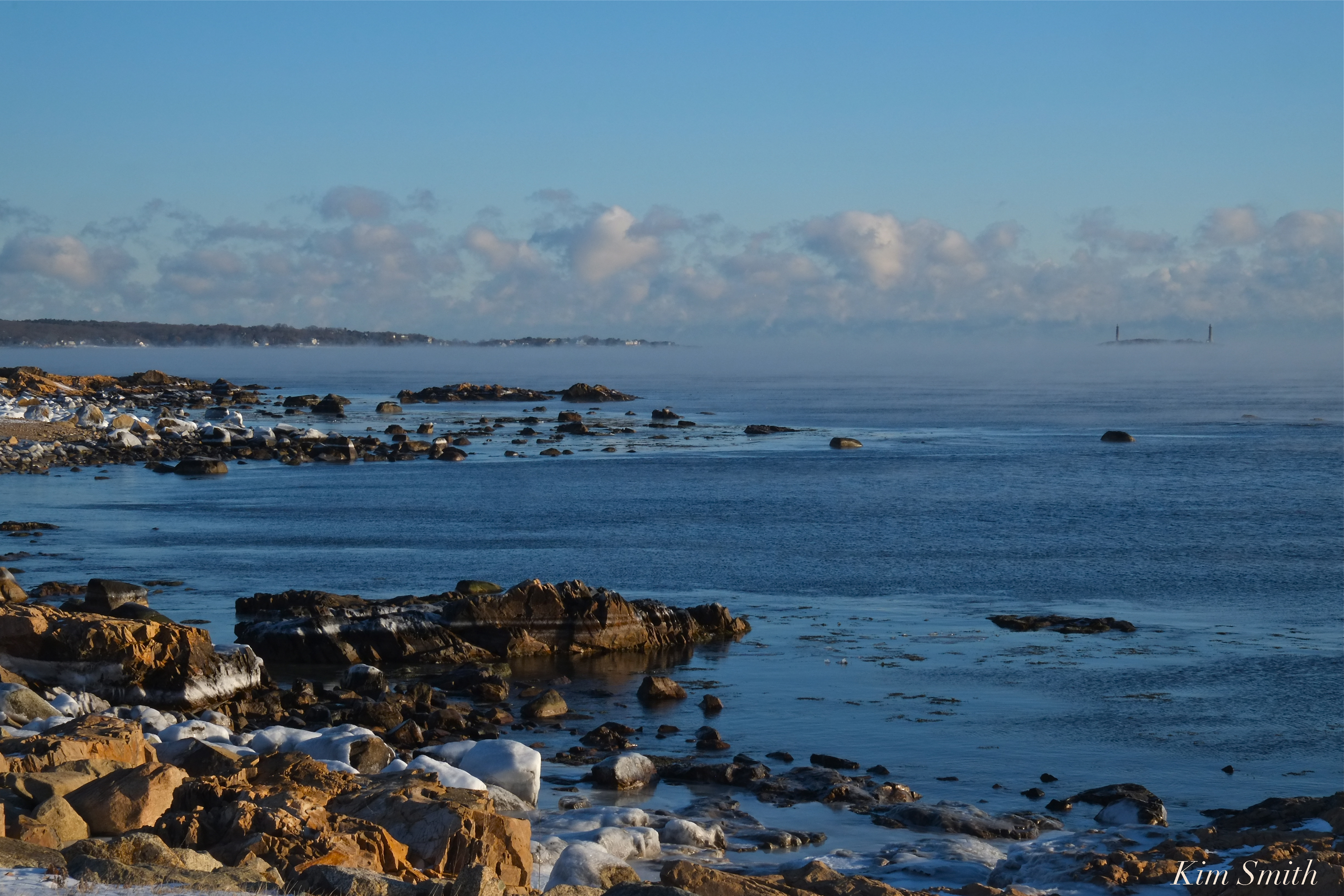 Backshore January 2, 2018

Beautiful January Wolf Moon rising and setting over Gloucester.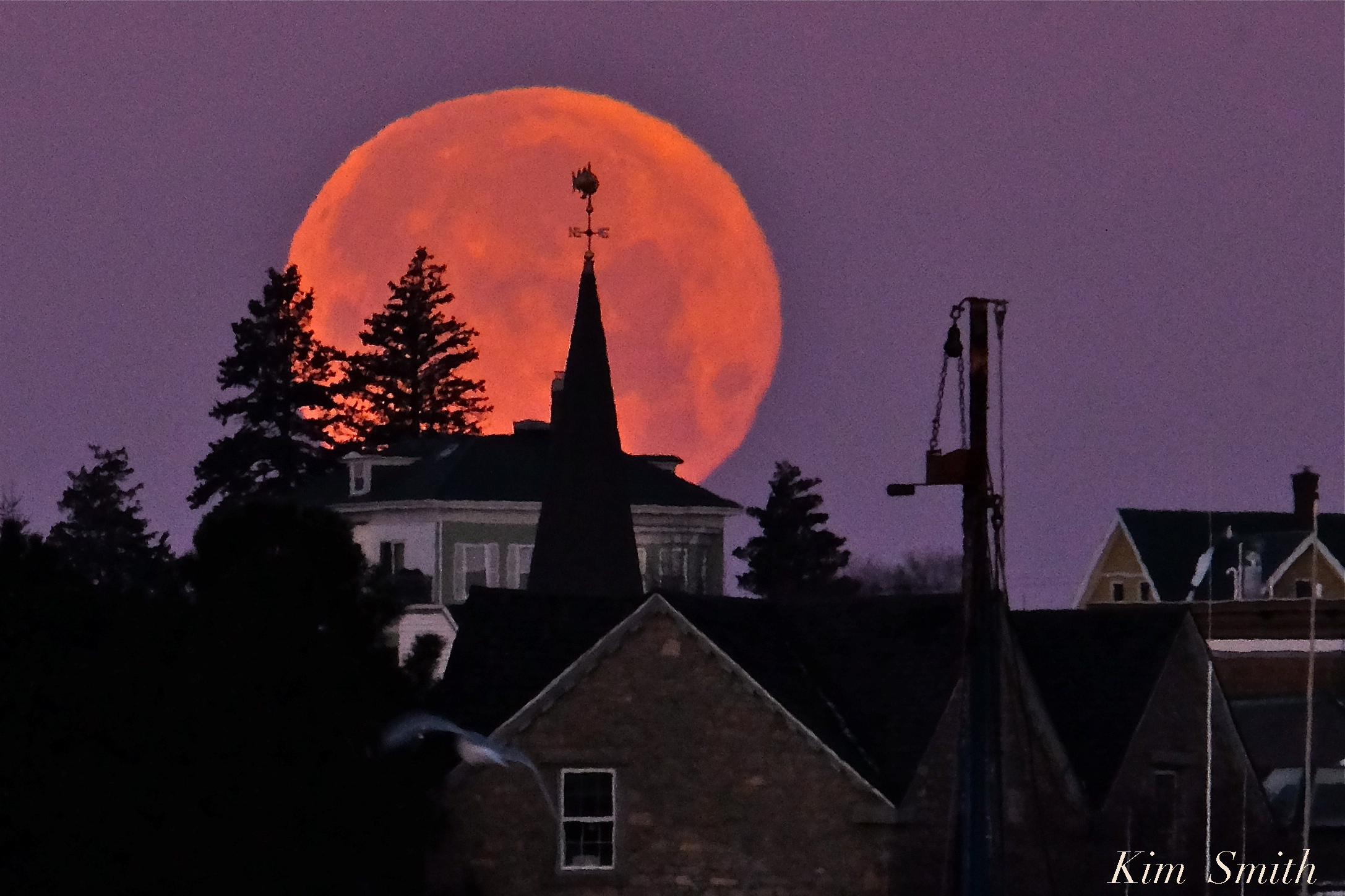
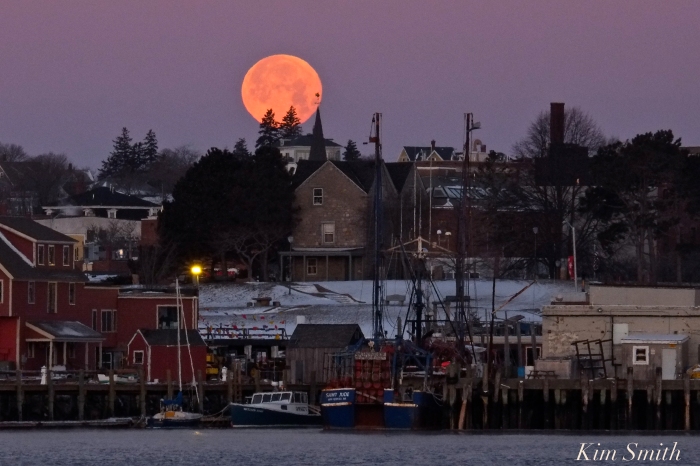
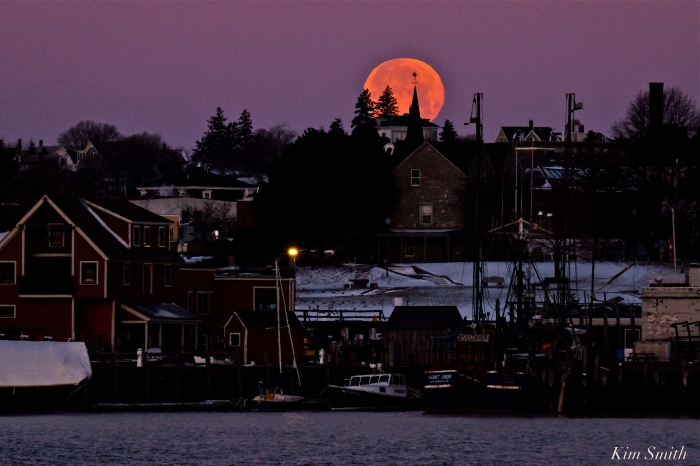
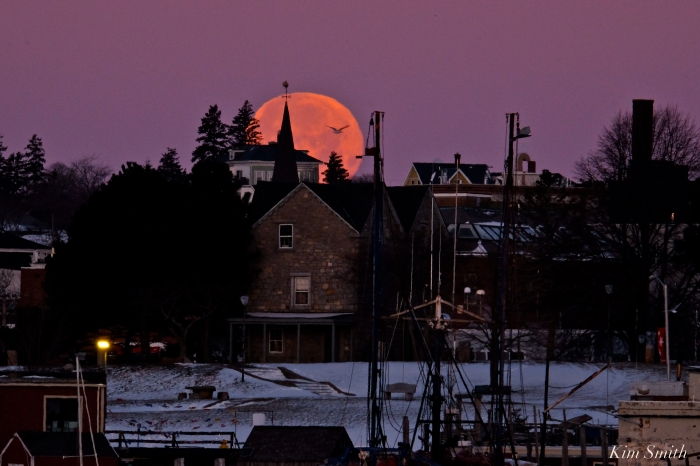
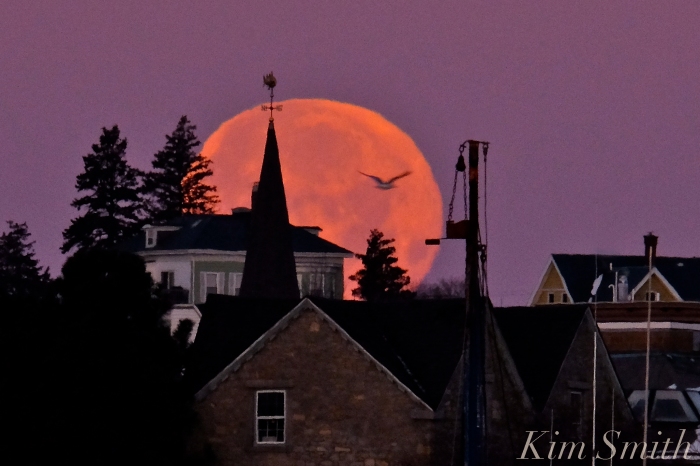
Moonsetting over the Harbor
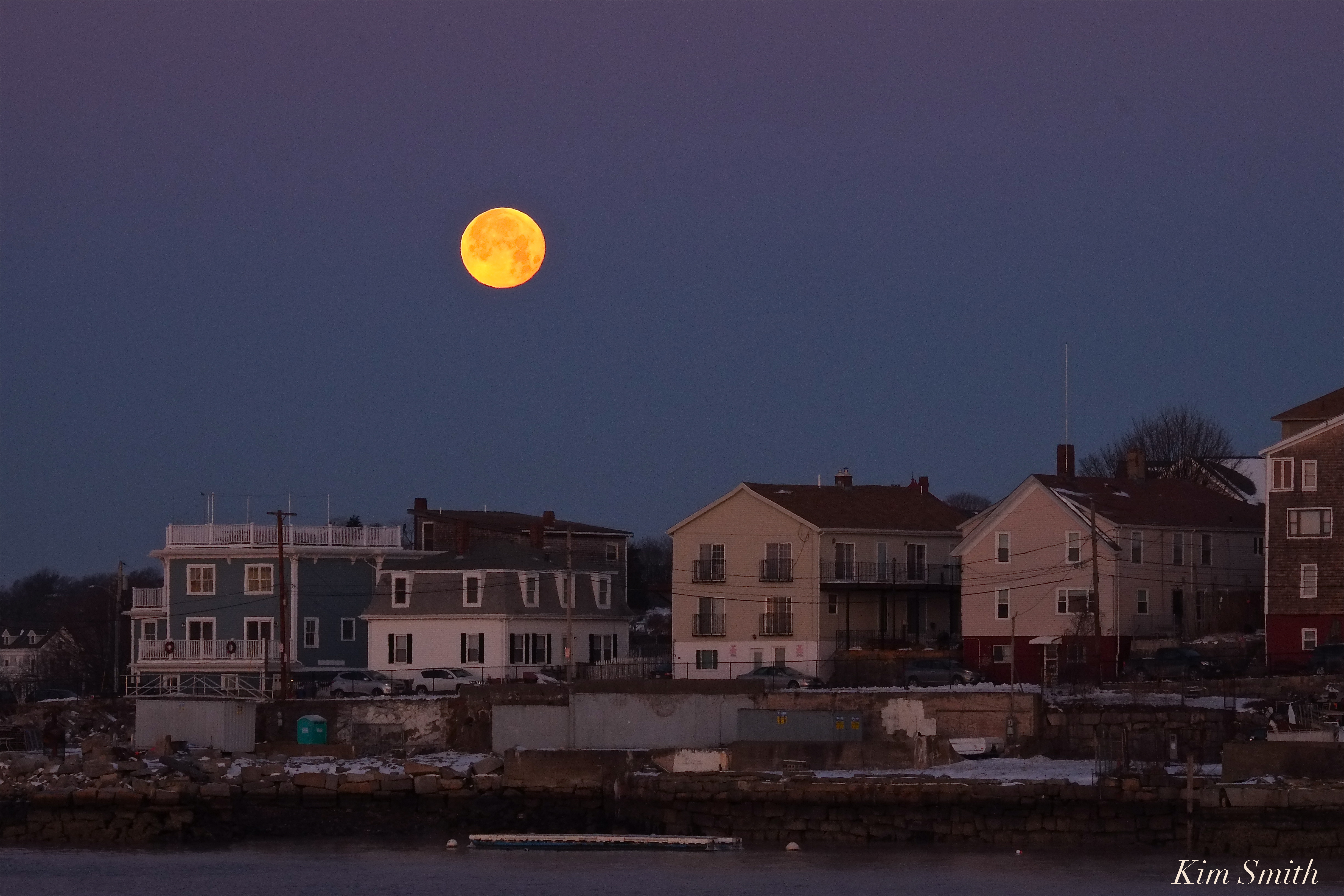 Moonset over the Fort
https://www.instagram.com/p/Bdbmr8uFgVN/

MAJOR ANNOUNCEMENT FROM MAYOR SEFATIA!
 Mayor Sefatia’s inaugural celebration, held at Tonno Restaurant, was attended by a gathering of friends and supporters, including Massachusetts’s beloved Governor Charlie Baker and State Senator Bruce Tarr. Guests enjoyed the beautiful spread prepared by Chef Anthony Caturano, with wonderfully delicious desserts from Caffe Sicilia, and everyone wanted to have a photo taken with Governor Baker, which he kindly obliged. Mayor Sefatia spoke about her early days working on health care with Governor Baker and of his great compassion. See the Instagram videos for more from the Mayor and Governor Baker.
https://www.instagram.com/p/BddE6eMl8Vo/
https://www.instagram.com/p/BddF4NUl-3X/
https://www.instagram.com/p/BddHB3IF_1X/


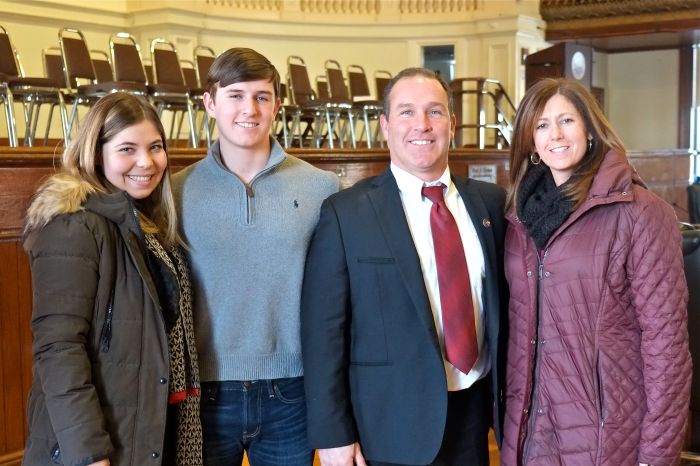
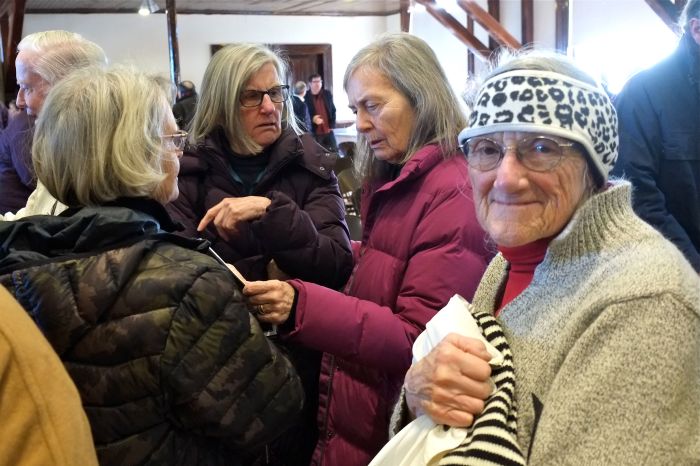
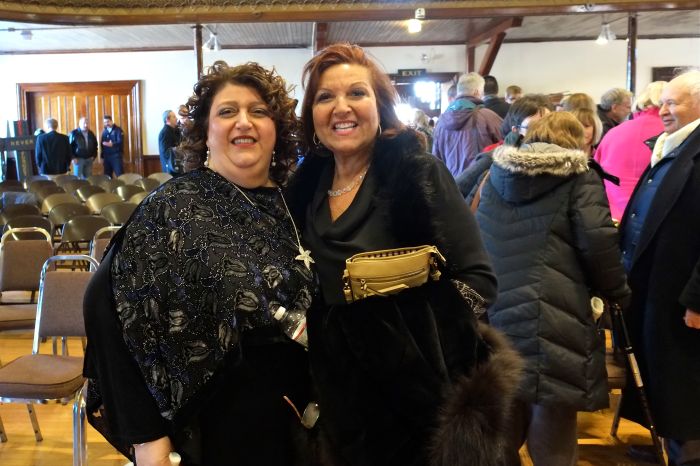
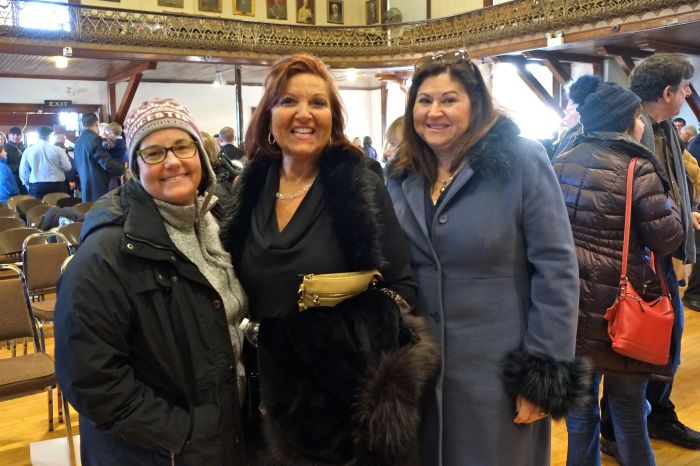
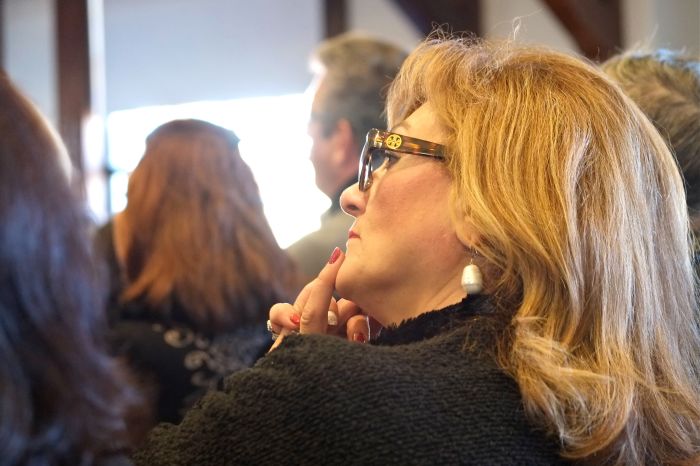
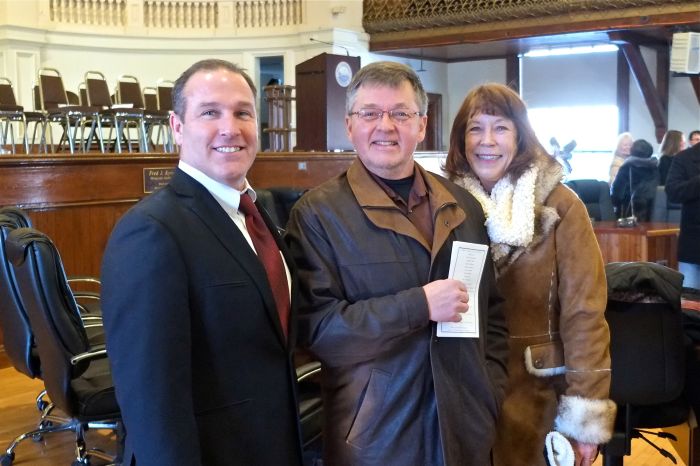
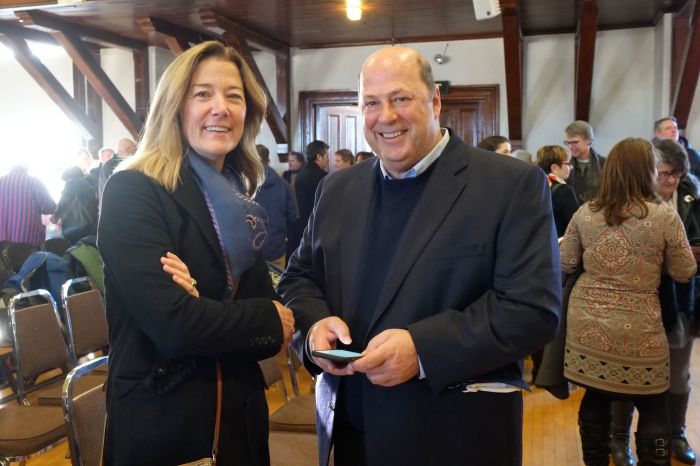
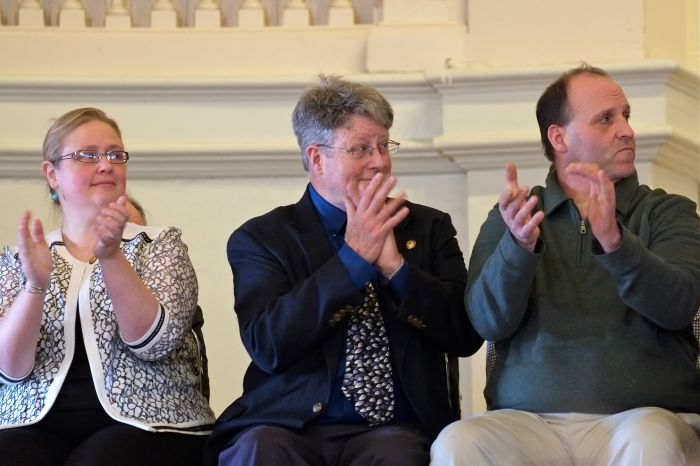
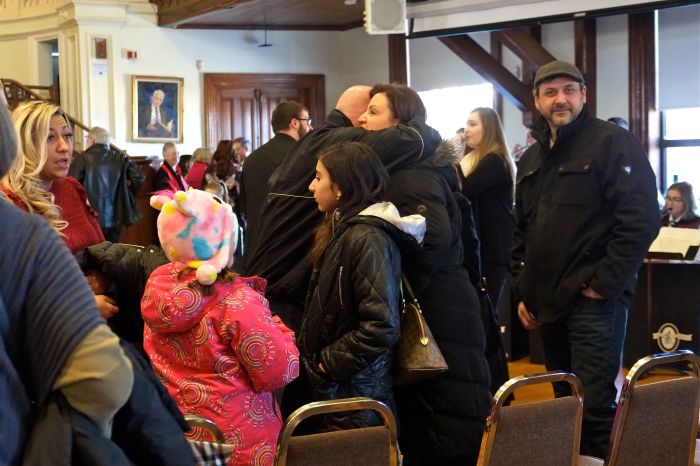
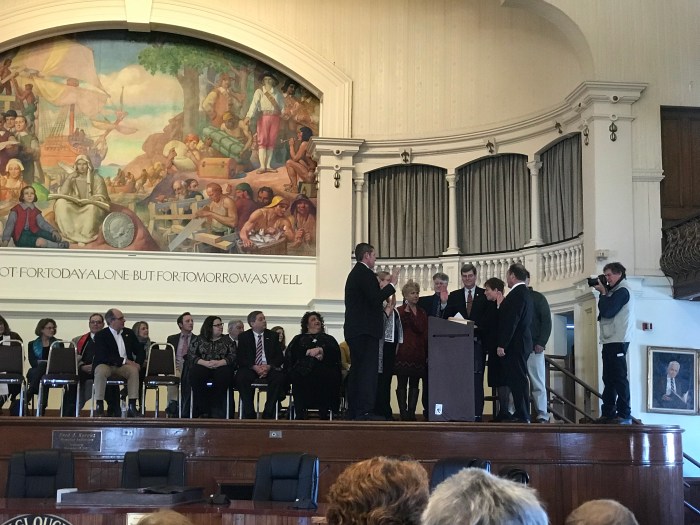
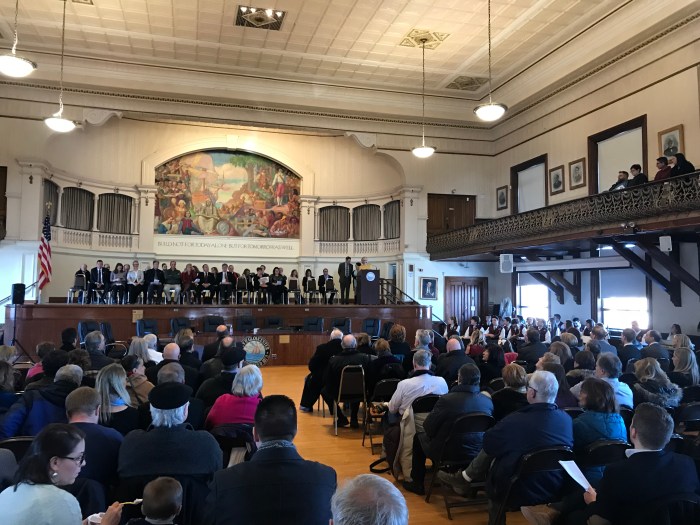
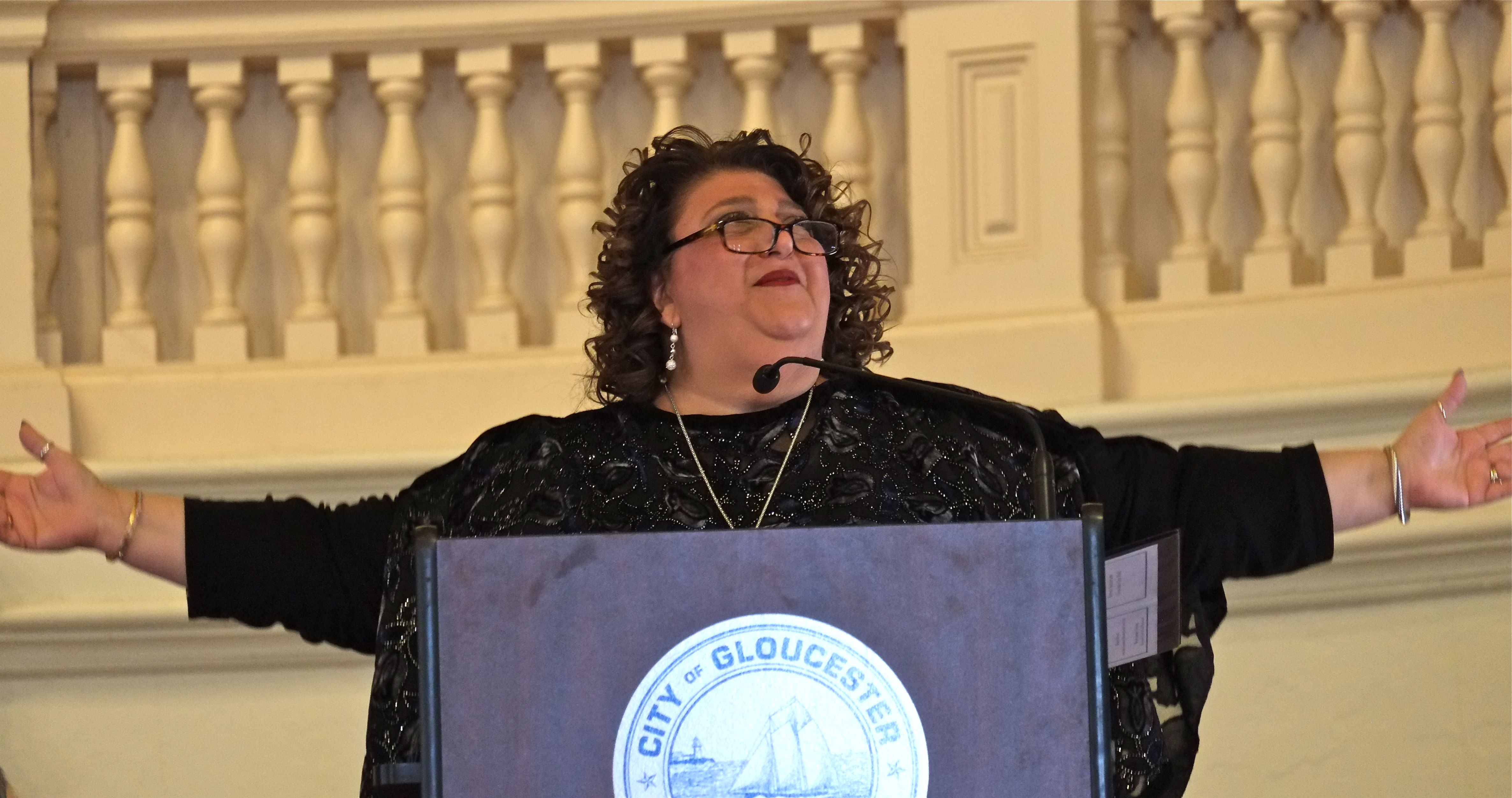 One couldn’t help but be inspired by the good words and deeds of our city’s finest leaders at today’s inauguration ceremony. Cape Ann Museum director Rhonda Faloon gave a warm welcome followed by Gordon Baird’s pitch perfect rendition of “God Bless America.” Young community members were represented by the GHS Docksiders, the Presentation of Colors by GHS Junior ROTC, and the Mayor’s grandchildren and niece AJ, Bianca, and Lia led the audience in the Pledge of Allegiance. Alexandra Grace sang a beautiful rendition of the “National Anthem.”
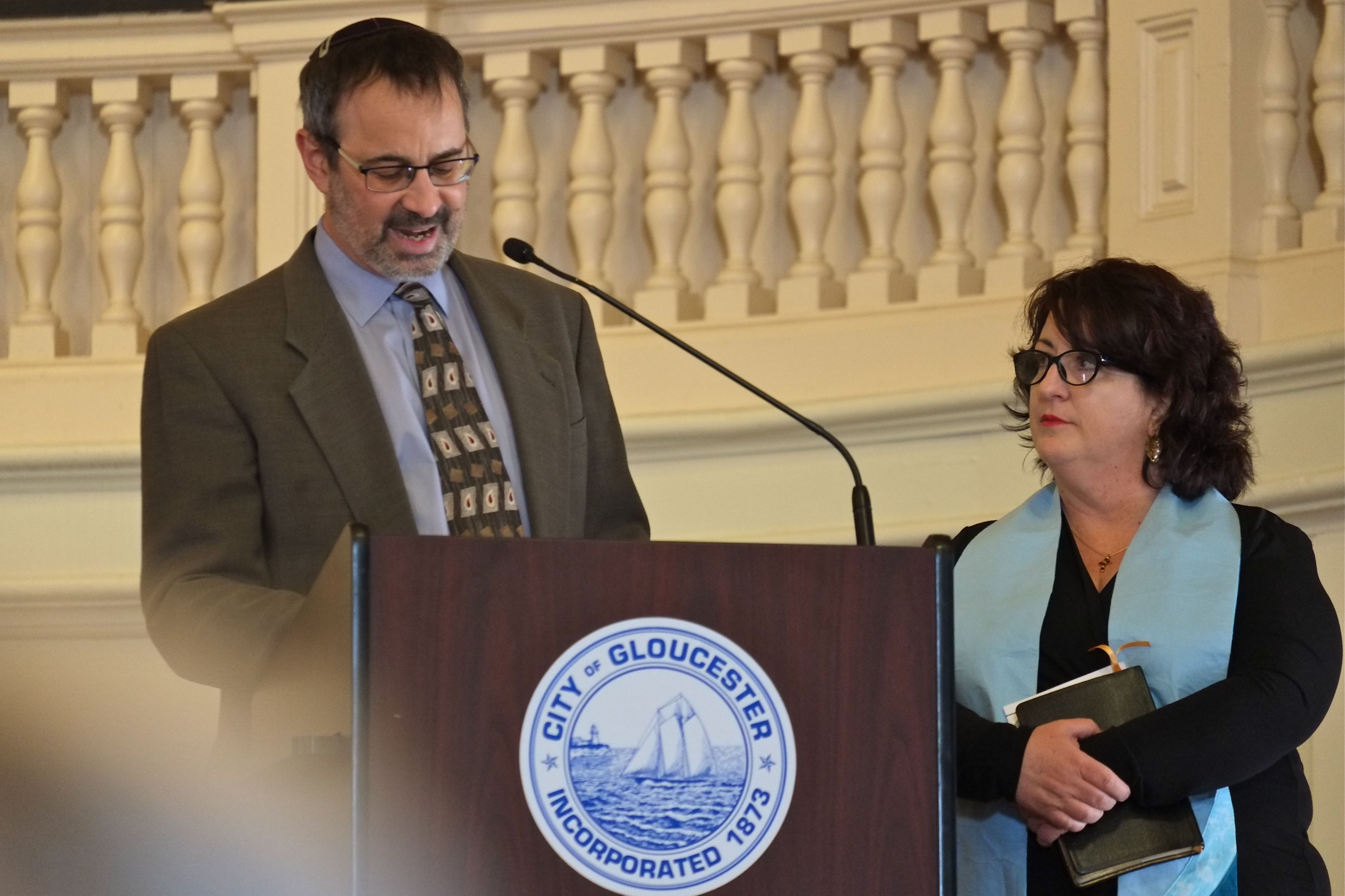 Rabbi Steven Lewis and Reverend Rona Tyndall gave an interfaith invocation. Alexandra Grace and Josh Cominelli sang James Taylor’s “You’ve Got a Friend,” because, as Alexandra pointed out, Mayor Sefatia is a friend to all.
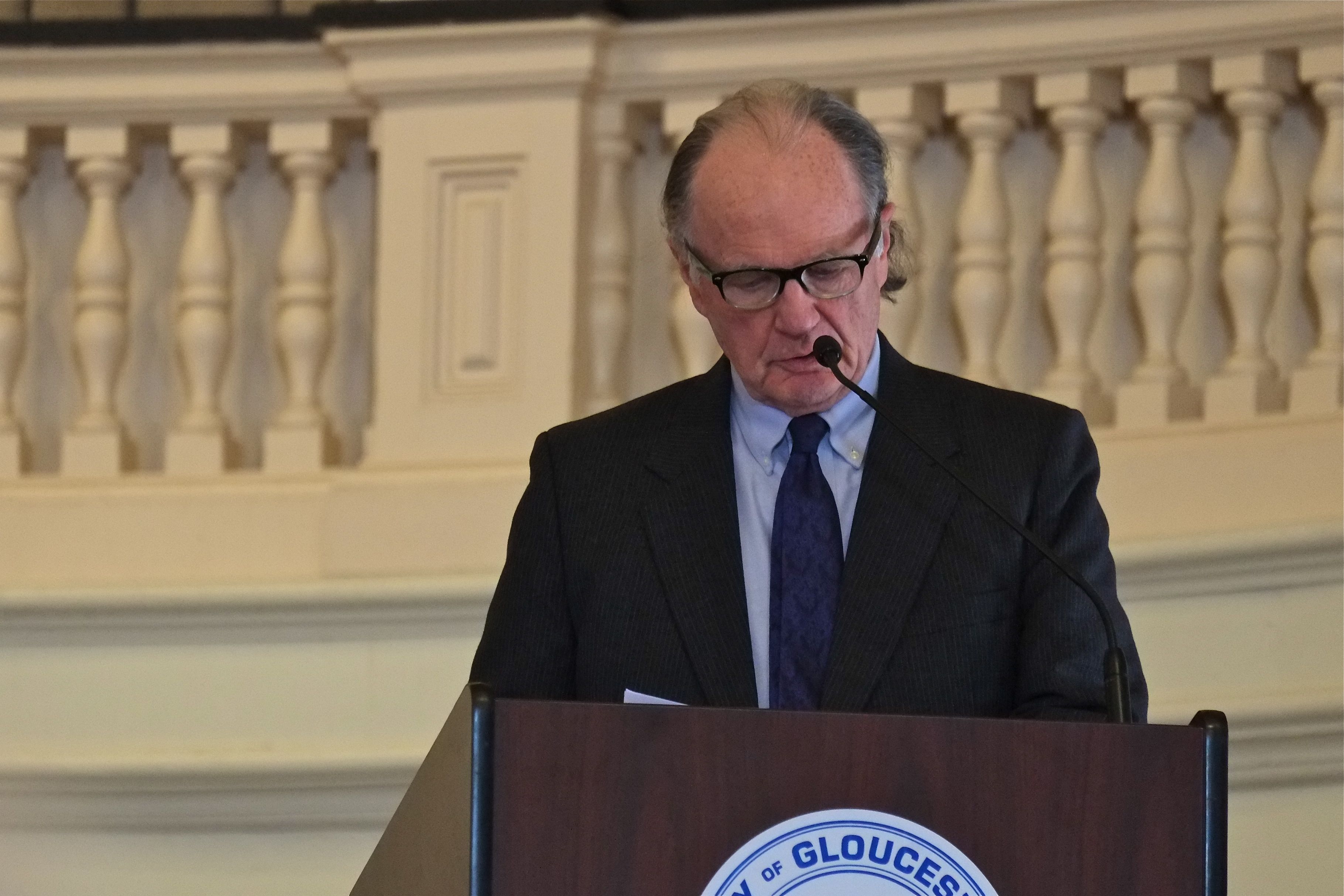 Poet Laureate John Ronan read his Gloucester-themed poem “We, Helmsman.”
 PAARI/ Stop Handgun Violence Founder John Rosenthal gave a tremendous speech, congratulating the Mayor and the community on the success of the Angel program.
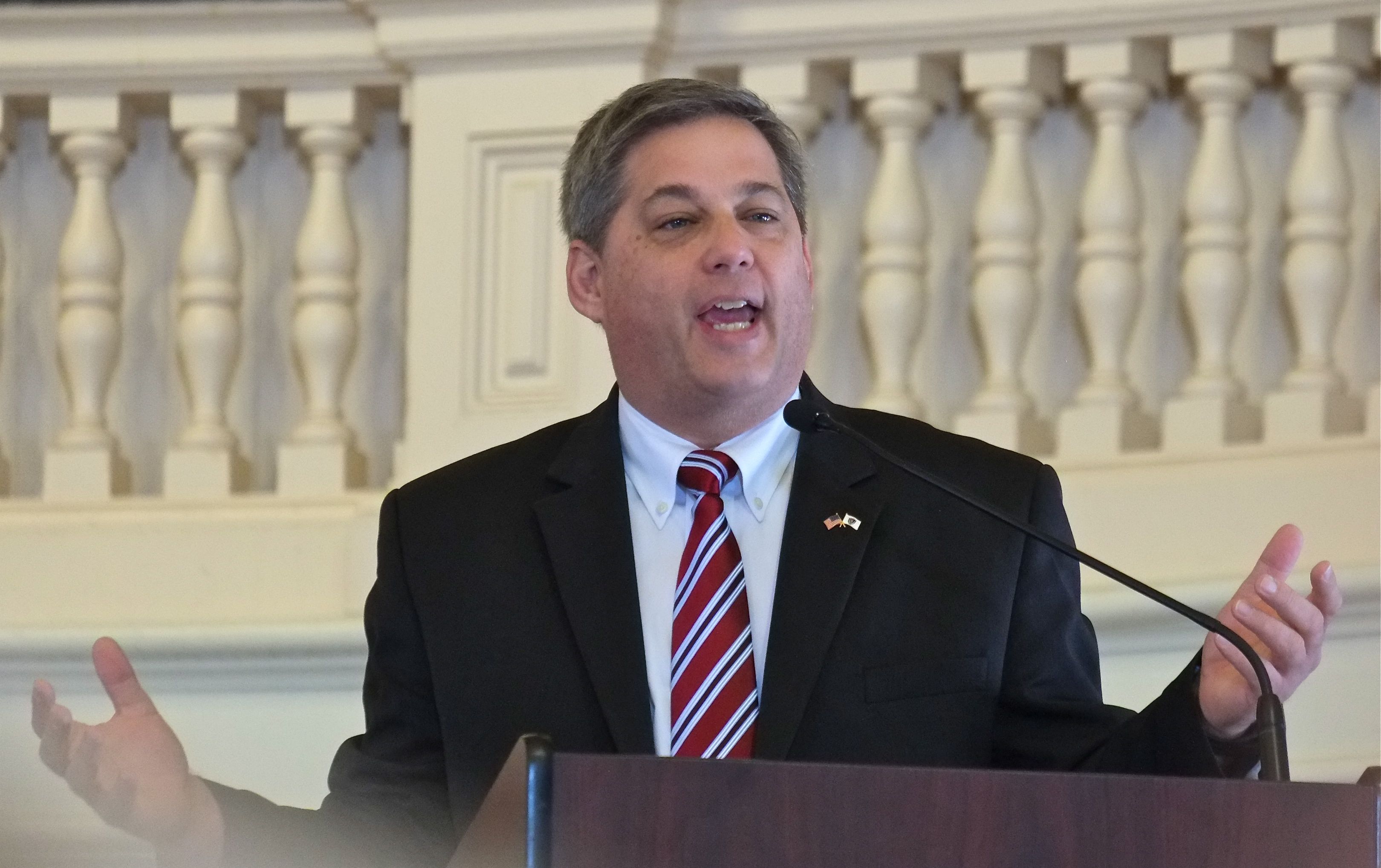 Senator Bruce Tarr gave a moving introduction highlighting the very personable ways in which Mayor Sefatia brings the community together.
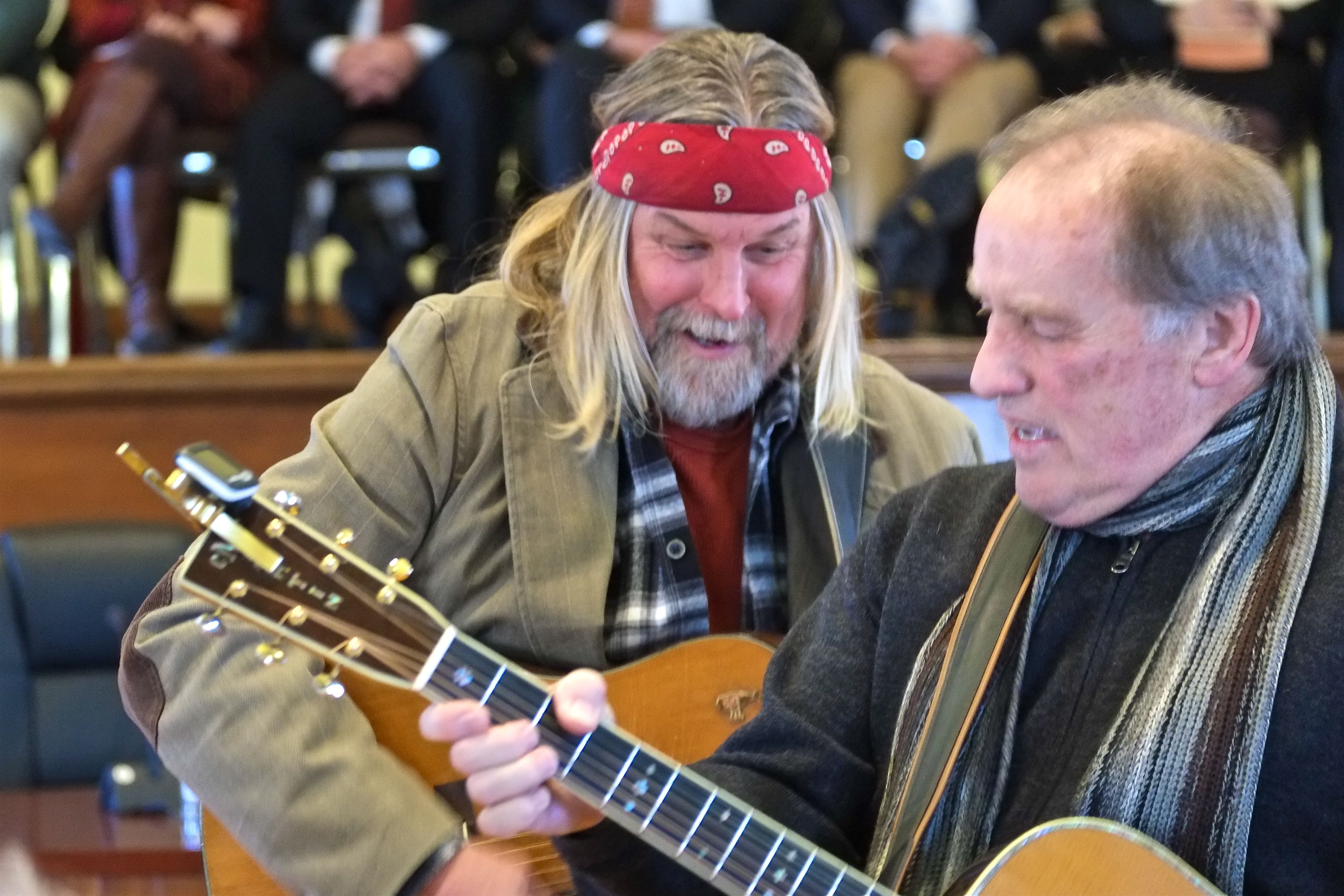 Musical interludes performed by Charlee Bianchini, Jack Tomaiolo, Fly Amero and Allen Estes were performed in between swearing in ceremonies.
https://www.instagram.com/p/BdbNHatFL-7/
School Committee members Kathleen Clancy, Tony Gross, Jonathan Pope, Michelle Sweet, and Melissa Teixeira took the oath of office. Jonathan Pope was elected head of the School Committee.
We have a fantastic newly elected City Council comprised of Melissa Cox, Valerie Gilman, Ken Hecht, Steve LeBlanc, Jenn Holmgren, Paul Lundberg, Scott Memhard, Sean Nolan, and Jamie O’Hara. Paul Lundberg was elected president of the City Council, with Steven LeBlanc elected vice-president. We are going to see great leadership and initiatives from this fine group!
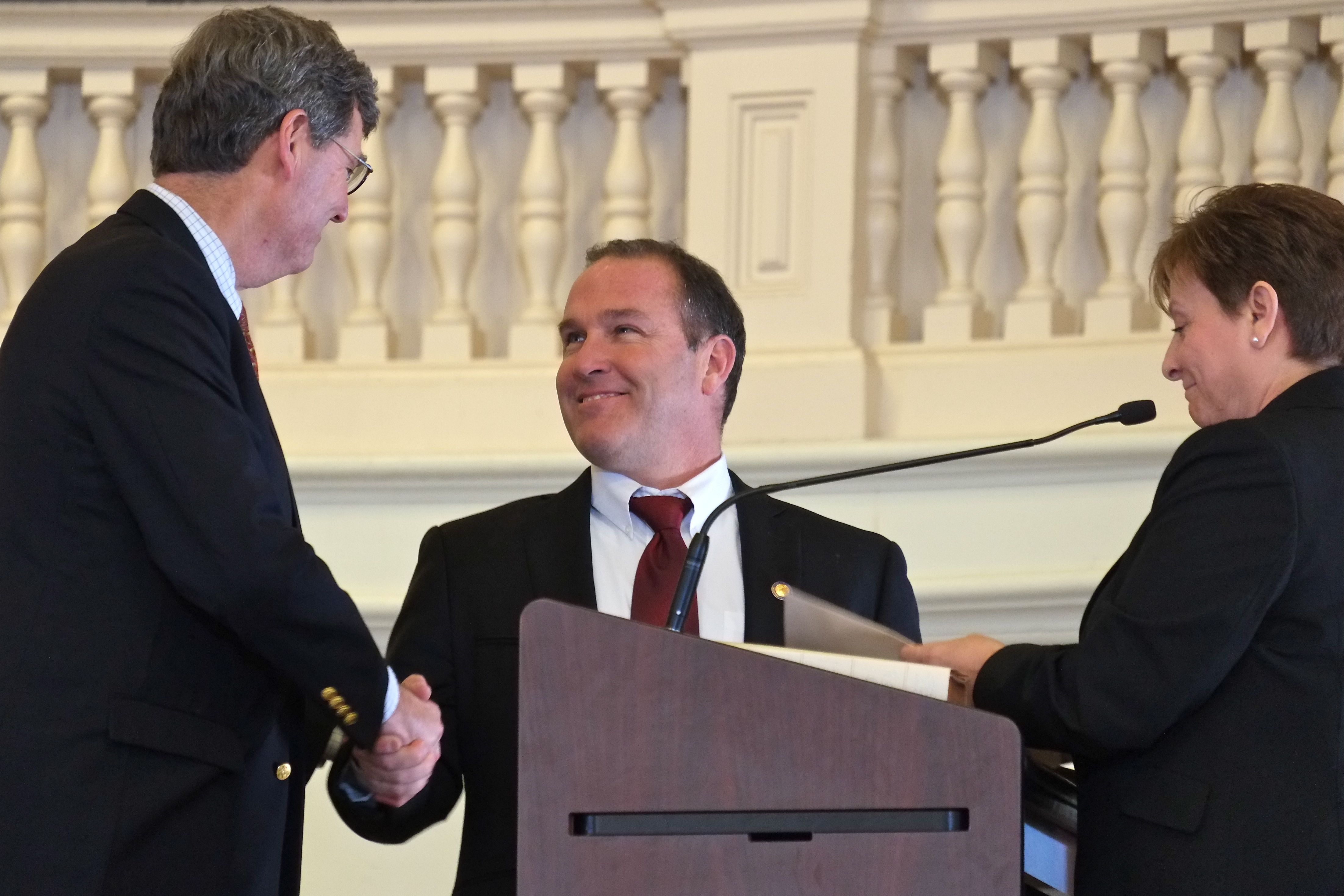
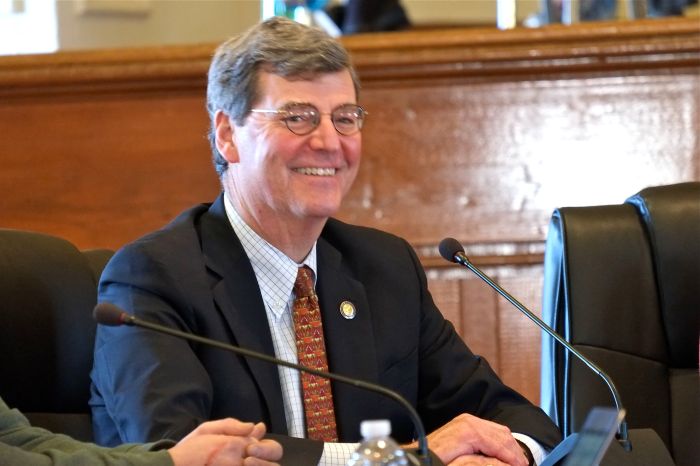
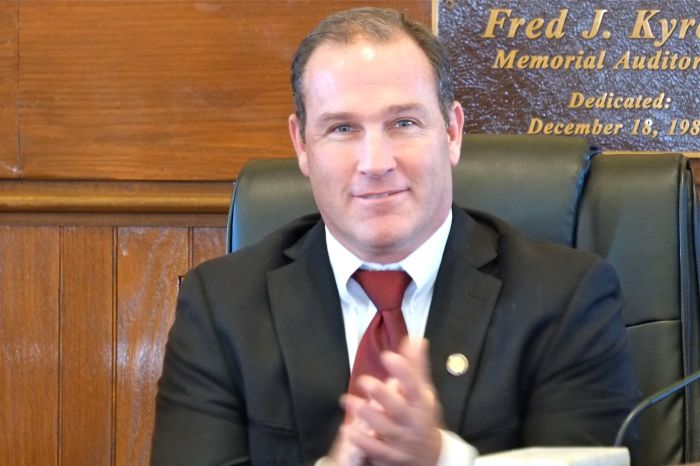
Your new City Council President and Vice President Paul Lundberg and Steven LeBlanc.
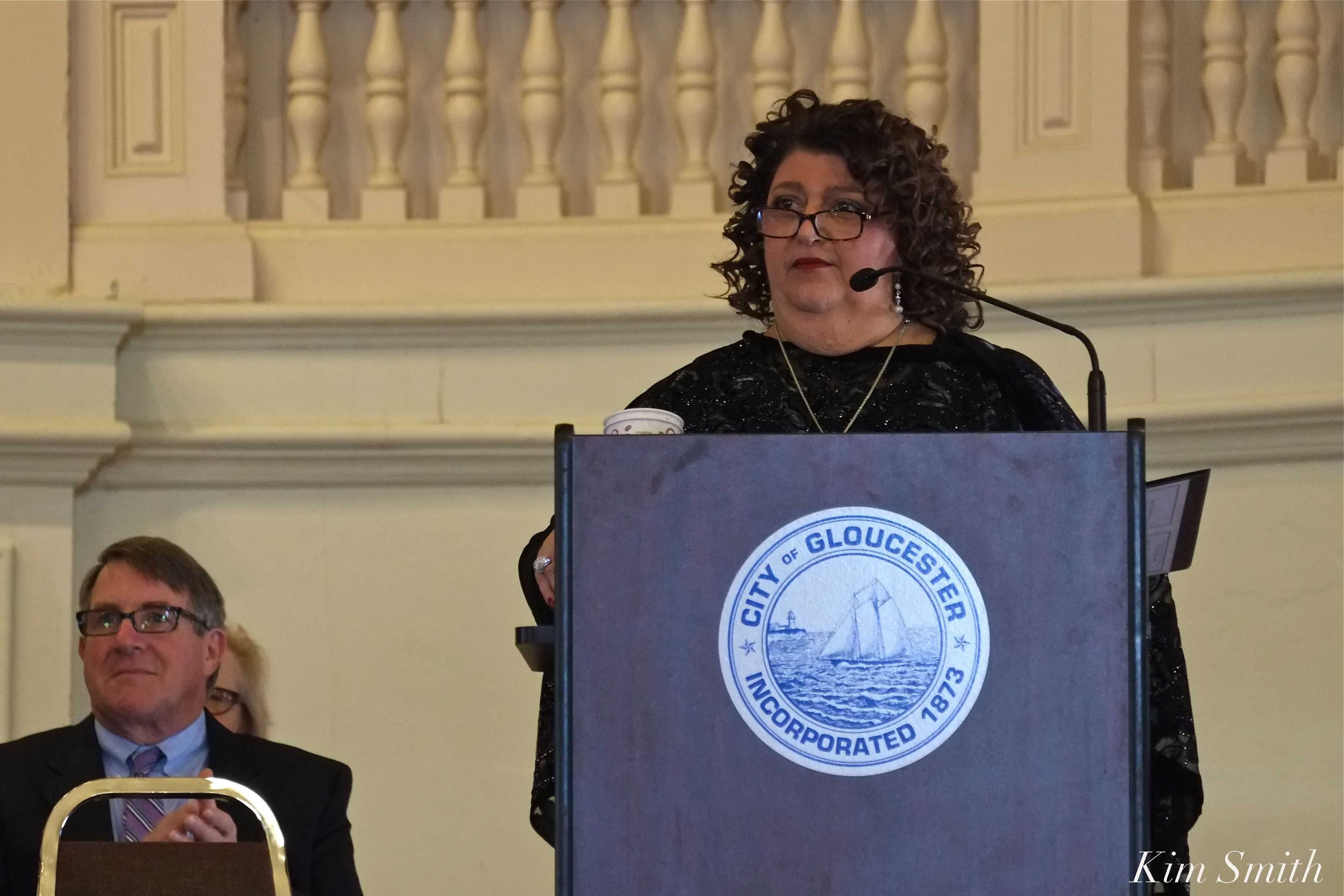
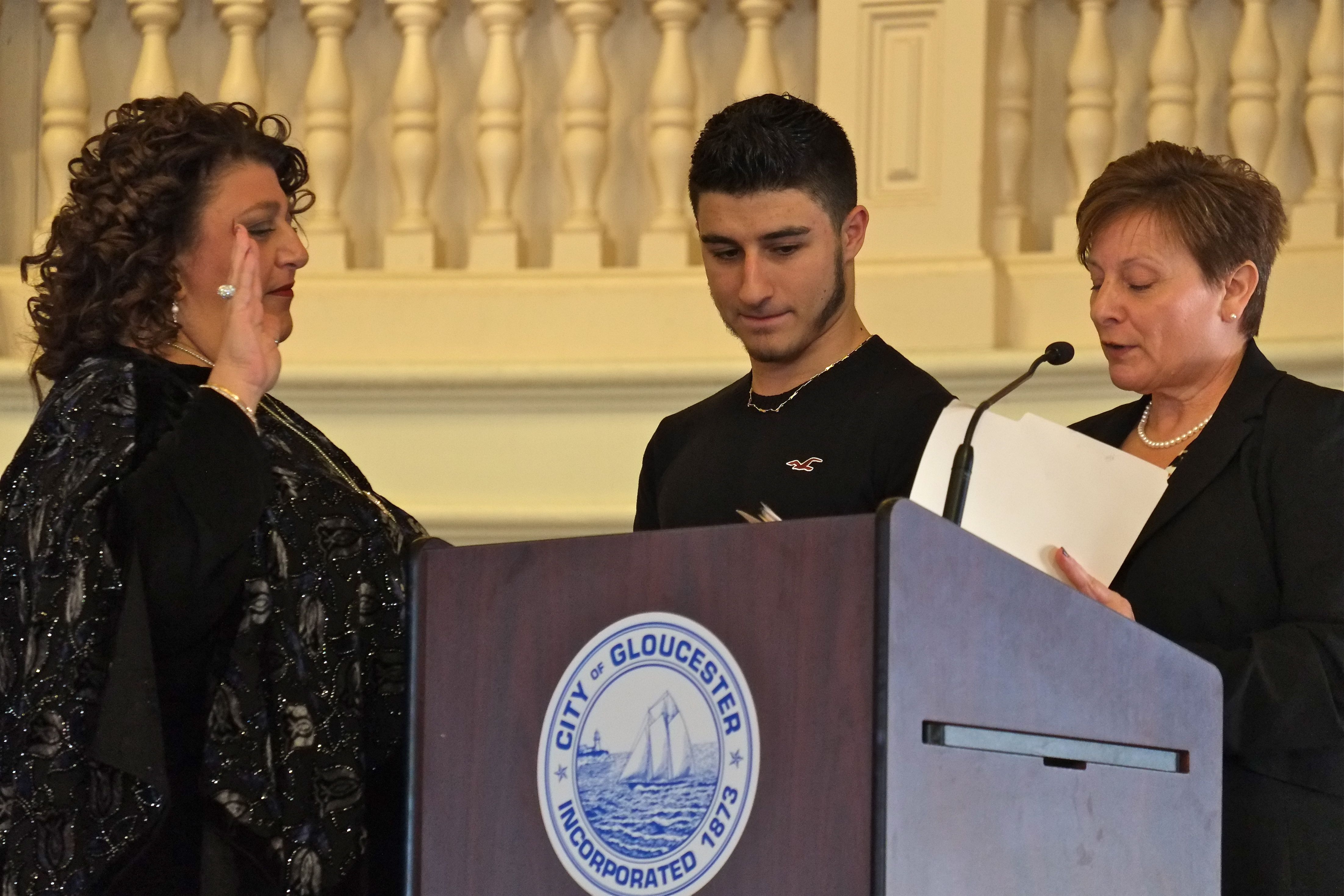 Mayor Sefatia gave an inspiring address, touching on a wide range of subjects, ranging from the tremendous ability of our community to work together to new initiatives and plans to help prepare our coastal community for global climate change. Congratulations and best wishes for a successful 2018 to all our city officials!

 Good Morning Gloucester